TerraPower Isotopes, part of a nuclear power company founded by Bill Gates, plans a $450 million plant in the Bellwether District to make radioactive molecules for cancer research and potential treatments, Gov. Josh Shapiro announced Tuesday.
Bellwether’s developer HRP Group will build a 250,000-square-foot facility for the Bellevue, Wash., company at the former refinery site. TerraPower Isotopes is expected to employ 225 people in Philadelphia to meet anticipated demand for a type of molecule that can be used to kill tumors without damaging surrounding tissue.
TerraPower’s material, an isotope called actinium-225, is ultimately derived from weapons-grade uranium. Researchers are exploring precision cancer treatments that involve attaching actinium-225 to an antibody that is targeted to specific cancer cells. The isotope then emits high doses of radiation at close range.
“This new facility is a testament to the demand for actinium-225 as part of the growing industry, which is transforming how cancer is treated,” TerraPower Isotopes President Scott Claunch said in Shapiro’s announcement. “Our team is proud to be building a large-scale manufacturing facility in Philadelphia, which will play a pivotal role in expanding global access to this rare isotope.”
Pennsylvania government is supporting the project with $10 million in grants. The Bellwether District is in a Keystone Opportunity Zone that has tax benefits through 2043. That means TerraPower Isotopes won’t have to pay many state and local taxes, though it will remain responsible for city wage taxes.
TerraPower Isotopes, part of a bigger nuclear sciences company called TerraPower, is the second radiopharmaceutical company to announce a factory in the region. In 2024, Nucleus RadioPharma, which counts Fox Chase Cancer Center among its investors, shared plans for a 48,000-square-foot facility in Spring House, Montgomery County.
TerraPower’s move to South Philadelphia is the third significant life sciences development announced this year by Shapiro and his economic development team.
TerraPower is the second tenant in the 1,300-acre Bellwether District, which HRP is trying to develop into a new industrial and life sciences hub. Late last year, it announced that California-based canned beverage manufacturer DrinkPAK will build a 1.4 million-square-foot factory that will product 3 billion cans a year.
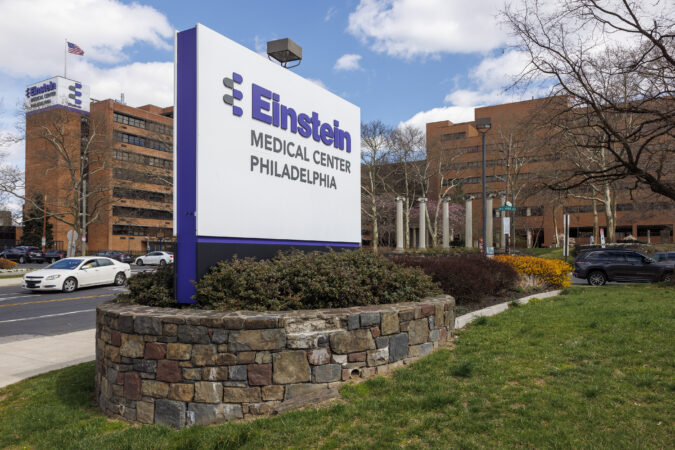
Jefferson Health is closing four legacy Einstein pediatric practices, including one at Jefferson Einstein Hospital Philadelphia in a low-income area of the city, and moving three others to True North Pediatrics, a private group with a dozen mostly suburban locations.
The nonprofit health system did notrespond to questions Thursday about how many children the practices serve, how many jobs will be cut, or why it was making the change, which is expected to significantly reduce the amount of pediatric care in North and Northeast Philadelphia.
This week’s pediatric cutbacks are a significant move affecting patient care amid a yearslong effort to make the system with more than $15 billion in annual revenue financially sustainable. From 2015 through 2024, Jefferson grew from three hospitals to more than 30 and now stretches from South Jersey to near Scranton.
The locations scheduled to close June 30 are the Pediatric & Adolescent Ambulatory Center at Einstein Philadelphia and three Holland Pediatrics locations (Center One/Bustleton in Northeast Philadelphia, Buck Road in Southampton, and Frankford in Torresdale), Jefferson said in a statement.
The three clinics going to True North are Trappe Pediatric Care at Iron Bridge, Pennypack Pediatrics, and Einstein Pediatrics Elkins Park. Jefferson did not provide details on transaction terms.
A practice manager at True North, which is based in suburban Philadelphia, did not respond to a request for more information. True North’s website said the practice is independent, “not managed by any big business or larger institution.”
Jefferson said in a statement that it will continue offering pediatric services through its primary care network, urgent care centers, emergency departments, and Lehigh Valley Health Network’s Reilly Children’s Hospital.
“With three excellent inpatient pediatric hospitals right here in our region, partnering with True North Pediatrics — an organization whose singular focus is pediatric care — allows us to ensure that families across our region continue to receive the specialized, dedicated attention they deserve,” Jefferson said in an internal communication Monday.
It’s possible that St. Christopher’s Hospital for Children, which is about 3½ miles by car from Einstein Philadelphia, will pick up many of the thousands of dislocated patients.
St. Chris already serves almost exclusively patients with Medicaid insurance for low-income families and struggles to make ends meet because of the low rates it receives.
“We are committed to delivering trusted, compassionate care for every patient who walks through our doors,” St. Chris said in a statement. “Families can access care at our nearby locations, including our Center for the Urban Children and Northeast Pediatrics office.”
Jefferson Health Plans added nearly 12,000 new customers to its Medicare Advantage plans during the open enrollment period for coverage this year, the biggest annual gain ever for the insurance arm of Thomas Jefferson University.
About half of Jefferson’s enrollment gains were in Philadelphia, Montgomery, and Bucks Counties. Still, Jefferson remained the sixth largest provider of private Medicare plans in Southeastern Pennsylvania. The Inquirer compared February 2025 with last month.
Philadelphia-based Independence Blue Cross was leader, with one-third of the region’s 383,000 Medicare Advantage customers. National companies Aetna, UnitedHealthcare, Humana, and Cigna occupied the next four spots.
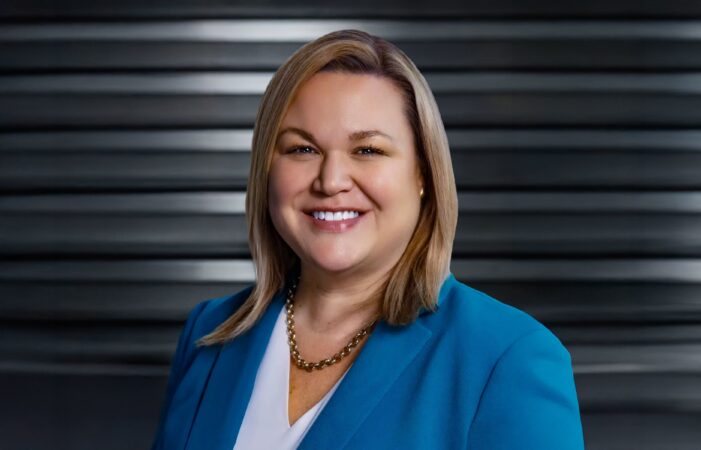
“This was the strongest Medicare Advantage enrollment period in Jefferson Health Plans’ history,” Jefferson Health Plans president Krista Hoglund said in an email.
“That level of growth signals a clear gap in the market for coverage that is anchored in the local community, easier to use, and closely connected with the doctors and hospitals they know and trust,” she said.
window.addEventListener(“message”,function(a){if(void 0!==a.data[“datawrapper-height”]){var e=document.querySelectorAll(“iframe”);for(var t in a.data[“datawrapper-height”])for(var r,i=0;r=e[i];i++)if(r.contentWindow===a.source){var d=a.data[“datawrapper-height”][t]+”px”;r.style.height=d}}});
New Jersey has been a harder market for Jefferson. Enrollment more than doubled this year, but the eight counties in South Jersey where Jefferson sells plans still account for less than 10% of its members.
Jefferson gained about 2,400 members in Lehigh Valley counties served by Lehigh Valley Health Network, which Jefferson acquired in 2024. Jefferson’s ownership of an insurer was a key reason why Lehigh Valley chose to become part of Jefferson, health system officials said at the time.
Jefferson’s gains in the Lehigh Valley came amid a contract dispute with United HealthCare, leading to LVHN going out of network in January for UnitedHealthcare Medicare Advantage plans. Jefferson had warned in October that the contract was expected to end.
United said then that the timing of the warning during the Medicare Advantage open enrollment period looked like a “negotiating tactic” that could lead United customers to choose other plans.
The two Pennsylvania counties where United had the biggest percentage declines were Lehigh and Northampton, where LVHN has substantial operations.
The biggest gains, however, went to Capital Blue Cross, of Harrisburg.
Pennsylvania insurance regulators fined CVS Health’s Aetna health insurance subsidiary $550,000 for violating rules meant to ensure that mental health services are as accessible as medical or surgical care, the state Insurance Department said Tuesday.
Regulators foundthat Aetna applied standards of review for certain autism therapies and inpatient opioid addiction treatment services that were more stringent than those applied broadly to medical claims submitted to the insurer. The result was limits on the scope and duration of the treatments that violated parity rules.
The department said Aetna would have to fix its practices within a year and repay affected customers. It did not specify how much money Aetna needs to repay, or how that process would work.
“Aetna has long been an advocate of the Mental Health Parity and Addiction Equity Act. Aetna has received the results of the market conduct exam from the Pennsylvania Insurance Department and will implement, as appropriate, any corrective actions,” the company said in an email.
The violations were found during a regular periodic review of insurers’ practices. The Aetna exam covered the period from October 2021 through Dec. 2022. Aetna and regulators signed a consent order in January.
The insurance department fined Aetna $190,000 in 2019 for similar violations of the Mental Health Parity and Addiction Equity Act, a federal law passed in 2008.
Six of eight nonprofit health systems in Southeastern Pennsylvania and northern Delaware posted improved financial results for the six months that ended Dec. 31 compared to the year before. Still,half of them had operating losses, according to financial data reported last month to bond investors.
Jefferson Health and Temple University Health System reported results that were worse than the same period last year.
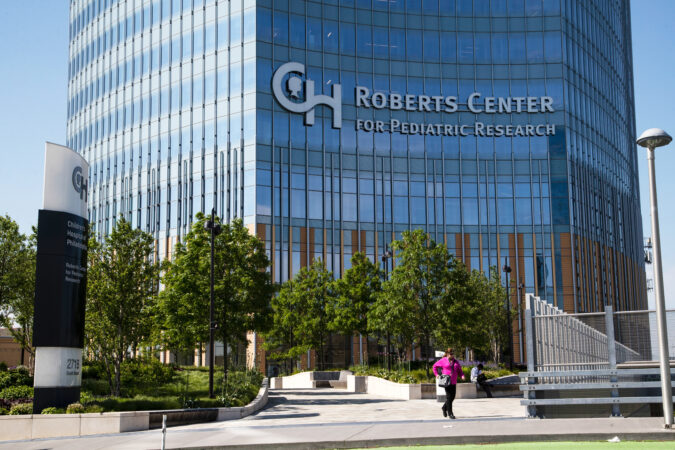
Children’s Hospital of Philadelphia remained the region’s most profitable health system, with a 6.2% operating margin, up from 5.2% the year before. CHOP posted $2.7 billion in total revenue in the last six months of 2025, up from $2.4 billion the year before.
Nonprofit health systems in South Jersey, such as Cooper, Inspira, and Virtua, do not report comparable financial results until they file their annual audited financials statements in the spring.
Here’s a summary:
Jefferson Health: Jefferson had an operating loss of $201 million in the six months that ended Dec. 31, compared to a $55 million loss the year before. The $201 million loss included a $64.7 million restructuring charge related to severance for 600 to 700 people laid off in October and other changes designed to improve efficiency in the 32-hospital system that stretches from South Jersey to Scranton, Jefferson said.
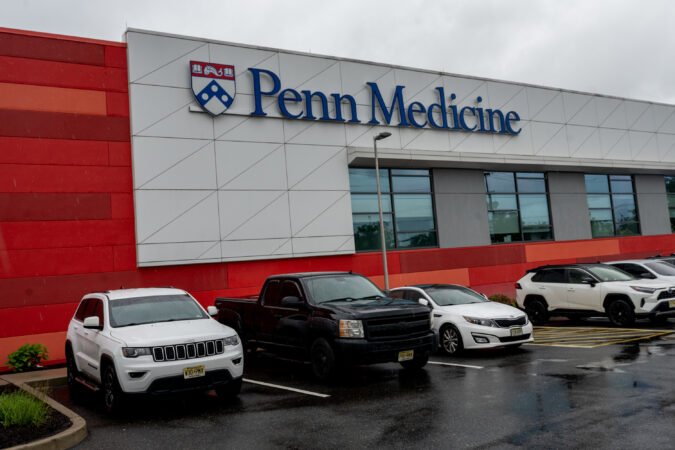
University of Pennsylvania Health System: Penn had an operating profit of $189 million in the first six months of fiscal 2026, up from $117 million in the same period a year ago. Operating income increased, even after Penn put $43 million into reserves for medical malpractice claims. Two years ago, Penn had recorded charges totaling $90 million for the same purpose.
ChristianaCare: ChristianaCare, Delaware’s largest health system, posted a $37 million operating gain, up from $33 million in the first six months of fiscal 2025. The health system’s revenue rose 9% to $1.75 billion, helped in part by its expansion into Pennsylvania. ChristianaCare took over five of Crozer Health’s freestanding outpatient locations in Delaware County.
Temple University Health System: Temple had a $50.5 million operating loss in the six months that ended Dec. 31. In the same period the year before, Temple reported a $13.5 million operating gain. The nonprofit attributed some of the losses to costs related to the opening of Temple Women & Families Hospital in September.
Main Line Health: Main Line had an $8.7 million operating profit in the six months that ended Dec. 31. Main Line’s swing from an $8.9 million loss in the same period of 2024 benefited from a change in accounting for depreciation that reduced expenses. Without that change, Main Line would have had another loss.
Redeemer Health: Redeemer reported an operating loss of $14.7 million, compared to a loss of $19.5 million the year before. The improvement happened even though the health system in Philadelphia’s northern suburbs increased revenue by just 1.2%, to $227 million.
Main Line Health appointed Anna Michelle Brandt president of its Lankenau Medical Center in Wynnewood, the nonprofit health system announced Monday.
Brandt mostly recently worked as chief operating officer at University Hospital, a 519-bed academic medical center in Newark, N.J., which Main Line’s new CEO Ed Jimenez led before taking over at Main Line.
The new Lankenau president also worked previously with Jimenez at UF Health Shands Hospital in Florida.
Brandt succeeds Katie Galbraith, who left Lankenau in September after about three years to lead New England Baptist Hospital in Boston.
Lankenau, a level 2 trauma center, sits in Lower Merion Township at the intersection of West Philadelphia and Montgomery and Delaware Counties.
At AMS Surgery Center in suburban Montgomery County, patients can park right in front of the entrance, walk through just a few doors, and undergo cardiac procedures in a sterile operating room with equipment as high-tech as in any hospital procedure room.
In the year and a half since its first patient underwent a cardiac catheterization, the center has performed more than 1,000 cardiac procedures that previously required patients to go to full-service hospitals.
The Horsham center showcases a new front as sophisticated healthcare procedures move to freestanding outpatient medical facilities, promising to save patients money. The shift also adds to the financial pressures facing the region’s hospital-centered health systems.
Four centers have opened or are in the final stages of approvals in Southeastern Pennsylvania. Their arrival comes after state lawmakers in 2022 broadly expandedthe types of procedures allowed outside hospitals to include cardiac catheterizations, pacemaker implants, and other treatments that until then had to be done in a hospital.
Pennsylvania is the first Northeastern state to allow the minimally invasive procedures in freestanding surgery centers, but Southern states like Florida, Louisiana, and Texas have permitted the practice for decades, experts said. Research has found surgery centers generally are as safe as outpatient departments in hospitals.
An independent physicians group, Bryn Mawr Medical Specialists Association, opened Heart & Vascular Center of the Main Line — the Philadelphia region’s first such center — in late 2022. in Bryn Mawr. AMS Surgery Center in Horsham performed its first procedure in the fall of 2024, initially treating only Medicare patients. Itadded patients with private insurance last summer.
The market has continued torapidly expand:ReVaMP Heart & Vascular Surgery Center in Center City started treating Medicare patients last fall. The Ambulatory Cardiovascular Center of Pennsylvania, near King of Prussia, expects to perform its first procedures on patients next month.
Medicare pays the centers about a third less than hospital outpatient departments for the same procedures, but the centers have significantly lower costs, allowing them to be profitable. Medicare pays physicians the same wherever procedures are done.
Independent cardiology groups traditionally have performed interventional procedures, such as implanting stents and pacemakers, in hospitals. Some are jumping at the opportunity to expand through the surgery centers, where they can have a financial stake in the entire operation.
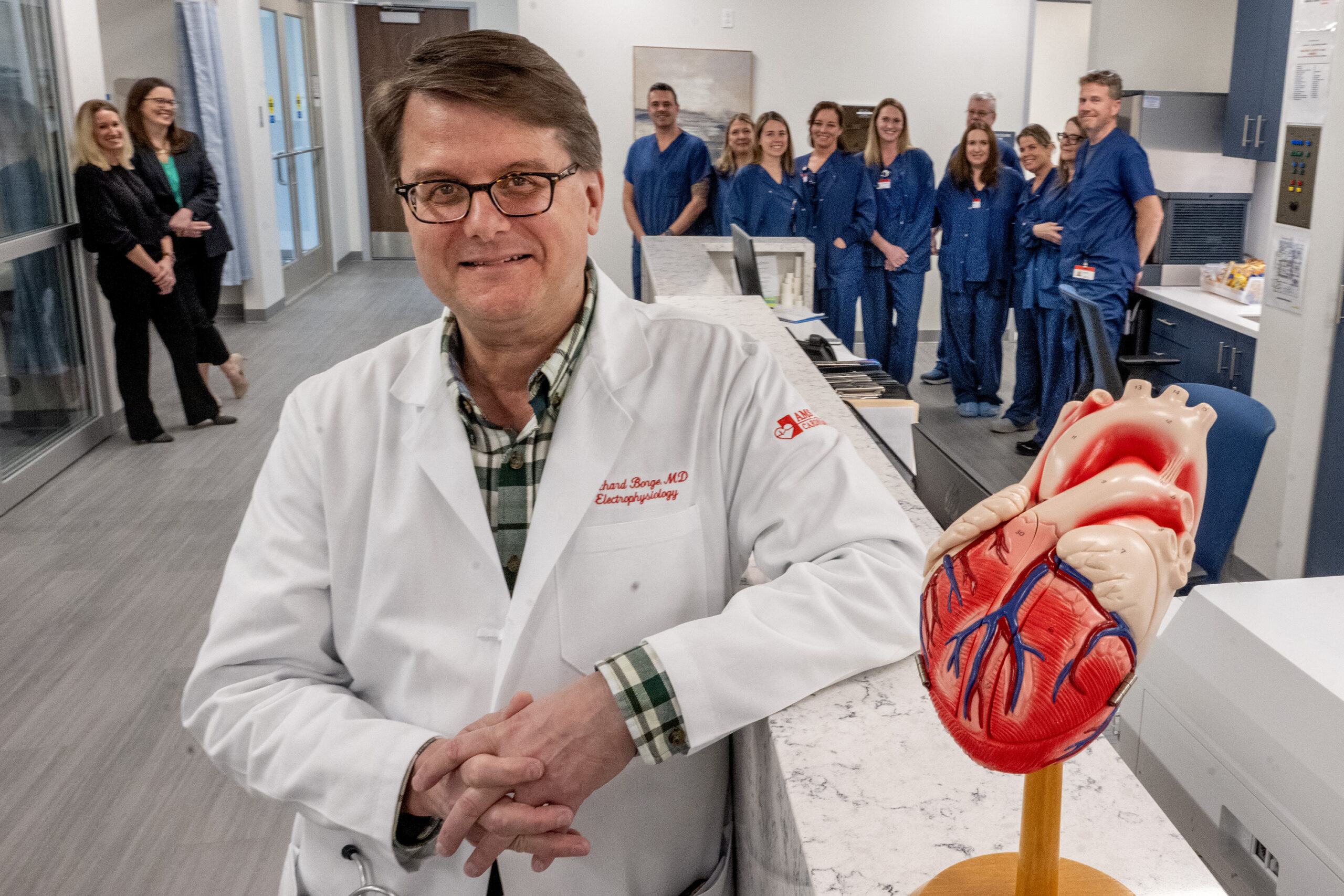
“We’ve always been very fiercely independent, fiercely entrepreneurial, and patient-centered,” said Richard Borge, an AMS interventional cardiologist who is medical director for the group’s surgery center.
How much cardiac care — among the most profitable business lines for hospitals — will move out of hospital outpatient departments remains unknown. But cardiac surgical clinics will not take over heart care to the extent seen when outpatient orthopedic centers began offering hip and joint replacements,predicted Lauren Clementi, a senior vice president at Kaufman Hall, a Chicago consulting firm.
“This one’s a little trickier because the acuity of patients,” she said.
Cardiologists will continue treating many patients with complex medical needs in hospitals, which remain the only option for riskier procedures such as open-heart surgeries.
Gregory Schmitt went to AMS Surgery Center to undergo procedures for a heart stent and stents in both legs.The retired machine-shop owner, who lives in Ivyland, called such centers great for patients.
“I highly recommend it. It’s much easier than trying to navigate a hospital,” Schmitt said.
How we got here
Healthcare has been shifting awayfrom requiring overnight hospital stays, even for common procedures like cataract surgery.The trend starteddecades ago with same-day procedures in hospitals, followed by the rise of freestanding surgery centers.
In cardiology, people now commonly receivestents and pacemakers as outpatient care. But until recently, doctors had to implant the devices in a hospital.
“Once upon a time, every patient we cathed had to spend the night in the hospital,” said veteran cardiologist Mark Victor, referring to cardiac catheterization.
With the rise of outpatient procedures,Victor said, the question for many clinicians became: “If they’re hospital ambulatory, why do they have to be in the hospital at all?”
Victor has long advocated for the adoption of outpatient cardiology proceduresas the CEO of Cardiology Consultants of Philadelphia. Thelarge cardiology practice joined last year a national private-equity backed group, Cardiovascular Logistics, and will soon start performing surgical procedures at the center opening near King of Prussia.
In 2020, Medicare started paying for outpatient cardiac catheterizations — which entail running a catheter through a blood vessel in the thigh or wrist to examine the heart and install devices like stents.
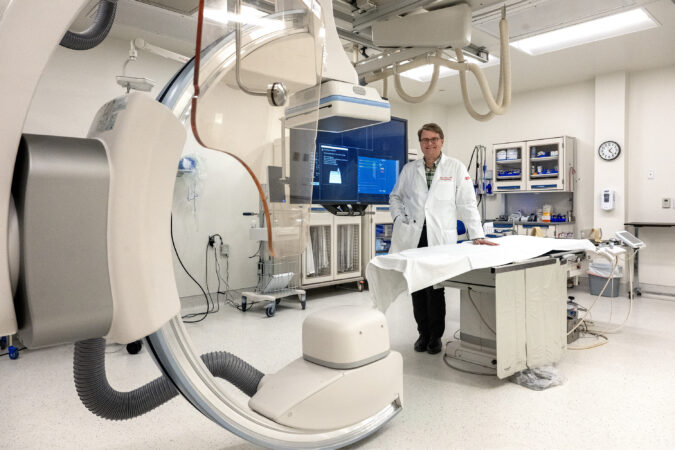
Richard Borge is medical director of AMS Cardiology Surgery Center in Horsham, whose arrival is moving advanced cardiac care from hospitals to outpatient clinics.
Even then, Pennsylvania rules required cardiac catheterizations to occur in an acute-care hospital, according to Stephen Abresch, director of government affairs for the Ambulatory Surgery Center Association, a national trade group in Alexandria, Va.
Pennsylvania lawmakers cleared the way for expansion byeliminating that restriction in 2022 as part of a broad expansion of what the state’s surgery centers were allowed to do. “It had been a quarter century since the state had gone in and reviewed that,” he said.
The Heart & Vascular Center of the Main Line has scheduled its first cardiac ablations this week. Horsham’s AMSaims to start offering those procedures in June. Victor’s King of Prussia groupexpects to add ablations in the future as well.
Impact on hospitals
It is too soon to know how the new surgery centers will impact the region’s existing health systems. In some cases, independent cardiologists generate significant patient numbers forhospitals’ cath labs.
After Bryn Mawr Medical Specialists opened its cardiovascular surgery center near Main Line Health’s Bryn Mawr Hospital, the private group performed fewer procedures on low-risk patients at the hospital.
To sustain patient volumes, Main Line has increased collaboration with other physician practices, while continuing to treat an“older patient population, whose more complex health conditions require the advanced expertise and emergency support only a hospital setting can provide,” officials said in a statement.
In Horsham, most of the patients coming to AMS would have gone toJefferson Abington Hospital before the surgery center opened in partnership with Atria Health, a private-equity backed group, Borge said.
Jefferson declined to comment.
King of Prussia’s Ambulatory Cardiovascular Center of Pennsylvania is opening through anunusual four-way partnership involving Cardiology Consultants of Philadelphia, Cardiovascular Logistics, SCA (a unit of UnitedHealth’s Optum), and the University of Pennsylvania Health System.
“Ours is not going to seriously impact any one hospital system, which they’re all relieved about,” said Victor, who is also president of the Mid-Atlantic region for Cardiovascular Logistics. He said other health systems were invited to invest in the surgery center, but only Penn did so.
Penn declined to comment for this article. On the Alvarez & Marsal What’s Your Moonshot podcast, the health system’s chief operating officer, Michele Volpe, recently said the system needs ”to move a bit faster in taking much of the work that we are doing in inpatient ORs and moving them into outpatient or ambulatory freestanding ORs.”
AMS Cardiology’s ambulatory surgery center in Horsham is one of four new cardiovascular surgery centers in Southeastern Pennsylvania.
Center City’s ReVaMP Health & Vascular Surgery Center wantsto bring in cardiologists from nonaffiliated practices,and even the city’s big health systems. The facility opened last year, spearheaded by Re-Vasc Med Professionals’ two interventional cardiologists in partnership with Surgery Partners, a publicly traded manager of surgery centers nationwide.
“I’m 100% sure this is going to be the trend of the future,” Re-Vasc CEO and founder Jon George said.
A health insurer’s perspective
Richard Snyder, a top executive at Independence Blue Cross, the largest health insurer in Southeastern Pennsylvania, has for years watched joint replacements and other procedures shift from hospitals to lower-cost surgery centers.
The financial impact goes beyond the lower prices at surgery centers, he said, expecting that hospitals will not simply cede these patients to new competitors.
Some hospitals might decide to take a lower payment for outpatient procedures. “Traditionally, that happens when we have capacity in lower-cost settings,” he said.
At the same time, Medicare is pushing to pay the same price for services, wherever they are performed. “Hospitals, by necessity, will need to move some things to lower-cost settings in order to not lose money on them,” Snyder said.
Main Line Health had an $8.7 million operating profit in the six months that ended Dec. 31, the nonprofit health system reported to bond investors Wednesday.
Main Line’s swing from an $8.9 million loss in the same period of 2024 benefited from a change in accounting for depreciation that reduced expenses. Without that change, Main Line would have had another loss.
“We have been pleased with our continued improvement in fiscal performance year over year, which has been strong outside of the change in depreciation,” Main Line’s chief financial officer, Leigh Ehrlich, said in a statement.
Here are more details on Main Line’s results:
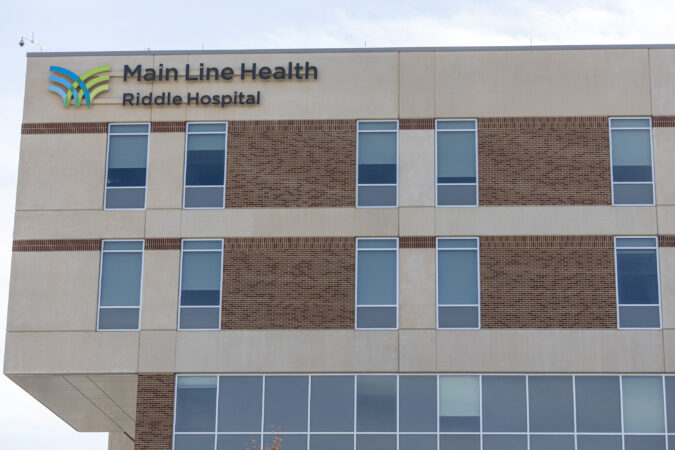
Revenue: Main Line reported $1.35 billion in patient revenue in the first six months of fiscal 2026, up 10.5% from $1.22 billion a year ago. Strong gains in hospital discharges, emergency department visits, and same-day surgeries contributed to the increase. Main Line’s Riddle Hospital near Media has seen a 36% increase in patients following the closure of Crozer Health’s hospitals last spring, contributing to revenue growth, Ehrlich said.
Expenses: Last year, Main Line changed how it accounts for investments in facilities and equipment, significantly reducing depreciation and amortization expenses. In the first two quarters of fiscal 2026, Main Line’s depreciation and amortization expense was $68.8 million, down from $84.5 million the year before. Excluding those expenses from both years, Main Line’s operating profit margin fell slightly, to 5.5% from 5.9%.
Notable: Main Line provides more detail than most systems on its patients’ health insurers. After just two years in Southeastern Pennsylvania, Pittsburgh insurance giant Highmark accounted for 12.5% for the business at Main Line Health. That is just 2 percentage points less than Aetna, which as been in the market for decades.
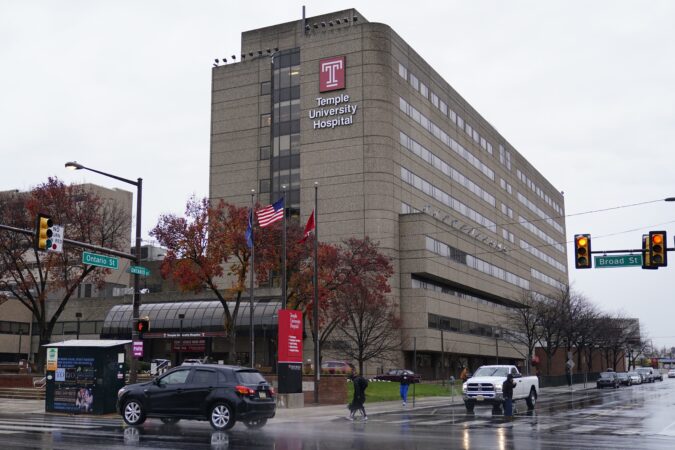
Temple University Health System had a $50.5 million operating loss in the six months that ended Dec. 31, the Philadelphia nonprofit told bond investors Monday. In the same period the year before, Temple reported a $13.5 million operating gain.
Here are some details on Temple results:
Revenue: Total revenue reached $1.64 billion, up 7.3% from the year before. Patient revenue rose 8% due mostly to increased outpatient revenue from Temple’s pharmacy business, infusions, and same-day surgeries. Two hits to revenue were a $14.3 million decrease in state funding and decline in the number of transplants, which bring in large amounts of revenue. Temple said it expects both of them to rebound in the remainer of fiscal 2026.
Expenses: Temple attributed some of its loss in the first six months of fiscal 2026 to $20 million in extra expenses associated with the opening of its new Woman & Families Hospital, a $7.2 million increase in medical liability expenses, and a $6.4 million increase in losses under its Medicaid contract with Health Partners Plans.
Notable: Despite its operating loss, even on a cash basis, Temple financial reserves increased to more than $1 billion as of Dec. 31. Most of the gain came from investments. The reserves equal the amount of money needed to keep the health system operating for 119 days if no more revenue came in. At the end of 2024, that figure was 113 days.
The University of Pennsylvania Health System had an operating profit of $189 million in the first six months of fiscal 2026, up from $117 million in the same period a year ago, the nonprofit reported to bond investors Friday.
Operating income increased, even after Penn put $43 million put into reserves for medical malpractice claims. Two years ago, Penn had recorded charges totaling $90 million for the same purpose.
Here are more details on Penn’s results:
Revenue: Penn had $6.76 billion in total revenue, up nearly 12% even adjusting for the inclusion of Doylestown Health in fiscal 2026. Penn acquired Doylestown last April.
“We’ve had good volume growth over the prior year, particularly in our outpatient activity,” the health system’s chief financial officer, Julia Puchtler, said in an interview.
The system has also had an increase in the acuity level on the inpatient side, she said. That translated into more revenue.
Expenses: The $43 million malpractice charge boosted overall malpractice expenses through December to $125 million, from $69 million in the same period a year ago.
It’s not that Penn is seeing more claims, Puchtler said. “It’s really the average reserve per claim that we’re seeing accelerate,” she said.
Notable: Excluding Doylestown, Penn saw a 5.9% increase in patient volumes, Puchtler said. “That’s mostly outpatient,” she said. “Outpatient surgery, endoscopy, and some of our other infusion therapy are all increased over the prior year.”
Editor’s note: This article has been updated to reflect an additional medical malpractice charge in 2024, bring the total to $90 million.