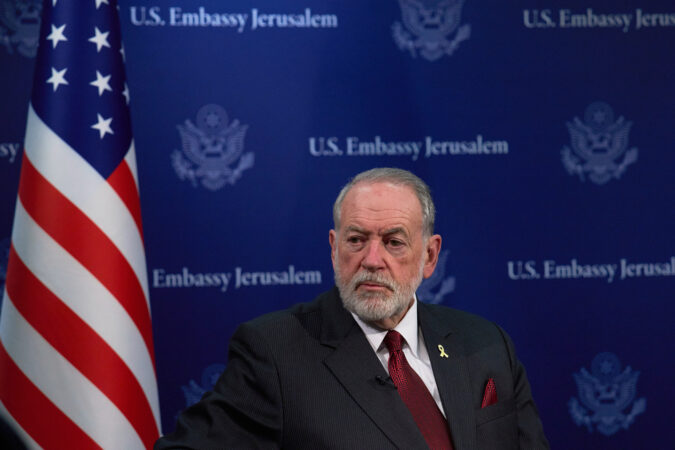
TEL AVIV, Israel — Arab and Muslim nations on Saturday sharply condemned comments by the U.S. ambassador to Israel, Mike Huckabee, who said Israel has a right to much of the Middle East.
Huckabee made the comments in an interview with conservative commentator Tucker Carlson that aired Friday. Carlson said that according to the Bible, the descendants of Abraham would receive land that today would include essentially the entire Middle East, and asked Huckabee if Israel had a right to that land.
Huckabee responded: “It would be fine if they took it all.” Huckabee added, however, that Israel was not looking to expand its territory and has a right to security in the land it legitimately holds.
His comments sparked immediate backlash from neighboring Egypt and Jordan, the Organization of Islamic Cooperation, and the League of Arab States, which in separate statements called them extremist, provocative, and not in line with the U.S. position.
Egypt’s foreign ministry called Huckabee’s comments a “blatant violation” of international law, adding that “Israel has no sovereignty over the occupied Palestinian territory or other Arab lands.”
“Statements of this nature — extremist and lacking any sound basis — serve only to inflame sentiments and stir religious and national emotions,” the League of Arab States said.
There was no immediate comment from Israel or the United States.
Since its establishment in 1948, Israel has not had fully recognized borders. Its frontiers with Arab neighbors have shifted as a result of wars, annexations, ceasefires, and peace agreements.
During the six-day 1967 Mideast war, Israel captured the West Bank and east Jerusalem from Jordan, Gaza and the Sinai Peninsula from Egypt, and the Golan Heights from Syria. Israel withdrew from the Sinai Peninsula as part of a peace deal with Egypt following the 1973 Mideast war. It also unilaterally withdrew from Gaza in 2005.
Israel has attempted to deepen control of the occupied West Bank in recent months. It has greatly expanded construction in Jewish settlements, legalized outposts, and made significant bureaucratic changes to its policies in the territory. U.S. President Donald Trump has said he will not allow Israel to annex the West Bank and has offered strong assurances that he’d block any move to do so.
Palestinians have for decades called for an independent state in the West Bank and Gaza with east Jerusalem its capital, a claim backed by much of the international community.
Huckabee has long opposed the idea of a two-state solution for Israel and the Palestinian people. In an interview last year, he said he does not believe in referring to the Arab descendants of people who had lived in British-controlled Palestine as “Palestinians.”
In the latest interview, Carlson pressed Huckabee about his interpretation of Bible verses from the book of Genesis, where he said God promised Abraham and his descendants land from the Nile to the Euphrates.
“That would be the Levant, so that would be Israel, Jordan, Syria, Lebanon. It would also be big parts of Saudi Arabia and Iraq,” Carlson said.
Huckabee replied: “Not sure we’d go that far. I mean, it would be a big piece of land.”
Israel has encroached on more land since the start of its war with Hamas in Gaza.
Under the current ceasefire, Israel withdrew its troops to a buffer zone but still controls more than half the territory. Israeli forces are supposed to withdraw further, though the ceasefire deal doesn’t give a timeline.
After Syrian President Bashar Assad was ousted at the end of 2024, Israel’s military seized control of a demilitarized buffer zone in Syria created as part of a 1974 ceasefire between the countries. Israel said the move was temporary and meant to secure its border.
And Israel still occupies five hilltop posts on Lebanese territory following its brief war with Hezbollah in 2024.
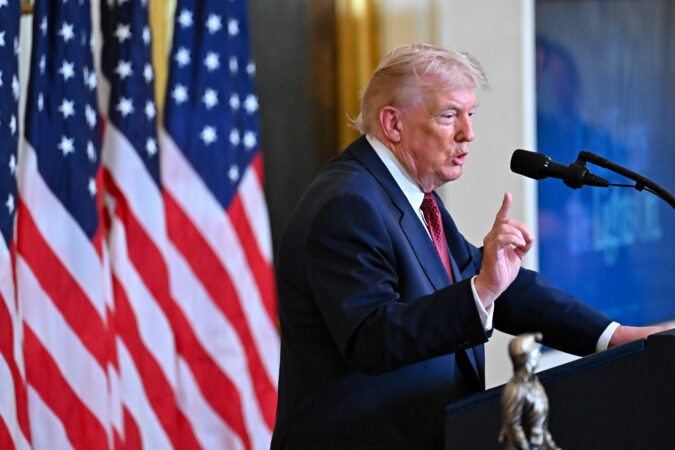
WASHINGTON — President Donald Trump said Saturday that he was raising the global tariff he wants to impose to 15%, up from 10% he had announced a day earlier.
Trump said in a social media post that he was making the decision “Based on a thorough, detailed, and complete review of the ridiculous, poorly written, and extraordinarily anti-American decision on Tariffs issued yesterday,” by the U.S. Supreme Court.
After the court ruled he didn’t have the emergency power to impost many sweeping tariffs, Trump signed an executive order on Friday night that enabled him to bypass Congress and impose a 10% tax on imports from around the world. The catch is that those tariffs would be limited to just 150 days, unless they are extended legislatively.
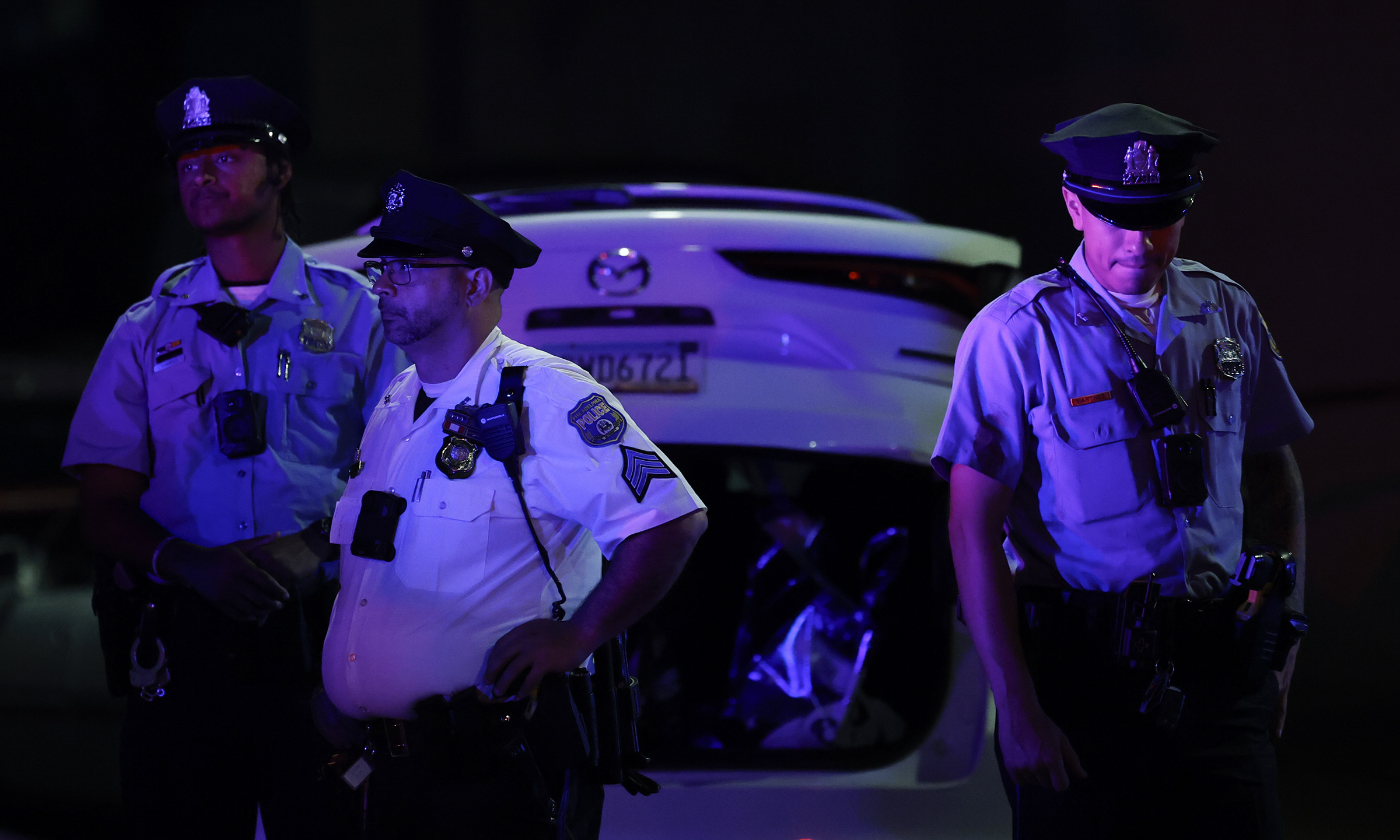
The Bucks County district attorney is investigating the Quakertown Borough Police Department’s response to a high school student protest against federal immigration enforcement.
On Friday, a Quakertown High School student walkout protesting Immigration and Customs Enforcement (ICE) escalated into a confrontation with adults that left at least one teenager bloodied and in handcuffs.
“Our office is conducting an independent investigation into the police response during this incident,” said Bucks County District Attorney spokesperson Manuel Gamiz, Jr. “To ensure a thorough and transparent review, we are seeking the community’s assistance and encourage anyone with information, including video footage or photos, to contact the Bucks County Detectives at 215-348-6354.”
Bystander video footage showed police, adults, and what appear to be teenagers, at times fighting, on a sidewalk along Front Street. In a widely shared video, teens were seen scuffling with a man who put a girl in a chokehold. Several news organizations have reported that the man, who is not wearing a police uniform, is Quakertown Police Chief Scott McElree. Quakertown Police and McElree didn’t respond to requests for comment Saturday morning.
Quakertown Borough Police said Friday that five or six minors and one adult were taken into custody. Police have not provided details on who was arrested, and said that the students had been acting violently.
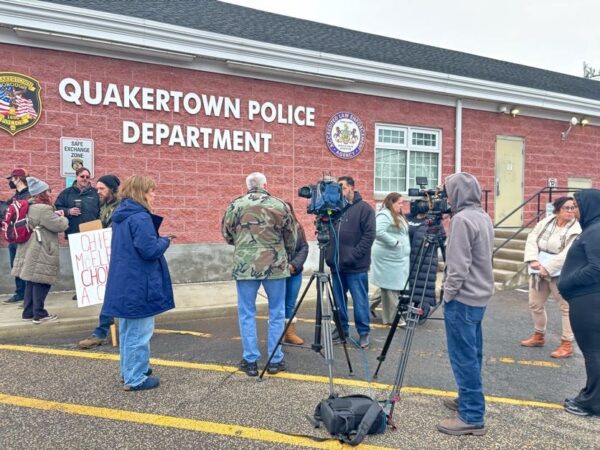
Standing outside the Quakertown Borough Police Station Saturday morning, parents and leaders from local civil rights groups called on police to provide answers.
Adrienne King, president of the Bucks County NAACP, said that when young people are involved in a police encounter, “the standard for care, restraint and adherence to policy are high and must be adhered to.”
“Video circulating publicly has raised serious questions in our community,” King said. “Those questions deserve answers, and we are here to ask for those answers today. Transparency is not optional in situations like this.”
Family members of one of the girls in police custody provided a written statement Saturday.
“We are looking for answers and accountability from the Quakertown police department and school district as well as justice for our daughter and the other children. We offer solidarity with the other families affected and hope to have our children home immediately.”
This is a developing story. Check back for more details.
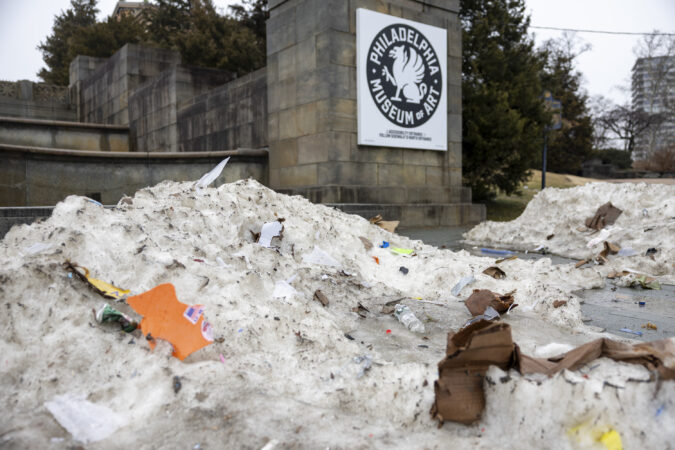
A winter storm warning is in effect for Sunday — a blizzard warning for the Jersey Shore — and Sunday into Monday Philly’s snow has a shot at doubling the amount that fell on Jan. 25, the National Weather Service says.
“At this point, that’s certainly possible,” Zachary Cooper, meteorologist with the National Weather Service said Saturday. The official forecast is calling for just over a foot in the city, with the potential for the total reaching 18 inches.
Blizzard warnings up for the Shore, where onshore winds are forecast to howl past 35 mph, with moderate to major flooding possible.
While it wasn’t in the official language, the weather service on a Saturday morning might well have included a supermarket stampede warning.
The actual winter storm warning is in effect from 7 a.m. Sunday until 6 p.m. Monday.
Witha surprising level of agreement computer models and their interpreters Saturday were seeing the storm as being inevitable. It was forecast to affect the I-95 corridor from Washington to Boston — a rarity in recent winters.
The weather service listed a 25% chance that totals could approach two feet in the city.
“It’s going to be a long-duration event,” said Cody Snell, meteorologist with NOAA’s Weather Prediction Center in College Park, Md.
On the plus side, this will not have the staying power of the 9.3 punitive inches that accumulated on Jan. 25 and spent a three-week vacation in the region. No ice is in the forecast, and daytime temperatures above freezing and the February sun likely will erase most it by the end of the workweek.
(function () {window.addEventListener(‘message’, function (e) { var message = e.data; var els = document.querySelectorAll(‘iframe[src*=”‘ + message.id + ‘”]’); els.forEach(function(el) { el.style.height = message.height + ‘px’; }); }, false); })();
What time would the snow begin in Philly?
Precipitation is expected to begin Sunday morning, said Snell, possibly as a mix of snow and rain that becomes all snow.
Snow may have a hard time sticking during the day, said Tom Kines, senior meteorologist with AccuWeather Inc., since temperatures will be near or slightly above freezing and the late-winter sun will be a factor, even it’s just a rumor in the sky.
Plus the ground won’t be especially cold after a Saturday in which the temperature may approach 50 degrees.
However, the upper air is going to be quite cold, Snell said, and when the snow is falling heavily, as it is expected to do Sunday night, “it will cool the column.”
He said areas that get caught in heavy snow “bands” would see the highest amounts.
What would be so different about this storm?
The storm is forecast to mature into a classic nor’easter, so named for the strong winds generated from the Northeast.
Nor’easters are the primary source of heavy snows along I-95, but the ones that produce heavy snow from Washington to Boston have been scarce lately.
“Over the past several years, they’ve been few and far between,” Kines.
The Jan. 25 storm was not a nor’easter per se, said Snell, but more of a case of the “overrunning” of warm air over cold air producing the snow and sleet.
John Gyakum, an atmospheric scientist at McGill University in Montreal and a winter storm specialist, said he anecdotally has seen a trend of coastal storms intensifying too far north to have much of an impact on the Philly region.
If that were the case, it could be a symptom of global warming, said Steve Decker, meteorology professor at Rutgers University. Storms form where cold and warm meet, and that may have been happening farther north lately.
In any event that evidently won’t be the case Sunday.
What could go wrong with the forecasts?
Are you new around here?
The storm consists of multiple moving parts, and as it bounds off the Southeast coast, it is due to intensify rapidly over the warm Atlantic waters.
Meteorologists advised it was still unclear precisely how intense it would become and what path it would take.
Forecast busts have been known to happen, including a famous one 25 years ago. On a Friday, the weather service warned of a storm of “historic” proportions to begin that Sunday.
What Philly got was about an inch of snow that fell over three uneventful hours.
In 2015, the head of the Mount Holly weather service office publicly apologized for a busted forecast.
However, in recent years, the region hasn’t had all that many serious snow scares.
In this case, expect details to jump around even as the precipitation is falling, but Snell said “confidence is growing” that substantial snow is going to happen.
Inquirer staff writer Stephen Stirling contributed to this article.
There is a particular kind of ugliness that does not merely offend but instructs. It tells us something about who we have been, who we are becoming, and what social permissions are quietly being expanded. Donald Trump’s circulation of an image portraying Barack and Michelle Obama as apes belongs squarely in that category. It is not a one-off lapse. It is a signal flare.
This was not just racist imagery; it was historically literate racism. The ape trope is among the oldest tools in the dehumanization kit, refined over centuries and deployed whenever Black Americans have come too close to full belonging. One does not stumble into it by accident.
To understand why this matters — and why it is likely to get worse — we have to situate Trump not just as a provocateur, but as a product of moral inheritance, cultural permission, and a long American tradition of racial degradation repackaged as “joking” or “provocation.”
Trump has always been less an ideologue than an accelerant. He doesn’t invent resentments; he senses which ones are newly safe to express. His strategy, if we must call it that, is social intuition — an ability to intuit when cruelty will be rewarded rather than punished.
That worldview maps neatly onto racial hierarchy. When Trump rose to political prominence by falsely claiming Barack Obama was not really American, he was not engaging in policy disagreement. He was policing the boundaries of belonging. The ape image is simply that instinct stripped of euphemism.
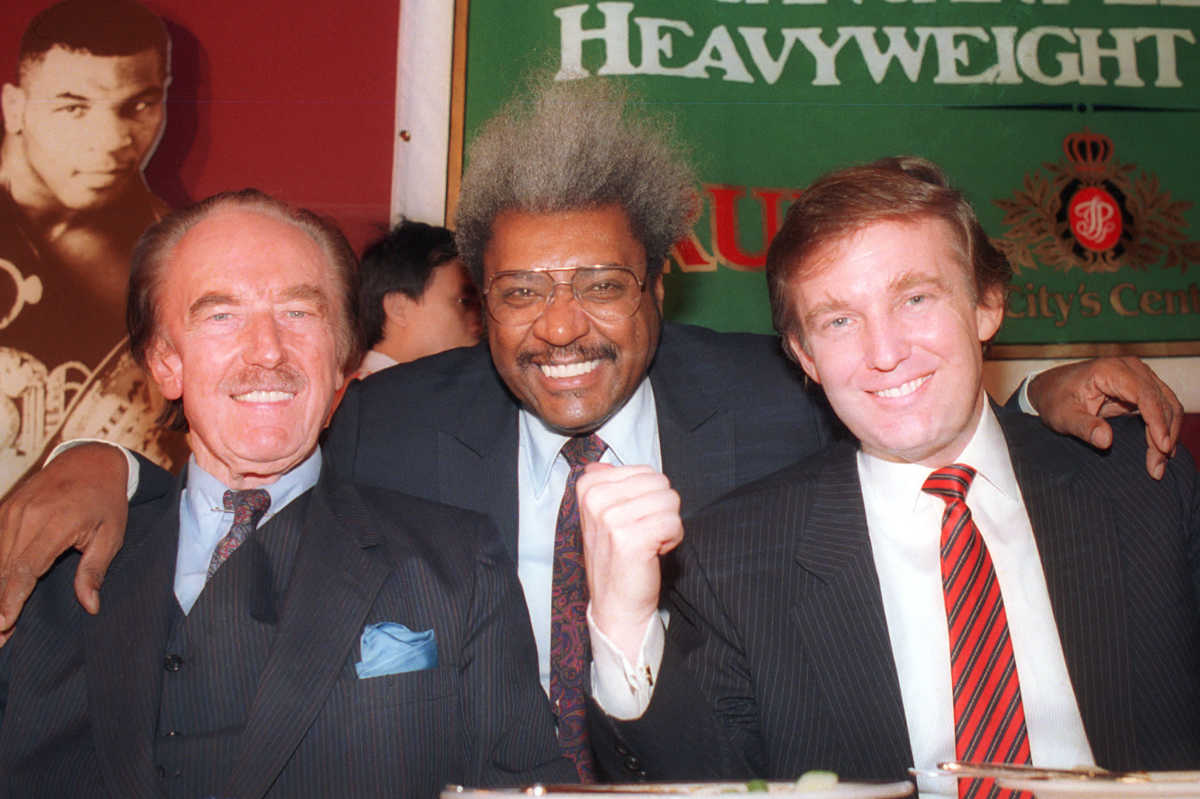
From left, Fred Trump, boxing promoter Don King, and Donald Trump participate in a 1987 news conference in Atlantic City.
It is also not untethered from history. Trump’s defenders bristle at any mention of white supremacist lineage, but history is stubborn. His father, Fred Trump, was arrested at a 1927 Ku Klux Klan rally in Queens — an event Trump has long dismissed without serious reckoning.
Whether Fred Trump was a member or merely present is ultimately less important than what this moment symbolizes: Trumpism did not emerge in a vacuum. It grew in soil long fertilized by segregationist politics, racial grievance, and coded contempt that later became uncoded.
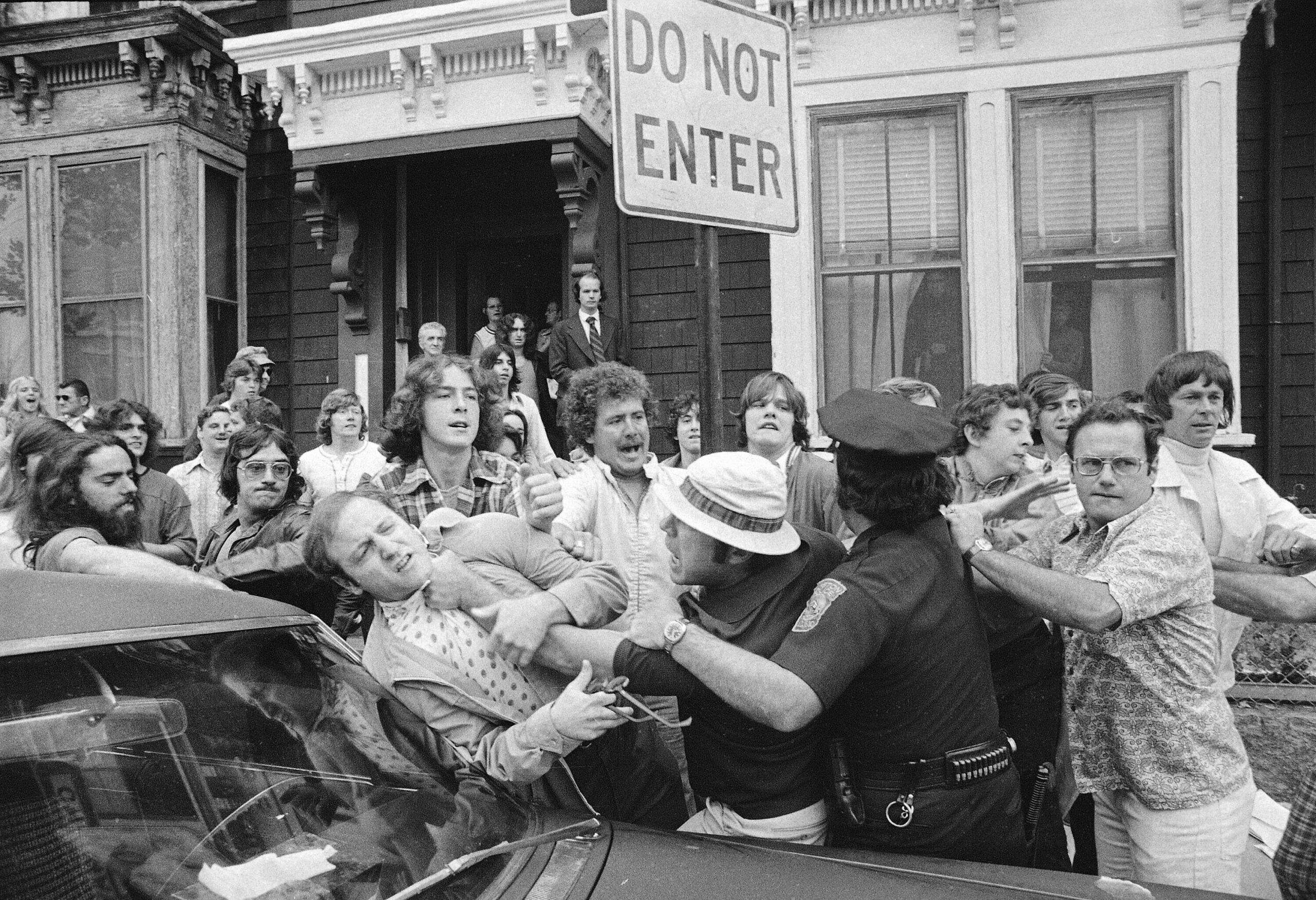
Police officers break up a scuffle amid demonstrators outside South Boston High School on the first day of a court-ordered busing program to integrate Boston public schools in September 1974.
Cultural historians like Henry Louis Gates Jr. have shown how the ape trope was central to 19th and early 20th-century pseudoscience, minstrel culture, and colonial propaganda. To depict Black people as simian was to deny them reason, morality, and ultimately rights. It was a way of making cruelty feel natural.
Scholars from Frantz Fanon to Saidiya Hartman have traced how this imagery did not vanish with Jim Crow; it merely went underground, resurfacing whenever racial hierarchy felt threatened.
The Obama presidency was precisely such a moment. For some Americans, it symbolized not progress but displacement. Trump rose by giving voice to that panic, laundering it through grievance and mockery. The ape image is not regression; it is escalation.
Why will it get worse? Because norms erode asymmetrically. Once a president can circulate imagery that would once have ended a public career — and suffer no meaningful consequence — the floor drops out. What was once unsayable becomes debatable. What was once debatable becomes funny. And what was once funny becomes policy.
What made this episode briefly arresting — before it slid into the familiar churn of outrage — was that condemnation came, at least initially, from both sides of the political aisle. Democrats responded with predictable fury, naming the image for what it was: racist, dehumanizing, indecent. But some Republicans, too, recoiled. A handful of conservative commentators, former officials, and religious leaders expressed a kind of moral embarrassment, as if they had suddenly overheard a family secret spoken aloud at the dinner table.
That bipartisan outrage matters, but not in the way we might hope. It did not signal a renewed moral consensus so much as a fleeting recognition of how far the ground has shifted.
Many of the Republican critics framed their objections narrowly — not that the image was wrong in itself, but that it was “unhelpful,” “distracting,” or “beneath the dignity of the office.” This is the language of procedural discomfort, not moral revulsion. It suggests that the line being defended is not the humanity of the Obamas but the decorum of politics.
On the Democratic side, the outrage was morally clearer but strategically fatigued. There was anger, yes — but also weariness. A sense that we have seen this movie before, named its villain, issued our statements, and then moved on. Moral clarity without moral consequence eventually becomes ritual. It reassures the speaker more than it restrains the offender.
This asymmetry reveals something crucial. Outrage alone does not halt degradation; it can even normalize it by making it routine. When every transgression is met with the same crescendo of denunciation and the same absence of consequence, the culture learns a quiet lesson: that cruelty is survivable, that it carries no lasting cost. Trump understands this intuitively. He relies on the fact that outrage is loud but short-lived, while the permissions he expands are durable.
What we witnessed, then, was not a national reckoning, but a brief moral spasm — a reminder that many Americans still know, at least intellectually, that some lines should not be crossed. The tragedy is that knowing is no longer the same as enforcing. In a healthier moral ecosystem, bipartisan outrage would be a stopping force. In ours, it is often just a speed bump.
Trump’s political project has never been about persuasion in the classical sense. It is about habituation. Repetition dulls outrage. Shock exhausts resistance. Eventually, people stop asking whether something is wrong and start asking whether it “works.”
This is how democracies corrode — not in grand coups, but in the slow reeducation of moral reflexes. The danger is not only Trump’s blatant racism and cruelty, but the lesson it teaches: that dignity is conditional, and that some people may always be safely reduced.
If history teaches us anything, it is that dehumanization does not stop where it starts. Once a society relearns how to sneer, it rarely remembers where to stop.
And that is why this moment deserves more than disgust. It deserves memory.
Jack Hill is a diversity consultant, child advocate, journalist, and writer.
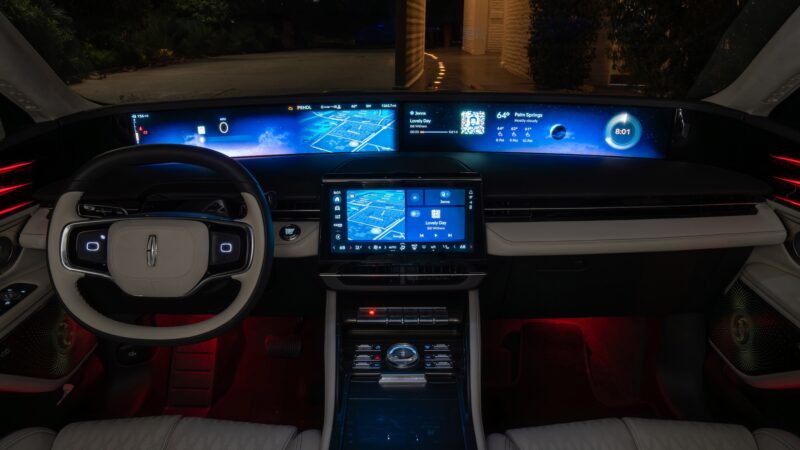
Through a constant series of beeps, flashes, and messages, it badgers me in a manner that’s a cross between an unrepentant mansplainer and passive-aggressive nanny.
It comes with all sorts of ways to protect me from being, well, an idiot. It has a “lane sway warning” in case I’m dozing off. It blocks searching for a new Sirius radio station while driving — presumably to prevent distracted driving. (All while displaying postage stamp-sized album cover images of the music being played.)
“Lane departure!” it warns if I swerve six inches over the center line of a country road to avoid hitting a bicyclist.
When the salesman started to explain how to work the headlights, he stopped midsentence to pronounce: “Just don’t touch it. The car already knows what to do.”
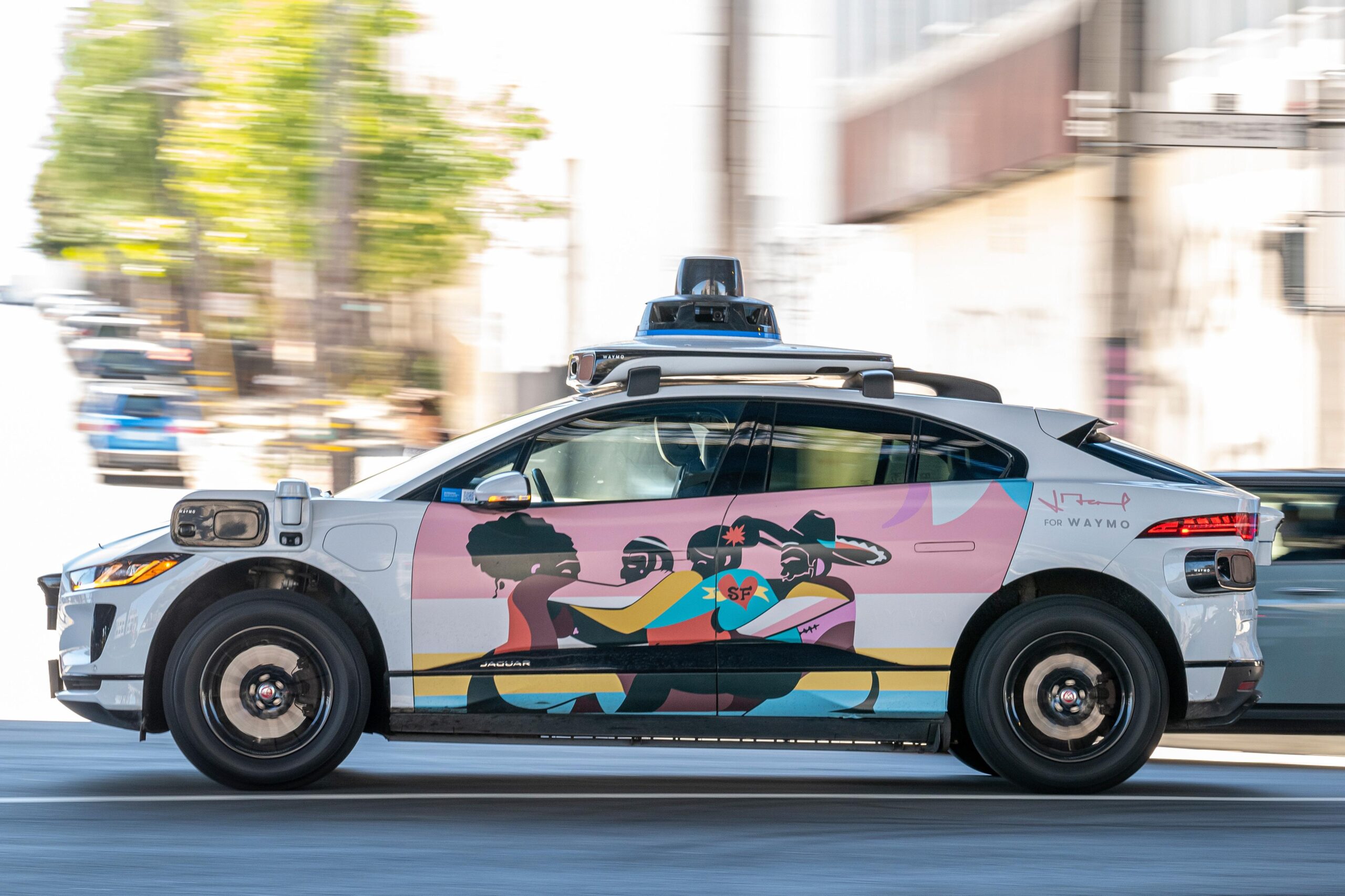
In short, my new car yearns to be a driverless car, kind of like those Waymo taxis, which will soon be rolled out in Philly. It deigns to have me as its owner; tolerates — nay, suffers — my ownership of it. I’m surprised the dealer didn’t require my SAT scores in order to buy it.
Take the day I tossed my yoga mat in the back seat after class, drove home, then spotted this yellow dashboard warning upon alighting: “Reminder, look in rear seat.”
This was puzzling, until I realized it was a safety feature designed to prevent drivers from absentmindedly leaving their baby (or pet) behind during a heat wave.
A Waymo autonomous taxi in San Francisco, in August 2023.
Well-intentioned, to be sure — yet an ineffectual mixture of condescending and vague. It merely hints at the problem, as if it is too polite to accuse someone of literal child endangerment. Better it should just come out and say, “Hey, don’t forget the baby, ya moron!”
Or better yet: “I got you here safely. Do you need me to parent for you, too?”
Whenever the warning flashes, I find myself muttering, “Calm down — it’s a yoga mat.”
My friend’s Mercedes claims it can detect if she’s “fatigued,” barking a suggestion to take a break, and even flashing an image of a coffee cup. (Is Mercedes in cahoots with Big Coffee?)
When the outdoor temperature hits 37 degrees, the dashboard flashes a little orange icon that looks like the Imperial fighter plane from Star Wars. It’s to warn me about possible ice — and functions even in bone-dry weather.
This safety system — which I alternately sense as being either male or female — doesn’t seem to grasp that I just want to run errands, not pilot the Starship Enterprise.
Fed up with its bewildering collection of multicolored dashboard symbols, I finally decided to read the instruction manual.
Correction: Manuals. This car comes with three, and like the Harry Potter novels, each one is longer than the last.
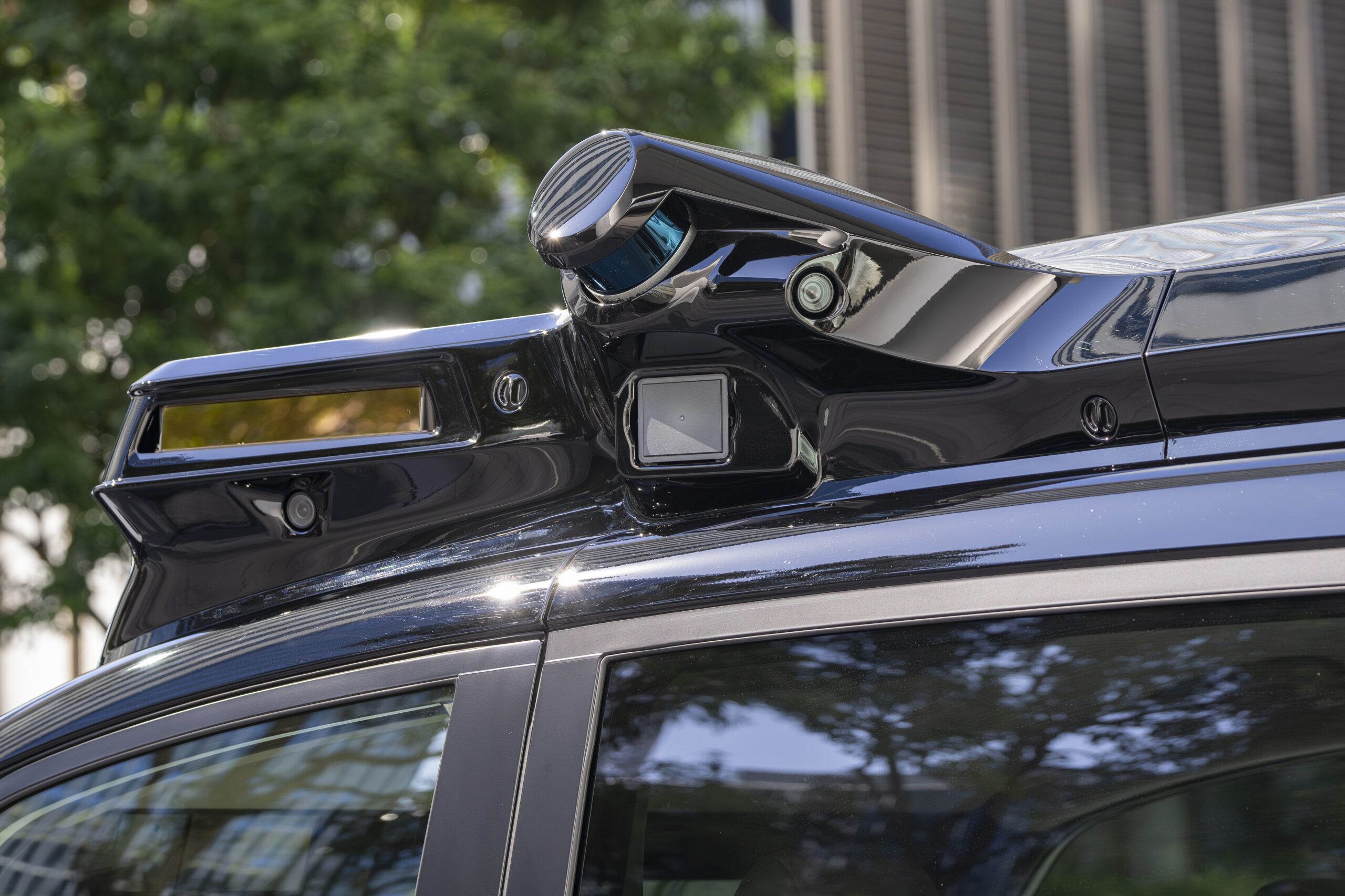
This photo released by Nissan Motor Corp. shows sensors attached to the top of its car, which assist the Japanese automaker’s self-driving technology with computer functions, radars, and cameras.
Here I learned the trademarked “Eyesight” driver assistance technology will detect pedestrians … unless they’re carrying an umbrella. Its disclaimer says it can also get confused by: ditches, fog, dirt, dust, strong sunlight, motorcycles, bicycles, animals, rain, and windshield washer fluid.
The car has automatic braking, should you fail to notice that the car ahead of you has stopped. That feature, along with the rear-seat warning, has triggered the ire of Senate Republicans, who announced hearings on whether such safety features are worth the added cost.
It also has keyless entry, using just a fob, whose presence the car can sense even when it’s in my purse or pocket.
Last November, I was a volunteer poll worker on Election Day, which required that I depart in darkness to arrive at my polling place by 5 a.m. When I gathered my belongings to go inside, I couldn’t find my keys. I figured they had to be in the car, because otherwise the car wouldn’t run, right?
I spent the morning searching my purse and backpack. No keys. I spent my lunch break rummaging around in the car to see if they’d fallen between or under the seats. Nope.
I tried to start the car, on the premise that if the keys were somewhere in the car, it would start. It didn’t.
I panicked. Since I was the poll worker assigned to bring the all-important USB stick containing our district’s voting tallies to the town clerk, it was vital that I depart as soon as possible once the polls closed. I shuddered at the prospect of going viral, with CNN announcing, “New Jersey’s machine vote tally is now final — with the exception of a single missing district.”
Luckily, my husband brought over my spare keys. When the polls closed, I dropped off the voting equipment, then went to a music rehearsal. At its conclusion, as I leaned down to load my music bag into the back seat, I spotted something on the vehicle’s roof: my keys, nestled snugly against the luggage rack.
Yes, I had driven over five miles, up proverbial hill and dale, with the key fob atop my car.
And this know-it-all car, which can sense I’ve veered a centimeter across a lane line and barely tolerates my presence, never realized it.
Hey, Mr./Ms. Smarty-Pants: Who’s the idiot now?
Kathleen O’Brien is a retired newspaper columnist who lives with her know-it-all car in northwest New Jersey.
Snow is a near certainty this weekend, with a winter storm watch starting early Sunday for the Philly area. Coastal flooding is possible at the Shore. Resident weather expert Tony Wood (or “AccuTony,” as we like to call him) has the forecast details.
A 260-apartment development, largely composed of one-bedroom units, is the latest residential project slated for Ridge Avenue in East Falls.
Several Quakertown High School students were taken into custody on Friday after a student walkout protesting federal immigration enforcement escalated into a confrontation that left at least one teenager bloodied and in handcuffs, according to witnesses and video footage from the scene.
Philly Bierfest and the NYC-rooted Philly Beer Fest will be held on the same date this year, and their names sound nearly identical, but the similarities mostly end there. One wants the other to stop confusing customers.
A man was arrested after he allegedly placed hidden cameras inside restrooms at a Gloucester County barbershop where he worked.
A new all-day lounge in Old City is betting on kava and kratom to pull crowds away from bars. The substances are associated with stress relief — and health risks.
Haverford College could convene a committee to review whether U.S. Commerce Secretary Howard Lutnick’s name should remain on the campus library, following newly revealed details of the mega-donor’s ties to sex offender Jeffrey Epstein. The school has also vowed to amend its events policy after a disturbance at a talk by an Israeli journalist.
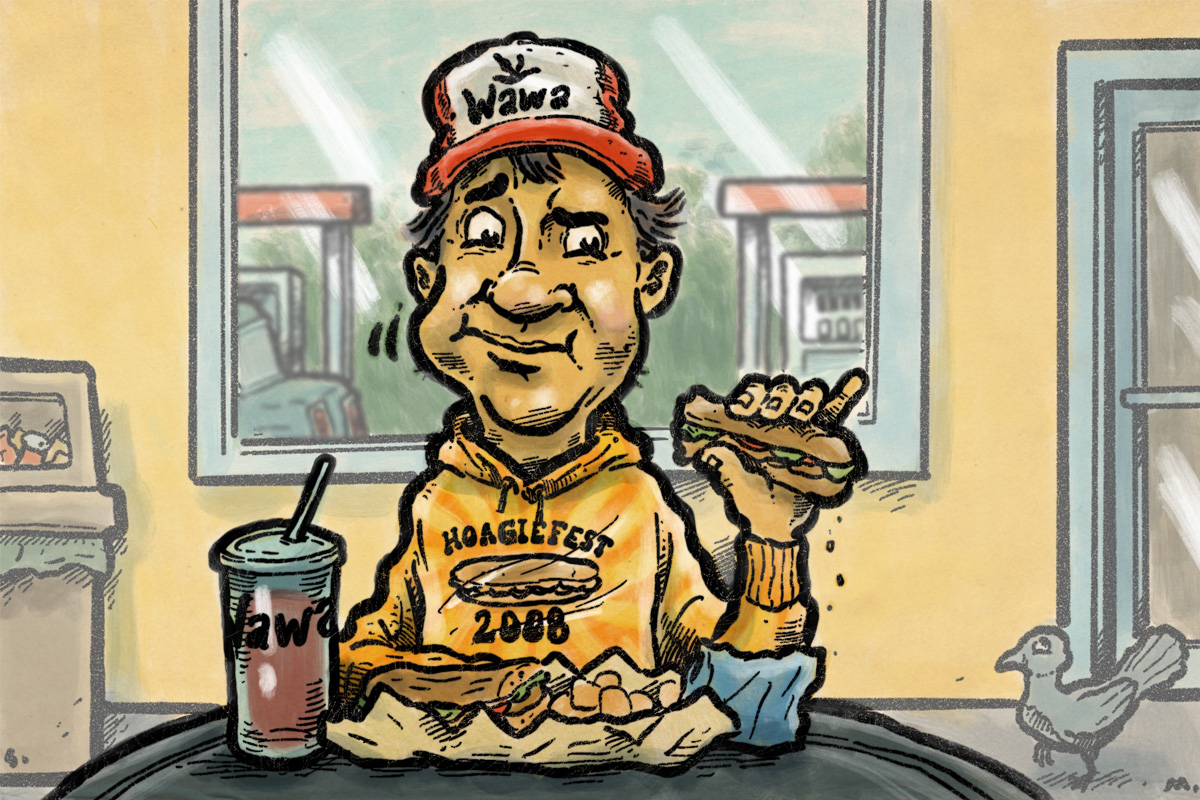
Loyal customers in the Philadelphia area love Wawa. But as the chain grows, its expansion has tested the brand. With shifting menus and quality, how does it keep people coming back? To find out, consumer reporter Erin McCarthy spoke to the experts about Wawa’s “secret sauce” and how it set a national standard for success in the convenience store industry.
And for a dose of hometown critical analysis, Inquirer editor Evan Weiss polled features columnist Stephanie Farr, programming editor Tommy Rowan, and deputy food editor Jenn Ladd. They sound off on Wawa’s transforming food quality, and whether or not it’s changed too much, for better or for worse.
In this week’s Shackamaxon, Inquirer columnist Daniel Pearson gets into the numbers of the state of crime, public transit, and the economy in Philadelphia.
“Homicides are down, SEPTA ridership is up, and the city’s job growth proves unsurprising,” Pearson writes.
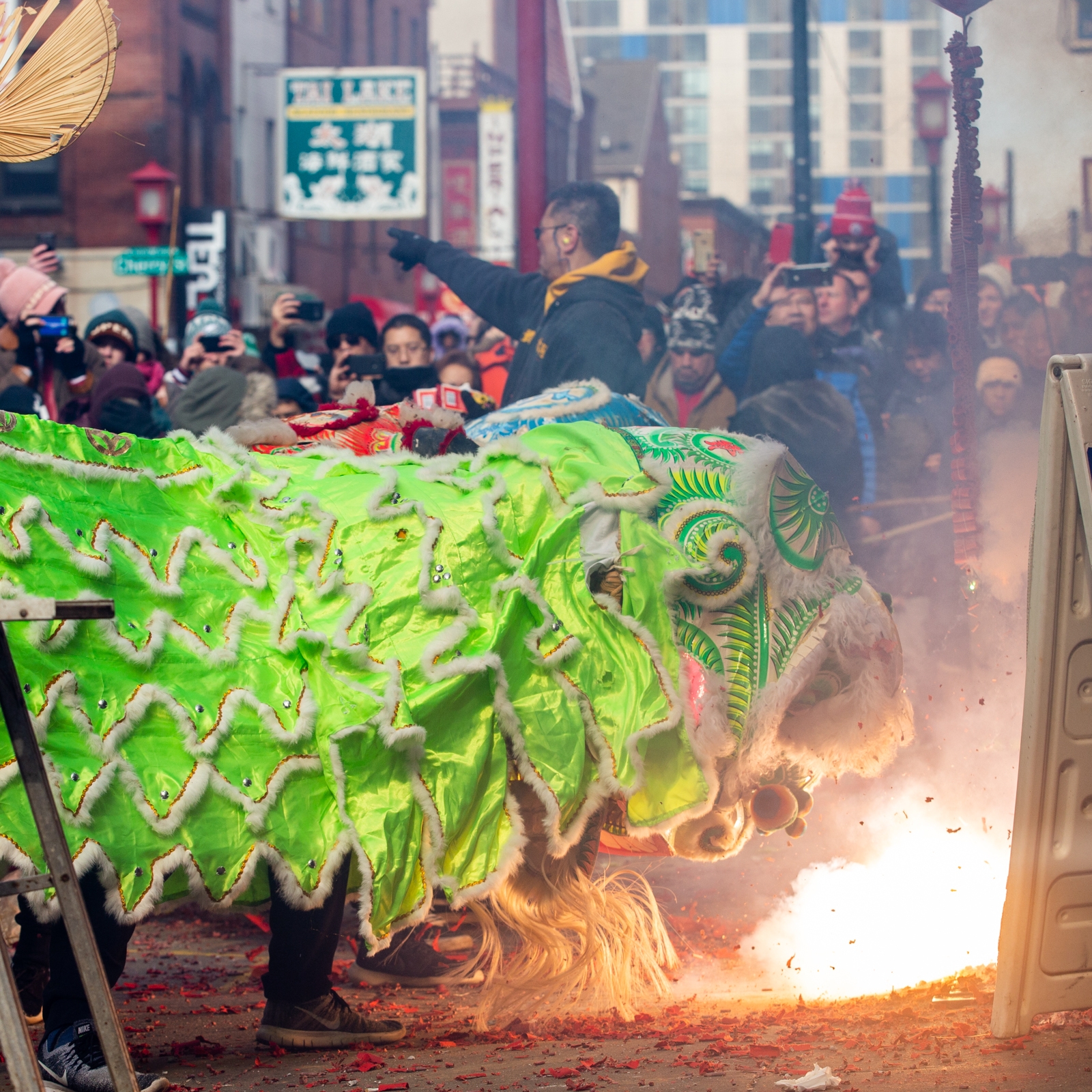
Every Saturday, we’ll show you a photo taken in the Philly area, and you drop a pin where you think it was taken. Closer to the location results in a better score. This week is all about Lunar New Year of the Horse. Good luck!
Think you know where this lion is grazing? Our weekly game puts your knowledge of Philly’s streets to the test. Check your answer.
🧩 Unscramble the anagram
Hint: A new streaming series that tells the story of America through the lens of Philadelphia
Cheers to Kate Vengraitis, who correctly guessed Friday’s answer: Chris Rabb. The state representative from Northwest Philadelphia said he will not seek reelection while he runs in the Democratic primary for the 3rd Congressional District.
La Scala (top) in Milan, Italy, and Philadelphia’s Academy of Music (bottom).
Milan’s Teatro alla Scala, better known as La Scala, is one of the world’s most famous opera houses in the world. It’s a popular stop for Winter Olympics spectators when they’re not at a sporting venue.
If it looks familiar, it’s no coincidence. Philadelphia’s Academy of Music was designed after La Scala.
You never know how Jeffrey Lurie sees his team, but, after two Super Bowl trips and two post-Super Bowl disasters, it feels more than ever like there’s a one-year window in which Nick Sirianni and Jalen Hurts can save their jobs in Philadelphia.
Their chances got a lot better Thursday.
That’s when The Inquirer reported that right tackle Lane Johnson, arguably the greatest Eagle ever and inarguably the greatest Eagles offensive lineman, would return for a 14th season. The Birds are 110-57-1 with Johnson, 18-27 without. He’s the only Eagle on either offense or defense to start in both of their Super Bowl wins. Johnson considered retirement after missing the last seven games with a foot injury and after offensive line coach Jeff Stoutland resigned.
Thursday also was when both The Inquirer and former Eagles TV reporter Derrick Gunn reported that left guard Landon Dickerson, whose body has endured multiple injuries beginning in college, will return for a sixth season. Before this season, Dickerson was voted onto the three previous Pro Bowl teams.
Despite his frustrations with health issues Landon Dickerson is planning to return for the 2026 season … per source.
There has been a lot of noise since the Eagles’ season ended a month ago: A.J. Brown’s dissatisfaction; the firing of offensive coordinator Kevin Patullo; the tortuous pursuit of his replacement, who turned out to be little-known Sean Mannion; and the possibility of losing defensive coordinator Vic Fangio to retirement.
None of those issues mattered as much as the possible loss of Johnson and Dickerson.
Replacing either of them would have been difficult.
Replacing both would have been catastrophic.
That’s because Hurts has shown little capacity for success in the NFL unless he plays behind an elite offensive line. When the Eagles went to Super Bowls after the 2022 and 2024 seasons, the offensive lines were elite and stable. They were markedly less so in 2023 and 2025, seasons in which the Eagles lost their first playoff game.
Not coincidentally, Sirianni’s offenses have flourished when Johnson, Dickerson, & Co. have been healthy and wisely utilized, relying on a turnover-averse run-first attack.
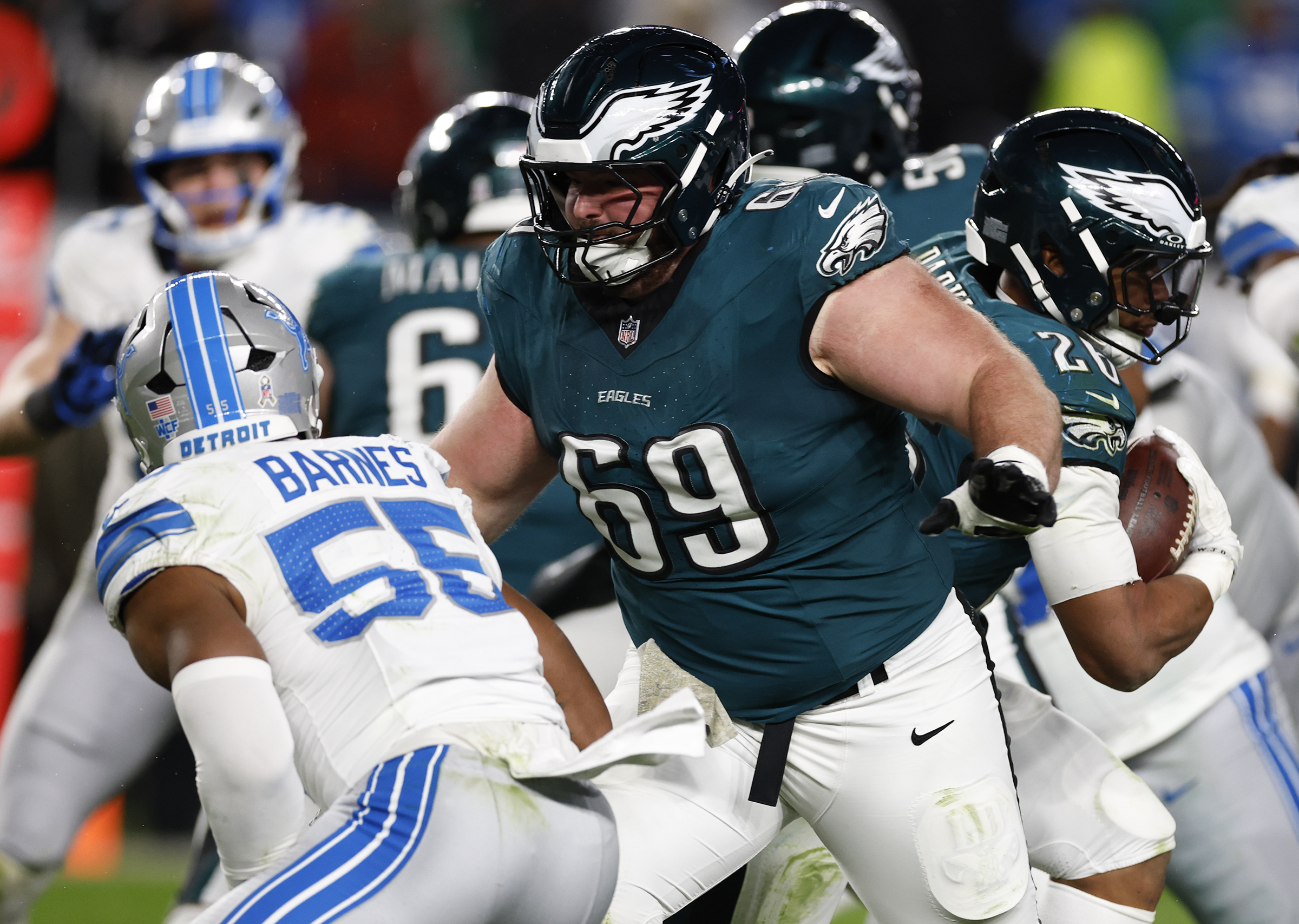
Eagles guard Landon Dickerson blocks Detroit Lions linebacker Derrick Barnes.
When healthy, Johnson and Dickerson, both athletic freaks, are voracious run-blockers.
An ancillary benefit of Johnson returning relates to the departure of Stoutland. “Stout” is the only offensive line coach Johnson has ever had in the NFL; for that matter, that’s true of every other Eagles starter.
But no other Eagles lineman has either the base of knowledge or capacity to impart that knowledge on teammates like Johnson. He founded and runs an annual offensive line offseason camp every summer in Texas called OL Masterminds.
Almost every lineman that has ever played with him testifies that Johnson has, at some point, acted as a sort of assistant coach when Stoutland or his offensive line assistants weren’t fully able to get their message across.
More than anything, Johnson brings a level of intensity and professionalism to every game and practice that few others in the NFL can match. It is why he is great, and that sort of greatness is contagious. Certainly, Dickerson has benefited.
So, their return not only could save the 2026 season, but it also could extend the Philadelphia shelf-life of both coach and quarterback.
Granted, there are contingents of fans and pundits who would rather that either one or both leave the employ of Lurie sooner than later, and so this development on the offensive line might not be met with unrestrained joy.
But one never should be thankless for news that is, on the whole, good for their own self-interests.
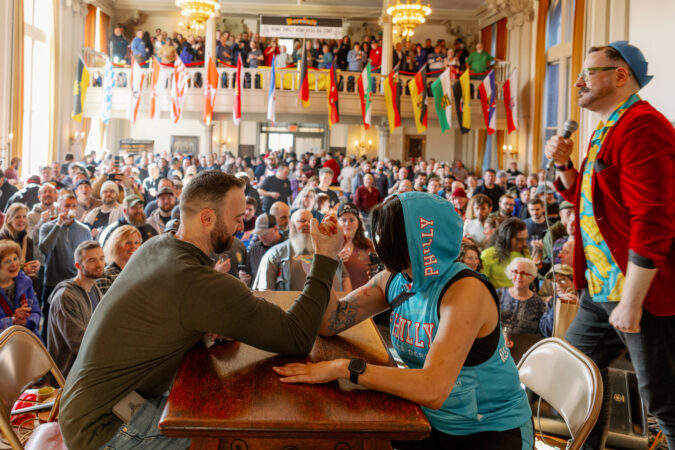
A battle of the beer festivals is brewing in Philadelphia, and it’s set to come to a head next weekend, when Philly Bierfest and Philly Beer Fest — two completely unrelated beer festivals with names that are homophones — take place on the afternoon of Saturday, Feb. 28.
This isn’t a coincidence, according to some members of Pennsylvania’s beer scene who claim the New York City-based organizers of the two-year-old Philly Beer Fest are deliberately trying to capitalize on the good name of Bierfest, a long-standing event with deep local roots.
“It’s a very pointed move,” said Meredith Megan Rebar, the founder of Home Brewed Events, which plans major food and drink festivals in the Philly region. “They’re just doing this intentionally to mess with the event that’s been around longer.”
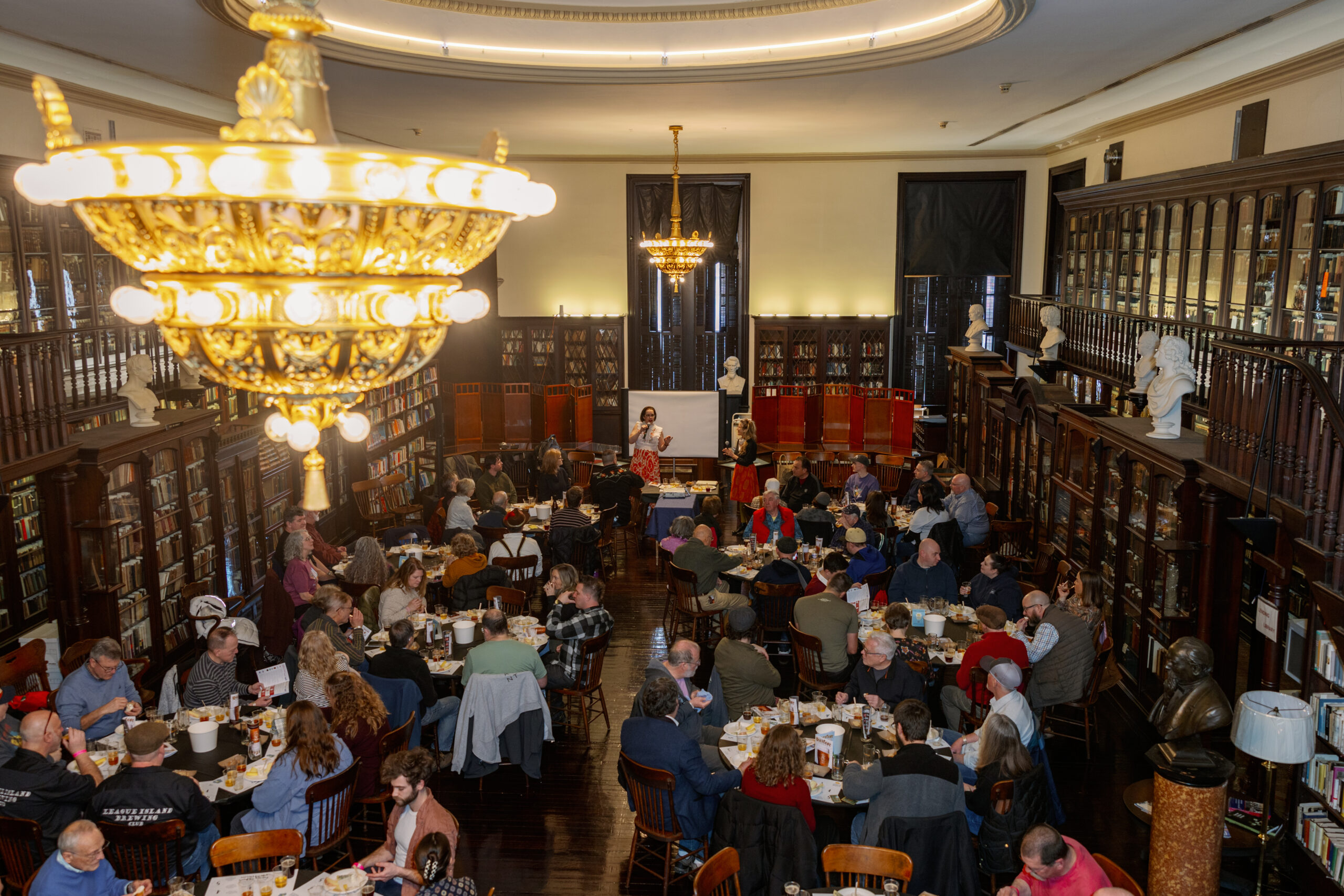
The 2024 Philly Bierfest, held at the German Society of Pennsylvania at 611 Spring Garden St. The event spans two buildings and includes a food hall, beer classes, and burlesque performances, among other things.
Philly Bierfest was created in 2013 by Northern Liberties-based nonprofit the German Society of Pennsylvania and Marnie Old, a local wine author and longtime freelance columnist for The Inquirer. It began as a way to honor the state’s rich tradition of brewing German-style beers, such as pilsners, kölsches, and lagers.With a deep benchof Pennsylvania- and Germany-based brewers — there are 45 pouring at this year’s event — the festival sells out each year, and was named one of the best beer festivals in the U.S. by USA Today in 2023. The event’s proceeds have gone to the Philly Roller Derby and Brewers of PA since its inception.
Philly Beer Fest, on the other hand, is hosted by by Craft Hospitality, a national events company headquartered in New York City that organizes beverage festivals across the U.S., including the Philadelphia Zoo’s Summer Ale Festival. Craft Hospitality launched Philly Beer Fest at the 23rd Street Armory in 2024. Just over 30 Philadelphia-area beverage makers are featured this year, and proceedspartially benefit the Trauma Survivors Foundation.
In 2024 and 2025, Craft Hospitality scheduled Beer Fest on the weekends immediately before and after Bierfest, which hasbeen held on the last Saturday of February for 13 years (save for a pandemic-induced disruption).
This year’s identical scheduling hasn’t necessarily hurt Bierfest, Old said, noting that tickets sold out this week. But it has caused some headaches. Bierfest’s barbecue vendor accidentally showed up to the wrong venue for a site visit, and Old has spent a great deal of time confirming with vendors that they’re signed up for the right event. In past years, Old has heard from some disappointed Beer Fest attendees who showed up to their event expecting it to be the German-themed Bierfest.
The nonprofit-run festival tried to get ahead of any confusion this year.Prior to Bierfest selling out, it had a pop-up on its website that read: “Friends don’t let friends get the wrong tickets. Share this link to ensure pals get tickets to the original, authentic Philly Bierfest and not the other similarly named event.”
Old isn’t sure if the warnings entirely worked.
“We don’t hear from anyone who got tickets to the wrong festival until after our event,” she said. “I don’t know what their intention is because I’m not on their team, but misleading [the consumer] does seem to be the end effect.”
Craft Hospitality denies scheduling Beer Fest for Feb. 28 as a way to undercut its preexistingcompetitor. In a statement, the company attributed the scheduling snafu to the event being held at a National Guard facility, which limits scheduling.
“Event dates are determined based on venue availability and planning logistics, and are often set by contract approximately 12 months in advance,” the statement read. “Philadelphia has an incredibly active event calendar — this year especially with the World Cup … Overlap between events is not uncommon.”
This isn’t the first time Craft Hospitality’sBeer Fest has been accused of riding Bierfest’s coattails.
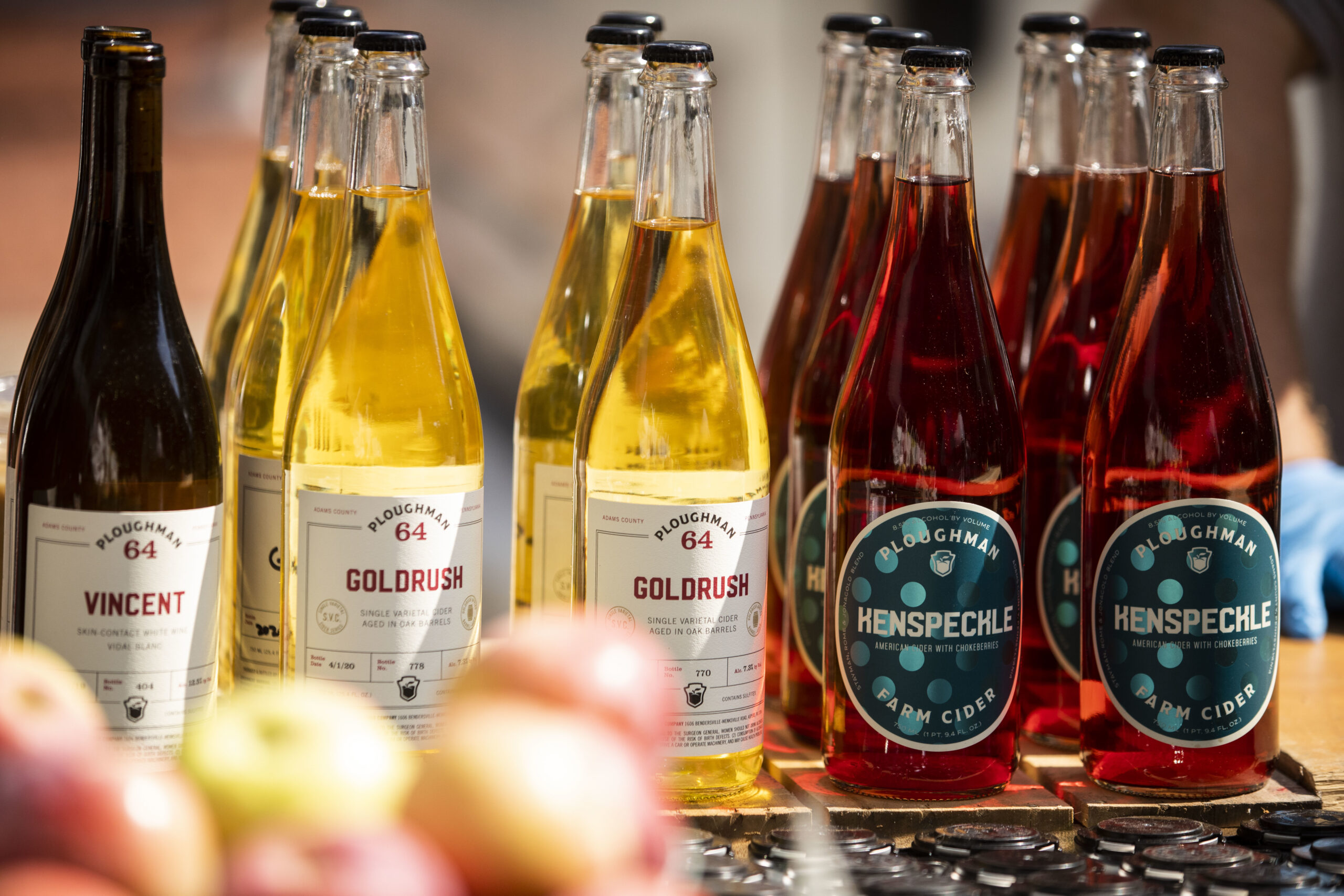
After a Craft Hospitality employee emailed Ploughman Cider owner Ben Wenk in Nov. 2023 to gauge interest in vending at the first Philly Beer Fest — then scheduled for Feb. 17, 2024 — Wenk said his cidery would boycott all future Craft Hospitality events over what he felt was the company’s “intentional and malicious” attempt to deceive.
Scheduling a beer festival with an identical-sounding name just a week before its established competitor, Wenk said, went too far.
“Our people and our brand won’t be devoting any further resources towards an organization such as yours that is so brazenly and transparently willing to act in such a predatory way towards an established event like Philly Bierfest, who, by our estimation, have done nothing to deserve it,” Wenk emailed the Craft Hospitality employee in February 2024.
Another Craft Hospitality employee replied to Wenk days later. “No one else has ever mentioned this other beer fest to me personally. Brands have just signed up fairly easily but I do see the conflict you’re pointing out. I will be looking into this,” they wrote.
No one followed up with him, Wenk said, and Craft Hospitality didn’t respond to questions about this interaction.
“Why is this New York events company coming down here to Philadelphia and thinking they can get one over on us?” Wenk said. “It just feels predatory to me.”
Ploughman Ciders, of Adams County, Pa., is boycotting Philly Beer Fest and all other Craft Hospitality events.
Bierfest co-creator Old had also directly flagged issues to Sam Gelin, Craft Hospitality’s founder. Shortly after both beer festivals wrapped in 2024, Old learned Craft Hospitality had scheduled its 2025 Beer Fest on the same day as Bierfest. When she asked Gelin if he would consider moving his event out of concern that it would confuse customers and vendors, Old recalled that Gelin said it would be “desirable” for the events to share the date. Still, Gelin obliged. Philly Beer Fest 2025 took place one week after Bierfest.
“After that conversation and then for this year, I didn’t think I needed to follow up with them. I assumed that they would continue choosing a different date,” Old said.
When she learned in September that this year’s Beer Fest was once again set for same exact date as Bierfest, Old figured it wasn’t worth reaching out to Gelin again.
“If you’re renting your venue, it’s too late to change by that point. Six months is cutting it too close to make any changes,” she said. “And it was clear to me at that stage that [Craft Hospitality] saw having [its] event on the same date as ours as a benefit.”
Craft Hospitality did not respond to questions about whether its founder had been contacted by Old. “Philly Beer Fest is not affiliated with Philly Bierfest,” they said in their statement. “They are separate events with different producers, different names, different socials, different formats, different pricing, different breweries, different cultural focuses, different venues, and overall different experiences.”
Festivals with different aims
The different vibes are part of the problem, according to Rebar,the festival organizer who specializesbeer festivals.
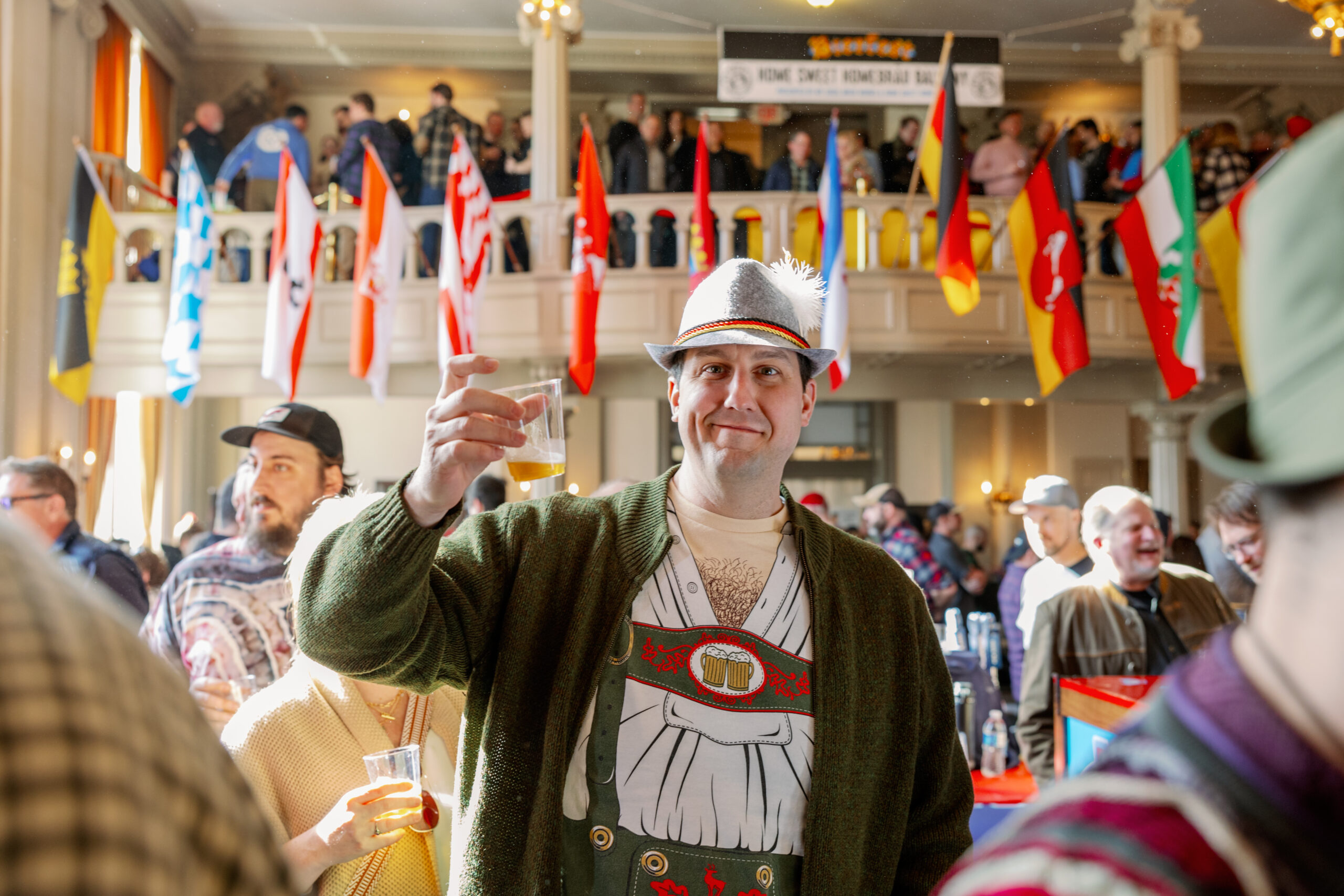
Bierfest typically draws “real beer enthusiasts,” who are there to drink but also to deepen their understanding of German brewing techniques and beer culture. The festival’s format includes beer seminars, a food hall showcasing traditional German eats by local makers, a German Masskrugstemmen (stein-holding) strength competition, and performances from Bavarian folk dancers.
An attendee at the 2024 Philly Bierfest, which has been held on the last weekend of February since its inception in 2023.
Beer Fest, said Rebar, is for people who want to party. The festival is a hodgepodge of beer, hard seltzer, and spiked tea purveyors compared to Bierfest’s lineup of respected German beermakers and Pennsylvania brewers making traditional German beer styles.
“There’s no educational standards to it. It’s just a generic festival, and it’s not [organized] by anybody local,” said Rebar, who attended the first Beer Fest in 2024. “Philly Bierfest has been around for so long, has a really good representation, and has a very clear mission.”
Craft Hospitality did not respond to questions about whether it would provide refunds to attendees who showed up thinking they were at Bierfest and are dissatisfied with their experience.
And while Rebar concedes that it would’ve been difficult for Craft Hospitality to reschedule given the impact on vendors, she said the winter months are typically slow for beer-industry events.
“There’s plenty of other weekends in January, February, [and] March when there’s not a lot going on,” Rebar said.
Not everyone views the festivals as being in competition. Currently three local breweries are participating in both festivals: Norristown’s Von C Brewing, Broad Street Brewing in Bristol, and Triple Bottom Brewing in Spring Garden.
Old said she didn’t force any vendors to choose between the two events. “I hate to put my vendors in an awkward situation … We do not have a problem with anyone being registered for both.”
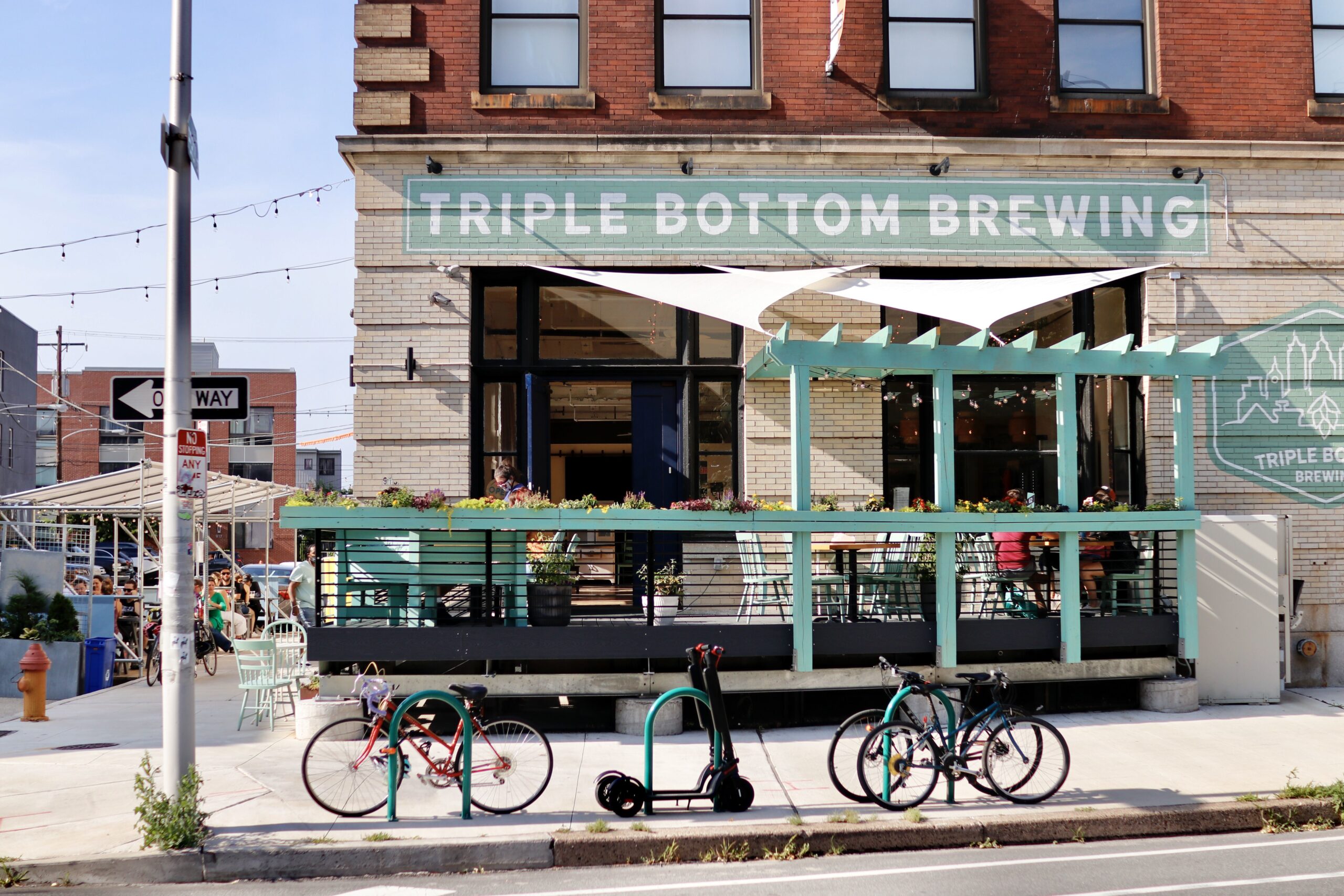
Triple Bottom Brewing is one three breweries participating in both Philly Bierfest and Philly Beer Fest on Feb, 28, 2026.
Triple Bottom Brewing co-owner Tess Hart has found a silver lining to the fest-on-fest drama. The six-year-old brewery has repeatedly participated in both festivals. The dual events kick off Triple Bottom’s 16-week brewer apprenticeship program for individuals impacted by the justice system and housing insecurity, she said.
This year’s 10-person cohort started last week, Hart said, and they’ll be staffing both festivals concurrently. The challenge, she thinks, will be rewarding.
“We’ll be stretched a little thin on Saturday,” Hart said. “But this will be a good opportunity to get them out of the taproom and really well-practiced about talking about beer in a high-volume situation. For us, that’s a big benefit.”
When they eventually install microcameras into the corneas of our eyes, we’ll still be watching this hockey highlight.
This was Kerri Strug vaulting on one leg in 1996. Bob Beamon shattering the long jump in Mexico City in 1968. Sid the Kid in 2010, only much, much cooler.
It was more than historic. It was iconic.
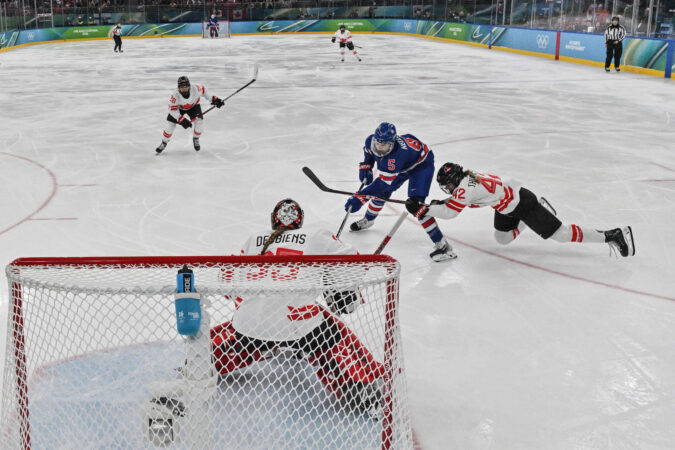
In overtime of the gold-medal game at the 2026 Winter Olympics, Team USA defenseman Megan Keller deked Canadian defender Claire Thompson and left her in the dust, flailing with her stick.
Keller then beat goalie Ann-Renée Desbiens with a backhand to the short side.
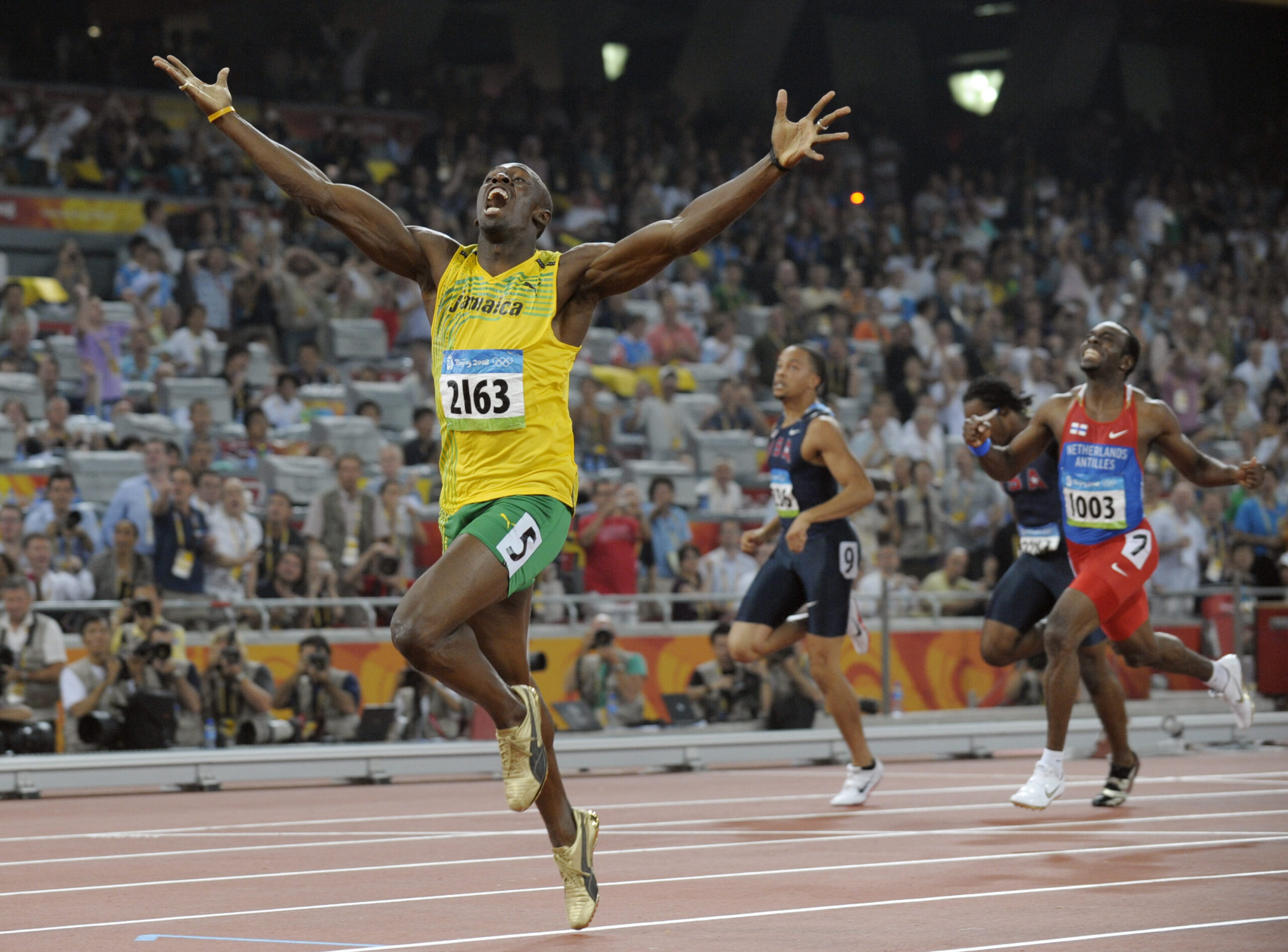
It’s hard to compare this Olympic moment with Romania’s Nadia Comăneci, who scored gymnastics’ first perfect 10 in 1976 at the age of 14. It’s not really the same as Usain “Lightning” Bolt, the Jamaican sprinter who broke Michael Johnson’s world record in the 200 meters in 2008 or Michael Phelps, who, at those same Beijing Games, swam his way to eight golds; their moments were parts of aggregations. And it certainly lacks the social significance of Black sprinter Jesse Owens, who won a then-record four golds in 1936 in front of host Adolf Hitler.
Jamaica’s Usain Bolt celebrates as he wins the men’s 200-meter final with a world record during the 2008 Beijing Olympics.
I was there for Bolt and Phelps. All of those moments took your breath away the way only great moments in sport leave you breathless.
None was quite as magical as Keller’s golden goal.
Sidney Crosby did something similar for Canada in 2010, and he did it against Team USA, and I was there for that, too. But Crosby’s goal was simpler: He carried the puck in, had a weak shot deflected away, got it back, went to the boards, passed to teammate Jarome Iginla, skated away from suddenly inattentive defenseman Brian Rafalski, got the pass back from Iginla, and snapped a shot past goaltender Ryan Miller.
Hockey legend Wayne Gretzky and film legend Donald Sutherland, both great Canadians, were sitting right behind me. They’d probably disagree with my assertion here.
Keller’s goal isn’t quite the same event as Team USA’s upset of the Soviets in 1980. That was a true underdog story, mostly U.S. college kids playing an elite set of professionals who’d won the last four golds. It might be the biggest upset in sports history — but it wasn’t an overtime game, or even a gold-medal game, and there was no defining, game-ending moment like Keller’s.
Pity poor Thompson, but not too much. She’d been a hero in China with 11 assists and two goals, an Olympic record for defensemen, when the Canadians won the gold in 2022.
There are plenty of caveats surrounding what should be the play of the year. None of them of Keller’s making.
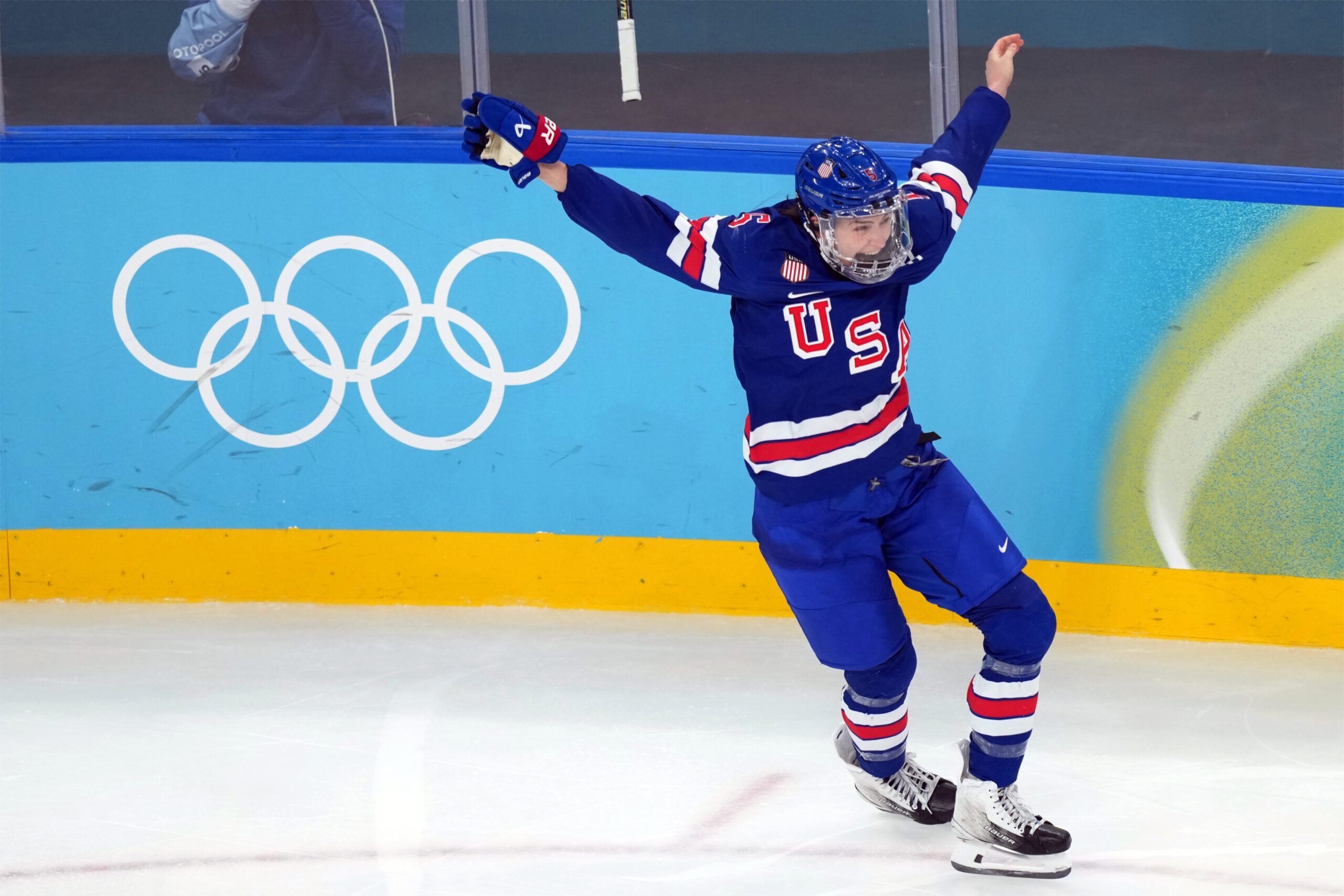
Megan Keller celebrates after scoring one of the best golden goals you will ever see in hockey.
Crosby scored his goal in a four-on-four setting, but overtime rules were changed ahead of the 2022 Olympics to make it three-on-three.
The teams in 2010 were more evenly matched, while the U.S. team in Milan, Italy, was heavily favored, having outscored opponents, 31-1, in a 6-0 run that included a 5-0 win over Canada in the preliminary round. However, Canada’s strategy and execution Thursday had the reigning champs holding onto a 1-0 lead before American captain Hilary Knight tied the game with 2 minutes, 4 seconds left in regulation.
Finally, no teams besides Canada (five) and the U.S. (three) have won a gold medal, and they have met in the gold-medal game seven of the eight times it has been played. To date, it is not a sport in which the field offers the titans much resistance.
This should not diminish the moment. Keller and her teammates can only beat opponents they meet.
This golden goal is one of the best plays you will ever see.
In fact, as a spontaneous athletic maneuver of incomparable audacity and breathtaking skill, seizing the biggest moment in a player’s life, I struggle to find its equal.