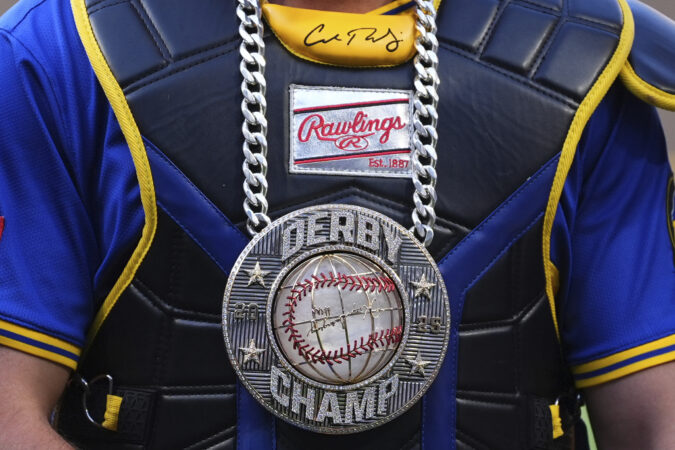
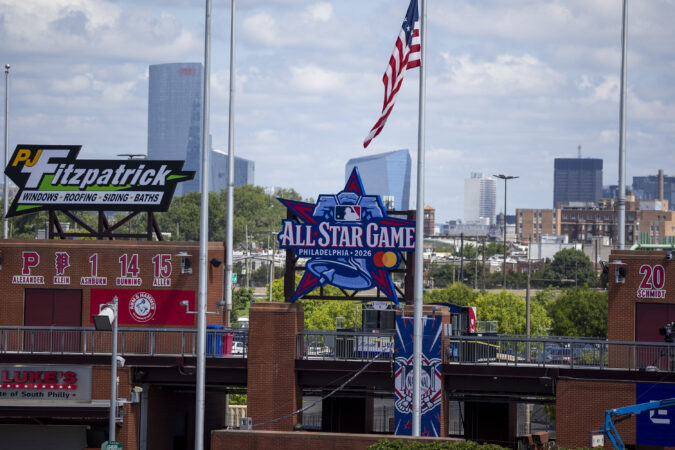
After a month of World Cup festivities, baseball is taking over Philadelphia for Major League Baseball All-Star Week. The biggest event — outside of the All-Star Game itself on Tuesday — will be Monday night’s Home Run Derby headlined by Phillies star Bryce Harper — and soon maybe Kyle Schwarber? — at Citizens Bank Park.
The derby begins at 8 p.m. and streams for the first time on Netflix. This year, instead of each batter having an unlimited amount of swings in a designated time period, participants will be capped at 20 attempts in the first round and 15 in the semifinals and final.
Eight hitters are slated to compete, but just six have signed on so far. Schwarber has not made his decision whether he will join his teammate Harper and participate. Schwarber’s 32 home runs lead the majors. Harper announced on Thursday that he will be competing.
Here’s what you need to know about the six confirmed participants with two more to come:
Bryce Harper, Phillies
Home Run Derby appearances: Three
2026 power numbers: 20 home runs, .509 slugging percentage
What to know: In Harper’s second Home Run Derby in 2018, then wearing a Nationals uniform, he beat out future teammates Schwarber and Rhys Hoskins on his way to winning. He finished with 45 home runs. Harper has 12 seasons with at least 20 home runs, and is on pace to finish with the season with 397 for his career.
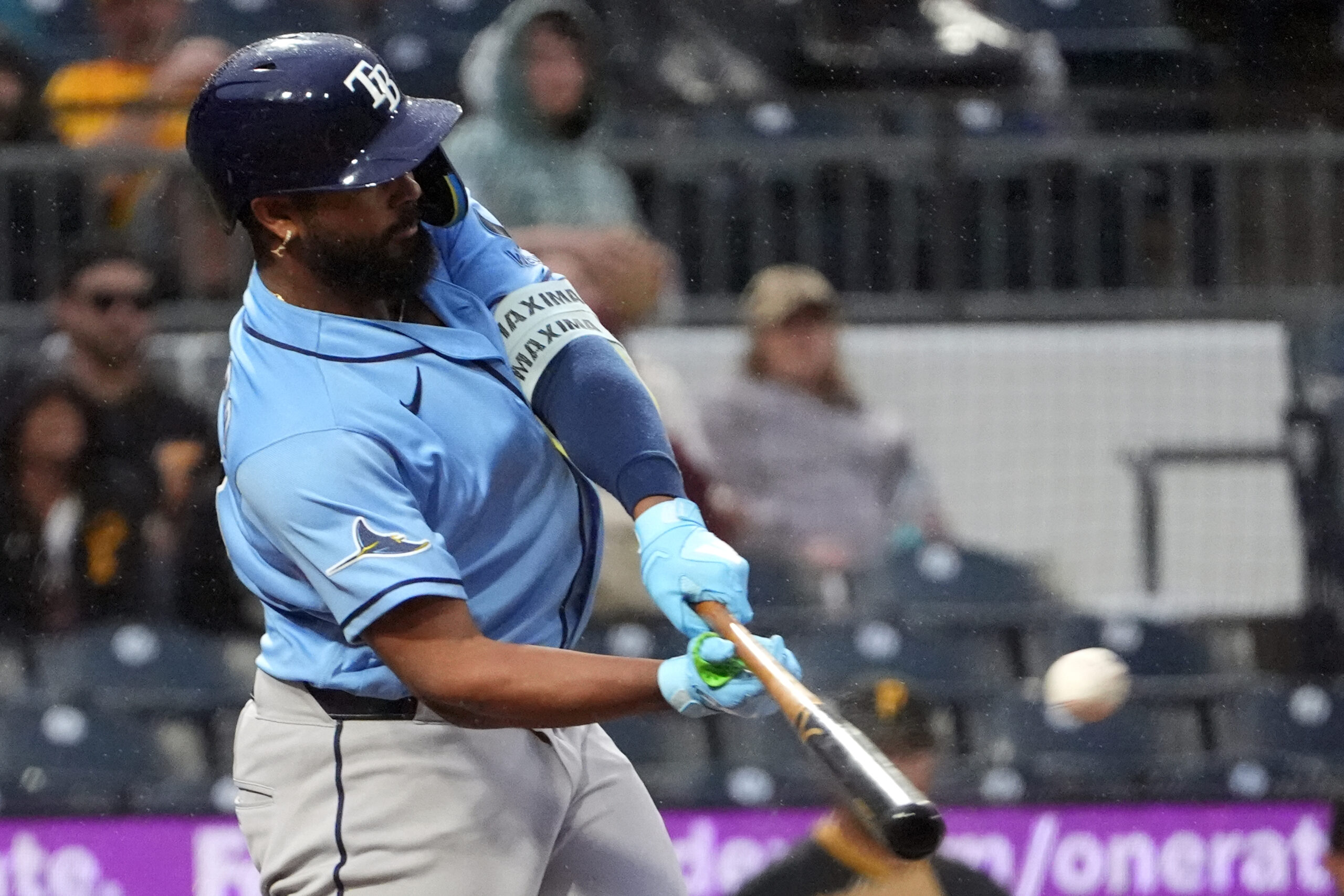
Junior Caminero, Rays
Home Run Derby appearances: Two
2026 power numbers: 26 home runs, .541 slugging percentage
What to know: At 22 years old, Caminero almost became the youngest player to win the Derby last year, losing out to Cal Raleigh in the finals. He hit 45 home runs last season and is tied for fourth in baseball with 26 in 2026.
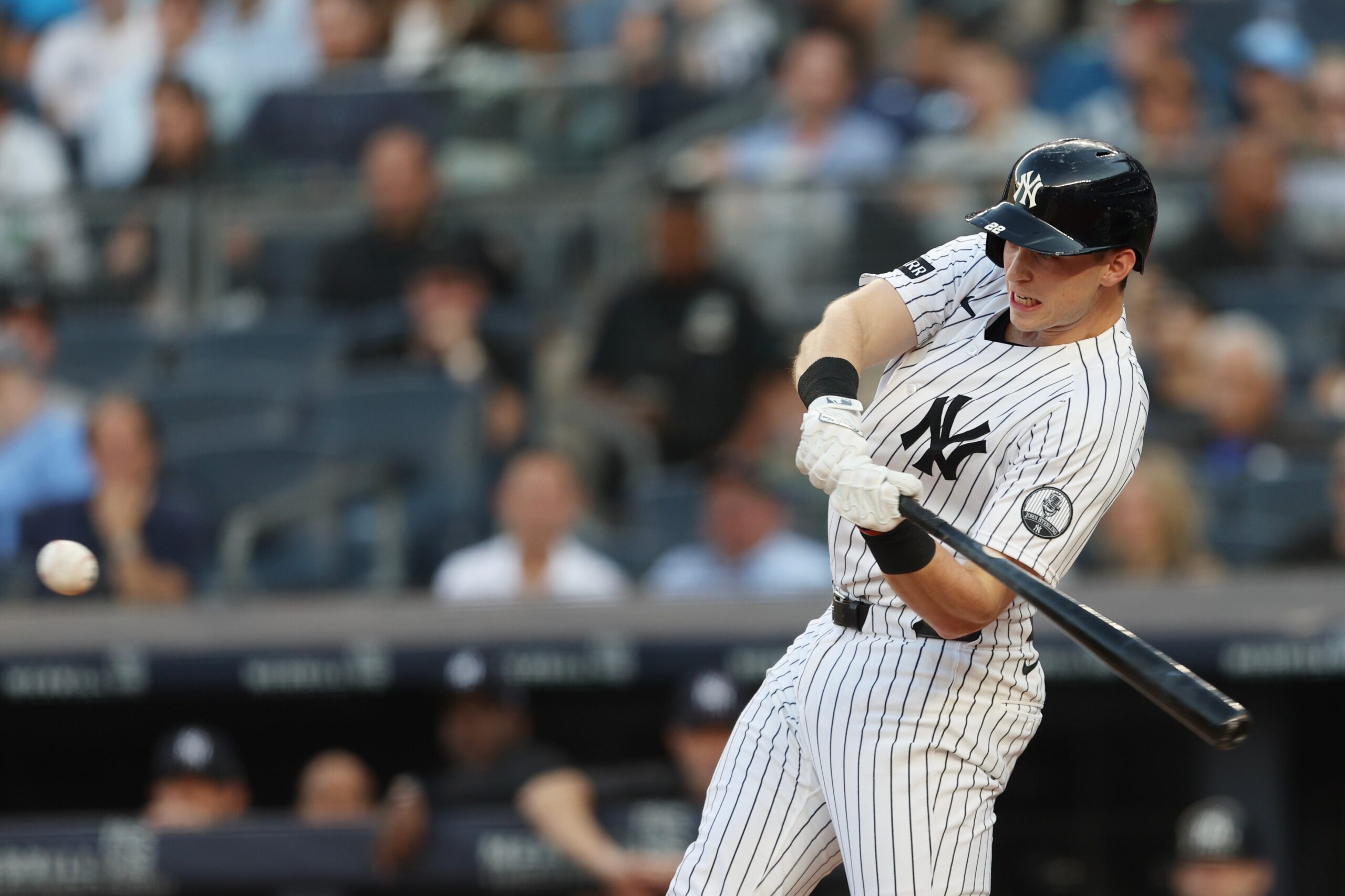
Ben Rice, Yankees
Home Run Derby appearances: First
2026 power numbers: 26 home runs, .573 slugging percentage
What to know: The 27-year old Rice is leading the Yankees in home runs. He has 59 since being called up to the majors three seasons ago.
Jac Caglianone, Royals
Home Run Derby appearances: First
2026 power numbers: 14 home runs, .455 slugging percentage
What to know: Caglianone’s numbers may seem a bit underwhelming compared to his competition. However, the 23-year-old Royals right fielder is coming off a month in which he was one of the best power hitters in baseball. In June, Caglianone hit nine home runs, tied for the second most in the American League in the month.
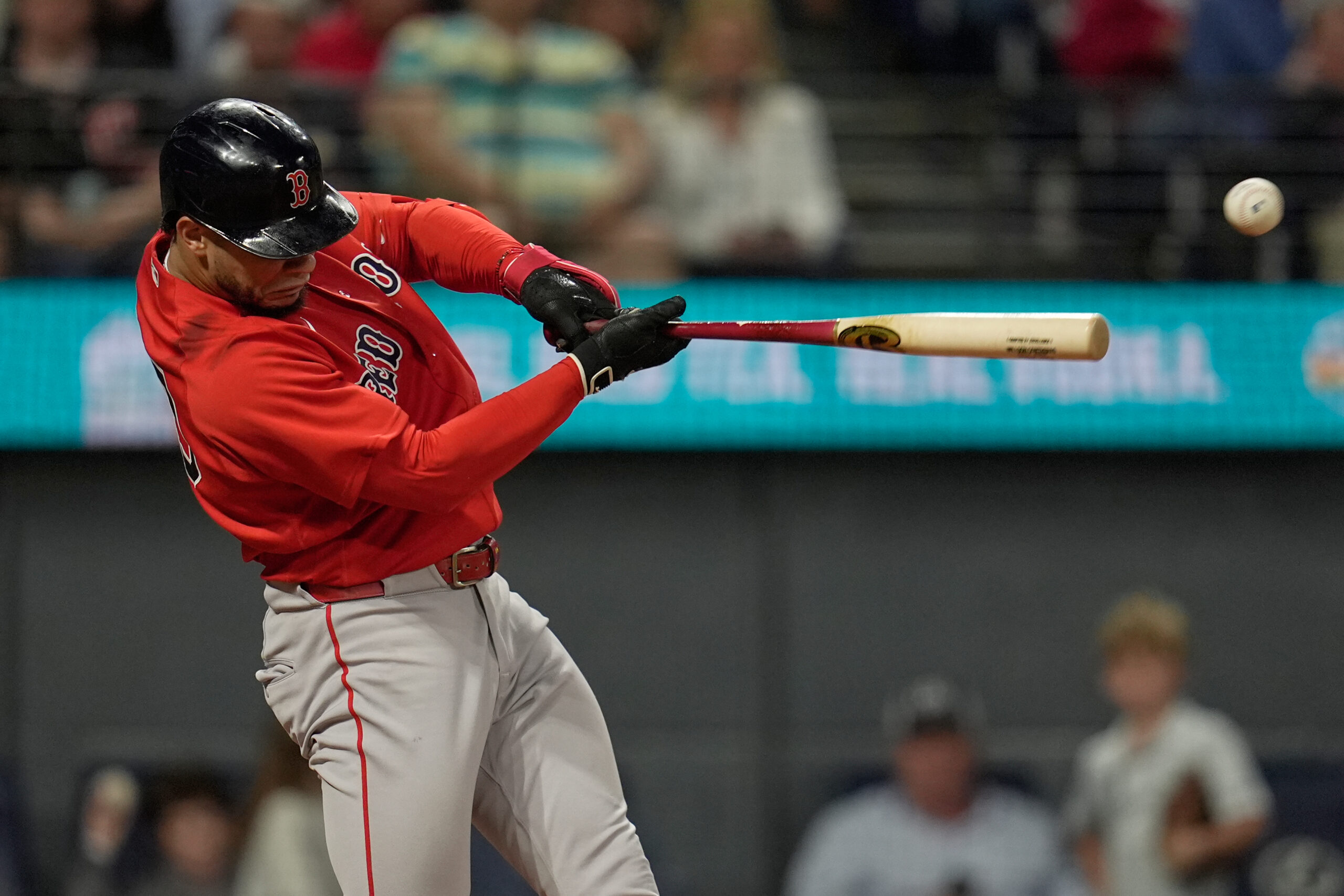
Willson Contreras, Red Sox
Home Run Derby appearances: First
2026 power numbers: 20 home runs, .541 slugging percentage
What to know: Contreras, who is on pace for a career high in home runs this season, still has tremendous bat speed at age 34, ranking in the 96th percentile (77 mph). He will have his brother William, himself an All-Star as a catcher with the Brewers, there to support him.
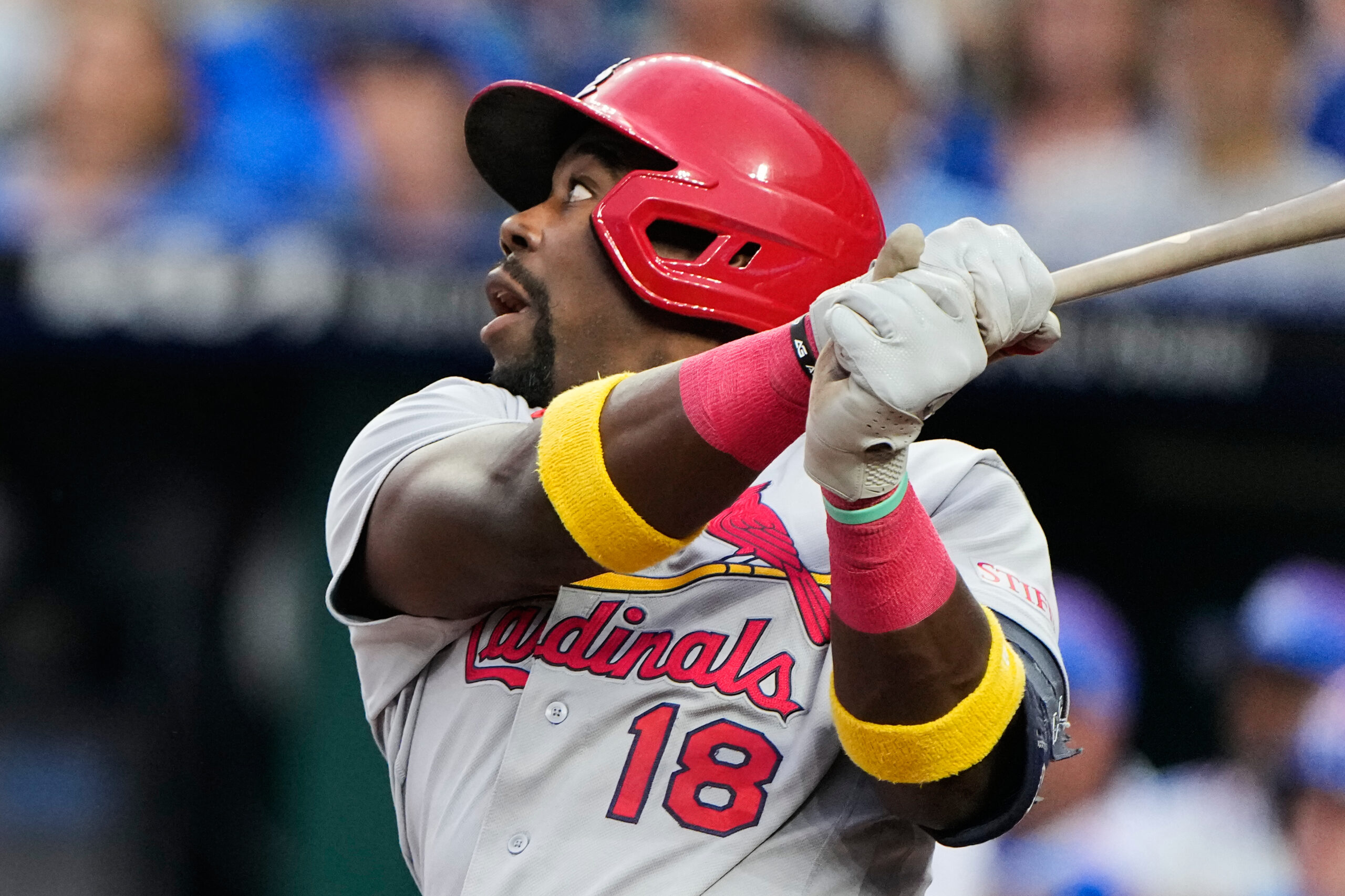
Jordan Walker, Cardinals
Home Run Derby appearances: First
2026 power numbers: 21 home runs, .534 slugging percentage
What to know: Walker, also a first-time All-Star, is looking to become the first Cardinal to win the derby. After being demoted to triple-A last year, the 24-year-old Walker is having a breakout season after retooling his swing in the offseason. His 92.4 mph exit velocity when he makes contact is fifth-highest in the league.
A new study from the U.S. Food and Drug Administration detected heavy metals, including lead and arsenic, in popular tampon brands, but not enough to raise health concerns.
“While trace metals are present in tampons, the amount released during use is too small to cause harm,” the agency announced this week.
The Inquirer spoke with Robyn Faye, an OB-GYN at Jefferson Abington Hospital, about what prompted the FDA study, what women should know about it, and the latest trends in menstrual products.
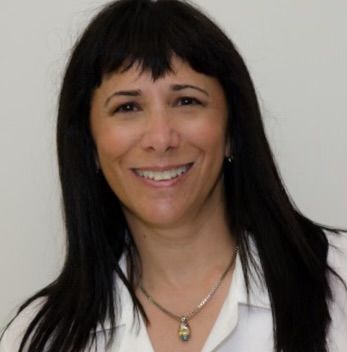
Robyn Faye, a gynecologist at Jefferson Abington Hospital, specializes in menopause and sexual health.
What triggered worry about metals in tampons?
A 2024 study by UC Berkeley raised alarms after finding trace amounts of 16 metals — arsenic, cadmium, lead, mercury, nickel — in more than a dozen different tampon unnamed brands.
The study found lead concentrations were higher in non-organic tampons, while arsenic was higher in organic tampons.
Tampons are made with cotton, rayon, or both. Researchers believe cotton can absorb metals from water, soil, or industrial contaminants near fields. Some metal might get added to tampons during manufacturing.
Metals have been linked to increased risk of dementia, cancer, kidney damage, and cardiovascular and neurological harm.
The UCstudy had a major shortcoming, however. It showed that metals exist inside raw tampon materials, but it did not test whether they leach out or get absorbed into the body, and if so, how much.
“Obviously, there was a concern about what the exposure would be to women using these tampons,” Faye said. “So they needed to look into the potential toxicological risk.”
What did the new FDA study find?
The FDA-led study, recently published in the journal Toxicological Sciences, tested 11 tampon products from six different brands sold in the United States. It did not name the brands, nor test any scented tampons.
The agency regulates tampons as “medical devices.”
While FDA scientists detected 19 metals at trace levels in tampons, they found “negligible toxicological concern.”
“The levels of metals released from tampons are not expected to result in adverse health effects,” the study concluded.
Scientists created a “worst-case” exposure, using a testing method that extracted as much metal out of the fibers as possible, under circumstances far more intensive than normal tampon use.
“They exaggerated the risk,” said Faye, who did not work on the study. “So the real-world exposure is probably even lower.”
The bottom line, she said, is tampons are safe to use.
What concerns do your patients have about tampons?
Faye said older women still worry about “toxic shock syndrome,” a rare bacterial infection caused from an open cut or vaginal wound. Many women still mistakenly believe it is a common risk from wearing a tampon too long.
Most younger patients, however, don’t use tampons.
“The trend in the younger women population is actually throwing out their tampons,” Faye said. “It’s interesting that the FDA is now doing a study on tampons when fewer girls are using them.”
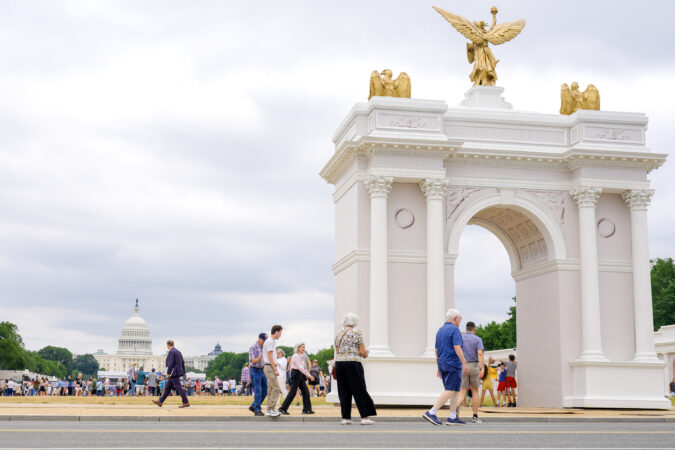
WASHINGTON — President Donald Trump’s plans to build a skyline-altering arch in the nation’s capital is getting another review from the federal commission whose approval he needs, but the agency’s staff says the project should be revised before it gets the go-ahead.
The National Capital Planning Commission is meeting Thursday to give further consideration to the Republican president’s proposed 250-foot arch.
In a report, the agency’s staff recommends that the commission approve the preliminary site and building plans for the arch. But the staff also recommends that the design be tweaked to comply with a federal law that limits building heights in downtown Washington to preserve the city’s famous skyline. The planning commission applies the law during its approval process.
“Staff suggests the Commission request the applicant revise the project design to comply with the Height of Buildings Act and return to NCPC for final approval,” the 185-page report says.
Applying the law “would require design revisions to redistribute the height between the main structure, habitable roof structure and statuary,” the report said. But even with the recommended revisions, the arch, a public observation deck and three gilded topper statues would still reach Trump’s desired 250-foot height, the report said.
The staff is also recommending that commissioners seek additional information about vehicular traffic around the arch, the proposed granite exterior and other aspects of the project before the Interior Department, which oversees the park service, returns for final approval. Trump wants to build the arch on a traffic circle on the Virginia side of the Memorial Bridge from the District of Columbia.
Commissioners heard a summary of the staff report and its recommendations and were hearing from about 40 people who signed up to testify about the project. Many cited the proposed location near the hallowed burial ground of Arlington National Cemetery in their opposition.
The U.S. Commission of Fine Arts, a separate federal agency, approved the design for the arch in May. The National Capital Planning Commission oversees construction on federal land in the city and began reviewing the arch plan in June.
Opponents of the project argue that the arch is too big for the skyline and would disrupt carefully designed views between the Lincoln Memorial and Arlington National Cemetery that were meant to symbolize the reunification of the North and the South after the Civil War.
But the opposition has done little to influence the members of either commission, both of which include some of Trump’s closest allies. Trump appointed Will Scharf, a top White House aide, to lead the planning commission.
A group of veterans and a historian have sued the Trump administration in federal court to block the arch construction over concerns about disruptions to the sightline.
The arch would be more than twice as tall as the Lincoln Memorial, which is 99 feet tall, and close to half the height of the Washington Monument, at about 555 feet tall.
Trump had said last year that the arch could be paid for with unused funds from the hundreds of millions of dollars he said he has raised from corporations, donors and other wealthy people to pay to build a new $400 million ballroom at the White House.
But, as it turns out, some public money will be used for the ballroom project, as well as the arch. The White House has not released a cost estimate for the arch.
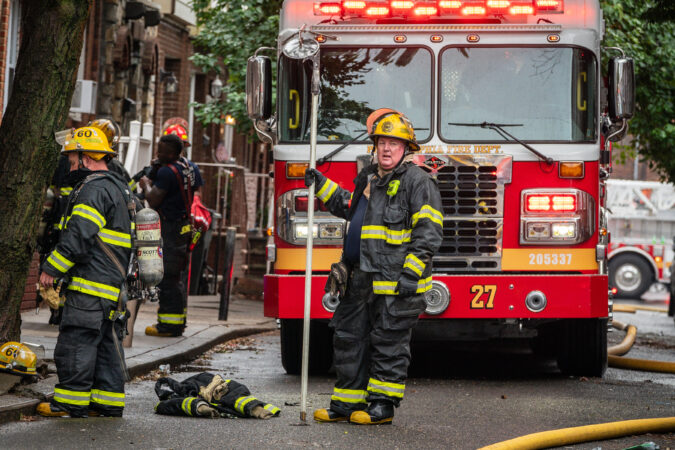
The union that represents more than 2,000 Philadelphia firefighters and paramedics says its members will, for the first time in two decades, receive a wage increase lower than police officers did — a contract provision they see as the end of years of pay parity among the city’s first responders.
Mayor Cherelle L. Parker’s administration announced Wednesday that a panel of arbitrators had issued a two-year contract award for Local 22 of the International Association of Fire Fighters after its members had gone more than a year without a contract.
Local 22 was the last of the city’s four major municipal unions to reach a multiyear agreement with the Parker administration. The other unions agreed to their contracts last year.
Parker said in a statement that the contract award recognizes the contributions of the city’s firefighters and emergency medical personnel “while supporting the city’s efforts to remain fiscally responsible.”
The contract award was issued by a three-member arbitration panel, a process governed by state law because emergency workers do not have the right to strike. The deal includes 3% raises annually for the next two years, plus a 1% wage increase in recognition of mandatory physical evaluations that members must receive biannually.
Those raises total a 7% pay increase over two years for union firefighters, paramedics, and emergency medical personnel. In the city’s contract with police inked about a year ago, members of the Fraternal Order of Police Lodge 5 received a 9% wage increase in total over the same time period, plus a $3,000 signing bonus.
Local 22 president Mike Bresnan said Parker’s administration did not adequately advocate for pay parity between police and firefighters. He said he is lobbying members of City Council to consider legislation that would require Council approval for the mayor to appeal firefighters’ contracts in the future.
“Mayor Parker likes to run around putting her one index finger up as ‘we’re all one,’” Bresnan said. “Well, she just put her middle finger up to every firefighter and paramedic in the city.”
He added: “If there’s somebody out there that’s thinking about running for mayor, we’d like to have a conversation with them.”
The firefighters union has historically played a relatively minimal role in city elections compared with more politically active labor groups like those that represent construction workers. The union did not back a candidate in the 2023 mayor’s race, which Parker won.
In this 2024 file photo, Fire Commissioner Jeffrey W. Thompson stands, at left, with Mayor Cherelle L. Parker with Managing Director Adam Thiel at the fire administration building in Spring Garden.
The FOP contract, similar to the firefighters’, included 3% annual raises. The difference was that police received an additional 1.5% annual wage increase because their union agreed to a process called “civilianization,” meaning some roles held by uniformed officers would be transitioned to ones held by civilians.
The raise, according to the contract, was in recognition of the “operational flexibility” that the civilianization process would achieve. It did not identify the number of positions that would be civilianized or if the effort would save the city money.
The arbitration panel that drafted the firefighters’ contract is made up of one appointee each from the city and the union, plus a neutral arbitrator. The panel wrote that while there has, in general, been pay parity in raises for police and firefighters, that “has never meant identical awards.”
In this case, the panel reasoned, the civilianization-related raise was unique to the police department and the city did not need to match it for the firefighters.
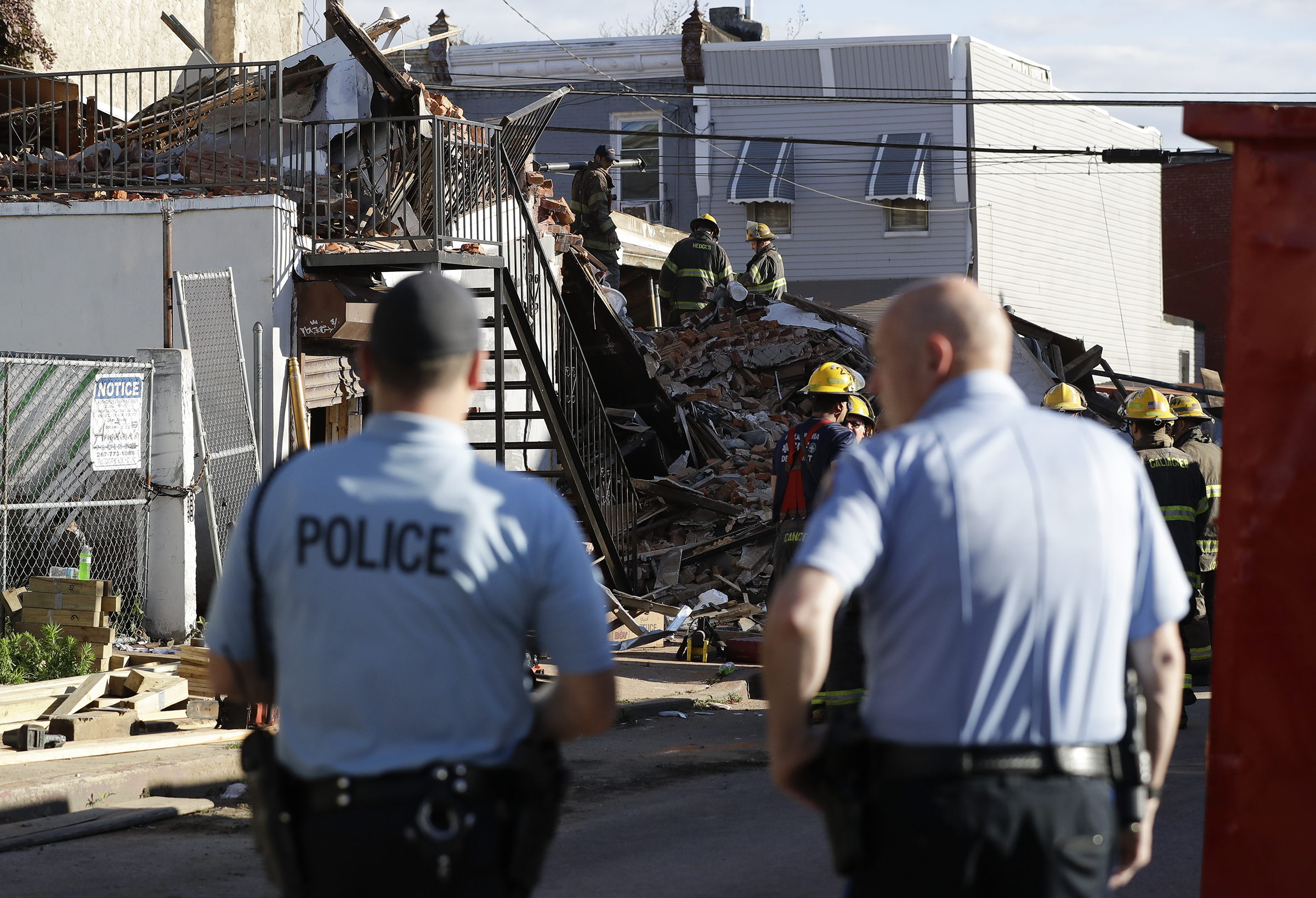
In this 2022 file photo, Philadelphia firefighters examine the remains of a collapsed building along the 300 block of West Indiana Street in the Fairhill section of Philadelphia as Philadelphia police officers look on.
Marc Gelman, the union’s appointed arbitrator, issued a scathing dissent, writing that the contract award was ultimately a “rubber-stamp to the city’s desired economic wishlist” and provided firefighters with “a dramatically lower wage increase than the police.”
He argued that the city could afford a higher wage increase for firefighters because it is operating from a place of fiscal strength, citing its substantial surplus in this year’s budget.
However, the city will have to tap into reserves or make adjustments to its existing five-year budget plan to cover the firefighters’ contract. That is because the administration already exhausted its $550 million labor reserve to cover contracts with the city’s other major municipal unions.
The Parker administration did not estimate how much money the firefighters’ contract award will cost.
Gelman wrote that the labor reserve was exhausted through the city’s “mismanagement and inability to plan.”
“The city now cries poor,” he wrote, “and expects the members of Local 22 to suffer for its ineptitude.”
Bresnan said pay parity is critical because the police and firefighters unions are unique in that “members can leave for work in the morning and not come home at night to their family.”
“We’re out there shoulder-to-shoulder on these emergencies in the city,” he said. “Every mayor prior recognized this and kept the peace. Now they’ve created a fracture between the first responders in the city.”
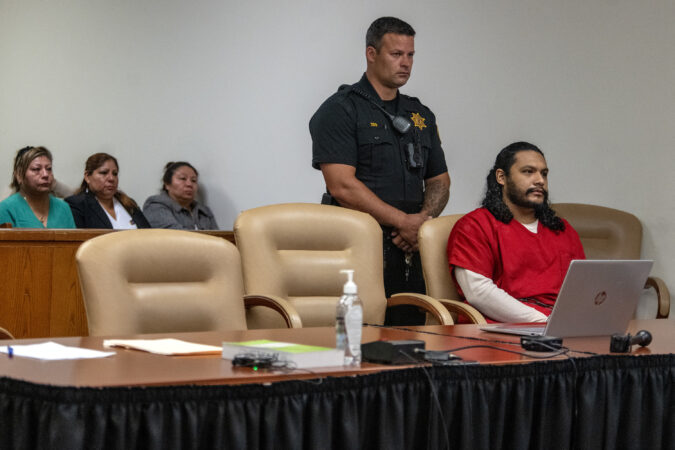
An Oregon man on Thursday was ordered to spend 30 years in prison for fatally stabbing a beloved South Jersey veterinarian at the vet’s Cherry Hill home.
During Custodio-Aquino’s sentencing before Camden County Superior Court Judge Judith Charny, Anthony’s family members spoke tearfully of late veterinarian, who they described as kind, wickedly funny, and a devoted father to his sons.
Above all, they grappled for answers as to why Custodio-Aquino murdered Anthony that morning on his front lawn.
“You took all of the future moments that should have belong to him,” said Patricia Anthony Gershefski, one of Anthony’s sisters.
Anthony Gershefski said her brother was warm and sensitive, even moving his veterinarian practice just to be closer to his children.
The brutal nature of the crime confounds the family to this day.
In her career as a professional psychologist, Anthony Gershefski said, she has found “no diagnostic category for the deliberate destruction of another person’s life in this savage and grotesque manner.”
Kyle Bartsch, Anthony’s partner, said in a statement read by prosecutors that Anthony had filled their home on Sharrowvale Road with love and laughter.
His death, Bartsch said, leaves “a permanent void in the lives of those who knew him.”
While Custodio-Aquino’s attorneys had previously suggested that prosecutors did not have enough evidence to convict their client of murder, they were mum throughout the proceeding.
In addition to the eyeglasses investigators linked to the Peru native, license plate readers captured Custodio-Aquino’s car entering and exiting Anthony’s neighborhood that morning, and forensic experts later recovered a sample of the veterinarian’s blood from the vehicle.
Prosecutors believe Custodio-Aquino traversed the country in a fit of jealousy that fall before killing Anthony.
He had previously dated Anthony’s partner, Bartsch, and once lived with the man in Haddon Township before the couple separated in 2021 after a domestic dispute, according to prosecutors.
Custodio-Aquino, given the opportunity to address the court, spoke so softly that Charny asked that he repeat himself.
Raising his voice, he said: “I do agree that the world is less than without Michael Anthony.”
He was sentenced to 30 years in a state correctional facility without parole. Charny offered few words on the ruling beyond wishing Custodio-Aquino good luck.
It was Henry Anthony, Anthony’s teenage son, who saved some of the most biting remarks for his father’s killer.
“Your life is officially over,” Anthony said, turning to look at Custodio-Aquino. “I honestly wonder what your reason for living will be for the next 30 years.”
Think of the Flyers as an explorer who landed on a deserted island. On this island, deep within miles of thick jungle, is treasure. The explorer knows the treasure is there somewhere, and he aims to find it.
Leo Carlsson would have been a new machete: sharp, strong, capable of cutting through all those vines and branches and trunks to make the Flyers’ journey to those riches easier and faster. Now the explorer won’t have that tool. Now that the Anaheim Ducks have matched the five-year, $90-million offer sheet that Carlsson signed with the Flyers last week, the Flyers won’t have the steel blade that Carlsson represented as a 6-foot-3, 21-year-old, clear-cut first-line center just entering his prime.
So where does that leave them? It means that their trek to that treasure, to their first Stanley Cup since 1974-75, will likely be slower and less certain. They may get to it eventually, but it’s going to take more time and be more costly.
Had the Ducks declined to match the Flyers’ audacious offer — and make no mistake, this gambit by Danny Brière was bold and creative, as close to a Now youse can’t leave move as an NHL general manager can make — Anaheim would have received four first-round picks from the Flyers. That price would have been steep. But the Flyers would have added Carlsson, who averaged nearly a point a game last season, is an excellent player now, and has shown every sign that he will get even better.
They need a No. 1 center, not merely for the talent and scoring touch such a player would provide, but also so they can slot their other centers — Trevor Zegras, Christian Dvorak, and Sean Couturier — more appropriately. With Carlsson (or any center of similar caliber, for that matter), Zegras would have become the second-line guy. Dvorak would have become a terrific third-line guy. And Couturier would have remained in the role he played so well in last season’s playoffs, as an outstanding fourth-line checker, faceoff-taker, and leader.
What’s more, the Flyers have a roster and a farm system with plenty of promising young players, and if this move had come to fruition, they wouldn’t have had to sacrifice any of them to fill one of their biggest holes. That’s perhaps the most disappointing aspect of this result for them: That luxury of gaining an emerging superstar without having to give up valuable players and/or prospects already within the organization likely is no longer available to them.
With the Carlsson episode behind him, Flyers general manager Danny Brière must be practical about the team’s range of needs.
They’re interested in the Detroit Red Wings’ Dylan Larkin, for instance; though Larkin is 7½ years older than Carlsson, he still would fit the Flyers like a well-tailored suit. But assuming Larkin, who has a full no-movement clause, is even willing to join the Flyers, the trade package necessary to acquire him would probably have to include a player or two on their current roster. Would Larkin be worth the departure of, say, Owen Tippett and/or Denver Barkey?
Just because Brière made such a huge play for Carlsson doesn’t mean he has to answer that question, immediately or ever. The smartest thing he and the Flyers’ leadership team have done in the three years since he took over as GM has been to give themselves flexibility in improving the team. They didn’t have to shock the NHL by presenting that offer sheet to Carlsson — a proposal for a contract that has now made him the league’s highest-paid player. But they did. After years of running in place, after qualifying for the postseason for the first time since 2020, they declared that they were ready to spend again, but they made that declaration on their terms.
They have several choices for how they can proceed. They need not just a No. 1 center, but a top-pair defenseman, or at least one capable of quarterbacking a power play. They can act quickly to acquire one or both of those players, to find short-term and/or long-term answers to those lingering questions, or they can wait.
Remember: Even if they had won their duel with the Ducks for Carlsson, the Flyers wouldn’t have been considered a true contender this season for the Stanley Cup. Porter Martone, Matvei Michkov, Tyson Foerster, Jamie Drysdale, Alex Bump, Zegras: All of them have growth and development ahead of them. Yes, the Flyers’ hunt will take longer now that Leo Carlsson, that oh-so useful tool, will remain on the West Coast, but they can still find that chest of gold. They just have to take care not to get lost along the way.
Ikea has opened its first Delaware County location, though it doesn’t look like its massive stores in Conshohocken and South Philly.
The home design company’s “plan and order point” in Media opened Wednesday. At less than 4,000 square feet, the outpost is a fraction of the size of its typical stores, with square footage in the hundreds of thousands.
Ikea, which has its U.S. headquarters in Conshohocken, said in a statement this fall that the location would provide design consultation services for more complex projects like kitchens, bedrooms, and bathrooms. But the space doesn’t contain inventory. Instead, customers can order items for delivery or on-site pickup.
For some Delaware County residents, the new location means “no more trekking through that notorious I-476 ‘Blue Route’ traffic” to get to the Conshohocken or South Philly stores, Ikea U.S. market manager George Holtkamp said in an October statement.
But if those customers get a craving for the popular Ikea meatballs, they’ll still have to make the longer trip, as the Media site does not have an in-store Swedish bistro.
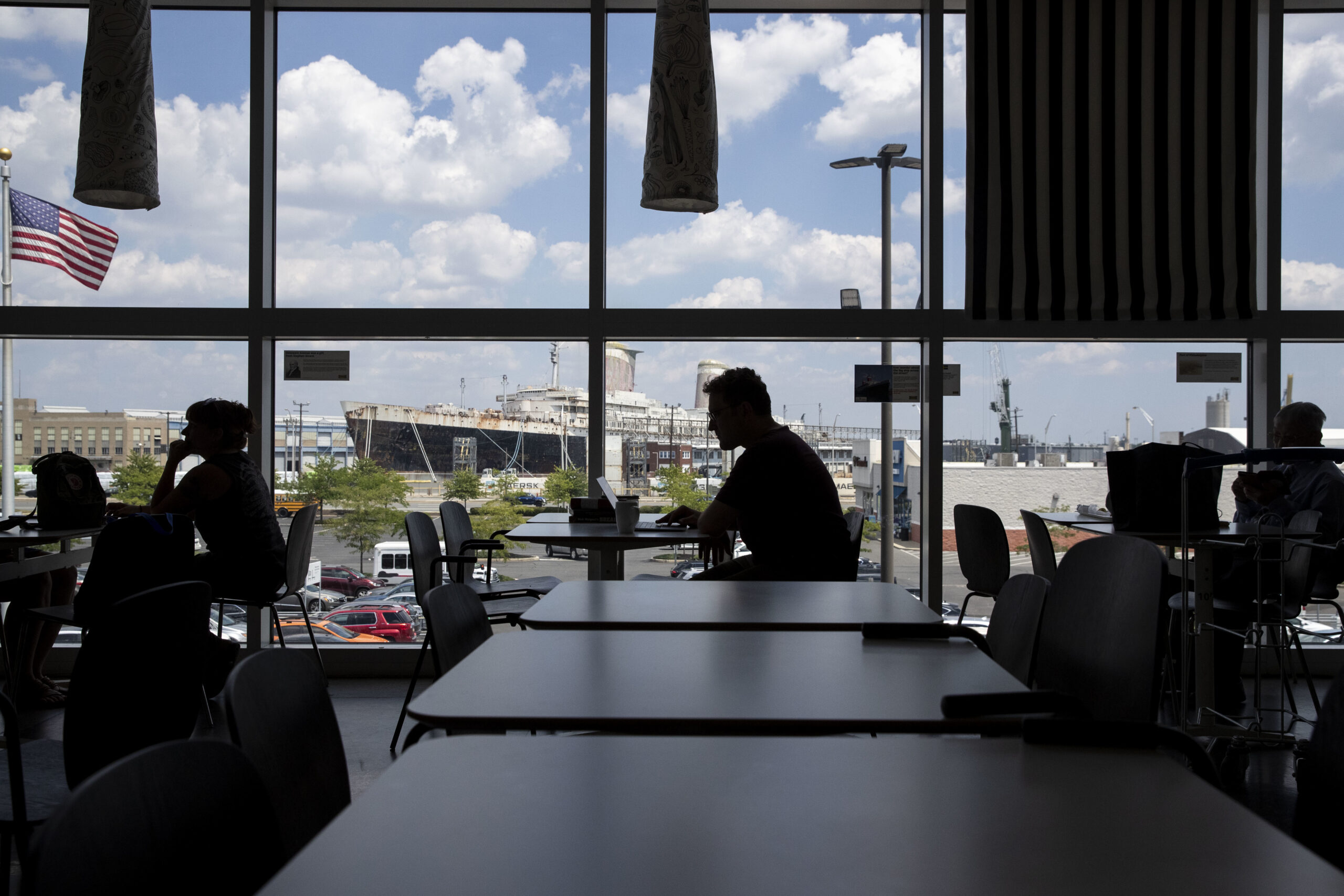
People worked in the cafeteria of the 300,000-square-foot Ikea in South Philly in 2022.
Ikea has been adding more locations after its U.S. arm reported $5.3 billion in sales last year, the majority of which were made in-person. Over the same period, about 61 million people visited its physical stores, while more than 457 million people browsed the website.
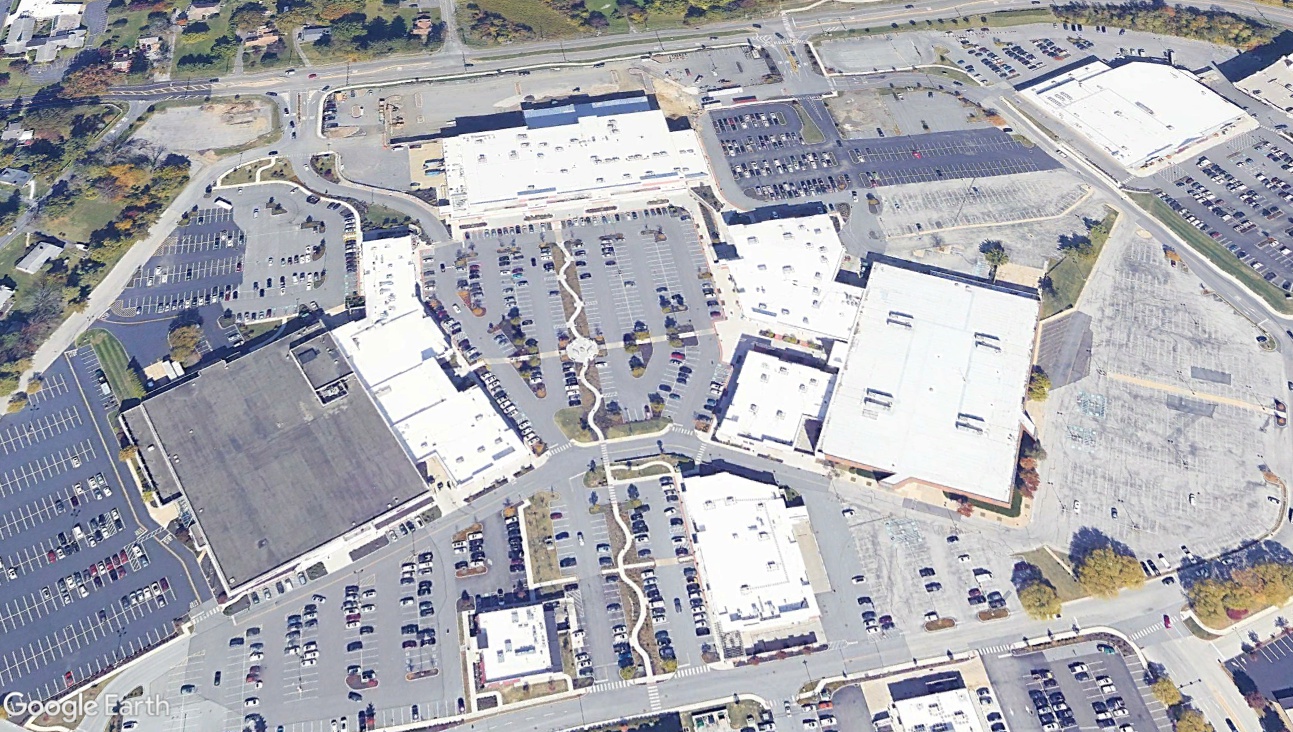
In Media, Ikea joins Michaels, TJ Maxx, Kohl’s, Boscov’s, and a slate of other stores that occupy the 830,000-square-foot retail section of the Promenade at Granite Run. The complex exemplifies how struggling malls can be reborn.
After the Granite Run Mall closed in 2015, BET Investments spent more than $100 million to demolish the building and build the open-air town center in its place, according to president Michael Markman. Along with an array of retailers, the complex now contains 400 luxury apartments, as well as several restaurants and medical offices.
An aerial photo shows the Promenade at Granite Run in June 2022.
Markman said in April that the retail portion of the complex is almost fully leased.
“Its only gotten better since we originally tenanted it,” Markman said at the time. “We signed a Nordstrom Rack. We signed a small-scale Ikea.”
One person after another shuffled toward her from the funeral line snaking down the center aisle, through the vestibule of St. Anthony of Padua Catholic Church, out to Forest Avenue in Ambler, and I wondered as I approached her how long Meg Kane could keep this up. The sad, grateful smile. The long, tight hugs. The posture she maintained, straight as a soldier, when the shock and grief simmering within her should have sent her to her knees.
It was Friday, April 12, 2024. Eight days had passed since the house fire that killed her parents — the kind of unbelievable tragedy that interrupts a local newscast, helicopters hovering over the smoldering ruins. Unbelievable, too, because it had happened to Meg. Over the quarter-century that we have been close, she has risen through the public relations industry to a place of power and influence within Philadelphia without compromising the qualities that made her, above all else, a decent human being. It always seemed that her intelligence and drive, her character and achievements, melded to form a shield that would protect her from catastrophe. Something like this doesn’t happen to someone like Meg, I thought that day, as if such a thought were anything other than a mind trick, a weak attempt to reconcile how and why my friend’s mother and father were dead.
The line stretched to more than 200 people, perhaps more than 300. No one standing in it should have been surprised at its length. Meg had relationships and connections throughout the Delaware Valley, of course, but more than that, she and her family had embodied the blending of some beautiful and long-conflicted aspects of Philadelphia’s history and culture. They had learned to live with and revel in the tensions inherent in certain traditions here. Their roots were that deep. Their hearts were that open. Hers most of all.
That background is one reason Meg has been the ideal face of the campaign to bring the World Cup to Philadelphia and promote it once it was here, to play up and celebrate the happy marriage of soccer and the city. It also is the reason that — through every match, every publicity event, every meeting, every long and restless night before and during this tournament, all while the eyes of the globe had been on Philadelphia — she has been holding all that pride in the same palm as so much pain.
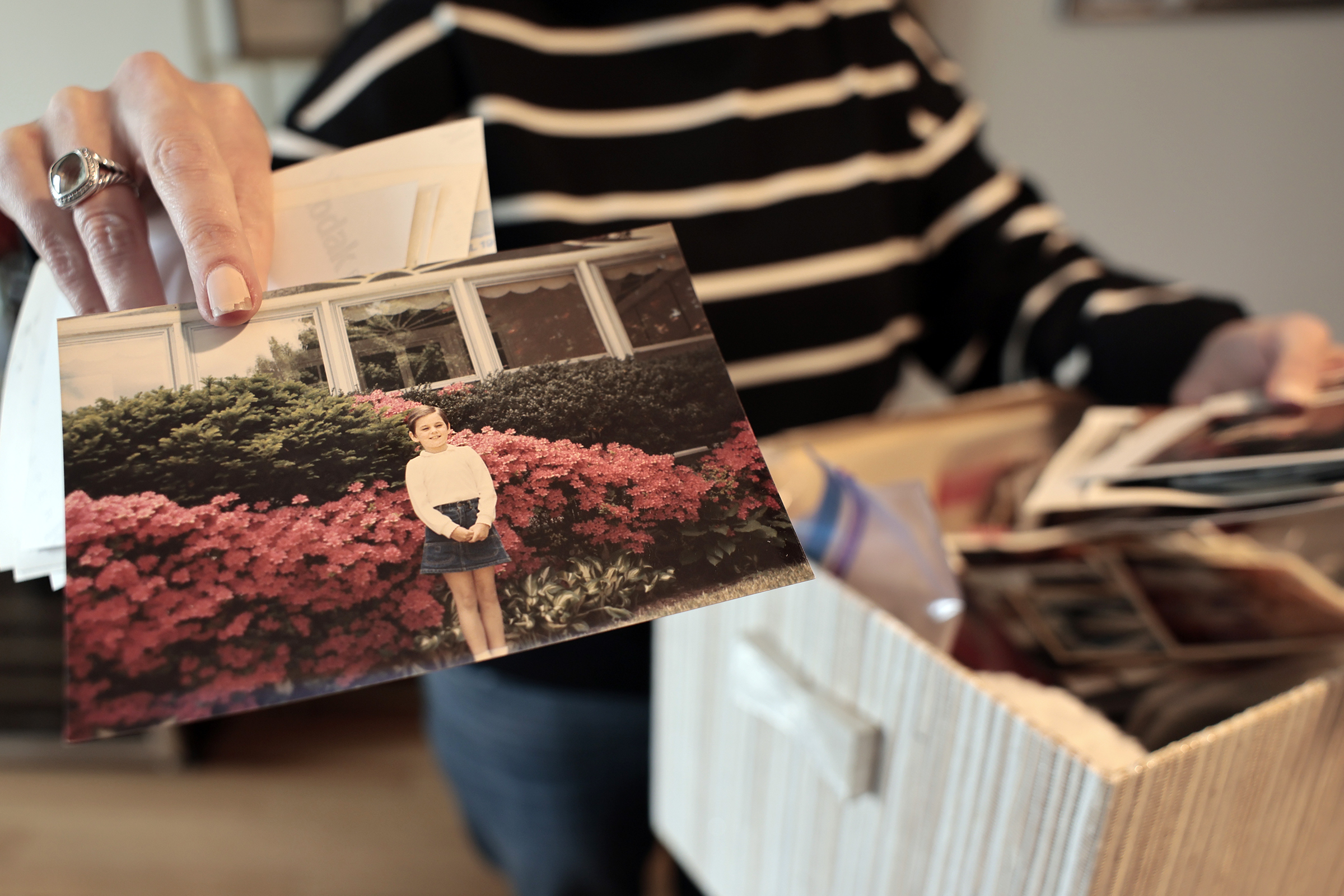
Meg Kane looks at a photo of her mother among old family photos in her Philadelphia apartment in May. The photos were recovered from the scene of an April 2024 house fire in Ambler that killed both of her parents.
Everything essential in life
There she is again. Another quickie interview on Fox29. Another guest spot on a PHLY Sports panel. Another four paragraphs of insightful quotes to us at The Inquirer. Another Amtrak ride up to New York or 14-hour flight to Doha, Qatar, to see what she could learn, then another debrief with her colleagues at Philadelphia Soccer 2026. Here’s what they did. Here’s why it did or didn’t work. Here’s what we can and should do.
Nothing new for Meg Kane. Nothing out of the ordinary. Revitalizing Tastykake’s brand and business when its headquarters relocated from Hunting Park to the Navy Yard … making ready the way for Pope Francis’ visit to town in 2015 … counseling the Philadelphia Orchestra and the archdiocese … all this at the tenderest of ages, all this before she turned 45 in January.
“When the odds are against us,” said her friend Christopher Pinto, the development lead of the Philly Pops, “this city calls Meg Kane to make the impossible possible.”
Meg Kane (center) speaks at a press conference about preparations for the FIFA World Cup in May at Lincoln Financial Field.
Who was better to evangelize about Philadelphia, to make the case that it was an ideal location for the biggest event in the world’s most popular sport? Who else had the requisite combination of local expertise and enthusiasm to share the multitudes that the city contained? Meg’s mother, Debbie, and biological father, Richard, had divorced not long after Meg was born. Debbie then married Steve Wood in September 1983 — a Little Flower alumna and a North Catholic graduate reconnecting 15 years after they’d met as teenagers on the Wildwood boardwalk.
Meg wasn’t yet 3 when Steve became her stepfather, but the word was appropriate only in its most literal sense. He was Dad, too, and she was his daughter, full stop, and everything that was essential in his life became essential in hers …
… and everything included their early-afternoon car trips together starting when Meg was 7, when Steve would pick her up after another half-day at St. Martin of Tours School and drive down I-95 to 13th and Walnut, to the bar that Steve and his brother, Bill, had opened in 1980, to Woody’s — to the best-known gay social establishment that Philadelphia has ever known. While Steve balanced the books, Meg — still in her Catholic school uniform, her plaid skirt and saddle shoes — sat at the bar, the daytime bartenders fixing her fresh cherry Cokes, making them the right way, muddling the fruit and filling her glass with fountain soda, the little girl chatting up the customers and playing Ms. Pac-Man on the arcade machine upstairs and remaining mostly oblivious, never thinking anything there was strange or sinful, her parents never suggesting anything was.
As a child, Meg Kane’s afternoons sometimes included stops at her dad and uncle’s bar, Woody’s.
The cognitive dissonance might have caused constant friction in one family or torn another apart. It didn’t exist within Meg’s. Steve had one rule about the visits that Meg, her younger sister, Liz, and their younger brother, Stephen, made to Woody’s: If you see someone there you know, keep it to yourself. “It was important we never outed anybody,” Meg said. “At that time, there were people for whom Woody’s was an oasis, an escape, the one place they could be themselves.”
The bartenders there picked up extra work at Liz’s and Stephen’s christening parties. Bill’s partner, Lee Mallon, showed up to the family’s annual Christmas party dressed as Santa. Debbie, who became a principal at Norwood-Fontbonne Academy in Chestnut Hill after years of teaching in the archdiocese, loved to tell the story about the earnest couple who made an appointment to tell her something troubling … except the delicate topic had nothing to do with the couple’s children. The husband had been downtown, and he and his wife had been praying about whether to share what he saw with Debbie, and, well … Your husband walked into Woody’s. And Debbie let out a belly laugh. Oh, I know … By the way, have you forgotten what my last name is?
At the height of the AIDS crisis in the 1980s and ’90s, Steve and Bill kept employees on the payroll even though they couldn’t work anymore, held celebration-of-life luncheons at the bar, and covered the cost of memorial services and burials when no one else would. Those trips to hospitals and funeral parlors were rarely, if ever, spoken of within the Wood family. Steve’s mother had died when he was 4 and his father when he was 13. His siblings had raised him, and he considered business associates to be friends and friends to be family, and maybe a young woman who later would be charged with uniting a diverse but territorial city behind a common mission had to grow up immersed in such acceptance, such label-free loyalty.
There was Meg, riding with Steve every morning during her high school years from their new home in the Montgomery County suburbs to Academy of Notre Dame in Villanova — a school with a great speech-debate program for a teenager who knew she’d end up talking for a living — the two of them listening to WIP throughout those 45-minute commutes. “It’s how I learned to be a sports fan,” she said. “My passion was cultivated because of our relationship.” There was Liz, going her own way at Mount St. Joseph Academy. There was Stephen, heading off to St. Joseph’s Prep. But it wasn’t until Meg’s freshman year at La Salle, when a male student she didn’t know knocked on the door of her dorm room to thank her — Your family owns Woody’s, right? I don’t know what I would have done without it — that she perceived her family as resting at the center of every Venn diagram of Philadelphia, sharing something in common with every group and subgroup.
I met her during the first semester of her junior year at La Salle, when she took a journalism class I was teaching in the fall of 2001. It is an intimidating thing to be a 26-year-old adjunct professor, to have taught for just two years, and to suspect immediately that one of your students is smarter and wiser and more sophisticated than you are. Ten days into the term, on Tuesday, Sept. 11, she proved she was.
Class began at 9 a.m. I tried to get 20 minutes worth of lecture time in as black smoke billowed from the World Trade Center towers and my students, a few of whom hailed from New York and North Jersey, chewed their fingernails and fidgeted in their chairs. Finally, Meg shot me a look that said, I know you mean well, but … please, we gotta get out of here. When the class reconvened later that week, I asked for the students’ forgiveness for my stupid officiousness, for my failure to read the classroom, and we spent the rest of the period discussing and venting about the terrorist attacks and their aftermath. In September 2011, Meg sent me a letter — not an email, not a direct message, a letter, on paper, more permanent — recalling that week. You did what a teacher is supposed to do, she wrote. You earned our trust, and you never lost it. It remains a treasured gift, that letter and its contents, that benefit of the doubt, that measure of grace that I hadn’t earned and didn’t deserve.
By then, Steve and Bill had sold Woody’s and opened another bar, Knock, and Meg had lifted off and would continue climbing in her career: from La Salle — she was her class’s commencement speaker — to graduate school at Maryland; from earning a master’s degree to planning and publicizing some of the city’s biggest events; from getting a text message in November 2019 from Angela Val, who was the CEO of the city’s convention and visitors bureau at the time, to meeting her that night at the Ritz Carlton. We need you, Val told her. We’re going to bid on the World Cup.
It was the project of a lifetime. It gave her the runway and credibility to open her own PR firm, Signature 57, in 2021. It put her front and center as the captain of the city’s World Cup cheerleading squad — “the Pied Piper of Philly soccer,” someone called her. And she still could be the daughter and sister and friend she’d always been, ready at a moment’s notice to give whatever had to be given. Drive five hours one way to attend the funeral of a colleague’s parent? It’s a day. What’s a day? Get off a plane after a week of work in Ireland and head straight to a chamber of commerce dinner that night? Work an 80-to-100-hour week? Of course. How else would she be there for her family if she didn’t excel in her professional life, if she didn’t squeeze her responsibilities and extra efforts into the smallest possible windows of time?
Yes, she thought it, too: Something like this doesn’t happen to someone like me. But things did happen. Debbie retired and, without her work in education, struggled in the void, losing weight, chain-smoking so much that her favorite blanket became pocked with holes where fallen ashes — and even the still-lit tip of one of her Merit Menthols, as she was dozing off — had burned through the wool. Stephen moved back in with his parents after finishing at Penn State and stayed with them for nine years, teaching English at Norwood, helping Steve care for Debbie. Liz and her husband, Michael McCabe, both faculty members at La Salle College High School, lost a baby daughter, Eleanor, and one night, Steve sat with Meg at his dining room table, a Phillies game on TV in the background. He had grown up without a mother and father. He had watched dear friends waste away to a deadly virus. Yes, these things and more did happen, but “my dad,” Meg said, “had an incredibly positive view of the world,” and at the table, he described to her how he had tried to comfort Liz.
Don’t despair, he said. Don’t despair. It’s the only way to keep going.
The horror of a ticking clock
On Thursday, April 4, 2024. Meg was in a room at the Fairmont in Washington, D.C., already awake for close to two hours, writing and rewriting speeches and teleprompter scripts for the Horatio Alger Association Awards, a three-day event for the philanthropic juggernaut that had become a signature project for Signature 57: a CEO’s retirement, the introduction of 12 new members, two major dinners, an undertaking so massive that Meg and four coworkers bunkered for a week in the hotel to complete it.
Still in her pajamas, she was trudging to the bathroom to wash her face when her phone buzzed and lit up pink, the color that meant Liz was calling. She assumed something was wrong with Francis, Liz and Mike’s 4-month-old son.
Meg looked at her phone. It was 6:42 a.m.
Liz?
Meg, she shrieked, I’m watching the house burn down!
What?
I’m watching the news. I’m holding the baby, feeding the baby, and the house is on fire!
Meg told Liz to call the police. She put her phone down and walked to the bathroom, violently shaking, and did not wash her face. She called her boyfriend, Keith Audit, and told him, I need you to find out if my parents’ house in on fire, and Liz called back and said that the police had told her that someone would be in touch and she had tried calling Steve’s phone but it had gone right to voicemail and Liz kept saying, It’s definitely the house, and I don’t know what to do, and then Meg said out loud an irrational thing: We have to call Norwood. Stephen’s a teacher. Stephen’s not going to make it to school. Someone has to let Norwood know to get a sub. And Meg hung up with Liz and called Shannon Craige, Norwood’s curriculum director, who told her the students were on spring break and Norwood was closed.
Meg looked at her phone. It was 6:53 a.m.
She called Stephanie Bambach, the vice president of Signature 57, who was in a room above her. When she arrived at Meg’s room, Bambach was surprised that Meg’s demeanor was as measured as it was. She was not surprised that Meg’s voice was trembling.
I have to finish writing the remarks for Saturday night, Meg said. I’m only halfway done. I can’t leave.
It doesn’t matter, Meg.
Meg reopened her laptop and emailed every document and every draft of every unfinished document to Bambach. She grabbed a black striped sweater and a pair of black leggings, went into the bathroom, and got dressed.
“I remember looking at myself in the mirror,” she said later, “and saying, ‘You will never wear these clothes again.’”
Bambach arranged for a car service to pick up Meg at the hotel and drive her back to Philadelphia. The two of them rode an elevator down to the lobby. Meg held her room key. She tried to hand it to Bambach.
In case, Meg said, someone needs to use my room.
Bambach didn’t take the key. Keep it. Good thoughts. It’s going to be OK. You might come back.
I’m not coming back, Meg said. It’s not going to be OK.
In the back seat of a black sedan, Meg’s phone rang again.
I’m at the house, Liz said. I just spoke with a detective. Mommy and Daddy didn’t make it.
Meg took a deep breath. Where. Is. Stephen?
He’s OK, Liz said. He got out.
Meg looked at her phone. It was 7:43 a.m.
The black sedan pulled up to her apartment. Keith was waiting for her. She threw her bags in his car, and they drove to Temple University Hospital’s burn unit. Stephen was there, in a bed in a room in the back, his face and body covered in soot. That acrid, sickening odor. Physically, somehow, he was fine.
“We were the luckiest people on that floor,” Meg said later. “He was going to get out of that bed and go home. That day couldn’t have been worse, but my God, it could have been.”
She looked at her phone. It wasn’t yet 11 a.m.
Miles away
Two months. That’s how long she stepped away. From the World Cup campaign. From Signature 57. From everything except what was gone and what remained.
The fire’s official cause was undetermined. Its damage was incalculable. Steve and Debbie had no wills. Their birth certificates and Social Security cards were gone. Meg had to pick up the mail and pay the mortgage and pay other bills and access both their personal bank account and the finances for Knock and show up for every meeting with every lawyer and builder and contractor, everything moving incredibly fast and in slow motion at the same time, so many dear memories now coldly cataloged on an Excel spreadsheet.
She did not talk about the fire at all in public and only rarely in private. Her last name was not Wood; few strangers, if any, knew her connection to the tragedy. The relative anonymity was meager relief from the pressure she piled on herself. Who else could handle the fallout? Who else could inch everyone a little closer to normal again? It had to be her.
She didn’t have a newborn to raise, like Liz and Mike did. She hadn’t awakened in the dead of night to dodge flames and hold her breath to keep smoke from seeping into her lungs, like Stephen had. Hell, her poor brother couldn’t even cradle his baby nephew two months after their parents’ deaths: A potent combination — a crackle of July 4 fireworks and a quick post-traumatic contemplation of the fragility of human life — compelled him to hand Francis off to someone, anyone, before something terrible happened again. Nothing she was dealing with came close. Hell, she had been 150 miles away when the house went up. She hadn’t even been there.
Her friends worried that she was pushing herself to the brink of a breakdown and beyond. “She’s really not someone who leans on people,” Bambach said. “I wish she had leaned on us more in the aftermath. So much of her identity is who she is as a leader of Signature, of Philly Soccer, and accepting help from people was a position she was really uncomfortable with. As her friend, I had moments when I wished she would just ask for help.”
Two months. She couldn’t bring herself to take more time away from work. She ping-ponged between her guilt over what she had to do for her family and her guilt over her desire to return to her career. “I really struggled with that,” she said. “Everyone is replaceable at work. If I’m not there, does it run better without me? Are people doing better? Philadelphia World Cup 2026 — is it running better and smoother? Are they finding this to be easier without me? I thought about that even with Signature 57. I’m the founder and CEO, and I still grapple with that. You can go to dark places.”
Meg Kane was out of town the night a house fire killed her parents.
The things that remain
On the kitchen table of her Fairmount apartment, Meg Kane reached into a box to handle the delicate pieces of her parents’ past and her present. Three pages from a memoir by talk-show host Mika Brzezinski, their edges singed black, survived the fire; Meg found them when she first returned to the house’s site. A couple of old family photo albums, the pictures mounted under sticky plastic, the books stashed in a sealed Tupperware container, seem untouched, save for their smoky smell. “It’s really hard to …” she said. “It takes you back there.” So does a black magnetic card that she lifted out of the box. The key to her room at the Fairmont. She kept it.
There’s a vision she can’t shake: Steve waking Stephen up, making sure he got out of the house, then remaining at Debbie’s side, knowing he could not leave her, his children knowing he never would. He had to be so scared in those final moments. He had to be so brave.
“At the end, there’s just grief,” Meg said. “I’m not sure I’ve dealt with the grief. I don’t know I’ve felt it all the way. I don’t know that I’ve allowed it to be something I fully felt.”
So she stores it away, lets it out only during the brief and rare breaks in her schedule, when the events and interviews have paused and some stillness and quiet return to her life. In May, Stephen proposed to his girlfriend, and at the engagement party, Meg pulled him aside for a conversation. It lasted 15 minutes. “It was the talk that everybody was avoiding all night,” he said, a talk about how much he had grown over the last few years, “the kind of talk you would want from your mom or dad.”
It was the happiest moment in a spring and summer that have had many happy ones. She partied on Lemon Hill in Fairmount Park and marched with several hundred Croatian soccer fans from Center City to Old City and rode a subway train quaking from the chants and songs of Brazil’s futbol fanatics, and she saw Philadelphia reveal itself as a world-class sports showcase. They are just Band-Aids, to be sure, covering the paper cuts of knowing that her parents never got to meet their son’s fiancée or hear their grandson speak his first word. But for those of us fortunate enough to call her a friend, they are the answer to the question we were asking as we stood in that church two years ago. How would she get through each day? How would she keep this up?
She did it by holding on to something a father told his daughters. She did it in the only way any of us can. She remembered that she has loved and is loved, and she did not despair.
DUBAI, United Arab Emirates — The United States launched new airstrikes against Iran early Thursday, and Tehran responded by targeting U.S.-allied Mideast countries in an exchange of fire that threatened an interim deal intended to help end the war in the Middle East.
Back-and-forth attacks, including a day earlier, have repeatedly threatened the ceasefire. But Thursday’s appeared bigger all around, with sirens sounding at least three times in Bahrain, home to the U.S. Navy’s 5th Fleet headquarters, and missiles targeting Kuwait and Qatar.
Sirens sounded Thursday afternoon in Jordan as well, where the U.S. has stationed troops and aircraft.
An Iranian official accused the U.S. of launching an airstrike later Thursday targeting the area around Iran’s sole nuclear power plant, and other explosions were reported elsewhere in the country during the afternoon.
The strikes came hours after President Donald Trump said recent Iranian attacks on ships in the Strait of Hormuz signaled the end of a fragile ceasefire and threatened to escalate the conflict if they didn’t stop. That raised concerns that the region could tip back into a war that would engulf several countries and could halt energy shipments through the strait that are crucial for the global economy.
In Iran, the two days of American airstrikes have killed at least 14 people and wounded another 78, Iran’s Health Ministry said Thursday. Most were reportedly members of the armed forces.
In Kuwait, the military said falling debris wounded one person as the nation shot down three ballistic missiles, a cruise missile and 10 drones. Bahrain said it shot down incoming fire, without elaborating, and Jordanian government spokesman Mohammad al-Momani said all incoming fire from Iran had been intercepted. Iranian state TV said the country’s paramilitary Revolutionary Guard fired missiles at a U.S. base in Jordan.
There was no immediate word of damage in Qatar.
U.S. strikes hit more targets
The U.S. military’s Central Command said it hit 90 targets across Iran, releasing black-and-white footage of what appeared to be strikes on an airport runway and missile launchers.
The U.S. said the strikes were intended to “further degrade” Iran’s ability “to threaten freedom of navigation” in the strait, through which a fifth of the world’s traded oil and natural gas passed before the war began with U.S. and Israeli attacks on Feb. 28.
Traffic has picked up somewhat since a tentative deal last month included opening the waterway. Maritime data company Lloyd’s List Intelligence said Thursday that preliminary data showed at least 576 ships passed through the strait in June, compared to 233 in May. More than 3,100 transited the strait in June 2025.
Attacks on ships — and the threat of such strikes — virtually halted traffic in the waterway during the conflict, making oil prices skyrocket and raising the cost of food and other basic goods far beyond the region.
Iranian state media reported explosions in several locations, including Bushehr, home to Iran’s nuclear power plant complex, and southern port cities. The state-run IRNA news agency quoted Ehsan Jahanian, a local official in Bushehr, as accusing the U.S. of striking near the plant around noon, hours after the U.S. military’s Central Command said it had ended its latest round of strikes on Iran. Asked for comment on Bushehr, Central Command referred to a press release that detailed targets but made no mention of the nuclear power plant.
During the war, several strikes hit the area around the plant but didn’t damage it.
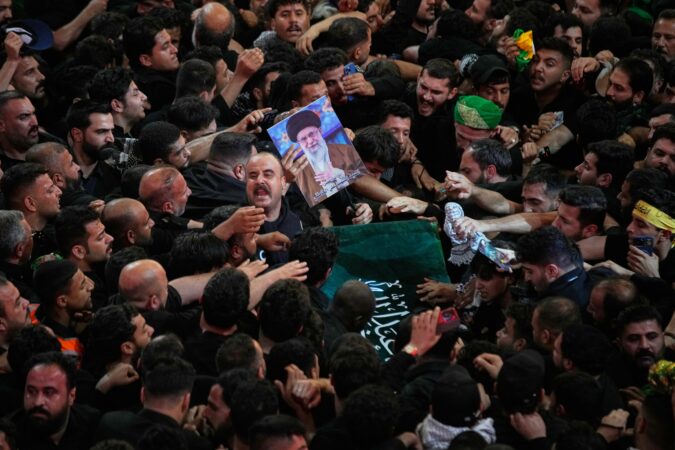
For the first time since April, U.S. strikes also appeared to target Iranian bridges. State media reported a strike on a railway bridge in Iran’s northeastern Golestan province, and the Revolutionary Guard said two bridges were attacked on the route to Mashhad, where officials plan to bury the late Ayatollah Ali Khamenei on Thursday.
Trump warns of attacks on shipping
After leaving a NATO summit in Turkey, Trump posted several videos on his social media site of what he said were explosions in Iran and issued another warning to the Islamic Republic.
“This is in retribution for yesterday’s bombing of ships by Iran. If it happens again, it will get much worse!” Trump wrote Wednesday, a day after three tankers were attacked in the Strait of Hormuz.
Trump said the latest back-and-forth fighting would not result in lengthy military action.
Trump also renewed his past threats to hit Iran’s civilian infrastructure, including electric and desalination plants, and to seize Kharg Island, through which some 90% of Iranian oil exports pass.
Parliament Speaker Mohammad Bagher Qalibaf, a key negotiator in talks seeking a permanent end to the war, was defiant in a post on X on Thursday morning: “America still hasn’t learned that bullying and breaking promises are no longer cost-free. Let me put it plainly: If you strike, you’ll get hit.”
Meanwhle, Iranian Foreign Minister Abbas Araghchi said he spoke by phone with his Saudi, Turkish and Omani counterparts and with Pakistan’s army chief, Field Marshal Asim Munir, who has been one of the main mediators in the war. The diplomatic outreach suggested efforts may be underway to reduce tensions.
In a post on Telegram, Araghchi repeated Iran’s assertion that the U.S. has violated the interim peace deal reached last month. The U.S. says Iran breached the agreement by firing on commercial ships in the strait.
Strikes raise fear that war could resume
Trump fueled concerns that the war could restart by saying Wednesday that the interim agreement to pause the fighting was “over.” He added that he would allow negotiations to continue but thought negotiators were “wasting their time.”
Iranian Deputy Foreign Minister Kazem Gharibabadi, also a top negotiator, retorted on X that Trump’s remarks “are not a sign of power but an admission of the failure” of U.S. policy toward Iran.
Negotiations to reach a final deal were due to start after the dayslong funeral for Khamenei, who was killed in the war’s first moments. He was to be laid to rest Thursday.
The talks are meant to focus on the toughest matters, including fully reopening the strait and rolling back Tehran’s disputed nuclear program.
More than seven years after MLB announced the All-Star Game would come to Philadelphia for the nation’s 250th birthday, baseball’s midsummer classic is nearly here.
All-Star Week kicks off Friday at Citizens Bank Park and continues through Tuesday, with the HBCU Swingman Classic, MLB draft, All-Star Village, Futures Game, Home Run Derby, red carpet, and the All-Star Game itself.
I’m Sam Ruland, filling in or Earl this week. Let’s dive in.
The Schmitter sandwich displayed at the All Star Games Media Preview to showcase All-Star Week Events, New Food, and Commemorative Bell at the Citizens Bank Park in Philadelphia, Pa., on Wednesday, July 8, 2026.
Citizens Bank Park is about to become the center of the baseball world.
Matt Breen has everything you need to know about All-Star Week, from Friday’s HBCU Swingman Classic to Tuesday’s All-Star Game. There’s also All-Star Village at the Pennsylvania Convention Center, the Futures Game, MLBx All-Star 3-on-3, and Monday’s Home Run Derby.
🍿 Get weird in Phoenixville:Blobfest returns this weekend with movie scene recreations, stage shows, competitions, costumes, and plenty of love for the 1958 cult classic The Blob. Tickets are required, so plan ahead.
🫐 Berry good summer fun: Blueberry season is in full swing at Linvilla Orchards, where Saturday’s festival includes berry picking, magic shows, a pie-eating contest, treats, and more.
As seen from Camden’s Pyne Poynt Park, fireworks light up the skies, behind the Ben Franklin Bridge, on Saturday, June 27, 2026.
Fourth of July may be over, but there’s still one big celebration left. The Benjamin Franklin Bridge turns 100 this month, and Saturday’s free celebration will close the span to vehicle traffic while opening the roadway to pedestrians.
Expect food trucks, live entertainment, family activities, historical displays, and a rare chance to walk across one of the region’s most iconic landmarks.
🏮 Lanterns light up Franklin Square: The Philadelphia Chinese Lantern Festival is back with dozens of handcrafted displays, including soccer-themed lanterns honoring the World Cup.
🍹 Sip the summeriest Philly cocktail: The water ice martini has gone from South Philly secret to full-blown summer drink trend. Here’s where to find boozy water ice around town.
🪩 Hit the waterfront:Spruce Street Harbor Park and Summerfest are both open for the season with hammocks, games, roller skating, mini golf, carnival rides, and plenty of ways to cool off by the river.
🎤 Thursday: Patti LaBelle brings the America 250 celebration to the Dell Music Center with Avery Sunshine, Jeff Bradshaw, and Pieces of a Dream.
🎸 Friday: Dave Matthews Band returns to Camden for its annual two-night summer stand. Reminder: The Ben Franklin Bridge closure is Saturday, so check your route if you’re heading to night two.
🎶 Friday: Philly bands Hurry and Sad13 celebrate new releases at Johnny Brenda’s.
🤠 Saturday: Megan Moroney brings her country-pop hits to Xfinity Mobile Arena.
🎻 Saturday: Rick Ross marks the 20th anniversary of Port of Miami with the Renaissance Orchestra at the Met Philly.
🎸 Tuesday: Bob Dylan comes to TD Pavilion at the Mann with Jimmie Vaughan & the Tilt-a-Whirl Band and Brittney Spencer.
❓Pop quiz
The Schmitter is returning to Citizens Bank Park for MLB All-Star Week. What Chestnut Hill tavern created the signature Philly sandwich?
a) McNally’s Tavern
b) McGillin’s Olde Ale House
c) Triangle Tavern
d) Dirty Frank’s
Here’s the answer to last week’s question: What year did the first Independence Day celebration take place in Philadelphia? Answer: 1777
Ask Earl anything (when he returns)
Earl’s starting something new for the newsletter, and he wants your participation.
Many of you have questions about each week’s listings, and others about Philly’s arts, culture, and entertainment scene.
He has you covered. Have a question? Email him for a chance to have it answered in an upcoming newsletter.
All right, folks! That’s all for this week’s edition of Things to Do. Whether you’re headed to the ballpark, the bridge, the Shore, or just somewhere with cold water ice, enjoy the weekend.
— Sam Ruland
By submitting your written, visual, and/or audio contributions, you agree to The Inquirer’s Terms of Use, including the grant of rights in Section 10.