Author: Paul Davies

  • Harrisburg just can’t quit the sketchy tax revenue from skill games

    Harrisburg just can’t quit the sketchy tax revenue from skill games

    When Josh Shapiro first ran for state attorney general in 2016, I asked him during a meeting with The Inquirer Editorial Board what he thought about the spread of legalized gambling in Pennsylvania.

    He gave a thoughtful and passionate response detailing the reasons why he hated gambling and thought it was bad public policy. It was music to my ears, which is why I still remember it nearly 10 years later.

    So it is sad to see now-Gov. Shapiro roll out another state budget that proposes taxing skill games. For two decades, lawmakers in Harrisburg have turned to new ways to boost gambling tax revenues.

    Funding the government with billions of dollars in gambling losses from individuals is beyond scuzzy. And of all the exploitative and predatory forms of gambling that exist, skill games are among the scuzziest.

    Shapiro said as much years ago, but Harrisburg is hooked on gambling. It is a problem Shapiro inherited, but now he’s helping to fuel more gambling. Last year, Shapiro signed a bill designed to grow the lottery, and an agreement that allowed online poker players in Pennsylvania to compete with those in other states.
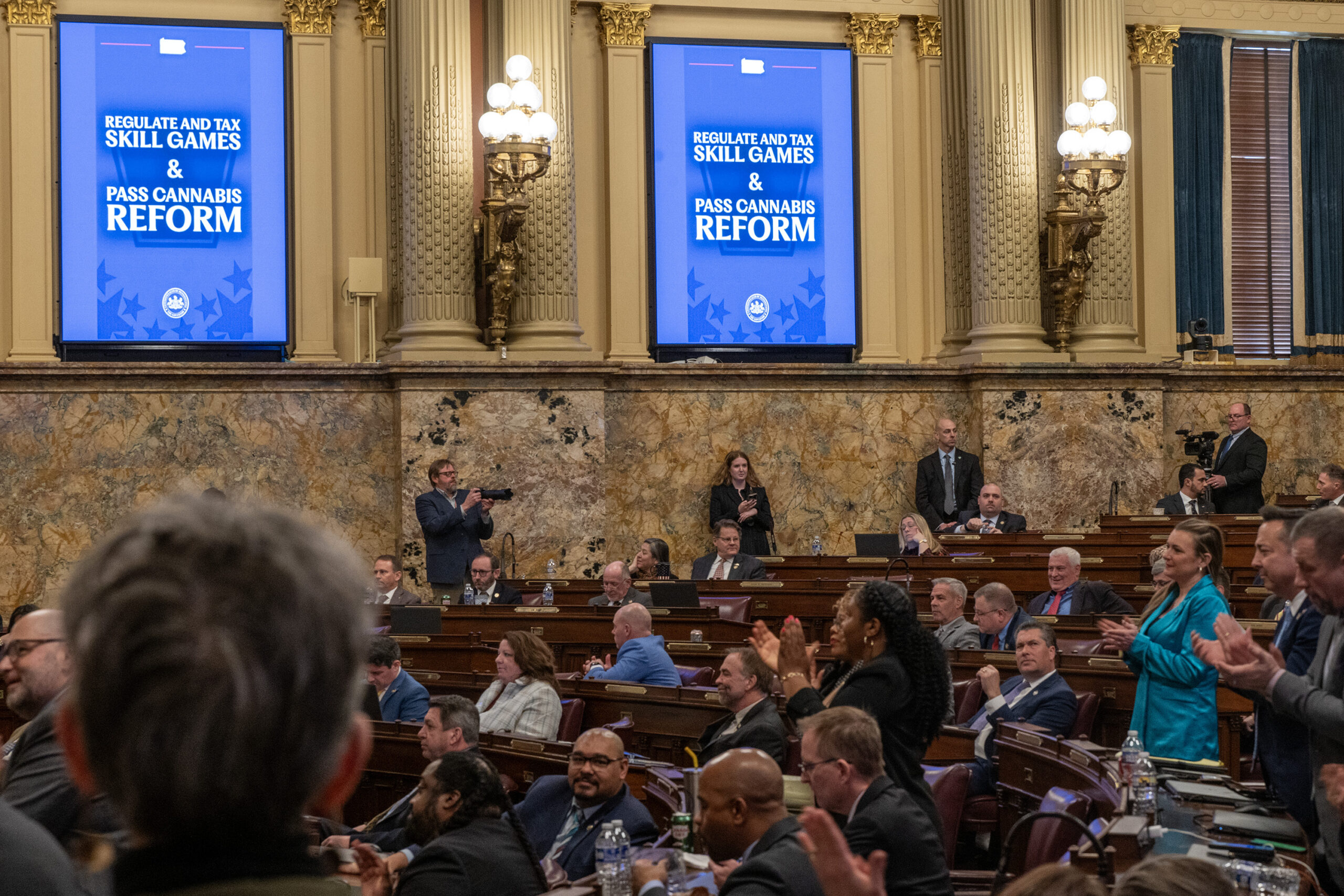
    Screen shows skill games and cannabis regulation and reform as Gov. Josh Shapiro makes his annual budget proposal in the state House chamber in Harrisburg Tuesday, Feb. 3, 2026.

    Here is why the gambling monster keeps growing: Gambling interests are among the biggest donors in Harrisburg and hold huge sway over lawmakers. Meanwhile, lawmakers reluctant to raise taxes find it easier to bleed more gamblers.

    The latest golden goose is skill games.

    Despite the name, there is not a lot of skill involved. The games are similar to slot machines, but only worse because of how they disproportionately target poor and working-class communities.

    Like slots, skill games can be addictive. The Pennsylvania Council on Compulsive Gambling has received more than 400 calls about skill games since 2021, including from many already enrolled in casino self-exclusion programs, according to Josh Ercole, the gambling council’s executive director.

    Skill games operate in a gray area. They are not taxed or regulated, but they have proliferated to nearly every corner of the state.

    Unregulated gaming devices known as “skill games” in a gas station connivence store in Philadelphia in August.

    There are more than 70,000 skill game machines in Pennsylvania. They can be found in bars, restaurants, gas stations, truck stops, VFW halls, and even at the end of a food aisle in a convenience store. By comparison, Pennsylvania has about 25,000 slot machines in 17 casinos.

    The tax rate on slot machine revenues is 54%. Shapiro proposed a 52% tax on skill game revenues, while Senate Republican leaders backed a plan to tax skill games at 35% of gross revenue.

    It is mind-boggling that Harrisburg is trying to tax and regulate skill games after allowing them to spread across the state. If lawmakers cared about protecting vulnerable communities, a better policy would be to ban skill games. That is what Kentucky did in 2023.

    But Harrisburg has long turned a blind eye to the unsavory aspects of gambling.

    Some of the initial slots licenses were awarded to politically connected operators who had never run casinos, including one man who had pleaded guilty to fraud and was later charged with lying about ties to mob figures. The charges were dropped.

    Meanwhile, skill games have been allowed to operate in the shadows, even as they attract crime that has led to killings and a recent police shooting. Philadelphia City Council banned skill games in 2024, but the court lifted the measure while it is on appeal.

    Pace-O-Matic, the leading developer of skill games, spends millions of dollars lobbying lawmakers in Harrisburg. The company’s former compliance director, who was also an ex-state police corporal, recently pleaded guilty to accepting hundreds of thousands of dollars in kickbacks in return for quashing complaints about illegal gaming machines.

    Despite the sleaze and legal trouble, Harrisburg remains addicted to gambling. Since 2004, the state has legalized more and more gambling, starting with slot machines, then adding table games in 2010, and online gambling, sports betting, and mini casinos in 2017.

    Pennsylvania rakes in more tax revenue from gambling than any other state in the country. In the last fiscal year, Harrisburg collected a record $6.4 billion from gambling.

    The state celebrates the record tax haul as if it were a public good. The sad reality is that people lost billions of dollars. State lawmakers helped make their constituents poorer.

    Casinos add little value to the local economy. In fact, they subtract dollars that could be spent on other goods and services.

    Las Vegas, at least, attracts tourists who spend money on other things. Most of the gambling losses in Pennsylvania come from locals. Few tourists plan getaways to the casino in Chester or King of Prussia.

    But here is the worst part: The business model for all forms of gambling largely depends on addiction. Casual players are not the target audience.

    Casinos actively try to lure customers back with incentives, from free meals to free play certificates. Slot machines, which generate the majority of profits for casinos, are designed to addict users, research professor Natasha Dow Schull found.

    A study in Massachusetts found 90% of casino revenues came from problem and at-risk gamblers. The industry argues addiction rates are low, but that is for the general population, not the customer base.
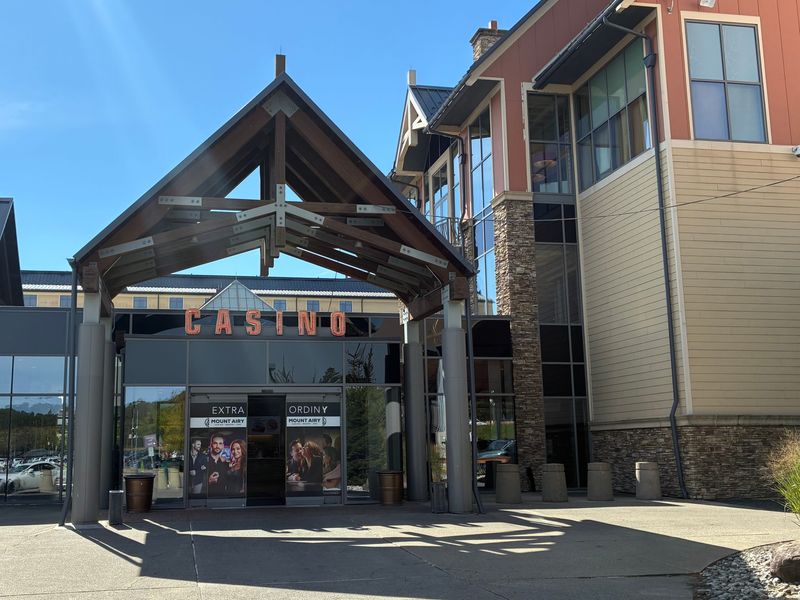
    An entrance at Mount Airy Casino Resort in Mount Pocono, Pa. One study found that 90% of casino revenues came from problem and at-risk gamblers.

    Years ago, an executive at the Parx Casino in Bensalem boasted that many of its customers visited more than 200 times a year — or five times a week.

    That is quaint compared with online gambling. Smartphones allow people to bet 24/7. Gambling sites are engineered with sophisticated and predatory techniques, including frequent notifications, designed to keep users betting.

    This has resulted in a surge of addicted gamblers, including many young people. The rise in sports betting has led to efforts to fix games, which has tarnished the integrity of sports.

    The Philadelphia region is the No. 1 market for online gambling companies, topping Las Vegas and New York. Since 2021, the number of calls about online gambling problems has increased 180% in Pennsylvania and 160% in New Jersey.

    Harrisburg lawmakers are too busy counting the tax revenues and campaign contributions to consider the lives destroyed by legalized gambling.

    Tragic stories abound.

    An executive who helped run a large Black fraternity headquartered in Philadelphia pleaded guilty in 2022 to charges after embezzling nearly $3 million to fuel his gambling addiction.

    That same year, a bookkeeper at the Delaware River Waterfront Corp. was sentenced to more than four years in prison for stealing more than $2.6 million to pay for her gambling addiction and trips.

    A former judge in Chester County pleaded guilty in 2021 to stealing thousands of dollars in campaign funds to fuel a “six-figure” gambling habit at area casinos.

    An attorney at a major Philadelphia firm who had a gambling problem was convicted in 2019 of stealing $100,000 from an 88-year-old client. A priest in Delaware County was sentenced to eight months in prison in 2018 after stealing $500,000 from a fund to care for aging priests that was used to cover gambling losses and pay for trips.

    Most stories don’t make the police blotter, as thousands of other gamblers struggle in silence. Studies show that gambling problems lead to increased bankruptcies, suicide, and divorce.

    The state Gaming Control Board website has a special section dedicated to the hundreds of people a year who leave their kids locked in cars or hotel rooms while they gamble for hours at a time. That is not entertainment; that is a problem.

    Has anyone in Harrisburg ever wondered if the tax dollars are worth the harm?

    Obviously, each person is responsible for their actions. But state lawmakers take an oath to protect the citizenry. Yet, they enabled the proliferation of gambling that has ruined many lives.

    The same goes for the online sites and casinos that actively market to keep people gambling.

    Just listing a toll-free number for people to call to get help is as disingenuous as the latest effort to tax predatory skill games.
  • Two years in, here’s how Philly’s political insiders think Cherelle Parker is doing as mayor

    Two years in, here’s how Philly’s political insiders think Cherelle Parker is doing as mayor

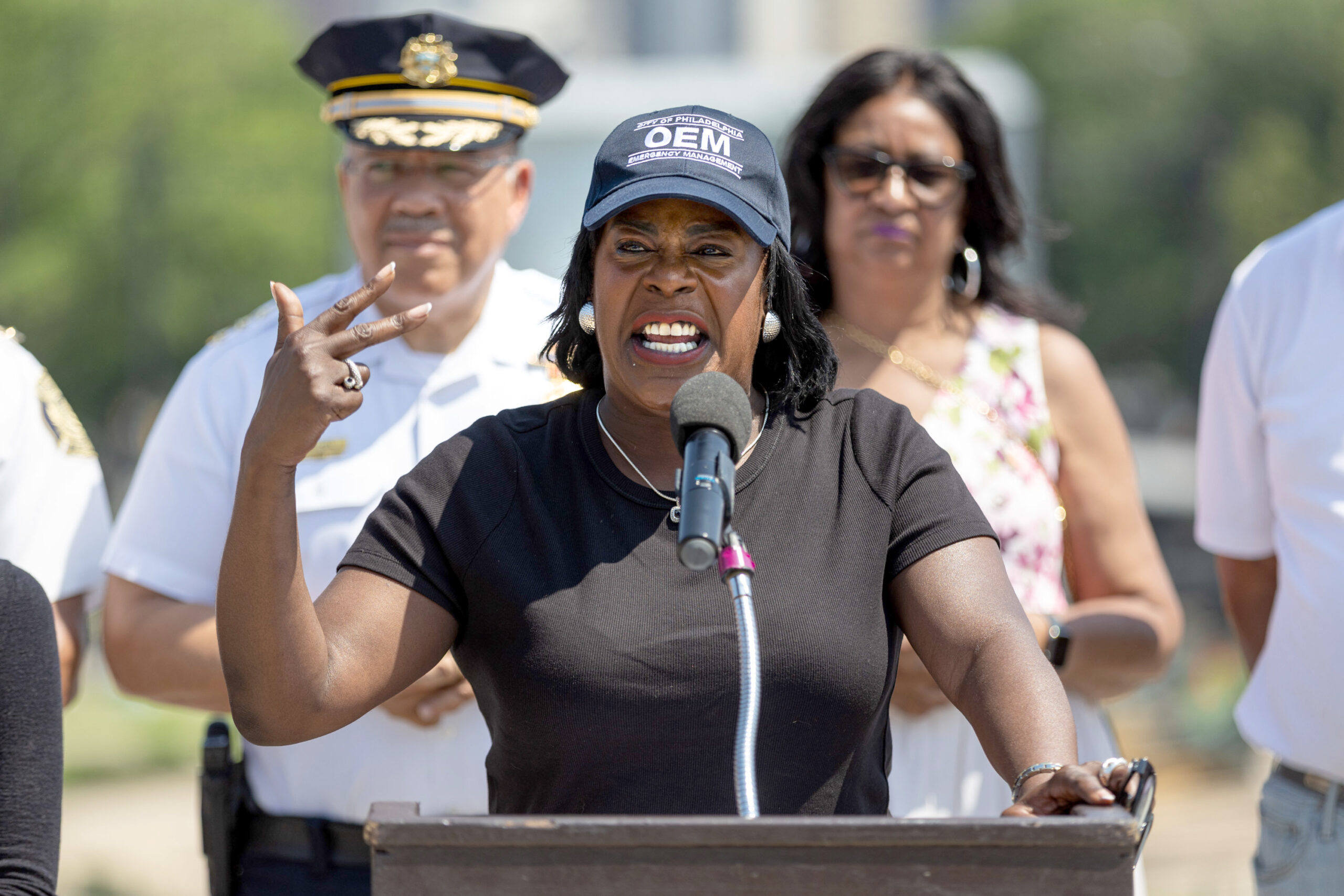
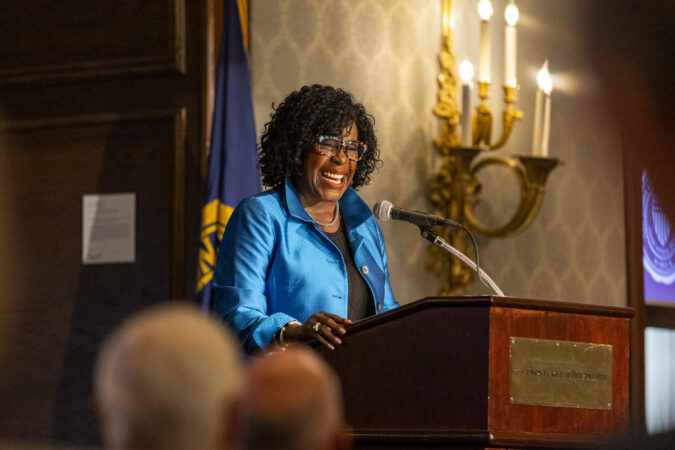
    Shalimar Thomas speaks for many about how Mayor Cherelle L. Parker is doing at the halfway point of her first term.

    “I can see the difference in the neighborhood,” said Thomas, the executive director of North Broad Renaissance, a nonprofit that manages the business improvement district along North Broad Street.

    Indeed, the big picture shows Parker is delivering on her campaign promise to make the city “clean, green, and safe.” While polls indicate a large majority of Philadelphia residents support the mayor, the reviews from the more than a dozen people I spoke with were mixed.

    Ed Rendell, the former governor who is widely considered the city’s most consequential mayor of the last half century, gave Parker high marks for tackling quality-of-life issues, particularly crime.

    “What she has done under the circumstances is remarkable,” Rendell said. “The city was demoralized, people had lost faith in government.”

    Allan Domb, the real estate mogul and former City Council member who ran against Parker in the 2023 mayoral primary, said Parker’s best decision was to appoint Kevin J. Bethel as police commissioner.

    “If the city is not safe, you can’t do anything else,” Domb said.

    Under Parker, crime is way down. The city recorded the fewest murders in 60 years in 2025. Enhanced technology has helped police solve homicides at the highest rate in 40 years.

    But this is not just a Philly thing. Crime is down across the country, thanks to several factors such as an aging population, a return to work and school after the pandemic, and investments in violence reduction programs.

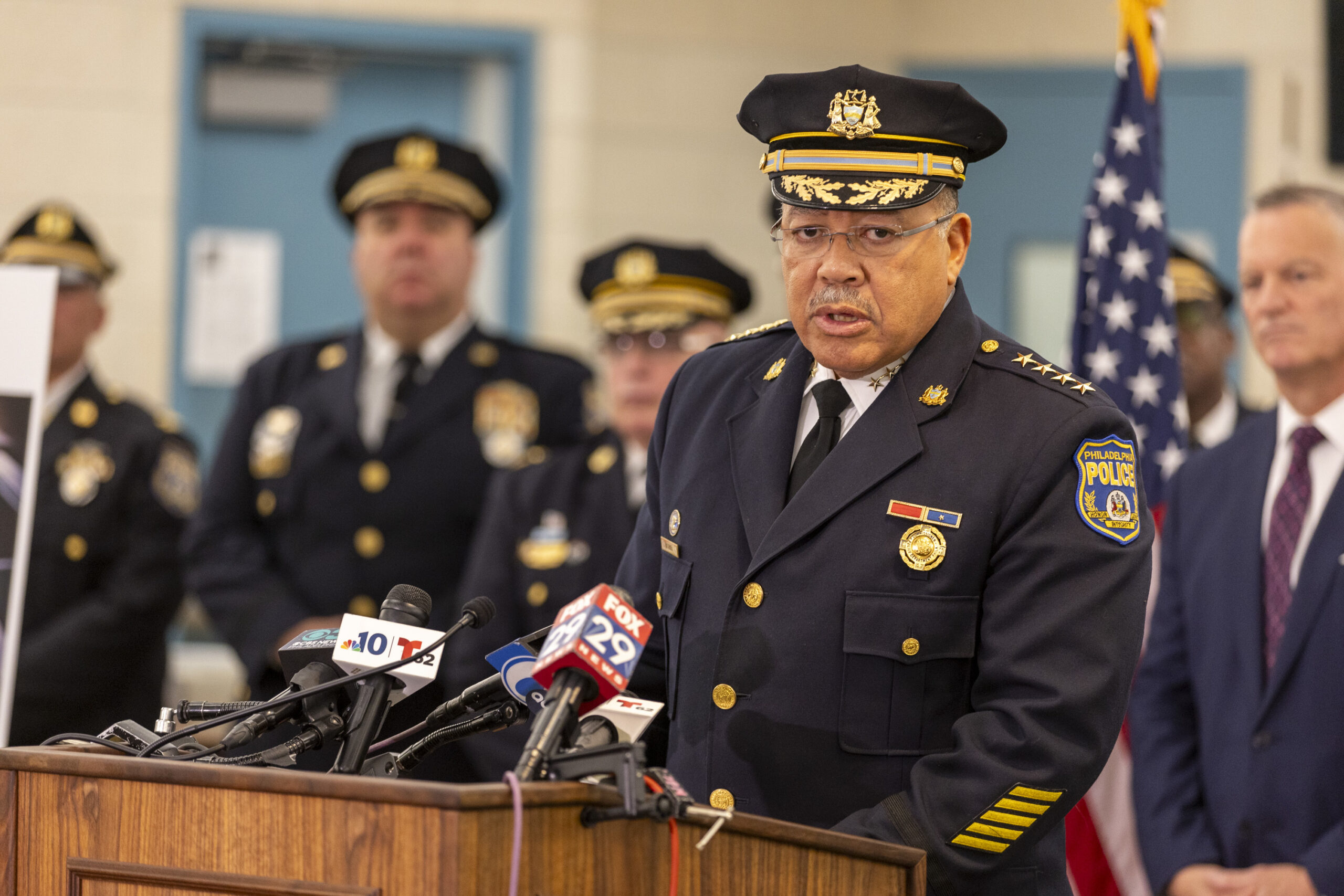
    A former City Council member called Parker’s selection of Kevin J. Bethel as police commissioner the best decision of her tenure so far.

    Philadelphia had 222 homicides last year compared with 305 in New York, which has a population more than five times larger. Boston had just 31 murders. San Antonio, roughly the same size as Philadelphia, had 99 murders.

    Despite the improvement, Philly remains a laggard when it comes to policing.

    Mayor Jim Kenney fizzled out following the pandemic, but other positive trends were set in motion during his administration. The city’s finances are strong, property values are increasing, and job growth is outpacing many other big cities, including tech capitals like Seattle and San Francisco.

    Parker deserves credit for working to scrub the city’s negative image as “Filthadelphia.” She launched an effort in 2024 to clean every block in the city. Abandoned cars were towed, graffiti scrubbed, dilapidated buildings were sealed, and vacant lots cleaned.

    Parker recently announced plans to clean and beautify some of the busiest roadways in preparation for the more than one million tourists expected this year for the World Cup matches, the MLB All-Star Game, and the 250th anniversary of the signing of the Declaration of Independence.

    Parker deserves big props for tackling the opioid crisis that has long plagued Kensington. The city has cracked down on open-air drug markets and homeless encampments in Kensington, while pushing those battling addiction to get help.

    Crime has dropped in Kensington, and the quality of life has improved. Critics argue that the problems have not gone away since the dealers and many homeless people were just displaced. But overdoses across the city dropped to the lowest levels in a decade.

    Even still, some City Hall insiders and political operatives were critical of the day-to-day operations. Several criticized the administration for being slow to return calls or provide basic information. Despite Parker’s often-repeated slogan of a unified “One Philly,” some said the mayor does not respond well to anyone who disagrees with her.

    Parker during a news conference in West Philadelphia last month. She recently announced plans to beautify some of the city’s busiest roadways in preparation for the more than one million tourists expected to visit this year.

    “One Philly can’t be just your Philly,” one City Council staffer said. “Some of the things Mayor Parker does, Councilmember Parker would not tolerate.”

    Like many interviewed, the City Council staffer asked not to be named, so as to speak candidly.

    Several pointed to the proposed Sixers arena in Center City as a microcosm of Parker’s inability to compromise. Nearly a year was spent forcing Council to back the deal — despite stiff opposition across the city — only to see it collapse.

    “[Council] is still pissed about the Sixers,” the Council staffer said.

    Others said Parker’s hard-line stance in the labor negotiations with the city’s trash haulers and other blue-collar union workers led to an unnecessary strike and left bruised feelings among many who are part of her base of support.

    “That was a strike that didn’t need to be,” said one political consultant. “After it was settled, there was no need for the victory lap.”

    Parker’s signature housing initiative, known as Housing Opportunities Made Easy, or H.O.M.E., has been slow to become reality. After two years of planning, the program remains bogged down in Council.

    “It’s surprising how slow out of the gate this has been,” said another political consultant. “She could be halfway through Year Three before it even gets going.”

    The plan to create and preserve 30,000 housing units will be funded by borrowing $800 million in bonds — a hefty number with a murky return on investment.

    Parker discusses the municipal workers’ strike during a July news conference. “That was a strike that didn’t need to be,” said one political consultant, who took issue with the mayor’s hard-line stance in contract talks.

    Some believe the problem is that Parker micromanages her administration and does not empower top staffers to make decisions.

    “I think she tries to be too hands-on,” said the first political consultant.

    This is where it would have been helpful to hear directly from the mayor, but Parker’s communications team did not make her available for an interview despite several requests.

    Rendell, who did not support Parker in the crowded primary, had a simple answer: “You can’t make everyone happy.”

    That holds true with the way Parker has responded to Donald Trump’s attacks on cities, migrants, affirmative action, and many other issues.

    Rather than push back, Parker has laid low — much to the outrage of those who argue that this is not the time to remain silent. Others argue Parker is wise not to poke the wildebeest.

    Trump has not sent National Guard troops into Philadelphia, but U.S. Immigration and Customs Enforcement agents have made arrests across the city.

    Philly is a tough town, but a poll last summer found Parker’s approval rating at 63%. Despite some setbacks, she is off to a good start.

    Crime, poor schools, and high taxes have long prevented Philadelphia from achieving its full potential. Until all three are addressed, lasting improvement will be incremental.

    Time will tell if Parker’s strategy is the right one. Or if her tenure will result in substantive change.

  • The ‘resign-to-run’ rule is a rare case where Philly provides a national model for good government. Why change it?

    The ‘resign-to-run’ rule is a rare case where Philly provides a national model for good government. Why change it?

    Here we go again.

    A proposal in City Council aims to amend the so-called resign-to-run rule that requires elected city officials to give up their seats if they want to run for another office.

    Philadelphia voters have already rejected a similar plan twice, once in 2007 and again in 2014. A third attempt stalled out in Council in 2020.

    Councilmember Isaiah Thomas, who proposed eliminating the rule last year, is back with a modified measure that would allow city officeholders to keep their seats while running for a state or federal office. They would still have to resign to run for another city office, such as mayor.

    Sorry, councilman, but there’s no such thing as being a little bit pregnant. Many of the same good government reasons that require resigning to run for another office still hold.

    Namely, running for office is a full-time job. The fundraising, campaign stops, debates, and town halls that take place during the day, nights, and weekends leave little time for officials to do the six-figure day job they were elected to do.

    Depending on the office, running for a statewide or federal seat could also require additional travel across the state that would further distract from serving the constituents the official was elected to represent.

    There would also be the temptation to use taxpayer-funded city resources — including the car, office, and staff — to help with the campaign. That is in addition to the taxpayer-funded salary and benefits elected city officials would collect while campaigning for a higher office.

    Lastly, the elected official could also leverage their position against other candidates to benefit themselves or donors.

    City Councilmember Isaiah Thomas said he would like to see the “resign-to-run” rule eliminated, but for now he was trying to strike a compromise.

    The arguments for allowing an elected official to remain in office while campaigning for another job just don’t hold up.

    The main argument is that it will allow more competition. For example, Thomas said some of his Council colleagues may have entered the race to replace retiring U.S. Rep. Dwight Evans — a five-term Democrat from the 3rd District — if they did not have to resign.

    But even under the current rule, there is no lack of competition for Evans’ seat. Eleven people have already announced their candidacy, and the primary is not until May 19.

    The diverse field already has a number of excellent candidates, including several who have never run for office before. Voters will have plenty of good options.

    Thomas argued voters would benefit if the field included Council members. “There could be even more great candidates,” he said in an interview.

    Thomas said city officials faced an uneven playing field, since state and federal elected officials do not have to resign to run for another office. That is true.

    Three of the congressional candidates hold state elected office. But the better reform is to require state and federal elected officials to resign to run for another office.

    As the saying goes, two wrongs don’t make a right.

    Voters are already fed up with professional politicians. It is even more annoying when an official gets reelected and months later launches a bid for another office.

    Even with the current rule, there is no lack of competition for retiring U.S. Rep. Dwight Evans’ seat, Paul Davies writes. Eleven candidates so far are vying to succeed the five-term Democrat from the 3rd District.

    That scenario may soon play out with Gov. Josh Shapiro. He faces reelection in November, and many assume he will run for president in 2028. That means if Shapiro is reelected governor, he could spend much of the first half of his second term campaigning in Iowa, New Hampshire, and beyond.

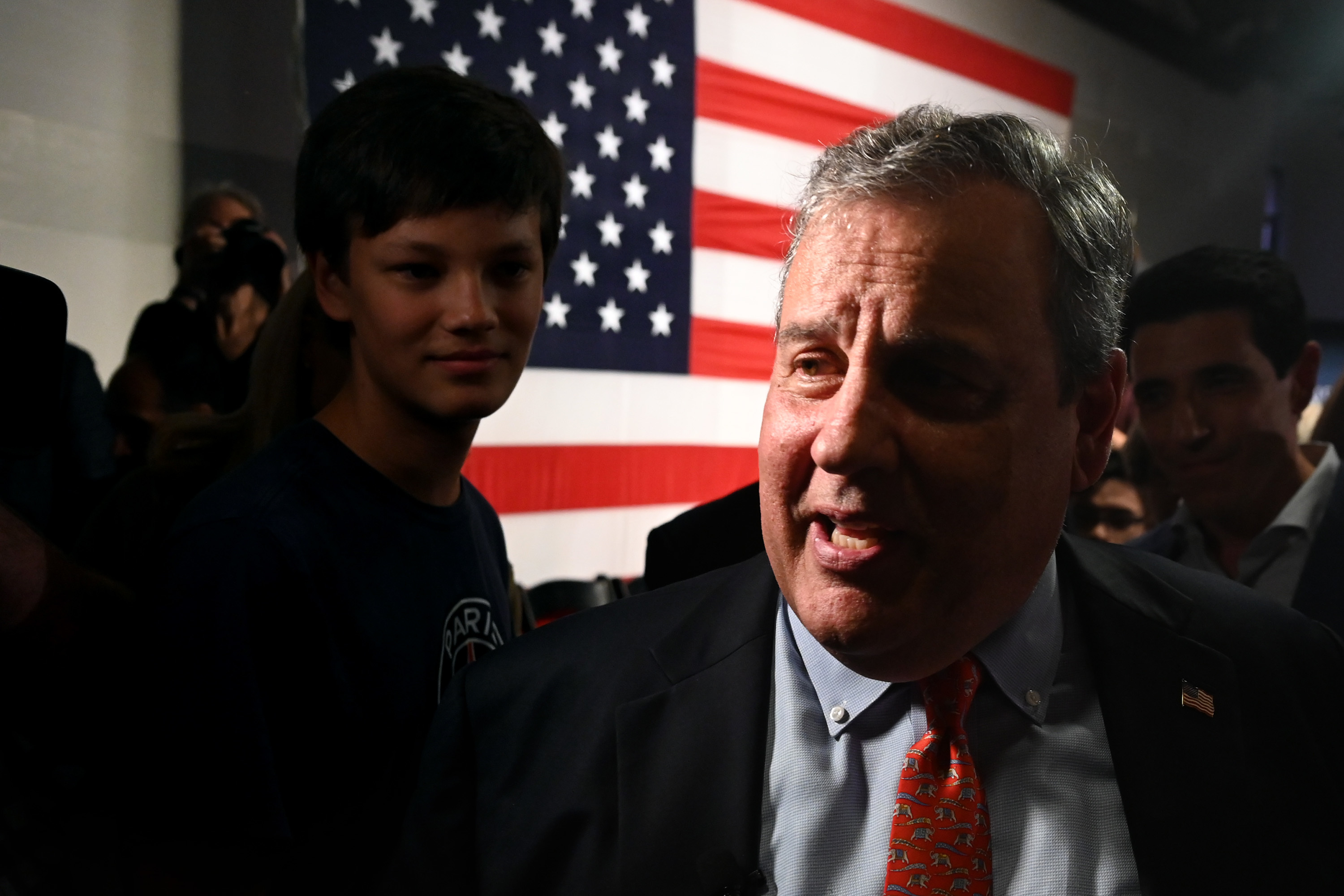
    After then-New Jersey Gov. Chris Christie launched his first bid for president, he would go on to spend 262 full or partial days out of the state in 2015. He traveled with a security detail that included New Jersey state troopers driving black SUVs with the state’s license plates, costing taxpayers more than $600,000.

    Likewise, when then-U.S. Sen. Marco Rubio (R., Fla.) ran for president in the same election cycle, he missed 50% of the votes in the Senate.

    Thomas conceded it would be difficult to balance city duties while running for an office that would require campaigning across the state. But he said city officials running for a congressional seat in Philadelphia while holding office would “not miss a beat.”

    That may be true since Council doesn’t meet in the summer. But that’s an argument for making Council a part-time job, especially since they can, and some do, hold second jobs.

    Philadelphia’s resign-to-run rule was added to the Home Rule Charter in 1951. At the time, the Committee of Seventy, a nonpartisan organization established in 1904 to combat corruption, strongly supported the rule.

    After then-New Jersey Gov. Chris Christie launched his first bid for president, he would go on to spend 262 full or partial days out of the state in 2015, Paul Davies writes.

    Any measure that prevents corruption still seems like a good idea. But surprisingly, the good-government group’s position has “evolved,” Lauren Cristella, the head of the Committee of Seventy, said in a statement.

    The organization “reluctantly” supported the repeal of the rule in 2014, citing the need for more competition.

    But Philadelphia voters rejected the effort. Just as they did in 2007.

    This time, the Committee of Seventy said it would only support ending the resign-to-run rule if it was part of a broader reform package that includes term limits and “stronger safeguards for ethical, transparent government.”

    The Committee of Seventy said the proposed change in its current form only serves the “political interests, but not the public interest.”

    Rest assured, if the resign-to-run rule were modified to allow city officials to run for state and federal office, it would just be a matter of time before Council tried to repeal it altogether.

    Even Thomas said he would like to see the rule eliminated, but for now, he was trying to strike a compromise.

    Philadelphia has long been criticized as being “corrupt and contented.” But reforms like resign-to-run and the city’s strict campaign finance regulations passed a decade ago are models of good government.

    Indeed, only a couple of cities and states have a resign-to-run rule. Philadelphia should champion its position as a good-government leader.

    Harrisburg — which has no such measure and some of the worst campaign finance rules — would benefit from following the city’s lead.

    The country needs more good government, not less.

  • As Pa. and other states go all-in on sports betting, expect wagers — and cheating scandals — to keep coming

    As Pa. and other states go all-in on sports betting, expect wagers — and cheating scandals — to keep coming

    News item: The NBA asked several teams to hand over cellphones, documents and other property as part of its investigation into illegal sports gambling.

    The Athletic, Nov. 15

    The latest investigation into sports gambling is not the first and won’t be the last. Nor is it a shock since the heedless race into legalized sports gambling is ruining the games — and some lives — all in the name of money.

    Betting on sports has become so pervasive that the integrity of the games can no longer be trusted.

    Just last month, 34 people — including an NBA Hall of Famer, a current star, and a former player — were indicted as part of an elaborate betting scheme that included one player who pleaded guilty in July to faking injuries to leave games early so gamblers could win prop bets on his performances.

    The same gambling ring was also tied to suspicious wagers on college basketball, including games played by Temple University. A gambling watchdog flagged suspicious betting activity in a game last year between Temple and the University of Alabama at Birmingham, where UAB went from a two-point favorite to an eight-point favorite in a matter of hours. UAB ended up winning 100-72.

    Portland Trail Blazers head coach Chauncey Billups, who was indicted in a federal sports betting investigation, leaves a federal courthouse in Portland, Ore., after an appearance last month.

    Separately, three college basketball players from Fresno State were banned last month for betting on their own games and “manipulating” their performances to alter outcomes, according to the NCAA.

    Gambling is not just undermining basketball games.

    The NFL suspended 10 players in 2023 for violating its league gambling policy. The same year, the NHL suspended Ottawa Senators forward Shane Pinto for 41 games, making him the first modern-day hockey player banned for sports gambling.

    Two Cleveland Guardians pitchers, Emmanuel Clase and Luis Ortiz, were indicted last week for rigging pitches in certain situations to benefit tipped-off bettors.

    For the uninitiated, bettors can wager on just about anything during games, including whether the batter will make an out or hit a home run, or whether the next shot in a basketball game will be for two points or three. These micro-bets create opportunities for players to do what is called “spot fixing.” The in-game betting also explains why sports announcers give updated odds during games.

    The Guardians pitchers are not the first to raise concerns about betting on baseball. Last year, San Diego Padres infielder Tucupita Marcano was banned for life, and four others received one-year suspensions for gambling, including Phillies minor league infielder José Rodríguez.

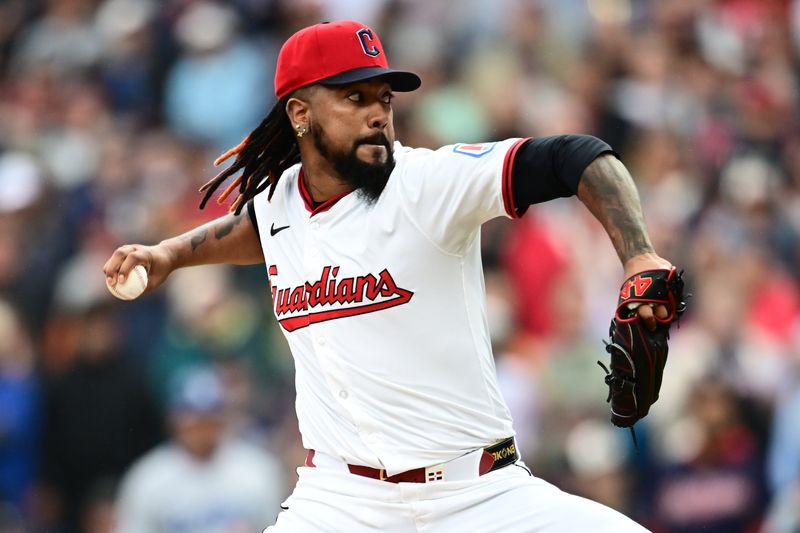
    Cleveland Guardians closer Emmanuel Clase was indicted earlier this month on charges that he tipped off bettors to some of his pitches.

    Baseball has battled past betting scandals, from the 1919 World Series to Pete Rose betting on games he managed. Last week, a Senate committee sent a letter to Major League Baseball commissioner Rob Manfred raising concern over a “new integrity crisis” in American sports.

    Fans are losing trust. Six in 10 now worry about games being fixed.

    Even for those who don’t bet, the barrage of TV commercials and promotion of sports gambling inside the arenas is ruining the fan experience.

    Many celebrities and former athletes, including former Sixers greats Allen Iverson and Charles Barkley, appear in commercials that make gambling seem cool. All the incessant advertising helps normalize something that is addictive. One study found that during broadcasts of the Stanley Cup finals, hockey fans were exposed to gambling logos and ads an average of 3.5 times per minute.

    The upshot: Many young men and boys are getting addicted to sports gambling, upending their lives and their families.

    At a Phillies game last year, my son and I listened to three young guys behind us talk nonstop about in-game bets while they tried to complete a challenge of drinking nine beers in nine innings.

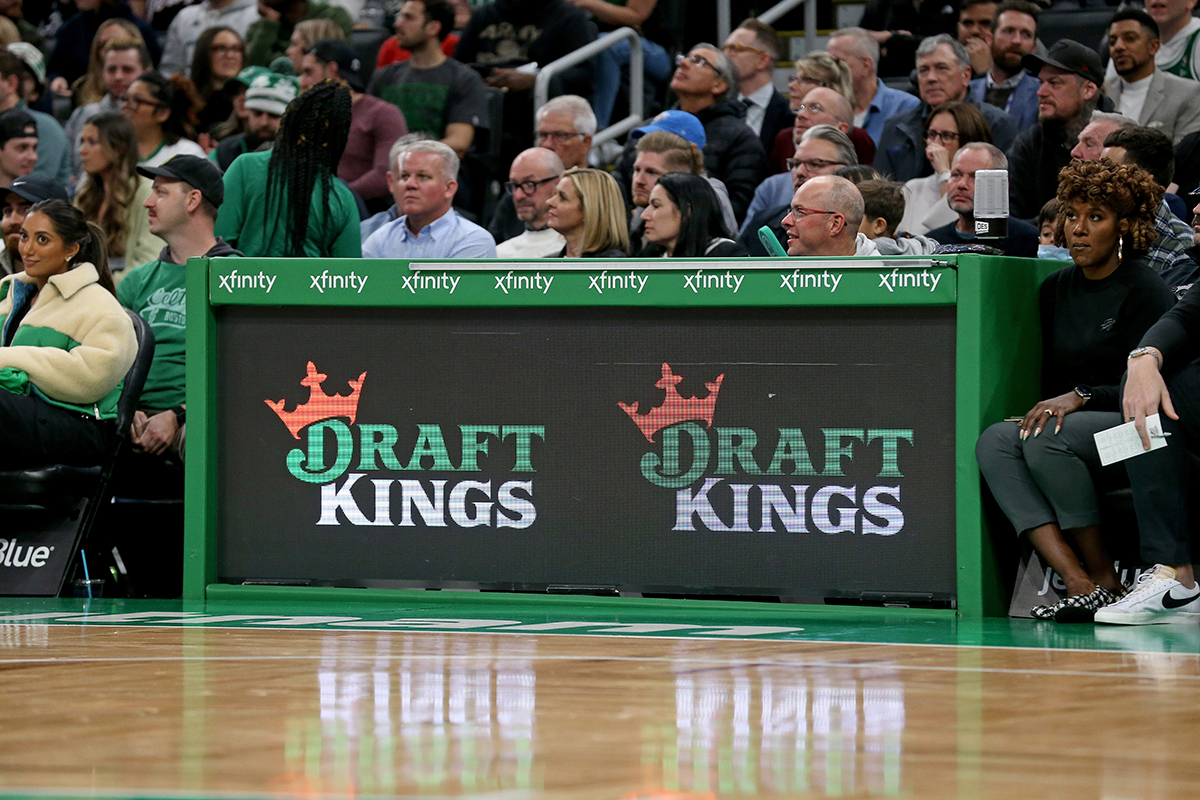
    An ad for the sports betting site Draft Kings appears courtside at an NBA game at the TD Garden in Boston in November 2022. One study found that hockey fans were exposed to gambling logos and ads an average of 3.5 times per minute during broadcasts of the Stanley Cup finals.

    For some, the addiction comes quickly. Rob Minnick started betting on Philadelphia sports teams at age 18. Within days, he was placing bets on the West Coast games using a pair of online sports betting sites, FanDuel and DraftKings.

    Then Minnick got hooked on playing slots on his phone. Eventually, the South Jersey native told me he was gambling for up to eight hours a day, running up credit card debt and borrowing money from friends and family to maintain his habit.

    Minnick went in and out of debt over six years. After a gambling binge that ended at a casino, he decided to seek treatment. He now helps others recover from gambling addiction.

    “It was all fueled by seeing the commercials for FanDuel and other sports betting apps,” Minnick said.

    Minnick is not alone. There has been a surge in people seeking help for gambling addiction, especially in states like New Jersey and Pennsylvania, where sports betting is legal.

    Gambling results in other social ills. Gambling addiction has long been associated with increased risk of depression and suicide. Some early research has found an increase in debt and bankruptcy in states with legalized sports betting.

    An undated photo of “Shoeless” Joe Jackson, of the Chicago White Sox, who admitted accepting $5,000 to throw the 1919 World Series in one of baseball’s past betting scandals.

    Blame the explosion in sports gambling — and the subsequent problems — on elected officials and the gambling lobby.

    Illegal sports gambling has long operated in the shadows. Yes, it was unregulated and untaxed, but it was not ubiquitous.

    Then, former New Jersey Gov. Chris Christie challenged the federal ban on sports betting in most states in an effort to help the still-struggling casinos in Atlantic City. In 2018, the U.S. Supreme Court struck down the ban, opening the floodgates to betting on sports.

    States rushed to open sportsbooks, including Pennsylvania and Delaware. Online gambling apps made it easy for anyone with a mobile phone to gamble anytime and anywhere.

    Last year, Americans bet nearly $150 billion on sports, according to the American Gaming Association.

    Today, more than one in five Americans bet on sports. More alarmingly, nearly half of men between the ages of 18 and 49 have an active online sports betting account.

    More gambling has translated into more debt. One quarter of sports gamblers said they have been unable to pay a bill — including their rent — because of debts from wagers. And 15% said they have taken out a loan to fund their sports gambling habit.

    Most elected officials ignore the social costs of problem gambling because of the easy tax revenues that roll in.

    Harrisburg lawmakers may be the worst gambling addicts.

    Since 2004, Pennsylvania has legalized slots, table games, sports gambling, and online betting, while adding pricier lottery games with little concern for the economic harm and increased addiction. The influential gambling lobby successfully blocked efforts in Harrisburg this year to increase the tax on sports betting.

    The sports leagues once opposed legalized gambling. But now, the leagues are partners with the major online betting sites.

    Not long ago, NFL commissioner Roger Goodell opposed legalized gambling before going all in. In 2017, he said, “The integrity of our game is No. 1.”

    Don’t bet on it.

  • He helped defeat a plan to sell the sewer utility in his South Jersey town last year. Now, he’s running for mayor.

    He helped defeat a plan to sell the sewer utility in his South Jersey town last year. Now, he’s running for mayor.

    Keith Gibbons entered politics by accident.

    A few years ago, he was driving with his then-11-year-old daughter when she asked where roads came from.

    “The government,” Gibbons responded.

    “What’s the government?” his daughter asked.

    That led to a longer explanation and eventual father-daughter trip to a Gloucester Township meeting so she could see the government in, ah, action. Having covered many local government meetings and school boards long ago, I can attest that Gibbons went beyond any parental or civic duty.

    Gibbons continued to attend the meetings when a proposal to dissolve the Municipal Utilities Authority (MUA) caught his attention. He feared the township was planning to sell the water and sewer system.

    But during sworn oral testimony in a May 2023 teleconference, an attorney representing the township said there was no expectation the utilities would be sold within the next five years. Mayor David Mayer agreed.

    Yet, a year later, the township council voted to sell the sewer system to the highest bidder.

    “They lied to us,” Gibbons said.

    The township received two bids from large for-profit water companies: Aqua offered $52 million, and New Jersey American Water bid a whopping $143 million, plus a promise to make an additional $90 million in capital improvements to a system that only needed an estimated $25 million in repairs.

    Something didn’t smell right. Even for a sewer system.

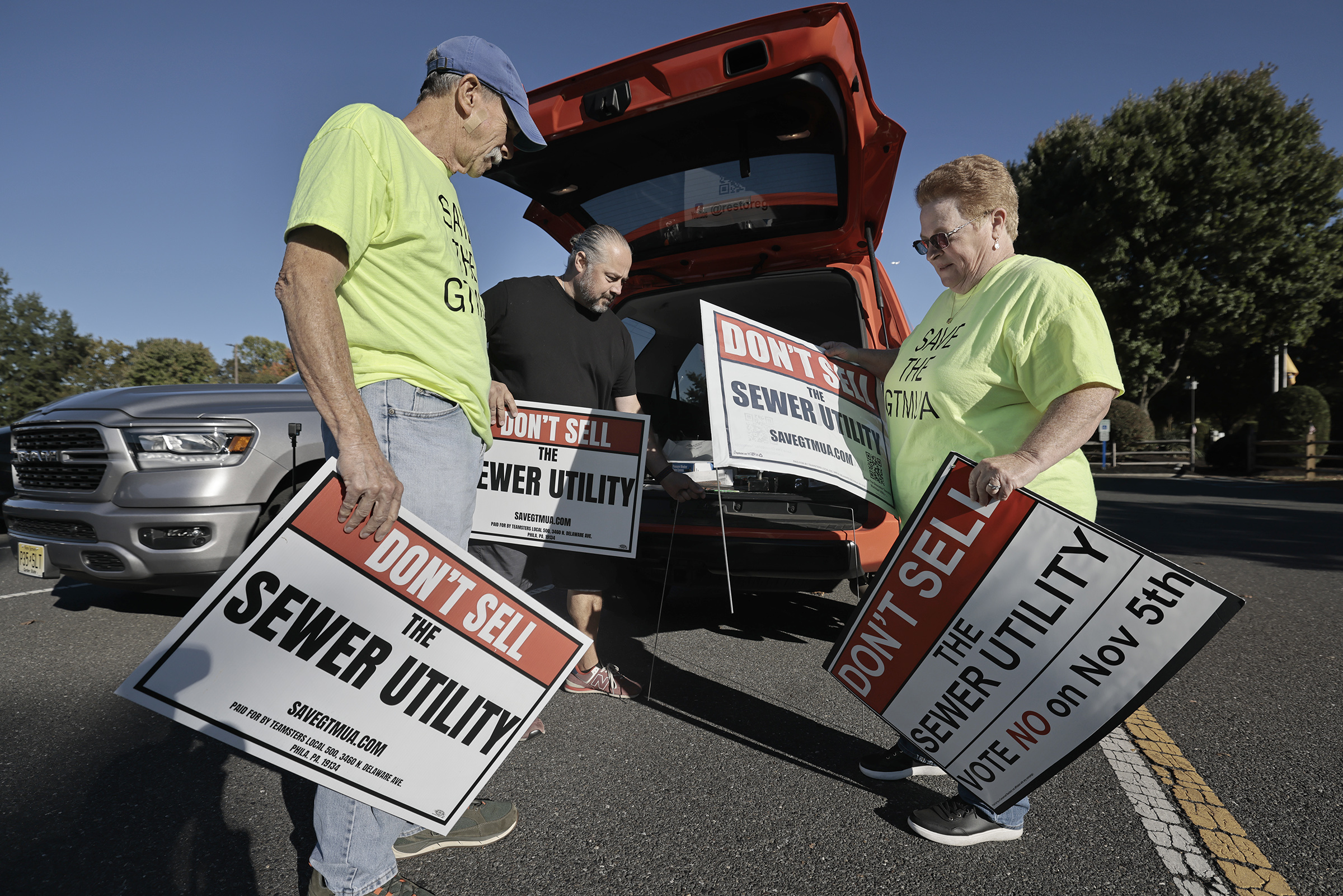
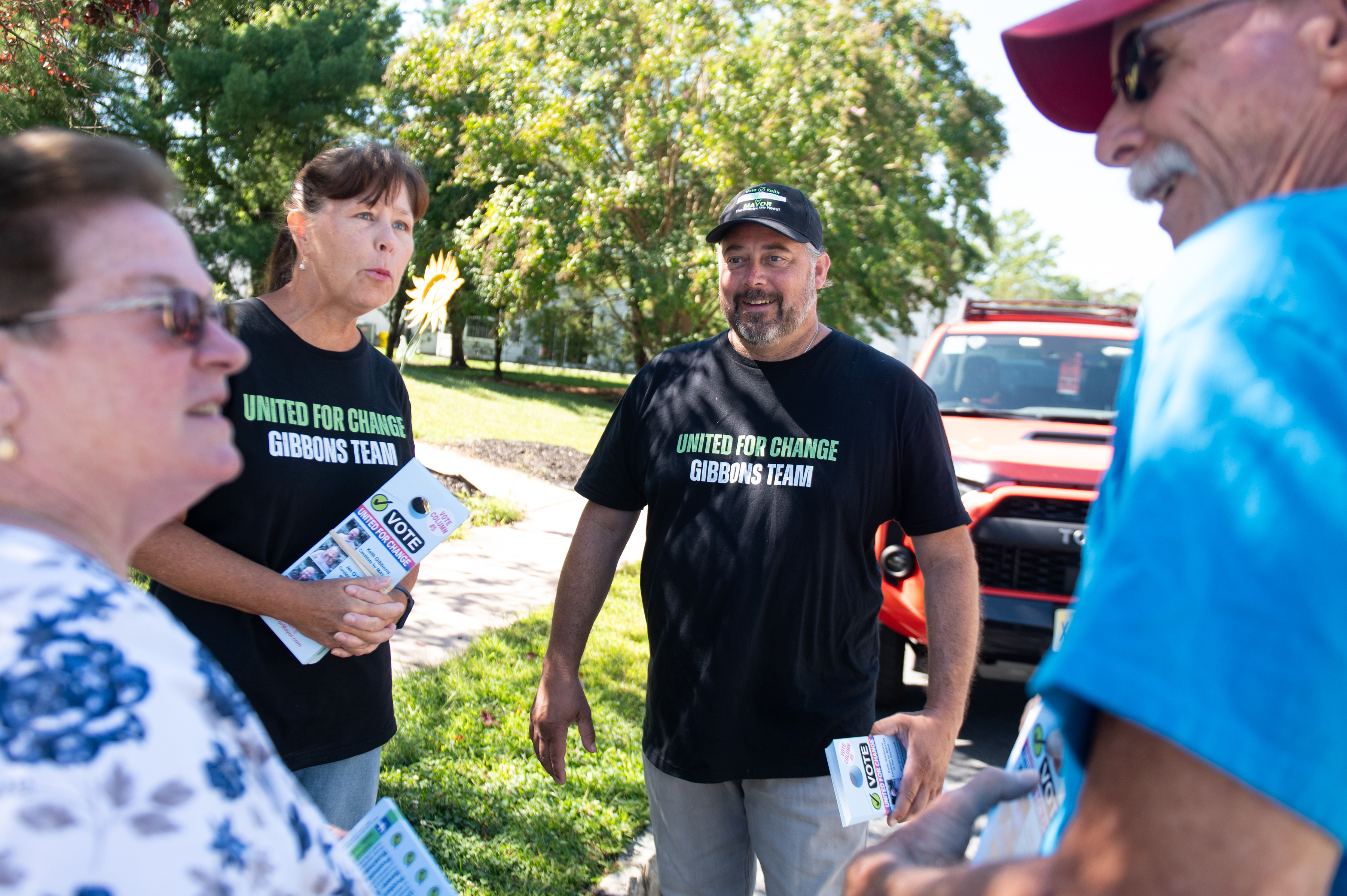
    Keith Gibbons (middle) joined Ira Eckstein and Denise Coyne at a rally opposing a plan to sell a South Jersey sewer and water utility in October 2024.

    Coincidentally, Mayor Mayer worked for American Water. In addition to his job as director of government affairs at the water company, his mayoral salary is $52,000.

    To guard against any conflict of interest, Mayer recused himself from any discussion regarding the sewer sale.

    Even still, American Water’s lucrative offer raised eyebrows. But generous bids are part of the for-profit playbook. Aqua offered Bucks County $1.1 billion for its sewer system, but the commissioners backed away after fierce public opposition.

    For-profit water companies have been throwing big money at small towns in New Jersey, Pennsylvania, and beyond in an effort to scale up. The utility systems may not seem sexy, but they are mini monopolies that generate steady cash flow.

    In Pennsylvania, a 2016 change in the law essentially opened the door for local utilities to be sold at higher prices. Local politicians are often happy to get the utility systems off the books and use the windfall to fund other projects or avoid tax increases.

    But often left out of the negotiations are the ratepayers.

    After the sales go through, the for-profit companies often jack up the rates. In some towns, after a brief rate freeze, the water bills have increased by 100%.

    Rates have also increased at government-owned utility companies, but not by nearly as much. For example, Philadelphia recently increased water rates by 9%.

    As utility bills grow, residents have nowhere to turn. Aging infrastructure, climate change, and increased demand, including to cool computer data centers, are expected to further drive up water prices in the years to come.

    From left: Denise Coyne, Nancy Kelly Gentile, Gloucester Township independent mayoral candidate Keith Gibbons, and Ira Eckstein canvass supporters in Clementon, N.J., in September.

    For-profit companies say they offer professional management and resources to make long-deferred upgrades, as well as the ability to purchase materials in bulk and spread the risk across systems as they grow.

    Mayer said in an interview that the sewer sale would have enabled Gloucester to reduce property taxes, eliminate its debt, and make other improvements.

    But critics argue that handing control to for-profit companies seeking quick returns on investments is shortsighted and results in higher costs to consumers. After all, water and sewer utilities are supposed to be a long-term public good, not a profit center.

    To its credit, Gloucester Township scheduled a referendum last November to let residents vote on whether to sell the sewer system or not. A public vote should be a requirement, but most towns avoid referendums because the last thing they want is for taxpayers to have a say in the utility system they own.

    The referendum gave Gibbons time to mount a grassroots campaign against the sale. He knocked on doors, handed out yard signs, and used a podcast to raise awareness.

    But Gibbons seemed overmatched. His group spent roughly $3,000 opposing the sale, while New Jersey American Water spent about $1 million.

    Yet, David beat Goliath in a landslide. More than 80% voted against the sale.

    Gibbons, 48, a Cinnaminson High grad, who ran a Christmas tree farm and worked for Live Nation but is now self-employed and serves on the school board, became somewhat of a local hero in a town of 66,000 residents.

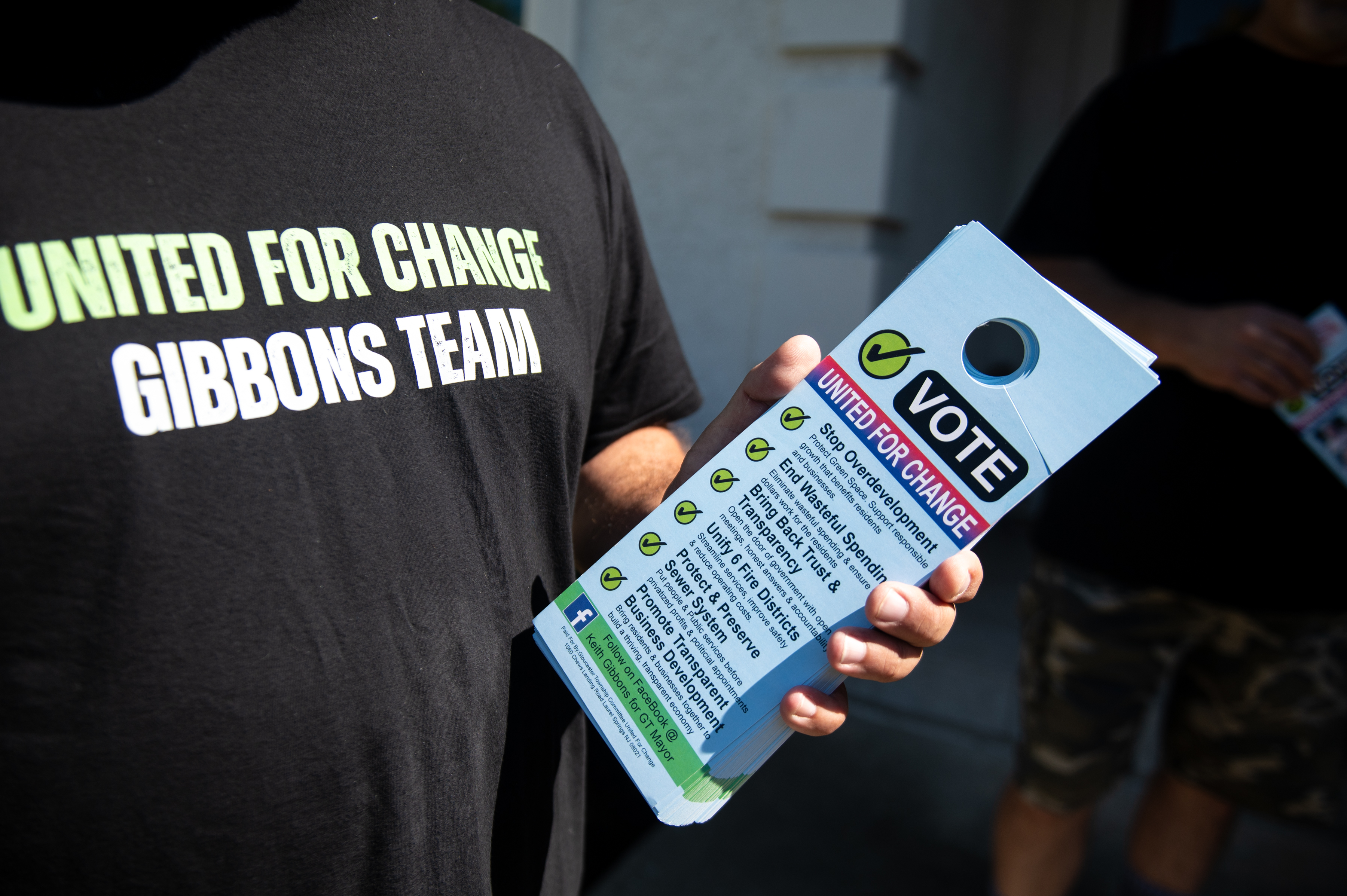
    Gloucester Township independent mayoral candidate Keith Gibbons holds promotional materials encouraging constituents to vote for him.

    Residents soon urged him to run for mayor.

    Gibbons, a former Republican, is running as an independent against Mayer, who has spent his life in South Jersey politics, working for former U.S. Rep. Rob Andrews in the 1990s before becoming chief of staff in the Camden County Clerk’s Office.

    He also served as a New Jersey assemblyman before getting elected mayor in 2010. Mayer’s wife is a Camden County freeholder.

    Mayer is part of the Democratic machine that has controlled South Jersey for decades, but has recently shown signs of losing its grip on power. In Gloucester Township, there are still twice as many registered Democrats as Republicans.

    The election has turned nasty. There are allegations that the Democrats tried to recruit a “phantom candidate” to run as a Republican to siphon votes away from Gibbons.

    Mayer said Gibbons has been on the school board for three years, and “I don’t know what he’s touting as his accomplishments.”

    Other attempts to muddy Gibbons indicate that the Democratic establishment may be nervous.

    Is it because Gibbons has a sophisticated field operation?

    “I don’t even have a campaign manager,” he said.

    Does Gibbons have deep-pocketed donors?

    “I’ve spent about $5,000 on the election,” he said.

    What’s his campaign message?

    “I’m not a political person,” Gibbons said. “I just want to fix local problems.”

    Can an outsider with no political experience win?

    Gibbons believes voters are fed up with South Jersey’s entrenched political machine, in which jobs and contracts often go to cronies. He argues no one is looking out for taxpayers who are often too busy to get involved, or believe they can’t do anything to change the system.

    But his efforts to block the sewer sale show that one person — and a motivated electorate — can make a difference.

    Mayer counters that he is proud to be a Democrat, and that the party’s strength has benefited South Jersey. He pointed to a list of accomplishments as mayor, from creating community policing to adding open space, attracting new businesses, and opening an office for veterans, adding that no party boss tells him what to do.

    For his part, Gibbons said he supports term limits and smart development. He plans to focus on fiscal responsibility and government transparency. If elected, he promised the water and sewer system would not get sold to a for-profit company whose main mission is to maximize shareholder value.

    “I don’t claim to know everything, but I do know enough,” Gibbons said.

    Now there’s a campaign slogan for an accidental candidate.