Author: The Inquirer Editorial Board

  • State and local officials are right to stand against expanding ICE detention centers | Editorial

    State and local officials are right to stand against expanding ICE detention centers | Editorial

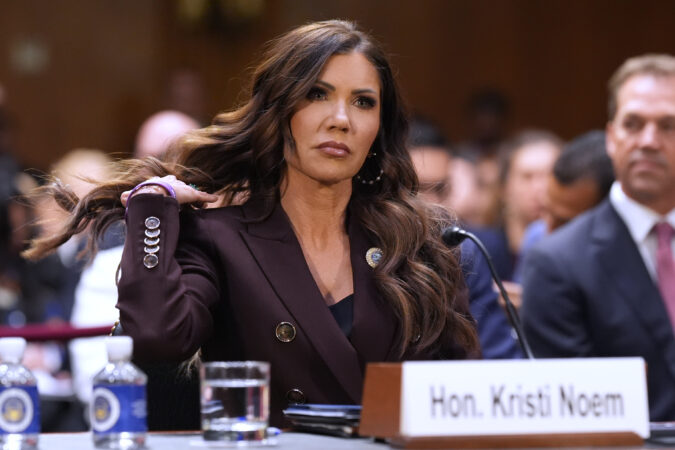
    Immigrants in custody under the Trump administration have been denied medical care, face dangerous detention conditions, and have died in the highest numbers in two decades, according to a letter sent to Secretary of Homeland Security Kristi Noem by a group of Democratic senators.

    As more and more immigrants are arrested, and U.S. Immigration and Customs Enforcement looks to vastly expand its detention capabilities — including in Pennsylvania and New Jersey — cases of abuse and death will only grow.

    This is a moral wrong that violates America’s constitutional protections.

    State and local leaders should vigorously push back against new detention facilities proposed by a federal government that has shown open contempt for the law in pursuit of the president’s cruel and inhumane mass deportation policies.

    Contrary to what Donald Trump promised, most of the immigrants being detained are not hardened criminals or the “worst of the worst.” Fewer than 14% of people arrested by ICE in 2025 had any charges or convictions for violent offenses. Immigrants with no criminal record at all now make up the largest group in detention.

    To be sure, immigration detention has a long history of abuse, with complaints about difficult living conditions, substandard medical care, and an opaque system leading to limited accountability when immigrants die in custody.

    Even when changes are promised, the problem has persisted.

    “Detention centers are not safe, abuses are widespread and detention facilities consistently fail to meet basic minimum standards,” wrote Mary Small, policy director for the Detention Watch Network, in 2015. “The Obama administration’s attempts at reforming the immigration detention system have failed.”

    More than a decade later, that failure will likely compound as ICE, flush with $45 billion from the GOP-controlled Congress and zero accountability from the White House, ramps up not only the scale, but also the callousness of its operations.

    The conditions inside detention centers are bleak, even more so for the most vulnerable populations. ProPublica recently told the stories of children being held at the ICE facility in Dilley, Texas. Their testimony is heartbreaking.

    A drawing made by a 13-year-old Colombian girl when she was detained at South Texas Family Residential Center in Dilley, Texas, where the Trump administration is holding immigrant families.

    “Since I got to this Center all you will feel is sadness and mostly depression,” one child wrote. Another said that “the workers treat the residents unhumanly, verbally and I don’t want to imging how they would act if they where unsupervised.”

    A 9-year-old put it plainly, writing, “I am not happy, please get me out of here.”

    Governors are rightfully objecting to the growth of ICE detention centers in their states. Both Gov. Josh Shapiro and New Jersey Gov. Mikie Sherrill have taken a strong stance in opposition. Local communities and officials are also fighting back.

    ICE plans to convert warehouses to detention centers in Upper Bern Township in Berks County, Tremont Township in Schuylkill County, and in Roxbury, a municipality in New Jersey’s Sussex County. Bucks County commissioners, who approved a bipartisan resolution against the detention centers, said the federal government may be looking to buy properties in Bensalem Township and Middletown Township.

    Shapiro has pledged to use every tool at his disposal to block the plans in Pennsylvania. Roxbury’s mayor, Republican Shawn Potillo, has also vowed to work against the proposed facility. Sherrill has promised to explore new state taxes in her own efforts to discourage the growth of detention centers.

    These statements are a step in the right direction. If officials are seeking examples of effective action, they can look to New Hampshire, where local opposition helped kill a plan for a new ICE facility, or to the small conservative town of Social Circle, Ga., which refused to turn on water access for an ICE detention center.

    In a letter to Homeland Security’s Noem, Sherrill laid out the case against ICE in no uncertain terms.

    “DHS’ treatment of human beings — citizen and noncitizen alike — reflects a chilling disregard for both human life and the rule of law,” Sherill wrote. “New Jersey will not be complicit in this.”

    No one who values human rights should.
  • Trump’s war of choice with Iran makes a mockery of the Constitution | Editorial

    Trump’s war of choice with Iran makes a mockery of the Constitution | Editorial

    Donald Trump, the president of war, keeps killing people at home and abroad.

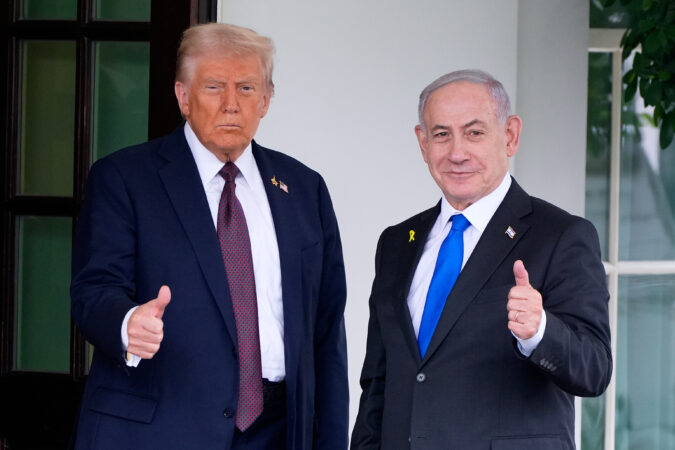
    Over the weekend, Trump presided over the assassination of Iran’s supreme leader. While many Iranians celebrated the end of Ali Khamenei’s 37-year reign of terror, the reckless gambit does not hide the fact that Trump violated the Constitution (again) by going to war without consent from Congress and unleashed more chaos.

    This was a war of choice by Trump, who was egged on by the bloodthirsty leaders of Israel and Saudi Arabia. The administration provided no evidence of an imminent threat from Iran.

    More alarming, Trump acted with no mandate, no plan, and no idea of what comes next.

    The bill is already coming due. At least six U.S. service members have been killed, and five others seriously injured. Trump blithely said more soldiers will likely die. Apparently, that’s the price of a senseless war started by an unstable leader.

    Oil prices jumped, and the stock market slumped, underscoring how Trump’s latest folly will cost Americans blood and treasure.

    The conflict has already spread to other countries across the Middle East, as Iran fired drones and missiles at Israel, Kuwait, Bahrain, Iraq, Oman, Syria, Qatar, and the United Arab Emirates. Dozens have been killed.

    Israel, the U.S.’s eager bombing partner, responded with airstrikes in Lebanon that killed at least 31 people. The volatile situation risks spinning out of control.

    Plumes of smoke from two simultaneous strikes rise over Tehran, Iran, on Monday.

    The FBI and the U.S. Department of Homeland Security are on high alert for terror attacks.

    Can either agency be trusted to keep Americans safe?

    Under Trump, scores of FBI counterterrorism agents have been fired, while DHS has undergone a mass exodus. DHS has been focused on arresting immigrants, killing Americans, and trampling the Constitution, while FBI Director Kash Patel was last seen pounding beers at the Olympics.

    Meanwhile, Pete Hegseth, the weekend TV commentator turned unfit and unqualified defense secretary, claimed that taking out Iran’s top leaders was not about regime change.

    That’s good, because the U.S. has a failed history when it comes to forcing its will on other countries, something presidents never seem to learn.

    So, what is the plan? No one knows — not even Trump, whose rationale keeps shifting.

    Trump urged Iranians to take control of their country. But that is impossible to do without weapons or outside support. Indeed, more than 30,000 Iranians were killed in January after they took to the streets.

    Defense Secretary Pete Hegseth listens to Chairman of the Joint Chiefs of Staff Gen. Dan Caine, during a news briefing at the Pentagon, Monday.

    Hegseth would not rule out sending American troops into Iran. That undercuts the president’s campaign promise to end costly forever wars like the ones in Vietnam — which Trump dodged — Iraq, and Afghanistan. Wars that cost thousands of lives and trillions in taxpayer dollars.

    Then again, the Trump doctrine is day-to-day and subject to hourly change, fits and starts, and overnight zigzagging.

    In fact, Trump now says the Iran war will go on until the U.S. achieves its objectives — whatever they are. Just last week, the president said Iran could avoid military conflict if it would end its nuclear weapons program.

    Iran agreed with negotiators last week to never stockpile enriched uranium. But even as the talks showed progress, Trump decided to start bombing while he hosted a $1 million-a-ticket fundraiser at his private club in Palm Beach, Fla.

    Let’s not forget Trump withdrew from a deal in 2018 that limited Iran’s nuclear enrichment and stockpiles of enriched uranium. He also claimed last year that Iran’s nuclear program was “obliterated” after a bombing campaign by the U.S. and Israel.

    Demonstrators rally in support of the U.S. and Israeli strikes on Iran, at the Iranian Embassy in Tbilisi, Georgia, on Sunday.

    Trump created all this chaos. An unserious president is leading the country into serious trouble. And the Republicans in Congress who have the power to stop him do nothing.

    Killing Iran’s leader comes on the heels of Trump ordering the illegal invasion and arrest of Venezuela’s president.

    That came after Trump’s illegal boat strikes in Central and South America that have killed more than 100 people without any evidence of wrongdoing.

    Meanwhile, Trump has threatened to take over Greenland, make Canada the 51st state, and attack drug cartels in Mexico. He continues to diss European allies, while doing nothing to stop Russia’s war crimes in Ukraine.

    Republicans who control Congress continue to defer to Trump, who is quickly turning the United States into a rogue state.

    Now, with no clear exit strategy in Iran, Trump appears poised to continue to try to bomb his way to a Nobel Peace Prize, while making a mockery of America.

  • Trump’s gutting of environmental standards endangers Americans’ health and finances | Editorial

    Trump’s gutting of environmental standards endangers Americans’ health and finances | Editorial

    Fifty-six years ago, President Richard Nixon sent a letter to Congress proposing the formation of a new federal regulator: the Environmental Protection Agency. Back then, big city skylines were shrouded in smog, chemicals and waste had spoiled the nation’s waterways, and Americans across the political spectrum recognized the need to safeguard the planet.

    The government’s efforts worked. While disagreements over the details and near-constant pushback from industry over regulations persisted over the decades, the EPA was long considered a genuine bipartisan American success story — at least until President Donald Trump and EPA Administrator Lee Zeldin arrived.

    So far, the pair have taken a flamethrower to environmental policy.

    The two most egregious moves are the rollback of mercury emission limits at coal plants and the repeal of the legal basis for regulating greenhouse gases. Americans — and the world at large — will be paying for the administration’s shortsightedness for years to come.

    A contaminant that is present in coal and released when it is burned, mercury can have devastating effects on human health. Just ask Health and Human Services Secretary Robert F. Kennedy Jr., who blamed mercury exposure for contributing to his memory loss and brain fog while running for president. He’s campaigned to remove mercury from fish and vaccines, while his colleagues in the administration plan to release more mercury into the atmosphere.

    The emissions rollback also affects restrictions on arsenic, nickel, and lead — all of which are released when coal is burned. A Harvard analysis suggested that repealing the mercury restriction could lead to $200 million in additional annual health costs for Americans, including heart and lung issues.

    It’s bad enough that Trump wants to promote continued coal use; his administration is also standing in the way of renewable energy sources, putting up regulatory roadblocks for the development of wind and solar power. While America needs more energy generation to tamp down rising electricity costs, a diversified approach makes a lot more sense than using a 19th-century answer to a 21st-century problem.

    The former coal-fired Peco power plant next to Penn Treaty Park.

    By turning its back on the EPA’s “endangerment finding,” the Trump administration has eliminated the government’s power to limit greenhouse gas emissions. The 2009 finding, which recognized that carbon dioxide and other greenhouse gases produced by fossil fuels endanger public health, has been the cornerstone of U.S. climate policy.

    Beyond the damage to the environment and long-term impact on an already dangerously warming planet, lifting restrictions will also result in higher costs for American motorists and bigger profits for oil barons at home and abroad.

    In Pennsylvania alone, the toll would be significant. According to an analysis by the nonprofit Environmental Defense Fund, repealing the endangerment finding would result in $57 billion worth of additional fuel costs and over $12 billion in additional health costs by 2055 for Keystone State residents. Other costs include tens of thousands of additional premature births, millions of asthma attacks, and billions of metric tons worth of pollution.

    The EDF, alongside a coalition of environmental groups, is currently suing the EPA to preserve emissions standards. The Trump administration’s backsliding puts America out of step with most of the world, where governments are embracing clean energy and electrification not only for health benefits but economic ones, as well.

    In France, clean energy production has been so successful that supply temporarily eclipsed demand briefly last year. While American ratepayers are dealing with rising electricity costs, France is seeing prices drop to their lowest level in years.

    China has established itself as a hub for electric vehicles. While the Trump administration has gutted incentives meant to help the American auto industry compete, Chinese firms have recorded a 1,016% increase in electric vehicle exports, with the total value rising from $295 million in 2018 to $36.7 billion in 2023. Thanks to the president, American automakers are likely to miss out on this bonanza.

    Instead, America’s energy policy seems aimed at recreating the economy of the 1960s, the very same conditions that led to the environmental movement in the first place. Trump has talked about “clean, beautiful coal,” said wind power is for “stupid people,” and defunded tax programs that help homeowners reduce their energy usage through heat pumps and weatherization.

    Americans deserve better than higher bills and dirtier air. Unfortunately, under Trump’s policies, that’s all we’ll get.

  • Quakertown police mimic ICE brutality | Editorial

    Quakertown police mimic ICE brutality | Editorial

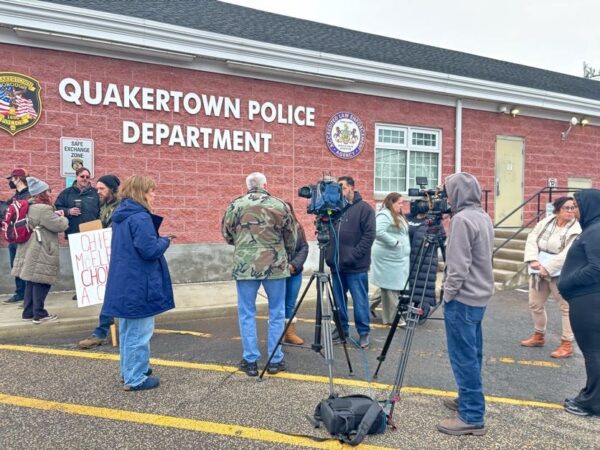
    Students speaking out against abuses by federal immigration agents and the kind of heavy-handed tactics that have led to clashes between protesters and law enforcement across the country were met with excessive force by Quakertown police, who slammed children to the ground and put one in a choke hold.

    The irony is not lost. Neither should the outrage.

    While some of the facts are in dispute, the picture that emerges from several bystander videos is that it was police — primarily Quakertown Police Chief Scott McElree — who seemingly escalated the confrontation.

    Five teenagers arrested during the protest have reportedly been charged with aggravated assault. Those are serious felony charges. Bucks County District Attorney Joe Khan must also bring that level of accountability to McElree and his officers.

    It all began on Friday, when students planned a walkout to protest the actions of U.S. Immigration and Customs Enforcement. According to Inquirer reporting, initial approval from Quakertown Community High School officials changed to opposition over safety concerns. At least 35 students walked out anyway.

    The diverse group headed downtown, holding signs and flags and chanting. Some passing drivers honked and shouted approval, or disapproval, from behind the wheel. A letter to parents by Lisa Hoffman, the acting superintendent of the Quakertown Community School District, said they received reports that students were “engaging in unsafe and disruptive behavior.”

    A police statement said students entered traffic, threw snowballs, and damaged property, including a car’s side-view mirror. Available video footage shows students arguing with police about being off the sidewalk to shouts of “this is a peaceful protest,” shortly before McElree — out of uniform and not wearing any clearly visible identification — barrels into the crowd.

    McElree engages physically with the students, placing a teenage girl in a choke hold as punches from other protesters rain down. According to students, many believed McElree to be an aggressive counterprotester. A reasonable assumption considering the police chief’s wardrobe and other similar incidents, including one in Texas where a 45-year-old man ended up in a melee with student protesters.

    “It’s a grown man. It’s a grown man and a kid! He’s on a child! Why is no one stopping this?” distressed onlookers are heard saying in one of the videos. McElree then throws a teenage girl to the ground, while another Quakertown officer tosses a student onto a planter.

    Further compounding the shameful behavior by the authorities, the teens arrested were held in jail until a detention hearing on Tuesday. That’s over 72 hours. This would be unfair for adults; to treat children this way is unconscionable.

    The Quakertown community has been justifiably incensed over what happened.

    At a borough council meeting on Monday, borough officials said they were “disturbed” by the incident, but declined additional comment. Residents wanted their elected leaders to go much further, demanding McElree’s resignation or termination.

    Evan Smith, from nearby Richlandtown, reminded officials that “Jesus told us to suffer the little children, not to make them suffer.” Colin Hancock, a student who attended the protest, described being afraid to go back to his own home due to the actions of the police. Many seemed shocked that something like this could happen in their small suburban town.

    The American Civil Liberties Union of Pennsylvania accused McElree of acting as a counterprotester, rather than as law enforcement. In a statement, the group said the chief “abandoned his job and his mission” and said he must be held accountable.

    Khan said his office is investigating. Hopefully, the results of the district attorney’s inquiry will give the community a thorough understanding of the incident and whether McElree or any of his officers merit dismissal. At the very least, changes to the Quakertown Borough Police Department must be implemented so this never happens again.

    Students exercising their First Amendment rights and engaging in civil disobedience may yet face disciplinary action from their school, but they should not have to deal with brutal treatment by law enforcement, who ought to know better.

  • There’s no room in the union for Trump’s chaotic imperial presidency | Editorial

    There’s no room in the union for Trump’s chaotic imperial presidency | Editorial

    As America prepares to celebrate its 250th anniversary, the state of the union is in turmoil.

    In little more than a year in office, President Donald Trump has assailed the country’s institutions, upset the constitutional system of checks and balances, flouted the law, undermined democracy at home and abroad, and ignored the rising cost of living for ordinary people while lining his family’s pockets.

    Under Trump — at the whims of his unelected billionaire buddy, Elon Musk — senseless funding cuts have gutted U.S. medical research, led to thousands of federal employees losing their jobs, and more than 800,000 lives lost due to discontinued foreign aid.

    The president’s chaotic mass deportation efforts have a body count — including two citizens — as the nation’s streets are overrun by heavily armed, masked federal agents who routinely use excessive force with little accountability. Meanwhile, the government continues to protect the rich and powerful listed in the Jeffrey Epstein files, perhaps hoping to redact away their sins.

    Much to Trump’s displeasure, the American people are paying attention.

    When the president addresses Congress on Tuesday at the annual State of the Union address, he will do so with a 60% disapproval rating, according to a Washington Post-ABC News-Ipsos poll. Those abysmal numbers echo those seen after the Jan. 6, 2021, assault on the U.S. Capitol by Trump followers.

    The reproach has been hard-earned by the president, who has squandered away the goodwill of voters after his undeniable 2024 election victory.

    Rather than focusing on the kitchen-table issues that won him a return trip to the White House, Trump has ramped up the cruelty of his anti-immigrant policies and ignored the economic pressures many people face.

    Instead of presiding over cooling inflation, the president’s obsession with tariffs cost American families an extra $1,000 last year. In place of policies that would make owning a home more affordable and bring down the cost of rent, Trump said he wants to keep housing prices high. Contrary to what the administration wants people to believe, mass deportations don’t create jobs; they stunt economic growth.

    The tax cuts promised in Trump’s signature piece of legislation, the One Big Beautiful Bill Act, mostly benefited the very wealthy. The law allots billions to hire U.S. Immigration and Customs Enforcement agents and build vast detention facilities on the back of steep cuts to Medicaid and food assistance.

    That people are roundly pushing back against the president’s upside-down priorities and abuses of power seems to have restored some conservative leaders’ resolve.

    The same U.S. Supreme Court that, in 2024, gave the president absolute immunity ruled last week that Trump’s tariffs exceeded the power of the presidency. In December, the justices also blocked Trump’s deployment of the National Guard to Chicago, and have been skeptical in arguments regarding the president’s authority to fire a member of the Federal Reserve Board.

    In Congress, a handful of Republicans have also rejected Trump’s wishes, denouncing his administration’s refusal to release the Epstein files and the president’s ill-conceived tariffs on Canada. GOP lawmakers have so successfully abandoned their authority to Trump that even these limited developments are heartening.

    When it comes to the president, perhaps the legislative branch should pay heed to the judicial.

    In the same court decision that denied Trump his tariff authority, Justice Neil Gorsuch, who is part of the conservative majority, laid it out clearly.

    “Yes, legislating can be hard and take time. And, yes, it can be tempting to bypass Congress when some pressing problem arises,” the Trump appointee wrote in his concurrence. “But the deliberative nature of the legislative process was the whole point of its design. Through that process, the Nation can tap the combined wisdom of the people’s elected representatives, not just that of one faction or man.”

    The American people and the courts are speaking. If the state of the union is to ever recover, Congress must listen.

  • After a year of RFK Jr.’s policies, vaccination rates are down, measles cases are up, and public health hangs in the balance | Editorial

    After a year of RFK Jr.’s policies, vaccination rates are down, measles cases are up, and public health hangs in the balance | Editorial

    Almost 250 years ago, George Washington created America’s first mass immunization mandate, relying on science to protect public health.

    Oh, how times have changed.

    Back then, smallpox had just helped end the Continental Army’s invasion of Canada. Despite making it all the way to Quebec, thousands of soldiers contracted the disease. Washington feared the same would happen to his own troops, fresh from their surprise victories at Trenton and Princeton. As Washington wrote at the time, “Necessity not only authorizes but seems to require the measure, for should the disorder infect the Army, in the natural way, and rage with its usual Virulence, we should have more to dread from it, than from the sword of the enemy.”

    The inoculation methods of Washington’s time were crude. No genuine vaccine existed. Instead, scabs or pus were taken from someone infected with smallpox and then placed into scratches or small wounds. Another option was to inhale it. Either way, those who experienced variolation inevitably developed fevers, rashes, and other symptoms of smallpox. At least 1% of those who received it died. Still, without his tough choice, the Continental Army might have failed entirely, and America with it.

    These days, safe vaccines are available for diseases that ravaged our ancestors. Forms of influenza, hepatitis, chickenpox, polio, rubella, mumps, measles, and many other diseases can now be prevented. The smallpox virus that Washington dreaded has been eradicated.

    The quality and availability of vaccines are a modern miracle, one that all humanity should be proud of.

    Yet, according to data from the Centers for Disease Control and Prevention, vaccination rates for measles in the U.S. are declining, and the number of cases is climbing. More and more parents are opting against vaccination for their children, which gives these diseases room to spread.

    Last year, two children in Texas died of the completely preventable disease. An outbreak in South Carolina has so far sickened almost 1,000 people, most of them children.

    Pennsylvania, New Jersey, and Delaware have all slipped below the 95% vaccination rate the CDC says is necessary to keep measles outbreaks at bay. Despite being nearly eliminated in 2000, rates have reached their highest levels in decades.

    A sign is seen outside a clinic with the South Plains Public Health District in February 2025, in Brownfield, Texas.

    According to CDC data, more than 90% of infections occur in people who are either unvaccinated or have unknown inoculation status. Given this group makes up less than 10% of the overall population, that’s a staggering concentration of sickness. It also isn’t a surprise — the vaccines work.

    Parents offer a range of justifications for refusing vaccinations. Some cite religious faiths that discourage inoculation. Others feel that the schedule of shots is too concentrated. A number of them mention debunked fears of shots “causing autism.”

    In some cases, existing health issues may lead to medical professionals advising against vaccination. (These children rely on what scientists call herd immunity for protection, and are endangered by rising rates of voluntary refusal.)

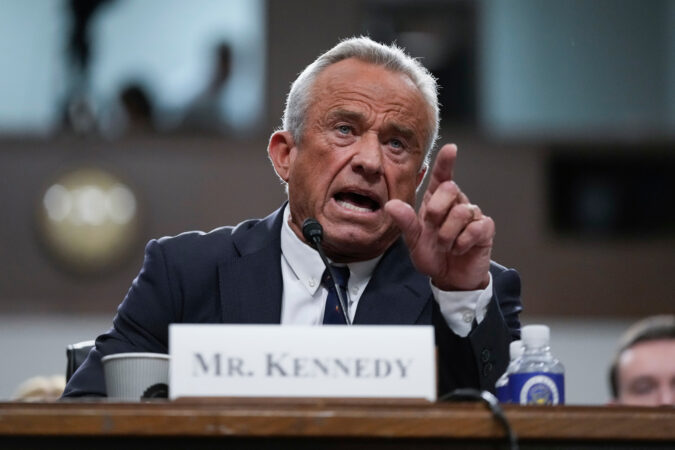
    It doesn’t help matters that Health and Human Services Secretary Robert F. Kennedy Jr. is a leading skeptic of both vaccines and modern medicine. Kennedy has strong opinions about public health based on no formal medical training.

    Under RFK Jr., the CDC has reduced the number of recommended vaccinations for children, and groups aligned with the secretary are working to overturn state vaccine mandates.

    This is the kind of privileged ignorance that can only thrive in a post-vaccine world, where mass immunization has dramatically changed life for the better.

    In 1900, 30% of all U.S. deaths occurred in children under the age of 5. In 1915, the infant mortality rate was 100 out of every 1,000 live births. As late as 1952, a polio outbreak killed more than 3,000 people.

    Unfortunately, rising vaccine refusal rates may bring some of this suffering back. While city health officials urge calm in the wake of a possible exposure at Philadelphia International Airport earlier this month, these events will only increase as vaccination rates continue to fall. So will unnecessary deaths among children.

    Instead of turning back the clock, our leaders and parents must learn from Washington’s example. Necessity requires that we vaccinate our children.

  • Charged with carrying on Dr. King’s legacy, Jesse Jackson proved to be a titan of civil rights on his own accord | Editorial

    Charged with carrying on Dr. King’s legacy, Jesse Jackson proved to be a titan of civil rights on his own accord | Editorial

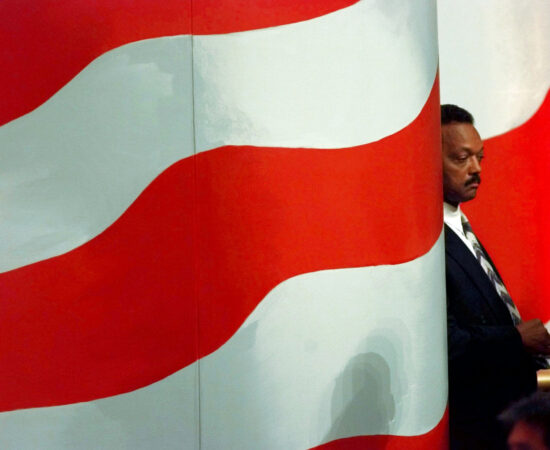
    There’s an old saying that “only the good die young.” Not true, of course, but the sentiment is understandable given the complex twists and turns of any life, including that of the Rev. Jesse Jackson, the civil rights titan and noteworthy presidential candidate, who at age 84 died Tuesday at his home in Chicago.

    The Rev. Jackson’s rise into America’s awareness was itself triggered by a death. He was with the Rev. Dr. Martin Luther King Jr. on the balcony of a Memphis hotel in 1968 when an assassin’s bullet killed his mentor. Who knew then that the Rev. Jackson would become as forceful a voice for equality as King, and later, a credible though unsuccessful political candidate for the nation’s highest office?

    Both the Rev. Jackson and King were gifted with voices that moved people to action, not just with their words, but with how they expressed them. King’s cadence perfected in sermons from pulpits across the South stirred the souls of folks who were cautioned to peaceably place their bodies in harm’s way to achieve dignity.

    The Rev. Jackson more so appealed to people’s outrage as he urged protesters to let their oppressors know, “I am somebody!” Hearing the Rev. Jackson speak, you got the feeling that those three words meant more to him than the disparate treatment Black people were afforded in then-segregated America. It was true that some aspects of the Rev. Jackson’s life had also been a struggle.

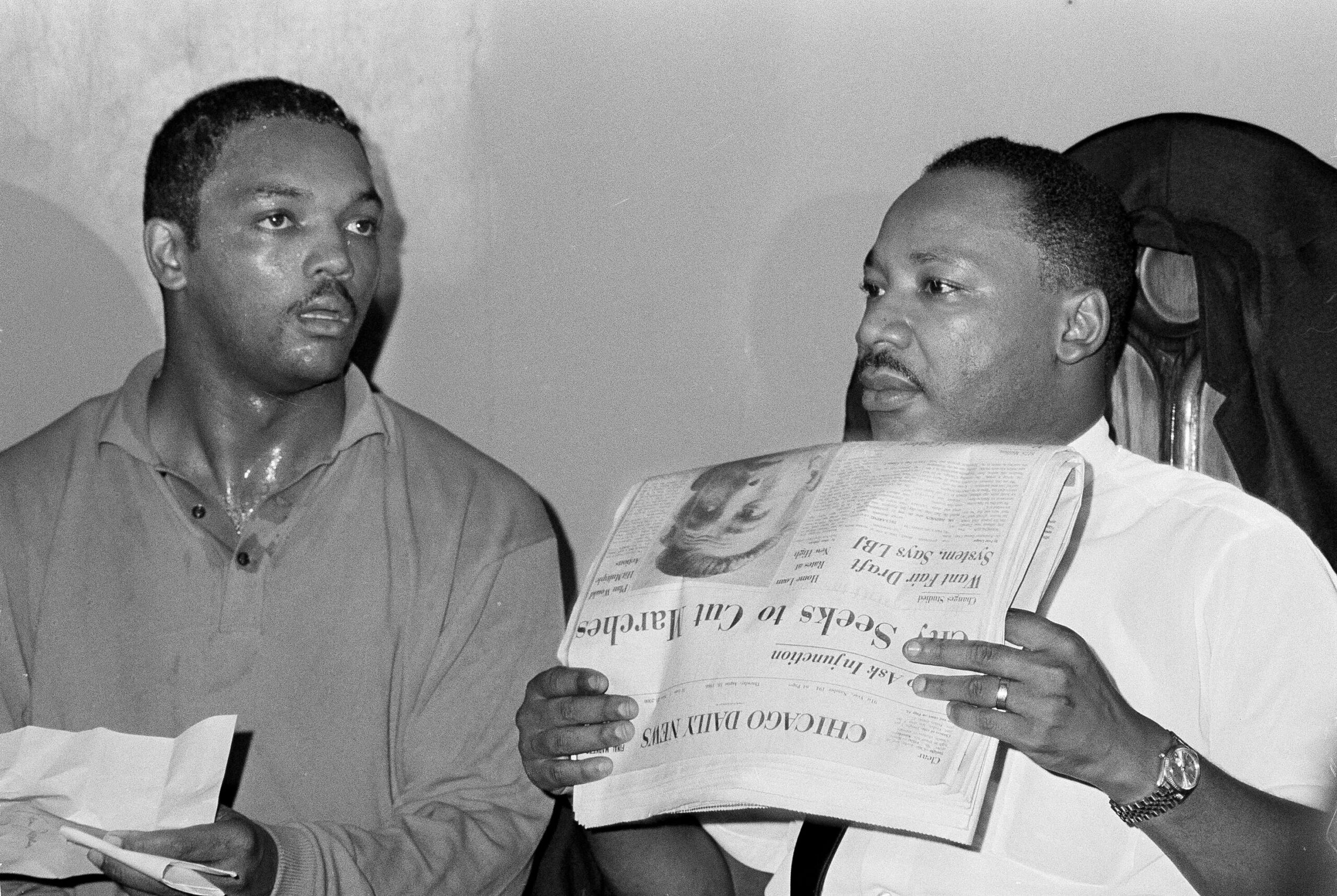
    Civil rights leader the Rev. Dr. Martin Luther King, Jr. (right) and his aide, the Rev. Jesse Jackson, are seen in Chicago in August 1966.

    Born in 1941 in Greenville, S.C., the mother of Jesse Louis Burns was a 16-year-old high school majorette who had been impregnated by a 33-year-old married man who lived next door, but denied his paternity. Two years later, Jesse’s mother married Charles Jackson, whom she met when he was a barbershop shoeshine man. Jackson sent the boy to live with his grandmother and didn’t adopt Jesse until he was 16 years old.

    After high school, the Rev. Jackson enrolled at the University of Illinois Urbana-Champaign on a football scholarship. After his freshman year, he transferred to North Carolina A&T University, a historically Black institution in Greensboro, N.C., where he became a leader in his Omega Psi Phi fraternity chapter and president of the student body. In those roles, the seeds of the Rev. Jackson’s dynamic activism were sown.

    Earlier, the Rev. Jackson had been a member of the “Greenville Eight,” the eight African American students arrested for refusing to leave the then-segregated Greenville County Public Library. By 1965, he was marching with King in Selma, Ala., and in 1967 was named head of Operation Breadbasket, the Southern Christian Leadership Conference program developed to help poor Black communities across the nation.

    The Rev. Jackson eventually left the SCLC after King’s death and, in 1971, created his own organization, Operation PUSH, and later the Rainbow Push Coalition, which became as involved in politics as it was with social justice. That political involvement is credited with being a factor in the 1983 election of Chicago’s first Black mayor, Harold Washington.

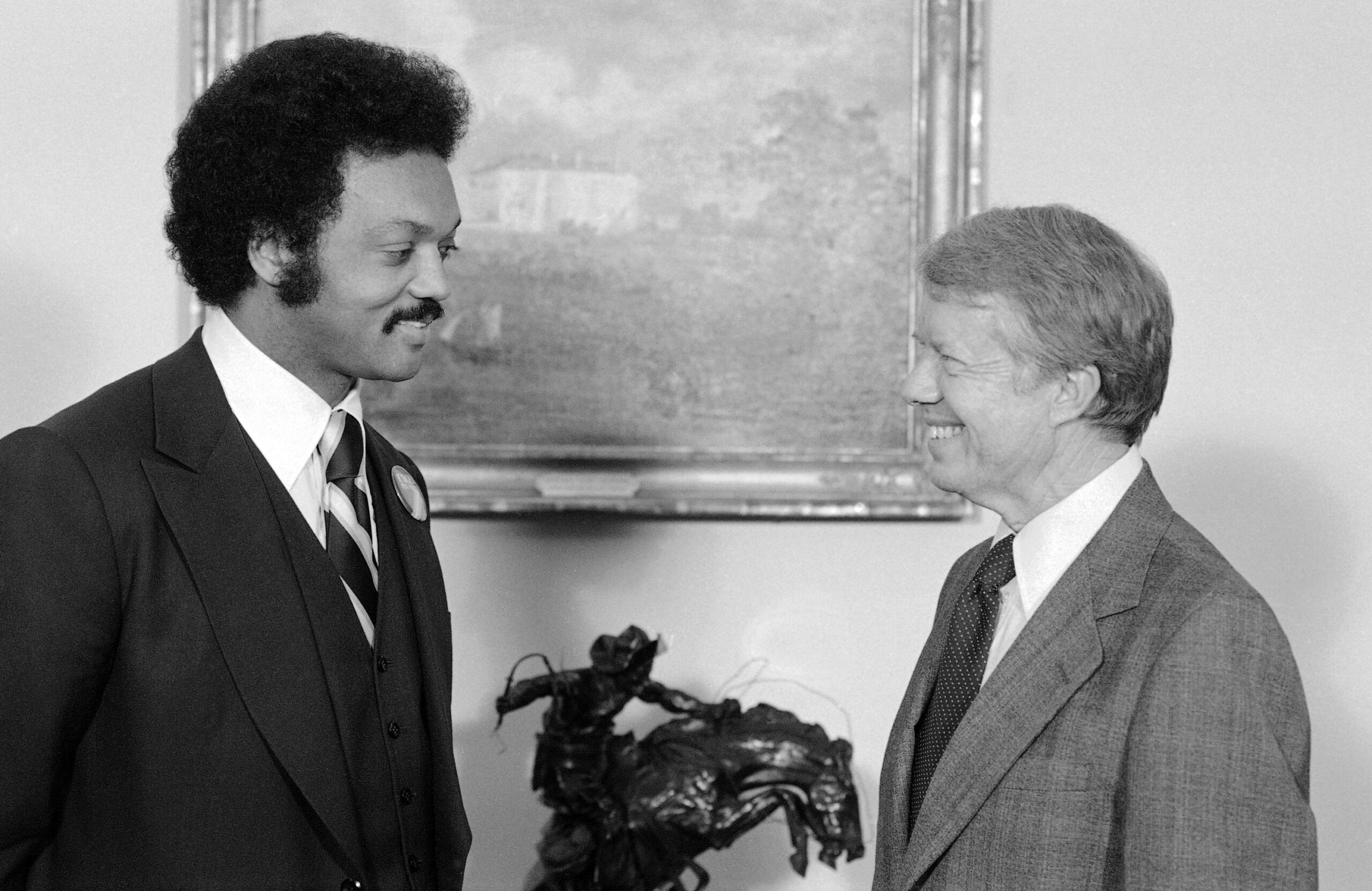
    President Jimmy Carter speaks with the Rev. Jesse Jackson at the White House in Washington, April 4, 1979.

    The Rev. Jackson’s subsequent 1984 presidential campaign resonated with voters of all colors and backgrounds who agreed with him that America wasn’t doing enough “to clothe the naked, to house the homeless, to teach the illiterate, to provide jobs for the jobless, and to choose the human race over the nuclear race.”

    The Rev. Jackson won 465 delegates to the 1984 Democratic National Convention and 1,218 delegates in 1988, both times far exceeding Shirley Chisholm’s 151 delegates when the New York member of Congress ran for president in 1972. But the Rev. Jackson never gave it a third shot. He instead spoke out for justice not just in this country but around the world, and, in 2000, was awarded the Presidential Medal of Freedom by President Bill Clinton.

    Those were good times, but life isn’t always good.

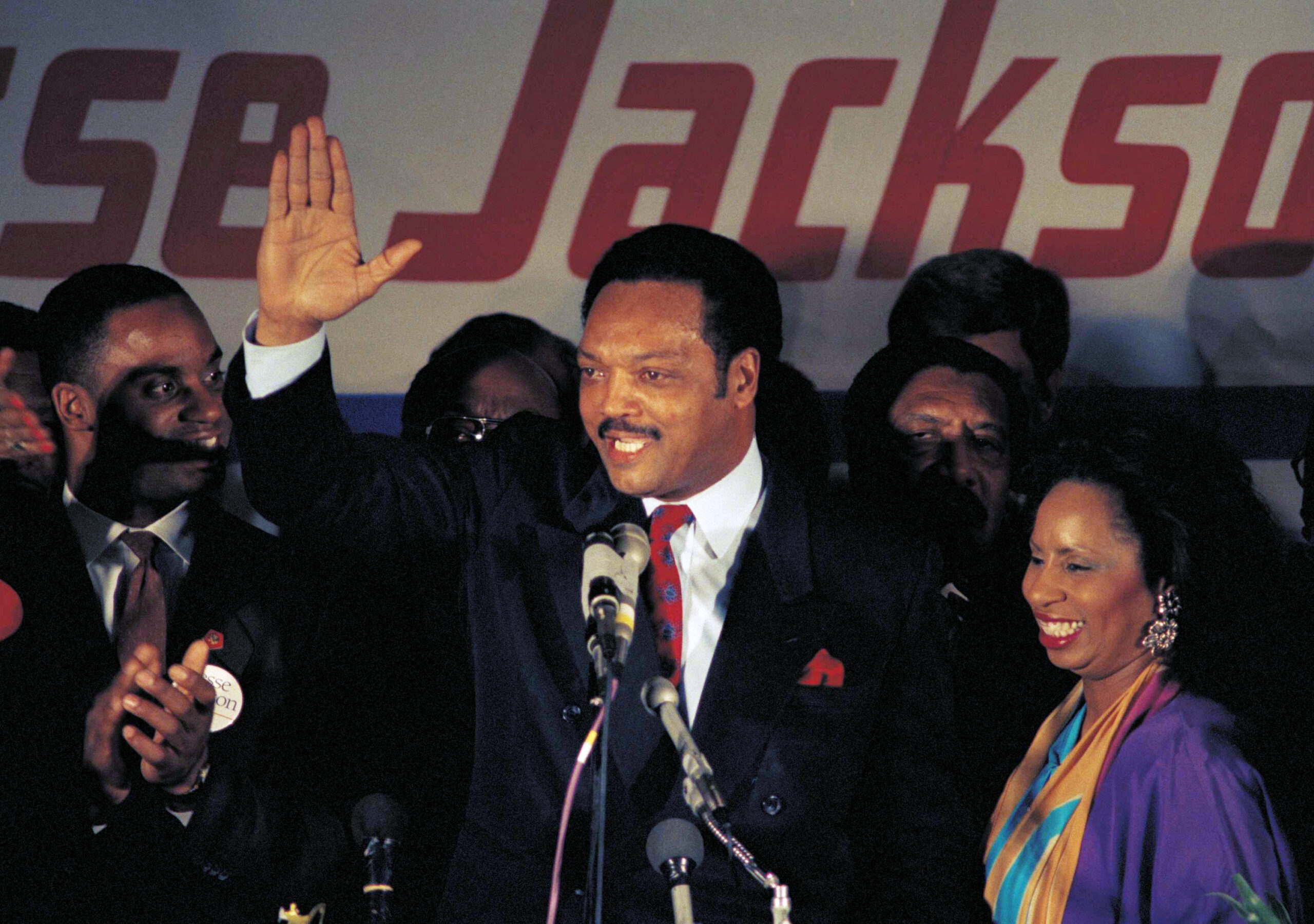
    The Rev. Jesse Jackson, with his wife, Jacqueline, concedes defeat in the Illinois Democratic primary on March 16, 1988, in Chicago.

    There was the revelation in 2001 that the Rev. Jackson had fathered a child with a woman other than his wife. There was the pain of seeing his son, Jesse Jackson Jr., a former congressman, plead guilty in 2013 to misspending $750,000 in campaign funds for personal use and being sentenced to 30 months in prison. Then, there were health issues. In 2017, the Rev. Jackson was diagnosed with Parkinson’s disease, a neurological disorder in which mobility and speech decline over time.

    Watching the Rev. Jackson in his final years, attending public events but barely able to move or speak, made you wish for a better summation of a life once so full of zest and vigor. But the Rev. Jackson has left behind vivid memories captured in print, video, and downloads of a man history should not forget. Memories of crowds screaming, “Run, Jesse, Run,” as the Rev. Jackson tried to fulfill a political dream left to be carried out by someone else. Thank God, Jesse did live to see that.

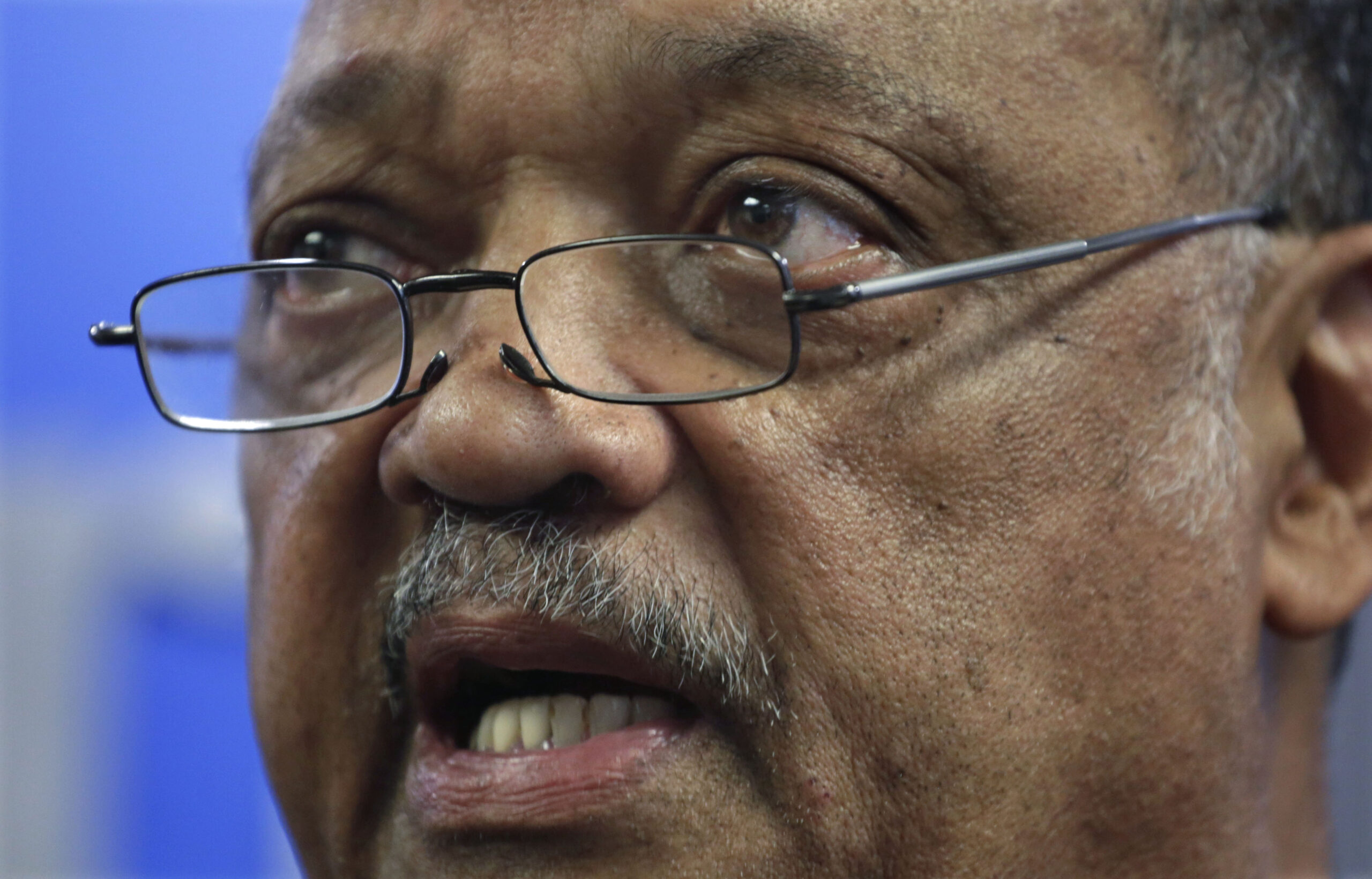
    Jackson speaks at a Chicago news conference in February 2015.
  • The President’s House court ruling is a crucial win for the power of truth | Editorial

    The President’s House court ruling is a crucial win for the power of truth | Editorial

    For one day at least, Donald Trump’s bigoted effort to whitewash history was foiled in Philadelphia.

    A federal judge ordered the Trump administration to restore the slavery exhibits that were removed last month from the President’s House in Independence National Historical Park.

    Fittingly, the legal rebuke came during Black History Month as Trump tries to rewrite America’s history of slavery, undermine voting rights, and rollback civil rights efforts designed to live up to the Founding Fathers’ vision of a country where all are created equal.

    Even better, the ruling came on Presidents Day, a federal holiday first set aside to honor George Washington, who voluntarily gave up power, unlike Trump, who was criminally indicted for trying to overturn an election he lost.

    In a poetic touch that feels conjured by Octavius V. Catto or William Still, the Trump administration lost in federal court on a lawsuit brought by the City of Philadelphia, which is headed by its first African American female mayor.

    The President’s House exhibit was created to recognize the enslaved people who lived in Washington’s home in Philadelphia while he was president. Like the nearby Liberty Bell and Independence Hall, the President’s House is an essential part of American history.

    Trump wants to airbrush the parts of American history that do not fit with his racist record and white supremacist messaging. But understanding how slavery shaped the economic, social, and political forces across the United States is crucial to addressing the systemic racism and inequality that persists today.

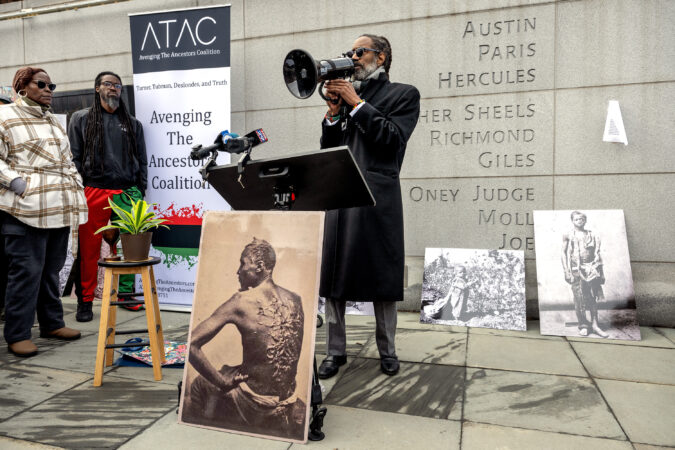
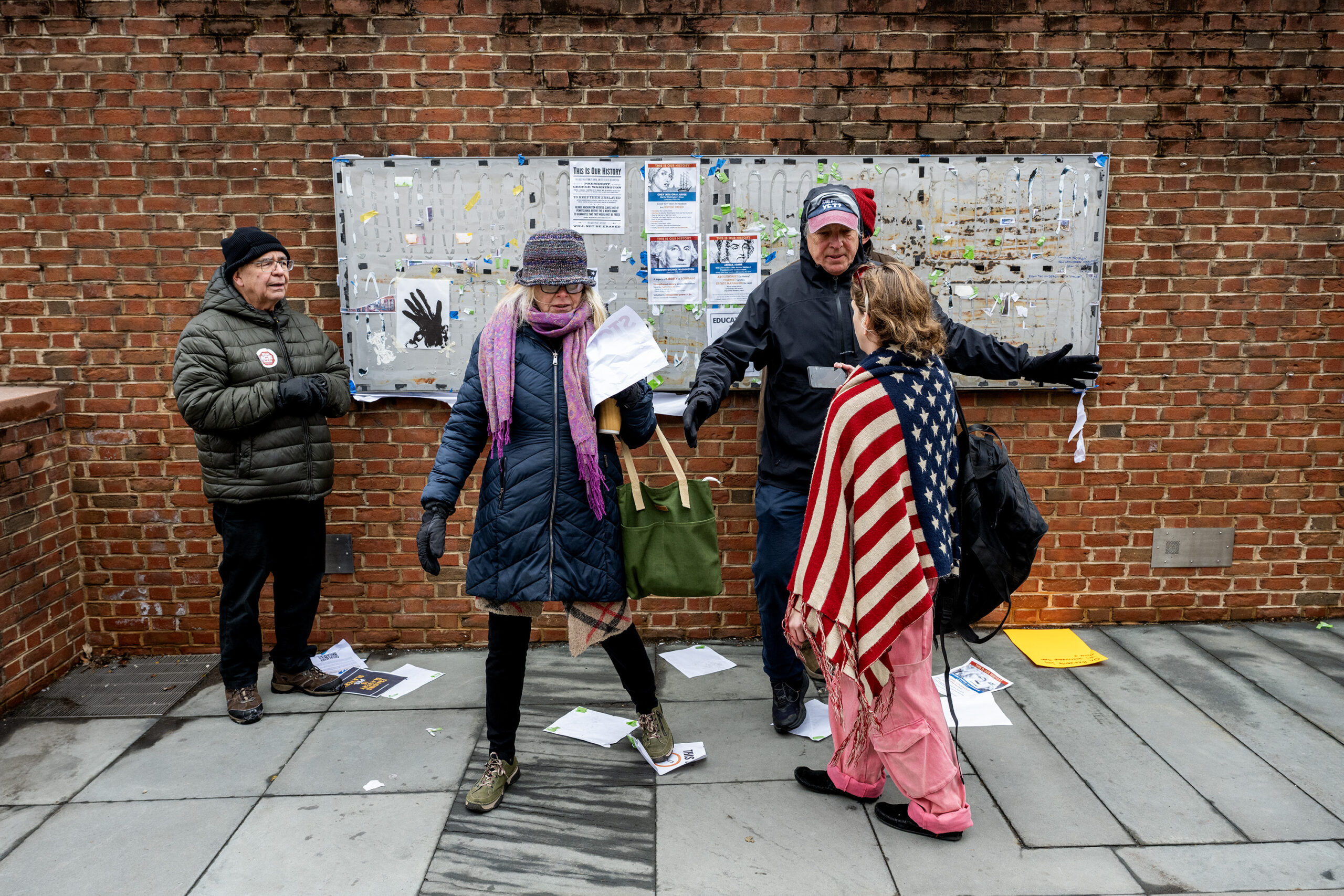
    Glenn Bergman (right) and Dianne Manning try to prevent a “counterprotester” from removing notes posted by visitors on the walls where the National Park Service removed panels about slavery at the President’s House site on Monday. The woman began ripping down the mostly handwritten signs while the group Avenging the Ancestors Coalition was gathered for an annual Presidents Day observance on the other side of the wall.

    U.S. District Judge Cynthia M. Rufe called out Trump’s cruel attempt to take the country backward in unsparing terms. She began her 40-page opinion by quoting directly from 1984, George Orwell’s dystopian novel about a totalitarian regime:

    “All history was a palimpsest, scraped clean and reinscribed exactly as often as was necessary. In no case would it have been possible, once the deed was done, to prove that any falsification had taken place.”

    She compared the Trump administration’s claim that it can unilaterally remove exhibits it does not like to Orwell’s Ministry of Truth.

    “As if the Ministry of Truth in George Orwell’s 1984 now existed, with its motto ‘Ignorance is Strength,’ this Court is now asked to determine whether the federal government has the power it claims — to dissemble and disassemble historical truths when it has some domain over historical facts,” Rufe wrote. “It does not.”

    Rufe, who was appointed to the federal bench by former President George W. Bush, did not buy the Trump administration’s authoritarian argument. “[T]he government claims it alone has the power to erase, alter, remove and hide historical accounts on taxpayer and local government-funded monuments within its control.”

    She added: “The government here likewise asserts truth is no longer self-evident, but rather the property of the elected chief magistrate and his appointees and delegees, at his whim to be scraped clean, hidden, or overwritten. And why? Solely because, as Defendants state, it has the power.”

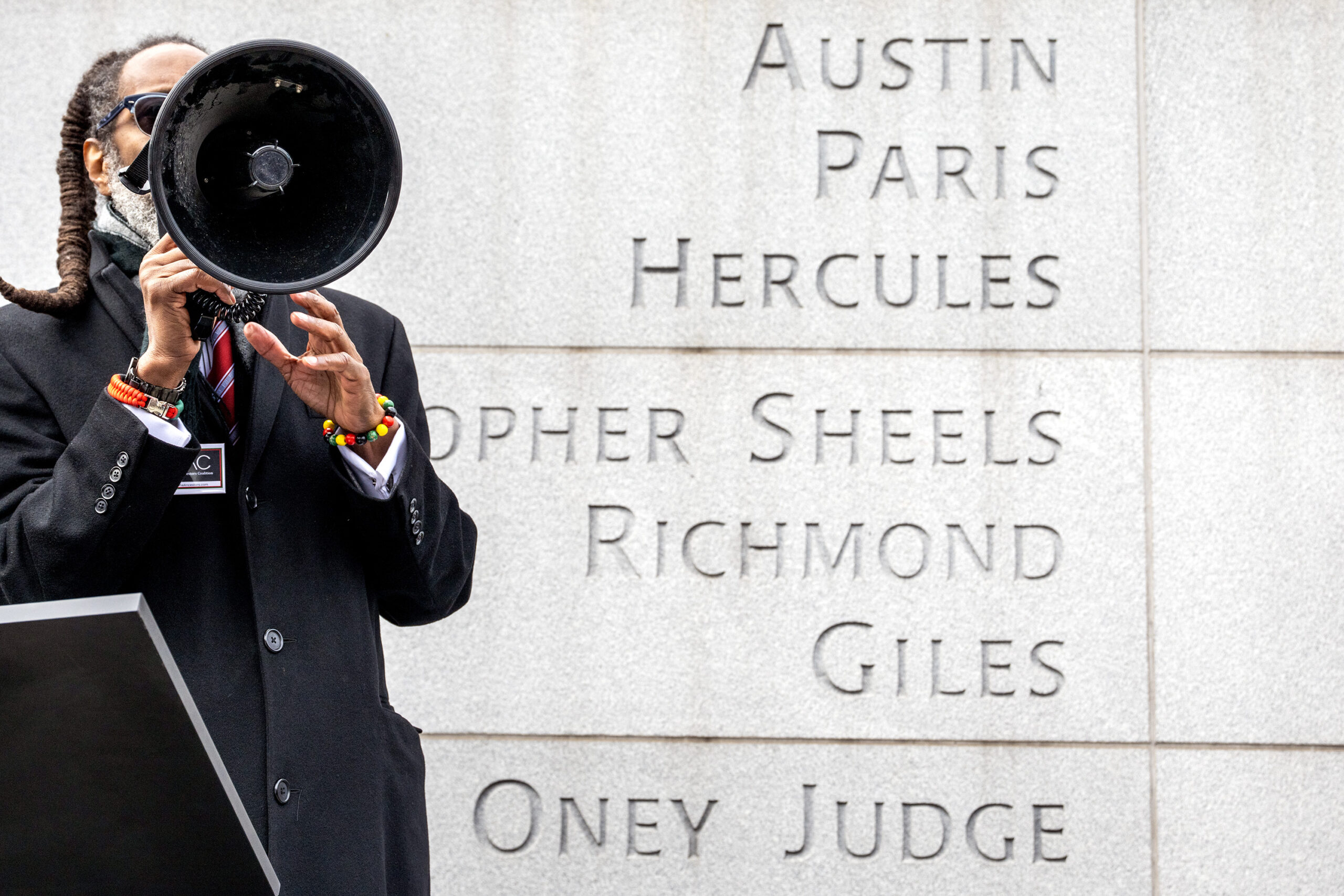
    Attorney Michael Coard, leader of the Avenging the Ancestors Coalition, speaks at the President’s House site Monday, during the group’s annual gathering for a Presidents Day observance.

    Rufe dismissed those claims and ordered the federal government to “restore the President’s House Site to its physical status as of January 21, 2026,” the day before the exhibits were removed.

    Initially, Rufe did not set a deadline to restore the displays. But she updated her order, requiring the exhibits to be restored by 5 p.m. Friday.

    The Trump administration will likely do everything it can to drag out a resolution.

    There is no time to waste in ending this racist charade.

    The country is celebrating the 250th anniversary of the signing of the Declaration of Independence. It is a national embarrassment that the President’s House exhibits are missing while the city expects 1.5 million visitors this year.

    Philadelphia is the birthplace of America. It is here that the founders declared their independence from King George III. Their list of grievances against the king echoes some of Trump’s abuses.

    Judge Rufe’s order struck a blow for telling the truth, something Washington would appreciate.

    “It is not disputed that President Washington owned slaves,” Rufe wrote. “Each person who visits the President’s House and does not learn of the realities of founding-era slavery receives a false account of this country’s history.”

    Somewhere, the enslaved who labored at the President’s House smiled.

    Say their names: Ona Judge, Hercules Posey, Moll, Giles, Austin, Richmond, Paris, Joe Richardson, Christopher Sheels, and William Lee.

  • Philadelphia taxpayers keep covering the high cost of patronage | Editorial

    Philadelphia taxpayers keep covering the high cost of patronage | Editorial

    If Mayor Cherelle L. Parker and City Council needed more convincing about why Philadelphia should no longer elect a register of wills, they now have $900,000 worth of reasons.

    That is the amount taxpayers have shelled out in recent years to settle lawsuits by former employees who refused to play the shopworn patronage game.

    This appalling waste would not happen if the city stopped electing a register of wills.

    There is no logical reason for this to be an elected position. It is a back-office function that issues marriage licenses, probates wills, and maintains records of residents who got married and died.

    In most world-class cities, such as New York and Los Angeles, a clerk or court office handles these mundane tasks. But in Philadelphia, the register of wills stands as a relic from the city’s corrupt and contented era of machine politics.

    The sooner the elected post goes away, the sooner Philadelphia can move into the modern era. The problem is that no elected official in a one-party town has the courage to do what is right by taxpayers and push to eliminate the so-called row offices, which include the register of wills and the sheriff, another elected post with a long history of corruption and inefficiency.

    Former Mayor Michael Nutter, who served from 2008 to 2016, was one of the few elected leaders in recent times who supported eliminating the row offices. He was successful in folding the obscure Clerk of Quarter Sessions office into the Philadelphia court system, but City Council refused to eliminate the other two row offices.

    In the past decade, there has been scant talk about reforming city government or increasing efficiency — even as Philadelphia’s budget ballooned by roughly 75%.

    The register of wills stands as Philly’s patronage poster child.

    For four decades, the office was run by Ron Donatucci and was staffed with ward leaders, committee members, friends, and family members connected to different power players in the Democratic Party.

    Tracey Gordon, former register of wills for the city of Philadelphia.

    In 2019, Donatucci was defeated by Tracey Gordon, who previously ran for City Council, city commissioner, and state representative. Things didn’t exactly improve.

    Gordon lasted only one term, but left taxpayers with a trail of lawsuits by former employees who said they were pressured to donate to her campaign.

    Last week, the city agreed to pay $250,000 to a former clerk who said he was fired for refusing to contribute $150 to Gordon’s campaign. Several other former employees received six-figure payments after filing similar complaints.

    Gordon told The Inquirer she “did nothing wrong.”

    Gordon was defeated in the 2023 Democratic primary by John Sabatina Sr., a ward leader from the Northeast. He began swapping out old patronage hires for new ones, which led to more lawsuits.

    The city has paid out $256,000 in settlements to nine former register of wills employees who filed lawsuits alleging Sabatina fired them.

    Five cases are still pending, which means taxpayers will keep paying.

    This Editorial Board has long called for the elimination of the register of wills and the sheriff’s office, moves that would save the city tax dollars and unending embarrassment.

    The Committee of Seventy and the Pennsylvania Intergovernmental Cooperation Agency both issued reports in 2009 calling for the elimination of row offices. (The title of one was “Needless Jobs.” The title of the other was “A history we can no longer afford: Consolidating Philadelphia’s Row Offices.”)

    But until voters demand change, the inefficient patronage system will grind on.

  • As nonprofits face growing pains, the city must be careful with taxpayer money | Editorial

    As nonprofits face growing pains, the city must be careful with taxpayer money | Editorial

    Amid the surge in murders and shootings that plagued Philadelphia following the pandemic, City Hall directed millions of dollars to dozens of nonprofits to try to stem the violence.

    But an Inquirer investigation in 2023 found the city’s $22 million anti-violence program devolved into a politicized process that steered funding to nascent nonprofits that were unprepared to manage the funds. A city controller’s report the following year backed the reporting.

    Now, along comes another Inquirer investigation, this time detailing the rapid rise and financial struggles of a nonprofit that received millions in taxpayer funds from the same program.

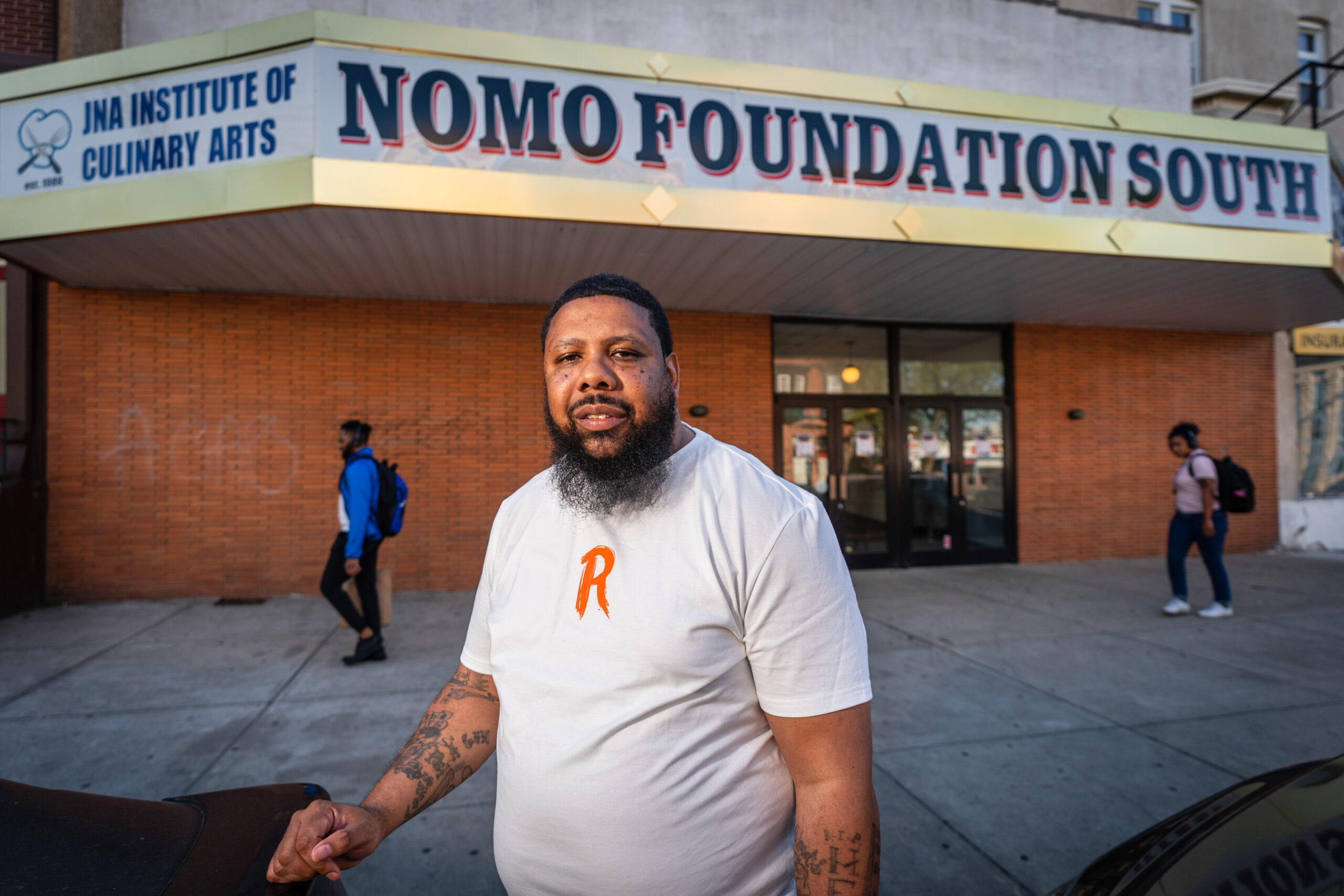
    Soon after the nonprofit New Options More Opportunities, known as NOMO, received a $1 million grant to combat gun violence in 2021, city grant managers raised red flags about the lack of financial records and controls, the recent investigation by Inquirer reporters Ryan W. Briggs and Samantha Melamed found.

    The story detailed a number of issues surrounding NOMO, including multiple eviction filings, an IRS tax lien, and five lawsuits regarding unpaid rent. But even as problems mounted, money from city, state, and federal sources continued to flow.

    In a lengthy statement to the Editorial Board, Rickey Duncan, NOMO’s executive director, denied any wrongdoing. He said that NOMO “faced difficulties” several years ago, but they have been addressed. He stressed that all the funds received by his organization had been properly spent.

    Rickey Duncan, the CEO and executive director of the nonprofit New Options More Opportunities, or NOMO, on South Broad Street, in 2023.

    Since 2020, NOMO has received roughly $6 million in city, state, and federal funds. Duncan’s salary has increased from $48,000 to $145,000. His profile grew, as well: In November 2023, Mayor-elect Cherelle L. Parker named Duncan, a former volunteer at NOMO before he began leading the group, to her transition team.

    According to The Inquirer investigation, NOMO was one of only two organizations in 2021 to get the maximum grant of $1 million, which was roughly triple its operating budget. The report found that a nonprofit the city contracted to manage the grant program raised immediate concerns that NOMO provided no balance sheet or audited financial statement.

    Over the years, NOMO expanded its gun violence prevention efforts to include youth after-school programs and a short-lived affordable housing initiative.

    At one point, NOMO leased an apartment complex near Drexel University’s campus at a cost of more than $500,000 a year. But it appears no one questioned how the housing plan fit with the organization’s core anti-violence mission, according to The Inquirer report.

    In fact, the city tried to give NOMO more money. Last year, the city wanted to award NOMO a $700,000 contract for homelessness prevention, but the organization couldn’t meet the conditions, so the funds were not disbursed.

    In January 2025, the city drew the line when Duncan tried to get reimbursed $9,000 for season tickets to the Sixers. He said the tickets were “an innovative tool for workforce development.”

    But a grant program manager responded: “Season tickets to the Sixers are not an acceptable programmatic expense.”

    From left, Rickey Duncan, Dawan Williams, and Rasheed Jones discuss a T-shirt design during a workshop on how to create clothing designs hosted at the NOMO Foundation in October 2021.

    The entire saga may underscore the need for stronger vetting and oversight of fledgling organizations that are well-intended but lack the practical experience to manage a program entrusted with hundreds of thousands of taxpayer dollars.

    Adam Geer, Philadelphia’s chief public safety director, stressed in an interview with the Editorial Board that the Parker administration has implemented stronger oversight and support systems that did not exist when the initial anti-violence grants began.

    He said those safeguards helped flag problems and put a stop to some of the spending that concerned city officials. Geer conceded there were “growing pains” when the anti-violence program launched, but he argued that nonprofits like NOMO played a key role in the steep drop in shootings in Philadelphia.

    Duncan defended his organization’s anti-violence track record.

    “There’s a reason why the city has continued to support the work NOMO is doing,” he wrote. “We are having a real, positive impact on people’s lives.”

    Indeed, gun violence prevention programs can work — but the organizations charged with putting them in place must have the proper screening, support, and oversight.