Author: Thomas Fitzgerald

  • SEPTA used DJ dance parties, megaphones and extra trains to move World Cup visitors around the city

    SEPTA used DJ dance parties, megaphones and extra trains to move World Cup visitors around the city

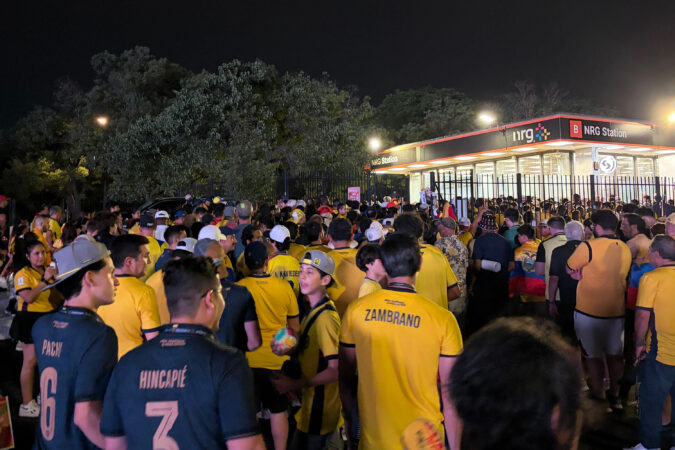
    After Brazil beat Haiti in a World Cup match last month, 29,162 fans swarmed NRG Station to catch the subway. It was SEPTA’s second-highest reported crowd for a single stadium-complex event.

    And the largest? The 31,087 people rode the B line after the Eagles won the NFC Championship in January 2025.

    For three summer weeks, Philadelphia visitors leaned on transit — 155,333 passengers rode the subway also known as the Broad Street Line alone, SEPTA said.

    From June 14 through July 4, the city hosted six World Cup matches, FIFA’s Fan Fest, and celebrations of the 250th anniversary of Independence Day.

    “This was a unique opportunity for SEPTA — possibly one we will not get again for many years,“ spokesperson Andrew Busch said. ”We think there is a lot we can learn that will help improve special event service and everyday operations.”

    Regional Rail also saw bumps in ridership, as did transit, primarily bus routes, serving the Fan Fest at Lemon Hill in Fairmount Park, SEPTA said. Bus routes 32 and 48 provided direct service, while Routes 7 and 49 had stops within walking distance of the festival entrance.

    It helped that Brazil and Haiti’s June 19 game fell on the federal holiday of Juneteenth … and that sponsor Airbnb paid SEPTA to provide free rides home for people using the Broad Street Line on match days between halftime and the final whistle.

    On July 4, when Paraguay and France met in an elimination round game and people were coming to Independence Day events, ridership on the overall system was up 15% compared to the previous year. Broad Street Line ridership was 62%; Regional Rail was up 48% and the lines serving FanFest were up 21%.

    Transit agency analysts focused on post-match boardings on northbound trains at NRG Station because it was the most straightforward way to identify fans who attended the game and traveled on SEPTA, officials said.

    Some riders headed to the stadium area were going to Stateside Live or checking out pregame festivities.

    Customer service lessons learned, according to SEPTA:

    • Using megaphones to communicate with riders in crowded stations broke through the noise, helping people unfamiliar with SEPTA navigate.
    • Bringing a DJ to NRG Station soothed post-match crowds waiting for outbound trains. “More than a couple of dance parties broke out, and we think it helped keep the atmosphere festive,” Busch said.
    • SEPTA moved its start and end point for the B Line for the Sports Express trips from Fern Rock to Girard, easing crowds in Center City and shortening turnaround time.
    • Well-positioned multilingual employees proved helpful for international visitors.

    Other SEPTA takeaways:

    • Ridership on the Airport Regional Rail line typically increased 20% or more on the day before and day after a match.
    • Regional Rail’s Trenton line on the Northeast Corridor also carried more passengers than usual, as people took NJ Transit from New York City and northern New Jersey and connected to SEPTA.

    While there were complaints about crowding, few major incidents were reported.

    SEPTA gets another test next week with the MLB All-Star Game July 14 and related events, though they are expected to have a smaller impact.

  • Frontier fills Spirit Airlines’ void left at Philadelphia airport with new flight

    Frontier fills Spirit Airlines’ void left at Philadelphia airport with new flight

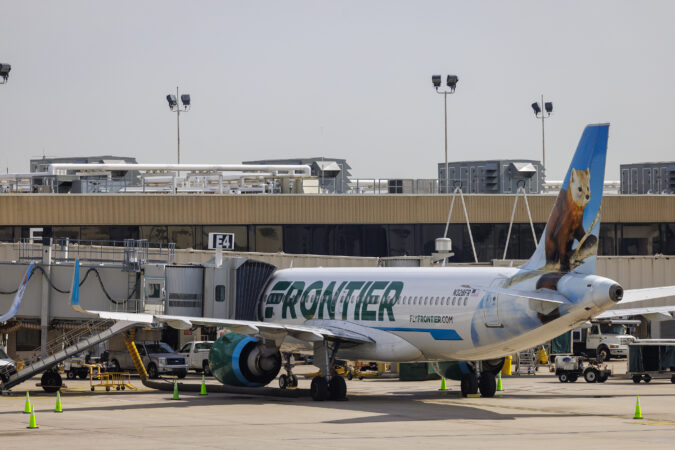
    Frontier Airlines has begun new nonstop daily service between Philadelphia International Airport and Detroit, taking over a route formerly operated by discount carrier Spirit Airlines.

    The service began Sunday, the airline said, adding that it is offering a special introductory one-way fare of $79 between the two cities.

    Frontier and other budget airlines such as Allegiant Air have moved to fill gaps in service since Spirit, a pioneer of cheap fares, ran out of cash and shut down May 2.

    “We are pleased to grow our service at PHL, ensuring low-cost travel options remain available for consumers,” Josh Flyr, vice president of network and operations design at Frontier, said in a statement.

    The airline is touting other new products, including UpFront Plus seating, an option with extra leg and elbow room in the first two rows of the aircraft, the airline said. UpFront Plus customers are guaranteed an empty middle seat.

    Frontier carried about 3.1 million passengers into and out of PHL during 2025, ranking second after American, the airport’s dominant carrier, with over 20 million passengers last year.

    It operates primarily from 17 gates in Terminal E.

    The promotional $79 tickets must be bought before 11:59 p.m. July 12. They apply to select nonstop flights for travel between Aug. 3 and Sept. 2, according to Frontier.

    Spirit Airlines had been in chapter 11 bankruptcy and was seeking a $500 million federal bailout to keep going. No deal was reached, so it closed and liquidated its fleet of planes. Spirit had high debt and was struggling under the weight of rising costs, especially of fuel.

  • Could a Pa. Supreme Court decision on skill games help fund SEPTA?

    Could a Pa. Supreme Court decision on skill games help fund SEPTA?

    More funding for SEPTA and dozens of financially strained mass transit systems across Pennsylvania has been on the back burner in this year’s budget debate, but it may get some more attention now.

    The Pennsylvania Supreme Court ruled June 15 that tens of thousands of the so-called skill games in bars and convenience stores are in fact slot machines — and illegal unless licensed, regulated, and taxed like casino-based slots.

    “By dedicating a portion of skill game revenue to transportation, we can protect and strengthen transit services without placing additional burdens on taxpayers, while ensuring our transit agencies have the resources they need,” Republican State Sen. Frank Farry of Bucks County said Friday in a statement.

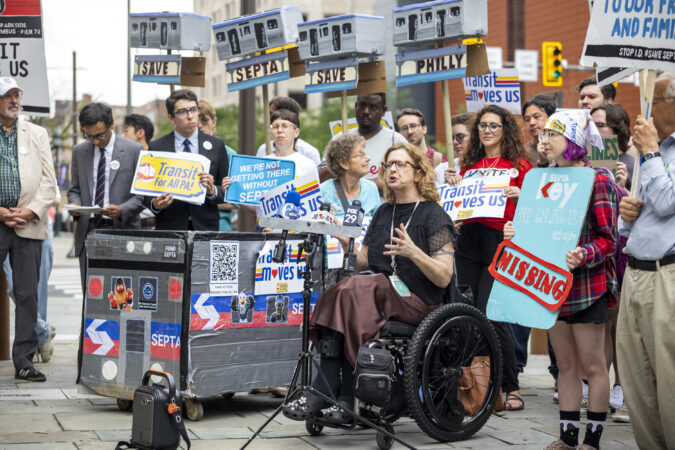
    Transit advocates renewed what has become an annual public push for more money for SEPTA and fellow transit agencies at a news conference in front of the Fifth Street/Independence Hall Station — prompted in part by the court decision.

    Farry issued the statement in support of that effort.

    “I have the freedom to be able to come here, thanks to this elevator behind us, which was recently renovated,“ said Julie Rea, an organizing fellow for Transit Forward Philadelphia who uses a wheelchair and depends on the Market-Frankford El (now called the L).

    “Without the long-term funding that SEPTA really needs, we’re not going to be able to keep the system accessible for all,” she said.

    Last year, lawmakers and Gov. Josh Shapiro failed for a third time to reach agreement on his proposal to dedicate an increased portion of general sales tax revenue to consistently fund transit agency operations for five years.

    Republicans, who control the Senate, did not want to take more sales tax revenue for transit, and the Democrats in charge of the House did not want to take up the GOP leadership’s counterproposal to use state money for infrastructure projects for operations instead.

    Farry offered legislation in 2024 to regulate and tax skill games and dedicate 50% of the revenue to create a stable source of funding for public transit. The most optimistic assessments are that taxes on the games at or near the rate casinos must pay for their slots could generate up to $1 billion a year.

    Taxing skill games has been discussed in budget deliberations for several years, though it never came together, in part because of differences of opinion in the GOP Senate caucus.

    “Maybe the court decision will spur people to get their act together,” Farry, who is up for reelection in the fall, said in an interview. “We have a pathway.”

    Shapiro has proposed taxing skill games at 52%, the same rate casinos pay for slot machine proceeds. Last year, the Senate GOP proposed a tax rate of 35% on the machines.

    When a transit funding deal failed to come together in 2025, SEPTA raised fares and slashed service, eliminating 32 bus routes outright, until a Philadelphia court ordered it to restore cuts in service.

    Shapiro then allowed SEPTA to use $394 million of reserved capital money in a state trust fund to pay to operate the transit system for two years; ironically, that was the same maneuver behind the GOP’s proposal.

    Meanwhile, this year, paratransit and shared-ride services are in trouble throughout the state and transit systems in Lancaster, Westmoreland County, and the Lehigh Valley are considering service cuts.

    “We know that the rural-urban divide is manufactured, and that a public good, like transit, touches us all,” said Connor Descheemaker, statewide campaign manager for Transit for All PA.

  • SEPTA approved contracts with the transit police union and other workers

    SEPTA approved contracts with the transit police union and other workers

    The SEPTA board on Thursday approved new labor contracts with the Fraternal Order of Transit Police Lodge 109 and three unions representing workers in the Regional Rail Division.

    Transit police officers had threatened earlier this month to walk off the job while Philadelphia was hosting World Cup soccer matches, Major League Baseball’s All-Star week and events celebrating the 250th birthday of the U.S.

    Lodge 109 and SEPTA agreed on a three-year deal that gives the officers a 12% raise over the life of the contract, as well as a $2,500 signing bonus, longevity bonuses, and an increase in differential pay for evening and overnight shifts.

    Union members ratified the contract last week.

    Omari Bervine, president of Lodge 109, said the agreement was “fair to the hardworking men and women of the transit police” and thanked SEPTA General Manager Scott A. Sauer for helping restart negotiations.

    The transit police union represents 203 patrol officers who protect the regional agency’s transit and commuter rail networks, trolleys, buses and property, including stations and transportation hubs.

    “Historic reductions in crime over the last two years have come amid an unprecedented effort to bolster our transit police,” Sauer said at the board meeting. “Staffing is at its highest level in more than a decade.”

    Fifteen new officers joined the force this month after graduating from the police academy, and 18 cadets are scheduled to start their studies next month, SEPTA says.

    Officers had been working without a contract since March 31.

    The new agreement is retroactive to April 1 and runs through March 31, 2029.

    Lodge 109 members will receive a 5% increase in their hourly rates Sunday, with 3½% raises in June of each of the following two years. Longevity bonuses will range from $2,901 for officers with three years of experience, up to $9,552 for those who have 25 years or more of service.

    SEPTA’s board also approved new two-year contracts with the Brotherhood of Railway Carmen, International Association of Machinists and Aerospace Workers that together represent about 145 rail vehicle mechanics, welders, millwrights and maintenance custodians working on Regional Rail.

    The board also ratified a new contract with the Transportation Communications Union, which represents 76 Regional Rail clerical staff.

    Each deal with the three Regional Rail unions is for two years and gives workers raises totaling 7%, the same as the contract reached last year with the Transport Workers Union Local 234, SEPTA’s largest.

  • Pennsylvania and N.J. Turnpikes choose a design for a new $1.6 billion Delaware River bridge

    Pennsylvania and N.J. Turnpikes choose a design for a new $1.6 billion Delaware River bridge

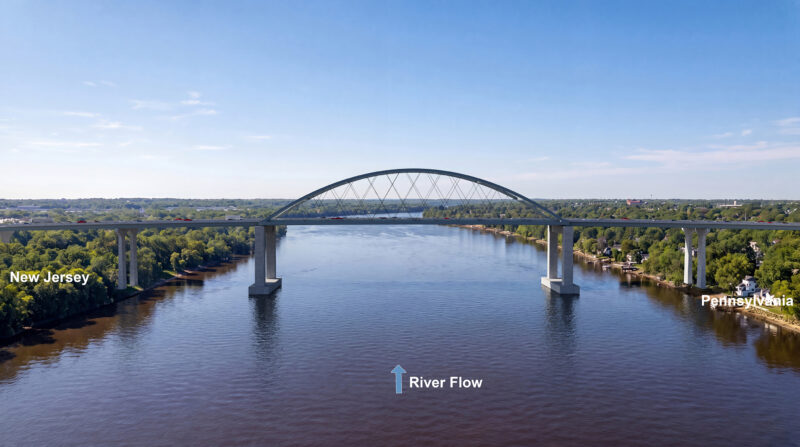
    Officials of the Pennsylvania and New Jersey Turnpikes have chosen a design to replace the 70-year-old bridge over the Delaware River linking the toll roads: a six-lane span that would be built about 195 feet north of the existing one.

    Called a ”tied-arch” bridge, the $1.6 billion replacement would be cheaper than other styles considered and can be built fastest, said John Boyer, senior engineer for the Pennsylvania Turnpike Commission.

    “Shorter time frames mean less disruption to local businesses and daily life for the communities in this area,” said Boyer, the manager of the joint project.

    Because the new bridge would be farther from the existing Delaware River Bridge than alternatives, traffic can keep flowing as it’s built, he said.

    Planners for years have known that the region would need a new turnpike bridge because of exponential growth in traffic volume, especially trucks.

    Freight volumes nationally are projected to grow by 73% by 2050, with warehouses on both sides of the river relying on crossing.

    Before the nearby I-95/Pennsylvania Turnpike interchange opened in 2018, an average of 42,000 vehicles a day crossed the four-lane Delaware River Bridge. Now, that’s up to around 70,000. By 2050, projections say an average 93,000 vehicles will need to traverse the replacement.

    The surface of a tied-arch bridge provides tension to resist the horizontal forces pressing on either end of the arch, like the taut string that connects a bow. It requires less sturdy foundations than a bridge supported by cables.

    “You can be build those river piers while you’re building the arch structure off-site,” Boyer said. When the piers are ready, the arch can be brought in by barge and “you can essentially jack it and elevate it up into place,” he said.

    Federal authorities approved a new span in 2003, but the project was put on hold because of problems paying for it.

    In 2017, a crack was discovered in a truss supporting the existing bridge’s roadway, and it was closed for about two months.

    As congestion increased on the repaired bridge, more traffic capacity became imperative, officials said.

    Because the earlier federal approval was so old, officials had to start again with a new environmental impact statement and design studies. Last year, turnpike officials settled on two options.

    Now, they’re finishing up the environmental impact statement, with formal public hearings scheduled for the winter.

    Turnpike officials expect the Federal Highway Administration to make a decision on the project around April 2028.

    In March, Pennsylvania’s U.S. senators announced a $600 million federal grant for construction of the new bridge connecting Bristol, Pa., and Florence, N.J. New Jersey’s congressional delegation also worked on getting the grant.

    The two states’ turnpike agencies will finance the balance. Borrowing would be backed by toll revenue, but both say the bridge project won’t increase tolls for drivers.

  • City funding is unclear for Zero Fare program giving SEPTA passes to low-income Philadelphians

    City funding is unclear for Zero Fare program giving SEPTA passes to low-income Philadelphians

    Just days before the release of Mayor Cherelle L. Parker’s city budget, it is unclear whether it will include money to continue Zero Fare, a program that gives free transit passes to low-income Philadelphians.

    Transit advocates and political leaders say they have not heard from the administration on the issue and are concerned it may be cut or have its funding reduced.

    A rally is scheduled for 10 a.m. Friday on the north apron of City Hall to push for Zero Fare’s survival — and for city government to continue participating in SEPTA’s Key Advantage, which provides free transit passes for municipal workers.

    Parker is scheduled to deliver her annual budget address next Thursday to a session of City Council.

    A spokesperson for the administration declined to comment.

    “We don’t care who gets the credit,” said Stephen Bronskill, coalition manager for Transit Forward Philadelphia, a nonprofit that advocates for public transportation that is organizing the event. “We want to see that this program gets funded … so people can get where they need to go.”

    City Council members, state lawmakers, activists for transit funding and service, and users of the Zero Fare passes are expected to speak Friday.

    Zero Fare, which serves about 60,000 eligible people with incomes at or below 150% of the federal poverty standard, would end June 30 unless the fiscal 2026-27 budget funds it.

    Officials also must decide whether to fund Key Advantage benefits for city workers, though SEPTA’s program provides subsidized passes free to the employees of nonprofit organizations and private businesses.

    Deja vu?

    Both programs have faced city budget uncertainty in the past.

    Last year, Parker’s budget would have eliminated funding for Zero Fare, launched in 2023 as a two-year pilot program. Money was included after public backlash, including a rare commentary from former Mayor Jim Kenney, as City Council was considering the budget.

    City officials said they had begun meeting with SEPTA to find a funding solution to continue both programs before the uproar. The administration also continued Key Advantage last year.

    “From our standpoint, they’ve both worked well, and we’d like to see them continue,” SEPTA spokesperson Andrew Busch said Thursday.

    A path forward

    Zero Fare began as a pilot, started by Kenney using $30 million of federal COVID relief money to get it off the ground. The program was nationally recognized because it proactively sent transit fare cards to Philadelphians eligible for the benefit.

    Automatic enrollment eliminated the red tape “time tax” for people who wanted to use the benefit, making it unusual on the local level, according to public policy analysts.

    .

    Councilmember Nicolas O’Rourke, who helped lead the effort to restore Zero Fare funding last year, has said he plans to push his proposed City Charter amendment to mandate 0.5% of the city budget each year be dedicated to the initiative.

    The amendment would generate about $34 million in the 2026-27 budget for Zero Fare, O’Rourke estimated last year. Enshrining it in the charter, which functions as a kind of municipal constitution, would put the program on solid ground, he said.

    “It can’t be yanked away at a moment’s notice when somebody wants to shift something around in the budget,” O’Rourke said last November at a community meeting on the proposal.

    This story has been updated to remove an outdated figure for the number of participants in Zero Fare.

  • SEPTA gets $5.5 million in federal funds to add extra service during World Cup

    SEPTA gets $5.5 million in federal funds to add extra service during World Cup

    SEPTA expects to receive about $5.5 million from a federal appropriation to offset the cost of providing transit service in Philadelphia during the FIFA World Cup.

    The regional transportation authority projects it will spend $21.5 million for additional transit runs and extended service hours during the World Cup as well as a the celebration of the nation’s 250th birthday, officials said.

    On Tuesday, the U.S. Department of Transportation announced about $100 million in funding to 11 cities and regions hosting FIFA championship matches, apportioned by formula.

    “We are going to pull out all the stops to serve those big events — while also not missing a beat for our riders who rely on SEPTA every day,“ General Manager Scott Sauer said in a statement. He thanked the region’s congressional delegation and U.S. DOT for the ”much-needed investment to support this historic year.“

    The Philadelphia region’s total grant was $8.47 million, with the remainder of the money going to government entities in New Jersey and Delaware.

    SEPTA said it would spend $18 million for overtime for transit operators and Transit Police, cleaning expenses, longer customer service hours and ambassadors to help people navigate the system.

    Other extra operating costs for the events:

    • $1 million on safety and security, for portable surveillance equipment and a communications system to send police where they’re needed most.
    • $825,000 for signage, including World Cup branded signage, website and app upgrades to help visitors get around, as well as translation services.
    • Another $1.3 million will be spent on support services, SEPTA said.

    Congress earmarked the money to help World Cup host cities and regions in this year’s federal budget, but improvements are required to benefit the general public, not just soccer fans.

    “With the world coming to Philadelphia in 2026, we have a responsibility to be ready,” U.S. Rep. Brendan Boyle (D., Pa) said.

    The federal largesse will “strengthen our transit system so it can handle the surge in ridership during the World Cup,” Boyle said. “Just as importantly, these improvements will benefit Philadelphians long after the tournament.”

    In addition to the extra spending on operations, SEPTA said it is investing about $30 million for infrastructure upgrades in advance of 2026 events, including improvements at Broad Street Line and Market-Frankford Line rail stations expected to be primary hubs for event goers.

    The projects include:

    • Roof replacement and platform resurfacing at NRG Station on the Broad Street Line, which serves Lincoln Financial Field and Citizens Bank Ballpark, where the Major League All-Star game will be held this summer.
    • Upgrades to the Second Street Station headhouse on the Market-Frankford Line.
    • Fern Rock Transportation Center lighting and painting.
    • Realignment of the fare line at City Hall Station on the BSL, as well as platform resurfacing and new LED lighting.
  • SEPTA chief gets a three-year contract at $395,000 a year

    SEPTA chief gets a three-year contract at $395,000 a year

    SEPTA general manager Scott A. Sauer on Thursday was given a three-year contract with an annual salary of $395,000 as chief executive of the regional transit agency where he has worked for more than 35 years.

    Board members approved the deal for Sauer, 54, who became interim general manager in late 2024 and then helped guide SEPTA through one of its toughest years, packed with crises over the budget, service cuts, and emergency repairs to Regional Rail cars after several caught fire.

    Sauer was named permanent general manager June 2, 2025, and the contract approved Thursday was made effective on that day. When it expires in 2028, the contract automatically renews for two one-year extensions unless either party declines.

    “I’d like to take a moment to thank this board for their continued confidence in me,” Sauer said. “I appreciate it.” He said members’ support and advice would be “the envy of any chief executive.”

    Sauer would be eligible for cost-of-living pay increases under the contract, dependent on whether there are annual raises for all of SEPTA’s supervisory, administrative, and management employees.

    Sauer had been making $300,879.

    Sauer began as a trolley operator in 1990, following in the footsteps of his late father, Robert, who worked for the former Philadelphia Transportation Co. and SEPTA, its successor, for over three decades.

    At SEPTA, the younger Sauer later became a transportation manager and safety officer. In 2013, he was promoted to assistant general manager of system safety.

    Four years later, he was the assistant general manager for operations, including vehicle maintenance and station upkeep.

    In 2022, Sauer was named SEPTA’s chief operating officer, with infrastructure maintenance, the Transit Police, engineering, and capital projects added to his portfolio.

  • SEPTA trolleys will use AI cameras to catch drivers breaking no-parking rules in Philly

    SEPTA trolleys will use AI cameras to catch drivers breaking no-parking rules in Philly

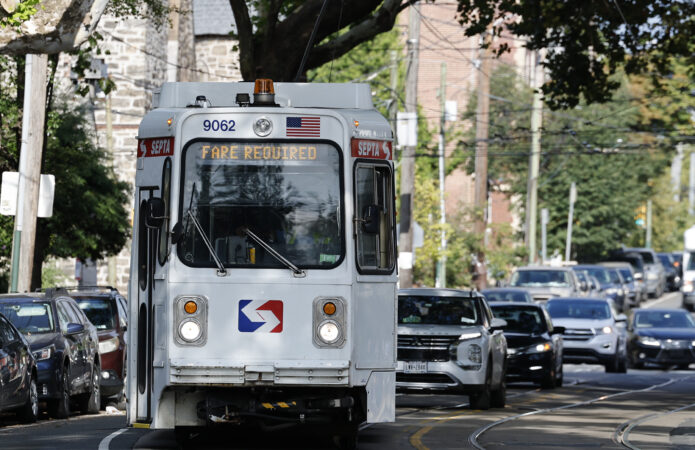
    Beginning Monday, people who illegally park in SEPTA trolley lanes and stops could be caught in the act by automated enforcement cameras, the Philadelphia Parking Authority announced Thursday.

    Plans call for installing AI-camera systems on 30 trolleys across the six lines in the city to identify and ticket the owners of vehicles obstructing the streetcars or making it hard for passengers to board by blocking stops.

    Violations will carry a $51 fine as of April 1. Before then, warnings will be mailed instead of tickets.

    Parking violations are the enemies of surface transit, slowing buses and trolleys, making them less reliable and putting riders in danger.

    Already, 152 SEPTA buses have been using cameras mounted in their windshields to enforce parking rules; ticketing began last year.

    SEPTA, PPA, and the Philadelphia Office of Transportation and Infrastructure Systems are collaborating on the effort. It uses camera systems made installed and maintained by Hayden AI, a San Francisco-based tech company.

    “A single illegally parked vehicle can disrupt service for thousands of riders and create unsafe boarding conditions that force passengers into moving traffic,” PPA executive director Rich Lazer said in a statement.

    “This is more than a minor inconvenience,” he said.

    Legislation sponsored by Councilmember Mark Squilla and enacted in 2023 authorized using cameras mounted on buses and trolleys to enforce no-parking rules in Philadelphia.

    “One of the most annoying things about this city is people stopping their cars wherever they want to stop them, in bus lanes, double parking. It just screws everything up,” then-Mayor Jim Kenney said at a news conference.

    According to a 2019 study SEPTA commissioned from Econsult Solutions, Center City congestion causes 1.7 million hours of passenger delays per year, adding $15.4 million to yearly operating costs.

    And then there is the almost incalculable cost to people who depend on buses and trolleys.

    “In a city where 42% of Black residents and 50% of impoverished households do not own a car, efficient public transit is paramount to creating a strong transportation network that better provides economic opportunity for all,” said Christopher Puchalsky, director of policy and strategic initiatives for OTIS.

    In a 70-day trial in the spring of 2023, windshield-mounted video cameras recorded 36,392 instances of illegally parked vehicles blocking Center City bus-only lanes and bus stops in West Philadelphia and Upper Darby.

    In some situations, SEPTA bus operators can steer around parked cars. Trolleys, running on fixed rails, don’t have any real flexibility when they are boxed out of their lanes.

    SEPTA officials say bus speeds have improved on routes using the cameras. An average of about 14,746 violations are issued each month, according to PPA.

    The cameras use artificial intelligence to determine if a car is stopped or parked to obstruct transit lanes and stops. Then, the systems transmit the vehicle’s license plate number and precise location to the Philadelphia Parking Authority using cloud technology.

    “Keeping trolley zones clear isn’t just about enforcing parking rules — it’s about keeping Philadelphia moving,” said Marty Beard, CEO of Hayden AI. He added that Philadelphia will be the first city to deploy the cameras on trolleys.

  • Philly’s Greyhound station is one step closer to finding a permanent home

    Philly’s Greyhound station is one step closer to finding a permanent home

    Lights shine from a window of the abandoned Greyhound intercity bus terminal on Filbert Street as construction crews demolish fixtures and begin renovations ahead of a May reopening.

    While the old depot is ready for crowds of travelers attending high-profile special events this year, the city Department of Planning and Development has identified three possible locations for a permanent intercity bus station.

    Officials sifted through 208 possible locations over the past two years before zeroing in on the three sites:

    • Eighth and Arch Streets: A pair of parking lots on Arch Street near Eighth Street next to the African American Museum. The lots, at 701-709 and 721-737 Arch St., are owned by the city and Parkway Corp.
    • 15th and Vine Streets: The Philadelphia Gateway Garage at 1540 Vine St. along with an adjoining parking lot. They are owned by the Pennsylvania Department of Transportation and the Philadelphia Parking Authority.
    • Near 30th Street Station: A parking lot just north of 30th Street Station, at 2931 Arch St., near the Cira Centre office tower.

    On Wednesday, the city Planning Commission is holding a public open house at Independence Visitors Center from 6 to 8 p.m. People can learn about the sites, share their ideas, and ask questions about the future home of an intercity bus facility.

    There’s also an online survey collecting opinions about what the intercity bus station needs and where it should go, due March 13.

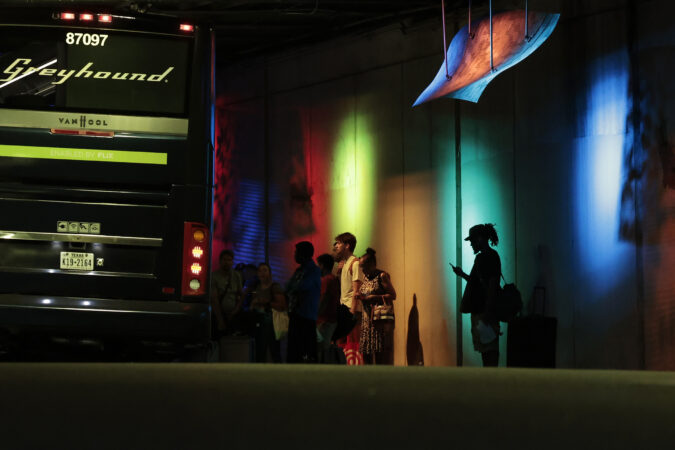
    The former Greyhound terminal at 1001 Filbert St. “is not a long-term solution for the city’s intercity bus needs,” city officials say, though it will provide a safe and comfortable indoor station for travelers, as opposed to the current, haphazard outdoor curbside loading zones along Spring Garden Street near Columbus Boulevard.

    It is scheduled to reopen in plenty of time for events celebrating America’s 250th birthday and World Cup soccer tournament matches in the summer.

    That’s why the city turned to the old station as a stopgap solution. The Philadelphia Parking Authority will operate the facility under a 10-year renewable lease with the private group of New York investors that owns it.

    The city says its goal is a modern “transportation hub” with amenities for travelers and bus operators and, ideally, some development built around the facility. It would be owned by the city.

    “Public ownership means it won’t be closed down by a landlord or private bus company,” the planning department said in a statement. In addition, the forever depot “could be designed to have housing in the floors above the station or retail spaces within the station. These uses could help support … construction and operation.”

    Why was Philly’s Greyhound terminal moved?

    Greyhound ran the terminal at 10th and Filbert for more than three decades but pulled out in June 2023, ending its lease with the owners amid the bus company’s push to cut costs by shedding real estate it owned or rented nationwide.

    Other intercity bus carriers have done the same, operating from curbsides in a number of cities.

    Greyhound may have had to leave the property anyway because the Philadelphia 76ers in 2022 proposed building a new arena on top of it and Filbert Street.

    When those plans fell through, the building was empty again, while Greyhound, its parent company FlixBus, and family-owned Peter Pan Bus Lines were operating at curbside on the 600 block of Market Street. That site, chosen by city officials, lacked benches, bathrooms, or shelter for customers.

    Traffic was a mess, and SEPTA had to reroute some of its metro bus routes for a time.

    In November 2023, Greyhound and the other carriers moved operations to a corner in Northern Liberties along Spring Garden Street with more space than the Market Street block. City officials promised it was temporary, but the “station” is still there, with attendant trash and disruptions to local business.

    Plans to move intercity bus operations elsewhere collapsed amid community opposition, notably to a proposal to use the first level of an Old City parking garage at Second and Walnut Streets as a temporary terminal.

    Consultants and city planners picked 35 potential sites for closer analysis. They were looking for places that could accommodate a multistory, mixed-used development in addition to a station and that were close to Center City or University City, transit, and highway ramps.

    They also preferred a publicly owned space not already marked for development, according to a document prepared for the public meeting.

    In the end, three places checked most boxes.

    (function() {
    var l2 = function() {
    new pym.Parent(‘GREYHOUNDMAP.html’,
    ‘https://media.inquirer.com/storage/inquirer/projects/innovation/arcgis_iframe/GREYHOUNDMAP.html’);
    };
    if (typeof(pym) === ‘undefined’) {
    var h = document.getElementsByTagName(‘head’)[0],
    s = document.createElement(‘script’);
    s.type = ‘text/javascript’;
    s.src = ‘https://pym.nprapps.org/pym.v1.min.js’;
    s.onload = l2;
    h.appendChild(s);
    } else {
    l2();
    }
    })();

    Site pros and cons

    Eighth and Arch Streets

    The Eighth and Arch site has room for 18 bus parking spots, the planning department said. It could fit a 113,000-square-foot station and an overall 640,000-square-foot development.

    Strengths: Proximity to several transit stops and to I-676 and I-95, as well as the potential to build public parking above the station and to use the African American Museum building when that entity moves to the Parkway.

    Challenges: The ownership, split between the city and a private corporation, could require coordinating with the Federal Detention Center there on the southwest corner, and buses may need to be routed through Chinatown.

    15th and Vine

    At 15th and Vine Streets, the Gateway garage could fit 16 bus slips, a 112,000-square-foot station, and a 1.37 million-square-foot development, planners say.

    Strengths: It’s next to I-676 and close to transit. Plus, it is owned by PennDot and operated by PPA.

    Challenges: The parcel is split in ways that could hinder bus circulation, and Spring Street nearby would need to be converted to one-way.

    Near 30th Street Station

    The site at 30th and Arch Streets could fit 12 bus slips as is, or the deck on which the lot sits could be expanded to fit 24 spaces.

    Strengths: The site has quick access to SEPTA and NJ Transit stops, Amtrak, and I-76. There are dining options in the area.

    Challenges: Amtrak owns the property, however, and the city would have to coordinate with the company to develop over the railroad tracks and the structural work needed to strengthen the lot and ramps for heavy bus traffic. PennDot also has said there would have to be substantial work to the entrance and exit ramps to the Schuylkill Expressway.

    What’s next?

    The city plans to consider the feedback it gets Wednesday, update the schematics, and then hold another public event later in the year. It hopes to have a final report by the end of 2026 that names the site.

    And then begins the long process of acquiring the site, designing the project, and figuring out how to pay for it.