Author: Solomon Jones

  • Yes, the slavery exhibits have been returned to the President’s House — but I’m still waiting for the other shoe to drop

    Yes, the slavery exhibits have been returned to the President’s House — but I’m still waiting for the other shoe to drop

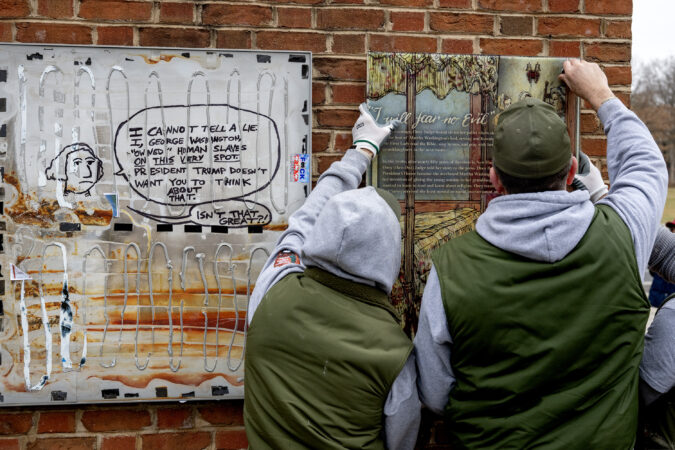
    Late Thursday morning, when the National Park Service began restoring the panels commemorating nine people enslaved by George Washington at the President’s House at Sixth and Market, it should’ve been a time of jubilation.

    Instead, it left many activists waiting for the other shoe to drop.

    The National Park Service, which removed the panels from the site in late January to comply with an executive order by President Donald Trump, was successfully sued by Mayor Cherelle L. Parker’s administration. U.S. District Judge Cynthia Rufe ordered the NPS to restore the display, but the agency appealed.
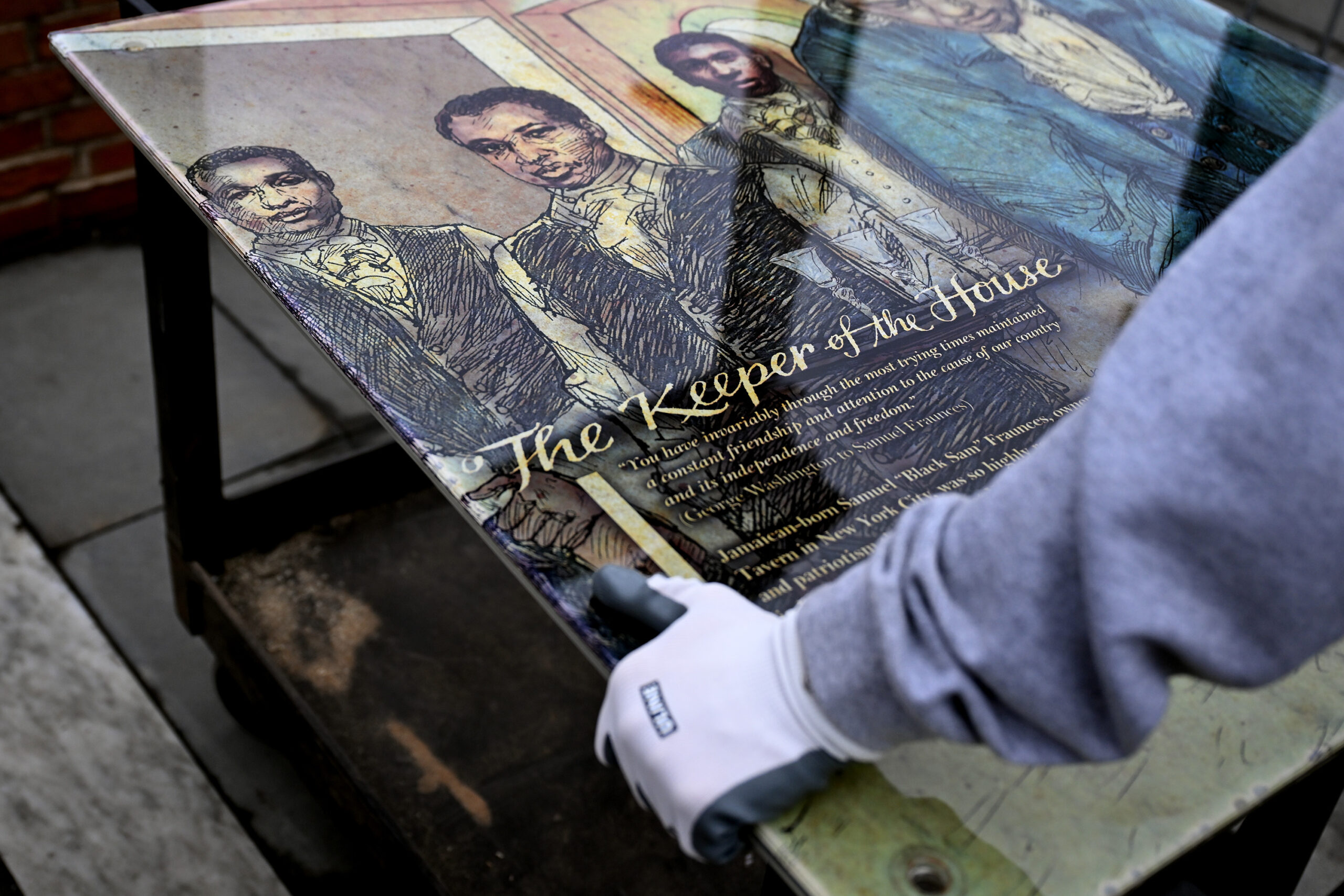
    A worker carries one of the slavery-related exhibits, “The Keeper of the House,” before rehanging it at the President’s House in Independence National Historical Park on Thursday.

    So yes, the federal government complied with the judge’s order, but only for the moment.

    Friday morning, Judge Rufe denied the government’s motion for an emergency stay of the order, but the Trump administration’s appeal is ongoing, thus continuing the fight to remove the panels for good.

    It was yet another dramatic turn in a month in which I’ve lived the joys and pains of Black history.

    I was there when Judge Rufe took lawyers into the National Constitution Center to inspect the materials the Trump administration pried from the walls with crowbars. I spoke at a rally where the Avenging the Ancestors Coalition (ATAC) demanded the restoration of the slavery memorial. I listened as ATAC founder Michael Coard announced that Judge Rufe had ordered the panels to be restored.

    Like so many in Philadelphia, I have watched the fight for the President’s House unite people of all stripes. I’ve experienced the emotional victories and defeats.
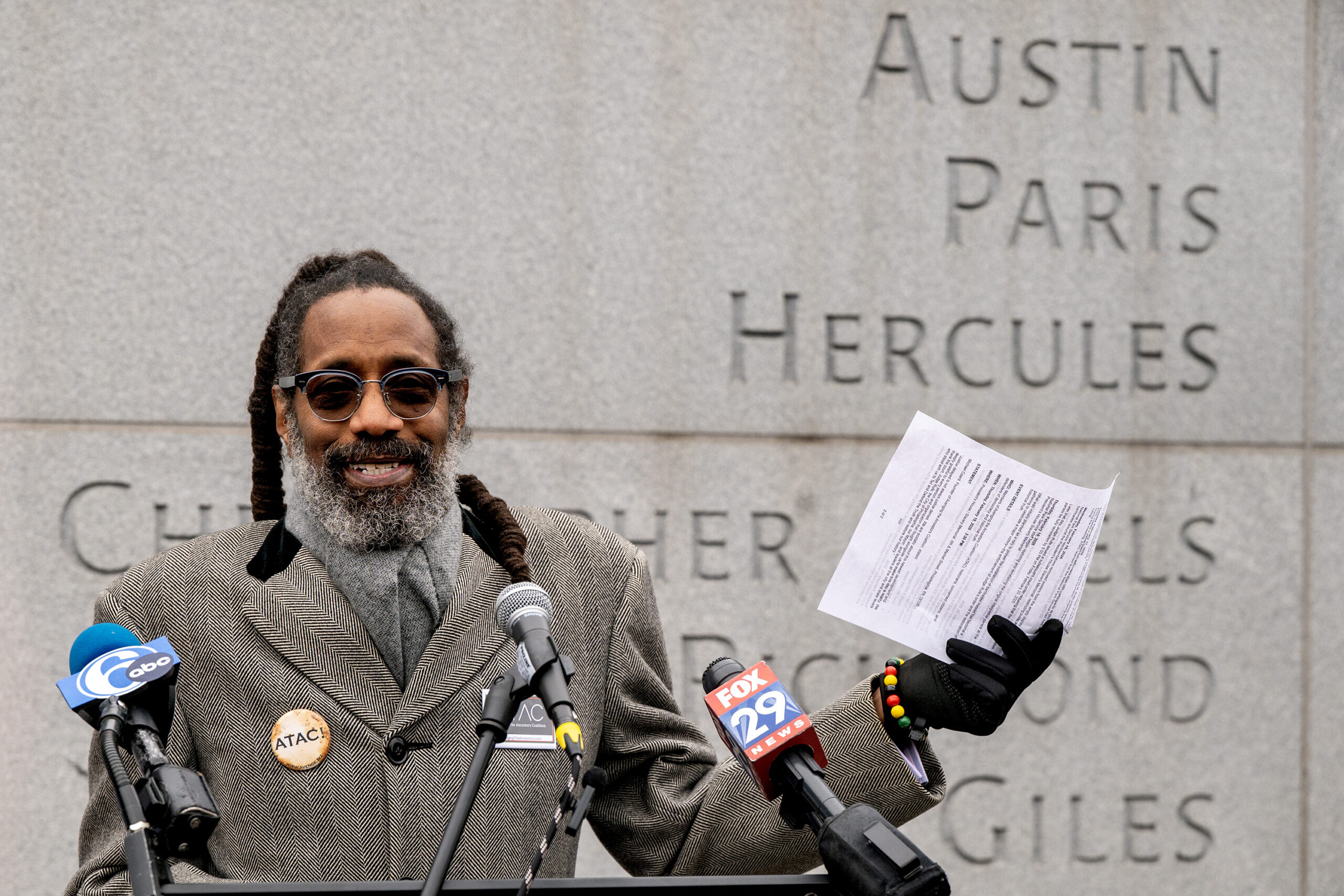
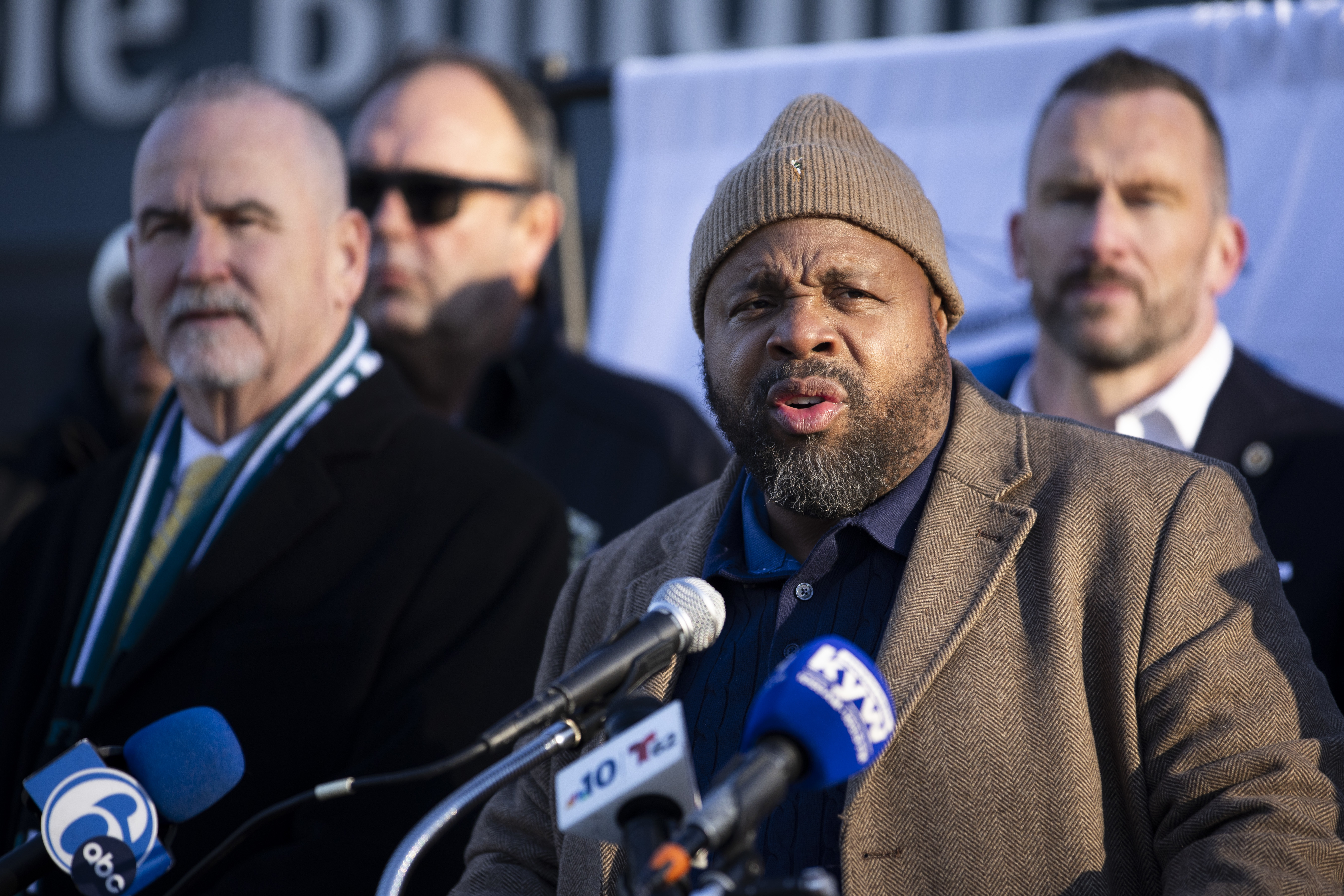
    Attorney Michael Coard, leader of the Avenging the Ancestors Coalition, speaks during a rally at the President’s House in Independence National Historical Park on Thursday, after the return of some of the slavery exhibits the National Park Service removed last month. The names of nine enslaved people who lived and worked in the household of George Washington, engraved in stone behind him, were not among those removed by the NPS.

    But even with the restoration of the panels, we are all left teetering on the razor-thin edge that separates celebration from grief, and elation from rage. We cannot stay there. We must continue to fight for the truth.

    In Philadelphia, a city that frequently hosted civil rights leader Jesse Jackson, who died this week after a life spent fighting for justice, we fight.

    Here, in the place where the story of enslavement lived side by side with the struggle for freedom, we fight.

    Here, in a place where a new generation of combatants joins a centuries-old battle for the truth, we fight.

    More rallies will come, and in the shadow of Independence Hall, where wealthy white men declared their own freedom while withholding liberty from my ancestors, a new American Revolution will take shape from the same war of ideas Jackson fought. It will be based on the rhetoric of America’s founders.

    If indeed all men are created equal, our history should be equally told. That idea cannot be contained by metal barriers. We’ll see if it can be enforced in the courts.

    Still, truth is not about legalities or displays.

    The truth of slavery in Philadelphia exists in the names of our neighborhoods, our streets, and even our schools. It exists in the very fabric of who we are.

    The neighborhood of Logan is named for James Logan, who served as secretary to William Penn. He also enslaved people.

    Chew Avenue is named for the Chew family, who lived in an estate called Cliveden, which is also the name of a street. The Chews enslaved people at Cliveden.
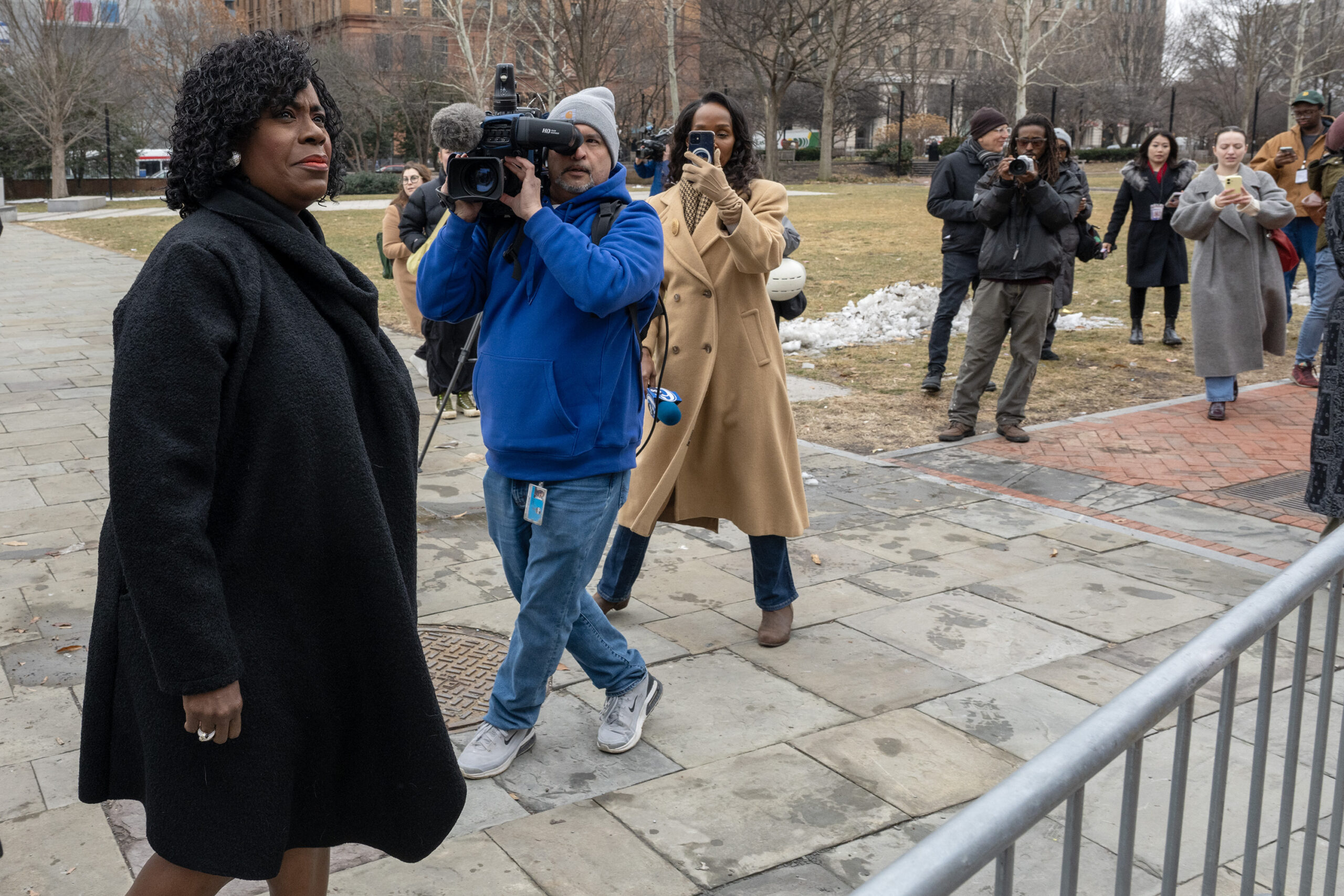
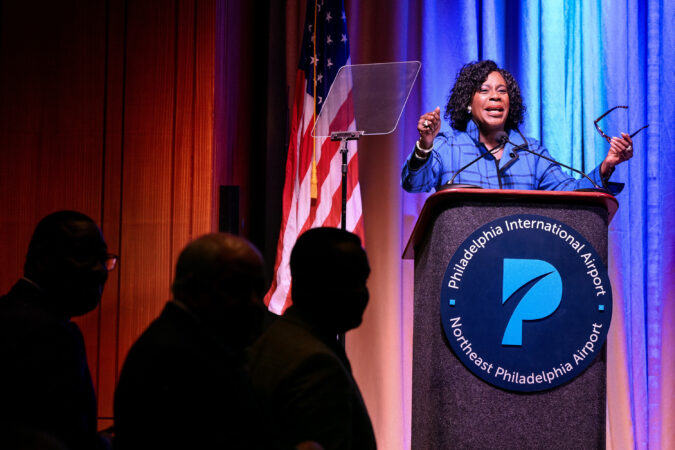
    Mayor Cherelle L. Parker visits the President’s House as workers return the slavery exhibits at the site on Thursday. Parker thanked them, and one replied, “It’s our honor.”

    Front and Market, home to the London Coffee House, once hosted a market of a different kind. People were sold there. It was a key element of the business of slavery.

    Girard Avenue is named for Stephen Girard. He was a very rich man with a very complicated legacy, and yes, he was also an enslaver.

    Perhaps that’s why I was so angry when I went to the President’s House in the days after the Trump administration pried truth from the walls.

    It was almost like someone had taken something that belonged to me, and in truth, they did. They took my history, but as I stood in that barren space on a cold afternoon, it was as if my ancestors were all around me — like the great cloud of witnesses from Scripture — telling me all they had endured.

    Perhaps the Trump administration will ultimately achieve its goal and remove the panels from the site. Or maybe the truth will prevail.

    But our fight is about more than the nine people Washington enslaved. This is about all of us, and it will take all of us to win.
  • Trump’s racist Truth Social post about the Obamas is meant to demean us all

    Trump’s racist Truth Social post about the Obamas is meant to demean us all

    When Donald Trump posted a meme on his social media platform that portrayed former President Barack Obama and his wife, Michelle, as apes, it was an act of racism.

    Trump engaging in this behavior during Black History Month is no accident. His childish attempt to taint the legacy of America’s most accomplished Black couple is about more than insulting the Obamas. It is meant to demean all of us.

    After all, if a Black president is nothing more than a monkey, a Black doctor, lawyer, or executive is even less than that. Therefore, in the minds of those who embrace that kind of racist reasoning, Black history should not be celebrated. It should be mocked, undermined, and erased.

    That’s why we can’t ignore the timing of Trump’s decision to pry Black history from the walls at the President’s House slavery memorial at Sixth and Market.

    We must not downplay his sudden fixation with controlling the voting apparatus in cities like Philadelphia with large Black populations.

    We cannot pretend that portraying the Obamas as monkeys is isolated from his ongoing attack on diversity, equity, and inclusion.

    Trump has chosen to use the 100th anniversary of Black History Month to send a message: It is now open season on Black people.

    The White House, through a statement from press secretary Karoline Leavitt, initially sought to downplay the president’s social media post. “This is from an internet meme video depicting President Trump as the King of the Jungle and Democrats as characters from The Lion King,” Leavitt said. “Please stop the fake outrage and report on something today that actually matters to the American public.”

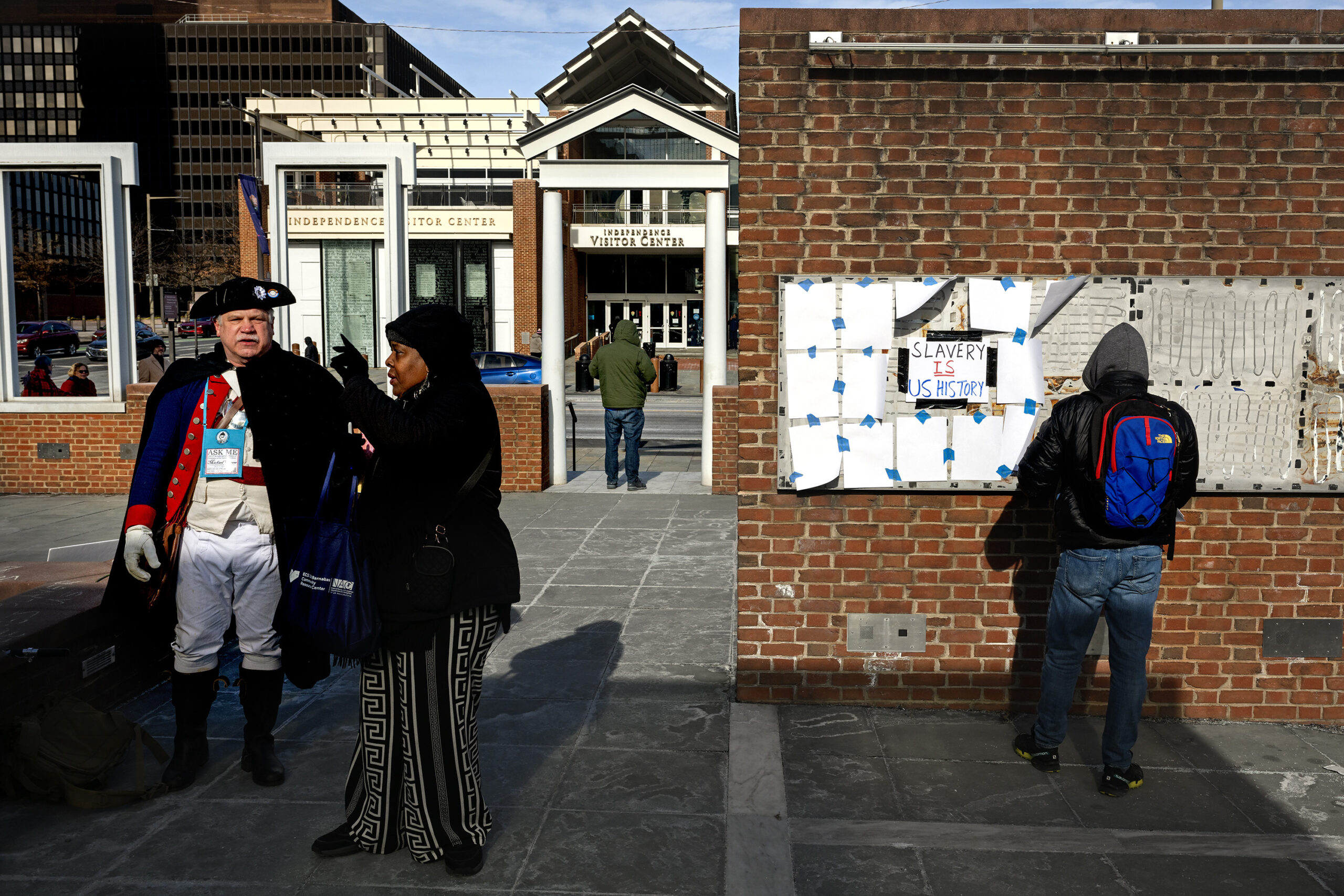
    Historical interpreter Michael Carver speaks with visitors at the President’s House site on Independence Mall on Jan. 25 — two days after displays about slavery were removed.

    But here’s the thing. The president’s racist post does matter to the American public, as evidenced by the immediate backlash from major figures on both sides of the aisle. Even Black Republican U.S. Sen. Tim Scott, who normally declines to criticize the president’s racial broadsides, responded.

    “Praying it was fake because it’s the most racist thing I’ve seen out of this White House. The President should remove it,” Scott wrote on social media.

    Scott, who chairs the Senate Republicans’ midterm campaign arm, is right to pray, because with each outrageous act by the president, Republican odds in the upcoming elections get a little longer.

    But Trump’s overtly racist post was never about the elections. It was about reshaping the society in which we live.

    Though Trump deleted the post after Americans reacted with outrage, the message was sent. Black people are the enemy, and they are to be treated as such.

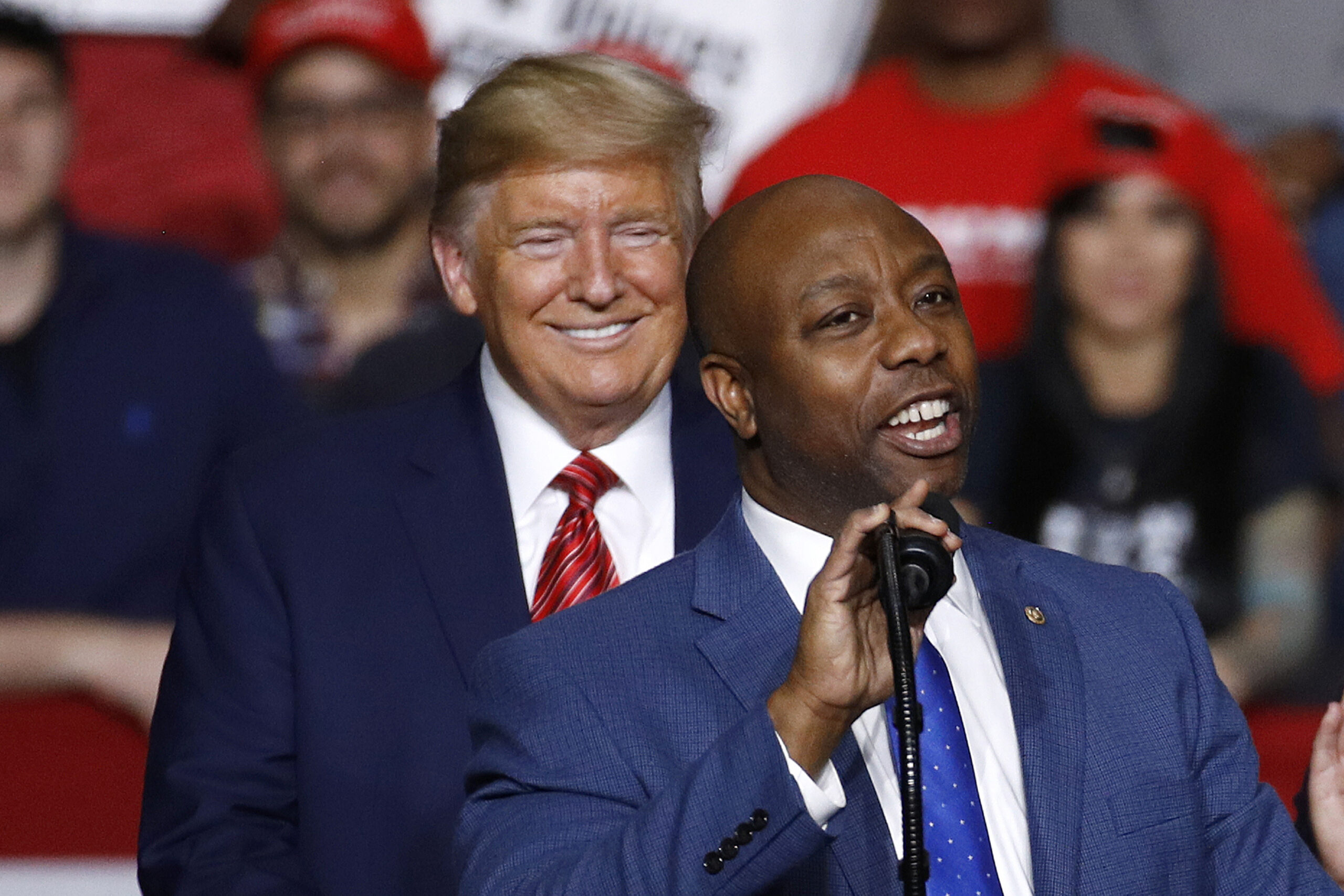
    Sen. Tim Scott (R., S.C.), here speaking at a Trump campaign rally in February 2020, called the president’s post “the most racist thing I’ve seen out of this White House.”

    As if to underline that point, a white listener called my radio show on Friday morning and called me the N-word on the air. I was neither surprised nor angry. Rather, I experienced a moment of great clarity. America should, too.

    Trump is inviting the white conservatives who comprise much of his political base to follow his lead and embrace racism. He is reaching back for vile racist tropes to get them to do so.

    In some ways, I’m grateful Trump waited until Black History Month to do this. History, after all, is a strong and determined teacher. We must strive to be the kind of students who embrace history’s lessons.

    In 1906, for example, the determination to portray Black people as monkeys took an unimaginably cruel turn. A young African named Ota Benga, who had been taken from what was then the Belgian Congo, was placed in a cage at the Bronx Zoo with actual monkeys. Historians speculate he may have been 12 or 13 — caged with monkeys so crowds of white people could gawk at him, laugh at him, demean and humiliate him.

    Benga was freed when outraged Black ministers and others complained about his treatment. Ten years later, Benga killed himself, and the Wildlife Conservation Society, which oversees the Bronx Zoo, spent nearly a century trying to cover up what was done to him. It was only after the murder of George Floyd that the organization fully acknowledged and apologized for the incident.

    History teaches us that when racism is left unchecked and unchallenged, people die.

    This Black History Month, as Trump seeks to take us backward, he must know that we will not go quietly.

    In fact, we will not go at all.

  • Censorship on Independence Mall? Arresting Don Lemon? It’s all about reshaping reality in the image of Donald Trump.

    Censorship on Independence Mall? Arresting Don Lemon? It’s all about reshaping reality in the image of Donald Trump.

    I don’t believe the Trump administration removed the slavery memorial at the President’s House at Sixth and Market Streets to protect the reputations of the dead. I believe they did it to crush the spirits of the living.

    Perhaps, for those too demoralized by Donald Trump’s chaotic presidency, the instinct to resist has faded. But Trump doesn’t know Philadelphians. We are a stubborn sort, reared in well-worn streets that are older than America itself. You cannot take crowbars to our history and pry it from the walls. Nor can you silence us when we rise up to tell the story of what you’ve done.

    That’s why Friday’s arrest of Don Lemon, a journalist who toiled in Philadelphia before moving to the national stage, will only sharpen the focus on the Trump administration’s push to deport Black and brown immigrants. It’s why the arrest of Georgia Fort, a vice president of the National Association of Black Journalists, which has its roots in Philadelphia, will only shed light on this administration’s troubling strain of anti-Blackness.

    Pretending that Lemon and Fort committed a crime by covering a protest in a mostly white Minnesota church is ludicrous. Yet, that’s what the Trump administration would have us believe. They want us to think that reporting on protesters who were seeking to confront a pastor said to have ties to U.S. Immigration and Customs Enforcement is a criminal act. That interviewing people is enough to be charged with conspiracy against the rights of religious freedom and an attempt to injure while exercising religious freedom.

    Assistant Attorney General Harmeet Dhillon, who oversees the Civil Rights Division of Trump’s Justice Department, claimed the protesters were “desecrating a house of worship and interfering with Christian worshipers.” Yet, the Trump administration, just days ago, declared that it would send federal agents into churches and schools to arrest undocumented immigrants. Does that also desecrate a house of worship? Or is it only sacrilege when others do the same thing?

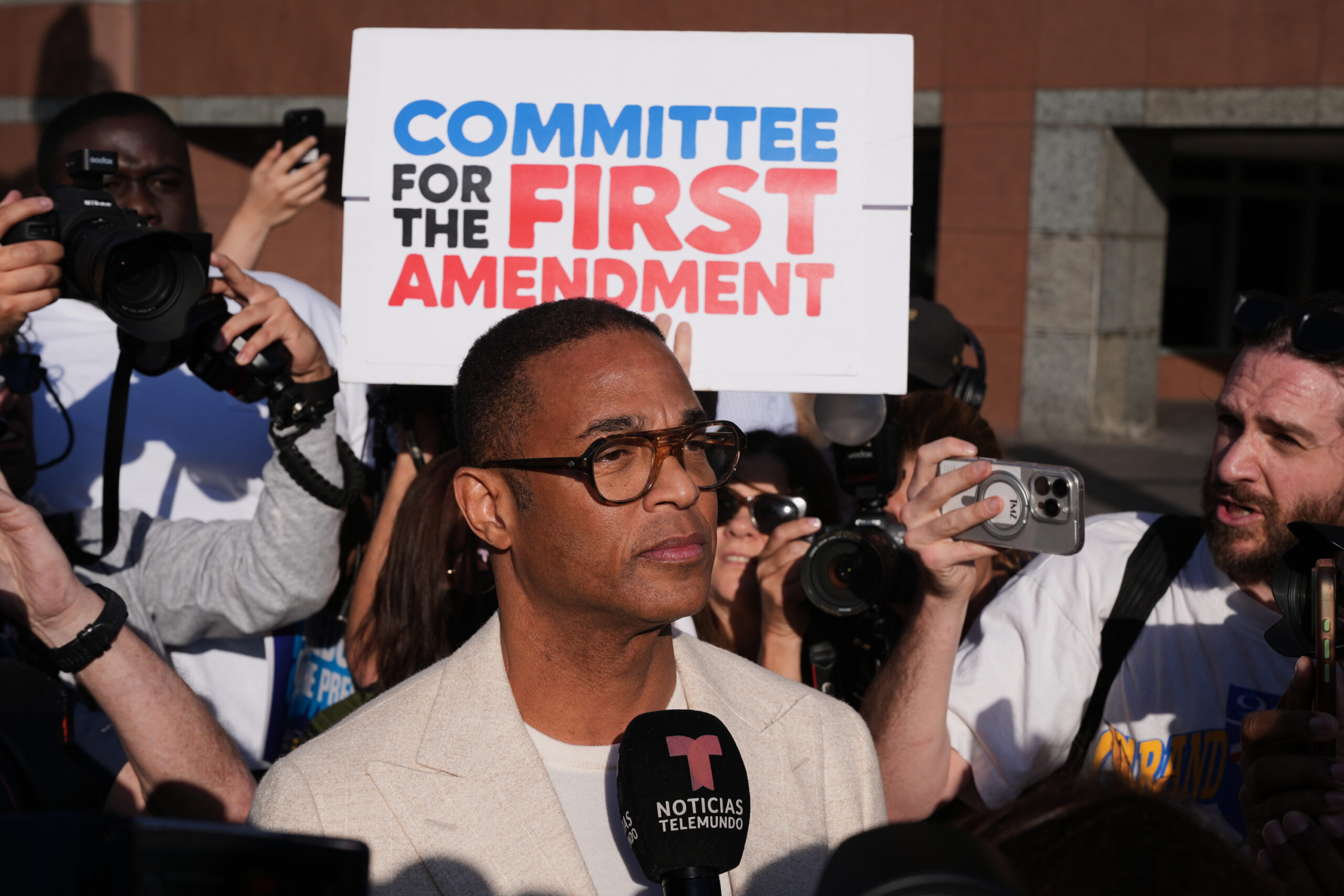
    The journalist Don Lemon addresses reporters outside the Edward R. Roybal Federal Building in Los Angeles on Friday.

    Don’t bother to try to make sense of it. You can’t, because the Trump administration is not seeking fairness. Nor is it seeking truth. Instead, it is attempting to reshape reality in the image of Donald Trump.

    I doubt that it’ll succeed, because there’s a strange thing about truth. No matter what you do to it, truth does not cease to exist. It simply waits to be uncovered.

    Prying Black history from the walls at Sixth and Market Streets will never erase truth. Instead, the truth will be amplified. Not only by Michael Coard and the Avenging the Ancestors Coalition, the activists fighting to preserve our history. This truth will be told by all of us.

    George Washington enslaved nine Africans in Philadelphia. He returned them to Virginia nearly every six months, thus avoiding the requirement to free them under Pennsylvania law. One of the enslaved, Oney Judge, managed to escape from Washington and his wife, and America’s first president spent years trying to return her to slavery.

    That is the truth of what happened here in Philadelphia, and on Friday, when I went to the site of the exhibit and saw the rusted, glue-stained frames that once held depictions of that history, I was angry. But the tale of the President’s House is not the only truth the Trump administration is trying to obscure.

    By sanctioning the presence of a masked gang of federal agents in cities run by Democrats and telling those agents they have absolute immunity, Trump’s administration has made us unsafe.

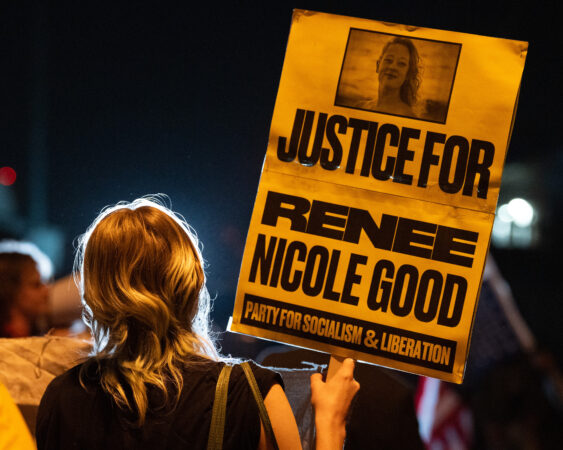
    Shootings by federal immigration agents in Minnesota cost Renee Good and Alex Pretti their lives. We know their names and mourn their deaths, not just because they were American citizens, but also because they were white. However, they aren’t the only ones to fall victim to the violence linked to the president’s anti-immigrant push.

    In total, at least four people have been killed and eight others wounded by gunfire during immigration enforcement operations since Trump returned to office a year ago. Most of the other victims appear to be people of color. But when state-sanctioned violence hides behind the darkness of masks, the only thing that can expose it is light.

    Journalism is that light, and quite often, when journalists begin to look for one truth, another is exposed. That’s what happened when Don Lemon and Georgia Fort walked into that mostly white church to report on a protest in St. Paul, Minn.

    Lemon and Fort discovered that in America, where history is pried from walls and Black journalists are arrested, truth does not play out in color. Too often, it’s in Black and White.

  • The fraught politics behind the creation of Black History Month

    The fraught politics behind the creation of Black History Month

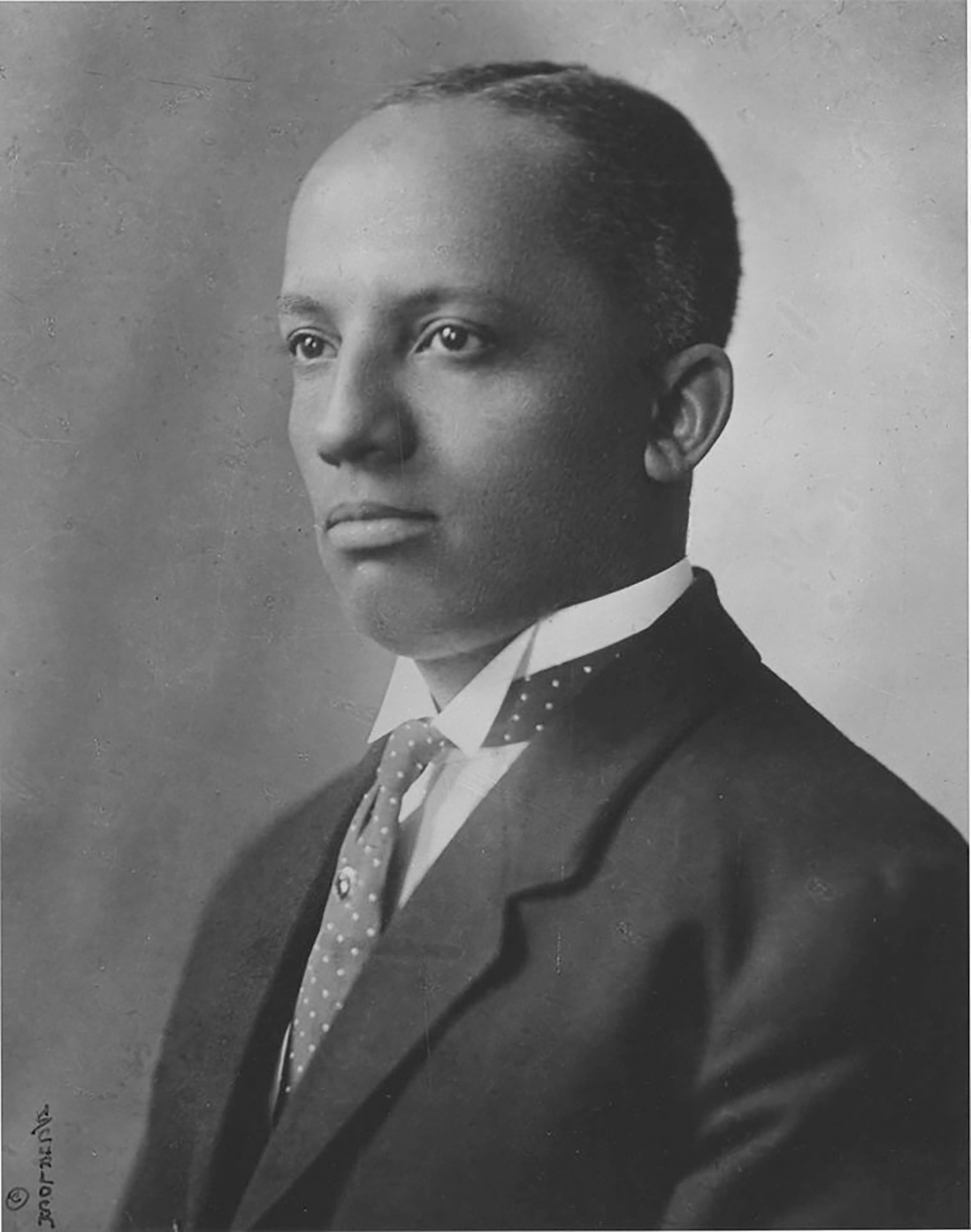
    In 1926, when historian Carter G. Woodson created Negro History Week, racism was firmly entrenched in American politics.

    In a country whose economy was built on the free labor of enslaved Africans, Woodson — just the second Black man to earn a doctorate from Harvard — believed the educational system sought to enslave Black minds.

    The racism in education worked through politics. After all, schools were run by the government and funded by tax dollars, and while the students were segregated by race, the lessons were unified in their promotion of white supremacy.

    As Woodson would later write in his book, The Mis-Education Of The Negro: “It is strange, then, that the friends of truth and the promoters of freedom have not risen up against the present propaganda in the schools and crushed it. This crusade is much more important than the anti-lynching movement, because there would be no lynching if it did not start in the schoolroom. Why not exploit, enslave, or exterminate a class that everybody is taught to regard as inferior?”

    Woodson had a point. The politics of American education meant the stories of America’s wars were told from a Eurocentric perspective. America’s economic rise ignored the role of racism. The country’s cultural norms formed a tapestry of whiteness, and at the root of it all was an underlying theme that Black people were something less than human.

    That was the prevailing attitude, but Black Americans kept proving their own nation wrong.

    Nearly 180,000 Black men served in the Union Army during the Civil War, but only after petitioning the government to remove the political barrier of a 1792 law that forbade Black Americans from bearing arms for the U.S. Army.

    After emancipation, Black property owners acquired an estimated 16 million acres of farmland by 1910. The backlash against that achievement was not only driven by acts of violence. It played out politically, as local governments seized Black land through eminent domain, and the U.S. Department of Agriculture pushed Black people off their land through lending discrimination.

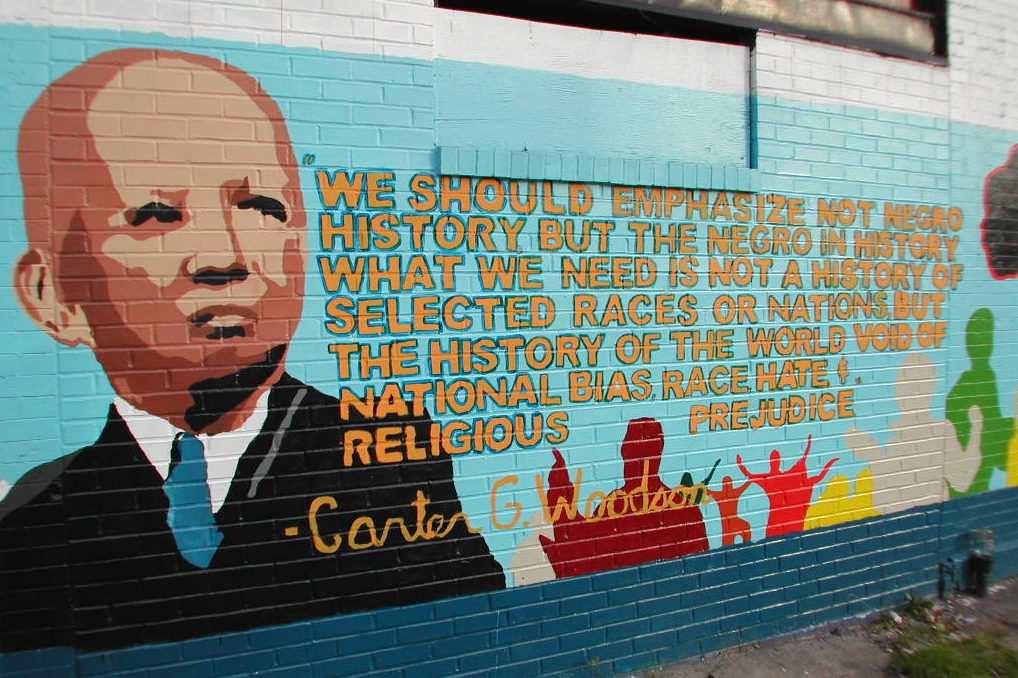
    A mural in Washington, D.C., pays tribute to historian Carter G. Woodson, who in 1926 created what became Black History Month.

    Sharing such history is inconvenient because it unravels the narrative that white America acquired everything through hard work and sacrifice, while Black America lost everything through laziness and incompetence.

    Maintaining such historical lies requires political will and a story people want to believe. In 1915, America got both.

    D.W. Griffith released a film called The Birth of a Nation. Its racist narrative portrayed Black men as savages, while depicting the Ku Klux Klan as heroes.

    President Woodrow Wilson, who screened the film in the White House, said The Birth of a Nation was “like writing history with lightning.”

    In truth, the film was not history. It was racist propaganda, and it helped to fuel the resurgence of the Ku Klux Klan. By 1921, African Americans were facing a full-on assault. In Tulsa, Okla., they endured what the U.S. Department of Justice later called a “coordinated, military-style attack” on a prosperous Black community. It was an assault that destroyed property worth millions of dollars, and it happened with the cooperation of the police and National Guard.

    In 1923, the political leadership changed. Republican President Calvin Coolidge, in his first congressional address, said that under the Constitution, Black people’s rights “are just as sacred as those of any other citizen,” while calling on Congress “to exercise all its powers of prevention and punishment against the hideous crime of lynching.”

    However, the president was only willing to go so far. He said racial issues should be worked out locally, and ultimately chose not to endorse an anti-lynching bill because he feared that in doing so, he would jeopardize tax legislation he was trying to push through the Senate. Black people weren’t his priority.

    Carter G. Woodson created Negro History Week in 1926 largely because he believed the nation’s educational system sought to enslave Black minds, Solomon Jones writes.

    It was against that political backdrop that Woodson founded Negro History Week — a celebration that wasn’t officially sanctioned by the federal government until 1976, when President Gerald Ford recognized Black History Month. A decade later, Congress passed it into law.

    Between then and now, as political winds have shifted, we are once again facing backlash against Black progress.

    In this moment, when the weight of Black history both strengthens and comforts us, I am reminded that Woodson, in his seminal work, The Mis-Education of the Negro, warned Black people against staking our hopes solely on politics.

    “History does not show that any race, especially a minority group, has ever solved an important problem by relying altogether on one thing, certainly not by parking its political strength on one side of the fence because of empty promises,” he wrote.

    In other words, if the past has taught Black people anything, it has shown us how to look beyond the rhetoric of politics and seek out each other for strength.

  • As in the case of George Floyd, the role of race hangs ominously over the shooting of Renee Good

    As in the case of George Floyd, the role of race hangs ominously over the shooting of Renee Good

    The shooting death of Renee Good by U.S. Immigration and Customs Enforcement agents in Minneapolis will likely spark the kind of outrage that we witnessed after the murder of George Floyd.

    Not just because Good — a 37-year-old wife and mother — was a U.S. citizen whose shooting by a federal agent was captured on several videos. Not even because those videos indicate that the government’s initial account of the shooting is false. Good’s death will trigger outrage because she was a white woman, and in America, the lives of white women are valued more than most.

    It’s haunting, really. Good was shot and killed by an ICE agent about a mile from where Floyd was killed by Minneapolis Police Officer Derek Chauvin in 2020. Video of both incidents circled the world in seconds. And while Good was a white woman and Floyd was a Black man, the role of race hangs ominously over both incidents.

    Floyd was a victim of the disproportionate police violence leveled against Black people, and Good — a white woman — was a casualty of Donald Trump’s war on Black and brown immigrants.

    The confrontation that killed Good occurred after the Trump administration sent more than 2,000 federal agents and officers to Minnesota as part of a large enforcement operation targeting Somali immigrants. The surge of federal agents, which took place on the heels of fraud allegations leveled at Somalis, was met with protests.

    Hundreds of demonstrators rallied outside City Hall on Thursday to protest the killing of Renee Good by an ICE agent in Minneapolis.

    Good, who was in a maroon Honda near one such protest, was approached by ICE agents in other vehicles. An agent walked up to her vehicle, pulled her door handle, and yelled, “Get the f— out of the car!”

    Good first tried to back up, and then drove forward, veering around an ICE officer who shot into the vehicle. Good died from her injuries.

    Trump claimed Good caused the shooting because she tried to “run over” the ICE agent, according to the New York Times.

    Kristi Noem, secretary of the U.S. Department of Homeland Security, claimed the ICE agent shot Good in self-defense after Good tried to commit an “act of domestic terrorism.” A Homeland Security spokesperson went further, accusing Good of trying to use her vehicle as a weapon to kill the agent. Noem even called Good an anti-ICE rioter, which makes no sense, since it would be difficult to riot from inside a stationary vehicle.

    Minneapolis Mayor Jacob Frey was having none of it. He called the claims of self-defense “bullshit,” and demanded that ICE get out of Minneapolis.

    “We’ve dreaded this moment since the early stages of this ICE presence in Minneapolis,” Frey said during a news conference. “Not only is this a concern that we’ve had internally, we’ve been talking about it. They are not here to cause safety in this city. What they are doing is not to provide safety in America. What they are doing is causing chaos and distrust.”

    Just as importantly, the death of a white woman at the hands of ICE is bringing clarity. This heartbreaking shooting lets us know that no one is exempt from the violence this administration is apparently willing to unleash to uphold its anti-immigrant policies.

    I have no doubt Good’s death will be extensively covered, because police shootings of white women are rare. In fact, the Washington Post database of police shootings indicates that between 2015 and 2024, white women comprised less than 1% of police shooting victims each year.

    Still, there’s more to it than that. White women in America are valued, and when they go missing or are victimized, media attention is so overwhelming that social scientists use a specific term to describe it: Missing White Woman Syndrome.

    With that in mind, here is the ugly truth: America’s racial hierarchy will assuredly seek justice for Good. And while I hate that she senselessly lost her life at the hands of her government, and was demonized by the president and his cabinet members, I am nonetheless hopeful for change.

    If this brutal incident wakes Americans to the danger of this moment, Renee Good did not lose her life in vain.

  • Trump says he’s made America great again. With midterms on the horizon, we get to decide if we agree with him.

    Trump says he’s made America great again. With midterms on the horizon, we get to decide if we agree with him.

    As I reach for the hope of 2026, I am convinced that this new year is about more than the 250th anniversary of the Declaration of Independence and more than the politics of the upcoming midterm elections. This new year is a mirror that allows us to look back on who we were in 2025.

    Domestically, last year was marked by Donald Trump’s attack on diversity, equity, and inclusion (DEI), his targeting of Black and Latino immigrants, his attempts to use lawsuits, threats, and bullying to silence journalists, and his sneering dismissal of the millions of people who took to the streets in protest.

    Internationally, 2025 was defined by the Trump administration’s military attacks in and around oil-rich countries like Venezuela and Nigeria, an apparent push to annex mineral-rich Greenland, and Trump-backed peace deals in Gaza and Ukraine that never quite seemed to bring peace.

    Taken together, Trump’s domestic and international policies hark back to a time when the United States sought to openly oppress racial and political minorities at home, while engaging in patterns of imperialism abroad.

    Perhaps, in Trump’s mind, that’s what it means to Make America Great Again. In 2026, the country will have to decide if we agree with him, and the choice will not be easy, because the sides are completely dug in.

    For millions of Americans, there’s an inherent appeal to Trump’s brand of no-holds-barred politics.

    His supporters believe political correctness has robbed them of the right to say what they feel, to take what they want, and to run through anyone who stands in their way.

    When Trump insults those who don’t look or think like him, his supporters believe he’s speaking for them.

    After all, the idea of blaming others for their problems is not only palatable, it’s delicious — because when someone else is always at fault, one never has to look at oneself.

    For millions of other Americans, like me, the echoes of white supremacy that amplify the MAGA movement are repulsive.

    We are concerned when President Trump calls Somali immigrants “garbage,” because perhaps Somalis aren’t the only Black people he views that way.

    We are horrified by the sight of Vice President JD Vance standing before white conservatives — and rapper Nicki Minaj — and uttering the words, “You don’t have to apologize for being white anymore.”

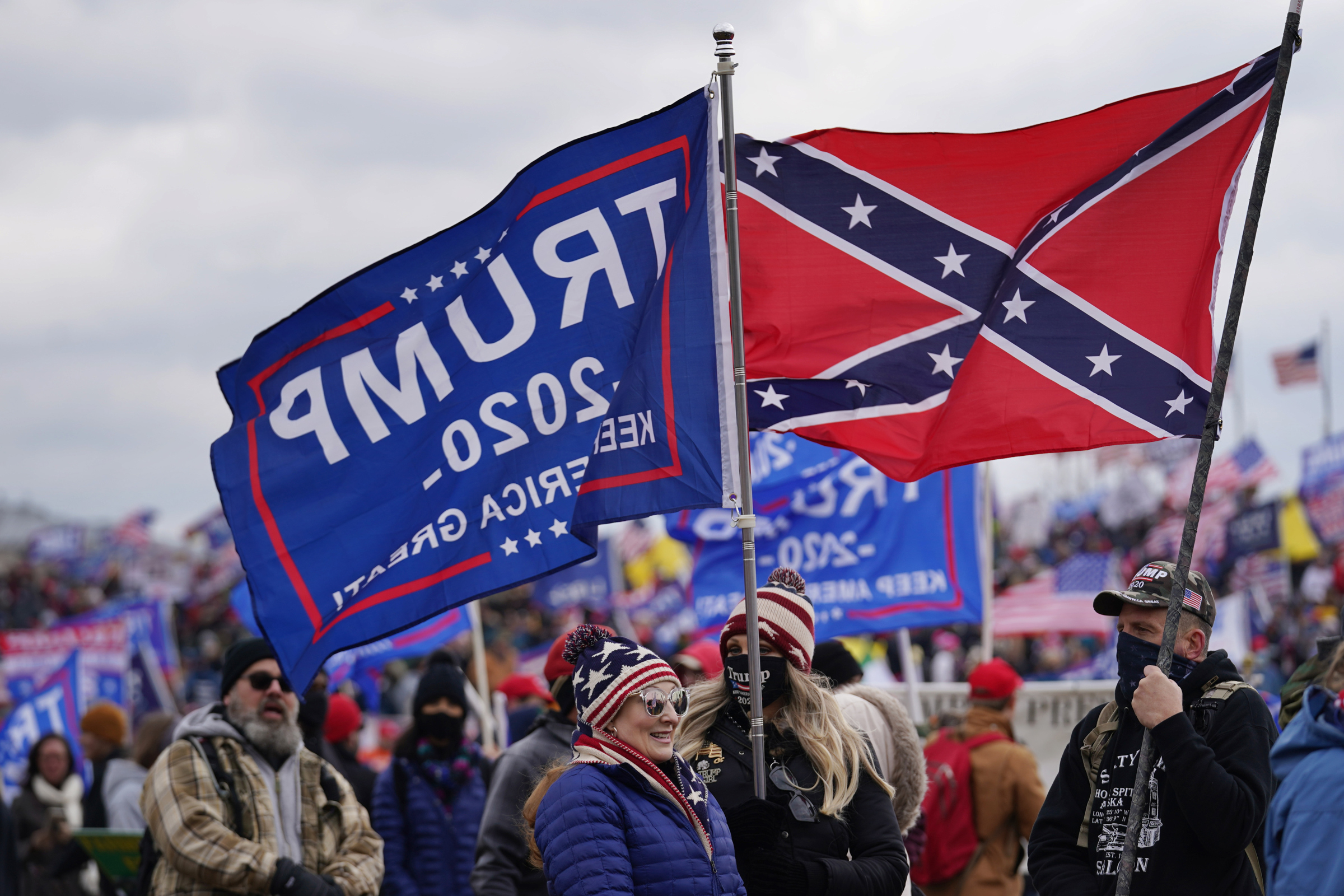
    Pro-Trump demonstrators in Washington during the Jan. 6, 2021, insurrection. The echoes of white supremacy that amplify the MAGA movement are repulsive, Solomon Jones writes.

    We are bracing ourselves for the moment when Trump’s followers move from insults to action, because after Trump pardoned those convicted for their roles in the political violence of Jan. 6, 2021, they could very well come back for more.

    That’s why in 2026, we must move swiftly to save democracy, because Trump has moved swiftly to tear it down. Don’t believe it? Let’s review.

    In 2025, armed with a U.S. Supreme Court ruling that said Trump was immune from prosecution for official acts, the president signed scores of executive orders, knowing they’d be challenged in federal court. He also knew he could quickly move key cases to the Supreme Court’s emergency docket, where the 6-3 conservative majority gave him a puncher’s chance to win.

    By implementing that strategy, the Trump White House won 21 victories in the Supreme Court. The wins allowed the Trump administration to take wide-ranging actions, including: deporting undocumented immigrants to third-party countries, ending federal funding for DEI, firing thousands of federal workers without congressional approval, accessing Americans’ Social Security data, and revoking the power of federal judges to implement nationwide injunctions.

    In one of the administration’s few losses, the Supreme Court recently ruled against Trump’s deployment of the National Guard in Chicago.

    Perhaps the ruling will stop the president’s strategy of sending troops into cities run by Democrats, or maybe he’ll find a workaround. If I were a betting man, I’d take the odds on the latter.

    That’s why in 2026, if we truly want to commemorate the 250th anniversary of the birth of American democracy, we cannot stand by and watch as our country is twisted into knots.

    When this year’s midterm elections take place, we must raise our voices and vote.

  • As a Black man, I was initially angry about plans to scrap DEI goals for city contracts. But then I remembered: They don’t work for us anyway.

    As a Black man, I was initially angry about plans to scrap DEI goals for city contracts. But then I remembered: They don’t work for us anyway.

    I felt a rush of anger when I learned the Parker administration planned to scrap the so-called minority participation goals for city contracting. Then I remembered what I’d learned while covering race and city contracting over the last decade: participation goals don’t work well enough for Black people.

    This is not to say people of color aren’t getting city business. The Office of Economic Opportunity (OEO) said what it calls “minority, women, and disabled business enterprises” received more than $370 million in city contracts in fiscal year 2023.

    The city’s goals call for 35% of city contracts to be awarded to businesses owned by women, people of color, and people with disabilities. During the 2023 fiscal year, 31.4% of city contracts went to companies owned by people from those demographic groups.

    However, Black-owned businesses only accounted for about 13.5% of all city contracts.

    Given that Black Philadelphians make up the city’s largest ethnic group — we’re more than 38% of the population — that’s a problem.

    So why don’t participation goals work better for Black people? I believe the answer is simple. Bias and race-based exclusion are built into a system where money is plentiful but accountability is not.

    In construction, a business where city contracts abound, developers and contractors tend to be big political donors.

    Ryan Boyer, the head of the city’s building trades unions, speaks at a January news conference. Although Boyer now leads the group, the unions spent generations excluding Black people, Solomon Jones writes.

    The companies are almost always white-led, since only 9.2% of Philadelphia businesses with employees were Black-owned as of 2022.

    In addition, the building trades unions, though they are now run by a Black man, Ryan Boyer, spent generations excluding Black people.

    That leaves the city asking white-owned businesses with largely white workforces to meet minority participation goals set by the Office of Economic Opportunity.

    According to a former manager in the OEO, who would speak to me only on the condition of anonymity, companies that don’t meet the goals rarely face consequences.

    That’s been the case for years. In fact, I wrote a 2016 Inquirer column that noted that in the 2015 fiscal year, nearly 70% of city-funded construction projects with budgets over $250,000 did not reach the city’s participation goals for people of color, and 44% had no participation by people of color at all.

    Very few were held accountable for it then, and very few are held accountable now.

    But even if the goals didn’t deliver what they should have, it’s galling to lose them at a time when the president is pushing an anti-Black agenda, complete with policies that led to job losses for over 300,000 Black women during his first year in office. Sadly, that’s just the tip of the iceberg.

    Donald Trump has sought to erase Black history in our city by pushing for the removal of a slave memorial. He sent federal agents to snatch Black American citizens and Venezuelan immigrants from their beds in Chicago. He has targeted Black political representation with a Texas redistricting scheme that judges have blocked — for now.

    But this is about more than the president’s recent actions. This is about Trump’s long game. From Road-Con Inc. v. City of Philadelphia, which challenged the city’s minority set-asides, to the U.S. Supreme Court’s decision to kill affirmative action, the multipronged attack is not just meant to set precedents. This attack is meant to set us back.

    That’s why, when we see our civil rights gains under attack, we want our leaders to stand and fight.

    I asked Mayor Cherelle L. Parker if changing the minority participation goals to small and local business goals represented the kind of fight our community wants from her.

    “I am 53 years old,” she said, “and I have been working in government and public service since I was 17 years old. I don’t know anyone in this city who knows me who has ever questioned whether or not I’m willing to fight for what I believe in. I’m a product of this city. You heard me reference the intersection of race and gender. But I thank God that I’m made and built from the kind of material that says a speech is not enough. You have to deliver tangible results.”

    The mayor went on to say the community should hold her accountable. I agree, and we will.

    But I am also one of those people who have known the mayor for years. She is indeed a fighter, and she’s fighting this her way. We only need one thing from her: a win.