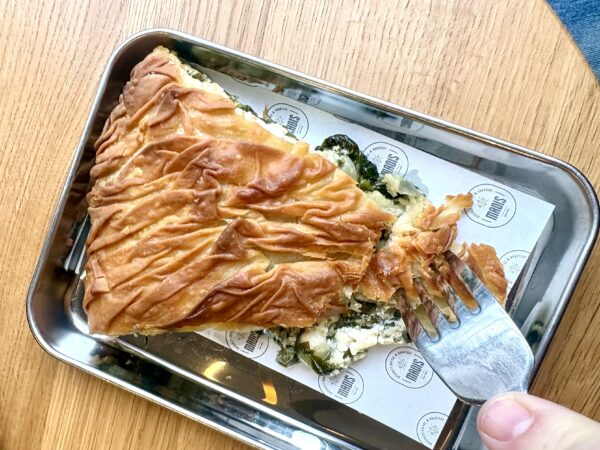
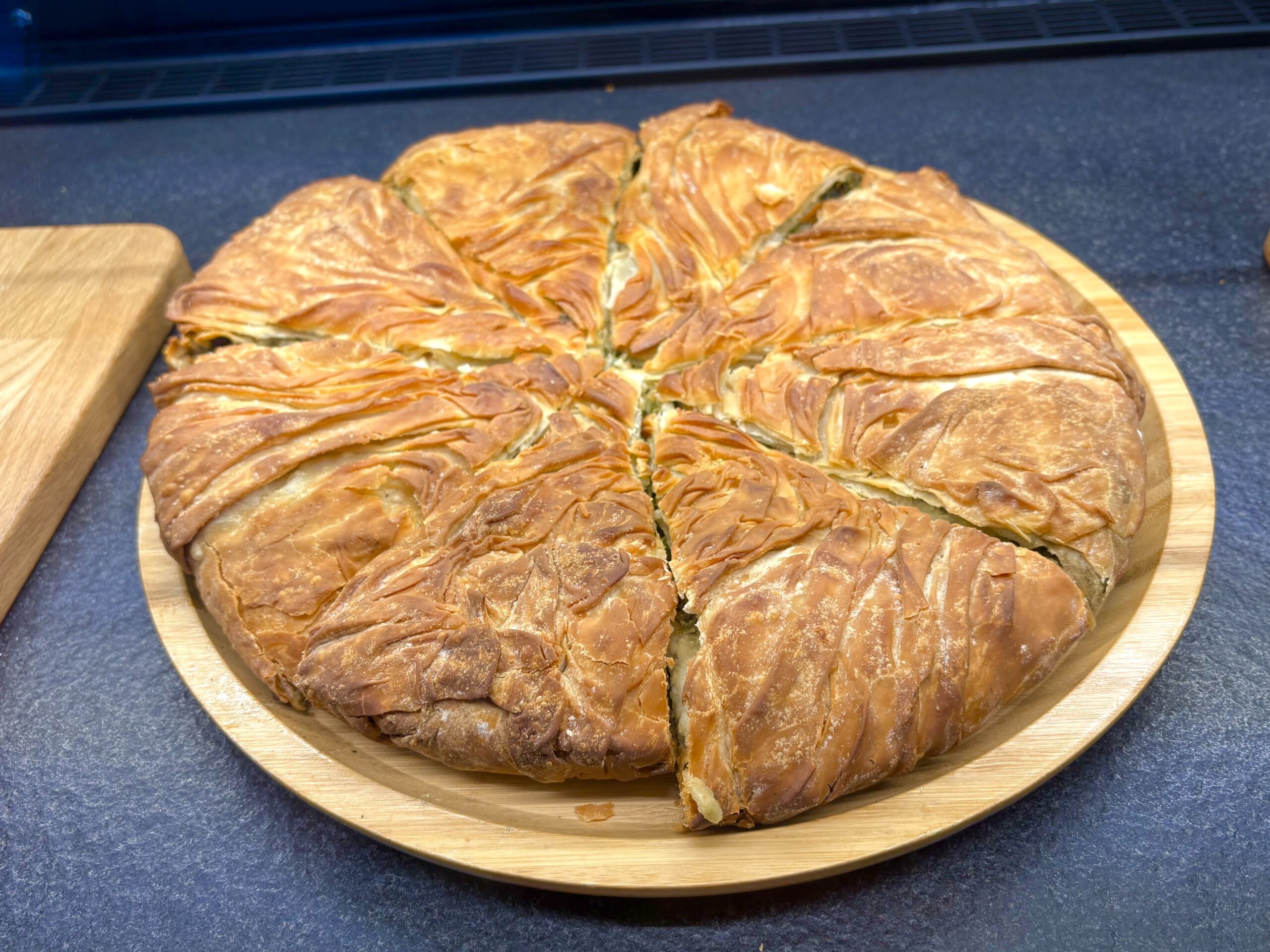
Country-style spinach pie at Madis Coffee Roasters
I’ve been devoted to spanakopita since growing up in Metro Detroit, where Greektown was among my favorite downtown haunts. Philadelphia has great spinach pies, too, from Zorba’s Tavern in Fairmount to Stina near West Passyunk. But lately, I’ve become obsessed with the big round pans of spanikopita served at Madis Coffee Roasters, the fast growing local trio of modern cafes owned by the Navorsidis family. Their coffee is also excellent, by the way, including a well-balanced “Four Seasons” blend that’s become a regular in my house rotation of morning brews, as well as quality pour-overs of single-origin beans.
But the spanakopita the cafes import from Greece is one of the main reasons I frequently stop at Madis’ spacious Curtis Center location beside Independence Hall for breakfast before heading into The Inquirer newsroom nearby. Unlike the vast majority of spinach pies made in the U.S., which feature ultra-flaky and delicate phyllo, these big round pies made by Rodoula in Athens are encased in crispy waves of thicker phyllo sheets that are typical of the more rustic country style, especially when shaped into rounds.
An imported round spinach pie made by Rodoula in Athens, this one stuffed with extra feta, is warmed to a crisp and served at Madis Coffee Roasters locations across Philadelphia.
I give credit to Madis for warming it correctly, since I’ve had other versions of the same pie elsewhere (at a local gyro chain) where the same pastry was hastily underbaked and chewy. At its toasty, tawny prime, a crusty wedge of this pie shatters beneath fork and knife around a luxuriously soft filling of spinach, leeks, and extra cheese — a particularly creamy blend of tangy sheep and goat’s milk feta. Straight from Athens to the cradle of Liberty, it’s the spanakopita breakfast of champs. Madis Coffee Roasters, 601 Walnut St., 3527 Lancaster Ave., 1441 Chestnut St.; madiscoffee.com
— Craig LaBan
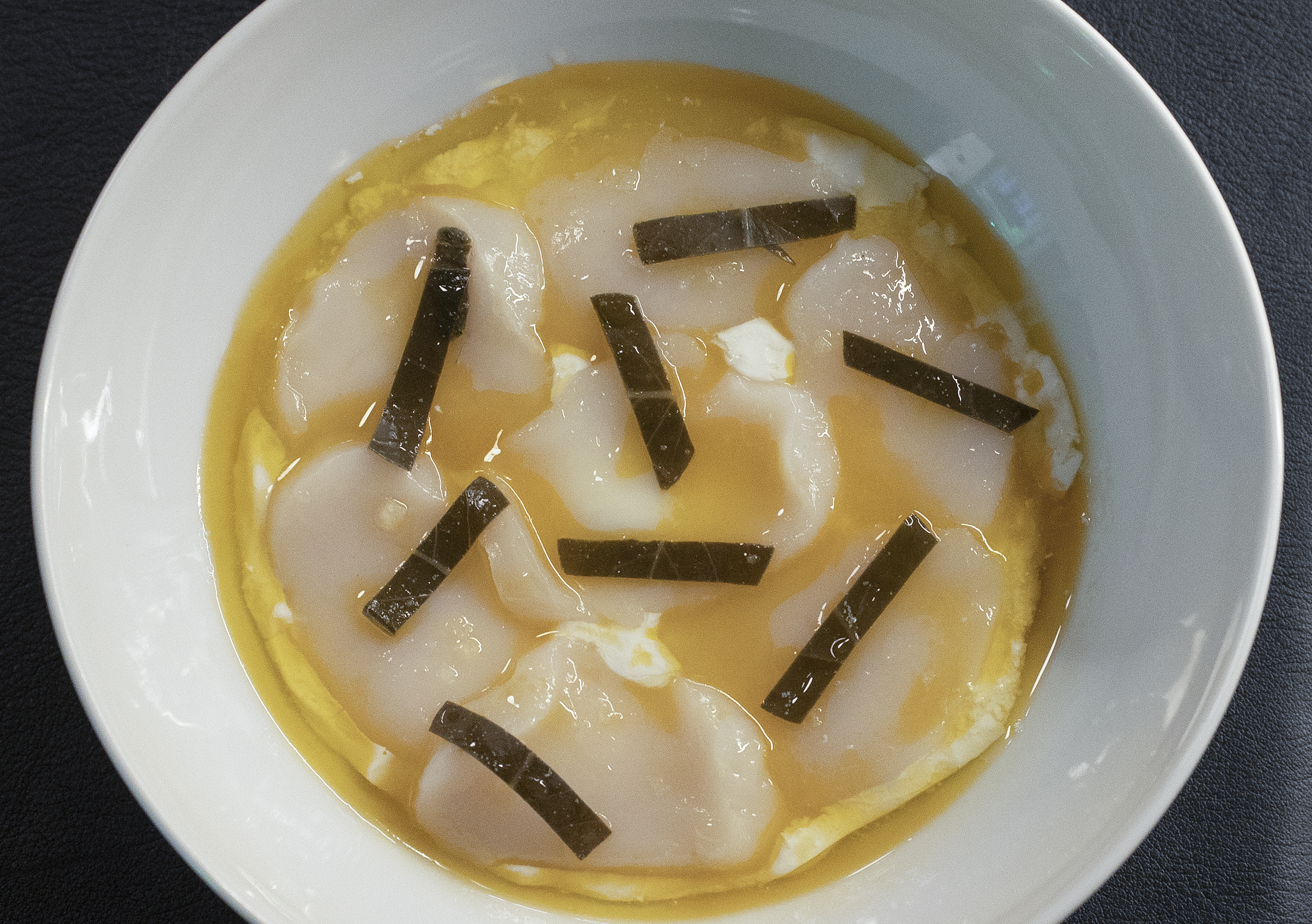
The sea scallop crudo and burrata served at Emilia, the Italian restaurant from Greg Vernick, in Kensington on Friday, January 23, 2026.
Scallops and burrata at Emilia
When Greg Vernick and Meredith Medoway were previewing the menu at Emilia, their new Italian restaurant in Kensington, they seemed proud of a dish pairing scallops and burrata in a caper vinaigrette. “That surprises people at first because of the similar textures,” Vernick said. Oh, it’s a surprise, all right. What it lacks in crunch it more than makes up for in lusciousness. The kitchen thinly slices day-boat sea scallops from Viking Village in Barnegat Light, N.J., and fans them over a puddle of burrata cheese and a vinaigrette made of capers and Calabrian chili oil. Sea salt goes on top. And here’s a tip to get the most of it: Your Emilia meal will start with house-made focaccia, Italian breadsticks, and a slice of Mighty Bread’s sesame ciabatta. Put aside some ciabatta. After you finish the scallop, you’ll use it for mop-up duty. Emilia, 2406 Frankford Ave., 267-541-2360, emiliaphilly.com
— Michael Klein
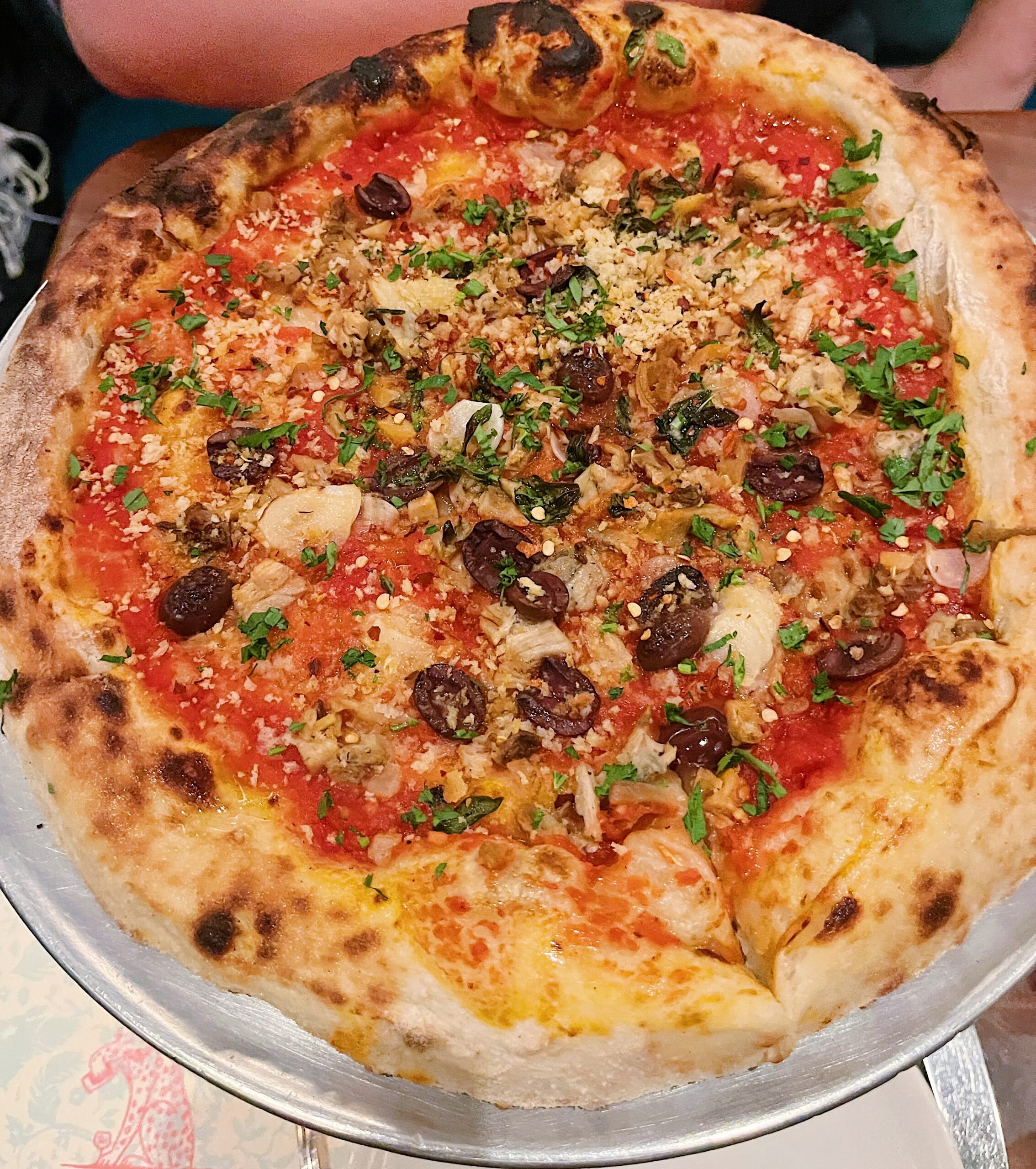
The Clam Posillipo pizza from Wilder.
Clam Posillipo pizza at Wilder
To me, Valentine’s Day has always been about celebrating the things I already love about my life — my partner, my cat, and all the restaurants I depend on for date-night specialness — so I rarely want to go some place I’ve never tried before for the holiday. That changed this year when my partner and I went to Wilder for the first time and tried a pizza so good it has converted us to wannabe regulars.
Wilder’s clam Posillipo pizza is a take on the classic Italian American dish (and Frank Sinatra favorite) wherein littleneck clams are steamed in a light, garlicky tomato sauce. For the pizza version, Wilder sprinkles briny Taggiasca olives, breadcrumbs, and parsley atop a vibrant tomato sauce. The clams’ contribution wasn’t fishy — they created an experience more like eating a pie by the beach in the summer: fresh and a little salty, with a delectably doughy crust. Wilder, 2009 Sansom St., 215-309-2149, wilderphilly.com
— Beatrice Forman
A mango calamansi danish from the Sir/Mom Tour pop-up at Small Oven Pastry Shop.
Mango calamansi danish from the Sir/Mom Tour pop-up at Small Oven Pastry Shop
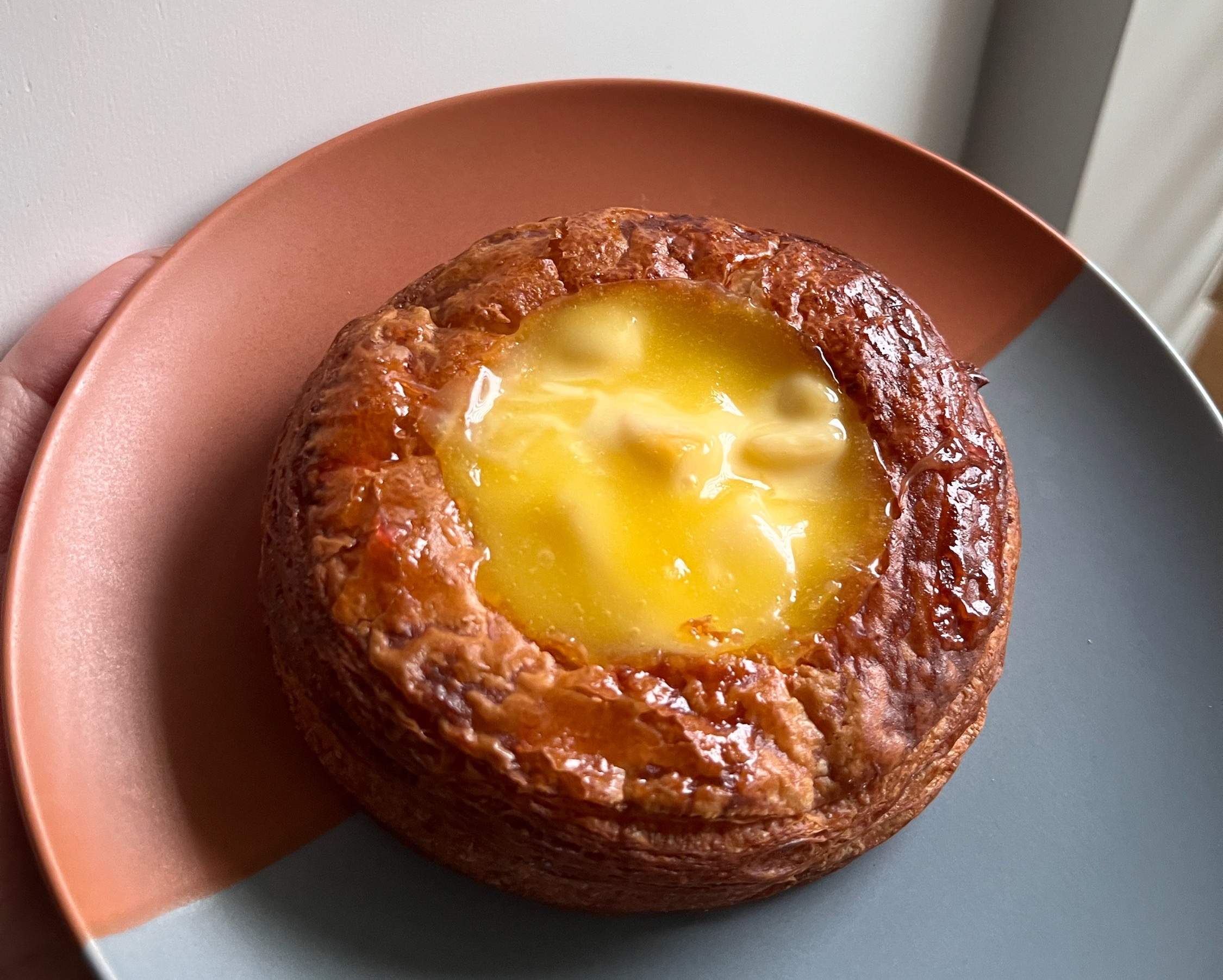
It’s still gray and cold out, but a limited-time pastry offering helped me briefly forget. As part of their “Sir/Mom Tour,” chef Mike Strauss of Sidecar Bar & Grille (and formerly Mike’s BBQ) and his wife, Eylonah Mae Strauss, staged a Point Breeze kitchen takeover last week, sharing their love of Filipino cuisine with a slate of specials served at chef Chad Durkin’s Porco’s Porchetteria/Small Oven Pastry Shop and Breezy’s Deli. I went specifically for the mango and calamansi danish — a burst of citrus and sunshine that sold out both days. The silky yellow custard encrusted in golden flaky pastry with small bites of fruit laced throughout made for a gorgeous pick-me-up. I hope we see another collab soon, but given the Strausses live in the Philippines — where they run Sugaree Gelato Bakery Cafe in Bacolod — I expect a long wait. Small Oven Pastry Shop, 2204 Washington Ave., 215-545-2939, smallovenpastryshop.com.
I’ve never arrived to Exton’s Malgudi Cafe and not found a line out the door, whether for a late-night dinner or a blizzard-weekend brunch. That initially surprised me considering Malgudi appears at first glance to be an unassuming restaurant in a Chester County strip mall.
But this cafe is a special place, not only because it’s one of the region’s few Indian restaurants dedicated to vegetarian cooking, but because it may also be the only one focused specifically on the cuisine of the city of Bangalore, in the South Indian state of Karnataka.
I have loved virtually everything I’ve ordered here, from the crunchy stuffed pani puri puffs with sour-and-spicy green mint water to pour inside, to the lacy-crisp crepe roll of its onion rava dosa. But for a true immersion into the homey essence of Malgudi, which was launched in 2023 by four South Indian families, dive into a tray of bisi bele bath.
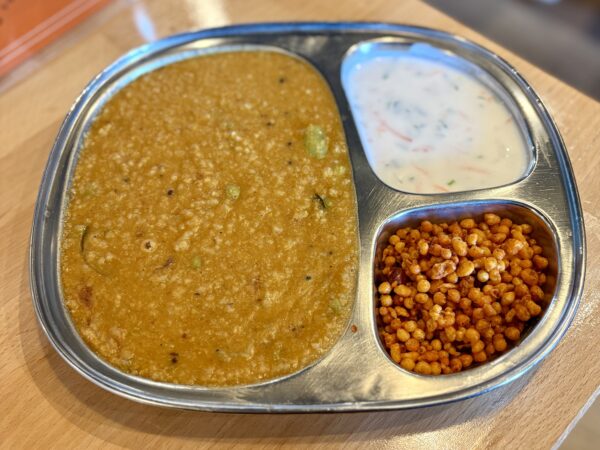
Known by its loyal customers as “Triple B,” this Karnataka comfort classic is a soulful stew of rice and toor dal (split pigeon peas) that are cooked down with seasonal vegetables until they essentially melt together into a soothing porridge. While the word “bisi” means “hot” in Kannada, this one-pot dish is not fiery so much as it is vivid with fragrant spice — tangy with tamarind and tomatoes then flared with the aromatics of Malgudi’s house masala, a punchy blend of dried red chilies, cinnamon, cloves, and coconut ground fresh. Served hot on a stainless-steel thali tray, there are sides of tart raita yogurt and crunchy boondi pastry beads to add more textures and flavors. On the off chance they’re already out of Triple B (as they were on my first visit), go for the khara pongal porridge of yellow moong lentils cooked down with cumin, cashews, chilies, and curry leaves. Malgudi Cafe, 10 W. Lincoln Hwy., Exton; 484-874-2124, malgudicafe.com
— Craig LaBan
Crab cakes at the Bomb Bomb, the classic Italian seafood joint revived by chef-owner Joey Baldino in deep South Philly.
Crab cakes at Bomb Bomb Bar
There’s a loose guideline followed by many people who dine out a lot: Get the most adventurous things on the menu. They’re often the best reflection of the kitchen’s passions.
So it was with a little sheepishness that I ordered, among other items, the “classic crab cake” at Bomb Bomb Bar, the deep South Philly institution that Zeppoli and Palizzi Social Club chef-owner Joey Baldino revived last fall. Crab cakes are frequently delicious, but they are also extremely common and seldom edgy, especially next to, say, whole Dungenesse crab and mom’s stuffed calamari.
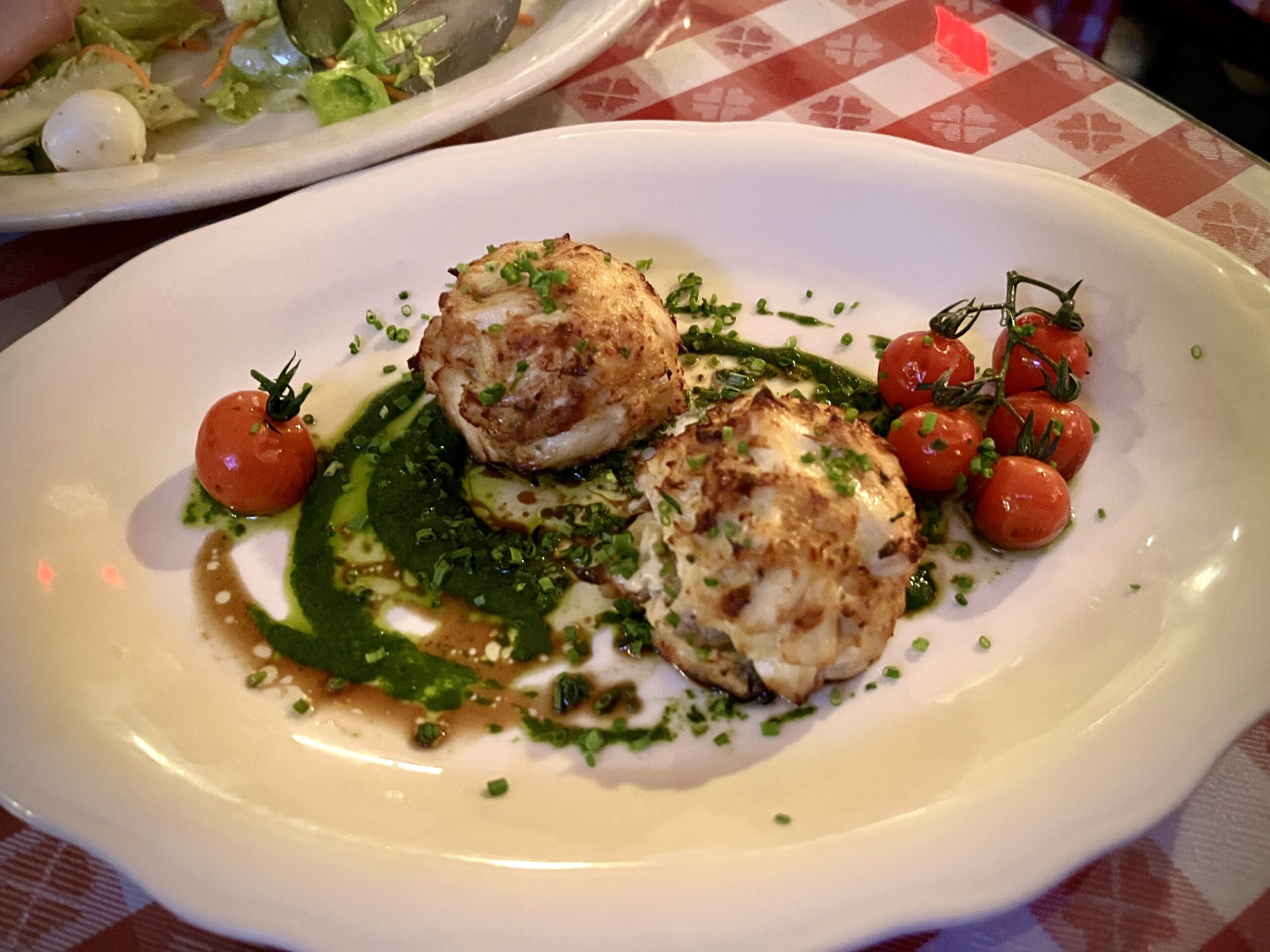
But I’ll be forever content with my decision-making, for chef Max Hachey’s crab cakes are maybe the best ones I’ve ever had — a paean to blue crab, simply treated. To make them, Hachey combines crab meat from three different parts of the crab with reduced, onion-infused cream plus Dijon mustard, roasted-garlic aioli, chives, lemon zest, egg, and some crumbled Club Crackers (“just a few to held hold it together,” Hachey says). The mixture is scooped into dumpling-sized parcels, brushed with butter, then broiled. The cakes are plated, two to an order, on top of a swirl of basil vinaigrette, then garnished with confit cherry tomatoes still clinging to their crispy vines.
The meal at Bomb Bomb was full of hits, from the zippy antipasto salad to the oil-slicked Italian tuna spaghetti and the lobster and shells in a blush sauce, not to mention those torpedoes of sausage-stuffed squid doused in deep-red gravy. We were too full for dessert, but I didn’t feel so bad skipping it, as it was about as approachable as it gets: an ice cream sundae. Bomb Bomb Bar, 1026 Wolf St., bombbombbar.com
— Jenn Ladd
Goat in spicy scallop creole at a recent Honeysuckle x Kabawa collaboration dinner in Philadelphia.
Goat with spicy scallop creole at Honeysuckle x Kabawa popup
After eating an extremely gamey Kashmiri goat curry in high school, I had given up eating goat. I use the past tense because more than a decade later, I have relented on my goat fast. Last week, North Broad Street’s Honeysuckle restaurant hosted a popup with chef Paul Carmichael, who runs Kabawa in New York City’s East Village and presented some of his signature Caribbean dishes.
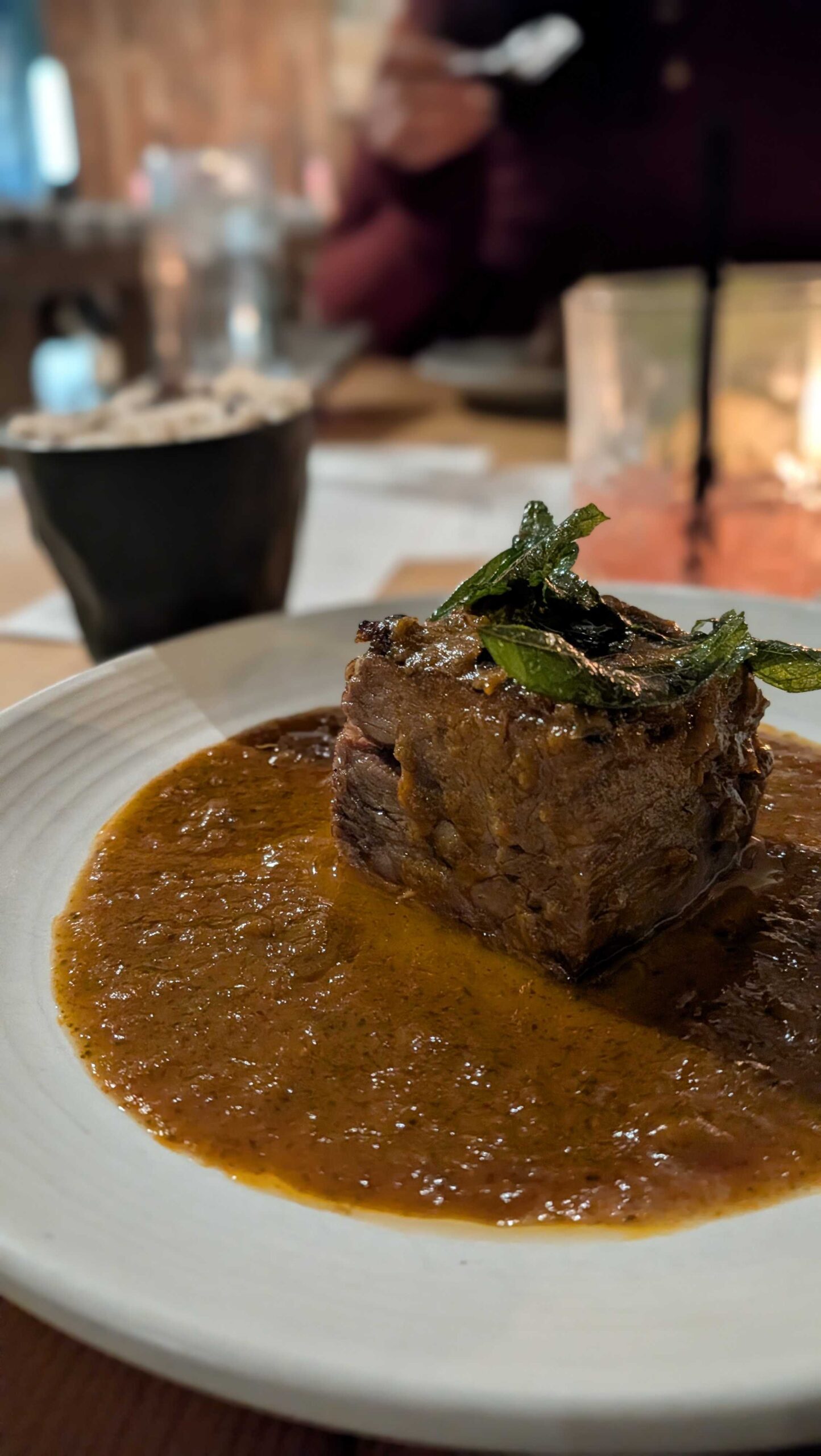
The goat shoulder was a perfect cube of meat, slow-cooked and succulent, bathed in a fiery gravy of habaneros and dried scallop. Glistening like a crown on top of the cube were fried curry leaves. It was absolute perfection, complemented beautifully by the collaborative dessert by Carmichael and Honeysuckle chef-owners Omar Tate and Cybille St.Aude-Tate: a decadent, mousse-y Marquise au Chokola dessert with rum, chocolate, dulce de leche, and djon djon — a rare mushroom from Haiti. Honeysuckle Restaurant, 631 N. Broad St., 215-307-3316, honeysucklephl.com
There is something magical about the mole poblano at Tlali in Upper Darby, but it took me a moment to register what it is.
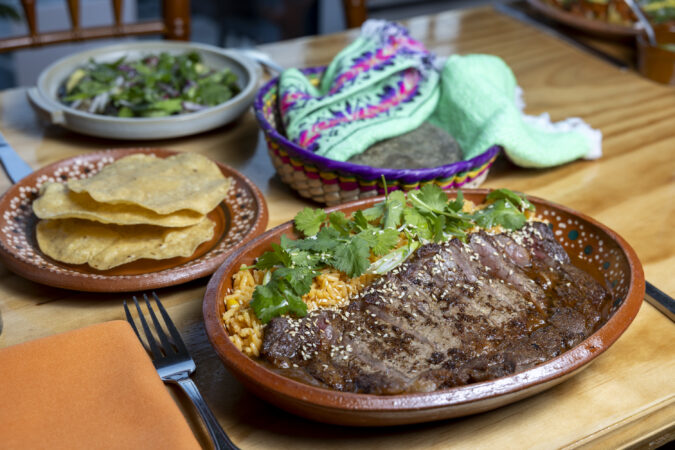
The Sandoval family’s mole, at first glance, is as deep a brown as any other you might have encountered from the state of Puebla, the result of a blend of dried chilies, fruits, and bittersweet Mexican chocolate. But when I swipe a juicy morsel of prime seared rib eye through the luxuriously dark puree, what I’m struck by is its ethereal lightness, both of the texture and the complexity of flavors. It’s so elegantly balanced, I taste each note — the smoky dry heat of chipotle meco peppers in the background, the fruity sweetness of ripe plantains and raisins, the nutty richness of walnuts and sesame seeds, a whiff of canela and bay leaf — all flowing into one earthy harmony of measured sweetness and spice.
What I’m tasting here, in fact, is Alberto Sandoval’s memory as a 10-year-old come to life. He vividly recalls the moment when his mother, Teresa Hernandez, was cooking that same mole for his father’s birthday in San Mateo Ozolco and held up a spoonful for Alberto to see.
“Your mole has to be this consistency — really light, not too thick, not too spicy. This is a good mole.”
Decades later, after a career rising through the ranks of some of Philadelphia’s most vaunted kitchens, including Striped Bass, Lacroix at the Rittenhouse, Le Bec Fin 2.0, Volvèr, Suraya, and Condesa, he and his brother, Efrain, are leaning into those memories of home for the menu at Tlali.
“These recipes represent who we are and where we came from,” says Alberto.
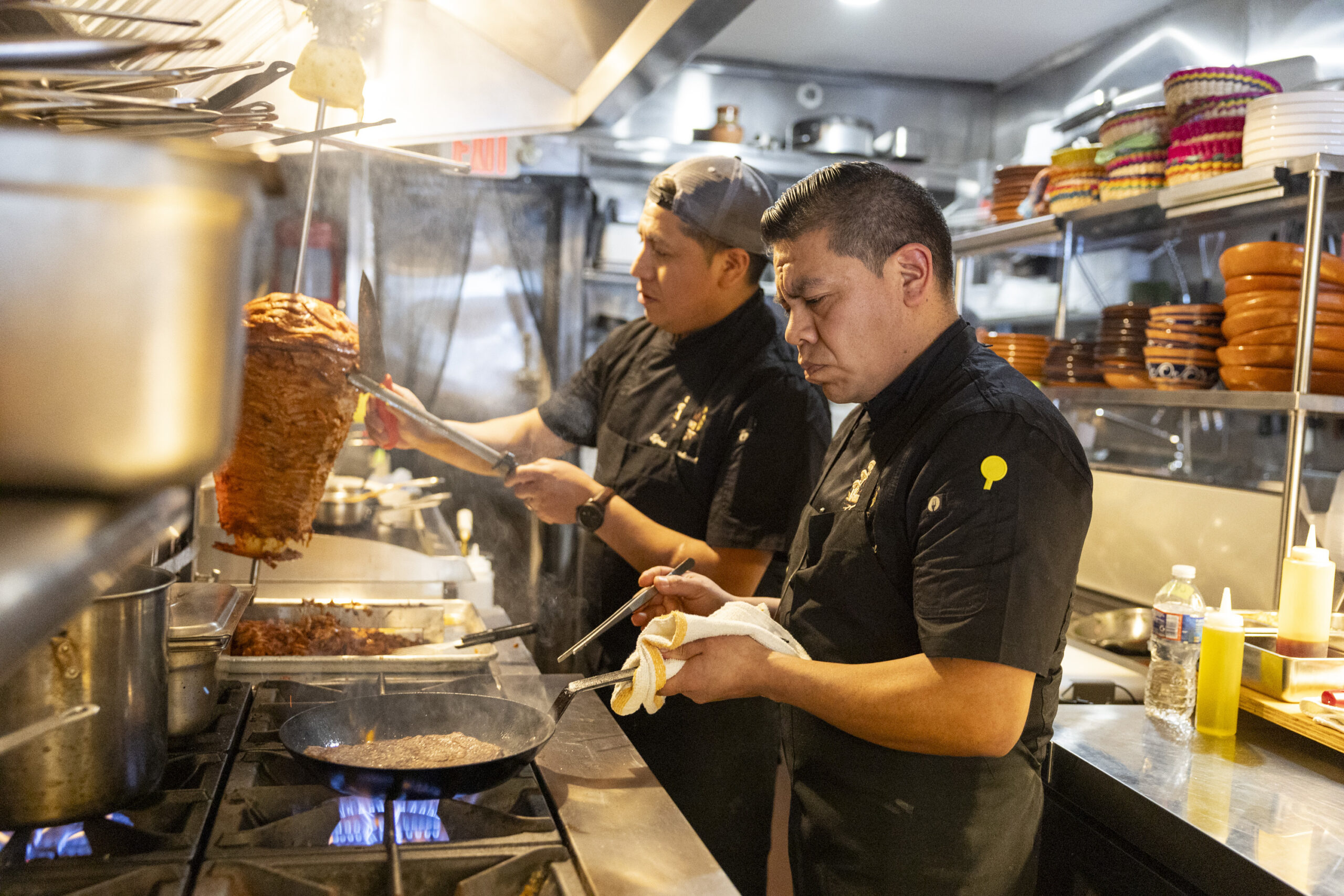
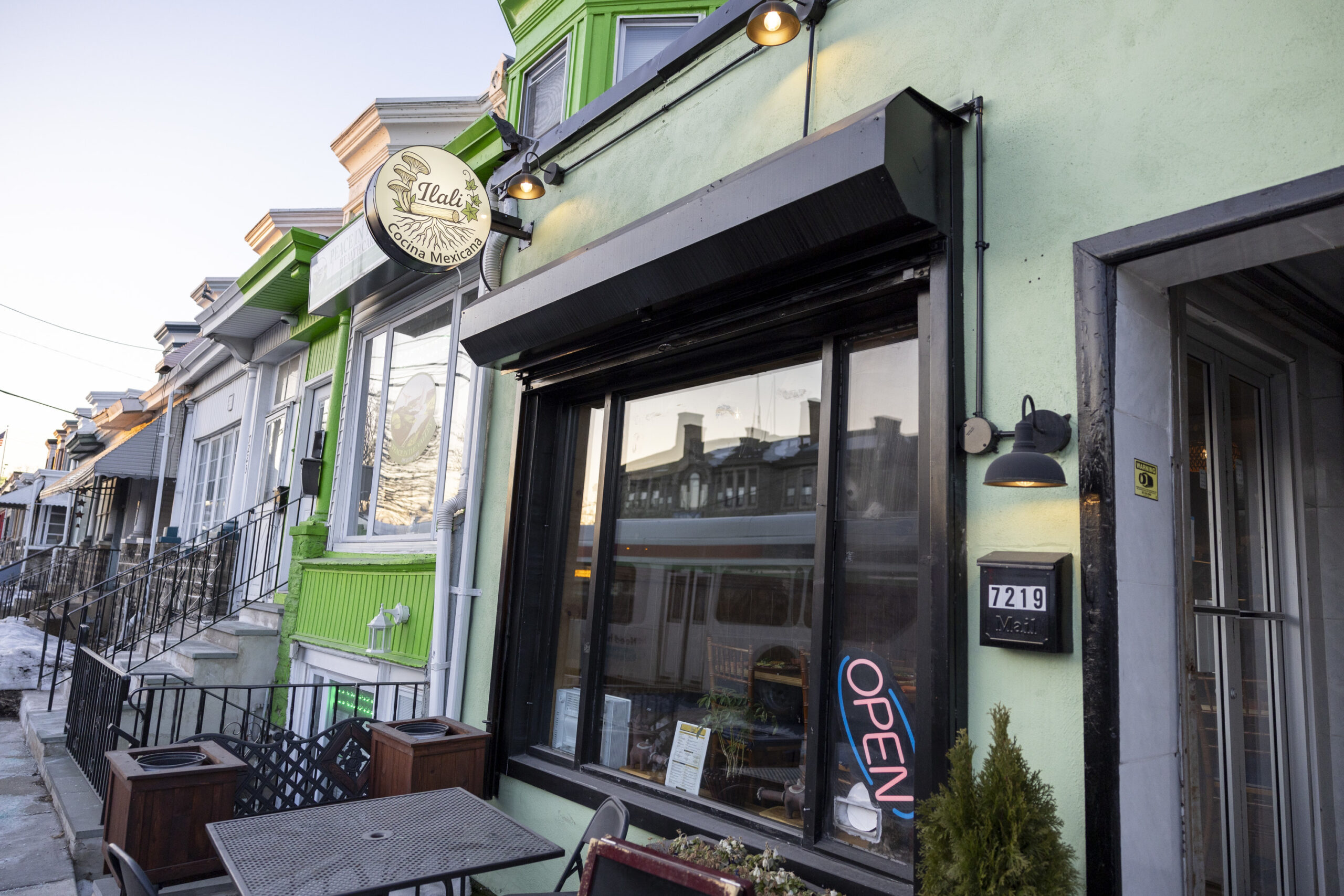
Alberto Sandoval (right), chef and co-owner of Tlali, and his brother and partner, Efrain Sandoval, working in the kitchen preparing a dish in Upper Darby Pa., on Thursday, Feb. 5, 2026.The outside of Tlali in Upper Darby Pa., on Thursday, Feb. 5, 2026.
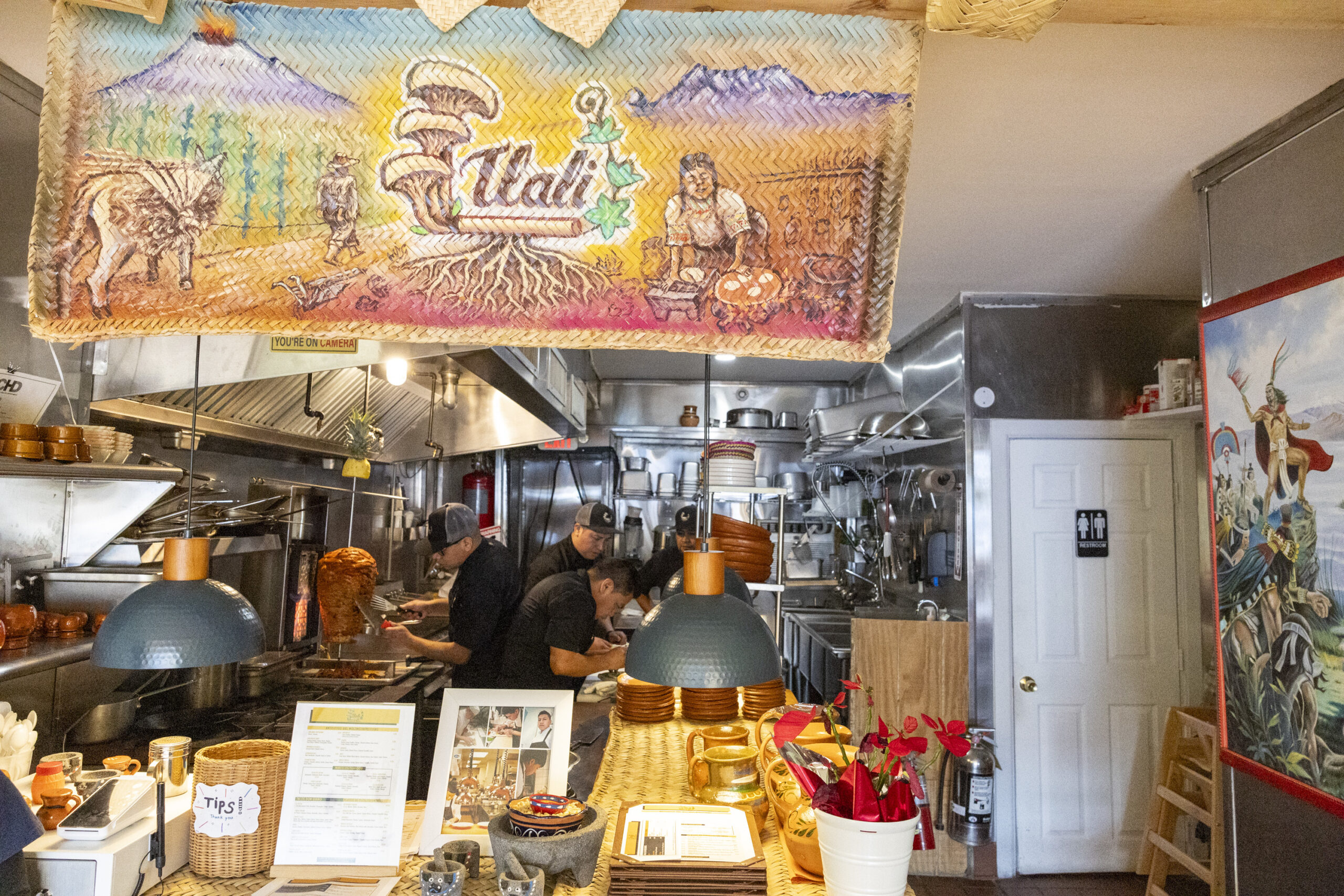
The base of that mole — which their mother still makes over the course of two days in Mexico and sends to her sons, who rehydrate and simmer it to completion with chicken stock — is only the beginning. Everything about this charming 18-seat BYOB the brothers opened in August inside a renovated pizzeria is a tribute to their birthplace in San Mateo Ozolco, the tiny town on the side of an active volcano in Puebla from which much of South Philly’s Mexican population immigrated. There’s an image of Popocatépetl, its volcanic peak ever fuming, depicted on a colorful woven mat that hangs above the open kitchen here. The hand-painted terra cotta ceramics that decorate the walls and deliver the food were all imported from Puebla.
The brothers have cut no corners in crafting the flavors on this menu, especially with another key building block: the tortillas. They are patiently made from blue and yellow heirloom Mexican corn that’s nixtamalized overnight then ground into fresh masa, resulting in pressed tortillas that have a velvety suppleness when cooked to order off the plancha.
Alberto Sandoval, Chef and Owner of Tlali, is with his brothers working at their restaurant in Upper Darby Pa., on Thursday, Feb. 5, 2026.
You can taste this in the enmoladas, in which the tortillas are coated in that mole before being folded into half-moon bundles over tender shreds of chicken. The tortilla’s toasty corn flavor also powers the bright orange puree of Tlali’s tortilla soup. They’re fried into shatteringly crisp rounds for antojito starters like the irresistible mashed-to-order guacamole and tostadas topped with chipotle-stewed chicken tinga.
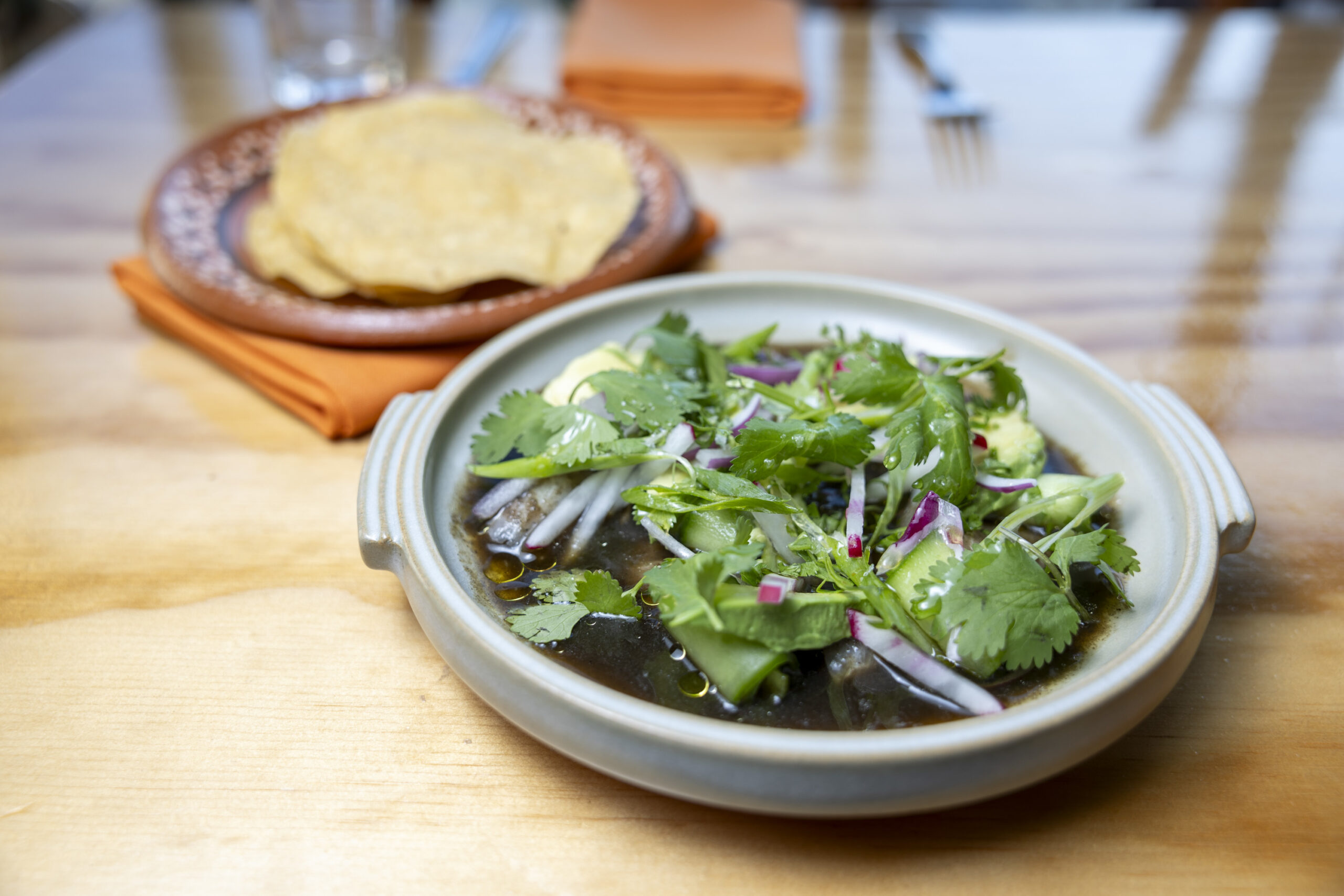
Those crispy discs also accompany the striking aguachile negro, making the perfect cracker on which to layer slices of raw kanpachi that have been bathed in a spicy brew of citrus and olive oil tinted black with charred habaneros and onions. Scattered with green tufts of cilantro and crunchy matchsticks of radish, it’s the single most refreshing starter on a list of other seafood cocktails that are solid but lack a little spark. A notable exception was Dorito Nayarit, in which poached shrimp striped with Valentina hot sauce and crema are served atop crispy pork belly crackers known as chicharrónes preparados. (A tuna tostada topped with a spoonful of frumpy poached tuna salad, though, was the one dish at Tlali where the extra-homey approach left me truly underwhelmed.)
The aguachile negro at Tlali in Upper Darby Pa., on Thursday, Feb. 5, 2026.
Tlali, which means “land” in Nahuatl, the Indigenous language of Puebla, occupies a simple space on West Chester Pike that took a significant investment to completely rehab. It lacks the design frills of the high-style dining rooms where the brothers have largely worked, including Stephen Starr’s LMNO, where Alberto is still the chef de cuisine. There is nonetheless a comforting warmth to the pale green walls and natural wood wainscoting in Tlali’s dining room, bolstered by hospitality from the restaurant’s single server, Melanie Ortiz. She deftly sorted out a sticky situation by convincing a couple to move to a two-top after she’d accidentally sat them at the only remaining table reserved for a party of four (which happened to be us).
It’s clear from the many emails and messages I’ve received since this restaurant opened in Upper Darby — a multicultural nexus of international dining, but not previously known for Mexican food — that Tlali has a devoted clientele rooting for it to succeed.
Alberto Sandoval, chef and owner of Tlali, with his family members in Upper Darby Pa., on Thursday, Feb. 5, 2026.
After diving much deeper into the menu, it’s easy to see why. Tlali is in many ways a sequel to the small restaurant the two brothersused to co-own in South Philadelphia, La Fonda de Teresita, which closed during the pandemic. But the Sandovals have both since continued to grow as chefs and have taken their pursuit of family flavors to the next level. That includes a tribute to their father, Don Guero, who ran a taqueria in Mexico City by the same name where Alberto got his first taste of kitchen life as a teen mincing mountains of onions and cilantro.
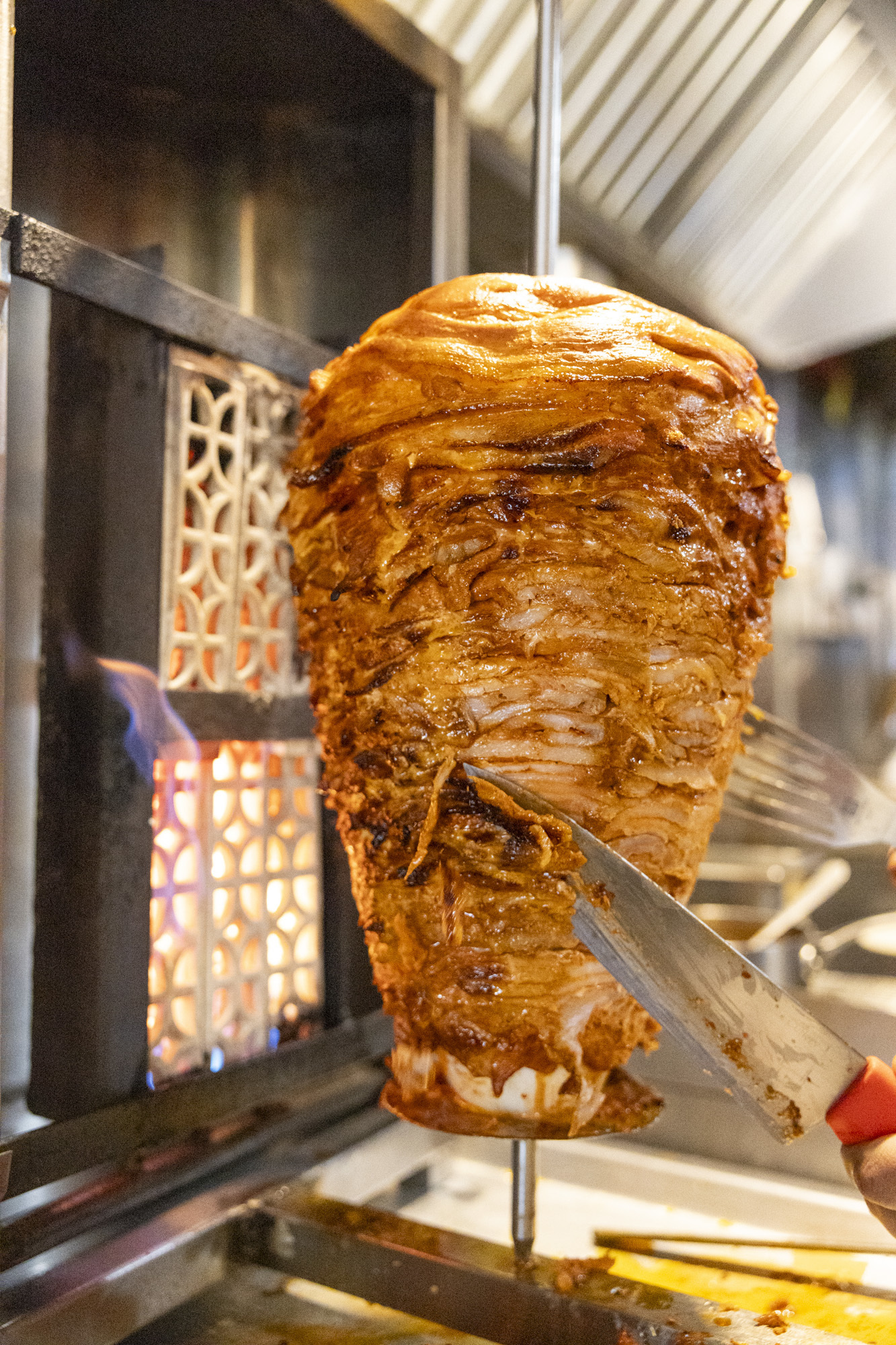
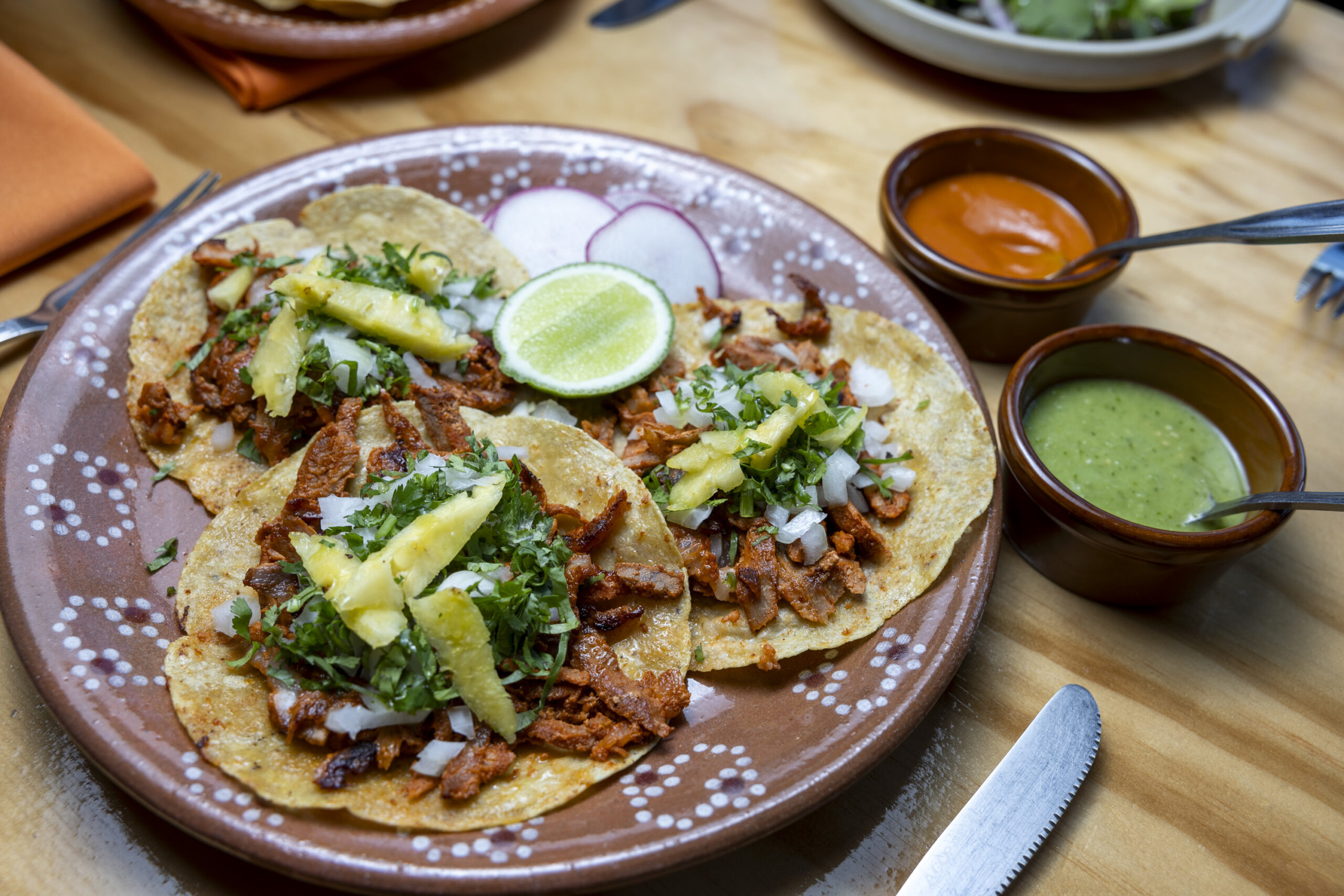
Don Guero’s recipe for Chilango-style carnitas — whose pork belly and shoulder are simmered for hours in a large copper cazo pot bubbling with lard, orange juice, Coca-Cola, and herbs — produces meltingly soft, flavorful carnitas that are among the best I’ve had. But even that takes second place to the al pastor, a vertical spit of stacked pork shoulder marinated with three kinds of chilies, pineapple juice, achiote, and bay leaves; the pork roasts on a turning trompo fueled by real fire that flows through the perforated bricks that Don Guero himself gifted them from Mexico shortly before he died two years ago. The family taqueria lives on here.
The al pastor used for the tacos at Tlali in Upper Darby Pa., on Thursday, Feb. 5, 2026.The al pastor tacos at Tlali in Upper Darby Pa., on Thursday, Feb. 5, 2026.
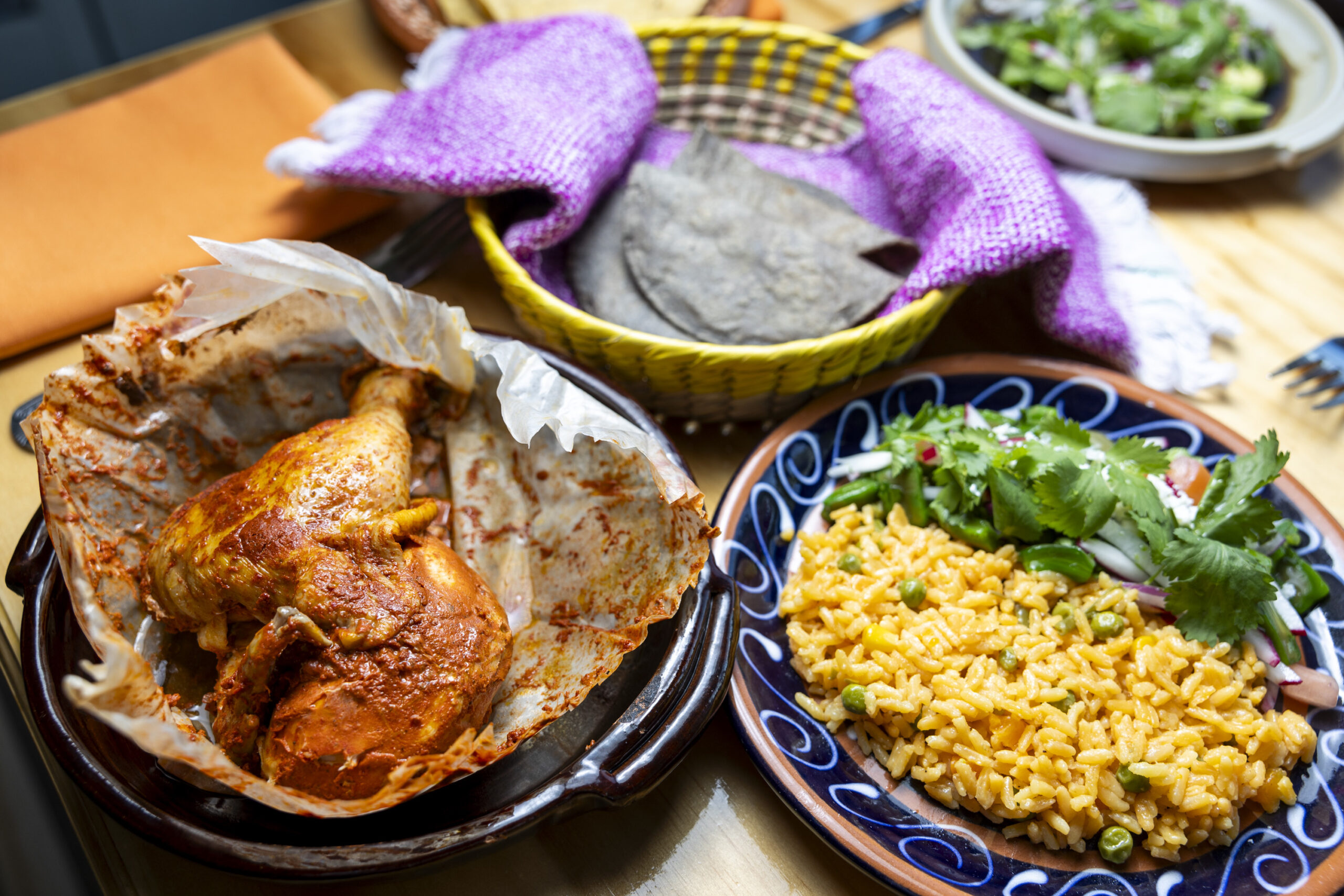
The entree section of the menu noted as “Platos de Ozolco” offers a handful of other standout dishes that showcase the brothers’ hometown flavors in both traditional and modern ways. I was especially fond of the classic mixiote: When the maguey leaf-wrapped bundle of steamed chicken rubbed in adobo spice was cut open tableside, the fragrant cloud of guajillo-scented steam that enveloped us brought me straight back to my own 2023 visit to San Mateo with chef Dionicio Jiménez of Cantina La Martina, where mixiote was the first thing we were served at his mother’s home — the ultimate dish to welcome a special guest.
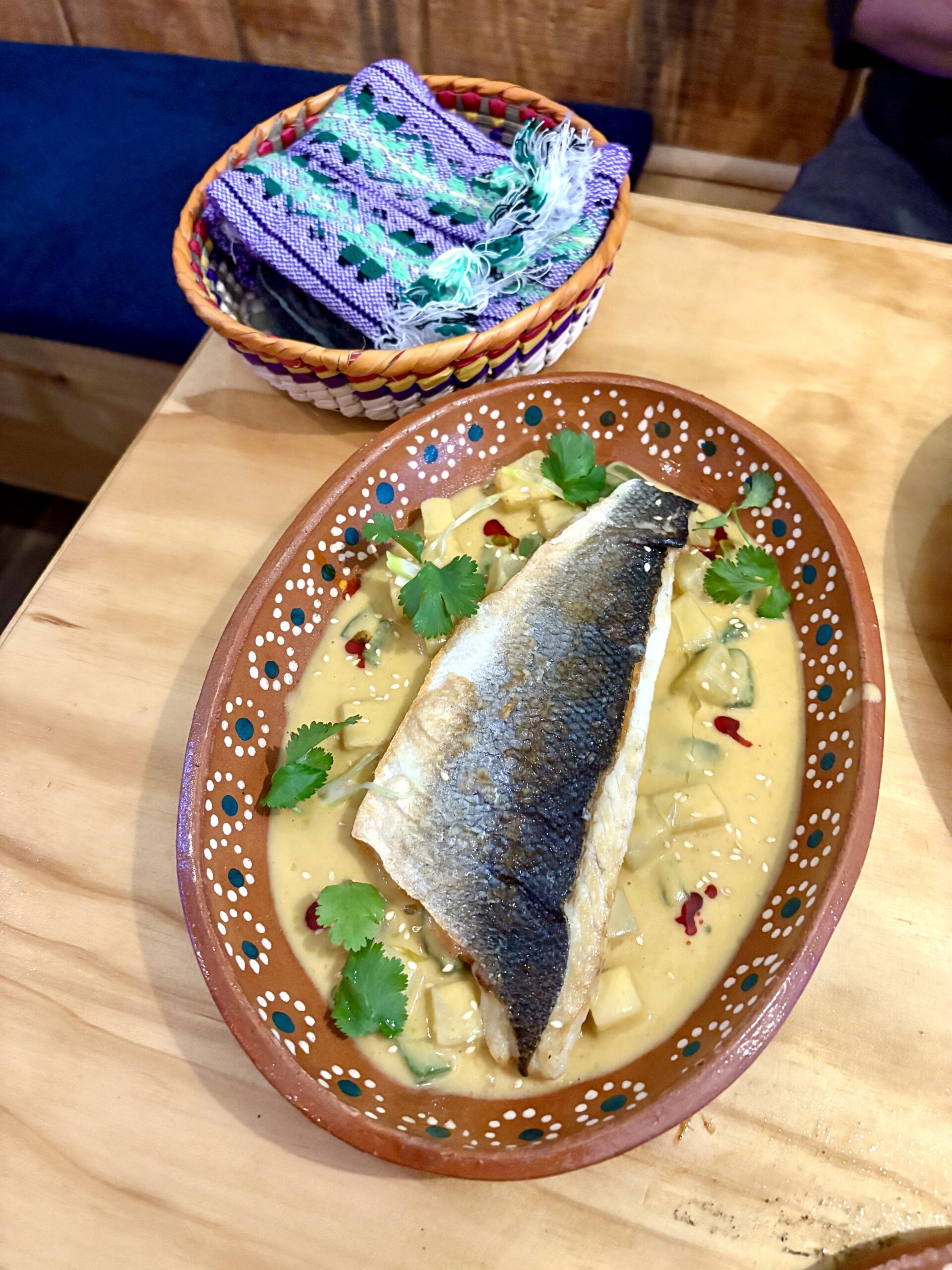
I was also intrigued to see Alberto and Efrain stretch their chef chops to reinterpret traditional flavors in inventive ways. That includes the michmole, which steeps a dried fish from Puebla in a tomatillo-chile salsa for deep marine flavor, then discards the bony remains for a golden sauce that gets topped with nopales and a gorgeous fillet of pan-roasted branzino (also lightly brined) to retain just enough of the traditional dish’s brackish edge.
A fillet of branzino is served over a seafood michmole sauce with cactus and potatoes at Tlali in Upper Darby.
Another distinctive offering pairs the chefs’ love of fresh pasta with head-on shrimp and a zesty ragù of house chorizo simmered in a lightly creamed chipotle salsa. It’s a unique dish that bridges the Sandoval brothers’ origin story with their current status as longtime contributors to Philadelphia’s contemporary dining scene. As they continue to grow their audience in this tiny Upper Darby dining room, I wouldn’t be surprised if more such creations appear.
I have no doubt that those future plates will remain somehow rooted in the memories of their mother’s table in San Mateo Ozolco, which not only give Tlali’s owners a proud reservoir of traditions, but an elusively distinctive and delicate family touch that will always be their own.
The mixiote at Tlali in Upper Darby Pa., on Thursday, Feb. 5, 2026.
Not wheelchair accessible. There are two steps at the entrance and the narrow bathroom is not accessible.
Almost the entire menu is gluten-free, except for the cemita sandwiches.
Menu highlights: guacamole; empanadas; albóndigas; sopes; sopa de tortilla; aguachile negro; coctel de campechano (shrimp and octopus); tacos al pastor; carnitas tacos al estilo Chilango; res en mole Poblano; huarache Teresita; mixiotes de pollo; michmole; pappardelle with shrimp en chorizo ragù.
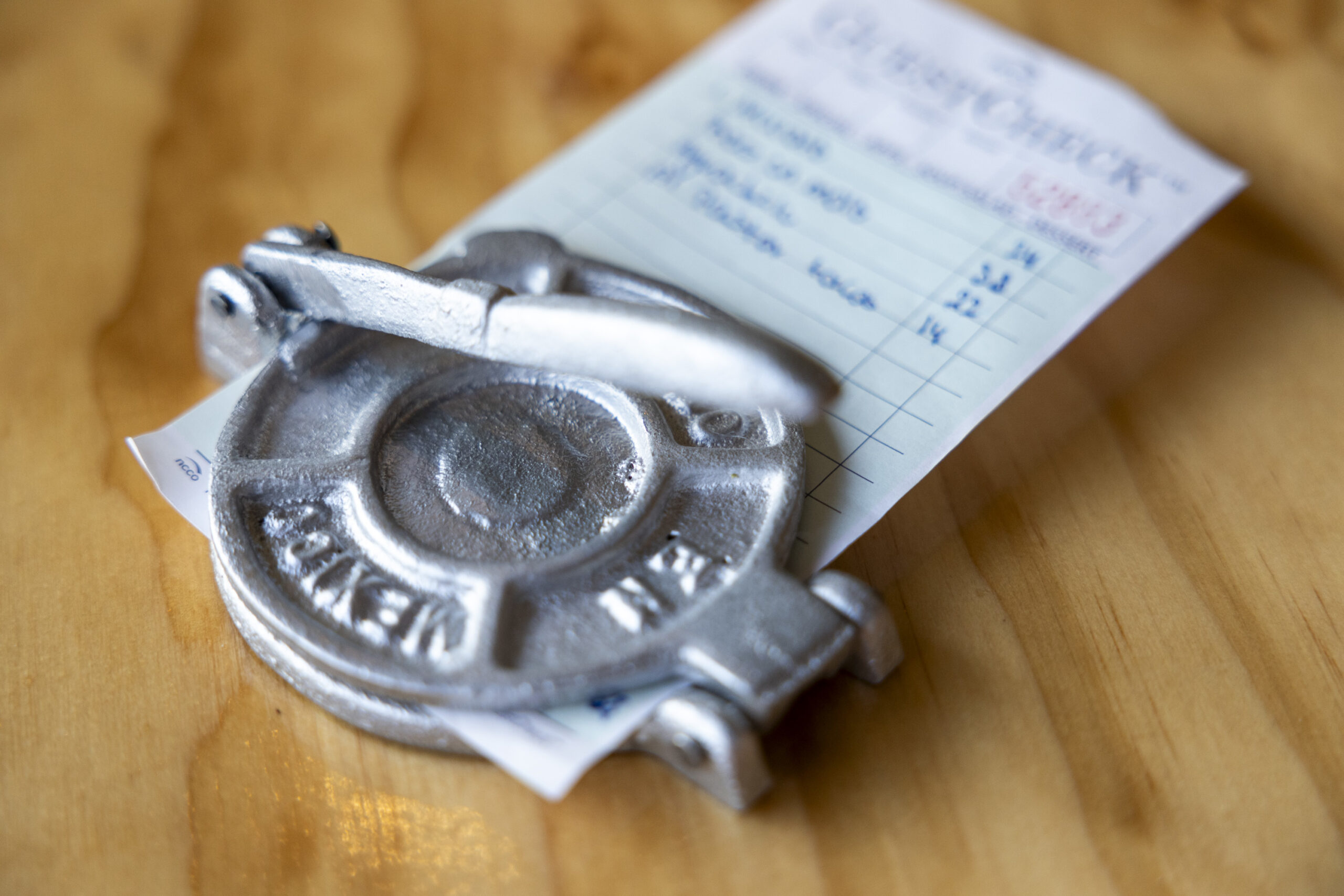
A tiny tortilla press used for the dinner checks at Tlali in Upper Darby Pa., on Thursday, Feb. 5, 2026.
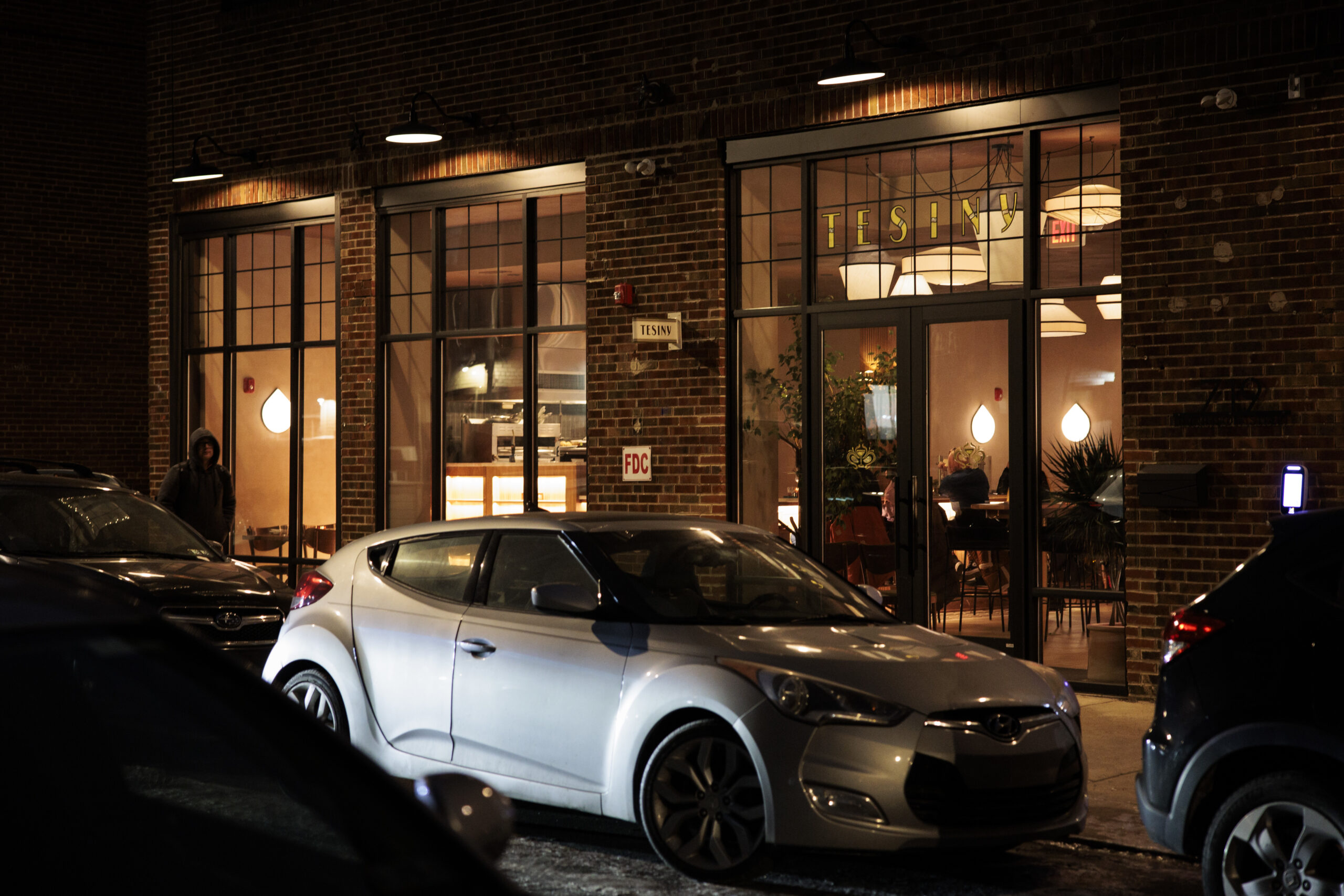
My chatty Uber driver was born and raised in South Philly and so, as we threaded our way through the cozy rowhouse blocks east of South Broad Street, he reveled in reciting the personal histories behind every deli, seafood market, corner taproom, and red-gravy pasta joint we passed. But even he seemed to be momentarily flummoxed as we pulled up to Tesiny, on the 700 block of Dickinson Street.
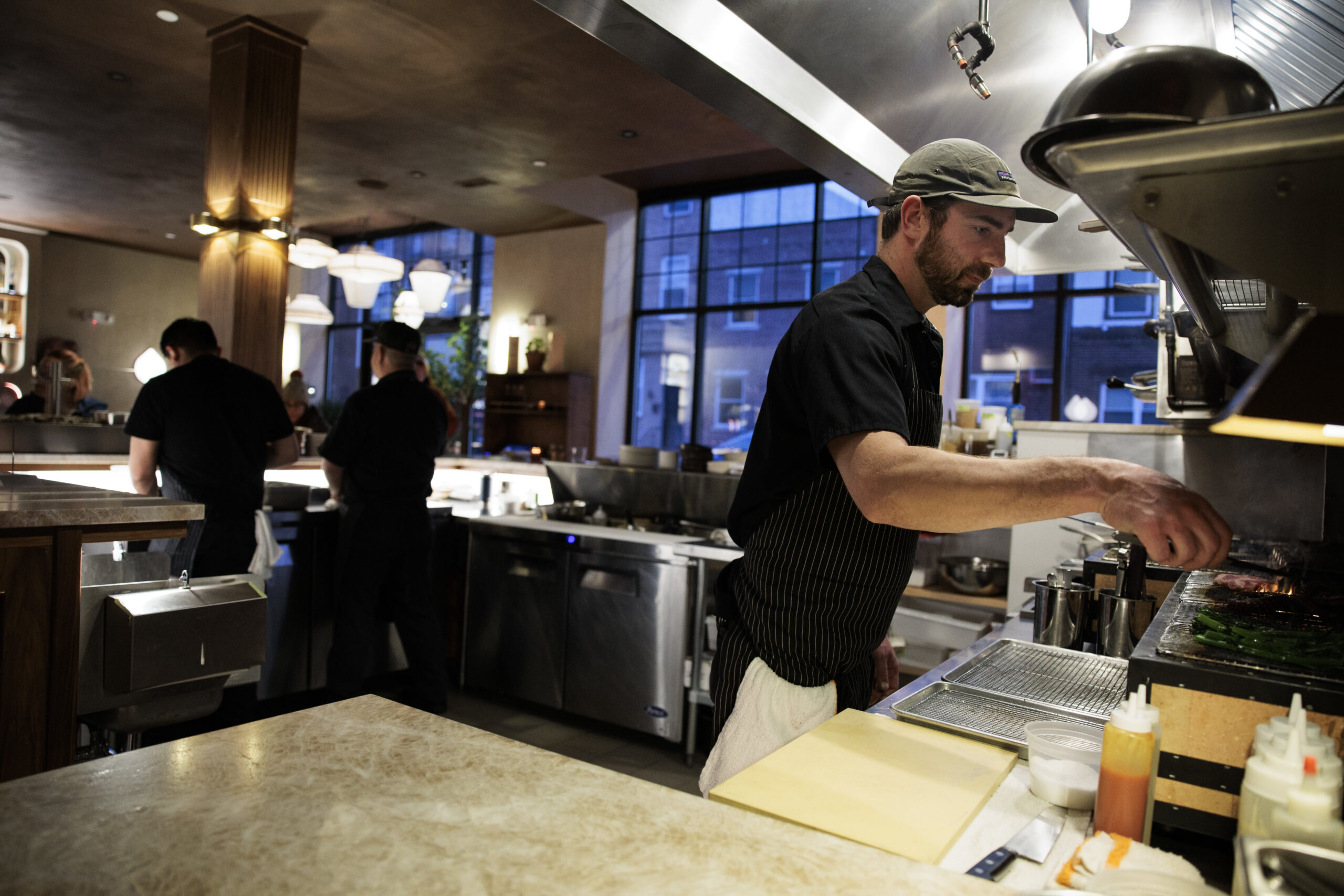
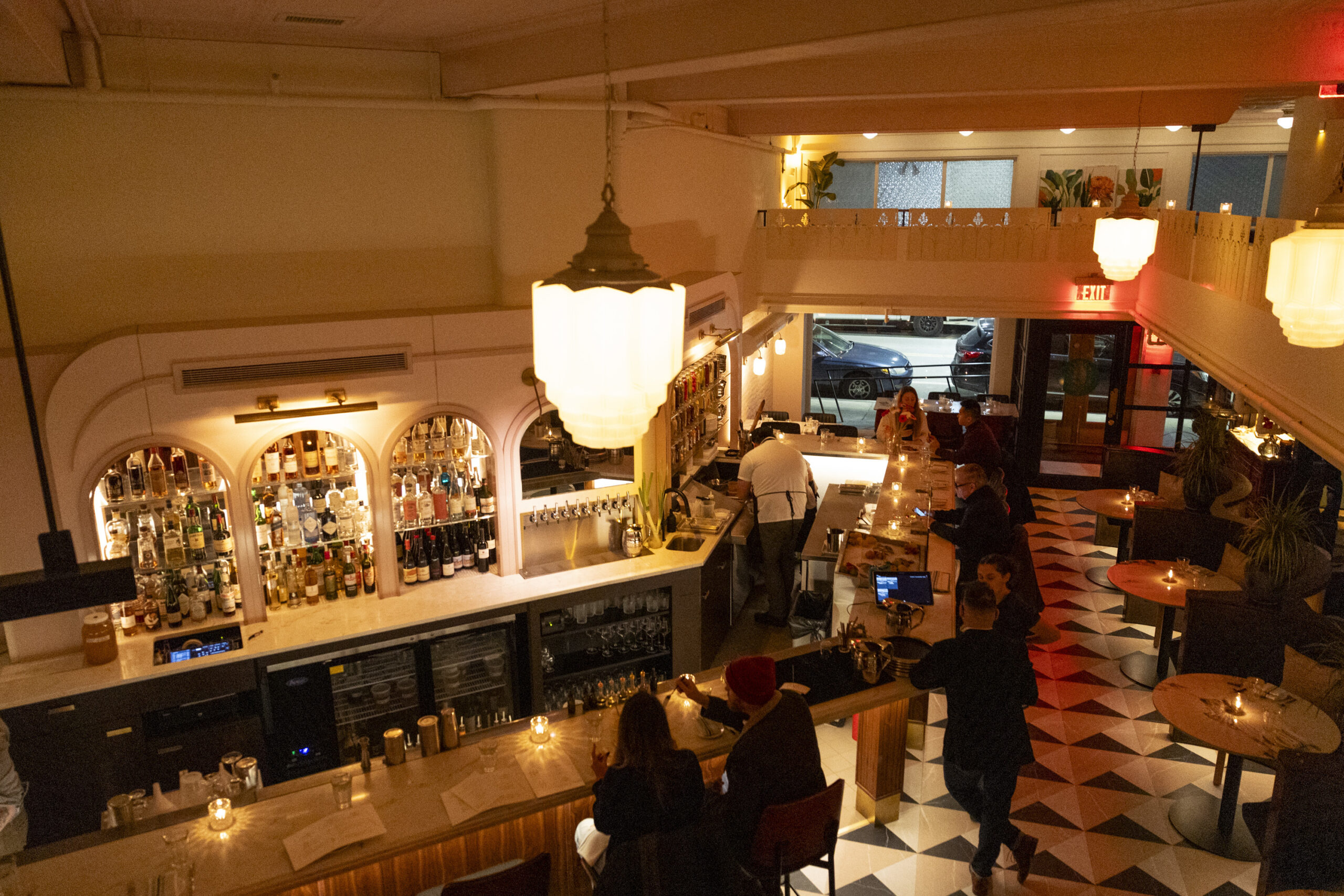
A century-old corner brick building that for much of its life was an auto-repair shop had been completely transformed. Its garage doors were replaced with broad paned windows that glowed amber with the inviting tableau of a bustling restaurant inside. Diners clinked glasses of pink martinis. Chefs were illuminated by the flicker of a live-fire grill in the central open kitchen, where oysters were being shucked at the U-shaped counter, to be dispatched on icy plateaus to date-night duos across the room.
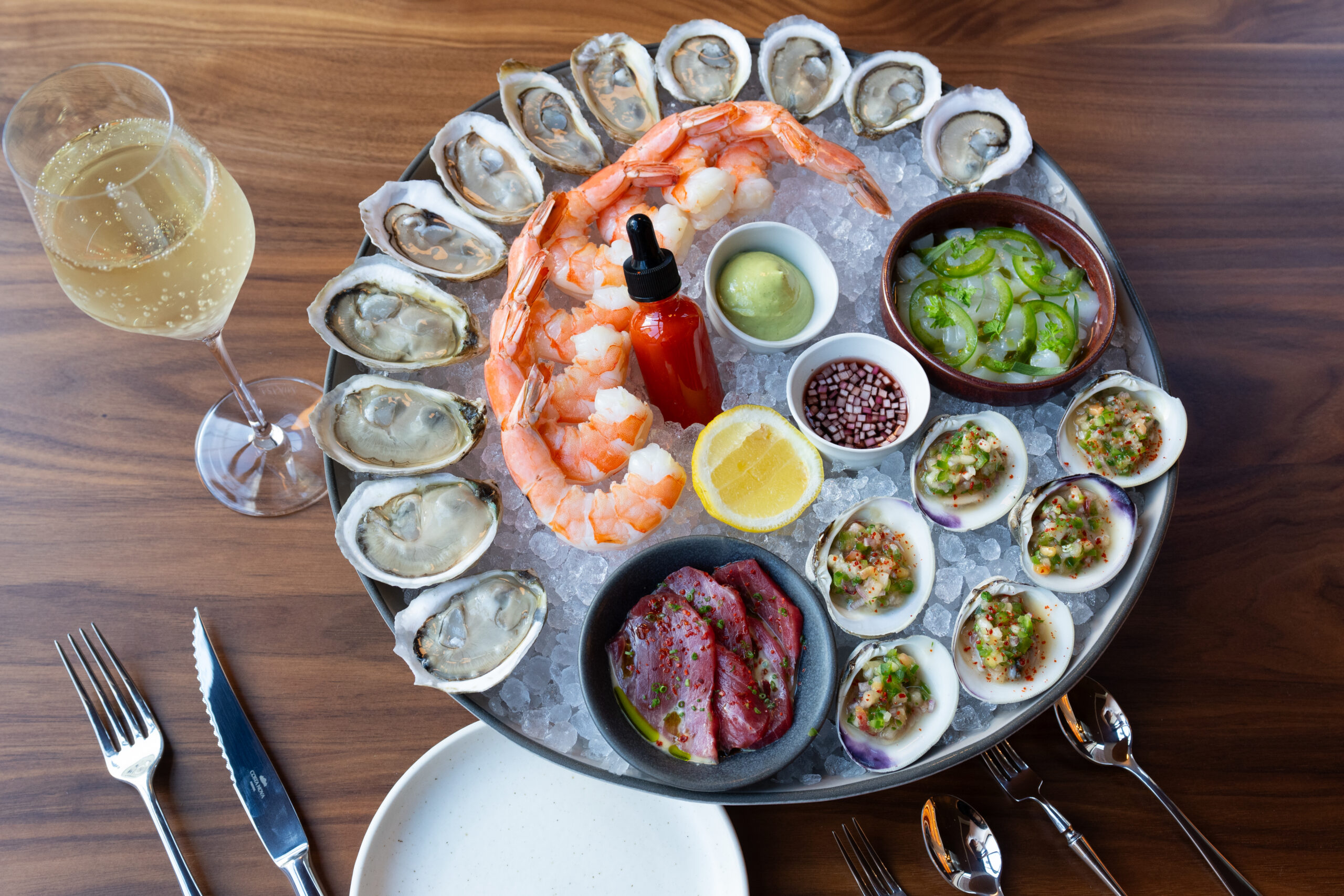
Large seafood plateau with shrimp cocktail, clams ceviche with peach and jalapeño, three types of oysters, scallop crudo with melon water, and bluefin tuna with corn vinaigrette. Sauces are cilantro tarragon aioli and rosé mignonette, at Tesiny.
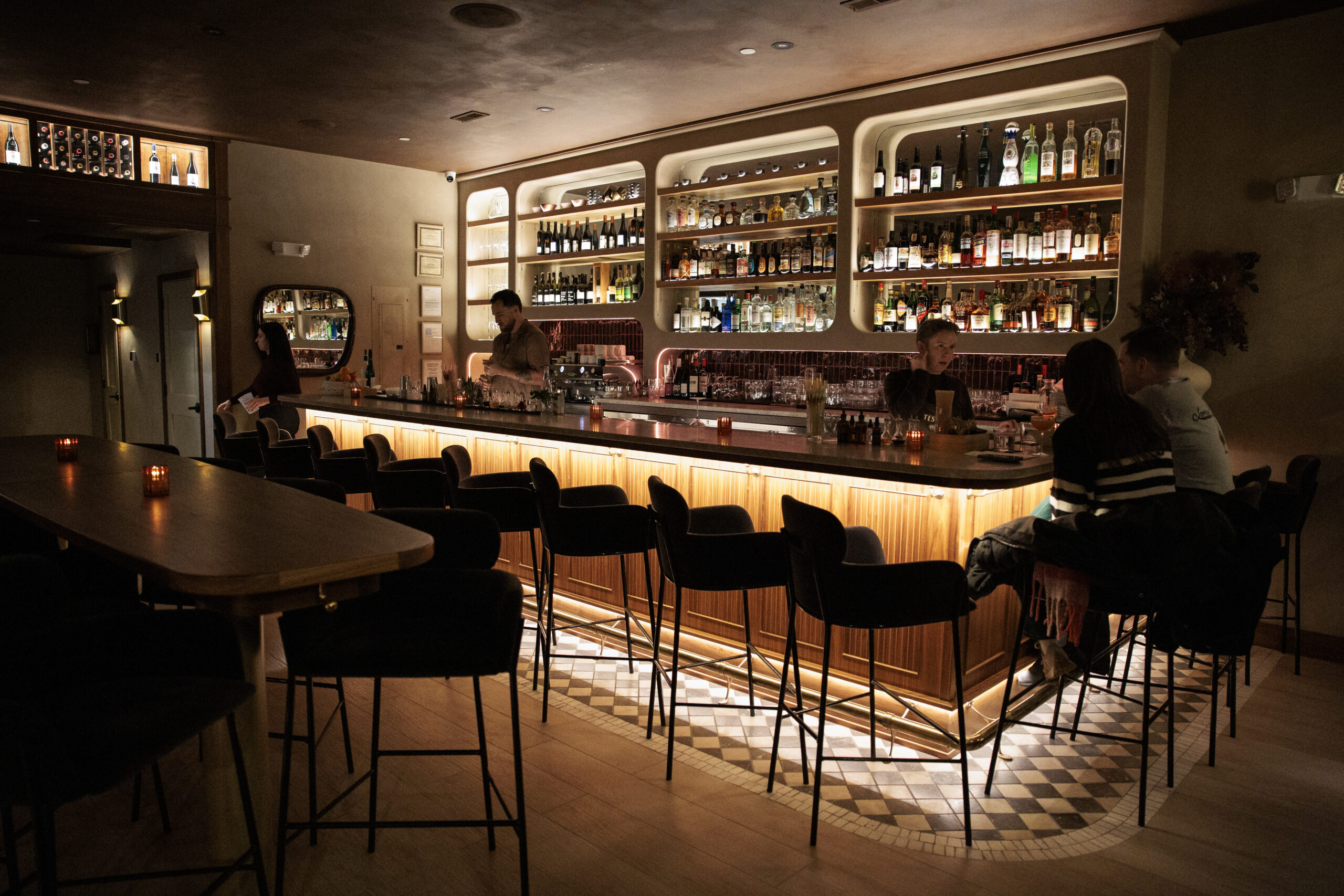
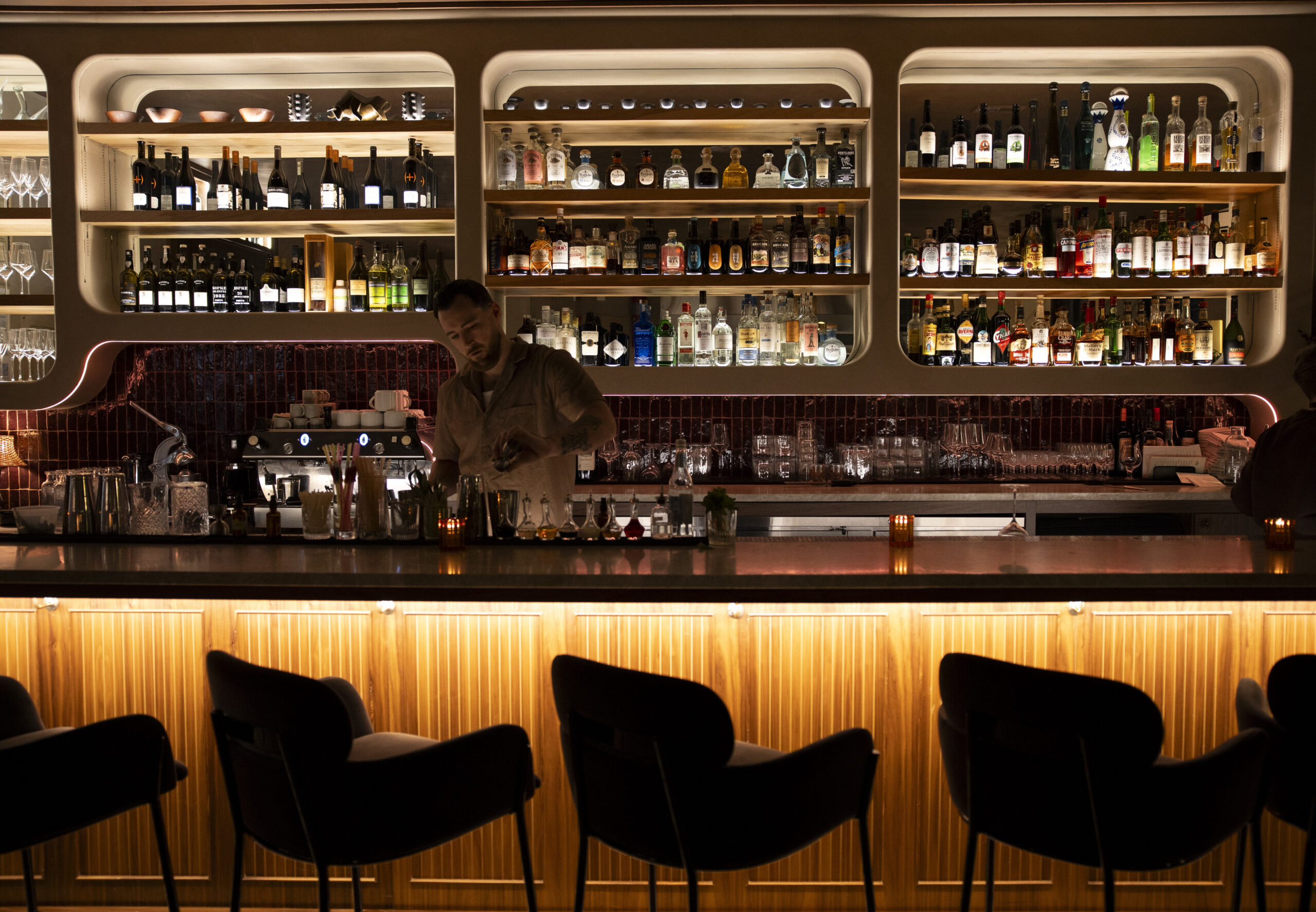
The long bar near the entrance, deftly lit to illuminate its soigné design touches — the rich walnut wood accents, the purple-and-white tiled floor, the smooth curves of a backbar stocked with uncommon sherries — radiated a magnetic glamour.
“Let me know how it is!” he said, as I exited the Uber. I promised a full report.
In a dynamic old city constantly reinventing itself, we could do far worse than watching an industrial space be reborn as such a lovely restaurant. More specifically, you should be so fortunate to have Lauren Biederman be the one to do it.
The exterior of Tesiny on Wednesday, Jan. 21, 2026 in Philadelphia.The bar at Tesiny on Wednesday, Jan. 21, 2026 in Philadelphia.
Biederman, 30, is a bright talent who knows how to turn her quirky hunches into success. She’s best known as the area’s lox-and-caviar queen, after pursuing a “weird idea that popped into my head while driving” — that what Philly really needed was an old New York-style boutique market for hand-cut smoked salmon, fresh bialys, and brunch boards. In fact, we did. Five years after opening Biederman’s in the Italian Market, she’s now also serving caviar bumps from a kiosk beside the Four Seasons Hotel and about to open another Biederman’s near Rittenhouse Square, where Jewish prepared foods will be sold alongside the smoked fish.
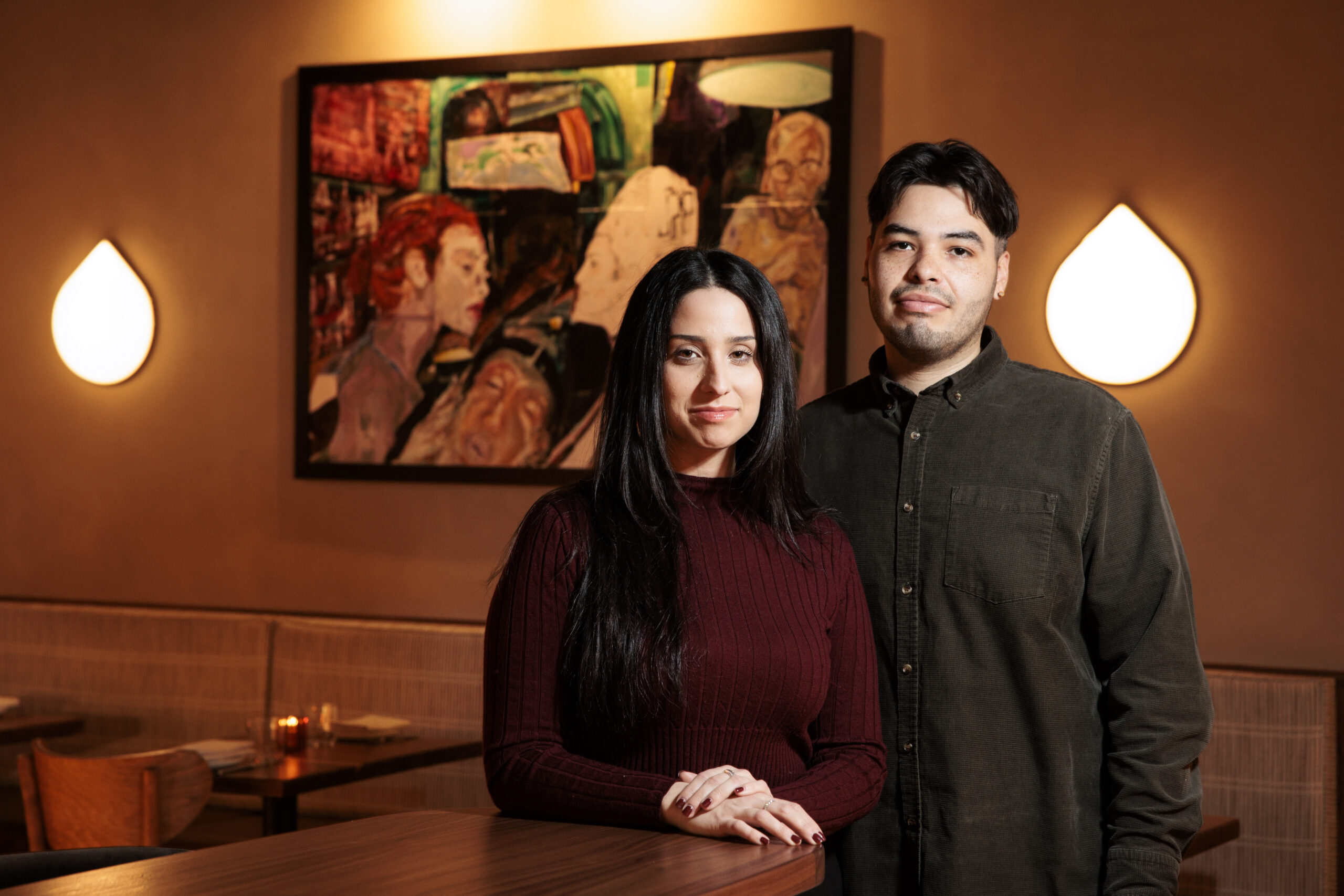
But Biederman was a restaurant person before her retail success. The Vermont native worked at Oloroso, where she found her passion for wine, then got into bartending, working at Zahav and several Schulson Collective restaurants, including Osteria, where she met Devon Reyes-Brannan, 30, now her longtime boyfriend and partner at Tesiny. (The name, pronounced “TESS-iny,” is a reference to her late grandmother’s address in Connecticut. The two shared a love of seafood.)
Co-owners Lauren Biederman and Devon Reyes-Brannan at Tesiny on Wednesday, Jan. 21, 2026 in Philadelphia.
Biederman designed the room and nailed the elegantly sultry mood, with the dark brown ceiling and light floors keeping it cozy while the mellow soundtrack shifts throughout service from Sinatra to Sadé, then to hip-hop beats for the livelier later hours. Good spacing between tables keeps conversation possible.
There’s an admittedly amorphous, on-trend quality to Tesiny — the raw bar, craft cocktails, and a chef’s-counter grill turning out shareable plates that resist easy classification as appetizers or entrees — that could just have easily landed in a buzzier restaurant district like Fishtown or Rittenhouse Square. But there’s an extra pulse of intimacy in finding this polished 50-seat oasis in the heart of residential Dickinson Narrows, a hotly debated neighborhood within a neighborhood just east of East Passyunk. It’s upscale, averaging $80 per person for food and drinks, but already resonating as a destination, with up to 100 diners on busy nights.
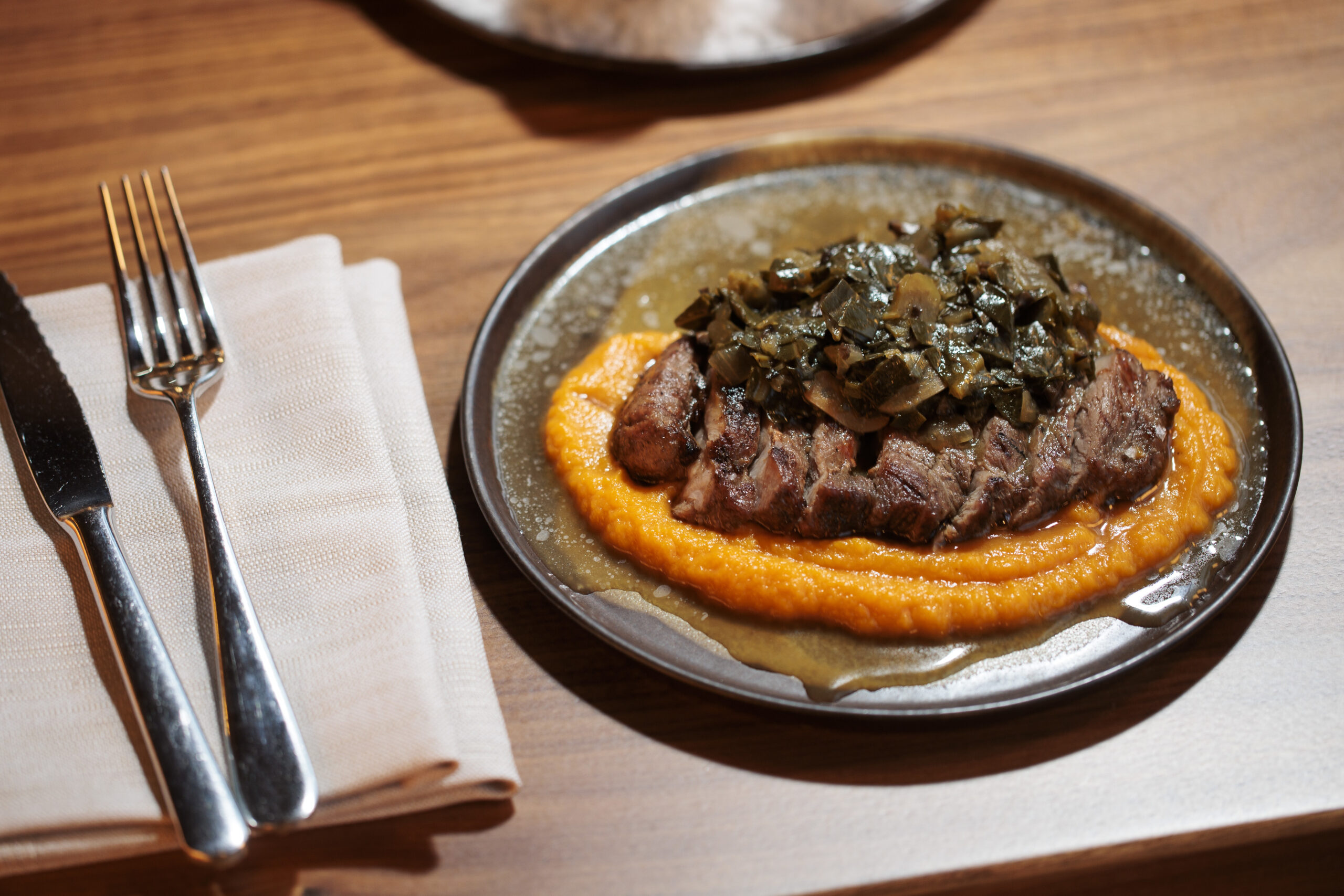
The Iberico pork at Tesiny on Wednesday, Jan. 21, 2026 in Philadelphia.Chef Michael Valent works in the open kitchen at Tesiny on Wednesday, Jan. 21, 2026 in Philadelphia.
It succeeds on its posh vibes, but also the skill of its players to strike the right tone, from the well-informed (but never pushy) servers to chef Michael Valent, 36, with whom Biederman worked at Zahav. There’s nary a noodle on his menu — a rarity in this neighborhood.
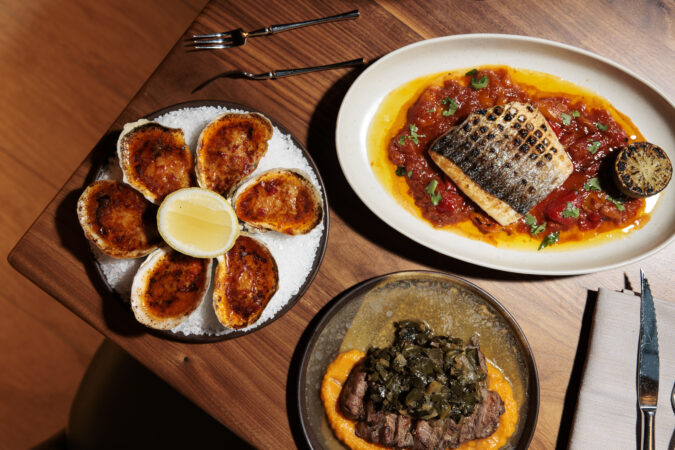
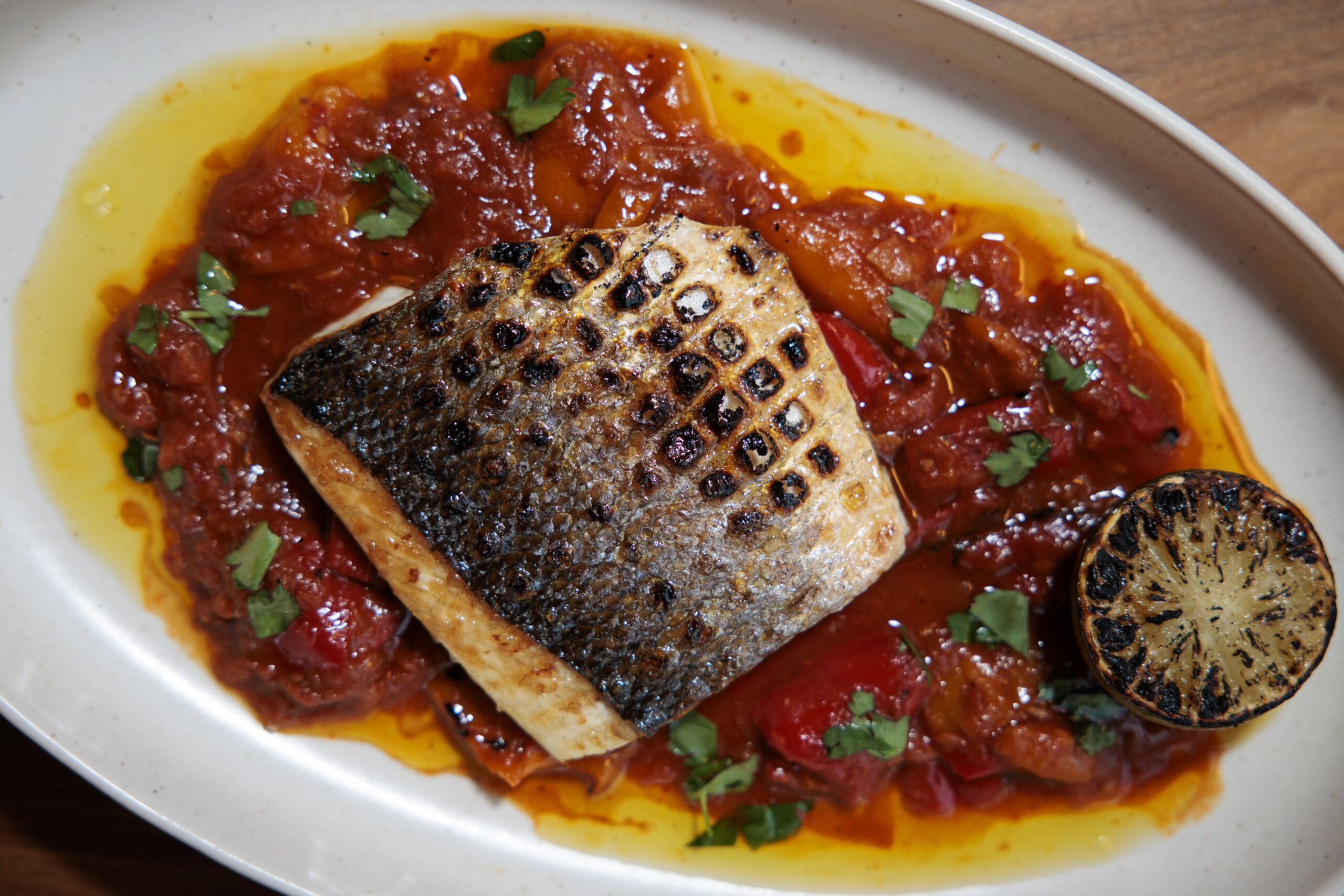
Valent instead deftly draws on an array of multicultural influences without the food ever feeling overly contrived, largely due to the breadth of his experience, including time in Boston, New Orleans, and Philly (at the French-themed Good King Tavern, Superfolie, and Supérette). One moment you’re savoring a tuna crudo dusted with coconut and aji chile spice. The next you’re savoring a tender grilled Ibérico pork collar with silky pureed squash and smoky collards that recall Valent’s stint in New Orleans working for Donald Link at Cochon. Another favorite, a crispy-skinned branzino fillet over a Basque-style pipérade of Jimmy Nardello peppers, is an inviting jaunt to the Mediterranean.
The branzino at Tesiny on Wednesday, Jan. 21, 2026 in Philadelphia.
The raw bar is always a smart place to start. The trio of ever-rotating East Coast oysters, from Canadian Eel Lakes to Sunken Meadows from Massachusetts, comes with a classic mignonette that benefits from being composed à la minute every time, so the shallots retain their bite (rather than pickle) in the rosé vinegar and still-fragrant fresh-cracked peppercorns. The shrimp cocktail was notably tender and flavorful from a citrus-scented poach. And the crudos were also tasty, although I preferred the juicier early version of the scallop crudo, bathed in jalapeño-spiced honeydew-cucumber water, to the more sparely dressed current setup, with smoked olive oil and Korean chile flakes.
A starter of creamy crab salad laced with chorizo oil conveniently cradled in endive spears was solid, but also perhaps a bit boring in a passed-hors d’oeuvres kind of way. It reflected an occasional finger-food aesthetic here, a propensity to lend familiar favorites extra polish for elevated, no-fuss nibbling; that never, however, came with any culinary shortcuts.
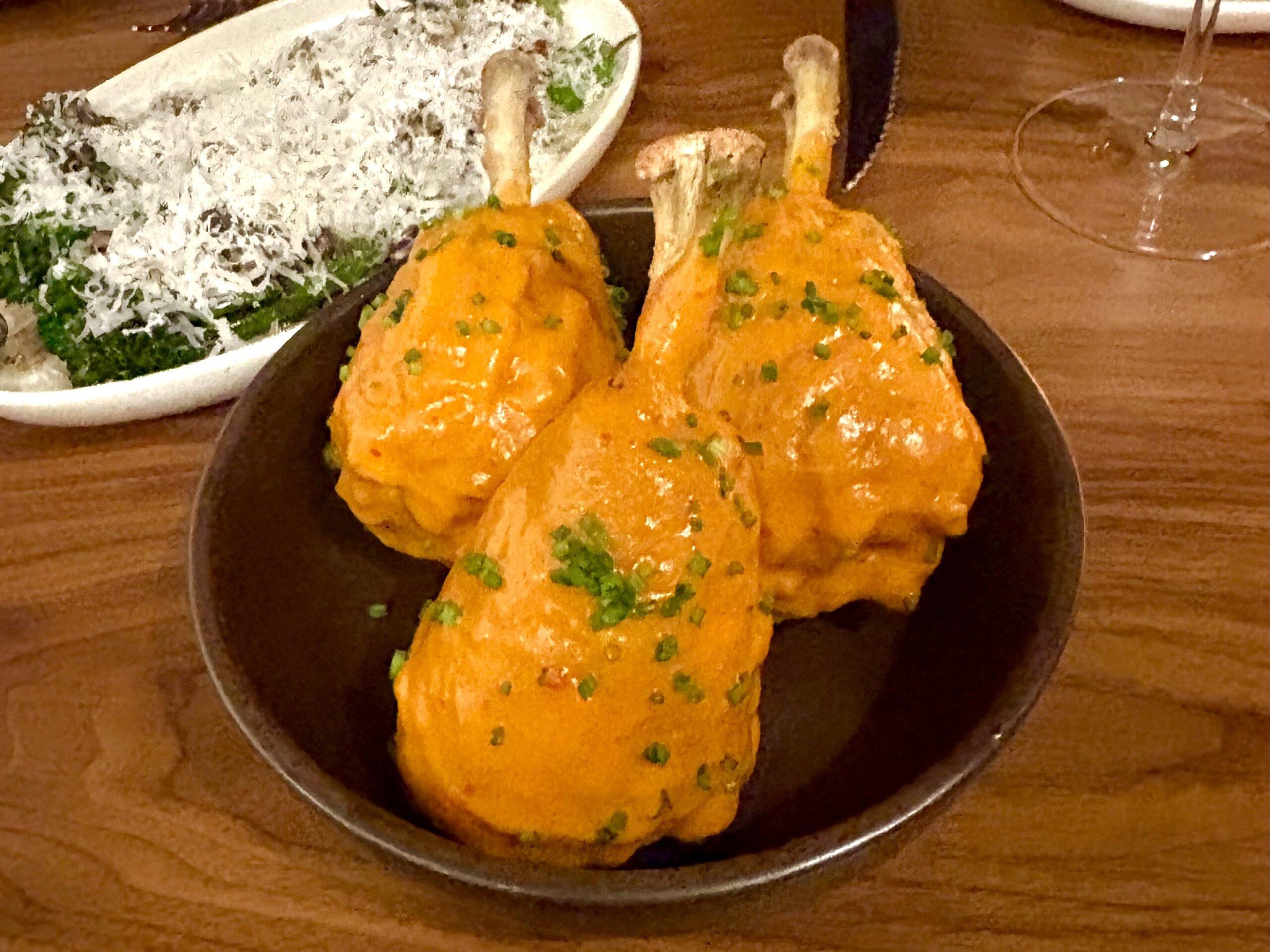
The tidiness impulse is especially clear with Tesiny’s labor-intensive chicken lollipops. Drumsticks of Green Circle chicken are “Frenched” to offer a clean bone handle for the poultry mallets that are double-crisped in rice flour, like Korean fried chicken. Glazed in an orange hot sauce made with Fresno chilies and infused with seafood trim (shrimp shells and scallop “feet”), the lollipops are visually appealing. But for a dish that also wants to evoke Buffalo wings, the sauce’s subtle flavors aren’t quite punchy enough for the maximum impact.
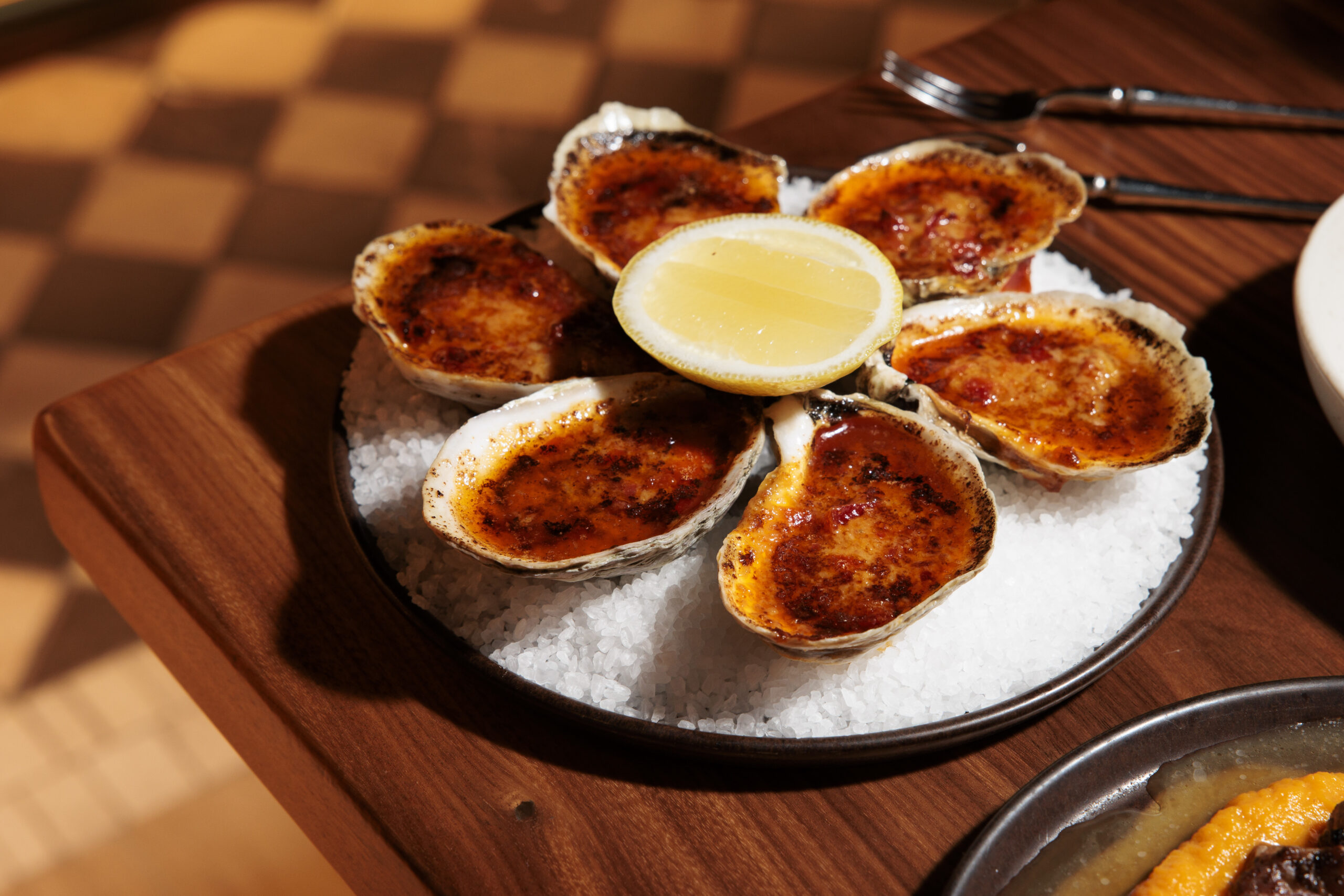
The chicken lollipops at Tesiny are double-fried and glazed in a chile-tomato sauce that’s also infused with seafood trim.The broiled oysters at Tesiny on Wednesday, Jan. 21, 2026 in Philadelphia.
Restraint was not the issue with my favorite seafood starter here: a platter of charbroiled Indian Cove oysters that arrive in a pool of Calabrian chile butter, which requires at least one order of Mighty Bread sourdough to mop up from the shells. Whatever crusts are left over, you can swipe through the silky white bean purée that sits beneath the tender grilled octopus topped with harissa-spiced olives and fennel.
Valent’s winter green salad was also remarkably and unexpectedly delicious, its crunchy Little Gem and frisée greens dressed in a citrusy Champagne vinaigrette balanced by toasted almonds and the nutty Alpine richness of shaved Comté.
The bar at Tesiny on Wednesday, Jan. 21, 2026 in Philadelphia.
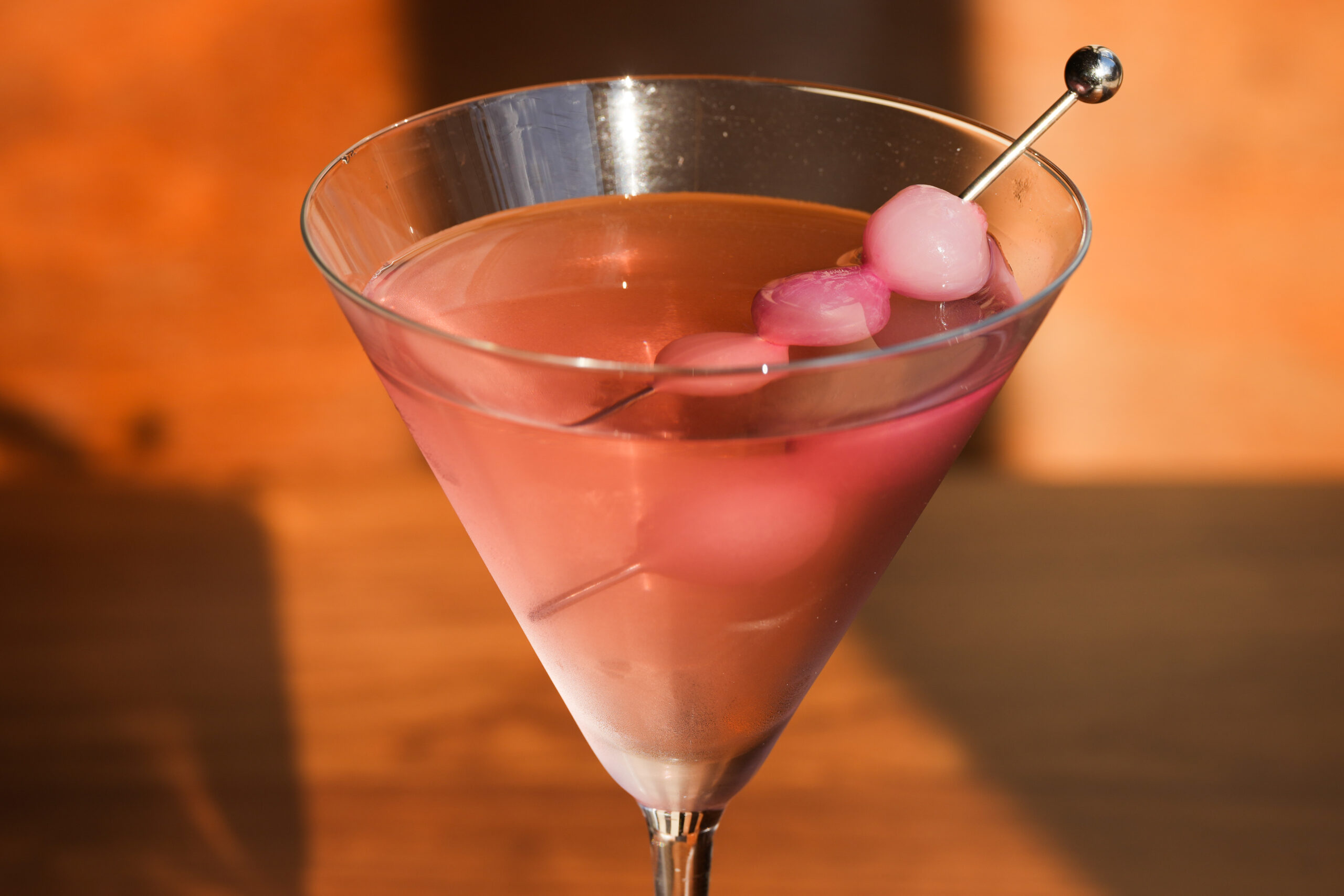
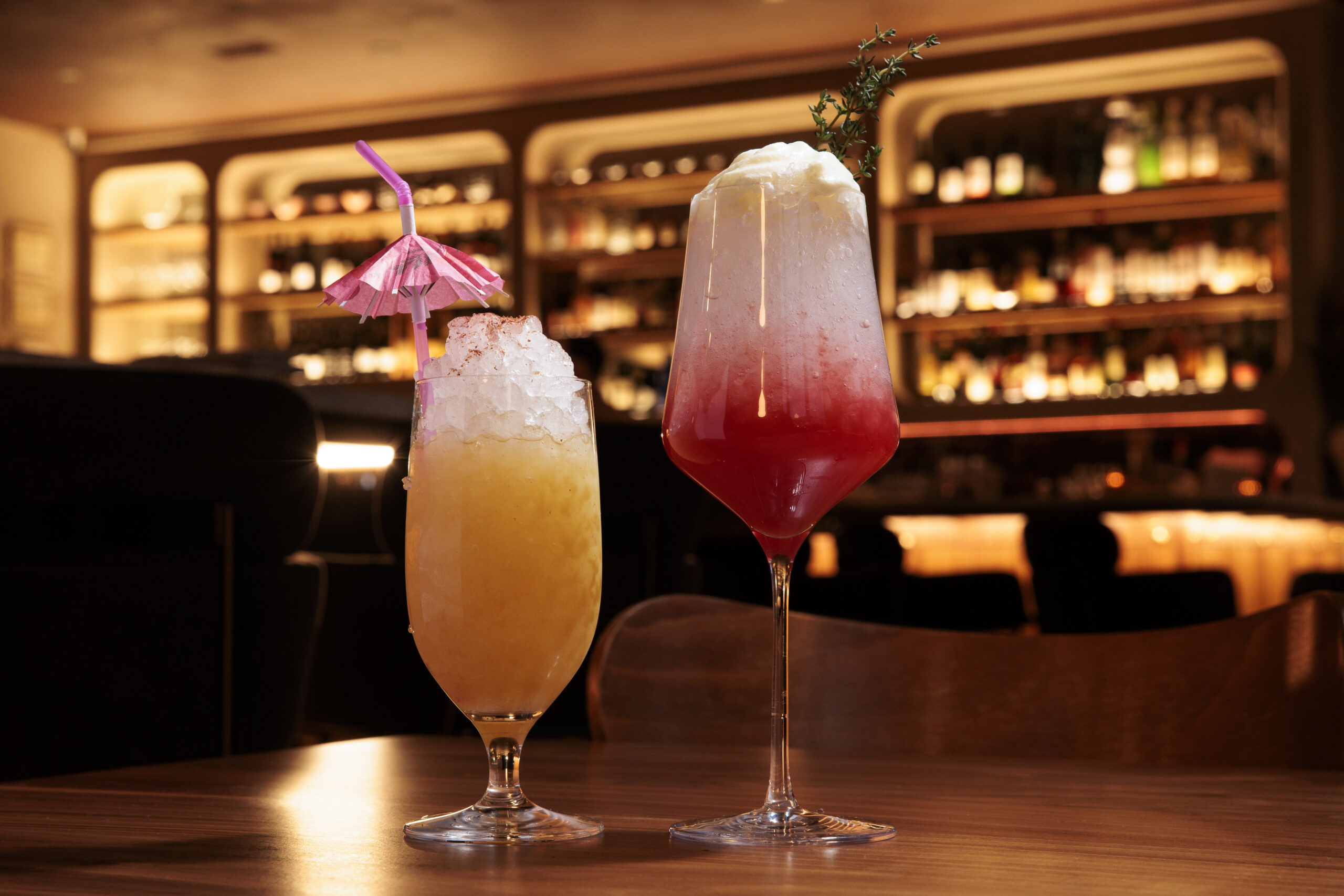
What to order from Tesiny’s gorgeous bar to accompany all this food? The well-crafted cocktails, many infused with fortified wines, are the most popular place to start. I especially enjoyed Not a Fender, a briny pink riff on a Gibson martini made with pickled red onions, olive oil-washed gin, and a splash of manzanilla sherry. And Tesiny’s thoughtful nonalcoholic offerings were so appealing that we ordered the blood orange-thyme fizz topped with creamsicle foam — and loved it — after spotting another couple order it across the chef’s counter.
The pink Gibson: Olive-oil washed vodka and gin, pickled red onion brine, manzanilla sherry.The Return of Saturn cocktail and Fizz mocktial at Tesiny on Wednesday, Jan. 21, 2026 in Philadelphia.
To pair with the handful of larger plates clustered at the bottom of the menu, it’s worth exploring the wines, an interest of both Biederman (who’s passed her Level 3 Wine and Spirits Education Trust exam) and Reyes-Brannan, a front-house veteran from Tria and Laser Wolf. Reyes-Brannan is partial to the food-friendly acidity of high-altitude wines from Europe, but he’s also been an enthusiastic ambassador for a Mexican version of nebbiolo from Casa Jipi. Lighter and juicier than Italian iterations, it’s a fine match for the juicy Wagyu culotte steak topped with cornmeal-fried oysters. It works equally well with the earthy grilled mushrooms that came dusted with chimichurri over a plate of warm polenta (recently updated to farro risotto).
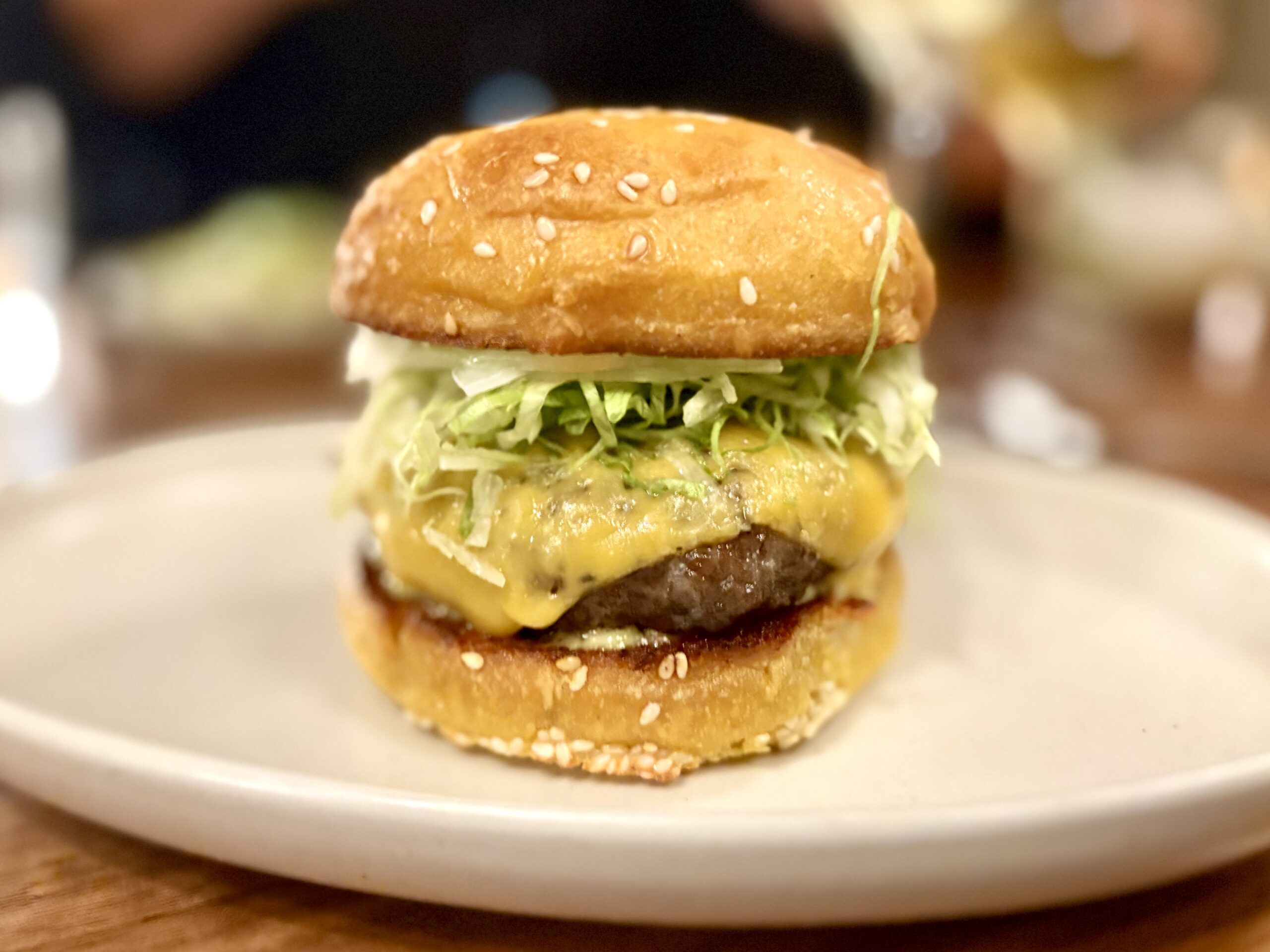
The nebbiolo was also a good match for Tesiny’s single best bite: a 5-ounce burger special called the Lil’ Kahuna, made from the trim of bluefin tuna belly and Ibérico pork shoulder. It’s a remarkably meaty patty with a subtle shade of rich tuna on the finish that shows off Valent’s ability to experiment with something new. It’s limited to just eight or so per night, which means it’s worth coming early. The effort also bodes well as Tesiny prepares to grow its menu and take some chances with larger plates for two, perhaps as soon as this spring.
The Lil’ Kahuna burger from Tesiny, a blend of bluefin tuna and Ibérico pork.
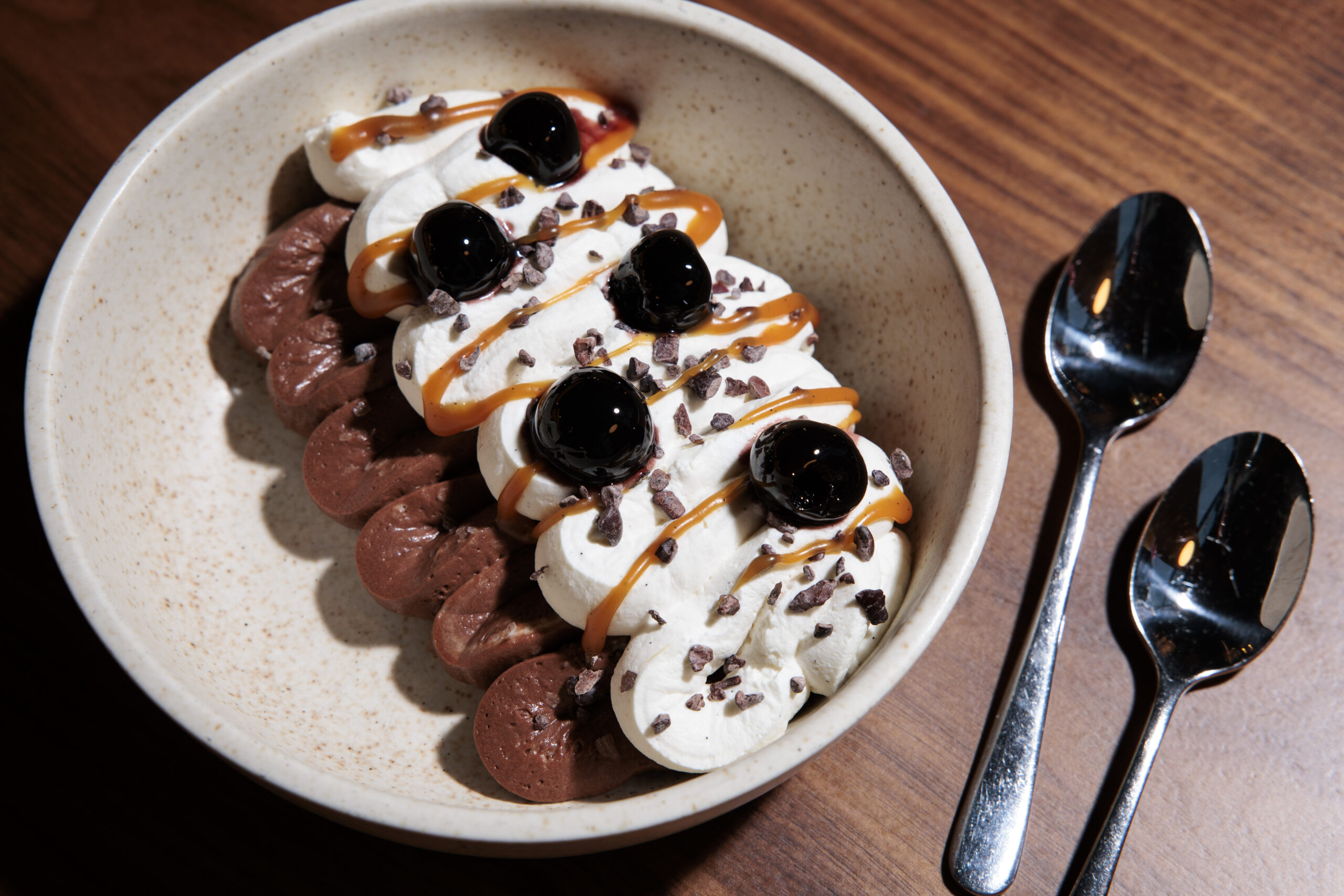
Dessert for two here is already a thing. And you’ll likely be dueling spoons for the espresso-chocolate mousse that Valent serves like a sundae topped with a wave of whipped cream, caramel cocoa nibs, and real maraschino cherries. Order a raisiny sweet pour of Pedro Ximénez from the impressive list of fortified wines — another quirky passion of Biederman’s, rooted in her days of studying abroad in Mallorca and her time at Oloroso.
Is Philly ready for a renaissance of Bual Madeira and vintage Kopke Port? If Lauren Biederman has a hunch, I wouldn’t bet against her. Tesiny is more proof she has a vision worth paying attention to.
The Chocolate Coffee Mousse at Tesiny on Wednesday, Jan. 21, 2026 in Philadelphia.
At least 75% of the menu is gluten-free or can be modified.
Drinks: Creative and well-crafted takes on classic cocktails, frequently made with fortified wines, are the main draw. The wine program is deliberate in its focus on oyster-friendly Euro classics (Sardininian vermentino; muscadet), with an appealing collection of sparklers (try Red Tail Ridge from the Finger Lakes). Finish with a pour of vintage port or Madeira from one of the city’s better collections of fortified wines.
The logo on the door at Tesiny on Wednesday, Jan. 21, 2026 in Philadelphia.
I’ve been following the lagman trail for some time now, savoring these chewy, hand-pulled Central Asian noodles from the Uzbek soup bowls of Northeast Philadelphia. Try them at Uzbekistan Restaurant, or in chef Temir Satybaldiev’s stir-fried tribute to his Kyrgyzstani grandmother on the Slavic fusion menu at Ginger. Now, another version of lagman noodles — traditional to the Uyghur ethnic minority in Western China — has landed in University City with Uyghur Noodle King.
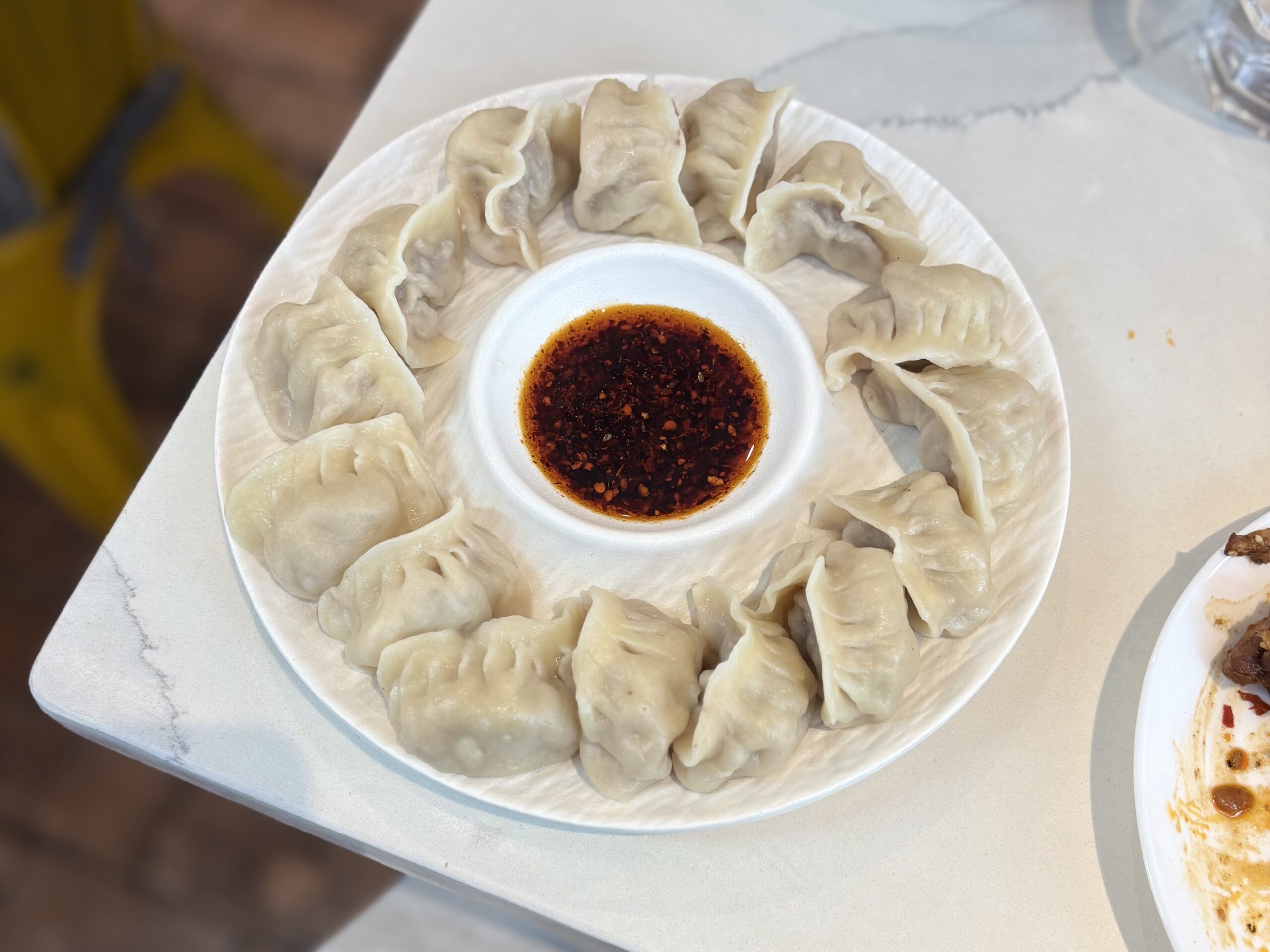
Located in an airy glass box of a space next to Paris Baguette near 38th and Chestnut, this is the first restaurant for co-owners Husenjan “Yush” Damolla and Abdurahman Tawakul. Damolla came to Drexel to study finance 13 years ago and ultimately stayed, working in real estate before finally turning this November to his passion for the food of his hometown, Kashgar, China. The all-halal recipes come from Damolla’s cousin, Mirkamil Rozi, who has a restaurant in Australia and has been training the duo remotely through Zoom sessions between their kitchens. So far, it’s paid off nicely with a tight but tasty menu of flaky samsa turnovers, fragrant kebabs, “big plate chicken” stews laced with numbing Szechuan peppercorn spice, and excellent handmade dumplings stuffed with lamb.
Handmade dumplings stuffed with halal lamb are a highlight at Uyghur Noodle King in University City.
The lagman, though, are the main event, with twine-like noodles that have the kind of elastic snap that can only be achieved through hand-pulling — a vigorous game of cat’s cradle that transforms a single lump of dough into a fistful of 30 or so longer strands. The final dish tosses those noodles into a hot wok with morsels of bell pepper, ginger, chives, and a dried pepper paste that combines with vinegar and soy to create a zesty glaze that glows with tang and spice. Damolla concedes they’re still working on consistency, but relies daily on his cousin’s best advice: “Just follow your heart and imagine you’re cooking for the people back home.” Uyghur Noodle King, 3816 Chestnut St., 347-507-8788, instagram.com/uyghur_noodle_king
— Craig LaBan
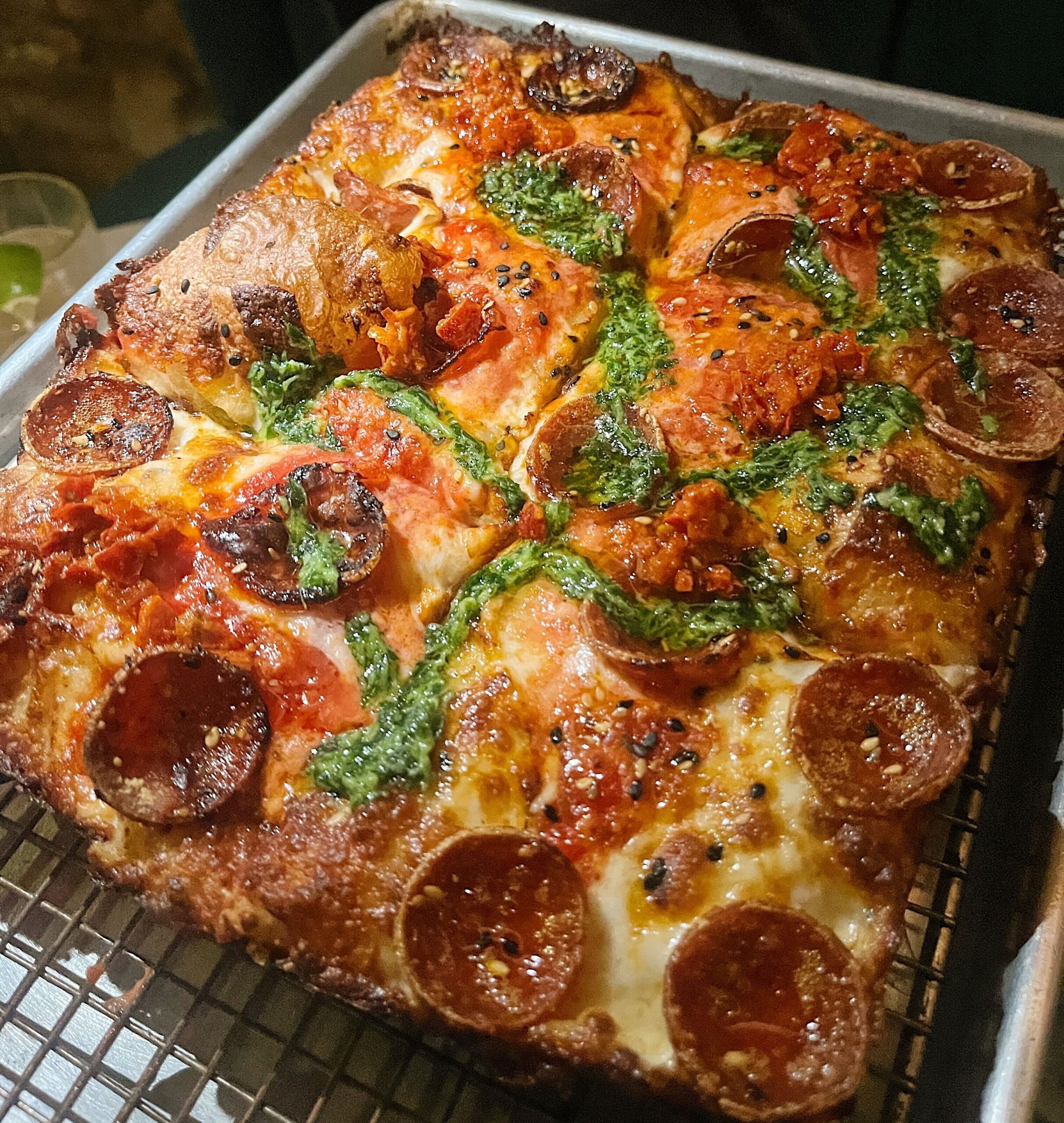
The MVP (VIP style) pizza from Emmy Squared in Queen Village.
The MVP (VIP style) from Emmy Squared
As an ex-New Yorker, it’s my birthright to hate Detroit-style pizza. At its worst, it’s just soggy-yet-burnt bread that lacks the je ne sais quois of a good tomato slice. But at Emmy Squared — Detroit pizza by way of two New York City hot shots who can’t stop opening satellite locations — the square pies rank among the best non-traditional pizza in the city.
Emmy Squared’s MVP pie is composed of ingredients that border on sacrilegious: a Wisconsin cheese blend, a mix of vodka and red sauce swirled with parsley pesto, and a sesame seed crust with an almost focaccia-style crumb. A VIP version is topped with Calabrian chilies and pepperoni slices so crispy the edges fold up to form tiny cups. The result is a flavor combo that hits all the right notes: a little bit of tang, a touch of spice, and an herbaceous finish from the pesto. Good pizza, after all, really is just excellent bread slathered with sauce and cheese. So if the elements are all there, who cares if the form is a little off? 632 S. 5th St., 267-551-3669, emmysquaredpizza.com
How transformative can a piece of bread be? Turns out, very. Especially if you’re able to keep it perfectly crunchy (almost funnel-cakelike), douse it in a bath of decadent caramel, then top it off with a perfect dollop of vanilla ice cream.
I give you Meetinghouse’s caramel toast, an item on the Kensington restaurant‘s menu I would have never thought to order had it not been highly recommended to me by a friend (or two, actually). I’ll truly be dreaming of it for some time to come. Well, that, and Meetinghouse’s green salad — it could double as a wedding centerpiece — and a crab dip that would make any Marylander proud. Meetinghouse, 2331 E. Cumberland St., meetinghousebeer.com
TOKYO — I’ve never gone out of my way to eat a cheesesteak far outside of Philadelphia.For one thing, I can devour a great one anytime I want when I’m home. I’d rather experience the flavors of different cultures when I travel. The cheesesteak is also one of those iconic foods that almost inevitably tastes wrong outside its home regions: The farther away you roam from its birthplace, the more chance that a false detail — the wrong roll, ingredient combo, precooked shortcut, or even menu description (the sandwich is not called a “Philly”)— is likely to result in something as soulless as a Subway replica.
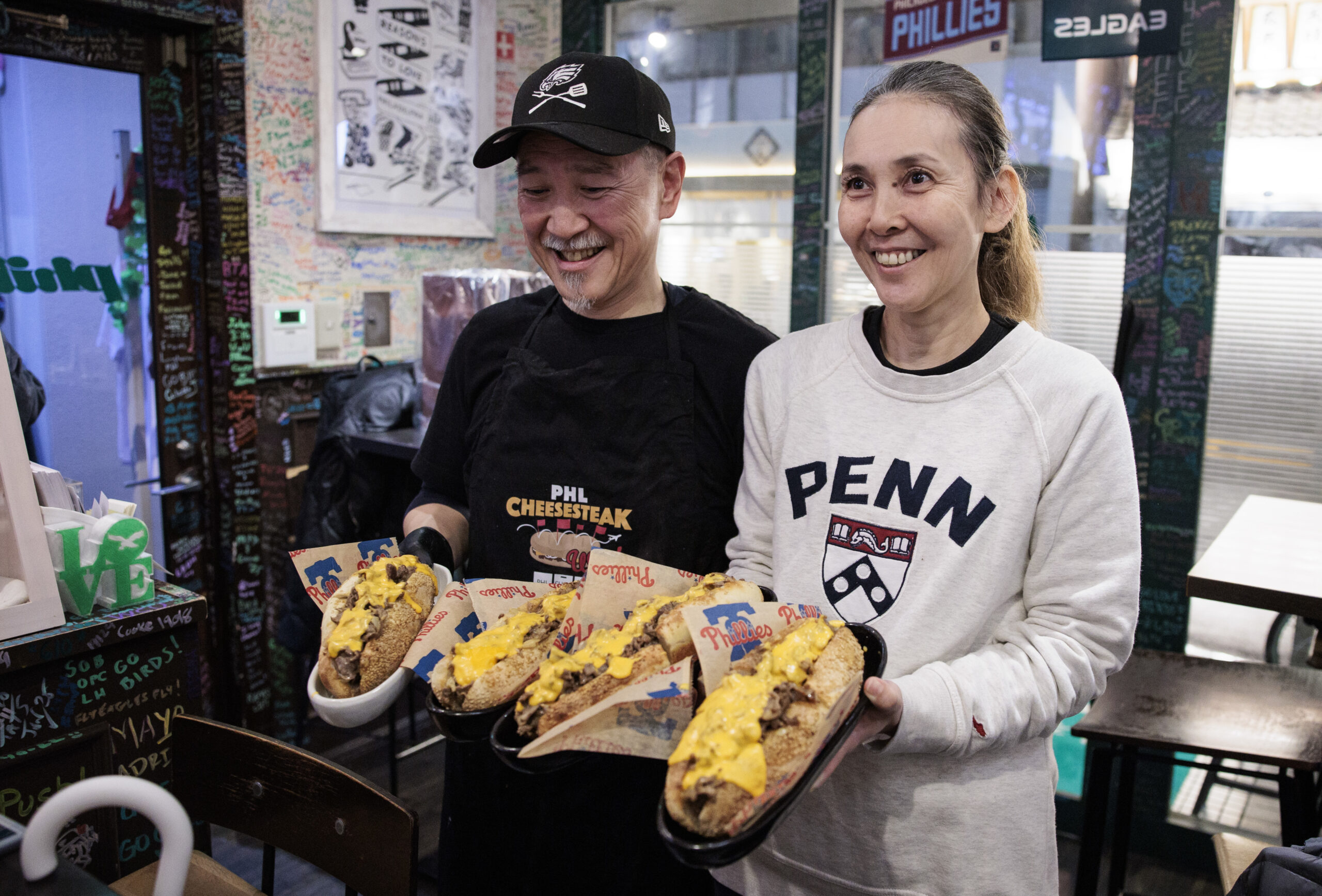
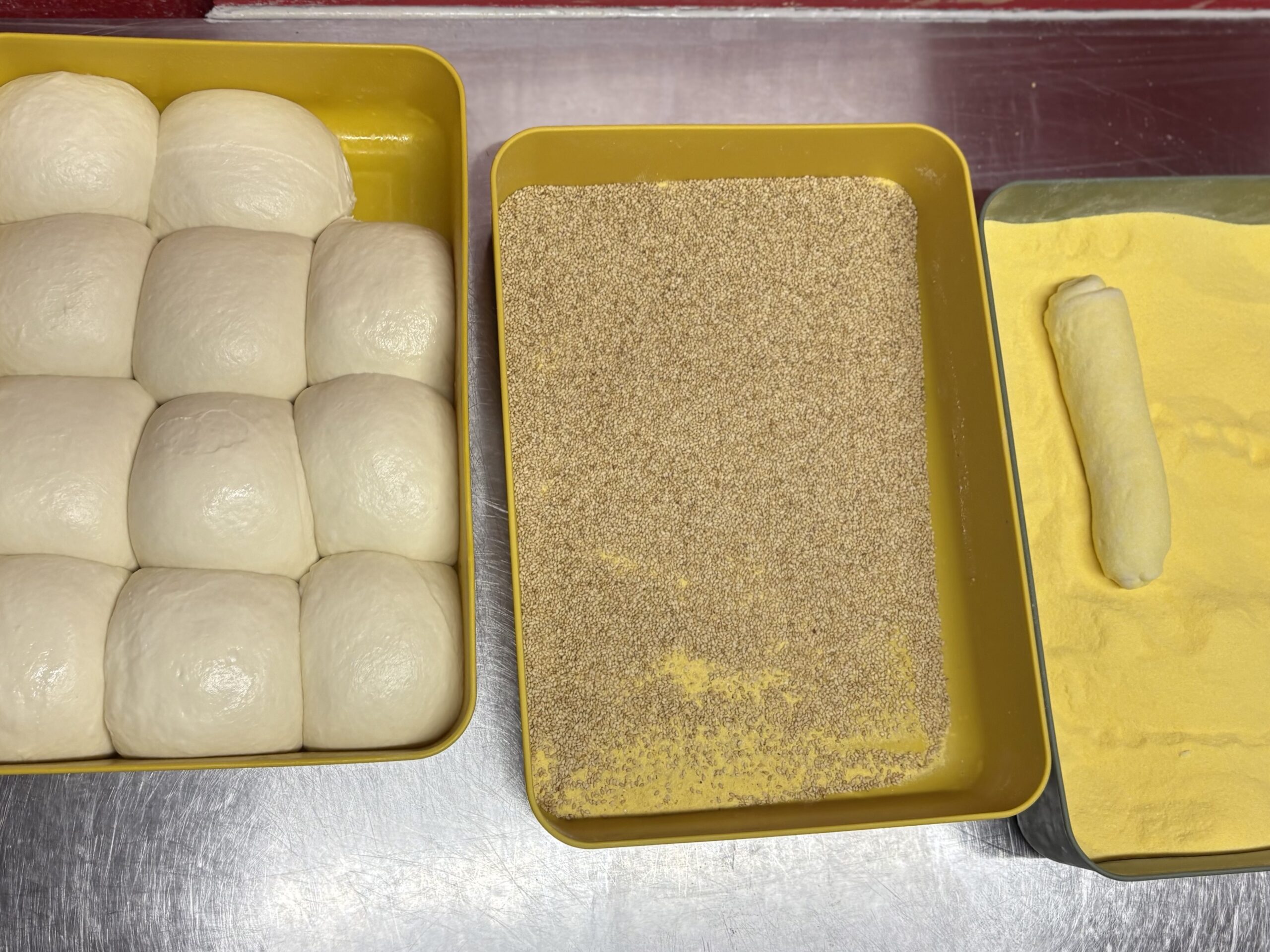
Of course, I needed to travel all the way to Japan to be proven wrong. At Nihonbashi Philly, a restaurant in one of Tokyo’s business districts, a “Go Birds!” sign glowing kelly green out front is just a tease of the Brotherly Love vibes being conjured inside. There, I found Tomomi Chujo in a Penn sweatshirt hand-shaping dough for rolls in her tiny basement prep kitchen, coating them in sesame seeds, and proofing them to be baked fresh for our sandwiches to come.
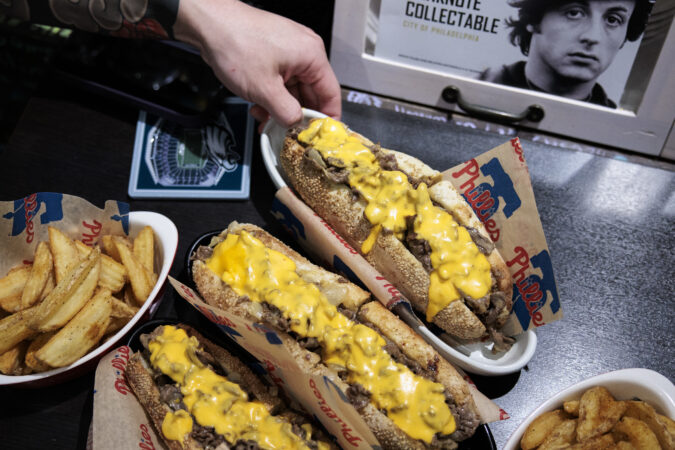
Kosuke Chujo and his wife, Tomomi, with cheesesteaks at Nihonbashi Philly in Tokyo, Japan.
Tomomi and her husband, chef Kosuke Chujo, are pretty much international Philly celebrities by now. Their efforts to create a faithful cheesesteak on the other side of the globe were brought to the world’s attention by Philly expat social media in 2023 and profiled a year later in The Inquirer by my colleague Jenn Ladd. They drew more than 1,000 hungry Philadelphians who lined up in hopes of tasting their cheesesteaks at a Kensington-Fishtown pop-up at Liberty Kitchen in May, when they were also honored by Philadelphia City Council for their efforts to rep Philadelphia abroad.
Considering I’m reluctant to wait in long lines for a cheesesteak even at Angelo’s, it’s no surprise I didn’t attend the Chujos’ Fishtown pop-up. But, like so many Philadelphians I know who’ve recently made the cheesesteak pilgrimage while visiting Japan, I was not going to waste a good trip to Tokyo without finally checking out Nihonbashi Philly. We waited until the final night of our trip. After nine days of consuming my weight in sushi, ramen, 7-Eleven onigiri, katsu, and yakitori skewers, I was ready for a little taste of home before actually boarding a plane back.
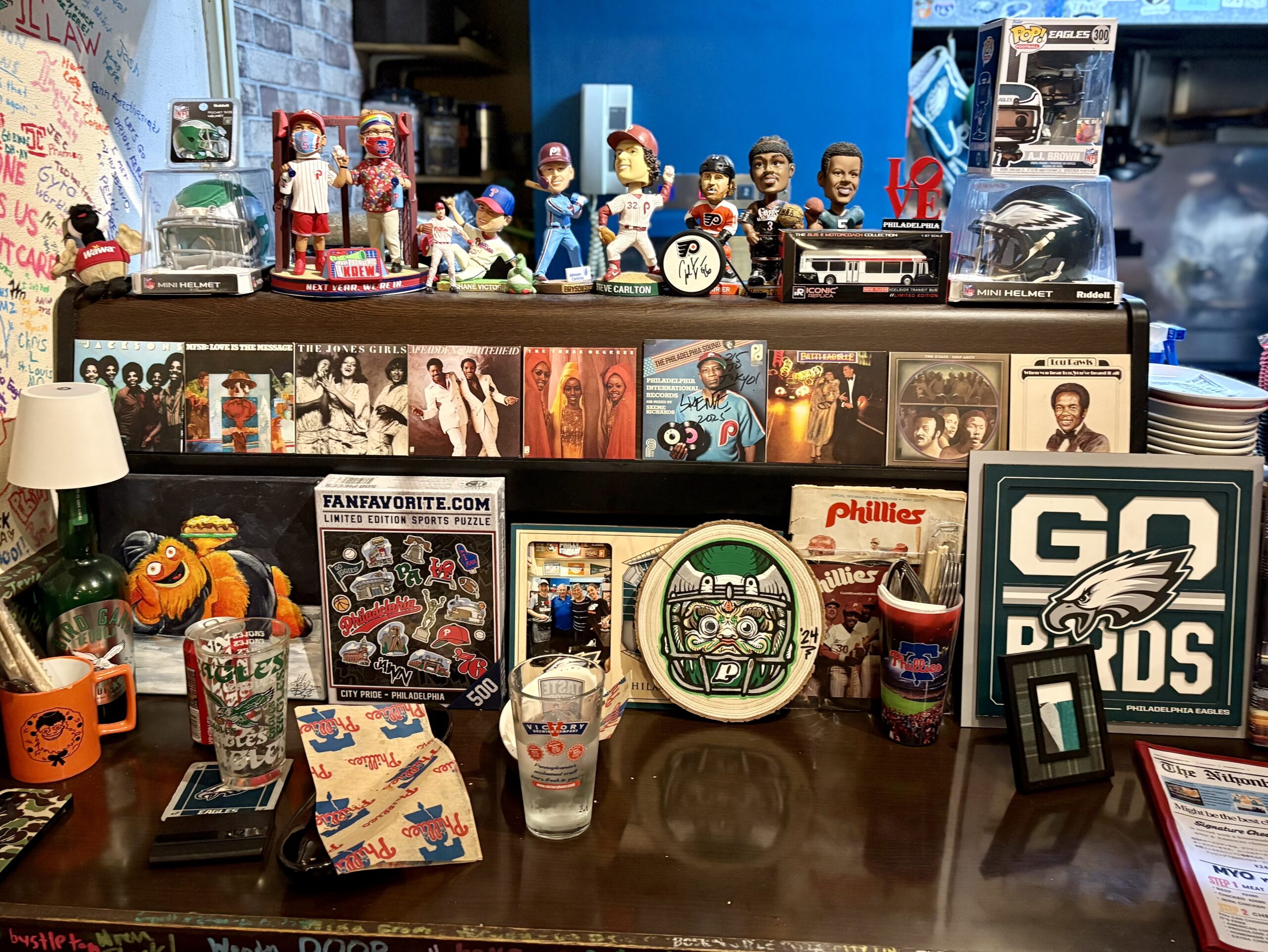
A collection of Philadelphia soul music, bobbleheads, and Philly-themed paraphernalia grows every time an expat visits the Chujos’ restaurant.Handwritten messages decorate the walls at Nihonbashi Philly.
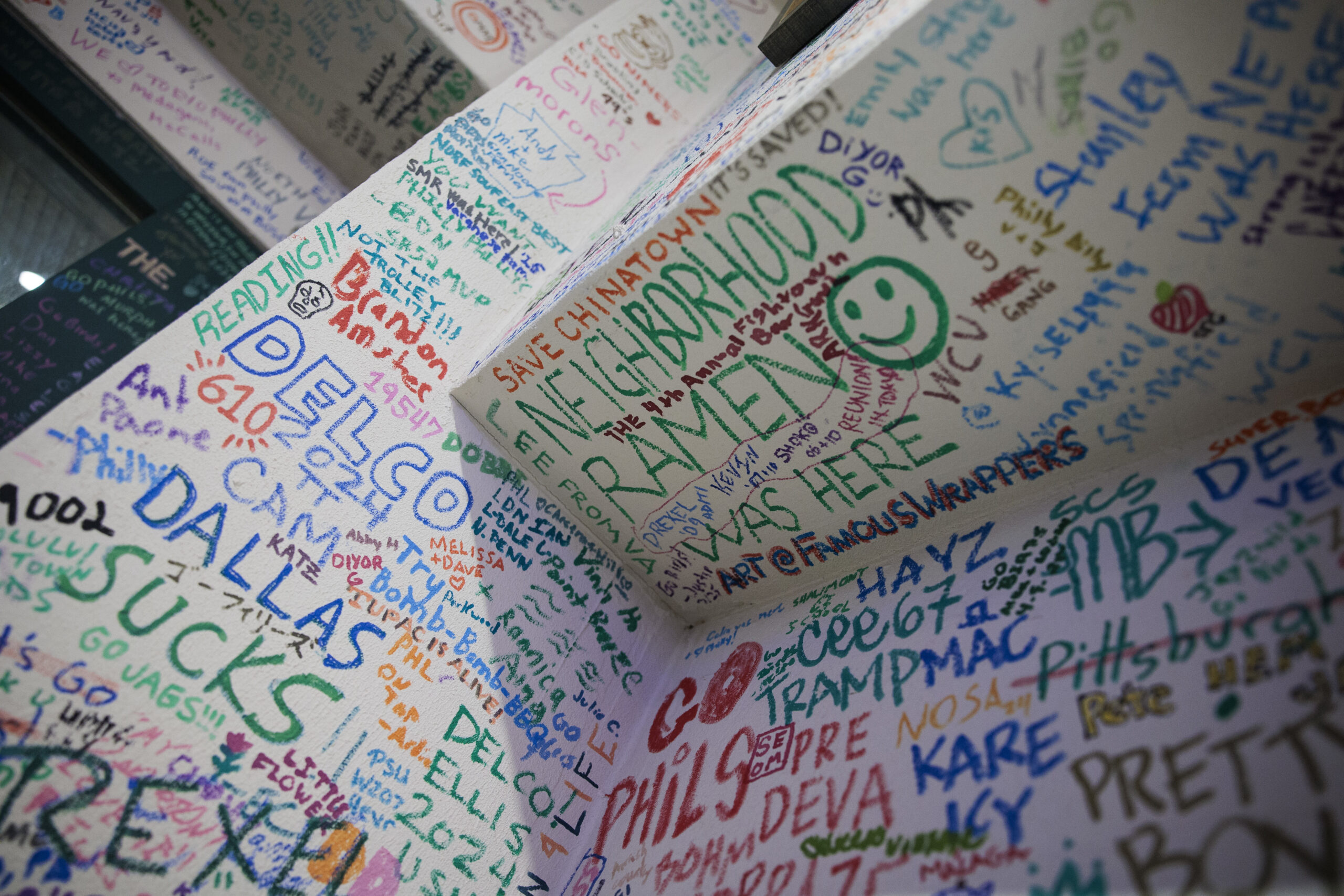
Inside the Chujos’ snug two-story restaurant and bar, I found a space bursting with so much Philly-themed memorabilia, it was almost like passing through the Portal in LOVE Park (at least before it was removed due to vandalism). There are empty Bird Gang whiskey bottles that have been converted into lamps, Kosuke’s extensive CD collection of favorite Philly singers (hello, Patti LaBelle), copious Wawa swag, Gritty art, SEPTA shot glasses, customer-scrawled walls etched with “Dallas Sucks” flair, and a bobblehead shrine of Philly sports figures that’s been transported here from the Elkins Park childhood bedroom of now-Tokyo-based sports journalist Dan Orlowitz, one of the Chujos’ earliest local cheerleaders: “That’s authentic Philly dust!” he says, nudging Donovan McNabb’s spring-loaded noggin into an enthusiastic wobble. “I don’t even have to go home anymore.”
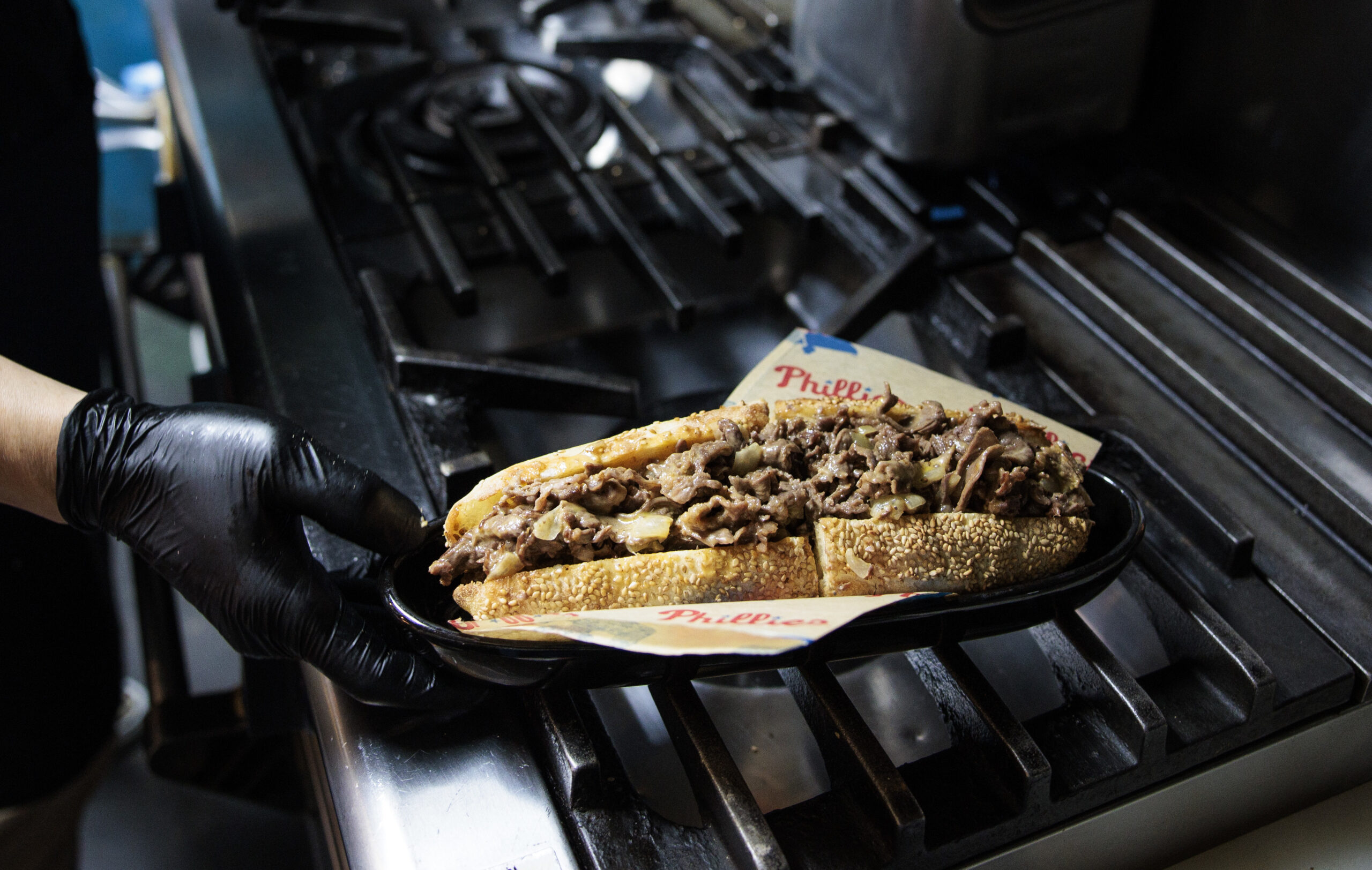
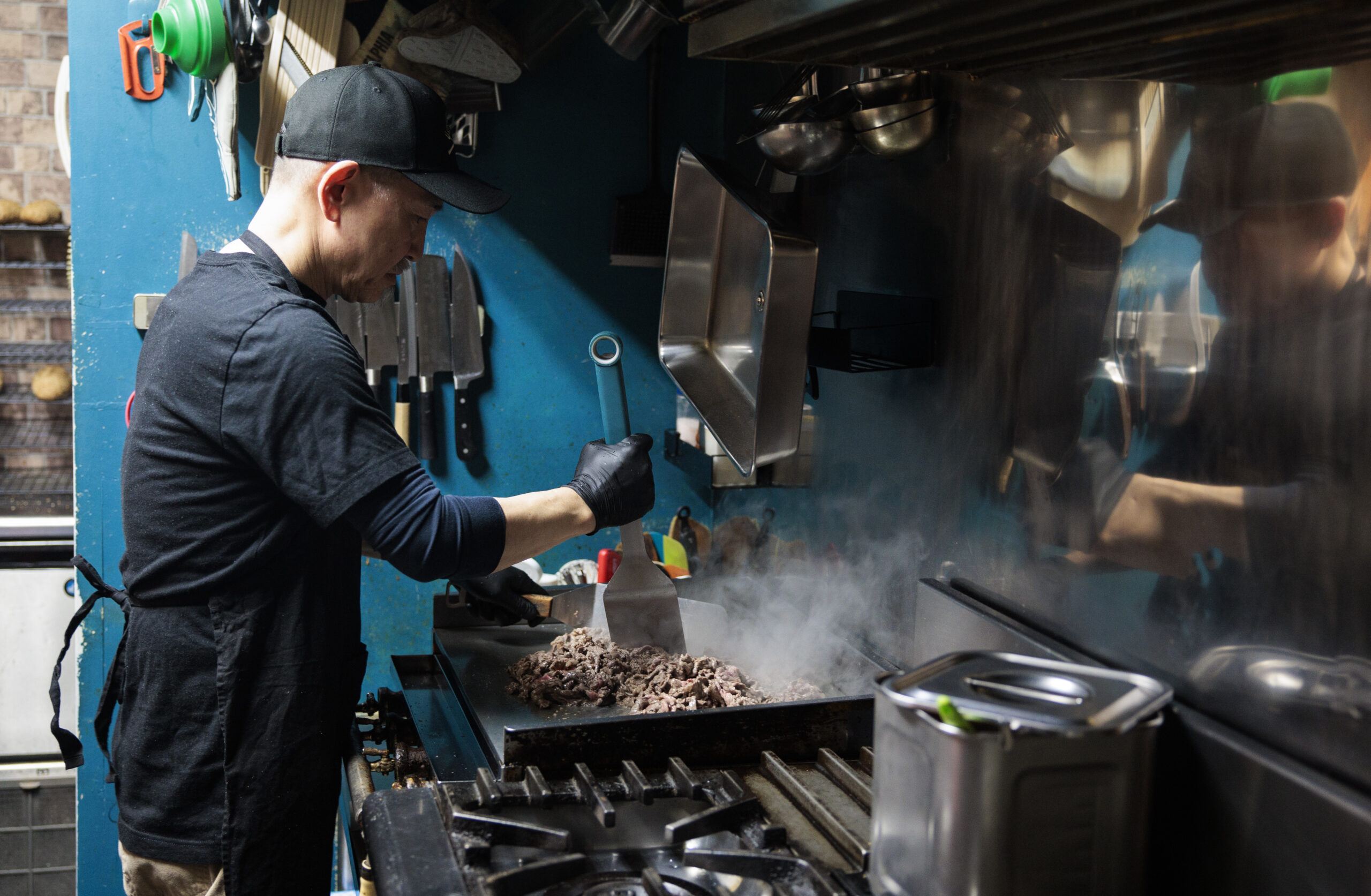
Orlowitz, in fact, was mostly talking about the food. And I was impressed with Kosuke’s work at the griddle, as he rough-chopped good American rib eye and onions without overcooking them, using chopsticks to taste for proper seasoning, melting in cheese, and then scooping it all into Tomomi’s roll for a juicy sandwich that was hearty enough to share. It was a satisfying cheesesteak, even if the cheese was not quite right — slices of American cheese that lacked the creamy flow and piquant savor of the now-standard Cooper Sharp, currently unavailable in Japan. (The Chujos also make their own version of whiz, but, considering I’ve always been a whiz hater, the finishing yellow drizzle on our sandwiches didn’t help. Next time, I’ll go for provolone.)
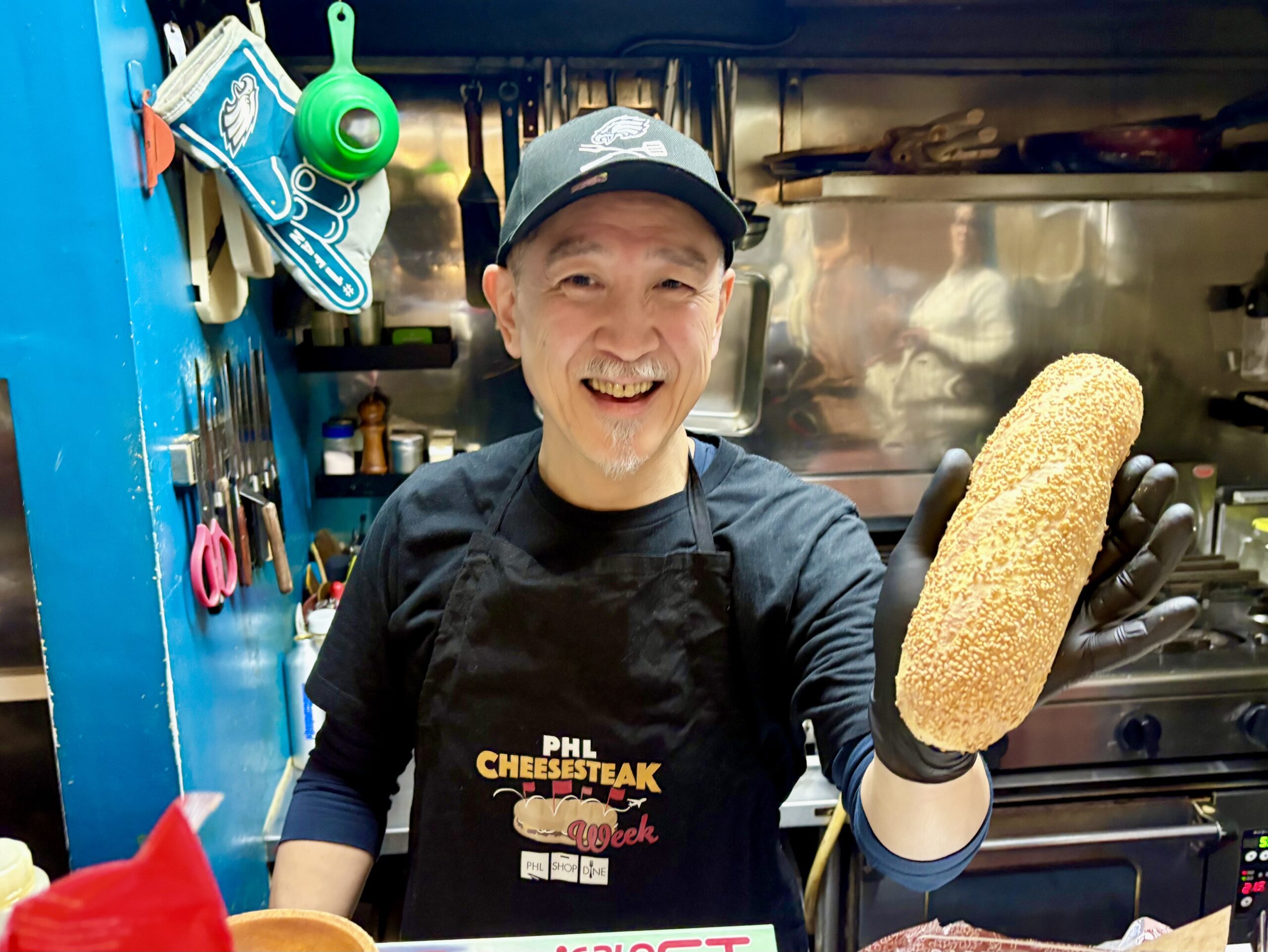
Kosuke Chujo makes a cheesesteak at Nihonbashi Philly on Sunday, Nov. 9, 2025 in Tokyo, Japan.Kosuke Chujo holds a seeded roll baked fresh by his wife and partner, Tomomi Chujo, before preparing a cheesesteak at their restaurant.
Tomomi’s fresh rolls are the outstanding X factor. The Chujos have been vacationing in Philadelphia since 2021, and in between reconnaissance visits to at least 100 different cheesesteak places, she has studied the art of the long roll at old-school Sarcone’s Bakery as well as modern outfits such as Lost Bread Co. and Ursa Bakery.
The bread here is softer than typically crusty Philly rolls because more finely ground Japanese flour (ideal for tender shokupan milk bread) doesn’t have as much gluten as its American counterpart. Tomomi compensates for the texture by fully encrusting her rolls in Japanese sesame, which has rounder and more flavorful seeds that add their own distinctive, toasty crunch. It’s so noticeable, in fact, one friend said the sesame conjured for him unexpected tahini backnotes.
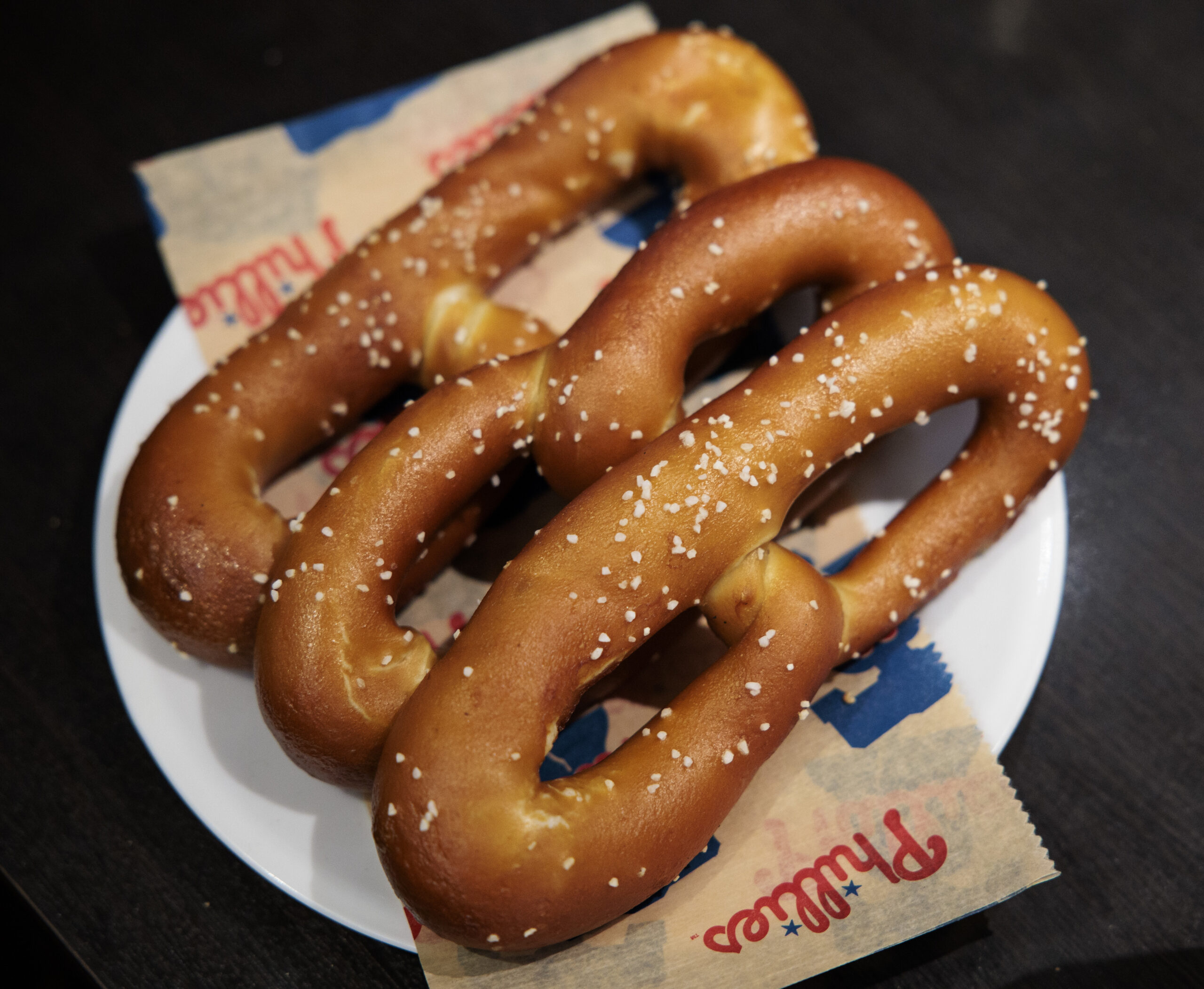
Fresh rolls are prepped for cheesesteaks in the basement of the restaurant called Philly in the Nihonbashi district of Tokyo. Once shaped by hand, their bottoms are dusted in corn meal before they get encrusted in sesame seeds and then baked.Tomomi Chujo’s fresh-from-the-oven salt-speckled soft pretzels.
Cheesesteak obsessives (myself included) will dwell on such minutiae, but I consider such natural variations part of the sandwich’s essential evolution as a living tradition, both in its many thrilling international interpretations among Philadelphia’s immigrant communities, and in the recent boom of house-baked rolls that distinguish some of Philly’s next-gen best.
So much artisanal craft goes into what the Chujos make that, with better cheese, their version would easily land among the upper tier in Philadelphia itself. (Tomomi’s soft pretzels — fresh from the oven and salt-speckled — meanwhile, are already elite.)
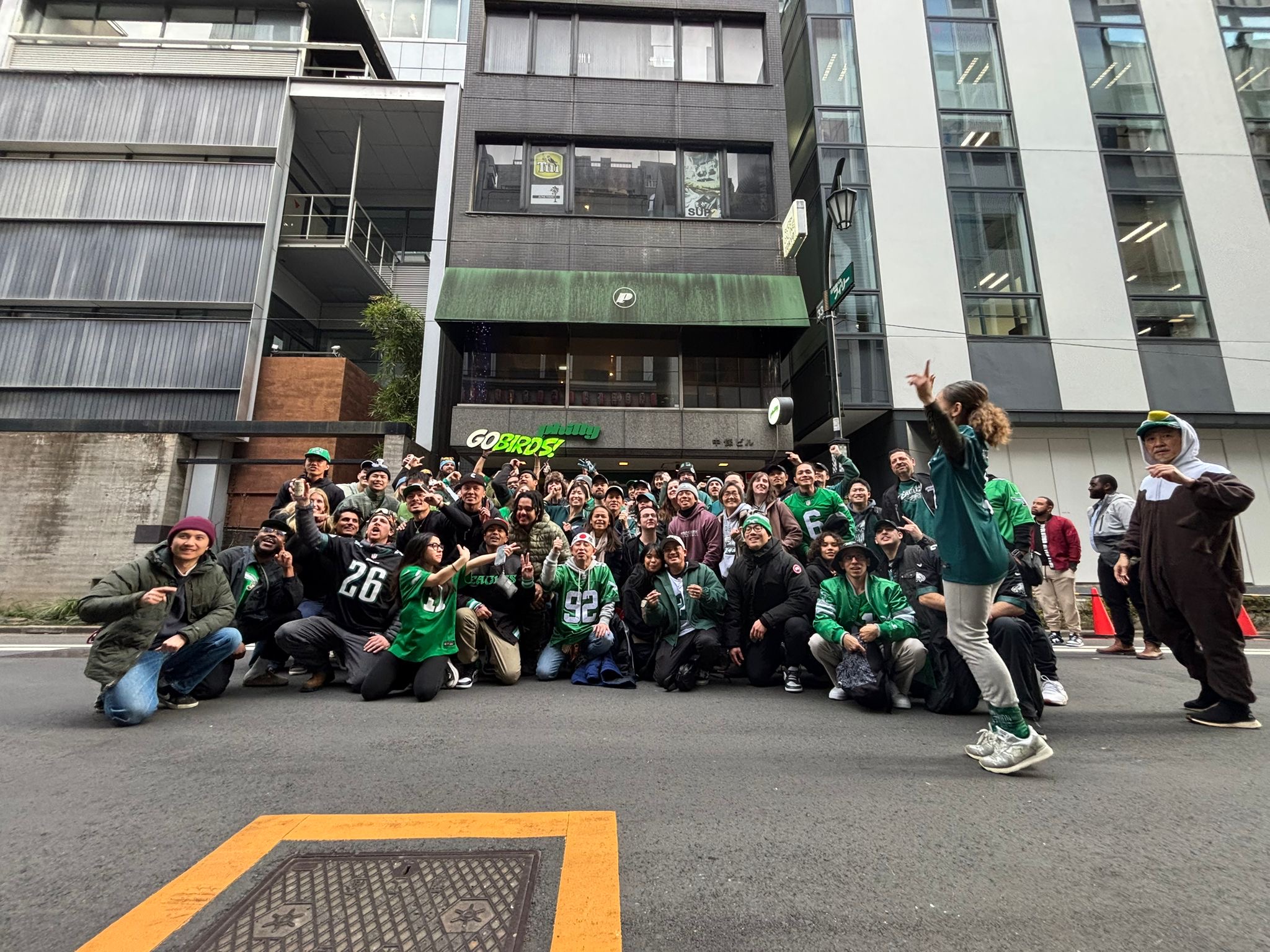
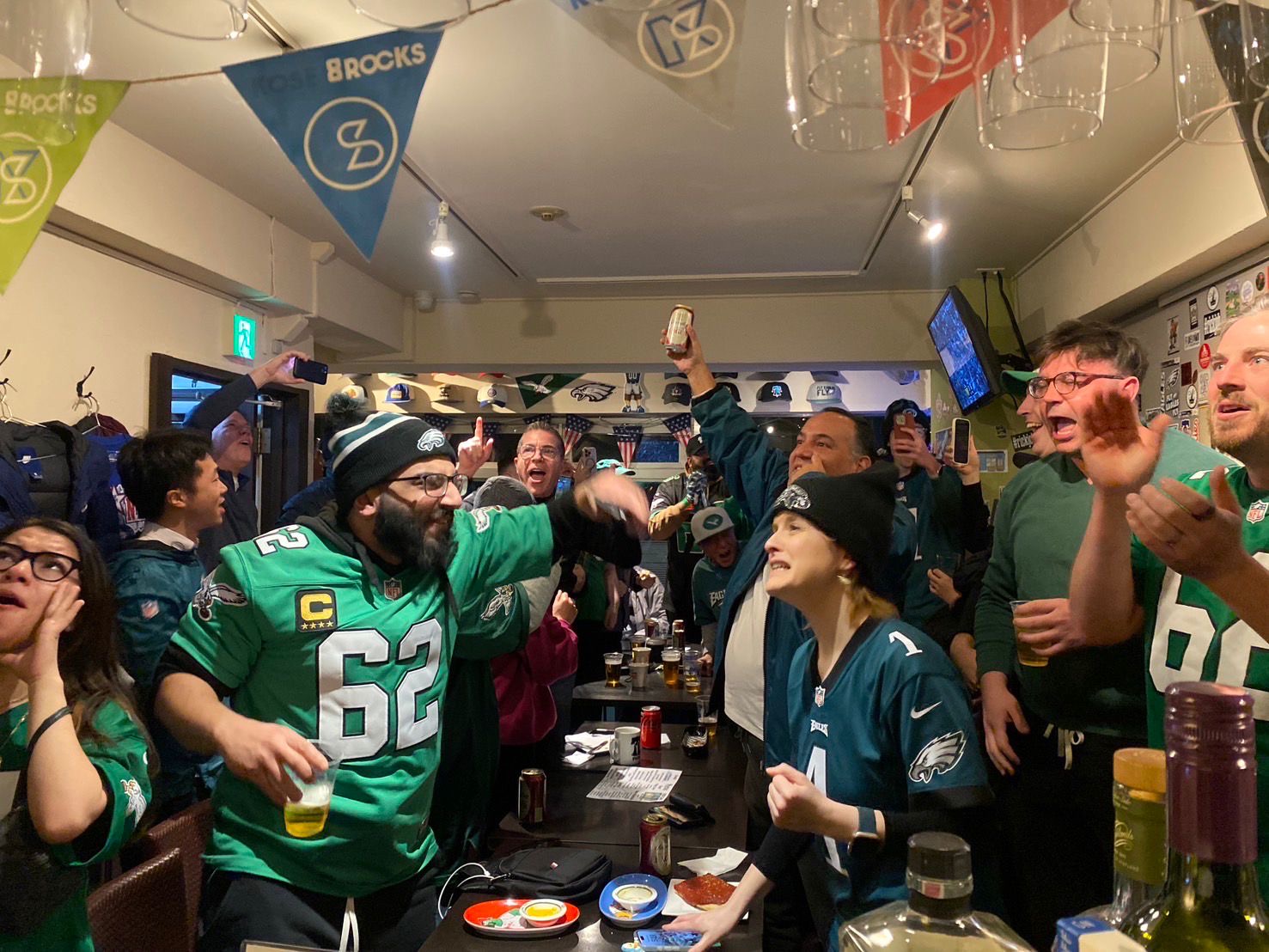
But what makes a visit to Tokyo’s Philly so special is not really even the cheesesteaks. (Though the sandwich has seen a recent boost in interest among Japanese customers since Shohei Ohtani praised it during the Dodgers-Phillies playoff series.) It is the Chujos’ genuine embrace of Philadelphia’s culture and people, from the music to the Eagles watch parties they regularly host, culminating in full-throated “E-A-G-L-E-S Eagles!” victory chants outside that occasionally startle their quiet-loving Tokyo neighbors.
Eagles fans outside Nihonbashi Philly, in Tokyo, during a recent Eagles game.The Chujos regularly host Eagles watch parties at the restaurant.
“We want to be part of the community,” says Tomomi. The Chujos are planning another Philly visit this summer during America’s Semiquincentennial to celebrate their 15th anniversary with wedding photos on the Rocky Steps and in front of City Hall.
For the proud residents of a city with a long tradition of embracing scorn from the wider world — a city whose unofficial anthem is “No one likes us and we don’t care!” — it is touching to see ourselves reflected with so much love and effort in a sandwich created by friends abroad who regard us with nothing but admiration.
This wasn’t merely the rarity of a good cheesesteak far afield, it was a cheesesteak of affirmation: When someone likes us enough to cook our birthright sandwich properly, we actually do care! Deeply.
“The bread on that cheesesteak and those pretzels were so good,” agreed chef Jesse Ito of Royal Sushi & Izakaya, who also came along to Nihonbashi for the meal. “But just to see another culture pay so much respect to something so Philly, if you love where you come from, you almost have to go.”
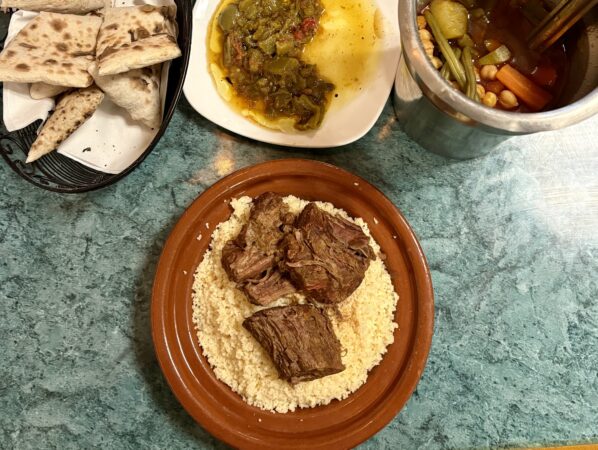
South Philadelphia has acquired an intriguing handful of Algerian restaurants over the past couple years, including Numidia Algeria (at 2340 S. Hemberger St., near 23rd Street), where I recently devoured a platter of house-made beef merguez, Berber-style semolina flatbread, and pastries. My most memorable Algerian meal of late, however, was the special Friday couscous at Algerino’s, which replaced West Passyunk Avenue’s Little Morocco in July with a wood-fired oven that turns out pizzas topped with merguez, North African-spiced roast chickens, and flavorful kebabs. On Fridays, though, this kitchen is all about producing its weekly special couscous platters: fluffy mounds of fine semolina grains topped with huge hunks of slow-braised beef shank and a tall pan of sauce on the side filled with vegetables and broth to be spooned over top at your leisure.
Couscous is a common Berber dish served across North Africa’s Maghreb region, but chef and partner Kaci Grabi — who previously ran a restaurant in the central Algerian city of Tizi Ouzou — says the Algerian style is to serve components separately, as opposed to the Moroccan manner, in which plates are more composed, with vegetables already arranged over top. Flavor-wise, he says, there are also fundamental differences, with Algerian couscous occupying a restrained middle place between the sweet aromatics typical of Morocco and the spicier harissa profile of Tunisia. Indeed, the clear broth at Algerino’s was simple, rustic, and straightforward in its beefy savor, but still so incredibly satisfying for a cold winter lunch, especially with wedges of fresh-baked Berber flatbread on the side to soak it up. Algerino’s, 1431 W. Passyunk Ave., 267-639-4504, instagram.com/algerinos_restaurant
— Craig LaBan
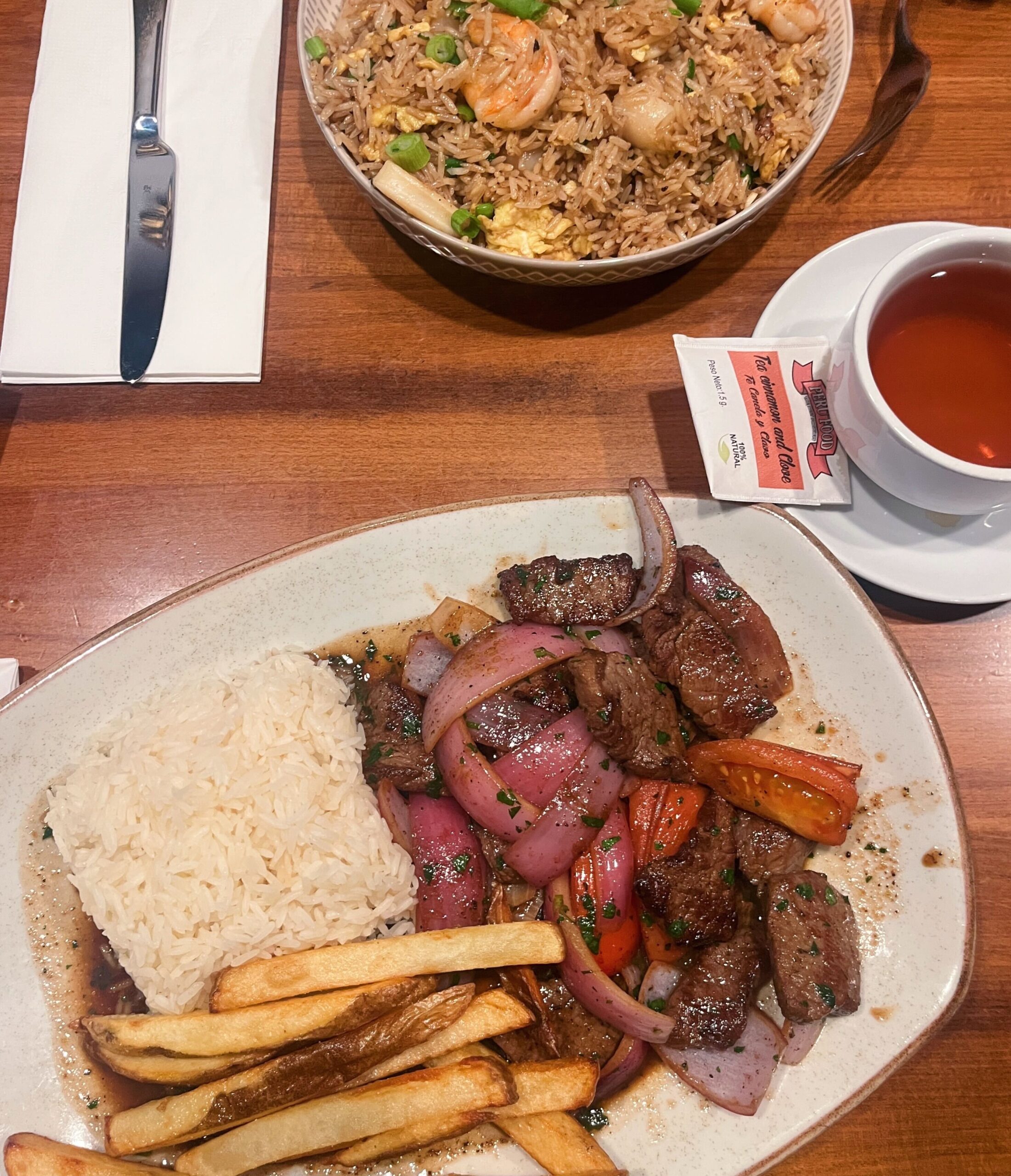
Lomo saltado from Kiko’s Peruvian Kitchen in Collingswood, N.J.
Lomo saltado from Kiko’s Peruvian Kitchen
Lomo saltado — Peruvian-style steak stir-fry with onions, tomatoes, mild ají amarillo chilies, and French fries — has always been my favorite way to the test the quality of a Peruvian joint. Is the skirt steak tender? Are the fries soggy? Does the sauce capture the umami tang of an elevated soy sauce? If the answers are not yes, no, yes — well, thank goodness there’s always pollo al brasa.
The lomo saltado is textbook at this Collingswood hole-in-the wall, with ultrathin cuts of juicy skirt steak and thick yucca fries only made better by sopping up the sauce. The stir-fry’s tomato slices are still just a bit firm and burst with juice, adding a slight sweetness to the otherwise umami soy sauce. I had no trouble tackling the restaurant’s heaping portions and was secretly disappointed with myself for not leaving more leftovers: Stir-fry always tastes better the next day. Kiko’s Peruvian Cuisine, 624 W. Collings Ave., Collingswood, 856-854-6888, kikosperuviankitchen.com
— Beatrice Forman
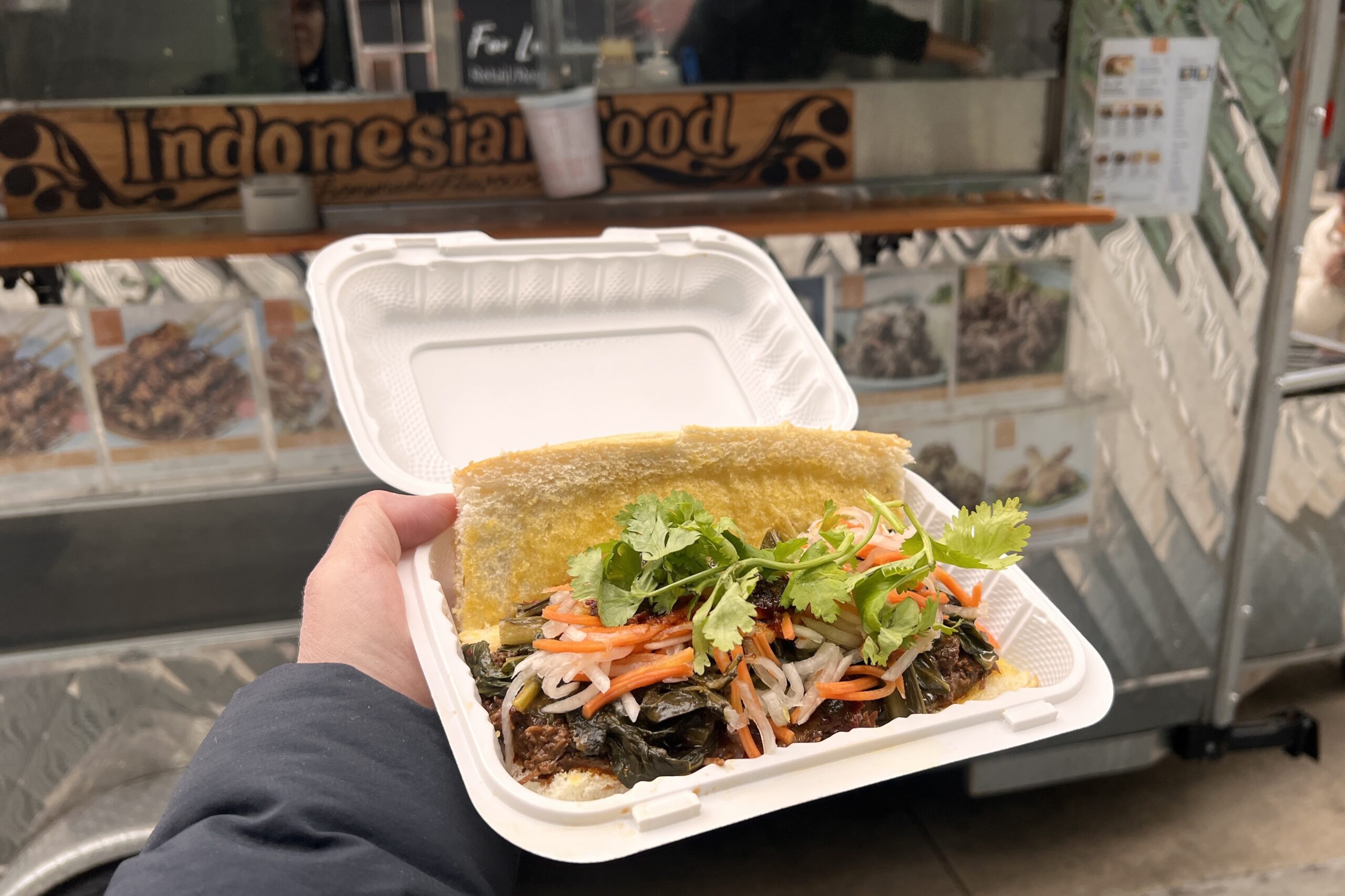
Rendang hoagie from the Sego food cart, on 16th Street, west side, just north of Market Street, on Jan. 14, 2026.
Rendang hoagie from Sego cart
Split a long roll, fill it with just about whatever you wish, and — voila! — in Philadelphia, you’ve got yourself a hoagie. The iconic sandwich, initially made of Italian deli meats and cheeses, has been spun into a world of variety over the years: fish hoagies, eggplant cutlet hoagies, falafel hoagies. All this and banh mi, too. Why shouldn’t the city’s small Indonesian community get in on it, too?
Last year, Aditya Setyawan and his wife, Irza, who own the Indonesian catering business Pecel Ndeso, opened a food cart called Sego on 16th Street in Penn Center. It caught our eye last fall for The 76, our rundown of essential Philadelphia food destinations. One menu star is beef rendang — a spicy-creamy stew served with jasmine rice, sambal, and collard greens. Or go the hoagie route: They ladle the rendang onto a long roll. Each hearty bite gives you a rich beefiness countered by a bright kick from daikon, cilantro, and pickled carrots scattered on top. Sego, 1600 Market St. (outside of NAYA restaurant on 16th Street just north of Market), hours: 11 a.m. to 4 p.m. Monday to Friday, 267-559-1656, instagram.com/pecelndeso.usa
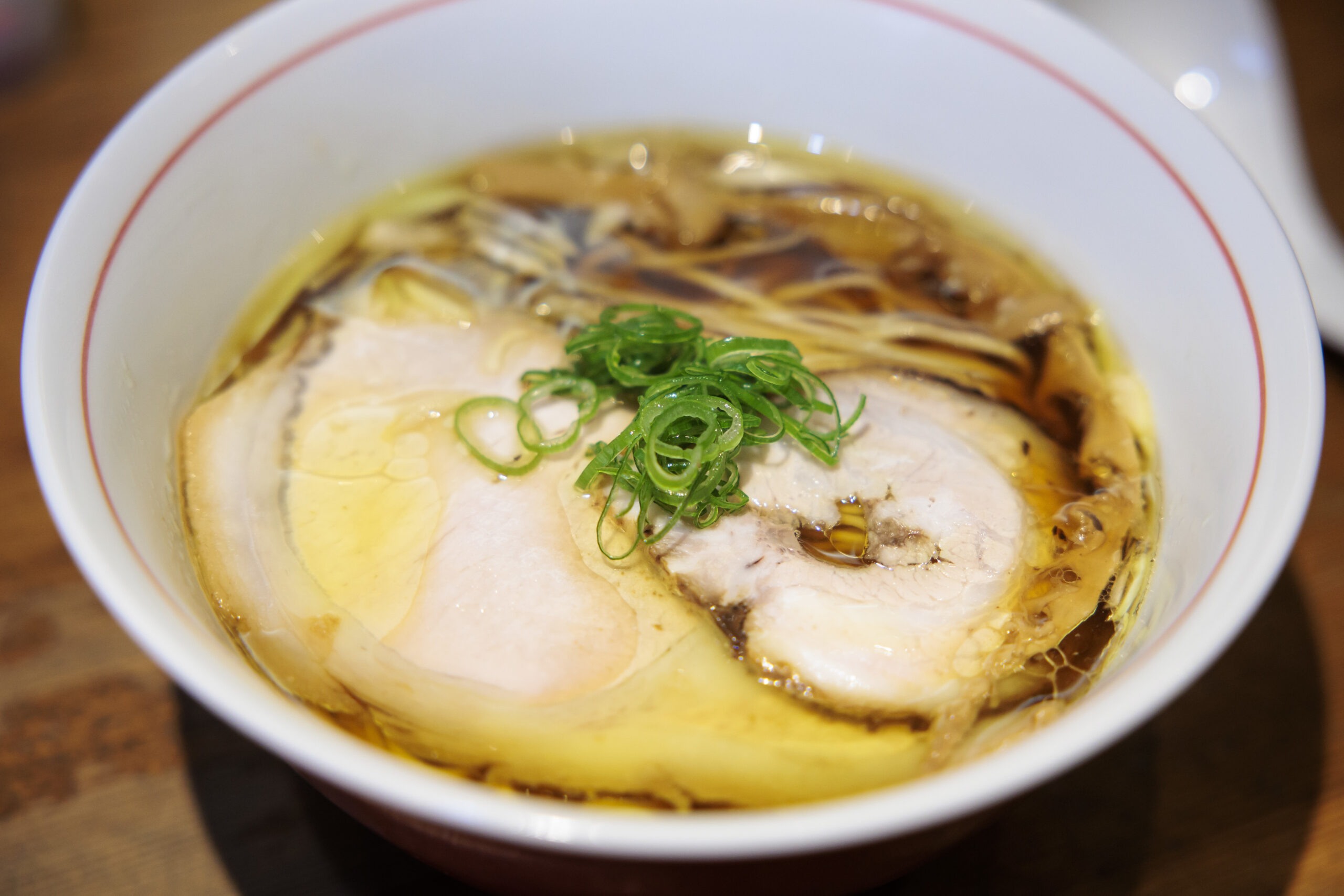
TOKYO — Lindsay Mariko Steigerwald and Jesse Pryor set the gold standard for ramen in Philadelphia during their five-year run at Neighborhood Ramen. But when the couple announced the closure of their beloved Queen Village restaurant at the end of 2024, they also teased an audacious bit of news: They were moving to Japan with plans to reopen their shop in the ramen capital of the world.
“This is the next chapter for Neighborhood Ramen!” said Steigerwald, 35, as we stood in a blustery November rain beside Shibuya Scramble Crossing, the famously chaotic, neon-lit intersection in Tokyo where we rendezvoused for a day of noodle slurping across the city.
The couple had arrived from Philadelphia just 10 days earlier — following a year of planning (and a pop-up venture called ESO Ramen Workshop in Society Hill). They’d already begun their classes at Japanese language school and launched the arduous visa process that must be settled before they can begin working on their own restaurant. It will likely still be many months before Neighborhood Ramen fires up its stockpots and noodle machine in Tokyo.
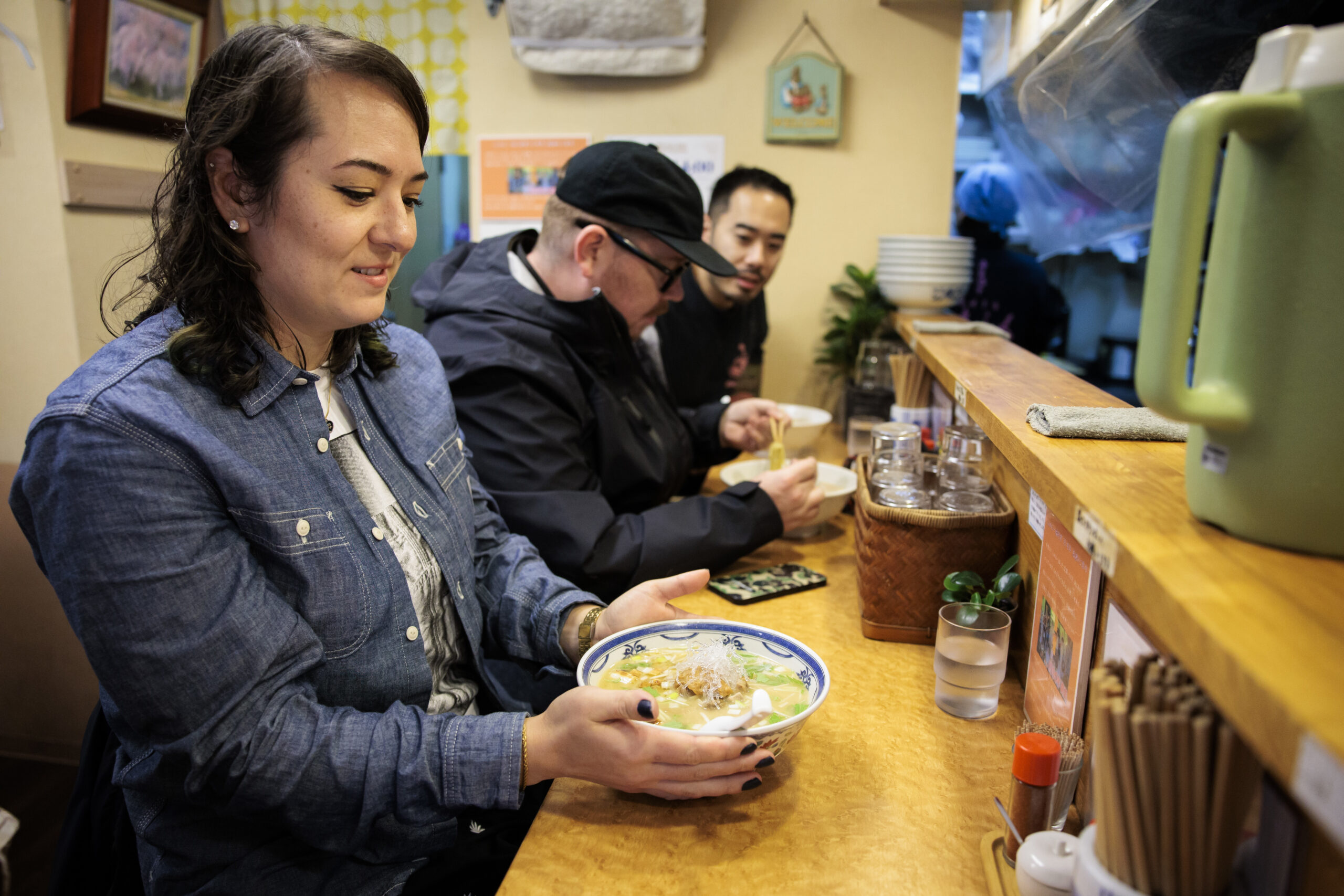
Lindsay Mariko Steigerwald (from left), Jesse Pryor, and Jesse Ito sit at the counter at Ramen Ichifuku in November in Tokyo.
Their move was precipitated by a long-simmering goal to practice their craft alongside the best, but also a desire for “a better quality of life” they’ve come to love over the course of multiple visits to Tokyo, says Steigerwald.
Equally motivating is the couple’s passion for consuming ramen regularly; it’s every bit as intense as their drive to make it.
“I want to eat ramen every day,” says Pryor, 38. “I want to go to different shops all the time, be inspired and just soak it up. It’s hard to do that in Philadelphia.”
He’d already eaten 14 bowls of ramen in the first nine days since landing in Tokyo in November — on top of the 300 ramen shops the couple had visited during their 10 previous visits to Japan. By the end of December, Pryor was up to 80 bowls of ramen at 70 different places. (Steigerwald has been keeping pace with ramen, too, but she documents her own obsession — dumplings — on her GyozaKween Instagram account.)
That’s still just a fraction of the 10,000 ramen shops in Tokyo serving myriad variations: rich tonkotsus cloudy with the emulsified essence of slow-simmered pork bones; crystalline shio salt broths and shoyus tinted amber with soy; creamy miso ramens; and gyokai ramens punchy with seafood umami. Pryor’s quest for soupy inspiration here, he says, is “infinite.”
“Jesse is a true ramen hunter,” says Steigerwald. “At night he’s game planning what bowls he’s going to eat the next day.”
“The ramen comes first,” he says, “and then the rest of the day just fills in around it, you know?”
Ramen-hopping rules
We were about to learn firsthand, as the couple, who’ve begun a fledgling ramen tour business, had mapped out an afternoon of visits to some of their favorites. There were rules. Our group must be small (ideally two to three guests max) because the best ramen counters are often tiny. Also, come hungry.
“It’s expected each person that steps foot in the shop orders their own ramen and finishes the bowl. … Doggie bags are not a thing,” says Pryor.
The last edict was especially daunting considering the belly-filling richness of ramen. Consume three bowls and you’re in for a long nap. In addition, eating ramen like a pro is a full-contact sport — a messy, broth-splashing endeavor for which there is not only a recommended dress code (“Jesse’s entire wardrobe is black,” Steigerwald says), but also an almost athletic eating technique: the power slurp.
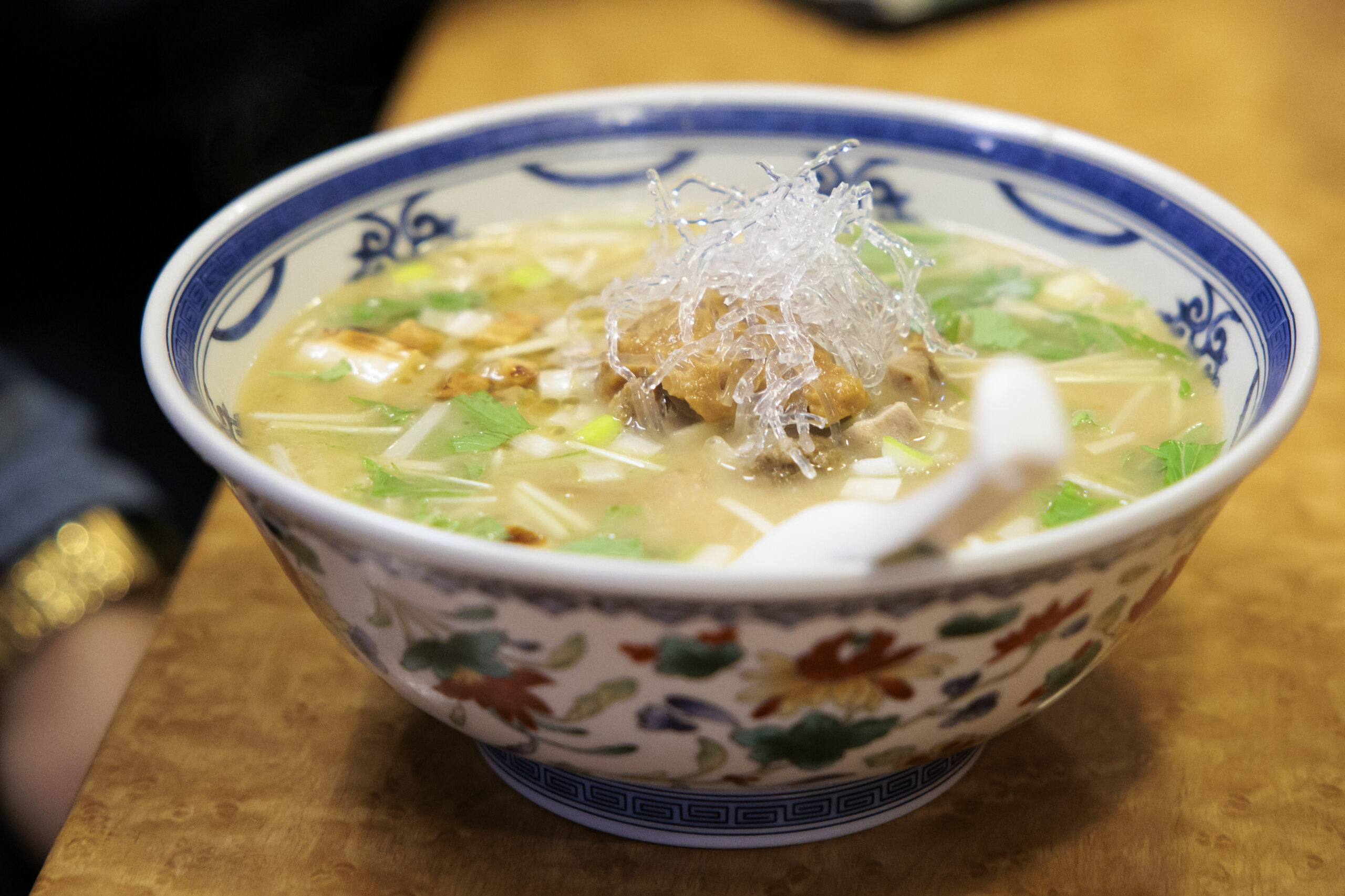
Ramen with shark cartilage at Ramen Ichifuku.Chef and owner Kumiko Ishida of Ramen Ichifuku in the Honmachi neighborhood of Shibuya, Tokyo, looks back across the counter while making miso ramen.
As the bowls landed before us at Ramen Ichifuku, our first stop in the Honmachi neighborhood of Shibuya, I marveled at the nutty aroma of the tan broth of an irorimen-style ramen, enriched with three kinds of miso, tender pork, tangy sake lees, and translucent threads of shark cartilage bundled over top.
I was just as mesmerized by Pryor and Steigerwald, though, as they locked onto their bowls with trancelike focus, then pounced, their faces hovering just inches above the steamy rims. As they began to slurp, columns of noodles steadily streamed upward into their open jaws. The jazz soundtrack of Hiromi’s Sonicwonder playing “Yes! Ramen!!” was punctuated by a gurgling roar reminiscent of shop vacs inhaling shallow pools.
“We call it ‘hitting the zu’s,’” says Steigerwald, noting the reference to zuru zuru, the onomatopoeia for slurping ramen in Japanese comics.
“It’s like turbo tasting, because you get the flavor of it up into all your sensory crevices,” says Pryor, who typically eats a bowl in five minutes or less, to consume each element at its peak.
I leaned over and gave it my best slurp — only to scorch my too-tightly pursed lips with hot broth while the noodles refused to rise. I resorted to my usual leisurely pace, savoring what was nonetheless the best bowl of ramen I’d ever eaten.
It was a comforting collage of firm but slippery noodles glazed in a nuanced broth with a parade of so many other textures — velvety pork, snappy bamboos shoots, tiny crunchy croutons. If only I could learn to properly slurp, it might be even better.
Steigerwald give me a sympathetic look: “We’ve had a lot of practice.”
Philly restaurant romance leads to Japan
Philly’s ramen power couple met at CoZara in 2016, where Steigerwald tended bar, and Pryor, a former news photographer from Delaware turned line cook at Zahav, had become a regular for the restaurant’s $5 Japanese riff on a citywide (Orion beer and a shot of sake).
“I saw them falling in love at that bar,” says Mawn chef Phila Lorn, who was CoZara’s chef de cuisine at the time.
Steigerwald, who grew up in New Jersey near Fort Dix and McGuire Air Force Base with two half-Japanese parents who are both kung fu masters, found Pryor’s budding obsession with ramen endearing: “Cool, the guy I’m dating is into the food of my culture.”
Lindsay Mariko Steigerwald (left) and Jesse Pryor co-owned Neighborhood Ramen on Third Street in Queen Village. They are pictured in their dining room shortly after opening in 2019.
She studied business management at college in Texas with an eye toward opening a Japanese restaurant, so it wasn’t long before they launched one of the city’s early pop-up sensations in 2016, dishing out bowls of intense tonkotsu and spicy tantan from his apartment between shifts at Cheu Noodle Bar, Morimoto, and Zahav.
When they finally opened their Queen Village shop in 2019, they instantly raised the city’s ramen bar. They acquired a used ramen machine in 2022 to begin making their own noodles (a rarity, considering the process is more involved than Italian pasta), raising the local standard once again.
But over the course of their research visits to Japan — where they were entranced by the abundance of quality ingredients as well as a public sense of order thatkeeps the streets tidy, safe, and tranquil — their pipe dream steadily bloomed into a determination to actually move.
“We did our thing for 10 years in Philly, but between the political climate and inflation there, the more we visited [Japan], we realized that this was where we want to be,” says Steigerwald. “We just want to make a modest living, be happy, and be proud of what we do.”
Steigerwald is eager to bring her family’s Japanese roots full circle, closing the loop that brought her two grandmothers to the United States after World War II: “My aunt in Texas finds it interesting that [my grandmothers] moved to America for a better life in the 1950s and that we are moving back to Japan to find a better life 70 years later.”
Steigerwald is pursuing a Nikkei visa for Japanese descendants. She hopes that the couple, who eloped in August — “moving to a new continent, we figured it was time,” she says — can open their shop in Koenji, a neighborhood known for its counterculture. It reminds them of South Street.
Tokyo transplants
In the meanwhile, they’ve been having rewarding ramen encounters everywhere. That included a spontaneous detour to Honmachi’s bustling and futuristic Denny’s, where ordering is automated and the food is delivered by a fleet of beeping musical robots.
“Honestly, I’d be hyped to eat that tantan anywhere,” says Pryor, gazing approvingly at a bowl of noodles whose broth is rich with sesame paste, ground pork, and orange puddles of chili oil. (Japanese Denny’s are owned by the same company as the country’s celebrated versions of the 7-Eleven, explaining the impressive confluence of quality and value.)
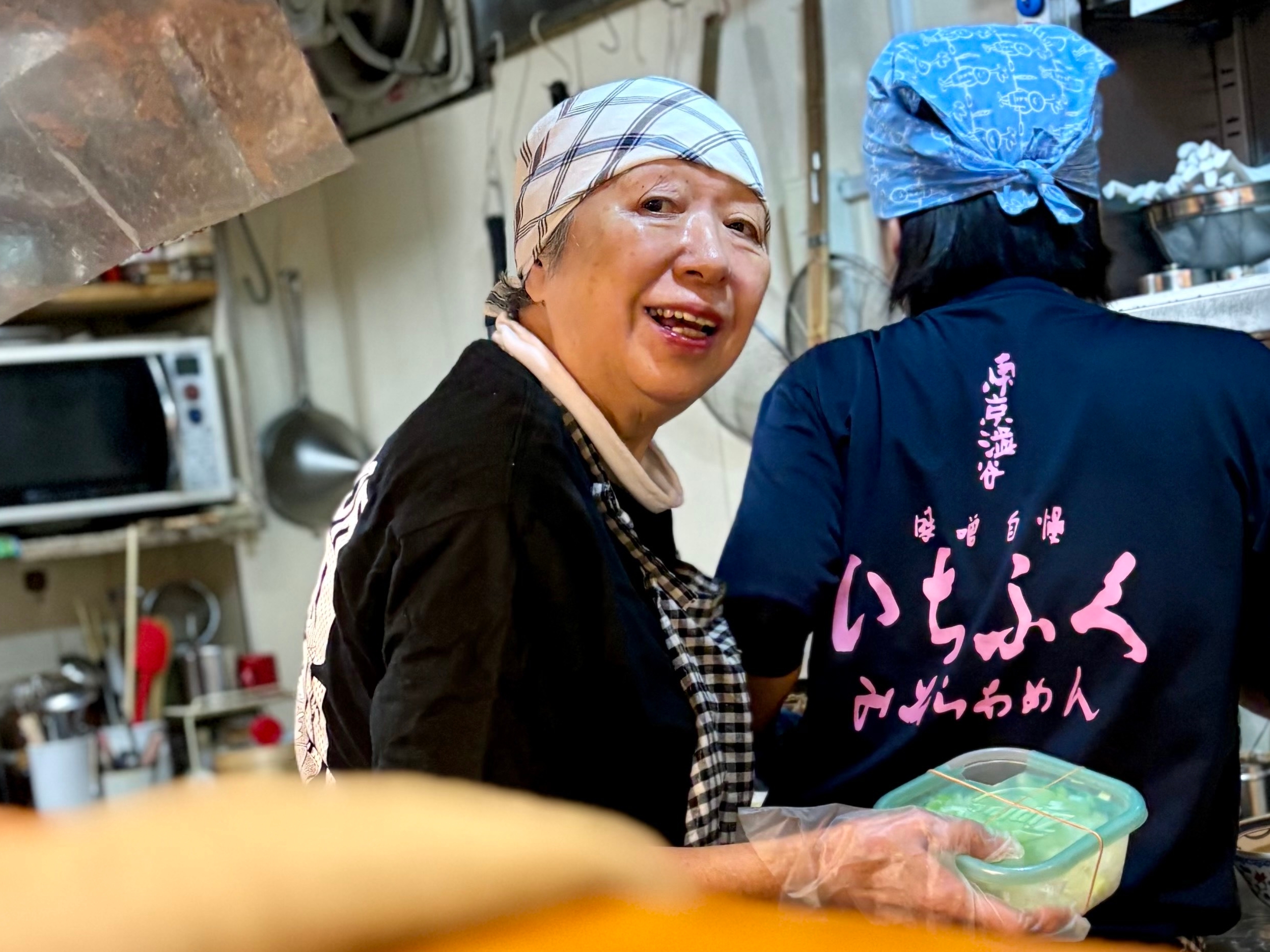
The duo’s exploration of the upper echelons of Tokyo’s artisan ramen world, however, has gone a long way toward building a community of friends and peers. When we arrivedat Ichifuku, chef Kumiko Ishida was wearing a Neighborhood Ramen T-shirt. The 15-seat restaurant in a homey, living room-like space is one of the very few ramen shops in Tokyo owned and operated by a woman, and Steigerwald and Pryor had named one of their regular specials in Philadelphia “Mama Miso” in the chef’s honor.
The source of their inspiration did not disappoint, even if Ichifuku would not divulge how (or from what) she makes her signature croutons, which remain a subject of ramen-world speculation because they never turn soggy in broth.
Chef Kumiko Ishida wears a Neighborhood Ramen T-shirt while cooking at her restaurant, Ramen Ichifuku. It is one of the very few ramen shops in Tokyo owned and operated by a woman.
Such minuscule details are the fodder for constant discussion among ramen hunters like Pryor and chef friends like Hiroshi “Nukaji” Nukui of Menya Nukaji in the Shibuya section of Tokyo, where Neighborhood staged a well-received pop-up in 2023. Nukui, who joined us for part of our journey, said he was thrilled the couple had decided to make the move to Tokyo.
“Their passion is so strong. Many Japanese have not been to the amount of ramen shops they’ve been to,” Nukui said. And their status as foreigners might also be an advantage, he suggested. “Japanese ramen chefs typically work under a famous chef and end up following in that tradition. But [Pryor and Steigerwald] are not boxed into a style or lineage.”
In fact, Pryor plans to focus on a ramen style similar to Nukui’s, a double-brothed ramen (also called “W soup”) that blends rich pork tonkotsu with an intense seafood broth called gyokai. While Nukui is known for his tsukemen style — in which noodles are served on the side for dipping into a broth as thick as gravy — Pryor intends to serve his noodles soup-style.
“This style is so impactful,” Pryor says, “you eat it and you’re like ‘Whoa!’” (I tried Pryor’s gyokai tonkotsu at both Neighborhood Ramen and Eso, and it is one of the most powerful, smoky, ocean-flavored broths I’ve ever tasted.)
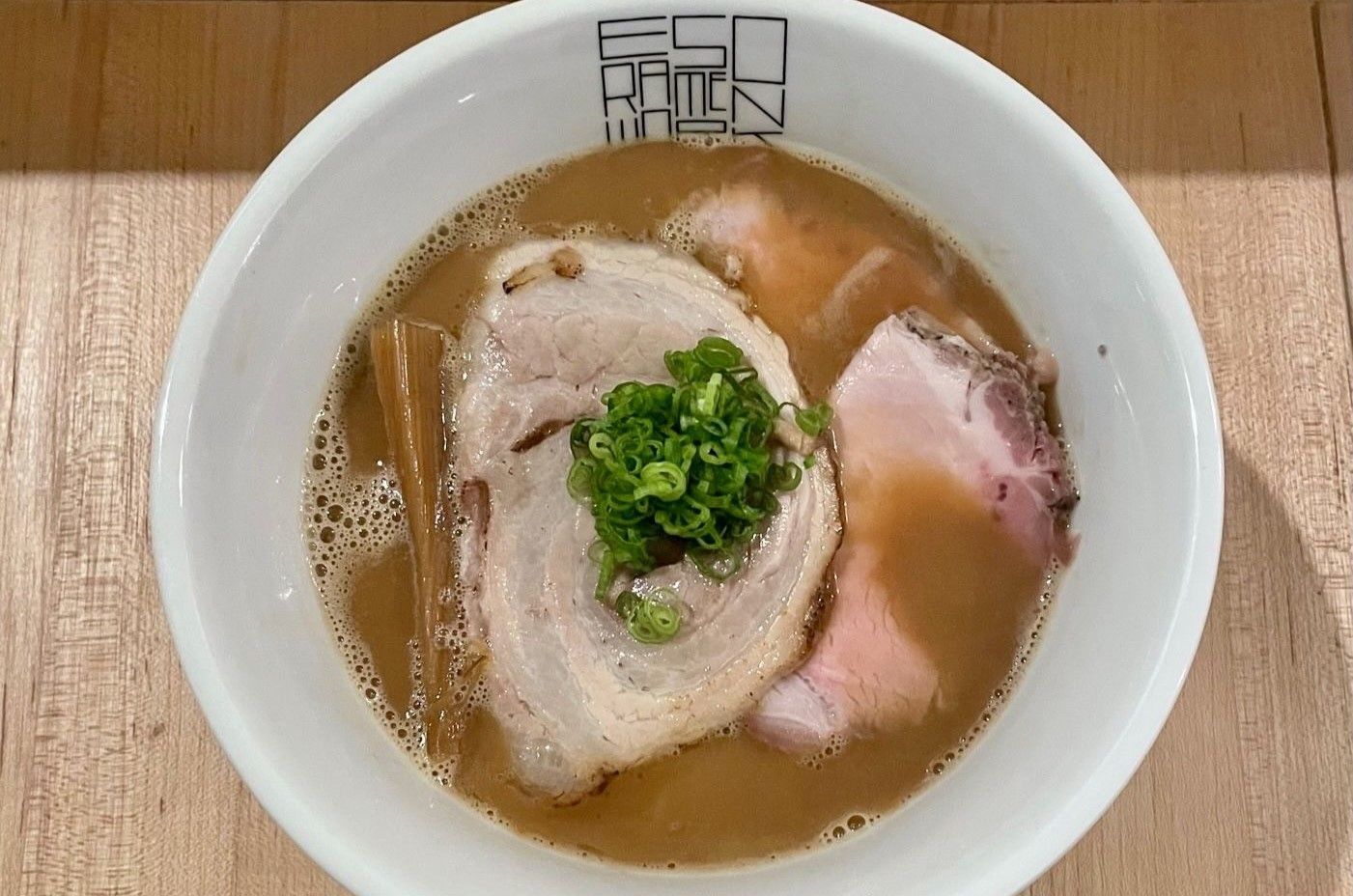
Gyokai tonkotsu ramen at ESO Ramen Workshop, 526 S. Fourth St.
“Their ramen is no joke,” agrees Kosuke Chujo, the griddle master of Nihonbashi Philly, Tokyo’s shrine to Philly culture. “They are very, very good. The broth, of course. But also the fact they make their own noodles. Your average Japanese ramen maker does not do what they do.”
Indeed, high-quality noodles are so widely available in Japan that few ramen shops bother; there are so many other details to refine in composing a great bowl. At our final stop of the day, Ramenya Toy Box in Minowa, we were given a master class in the art of ramen’s two most elemental styles: shio (clear broth seasoned with salt) and shoyu (clear broth seasoned with soy).
As we stood in line outside the small white building, Pryor warned us of a solemn dining experience to come. It sounded like the polar opposite of the relaxed atmosphere at Ichifuku. “Yamagami-san is strict. His vibe is very serious, and the cooks stand at attention,” he said, referring to owner Takanori Yamagami, who studied under famed “Ramenbilly” chef Junichi Shimazaki, the pompadour-coiffed social media sensation whose shop is known for its no-talking rule.
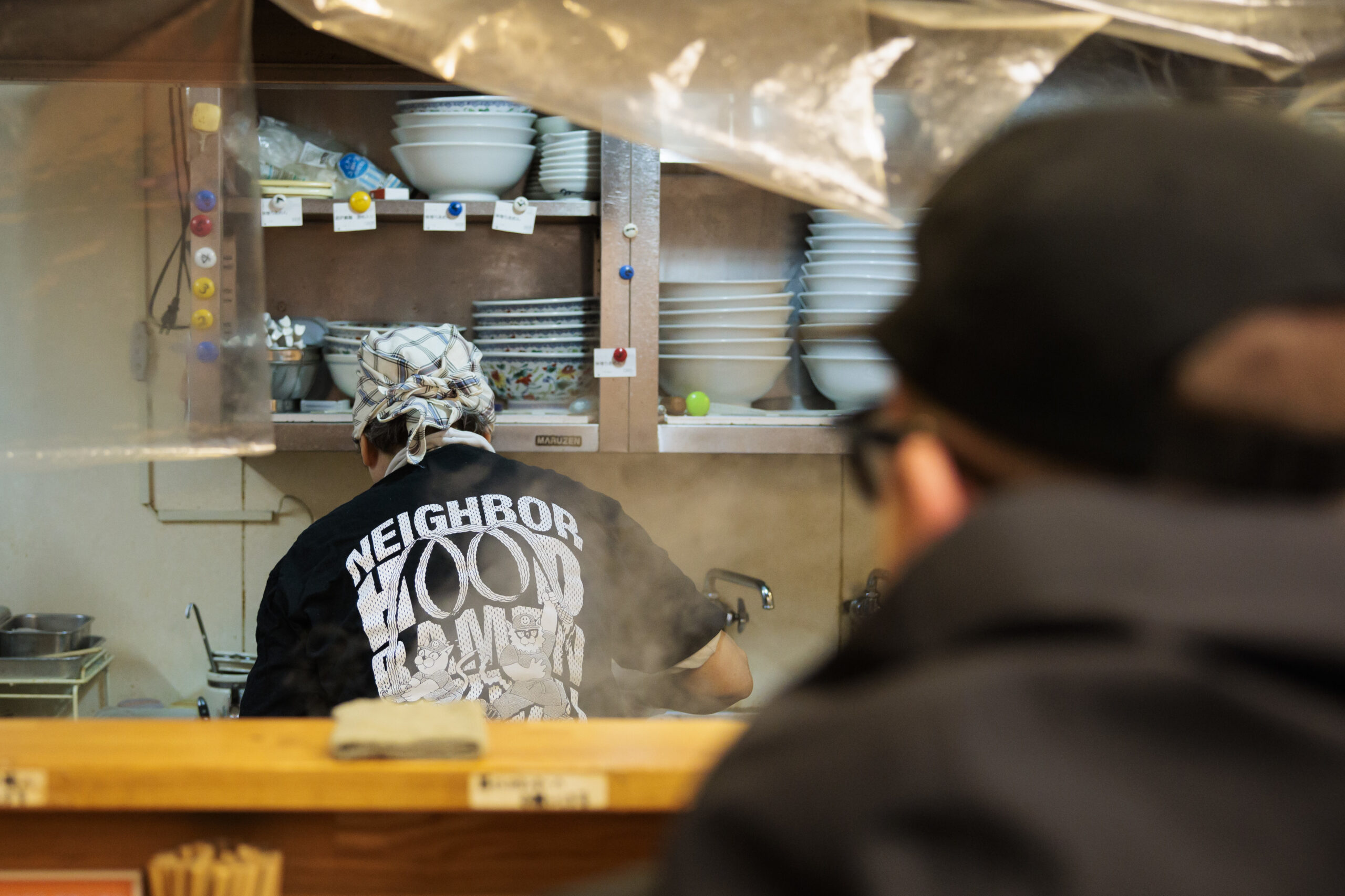
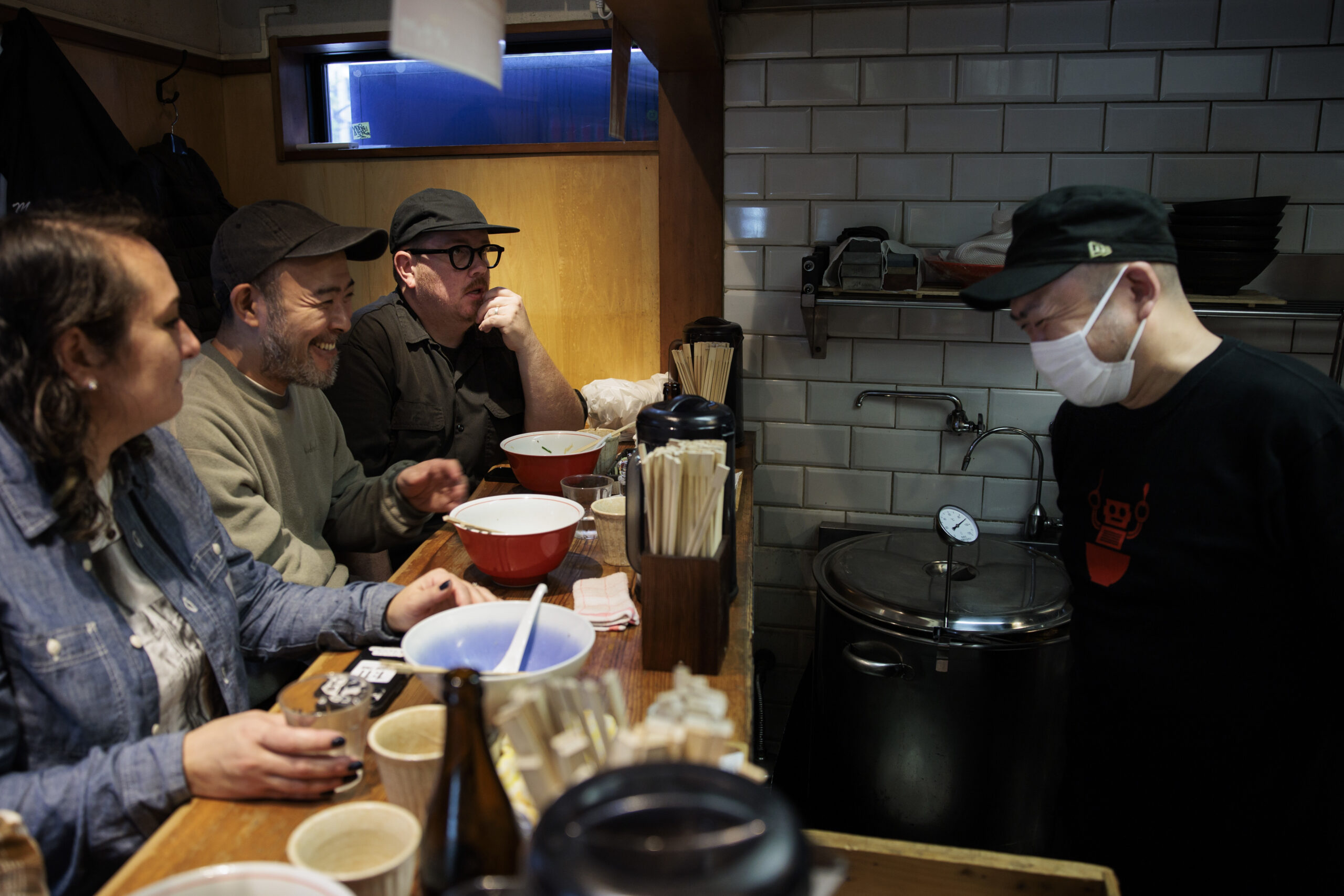
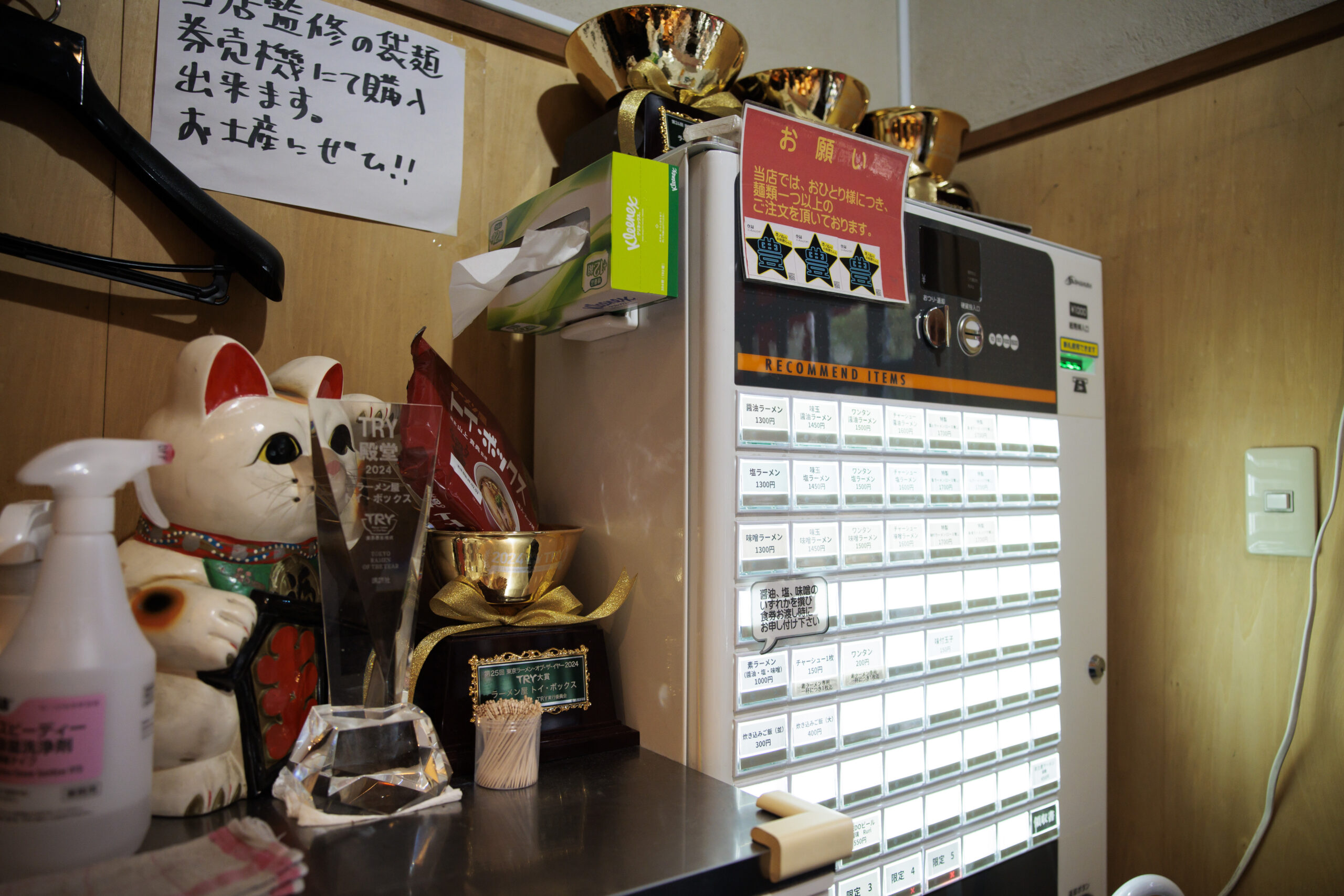
Lindsay Mariko Steigerwald (from left), Hiroshi Nukui, and Jesse Pryor laugh with chef and owner Takanori Yamagami during a meal at Ramenya Toy Box in November. “I think it’s a great thing,” Yamagami says of Steigerwald and Pryor’s move to Tokyo. “If their ramen is good, people will go.” A ticket vending machine is used to pay for ramen at Ramenya Toy Box. Gilded trophy versions of the shop’s bowls attest to its reputation as one of Tokyo’s best ramen destinations.
Yamagami has made his own name in this tiny space, where the counter wraps like an elbow around the open kitchen. Pristine renditions of three classic styles won him induction into the ramen hall of fame in 2024.
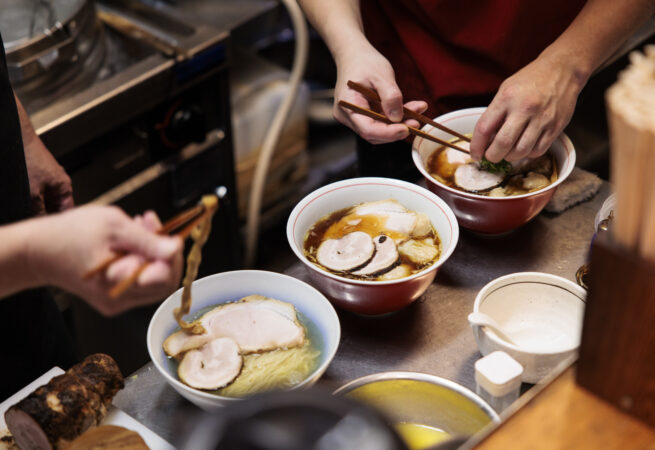
The small team worked silently alongside him, prepping the “tare” seasoning base while the chef drained baskets of noodles in both hands, shaking off cooking liquid with almost-musical syncopation. A flick of his chopsticks coaxed the noodles, placed in bowls, into a perfect comb-over wave, to be swiftly layered with two kinds of chashu (pork belly and loin), a perfect egg, a curl of bamboo shoot, and a final spoonful of rendered chicken fat that glinted like gold.
The intense broth of just chicken and water is the true source of Toy Box’s magic, drawn froma slow-cooking cauldron in back that appears to be more chopped-up bones than liquid. Three kinds of heritage chickens contribute different properties of richness, collagen, aroma, and flavor. In the bowl, the most straightforward shio ramen is seasoned only with salt, thinly shaved scallions, and a dusting of tart sudachi citrus zest; it’s one of the most vivid yet delicate distillations of chicken I’ve tasted.
Yamagami’s shoyu ramen — seasoned with six kinds of soy sauce, including several fermented in wood vats — begins with that same vivid chicken flavor, then blooms with earthy umami.
Shoyu ramen at Ramenya Toy Box.
I lean in, inhale, and — at last — execute a proper slurp, the firm, slippery noodles swiftly rising up past my lips with a velocity and snap that fans the flavor volume even higher. I can understand why Pryor, who usually visits new shops daily, has returned to Toy Box a dozen times.
The respect is clearly reciprocal. Yamagami is eager to see the Neighborhood Ramen couple plant their flag in Tokyo. And, as if to punctuate that thought, he reached over the counter and gifted Pryor one of the white bowls lined with sky blue that he uses for his signature shio ramen. It’s like watching a great athlete hand his jersey to a rising star.
“It’s inspiring for us, too,” Yamagami says of their arrival. “I think it’s a great thing. If their ramen is good, people will go.”
The gesture isn’t lost on Pryor or Steigerwald, who clearly cannot wait to begin sharing their own ramen talents with Tokyo. They sold their coveted ramen machine before leaving Philadelphia (to the forthcoming Tako Taco) and have plans to buy a new one here soon, so Pryor can get his hands back in the dough.
The couple intend to level up to the standards of their new noodle landscape. “We want it to be fun, welcoming, and chill — not intimidating,” says Steigerwald, who imagines a space with fewer than a dozen seats.
But so many hurdles remain, from visa bureaucracy to finding the perfect location. So they have stayed focused on what’s next: their first holidays in Tokyo, a trip to the ramen museum in Yokohama, and a big test at their Japanese language school.
They already have a post-exam celebration plan in place. Not surprisingly, said Steigerwald, it will involve “one monstrous bowl of ramen.”
Lindsay Mariko Steigerwald and Jesse Pryor, formerly the owners of Neighborhood Ramen in Philadelphia, lead the way on a ramen crawl across Tokyo, where they moved toward the end of 2025.
A chef’s career rarely follows a straight line, but as I settled into one of the cushy circular nooks at Fleur’s for a memorable meal, it was clear to me that George Sabatino’s story had detoured away from the spotlight for far too long.
Now a chef-partner at this gorgeous new Kensington restaurant, Sabatino was one of the most promising and inventive young chefs in Philadelphia a decade ago, spinning “herbivore” tasting menus, sous-vide shrimp ceviches, and crispy lamb rillettes at Aldine, his chef-owner debut near Rittenhouse Square that earned three bells in 2015.
When that restaurant closed three years later, however, Sabatino embarked on a journeyman’s path that never quite found sustained footing. He dipped back into his previous home in the Safran Turney universe for a spell as culinary director (reopening Lolita, helping with Bud & Marilyn’s at the airport, Good Luck Pizza Co., and Darling Jack’s), tried his hand at farming, worked as a private chef, and then helped stabilize Rosemary in Ridley Park.
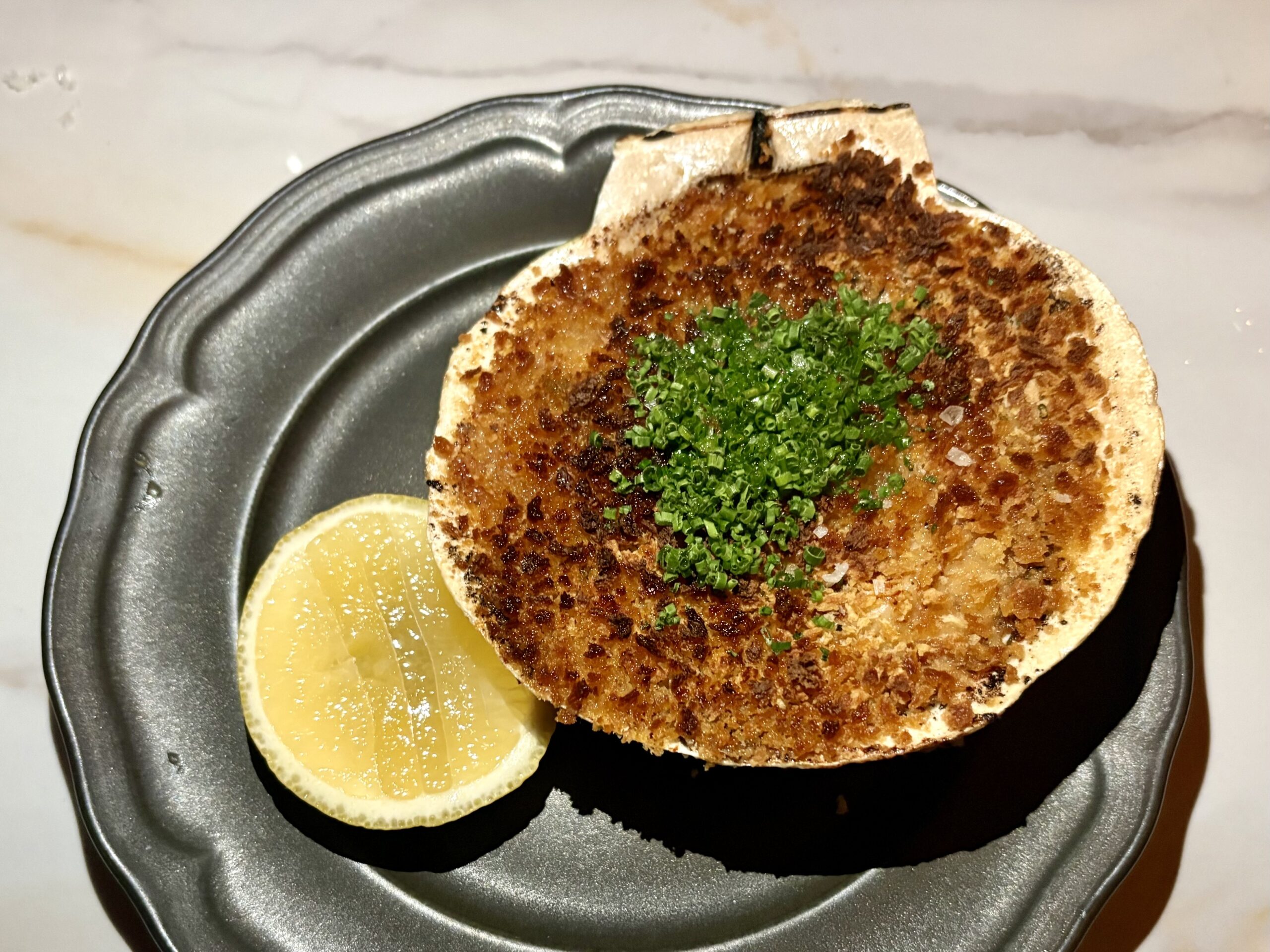
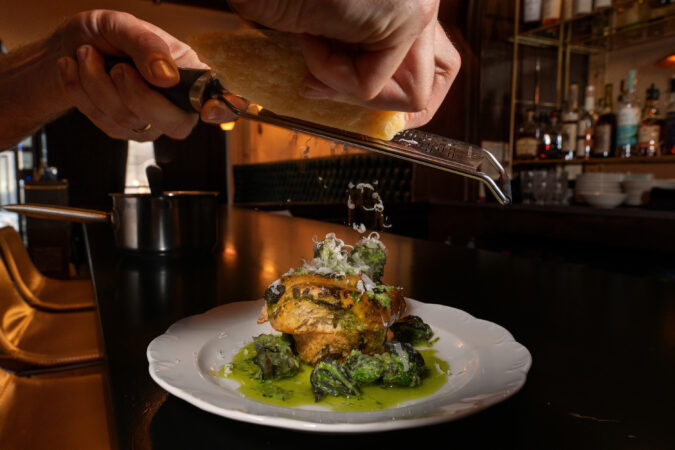
The scallop gratin at Fleur’s in Kensington suspends the sweet mollusks in a puree of celery root soubise and nixtamalized corn miso.
But Fleur’s is the first time in eight years Sabatino has been able to cook his own food — a style that’s now matured beyond the molecular gastronomy tricks of his youth. He’s now focused more on using seasonality and fermentation to elaborate on some classic French ideas. A scallop gratin cradled in its shell, for example, appears familiar enough, evoking Fleur’s brasserie theme with an aromatic whiff of truffle butter. But when I cracked its toasty crumb surface, those sweet scallops were enveloped in a silky puree that traveled to unexpectedly earthy depths thanks to a celery root soubise touched with nixtamalized corn miso. This was just the first of many bites that reminded me why I had been looking forward to Sabatino’s comeback for some time.
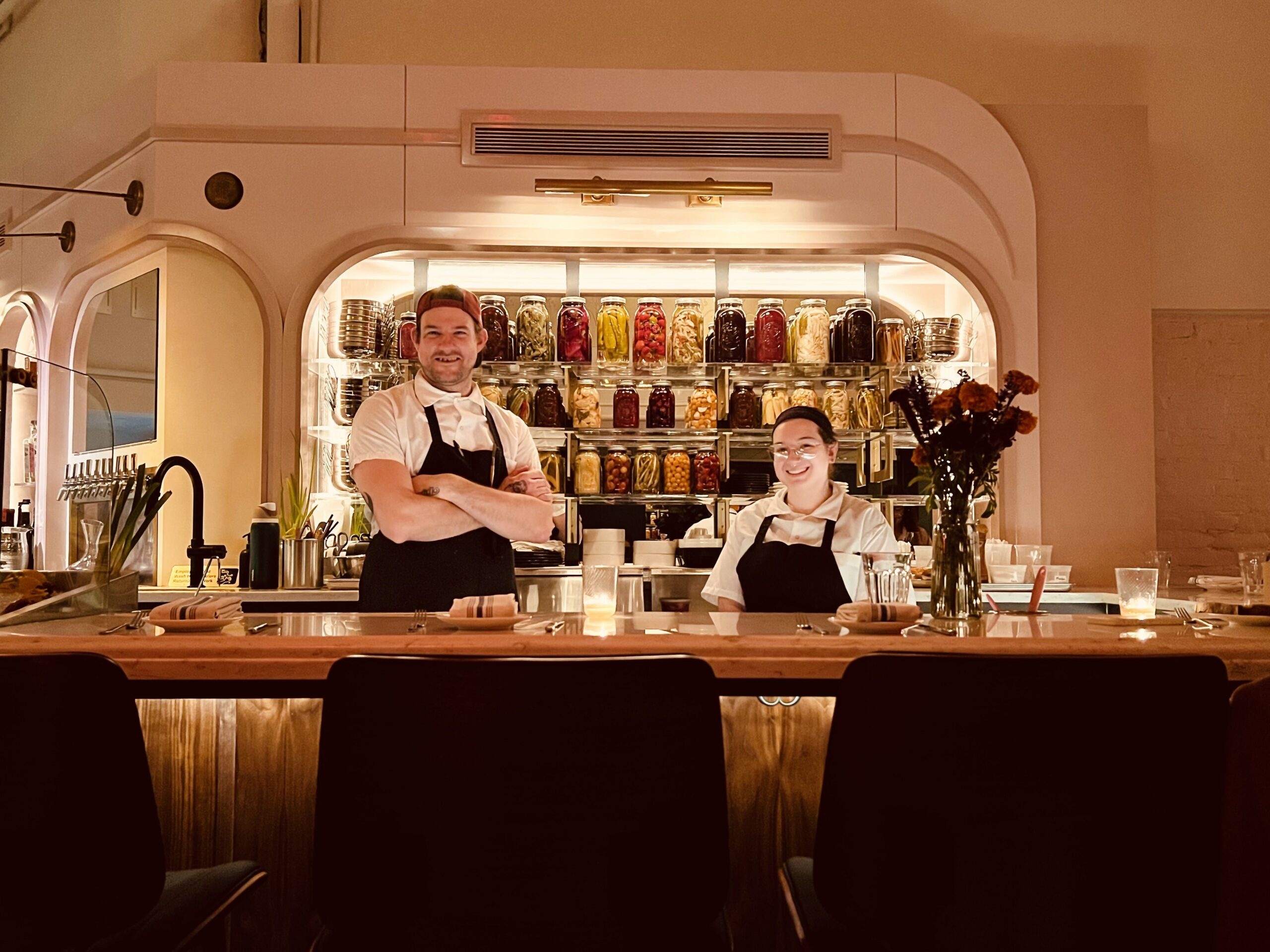
An impressive larder of canned produce displayed in jars behind the bar adds inspiration across the menu. There’s watermelon vinegar in the mignonette for raw Island Creek and Savage Blonde oysters, a vivid memory of distant summer soon to be replaced with the tart essence of fall pumpkin. A custardy mustard infused with seasonal fruits — preserved peaches at a recent visit — comes layered beneath a perfect terrine of pork and pistachio wrapped in bacon with crunchy beet-pickled vegetables à la Grecques.
Even a platter of briny middleneck clams on the half shell get a boost from a house-fermented hot sauce made from Fresnos and dried ancho chiles; the simple combination of tangy spice and ocean spray elevates this often-undervalued mollusk into a star-worthy role at Fleur’s.
The raw bar’s shucking window sits at the crook of the long bar, which bends to follow the elbow-shaped contour of this historic space that is, in many ways, having a comeback of its own.
The inside dining at Fleur’s in Philadelphia on Friday, Jan. 2, 2026.The outside of Fleur’s in Philadelphia on Friday, Jan. 2, 2026.
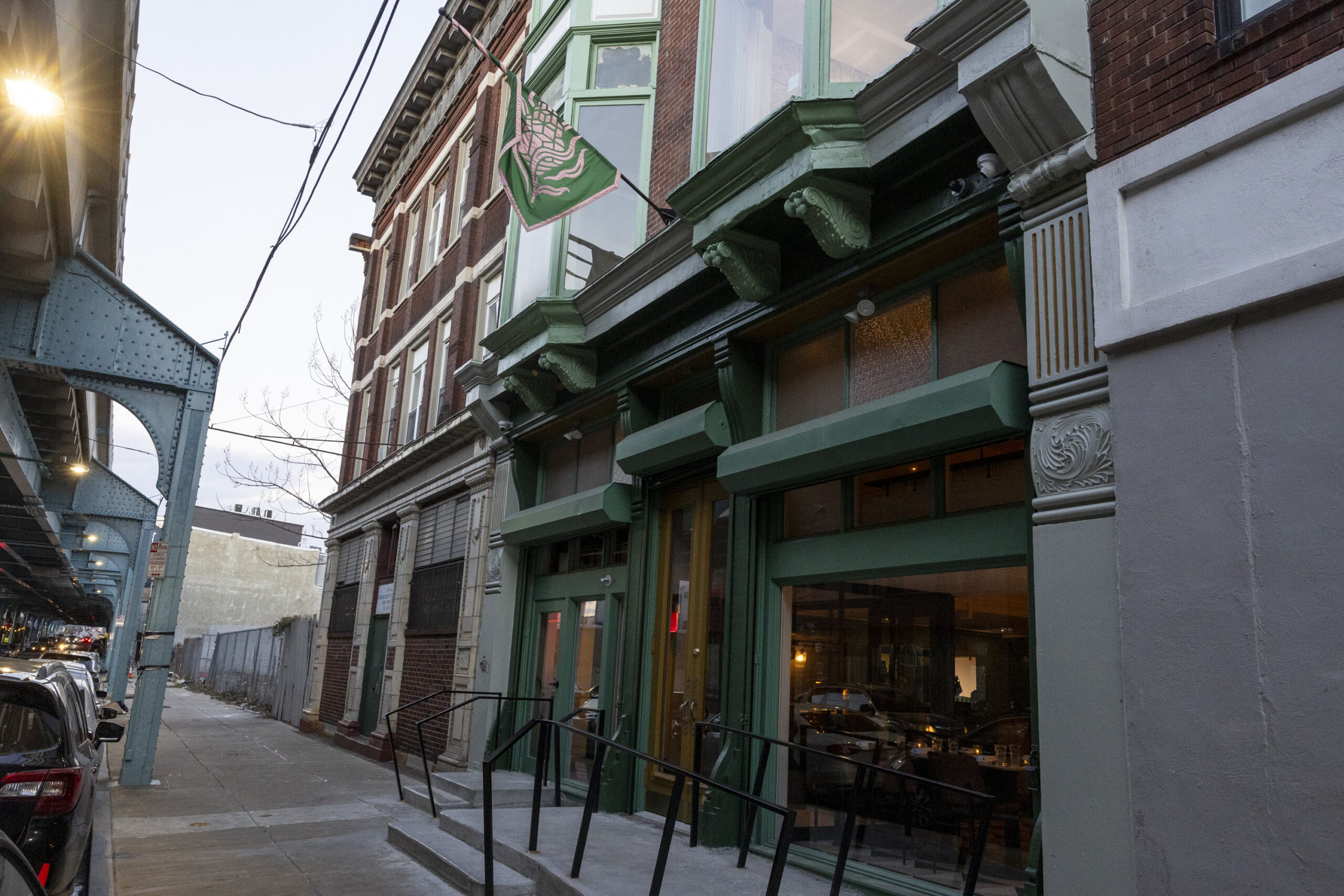
You could easily miss the understated green facade of this five-story building on North Front Street, its entrance partially obscured by the rumbling girders of the Market-Frankford El. Even friends of mine who live mere blocks away were unaware that the old Fluehr’s Fine Furniture store — active from the 1880s through the early 2000s, but vacant for 17 years — had been renovated and revived, with plans to transform the L-shaped building into a boutique hotel, restaurant, and roof-deck event space.
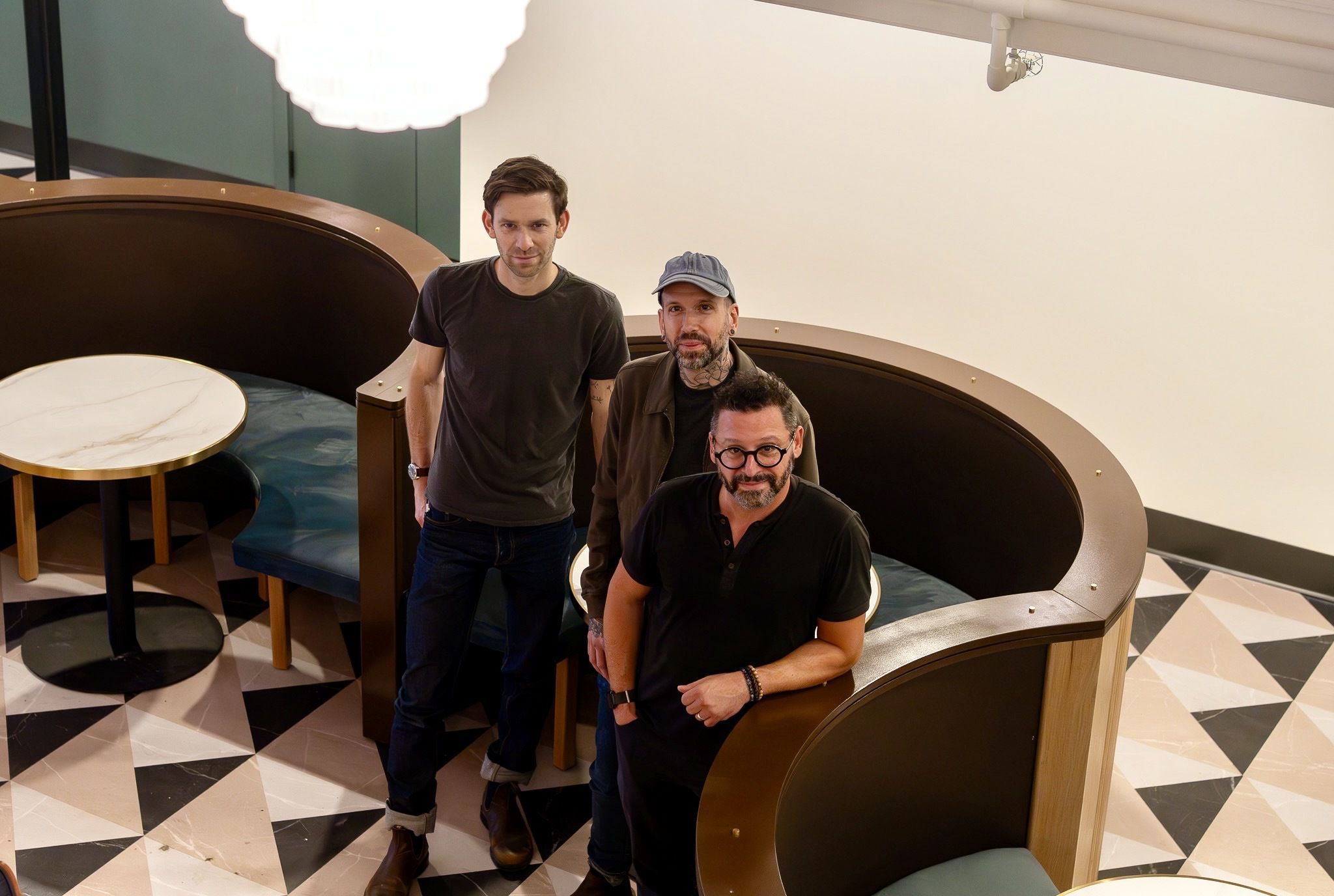
Aside from the spelling modification to make the name sound French, it took plenty of vision for Sabatino’s partners, Starr alums Joshua Mann and Graham Gernsheimer, to conjure an upscale brasserie as an anchor for this project. One of the city’s best Puerto Rican restaurants, El Cantinflas Bar and Taco Place, has been a mainstay around the corner. But in 2022, when Mann and Gernsheimer first walked in and fell in love with this quirky space, none of the places that have since marked gentrification’s steady march northward into Kensington — Starbolt, Lost Time Brewing, Rowhome Coffee, American Grammar, Lee’s Dumplings and Stuff — had opened.
The inside dining at Fleur’s in Philadelphia on Friday, Jan. 2, 2026.Renderings of the Fluehr’s Furniture Store building re-envisioned as a boutique hotel.
The restaurant is phase one of the building’s ongoing development. And designer Lisa A. Calabro of cfTETTURA projects did a stellar job reimagining the deceptively large room into an inviting 130-seat space, preserving the mezzanine and art deco pendant lamps from Fluehr’s, then lining the dining room floor with geometric tiles and a chain of plush, semicircular teal banquettes that lend the dining experience an uncommon coziness.
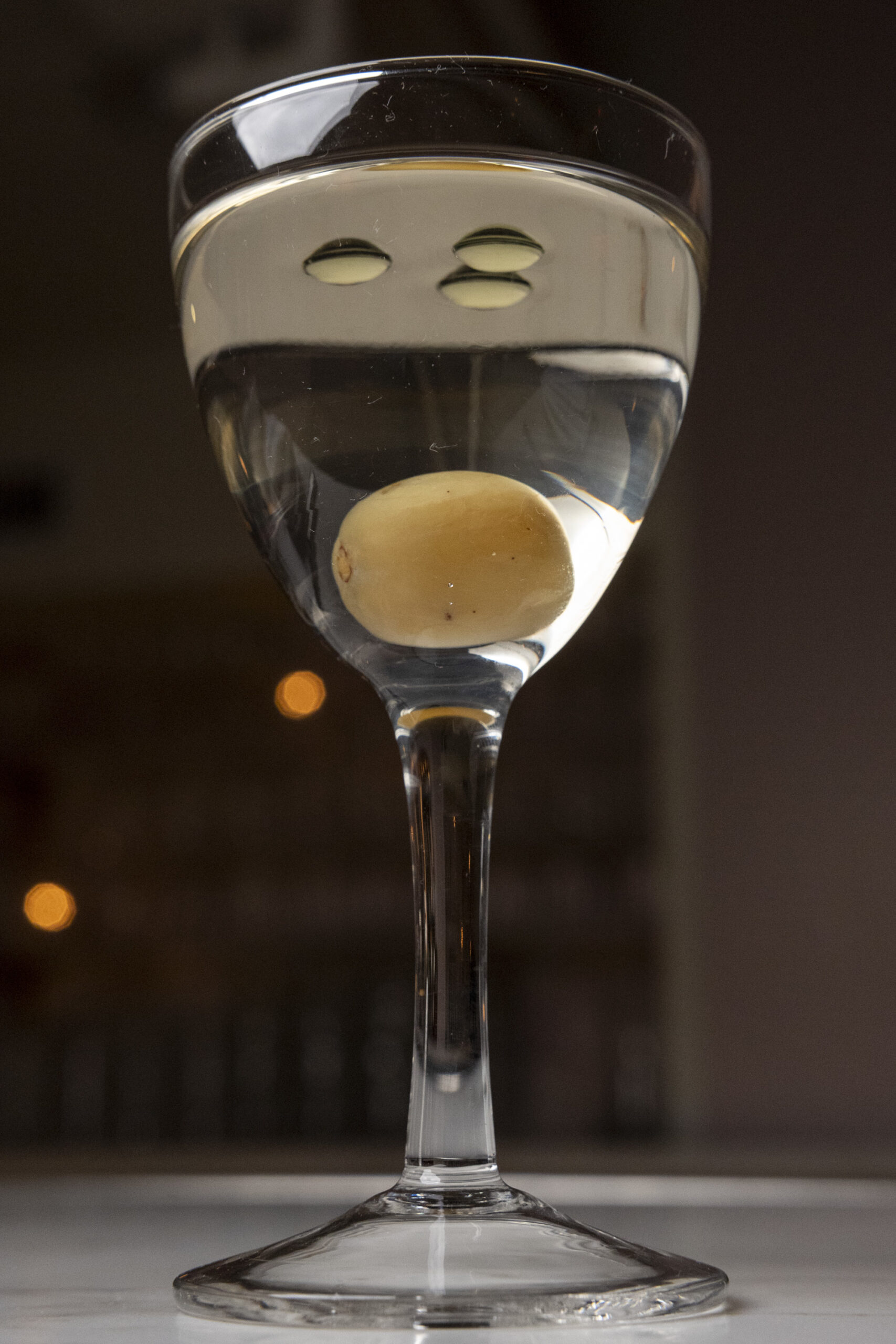
Even more intimate is the “hot tub,” a partially enclosed room for up to eight diners in back. It’s an intriguing nook where conversation is easy and the well-informed, outgoing servers drop details on everything from the smoked beef heart grated over the roasted carrots with puffed amaranth to the pickled-grape prize at the bottom of Fleur’s signature martini (exceptionally aromatic with a French-y touch of Pineau des Charentes). Ultimately, I preferred being part of the date-night energy in the main dining room, even if midweek crowds have been light.
The Fleur’s martini in Philadelphia on Friday, Jan. 2, 2026.
That’s perhaps no surprise, given that the check average of $71 (before tip and tax) hits a splurge level this corner of Kensington hasn’t seen to date. There’s solid value in the daily happy-hour specials, when you can snack on gluten-free frites crisped in beef tallow ($6) or a generous petite plateau from the raw bar ($40) to go with $8 glasses of French wine.
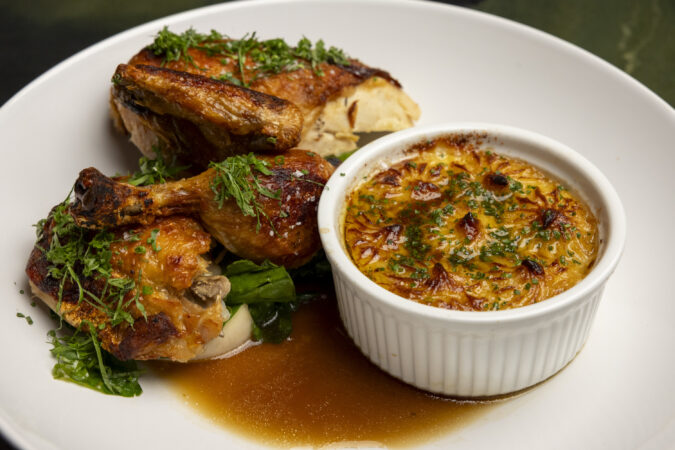
But Fleur’s regular dinner menu may oblige some light price-adjusting until it hits the sweet spot to attract a steady flow of neighborhood regulars. Sabatino’s roasted half chicken, for example, has instantly strutted into the top tier of my favorites, cured with duck fat-koji butter for a few days before it’s roasted to a crisp alongside a tub of impossibly good Duchesse mashed potatoes laced with Gruyère cheese. But at $39, it’s more expensive than similarly excellent chickens at Vernick Food & Drink, Parc, Honeysuckle, and Picnic.
Executive sous chef Ryan Connelly and line cook Emma Lombardozzi at the raw bar at Fleur’s, 2205 N. Front St., on Oct. 25, 2025.
Sabatino’s cooking is generally good enough to merit destination status, with a few exceptions. But in the tradition of ambitious new restaurants becoming pressure tests for the spending limits of a neighborhood in transition, Fleur’s will be an intriguing case to follow.
As it stands, aside from the chicken and a tasty cod in brown-butter meunière garnished with multiple varieties of pickled beans and caper berries, the entrees weren’t necessarily the highlights of my meals. The hanger steak frites, cooked sous-vide then finished to order, lacked the satisfying chew of a good steak properly cooked from raw. The Parisian gnocchi, the menu’s only sub-$30 entree, were a fine vehicle for a delicious ragout of Mycopolitan mushrooms, but the deep-fried plugs of choux pastry dough themselves were dry.
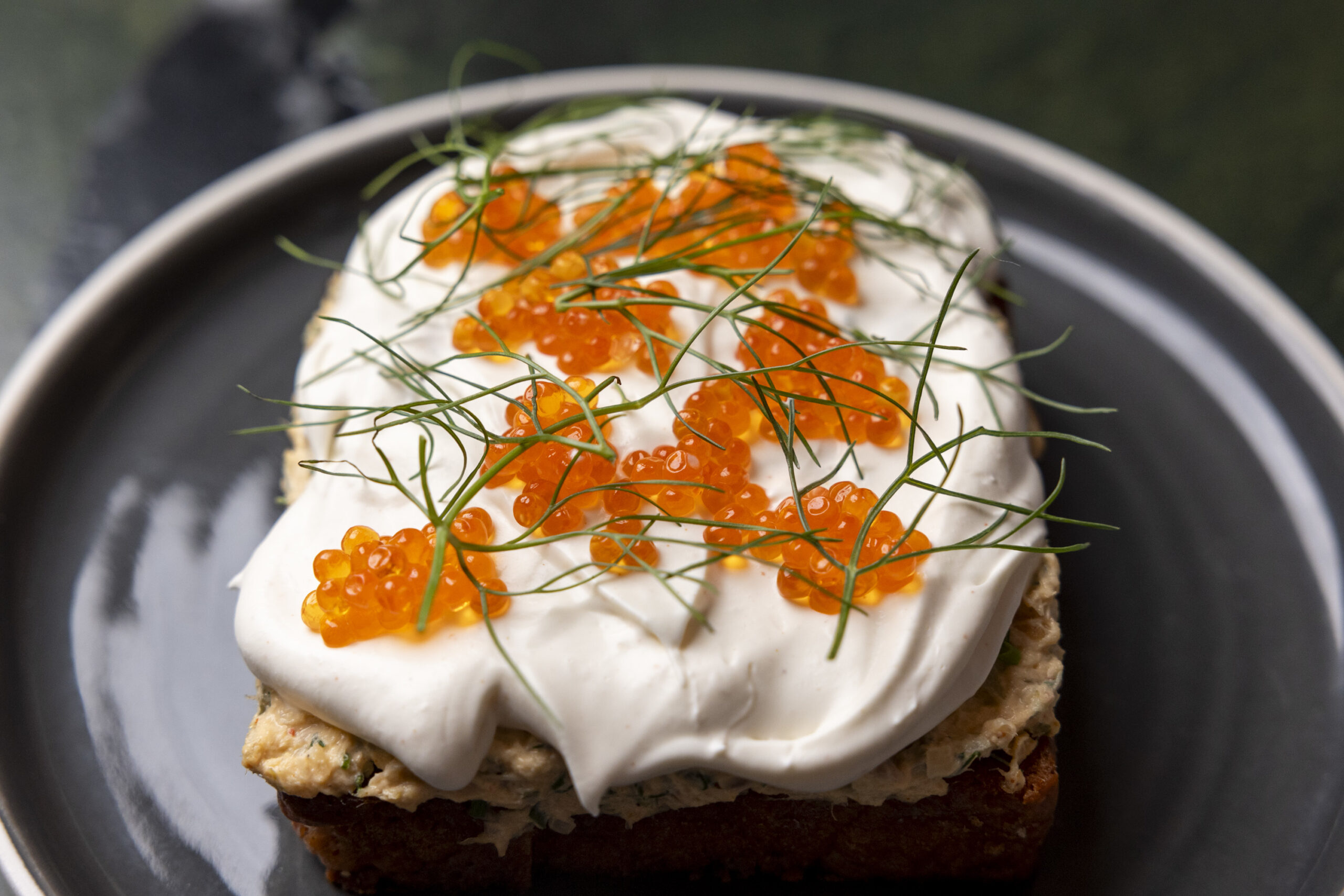
The whitefish tartine is a wonder of textures and subtle flavors.
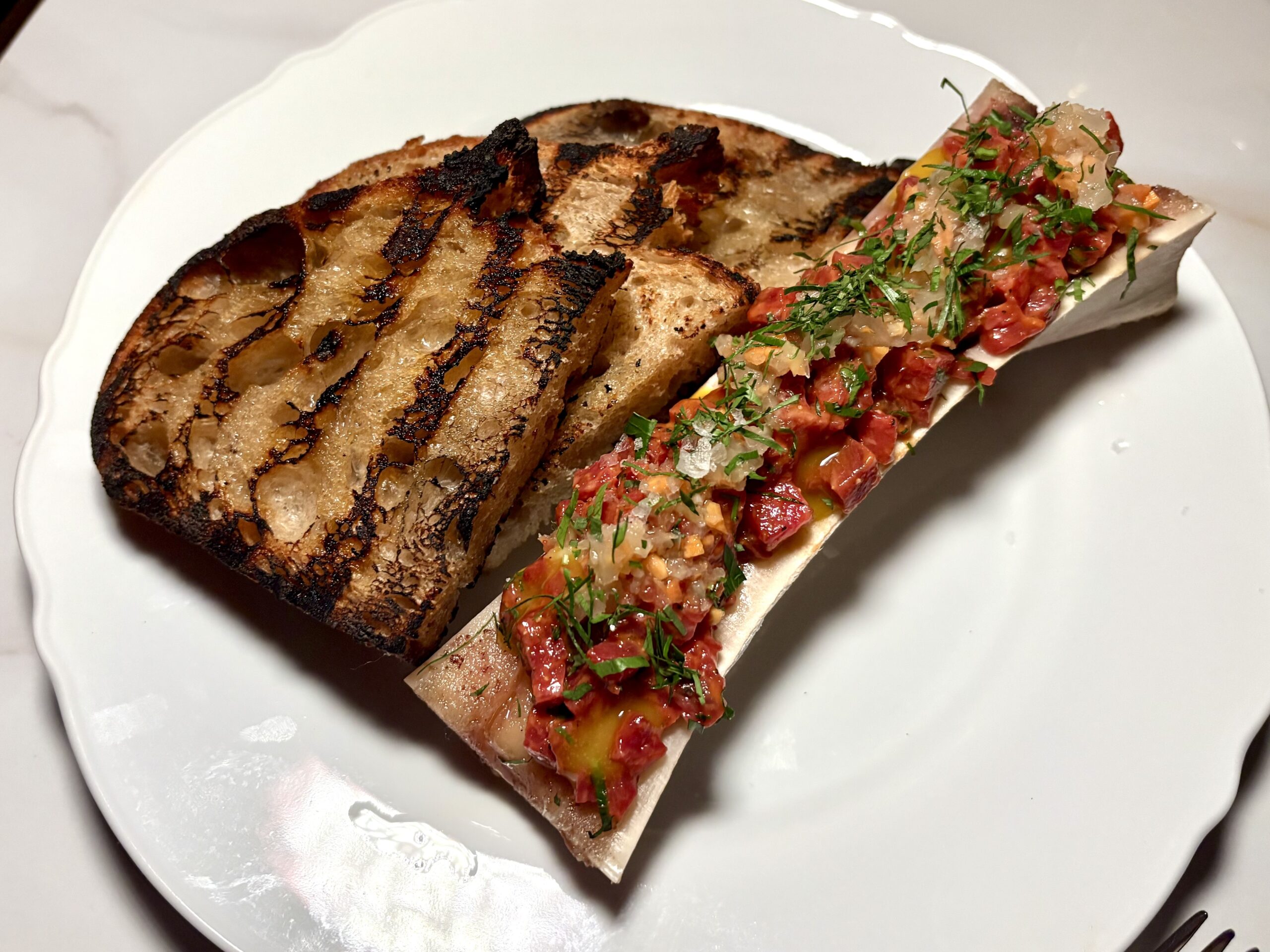
The most exciting bites here can be found among the more affordable small plates and raw bar offerings. Sabatino’s whitefish tartine is a wonder of textures and subtle flavors — the smoked fish salad layered between a bavarois cloud of fennel-steeped whipped cream beaded with salty trout roe and a toasty slice of duck fat brioche so good that I was stunned to learn it’s also gluten-free. There are tart shells stuffed with creamy uni custard. The dashi-poached shrimp cocktail is butter-tender and full of flavor. The zesty, hot-sauce spiked beef tartare comes decadently mounded over a roasted bone of melty marrow.
Beef tartare is served over roasted bone marrow at Fleur’s in Kensington.
Sabatino’s talent with vegetables is also on full display, with half-moons of deeply caramelized onion tarte Tatin enriched with Gruyère and more of that corn miso (made for Sabatino by Timothy Dearing of the Ule supper club). Roasted rounds of sumac-cured sweet potatoes are encrusted with sunflower seeds drizzled in a sauce gribiche. Grilled caraflex cabbage is served “à l’orange” with pickled green tomatoes, preserved ginger relish, spiced peanuts, and herbs.
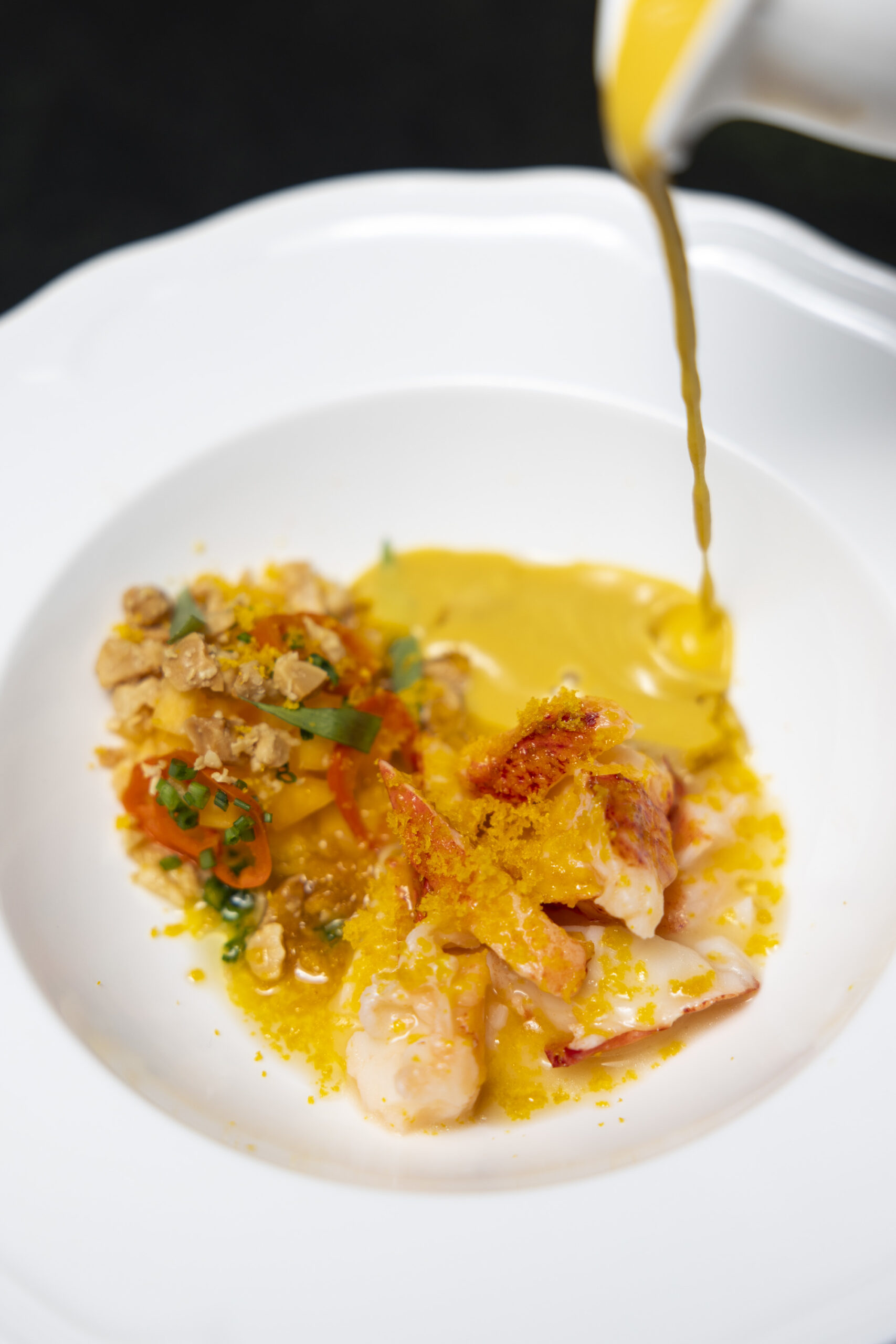
The lobster soup with a squash broth at Fleur’s in Philadelphia on Friday, Jan. 2, 2026.
Pumpkin is also transformed into a luxuriously creamy soup with the fermented Japanese rice brew called amazake, poured tableside as an orange velouté over butter-poached lobster and crushed marcona almonds, chiles, and pickled pumpkin.
For dessert, you might go for the cheffy croissant stuffed with foie gras and white chocolate topped with sour cherry marmalade. But that croissant was even better blended with other bread scraps into a holiday bread pudding soaked with a rummy egg-nog crème anglaise garnished with brandied whipped cream.
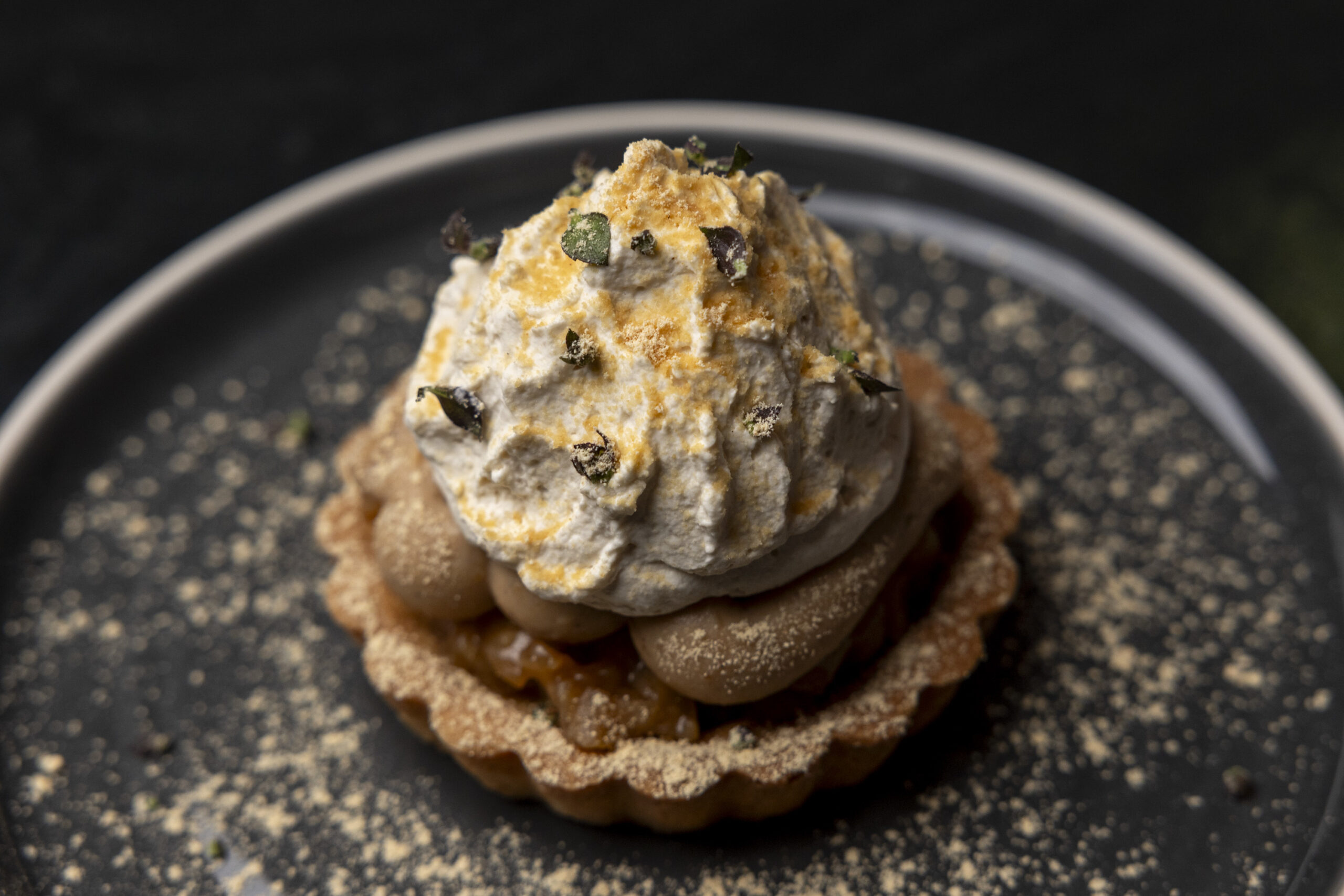
My favorite finale here, courtesy of sous-chef Zoe Delay, is a regal take on the Mont Blanc, a brown-butter shortbread shell filled with brandied apples and a mountain of piped chestnut crème diplomate frosted with a peak of ginger whipped cream. The pastry first found popularity in France in the late 1800s.
Coincidentally, that’s around the same time the Fluehr’s family was opening its furniture store on North Front Street — just as Kensington was earning its industrial reputation as the “workshop of the world.” How fitting that it should mark the sweet revival of this venerable space. It’s a delicious comeback in every sense of the word.
The Mont Blanc at Fleur’s in Philadelphia on Friday, Jan. 2, 2026.
About 85% of the menu is gluten-free or can be modified, but highlights include gluten-free frites and gluten-free brioche for the whitefish tartine.
Menu highlights: scallop gratin; smoked whitefish tartine; clams on the half-shell with house hot sauce; pork and pistachio terrine; squash velouté with lobster; marrow bone beef tartare; grilled sweet potato; roasted carrots with grated smoked beef heart; roast chicken; cod; Mont Blanc tart.
Drinks: The French theme and focus on seasonality and fermentation extends to the beverages, beginning with cocktails like the house martini kissed with Pineau des Charentes and a pickled grape, or the French 75-ish Esprit de Corps with sage syrup and cognac infused with Lancaster County trifoliate oranges. The wine list is entirely French, focused on lesser-known indie bottles, like a petit salé blend from Château Roquefort. Considerable effort has also been poured into zero-proof options such as the clarified chocolate-beet-ginger punch called Coupe Rouge.
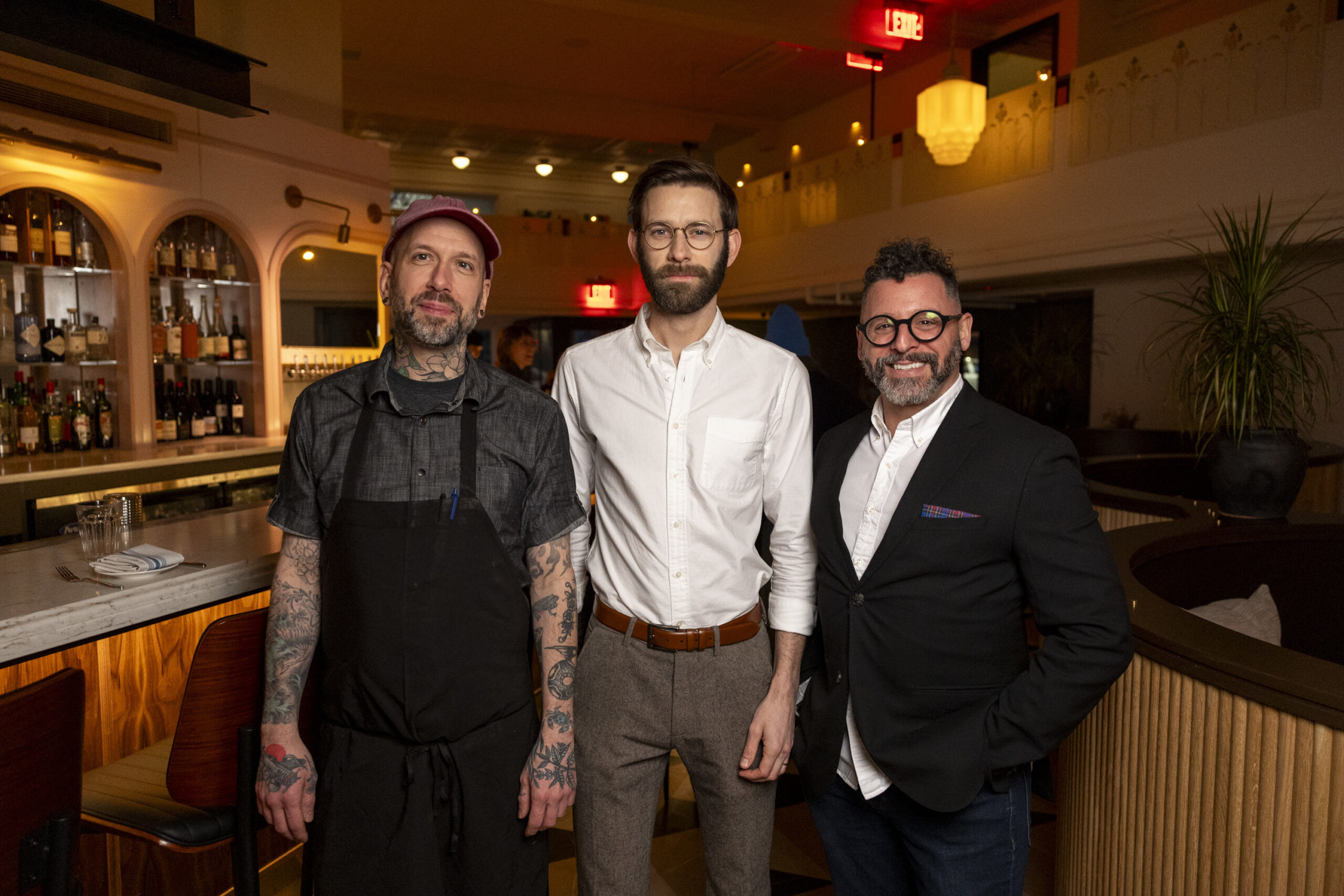
At Fleur’s, partners Graham Gernsheimer (from left), George Sabatino, and Josh Mann in the dining room. The glass lighting fixture is original to the building.
In a banner year for restaurants, it has also been a great year for restaurant photography. Craig LaBan has already issued his top 10 restaurants of the year, but we at the Inquirer food team wanted to give more of a look at the spaces behind the list. There are beautiful dining rooms, chefs at work, and (of course) some truly stunning platters of food. Scroll on for a glimpse at some of the most delicious morsels the Inquirer captured in photos in 2025.
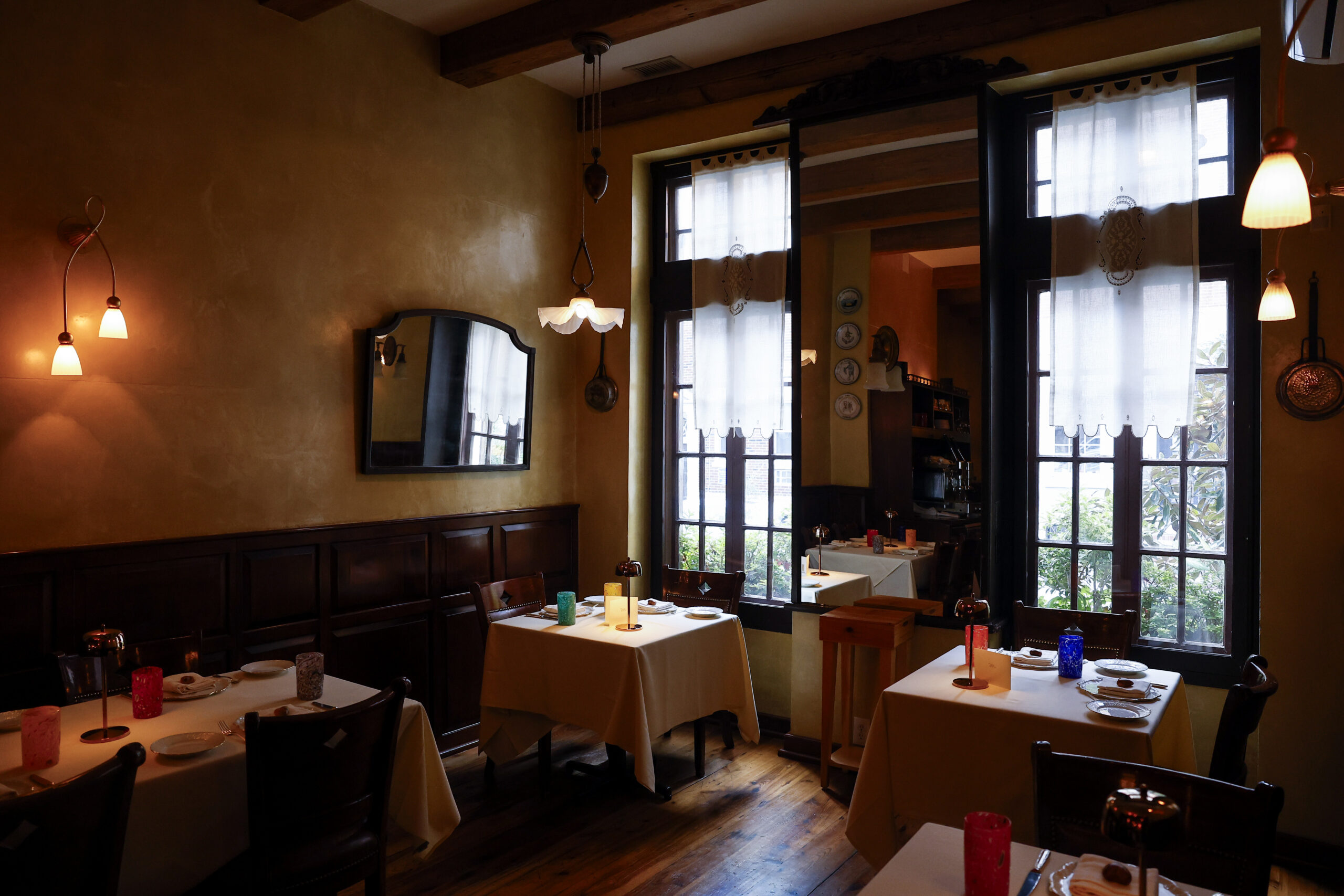
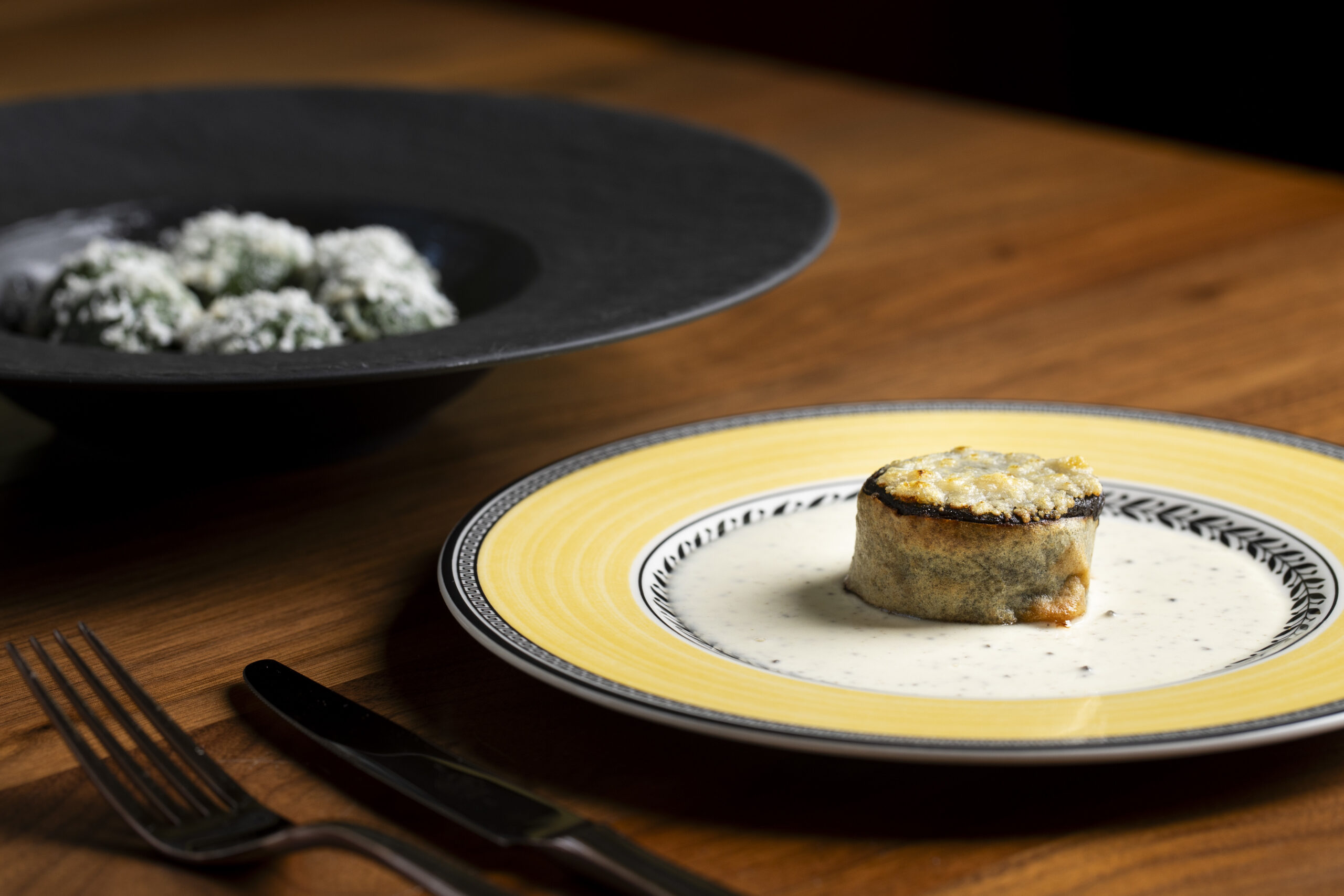
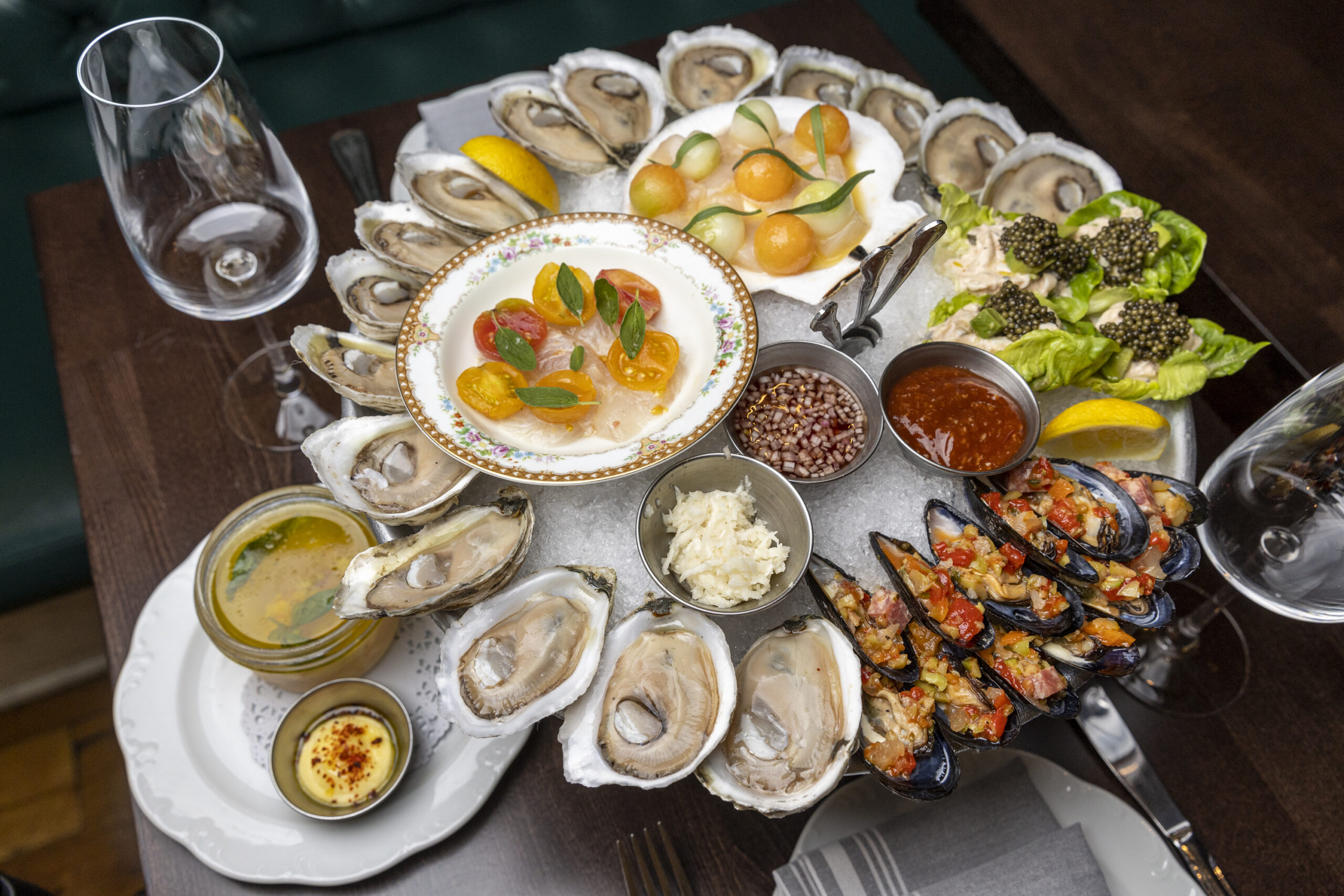
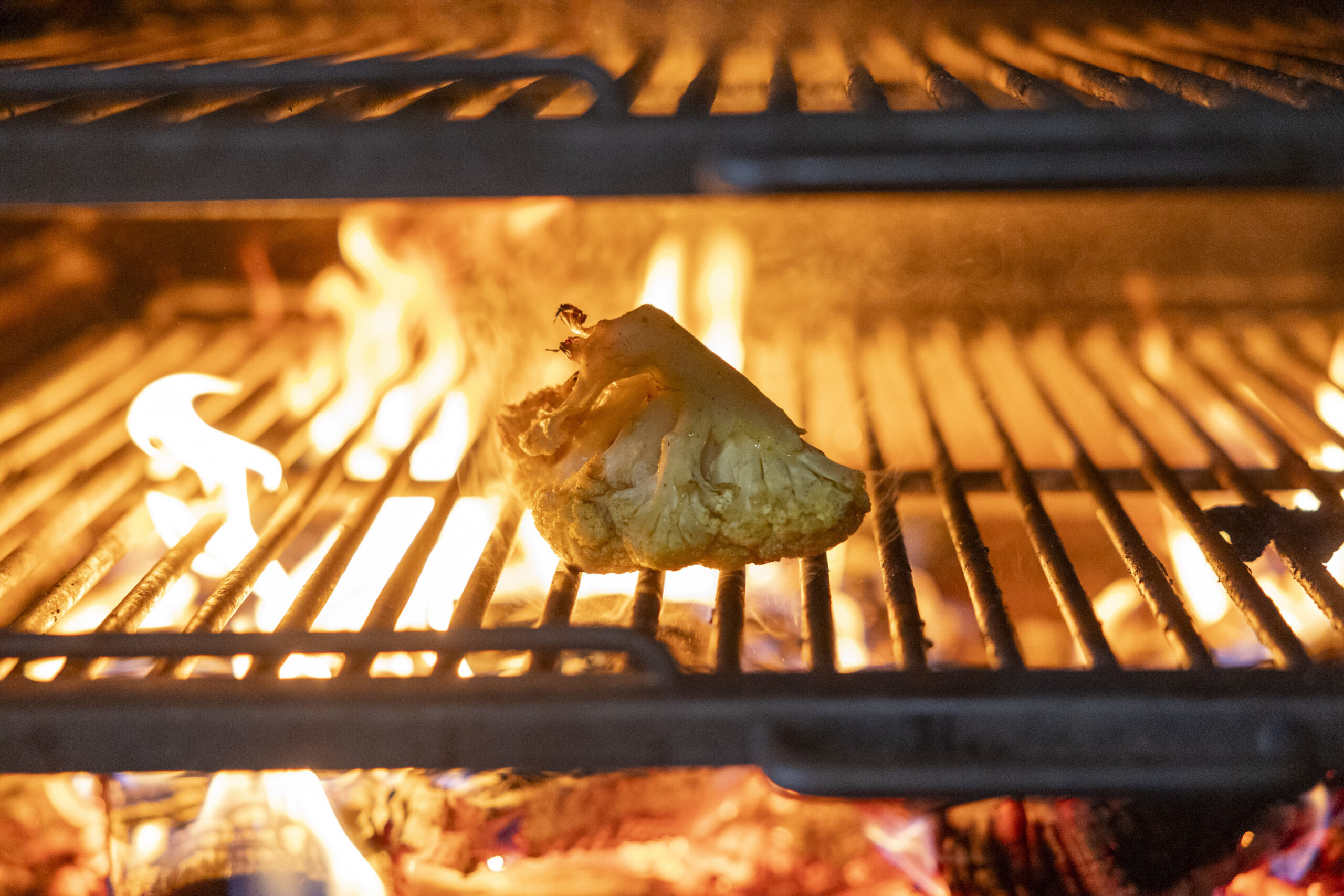
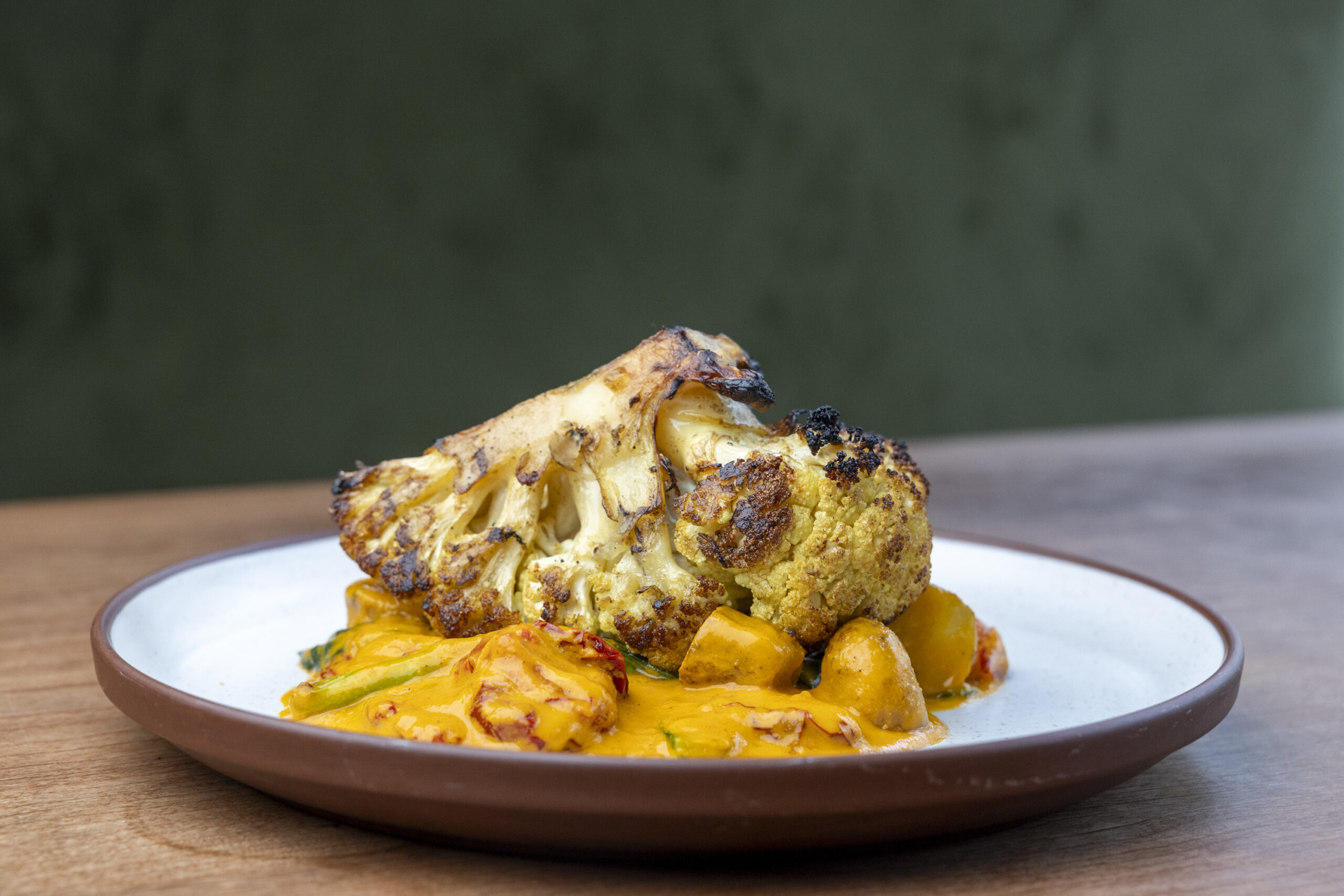
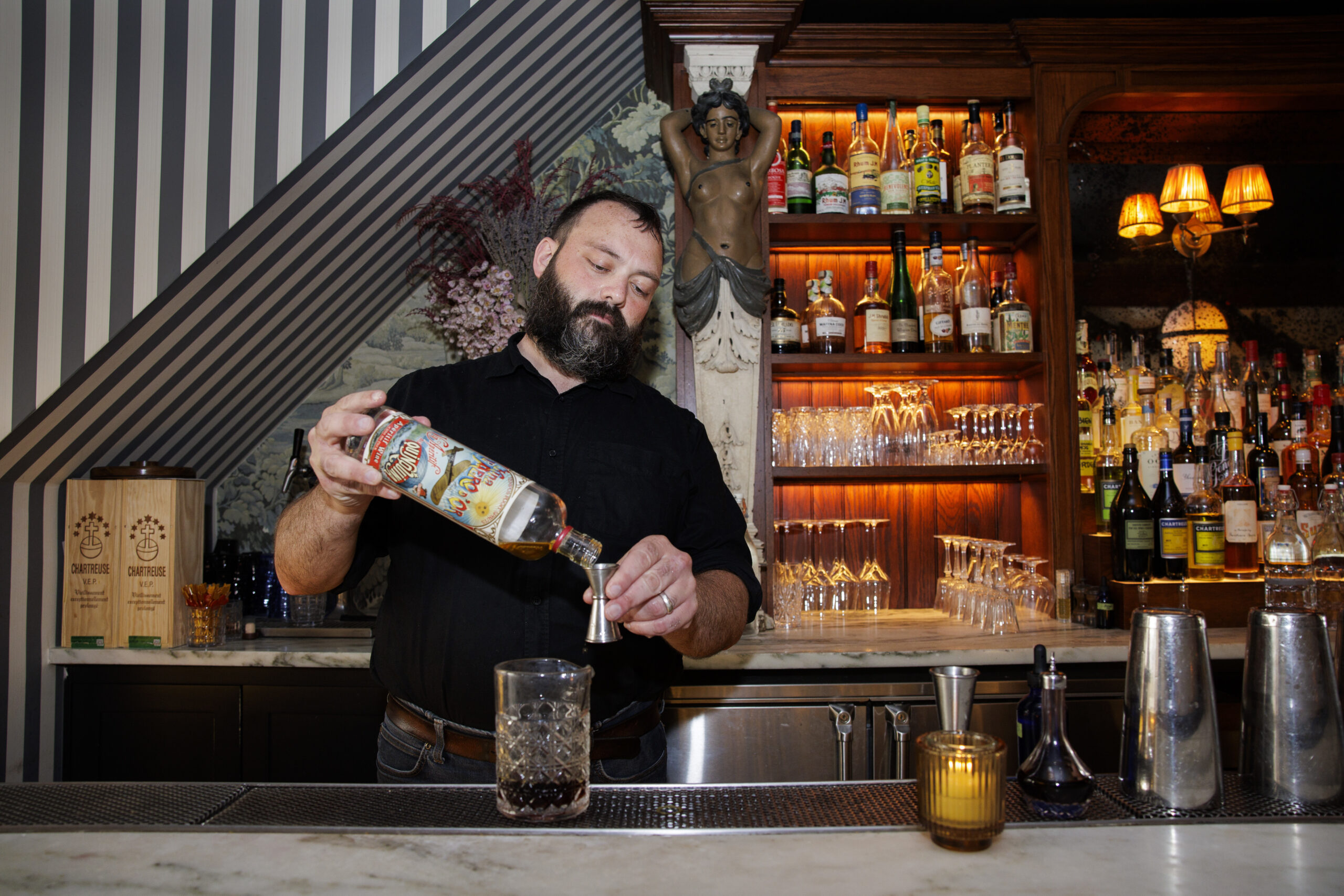
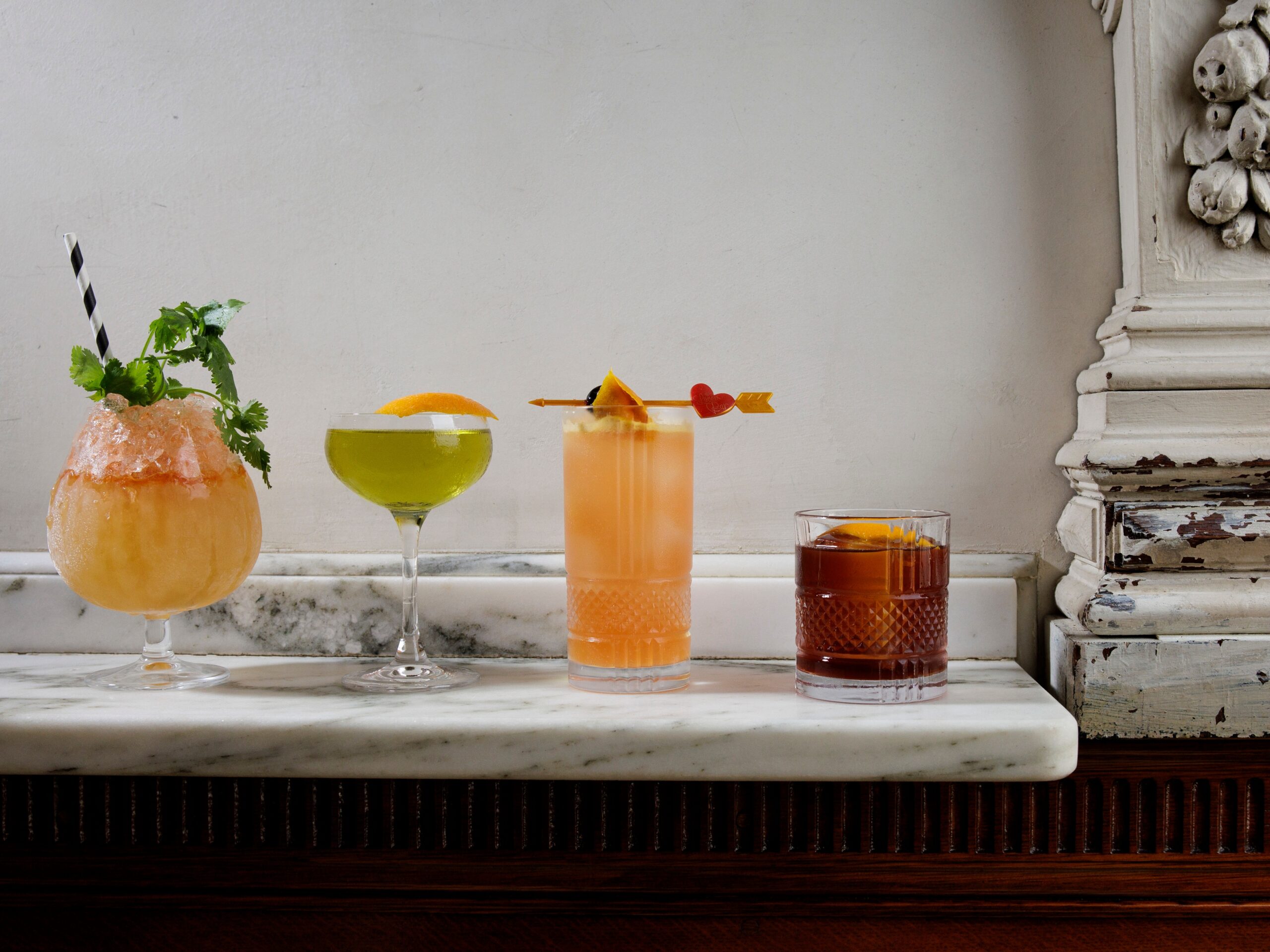
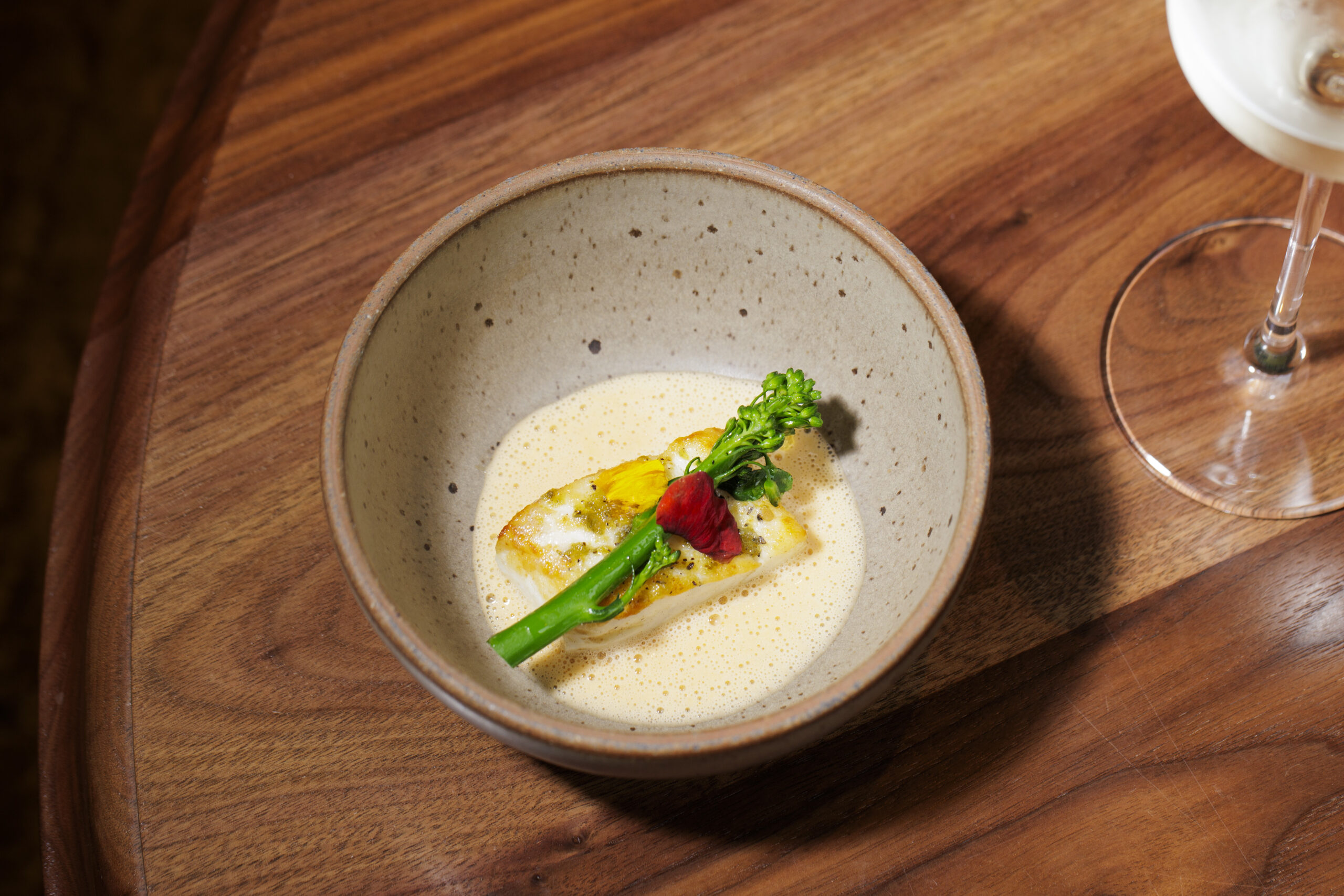
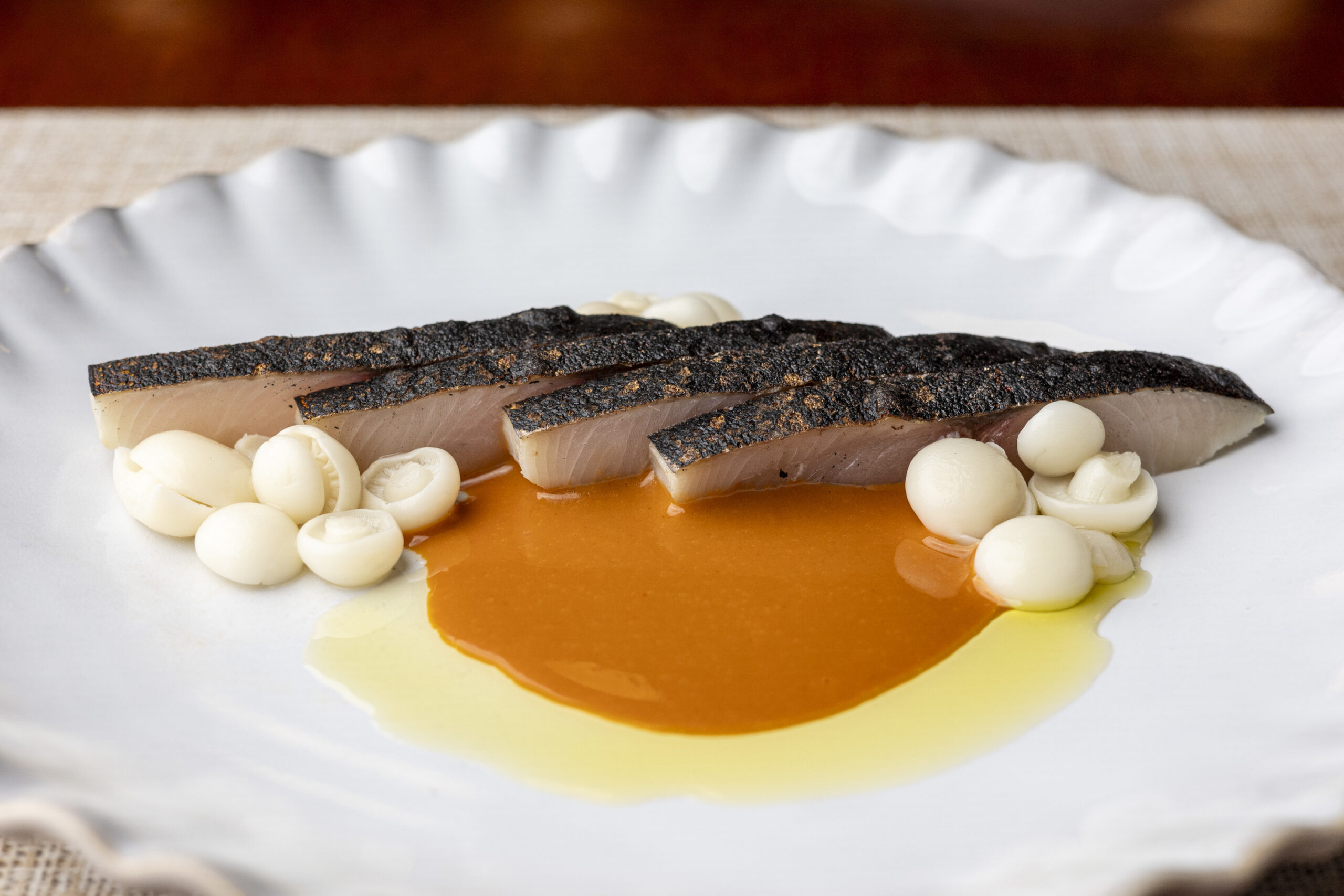
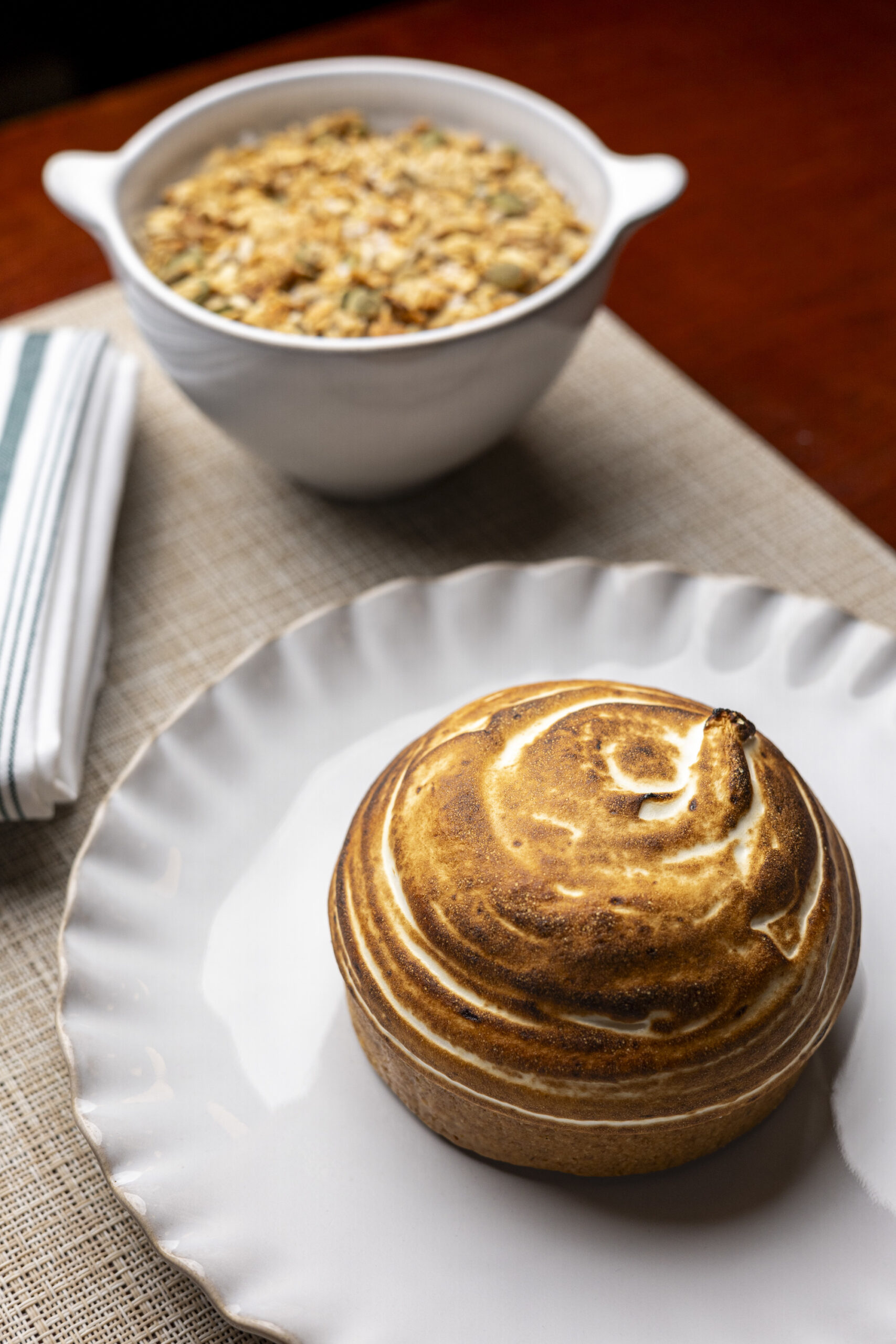
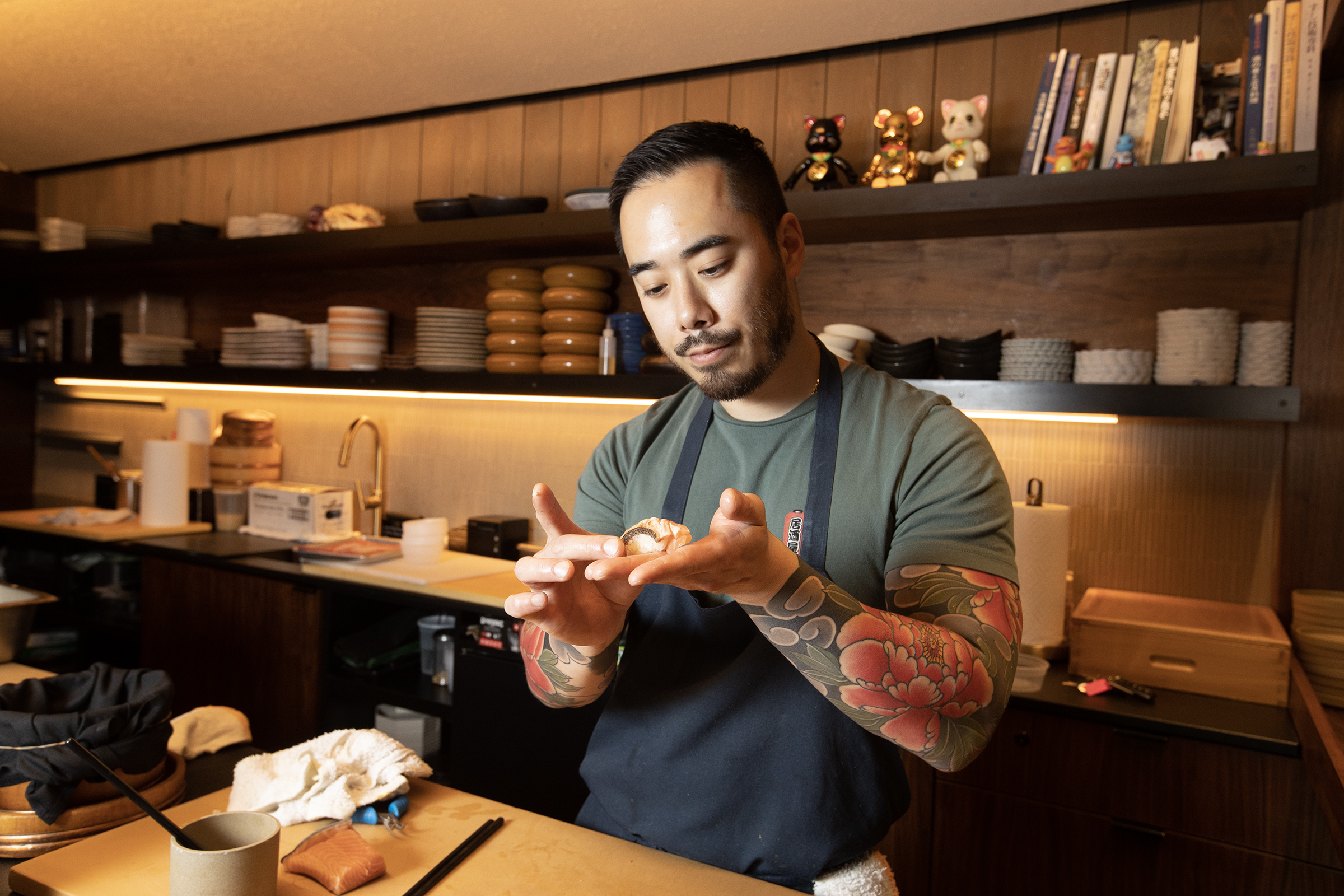
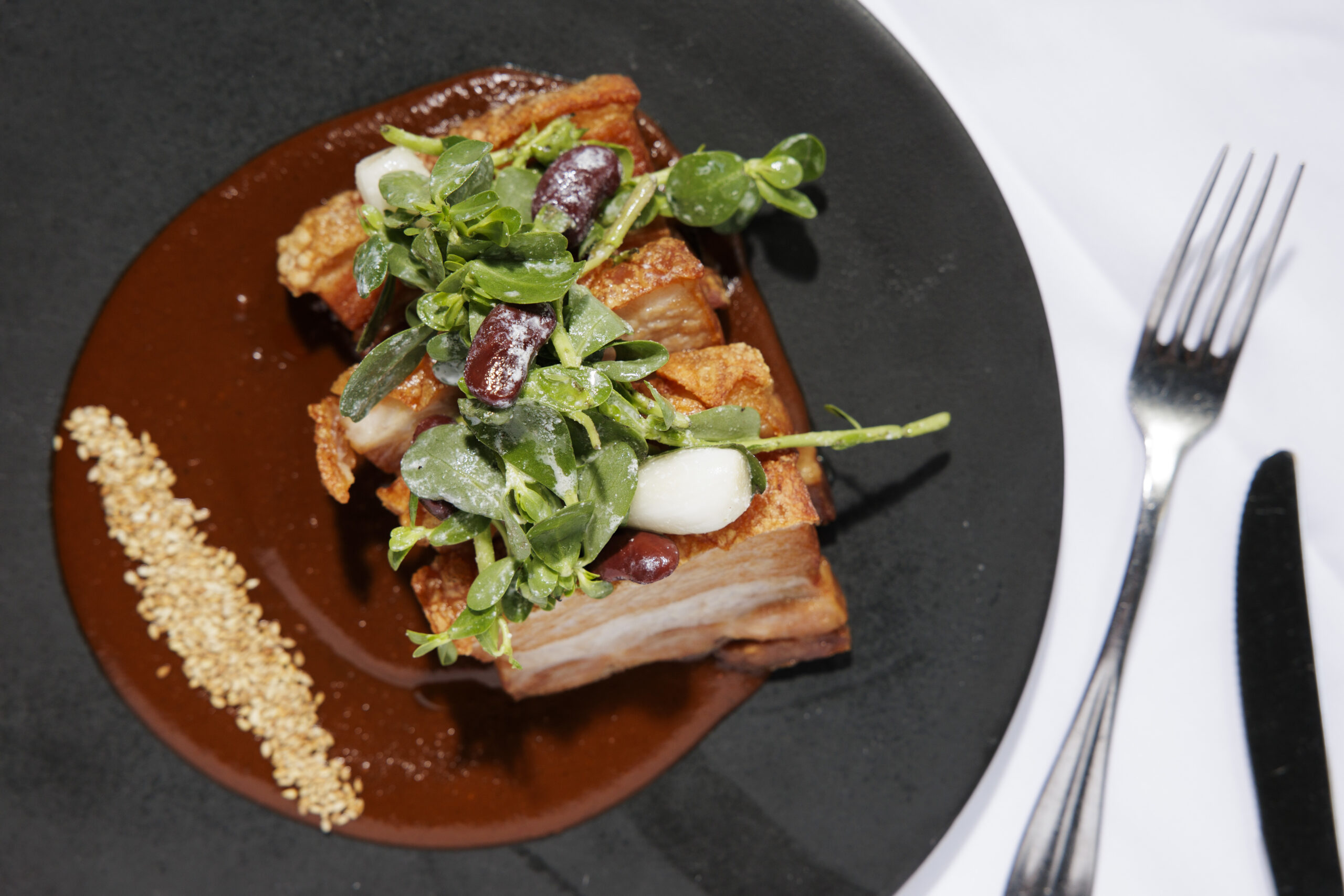
(left to right) The gaeng pae, khao mun klone and moo yaang prik at Kalaya on Wednesday, Sept. 3, 2025 in Philadelphia.The dining room at Vetri Cucina on Tuesday, Aug. 26, 2025 in Philadelphia.(left to right) The spinach ricotta gnocchi and onion crepe at Vetri Cucina on Tuesday, Aug. 26, 2025 in Philadelphia.The seafood tower at My Loup in Philadelphia, Pa., on Friday, Aug., 3, 2023.Cauliflower charred over a fire at Pietramala in Philadelphia on Wednesday, Nov. 26, 2025.Cauliflower dish at Pietramala in Philadelphia on Wednesday, Nov. 26, 2025.Bartender Paul MacDonald works on a Carousel cocktail at Friday Saturday Sunday on Wednesday, July 2, 2025 in Philadelphia.(left to right) The Judgement of Paris, Mayfly, Orange Catholic and Assassin’s Handbook cocktails at Friday Saturday Sunday on Wednesday, July 2, 2025 in Philadelphia.The fish at Friday Saturday Sunday on Wednesday, July 2, 2025 in Philadelphia.The Charred Spanish Mackerel at the Little Water in Philadelphia, Pa., on Friday, Jan. 31, 2025.The Key Lime Tart and Maple Cremeux at the Little Water in Philadelphia, Pa., on Friday, Jan. 31, 2025.Chef-owner Jesse Ito at work at Royal Sushi & Izakaya on May 31, 2024.The mole dulce at Tequilas Casa Mexicana on Thursday, July 17, 2025 in Philadelphia.Coffee drinks and pastries at La Jefa, a Mexican cafe in the back of Tequilas. In Philadelphia, May 2, 2025.Zucchini sandwich at La Jefa, a Mexican cafe in the back of Tequilas. In Philadelphia, May 2, 2025.Jasmine Rice Pudding at Mawn on Wednesday, Nov. 20, 2024 in Philadelphia. Mawn is located at 764 South 9th Street.Mahope samut at Mawn on Wednesday, Nov. 20, 2024 in Philadelphia. Mawn is located at 764 South 9th Street.Assorted plates including the duck, at Zahav in Philadelphia, Pa. on Thursday, Sept. 12, 2024.