Author: Gina Mizell

  • ‘Every team needs one of those guys’ like Dominick Barlow, who is showing he deserves to stick with the Sixers

    ‘Every team needs one of those guys’ like Dominick Barlow, who is showing he deserves to stick with the Sixers

    LOS ANGELES — Dominick Barlow elevated to attempt to tip in Kelly Oubre Jr.’s missed jumper in the lane, then instantly sprang up again when the ball bounced off the backboard. Barlow then got up a third time, hanging in the air to seemingly will the ball into the basket through contact.

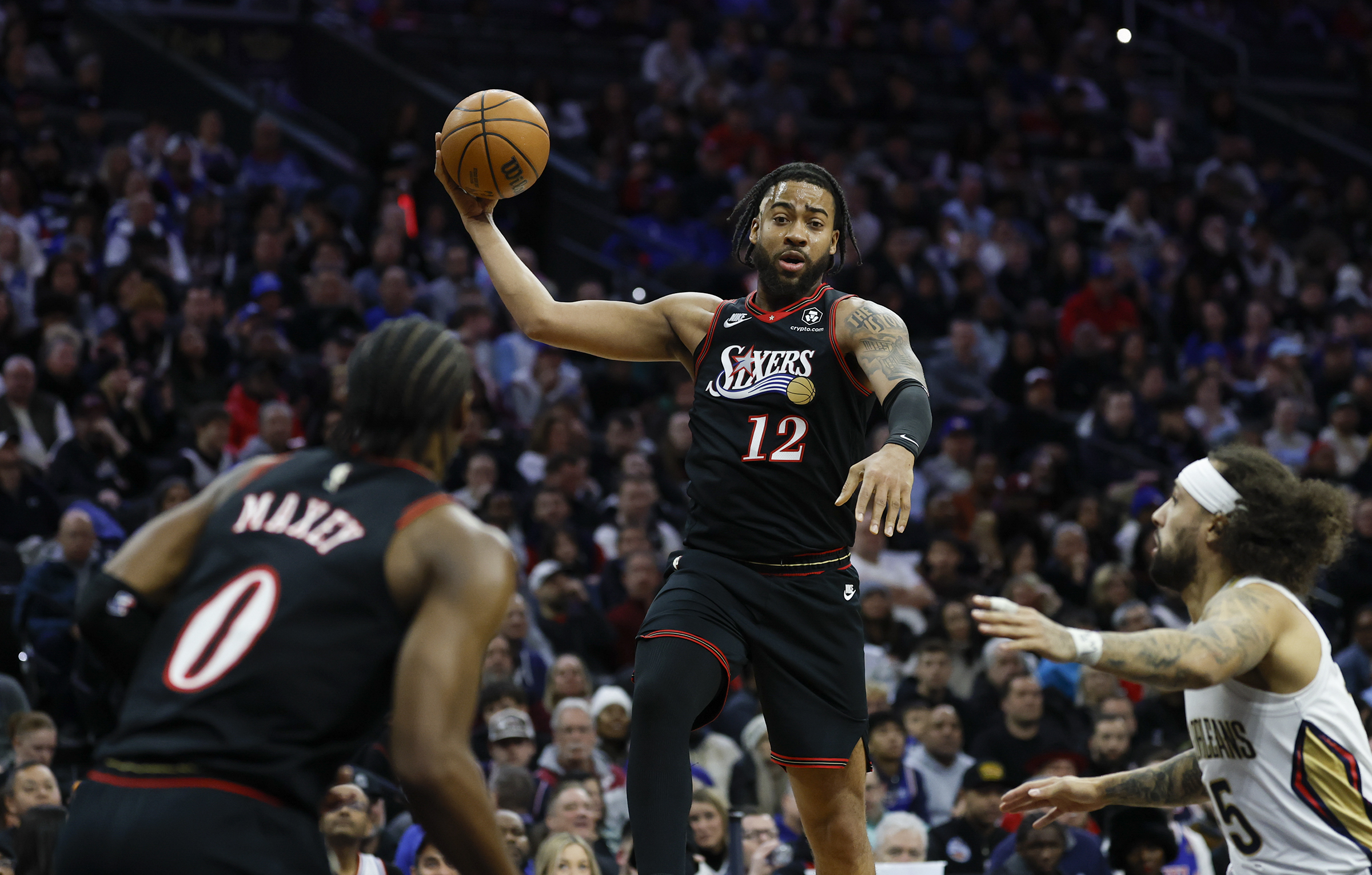
    The 6-foot-9 forward has spent this season as an appreciated 76ers role player who has completely outperformed his two-way contract. Barlow is a terrific cutter and savvy rebounder. He blends his athleticism and intelligence to fill in the gaps without overstepping. He “plays the right way, every single night,” All-Star teammate Tyrese Maxey said.

    Yet Barlow finally got his monster stat line Monday in an impressive 128-113 76ers victory against the surging Los Angeles Clippers at Intuit Dome. He racked up a career-high 26 points on 10-of-16 shooting along with 16 rebounds, including an eye-popping 10 on the offensive glass. The outburst provided further evidence that part of the Sixers’ trade-deadline approach this week should be ensuring a roster spot is available to convert Barlow to a standard contract.

    “Really went after it, man,” coach Nick Nurse said of Barlow’s outing. “ … Just wouldn’t quit playing hard, and he kept finding opportunities and made the most of them.”

    It was fitting that Barlow brought that energy after the Sixers’ cross-country flight to kick off this crucial five-game Western Conference road trip.

    Barlow felt a big night brewing early, when “a lot of stuff I got was really easy” while compiling 11 points and seven rebounds in the opening quarter. Those buckets came by way of two put-back dunks, a cutting and-one layup, and a steal and fastbreak slam. Barlow totaled another six rebounds (four on the offensive end) in the third quarter. And his final scoring burst helped cut short a Clippers fourth-quarter rally.

    “He stole a lot of my rebounds,” star center Joel Embiid joked. “ … Every team needs one of those guys, [who] does everything.”

    This career performance arrived after Barlow’s role fluctuated during the last 10 days.

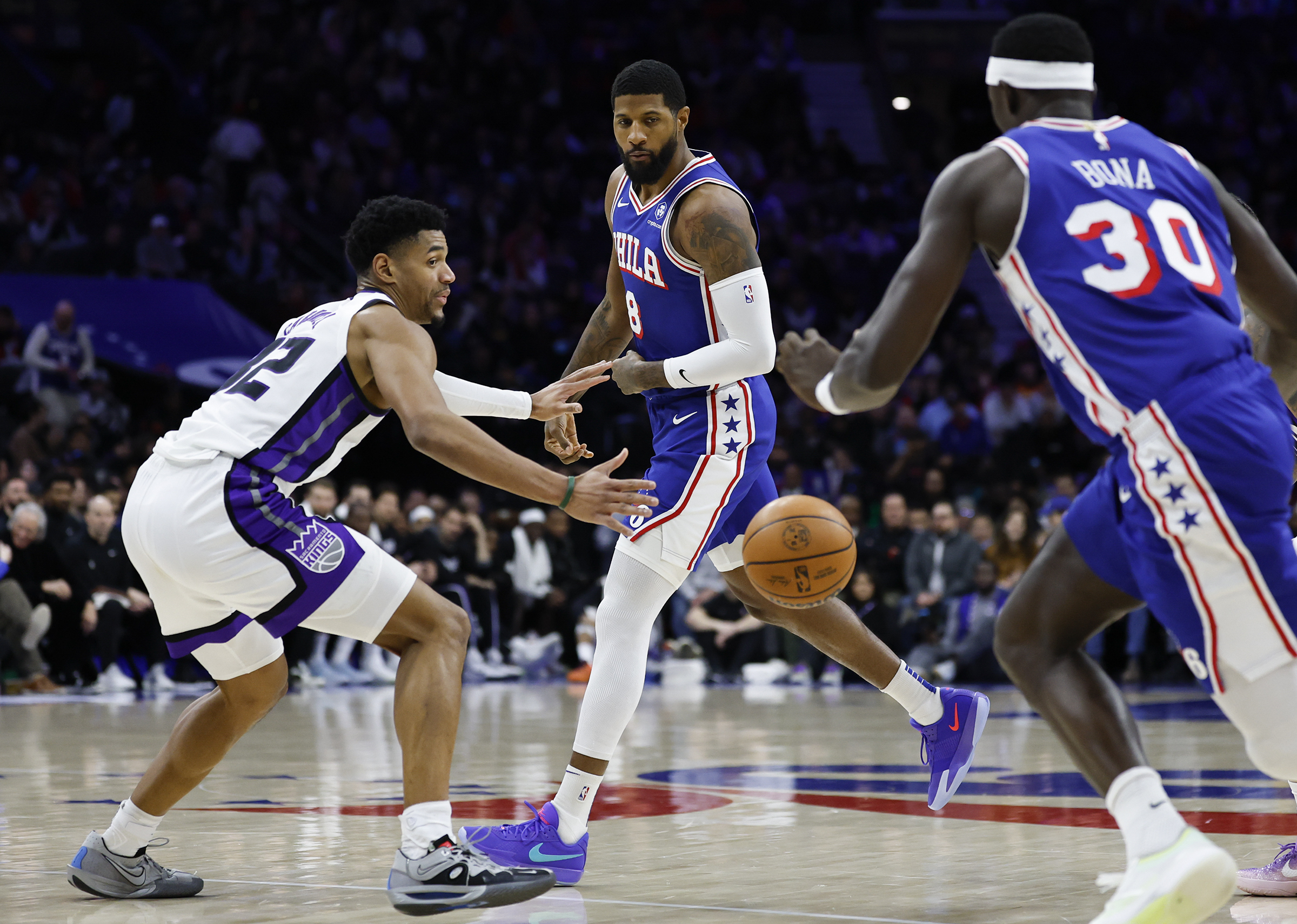
    The 22-year-old had become the starting power forward while Oubre missed about seven weeks with a knee injury. Yet once Oubre regained his rhythm upon returning to the court, Barlow moved to a reserve role and said he understood why Nurse made that decision. When Paul George was abruptly suspended 25 games for violating the NBA’s anti-drug policy on Saturday, Barlow moved back into the first five.

    He has been an ideal fit with that starting group. Instead of worrying about creating offense with the ball in his hands, he can find spots to set a flare screen or make the correct pass. And when opposing defenders leave him to double-team stars Maxey or Embiid, that frees Barlow up to beeline toward the rim to snag the offensive rebound. He entered Tuesday’s game averaging 8.3 points, 5.1 rebounds, and 1.3 assists in 39 games.

    “They make the game really simple,” Barlow said of those teammates.

    Monday’s outburst also allowed Barlow to reflect on how he wound up in Philly.

    ‘This dude’s an athlete’

    When asked about the origins of his knack for rebounding, he credits his long arms, instincts, and ball skills as a former football player. After beginning his NBA career with the San Antonio Spurs and Atlanta Hawks, Barlow did not stress when he didn’t immediately land with a new team at the start of free agency last summer. He believed he was “as strong mentally as they come,” and that “I can’t determine whether a team’s going to like the way I play or not. I can only just get better.”
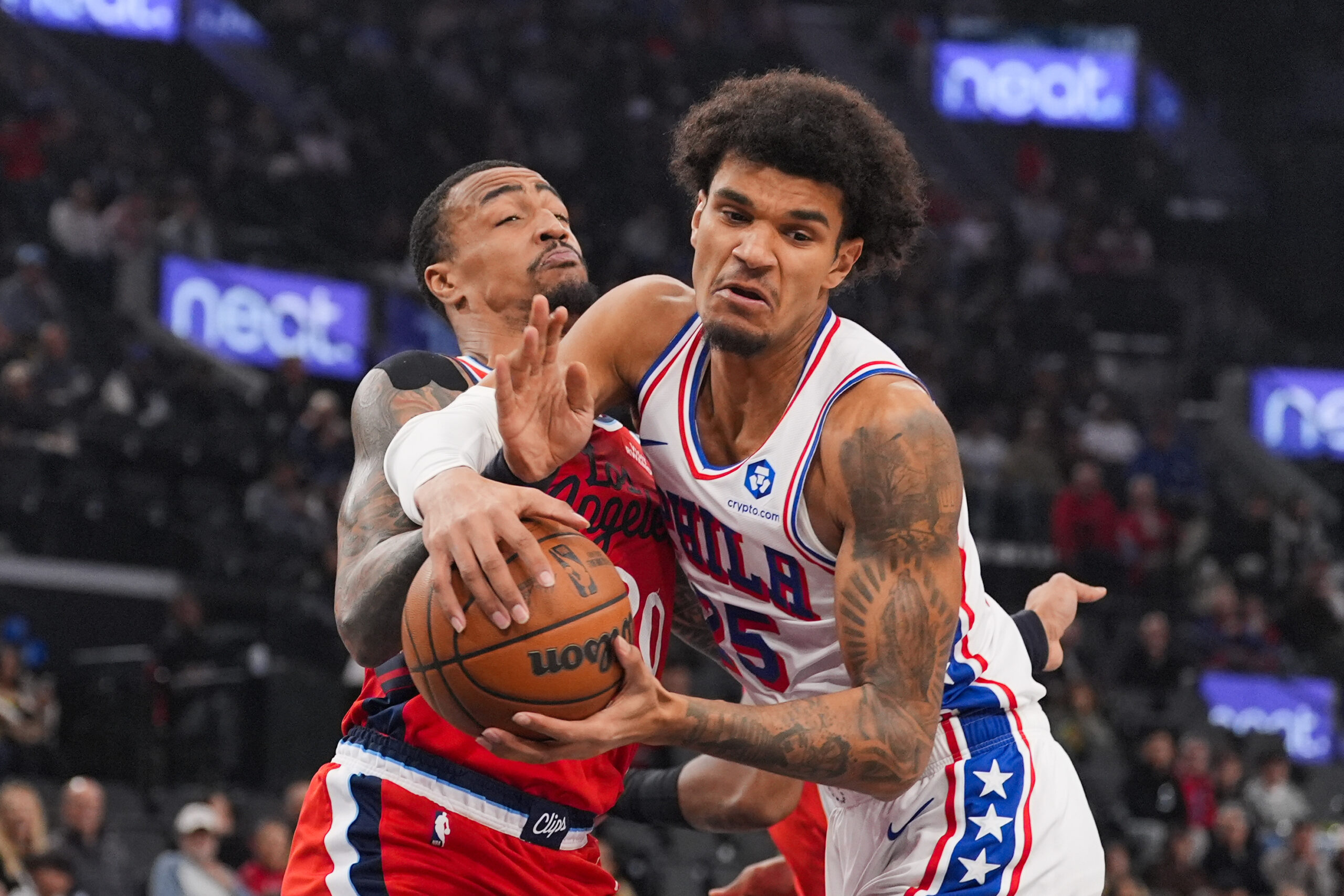
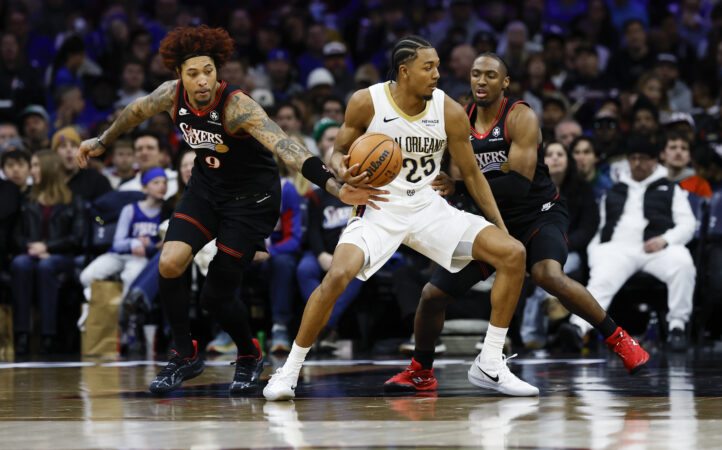
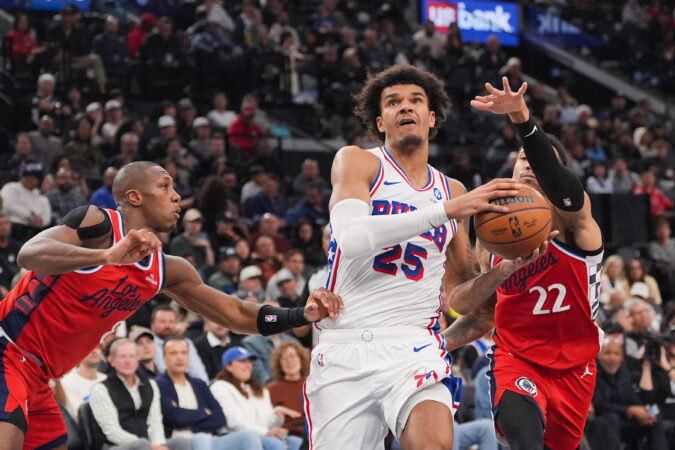
    Sixers forward Dominick Barlow struggles for control of the ball with Clippers forward John Collins.

    He joined the Sixers on a two-way contract, plopping himself into the middle of their Summer League stint in Las Vegas. President of basketball operations Daryl Morey said there that he believed the Sixers had successfully leveraged that type of team-friendly deal, which typically allows younger players to split time between the NBA and G League, to gain an impactful player. When Maxey returned to Philly for informal workouts before training camp, he quickly noticed Barlow “flying around like, ‘Dang, this dude’s an athlete.’”

    Barlow immediately earned a rotation spot, knowing steady minutes would bring increased comfort. So would the confidence instilled in him by coaches and teammates, which Barlow raved about Monday.

    “I’ve got Joel Embiid, the league MVP,” Barlow told The Inquirer at his locker, “telling me [that] when I go slash, shoot the ball. Don’t pass. …

    “I’ve had great teammates in the past. I don’t know if I’ve had guys collectively, as a whole, just so supportive and want to see me play well.”

    As Barlow approached his career high in points Monday, he reminded himself not to force it. He reached the personal milestone on a crafty driving and-one finish with less than nine minutes to play, then received a smattering of “M-V-P!” chants from Sixers fans as he stepped to the free throw line. On the Sixers’ next possession, Maxey slung a pass to Barlow in the corner for a three-pointer that serendipitously rattled in, and increased the Sixers’ lead to 17 points .

    “You want to [reward] him,” Maxey said.

    Even after Nurse pulled his starters, the coach briefly kept Barlow on the floor so he could receive his own ovation upon checking out of the game. The bench celebration was appropriate for the appreciated role player who, until Monday’s stat-stuffing breakout, had primarily filled the gaps.

    And it illustrated why one of the Sixers’ trade-deadline tasks should be securing a full roster spot for Barlow to fill.

    “I understand what winning basketball looks like,” Barlow said, “and I’m just trying to continue to, hopefully, make this place a home.”
  • A look at the Sixers’ movable contracts, and how Paul George’s suspension could impact their trade deadline plans

    A look at the Sixers’ movable contracts, and how Paul George’s suspension could impact their trade deadline plans

    Paul George’s shocking suspension for violating the NBA’s anti-drug policy does not necessarily upend the 76ers’ trade deadline approach. But it does change their situation heading into Thursday.

    On one hand, the Sixers are now in more need of an immediate boost — particularly at the wing or frontcourt positions — to keep pace in a tightly packed Eastern Conference during George’s 25-game absence. On the other, it has become significantly easier for the Sixers to get under the luxury tax because George’s unpaid suspension will give the team a tax variance credit of nearly $5.9 million.

    The Sixers’ roster construction remains top-heavy, with three players on long-term max deals in George, Joel Embiid, and Tyrese Maxey. But it is always reasonable to expect the team’s president of basketball operations, Daryl Morey, to pull off something at the deadline.

    Here is a look at the Sixers’ most movable contracts, either to tinker with the roster or hit financial goals.

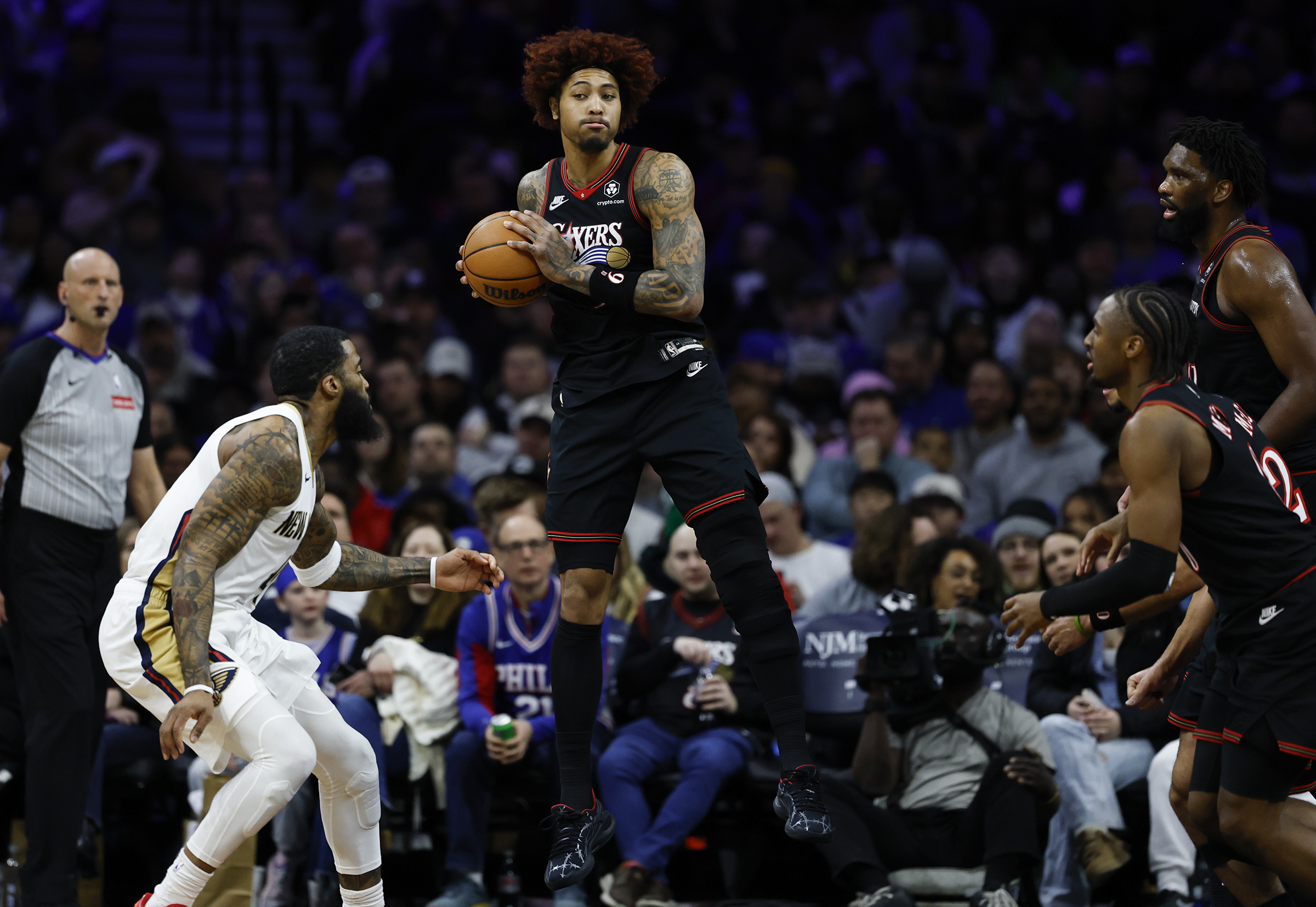
    Kelly Oubre Jr. is averaging 14.2 points this season for the Sixers. It seems highly unlikely that he could be traded.

    Expiring contracts

    Kelly Oubre Jr.

    Salary: $8.4 million

    Before the George situation emerged, Oubre’s was viewed as the Sixers’ most tradable contract — especially if the front office was instructed to get under the luxury tax. Now he is vital to the current roster as a tenacious wing defender and offensive player who can slash to the basket — and he has upped his three-point percentage.

    Oubre, who earlier this season missed seven weeks with a knee sprain, has been looking more and more like the player who was enjoying the best basketball of his 11-year career before his injury. He is back in the starting lineup and is averaging 14.2 points on nearly 50% shooting from the floor (36.9% from three-point range) along with 4.7 rebounds and 1.1 steals. He is also often tasked with a challenging perimeter defensive assignment.

    Oubre’s skill set and production this season could have been attractive to win-now teams looking for that always-coveted wing spot. Rebuilding ones might have been enticed by a short-term commitment to Oubre. His name surfaced in trade rumors before the start of training camp, and was percolating in early deadline chatter in recent weeks.

    Now it feels like a near certainty that Oubre will remain with the Sixers through the end of the season.

    Quentin Grimes

    Salary: $8.7 million

    This comes with a massive asterisk because Grimes has the power to veto any trade after signing a one-year qualifying offer in October.

    Additionally, any trade approved by Grimes would relinquish his’ “Bird” rights, which allow teams to offer their own players a higher salary in free agency. So unless the new destination appears to be an ideal long-term fit, it is unlikely Grimes would sign off on any trade-deadline move and instead enter unrestricted free agency this summer.

    Grimes spent chunks of December and January in a rut, shooting 23.1% from three-point range in his last 12 games. Coach Nick Nurse recently said he was considering moving Grimes to the starting lineup in an effort to spark his production, although so far that has not transpired. He is another player who could see increased opportunity in George’s absence.

    At his best, Grimes provides scoring punch at all three levels and is a tough perimeter defender. Even with a lesser role than during last season’s tank after arriving in Philly, Grimes should be one of the NBA’s better sixth men and a contender to play in closing lineups.

    Sixers guard Quentin Grimes can veto any possible trade.

    Andre Drummond

    Salary: $5 million

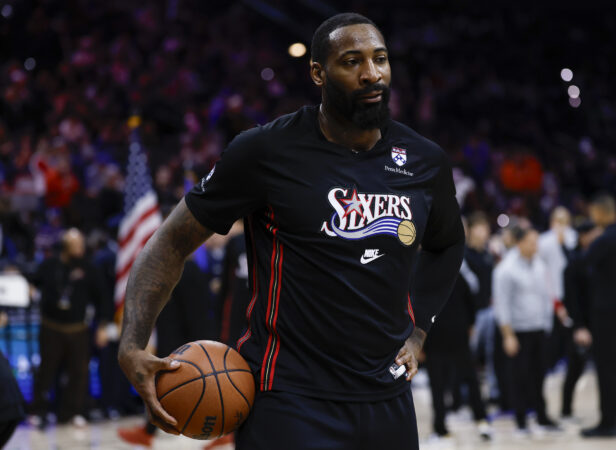
    What once looked like a resurgent Drummond season has turned into an odd role for the 14-year veteran. He starts whenever Embiid sits out for injury or load-management reasons, and does not play at all when Embiid is in the lineup. Drummond is averaging 6.8 points and 8.7 rebounds in 37 games with 17 starts this season.

    That theoretically makes Drummond expendable — and perhaps the most likely (fringe) rotation player to depart at the deadline.

    The Sixers could try to move Drummond to acquire a cheaper traditional center, or to land a player at a different position. That latter option would put a lot of trust in second-year big man Adem Bona to remain the consistent backup and become the spot starter when Embiid rests.

    Bona is a high-energy rim protector and lob threat, but he still needs development as a rebounder and offensive player. The Sixers’ other center options would be of the small-ball variety in Dominick Barlow and Jabari Walker, assuming both get converted to standard contracts.

    Eric Gordon

    Salary: $3.6 million

    Gordon, on the tail end of a successful career, has played in only six games in his second season as a Sixer. Trading the 37-year-old in a salary-dump move would open up an additional roster spot that could be used to sign Walker or Barlow to a standard NBA contract.

    One wrinkle: Gordon is close with rookie standout VJ Edgecombe, who played with Gordon on the Bahamian national team.

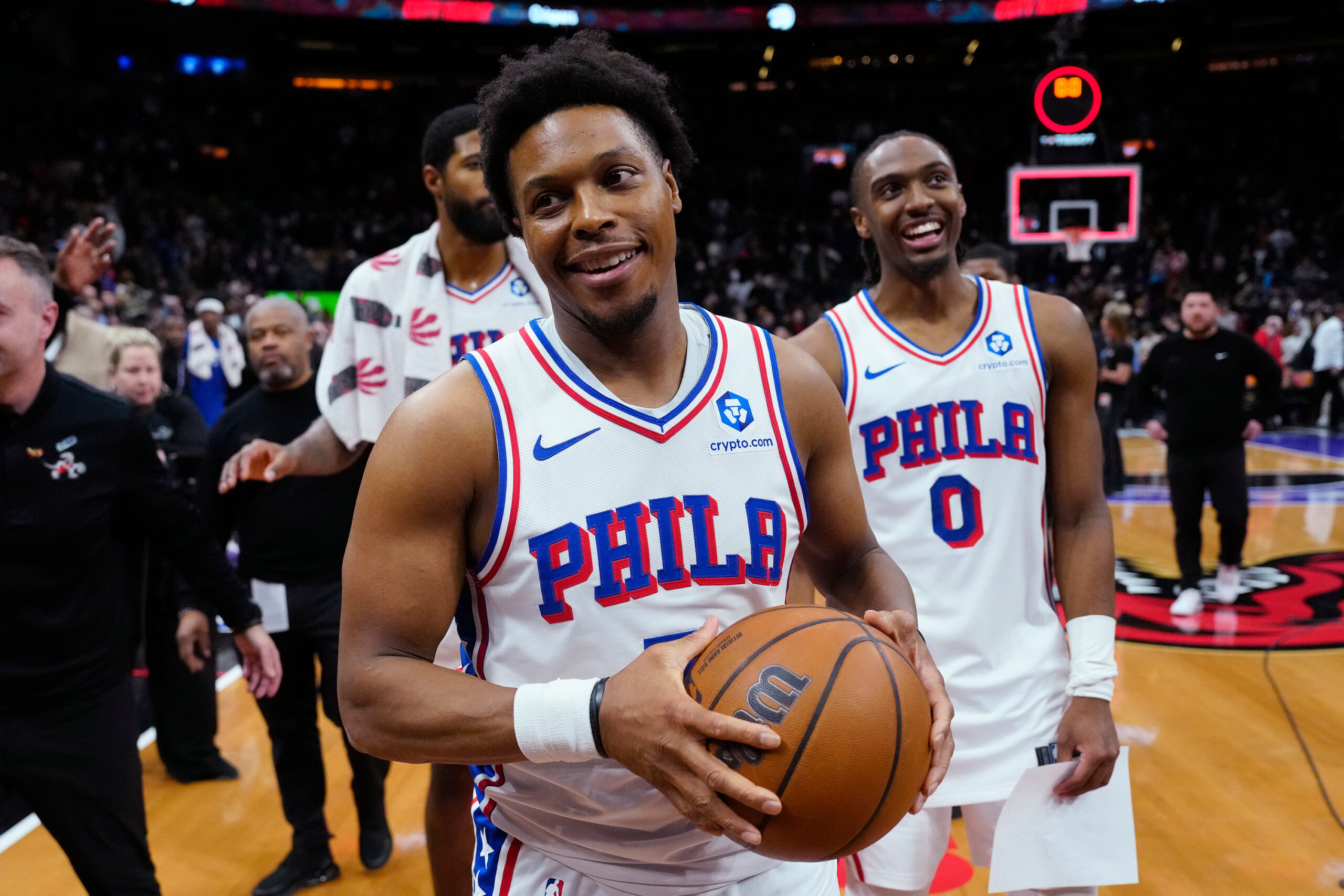
    Sixers veteran Kyle Lowry paid an emotional visit last month to Toronto, where he won an NBA title.

    Kyle Lowry

    Salary: $3.6 million

    Lowry is in his 20th NBA season. Like Gordon, he is on a veteran minimum contract. It feels less likely that the Sixers would let go of the Philly native and former Villanova star, given his primarily off-the-court role as a respected leader in the locker room and on the bench.

    Worth keeping an eye on

    Jared McCain

    Salary: $4.2 million

    Putting McCain on such a list seemed unfathomable early last season, when he was a Rookie of the Year front-runner. And perhaps his breakout shooting week has restabilized him as a contributor to the Sixers’ present and future.

    Before that, McCain’s return from knee and thumb surgeries had been an immense struggle. He could not find his shot — making just 36.1% of his attempts from the floor and 33.7% from beyond the arc before going 13-of-20 from deep in his last four games — and had fallen out of the rotation.

    Still, last season’s immediate flash, and the expectation that, with time, that rediscovered rhythm continues for extended stretches, still make McCain a valuable young player. He would be the type to be included in a blockbuster trade. But it does not make much sense to give him up in any other scenario, given that the Sixers could lose Grimes in free agency this summer.

    Trendon Watford

    Salary: $2.5 million (team option for 2026-27)

    Watford is another lower-salary player who could be traded to get under the luxury tax. Although his minutes have been inconsistent throughout an injury-riddled start to his first season in Philly, he could become increasingly valuable in George’s absence because of his unique ballhandling and playmaking skills as a point forward. He has a triple-double this season, and totaled four assists in 17 minutes as a reserve small forward in Thursday’s win over New Orleans.

    Moving Watford also could be a tricky topic to broach with Maxey, one of Watford’s close friends.

    Trendon Watford gives the Sixers a versatile option at forward.

    Justin Edwards

    Salary: $2 million

    Edwards was another feel-good story last season as the local kid who went from going undrafted to earning a standard NBA contract and significant minutes. But although Nurse has reiterated that he still “loves” Edwards’ game, he often gets squeezed out of the rotation when the Sixers are at relatively full strength. His contract is the type that could be used as salary-filler in a deal.

    Johni Broome

    Salary: $1.3 million

    The rookie big man, who has spent the bulk of this season with the G League’s Delaware Blue Coats, is another lower-salary player who could be moved to get under the luxury tax.

  • The Sixers know replacing Paul George is impossible. But they hope players ‘embrace the opportunity.’

    The Sixers know replacing Paul George is impossible. But they hope players ‘embrace the opportunity.’

    Tyrese Maxey reached out to teammates Jared McCain, Trendon Watford, and Justin Edwards on Saturday afternoon with a simple message.

    “Listen,” the 76ers’ All-Star point guard told them, “y’all got to be ready.”

    That is required because of Paul George’s 25-game suspension for violating the NBA’s anti-drug policy, a shocking blow as the Sixers barrel toward Thursday’s trade deadline and the mid-February All-Star break. Their first step in making up for George’s production was a success, topping the New Orleans Pelicans, 124-114, at Xfinity Mobile Arena. Now, their broader goal is to keep pace in a crowded Eastern Conference — entering Sunday, three games separated fourth and eighth place — until George returns in late March for the regular season’s stretch run.

    “There’s a number of guys there to do it,” coach Nick Nurse said of filling George’s role. “That’s where we are. We’ve been in this kind of next man up mentality for quite a while, and we’re going to have to dig in and do it again.”

    Though George is no longer the explosive three-level scorer he was as a perennial All-Star, Joel Embiid said it is “impossible” for the Sixers to fully replace George’s impact on both ends of the floor.

    On Tuesday, the versatile 6-foot-8 wing tied a franchise record by hitting nine three-pointers in a victory over the Milwaukee Bucks, and is still a creator and playmaker with the ball in his hands. He also is arguably the Sixers’ best perimeter defender, and a terrific organizer and communicator. Less than an hour before news of George’s suspension broke, Sixers reserve center Adem Bona raved about George’s overall mentorship, and how he makes Bona’s life easier on the defensive end.

    “Obviously, he wants the best for me and he expects me to do my part, play my role on the court,” Bona said Saturday after shootaround. “[In] my last game [Thursday against Sacramento], he was telling me, ‘You have to get here!’ on help side and blocking shots.

    “That just shows that he expects a lot from me. That means he really believes I can do the things I do best out there.”

    Sixers forward Paul George has mentored young players like Adem Bona.

    Before Saturday’s home win, Nurse rattled off the collection of players who could see more minutes in George’s absence. And the coach has become plenty familiar with tinkering with lineups during the last two-plus seasons, primarily for injury reasons.

    One teammate Maxey did not feel the need to call Saturday? Kelly Oubre Jr., whom the point guard said is “always” ready because “that’s just who he is.”

    Oubre totaled 19 points, 10 rebounds, and four assists against the Pelicans, another sign the explosive two-way wing is returning to form after missing seven weeks with a knee injury. Before that, Oubre was off to arguably the best start of his 11-year career — often while fulfilling a heavier load while George worked his way back from offseason knee surgery.

    Before Saturday, Oubre also could have been viewed as the Sixers’ most tradable asset. Now, he is almost certainly too crucial to relinquish in the middle of the season. The Sixers also no longer need to move Oubre in order to get under the luxury tax, because George’s unpaid suspension will give the Sixers a tax variance credit of nearly $5.9 million.

    “I show up every day to work, do the same steps to prepare,” Oubre said when asked about how his responsibilities might change. “Whatever comes with the game, I’ll take it. I just try to stay even-keeled through everything, because it’s an up-and-down season. … I just want to be a key contributor to winning.”

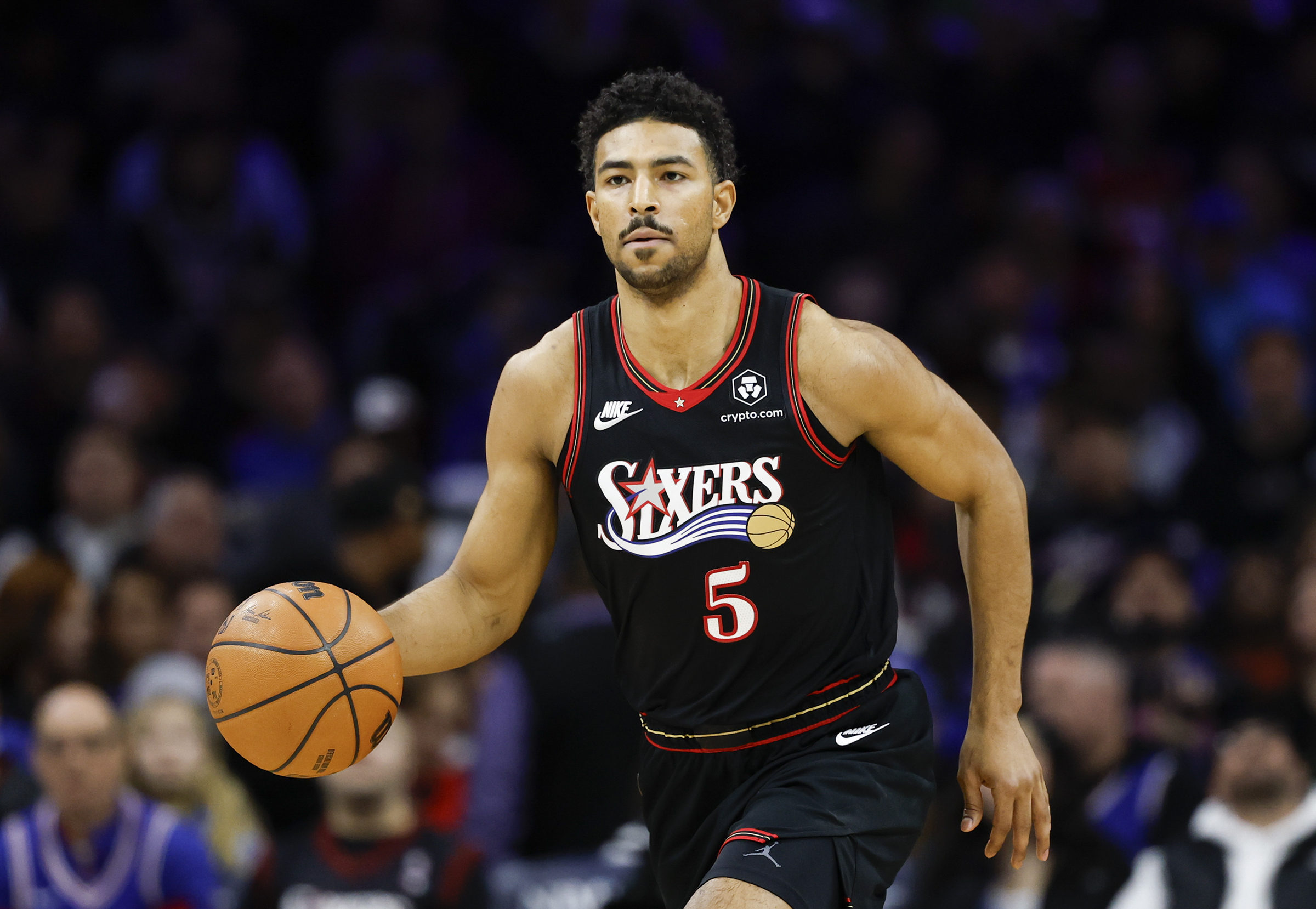
    Watford, meanwhile, became a ballhandling small forward Saturday, totaling four assists along with six rebounds and five points. McCain (12 points) put together another encouraging performance, hitting four three-pointers and playing well off Embiid. Dominick Barlow, who had stepped into a starting forward spot during Oubre’s absence, was back in the first five Saturday and finished with eight points, three rebounds, and two steals. Rookie VJ Edgecombe (15 points, five assists) delivered some nifty passes Saturday but needs to become even more aggressive on both ends of the floor, Nurse said.

    Nurse also expects plenty of opportunity for Quentin Grimes (four points, four rebounds, two assists), who returned Saturday after missing two games with a sprained ankle. Jabari Walker totaled eight minutes against New Orleans, while Edwards was out of the rotation. Nurse pulled all the levers, closing the second quarter with the double-big man lineup with Embiid and Bona, and beginning the final period with a three-guard look.

    “It’s going to take a little bit of, I think, just connectivity with the right rotations and lineups,” Nurse said, “and to be honest, some play calls and finding the matchups on the night who can go get us a bucket.”

    Perhaps most important is that Embiid continues to look more and more like the 2023 NBA Most Valuable Player, scoring 40 points on Saturday for the first time since the 2024 playoffs. He has reestablished his dynamic two-man game with Maxey, although Nurse staggered the two stars’ minutes during portions of Saturday’s win. Embiid also believed he took a positive step on the defensive end, where lateral movement and elevation to protect the rim have been issues at times in his road back from multiple knee surgeries.

    And though health will remain the ultimate caveat with Embiid, he vowed Saturday to “take more ownership into everything we do” in George’s absence.

    “I’m always going to put it on myself,” Embiid said. “… and just encourage everybody. Give them the freedom to believe in themselves, so we can win.”

    When asked how George’s suspension could impact the Sixers’ approach entering Thursday’s trade deadline, Nurse conceded “that probably remains to be seen.”

    They could execute smaller, salary-dump-style moves to get under the luxury tax and create the two roster spots to convert Barlow and Walker from two-way contracts to standard deals. They could go after a legitimate short-term upgrade with a new wing or frontcourt player, who could then provide additional depth when George returns. Even in the midst of a disastrous 2024-25 season, for instance, the Sixers improved by adding Grimes at the deadline.

    George can next take the floor for the Sixers’ March 25 home matchup against the Chicago Bulls. Then his team will face another familiar issue — a lack of time to build on-court cohesion before the postseason begins in mid-April.

    Yet the Sixers’ road to bridge that gap began Saturday with a victory. They now have 24 games to go.

    “We’ve got to get fighting and get to work,” Nurse said. “All those guys I just mentioned have got to embrace this opportunity. … Here’s a chance for them to do it again.”

  • Kahleah Copper shares North Philly with Unrivaled teammates: ‘I really made it because of y’all’

    Kahleah Copper shares North Philly with Unrivaled teammates: ‘I really made it because of y’all’

    Head to the corner of 32nd and Berks, Kahleah Copper says. And find the telephone pole with the backboard still nailed to it.

    “That’s where I started hooping,” Copper said Thursday. “That’s where it all really began for me.”

    That spot is so meaningful that Copper took her Unrivaled teammates on a walking tour there, traipsing through snow-lined sidewalks and frigid temperatures to reach it. The 31-year-old wanted them to see the North Philly she always boasts about, to “share that little piece of me.”

    Kah visiting where it all started👑 #Unrivaled #WNBA

    [image or embed]

    — WNBA Pics Daily (@wnbapicsdaily.bsky.social) January 29, 2026 at 8:34 PM

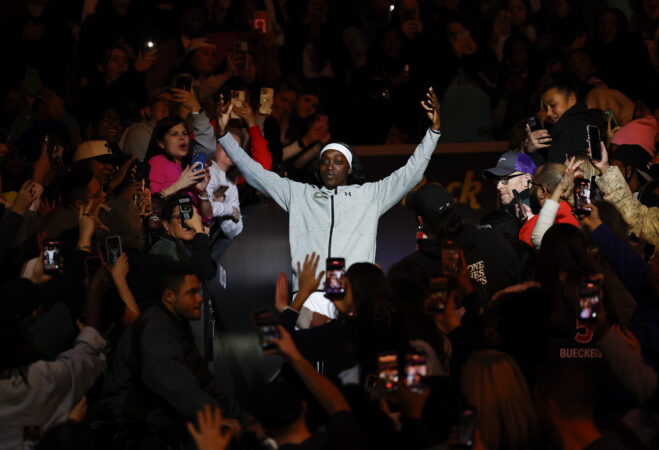
    It was part of the nostalgia and “waves of gratitude” Copper felt during this particular trip home, culminating in playing Friday night at Xfinity Mobile Arena in professional women’s basketball’s return to Philly. While speaking about the family, friends, and mentors in that sold-out crowd — who knew the kid who once shot on that makeshift hoop — Copper’s emotions quickly (and unexpectedly) bubbled to the surface.

    “There’s so many people that just kind of stepped into my life,” said Copper, eyes teary and voice breaking, “and did stuff for me, literally not looking for anything in return. … For them to see me now, like I really made it because of y’all. That’s tough. That’s fire.

    “Everybody literally planted little seeds for me to be who I am today. That’s why it’s so special.”

    An early opponent on that neighborhood basket? One of her three sisters, whom Kahleah claims “wasn’t even that good, and she did not even, like, like it.” It is how she realized how much she did love basketball — and hated losing.

    Then there were the guys who welcomed her into pickup games at Fairmount Park playground courts at 33rd and Diamond, even though she was a girl. As long as she did not cry. As long as she was ready to take hits. And as long as, whenever she lost, she got off the court and found her way back into the next game.

    “Nothing being handed to me. Got to go get it. Got to be tougher,” Copper said. “That’s kind of where I got my mindset, and that’s how I approach everything.”

    Eric Worley, the cofounder of Philadelphia Youth Basketball, first met Copper as a middle schooler. Sabrina Allen, a friend and then the coach at Girard College, recognized potential in Copper. Worley agreed that Copper “could run real fast, could jump real high” — and “got off the ground twice before the other player got off the ground once.”

    “She just came in the game and you knew she was going to bring energy,” Worley told The Inquirer in front of an arena suite Friday night. “Get some offensive rebounds. Get some putbacks. And just kind of bring that North Philly toughness that she always kind of goes back to.

    “That’s really true, and that has always been part of her makeup.”

    Kahleah Copper introduced in front of the Philly crowd. Got something cooking on her that you’ll be able to read tomorrow 👀

    [image or embed]

    — Gina Mizell (@ginamizell.bsky.social) January 30, 2026 at 8:37 PM

    Yet because of work and family obligations for Copper’s mother, Leticia, Kahleah often needed a ride to practices or AAU games. Worley and his family stepped in. Reminiscing about that kindness is what first made Copper’s voice waver in front of reporters on Thursday. The next day, Worley called the gesture “easy” because of the Copper family’s honesty about their situation and appreciation for the support.

    “She trusted us with her baby,” Worley said of Copper’s mother. “She was like, ‘Hey, I know y’all are good people. I know you have her best interests at heart. Come get her. What time do I need to have her ready? She’s going to have her bags packed and ready to go.’”

    Copper later moved to 23rd and Diamond, into the same Raymond Rosen projects where basketball legend Dawn Staley grew up. Copper started playing at Hank Gathers Recreation Center and walked Broad Street to Temple to join the pickup games with the women’s basketball team.

    Eventually, Copper branched out, starring in college at Rutgers before turning pro. She blossomed into a four-time All-Star and won the 2021 WNBA championship and Finals MVP. She played overseas in Belgium, Poland, Turkey, Israel, and Spain. This past fall, she helped the Phoenix Mercury to a surprise Finals run, upsetting the defending champion New York Liberty along the way.

    Then Unrivaled, the offseason league in its second season, finally brought Copper home to play professionally.

    Veteran star Skylar Diggins sat behind Copper on the bus once they arrived, watching her take in her hometown. Copper kept a camcorder handy to document everything from the familiar surroundings to her teammates crammed in an elevator in their hotel. Awaiting everybody was a massive cheesesteak order from the iconic Dalessandro’s, ready for Copper to dress her sandwich with mayonnaise, salt and pepper, and ketchup (but no onions).

    “Everybody I know [eats it that way],” Copper said. “That’s real Philly right there.”

    All four Unrivaled teams practiced at the Alan Horwitz “Sixth Man” Center located about 10 minutes from where she grew up. She marveled at the easily accessible “safe space” — complete with study areas, therapy rooms, and meals — it provides area kids today. That is where she first reunited with Worley, the coach calling it “genuine love.” Copper then spent time with some of Worley’s current players, along with kids who have grown up attending Copper’s summer camp, launched nine years ago.

    “Now it’s time to really cement your legacy,” Worley said, “by paying it forward for the next generation.”

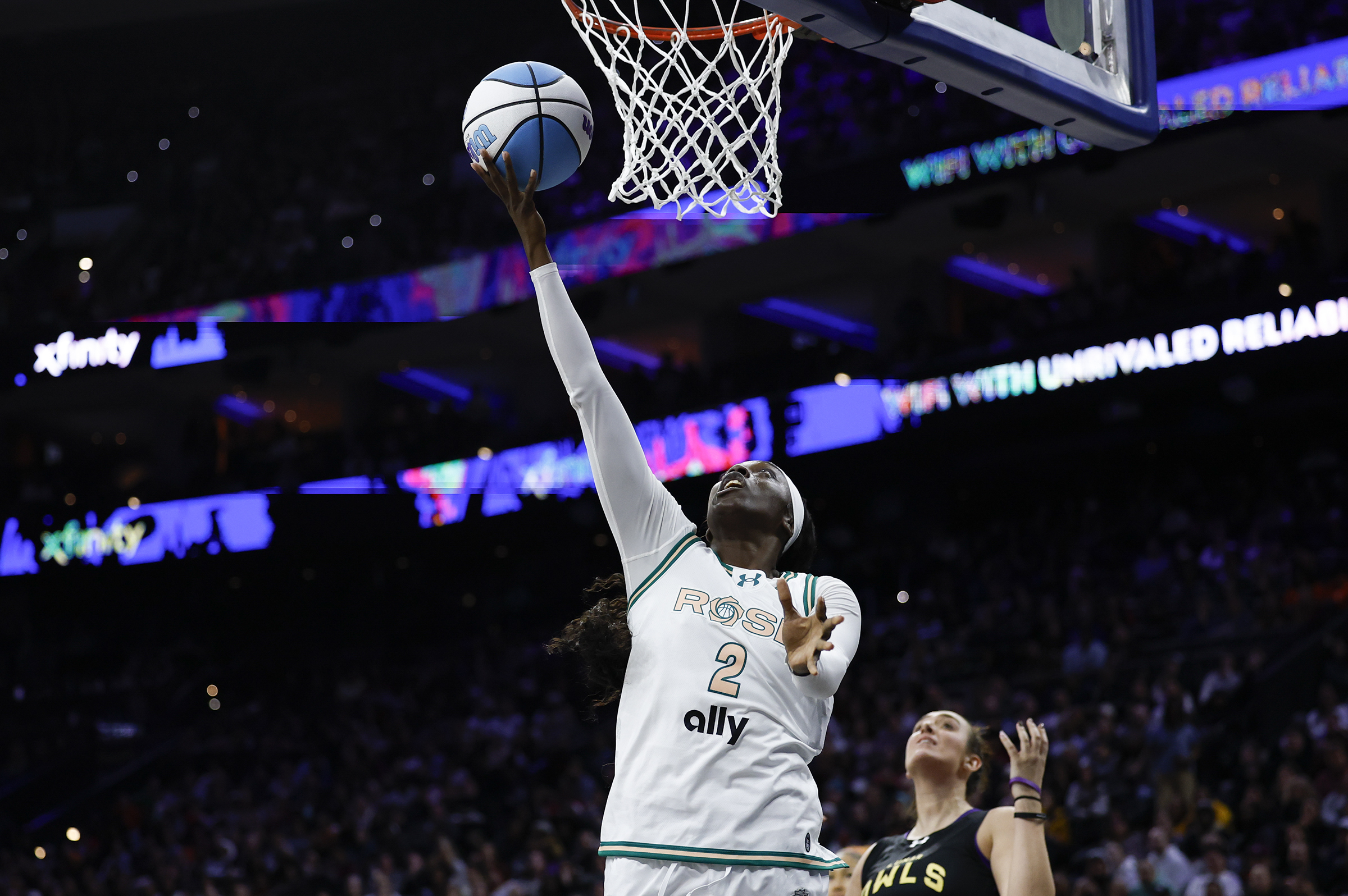
    Kahleah Copper of the Rose scored 19 points and had four rebounds during the Philly Is Unrivaled doubleheader on Friday.

    And with her Rose BC teammates in tow, Copper still squeezed in that neighborhood walk she made countless times as a kid. They began at the park and then moved to the pole with the backboard, which Copper said left everybody “in awe.” Then they went to her home, sat on the stoop, and yelled “Norf!”

    Throughout the stroll, Copper pointed out her favorite water ice stand and go-to gas station. She shared memories of trying to hurry back home before the streetlights came on. It all illustrated why, in teammate Shakira Austin’s words, Copper is an “embodiment of Philly.”

    “You can just see the way she speaks about things,” Austin said Friday. “She’s so excited about this opportunity and about this experience. She’s been rambling a lot, but it’s so fun to hear and just to see her be her true self.

    “She’s probably been the most out of her shell since we’ve been here.”

    Copper took all 60 tickets provided by Unrivaled for “her people” to attend Friday’s game, with several others sharing that they had bought their own. She could not wait to scan the crowd and “probably see people I haven’t seen since I was maybe in college, or maybe in high school.” After the Rose’s 85-75 loss, in which she totaled 19 points and four rebounds, Copper ventured into Section 123, wrapping those loved ones in hugs and posing for photos.

    Many of them know all about 32nd and Berks, and the pole with the backboard. And now, so do her Unrivaled teammates.

    “I made them walk in that cold,” Copper said. “But they love so much, so they did it for me. I was just super grateful to be able to show that little piece of me.”

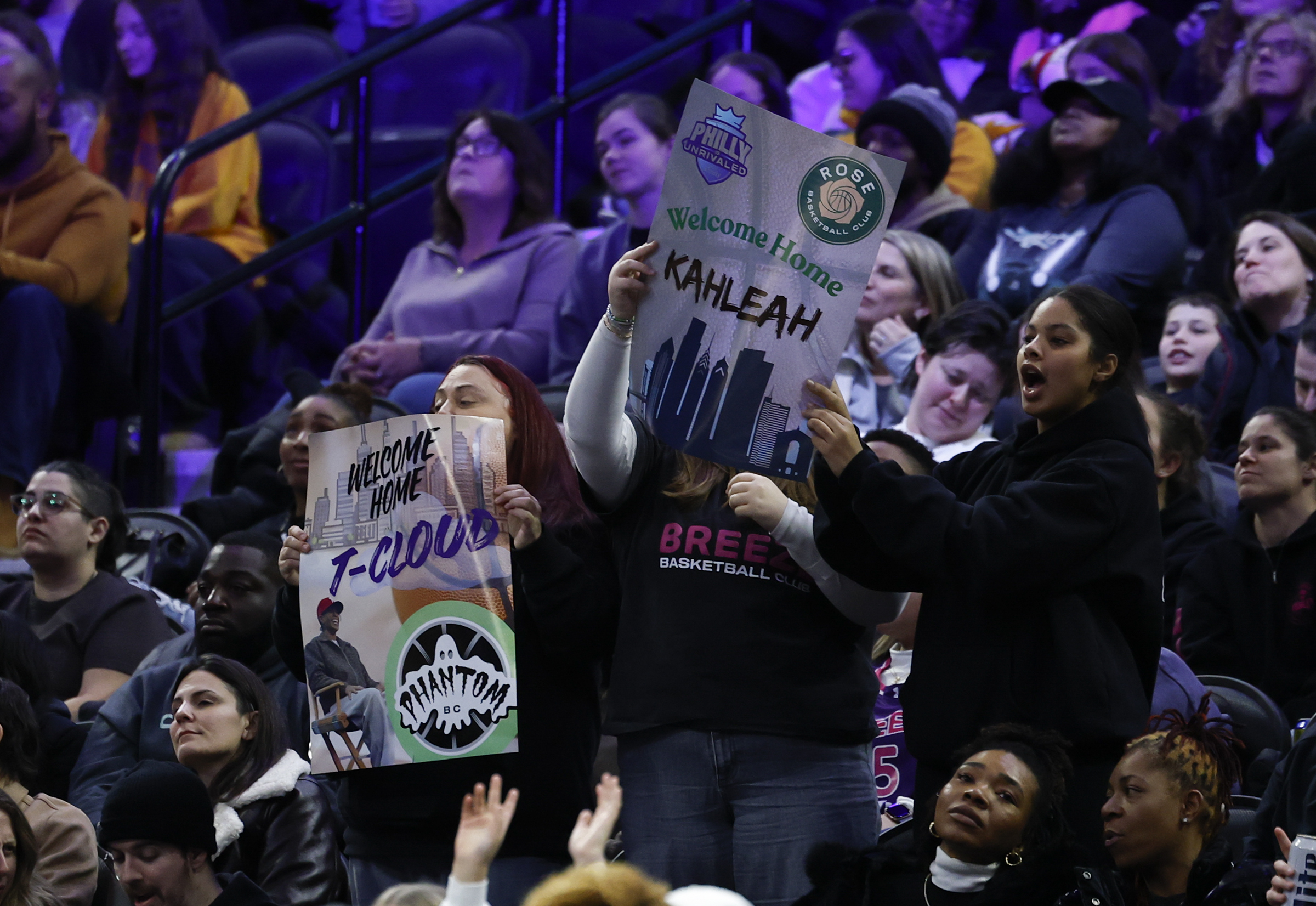
    Fans hold up their signs supporting Kahleah Copper of the Rose and Natasha Cloud of the Phantom during the Philly Is Unrivaled doubleheader on Friday.
  • Natasha Cloud thrilled that ‘Young Tash’ gets Philly hoops homecoming with Unrivaled: ‘I carry this city everywhere I go’

    Natasha Cloud thrilled that ‘Young Tash’ gets Philly hoops homecoming with Unrivaled: ‘I carry this city everywhere I go’

    Natasha Cloud will never forget Mr. Ross.

    The youth coach used to hold 6 a.m. workouts inside a Baptist church on City Avenue, where Cloud first learned how to be disciplined in basketball and in life.

    “I hope he sees this,” Cloud said Thursday afternoon, while facing a slew of television and phone cameras inside the Alan Horwitz “Sixth Man” Center. “… He set a standard. He set an expectation. And he set a work ethic for my skill set, my career.”

    Cloud brings all of that back to Philly on Friday night for the Unrivaled offseason league’s two games at Xfinity Mobile Arena. The 33-year-old Broomall native called it a “dream come true” to help lead the return of professional women’s basketball to her city ahead of the WNBA’s arrival in 2030. Yet Cloud is most elated for “Young Tash,” who has blossomed into a WNBA champion, an 11-year professional, a dynamic personality, and an activist on and off the court.

    “I carry this city everywhere I go,” Cloud said following practice for the Phantom, her Unrivaled team. “… I just never thought I would be here, so I think the most gratifying thing is just trusting God’s journey for my life. Doing it my way, too. Because I don’t think a lot of people get to do their careers their way.”

    Before Mr. Ross, Cloud credits her Aunt Dawn as one of her first sports role models. A Delaware County basketball and softball star, she helped Cloud embrace being a tomboy — and a “powerful, badass woman.”

    So Cloud honed that athleticism on the basketball hoop on the side of her home, which became a neighborhood gathering spot on school half-days. She played King — nah, Queen — of the Court against the boys. They lowered the rim so they could dunk. They idolized Allen Iverson and Dawn Staley.

    When Linus McGinty, the legendary Cardinal O’Hara girls’ basketball coach, first watched Cloud play as an eighth grader, he believed she had WNBA potential because “she could do everything.” And Cloud wanted to play for that program because, in her words, “in Linus we trust.”

    Cloud also appreciated O’Hara’s structure, from the nuns on campus to McGinty’s “strict” practices. She became an immediate starter on a talented team immersed in the competitive Philadelphia Catholic League.

    New York Liberty player Natasha Cloud dances while standing with other officials during an announcement about the Unrivaled Women’s Basketball League 2026 Philly tour stop.

    McGinty’s one gripe about Cloud? She was almost too unselfish as the point guard.

    “She never tried to score first,” the coach told The Inquirer by phone last week.

    But Cloud made up for that in defensive prowess. The 5-foot-10 Cloud guarded the much more imposing Morgan Tuck and Elena Delle Donne, then elite recruits who became college and WNBA stars. Cloud preserved O’Hara’s 2008 PCL title victory by blocking a three-point attempt at the buzzer.

    Then when Cloud was the only starter who returned her senior year, she finally carried more of O’Hara’s offensive load. She was an All-State selection after averaging 12.3 points, 7.9 rebounds, 5.2 assists, and four steals, before beginning her college career at Maryland in 2010-11.

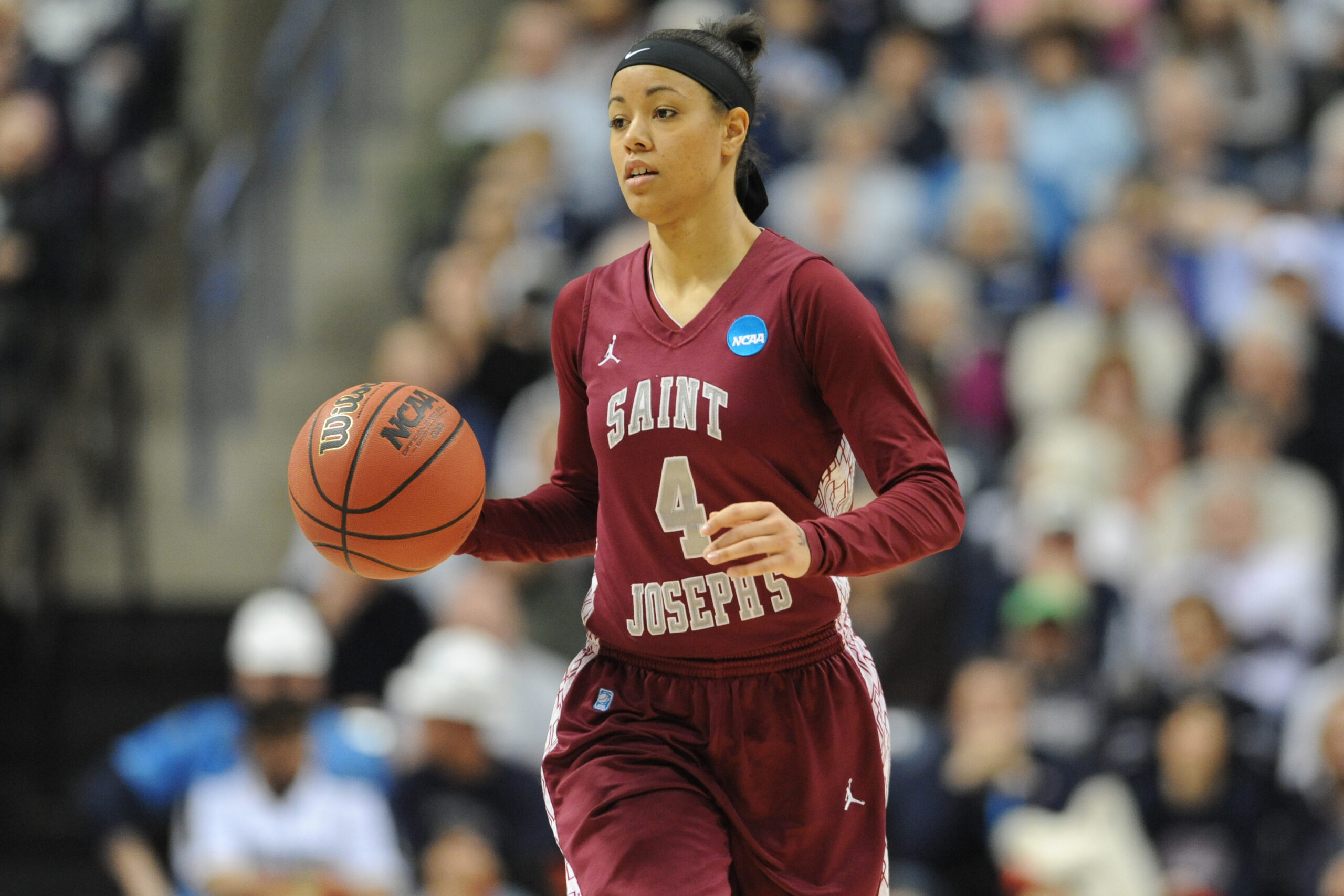
    After her freshman season, she transferred to St. Joseph’s to be closer to home. Her sister had been diagnosed with stomach cancer, and she was looking for a similar family atmosphere within her next college program.

    “Tash is a very compassionate person,” St. Joe’s coach Cindy Griffin recently told The Inquirer by phone. “So if there’s anything going on at home, she feels that. She would have to learn how to manage that, and she did an unbelievable job doing that.”

    While sitting out the 2011-12 season because of NCAA transfer rules at the time, Cloud worked on refining her jumper. Her energy filtered to teammates and staff, Griffin said, even when she was playing on the scout team. That perhaps was most evident on defense, where she consistently covered ground (and others’ mistakes) while understanding how to rotate sharply and when to take risks on the ball. She was the Atlantic 10 Defensive Player of the Year in 2014.

    “That just fueled fire for all of her teammates,” Griffin said, “and it just elevated everybody around her. … They really appreciated that, and they wanted to play hard for her and with her.”

    Then when the Hawks needed more scoring punch from Cloud as her career progressed, she delivered.

    Before her WNBA career, Natasha Cloud starred at St. Joe’s.

    She totaled 15 points, six assists, and six rebounds in a comeback win over Fordham in the 2013 A-10 tournament championship game, and “looked like a pro out there, finishing in transition, taking and making tough shots,” the coach said. That carried over to the next season, when Cloud hit timely buckets to propel the ninth-seeded Hawks’ to upset eighth-seeded Georgia in the first round of the NCAA Tournament.

    “Came down to a 1-5 ball screen,” Griffin said, “and [Cloud] being able to put us on her shoulders and win the game for us. … The answer is yes she can, and yes she will.”

    Cloud’s impact has now stretched far beyond Philly.

    She won the 2019 WNBA championship with the Washington Mystics and led the league in assists in 2022. She has made a WNBA All-Defensive team three times. She has played overseas in Turkey and Australia. She opted out of the 2020 WNBA “bubble” season to focus on social justice issues and remains outspoken on such topics.

    But she has stayed connected to her roots.

    She still has a house in town, meaning one might catch her during the offseason at the local Wawa or driving her truck. She regularly visits St. Joe’s to work out and chat with the team, reminding them how special college bonds can be. Unprompted, she told The Inquirer last week that she hopes to have her jersey number retired by St. Joe’s and O’Hara — preferably while her parents are still around to celebrate with her.

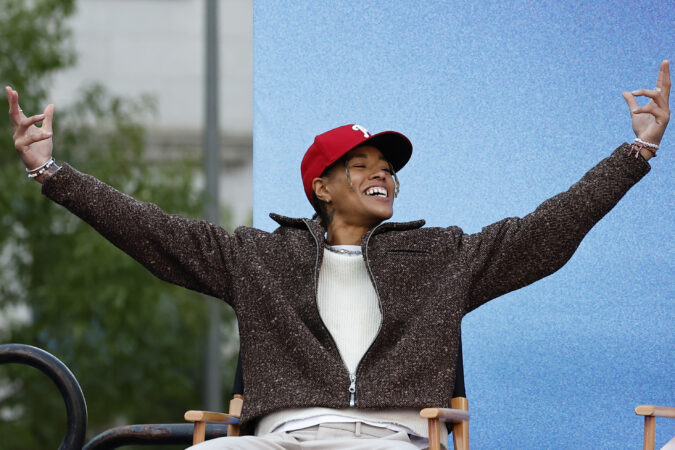
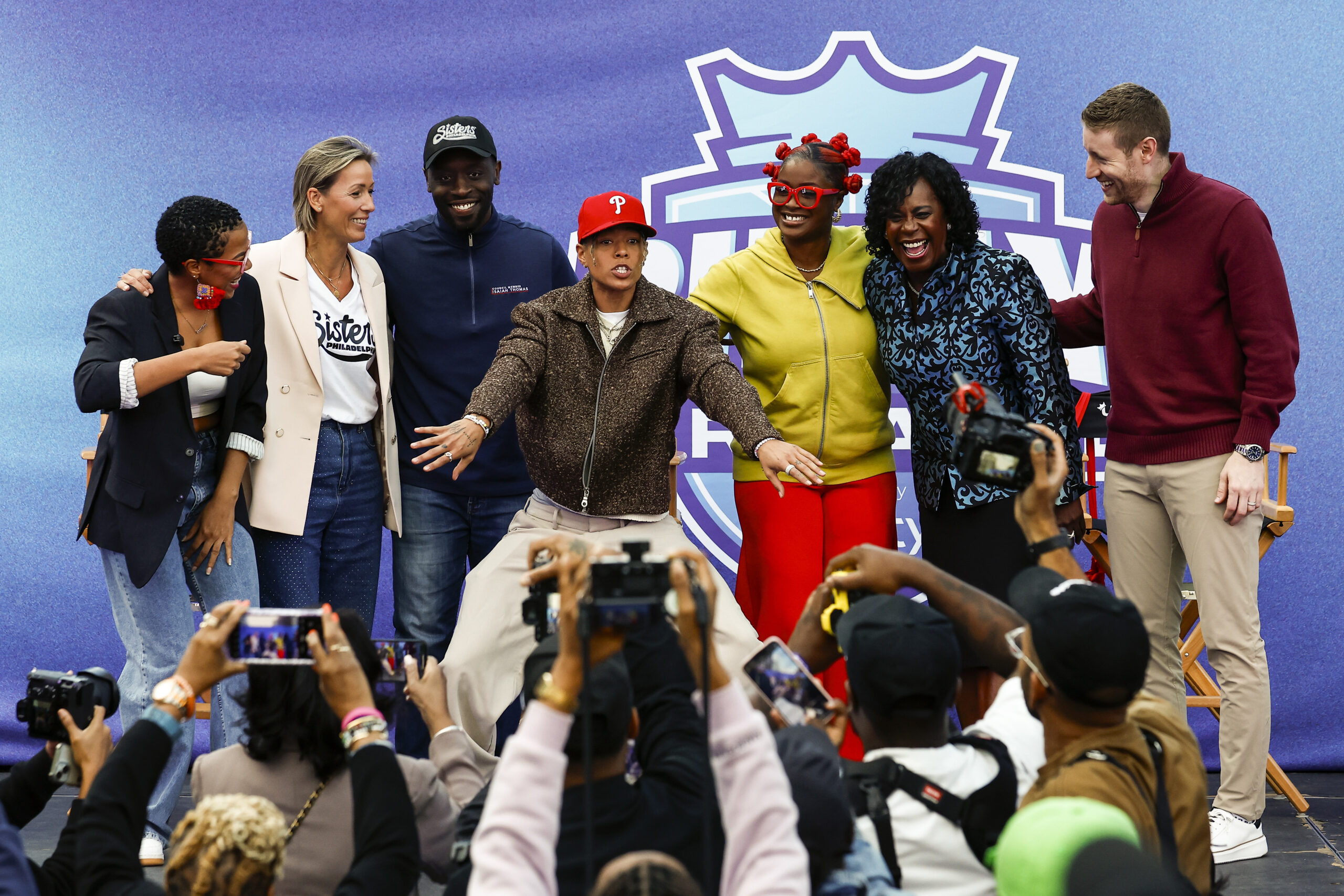
    And now, she finally gets to play professional basketball in Philly. When she learned Unrivaled would be making a tour stop here, she knew fans would “show up and show out” for the showcase event. She stepped onstage wearing a Phillies cap for the October announcement at LOVE Park and pumped up the crowd. She hopes local kids getting to watch her play in person is a jolt of inspiration.

    Among those in attendance Friday will be the Hawks, “shouting as loud as we can for Natasha Cloud and the Phantom,” Griffin said. An intrigued McGinty said he also might need to get down to South Philly. Mr. Ross surely is welcome, too. And it will be the first time Cloud plays in front of her family here since 2015.

    They all helped develop “Young Tash.” And that is why she carries the city with her everywhere she goes — including back home.

    “I’ve stayed true to myself,” Cloud said. “True to my character, my morals, my values through all of it. And that’s just a testament to, I feel like, being from Philly. We stand on our [stuff]. We’re going to talk our [stuff]. You can’t tell us otherwise. We know who we are.

    “We’re confident in who we are, and a lot of people take it as arrogance. But it’s just, like, ‘Man, God has blessed me so abundantly. Who am I to not walk out in this light every single day?’”

  • Jared McCain’s long-awaited breakout game arrives in Sixers’ win over Bucks: ‘I knew my time was going to come’

    Jared McCain’s long-awaited breakout game arrives in Sixers’ win over Bucks: ‘I knew my time was going to come’

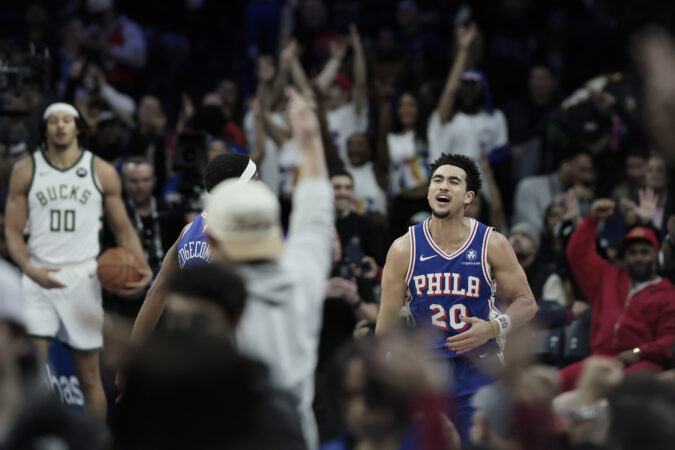
    As Jared McCain’s transition three-pointer splashed through the net, VJ Edgecombe yelled “Yeah, ‘Mac!’” in his face.

    And on the opposite end of the floor, the 76ers’ bench was going nuts for the second-year guard.

    “That’s all you want as a player,” McCain said. “Making shots, you want your team to be excited for you. When I looked over at the bench and they were all jumping up and down, it was a fun time.”

    They were celebrating one of the four three-pointers that McCain buried during Tuesday’s fourth quarter as part of a 17-point night on 5-of-6 shooting from beyond the arc. It was the scoring punch the Sixers needed in a 139-122 bounce-back home victory over the Milwaukee Bucks, with sixth man Quentin Grimes out with a sprained ankle.

    More importantly, it was a long-awaited breakout performance for McCain, who has struggled to rediscover his offensive rhythm since returning from knee and thumb surgeries.

    “What I’m most grateful for,” McCain said, “is just being able to stay mentally ready and know it’s going to come.”

    McCain entered Tuesday averaging 6.4 points on 36.1% shooting from the floor in 32 games. It felt far removed from last season, when the former first-round draft pick averaged 15.3 points — and connected on 38.3% of his 5.8 three-point attempts — in his first 23 NBA games, making him an early Rookie of the Year front-runner before a torn meniscus and thumb ligament sidelined him for nearly 11 months.

    Yet Tuesday’s welcomed upswing also could be viewed as a continuation of perhaps the only silver lining of the Sixers’ dreadful 130-93 loss Monday afternoon in Charlotte, N.C. With the starters removed in the fourth quarter, McCain, who played one season at nearby Duke, scored 12 of his 16 points on 4-of-6 shooting from deep.

    There was no such thing as garbage time, McCain insisted. The cliche that simply seeing the ball drop through the net builds confidence is accurate, he added. And when Grimes was ruled out of Tuesday’s matchup about an hour before tipoff, McCain knew he would get rotation minutes.

    Those came even quicker when Edgecombe picked up two early fouls. McCain got his first two buckets — stepping into a three-pointer from the left wing, then driving to the bucket for a crafty layup — while playing in the two-man game with star center Joel Embiid. Nurse also appreciated McCain’s “really good decisions” with the ball in his hands, with three assists in 24 minutes, 10 seconds and using attacks to ignite the “chain-reaction ball movement” as the Sixers shot 52.5% from the floor.

    Then came McCain’s fourth-quarter shooting flurry.

    He opened the period by taking a dribble handoff from Paul George for a pull-up from the right wing to give the Sixers a 109-95 advantage. Then he spotted up for another less than three minutes later, pushing the Sixers’ lead to 16 points. And 20 seconds after taking the feed from Edgecombe for that fastbreak launch, McCain received a pass off an offensive rebound by Justin Edwards for the corner shot.

    “Maybe I’m starting to predict the future,” All-Star teammate Tyrese Maxey said after the game, “I [told McCain], ‘Man you’re going to hit four threes tonight.’ And he hit five.’”

    The Sixers hope Jared McCain is reclaiming the form that had him billed as an early Rookie of the Year candidate last season.

    Before this week, McCain had been navigating a challenging path back to the court.

    He dealt with a clunky knee brace that made him feel unbalanced, along with protection on his shooting hand. Though Nurse said McCain needed to log more minutes to work through rust and mistakes, Edgecombe and Grimes had passed him on the depth chart. McCain was assigned to the G League’s Delaware Blue Coats for a second time less than two weeks ago, going 5-of-18 from the floor and committing six turnovers in his only game at the Noblesville Boom on Jan. 18. He traveled from Indiana back to the Sixers less than 48 hours later, but still had slipped completely out of the rotation.

    During that stretch as an observer, McCain said he paid close attention to where he would get shots in the Sixers’ offense and visualized those attempts going in. He also rededicated himself to the practice of staying present. During Tuesday’s morning meditation, he said, he focused on feeling his breath in through his nostrils, then the heat of the exhale on his upper lip.

    “That just sets you into the present moment,” McCain said, “and I think that’s what I carried over.”

    Nurse, meanwhile, recognized the adversity had initially been “really hard” for McCain to shoulder. Yet the coach noticed a recent flip to more outward positivity “whether he’s playing or not, which is hard to do coming out of the season he had” before the injuries.

    “I just keep telling him to have patience and hang in there,” Nurse said. “I say to him, ‘Listen, things will change, I guarantee you. Before too long, something’s going to happen where something’s going to open up for you.”

    That opportunity arrived Tuesday. And it culminated in four long-range splashes in the fourth quarter — and a fired-up Sixers bench.

    “I knew my time was going to come,” McCain said. “And I knew it’s going to continue to come.”

  • VJ Edgecombe’s athleticism is electric. But his basketball IQ is driving the Sixers rookie’s early success.

    VJ Edgecombe’s athleticism is electric. But his basketball IQ is driving the Sixers rookie’s early success.

    As John Buck watched the final seconds of the Dec. 4 matchup between the 76ers and Golden State Warriors, he was unsurprised by how VJ Edgecombe reacted to teammate Tyrese Maxey’s deep fadeaway jumper with 2.5 seconds remaining.

    Edgecombe instantly sensed where the ball might be if the shot fell short, Buck said, then “slithered” into that space, elevated, and grabbed the partially blocked attempt to convert a game-winning putback.

    “How many guards just stand there and watch the ball get shot and hope it goes in?” said Buck, who coached Edgecombe at Long Island Lutheran High School in Brookville, N.Y. “VJ was moving into the spot where it may have missed.”

    Yes, Edgecombe’s athleticism is electric. Yes, the rookie’s three-point shooting has been a pleasant surprise. But perhaps what Sixers coach Nick Nurse and teammates have raved most about Edgecombe so far is his beyond-his-years basketball IQ.

    That natural feel helped put Edgecombe in position to be one of the NBA’s top rookies — on Monday night he was named to the Rising Stars roster for All-Star Weekend — along with an immediate starter for a Sixers team in the thick of the Eastern Conference playoff picture, and a player already with a knack for clutch fourth-quarter moments on both ends of the floor. When asked recently about this aspect of his game, Edgecombe agreed it has “played a lot” into his early NBA success.

    “If you watch the game,” Edgecombe told The Inquirer at his locker last week, “you understand the game, understand the flow of the game, the importance of possessions, I rely on my IQ a lot. That’s the most [important part] of the game, the mental part.

    “I just try to make sure I’m locked in mentally, to make certain plays and be decisive.”

    So what are the origins of such a trait? Matter-of-factly, Edgecombe says, “I watch so much basketball.”

    As a child in Bimini, the Bahamas, he initially spent the bulk of his free time playing the sport on dirt courts and makeshift hoops outside. But once his mother bought him a tablet as a middle schooler, YouTube became an endless supply of player highlights and archived games. He could utilize his already “really good memory” while transitioning from watching for entertainment to studying. He even discovered some of Maxey’s film from his time playing for South Garland High School in the Dallas suburbs.

    “He didn’t believe me,” Edgecombe said, explaining how he told Maxey after they became Sixers teammates. “And I had to literally tell him my basketball knowledge.”

    When Edgecombe moved to the United States and eventually joined Long Island Lutheran’s nationally ranked program, he received access to online scouting reports with full games or clips from opponents. While Buck said he needed to “beg” some players to spend time reviewing that film while walking down the aisle during bus rides to games, Edgecombe’s commitment to that preparation was “elite.”

    That gave Edgecombe the confidence to make suggestions about defensive coverages or individual assignments during timeouts, Buck said. And to better leverage his supreme physical gifts.

    Buck witnessed it on blocks, when Edgecombe could pin the ball on the glass because he beat the shooter to the spot. Or in his timing on offensive rebounds. Or whenever he got into a shooting rhythm because he picked the correct moments to fire away, later prompting Buck to chuckle when NBA scouts called to ask about his three-point potential as a professional. The early returns vindicate that reaction, with Edgecombe entering Monday 12-of-22 on “clutch” NBA three-pointers, including an overtime game-winner at Memphis in late December.

    “There are players who are extremely athletic,” Buck told The Inquirer by phone earlier this month, “but you don’t see it in the flow of a game, or you see it rarely. … With [Edgecombe], it would show up in so many ways.”

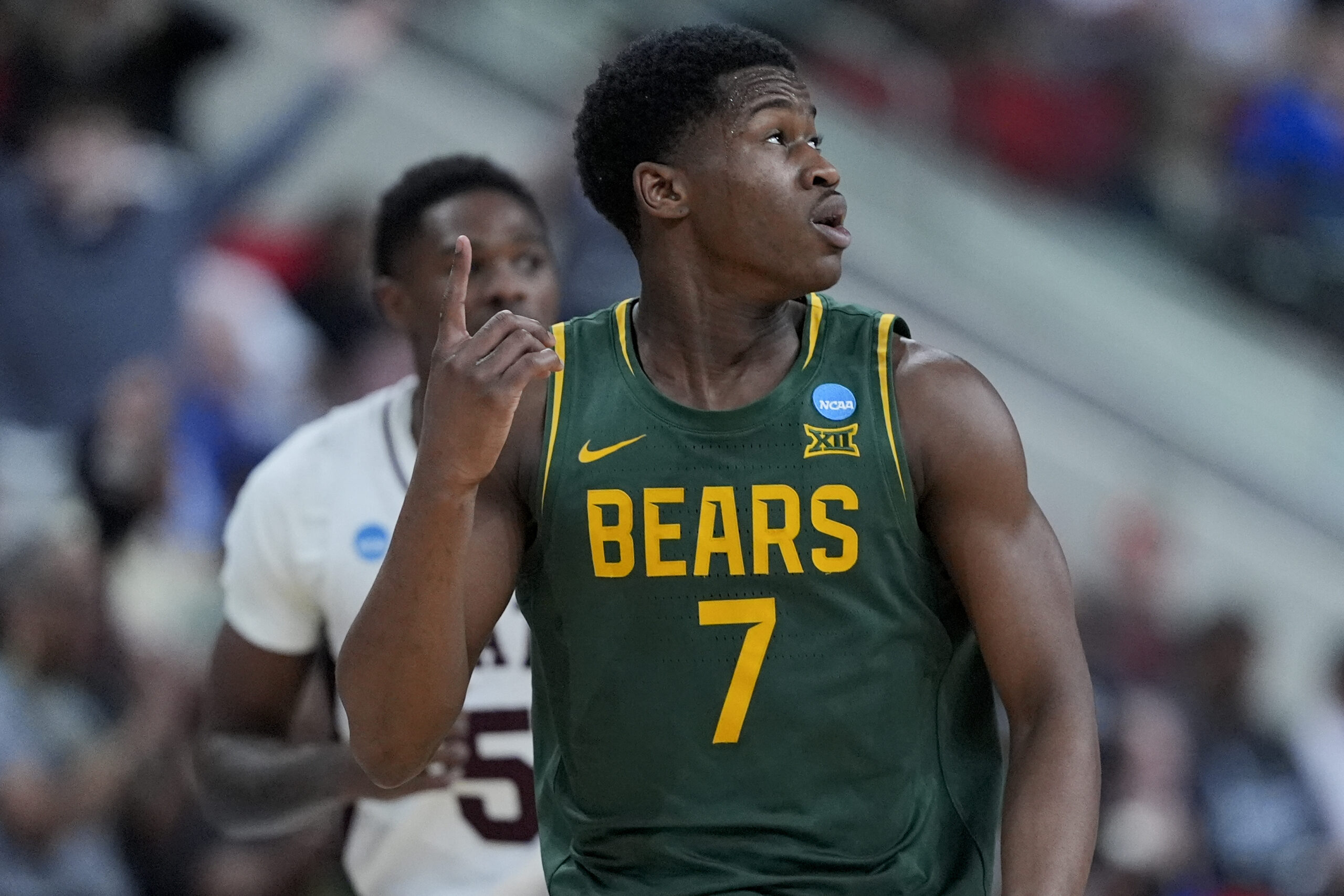
    Guard VJ Edgecombe spent one season with Baylor before becoming the No. 3 pick in the 2025 NBA draft.

    Another coach who valued Edgecombe’s IQ: Baylor’s Scott Drew.

    During Edgecombe’s lone college season, Drew recognized his “boldness” to speak up during practices, “wisdom” to be accurate with his question or suggestion, and “heart” to keep it centered on the team. Most freshmen in his program, Drew added, only learn one position that first season. Edgecombe could play every spot but center, offering the Bears flexibility to use him as a lead ballhandler or as a power forward in four-guard lineups.

    “It allows a coach to have an opportunity to steal a couple baskets by putting in new plays [and] doing things that are harder to guard,” Drew said last week. “And in one-, two-, three-possession games, if you have enough of those plays, you win a lot of those games.”

    When Edgecombe first arrived in Philly, Nurse also asked himself, “How did he get like this?”

    Nurse quickly recognized Edgecombe had already “absorbed a lot of basketball — and, probably, a little bit obsessively” because of his interest in the game’s history. That is not as common as an outsider might think for a player born in 2005, but was apparent to Nurse when Edgecombe marveled while walking into Chicago’s United Center for the first time.

    Edgecombe’s inquisitive nature during practices also has continued at the NBA level. While still building out schemes throughout the first half of the season, Nurse said, Edgecombe could already identify future wrinkles. Edgecombe said he typically first goes to a teammate to clarify if such additions are possible, then to coaches to get their point of view.

    “I just want to make sure my team is in the best possible [situation],” said Edgecombe, who entered Monday averaging 15.6 points, 5.3 rebounds, 4.2 assists, and 1.5 steals.

    Added Nurse: “I answer them a lot with, ‘We’re getting to that.’ … Then you kind of quickly explain, ‘Yeah, we can do that, and here’s what happens. That’ll be coming when we need it — and when we see it and when we can polish and can put it in.’”

    On the court, that IQ has translated to Edgecombe immediately taking on some ballhandling responsibilities — and committing only two combined turnovers when Maxey missed two games with an illness. Veteran forward Paul George has been most impressed with Edgecombe’s defensive savvy, recognizing when to make sharp rotations or well-timed playmaking risks. Edgecombe’s feel also shows up in how he spaces the floor on offense, clocks when a teammate has not gotten a shot recently, and balances when to be aggressive with the ball in his hands or facilitate.

    “He could be a guy that just takes off,” Nurse added, “and jumps in the air and figures it out three or four seconds later. But he doesn’t do that. He makes pretty good basketball plays.”

    Sixers coach Nick Nurse has been impressed by guard VJ Edgecombe’s ability to absorb information.

    That is why Nurse has reiterated that he still wants more out of Edgecombe, even as the Sixers’ roster has returned to full strength. Following a Jan. 16 loss to the Cleveland Cavaliers, Maxey told Edgecombe in the locker room that taking only five shots “is not going to cut it for us.” Nurse also has shown Edgecombe film examples of more opportunities to attack the rim or create space for a pull-up jumper.

    “He’s just a little too unselfish for me,” Nurse said. “I know that sounds funny, but we need him to use those gifts a little bit more. … I’m like, ‘That was a great move. You only did it once last night. I need like eight of those.’”

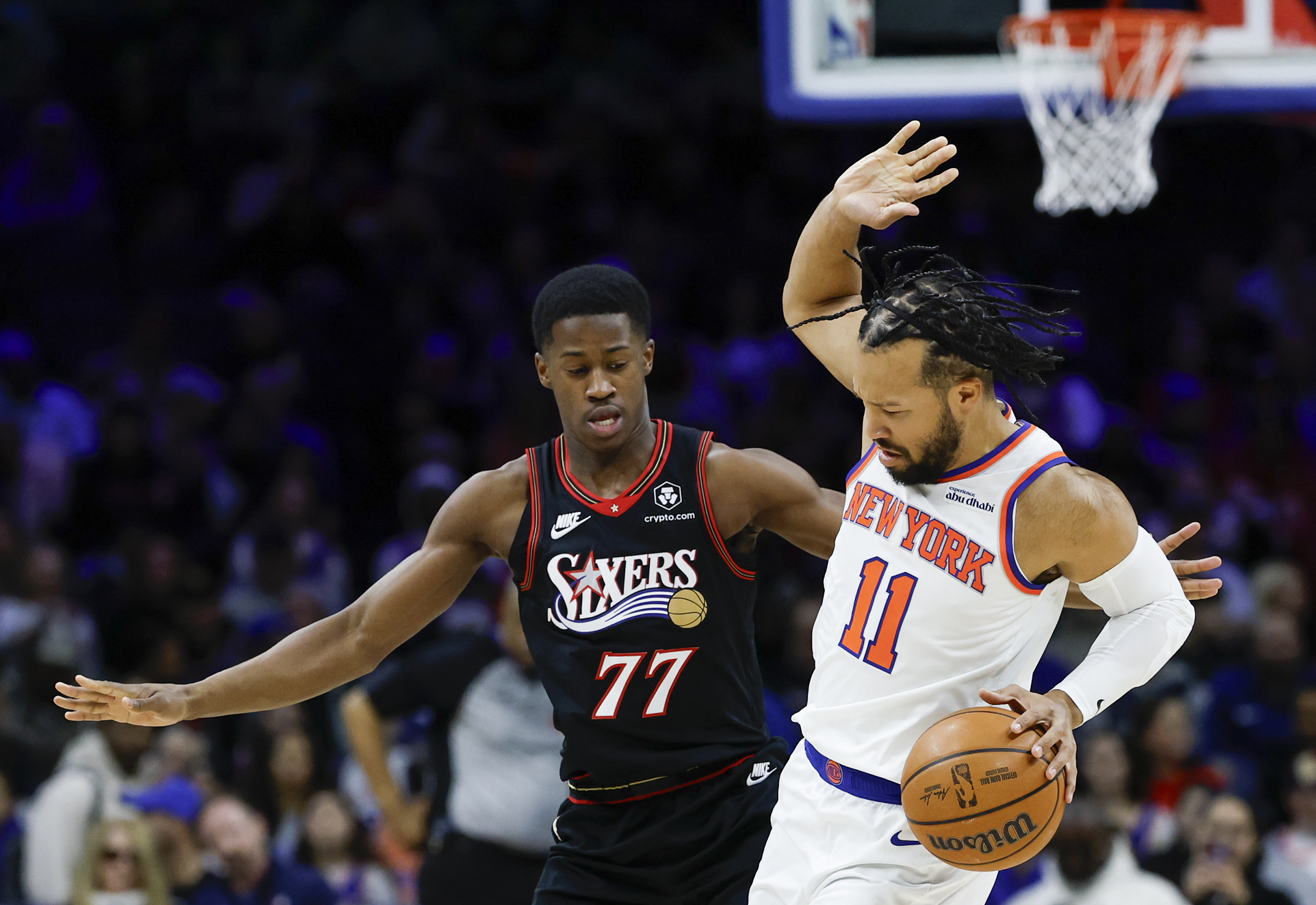
    Edgecombe acknowledged last week that he is “still learning” but does feel the game slowing down. And he flashed that knack during Saturday’s loss to the New York Knicks. In less than five seconds of the game’s final minute, he buried a three-pointer, forced a jump ball on a tie-up with Jalen Brunson, made two free throws after being fouled to cut the Sixers’ deficit to three points — and nearly drew an off-ball foul on Brunson before the ensuing inbounds pass, but that call was overturned on a coach’s challenge.

    Buck is not exactly shocked that such high-IQ play is fueling Edgecombe’s rookie season. He saw it in that heads-up putback against Golden State. And in a game-winning three-pointer in Memphis.

    And, behind the scenes, when Edgecombe paid an impromptu visit to a Long Island Lutheran practice just before his rookie season began.

    “We’re running a set, and he kind of waves me over,” Buck recalled. “And he’s like, ‘Hey, Coach. I think the spacing for this guy right here should be a little bit different to maximize the play.’ That’s just not normal for a 19-, 20-year-old guy to be coming to practice, not just kind of chilling or being there to be there. But kind of saying, ‘Hey, let me look at this. I think there’s a way to improve that.’”

    Now, Edgecombe is applying that as an NBA rookie, to a degree drawing raves from his coach and teammates.

    “He’s not out there looking lost or forcing anything,” George said. “He kind of just lets the game come to him. And that right there makes the greats, greats. …

    “The game just evolves around them, and that’s kind of what he has.”

  • Sixers appeared to be on unlucky side of crunch-time officiating — again

    Sixers appeared to be on unlucky side of crunch-time officiating — again

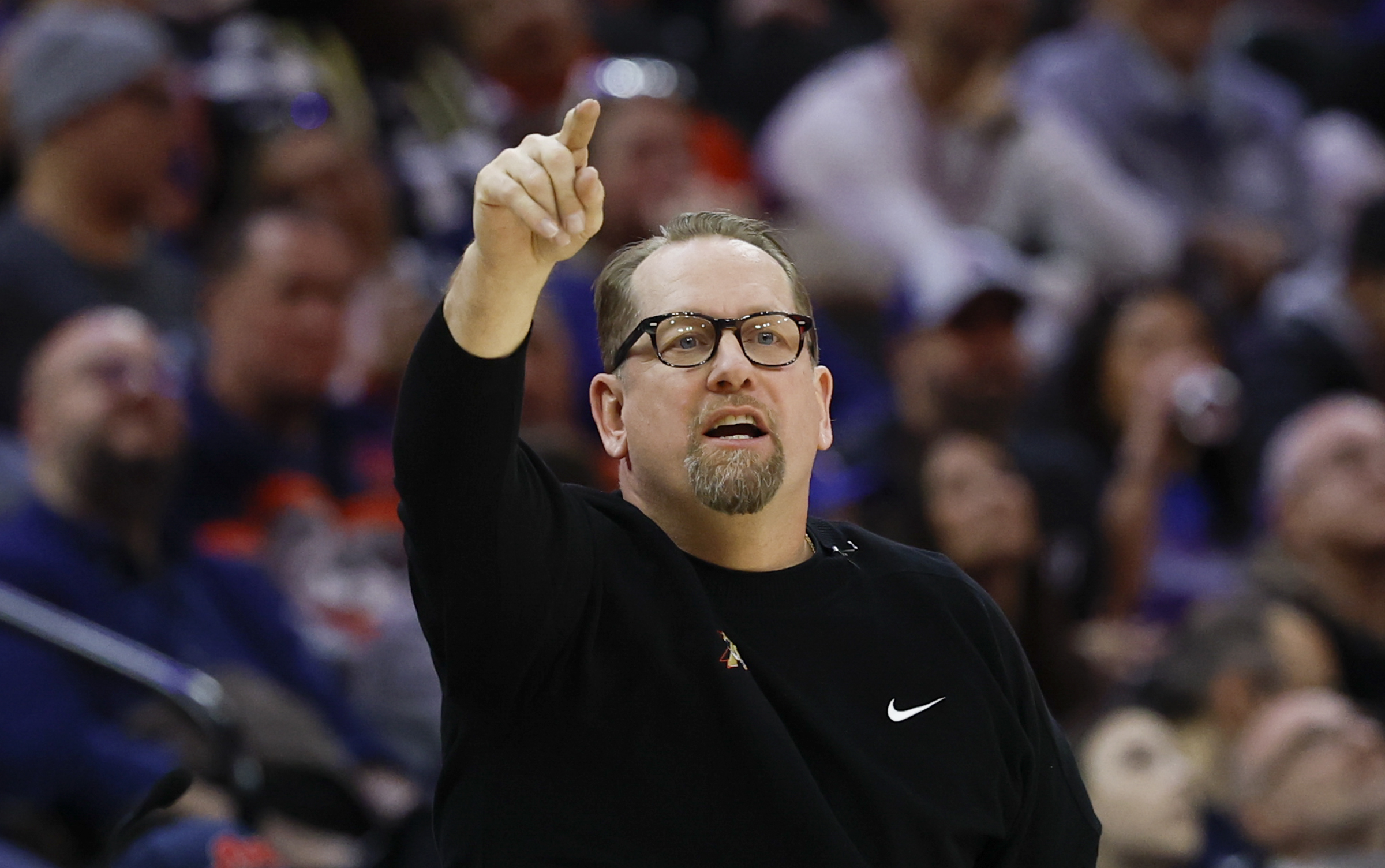
    Nick Nurse assumed Tyrese Maxey felt contact from the New York Knicks’ Landry Shamet and tried to draw a whistle in the shooting motion.

    But Maxey would not bite when asked if he believed he was intentionally fouled when he hoisted an off-balance three-pointer with the 76ers trailing by three points and 5.8 seconds remaining Saturday.

    “Nope,” the Sixers’ All-Star guard said. “I should have just taken one more dribble and shot it regular.”

    For the second game in a row, it appeared the Sixers were on the unlucky side of crunch-time officiating. That Maxey moment — plus three others — helped create a finish that was both frenetic and interrupted by multiple stoppages in play for review.

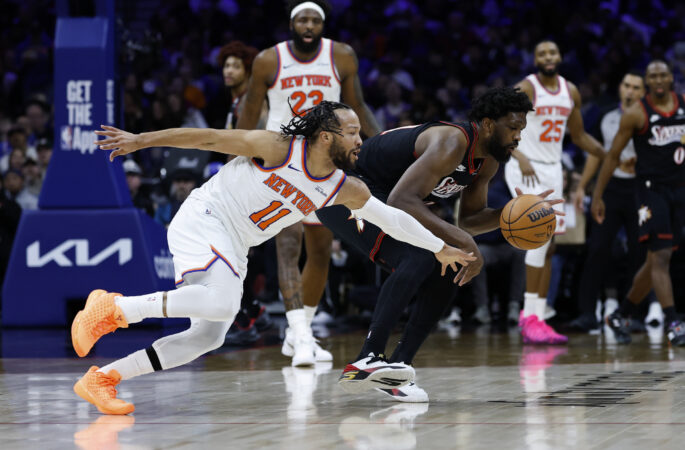
    Although the Sixers overcame a missed goaltending call in Thursday’s overtime victory over the Houston Rockets, Saturday’s calls (or no-calls) remained under the microscope in the aftermath of the Sixers’ wild 112-109 loss to the rival Knicks in a nationally televised game at Xfinity Mobile Arena.

    Sixers coach Nick Nurse says he believed there could have been a foul call on the errant three-point shot attempt from Tyrese Maxey in the waning seconds of the game.

    “I think he was [fouled],” Nurse said when asked about the Maxey play. “No big deal. … Usually when [the opponent is] up three and you need three, teams are going to foul. But they didn’t [call it].”

    Joel Embiid, meanwhile, was not afraid to speak his mind at his locker following the game. He believed he also had been intentionally fouled upon collecting the rebound after Knicks All-Star Jalen Brunson missed two free throws with five seconds to play, keeping the Sixers’ deficit at three points. Embiid threw his arms up in disbelief when Brunson knocked the ball free, and New York’s OG Anunoby collected it as the final six-tenths of a second ticked off.

    “I got fouled, for sure,” Embiid said. “Thought Tyrese got fouled, too. Two games in a row, but it’s whatever.”

    When asked about both potential intentional fouls, crew chief Tony Brothers told pool reporter Noah Levick of NBC Sports Philadelphia that “During the game, we did not observe any illegal contact on the play.”

    Those were not the only instances when the officiating became a storyline. With the Sixers trailing, 110-107, and 33.3 seconds remaining, Brunson was initially called for an off-ball foul for making contact with Sixers rookie VJ Edgecombe ahead of an inbounds pass. Edgecombe flexed and screamed in celebration, but a coach’s challenge by the Knicks’ Mike Brown overturned the call to a foul on the Sixers rookie — a result Brunson acknowledged was “very satisfying.”

    Sixers guard VJ Edgecombe (left) thought he received a foul call which was later determined to be Knicks ball in the fourth quarter.

    “They [said] you can’t play defense with your hands on nobody,” Edgecombe said of the explanation he received following the video review. “I guess I’ve got to play defense with my ‘eagles’ out and stand like this [with arms spread] the whole time. … I can’t touch nobody.”

    Then, with 9.9 seconds to play, Sixers veteran forward Paul George was called for a foul at the rim that was overturned by a coach’s challenge by Nurse. Had the no-call on George been correct within the flow of the game, however, the Sixers could have immediately initiated their offense against a Knicks defense that was not set. There was also apparent contact from Embiid on Shamet away from the play, although Brothers said officials “did not observe any proximate foul during replay review.”

    Those officiating moments arrived after a chaotic basketball sequence when the Sixers scored five points in less than five seconds to make it a one-possession game. Maxey hit a pull-up three-pointer with 37 seconds remaining before Edgecombe got tied up with Brunson to force a jump ball. Brunson then fouled Edgecombe, who hit both free throws to make the score 110-107 ahead of those players’ collision before the ensuing inbound pass.

    Tyrese Maxey was the subject of a pair of questionable calls by officials in back-to-back games last week.

    And those whistles — or, non-whistles — came less than two days after a different officiating crew missed a goaltending call on a Maxey layup attempt off the backboard against Houston, which would have given the Sixers a lead in the final seconds of regulation.

    After the game, crew chief John Goble said, “By rule, a goaltending would have to be called on the floor in order for that play to be reviewed. In real time, the officiating crew felt it was a good blocked shot.”

    “It happens, man,” Maxey said after that game. “We’re all human.”

    It surely was much easier for Maxey to be forgiving when the Sixers still pulled off the overtime victory. Yet after Saturday’s defeat, Maxey’s team could not solely blame the officiating.

    They stumbled through another third quarter, when a stagnant offense allowed the Knicks to build a 17-point lead. The Sixers were outrebounded, 53-38, leading to a 26-4 Knicks edge in second-chance points in a direct callback to the 2024 first-round playoff series between these two teams. And down the stretch, the Sixers allowed Shamet and Anunoby to get free for clutch three-pointers to quell their rally attempt.

    Still, the NBA’s Last Two Minute report from Thursday’s game revealed that the officials were incorrect in not calling goaltending on that driving Maxey attempt against the Rockets.

    Saturday’s report might be even more of a doozy.

  • ‘Vintage’ Joel Embiid takes big step in the right direction with triple-double

    ‘Vintage’ Joel Embiid takes big step in the right direction with triple-double

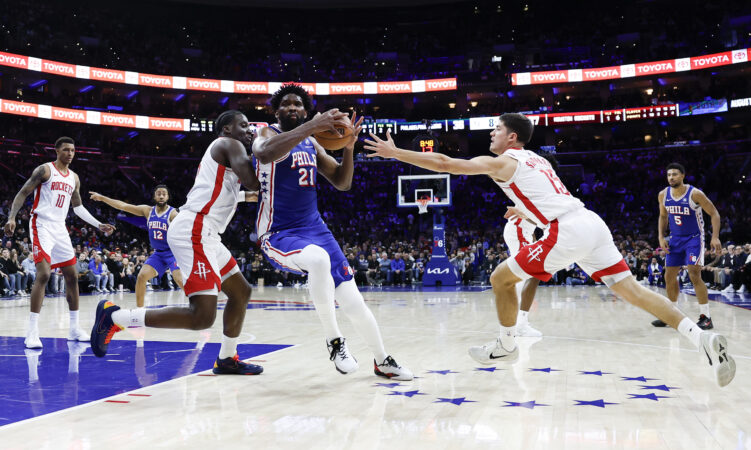
    Joel Embiid overpowered Alperen Şengün with a spin inside, sending the Houston Rockets’ big man to the floor before easily laying the ball into the rim.

    The play on Thursday night drew the ire of Rockets coach Ime Udoka, who got whistled for a technical foul. It was also another sign of how much Embiid’s health — and production — continues to progress.

    Two years ago to the day, Embiid scored a career-high 70 points in a victory over the San Antonio Spurs. It was the masterpiece of a historic stretch, when the then-reigning NBA Most Valuable Player was scoring more than a point a minute.

    A few days later, however, the Golden State Warriors’ Jonathan Kuminga inadvertently fell on Embiid’s knee, and years of struggles to stay healthy and available ensued.

    Embiid has not returned to his peak level. Perhaps he never will. Yet it was poetic that his best performance since those surgeries — 32 points, 15 rebounds, and 10 assists in the 76ers’ thrilling 128-122 overtime victory at Xfinity Mobile Arena — arrived on the same date.

    “Maybe I should have a baby on Jan. 22,” Embiid quipped from his locker after the game. “Seems to be a good day. Me and my wife, when I get home, we’re probably going to talk about [it]. Start making those calculations, and make sure that we’re trying to have a baby on Jan. 22.”

    That answer, complete with the playful bravado, is further evidence that Embiid is getting back to himself, after acknowledging feeling depressed and separated from teammates while navigating his health struggles.

    He also has allowed himself to sincerely reflect at points this season, saying in Orlando earlier this month that “this is a moment where I’m like, ‘Wow.’ A lot of people, I think, never thought this would happen again.”

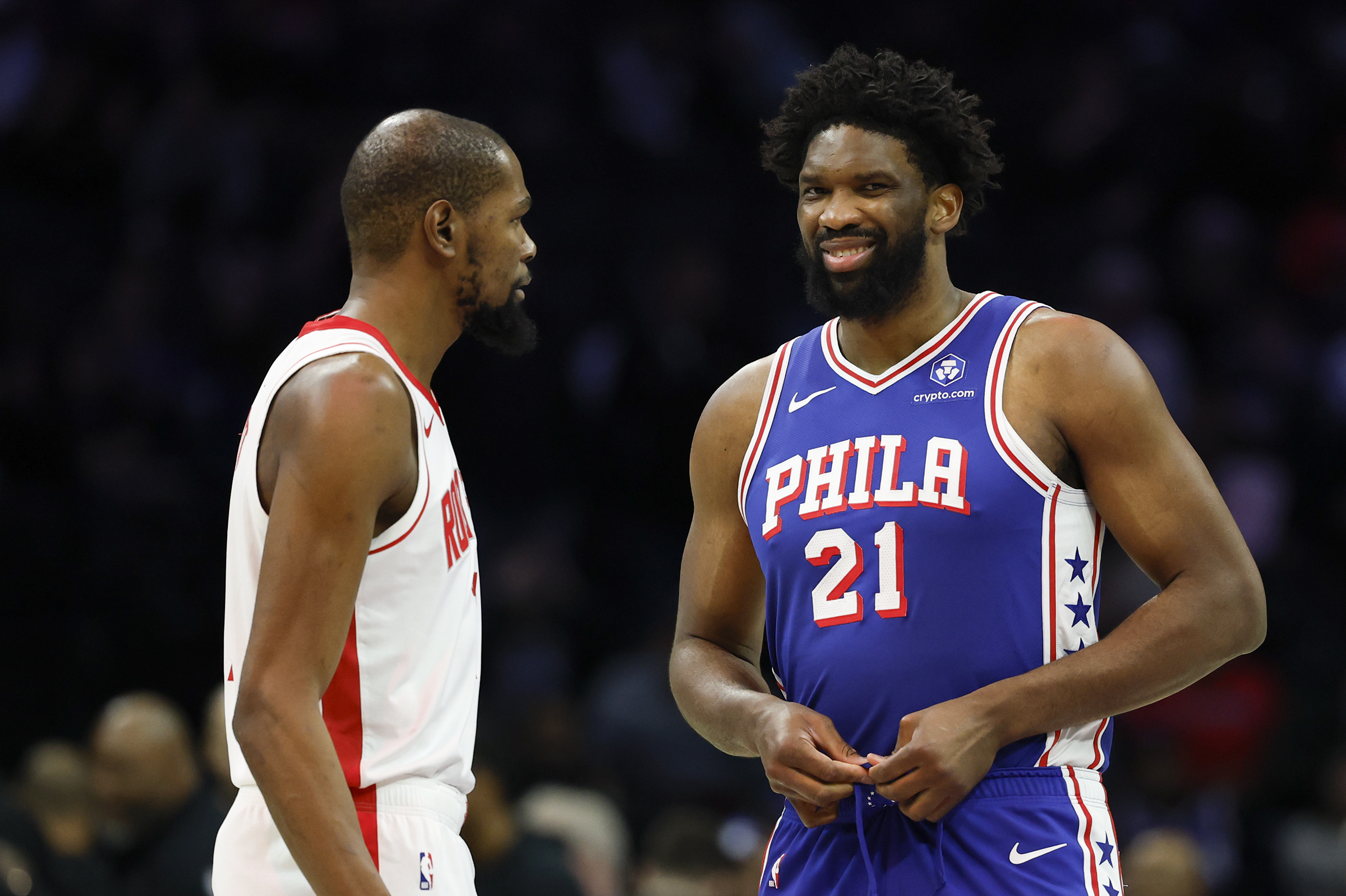
    Joel Embiid (with Kevin Durant) helped turn back the clock in an encouraging home victory Thursday night.

    Sixers teammates and staff members have closely watched this recovery unfold. For Paul George, Embiid’s first dunk on Jan. 3 at Madison Square Garden was a key benchmark. For coach Nick Nurse, it has been the gradual improvements in rim protection, rebounding, drives to the basket, and post-up opportunities.

    Nurse added he is still “a ways away” from schematically moving Embiid to different spots around the court “as much as we want to,” which could unlock even more of his offensive prowess.

    And though Embiid has appeared in 11 out of the past 13 games — during which he has averaged 27.8 points on 51.7% shooting, along with 8.3 rebounds, and 4.3 assists — he said he still is “not allowed to play back-to-backs — yet.”

    Thursday, though, was another significant step, in a down-to-the-wire victory against a quality opponent. His 15 rebounds were his highest total since — Surprise! — that 70-point outburst. His 10 assists were a season-high, and a product of Embiid getting rid of the ball earlier when the extra defender arrives, Nurse said.

    Defensively, Embiid helped limit Şengün, an All-Star reserve contender in the Western Conference, to 5-of-14 from the floor and three points after halftime.

    As a scorer, Embiid drew fouls on a rip-through move and while assertively turning toward the basket. He hit a jumper over two defenders at the end of the second quarter. He hunted switches so he could be guarded by a smaller defender, even as the Rockets “were moving pieces like crazy,” Nurse said, while unleashing a variety of different schemes.

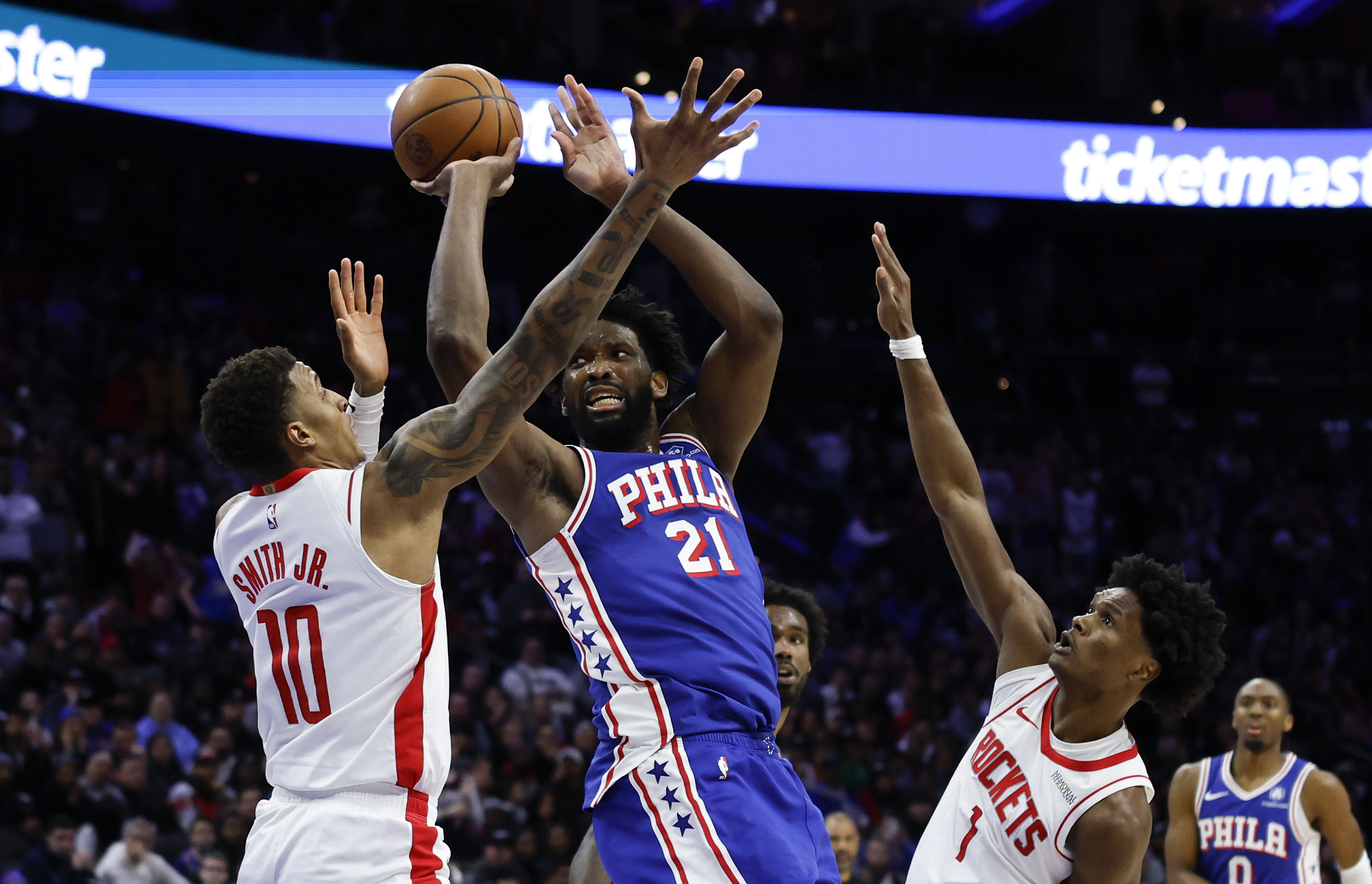
    Joel Embiid was effective on a night when the Rockets were aggressively making changes to help limit him.

    And when the Sixers needed buckets in the fourth, Embiid kept his team afloat before its final surge.

    An inside conversion to cut Houston’s lead to four points. A three-pointer to get them within 105-99. A driving finish out of a timeout to make the score 107-101. And six assists over the fourth quarter and overtime, including dishes to Tyrese Maxey (36 points) for a game-tying pull-up late in regulation and then for the game-sealing dunk in the final seconds of the extra frame.

    By the time Embiid’s night was over, he had played nearly 47 minutes.

    “He walked into the locker room after the game,” said Maxey, who leads the NBA in minutes played, “and said, ‘There’s no reason I should ever play more minutes than Tyrese.’ I said, ‘That’s great. You should do that more often.’ …

    “He’s just getting back to himself, slowly but surely. And he’s doing it in a different way, kind of. But he’s just really locked in and really bought into this team.”

    As Embiid held court in front of his locker, teammate Trendon Watford walked by and yelled, “All-Star Joel! All-Star Process!” Maxey had just done his own politicking during his news conference, saying “Process!” and tapping the microphone when asked to choose a teammate to join him at the festivities in Los Angeles next month.

    That all echoed Embiid’s own personal campaigning, saying in Orlando that he believes he is worthy of a spot and “you guys [the media] should start putting the word out that Joel Embiid is back.”

    A few minutes later, George said he could feel Embiid’s “competitive juices” while matching up against Sengun.

    “He won’t say it,” George said. “But me in that position, when I was in his spot and there was guys under me that was coming up, I took it personal to kind of still be a force out there.”

    Oh, but Embiid did say it.

    After former Sixers teammate Furkan Korkmaz in September called Şengün the best center he has shared the floor with, as part of the Turkish national team, Embiid added a new photo to his Instagram grid late Thursday.

    Şengün hunched over, slowly regaining his feet after that wicked spin sent him to the floor. Embiid standing over him, side-eyed and staring.

    And a one-word caption: “Furk ……”

    “He dominated,” George added. “Big fella took it on him to really take over. I thought he was the vintage Joel tonight.”

  • Sixers’ Andre Drummond and Adem Bona savor minutes behind Joel Embiid: ‘I never take it personal’

    Sixers’ Andre Drummond and Adem Bona savor minutes behind Joel Embiid: ‘I never take it personal’

    Andre Drummond prepares for each 76ers game with an identical routine. A weightlifting and running workout. A trip to the sauna. A meal of chicken and rice.

    “The only thing that probably [will] change,” he told The Inquirer at his locker late Tuesday, “is I probably won’t take my warmup pants off some games.”

    Such repetition is beneficial in situations like this week, when Drummond faced about as drastic of a role shift as a player can experience from one night to the next. The veteran center did not play in Monday’s 113-104 Sixers victory over the Indiana Pacers, then started Tuesday’s 116-110 loss to the Phoenix Suns in place of the injury-managing Joel Embiid. Teammate Adem Bona, meanwhile, was the backup center in both games but closed Tuesday’s matchup as the Sixers attempted a late rally against Phoenix.

    Until that pecking order is more clear-cut, Sixers coach Nick Nurse said, those minutes and responsibilities for Drummond and Bona will continue to fluctuate from game to game, matchup to matchup, and, sometimes, “moment to moment.” Halfway through the regular season, both big men are used to the shifts.

    “We’re both professionals at the end of the day,” Drummond said. “Whenever our number is called and whatever we’re needed for, I think we’ve both done a good job of being prepared and being ready for what’s to come.”

    This back-to-back did come with some clarity in advance. Though Embiid has significantly progressed in his availability following multiple knee surgeries, he still will not play two consecutive nights. Nurse said last week that, in most cases, he prefers to start the 6-foot-11, 289-pound Drummond in the games Embiid misses. Opponents tend to go small with their backup big man, the coach concluded, which lends itself to a matchup with the athletic, 6-10 Bona.

    That was how Tuesday unfolded. With a fresher body than teammates who played Monday, Drummond (eight points) said he attempted to set the tone with 15 rebounds — including six in the first quarter — that sometimes led to putbacks and kick-outs for three-pointers.

    Bona, meanwhile, recorded his first double-double of the season, with 11 points and 10 rebounds. And after the Sixers fell behind by 17 points during a disastrous second-half stretch that was stamped with defensive and rebounding woes, Bona reentered. His block led to a Tyrese Maxey three-pointer to cut into Phoenix’s lead. He also recorded four rebounds during that stretch, including a putback off a VJ Edgecombe miss that got the Sixers within 112-105 with 3 minutes, 23 seconds remaining.

    “We needed a little spark of energy,” Bona said, “so that was why Coach put me back in there.”

    Added Nurse: “I probably wouldn’t do anything different there.”

    Such pivots are helped by the fact that Drummond and Bona have been tight since they became teammates during the 2024 offseason.

    They will double high-five like soccer players when they replace each other in the lineup. They can hear each other’s vocal support from the bench. Bona, who regularly unleashes a scream or flex after a high-flying dunk or block, said Drummond has helped him not get overly emotional about mistakes.

    “Just having someone like that, making it easier for you to just step into the role,” said Bona, who is averaging 4.2 points, 4.0 rebounds, and 1.4 blocks in 17.1 minutes across 33 games this season, “you’re never worried about if the other person is [ticked] or anything.”

    Added Drummond: “He’s been seizing the opportunity, and I’m really happy for him.”

    Those players have taken vastly different paths to this platoon in their second season together.

    The 32-year-old Drummond, a two-time All-Star and one of the best rebounders of all time, was plagued last season by turf toe that he still manages by stepping onto an acupressure mat with replica pebble stones that press into the bottoms of his feet. Bona began his rookie season as a deep reserve who spent time in the G League before impressing as a rim protector and lob threat while sliding into the starting job when the Sixers transitioned into tank mode.

    Though Bona won the backup job out of this fall’s training camp, both players had appeared to take control of that spot at various points this season. Yet even when Nurse makes a switch in the middle of the game, Bona said he “never” worries about being replaced if he stumbles during one of his stints.

    “I know Coach is going to do what’s best for the team,” he said. “I don’t think I’m going to play a certain type of way to please Coach so I stay on the floor. I just go out there and give my all-out effort all the time, and whatever fits the matchup or the game at the moment, I trust Coach is going to do that.”

    Those players’ differing styles and strengths, though, change how teammates such as forward Jabari Walker play alongside them.

    Walker drifts out to the perimeter more frequently when Drummond is on the floor, he said, because Drummond takes up more space underneath the basket and will never pop out of a pick-and-roll. Bona’s presence allows Walker to be more aggressive defensively because they can both switch on screens and Bona is a reliable rim protector.

    “It’s never a bad thing,” Walker said last week. “… They’ve done such a great job of just staying engaged and knowing that they’re both important to what our team needs. That’s all we can ask from them.”

    Another frontcourt personnel wrinkle? Nurse has experimented with sliding Bona into that power forward spot next to Embiid. That duo had a plus-17.5 net rating in 40 minutes across six games entering Wednesday. Bona said learning how to play consistently in that look, where offensive spacing is crucial and going for every blocked shot is not necessary with Embiid as a defensive anchor, is a personal goal.

    “[A player] should just be trying to figure out any way possible to get on the floor,” Nurse said. “And I think that’s more [Bona’s] mindset of, ‘Listen, if Joel’s healthy, he’s probably going to play a lot at the 5 [center]. So what else can I do to get some more minutes?’ And playing alongside him is obviously the answer to that.”

    Bona and Drummond, whose $5 million expiring contract also makes him a player to watch entering the Feb. 5 trade deadline, are not the only Sixers navigating uncertain playing time.

    Justin Edwards on Tuesday returned to the first-half rotation before Trendon Watford received second-half minutes. Nurse said pregame that the coaching staff is considering inserting guard Quentin Grimes into the starting lineup to try to jump-start the guard. With Kelly Oubre Jr. rounding back into form following a knee injury, a decision could loom about starting him or Dominick Barlow. Jared McCain has completely slipped out of the rotation and was sent on a G League assignment over the weekend.

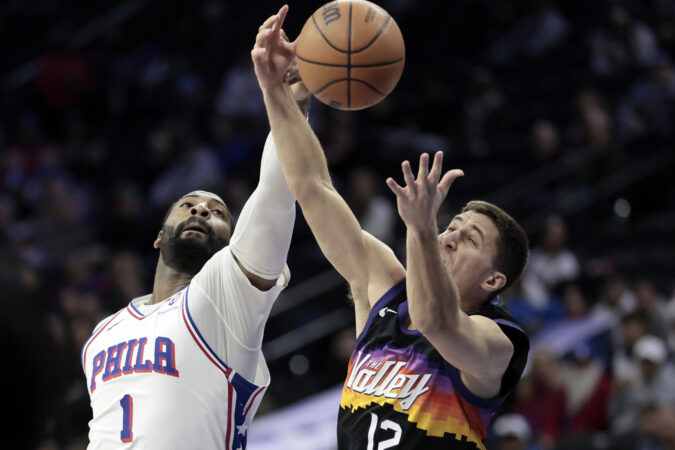
    Sixers center Adem Bona has provided valuable minutes when Joel Embiid sits, including 11 points and 10 rebounds against the Suns.

    And any time Drummond needs a mental boost throughout the uncertainty, he can glance at his right hand.

    There, “DON’T QUIT” is tattooed in block letters. The placement is intentional, because “any time I put my head down, I normally see that first.” So is the message. After “doubting myself a little bit” during last season’s struggles to stay healthy and produce, Drummond decided to get the ink when he returned to Philly for the start of training camp.

    “I needed to find a new way to get motivated again,” he said. “… That was my dedication to myself to not give up.”

    No matter the role, which right now can shift drastically from one night to the next.

    “I never take it personal,” Drummond said. “At the end of the day, I want to see everybody succeed …

    “[I need to] continue to be the player that I am. Being a good locker room guy. Being ready when my number’s called. And being a great teammate.”