Author: Morgan Ritter

  • Long vilified graffiti art finds an unlikely gallery in Suburban Station

    Long vilified graffiti art finds an unlikely gallery in Suburban Station

    On entering Suburban Station from the 16th Street entrance, one is welcomed by a vast, bare-walled concourse punctuated by empty retail spaces.

    And then you turn right.

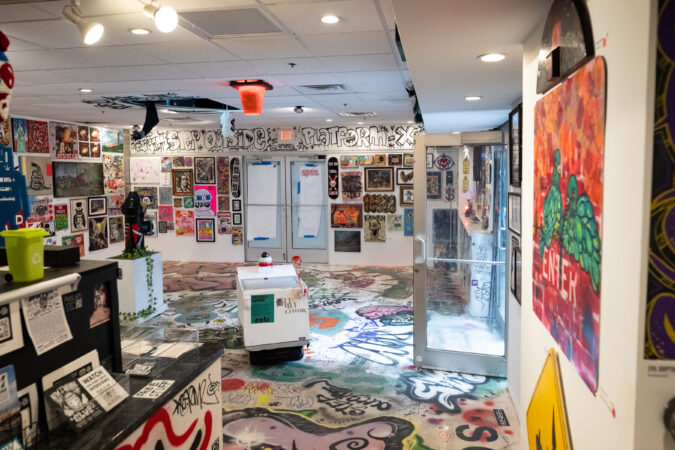
    A painting made to look like a subway car stands out against the blank concourse. The inside is entirely covered in graffiti, along with paintings, drawings, and mosaics. Not an inch of space is bare.

    Organizers and artists greet people as they come in and share stories about their street art journey.

    A room in the exhibit looks like the inside of a SEPTA BSL train car, orange seats and all.

    This is “Platform X,” a new era of graffiti art, organized by Step Outside, an artist-led program that transforms existing spaces into graffiti havens.
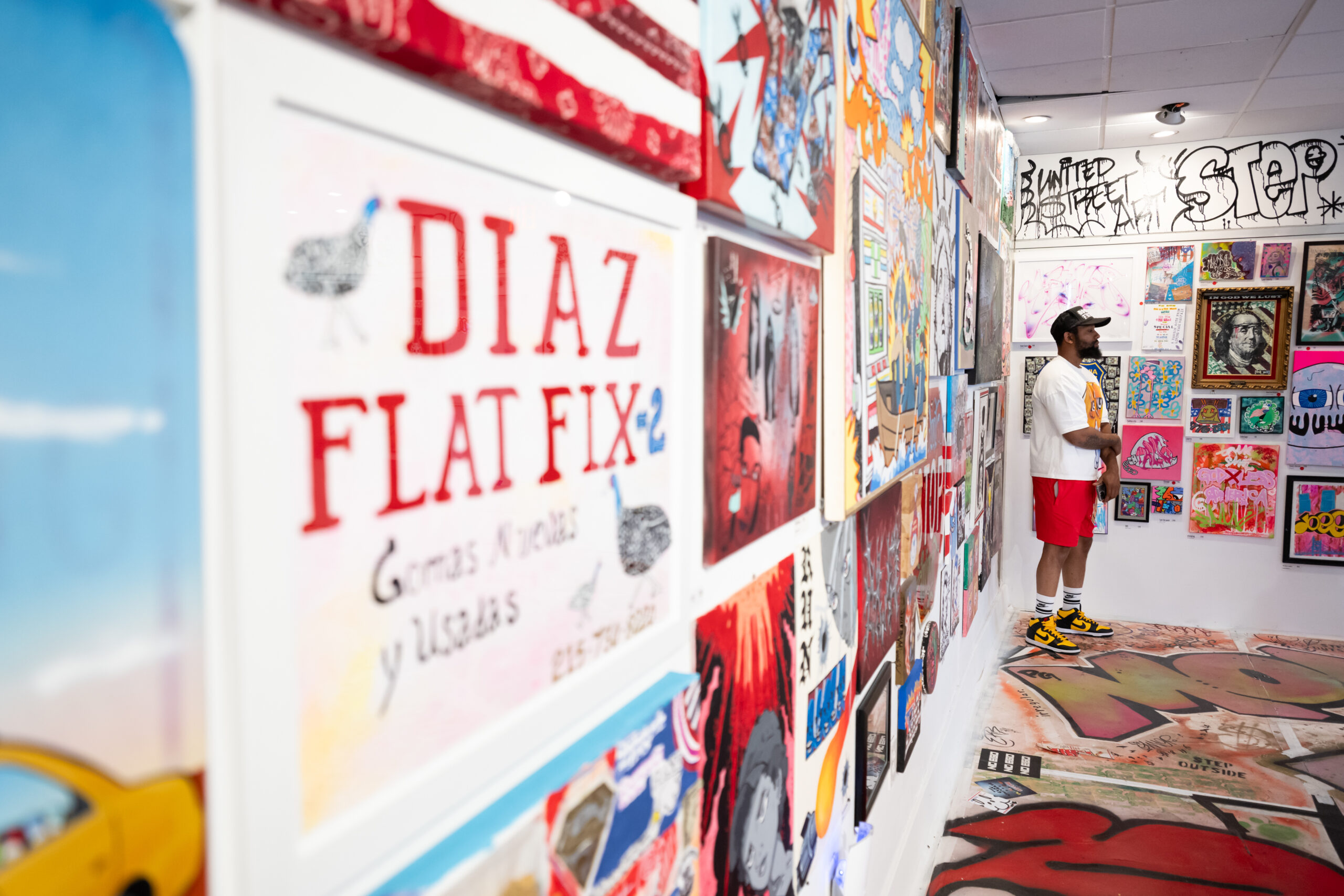
    Exhibition curator and fashion designer Zucati Zuce poses for a photo at Platform X.

    “We’re all street artists and we care about this more than anything,” said the artist who goes by the name Doomed Future. “There’s not much opportunity in galleries to showcase graffiti and street art here in Philly. We want to have our own thing here.”

    Doomed Future works alongside Step Outside organizers Philmadelphia, Inphltrate, Zucati Zuce, Raw G Zero, Ianismymiddlename, and RoboQ4. Because graffiti is considered criminal mischief under Pennsylvania law, the artists did not want to share their real names for this article.

    SEPTA representatives reached out to Doomed Future in January and asked them to take a look at the vacant spaces for rent in Suburban Station for a potential exhibit. The artist decided to rent a space from a real estate agent.
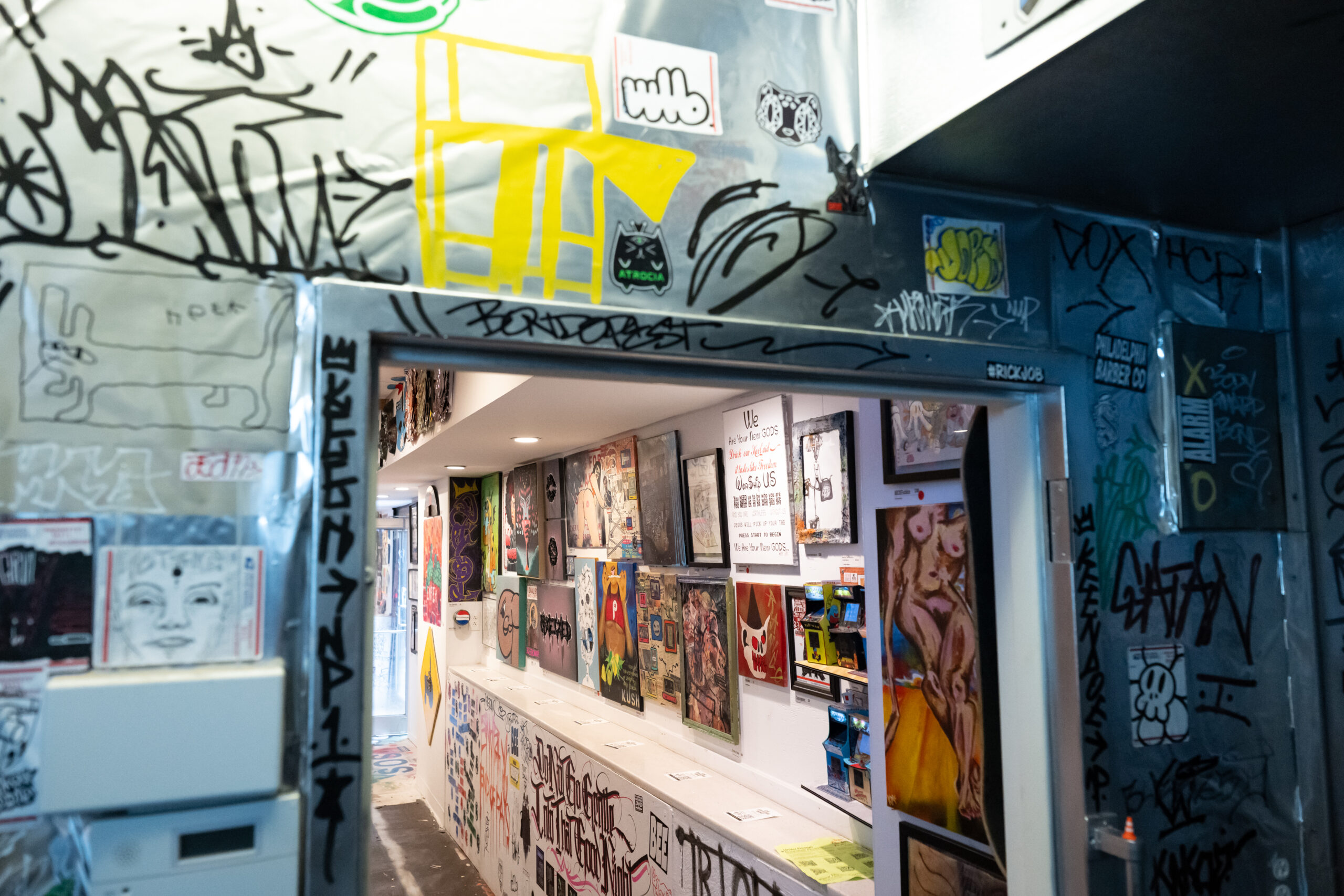
    Artwork showcased in the Platform X art exhibition, in which the back room was made to look like a subway car.

    “Street art’s grimy — it’s real, gritty, dirty,” Doomed Future said, “and so is the subway.”

    A more rebellious Semiquincentennial

    “USA 250″ is the theme around which 250 artists imagined their graffiti art.

    One piece, American Religion, depicts Benjamin Franklin with a crown of thorns and the words “In God We Lust” above his head, certainly a switch from the patriotic depictions of the Founding Father we’ve seen for the Semiquincentennial.
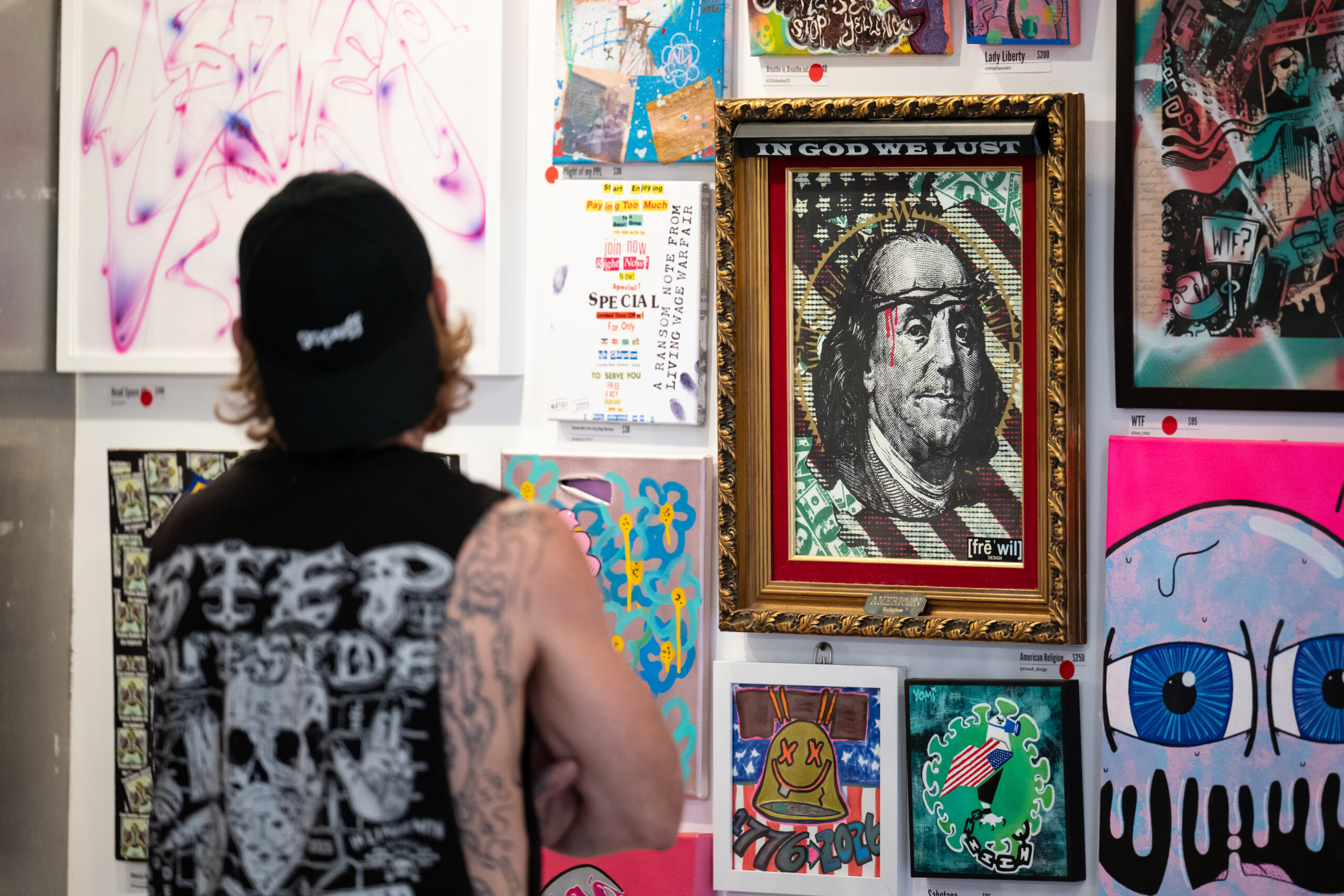
    Exhibition organizer Ianismymiddlename looks at artwork at Platform X, including “American Religion” by @Frewil_design.

    Other pieces present a more rebellious yet optimistic view. Love Is Not Dead by Banjax the Balaclava depicts a bunch of angry figures holding anarchist flags in front of City Hall, with a match burning between two traffic cones at the center.

    “The thinking behind it was that there’s been a lot of burnout and frustration, particularly with folks that have been active in the street, fighting against injustices,” said Banjax. “I think it’s important to bring the message of love into these spaces as much as there is rage. As things get harder, continue to heat up, I want to remind people of that love is at the core of what we do.”
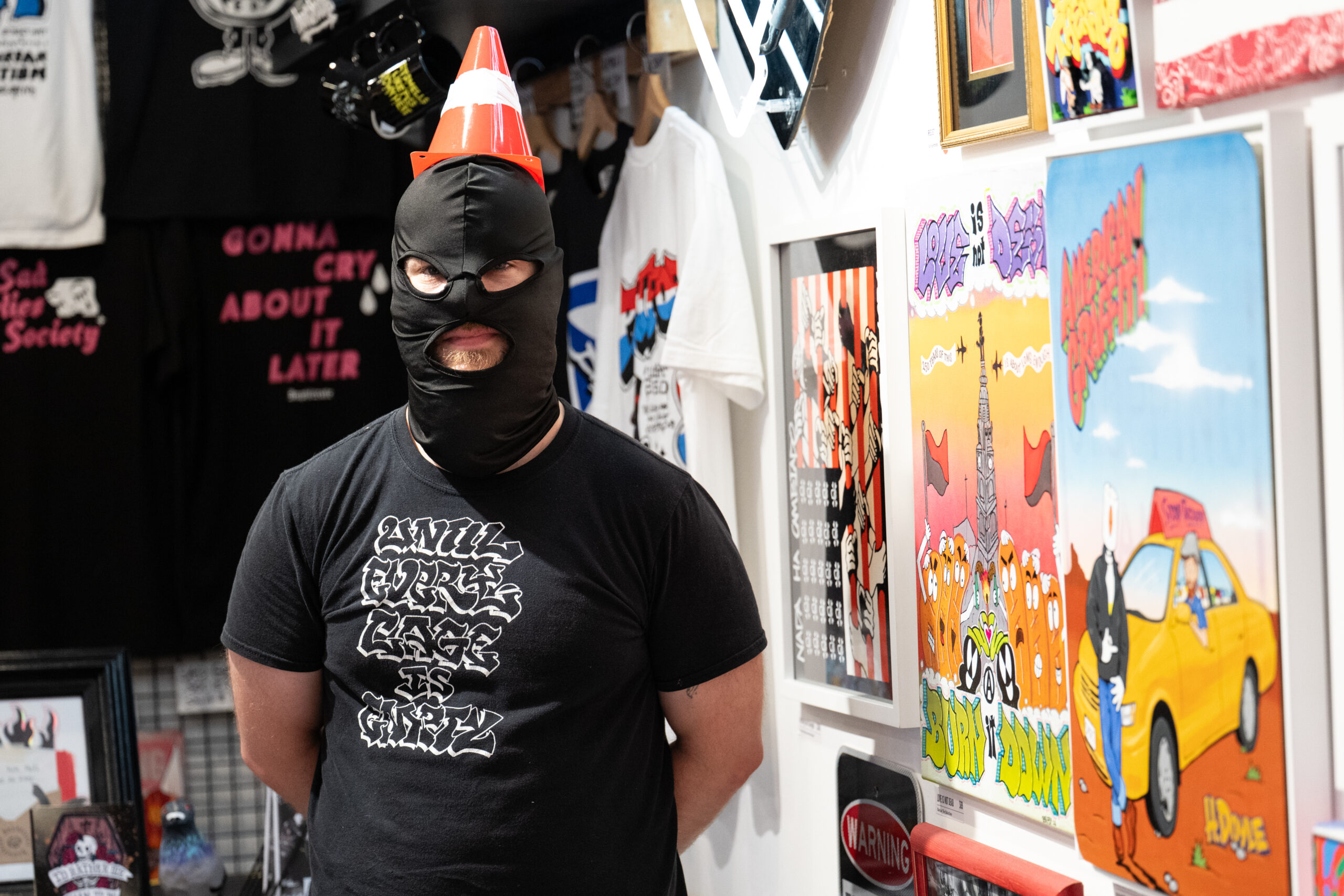
    Artist Banjax the Balaclava poses with “Love Is Not Dead” at Platform X.

    “Platform X” is Step Outside’s fourth showcase after a year of operation, with this one put on in collaboration with the nonprofit United Street Art (USA). United Street Art is dedicated to advancing and highlighting street art and graffiti. Most of the artwork is for sale, with all profits going directly to the artists.

    “Supporting the artists is our main mission. We’ve been doing free shows before, and this is our biggest one,” said RoboQ4 aka Robb Quattro, executive director of USA. “This is a big, long-term investment for us and we’re ready to continue doing more shows beyond this one.”

    Establishment vs. antiestablishment

    Graffiti, as an art form, is inherently antiestablishment, and the establishment still does not receive it well.

    At the start of the year, the city announced the Gateways to Philadelphia project. In collaboration with Mural Arts and Pennsylvania Horticultural Society, it invests $11.5 million toward beautification initiatives, including landscaping, new murals, and graffiti removal.
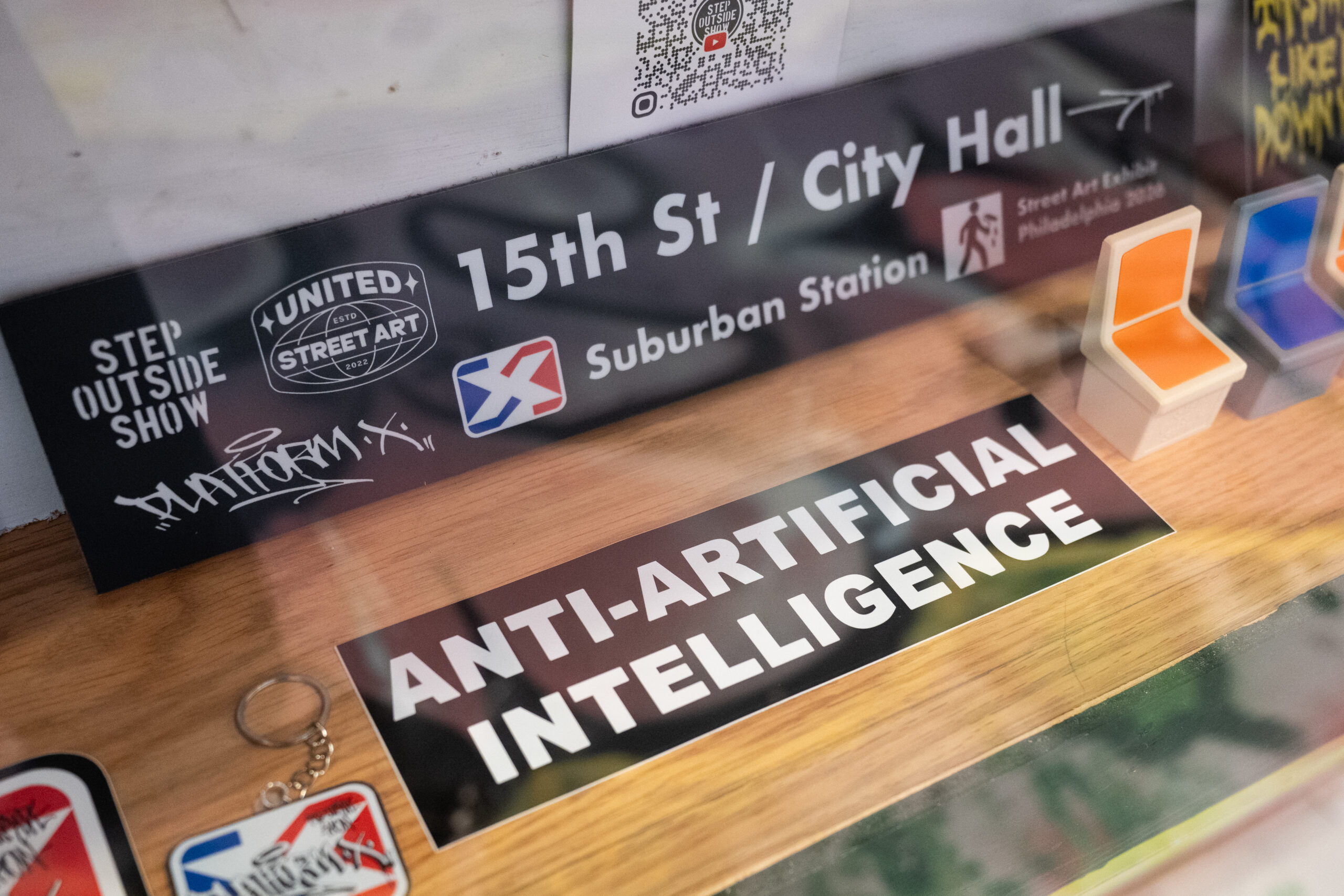
    A sign for the Step Outside art exhibition with a sticker that says “Anti-Artificial Intelligence.”

    “I can understand some people saying some graffiti is an eyesore, but there’s a lot that’s not,” said contributing artist Satan, who has been making graffiti art for over 40 years. “This is helping me as an artist grow.”

    The show has been received glowingly by visitors, who have been invited to add to the art themselves. People have drawn on the walls with chalk, spray painted their own tags, and left stickers anywhere there was room.

    On Father’s Day, there was a father-son duo putting their own graffiti on the wall, said artist and organizer Inphltrate. “That was really cool to see,” she said. “This is a safe haven for not only street art and graffiti, but for any person who is creative who needs an outlet. You are safe and accepted here.”
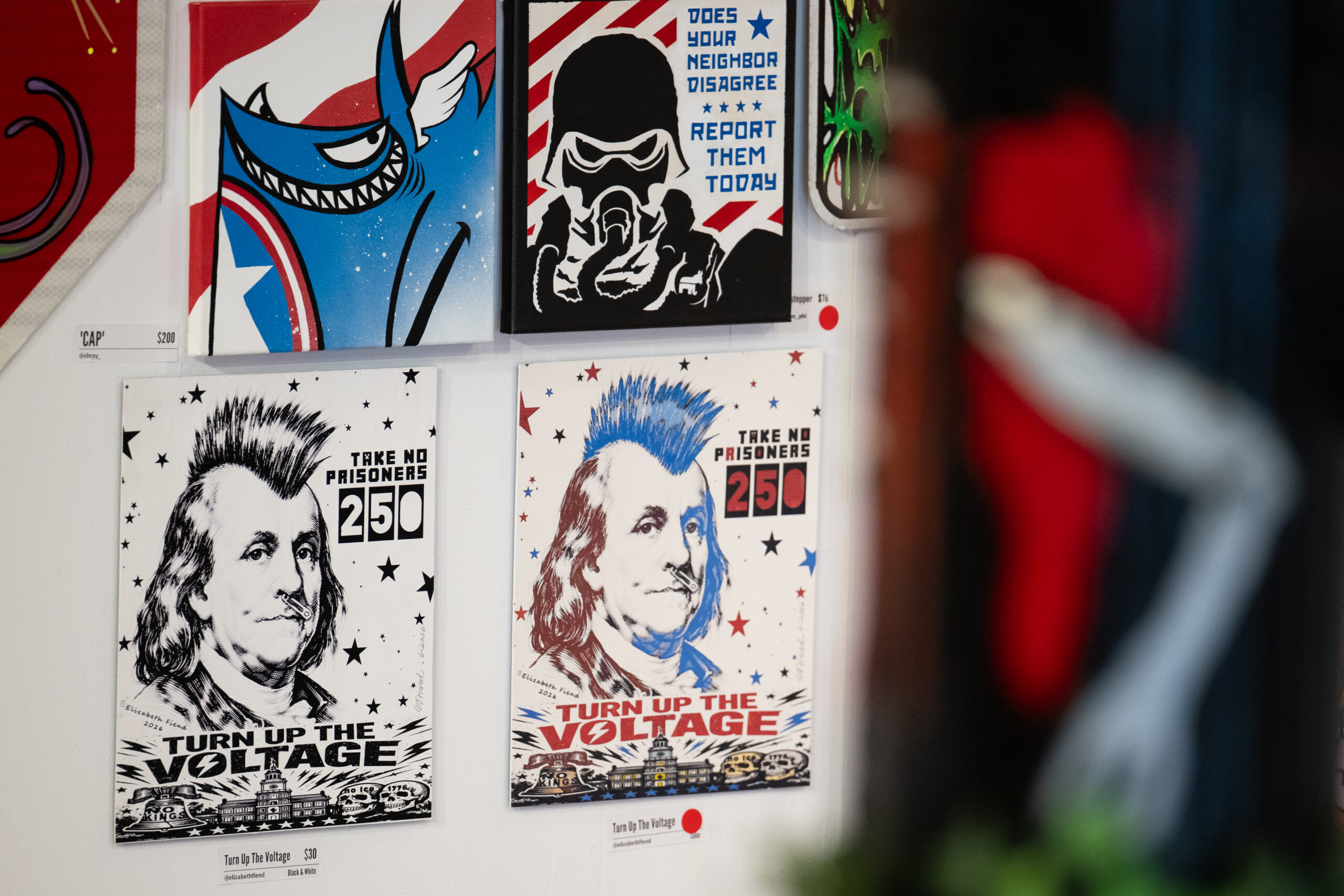
    Artwork by the artist, who wishes to be identified with their Instagram username, @shrpy_ (top), and Elizabeth Fiend (bottom) is pictured at Platform X.

    “Writing our names, I didn’t look at it as art. We were vilified,” said wallwriter Lewis Pittman, also known as Lewis or King Lewis in the street art scene. “I’m glad I’m still above ground to see the evolution of this culture. I’m glad it’s accepted as an art form.”

    Pittman is one of Philadelphia’s original “wallwriters,” which is what graffiti artists called themselves in the 1970s. Pittman, along with wallwriters like Cool Cone and Cornbread, helped popularize the now iconic Philadelphia “gangster” handstyle, defined by tall, condensed letters.

    “I remember Sunday nights going to Fern Rock, writing on all the buses and trains,” Cone, aka Cone ICP, said. “On Monday morning, nothing but my name came down Broad Street.”
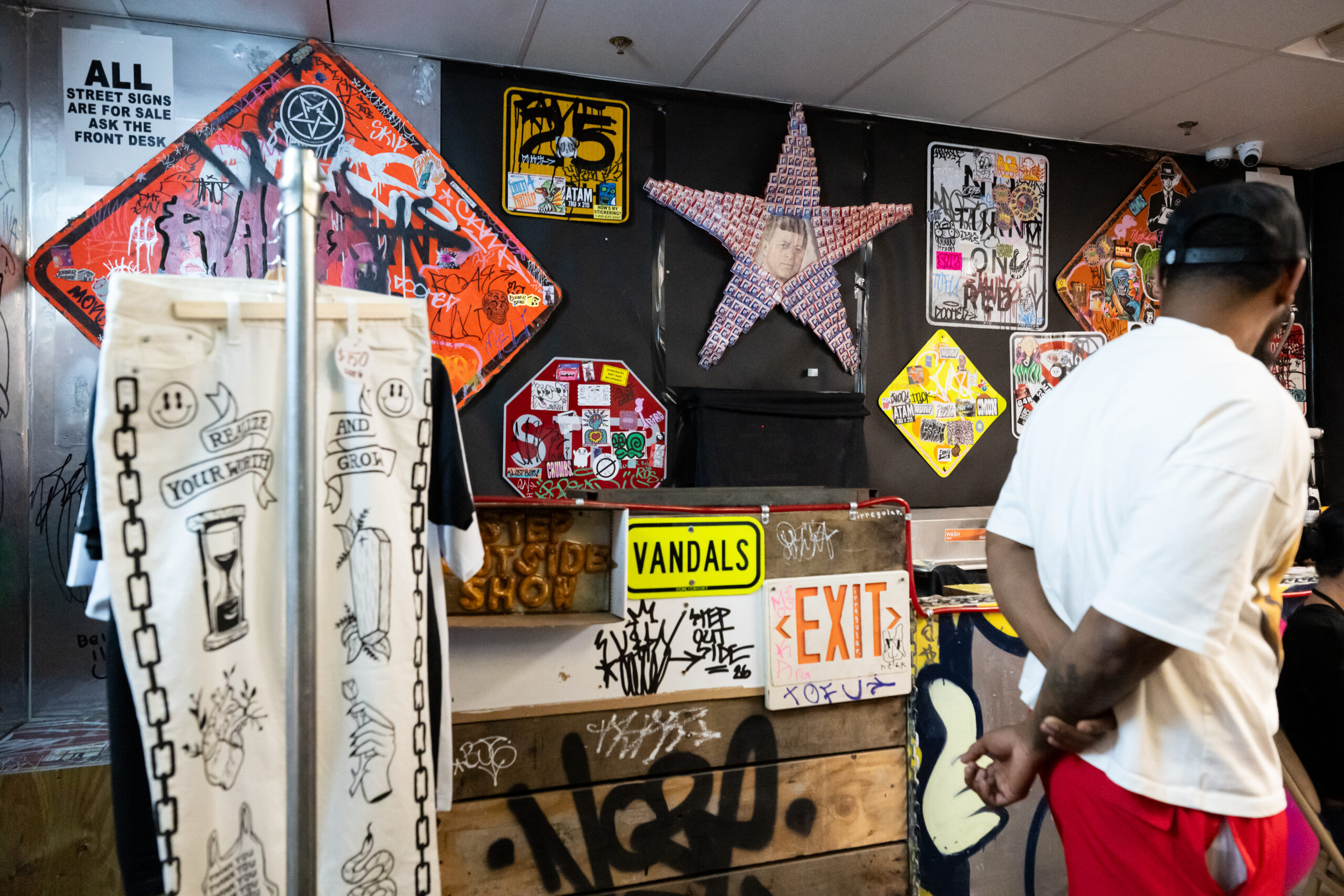
    Curator and fashion designer Zucati Zuce stands in front of street signs with graffiti, all of which are for sale.

    After the USA 250 show closes, Step Outside plans to put on a Then and Now-themed showcase in August at Platform X, showing the evolution of street art. Incorporating and paying respect to the OGs who popularized the art form is a necessity for their exhibits.

    The deep history of Philly graffiti

    As a teenager, Cone founded Imperial Casanova Persuaders (ICP), one of the country’s original graffiti clubs, known for tagging public transportation. They helped originate the “wicked” variant of the Philly gangster handstyle, which puts a more wild, energetic spin on the lettering.

    “They could look at us as being the start of murals, too, since a lot of stuff started in Philly. But we don’t get the recognition because a lot of people don’t speak on it,” he said. “In American history, we’re one of the best kept secrets.”
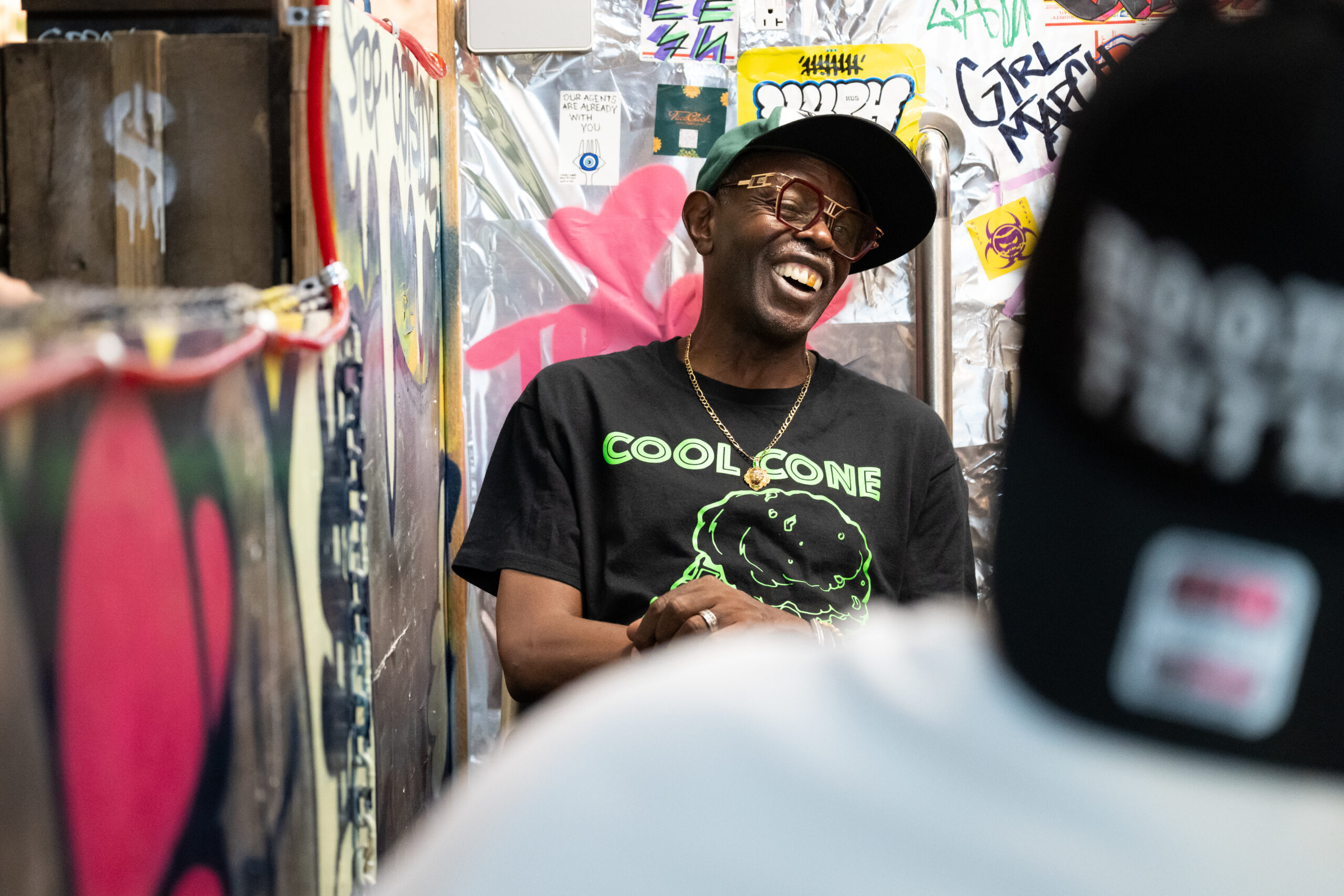
    Contributing artist and self-styled wallwriter, who wishes to be identified as Cool Cone, is interviewed by a reporter. As a teenager, he founded graffiti club ICP.

    Philadelphia, with its thousands of murals, is billed as the “Mural Capital of the World.” Mural Arts Philadelphia, the country’s largest public arts program, started off being a part of Philadelphia Anti-Graffiti Network in 1984.

    Cone, like many graffiti artists, had several run-ins with police officers in the 1970s, getting targeted for wallwriting. Today, he travels the nation, speaking at museums and various art events, recognized as a trailblazer in street art history.
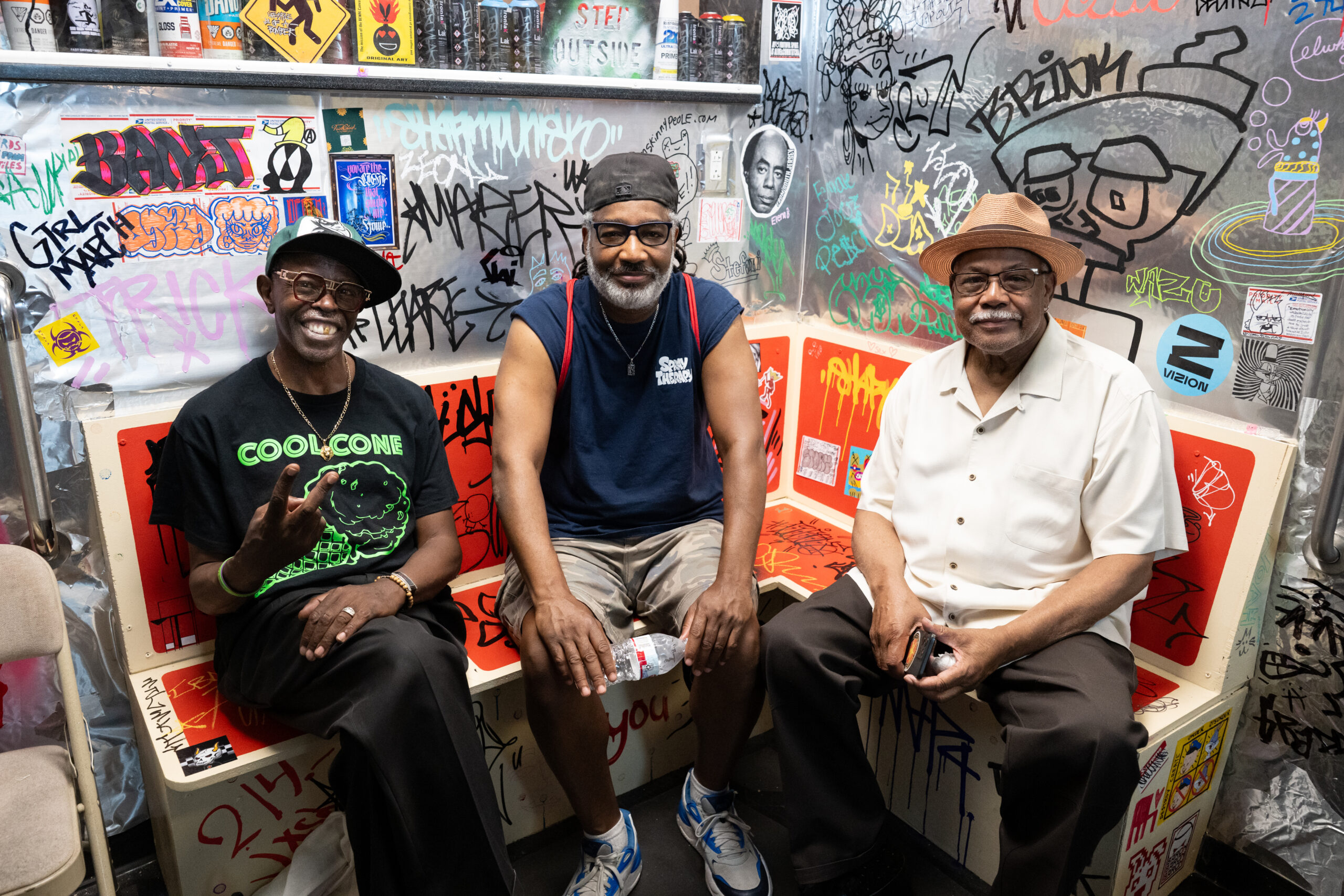
    From left: Artists Cool Cone, Satan, and Lewis Pittman pose for a portrait at Platform X. The three are trailblazers in Philadelphia’s street art scene, going back to the 1970s and 1980s.

    ICP’s symbol, a capital “I” with two dots on the side, can still be seen tagged around the city and even in Platform X.

    “You’re not going to stop the wallwriters,” Pittman said.

    Closing receptions for the “Platform X” USA 250 show are Friday, July 10, from 5 to 10 p.m. and Saturday, July 11, from 1 to 10 p.m. The exhibit will stay open for the rest of the summer.

    Platform X is located in Suburban Station down the steps on 16th Street between Market Street and JFK Boulevard in Center City, Philadelphia. More information on stepoutsideshow.com and @stepoutsideshow.
  • Mahershala Ali seen jumping rope behind the scenes of ‘Task’ in Manayunk

    Mahershala Ali seen jumping rope behind the scenes of ‘Task’ in Manayunk

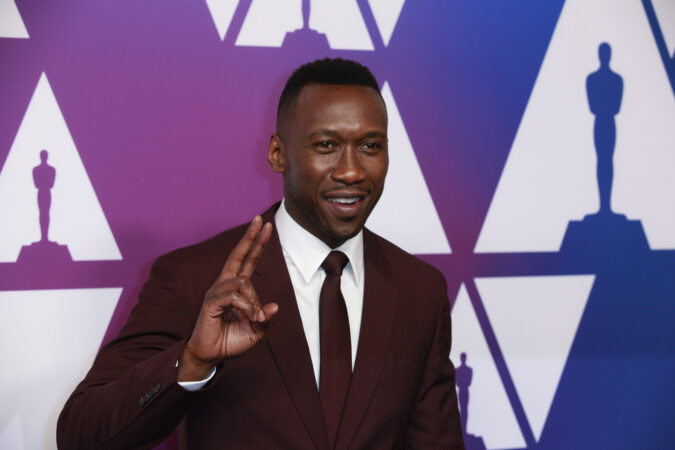
    Mahershala Ali is staying warmed up amid filming for season two of the HBO series Task.

    The Oscar-winning actor was spotted on Grape Street in Manayunk, jumping rope between scenes. Wearing a grey polo T-shirt, blue jeans, and a Phillies hat, Ali seemed to be getting in a quick exercise while the Task crew set up equipment behind him, according to a video posted to the Roxborough Rants & Raves Facebook group on Tuesday.

    The video was posted by Facebook user Trevor D’Arcy, a Doylestown native per their social media profile.

    The second season of the Mark Ruffalo-led, Delco-set series has been filming in the area since Monday. Ruffalo will be reprising his role as FBI agent Tom Brandis while Ali will be playing a longtime Philadelphia DEA agent named Eddie Barnes. Barnes will reportedly rival Ruffalo’s efforts in his new task force.

    The first season was filmed in the greater Philadelphia region, with the production team having deep Philly roots. Executive producer Jeremiah Zagar is a South Philly native, and is the son of the late Philadelphia mosaicist Isaiah Zagar.

    The show’s creator Brad Ingelsby resides in Berwyn, where he was born and raised.

    Ali grew up in Oakland, Calif., but his wife, Amatus-Sami Karim, spent part of her childhood in Philadelphia. Ali was raised Christian, but converted to Islam after attending a prayer at a Philadelphia mosque with Karim and her mother, according to People.

    “I converted Dec. 31, 1999. It was a Friday. That was my second time going to the mosque,” Ali said to the Kansas City NPR affiliate, KCUR in 2017. “I went to a mosque in Philadelphia with her … and I just had such a strong reaction to the prayer.”

    In 2017, Ali became the first Muslim actor to win the Academy Award for best supporting actor, for his role in Moonlight. He won the same award two years later for Green Book (2018).

    Task is Ali’s second HBO venture after the third season of True Detective, where he played Arkansas State Police Detective, Wayne Hays. He was most recently seen in Jurassic World: Rebirth.

    No premiere date for season two of Task has been announced.

    This article has been updated to include Mahershala Ali’s wife, Amatus-Sami Karim, and details about her connection to Philadelphia.

  • Point Breeze’s Keith Haring mural could be added to the city’s Register of Historic Places

    Point Breeze’s Keith Haring mural could be added to the city’s Register of Historic Places

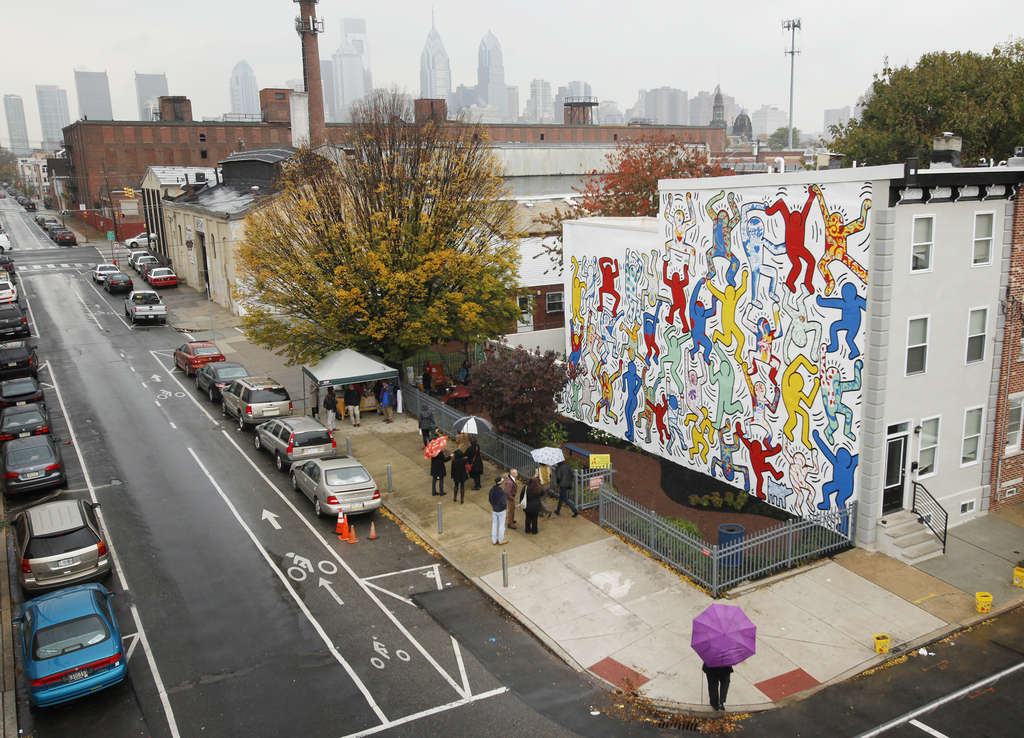
    Keith Haring’s We the Youth is already a Philadelphia landmark, but what if the city made that designation official?

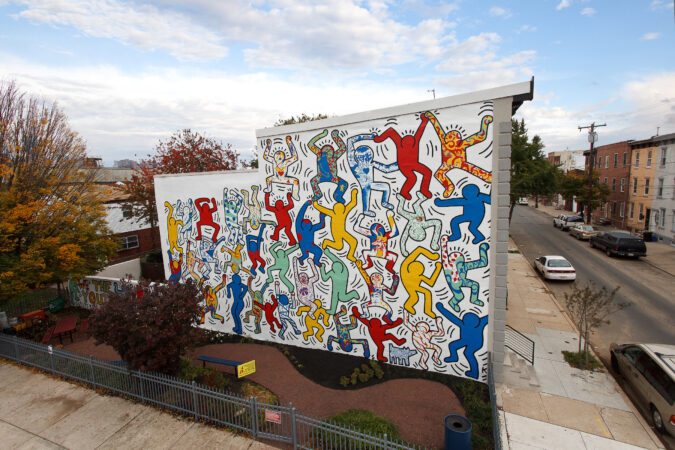
    The Point Breeze mural, the only collaborative Haring mural that still hangs in its original location, is being proposed to be added to Philadelphia’s Register of Historic Places, which would make it an officially designated and protected landmark.

    Haring was born in Reading, raised in Kutztown, and died in New York City in 1990, at age 31, from AIDS-related complications.

    “Keith Haring was an extremely important artist who tragically died fairly young,” Alexander Till, a historic preservation planner at the City of Philadelphia, said to WHYY in a statement. “This nomination gives us an opportunity to preserve this piece of his work and his legacy in Philadelphia.”

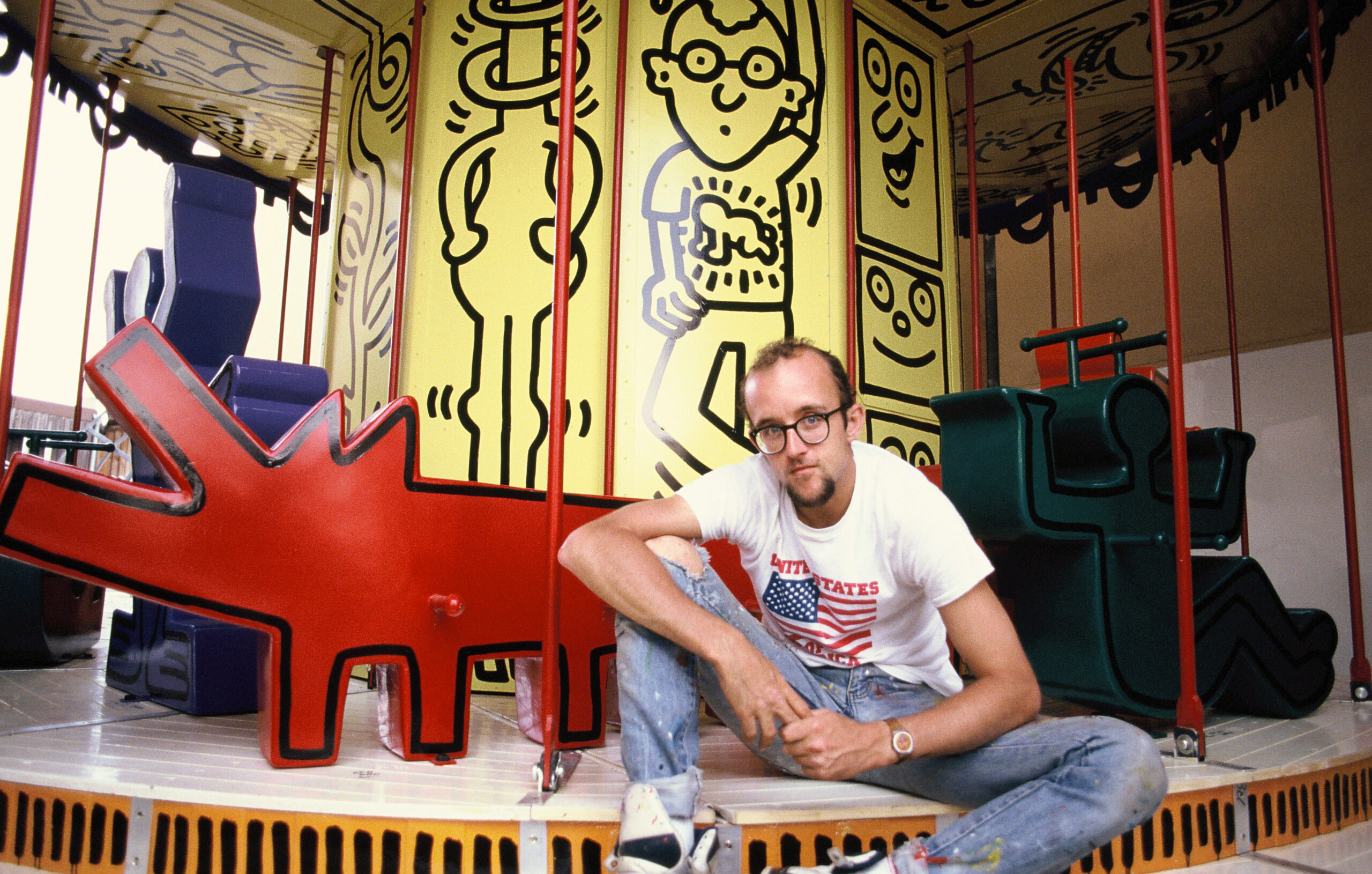
    Keith Haring, who died in 1990, with his painted carousel. MUST CREDIT: Sabina Sarnitz/Luna Luna/Keith Haring Foundation/Artestar

    We the Youth, according to Till, who made the nomination, fits Criteria A and E for designation, stating that it “has significant character, interest or value as part of the development, heritage or cultural characteristics of the city … or is associated with the life of a person significant in the past.” Plus, it “is the work of a designer … whose work has significantly influenced the historical, architectural, economic, social, or cultural development of the city.”

    The South Philly mural has stood at the corner of 22nd and Ellsworth Streets for nearly four decades. It was painted in 1987 to commemorate the U.S. bicentennial, and intentionally placed in a less-mainstream neighborhood.

    Defined by its colorful dancing characters, We the Youth was painted in collaboration with a group of Philadelphia students, through a partnership with the nonprofits CityKids NYC and Brandywine Workshop.

    “Philly is very proud to have a Keith Haring mural and especially one embedded in the community that was done in such a collaborative manner,” Jane Golden, founder and executive director of Mural Arts Philadelphia, said last month. “We get nothing but positive response and excitement when people learn there is a Haring mural in our city.”

    In 2013, Golden and her Mural Arts team undertook a massive restoration of the Haring mural.

    “As the local caretaker of the Haring mural, we are committed to helping ensure this mural stays at its original location for generations to come,” she said.

    “We the Youth” is a Keith Haring mural painted in 1987 on the exterior of a rowhouse at 22nd and Ellsworth Streets.

    Murals, especially outdoor ones, are notoriously difficult to get put on the city’s Historic Places Register. They can only be nominated as an “object,” defined under city preservation laws as “a material thing of functional, aesthetic, cultural, historic, or scientific value that may be, by nature or design, movable but yet related to a specific setting or environment.”

    Out of 21 objects designated since 1971, only four were murals or mural collections: The Dream Garden inside the Curtis Center, the New Deal-era murals inside the Family Court building, Angelic Exaltation of St. Joseph into Heaven inside Old City’s Old St. Joseph’s Church, and Iron Plantation Near Southwark inside the Southwark Station Post Office in South Philly.

    If approved, We the Youth would be the first designated mural in over four years, and the first outdoor one in the city’s history.

    Some preservationists have reservations with such a designation.

    “The nomination raises broader policy questions about how to evaluate murals under the city’s historic preservation rules,” Paul Steinke, executive director of the Preservation Alliance of Greater Philadelphia, said in a statement. “Murals are often created as public art on blank walls. Getting designated can have lasting effects on property, new construction, and neighborhood revitalization.”

    The owner of a historic property in Philadelphia is obligated to keep the property in good repair and obtain approval from the Historical Commission before making any changes to the site, according to the city’s website.

    The mural stands at 2147 Ellsworth St., on the facade of a three-bedroom rowhouse that is available for rent, per an OCF Realty listing. A potential historic designation will not affect the larger property and will be restricted to the mural and the wall it is painted on.

    The building’s owner, listed as “2147 Ellsworth LLC” in city records, will be required to maintain the structural integrity of the wall and commit to set obligations, with Mural Arts making any necessary restorations to the mural itself.

    The owner would not be allowed to remove or alter the appearance of the mural without the Historic Commission’s review, “just as the owners of historic properties are not allowed to perform exterior alterations to their properties without review,” a representative from the commission said.

    OCF Realty did not immediately respond to further queries around the building’s ownership.

    “We believe it is essential for the Historical Commission to consider both the importance of this specific work and the precedent it may set for future mural nominations,” Steinke said.

    The Philadelphia Historical Commission’s Committee on Historic Designation will discuss Till’s proposal at its July 22 meeting. The nomination would have to be approved by the entire commission for We the Youth to be added to the register.

  • Taylor Swift and Travis Kelce donate $1 million to Reading food bank

    Taylor Swift and Travis Kelce donate $1 million to Reading food bank

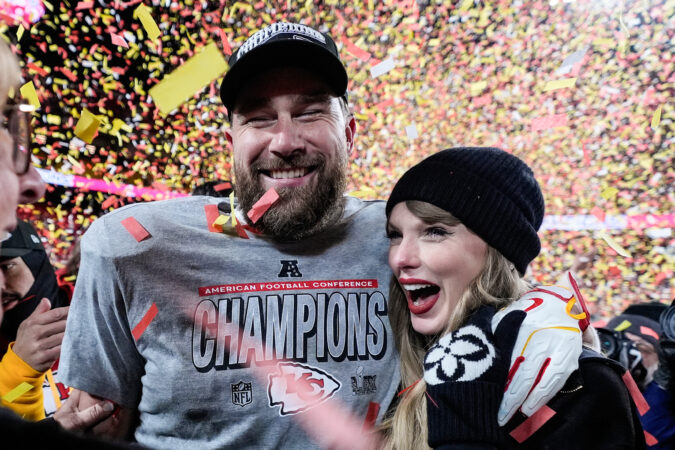
    Taylor Swift and Travis Kelce may or may not be getting married this weekend. But the pop singer and Kansas City Chiefs tight end are celebrating their impending nuptials with some philanthropy.

    The couple donated $26 million to 20 charities across the United States on Thursday — including one in Swift’s hometown of Reading. Helping Harvest, a food bank that serves “seniors and adults experiencing food insecurity” in Berks and Schuylkill Counties, received $1 million from the couple.

    The donation was unexpected, Helping Harvest said in a statement on Thursday, but greatly appreciated.

    “The $1 million that Ms. Swift and Mr. Kelce donated to us today will be used and the impact will be exponential in allowing us to rescue more food from waste and provide more food to people in need,” Helping Harvest president Jay Worrall said to The Inquirer. “[Swift] has done the people in her home community a great service, and we thank her for it.”

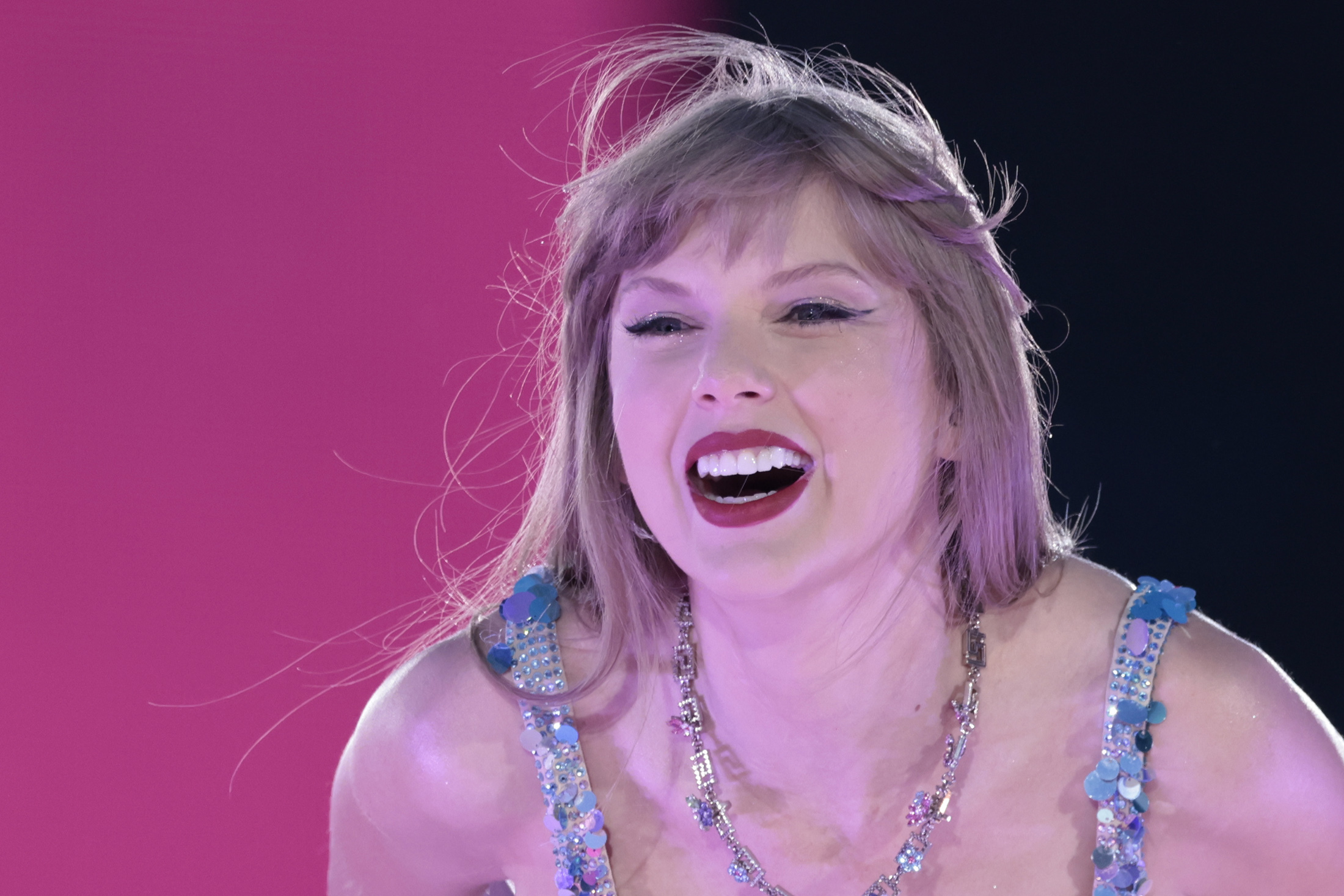
    Taylor Swift performs during the first of three Eras Tour performances at Lincoln Financial Field in Philadelphia on Friday, May 12, 2023. .

    Swift has a history of donating to food banks, particularly when on tour. During the “Eras Tour” in 2023, Swift donated to Three Square Food Bank in southern Nevada, Food Lifeline in Seattle, and Second Harvest of Silicon Valley in San Jose, Calif., among others.

    In December, she donated $1 million to Feeding America, of which Helping Harvest is a partner food bank.

    One of Helping Harvest’s largest expenses is its infrastructure, such as cold storage and refrigerated trucks for food distribution. The donation, Worrall said, would likely be invested in additional trucking or warehouse space that would allow them to store more food.

    “There have been substantial reductions in federal resources for food banks over the past few years, compounded by the reductions to the SNAP programs that are being enacted right now,” he said. “The state has tried to step up in some ways, but the increase in state funding has been modest compared to the reductions in federal funding.”

    Last year, Gov. Josh Shapiro’s administration invested $459,000 in Helping Harvest’s new community kitchen, which provides culinary training and is where meals are prepared for people in need.

    In the last two years, Helping Harvest’s federal funding has decreased by a little over a third. The organization received $2,687,166 in grants awarded under federal programs, compared to $4,240,293 in 2024, according to a recent audit for the 2025 fiscal year. The organization anticipates distributing over 14 million pounds of food this year, up 3 million pounds from 2024.

    A spokesperson for Swift did not immediately respond to The Inquirer’s request for comment about the donation to Helping Harvest.

    While there has been no confirmation from the couple, Swift and Kelce are reportedly tying the knot on Friday at New York City’s Madison Square Garden, where Swift was most recently seen cheering on New York Knicks in Game 4 of the NBA Finals against the San Antonio Spurs.

    Celebrity news publication Page Six released a video of large Sysco-branded boxes of food being brought into the venue, including lobster meat, french fries, andchicken. The Associated Press has reportedly obtained a copy of a city permit for a “special event” taking place at the venue on Friday night.

    The article has been updated to include details about Swift and Kelce’s reported wedding. Staff writer Beatrice Forman contributed to this article.

  • Philadelphia shipwrights hand-built a replica of the boat Washington used to cross the Delaware. Yes, you can climb on it.

    Philadelphia shipwrights hand-built a replica of the boat Washington used to cross the Delaware. Yes, you can climb on it.

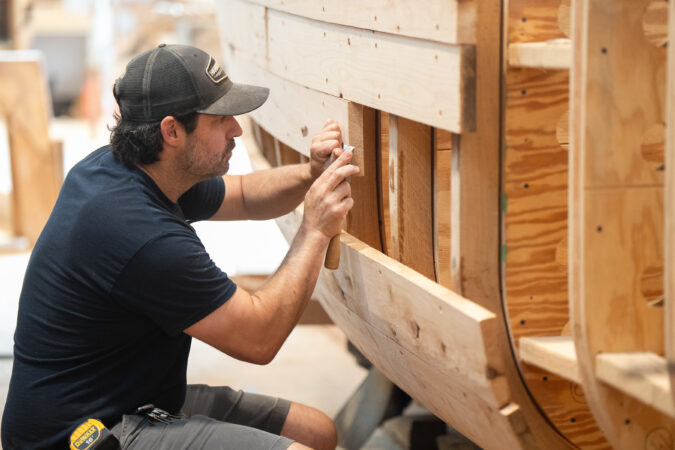
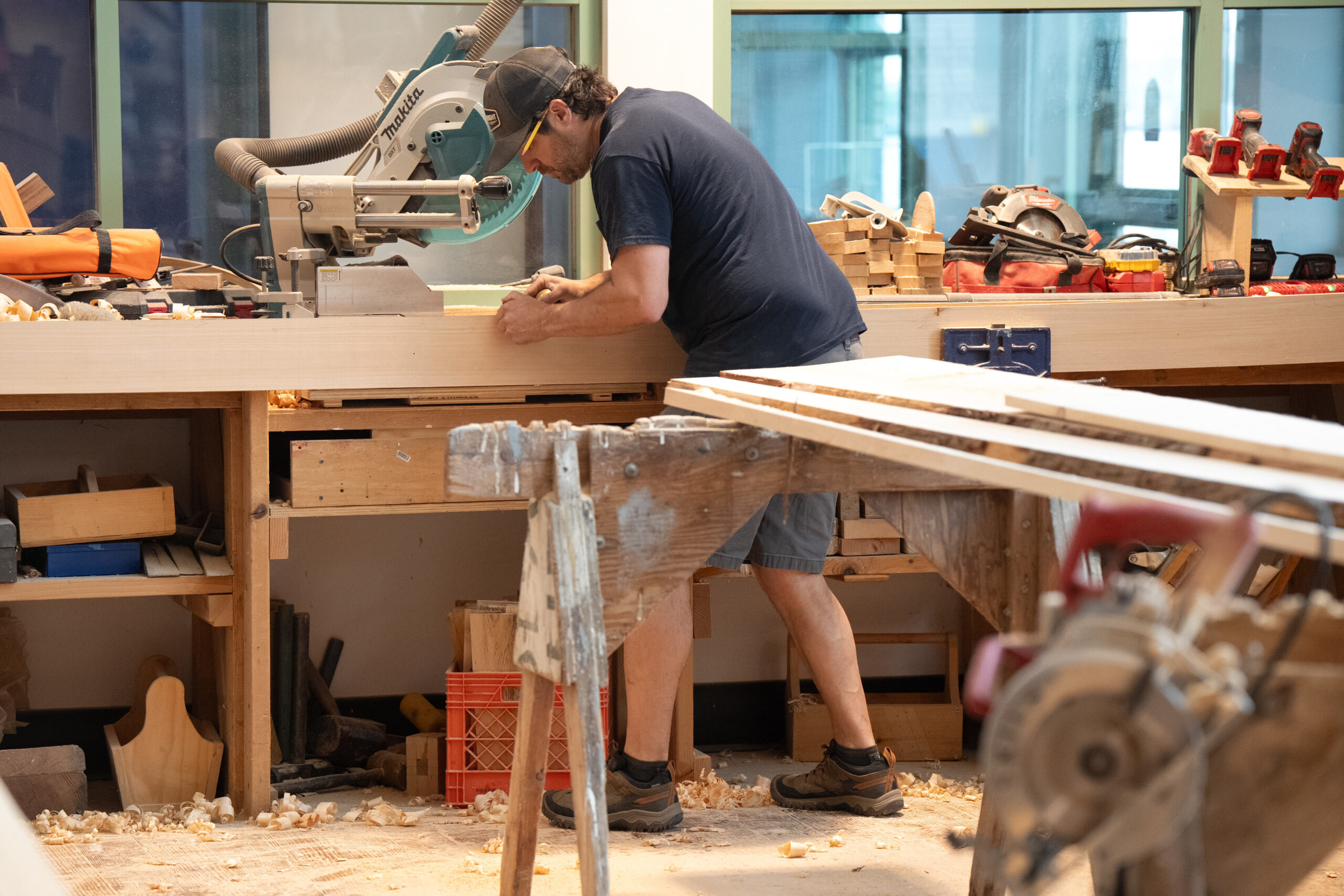
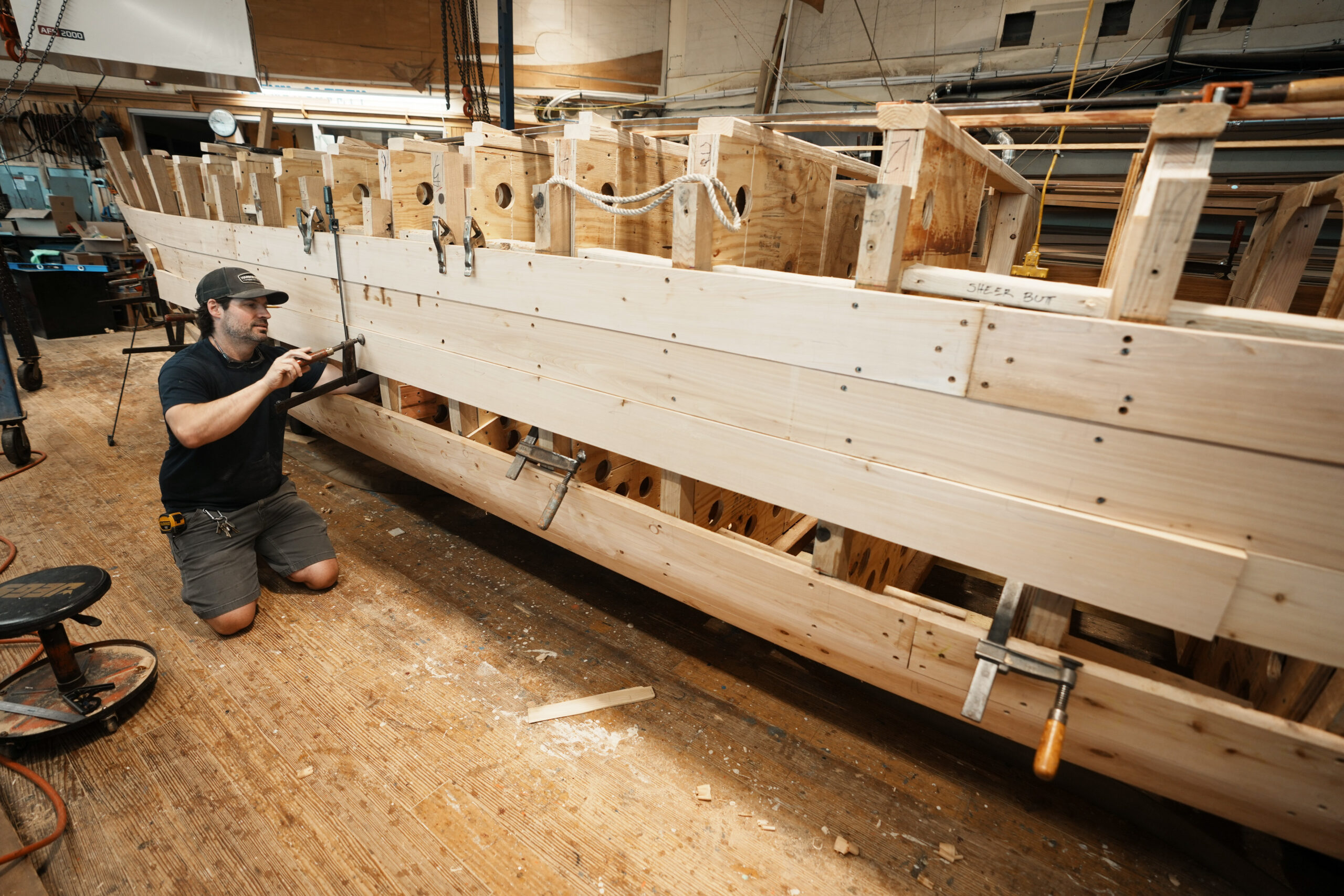
    The floor of David Dormond’s workshop is scattered with wooden planks, shaving piles, and machines that scream “DO NOT TOUCH!” In the middle of it all sits a 40-foot-long, 3500-pound wooden boat that looks like it could hold an army.

    That’s because it’s meant to. Well, sort of.

    It’s a Durham boat, named because the design was used to transport iron from Durham Ironworks in Bucks County to Philadelphia. It is better known as being the model of boat George Washington used to cross the Delaware with his Patriot troops on Christmas in 1776.

    At the Independence Seaport Museum in Philadelphia, David Dormond is replicating the boat Washington used to cross the Delaware River, June 18, 2026.

    “The moment Washington decided to use these boats to cross the Delaware and storm Trenton changed the tide of the [Revolutionary] War,” said Dormond, who is the director of the Seaport Boat Shop at the Independence Seaport Museum (ISM). “It was one of the pivotal points for the U.S. in gaining our freedom.”

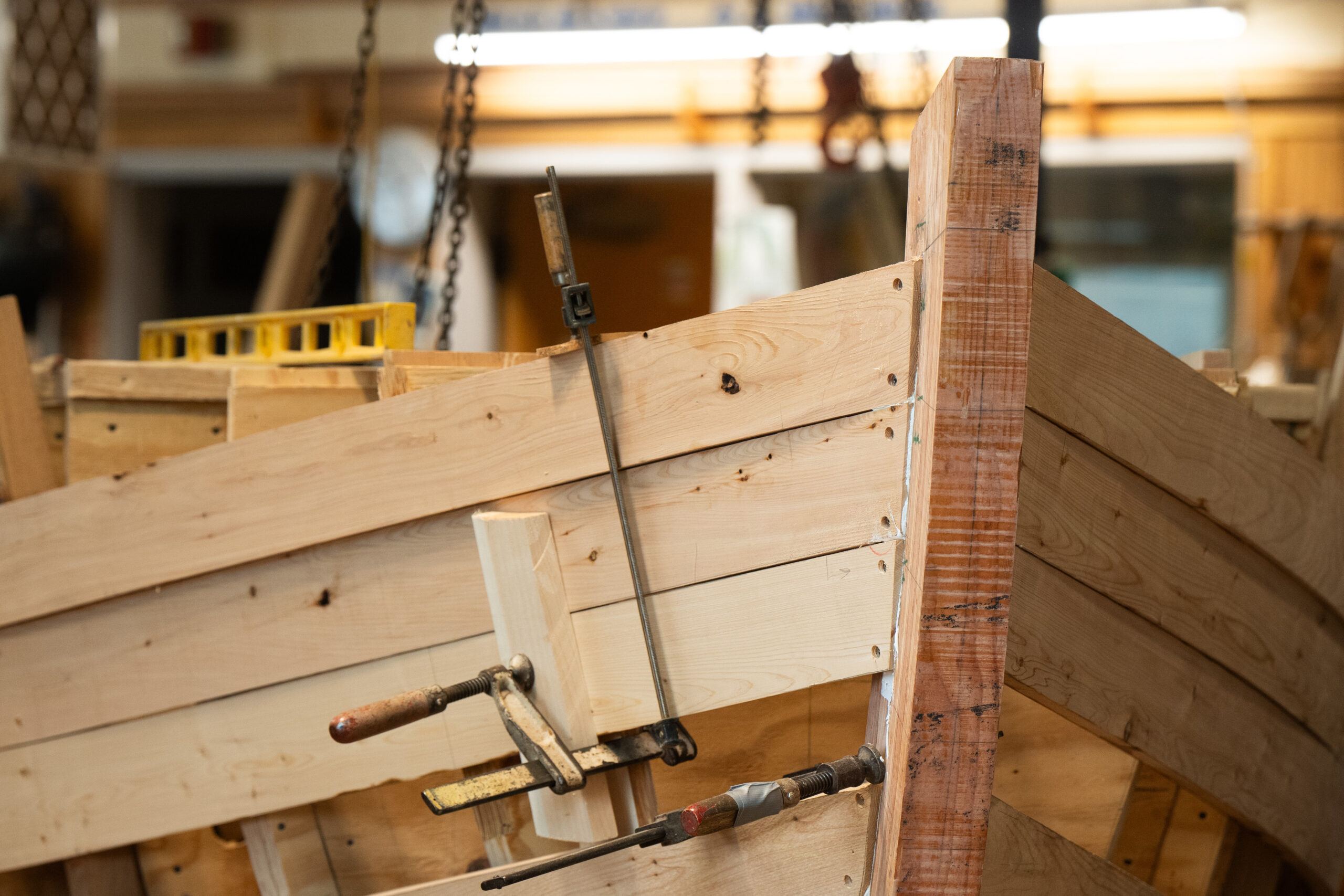
    Dormond and his team have built a full-scale replica of the Durham boat to be displayed in Washington Crossing Historic Park. Authenticity was at the forefront of its construction, with Dormond committed to making the boat as historically accurate as possible.

    The wood for the replica was sourced locally, including cedar from Medford, N.J., and white oak for the framing from Reading.

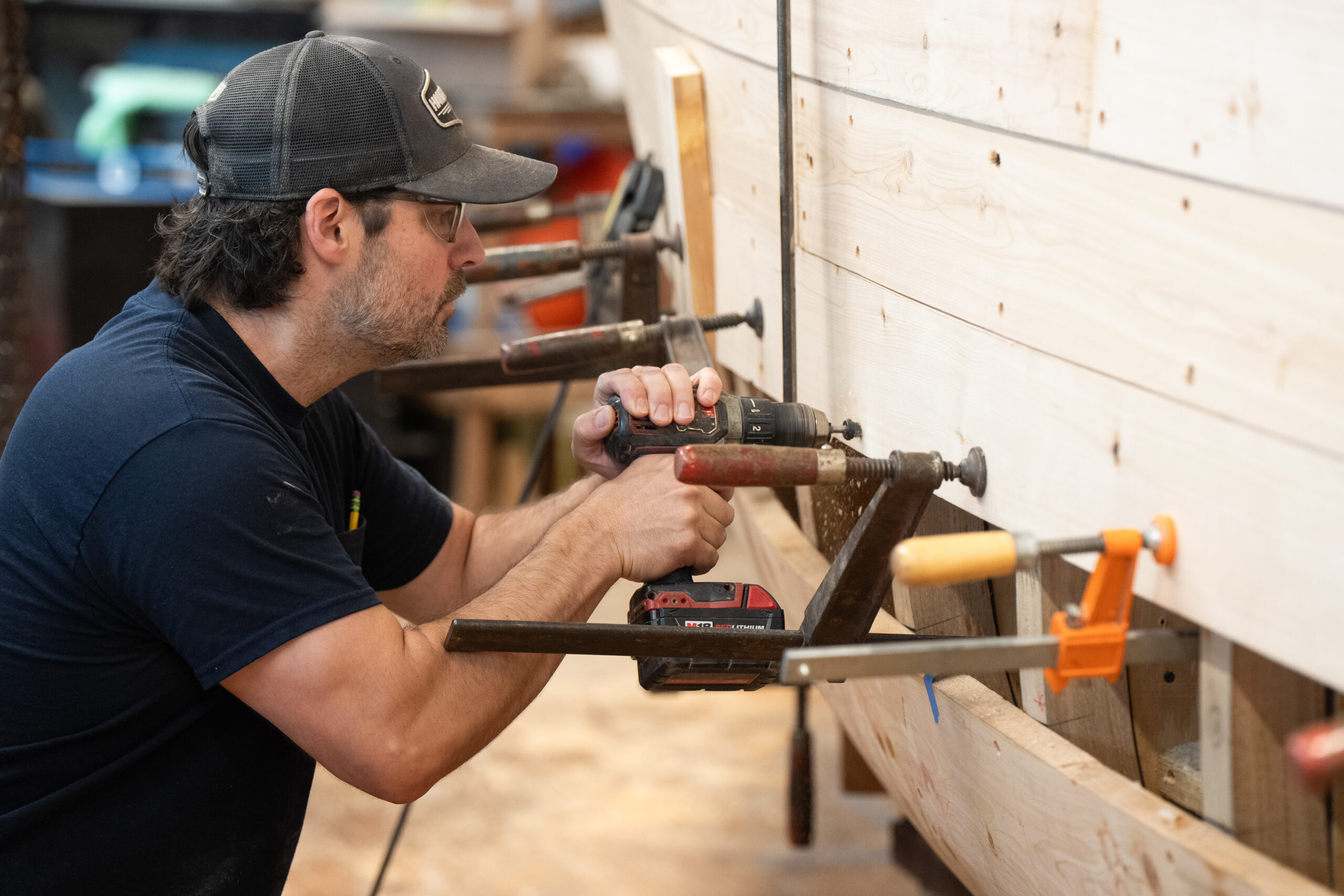
    David Dormond and his team have spent more than a year constructing the boat in the Seaport Boat Shop at the Independence Seaport Museum in Philadelphia.

    “The reason we do that is to keep things just the same as they would’ve been in the 1700s,” Dormond said. “When they were building these boats, they weren’t bringing lumber in from across the country, they were using what they had available to them, so we follow in that tradition.”

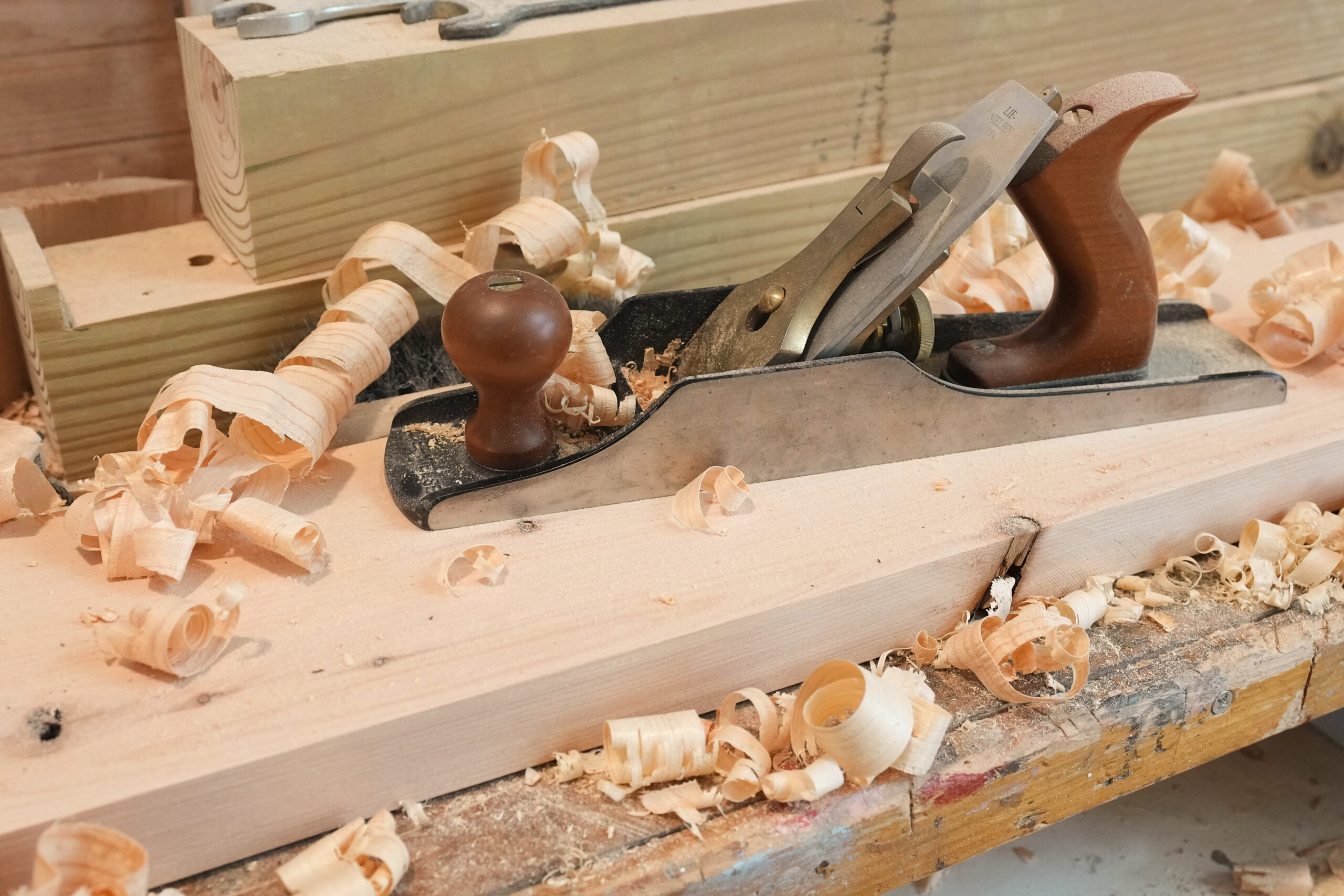
    Nearly every part of the boat was handmade by Dormond and his team, down to the bolts holding the wood together. They steam-bent the frames and used 18th-century-style spokeshaves and batten strips to help shape the boat like they would have in Washington’s day.

    But this boat, now on display in Washington Crossing Historic Park, isn’t just for viewing. Visitors will be able to board the ship and see how grand it was in height and length, but also how cramped the 8-feet-wide interior was for the 2,400 soldiers that crossed the Delaware.

    Most of the boat was handmade, with emphasis on using 18th-century materials to make it as period-accurate as possible.

    The park currently has four Durham boats that sit on the water and are used for historical reenactments. This new boat will be parked on land along the waterline, and will be the first that visitors can walk onto and interact with directly.

    “We were talking about some of the things that people are interested in learning about when they come to the park, but that they can’t necessarily experience. [And] people often asked about the Durham boats,” said Jennifer Martin, director of Friends of Washington Crossing, who collaborated on the boat project with ISM.

    Martin said civilian support played a vital role in the Revolutionary War, and part of that was boat-building.

    “This was trade work. This is something that was passed on and learned,” she said. “I think that there’s an art to handcrafting things and getting people to understand that life was very different in the 18th century.”

    At the Independence Seaport Museum in Philadelphia, David Dormond is replicating the boat Washington used to cross the Delaware River, June 18, 2026.

    Planning for the build started two years ago, with full-time construction beginning in spring 2025. The plans were made by a designer in Maine in the 1960s; Dormond and his team modified them to be truer to what they know of boat-building processes of the 1700s.

    Dormond has built boats at ISM for almost 13 years, and this one is “one of the bigger vessels that we’ve done,” he said. The shop cycles between larger construction projects and simpler boat restorations, commissioned by both institutions, like Washington Crossing, and private customers.

    “It’s a part of our history, so it’s neat to bring back and share that with the public and create something that will be a landmark for visitors at the park for years to come.”

    The Durham boat project is part of a larger revitalization of the riverside at Washington Crossing Historic Park for America’s 250th. This includes a new ADA-accessible trail complete with signs with original artwork that depicts the history being taught.

    At the Independence Seaport Museum in Philadelphia, David Dormond is replicating the boat Washington used to cross the Delaware River, June 18, 2026.

    The park has also invested greatly in a Williamsburg-style experience for the roughly 10,000 field trip students that visit every year. Activities such as hands-on butter churning, gardening, blacksmithing, woodwork, quill handwriting, and soldiers drills give visitors a glimpse into 18th-century living.

    “When people come to the park, a lot of our programs are free,” Martin said. “We wanted to be really intentional with creating more of these living history, immersive learning opportunities that people could experience every day that they come to the park.”

    Though the shop’s team has some finishing touches to make, the boat is currently on display at Washington Crossing Park, ready for visitors amid the nation’s 250th anniversary.

    It will be officially completed and installed by the end of July. It will be posted in the park indefinitely, with Dormond and his team assisting with any maintenance needs to keep it preserved for many years, and visitors, to come.

    The Durham boat is on display at Washington Crossing Historic Park, 1112 River Rd., Washington Crossing, Pa. washingtoncrossingpark.org

  • Christina Aguilera has been recruiting Philly-area ‘soldiers’ for her July 4 concert

    Christina Aguilera has been recruiting Philly-area ‘soldiers’ for her July 4 concert

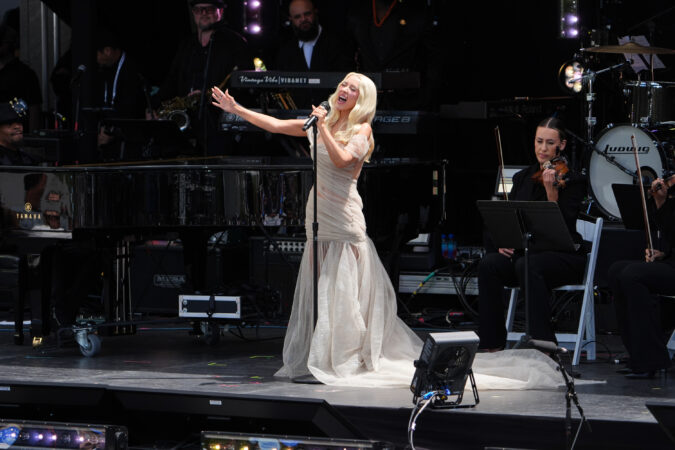
    We don’t know much about the show Christina Aguilera will put up as headliner of the July 4 “One Philly: Unity Concert for America” on Ben Franklin Parkway, but we know there will be local men dancing dressed as soldiers behind her.

    On Tuesday, a casting call from Philadelphia-based casting agency Kathy Wickline Casting announced that the pop singer and Pittsburgh native was looking for non-union male dancers who live within an hour’s commute from Philadelphia, “unless you have family/friends to stay with in the area,” the call reads.

    The quick turnaround call, which was open only for a day, sought talent between ages “20-30s” with a background in dance, acrobatics, or choreography. They should be fit like a soldier, the call specified, and although no military buzzcut is needed, their hair should not be long.

    The dancers needed to make themselves available for the show on July 4 and a rehearsal on the day before.

    The call closed on Tuesday afternoon. Kathy Wickline Casting did not respond to The Inquirer’s request for comment.

    Her setlist for July 4 has not been announced, but Aguilera’s discography doesn’t boast songs directly related to the military.

    However, the music video for her 2006 hit “Candyman” is World War II themed, featuring background dancers and Aguilera dressed in glamorized military uniforms. She also has several songs with themes surrounding strength and empowerment, such as “Fighter” and “Army of Me.”

    While Wawa remains a sponsor of the annual July 4 concert, the show is not part of Wawa Welcome America, the series of events leading up to July 4. Aguilera will be co-headlining the show with Philadelphia native Jill Scott, and other acts include the Roots, Will Smith and DJ Jazzy Jeff, Kathy Sledge, and more.

    Gates for the concert open at 3 p.m. It starts at 5 p.m. with fireworks around midnight. More information at july4philly.com

  • ‘Rock star’ Ben Franklin, with some help from Queen and Bruce Springsteen, reminds us that Philadelphia is the soul of America

    ‘Rock star’ Ben Franklin, with some help from Queen and Bruce Springsteen, reminds us that Philadelphia is the soul of America

    We all have a mental image of Benjamin Franklin, thanks to the $100 bill: balding, middle-aged, with tiny glasses and a stern look.

    But what if he had a full head of hair poking out the sides of his tricorn? What if we saw Franklin singing and jamming on a guitar?

    The Sound of America, a new musical showing at FringeArts this month, imagines Franklin as a young man: America’s very first rock star who finds fame after discovering electric rock and roll from the power of a lightning strike.

    In the musical, he gains fame and fortune as a rock star. But stardom sweeps him up and pulls him away from the people and values that once defined him as a struggling musician, leaving him to question his true identity.

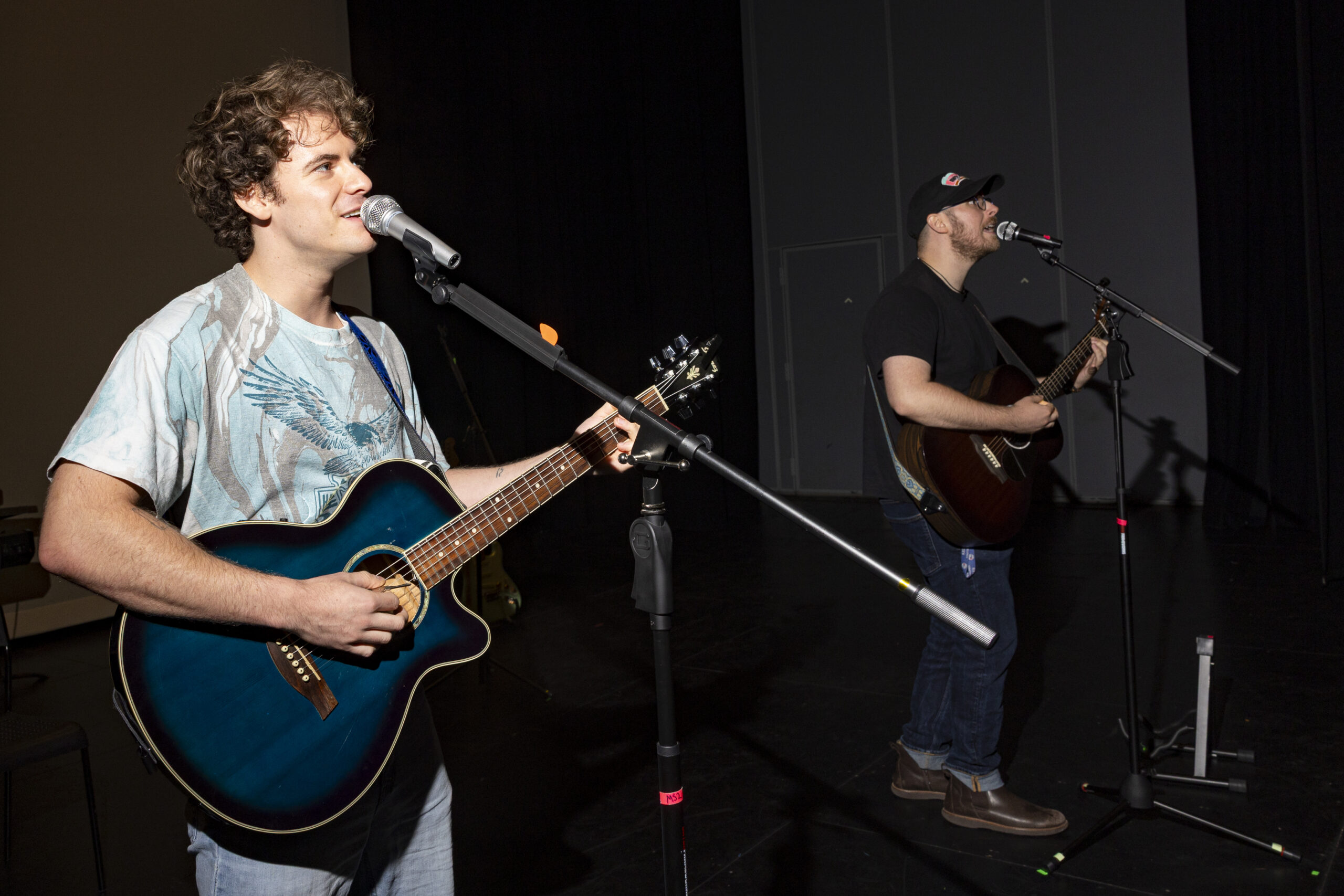
    Leading the ensemble cast is a newly minted Temple musical theater graduate, Kohl Pilgrim. Last week, he stood with fellow actors Federica Andino-Vega and Jameson May, who play Franklin’s wife Deborah Read and his best friend Hugh Meredith, respectively.

    Pilgrim and cast play their instruments live, serving as both performers and a band.

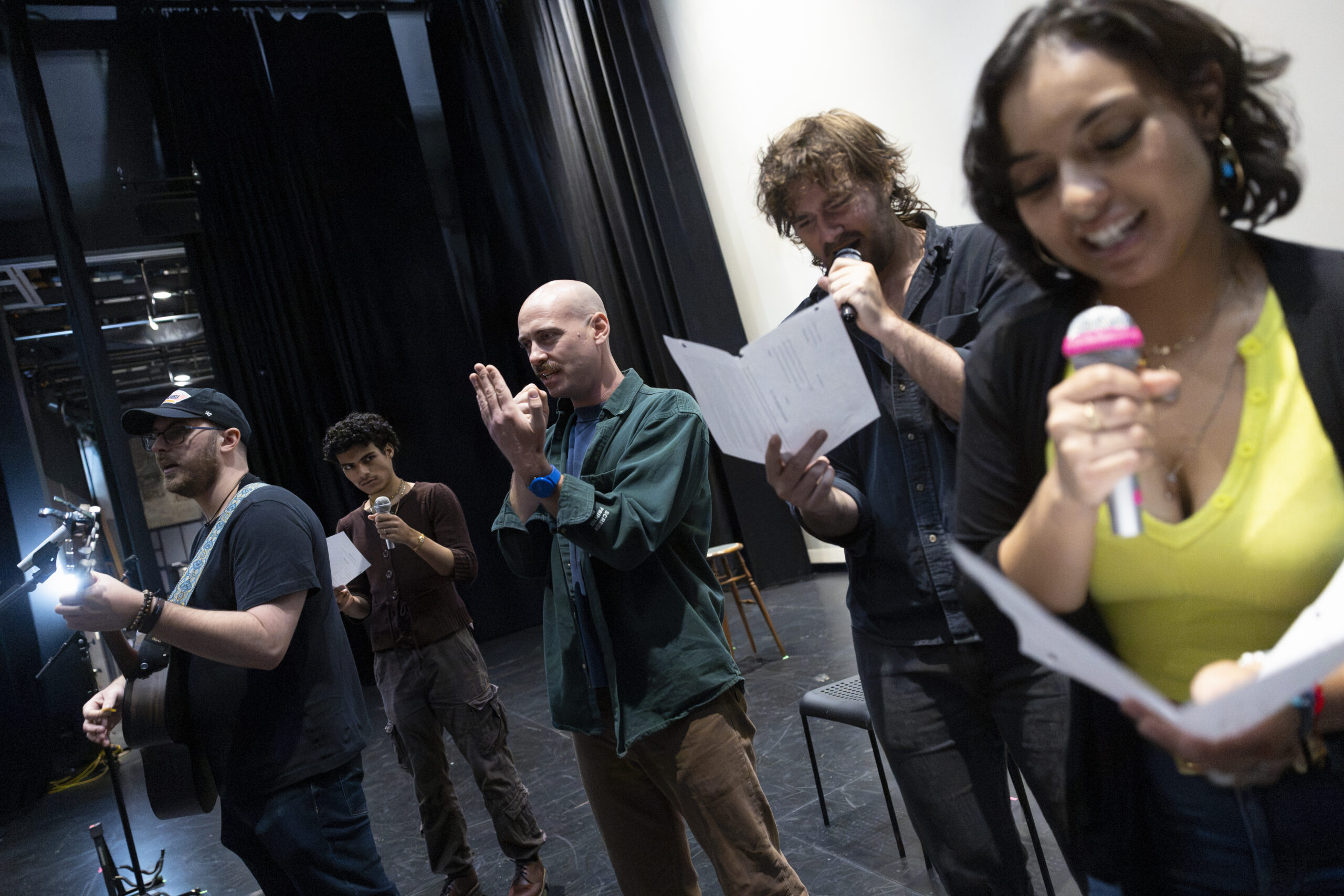
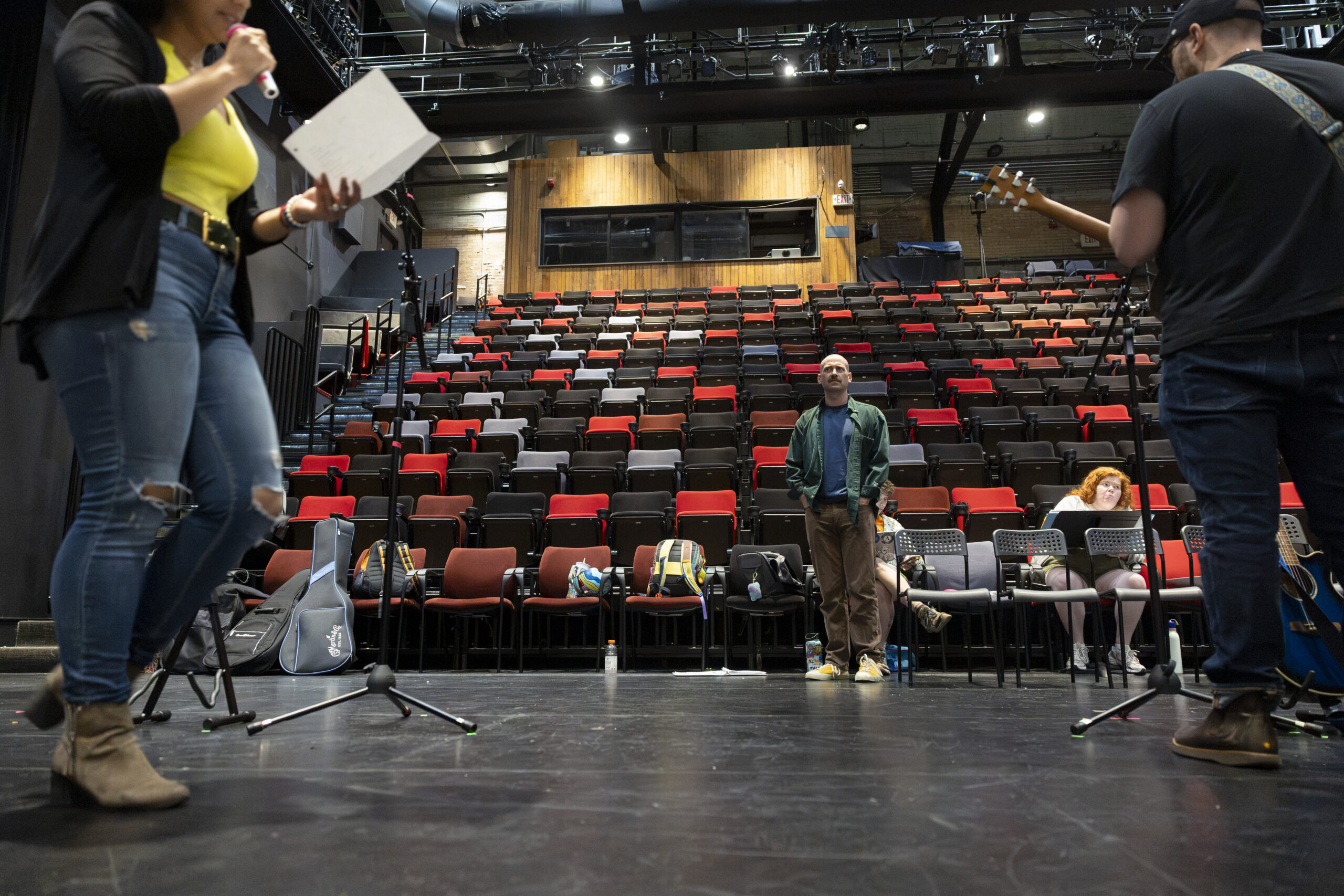
    Delivering their lines and singing at microphone stands, Nashville Bluebird Cafe-style, the three practiced blocking the scene where Franklin and Read first meet. After a flirty exchange, a naive and confused Franklin finds out Read is married to a man who has disappeared without evidence of his death.

    “We tend to see [Founding Fathers] as these infallible perfect people who created the perfect society,” director and Temple professor Kyle Metzger said. “It’s exciting to see a young Founding Father making mistakes and being complex and messy. It’s important to remember these were people, too, who didn’t have all the answers and were trying their best.”

    Setting out to write a write a rock musical, the choice of protagonist was a no-brainer for the musical’s cocreator and Emmy-award winning producer Randall Lane and longtime friend and singer-songwriter Todd Schwartz.

    “Under Poor Richard, he was the lyricist for colonial America,” said Lane, referring to Franklin’s pseudonym under which he published a yearly almanac. “And then when he discovered the lightning rod, he literally became the first American who was world famous, and toured the world.”

    Just like a young rock star.

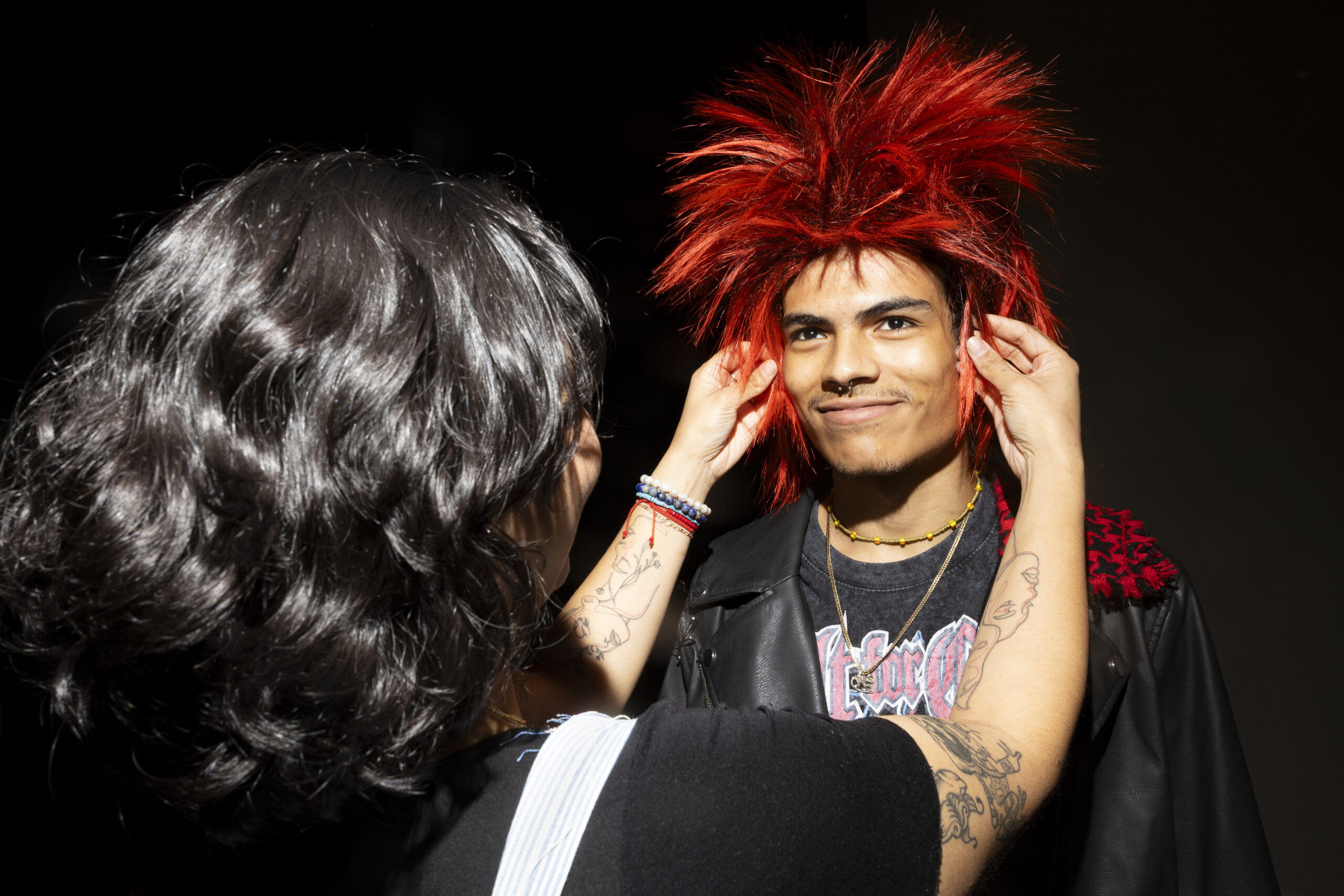
    Federica Andino-Vega (left), who plays Franklin’s wife Deborah Read, adjusts Gerson Malave’s wig during a dress rehearsal for “The Sound of America” on June 24.

    Lane, who is also the editor in chief of Forbes magazine, lives in Saratoga Springs but feels deeply connected to Philadelphia through the years he went to Penn to study history and political science.

    For him, Franklin “checked every box.”

    “He was a teenage fugitive who ran away from home and every Friday he was hanging out [at] the Leather Apron Club,” the mutual-improvement society Franklin and his friends founded in 1727, said Lane.

    Every week, they’d meet in taverns, “jamming out intellectual ideas,” said Lane. In the case of his musical, they create a garage band.

    Franklin, after all, invented the glass harmonica.

    The musical’s soundtrack includes 23 original songs cowritten by Lane and Schwartz, influenced by Queen, Nirvana, Bruce Springsteen, and the Beatles. Metzger describes the production as “80% rock concert, 20% musical.”

    Kyle Metzger (center), the director for “The Sound of America,” directs the cast inside FringeArts for the forthcoming musical on June 24.

    The cast will serve as narrators at the front of the stage, while a live band plays behind them. Floor seats will be available and swaying arms and singing along will be highly encouraged. It’s meant to feel like a concert and not just another historical “rock” musical (sorry, Hamilton).

    “I’m always drawn to theater that’s untraditional or pushing into other mediums or incorporating other art forms,” Metzger said.

    True to style, The Sound of America also doubles as a walking tour led by Pilgrim, still in character as Benjamin Franklin. After curtain call, audiences can participate in a tour of Franklin’s Old City house and grave, a short walk away from the FringeArts venue.

    Needless to say, Pilgrim has had to really pack on the homework for this portion of the show.
    “Most of my free time when I am not in rehearsal or with friends, I am home reading his autobiography,” he said. “I am reading anything I possibly can because there’s probably going to be a kid that’s like ‘What’s his favorite food? Did he like burgers?’ So I’m researching that, too.”

    Barrymore award-winning director Kyle Metzger is also a professor in Temple’s Musical Theater program.

    When asked about Franklin’s favorite drink, Pilgrim was certain it was wine. As for his hypothetical Jersey Shore vacation spot, Pilgrim named Cape May.

    “I think he would like the houses,” he said.

    “I want to pay homage to how honest, wise, and hard-working he was,” said the actor, who sought inspiration from iconic rock figures like David Lee Roth, Elvis Presley, and Sir Roger Daltrey, frontman of the Who.

    Daltrey, in fact, makes a remote cameo in the musical, in support of Teen Cancer America, the nonprofit he founded along with Who bandmate Pete Townshend.

    Lane and Schwartz’s royalties will be donated to the charity, which partners with Children’s Hospital of Philadelphia (CHOP). The production is also collaborating with Federal Donuts & Chicken for a specialty doughnut called “The Ben”; a portion of its sales will benefit the cause.

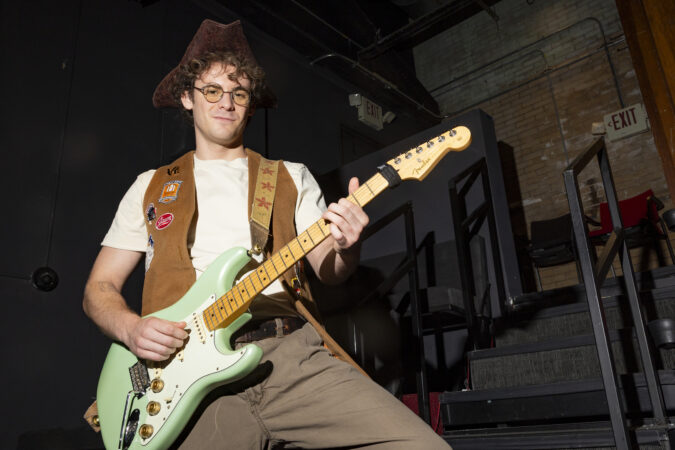
    Kohl Pilgrim, the actor bringing Ben Franklin’s rock and roll persona to life, inside FringeArts.

    “We want this to be a really big win to fight cancer, but we think that it’s also super true to the spirit of Benjamin Franklin,” Lane said. “He was a rock star in all the senses, but he was also somebody who really cared about where he lived, and we want to leave Philadelphia better than we found it.”

    But as with any rock star, Franklin’s story would be nothing without his entourage.

    In addition to wife Read and bestie Meredith, the ensemble cast includes British antagonist Lord Wedderburn, played by Kaedon Knight and Franklin’s illegitimate son William Temple Franklin (aka “WTF”), played by Gerson Malave.

    Read is the only female character in the show, accompanying Franklin on his journey to stardom. Though she is often forgotten in history, her common-law marriage to Franklin saw her holding down the Franklin household and publishing company with a shotgun during the unrest of the Stamp Act.

    “She was a baddie, the baddie on Market Street,” Andino-Vega said. “But [Franklin] got most of the spotlight just because she was very shy and a bit illiterate. I want to shine a light on those special ladies that have been forgotten, and bring them up a little more in a way where they can also be seen like Ben Franklin.”

    The cast of “The Sound of America” are committed to delivering a rock concert, not just a musical.

    The cast and crew, largely Philadelphia-based and/or raised, are deeply committed to reflecting the grit of the city through this unique portrayal, especially in light of the 250th anniversary of the nation.

    “It’s almost like Ben was talking to us saying this year’s really important and this summer is important to Philadelphia,” Lane said. “It gives everybody that visits Philly a reminder that Philadelphia was the birthplace of democracy and it’s the soul of America.”

    The Sound of America runs July 1-Aug. 1 at FringeArts, 140 N. Christopher Columbus Blvd. Tickets start at $60. soundofamericamusical.com, 215-413-1318, or hello@fringearts.com.

    A previous version of the article misidentified the actors playing Hugh Meredith and Lord Wedderburn. Jameson May and Kaedon Knight play the characters respectively.

  • With ‘the Great Divide Tour,’ Noah Kahan made a sold-out Citizens Bank Park feel like a melancholic suburban backyard

    With ‘the Great Divide Tour,’ Noah Kahan made a sold-out Citizens Bank Park feel like a melancholic suburban backyard

    Most of us remember the 2010s Obama-era stomp-clap folk music, brought on by bands like the Lumineers, that graced the soundtracks of films like Silver Linings Playbook, sparking an intensely optimistic sound.

    But can that even exist today? Can folk music rise in the 2020s, amid rapid social media usage, volatile politics, and a general feeling of uneasiness?

    It can and it does.

    Often veering into the gloomy and the existential, but somehow still managing to stay romantic and rebellious, thanks to the folk-pop stylings of Noah Kahan.

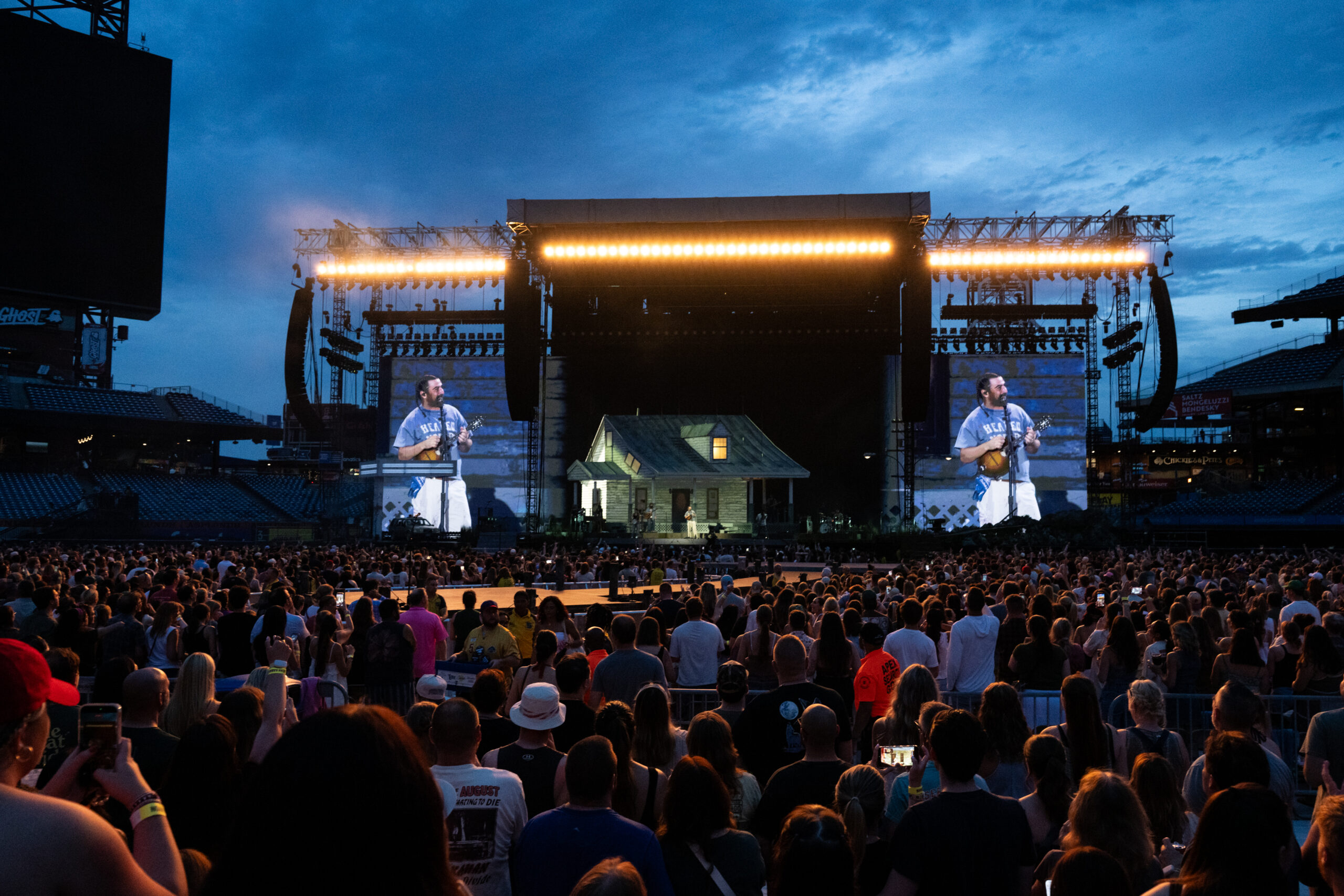
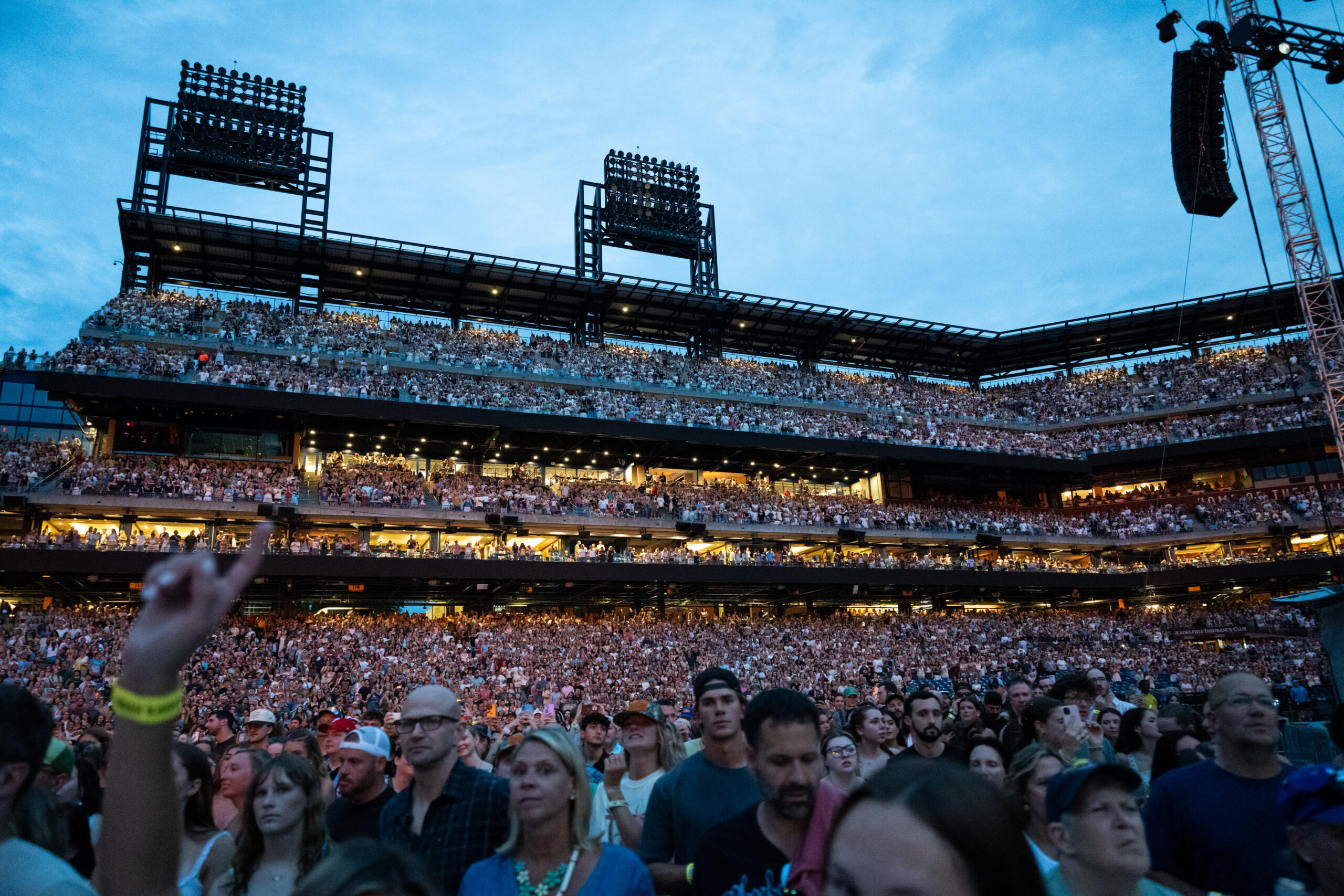
    Kahan and his band performed for a sold-out crowd of 40,000 people.

    Kahan released his latest The Great Divide in April. The introspective collection of songs explores the realities of fame and the isolating feeling of leaving home. The tour behind that album brought him to Citizens Bank Park on Friday night.

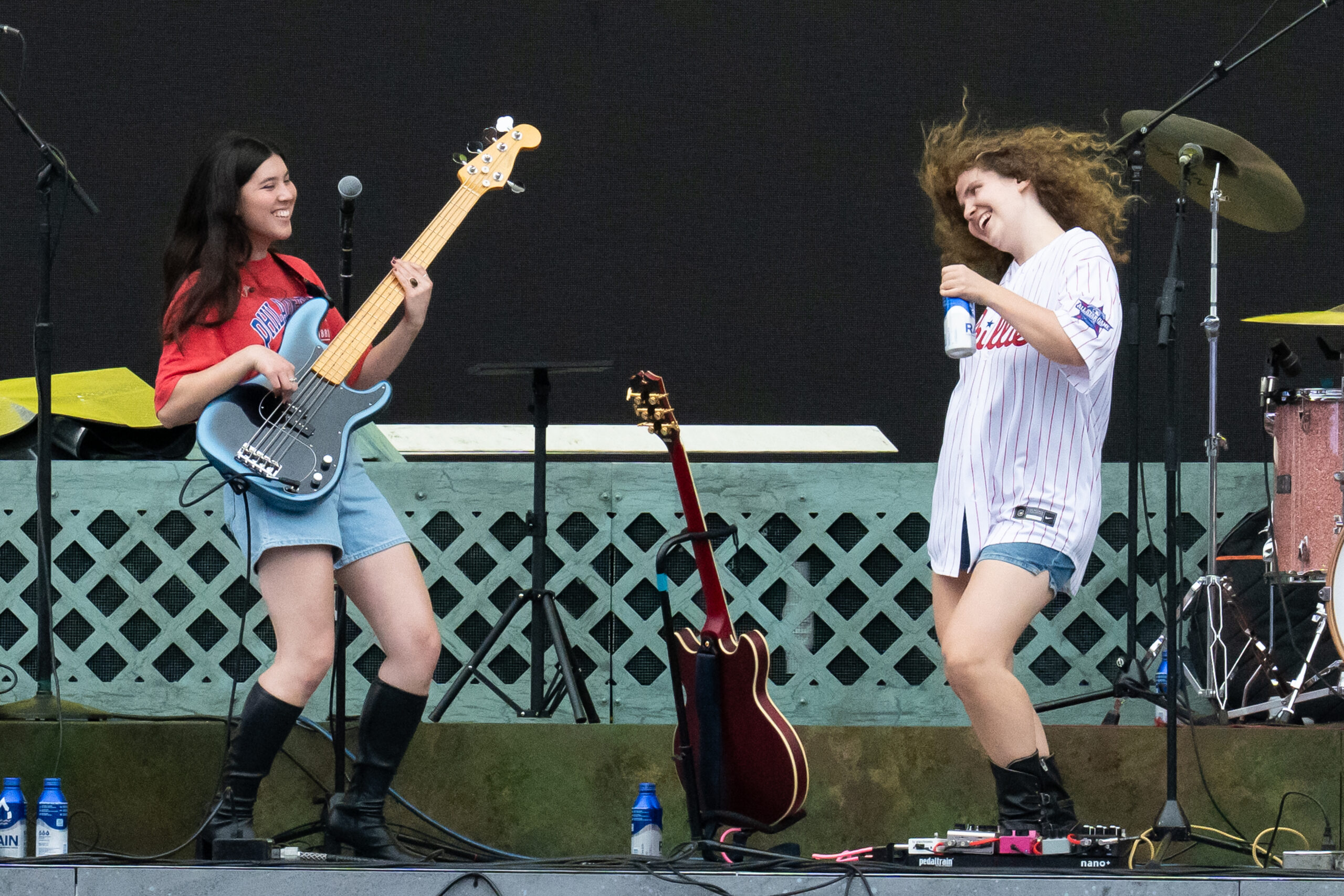
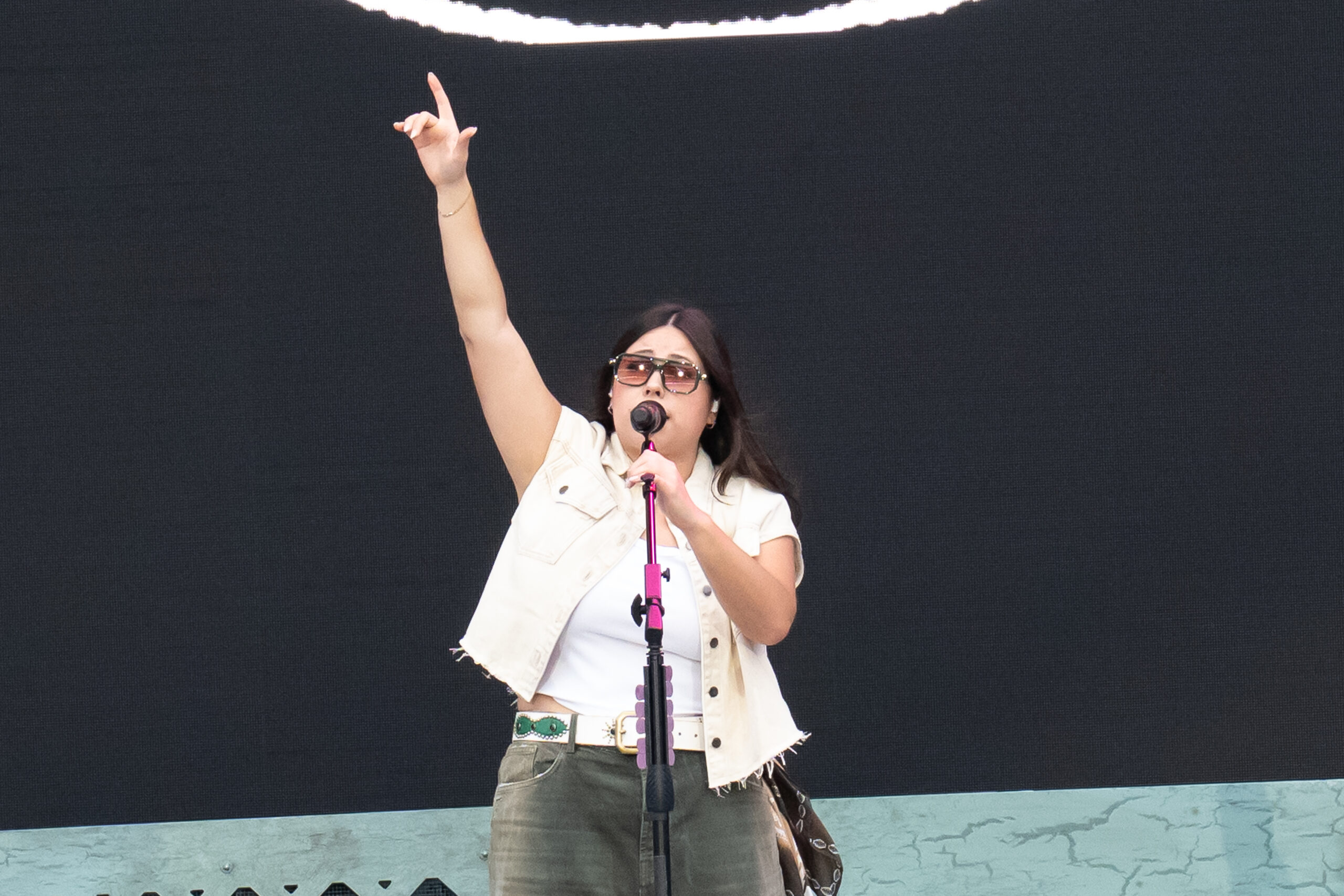
    After openers, Wayne, Pa., native Annabelle Dinda sporting a Phillies shirt and Gigi Perez, a one-minute countdown popped up on the screen at 8:30 p.m., met with loud cheers from the audience.

    When the clock struck zero, a sunset scene of a field appeared on a screen on stage, with The Great Divide displayed across it.

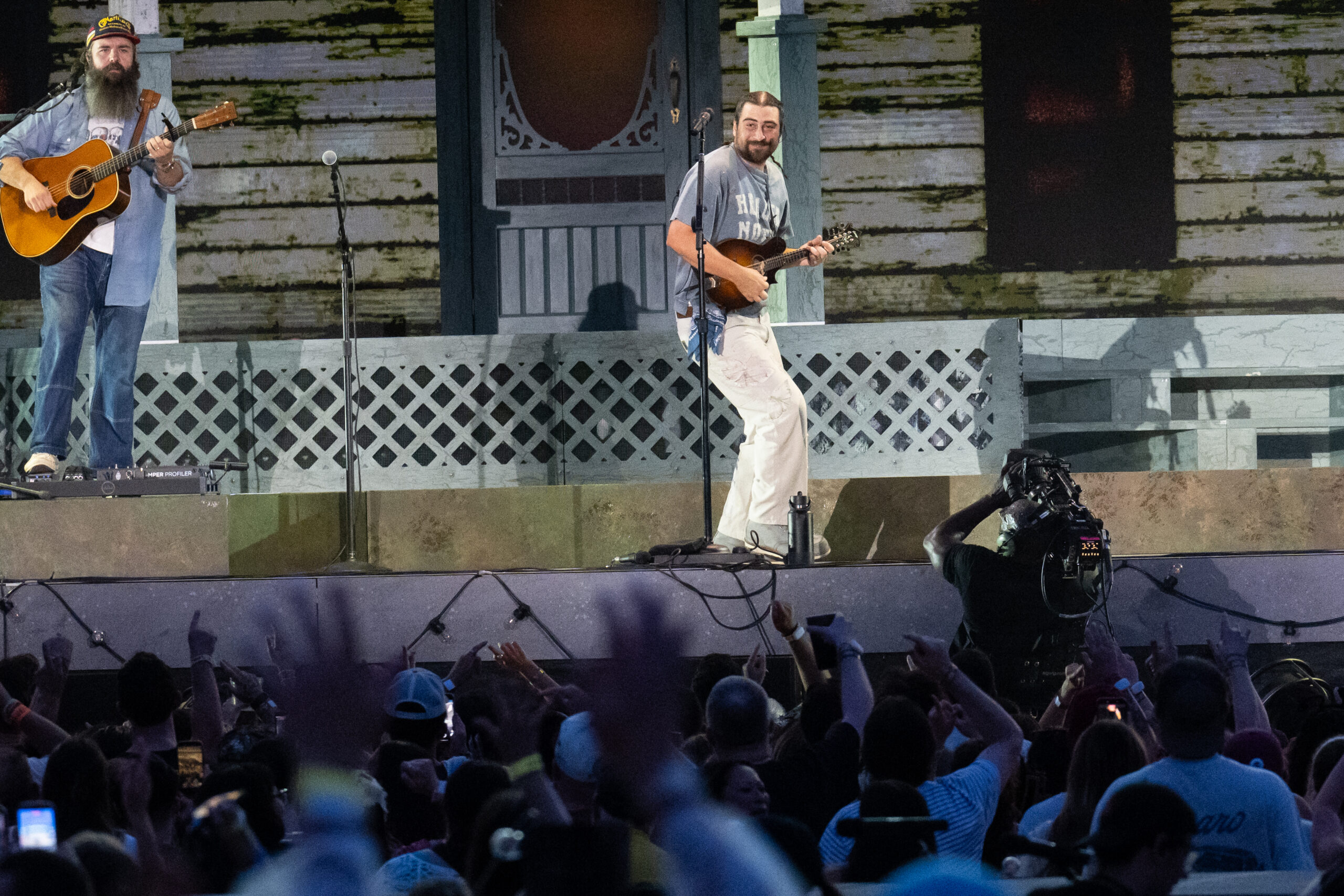
    The roof of a house slowly descended from the top of the stage to meet the rest of the barnhouse in the middle of the stage. Then out came Kahan, with his signature French braids and baggy clothes, ready to bring his woodsy vibe to Philadelphia.

    Annabelle Dinda performs an opening set during the Philadelphia stop of Noah Kahan’s “The Great Divide Tour” at Citizens Bank Park in South Philadelphia on Friday, June 26, 2026. Dinda was one of two opening acts performing before Kahan took the stage.

    The audience in the 40,000+ seat stadium reacted swiftly, jumping to their feet and screaming for Kahan. The crowd was a mix of Gen-Z fans, new to the contemporary folk-pop sound, and millennials, who were undoubtedly jamming out to Mumford & Sons during the aforementioned 2010s folk-rock era.

    There were also families with young children in tow. Some appeared to be fans themselves, wearing the tour’s merchandise and singing along.

    After performing “American Cars” and “Doors” from The Great Divide, Kahan addressed the sold-out crowd, promising to make them very sad with his melancholic music.

    “Philadelphia, what a f— dream,” he said. “It must be something in the water, how do you all have clinical depression?”

    Gigi Perez performs an opening set during the Philadelphia stop of Noah Kahan’s “The Great Divide Tour” at Citizens Bank Park in South Philadelphia on Friday, June 26, 2026. Perez gained widespread recognition with her 2024 single “Sailor Song” and opened for Kahan on select dates of the tour

    Kahan continued with “All My Love” from 2022’s Stick Season, with the set around him bringing the music to life, even in the face of the promised melancholy.

    Rocks covered in moss sat one side of the stage with an abandoned gas station scene set up on the other, with tall grass scattered throughout. String lights warmed up the setting as it got darker, making Citizens Bank Park feel like a small-town backyard. On the screen behind Kahan, seasons changed and insects crawled around amid visuals from the singer’s home state of Vermont.

    The forest-y and naturalist aesthetic of both the music and the setting is an homage to Kahan’s childhood spent on a tree farm in rural Vermont.

    The concert was Kahan’s first arena show in Philadelphia, on his second arena tour in his career.

    The crowd matched the scenery; flowing skirts, bandannas, cowboy hats and boots, denim, corduroy, and just about every other clothing item you’d see when searching “farm aesthetic” on Pinterest. Everyone attending could easily pop over to the Schuylkill Trail for a quick hike after the show.

    After singing another new song “Downfall,” Kahan pretended to answer a phone call.

    “What’s up, Twitter,” he said into the phone. “Oh, Noah Kahan can’t sell out stadiums?” The response was a thunderous cheer as Kahan pretended to hang up.

    This is his fifth concert tour and his first time headlining a show at Citizens Bank Park, playing for a sold-out crowd. This last “The Stick Season (We’ll All Be Here Forever)” tour in 2024 didn’t stop in Philadelphia.

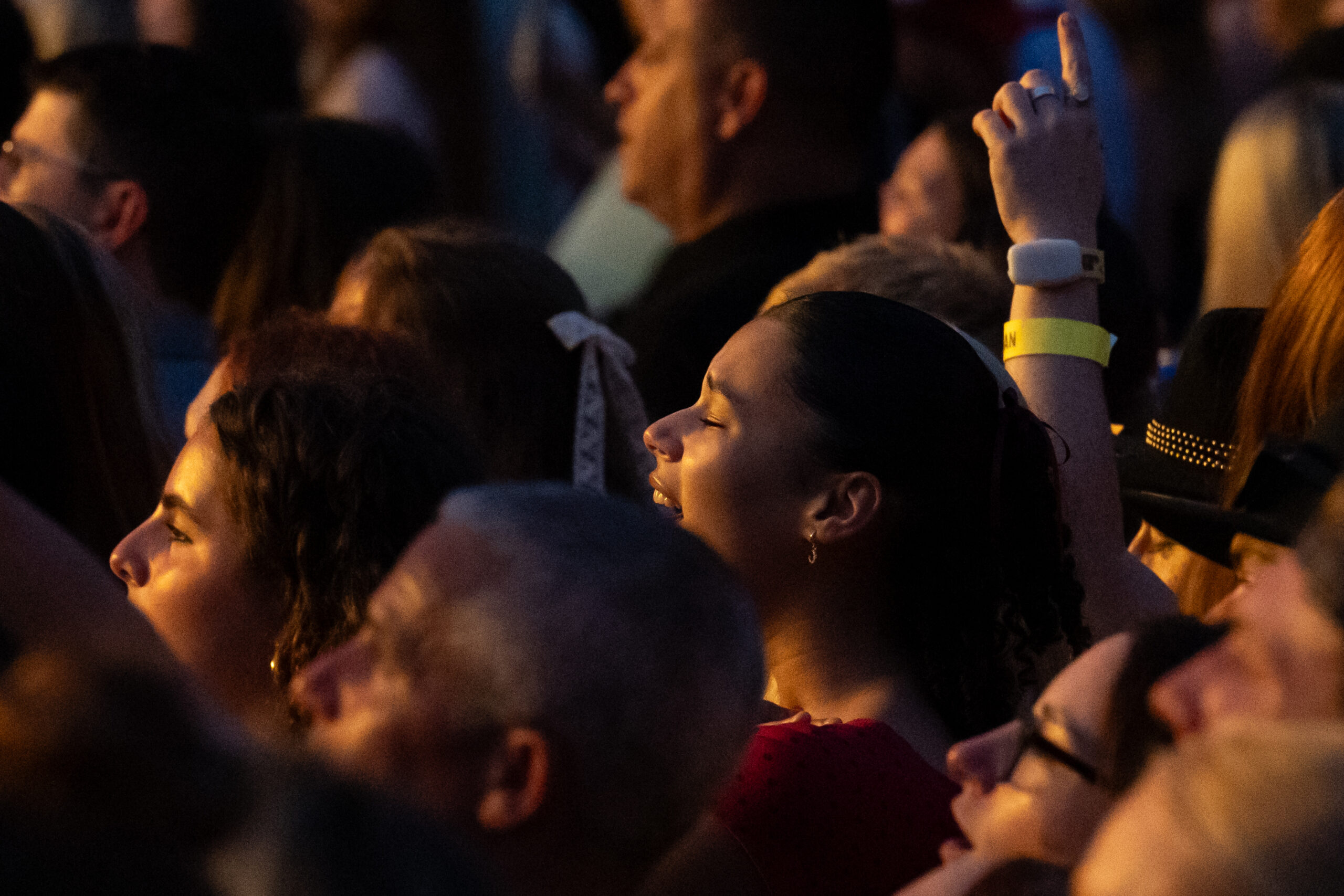
    A fan sings while Noah Kahan performs at Citizens Bank Park in South Philadelphia on Friday, June 26, 2026. More than 40,000 people attended the sold-out show. .

    After singing and playing the guitar for nine songs standing on the main stage, Kahan decided to shake things up a bit. For “Dial Drunk,” he moved to the left side of the stage where an actor dressed as a police officer arrested him. He performed the first half of the song from inside of a police car fitted with cameras.

    For “Willing and Able,” Kahan sat upon the roof that came down in the beginning of the show. There, he softly played the guitar and sang the lyrics to the somber song about a strained sibling relationship.

    Fans sang along and cheered until Kahan made his gravest mistake of the show: suggesting that Philadelphians be friendly toward Boston.

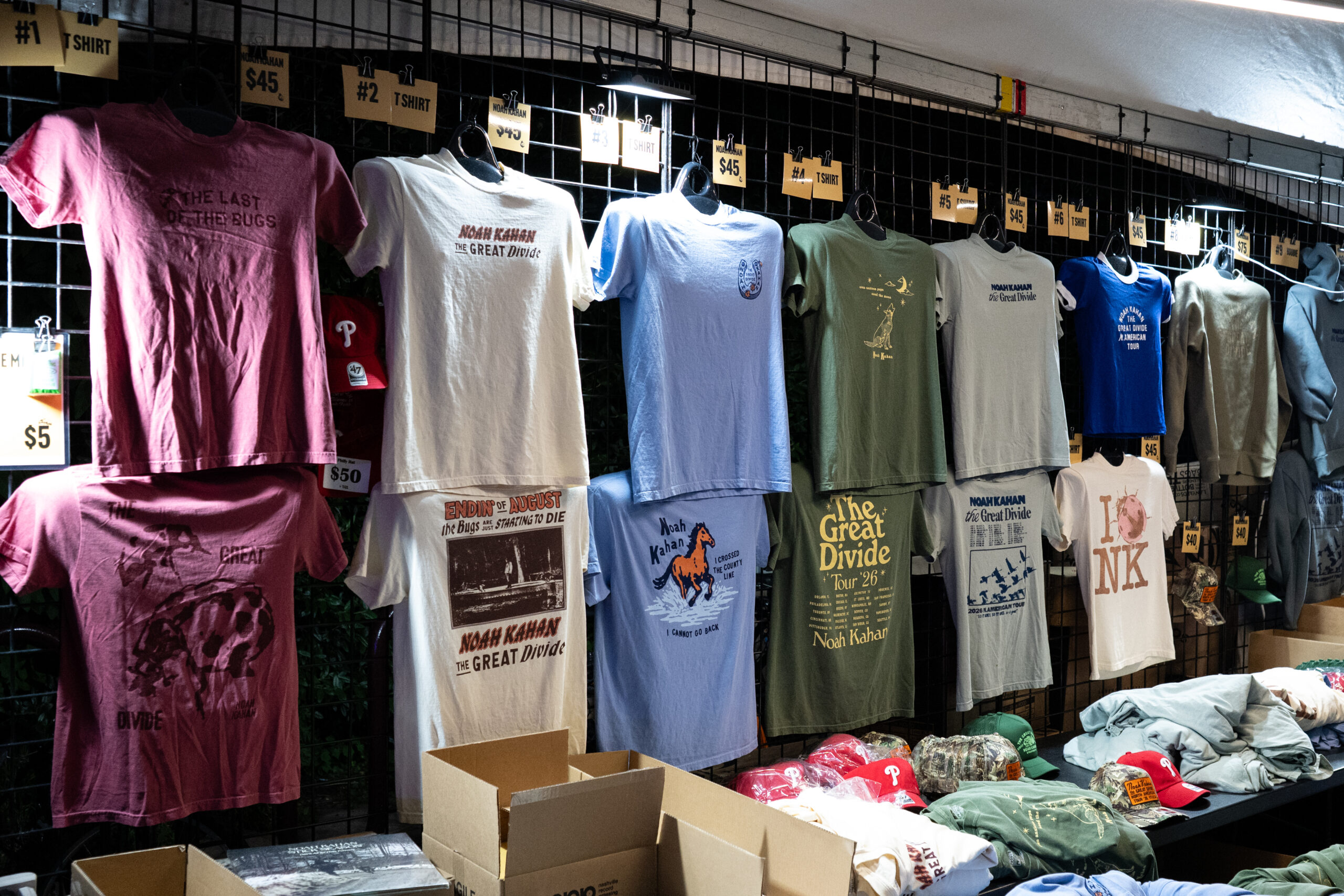
    Noah Kahan merchandise is displayed outside Citizens Bank Park in South Philadelphia on Friday, June 26, 2026. More than 40,000 people attended the sold-out show, with some fans lining up as early as 9 a.m. to purchase merchandise.

    “Having lived in Boston, you guys are a lot more alike than you think, and I think you need to reconcile,” Kahan said, citing the tough brotherly relationship in “Willing and Able.” This sentiment was the only thing that was met with boos on Friday.

    Fittingly enough, Kahan recalled being heckled at a Philly show.

    One hopes the city hosting a sold-out show will soften his feelings toward Philadelphia.

    Fans matched the forest aesthetic of Kahan’s music, with flowy outfits and cowboy apparel.

    He also took the opportunity, standing in the middle of the floor seats, to address the backlash he received on Twitter for his original setlist he played in Orlando on June 11. Fans complained about the lack of older songs, as the singer filled the set with songs from his last two albums. The fans who booed Kahan’s online haters were rewarded with his older song “Maine” from the EP Cape Elizabeth, which he called his favorite song he’s ever written.

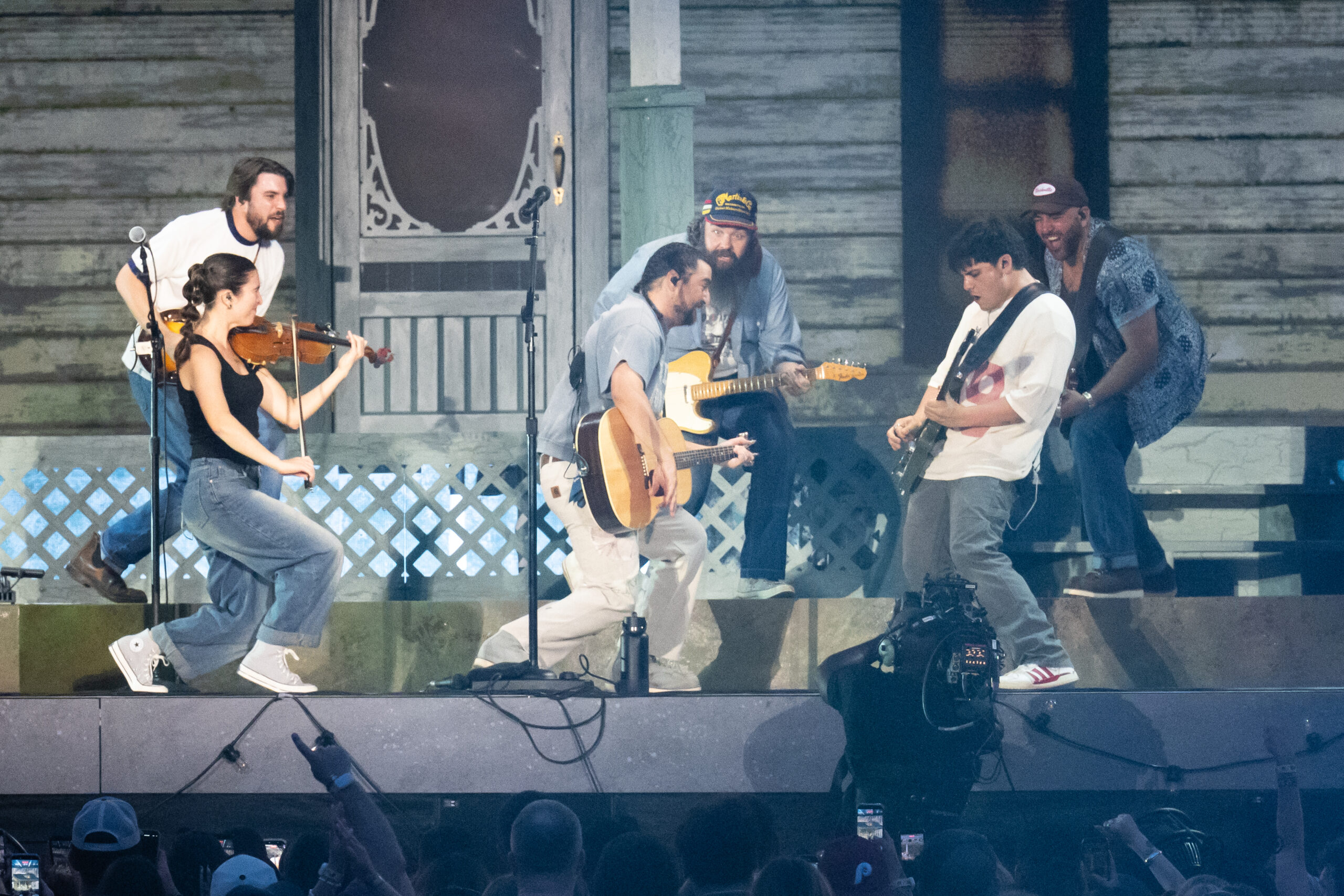
    In addition to the guitar, Kahan’s six-piece band comprised a host of other unique instruments that got to shine. This included a fiddle, banjo, mandolin, and a resonator guitar, all contributing to Kahan’s unique folk sound that blends both rock and pop.

    Noah Kahan performs at Citizens Bank Park in South Philadelphia on Friday, June 26, 2026, during his “The Great Divide Tour.” The Philadelphia concert was part of the North American leg of Kahan’s summer tour

    As the show went on, Kahan took multiple opportunities to listen to the crowd sing and coyly smile as he expressed his gratitude, often peppering it with his well-known dry humor.

    “You guys are gonna make me emotional,” he said to the screaming fans, giggling.

    Kahan closed out his main set with “Orange Juice” and “New Perspective” before exiting the stage and reentering it as fans started growing restless. For the encore, sitting at a spotlit piano, he performed the incredibly moody “End of August.”

    That was followed by a more upbeat “Homesick.” Of course, he wrapped things up with an explosive extended performance of his biggest hit, “Stick Season.”

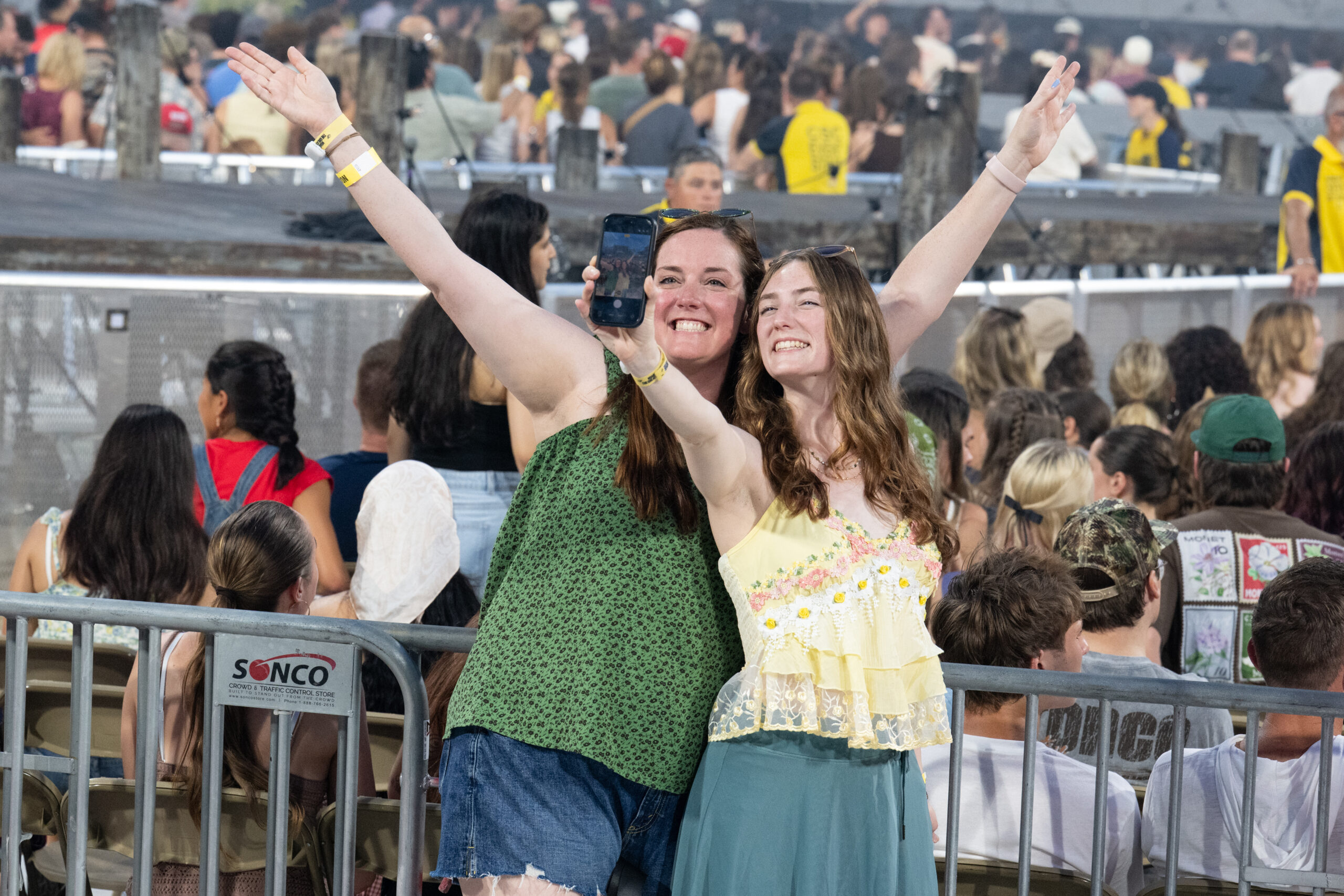
    Two fans take a selfie before Noah Kahan performs at Citizens Bank Park in South Philadelphia on Friday, June 26, 2026. More than 40,000 people attended the sold-out show. .

    There was no one in the crowd who didn’t sing along.

    Kahan made sure to thank his band mates before one final chorus that culminated in a brief fireworks display over the stage.

    And just like that, the woodland escape that is the Noah Kahan concert came to an end for Philadelphia.

    Noah Kahan, setlist from “The Great Divide Tour.” June 26, 2026, Citizens Bank Park, Philadelphia

    • “American Cars”
    • “Doors”
    • “All My Love”
    • “Deny Deny Deny”
    • “Staying Still”
    • “Haircut”
    • “Downfall”
    • “She Calls Me Back”
    • “Dashboard”
    • “Dial Drunk”
    • “Willing and Able”
    • “Porch Light”
    • “Orbiter”
    • “Maine”
    • “Paid Time Off”
    • “All Them Horses”
    • “The View Between Villages”
    • “Northern Attitude”
    • “The Great Divide”
    • “Orange Juice”
    • “New Perspective”

    Encore

    • “End of August”
    • “Homesick”
    • “Stick Season”
  • What this former Inquirer columnist learned from writing 468 parenthood columns over nine years

    What this former Inquirer columnist learned from writing 468 parenthood columns over nine years

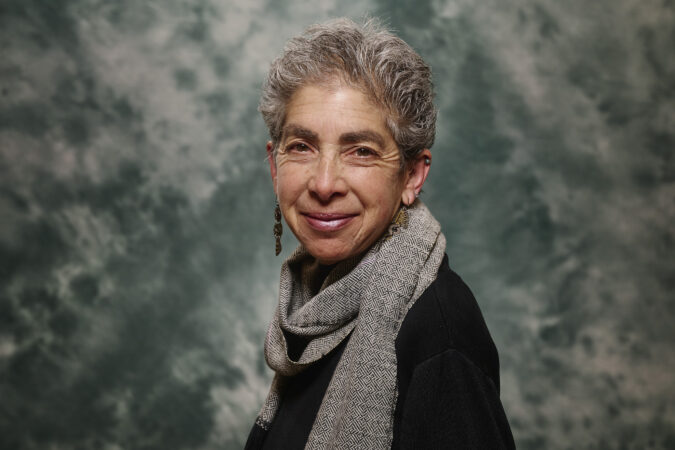
    For nine years, every week, writer Anndee Hochman attempted to answer one question.

    What does the road to parenthood look like for people who don’t follow the family “norm”?

    For her Inquirer column “The Parent Trip,” she profiled different Philadelphia-area families with children, all with atypical experiences creating their family.

    This included queer parents, single parents, interracial parents, interfaith parents, and so on. Hochman spoke to parents who adopted children, conceived them through IVF, got pregnant unexpectedly, and more.

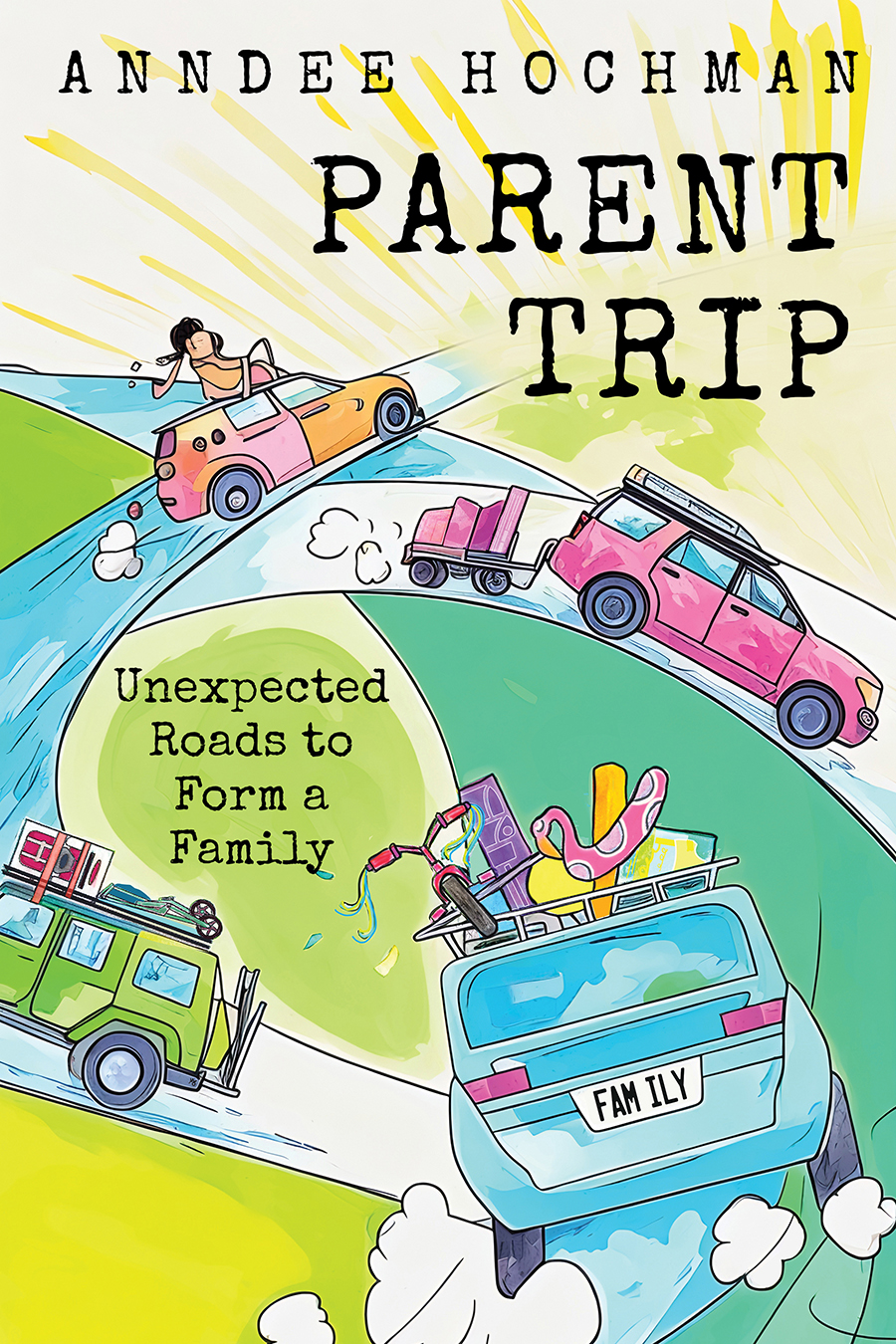
    Anyone who had a story around parenthood with a less talked-about aspect found themselves in Hochman’s column. Forty-two of 468 of those profiles have now been compiled into a new book, Parent Trip: Unexpected Roads to Form a Family, published by Temple University Press.

    Hochman, who is queer, started writing about family life in 1990, when she was living in Portland, Ore. After her straight housemates got engaged, she wrote an essay for the now-shuttered LGBTQ publication Just Out, detailing her feelings on the discrepancies between how straight and queer relationships are perceived socially.

    The Eighth Mountain Press publisher Ruth Gundle reached out to Hochman, asking if she had more to say on the subject. As it turned out, she had a whole book’s worth. Her first book, Everyday Acts and Small Subversions: Women Reinventing Family, Community and Home, released on Eighth Mountain in 1994.

    Anndee Hochman’s “Parent Trip: Unexpected Roads to Form a Family” is a collection of stories from her original column.

    By 1999, Hochman had moved to Philadelphia and began freelancing for The Inquirer, still writing about family. In 2014, former Inquirer features editor Cathy Rubin asked her if she’d be interested in writing a weekly feature on people becoming parents.

    That’s how “The Parent Trip,” the column, was born. Hochman began by reaching out to midwives and OB/GYN offices to see if any of their clients would be willing to participate. The column asked readers to submit their stories.

    “Becoming a parent and forming a family felt like a messier version of the Wedding column, and that’s exactly what we got,” said Rubin, referring to the column on marital stories that “Parent Trip” replaced. “It was beyond my wildest dreams to witness and experience all of the different ways that families formed and the challenges that people had.”

    Hochman, whose daughter with her long-term partner, Elissa, was born in 2001, was able to use her own experience as a parent to inform the column.

    “When I was interviewing families who didn’t fit the norm and I shared my own family configuration with them,” she said, “I felt like I could feel their shoulders relax a little bit, particularly with the queer families.”

    “The Parent Trip” began nine months before marriage equality for same-sex couples was legalized and concluded just over a year after Roe v. Wade was overturned, reversing a half-century of legalized abortion.

    Hochman makes clear with this book that families will always exist beyond the heteronormative structures society deems “normal.”

    The book is categorized into nine chapters, each carrying three to seven profiles. Through these, Hochman covers topics such as infertility, adoption, age gaps in relationships, religious differences, interracial marriages, and other circumstances that make families less “normal” per social mores.

    “I wanted the 42 [profiles] that ended up in the book to reflect the same diversity and span as the 468 that comprised nine years worth of columns,” Hochman said. “You will not find a section of stories all about single parents, or a section all about queer parents. I was more interested in the themes that echoed across all kinds of families.”

    Through writing this column, Hochman says she learned about situations she never experienced in becoming a parent, including adoption and how common miscarriages are.

    A phrase repeated by many of the parents she interviewed was “you just don’t know what’s going to happen.” Whether that be when you try to adopt, conceive, when you’re in the delivery room, once the baby is home, and once they’re 2, 6, or 25, she said.

    “There is no one right or normative way to be a family,” Hochman said. “I hope people come away with an expanded sense of what a family can look like and how children can be welcomed into one’s life.”

    “Parent Trip: Unexpected Roads to Form a Family” by Anndee Hochman is now available all over the country. $20.

  • Where to watch Fourth of July fireworks in Philly, the suburbs, South Jersey, and the Shore

    Where to watch Fourth of July fireworks in Philly, the suburbs, South Jersey, and the Shore

    This Fourth of July will be unlike any in recent memory. As the nation marks its 250th anniversary, Philadelphia and the surrounding region are packed with celebrations — and fireworks displays. From the city and suburbs to South Jersey and the Shore, there are dozens of opportunities to catch a show.

    Whether you’re staying in Philadelphia, heading to the suburbs, or spending the holiday down the Shore, here’s where to find Fourth of July fireworks across the region.

    Fireworks in Philadelphia

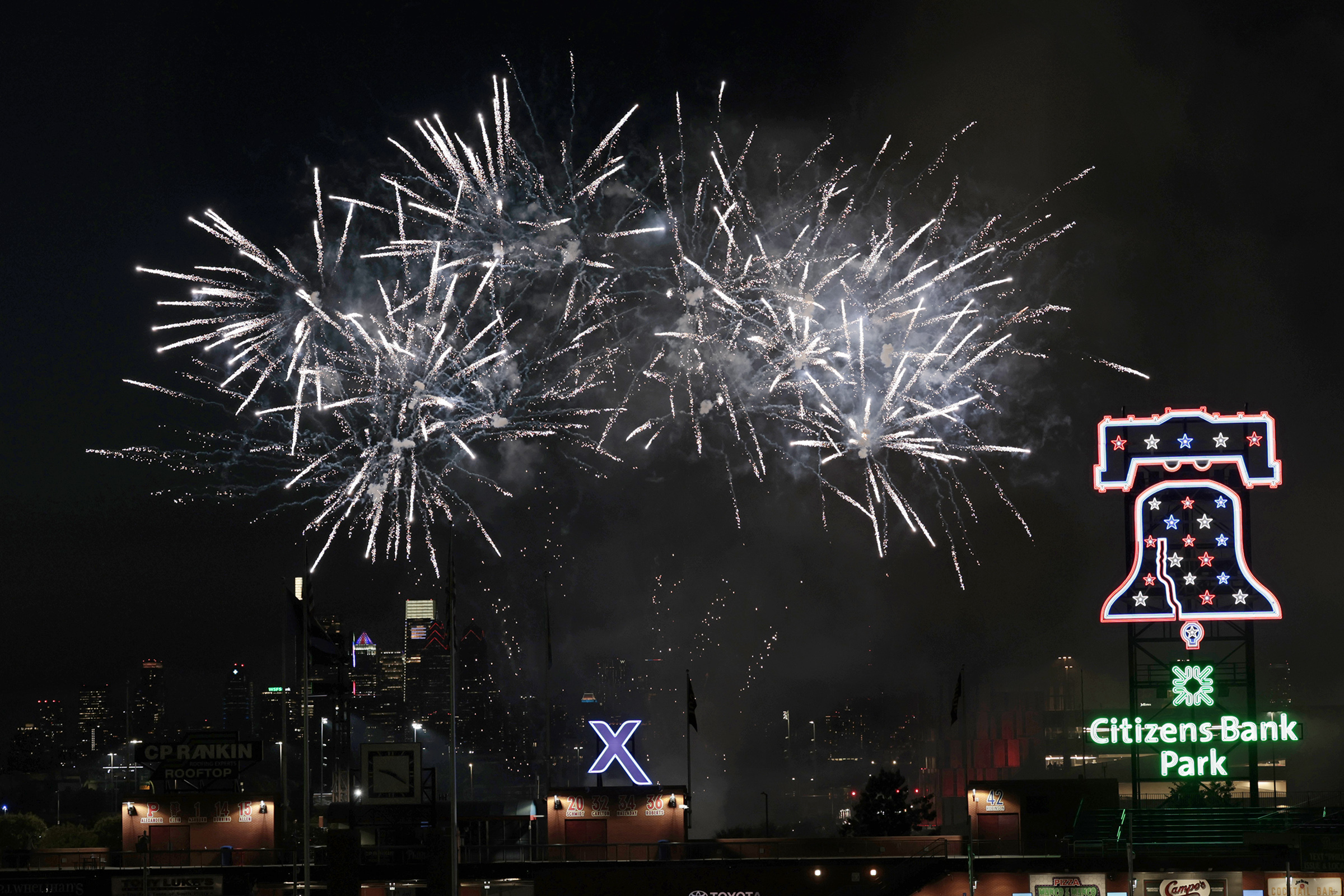
    Fireworks after the San Diego Padres and Philadelphia Phillies game at Citizens Bank Park on July 2, 2025.

    Fireworks in Bucks County

    Fireworks in Chester County

    Fireworks in Delaware County

    Fireworks in Montgomery County

    Fireworks in Allentown

    Fireworks in South Jersey

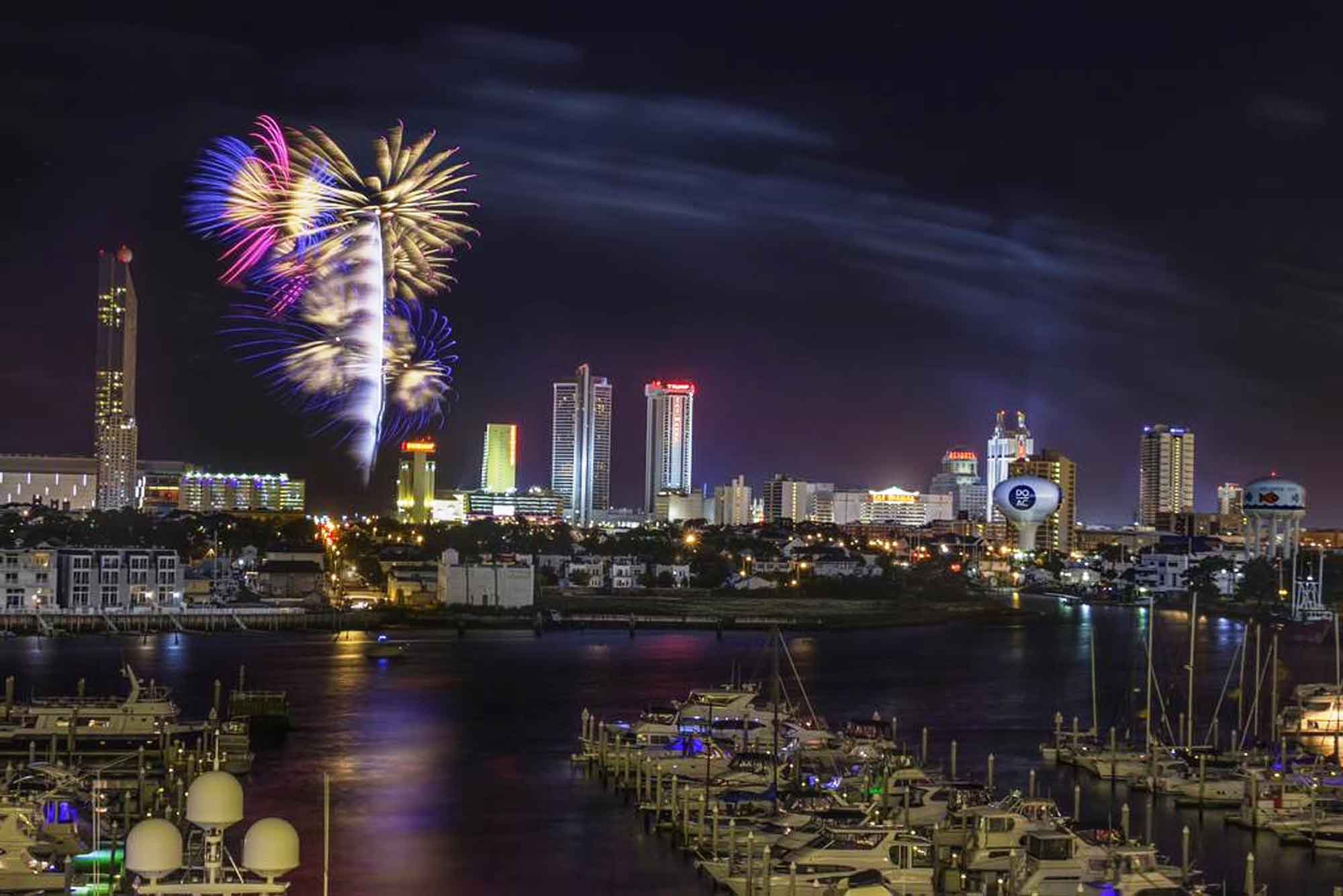
    A view of Atlantic City’s fireworks from the Marina. (Courtesy of the Casino Reinvestment Development Authority)

    Fireworks at the Jersey Shore