Author: Ellie Rushing

  • The first week of July is typically Philly’s most violent. This year, the holiday weekend was markedly calmer.

    The first week of July is typically Philly’s most violent. This year, the holiday weekend was markedly calmer.

    The first week of July has typically been one of Philadelphia’s most violent, with recent Independence Day weekends marked by mass shootings, police officers shot, and bursts of violence that left a dozen dead.

    But this year, amid a dramatic decline in violence and a flood of visitors to the city, the holiday weekend was noticeably calmer than in years past, offering another encouraging sign that the dramatic decline in shootings held through one of its toughest tests.

    Twenty-three people were shot from July 1 through July 7 — a slightly higher total than most weeks in 2026, but nearly half the average number of shooting victims during the same period over the last decade, according to city data. In 2021, at the height of the city’s gun violence crisis, more than 70 people were shot in that week alone.

    If the current pace continues, Philadelphia is on track to record fewer than 200 homicides for the first time since the 1960s, a remarkable turnaround from just five years ago, when nearly three times as many people were killed.

    (function(){function e(){window.addEventListener(`message`,function(e){if(e.data[`datawrapper-height`]!==void 0){var t=document.querySelectorAll(`iframe`);for(var n in e.data[`datawrapper-height`])for(var r=0,i;i=t[r];r++)if(i.contentWindow===e.source){var a=e.data[`datawrapper-height`][n]+`px`;i.style.height=a}}})}e()})();

    Philadelphia Police Commissioner Kevin Bethel said in an interview that the July Fourth weekend is historically one of the most challenging for urban police departments.

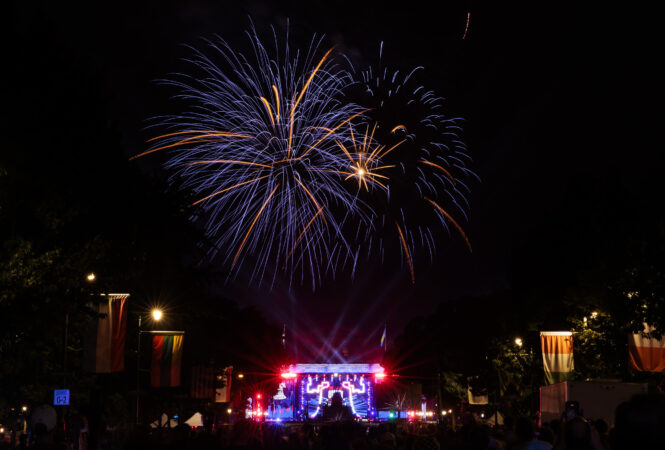
    In each of the last four years, Philadelphia’s celebrations were overshadowed by violence: Last year, 13 people were shot in South Philadelphia; nine people were struck by bullets at a teen party in Southwest Philadelphia in 2024; five people were killed at random by an armored gunman in Kingsessing the year before; and in 2022, two officers were grazed by bullets on the Benjamin Franklin Parkway, sparking a stampede of fireworks spectators.

    Bethel said he and other city, state, and federal law enforcement officials spent about two years planning for this holiday weekend, preparing for potential crises that never came.

    Anticipating hundreds of thousands of visitors for FIFA Club World Cup events and the nation’s 250th birthday celebrations, the department canceled many officers’ vacation requests over the last month and, on the Fourth, deployed more than 2,000 members of local and state law enforcement across the city, he said.
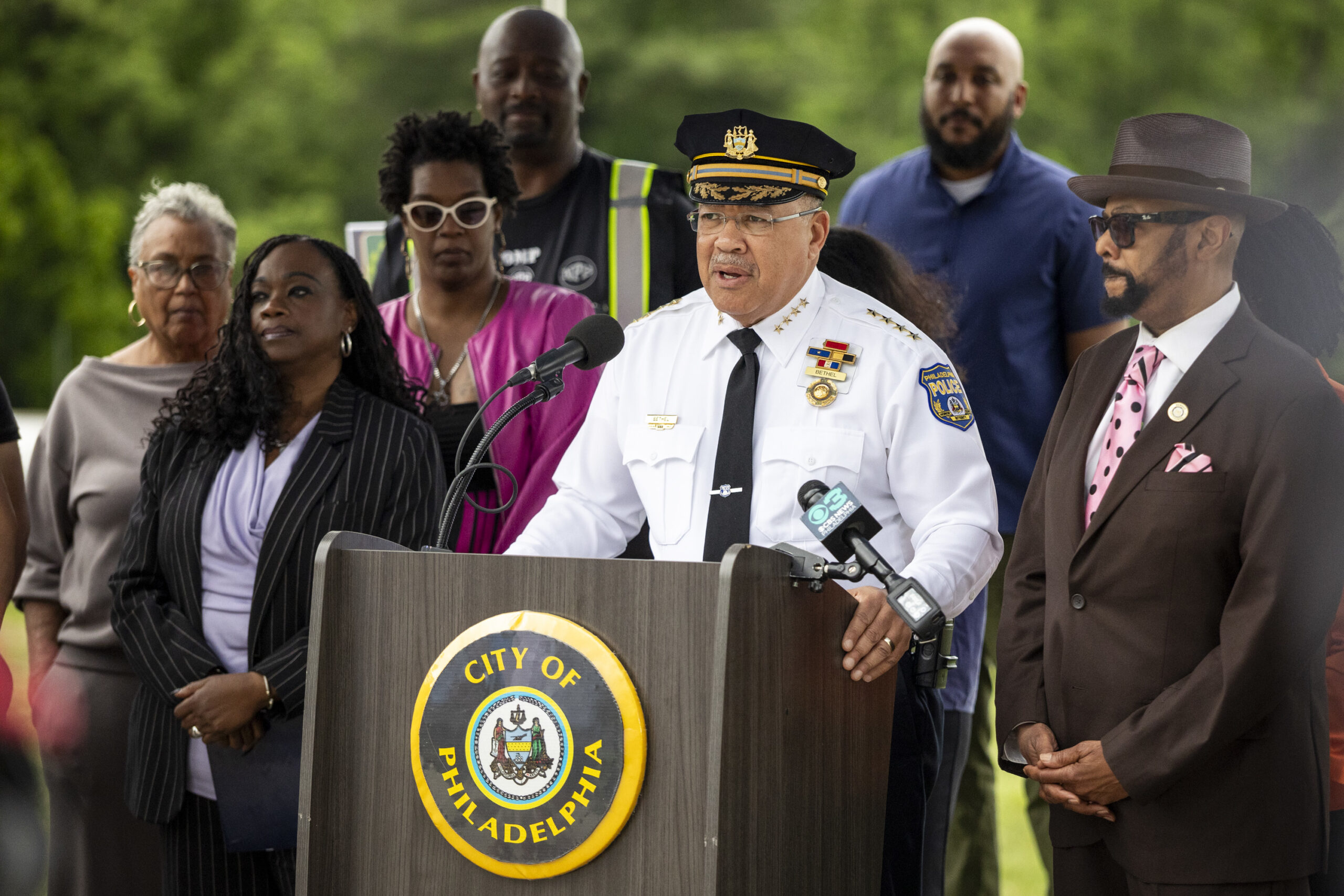
    Philadelphia Police Commissioner Kevin J. Bethel, speaks at a press conference on the details for the Roots Picnic in May 2026.

    Reinforcements from the Pennsylvania State Police and neighboring municipalities helped the city maintain staffing levels in neighborhoods that have historically seen more violence, Bethel said. Officers worked in the record-breaking heat, he said, with some starting their shifts at 7 a.m. and clocking out only after the concert on the Parkway ended at 3 a.m.

    The FBI took the lead on monitoring the skies, Bethel said, intercepting several drones that were flying illegally. (None of the drones, he said, was flying with “nefarious” intent.)

    He called the weekend a validation of the city’s planning and broader work that has contributed to the decline in gun violence.

    “I can’t tell you how many people grabbed me and said they felt welcomed and felt safe,” he said of the events over the last month. “Let’s own the win. Let’s not hide from it.”

    Bethel also said there had been no acts of violence around the approximately two dozen bars that were approved to stay open until 4 a.m. from June 11 to July 19 to accommodate crowds attending the FIFA, July Fourth, and MLB All-Star celebrations.

    “We’re seeing zero issues,” he said.
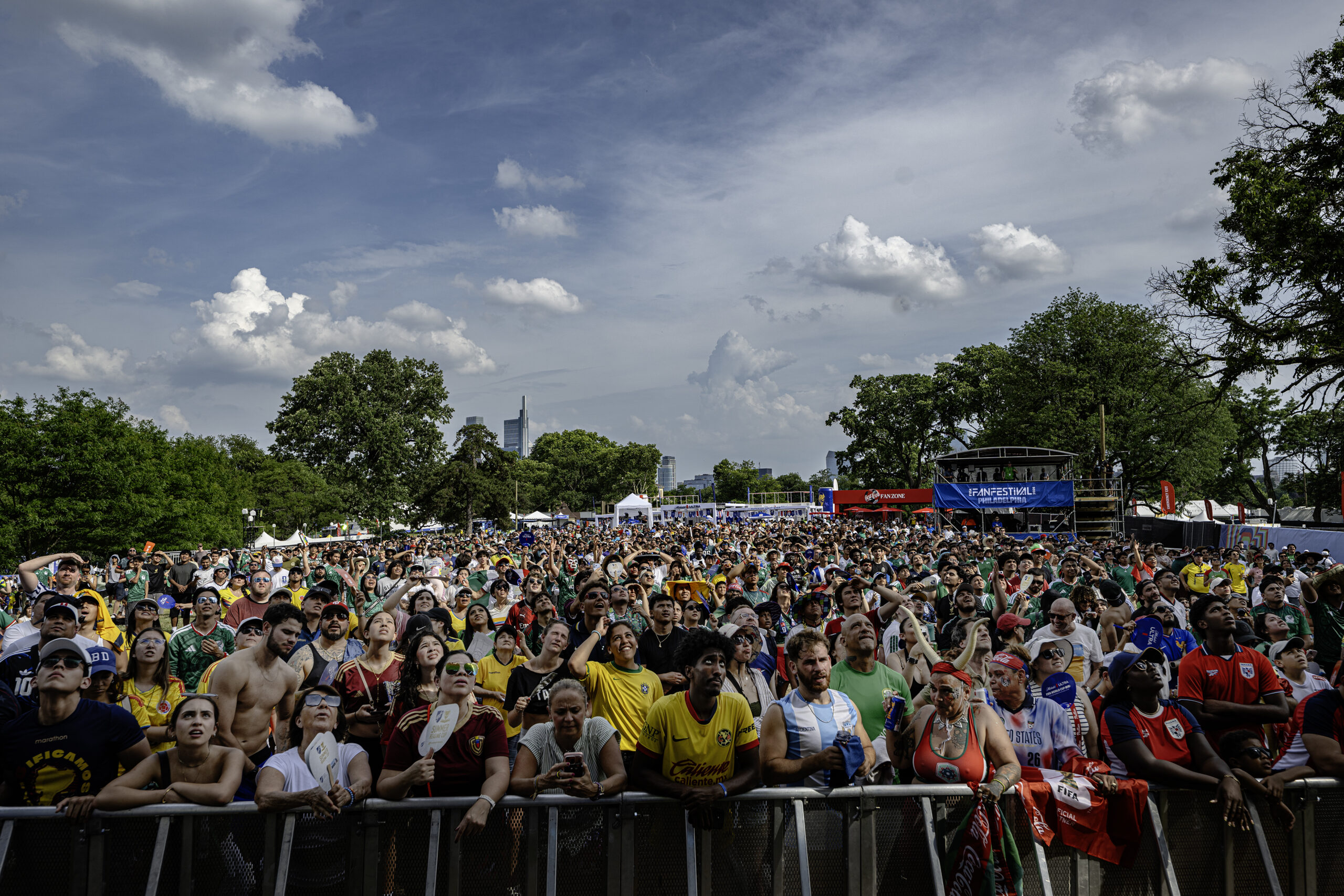
    Soccer fans gather to watch Mexico play South Africa on a giant screen during the opening day of the FIFA Fan Festival at Lemon Hill on Thursday, June 11, 2026, in Philadelphia.

    The reduction in violence over the holiday weekend fits a broader pattern. Shootings and homicides in the city began to decline in 2023, mirroring a national trend, and have continued to fall. So far this year, 90 people have been killed in homicides — less than a third of the number recorded at the same time three years ago, according to police data.

    Just as there was no clear explanation for the spike in crime that began in 2019, criminologists and law enforcement officials say, it is similarly difficult to pinpoint the reasons for its decline. But there are theories: an overall return to normal life after the pandemic, expanded community-based violence prevention programs, more arrests in shootings and homicides, and targeted prosecutions of some of the city’s most violent gangs.

    One measurable change has been the police department’s improved clearance rates, which researchers have long viewed as a potential deterrent to future violence.

    The homicide clearance rate — the share of killings solved, including arrests made this year in both new and older cases — has climbed to nearly 99%, up from about 47% in 2022. The clearance rate for nonfatal shootings has risen to about 41%, roughly double what it was in 2021.

    Bethel said those arrests take would-be shooters and victims off the streets and interrupt cycles of violence.

    “We’re impacting retaliation, we’re impacting somebody being shot again, we’re impacting someone who may shoot and kill somebody,” he said.

    Jeff Asher, a New Orleans-based national crime analyst, said because the decline is likely driven by many programs and societal changes, it is hard to know what will sustain the progress.

    “I keep expecting [the crime rate] to stop falling, and it’s just not,” he said in an interview. “So, maybe this is the new normal. We just can’t say with a ton of confidence.”

    Still, the quieter weekend was not wholly peaceful.

    Three men were killed between Friday and Monday morning, leaving families and neighbors to mourn loved ones even as the city showed signs of sustained progress.

    On Monday morning, Shawn Caddell, 32, was killed during a robbery inside a Logan beer deli, police said. And on Sunday, two men were slain in areas that have long been hot spots for shootings: Emanuel Aguirre, 27, was fatally shot in the Hunting Park section of North Philadelphia, and Donald McPhaul, 51, was gunned down on Salford Street in West Philadelphia.

    A 16-year-old in South Philadelphia was among more than a dozen people who were shot and survived.
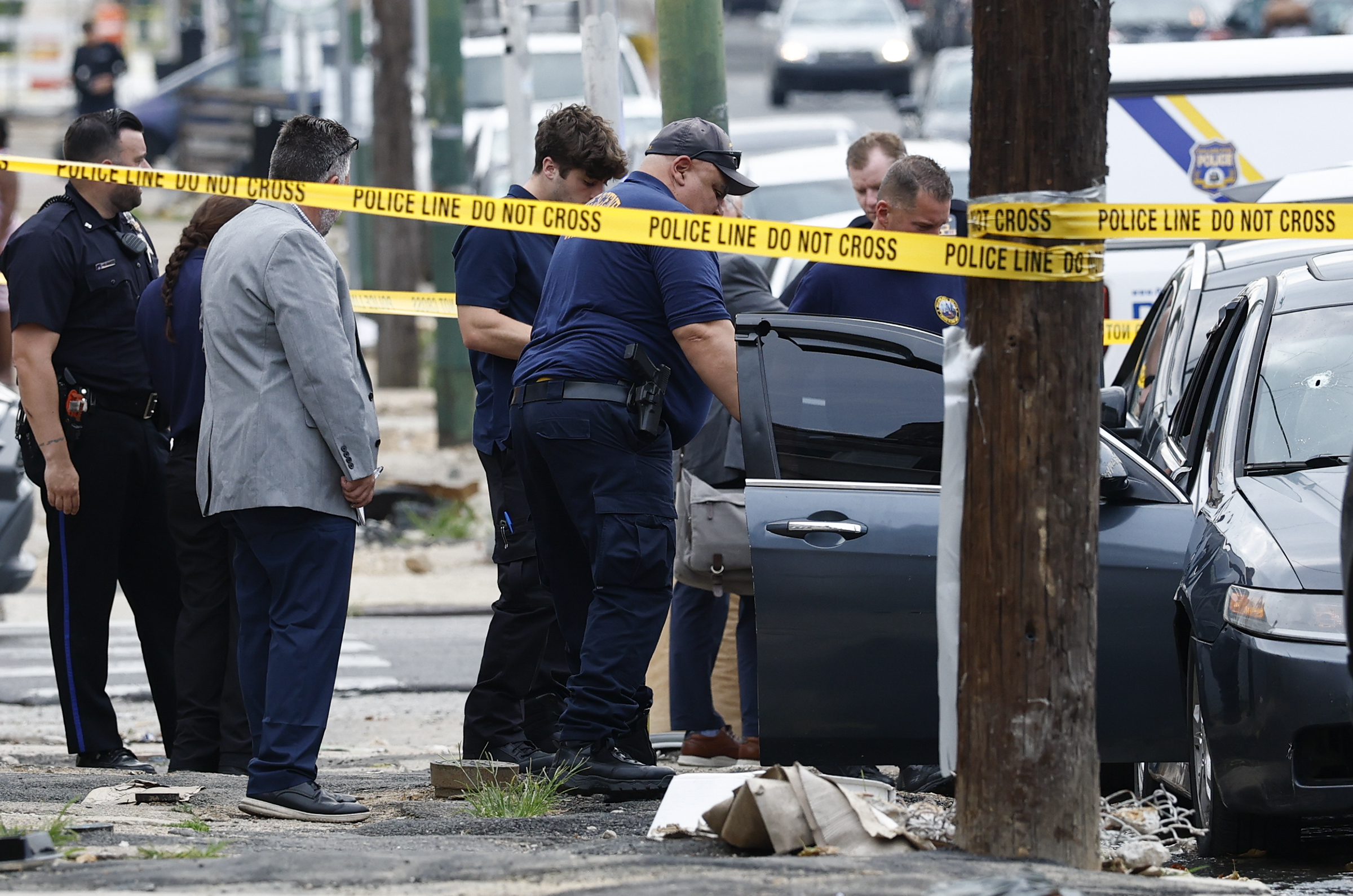
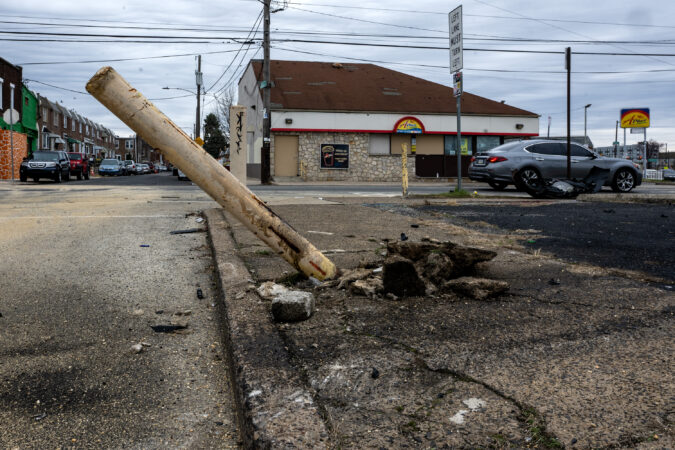
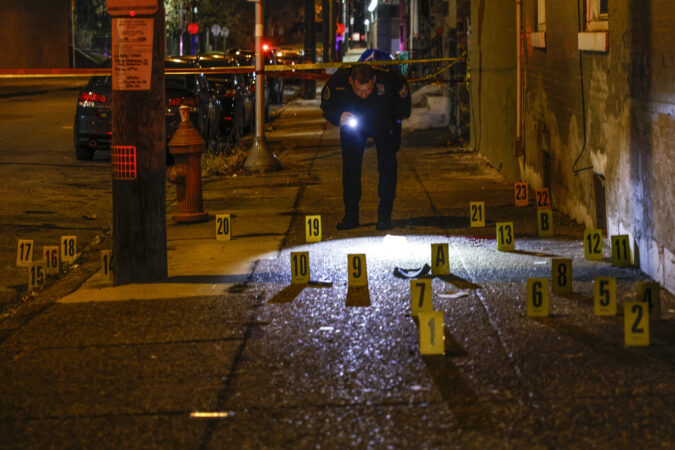
    Philadelphia police examine a car with a bullet hole after a man was fatally shot along the 500 block of East Wyoming Avenue on July 5, 2026.

    Bethel said the pockets of the city that have long experienced higher rates of violence — and that continue to see shootings, albeit fewer, today — remain a priority.

    “We are never going to give up in those communities,” he said. “We are going to keep working in those areas.”

    Recent polls have found that a majority of Philadelphians have noticed the decline and feel safer. But for residents on blocks where shootings remain a recurring threat, a citywide trend line can feel distant from daily life.

    Chantay Love, president of the victim-advocacy organization EMIR Healing Center, said the communities seeing recurring violence are still grappling with “the trauma and collateral damage that is left behind” from the last six years.

    Along the stretch of Market Street near where McPhaul was killed, more than 100 bullets were fired into a party on July 4, 2021, leaving two men dead. Earlier this year, 20-year-old Imani Ringgold was walking down the block with a slice of pizza when she was caught in the crossfire of an escalating gang feud and killed.

    Linda Days, 72, who lives in the area, said the shooting that killed McPhaul was another reminder of the violence she has come to expect since moving there seven years ago from Olney.

    Standing in her doorway on Tuesday, Days said it feels as if gunfire has become part of the soundtrack outside her home. But during the Fourth of July weekend, she said, she is especially careful to stay inside.

    “I don’t even come out to watch the fireworks,” she said.
  • Police find ‘significant amount’ of blood inside Olney house linked to investigation of missing women, sources say

    Police find ‘significant amount’ of blood inside Olney house linked to investigation of missing women, sources say

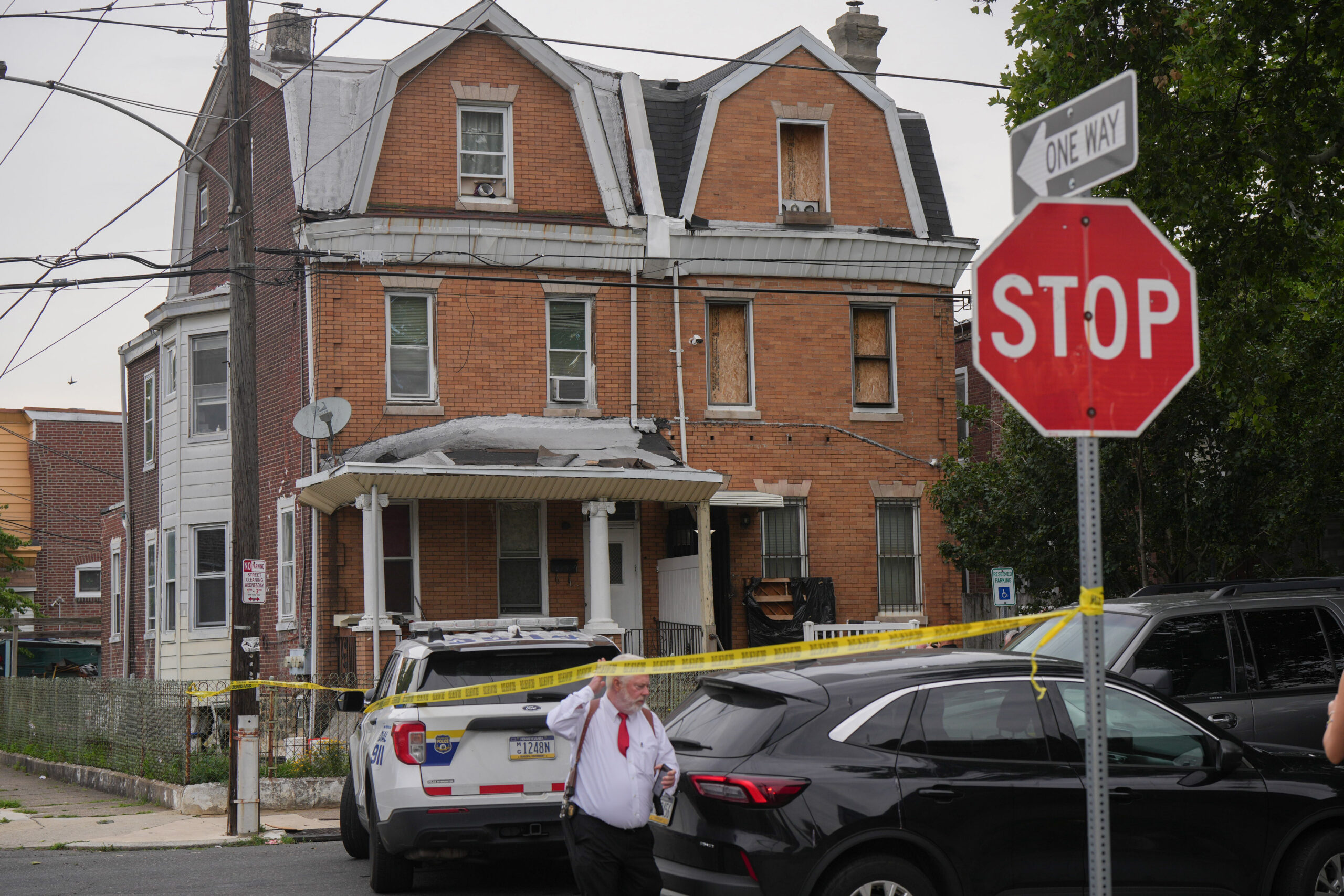
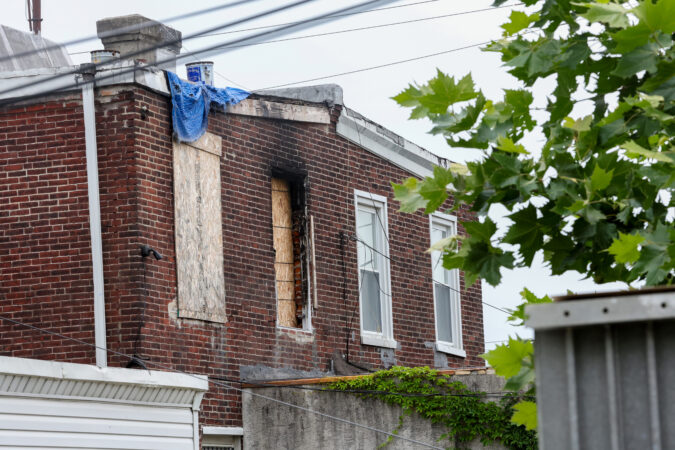
    Philadelphia police found a “significant amount” of blood inside the decrepit Olney house linked to the investigation of at least two missing women, multiple law enforcement sources said.

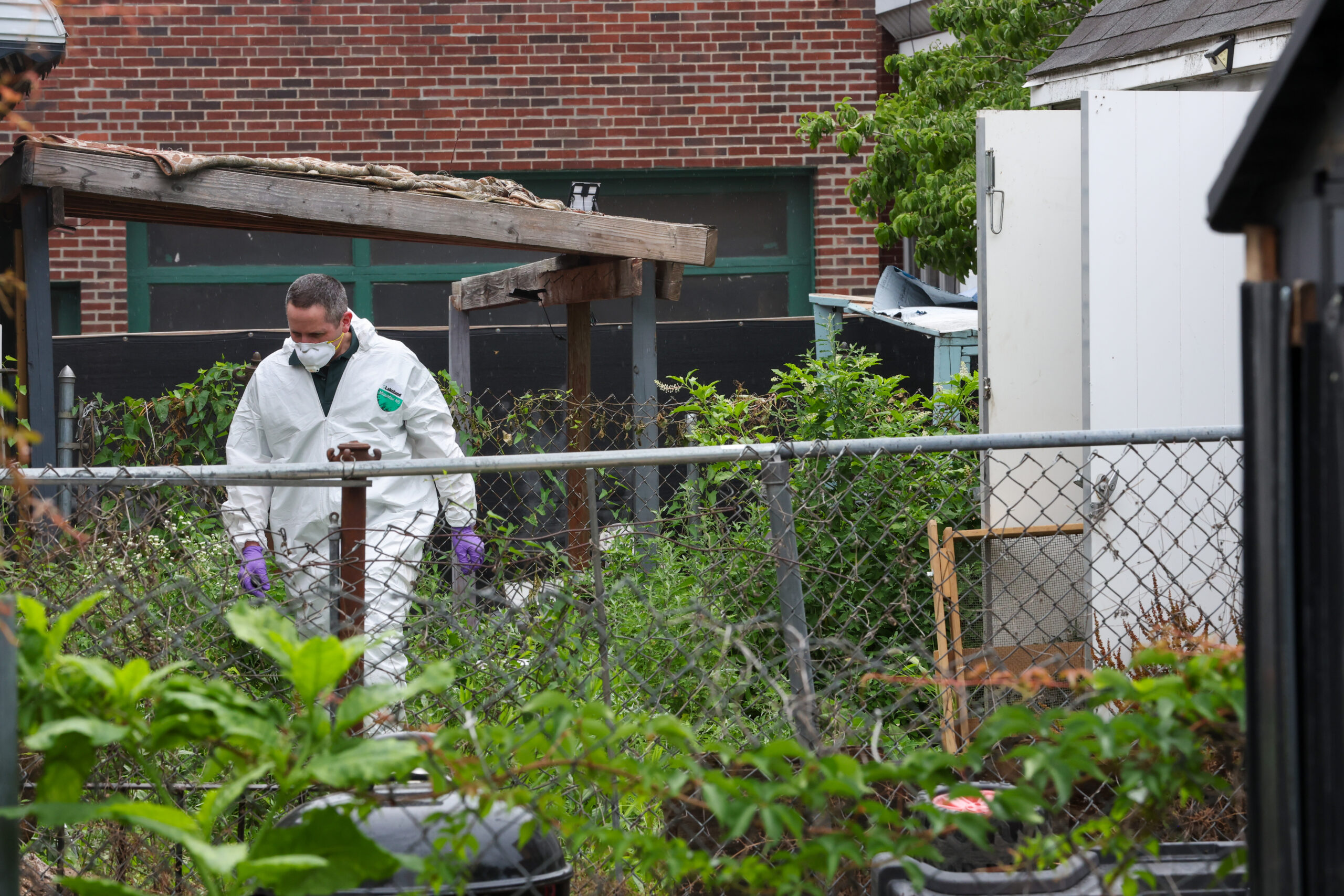
    The sources, who spoke on the condition of anonymity to discuss an ongoing investigation, said forensic testing has not yet determined whose blood it is or whether it’s even human — a process that could take several weeks to complete. But, the sources said, police are prepared to excavate the front and backyards of the West Chew Avenue home in the coming weeks in search of potential human remains.

    Deputy Police Commissioner Frank Vanore declined to confirm or comment on the discovery Monday afternoon, citing the ongoing investigation. Vanore said Friday that police had not recovered any human remains from the home and were awaiting testing of the tubs of chemicals and other materials found in the basement.

    Forensic investigators search the backyard of 417 W. Chew Ave. on June 27.

    The finding marks the latest development in an unusual saga that began after the arrest of Eugene Albert Horsch, 44, the owner of the Olney home now being searched by law enforcement for a second week in connection with the disappearance of at least two women who have been missing for years.

    Horsch was arrested June 19 after U.S. Park Police saw him parked in his black BMW near Sixth and Market Streets, acting suspiciously. When a ranger approached the car, police said, he heard a woman in the back seat say, “You’re going to hurt me” and saw drug paraphernalia.

    Police searched the car and reported recovering two guns with obliterated serial numbers, as well as cocaine, fentanyl, and marijuana, a cattle prod, switchblade knives, handcuffs, and a fake U.S. Drug Enforcement badge featuring Horsch’s photo.

    The woman with Horsch falsely identified herself to the officers as Blair Tonzelli, a 38-year-old woman who had been reported missing in Kensington in 2023, police said.

    The woman, 39, later told investigators that she gave Tonzelli’s name because she had open warrants for her arrest in ongoing drug cases and that Horsch had made her fake identification cards in that name and said she could use it if she was ever stopped and questioned by police, sources said.

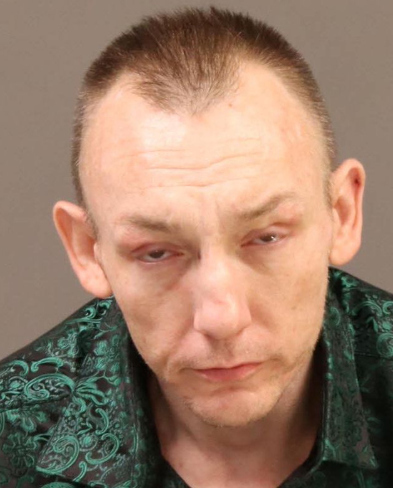
    Eugene Albert Horsch, 44, was arrested June 19 for illegal gun possession and drug crimes.

    The woman said she did not know Tonzelli or even that she was missing — but the way Horsch spoke about her and other women made her feel like something bad had happened to her, the sources said.

    Philadelphia homicide detectives then began reviewing that missing woman’s case, and, alongside federal law enforcement, searched Horsch’s home at 417 W. Chew Ave. last week.

    That search produced a trove of bizarre discoveries: a basement with drums filled with chemicals, bottles of unknown substances, Tonzelli’s bank card, the death certificate of another woman, and what appeared to be urns holding at least one of Horsch’s relatives’ cremated remains.

    Investigators also found another handgun, materials used to grow marijuana, and a 55-gallon drum with connections to waterlines leading into a hole in the ground.

    Federal investigators also discovered a multipage, unsigned, handwritten letter that appeared to describe hurting people and referenced the serial killer Ted Bundy, according to the affidavit of probable cause to search the home that was obtained by The Inquirer.

    Eugene Horsch lived at 417 W. Chew Ave. with his father until he died last year.

    Law enforcement sources said police were working to determine whether the writings were part of a novel or screenplay. Horsch’s late father, Raymond “R.C.” Horsch was a known drug manufacturer and erotic filmmaker who had published several works of fiction with violent, masochistic themes, including one described as an “autobiographical memoir of a caring, empathetic serial killer.”

    The probe into the younger Horsch took another twist when investigators learned that Raymond Horsch’s ex-wife Amy McHale was last seen at the Olney property in 2016 and has not since be located. A lawyer for Eugene Horsch and his father said the two men had nothing to do with McHale’s disappearance and said she struggled with substance abuse and mental illness.

    Horsch has been charged with illegal gun possession and drug crimes by Philadelphia authorities.

    He is also facing a federal gun possession charge, court records show. The U.S. Attorney’s Office filed a complaint against Horsch on Friday, charging him with possession of a firearm by a felon and centering their allegations on the guns that park rangers found in his car during an encounter in Center City earlier this month.

    Horsch has not yet been arraigned in that matter, and he remained in a city jail, held on $500,000 bail as of Monday afternoon. But the case could give federal prosecutors an opportunity to argue to a judge that he remain in federal custody until trial.

    This is a developing story and will be updated.

    Staff writers Jesse Bunch, Max Marin, Barbara Laker, and Chris Palmer contributed to this article.

  • Three men have been shot near Hunting Park Rec Center over the last month in what appear to be linked crimes, officials say

    Three men have been shot near Hunting Park Rec Center over the last month in what appear to be linked crimes, officials say

    Philadelphia police are investigating whether three men shot near the Hunting Park Recreation Center in the last month — two of them fatally and just six days apart — were targeted by the same gunman, according to law enforcement sources.

    The two men killed this month were found partially undressed and shot in the torso inside the large North Philadelphia park, said the sources, who spoke on the condition of anonymity to discuss an ongoing investigation. A third man was shot in late May and survived.

    Police believe the same person was involved in both killings, the sources said, and are looking into whether the men had met the suspect through a dating app.

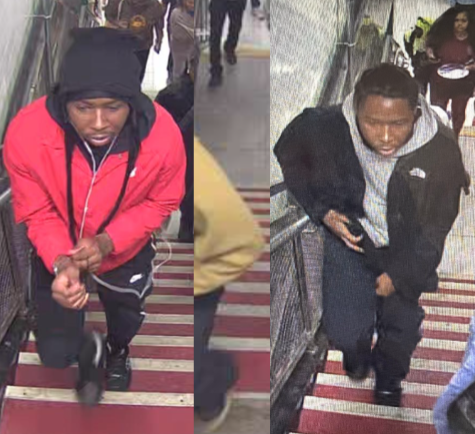
    Deputy Police Commissioner Frank Vanore said investigators have identified a person of interest interest in the case, a man in his late teens or early 20s, after capturing his image on surveillance footage as he entered and exited a Broad Street Line station.

    The man — whom investigators did not identify — is considered armed and dangerous, Vanore said at a news conference Monday.

    Philadelphia police said this man is a person of interest in the shooting deaths of two men near the Hunting Park Recreation Center in separate incidents within the last 10 days.

    “All three incidents are perpetrated very similarly, in the same geographic area,” he said. “We’re believing now that they’re all connected and being done by the same person.”

    On June 20, officers responded to the park, at 1101 W. Hunting Park Ave., shortly after 10 p.m. and found Martin Higgins, 45, on the bleachers of the baseball field, suffering from a gunshot wound to the torso. He died at the scene, police said.

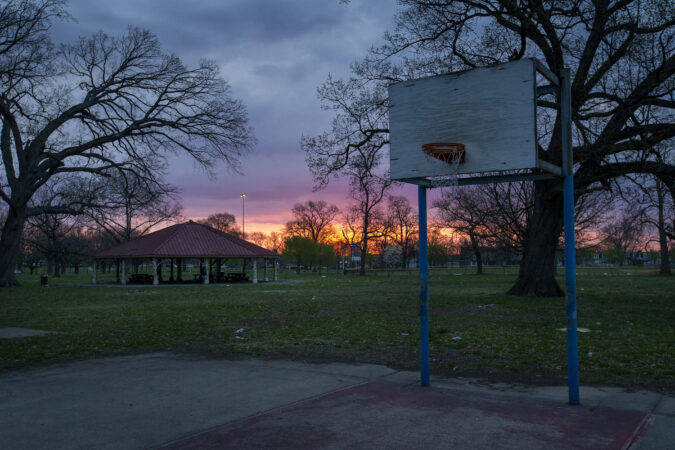
    Then, on June 26, police responded and found another man just before 11 p.m. suffering from multiple gunshot wounds near the basketball courts. Police have not yet identified the man but said he was 29-years-old.

    Police now believe a third shooting last month is linked to the gunman.

    In that May 29 incident, a 55-year-old man was shot in the elbow and torso in the park just before 10 p.m. The victim later told investigators that a man wearing all black who appeared to be in his 20s approached and told him that he was being robbed, according to Vanore.

    Vanore said investigators had yet to determine a motive tying the cases together, though they believe robbery is the motivation behind the shooting that was not fatal.

    Asked whether the victims had met the suspect on a dating app — a detail law enforcement sources said they are investigating — Vanore declined to comment, citing the ongoing investigation.

    “If that is [part of the case], that’s something we’ll have to develop moving forward,” he said. “But at this point we know that this individual appears to be preying on people.”

    Higgins’ relatives could not be immediately reached for comment Monday. An obituary shared online said he was a graduate of Temple University’s business school and worked as an inspector for the city’s Community Life Improvement Program.

    “Marty was known for his passion for clothing, style, and self-expression,” the obituary said. He had a “kind heart, generous spirit, and unwavering support for those he loved” and “was the person who showed up when someone needed him, always making time for family and friends no matter what was going on in his own life,” his family wrote.

    He was one of six children and was an uncle to many nieces and nephews.

    Meanwhile, as investigators continue to search for the gunman, they are asking anyone with information about the crimes to contact the homicide unit at 215-686-3334 or submitting an anonymous tip at 215-686-TIPS (8477).

  • Police are investigating 2 separate killings near Hunting Park Recreation Center

    Police are investigating 2 separate killings near Hunting Park Recreation Center

    Philadelphia homicide detectives are investigating two fatal shootings that occurred days apart near Hunting Park Recreation Center, where both victims were found with gunshot wounds near the park’s recreational facilities.

    The victims — both adult males who have yet to be publicly identified — were discovered less than a week apart in separate areas of the recreation center, raising questions about whether the killings could be connected.

    Police have not said whether they believe the shootings are related.

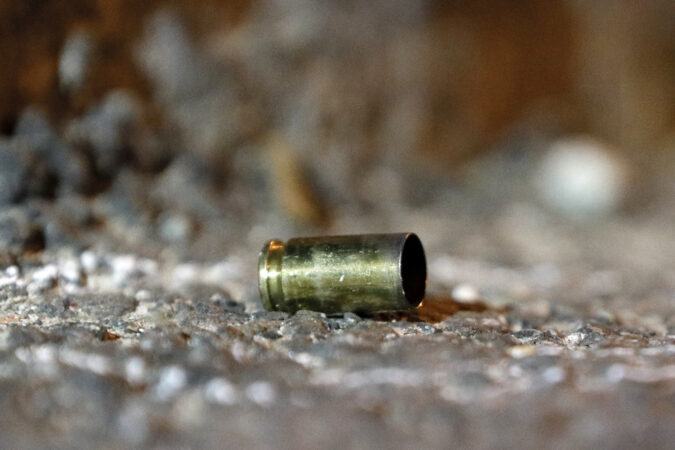
    On June 26, just before 11 p.m., patrol officers discovered a man believed to be between 25 and 30 suffering from a gunshot wound to the back near the outdoor basketball courts. He was taken to Temple University Hospital, where he died a short time later. Police discovered a .40-caliber fired cartridge casing nearby.

    The killing came six days after police discovered a man shot to death near the center’s baseball field. It was shortly after 10 p.m. on June 20, when police responding to a call for a shooting, found the 45-year-old victim suffering from gunshot wounds while seated on bleachers near the field. The victim, who had been shot in the torso, was pronounced dead at the scene. Investigators discovered two 9mm fired cartridge casings during that investigation.

    Police have not released any motives or announced any suspects in the killings. Investigators have been searching the surrounding area for video surveillance footage, police said.

    According to the Philadelphia Police Department, 80 people have been killed in the city so far in 2026, a nearly 30% decrease from the same period last year.

    Anyone with information about either shooting is encouraged to contact the Philadelphia Police Department’s Homicide Unit at 215-686-3334 or submit an anonymous tip by calling or texting 215-686-TIPS (8477).

  • Forceful Pa. Supreme Court ruling constrains one of DA Larry Krasner’s signature initiatives

    Forceful Pa. Supreme Court ruling constrains one of DA Larry Krasner’s signature initiatives

    The Pennsylvania Supreme Court’s decision to limit Philadelphia prosecutors’ ability to seek to overturn old convictions not only took aim at one of District Attorney Larry Krasner’s defining initiatives — it altered the work of an office he will one day leave behind.

    The high court’s ruling adds an extraordinary new layer of oversight to an issue that helped make Krasner one of the nation’s most prominent progressive prosecutors: correcting what he has described as injustices of decades past.

    But the newly established changes to the appellate processes in Philadelphia will outlive Krasner’s tenure and reshape the way the office reviews post-conviction cases for years to come. It could not only apply to high-profile exonerations in murder convictions, but also extend to cases that even Krasner’s more conservative predecessors were eager to undo, like drug and gun convictions linked to corrupt cops.

    It also deepens a yearslong conflict between Krasner and his critics in the justice system. Several justices, in dissenting opinions, raised concerns that the change could inject politics into a high-stakes legal process.

    Since taking office in 2018, Krasner has made post-conviction review a centerpiece of his reform agenda. His office said it has overturned the wrongful convictions of 59 people — almost all of them Black men. It has also struck deals that allowed defendants to plead guilty to lesser charges in dozens of other cases in which prosecutors did not say those charged were innocent, but agreed their original trials were unfair, often because of prosecutorial or police misconduct.

    But the high court, in a forceful majority opinion written by Justice Kevin Dougherty, said Krasner’s prosecutors had misled judges in several of those cases, that the prosecutors were not acting as the necessary adversaries to test the cases’ merit, and that the courts could no longer trust his prosecutors’ word when deciding whether to overturn a conviction.

    Pennsylvania Supreme Court Justice Kevin Dougherty greets supporters during an election night party in November 2025.

    Moving forward, the justices ruled, if the district attorney’s office agrees to alter a sentence or overturn a past conviction, judges must ask the state attorney general’s office to review the case before proceeding. The ruling applies only to Philadelphia; prosecutors in every other Pennsylvania county can continue to evaluate cases on their own.

    Krasner declined to comment this week. While it was not immediately clear whether he had a legal path to challenge the ruling, he said in a video statement last week that it “undermines the value of a vote in Philadelphia.”

    He compared criticism of his post-conviction review efforts to attacks that have been leveled against other social and racial justice movements.

    “We know where we are in the fight,” he said, “and once we get past the fight, we all win.”

    But the Supreme Court’s ruling sharply curtails part of that effort, and it is expected to significantly reshape — and likely slow — one of the most consequential parts of Krasner’s agenda.

    It was “an extraordinary remedy for something the court thought was an extraordinary problem,” said Aaron Marcus, chief of the appeals division at the Defender Association of Philadelphia.

    But, he added, “the remedy might go beyond what was necessary in the court’s mind to address the problem in front of it.”

    While the decision gives the attorney general broader authority to intervene when city prosecutors support post-conviction relief, it remains unclear how often — or when in the process — it will weigh in.

    Brett Hambright, a spokesperson for the office of Attorney General Dave Sunday, a Republican, said in a statement this week that officials were still evaluating the order and its potential impact. Because of the many unknowns, he said, “it may be difficult to fully assess … until the process truly begins.”

    Still, on Wednesday, Sunday’s office filed a notice of intervention in a murder case that Philadelphia prosecutors helped overturn just last month — setting up a potential test case for the new legal landscape around the issue.

    Marcus, of the Defender Association, said the ruling could cause confusion — and delays — in cases that the conviction integrity unit does not typically handle, such as weapons and drug-possession cases, as well as more routine matters, like correcting prison sentences that had been miscalculated.

    “There’s already too few attorneys with too little time and insufficient resources,” he said.

    Marissa Boyers Bluestine, assistant director of the Quattrone Center for the Fair Administration of Justice at the University of Pennsylvania’s law school, said that because the courts did not set a timeline for how quickly the attorney general’s office must review each case, the added oversight could draw out an already yearslong appellate process filled with delays. And, she said, it could create “confusion on who exactly is representing the state.”

    “Now you have two entities who are potentially in opposition to each other,” she said. “It raises confusion and diminishes the real trust in the criminal legal system.”

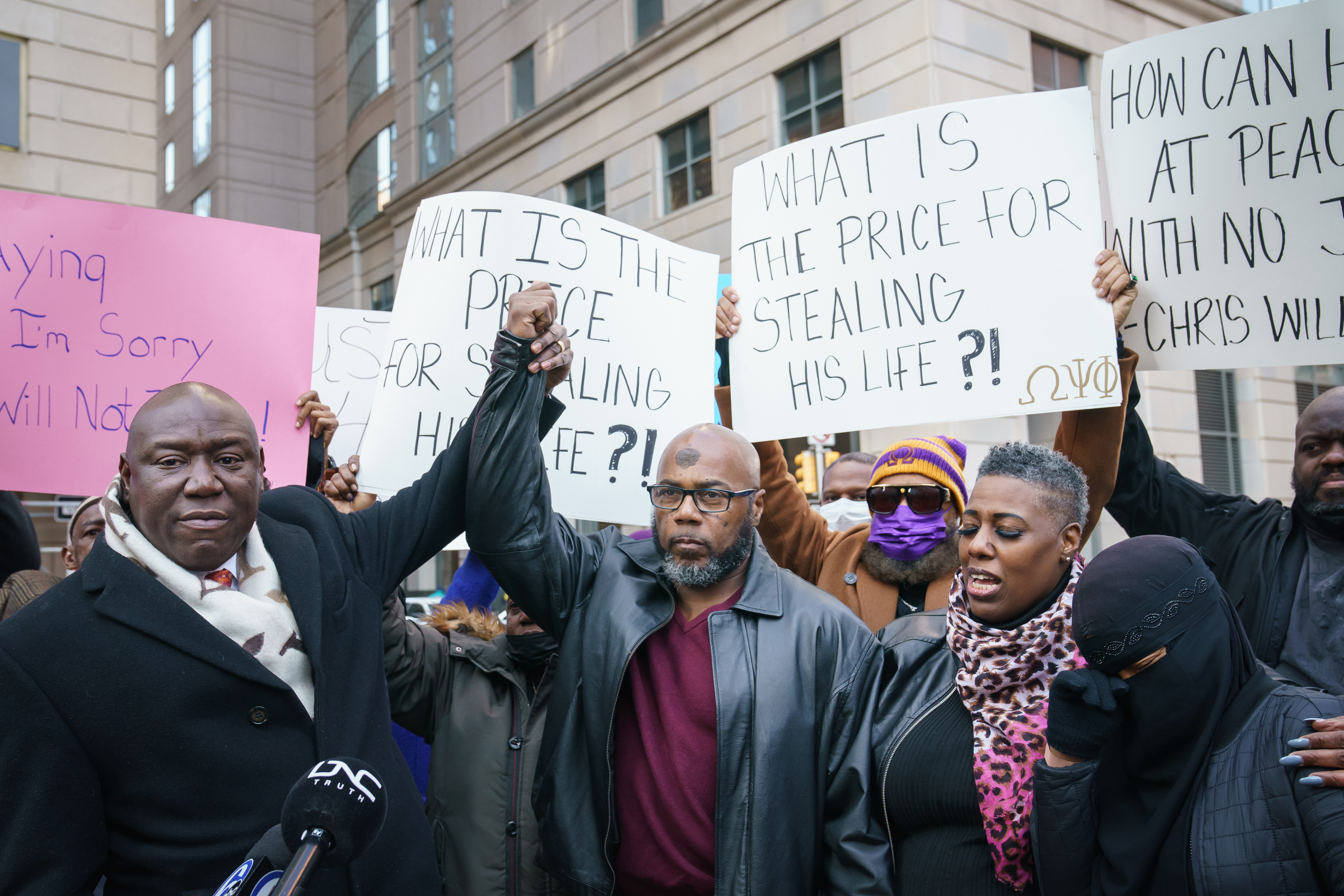
    Dozens of people have been released from prison in Philadelphia after prosecutors agreed their trials were unfair. In this 2021 photo, Christopher Williams, center, gathered outside the Criminal Justice Center to announce a lawsuit against the city of Philadelphia, police and prosecutors. Williams was exonerated and released from prison in February 2021 after more than 25 years on death row.

    Several defense lawyers who handle post-conviction cases were similarly concerned about the unknowns of the ruling — and said the majority opinion did not address the decades of problematic police and prosecutorial behavior that led to this moment.

    Michael Wiseman said Krasner’s office has opposed most of his clients’ petitions over the years. Like other district attorneys before him, Krasner is not perfect, Wiseman said, but the high court “is vexing in its willingness to ignore all the times when Krasner’s office got it right.”

    At the same time, he said, “It is similarly vexing for not recognizing the imperfections of past administrations, who, unlike Krasner, defended every conviction without regard to innocence or unconstitutional convictions.”

    Adding to the complexity of the issue, some justices believed the majority’s decision could threaten to reignite long-running feuds between Krasner and prosecutors he has clashed with in the past.

    In one of his first actions after taking office in 2018, Krasner fired dozens of veteran prosecutors, effectively describing them as unfit to serve in a reform-oriented administration. Some who were ousted then went on to work in the state attorney general’s office, and Krasner, in a remark that was widely criticized, jokingly referred to that office as “Paraguay,” a South American country where Nazis fled after World War II.

    Justice Christine Donohue warned in a dissenting opinion that the majority’s ruling could threaten to inject personal disputes between rival lawyers into a process that is supposed to be unbiased. In addition, she said, giving the attorney general’s office authority in those cases could give some state prosecutors a role in defending convictions they helped obtain when they worked for the city.

    “This is in stark contrast to acting as a friend of the court,” she said.

    Ben Lerner, a former Philadelphia Common Pleas Court judge and former chief defender, said Krasner deserves credit for creating a meaningful system to revisit convictions — something he said previous administrations largely failed to do.

    But state and federal courts have repeatedly raised concerns about the office’s methods, he said, including allegations that prosecutors excluded investigating officers and former trial attorneys from parts of the review process, and focused disproportionate attention on cases tied to prosecutors Krasner had clashed with during his years as a defense lawyer.

    “In my view, it’s a shame,” he said, “because this was basically a very important thing that he was doing that previous district attorneys had had no interest in doing.”

  • Baby killed in ambulance crash was being driven to hospital by her grandfather, sources say

    Baby killed in ambulance crash was being driven to hospital by her grandfather, sources say

    An infant who died in a crash involving a private ambulance early Sunday morning was being driven to the hospital by her grandfather, who had jumped behind the wheel of the emergency vehicle parked at the family’s home after the baby became unresponsive, sources said.

    Robert Coleman was trying to rush the baby and her mother to a hospital around 5:15 a.m. after the child was found in distress inside their Frankford house, said a law enforcement source who spoke on the condition of anonymity to discuss an ongoing investigation.

    Police said Coleman, 51, had been drinking — and did not turn on the ambulance’s flashing lights or siren before he sped through a red light at the intersection of Torresdale and Harbison Avenues and collided with a sedan.

    The mother and baby, who the source said were not restrained, were ejected through the windshield of the ambulance, police said.

    The 2-month-old infant, Marian Harris, was declared dead shortly after the crash at an area hospital. Her 32-year-old mother, whom police did not identify, was critically injured with severe head trauma, they said.

    It was not immediately clear why the ambulance, owned by Ambulance Express Inc. or Medstar EMS, was parked at the family’s house or whether the grandfather worked for the company or had experience driving emergency vehicles.

    Police said Sunday that the driver would be charged with driving under the influence and related crimes.

    District Attorney Larry Krasner said in a statement Sunday that no charges had been filed, however. He added that the investigation into the crash “may take some time” but that “we are committed to a fair, appropriate and just outcome.”

  • YBC indictment: A timeline of shootings and related charges

    YBC indictment: A timeline of shootings and related charges

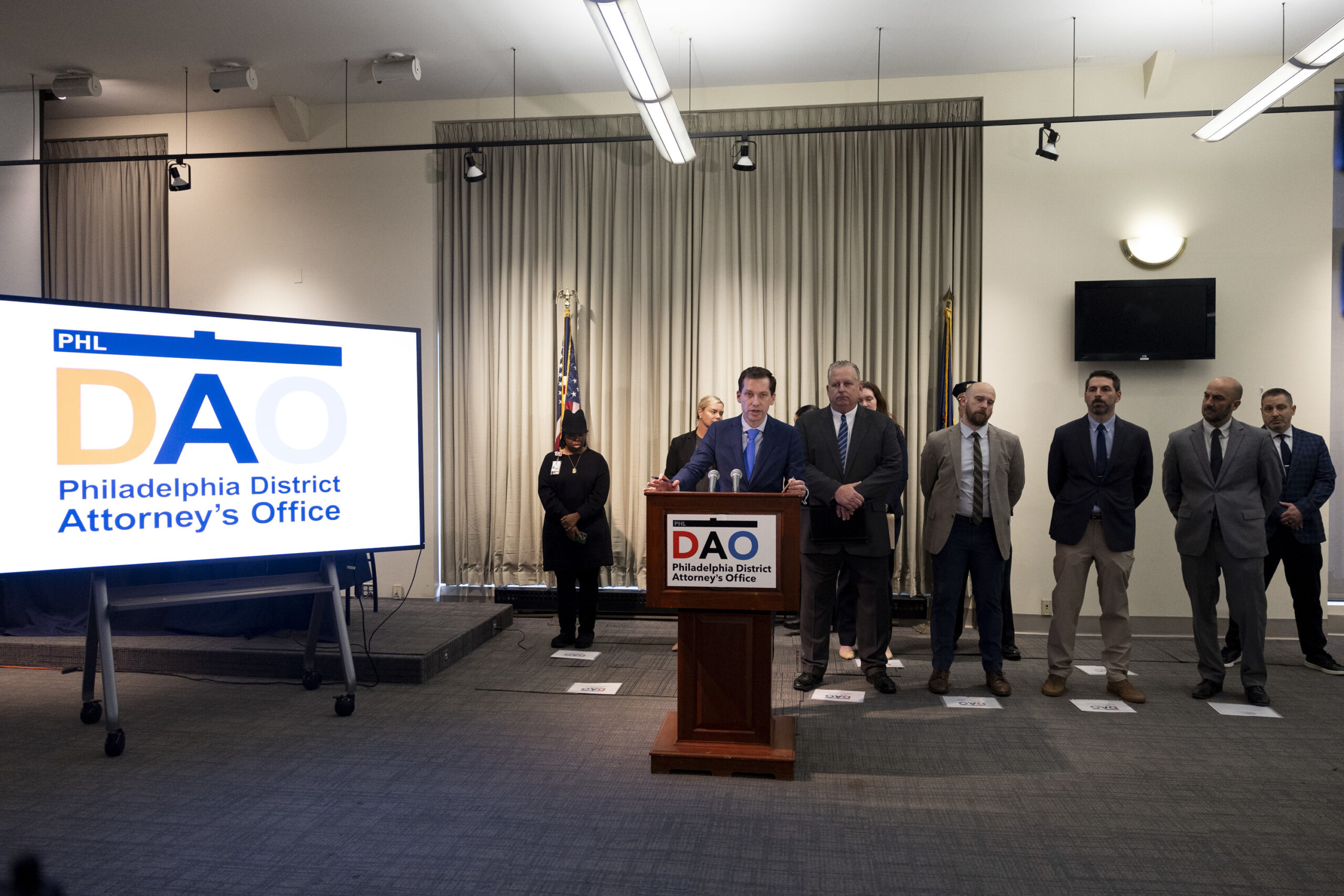
    Law enforcement officials on Wednesday announced sweeping charges against 19 people affiliated with several Philadelphia gangs they say are responsible for shooting nearly three dozen people in two years.

    The indictment caps a more than two-year investigation into the Young Bag Chasers, or YBC, and rival crews including CCK and the Parkside Killers. Authorities say the groups traded gunfire in brazen retaliatory shootings — sometimes on consecutive days, often in broad daylight, and at times on the same blocks over and over again.

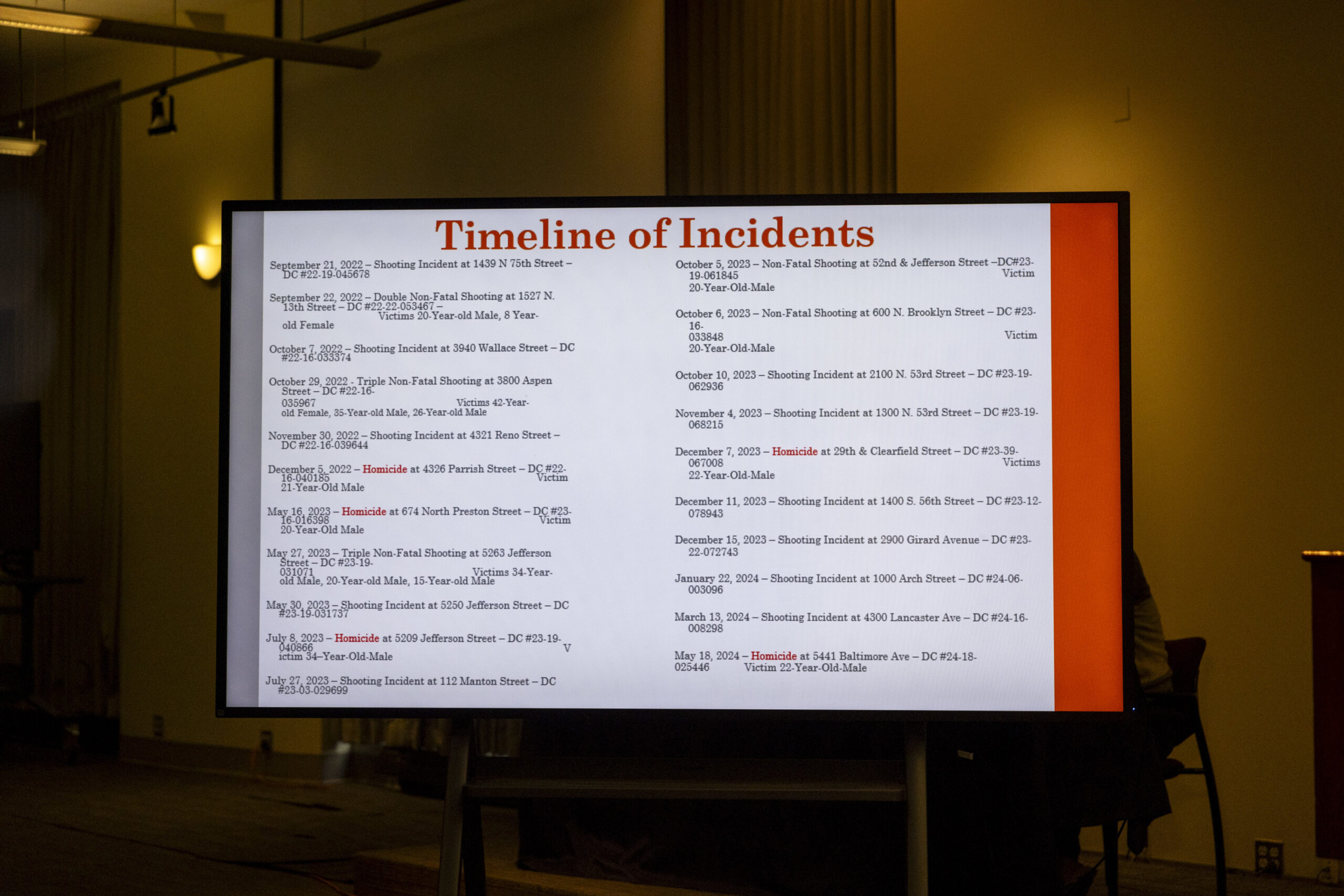
    Below is a breakdown of the shootings included in the indictment and the defendants charged in each case, according to prosecutors:

    Sept. 21, 2022 — Shots are fired at 1400 N. 75th St. No one is struck.

    • YBC members Mark “Yak Yola” Johnson and Kasim Brown, aka “FSdaBender,” have been charged.
    Police investigate a triple shooting in the 1500 block of N. 13th street, where an 8-year-old girl was grazed in the head by a bullet on Sept. 22, 2022.

    Sept. 22, 2022 — An 8-year-old girl and 20-year-old man are shot at 1500 N. 13th St.

    • YBC members Salahhuddin Carter, aka YFA4our, and Jymir “Lil Mir” Burbage have been charged.

    Oct. 7, 2022 — Shots are fired at 3900 Wallace St. No one is struck.

    • YBC members Carter and Burbage have been charged.

    Oct. 29, 2022 — Three people are shot at 3800 Aspen St.

    • YBC members Burbage and Jerwayne Haywood have been charged.

    Nov. 30, 2022 — Shots are fired at 4300 Reno St. No one is struck.

    • YBC member Burbage has been charged.
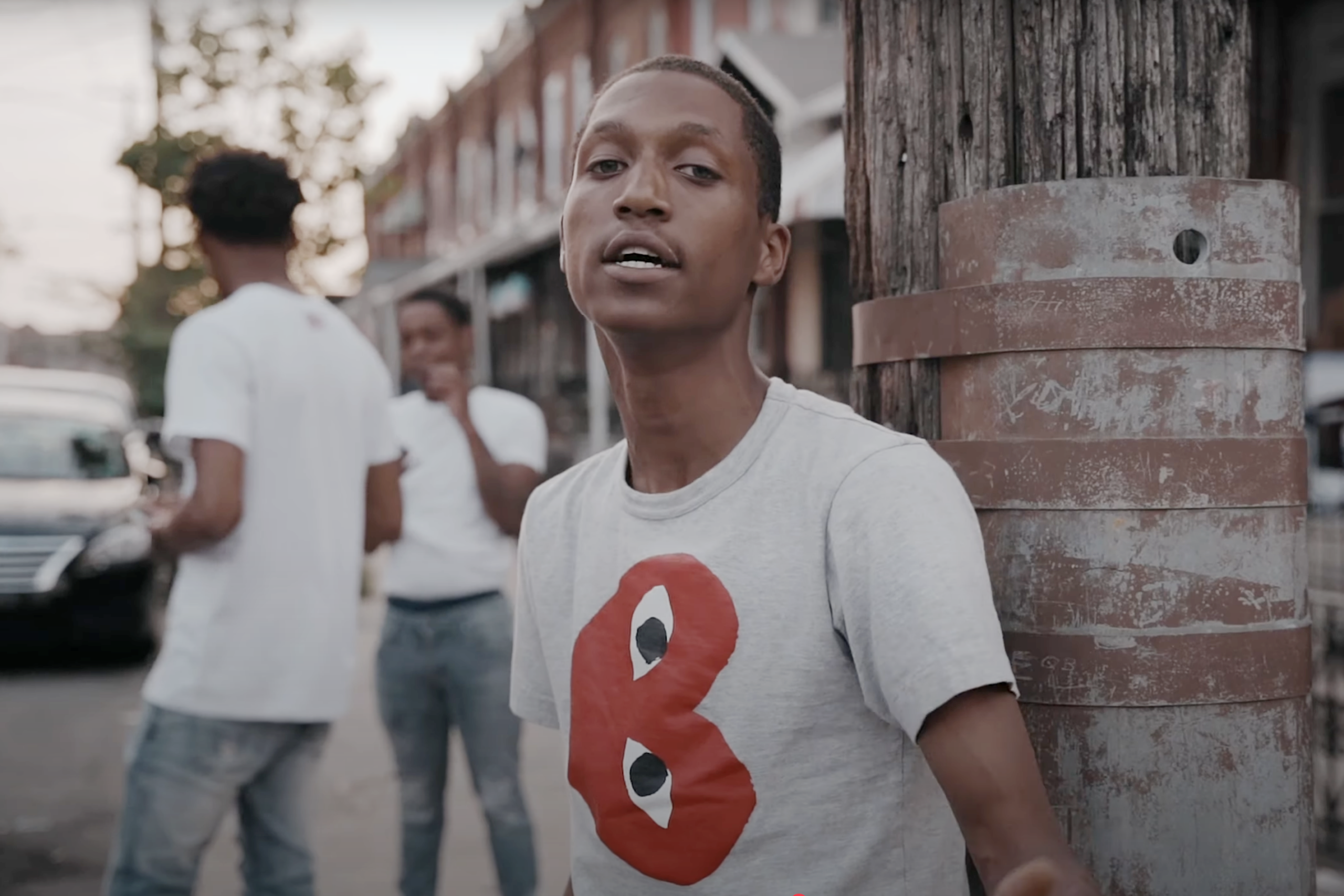
    In this music video filmed by Marlissa Monay, Tahjae Brooks sings his 2020 song “Hear Me Out.” Brooks, or “Jae100,” was a founder of YBC and the original face and talent of the group.

    Dec. 5, 2022 — Tahjae Brooks, aka Jae100, is killed at 4300 Parrish St.

    May 16, 2023 — Kameir “T.O.” Scott is killed at 600 N. Preston St.

    • Markees Muhammad, of the Parkside Killers, is charged.

    May 27, 2023 — Three people are shot at 5200 Jefferson St.

    May 30, 2023 — Shots are fired at 5200 Jefferson St. No one is struck.

    • YBC members Burbage and Brown have been charged.

    July 8, 2023 — Sharif King, 34, is killed at 5200 Jefferson St.

    • YBC members Stephen Weddington, Hall, and Johnson have been charged.

    July 27, 2023 — Shots are fired at 100 Manton St. No one is struck.

    • CCK member Hasaan Stafford, aka “Saany Goon,” is charged. Kydair “Honcho” Strickland, a CCK/7th Street member who was killed in August 2024, was also involved, prosecutors said.

    Oct. 5, 2023 — A 20-year-old man is shot at 5200 Jefferson St.

    • YBC members Weddington and Johnson have been charged.

    Oct. 6, 2023 — A 20-year-old man is shot at 600 North Brooklyn St.

    • Parkside members Muhammad and Paul Beckwith are charged.

    Oct. 10, 2023 — Shots are fired at 2100 N 53rd St. No one is struck.

    • YBC’s Weddington charged, and CCK affiliate Strickland also fired shots, prosecutors said.

    Nov. 4, 2023 — Shots are fired at 1300 N 53rd St. No one is struck.

    • CCK’s Stafford is charged.

    Dec. 7, 2023 — Zyir “Booga” Stafford is killed while leaving his work at McDonalds, at 29th and Clearfield Streets.

    • YBC’s Weddington and Burbage have been charged.
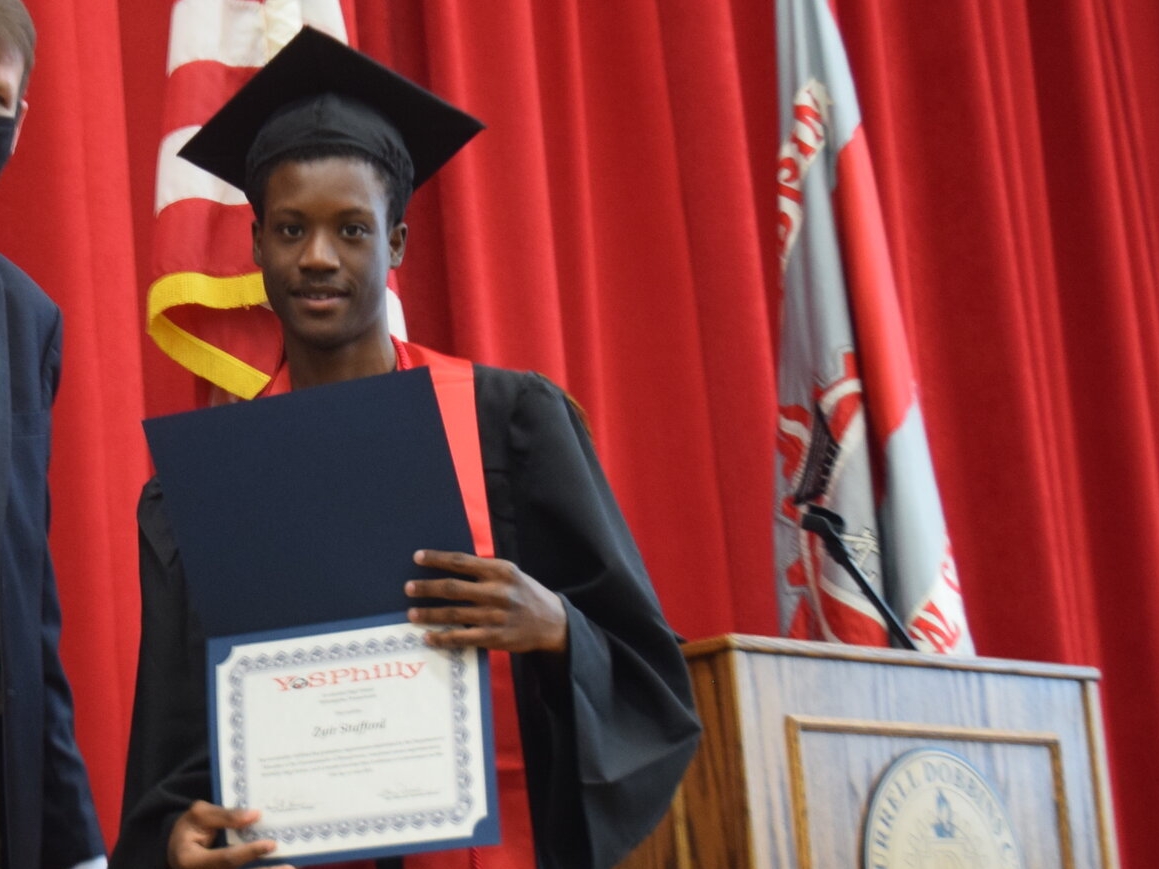
    Zyir Stafford, a 22-year-old father of two, was shot and killed in December 2023. In this photo, he had just received his diploma from YES Philly High.

    Dec. 11, 2023 — Shots are fired at 1400 S 56th St. No one is struck.

    • CCK’s Stafford, Stigall, and Nasir “Jefe” Wells — who is serving life in prison for a separate murder — have been charged.

    Dec. 15, 2023 — Shots are fired at 2900 Girard Ave. No one is struck.

    • CCK’s Wells is charged.

    Jan. 22, 2024 — Shots are fired at 1000 Arch St. No one is struck.

    • CCK’s Wells and Stafford are charged.

    March 13, 2024 — Shots are fired at 4300 Lancaster Ave. No one is struck.

    • Parkside’s Muhammad is charged.

    May 18, 2024 — Qaadir Cheeks, aka 55Qua, is killed at 5500 Baltimore Ave.

    • YBC’s Weddington, Burbage, Hamzah Curry, and Hasin “HassPNB” Muse, have been charged with murder. Tatiana Edwards has been charged with criminal conspiracy to murder after officials said she lured Cheeks outside to ultimately be shot.

    Dec. 8, 2025 — A 24-year-old man is shot multiple times at 4800 Folsom St.

    • Hasaan Taylor, aka YBC Waters, who was recently released from federal custody, was arrested Wednesday and has been charged in the case outside of the grand jury indictment.
  • A sixth YBC member was arrested overnight and will be charged with two killings

    A sixth YBC member was arrested overnight and will be charged with two killings

    A sixth person associated with the Young Bag Chasers was arrested overnight and is expected to be charged with two homicides, prosecutors said.

    Hamzah Curry, 25, was taken into custody Wednesday evening in Kansas City, Mo., after spending nearly a year on the run after the killing of a 36-year-old man in 2021.

    Curry was also newly wanted in connection with the killing of Qaadir Cheeks, a 20-year-old better known as “55Qua,” who was shot and killed near 55th Street and Baltimore Avenue in May 2024, said Assistant District Attorney Bill Fritze, supervisor of the Gun Violence Task Force in the Philadelphia District Attorney’s Office.

    Curry is one of 19 people indicted by a grand jury as part of a sprawling investigation by Philadelphia police and prosecutors into years of retaliatory shootings between West Philadelphia gangs, Fritze said.

    He will be charged once he is extradited to Philadelphia, he said.

    Officials identified him as a member of Young Face Arrangers, or YFA, a younger subset of YBC. He is also the older brother of Arshad Curry, another YBC/YFA member, who is serving 42½ to 85 years in prison for killing three people in 2021.

    A warrant was issued for Hamzah Curry’s arrest last spring after detectives tied him to the killing of Stangely Bertrand on the 300 block of North Salford Street on July 16, 2021.

    Investigators believe Bertrand, who was shot in the head, was a bystander caught in the crossfire, according to a law enforcement source familiar with the investigation.

    Salahuddin Carter, 21, another YBC/YFA member known as “YFA4our,” was arrested and charged with Bertrand’s death in June.

    Carter was also charged Wednesday with two additional shootings — including the shooting of an 8-year-old near 13th and Oxford Streets in 2022 — as part of the indictment.

    Investigators tied Carter and Curry to Bertrand’s killing after Carter, who was 16 at the time, was shot twice in the stomach during the exchange of gunfire, and Curry drove him to the hospital, according to the affidavit of probable cause for Carter’s arrest.

    Inside Curry’s car, police found two 9mm handguns, blue latex gloves, and live rounds, the affidavit said. A ballistics report later showed that both guns were fired on Salford Street the night Bertrand was killed, the records say.

    And then, this month, Curry was also sought in the killing of Cheeks, whom YBC members shot more than a dozen times in West Philadelphia.

    Four others have been charged in that case: Stephen “Baby Yopp” Weddington, Jymir “Lil Mir” Burbage, Hasin Muse, and Tatiana Edwards.

    The Philadelphia Police Department’s homicide fugitive task force and U.S. marshals had been working to locate Curry since last year, and on Wednesday evening found him at a motel in Missouri, the source said.

  • 19 people connected to YBC gang feuds to be charged in sprawling indictment

    19 people connected to YBC gang feuds to be charged in sprawling indictment

    Nineteen people are expected to be charged in the coming days in connection with a yearslong West Philadelphia gang war that investigators say fueled nearly two dozen shootings — including at least five homicides — across the city, law enforcement officials announced Wednesday.

    The defendants include members of the Young Bag Chasers, or YBC, as well as people affiliated with the rival crews caught in a multiyear cycle of retaliation.

    Five people were taken into custody Wednesday morning as part of a sweeping investigation by Philadelphia police and prosecutors into the back-and-forth shootings that occurred between 2022 and 2024. Several of those expected to be charged are already behind bars — either awaiting trial or serving sentences for separate crimes.

    Nearly two dozen shootings were linked to the feud between YBC and CCK.

    Officials said investigators linked nearly two dozen shootings to the groups — with a total of 35 victims between the ages of 5 and 42.

    The indictment follows a multiyear probe by Philadelphia police and the District Attorney’s Office’s Gun Violence Task Force into YBC and its affiliated groups — including the Young Face Arrangers and Northwest Philadelphia-based crew PNB — as well as rival members from the Parkside Killers and CCK, a trio of allied crews from West and South Philadelphia.

    Which cases were solved?

    One of the five homicides solved is that of Zyir Stafford, better known as “Booga,” who was shot and killed by YBC members while leaving work at a North Philadelphia McDonald’s in December 2023.

    Police said he was not involved with the feud, but his brother was affiliated with CCK — and so YBC targeted him.

    Zyir Stafford, a 22-year-old father of two, was shot and killed in December 2023.

    YBC members mocked Stafford’s death online and in songs. They planned to sell weed out of McDonald’s Happy Meal boxes, named albums after him, and filmed music videos inside the fast food restaurants — all attempts to profit off the carnage.

    On Wednesday, police said they linked two YBC members to Stafford’s killing: Stephen Weddington, aka Baby Yopp, and Jymir Burbage, aka Lil Mir.

    Police also solved the killings of two well-known YBC members.

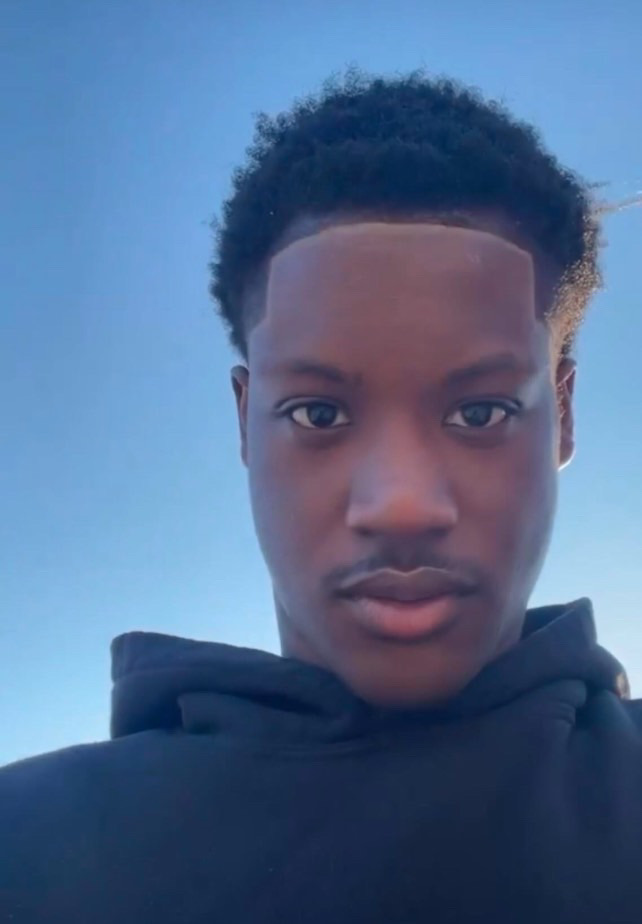
    Tahjae Brooks, 21, a rapper and founding member of YBC known as “Jae100,” was shot and killed in December 2022.

    Police said they charged three CCK members with his death: Anthony Lacey-Woodson, or “Pistol P” — who is serving 45 to 90 years in prison for killing three other people — as well as Ronnie Vincent-Quan and Herman “Cherm” Stigall.

    In this music video filmed by Marlissa Monay, Tahjae Brooks sings his 2020 song “Hear Me Out.” Brooks, or “Jae100,” was a founder of YBC and the original face and talent of the group.

    Six months later, Brooks’ best friend Kameir Scott, or “T.O.,” was shot and killed on the 600 block of North Preston Street. Markees Muhammad, of the Parkside Killers, has been charged with that crime, prosecutors said.

    YBC members were charged in two other homicides.

    Weddington and Burbage — as well as Hasin Muse and Tatiana Edwards — have been charged with killing Qaadir Cheeks, a CCK affiliate known as “55Qua” who was killed in May 2024 near 55th and Baltimore.

    Weddington was also charged with the murder of Sharif King in Parkside in July 2023, as well as several nonfatal shootings.

    Who else was charged?

    YBC and CCK have been in a violent, public feud for years that became fueled by retaliatory violence and social media.

    Most members of YBC and CCK are aspiring drill rappers who write songs about the ongoing shootings and conflicts, trolling homicide victims and their families, and encouraging more violence — and building a social media and music following in the process.

    Bill Fritze, supervisor for Gun Violence Task Force, speaks during a news conference on the arrest of 19 people Wednesday.

    “The same group of people repeatedly were doing shootings, using the same guns … and bragging about it,” said Assistant District Attorney Anna Walters.

    Investigators with the Gun Violence Task Force and police department had been investigating YBC, CCK, and allied groups for at least two years, monitoring their social media pages and music videos, and slowly connecting them to a host of crimes, Walters said.

    They used ballistic evidence, phone records, and social media to solve the cases, she said.

    One of CCK’s most prominent members — Hasaan Stafford, or Saany Goon — was charged Wednesday with committing four shootings in which no one was injured, officials said.

    And prominent YBC member Kasim Brown, aka FSdaBender or “Fat Seem,” was charged with three nonfatal shootings. Brown is currently in federal custody, charged with gun crimes.

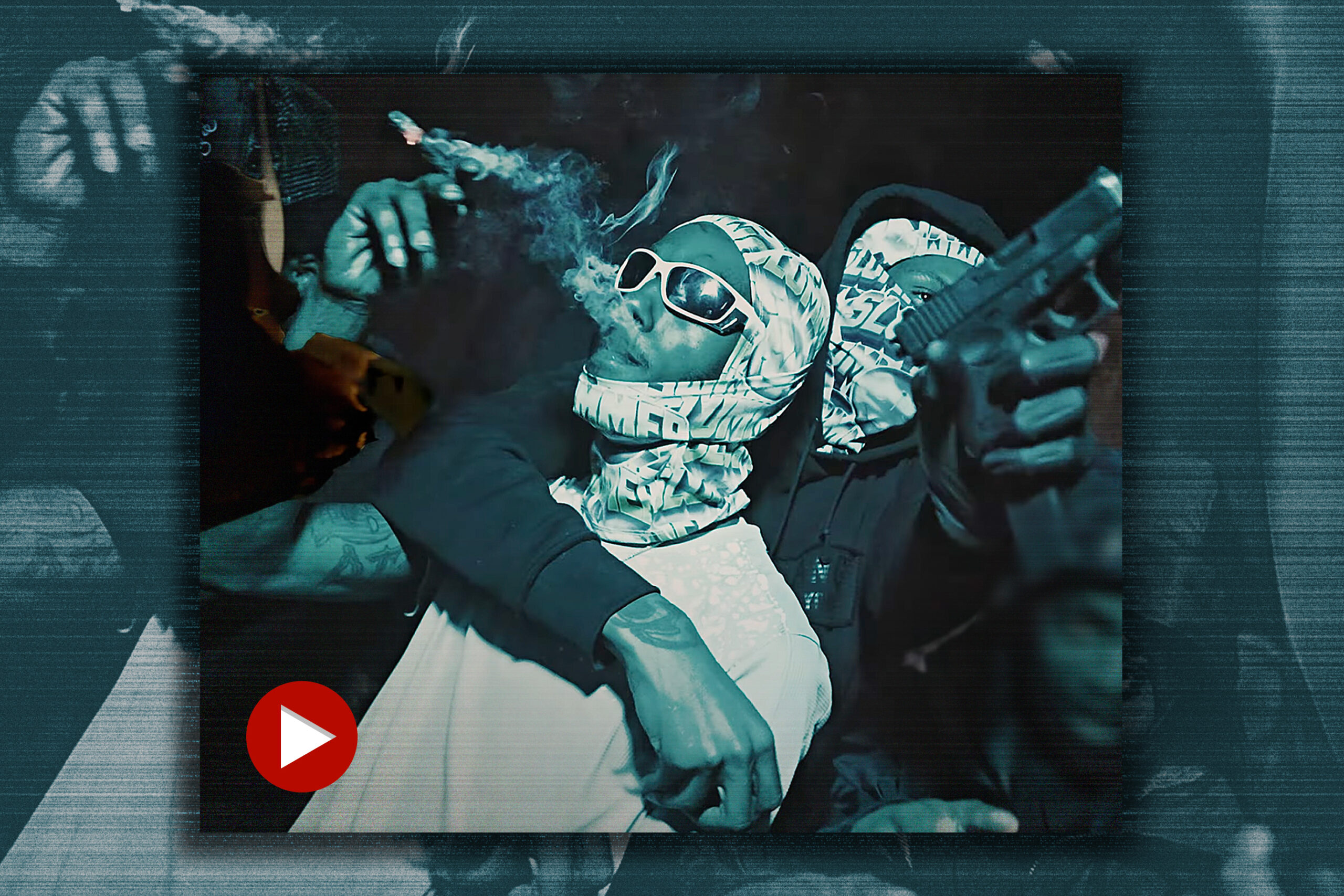
    "Bumblebee Gang," filmed by "DJBey215," Abdul Vicks, YBC
    In the music video “Bumblebee Gang,” filmed by “DJBey215,” Abdul Vicks, left, smokes a joint as his friends flash a gun to the camera.

    The indictment comes even as the number of people affiliated with YBC has dwindled in recent years, and the groups’ feuds have quieted. The face of YBC, Abdul Vicks, aka YBC Dul, was shot and killed in August 2024. Many other members are serving decades in prison for murder.

    Still, there were dozens of shootings connected to their feuds that remained unsolved — including the killings of many of YBC’s members.

    Capt. James Kearney, head of the police department’s nonfatal shooting unit, said officers are always working to solve shootings even as years have passed.

    “They might have thought they got away with it,” he said. “But they didn’t.”

  • Dozens more drug, gun cases tied to cops who defenders say ‘lied’ are thrown out. Some sent people to prison for years.

    Dozens more drug, gun cases tied to cops who defenders say ‘lied’ are thrown out. Some sent people to prison for years.

    More than 40 drug and gun convictions were vacated Wednesday, the latest batch in what could grow to 1,000 cases tied to three narcotics officers who prosecutors say repeatedly gave false testimony in court.

    Common Pleas Court Judge Rose Marie DeFino-Nastasi dismissed 47 cases — most involving defendants jailed because of their convictions — after prosecutors conceded that the testimony of three officers on the Philadelphia Police Department’s Narcotics Strike Force could no longer be trusted.

    In December, the district attorney’s office said that Officers Ricardo Rosa, Eugene Roher, and Jeffrey Holden were found to have repeatedly given false statements in drug-related cases after attorneys with the Defender Association of Philadelphia uncovered video evidence that contradicted their accounts.

    The defenders said the officers regularly watched live surveillance footage to monitor suspects in drug investigations, then did not disclose it to prosecutors or defense attorneys in court. The video footage showed they also testified to things that did not happen or that they could not have seen from where they were positioned, according to court filings.

    Prosecutors later said that they could no longer vouch for the officers’ credibility and are expected to dismiss scores of cases built on their testimony in the coming months.

    Nearly all the defendants at the center of the cases dismissed Wednesday were in custody, including several serving years in prison tied to their drug convictions.

    Among them is Hamid Yillah, 34, serving four to nine years in state prison, plus two years’ probation, on gun and drug charges based on the testimony of Roher and Rosa, prosecutors said.

    And Juan Lopez, 38, serving five to 10 years in prison on drug possession and conspiracy charges.

    DeFino-Nastasi vacated their convictions and sentences.

    Not everyone whose conviction was overturned will walk free. Some are also serving time for unrelated serious crimes, including murder and aggravated assault.

    But many without additional arrests could be released as a result of Wednesday’s ruling.

    The dismissals follow more than 130 convictions that were thrown out in December after prosecutors and defenders identified more than 900 cases built almost entirely on the officers’ word. Approximately 200 cases have been resolved so far.

    The officers at the center of the case remain on active duty, but have been temporarily reassigned from narcotics amid an ongoing internal affairs investigation, said police spokesperson Sgt. Eric Gripp.

    That investigation, which began in early 2024, remains incomplete because the district attorney’s office has not provided the department with the information necessary to complete it, he said.

    The district attorney’s office previously said it provided internal affairs with details of the officers’ false statements last March. But Gripp said the records and evidence offered did not appear to show wrongdoing.

    (Paula Sen, of the Defender Association’s Police Accountability Unit, said she and her colleagues have also provided internal affairs with a few dozen cases where the officers’ testimony did not match surveillance footage.)

    Since the first batch of cases was thrown out in December, Gripp said, the department has followed up with the district attorney’s office for more information about the alleged wrongdoing, including the nine cases identified in court records in which the officers were said to have given false statements.

    “To date, we have not been provided with those cases,” he said.

    Gripp said that some of the cases discharged Wednesday involved dangerous drug dealers carrying weapons, and that narcotics officers risk their lives to make arrests.

    “This work matters, and repeated dismissals without providing the department the information necessary to review and address the concerns does not advance officer accountability or public safety,” he said. “We continue to expect good faith cooperation from all partners in the criminal justice system. We remain ready to act immediately upon receipt of any substantiated information.”

    The district attorney’s office did not immediately respond to a request for comment.

    Prosecutors have stopped short of accusing the officers of lying, but said “there’s enough of a pattern of inconsistencies across testimony that we can’t rely on them as critical witnesses in court.”

    Michael Mellon and Paula Sen work in the Police Accountability Unit for the Defender Association.

    Sen and Michael Mellon, of the defenders’ Police Accountability Unit, disagreed, and said the officers “straight up lied.”

    Sen and Mellon said they first spotted a pattern of testimony discrepancies in 2019 while reviewing surveillance footage that conflicted with statements Rosa had made in drug cases. Over time, they said, they continued scrutinizing his narcotics squad and identified similar issues with testimony from Holden and Roher.

    According to the defenders, the officers relied on the city’s surveillance camera network to watch suspected drug activity in real time but did not disclose that investigative method — withholding evidence that should have been turned over to the defense.

    In court, Mellon said, the officers denied using the cameras and frequently testified that they personally observed hand-to-hand drug transactions. Video later showed those exchanges either did not occur or would have been impossible for the officers to see because the suspects were out of view.

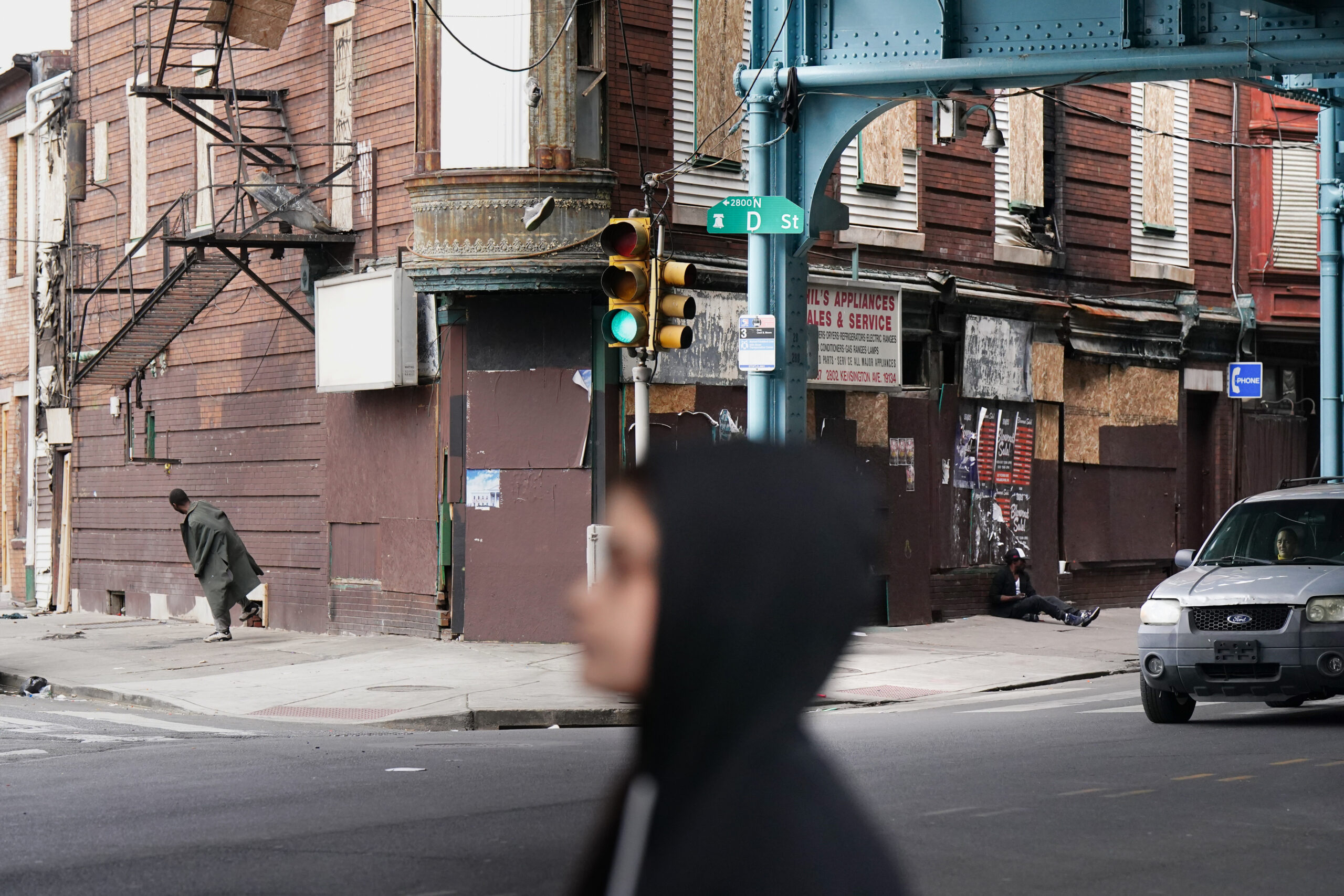
    A video camera used by Philadelphia police is positioned at the corner of D Street and Kensington Avenue.

    Sen said her office sent letters to all of the defendants whose cases were being reviewed to let them know they might be eligible for relief.

    Still, she said, the convictions often resulted in years of peoples’ lives spent incarcerated and on court supervision — time they cannot get back.

    “We are not talking about big drug busts. We are talking about the lowest of the low cases, hand-to-hand drug sales … within a quarter of a mile radius of Kensington,” she said. “That’s what makes this especially egregious.”