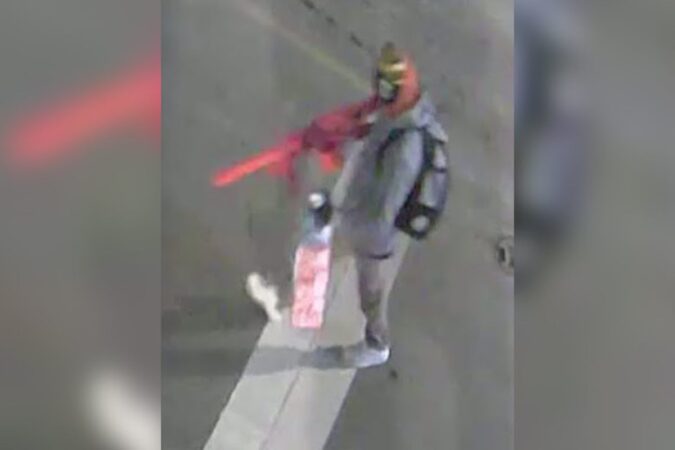
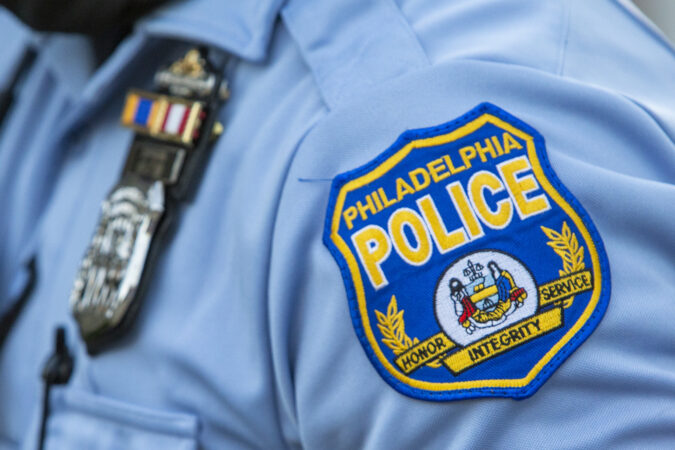
Philadelphia police seek to identify the suspect responsible for recent vandalism at Roxborough High School.
A person painted racist and antisemitic slogans across the exterior walls of the school building Sunday, which included a swastika and racial epithets.
Surveillance video caught the suspect vandalizing the walls around 5:25 a.m. Police describe the suspect as a white male, wearing an orange scarf, a green and black winter hat, a gray hooded jacket, gray pants, and a gray and black backpack.
Cameras captured the person on Jan. 4 approaching the school on foot, coming eastbound from Fountain Street toward Pechin Street. The suspect was last seen heading toward Ridge Avenue
Police asked people to call 911 if the suspect is seen. Information about this crime or suspect can also be shared with Northwest Detective Division by calling 215-686-3353
The public can also submit tips by calling 215-686-8477 or using the online form. All tips remain confidential.
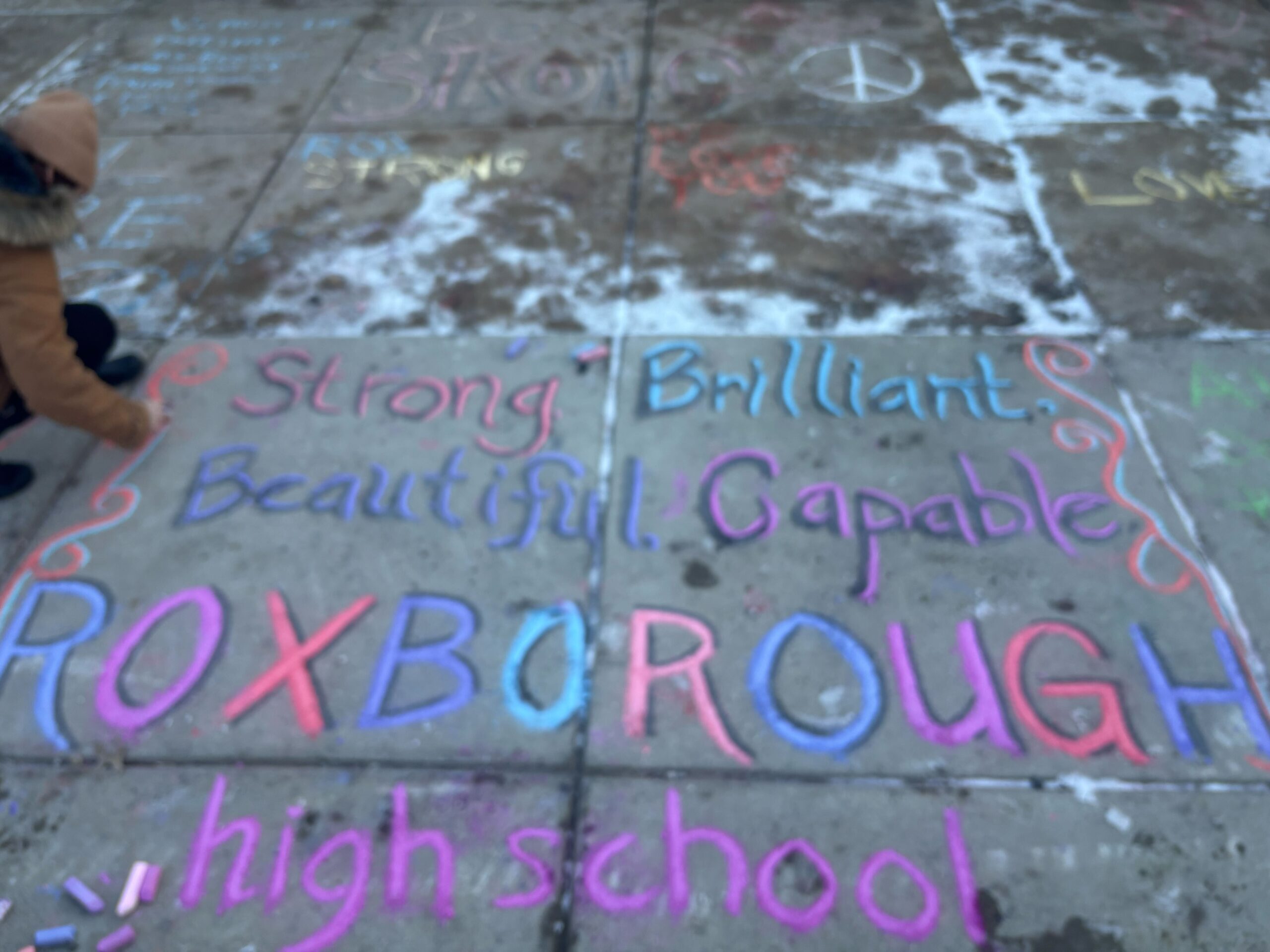
Members of the Roxborough High community chalked positive messages outside the school on Ridge Avenue after racist and antisemitic graffiti was scrawled at the school.
After officials painted over the vandalism over the weekend, Roxborough High School countered the hateful messaging with peaceful messages of their own, written in chalk.
Principal Kristin Williams Smalley said the act of hate didn’t represent the school body.
“We are deeply disappointed by these actions,” Williams Smalley wrote in a letter to the community. “We wish to remind everyone that we have a zero-tolerance policy for harassment or hate speech of any kind, and we will investigate all matters involving racist remarks and other hate speech.”
On Wednesday, the Pennsylvania Human Relations Commission condemned the “acts of hate and discrimination” and praised Roxborough’s respons as a testament to the community’s dignity, respect, and shared values.
“Racism and antisemitism are not isolated acts. These acts harm entire communities,” commission executive director Chad Dion Lassiter said. “The response at Roxborough High School shows what is possible when people refuse to be divided and instead stand together to affirm humanity, belonging, and respect. That solidarity is a powerful counter to hate.”
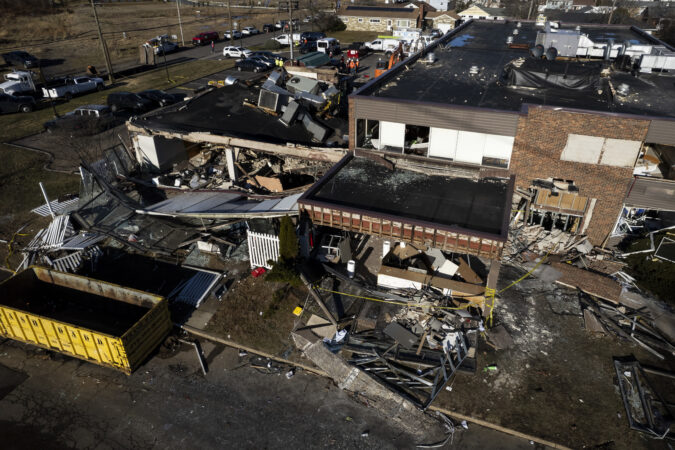
Bristol Township identified resident Patricia Mero, 66, as the latest death following the fire that destroyed parts of the Bristol Health & Rehab Center in Bristol Township on Dec. 23. Mero died Monday morning, according to the Bucks County Coroner’s Office. The cause of death was listed as a chest trauma; the manner of death an accident.
Nurse Muthoni Nduthu and a woman whom Bristol Township Police identified as Ann Reddy, another resident, were also killed in the fire.
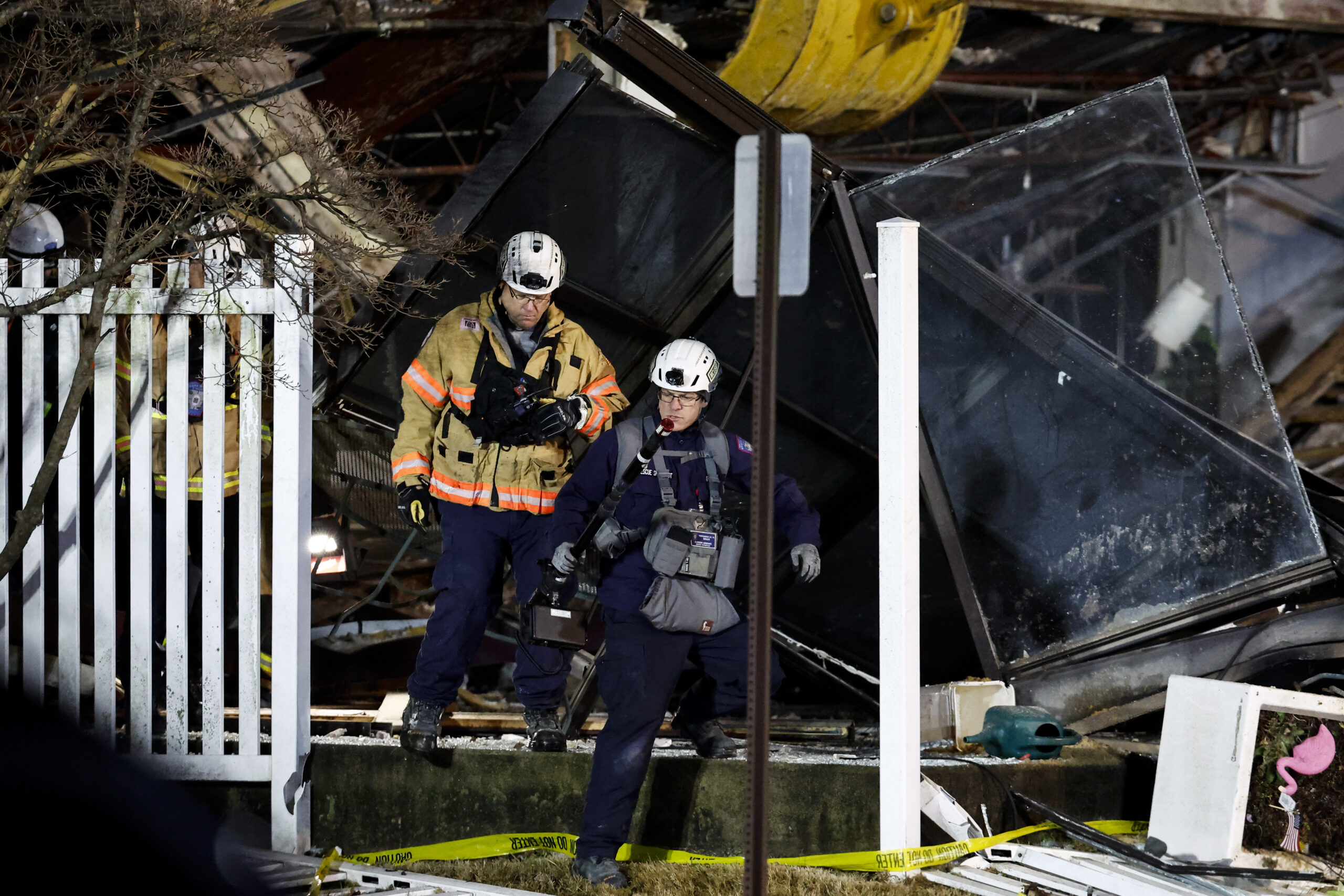
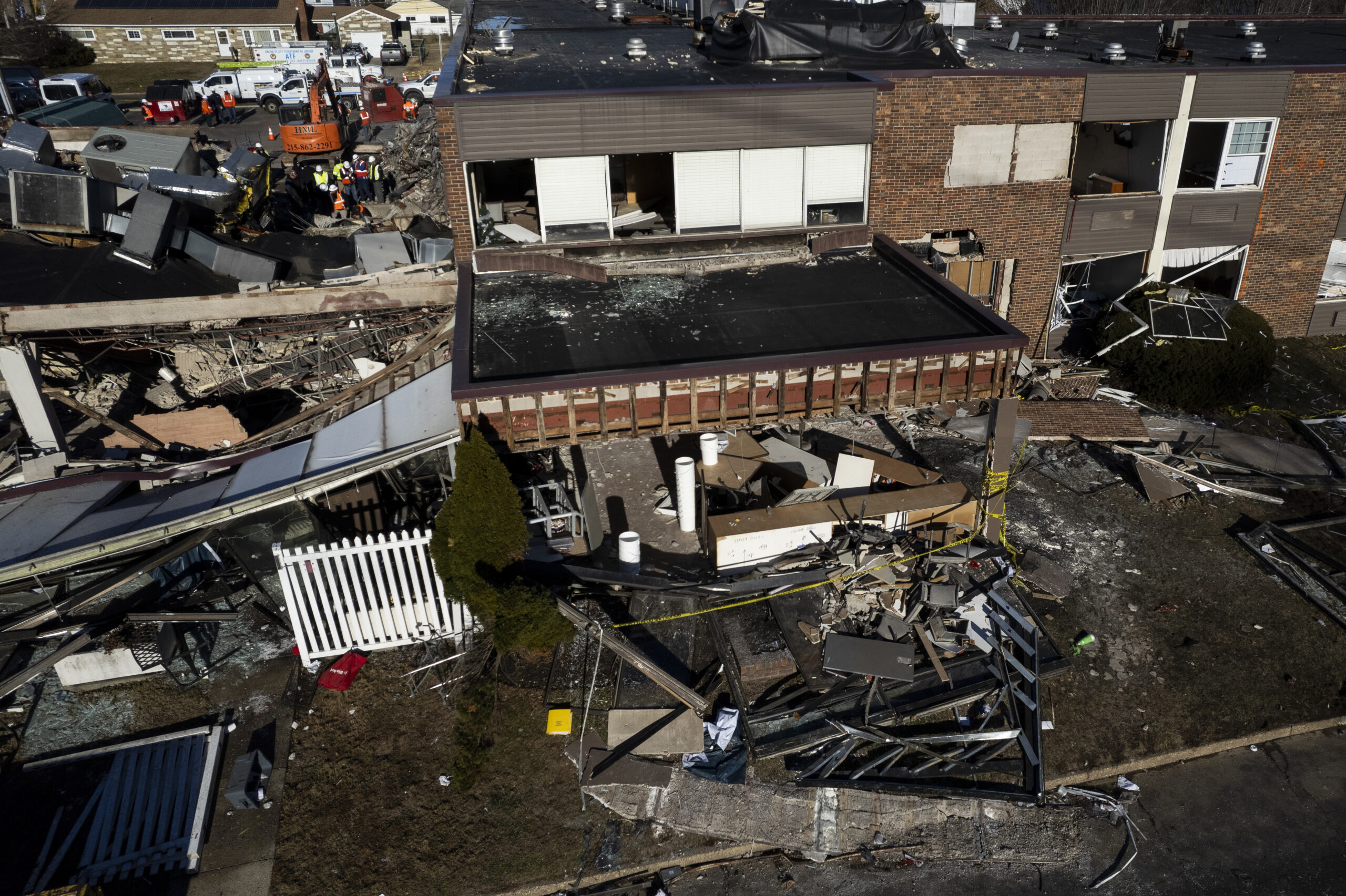
First responders work the scene of an explosion and fire on Dec. 23, 2025, at Bristol Health & Rehab Center.
An explosion occurred at the nursing home in the early afternoon on Dec. 23, flattening a section of the building that collapsed the first floor and sent people and debris tumbling into the basement. Bristol Fire Chief Kevin Dippolito said that at one point, a heavy odor of gas forced firefighters out of the building, only for another explosion to go off 30 seconds later.
Investigators work the scene at Bristol Health & Rehab Center on Dec. 24, 2025 in Bristol Township.
The National Transportation Safety Board is leading an investigation into the cause of the fire, while the owners of the nursing home, Saber Healthcare Group, Peco, and others are being sued for their alleged negligence in the fiery explosion.
On Monday, the NTSB said it had completed on-scene work in Bristol and would release a preliminary report on its findings by early February.
The investigation into the fire will likely take months, with experts telling The Inquirer that federal investigators would focus on Peco and the nursing home operator’s actions leading up to the explosion.
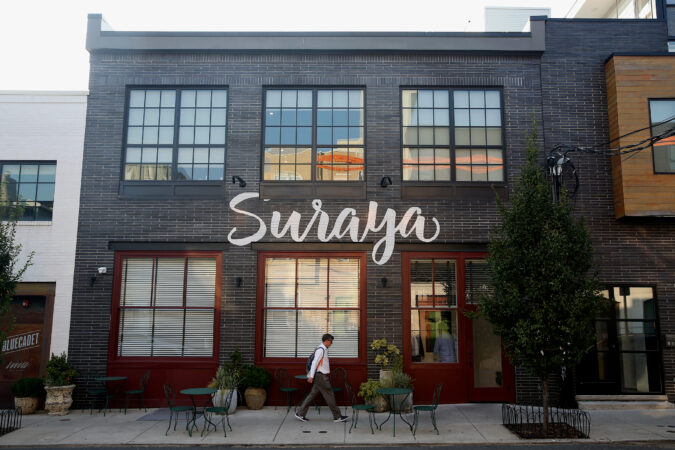
Suraya, the Michelin-recognized Lebanese restaurant in Fishtown, will temporarily close Friday after a nearby rooftop fire left the restaurant without gas.
The Philadelphia Fire Department arrived to fire on the roof of a two-story building on the 1500 block of Frankford Avenue late Thursday night. The department controlled the fire within 20 minutes and there were no reported injuries. The cause was under investigation.
However, Suraya reported that its building was still without gas service and wouldn’t open until the service was restored.
“We are incredibly grateful that our team was unharmed in the fire. We are temporarily without gas, so we cannot open the restaurant. The Suraya team will be working with local authorities to support their ongoing investigation and appreciates the community’s support,” said a spokesperson for Defined Hospitality, the restaurant group that includes Suraya.
Halabi kebabs and the samke harra are pictured at Suraya in Philadelphia’s Fishtown section on Tuesday, Aug. 11, 2020.
Updates on the restaurant opening will be posted on social media at @surayaphilly.
Suraya, named after the sibling-cowners Nathalie Richan and Roland Kassis’ grandmother in Beirut, was just recognized by the Michelin Guide for its welcoming presence, rich Middle East and Levant-inspired menu, and expansive offerings from the bakery and shop up front to its open kitchen and outdoor dining area.
At 9 years old, Jim Donovan would share with his parents his dreams of becoming a journalist. Around that time, he also flicked through the Guinness Book of World Records, thinking it would be cool to set one himself one day.
Guinness World Records verified on Dec. 8 that the 15-time Emmy winner is now the owner of the world’s largest sock collection at 1,531 pairs, many of which have eccentric designs, including Friends and Star Trek-themed socks, and every color of the rainbow. Donovan announced the achievement before his final day on-air at CBS Philadelphia on Dec. 19.
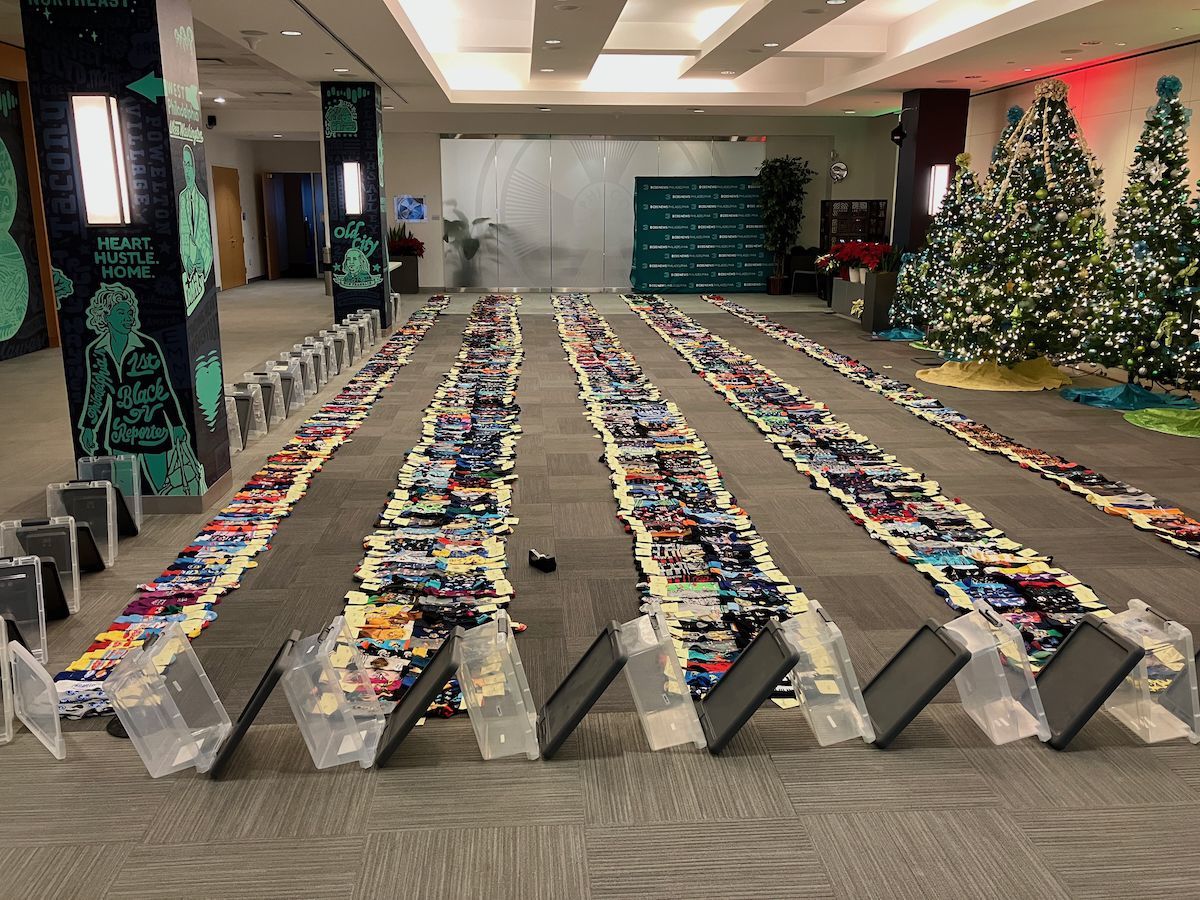
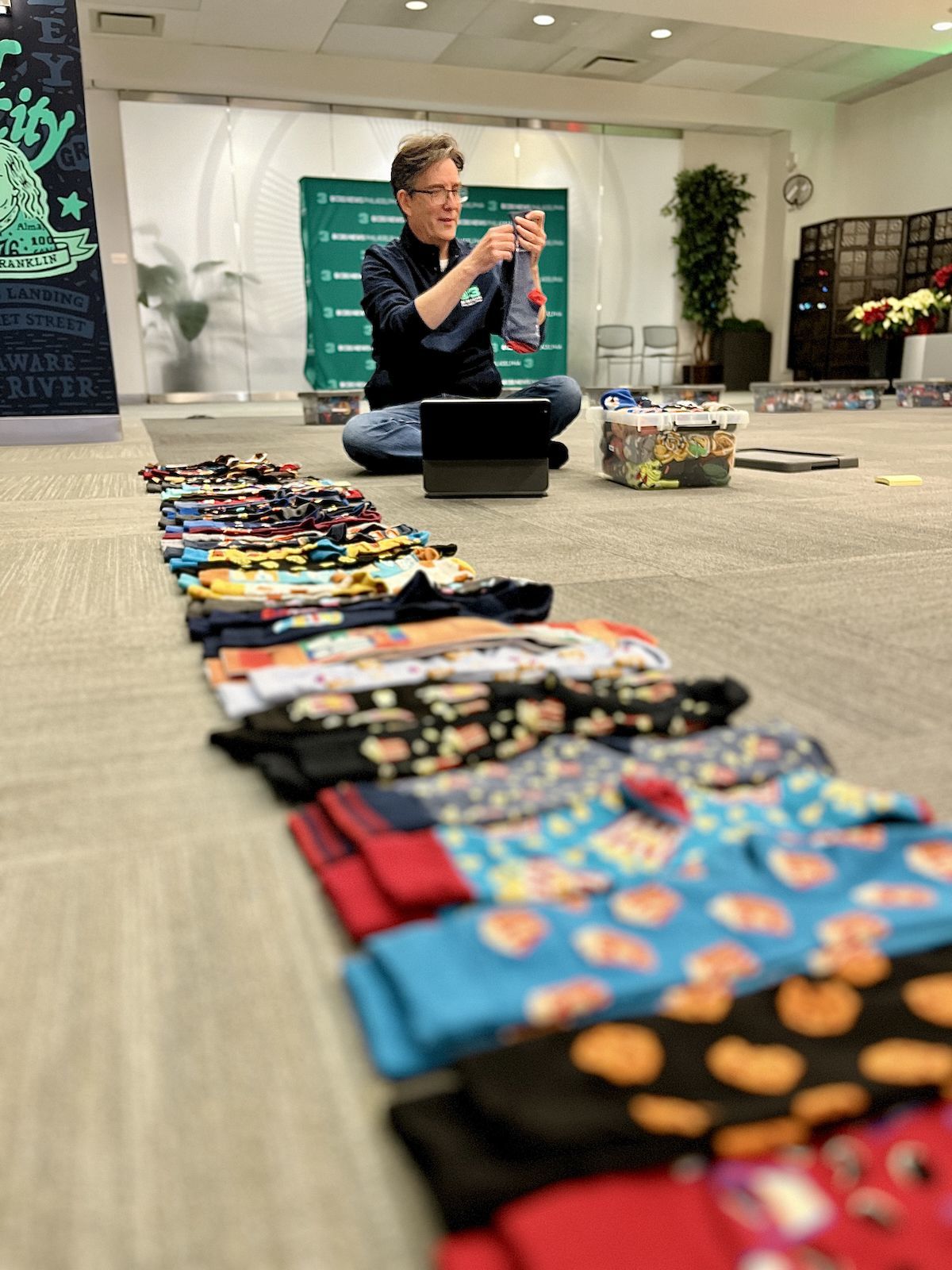
Jim Donovan’s 1,531 pairs of socks laid out on the floor of CBS Philadelphia studios while Donovan and two independent experts counted each sock on camera to be submitted to the Guinness World Records.
While Donovan said he’s immensely grateful for a ceremonious end to a long career — a feat he admits can be rare in the world of journalism — preparing his Guinness World Record application was also a difficult project.
“I’ve done major investigation pieces and consumer stories over four decades of TV, and this was the thing that nearly pushed me over the edge,” he said of the nearly 40 hours of inventory work required to painstakingly document each pair of socks.
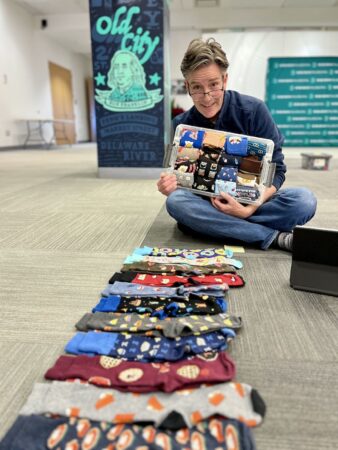
Jim Donovan takes inventory of the thousands of socks he submitted for a Guinness World Record. After 40 years in broadcast journalism, he will be retiring. But, not before receiving the world record on Dec. 8, 2025.
Donovan questioned himself at times when the hours of inventory work became overwhelming, but he remembered that this record was, in part, meant to thank his fans for their decades of support.
Guinness requires applicants to have two independent third-party experts oversee the counting of the world records. Two members of Thomas Jefferson University’s fashion merchandising and management program, Juliana Guglielmi-DeRosa and Jeneene Bailey-Allen, stepped up to facilitate Donovan’s counting. Together, the two experts and Donovan recorded the counting of socks for more than an hour inside CBS Philadelphia studios, without interruptions or editing of the footage, as required by Guinness.
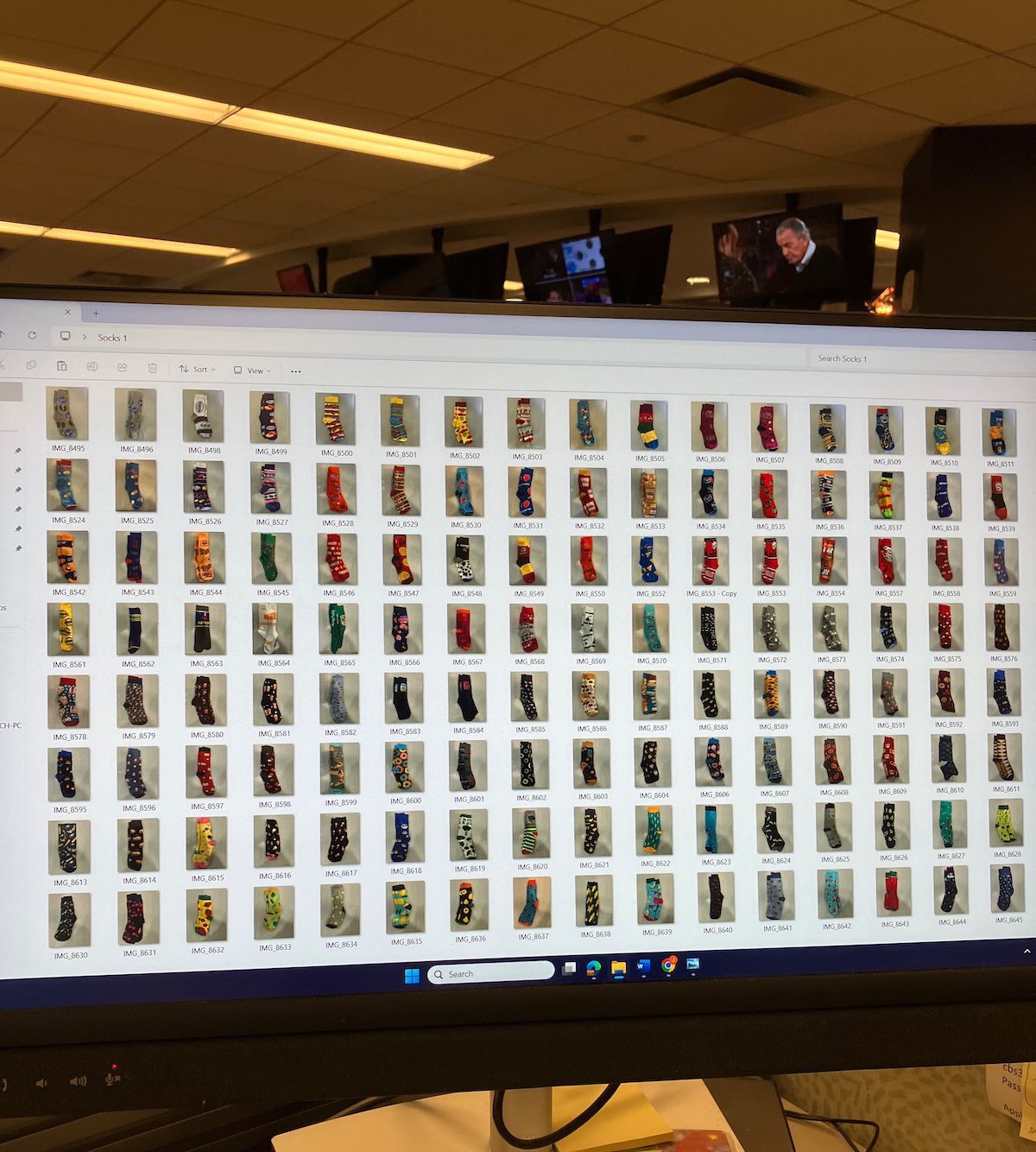
Digital images of Jim Donovan’s socks that he submitted for a Guinness World Record. He received recognition for his 1,531 pairs of socks on Dec. 8, 2025.
Donovan would then embed pictures and descriptions of each sock into what became a 262-page spreadsheet so that Guinness inspectors could verify the count at a later date. During the final count, Guglielmi-DeRosa and Bailey-Allen gifted Donovan an additional pair of socks, bringing the unofficial total to 1,532, but there was no way he was going to redo the spreadsheet, Donovan said.
“I just remember when I was a kid looking in that Guinness World Records book and thinking, ‘Boy, it would be cool to do this.’ And here I am now, 59 years old, and I finally checked off one of those kid bucket list items,” Donovan said.
Storing thousands of socks is no small feat, either. Folded and stacked inside dozens of bins, with 48 pairs per bin, Donovan has an entire closet dedicated to the socks. Each box contains different categories, from animals to food to holidays, and more.
Jim Donovan holds his Guinness World Records plaque verifying that he owns the largest sock collection in the world at 1,531 pairs of socks. He received the recognition on Dec. 8, 2025.
The first openly LGBTQ+ news anchor in Philadelphia, Donovan garnered a loyal fan base with whom he frequently chatted during his daily Facebook livestreams outside of his regular broadcasts. Around eight years ago, fans noticed Donovan’s penchant for socks with bold colors and designs, and started sending the journalist socks to wear on-air.
During the winter holidays, it was Santa socks; birthdays, it was socks with his face on them; and randomly, folks would get creative, Donovan said, sending him Spock socks (complete with Spock ears), flamingos playing golf, and Superman socks with a cape.
In his final week on-air at CBS Philadelphia, where he was for 22 years, the station celebrated each day as part of a “Week of Jim.” In retirement, Donovan plans to spend more time with his father, who lives on Staten Island, N.Y., and dive into volunteering and nonprofit work.
Now he’ll be enjoying retirement as a world-record holder. Donovan said he’seven starting to get messages from other Guinness World Record holders welcoming him to the club.
The new pedestrian bridge extension coming to Society Hill and Queen Village, which will better connect the neighborhoods to the Delaware River waterfront, is reaching a milestone.
The South Street Pedestrian Bridge expansion will extendthe existing redbrick footbridge constructed in the mid-1990s with a longer and more distinctive suspended archway bridge, as part of the long-planned I-95 capping project. Construction begins this spring, but the bridge will not be open to the public until 2027, a Pennsylvania Department of Transportation spokesperson said.
A rendering of the South Street Pedestrian Bridge extension that will better connect South Street to the Delaware River waterfront. Construction will begin in Spring 2026 and go through 2027, when the bridge will open to pedestrians and cyclists.
The 250-foot-long bridge will allow pedestrians to cross over Columbus Boulevard and I-95 with entrances at South Street and Lombard Circle that have more accessible walkways for people with disabilities. Pedestrian access to the waterfront is crucial for people on South Street visiting attractions like Penn’s Landing, Cherry Street Pier, and Spruce Street Harbor Park.
(function() {
var l2 = function() {
new pym.Parent(‘southstreetbridge’,
‘https://media.inquirer.com/storage/inquirer/projects/innovation/arcgis_iframe/southstreetbridge.html’);
};
if (typeof(pym) === ‘undefined’) {
var h = document.getElementsByTagName(‘head’)[0],
s = document.createElement(‘script’);
s.type = ‘text/javascript’;
s.src = ‘https://pym.nprapps.org/pym.v1.min.js’;
s.onload = l2;
h.appendChild(s);
} else {
l2();
}
})();
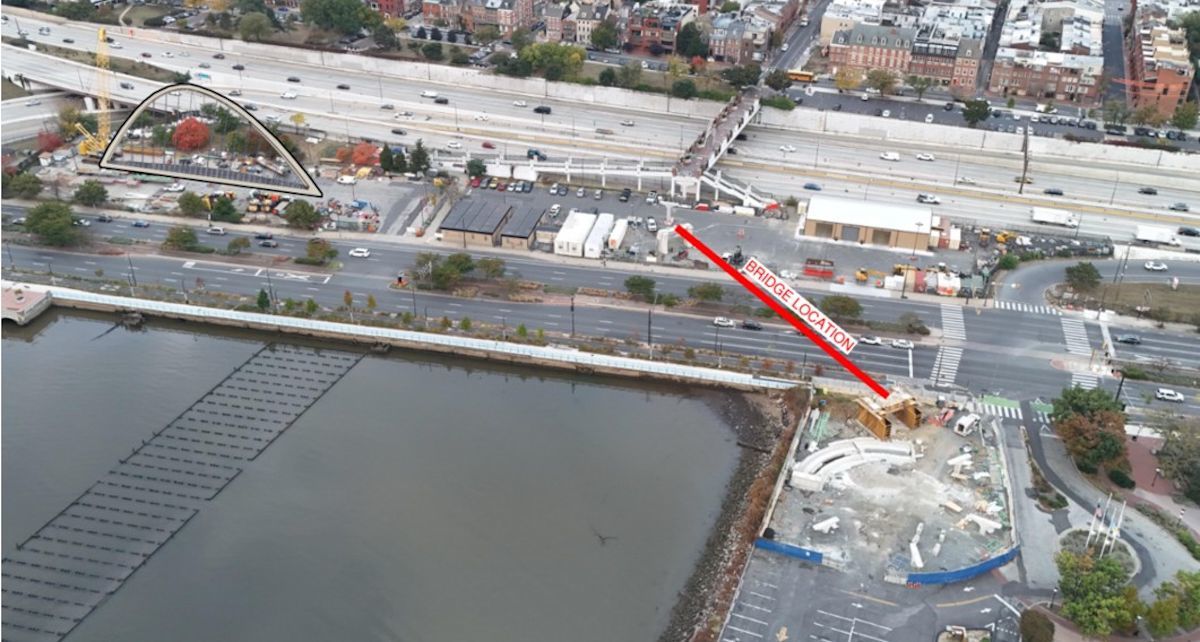
Construction will use an installation method in which the archways are built at a nearby location and then rolled into place, instead of being built on-site.
“The contractor was able to eliminate long-term lane closures and full closures on Columbus Boulevard,” PennDot spokesperson Brad Rudolph said. “While this method is fairly common, it is the first time PennDot has performed it in [Southeastern Pennsylvania] with this type of pedestrian structure.”
An aerial view of the construction site where the South Street Pedestrian Bridge extension will take place. A rendering of the archways in a nearby parking lot show where the bridge structure will be assembled and then later rolled into place where a red line marks its installation site. Construction begins in Spring 2026, with the bridge open to the public in 2027.
The bridge structure will be assembled for about two months in a parking lot near the installation site this spring. The new structure will then be rolled into place by mid-2026, according to PennDot. Additional work, including pouring the bridge deck, will take an additional year, with the span expected to open to pedestrians and cyclists in 2027.
Sitting 258 feet long and 100 feet from the ground to its highest arch, the footbridge will feature 14-foot-wide walkways with lit archways and handrail lighting. The entrance at Lombard Circle will have a spiraling ramp to allow for cyclists to stay on their bikes and to provide easier wheelchair and mobility access.
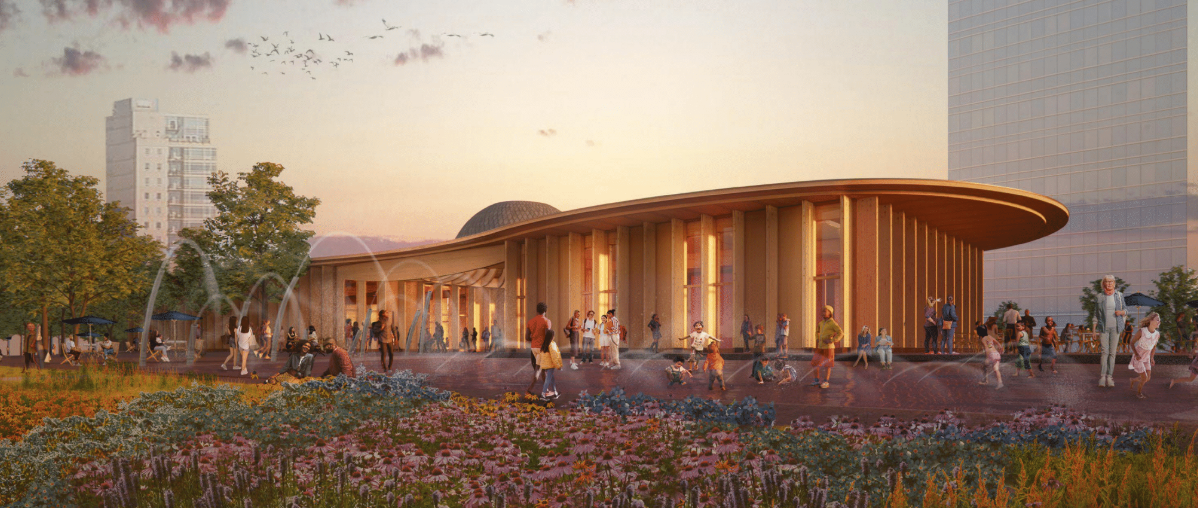
A rendering of the mass timber building planned for the Penn’s Landing park.
The pedestrian bridge is only a small part of PennDot’s $329 million project to build a cap over I-95 at Penn’s Landing, which will house a 12-acre Penn’s Landing Park with green spaces, playgrounds, and an amphitheater. Construction on the cap is nearly 30% complete as of this month.
Nearby, Old City is getting a revamp of Market Street, where the road will be shrunk and more pedestrian thoroughfares will be added, with the new Tamanend Square plaza at Second and Market Streets to serve as the centerpiece.
A man was hospitalized Wednesday morning and in critical condition after being shot by police in North Philadelphia.
Two officers responded to a 911 call for a “person screaming” on the 1800 block of North Bailey Street about 2:50 a.m. Wednesday. Upon arriving, police said, they found a man, 31, armed with a knife, standing over a 30-year-old woman.
According to the Philadelphia Police Department, the man moved toward police, jumping over a sofa while still armed, which led one officer to shoot the man once in the chest. The man was taken to Temple University Hospital, where he underwent surgery.
Police said the woman was not injured.
The case is now under investigation by the police department’s officer-involved shooting investigation unit and internal affairs bureau, and the Philadelphia District Attorney’s Office. Under police protocol, the officer who shot the man has been placed on administrative duty pending the outcome of the investigation.
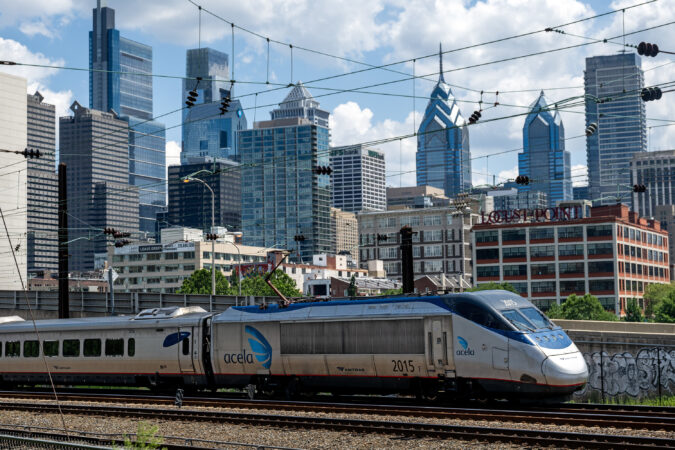
Some of Amtrak’s fleet of next-generation Acela and Airo trains will likely sit idle in 2026 as the national railroad company faces delays in upgrading maintenance facilities.
Amtrak is behind schedule on completing the necessary facilities upgrades to maintain its newest fleet of trains, inspectors told Amtrak in a new report. Delays in next-gen fleet rollouts, of which there have been several, cost the company millions in lost revenue.
Early missteps in planning, like starting its fleet upgrade efforts in 2010 but its facilities upgrades in 2016, led to a “schedule misalignment,” inspectors said in the report.
Amtrak is in the process of acquiring three fleets of trains from manufacturers — NextGen Acela, Airo, and Long Distance — to the tune of $8 billion. The national railroad corporation rolled out a handful of NextGen Acela trains in August. Airo trains are scheduled to roll out in 2026 and Long Distance trains in the early 2030s, according to Amtrak.
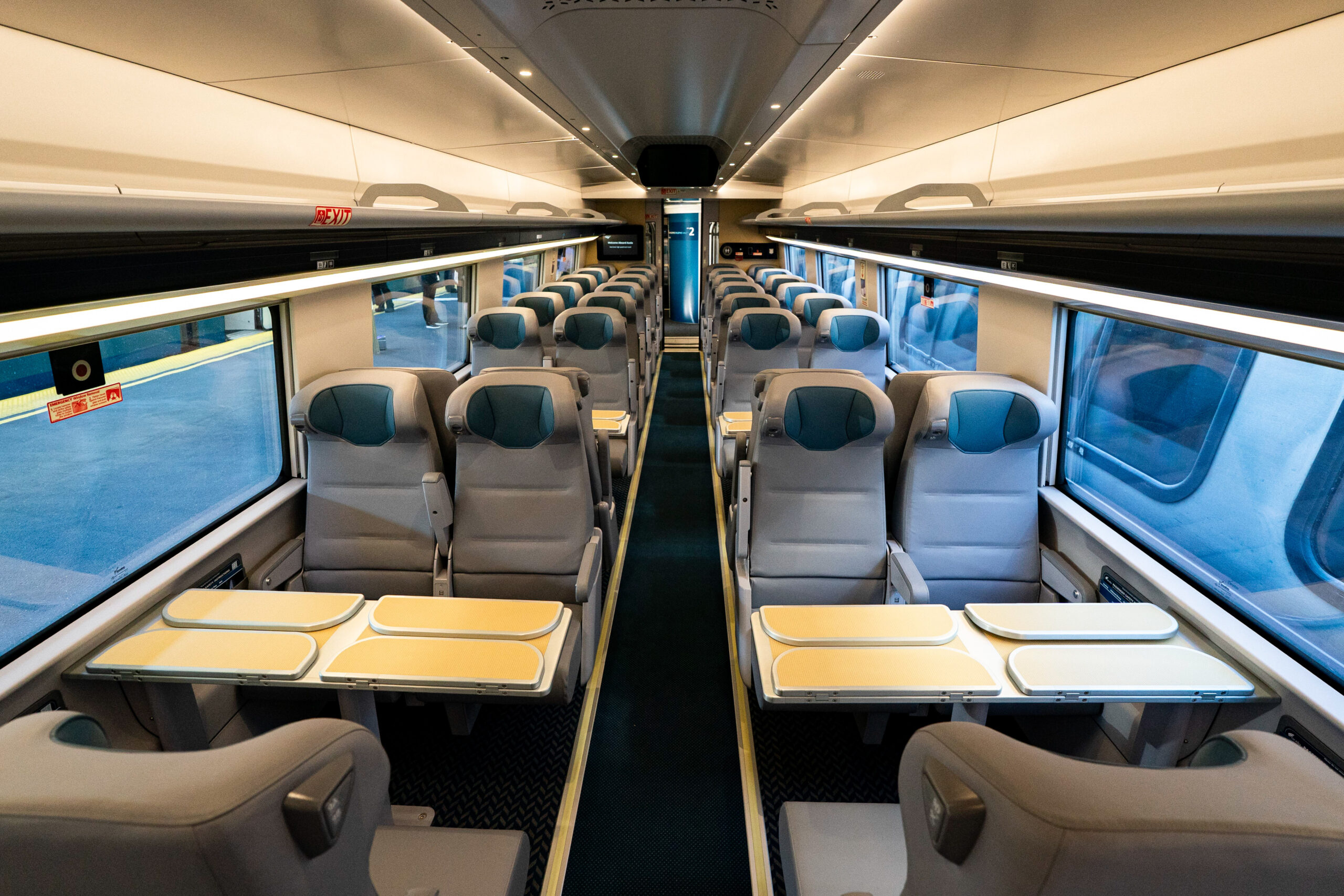
In a recent review of the NextGen Acela trains, The Inquirer lauded the train for its smoother, faster ride, comfortable seats, and above all, its cleanliness, but lamented its infrequency and cost as the older Acela trains on Keystone and Northeast Regional services still carry the bulk of trips for a cheaper ticket.
NextGen Acela and Airo trains offer faster travel with speeds of up to 160 mph and 125 mph, respectively, and modernized cabins featuring upgraded seats, improved Wi-Fi, and expanded dining options.
A business-class car in the NextGen Acela in Washington on Aug. 27.
The latest report from the Amtrak Office of Inspector General details that under its current facility construction schedule, Amtrak will only be able to operate the first 24 out of 28 NextGen Acela trains and the first 12 out of the planned 83 Airo trains hitting the tracks in 2026.
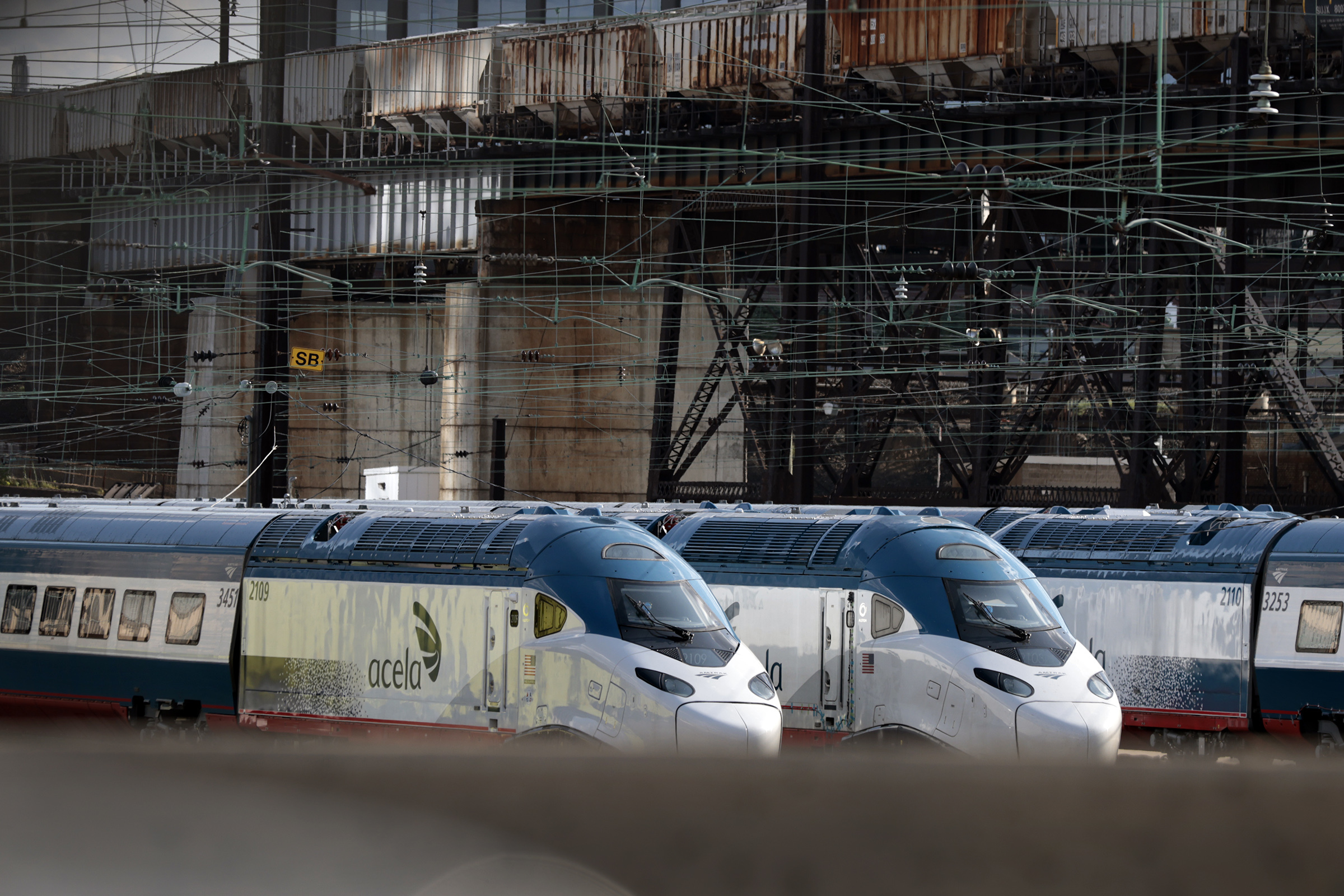
Amtrak Acela trains sit in the Amtrak yard adjacent to 30th Street Station in Philadelphia in August 2023.
While the company began considering plans to replace its aging trains 15 years ago, Amtrak didn’t start addressing facility upgrades until 2016 for NextGen Acela and 2021 for Airo. Additionally, Amtrak took a targeted individual site approach to facility planning instead of an “overarching” one, according to inspectors.
Amtrak approved a new strategic fleet and facilities plan to align both efforts last month. However, inspectors found the company failed to appropriately define the scope of the six years of work that remains.
In the report, a senior Amtrak official described the current system as “building a house without ensuring the garage fits the vehicles.”
Amtrak officials agreed to implement a new management framework to streamline facility upgrade efforts by the end of March 2026.
Philadelphia might have mild weather this holiday week, with light rain showers and likely no snow on Christmas. However, more people will be on the roads and in the sky, traveling to holiday destinations, than in recent years.
Holiday weather should be much milder this week, despite earlier forecasts calling for snow Monday evening, said Ray Martin, a meteorologist at the National Weather Service in Mount Holly. Monday and Tuesday have a chance for light rain showers, and if temperatures drop, maybe snow, but there should be little to no snow accumulation.
Christmas Eve and Christmas Day in the Northeast will be warmer, drier days for travel, according to AccuWeather. Millions across the South and Midwest will experience the warmest holiday on record, though.
Whether it’s the expected good weather or people getting their post-COVID travel confidence back, roads and airports are expected to be packed this week, according to data from Philadelphia International Airport and INRIX, a national travel analytics firm.
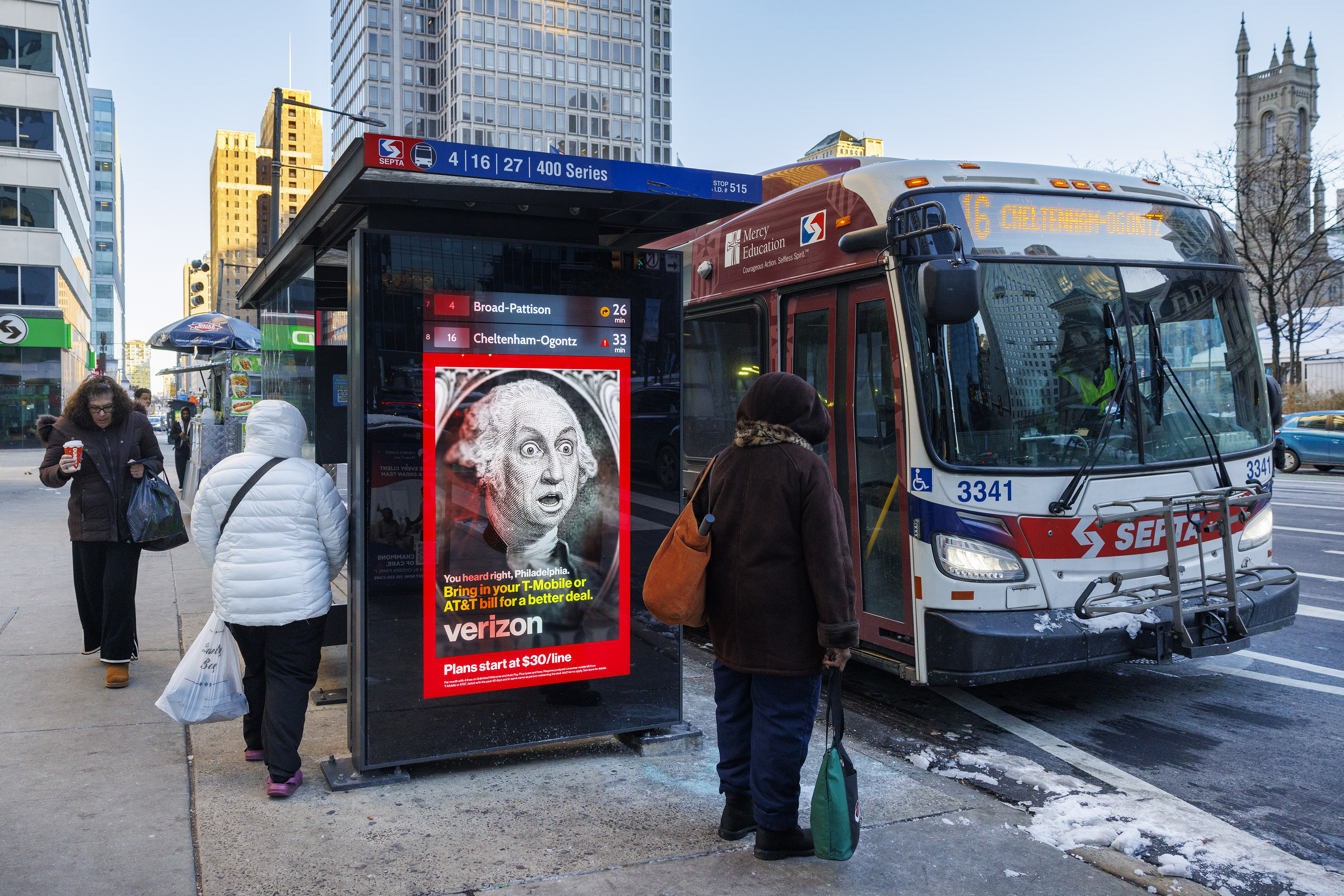
Winter coats are out on a cold morning at a bus stop at 15th and Market Streets on Dec. 15.
Holiday weather this week in Philadelphia
While no snow will likely fall on Christmas Eve or Christmas Day in the Philadelphia region, Tuesday and Friday have chances for precipitation that could bring rain and ice to Philadelphia, and possibly snow north of the city, said AccuWeather senior meteorologist Tyler Roys.
Monday: The best weather this week. Warmer, drier, and less windy.
Tuesday: Rain showers in Philadelphia during the morning commute, but no snow. Possible rain, sleet, or snow in Montgomery and Bucks Counties. Lehigh Valley could receive an inch or more of snow.
Wednesday: No precipitation, but expect wind gusts up to 30 mph. The evening is expected to bring lots of cloud coverage. “Rudolph will definitely need his red nose out and about,” Roys said.
Thursday: Misty weather or light rain scattered across the region throughout the day.
Friday: Stormy weather with precipitation. Philadelphia has a chance for rain and possible ice, but Upper Bucks County and the Lehigh Valley could get snow.
The weekend: On Saturday and Sunday temperatures are forecast to range from the mid-30s to 50 degrees, with a slight wind. Rain is possible Sunday.
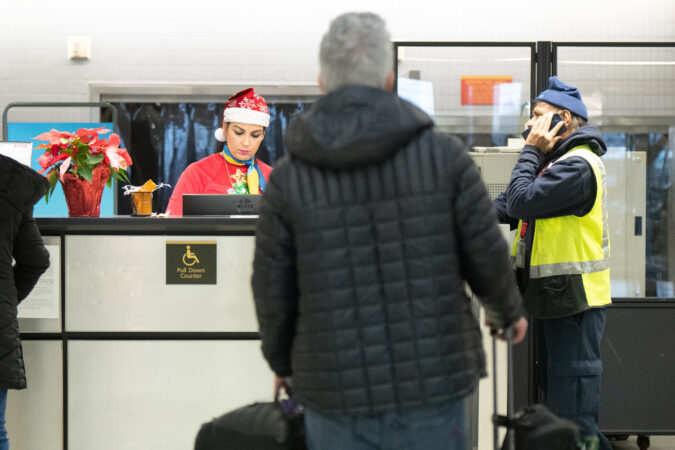
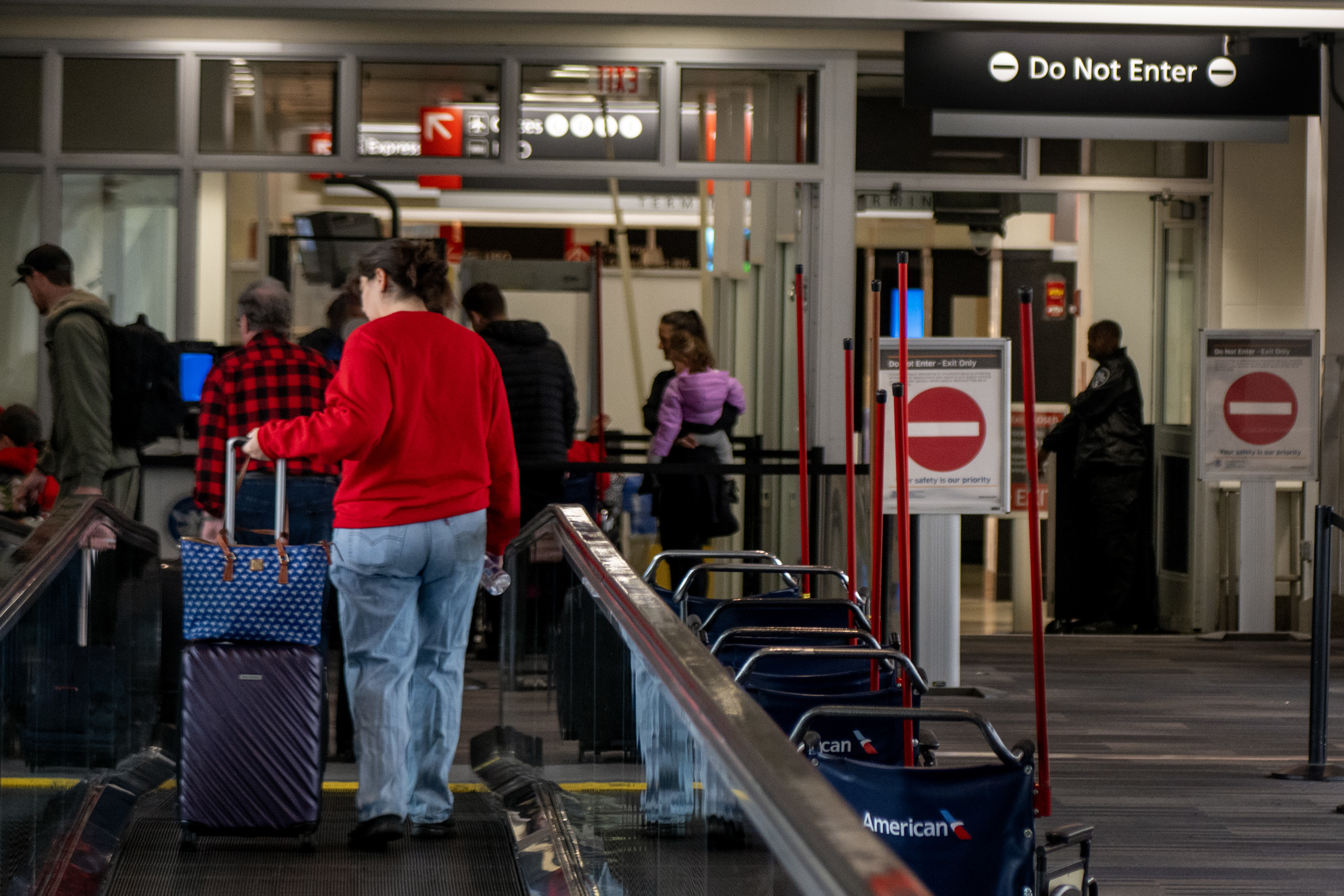
The scene at the TSA checkpoint line in Terminal B at Philadelphia International Airport on Nov. 9.
Holiday travel in the Philadelphia region
Expect longer travel times this year as more people hit the road and sky to get to their holiday destinations.
Airports and flying
Philadelphia International Airport will see a 5% increase in the number of travelers this week compared to the same period last year, with more than 1 million people expected to come through the airport from Wednesday to Sunday, Jan. 4.
PHL’s heaviest traveling days:
Friday, Dec. 26: 94,028 expected passengers
Monday, Dec. 29: 93,096 expected passengers
Saturday, Dec. 27: 92,954 expected passengers
Travelers should arrive two hours before their flight to ensure they get to their gate on time, said Heather Redfern, an airport spokesperson. PHL also has an online travel tips guide for more guidance on easier travel.
The Inquirer operates a year-end PHL tracker for up-to-date information on airport delays and airline performance.
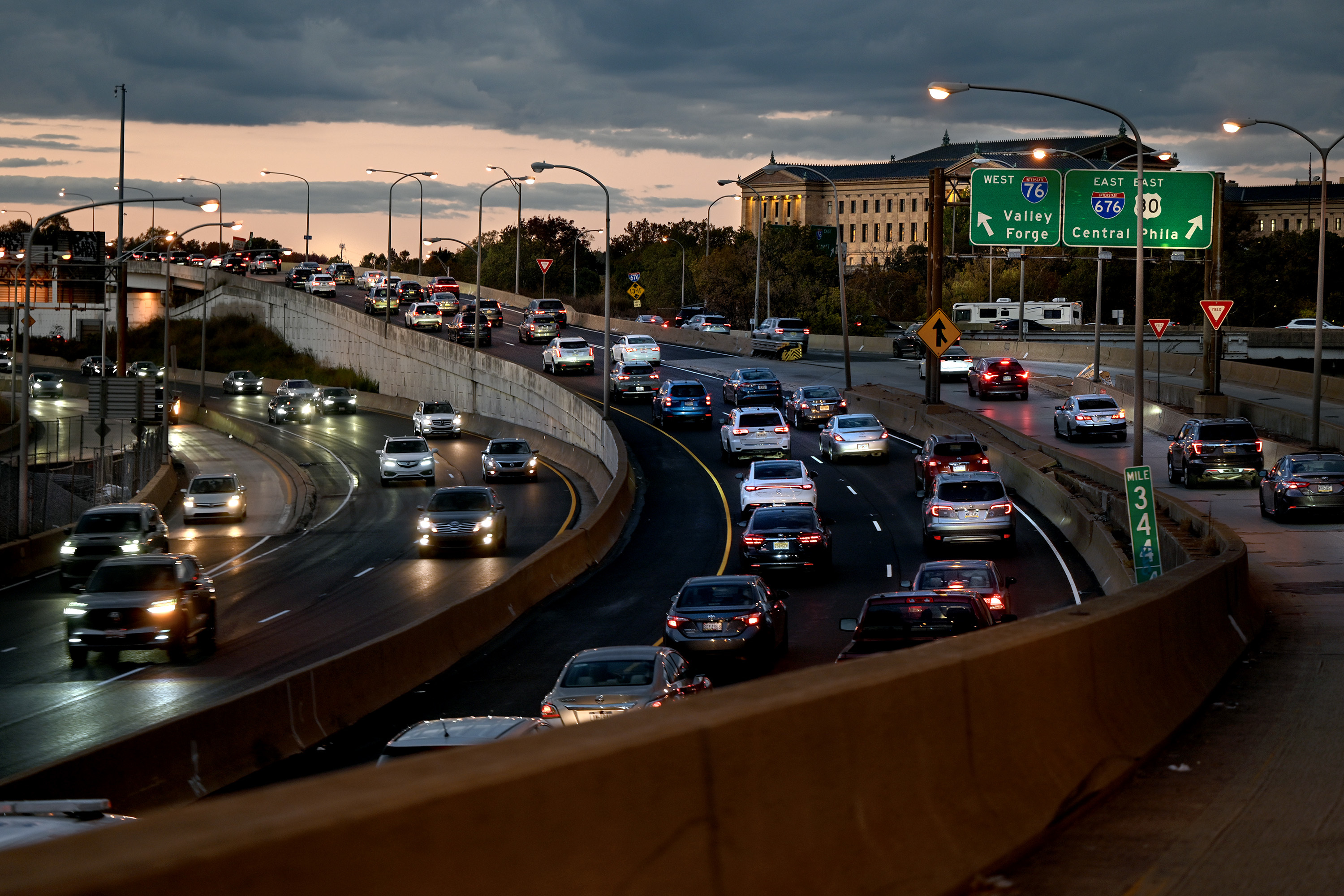
Traffic on the Schuylkill Expressway on Oct. 26.
Driving and peak travel times
A large portion of the holiday travel already occurred this past weekend, but the increased holiday traffic continues.
Christmas Day, Christmas Eve, and New Year’s Eve historically see lower vehicle traffic as people have reached their holiday destinations, according to INRIX. However, Friday is expected to be busy as travelers make their post-Christmas Day moves. “But, remember, crashes or severe weather could create unexpected delays,“ their year-end report warns.
Best travel times for driving in Philadelphia
Most of the traffic congestion this week will come after Christmas Day, with Friday being the busiest, INRIX reports.
To avoid peak traffic, drivers should steer clear of the roads on Monday and Tuesday, from 1 p.m. to 7 p.m. The best time to travel on those days is before 10 a.m.
Wednesday, Christmas Eve, and Christmas Day will have minimal traffic impact, according to INRIX.
The following days will have some of the busiest roads all year: From Friday to Sunday, the worst travel times will be from 11 a.m. to 8 p.m. To avoid congestion, drivers should leave for their destinations before 11 a.m.
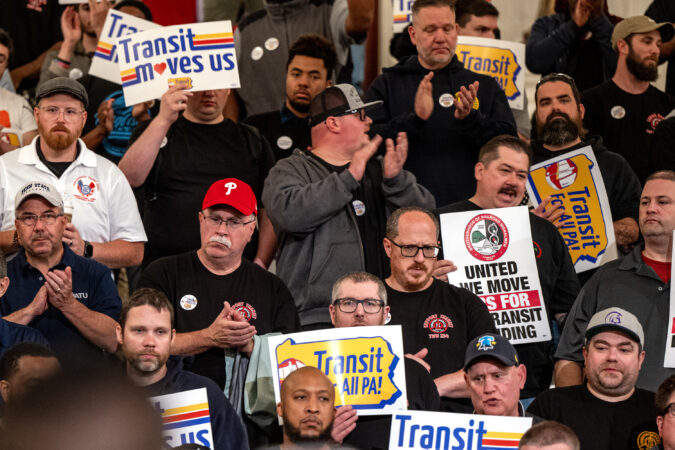
SEPTA’s board on Thursday approved a new contract with the transit agency’s largest union, Transport Workers Union Local 234, and a second smaller union representing vehicle operators in the suburbs of Philadelphia.
Members of TWU Local 234 voted Wednesday night to approve a two-year contract that will deliver a 3.5% pay raise, bolster the union’s pension funds, and expand health benefits for new employees.
SMART Local 1594, which represents approximately 350 operators, reached a deal with the transit agency earlier this month.
“These contracts are fair to our hardworking frontline employees and fiscally responsible to our riders and the taxpayers who fund SEPTA,” said SEPTA General Manager Scott A. Sauer.
For TWU Local 234, the two-year contract disrupts a pattern of three consecutive one-year contracts. TWU president Will Vera said that with the FIFA World Cup, MLB All-Star Game, and America’s 250th birthday coming to Philadelphia in 2026, both parties agreed to a two-year contract so as not to interrupt service during these global events.
The union represents 5,000 operators, mechanics, cashiers, maintenance people, and custodians who work on SEPTA’s buses, subways, and trolleys. Before this latest deal, TWU members were working without a contract since Nov. 7, and members voted unanimously on Nov. 16 to authorize leaders to call a strike if contract negotiations didn’t go as planned.
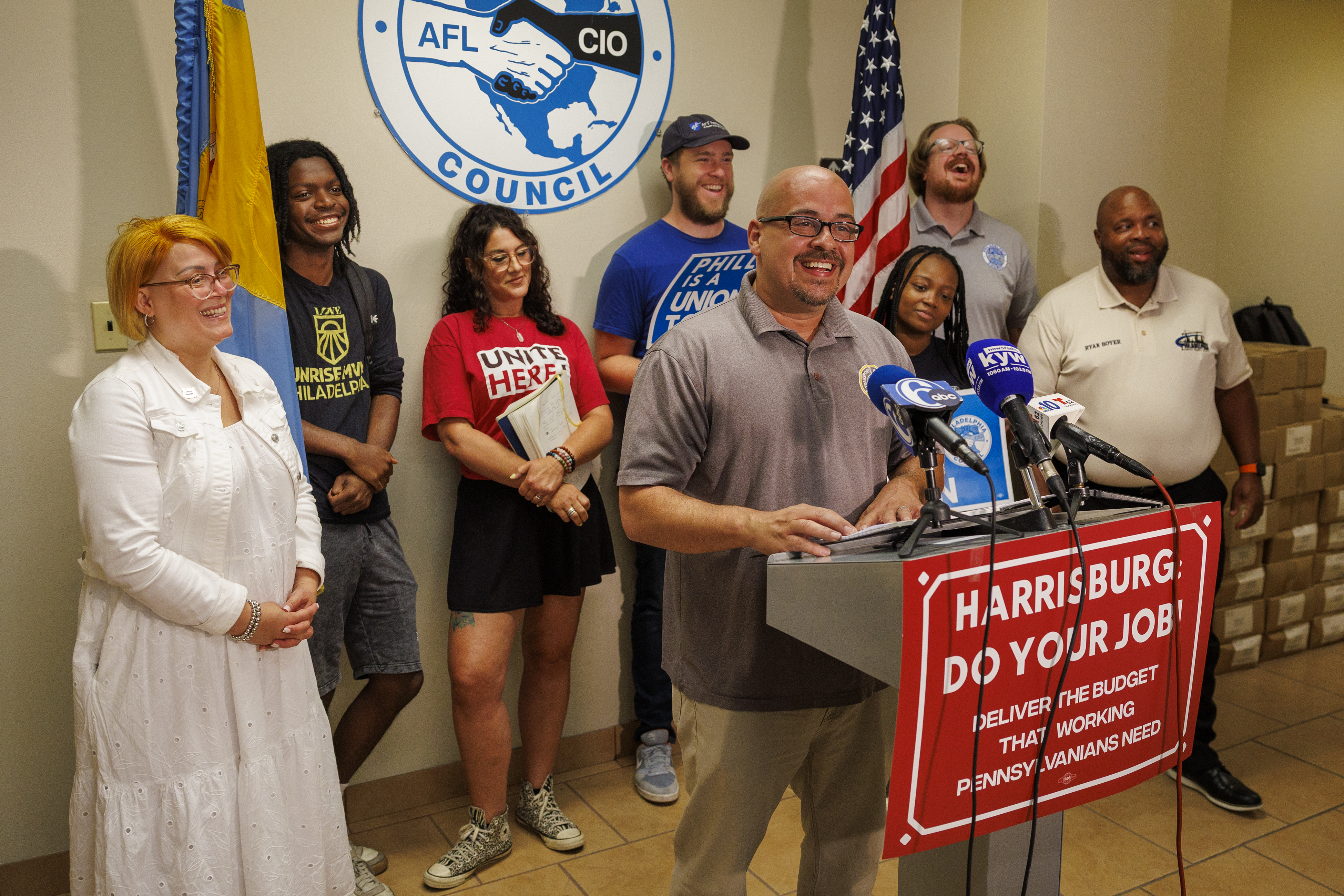
Will Vera, vice president TWU Local 234, urged lawmakers in Harrisburg to deliver a budget during a speech in July at the AFL-CIO headquarters in Philadelphia.
However, Vera said that this contract is a major win, especially for attracting new hires. Before this, new employees could not begin receiving dental and vision care until they completed 15 months on the job. The new contract shrinks that time down to 90 days.
“I really got tired of explaining to the new hires for 15 months that they just have to clean their teeth,” Vera said. “I wanted this to be a retention contract, to not only keep people here, but to make this an attractive place to come work for SEPTA.”
Philly’s transit unions don’t hesitate to strike if needs aren’t met. SEPTA unions have struck 12 times since 1975, earning SEPTA the title of one of the most strike-prone agencies in the country. Its last strike was a six-day effort in 2016 that ended one day before the presidential election.
The negotiations come on the heels of SEPTA’s worst financial period in its history, the agency said. SEPTA isn’t alone, though. Transit agencies throughout the country are in funding crises as inflation rises, federal funding shrinks, and state subsidies fail to increase each year.
Sauer, SEPTA’s general manager, added: “I am grateful to Governor [Josh] Shapiro and his team for their efforts to help us resolve differences and reach an agreement. Securing two-year contracts provides important stability as we approach the major events coming to Philadelphia in 2026.”
President Donald Trump announced he would advise federal agencies to reschedule marijuana from a Schedule I controlled substance to Schedule III, easing federal restrictions on the plant.
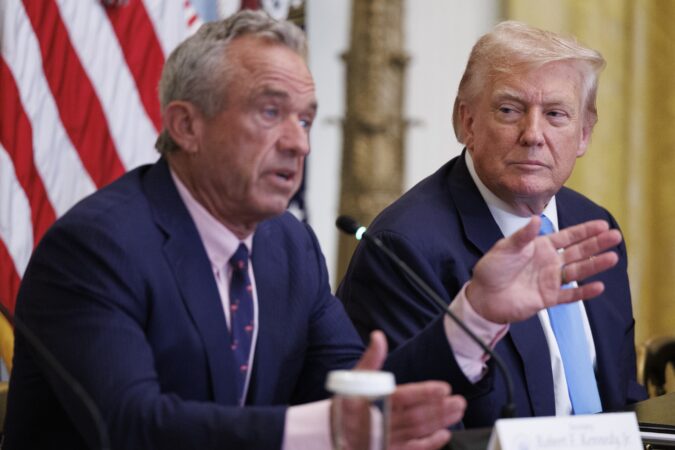
Trump announced the executive order Thursday in the Oval Office, alongside Health and Human Services Secretary Robert F. Kennedy Jr. and a line of medical workers in white coats and scrubs. The president does not have the direct authority to reschedule marijuana but can request his federal agencies to do so.
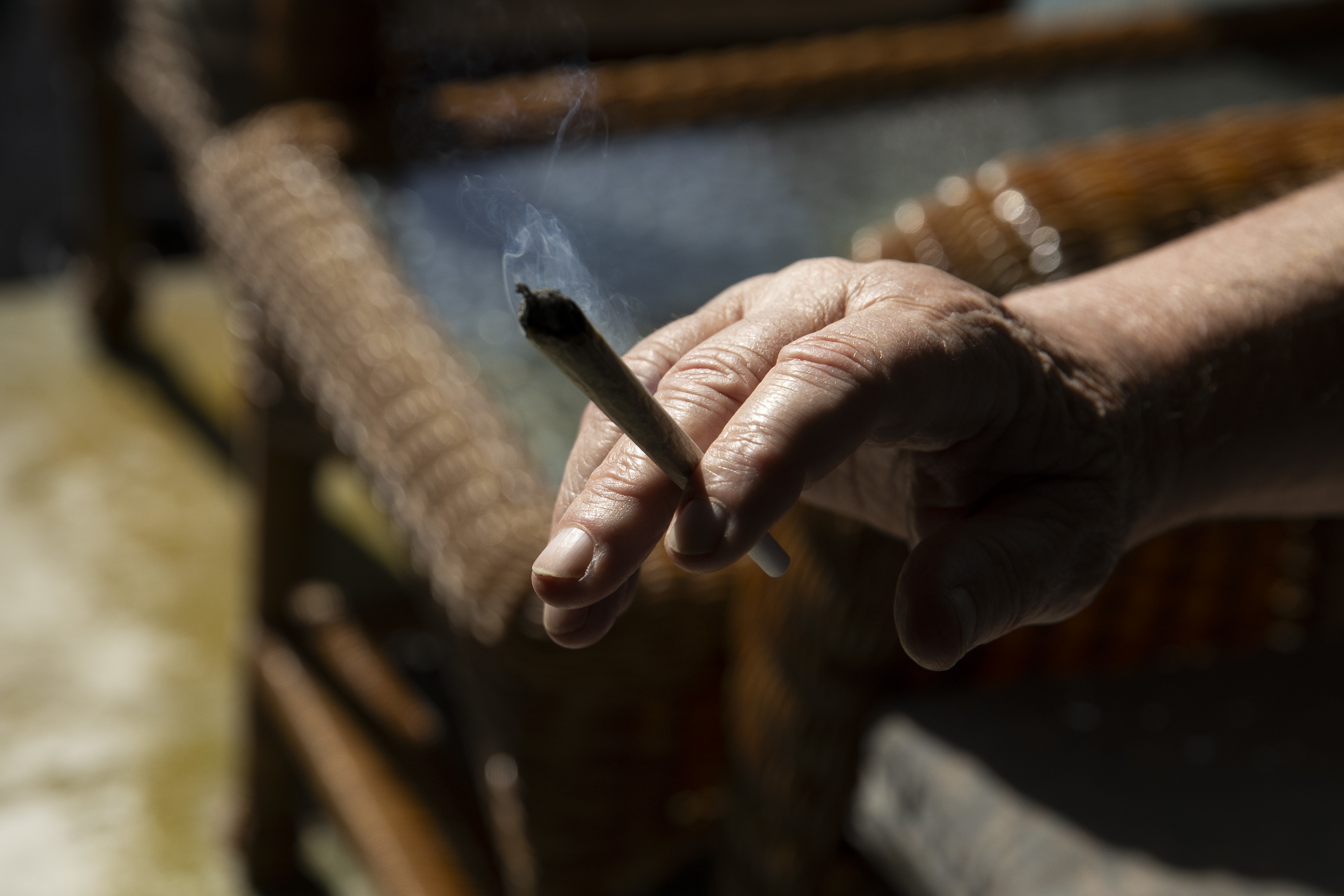
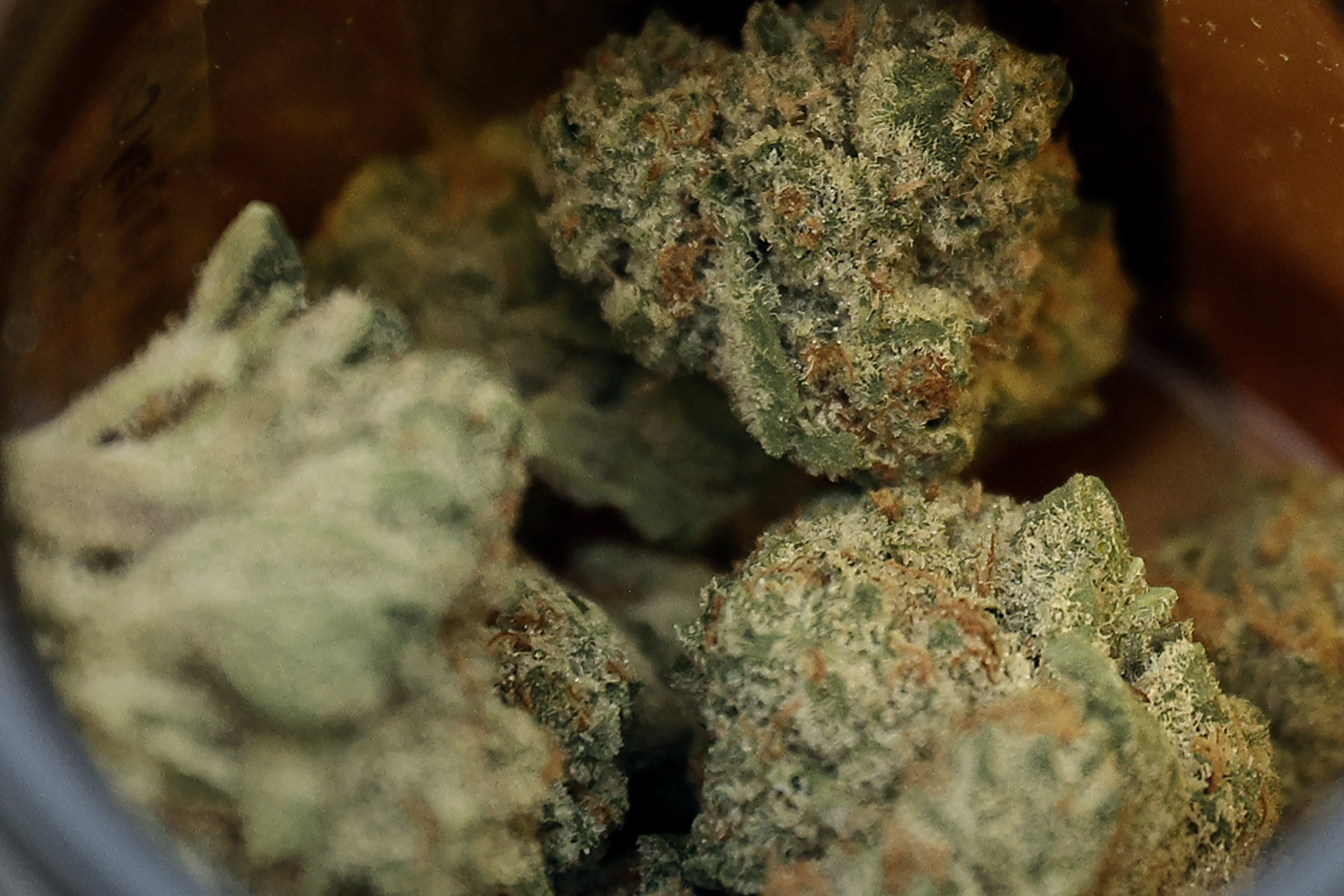
Jeff Hodgson smokes a pre-roll at his home in Cape May, NJ on Thursday, May 2, 2024. Hodgson mostly uses medical marijuana to help him sleep.
Marijuana has been a Schedule I controlled substance since the 1970 Controlled Substances Act, meaning the federal government considers marijuana to have no accepted medical use, with a high risk of abuse. Schedule I drugs, such as heroin, cocaine, and LSD, are illegal and strictly regulated, making medical research on these drugs, including cannabis, nearly impossible.
A reclassification would be the most significant reform on marijuana in more than half a century, opening the doors for medical research. But it would not be full legalization, said Adam Smith, executive director of the Marijuana Policy Project. It could also pave the way to federal intervention in the state-run medical and recreational marijuana industries, something stakeholders fear.
“There is a possibility that in moving cannabis to Schedule III, instead of opening up access, what it will do is incentivize federal agencies to clamp down control on the availability of cannabis,” Smith said. “Treating it as other Schedule III substances, which virtually all require prescriptions, is not how this works in medical cannabis and could really create chaos and a lot of economic pain in the industry.”
Frank Burkhauser of Woodbury displays the legal marijuana purchase that he just made at Cannabist in Deptford, N.J. on April 21, 2022. Burkhauser said he has been working for the legalization of marijuana since the early 90’s.
Smith said stakeholders are unsure what this might mean for the wider industry but remain optimistic, as rescheduling of marijuana has been a priority for decades.
This executive order has plenty of positives, said Joshua Horn, a Philadelphia cannabis lawyer at Fox Rothschild. Loosening restrictions could clear the way for the IRS to allow cannabis businesses to deduct business expenses (which they currently cannot do). Additionally, more traditional banking options might become available to entrepreneurs.
“It could also rectify the criminal injustice that has been ongoing since the passage of the Controlled Substances Act, where people of color have been disproportionately impacted by the ‘war on drugs,’” Horn said. “In the end, rescheduling should reinvigorate these businesses out of their current tax and financial struggles.”
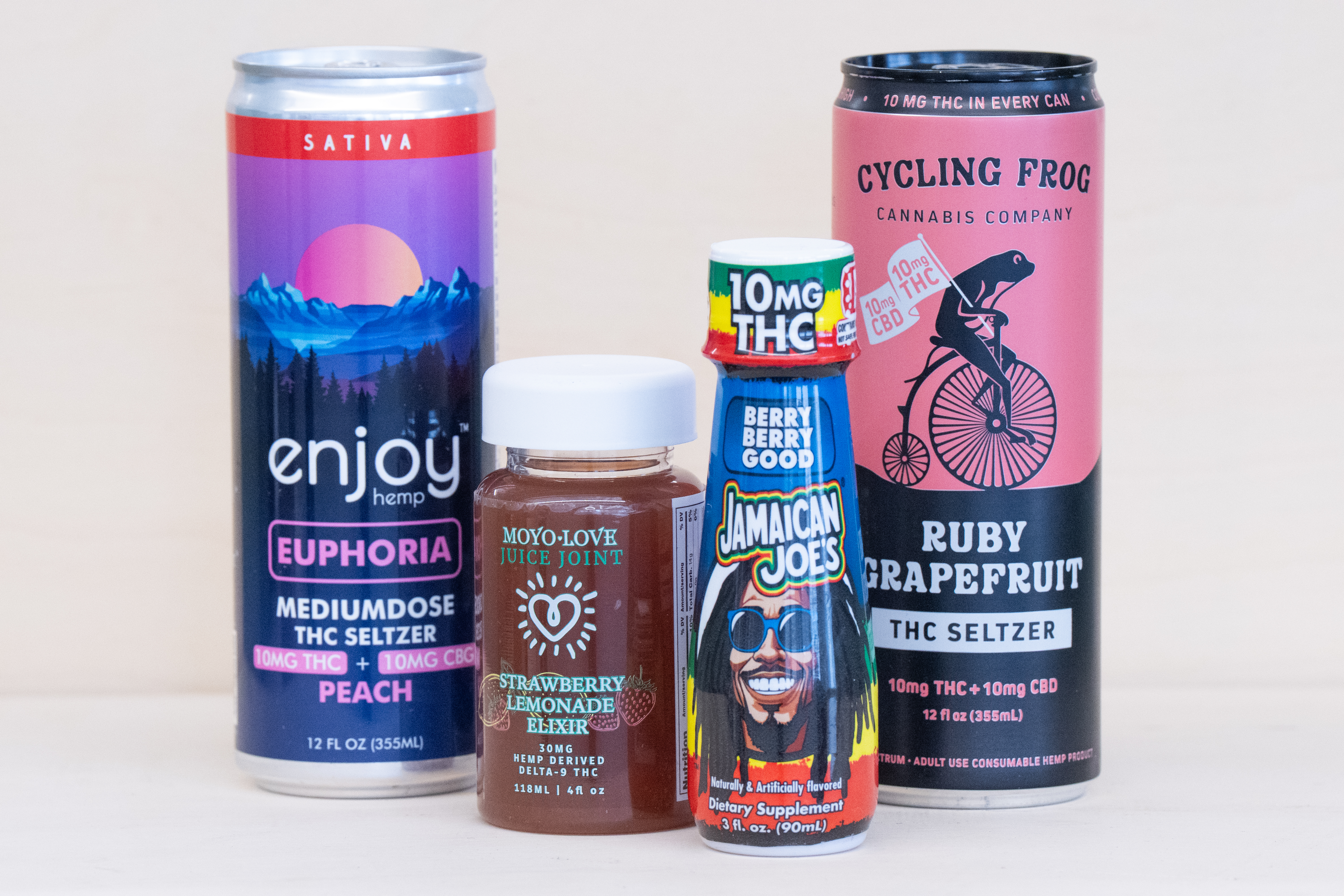
This federal rescheduling of marijuana would come on the heels of Congress’ banning all intoxicating hemp products, which are derived from cannabis plants. While this may seem like a policy flip-flop, Smith said, these are two different issues at hand.
Hemp products photographed at the Philadelphia Inquirer, November 21, 2025.
“The hemp ban is the result of the fact that the market was chaotic and, in many cases, unsafe. Without regulation, that market was rife with pesticides, heavy metals, and products that should not be on shelves,” Smith said.
But he contends there is a movement to push back against wider marijuana legalization. “There’s always pushback when there’s big change,” Smith said. “But also because of the instability created when we have state-regulated markets operating in a federally illegal area.”
Industry folks are hoping this move better aligns the federal government and state markets, opens the doors to research, and provides better clarity to states that are hesitant to legalize marijuana, Smith said.
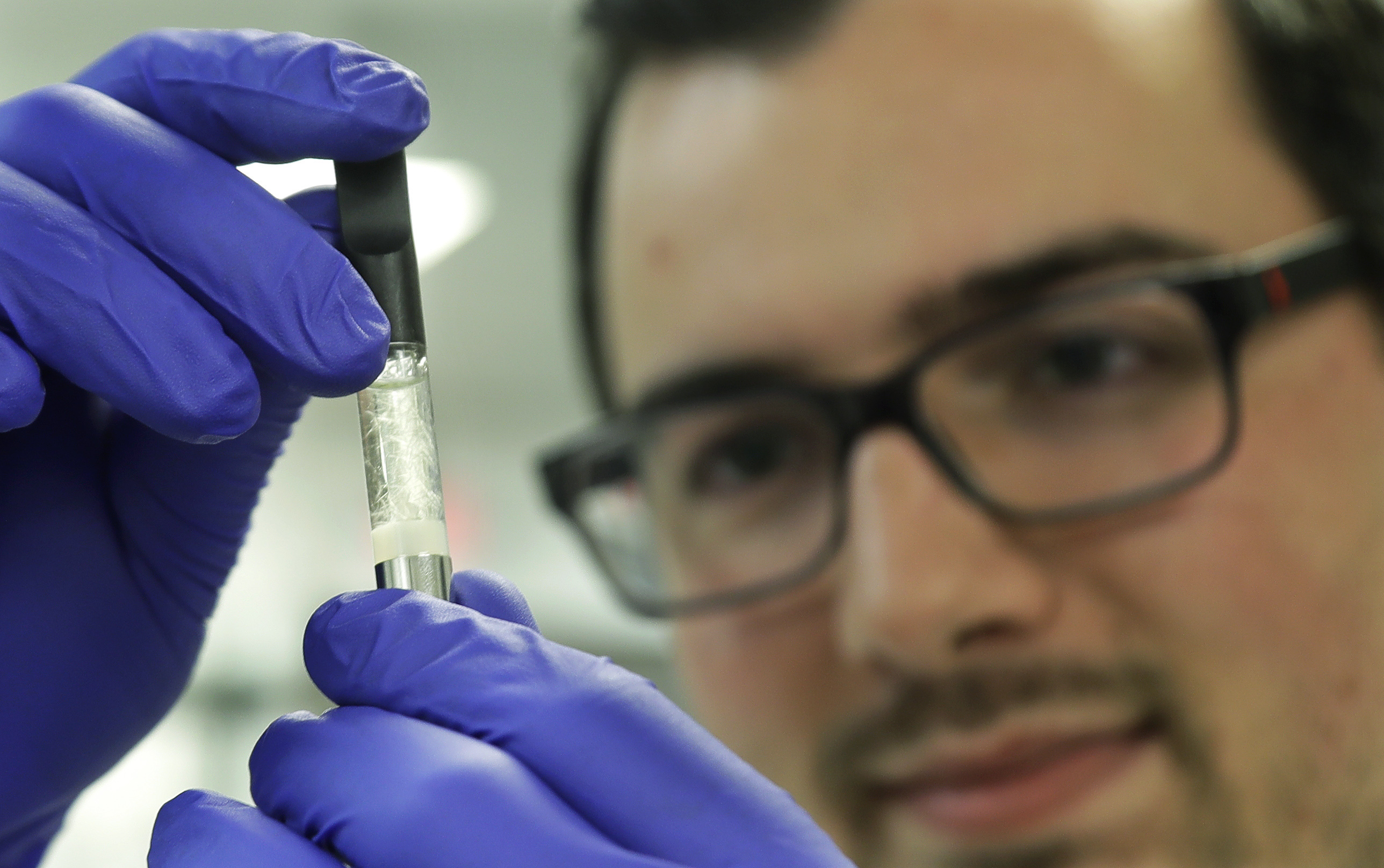
In this July 19, 2019, file photo, Pierce Prozy examines a Yolo! brand vape oil cartridge marketed as a CBD product at Flora Research Laboratories in Grants Pass, Ore.
Reducing restrictions on commercially available cannabis is “a key missing ingredient toward making clinical breakthroughs,” said Stephen Lankenau, director of Drexel University’s Medical Cannabis Research Center.
“A key issue is that any reclassification efforts need to reduce restrictions for university-based researchers to have access to cannabis-derived THC — commercially available products in particular — for clinical studies, whether laboratory or human subjects,” Lankenau said.
Researchers now are only able to examine hemp-derived nonpsychoactive cannabinoids like CBD or CBC. However, Lankenau said, it is unclear whether Trump’s proposal would give them the green light.