Category: Small Business

  • Philly business owners could save thousands with this little-known resource

    Philly business owners could save thousands with this little-known resource

    If you own a business in Philadelphia and you’re looking for financing, one little known resource is the Philadelphia Industrial Development Corp. or PIDC. Don’t be put off by the word industrial. The public-private organization was formed as a nonprofit by the City of Philadelphia and the Greater Philadelphia Chamber of Commerce to provide financing to all sorts of businesses to create jobs and revitalize neighborhoods.

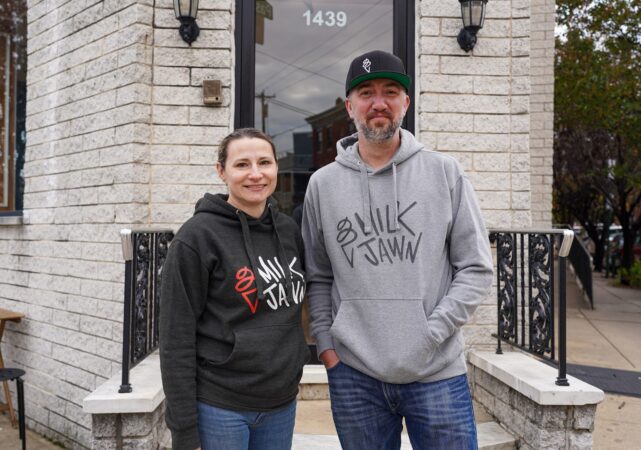
    For example, Milk Jawn, an ice cream shop in East Passyunk used PIDC financing to help with its expansion.

    “PIDC was our first type of institutional financing,” said Amy Wilson, Milk Jawn’s founder. “Our early growth was friends and family and some crowdfunding. PIDC then helped fund our build out and kitchen construction.”

    The organization says it’s focused on helping companies expand, and many different types of businesses would qualify for financing.

    “PIDC is Philadelphia’s partner for business growth,” said Kevin Lessard, a senior vice president at the organization. “We help businesses, nonprofits, and developers overcome barriers to expansion by providing financing and real estate solutions that make starting, staying, and scaling in the city possible.”

    To qualify for a loan through PIDC, your business must be located within the city, have operated for at least two years, and earn at least $100,000 in annual revenues. Special considerations may be made based on what the funds will be used for (i.e. building in a low-income area) or whether you’re a “disadvantaged” business owner. Personal guarantees and collateral are also normally required.

    Loans can be used for equipment and property as well as working capital needs and “soft” costs like legal, accounting, permits, and appraisals. One of the more popular uses of the loans is for commercial real estate financing, where financing can be used to acquire and renovate property or to fund new construction.

    Philly success stories

    For Alexander Sherack, a co-owner of Korea Taqueria, an eatery with several locations in Philadelphia, PIDC financing fit the kind of deal he was looking for.

    “We needed a property that was zoned commercial and mixed-use plus working capital so it wasn’t a typical path for a traditional bank loan,” he said. “We went with PIDC because it helped us replace rent with ownership — and our property turned out to be a hidden gem.”

    Businesses can apply online and will then go through an underwriting and due diligence process which usually includes submitting financial reports, bank statements, and tax returns, along with a business plan and forecast. Corporate documents such as bylaws and articles of incorporation are also required. Once the loan is received, there’s ongoing reporting and other compliance requirements, which include regular submission of financial information and updating any major changes in the business.

    Kia Jones owns Past Your Bedtime childcare in West Philadelphia and used PIDC financing for both working capital and renovations.

    “The staff there made it very easy,” she said. “Any questions that I had, they were right on it.”

    Pros of PIDC loans

    PIDC funding can be a great bridge to a traditional bank loan. Some applicants who may find themselves turned down for a bank loan may still be able to receive funding from the PIDC.

    PIDC takes more of a holistic, mission-driven approach. If a traditional bank turns you down, PIDC may still structure a deal — particularly if your project creates jobs or revitalizes neighborhoods. Getting PIDC involved may also encourage traditional banks to offer additional funding both now and in the future.

    PIDC loans generally have much lower interest rates than a traditional bank loan. Milk Jawn’s Wilson, for example, accessed a special 0% interest program in early 2022 through PIDC, a major cost savings in a time of rising interest rates. (This was part of a one-time pandemic relief program.)

    Finally, the PIDC provides education, support, and networking programs to help their community of borrowers manage and grow their businesses. And the connections can pay off.

    “We were able to meet partners of the PIDC,” Jones said. “One partner program called Boost Your Business got us a $50,000 forgivable loan. The organization is also very familiar with city grants and other local funding options.”

    Real talk

    As helpful as the organization can be, business owners shouldn’t expect to get immediate funding.

    Sherack recommends starting early and “building a transaction timeline” into any agreement where property is being purchased.

    “Don’t assume quick money,” he said. “Submit your documents fast and press for clarity on timing so you don’t lose the deal.”

    Wilson agrees and said she had to get a loan from a family member while she waited for the application process to complete.

    “We’re a mission-driven lender using public and public-private capital, so every deal requires careful underwriting and a clear path to economic impact,” Lessard said. “Unlike conventional lenders, we tailor each financing package to the business.”


  • Expecting a big tax refund? One missing detail could freeze your money for weeks

    Expecting a big tax refund? One missing detail could freeze your money for weeks

    Thanks to new changes in the tax law caused by 2025’s One Big Beautiful Bill — specifically with regard to new deductions for tipped and overtime income — the U.S. Treasury Department expects many taxpayers to receive refunds this year.

    “The bill was passed in July [and many] working Americans didn’t change their withholding, so they’re going to be getting very large refunds in the first quarter,” Treasury Secretary Scott Bessent said in a December interview broadcast on NBC10. “So I think we’re going to see $100 [billion]-$150 billion of refunds, which could be between $1,000 to $2,000 per household.”

    Sounds great. But be careful. If you’re in line to get your tax refund, you better make sure you’re prepared to share your bank account information with the Internal Revenue Service. Otherwise you could experience significant delays.

    A new IRS rule that affects 2025 tax returns is now requiring taxpayers to provide their bank account and routing numbers to receive refunds timely via direct deposit.

    The IRS will still process individual income tax returns (Form 1040 series) filed without bank account information. However, the agency will temporarily freeze the refund until the taxpayer provides direct-deposit information or requests a paper check. More importantly, if incorrect bank account information is submitted, the IRS will freeze those direct deposits until the issue is resolved.

    “Many taxpayers haven’t fully grasped that shift yet,” said Mitchell Gerstein, a senior tax adviser at Isdaner & Company in Bala Cynwyd. “If you are hesitant to share bank information with the IRS, we explain that electronic payments are now the default.”

    Some may not feel comfortable sharing their bank information with the government, and ultimately providing this information is voluntary. But, according to Philadelphia CPA Jacob Cohen, not doing so will create headaches and delays.

    “If a taxpayer does not want to share the information, their refund will take longer to process and the IRS will still attempt to collect banking information before they issue a refund check,” he said. “The refund could be delayed several weeks at a minimum, but likely longer.”

    Not everyone will be affected by this rule. The IRS says international taxpayers, minors, prisoners, taxpayers with religious exceptions, and decedent taxpayers will receive paper check refunds as in the past.

    And the IRS will still be making payments by check for now for those who request it. But they do plan on phasing out that ability in the coming years.

    “If you do not have an account, we’d recommend setting up a basic no-fee checking account in person at a reputable bank, or even online with certain banks like Ally Bank or Discover Bank,” Cohen said. The IRS offers the ability to split your refund into up to three accounts for retirement, savings, and checking.

    What if you don’t have a bank account and don’t want to open one?

    There are other options for those without bank accounts.

    Treasury does offer alternative options such as prepaid debit cards, credit cards, or approved digital wallets such as PayPal, says Gerstein. Many reloadable prepaid cards like Netspend and Bluebird provide a routing and account number that you can use for direct deposit.

    Make sure to check with your mobile app provider or financial institution to confirm which numbers to use.

    The IRS also recommends visiting the FDIC website or using the National Credit Union Administration‘s Credit Union Locator Tool to find a bank or credit union and how to choose the right account for you. If you are a veteran, you can use the Veterans Benefits Banking Program (VBBP) for access to financial services at participating banks

    If you decide to go fully digital, Philadelphia CPA David Lopez recommends setting up your online account and also creating an account on ID.me. This program is used by several government and non-government agencies and allows you to track the status of your tax refund.

    “For the IRS, you can use the ID.me platform to review your tax documents for the past seven years, run reports on your income and wages, and obtain tax documents that you may have displaced,” he said. Users can see “if you owe, if you have a refund, and [can] even make payments in installments if needed.”

    Typical refunds are processed within 21 days for an e-filed return and six weeks or more if sent by mail, according to the IRS. Refunds will take even longer if corrections are needed or bank information isn’t included. Where’s My Refund will have the latest information on your return.

    Why is the IRS pushing so hard for electronic payments?

    Gerstein says the real benefit for both individuals and businesses is faster, more secure refunds and fewer lost checks with an immediate payment confirmation. Most accounting experts say that the IRS does process refunds via direct deposit faster than by check and that it’s the quickest way to do business with the agency.

    “Our advice is simple,” he said. “Set up an IRS online account, double-check your bank routing and account numbers, and don’t ignore IRS letters.

  • Philly-area marketing experts on how to succeed on LinkedIn| Expert Opinion

    Philly-area marketing experts on how to succeed on LinkedIn| Expert Opinion

    LinkedIn now has more than 1.3 billion members by its own count. That includes millions in senior roles and C-level executives, according to a recent report from Search Engine Journal, “making it a hot spot for those aiming to connect with folks who have the power to hire your company, stock your product, or partner with your brand.”

    I’ve personally used LinkedIn for years and have built up a large number of followers. The platform has helped me grow my business, find prospects, connect with potential employees, and create new relationships.

    But, like many small-business owners, I could be doing more to increase my engagement and meet more people. Here are a few thoughts from local experts on how to maximize LinkedIn’s potential.

    Engage thoughtfully

    As with most social media sites, succeeding on LinkedIn is all about engagement. Just using the platform as a billboard for your product or services isn’t going to cut it. A LinkedIn relationship will grow when information is shared and conversation is open.

    Kevin Homer, president of Navitas Marketing in Trooper, recommends taking the time to interact with other LinkedIn users’ content and leaving thoughtful comments.

    “When you create real dialogue, LinkedIn expands your reach and strengthens your relationships,” he said.

    “Fostering conversations is the most important thing,” said Courtney Thomas, who specializes in social media at locally based communications agency Aloysius Butler & Clark.

    “If you’re regularly commenting — whether on your own posts or on other people’s or company pages’ posts — you’ll see your engagement rise,” Thomas said. “LinkedIn rewards people who participate, not just those who publish.”

    Be authentic

    Sometimes people treat LinkedIn like a vehicle to trumpet their personal and professional accomplishments. Experts warn that treating the platform in this manner can hurt your credibility and create the risk of public ridicule, which is not a good strategy for professional growth.

    It’s important to treat this platform for what it’s meant to be — a business networking site. Be professional. Be real. Be humble, and don’t be a fake.

    Nick Quirk, chief operating offer at digital marketing agency SEO Locale in Montgomeryville, says LinkedIn users should not “just broadcast information” but instead invite discussion.

    “Engagement is a two-way street, and growth happens when you stop trying to sell and start trying to connect,” he said. “People don’t come to LinkedIn to be pitched — they come to learn and relate.”

    If you’re not posting content people actually want to engage with, your engagement will tank, Thomas said.

    “People can tell immediately when something is too salesy or reads as fake,” she said. “LinkedIn isn’t the place for constant promotion; it’s where you establish credibility, demonstrate expertise, and build relationships.”

    Be consistent

    What you get out of LinkedIn will depend on what you put into it. You can’t just post something once in a while or appear and then disappear for significant lengths of time. This is a community, and you’re expected to be involved.

    “Both the algorithm and your audience reward consistency,” Quirk said, so you can’t build a following by just posting once a month.

    Homer suggests posting at least once a week, which “creates more opportunities for engagement.”

    “Helpful content that shows up regularly trains your audience to expect value from you, and engagement on those posts leads to even more visibility,” Homer said.

    Use LinkedIn tools, but don’t go overboard

    LinkedIn provides many tools for its users to accumulate more followers and spread awareness. These include video images, articles, and labels to optimize your profile, enormous amounts of online content for skill development, as well as functionality to help you create automatic replies and messaging, referrals, recommendations, and endorsements that will get you noticed and help to bolster your credibility.

    The platform is a popular place to recruit talent and, with its Sales Navigator add-in, find and then nurture leads.

    “Take advantage of everything LinkedIn lets you do,” Thomas said. ”Long-form articles, PDFs, videos, polls — there are so many features people ignore. The platform prioritizes content that keeps users engaged on LinkedIn instead of sending them elsewhere.”

    Adding images and video to posts significantly enhances them and helps boost visibility, Homer noted.

    “Think about keywords and hashtags the same way you would SEO on your website,” he said. “LinkedIn search works similarly.”

    These capabilities are helpful, but it’s important not to be robotic. For example, Quirk’s biggest pet peeve is when someone sends a connection request and then follow it with an instant, multi-paragraph sales message.

    “It’s spammy, disrespectful of time, and burns bridges,” he said. “Always personalize connection requests. Once they accept, you’ve earned a follower, not a lead.”

    Homer says it is a “major mistake” to ignore replies and rely on automatic LinkedIn messages.

    “Nothing turns people off faster than connecting and immediately receiving a generic sales pitch,” he said. “Real relationships require real conversations.”

    LinkedIn is a great place to start and build relationships that could lead to new business or profitable partnerships. In my experience, people who use it every day to both get and share knowledge, without doing a hard sell, are the most successful.

    “The businesses that get the most value out of LinkedIn understand that it’s a long game,” Thomas said. ”When you focus on contributing meaningfully instead of selling aggressively, you build an audience that actually wants to hear from you, and that’s far more valuable.”

  • How Philadelphia merchants can get help paying for improvements, equipment, and security| Expert Opinion

    How Philadelphia merchants can get help paying for improvements, equipment, and security| Expert Opinion

    Running a retail or restaurant business in Philadelphia isn’t easy.

    But some local programs can provide much-needed cash for specific purposes like equipment purchases, store improvements, and security.

    Here are four to consider.

    The Storefront Development Program

    Operated by the Philadelphia Department of Commerce, the Storefront Development Program provides as much as $15,000 in matching funds to upgrade and beautify your storefront, including masonry and brick pointing, exterior painting, new windows or doors, facade lighting, signage and awnings, see-through security grills, cornices, and similar enhancements. Only businesses in certain commercial corridors are eligible and projects must be planned and approved in advance.

    Justin Coleman, owner of Bake’n Bacon in South Philadelphia, used the program to replace deteriorating windows, update doors, and repaint his storefront’s exterior.

    “The program helped us cover half the expenses for our 11-foot windows, which was a tremendous assistance,” he said. ”The new paint made a significant difference, and the upgrades to the exterior of my business improved visibility and curb appeal.”

    InStore Forgivable Loan Program

    Also administered by the city’s Department of Commerce, the InStore Forgivable Loan Program offers forgivable loans of up to $100,000, which are interest-free for the first five years. They can be used for interior build-outs, equipment purchases, and other improvements.

    Forgiveness is given if the business is open and operating at the same location for the full five-year term. Like the Storefront Development Program, only businesses located in certain areas of the city are eligible.

    Business Security Camera Program

    The city’s Department of Commerce also provides up to $3,000 in matching funds for businesses and property owners that install exterior security cameras through the Business Security Camera Program.

    Companies that participate must register their cameras with the Philadelphia Police Department’s SafeCam system, so police can request access to footage when needed. Participants must either own the property or have permission from the landlord and can only use contractors approved by the city. The application process also requires photos and cost estimates.

    “I wanted to have as many exterior security cameras around my storefront, as there can be a lot going on out there,” said James Singleton, owner of men’s clothing store Smooth Like That in Olney. “These cameras are good for the commercial area, making everyone feel safer.”

    Stabilization grants

    The Merchants Fund was founded in 1854 in Philadelphia to initially support retired merchants with pensions. But today the fund aids active small businesses with financial needs.

    The fund offers stabilization grants, which are intended to help stabilize a business when it can identify a specific issue or challenge that it doesn’t have the financial means to address, said Jill Fink, the fund’s executive director.

    “Often these are capital expenses — equipment, repairs, or improvements — that have a real shelf life, and small businesses simply don’t have the thousands of dollars needed to replace them,” she said. “Our goal is to make an investment that actually fixes something so that the business can keep operating, serve its neighborhood, and in some cases create a new revenue stream.”

    The fund provides one-time grants of up to $10,000 to eligible Philadelphia-based small businesses. They must be independently owned; have a physical storefront, food truck, or kiosk; have been in business for at least two years; and demonstrate financial need, with annual revenue between $50,000 and $750,000. Professional services firms, nonprofits, and real estate, childcare, and eldercare businesses are not eligible.

    At the Link Studios in Old City, which sells hair and beauty products and services, the fund helped owner Carla Clarkson turn an unused space into something functional. She used the grant to buy shelving, storage, air purifiers, heating and air, and paint. She was also able to access coaching and mentorship from other business owners.

    “The networking alone was incredibly valuable,” Clarkson said. “I met other entrepreneurs and nonprofit leaders, and that directly led to new opportunities for my business.”

    Fink, a former business owner, stresses the additional resources that her fund provides beyond just grants.

    “We work to try and find ways to connect businesses with each other because being a small-business owner can be a very lonely place,” she said. “There’s lots of times in their business they might have friends or family that don’t necessarily understand the stress and pressure that a small business is under.”

    When machines at the NV Optical store in West Philadelphia went down, owner Tiffany Easley said, the business couldn’t afford the necessary repairs, and the Merchants Fund was an enormous help.

    “It was less than 30 days from application to repair. The timing lined up perfectly and made a huge difference for our business,” she said. “They don’t just give you money. They understand small business struggles and connect you to resources that are vital to long-term growth.”

    The Merchant Fund’s next enrollment period opens March 15.

    Whether you’re pursuing a City of Philadelphia program or a stabilization grant from the Merchants Fund, your business is expected to be licensed, registered, and have all necessary permits from the city and state. And it must be current on both federal and local taxes or enrolled in an approved payment program.

  • Ena Widjojo, owner and longtime celebrated chef at Hardena in South Philadelphia, has died at 73

    Ena Widjojo, owner and longtime celebrated chef at Hardena in South Philadelphia, has died at 73

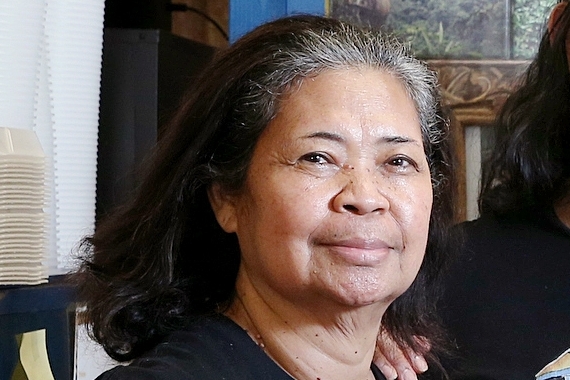
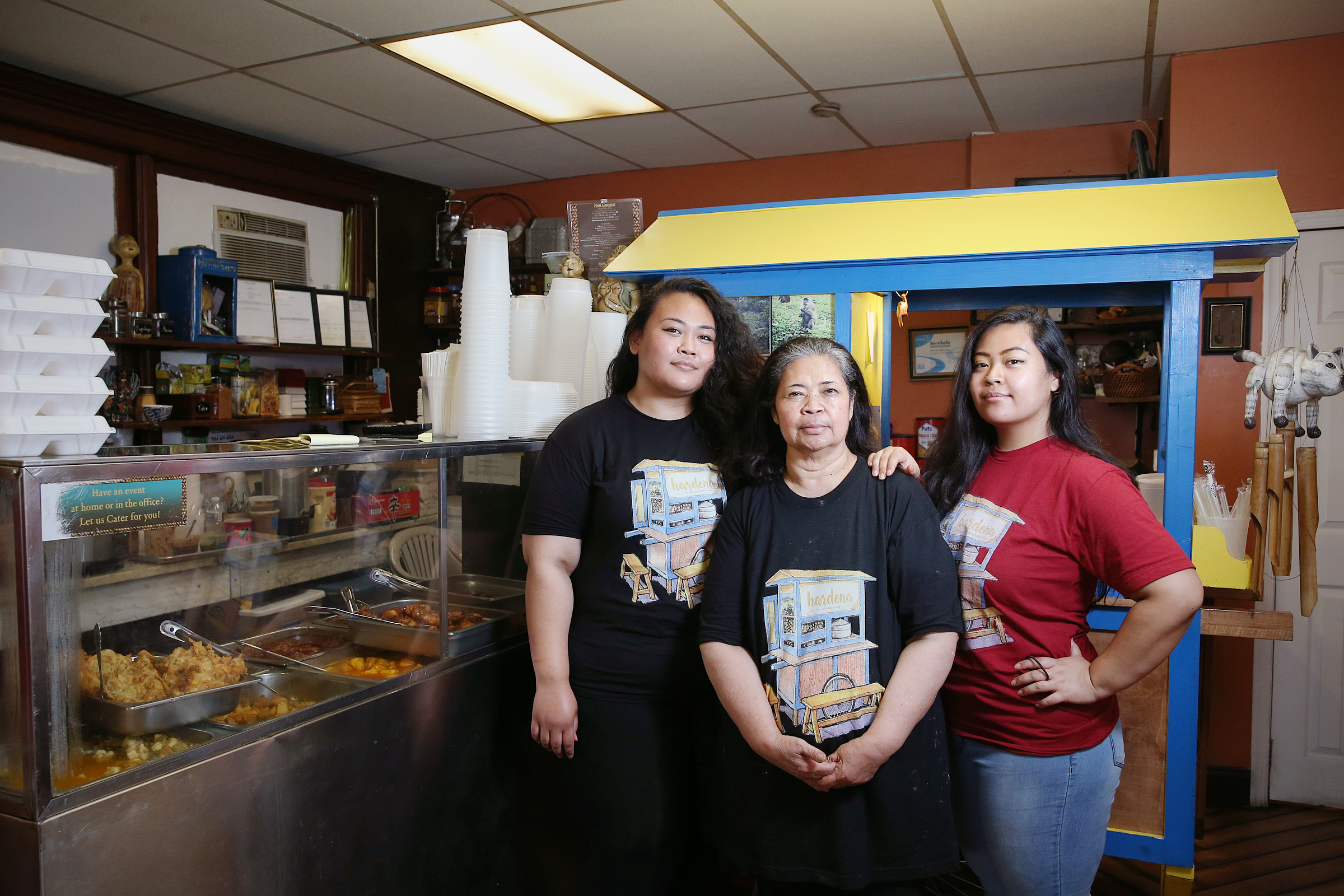
    Ena Widjojo, 73, of Philadelphia, owner and longtime celebrated chef at the Hardena restaurant in South Philadelphia, mentor, and mother, died Wednesday, Dec. 24, of cancer at her home.

    Born and reared in Java, Indonesia, Mrs. Widjojo came to the United States in 1969 when she was 17. She opened a cantina at the Indonesian Consulate in New York in 1977, worked as a caterer in the 1990s after the cantina closed in 1989, and moved to Philadelphia in 2000 to open Hardena with her husband, Harry.

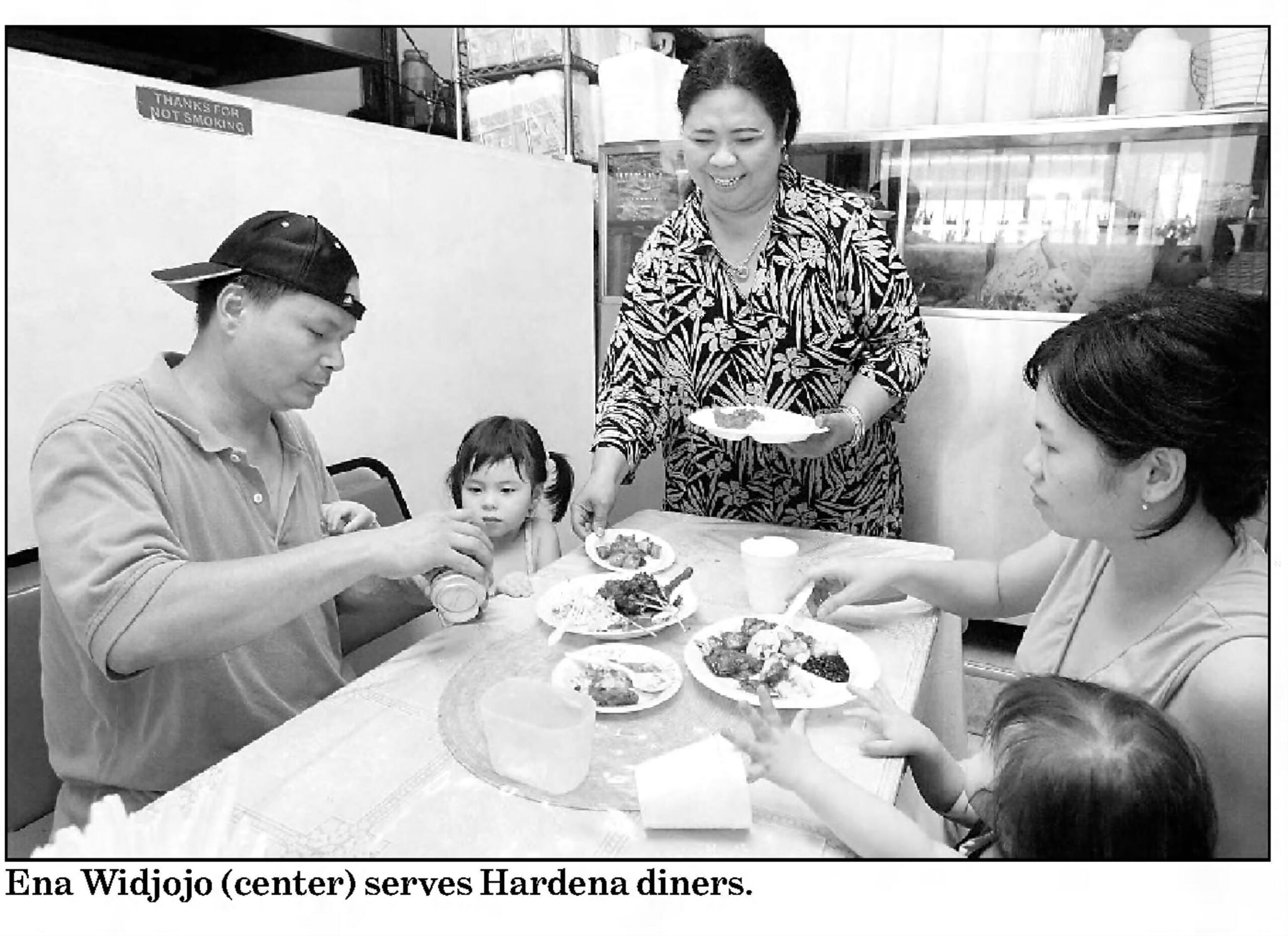
    Over the next decade and a half, until she retired in 2017, Mrs. Widjojo grew Hardena, described by the Daily News in 2007 as “a postage-stamp-size luncheonette at Hicks and Moore Streets in a gritty section of South Philly,” into a culinary and cultural connection for thousands of local Indonesians and other diners who enjoyed her homemade Southeast Asia cuisine.

    The corner restaurant’s name is a blend of their names, Harry and Ena, and features Indonesian specialties such as golden tofu, goat curry, saté chicken, beef rendang, and tempeh. “It’s the best Indonesian food in Philadelphia, a great mix of Indian and Chinese flavors,” elementary schoolteacher Aaron MacLennan told the Daily News in 2007.

    This photo of Mrs. Widjojo appeared in the Daily News in 2007

    In 2012, Philadelphia Magazine named Hardena one of its Best of Philly Indonesian restaurants, calling it a “no-frills, high-flavor buffet.” In February 2018, Mrs. Widjojo and two of her three daughters were named semifinalists for the James Beard Foundation’s best chef award for the Mid-Atlantic states. In October 2018, Inquirer food critic Craig LaBan praised the restaurant’s “aromatic steam table of homestyle cooking that’s been a well-priced anchor of Indonesian comfort for 18 years.”

    Friendly and ever present at the lunch and dinner rushes, Mrs. Widjojo was known as Mama to many of her customers and friends. She learned how to bake and cook from her mother, a culinary teacher in Java, and later incorporated many of her mother’s recipes into her own memorable melting pot of Indian, Chinese, Arab, Portuguese, Spanish, English, and Dutch dishes at Hardena.

    “She served me greens once, and I felt like I was at home,” a friend said on Instagram.

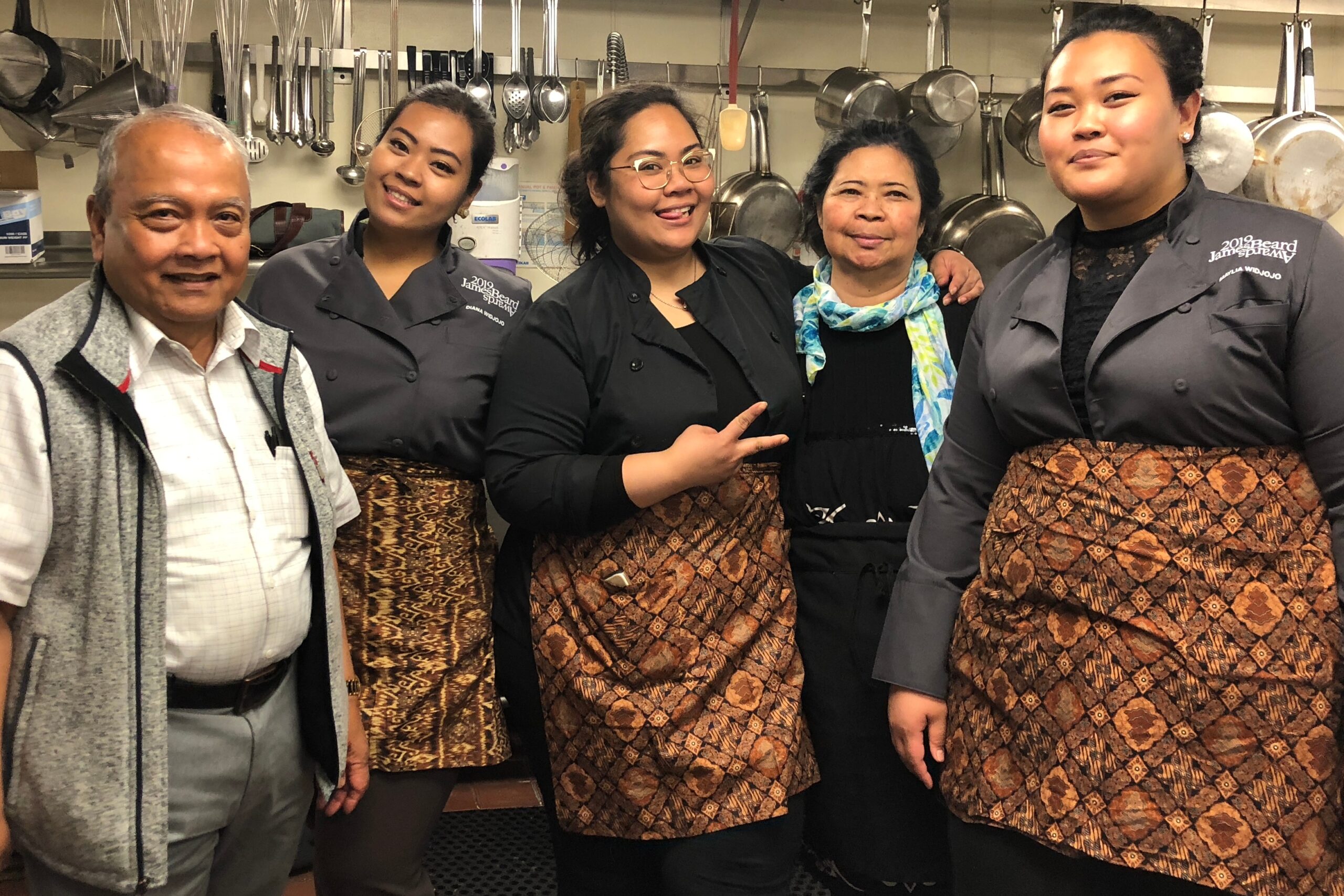
    She and her husband traveled weekly between Philadelphia and Queens while their daughters — Diana, Maylia, and Stephanie — finished school in New York. Maylia and Diana assumed control of Hardena when Mrs. Widjojo retired, and Diana opened the restaurant Rice & Sambal on East Passyunk Avenue in 2024.

    Earlier, at the consulate in New York, Mrs. Widjojo made meals for former Secretary of State Henry Kissinger and former Indonesian President Suharto and his large entourage. “I cooked for all the diplomats.” she told The Inquirer in 2018.

    Mrs. Widjojo (second from right) smiles with her husband and three daughters.

    She grew chili peppers and lime trees in her South Philly backyard, was happy to share kitchen tips and cultural traditions with visitors and cooking classes, and helped her daughters cater the 2019 James Beard Foundation’s annual Media Awards in New York.

    She worked six days a week for years and told edible Philly in 2017 that her retirement was good for her daughters. “If I’m cooking all the time,” she said, “they’re not learning.”

    Ena Djuneidi Juniarsah was born April 24, 1952. She baked cakes in a charcoal oven for her mother in Java and sold cookies and pastries after school when she was young. “

    Her mother was strict about cooking, Mrs. Widjojo said in 2018, and discarded any and all imperfect creations. “Like me, with my kids’ cooking,” she said, “if you’re not good, that’s no good.”

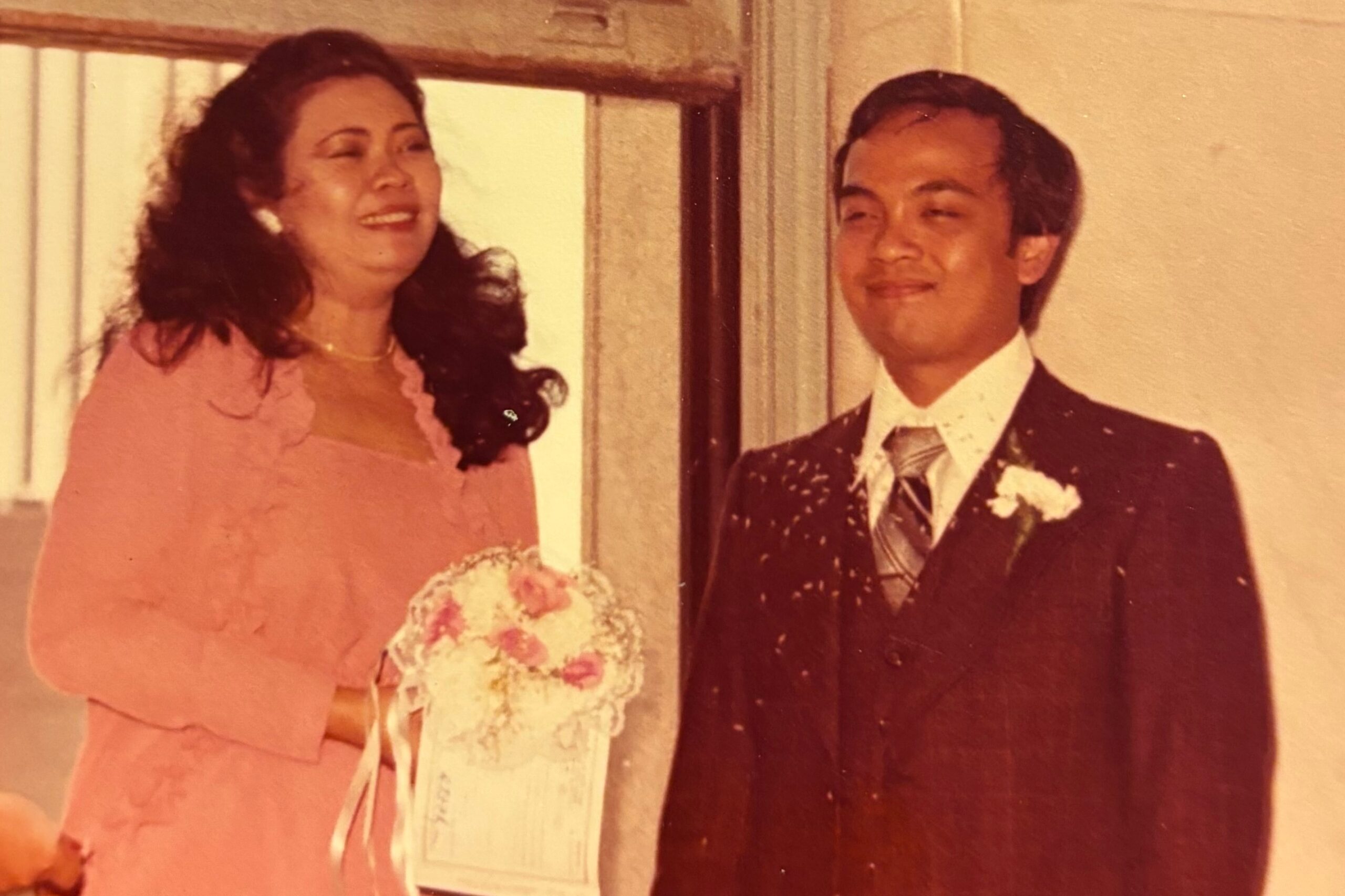
    She married fellow restaurateur Harry Widjojo in New York and spent time as a singer, beautician, florist, and nanny before cooking full time. Away from the restaurant, she enjoyed drawing, painting, crocheting, and family strolls in the park.

    Mrs. Widjojo and her husband, Harry, were married in New York.

    She could be goofy, her daughters said. She sang “You Are My Sunshine” when they were young and served as their lifelong mentor and teacher.

    Friends called her “sweet,” “amazing,” “a beautiful soul,” and “warm and welcoming” on Instagram. She was diagnosed with cancer in 2015.

    “Her life, generosity, and talent enriched the hearts of all who met her,” her family said in a tribute. “She taught us that feeding people is one of the purest ways to show love, have pride in our culture, and support our family.”

    Maylia said: “She was always giving.”

    Stephanie said: “She was always there for me.”

    Mrs. Widjojo (center) stands in Hardena with her daughters Maylia (left) and Diana in 2020.

    Diana said: “She saw the world with open arms and an open heart. She was a wonder woman.”

    In addition to her husband and daughters, Mrs. Widjojo is survived by two grandchildren, a sister, two brothers, and other relatives. A sister and two brothers died earlier.

    A celebration of her life was held Dec. 27.

    Donations in her name may be made to Masjid Al Falah Mosque, 1603 S. 17th St. Philadelphia, Pa. 19145.

    Mrs. Widjojo came to the United States from Java when she was 17.
  • Philadelphia is a top place to launch a start-up — but success requires more than passion | Expert Opinion

    Philadelphia is a top place to launch a start-up — but success requires more than passion | Expert Opinion

    It seems that Philadelphia’s reputation as a good place to start a business got a boost this past year.

    The city ranked 13th among 350 “start-up ecosystems” worldwide in Startup Genome‘s 2025 Global Startup Ecosystem Report, which considers educational resources, labor, taxes, and funding opportunities.

    The region attracted over $900 million in equity funding and acquisitions in 2024-25, according to the Greater Philadelphia Chamber of Commerce; expanded biotech and robotics facilities; and launched AI education initiatives — all supported by public-private partnerships and university-led R&D.

    Chamber CEO Chellie Cameron said the Startup Genome ranking “affirms our region’s emergence as a global destination for innovation, business, and opportunity.”

    From 2019 to 2024, the U.S. saw more than 21 million new business applications, marking the largest-ever spike.

    Software giant Intuit recently reported that and “33% of U.S. adults plan to start a business or side hustle next year — a 94% year-over-year increase.” LinkedIn says the number of “founders” listed on the platform grew 69% last year.

    Are you thinking of starting a business this year? Before you quit your job, here’s some practical advice.

    Get your finances in order

    When I started my business, I did so while having a full-time job. I worked a lot of hours. But that’s because I needed to build up an income stream to support me for when I eventually left the corporate world.

    Smart entrepreneurs know their finances. They’re good at math or have advisers that help them. They recognize the importance of accounting.

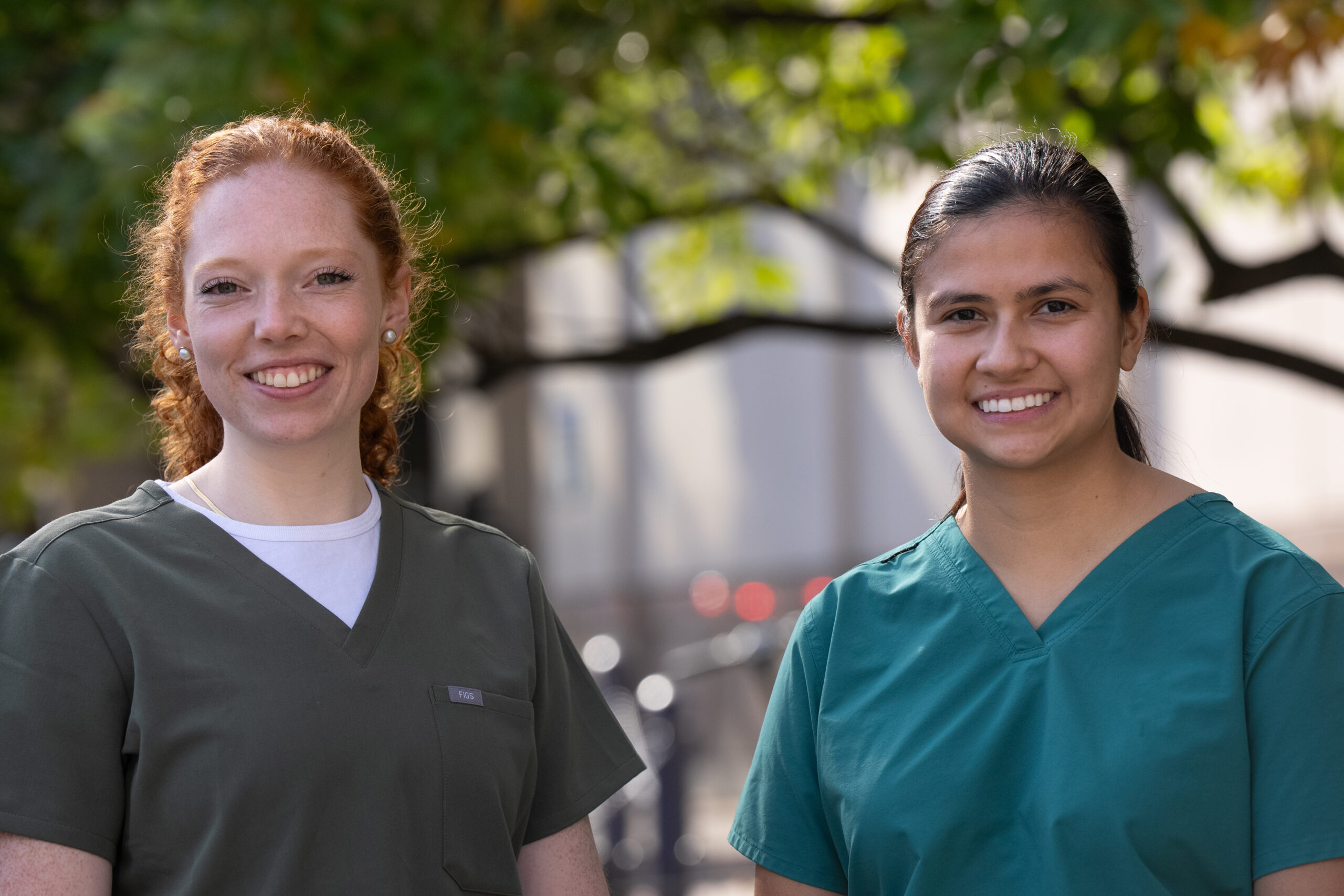
    Gabriella Daltoso, a founder and CEO of Philadelphia-based medical device start-up Sonura, recognized the importance of understanding her numbers and embarked on a program to learn the basics of accounting. A trained scientist, she sought out help from people with business expertise at the University of Pennsylvania, where she spun out the business.

    “I got a freshman finance textbook, learned the terms, and then learned from other founders’ experiences,” Daltoso said. “I found mentors and professors who would help me at Penn. People can be incredibly helpful when you reach out.”

    Sonura founders Gabriella Daltoso (left) and Sophie Ishiwari at the Hospital of the University of Pennsylvania in November.

    Start-ups need capital, and for financing, it’s important to have a solid business plan with realistic projections of revenues and expenses. You need to establish relationships with banks, investors, family members, friends, venture capitalists, or anyone else that could be a source of financing. You should have enough money in the bank to support yourself and your family for at least two years because it will likely take that long to get your business cash positive.

    James Massaquoi, a board member at the Seybert Foundation and former analyst at Philadelphia venture capital firm Osage Partners, emphasizes planning capital needs early, ideally before launching. Massaquoi urges founders to deeply understand their cost structure and assumptions before getting in too deep.

    “Talk to bankers and other sources of capital before you really start the business, so it’s a conversation — not another checklist,” he said. “Spend more time modeling out costs than forecasting profits because costs fluctuate dramatically, especially in the first two years.”

    Make sure your family is on board

    Think you’re busy now? Wait until you start a business.

    You will spend much more time launching, running, and growing your enterprise than you expect. You will work nights, weekends, and crazy hours. People will be happy for you and supportive, but in the end, it’s all on your shoulders.

    This kind of stress could put a strain on your personal life. You will not succeed unless your family members understand this and are ready to support you.

    “Work-life balance is really about how much work you need to do for this to be successful — and how much pressure you feel to make it succeed,” Massaquoi said.

    Be realistic

    Passion for your business venture is important, but profits are just as important. Your model needs to be satisfying a market need if it’s going to have a legitimate chance.

    The typical life span of a start-up is two to five years, with 70% going out of business before reaching their fifth year. The odds are against you.

    The ones that do survive fix problems and do so better than their competitors. They watch their pennies and are open to change based on what their customers need.

    Take your business seriously

    Talk to a tax and legal adviser and form a company — maybe a corporation, partnership, or limited liability company. Use these advisers to help you register your business with the state and the federal government.

    Create a professional website. Establish a commercial mailing address (not your home) and a toll-free phone number.

    Pay in your estimated taxes, and file your tax returns on time.

    As you hire employees, create policies and procedures and try to offer the types of benefits that established businesses provide like health insurance, retirement plans, and flexible time off.

    If you are truly running a business (and not just a hobby), you need to act like a business.

    Lean on local resources

    As a start-up founder in Philadelphia, you’re not alone. The area has a number of great resources to help your small business get funding and grow.

    Introduce yourself to the Small Business Development Center at Temple University’s Fox School of Business. Reach out to SCORE, which is part of the Small Business Administration. Get involved with nonprofits that provide education, financing help, and mentorship to start-ups, such as: the Philadelphia Alliance for Capital and Technologies, Venture Lab (University of Pennsylvania), Broad Street Angels, Startup Leaders, Entrepreneur Works, and Urban League Entrepreneurship Center.

    Take advantage of the free space and other resources offered by the Free Library of Philadelphia.

    Also, surround yourself with as many experts as you can afford. Have a good accountant, lawyer, coach, and advisers on hand to help you make decisions. Build these costs into your business plan and projections because these people are critical for your business success.

    “Your expertise isn’t having all the answers; it’s learning from anyone who’s willing to share,” Daltoso said. “It’s really important to hear everyone, synthesize what’s useful, and move forward with confidence.”

  • Margaret Dupree, longtime funeral director and teacher’s aide, has died at 104

    Margaret Dupree, longtime funeral director and teacher’s aide, has died at 104

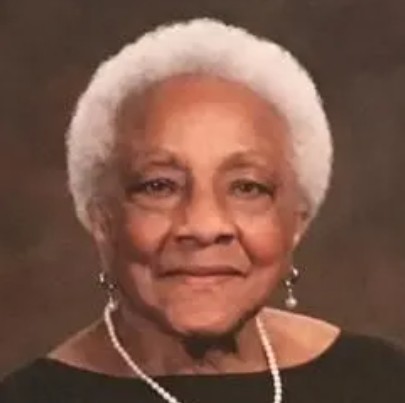
    Margaret Dupree, 104, of Philadelphia, cofounder, director, and president of Dupree Funeral Home Inc. at 28th and Diamond Streets in North Philadelphia, former teacher’s aide for the School District of Philadelphia, beautician, and mentor, died Monday, Dec. 15, of age-associated decline at Thomas Jefferson University Hospital.

    Mrs. Dupree and her husband, Troy, established the Dupree Funeral Home in 1955, and she became sole owner and president when he died in 1987. Her son Kenneth joined her as supervisor, and together, for nearly 40 years, they conducted thousands of funerals and oversaw a building expansion in 2000 and renovation in 2003.

    Most often, Mrs. Dupree supervised the books and answered the office telephone. Her son handles the funeral arrangements. “She was very meticulous and organized,” her son said. “She continued our legacy and served with integrity.”

    In the 1960s and ‘70s, Mrs. Dupree told The Inquirer in 1999, funerals were held at night because most people worked during the day. So she and her husband had day jobs, too. She was a reading and math aide at William Dick and Richard R. Wright Elementary Schools. He worked for the telephone company.

    Mrs. Dupree earned a beautician’s license after graduating from Philadelphia High School for Girls in 1941.

    She earned a beautician’s license after graduating from Philadelphia High School for Girls in 1941 and worked at her mother’s beauty shop at 13th Street and Susquehanna Avenue for a while. She became licensed as a funeral director in 1949 and met her husband when they were interns at a funeral home in South Philadelphia.

    “Her lifelong commitment to funeral service stands as a rare and remarkable testament to dedication, professionalism, and service to families during their most sacred moments,” her family said in a tribute.

    Mrs. Dupree was among the oldest licensed funeral directors in the country, her family said, and she told The Inquirer she went into the business because morticians and barbers were so respected when she was a child. “They were the people who were looked up to,” she said.

    She used her makeup and beauty expertise to augment the cosmetic work on bodies in the mortuaries and said in 1995: “In the early stages, I liked doing reconstructive work. I relished doing the ‘invisible stitch.’”

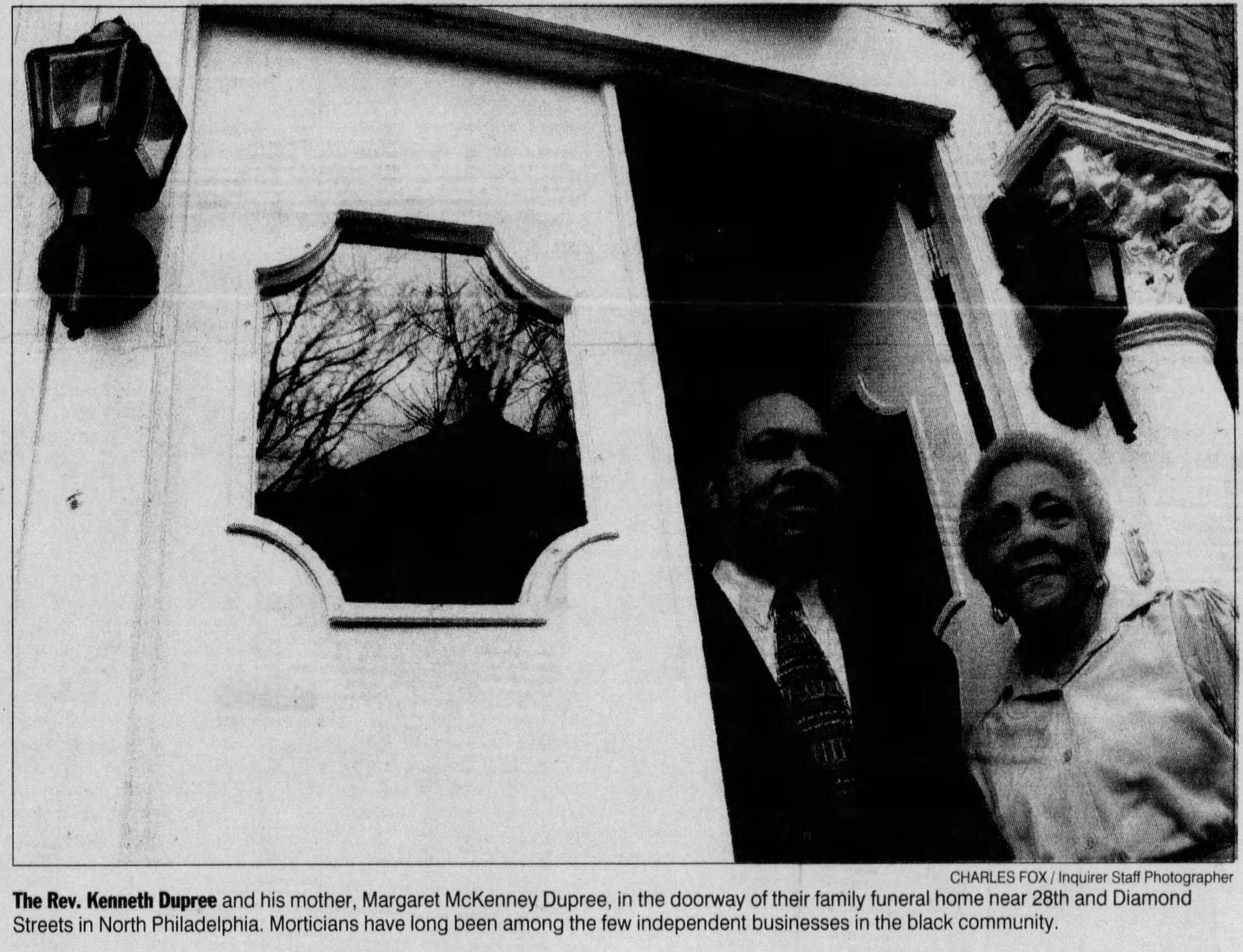
    This photo of Mrs. Dupree (right) and her son Kenneth appeared in The Inquirer in 1999.

    Her family called her career “a powerful symbol of her lifelong devotion to the calling of funeral service” and praised her “mentoring others, serving families with dignity, and remaining deeply connected to the profession she loved.”

    She was a charter member of Child’s Memorial Baptist Church, known now as Keeping It Real Christian Fellowship, and supported affordable housing initiatives in North Philadelphia. “I like for women to have a place to raise their children,” she told The Inquirer in 1998 regarding a proposed housing renewal project. “If you give people a place to work and take care of their children, then the whole neighborhood will be improved.”

    Friends and former colleagues called her “funny and sweet” and a “history maker” in online tributes. One friend said she was “a woman of grace, and her radiant smile always was contagious.” Another said: “She has had a positive impact on so many Philadelphians.”

    Margaret Alma McKenney was born July 8, 1921, in Belvedere, S.C. She relocated with her family to North Philadelphia when she was 5 and grew up at 13th and Diamond Streets.

    Mrs. Dupree doted on her grandchildren and great-grandchildren.

    During World War II, she worked for the Army Signal Corps and at the Frankford Arsenal. Afterward, she earned her funeral director’s license at the old Eckels College of Mortuary Science in Philadelphia.

    She married Troy Dupree in 1951, and they had daughters Melanie and Carrie, and sons Troy Jr. and Kenneth. For years, she reared the children, worked at the funeral home, and helped out at her mother’s shop.

    Later, she doted on her grandchildren and great-grandchildren, and a friend said online: “I am a better grandma having watched from one of the best to ever do it.”

    Mrs. Dupree enjoyed knitting sweaters for her children, solving cryptograms in the newspaper, and traveling with family and friends to Bermuda, Africa, and elsewhere. She always, even at restaurants, her son Kenneth said, ate her dessert first.

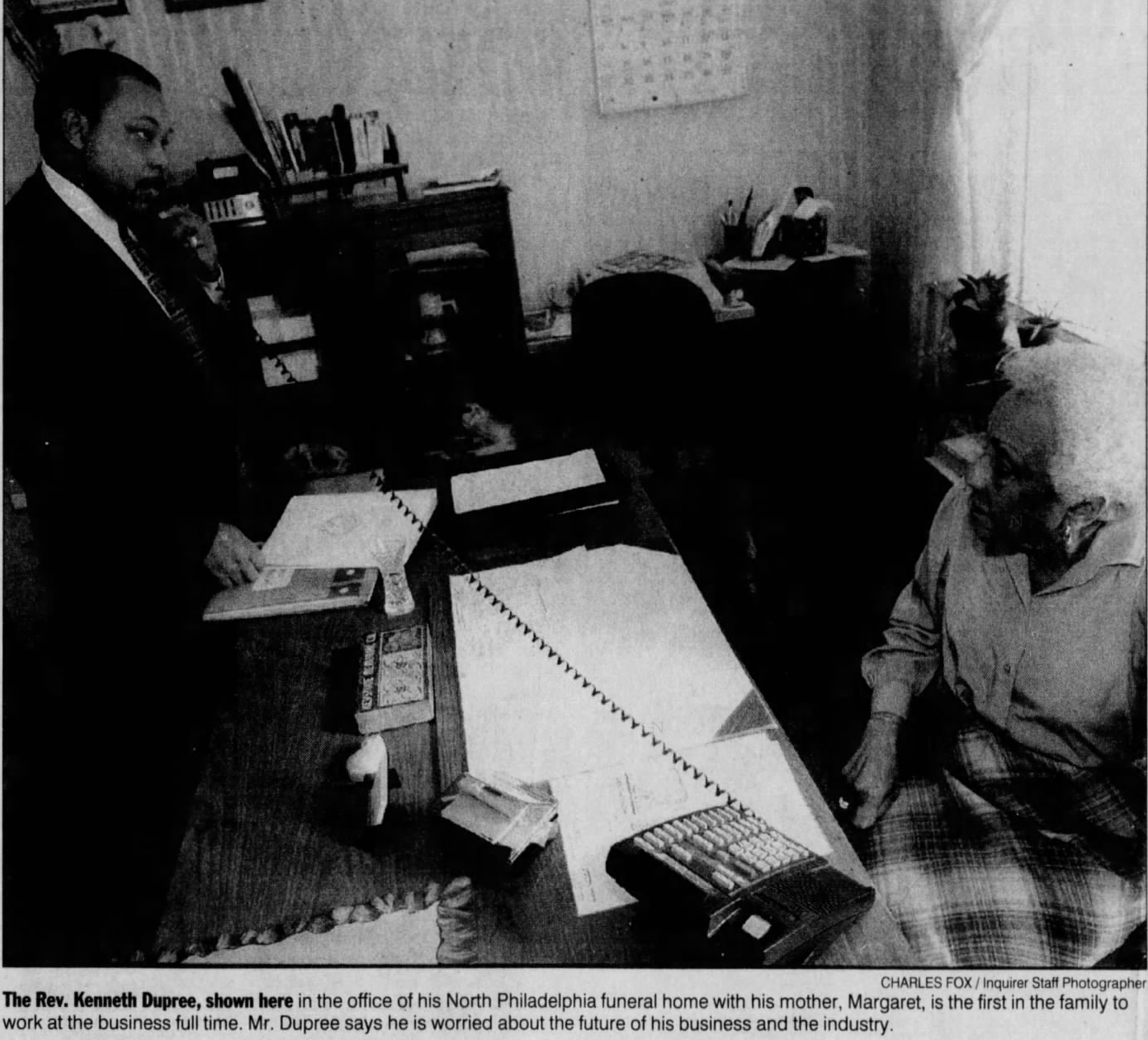
    Mrs. Dupree (right) sits at her office desk while her son Kenneth talks on the phone in a photo that was published in The Inquirer in 1999.

    “She had a multifaceted personality,” her son Kenneth said. “She was a comedian, an organizer, and a fan of the underdog.”

    Her family said: “Margaret lived a life rooted in service, compassion, and purpose. Funeral service and education were never just her profession. It was her calling.”

    In addition to her children, Mrs. Dupree is survived by six grandchildren, six great-grandchildren, and other relatives. Two sisters and five brothers died earlier.

    Services were held on Dec. 28 and 29.

    Donations in her name may be made to Project Home, Development Dept., 1515 Fairmount Ave., Philadelphia, Pa. 19130.

  • Side-gig advice from people who make money on Uber, Lyft, and Airbnb in the Philadelphia area

    Side-gig advice from people who make money on Uber, Lyft, and Airbnb in the Philadelphia area

    The number of people doing gig work has increased significantly over the past few years. It was more than 76 million people in the U.S. last year, according to recent reports.

    And the work can pay well. Almost 5 million freelancers are earning more than $100,000 per year, according to freelancer site Upwork. These side gigs can include everything from driving an Uber and running an Airbnb to managing websites, tutoring, or even walking a dog.

    Benefits to this kind of work include flexibility, control, independence, variety, and the ability to make extra money outside a day job.

    But having a successful side gig isn’t easy.

    Marketing yourself and getting work is a topic for a different day. But before you get to that — and yes, you will need to — here are a few things you should know.

    It’s a business

    Your side gig is a business, so make sure you’re treating it like one. You are an independent contractor and the company owner.

    You will need to track your costs and revenues separately from your personal life. You should probably have a separate bank account so funds aren’t intermingled.

    You may need insurance. This not only gives your business credibility, but it also makes it easier for companies to hire you as an independent contractor rather than classifying you as an employee.

    A proper contractor is “really someone already running their own business — they provide the service to a number of other companies,” said Sarah Holmes, a small-business attorney based in Ardmore.

    It helps to set up a corporation or limited liability company, said Jeff Burke, a partner at law firm McElroy Harvey in West Chester.

    “If you set up a corporation or an LLC and you’re doing a business-to-business contract, you are way more likely to pass muster,” Burke said. “A freelancer should have some written proof — business cards, advertisements, websites — that shows you’re actually out in the marketplace.”

    No matter what the business, you always have to remember that “you’re the owner,” Uber and Lyft driver Joseph Casasanto told me.

    “As drivers, we are independent business contractors,” he says. “So that means everything is our responsibility, like gas, oil changes, alignments, tires, repairs, miles, depreciation, etc.”

    Don’t ignore the paperwork

    As a business, you’ll need to make sure you’ve filed the right paperwork and take your taxes seriously. This means either reporting your income and expenses on the Schedule C to your individual tax return or setting up your business separately as an LLC, corporation, or other entity recognized for both federal and state purposes.

    Because your customers don’t withhold taxes like an employer does, you’ll need to pay in estimated taxes to avoid penalties and interest for underpaying throughout the year.

    Experienced freelancers, like part-time Uber driver Jason Napolitan, are scrupulous about tracking their expenses separately and keeping good tax records.

    “My expenses are not only the obvious ones like gas and insurance but also tires and wear and tear on my vehicle.” he said. “For example, I always make sure to track my mileage for the IRS allowance given on my taxes.”

    As a freelancer, you should have an agreement in writing that stipulates the services provided and is clear about your role, so that you’re in compliance with federal and state worker classification rules.

    Guidance around independent contractor rules has been shifting, said Josh Ganz, a labor and employment attorney at Duffy North in Hatboro. But there is a baseline to follow.

    Important questions to consider, he said, are: “Is your client or customer controlling your entire day? Do they tell you where to be and provide the tools for you?”

    Set boundaries

    Having a side gig should never affect your primary job. Make sure you have clear boundaries and there are no conflicts so you don’t get into trouble with your primary employer.

    Running a side gig means you’ll have a lot to juggle between your personal life, your job, and your business. So it’s important to create a schedule. Your customers will want to know when you’re available and so will your family.

    It’s important to set goals as to how much you want to earn and stick to those parameters. It’s easy to get caught up in doing the extra work but it can also quickly take up your time.

    “If you want to do this full time, you have to set goals,” Lyft driver Kendra Brigman said. “You have to have a good attitude when you’re doing your side gig and provide great service. But your availability is also very important.”

    Be smart about pricing

    If you’re doing freelance work for an established company like Uber or Lyft, those rates are usually set for you. Others, like Airbnb, can suggest rates based on your local market. But the rest will be up to you.

    Setting a price too low may set a precedent that becomes unprofitable over the long term. Charging too much may turn off potential customers. You’ll need to research the competition and make a few mistakes over time to learn the right balance.

    It’s also important to know your limitations.

    For example, Airbnb host Julie Seda said, “We are always up-front to prospective guests that our house is not suitable for people with mobility restraints.”

    Lyft driver Brigman said knowing your pricing and comparing it with what you’re being asked to do can make a big difference, and it’s important to figure out what’s worth your time.

    “Sometimes the miles requested doesn’t equate with the amount of money I would like to earn,” she said. “I’ve learned to turn down those jobs.”

  • 8 ways small-business owners can prep for the new year

    8 ways small-business owners can prep for the new year

    As we head into the new year, here are eight ways you can position your Philly-based business for success.

    Join a business group

    The people who best understand the challenges you face as a business owner are the ones who are also running small businesses in the area. Meeting them will give you the opportunity to share your problems with others who can help solve them, or at least give you a shoulder to cry on.

    Some of my clients enjoy groups like Vistage and the Entrepreneurs’ Organization. Others get involved in local business organizations like Philly Business Connect, the Union League, or any number of other groups listing their events on Meetup.com. LGBTQ+ business owners can consider the LGBTQ+ Chamber of Commerce and other groups. Black business owners can choose from a number of local groups.

    Expand your horizons

    If you’re looking for foreign customers, have a meeting with someone from the World Trade Center of Greater Philadelphia. They help their members connect to overseas customers (and suppliers), make introductions, and create new opportunities. If you want to sell more to the government — which spends more than $7 trillion per year! — reach out to a local chapter of APEX Accelerators. They’ll connect you to government projects particular for your industry and guide you through the process of getting approved so that you can respond to bids.

    Revisit your taxes

    There were big changes in the 2025 federal tax and spending bill that can benefit your business. These include significant new deductions for capital expenditures (particularly if you’re a manufacturer), more incentives to offer your employees paid time off, the ability to go back to 2022 and deduct research and development costs, and additional options for investing in other small businesses. And, because “pass-through” rules and corporate rates have been made permanent, maybe now is the time to reconsider your entire business structure.

    “Maybe [pass-throughs] such as S corporations or partnerships are perfect for you and minimizes your ultimate tax liability,” says Rich Petillo, a partner at Centri Business Consulting in Philadelphia. “But perhaps converting to a C corporation is more attractive to potential future investors.”

    Before things get really busy for your accountant, meet and make a plan for leveraging these benefits.

    Provide financial counseling to employees

    Your employees have a lot of complicated financial choices to make. How can they make sure they’re taking advantage of all the tax incentives that are available to help them with their dependents? What health insurance plan is right for them? How much should they be saving for retirement? When should they buy life insurance? Which are the best investments for the short and long term? What’s the difference between “after-tax” and “before-tax” savings plans?

    It’s important to make sure your employees are making the best financial decisions possible. This year ask your CPA firm, financial adviser, and benefits consultants for help. They can provide advice to your staff as an added employee benefit. It may cost a little extra, but it’s good for everyone in the long term.

    Start an HSA

    Health Savings Accounts have been exploding in popularity and there’s no mystery why: having one for your employees allows them to put away $4,400 per year ($8,750 for families) pretax (it lowers their taxable income) and can then be withdrawn, without penalty, as long as the funds are used for unreimbursed medical expenses. That includes periodic health evaluations, such as tests and diagnostic procedures ordered in connection with routine examinations, routine prenatal and well-child care services, child and adult immunizations, and even certain weight-loss programs. Unused amounts are rolled over to the next year and continue to grow with investment choices you can offer.

    “The longer the funds stay in the account and grow, the bigger the tax benefit,” Meg McGinn, founder of Osprey Health, a health insurance brokerage firm based in Berwyn said. “It’s one of the only accounts out on the market right now that offer these benefits.”

    Get immigration paperwork in order

    U.S. Immigration and Customs Enforcement ”is likely looking at companies right now that they think and/or know are hiring undocumented immigrants,” Lindsay Eury, an attorney at the Philadelphia-area immigration law firm Solow, Hartnett & Galvan, told me earlier this year. “We do expect to see an increase in on-site inspections and audits for other employers.”

    Make sure you have updated I-9 Employment Eligibility Verification forms for each of your workers. Also check with E-Verify to make sure they’re legal to work.

    Lean into AI

    AI assistants like ChatGPT, Copilot, Gemini, Claude, and Grok — though far from perfect — have become more reliable and accurate and 2026 is the year where you should be leaning into their offerings. Encourage your employees to do the same.

    You could make a rule that no contract, quote, bid, purchase order, estimate, or other outside communication leaves your company without first uploading to your AI assistant for review. Or require all new policies, internal memos, and agreements be first created by your AI assistant and then reviewed by your experts. Use your assistant for research, analysis, and advice. AI can now play a very important role in your business if you accept that it’s no more than another smart adviser.

    Finally … make ‘me’ time

    Running a small business is very demanding, stressful, and can put pressure on your family relationships. In 2026, regularly commit to doing something for yourself. Join a birdwatching group. Ride your bike in the middle of the day. Go to a gym every morning. Coach or get involved in your child’s after-school activity. Volunteer. Take an art class.

    Do something that’s completely unrelated to your business. You’ll find that it takes your mind off your daily problems and clears your head for better thinking. Your customers, employees, and family will notice the difference.

  • A look back at Philly-area businesses that didn’t survive 2025

    A look back at Philly-area businesses that didn’t survive 2025

    Last year, you may have celebrated Christmas or New Year’s with a meal at an Iron Hill Brewery.

    At the time, your holiday preparations may have included trips to Joann fabrics or Party City, which was having its going-out-of-business sale. You may have stopped for medicines and other toiletries at Rite Aid.

    This year, however, you can’t go to any of those places: All of these businesses served their last customers in 2025.

    Here’s a look back at a few of the notable Philly-area businesses that closed in the past year.

    RIP to Rite Aid

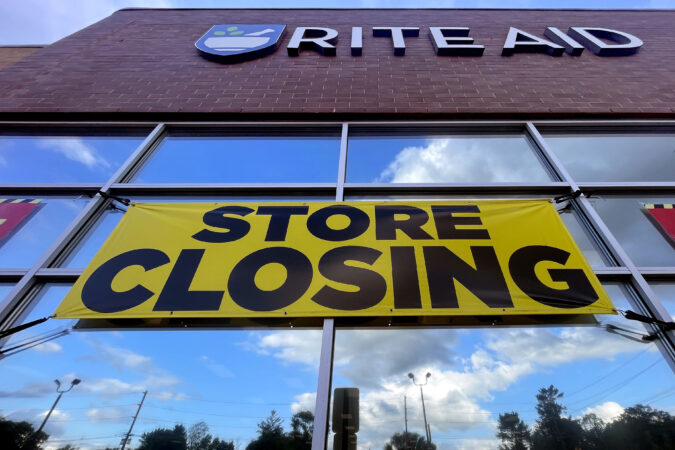
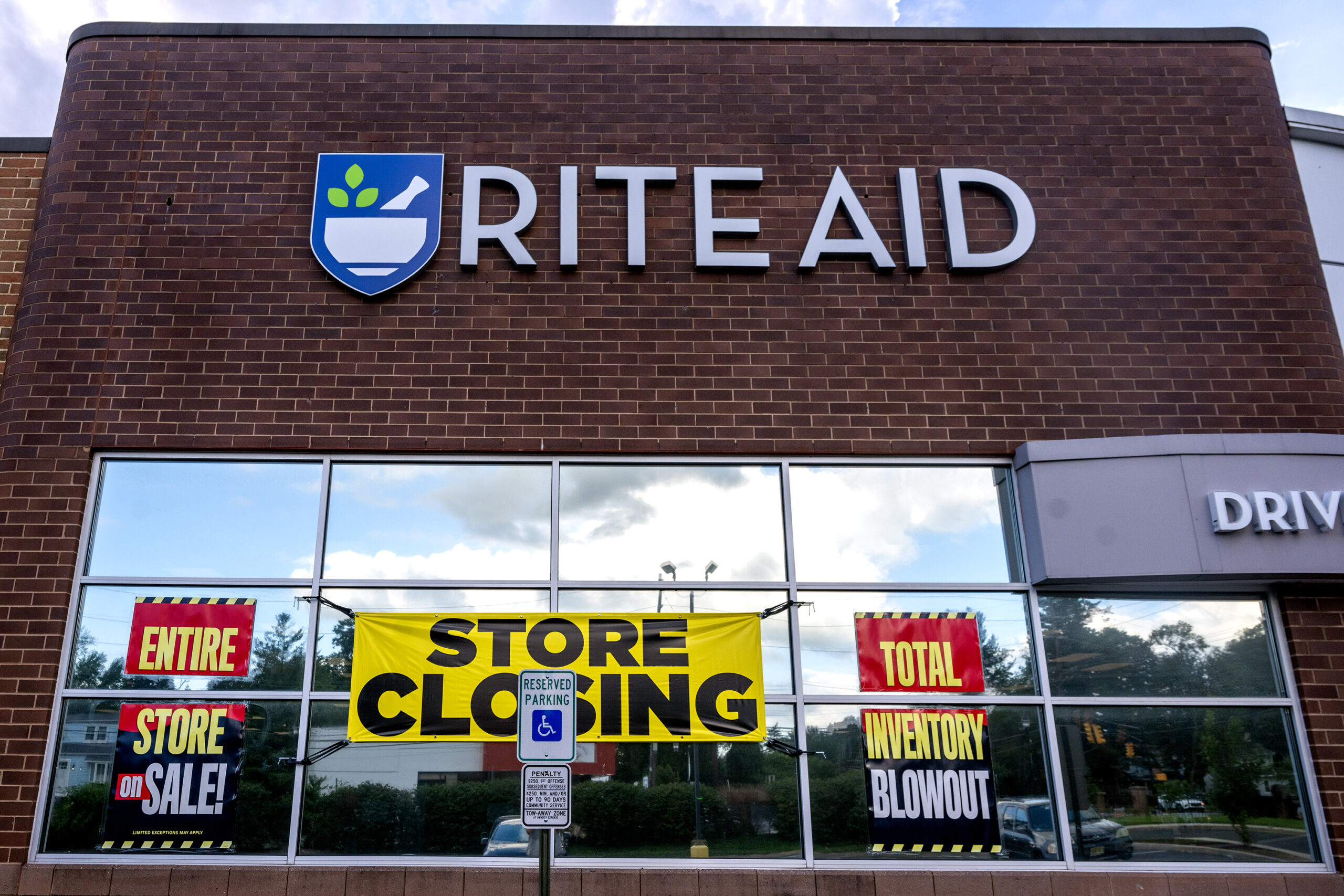
    The then-still open but scheduled to be closed Rite Aid store on Clements Bridge Road in Barrington on July 13. The store’s pharmacy closed on July 7.

    It didn’t come as a total surprise when Rite Aid filed for its second bankruptcy in less than two years.

    The Navy Yard-based pharmacy chain had closed dozens of locations in recent years. Even after it emerged from its first bankruptcy in September 2024, shelves meant to be filled with drugstore essentials — such as cold medicines and pain relievers — remained bare at some stores.

    In filing for bankruptcy again, Rite Aid announced that it would be closing or selling all locations. At the time, it had about 1,000 stores nationwide, including about 100 in the Philadelphia region.

    Across Pennsylvania and New Jersey, thousands of Rite Aid workers lost their jobs. Some, like Angela Gardin, also said bittersweet goodbyes to regular customers.

    Gardin, assistant manager at the Queen Village Rite Aid, was moved to tears by customers’ handwritten thank you notes, which were scrawled on pieces of paper and taped to the store’s front window in its final months.

    By late August, all Pennsylvania and New Jersey Rite Aids had shut their doors for good, sending prescriptions to CVS, Walgreens, or other local pharmacies of a customer’s choosing.

    The closures further exacerbate pharmacy access issues, especially for lower-income Philadelphians who don’t have cars. People in more isolated rural areas are also impacted: The 46,000 residents of Perry County, west of Harrisburg, lost half their pharmacies when their three Rite Aids closed.

    Adieu to Iron Hill Brewery

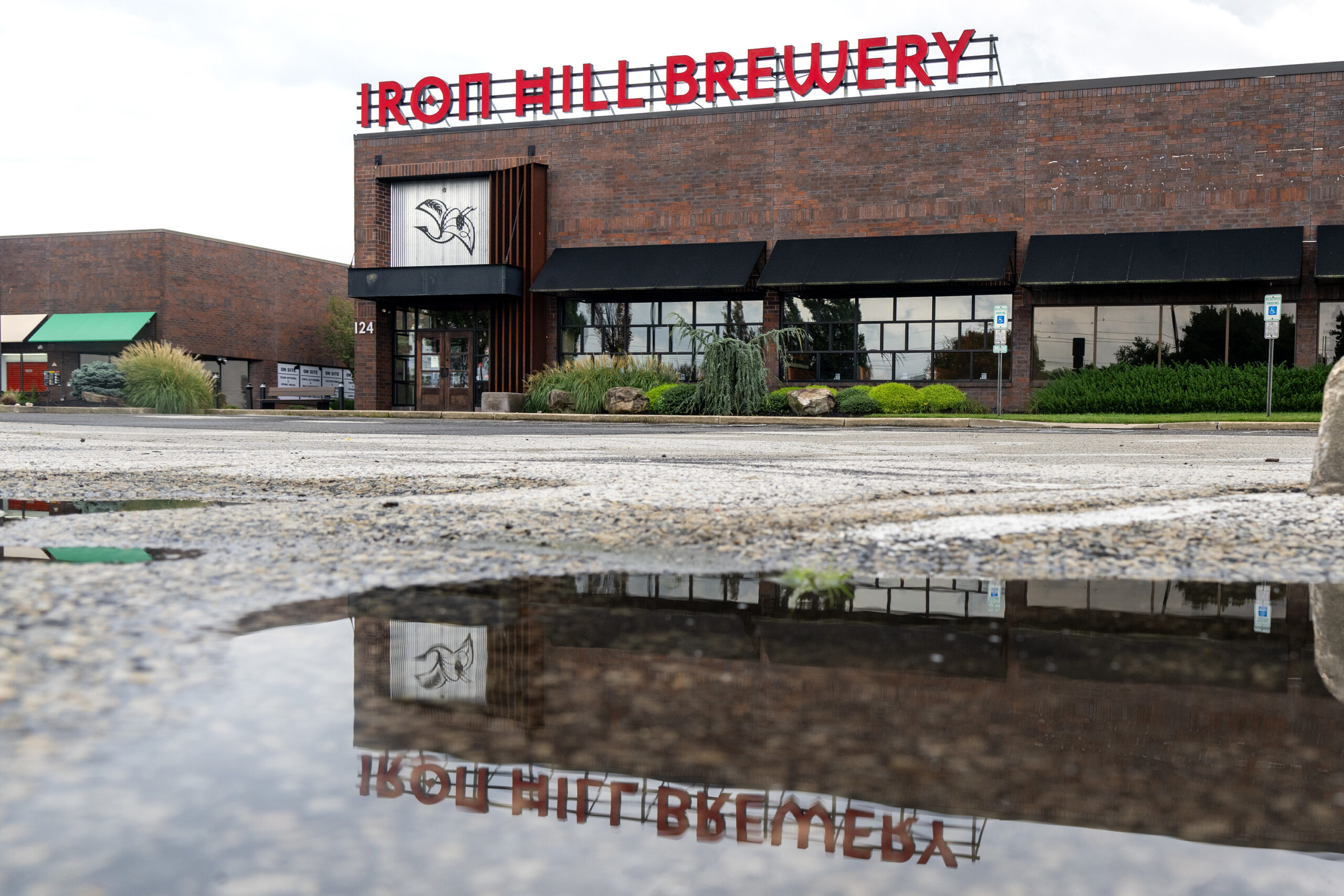
    A view from the outside looking in of a shuttered Iron Hill Brewery in West Chester in October.

    Iron Hill Brewery’s closure was so abrupt that fans didn’t even get to raise one last pint to the regional chain.

    On a Thursday morning in late September, the nearly 30-year-old company, considered by many to be a pioneer of the local craft-brewing scene, announced that its brewpubs had closed their doors for the last time.

    The news left 16 massive Iron Hill shells, including in Center City, Exton, Huntingdon Valley, Maple Shade, Media, Newtown, North Wales, West Chester, and Wilmington. Earlier in September, the company had closed locations in Chestnut Hill and Voorhees, as well as its flagship brewery in Newark, Del.

    The closed Iron Hill Brewery in Maple Shade in September.

    Bankruptcy filings shed more light on the Exton-based company’s financial straits: Iron Hill owed more than $20 million to creditors and had about $125,000 in the bank.

    In November, a bankruptcy judge approved an offer by Jeff Crivello, the former CEO of Famous Dave’s BBQ, to resurrect 10 Iron Hills, including in Center City and West Chester, pending landlord negotiations. The restaurants could be reopened as Iron Hills or as other brands.

    Crivello said he plans to reopen the Rehoboth Beach brewpub — as well as the Iron Hill restaurants in Columbia and Greenville, S.C. — as locations of Virginia-based Three Notch’d Brewing Co.

    The fates of the other ex-Iron Hills will be determined in the bankruptcy process. Brewing equipment, furniture, and other items from the closed restaurants were auctioned off earlier this month.

    Mainstays say goodbye in the Philly burbs

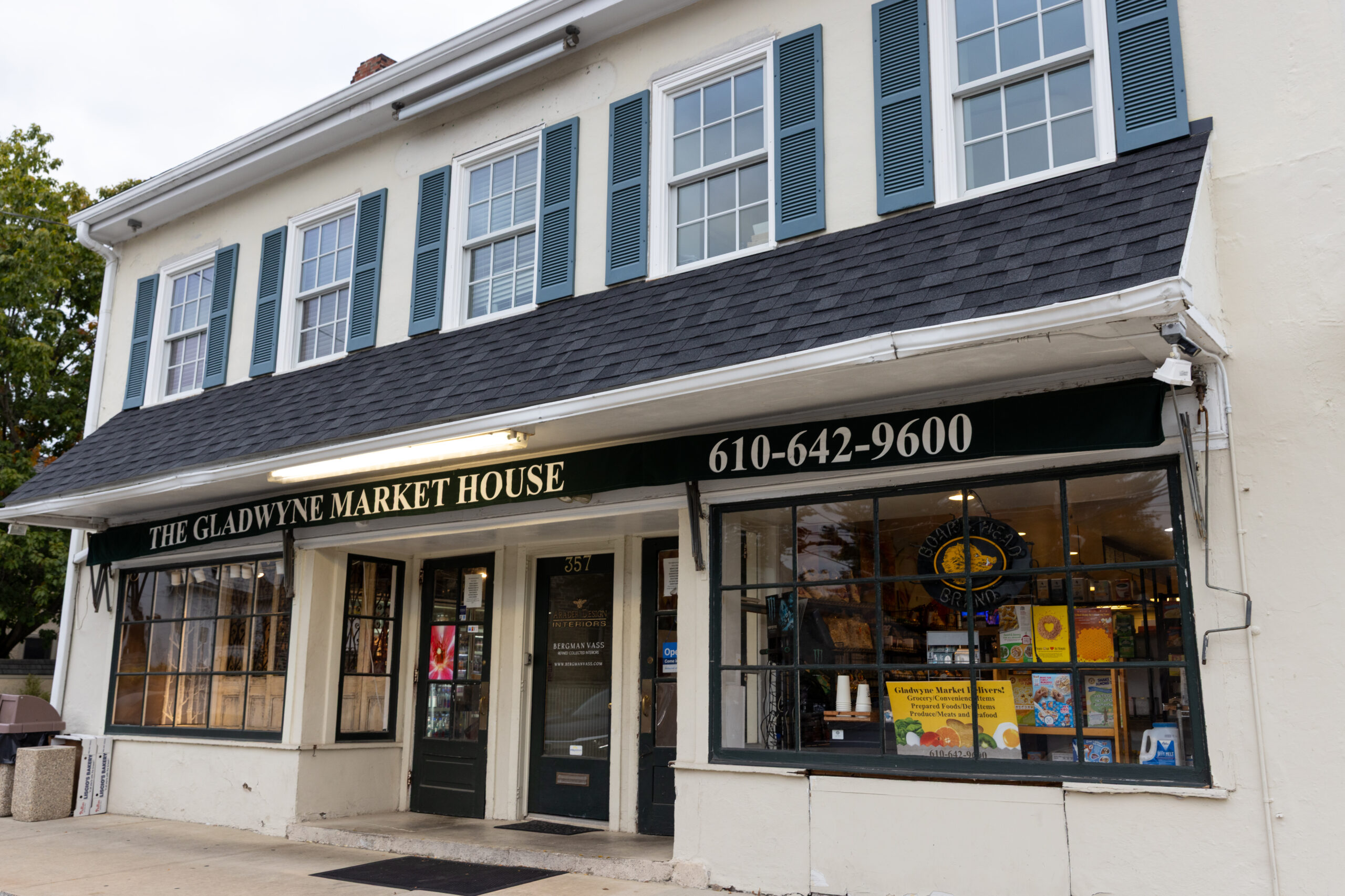
    Gladwyne Market as pictured in October.

    Local chains weren’t the only business casualties of 2025.

    Main Line residents lost Lower Merion-based Maxwell Taxi Cab Co. in February, marking the end of an era for suburban-based cabs. Maxwell, which had operated for more than 50 years, was later acquired by a Bryn Mawr-based limo service called ML Car Service Ltd.

    Also in Lower Merion, consumers lost the Gladwyne Market, a community grocery store.

    In South Jersey, the Bistro at Cherry Hill, a beloved restaurant that operated in a 1,200-square-foot mall kiosk for 27 years, closed abruptly in July.

    At the time, the restaurant’s president, Andy Cosenza, said the closure was due to a communication “breakdown” that had resulted in his voluntary Chapter 11 bankruptcy petition being converted to a Chapter 7, or liquidation, without his knowledge. Since then, however, Cosenza has been indicted on charges of tax fraud. The Bistro has remained closed.

    In the city, the Macy’s in the Wanamaker Building closed in March, as did the Macy’s at the near-dead Exton Square Mall. And the latest iteration of Olde Bar, most recently an event venue in the historic Bookbinder’s building, shut its doors this summer.