Category: Crime

  • ‘Such a superstar’: Beloved Philly flight attendant remembered after his puzzling South Philadelphia death

    ‘Such a superstar’: Beloved Philly flight attendant remembered after his puzzling South Philadelphia death

    Amadou Thiam lived the American dream — and then some.

    The immigrant from Côte d’Ivoire worked his way up at a major airline as a flight attendant, purchased a home in South Philadelphia, and traveled to exotic locations when his schedule allowed it.

    He danced with friends at Philly’s nightclubs, even crafted a stage name for a yearly drag performance he gave at Voyeur — “Ama-Diva,” a play on his name that Thiam’s loved ones say reflected the 50-year-old’s playfulness and unapologetic charm.

    That dream was cut tragically short last month.

    A quiet neighborhood of rowhouses was rattled Nov. 10 when neighbors found Thiam lying naked on the pavement behind his home on the 2400 block of Federal Street suffering severe injuries to his face, neck, and body.

    He was rushed to a nearby hospital and died from his injuries.

    The medical examiner’s office has yet to release the cause and manner of Thiam’s death. But homicide detectives are investigating, and police believe Thiam either fell — or was thrown — out of his third-floor window. They have identified two men they believe may have been involved.
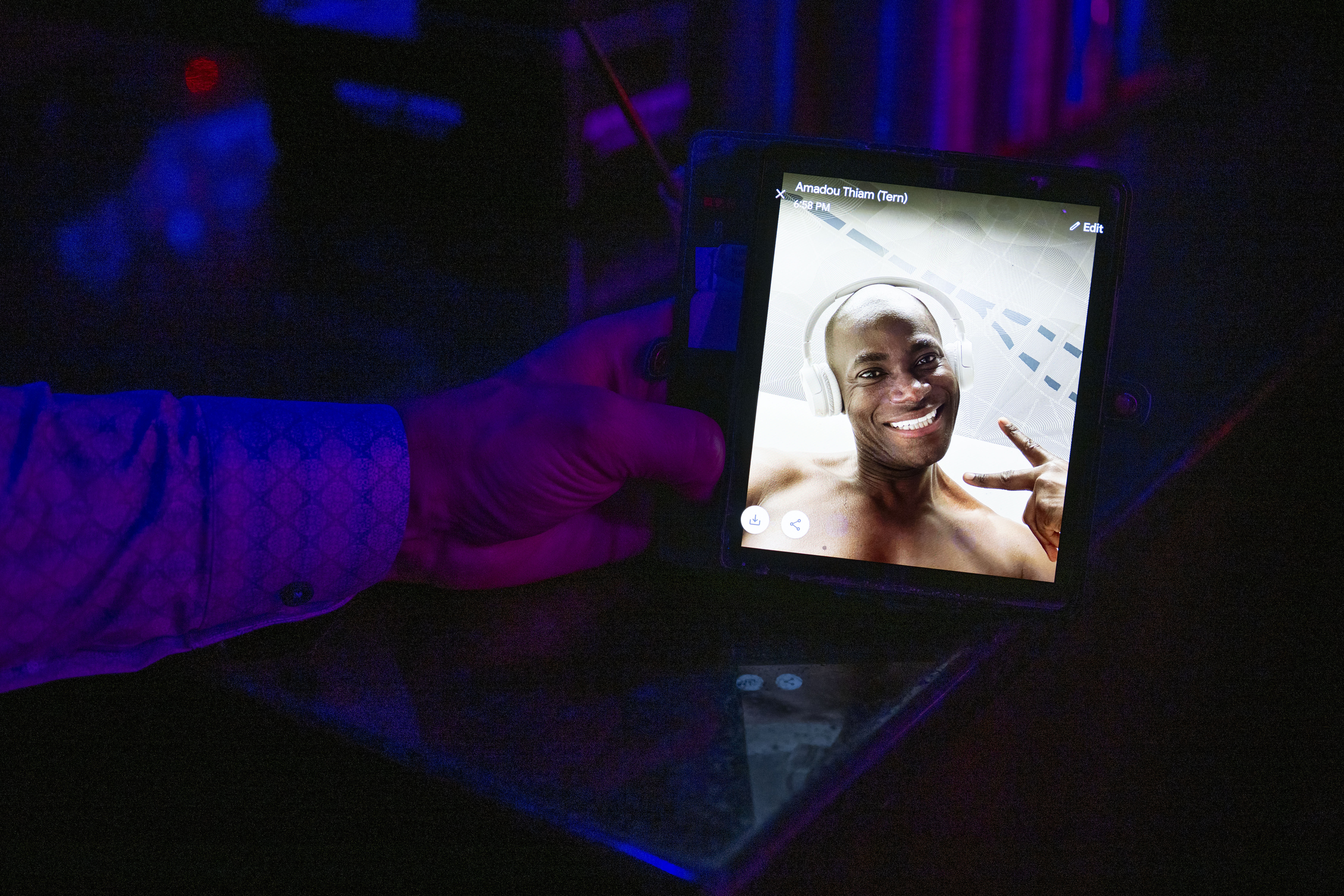
    Amadou Thiam’s partner Barry Rucks displays a photo of Amadou before a memorial service at Voyeur Nightclub on Saturday, Dec. 13, 2025 in Philadelphia.

    It was jarring news for those who knew Thiam, a beloved member of Philadelphia’s flight attendant community who had worked for American Airlines since 2011.

    A group of his loved ones gathered at Voyeur on Saturday to memorialize their friend, sipping drinks and sharing stories beneath the shimmering glow of a disco ball. A DJ played soulful dance music. Some of Thiam’s acquaintances, his “chosen family,” donned dresses, high heels, and flashy jewelry.

    In the face of tragedy, they were celebrating in style — the way Thiam would have wanted them to.

    “He was just a happy person, and he took advantage of his environment and did the best with it,” said Barry Rucks, Thiam’s partner of five years. “You and me take things for granted — he didn’t take anything for granted.”

    Rucks said Thiam started at American Airlines as a baggage claims worker but quickly rose to become one of their “number one” flight attendants.

    A native French speaker, Thiam worked on international flights to Paris and Zurich, posting photos to social media of the luxury hotels and historic monuments he visited along the way.

    It was a life he could have hardly imagined in western Africa, Rucks said, where he was raised alongside nine brothers and sisters.

    After getting his American citizenship, Thiam was proud to vote in elections and serve on jury duty, Rucks said. He marveled at the economic opportunity here, and developed an affinity for purchasing lavish clothing items on Amazon when he wasn’t helping siblings out with money.

    “He would never say no to anyone, because he knew how hard it was to be an American,” Rucks said.

    Voyeur was a fitting setting for Thiam’s memorial.

    The Center City nightclub is where Thiam and a friend once dressed as Glinda and Elphaba from Wicked and performed during an annual drag benefit for flight attendants who had fallen on hard times.

    Amadou Thiam’s partner Barry Rucks speaks to guests during a memorial service at Voyeur Nightclub on Saturday, Dec. 13, 2025 in Philadelphia.

    “He was just such a shining star in this community,” said Aurore Dussh, one of Thiam’s friends. She said Thiam performed at Voyeur on numerous occasions, balancing his diva reputation with an undeniable sweetness in his relationships.

    He was “such a superstar,” Dussh said. “Yet he made everyone else feel seen.”

    Police continue to investigate Thiam’s death

    In the weeks since Thiam’s death, police have sought two men they believe are connected to the unusual circumstances surrounding his death.

    Sources familiar with the investigation say investigators have evidence that suggests Thiam was assaulted that night.

    That evidence includes video footage showing the men outside Thiam’s home around the time his body was found. The two, an older and younger man, appear to be carrying clothing from Thiam’s home, according to those sources.

    Neighbors, too, recalled seeing the men leaving Thiam’s home.
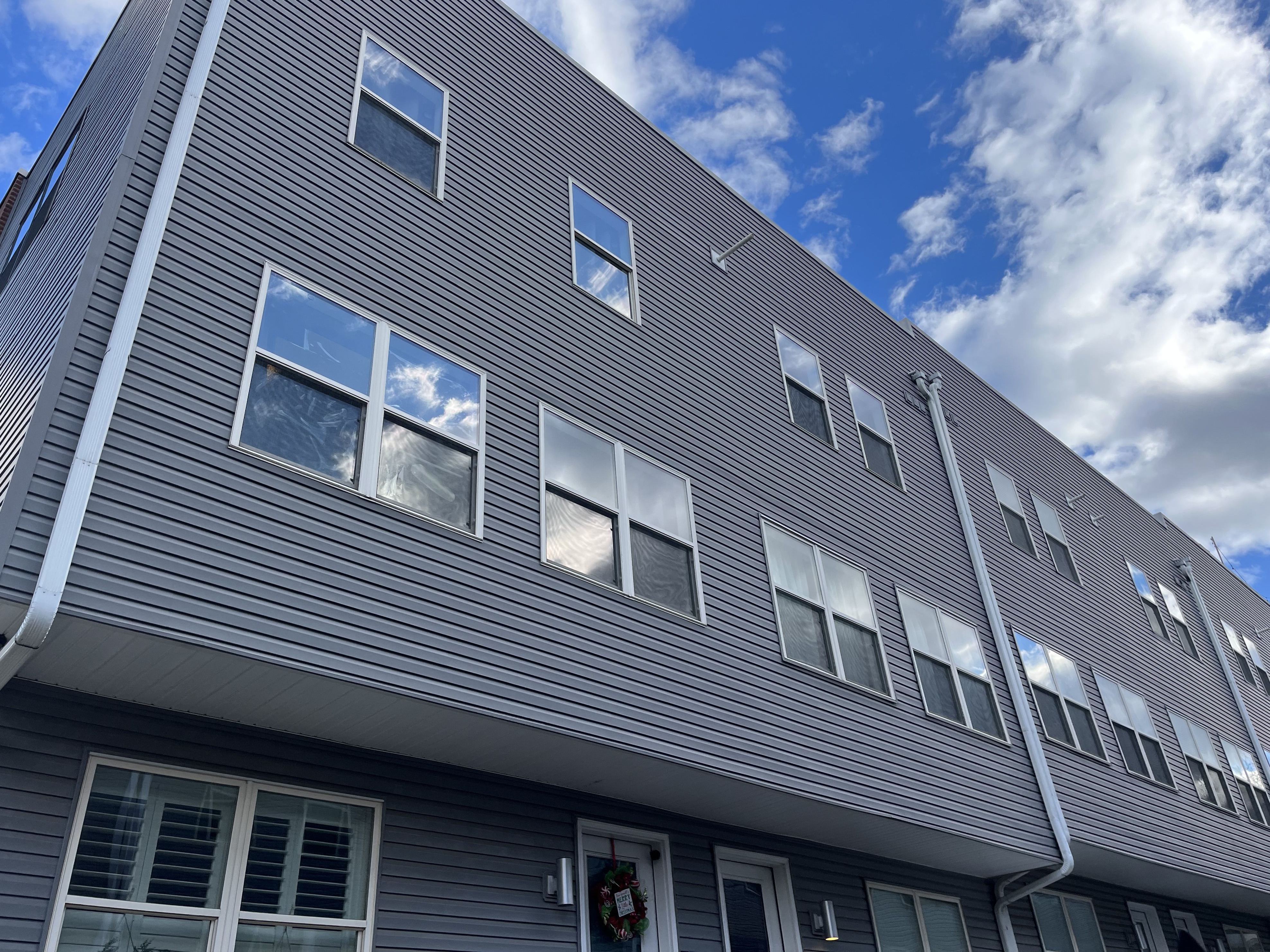
    This image, taken Nov. 16, 2025, shows the third-story window (second from left) from which neighbors say Amadou Thiam fell on Nov. 10.

    Finding Thiam’s door cracked open, the neighbors entered to find blood smeared across his kitchen and third-floor bedroom. Back outside, they noticed a stream of blood that led them to Thiam’s body on the pavement.

    Rucks, Thiam’s partner, said he has been in touch with investigators and that none of Thiam’s friends and acquaintances recognized the two men in the video.

    Rucks, who lives in Montgomery County, lived separately from Thiam, who prized his independence, he said.

    He recalled Thiam was nothing but happy the Sunday morning he left his house to return to Philadelphia, a day before his death.

    It was the last time Rucks saw his partner alive.

    “I can’t speculate and I’m refusing to,” Rucks said. “We will find out what happened.”
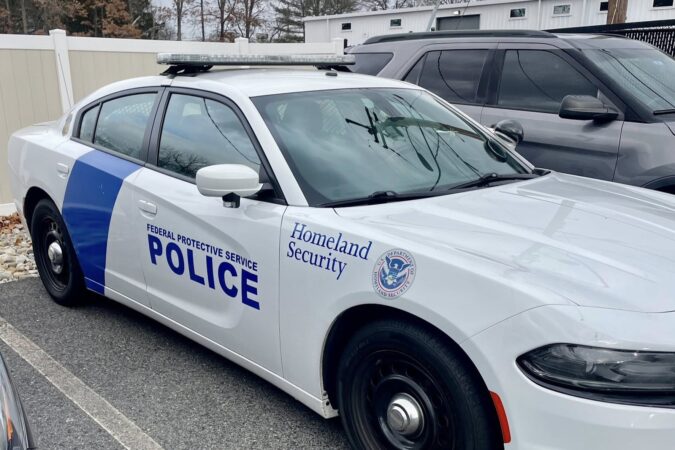
  • South Jersey man accused of posing as Homeland Security police

    South Jersey man accused of posing as Homeland Security police

    A South Jersey man was charged with impersonating law enforcement after he showed up at a police investigation claiming to work for the U.S. Department of Homeland Security, police in Gloucester County said Friday.

    Nicholas M. Cabral, 32, of Sewell, drove in his wife’s marked Homeland Security police vehicle Wednesday afternoon to the scene of a Washington Township police call on the 200 block of Strand Avenue and said he was a Homeland Security police officer, the Washington Township Police Department said.

    The police call was for a report that a home under construction had a front door open. The caller was later identified as Cabral, the police department said.

    Cabral allegedly attempted to assist officers in clearing the property while holding a handgun. Cabral had a permit to carry the firearm, but the follow-up investigation determined he did not work for any law enforcement agency, the police department said.

    The investigation found that the marked Homeland Security vehicle was used by Cabral’s wife, who did work for the agency as a police officer and was out of state on assignment, the township police department said.

    The Department of Homeland Security was notified and took possession of the vehicle.

    The investigation, using data from automated license plate readers, found that Cabral allegedly had driven the vehicle with its emergency lights activated and also went to a Wendy’s restaurant.

    Cabral was charged with impersonating a police officer and possession of a weapon for an unlawful purpose.

    The Washington Township Police Department said Cabral was transferred to the Salem County jail and his gun was taken as evidence. Online court records indicated that Cabral was released from custody Friday.

    A woman answering the phone at his residence, which is a block from the scene of the police call on Strand Avenue, said Cabral was unavailable and hung up.

    Cabral’s attorney could not be reached for comment.

    A spokesperson for the Department of Homeland Security also could not be reached for comment.

  • Killer who gunned down a pregnant Delco woman during Wawa fight sent to state prison

    Killer who gunned down a pregnant Delco woman during Wawa fight sent to state prison

    Evelina Williams told a Delaware County judge she has been agonizing for more than a year over her split-second decision to fatally shoot a pregnant woman and her unborn child.

    For that, the Southwest Philadelphia woman was sentenced Friday to 10 to 20 years in state prison.

    “I am not God. I can’t decide who lives and who dies,” Williams, 31, told Judge Kevin F. Kelly. “This is the biggest mistake of my life, and I hate myself for it.”

    Williams pleaded guilty in August to third-degree murder and third-degree murder of an unborn child for fatally shooting Latoya Davis in the parking lot of a Wawa store in Collingdale last year.

    At the time, Davis, 32, was six months pregnant, something Williams said she did not know when she pulled the trigger of her Ruger .380 handgun on that night in October 2024.

    “Not a day goes by where I don’t cry my eyes out,” Williams said. “I am sorry for the Davis family for the pain I have caused. I took something so precious, and I’m embarrassed, ashamed, remorseful, shattered.”

    Davis, who left behind two young daughters, was shot once in the back during the dispute, which prosecutors said began inside the Wawa and continued in the store’s parking lot, where the two women had parked next to each other.

    Latoya Davis, a mother of two, was killed outside of a Wawa in Glenolden. Davis was six months pregnant at the time.

    As Williams went to drive away, Davis continued to argue with her and, at one point, threw a beverage at her. In response, Williams shot her with the gun she was licensed to carry.

    Williams’ attorney, Anna Hinchman, said a lifetime of trauma, including sexual abuse as a teen and violent domestic assaults by her ex-husband, left Williams with a severe case of PTSD that was triggered when Davis confronted her.

    Assistant District Attorney Dan Kerley called the shooting a “senseless act of violence” and said that, despite Williams’ perception that she was defending herself, her actions forever ruined two families.

    “It’s undisputed that Ms. Williams had a license to carry her gun, but that did not give her a license to kill,” he said. “It does not give you the ability to shoot someone during an argument.”

    Still, Kerley credited Williams for remaining at the scene, performing CPR on the grievously wounded Davis, and cooperating with police.

    Gabou Jean Pierre Toure, Davis’ longtime boyfriend and the father of her unborn son, said no amount of remorse or accountability can heal the pain he feels.

    “I want to forgive you so bad. I’m trying to forgive you,” he said. “But I still feel this is a nightmare that I want to wake up from.”

    Toure said he and Davis were soulmates, and were both eagerly awaiting the birth of their son after struggling with fertility issues. The two shared a birthday and celebrated together every year.

    This year, he said, all he could do on that day was weep for his lost love.

    “You are a mom. You can imagine how it feels to lose your child,” he said to Williams. “I hope you regret what you’ve done.”

  • Police seek suspect in killing of 93-year-old man in Logan

    Police seek suspect in killing of 93-year-old man in Logan

    Police are seeking a suspect wanted in connection with the killing of a 93-year-old man in the city’s Logan neighborhood last week, authorities said Friday.

    The victim, Lafayette Dailey, was found dead in his home on the 4500 block of North 16th Street when medics were called there around 3 p.m. on Friday, Dec. 5.

    Dailey had suffered a laceration to the chest and trauma in his head, police said. A medical examination found that he died from multiple stab wounds, and his death was ruled a homicide.

    Investigators are now searching for 53-year-old Coy Thomas, who police say is considered a suspect in their homicide investigation. His last known address was on Ashmead Place in Germantown, police said.

    They found Dailey’s wallet, keys, and vehicle missing from his home. They later found his car, a white Chrysler 300 sedan, several days after his death.

    A department spokesperson declined to comment on the circumstances around the discovery of the car, citing an active investigation.

    The department is urging anyone with information on Thomas’ whereabouts to Contact the homicide unit at 215-686-3334 verified or call its anonymous tip hotline, 215-686-TIPS (8477).

  • 14-year-old boy wounded in possible accidental shooting in North Philadelphia

    14-year-old boy wounded in possible accidental shooting in North Philadelphia

    A 14-year-old boy was wounded in a possible accidental shooting involving another teen Thursday evening in North Philadelphia, police said.

    Around 5:45 p.m., police were called to a residence on the 1500 block of North Street and found the victim shot in the lower abdomen, said Chief Inspector Scott Small.

    The teen, who was “walking and talking,” was transported to St. Christopher’s Hospital for Children, where he was listed in stable condition, Small said.

    The shooting happened in the third-floor front bedroom, where police found one spent shell casing and blood, Small said.

    Witnesses said several teens were hanging out and another teen boy around the same age as the victim was handling the gun when it was fired, Small said.

    The boy handling the gun fled the location, Small said.

    The teen who was shot does not live at the residence but frequently visits the location, Small said.

    The gun was not immediately found, and it was unclear if it was taken or left somewhere on the property, Small said. Detectives were getting a search warrant for the house.

  • Accused Charlie Kirk killer makes 1st in-person court appearance as judge weighs media access

    Accused Charlie Kirk killer makes 1st in-person court appearance as judge weighs media access

    PROVO, Utah — The Utah man charged with killing Charlie Kirk made his first in-person court appearance Thursday as his attorneys pushed to further limit media access in the high-profile criminal case.

    Prosecutors have charged Tyler Robinson with aggravated murder in the Sept. 10 shooting of the conservative activist on the Utah Valley University campus in Orem, just a few miles north of the Provo courthouse. They plan to seek the death penalty.

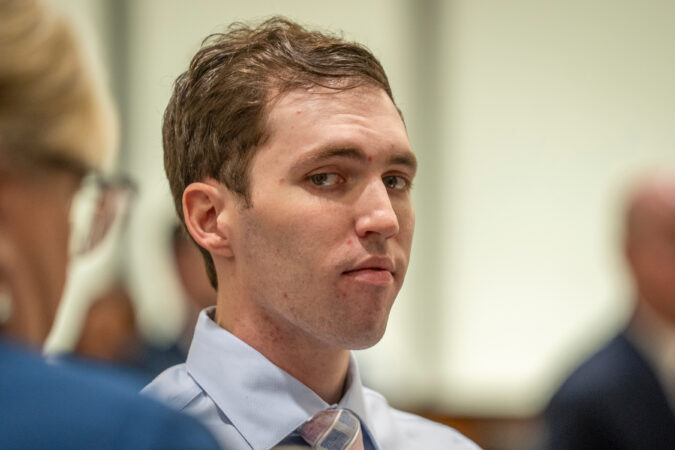
    Robinson, 22, arrived amid heavy security, shackled at the waist, wrists and ankles and wearing a dress shirt, tie and slacks.

    He smiled at family members sitting in the front row of the courtroom, where his mother teared up after he entered the court. Next to her were Robinson’s brother and father, who took notes throughout the hearing.

    Early in the proceedings, state District Court Judge Tony Graf briefly stopped livestreaming of the hearing via a media pool and required the camera be moved, after Robinson’s attorneys said the stream showed the defendant’s shackles in violation of a courtroom order.

    Graf said he would terminate future broadcasts if there were further violations of the order issued in October, which bars media from showing images of Robinson in restraints or anywhere in the courtroom except sitting at the defense table.

    “This court takes this very seriously. While the court believes in openness and transparency, it needs to be balanced with the constitutional rights of all parties in this case,” Graf said.

    Graf is weighing the public’s right to know details about Robinson’s case against his attorneys’ concerns that the swarm of media attention could interfere with a fair trial.

    Robinson’s legal team and the Utah County Sheriff’s Office have asked Judge Tony Graf to ban cameras in the courtroom, but he has not yet ruled on the request.

    The defendant had previously appeared before the court via video or audio feed from jail.

    A coalition of national and local news organizations, including The Associated Press, is fighting to preserve media access in the case.

    Graf held a closed hearing on Oct. 24 in which attorneys discussed Robinson’s courtroom attire and security protocols. Under a subsequent ruling by the judge, Robinson is allowed to wear street clothes during pretrial hearings but must be physically restrained due to security concerns.

    Graf also prohibited media from filming or photographing Robinson’s restraints after his attorneys argued widespread images of him shackled and in jail clothing could prejudice future jurors.

    Several university students who witnessed Kirk’s assassination attended Thursday’s hearing.

    Zack Reese, a Utah Valley University student and “big Charlie Kirk fan,” said he had skepticism about Robinson’s arrest and came to the hearing seeking answers. Reese has family in southwestern Utah, where the Robinsons are from, and said he believes they’re a good family.

    Brigham Young University student William Brown, who said he was about 10 feet from Kirk when he was shot, said he felt overwhelmed seeing Robinson walk into the courtroom Thursday.

    “I witnessed a huge event, and my brain is still trying to make sense of it,” Brown said. “I feel like being here helps it feel more real than surreal.”

    Michael Judd, an attorney for the media coalition, has urged Graf to let the news organizations weigh in on any future requests for closed hearings or other limitations.

    The media presence at Utah hearings is already limited, with judges often designating one photographer and one videographer to document a hearing and share their images with other news organizations. Additional journalists can typically attend to listen and take notes, as can members of the public.

    Judd wrote in recent filings that an open court “safeguards the integrity of the fact-finding process” while fostering public confidence in judicial proceedings. Criminal cases in the U.S. have long been open to the public, which he argued is proof that trials can be conducted fairly without restricting reporters as they work to keep the public informed.

    Kirk’s widow, Erika Kirk, has called for full transparency, saying, “We deserve to have cameras in there.” Her husband was an ally of President Donald Trump who worked to steer young voters toward conservatism.

    Robinson’s legal team says his pretrial publicity reaches as far as the White House, with Trump announcing soon after Robinson’s arrest, “With a high degree of certainty, we have him,” and “I hope he gets the death penalty.”

    Defense attorney Kathy Nester has raised concern that digitally altered versions of Robinson’s initial court photo have spread widely, creating misinformation about the case. Some altered images show Robinson crying or having an outburst in court, which did not happen.

  • Justice Department again fails to re-indict New York Attorney General Letitia James, AP source says

    Justice Department again fails to re-indict New York Attorney General Letitia James, AP source says

    ALEXANDRIA, Va. — A grand jury declined for a second time in a week to re-indict New York Attorney General Letitia James on Thursday in another major blow to the Justice Department’s efforts to prosecute the president’s political opponents.

    The repeated failures amounted to a stunning rebuke of prosecutors’ bid to resurrect a criminal case President Donald Trump pressured them to bring, and hinted at a growing public leeriness of the administration’s retribution campaign.

    A grand jury rejection is an unusual circumstance in any case, but is especially stinging for a Justice Department that has been steadfast in its determination to seek revenge against Trump foes like James and former FBI Director James Comey. On separate occasions, citizens have heard the government’s evidence against James and have come away underwhelmed, unwilling to rubber-stamp what prosecutors have attempted to portray as a clear-cut criminal case.

    A judge threw out the original indictments against James and Comey in November, ruling that the prosecutor who presented to the grand jury, Lindsey Halligan, was illegally appointed U.S. attorney for the Eastern District of Virginia.

    The Justice Department asked a grand jury in Alexandria, Va., to return an indictment Thursday after a different grand jury in Norfolk last week refused to do so. The failure to secure an indictment was confirmed by a person familiar with the matter who was not authorized to publicly discuss the matter and spoke on the condition of anonymity.

    It was not immediately clear Thursday whether prosecutors would try for a third time to seek a new indictment. A lawyer for James, who has denied any wrongdoing, said the “unprecedented rejection makes even clearer that this case should never have seen the light of day.”

    “This case already has been a stain on this Department’s reputation and raises troubling questions about its integrity,” defense attorney Abbe Lowell said in a statement. “Any further attempt to revive these discredited charges would be a mockery of our system of justice.”

    James, a Democrat who infuriated Trump after his first term with a lawsuit alleging that he built his business empire on lies about his wealth, was initially charged with bank fraud and making false statements to a financial institution in connection with a home purchase in 2020.

    During the sale, she signed a standard document called a “second home rider” in which she agreed to keep the property primarily for her “personal use and enjoyment for at least one year,” unless the lender agreed otherwise. Rather than using the home as a second residence, prosecutors say James rented it out to a family of three, allowing her to obtain favorable loan terms not available for investment properties.

    Both the James and Comey cases were brought shortly after the administration installed Halligan, a former Trump lawyer with no prior prosecutorial experience, as U.S. attorney amid public calls from the president to take action against his political opponents.

    But U.S. District Judge Cameron McGowan Currie threw out the cases last month over the unconventional mechanism that the Trump administration employed to appoint Halligan. The judge dismissed them without prejudice, allowing the Justice Department to try to file the charges again.

    Halligan had been named as a replacement for Erik Siebert, a veteran prosecutor in the office and interim U.S. attorney who resigned in September amid Trump administration pressure to file charges against both Comey and James. He stepped aside after Trump told reporters he wanted Siebert “out.”

    James’ lawyers separately argued the case was a vindictive prosecution brought to punish the Trump critic who spent years investigating and suing the Republican president and won a staggering judgment in a lawsuit alleging he defrauded banks by overstating the value of his real estate holdings on financial statements. The fine was later tossed out by a higher court, but both sides are appealing.

    Comey was separately charged with lying to Congress in 2020. Another federal judge has complicated the Justice Department’s efforts to seek a new indictment against Comey, temporarily barring prosecutors from accessing computer files belonging to Daniel Richman, a close Comey friend and Columbia University law professor whom prosecutors see as a central player in any potential case against the former FBI director.

    Prosecutors moved Tuesday to quash that order, calling Richman’s request for the return of his files a “strategic tool to obstruct the investigation and potential prosecution.” They said the judge had overstepped her bounds by ordering Richman’s property returned to him and said the ruling had impeded their ability to proceed with a case against Comey.

  • Suspect in Warminster child sex assaults arrested in El Salvador, police say

    Suspect in Warminster child sex assaults arrested in El Salvador, police say

    A Warminster man who fled to his native El Salvador last year after he was charged with sex crimes against children was extradited to Bucks County on Thursday to face trial for sexually assaulting three girls, including a 5-year-old authorities say he raped multiple times.

    Noel Yanes, 45, is charged with rape, statutory sexual assault of a child, involuntary deviate sexual intercourse, and related crimes.

    Bucks County District Attorney Jen Schorn said Yanes’ arrest was a testament to the pursuit of justice for those who harm children.

    “To those who commit crimes against the most vulnerable and believe they can evade accountability by fleeing across borders, this should serve as a clear message: You will be found, apprehended, and brought back to face the consequences of your actions,” she said.

    After months of investigation into the case and Yanes’ whereabouts by local and federal authorities, he was arraigned in district court in Warminster early Thursday and remained in custody on 10% of $500,000 bail. There was no indication he had hired an attorney.

    Investigators in Bucks County learned of the assaults in February 2024, when one of the girls told police Yanes had raped her multiple times at a home on Tollhouse Road in Warminster where he was living at the time, according to the affidavit of probable cause for his arrest. She said the assaults began when she was 5 years old and continued for six years.

    A second girl told police Yanes groped her in Wildwood, at a park in Doylestown, and at the same Warminster home where the other girl said she was raped. She said the assaults began when she was 4 and continued for two years.

    The third girl said Yanes sexually assaulted her when she was 8 years old as they swam together in a pool at a home in Warminster Township, the affidavit said. Yanes groped her while he was spinning her around, holding her by her ankles, she said, and he groped her twice more later in the day.

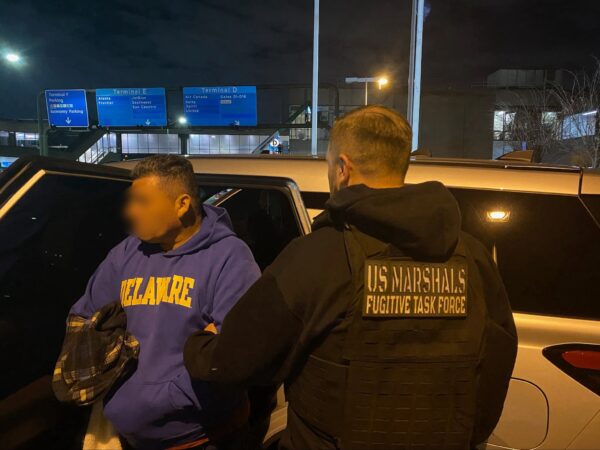
    Yanes fled the country shortly after the charges against him were filed in February 2024. He was on the run there for 11 months before U.S. marshals received a tip about his whereabouts, and his capture was a collaboration between local prosecutors and the Department of Justice, officials said Thursday.

  • Tennessee executes Harold Wayne Nichols by injection for killing college student in 1988

    Tennessee executes Harold Wayne Nichols by injection for killing college student in 1988

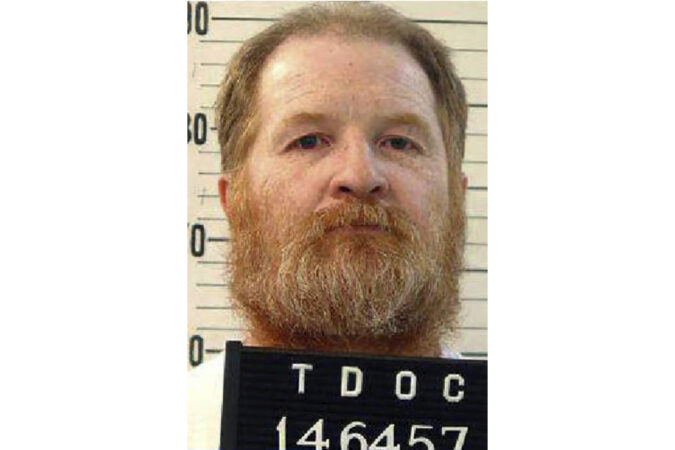
    NASHVILLE, Tenn. — Tennessee executed Harold Wayne Nichols by injection Thursday in Nashville for the 1988 rape and murder of Karen Pulley, a 20-year-old student at Chattanooga State University.

    Nichols, 64, had confessed to killing Pulley as well as raping several other women in the Chattanooga area. Although he expressed remorse at trial, he admitted he would have continued his violent behavior had he not been arrested. He was sentenced to death in 1990.

    “To the people I’ve harmed, I’m sorry,” Nichols said in his final statement. Before Nichols died, a spiritual adviser spoke to him and recited the Lord’s Prayer. They both became emotional and Nichols nodded as the adviser talked, witnesses said.

    Media witnesses reported that a sheet was pulled up to just above Nichols’ waist and he was strapped to a gurney with a long tube running to an IV insertion site on the inside of his elbow. There was a spot of blood near the injection site. At one point he took a very heavy breath and his whole torso rose. He then took a series of short, huffing breaths that witnesses said sounded like snorting or snoring. Nichols’ face turned red and he groaned. His breathing then appeared to slow, then stop, and his face became purple before he was pronounced dead, witnesses said.

    Nichols’ attorneys unsuccessfully sought to have his sentence commuted to life in prison, citing the fact that he took responsibility for his crimes and pleaded guilty. His clemency petition stated “he would be the first person to be executed for a crime he pleaded guilty to since Tennessee re-enacted the death penalty in 1978.”

    The U.S. Supreme Court declined to issue a stay of the execution on Thursday.

    In a recent interview, Pulley’s sister, Lisette Monroe, said the wait for Nichols’ execution has been “37 years of hell.” She described her sister as “gentle, sweet and innocent,” and said she hopes that after the execution she’ll be able to focus on the happy memories of Pulley instead of her murder.

    Jeff Monroe, Lisette Monroe’s husband and Pulley’s brother-in-law, said the family “was destroyed by evil” the night she was killed.

    “Taking a life is serious and we take no pleasure in it,” he said during a news conference following the execution. “However, the victims, and there were many, were carefully stalked and attacked. The crimes, and there were many, were deliberate, violent, and horrific.”

    Pulley, who was 20 when she was killed, had just finished Bible school and was attending college in Chattanooga to become a paralegal, Jeff Monroe said.

    “Karen was bubbly, happy, selfless, and looking forward to the life before her,” he said.

    Nichols has seen two previous execution dates come and go. The state earlier planned to execute him in August 2020, but Nichols was given a reprieve due to the COVID-19 pandemic. At that time, Nichols had selected to die in the electric chair — a choice allowed in Tennessee for inmates who were convicted of crimes before January 1999.

    Tennessee’s lethal injection protocol in 2020 used three different drugs in series, a process that inmates’ attorneys claimed was riddled with problems. Their concerns were shown to have merit in 2022, when Gov. Bill Lee paused executions, including a second execution date for Nichols. An independent review of the state’s lethal injection process found that none of the drugs prepared for the seven inmates executed in Tennessee since 2018 had been properly tested.

    The Tennessee Department of Correction issued a new execution protocol in last December that utilizes the single drug pentobarbital. Attorneys for several death row inmates have sued over the new rules, but a trial in that case is not scheduled until April. Nichols declined to chose an execution method this time, so his execution will be by injection by default.

    His attorney Stephen Ferrell explained in an email that “the Tennessee Department of Correction has not provided enough information about Tennessee’s lethal execution protocol for our client to make an informed decision about how the state will end his life.”

    Nichols’ attorneys on Monday won a court ruling granting access to records from two earlier executions using the new method, but the state has not yet released the records and says it will appeal. During Tennessee’s last execution in August, Byron Black said he was “hurting so bad” in his final moments. The state has offered no explanation for what might have caused the pain.

    Many states have had difficulty obtaining lethal injection drugs as anti-death penalty activists have put pressure on drug companies and other suppliers. Between the shortages and legal challenges over botched executions, some states have moved to alternative methods of execution including a firing squad in South Carolina and nitrogen gas in Alabama.

    Including Nichols, a total of 46 men have died by court-ordered execution this year in the U.S.

  • A supervisor in Philly DA Larry Krasner’s office has been disbarred in federal court

    A supervisor in Philly DA Larry Krasner’s office has been disbarred in federal court

    A veteran lawyer in the Philadelphia District Attorney’s Office has been disbarred in the region’s federal courts after a panel of judges concluded he “lied repeatedly” while seeking to overturn the death sentence of a man who killed an East Mount Airy couple in their home and left their infant daughter inside to die.

    Paul George, an assistant district attorney who handles appellate cases, was a key player in his office’s attempts to have Robert Wharton’s death penalty reversed so he could serve a life sentence instead.

    U.S. District Judge Mitchell Goldberg denied that request, but not before finding that District Attorney Larry Krasner’s office had provided incomplete and misleading information in its efforts to free Wharton from death row.

    After Goldberg made his decision, George and a colleague who handled the case faced federal disciplinary proceedings to examine whether their conduct — which was also criticized by an appeals court — was intentionally deceptive.

    As part of that process, three federal judges concluded earlier this year that George’s actions were “misleading and dishonest,” saying he had lied to Goldberg about key facts, “flouted the interests of the public and the victims’ families,” and acted as the “quarterback” of efforts by the district attorney’s office to undo or undermine all death penalty cases.

    “George’s conduct was the result of a ‘selfish or dishonest motive’ — placing the DAO’s policy priorities above its professional and prosecutorial responsibilities,” wrote U.S. District Judges Paul S. Diamond, Gerald J. Pappert, and John M. Gallagher. They recommended that George be barred from practicing in the region’s federal courts, and Chief Judge Wendy Beetlestone affirmed that in an October order.

    George has denied the accusations and last month filed an appeal. His attorneys acknowledged in court documents that he had made mistakes in his handling of Wharton’s case, but said the opinion recommending his disbarment was based on a broader set of “extraordinary allegations” that lacked evidence and targeted the office he worked for.

    George has displayed “exceptional legal skills and the highest level of professional ethics and honesty” during his 48-year legal career, his attorneys wrote. He is scheduled to retire at the end of this year.

    Krasner said in an interview that he was largely unable to comment because most of the disciplinary matter had unfolded under seal. But he said that George’s career “has been conducted vigorously and ethically,” and that he believed the appeals court would find that the opinion criticizing George was filled with “factually and legally incorrect” statements.

    “We will continue to try to be fair each and every day, and, as change makers often do, we will face the consequences of making change from people who could’ve made it, but didn’t, in their day,” Krasner said.

    The disciplinary saga is the latest chapter in the unusually protracted fallout from Wharton’s death penalty appeal, and it might not be the last.

    George’s colleague Nancy Winkelman — another supervisor in the district attorney’s law division — has also been the subject of a disciplinary inquiry in federal court for her role in the Wharton matter. Records in her case remain under seal.

    The documents connected to George’s case were also supposed to remain secret, but they became public this week when aspects of his appeal were publicly filed in court. On Thursday, his attorney, David Rudovsky, filed court documents to have the entire record of the underlying disciplinary proceeding made public.

    George became involved in the Wharton matter in 2019, while Wharton was appealing his death sentence in federal court.

    Wharton had been convicted along with a codefendant in the January 1984 strangulation and drowning deaths of Bradley and Ferne Hart. A jury concluded that Wharton killed the couple over a disputed debt, then turned off the heat in their home and left the couple’s 7-month-old baby, Lisa, to freeze to death. She survived.

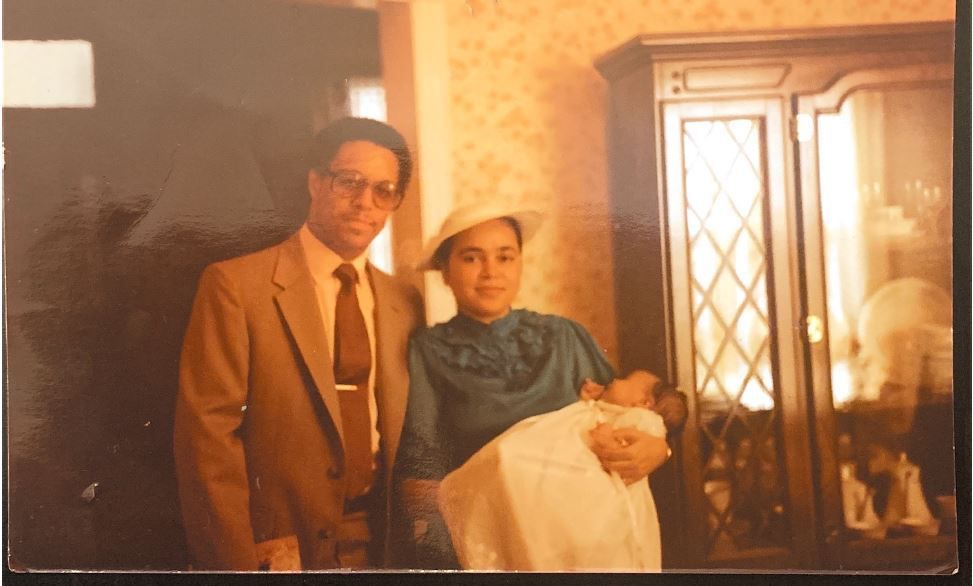
    Bradley and Ferne Hart in a 1983 photo with their baby daughter, Lisa, on her christening day. The husband and wife were murdered in their East Mount Airy home in January 1984 by Robert Wharton and Eric Mason. The baby was unharmed, but left to die in the house. She survived.

    In the decades before Krasner took office, the district attorney’s office had consistently opposed Wharton’s attempts to overturn his conviction and sentence.

    But Krasner said on the campaign trail that he would “never pursue a death sentence in any case.” And after he was sworn in, his office changed its stance on the Wharton case, saying it had “carefully reviewed the facts and the law” and agreed that Wharton should be spared from death row.

    Goldberg did not immediately agree, and wrote in court documents at the time that the district attorney’s office had not sufficiently explained its reasoning for its “complete reversal of course.”

    He then asked the Pennsylvania Attorney General’s Office to provide materials he said the district attorney’s office was not sharing. And after investigating, the attorney general’s office said it found evidence including documents detailing Wharton’s past attempts to escape from a courtroom — information that Goldberg said would have been crucial to his decision, but that George and Winkelman later said they were not aware of.

    The attorney general’s office also said Krasner’s office had misled Goldberg about its communications with the victims’ relatives. Although the district attorney’s office gave the impression that the Hart family supported its change in stance on the death penalty, the truth was that prosecutors had spoken only to one relative, and never contacted the couple’s only surviving child, Lisa Hart-Newman, who vehemently opposed the idea of lessening Wharton’s sentence.

    George later acknowledged that was a mistake, and Goldberg ordered Krasner to write apology letters to the Harts’ relatives.

    In the disciplinary opinion filed earlier this year, the three-judge panel criticized George’s conduct throughout the case, saying that he “repeatedly lied” to Goldberg and that his efforts nearly undercut the integrity of a duly imposed jury verdict.

    And, in an unusually pointed fashion, they ascribed a motive to his actions — accusing George of flouting legal guardrails to advance the policy interests of Krasner’s office.

    “Upon the current District Attorney’s first election … the DAO established a policy, with Paul George at quarterback, to undermine duly imposed death sentences challenged in post-conviction proceedings,” the judges wrote. “George filed the concession in Wharton pursuant to that policy, not as the result of any review, careful or otherwise, of the facts and the law.”

    George said in court documents that was not true, and his attorneys denied there has ever been an office policy opposing all capital sentences.

    Krasner also said it was “flatly untrue” that his office has ever had a policy against the death penalty, and he denied that the committee he formed to review capital cases — which George once served on — was designed to undo such sentences.

    “We follow essentially the same process as our predecessors, who routinely supported the death penalty and who were usually wrong,” Krasner said. “We actually try to be fair all the time. And that committee has concluded on many occasions that the death penalty should be reversed; it has also concluded with the law division in individual cases that the death penalty had to be affirmed. Those are the facts.”

    George’s disbarment in federal court has not affected his ability to practice in state court, though George, 75, has already begun to wind down his office duties ahead of his retirement, his attorneys wrote in court documents.

    They said that the penalty imposed against him was unwarranted and should be reversed.

    “To label Mr. George as a liar, and by disbarment, place him among the worst of the worst lawyers in our community, is highly disproportionate and offends basic tenets of justice,” his lawyers wrote.

    The federal judges who recommended his discipline disagreed.

    “In the final years of his career,” they wrote, George “used [his] experience to circumvent and subvert, in misleading and dishonest ways, verdicts rendered by judges and juries who heard the evidence and applied the law.”