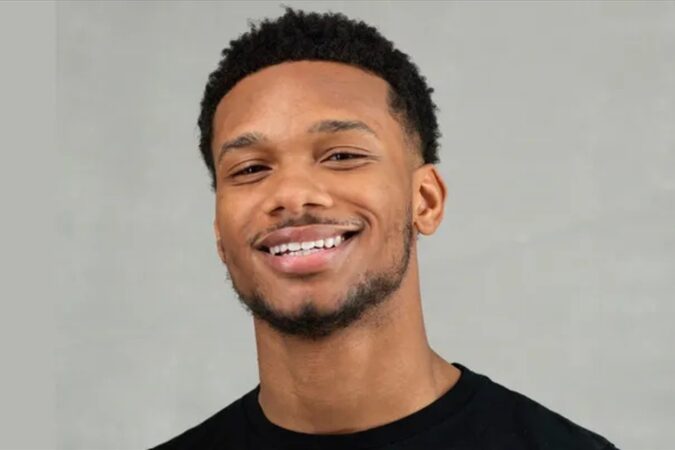
A 21-year-old Temple University student was arrested Monday on charges that he conspired with nine other people, including journalist Don Lemon, to interfere with the First Amendment rights of worshipers during a Jan. 18 anti-ICE protest at a church in St. Paul, Minn.
Jerome Richardson, 21, a senior at Temple who is a native of St. Paul, turned himself in Monday morning to federal authorities in Philadelphia, according to a post on a GoFundMe page created to pay for his legal defense. A photo was posted showing Richardson entering the United States Custom House with several federal law enforcement officers apparently waiting for him at the entrance.
The arrests of Richardson and Ian Davis Austin, an Army veteran from Montgomery County, were announced at 9:10 a.m. on X by Attorney General Pam Bondi. Austin was arrested Friday.
“If you riot in a place of worship, we WILL find you,” Bondi wrote. “We have made two more arrests in connection with the coordinated attack on Cities Church in St. Paul, Minnesota: Ian Davis Austin and Jerome Deangelo Richardson.”
The arrest of Don Lemon was made public on Friday.
The protesters went to Cities Church because a pastor there is also a U.S. Immigration and Customs Enforcement official.
If you riot in a place of worship, we WILL find you.
We have made two more arrests in connection with the coordinated attack on Cities Church in St. Paul, Minnesota: Ian Davis Austin and Jerome Deangelo Richardson.
Lemon entered the church while livestreaming and said repeatedly: “I’m not here as an activist. I’m here as a journalist.” He described the scene before him, and interviewed churchgoers and demonstrators.
A magistrate judge had rejected prosecutors’ initial bid to charge the veteran journalist. Lemon was charged, as were Richardson and seven others, by grand jury indictment last Thursday.
The indictment described the protest as a “coordinated takeover-style attack” on the church that caused people to flee in fear. Protesters chanted “ICE out!” and “Hands up! Don’t shoot!” The indictment quotes Lemon, who in the moment described the scene as “traumatic and uncomfortable.”
Before his arrest, Richardson shared a video online in which he said he feared for his safety and needed help to pay legal bills.
Richardson said he assisted Lemon “by helping with logistics and connecting him with local contacts.”
“Don was reporting on the situation,” Richardson said, adding that he was proud to help.
“As a consequence of this support, I am now being targeted by Trump and the federal administration,” Richardson said, adding that he was proud of the other defendants in the case.
“This is the price of being unapologetic about humanity and love of Christ,” he said.
Richardson, who traced his activism to the murder of George Floyd in 2020, said he still hoped to complete his degree and graduate from Temple in May.
In a statement, Temple University said it was aware of media reports about the arrest of a student.
“We understand that the circumstances surrounding this matter are developing. Out of respect for the privacy of the student and the ongoing legal process, the University will not comment on the specifics,” the statement says.
“As we’ve shared previously, we deeply value the First Amendment, including the rights of free speech, a free press, and the freedom to exercise religion,” the statement says. “We encourage and educate our students to engage thoughtfully and lawfully to advocate for their beliefs and values, raise awareness and contribute to constructive dialogue.”
This article contains information from the Associated Press.
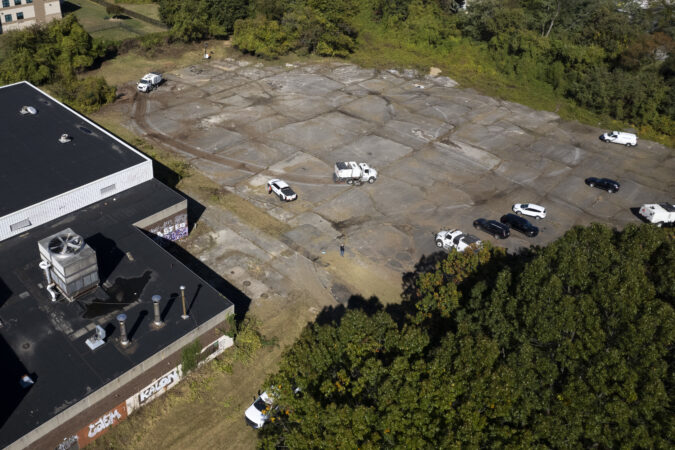
Two weeks after Kada Scott vanished, Philadelphia Police Detective Joseph Cremen stood over a patch of disturbed ground in a wooded stretch near an abandoned school in East Germantown.
He pushed aside a layer of loose twigs and pressed a six-foot branch into the soil. It sank only a few inches before stopping short.
That, Cremen testified Monday, was when he realized he’d found a shallow grave.
The Oct. 18 discovery ended a two-week search for Scott, 23, who disappeared on Oct. 4 after leaving the Chestnut Hill senior living center where she worked. An autopsy later determined that she had been shot in the head.
Cremen testified that the location of the grave was not discovered at random, but emerged from weeks of reviewing surveillance footage, digital data, and tips that helped authorities trace a path from the Awbury Arboretum to the wooded area where Scott was buried — and that linked her killing to Keon King, who is charged with murder, abuse of a corpse, and related crimes.
During a preliminary hearing Monday that stretched nearly five hours, prosecutors methodically laid out that evidence, replaying video after video on a courtroom TV as detectives testified about how they tracked Scott’s final movements and King’s efforts, they say, to conceal her death.
At the conclusion of the hearing, Common Pleas Court Judge Karen Simmons ruled that prosecutors had presented sufficient evidence for the case to proceed and ordered it held for court.
An attorney for Scott’s parents, Brian Fritz, called the ruling a “first step” in getting justice for their daughter.
“Kada Scott’s family is grieving,” he said. “In fact, their grief is unimaginable. But, so is their commitment for accountability and justice for Kada.”
Detectives testified that surveillance cameras at the Awbury Arboretum recorded a silver hatchback vehicle pulling into a parking lot less than an hour before Scott’s Apple Watch transmitted its final location at 1:14 a.m. on Oct. 5. Footage from the same cameras appeared to show two men removing an object from the car and walking in the direction investigators later followed to Scott’s burial site.
An anonymous tip helped lead investigators into the woods nearby the Ada H.H. Lewis Middle School in East Germantown.
Kim Matthews (second from left), mother of Kada Scott, holds a image of her daughter before a Domestic Violence Awareness walk at the Philadelphia Art Museum on Oct. 26, 2025.
Additional street cameras, prosecutors said, captured the same hatchback parked in a driveway behind homes on the 2300 block of 74th Avenue. Moments later, video showed a sudden flash of light and flames as the car was set on fire, destroying what authorities believe may have been physical evidence inside.
Investigators did not rely on any single camera, prosecutors emphasized. Instead, detectives testified that they reconstructed the timeline by stitching together footage from dozens of surveillance systems across the city. That effort, they said, led them to King, 21.
Street cameras recorded a 1999 gold Toyota Camry registered to King traveling in the vicinity of the arboretum around the same times activity was captured there, they said. Police also tracked the movements of one of Scott’s Apple devices after she left work, comparing its location data with license plate readers and surveillance video, detective Robert Daly testified.
“Everywhere this device went, Mr. King’s car went,” Daly said.
Cell phone records presented at the hearing showed that King and Scott had exchanged text messages in the hours before her disappearance, Daly testified.
The last message Scott sent asked King to call her when he arrived at the senior living center. The final incoming call on her phone, at 10:12 p.m. on Oct. 4, was from King, according to police.
Before Simmons ruled, King’s defense attorney, Robert Gamburg, argued that the prosecution’s case relied too heavily on circumstantial evidence and failed to place his client directly at the scene of the killing.
The surveillance footage, he said, did not clearly identify any faces and could not establish who was inside and around the vehicles.
He also pointed to testimony from a senior living center employee who said she saw Scott leave work that night and noticed a dark-colored Jeep parked outside the facility, not a silver hatchback.
“There is absolutely nothing connecting this young man to what happened to Ms. Scott,” Gamburg said, urging the judge to dismiss the case.
“At this level, with this quantum of evidence, for this type of case, it should be discharged today,” he said.
Assistant District Attorney Ashley Toczylowski countered that investigators had assembled a detailed and corroborated account of Scott’s final hours, one that showed not only King’s proximity to her disappearance, she said, but also steps taken afterward to destroy evidence.
“This isn’t coincidence,” she told the court. “It’s corroboration.”
A freshman football player at Villanova University texted the woman he is accused of raping to apologize for the encounter,according to the affidavit of probable cause for his arrest,offering new details about the incident.
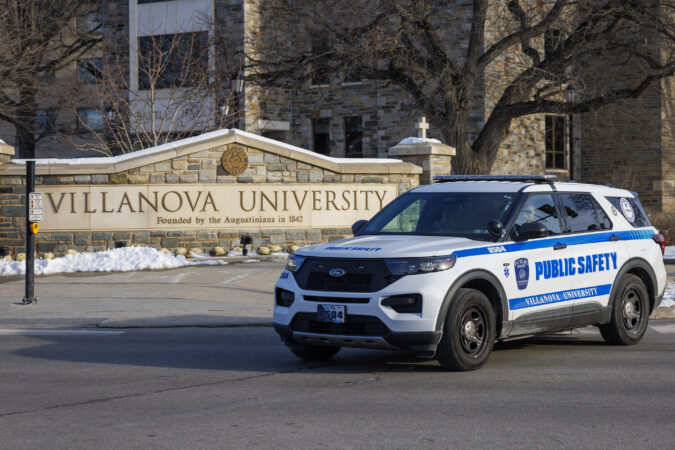
D’Hani Cobbs, 20, was charged with rape, sexual assault, and related crimes after police say he assaulted a woman who also attends the university. He was removed from campus following the Dec. 7 attack, school officials said in a statement. The student newspaper the Villanovan first reported his arrest.
According to the affidavit, Cobbs allegedly assaulted the woman in Good Counsel Hall on the Main Line school’s South Campus.
The early morning attack began after Cobbs and the woman, whom police did not identify, met at an off-campus event and exchanged phone numbers, the document said.
The two later got a ride with others back to South Campus, according to the affidavit. Sometime between 1 and 2 a.m., Cobbs and the woman entered a residence hall room along with another person, whom the filing did not identify. That person left, the document said, leaving the woman alone with Cobbs.
Cobbs asked the woman for a hug, and then he “tried to kiss her, and she said no,” the filing said. Cobbs then “pinned her up against a desk” and began touching her buttocks and genitals and penetrated her with his fingers, the affidavit said. He then grabbed her and lifted her on top of his bed and allegedly raped her, according to the affidavit.
The woman later told police she was screaming and crying during the attack. She said she left the room in tears and asked Cobbs to call a friend to pick her up.
Cobbs later contacted the woman twice, according to the filing.
Around 2 a.m., he texted: “Are [you for real] good tho? That was random [as hell]” and “U were jus fine.”
Just before 5:30 p.m., Cobbs texted: “Yoo Wsp, u ok? My apologies if I made u feel uncomfortable in any way last night I didn’t have any intentions on making u feel uncomfortable. If u want to talk about it over the phone or in person we can just to come to more of a understanding.”
When investigators interviewed Cobbs that week, he did not deny that he had sexual contact with the woman but said it was consensual.
Cobbs’ defense attorney, Thomas G. Masciocchi, did not immediately return a request for comment.
Delaware County District Attorney Tanner Rouse said in a statement Monday that prosecutors had reviewed evidence in the case and swiftly brought charges.
“The message here is as simple as it is clear — when it comes to other people’s bodies, no means no, and stop means stop,” Rouse said. “That’s what we tell our kids and it holds true throughout life, no matter who you are or how talented an athlete you might be.”
As of this week, Cobbs’ player bio page on Villanova’s website is out of service with an error message.
Cobbs’ profile on ESPN is still active, and lists the New Jersey native as a wide receiver. He returned one punt last season, according to the page. A post from the Instagram account for Villanova’s football team announced Cobbs’ signing in 2024.
A Villanova spokesperson said in a statement that in addition to ordering Cobbs to leave campus, the school is “committed to both supporting the victim and fostering a safe environment for all of our students.”
Cobbs was arraigned Friday and was released on unsecured bail, according to court records. He is scheduled to appear in court for a preliminary hearing on Feb. 12 and is ordered not to have contact with the woman.
TUCSON, Ariz. — An Arizona sheriff said Monday that “we do in fact have a crime scene” as authorities search for the 84-year-old mother of “Today” show host Savannah Guthrie, who was reported missing over the weekend.
Speaking during a news conference, Pima County Sheriff Chris Nanos said there are signs at the home indicating Nancy Guthrie did not leave on her own.
“I need this community to step up and start giving us some calls,” Nanos said.
Asked to explain why investigators believe it’s a crime scene, Nanos said Guthrie has limited mobility and said there were other things indicated she didn’t leave on her own.
Nanos said at a news conference Sunday night that Nancy Guthrie was last seen around 9:30 p.m. Saturday at her home in the Tucson area. Her family reported her missing around noon Sunday. Nancy Guthrie has some physical ailments, but no cognitive issues, he said.
Searchers were using drones and search dogs to look for Nancy Guthrie, Nanos said. Search and rescue teams were supported by volunteers and Border Patrol and the homicide team was also involved, he said. It is not standard for the homicide team to get involved in such cases, Nanos said.
“This one stood out because of what was described to us at the scene and what we located just looking at the scene,” Nanos said. He was not ruling out foul play.
“On behalf of our family, I want to thank everyone for the thoughts, prayers and messages of support,” she said. “Right now, our focus remains on the safe return of our dear Nancy.”
“Today” opened Monday’s show with the disappearance of the co-anchor’s mother, but Savannah Guthrie was not at the anchor’s desk. Nanos said during the Monday news conference that Savannah Guthrie is in Arizona.
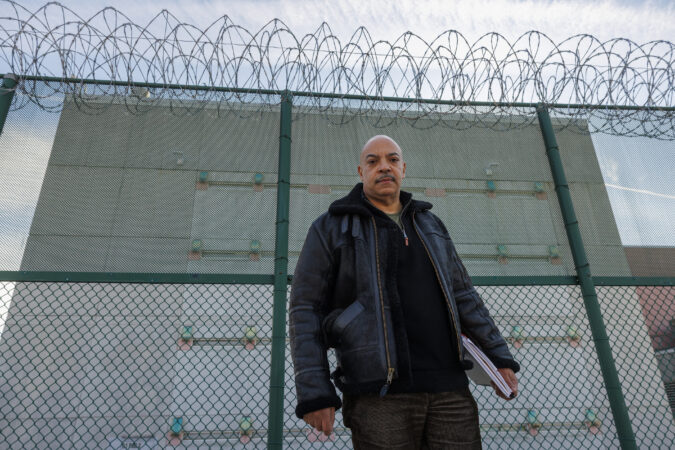
He walked toward the cellblock in Riverside Correctional Facility, pulling a cart of books behind him.
For a moment, it was quiet. The only sounds that echoed off the jail’s cinder block walls were the squeaks of his cart’s wheels.
But as a heavy door to a busy unit swung open, Seth Williams’ work was set to begin.
“Chaplain up!” one of the inmates inside yelled.
Williams smiled at the crowd of prisoners who began walking toward him and his squeaky cart, which was filled with Bibles, Qurans, and other religious texts.
“Step into my office,” he said, placing his hand on an inmate’s shoulder.
The role’s expectations are modest. He offers spiritual counseling and religious programming to the 600 or so prisoners held at Riverside. It is part-time and pays about $21 per hour.
Still, for Williams, the position was uniquely appealing. After putting people in jail as the city’s top prosecutor, then spending five years in federal prison as an inmate himself, he believes he can use what he learned from that journey to help young men avoid committing crimes in the future.
“I can be a better advocate, a better vessel, to help prevent crime and reduce recidivism … by helping people learn the skills they need to keep jobs and de-escalate conflict,” Williams said. “The best use of my experience … is helping people who are incarcerated the way I was.”
Williams believes his efforts now can help reduce recidivism among young men in jail.
It is a long way from the halls of power that Williams once inhabited as the city’s first Black district attorney — and from his standing as a politician who was viewed as a possible future mayor.
Still, Williams says, he is fulfilled by this more humble form of service. And becoming chaplain is not the only role he has taken up behind bars: For the last two years, he has also volunteered at Curran-Fromhold Correctional Facility, teaching weekly classes on career preparedness and poetry, and at State Correctional Institute Phoenix, where he directs a volunteer program about Christianity.
Last month, Williams agreed to allow an Inquirer reporter to join him inside the city’s jails as he counseled inmates. He shared stories about his time in prison, delivered socks and toothpaste to indigent inmates, gathered a group to recite the rosary, and gave books to men who expressed interest in spiritual counseling.
He was energetic, open, and passionate. He spoke openly about his past misdeeds, but remained defiant about his federal prosecution — saying he was wrong for not reporting gifts he received as DA, but insisting that he did not sell his office to his benefactors, as the U.S. Attorney’s Office alleged.
Williams acknowledged that his path to becoming a jailhouse chaplain and volunteer has been unusual. He pointed out, for instance, that the room where he teaches his Career Keepers course is just down the hall from the jail’s print shop — which once printed the DA’s letterhead with his name at the top.
Prisons Commissioner Michael Resnick said Williams’ transformation is one of the key attributes he brings to the job.
“He just has a passion for this work, to get people on the right path,” Resnick said.
And Williams said he feels as if he is doing more to help people now than he ever has.
“What if the worst thing that happens in your life,” he said, “could be used for good?”
From rising star to ‘criminal’
To understand where Williams is now, it helps to recall where he came from.
After he was elected district attorney in 2009, Williams, then 42, promised to reform the office where he had spent a decade working as a line prosecutor. He said he would assign lawyers to handle cases by neighborhood, place greater emphasis on charging crimes correctly at the outset, and divert minor offenses into community-based treatment programs.
His policy positions were part of his appeal, but he also leaned into a compelling personal story: Abandoned in an orphanage at birth, Williams was adopted at age 2 and raised in Cobbs Creek. He went on to graduate from Central High School, Pennsylvania State University, and Georgetown University’s law school before returning to his hometown to work as an assistant district attorney.
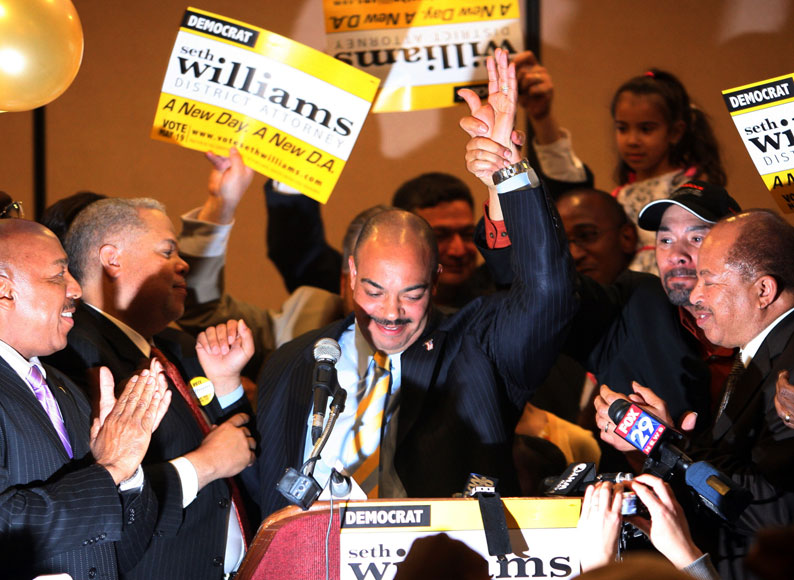
When he ran to become the city’s top prosecutor in 2009 — his second attempt after a narrow loss four years earlier — he had a campaign slogan that matched his aspirations: “A new day, a new D.A.”
Williams thanks supporters after winning the Democratic primary for district attorney in 2009.
And for a while, some political observers said, he was living up to that mantra. In addition to engineering an ambitious restructuring of the office, he made headlines during his first term by charging West Philadelphia doctor Kermit Gosnell with killing babies during illegal late-term abortions, and by charging Msgr. William Lynn, a top official in the Archdiocese of Philadelphia, with shielding sexually abusive Catholic priests.
Charismatic and camera-friendly, Williams was easily reelected to a second term in 2013, and homicides began falling to their lowest levels in decades. Some began wondering if he might leverage his success as DA into a run for City Hall.
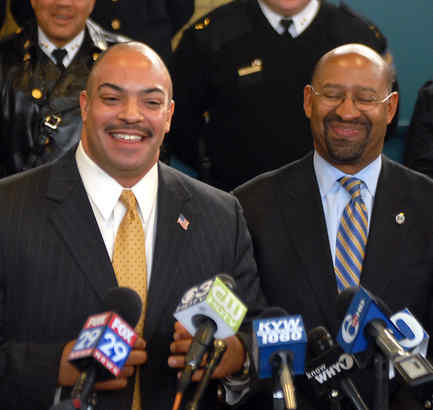
Williams and then-Mayor Michael Nutter at a press conference in 2010.
Beneath the surface, though, challenges in Williams’ personal life began to mount.
He now admits he was also drinking too much, “numbing myself from the daily trauma with too much Jack Daniel’s and martinis and Yuenglings.”
By 2015, the FBI was investigating whether he had been misusing campaign funds to live beyond his means. And two years after that, he was indicted on charges of wire fraud, honest services fraud, and bribery-related crimes.
Federal prosecutors said he not only misspent political money but also sold the influence of his office to wealthy allies who showered him with vacations, clothing, and a used Jaguar convertible.
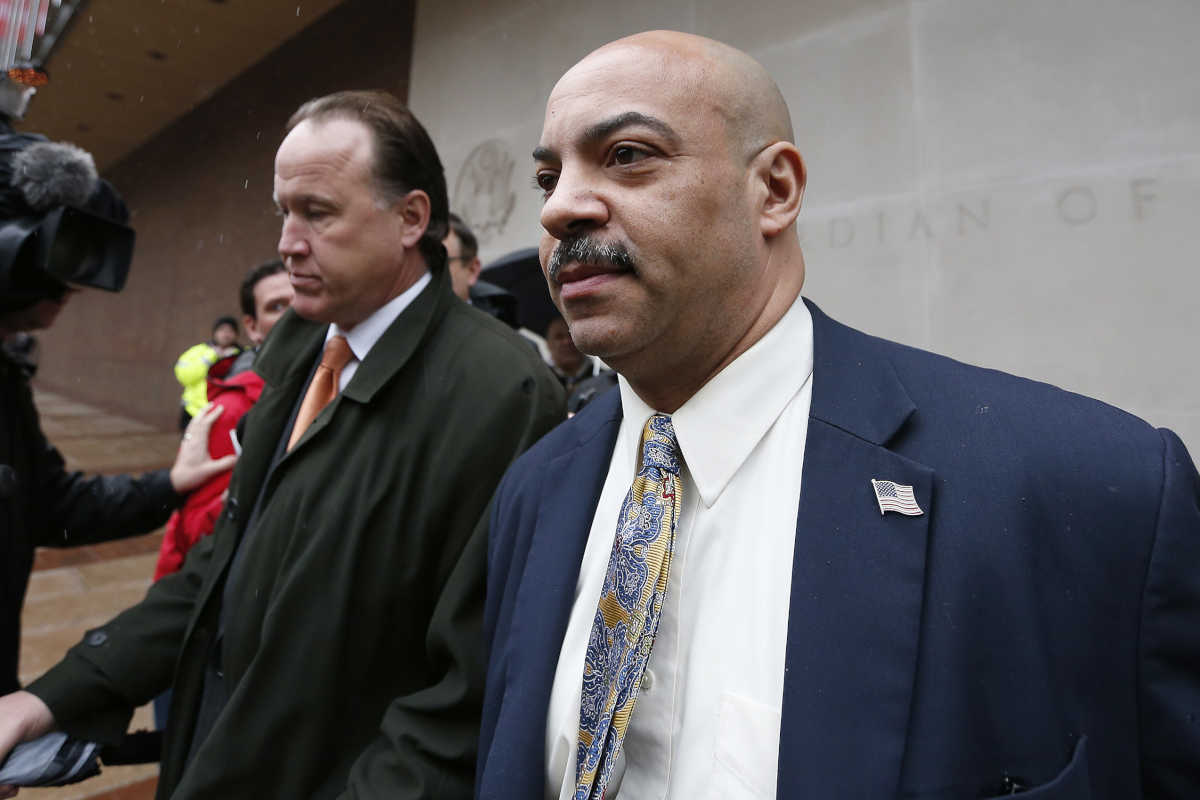
Williams outside of federal court, where he was charged with bribery and related crimes.
Williams insisted he was not guilty and took his case to trial. But midway through the proceedings, he accepted an offer from prosecutors to plead guilty to a single count of violating the Travel Act.
U.S. District Judge Paul Diamond showed no mercy — jailing Williams immediately, then imposing a five-year prison term, the maximum allowed by law. The judge called Williams a “criminal” who surrounded himself with “parasites” and “fed his face at the trough” of public money.
A mentor in solitary
During the first five months of Williams’ incarceration, he was held in solitary confinement at Philadelphia’s Federal Detention Center. That was intended to protect him — former law enforcement officers can become targets behind bars — but it left him confined to a cell for 23 hours a day.
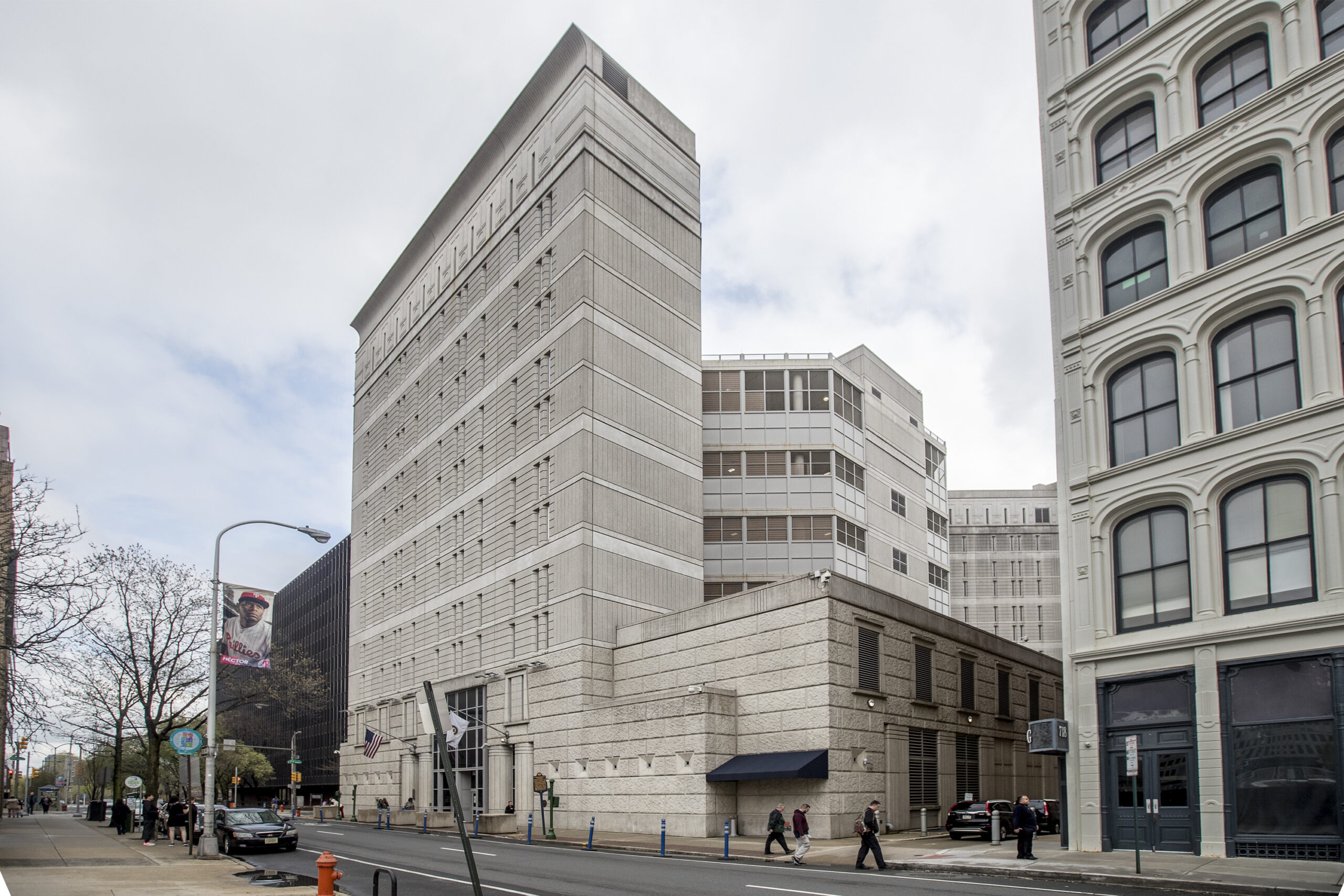
The Federal Detention Center, at 7th and Arch Streets.
Beyond the once-monthly 15-minute phone call he was allowed to make to his daughters, Williams said, there was one thing that helped him endure isolation: Friar Ben Regotti.
Regotti, then a resident at Center City’s St. John the Evangelist Catholic Church, served as the detention center’s chaplain. And when Williams was in solitary, he said, Regotti came to his cell every day and offered an escape: praying with him through a slit in the thick steel door, hearing his confession, and offering him books, including the Bible, which Williams — who was raised Catholic — said he finally read cover-to-cover for the first time.
“I’d lost everything,” Williams recalled. “But Father Regotti was the kindest person to me.”
When he was transferred to a prison camp in Morgantown, W.Va., Williams continued his spiritual journey by attending weekly Masses, Bible studies, and services for other religions. He also completed substance abuse classes, taught classes to help prisoners get high school diplomas, and learned how to play the saxophone.
He made some unlikely friends while he was locked up, including Michael Vandergrift of Delaware County, who is serving a life sentence plus 20 years for killing a rival drug dealer as part of a hired hit; and Bright Ogodo of Brooklyn, N.Y., who was sentenced to more than six years in prison for running a sophisticated identity-theft ring out of TD Bank branches.
Williams said Ogodo later told him he was considering taking his own life — he had even written a letter to his family, convinced they would be better off without him. But when Ogodo saw that Philadelphia’s former DA was in jail, too, Williams said, Ogodo changed his mind.
“He said, ‘I saw you walking with your head up, and [thought], if you can survive, so shall I,’” Williams said.
Three years ago today, I walked out of prison. My friend Bill, picked me up in Morgantown, WV and drove me home. In many ways being incarcerated was less difficult than Re-Entry. I am grateful for all that I have learned. Thank you God. 🙏🏽 pic.twitter.com/393p8KQXmg
Williams was released from prison in 2020, but said almost no one was willing to help him get back on his feet. Before he was incarcerated, he said, he had visited the governor’s mansion and taken his daughters to the Easter egg roll on the White House lawn. But afterward, few people would even take his calls.
“Nobody would hire me,” he said, describing people’s default position toward him as “the Heisman,” the college football statue with an arm extended to keep opponents away.
So Williams — whose law license was suspended when he was convicted — found work at a Lowe’s Home Improvement store in Havertown, unloading trucks and fulfilling online orders from 7 p.m. until 5:30 a.m.
Most of his coworkers, he said, had also recently been released from prison. And while working, he said, he was “kind of providing pastoral care [to them] daily,” similar to his teaching of GED courses in prison, or participating in Bible studies.
In time, he said, he began developing his ideas about self-improvement into formal programs for nonprofits, providing ways for recently incarcerated people to learn the skills needed to maintain consistent employment — developing a resumé, for instance, but also focusing on topics like conflict de-escalation.
Much of his motivation for doing that work, he said, came from research showing that recidivism is greatly reduced among people who receive substance abuse counseling, career coaching, and regular spiritual practice.
“What all three have in common,” Williams said, “is changing the hearts and minds of people.”
Federal Supervised Release ended Friday. First time at the beach since 2016. First time going outside of the Eastern District of Pennsylvania WITHOUT having to ask for permission since ‘17 made me cry! If you want to know my thoughts on Judge Diamond or federal prosecution ask me pic.twitter.com/pwzb9Qa0IR
In 2023, he ran into Terrell Bagby, then a deputy commissioner in Philadelphia’s jail system, and the two discussed the possibility of bringing Williams’ teachings into the jails. That’s how he ended up bringing his volunteer courses — Career Keepers and Prison Poets — into Curran-Fromhold, the city’s largest jail, he said.
In a recent session of Career Keepers, Williams was at the head of the class as nine prisoners sat at a U-shaped table around the room. They took turns practicing public speaking by delivering updates on the weather, sports, and news, then discussed topics including how to reward positive behavior — rather than linger on bad choices — and how to display gratitude.
In the moments after the prisoners were escorted back to their blocks, Williams said the men he has taught over the years have often been more open and vulnerable than he expected. Some have shared stories about traumatic experiences — such as being shot or sexually abused — and then discussed how those experiences affected their lives.
“I spent all this time trying to get out of prison,” he said, “and then I found myself loving being there, trying to help the inmates themselves.”
Becoming a presence
Inside his spare chaplain’s office at the jail, Williams has a desk, a few shelves, and scores of religious books. He keeps packs of white T-shirts, socks, and toothpaste to put into care packages for prisoners and, before making his rounds, keeps a list of people he wants to see.
His time on the cellblocks can be brief. During his rounds on a recent day, his presence did not always seem to have much of an impact. As he passed through each unit’s main expanse, where dozens of prisoners have cells overlooking a bustling common area, some prisoners were more interested in getting their lunch or hanging out by the phones than in checking out what Williams had to offer.
But other times, during several different stops, Williams sat and prayed with prisoners. And the care packages he hands out have become a frequent request, he said.
He wound down his shift in a room near the law library, reciting the rosary with a half-dozen men who had expressed interest in praying with him.
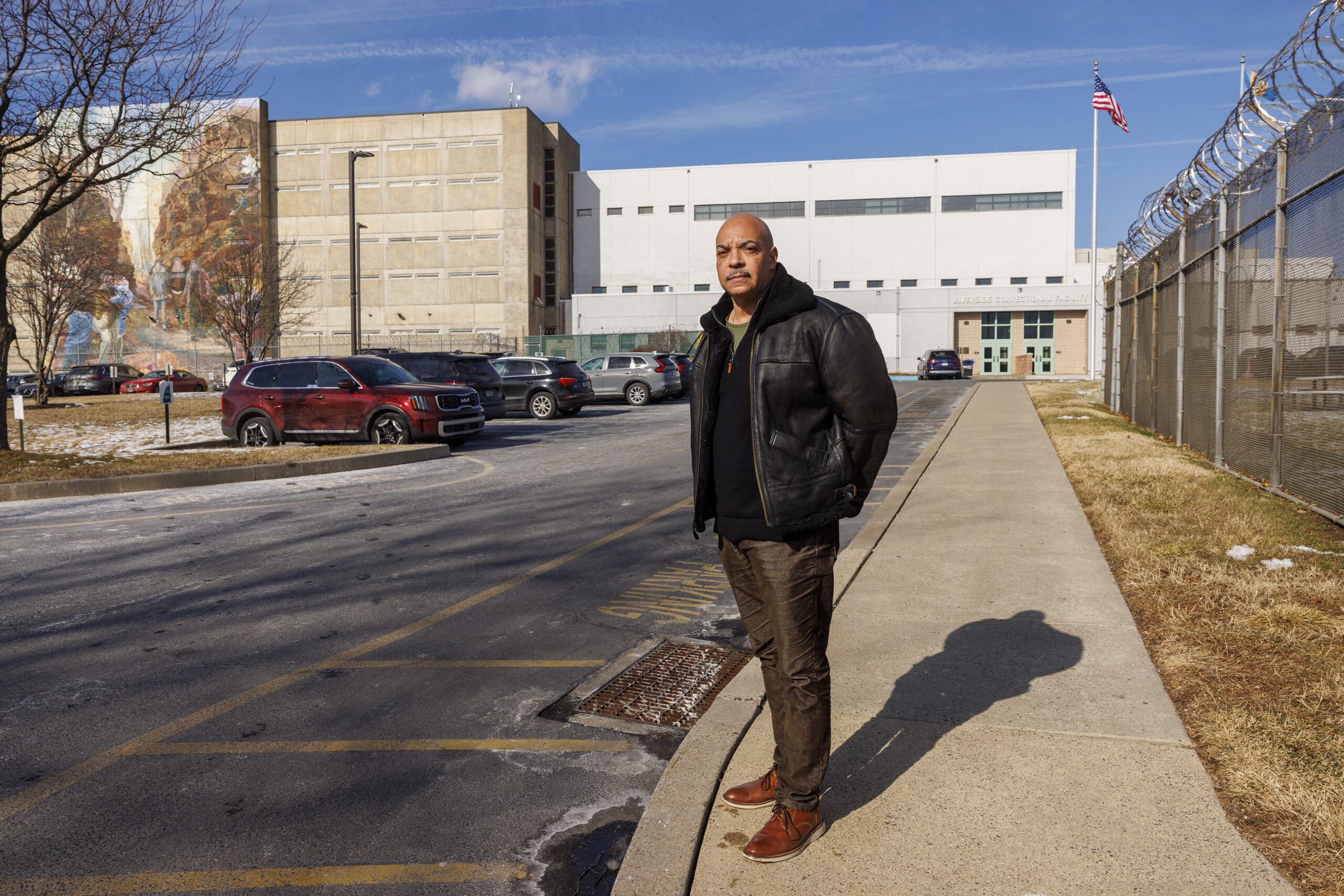
Williams’ chaplaincy is centered at the Riverside Correctional Facility in Northeast Philadelphia.
Regotti, the chaplain Williams had encountered in solitary, said in an interview that even though they first met while the former DA was behind a thick steel door, Regotti could immediately sense his curiosity, intellect, and desire to better himself.
“Going from feeling absolutely desperate to finding ways to cope, it was kind of a mark of his own personal resilience,” Regotti said. “He really developed into somebody that was in touch with God’s grace.”
Williams said he now aspires to be for people what Regotti was for him — a comforting presence in a dark place, and someone who, he hopes, can help provide guidance that can last well beyond someone’s time in confinement.
“The cheapest way to do that is by spreading the gospel,” he said. “People don’t want you to preach to them. They just want your presence — they want you to be there.”
A freshman football player at Villanova University has been charged with rape and sexual assault stemming from a December incident on campus, a university spokesperson said Sunday.
D’Hani Cobbs, 20, faces charges of rape, sexual assault, and related offenses in Delaware County, court records show. He is accused of assaulting another student on Dec. 7, the university said in a statement, which did not provide any additional details about the alleged incident. The arrest was first reported by student newspaper The Villanovan.
Cobbs was arraigned Friday and held on $250,000 bail, according to court records.
A university spokesperson said school leaders reported the incident to law enforcement and “removed” Cobbs from campus shortly after the incident in December.
“Sexual violence of any kind is not tolerated on our campus and we are committed to both supporting the victim and fostering a safe environment for all of our students,” the university said in the statement.
A player bio page on Villanova’s website was out of service with an error message on Sunday, but according to social media and sports news outlets, Cobbs graduated from Camden High School in 2025 and played wide receiver at Villanova. Recruiters for the Villanova Wildcats posted a “welcome to the family” message on social media after recruiting Cobbs in December 2024.
An attorney for Cobbs did not immediately respond to a request for comment Sunday.
A former Philadelphia Fire Department medic has been charged with stealing money from a 72-year-old woman who had been pronounced dead during the response to an apartment in Center City last year, District Attorney Larry Krasner said Friday.
Gary Robb, 41, was charged in early December with misdemeanor theft and related crimes.
A spokesperson for the fire department declined to comment on the case except to say that Robb no longer worked for the department.
Robb could not be reached for comment Friday night.
On Oct. 16, Robb was part of a medic response to an apartment building on the 1300 block of Lombard Street and encountered an unresponsive person who was later pronounced dead, Krasner said.
The person who died was identified as Nanette Santilli by her niece, Nicolette Santilli Holt, 28, of Philadelphia.
A video camera inside the home recorded Robb removing money from the dead person’s wallet and placing the money in his jacket pocket, the DA said.
“The alleged incident is an egregious misuse of power,” Krasner said in a statement.
“The men and women of the Philadelphia Fire Department are trusted public servants, and nothing alleged here diminishes the importance or integrity of their work. We will aggressively pursue the facts to ensure accountability and justice,” he said.
The investigation is ongoing.
Holt in an interview Friday night described her aunt as a generous person.
“She was the absolute best: crazy, loud, loving, gentle, funny — just one of a kind,” Holt said.
“She had a voice you couldn’t miss blocks away. She always had a loud set of keys, a roll of paper towels, and a Red Bull with her big handbag,” Holt said. “Truly one of a kind and would’ve helped anyone, so to see someone take advantage is a shame.”
A 45-year-old man was pistol-whipped during a snow-related altercation over a parking space Thursday afternoon in the city’s Kensington section, police said.
Around 1:20 p.m., police responded to a report of a shooting on the 2700 block of A Street and found the man bleeding from a head injury, police said. The man identified two alleged perpetrators and was transported to Temple University Hospital.
The alleged victim and a 21-year-old man had been involved in a snow-related argument over a parking space that escalated into a physical altercation, police said.
During the fight, the older man produced a knife and the 21-year-old pulled out a legally owned handgun, police said. However, both men put their weapons down and continued fighting.
A 36-year-old woman then retrieved a firearm from a vehicle, hit the victim on the head with it, and fired it into the ground, police said.
The two alleged assailants were arrested and all the weapons were recovered by police.
The incident remains under investigation, police said.
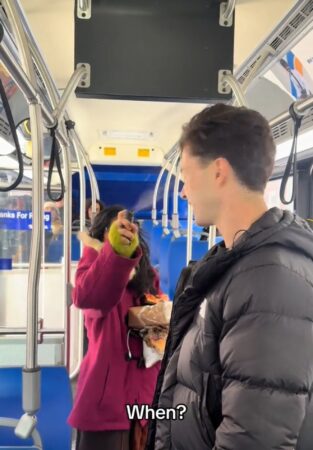
Video of the Jan. 19 incident between 22-year-old Paulina Reyes and 22-year-old Francis Scales quickly went viral on social media, garnering millions of views and spurring reactions from right-leaning influencers and Elon Musk.
During the confrontation, Reyes — whose internship with WHYY had ended before the incident — accused Scales of being a “fascist” and a “racist” for posting content online she viewed as insulting to Muslims and people of color.
Attorney General Dave Sunday, in announcing Thursday that his office’s mass transit prosecutor would oversee the case, said “violence will not be tolerated as a means to conduct political debate, protest, or exhibit differences.
“This type of violence is senseless, as we have an individual facing criminal charges over political disagreement,” the attorney general said in a statement.
In addition to simple assault, Reyes is charged with possessing an instrument of a crime, a misdemeanor. She also faces charges of harassment and disorderly conduct, which are summary offenses.
Reyes was arraigned Thursday morning and released without having to to post bail.
The mass transit prosecutor for Philadelphia, Michael Untermeyer, worked with SEPTA police to bringthe charges, according to Sunday.
It has drawn criticism from District Attorney Larry Krasner, who last year challenged the law that created the post, saying it was unconstitutional, unfairly singled out Philadelphia, and stripped his office of authority.
A spokesperson for Krasner did not immediately return a request for comment on the special prosecutor’s decision.
Footage of the South Philadelphia incident ricocheted across conservative media, and some influencers had accused Reyes of being an “Antifa agitator” and called for her arrest. Musk’s comments on X, suggesting Reyes had “violence issues,” generated hundreds of thousands of views alone.
Reyes told The Inquirer in an earlier interview that she had been defending herself against Scales, who was filming her,and that resorting to pepper spray was “not something I wanted to do.”
She said she has since received death and rape threats for her role in the confrontation. She did not return a request for comment Thursday.
Reyes and Scales knew each other from attending the Community College of Philadelphia, where Reyes is still a student.
Videos on Scales’ social media page, Surge Philly, show the commentator interviewing attendees at protests, asking them questions about charged topics such as immigration enforcement. He has also been a vocal critic of Krasner.
Scales said Reyes’ pepper spray got in his face and eyes, and Sunday, the attorney general, said Reyes also punched the man. A friend who was with Scales filmed the incident. Scales, too, filmed Reyes, saying he did so for his own safety.
Scales said in a statement that he was grateful for the attorney general’s decision to bring charges, and that he hoped that would deter others from similar actions.
“No one has the right to physically attack another person because of different opinions,” Scales said.
Federal prosecutors in Minneapolis have told U.S. Attorney Daniel Rosen, the Trump administration appointee leading the office, that they feel deeply frustrated by the Justice Department’s response to the shootings of Renée Good and Alex Pretti by immigration officers and suggested that they could resign en masse, leaving the office unable to handle its current caseload, according to two officials familiar with the office.
At least one prosecutor in the office’s criminal division has resigned since a meeting this week with Rosen at which the prosecutors aired their concerns, according to the people, who spoke on the condition of anonymity to discuss a personnel matter that has not been made public.
The threat of further resignations is the latest sign of how the federal judicial system in Minnesota has begun to crack under the strain imposed by the administration’s immigration enforcement surge in the state. On Wednesday, the chief federal district judge in the state wrote that Immigration and Customs Enforcement officials had violated 96 court orders since launching the crackdown in Minnesota, dubbed Operation Metro Surge.
“ICE has likely violated more court orders in January 2026 than some federal agencies have violated in their entire existence,” Chief U.S. District Judge Patrick Schiltz wrote.
When asked for comment about the Minnesota prosecutors, a Justice Department spokesperson responded with Attorney General Pam Bondi’s February 2025 “zealous advocacy” memo that said attorneys would face discipline or termination if they are not “vigorously defending presidential policies.”
The U.S. attorney’s office in Minnesota has been in turmoil since the administration sidelined the office in the investigations around the shootings of Good and Pretti, who were shot two and a half weeks apart during confrontations with immigration officers in Minneapolis.
At least a half-dozen prosecutors in the office — including the second-in-command — resigned earlier this month after top Justice Department officials told prosecutors not to investigate the shooting of Good but instead try to build a case against her partner.
In the aftermath of those resignations, the Justice Department sent prosecutors from other Midwestern states to help deal with the swelling caseload in Minnesota. The severe staffing shortage in the office is expected to worsen in the coming weeks as more prosecutors from the office’s criminal and civil divisions resign.
The Minnesota U.S. attorney’s office is down to about half of its full staffing level of approximately 70 lawyers. At least some of the resignations occurred in the final months of the Biden administration before President Donald Trump took office.
When Pretti was shot by immigration officials on Jan. 24, Trump administration officials said the Department of Homeland Security would be leading the probe, prompting confusion and frustration among Minneapolis prosecutors who felt they should be involved.
The shootings of Good and Pretti were captured on cellphone cameras and have prompted outrage from Democrats and Republicans over Trump’s immigration crackdown.
Typically, a federal investigation into an officer-involved shooting would involve FBI agents and criminal and civil rights prosecutors. Any federal use-of-force investigation into an officer’s conduct is considered a civil rights investigation because the provision under which officers can be charged is a civil rights statute that covers deprivation of a person’s rights “under color of law.”
The Washington Post reported that the FBI briefly opened a civil rights investigation into the Good shooting before changing course.
Law enforcement officers are rarely charged for using lethal force, in part because the law provides significant leeway for officers to decide when use of force is needed. Law enforcement experts said that an accurate conclusion can only be reached, however, if officials examine all relevant state and federal laws and their application to the facts in the case.
The immigration crackdown has strained U.S. attorney’s offices across the country. On the criminal side, prosecutors are handling a surge in cases involving allegations of residents impeding immigration officers. And on the civil side, attorneys are being inundated with an influx of petitions from immigrants contesting their detainments.
The Justice Department is also facing staffing shortages at its Washington headquarters and in U.S. attorney’s offices across the country. In 2024, roughly 10,000 attorneys worked across the Justice Department and its components, including the FBI. In 2025, Justice Connection, an advocacy group that has been tracking departures, estimates that at least 5,500 people — not all of them attorneys — had quit the department, been fired or taken a buyout offered by the Trump administration.
The department has struggled to find qualified candidates to fill these vacancies.