Category: Entertainment Columnists

  • A Delco restaurant gem is born, fueled by Mexican family flavors

    A Delco restaurant gem is born, fueled by Mexican family flavors

    There is something magical about the mole poblano at Tlali in Upper Darby, but it took me a moment to register what it is.

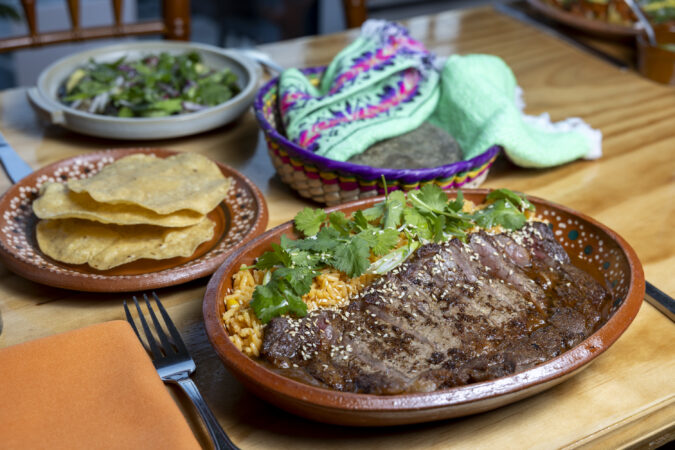
    The Sandoval family’s mole, at first glance, is as deep a brown as any other you might have encountered from the state of Puebla, the result of a blend of dried chilies, fruits, and bittersweet Mexican chocolate. But when I swipe a juicy morsel of prime seared rib eye through the luxuriously dark puree, what I’m struck by is its ethereal lightness, both of the texture and the complexity of flavors. It’s so elegantly balanced, I taste each note — the smoky dry heat of chipotle meco peppers in the background, the fruity sweetness of ripe plantains and raisins, the nutty richness of walnuts and sesame seeds, a whiff of canela and bay leaf — all flowing into one earthy harmony of measured sweetness and spice.

    What I’m tasting here, in fact, is Alberto Sandoval’s memory as a 10-year-old come to life. He vividly recalls the moment when his mother, Teresa Hernandez, was cooking that same mole for his father’s birthday in San Mateo Ozolco and held up a spoonful for Alberto to see.

    “Your mole has to be this consistency — really light, not too thick, not too spicy. This is a good mole.”

    Decades later, after a career rising through the ranks of some of Philadelphia’s most vaunted kitchens, including Striped Bass, Lacroix at the Rittenhouse, Le Bec Fin 2.0, Volvèr, Suraya, and Condesa, he and his brother, Efrain, are leaning into those memories of home for the menu at Tlali.

    “These recipes represent who we are and where we came from,” says Alberto.
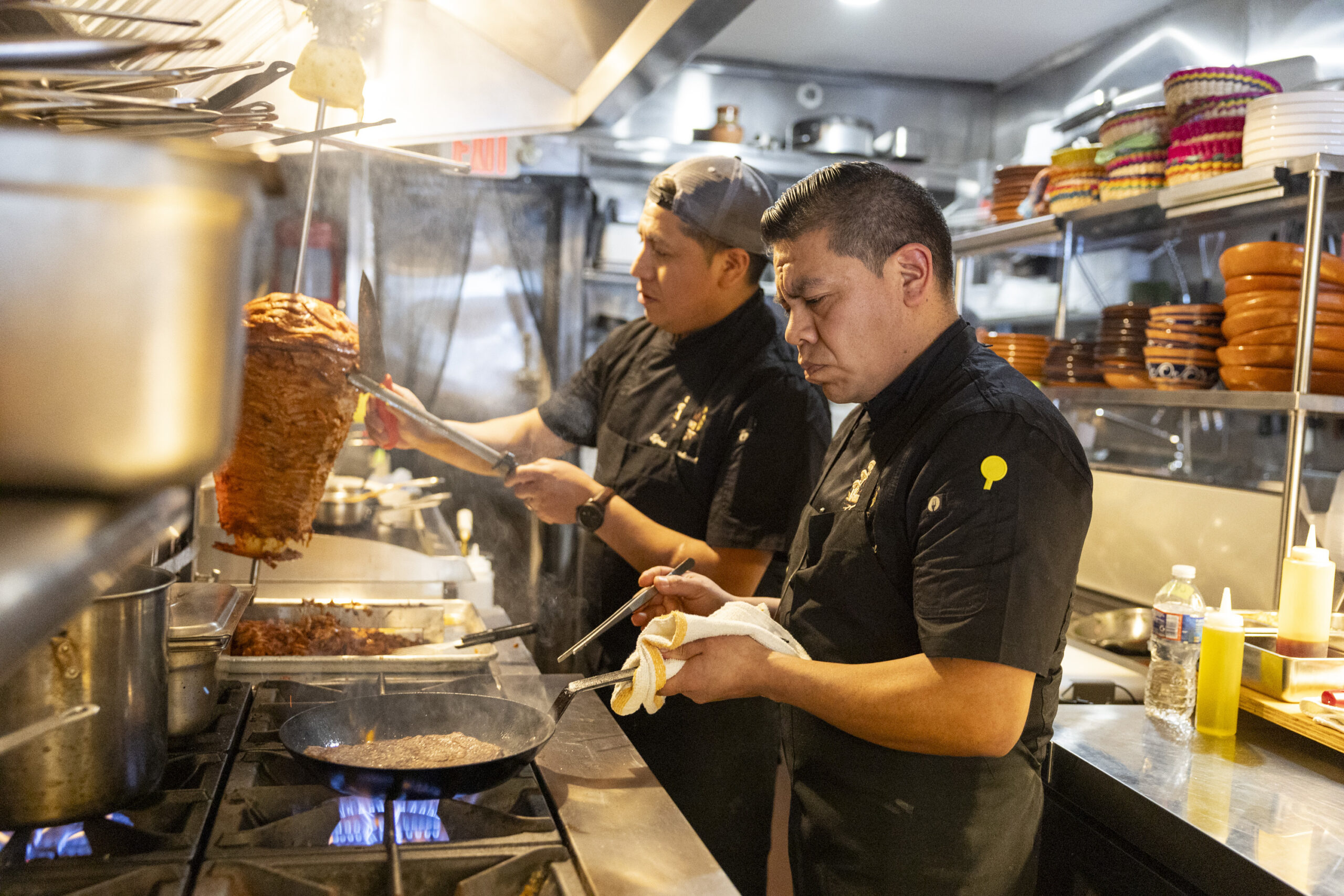
    Alberto Sandoval (right), chef and co-owner of Tlali, and his brother and partner, Efrain Sandoval, working in the kitchen preparing a dish in Upper Darby Pa., on Thursday, Feb. 5, 2026.
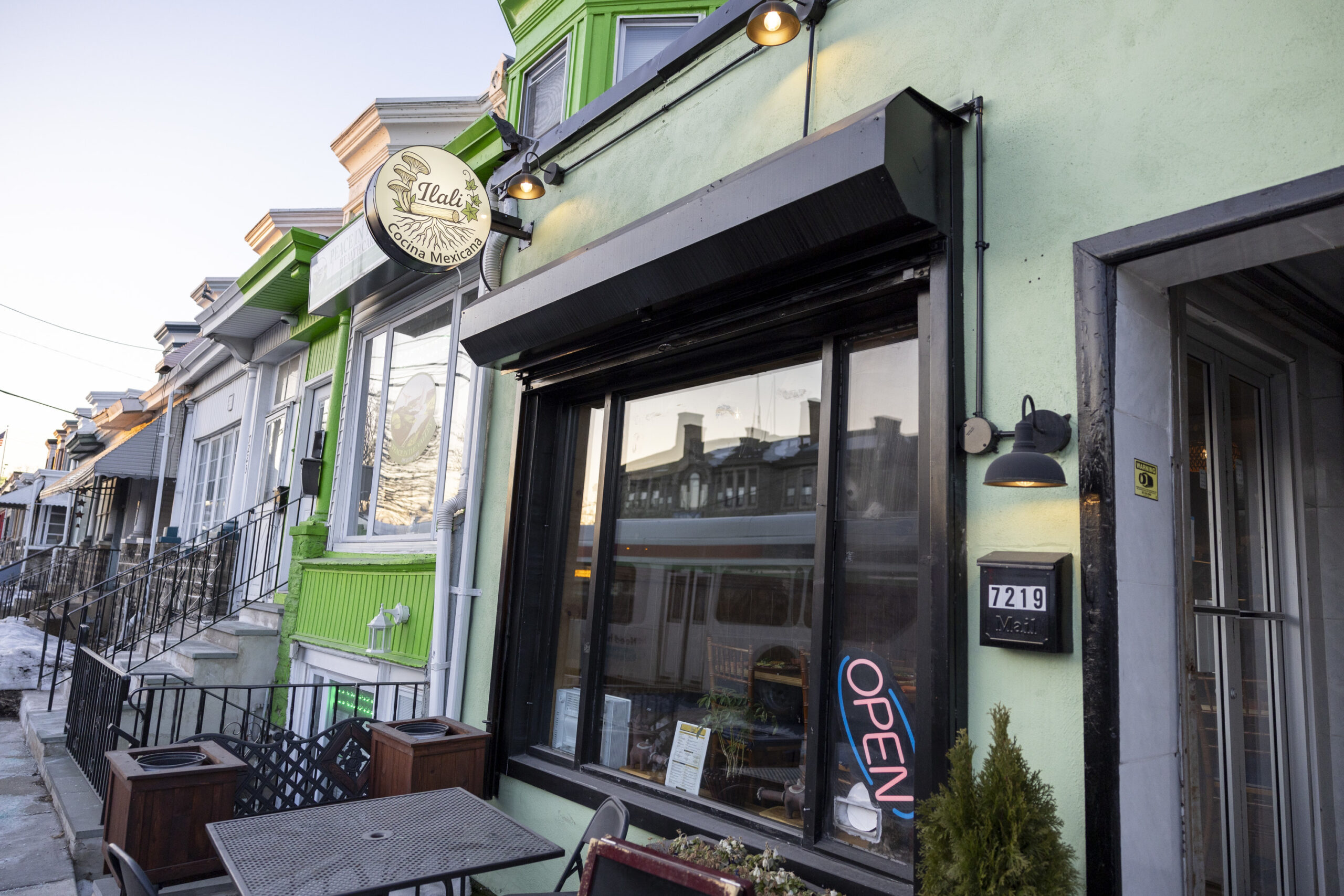
    The outside of Tlali in Upper Darby Pa., on Thursday, Feb. 5, 2026.

    The base of that mole — which their mother still makes over the course of two days in Mexico and sends to her sons, who rehydrate and simmer it to completion with chicken stock — is only the beginning. Everything about this charming 18-seat BYOB the brothers opened in August inside a renovated pizzeria is a tribute to their birthplace in San Mateo Ozolco, the tiny town on the side of an active volcano in Puebla from which much of South Philly’s Mexican population immigrated. There’s an image of Popocatépetl, its volcanic peak ever fuming, depicted on a colorful woven mat that hangs above the open kitchen here. The hand-painted terra cotta ceramics that decorate the walls and deliver the food were all imported from Puebla.

    The brothers have cut no corners in crafting the flavors on this menu, especially with another key building block: the tortillas. They are patiently made from blue and yellow heirloom Mexican corn that’s nixtamalized overnight then ground into fresh masa, resulting in pressed tortillas that have a velvety suppleness when cooked to order off the plancha.
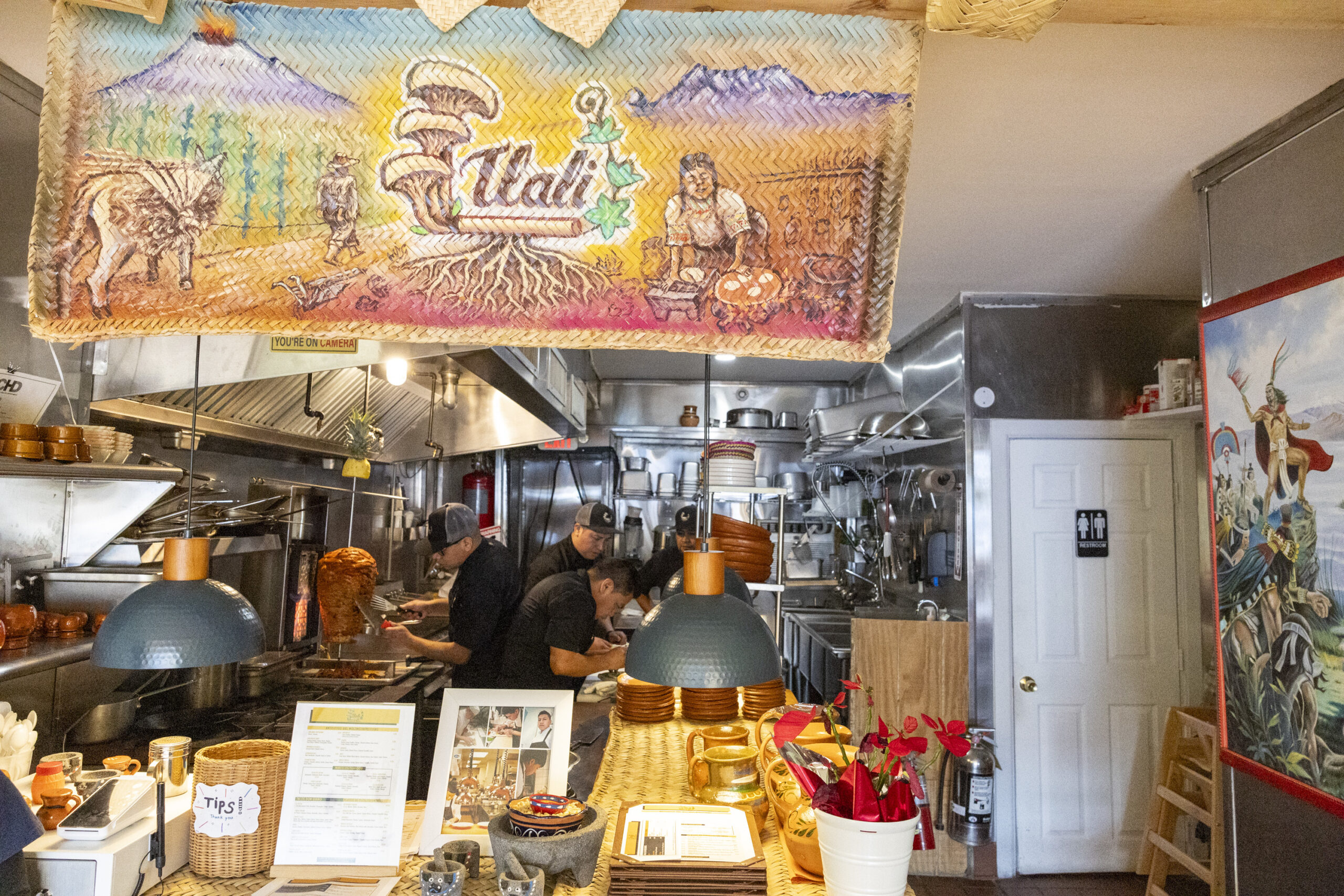
    Alberto Sandoval, Chef and Owner of Tlali, is with his brothers working at their restaurant in Upper Darby Pa., on Thursday, Feb. 5, 2026.

    You can taste this in the enmoladas, in which the tortillas are coated in that mole before being folded into half-moon bundles over tender shreds of chicken. The tortilla’s toasty corn flavor also powers the bright orange puree of Tlali’s tortilla soup. They’re fried into shatteringly crisp rounds for antojito starters like the irresistible mashed-to-order guacamole and tostadas topped with chipotle-stewed chicken tinga.

    Those crispy discs also accompany the striking aguachile negro, making the perfect cracker on which to layer slices of raw kanpachi that have been bathed in a spicy brew of citrus and olive oil tinted black with charred habaneros and onions. Scattered with green tufts of cilantro and crunchy matchsticks of radish, it’s the single most refreshing starter on a list of other seafood cocktails that are solid but lack a little spark. A notable exception was Dorito Nayarit, in which poached shrimp striped with Valentina hot sauce and crema are served atop crispy pork belly crackers known as chicharrónes preparados. (A tuna tostada topped with a spoonful of frumpy poached tuna salad, though, was the one dish at Tlali where the extra-homey approach left me truly underwhelmed.)
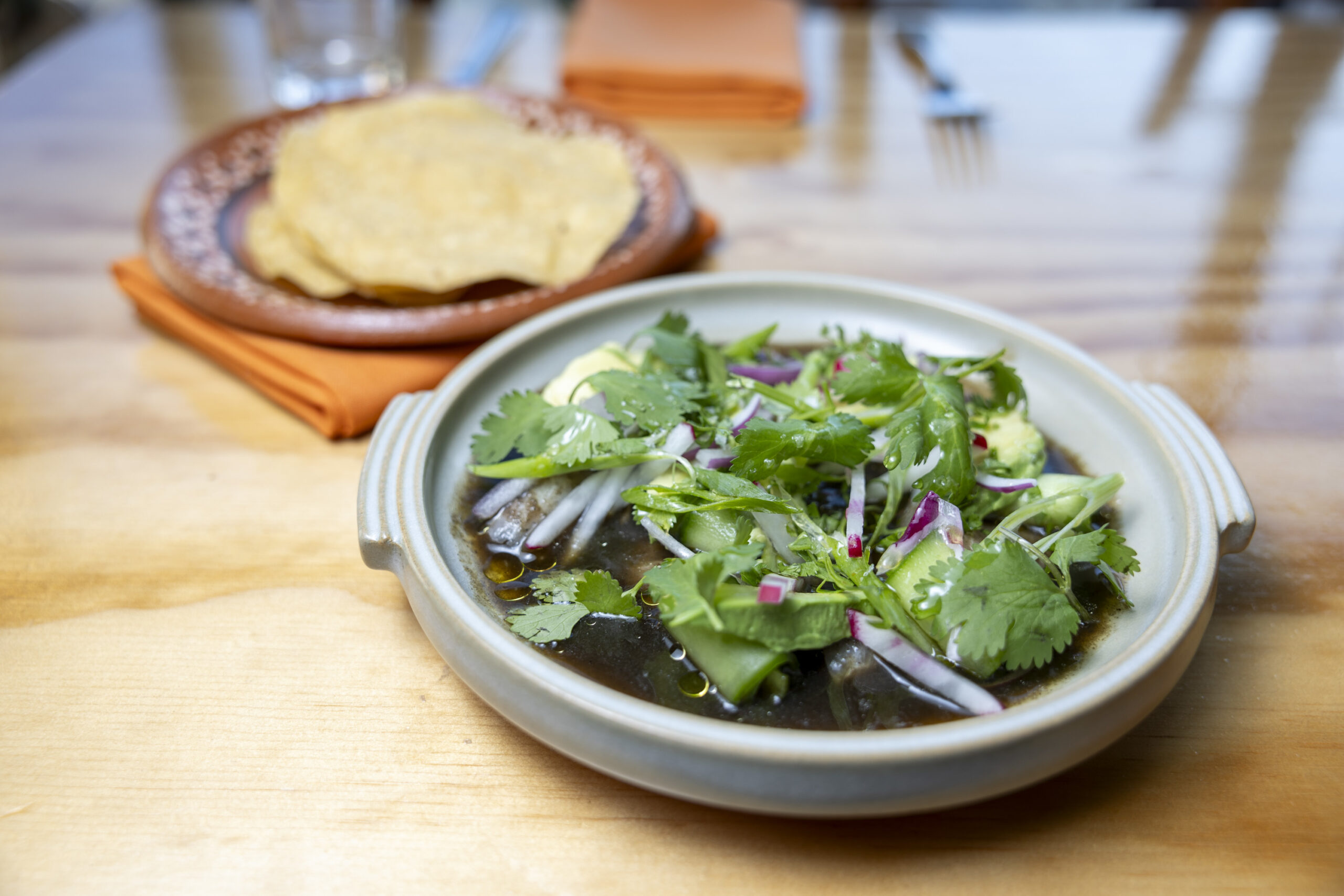
    The aguachile negro at Tlali in Upper Darby Pa., on Thursday, Feb. 5, 2026.

    Tlali, which means “land” in Nahuatl, the Indigenous language of Puebla, occupies a simple space on West Chester Pike that took a significant investment to completely rehab. It lacks the design frills of the high-style dining rooms where the brothers have largely worked, including Stephen Starr’s LMNO, where Alberto is still the chef de cuisine. There is nonetheless a comforting warmth to the pale green walls and natural wood wainscoting in Tlali’s dining room, bolstered by hospitality from the restaurant’s single server, Melanie Ortiz. She deftly sorted out a sticky situation by convincing a couple to move to a two-top after she’d accidentally sat them at the only remaining table reserved for a party of four (which happened to be us).

    It’s clear from the many emails and messages I’ve received since this restaurant opened in Upper Darby — a multicultural nexus of international dining, but not previously known for Mexican food — that Tlali has a devoted clientele rooting for it to succeed.

    Alberto Sandoval, chef and owner of Tlali, with his family members in Upper Darby Pa., on Thursday, Feb. 5, 2026.

    After diving much deeper into the menu, it’s easy to see why. Tlali is in many ways a sequel to the small restaurant the two brothers used to co-own in South Philadelphia, La Fonda de Teresita, which closed during the pandemic. But the Sandovals have both since continued to grow as chefs and have taken their pursuit of family flavors to the next level. That includes a tribute to their father, Don Guero, who ran a taqueria in Mexico City by the same name where Alberto got his first taste of kitchen life as a teen mincing mountains of onions and cilantro.

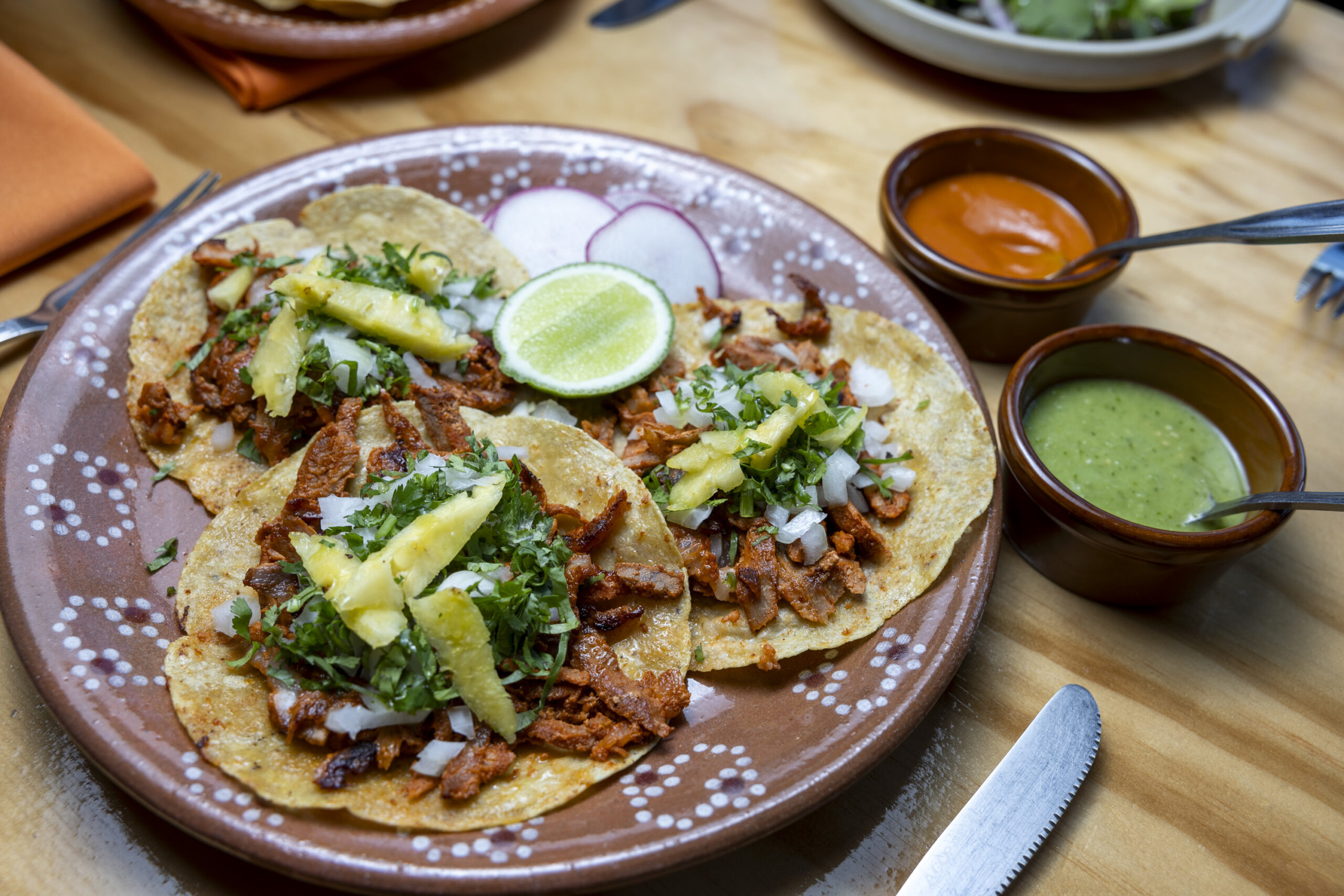
    Don Guero’s recipe for Chilango-style carnitas — whose pork belly and shoulder are simmered for hours in a large copper cazo pot bubbling with lard, orange juice, Coca-Cola, and herbs — produces meltingly soft, flavorful carnitas that are among the best I’ve had. But even that takes second place to the al pastor, a vertical spit of stacked pork shoulder marinated with three kinds of chilies, pineapple juice, achiote, and bay leaves; the pork roasts on a turning trompo fueled by real fire that flows through the perforated bricks that Don Guero himself gifted them from Mexico shortly before he died two years ago. The family taqueria lives on here.
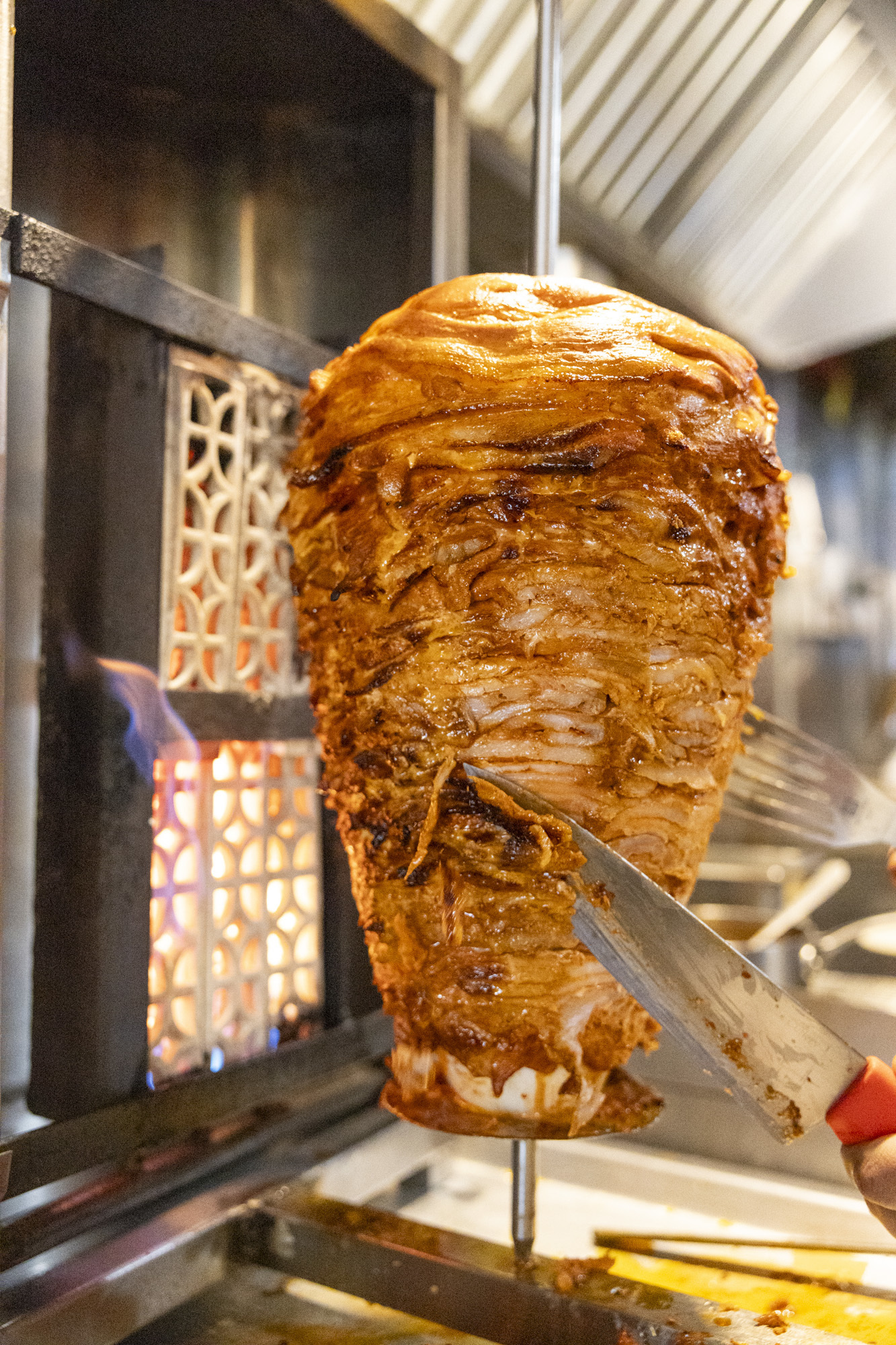
    The al pastor used for the tacos at Tlali in Upper Darby Pa., on Thursday, Feb. 5, 2026.
    The al pastor tacos at Tlali in Upper Darby Pa., on Thursday, Feb. 5, 2026.

    The entree section of the menu noted as “Platos de Ozolco” offers a handful of other standout dishes that showcase the brothers’ hometown flavors in both traditional and modern ways. I was especially fond of the classic mixiote: When the maguey leaf-wrapped bundle of steamed chicken rubbed in adobo spice was cut open tableside, the fragrant cloud of guajillo-scented steam that enveloped us brought me straight back to my own 2023 visit to San Mateo with chef Dionicio Jiménez of Cantina La Martina, where mixiote was the first thing we were served at his mother’s home — the ultimate dish to welcome a special guest.

    I was also intrigued to see Alberto and Efrain stretch their chef chops to reinterpret traditional flavors in inventive ways. That includes the michmole, which steeps a dried fish from Puebla in a tomatillo-chile salsa for deep marine flavor, then discards the bony remains for a golden sauce that gets topped with nopales and a gorgeous fillet of pan-roasted branzino (also lightly brined) to retain just enough of the traditional dish’s brackish edge.
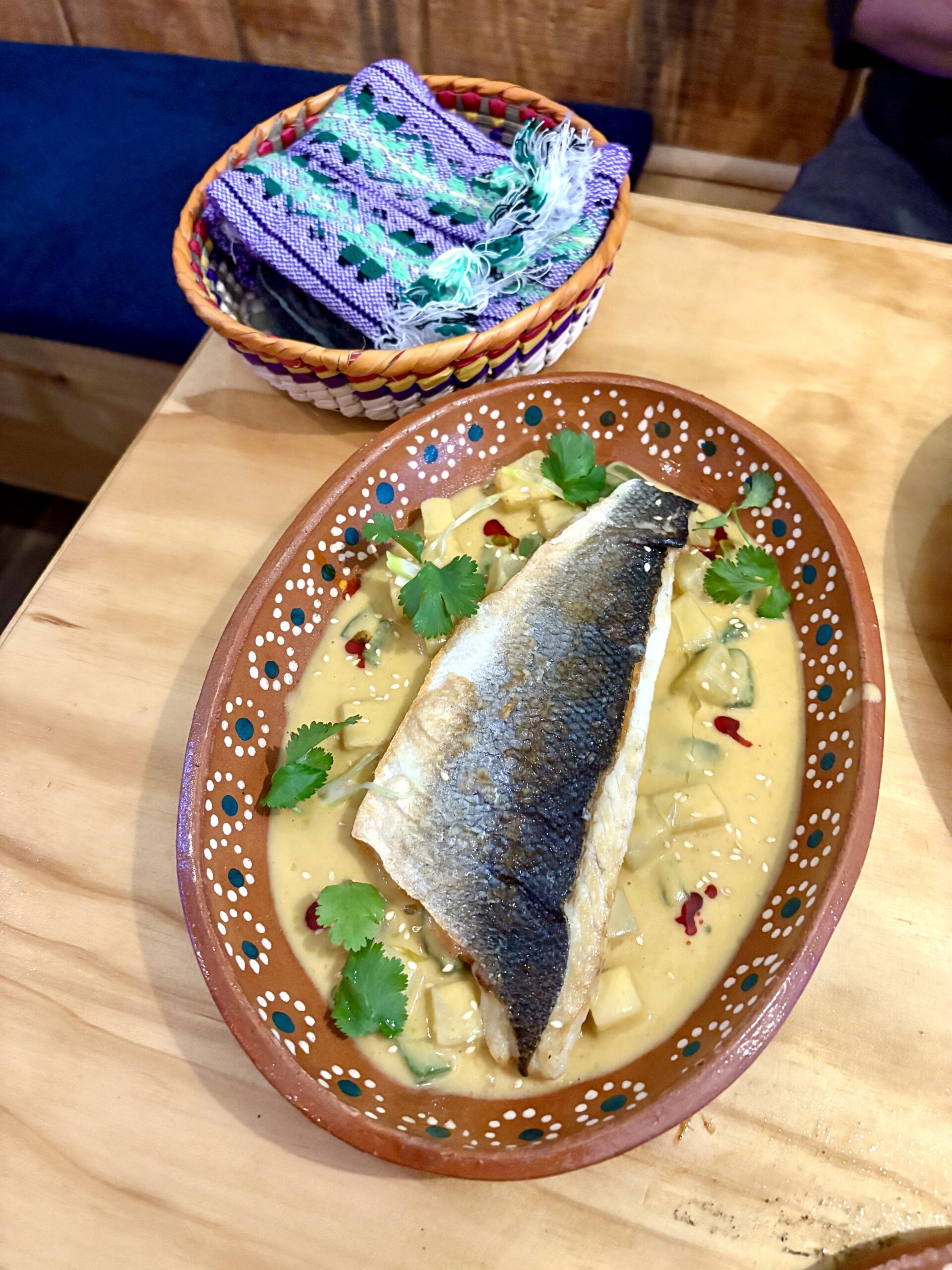
    A fillet of branzino is served over a seafood michmole sauce with cactus and potatoes at Tlali in Upper Darby.

    Another distinctive offering pairs the chefs’ love of fresh pasta with head-on shrimp and a zesty ragù of house chorizo simmered in a lightly creamed chipotle salsa. It’s a unique dish that bridges the Sandoval brothers’ origin story with their current status as longtime contributors to Philadelphia’s contemporary dining scene. As they continue to grow their audience in this tiny Upper Darby dining room, I wouldn’t be surprised if more such creations appear.

    I have no doubt that those future plates will remain somehow rooted in the memories of their mother’s table in San Mateo Ozolco, which not only give Tlali’s owners a proud reservoir of traditions, but an elusively distinctive and delicate family touch that will always be their own.
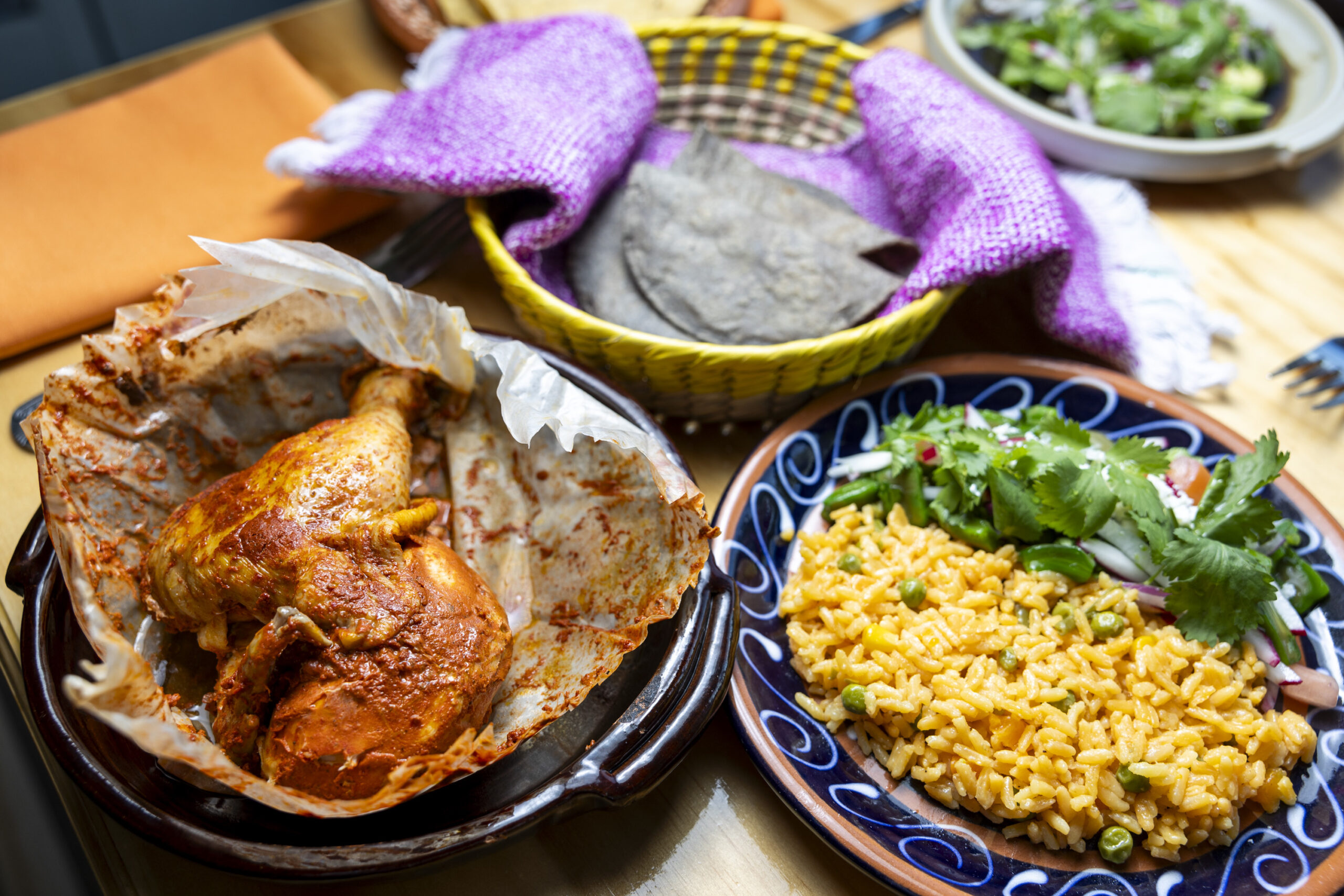
    The mixiote at Tlali in Upper Darby Pa., on Thursday, Feb. 5, 2026.

    Tlali

    7219 West Chester Pike, Upper Darby Township, 484-466-3593, instagram.com/tlalirestaurante

    Full menu served daily, noon to 10 p.m.

    Entrees, $12-$38

    BYOB

    Street parking only.

    Not wheelchair accessible. There are two steps at the entrance and the narrow bathroom is not accessible.

    Almost the entire menu is gluten-free, except for the cemita sandwiches.

    Menu highlights: guacamole; empanadas; albóndigas; sopes; sopa de tortilla; aguachile negro; coctel de campechano (shrimp and octopus); tacos al pastor; carnitas tacos al estilo Chilango; res en mole Poblano; huarache Teresita; mixiotes de pollo; michmole; pappardelle with shrimp en chorizo ragù.
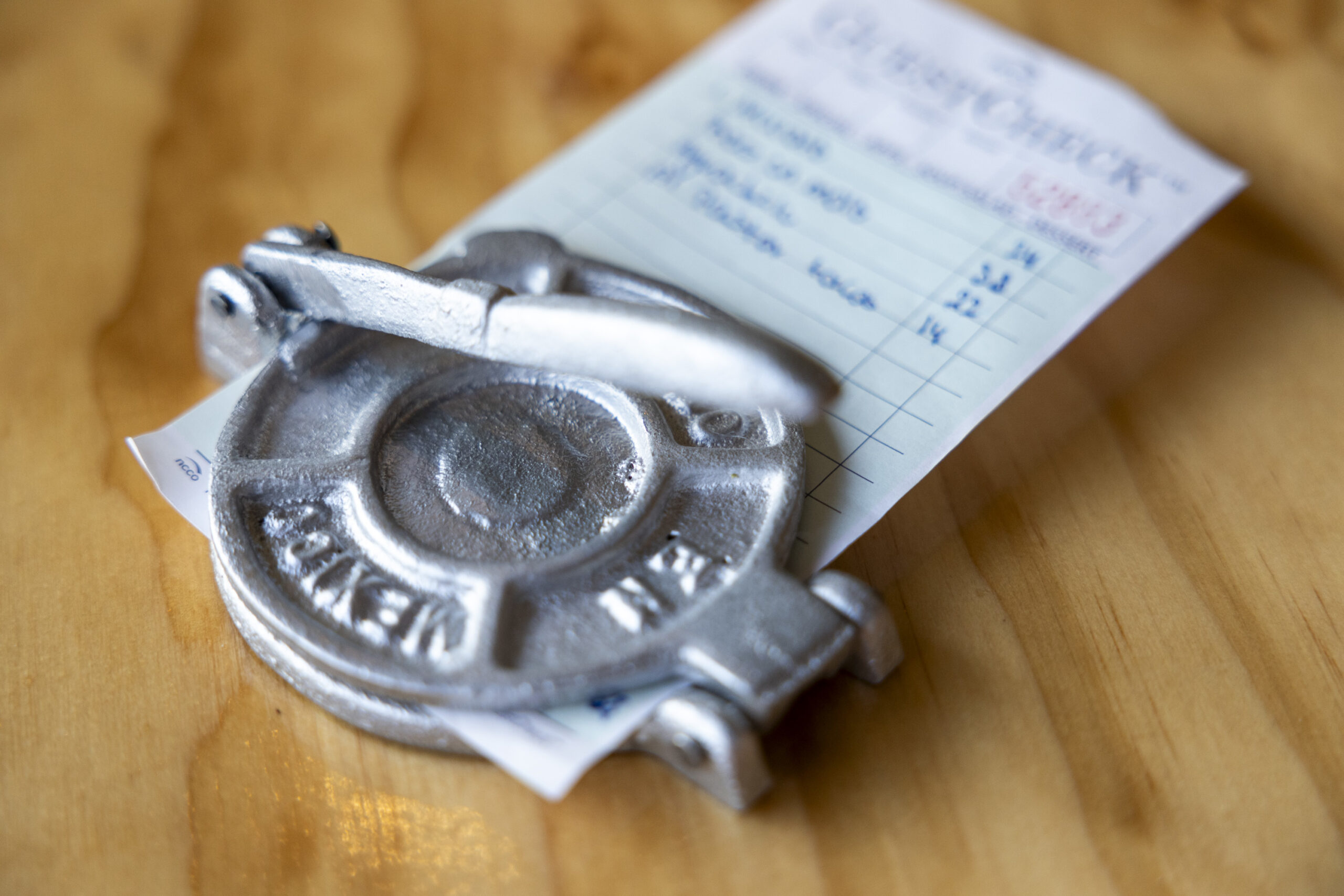
    A tiny tortilla press used for the dinner checks at Tlali in Upper Darby Pa., on Thursday, Feb. 5, 2026.
  • A South Philly garage is reborn as a date-night destination for oysters, cocktails, and polished vibes

    A South Philly garage is reborn as a date-night destination for oysters, cocktails, and polished vibes

    My chatty Uber driver was born and raised in South Philly and so, as we threaded our way through the cozy rowhouse blocks east of South Broad Street, he reveled in reciting the personal histories behind every deli, seafood market, corner taproom, and red-gravy pasta joint we passed. But even he seemed to be momentarily flummoxed as we pulled up to Tesiny, on the 700 block of Dickinson Street.

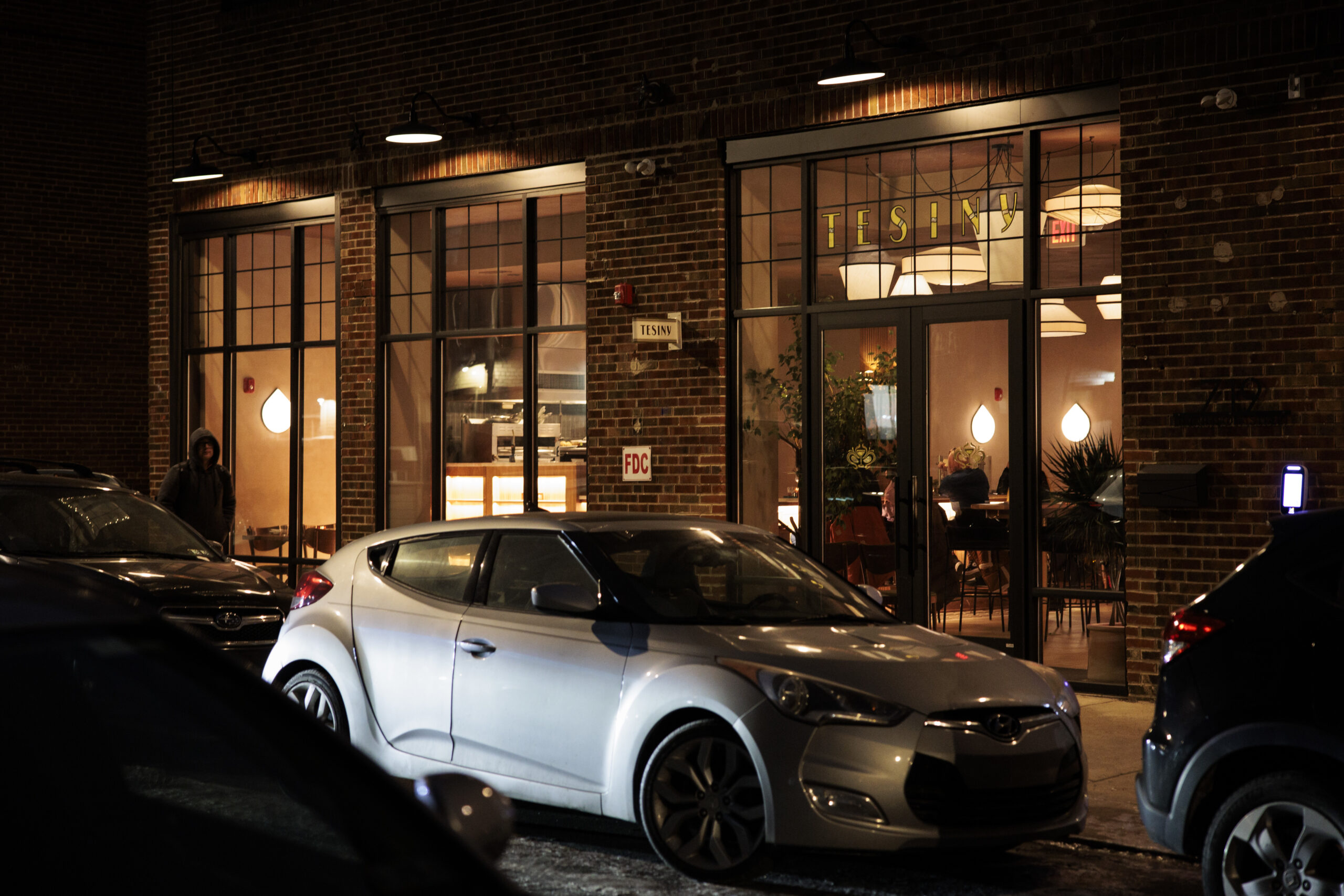
    A century-old corner brick building that for much of its life was an auto-repair shop had been completely transformed. Its garage doors were replaced with broad paned windows that glowed amber with the inviting tableau of a bustling restaurant inside. Diners clinked glasses of pink martinis. Chefs were illuminated by the flicker of a live-fire grill in the central open kitchen, where oysters were being shucked at the U-shaped counter, to be dispatched on icy plateaus to date-night duos across the room.

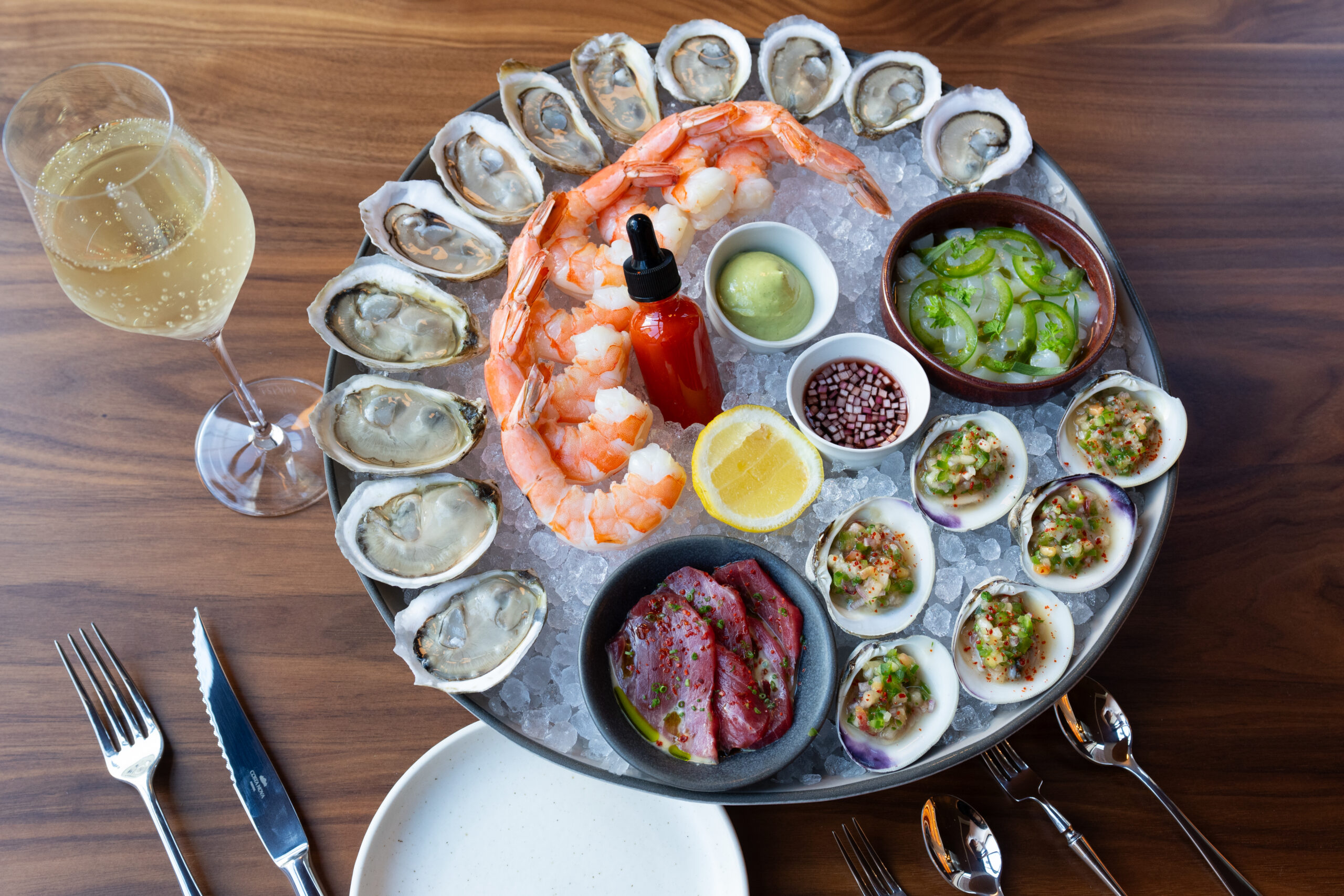
    Large seafood plateau with shrimp cocktail, clams ceviche with peach and jalapeño, three types of oysters, scallop crudo with melon water, and bluefin tuna with corn vinaigrette. Sauces are cilantro tarragon aioli and rosé mignonette, at Tesiny.

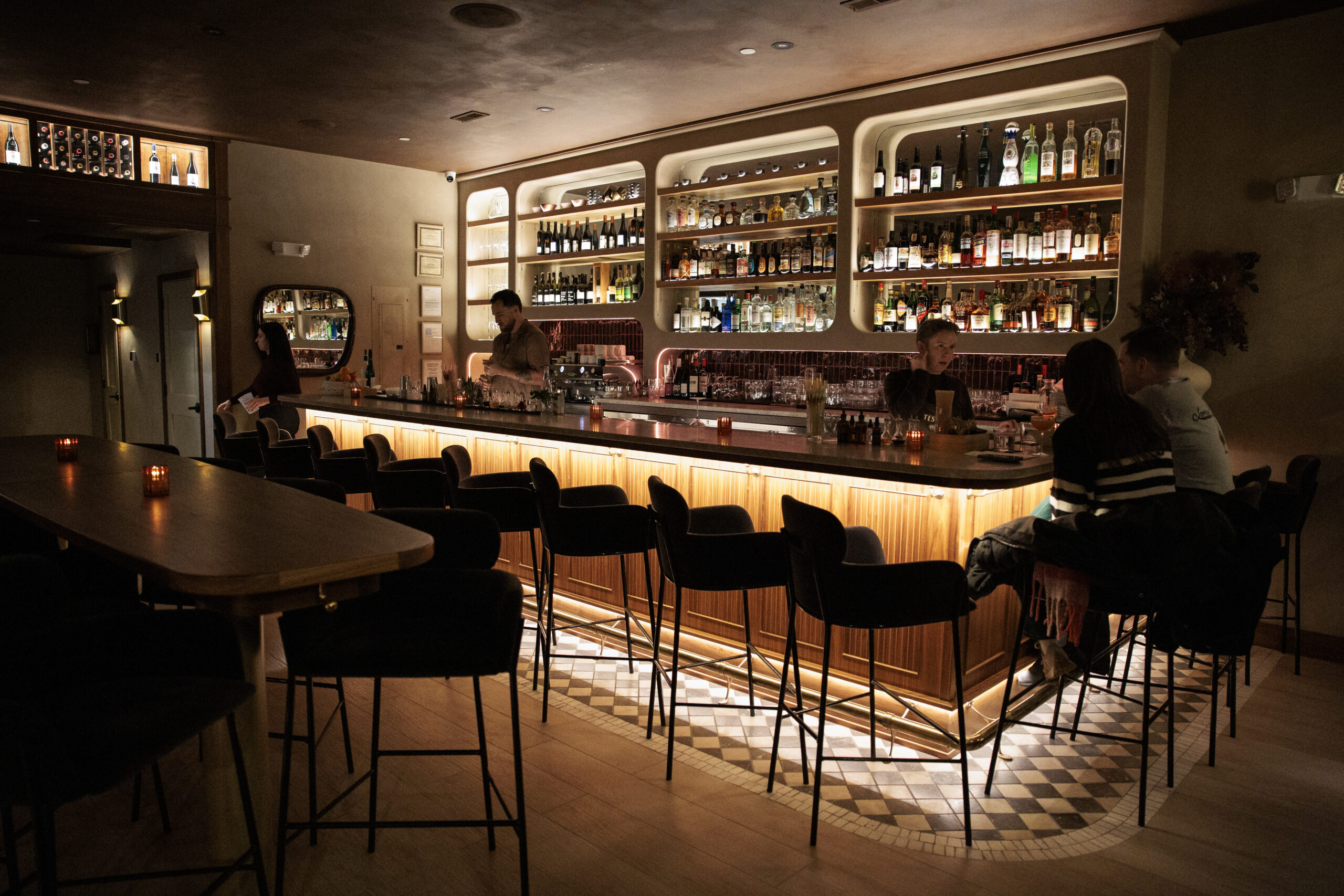
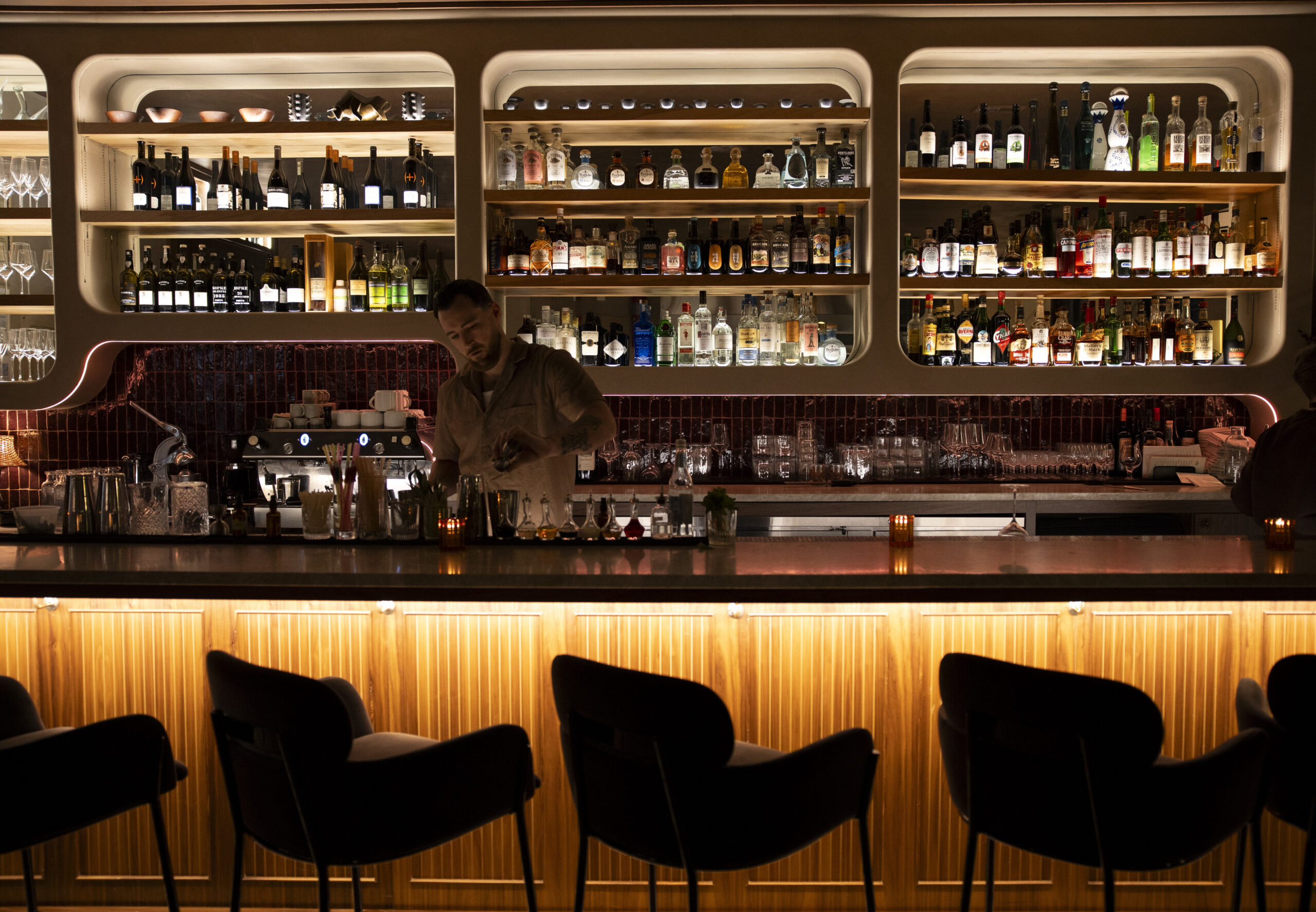
    The long bar near the entrance, deftly lit to illuminate its soigné design touches — the rich walnut wood accents, the purple-and-white tiled floor, the smooth curves of a backbar stocked with uncommon sherries — radiated a magnetic glamour.

    “Let me know how it is!” he said, as I exited the Uber. I promised a full report.

    In a dynamic old city constantly reinventing itself, we could do far worse than watching an industrial space be reborn as such a lovely restaurant. More specifically, you should be so fortunate to have Lauren Biederman be the one to do it.

    The exterior of Tesiny on Wednesday, Jan. 21, 2026 in Philadelphia.
    The bar at Tesiny on Wednesday, Jan. 21, 2026 in Philadelphia.

    Biederman, 30, is a bright talent who knows how to turn her quirky hunches into success. She’s best known as the area’s lox-and-caviar queen, after pursuing a “weird idea that popped into my head while driving” — that what Philly really needed was an old New York-style boutique market for hand-cut smoked salmon, fresh bialys, and brunch boards. In fact, we did. Five years after opening Biederman’s in the Italian Market, she’s now also serving caviar bumps from a kiosk beside the Four Seasons Hotel and about to open another Biederman’s near Rittenhouse Square, where Jewish prepared foods will be sold alongside the smoked fish.

    But Biederman was a restaurant person before her retail success. The Vermont native worked at Oloroso, where she found her passion for wine, then got into bartending, working at Zahav and several Schulson Collective restaurants, including Osteria, where she met Devon Reyes-Brannan, 30, now her longtime boyfriend and partner at Tesiny. (The name, pronounced “TESS-iny,” is a reference to her late grandmother’s address in Connecticut. The two shared a love of seafood.)

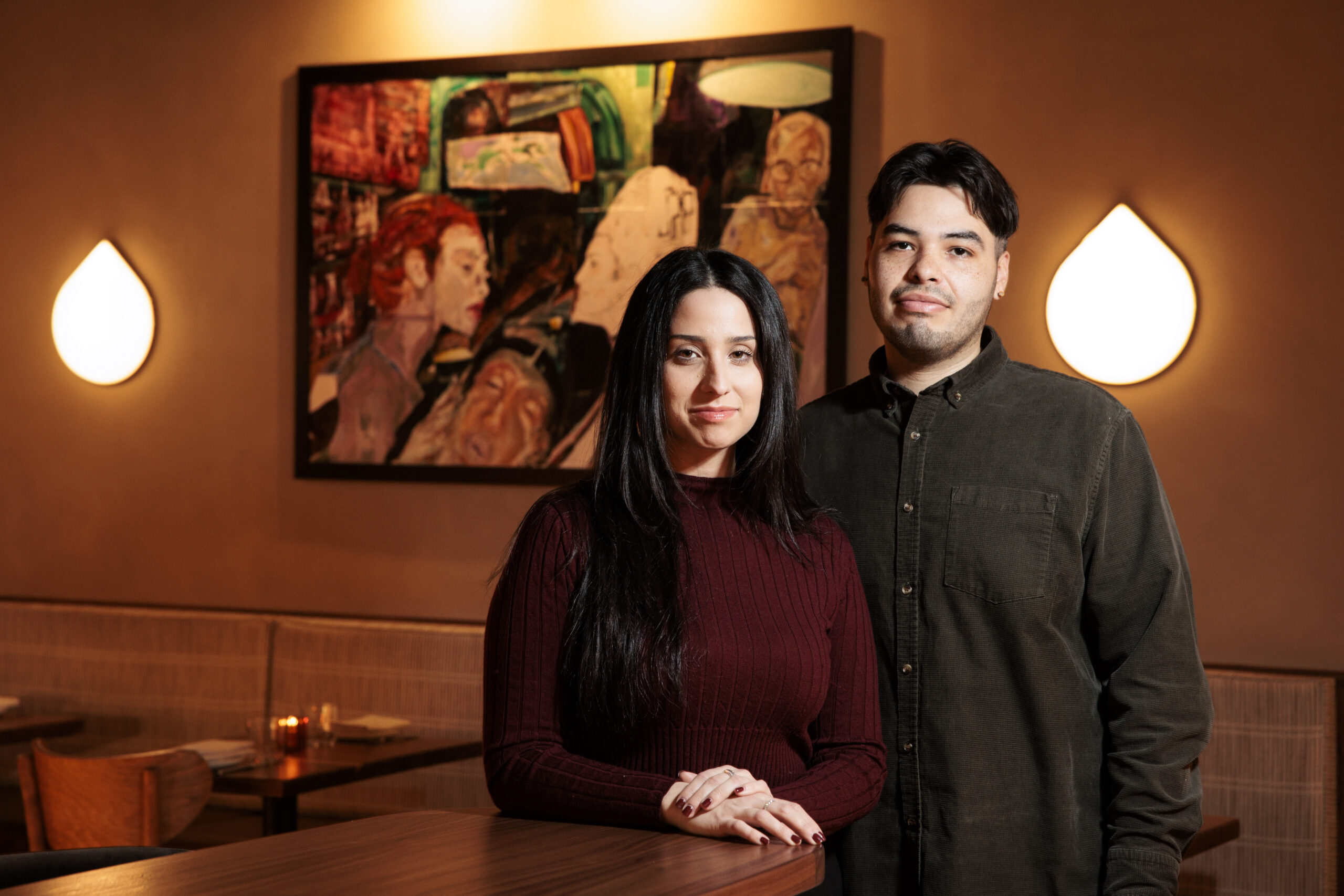
    Co-owners Lauren Biederman and Devon Reyes-Brannan at Tesiny on Wednesday, Jan. 21, 2026 in Philadelphia.

    Biederman designed the room and nailed the elegantly sultry mood, with the dark brown ceiling and light floors keeping it cozy while the mellow soundtrack shifts throughout service from Sinatra to Sadé, then to hip-hop beats for the livelier later hours. Good spacing between tables keeps conversation possible.

    There’s an admittedly amorphous, on-trend quality to Tesiny — the raw bar, craft cocktails, and a chef’s-counter grill turning out shareable plates that resist easy classification as appetizers or entrees — that could just have easily landed in a buzzier restaurant district like Fishtown or Rittenhouse Square. But there’s an extra pulse of intimacy in finding this polished 50-seat oasis in the heart of residential Dickinson Narrows, a hotly debated neighborhood within a neighborhood just east of East Passyunk. It’s upscale, averaging $80 per person for food and drinks, but already resonating as a destination, with up to 100 diners on busy nights.

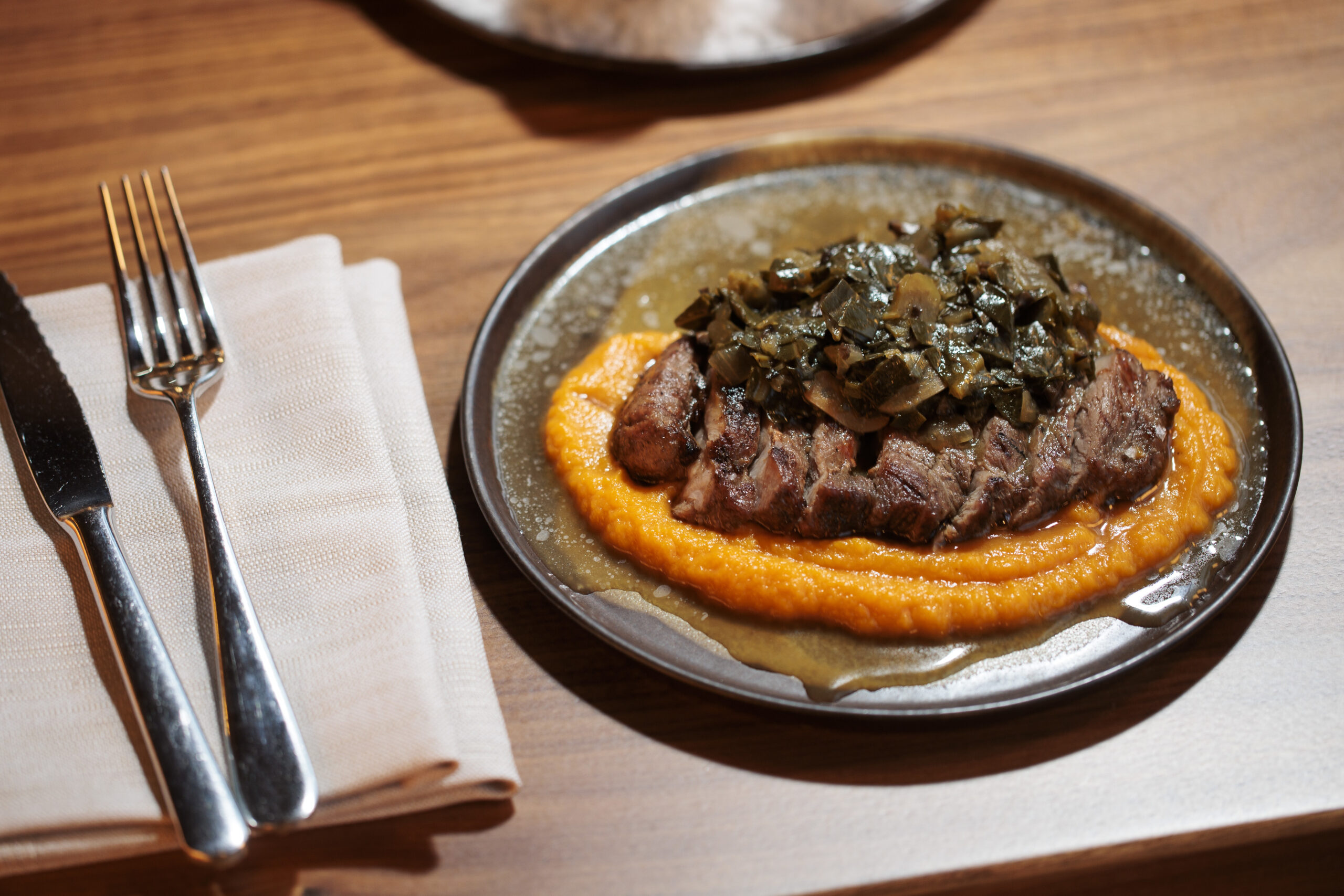
    The Iberico pork at Tesiny on Wednesday, Jan. 21, 2026 in Philadelphia.
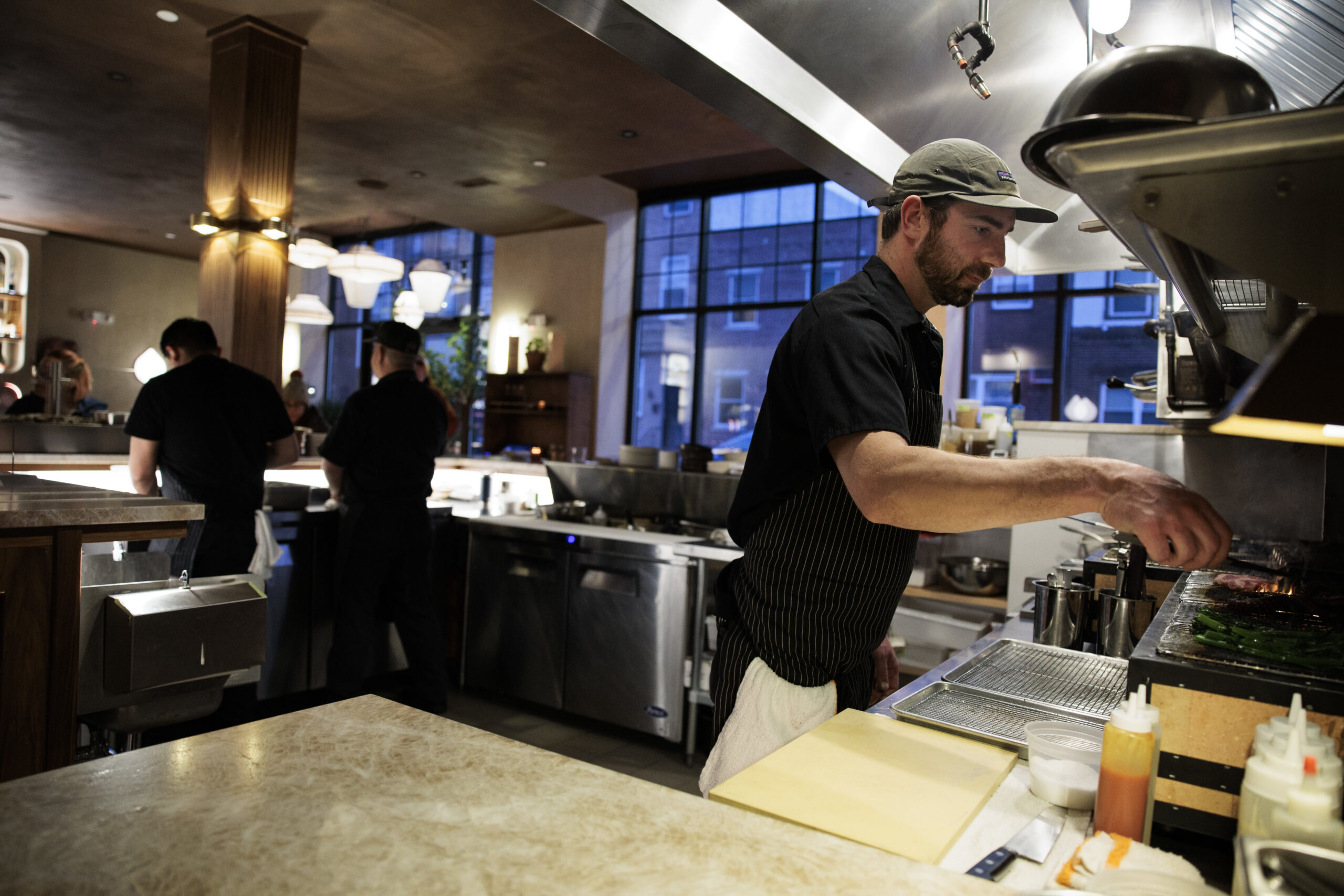
    Chef Michael Valent works in the open kitchen at Tesiny on Wednesday, Jan. 21, 2026 in Philadelphia.

    It succeeds on its posh vibes, but also the skill of its players to strike the right tone, from the well-informed (but never pushy) servers to chef Michael Valent, 36, with whom Biederman worked at Zahav. There’s nary a noodle on his menu — a rarity in this neighborhood.

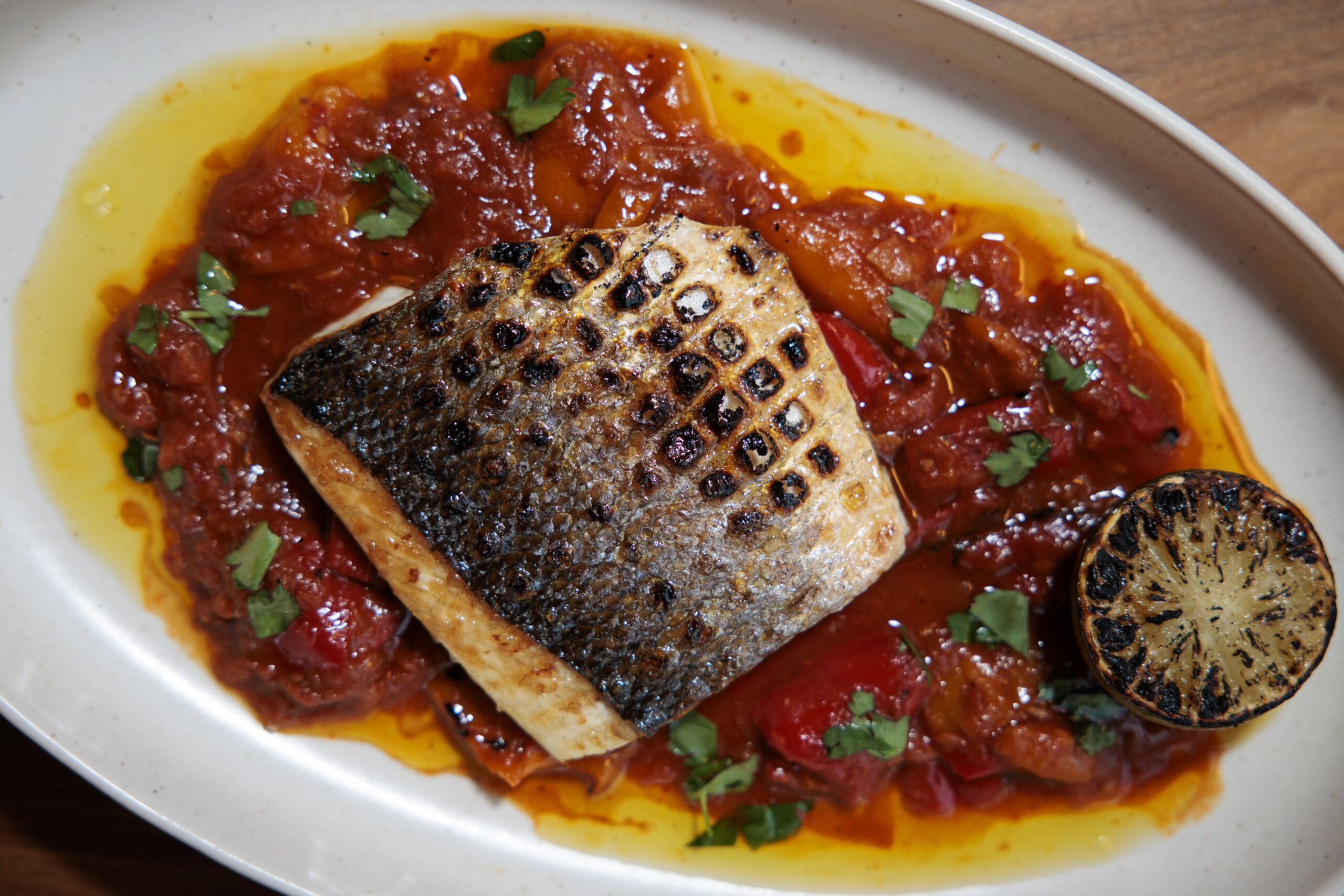
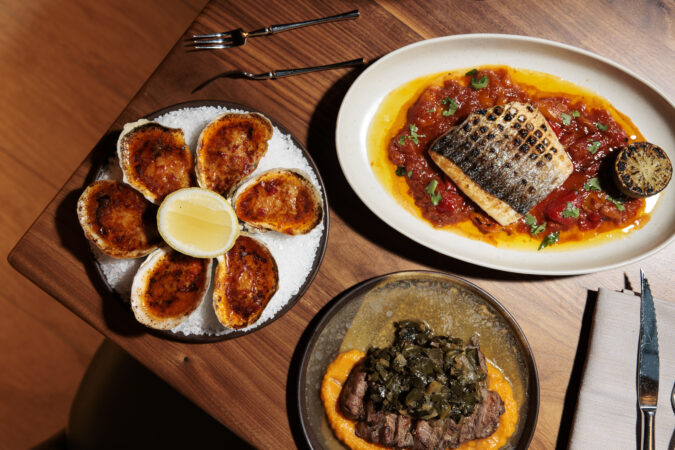
    Valent instead deftly draws on an array of multicultural influences without the food ever feeling overly contrived, largely due to the breadth of his experience, including time in Boston, New Orleans, and Philly (at the French-themed Good King Tavern, Superfolie, and Supérette). One moment you’re savoring a tuna crudo dusted with coconut and aji chile spice. The next you’re savoring a tender grilled Ibérico pork collar with silky pureed squash and smoky collards that recall Valent’s stint in New Orleans working for Donald Link at Cochon. Another favorite, a crispy-skinned branzino fillet over a Basque-style pipérade of Jimmy Nardello peppers, is an inviting jaunt to the Mediterranean.

    The branzino at Tesiny on Wednesday, Jan. 21, 2026 in Philadelphia.

    The raw bar is always a smart place to start. The trio of ever-rotating East Coast oysters, from Canadian Eel Lakes to Sunken Meadows from Massachusetts, comes with a classic mignonette that benefits from being composed à la minute every time, so the shallots retain their bite (rather than pickle) in the rosé vinegar and still-fragrant fresh-cracked peppercorns. The shrimp cocktail was notably tender and flavorful from a citrus-scented poach. And the crudos were also tasty, although I preferred the juicier early version of the scallop crudo, bathed in jalapeño-spiced honeydew-cucumber water, to the more sparely dressed current setup, with smoked olive oil and Korean chile flakes.

    A starter of creamy crab salad laced with chorizo oil conveniently cradled in endive spears was solid, but also perhaps a bit boring in a passed-hors d’oeuvres kind of way. It reflected an occasional finger-food aesthetic here, a propensity to lend familiar favorites extra polish for elevated, no-fuss nibbling; that never, however, came with any culinary shortcuts.

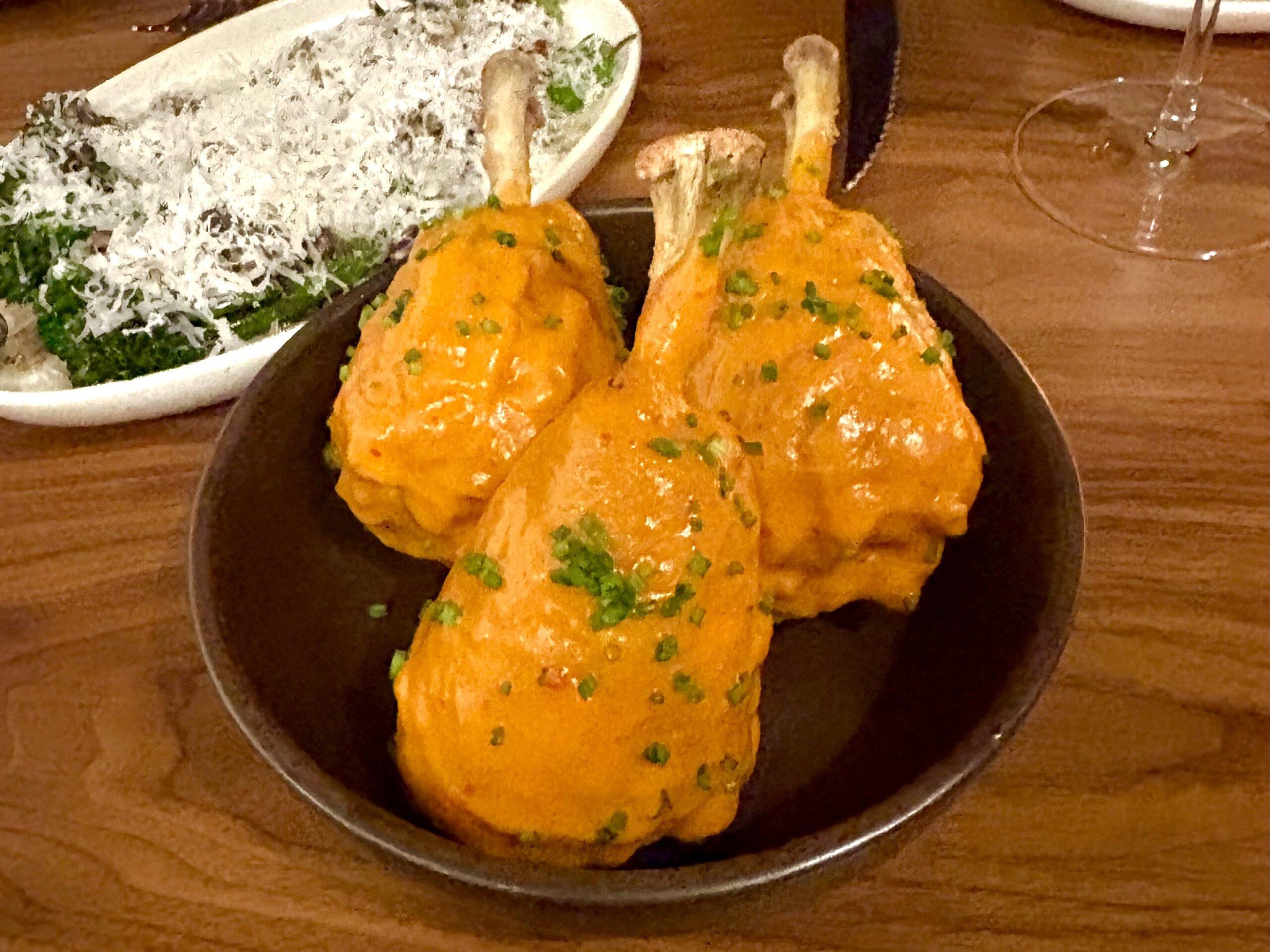
    The tidiness impulse is especially clear with Tesiny’s labor-intensive chicken lollipops. Drumsticks of Green Circle chicken are “Frenched” to offer a clean bone handle for the poultry mallets that are double-crisped in rice flour, like Korean fried chicken. Glazed in an orange hot sauce made with Fresno chilies and infused with seafood trim (shrimp shells and scallop “feet”), the lollipops are visually appealing. But for a dish that also wants to evoke Buffalo wings, the sauce’s subtle flavors aren’t quite punchy enough for the maximum impact.

    The chicken lollipops at Tesiny are double-fried and glazed in a chile-tomato sauce that’s also infused with seafood trim.
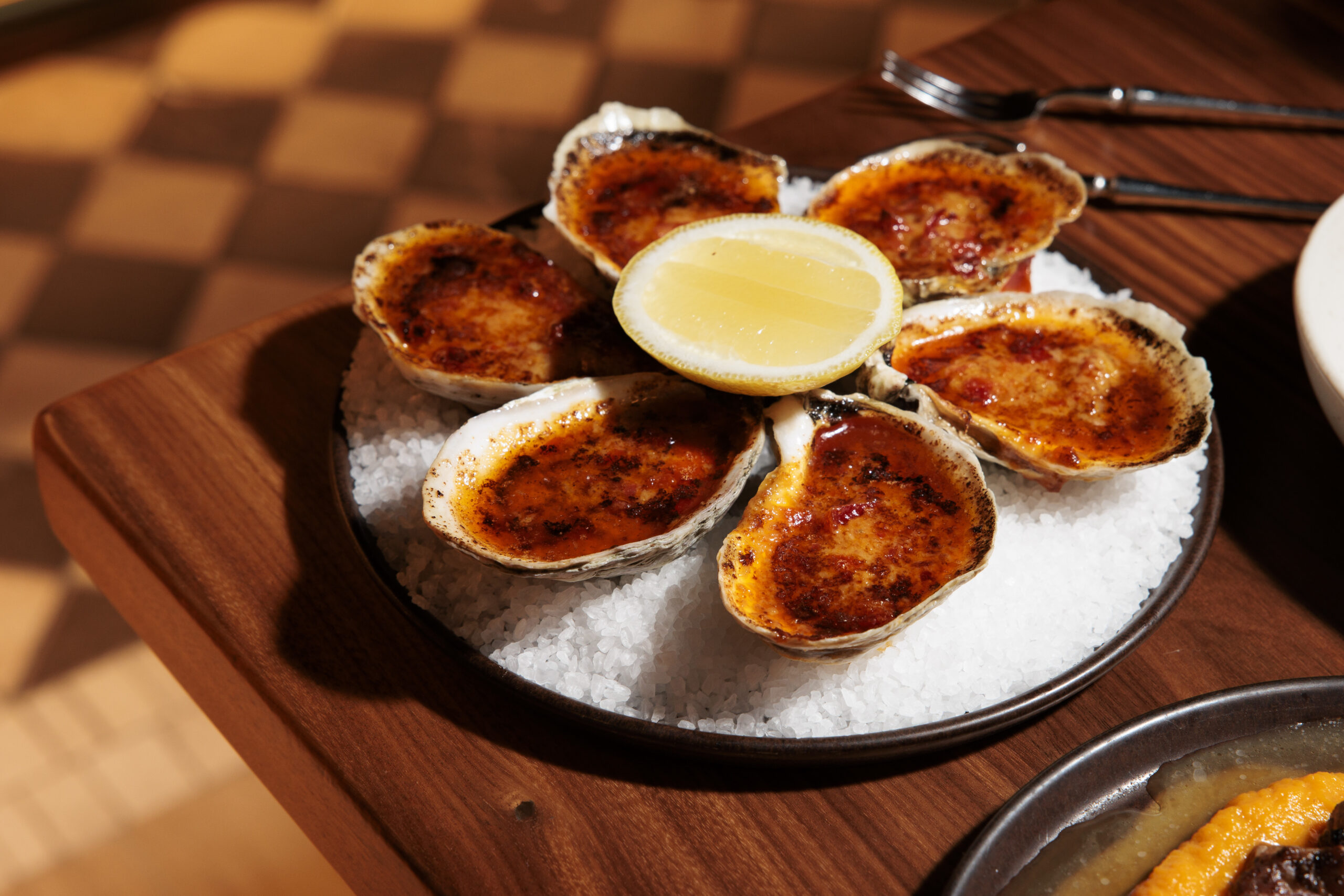
    The broiled oysters at Tesiny on Wednesday, Jan. 21, 2026 in Philadelphia.

    Restraint was not the issue with my favorite seafood starter here: a platter of charbroiled Indian Cove oysters that arrive in a pool of Calabrian chile butter, which requires at least one order of Mighty Bread sourdough to mop up from the shells. Whatever crusts are left over, you can swipe through the silky white bean purée that sits beneath the tender grilled octopus topped with harissa-spiced olives and fennel.

    Valent’s winter green salad was also remarkably and unexpectedly delicious, its crunchy Little Gem and frisée greens dressed in a citrusy Champagne vinaigrette balanced by toasted almonds and the nutty Alpine richness of shaved Comté.

    The bar at Tesiny on Wednesday, Jan. 21, 2026 in Philadelphia.

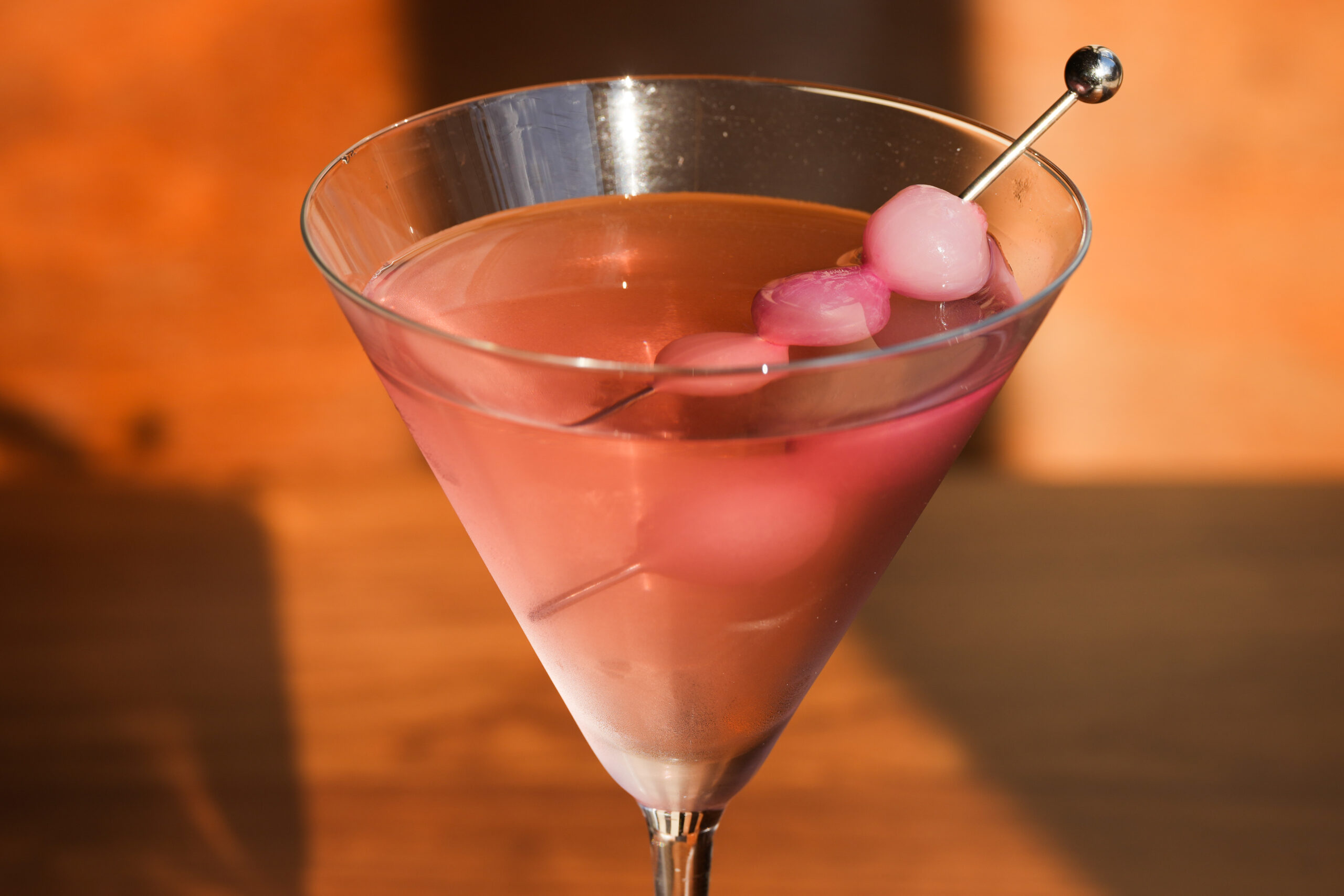
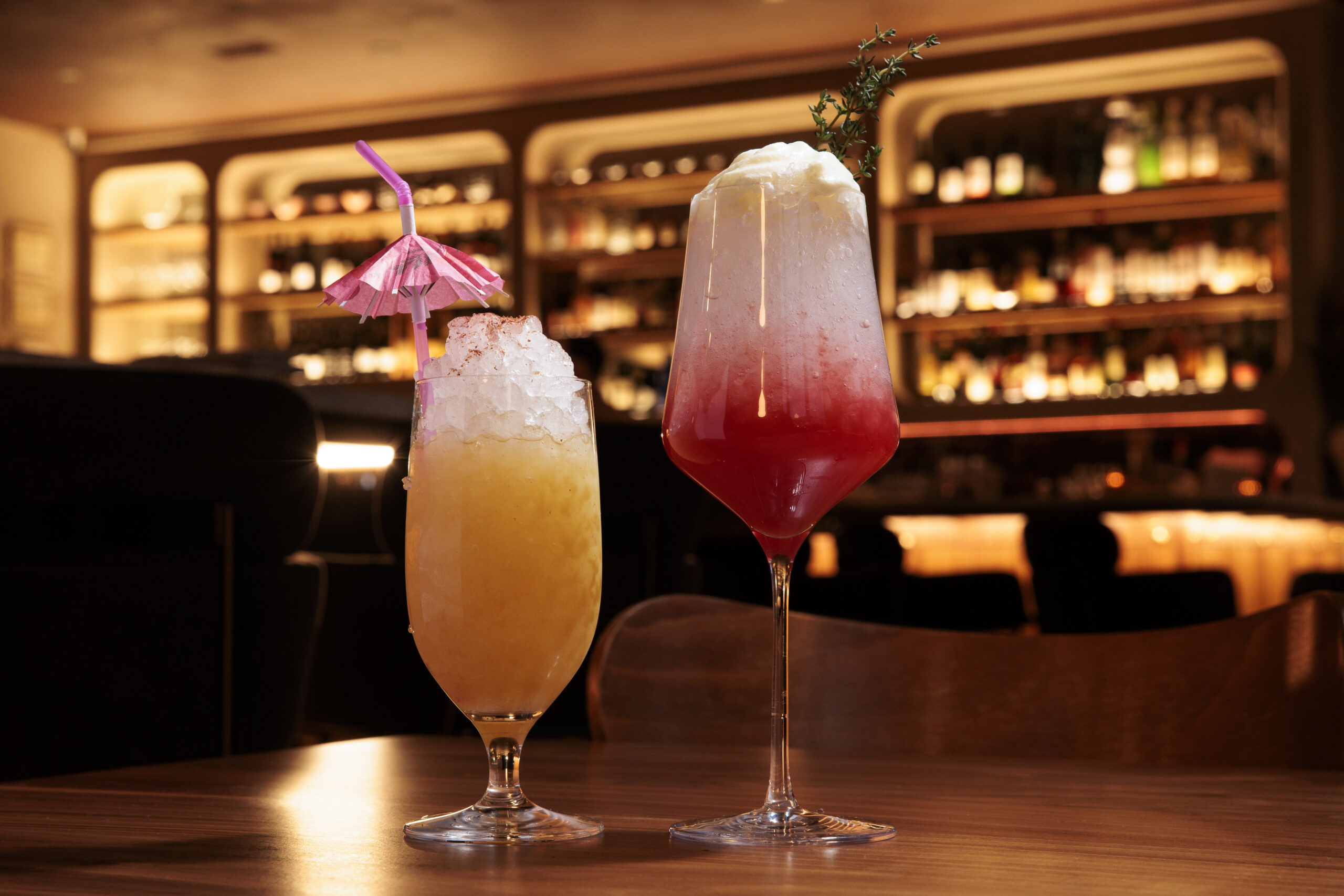
    What to order from Tesiny’s gorgeous bar to accompany all this food? The well-crafted cocktails, many infused with fortified wines, are the most popular place to start. I especially enjoyed Not a Fender, a briny pink riff on a Gibson martini made with pickled red onions, olive oil-washed gin, and a splash of manzanilla sherry. And Tesiny’s thoughtful nonalcoholic offerings were so appealing that we ordered the blood orange-thyme fizz topped with creamsicle foam — and loved it — after spotting another couple order it across the chef’s counter.

    The pink Gibson: Olive-oil washed vodka and gin, pickled red onion brine, manzanilla sherry.
    The Return of Saturn cocktail and Fizz mocktial at Tesiny on Wednesday, Jan. 21, 2026 in Philadelphia.

    To pair with the handful of larger plates clustered at the bottom of the menu, it’s worth exploring the wines, an interest of both Biederman (who’s passed her Level 3 Wine and Spirits Education Trust exam) and Reyes-Brannan, a front-house veteran from Tria and Laser Wolf. Reyes-Brannan is partial to the food-friendly acidity of high-altitude wines from Europe, but he’s also been an enthusiastic ambassador for a Mexican version of nebbiolo from Casa Jipi. Lighter and juicier than Italian iterations, it’s a fine match for the juicy Wagyu culotte steak topped with cornmeal-fried oysters. It works equally well with the earthy grilled mushrooms that came dusted with chimichurri over a plate of warm polenta (recently updated to farro risotto).

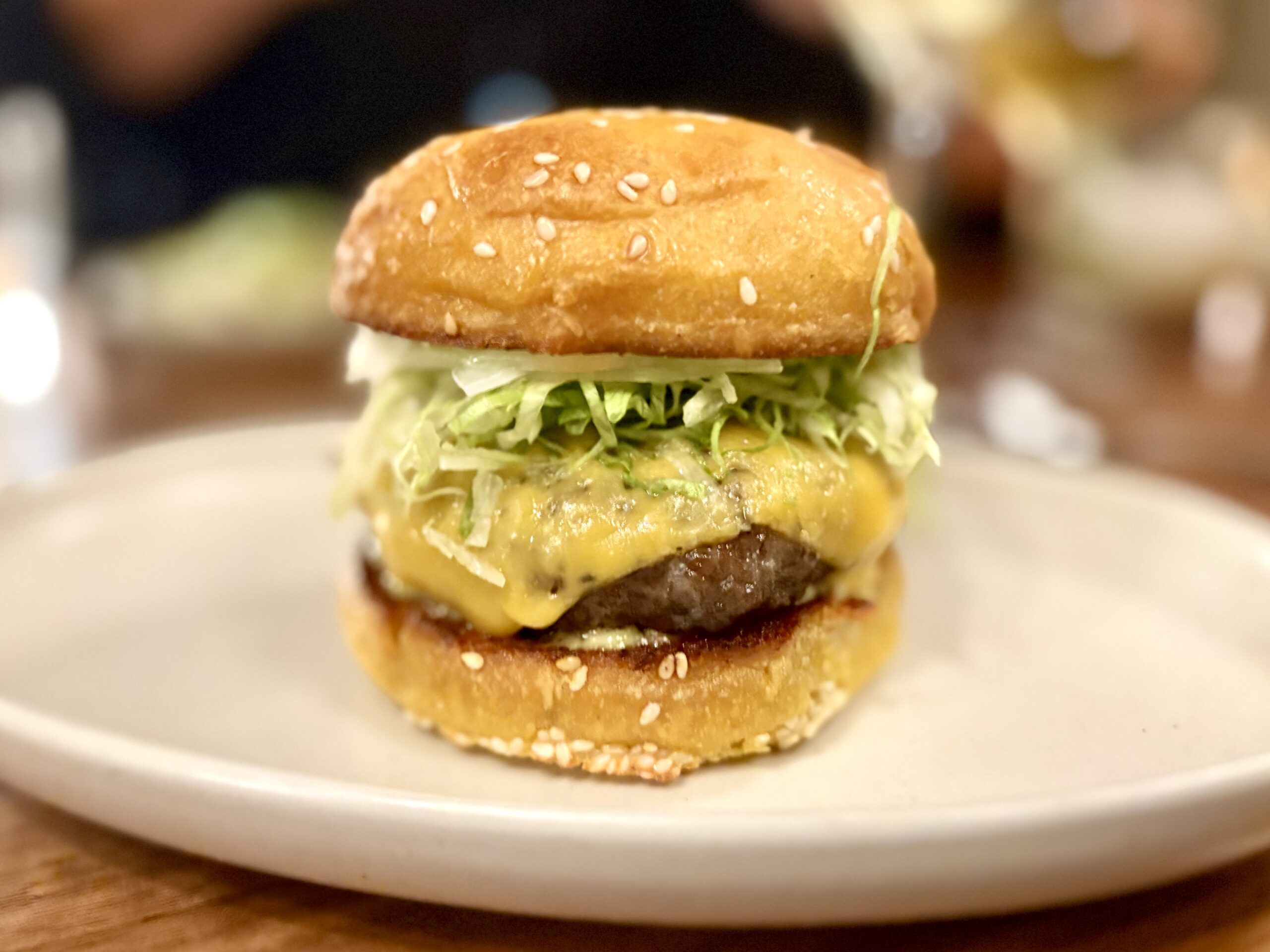
    The nebbiolo was also a good match for Tesiny’s single best bite: a 5-ounce burger special called the Lil’ Kahuna, made from the trim of bluefin tuna belly and Ibérico pork shoulder. It’s a remarkably meaty patty with a subtle shade of rich tuna on the finish that shows off Valent’s ability to experiment with something new. It’s limited to just eight or so per night, which means it’s worth coming early. The effort also bodes well as Tesiny prepares to grow its menu and take some chances with larger plates for two, perhaps as soon as this spring.

    The Lil’ Kahuna burger from Tesiny, a blend of bluefin tuna and Ibérico pork.

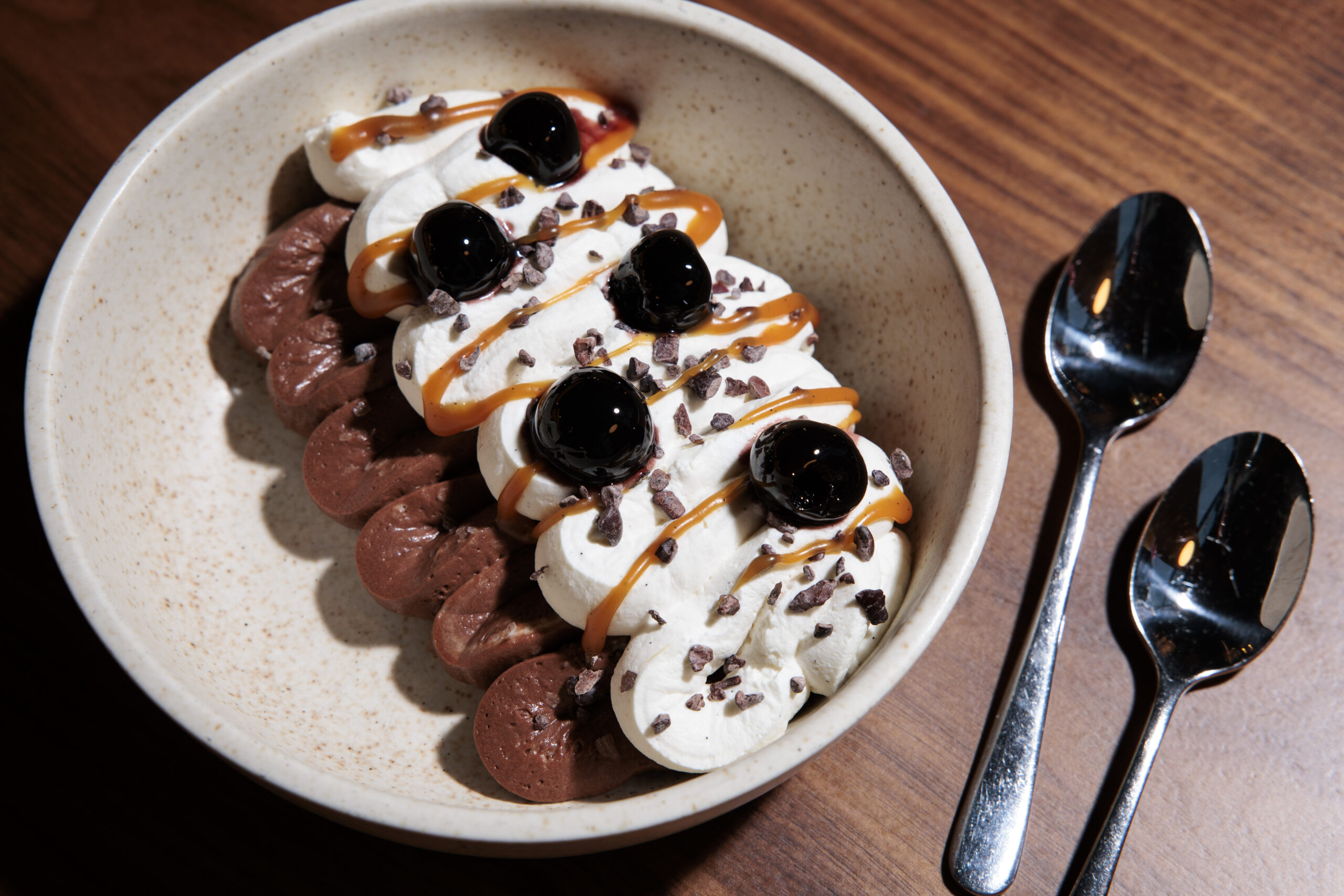
    Dessert for two here is already a thing. And you’ll likely be dueling spoons for the espresso-chocolate mousse that Valent serves like a sundae topped with a wave of whipped cream, caramel cocoa nibs, and real maraschino cherries. Order a raisiny sweet pour of Pedro Ximénez from the impressive list of fortified wines — another quirky passion of Biederman’s, rooted in her days of studying abroad in Mallorca and her time at Oloroso.

    Is Philly ready for a renaissance of Bual Madeira and vintage Kopke Port? If Lauren Biederman has a hunch, I wouldn’t bet against her. Tesiny is more proof she has a vision worth paying attention to.

    The Chocolate Coffee Mousse at Tesiny on Wednesday, Jan. 21, 2026 in Philadelphia.

    Tesiny

    719 Dickinson St., 267-467-4343; tesiny.com

    Dinner Wednesday through Saturday, 5-10 p.m.

    Sharing plates, $15-$38

    Wheelchair accessible

    Menu highlights: raw bar (raw oysters, shrimp cocktail, tuna crudo); broiled oysters; winter salad; chicken lollipops; charred branzino; Ibérico pork; grilled mushrooms; Lil’ Kahuna tuna burger special; chocolate-coffee mousse.

    At least 75% of the menu is gluten-free or can be modified.

    Drinks: Creative and well-crafted takes on classic cocktails, frequently made with fortified wines, are the main draw. The wine program is deliberate in its focus on oyster-friendly Euro classics (Sardininian vermentino; muscadet), with an appealing collection of sparklers (try Red Tail Ridge from the Finger Lakes). Finish with a pour of vintage port or Madeira from one of the city’s better collections of fortified wines.

    The logo on the door at Tesiny on Wednesday, Jan. 21, 2026 in Philadelphia.
  • Stephen Starr’s Borromini should be a showstopper. Instead, it’s a shrug.

    Stephen Starr’s Borromini should be a showstopper. Instead, it’s a shrug.

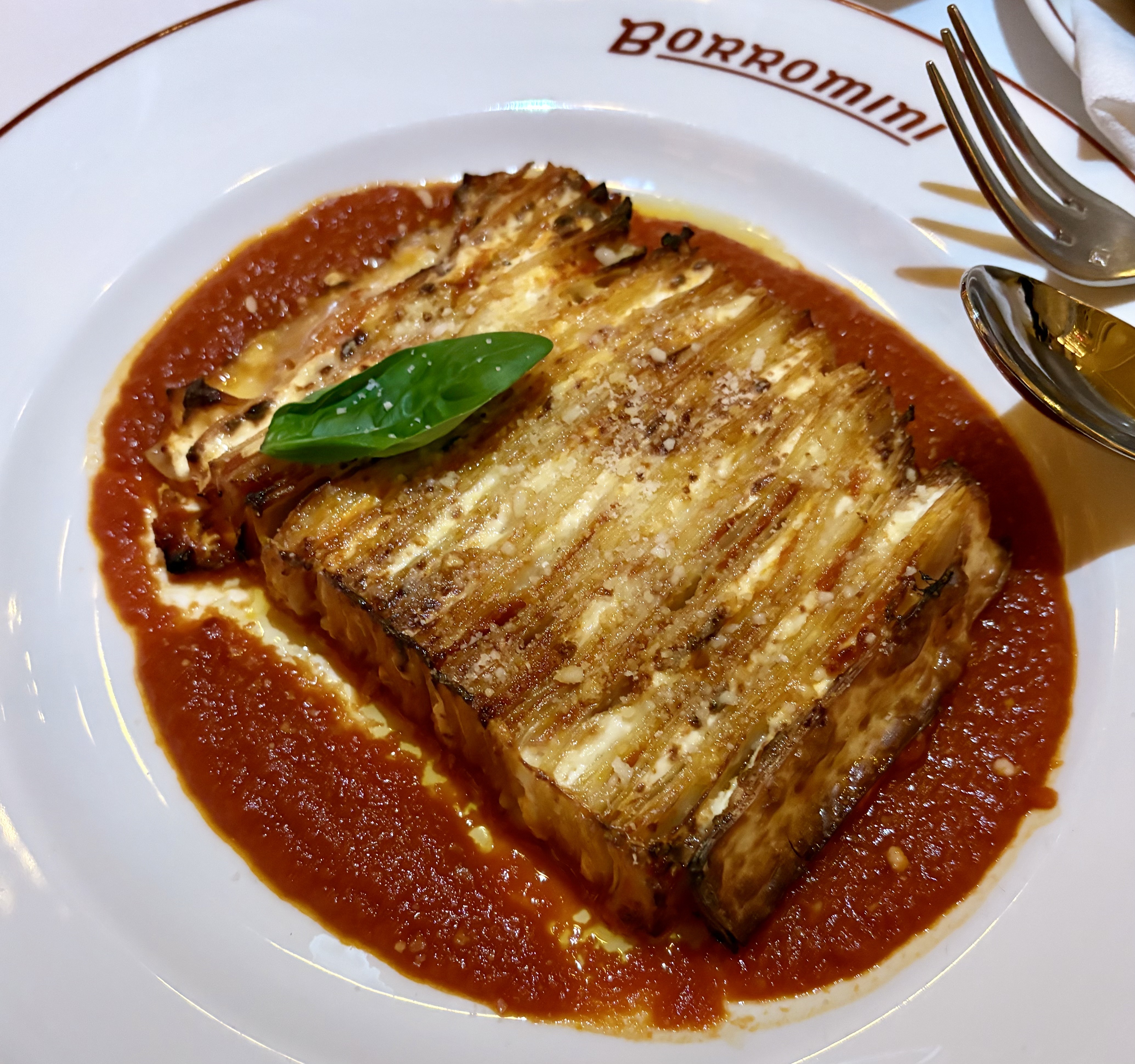
    Borromini’s 100-layer lasagna looks like a miracle of noodle engineering. It’s the kind of “more is more” pasta spectacle that commands its own showcase box on the menu, puts curious diners in chairs, and requires a team of three dedicated attendants in Borromini’s vast kitchen to meticulously construct its layers — a tall stack of pasta sheets alternating with microscopic schmears of ricotta, creamy béchamel, and tomato sauce — that get baked, sliced, then crisped on one side, to be served atop a puddle of pomodoro.

    Its intricate ridges are beautiful to behold. But to eat, this lasagna is more like a doorstop than a showstopper. The layers are so tightly compressed, it’s closer to a muddled mush than a deck of delicate harmonies, a squidgy blur of cheese and dough whose individual virtues could have been more compellingly conveyed in 10 layers rather than 100. Add a slow-cooked, jammy tomato sauce that leans sweet rather than bright and lively, and the final effect is one-dimensional. It has subtly evolved over the course of my multiple visits, but each time it prompted a disappointed shrug.

    The 100-layer lasagna at Borromini has been constantly evolving. This version, eaten in November, three months after opening, has been called “the final version” by owner Stephen Starr.
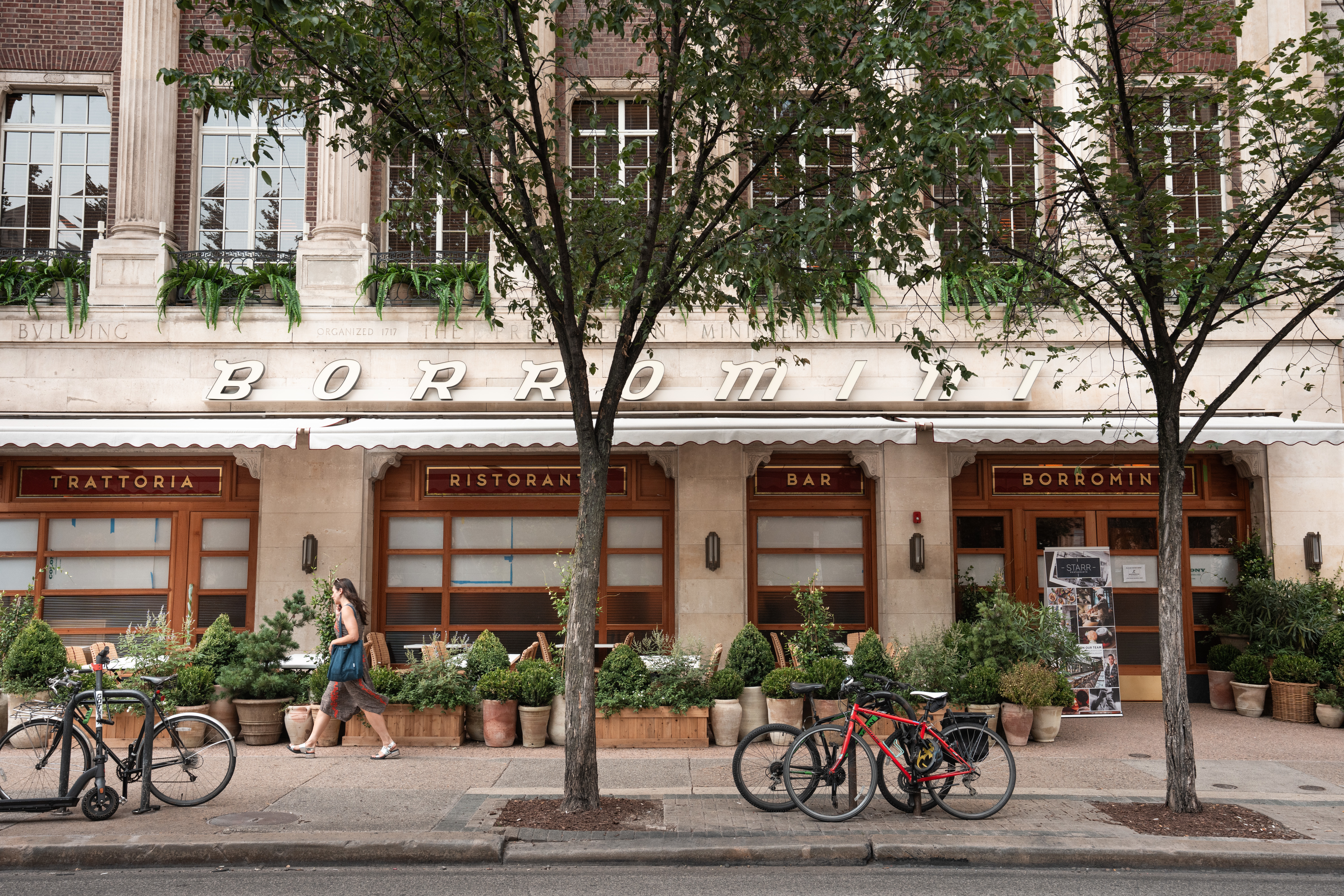
    Borromini, 1805 Walnut St., on Aug. 16, 2025.

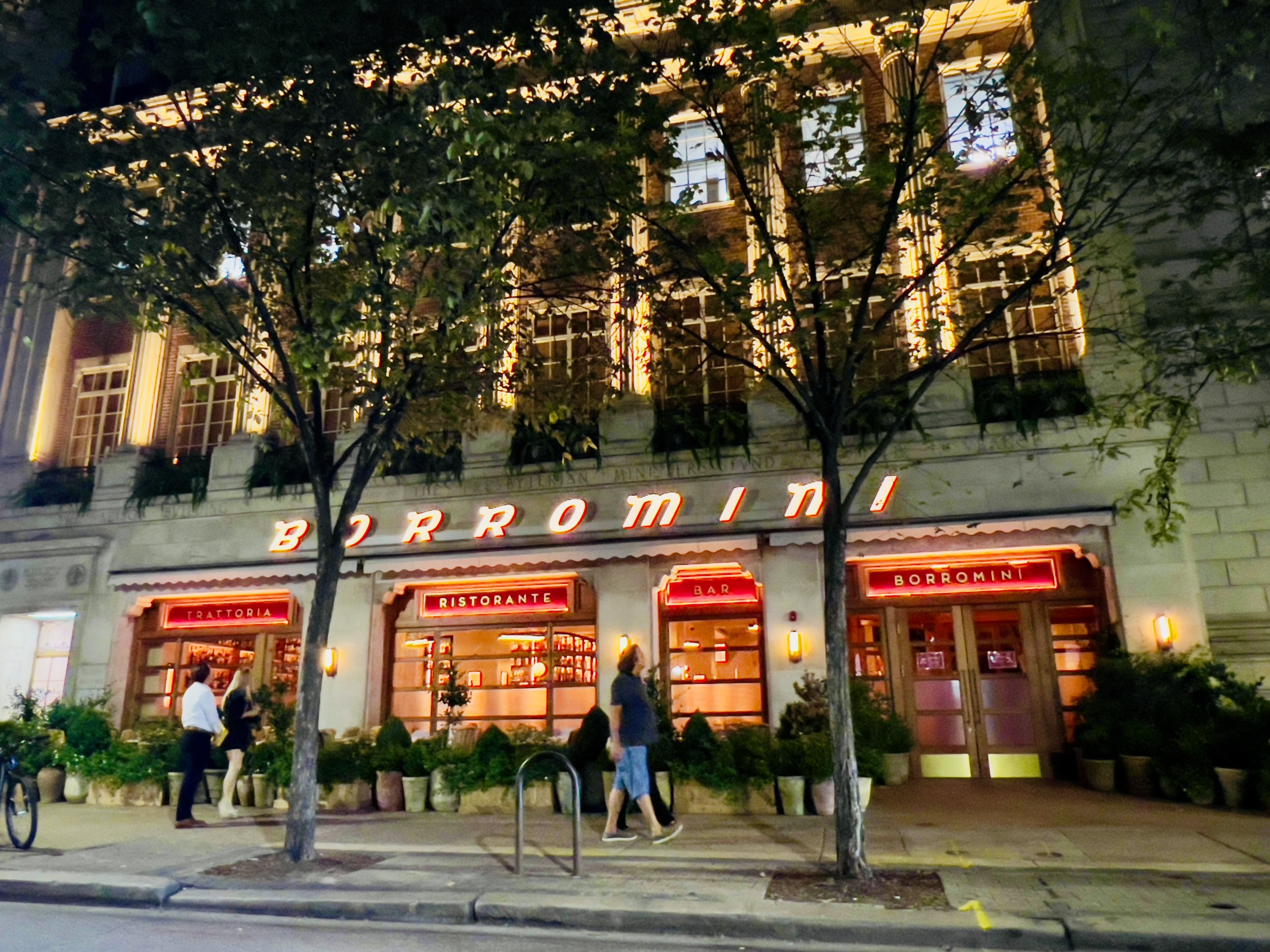
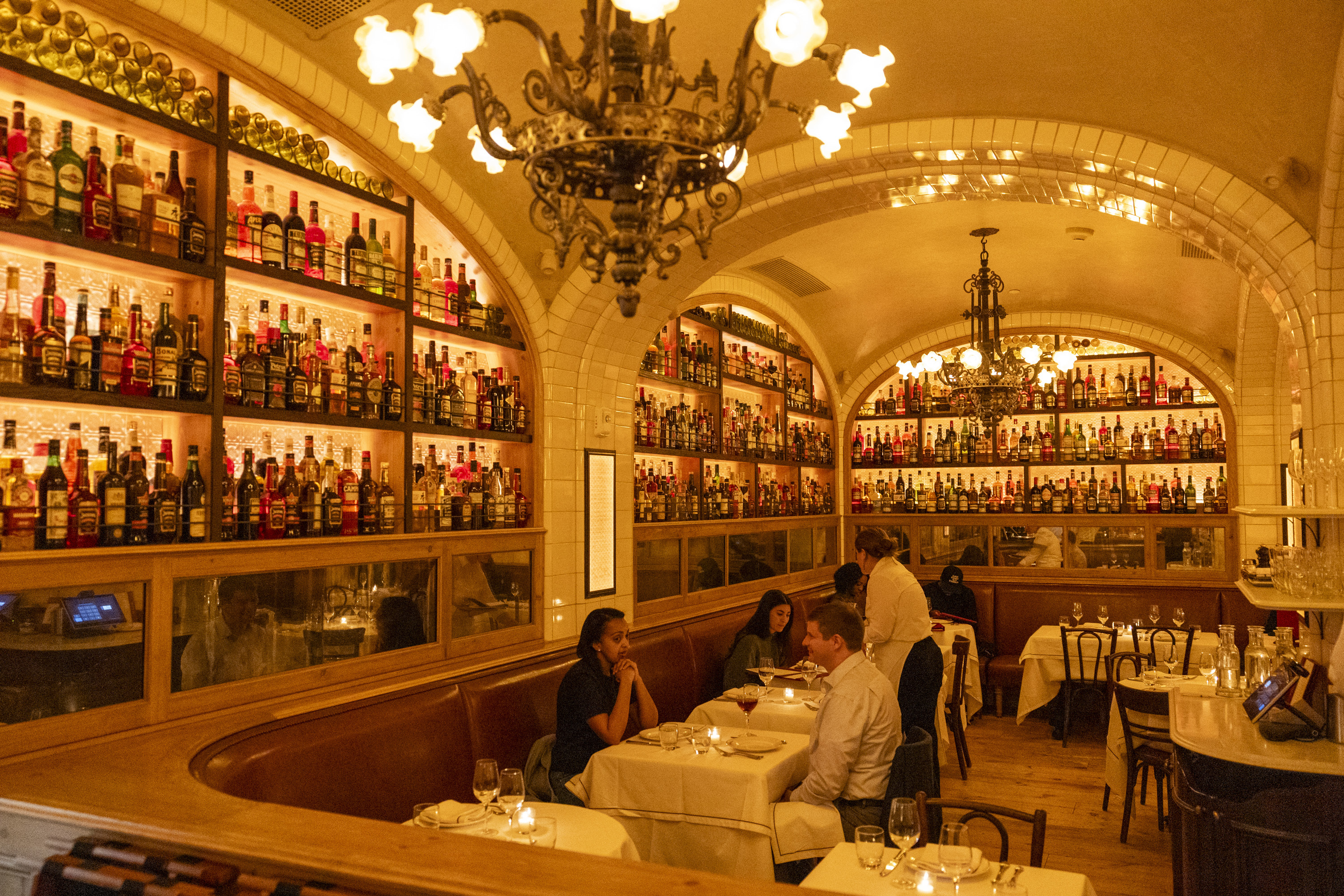
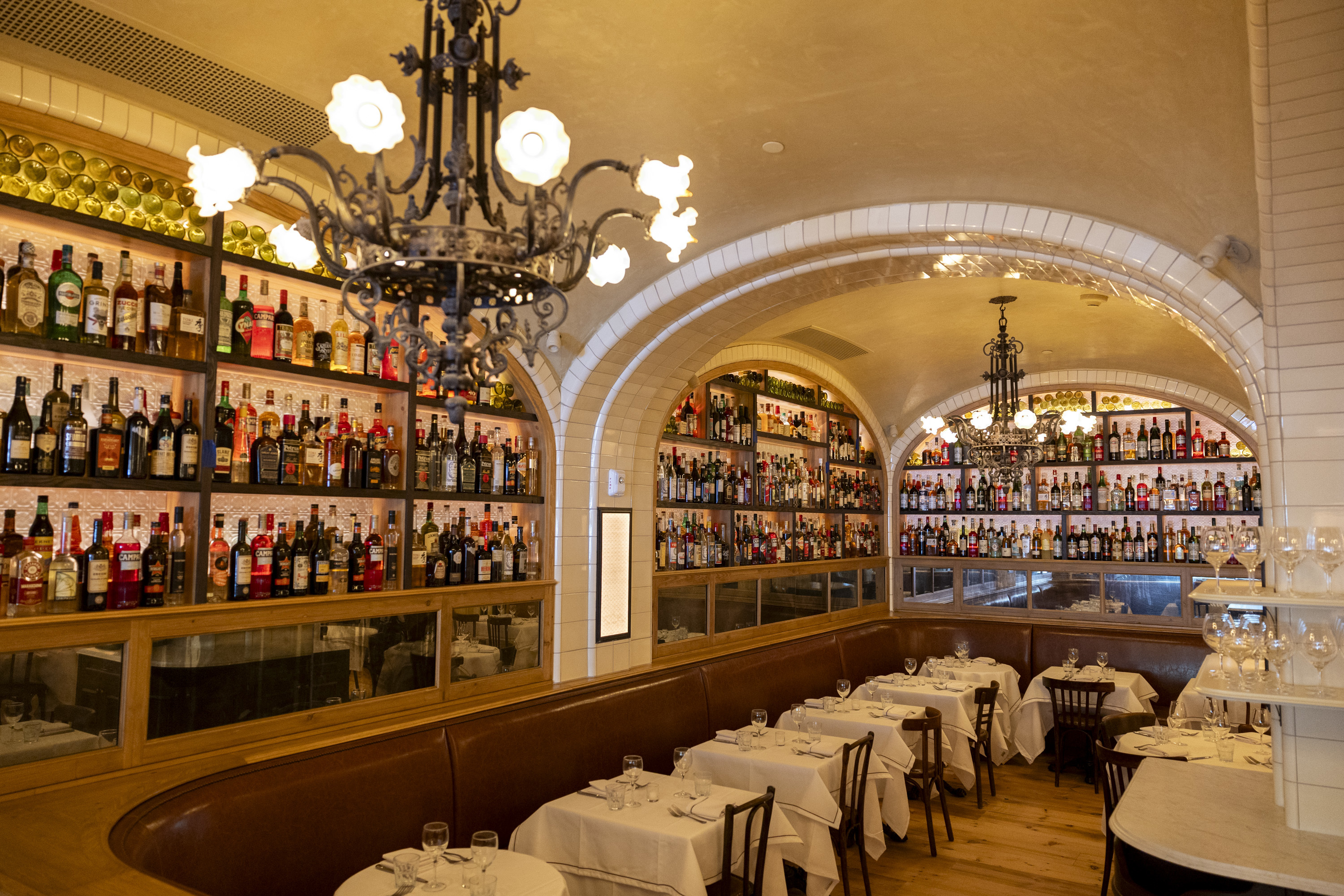
    That’s not the thrill I expected from the marquee dish at this glitzy $20 million, 320-seat trattoria, whose dramatically lit column facade glows red over the northern edge of Rittenhouse Square. Stephen Starr’s first major hometown restaurant in years (and his 41st overall) is arguably the biggest opening in Philly in 2025. He went all out transforming the former Barnes & Noble into what many have aspiringly dubbed “the Italian Parc,” a two-story Roman-themed palace with vaulted ceilings, an intricate stone chip floor, and walls lined with 3,000 bottles. Starr brought on legendary New York restaurateur Keith McNally to design the space (Starr has syndicated McNally’s Pastis bistro to multiple cities since they partnered to revive it in 2018).

    He also enlisted a hive of respected culinary minds to create the menu over the course of 90-plus tastings, with his corporate food team and Borromini’s executive chef, Julian Alexander Baker, collaborating with Mark Ladner, the former chef of New York’s now-closed Del Posto, where Starr first tasted a magical rendition of that lasagna many years ago.

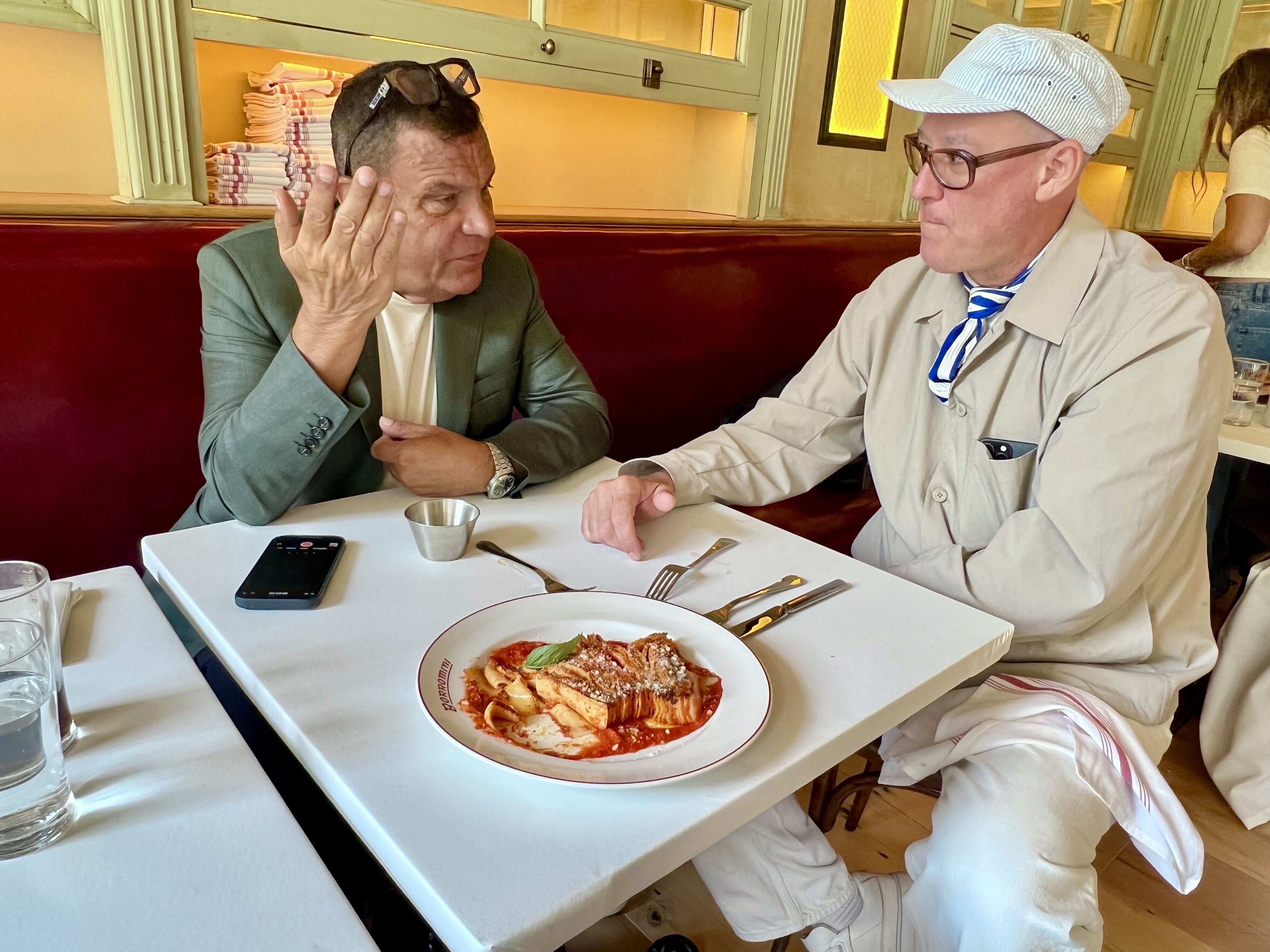
    Stephen Starr (left) and chef Mark Ladner discuss Borromini’s version of Ladner’s signature 100-layer lasagna during a menu tasting at Borromini on July 15, 2025.

    Ladner initially declined to recreate that decades-old hit when first asked. Starr should have listened. But Ladner — now the chef at Babbo, which Starr reopened in New York in October (and where a meaty version of that lasagna is also a menu feature) — ultimately gave in.

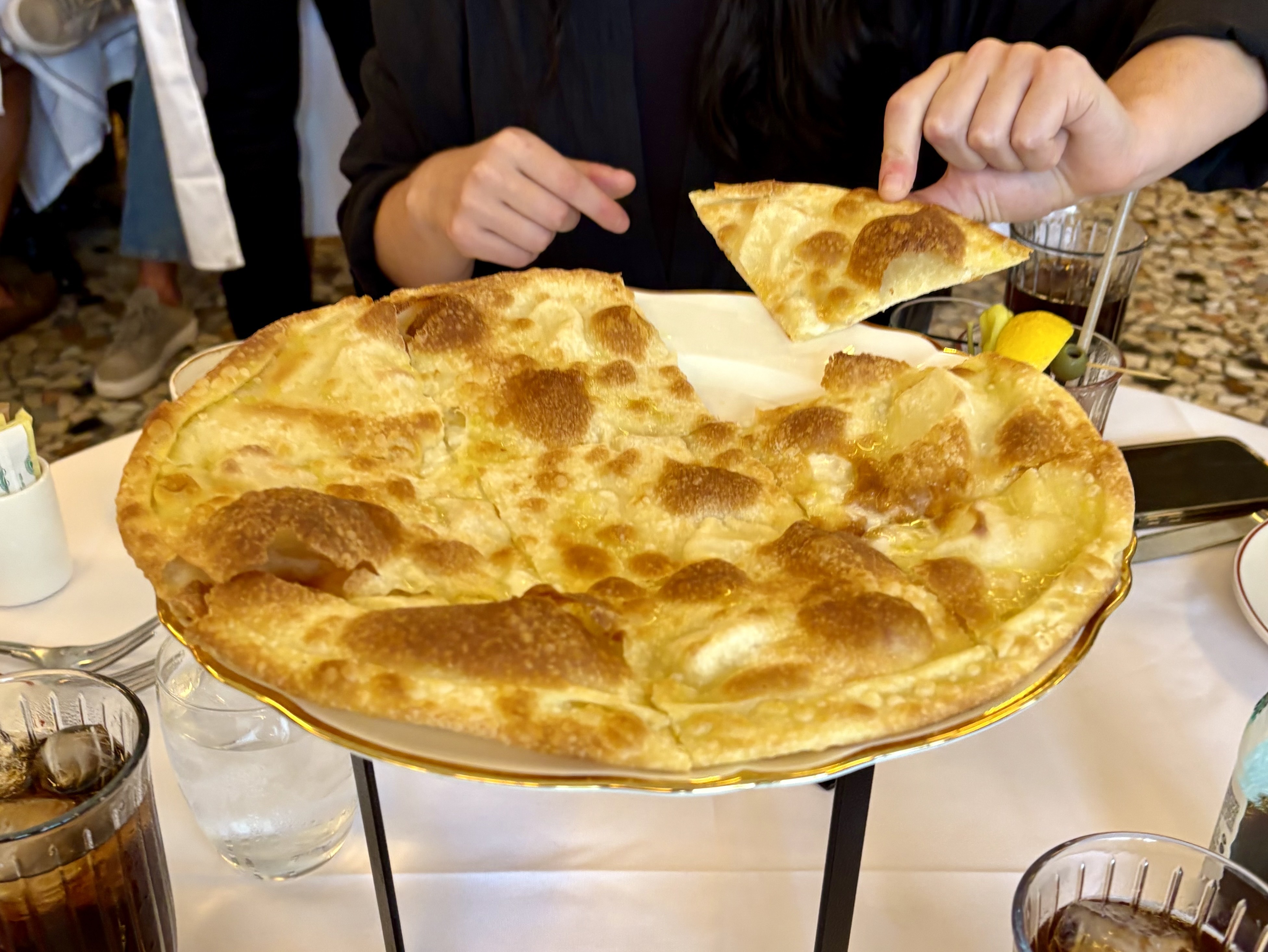
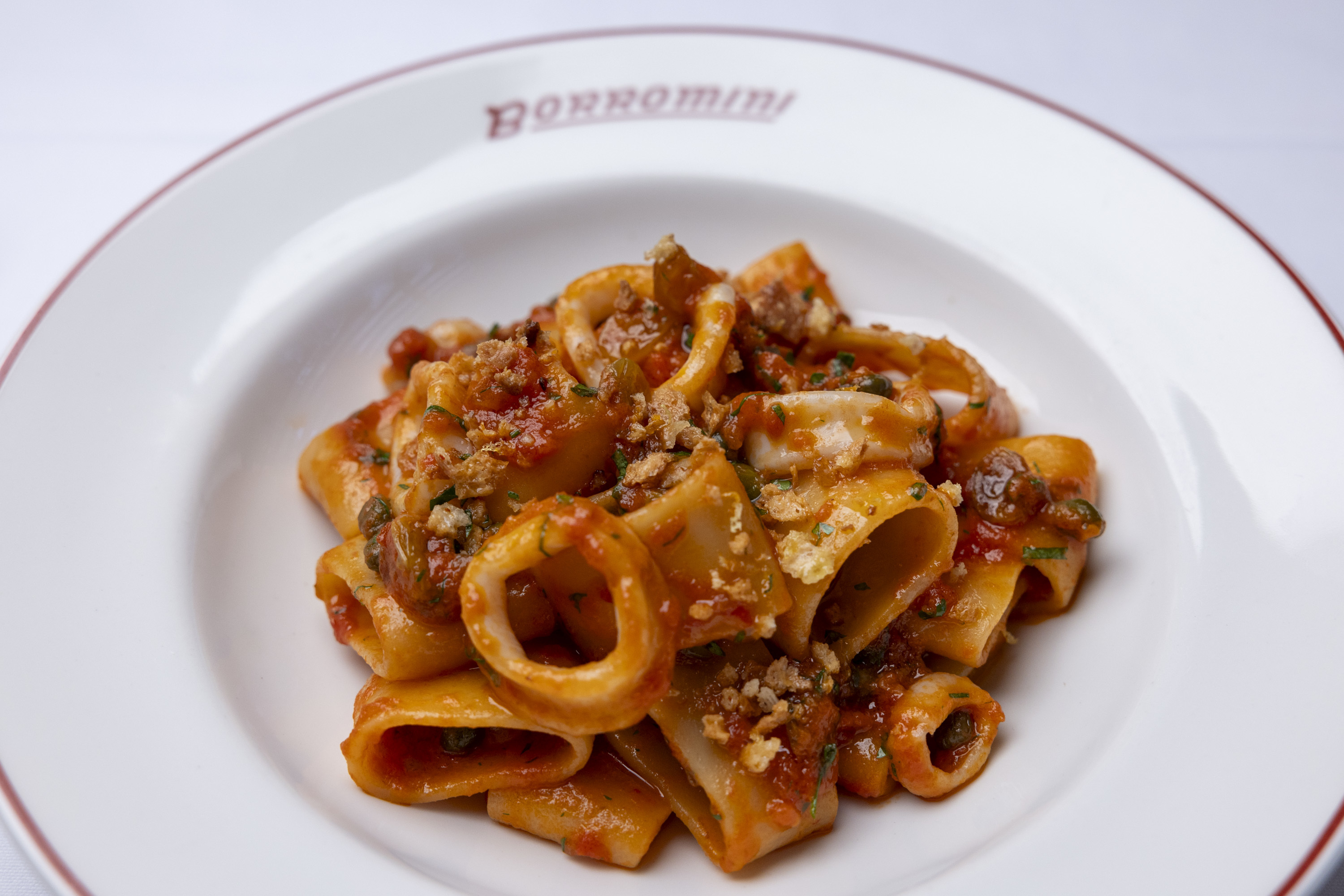
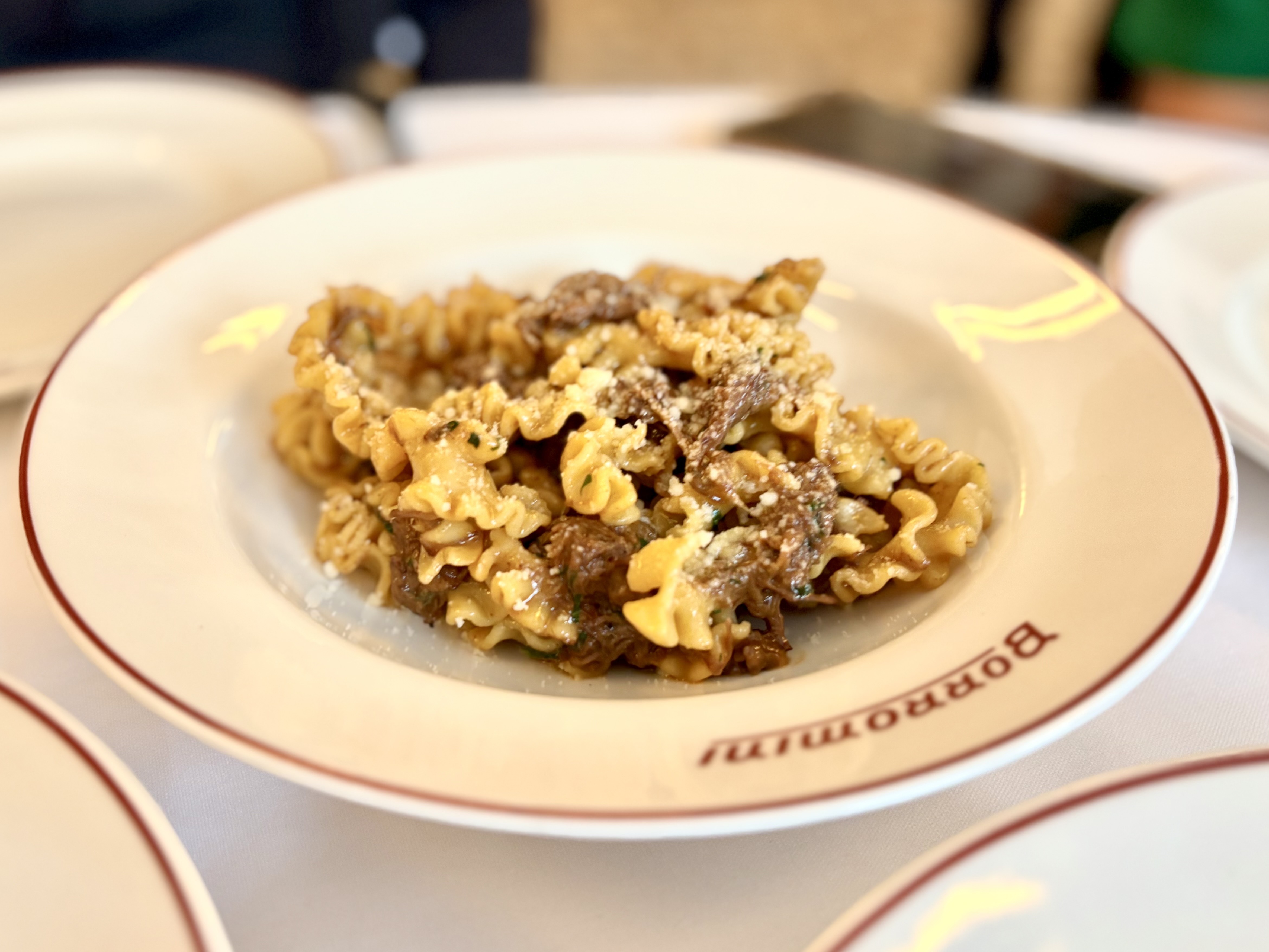
    There are plenty of other, more admirable dishes on the menu here, including the focaccia di Recco from another consulting chef, Nancy Silverton, the LA star with whom Starr runs Osteria Mozza in D.C. The hot crisp of her flatbread’s wafer-thin rounds sandwiching tangy stracchino cheese is the one dish I order every time. I loved the contrast of silky braised oxtail that gathered in the frilly-edged ribbons of the house-extruded mafaldine. And the calamarata pasta loops, paired “Sicilian lifeguard”-style with look-alike rings of tender squid, chili spice, and golden raisins, is exactly the kind of delicious, obscure regional dish that shows how infinitely surprising the world of pastas can be.

    The focaccia di Recco at Borromini is layered with tangy stracchino cheese.
    The “Sicilian lifeguard” calaramata with calamari and golden raisins at Borromini in Philadelphia, on Thursday, Nov. 13, 2025.

    But Borromini is more about polishing the familiar than unearthing regional quirks. And that big lasagna has become an apt metaphor for why Borromini’s food too often seems off. No matter how grand the ambitions of a dish (or this restaurant in general) may be, stellar Italian food comes down to finesse, touch, and soul — elements that a kitchen-by-committee cannot engineer. In a town with exceptional Italian restaurants in varied styles, not to mention a population with a deep reservoir of red-gravy family nostalgia, the room for error is slim for a dining experience that averages just under $80 per person (before tax and tip).

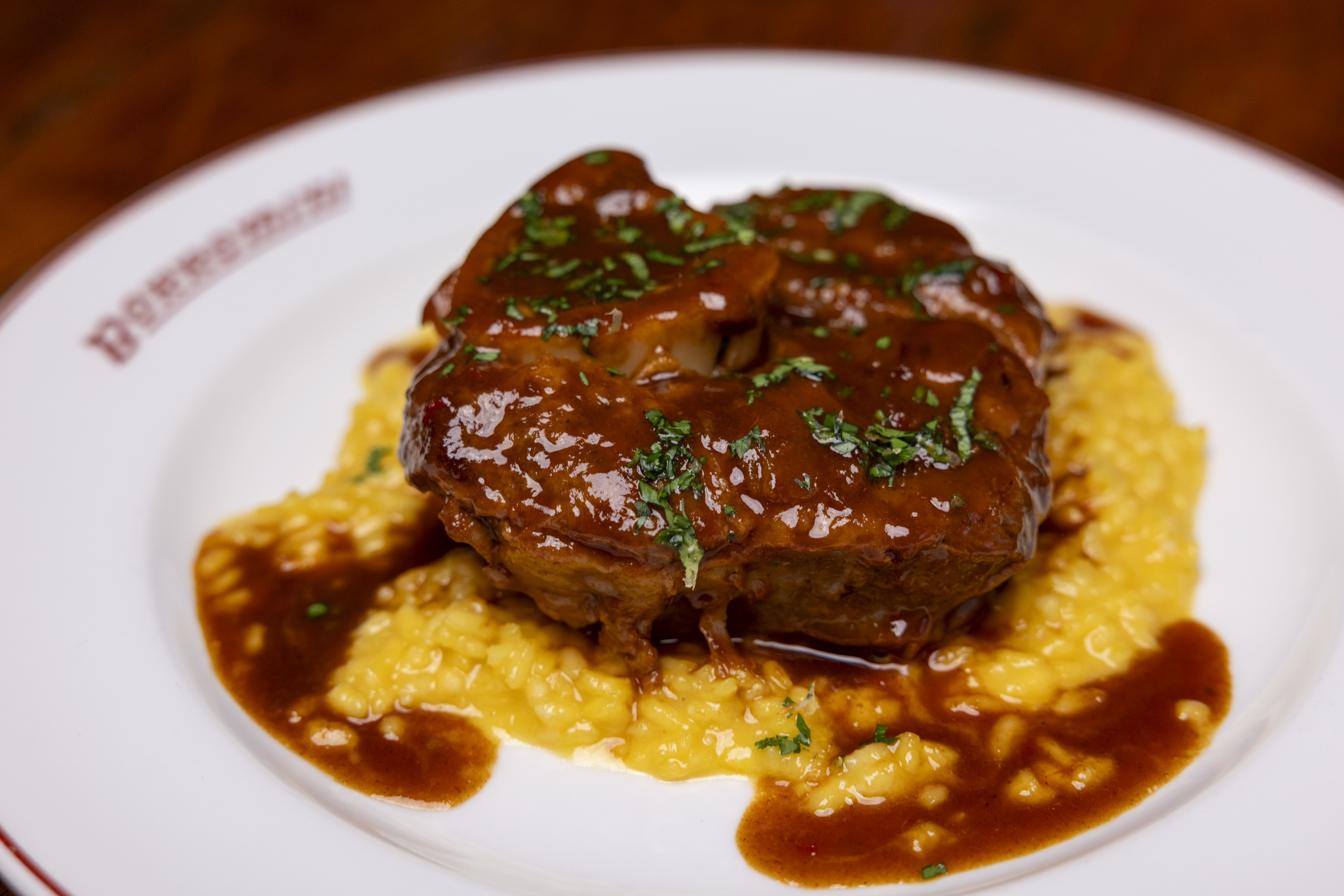
    The crisply fried squash blossoms stuffed with lemony ricotta and the hamachi crudo dressed simply with Meyer lemon and olive oil were tasty, if not necessarily distinctive. The arugula with shaved raw artichokes would be my salad pick. The massive, fork-tender osso buco, a 1-pound shank drizzled with brown jus over saffron risotto with a marrow spoon poking skyward from its bone, is as close to textbook Milanese perfection as Borromini gets.

    The osso bucco at Borromini in Philadelphia, on Thursday, Nov. 13, 2025.

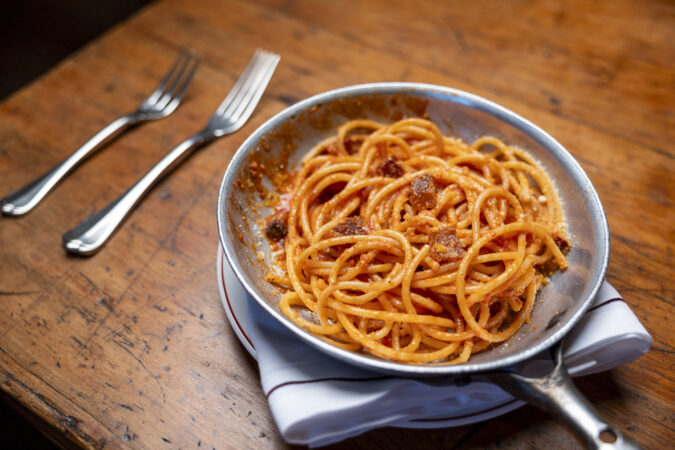
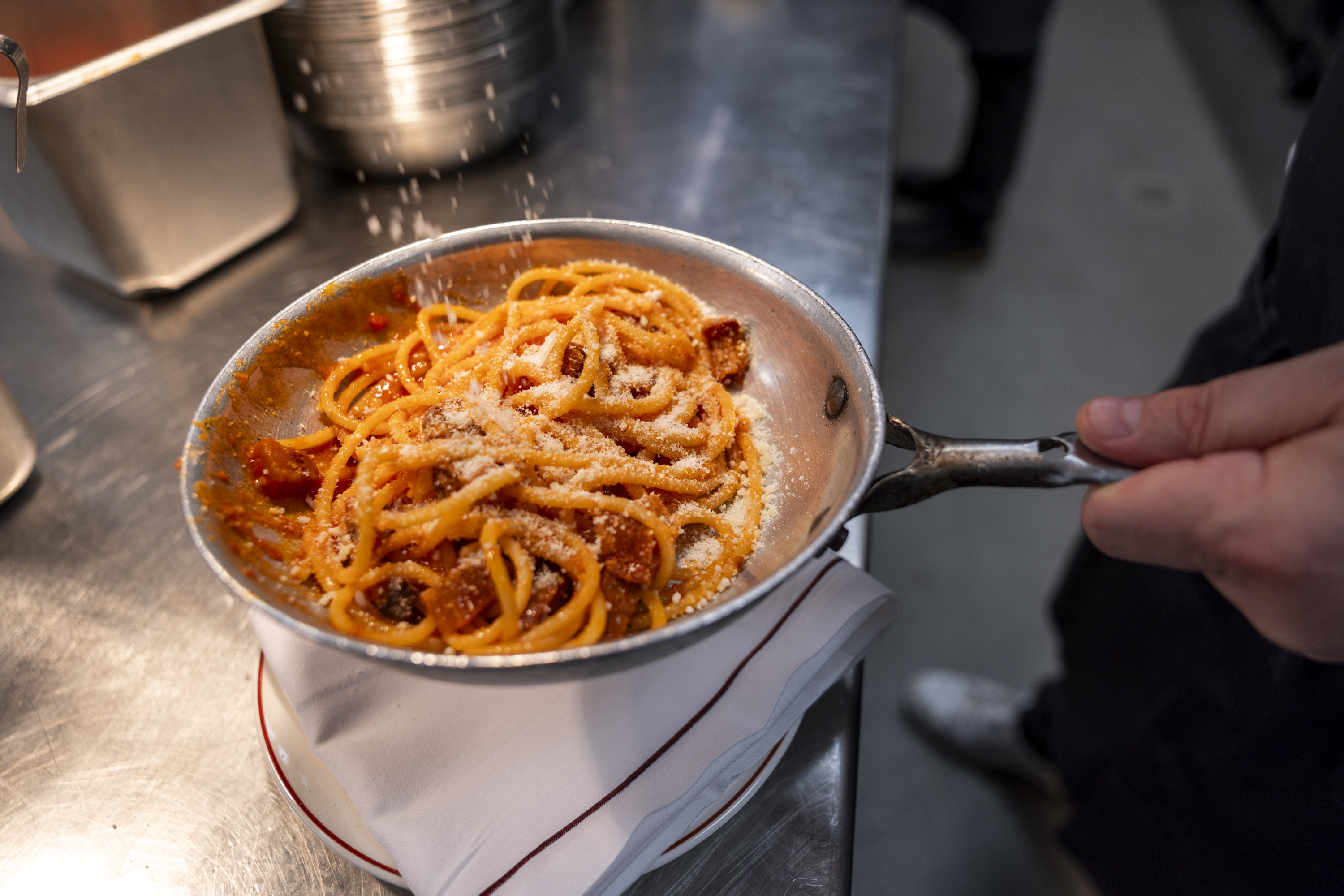
    Borromini’s kitchen, however, struggled with consistency on several other traditional dishes. My favorite of the restaurant’s minimalist Roman-style pastas is the bucatini all’Amatriciana that’s brought to the table in the pan. But will you receive the version I tasted most recently, its simple tomato sauce vividly infused with the juniper- and pepper-sparked savor of properly rendered guanciale? Or will it taste bitter from the scorched nubs of cured pork I encountered at a previous meal?

    The pasta all’Amatriciana at Borromini in Philadelphia, on Thursday, Nov. 13, 2025.
    People dining in at Borromini in Philadelphia, on Thursday, Nov. 13, 2025.

    I might agree with my Italian server, Thomas, that Borromini’s carbonara is one of the best I’ve tasted in Philly, its mezze rigatoni tubes glazed in a golden shine of well-tempered eggs and guanciale fat. Too bad it was already cold when I took a bite the moment it arrived at my table.

    A number of the pastas were notable, including a spaghetti bright with lemon, butter, and pasta water, a deft display of minimalist satisfaction. I was also a fan of the Sardinian gnochetti with blue crab, uni, and tomatoes that brought a burst of seafood savor some other pastas lacked — like the linguine with clams that was virtually brothless, or the lobster spaghetti that was bountiful with crustacean but whose sauce lacked depth. The short rib agnolotti might have been excellent had their dumpling dough not been so thick.

    The cacio e pepe has been consistently disappointing. Its peppercorn-speckled noodles were pasty and dry, with no halo of creamy sauce to spare. The clam pizzetta was a floppy round of spongy dough piled high with chopped Italian clams that radiated raw garlic. The $125 bistecca alla Fiorentina, a 2-pound prime porterhouse centerpiece for sharing, was so achingly oversalted, it wasted an otherwise stellar slab of beef that had been lovingly massaged with confit garlic butter.

    The kitchen’s other stations turned in mixed results, as well. I much preferred the crispy-skinned dorade with salsa verde to the branzino with white beans, which was also horrendously oversalted. The eggplant parm was stiff with too much breading, though the splurge-worthy bone-in veal parm for $72 was good (unfortunately, they’ve since resorted to a boneless version). The lamb chops with salsa verde were more memorable, as was the rabbit cacciatore served in its metal crock with peppers and Castelvetrano olives, a rustic gem inspired by feedback from yet another consulting voice, the legendary Lidia Bastianich.

    The mafaldine with braised oxtail ragu at Borromini.
    Folks dining in at the bar at Borromini in Philadelphia, on Thursday, Nov. 13, 2025.

    It would be wrong to call Borromini a total bomb. Any place with a steady deluge of crowds putting it on target to generate $20 million in annual revenue has to be doing something right, and that would be its La Dolce Vita vibes. These sprawling rooms are a boisterous and glamorous crossroads for a broad swath of Philadelphians out for a night in their finest — fueled by flutes of “mini-tinis” (which my guest gleefully declared “filthy” with salty burrata brine), sweet-side Negronis, and Cynar-spiked espresso martinis.

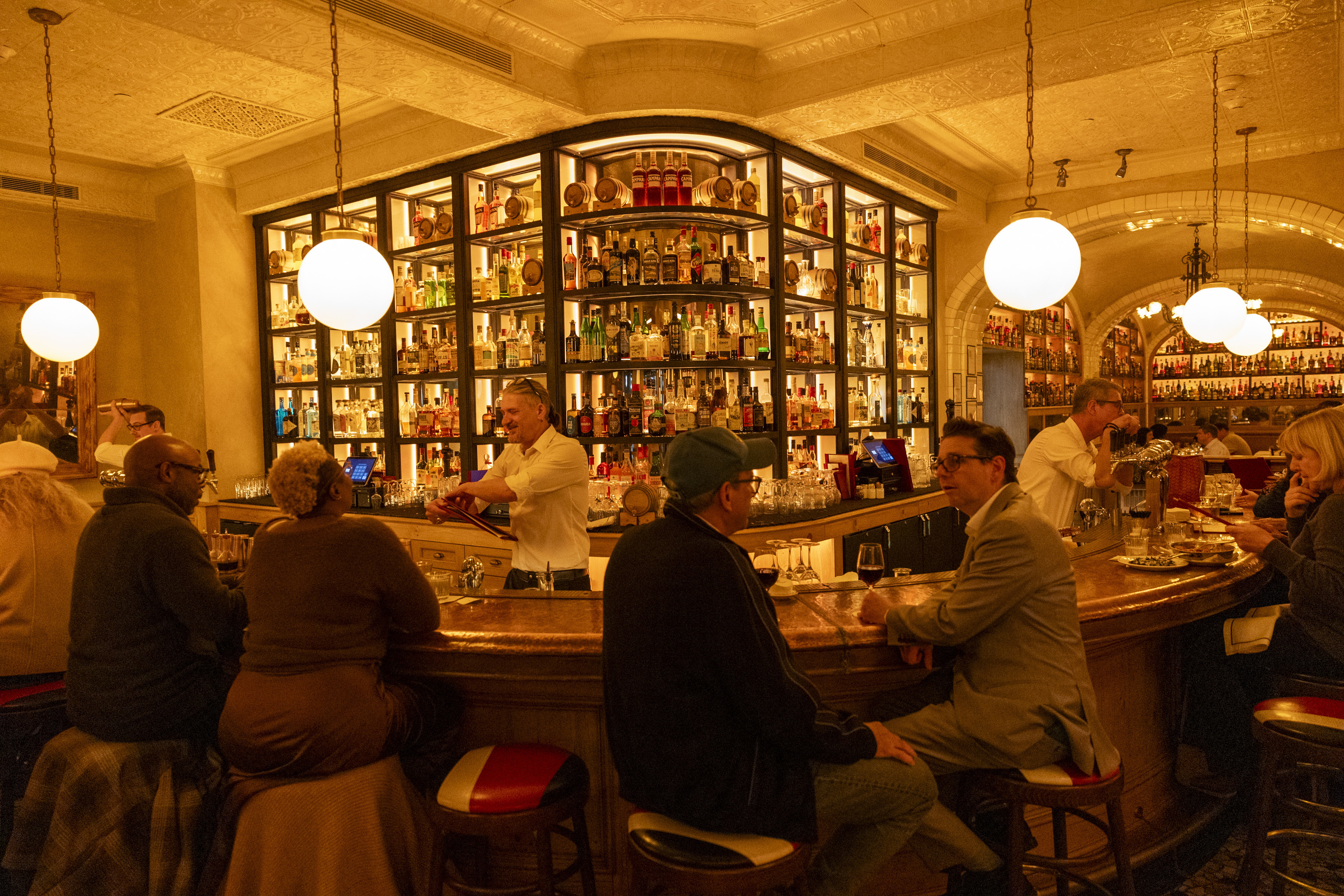
    Starr’s greatest talent may be his gift for building energetic public spaces that feel as if they’ve always been there. And while Borromini lacks the corner space and open cafe windows that allow Parc in its al fresco moments to become part of the fabric of Rittenhouse Square, McNally has crafted a Fellini-esque stage set of leather booths, honeyed light, and linen-draped wooden tables that feels magnetic — especially the undulating copper bar on the ground floor, where an intriguing collection of 100-plus amari and digestivi awaits.

    All my servers — five different people over the course of my visits — were personable, outgoing, and well-prepared to make smart pairing suggestions.

    I should have stuck with their suggestions to indulge those digestivi with desserts. The airy tiramisu here backfired, its lightweight cloud of whipped mascarpone lacking the richness to counter an overzealous cocoa shower and the wickedly acidic twang of ladyfingers soaked in espresso.

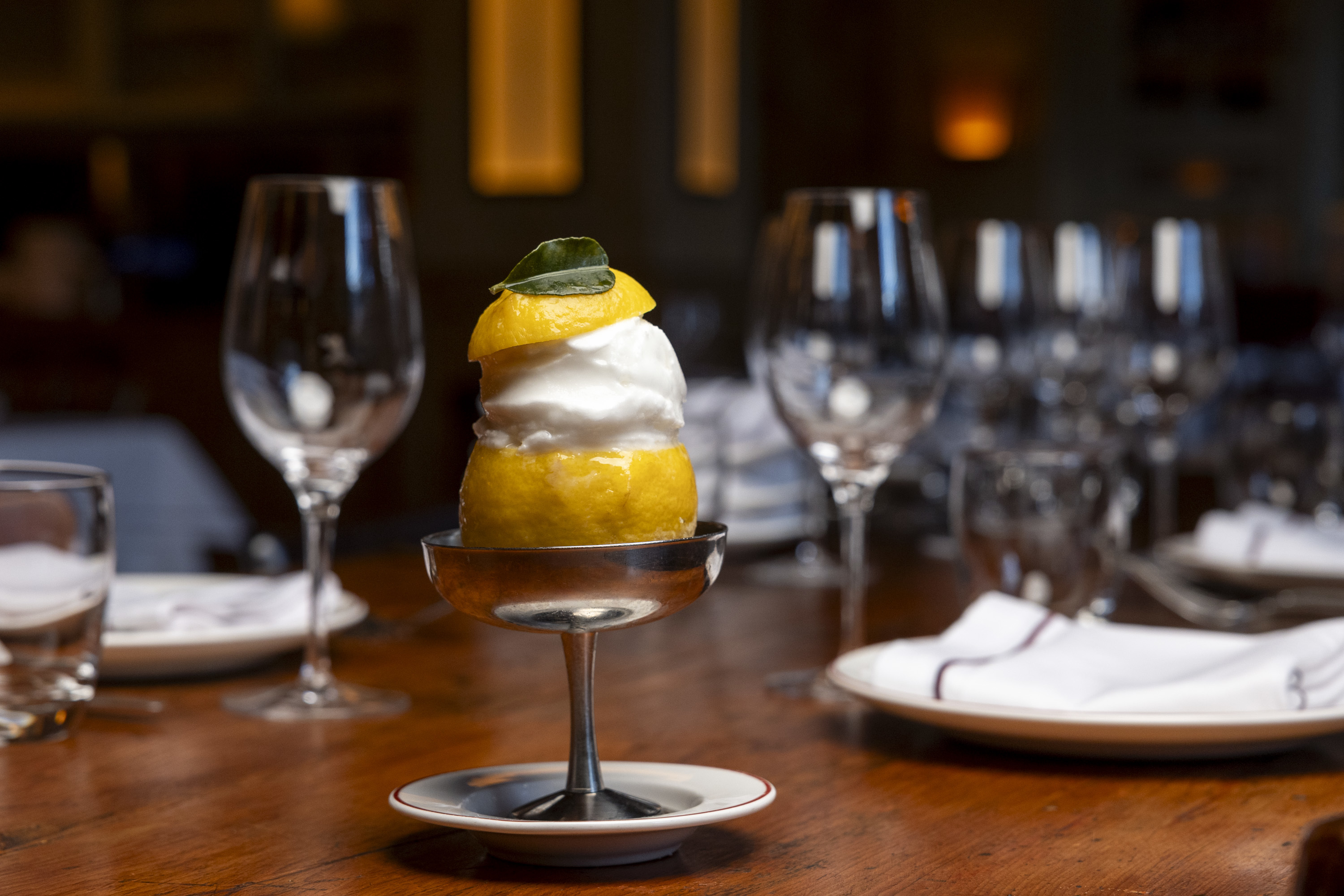
    My favorite finish was sour in the best way possible: a hollowed-out lemon stuffed with sweet-tart lemon sorbetto. You’ve maybe seen something just like this in your neighborhood Italian place, brought in from the Italian frozen dessert powerhouse Bindi. But this was Borromini at its best, transforming something familiar into a better, fresher, more elegant version of itself. It will make you smile even as it puts a pucker on your face.

    The lemon sorbetto served inside a hollowed-out lemon at Borromini in Philadelphia, on Thursday, Nov. 13, 2025.

    Borromini

    1805 Walnut St., 215-596-1000, borrominiristorante.com

    Lunch served Monday through Friday, 11 a.m. to 3 p.m. Dinner served Sunday through Wednesday, 5 to 10 p.m.; Thursday through Saturday, until 11 p.m. Brunch Saturday and Sunday, 10 a.m. to 3 p.m.

    Dinner pastas and entrees, $19-$72.

    Wheelchair accessible.

    There are several gluten-free options, including high-quality gluten-free pasta, which can be substituted with most sauces.

    Drinks: The bar program offers 19 Italian wines by the glass, ranging from $12 house wines to $27 Franciacorta, a deep bottle list with more prestige options, Italian cocktails heavy on the expected spritzes and Negroni variations, and a list of nearly 100 amari and digestivi.

    Menu Highlights: focaccia di Recco, squash blossoms; hamachi crudo; artichoke-arugula salad; pastas (spaghetti al limon, gnochetti sardi with crab, oxtail mafaldine, spaghetti all’Amatriciana, carbonara, “Sicilian lifeguard” calamarata); polpetta; rabbit cacciatore; dorade; osso buco; sorbetto al limon.

    Borromini, the new Italian restaurant on Rittenhouse Square, in Philadelphia, July 29, 2025.
    Some of the first-floor dining area at Borromini in Philadelphia, Pa., on Tuesday, August 12, 2025.