Angelo’s Pizzeria owner Danny DiGiampietro has been pursuing two ambitious goals: reviving a landmark Montgomery County bakery and opening a branch of his Michelin-recommended pizza-and-sandwich operation in South Jersey, where it all began.
Both projects now appear to be gaining momentum. While Angelo’s vaunted rolls are being baked at the former Conshohocken Italian Bakery property, which DiGiampietro purchased last year, the long-held plans to reopen the bakery’s counter to retail customers remain on hold. DiGiampietro said the building requires additional work, which he declined to specify. “Every time we fix one thing, something else comes up,” he said.
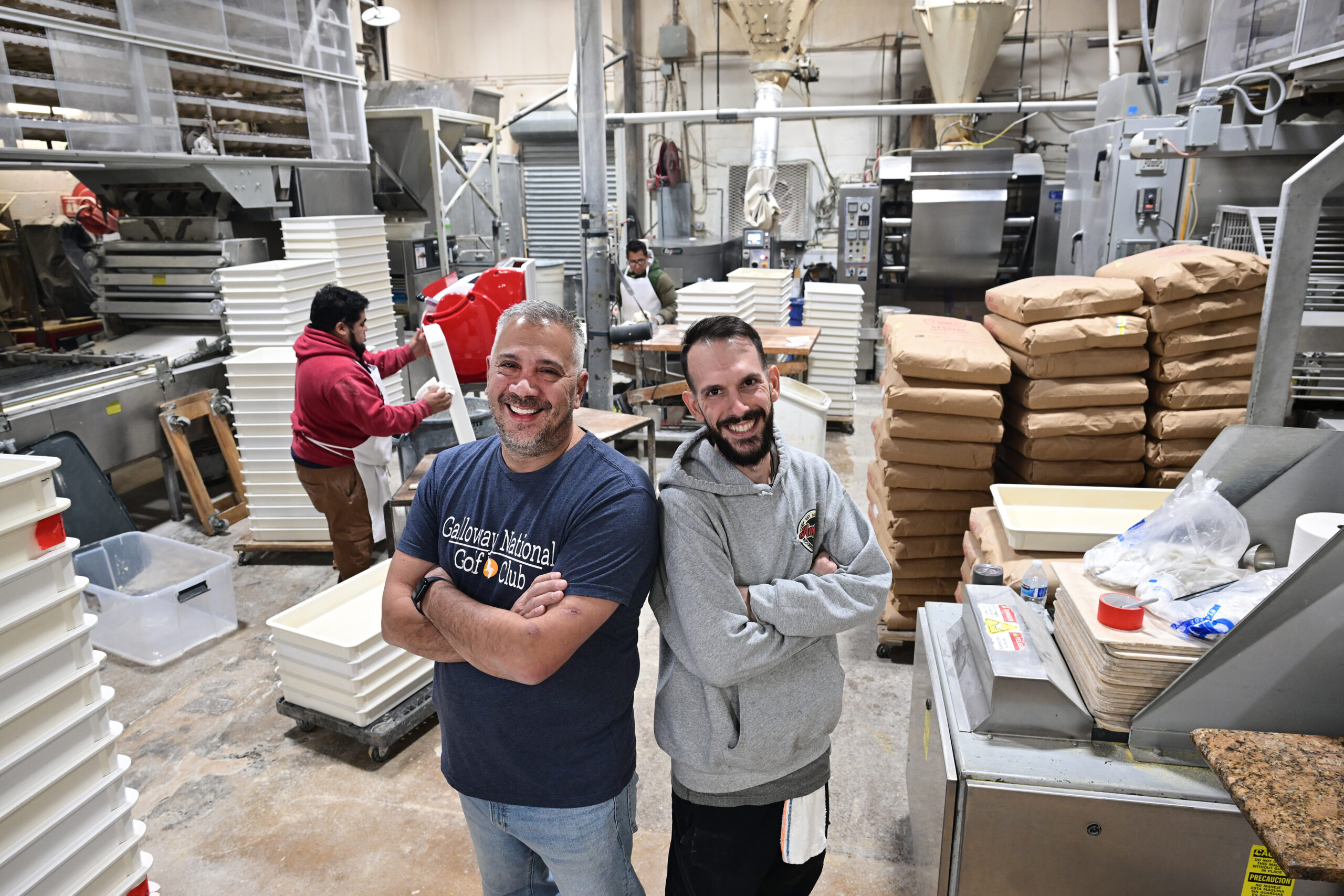
Danny DiGiampietro (left), owner of Angelo’s Pizzeria, with partner Jared Braunstein at the bakery in Conshohocken in December 2024.
But Angelo’s is moving into wholesale bread production, the backbone of Conshohocken Italian Bakery’s business under the Gambone family for more than a half-century before its 2024 closing.
A key piece of the puzzle is on the way: a massive Polin oven imported from Italy to give his bakers more flexibility, DiGiampietro said.
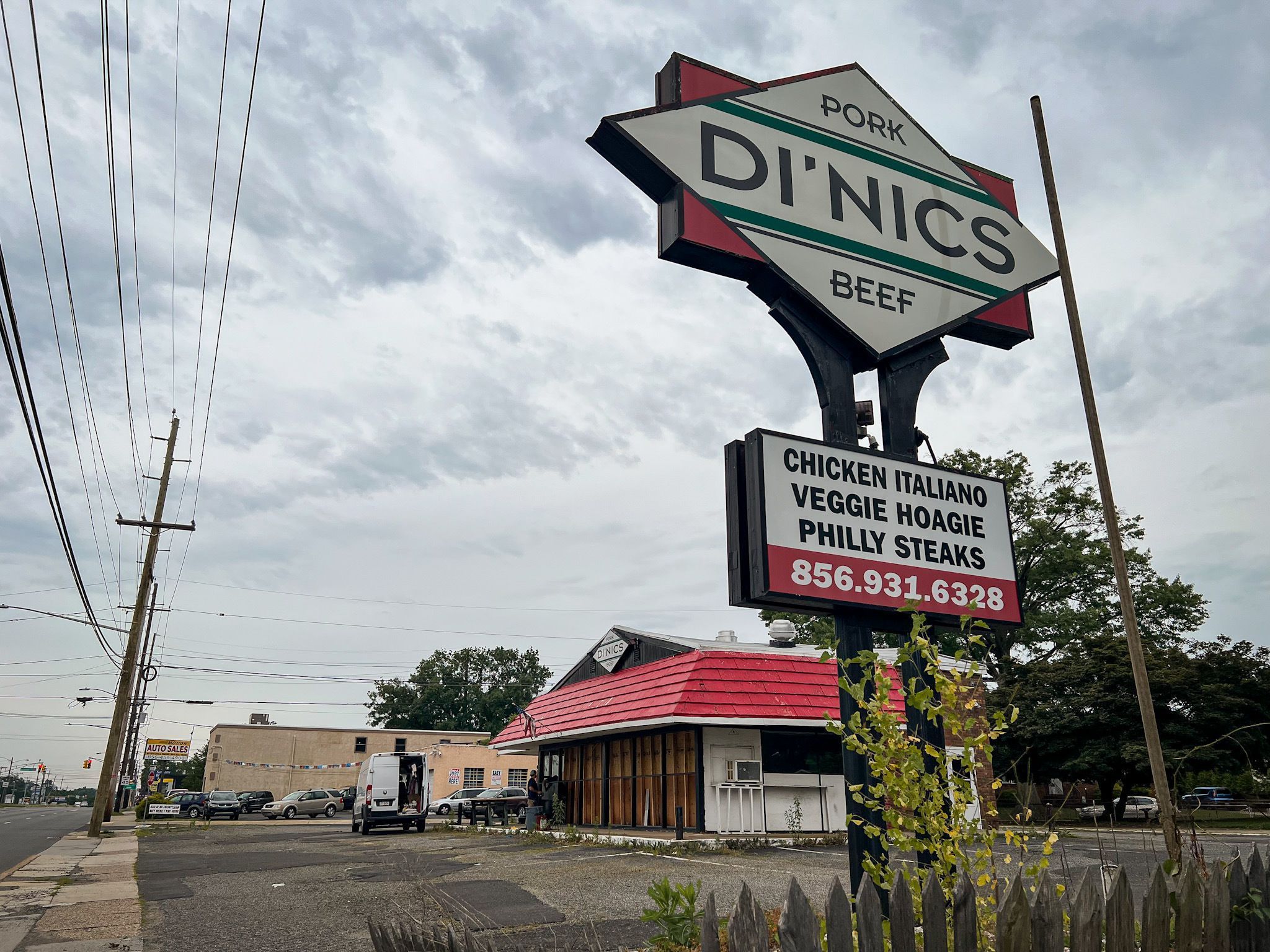
The future location of Angelo’s Pizzeria in West Collingswood Heights, previously Di’Nics, on June 18, 2026.
At “Conshy,” as the Jones Street bakery was known, the Gambone family supplied rolls and bread to hundreds of restaurants and sandwich shops throughout the region. Its closing created a frenzy among customers and competitors.
DiGiampietro said the new oven will allow bakers to create a line of kaiser rolls, potato rolls, steak rolls, and hoagie rolls. Although he will in effect be selling to his sandwich shop competitors, he likens it to giving shops “the canvas to make their art,” DiGiampietro said. “Everyone’s different.”
A return to wholesaling was not in the initial plans for DiGiampietro, who owned a bread bakery in South Philadelphia about 20 years ago. “I went bankrupt the first time. So hopefully I don’t go bankrupt again.”
Meanwhile, demolition and rebuilding are underway at the future Angelo’s Pizzeria location at 310 Black Horse Pike in the West Collingswood Heights neighborhood of Haddon Township, Camden County. The stand-alone building was formerly Di’Nics.
Crews recently gutted the building, which DiGiampietro hopes to transform into a full-service Angelo’s within the next several months.
The project will mark his return to New Jersey. DiGiampietro opened his first Angelo’s in Haddonfield in 2013 before closing it in 2018 to focus on the Ninth Street location in South Philadelphia, which opened in 2019 and helped turn Angelo’s into one of the region’s most sought-after pizzeria and cheesesteak shops.
The Angelo’s in West Collingswood Heights, about 10 minutes from the Walt Whitman Bridge, will include table seating as well as a counter overlooking the kitchen. Initially, DiGiampietro wanted more seating. Then he began talking about a takeout-only operation.
“But people love the show,” he said. “They like to see everything happening.”
The build-out still requires installation of a pizza oven, walk-in refrigeration, and other equipment. Even so, DiGiampietro believes the compact space can work.
“We think we can keep a dining room and still fit everything we need in there,” he said. “It’ll be tight, but we work on Ninth Street in basically a submarine, so how much tighter can it get?”
At noon on a bright June Tuesday, the scene at Skinny Joey’s Cheesesteaks & Pizza on the Wildwood boardwalk felt more like a South Philly block party than a soft opening.
Joseph “Skinny Joey” Merlino worked the crowd at his new shop — hugging, shaking hands, posing for photos — moving easily among his friends and admirers. At 64, five years removed from the criminal justice system, the onetime alleged head of Philadelphia’s underworld is enjoying a second act that few could have predicted: cheesesteak entrepreneur, podcaster, and social-media personality.
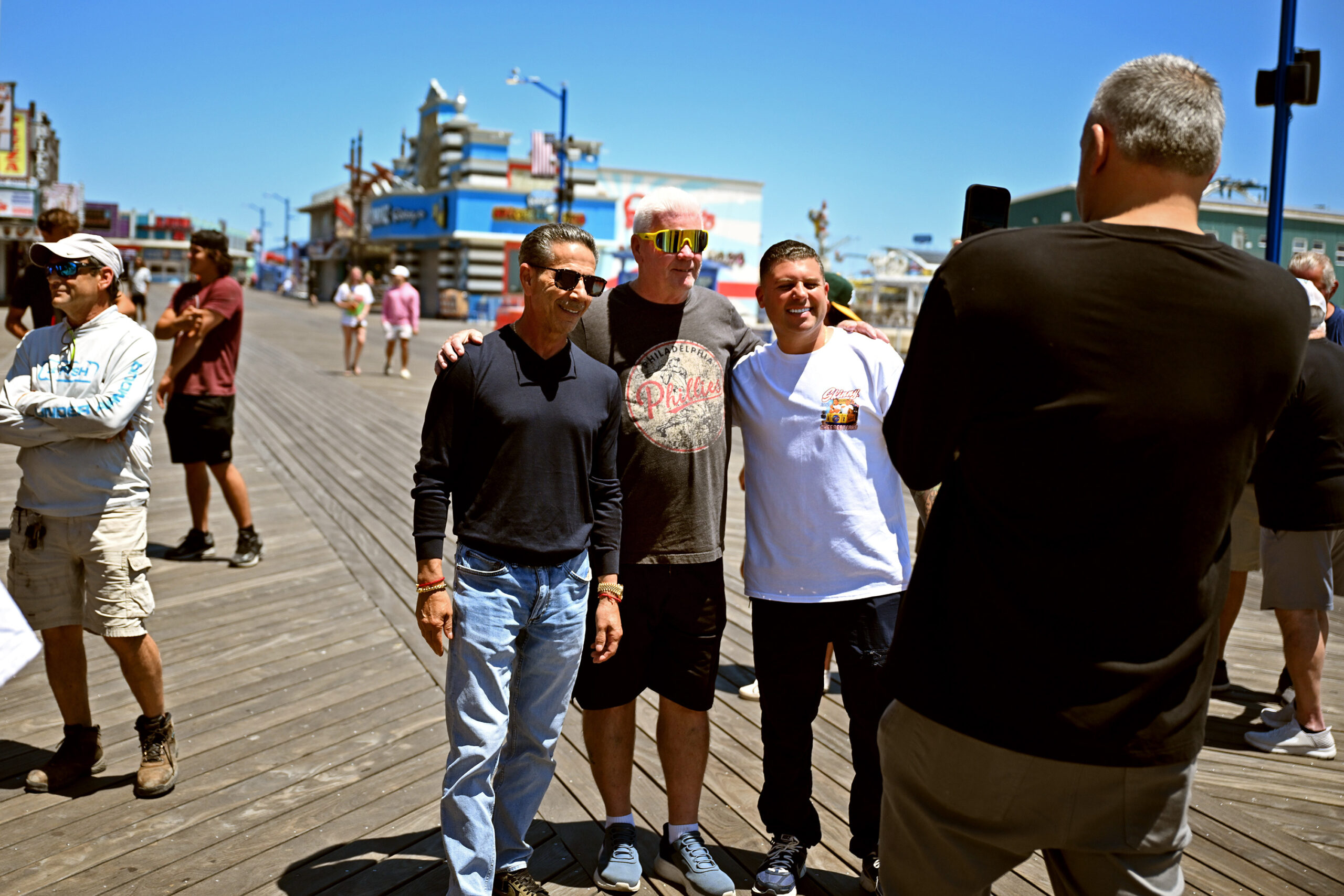
Joseph “Skinny Joey” Merlino (left) and Joe “Lil Snuff” Perri Jr. (right) posing with a customer outside the Skinny Joey’s Cheesesteaks & Pizza shop in Wildwood.
Orbiting him with a phone and a grin was Joe “Lil Snuff” Perri Jr. — 30 years his junior — Skinny Joey’s collaborator and the man who helped set him up with a new career. While customers lined up out front for steaks, slices, photos, $35 hats, and $25 T-shirts, Perri was shooting clips for social media.
Their partnership has transformed Merlino from a flashy, polarizing tabloid fixture into a flashy, polarizing Instagram-age brand. Merlino provides the mythology, while Perri supplies the algorithm.
Symbiotically, they are building an unlikely enterprise. Merlino gives Perri access, credibility, and a bigger stage. Perri gives Merlino comic relief, social-media fluency, and a way to be seen as entrepreneurial rather than simply infamous as a reputed former mob boss.
“Without me, there’s no him,” Perri said. “Without him, there’s no me. It’s just a good mix.”
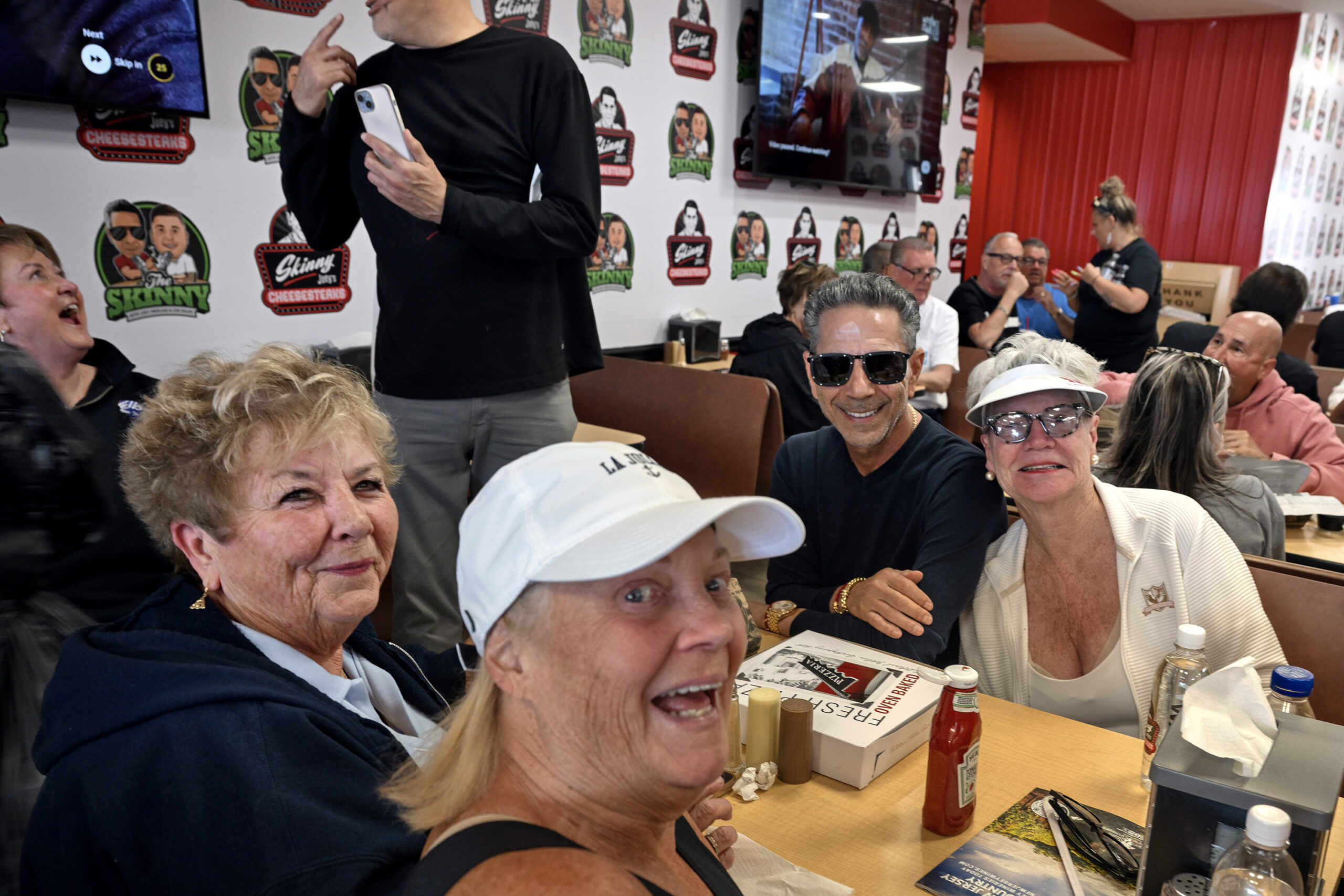
Joseph “Skinny Joey” Merlino joining customers at Skinny Joey’s in Wildwood during its soft opening on June 2. They call themselves “the Schuylkill Girls” (from left): Julie Shelton, Cindy McCullough, and Terry Landy, all of whom now live in Wildwood.
A ‘mob media’ moment
George Anastasia, who covered organized crime for more than 30 years at The Inquirer and now teaches an organized-crime course at Rowan University, said Merlino’s new career fits a broader moment in mob media.
Former wiseguys, associates, historians, and fans now gather in a true-crime subculture known online as “MobTube,” where the lore is packaged into YouTube shows, Patreon feeds, podcasts, clips, and merch.
Merlino has lived the story that fuels the genre. One of Philadelphia’s most recognizable organized-crime figures, Merlino was convicted in 1990 for his role in a $352,000 armored truck robbery in 1987.
In 2001, he and six co-defendants were tried on federal racketeering charges, including three counts of murder and two of attempted murder. Merlino was acquitted on those counts, but served about 12 years on other charges, including gambling and extortion. A supervised-release violation briefly returned him to prison in 2014, and a second major racketeering case ended in 2018 with a guilty plea to a single illegal-gambling charge after a mistrial. In a separate trial in 2004, he was acquitted of the 1996 killing of Joseph Sodano, an underling in North Jersey. Merlino completed federal supervision in 2021, but he’s been banned from New Jersey casinos since 1988 and from Pennsylvania casinos since a 2016 incident at the former SugarHouse Casino.
And Merlino has made it no secret that he is different from many of the former figures who populate the MobTube genre. Unlike Sammy “The Bull” Gravano, John Alito, and Jimmy Calandra, Merlino never cooperated with prosecutors.
“He saw guys who cooperated come back and become media sensations,” Anastasia said. “And I think he got [annoyed] that these are all guys who, in his view, violated the code, and now they’re making money on that old life. He did his time as a stand-up guy. ‘So [to heck with that] — I’m going to make money, too.’ And he created this brand.”
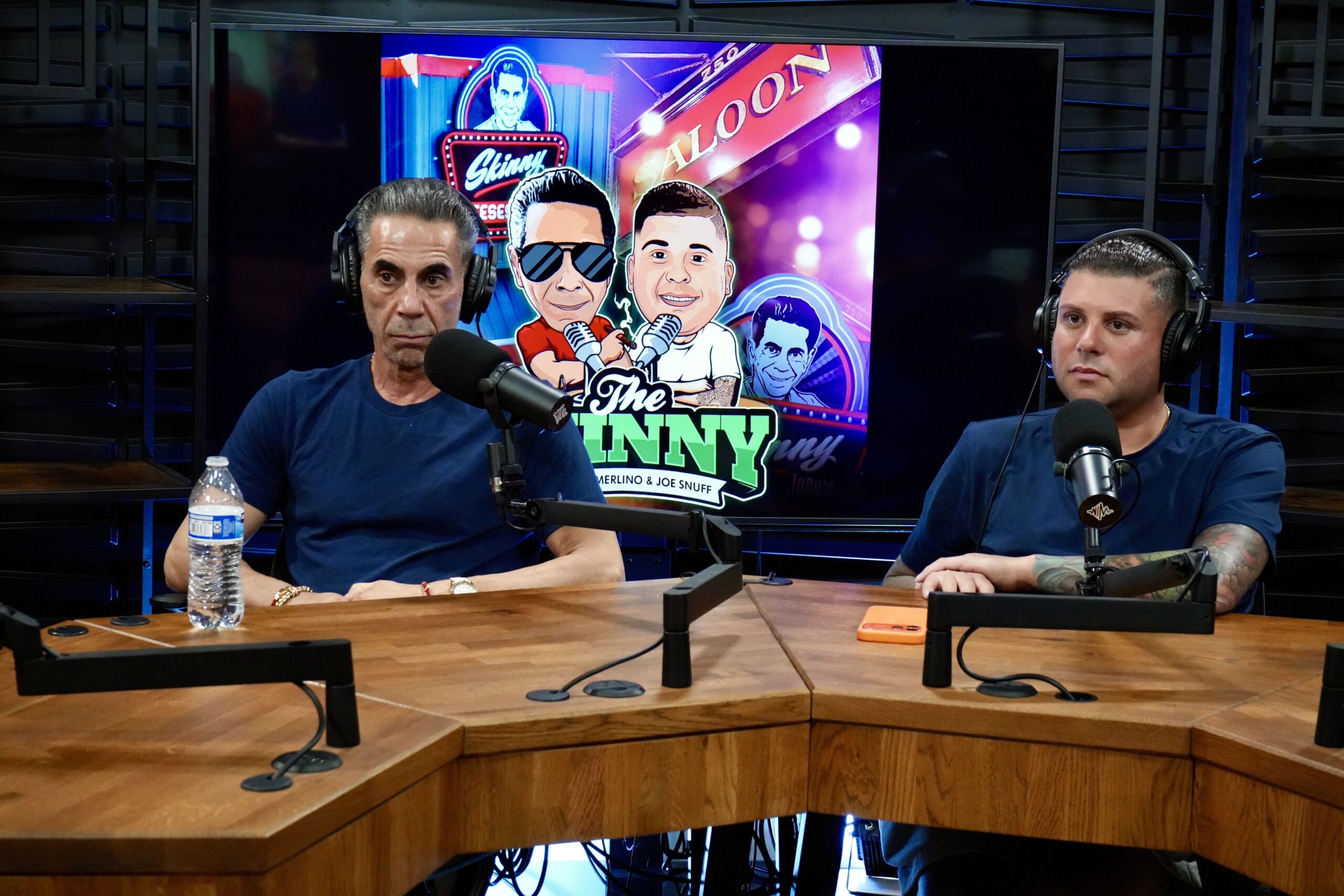
Joseph “Skinny Joey” Merlino (left) and Joe Perri Jr. on the set of “The Skinny” podcast.
Perri helped make that legible to a younger audience.
“Lil Snuff is part sycophant and part guide,” Anastasia said. “He’s the one who, in a lot of ways, sets the flow. Joey is going to be Joey, but somebody has to keep bringing him back to the point.”
The rise of Lil Snuff
Before he was Merlino’s co-host, Perri was Lil Snuff.
The nickname came from his father: As a 10-year-old, Joe Sr. turned around when a cousin was calling for a dog named Snuffy. Boom. He was Snuff. When his son was born at Methodist Hospital in 1992, Snuff became Big Snuff.
As a teenager, Lil Snuffbussedtables at Stogie Joe’s, the Saloon, and Fitzwater Cafe. At 18, he joined the stagehands union. At 21, he got a job at Mall Chevrolet in Cherry Hill. The older salesmen had relationships and repeat customers. Perri’s mentor told him that he needed a lane.
It was 2013, and social media was beginning to reshape promotion. Perri started making his own brassy, unscripted commercials. “Selling Chevys for less” became his tagline.
He also made videos about gambling and food, his two passions. He was not famous, but he was visible in the South Philly-to-South Jersey social media corridor where restaurants, sports, betting, family, and neighborhood identity blur into one feed.
At the same time, Perri said, he was abusing pills. In 2014, at 22, his parents found him a rehab center in South Florida. To make sure he got there safely, they called a family friend whose Italian restaurant in Boca Raton had recently opened:
Joey Merlino.
“My father grew up with his grandfather,” Merlino said, explaining the bond. “I grew up with his father. I’ve known him since he was born.”
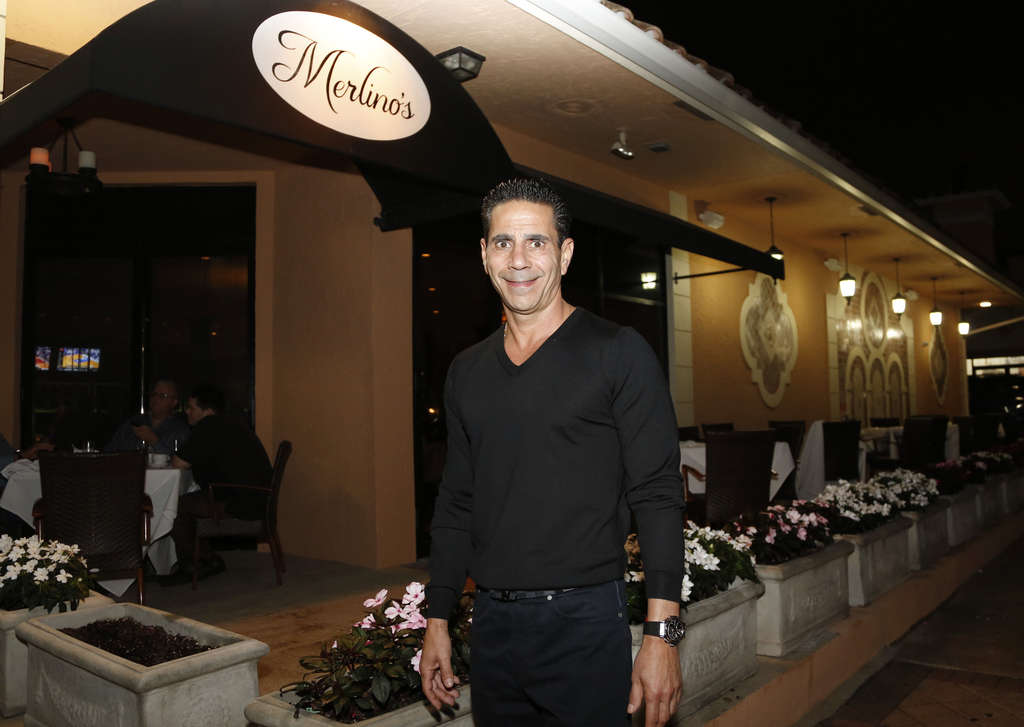
Joseph “Skinny Joey” Merlino in 2014 at the Boca Raton restaurant bearing his name.
Perri said it took several attempts before recovery stuck. He has been sober since Sept. 11, 2016. “I’m big with recovery,” he said. “That’s the main thing in my life. I put sobriety first and then everything after that.”
Merlino’s — where Merlino was maitre d’ because his legal situation then precluded ownership — closed in 2016, just before the feds arrested Merlino at his home in Boca in the lead-up to his second racketeering case. “If I didn’t have this trouble, it would still be open,” Merlino said earlier this month.
After Merlino attained freedom in July 2021, producers called with movie, television, and book deals. Merlino turned them all down. “Nothing seemed right,” Merlino said. Someone brought up the idea of a podcast.
“I didn’t even know what that was,” Merlino said.
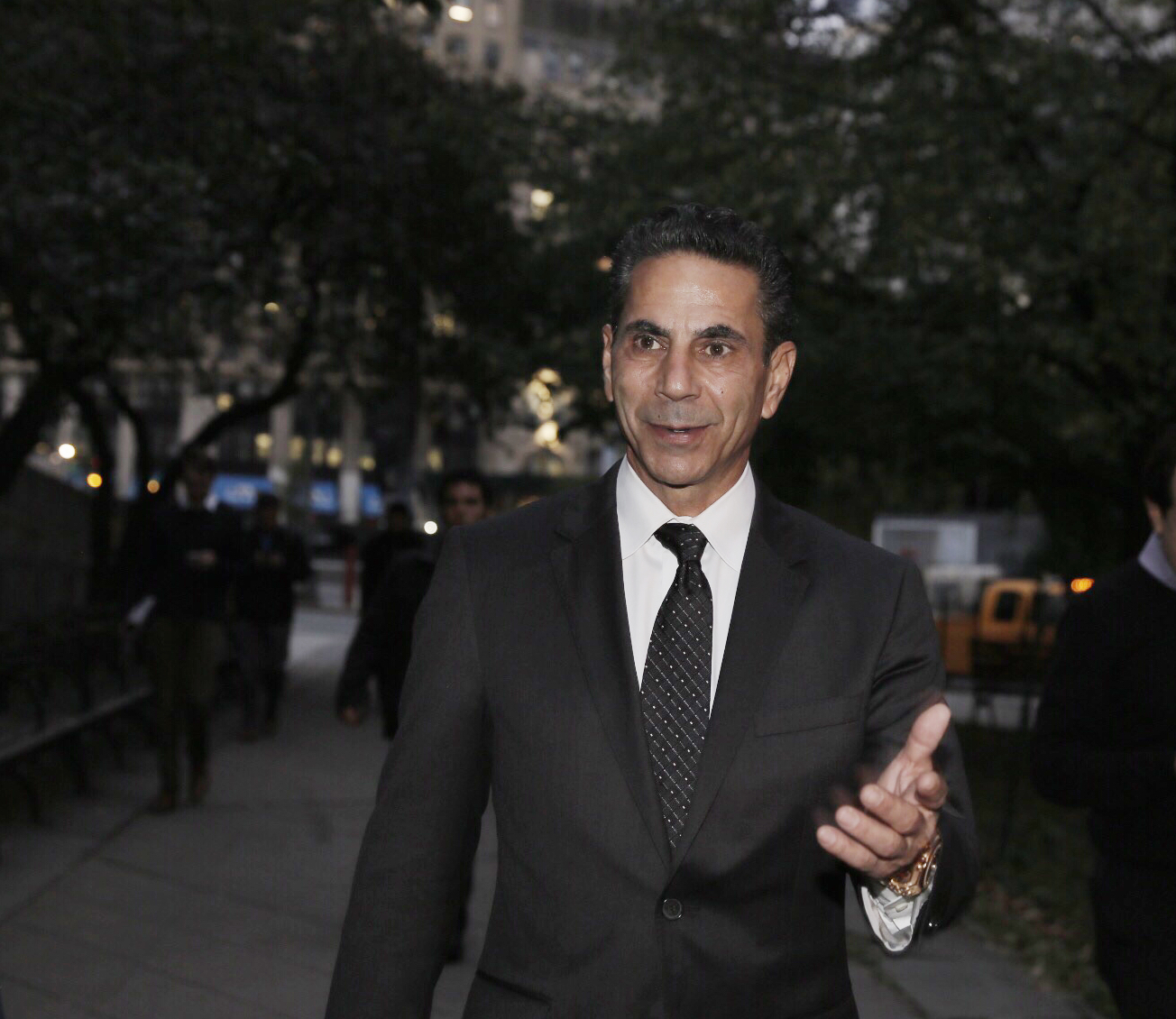
Joseph “Skinny Joey” Merlino leaving the federal courthouse in Manhattan after being sentenced on Oct. 17, 2018.
His friend Raymond “Wags” Wagner explained the concept and suggested a loose format built around food and sports betting. Actor Kevin Connolly of Entourage fame, who was involved early as a producer, told Merlino that he needed a co-host.
“They said, ‘Who would you want?’” Perri said. “They were sending him people, and he was like, ‘I’m not doing nothing with these people.’”
Then Ray Wags suggested Perri.
“Joey was like, ‘100 percent. Get him on the phone,’” Perri said. “Kevin Connolly said, ‘Send me your videos.’ I sent him my videos, and he said, ‘You’re the guy.’ The rest was history.”
The world of ‘MobTube’
Merlino and Perri launched the video podcast in 2023. Viewers are not just watching Merlino talk about the old life. They see him bust Perri’s chops about eating too much and mock his parlays. They get gambling tips, watch them interview athletes and celebrities — all part of a South Philly generational comedy.
Perri describes it in family terms. “My dad’s my dad, but he’s also my best friend, too,” Perri said. “We gamble together. We go out together. We have fun together. So they see me and Joey as that, and they can’t figure out how we mix so good.”
“He’s good,” Merlino said. “I’m old, he’s young. He talks good, he’s funny. He’s a pain in the balls, but it’s a good fit.”
They began The Skinny podcast on YouTube, but now focus more on Patreon, where the content is unfiltered. And better monetized. Perri says TheSkinny has 1,600 Patreon subscribers paying $15.95 a month. He said their social-media pages combined average 30 million views a month.
Perri’s wife, Danielle, handles bookings and schedules. “I produce,” Perri said. “I cut the clips. I do everything. It’s me and Joey. Two-man show.”
A wider audience
When they started, Perri was still selling cars at Mall Chevrolet. But the now-shuttered dealership got tired of people showing up hoping to see Merlino instead of test-driving a Suburban.
Perri quit. The show grew.Merlino’s reinvention has coincided with a broader shift in the gambling world. Legal sportsbooks, now ubiquitous on television and online, have largely supplanted the corner bookmaker, turning an activity once associated with organized crime into a mainstream consumer business. Guests span sports, hip-hop, gambling, and entertainment, including Wallo267, Fat Joe, Ric Flair, and Bernard Hopkins.
Each booking widened his audience, and Merlino was being absorbed into a broader celebrity ecosystem.
Last October, Netflix released Mob War: Philadelphia vs. The Mafia, a docuseries revisiting the violent 1990s power struggle between John Stanfa and Merlino’s younger faction. It steered even more viewers to Merlino and Perri’s world.
‘Skinny Joey,’ wit’
Then came the cheesesteaks.
One night, Perri, Merlino, and friends were playing poker. Merlino wanted cheesesteaks. Perri said he’d make them.
“He’s like, ‘You can’t make cheesesteaks,’” Perri said. “I said, ‘Are you nuts? I’ve been making them my whole life.’”
Perri cooked some. “He was like, ‘This is the best f— cheesesteak ever,’” Perri said. “He said, ‘Let’s open up a cheesesteak place.’ I said, ‘All right. Call it Skinny Joey’s Cheesesteaks.’ And that was it.”
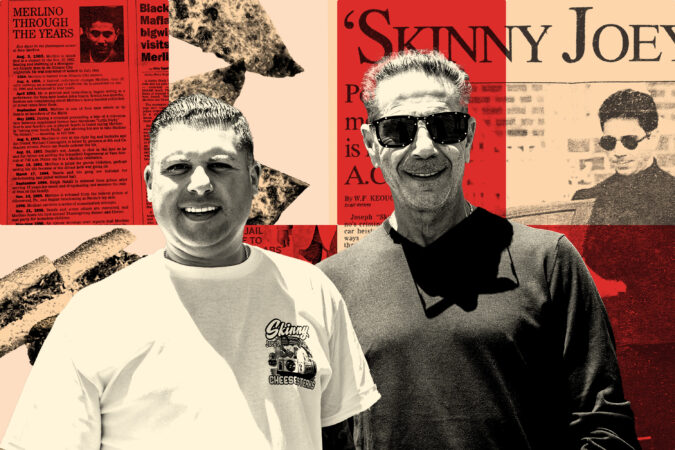
The first shop opened in March 2025 at 3020 S. Broad St., near the sports complex. From the start, Skinny Joey’s was more than a sandwich shop. It was a set. The shop leaned into Merlino’s notoriety; the sandwiches are wrapped in a collage of newspaper articles about his past.
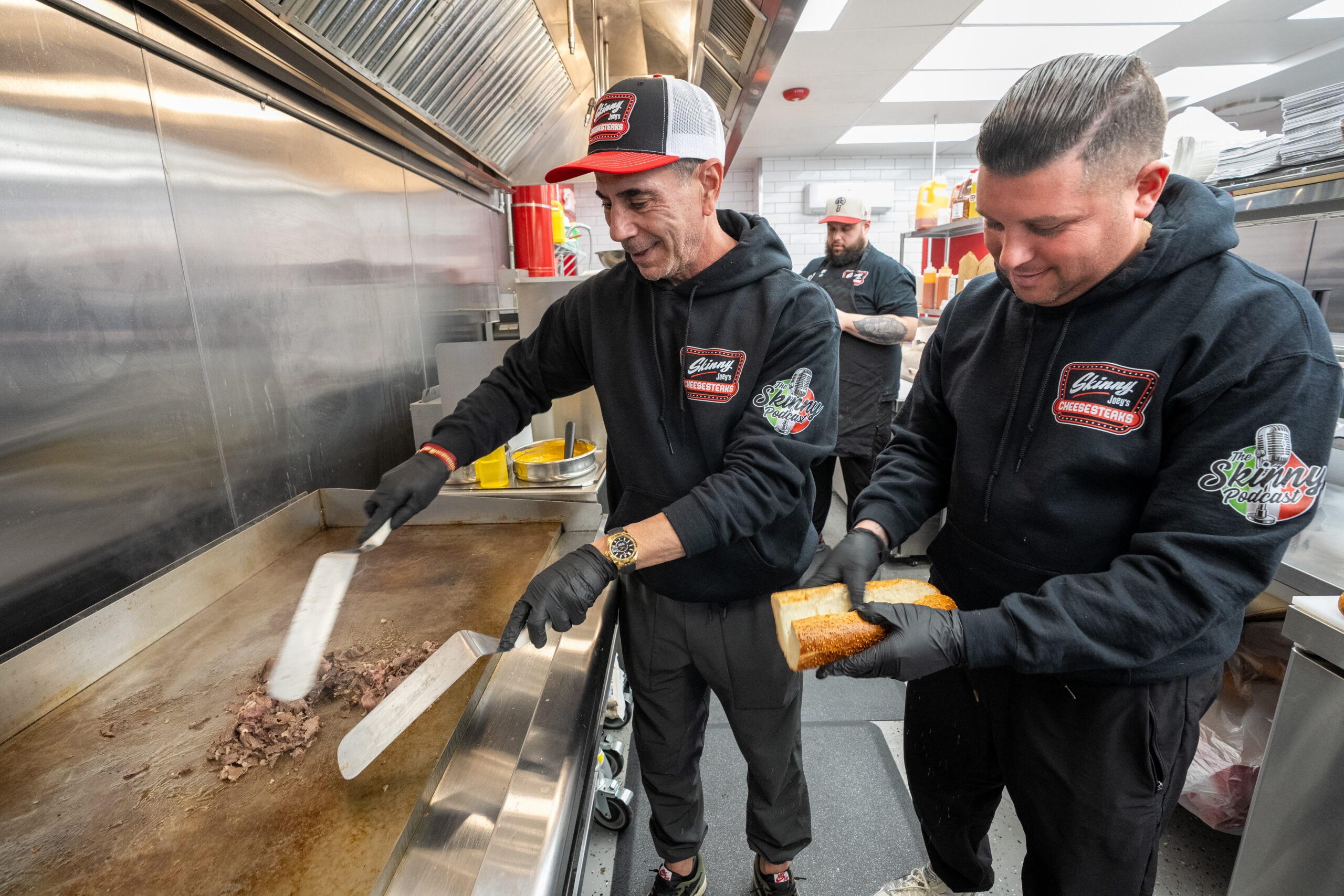
Joseph “Skinny Joey” Merlino (left) working the grill beside Joe “Lil Snuff” Perri Jr. at the Skinny Joey’s Cheesesteaks in Philadelphia at its opening in March 2025.
Celebrities showed up: Jason Kelce, Landon Dickerson, Mack Wilson. A customer eating a cheesesteak was good content. A recognizable person eating one on camera was better.
The restaurant also became a magnet for the kind of drama that fuels digital engagement: online beef. Podcaster Gene Borrello, a former Bonnano crime family associate and Merlino antagonist, weighed in last year on an apparent feud between Skinny Joey’s camp and Frank Olivieri of Pat’s King of Steaks. Merlino and Perri had taken issue with a video posted by Olivieri — whose great-uncle invented the steak sandwich — in which he chided shops that chop the meat on the grill. Like most online food feuds, this seems to have subsided.
Then came the deal for Wildwood, where Skinny Joey’s replaced Joe’s Pizzeria, which had been on the boardwalk at Magnolia Avenue for 15 years. There, Skinny Joey’s added pizza and stromboli, which are not sold at the South Philadelphia location.
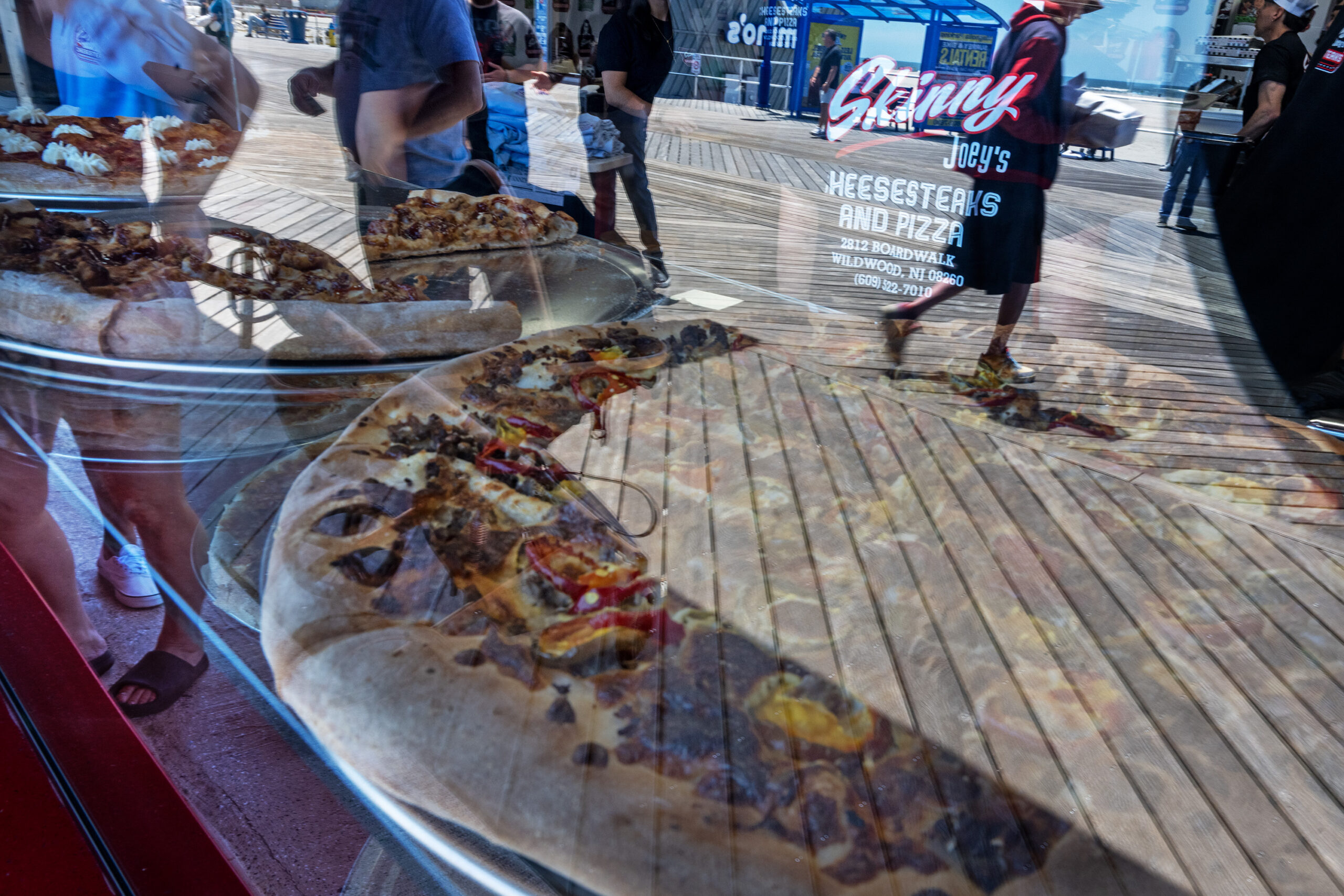
Reflections in the pizza display case on the boardwalk at Skinny Joey’s Cheesesteaks & Pizza in Wildwood.
The pizza recipe comes from Vito’s on Haddonfield Berlin Road in Cherry Hill, and the stromboli from Pizza Shack at 15th and Oregon in South Philadelphia, both owned by Skinny Joey’s business partners Stephen Casasanto and John Fioravanti, whom Merlino also described as longtime friends.
More locations are planned. Perri said a Boothwyn shop is expected around Sept. 1, and several others are in the pipeline.
Bypassing the gatekeepers
Merlino is an extreme case of a recent phenomenon. People with complicated histories — criminal, scandalous, controversial, or simply overexposed — no longer need traditional gatekeepers to reintroduce themselves. They can speak directly to followers and monetize the attention.
Perri is not a journalist, of course, or a publicist, exactly. He is not merely a manager, producer, or sidekick. He is something in between — a new kind of local media operator.
He knows the scene, and how to make content feel unscripted even when the business behind it is deliberate. He is close enough to Merlino to bust his chops and deferential enough to preserve the hierarchy. He can translate Merlino to younger audiences without making him seem managed.
Perri softens Merlino without sanding him down. Merlino still curses, rants, and mocks rivals. Anyone they disagree with is a “bedbug.”
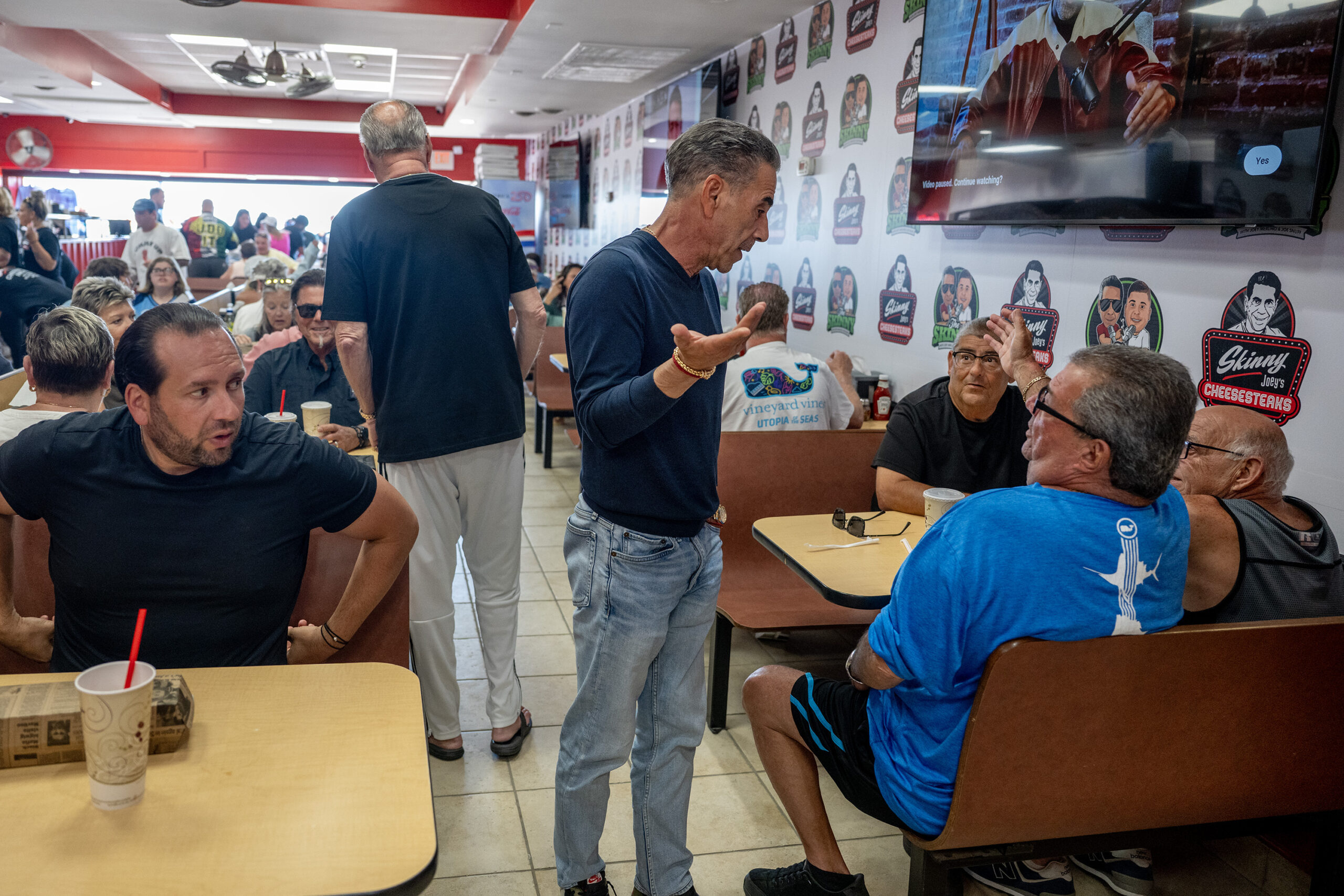
Joseph “Skinny Joey” Merlino greets a table of customers at Skinny Joey’s Cheesesteaks & Pizza in Wildwood.
“At the end of the day, Joey isn’t going to change who he is for anybody,” Perri said. “If he can’t talk the way he wants to talk, what’s the point?”
That is part of the appeal and part of the discomfort. The audience knows Merlino’s history. They may see him as funny, defiant, loyal, misunderstood, or simply entertaining.
“There’s a segment of the American population that has always been fascinated with the outlaw: Billy the Kid, Jesse James, Don Corleone, Al Capone,” Anastasia said. “What the internet has provided is: Here are these guys in their own words. Are they being genuine? I don’t know. You can say that about any personality. But here’s a look at them without any filter.”
The filter used to be people like Anastasia.
“I was, in a lot of ways, the middleman between the people who were interested in this and the guys who were doing it,” he said. “And people who are interested in this don’t need the middleman anymore. They just go online and listen to whoever they want to listen to.”
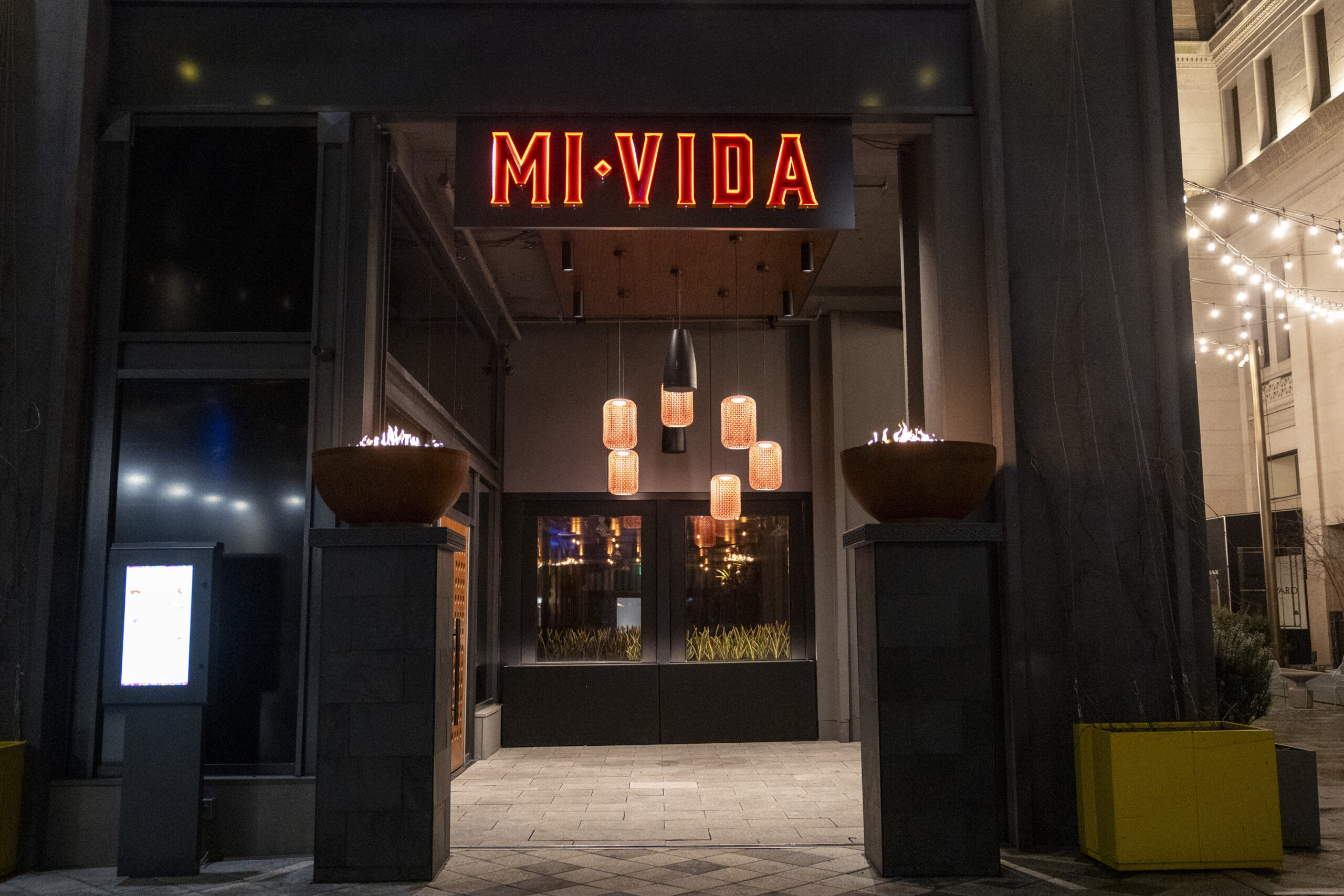
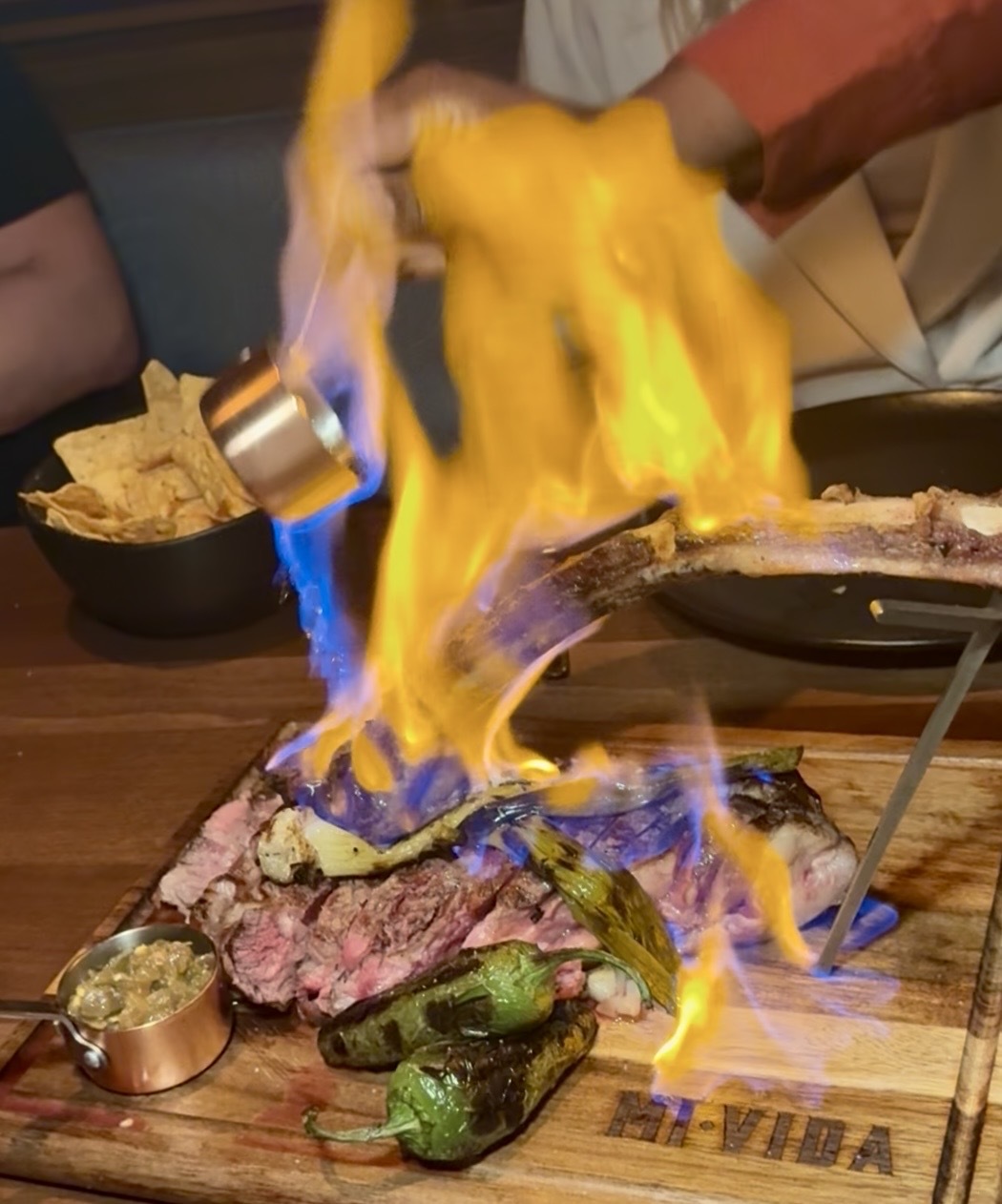
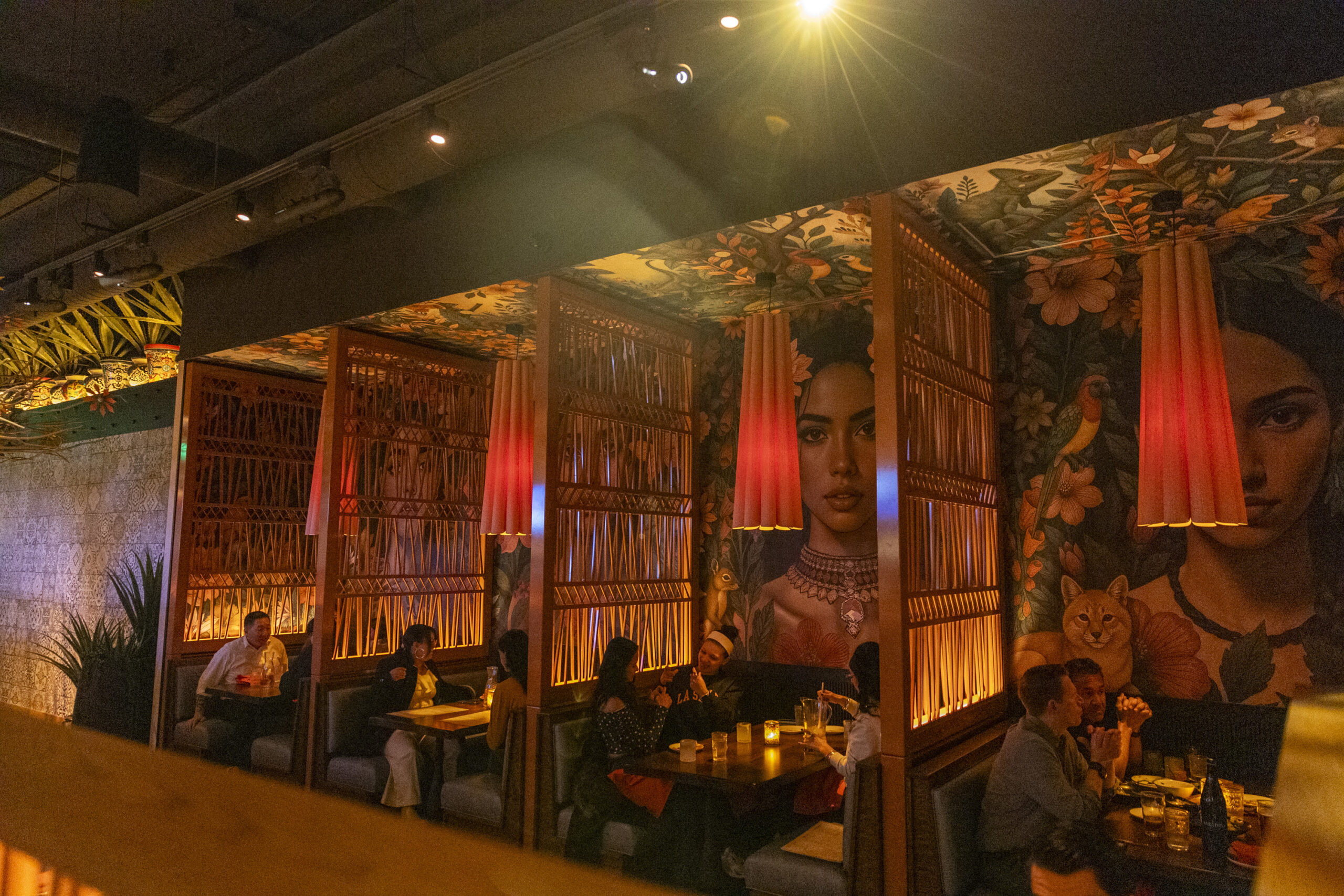
There are fire bowls ablaze atop the columns flanking the front door of Mi Vida. At our table, a steak is, too, as the server who delivered the big chop known as “El Chingón” lit a cup of Mexican whiskey, then poured its blue flames up and down the arching bone of this 40-ounce mega-steak. The fire wasn’t hot enough to risk igniting the faux branches of the “tree of life” that rises over the tables near the bar — nor did it spark extra flavor on the steak. But pyrotechnics and dramatic decor are as much a part of the experience as the food at this ambitious newcomer in National Real Estate Development’s $400 million East Market development.
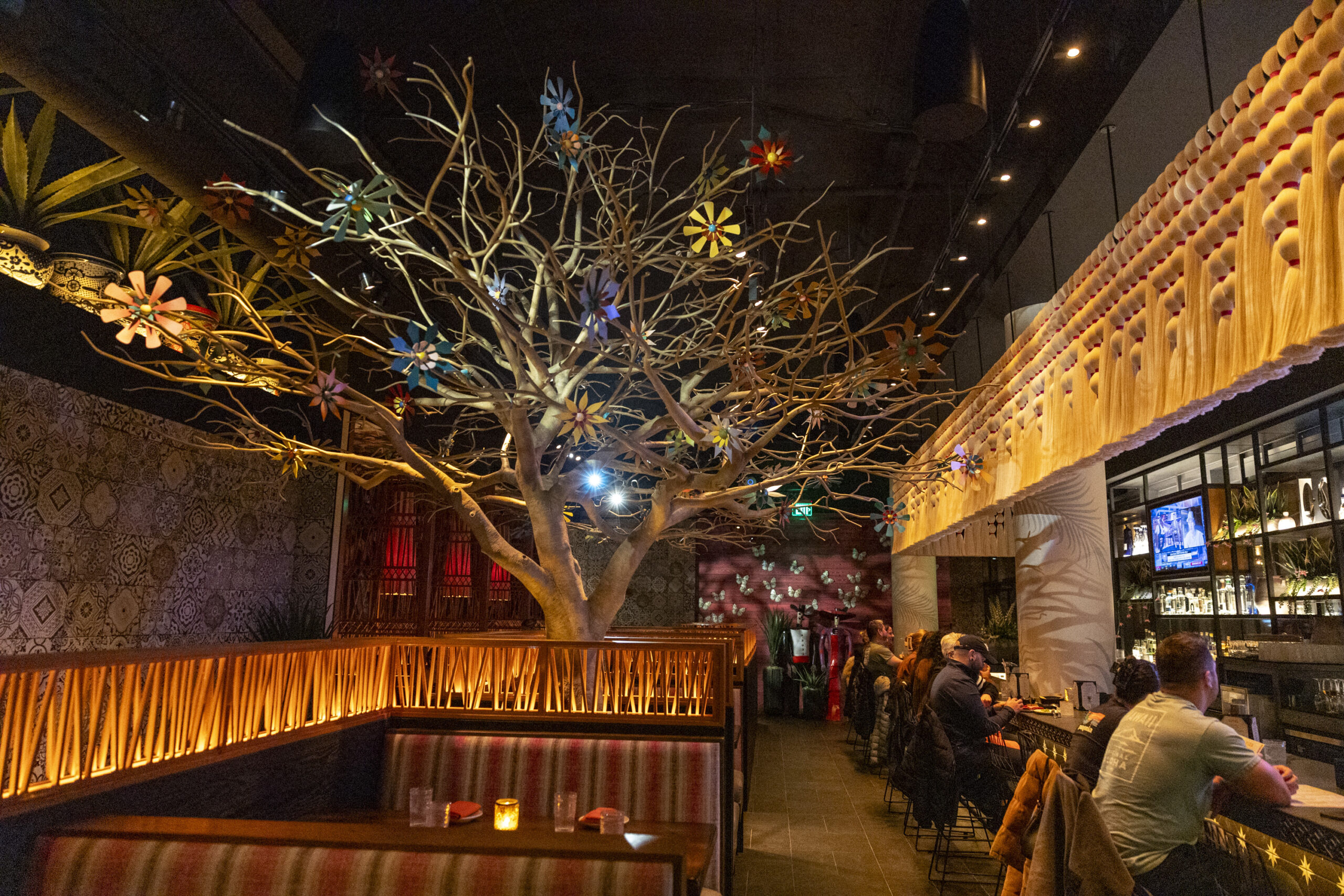
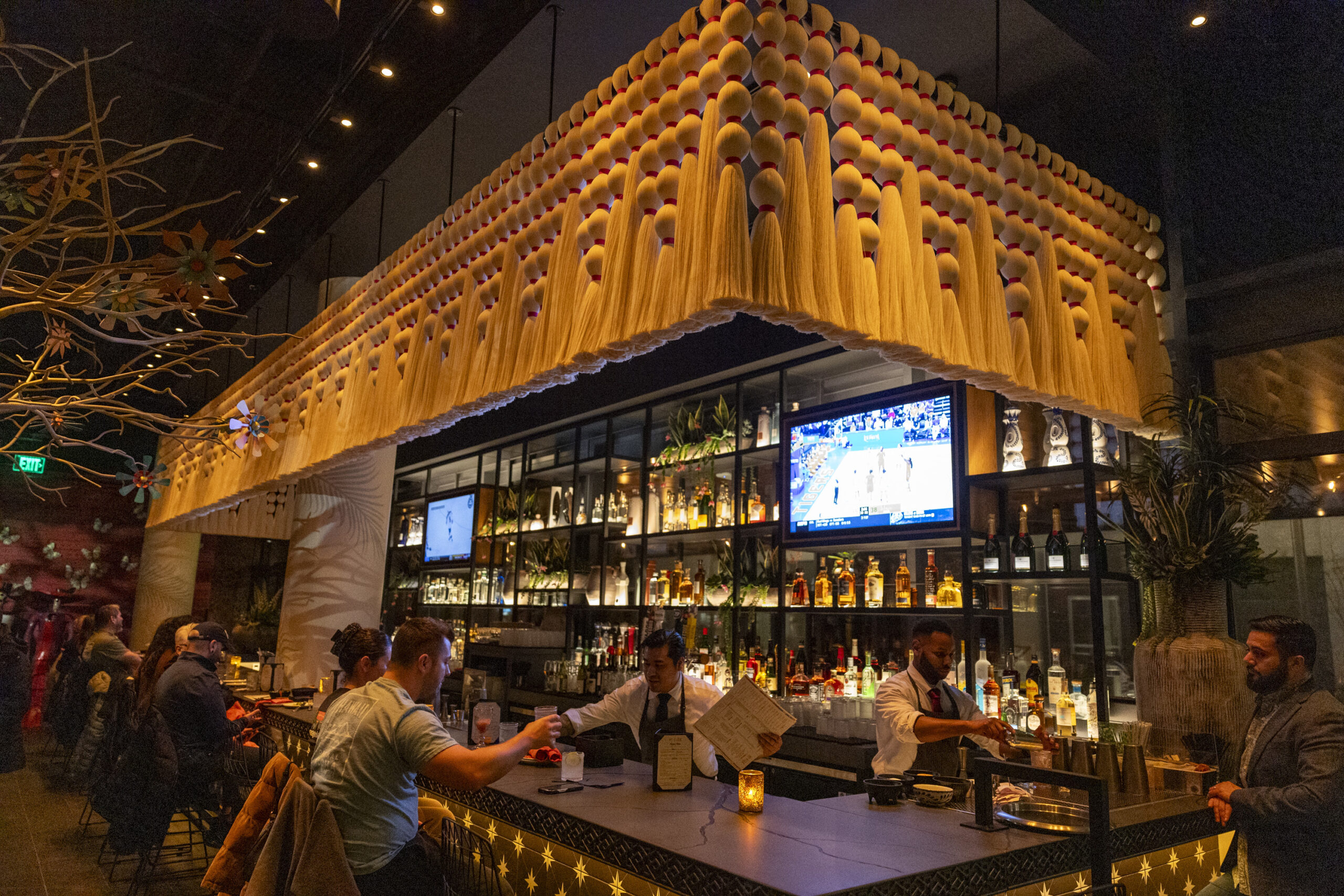
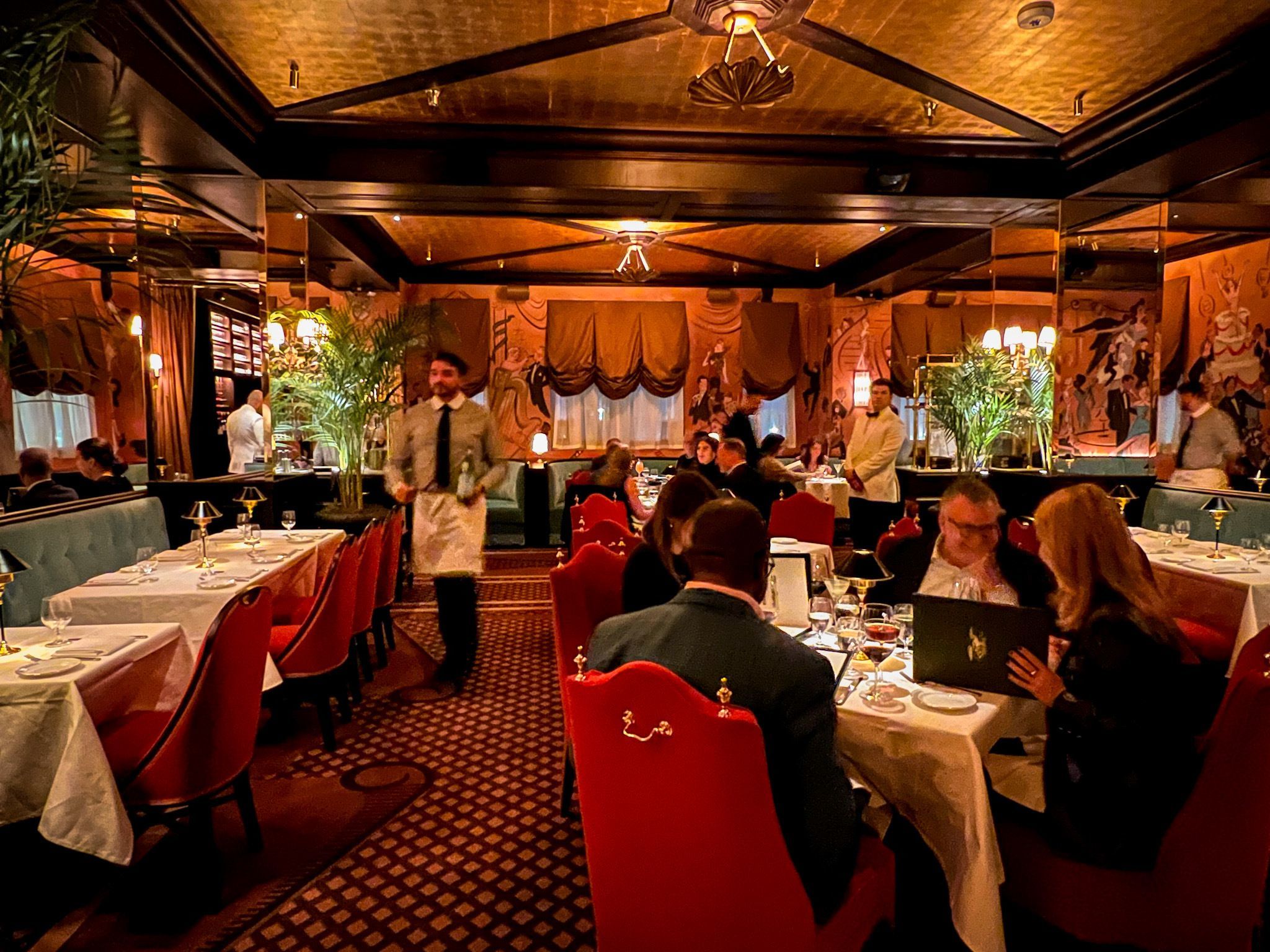
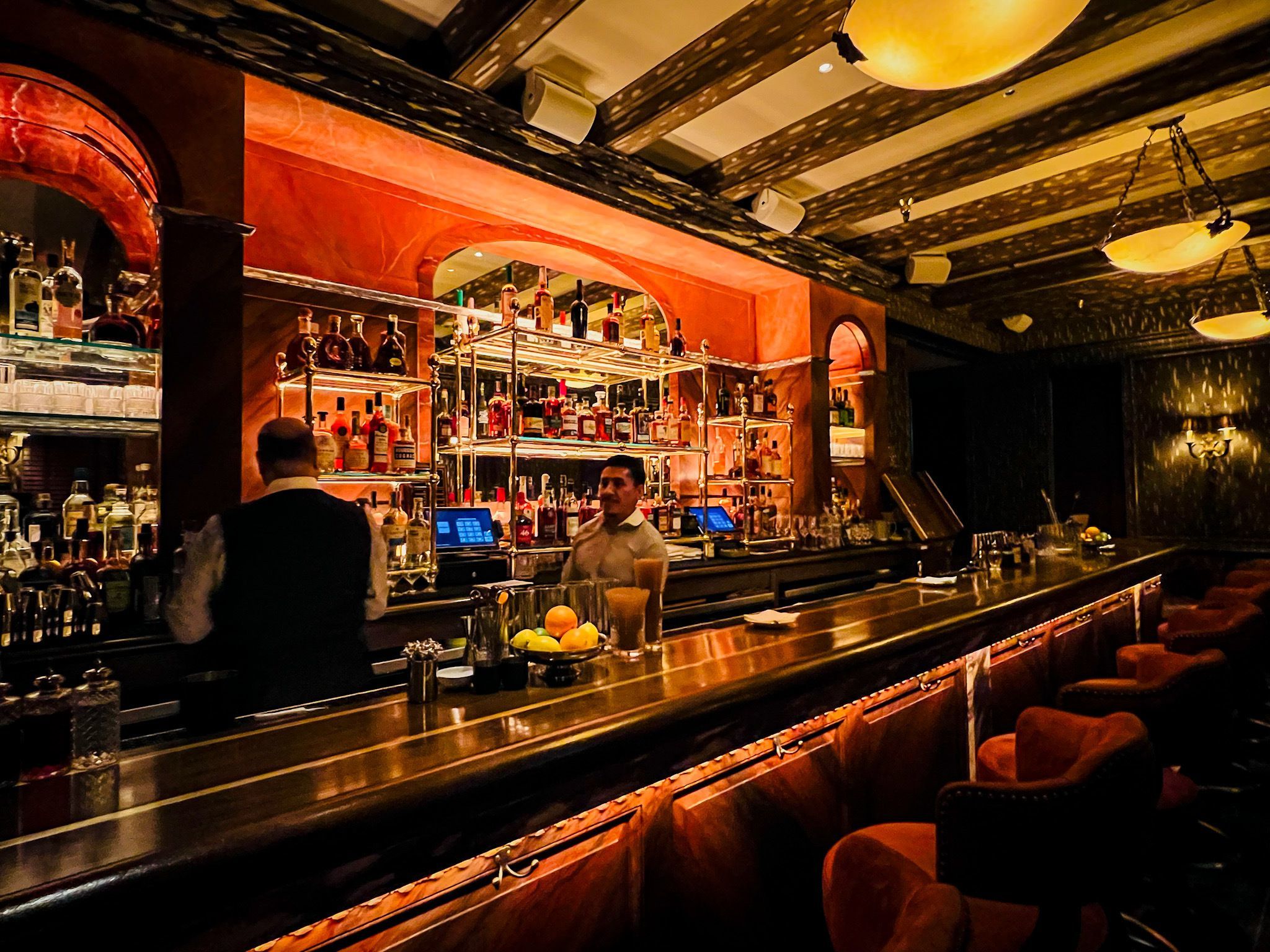
Mi Vida, which opened in March as the first Philly project from Knead Hospitality + Design, a James Beard-nominated restaurant group based in Washington, aims to conjure Mexico through splashydesign, the accents of hot pink lava meant to evoke the volcanic landscape, the tree rising from the ashes with branches dangling folk art flowers a symbol of resilience (and cue for Instagram selfies). Even the big bar that lines this theatrically lit 286-seat spacetucked off Ludlow Street is fringed with a tassel-like rope sculpture woven from agave fibers, appropriate for a bar offering more than 150 tequilas and mezcals.
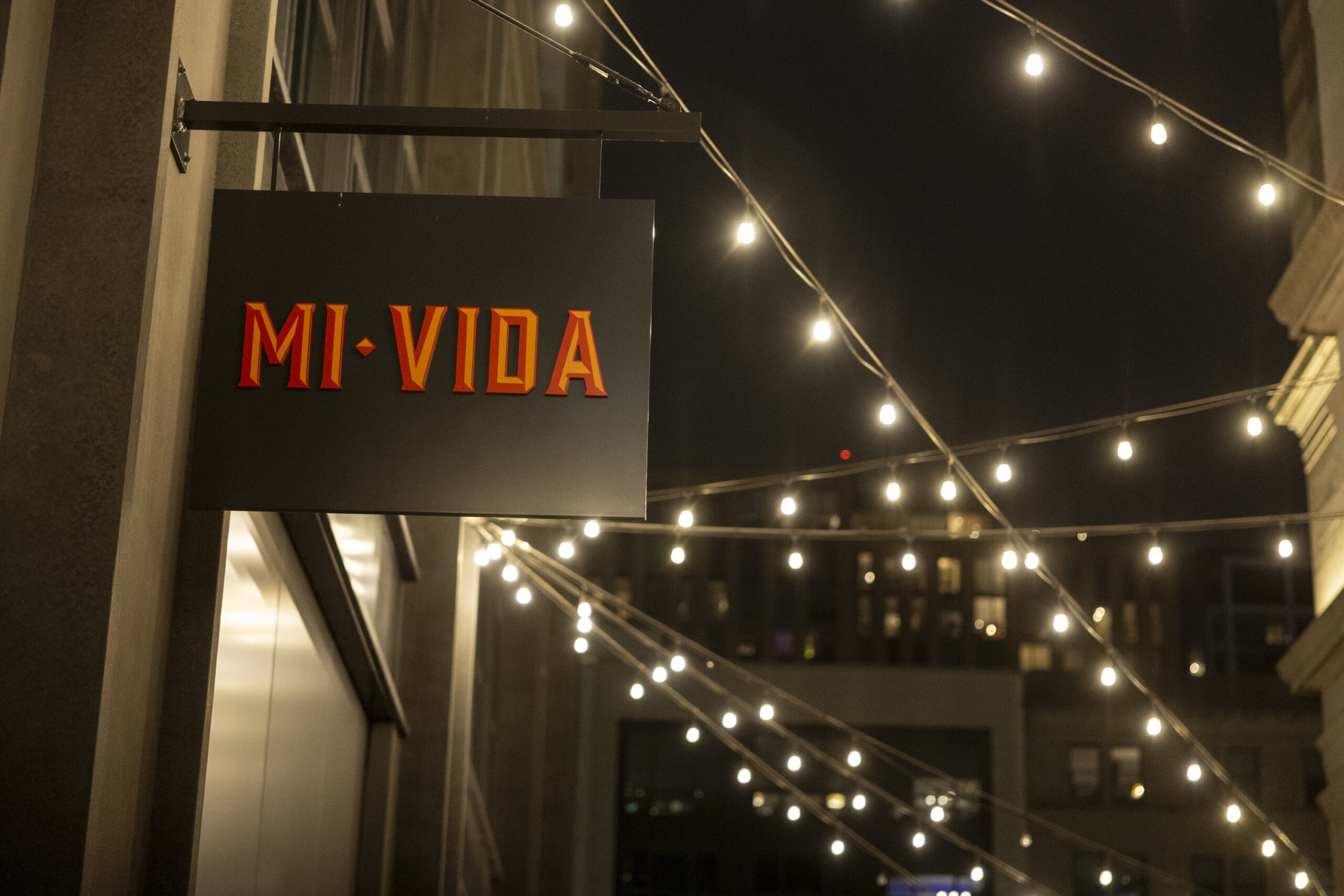
The entrance to Mi Vida in Philadelphia, Pa., on Thursday, Feb. 26, 2026.A 40-ounce ribeye, dubbed “El Chingón” is doused tableside with flaming Mexican whiskey at Mi Vida in East Market.
I only wish the food was as richly nuanced as the restaurant’s moody design. The menu of classic Mexican flavors with modern touches, designed in part by Knead’s culinary director, Roberto Santibañez, and recently updated by corporate chef (and current Top Chef contestant) Jonathan Dearden, is the same produced at all three other Mi Vida locations spread between D.C. and Virginia Beach.
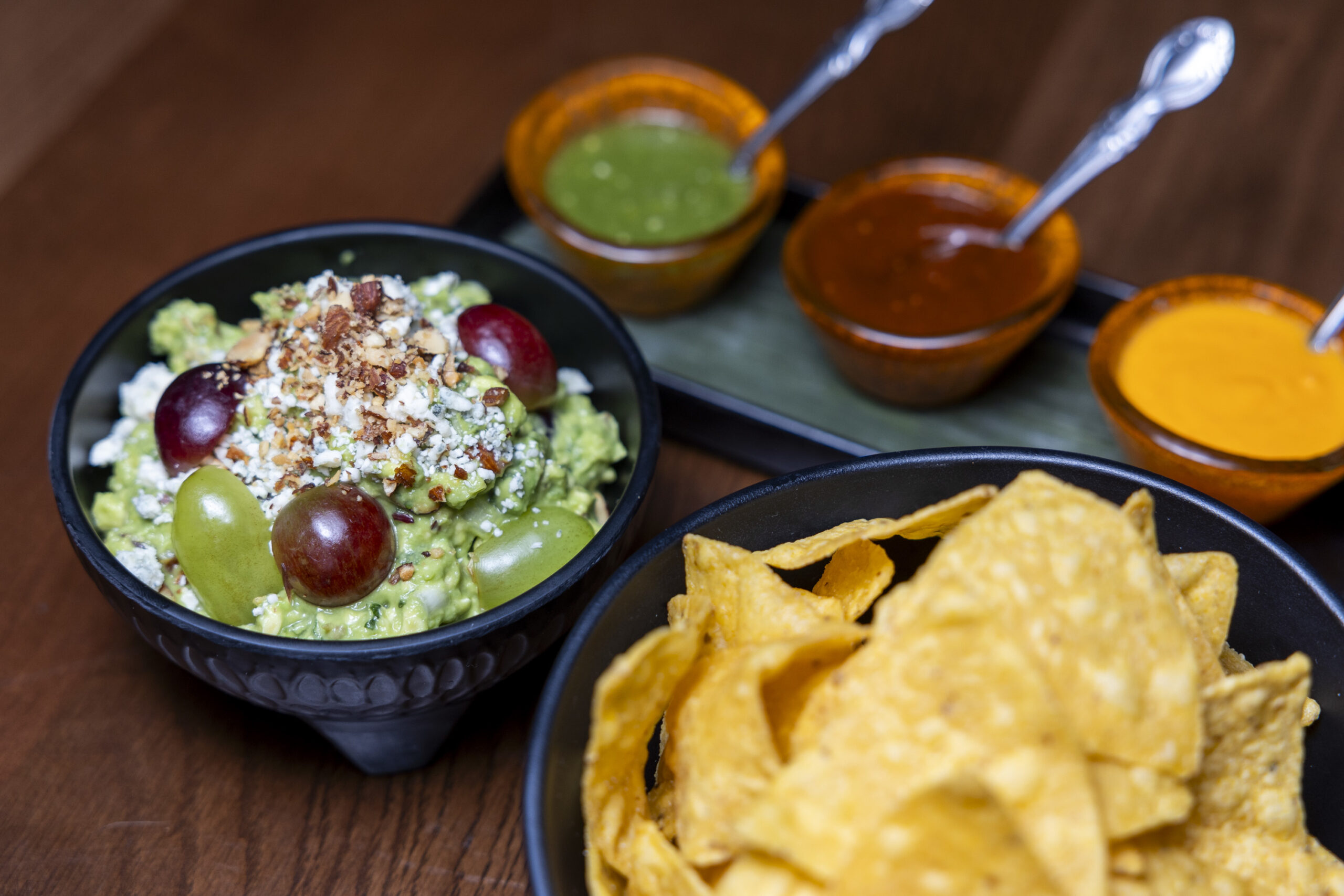
But this crew cannot even make a decent guacamole. Every order I scooped into over multiple visits was half-mashed into spoon-size chunks of unripe avocados so pale and lacking in natural creamy sweetness, it was like eating a bowl of slippery green potatoes.
The inside of Mi Vida in Philadelphia, Pa., on Thursday, Feb. 26, 2026.Guacamole with blue cheese, grapes, and smoked almonds at Mi Vida in Philadelphia, Pa., on Thursday, Feb. 26, 2026.
I’d normally resist a seemingly random topping like blue cheese, grapes, and smoked almonds, but it was an admittedly tasty distraction from the guacamole travesty lurking below.
“Is everything yum, yum, yummy?” said our server, with perfect timing and an earnest chain restaurant perkiness I could not bring myself to disappoint with the truth.
Fresh guacamole is obviously basic, but it’s also something that relies on finesse and a consistent touch. A bad miss on something so elemental is a red flag. Jason Berry, Knead’s principal and cofounder, surely knows this, having previously been the chief operating officer of Rosa Mexicano, the tableside guac-pioneering restaurant group that, beginning in the 1980s, helped redirect Mexican chain culture away from the Tex-Mex clichés of Chi-Chi’s to more elegant spaces showcasing regional dishes such as mole. Mi Vida has successfully built on that model in the past with its own spin, albeit skipping the tableside show for kitchen-made guacamole, ironically, in the service of consistency.
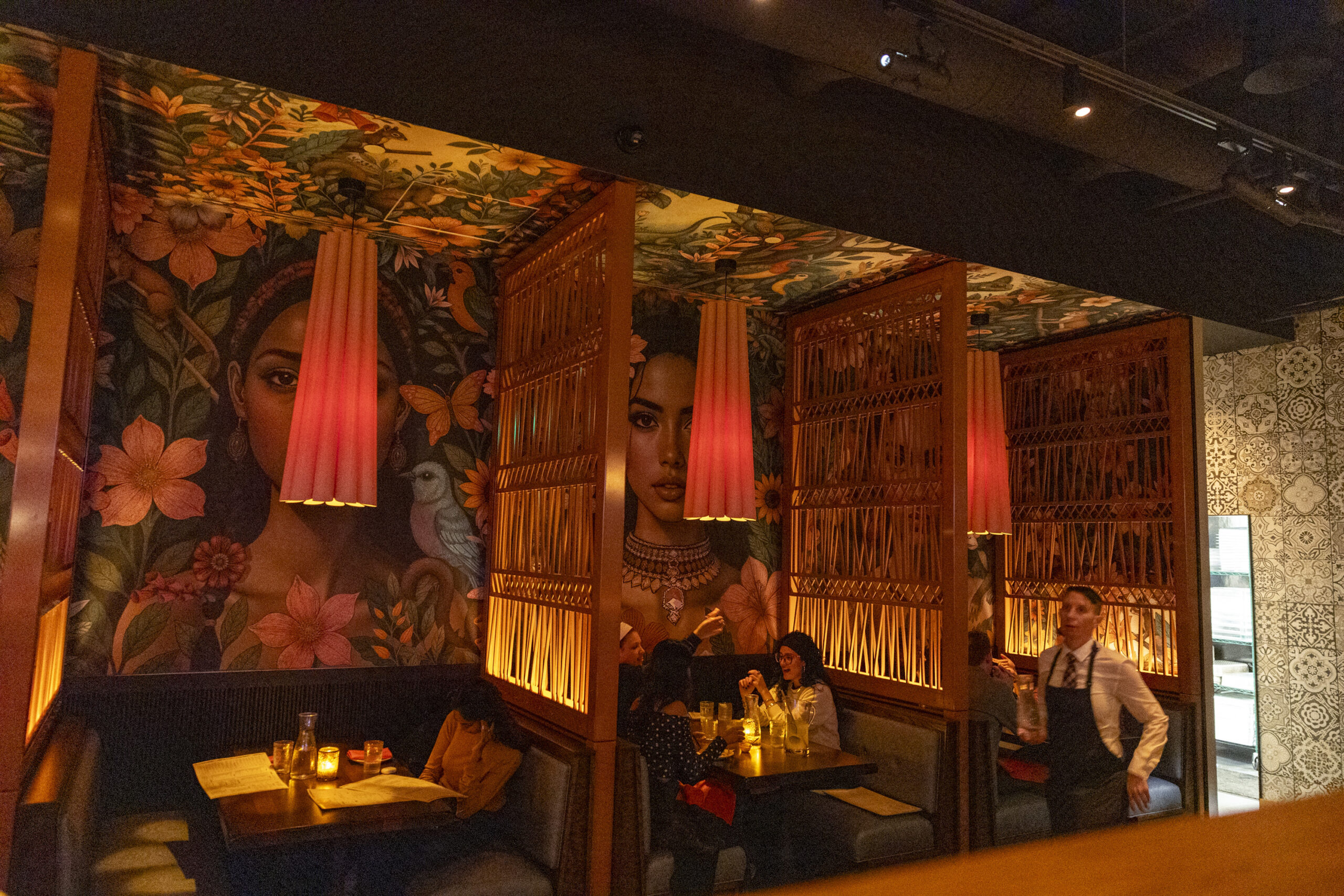
Booth seating with mural paintings on the walls at Mi Vida in Philadelphia, Pa., on Thursday, Feb. 26, 2026.
Berry launched Knead 11 years ago with his husband, designer Michael Reginbogin. They now have 17 restaurants in all, a diverse concept portfolio including Southern/Korean (Succotash), an American diner (Gatsby), and a Jewish deli (Beresovsky’s). The duo have Philly history, as Berry graduated from Wharton in 2002 and Reginbogin worked for Stephen Starr at Washington Square. This sprawling new, L-shaped space with a 50-seat enclosed patio nestled inside the ambitious East Market development logically offered a tempting opportunity for this expansion-minded duo to return, especially with its close proximity to visitors from the Convention Center and several nearby hotels.
Much has also changed in Philly since the pair left nearly a quarter century ago. In particular, we’ve seen a dramatic growth in quality Mexican options driven by immigration, from the many Poblano taquerias of South Philly to creative BYOBs like El Chingón and El Mictlan, and thrilling new modern Mexican fine-dining destinations such as Amà and Tequilas-La Jefa. I don’t see Mi Vida competing directly with those places so much as a more mass-market concept like Starr’s El Vez less than three blocks away, which, based on a recent revisit, has held up remarkably well over its 23 years.
Mi Vida has a darker, sexier vibe, and the virtue of a large space that can handle groups. But its kitchen has a way to go before it can compete.
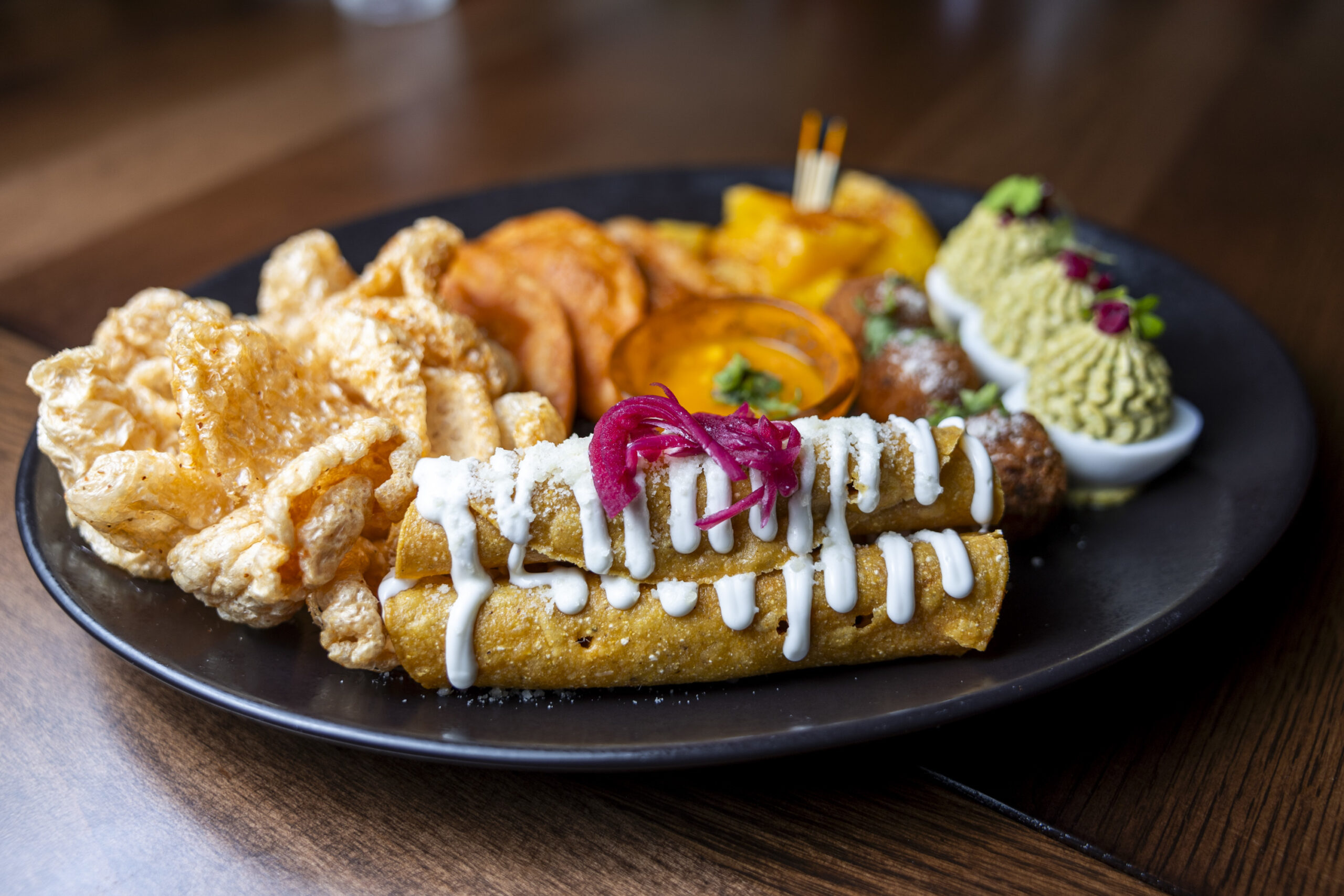
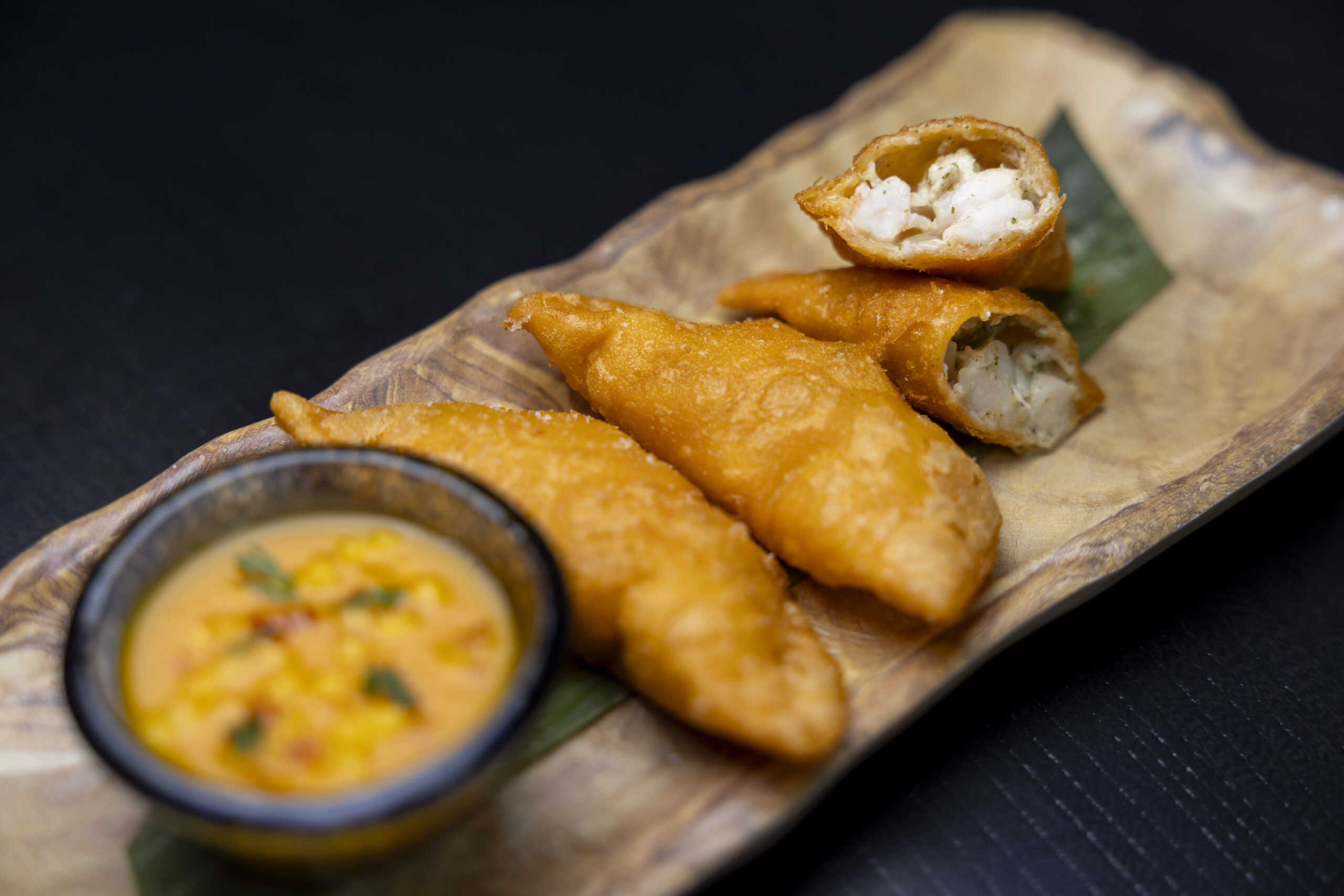
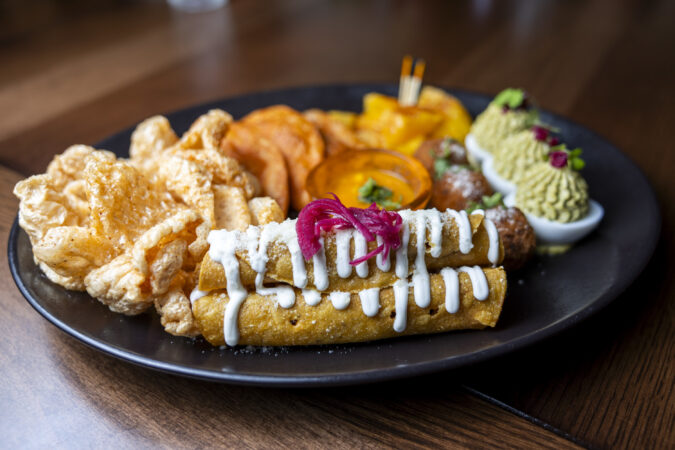
A platter of taco dorados, huevos rellenos, croquetas, naranjas enchiladas, empanadas de mariscos, and chicarrones at Mi Vida in Philadelphia, Pa., on Thursday, Feb. 26, 2026.Seafood Empanadas at Mi Vida in Philadelphia, Pa., on Thursday., May 21, 2026.
There were some bright spots. The appetizer sampler brought an appealing platter of deviled eggs piped with fillings turned nutty green by pumpkin seed pipián, esquites croquettes, and seafood empanadas that were delicately crisped and bursting with a stuffing of sweet lump crab, ideal against the fruity heat of a mango-habanero salsa. A generous helping of chicharrónes piled overtop like crunchy clouds gave me hope this kitchen was ready to dive deep into true Mexican street food.
It’s clear this kitchen is capable. The carnitas tacos were a vision of simplicity perfected, stuffed with juicy shreds of slow-braised pork, dusted with cilantro and onions, topped with a pale green drizzle of avocado salsa and the snap of more crushed chicharrónes. The beer-battered cod tacos were solid, though overwhelmed by an unwieldy slaw cut into chunky ribbons bigger than the tortillas themselves. A plate of chicken-stuffed tacos dorados was more successful, showcasing the contrasting salsas of a bracingly tart verde blending tomatillos and serranos and the smoky brown spice drawn from earthy pasilla de Oaxaca chilies.
Tacos Dorados at Mi Vida in Philadelphia, Pa., on Thursday., May 21, 2026.
But then came the gimmick of a smash cheeseburger taco, an overcooked patty welded to its tortilla on the plancha before it’s dressed in shredduce and a “pickle de gallo.” I went in hopeful, as someone passionate about both burgers and tacos, but the burger was so dry and overcooked it was a loveless marriage.
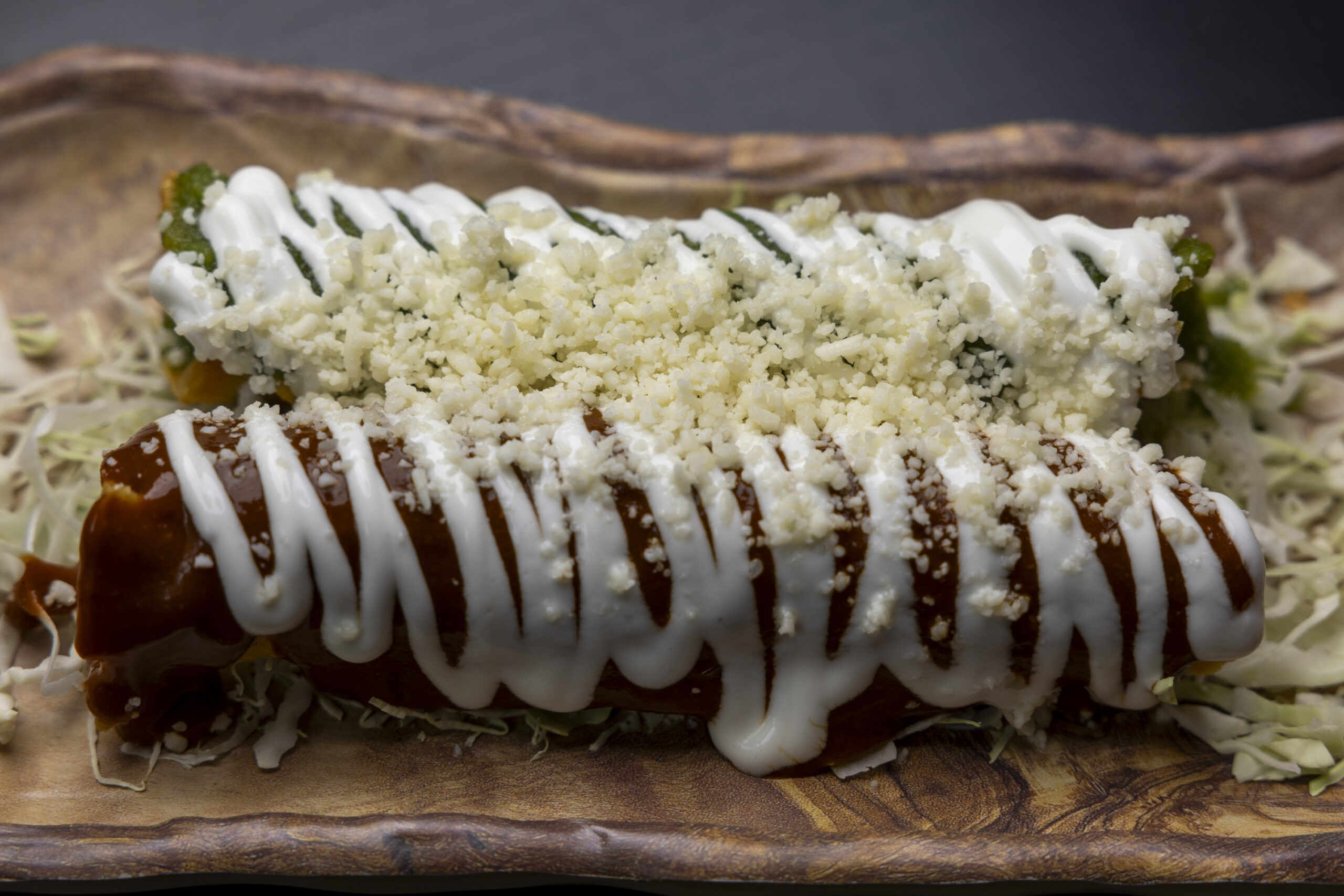
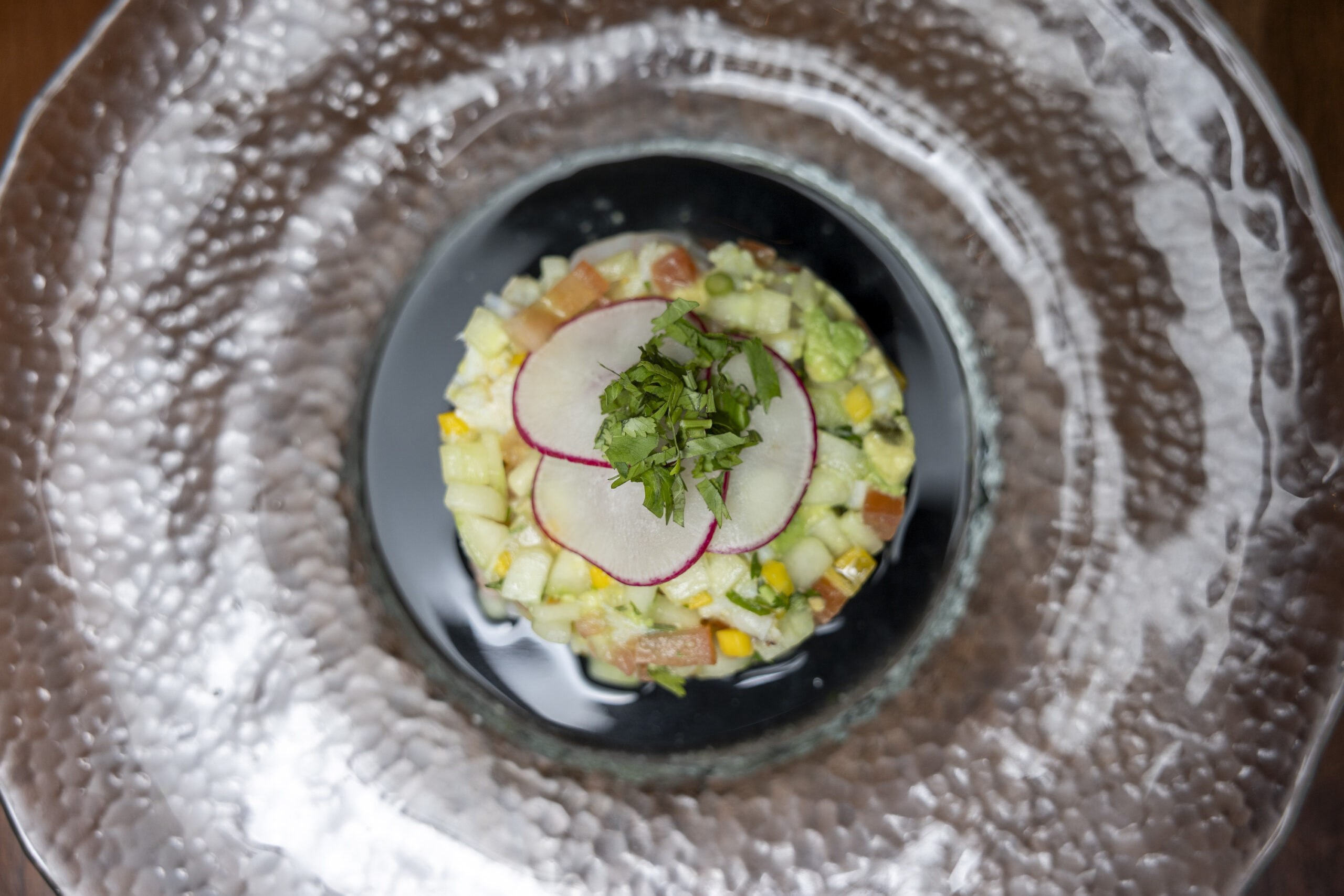
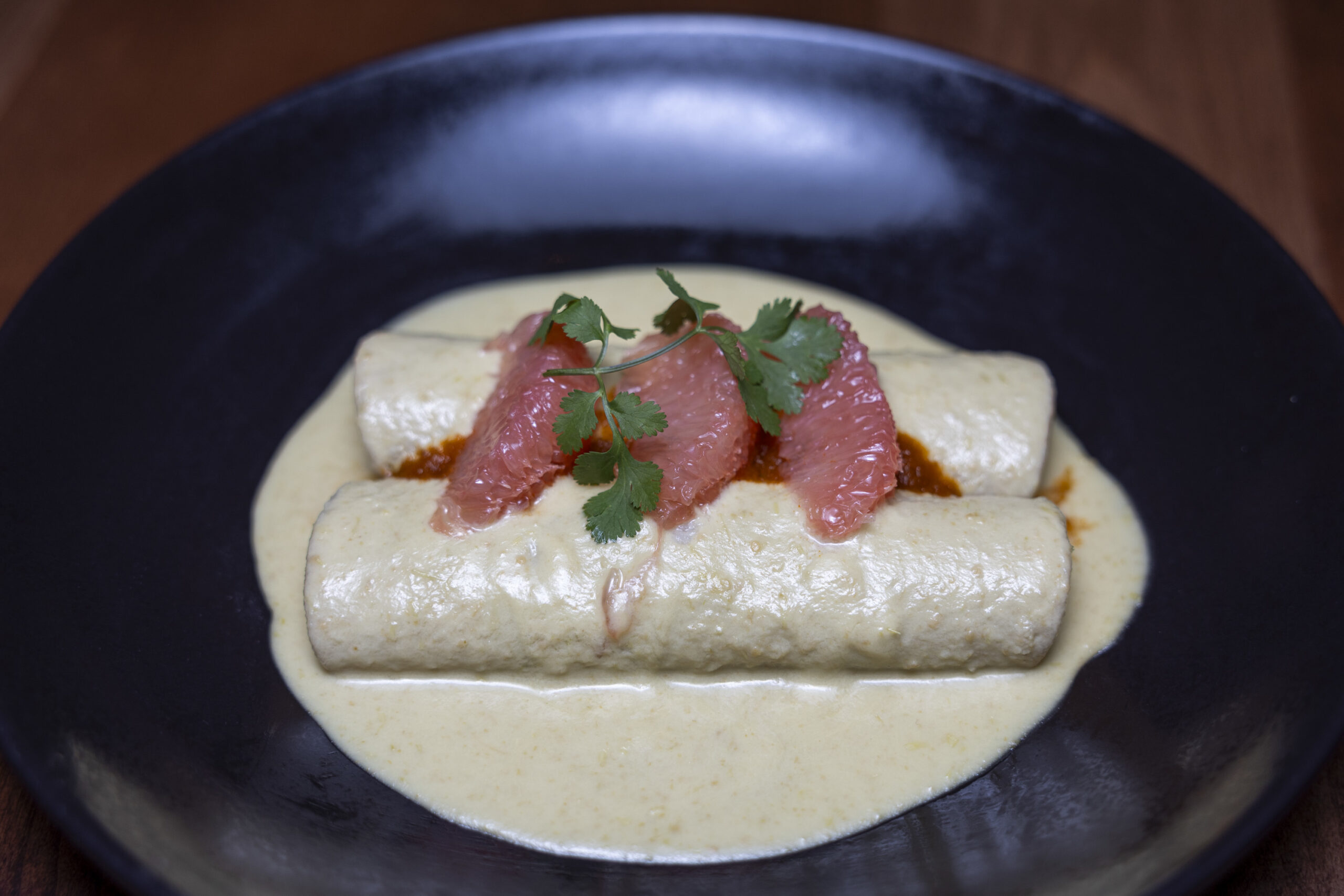
There were some creative ideas that were absolutely delicious, especially those with vegetarian alternatives on traditionally meaty dishes, like the enchiladas stuffed with a coriander-scented mushroom, kale, and cauliflower blend that was complemented by a tomatoey salsa ranchera vibrant with ginger, guajillo chilies, and herbal epazote. The aguachiles, however, seemed to be driven more by the impact of colors than flavor, the strikingly black broth for one aguachile opting for the bland shortcut of activated charcoal for its pigment rather than the more traditional recipe of charred chilies and onions. The choice of beets in another aguachile overshadowed the taste of tuna.
Aguachile tropical at Mi Vida in Philadelphia, Pa., on Thursday, Feb. 26, 2026.
Mi Vida’s version of Oaxacan mole negro hit all the right notes — spicy, rich, subtly sweet, and layered with complexity. But why go to the trouble to make one of the world’s most time-consuming preparations only to pair it with enchiladas stuffed with brisket braised in smoky chipotle tinga sauce, a completely different and competing flavor? A great mole should be the star of the show.
It wasn’t the only time this kitchen outsmarted itself with presentation. Covering the entire fajita skillet with molten cheese might sound novel, but the pasilla-marinated rib eye reposing atop that queso was robbed of the honor of arriving to our table with the ASMR sizzle of meat on metal. The steak itself was also a letdown, too fatty and with too little meat for $69. For that matter, the big tomahawk chop that arrived at our table as a flaming centerpiece for four was plentiful, but at $149, did not deliver a deep and lasting savor compared to other large format steak splurges I’ve ordered recently.
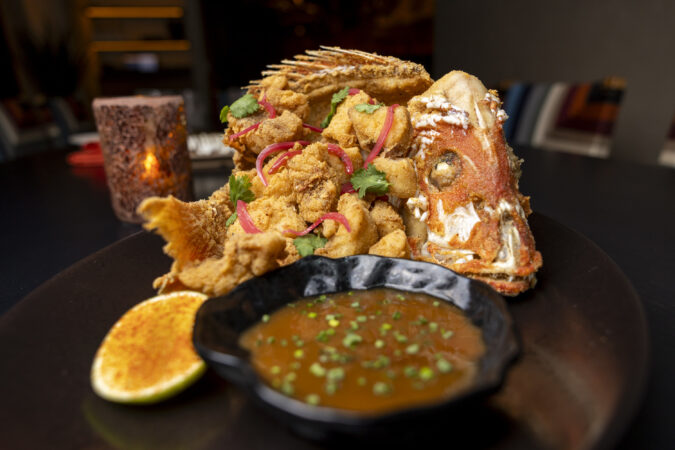
Two other potential showstopping dishes stumbled on execution. A huge red snapper was deboned and cubed into masa-crisped nuggets that arrived cradled in the curve of its deep-fried skeleton beside a sweet-and-sour tamarind chili dip. The risky move of a double-fry method, however, left the fish overcooked. And “chewy” does not even begin to describe the texture of the big chamorro, a 1½ pound mallet of pork shank slow-braised in adobo broth then dropped in the fryer to crisp on the pickup. What finally arrived was so leathery and dark, I can’t even imagine what the first attempt looked like, given the chef had abandoned it for a second try, according to a manager who explained our plate’s delay.
The bar at Mi Vida in Philadelphia, Pa., on Thursday, Feb. 26, 2026.The Piñada at Mi Vida in Philadelphia, Pa., on Thursday., May 21, 2026.
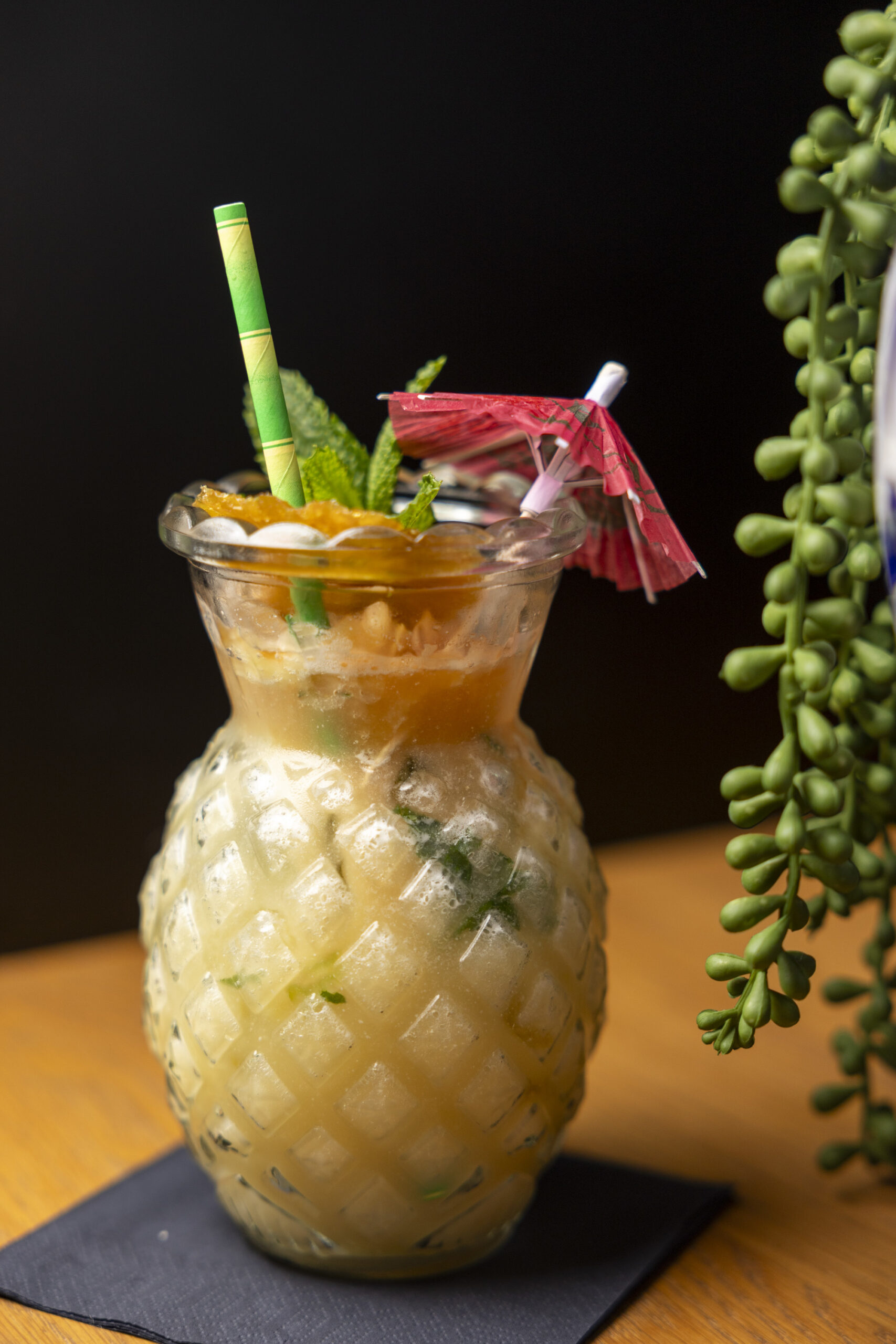
We used that time to explore the drink list, which ably quenches any margarita cravings (try the apricot-tamarind variation called La Fiesta Dorada), and resort vibes cocktails such as the rummy Piñada in a pineapple-shaped glass. The impressive agave spirits list offers copitas for the serious sipper, such as my favorite, Fortaleza, or smoky Siembra Ancestral Blanco produced by Philly’s Suro family, along with several excellent mezcales, raicillas, sotol, and bacanora.
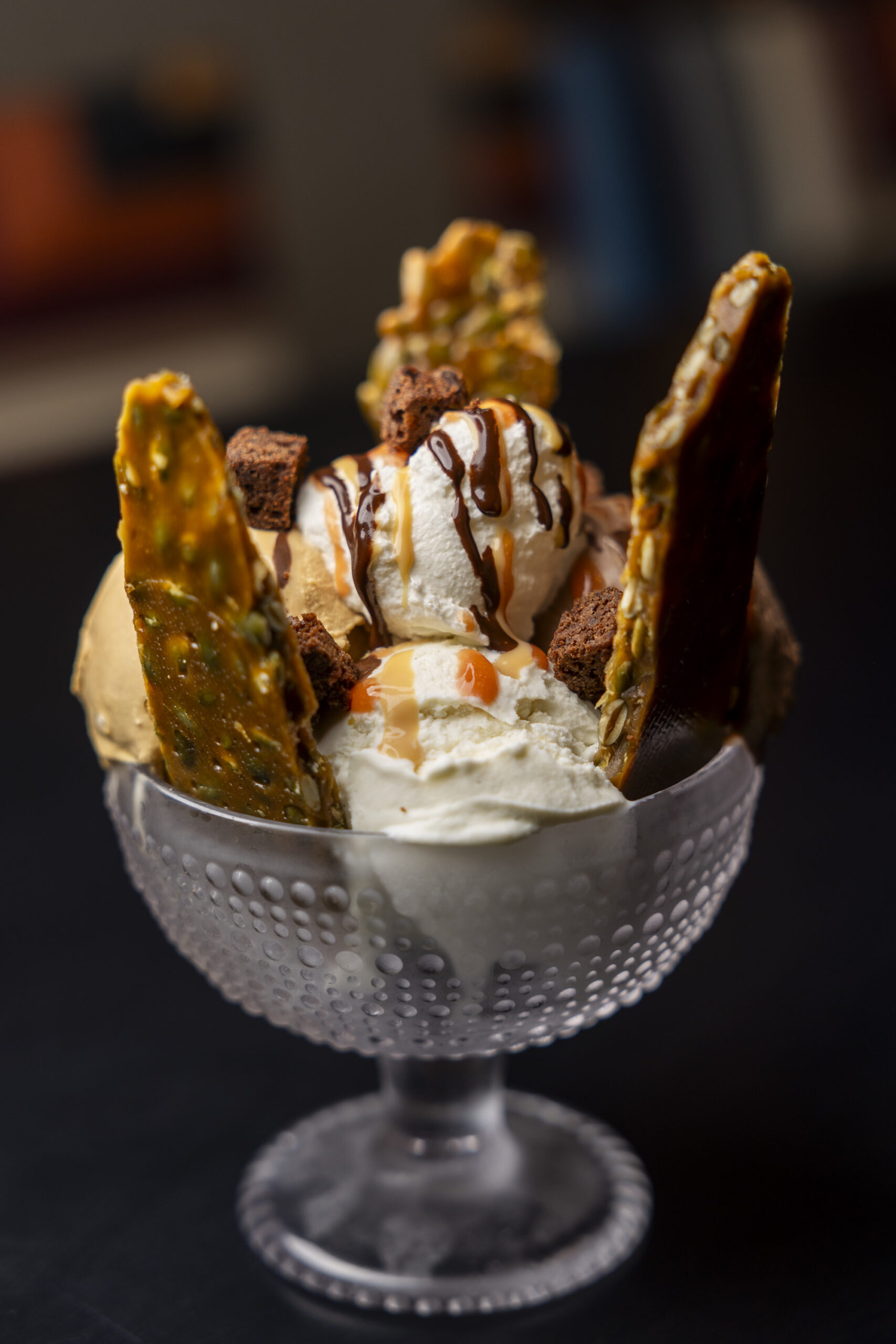
By the time you get to dessert, tres leches and churros hit all the usual sweet notes. One pleasant surprise is the volcán de helados, Mi Vida’s take on the now trending sundae, covering cajeta, chocolate, and vanilla ice creams with guava sauce, pecan brownie bits, and pumpkin seed brittle that was a festive way to finish off an otherwise mundane meal.
Based on Knead’s well-established success and significant investment, I can only hope this Mi Vida is just going through the growing pains of building a team in a new city. I have little doubt it will eventually find its niche as an easy destination for visitors and business groups. But with a Mexican dining scene in Philly that demands more than corporate flash to be impressed, this kitchen will need to level up considerably before it can become more than that.
The Volcan de helados sundae with ice cream and pepita brittle at Mi Vida in Philadelphia, Pa., on Thursday., May 21, 2026.
Lunch Monday through Friday, 11:30 a.m.-4 p.m. Dinner Sunday through Thursday, 4-10 p.m.; Friday, 4-11 p.m.; Saturday, 3-11 p.m. Brunch Saturday and Sunday, 11 a.m.-3 p.m.
Tacos and enchiladas, $13.75-$21; entrees, $19.50-$69.
Wheelchair accessible.
About 80% of menu is gluten-free. There is also a dedicated gluten-free fryer to avoid cross contamination.
Menu Highlights “Un Poco de Todo” app sampler (deviled eggs; esquites croquetas, chicharrones); crab empanadas; enchiladas rancheras and suizas; carnitas tacos; volcán de helados.
Drinks An array of the usual margarita variations and colorful cocktails with a Mexican twist keep the meal festive. Check out the collection of 100-plus tequilas and nearly 50 mezcales.
A dining table at Mi Vida in Philadelphia, Pa., on Thursday, Feb. 26, 2026.
Chance Anies grew up at the tables of America’s chain restaurants. His mom’s career as a manager opening locations for TGI Friday’s, Olive Garden, Dave & Buster’s and others meant he and his siblings spent some of their most important life events in the glow of neon flair illuminating bottomless breadstick bowls and blooming onions.
“There was something magical about growing up there,“ says Anies, 34. “There was always something for everybody, for anyone who walked in the door, including kids. They were also affordable. And what I’ve found over the years is that middle-class dining like that has been dying.”
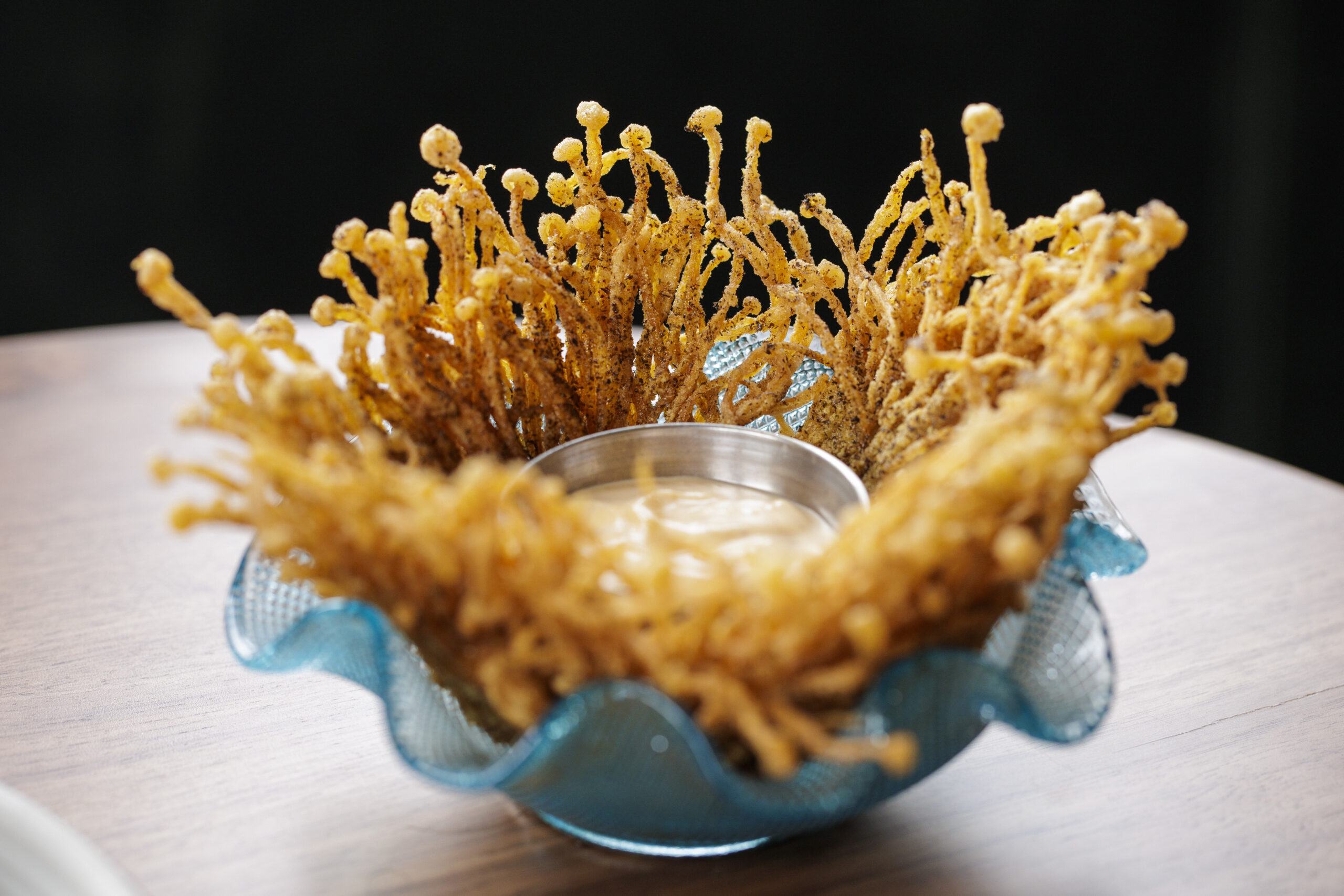
Manong, which opened three months ago in the former Tela’s space at 19th and Fairmount Avenue, is filled with references to the mid-tier chains of his youth. From the longhorn skull emblazoned on the sign at its front door, to the Teenage Mutant Ninja Turtles arcade game being played for free by guests in the corner, to actual neon signs from both Applebee’s and Outback alight in its two bathrooms, the cues are here for what Anies calls his chain-inspired Filipino-American steakhouse. There’s even the signature Bloom Shroom, a fantastic fungi riff on the blooming onion, whose deep-fried thatch of enoki mushrooms is irresistible — at least, when it isn’t overcooked or oversalted, as it was on my first visit.
The Bloom Shroom at Manong on Thursday, Nov. 20, 2025 in Philadelphia.
This kitchen has largely been more reliable than that, and nailed the shroom on a following visit, when its broom-like sweep of crunchy-earthy mushrooms threads lived-up to their potential. It was also clear after my visits here that catchy labels trying to characterize Anies’ sequel restaurant to Tabachoy, his Filipino BYOB hit in Bella Vista, really don’t do its concept justice. For one thing, it’s not a steakhouse, considering Manong didn’t even have a steak on the menu (beyond grilled beef skewers) for its first three months, when an intriguing hanger steak with fish sauce and pickled onions replaced the prime rib.
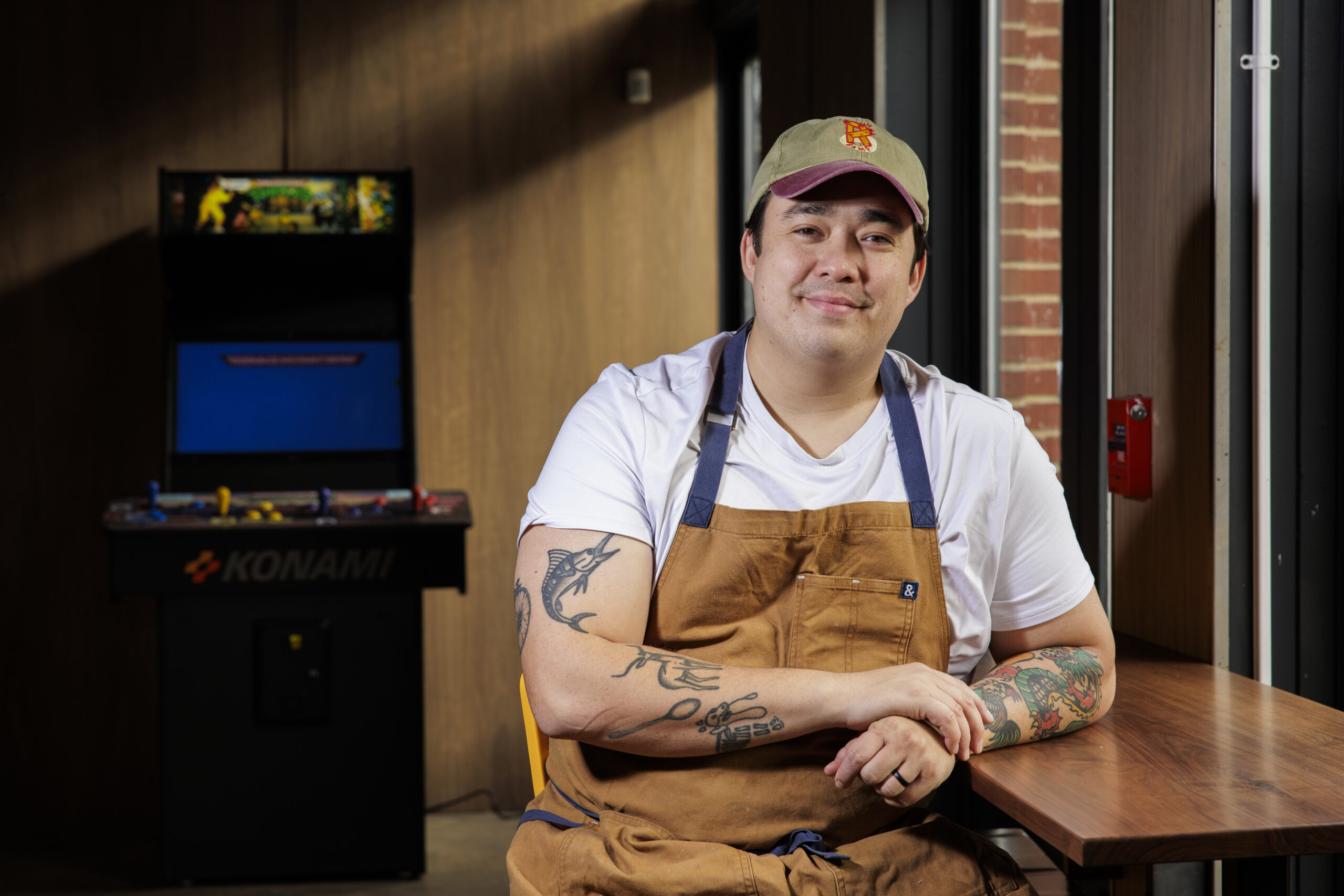
Chef Chance Anies posed for a portrait at Manong on Thursday, Nov. 20, 2025 in Philadelphia.
The swap was a pragmatic concession to keep the menu on the more affordable side, a prime characteristic of chain restaurant culture Anies says inspires him. With check averages around $50 to $60, including drinks, dinner at Manong costs more than going to Longhorn. But it succeeds in hitting a more accessible sweet spot than most of Philly’s pricier destination restaurants without sacrificing the quality of from-scratch food. There’s a balancing act of handcraft and value here most chain restaurants simply can’t touch.
The dynamite lumpia at Manong in Philadelphia, Pa., on Thursday, March. 5, 2026.
There’s also a level of personality, bold flavors, and storytelling to the food at Manong that is the antithesis of the sanitized corporate restaurant. This menu is a unique reflection of Anies’ childhood and life experiences as a Filipino-American — including his previous careers as an English teacher, medical researcher and food truck operator — that also diverges with its whimsy and creativity from the more traditionally-framed Filipino flavors anchoring Tabachoy.
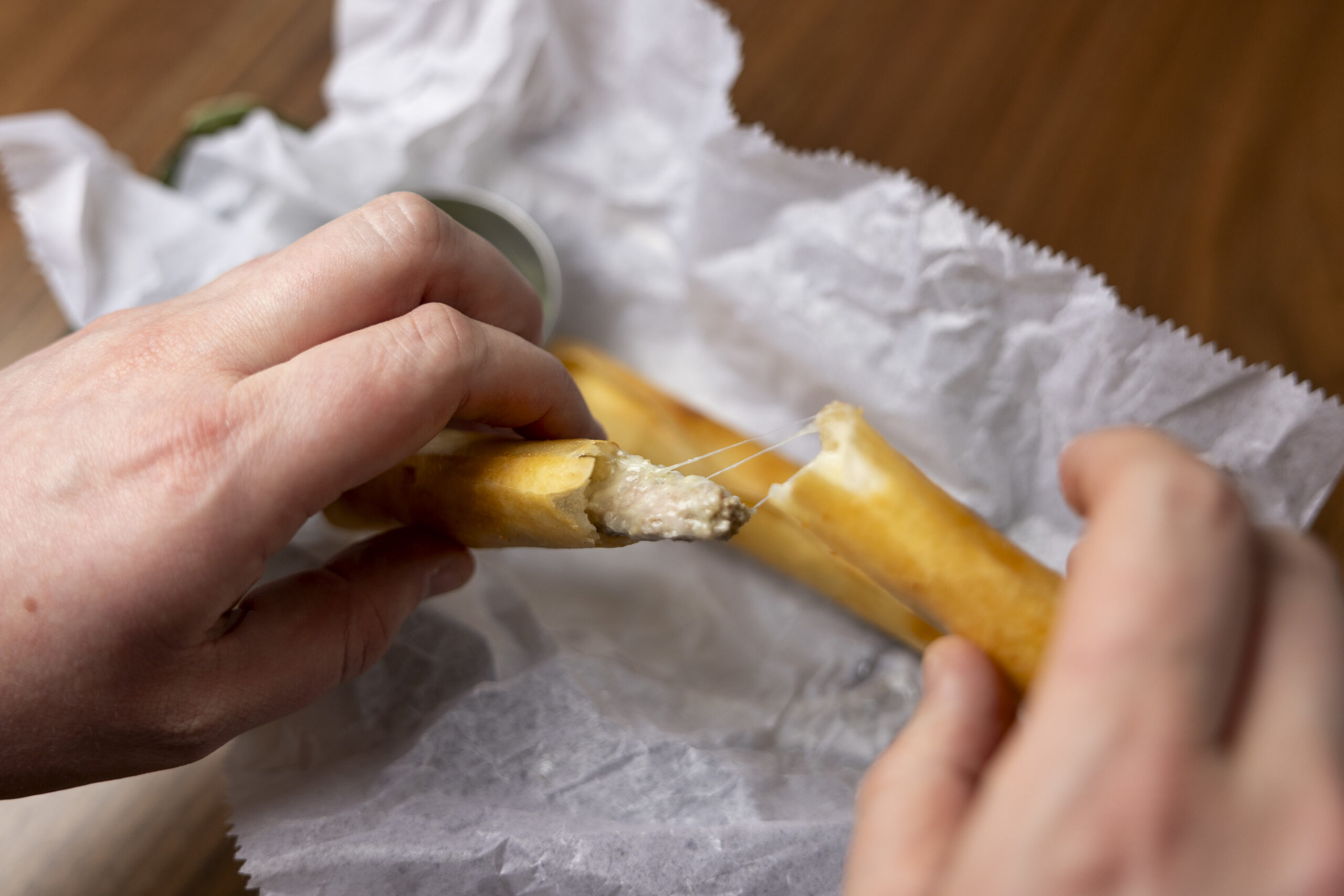
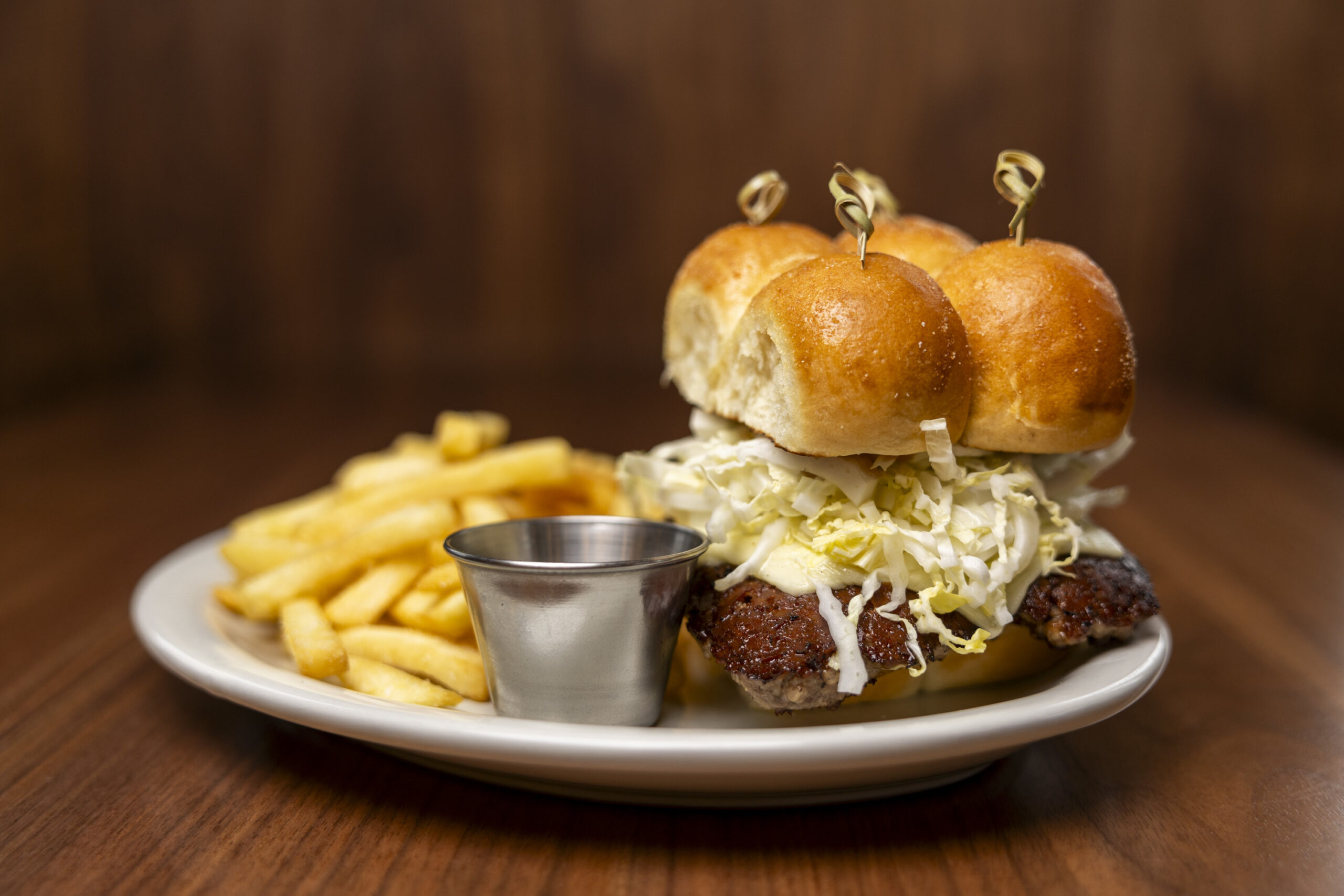
There’s an equivalent to mozzarella sticks at Manong, the dynamite lumpia, but they’re wrapped inside crispy spring roll wrappers and laced with tender pork and minced jalapeños alongside a sweet chili dip. Manong also offers one of the most distinctive new cheeseburgers in the city, a half-pound patty that spans the width of four small pandesal rolls that are still attached, like King’s Hawaiian bread.
The connected rolls can easily be divided into shareable sliders, but avoid the urge to supersize it into a full one-pound of meat because it throws all the proportions off. The standard serving maximizes its many Filipino flourishes, from the light sweetness on the fresh-baked bread to the tropical backnotes of the house banana ketchup, the calamansi-tanged slaw, and a mayo shaded by bangus (tinned milkfish), whose oily fillets are buzzed into an umami-rich spread that Anies says carries a Pinoy schmear of “je ne sais quoi.”
The 1/2lb balong burger at Manong in Philadelphia, Pa., on Thursday, March. 5, 2026.
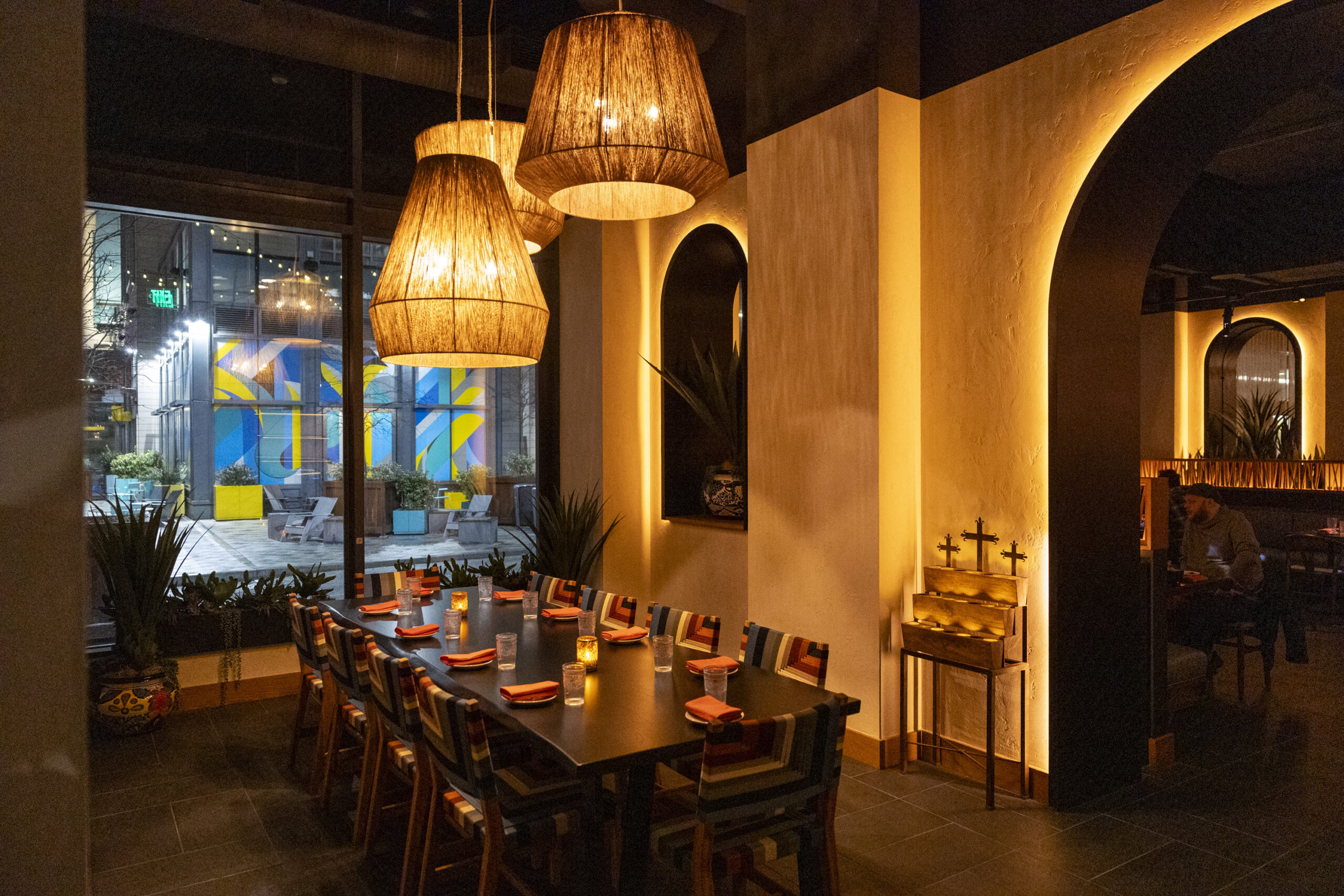
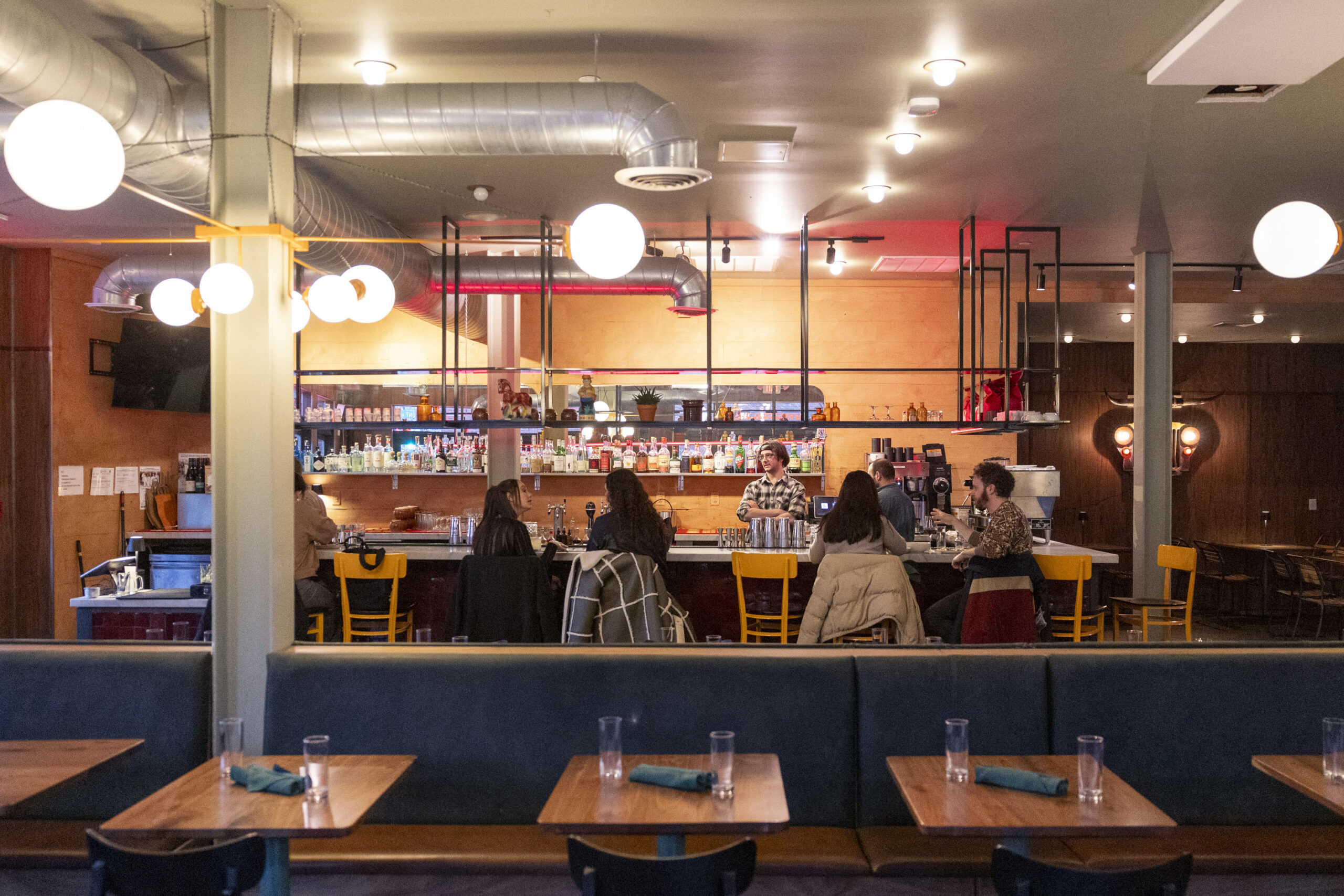
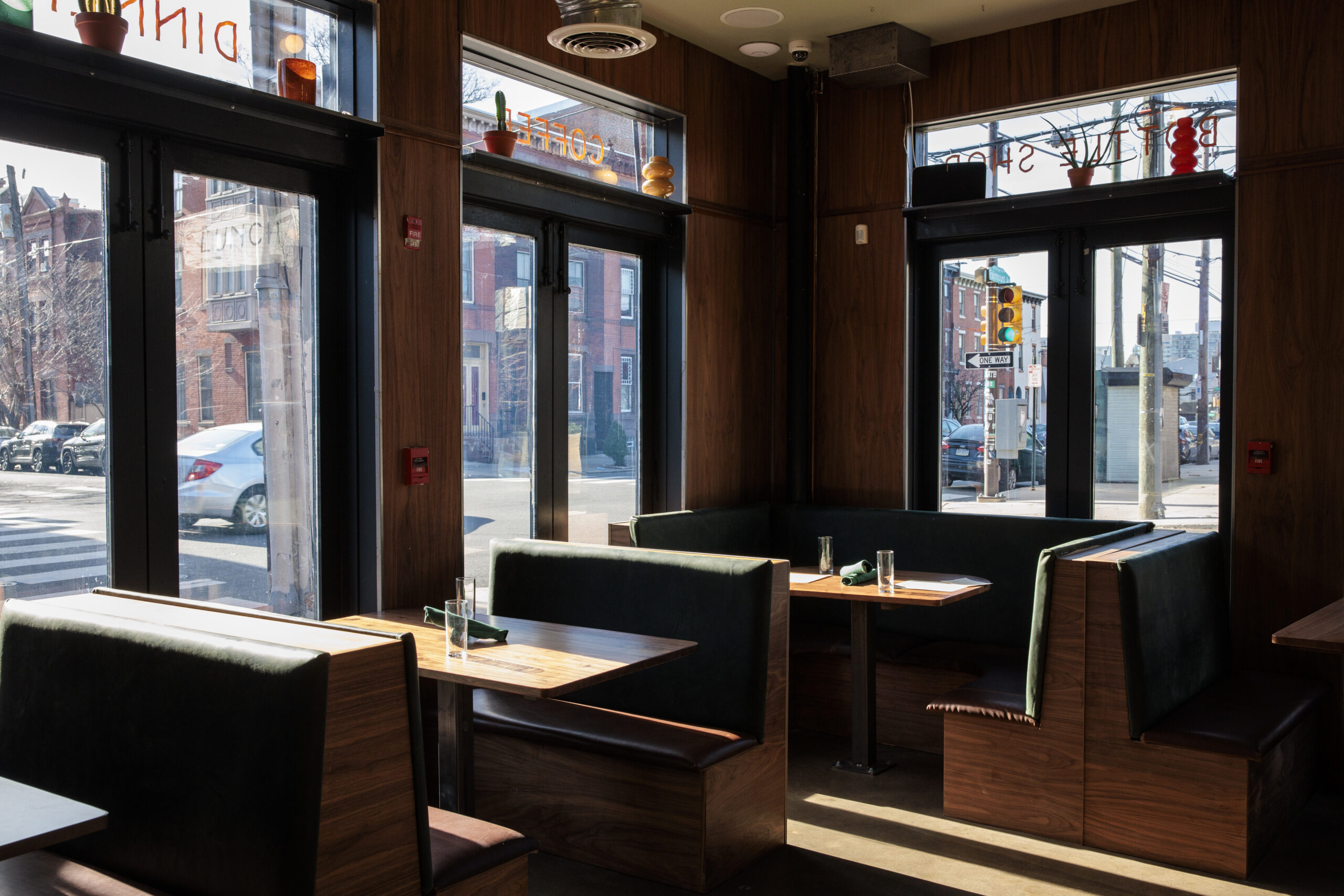
The 75-seat Manong, which means “elder brother” in Ilocano, the Filipino dialect of Anies’ father’s family, is close to three times as big as Tabachoy, a 28-seater in Bella Vista so snug you need to access the bathroom through an alley door at the rear of the building. But Anies has made good use of this sunny, high-ceilinged corner space, warming its interior with rustic walnut accents and adding convivial booth seating to both its window walls and a central banquette.
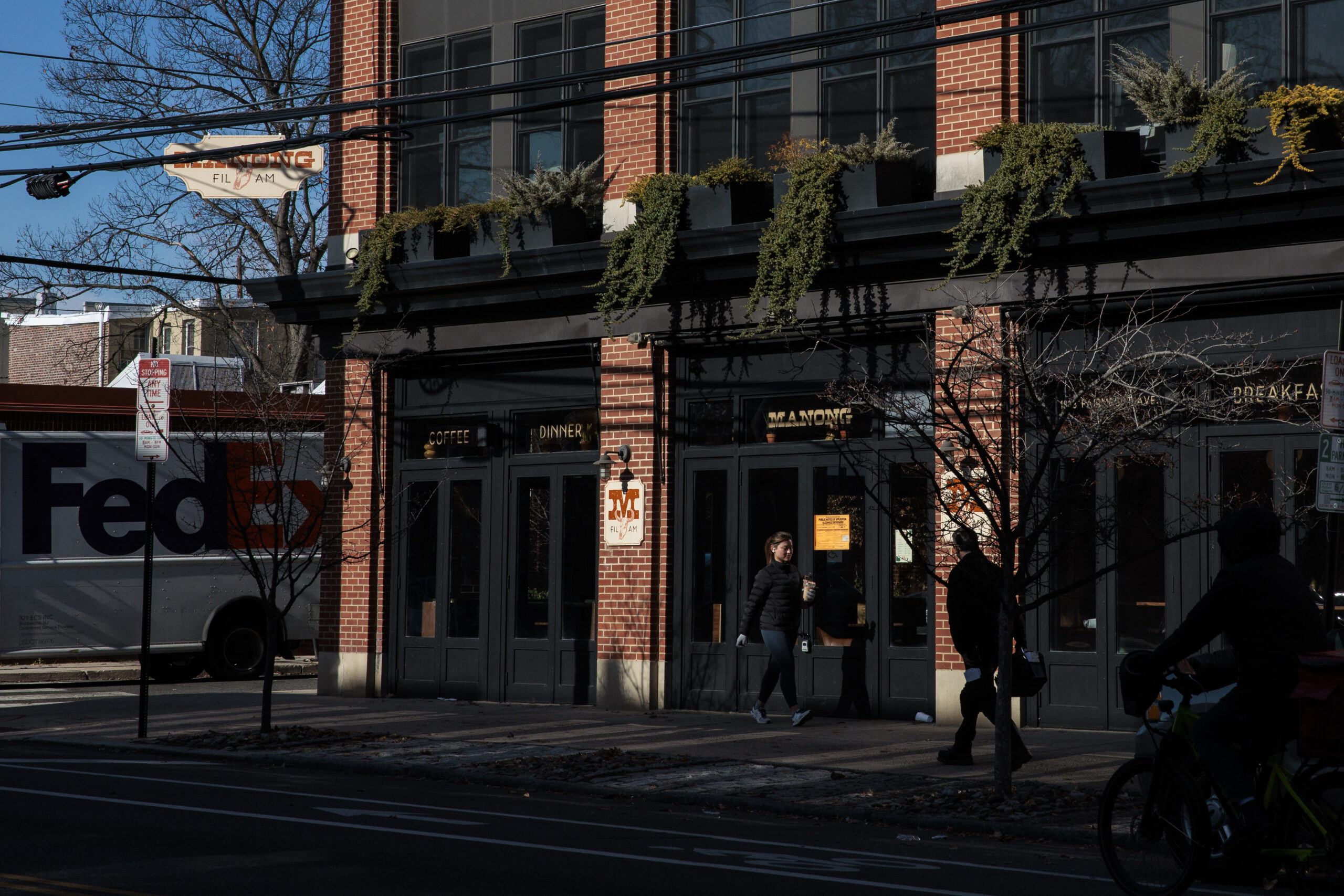
The exterior of Manong on Tuesday, Dec. 9, 2025 in Philadelphia.
With room for large parties, including a back alcove beneath mounted horns and a vintage truck grill with illuminated headlights, plus 13 seats at the bar, there were more groups of people simultaneously celebrating at Manong than any restaurant I’ve visited in recent memory. Conjuring that kind of joy, and for such a broad cross-section of customers, is one aspect of “everyone’s family” magic that Anies has successfully channeled.
Customers enjoying drinks and food at the bar at Manong in Philadelphia, Pa., on Thursday, March. 5, 2026.The interior of Manong on Tuesday, Dec. 9, 2025 in Philadelphia.
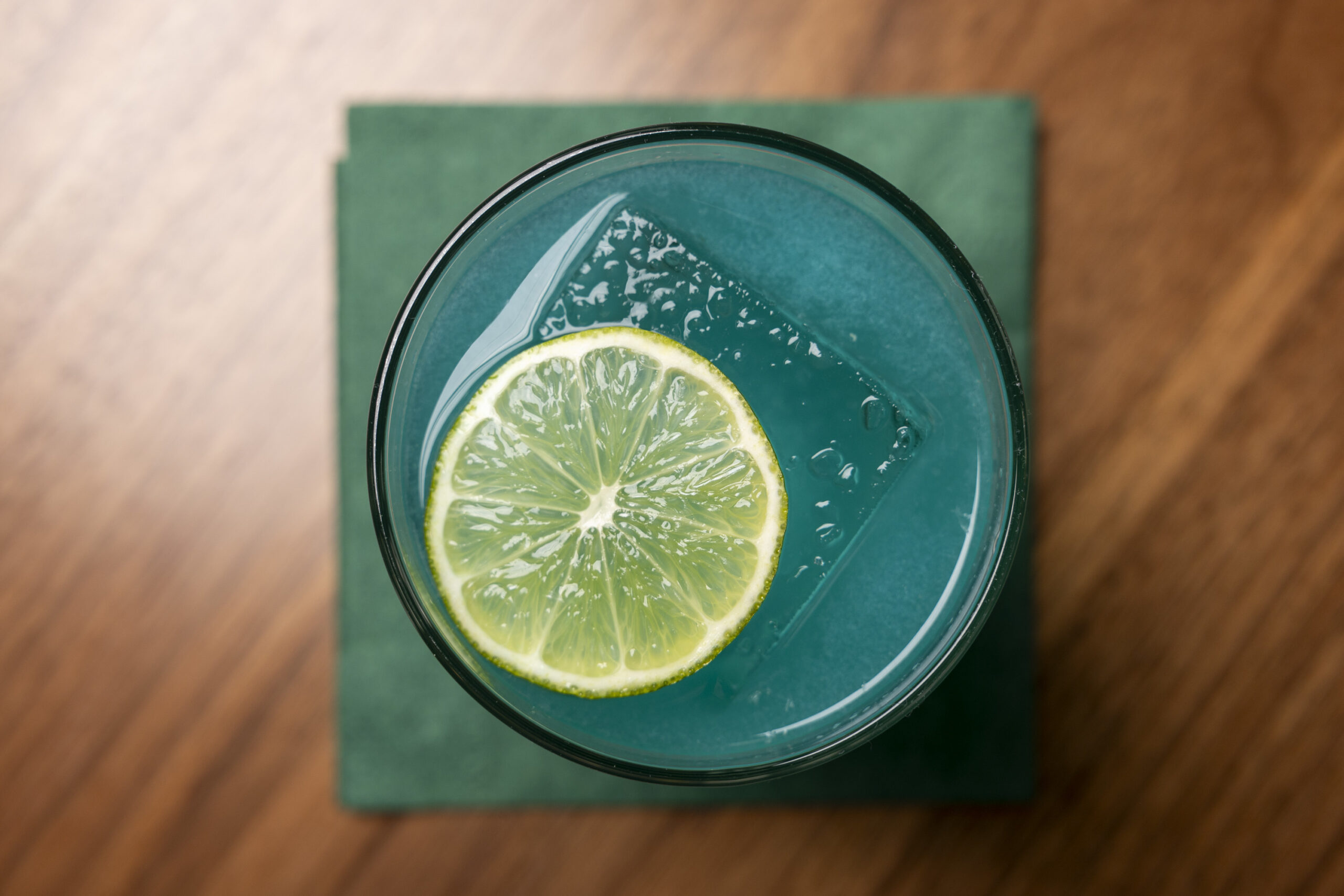
A drink program overseen by beverage manager Eli Ezer helps buoy the festive mood with a variety of fun, colorful drinks that also offer thematic twists, like the sky blue Otso Otso, a riff on a spicy margarita infused with green peppercorn, lemongrass, and calamansi, or an espresso martini with the added taste of sweet corn (a combo with roots in the Philippines), or a Pinoy version of the City Wide, pairing San Miguel Lite with a shot of Kasama rum.
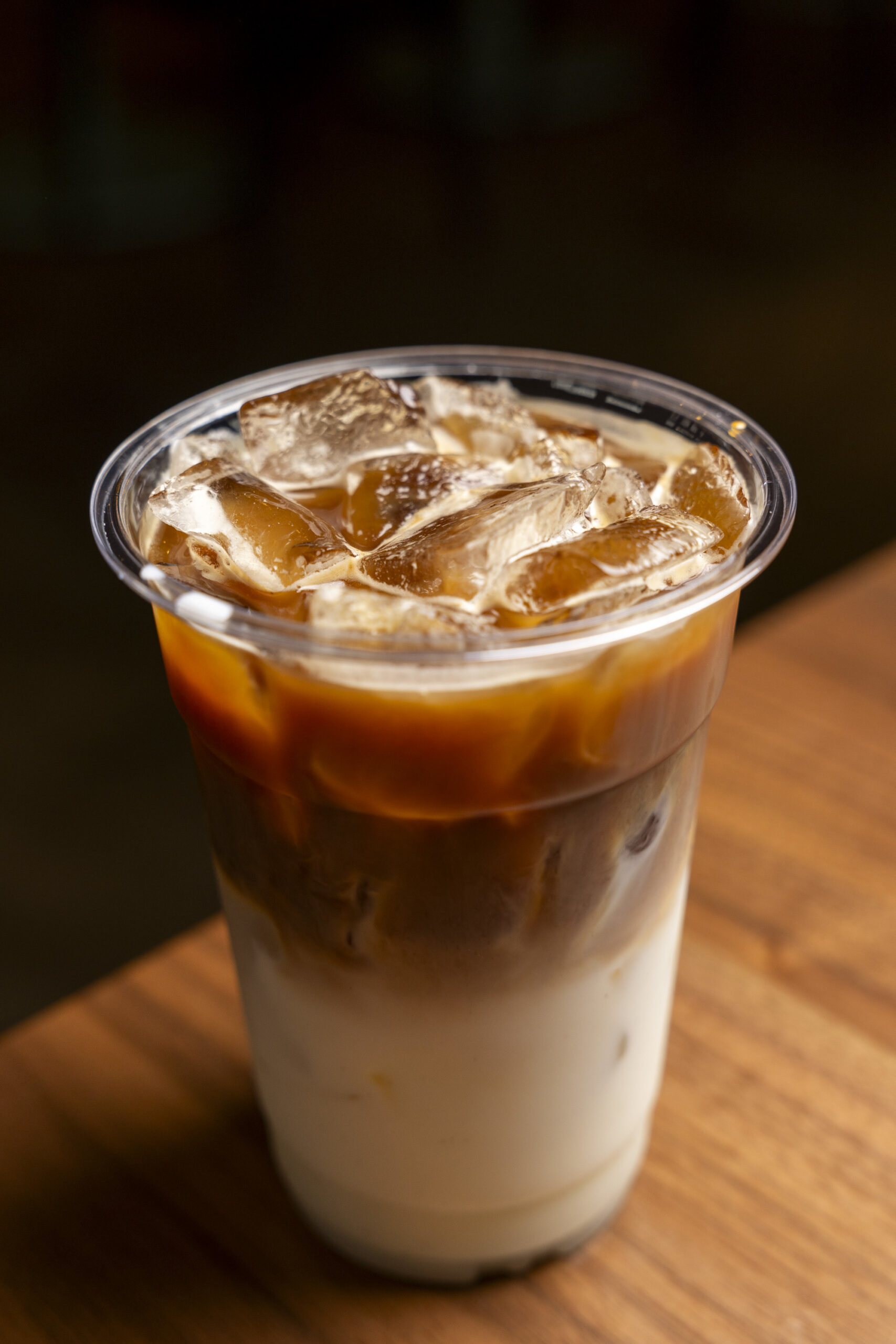
The Otso Otso cocktail at Manong in Philadelphia, Pa., on Thursday, March. 5, 2026.The Pandan latte at Manong in Philadelphia, Pa., on Thursday, March. 5, 2026.
It’s no surprise this room has a serious noise problem, and will eventually require some significant investment to sound-proof its hard surfaces. It recently opened for new daytime cafe hours to pump out purple ube and pandan lattes with Herman’s Coffee, along with a limited selection of pastries, and plans to expand the daytime menu with breakfast sandwiches for a brunch debut this spring. There’s also a retail bottle shop where a fridge case full of Red Horse beer, natural wines, and sakes add yet another reason to visit.
For now, however, Manong’s dinner is more than a worthy enough draw on its own. Aside from the bloom shroom, all of the skewers are winners, including the juicy grilled chicken thighs glazed in Filipino barbeque sauce and tagalog beef sticks that evoke Japanese negamaki with thin-sliced flank steak bundles on the skewer rolled around crunchy scallions in a calamansi soy-garlic glaze.
Anies aims to evoke the rich chain restaurant pastas of his youth with the “creamy pasta” entree, but it’s infinitely more interesting here with basil fettuccine tangled in a sauce creamed with coconut and Parmesan, flavor-boosted with ginger, garlic, and thin slices of pork belly. The “super duper creamy” version may be tempting, but once again, like that burger, the “more” option was less appealing. When we opted for the bonus of trout roe and shrimp on my second visit, it came in an overly thickened cream sauce that bordered on sludge.
The squash at Manong on Thursday, Nov. 20, 2025 in Philadelphia.
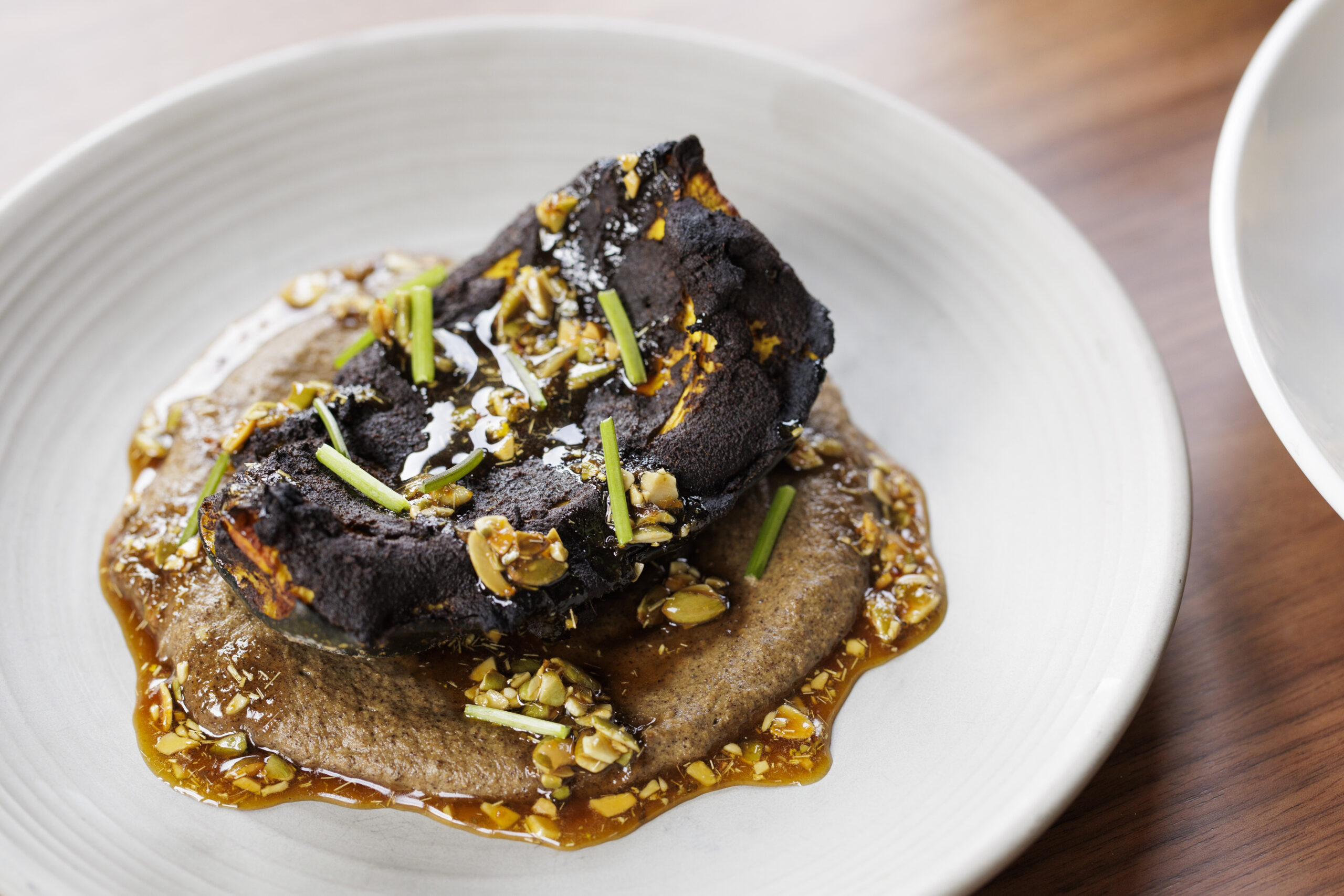
One of Manong’s most creative dishes is its singular option for vegans, kalabasa pyanggang, a koginut squash marinated in a garlicky paste of charred coconut husks that’s served with a sweet vinegar lemongrass drizzle over a rich coconut milk sauce scattered with pepita seeds.
I would have loved the grilled swordfish with green mango-bitter melon salad if it had been fully cooked. That’s one fish I don’t enjoy medium-rare. But Manong has its roasted half-chicken down, a juicy lemongrass-infused bird glazed in tart calamansi vinegar and orange annato butter — at $28, a relative bargain in an era of high-priced chicken entrees
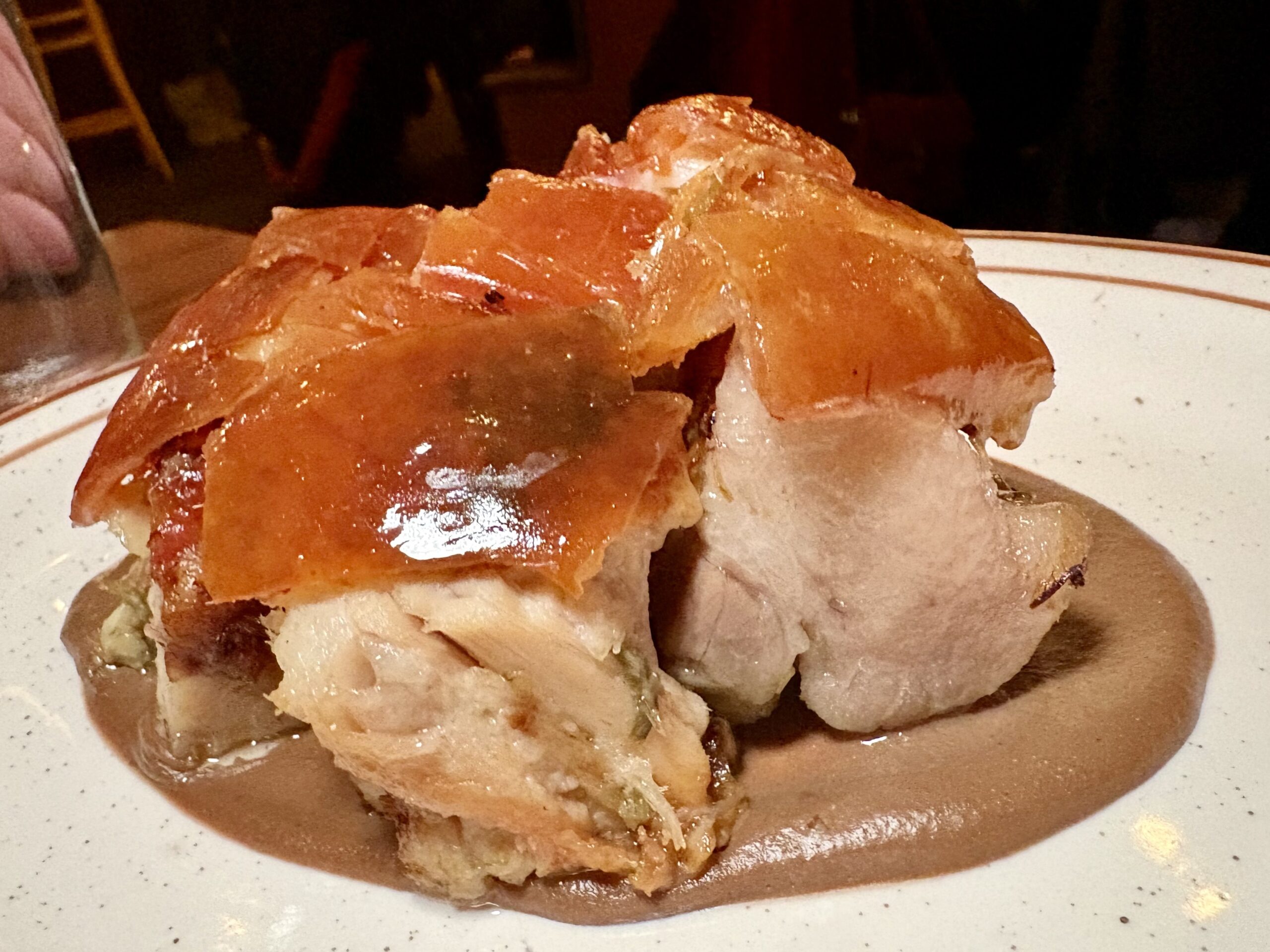
The kitchen’s pork dishes are also exceptional, including a traditional lechon liempo pork belly whose superbly tender chunks of meat are set beneath shattering amber sheets of crispy pig skin, atop a silky swoosh of creamy liver sauce.
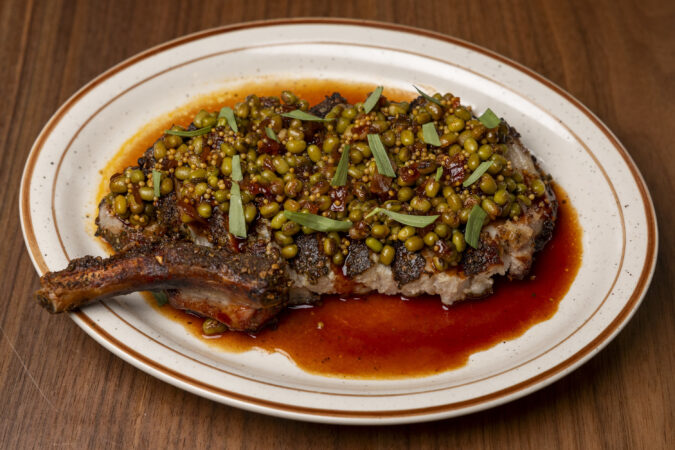
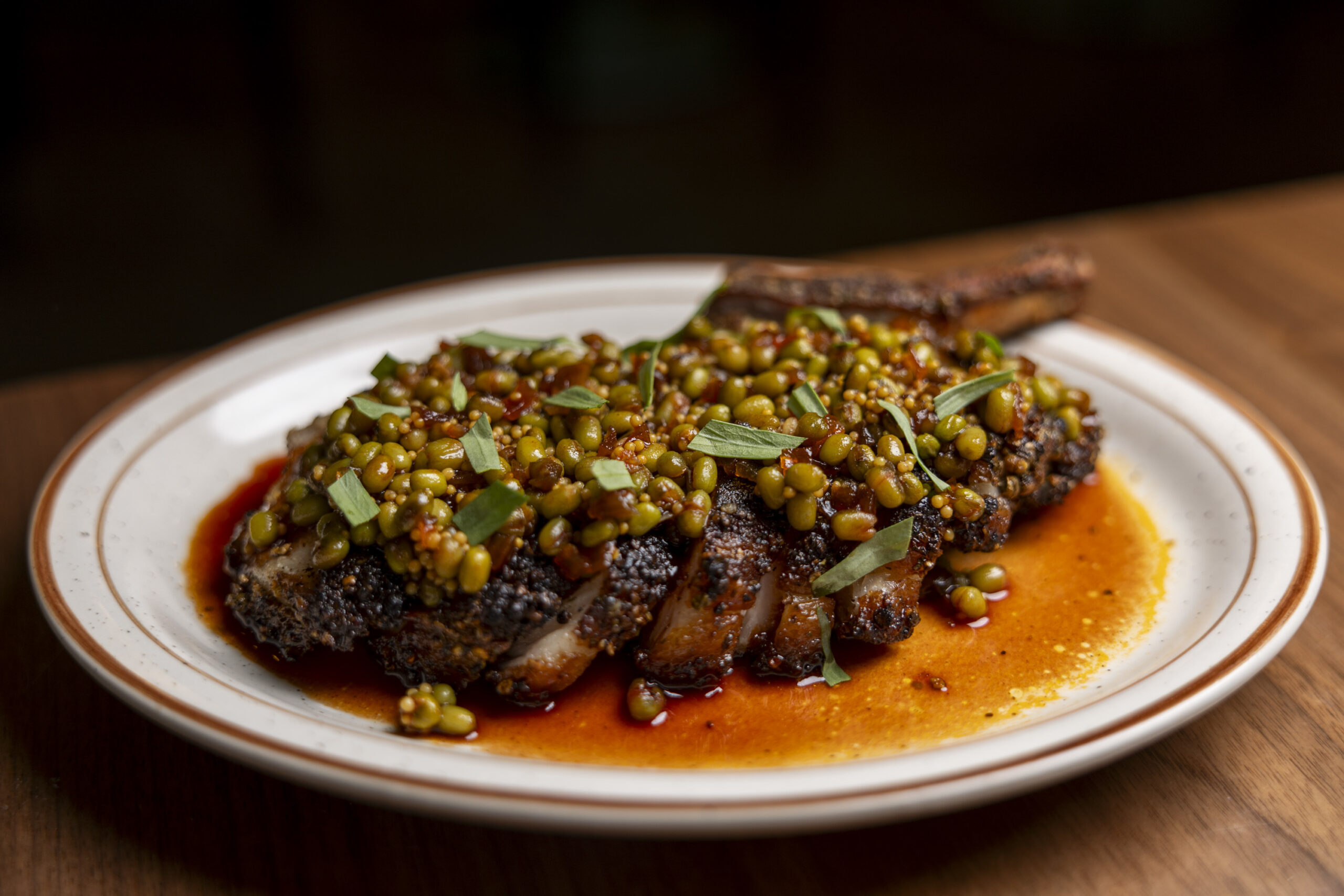
The lechon liempo at Manong is slow-roasted pork belly topped with crispy skin over a sauce of pureed chicken liver.The pork & beans at Manong in Philadelphia, Pa., on Thursday, March. 5, 2026.
Perhaps my favorite dish at Manong is the “pork & beans”, a multi-cultural mash-up of a juicy grilled pork chop encrusted with green peppercorns and smothered with sweet and zesty mung beans. Think of the canned Heinz baked beans classic, but with a Filipino swagger of cane vinegar, the sweetness of brown sugar, and red yeast rice (typically used in Chinese char siu bbq), and firmer beans that possess a nutty snap of extra texture.
“Is it American? Is it Filipino? It’s neither, but also both,” says Anies, summing up not only this dish, but so much of the menu at Manong, where steaming sides of garlic rice, coconut-creamed spinach, and whipped potato salad studded with more crunchy garlic, corn, and shear potato skin chicharrones create a spirited fusion feast like no other.
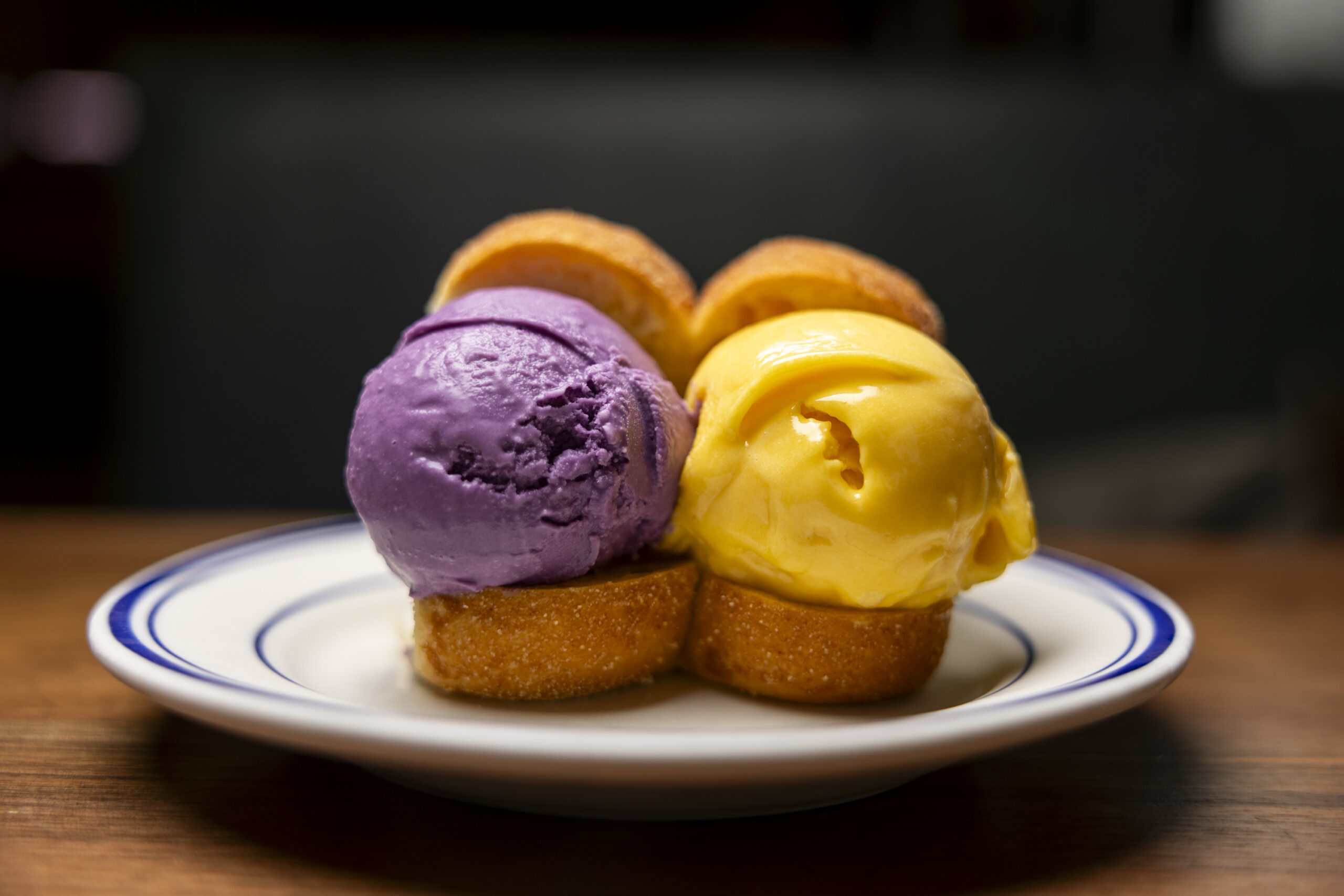
Add some calamansi or mango water ice for dessert sandwiched on those fresh pandesal rolls, or the deep purple richness of its ube ice cream, and Manong’s Filipino fusion takes on a distinctly Philly vibe, too. Anies’ chain restaurant childhood may have been the impetus for the affordable and fun spirit of Manong, but he’s created something here that feels like an original.
The ube and mango ice cream sandwich at Manong in Philadelphia, Pa., on Thursday, March. 5, 2026.
Manong
1833 Fairmount Ave., Philadelphia, PA 19130, 445-223-2141; manongphilly.com
Dinner Wednesday to Sunday, 5-11 p.m. Cafe open for coffee and pastries Wednesday to Sunday, 8 a.m.-2 p.m.
Dinner entrees, $19-$35.
About 30% of the menu is gluten-free, including the bloom shroom, cooked in a gluten-free fryer.
Drinks: The cocktail list delivers affordability and style, with a series of classic templates transformed colorful tropical twists, from the sky blue Otso Otso infused with green peppercorn and lemongrass, to a backnote of corn in the espresso martini and Filipino rum mixed with coconut and purple sweet potato for the Ube Halaya. The beer list features both local brews and Filipino imports, including the smooth but potent Red Horse. There’s also a selection of natural wines by the 6 oz. carafe. In addition, a retail bottle shop has a fine selection of natural wines and sakes to go.
For his fourth restaurant on Rittenhouse Square, Stephen Starr said he wants to evoke the jet-set fantasy of Greece of the Onassis era: yacht-club luxury, island sensuality, cosmopolitan polish.
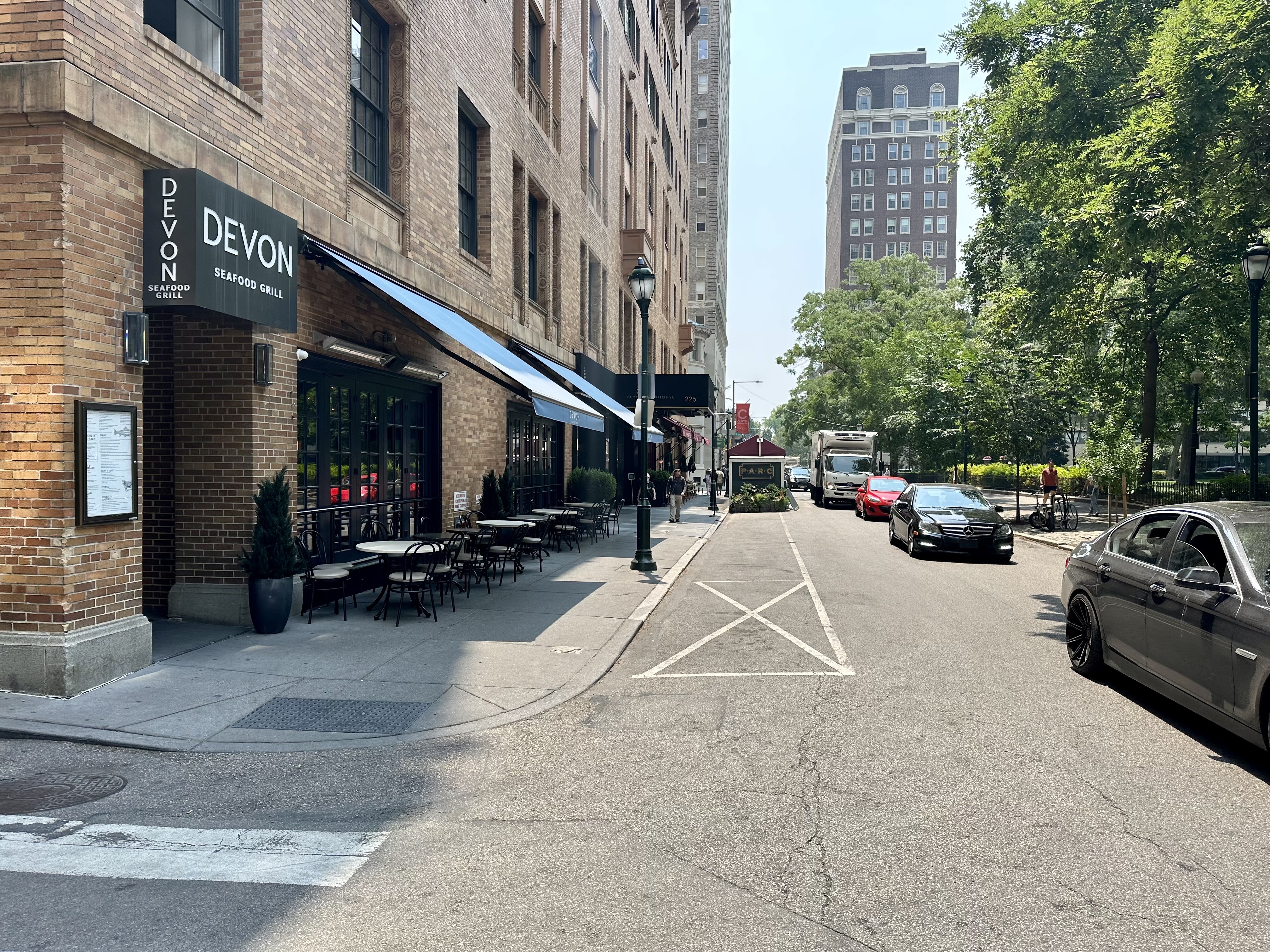
That explains the photos of Jackie O and Aristotle Onassis on the window posters that went up last week on the former Devon Seafood Grill at 18th and Chancellor Streets.
Devon Seafood Grill at 18th and Chancellor Streets, with Stephen Starr’s Parc at rear, on June 8, 2023.
Starr told The Inquirer that the new restaurant, to be called the Pelican Club, is expected to open in October. It will be his ninth restaurant in the neighborhood, his 19th restaurant in Philadelphia, and his 41st in an empire that stretches from New York to Miami.
The Pelican Club will be across the lobby of the Parc Rittenhouse apartment building from his Paris-style brasserie Parc (which opened in 2008), a half-block up the street from steakhouse Barclay Prime (2004), and across the square from Italian powerhouse Borromini (2025). Starr also owns the nearby Continental Mid-town (2004), Butcher & Singer (2008), the Dandelion (2010), El Rey/Ranstead Room (2010), and The Love (2017).
The Pelican Club will occupy nearly 9,000 square feet — slightly smaller than Parc but larger than Barclay Prime. Like its neighbors, it will have outdoor seating facing 18th Street.
The Pelican Club’s concept took shape after Starr reconsidered several possibilities for the high-profile corner space, empty since December 2024 and owned by Starr business partner Allan Domb, the former Council member and mayoral candidate.
“I walked in and started wondering what it should be,” Starr said in a call from Miami Beach, where his steakhouse Slim’s opens Tuesday. “I kicked around several different ideas, but none of them really felt correct for that room. It needed to be something that made sense there.”
Starr said he had considered Middle Eastern and Japanese concepts, but his mind kept returning to Greece. “I know Greek concepts have been done here before, but not in the way I thought it should have been,” Starr said.
To shape the project, he turned to Ken Fulk, who also designed Starr’s old-school revival of the Occidental in Washington, D.C., which opened in March 2025.
A dining room at the Occidental in Washington, D.C., designed by Ken Fulk, as seen in March 2025.
Starr said Fulk “just fell in love with the space and came up with a great idea for how it should look.”
Though Starr wants to keep most details about the Pelican Club close to the vest for now, he said the bar area in front would evoke the living area of a yacht. The back of the restaurant, he added, will feature “very sexy booths.”
The bar at the Occidental in Washington, D.C., designed by Ken Fulk, as seen in March 2025.
Starr said he came across the story of Petros the pelican, long associated with Mykonos, and was drawn to both the image and the symbolism. “It’s this mythical, legendary figure, kind of a protector of the island,” he said. “I thought the name was awesome, and we loved the pelican imagery.”
But he decided against using a plainly Greek name for the restaurant.
“‘Pelican’ kept sticking in my head, and Ken loved the image too,” Starr said. “The Pelican Club gave us the imagery we were looking for, plus something a little more intriguing. You don’t quite know what it is right away.”
Starr said the Pelican Club would be rooted in Greek cooking, with touches extending into the Mediterranean. He said he has been auditioning chefs from Greece — several have already flown in for tastings, and another is due from Athens this week — as he looks for “something authentic” from someone who “really grew up with the food.”
Jason Berry came up to Philadelphia for a Wharton reunion and wound up leaving with a restaurant.
Berry, a 2002 graduate, runs the Washington, D.C.-based Knead Hospitality & Design, with his husband, Michael Reginbogin, a Starr Restaurants alumnus.
Bar and lounge at Mi Vida.
Berry was staying at the Loews hotel during his 2022 reunion weekend when a real estate broker mentioned an available space across the street at National Real Estate Development’s $400 million East Market project. “I said, ‘It’s literally right there — let me go look,’” Berry said last week.
Nearly four years later, Berry and Reginbogin have opened Mi Vida, a splashy Mexican restaurant with moody lighting and rich pops of color, next to the Canopy by Hilton hotel. It’s tucked behind the shuttered Mulherin’s Pizzeria and Iron Hill Brewery (likely to reopen), just off of 12th and Market Streets.
The Philadelphia outpost is the fourth Mi Vida location and the 16th restaurant from Knead since its founding in 2015; most are in or near the District. It’s also five blocks from the former Starr restaurant Washington Square — the space that later became Talula’s Garden — which Reginbogin helped manage two decades ago.
Mi Vida’s menu, developed with culinary director Roberto Santibañez, balances traditional Mexican cooking with contemporary touches. There are about 130 tequilas and mezcals at its expansive, 23-seat bar.
For dinner, especially, Mi Vida seems to be built with groups in mind. A $29 starter called Un Poco de Todo — a platter with huevos rellenos, croquetas de esquites, tacos dorados, empanadas de mariscos, and pork chicharrones — is aimed at three people. There are enchiladas, queso fundido, taquitos, and seafood dishes such as aguachile. Berry said per-person check averages are about $50, plus tax and tip.
Enchiladas de jaiba at Mi Vida.
There are at least two splurges: the pasilla chili- and coffee-marinated Roseda Farms rib-eye ($69 for two) and a 40-ounce Roseda Farms tomahawk served with charred onions and chiles toreados for $149.
Mi Vida serves lunch, dinner, and weekend brunch, with weekday happy hour from 2 to 6 p.m. Early response has been encouraging, he said.
“We’ve had a lot of nurses coming in from Jefferson [Hospital] after work, which is wonderful to see,” Berry said. (A group of managers from Starr Restaurants was spotted dining there last week — logical, since El Vez is three blocks away.)
The entrance to Mi Vida in Philadelphia, Pa., on Thursday, Feb. 26, 2026.
Reginbogin oversees Knead’s designs, working with architects. The Philadelphia location includes a private dining room and an enclosed patio-style loggia with seating for about 60 guests, plus heaters, fans, and drop-down curtains to extend the dining season. The dining room also features a live-edge communal table and woven chairs, elements introduced in some of the group’s newer locations.
Berry and Reginbogin have another Philadelphia spot — a casual Tex-Mex restaurant called Mi Casa — due to open toward the end of the year at 3151 Market St., part of a rapidly developing corridor of offices and life-sciences buildings in University City.
Berry said developers were also trying to interest them in the Mulherin’s space, which has been empty since February 2025. Knead’s portfolio includes a variety of concepts, including Succotash (Southern), Bistro du Jour (French), and the Grill (wood-fired American). The Mi Vida concept — which he said is the group’s most scalable — also reflects his own background in Mexican cuisine: Before launching Knead, Berry spent about a decade with “elevated fiesta” chain Rosa Mexicano, where he served as chief operating officer during the brand’s national expansion out of New York.
Berry described an expansion to Philadelphia as “practical — it’s a two-hour drive, easy to get to, and a market we understand and respect,” he said. “And the food scene is fantastic. What doesn’t work for one of our concepts might work for another. It’s a market we’d like to keep growing in.”
Mi Vida, 1150 Ludlow St. Hours: 11:30 a.m. 4 p.m. weekdays (lunch); 4-10 p.m. Sunday to Thursday and 4 to 11 p.m. Friday and Saturday (dinner); and 11 a.m. to 3 p.m. weekends (brunch). Happy hour: 2 to 6 p.m. Monday to Friday. Reservations via OpenTable.
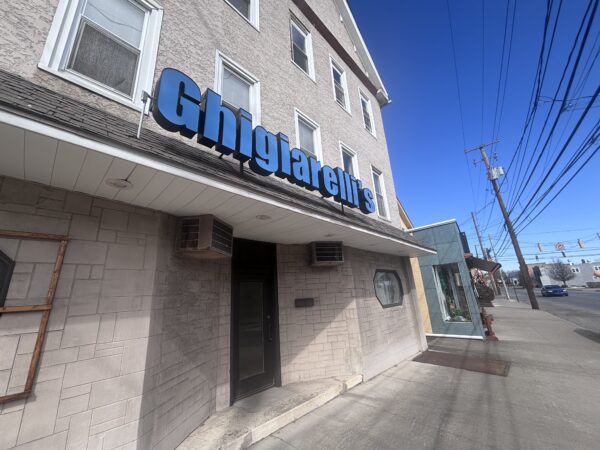
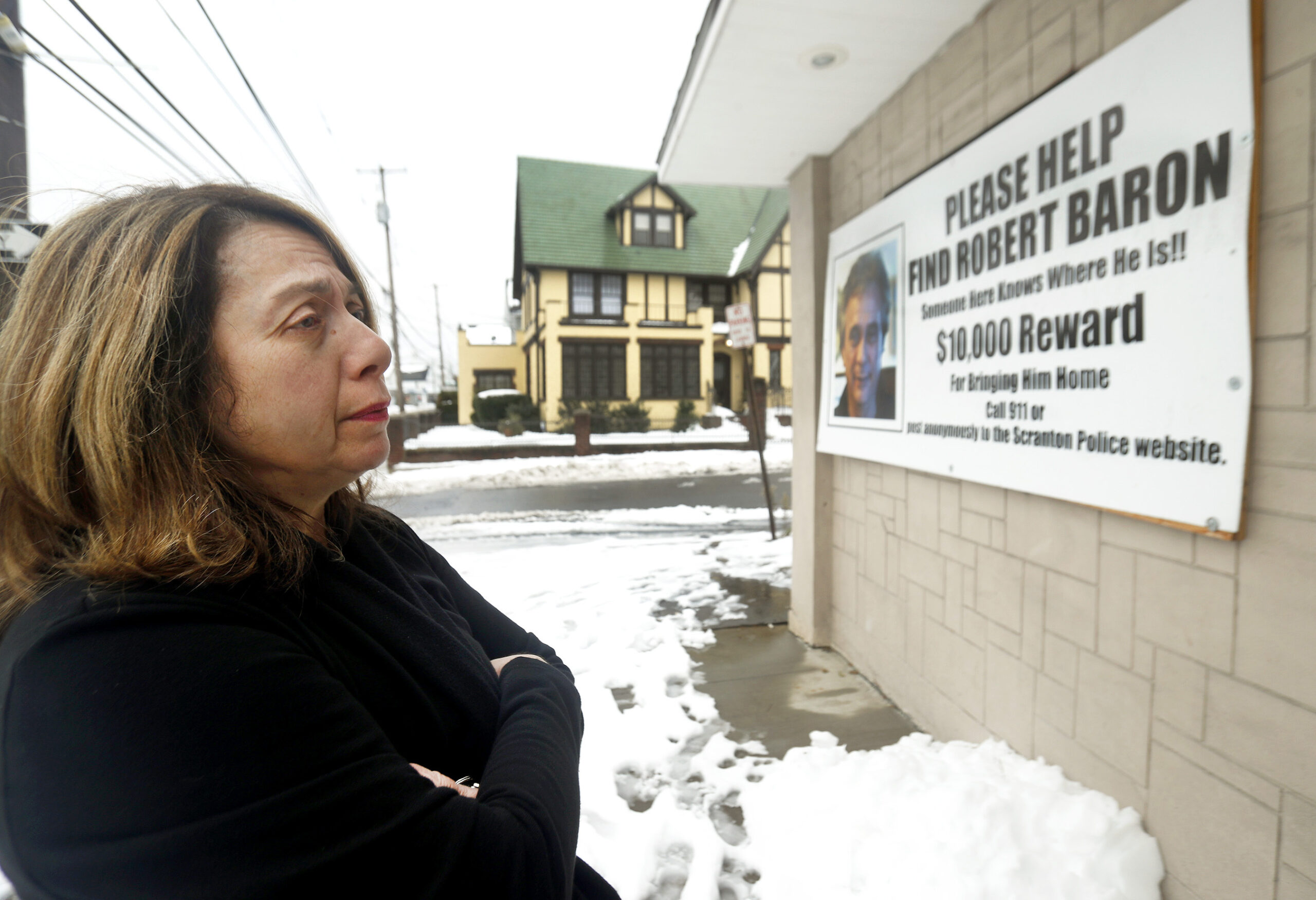
OLD FORGE, Pa. — The ovens went cold at Ghigiarelli’s after owner Robert Baron was killed in 2017, and the longtime Main Street restaurant went into a protracted limbo here in the “Pizza Capital of the World.”
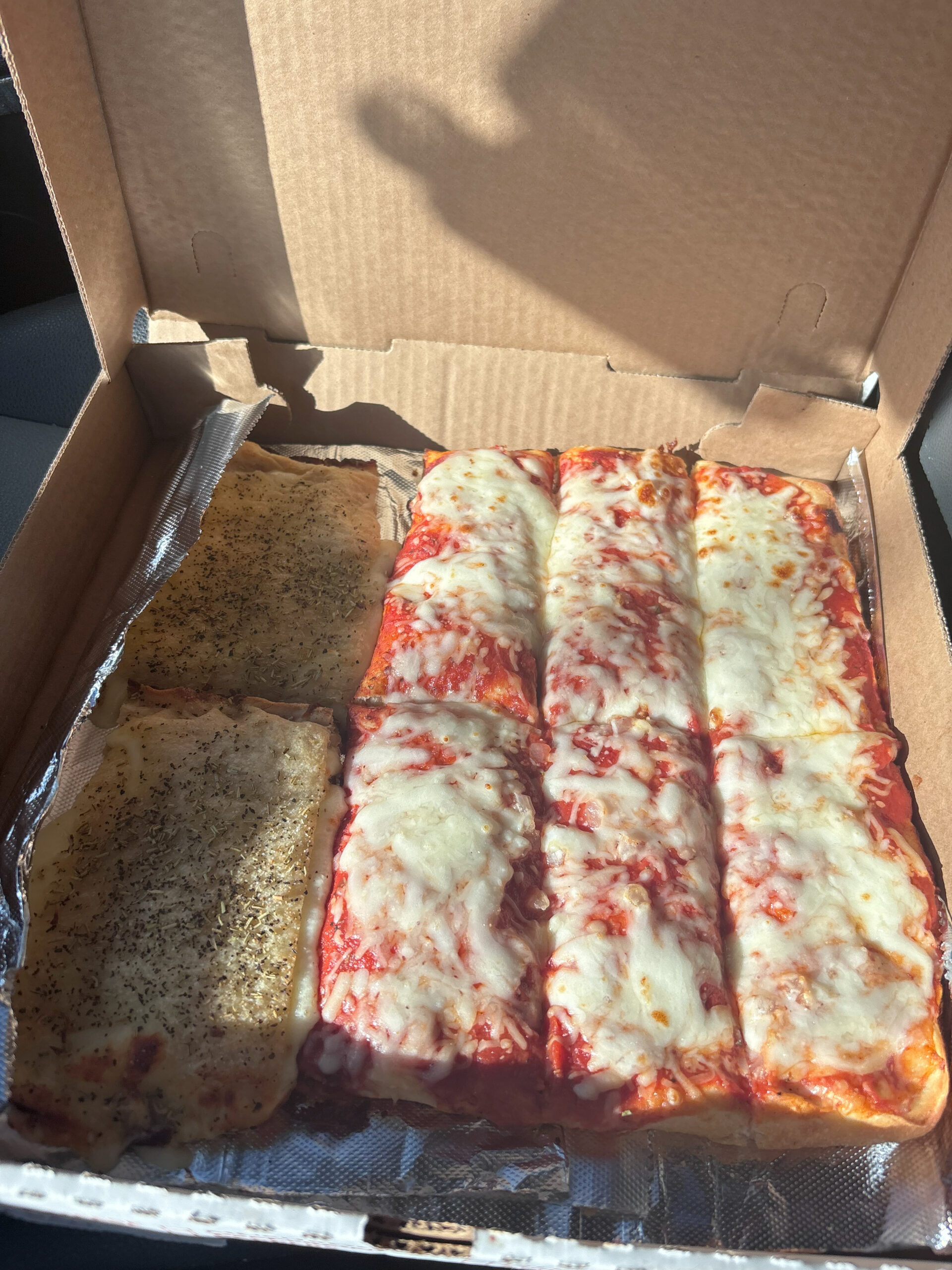
There’s arguably a pizza shop on every block in this blue-collar town about 120 miles north of Philadelphia, in Lackawanna County. It’s a place where presidential hopefuls come for photo opportunities, eating a rectangular “cut” of pizza, not a slice, that’s cooked in a “tray,” not a pie. Everyone has their favorites, whether it’s Revello’s or Arcaro & Genell’s, but shop owners see themselves as a collective, not competitors.
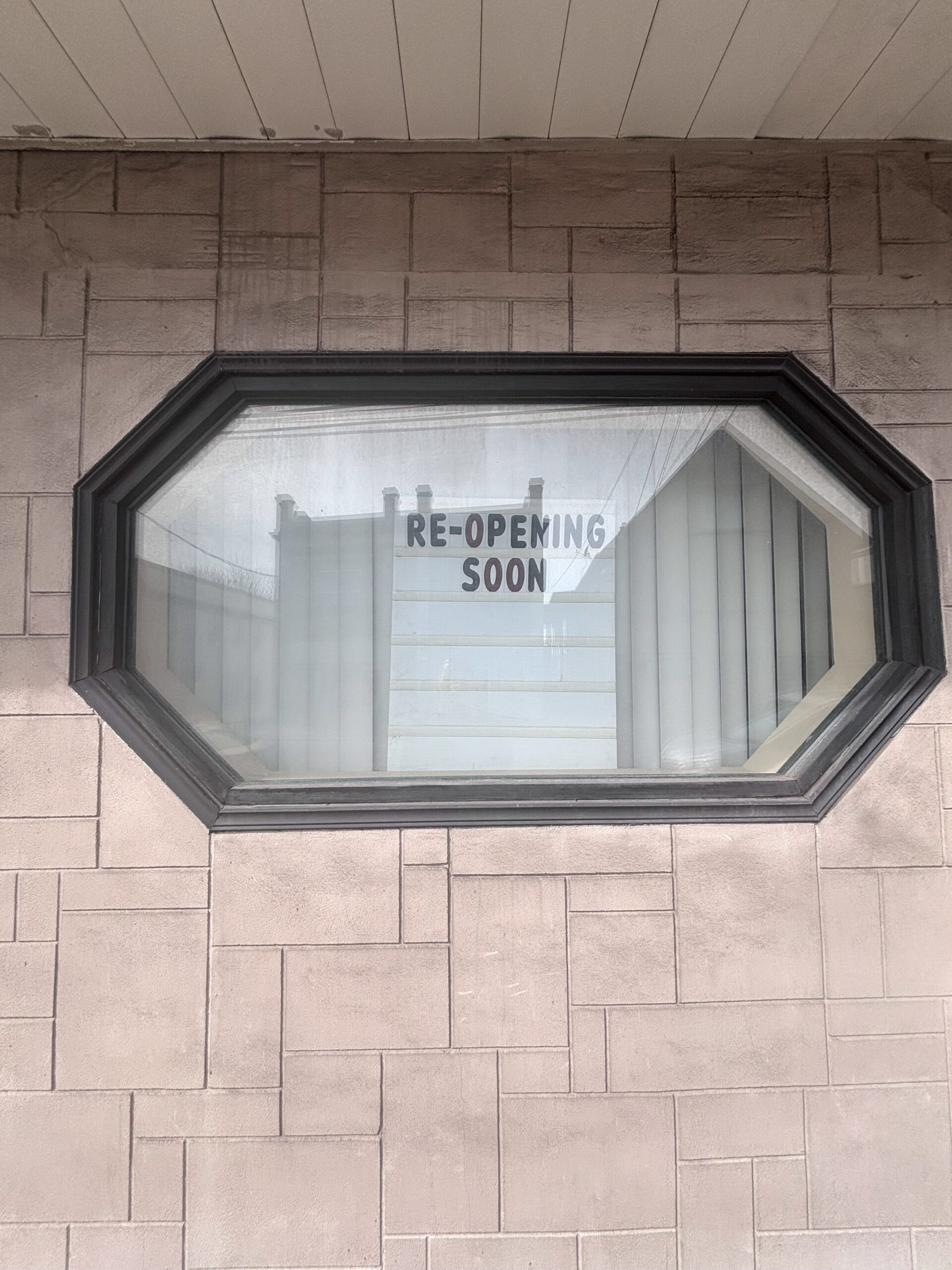
Ghigiarelli’s is, perhaps, the progenitor of this uniquely Northeastern Pennsylvania brand of pizza, opening in 1926. According to a recent social media post and a simple sign in the window, hot cuts may soon return.
“Thank you for your continuous support throughout the years, even while we’ve been closed! Keep an eye out for updates on an opening date for take out. We look forward to seeing everyone,” the restaurant’s official Facebook page announced Feb. 13.
A sign in the window of Ghigiarelli’s Pizza hints at the restaurant’s reopening.
It’s unclear who’s behind the reopening. The building remained closed Monday afternoon, with a small sign in the window announcing the reopening. Robert Baron’s widow, Maria, and daughter Brittany did not return requests for comment, and Old Forge Mayor Robert Legg said he didn’t know who was opening Ghigiarelli’s.
“Ghigiarelli’s has been there for years and years, so we’d love all our establishments open. People loved their pizza, and they’re chomping at the bit,” he said. “They are a really nice family, and they suffered a great tragedy.”
Robert Baron’s death
Robert Baron’s family purchased Ghigiarelli’s in 1961, keeping the name and the pizza. He grew up in Old Forge, an affable workaholic who poured himself into the restaurant. Baron often slept in the apartment above to meet delivery trucks. He was last seen Jan. 25, 2017, when he dropped his son off at his apartment in town at about 11 p.m.
Maria Baron stands in front of Ghigiarelli’s Restaurant in Old Forge, Lackawanna County. She is the wife of Robert Baron who disappeared from there on Jan. 25, 2017, and was later found dead. (FRED ADAMS / For the Inquirer 11-17-18)
Investigators found blood, a tooth, and cleaning supplies scattered at his pizza shop, the daily delivery of dough still outside. Baron’s car was found about a mile away, by the Lackawanna River, not long after. Investigators found blood inside and out of the car, and, in 2023, discovered his remains in a nearby park. Weeks later, a local man was charged with his murder and later convicted.
What’s cooking this month: How about Puerto Rican barbecue, an Italian “kitchen and bar,” a six-course tasting-menu BYOB, and a Center City Mexican destination that is flat-out gorgeous?
Also in this edition:
Hot bakery news: Metropolitan Bakery is changing hands after nearly 33 years, and farmers-market favorite Manna Bakery will take over Essen’s shuttered spot in Kensington.
Two new hit restaurants: Craig LaBan visits Peter Chang’s Chinese offerings in the suburbs.
The March crop of new options is all over: Popup Bagels in Ardmore; Cugini’s in Upper Bucks; Carmen’s Table, Duo Restaurant & Bar, and 1793 in South Jersey; Bengaluru Cafe in Northern Liberties; and Mi Vida in Center City. Read on for the rundown.
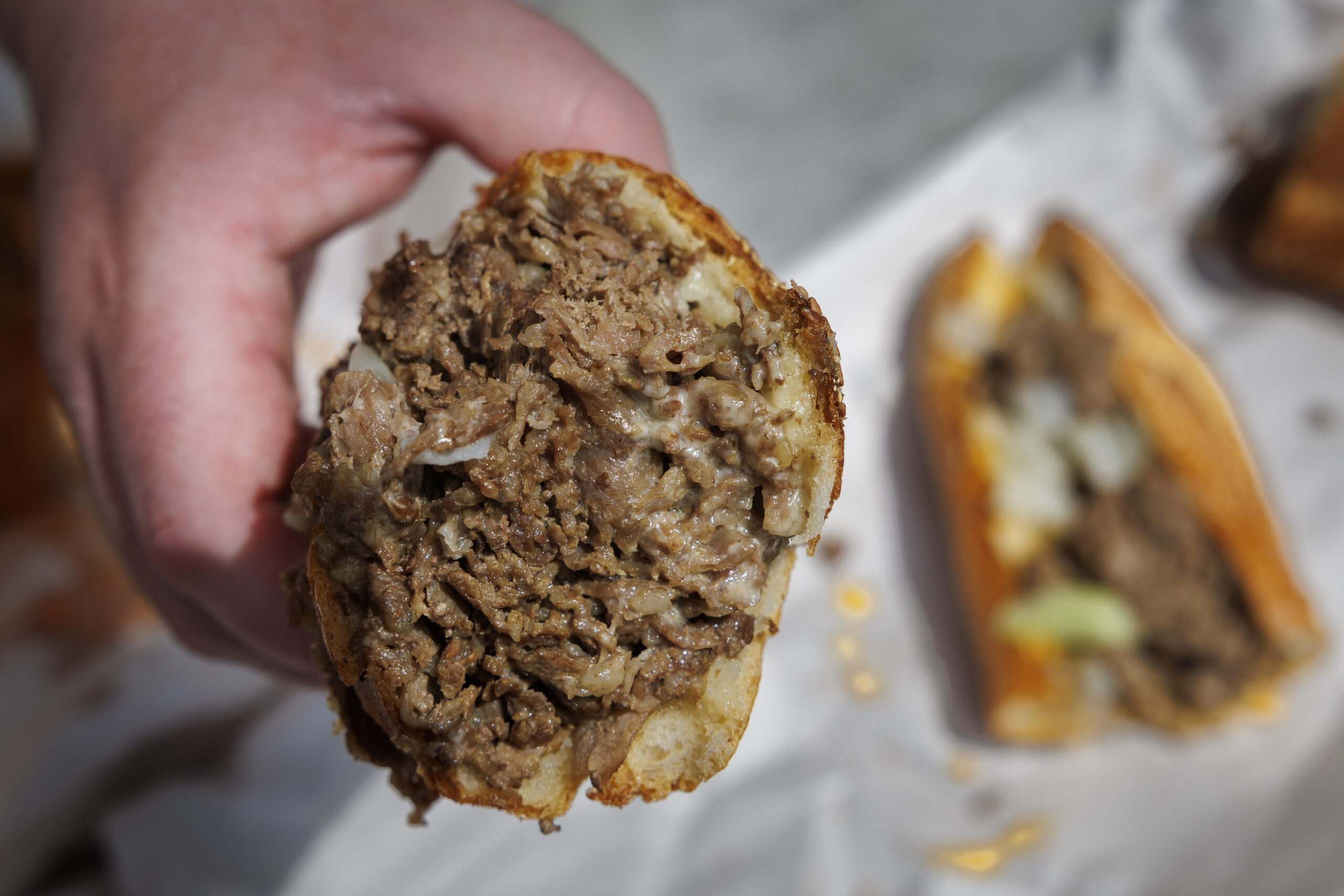
Angelo’s Pizzeria, having outgrown its original spot on South Ninth Street, is opening a second location across South Philly. With a kitchen five times the size, owner Danny DiGiampietro calls this one a “fun factory.”
Peter Chang, a onetime chef at the Chinese Embassy in Washington, D.C. with multiple James Beard nominations, has hit the burbs with two new restaurants: one in King of Prussia and another in Colmar, north of Montgomeryville. Be bold and “skip the impulse to order General Tso’s,” urges critic Craig LaBan, who says both spots are “already worthy additions to the suburban dining scene.”
Hot bakery news
.
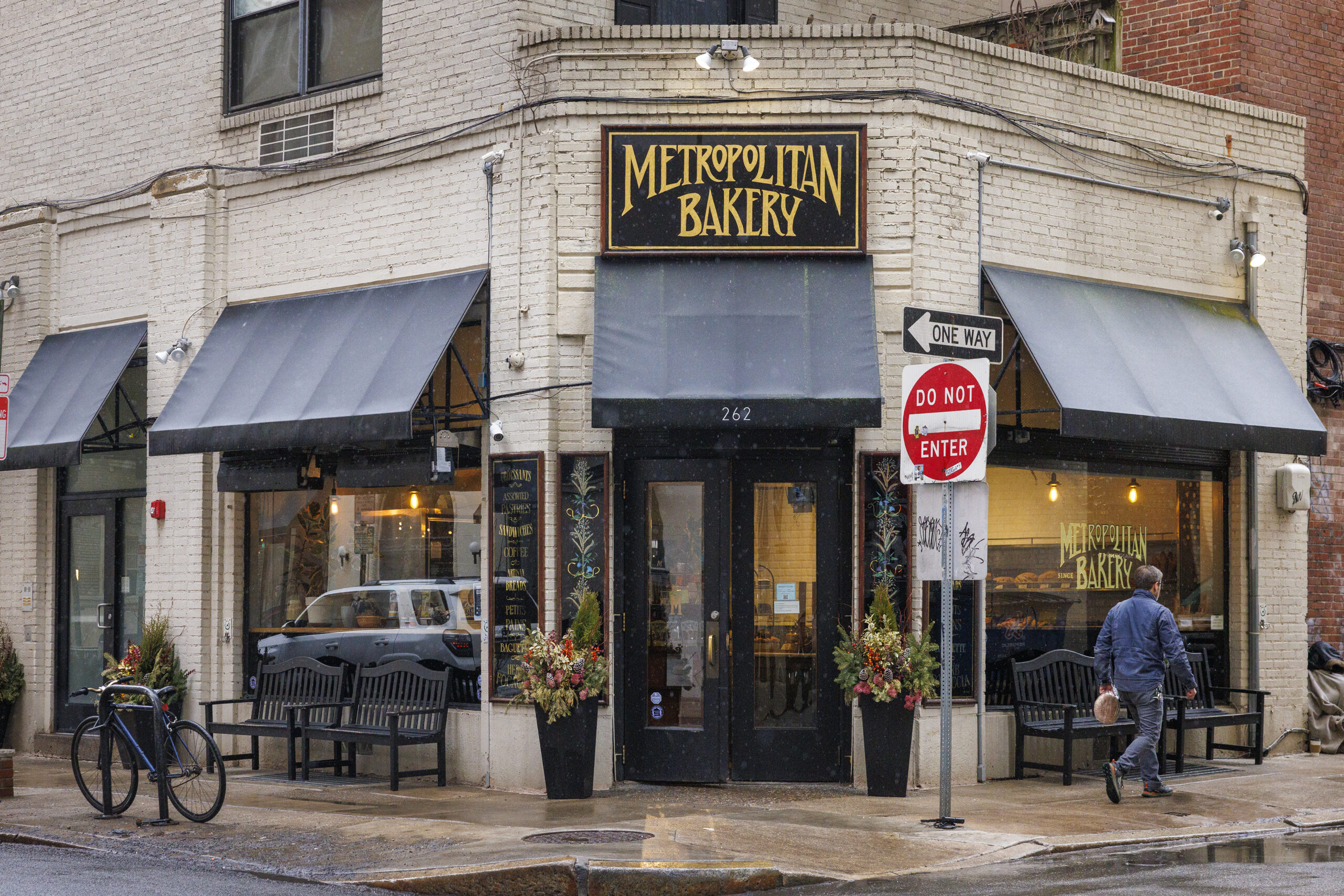
Metropolitan Bakery, one of the pioneers of Philly’s artisan baking scene, is shutting down its 19th Street shop after nearly 33 years as owners sell the company. The buyer, Merzbacher’s in Germantown, will keep its brand, bread line, and wholesale business. Read on for Jenn Ladd’s exclusive.
Saif Manna, who started his bakery biz several years ago in his Temple dorm, is taking over the former Essen Bakery in Kensington. Manna Bakery specializes in Levantine and Palestinian goods, both sweet and savory.
We chased away the late-winter chill with stops in Ardmore for belly-warming bourbon chicken dish, and in Rittenhouse for a steaming bowl of a Philly classic snapper soup as well as a ginormous, pillowy-soft cinnamon bun.
Scoops
In Rittenhouse dish: Shiroi Hana’s building at 222 S. 15th St., next to Good Dog Bar, has been sold to Simon Atiya, who with his brother owns Giovani’s Bar & Grill, around the corner on Chestnut. Atiya tells me that this will be a solo dining project. There’s no timeline or even concept to discuss, as he wants to install one vibe for the ground floor and another upstairs. “I’ve walked past the building for over 20 years,” said Atiya, whose family had the old Sound of Market and Soundworks stores near the old Gallery. Given McGlinchey’s availability and the new Amma’s South Indian Cuisine, Atiya said he sees 15th Street evolving into a dining destination akin to 13th Street. “I want to be part of that,” he said. Nadia Bilynsky and Veronica Blum of MPN represented the seller, and Wes Deming of KW Commercial represented Atiya.
Blank Street, the fast-growing Brooklyn-born coffee/matcha brand, has signed at the University of Pennsylvania, where its first Philly location will open late this summer at 3603 Walnut St., formerly Bluemercury.
Almost Home General’s location in Old City has closed, and it’s tied into the undoing of Glu Hospitality.
Restaurant report
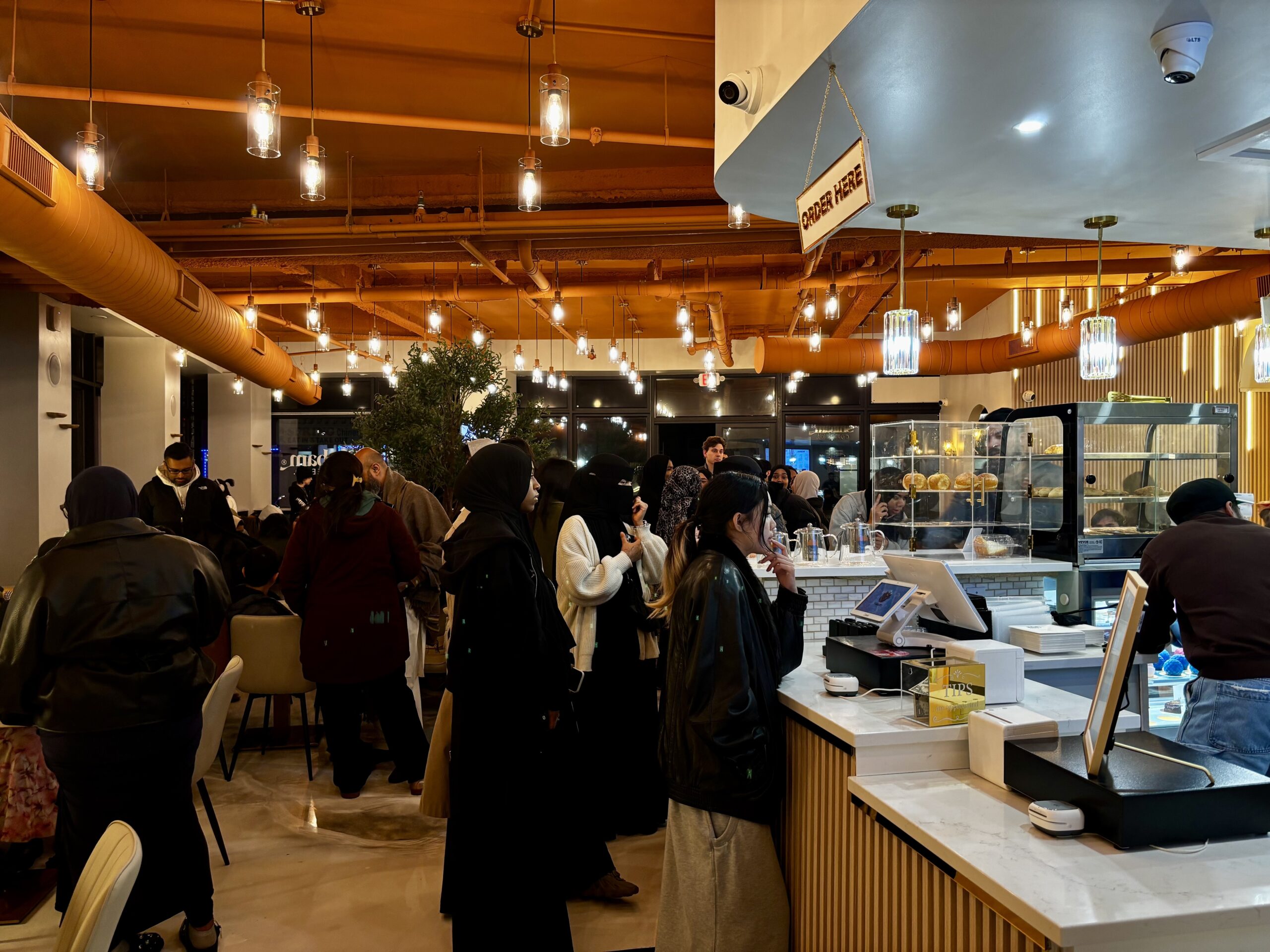
Shibam Coffee, a Yemeni coffeeshop that’s new to West Philadelphia, is a rare one, indeed: It’s open until midnight on Fridays and Saturdays. Hira Qureshi stopped in for a late-night snack and explains it all.
Briefly noted
Fifteen bars and restaurants are participating in a tie-in with the Pennsylvania Horticultural Society with deals surrounding the Philadelphia Flower Show. List is here.
Mount Airy CDC has rounded up 13 businesses for its second annual restaurant week, from March 9-15. Participants includeDoho, offering a family-style five-course dinner for two ($100), including tuna crudo, gnocchi, and short rib, as well as a vegan option that includes sweet potato tostones, pappardelle, and stuffed cabbage tempura. Bar Lizette will offer a three-course menu ($45), including pan-seared pink snapper as well as vegetarian options like chocolate pot de crème. Toska Restaurant & Brewery will have a four-course dinner menu ($40) that features some of their most popular items like shrimp scampi fettucine, wood-fired pizza, Albanian sujuk sausage, and a three-course beer pairing ($18+). Details are here.
The American Vegan Society will name its pick for the Best Vegan Cheesesteak in Philly on April 13 at the Philadelphia Ethical Society. During the finals, competitors also will collaborate on what’s billed as the world’s largest vegan cheesesteak, which (in semiquincentennial spirit) will measure 76 inches. Voting will run March 30 to April 8 at americanvegan.org. The first 76 people who sign up to attend will receive an bite of the sandwich along with a sticker saying they helped to eat it.
Stina in West Passyunk made its bones during the pandemic with the pikilia, a family-style feast of dips, meats, and hot pita served in a pizza box and available only for takeout. (Craig called it a “grazer’s delight.”) Chef Bobby Saritsoglou is now offering it at the table, for $65 per person. Full table, minimum of two people.
Grace Tavern on Grays Ferry Avenue will donate proceeds from this month’s sale of its roast pork sandwiches to help fund capital improvements to Triangle Plaza, across the street. The sandwich features roasted pork, long hots, pork jus, and melted provolone on a grilled Mighty Bread baguette for $12.
Davio’s in King of Prussia will host a Bellemille olive oil dinner at 6 p.m. March 25 ($110pp, optional wine pairing for $55), a multicourse tasting built around Tuscan extra-virgin olive oil from Alexa Dombkoski, the Tuscany-based daughter of Davio’s GM Michael Dombkoski. Each course incorporates Bellemille’s single-estate oil: tuna carpaccio and egg fettuccine with morels, a 55-day prime strip, a semolina-olive oil cake with lemon gelato. Details are here.
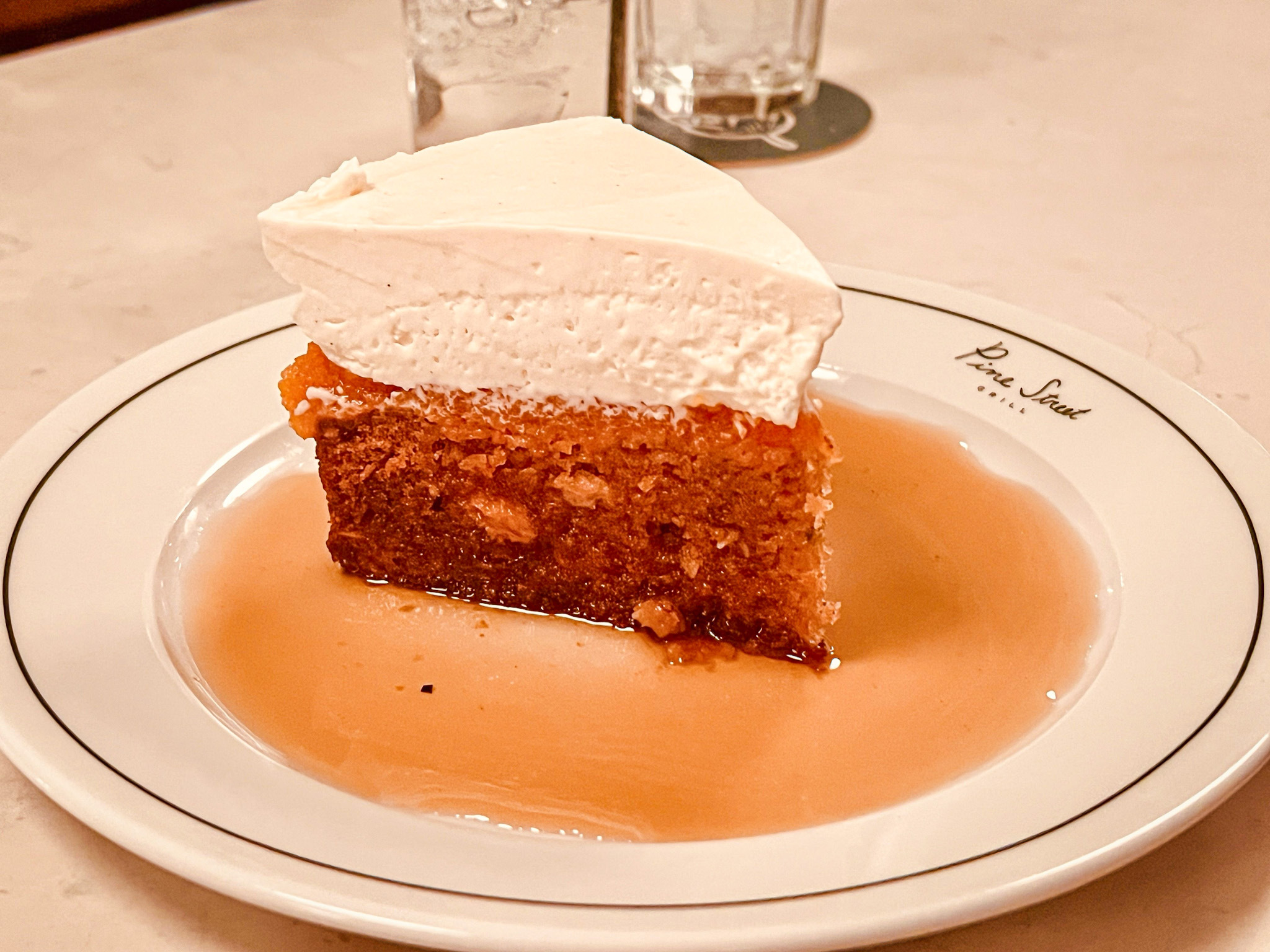
Last week’s newsletter included a callout for carrot cake cheesecake. Alert reader Mitchell H. noticed that Pine Street Grill, the newcomer from chefs Amanda Shulman and Alex Kemp at 23rd and Pine Streets, offers a cake (above), studded with rum raisins and topped with cream cheese mousse. Want a DIY version? Reader Helene A. recommends this recipe from King Arthur Baking.
❓Pop quiz
Where is Joe Beddia, one of Philadelphia’s most acclaimed pizzaioli, opening his next restaurant?
I am hoping that you could recommend quiet restaurants in Philadelphia, particularly in Center City. I know that many people like a lively vibe with loud music, but there seem to be very few options for restaurants with low decibel levels where it is easy to have a conversation without yelling. — Janet W.
“Quiet” can be a loaded concept. Even the most placid restaurant, with wide-spaced tables and fabric-covered walls to soak up noise, can feel like a subway station if a nearby party begins shrieking. BYOBs, which don’t have bars to amp the acoustics, tend to be quieter. Timing matters, too. The simple suggestion is to go early. Estia, the upscale Greek trio in Center City, Radnor, and Marlton, opens for dinner at 3 p.m. You can catch a quiet meal at Bloomsday on Headhouse Square at 4 p.m.; Enswell, the stylish Euro spot in the Touraine, at 4:30; or Talula’s Garden in Washington Square and Little Nonna’s in Washington Square West at 5. Sor Ynez, the Mexican restaurant in the Wheelhouse building in Kensington, and Southwark in Queen Village handle noise well, too. Even for a tiny spot, Little Fish in Bella Vista delivers reasonable volume. Perhaps the quietest of them all is Lacroix at the Rittenhouse, where the food speaks volumes. Any recommendations, readers? Share them!
📮 Have a question about food in Philly? Email your questions to me at mklein@inquirer.com for a chance to be featured in my newsletter.
By submitting your written, visual, and/or audio contributions, you agree to The Inquirer’s Terms of Use, including the grant of rights in Section 10.
The first Philadelphia-area location of a TikTok-famous bagel chain, an Italian kitchen and bar, a Puerto Rican barbecue specialist, and a posh tasting-menu BYOB are among the restaurants on the dining radar for March. As usual, most opening dates are in flux.
Bengaluru Cafe (809 N. Second St.): This vegan/vegetarian South Indian restaurant, due to open March 20 in Northern Liberties, is inspired by Karnataka, a state in India, with a menu focused on street-food staples and shareable plates, including chaats, tomato masala salad, and vada pav — a popular snack of spiced potato fritter tucked into soft bread with chutneys. Owner Sri Saravanan has quite a commute: He opened his first location two years ago in Fairfax, Va.
Carmen’s Table (200 E. Evesham Rd., Glendora): Roselyn Gonzalez, part of Booker’s Restaurant Lounge & Grill in Camden, is opening this Puerto Rican barbecue restaurant with her family in the former Kitchen 519 on March 27. She’s drawing on the recipes of her mother, Carmen, who supported her family by selling plates of food. Expect smoked meats informed by Caribbean flavors, including her mother’s sofrito.
Cugini’s (6522 Lower York Rd., New Hope): Cousins Frank Picone and Anthony Adragna are taking over the former New Hope Star Diner on Route 202 in Solebury Township, Bucks County, for a 135-seat “Italian kitchen and bar” that aims to split the difference between date-night dining and family-friendly fare. Adragna previously owned and operated Cafe Antonio in Morrisville; Picone comes from a restaurant family that founded V&S Pizza in Fairless Hills and Ariana’s Pizza in Levittown.
Dining room of Duo Restaurant & Bar, 90 Haddon Ave., Westmont, N.J.
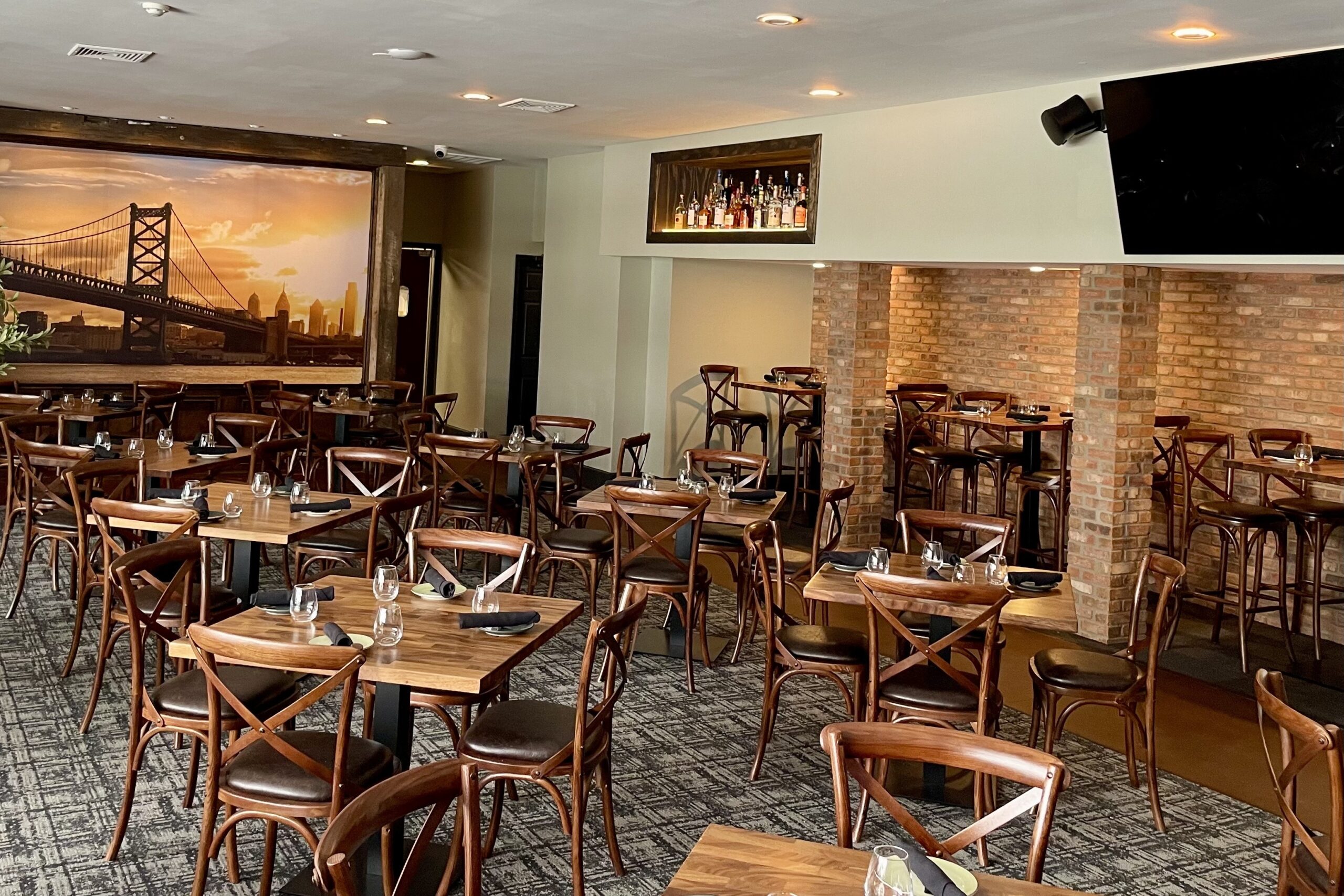
Duo Restaurant & Bar (90 Haddon Ave., Haddon Township): Brothers Artan and Arber Murtaj and Andi and Tony Lelaj, who own the Old World-style Italian Il Villaggio in Cherry Hill, have soft-opened their pub on the former site of Keg & Kitchen. Bar menu includes burgers, a crab cake sandwich, and raw oysters, while the regular menu covers rib-eye meatballs, crab cakes, and Italian entrees. It’s open for lunch and dinner daily.
Booth seating with murals at Mi Vida.
Mi Vida (1150 Ludlow St.): Knead Hospitality of Washington, D.C., is in the opening days of its first Philly project: a splashy Mexican restaurant in East Market, open daily for lunch weekdays, weekend brunch, and nightly dinner with a full menu and 23-seat bar stocked with 130 tequilas and mezcals.
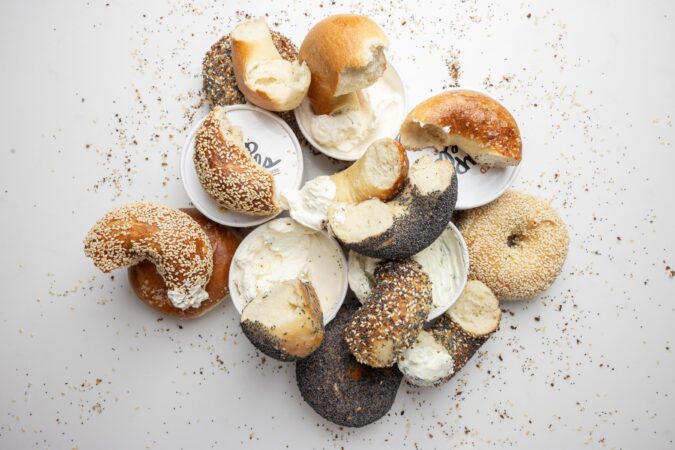
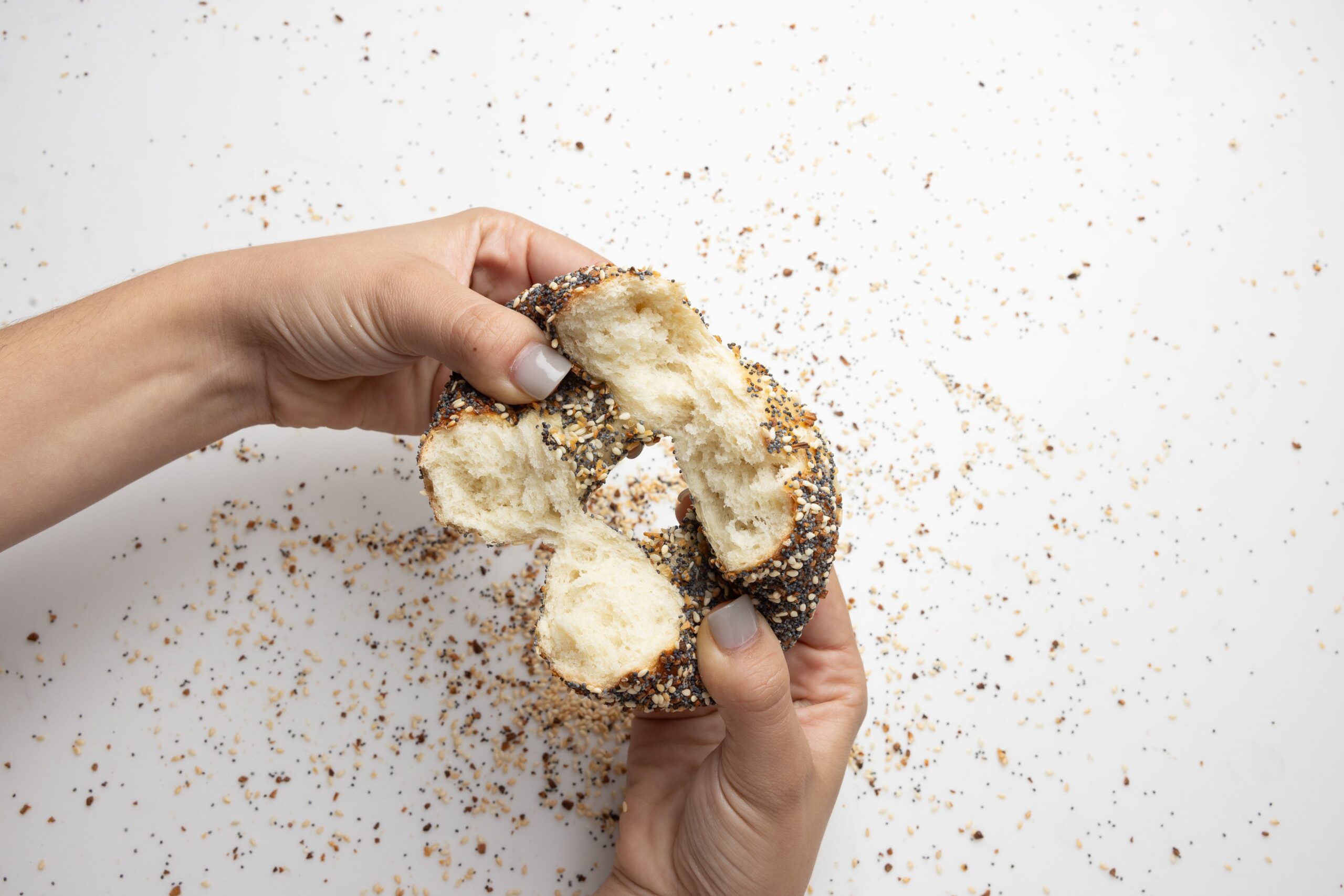
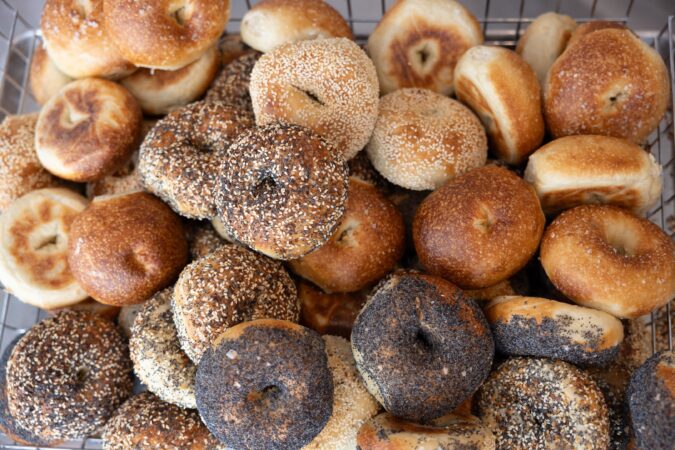
PopUp Bagels (10 Coulter Ave., Ardmore): “Grip, rip, and dip” is the phrase that pays at PopUp, a burgeoning franchise with a social-media following that started in 2021 as a baking enthusiast’s pandemic project in Westport, Conn. The first of 10 Philadelphia-area locations is looking to open later this month at Suburban Square in Ardmore, where it will occupy the former Juice Press space next to Drybar and SoulCycle and across from Shake Shack. (Center City, Marlton, and Princeton/Hamilton locations are being teed up.) Popup sells bagels and coffee, but no sandwiches, and the bagels are served hot and whole, rather than sliced. They’re designed to be torn apart and dipped into cream cheese spreads. The company offers weekly rotating schmear flavors and sells bagels in bundles — three, six, or a dozen — rather than individually.
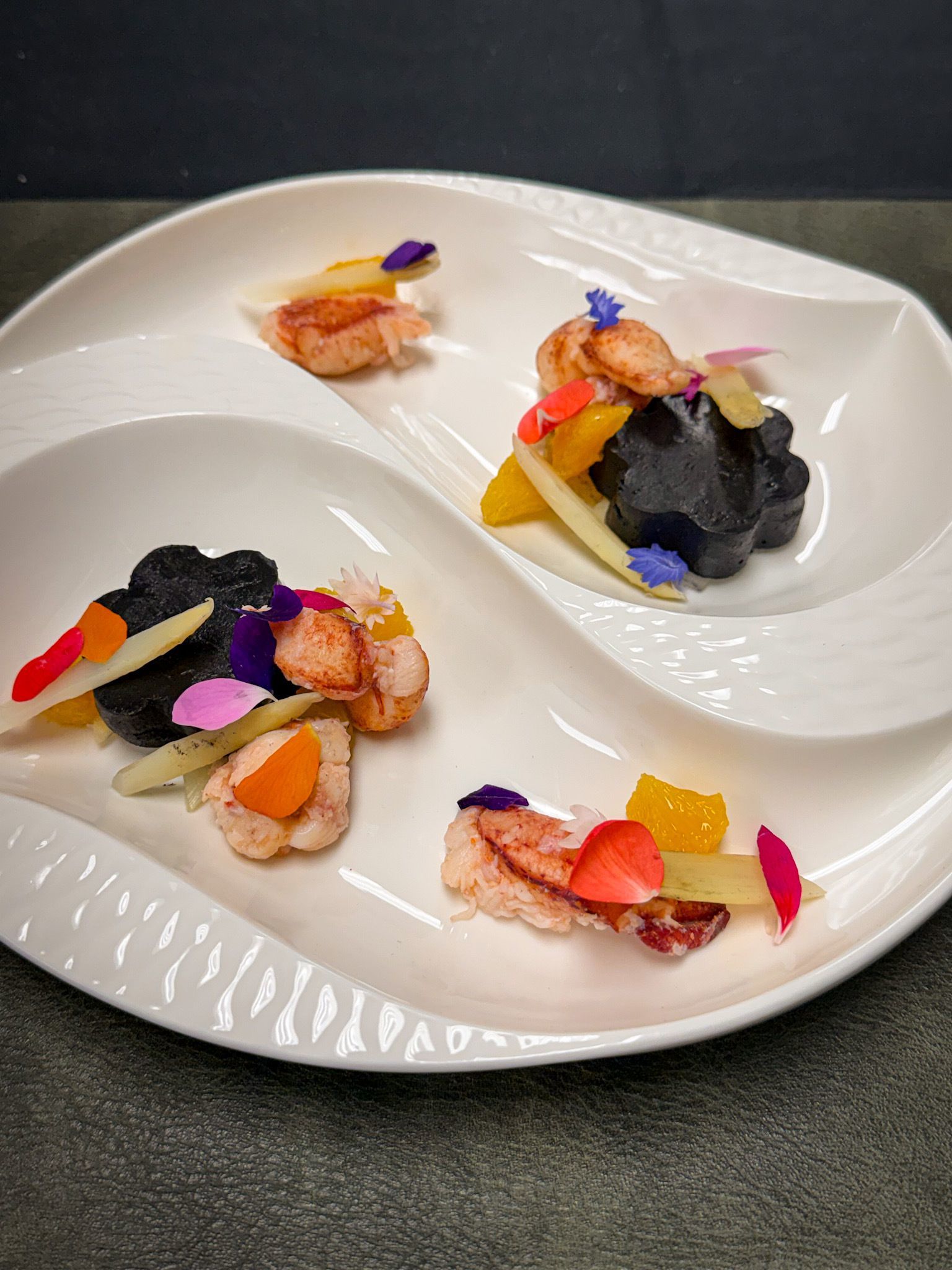
Two works in progress by chef Chris Bennett for the forthcoming Restaurant 1793 in Merchantville: Black truffle panna cotta with poached lobster, compressed orange, and white asparagus, as well as cocoa-lined foie gras with toasted walnut, apple cider puree, and small winter greens,
1793 (7 E. Park Ave., Merchantville): A tasting-menu restaurant at the former Park Place from chef Chris Bennett (formerly of June BYOB), 1793 will offer a six-course contemporary American menu (starting at $115). Bennett will emphasize seafood, pastas, risottos, and a consistent duck entrée. A carpenter in his first career, Bennett is building it out to feel like an upscale library, with dark woods and leather seating. He’s aiming for fine dining without formality.
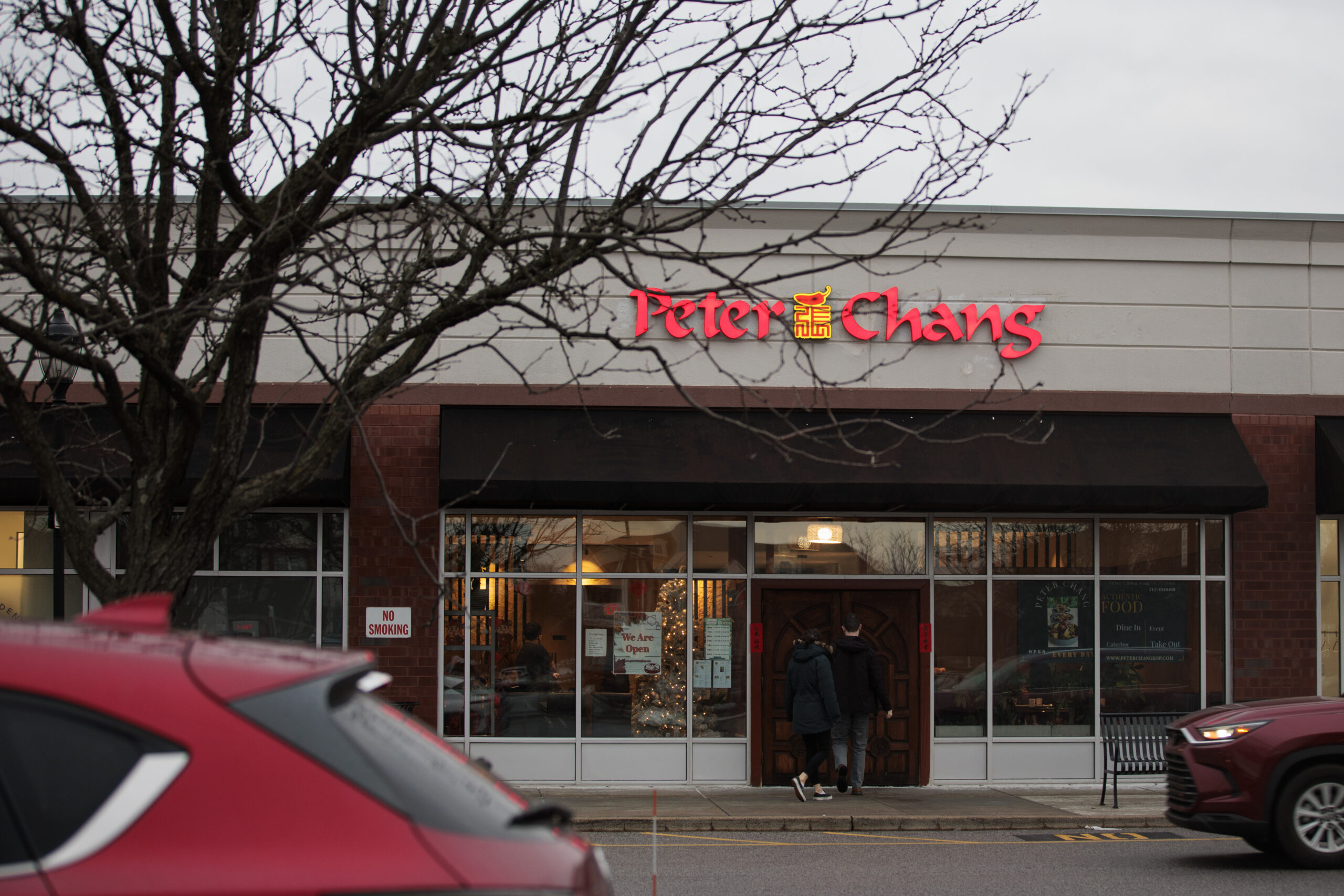
If you weren’t paying attention, you could easily drive past the nondescript storefront beside the Giant supermarket in King of Prussia’s Henderson Square. But there, glowing red from the strip-mall space wedged between a yoga studio and a dental office, is a sign with a name that caused me to hit the brakes: Peter Chang.
Chang is something of a legend in the Washington, D.C. area, especially after being profiled in 2010 by the New Yorker’s Calvin Trillin in an article — “Where’s Chang?” — that detailed a local cult following for the talented Chinese chef, despite (or perhaps because of) his perpetual moves from one Sichuan kitchen to the next. By 2011, however, Chang finally put down roots with his name attached to a restaurant inthe DMV, starting in Charlottesville, Va. It became the first of a rapidly growing family empire that has since expanded to 20 restaurants of varying concepts across the Mid-Atlantic, from Chang Chang in Dupont Circle to Baltimore’s Nihao. The run that has earned this onetime chef at the Chinese Embassy multiple nominations from the James Beard Foundation, including a finalist nod for national Outstanding Chef in 2022.
Now, having debuted in the Philadelphia region withnot one but two new restaurants — Peter Chang in KOP and Mama Chang in Colmar — the once-elusive Chang is virtually everywhere.
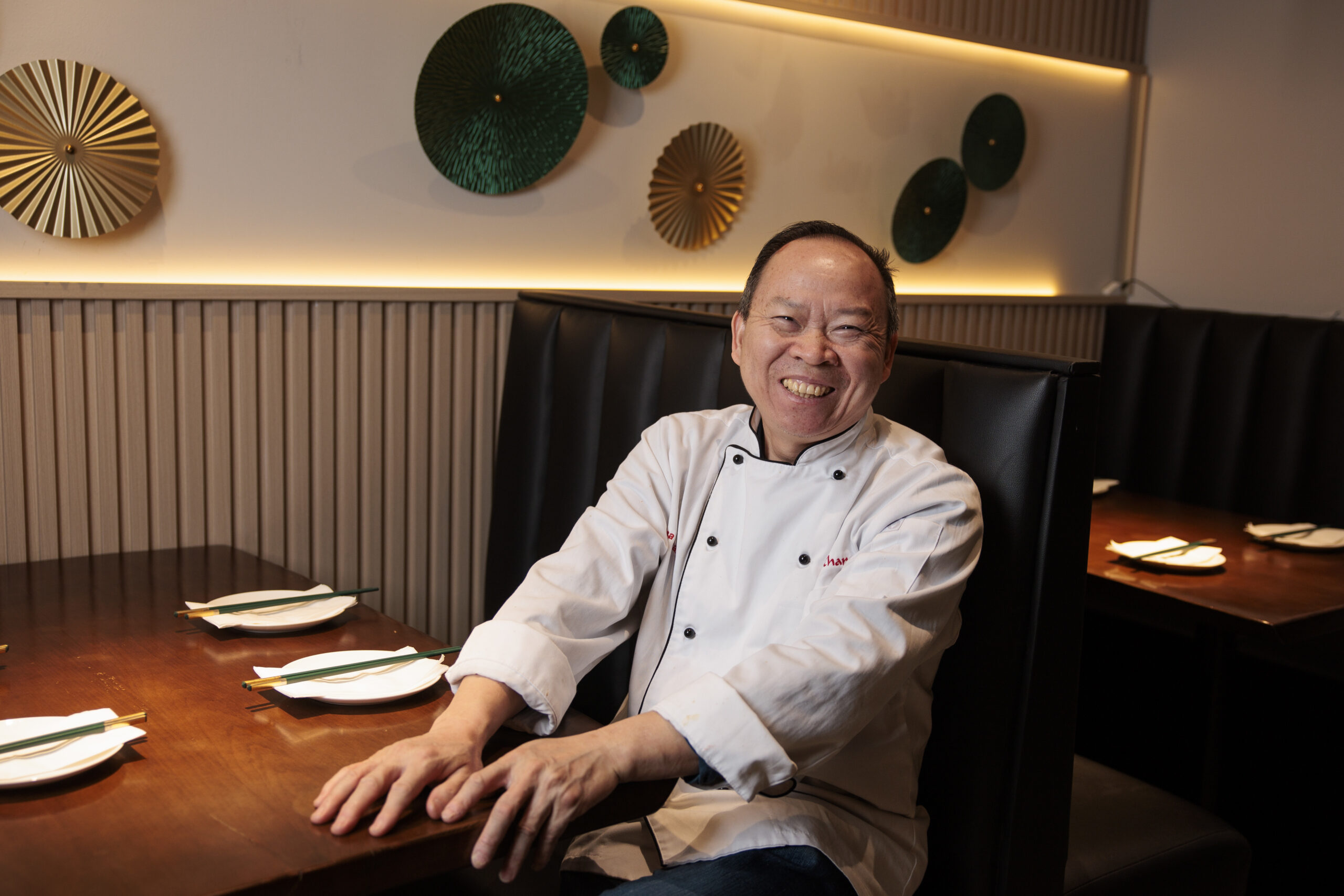
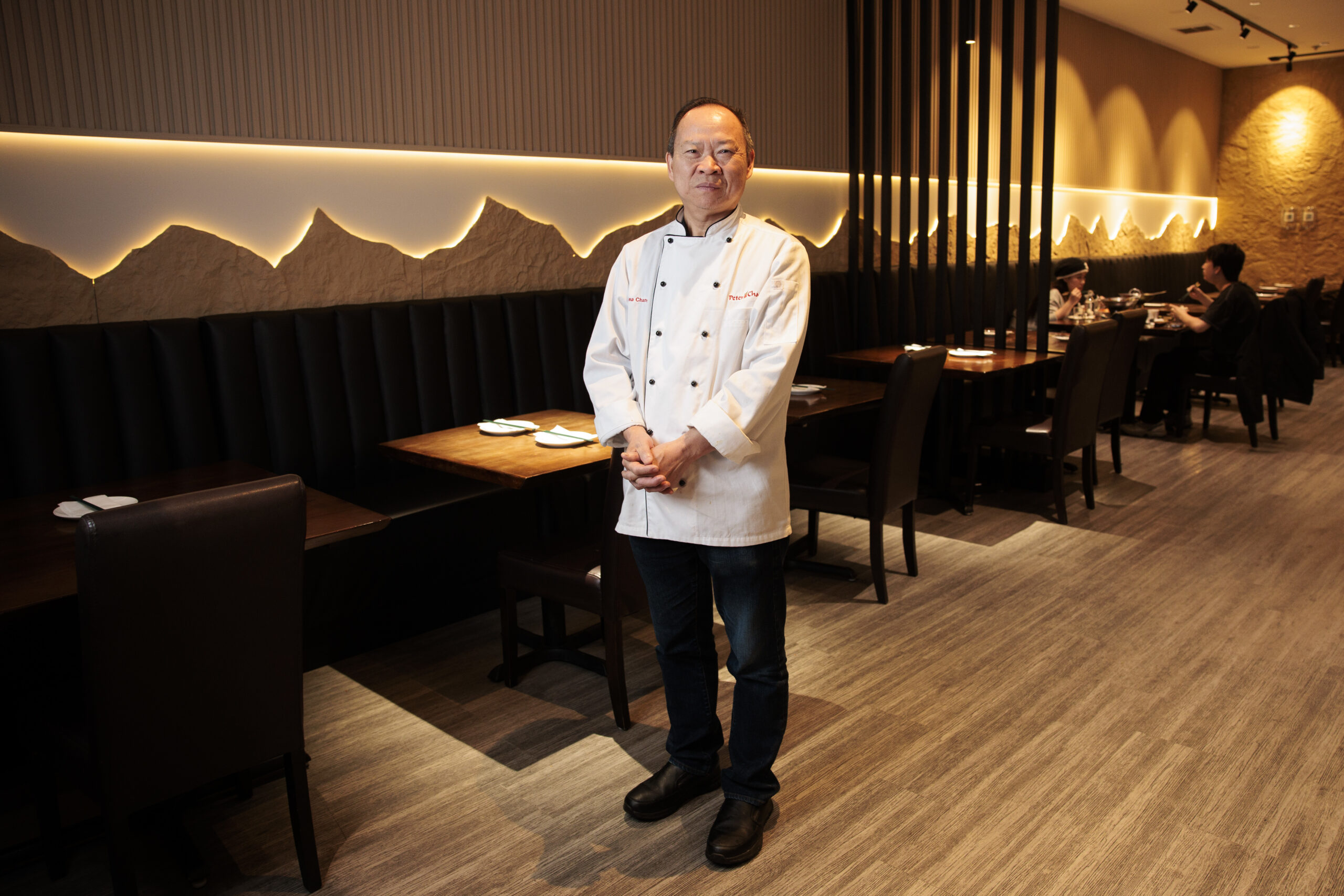
Peter Chang posed for a portrait at Peter Chang King of Prussia on Thursday, Feb. 19, 2026 in King of Prussia, Pa The exterior of Peter Chang King of Prussia on Thursday, Feb. 19, 2026 in King of Prussia, Pa
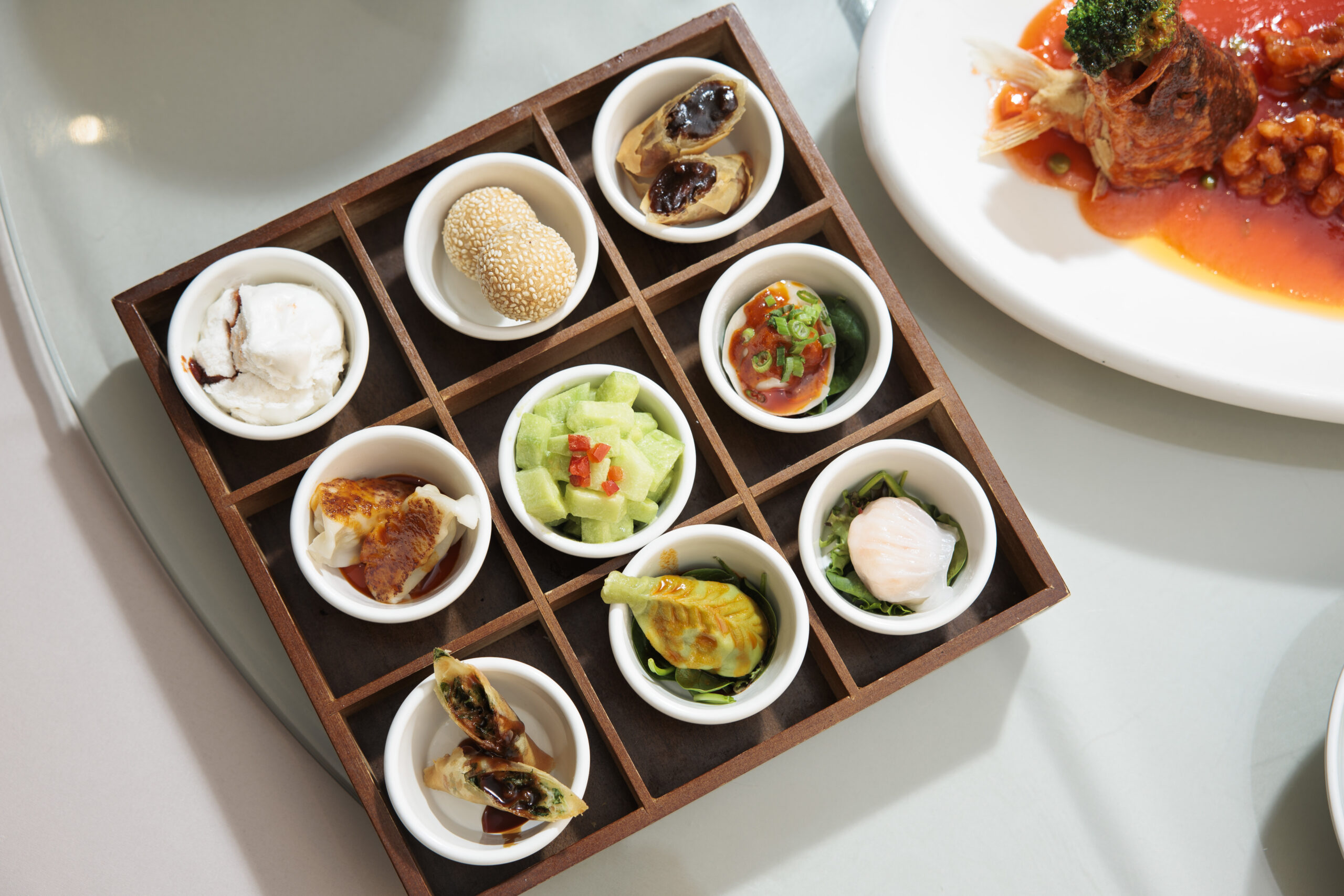
I popped the steaming hot balloon of his wife Lisa Chang’s signature bubble scallion pancake, then hungrily grazed across the nine cubbies of the dim-sum sampler box, savoring the clean white snap of a crystal shrimp dumpling, the hoisin-dabbed crunch of a meaty Peking duck spring roll, and the fragrant spice of a wonton swirled with the house chili oil. I immediately concluded Chang’s arrival to Philly is a very good thing.
Figuring out where, exactly, these new restaurants sit within the context of the Philadelphia region’s already rich Chinese dining landscape is separate question.
The dim sum platter box at Peter Chang King of Prussia on Thursday, Feb. 19, 2026 in King of Prussia, Pa.
Chang has long been referred to by fans (and even the company’s own website) as a Sichuan chef since many of his dishes buzz with the lip-numbing “málà” hum of Sichuan peppercorns and earthy cumin perfume typical of Sichuan cooking. But he is, in fact, from the province of Hubei, a Central Chinese crossroads threaded by train lines and the Yangtze River, where the cuisines of neighboring provinces like Sichuan and Hunan have been influential, but where the flavors of those traditional dishes are also interpreted in distinct ways.
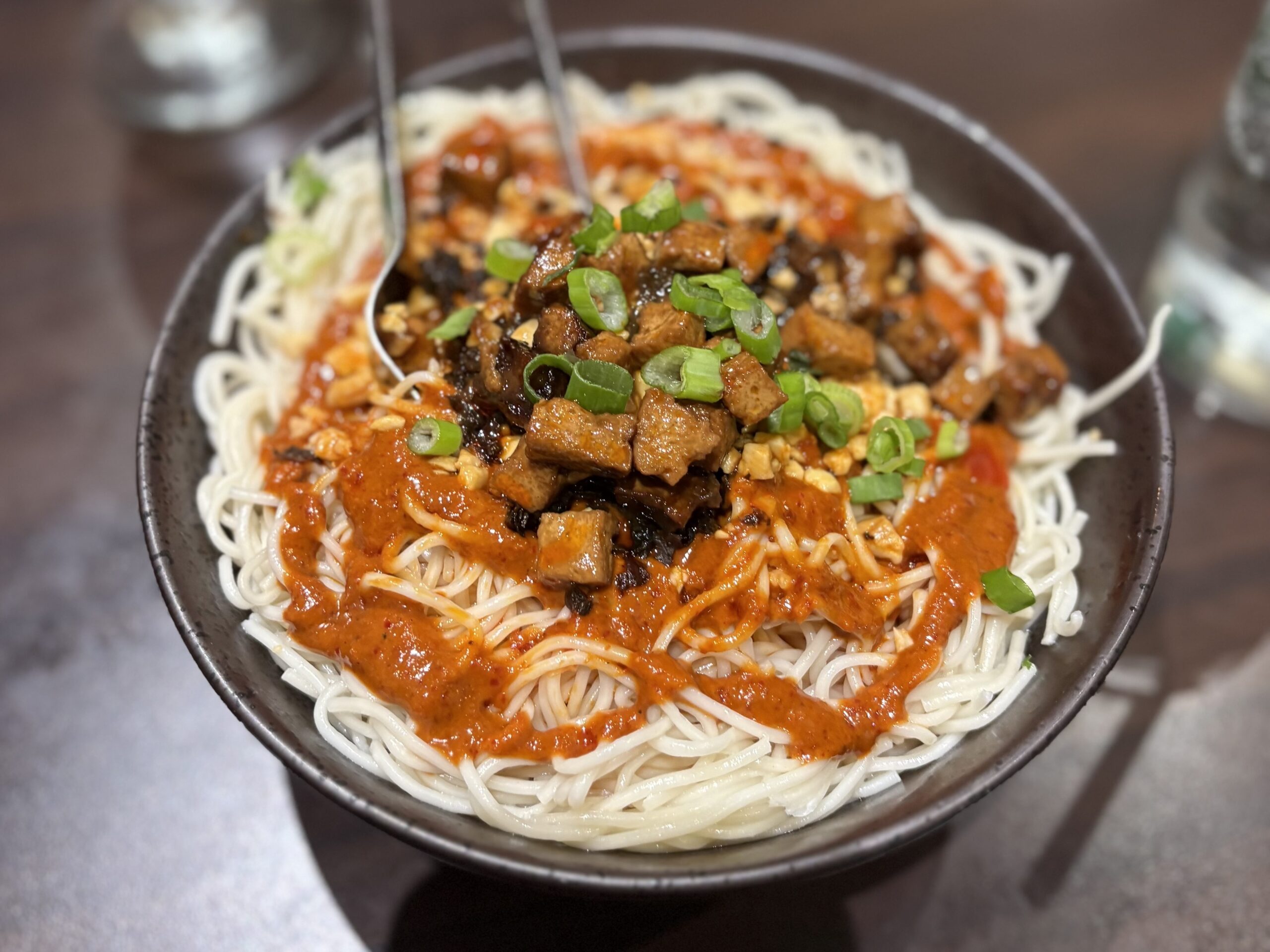
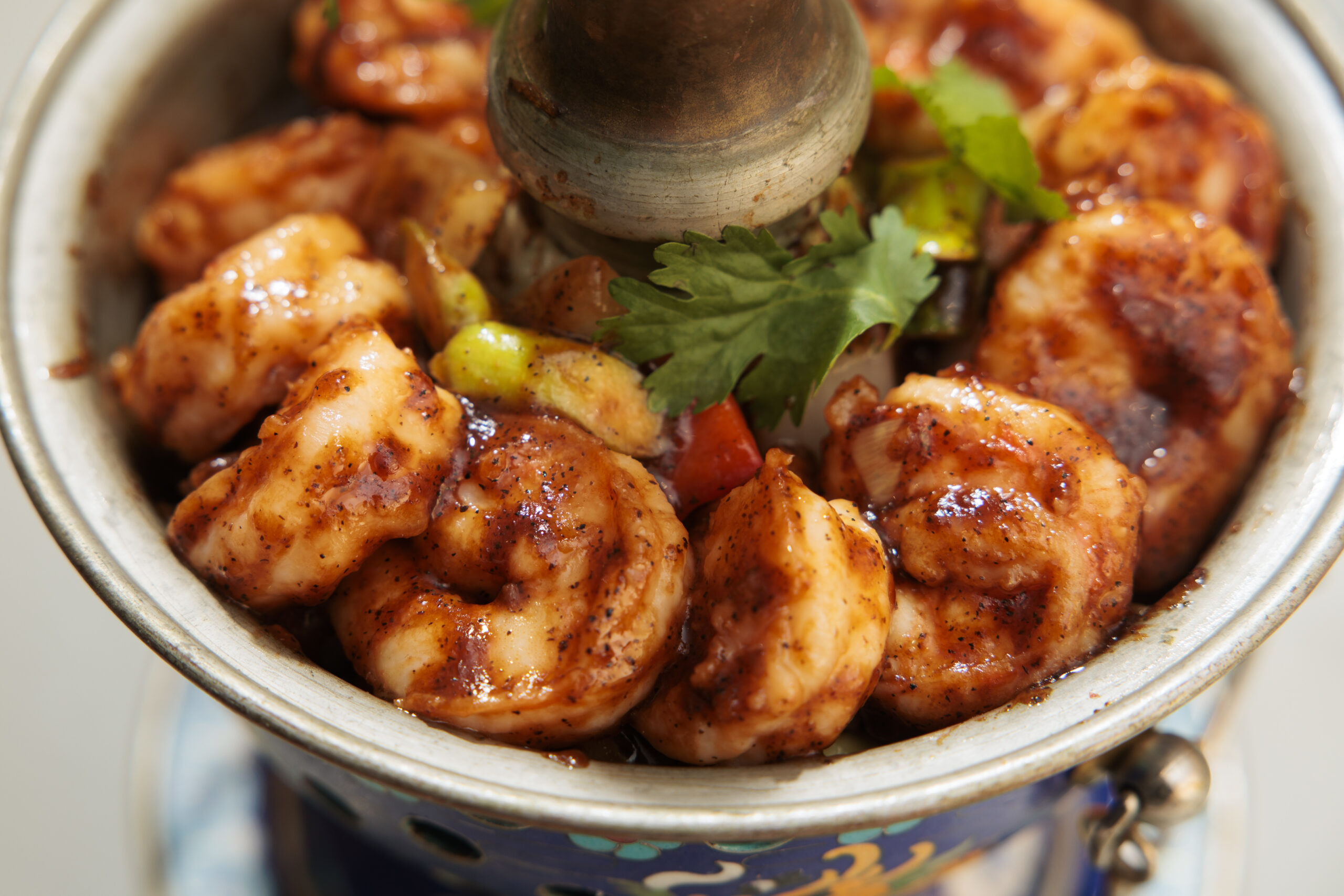
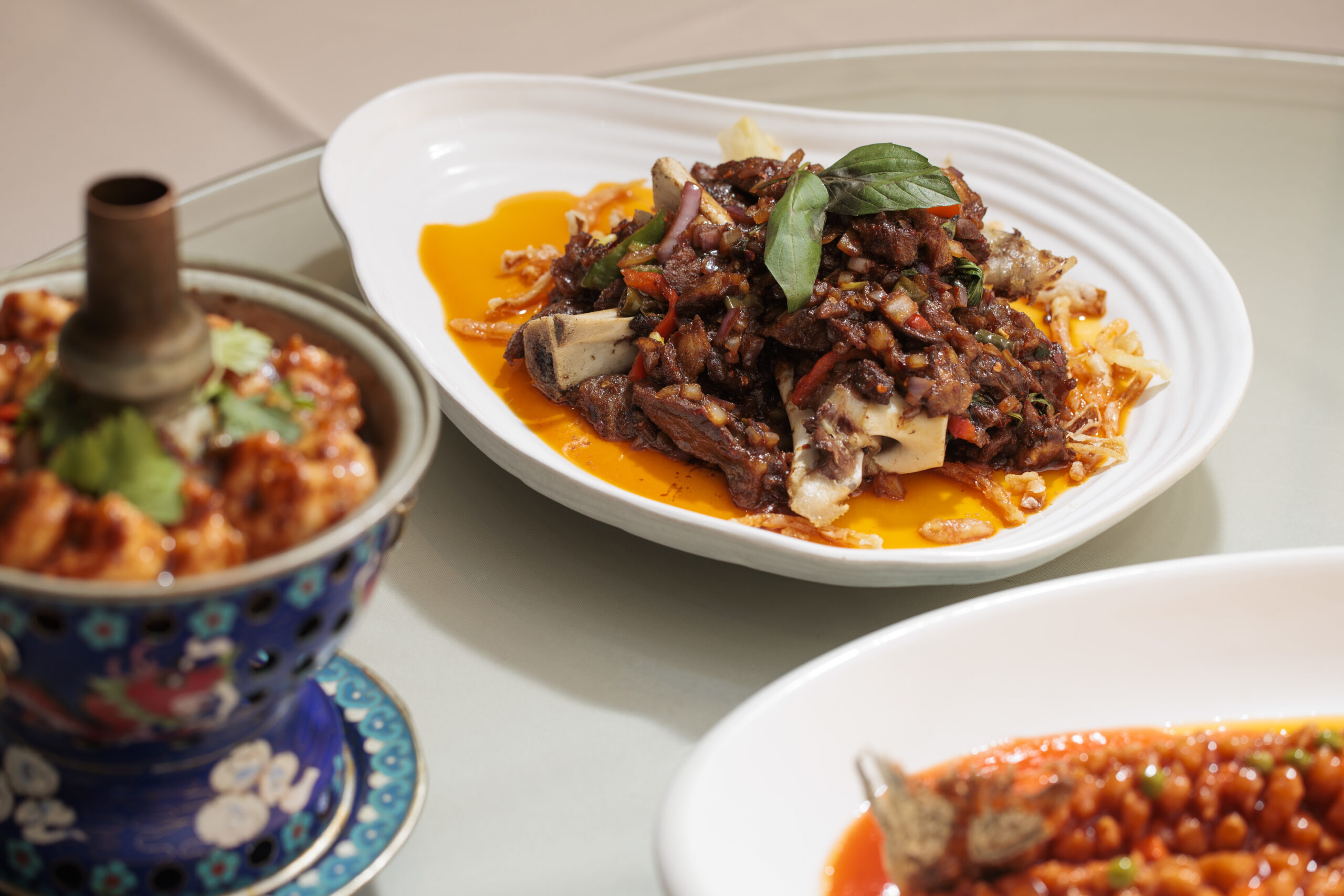
Chang’s take on dan dan noodles, for example, is simultaneously lighter, brighter, and more potently spiced than others I’ve tried in other local Sichuan restaurants — the usual ground meat subbed out for vegetarian diced tofu, then scattered with crushed peanuts and umami sparks of preserved olives and mustard greens. His black pepper shrimp, dramatically presented in a beautiful blue and yellow hot pot, is a delicious personal fusion of multiple regional styles; the bold-yet-balanced sauce blends Sichuan kung pao with the pungent tingle of Hunan black pepper and splashes of Maggi and Worcestershire sauces, which Chang’s daughter and business partner, Lydia Chang, says is a typical move in Cantonese kitchens.
The Szechuan dan dan noodles with tofu is a spicy vegetarian offering at both Peter Chang and Mama Chang.The black pepper shrimp at Peter Chang King of Prussia on Thursday, Feb. 19, 2026 in King of Prussia, Pa
The group’s flagship concept, Peter Chang, of which there are currently 15 locations, opened in a modest King of Prussia BYOB last summer, while the much larger Mama Chang debuted in October with a liquor license in a 400-seat Colmar space previously occupied by Golden City, a Chinese standby for 39 years.
In theory, the two are different concepts, with Peter Chang presenting a broad array of classic Chinese dishes, many of them presented in tapas-style small dishes, while Mama Chang, originally opened in Fairfax, Va., was created to showcase the Hubei-style home cooking and larger family-style portions inspired by Chang’s mother, Ronger Wang. In practice, the two Philadelphia-area restaurants share almost identical menus while the company figures out what each audience will respond to most.
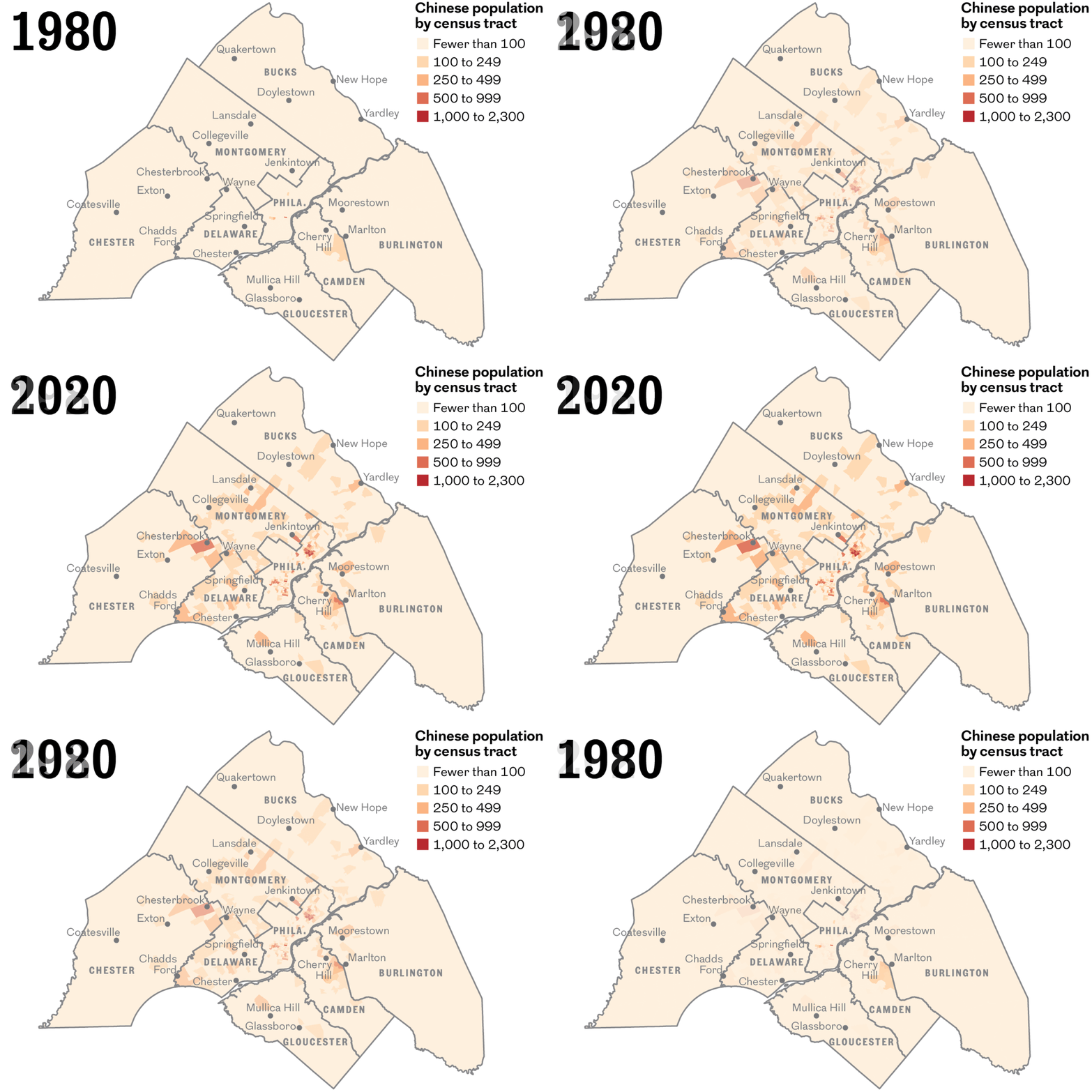
The restaurant group has typically favored suburban locations in part because of their access to easy parking, but also for the opportunity to offer diverse communities unfamiliar with traditional Chinese cooking a taste of something different, says Lydia. In the case of this region, however, there’s already been a major demographic shift of Chinese families moving to Philly’s northern and western suburbs over the past two decades. Restaurants like Mama Wong, the original locations for Han Dynasty in Exton and Royersford, and Margaret Kuo’s Kitchen have successfully found their audiences without having to make too many compromises.
See how the area’s Chinese population grew between 1980 and 2021.
About 40% of Peter Chang’s King of Prussia customers are of Chinese descent, Lydia says. But in Colmar, that number drops to 20%, she says, and preferences for Americanized Chinese food remain strong. (“We try to be flexible,” she says, noting some Americanized standards like chicken lo mein and shrimp fried rice are still available.) The value of Peking duck combo meals and a $33 all-you-can-eat brunch and dim sum on weekends have been a draw.
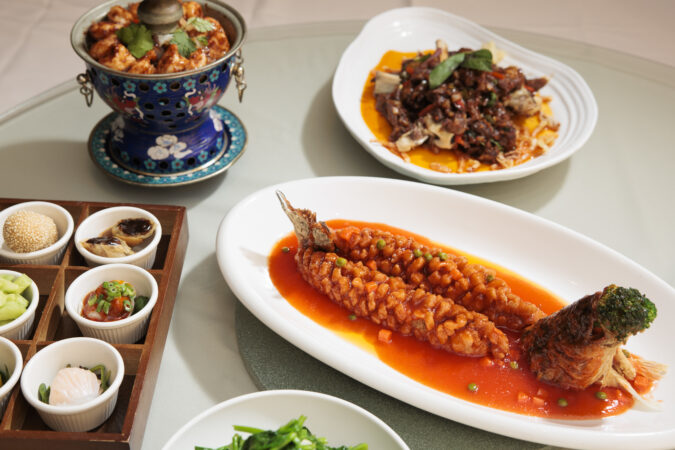
There are so many distinctive dishes at both locations, however, I‘d encourage diners to skip the impulse to order General Tso’s and try the Wuxi sweet-and-sour chicken, whose larger chunks and lighter batter feature a sauce with a punchy dose of garlic. The various dim sum here are also a great place to start, whether as the sampler or ordered in individual gems such as the firecracker cilantro fish roll, a shiitake-bok choy dumpling wrapped in a kale-infused dough, or the vibrant take on galicky cucumber salad, which glows pale green with a dressing of pureed jalapeños and scallions.
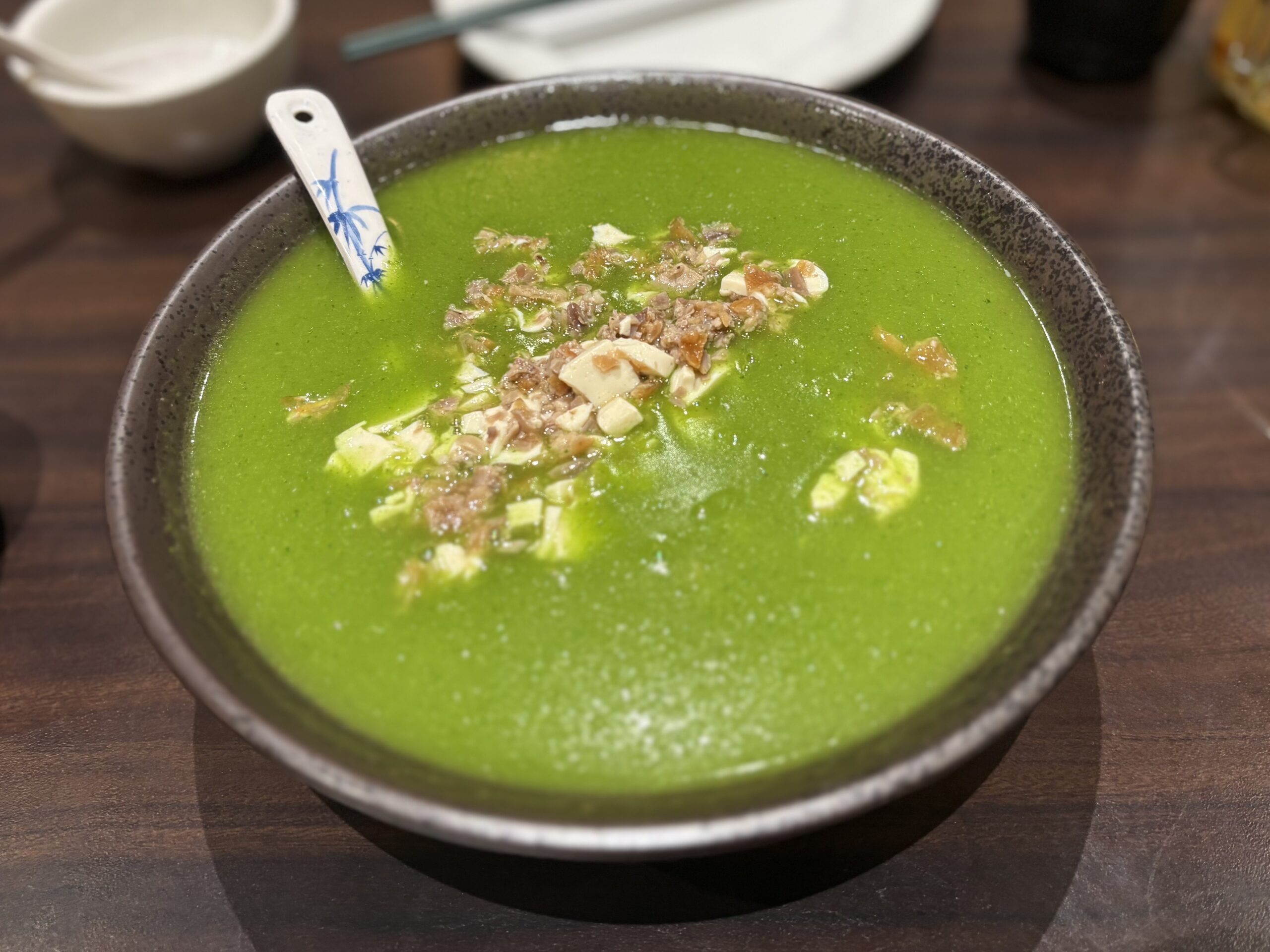
The jade tofu soup with duck is a signature dish at both Peter Chang and Mama Chang.The fried branzino at Peter Chang King of Prussia on Thursday, Feb. 19, 2026 in King of Prussia, Pa.
Sticking with Chang’s green trend, try the jade tofu duck soup, whose verdant broth is tinted with kale puree but also meaty with duck stock thanks to all the carcasses left over from the restaurant’s brisk Peking duck trade. Chang’s birds are cooked the classic way: inflated twice with a pump to separate the skin from the flesh, massaged with five-spice salt, scalded in a bath of baking soda, then roasted with a vinegar-and-corn syrup glaze until the tawny skin snaps like a candied cracker, to be wrapped tableside in pliant house-steamed pancakes with shaved scallion and a sweet dab of hoisin.
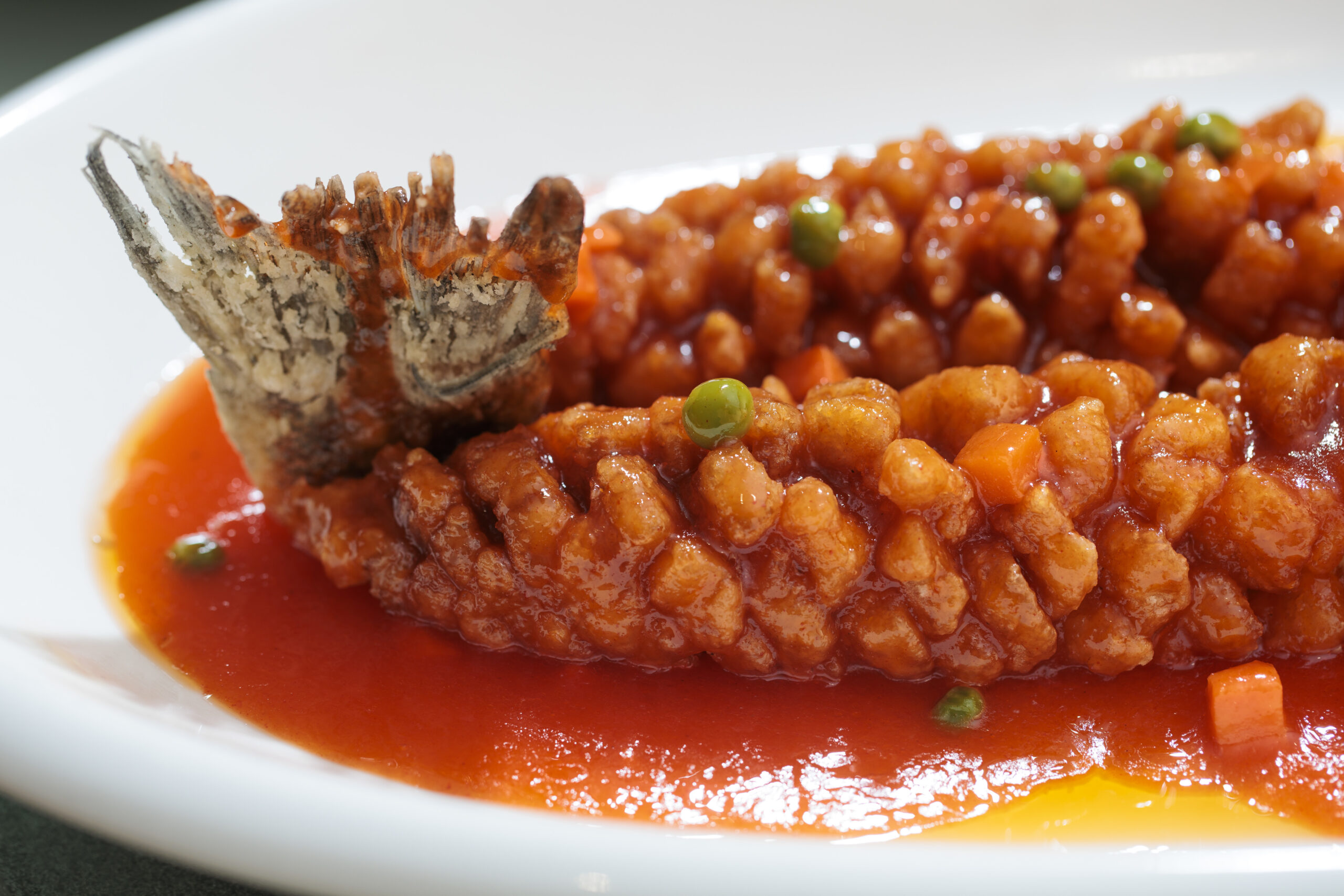
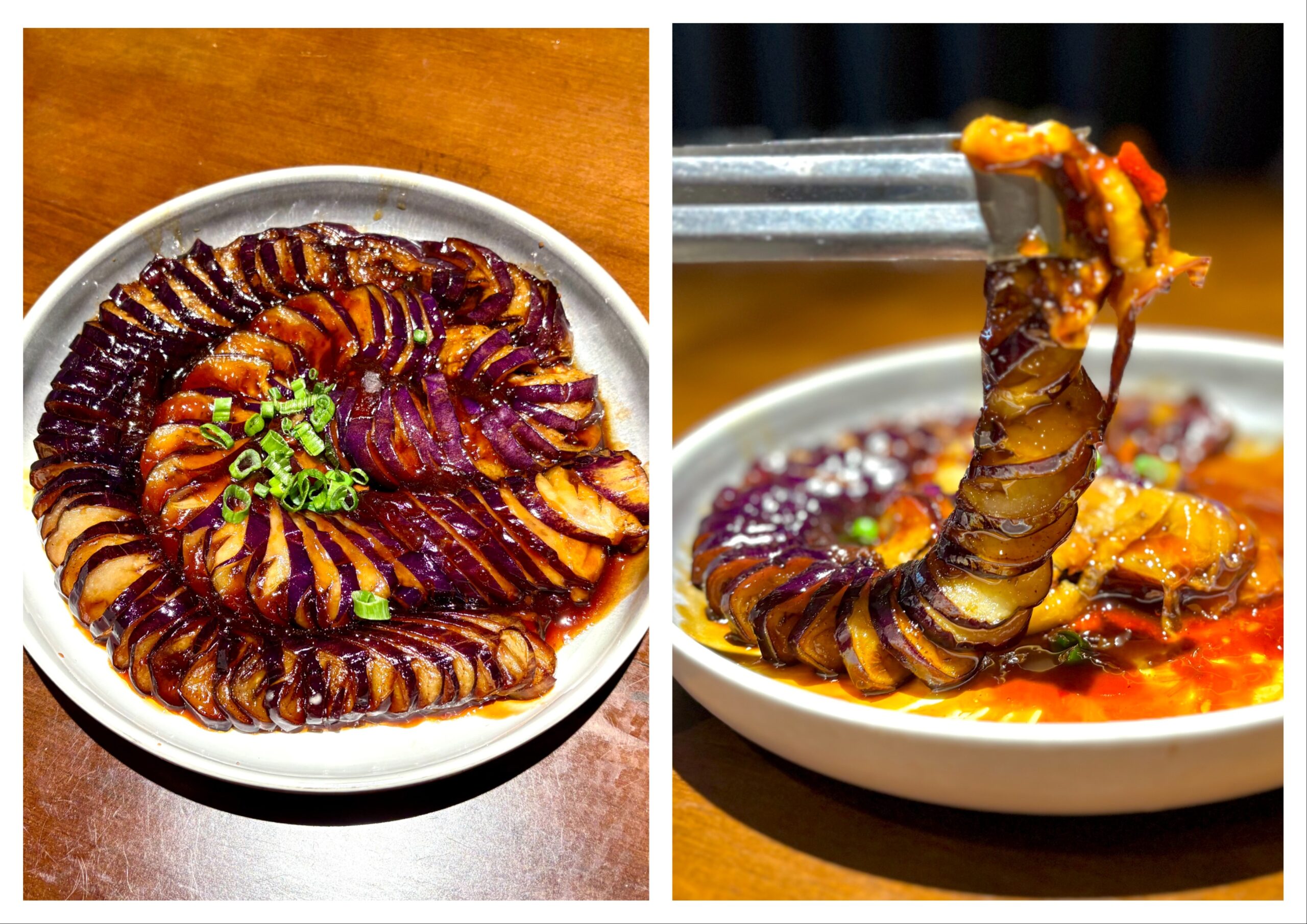
The duck is a sure crowd-pleaser, as is the meaty branzino in sweet-and-sour sauce, whose deep-fried fillets are crosshatched like a pine cone in a show of the kitchen’s technical proficiency with classic dishes. Another personal favorite, the dragon eggplant in garlic sauce, showcases more impressive knifework, using a series of angular cuts in thesuoyi style that lets it expand, Slinky-like, through a saucy glaze that balances sweetness, tang, and spice.
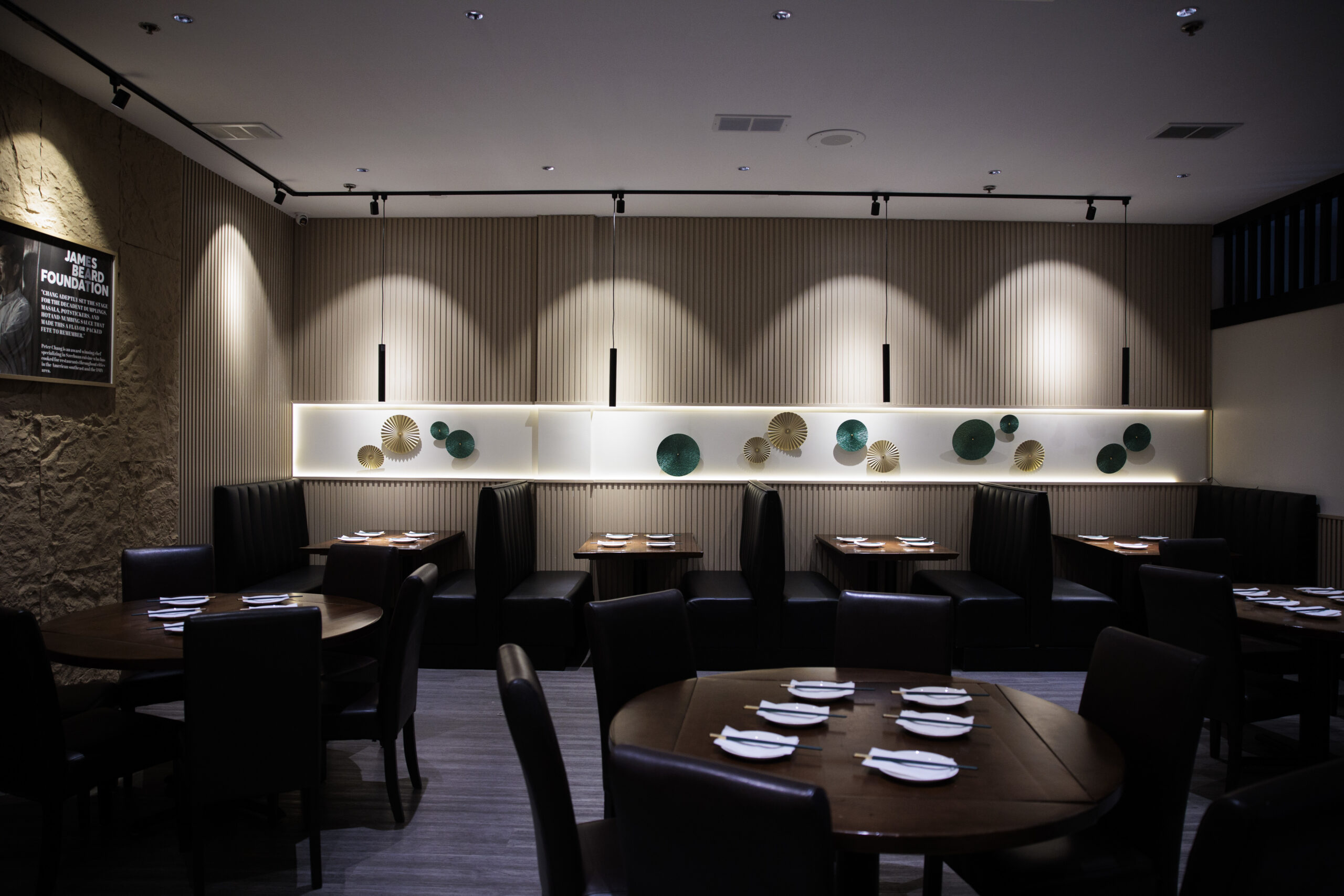
Dragon eggplant with garlic sauce at Peter Chang in King of Prussia showcases an intricate knife-cutting technique that allows the eggplant to remain in tact.The dining room at Peter Chang King of Prussia on Thursday, Feb. 19, 2026 in King of Prussia, Pa
Chang has a special fondness for spice, says his daughter, and that’s particularly evident in dishes that employ a double-cooked “dry fry” method, in which ingredients are pre-cooked or crisped in batter, then refried in the wok with shimmering aromatic spice. The eggplant fries are one delicious example, but so is the bamboo fish: crispy flounder fingers seared inside a crust that crackles from the addition of cooking wine and cornstarch, and radiates the heat of chilies and herbal fresh cilantro. House-steeped chili oil infused with cardamom and star anise, which takes days to make, transforms shredded tofu skin salad into irresistibly snappy noodles. Pickled fresh chilies are key to the soybean beef pot, a rarely seen rustic specialty that arrives simmering in a clay vessel. The hand-pulled noodles on Mama Chang’s menu employ chewy, hand-pulled Xi’an “belt” noodles as a springboard for garlic, ground Sichuan peppercorn powder, and coarse pepper flake garnishes that actually sizzle with aromatic steam when hot chili oil is drizzled over the base sauce of vinegar and soy.
But no dish brings a wallop of earthy flavor quite like the massive serving of double lamb shanks, an Uyghur-style dish I could not get enough of, whose tender meat comes falling off the bone, absolutely encrusted in cumin and pickled chilies.
The cumin spicy lamb shank at Peter Chang King of Prussia on Thursday, Feb. 19, 2026 in King of Prussia, Pa
It’s not all spice bombs. Some of the best offerings at both places reflect subtler flavors. One is the “farmer’s stir-fry,” which incorporates rough-chopped celery, bell peppers, and tofu skin scrambled into eggs, a nod to what Peter’s mom used to whip together from their family farm.
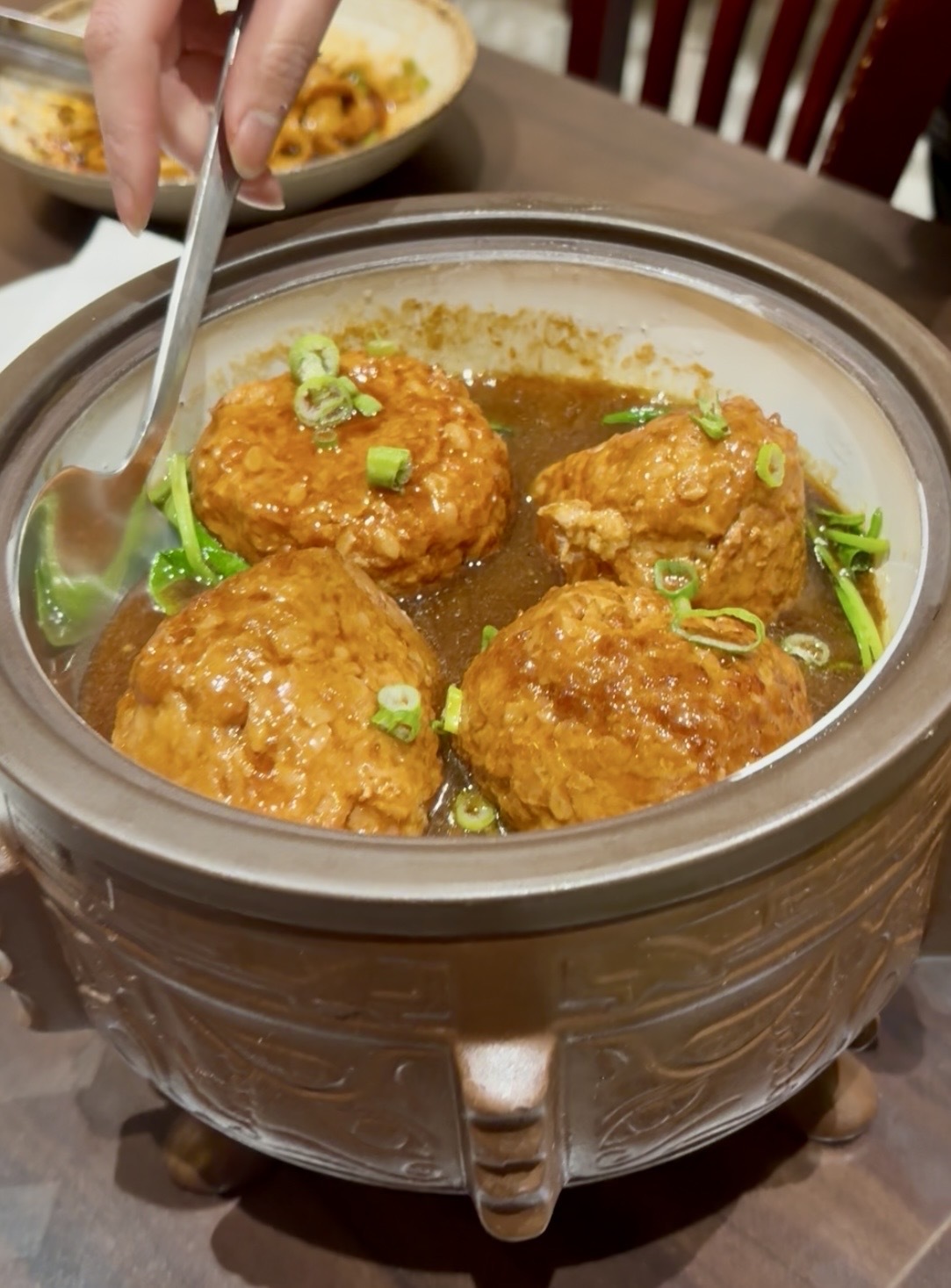
Another classic, the Yangzhou-style Lion’s Head meatballs are the height of comfort perfected through a knowing touch. These massive, cloud-like orbs of pork, impossibly fluffy in mild brown gravy, are the result of careful handiwork — both on the mince and the whipping, incorporating the meat into a high percentage of fat that simply melts away over the course of a slow braise in rich sauce scented with sesame oil and soy. I’ve had this dish multiple times in Chinatown, but never such an airy rendition. Served in a hot pot topped with a ceramic Buddha, it’s the kind of nostalgic dish that bridges the elegance, say, of an embassy banquet with the homespun feeling the restaurant group would like Mama Chang to eventually embrace more fully in Colmar.
I’ll be curious to observe as these two locations evolve, especially once the wider public realizes one of America’s most decorated Chinese chefs has finally landed in our region. As is, they’re both already worthy additions to the suburban dining scene. Once Chang and his family find their footing and dive deeper into their culinary mission, there’s potential for the pair of restaurants to become a wider draw.
Fluffy pork Lions Head meatballs are typical of the home-style Chinese cooking featured at Mama Chang in Colmar, Pa.
Peter Chang KOP
Henderson Square, 314 S. Henderson Rd., Suite C, King of Prussia, 717-431-0488, peterchangkop.com
Open 11 a.m. to 9 p.m. Sunday through Thursday, until 10 p.m. Friday and Saturday.
Larger plates, $16-$40.
Wheelchair accessible.
Not ideal for gluten-free dining.
BYOB
Menu highlights: Dim sum box platter (firecracker cilantro fish roll; Peking duck roll; chili oil pork and shrimp wonton; garlic cucumber salad); scallion bubble pancake; tofu skin salad with chili oil; dan dan noodles with tofu; spicy dry fried eggplant; farmer’s stir fry; dry fried bamboo fish; twice-cooked pork belly; dragon eggplant with garlic sauce; Peking duck; soy bean beef pot; cumin lamb shank; fried branzino with sweet and sour sauce.