Category: Outdoors Life

  • Spring blossoms, biscuits, and Blue Ridge views in Charlottesville, Va. | Field Trip

    Spring blossoms, biscuits, and Blue Ridge views in Charlottesville, Va. | Field Trip

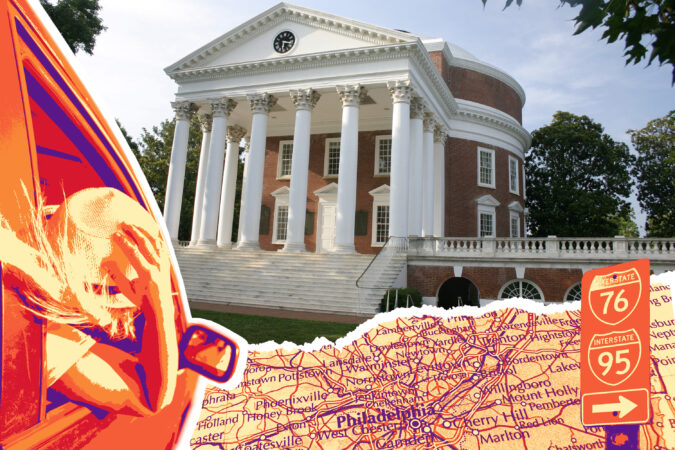
    Nestled in the foothills of the Blue Ridge Mountains, Charlottesville is ready for spring. The season there comes a little earlier than ours — cherry blossoms popping, birds trilling — so those planning a March getaway should consider the Virginian city, where the weather is often mild enough to spend serious time outside. Rails and walking paths wind like shoelaces through downtown and into the surrounding countryside. As a university town, C’ville is also packed with arts, music, shopping and dining, and Thomas Jefferson’s Monticello estate sits just on the outskirts of town, high on a hill.

    Get your history, get your biscuits. Start the car.

    Fuel: Ace Biscuit & BBQ

    The first stop in town, Ace Biscuit BBQ, announces you’ve arrived in the South. The redbrick building, on the literal other side of the tracks from downtown, opens at 7 a.m. with hot, fresh, crumbly biscuits. Get with butter and jam, sausage gravy, or as bookends to a serious breakfast sandwich with smoked brisket, an over-easy egg, caramelized onions, and cheddar.

    📍 600 Concord Ave., Charlottesville, Va. 22903

    Stay: Graduate Charlottesville

    Charlottesville is a college town, with the University of Virginia’s idyllic and historic campus right downtown. Lean into it and stay at the Graduate, a newer property from the collegiate-themed brand under the Hilton umbrella. Opened in 2015, the hotel is still super fresh, with a game room, scenic rooftop, and rooms dressed in soothing blue walls, Cavalier-print curtains, and bolster pillows embroidered with “Wah-hoo-wa,” the university’s sports cheer.

    📍 1309 W. Main St., Charlottesville, Va. 22903

    Stroll: Downtown Mall

    A short walk from the Graduate, Charlottesville’s pedestrian Downtown Mall offers a solid orientation to the city’s commercial core. Visit shops like C’Ville Arts, a co-op gallery representing over 50 Virginia artists, or catch a show at the historic Paramount Theater, which opened in 1931, closed in 1974, and reopened after a $17-million restoration in 2004. When the biscuit craving returns, hit Miller’s Downtown for lunch. It’s famous for the Charlottesville Nasty chicken biscuit, but the pimento-cheese BLT is the actual move.

    📍 E. Main St., between Second Street NW and Ninth Street NE, Charlottesville, Va.

    Visit: Monticello

    Whether you think history is a snooze or can quote Hamilton from memory — “Thomas Jefferson’s coming home!”— Monticello is must-visit. Set on 2,500 bucolic acres, the estate features multiple exhibits inside, outside, and even beneath the mansion, with thoughtful attention paid to the enslaved people who worked Jefferson’s plantation, including Sally Hemings, with whom he fathered six children.

    📍 1050 Monticello Loop, Charlottesville, Va. 22902

    Walk: Saunders-Monticello Trail

    Beyond the landscaped gardens of Monticello proper, the fairytale woods and meadows of the estate beg for exploring. The Saunders-Monticello Trail is an easy lift for all activity levels, with a maximum five-percent incline and two miles of wheelchair-accessible paved paths and boardwalks winding through forest and over ravines. Stop at Carter Overlook for panoramic views of Charlottesville and the Blue Ridge Mountains.

    📍 Parking: 503 Thomas Jefferson Pkwy., Charlottesville, Va. 22902

    Drink: Blenheim Vineyards

    Dave Matthews Band got its start in Charlottesville, gigging at Miller’s on the mall and other stages around town. Though the singer now lives in Seattle, he maintains a strong connection to Virginia. One touchpoint is his winery, Blenheim Vineyards, situated on 32 acres of rolling chartreuse hills stitched with sauvignon blanc, chardonnay, and albarino vines. Giant windows in the wood-clad A-frame frame the landscape during guided tastings of five wines (just $25). Consider this your pre-dinner drinks.

    📍 31 Blenheim Farm, Charlottesville, Va. 22902

    Dine: Smyrna

    Back downtown, Smyrna’s oysters with ramp mignonette, hamachi crudo with anise-compressed melon, and manti dumplings dabbed with garlic yogurt earned chef Tarik Sengul a semifinalist nod from the James Beard Foundation this year. You’ll have to wait till April to find out if he advances to the finalist round of the awards — making right now an ideal time to check this sharp Aegean restaurant out for yourself.

    📍 707 W. Main St., Charlottesville, Va. 22903
  • Industrial bones and big flavors in Easton, Pa. | Field Trip

    Industrial bones and big flavors in Easton, Pa. | Field Trip

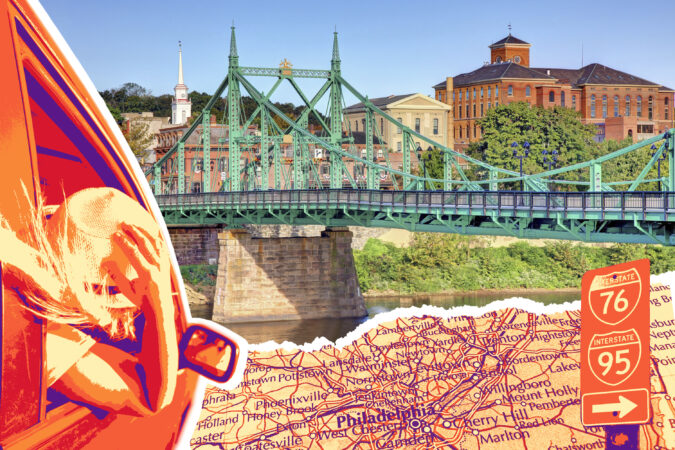
    Nestled in the crook of the Lehigh and Delaware Rivers, Easton’s manufacturing might was powered by its waterways during the Industrial Revolution in the early 20th century. Tanneries, flour and silk mills, distilleries, breweries — these were the big businesses in town.

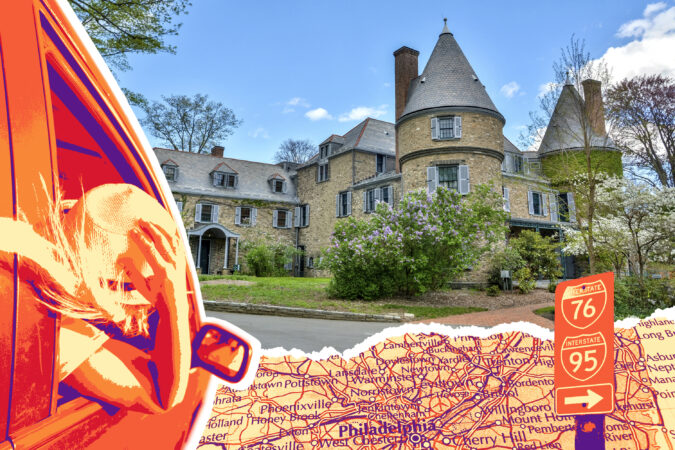
    Now, those old industrial shells and the former mansions of tycoons house cafés and galleries, boutique hotels and French-inspired markets. Easton sits just 90 minutes from Philly, making it an easy weekend getaway. Take the Turnpike north, hook a right at Allentown, and head toward the river.

    Start the car.

    Stay: Townley House Hotel

    In dining, shopping and arts, Easton way overdelivers. Hotels are still catching up. Fortunately, the popular Gusto Hospitality Group (see Dine, below) opened the Townley House Hotel several years ago, and the 16-room boutique remains the best place to stay in town. An original mahogany staircase links the levels of this restored brick townhouse on Easton’s historic Millionaire’s Row. There’s a sun-dappled courtyard, Mercer-tiled fireplaces, maximalist wallpapers and custom headboards — a different one for each room.

    📍 130 N. 3rd St., Easton, Pa. 18042

    Stroll: Karl Stirner Arts Trail

    Running nearly two miles along scenic Bushkill Creek to Lafayette College’s William Visual Arts Building, the Karl Stirner Arts Trail weaves through 27 works of public art. The trail is named for the German-born sculptor and metalsmith largely credited for making Easton an arts destination in the ‘80s. You’ll find his untitled steel arch, painted an unmissable scarlet, about two-thirds of the way down the path.

    📍 Parking at 521 N. 13th St., Easton, Pa. 18042

    Snack: Pie + Tart

    In this world, there are people who love pie, and there are monsters. Don’t be a monster. On Northampton Street, Easton’s main drag, Pie + Tart is charming spot with exposed brick walls and Shaker-style chairs from bakers Lisa Yelagin and Anne Gerr. Savory pies (coq au vin) and sweet ones (Mexican chocolate chess, cherry cheesecake) rotate weekly, alongside soups, quiches, and other cozy blackboard specials.

    📍 349 Northampton St., Easton, Pa. 18042

    Create: Crayola Experience

    If you’re bringing kids — or you simply have strong feelings about Burnt Sienna and Tickle-Me-Pink — meet the Crayola Experience. The king of crayons was born — and still manufactured — right here in Easton. The four-floor experience mixes analog crafts and digital diversions, including an 85-foot water table and a photo booth that generates a coloring-book selfie. Great opportunity to see what you’d look like as a Mango Tango redhead.

    📍 30 Centre Sq. Cir., Easton, Pa. 18042

    Shop: Belleville Market

    Men’s shearling-lined shackets, watercolor paint-by-numbers journals, irreverent incense (“Chai-Scented Laziness,” “Burn Away the BS”) and more fill Belleville Market, a three-level department store inspired by the marketplaces the owners fell for in France. Keep an eye on their events page to see if your Easton trip lines up with the shop’s happenings, like the upcoming Moka pot demonstration and tasting and floral-filled spring open house.

    📍 20 S. 3rd St., Easton, Pa. 18042

    Drink: Kabinett

    We don’t need to tell you: The PLCB does not make sourcing great wine easy. Which makes Kabinett, a Bavarian-inspired refuge furnished with warm woods, wishbone chairs, and framed botanical prints, all the more impressive. A grandly antlered stag skull presides over the bar. The Wine Spectator-recognized list ranges from whole-cluster Santa Barbara Sangiovese and South Australian Riesling from 175-year-old vines. It’s deep but playful, organized under headings like:“Reds ~ OK, Boomer. Safe Cabernet & oak space for full-throttle bottles.”

    📍 125 Northampton St., Easton, Pa. 18042

    Dine: Albanesi Restaurant & Bar

    Italian restaurants run by Albanians form their own industry sub-genre. At Albanesi Restaurant & Bar, Gusto Group’s Mick Gjevukaj, who grew up in the war-torn former Yugoslavia, is putting his heritage center stage with dishes like harissa-spiced rib-eye qofte (kofte), veal goulash, and braised lamb shoulder lacquered in pomegranate. Climb into one of the camel-colored clamshell banquettes, order some samuna bread and hummus swirled with ajvar, a Balkan condiment of roasted peppers and tomatoes, and settle in for culinary geography lesson. Who knew you’d learn it in Easton?

    📍 235 Ferry St., Easton, Pa. 18042

  • Philly is warming up after a historic cold snap, as locals break out short sleeves and plan vacations

    Philly is warming up after a historic cold snap, as locals break out short sleeves and plan vacations

    Punxsutawney Phil may have seen his shadow, but Phillies pitchers and catchers are reporting in at the Clearwater spring training facility, and that means one thing: Warmer weather is arriving in Philadelphia.

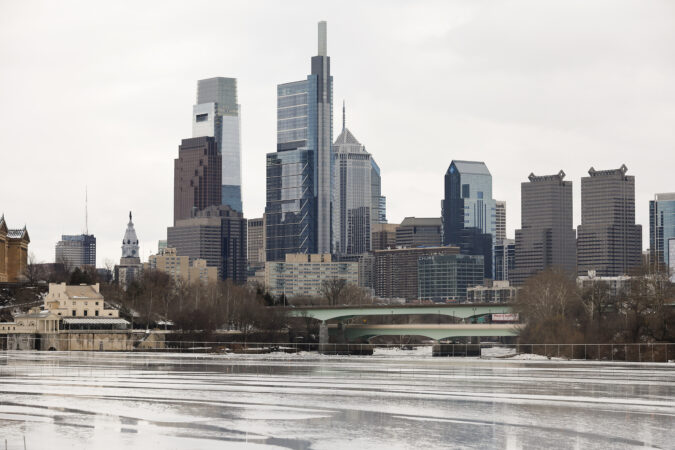
    After the biggest snowfall in a decade and an Arctic freeze that locked in the snowpack with a tenacity rarely experienced in the region, Philadelphians can now be seen walking the streets in short sleeves, eating lunch outside, and preparing for spring staples like the Cherry Blossom Festival.

    It was only in the 40s in Philly Wednesday, but after what felt like a never-ending cold front, it might as well have been summer.

    “I can’t wait to take walks again,” said Jenny Rojas, a Korean major at the University of Pennsylvania. She and classmate Justin Lo were strolling through campus in 40-degree weather like it was a breath of fresh air after weeks of below-freezing temperatures.

    “I’m from Michigan, so this snow isn’t that bad, but the temperatures were freezing. We just stayed inside,” said Lo, a Penn economics major.

    As Philadelphians bustled through Penn’s campus, an assortment of short-sleeve T-shirts, skirts, and shorts was sported by many. Some folks’ lack of coats didn’t stop Lo and Rojas from bundling up still. And while the temperature is getting reasonable, Philadelphians are still traversing treacherously slippery sidewalks and 3-foot snow piles blocking walkways.

    The remnants are going to be slow to vanish with overnight lows below freezing, but the snowpack is decidedly showing its age and is on the run.

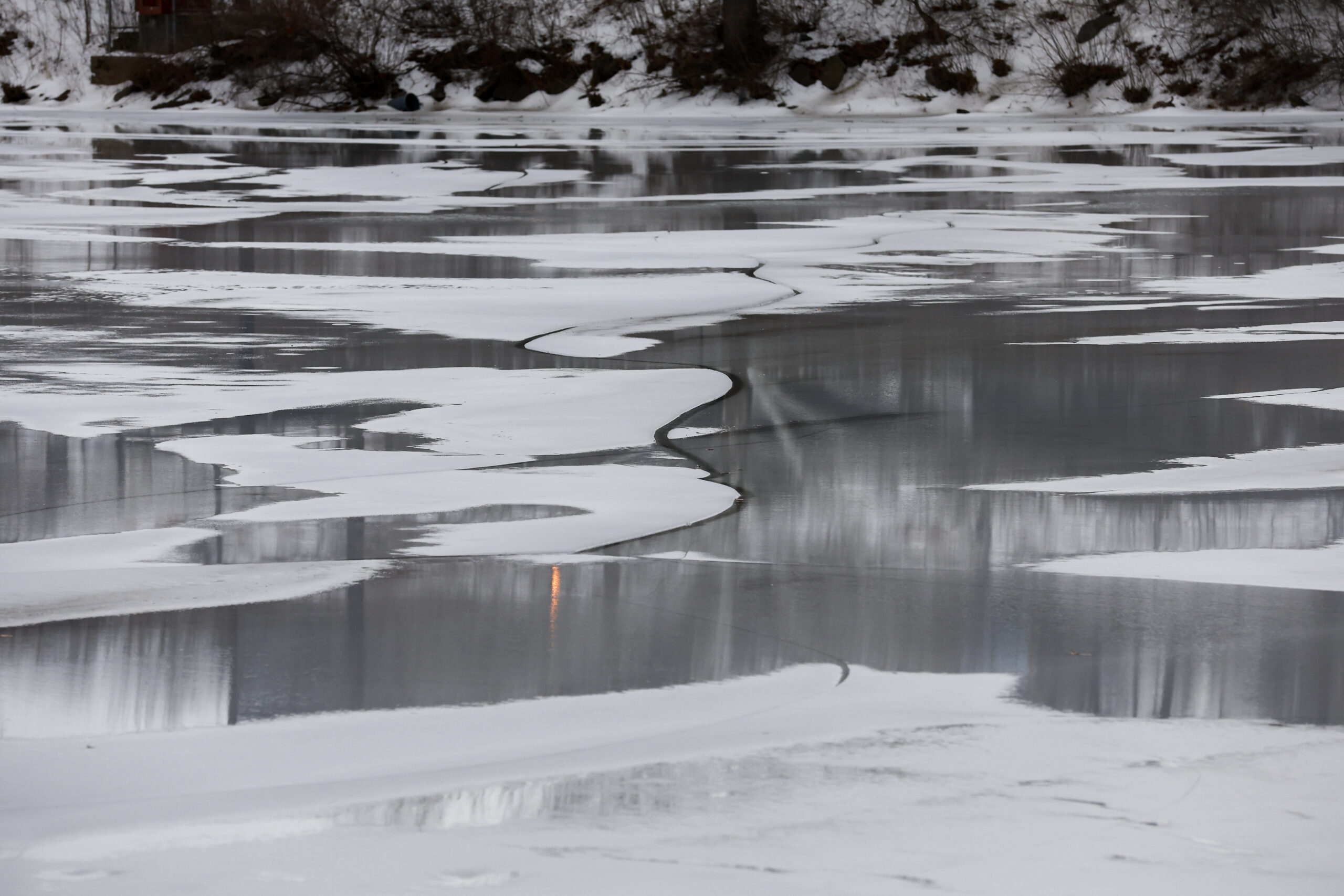
    The ice covering the Schuylkill River is melting on Wednesday, Feb. 11, 2026 in Philadelphia, Pa. The high on Wednesday was 46 degrees.

    Temperatures are due to cool down some Thursday and Friday with highs in the 30s, but the 40s are due back on the weekend.

    For some, like Penn administrative assistant Sheria Crawley, it was just a relief, and a surprise, to be able to finally say, “Thank God it’s 30 degrees out.” Crawley, who has lived in the city for years, said the snowstorm of 2026 is one of the worst she’s seen, not giving residents a reprieve from the cold.

    “It was brutal because we’re used to getting snow and then a warm-up right after that takes the snow away. This year, we couldn’t catch a break,” she said.

    The thing she can’t wait for most this spring is to see the “last vestige” of snow finally melt. Crawley said she would be excited then, but the severity of this storm would stick with her for years.

    “I feel like there’s going to be a mass exodus from the city to all the classic vacation spots nearby so that we can just recover from that storm,” she said.

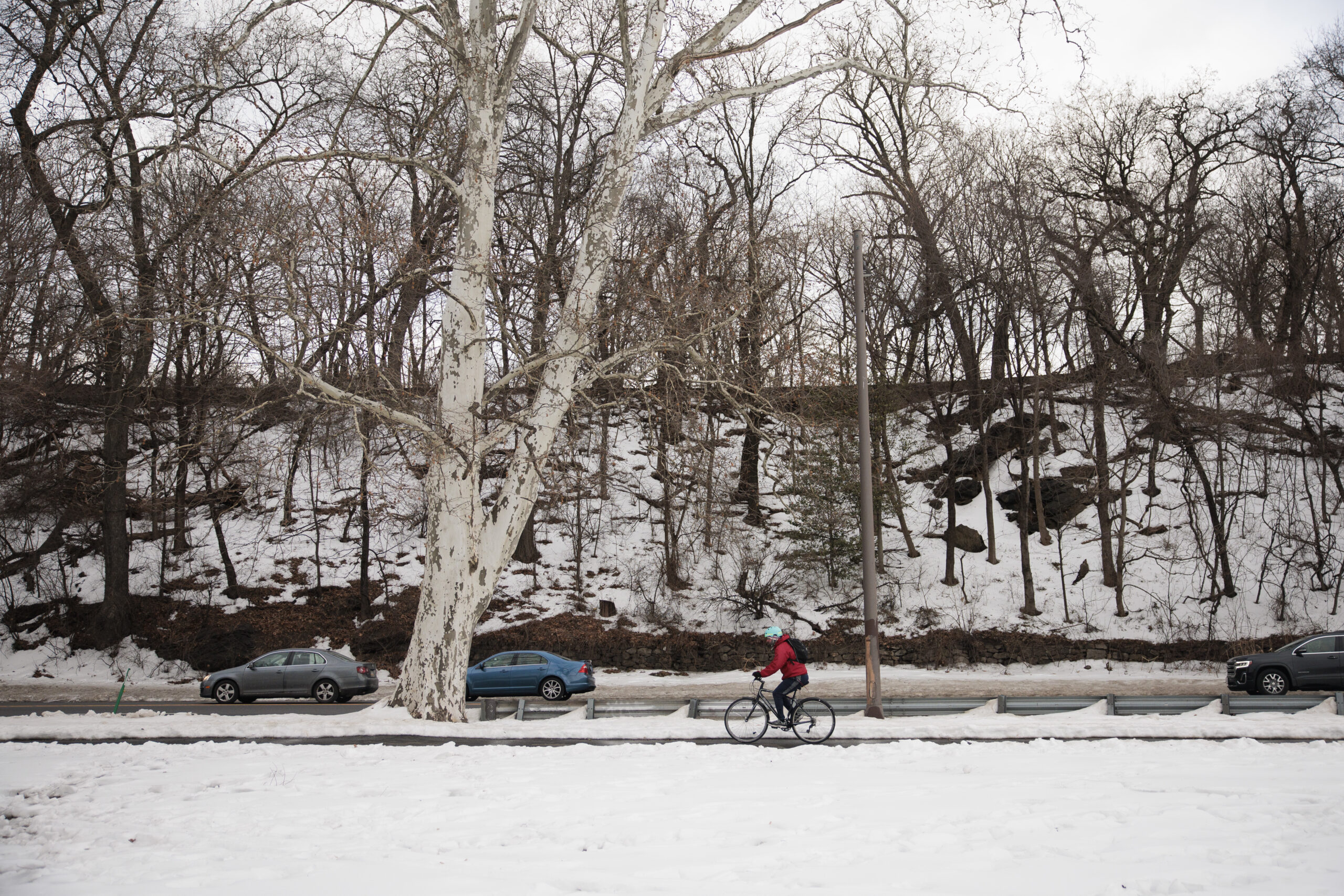
    A cyclist travels on the Schuylkill River Trail along Kelly Drive on Wednesday, Feb. 11, 2026 in Philadelphia, Pa. The high on Wednesday was 46 degrees.

    Eirini Antonopoulou felt like a phoenix rising from the ashes after weeks cooped up inside without the sunshine.

    “Since the previous weeks have been so gloomy, I’ve been feeling kind of down,” the Penn freshman said. “It’s gorgeous out today. We have more sunlight now, so I feel more optimistic.”

    Antonopoulou’s classmate, Tyrus Roney, said he was happy to see city life returning to normal, with people stopping to chat and not bundled up, rushing to their destinations.

    “It’s just it’s so much more vibrant with people outside interacting with each other,” Roney said. “Now we just have to take care of this dirty snow on the side of the road.”

    On another day, perhaps we would mention that the region has an outside chance of seeing some fresh snow late in the weekend. That can wait; as long as it chooses.

  • A snowy New England escape in Manchester, Vt. | Field Trip

    A snowy New England escape in Manchester, Vt. | Field Trip

    A tiny state, more than a third of which represents conserved land, Vermont has done things its own way since the colonial era. Its Green Mountain Boys militia once fended off land claims from New York and New Hampshire, and for a brief moment, Vermont even functioned as its own republic. That don’t-tread-on-me energy still lingers today, blended with a deep respect for the arts, outdoors, history, and small business. In southern Vermont, less than five hours from Philly, the village of Manchester is a microcosm of that personality. Slung between the Green Mountains, the glowing town looks like something straight out of a Hallmark movie — especially in winter, when snow this time of year is nearly guaranteed.

    Start the car.

    Stay: Kimpton Taconic

    Stone fireplaces, leather chairs, plaid wallpaper, draft-blocking drapes, a grand front porch … Kimpton Taconic hits the winter-in-New-England vibes hard. The 86-room boutique hotel sits right on Main Street, close to everything in town, and has a solid on-site tavern, the Copper Grouse (think cider-brined chicken and maple crème brulée). The hotel also offers seamless equipment rentals through a Ski Butlers partnership. Bookings also include two free adult tickets to Hildene.

    📍 3835 Main St., Manchester, Vt. 05254

    Visit: Hildene

    Just south of town, surrounded by woods and snow, Hildene was built at the turn of the 20th century by Mary and Robert Lincoln, the only son of Abraham and Mary Todd Lincoln. Run as a museum nonprofit since 1978, the Georgian Revival estate, gardens, and 12 miles of trails are open to visitors, making it a must-stop whether you’re into history, architecture, design, or horticulture. Train buffs will love Sunbeam, the restored Pullman carriage from Robert Lincoln’s tenure as president of the Pullman Co. from 1897 to 1911.

    📍 1005 Hildene Rd., Manchester, Vt. 05254

    View: Southern Vermont Arts Center

    Take a short detour off Main Street into the forest and you’ll find Southern Vermont Arts Center. This estate includes classrooms, museum galleries, performance space, a yoga studio, and a café. Originally built in 1917 as a summer estate for an Ohio socialite and philanthropist, the property was acquired by the arts center in 1950. Grab a coffee at the café and walk — or snowshoe, or cross-country ski — through their epic sculpture park.

    📍 860 Southern Vermont Arts Center Dr., Manchester, Vt. 05254

    Shop: Northshire Bookstore

    Northshire Bookstore is almost a caricature of Vermont: a rambling country house riddled with cozy alcoves. Opened in 1976 and now run by three sisters who grew up shopping there, the store leans hard into its indie roots — staff bios list genre specialties and years of service. They’ve got the bestsellers, sure, but it’s their rare-books collection that’s really special. A signed Jimmy Carter autobiography, for example, or an alternatively illustrated British edition of Harry Potter and the Chamber of Secrets.

    📍 4869 Main St., Manchester Center, Vt. 05255

    Ski: Bromley Mountain

    Located only 10 minutes from town, Bromley Mountain’s 47 trails represent a solid mix of expertise levels. If you’re skiing experience begins and ends with the Poconos, maybe start with a few runs on the family-friendly Chase-It trail before leveling up to the Lord’s Prayer, the Plunge, and Havoc.

    📍 124 Bromley Lodge Rd., Peru, Vt. 05152

    Relax: Spa at the Equinox

    After a day on the slopes, soothe those boot-bound feet and sore hammies at the Spa at the Equinox. Deep-tissue massage, Ayurveda treatments, cupping therapy, maple sugar scrubs — get one, get them all. You won’t want to leave the spa. It’s got cozy relaxation lounges, a huge indoor pool stretching out beneath an open-beam ceiling, and an outdoor hot tub perpetually cloaked in steam.

    📍 3567 Main St., Manchester, Vt. 05254

    Dine: The Reluctant Panther

    Points for the name alone. The Reluctant Panther, whose moniker nods to Vermont’s resistance to outside rule in the late 1700s, has been operating as a bed-and-breakfast since the 1960s — but its restaurant is open to the public. The food is exactly what you want to eat in the winter here: a Vermont cheese board, thick pork chops with German potato salad and smoked maple gastrique, venison osso buco, all served in a fireplace-warmed dining room. The wine list has earned Wine Spectator recognition four years straight. Meow.

    📍 39 West Rd., Manchester, Vt. 05254

  • Offseason eats, arcades, and live music in Asbury Park | Field Trip

    Offseason eats, arcades, and live music in Asbury Park | Field Trip

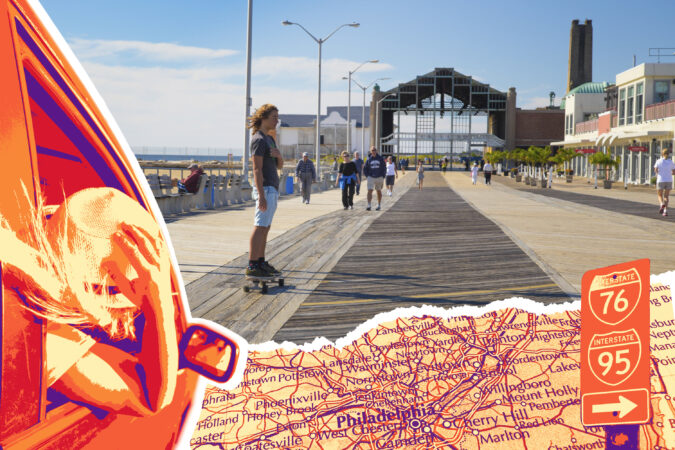
    Would you believe it if we told you Asbury Park is the same distance from Philly as Sea Isle? For many Philadelphians, the north end of the Shore might as well exist on another planet. Fortunately, the offseason is the perfect time to broaden one’s horizons — so that come summer, you might break out of the tribal nature that governs which sands you plant your umbrella in.

    As one of the larger towns on the coast, with a healthy year-round population, Asbury Park makes an ideal entrée. Things are open in the winter.

    Not everything — but enough to keep you busy for a weekend of city-level food, idiosyncratic shopping, and live music. Start the car.

    Fuel: Hey Peach

    Make your first stop just to the south of Asbury, at Hey Peach in Bradley Beach. This inviting granny-core café-bakery from Erin “Peach” Kilker lines its wooden sideboard and pastry case with holey olive fougasses, crackling croissants, Scottish shortbread, fat cream puffs, and more. If the weather cooperates, grab one of the bistro tables out front and enjoy your pastry (or three) with a Counter Culture coffee.

    📍 126 Main St., Bradley Beach, N.J. 07720

    Stay: Asbury Ocean Club

    It might not be beach weather, but the glittering sea views from the 11-foot windows at Asbury Ocean Club are just as dramatic in winter. The soothing dune-and-khaki suites in this luxurious 54-room high-rise — which opened in 2019 — feel especially indulgent in the offseason. Winter rates hover in the mid-$300s; that same room can top $1,000 on a summer weekend.

    📍 1101 Ocean Ave. N., Asbury Park, N.J. 07712

    Play: Silverball Retro Arcade

    Cosplay your favorite Stranger Things kid (minus the Vecna creepy-crawlies) at Silverball Retro Arcade. Gamer or not, it’s impossible not to light up like the 1992 Addams Family pinball machine when you step inside this clanging, jangling boardwalk fixture. And because it’s not summer, the chances are good you’ll have no trouble finding an empty Skee-Ball lane. (Fun fact: Skee-Ball was invented in Vineland in 1907, with early alleys manufactured in Philly.)

    📍 1000 Ocean Ave. N., Asbury Park, N.J. 07712

    Shop: Asbury Park Bazaar

    Right in the middle of the boardwalk, where you can shop for travel-inspired hoodies at Promised Land Apparel and thrifted art supplies at Asbury Park Art Club, Asbury Park Bazaar pops up through the year inside the Grand Arcade at Convention Hall. More than 50 vendors will fill the space on Valentine’s Day weekend, selling everything from patch-customized beanies and travel-inspired hoodies to candles that melt into massage oil.

    📍 1300 Ocean Ave. N., Unit C-4, Asbury Park, N.J. 07712

    Read: Paranormal Books & Curiosities

    Ghost ships, Victorian murders, haunted houses — in Asbury Park, spooky season never really ends. Paranormal Books & Curiosities anchors the city’s supernatural streak, selling horror novels, spellbooks, and oddities, while also running ghost tours and curating a small paranormal museum. Whether you’re looking for Grady Hendrix, Paul Tremblay, or something to summon the corners, you’ll find it here.

    📍 621 Cookman Ave., Asbury Park, N.J. 07712

    Dine: Judy & Harry’s

    Named for owner Neilly Robinson’s parents, Judy & Harry’s in the St. Laurent Hotel is a two-in-one restaurant and cocktail bar with butterscotch leather barstools, frosted globe lights, and framed family photos. The menu, by Robinson’s partner and James Beard semifinalist David Viana, blends her Italian and Jewish heritage with dishes like limoncello-splashed hamachi crudo, ricotta-matzo ball soup, schmaltzy potatoes, and chicken and eggplant parm. If you’re visiting Asbury on a Sunday, swing in for their $38 Sunday Sauce prix fixe supper.

    📍 408 Seventh Ave., Asbury Park, N.J. 07712

    Jam: The Stone Pony

    What’s the opposite of a sleeper pick? First opened in 1974, Stone Pony is so deeply and inextricably tethered to Asbury Park. Everyone knows it. The bar and venue runs shows every weekend through the offseason, and the variety is pretty astounding: a Dave Matthews tribute band, country singer Hunter Hayes, a student showcase from Red Bank’s School of Rock, bassist and Phish cofounder Mike Gordon. Tourists go. Summer people go. Locals go. You should go.

    📍 913 Ocean Ave. N., Asbury Park, N.J. 07712

  • Yes, there are bats in her Berks County home — and she’s trying to save them all

    Yes, there are bats in her Berks County home — and she’s trying to save them all

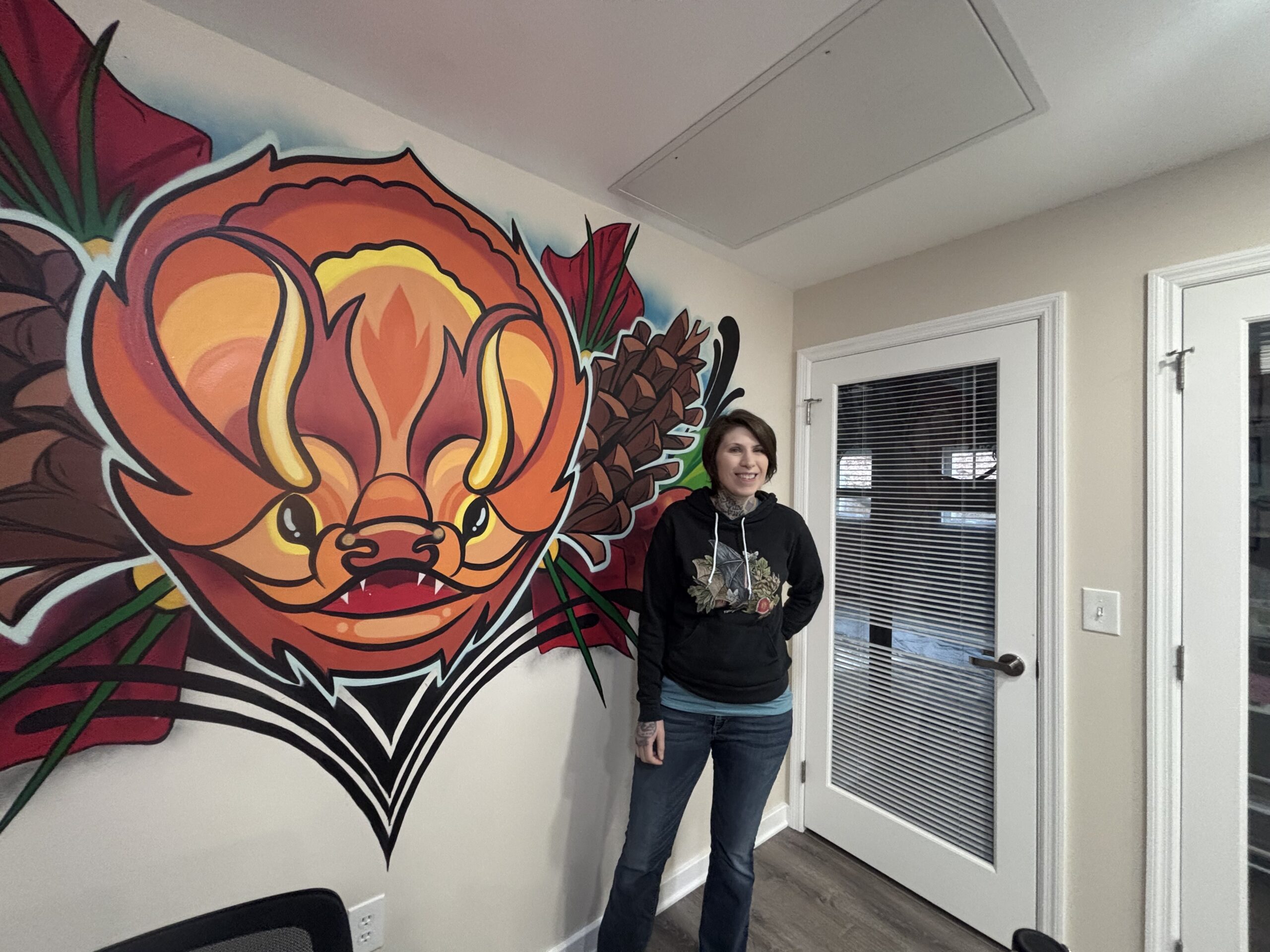
    Stephanie Stronsick has bats in her Berks County house. On purpose.

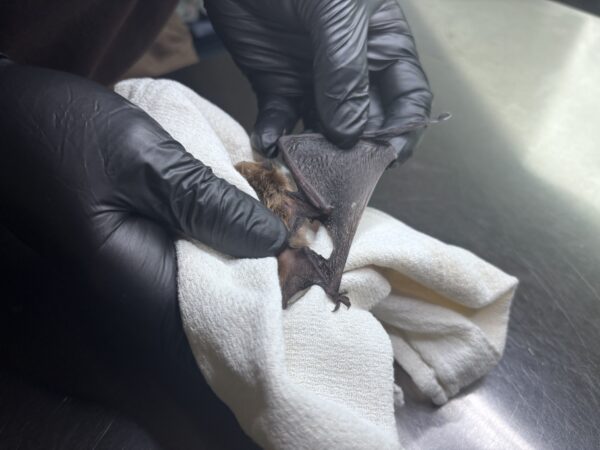
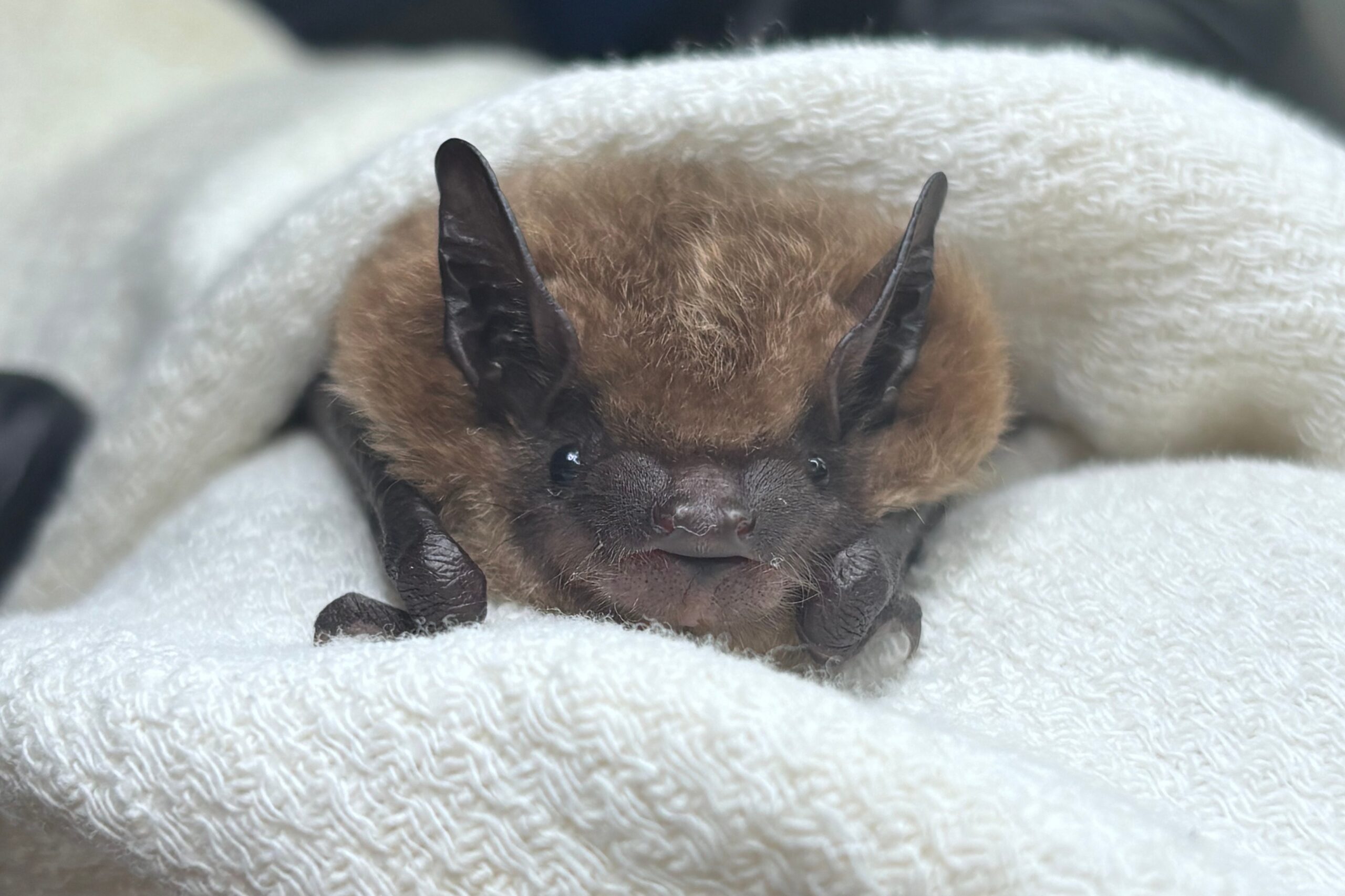
    “Aw, look at her little face,” Stronsick said about an injured brown bat her husband was holding on a recent winter afternoon.

    Stephanie Stronsick is the founder of PA Bat Rescue in Berks County.

    Stronsick, 42, is the founder and executive director of Pennsylvania Bat Conservation and Rehabilitation (PA Bat Rescue), a nonprofit that underwent a major overhaul last year.

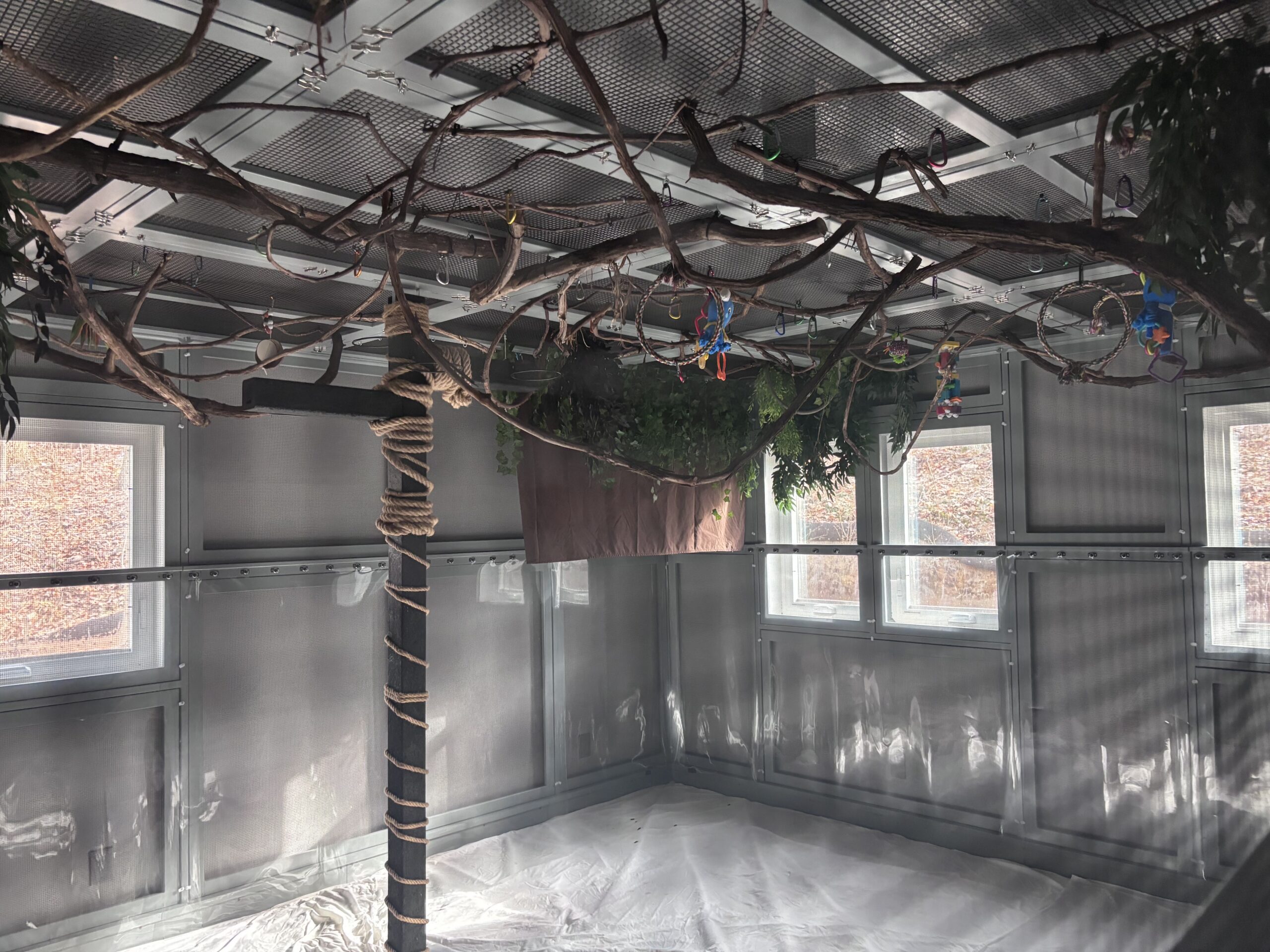
    She’d like the bats to leave, ideally, but only after they’ve healed. Currently, the facility is treating over 100 bats for injuries and illness. Some were struck by wind turbines or bonked their heads on tall urban buildings that don’t turn off their lights at night. Others were torn up by outdoor cats or birds of prey.

    Some big fruit bats, which look like puppies, were hanging upside down in one room. They used to live at the Akron Zoo.

    Like the other bats in Stronsick’s house, they were asleep.

    “They’re all retired,” she said.

    Many of Stronsick’s bats are being treated for white-nose syndrome, a fungal disease that has killed millions of bats in North America. In Pennsylvania, it’s estimated that 99% of cave-dwelling bats have been affected by the fungus during hibernation.

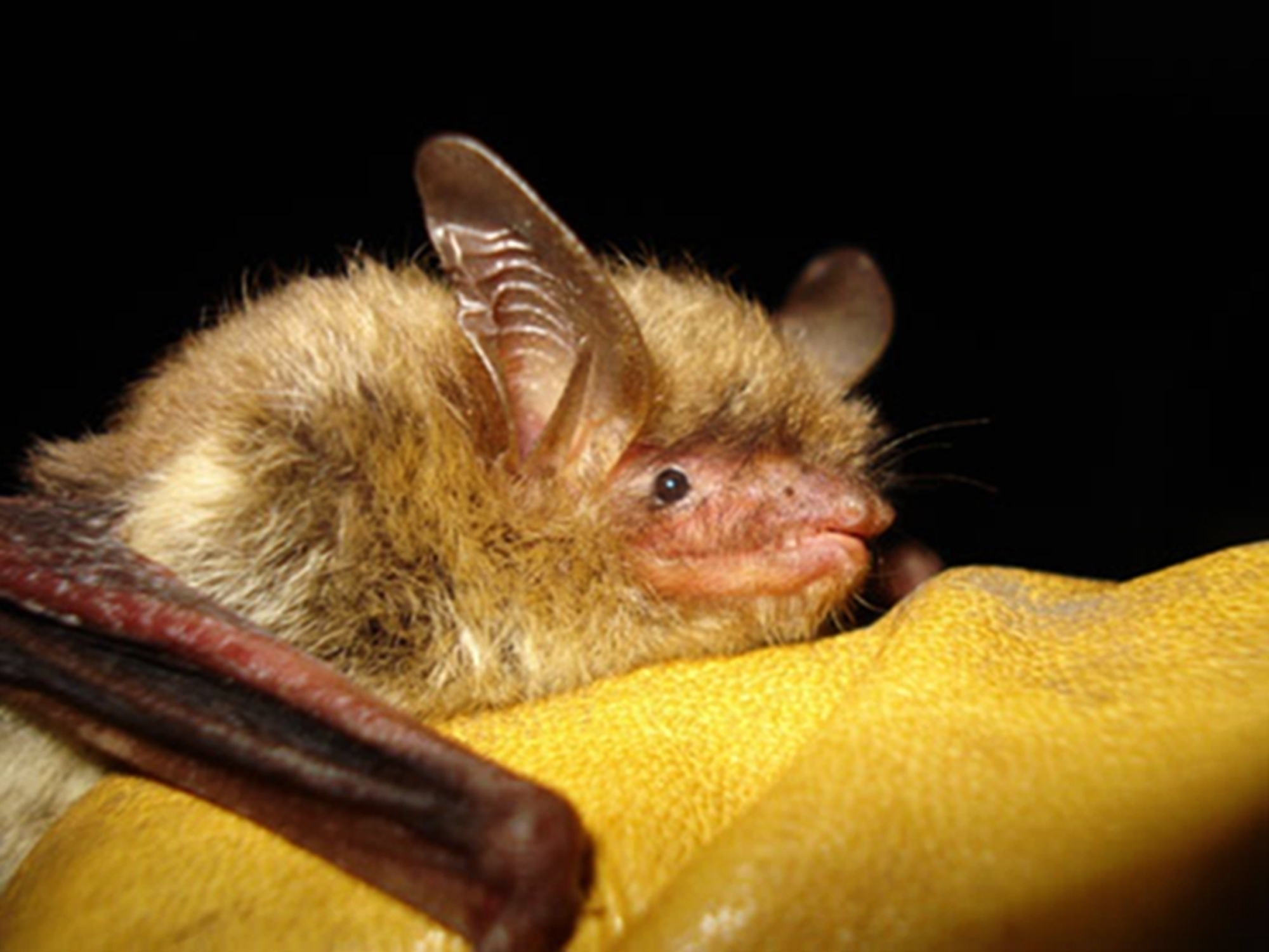
    “We’ve lost so many bats that we’re at a point where if we don’t do something, they’re going to be gone,” Stronsick said. “In my lifetime, we are looking at the extinction of two species that occur in Pennsylvania: the Northern long-eared bat and the tricolored bat.”

    Northern long-eared bat. (Wisconsin Department of Natural Resources via AP, File)

    Bats get a bad rap, Stronsick said, thanks to horror tropes, rabies fears, and the overhyped interest in vampire bats. Only three of the approximately 1,500 bat species drink blood, and they’re in Central and South America.

    “I think all bats are adorable,” she said.

    If the general public doesn’t see that, they should at least understand that the flying mammals are biologically fascinating, contribute to healthy ecosystems, and help scientists.

    “If it wasn’t for bats, the military wouldn’t have radar, and anticoagulants that vampire bats use have been studied to treat blood clots and stroke,” said Greg Turner, a mammalogist with the Pennsylvania Game Commission.

    Bats, Turner said, are also highly resistant to cancer.

    In Pennsylvania, bats are insectivores, Turner said, and they eat nothing but flying insects at night. He said studies have shown that bats in Pennsylvania save farmers $74 per acre, by eating moths that would otherwise produce crop-eating caterpillars.

    “They also eat mosquitoes,” he said.

    Elsewhere in the world, bats help pollinate cacti and agave.

    “A lot of people should be happy bats are out there performing every night,” Turner said. “No bats, no tequila. No margaritas.”

    Aside from the fungus, Stronsick said bats face serious dangers similar to birds: predation from feral and outdoor cats and building strikes.

    “Bats do not recognize cats as a predator. If people have cats outdoors, they absolutely should not be feeding birds in the same area, and they should not have a bat house anywhere near there either,” she said. “If you do that, you’re inviting these animals to die. ”

    Stronsick said the light pollution from large cities, combined with a bat’s ability to echolocate, makes window strikes common.

    “When they hit something hard, they do a lot of damage,” she said. “Cityscapes are not good environments for bats.”

    Turner said wind turbines, which dot the landscape in mountainous regions of Pennsylvania, are bat killers. Bats do not constantly echolocate, he said — that would be like screaming, nonstop — and when they’re not echolocating, they’re susceptible to the turbines.

    “It’s estimated that 25 bats are killed per turbine per year, and we have hundreds of turbines in the state,” Turner said.

    PA Bat Rescue takes in bats, year-round.

    Stronsick said she grew up outdoors, seeing bats at her grandmother’s home and playing with salamanders. She’s worked with raptors and shore birds in California and stumbled upon bats.

    “They were so different from what I imagined,” she said. “I left shore birds and birds of prey and started working with bats.”

    Now she has some bat tattoos.

    Stronsick’s facility, which is attached to her home, underwent a major investment in May. She accepts both donations and grants, which are hard to come by, she said.

    PA Bat Rescue takes in bats, year-round, for treatment and injury rehabilitation.

    Since 2018, PA Bat Rescue has rehabilitated 2,000 bats. Unlike most animal rehabilitation centers, hers is as quiet as a church.

    “Bats prefer silence,” she said. “The fruit bats can get a little noisy when they wake up.”

  • Pizza, museums, and waterfront walks in New Haven | Field Trip

    Pizza, museums, and waterfront walks in New Haven | Field Trip

    With a population of just over 140,000, New Haven still manages to be tiny Connecticut’s third-largest city — and one that punches well above its weight as a weekend getaway.

    It’s a university town, a harbor town, and a New England town, all folded into one. The result is a destination with world-class cultural institutions, excellent food — the pizza is as outrageous as you’ve heard — and easy access to the outdoors, from the river-fed coast of Long Island Sound to one of the largest urban parks in the region. From Philly, it’s about three hours and change up I-95, depending on traffic around New York. Start the car.

    Stay: Hotel Marcel

    Originally the HQ of the tire-producing Armstrong Rubber Co., the Wharf District Hotel Marcel inhabits an architecturally significant, brutalist concrete building honeycombed with windows and retrofitted to run entirely on renewable energy. The inside is just as interesting: terrazzo staircases with mahogany rails, Connecticut-made walnut beds, and a circular bar pouring spirulina margaritas and nonalcoholic spiced cranberry cider.

    📍 500 Sargent Dr., New Haven, Conn. 06511

    Hike: East Rock Park

    New Haven’s central green space, East Rock Park, spans 427 acres and rises 350 feet above the city, rewarding visitors with sweeping views of downtown and Long Island Sound. Not feeling a winter hike? You can drive to the summit instead. Traveling with kids? Stop by the Trowbridge Environmental Center on the park’s west side for hands-on exhibits about the local ecology.

    📍 41 Cold Spring St., New Haven, Conn. 06511

    Lunch: Frank Pepe and Sally’s Apizza

    If there’s only one thing you know about New Haven, it’s probably the pizza. Or as they call it here, apizza (“a-beetz”), derived from the southern Italian immigrants that opened the first shops in the early 1900s.

    For lunch, stage a mini pie crawl along Wooster Street and compare two legends located a block apart. At Frank Pepe (est. 1925), the tomato pie and oregano-dusted white clam pie are classics for a reason. At Sally’s Apizza (1938), whose recent expansion hasn’t dimmed the original’s quality, the blistered tomato pie with mozzarella is the move.

    📍 Frank Pepe: 157 Wooster St., New Haven, Conn. 06511

    📍 Sally’s Apizza: 237 Wooster St., New Haven, Conn. 06511

    Visit: Yale Peabody Museum

    If there are only two things you know about New Haven, they’re probably the pizza and Yale. The Ivy’s lovely, leafy campus dominates the center of town. (It’s no Penn, but…) The impressive collection at the Yale Peabody Museum, which is free to visit and requires no advance ticketing, includes a towering brontosaurus skeleton, a 300-pound Brazilian tourmaline cluster, and 4000-year-old Mesopotamian cuneiform tablets.

    📍 170 Whitney Ave., New Haven, Conn. 06511

    Read: Beinecke Rare Book and Manuscript Library

    Decried as an incongruous eyesore when the Gordon Bunshaft-designed Beinecke Rare Book and Manuscript Library opened in 1963, the modernist building has become an architectural icon on campus. Translucent marble cladding gives the interior a cozy glow while protecting the literary treasures, which are arranged in a stunning five-story cubic column, from sun damage. Even if you’re not a rare-books obsessive, it’s worth visiting for the space alone. Current exhibits include a 15th-century Gutenberg Bible and illustrated Japanese crepe-paper books.

    📍 121 Wall St., New Haven, Conn. 06511

    Dine: Fair Haven Oyster Co.

    It’ll likely be a bit too chilly to sit out on the pretty deck over the Quinnipiac River, but the warm woodwork and porthole windows get the seafood-tavern vibe across well at Fair Haven Oyster Co. Start with four different types of New England oysters, then progress to tots topped with American sturgeon caviar, oil-poached tuna toast, and bone-in skate wing in Meyer lemon brown butter. Skip dessert.

    📍 307 Front St., New Haven, Conn. 06513

    Scoop: Arethusa Farm Dairy

    Based in Litchfield County, Arethusa Farm Dairy produces some of the richest ice cream around, using 16%-butterfat milk from its own cows. Lucky for New Haven visitors, there’s an outpost at the Yale Shops. Breathe in the smell of freshly pressed waffle cones while choosing from classic flavors like coconut-coconut chunk, strawberry that actually tastes like strawberries, and an excellent coffee ice cream. One scoop is never enough.

    📍 1020 Chapel St., New Haven, Conn. 06510

  • Joseph R. Syrnick, retired chief engineer for the Streets Department and CEO of the Schuylkill River Development Corp., has died at 79

    Joseph R. Syrnick, retired chief engineer for the Streets Department and CEO of the Schuylkill River Development Corp., has died at 79

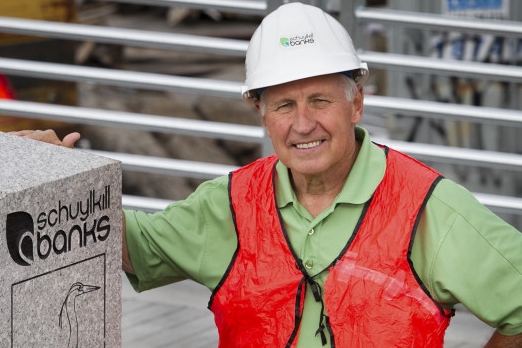
    Joseph R. Syrnick, 79, of Philadelphia, retired chief engineer and surveyor for the Philadelphia Streets Department, president and chief executive officer of the Schuylkill River Development Corp., vice chair of the Philadelphia City Planning Commission, former adjunct professor, college baseball star at Drexel University, mentor, and “the ultimate girl dad,” died Saturday, Jan. 17, of cancer at his home in Roxborough.

    Reared on Dupont Street in Manayunk and a Roxborough resident for five decades, Mr. Syrnick joined the Streets Department in 1971 after college and spent 34 years, until his retirement in 2005, supervising hundreds of development projects in the city. He became the city’s chief engineer and surveyor in 1986 and oversaw the reconstruction of the Schuylkill Expressway and West River Drive (now Martin Luther King Jr. Drive) in the 1980s, and the addition of new streetlights and trees on South Broad Street and the upgrade of six city golf courses in the 1990s.

    He was an optimist and master negotiator, colleagues said, and he worked well with people and the system. “You have concepts that seem simple,” he told The Inquirer in 1998. “But when you commit them to writing, they raise all kinds of other questions.”

    In 2000, as Republicans gathered in Philadelphia for their national convention, Mr. Syrnick juggled transit improvements on Chestnut Street and problems with the flags on JFK Boulevard. He also helped lower speed limits in Fairmount Park and added pedestrian safety features on Kelly Drive.

    He beautified Penrose Avenue and built a bikeway in Schuylkill River Park. He even moderated impassioned negotiations about where the Rocky statue should be placed.

    Since 2005, as head of the Schuylkill River Development Corp., he deftly partnered with public and private agencies, institutions, and corporations, and oversaw multimillion-dollar projects that built the celebrated Schuylkill River Trail, renovated a dozen bridges, and generally improved the lower eight-mile stretch of the Schuylkill, from the Fairmount Dam to the Delaware River, known as Schuylkill Banks.

    In an online tribute, colleagues at the Schuylkill River Development Corp. praised his “perseverance and commitment to revitalizing the tidal Schuylkill.” They noted his “legacy of ingenuity, optimism, and service.” They said: “Joe was more than an extraordinary leader. He was a great Philadelphian.”

    Dennis Markatos-Soriano, executive director of the East Coast Greenway Alliance, said on Facebook: “He exuded confidence, humility, and unwavering commitment.”

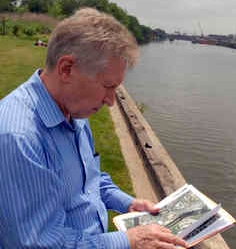
    Mr. Syrnick reviews plans to extend a riverside trail in 2009.

    Mr. Syrnick was a constant presence on riverside trails, other hikers said. He organized regattas and movie nights, hosted riverboat and kayak tours, cleaned up after floods, and repurposed unused piers into prime fishing platforms.

    “Great cities have great rivers,” Mr. Syrnick told The Inquirer in 2005. “Here in Philadelphia, we have Schuylkill Banks.”

    He was a Fairmount Park commissioner for 18 years, was named to the Philadelphia City Planning Commission in 2008, and served as vice chair. He lectured about the Schuylkill often and taught engineering classes and led advisory panels at Drexel. In 2015, he testified before the state Senate in support of a waterfront development tax credit.

    Friends called him “a visionary,” “a true hero,” and “a Philly jewel.” One friend said: “He should be honored by a street naming or something.”

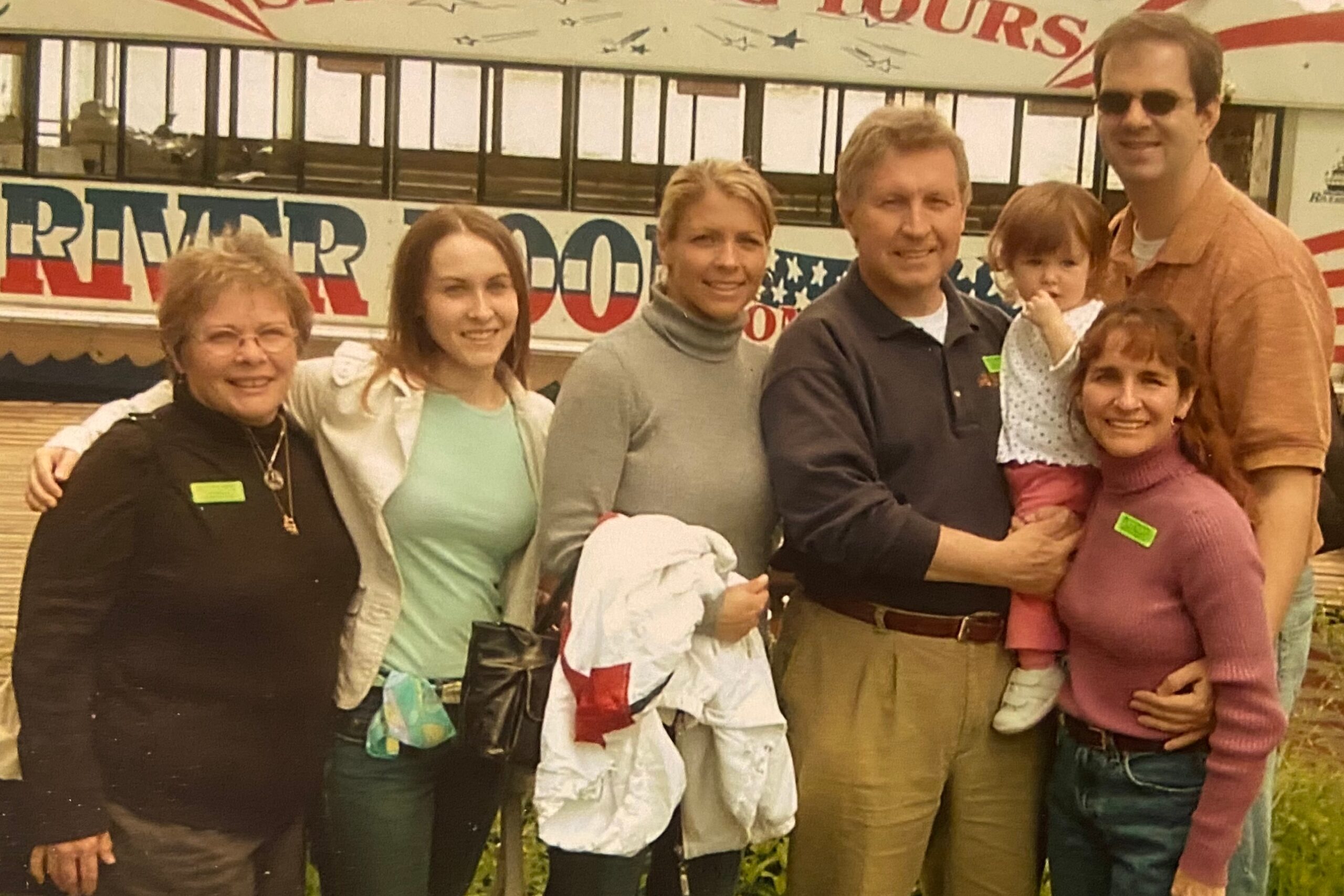
    Mr. Syrnick (fourth from left) and his family pose near a riverboat.

    Paul Steinke, executive director of the Preservation Alliance for Greater Philadelphia, said on Facebook: “He left his native Philadelphia a much better place.”

    Mr. Syrnick was president of the Philadelphia Board of Surveyors and active with the American Society of Civil Engineers, the Engineers’ Club of Philadelphia, and other organizations. At Drexel, he earned a bachelor’s degree in civil engineering in 1969 and a master’s degree in 1971.

    In 2024, Drexel officials awarded him an honorary doctorate for “his visionary leadership in engaging diverse civic partners to revive the promise of a waterfront jewel in Philadelphia.”

    He played second base on the Roman Catholic High School baseball team. He was captain of the 1968 Drexel team and later played against other local standouts in the old Pen-Del semipro league.

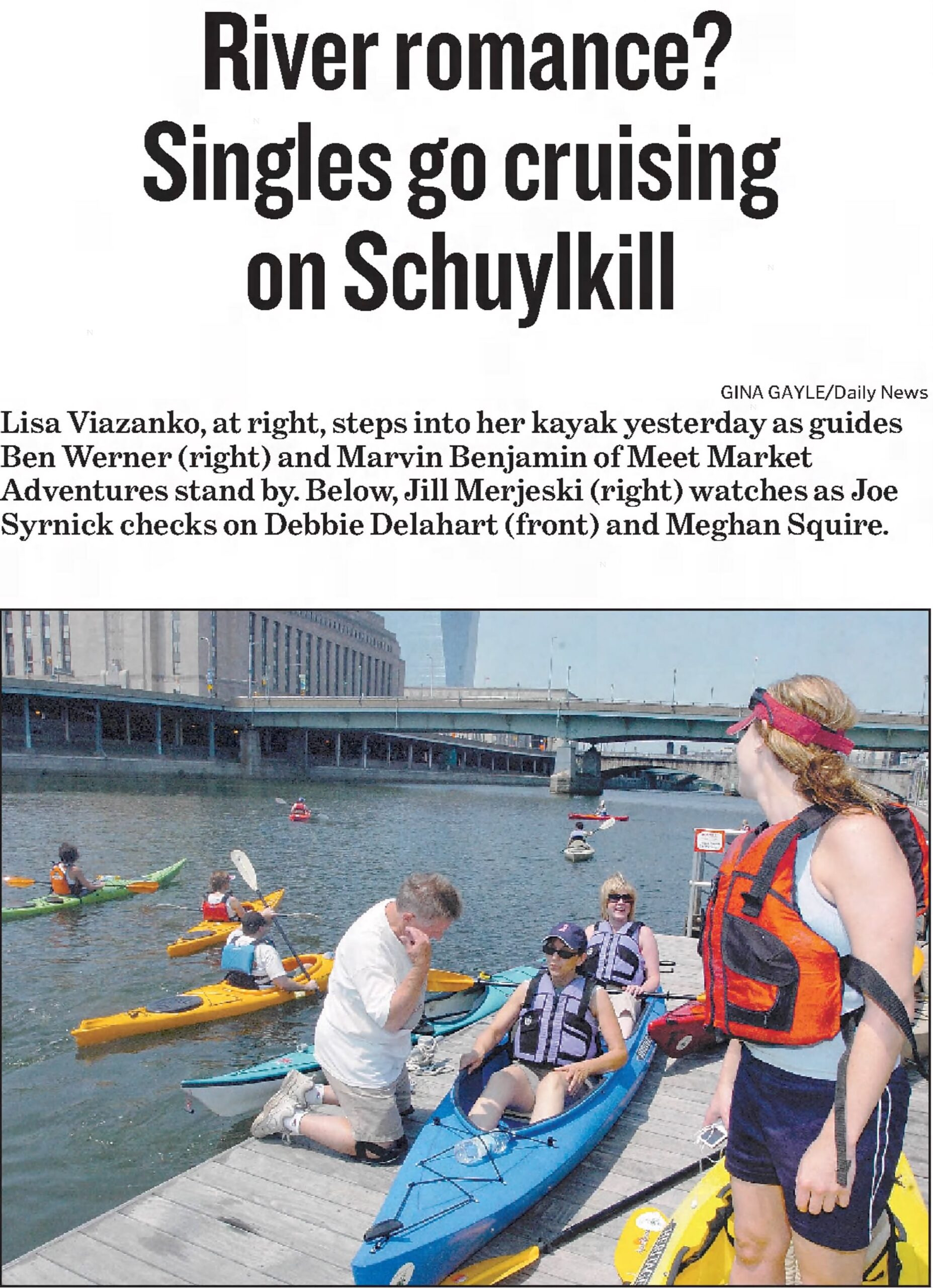
    Mr. Syrnick (center in white shirt) had all kinds of way to publicize fun on the Schuylkill. This photo appeared in The Inquirer in 2007.

    Most of all, everyone said, Mr. Syrnick liked building sandcastles on the beach and hosting tea parties with his young daughters and, later, his grandchildren. He grew up with three brothers. Of living with three daughters, his wife, Mary Beth, said: “It was a shock.”

    His daughter Megan said: “It was a learning experience. Whether it was sports or tea parties, he became the ultimate girl dad.”

    Joseph Richard Syrnick was born Dec. 19, 1946, in Philadelphia. He spent many summer days riding bikes with pals on Dupont Street and playing pickup games at the North Light Community Center.

    He knew Mary Beth Stenn from the neighborhood, and their first date came when she was 14 and he was 15. They married in 1970, moved up the hill from Manayunk to Roxborough, and had daughters Genevieve, Amy, and Megan.

    Mr. Syrnick received his honorary doctorate from Drexel in 2024.

    Mr. Syrnick enjoyed baseball, football, and golf. He was active at St. Mary of the Assumption and Holy Family Churches, and he and his wife traveled together across Europe, Africa, the Middle East, and Asia.

    “He was humble,” his daughter Megan said. “He was quiet in leadership. He always said: ‘It’s the team.’”

    In addition to his wife and daughters, Mr. Syrnick is survived by seven grandchildren, his brother Blaise, and other relatives. Two brothers died earlier.

    Visitation with the family is to be from 6 to 8 p.m. Friday, Jan. 23, at Koller Funeral Home, 6835 Ridge Ave., Philadelphia, Pa. 19128, and 9:30 a.m. Saturday, Jan. 24, at Holy Family Church, 234 Hermitage St., Philadelphia, Pa. 19127. A Mass celebrating his life is to follow at 11 a.m.

    Donations in his name may be made to the Basilica Shrine of Our Lady of the Miraculous Medal, 475 E. Chelten Ave., Philadelphia, Pa. 19144; and Holy Family Parish, 234 Hermitage St., Philadelphia, Pa. 19127.

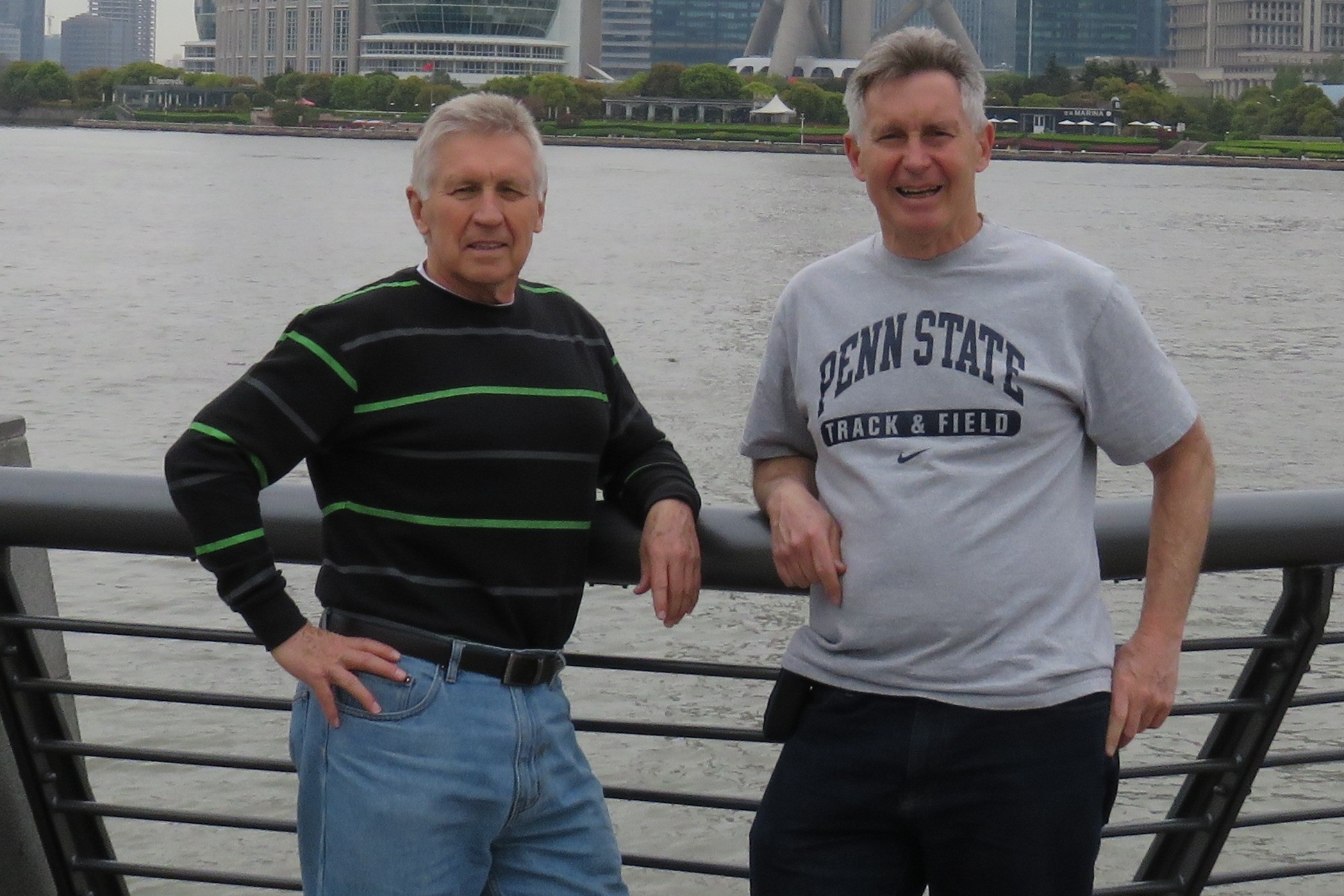
    Mr. Syrnick (left) and his brother, Blaise, enjoyed being around water.
  • Waterfalls, cabins, art, and eats in Milford, Pa. | Field Trip

    Waterfalls, cabins, art, and eats in Milford, Pa. | Field Trip

    Milford is an outdoorsy town — and then some.

    It sits along the scenic banks of the Upper Delaware River in Pike County, surrounded by mountains, with access to major trails, canoeing, kayaking, and biking, and the tallest waterfall in Pennsylvania. It’s an adventure hub among the best in the tristate region.

    But Milford isn’t just for people in hiking boots. It’s also an artsy town, with galleries, a theater, and dedicated film, music, and writers’ festivals. It’s a shopping destination too, with a slew of antique and gift shops, and a healthy-living store that rivals anything in Philadelphia or New York.

    “Geographically, I believe Milford has the edge over most small towns around,” said local entrepreneur Bill Rosado, who owns some popular businesses in town. “It is centered so well. Just looking at the town is a treat to me.”

    There’s plenty of history in Milford, too, which calls itself the “birthplace of the conservation movement” as it was home to Gifford Pinchot, founder and first chief of the U.S. Forest Service. It also has a historical museum that’s home to a unique and morbid artifact from the Civil War era.

    And, finally, you have to eat. Milford is home to fine dining at historic hotels, both fancy and cozy bars, along with breweries, classic diners, organic coffee, and, thanks to Rosado, authentic food from Mexico’s Yucatan peninsula. (He was born there.)

    Milford’s about 75 miles northwest of Manhattan and just across the river from North Jersey, so yes, you’ll see Yankees and Giants gear, but it’s just 135 miles from Philly, so get up there.

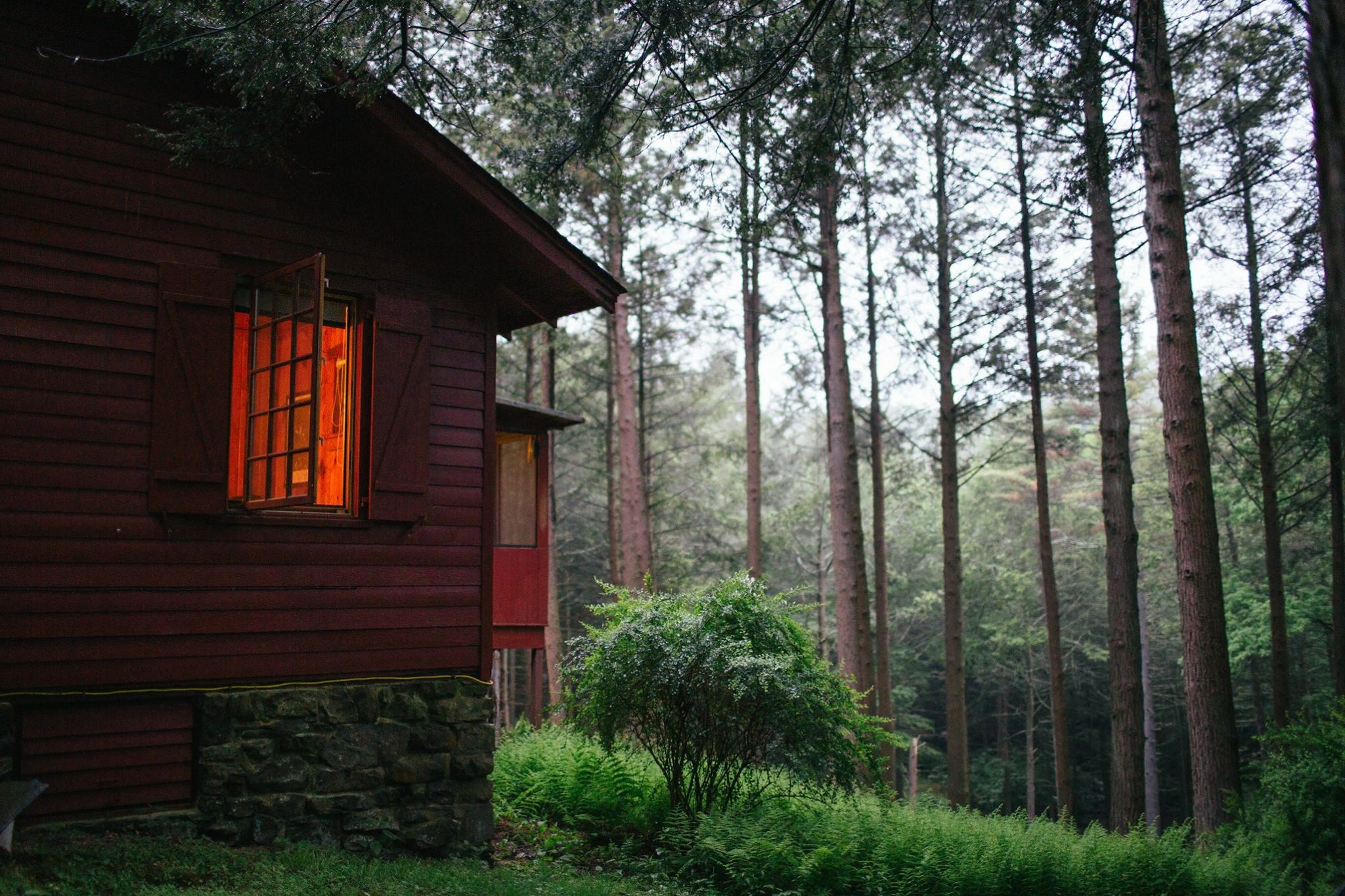
    One of the cabins available for rent at Sean Strub’s Dwarfskill Preserve in Milford, Pa.

    Stay: Dwarfskill Preserve

    There are plenty of hotels in downtown Milford that are in the midst of everything the town has to offer, including the historic and ornate Hotel Fauchère and the Tom Quick Inn, which would be at home in Cape May. Rosado owns both of them.

    I’ve been eyeing up the tiny cabin at the 575-acre Dwarfskill Preserve, up in the hills above town, for years now, as a former colleague had spent extended time there over the years and shared lovely pictures. It’s owned by former Milford mayor Sean Strub and consists of three separate properties: the one-room cabin I rented for a few nights with my girlfriend, Jen, and my dog, Wanda, and two larger cabins that can fit more people.

    We stayed there over the New Year’s holiday, cooking brisket in the microwave and making coffee on the hot plate. While Milford and the Dwarfskill are undoubtedly at their best in the summer and fall, when you can take full advantage of the outdoor opportunities, including the swimming hole at the cabin, we watched both the wood fireplace and the ample snowfall outside for hours. It was hard to leave, a full hygge experience, in Northeastern Pennsylvania.

    📍 Dwarfskill Falls Lane, Milford, Pa. 18337

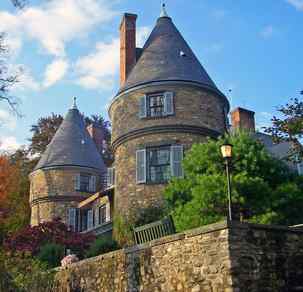
    Grey Towers, the Pinchot family residence, outside Milford, and the family’s haven from 1886 to 1963. The family made its fortune in lumber.

    Explore: Grey Towers National Historic Site

    If you drive around Pennsylvania as much as I do, you’ll see the name Gifford Pinchot quite a bit. Pinchot was a two-term governor of the Commonwealth and has a 54,000-acre state forest named after him.

    He went on to found and run the U.S. Forest Service and is generally considered a pioneer in the U.S. conservation movement. Pinchot was born in Milford and his home, Grey Towers, is a national historic landmark run by the U.S. Forest Service. Its curated gardens, French chateau-style stone architecture, and expansive library can all be seen on tours, both in-person during spring, summer, and fall, and online all year round.

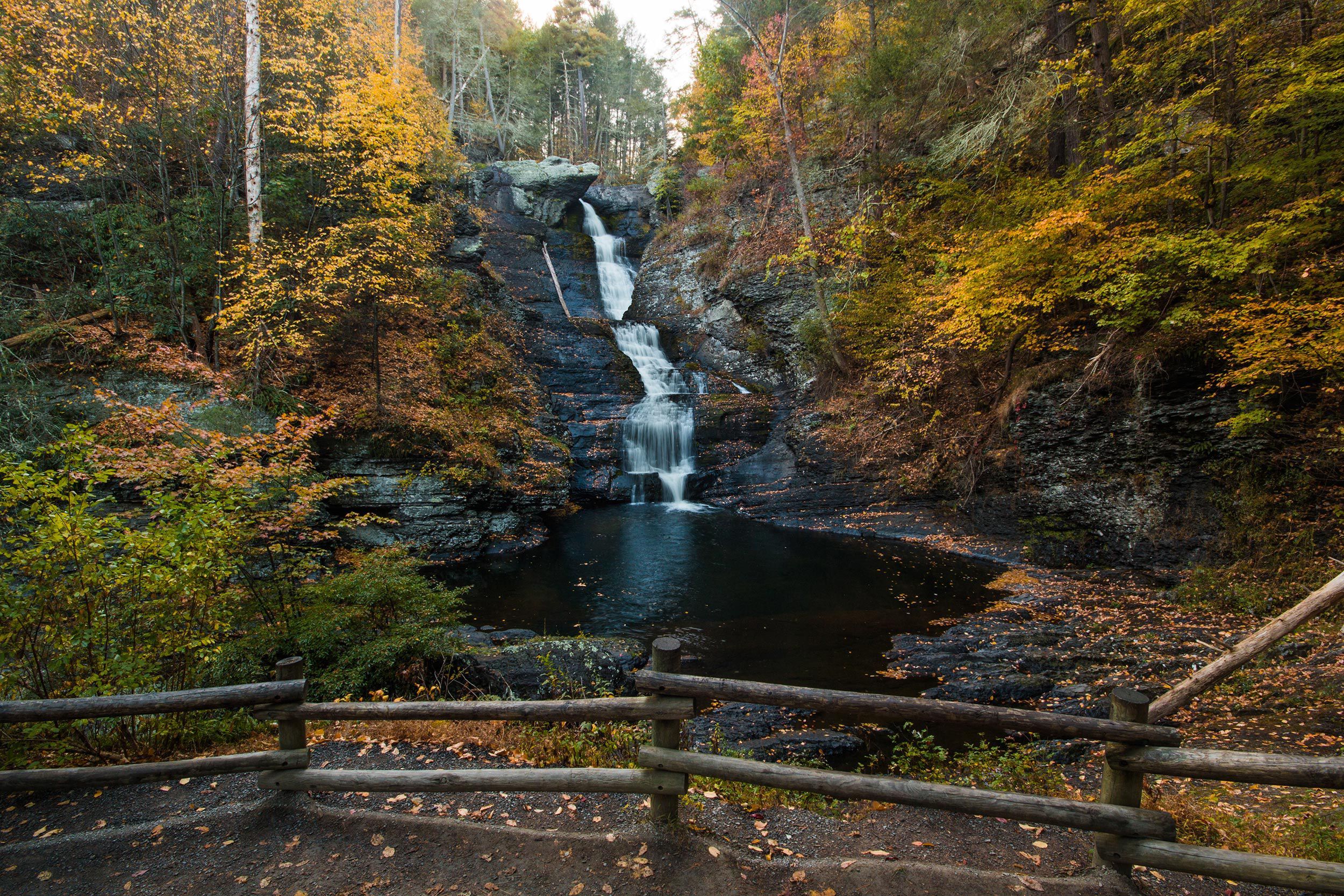
    At 150-feet tall, Raymondskill Falls is the tallest waterfall in Pennsylvania.

    If you’re interested in something a little more outdoorsy, visit Raymondskill Falls, which, at 150 feet, is the tallest in Pennsylvania. You can, technically, visit in winter, but the ice and snow could be treacherous. In summer, you might have to brave some crowds and jammed parking lots, but the views are worth it.

    📍 Grey Towers: 122 Old Owego Turnpike, Milford, Pa. 18337

    📍 Raymondskill Falls: Raymondskill Road, Milford, Pa. 18337

    Learn: The Pike County Historical Society at the Columns

    It’s not every day that a county historical society can really wow you with an artifact, but Pike County punches up with a Civil War relic you won’t find anywhere else in the world: the bloody U.S. flag used to cradle Abraham Lincoln’s head after he was shot at Ford’s Theatre in 1865.

    The flag and other exhibits are housed in “the Columns,” a 1904 neoclassical-style mansion. Want to learn how they obtained the flag? Visit on Wednesdays, Saturdays, and Sundays.

    📍 608 Broad St., Milford, Pa. 18337

    Shop: Better World Store and Cafe

    It’s hard to pin down Better World Store and Cafe in one category.

    It’s a place to get coffee or tea and healthy pastries. It’s a community hub, where people gather to meet or work remotely.

    It’s also a place to look good, with woolens and other “natural” clothes, and smell good, or simply be good, with homesteading supplies and books.

    📍 Broad Street, Milford, Pa. 18337

    Eat: Felix’s Cantina at La Posada

    Jen spends weeks in the Yucatan every winter, so she was surprised to see a restaurant in Northeastern Pennsylvania promising a “taste of the Yucatan Peninsula and other regional dishes from southern Mexico.”

    Rosado, who also owns a historic theater in town, owns the Cantina at La Posada, yet another one of his hotels. He was born in Merida, the capital of Yucatan.

    He knows the dishes well, and she approved, describing our pork and birria tacos as “fattening and delicious.”

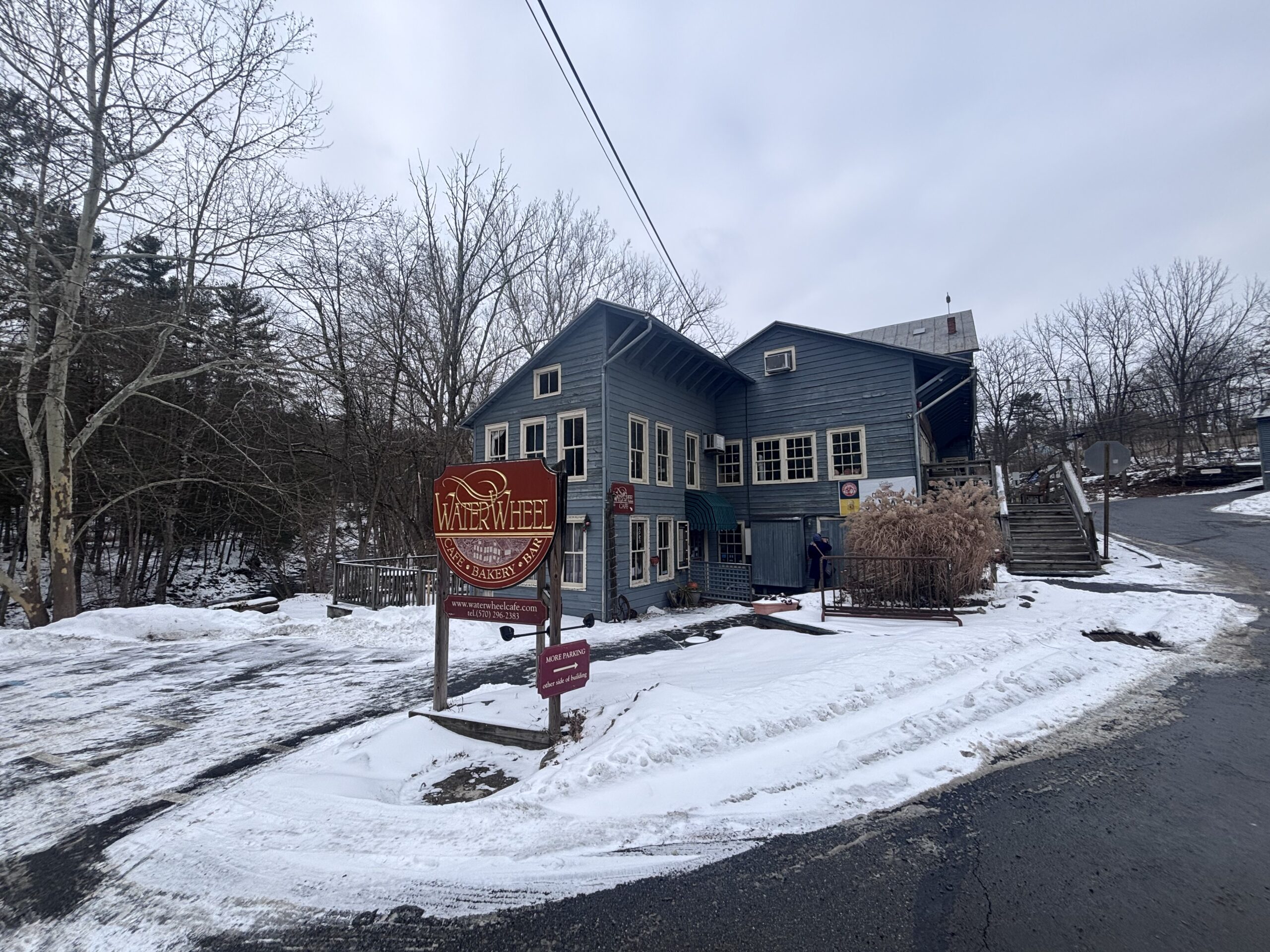
    For breakfast, the Waterwheel Café Bakery Bar, an old grist mill along Sawkill Creek, serves up a killer thick-cut challah French toast. We basically licked the plate clean.

    The Waterwheel Café Bakery Bar

    📍 Felix’s: 210 Second St., Milford, Pa. 18337

    📍 Waterwheel: 150 Water St., Milford, Pa. 18337

  • A person was injured by a coyote in Chester County

    A person was injured by a coyote in Chester County

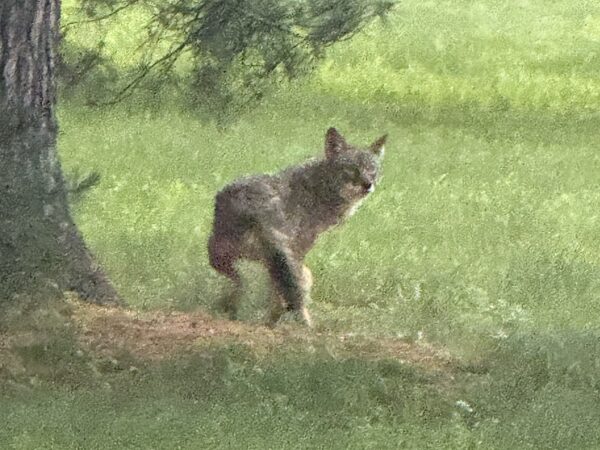
    A person was injured by a coyote this week in Chester County, and officials are trying to locate the animal, health officials said.

    The Chester County Health Department said in a social media post that the injured person was seeking medical care. The incident happened Sunday on Warwick Furnace Road in Warwick Township.

    The injury, which broke skin, occurred on a trail during daylight hours, a spokesperson for the county said in an email Wednesday. No one else was involved, and there have been no further reports of contact with a coyote in that area, he said.

    The department does not know if the coyote was rabid.

    The last incident with a coyote was reported to the health department in late October, in the southern part of the county, the spokesperson said. Several people were injured, and the coyote was rabid, the health department said at the time. Everyone injured was identified and was provided medical guidance in that incident, the department said.

    The state game commission was involved with locating the coyote, officials said.

    Coyotes are not necessarily rare in Pennsylvania, and their numbers are growing. They have been spotted near Philadelphia, and can thrive in suburban and urban areas, according to Chester County’s parks department.

    In Chester County, they are usually spotted near heavy, brushy cover and around woods, fields, and agricultural areas where their prey (mice, voles, rabbits, woodchucks, and birds) live. Sightings and signs have been reported in all county parks, the county said previously.

    They rarely attack humans, but they will engage with pets. (Health officials advised residents to remain aware of their pets following this week’s incident in Warwick Township.)

    Residents who come in contact with a coyote were asked to call the Chester County health department at 610-344-6225 for further information and guidance.

    This suburban content is produced with support from the Leslie Miller and Richard Worley Foundation and The Lenfest Institute for Journalism. Editorial content is created independently of the project donors. Gifts to support The Inquirer’s high-impact journalism can be made at inquirer.com/donate. A list of Lenfest Institute donors can be found at lenfestinstitute.org/supporters.