Category: Pennsylvania News

  • Nearly 50 years after panic gripped suburbia, a new book, a key witness, and a confession

    Nearly 50 years after panic gripped suburbia, a new book, a key witness, and a confession

    Robert Jordan was playing in his backyard on Aug. 15, 1975, another summer afternoon in his idyllic Delaware County neighborhood, when the panic began to spread from house to house.

    Gretchen Harrington, an 8-year-old girl from his Bible camp, was missing.

    “I remember being asked, ‘Have you seen Gretchen?’ and saying, ‘No, why?’” Jordan, who was 9 years old at the time, recalled this week.

    The Amber Alert system wouldn’t begin for two more decades. There were no cell phones. No Facebook, Citizen or Nextdoor apps.

    But through a network of suburban moms, everyone in Jordan’s Marple Township neighborhood seemed to hear the news at nearly the same time.

    “It went right down the line, housewives not even getting on the phone, just going to tell each other something had happened,” Jordan said. “We knew something was happening because our mothers were so jittery.”

    They sprang into action. Jordan piled into a neighbor’s Volkswagen van with his mother and four other kids. Their search began at a nearby park.

    Hundreds of residents from Marple and neighboring towns would later comb wooded areas with no results. Tracking dogs were called in. Even a psychic.

    “We haven’t got a thing, not a thing,” then-Broomall Fire Chief Knute Keober told The Inquirer two days after Gretchen’s disappearance. “If she’s in the area, she’s by Jesus well-hidden.”
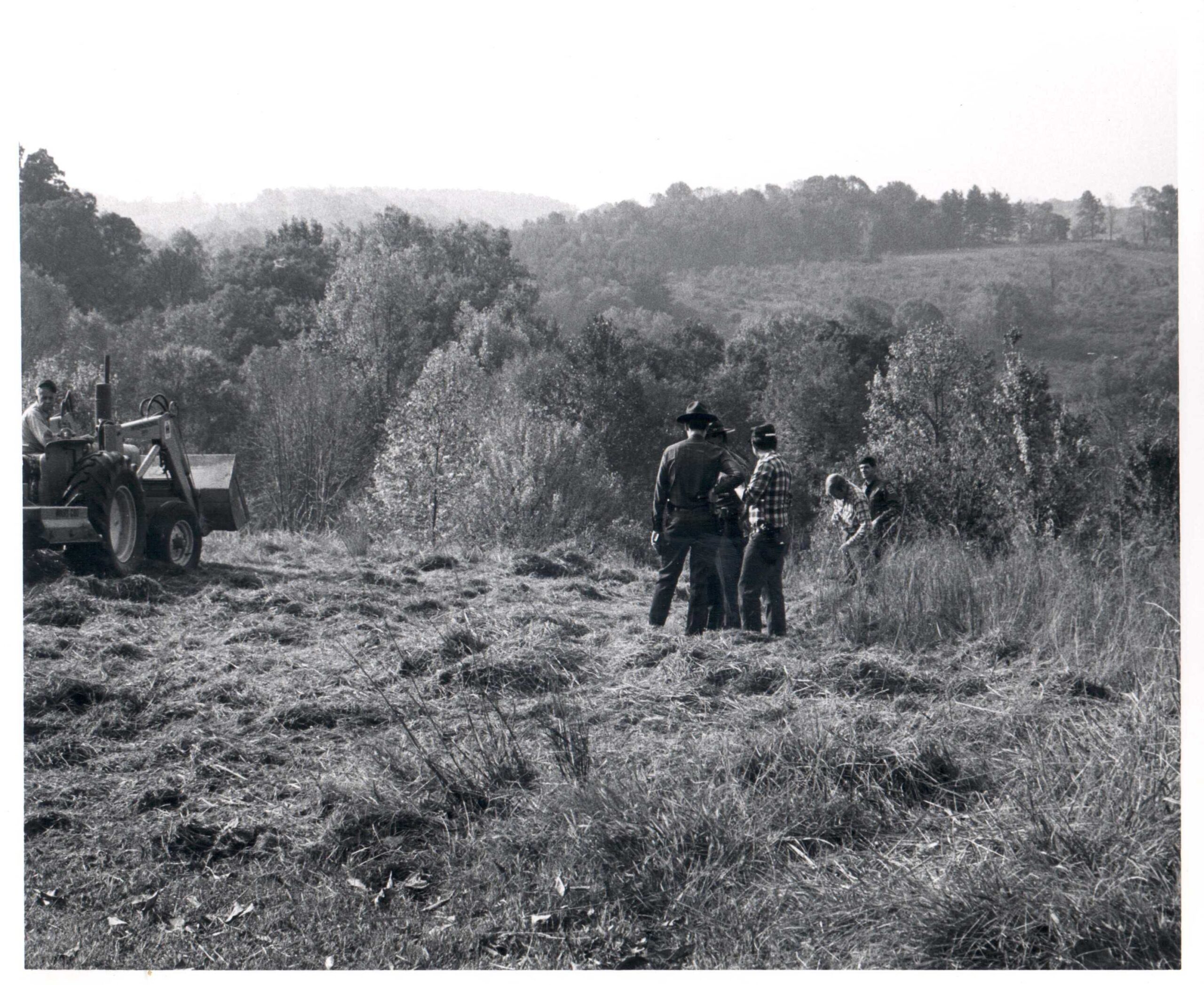
    Police search for Gretchen Harrington in 1975. Harrington was reporting missing that August, and found dead in October.

    It wasn’t until Oct. 14, 1975, that a hiker found skeletal remains along a path in Ridley Creek State Park. At first, he thought they belonged to an animal.

    “I looked closely and saw what I thought was fingernails,” the man told police, according to a new book on the case. The body was positively identified as that of Gretchen Harrington. It bore signs of blunt force trauma to her skull. Her death was ruled a homicide.

    Jordan, 57, now a health care marketing executive, still thinks of Gretchen and that summer each time he drives down Lawrence Road, the last place she was seen.

    He remembers the Bible camp. Hot dogs and baked beans. Kickball and Wiffle ball. Then, an abduction and a murder. It haunted families for years.

    “So many young people from the ‘70s still bear that pain and anxiety today,” he said. “She was a lovely girl.”

    ‘It was always a dead end’

    Brandon Graeff was 2 years old when Gretchen Harrington’s body was found. The case had long turned cold by 1997, when he joined the Marple Township police force.

    Tips had poured in early on, then slowed. Detectives pursued them all, on and off the clock.

    “Everything — and I mean everything — was followed up on,” said Graeff, who became chief in 2020.

    The case came up from time to time, in roll call, or when a detective would grab the folder again during a slow week.

    “They’d look through it, maybe try to see something different for her,” Graeff said, “But we couldn’t. We didn’t. It was always a dead end.”
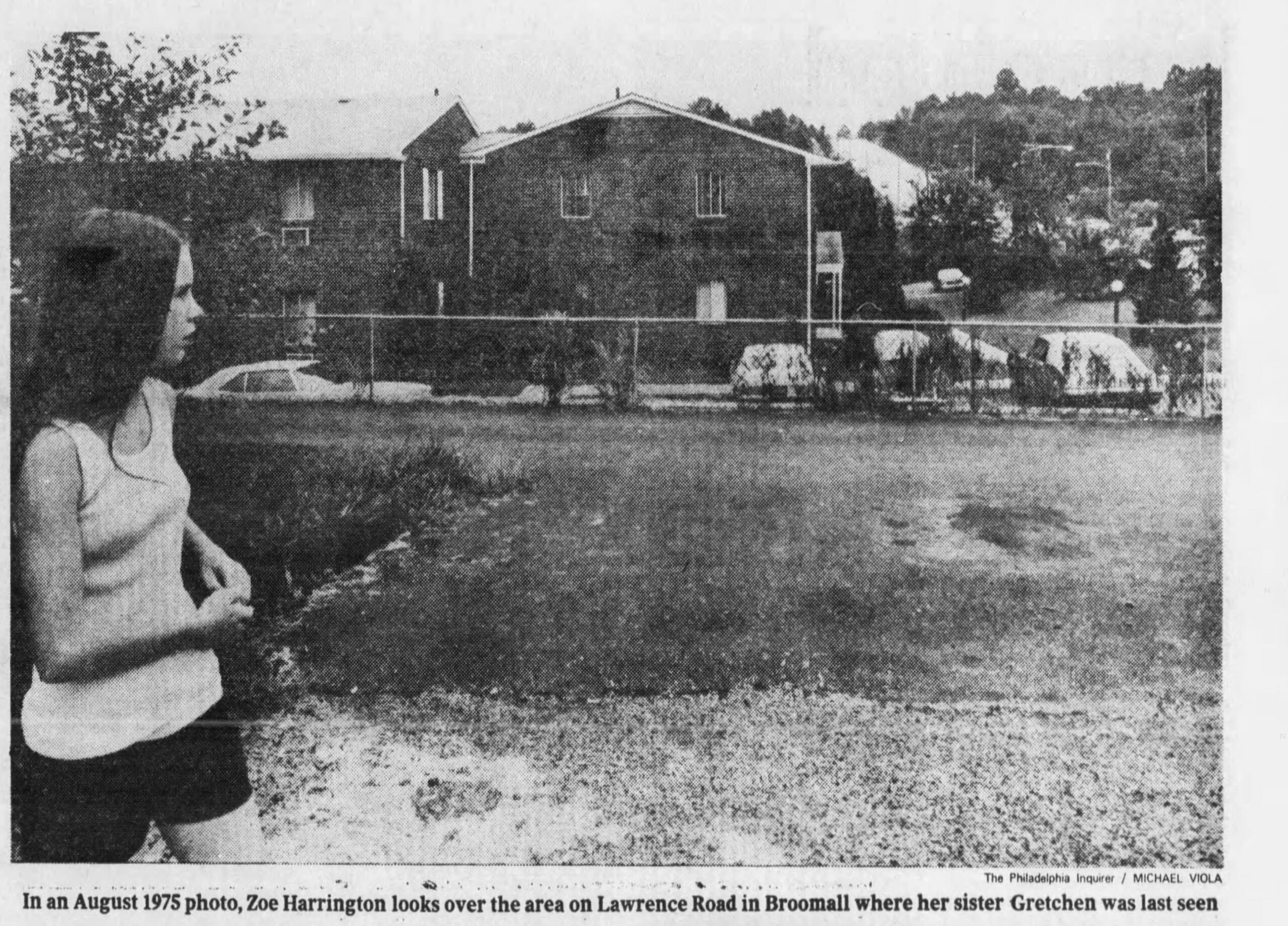
    In a 1975 Inquirer photo, Zoe Harrington looks over the area on Lawrence Road in Broomall where her sister Gretchen Harrington was last seen.

    Since 1975, the case has proceeded along two tracks: the abduction handled by Marple Police, and the homicide by state police, because the park in Edgmont Township is in their jurisdiction.

    In early 2021, Graeff got a call from a man named Mike Mathis, who said he and another former township resident, Joanna Sullivan, were working on a book about the murder and were hoping the department would cooperate with granting them some access to the files.

    With little movement in the investigation in decades, Graeff couldn’t think of a good reason to say no.

    “We’re dealing with a little girl whose killer was not held to account,” he said. “My question to myself was, ‘Why not? How could it hurt?’”
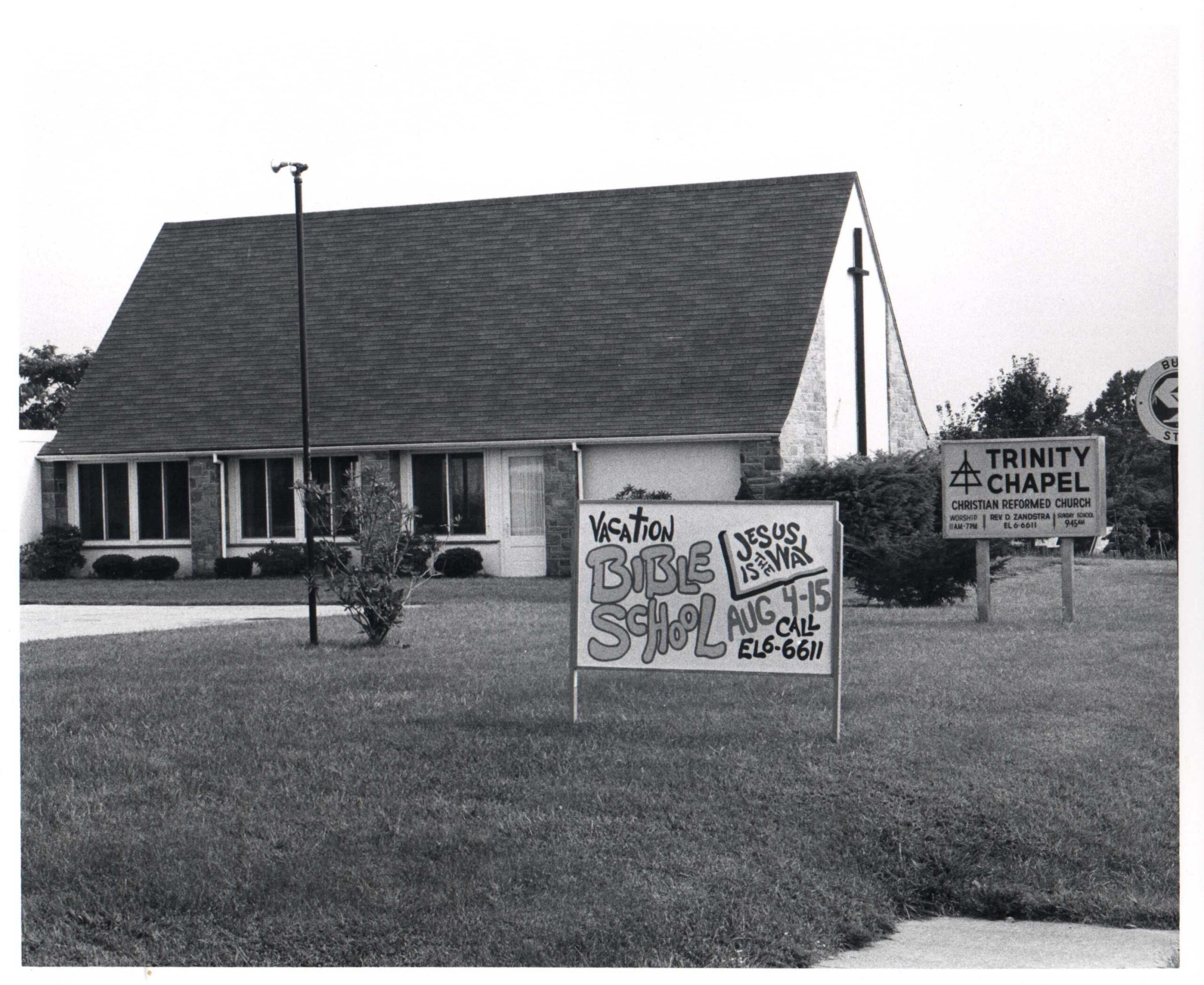
    Trinity Chapel, where David Zandstra was reverend.

    Sullivan, 57, remembers being at Lawrence Park Swim club the day that Gretchen disappeared. The image of a hovering helicopter was seared into her memory.

    “We were just at the pool on a hot summer day and the helicopter was overhead,” she said. “We were wondering what was going on. Then we heard.”

    Mathis, 58, remembers his father joining the search for Gretchen. He and Sullivan would meet a few years later at Paxon Hollow Middle School. They were editors at the student newspaper, The Hollow Log.

    They kept in touch through high school and beyond. At a reunion decades later, they’d talk about writing a book together about Gretchen.

    “It just stayed with me and Mike and many other kids through the years,” said Sullivan, now the editor-in-chief of the Baltimore Business Journal. “I always thought I’d like to write that story.”
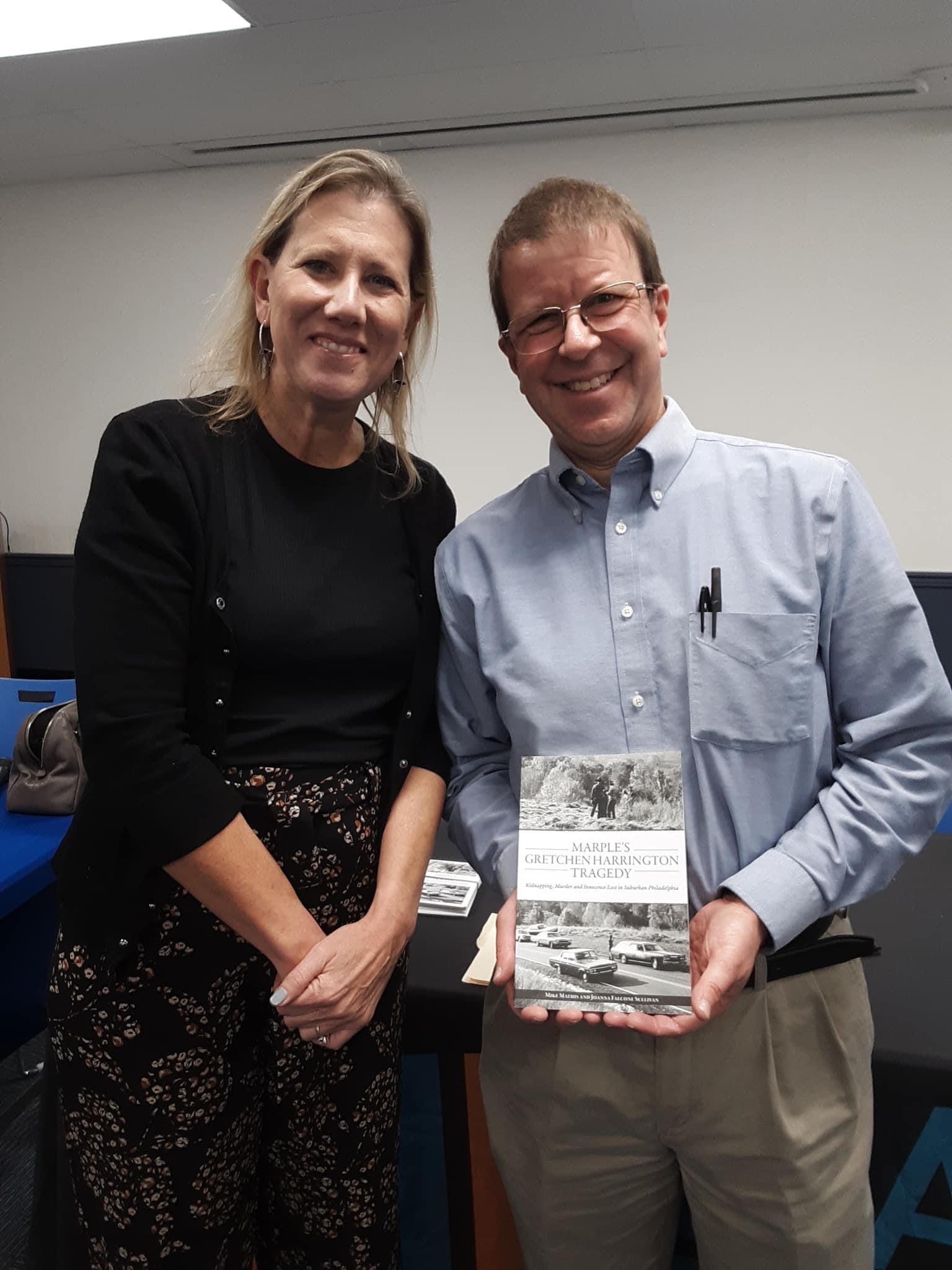
    Joanna Sullivan and Mike Mathis, who worked together on the student newspaper at Paxon Hollow Middle School, released a book last year on the murder of Gretchen Harrington. Weeks later, a new witness came forward who enabled state police to elicit a confession from David Zandstra, a former reverend.

    When COVID struck in 2020, Sullivan and Mathis suddenly had more time. They got started by creating a list of people they wanted to interview.

    “At the top of the list,” she said, “was the Zandstra family.”

    The book, Marple’s Gretchen Harrington Tragedy: Kidnapping, Murder and Innocence Lost in Suburban Philadelphia, was published in October 2022. Sullivan and Mathis did a round of public appearances in the area, including a December book signing at the Barnes & Noble in the Lawrence Park Shopping Center — just down the street from where Gretchen was abducted.

    They had no idea that, just a few weeks later, a woman would come forward with information that would break the case wide open.

    “I think it was Mr. Z”

    On Jan. 2, 2023, state police interviewed a woman later identified in court documents only by her initials. She said she’d frequently slept at the home of a local reverend named David Zandstra and his family because she was friends with his daughter.

    Zandstra had served at Trinity Chapel Christian Reformed Church, one of two churches on Lawrence Road in Marple Township that were used for the Bible camp that Gretchen attended. The other was the Reformed Presbyterian Church, where Gretchen’s father was the pastor.

    It was Zandstra who called police and reported Gretchen missing at 11:23 a.m. on Aug. 15, 1975. He said he was calling at the request of the girl’s father.
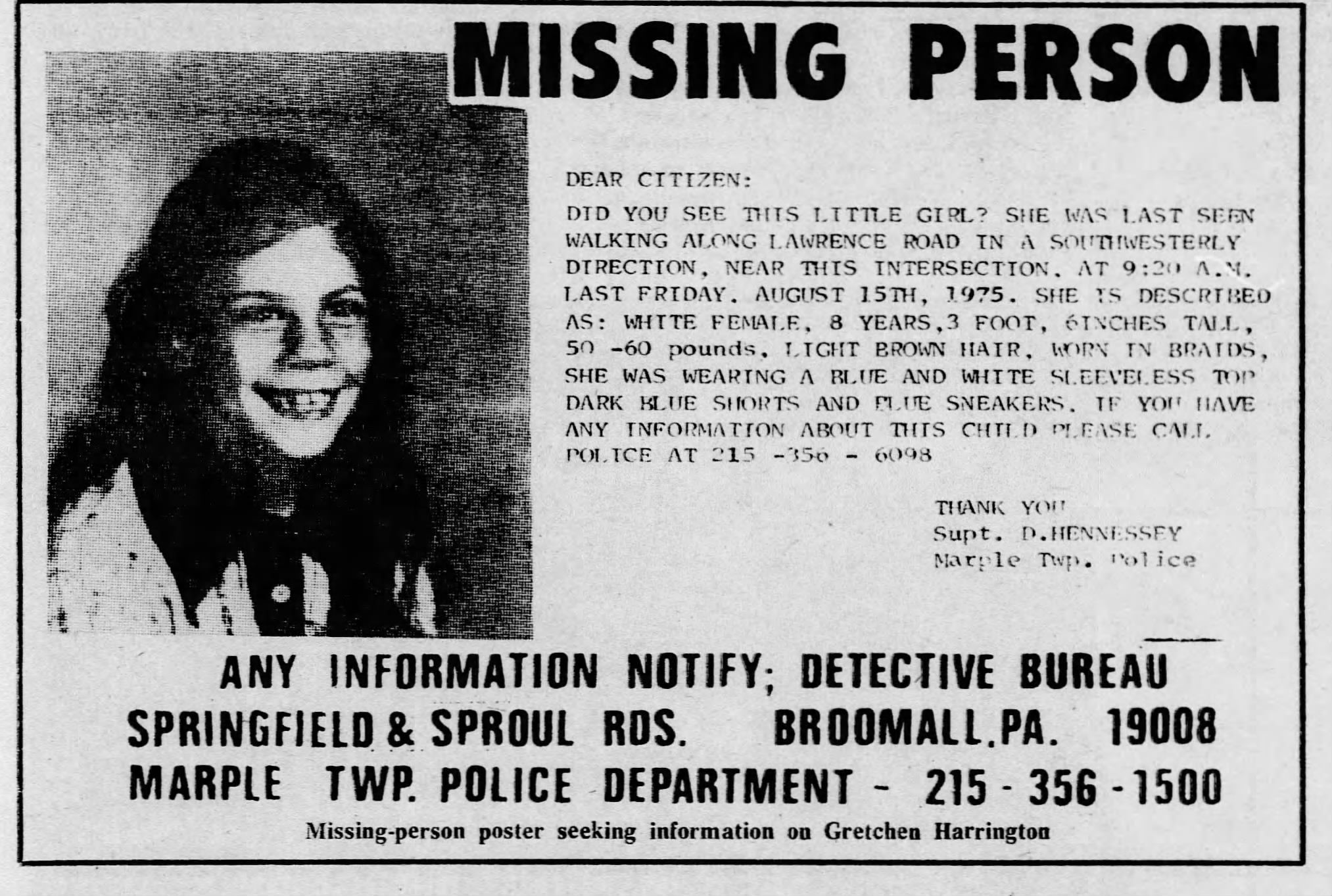
    A missing person’s poster for Gretchen Harrington, 8, from a 1975 Inquirer article. The Delaware County District Attorney has announced charges against David Zandstra, currently of Marietta Ga., in Harrington’s murder.

    The new witness told state investigators that during two sleepovers at the Zandstra house when she was 10 years old, she awoke to Zandstra touching her. She also showed police a childhood diary she’d kept that mentioned the sleepovers and, in September 1975, her suspicion that Zandstra might have been involved with the attempted kidnapping of a girl in her class, as well as Gretchen’s disappearance.

    “It’s a secret, so I can’t tell anyone, but I think he might be the one who kidnapped Gretchen,” she wrote. “I think it was Mr. Z.”

    At first, a cordial interview

    Earlier this month, David Zandstra, 83 and living in Marietta, Ga., walked into an interview room at the Cobb County Police Headquarters with no reservations about speaking with police. He didn’t lawyer up. It was the department’s “soft” interview room. Couch, comfortable chairs, unlocked.

    Two Pennsylvania troopers were waiting for him: Cpl. Andrew Martin, who had picked up the Harrington case about 2017, and Eugene Tray, who’d been called in recently. They’d caught a flight to Atlanta on July 17 to interview the octogenarian suspect, with the new information in hand.
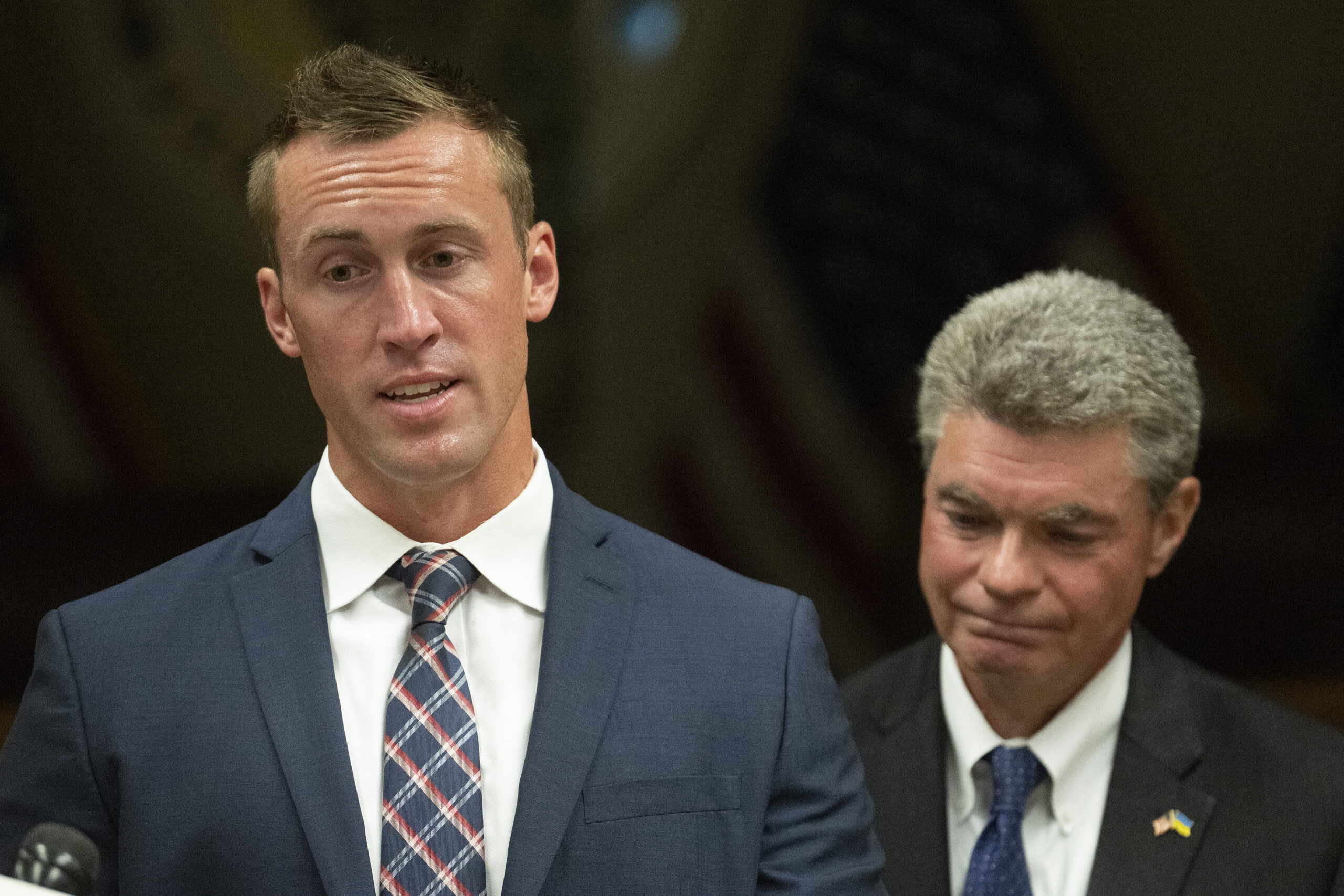
    Trooper Eugene Tray, who participated in the investigation and arrest of David Zandstra, and Delaware County District Attorney Jack Stollsteimer, announcing the arrest.

    If Zandstra was worried about the interview when he sat down, he didn’t show it — at least not at first.

    Back in 1975, police had interviewed Zandstra twice. He also spoke to Mathis for the book, which focused on a different man as the prime suspect.

    “Deep down, I’m sure he was very, very concerned,” Tray said.

    The conversation was almost cordial to start. Zandstra denied ever seeing Gretchen on the day she went missing.

    But then police told Zandstra about the sexual assault allegations from the girl with the diary. It was the final straw placed on top of nearly a half-century of guilt. He broke down and confessed.

    “We asked and he spoke,” Tray said. “He was presented with things I don’t think he expected to be presented with. Then, I think he started to think more on it. I think he just wanted his sick, twisted version of redemption, and to come clean.”

    Zandstra admitted to abducting Gretchen as she was walking to Trinity Chapel for morning exercises, according to the criminal complaint. He said Gretchen asked to go home, but he drove her to a wooded area and parked. When she refused his demand to take off her clothes, he struck her in the head with his fist, court documents state.

    Zandstra said he checked her pulse and believed that she had died, so he attempted to cover up her half-naked body with sticks and left the area.

    “He was two different people,” Tray said of Zandstra, before and after his confession. “He was definitely relieved and happy to get that off his chest, how sick that may be.”

    Searching for other victims

    Zandstra left Delaware County in 1976, and worked in Texas and California before retiring to Georgia. Cops in and around Marple Township who’d worked on the case, or helped search for Gretchen in 1975, have retired and died.

    The case took a toll on many of them, knowing a child killer could have gotten away with it, said Delaware County District Attorney Jack Stollsteimer, who was 12 years old when Gretchen disappeared.

    “It’s important to understand law enforcement officers are moved by the trauma they see happen,” he said. “That’s why they’re in this business of trying to bring justice.”
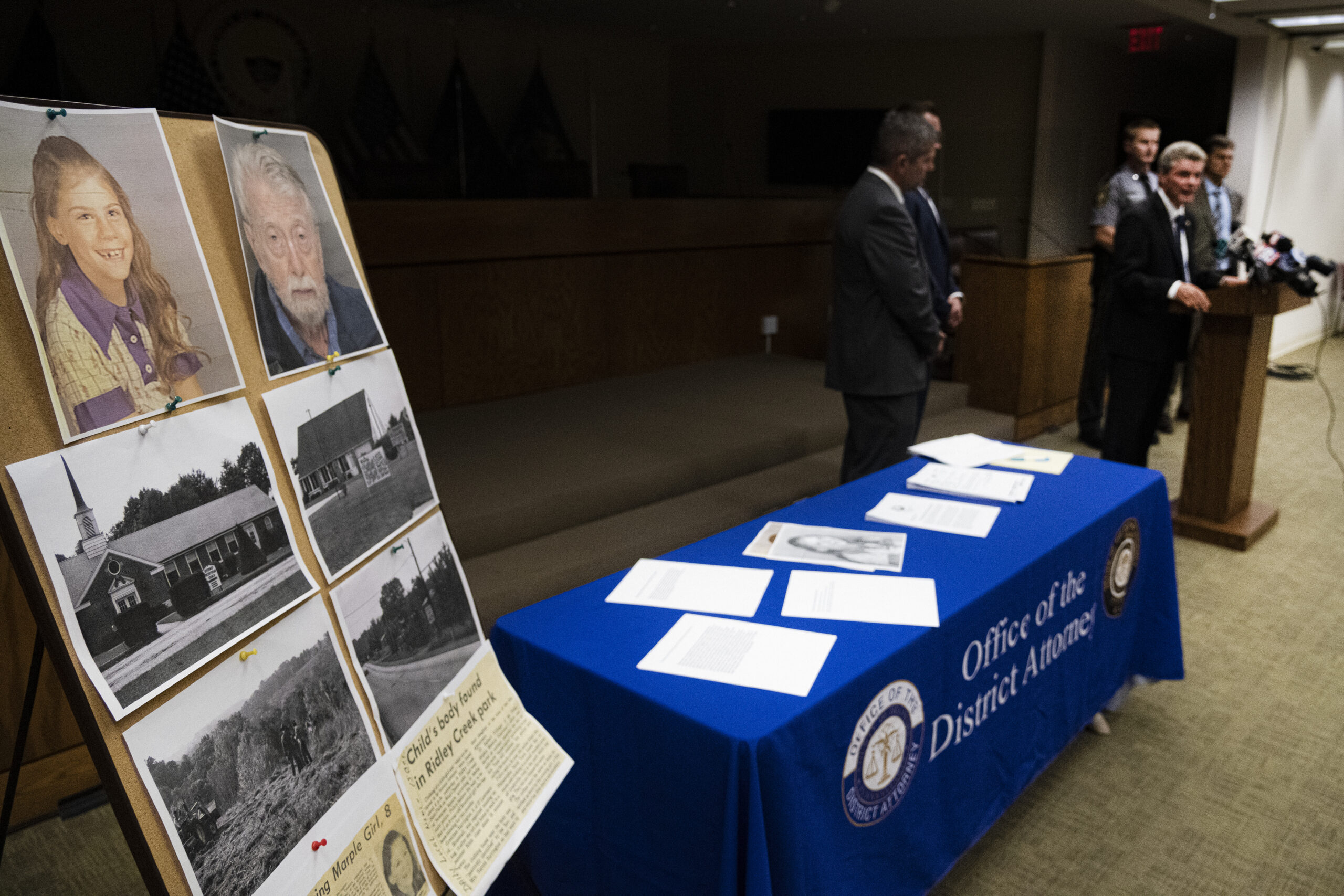
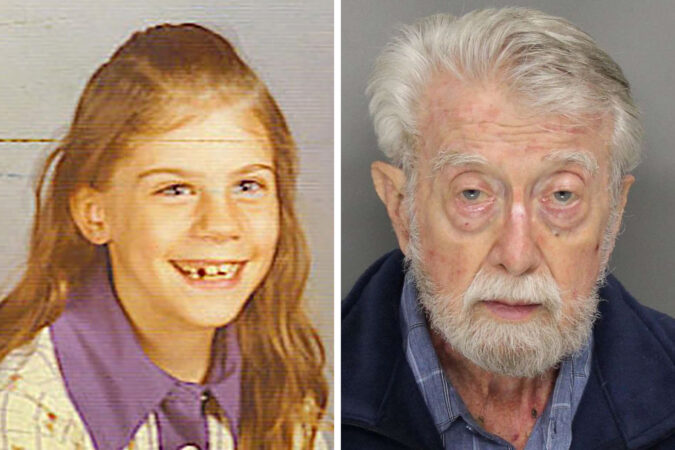
    A photo of a victim and her alleged killer are shown during District Attorney Jack Stollsteimer’s news conference on Monday, July 24, 2023.

    Stollsteimer described Zandstra’s arrest as a “great relief” to police in Delaware County and praised Martin, in particular, for sticking with the case.

    “This is just great, old-fashioned police work,” he said.

    Martin was unable to attend the news conference on Monday announcing Zandstra’s arrest and was not available for an interview this week. Tray, however, said the “case would not have been solved were it not for him.”

    State police collected DNA from Zandstra when he was arrested, which could prove useful if there are additional victims in other parts of the country.

    As part of that effort, the Christian Reformed Church in North America says it is reaching out to Zandstra’s former congregations. He served in Flanders, N.J.; Broomall, Pa.; Plano, Texas; and San Diego and Fairfield, Calif.

    After settling in Georgia, Zandstra continued to advise clients of a pregnancy resource center, according to a 2012 religious newsletter in which he wrote a small section titled “Peace to you.” A photo shows him smiling, with gray hair and a closely cropped beard.

    “The prospect of peace was and is badly needed in the uncounted and constant conflicts of our world,” he wrote. “Only believers in Jesus are able to find real peace with God.”

    California police are now looking into whether Zandstra might be connected to the 1991 disappearance of 4-year-old Nikki Campbell in Fairfield, and police in Delaware County are also reexamining other cases from the 1970s.

    “Who knows? This guy was a monster,” Stollsteimer said. “Nothing would surprise me.”

    Sullivan, the author of the book on the Harrington murder, has been fielding calls and Facebook messages this week from people in Marple who might have information about other cases of abuse.

    “I don’t think it was an isolated case,” Sullivan said.

    As for whether the book helped lead to the break in the case, that depends on whom you ask. Some law enforcement officials are convinced that it did. Others cautioned against such speculation. Regardless, a new chapter is planned if the book goes to another printing: Case solved.

    On Friday, the Delco DA’s office got word that Zandstra would waive an extradition hearing and agree to be transported from Georgia to Pennsylvania. But his defense lawyer later sought to have the waiver recalled because he was not present with Zandstra when it was signed. Authorities are awaiting a judge’s ruling.

    The Harrington family released a statement this week, thanking police for their work and community members for their support over the years. Gretchen’s father, Harold, died in November 2021 at the age of 94.

    “If you met Gretchen, you were instantly her friend,” the family wrote. ”She exuded kindness to all and was sweet and gentle. Even now, when people share their memories of her, the first thing they talk about is how amazing she was and still is. At just 8 years old, she had a lifelong impact on those around her.”
  • As The Inquirer closes its printing plant, a ‘family’ of employees marks the end of an era

    As The Inquirer closes its printing plant, a ‘family’ of employees marks the end of an era

    Special Report

    Turning the page

    As The Philadelphia Inquirer closes its printing plant, a ‘family’ of employees marks the end of an era

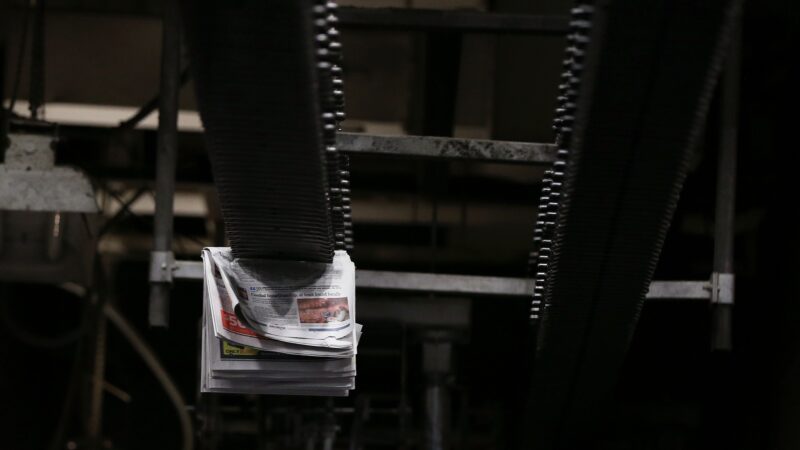
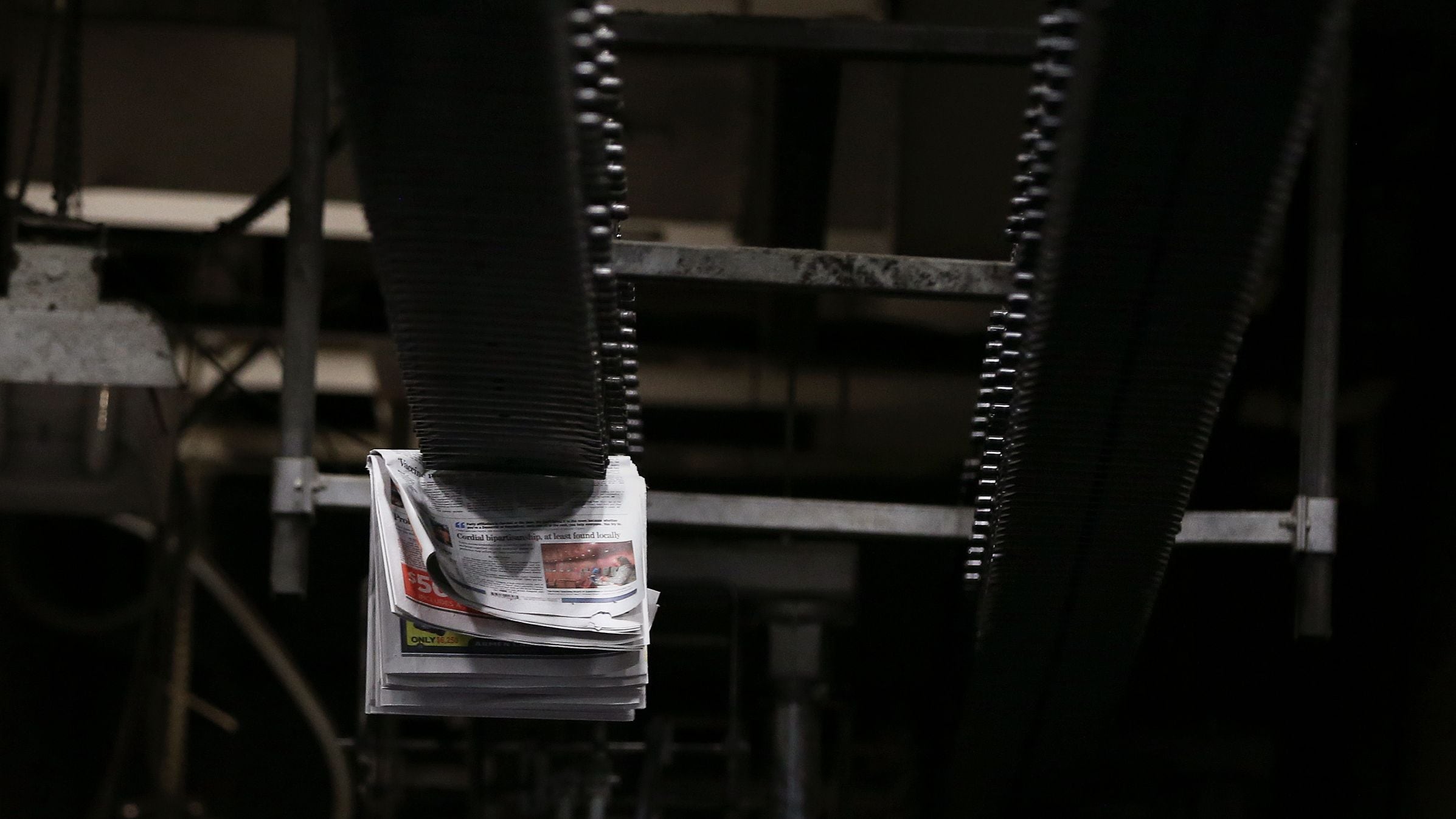
    A tattered copy of The Inquirer is the last to ride the grippers from the pressroom to the mailroom at the Schuylkill Printing Plant in Upper Merion Township on March 28.TIM TAI / Staff Photographer

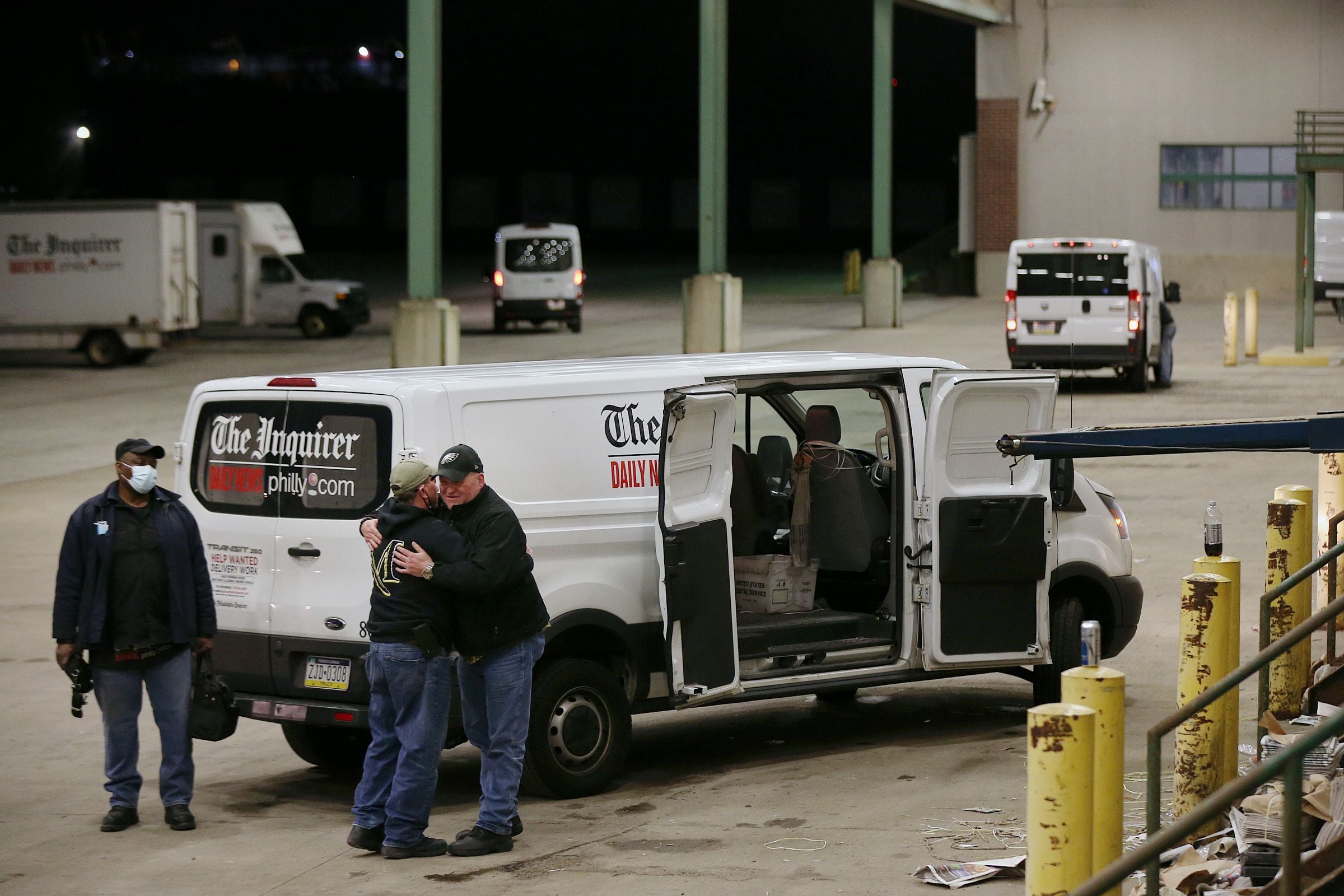
    Tom “Three Bars” Lafauci had no chance of disappearing quietly into the howling winds of the night.

    “Lafauci!”

    Sybil White, a longtime security officer, summoned him before he could reach the only available exit at The Philadelphia Inquirer’s Schuylkill Printing Plant, the mammoth newspaper factory that was about to call it an era.

    “Come on, get in the picture,” she commanded him. Almost reflexively, Len Leach and Tanya Rockeymore, who were working the lobby security detail that night, stuck their heads in the frame. They might not see him again. One of 500 who lost their jobs with the building’s sale, this was Lafauci’s last work shift.

    At the age of 192, The Inquirer is stopping its own presses for good — the April 1 issues marked the last official runs — and will be outsourcing its print operations in line with newspapers across the country that are cutting costs and fighting a media universe changing at the speed of breaking news.

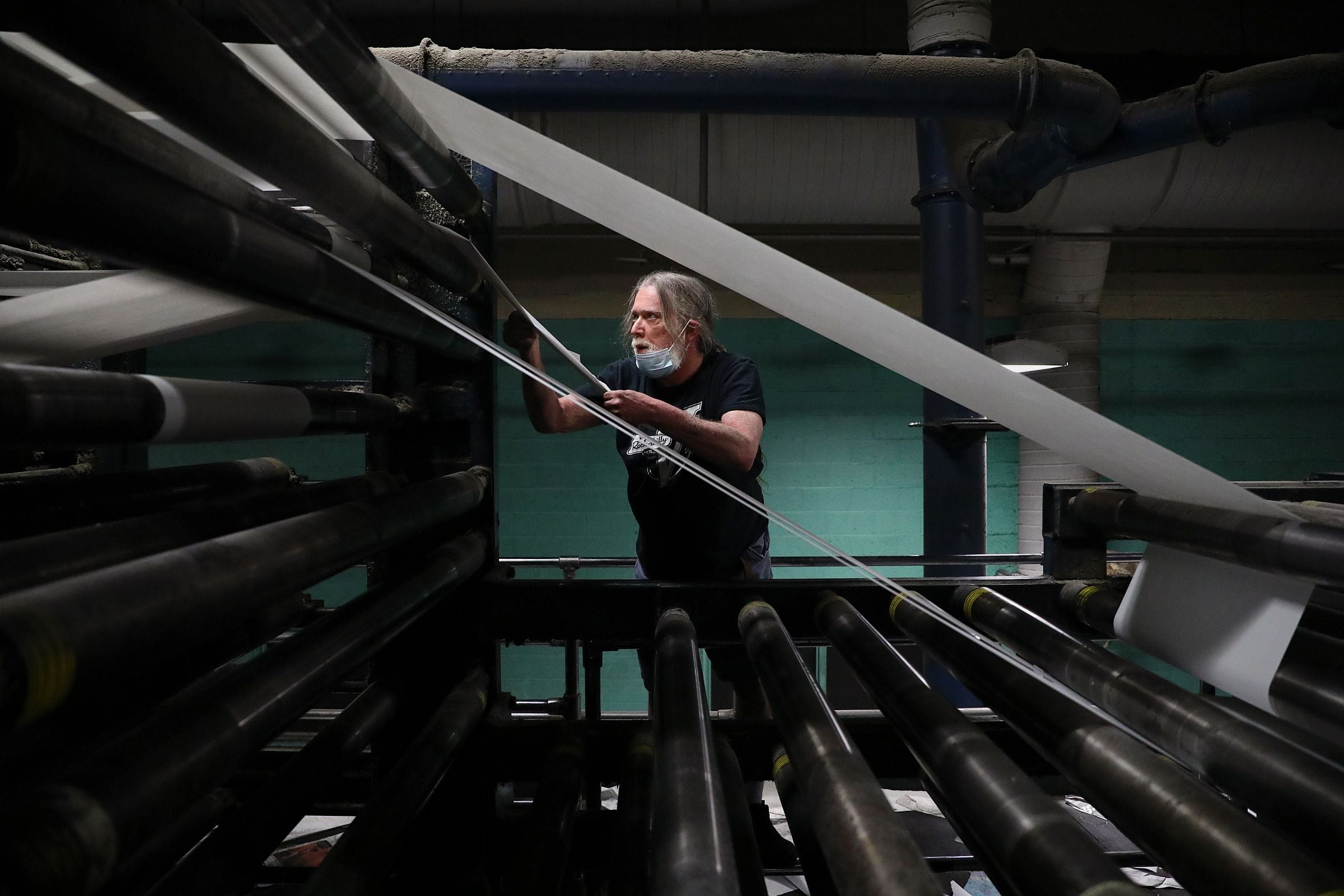
    Aaron Krakovitz, a third-generation, 47-year pressman, threads paper through a set of rollers as he prepares for the night's press run. TIM TAI / Staff Photographer
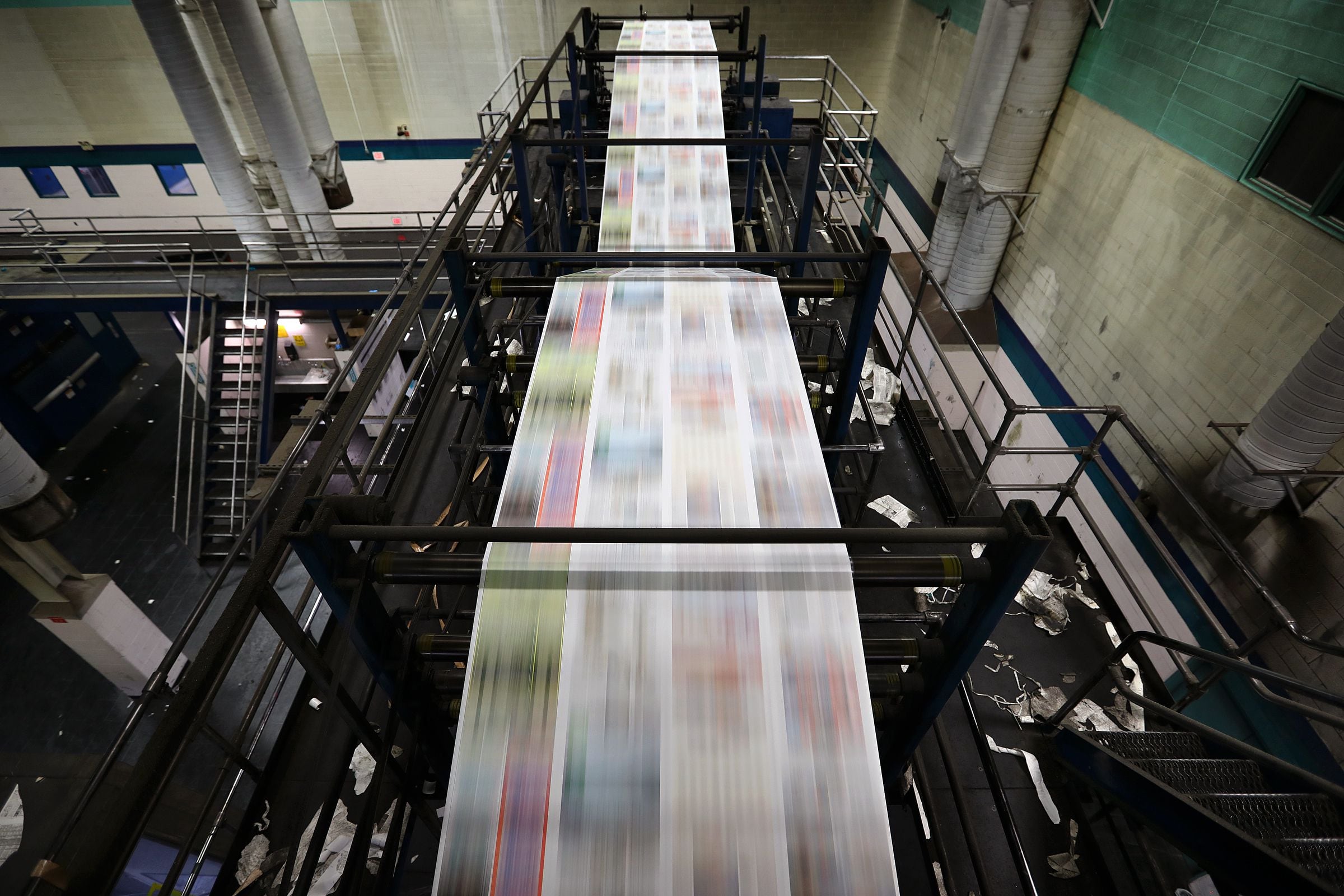
    A blur of paper courses along rollers during a Sunday advance run; some sections of the Sunday paper are printed ahead of time. TIM TAI / Staff Photographer
    Color pages speed across rollers for a Sunday advance run. TIM TAI / Staff Photographer

    The guards seemed to be well-acquainted with Three Bars. Actually, they seemed to be well-acquainted with everyone exiting and entering the brick, curving structure built for $299.5 million (about $600 million in today’s dollars) 30 years ago, and sold to developer J. Brian O’Neill for $37 million to become part of his burgeoning biotech-health science empire.

    “You get to know everybody,” said White. “It’s like family,” a leitmotif sentiment among the guards, engravers, pressmen, mailers, and drivers who worked in the immense, quirk-infested complex that was marinated in the vague odors of paper and the ink that blackwashed the floors and layered the handrails.

    A production theme park

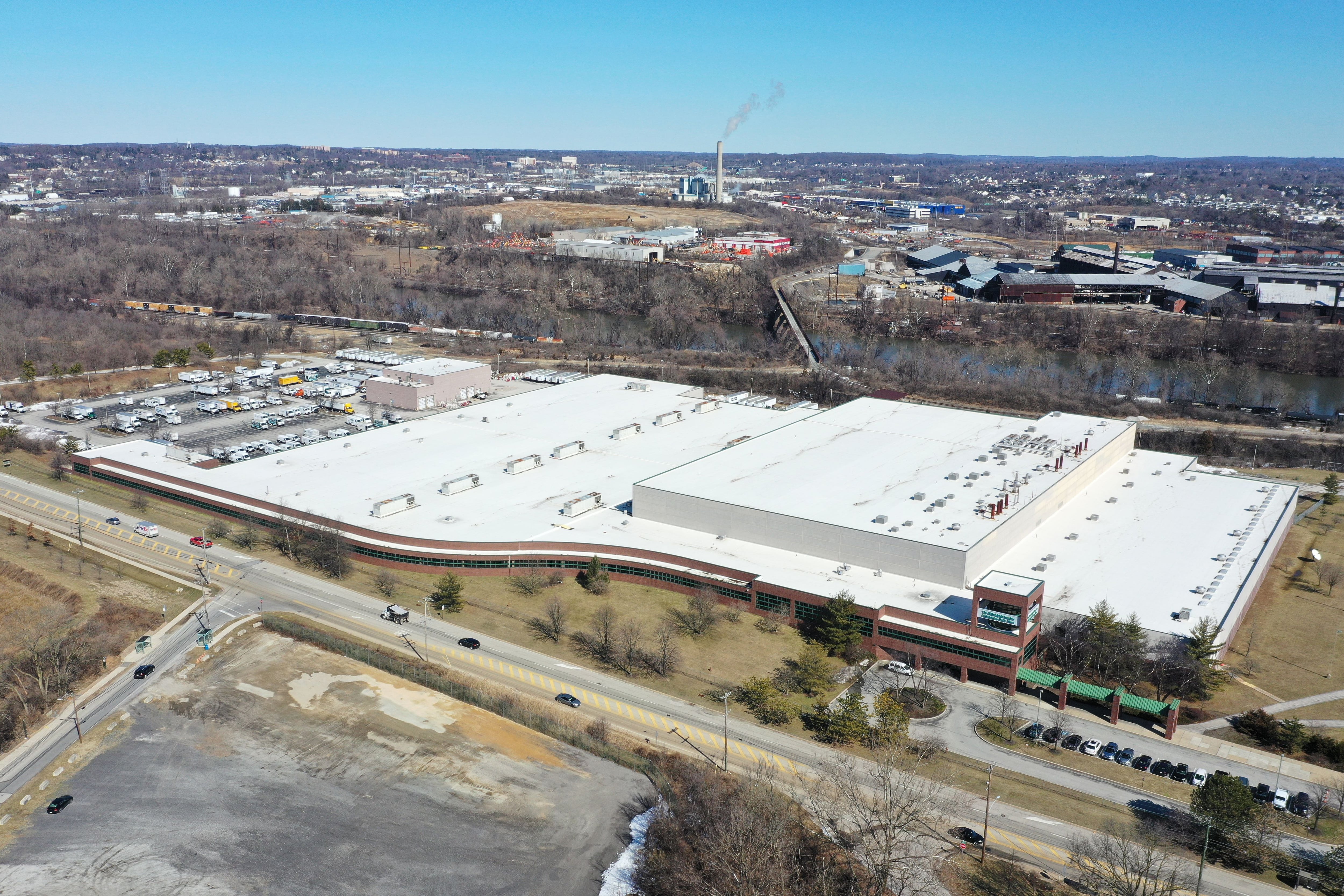
    The printing plant, a 681,023-square-foot complex along the river, was built to house $160 million worth of “state of the art” presses. FRANK WIESE / Staff
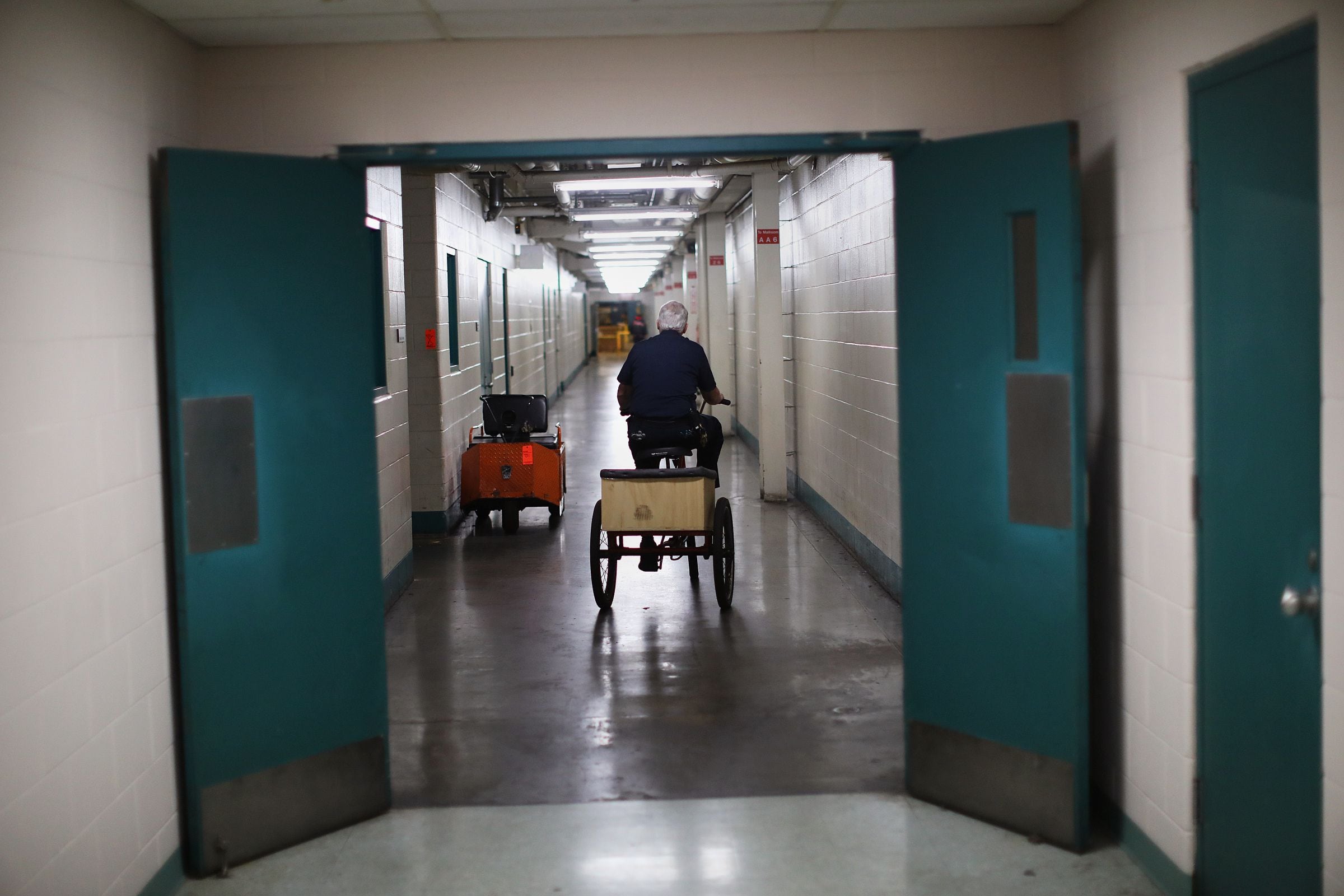
    Second childhood? No, engineer Joe Hoban is riding a tricycle that can carry tools while navigating the building’s lengthy corridors. TIM TAI / Staff Photographer

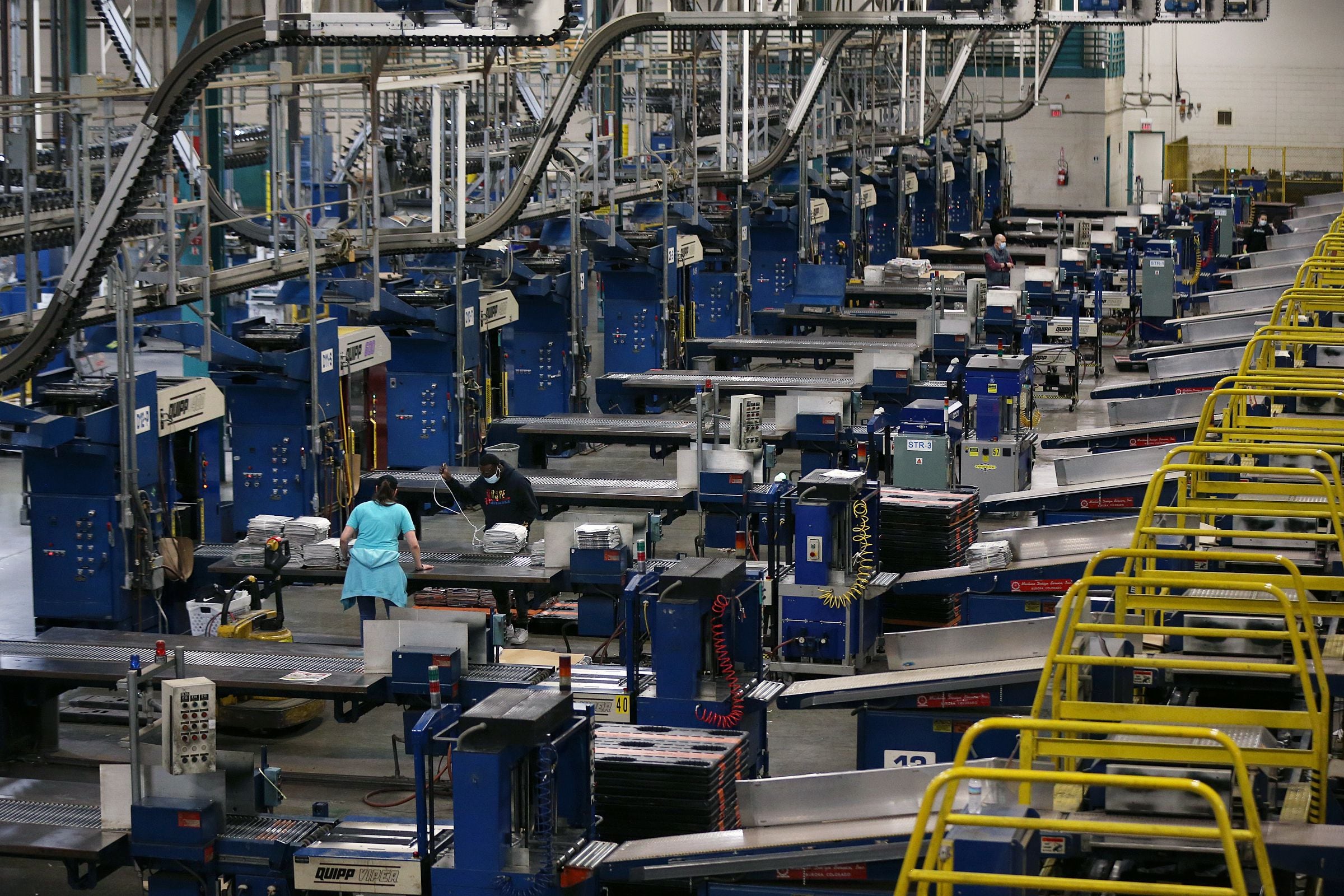
    This was a thundering production theme park of impossible intricacy, where paper-carrying freight cars rumbled and rammed into the rail bay, where newspaper pages rolled off presses that collectively weighed as much as a Navy destroyer.

    They were folded and collated, and commuted on cars and conveyors as though they had purchased tickets on amusement rides. Ultimately they landed in trucks that ferried The Inquirer and Daily News to hundreds of locations while most readers slept.

    All it took to get them their papers, said Fred Lehman, vice president of operations, was about two million moving parts.

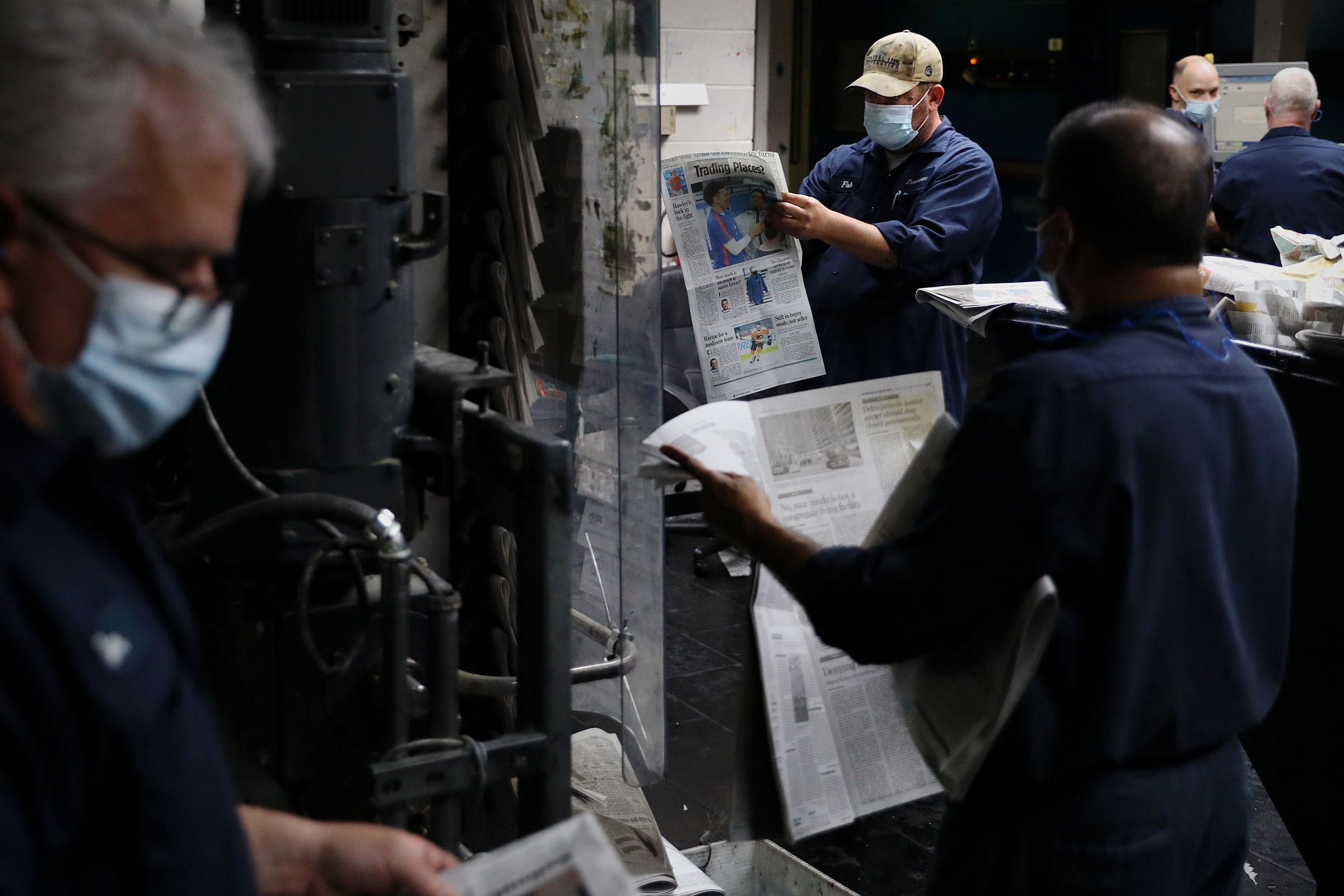
    Pressroom supervisor Jim Fish (top) flips through Inquirer pages as a quality check. TIM TAI / Staff Photographer

    Somehow amid the often hellish cacophony in this 681,023-square-foot behemoth, people got to know each other.

    In many cases, they knew each other already. “Family” was more than metaphoric in White’s case. Her uncle got her the job 25 years ago; he worked at the company. Her father was a driver.

    >>PHOTOS: See how The Inquirer printed its newspapers over the years

    Lafauci, a mailer, said his nickname had no association with happy hour. “Three Bars … my grandfather worked here, my father worked here.” Yes, he was the third bar. Bill Burk, a transportation manager, worked with all three bars, and at one time or another, The Inquirer employed 20 of Burk’s family members.

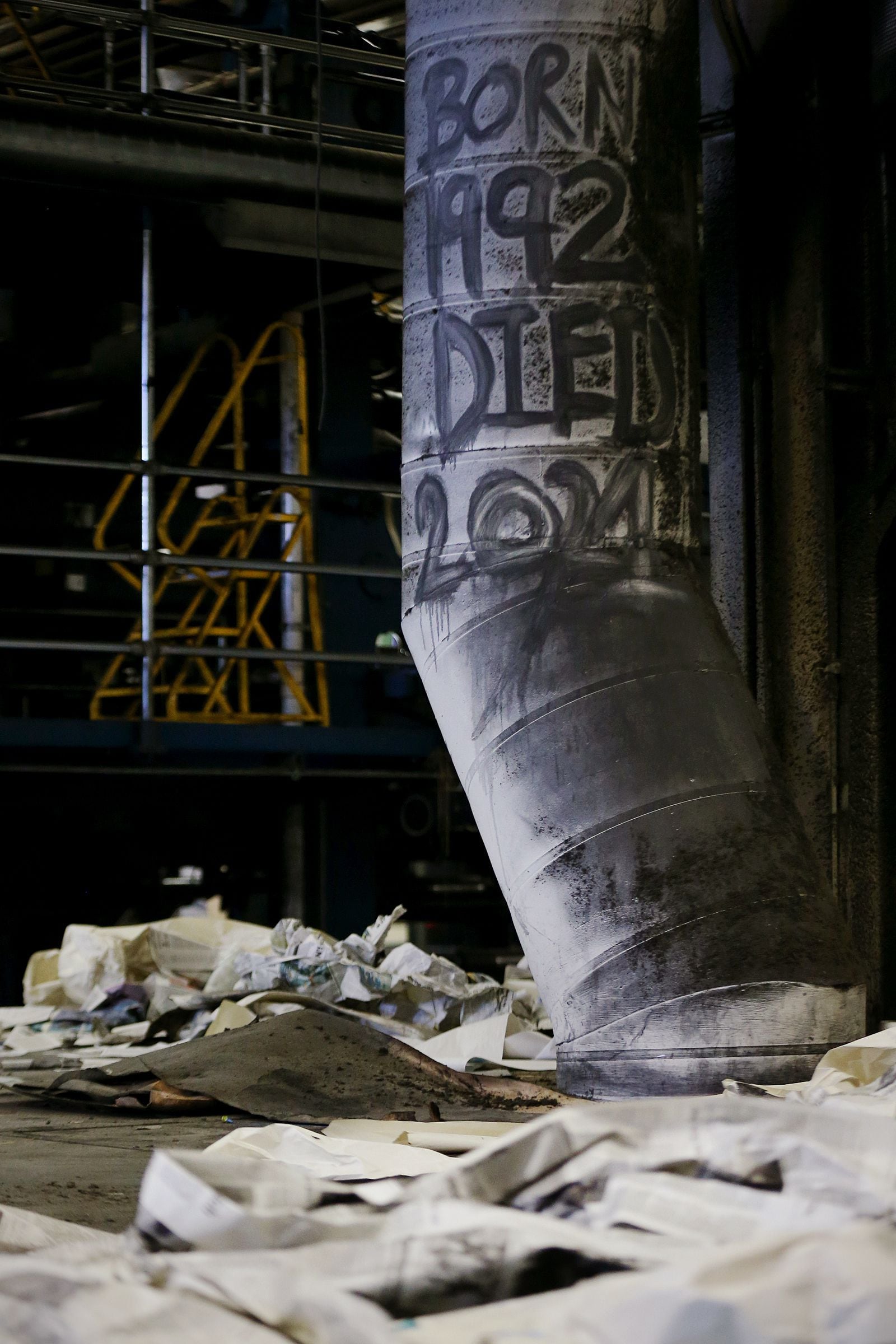
    Epitaph for an era: "BORN 1992 DIED 2021" is traced in the grime on an air duct inside the pressroom. TIM TAI / Staff Photographer
    “My grandfather worked here, my father worked here.”
    Tom “Three Bars” Lafauci

    ‘It was family’

    Those days are history, as soon will be the printing plant, located in Upper Merion Township at the junction of Routes 23 and 320, a location a reporter once described as “centrally isolated.”

    Rather than a death in the family, October’s announcement that SPP would be sold was more like deaths in multiple families, and the sense of loss — a mix of resignation, equanimity, sadness, with a dash of bitterness — condensed as employees were leaving the building for the last time.

    “It was family,” Lafauci said. There’s that word again.

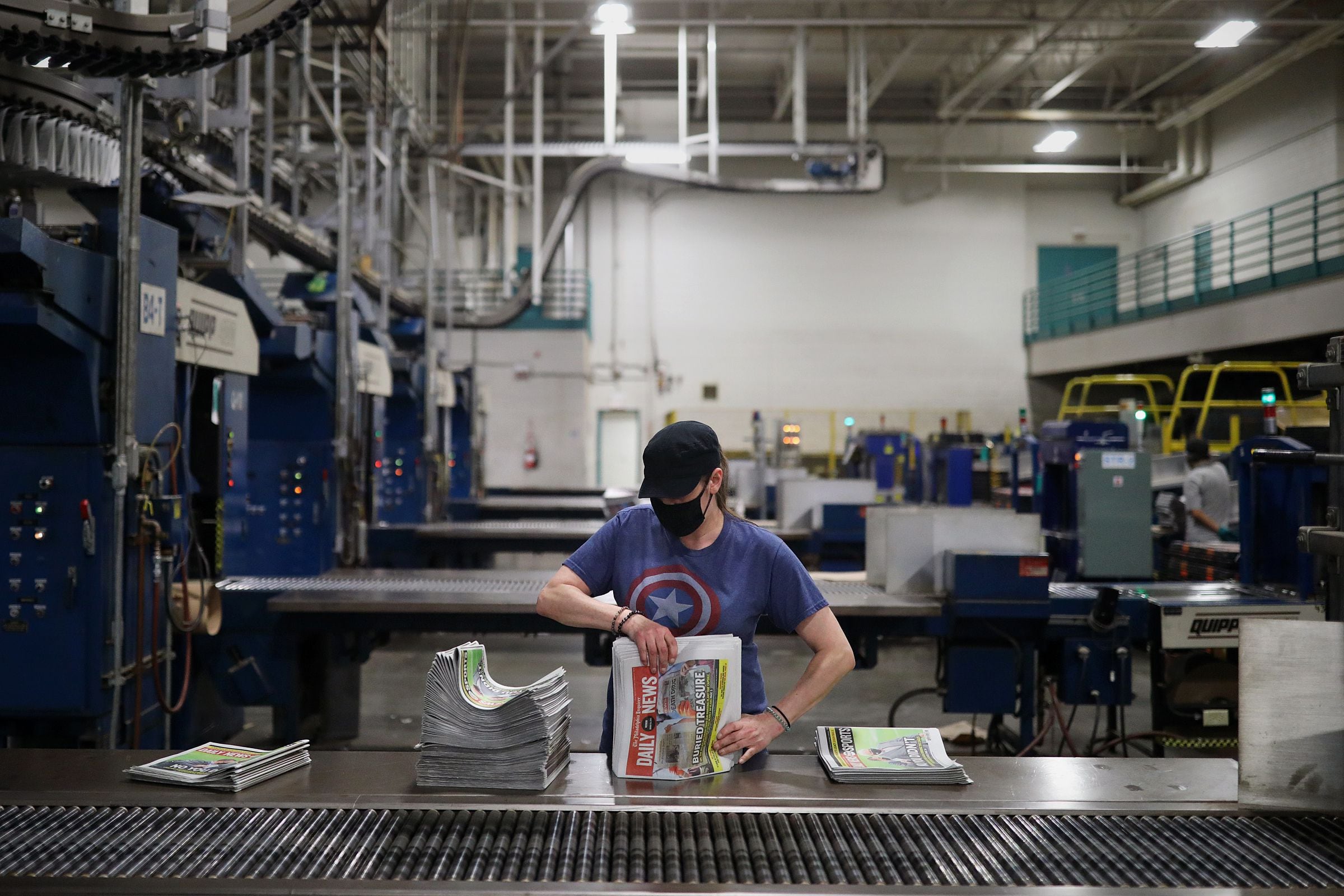
    Mailer Jessica Tayoun, who started working for The Inquirer in 1992, stacks a bundle of Daily News issues. TIM TAI / Staff Photographer
    Tayoun and Lionel Shaw, a 37-year Inquirer veteran, prepare bundles of the newspaper's last scheduled edition to be printed at SPP. TIM TAI / Staff Photographer
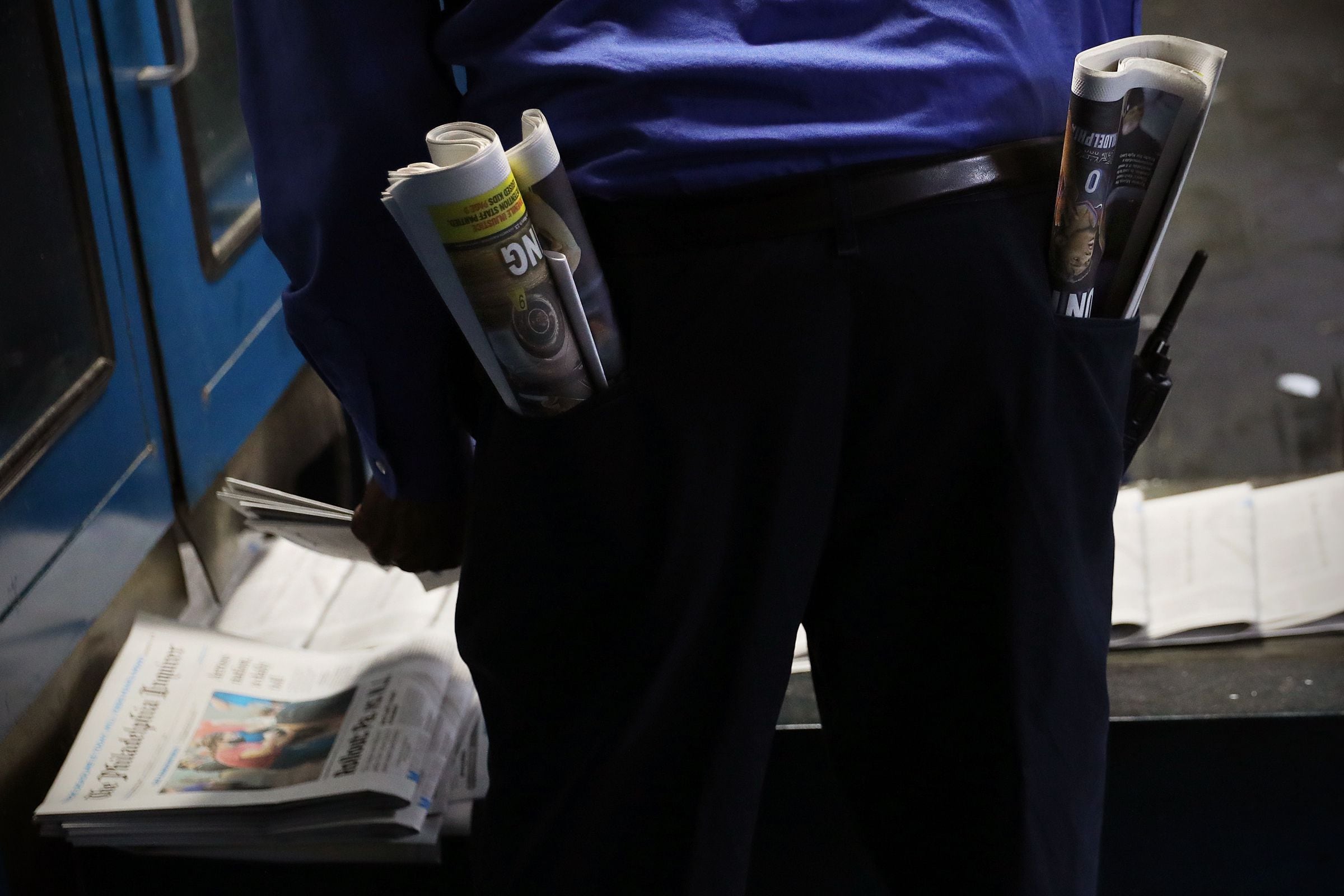
    Pressroom supervisor Tom Addison, hired in 1979, carries in his rear pockets rolled-up Daily News issues that he will examine later for quality. TIM TAI / Staff Photographer

    About the only problems they had at the plant, the guards said, involved intra-family disputes that reasoned discussion failed to resolve. Said White, “We tried to calm them down.”

    The writers and editors reported and crafted the stories — from seven presidential elections in the SPP era, to a World Series title and a Super Bowl championship, to the 9/11 terrorist attacks, to one tenacious pandemic — but the SPP workforce made sure people got to read them on paper that they could hold in their hands, and perhaps even save.

    During the last run of the Inquirer's own presses, a “family” of employees say goodbye as the company transitions to an outsourced printing operation.Kristen Balderas, Raishad Hardnett, Astrid Rodrigues, Lauren Schneiderman and Frank Wiese / Staff

    All the news that fits

    In the pre-SPP days, type and advertisements were posted on flats by hand. Editors marked last-minute cuts with blue pencils, and the compositors would surgically consign them to the cutting-room floor.

    The job evolved rapidly with “pagination,” as computer screens replaced the flats and workers such as Kathleen Griffiths moved from the composing room to a video terminal. Inspecting the pages to make sure that the ads are properly placed and error-free, and that the display type and copy are correctly confined to a page is a critical step in the “prepress” process.

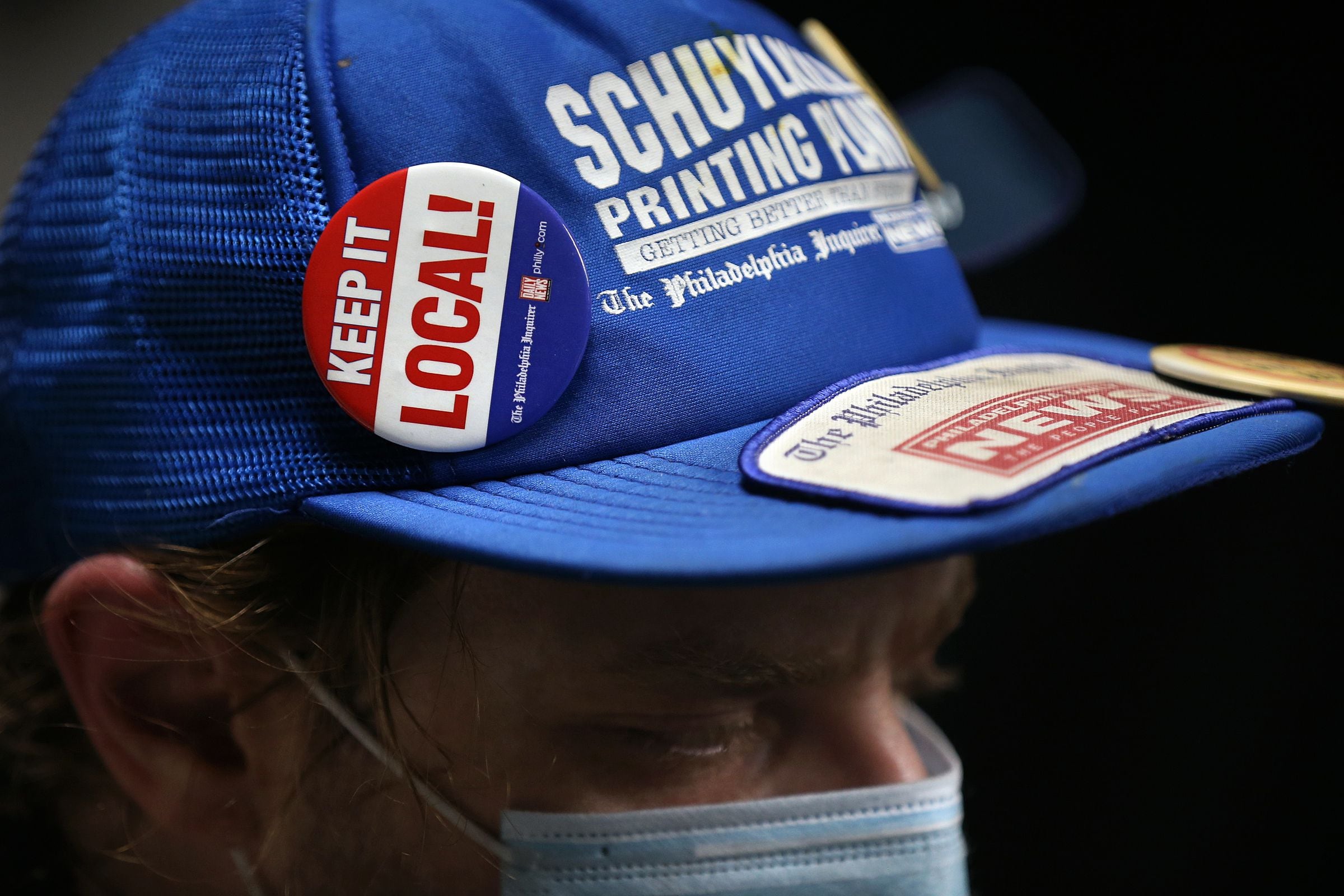
    Pressman Brett Nick, who started working at The Inquirer in 2003, wears a hat with an old Inquirer campaign slogan: "Keep It Local!" TIM TAI / Staff Photographer
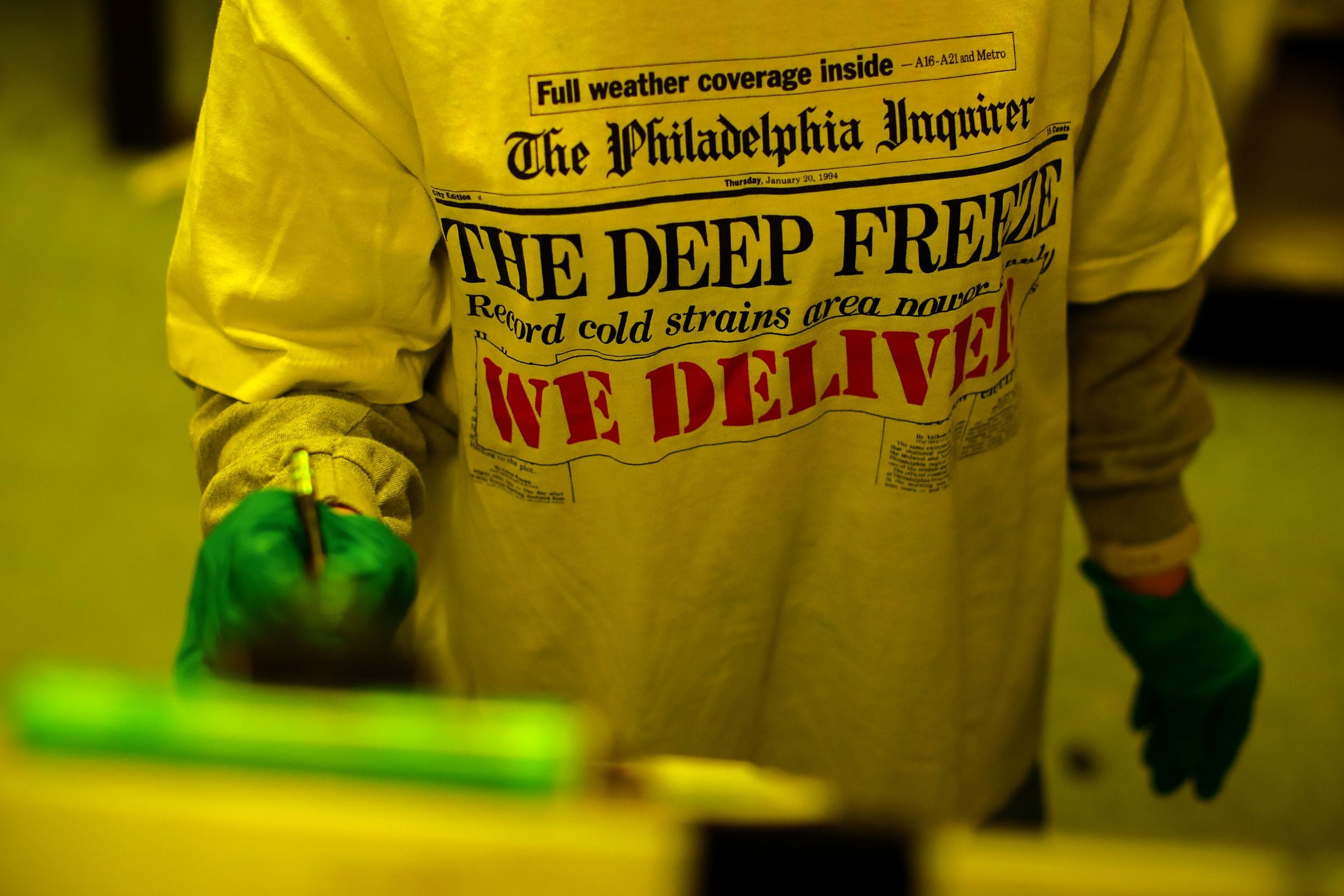
    Platemaker Debbie Dougherty wears a T-shirt stamped with a front-page image from Jan. 20, 1994, the year she was hired. TIM TAI / Staff Photographer
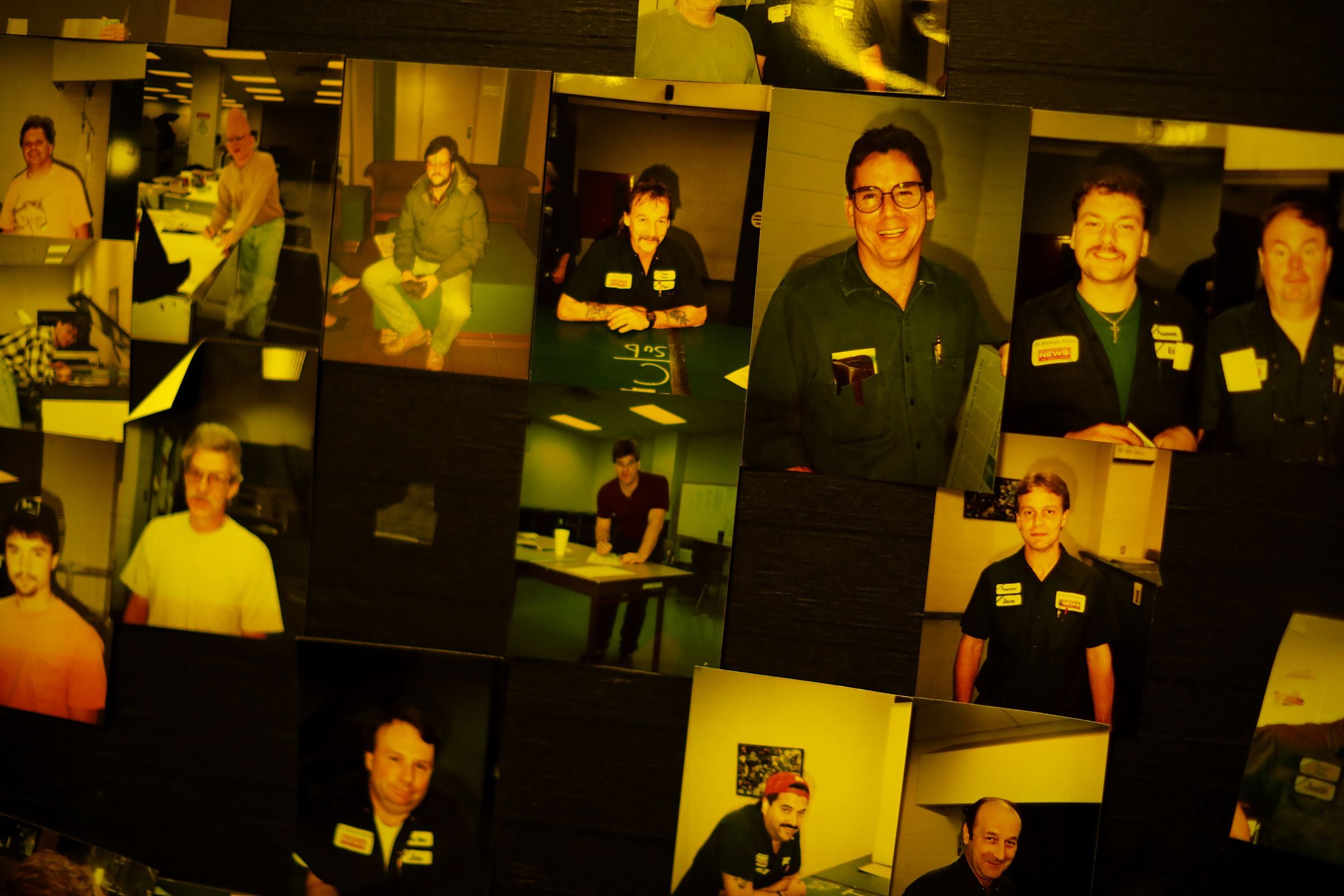
    Engraved in memory: A board inside the plate room features photos of former employees. TIM TAI / Staff Photographer
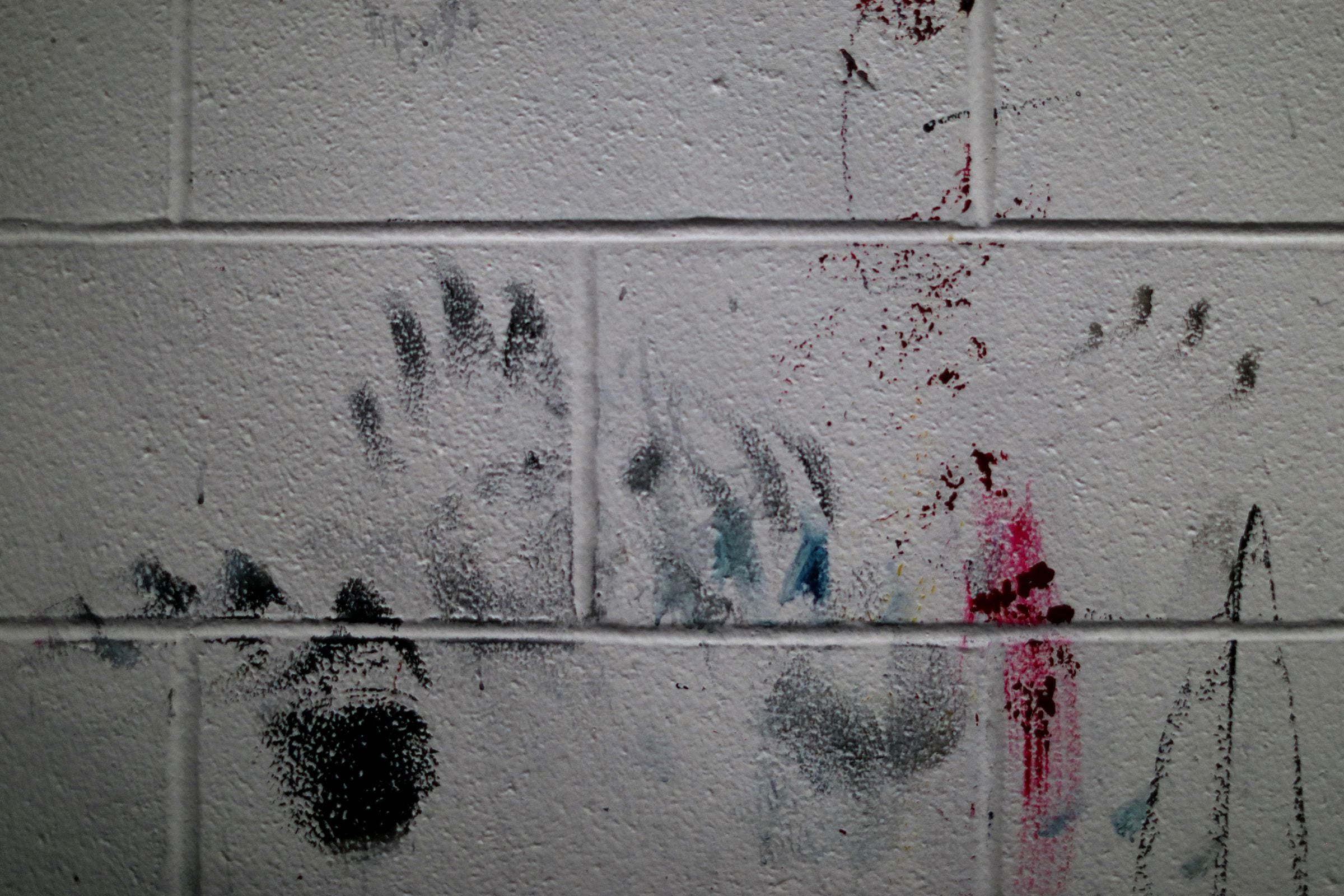
    Ink-stained handprints decorate a pressroom wall. TIM TAI / Staff Photographer

    “It’s like putting a puzzle together,” said Tom Chambers, who has worked for the company for 31 years. He and the other platemakers imprint those completed-puzzle images on wafer-thin aluminum plates that bear the images of the pages of The Inquirer and Daily News.

    On any given day those images would be stamped on paper rolls whose linear footage would reach halfway around the world — all the way on Sundays.

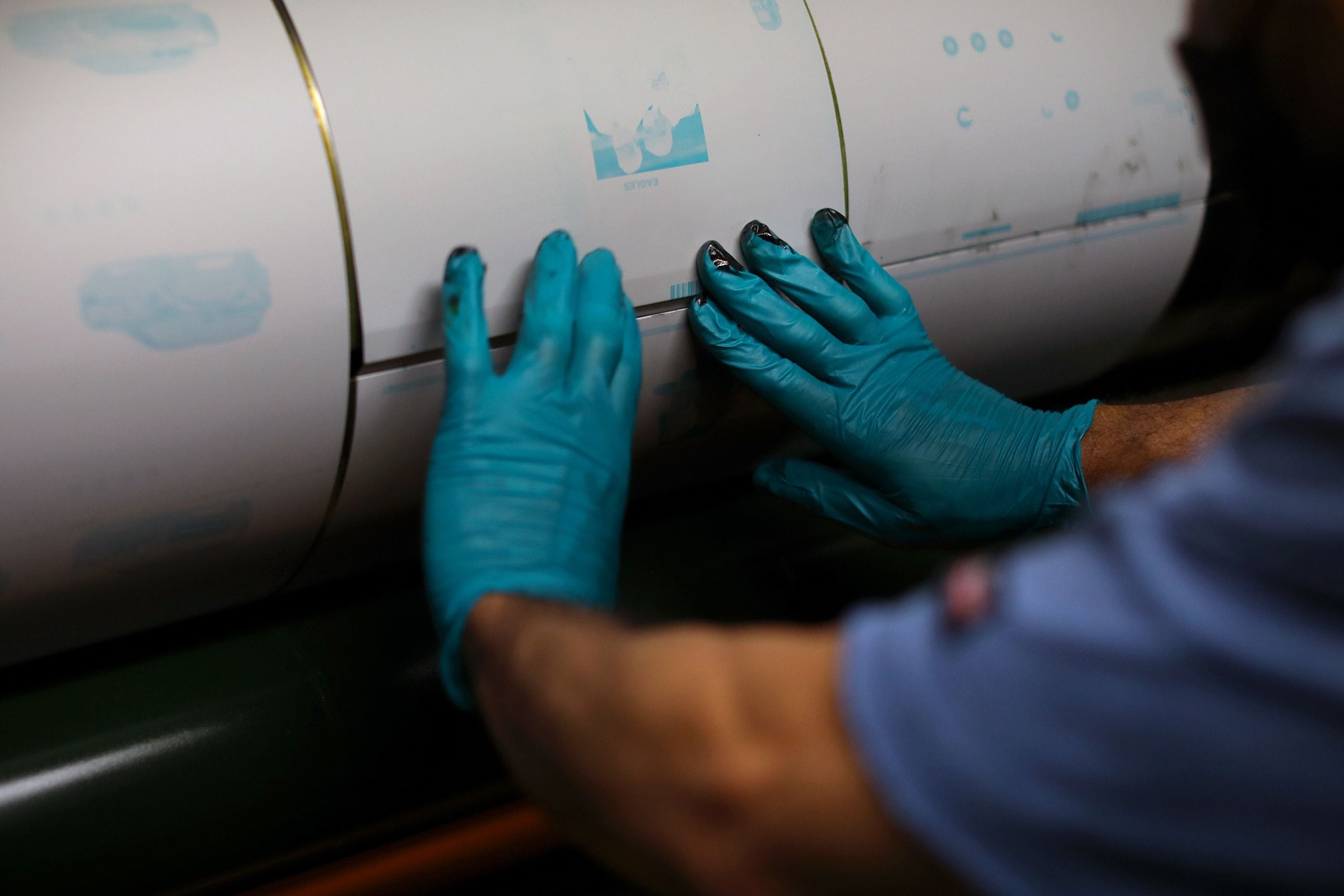
    Pressman Hayden Darrabie, hired in 1998, presses plates into place before the night's run. TIM TAI / Staff Photographer

    Roll ‘em

    SPP is more or less a prodigious shell built around $160 million worth of presses, said Pat McElwee, the production supervisor. When the plant started operating in the summer of 1992, “It was fantastic,” he said.

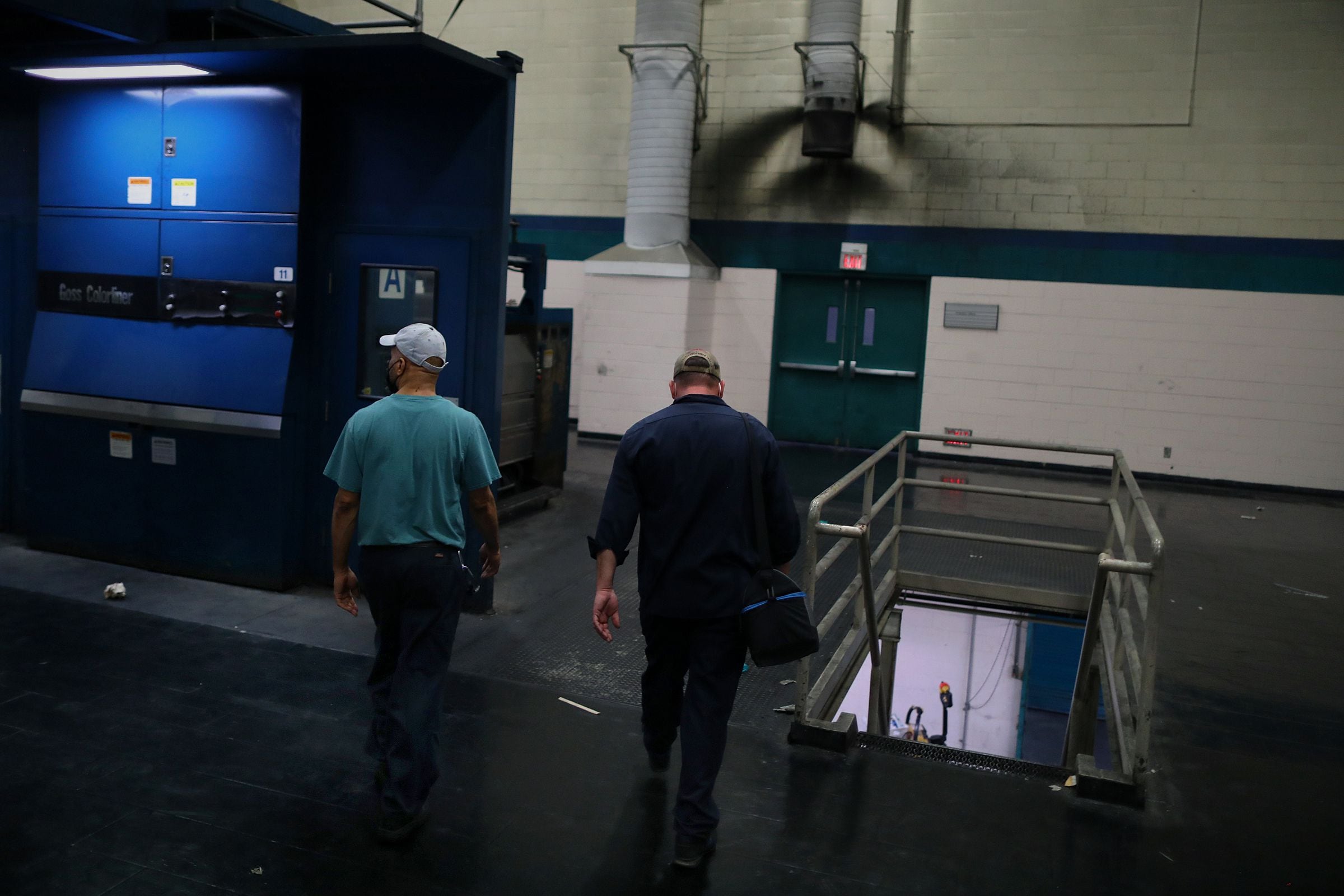
    The Goss Colorlink “offset” presses were radically different from the 45-year-old “letterpress” predecessors in which plates were pressed directly onto the paper. With offset, the plates roll against rubber “blankets” that press against the paper. For the first time The Inquirer and Daily News could publish photographs and ads in color.

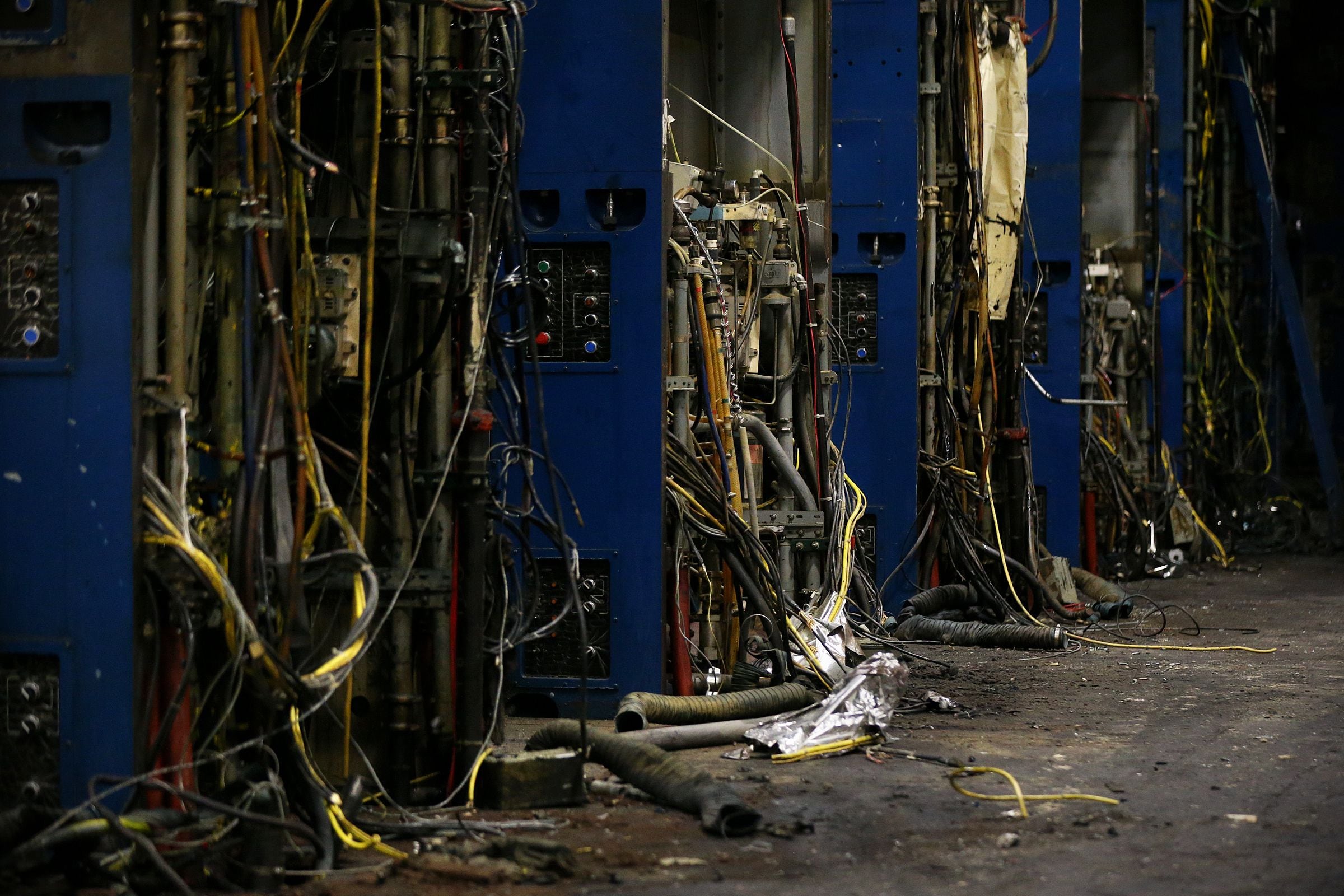
    Wiring dangles from one of the nine Goss Colorliner presses. TIM TAI / Staff Photographer
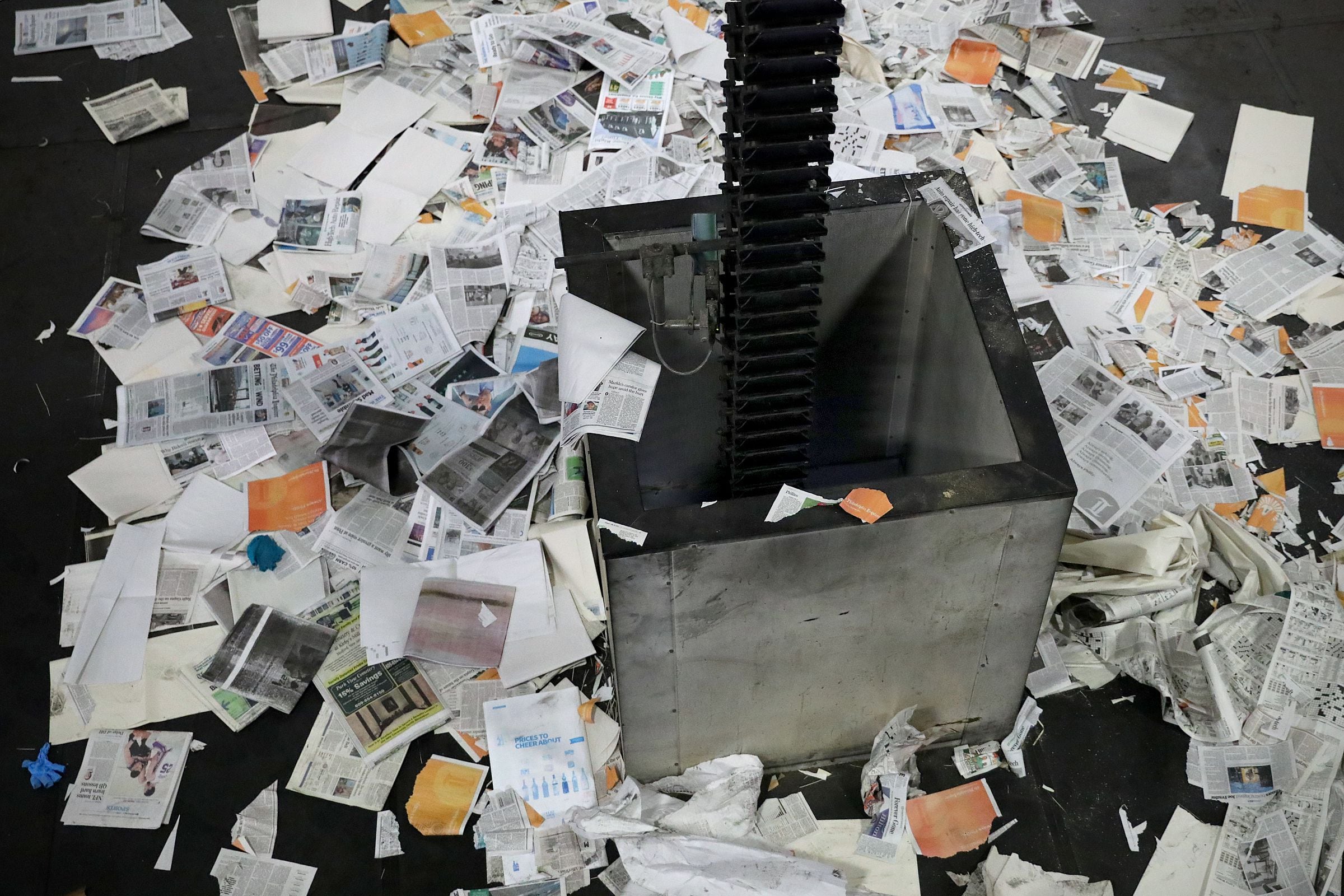
    Loose papers are scattered across the base of the gripper chute from which papers are conveyed from the pressroom to the mailroom for packaging. TIM TAI / Staff Photographer
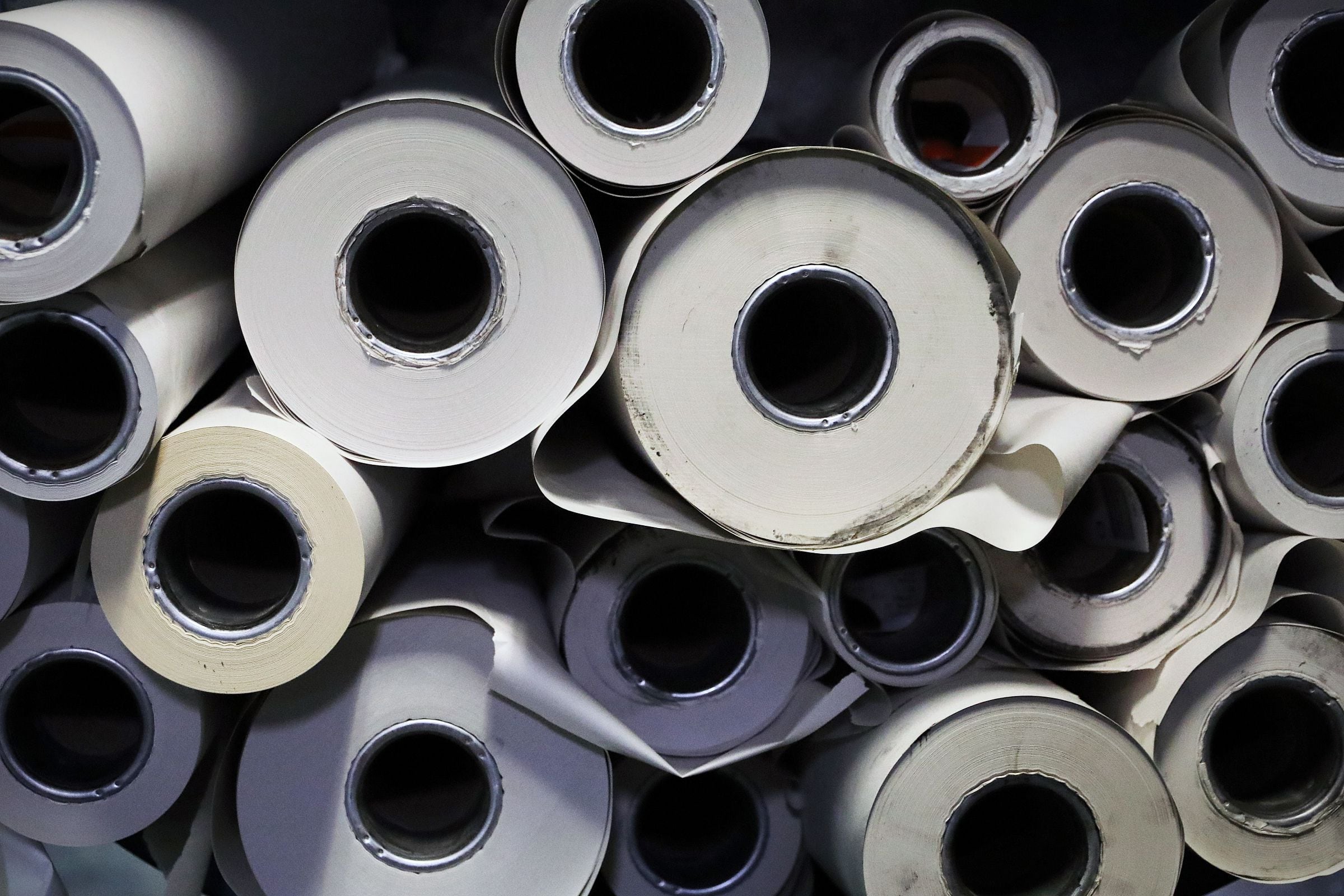
    Partial rolls of leftover paper from press runs, known as "butt rolls," are stored in the reel room. TIM TAI / Staff Photographer

    “It was all new,” said Tom Addison, the company pressroom foreman. With novelty came mishaps. More than once the papers published “To our readers” apology notes for delivery issues.

    Like so many employees on the production side, Addison was a lifer, having started in 1979.

    And to Aaron Krakovitz, Addison was a newcomer: Krakovitz already had been there five years, starting as a high school senior, recruited to fill in on a short-staffed weekend. He was child labor whose own father was a pressman.

    The pressmen developed a familial and literal closeness, said Jim Fish, the union foreman: In the heydays, he said, “You worked with six to seven guys on the press.”

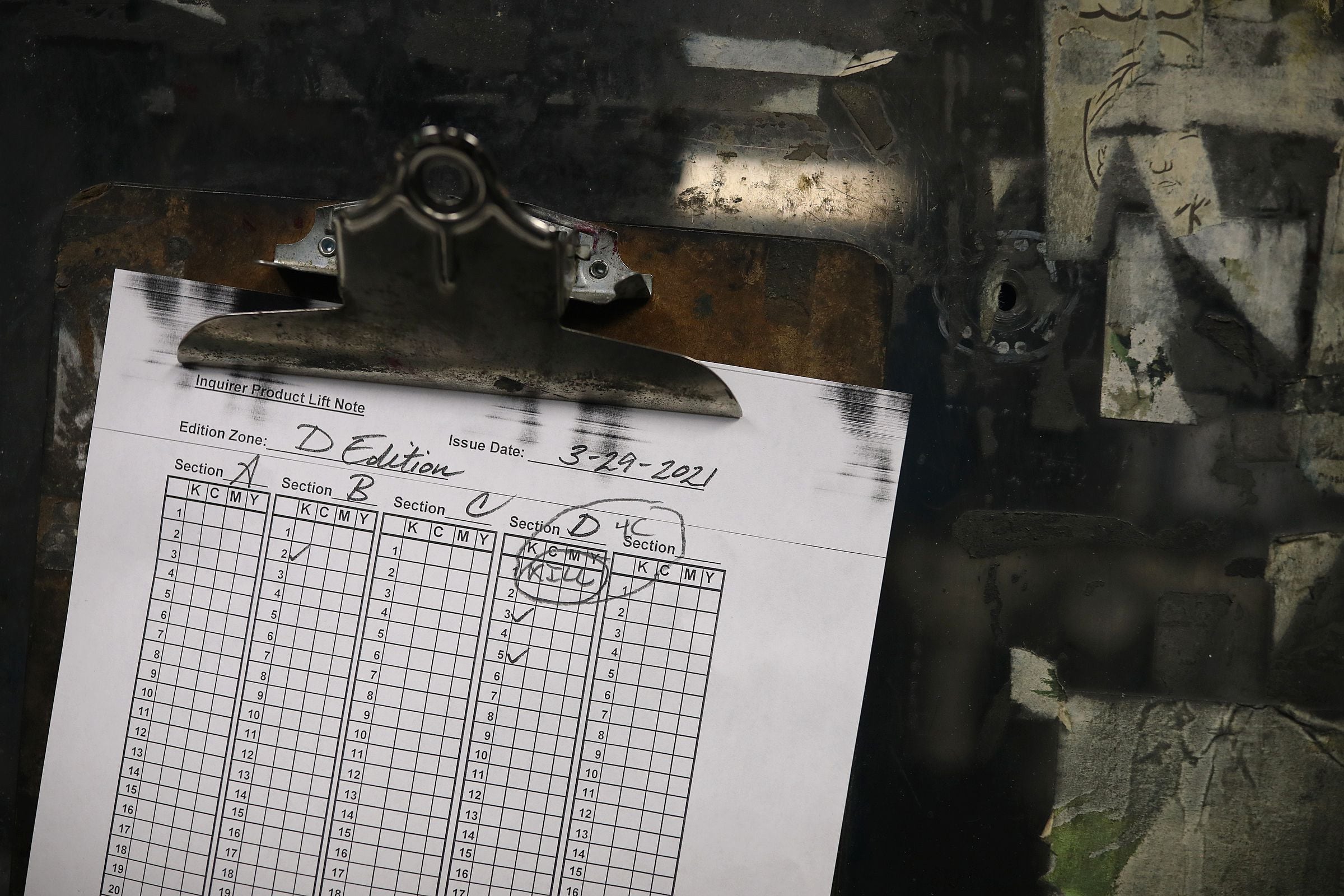
    A clipboard in the quiet room informs pressmen about the plates that need to be switched out for a "lift" for a later edition. TIM TAI / Staff Photographer
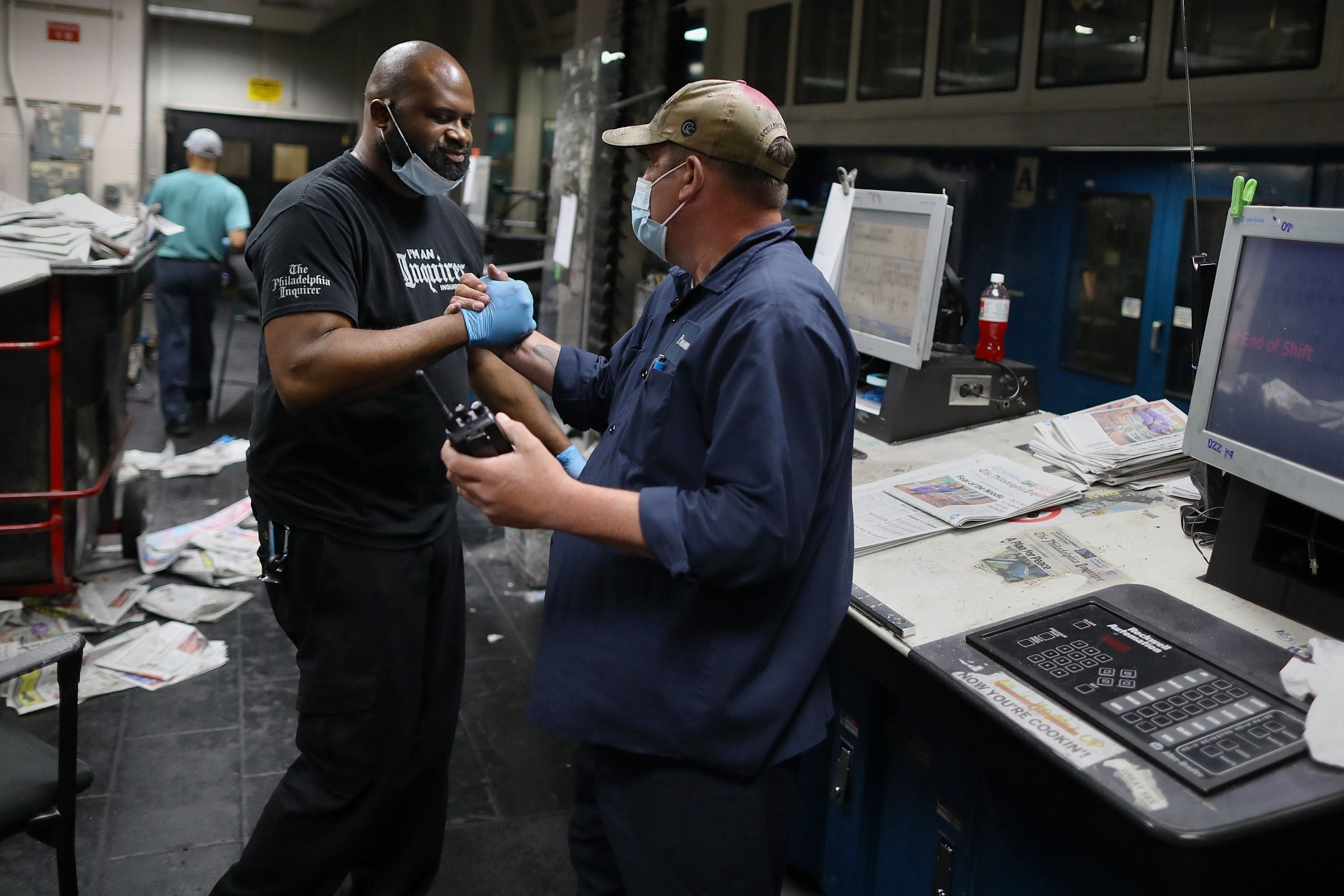
    Pressman Keith Jones (left), who was hired in 2005, and Jim Fish prepare to embrace as they are about to depart after the last scheduled press run. TIM TAI / Staff Photographer

    Fold ‘em, stuff ‘em

    Among all his family members who ever worked in the mail room, a 187,000-square-foot canyon where the printed sections and advertising inserts were added and prepared for the trucks, Devin Leidy counted 150 years’ experience.

    “When I was 12 years old, my father said, ‘You’re going to be delivering newspapers. You’re going to learn how to hand-stuff,’ ” said Leidy.

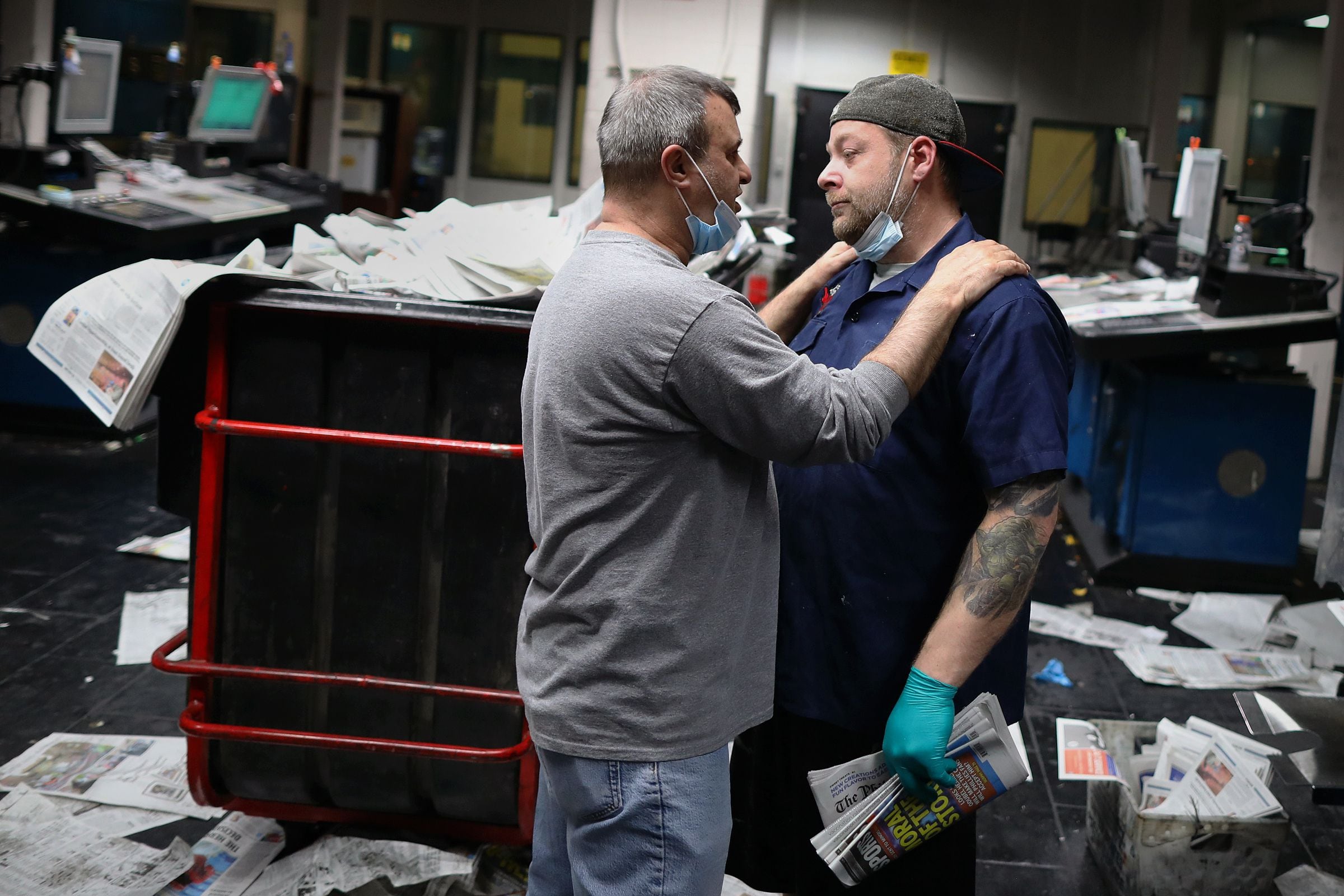
    Pressroom supervisor David Creek (left), hired in 1984, chats with colleague Bobby Nick, who joined The Inquirer in 2002, as Nick gets ready to sign off. TIM TAI / Staff Photographer
    Driver Darryl Jackson (left) looks toward dispatcher George Young (center) hugging driver Dominic Delvecchio, all of whom started in 2000. TIM TAI / Staff Photographer
    Pressman Hayden Darrabie (left) and Jim Fish walk out of the press room after the last scheduled run. TIM TAI / Staff Photographer

    Leidy, who would grow up to be a mailroom supervisor, said the assembly and presentation of the papers were critical to sales: “You’re trying to put it out correctly … neatly.”

    Evie Lang, a mailer who (stop if you heard this before) was the daughter and granddaughter of mailers, derived satisfaction from her labor as she left the house on Sunday mornings. “The newspaper would fall out the door and you’d go, ‘Oh, I helped to make that.’ ”

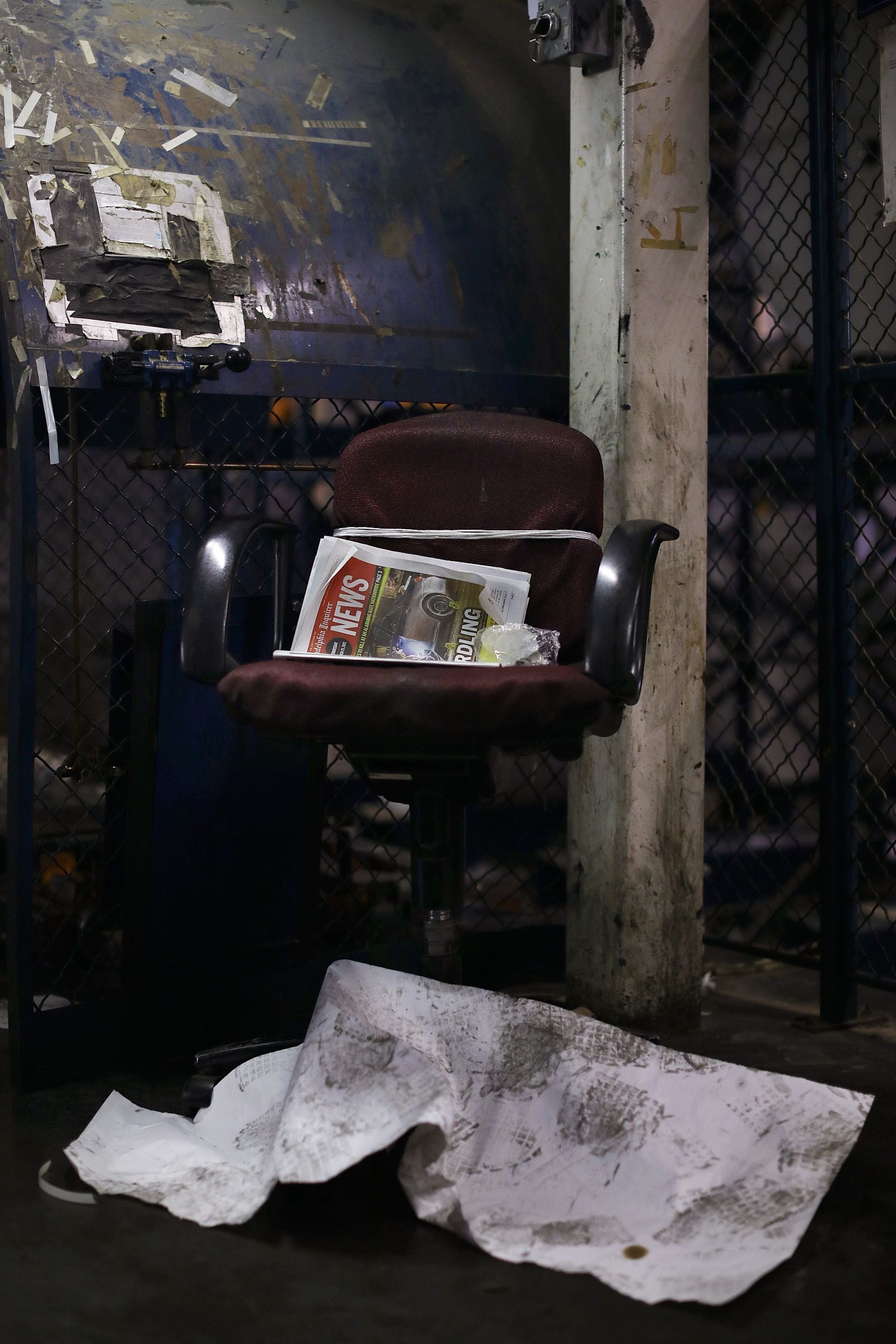
    A discarded Daily News rests in a chair in the reel room, where paper had been loaded onto the presses that had been operating since 1992. TIM TAI / Staff Photographer
    “My whole life. I wanted to yell, ‘Stop the presses.’ But now, when I think about it, I don’t want to stop them. I wish they could keep going.”
    Pat McElwee

    The last rides

    Budd Emmett got hired in an antiquarian fashion: through a newspaper ad. That was in 1971.

    Emmett became a transportation supervisor in 1988, overseeing a truck fleet that at one time exceeded 325.

    “It’s all family,” Emmett said. It wasn’t an echo; it just sounded like one. The mood at the building in the closing days was similar to that of a pre-funeral viewing, only in this case the subject of conversation wasn’t yet deceased and had the benefit of hearing the praise.

    Emmett said he plans to retire, as does pressman Krakovitz and others.

    The furloughed SPP workers generally were pleased with what they viewed as generous severance packages. Lehman said those who wanted to keep working have found jobs.

    Lehman and McElwee are among those who plan to call it a career. McElwee is anxious to spend more time with his grandchildren, but the end is profoundly bittersweet.

    “My whole life. I wanted to yell, ‘Stop the presses.’ ” he said. “But now, when I think about it, I don’t want to stop them. I wish they could keep going.”

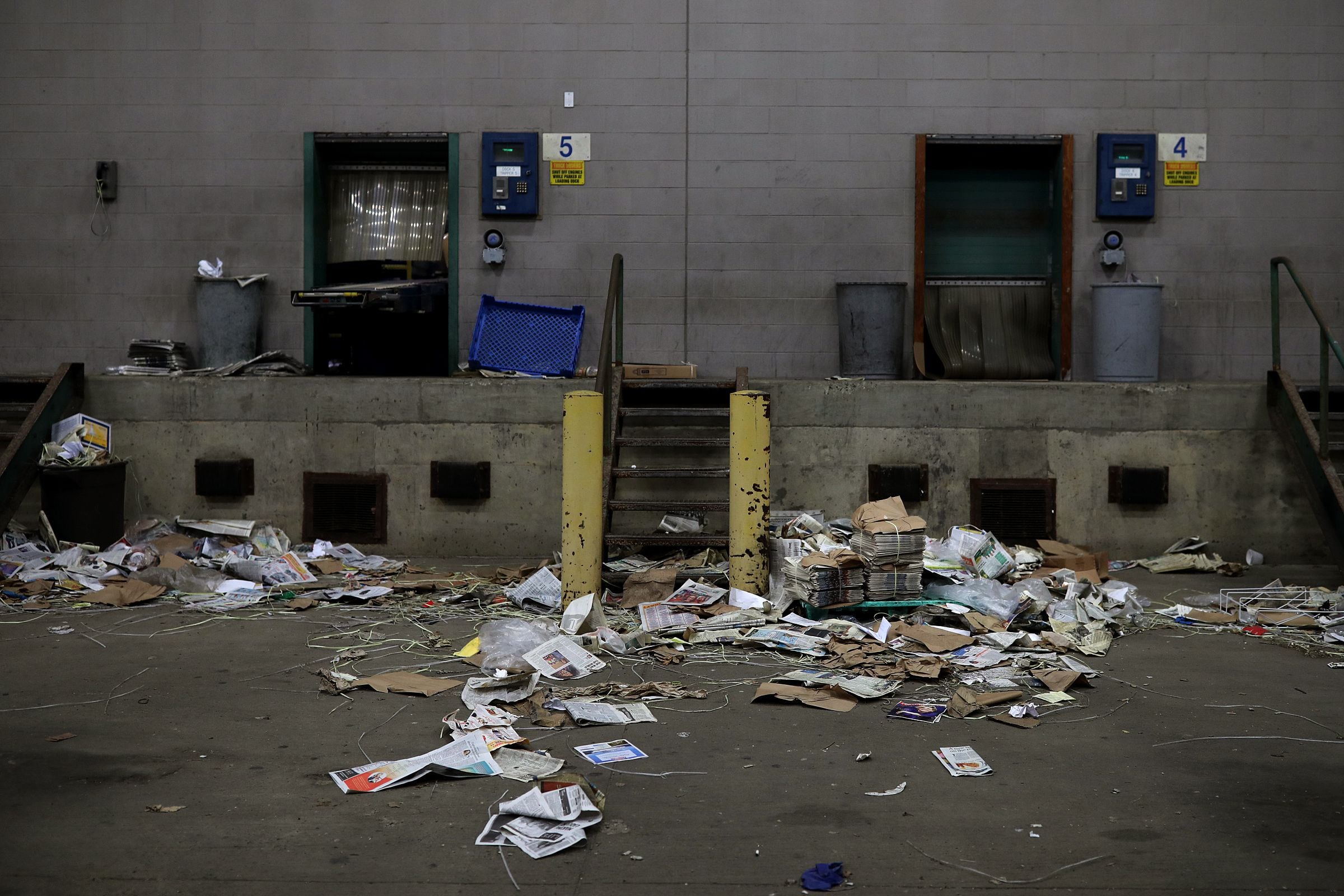
    In the early morning hours of March 29, newspapers litter the docks that no longer will be used for loading The Inquirer and Daily News onto delivery trucks while most of us slept. TIM TAI / Staff Photographer

    Staff Contributors

    Reporting: Anthony R. Wood

    Visuals: Tim Tai, Frank Wiese, Danese Kenon, Astrid Rodrigues, Kristen Balderas, Lauren Schneiderman, and Raishad Hardnett

    Design & Development: Dain Saint and Jessica Parks

    Editing: Emily Babay and Diane Mastrull

    Digital: Kerith Gabriel, Patricia Madej, Lauren Aguirre, and Caryn Shaffer

    Copy editing & Print: Brian Leighton and Sterling Chen

    .arcad.placeholder{width:600px;max-width:100%;height:90px;background:#333;margin:48px auto;text-align:center;font-size:14px;font-weight:bold;letter-spacing:5px;line-height:90px;text-transform:uppercase;color:#FFF;font-family:”Ringside Regular SSm”,”Verdana”,sans-serif}.arcad.placeholder::after{content:’ad placeholder’}#article-body .ad-responsive{min-height:0}.project-credits{color:#595760;margin-bottom:48px}.project-credits .block-content{padding:10px}.project-credits p{font-family:”Ringside Regular SSm”,”Verdana”,sans-serif;font-size:12px;line-height:1.8em}.project-credits .credit-content{columns:2}.project-credits h3.credit-header{font-family:”Ringside Regular SSm”,”Verdana”,sans-serif;font-size:14px;text-transform:uppercase;font-weight:700;border-bottom:1px solid #dcdcdc;padding-bottom:2px;margin-bottom:10px}.project-credits .credit-section{padding-bottom:20px;break-inside:avoid}.project-credits strong{text-transform:uppercase}.inq-p-endmark p::after{content:” “;display:inline-block;background:url(“https://media.inquirer.com/storage/inquirer/projects/assets/i-circle_navy.png”) center center no-repeat;background-size:contain;height:1.1em;width:1.1em;margin-left:5px;vertical-align:text-bottom}.hero-eyebrow{font-family:”Ringside Regular SSm”,”Verdana”,sans-serif;text-transform:uppercase;font-size:10px;font-weight:normal;padding:5px;background:#16183a;color:#fff;width:max-content;margin-bottom:5px;text-decoration:none}.splash-intro-hero__outer .inq-image{transition:none}.splash-intro-hero__outer figcaption{max-width:700px;margin:0px auto;padding-left:20px;padding-right:20px}.splash-hero-text{max-width:700px;margin:0px auto;padding-left:20px;padding-right:20px}.splash-intro-hero__inner{margin:0px auto}.splash-intro-hero__inner.headlines{text-align:center;padding:60px 20px}.splash-intro-hero__inner.text{max-width:700px;margin:0px auto;padding:60px 20px}.splash-intro-hero__inner.text.after{padding:20px 20px}.splash-intro-hero__inner h2{font-size:3em}.splash-intro-hero__inner .title-subhead{display:block;font-size:1.2em;max-width:1200px;margin:0px auto;font-family:”Ringside Regular SSm”,”Verdana”,sans-serif}.splash-intro-hero__inner .inq-story__meta{margin-bottom:24px}.split-screen-hero{color:#16183a}.split-screen-hero .hero-splash{background:#65ccff;position:relative}.split-screen-hero .hero-title-subhead{padding-top:10px;font-family:”Ringside Regular SSm”,”Verdana”,sans-serif;font-size:18px;letter-spacing:1;line-height:1.8em}.split-screen-hero .hero-content{display:grid;grid-template-columns:50% 50%;max-width:2000px;margin:0px auto}.split-screen-hero .hero-title-pane{display:flex;flex-direction:row;justify-content:flex-end;box-sizing:border-box;padding:20px}.split-screen-hero .hero-title-pane .hero-title-content{width:330px;display:flex;flex-direction:column;justify-content:flex-end}.split-screen-hero .hero-splash-pane{background:#16183a top center no-repeat;background-size:cover;height:calc(90vh – 130px);overflow:hidden;position:relative}.split-screen-hero .hero-splash-pane video,.split-screen-hero .hero-splash-pane img{height:calc(100% + 1px);object-fit:cover;position:absolute;top:50%;left:50%;transform:translate(-50%, -50%)}.split-screen-hero .hero-splash-caption{padding-top:24px}@media (max-width: 700px){.split-screen-hero .hero-content{display:flex;flex-direction:column-reverse}.split-screen-hero .hero-splash-pane{height:calc(80vh – 130px)}.split-screen-hero .hero-title-pane{justify-content:flex-start}.split-screen-hero .hero-title-pane .hero-title-content{width:100%;max-width:400px}}.split-screen-hero__inner{max-width:700px;margin:0px auto;padding:0px 20px}.photo-essay__section-break{text-align:center;text-transform:uppercase;margin-bottom:24px;margin-top:48px}.photo-essay__section-break .section-break-subtitle{font-family:”Ringside Regular SSm”,”Verdana”,sans-serif;color:#89848b;letter-spacing:.1em}.photo-essay__photo-section{display:flex;flex-wrap:wrap;align-content:baseline;align-items:baseline;justify-content:center;margin:60px auto;box-sizing:border-box}.photo-essay__photo-section figure{max-width:1200px;min-width:min( 100%, 400px );width:100%;flex:1 1 20%;margin:0px 10px;margin-bottom:20px;transition:none}@media (max-width: 800px){.photo-essay__photo-section figure{margin-left:0px;margin-right:0px}}.photo-essay__photo-section[class~=’3-up’]{flex-flow:row wrap}.photo-essay__photo-section[class~=’3-up’]::before{content:”;flex-basis:100%;order:1}.photo-essay__photo-section[class~=’3-up’] figure:nth-child(1){order:0}.photo-essay__photo-section[class~=’3-up’] figure:nth-child(2){order:2}.photo-essay__photo-section[class~=’3-up’] figure:nth-child(3){order:3}.photo-essay__photo-section .photo-essay-quote{align-self:center;font-family:”Ringside Regular SSm”,”Verdana”,sans-serif;color:#16183a}@media (min-width: 900px){.photo-essay__photo-section .photo-essay-quote:first-child{text-align:right}}.photo-essay__photo-section .photo-essay-quote .quote-text{font-family:”Ringside Condensed”,”HelveticaNeue-CondensedBold”,”Helvetica Neue”,”Helvetica”,”Arial”,sans-serif;font-size:32px;line-height:1.2em;letter-spacing:0;margin-bottom:10px}.photo-essay__container{padding:0px 20px;margin-bottom:60px}.photo-essay__container p,.photo-essay__container>figure,.photo-essay__container .project-credits{max-width:700px;margin:auto;margin-bottom:10px}.inq-card-story–open{margin-top:0px;transition:none}.splash-intro-hero__inner .inq-headline{font-size:50px !important}.inq-p–has-dropcap::first-letter{color:#16183a;background:#dcdcdc;font-family:”GT Alpina Extended”,”Times”,”Times New Roman”,serif} .inq-image { width: 100% }

  • 1990s flashback: When the desire for Starter jackets turned deadly

    1990s flashback: When the desire for Starter jackets turned deadly

    Just before midnight on March 4, 1990, 15-year-old Darius Lamont was pulled through the back door of a friend’s home in Charlotte, N.C.

    His attacker wanted the teenager’s green-and-white Eagles Starter-brand jacket, valued at $125. During their struggle, the attacker pulled out a gun and shot Lamont in the face.

    When police arrived, the jacket was gone. Lamont died 10 hours later.

    His death — like the jacket — was part of a trend.

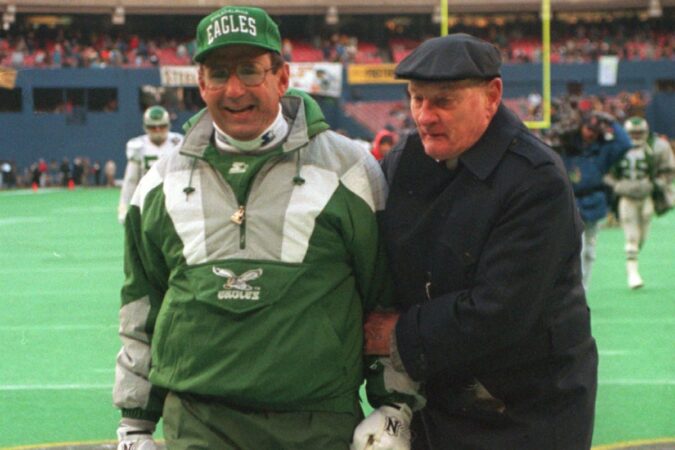
    The growing popularity of professional sports in the late 1980s and early ’90s spawned a new cultural status symbol: expensive sports gear lined in team colors and affixed with hulking logos. The apparel was marketed to the eager-to-impress in their teens and early 20s. But the gear was so popular that some young wearers became crime victims.

    As the 2017 NFL season kicks off and sports stores start to push their cold-weather gear, we look back on the chaos that followed the rise in sports-gear popularity and crimes spurred by the Starter-brand jacket trend.

    In the 1980s and ’90s, the jackets were manufactured by the Starter Corp. of New Haven, Conn. The company was licensed to produce gear for all the major professional teams, including baseball, hockey, basketball, and football. While the brand still exists, it’s now an underutilized subsidy of Iconix Brand Group, which continues to sell the jackets for about $100 each.

    Starter’s business peaked in 1992, when the brand made $350 million in sales. The most popular product was the winter-weight jacket, worn by gangster rappers and Hollywood superstars alike.

    But the status symbol also led to a secondary industry: jacket theft. In Philadelphia, especially in the lower Northeast, some who couldn’t afford one turned to violence.

    Two and three times a week, the police blotter was full. On one week in 1993:

    – “14-year-old boy was jumped by a group of four men at 8:45 p.m. Jan 23 in the 6300 block of Charles Street and robbed of his $100 warmup jacket”

    – “14-year-old boy was punched and robbed of his $100 Starter jacket at 9:15 p.m. Jan. 22 in the 4100 block of Levick Street by a group of three teen-age boys”

    – “A 13-year-old boy was robbed of his $100 Starter jacket at 3:15 p.m. Jan. 21 in the 1500 block of Foulkrod Street by a 15-year-old boy”

    Philadelphia police went so far as to send the freshest-faced cops undercover as decoys to catch would-be thieves. A Mayfair neighborhood group offered to put jackets on a registry, scribbling assigned serial numbers in three separate and secret locations on the jackets. But the thieves caught on, cutting out the serial numbers after they were lifted.

    In 1993, when Robert Levins was inspector of the Northeast Police Division, he told then-Daily News columnist Jill Porter that he would lecture parents.

    “I tell parents that I wouldn’t buy one for my child because of the fact — why put a target on your kid?” he said. “Why make your kid a victim? Buy him a nice coat, but it doesn’t have to be a Starter jacket or a sports team jacket.”

    Porter wrote in response: “Sounds good to me, but try telling that to your kid.”

    James Lamont, Darius’ father, told the Charlotte Observer that he had given his son money for Christmas to buy the jacket.

    “It’s a shame you can’t buy something for your child,” he said, “without worrying if he’ll be safe to wear it.”