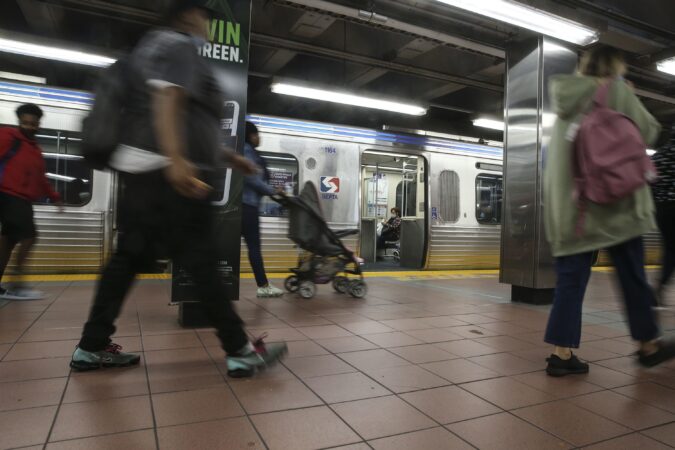
A person was hospitalized in stable condition after being stabbed Monday night on a subway platform in Center City on SEPTA’s Market-Frankford Line, an agency spokesperson said.
The stabbing occurred shortly before 10 p.m. at the 5th Street/Independence Hall Station and the victim was taken to Thomas Jefferson University Hospital, said SEPTA spokesperson Andrew Busch.
No arrests were reported and no further information about the victim or what happened was immediately available.
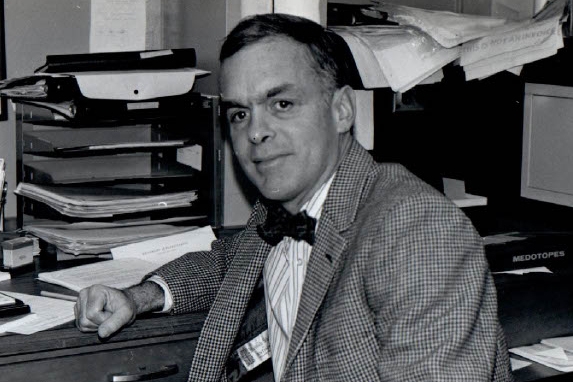
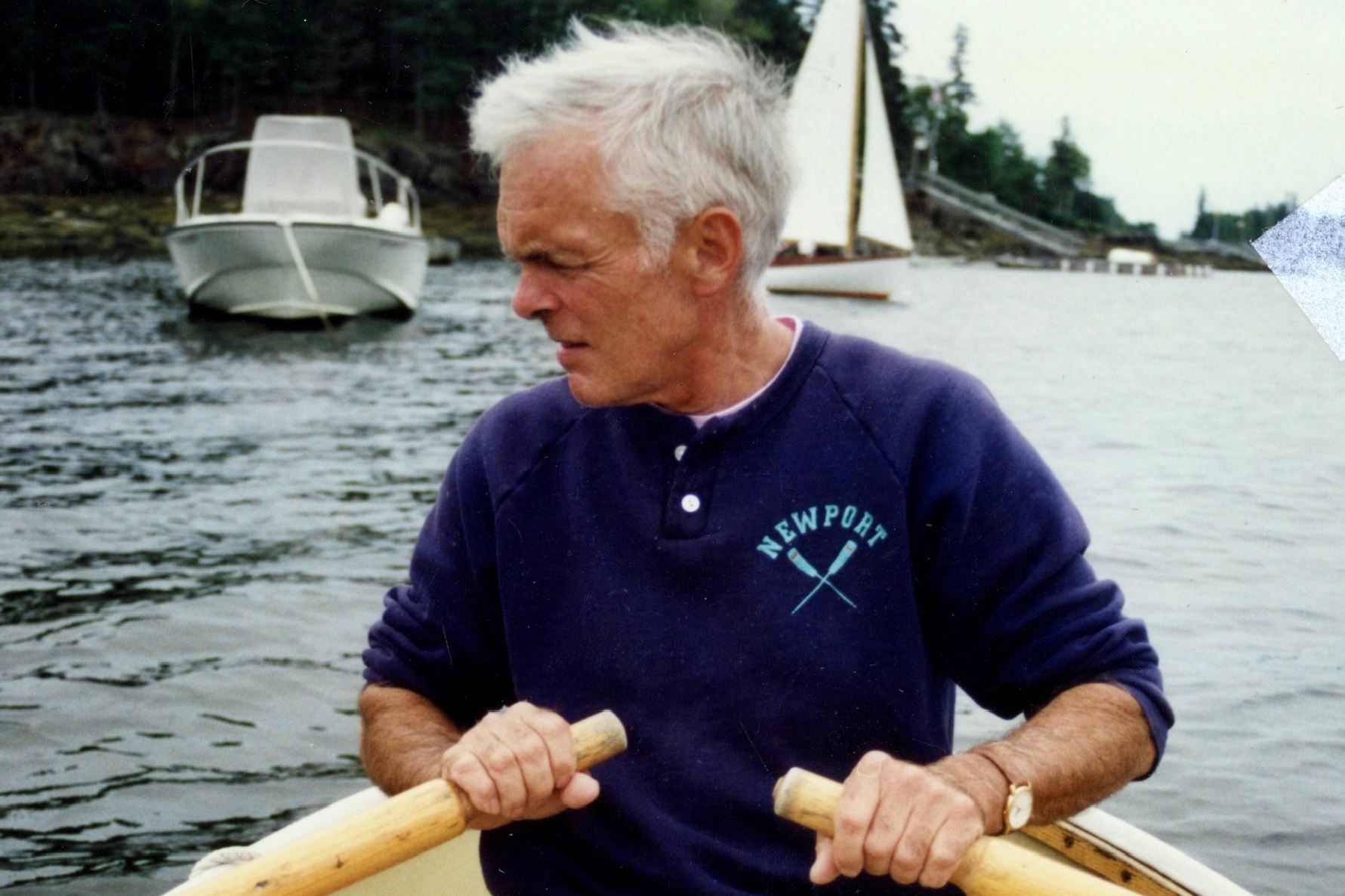
William L. Elkins, 93, of Coatesville, pioneering research immunologist at what is now the University of Pennsylvania’s Perelman School of Medicine, associate professor emeritus of pathology and laboratory medicine, innovative longtime Angus cattle rancher in Chester County, avid sailor, and veteran, died Tuesday, Nov. 11, of complications from pneumonia at Chester County Hospital.
The great-great-grandson of Philadelphia business tycoon William Lukens Elkins, Dr. Elkins fashioned his own distinguished career as a scientist, medical researcher, and professor at Penn from 1965 to 1985, and owner of the Buck Run Farm cattle ranch in Coatesville for the last 39 years.
At Penn, Dr. Elkins conducted pioneering research on how the human immune system fights infection and disease. He collaborated with colleagues in Philadelphia and elsewhere around the country to provide critical new research regarding bone marrow transplants and pediatric oncology.
His work contributed to new and more effective medical procedures at Penn, Children’s Hospital of Philadelphia, and elsewhere, and he instructed students and residents at Penn. But his lifelong love of the fields and rolling hills he roamed as a boy in Chester County never faded, he told Greet Brandywine Valley magazine in 2023.
Dr. Elkins was a lifelong outdoorsman.
“Farming is in my blood,” he said. “So even when I went to medical school and all that, the enthusiasm never left, and I wanted to go back to it.”
So he retired from medicine at 53, and he and his wife, Helen, bought nearly 300 acres of the old King Ranch on Doe Run Church Road in Coatesville. She kept the books and looked after the business. He became an expert on breeding cattle and growing the high-energy grass they eat.
Wearing floppy hats and riding a colorful ATV from field to field, Dr. Elkins worked his land for decades. He mended fences and tended daily to his 120 cows, heifers, and prize bulls.
He championed holistic regenerative farming and used new scientific systems to feed his cattle. He rejected commercial fertilizer and knew all about soil composition, grass growing, and body fat in cattle.
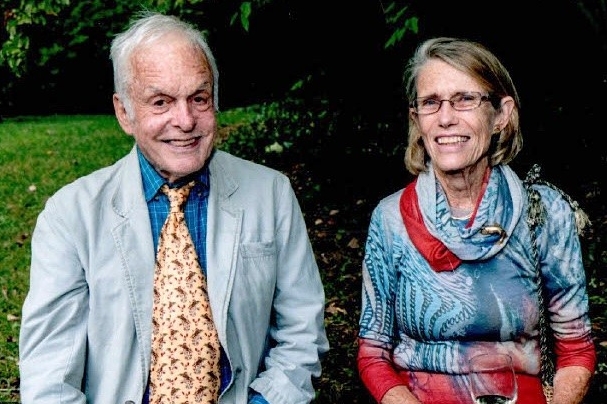
Dr. Elkins and his wife, Helen, married in 1966.
In a 1995 Inquirer story, he said: “Cattle are just like anyone else. If you just turn a few cattle out in a great big field, they will wander around, eat the grass they like best, and leave what they don’t want. That means the less desirable grasses tend to predominate.”
He traveled the country to confer with other cattlemen and helped found the Southeast Regional Cattlemen’s Association in 1994. He sold his beefsteaks, patties, jerky sticks, and kielbasa grillers to private customers online and to butchers and restaurants.
At least one local chef featured an item on the menu called Dr. Elkins’ Angusburger. Lots of folks called him Doc.
He earned his medical degree at Harvard University in 1958 and served two years in the Navy at the hospital in Bethesda, Md. He was a surgical intern in New York and discovered that he preferred the research lab. Before Penn, he worked at the Wistar Institute of biomedical research.
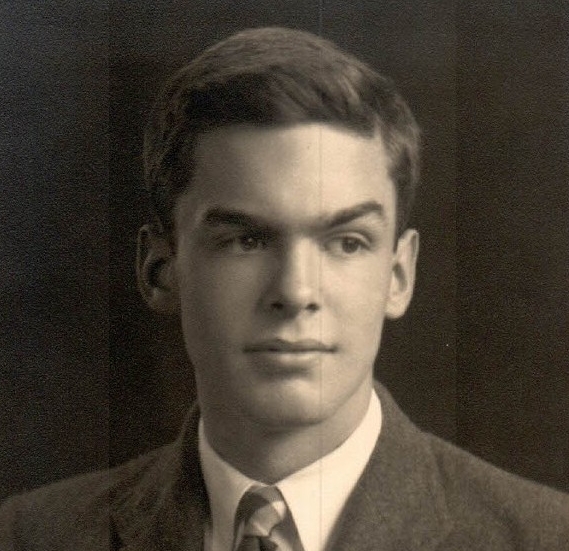
Dr. Elkins graduated from St. Mark’s School in Massachusetts in 1950.
Away from the lab, Dr. Elkins was an ocean sailor, expert navigator, and former boat club commodore. He was active with the Brandywine Conservancy, Natural Lands, and other groups, and was lauded by national organizations for his wide-ranging conservation and wildlife efforts.
He made his farm a haven again for the bobolink grassland songbird and other migratory birds and butterflies that had dwindled. “Buck Run Farm is more about growing grass and trees than beef,” he told Greet Brandywine Valley. “We’re blessed by the land.”
William Lukens Elkins was born Aug. 2, 1932, in Boston. He lived on the family dairy farm in Pocopson, Chester County, when he was young, went to boarding school in Massachusetts for four years, and earned a bachelor’s degree in biology at Princeton University.
He met Helen MacLeod at a party in Washington, and they married in 1966 and had a daughter, Sheila, and a son, Jake. They lived in Center City, Society Hill, and Villanova before moving to the farm. “He was easy to be with,” his wife said.
Dr. Elkins enjoyed sailing and fishing.
Dr. Elkins loved nature, fishing, and baseball, and he followed the Phillies, the Flyers, and other sports teams. “He had a wonderful bedside manner,” his daughter said. “He was a great listener. He really knew how to support people.”
His son said: “He was unassuming and direct. He spoke his mind. He connected with so many different people. He was curious about the world around him.”
His wife said: “He was thoughtful and always concerned about people. He had good humor. He was fun.”
In addition to his wife and children, Dr. Elkins is survived by five grandchildren and other relatives. A sister died earlier.
This article about Dr. Elkins and his ranch appeared in The Inquirer in 1995.
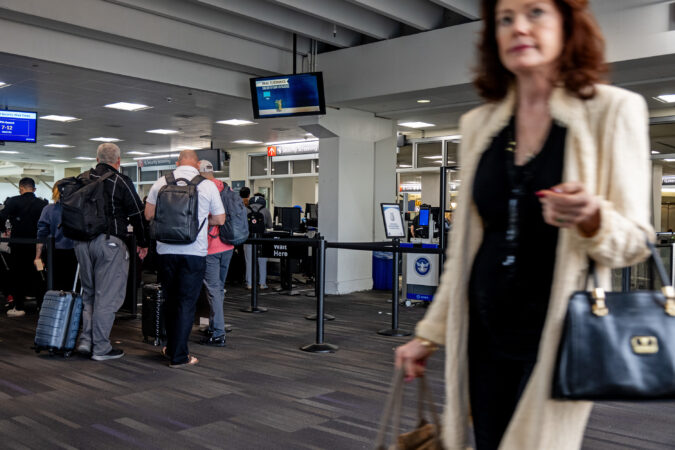
Flight schedules should soon return to normal across major U.S. airports, including Philadelphia, after the FAA lifted government shutdown-related flight restrictions for airlines.
The Federal Aviation Administration retracted its order at more than 40 airports on Sunday night. Transportation Secretary Sean Duffy initially told airlines to eliminate 10% of their scheduled flights starting on Nov. 7 in response to “concerning data” that showed pressure on the national aviation system and on air traffic controllers who were experiencing staffing shortages amid the federal government shutdown.
“Today’s decision to rescind the order reflects the steady decline in staffing concerns across the National Airspace System and allows us to return to normal operations,” FAA Administrator Bryan Bedford said in a statement. “I am grateful for the hard work of the FAA safety and operations teams and for their focus on the safety of the traveling public.”
Air traffic at the Philadelphia International Airport on Nov. 6.
American Airlines, which operates 75% of the flights in and out of Philadelphia International Airport, is ready to bounce back swiftly after flight restrictions are lifted, a spokesperson said.
“American is ready for business, and we are serving customers with a full schedule in advance of the Thanksgiving and year-end holidays,” said Bri Harper, American Airlines’ spokesperson for the Northeast region.
Recovering from the FAA-ordered flight reductions won’t be a huge task, said Mike Taylor, J.D. Power’s practice lead for travel, and will likely be resolved in a matter of days.
“A matter of two or three days is generally all it takes,” Taylor said. “So I think they want to get that ball rolling well in advance of holiday travel so that there’s less hassle when holiday travel picks up in a week and a half from now.”
PHL’s major airlines, including American, United, and Delta, don’t expect any major hiccups associated with restoring flights after the FAA-ordered flight reductions.
United CEO Scott Kirby lauded employees during the chaotic period of cancellations in a LinkedIn post. While Nov. 8 and 9 set records in staffing shortage-driven cancellations and delays at the FAA, he wrote, Kirby said United customers gave the airline their fourth- and fifth-highest satisfaction scores of the year on those days.
Delta CEO Ed Bastian told CBS, “The system should return to normal by the weekend.”
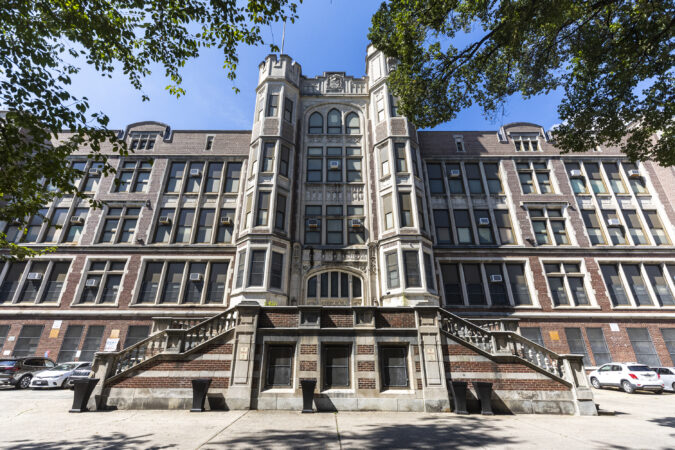
Tensions are flaring at Frankford High over the school’s cell phone policy and its ability to keep students’ property safe.
After two fights — including one where a student was so badly injured that city EMTs responded and transported the student to a hospital — a few dozen students took to the school’s hallways Friday, vocally demanding their phones back.
“We just want to have a say in where our property goes, where our phones go,” said one student, who asked not to be named for fear of being targeted.
Frankford, like many schools in Philadelphia and across the country, has recently moved to get cellphones out of students’ hands during the school day.
At first, Frankford used Yondr pouches to secure students’ phones, but those were easily broken, and the costs of the pouches rose.
Last year, the school installed lockers outside the building, requiring students to deposit phones before the school day started. Students could purchase locks from the school for $5.00, or bring their own locks.
But “there’s been issues,” said one Frankford staffer, who asked not to be identified for fear of reprisal. “The area where the lockers are floods; it’s not monitored.”
(School officials said they have alerted district officials about the drainage issue.)
Some students didn’t love the idea of the lockers, but it wasn’t until last week that significant tensions began simmering after several phones were stolen. School officials said in an email to Frankford staff that five phones were stolen, two from a locker with no lock on it.
“That caused some serious issues in the building,” the staffer said. “A lot of the students said, ‘You’re forcing us to put our phones there, but you’re not protecting them.’”
Believing they knew who stole the phones, some students targeted the alleged thief, spurring a fight inside the school. That student was assaulted — beaten so badly that EMTs transported the student to a hospital, according to multiple people with firsthand knowledge.
“It was so scary,” said the student who spoke on condition they would not be identified.
Michael Calderone, the school’s principal, addressed the issue with parents in a letter sent home Friday.
“Two wrongs do not make a right,” Calderone wrote. “This type of retaliation and violent behavior are not tolerated here at Frankford.”
Another fight happened the next day outside of school — with some students and some nonstudents — but Frankford officials say it was unconnected to the stolen cellphones. (The student and staffer, however, say the general anger at the school over the phone policy has ratcheted up student issues generally.)
A peaceful student protest planned for Friday turned into a town hall with Calderone. But some at the meeting weren’t satisfied and ultimately a few did protest, walking around the school and chanting about wanting their phones back.
“It was students screaming in the hallways,” the student said. “They were saying they felt unsafe; they were saying they were unhappy about the phone lockers.”
Calderone, in the letter sent to families Friday, vowed action.
“No member of our school community should ever have to worry about their items being taken, especially when the belongings are locked up,” Calderone wrote.
The principal told parents that the school would provide stronger locks, at no cost to students, andwill increase patrols and video surveillance by school security officers. He said he has requested locking gates for either side of the phone lockers.
‘Students don’t feel safe’
The Frankford student said they and others were frustrated by a lack of protection for their phones and poor communication.
The Friday town hall, the student said, yielded little information. Some students were unruly, the student said, but many were respectful and just wanted answers from the administration. (Calderone described the meeting as productive, and not unruly.)
Calderone, according to the student, “said he wasn’t able to put the phone lockers inside the building because he didn’t have enough security and kids could just get to their phones if they were inside. That happens anyway with the phones outside.”
Frankford is a good school where students have opportunities, the student said. But it feels restless over the phone issue.
“Students don’t feel safe going outside to get their phones,” the student said. “There’s such a big buildup that if you bump into the wrong kid, he’s going to hit you. The fights are just people getting their anger out. We feel like they’re not listening to us.”
Phones are a distraction, the student said; they feel like learning has improved since phone access was removed during the school day.
“But the school district says it isn’t responsible for lost, damaged, or stolen goods, and if your mom worked for a year to get you a brand new iPhone 17 and it gets stolen, they’re not buying you a new one,” the student said.
“Philadelphia is a dangerous place — we need our phones going to school, going home.”
Following a cybersecurity breach at the University of Pennsylvania last month, an anonymous hacker claimed that they had compromised data for some 1.2 million students, donors, and alumni — a figure that the school now says is inaccurate.
The university said that a forensic investigation into the breach remains ongoing and that a “precise number” for the amount of records that were improperly accessed was not yet available.
A timeline of when that investigation would be concluded was not provided, with the school noting that analysis of the breach would “take time to complete.”
“While our investigation is ongoing, we do not currently have evidence to indicate that information involved in this incident has been used for the purposes of fraud,” the university said.
The incident was reported Oct. 31, when students and alumni received what the school called a “fraudulent” email crudely criticizing Penn’s hiring practices. The message, which also called on recipients to stop donating money to the university, appeared to come from Penn’s Graduate School of Education.
“We have terrible security practices and are completely unmeritocratic,” the email said.
The breach, the university said, came as a result of “sophisticated identity impersonation commonly known as social engineering,” which is a hacking technique in which “bad actors deceive individuals into giving up confidential information.”
Systems accessed included “Penn’s Customer Relationship Management (CRM) system (Salesforce), file repositories (SharePoint and Box), a reporting application (Qlikview), as well as Marketing Cloud,” the school added.
Electronic medical records from Penn Medicine do not appear to have been accessed in the breach. In its update Friday, the university said that it would notify individuals whose information had been accessed once its analysis of the incident was complete.
The data, according to the Daily Pennsylvanian, Penn’s student newspaper, included memos about donors and their families, receipts of bank transactions, and personal information. The DP said that it reviewed documents released by the alleged hacker on LeakForum and that the perpetrator claimed to have accessed data on 1.2 million Penn students, alumni, and donors.
The Verge, a technology publication, reported that among the items obtained was personal information about former President Joe Biden, whose granddaughter had been a student at Penn. The hacker claiming responsibility for the breach told the outlet that they planned to sell some of the data before releasing it publicly.
Beyond disputing the 1.2 million figure, Penn has not commented on what information was accessed.
Following news of the breach, more than a dozen proposed class-action lawsuits were filed against the university in federal and state courts alleging that Penn failed to secure the personal information of those affected.
The litigation is still in its early stages, and Penn hasn’t yet responded to the allegations in court filings. On Monday, attorneys who filed 10 of the 14 federal lawsuits in the Eastern District of Pennsylvania asked the court to consolidate the cases.
On its information page about the incident, Penn warned school community members to “be wary of suspicious calls or emails that could be phishing attempts,” as well as “any embedded links in emails that you are not familiar with.”
It also advised concerned individuals to take steps such as reviewing their credit reports and activating fraud alerts with major credit bureaus.
“We recognize the severity of this incident and are working diligently to address it,” the university said.
Staff writers Abraham Gutman and Susan Snyder contributed to this article.
Angelica Javier was sitting at home on a Saturday evening last month when her son’s uncle called in a panic.
Xzavier, her 16-year-old, had been shot, he said — one of the teen’s friends had called and told him, but he knew nothing else.
Javier, 32, frantically checked a news website and saw a brief story mentioning that a man was shot and killed in Northeast Philadelphia.
That could not be her son, she told herself. Xzavier was only a boy, she said — tall but lanky, with the splotchy beginnings of a mustache just appearing on his upper lip.
She called around to hospitals without success. Xzavier’s father, Cesar Gregory, drove to Jefferson Torresdale Hospital, desperate for information.
Then, just before 10 p.m., she said, a homicide detective called to say their eldest child, their only son, had been shot and killed that afternoon near Teesdale and Frontenac Streets.
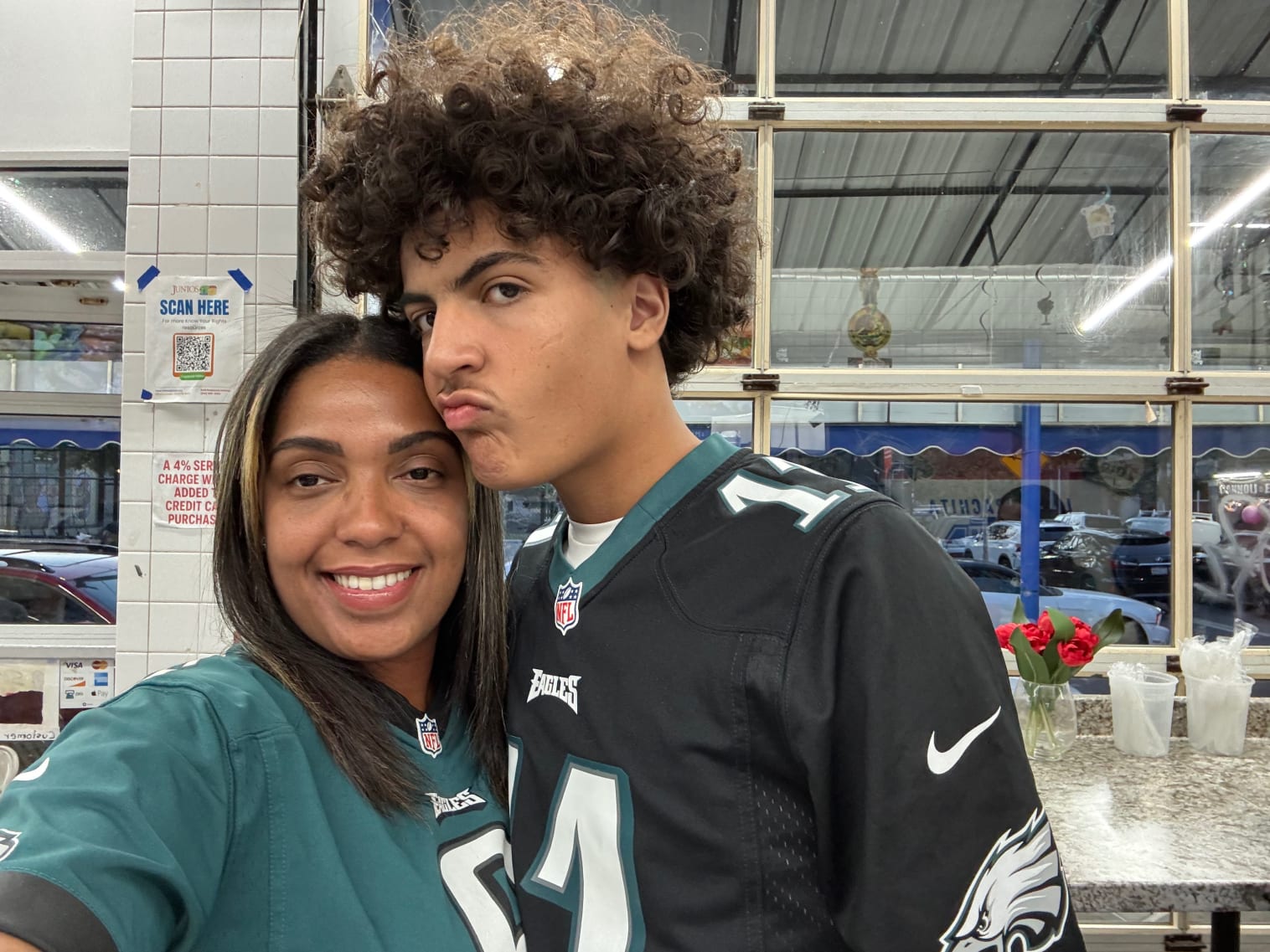
Angelica Javier (left) and her 16-year-old son, Xzavier Gregory, getting tacos after watching the Eagles beat the Los Angeles Rams earlier this year.
The shooting, police said, stemmed from a dispute among teens at the Jardel Recreation Center, just blocks away, earlier in the week. Xzavier’s parents said the detective told them that one of their son’s friends may have slapped a young woman that day.
On Oct. 11, they said, police told them that Xzavier and his friends stopped by the young woman’s house shortly before 4 p.m. to talk with her, apologize, and resolve the conflict. They shook hands, the parents said, and started to walk away.
Then, police said, the girl’s 17-year-old boyfriend, Sahhir Mouzon, suddenly came out of the house with a gun and started shooting down the block at them. Someone shot back, police said, but it was not Xzavier. In total, 45 bullets were fired.
An 18-year-old woman walking by the teens was wounded in the leg.
Xzavier was struck in the chest and died within minutes.
Mouzon has been charged with murder and related crimes.
Javier and Gregory have been left to navigate life without their “Zay” and to reckon with a loss that comes even as gun violence in the city reaches new lows — but which still persists among young people and brings pain to each family it touches.
They don’t understand how a 17-year-old had a gun, they said, or why a seemingly minor — and potentially resolved — conflict had to escalate.
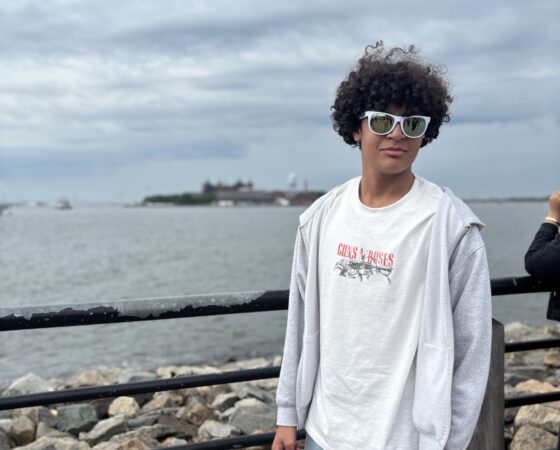
But mostly, they said, they want Philadelphia to know and remember their child: a goofy junior at Northeast High. An avid Eagles fan. A lover of Marvel movies and spicy foods.
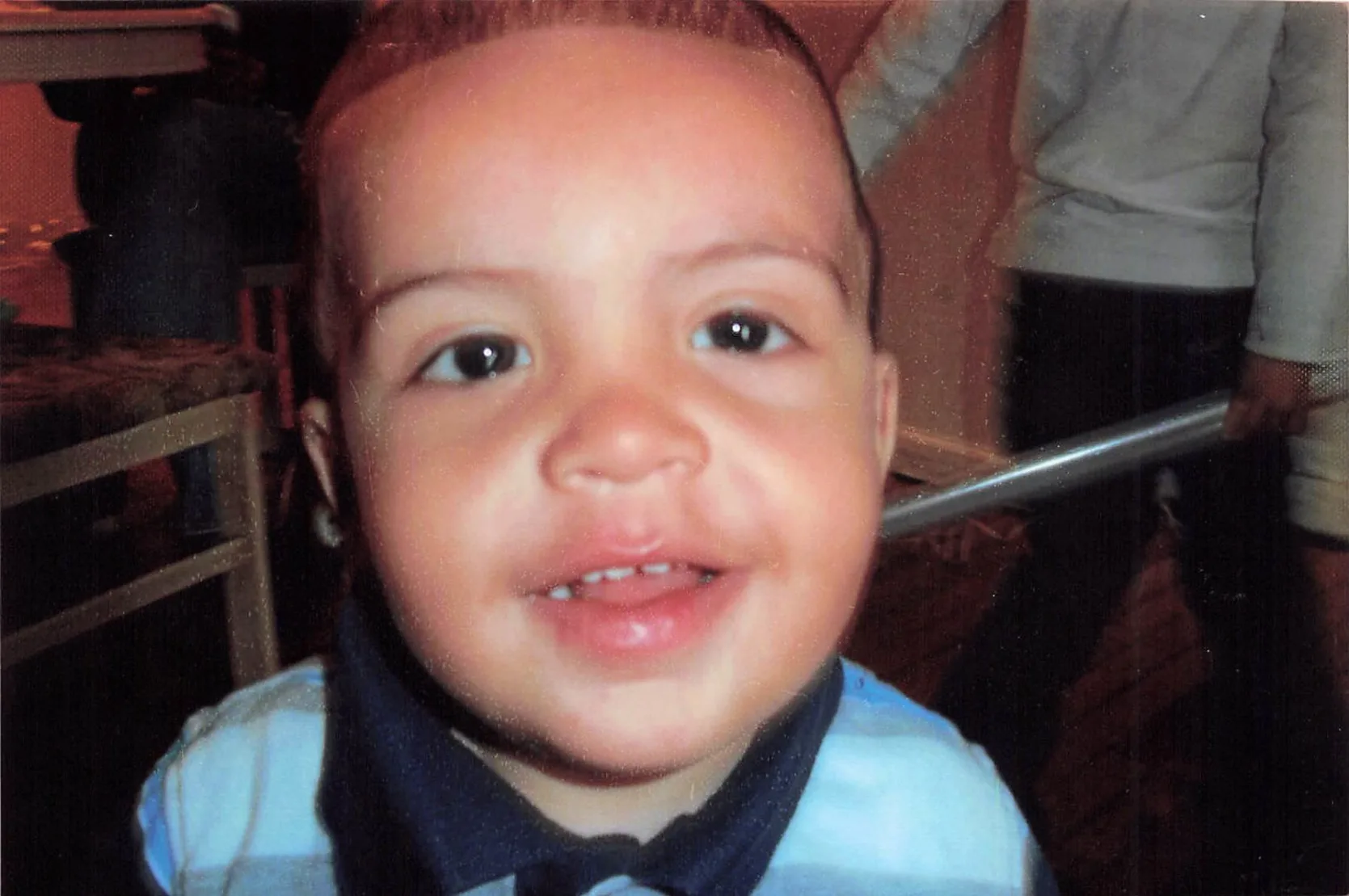
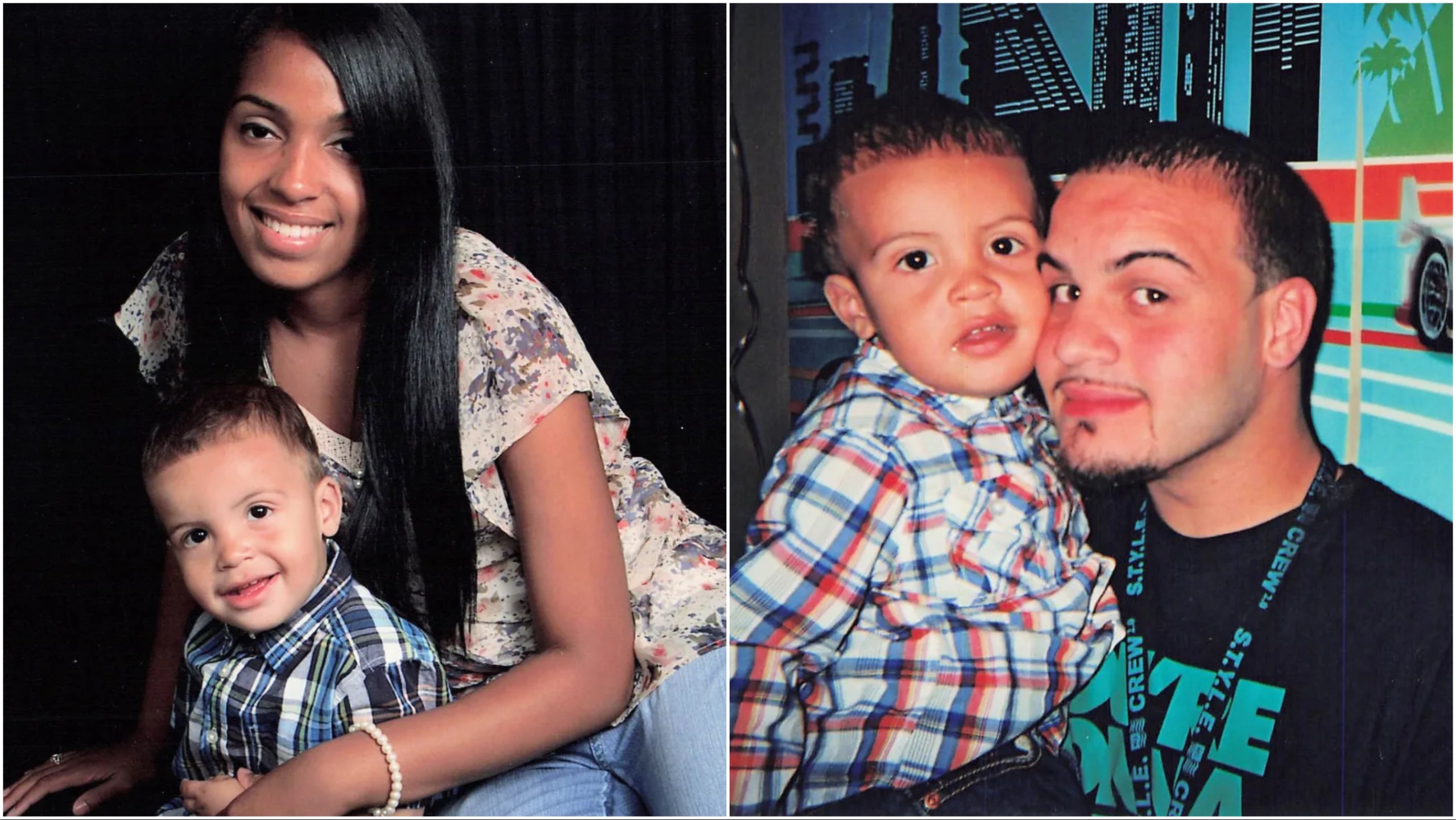
Xzavier Gregory was born in Philadelphia. His parents loved his chubby cheeks.Xzavier Gregory was born Sept. 20, 2009, to Angelica Javier and Cesar Gregory.
Xzavier Giovanni Gregory was born Sept. 20, 2009, at Temple University Hospital in North Philadelphia. His parents, just teens at the time, were immediately taken by his chubby cheeks, which he kept until his teenaged years.
He lived in Kensington until he was about 10 years old, his mother said, when they moved to the Northeast. He attended Louis H. Farrell School, then spent his freshman year at Father Judge High before moving to Northeast High.
He loved traveling, and often visited family in Florida and the Dominican Republic, attended football camps in Georgia and Maryland, and tagged along on weekends to New York with his mother as part of her job managing federal after-school programs.
He played football for the Rhawnhurst Raiders, typically as an offensive or defensive lineman, and had a natural skill for boxing, his parents said.
Philadelphia sports were in his blood — particularly the Eagles. DeVonta Smith and A.J. Brown, his father said, were his favorite players. (Before his death, he agreed that Brown should be included in more plays this year, Gregory said.)
Some of Gregory’s favorite memories with his son revolve around the Eagles. Sitting front row at the Linc on his 13th birthday. Erupting in cheers as the team won its first Super Bowl in 2018. Embracing in tears when they won a second this year.
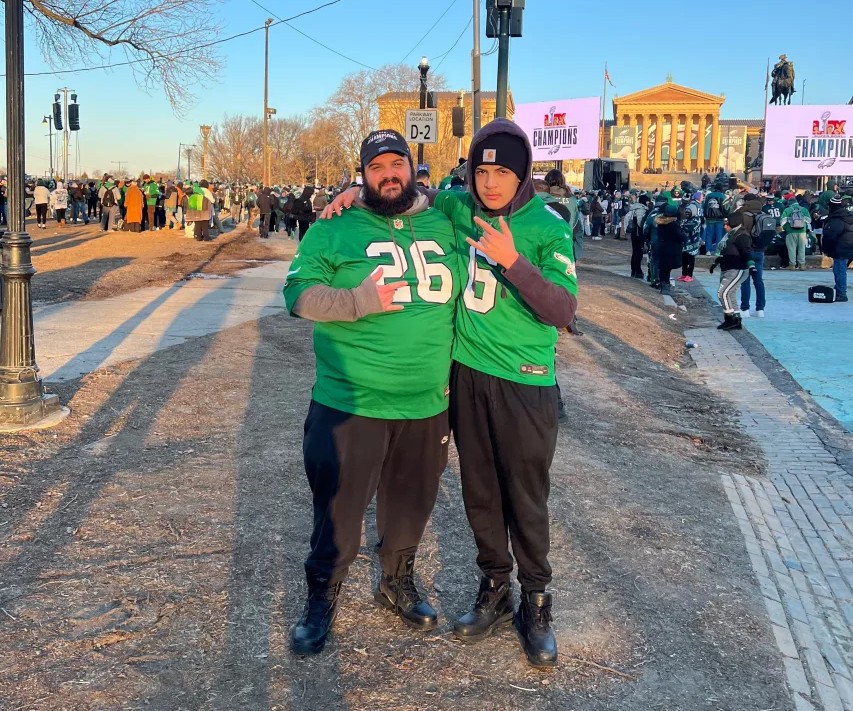
Cesar Gregory (left) and son Xzavier at the Eagles Super Bowl parade near the Art Museum in February. It is a day with his son that the father said he will never forget.
Xzavier was the oldest of three children. His sisters are still too young too fully understand what happened, the parents said.
“He went to heaven,” Javier told 7-year-old Kennedy.
The number of kids shot peaked in 2021 and 2022, when violence citywide reached record highs and guns became the leading cause of death among American children. So far this year, 105 kids under 18 have been shot — a sharp drop from three years ago, but still higher than pre-pandemic levels, according to city data.
Xzavier is one of at least 11 children killed by gunfire this year.
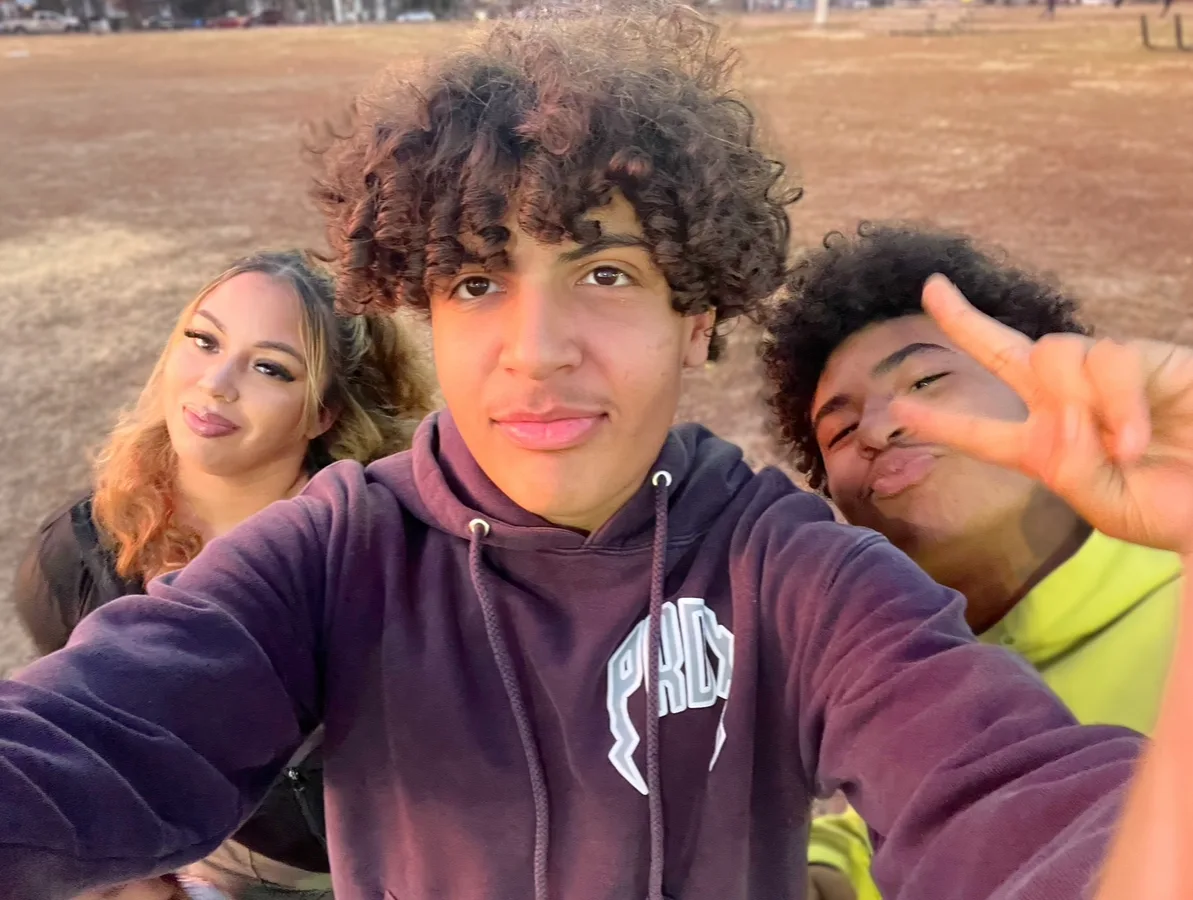
Xzavier Gregory (center) was a goofy teen who attended Northeast High School, his parents said.
Javier and Gregory said some relatives are considering leaving Philadelphia, shaken by Xzavier’s killing and a feeling that teens don’t fear consequences.
But the parents said they will stay. They want to be near Magnolia Cemetery, where Xzavier is buried, and to feel closer to the memories that briefly unite them with him.
On harder days, they said, they go into his bedroom, which is just as he left it, a relic of a teenage boy.
His PlayStation controller sits in the middle of his bed, and a photo of him and his mother hangs on the wall above it. His Nike sneakers are scattered. His black backpack rests on the floor, and a Spider-Man mask sits on the corner of his bedframe.
On Thursday, his parents stood in the room they used to complain was too messy, that smelled like dirty laundry.
“Now, I come in just to smell it,” Javier said.
She took a deep breath.
Staff writer Dylan Purcell contributed to this article.
The undergraduateclass at the University of Pennsylvania vigorously discussed the use of affirmative action in college admissions, half the room charged with arguing one side and half the other.
Their task, informed by the 2023 U.S. Supreme Court decision that ended the use of race-conscious college admissions, was to brief and advise a popular governor of a swing state who had not yet taken a position on the issue.
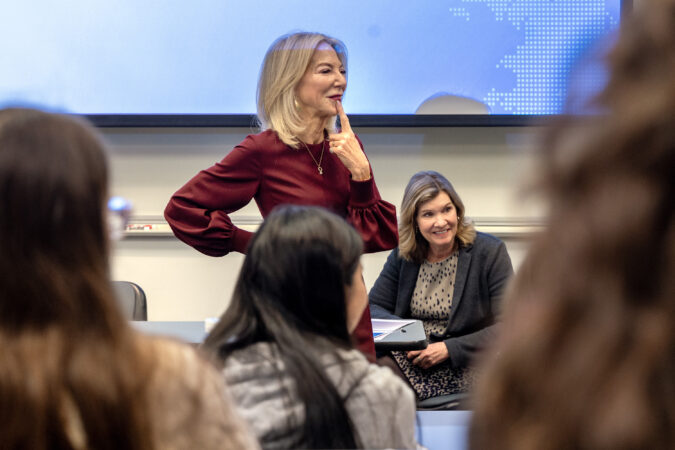
“Guess who is the governor?” said their professor, Amy Gutmann. “I am the governor.”
And for 90 minutes, the entirety of the class period, Gutmann guided a lively discussion in which students talked as much as she did.
While never a governor, Gutmann has quite the leadership portfolio. She was president of Penn for a record 18 years, leaving in 2022 to become U.S. ambassador to Germany under former President Joe Biden, a post she held until 2024. She is also a Harvard-educated political scientist who cowrote the book The Spirit of Compromise and in 2018 was called one of the world’s 50 greatest leaders by Fortune magazine.
Now, for the first time in about 25 years — since she was a politics professor at Princeton — Gutmann is back in the classroom teaching a full course this semester in the Annenberg School for Communication. Sarah Banet-Weiser, dean of Annenberg, who initially came up with the idea for the course, is her co-teacher.
For students, the professorial star power was hard to pass up. There was a waiting list for the class.
“It’s kind of a power duo,” said Evan Humphrey, 21, a senior communications major from Seattle. “Got to take that class.”
Senior Evan Humphrey said she was drawn to enroll in the class because of the two professors and their distinguished careers.
Focusing on teaching — the heart of a university — has been especially meaningful to Gutmann, and to Banet-Weiser, too, at a time when higher education has had its federal funding threatened and its approaches attacked.
“It literally gives me life every week,” Banet-Weiser said.
Gutmann, 75,who said she aspired to be a teacher since she was 5, said it has made her feel productive “in a way that goes to the heart of what a university is about.”
“We should never lose sight of that heart of the university and how valuable it is,” she said.
The goal of the class, called “The Art and Ethics of Communication in Times of Crisis,” is “to learn how and why to communicate with greater insight and understanding across differences,” while creating space “for free and open dialogue about controversial issues.”
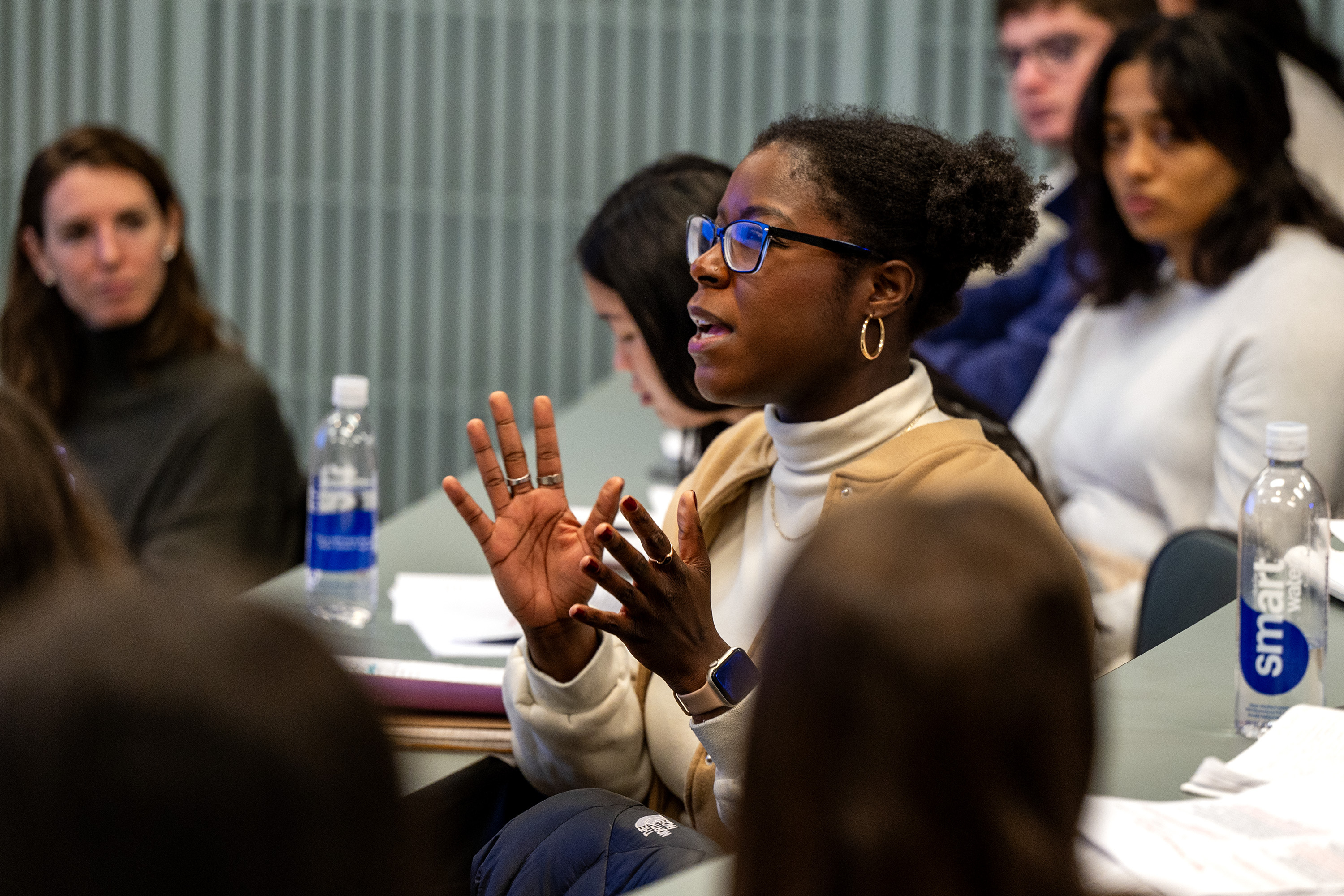
Seniors Luiza Louback (left) and Sarah Usandivaras (right) participate in the class discussion.
It could be a primer for the politically divided nation.
“My pitch is that you can’t really know what you believe if you don’t know what people who disagree with you believe and what their reasons are,” Gutmann said in an interview. “I always say I don’t care what your position is. I care that you can give reasons for it and understand the strongest arguments on the other side.
“That’s the method to search for truth, and it’s the way we serve a democracy.”
Bringing experience to the classroom
During class, Gutmann frequently drew on her experiences as a first-generation college student, a young professor at Princeton, a college president, and an ambassador.
When she got her first teaching job, a male colleague congratulated her, but later she learned he told someone she got the job because she was a woman.
“Did I take that as a compliment? Mm-mm,” Gutmann told the class.
Humphrey said she especially likes hearing about Gutmann’s vast experiences.
“She’s like, ‘Well, when I was the president here, this is something I dealt with,’” Humphrey said. “It’s really interesting knowing the experience she has and her background and the perspective she brings.”
Amy Gutmann (center), president emerita of the University of Pennsylvania and former U.S. ambassador to Germany, is presented with the Weitzman National Museum of American Jewish History’s Only in America® Award during a gala at the museum this month. The award recognizes “Jewish Americans who have made enormous contributions to our world … often despite facing antisemitism and prejudice.” Among those posing with her are Ramanan Raghavendran (far right), chair of Penn’s board of trustees, veteran journalist Andrea Mitchell (next to Raghavendran), Penn President J. Larry Jameson, (to the immediate left of Gutmann), and David Cohen, former Penn board chair, (next to Jameson.)
Gutmann’s life outside class continues to be full, too. After class Wednesday, Gutmann, whose father fled Nazi Germany, flew to Berlin to receive the Prize for Understanding and Tolerance from the Jewish Museum Berlin.
Having returned to Philadelphia to live after leaving Germany, Gutmann said it wasn’t hard to find her stride again in the classroom. She had given one-off lectures as Penn’s president.
“I have a lot of muscle memory on teaching,” she said.
Her style has changed from her early days at Princeton, where she worked from 1976 to 2004. She said readinga student’s notebook left behind and open after one of her ethics and public policy lectures was a major turning point.
“‘That’s not what I said,’” Gutmann thought. “And I realized it’s not what you teach them, it’s what they learn. At that point, I realized I needed feedback.
“So I changed from doing the 45-minute [lecture] thing to doing five or 10 minutes, max, and then asking them questions. Then I got them to argue with one another, and once I found that, I found what I really discovered worked for learning.”
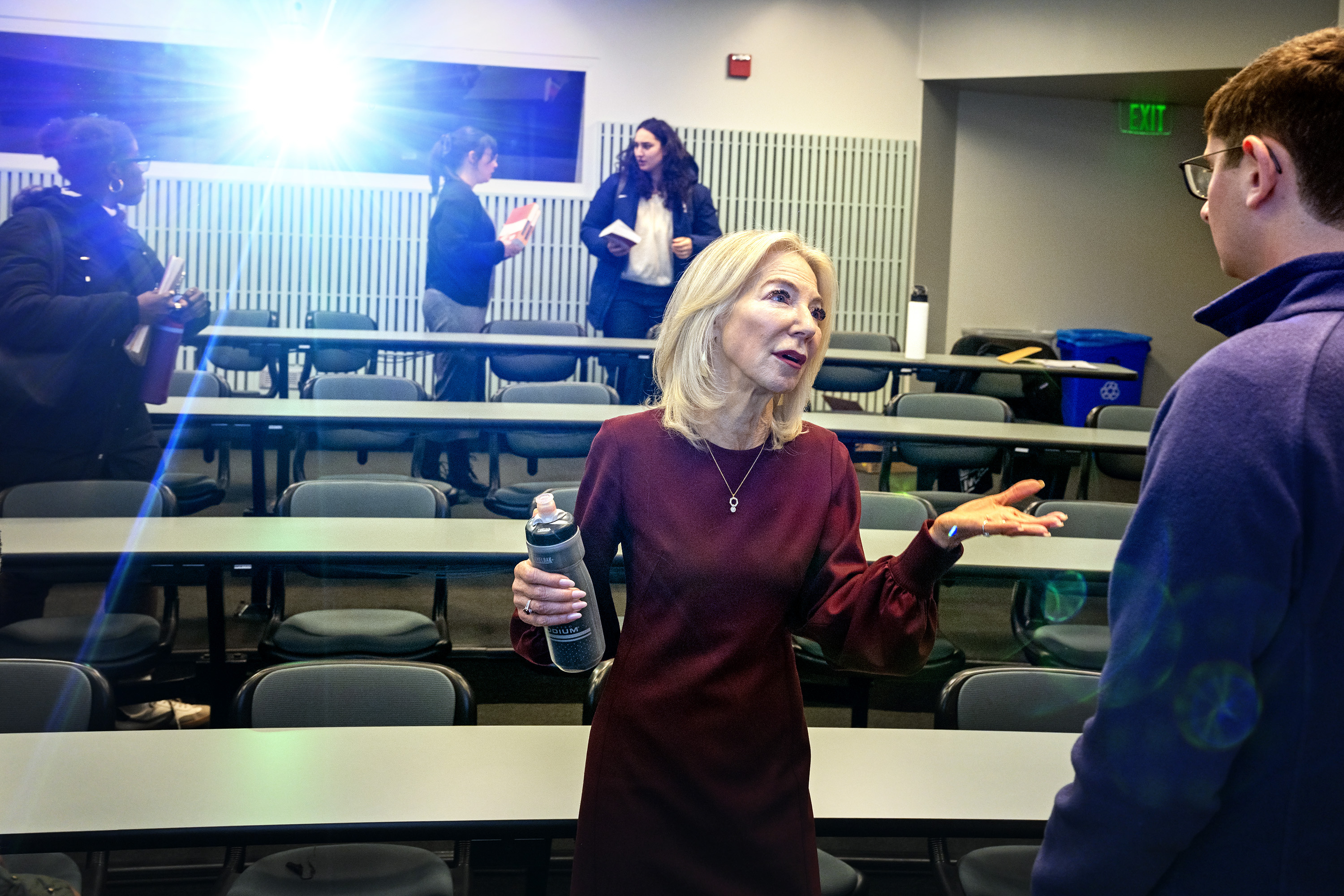
Amy Gutmann talks with sophomore Brian Barth (right) at the end of class she co-teaches at Penn’s Annenberg School for Communication.
Gutmann said she spends Fridays and weekends preparing for the class, which meets twice a week.
“It’s a ton of work,” she said. “I’m really delighted to be doing it.”
The class comes against the backdrop of fraught times for colleges. Penn earlier this year scrubbed its website of diversity initiatives after President Donald Trump’s administration threatened funding to schools employing diversity, equity, and inclusion efforts. In the summer, the school struck an agreement with the administration over the past participation of former transgender swimmer Lia Thomas, and Penn was one of nine schools originally asked to sign a compact that would have given the school preferential consideration for federal funding in exchange for complying with certain mandates affecting admissions, hiring, and other university operations. Penn declined.
‘One-of-a-kind’ discussions
Gutmann and Banet-Weiser do not allow laptops, phones, or any electronic devices in class so that students completely focus on the conversation. To prepare for the affirmative action discussion, students were assigned related readings and review of the court cases.
The two professors interacted with each other and prompted discussion among students with deep questions: Is treating people equal the same as treating them equally? Is it right to use affirmative action for only one racial group? What about other forms of affirmative action or preference, including for athletes, low-income students, and legacies whose parents attended the university?
The approach resonated with students.
“I wanted to take a class where I would really be encouraged to step out of my comfort zone and be able to learn not only how to understand my own beliefs and values but understand the beliefs and values of others,” said Sarah Usandivaras, 21, a senior communications and political science major who was born in New York and grew up in Paraguay.
She found it in Gutmann and Banet-Weiser’s classroom.
“It’s a one-of-a-kind,” she said.
Ariana Zetlin, a doctoral student in Penn’s Graduate School of Education, is auditing the class to observe its approach.
“The discussion and the debates are so much deeper and stronger than what I’m seeing in classrooms that don’t necessarily have these structures,” said Zetlin, 30, who is from New York.
During class, those on both sides found common ground.
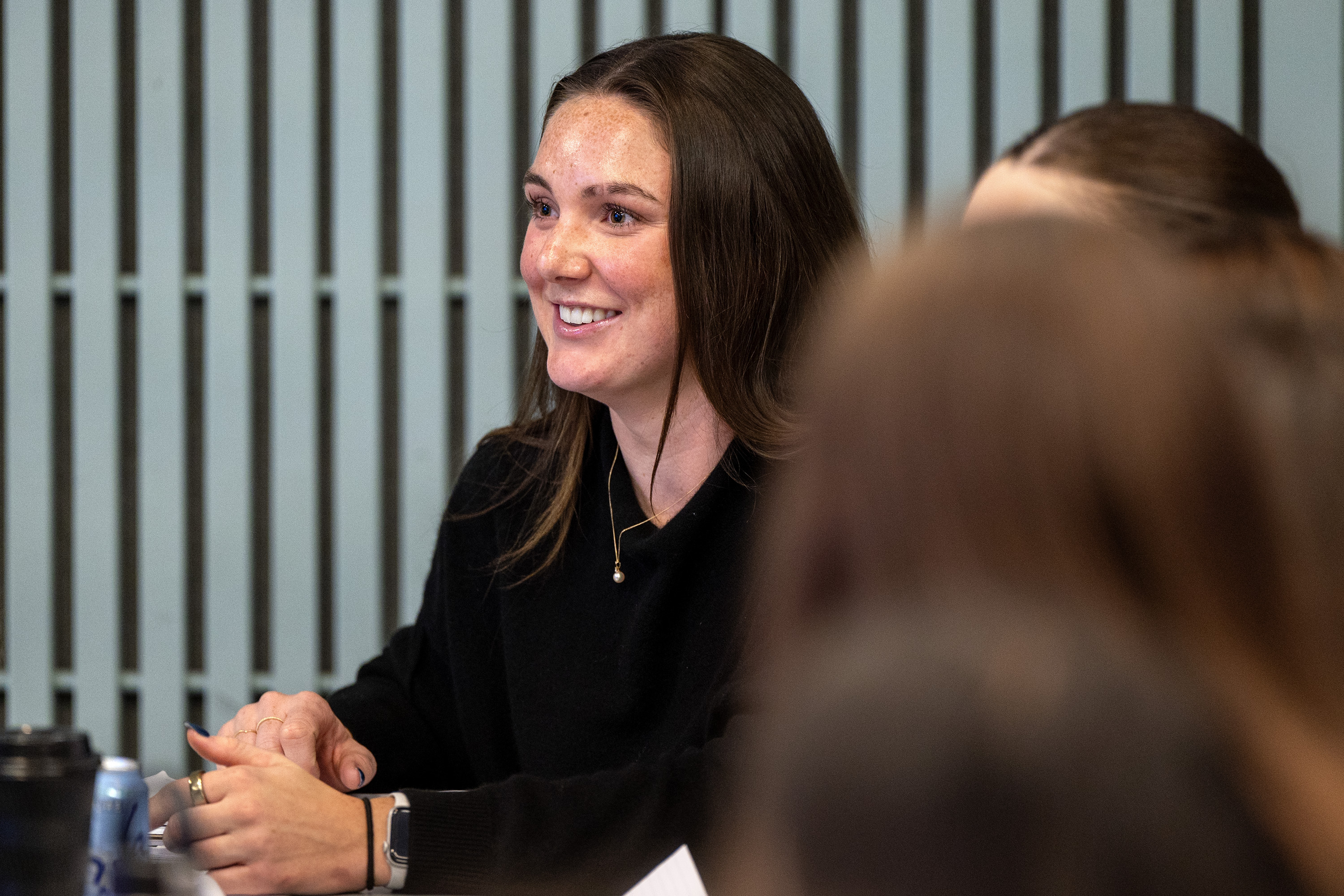
Senior Angele Diamacoune said she was learning from the day’s lesson.
“So I’m hearing agreement that diversity is a good thing but disagreement on how you get it,” Gutmann said.
She asked students how many believed that having low-income and racially diverse students in class contributed to their learning. Every hand went up.
“That to me is really striking,” Gutmann said. “There aren’t that many things that we can get unanimity on.”
She asked students how they would advise colleges to teach the issue.
“It would be good to teach with activities like this,” said Angele Diamacoune, 21, a senior communications major from Allentown.
On Oct. 16, Rian Andrianzah walked into a Philadelphia office of U.S. Citizenship and Immigration Services for what he thought was a routine biometrics appointment. He expected to be fingerprinted and photographed and sent on his way.
Instead, while his wife waited in an outer room, he was arrested by ICE ― and now faces deportation in a case that has angered the city’s Indonesian community.
Andrianzah, 46, is among a growing number of immigrants whose families say they showed up for in-person appointments or check-ins, only to be suddenly handcuffed and spirited into detention.
Green-card applicants, asylum-seekers, and others who have ongoing legal or visa cases have been unexpectedly taken, part of a Trump administration strategy, lawyers and advocates say, to boost the number of immigration arrests and to deport anyone who can possibly be deported.
“ICE was waiting for him,” said Philadelphia immigration attorney Christopher Casazza, who represents Andrianzah and his family. “In 15 years, I have never once seen somebody arrested at their biometrics appointment ― except in the past few months.”
Andrianzah legally entered the United States on a visitor’s visa in February 2000, but did not return to Indonesia. He was placed in removal proceedings in 2003, and a judge issued a final order of deportation in November 2006. His appeal was denied two years later.
The removal order was never enforced, as had been common for what the government thensaw as low-priority immigration violators. Some people with final orders have lived in the U.S. for decades.
In the ensuing years, Andrianzah worked factory and warehouse jobs ― and married Siti Rahayu, 44, also of Indonesia. They made a home in South Philadelphia, parents to two U.S.-citizen children, a son, age 8, and a daughter, 15.
Andrianzah and his wife went to USCIS that day as part of her application for a T visa, available to people who have been victims of human trafficking. In an interview with The Inquirer,Rahayu said she was sent to the U.S. in 2001 by relatives who saw her as a means to pay off a debt, delivering her to an underground organization that puts people in low-paying jobs, then keeps them working indefinitely.
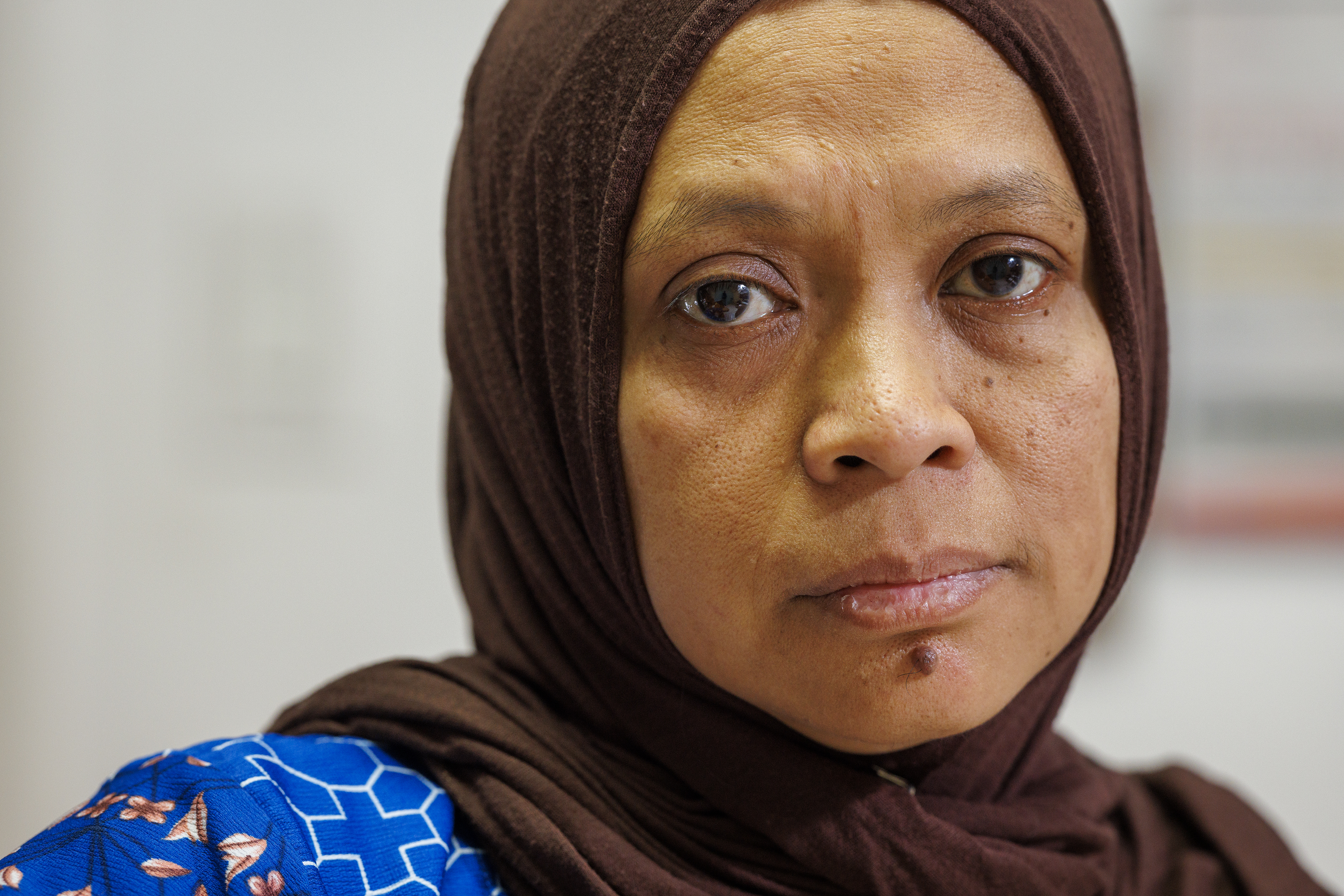
Siti Rahayu of Philadelphia, here on Thursday, November 6, 2025. Her husband Rian Andrianzah walked into United States Citizenship and Immigration Services office for a routine visit but he was sent to Moshannon detention center to await deportation.
Casazza, of the Philadelphia firm Palladino, Isbell & Casazza LLC, said Rahayu has a strong case for a T visa, which offers permission to live in the U.S. and a path to permanent residency and citizenship.
As her husband, Andrianzah would receive those same benefits under her visa.
That’s why, Casazza said, it makes no sense for ICE to confine and deport him. Once his wife’s visa was approved, Andrianzah would be able to legally live in the United States, the attorney said.
Asked about Andrianzah’s arrest and the couple’s situation, a U.S. Immigration and Customs Enforcement spokesperson in Philadelphia said in a statement: “Due to privacy issues, we are not authorized to discuss this case.”
Andrianzah is being held at the Moshannon Valley Processing Center, an ICE detention facility in Clearfield County, Pa.
As President Donald Trump presses his deportation agenda, what were routine meetings with federal authorities have now become risky for immigrants. Advocates say many of those arrested were following the rules and doing what the government asked:
On May 27, the wife of a Marine Corps veteran was detained in Louisiana after meeting with USCIS about her green-card application, CBS News reported. Paola Clouatre, 25, said she came to the U.S. as a child with her mother, but was abandoned as a teenager and unaware that the government had ordered them deported. She spent about eight weeks in custody before being fitted with an ankle monitor and released.
On June 3, federal agents in New York City arrested at least 16 immigrants who showed up for check-ins, after a private contractor working with ICE summoned them to urgent appointments, The City, a news organization, reported.
On Oct. 22, a 21-year-old California college student was arrested by ICE at an appointment at a USCIS office in San Francisco, Newsweek reported. Government officials said Esteban Danilo Quiroga-Chaparro, a Colombian national and green-card applicant, had missed mandatory meetings, though his husband said that was untrue.
On Oct. 23, a Venezuelan couple pursuing asylum were arrested during a check-in at the ICE office in downtown Milwaukee, Urban Milwaukee reported. Diego Ugarte-Arenas and Dailin Pacheco-Acosta sought protection after fleeing their homeland in 2021. An ICE spokesperson told the news agency that “all aliens who remain in the U.S. without a lawful immigration status may be subject to arrest and removal.”
“There’s a lot of risks right now,” said Ana Ferreira, who serves on the executive board of the Philadelphia chapter of the American Immigration Lawyers Association.
Some clients went intoimmigrationappointments knowing there was a possibility they could be detained, she said. Others were shocked to be taken.
“None of this would have happened years ago,” Ferreira said. “It’s a completely different landscape.”
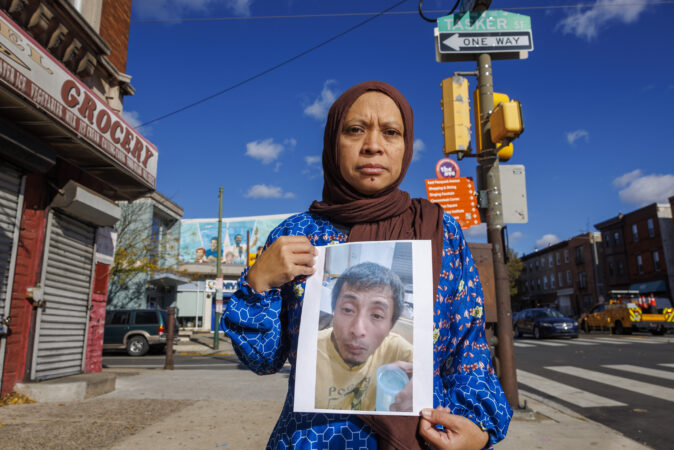
Siti Rahayu of Philadelphia holds a photograph of her husband, Rian Andrianzah. He walked into a United States Citizenship and Immigration Services office for what he thought would be a routine visit but was sent to the Moshannon detention center to await deportation. Photograph taken on Thursday, November 6, 2025.
Rahayu said that on Oct. 16, she completed her own biometrics appointment, then grew concerned when her husband did not appear. She asked the staff what was happening.
“They [said they] don’t know anything, and they say this is new for them,” Rahayu said.
Finally someone told her: He’s gone. Rahayu fears for her husband’s health in custody because he suffers from diabetes, which impairs his vision.
The local Indonesian American community reacted immediately, supported by Asian Americans United, the advocacy group. An estimated 2,000 Indonesians live in Philadelphia, the 10th-largest community in the nation.
Andrianzah said through his wife that he wished to thank everyone who has tried to help him and his family, that he is grateful for their care and concern. Supporters have raised about $13,000.
Each year thousands of people physically report to ICE or related immigration agencies for mandatory check-ins.
Some immigrants are required to appear every couple of weeks, some once a month, others once a year. The appointments help immigration officials keep track of people who in the past have been low priorities for deportation, allowed to live freely as they pursue legal efforts to stay in the United States.
Biometrics appointments are usually brief sessions, perhaps half an hour, at which the government captures fingerprints, a passport-style photo, and a signature. The immigrant may also be asked to provide information like height and weight.
Despite the fresh risk of being arrested on the spot, immigrants have little option except to show up. Many types of immigration applications require in-person appearances. And failure to appear for a required ICE appointment can by itself result in an order for removal.
“They’re trying to grab everybody, wherever they can,” and that included Andrianzah, Casazza said. “ICE is going to do their best to deport him.”
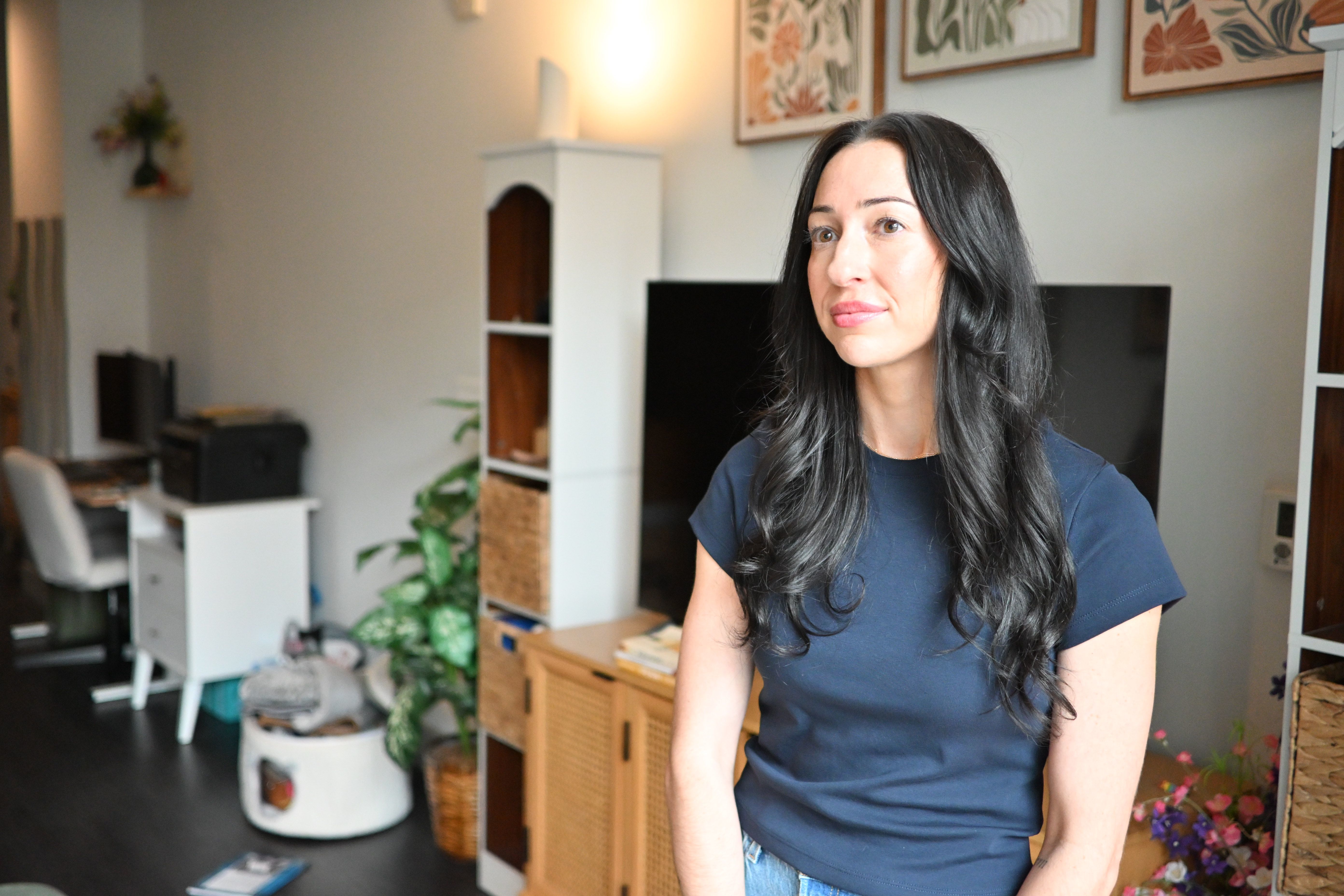
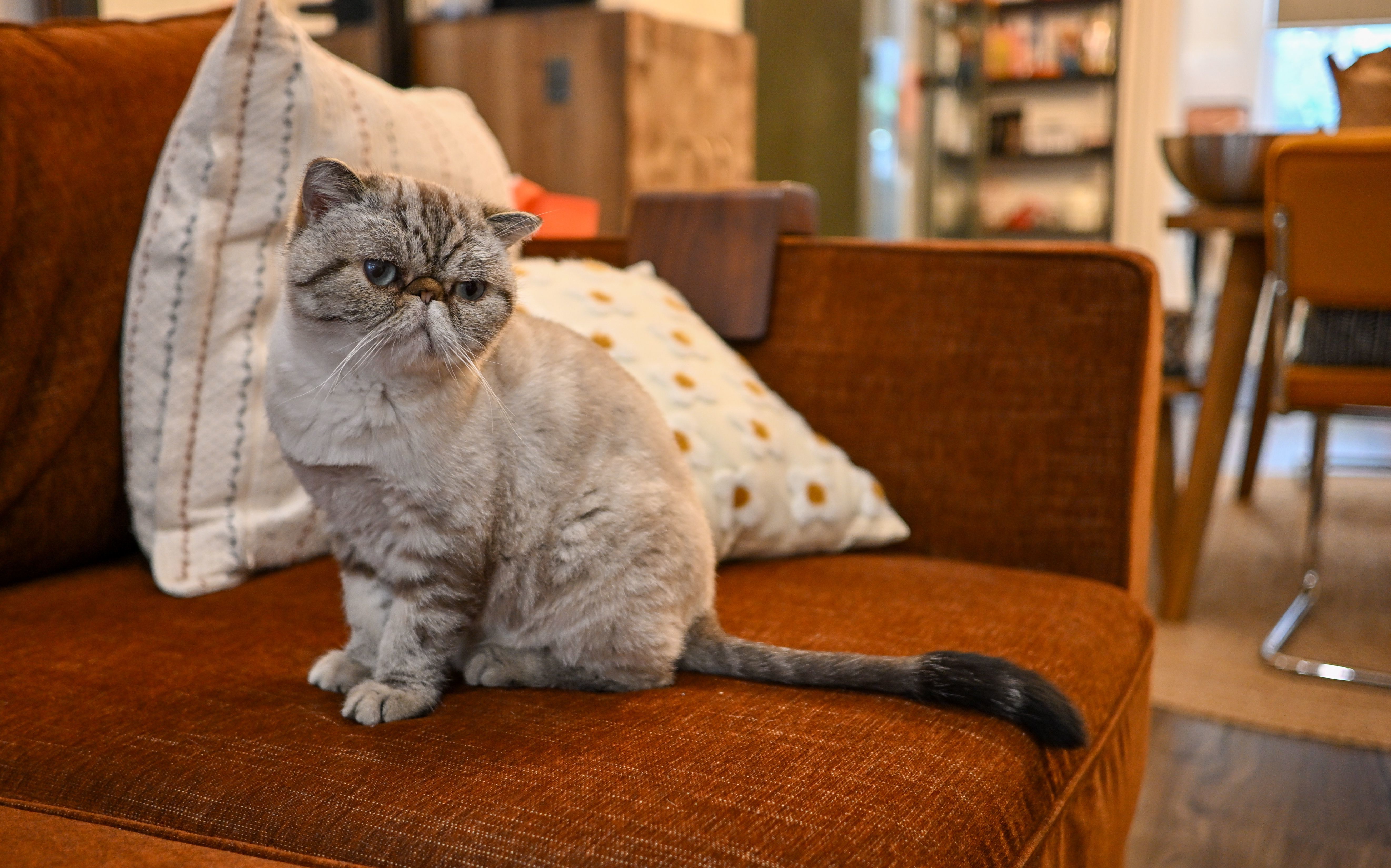
First they were roommates, and then they were friends. But after Jessica Yang and Nicole DeNardo couldn’t agree on who should keep Gary — the exotic shorthair that Yang bought and DeNardo had been taking care of — it took a Common Pleas Court judge to decide.
The two former roommates say they disagreed over whether Yang had given Gary to DeNardo or whether it was a temporary arrangement. In December 2024, Yang sued DeNardo to make her return the cat.
“She said I was unfit to be a pet parent,” Yang said. “She said I was childish and selfish for even wanting Gary back. She kept asking me to consider the feelings and preferences of Gary.”
Two lawyers contacted for this story say that situations like this one are on the rise, though the money spent on such a case — Yang spent $20,000, DeNardo, $5,000 — is a bit remarkable.
“People love their animals, and people are willing to spend a lot of money in legal fees to reclaim their animals,” said Rebecca Glenn-Dinwoodie, a Doylestown-based family and animal lawyer not involved in the case.
But for the two women, the fight over the small, cuddly cat with blue eyes became a catastrophe that dragged on for a year.
“She just didn’t want me to have him,” DeNardo said. “It was personal. It was about beating me.”
Nicole DeNardo at her home in Center City.
How it started
Yang, 33, purchased Gary for $1,000 when she was living in Pittsburgh in 2018. She named him after the SpongeBob SquarePants TV show character Gary the Snail.
In the spring of 2022, Yang moved from New Mexico to Philadelphia. She said that with a new contract as a nurse anesthetist, she expected to travel for work every two weeks, making a roommate situation ideal.
She and DeNardo, 31, met on a Facebook group for people seeking roommates and soon moved into an apartment together in Graduate Hospital. DeNardo, who works in finance, often worked from home, spending a lot of time with Gary.
Yang and DeNardo each said they became friends and travel buddies. They took snowboarding trips to Vermont and Colorado and hiked at Lake Havasu, Ariz.
They even got matching alien tattoos together. Yang said hers was a nod to her time living near Roswell, the UFO tourist town in New Mexico. DeNardo said the alien paired well with her tattoo of Saturn, a planet linked to her zodiac sign of Capricorn.
Yang said as the apartment’s lease was coming to an end around March 2024, she was going through a difficult time. She and her long-term boyfriend had just broken up. She had just changed jobs. And, she had just bought a house in Passyunk Square that needed extensive renovations.
That was when, as she remembers it, DeNardo offered to take the cat. “I was like, how convenient for Gary,” Yang said. “And I thought it would be good for her, too.”
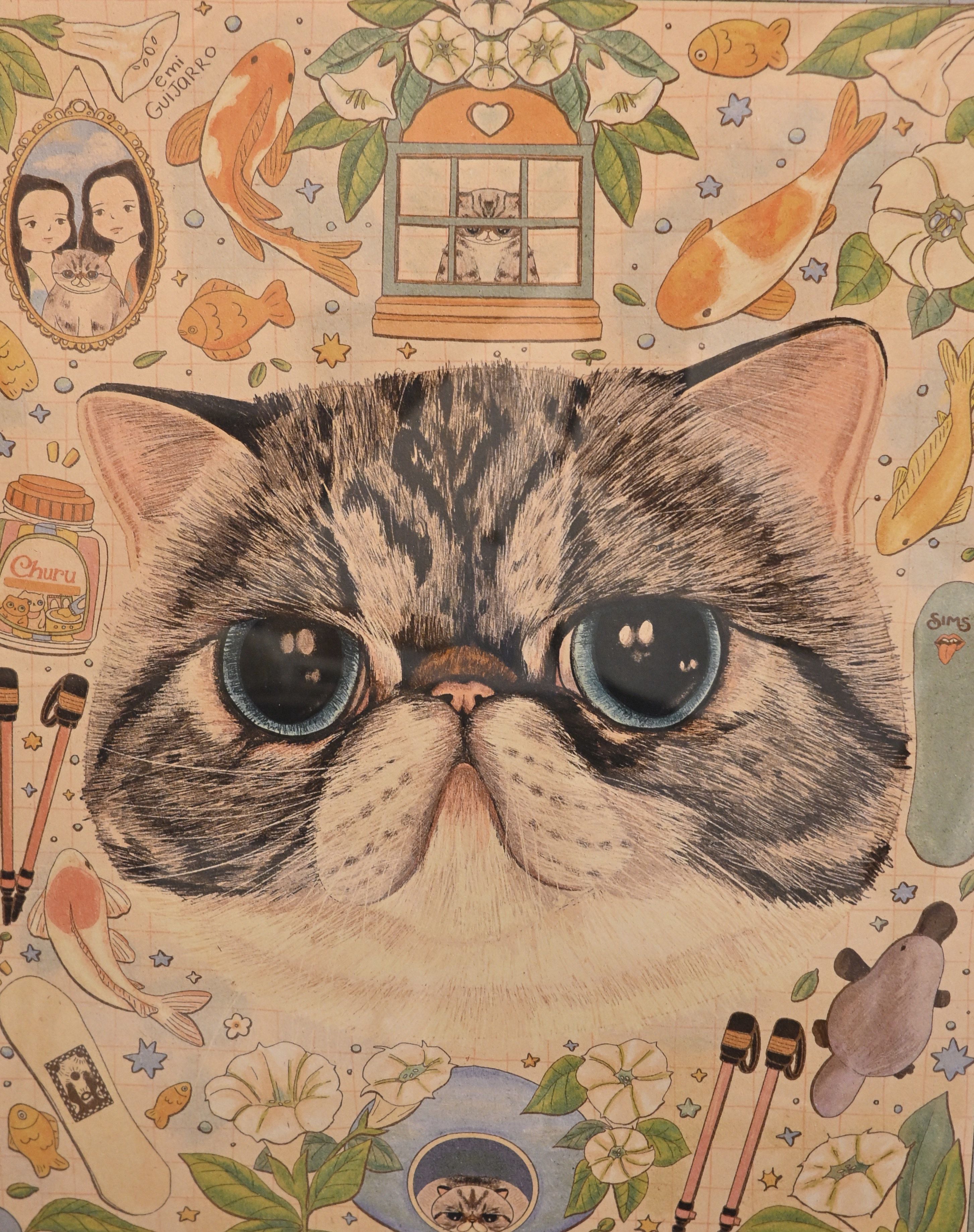
That summer, Yang commissioned a portrait of Gary, surrounded by snowboards, trekking poles, and other symbols of the two women’s friendship. There were two prints, both framed, one for each of them.
A detail shot of a piece of art Jessica Yang commissioned featuring her cat, Gary, and mementos from her friendship with Nicole DeNardo. She gave a second copy of the art to DeNardo.
Going to court
Things began to go south when Yang said she learned that DeNardo had changed Gary’s last name at the vet — from Yang to DeNardo — and added her name to the cat’s microchip. DeNardo, Yang said, considered the cat hers.
It’s one of several details DeNardo remembers differently. DeNardo said the vet’s office changed the cat’s last name, not her. As for the microchip, which would help people identify Gary’s owner if he were to get lost, she said she added her name for practical reasons — she was the one who was around.
DeNardo said she was often the one who took care of Gary. She fed him, she said, and took him to the vet. She even “cleaned his eyeballs” every day — something shorthair cats often need.
“He was always in my life, always on the windowsill next to me,” DeNardo said.
She provided a timeline showing she’d spent more time with Gary than Yang. She offered lists of friends who would attest Gary was her cat — a fact many people in her lifefound mildly amusing, since her father and her brother are also both named Gary.
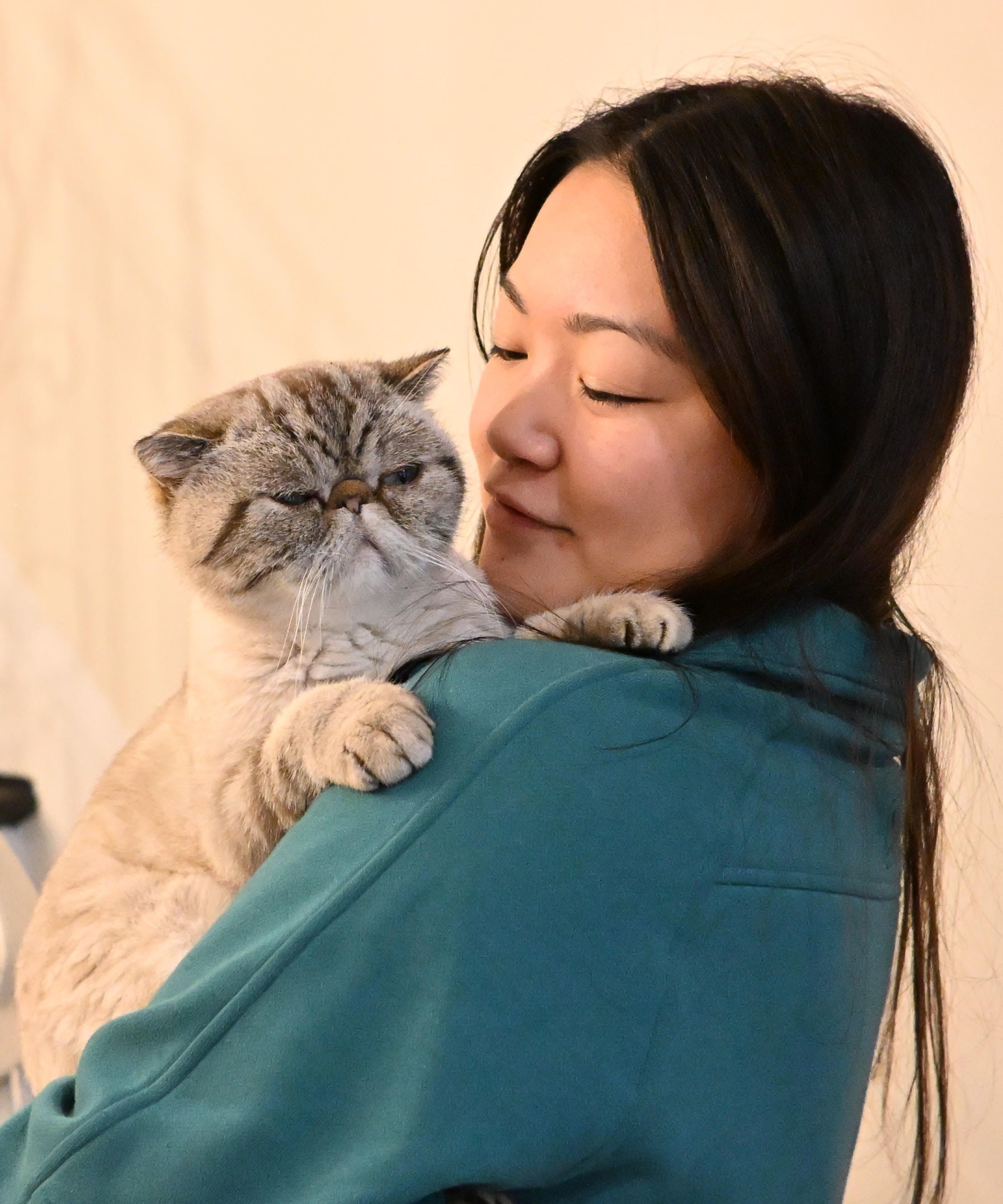
Jessica Yang holds her cat, Gary, at her home Sunday, Nov. 9, 2025.
DeNardo said she believes that somehow, the issue became personal after a 2023 incident where she told Yang they needed to take the cat to the vet.
“I think she viewed that more as a personal attack,” DeNardo said. “For me, this was always only about Gary’s well-being.”
After a yearlong process that involved a hearing and a bench trial, the court ruled in Yang’s favor. Yang proved she had purchased the cat, and DeNardo had to give him up.
DeNardo blames the Pennsylvania legal system, which views animals as property. “You can spend years scooping litter, cleaning his eyeballs, and the court tells you none of that matters, because pets are property,” she said.
The law
A few other states, such as New York, do define pets the way DeNardo had hoped the court would view Gary, said Daniel Howard, an associate family law attorney at Petrelli Previtera in Center City.
“Some states have pet custody statutes that look similar to what we see in child custody, looking at the welfare of the animal,” Howard said.
Howard pointed out that in September the Pennsylvania House of Representatives passed a bill that would change how pets are recognized in divorce proceedings. (The bill would have to pass the state Senate and get the governor’s approval for enactment).
However, even if this bill were to pass, it would not apply to cases where the two people aren’t married, Howard said.
Gary, an exotic shorthair, relaxes on the couch Sunday, Nov. 9, 2025.
Still, he said, attitudes are changing around the ways animals should be viewed by the courts. Laws that worked well for farm animals don’t fit as neatly for cats or dogs.
“For a lot of people, their pets really are their children,” Howard said. “And I think there needs to be some kind of an update to look at that.”
Glenn-Dinwoodie said the situation also speaks to the need for people — even if they’re just roommates, or friends — to put things in writing when they enter a living arrangement.
“Just have clear conversations, clear expectations, but also [take] that extra step so that, if ownership is ever disputed … you have enough proof. Because the court needs proof,” she said.
For Yang, the whole episode felt like a misuse of time and resources. It left her wanting to raise money for animals, “because $25,000 could save a lot of cats.”
DeNardo said the dispute showed her that doing what you think is right doesn’t always lead to the outcome you want. At her apartment, she gestured toward the window, where she said Gary spent countless hours watching the birds that would perch outside.
“He’s just a really playful, sweet, cat,” DeNardo said. ”He was my buddy… I just hope he’s OK and has all the things he needs, and is living a good life. If he’s happy, I’m happy.”
Clarification: This article has been updated to reflect DeNardo’s assertion that she took care of Gary even when Yang was home.
Philly now has the second-highest package-theft rate in the country, reported the Citizen. According to a USPS Inspector General report, we lost $450 million in deliveries last year, which is a staggering amount of missing moisturizer, dog treats, and whatever-impulse-purchase-you-didn’t-need-anyway.
The stories are peak Philly: Thieves in fake Amazon vests dragging trash cans down Northern Liberties like a pack of Grinches, neighbors negotiating with porch pirates over stolen head-and-neck massagers, and whole blocks swapping Ring footage like they’re running a CSI unit. And still, hardly anyone reports it — because calling 911 over a missing package feels unhinged, and most people assume nothing will happen.
Police say they can’t crack down because no one files reports. Prosecutors won’t release data. Delivery companies quietly eat the losses to keep customers from rioting. And the state’s shiny new anti-porch piracy law can’t do much when the entire system for tracking thefts amounts to a collective shrug.
For now, the only real accountability is getting roasted on someone’s community Facebook group.
Herr’s previous campaign had customers voting on these three chip options.
Solid choices, sure. But if you asked Philly what those ideas actually taste like in 2025, it definitely wouldn’t be “cheesy crab dip.” It’d be stuff like:
Freedom: Tastes like finding a parking spot on the first try, crossing the Walt Whitman without traffic, or walking out of Wawa and realizing your hoagie was marked as a Shorti but they accidentally made you a Classic.
Liberty: Tastes like SEPTA showing up early and empty, getting a roofer to text you back the same day, or a neighbor finally taking the parking cone inside because the snow melted… three weeks ago.
Unity: Tastes like a whole block yelling “Go Birds!” at the same stranger, the collective rage of everyone on I-76 when a phantom jam clears, or 20 people on your street stepping outside at once because they all heard the same weird bang.
Voting runs through Dec. 10, and whatever wins hits shelves in June for the city’s 250th birthday party. Silly? Extremely. But honestly, if Philly wants to turn civic values into snack-seasoning discourse, that feels about right.
McCormick recruiting New Yorkers — C
Sen. Dave McCormick put out the world’s most Pennsylvania campaign commercial this week, inviting New Yorkers terrified of their new mayor — and “tired of losing football teams” — to pack up and head west on I-80. And look, we get the appeal. New York is expensive, the Giants and Jets are tragic, and Pennsylvania can brag about producing at least one functioning football franchise at any given time.
But if he’s talking about Philly? Dave… babe… have you seen this place lately? We’re full. Try finding a parking spot in Fishtown after 6 p.m. Or a house in the suburbs that doesn’t get 12 offers in 24 hours. Even our potholes are standing shoulder-to-shoulder. Also, telling New Yorkers to “come on down” because Pennsylvania has mountains and freedom is a bold pitch when most of them can’t even merge onto the Schuylkill without bursting into tears.
So if folks really want to take him up on this offer, maybe start by checking out Pittsburgh. Lovely city. Plenty of room. Great bridges.
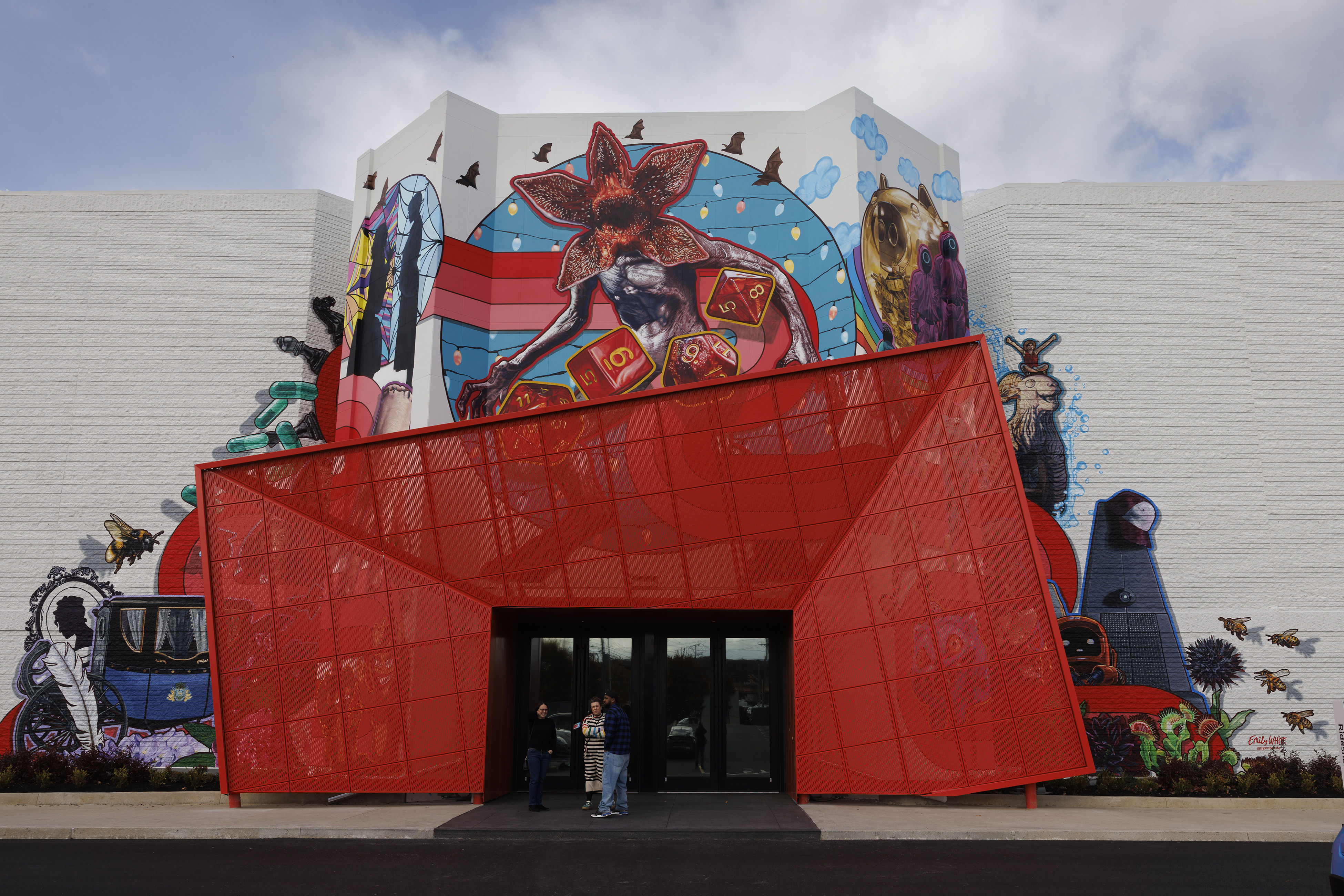
Exterior entrance to Netflix House, King of Prussia Mall, Tuesday, November 11, 2025.
Netflix House — B-
Netflix House finally opened in King of Prussia — because nothing says “immersive fantasy world” like the mall you swore you’d never drive to again. And look, the place is legitimately impressive: Squid Game VR that feels a little too real, a Wednesday carnival, a One Piece escape-room adventure, and photo ops for days.
But here’s the plot twist: the price. Doing all four experiences at the cheapest rate runs $118 a person before taxes. That’s nearly $500 for a family of four. For that kind of money, the golden piggy bank in Squid Game better not be just a prop.
Credit where it’s due: the VR slaps, the staff is Disney-level committed, and superfans will eat it up. But between the Schuylkill, the prices, and the mall chaos, Netflix House might be best for people who already love the shows.
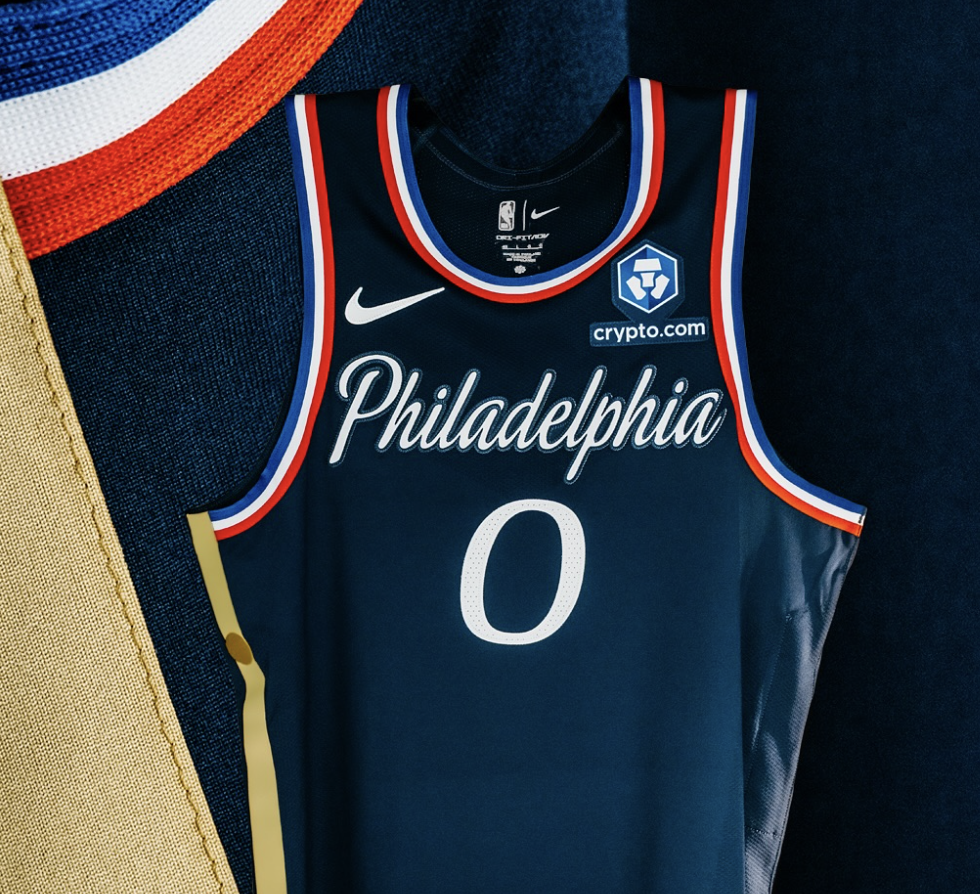
The Sixers released their city edition jerseys.
Sixers City Edition jerseys — C-
The Sixers’ new City Edition jerseys dropped, and the reaction across Philly has been one collective shrug. Navy blue, gold stripe down the side shaped like the Liberty Bell crack, “Philadelphia” in script — all perfectly fine if your goal is to make something no one could possibly argue about. Which, ironically, is the most un-Philadelphia idea imaginable.
Let’s be honest: This jersey didn’t stand a chance. Not in the year of the AI throwbacks — those black 2001 uniforms walked into the room and immediately made everything else look like background décor. The City Edition is basically the jersey equivalent of a supportive friend holding everyone’s coat.
Reddit nailed it. People called them: “Mid.” “It’s just the 2019 one but navy.” “Should’ve said Philly.” “I like them… but I’ll wait until they’re $39.99 in June.” And my personal favorite: “This feels like Nike forgot about us until the last minute.”
Wearing them only three times feels right. This is a jersey designed to quietly exist. Inoffensive. Reasonable. Mildly attractive. Something you nod at and say, “Yeah, that’s nice,” before immediately remembering you’re only here for the throwbacks.
These aren’t bad. They’re just beige-but-navy — the basketball equivalent of choosing a sensible sedan when everyone knows you really wanted the sports car.
The basement goldfish at the Navy Yard have respawned — and Philly has reacted with the kind of unhinged civic joy usually reserved for Gritty sightings. A year after their murky little pond dried up, the fish have returned, proving once again that in this city, nature not only heals… it adapts to runoff water and becomes indestructible.
Reddit went feral: “Philly’s koi pond.” “Koi jawn.” “Nature is healing.” “This needs to be a protected landmark before it’s turned into condos.” And the best lore drop: “Behind that door is a kingdom… nay, a WORLD of basement fish.”
There are paintings now. Fan art. People offering to dump in buckets of water like it’s a community service project. Someone even called them the “unofficial city mascot,” which feels about right — unexpected, slightly alarming, surviving on vibes and stormwater alone. This is the kind of hyperlocal nonsense that unites the city more than any mayor ever has.
How to pronounce “Camac” — B+
Only in Philly could a three-block alley spark a full-blown identity crisis. Someone on Reddit innocently asked how to pronounce Camac — “K’mack? Kay-mick? Kay-mack?” — and within minutes, the city did what it always does: turned a vocabulary question into a referendum on our collective sanity.
The consensus (if you can even call it that) is “kuh-MACK.” But this being Philadelphia, you also get k’MACK, Kuh-MAK, Cum-ACK, and at least one person who decided all the letters are silent, which honestly feels spiritually correct.
Then, naturally, the thread devolved into arguments about other names no one can agree on — Bouvier, Sepviva, Greenwich — because this city will never miss an opportunity to question its own language like it’s a group project we all forgot to do.
It’s extremely on-brand, and reminiscent of The Inquirer’s big Passyunk investigation — the one where lifelong South Philadelphians confidently pronounced it four different ways in the same grocery store aisle. After 400 years, even linguists basically shrugged and said: “Multiple answers are correct, good luck out there.”
So yes, the “right” way to say Camac is probably kuh-MACK. But this is Philly. Pronounce it however you want — someone will correct you, someone else will correct them, and eventually the whole block will be involved.
Inquirer reporter Tom Fitzgerald has become Philly’s most unlikely breakout star — by calmly explaining the absolute chaos of SEPTA and Greyhound. His latest video on the city’s bus terminal and the PPA had people lining up to be “president of the Tom fan club,” begging for “another Tom vid, expeditiously,” and declaring, “Idk what it is about this guy, but I’d trust him with my life.”
And this wasn’t a one-off — the first “what the f— happened to SEPTA” video is where the cult really formed. That comment section was essentially a love letter: “Tom is the GOAT,” “protect this man at all costs,” “cordially inviting this guy to my family Thanksgiving,” and my personal favorite: “I like this guy, would get a French dip with him.” Philly affection comes in many forms, but that might be the purest.
What’s wild is how united everyone is about him. It’s rare for any city to agree on anything — let alone a soft-spoken transit reporter explaining budget failures and bus equity. But Tom did it. He looked into the camera, delivered the grim truth with perfect dad-energy calm, and the entire region collectively said: King.