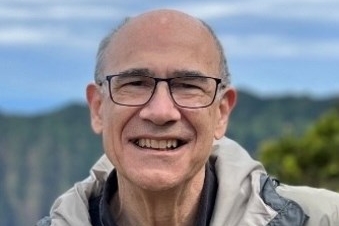
Category: Obituaries

  • Mark Hallett, world-renowned neuroscientist and groundbreaking researcher, has died at 82

    Mark Hallett, world-renowned neuroscientist and groundbreaking researcher, has died at 82

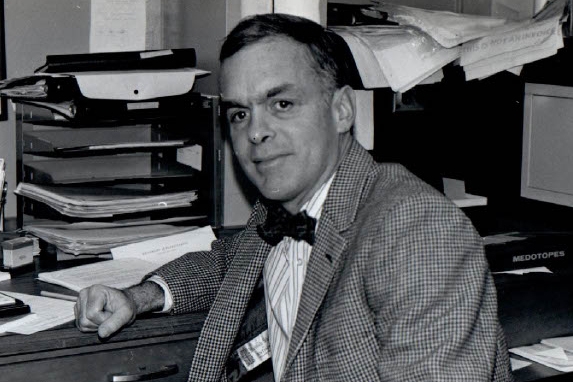
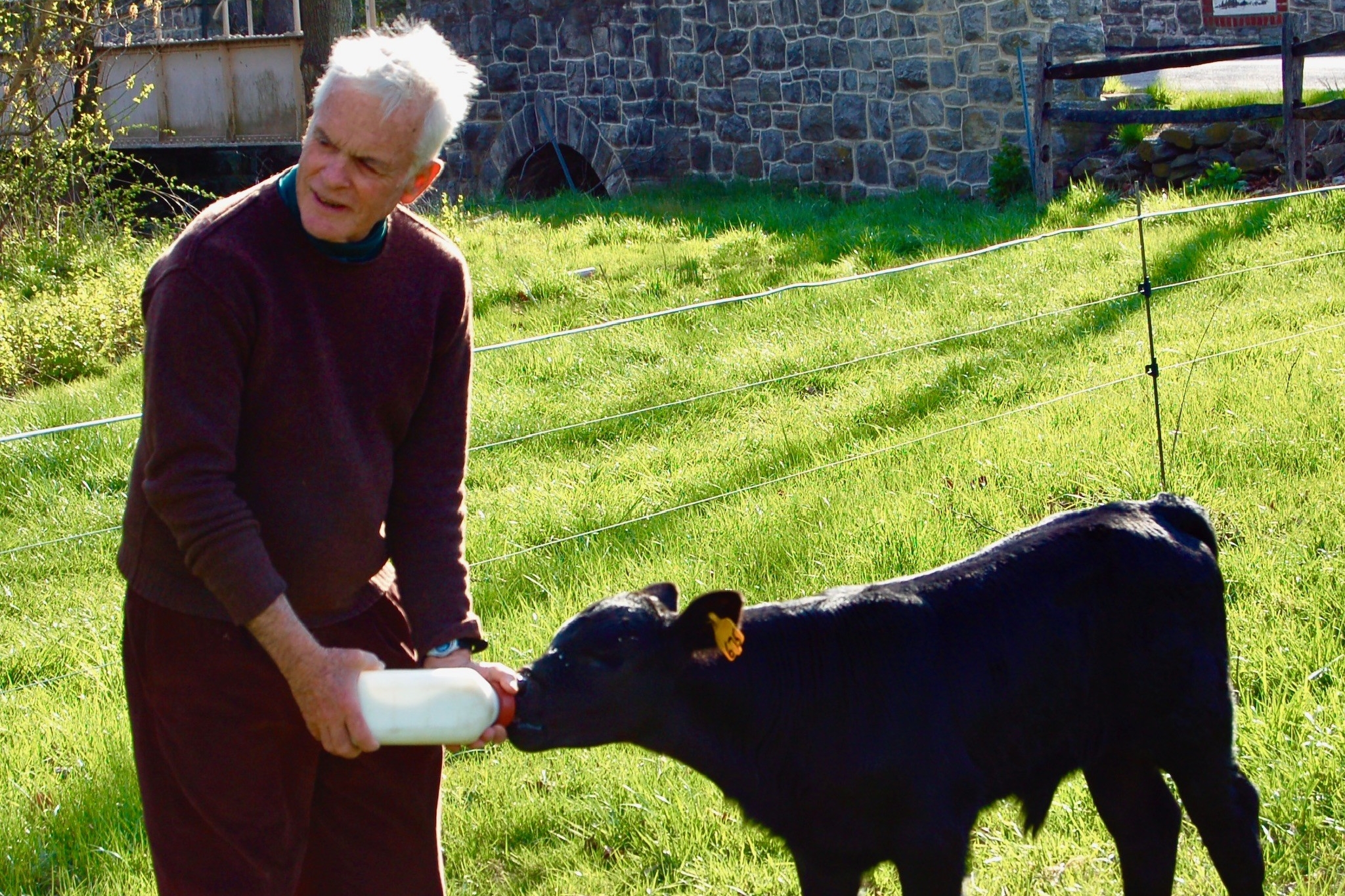
    Mark Hallett, 82, of Bethesda, Md., world-renowned scientist emeritus at the Maryland-based National Institute of Neurological Disorders and Stroke, former chief of the clinical neurophysiology laboratory at Brigham and Women’s Hospital in Boston, associate professor of neurology at Harvard Medical School, groundbreaking researcher, prolific author, mentor, and world traveler, died Sunday, Nov. 2, of glioblastoma at his home.

    Dr. Hallett was born in Philadelphia and reared in Lower Merion Township. He graduated from Harriton High School in 1961 and became a pioneering expert in movement, brain physiology, and human motor control.

    He spent 38 years, from 1984 to his retirement in 2022, at the National Institutes of Health in Bethesda and was clinical director and chief of the medical neurology branch of the National Institute of Neurological Disorders and Stroke. He and his colleagues examined the human nervous system and the brain, and their decades of research helped doctors and countless patients treat dystonia, Parkinson’s, and other neurodegenerative diseases.

    “When I met him, I was in bad shape,” a former patient said on Instagram. “I’d also been told … that no one would ever figure out the source of my illness. … He and his team diagnosed me, and thereby, I’m pretty sure, saved my life”

    Dr. Hallett told the Associated Press in 1992: “The more that we know about the way these cells function, the better off we are.”

    He founded the NINDS’ human motor control section in 1984, cofounded the Functional Neurological Disorder Society in 2018, and served as the society’s first president. He cultivated thousands of colleagues around the world, and they called him a “giant in the field” and a “global expert” in online tributes.

    Barbara Dworetzky, current president of the FNDS, said Dr. Hallett was a “brilliant scientist, visionary leader, and compassionate physician whose legacy will endure.” Former NIH colleagues called his contributions “astounding” and said: “The scope and impact of Dr. Hallett’s work transcend traditional productivity metrics.”

    He chaired scientific committees and conferences, and supervised workshops for many organizations. He earned honorary degrees and clinical teaching awards, and mentored more than 150 fellows at NIH. “Our lab’s demonstration of trans-modal plasticity in humans was another milestone,” he told the NIH Record in 2023. “And, of course, I am particularly proud of the fellows that I have trained and their accomplishments.”

    In a tribute, his family said those he mentored “valued his intellect, his encouragement, his kindness, and his humor.”
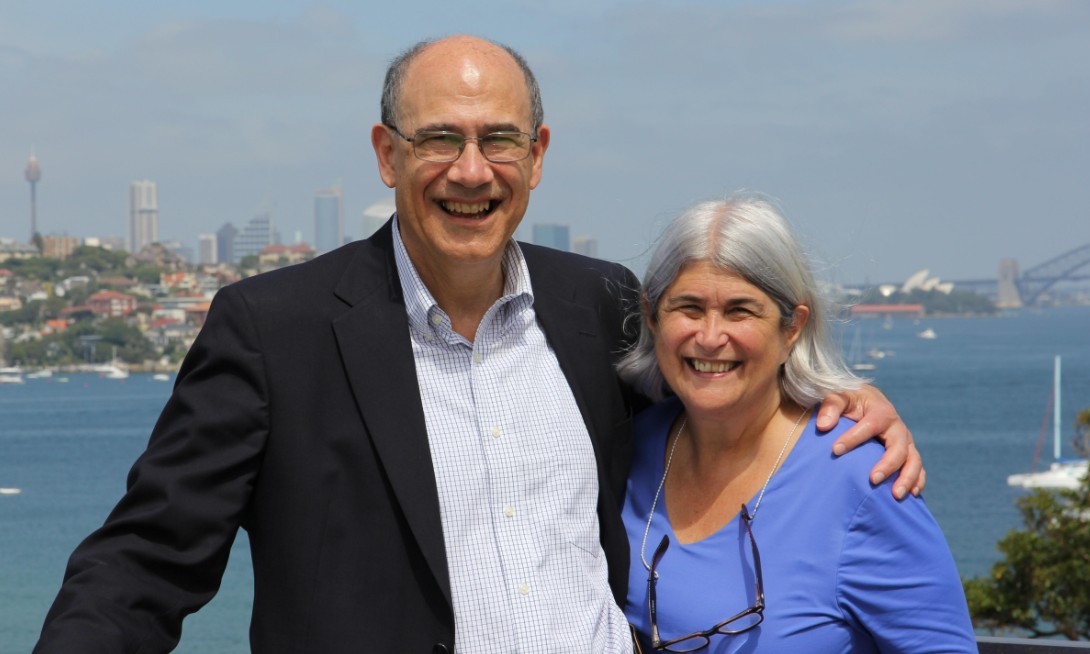
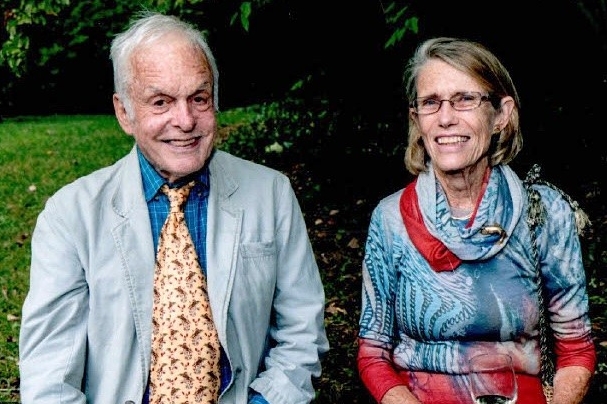
    Dr. Hallett and his wife, Judy, married in 1966.

    Dr. Hallett had planned to study astronomy at Harvard University after high school. Instead, he earned a bachelor’s degree in biology in 1965 and a medical degree at Harvard Medical School in 1969. He completed an internship at the old Peter Bent Brigham Hospital, now part of Brigham and Women’s, and joined a research program at the NIH in 1970 to fulfill his military obligation during the Vietnam War.

    A fellowship in neurophysiology and biophysics at the National Institute of Mental Health sparked his interest in motor control, and he served a neurology residency at Massachusetts General Hospital in 1972 and a fellowship at the Institute of Psychiatry in London in 1974.

    He returned to Brigham and Women’s in 1976 to supervise the clinical neurophysiology laboratory and rose to associate professor of neurology at Harvard. In 2019, he earned the Medal for Contribution to Neuroscience from the World Federation of Neurology, and former colleagues there recently said his work “had a lasting global impact and shaped modern clinical and research practice.”

    He also studied the scientific nature of voluntary movement and free will. He wrote or cowrote more than 1,200 scientific papers on all kinds of topics, edited dozens of publications and books, and served on editorial boards.

    He was past president of the International Federation of Clinical Neurophysiology and the International Parkinson and Movement Disorder Society, and vice president of the American Academy of Neurology.

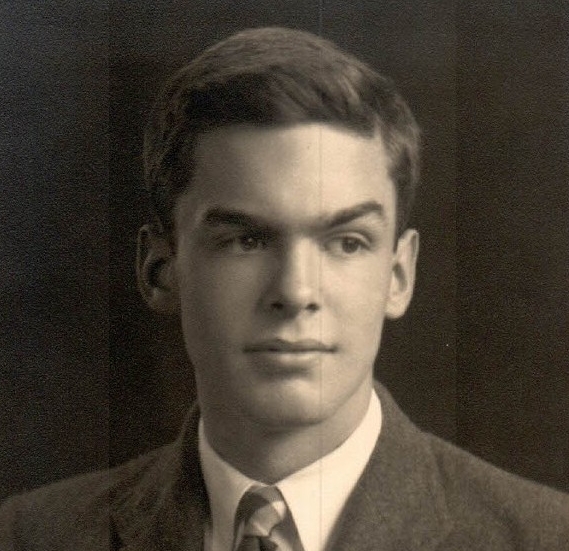
    At Harriton, he was senior class president, a star tennis player, and a leading man in several theatrical shows. “The only time he disobeyed his parents,” his family said, “was when he decided to leave Philadelphia to attend Harvard College.”

    Mark Hallett was born Oct. 22, 1943. The oldest of three children, he was a natural nurturer, a longtime summer camp counselor, and the winner of an Alfred P. Sloan Foundation national scholarship award in high school.

    He grew up in Merion and met Judith Peller at a party in 1963. They married in 1966 and had a son, Nicholas, and a daughter, Victoria.
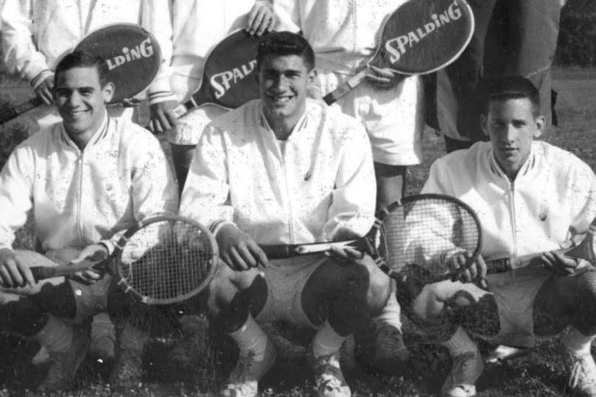
    Dr. Hallett (center) was a star on the Harriton High School tennis team.

    Dr. Hallett was an avid photographer and a master of the family group shot. He championed a healthy work-life balance, and his family said: “He eagerly built sand castles, skipped stones, and started pillow fights. His easy laugh was contagious.”

    He enjoyed hiking, biking, jazz bands, and organizing family vacations. “He was a natural leader,” his son said, “self-assured and patient of others, with a deep sincerity and a desire to help people.”

    His daughter said: “People were constantly turning to him for medical advice, and he was always willing and eager to help.”

    His wife said: “He was very high energy. He brought out the best and the most in young people. He made them feel good about themselves.”
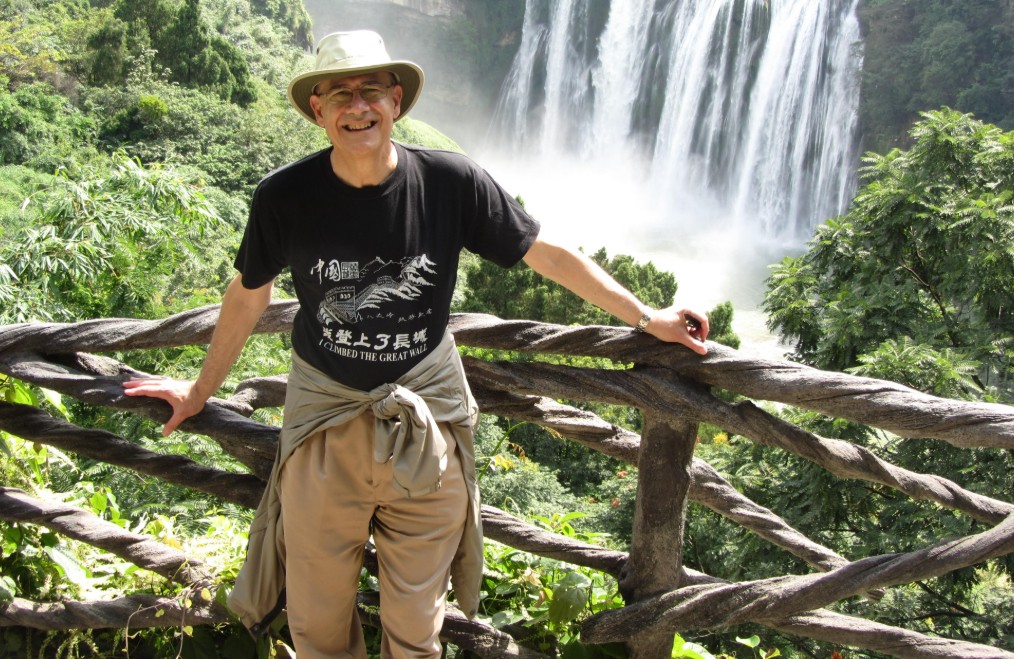
    Dr. Hallett traveled the world on business and family vacations.

    In addition to his wife and children, Dr. Hallett is survived by two granddaughters, a sister, a brother, and other relatives.

    A memorial service is to be held later.

    Donations in his name may be made to the Functional Neurological Disorder Society, 555 E. Wells St., Suite 1100, Milwaukee, Wis. 53202; and the International Parkinson and Movement Disorder Society, 555 E. Wells St., Suite 1100, Milwaukee, Wis. 53202.
  • Robert A.M. Stern, renowned architect whose designs included the Comcast Center and the Museum of the American Revolution, has died at 86

    Robert A.M. Stern, renowned architect whose designs included the Comcast Center and the Museum of the American Revolution, has died at 86

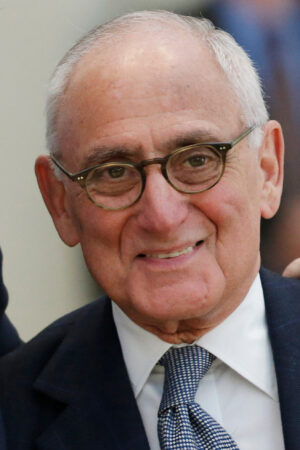
    Robert A.M. Stern, 86, a leading architect over the past six decades who left his imprint on Philadelphia by designing the Comcast Center and the Museum of the American Revolution among other notable buildings, died Thursday, Nov. 27, at home in Manhattan after a brief pulmonary illness, his family said.

    Mr. Stern also wrote respected architectural histories, taught at Columbia and Yale universities, and was dean of Yale’s School of Architecture from 1998 to 2016.

    “Bob had a great sensitivity to urbanism in design. You can see that in Philadelphia, where his work certainly sits well where it is placed,” said developer John Gattuso, who worked closely with Mr. Stern on the Comcast Center, completed in 2008, the redevelopment of the Navy Yard, and other projects.

    “He was less concerned with theatrical architecture, the gymnastics, and understood how buildings contribute to a sense of place that resonates with people,” he said. For that reason, Gattuso said, “he tended to be underappreciated.”

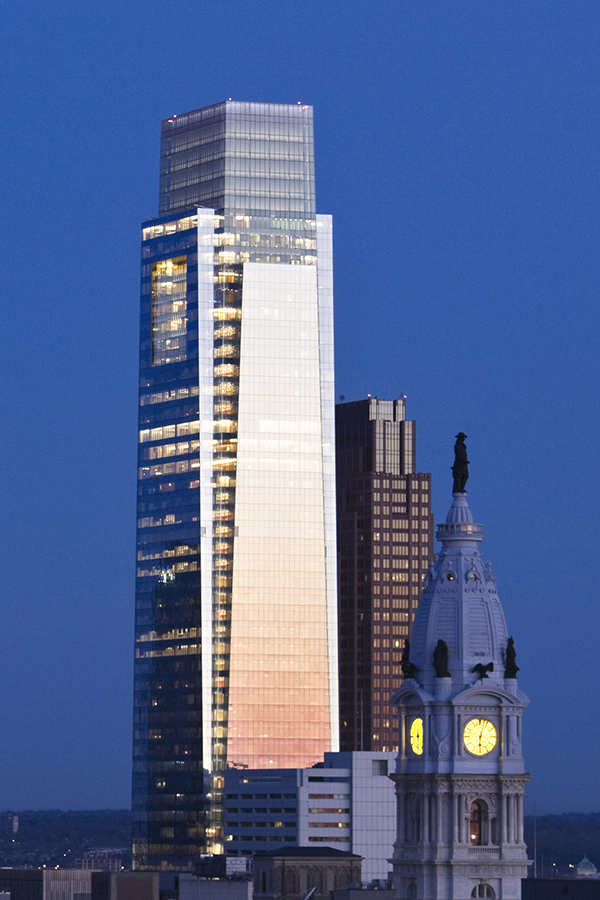
    Stern and his firm designed the 975-foot Comcast Center, the headquarters for the cable and telecommunications giant, completed in 2008.

    The 975-foot-tall shimmering Comcast Center, the company’s original skyscraper on JFK Boulevard, straddles the tracks and concourse of Suburban Station, a commuter gateway to the city. An airy 120-foot glass atrium connects the building to the station, providing for a dramatic arrival from below, and overlooks a public plaza.

    “The Comcast Center may be his finest work in Philadelphia,” said architecture critic Inga Saffron, who writes for The Inquirer. “The scale is right. It’s not fat. It’s tapered.”

    Classical indentations in the 58-story building draw the eye upward, she said. “It’s a good dignified skyscraper … Buildings like this are embedded in the city.”

    Mr. Stern’s firm was also known for luxury apartment towers. In Manhattan they include 15 Central Park West, a limestone-clad condominium at the southwest corner of Central Park that was internationally hailed.

    The firm’s work also includes university buildings, including the Darden School of Business at the University of Virginia; Weill Hall at the University of Michigan; and Miller Hall at the College of William & Mary in Williamsburg, Va., among many others.

    In Philadelphia, Mr. Stern’s firm prepared the master plan for the Navy Yard, and designed buildings on Crescent Drive in that development and the 10 Rittenhouse condominium, as well as the American Water tower on the Camden Waterfront — and the LeBow College of Business at Drexel University.

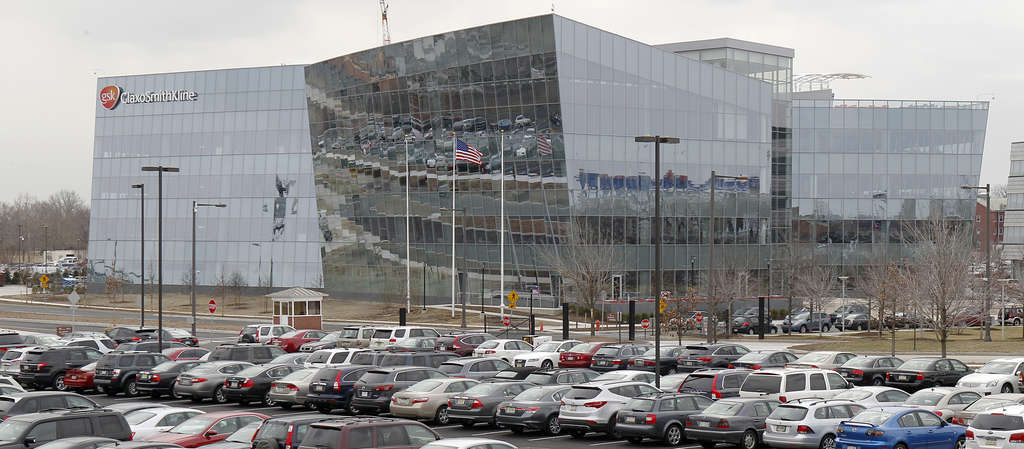
    Robert A.M. Stern designed the former U.S. headquarters for GSK at Five Crescent Drive in the Navy Yard, Philadelphia. He and his associates put together the master plan for the redevelopment of the massive property.

    Mr. Stern was a proponent of post-modernism, a style of architecture that incorporated classical elements. He moved further in that direction as his career went on.

    Philadelphia’s Museum of the American Revolution was built in a Georgian style. But to Saffron, it was perhaps too much, and more out of place to the city.

    “He embraces classicism more and more,” Saffron said. In the case of the museum, “It’s a schlocky classicism,” in contrast to the relatively modest scale of the historic buildings in Old City.

    “It’s like Independence Hall on steroids,” Saffron said.

    The latest Robert A.M. Stern Architects design in Philadelphia is nearing completion, a massive life sciences research building at Drexel University, on Cuthbert Street, by Gattuso Development Partners.

    In an interview with the New York Times when he was 84, Mr. Stern said he still wasn’t using a computer and drew “everything by hand.”

    Born in Brooklyn on May 23, 1939, Mr. Stern earned a bachelor’s degree from Columbia and a master’s in architecture from Yale. In 1966, he married photographer Lynn Gimbel Solinger, a granddaughter of Bernard Gimbel, the department store magnate. They had a son, Nicholas, and later divorced.

    Mr. Stern is survived by his son, three grandchildren, and other relatives.

    The Washington Post contributed to this article.

  • Leon Bates, charismatic concert pianist and radio host, has died at 76

    Leon Bates, charismatic concert pianist and radio host, has died at 76

    Concert pianist Leon Bates, whose musical authority and far-reaching versatility took him to the world’s greatest concert halls, died Nov. 21 after a seven-year decline from Parkinson’s disease. He was 76.

    An articulate, charismatic presence, Mr. Bates was a Philadelphia born and educated pianist, and while growing up in Germantown, showed talent as early as age 6.

    He started formal study at Settlement Music School and graduated from Temple University’s Boyer College of Music, where he studied under the legendary Natalie Hinderas. In his final student recital, Mr. Bates played Ravel’s fearsome Gaspard de la Nuit.

    As a leading figure in the generation of Black pianists who followed the early-1960s breakthrough of Andre Watts, Mr. Bates’ dream-come-true career encompassed Ravel, Gershwin, and Bartok over 10 concerts with the Philadelphia Orchestra between 1970 and 2002. He played three recitals with Philadelphia Chamber Music Society and taught master classes at Temple University, where he also gave recitals at the Temple Performing Arts Center.

    Though he maintained residency in Philadelphia with his wife and three children in Mount Airy, Mr. Bates toured the great concert halls of Europe, China, South Africa, and America, often playing 100 concerts a year. His forceful repertoire of Rachmaninoff and Liszt was partly enabled by his hobby — body building — and the stamina that came with it.

    “What set Leon Bates apart was his genuine character and the way he focused on the music above all else. He impacted countless lives through his generosity, his example, and the depth of his artistry,” wrote his student of 10 years, pianist Dynasty Battles, on Instagram. Beyond that, added Battles, Mr. Bates showed him how every concert program could be “a journey” and that rich, “radical” elements in music were already there to be found.

    Pianist Leon Bates in 2018

    Mr. Bates’ sense of communication was illustrated by how he embraced outdoor concert settings. In such acoustically risky circumstances, he performed at Chicago’s Grant Park, played Rhapsody in Blue in the July 4, 1995 Concert on the Parkway at the Philadelphia Museum of Art, and, with the Duke Ellington Orchestra, had an audience of 20,000 at Rome’s Olympic Stadium.

    In less-recreational settings, Mr. Bates’ Philadelphia Chamber Music Society programs were a high-style mixture of the lesser-known and the familiar: Edward MacDowell and Samuel Barber, for example, were followed by the mighty Liszt Sonata in B Minor.

    Most adventurous of all was his 2018 recital that he did not personally perform due to his Parkinson’s diagnosis, but had students and other associates step in to play Ives and George Walker. In his prime, Mr. Bates premiered new works by living Black composers such as Walker’s Piano Sonata No. 3 and the Adolphus Hailstork Piano Concerto No. 1, in performances acclaimed for the same commitment he brought to masterworks of the past.

    “When you really are involved in the process of making music, it’s something that’s with you when you’re sleeping, when you’re awake, when you’re relaxing, when you’re truly focused on working at the instrument,” he told Chicago-based journalist Brice Duffie during an in-depth 1991 interview. “It is the sum total of all of that time together that really produces what people get when they see the performer come out on stage.”

    Besides being a fine pianist, Mr. Bates was also a great talker. He traveled with two prepared lectures — one on the 1954 Brown v. the Board of Education Supreme Court ruling that declared school segregation unconstitutional, and the other, titled “American Originals,” on modern American composers.

    “Leon offered school shows where he often dressed in the local football team’s jersey. No suits or ties — just to connect visually with the students,” recalled his longtime agent Joanne Rile. In his WRTI-FM radio show titled Notes on Philadelphia during the 1990s, Mr. Bates was what Charles Abramovic, chair of the Temple University keyboard studies, described as “beautifully articulate and a wonderful interviewer. The warmth of personality came out. He was such a natural with that.”

    And he was fun, says fellow-Philadelphia-born Lambert Orkis, now professor of piano at Temple, who was among the musicians interviewed on the show.

    Even during interviews, the Bates body-building regimen didn’t let up with his squeezing a rubber ball for hand exercise, and inevitably exposing his impressive musculature.

    When tapped to choose a Steinway piano to reside at the Temple Performing Arts Center, Mr. Bates “was looking for projection and power that were hallmarks of his playing,” recalls Abramovic. The Parkinson’s symptoms were noticed by others before he did — though he bore the onset of the disease with public dignity.

    He declared, “My spirit is still there.”

    Mr. Bates made numerous recordings and received an honorary doctorate from Washington and Lee University in Lexington, Va., as well as the Raoul Wallenberg Humanitarian Award from the Greater New York Wallenberg Committee.

    He is survived by his wife of many years, Jocelyn; his three sons, Christopher, James, and Jock; and five grandchildren.

    Details for a memorial service will be announced at a later date.

  • Jean E. Corrigan, former Montgomery County manager and longtime assistant to then-State Rep. Josh Shapiro, has died at 70

    Jean E. Corrigan, former Montgomery County manager and longtime assistant to then-State Rep. Josh Shapiro, has died at 70

    Jean E. Corrigan, 70, of Roslyn, Montgomery County, retired fleet and operations manager for the Montgomery County Department of Assets and Infrastructure, onetime constituent services representative for then-State Rep. Josh Shapiro, hair salon owner and operator, disability services advocate, and award-winning volunteer, died Saturday, Nov. 22, of non-alcoholic cirrhosis of the liver at her home.

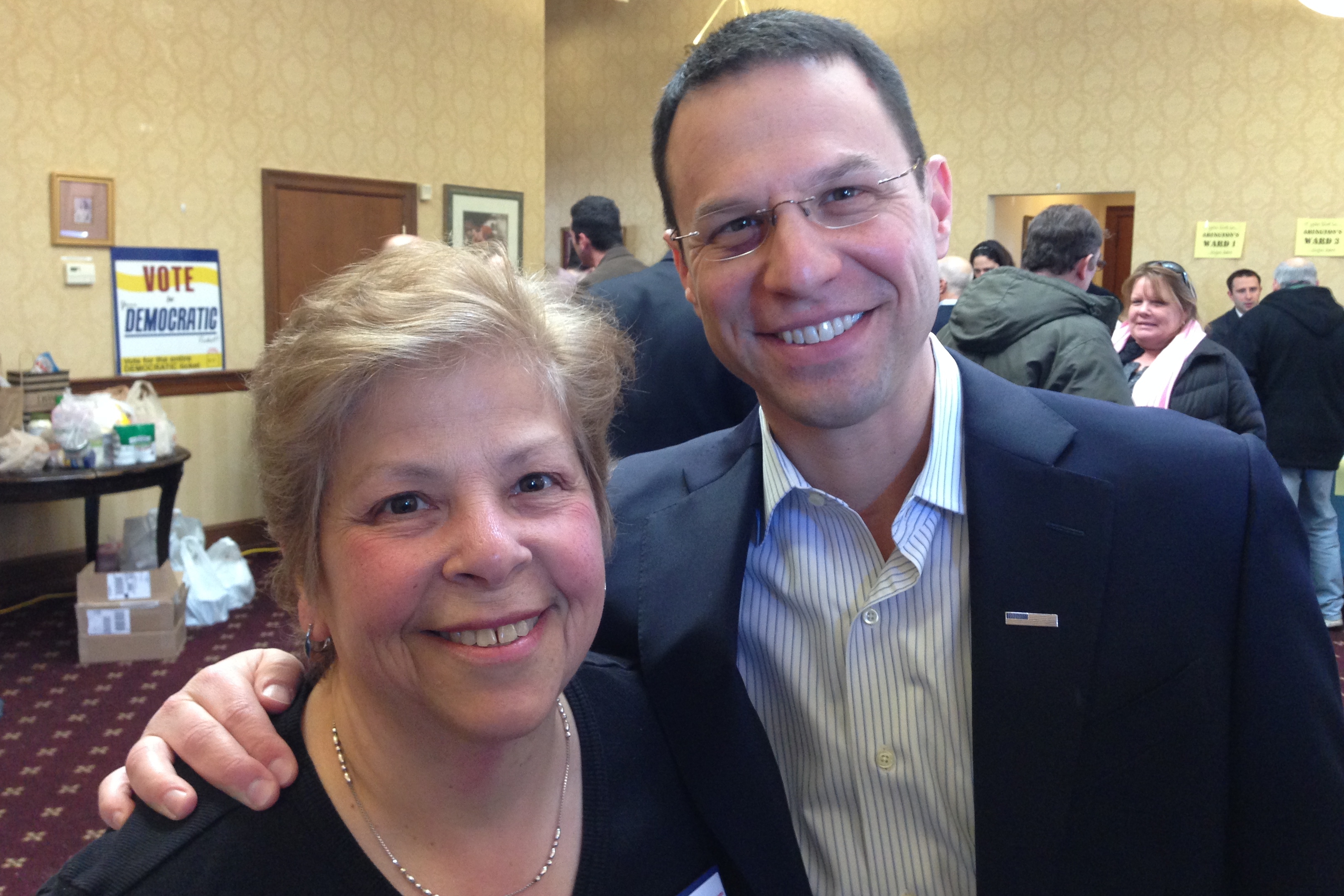
    A lifelong resident of Glenside and nearby Roslyn, Mrs. Corrigan was vice chair of the Abington-Rockledge Democratic Committee from 1995 to 2013, and served as Gov. Shapiro’s constituent service agent when he represented the 153rd Legislative District in the Pennsylvania House of Representatives from 2004 to 2012.

    “Jean was the very first volunteer on my very first campaign,” Shapiro recalled. “We knocked doors together, met our neighbors together, and, after winning, served our community together.”

    In addition to breaking down bureaucratic delays and solving all kinds of constituent problems for Shapiro, Mrs. Corrigan doggedly championed fair wages, reproductive freedom, increased funding for special education and disability services, and improved healthcare. Colleagues called her a “super volunteer” and a “campaign mom” because she helped so many candidates win elections.

    Gov. Shapiro said Mrs. Corrigan “made her neighbors’ lives better.”

    She hosted visiting campaign workers at her home for years, took charge of distributing lawn signs and sample ballots, and organized other preelection events at her dining room table. She was named the local committee’s Democrat of the Year in 2002 and earned several awards from community service organizations.

    “Through that work, I got to see just how much of herself she gave to others,” Shapiro said. “Where there was a need in the community, she worked to address it. When someone needed help, she lent a hand. She made her neighbors’ lives better, and I will forever be grateful for her life of service.”

    In 2001, Mrs. Corrigan ran unsuccessfully for Abington Township commissioner, finishing second among three candidates and losing to a long-entrenched incumbent. In a preelection profile in The Inquirer, she listed “responsible growth” as a top value and “maintain integrity of Abington Township” as a main goal.

    “Jean was passionate about serving others,” her family said in a tribute. “She believed that politics and civic activism could make a positive difference in people’s lives.”

    Mrs. Corrigan was called a “super volunteer” by colleagues and friends.

    At work, Mrs. Corrigan managed Montgomery County’s fleet of vehicles from 2015 to her retirement in 2022. She joined the county’s assets and infrastructure department in 2012 as operations manager for public property and supervised the county’s building services, construction carpenters, project collaboration, and computer-aided design.

    She studied beauty science and hair styling in high school, attended the Willow Grove Beauty Academy, and ran her own salon called Shears to You from 1993 to 2001. As a volunteer, she was one-time president of the Abington School District Special Education Parent Advisory Council, copresident of the Abington Junior High School parent-teacher organization, and chair and vice chair of several Abington Township community initiatives.

    She raised funds for school events and served on the board of the Abington YMCA. “Jean was selfless, empathetic, blunt, affectionate, caring, plainspoken, honest, and incredibly hard-working,” her family said. “There was no ego, no vanity.”

    Jean Elizabeth Fanelli was born Aug. 30, 1955, in Abington Township. She grew up with a brother, Angelo, and graduated from Abington High School in 1973. She was interested in clothing design as well as beauty culture and took classes at Temple University.

    Mrs. Corrigan stands with her husband, Peter, and son David

    After a brief marriage to Bruce Cunningham was annulled, she married Peter Corrigan — an usher at her first wedding — in 1977, and they had sons Joseph and David and a daughter, Pauline. They lived in Glenside for decades, in the same house in which she grew up, and moved to Roslyn a few years ago.

    Mrs. Corrigan enjoyed shopping trips with her daughter and baking holiday cookies. She liked to entertain and cook for everybody.

    She doted on her two granddaughters and spent memorable summers near Arrowhead Lake in the Pocono Mountains. She could talk to anybody, her family said.

    “She was a wonderful mother,” her daughter said. “I learned to have respect and manners from her.”

    Mrs. Corrigan (front right) enjoyed time with her family.

    Her son David said: “She taught me to be considerate and understanding of everyone I encounter, a lesson I will never forget.”

    Her son Joseph said: “She was incredibly generous with her time and resources. She could build relationships, and a theme of her life was caring for people.”

    Her husband said: “She was one of a kind.”

    In addition to her husband, children, granddaughters, and brother, Mrs. Corrigan is survived by other relatives.

    A private celebration of her life is to be held later.

    Donations in her name may be made to Hedwig House Inc., 1920 Old York Rd., Abington, Pa. 19001.

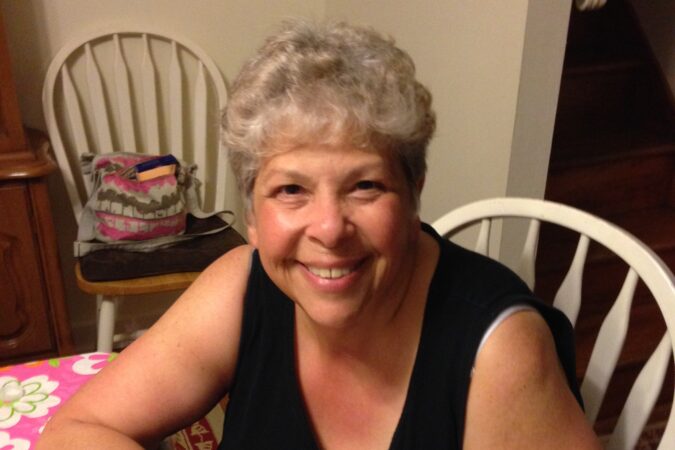
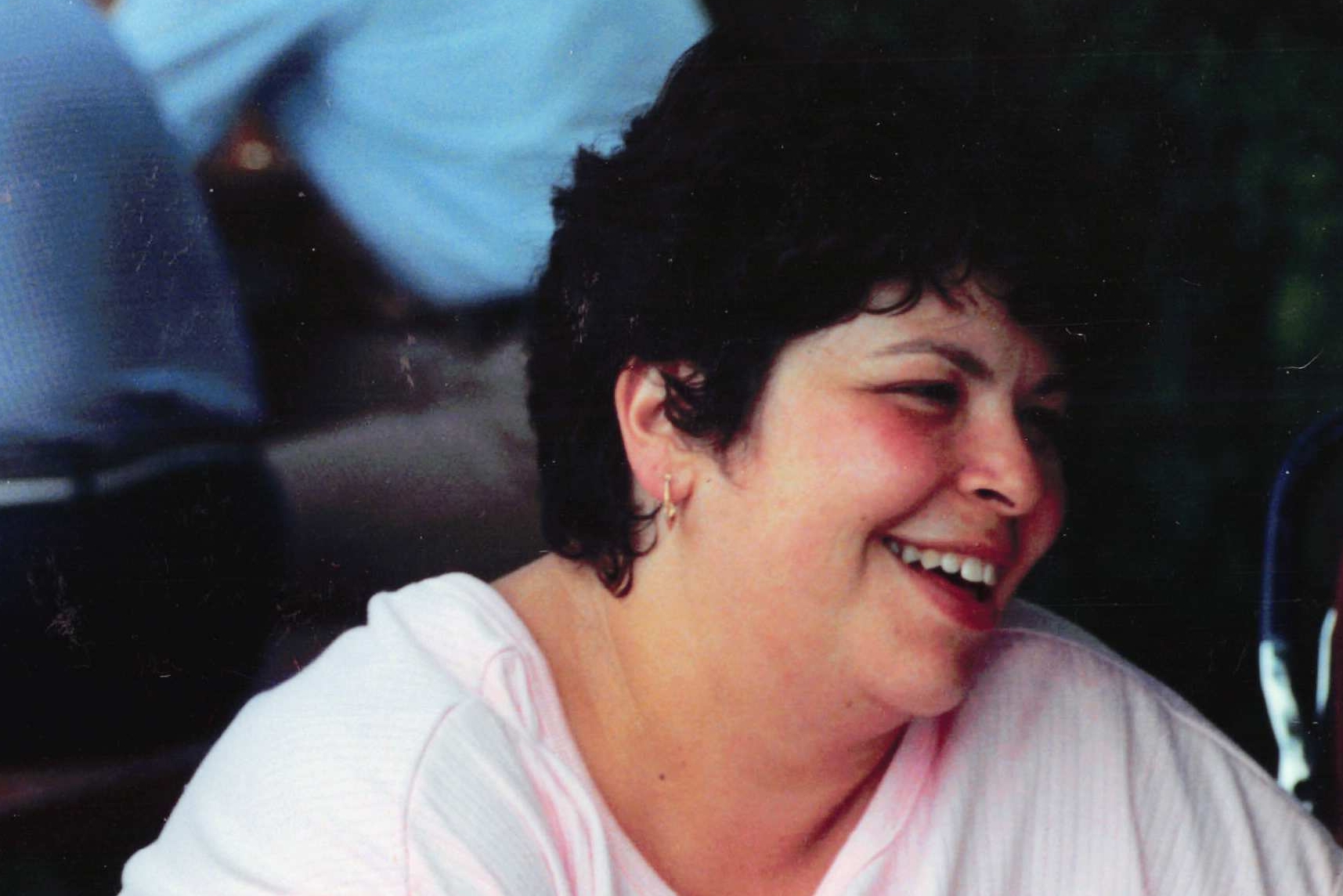
    Mrs. Corrigan’s smile could light up a room, her family said.
  • Steve Sillman, beloved Joseph’s Pizza Parlor manager and a fixture of the Northeast Philly restaurant scene, dies at 70

    Steve Sillman, beloved Joseph’s Pizza Parlor manager and a fixture of the Northeast Philly restaurant scene, dies at 70

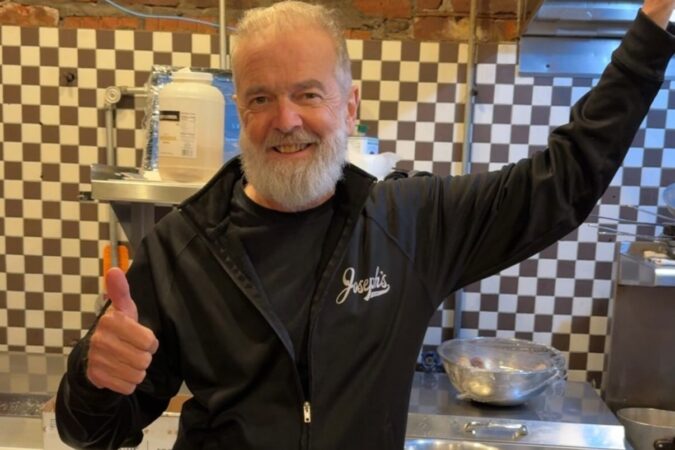
    In his prime, Steve Sillman worked nights, Thursday through Monday.

    And he was usually late coming in, despite only a 10-minute walk separating the front door of his impeccably preserved Fox Chase twin and the double red doors of Joseph’s Pizza Parlor.

    The dayside managers would be tapping the toes of their dark work shoes, and Mr. Sillman would just glide in. He’d start turning radio dials in search of disco hits or a 1970s station, resetting the vibe with work-appropriate dancing to classic hits from Carole King and James Taylor. He’d remind anyone listening that he wanted disco played at his funeral.

    And at the end of the night, hours after the other staff members had gone home, he’d pour himself a glass of red wine and close out the register, and then he’d call a few of the staffers and leave a message. He’d tell them to call back: “It’s important.” And when they called back, he’d say they missed a spot sweeping.

    “You work with people so long,” said current Joseph’s co-owner Matt Yeck, “that you become like family.”

    For the better part of four decades, and until the 70-year-old received a terminal brain cancer diagnosis earlier this year, Mr. Sillman was the face of the neighborhood’s trademark pizza place.

    He started working there shortly after graduating from Northeast High School in the 1970s, and floated among the pizza parlor, neighboring Italian restaurant Moonstruck, and the once-wild Ciao nightclub above it.

    He’d often speak of waiting on entertainment icon Elizabeth Taylor. (He would say he got lost in her transfixing blue eyes.) Over the course of those 40ish years, he became intimately familiar with the building’s quirks, and attended to its every need, from fixing broken faucets to decorating it for Christmas.

    At the front of the house, he was the manager who would chat up customers before their order was ready. They always remembered his name, and sometimes he’d have to pretend to know theirs. In the back of the house, he was a peacekeeper, confidant, psychiatrist, dance partner, friend, and brother.

    It was Mr. Sillman who raised an entire generation of neighborhood kids who came to Joseph’s for work. He watched them grow up, and then he folded them into his restaurant family.

    He met his best friend of 40 years, Jane Readinger, through her siblings. They worked with Mr. Sillman at the restaurant, and over the years they folded him into their wider familial unit.

    “A lot of his friendships came through that building,” said Jane, who is eight years younger. “And he had those friendships for life.”

    It started with “P.L.P.’s,” or parking lot parties, after Joseph’s closed for the night. It grew into group ski trips and shared shore houses.

    As his friends started getting married and having kids and growing up, Mr. Sillman, a lifelong bachelor, bought a Sea Isle house so they all had a place to stay.

    But it was the twin on the corner of Jeanes Street and Solly Avenue that was his legacy. His grandparents built the house in 1914, and only his family — three generations — had called it home. He maintained its original layout and finishes and flourishes from the turn of the 20th century.

    The home was a marvel at Christmas, as Mr. Sillman would decorate his and the adjoining twin together. Draping them in handmade ribbons, and bestowing showstopper wreaths made of fresh fruit.

    After he was diagnosed in the spring with glioblastoma, members of that restaurant family would stop and see him on Jeanes Street, even as Mr. Sillman could no longer climb the three flights of stairs, and after he transitioned from the recliner to a bed setup in the dining room.

    Even the new owners came. Yeck and his partner, Jimmy Lyons, awkwardly inherited Mr. Sillman when they bought Joseph’s in 2021. But it didn’t take long for both to see his indistillable value.

    “Steve came with the building,” Yeck said.

    As Mr. Sillman took his last breaths on the morning of Sunday, Nov. 23, with Jane cradling his head in her arms, Carole King’s 1971 classic played through the house: “You’ve Got a Friend.”

    The outpouring of support in person and on social media was a nice reminder to Jane that people don’t need to be blood to be family. There’s family you’re born with, and then there’s family you collect along the way.

    “He was never alone during this fight,” Jane said. As a registered nurse, she volunteered to help attend to Mr. Sillman as he entered hospice care at home.

    Mr. Sillman is survived by his sister-in-law, Harriet Sillman; nieces and nephews; great nieces and nephews; and generations of former co-workers. His neighbors are planning to decorate the twin Jeanes Street houses in his absence this holiday season.

    Services for Mr. Sillman will be held Saturday, Nov. 29, at the Wetzel and Son Funeral Home, 419 Huntingdon Pike in Rockledge. The viewing will be held from 8 to 10 a.m., followed by a funeral ceremony.

    And then his extended family will honor Mr. Sillman’s wishes with an appropriate send-off: They’re throwing a disco party.

    Donations in his name may be made to the American Cancer Society, Box 970, Fort Washington, Pa. 19034, or to the Alex’s Lemonade Stand Foundation, 333 E. Lancaster Ave., Suite 414, Wynnewood, Pa. 19096.

  • John Borodiak, Hall of Fame pro soccer player and longtime dental lab owner, has died at 89

    John Borodiak, Hall of Fame pro soccer player and longtime dental lab owner, has died at 89

    John Borodiak, 89, of Philadelphia, Hall of Fame Argentine American professional soccer player, popular coach and sports center volunteer, and longtime Center City dental lab owner, died Saturday, Sept. 13, of complications from Alzheimer’s and Parkinson’s diseases at Graduate Post Acute nursing facility.

    Born and reared in Buenos Aires, Argentina, of Ukrainian descent, a young Mr. Borodiak was such a star that, in 1960, at 24, he was invited to leave South America and play soccer in the United States for the Ukrainian Nationals in Philadelphia. So, for seven seasons, through 1966, he played fullback for the Ukrainian Nationals and won four American Soccer League championships and four U.S. Open Cup titles.

    As a 5-foot-8, 160-pound defensive whiz, Mr. Borodiak didn’t score many goals or race down the field on breakaways. But, said his son, Ivan, also a former pro soccer player: “He was smooth, quick, and good up in the air.”

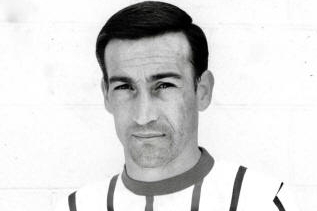
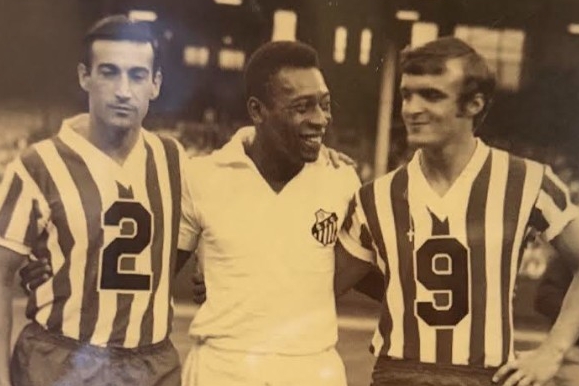
    He played on the 1964 U.S. national team and was inducted into the Horsham-based Ukrainian Sports Museum and Hall of Fame in 2017. Over the years, he played against Brazilian superstar Pele and other international stars, and former colleagues called him “a living legend.”

    Mr. Borodiak (left) played against Pele (center) and other international stars.

    He also played with the Philadelphia Spartans in the National Professional Soccer League and the ASL’s Newark Ukrainian Sitch in 1966 and ’67. He spent the 1968 season with the Cleveland Stokers and 1969 with the Baltimore Bays in the North American Soccer League. He retired after playing a final season with the Spartans in 1970.

    He made headlines after a game in 1967 when he blocked the game-tying goal after his goalie was caught out of position. “After I saw [the goaltender) go out, I expected something to happen in that corner,” he told the Daily News. “I moved up there, and the shot bounced off my chest.”

    Affable and engaging off the field, Mr Borodiak became a favorite of teammates, fans, and sportswriters. He hosted instructional clinics for young players and, after learning English himself, served as a translator for other players and the media. He spoke Ukrainian, English, Spanish, and Italian.

    In 1967, Daily News sports writer Dick Metzgar published his Christmas wish list and asked for “more hustling performers like little fullback John Borodiak.”

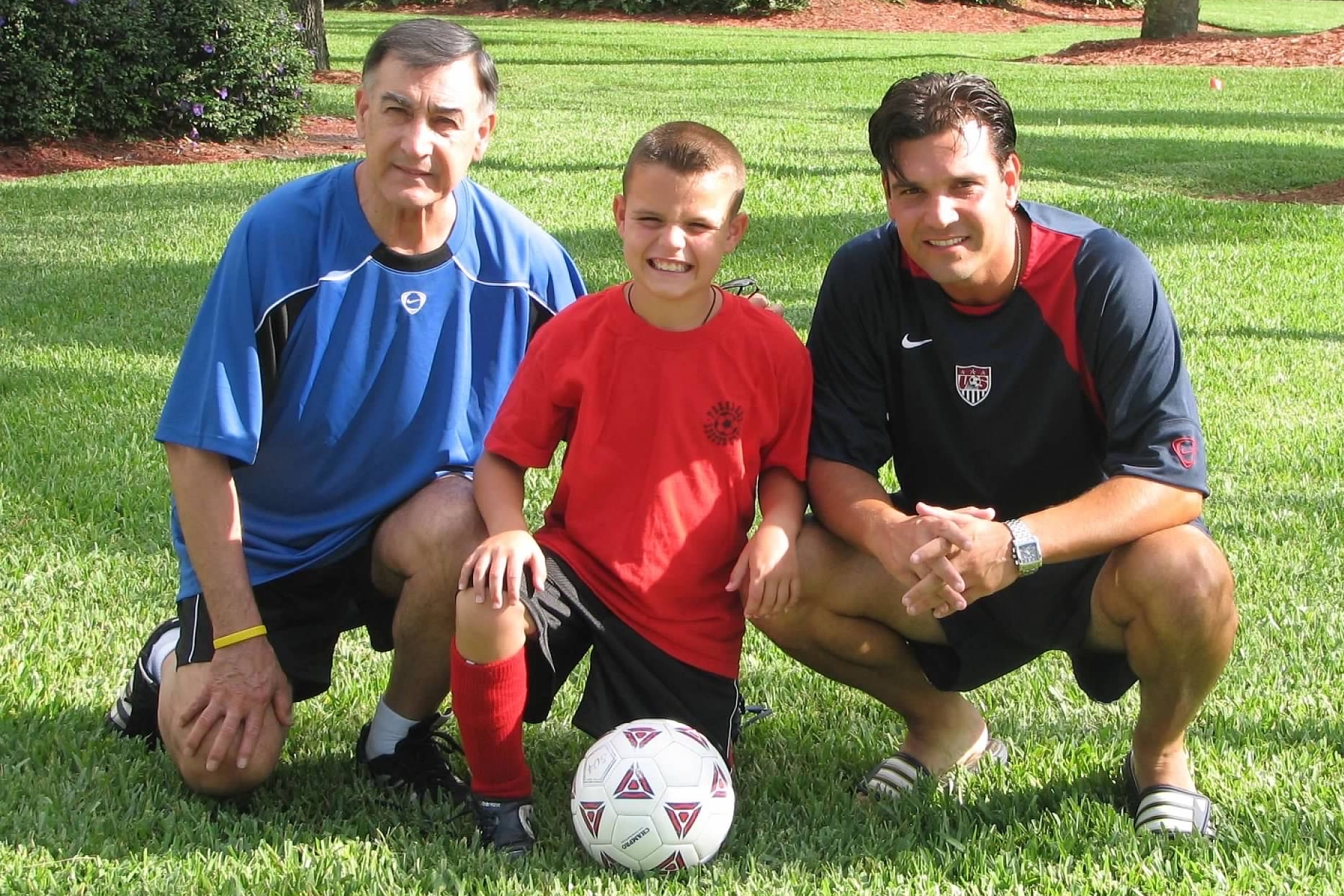
    Mr. Borodiak (left) passed his athleticism on to his son and grandson.

    He helped anchor a Spartans defense in 1967 that Metzgar called “impenetrable” and was known for his aggressiveness. He was ejected for fighting in a game against Baltimore that season, and he told the Delaware County Daily Times that his opponent hit him in the back. “Naturally,” he said, “I hit back.”

    He was a team cocaptain in Cleveland and named a NASL all-star in 1968, and his Stokers lost a heartbreaking playoff game to Atlanta in overtime that season. After the game, a disappointed Mr. Borodiak told the Cleveland Plain Dealer: “I’m sorry.”

    He rejoined the Spartans in 1970 when they entered the American Soccer League, and The Inquirer covered their big win over the Syracuse Scorpions. “A strong defensive cog, John Borodiak, was added to the Spartans lineup,” The Inquirer said, “and he played fullback in impressive style.”

    In a 1969 story after the Bays tied the Dallas Tornado, the Baltimore Sun said: “Borodiak made one of the best saves of the day when he blocked a shot after [the goalie] had been pulled out of the net.” In 1966, he played briefly for Roma in the Eastern Canada Pro Soccer League, and a teammate told the Toronto Star: “Borodiak is a fine fullback and fits in well with our style of play.”

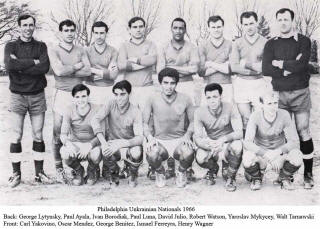
    Mr. Borodiak (rear, third from left) and teammates on the Philadelphia Ukrainian Nationals pose during the 1966 season.

    He coached soccer teams after he retired, played with amateur teams into his 40s, and was active for years at the Ukrainian American Sports Center in North Wales.

    He earned certification at Temple University in dental cosmetics in the 1960s and owned a lab in the Medical Arts Building in Center City until he retired in 2018. At 50 years, Mr. Borodiak was the longest-tenured tenant ever in that building, his son, Ivan, said.

    “He was a wonderful person,” his family said in a tribute, “He was a best friend, a champion, and a legend of his sport and in life.”

    Born July, 13, 1936, Ivan Gregorio Borodiak changed his name to John when he came to the United States. He met Betty Pilari in Argentina, and they married in 1962, and lived in Bensalem and Queen Village.

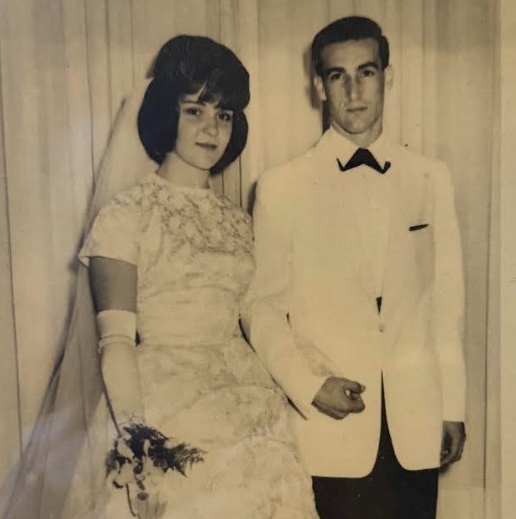
    Mr. Borodiak and his wife, Betty, married in 1962.

    Mr. Borodiak was generous and gentle, his son said. He enjoyed fishing and car shows, and he built his own Mercedes-Benz from the tires up.

    Friends noted his “kindness, gratitude, and warmth” in online tributes. One said: ”He was always a people person, and his smile could light up the darkest room.”

    His son said: “He was a great man. He never had an enemy, and he overcame every adversity.”

    In addition to his wife and son, Mr. Borodiak is survived by four grandchildren, a great-granddaughter, and other relatives. A sister died earlier.

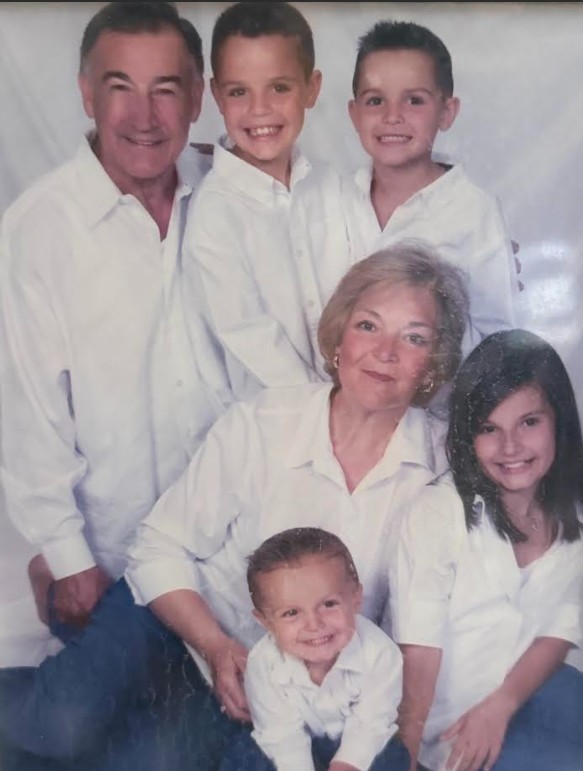
    Mr. Borodiak (left) doted on his grandchildren.

    Private services were held earlier.

    Donations in his name may be made to the Alzheimer’s Association, 225 N. Michigan Ave. Floor 17, Chicago, Ill. 60601.

  • Virginia A. Smith, retired award-winning Inquirer reporter and editor, has died at 75

    Virginia A. Smith, retired award-winning Inquirer reporter and editor, has died at 75

    Virginia A. Smith, 75, of Philadelphia, longtime reporter and editor for The Inquirer, the Philadelphia Bulletin, the Akron Beacon Journal, and other newspapers, mentor and working-mother role model to many, and avid gardener, died Friday, Nov. 14, of interstitial lung disease at Roxborough Memorial Hospital.

    Born in Philadelphia, Ms. Smith joined her hometown Inquirer in 1985 after three years at the Beacon Journal in Ohio, six months at the Bulletin in Philadelphia, and earlier stints at other papers in New York and Connecticut. Until her retirement in 2015, she covered news, health, and gardens as a reporter for The Inquirer, and served as city and Pennsylvania editor.

    In her official Inquirer profile, she described her final assignment as “happily writing — and learning — about gardening full time since 2006.” Her son, Josh Wiegand, said: “She was a curious person and interested in so many different things.”

    Former colleagues praised the depth and variety of her reporting, especially the detailed long-form stories she wrote about Sister Mary Scullion in 1992, the Iraq War in 2004, her own extensive garden in 2006, and the other interesting people and significant events she encountered. “She was open to reporting a story until she was confident she had all of its shadings,” Inquirer investigations editor Daniel Rubin said. “She had a gift for the stories people would talk about.”

    For Ms. Smith, there was no better place than her own garden.

    Ms. Smith was named The Inquirer’s garden writer in 2006, and, of course, wrote detailed previews and reviews of the annual Philadelphia Flower Show. But her favorite stories, she told colleagues, were the hundreds of others about climate change, garden gnomes, community gardens, butterflies, pruning techniques, seed banks, edible weeds, how blind people enjoy gardens, and other topics.

    Her winter holiday story in 2006 was not about poinsettias or Christmas tree farms. Instead, she profiled an author who discovered a treasure trove of old black-and-white photos of gardeners tending plots in prisons, war zones, and concentration camps.

    “It was her idea,” said Joanne McLaughlin, her editor then. “She wanted to write about gardens nurturing the soul under the worst of circumstances, giving hope under the worst of circumstances.”

    She wrote often about her own garden in East Falls and ended one story in 2006 with: “When winter arrives, maybe I’ll settle down. Oh, what are the chances? New years are for confessions, so here’s mine: Come first snow, I’ll be out there shoveling the garden pathways, hoping to sneak another peek.”

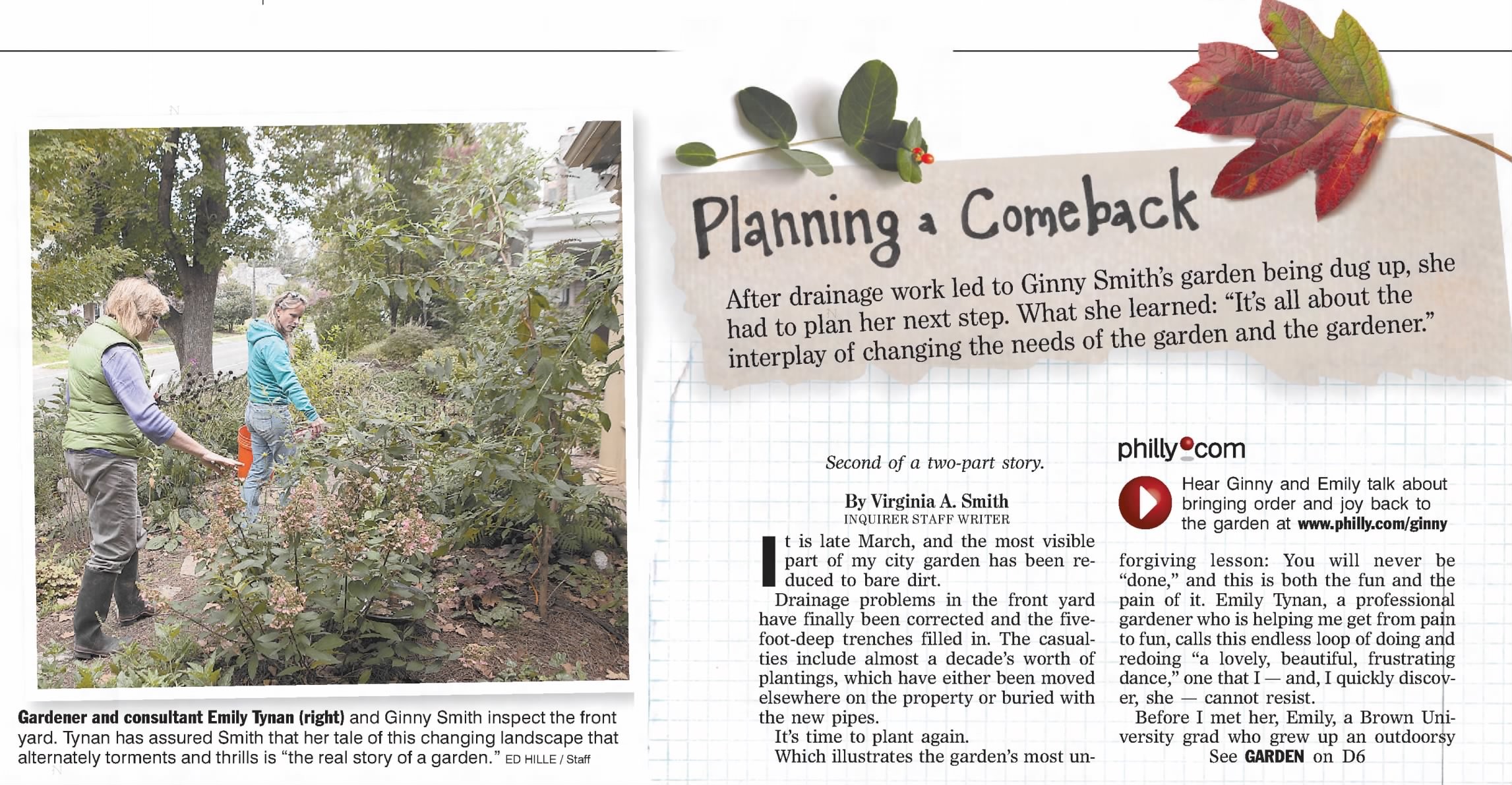
    Ms. Smith wrote this two-part series in 2012.

    Her column was called “Garden Scoop,” and she blogged at “Kiss the Earth” on Inquirer.com. She won two achievement awards from what used to be called the National Garden Writers Association and the 2011 Green Exemplar Award from Bartram’s Garden.

    “She understood how important the topic was to this area,” said Reid Tuvim, a longtime editor at The Inquirer.

    As a health reporter in the early 2000s, Ms. Smith wrote about bottled water, flu medicine, Lyme disease, organ donation, mental illness, children’s healthcare, and other issues. In 2004, she wrote a story about the Medical Mission Sisters, a progressive religious order that offered healthcare advice and full-body massages as well as spiritual guidance. In the third paragraph, she said: “But this is no spa. And that woman doing the hands-on — are you kidding me? — is a nun!”

    She covered Scullion’s acceptance speech of the 1992 Philadelphia Award for community service and described it as “fiery and heartfelt, troubling and joyful.” Inquirer staff writer Amy Rosenberg said Ms. Smith “always drilled down to such emotional depths with her subjects. She defined so much of what The Inquirer meant back then.”

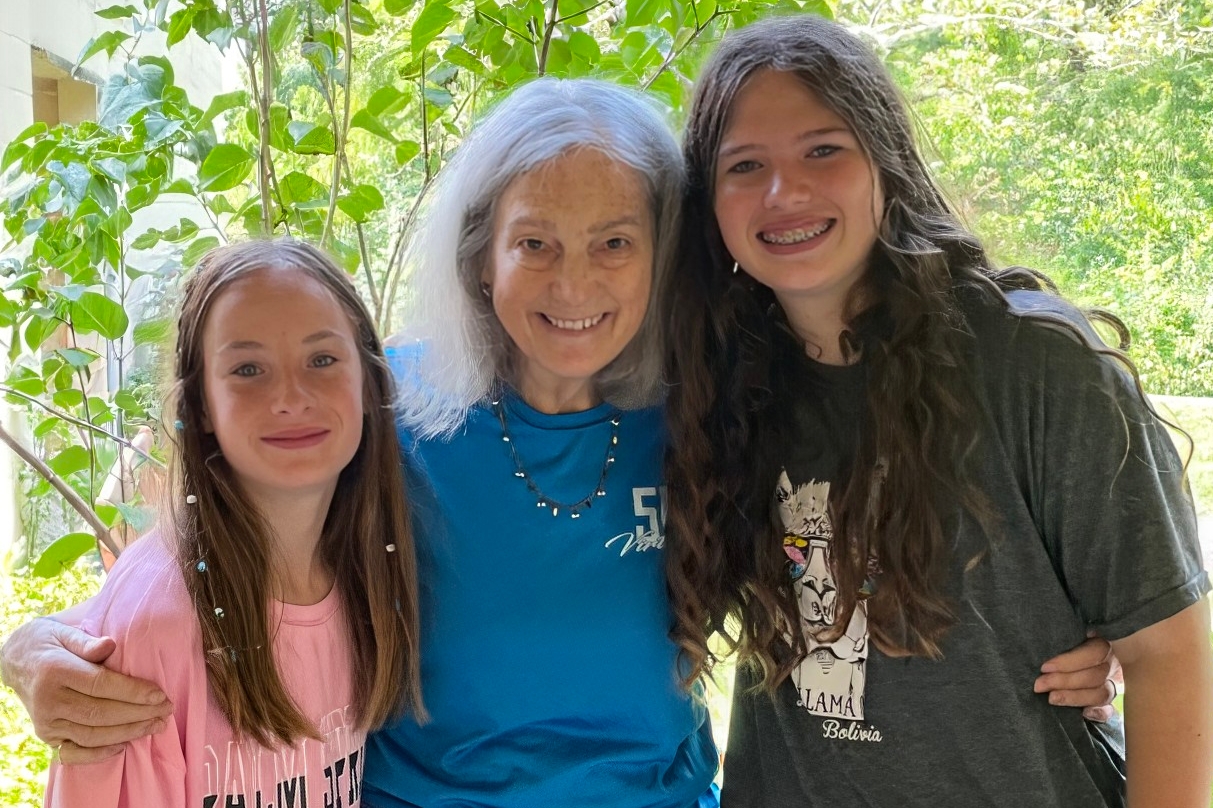
    Ms. Smith doted on her granddaughters.

    She mentored colleagues as she had been mentored and was a role model for fellow working mothers. “I watched her over and over again get up at 5 p.m. and walk out of the newsroom to get her son when he was young,” Rosenberg said. “Never mind what any of the boys in the room thought.”

    Virginia Ann Smith was born Oct. 26, 1950. She graduated from the old Eden Hall high school in Philadelphia and earned a bachelor’s degree in English at Manhattanville University in New York in 1972. In 1981, she earned a master of legal studies degree at Yale University Law School through a Ford Foundation fellowship for journalists.

    She married Alan Wiegand, and they had a son, Josh, and lived in East Falls. After a divorce, she married Randy Smith in 1985. He died in 2020, and she moved to Cathedral Village Retirement Community a few years ago.

    Ms. Smith was a great cook, friends said. They said she was funny, stubborn, and opinionated. She was so into gardens, her son said, that she visited him in Colorado specifically to renovate his garden.

    Ms. Smith poses with her husband, Randy, and her two granddaughters.

    She listened to classical music and danced at blues festivals. Everyone said she made them feel as if she was their best friend.

    “She was one of the most genuine people I’ve ever known,” said friend and former colleague Mari Schaefer. Friend and former colleague Mary Flannery said: “She was so creative and so brave.”

    Her son said: “She was the best. I don’t know how she did it. She wanted to do it all, and she did.”

    In addition to her son and her former husband, Ms. Smith is survived by two granddaughters, two brothers, and other relatives.

    A celebration of her life is to be held later.

    Donations in her name may be made to the Schuylkill Center, 8480 Hagys Mill Rd., Philadelphia, Pa. 19128.

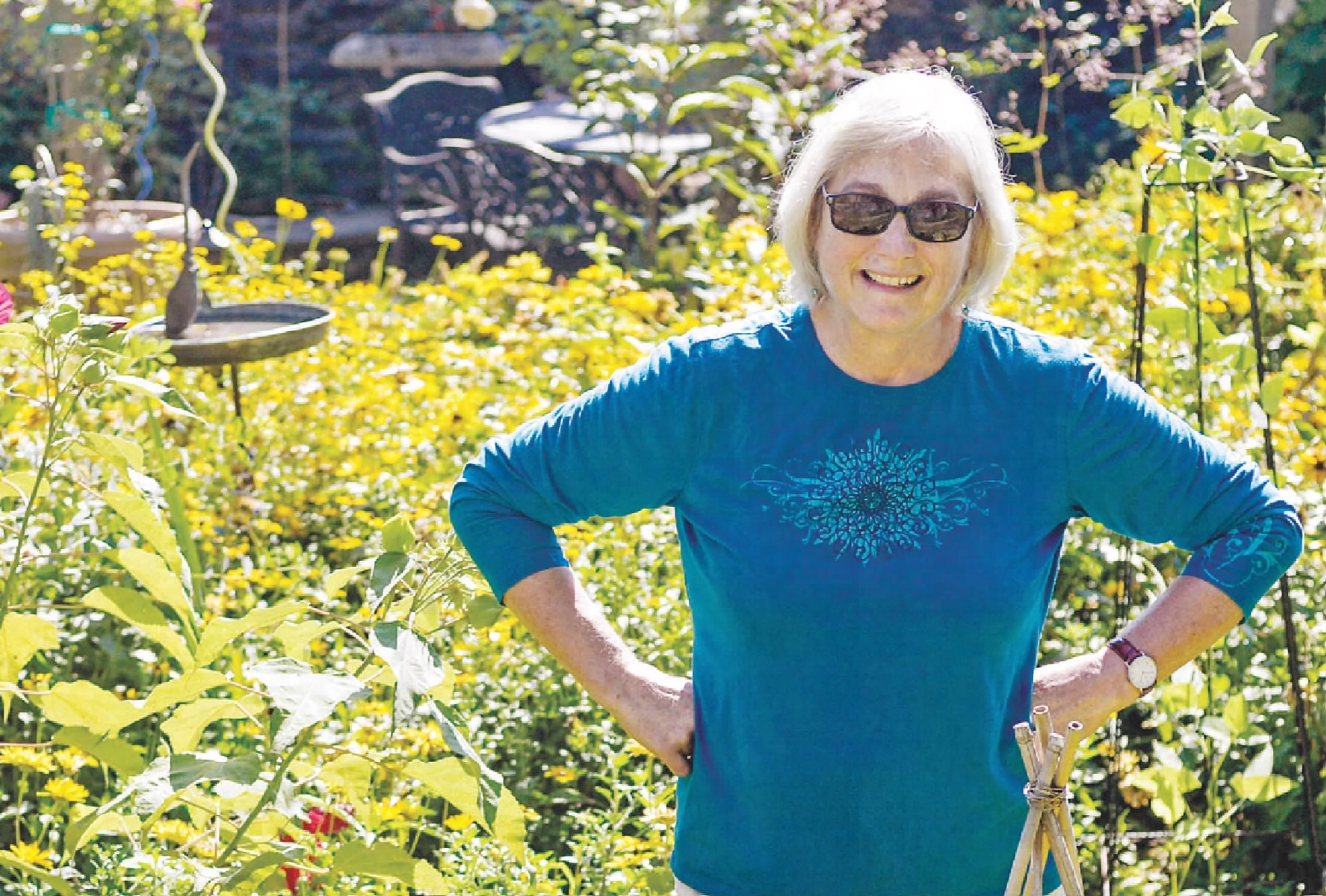
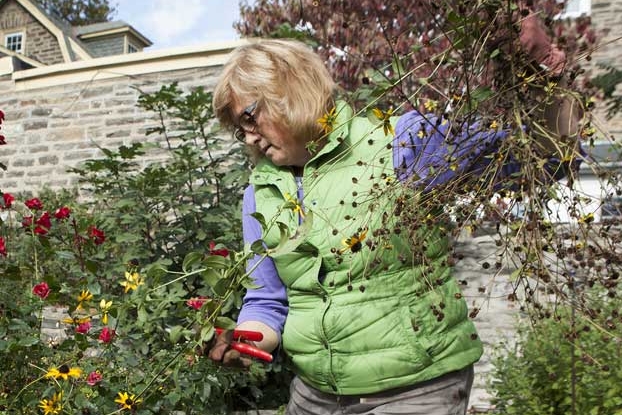
    Ms. Smith tends to her garden’s black-eyed Susans in this photo.
  • Hal Sirowitz, acclaimed performance poet, longtime teacher, and passionate Parkinson’s disease advocate, has died at 76

    Hal Sirowitz, acclaimed performance poet, longtime teacher, and passionate Parkinson’s disease advocate, has died at 76

    Hal Sirowitz, 76, of Philadelphia, internationally acclaimed performance poet, former poet laureate of Queens, N.Y., author, mentor, retired special education elementary school teacher, and passionate Parkinson’s disease advocate, died Friday, Oct. 17, of complications from Parkinson’s at KeystoneCare Hospice in Wyndmoor.

    Born in Manhattan to an expressive and overprotective mother, Mr. Sirowitz moved to Queens after college and, motivated by his early work with an inspirational young student, spent 23 years, until his retirement in 2003, as a special education elementary school teacher in New York.

    “He saw the impact he had on that student and realized the impact he could have,” said his wife, Minter Krotzer.

    He was a good listener and a lifelong reader and writer, and, in 1979, at 30, he started reciting his own writing in poetry events at New York cafes and theaters. He found that poignant poems, dark yet amusing, about his larger-than-life mother, Estelle, resonated with people.

    “Everyone either has a mother or is a mother, and they identify right away,” he told Newsday in 1998. By 1993, he was a favorite on the local poetry circuit and traveling to regional and national competitions.

    On Mother’s Day in 1996, his first book, Mother Said, was published to great acclaim. He went on to write four more books and to serve as poet laureate of Queens from 2001 to 2004.

    Until recently, when Parkinson’s made it impossible, Mr. Sirowitz performed his poems in his signature deadpan delivery, with perfect pauses and pacing, and his engaging New York accent. He spoke at colleges and conferences, bookstores and libraries, museums and workshops.

    He guested on national radio and TV shows, and read during visits to Israel, Finland, Iceland, and elsewhere around the world. Many of his poems, such as “Chopped Off Arm” and “Crumbs,” are about the angst and guilt he felt as a boy under the thumb of his always-worried mother. Later, he wrote about Parkinson’s, too.

    In “Crumbs,” he said: “Don’t eat any more food in your room,/Mother said. You’ll get more bugs./They depend on people like you./ Otherwise, they would starve./But who do you want to make happy,/your mother or a bunch of ants?/What have they done for you?/Nothing. They have no feelings./They’ll eat your candy. Yet/you treat them better than you treat me./You keep feeding them./But you never offer me anything.”

    He and his poems were featured in The Inquirer, the New York Times, Newsday, and other publications. Mother Said was celebrated in the United States and became a bestseller in Norway. He followed it up with My Therapist Said in 1998, Before, During, and After in 2003, Father Said in 2004, and Stray Cat Blues in 2012.

    “There must be a need for people to read funny sad poems about parents,” he told the Schuylkill Valley Journal. He told the New York Times in 1996: “I feel almost like I’m a conduit for my mother. I’m giving her her voice.”

    His poems inspired music composers and filmmakers, and were read in public by other literary notables. They appeared in anthologies, magazines, and journals, and were translated into 13 languages.

    He earned fellowships from the National Endowment for the Arts and the New York Foundation for the Arts, and he won the 2013 Nebraska Book Award for poetry. Colleagues called him “legendary,” an “icon,” and the “Maestro from Flushing.”

    Mr. Sirowitz and his wife, Minter Krotzer, married in 2002.

    One colleague said in a tribute: “Hal was a true inspiration. I relished his humor and perseverance.” Another said: “I often felt his poems were one-minute telescopes of therapy sessions.”

    He told the Schuylkill Valley Journal: “To me, one purpose of being a writer is to show others that it’s good to express yourself. You create your own personal history by the poems and stories you write.”

    Mr. Sirowitz was diagnosed with Parkinson’s in 1997 and, with his wife, became a vocal advocate and activist for others dealing with the disease. He spoke at medical centers and to support groups about having Parkinson’s. His wife talked of being his caregiver.

    In 2015, she wrote in The Inquirer: “Through poetry he had been able to forge a way through the illness and make art from the experience. … Keeping on with the writing of poetry is a way of saying ‘so there’ to the Parkinson’s. ‘I’m still at it.’”

    Mr. Sirowitz told the Schuylkill Valley Journal: “My life has been a struggle against limitations, like the Parkinson’s. But it also provided me definitions. I know who I am.”

    Harold Sirowitz was born March 6, 1949. He grew up between two sisters, Lauren and Iris, on Long Island, N.Y., and confronted a stutter and other speech issues when he was young.

    He was a soccer star in high school and earned a bachelor’s degree in English literature at New York University in 1972 and a master’s degree in education at Hofstra University.

    He met fellow writer Minter Krotzer at a book party in 2000, and they married in 2002. They lived in Brooklyn before moving to West Mount Airy in 2007, and she was his longtime editor, collaborator, and caregiver.

    “He had this childlike wonder about things,” his wife said. “He had a real sweetness and a connection with people.”

    Mr. Sirowitz was a runner and a hiker, and he quit his beloved New York sports teams to follow the 76ers, Eagles, Phillies, and Flyers. He especially enjoyed reading and spent one summer digesting the entire works of William Shakespeare.

    “He was a fighter, and people called him the ‘ultimate mensch,’” his wife said. “He said he had no regrets and did what he set out to do in life. It was amazing to witness someone so heroic.”

    In addition to his wife and sister Lauren, Mr. Sirowitz is survived by other relatives. His sister Iris died earlier.

    A private service was held in October. A public celebration of his life is to be held later.

    Donations in his name may be made to the Parkinson Council, 520 Carpenter Lane-COMM, Philadelphia, Pa. 19119; and KeystoneCare Hospice, 8765 Stenton Ave., Wyndmoor, Pa. 19038.

  • William L. Elkins, pioneering research immunologist at Penn and innovative Chester County cattle rancher, has died at 93

    William L. Elkins, pioneering research immunologist at Penn and innovative Chester County cattle rancher, has died at 93

    William L. Elkins, 93, of Coatesville, pioneering research immunologist at what is now the University of Pennsylvania’s Perelman School of Medicine, associate professor emeritus of pathology and laboratory medicine, innovative longtime Angus cattle rancher in Chester County, avid sailor, and veteran, died Tuesday, Nov. 11, of complications from pneumonia at Chester County Hospital.

    The great-great-grandson of Philadelphia business tycoon William Lukens Elkins, Dr. Elkins fashioned his own distinguished career as a scientist, medical researcher, and professor at Penn from 1965 to 1985, and owner of the Buck Run Farm cattle ranch in Coatesville for the last 39 years.

    At Penn, Dr. Elkins conducted pioneering research on how the human immune system fights infection and disease. He collaborated with colleagues in Philadelphia and elsewhere around the country to provide critical new research regarding bone marrow transplants and pediatric oncology.

    His work contributed to new and more effective medical procedures at Penn, Children’s Hospital of Philadelphia, and elsewhere, and he instructed students and residents at Penn. But his lifelong love of the fields and rolling hills he roamed as a boy in Chester County never faded, he told Greet Brandywine Valley magazine in 2023.

    Dr. Elkins was a lifelong outdoorsman.

    “Farming is in my blood,” he said. “So even when I went to medical school and all that, the enthusiasm never left, and I wanted to go back to it.”

    So he retired from medicine at 53, and he and his wife, Helen, bought nearly 300 acres of the old King Ranch on Doe Run Church Road in Coatesville. She kept the books and looked after the business. He became an expert on breeding cattle and growing the high-energy grass they eat.

    Wearing floppy hats and riding a colorful ATV from field to field, Dr. Elkins worked his land for decades. He mended fences and tended daily to his 120 cows, heifers, and prize bulls.

    He championed holistic regenerative farming and used new scientific systems to feed his cattle. He rejected commercial fertilizer and knew all about soil composition, grass growing, and body fat in cattle.

    Dr. Elkins and his wife, Helen, married in 1966.

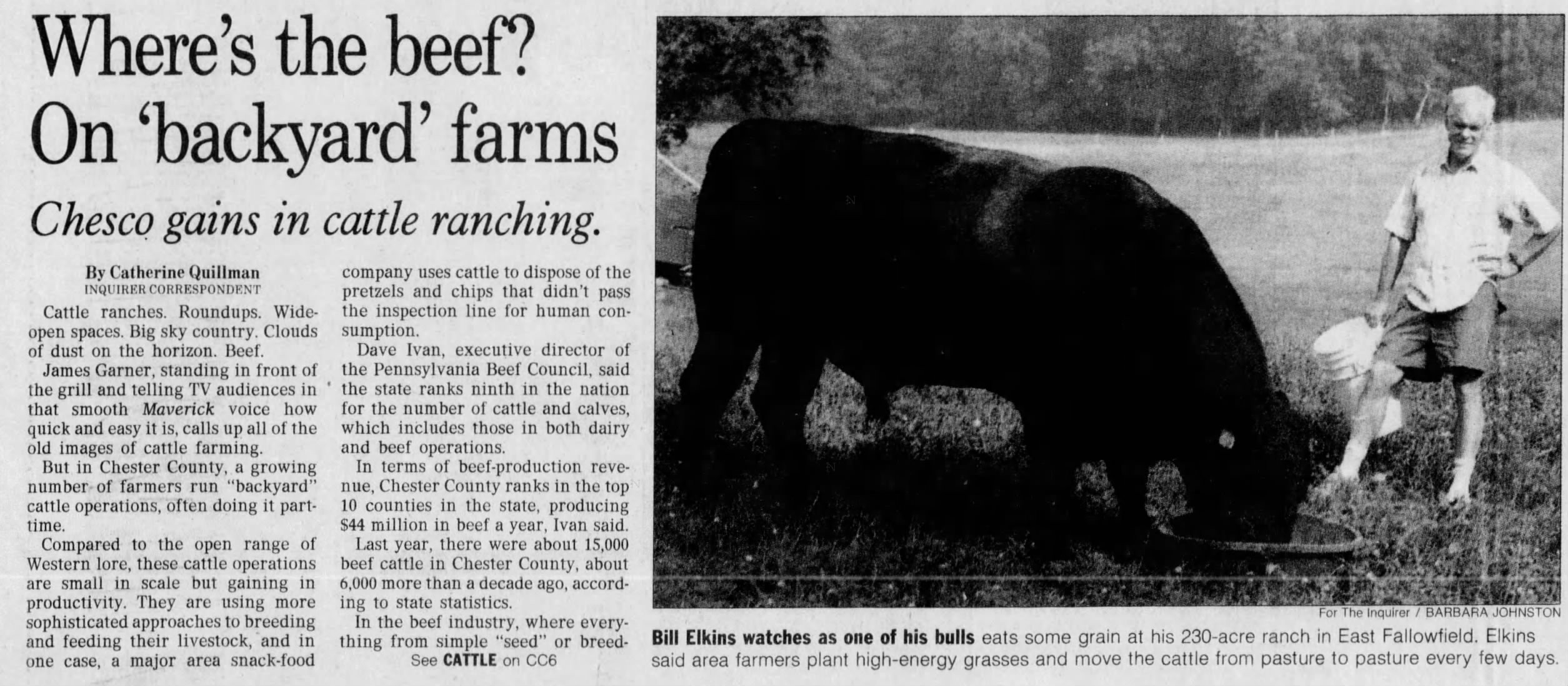
    In a 1995 Inquirer story, he said: “Cattle are just like anyone else. If you just turn a few cattle out in a great big field, they will wander around, eat the grass they like best, and leave what they don’t want. That means the less desirable grasses tend to predominate.”

    He traveled the country to confer with other cattlemen and helped found the Southeast Regional Cattlemen’s Association in 1994. He sold his beefsteaks, patties, jerky sticks, and kielbasa grillers to private customers online and to butchers and restaurants.

    At least one local chef featured an item on the menu called Dr. Elkins’ Angusburger. Lots of folks called him Doc.

    He earned his medical degree at Harvard University in 1958 and served two years in the Navy at the hospital in Bethesda, Md. He was a surgical intern in New York and discovered that he preferred the research lab. Before Penn, he worked at the Wistar Institute of biomedical research.

    Dr. Elkins graduated from St. Mark’s School in Massachusetts in 1950.

    Away from the lab, Dr. Elkins was an ocean sailor, expert navigator, and former boat club commodore. He was active with the Brandywine Conservancy, Natural Lands, and other groups, and was lauded by national organizations for his wide-ranging conservation and wildlife efforts.

    He made his farm a haven again for the bobolink grassland songbird and other migratory birds and butterflies that had dwindled. “Buck Run Farm is more about growing grass and trees than beef,” he told Greet Brandywine Valley. “We’re blessed by the land.”

    William Lukens Elkins was born Aug. 2, 1932, in Boston. He lived on the family dairy farm in Pocopson, Chester County, when he was young, went to boarding school in Massachusetts for four years, and earned a bachelor’s degree in biology at Princeton University.

    He met Helen MacLeod at a party in Washington, and they married in 1966 and had a daughter, Sheila, and a son, Jake. They lived in Center City, Society Hill, and Villanova before moving to the farm. “He was easy to be with,” his wife said.

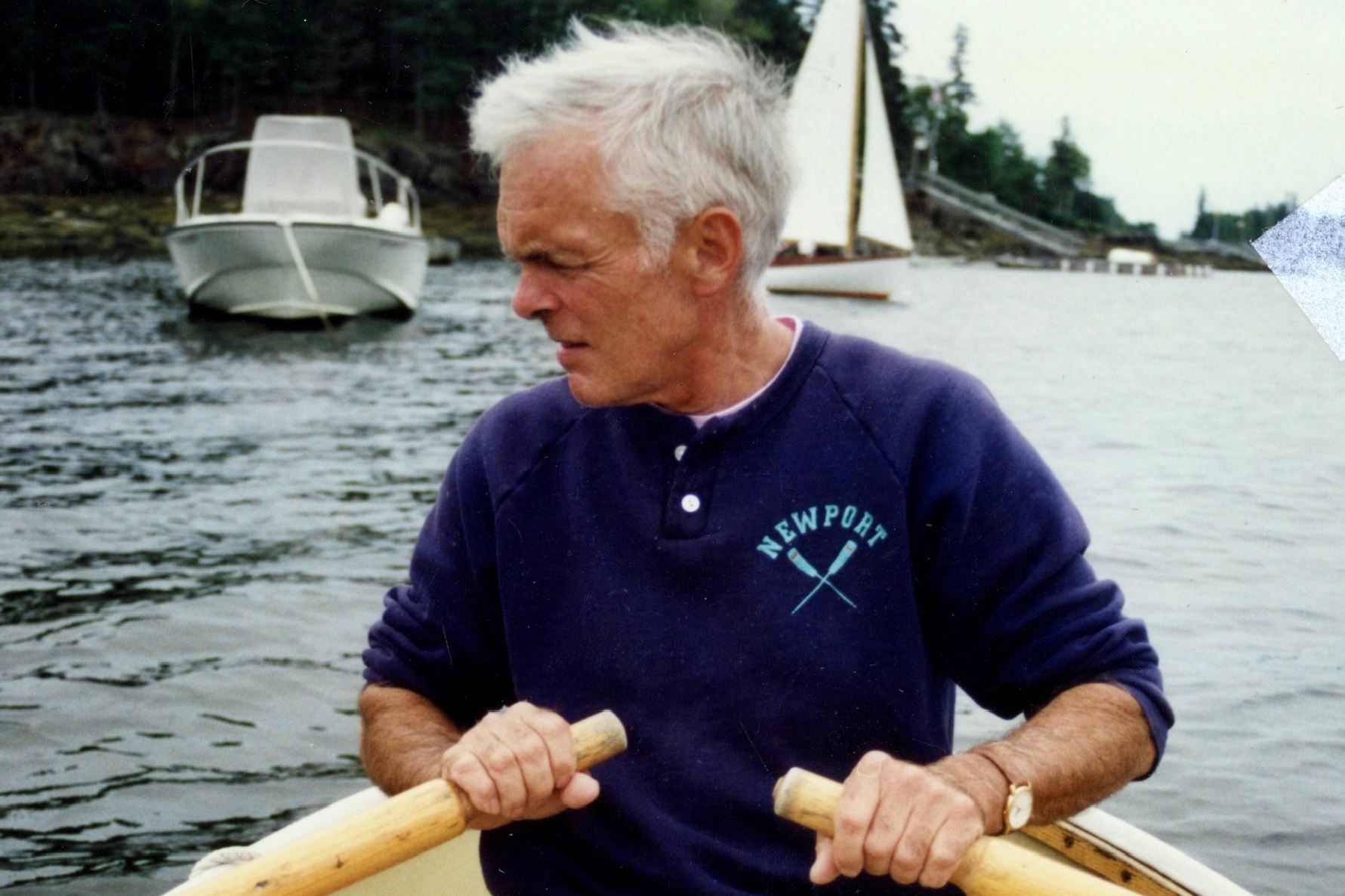
    Dr. Elkins enjoyed sailing and fishing.

    Dr. Elkins loved nature, fishing, and baseball, and he followed the Phillies, the Flyers, and other sports teams. “He had a wonderful bedside manner,” his daughter said. “He was a great listener. He really knew how to support people.”

    His son said: “He was unassuming and direct. He spoke his mind. He connected with so many different people. He was curious about the world around him.”

    His wife said: “He was thoughtful and always concerned about people. He had good humor. He was fun.”

    In addition to his wife and children, Dr. Elkins is survived by five grandchildren and other relatives. A sister died earlier.

    This article about Dr. Elkins and his ranch appeared in The Inquirer in 1995.

    A celebration of his life is to be held later.

    Donations is his name may be made to the Stroud Water Research Center, 970 Spencer Rd., Avondale, Pa. 19311.

  • Dorothea Cathell, community volunteer, three-time cancer survivor, and hit-and-run victim, has died at 77

    Dorothea Cathell, community volunteer, three-time cancer survivor, and hit-and-run victim, has died at 77

    Dorothea Cathell, 77, of Philadelphia, longtime community volunteer, retired hospitality worker, three-time cancer survivor, expert tailor, and mother of four, died Friday, Sept. 26, at Lankenau Medical Center of injuries she sustained as a victim of a hit-and-run at 54th Street and Lancaster Avenue.

    Ms. Cathell was walking home from a shopping trip with Halloween decorations on Sept. 26 when she was struck by a speeding car. The driver left the scene in a damaged vehicle, and a suspect was arrested later and charged with homicide by vehicle-DUI and other charges. The case is pending.

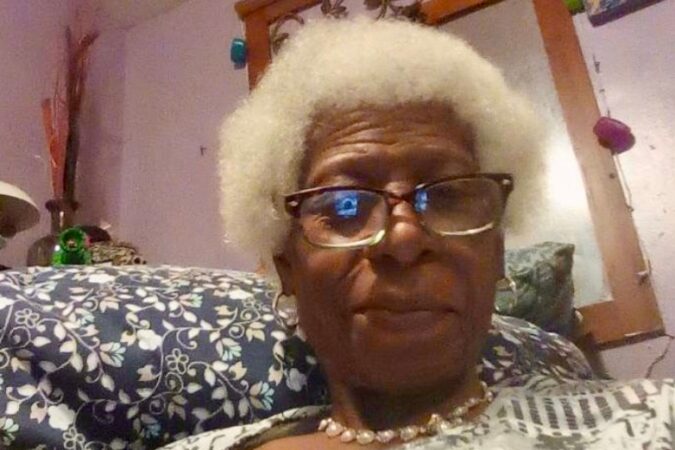
    “She was an awesome woman and mother,” said her son Ralph. “She was a real big light for the universe.”

    Born and reared in South Philadelphia, Ms. Cathell lived in West Philadelphia as an adult and treated her neighbors like family, her son said. She volunteered at local free meal programs and youth activities and “opened her door to the homeless and anyone else in need,” her son said.

    “She valued education first and promoted so much positivity in the neighborhood,” he said. “She had an extraordinary personality. Her heart was so huge.”

    Ms. Cathell survived two bouts of stomach cancer and a case of colon cancer, and was “as tough as 30 gorillas,” her son said. She championed order and cleanliness in the community, worked in housekeeping for a hotel, and was an expert tailor.

    Ms. Cathell was an avid storyteller, her son Ralph said. “She was a poetic person.”

    “She made my sixth-grade graduation suit,” her son said. “Jacket, vest, shirt, pants, and tie. My friends said, ‘Wow.’ I said, ‘My mom did it.’”

    Dorothea Elizabeth Cathell was born Dec. 25, 1947. She grew up with three brothers and three sisters, her son said, and graduated from South Philadelphia High School.

    She married Charles Carter in the early 1980s, and they divorced later. He died earlier.

    She had sons Ralph, Dwight, and Erik, and a daughter, Samiyah. Erik died earlier.

    Ms. Cathell was an avid storyteller, her son said. “She was a poetic person,” he said. A friend said on Facebook: “She loved the hell out of her children and grandchildren. Amazing woman, heart of gold.”

    Family members said in TV interviews after the incident that Ms. Cathell was “always happy, always positive,” and “to the world she was just one person. But to her family, she was the world.”

    Her son Ralph said: “She was articulate about being kind. She was the best mother in the world. I never saw anyone like her.”

    In addition to her children, Ms. Cathell is survived by 10 grandchildren, two great-grandchildren, and other relatives. Two brothers died earlier.

    Services were held on Oct. 6.