Category: Gardening

  • How a Schwenksville couple built a wildlife habitat in their yard

    How a Schwenksville couple built a wildlife habitat in their yard

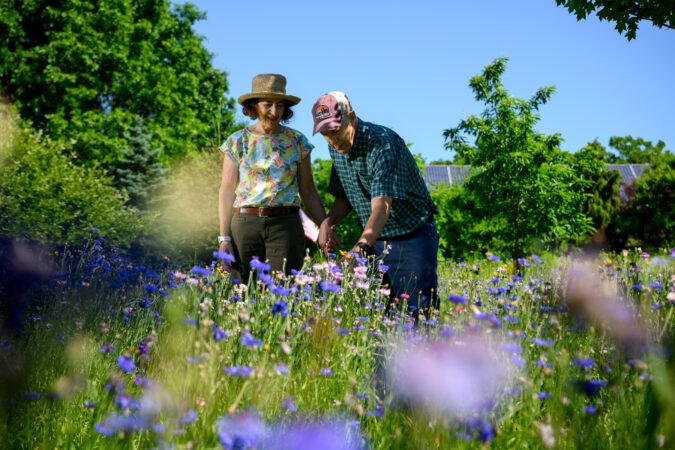
    Larry Cohen and Marla Hexter’s Schwenksville neighbors often stop by to admire the wildflower meadow in front of their home.

    Some admirers, Larry said, ask for advice. They are considering replacing their front lawns with a meadow as he did.

    They crave the profusion of blue cornflowers, red poppies, yellow black-eyed Susans, purple larkspur, a variety of bee balm and more. The flowers attract 17 bird species including bluebirds and gold finch, as well as pollinating insects. The meadow now extends from the frog pond in front of the house to the curb where wisteria entwines the mailbox.
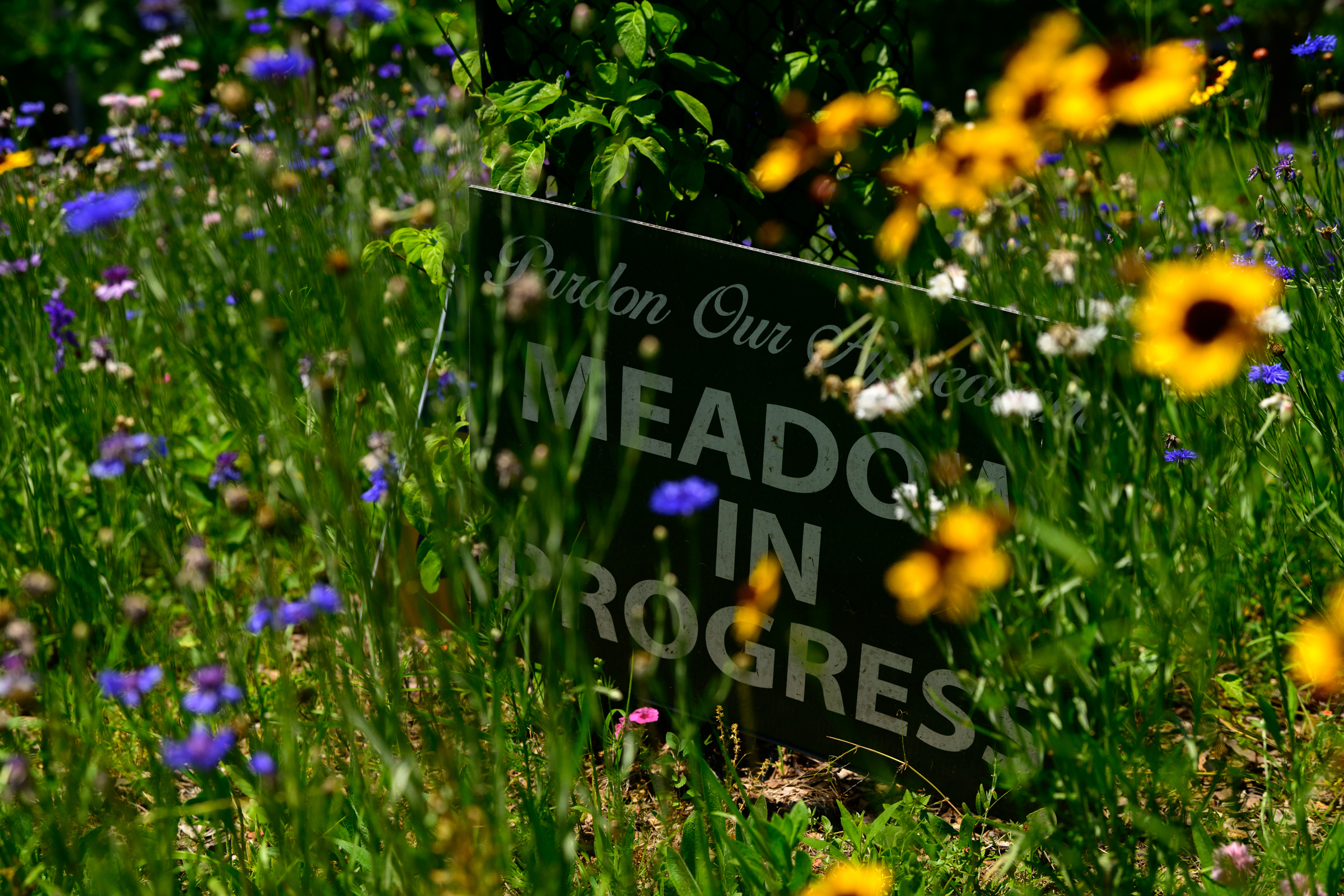
    A sign reading, “Pardon Our Appearance, Meadow in Progress,” sits in the newer of two meadows planted in Hexter and Cohen’s front yard.
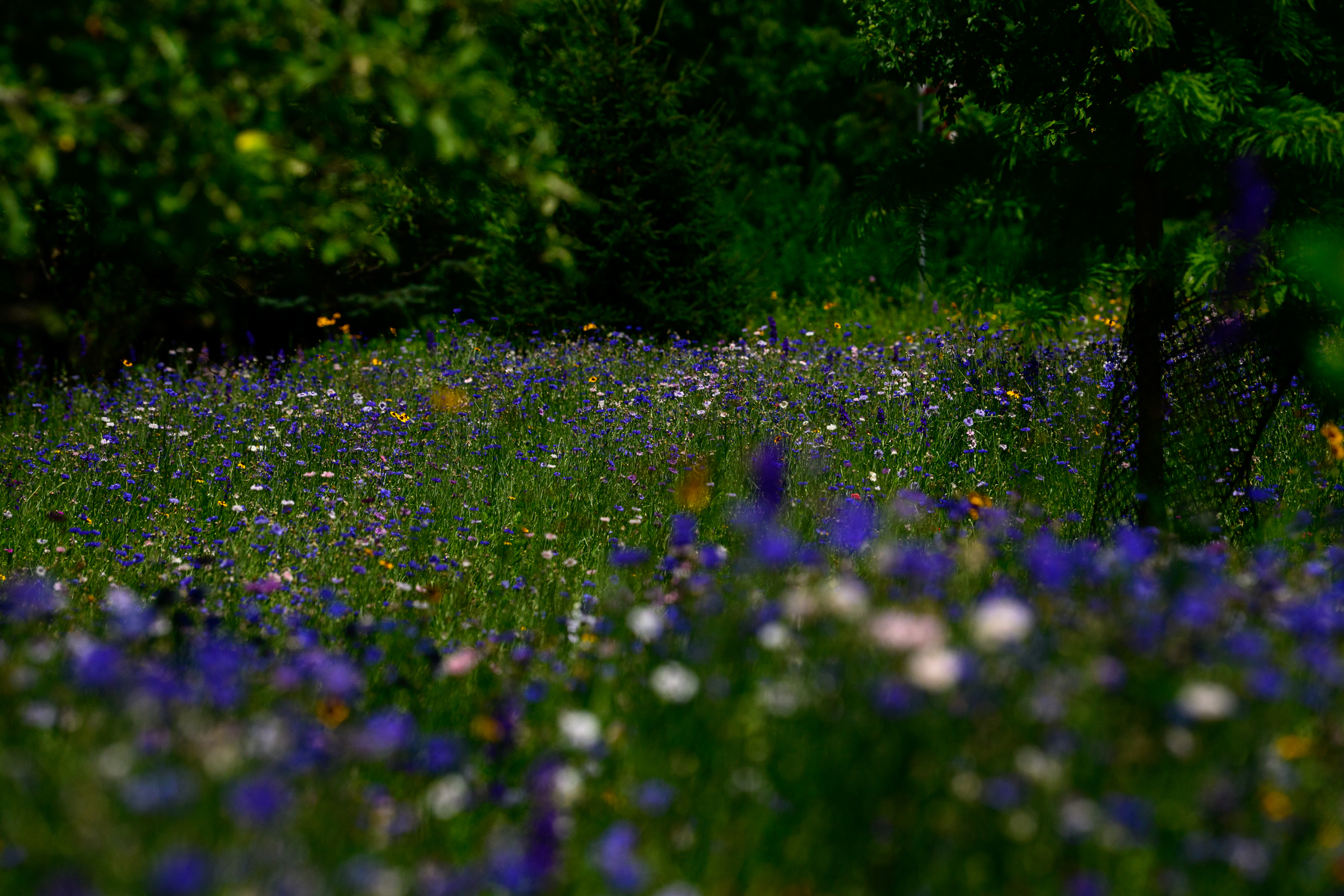
    The newer of two meadows grows in Hexter and Cohen’s front yard.

    Set among the blossoms is a metal sculpture of a woman holding the female symbol of a circle over a cross. It was fashioned by the late Zieglerville artist Phillip Smith.

    The meadow project began in 2023 when Cohen and Hexter enlisted the services of S. Edgar David of SED Design in Blue Bell. David Brothers Landscape Services in Collegeville removed the grass, seeded wildflowers, and continues to cultivate the meadow.

    When Cohen and Hexter purchased the property of more than an acre in 2015, Callery pear trees flanked the driveway. The invasive species has been replaced with yellowwood, larch, maple, and swamp oak and smoke trees. Cohen protects the bark of the young trees with chicken wire to deter deer.
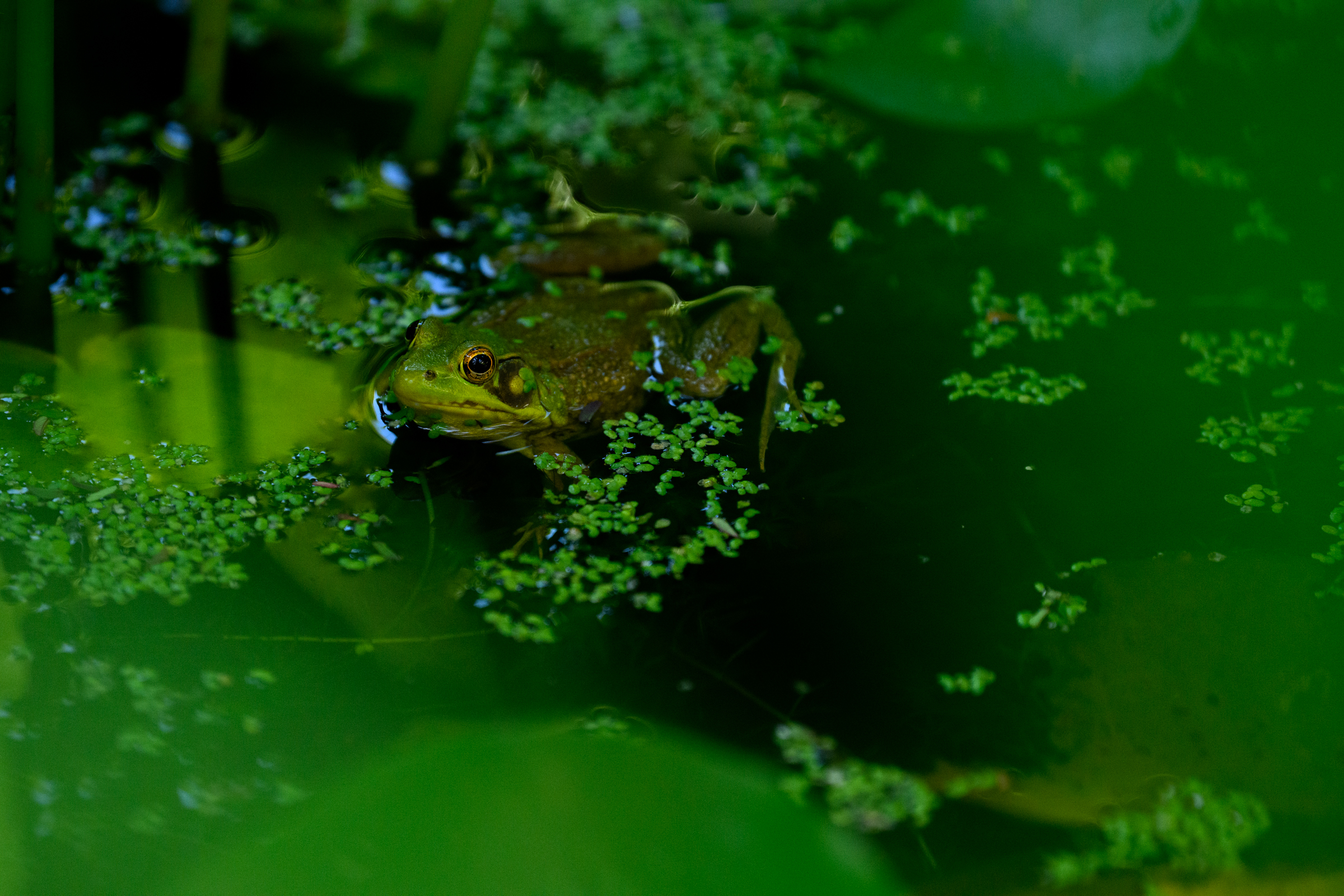
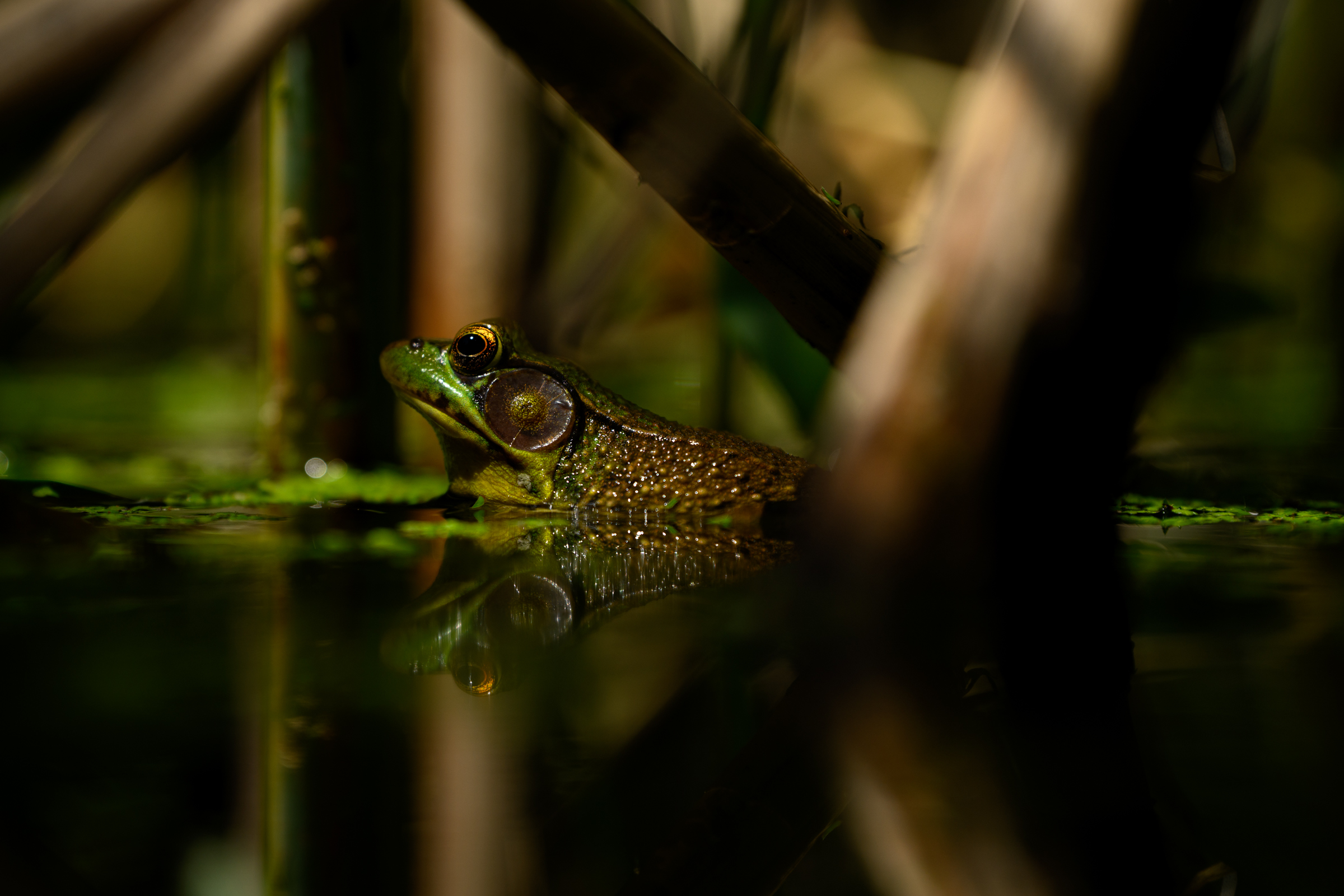
    A frog sits in the pond in the home’s front yard.
    Another frog in the pond.

    The backyard, where rescue dogs Barkley and Caleb romp, has an azalea-shaded swimming pool and a vegetable garden fenced in to keep out rabbits and other marauders.

    In raised beds, Hexter grows beets, carrots, cabbage, green beans, English peas, garlic, blackberries, and raspberries — which birds eat — and onions, a deterrent to slugs and snails. Strong scented marigolds also repel pests.

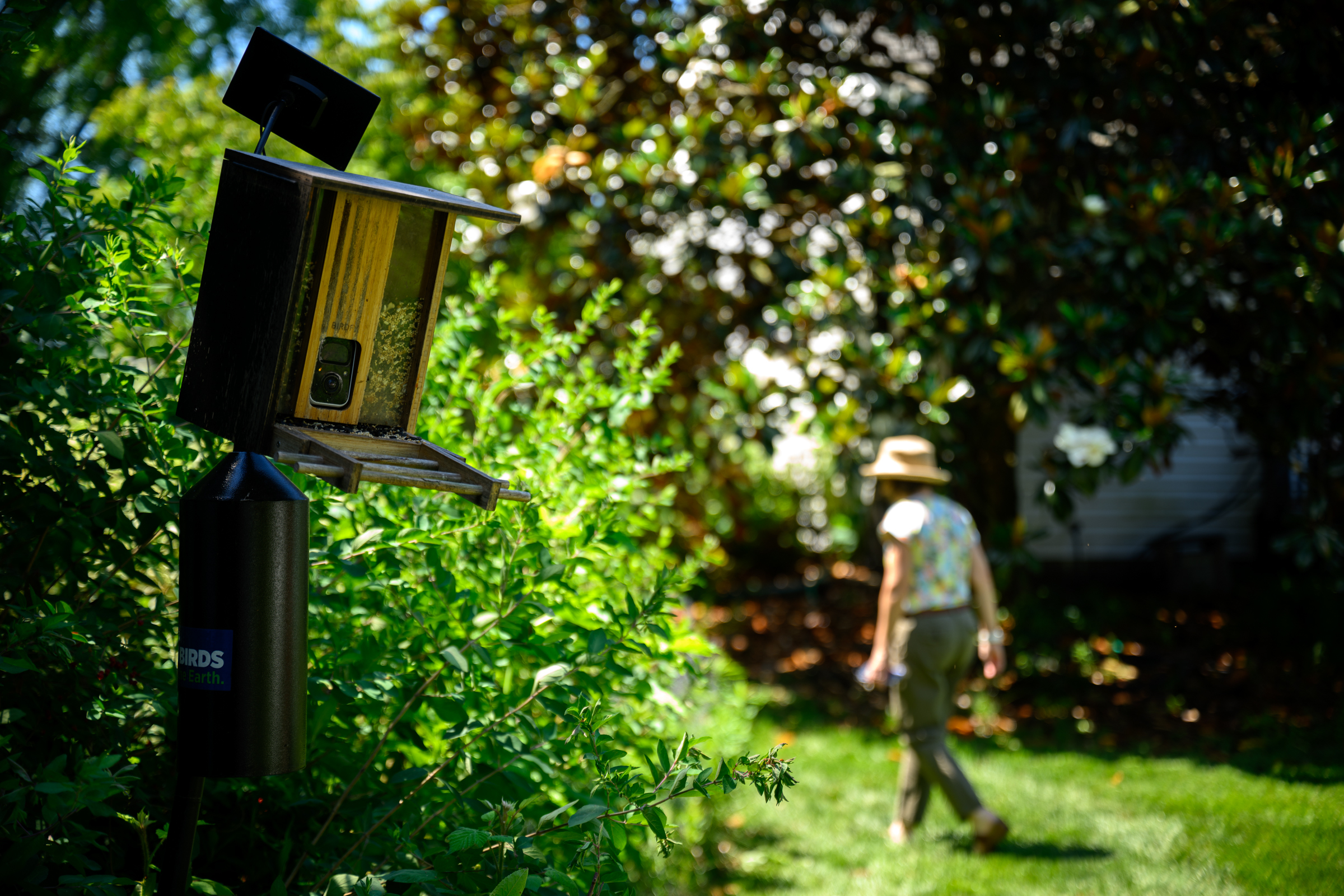
    There are five rain barrels around the house as well as several bird feeders, a blue bird house, and a bat house — as yet unoccupied.

    By the front door is a sign designating the property as a “Wildlife Habitat.” Another says “Welcome” in English and Farsi. Cohen spent time in Afghanistan.
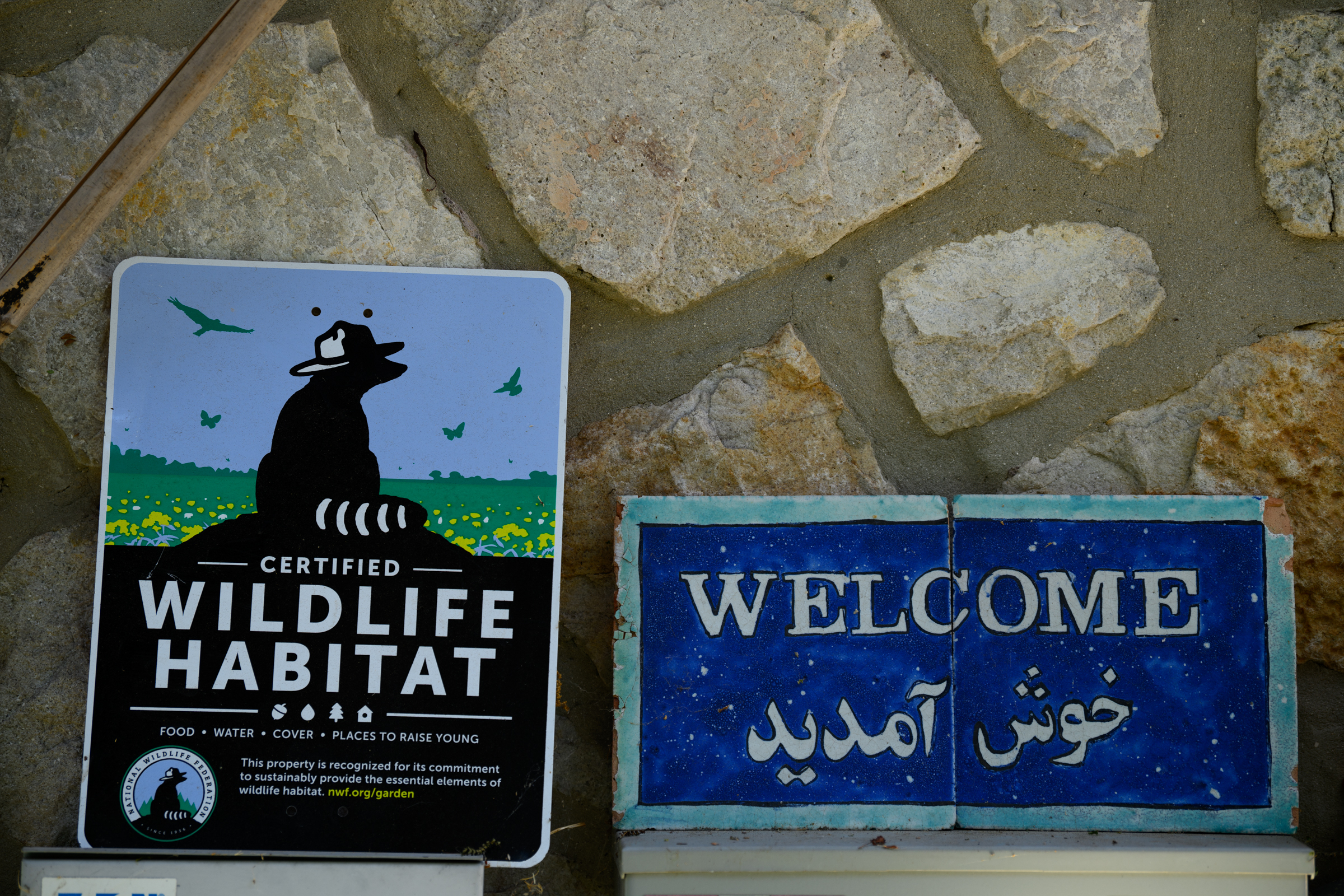
    A “Certified Wildlife Habitat” sign and a “Welcome” sign on display in the couple’s yard.
    A bird feeder with a built-in camera sits in the backyard.

    His and Hexter’s careers sent them all over the world. He worked in the foreign service for the U.S. State Department and she was with the CIA.

    The couple live by the motto “Think globally act locally,” considering the broader health of the entire planet while focusing on practical, hands-on solutions to protect habitats and help the environment.

    They have solar paneling on the south-facing roof of their two-story home; a geothermal heating and cooling system; energy-efficient insulation, doors, and windows; and two electric vehicles.
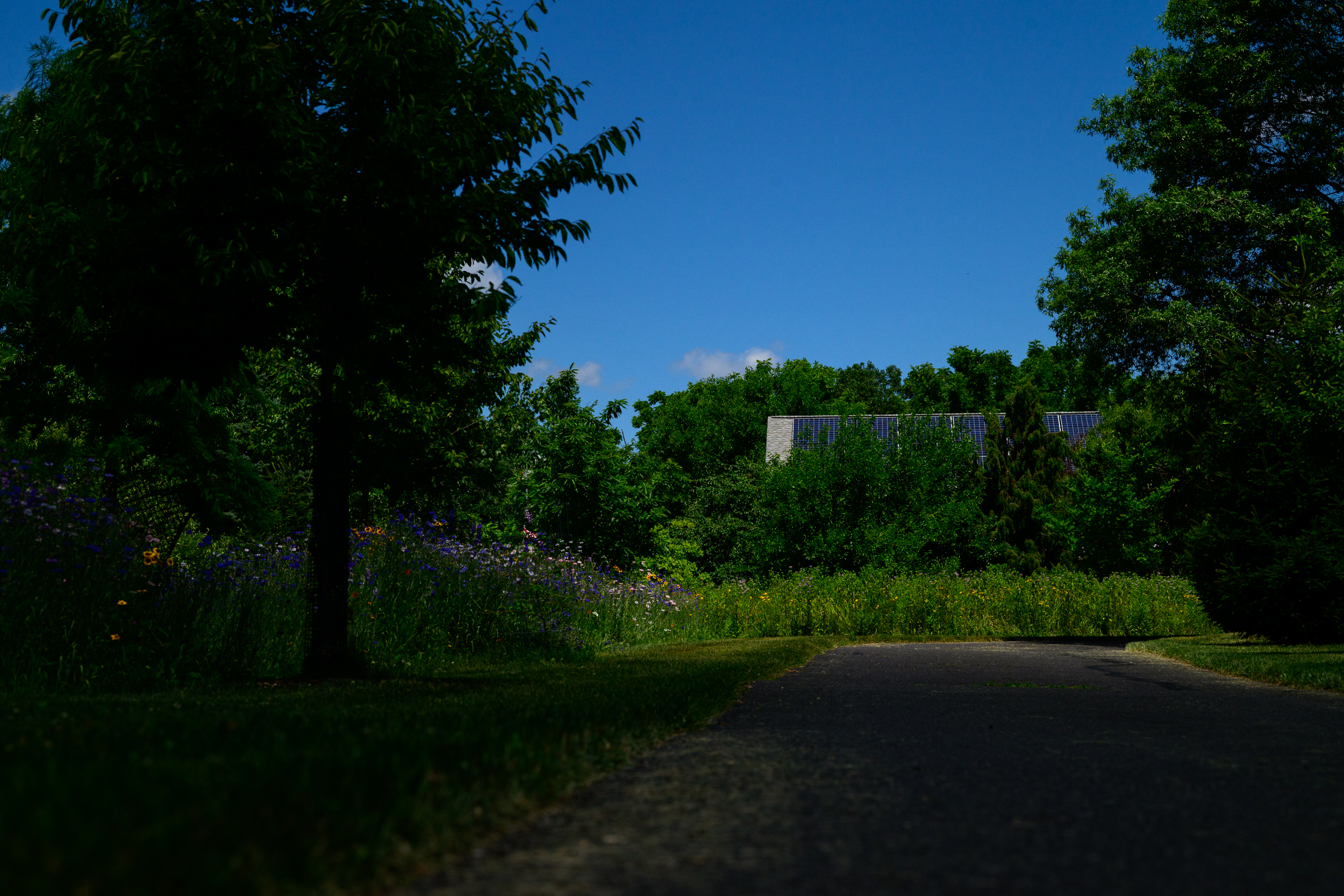
    Between meadows and trees, only the roofline and solar panels are visible from the driveway.

    Cohen and Hexter met on a blind date in Washington, D.C., and married in 2000. After postings in Africa and Brazil they lived in Virginia.

    When they retired they wanted a home where Hexter would have space to garden, and where they could age in place. They were familiar with Montgomery County because Cohen grew up in Pottstown, where his great-grandfather emigrated from what is now Slovakia in the late 1880s.

    The home Cohen and Hexter bought was built in 1986 as a one-story with two bedrooms and a bath. In the 1990s a second floor with three bedrooms and two baths was added as well as a two-car garage.
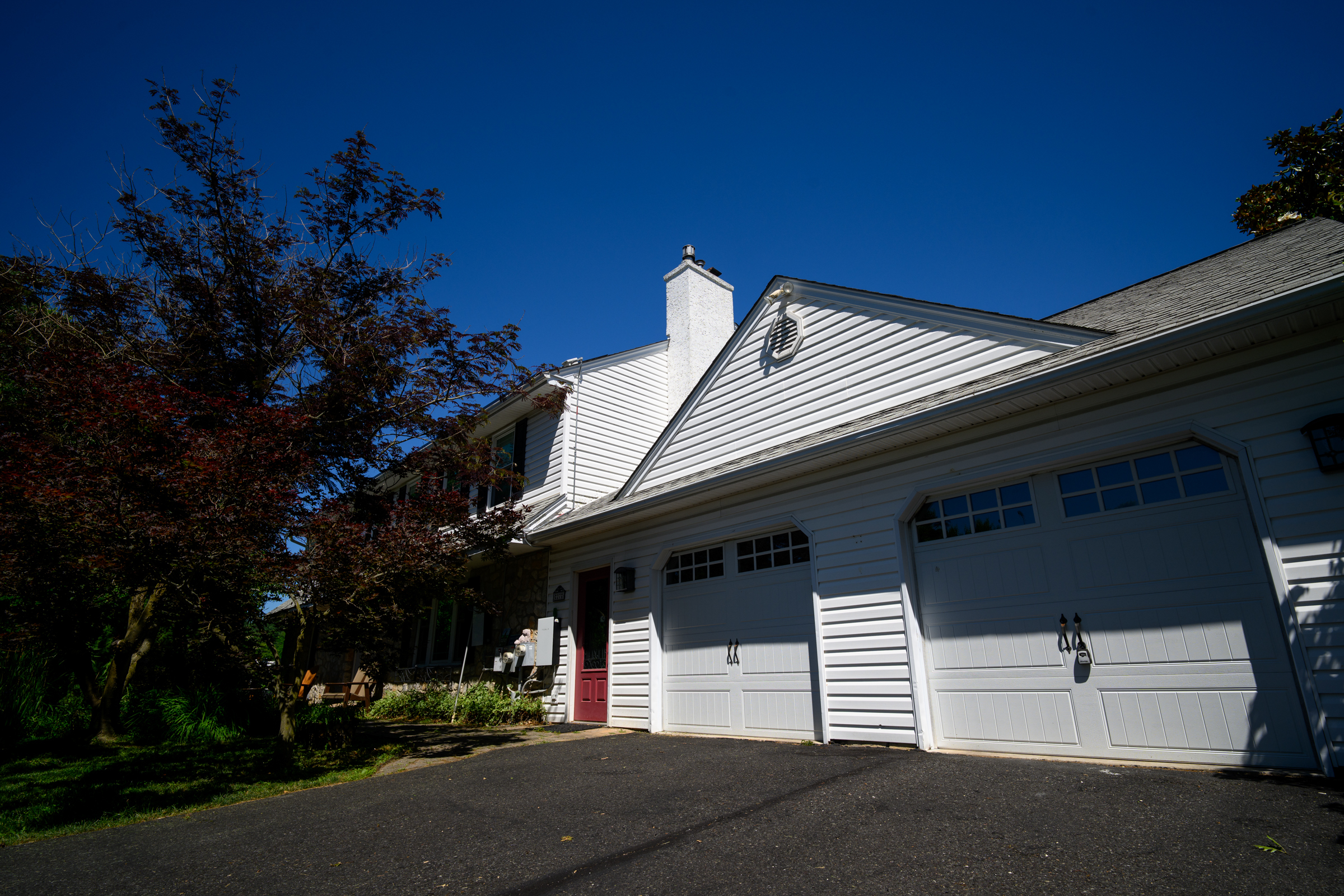
    The two-car garage was added onto the home by a previous owner.
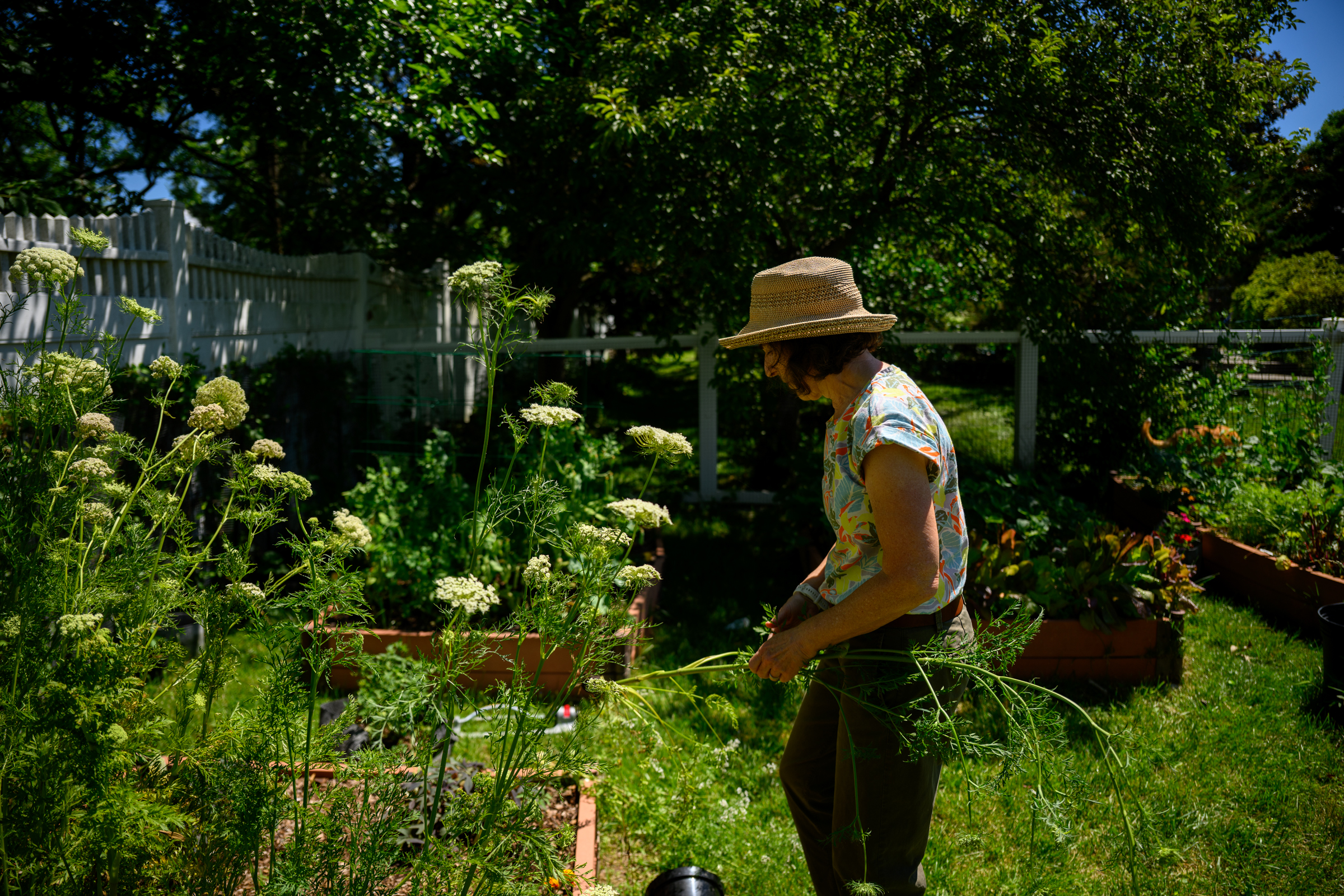
    Marla Hexter cleans up some overgrown carrots in her vegetable garden.

    The couple liked the downstairs sleeping area and walk-in shower and rooms upstairs to host family. They each have a son and daughter from previous marriages, and three grandchildren.

    The house has a ramp to the backyard deck and a ramp from the house to the garage, built by prior owners.

    But the wooden deck was rotting. The couple replaced it with Trex, a sturdy wood composite. They furnished the deck with an attractive table and chairs made of recycled plastic and decorated it with containers of flowers and potted fig trees.
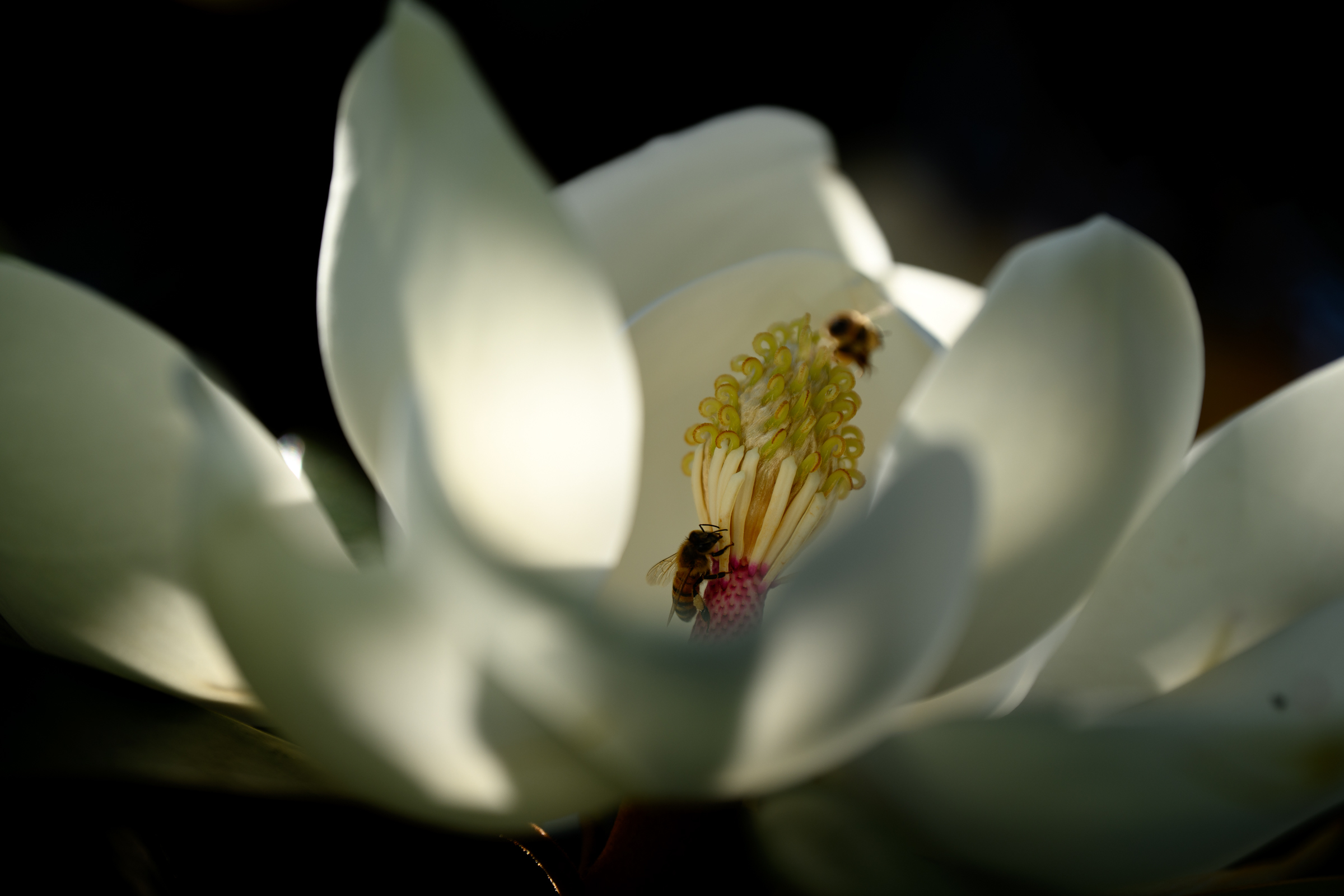
    Bees collect pollen from a magnolia flower in the backyard.
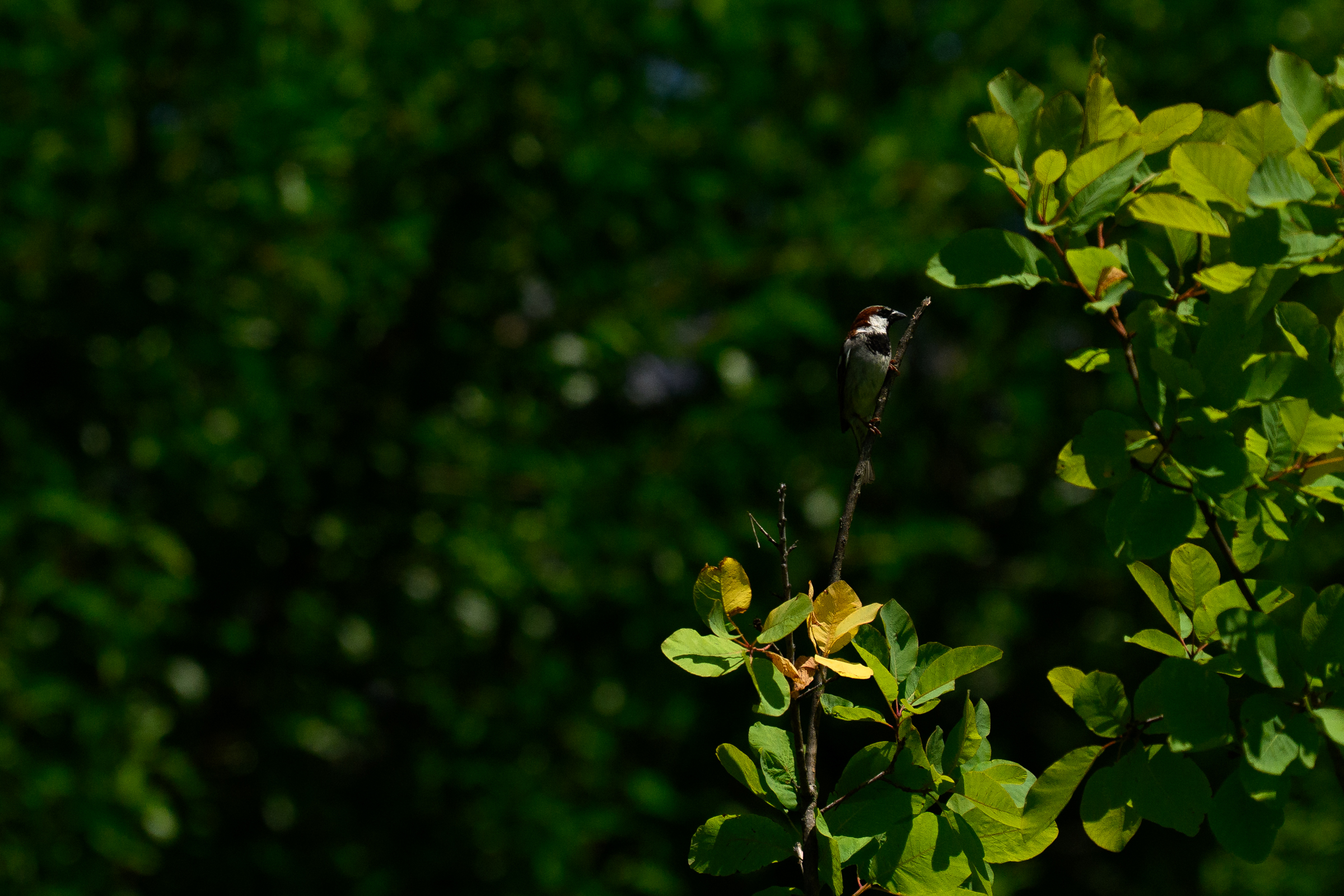
    A house sparrow grips a tree branch in the front yard. Since they planted the meadows, neighbors have commented on the number of birds that visit their neighborhood, the couple said.

    Growing the fruit has been a challenge for Hexter who gathered tips from local growers and from the annual fig festival in Lower Pottsgrove.

    She and her husband are active in the community. “It is our plan to stay here forever,” Hexter said.

    Is your house a Haven? Nominate your home by email (and send some digital photographs) at properties@inquirer.com.
  • Burpee’s newest seeds celebrate 250 years of American history

    Burpee’s newest seeds celebrate 250 years of American history

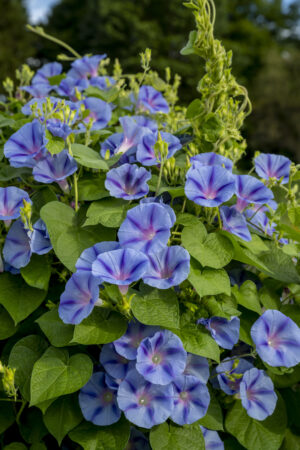
    The morning glory flower can take months to blossom, but seeing their stunning trumpet-shape blooms finally pop from their spindly tendrils is so worth the wait.

    “We call the morning glory ‘happiness,’ because it’s cheerful. It’s blue with a glowing pink center, and it makes you feel like life is good,” said Burpee president and CEO Jamie Mattikow.

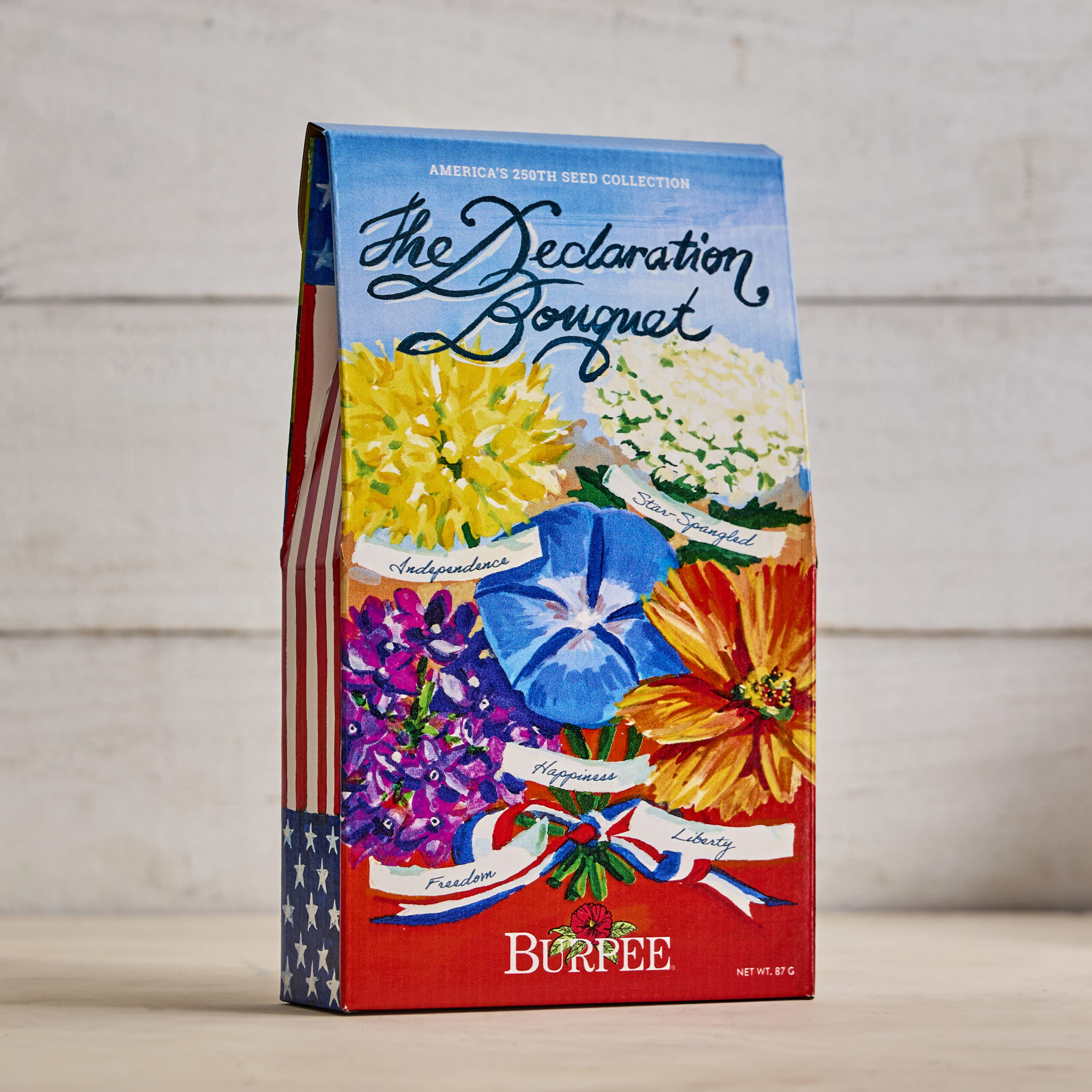
    To celebrate the nation’s 250th birthday, the Warminster company is partnering with the Museum of the American Revolution to offer a Declaration Bouquet collection, which features seeds for five new flowers inspired by words plucked from the Declaration of Independence and the national anthem.

    The collection debuted Dec. 1, and, besides the “happiness” morning glory, includes a “star-spangled” marigold, whose white layered petals signify Old Glory’s stars; the drought-tolerant, butter yellow “independence” gaillardia; the fiery orange “liberty” cosmos; and the calming purple “freedom” verbena that can be started indoors or out, as long as it has full sun.

    Burpee’s Declaration Bouquet celebrates the nation’s 250th anniversary.

    “We wanted to bring the words to life in a flower that embodied them,” Mattikow said of the full collection, which is available in the museum’s gift shop and via Burpee for $34.95 (you can also get each Declaration Bouquet seed packet individually via burpee.com). The collection contains five seed packets, eight labels, a Declaration of Independence keepsake card, and growing instructions.

    “The Declaration Bouquet was part of a larger effort of making America’s 250th special for gardeners,” said Mattikow, who became an avid gardener himself after he joined the company in 2019.

    The idea to partner with the Museum of the American Revolution came from Maureen Heffernan, horticulturist and wife of Burpee owner George Bell, after a visit to the Old City institution.

    “They were percolating this idea of collaborations for 2026, so she reached out,” said Allegra Burnette, the museum’s chief strategy and growth officer.

    They talked through ideas, and the company came up with the flower collection.

    “It’s a way for them to showcase new flowers — and the Declaration of Independence spawned a lot of new things, as well,” Burnette said. “It’s also a nice way to come out of our ‘Declaration’s Journey’ exhibit when you are in a thoughtful but celebratory frame of mind. We hope it’s a way to plant a seed and keep something going forward.”

    “Freedom” verbenas were bred for Burpee’s Declaration Bouquet in celebration of the nation’s 250th anniversary.

    The collaboration was a no-brainer for Burpee. “We recognize the importance of Philadelphia to the birth of the country, and we wanted to partner with somebody who could help us think of a great way to do this,” Mattikow said.

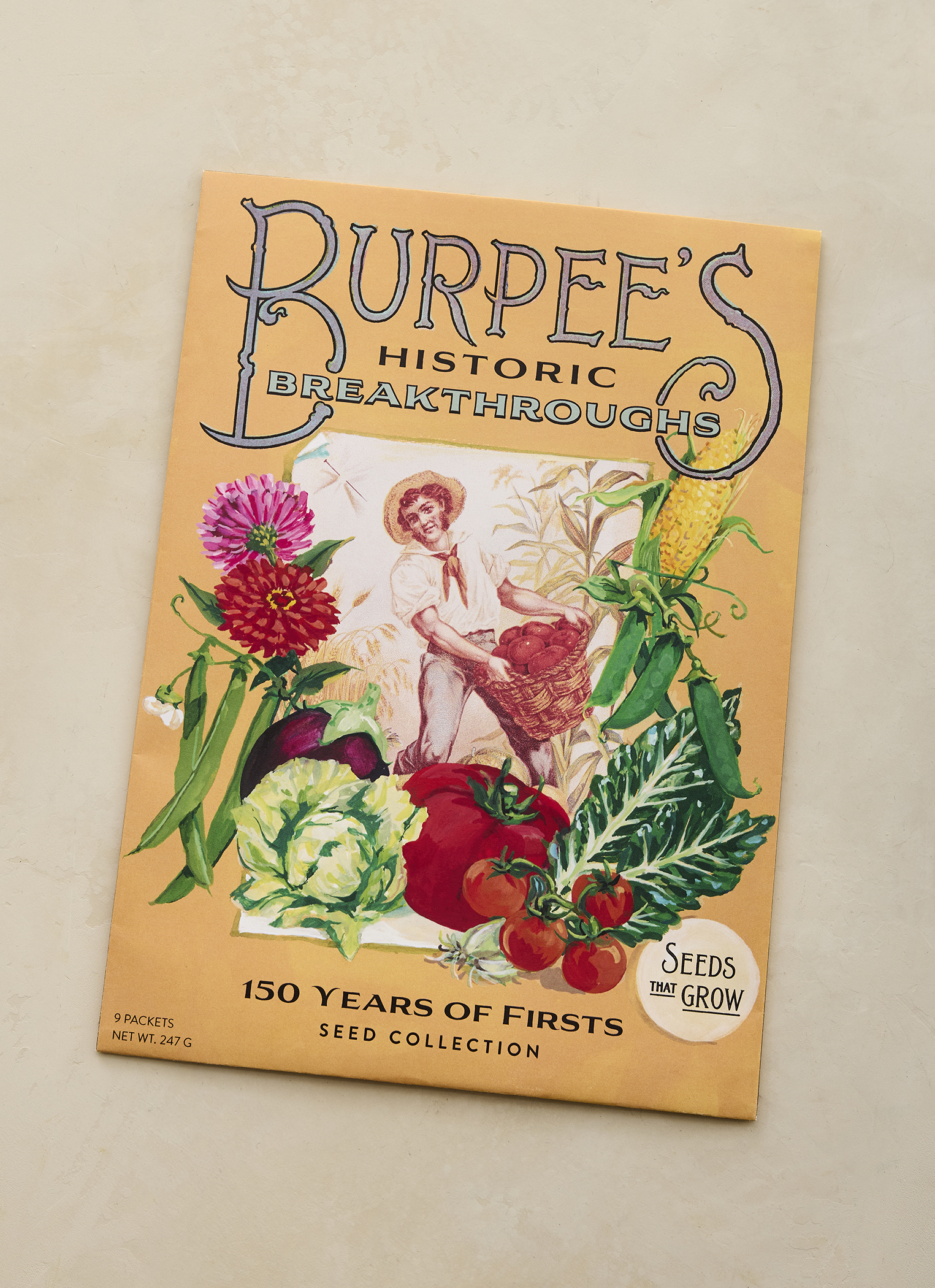
    Along with celebrating the nation’s milestone birthday, Burpee has a big one of its own, marking 150 years in business in 2026. One way it’s ringing in the anniversary is with a Historic Breakthroughs collection of heirloom seeds.

    “The founding of W. Atlee Burpee has always been about innovation, even today,” Mattikow said. “[Our story] has been largely told in products that were firsts to gardeners and farmers at the time. There are histories behind them that some people aren’t aware of, so we thought it’d be a wonderful opportunity to bundle it together in a collection of historic gardening firsts.”

    Burpee’s Historical Breakthroughs seed collection celebrates the company’s 150th anniversary.

    The Historic Breakthroughs collection includes nine seed packets and is priced at $29.95, available through Burpee’s website and catalog. This includes iceberg lettuce (first bred in 1894), the first yellow sweet corn (1902), and snowbird sugar snap peas (1978). The collection’s packaging features a nostalgic recreation of a Burpee catalog cover from 1888.

    In addition to the Declaration Bouquet, Burpee also launched three other heirloom seed collections for 2026 that tell stories from the iconic gardens of the Monticello Museum, George Washington’s Mount Vernon, and the American Horticultural Society. Each collection contains eight packets of seeds and is available at the respective institutions, as well as via Burpee for $49.95.

    “Over the years there’s been a lot of choiceful introduction of products that would succeed in the climates of the U.S.,” said Mattikow. “They’re wonderful if you want a little slice of history from a gardener’s standpoint.”