Ghana will take the field for its fifth World Cup this summer vying to match the success of its first two tournament appearances.
Since making their World Cup debut in 2006, the Black Stars have qualified for every tournament since, except in 2018. But Ghana has yet to match its performances in its first two World Cup appearances, a round of 16 exit in 2006 and a knockout win over the United States that led to a quarterfinal appearance in 2010.
Ghana is in a crowded Group L alongside England, Croatia, and Panama, but with the expansion of the knockout stage from 16 to 32 teams, the Ghanaians stand a chance of making their first trip out of the group stage since 2010.
Ghana’s World Cup schedule
(All times Eastern)
June 17: vs. Panama in Toronto (7 p.m., FS1)
June 23: vs. England in Foxborough, Mass. (4 p.m., Fox29)
June 27: vs. Croatia at Lincoln Financial Field (5 p.m., FS1, tickets)
Fast facts
Ghana is ranked 72nd in FIFA’s latest world rankings. … Ghana’s team gets its Black Stars nickname from the Black Star of Africa, which is featured in the center of the country’s tricolor flag. … Ghana has won the Africa Cup of Nations four times, most recently in 1982. Ghana failed to qualify for the most recent Africa Cup. … Otto Addo is in his second stint as manager for Ghana. Addo departed after coaching the Black Stars in the 2022 World Cup but returned to the position in March 2024.
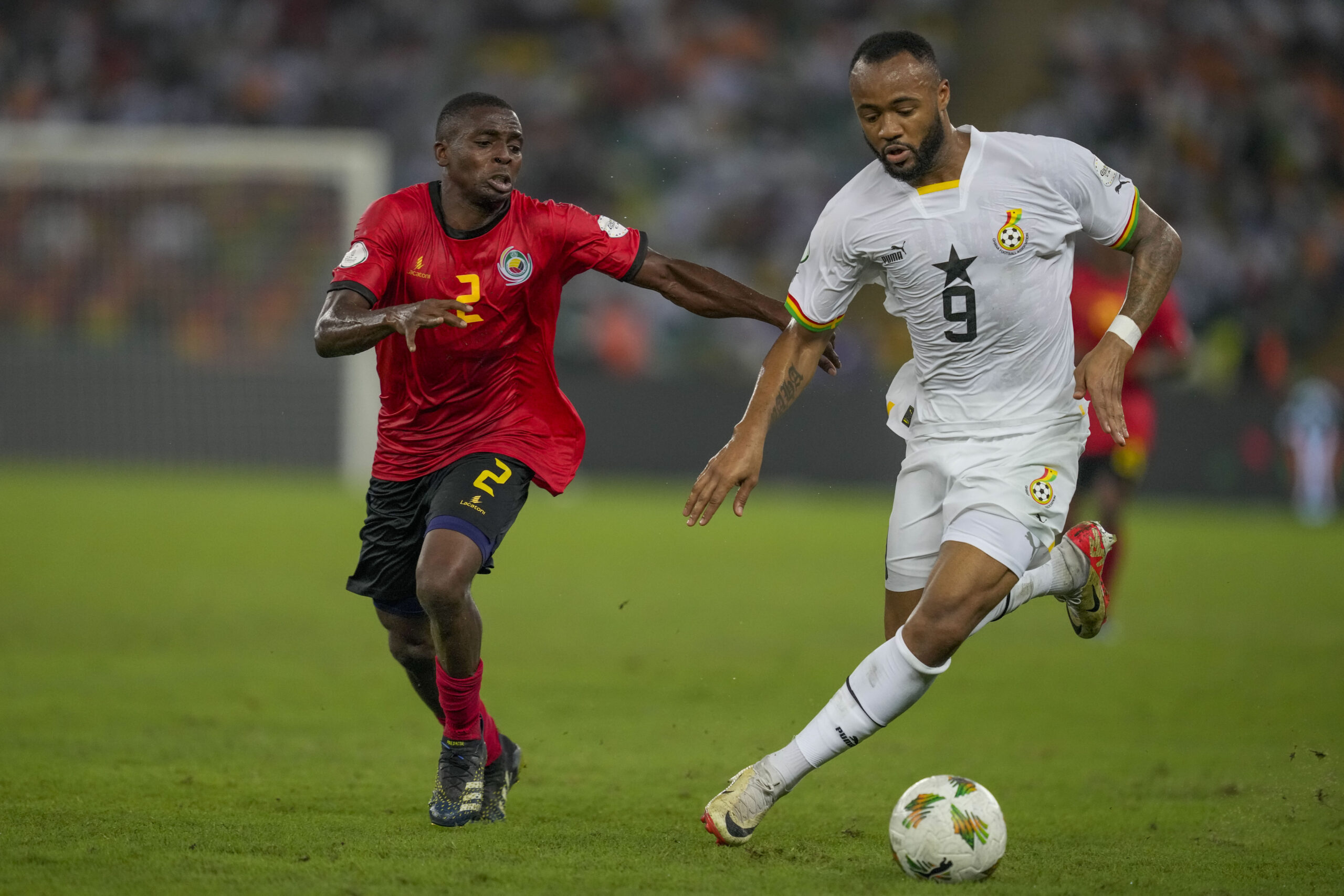
Jordan Ayew (right) is expected to be one of Ghana’s go-to players as it looks to emerge from Group L.
Players to watch
Jordan Ayew,son of all-time Ghanaian great Abedi Ayew, has followed in his father’s footsteps by captaining the Black Stars. Ayew, who plays his club soccer for Leicester City in the English Championship, has the second-most appearances in Ghanaian history. His 115 caps only trail his older brother, André Ayew.
Antoine Semenyo perhaps is the most exciting player expected to be in Ghana’s World Cup squad. The winger has been in excellent form, scoring in three of his first four appearances for English Premier League side Manchester City, which acquired him from EPL rival Bournemouth for approximately $84 million in January. Semenyo, 26, suited up for Ghana at the World Cup in 2022, but only played 19 minutes across two matches.
Joining Ayew and Semenyo to make up a fierce Ghanaian attack is Mohammed Kudus. Kudus was an important player for a struggling Tottenham squad early in the Premier League season, but a leg injury he suffered in January is expected to keep him out of play until March. Kudus should be healthy enough to star for Ghana this summer as he did at the 2022 tournament. Kudus led Ghana with two goals in three group-stage games in Qatar.
Philly meets Ghana moment
Ghana last visited Philadelphia for an international friendly matchup with Chile in February 2012, with the two nations playing to a 1-1 draw at PPL Park (now Subaru Park). Richard Mpong opened the scoring for the Black Stars with a goal shortly before halftime. Most of the players who took the pitch for Ghana in Chester have since retired, but a young Jordan Ayew took in the game from the bench.
Inquirer critic Craig LaBan searched for a Ghanaian-owned spot in Philadelphia but came up short. Still, he’s got advice on a close counterpart:
If you’re planning a watch party for Ghana in the World Cup, there appears to be no local restaurant owned specifically by Ghanaians at the moment. However, Southwest Philly’s thriving Africatown along Woodland Avenue is bustling with restaurants serving cuisines from the surrounding region, including Le Baobab (Ivory Coast, Burkina Faso) and Lè Mandingue, a multilocation institution whose Liberian and Guinean ownership caters to a wide array of Philadelphians from across the West African diaspora.
Le Mandingue makes one of my favorite renditions of jollof rice, best topped with zesty chunks of grilled lamb dibi and a potent hot sauce that will light you up. Try the spicy peanut soup with fluffy balls of fufu on the side for dipping. But don’t miss what may be Lè Mandingue’s best dish: a takeout tub of stewed sweet potato leaf greens imbued with so much flavor from smoked turkey and spice, that I literally could not stop eating it. Lè Mandingue, 📍 6620 Woodland Ave., ☎️ 215-726-0543; 📍 7186 Marshall Rd., ☎️ 484-461-2981; or University Fair Food (online ordering only); lemandingue.com
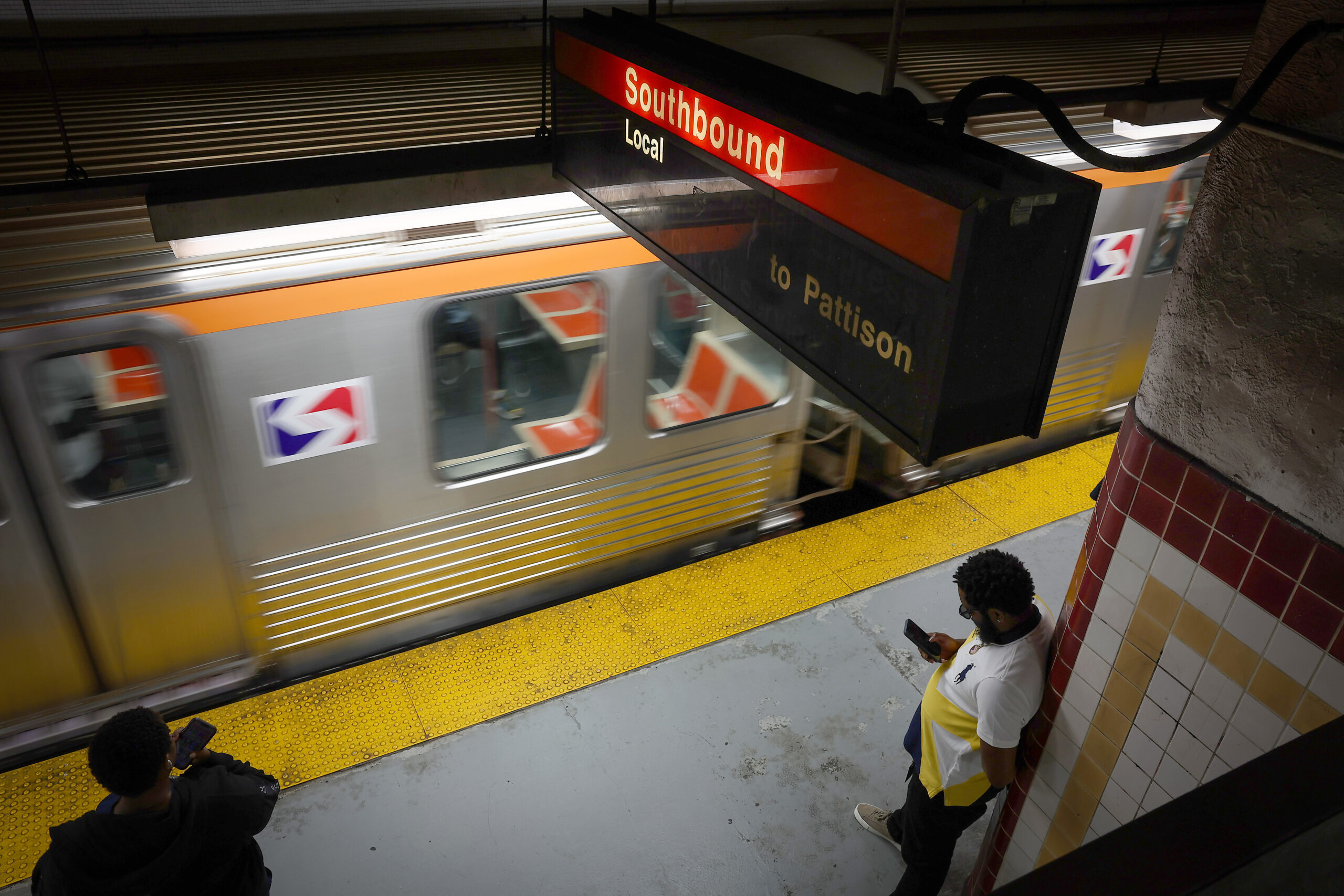
SEPTA’s Broad Street Line train is a direct path from the city to the stadium on game day.
Navigating Philly
The best way to navigate getting to the stadium area where the games will be held is via SEPTA, the city’s public transportation system. The network has its own app and is fully integrated into apps, including Google Maps, Apple Maps, Transit, and CityMapper.
Whether you’re coming in by way of Philadelphia’s international airport or its main train hub, William H. Gray III 30th Street Station, it’s easy to get around Philly’s Center City district and other neighborhoods by bus, train, or trolley.
Don’t feel like figuring out all the schedules? Taxis or ride shares via Uber or Lyft also are quick and convenient options.
After finishing as runner-up in 2018 and earning bronze in 2022, Croatia will return to the World Cup stage seeking its first-ever first-place finish.
This summer’s tournament will be the seventh for the Vatreni, who boast three top-three finishes at the World Cup since winning bronze in their first appearance in 1998.
Croatia should have a path out of Group L, though it will have to contend with England. Can Croatia match the success of its most recent tournament appearances in this year’s expanded 48-team field?
Croatia’s World Cup schedule
(All times Eastern)
June 17: vs. England in Arlington, Texas (4 p.m., Fox29)
June 23: vs. Panama in Toronto (7 p.m., Fox29)
June 27: vs. Ghana, at Lincoln Financial Field (5 p.m., FS1, tickets)
Fast facts
Croatia is ranked 11th in FIFA’s latest world rankings. … Despite three top-three finishes at the World Cup, Croatia has not advanced past the quarterfinals of the UEFA European Championship. … The Vatreni have been managed by Zlatko Dalić since 2017. … Ivan Perišić, a likely inclusion in Dalić’s squad this summer, needs eight international goals to match all-time leading goal scorer Davor Šuker’s mark of 45 goals. … Croatia will match up against England in Group L, a rematch of their semifinal meeting in the 2018 tournament, which Croatia won, 2-1, in extra time. … Croatia is the second-smallest nation, both by population and by land mass, to appear in a World Cup final.
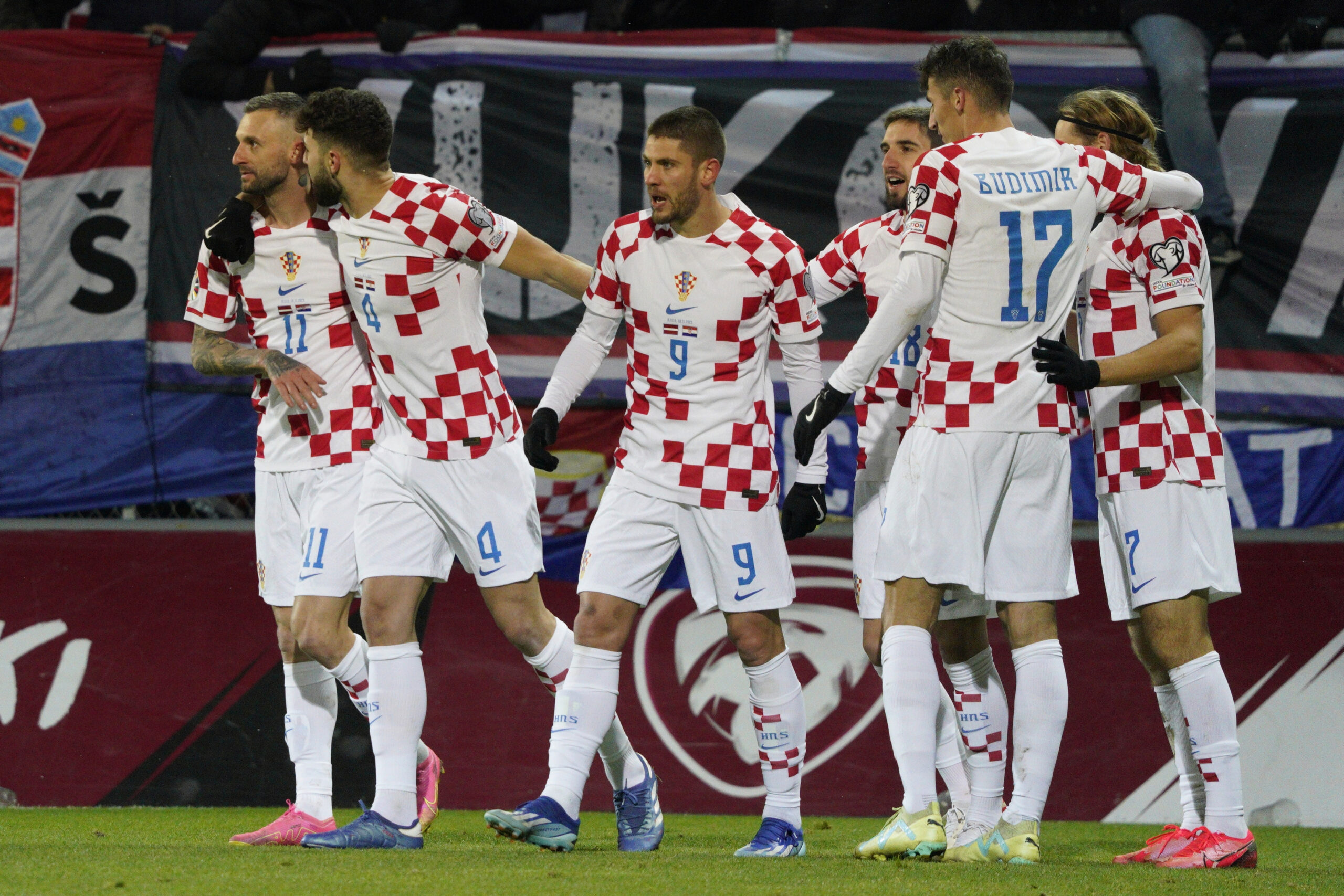
Andrej Kramarić (center) will be looking to improve upon his two-goal outburst in the 2022 World Cup.
Three players to watch
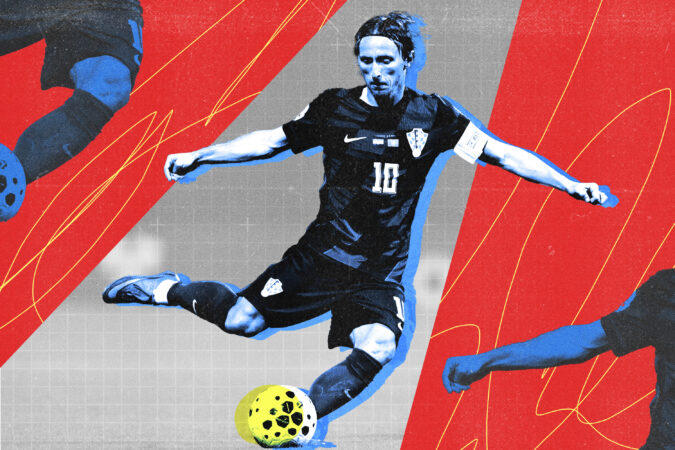
Croatia’s biggest star and captain is Luka Modrić, the midfield engine behind the team’s success in recent tournaments. Modrić, 40, will appear in his fifth World Cup this summer, a feat that has only been accomplished by eight players in tournament history. The former Real Madrid captain moved to AC Milan in July 2025, where he likely will finish his club career, but he will get one more run to try and lead the Croatian team to victory at the World Cup.
Joining Modrić in that effort should be Andrej Kramarić, a forward who currently plays for Hoffenheim in Germany’s Bundesliga. Kramarić, 34, scored twice at the World Cup in 2022, making him the only Croatian player to find the back of the net multiple times in the team’s run to the semifinals. Kramarić, who netted six goals in eight matches during Croatia’s World Cup qualifiers, should be an important attacking piece for the Vatreni.
Despite having played in just one World Cup match, Josip Šutalo could be the most important player in the Croatian back line. Šutalo was a first-choice defender for Dalić’s team at the Euros in 2024, starting all three of the team’s group-stage matches. The centerback may become important for Croatia this summer, as Joško Gvardiol, another top defender at the Euros, suffered a tibia fracture while playing for Manchester City in January that could keep him out of Croatia’s squad for the World Cup. Šutalo will need to be more effective than he was at the Euros, where the Vatreni allowed six goals in three matches.
Philly meets Croatia moment
Modrić’s last competition with Real Madrid was last summer’s Club World Cup. The midfielder got a chance to play at Lincoln Financial Field at the Club World Cup, coming onto the pitch in the 67th minute to help see through Madrid’s 3-0 win over Red Bull Salzburg. Modrić played 13 seasons with Real Madrid before joining AC Milan in July 2025, where he plays alongside Hershey native and U.S. midfielder Christian Pulisic.
There are no Croatian restaurants in Philadelphia, but you can find some Balkan comfort food at South Philly’s Two Eagles Cafe, according to Inquirer writer Kiki Aranita:
At first glance, you might think that Two Eagles is owned by a Philadelphia Eagles fanatic, and the Karaj family owners certainly lean into the cross-cultural overlap. But the two eagles actually refer to the flag of their homeland, Albania.
The menu here is predominantly made up of American breakfast and lunch staples — cheesesteaks, breakfast burritos, and BLTs — but Balkan hints turn up in the Russian dressing smeared on their smash burger, the Polish omelet with sliced kielbasa and mushrooms, and their Fergese, a creamy feta-and-bell pepper stew served in a mini skillet, topped with an egg, and served with slices of white toast.
The real star of the show is their Albanian qofte, consisting of big, oblong kebabs simmered in tomato-bell pepper sauce and served with tangy, herbaceous sour cream. One thing that Croatia and Albania have in common is burek, which is served by the slice at the Point Breeze cafe. Grab one on your way out, along with a piece of baklava. 📍 Two Eagles Cafe, 1401 S. 20th St., ☎️ 267-748-2257, twoeaglescafe.square.site
SEPTA’s Broad Street Line train is a direct path from the city to the stadium on game day.
Navigating Philly
The best way to navigate getting to the stadium area where the games will be held is via SEPTA, the city’s public transportation system. The network has its own app and is fully integrated into apps, including Google Maps, Apple Maps, Transit, and CityMapper.
Whether you’re coming in by way of Philadelphia’s international airport or its main train hub, William H. Gray III 30th Street Station, it’s easy to get around Philly’s Center City district and other neighborhoods by bus, train, or trolley.
Don’t feel like figuring out all the schedules? Taxis or ride shares via Uber or Lyft also are quick and convenient options.
Casual soccer fans, and even those who know nothing about the sport itself, know that when it comes to soccer excellence on a global scale, Brazil’s track record is unparalleled.
As five-time World Cup champions, with one of those titles coming the last time the tournament was held in the United States in 1994, the Seleçao holds the record for the nation with the most World Cup trophies, dating back to 1930, their first appearance in the tournament, and in 2002, the last time they won it all.
Brazil’s lore largely is propped up by its legends, players past — and even a few still present, who have put the sport on the map. However, even with a crop of natural talent, the nation has struggled over the last few years to regain its former dominance.
Brazil has struggled in every men’s World Cup tournament since its 2002 victory, crashing out in the quarterfinals four times and the semifinals once, though that might just be the tournament many won’t soon forget: a 7-1 loss to Germany in the 2014 World Cup in Brazil.
Now, the nation that has qualified for every World Cup since the first iteration in 1930 will return to the United States, with its tournament aspirations making a stop in Philly against Haiti in Brazil’s second game of Group C on June 19 (9 p.m., Fox29).
Brazil’s World Cup schedule
(All times Eastern)
June 13: vs. Morocco in East Rutherford, N.J. (6 p.m., FS1)
June 19: vs. Haiti at Lincoln Financial Field (9 p.m., Fox29, tickets)
June 24: vs. Scotland in Miami Gardens, Fla. (6 p.m., Fox29)
Lincoln Financial Field, which will be renamed to Philadelphia Stadium, will host six matches in the upcoming FIFA World Cup.
Fast facts
Brazil is currently ranked fifth in FIFA’s latest world rankings. … Neymar, who has been a key figure in Brazil’s attacking corps for over a decade, isn’t a guarantee to make manager Carlo Ancelotti’s team. Despite playing well for Santos in the Brazilian league, he’s still coming back from a meniscus tear. … Croatia in Group L also will be coming to Lincoln Financial Field this summer. The Vatreni knocked Brazil out on penalty kicks in the quarterfinals of the 2022 World Cup in Qatar. … According to city data, Northeast Philadelphia has one of the largest Brazilian contingencies in the city, housing the bulk of what’s an estimated 20,000 people living within the city limits.
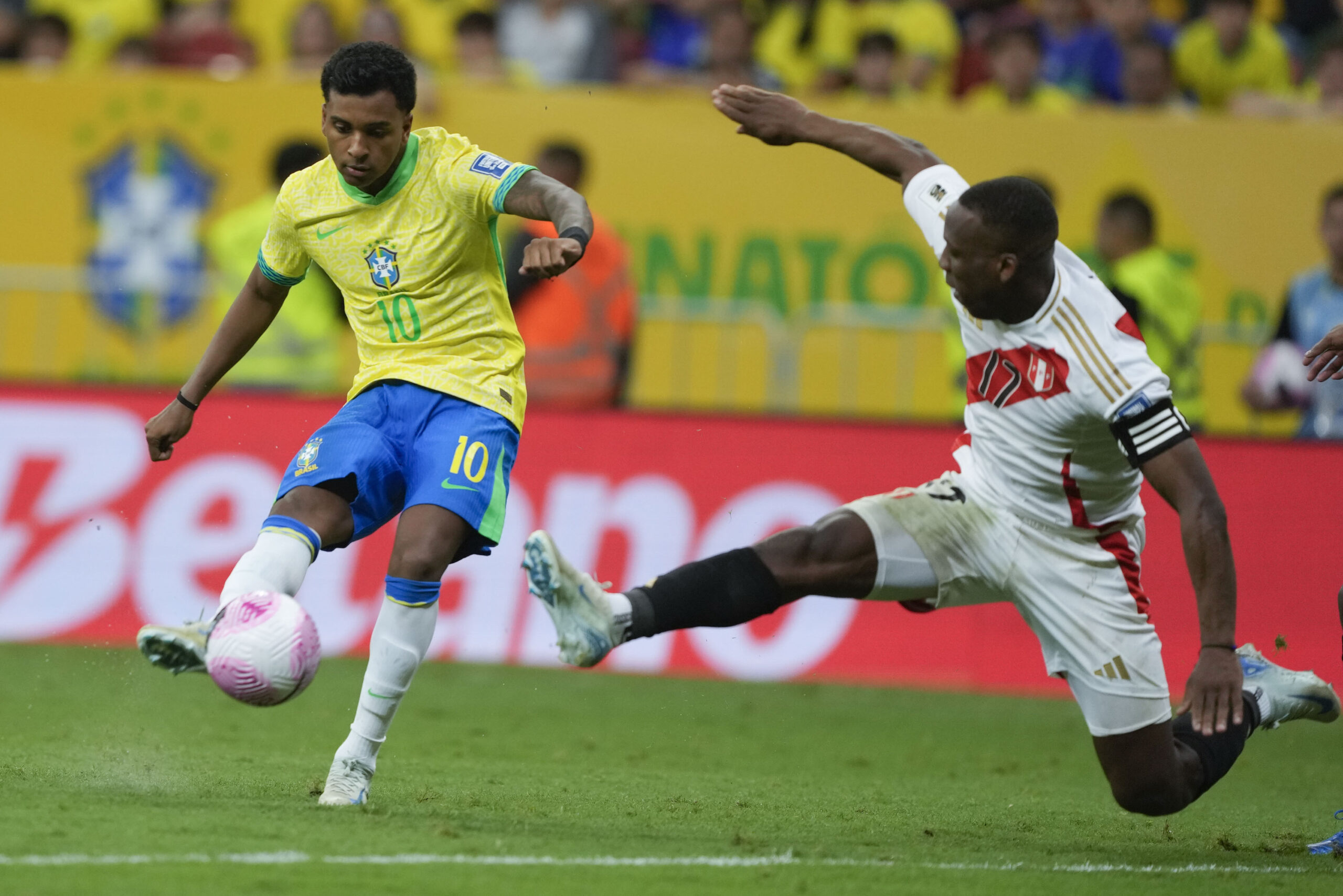
Brazil’s Rodrygo (left) is expected to have a breakthrough performance in this World Cup.
Three players to watch
It’s hard to just name three on a roster that undoubtedly will feature players competing on the top club teams in world soccer. However, the biggest name at the moment is Vinícius Jr., the 25-year-old star forward for Spanish club giants Real Madrid. Vinicius led the team to the semifinals of last summer’s FIFA Club World Cup. He’s played in 45 matches for Brazil since debuting for the first team as a 19-year-old in 2019, with eight goals.
He’ll most likely be joined by Rodrygo, his teammate at Real Madrid, who is a danger at either inside a four-man attacking front in Brazil’s iconic 4-2-4 formation but mainly outside on the right wing, where Rodrygo, 25, has scored nine goals for his country in just 37 matches.
Finally, there’s a case to be made for Gabriel Magalhães, who, at 28, can be considered one of the most complete defenders in the world, starring in the back for Arsenal in the English Premier League.
Philly meets Brazil moment
One of the biggest arrived just last year, when Vini Jr. dazzled at Lincoln Financial Field during the FIFA Club World Cup, where he scored a remarkable goal in a win over Red Bull Salzburg, and then dished out the assist with a no-look back-heel pass on the game-winner just before halftime.
Make sure you check out …
If you’re rooting for Brazil, food writer Beatrice Forman has not one, but two great recommendations for you, covering sweet and savory:
Brazilian-born pastry chef-owner Mallory Santos-Cepeda has a South Philly monopoly on the country’s traditional confections. Her bakery, Kouklet & Tanda, specializes in bolo de rolo (ultrathin cake rolls from northern Brazil), plus airy sourdough doughnuts called sonhos that are stuffed with a rotating fillings, from fig butter to white chocolate custard and poached pears. Kouklet & Tanda has two locations, both of which are takeout only, so grab empanadas to snack on in the stands of the Linc or fuel up with a big focaccia sandwich on the Broad Street Line. 📍 1647 E. Passyunk Ave. and 1429 Wolf St.; ☎️ 973-664-7076, kouklet.com
Picanha Brazilian Steakhouse: For a savory (or celebratory) option, Northeast Philly’s Picanha steakhouse is open late daily, serving up charcoal-grilled cuts of rodizio (all-you-can eat meats) that theatrically turn on skewers in the back of the dining room. Picanha is BYOB with a salad bar that’s less upscale than those Brazilian steakhouse chains, so there’s nothing stopping you from celebrating a dub with mountains of pão de queijo (cheese bread) or Brazilian-style lasagna. 📍 6501 Castor Ave., ☎️ 215-743-4647, picanhasteakhouse.com
Support a local Brazilian small business:
By Brazil: It may look like your average convenience store on the outside, but inside the revamped shop, you can pick up authentic Brazilian wares, food items, and more. Soccer is a passion here, too, as By Brazil has a decent selection of jerseys on the club side along with the national team. 📍6400 Castor Avenue, ☎️ 215-533-9200.
SEPTA’s Broad Street Line train is a direct path from the city to the stadium on game day.
Navigating Philly
The best way to get to the stadium area where the games will be held is via SEPTA, the city’s public transportation system. The network has its own app and is fully integrated into apps, including Google Maps, Apple Maps, Transit, and CityMapper.
Whether you’re coming in by way of Philadelphia’s international airport or its main train hub, William H. Gray III 30th Street Station, it’s easy to get around Philly’s Center City district and other neighborhoods by bus, train, or trolley.
Don’t feel like figuring out all the schedules? Taxis or ride shares via Uber or Lyft also are quick and convenient options.
It was a theme throughout last year with the Union that they were short on centerback depth, especially after Ian Glavinovich went down early in the season.
They did remarkably well with what they had, thanks to Olwethu Makhanya’s impressive development and Nathan Harriel shifting over from his usual outside back spot.
But that was never intended as the long-term solution, especially with Concacaf Champions Cup and Leagues Cup games on this year’s schedule.
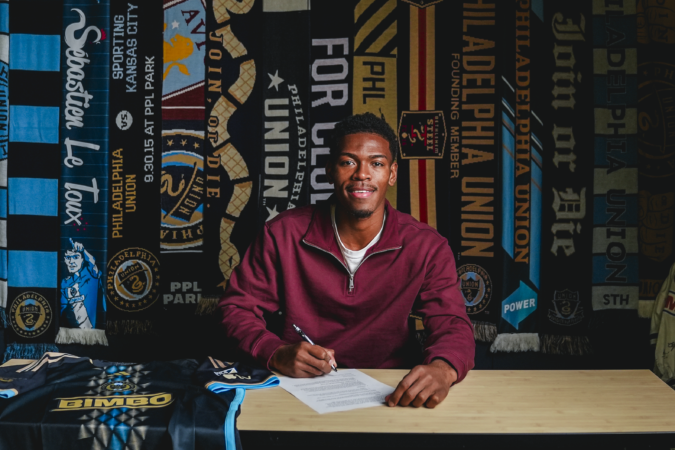
With Japhet Sery Larsen set as Jakob Glesnes’ replacement, the Union made that needed depth move on Tuesday, signing 23-year-old Colombian Geiner Martínez from Uruguayan club Juventud.
That should give the club three starting-caliber centerbacks, with Harriel and 19-year-old Finn Sundstrom as backups. The Union paid a transfer fee of just under $1 million for Martínez, a source with knowledge of the deal told The Inquirer.
The deal had been in the works for quite some time, with the first report emerging from South America nearly two months ago. Martínez’s contract is through the 2027-28 season, with team-held options for the two seasons after that. (Union fans should get used to seeing seasons labeled this way, as MLS heads toward its swap to a winter-centric schedule next year.)
Martínez will be added to the Union’s active roster after he receives his international transfer certificate and P1 visa. The Colombian centerback will occupy an international roster slot for the Union.
“Geiner is a young, strong player who brings intensity and a physical presence to our back line,” Union manager Bradley Carnell said in the team’s release.
“The experience he’s gained through earning promotion in two consecutive seasons is valuable. He is a competitor and dedicated to defending within our identity. We look forward to getting him integrated quickly with the team.”
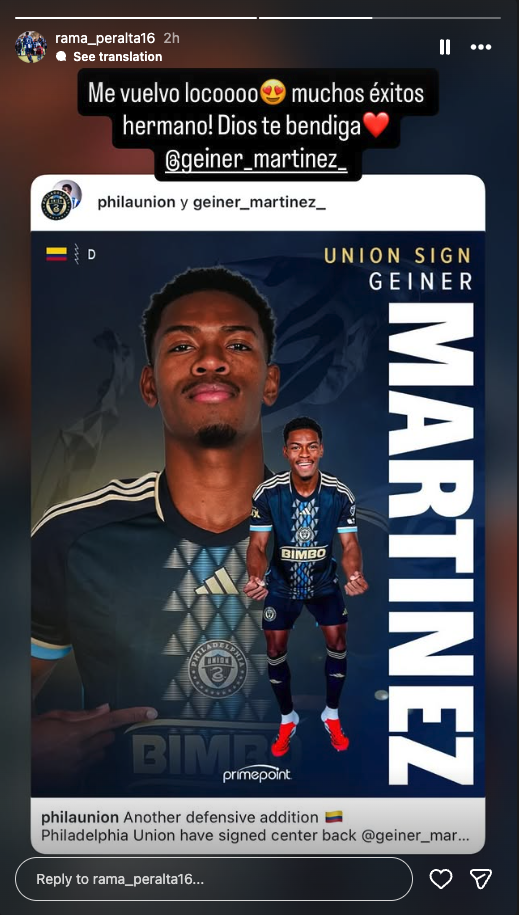
The writing perhaps was on the wall earlier this week, courtesy of a cryptic message on X, where he was photographed with former Juventud teammate Ramiro Peralta, who wrote “Vamos hermano” and tagged Martínez in an Instagram story on Jan. 28.
Rumored Union signing Geiner Martinez with a fairly cryptic repost on Instagram pic.twitter.com/h5o1cQBI6Q
Martínez played a key role for Juventud as the club won promotion from the second division to the top Uruguayan league, Liga AUF Uruguaya, in 2024. Martínez played in 12 of Juventud’s 15 games in the fall half of Uruguay’s 2025 season, from mid-August through late October.
Jon Scheer has been the public face of the Union’s front office this offseason with sporting director Ernst Tanner on leave.
Another forward will soon join the ranks in 23-year-old Agustin Anello. A South Florida native, he moved to Barcelona, Spain, with his family at a young age. He has played for clubs in Spain, Belgium, Croatia, Netherlands, and, most recently, Uruguay.
Anello made his last move, to Boston River in Uruguay’s capital city, Montevideo, in the summer of 2024. Boston River happens to be the club on which the Union parked forward prospect José Riasco on loan from September 2023 to August 2024, right before Anello arrived there.
While those players would not have crossed paths, Anello does know some others with Union ties. In November 2023, he was teammates with Harriel and Jack McGlynn on the U.S. under-23 national team. The Union will pay a $2 million transfer fee, a source with knowledge of the matter said, confirming The Athletic’s initial report of the number.
The MLS transfer window will close on March 26, leaving the Union with time to make more deals if they wish.
The Union will begin the season with a Concacaf Champions Cup match against Trinidadian champion Defence Force FC in Port of Spain, Trinidad, on Feb. 18. The team opens its MLS regular season with a match at D.C. United on Feb. 21.
U.S. Soccer Federation sporting director Matt Crocker didn’t invent his slogan of choice, but that’s no reason not to use it.
“If we do what we’ve always done, we will get what we’ve always got,” he said in a seminar at the United Soccer Coaches Convention last month. He said it at another event in December, too, and has no doubt said it many other times in his tenure so far.
The message might even be getting through, helped by Mauricio Pochettino and Emma Hayes’ big-ticket successes lately with the senior national teams. But the people Crocker really needs to reach don’t work for his employer. In fact, they’ve historically worked against it.
America’s youth soccer industrial complex — a phrase whose accuracy is confirmed at every convention — doesn’t like being told what to do by the sport’s governing body, or by anyone else. Many coaches and administrators have long cared more about winning games, making money, and keeping their jobs than about big-picture player development.
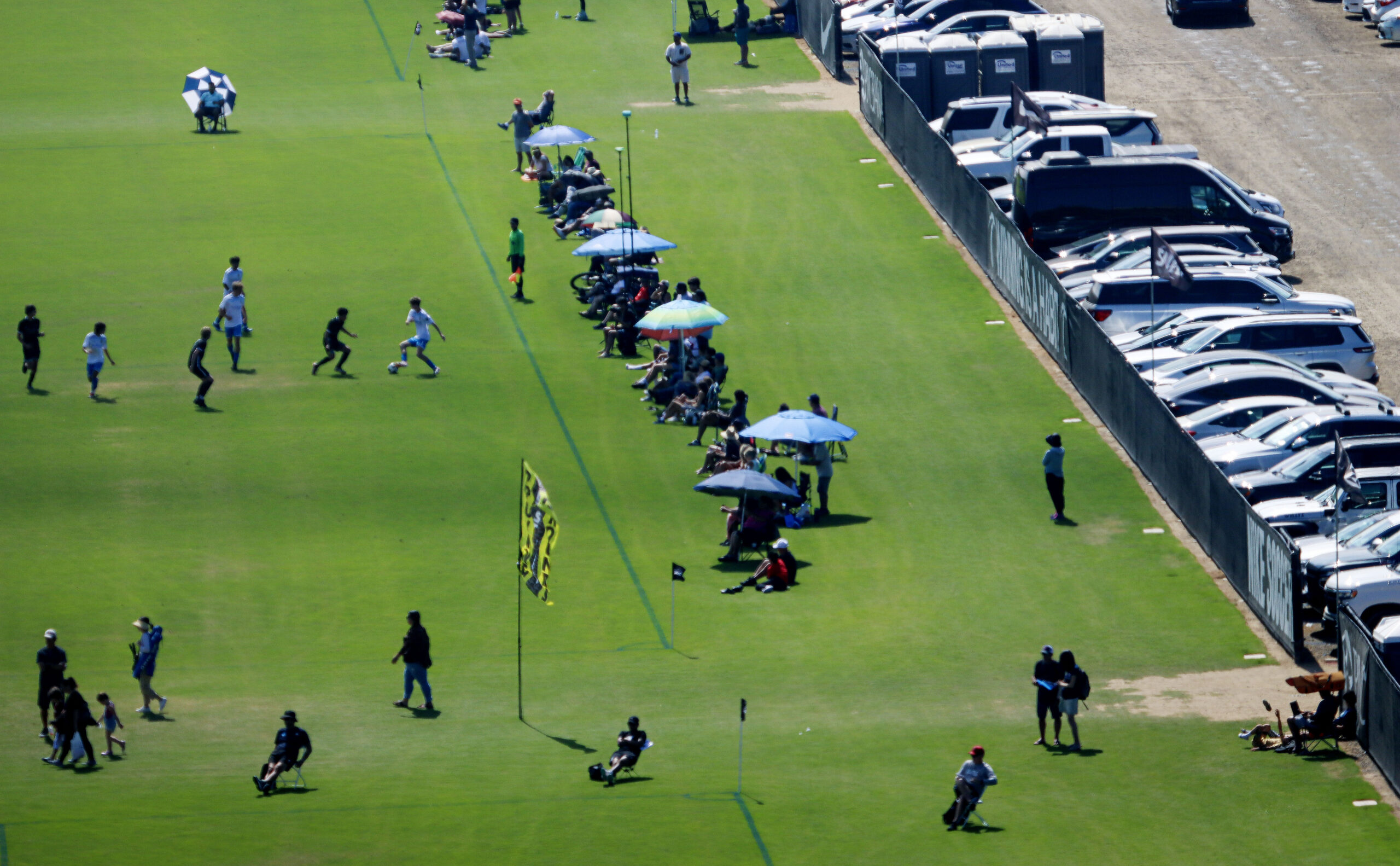
Youth soccer tournaments rake in big bucks for organizers and are part of an overall machine that prioritizes winning over development in the American soccer landscape.
For as much as Crocker is judged on the senior national teams’ successes, he is also measured on that big picture. And while he’s happy to let the men, the women, and the youth game do some things differently, he knows how he wants to steer the freighter carrying them all.
His map is the “U.S. Way” program scheduled to roll out this year. It includes some medicine for the youth game to consume, and Crocker is trying to serve it with quite a bit of sugar.
“We understand this is not U.S. Soccer standing here going, ‘You must do this, you must do that,’” he said. “It’s us better understanding your environments. It’s us better collaborating and working with you and giving you the resources — for free — to be able to tap into some of the things that might help you as a coach, that might help you as a club.”
Free sugar certainly tastes good, right?
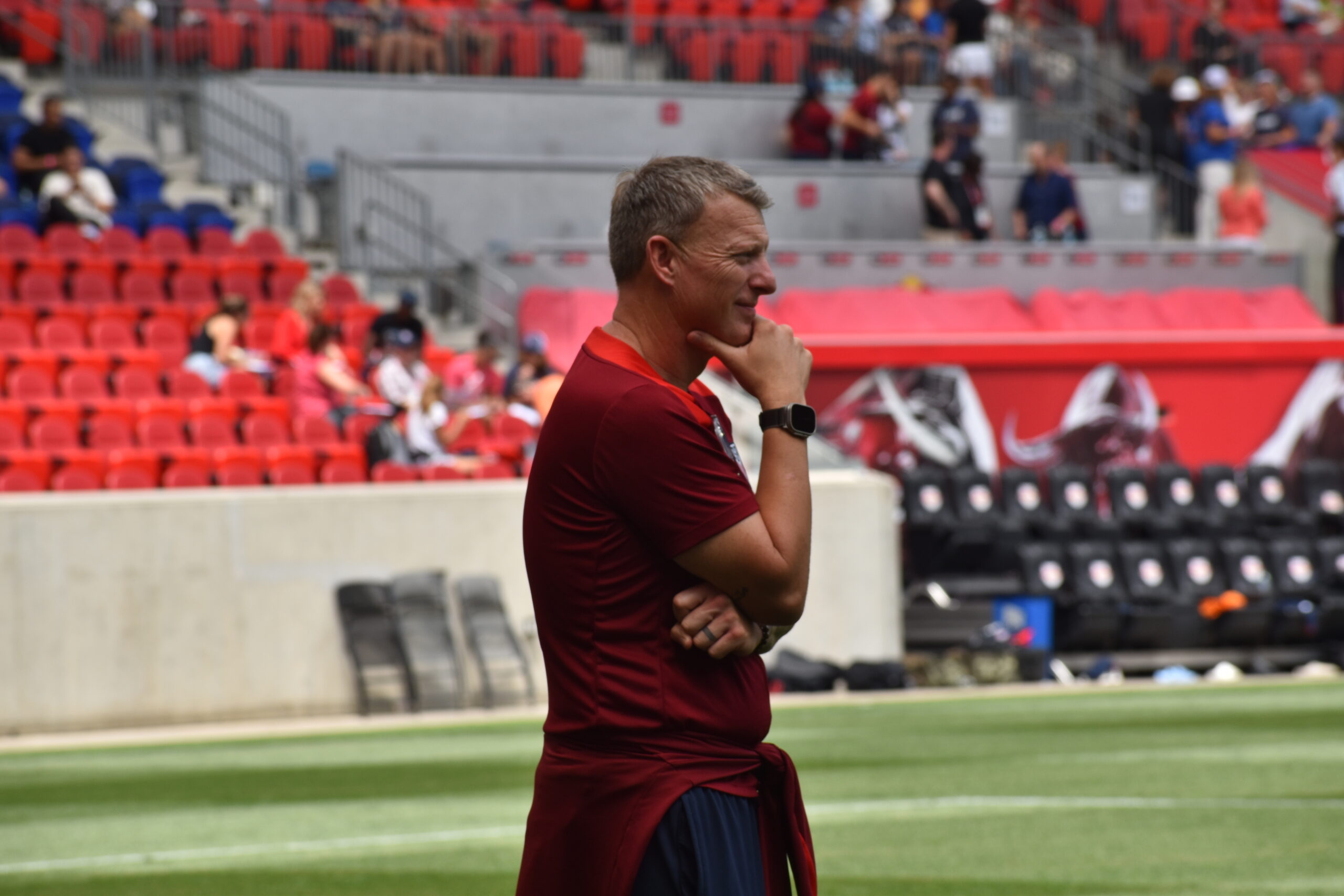
Matt Crocker on the sidelines at a U.S. women’s team practice in 2024.
Crocker’s case is helped by some medicine that U.S. Soccer has taken over the years. Before MLS teams built out their youth academy pipelines (which the NWSL hasn’t even started yet), the governing body ran a residency program for elite teenage boys in Bradenton, Fla., from 1999 to 2017.
From 2007 to 2020, there was also the U.S. Soccer Development Academy league for elite youth clubs. It had strict and often controversial rules for participation.
Both entities are not missed these days, and that proves an important point. Player development is supposed to be the job of clubs, not national federations.
‘The cherry on top’
Even though Crocker has pushed the governing body to fund full-scale youth national teams at every needed age (under-14, 15, 16, 17, 18, 19, 20, and 23, boys and girls), they’re all still meant to be finishing schools. Clubs develop players, then the national teams pick from them.
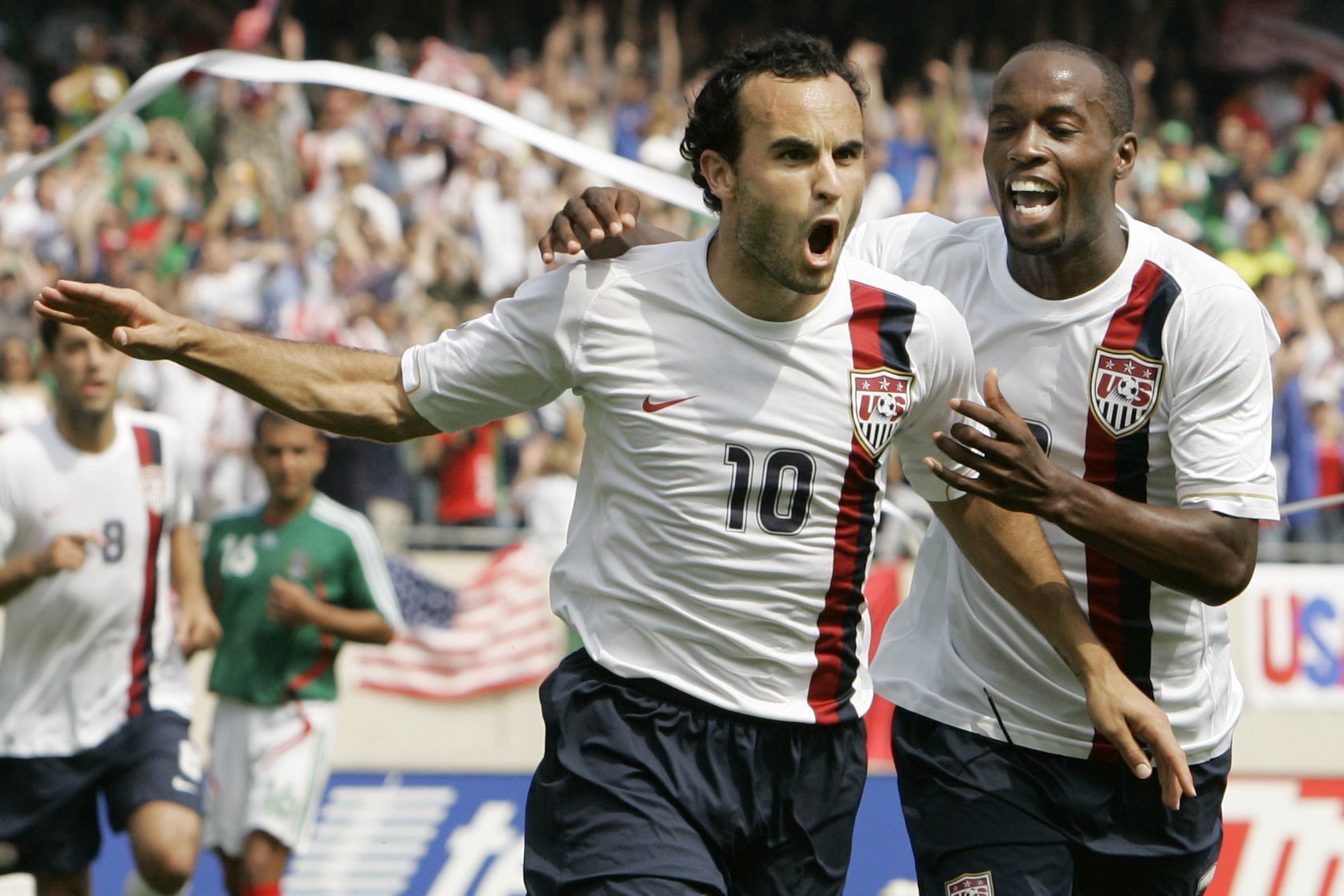
U.S. legends Landon Donovan (left) and DaMarcus Beasley (right) played in U.S. Soccer’s former academy in Bradenton, Fla.
“Without you guys in this room, we all fail,” Crocker said to a room that housed coaches, administrators, and more across American youth soccer. “We can put all our resources into the national teams, but unless we’re improving the quality of the child or young player coming into the system, it doesn’t matter. We just get the opportunity to sprinkle the cherry on the top, and we get 60 days [a year] if we’re lucky.”
Club teams, he continued, “get all that time with the players. You have the opportunity to really kick on player development.”
Some of his remarks went into the weeds, but it’s necessary to understand how player development in soccer works around the world, and how different it is from basketball, football, and baseball.
“When we talk about our international players or the international players that exist in this country, even at that level, 85% of player development happens in club [soccer] — and it starts when they’re 4 ,” Crocker said. “It’s not like as if, as soon as they go to the so-called pro club, whether that be MLS or NWSL, then all of a sudden, when they become a professional player, that’s when they develop. Development happens from the first touch point, the very first touch point at the grassroots.”
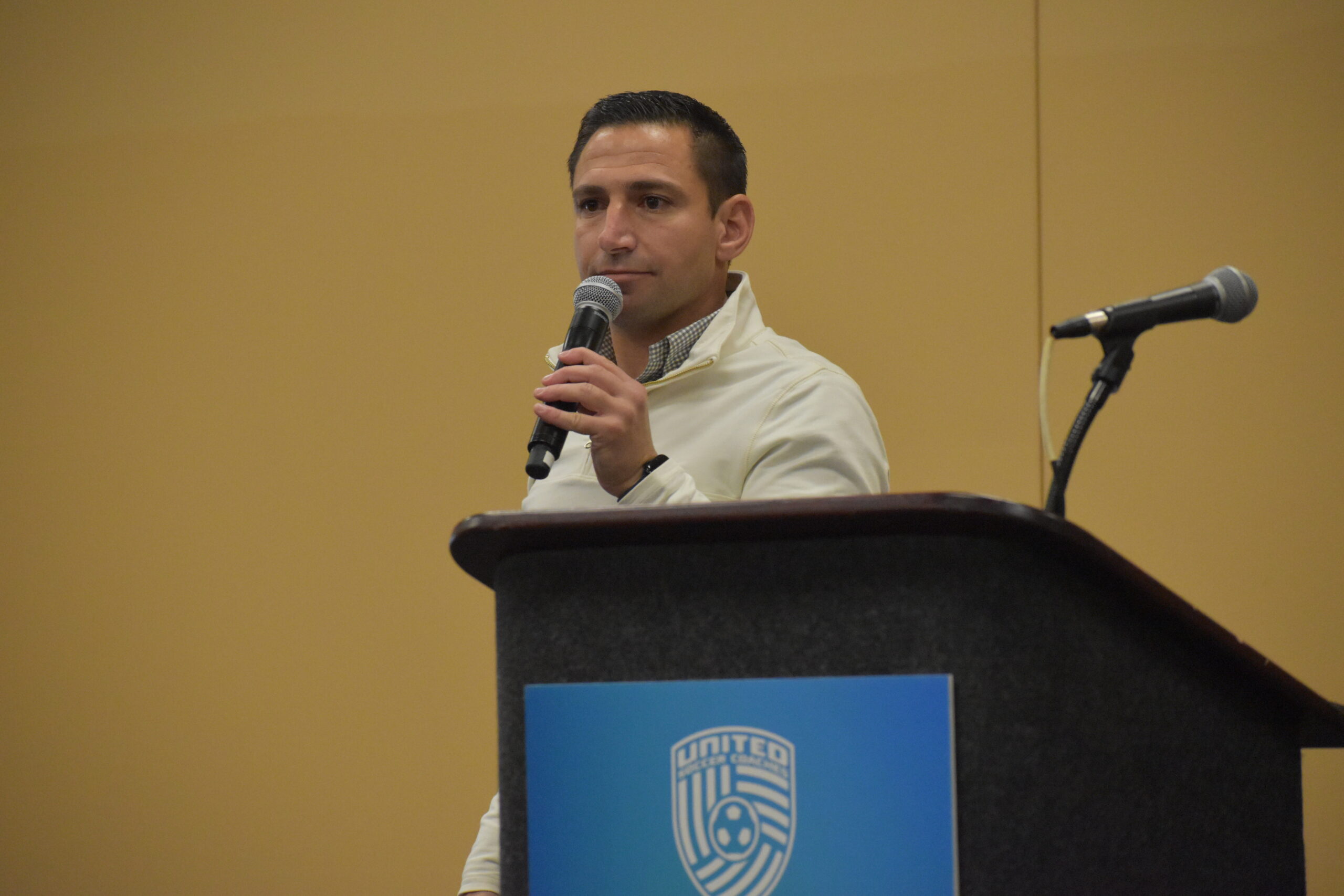
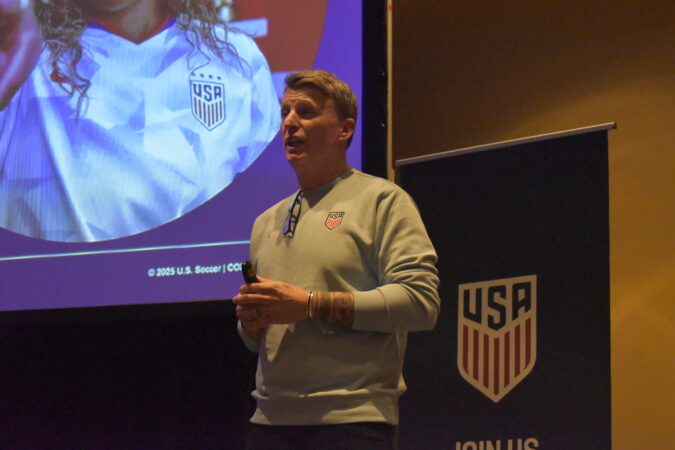
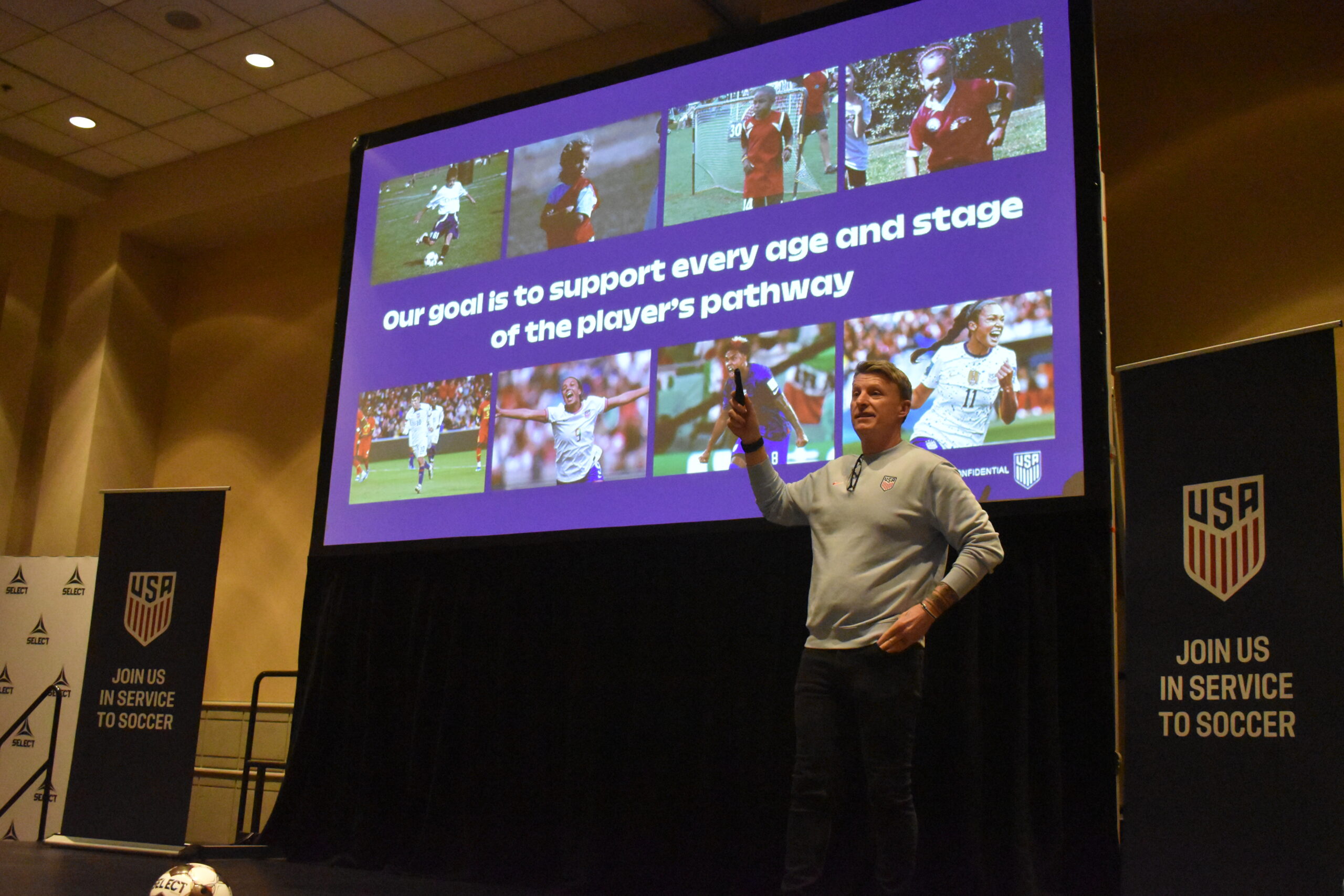
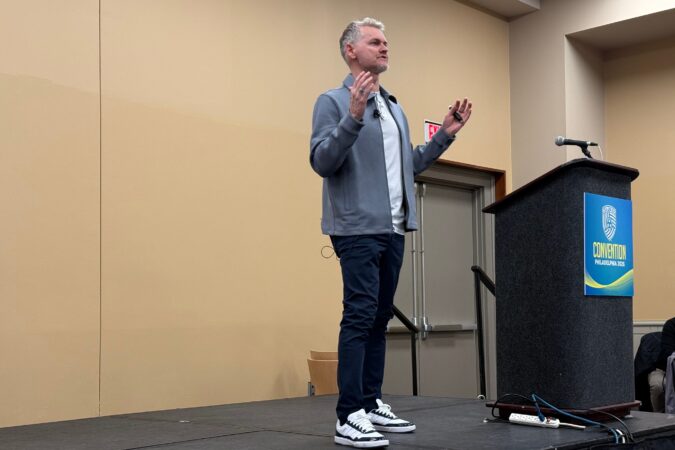
Matt Crocker on stage at this year’s Coaches’ Convention at the Pennsylvania Convention Center.
The crowd in attendance for Crocker’s remarks wasn’t very big, and he noticed from the stage.
“Either the presentation went really well last year, and everybody got all the content that they needed, so [they] didn’t decide to come back, or the presentation wasn’t good enough,” he said of his well-attended speech at last year’s convention.
When Crocker talked about how “there’s a lot of infighting, a lot of players going from one club to another, a lot of teams not playing each other and going further afield” — all of which are true — there was no applause, laughter, or groaning.
“That team can’t play that team, and they go all the way past them and jump on a plane and spend hundreds of dollars to go and play [another] team, because that league fell out with that league,” he said at another point. “Just crazy. This is about children. This is about the best opportunities for children.”
About 10 minutes in, Crocker got ready to slip in the medicine. But first, he offered a little more sugar.
Meanwhile, the crowd for Matt Crocker isn’t great.
But those who are here have just heard him give a lot of praise to the culture of the Union’s academy, which he visited yesterday:
“I think I opened last year with the same thing, which is player development happens in your clubs and your environment,” he said. “And our job in U.S. Soccer is to recognize that, celebrate it, and support you in doing the best jobs you can in really really challenging difficult situations.”
Then he went for it.
“Basically, our job is to define as the federation, as hopefully the leaders in soccer, to be able to give you guys clear guidance over: we believe youth development needs to look like this in the future,” he said. “And these are the things that we believe you could do to support a better quality of child, of player, achieving a better experience within the game in the future. So, us as a governing body finally putting the stake in the ground and going, ‘This is what we believe in.’”
He offered a little more sugar just to make sure it went down.
“Our job is not to tell you,” he said. “Our job is to show you these things can work and hopefully positively influence you to want to come and be part of the things that we’re talking about.”
A few minutes later, he went back to the medicine — this time, with something he knew is close to sacrilege in some parts of youth soccer.
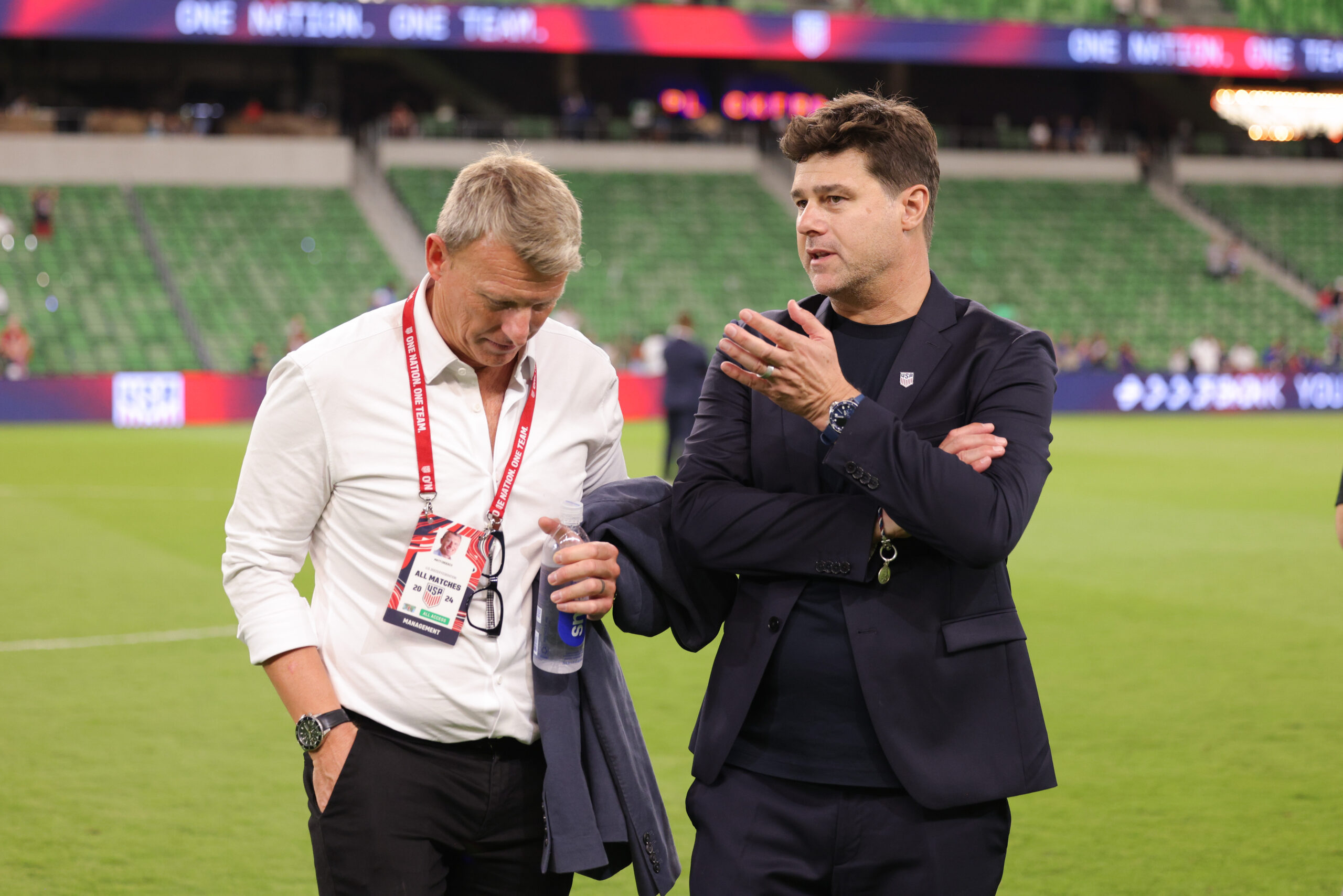
Matt Crocker (left) in a conversation with U.S. men’s national team manager Mauricio Pochettino.
“Our job as U.S. Soccer is to educate clubs, coaches, parents on when you are looking for your team next year, don’t automatically bring up the league table of winners and go, ‘I want my son to go there or daughter to go there because they must be the best club,’” he said. “That might not be the right environment for them. We need to start to make sure that we promote and value clubs that do great player development.”
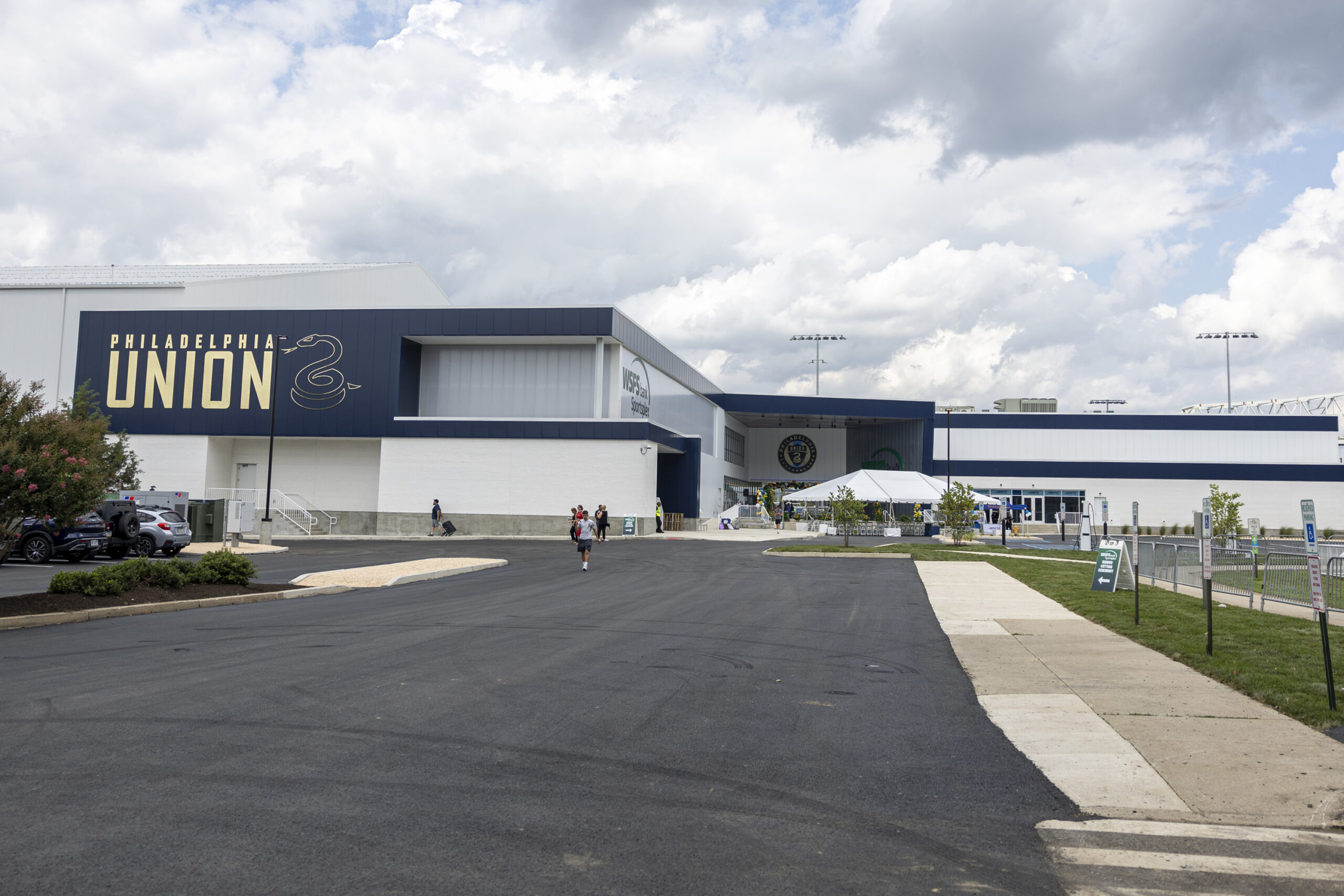
The day before Crocker spoke, he visited the Union’s facilities in Chester. It wasn’t his first time there, but it was his best chance yet to actually see the whole place, from the youth academy on up. He raved about it, just as Pochettino did when he came to town and counted the Union alumni on his squad.
“You see the culture that exists in that building,” Crocker said. “You see the kids smiling, and they’re in education — this is not even when they’re on the field to play. The education and the soccer go hand in glove, and it’s really just a great environment to see.”
WSFS Bank Sportsplex in Chester is the site of the Union’s entire operation from its youth academy to senior team.
Crocker tied all of this together with slides showing how many players in the world’s top 250 and 1,000, based on club success, come from various countries. He hired sports consulting firm Twenty First Group to crunch the numbers for him, and the result was clear.
In women’s soccer, it’s seven or more in the top 250. From 2016-25, the U.S. averaged 80 players at that level, by far the most; and only England had a higher major-tournament winning percentage. In the top 1,000 players, the U.S. had 180, almost 20% of the total.
Those teams, the data said, usually win at least 50% of their games in major tournaments, a benchmark “associated with consistently reaching the quarterfinals or later.”
But reduce to the top 50 players, and the U.S.’ portion has gone down lately.
“There’s this chasing pack now who are doing more youth development than they’ve ever done before,” Crocker said. “So the challenge in the women’s game is how do we maintain our top 180, but how do we get more players in that top 50?”
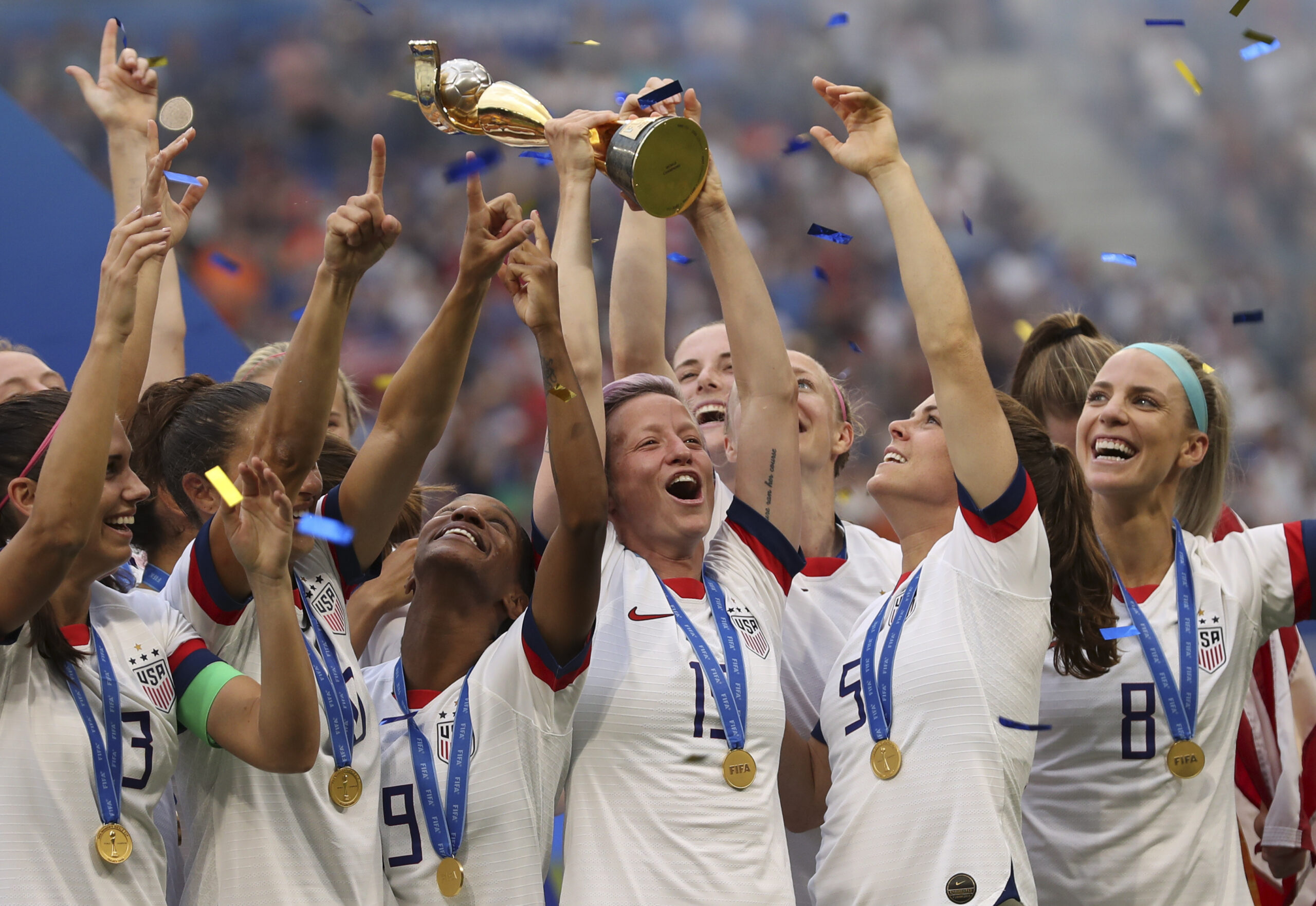
The U.S. women’s soccer team has long had a much bigger player pipeline than the rest of the world, but that’s starting to change.
In men’s soccer, the success benchmark hits when a nation has four players in the top 250, or 15 in the top 1000. In the same 2016-25 time period, the U.S.’ average was zero in the top 250 and 5.8 in the top 1,000.
“Any team can win at any moment,” Crocker said. “But what we’re talking about is consistent, sustained success over many, many years … Clearly this picture doesn’t put us in that situation.”
His goal is to get to 15 in the top 1,000, the men’s benchmark for a 50% win rate. And he returned to the top 250 to push home the final message.
It’s no surprise that the top five teams over the 10 years surveyed are Spain, France, Brazil, England, and Germany. But England was far off the pace at the start of the period: 15 players in the top 250 compared to Spain’s 49. Since then, they’ve steadily risen from 18 in 2018 to a table-topping 30. Spain is now second with 26.
The Twenty First Group researchers don’t think it’s a coincidence that England has reached two European Championship finals and a World Cup semifinal in that time.
Christian Pulisic is one of the few American men’s soccer players who is considered truly world-class.
And was it a coincidence that Crocker was the technical director of England’s Football Association from 2013-20, launching the “England DNA” program for the nation’s youth national teams along the way?
As he told The Inquirer in December, scaling that program up to a country the size of the United States — in both population and geography — is a gigantic task. But he knows where he wants to get to, and his U.S. Soccer colleagues used the rest of the convention to start to lay out the specifics.
“Currently, we have a landscape where it’s totally, I think, not ungoverned, but there’s not consistent standards across the whole country or best practices,” Crocker said. “We want to come to you, we want to be clear and concise about: if you want to be a club and you want to operate in this landscape, this is what best practice looks like. And we want to work with you to get to those best practice outcomes, and we are not going to to accept lower standards.”
The sugar tasted good. So will the right people take the rest of the medicine?
Matt Crocker (right) worked at England’s Football Association, and at the club level with Southampton.
“This is not going to be an inspector coming in with a clipboard telling you all the things you’re doing wrong,” Crocker said. “This is U.S. Soccer going [for] health checks coming into your environments: where are you, what do you need, this is what good looks like, this is where you are. How do we work together to solve these things?”
By the end of the seminar, the crowd hadn’t revolted yet. It remained small, but greeted the end of Crocker’s prepared remarks with applause.
“You’ll walk away from here today, and you’ll either say that was great, or that was whatever,” he said.
In a few months, U.S. men’s soccer team manager Mauricio Pochettino will have to make some of the toughest choices he has ever made in his decorated coaching career.
It will be hard enough to pick the 26-player squad for a World Cup on home soil. But it be will just as vital to decide how many players he’ll take at each position: centerback, outside back, the many kinds of midfielders, and forwards.
His life will be made a little easier by the number of goalkeepers being set by rule at three. But all those other choices will cause plenty of headaches, and debates among U.S. fans.
“It’s difficult to now tell you if we are going to bring a number of centerbacks or fullbacks or strikers or midfielders,” he said in a news conference Thursday in Miami. “The way that we build the roster, it’s always about having the possibility to be very flexible, to have the possibility also to change during the game.”
Mauricio Pochettino giving advice to outside back Max Arfsten (left) during a game last September.
Pochettino alluded to the big tactical change he installed in the fall, switching from the program’s longtime 4-3-3 setup to a 3-4-2-1. The switch sparked the team’s five-game unbeaten run to end 2025, but it also posed new questions.
The biggest arguably is at centerback. That position can have a big effect on the overall balance because it changes the outside backs’ playing style and takes a midfielder off the field.
Pochettino didn’t address centerback directly, for the reason he noted above. But he did acknowledge that “if we want to play with fullbacks that go forward, we bring more forwards and less wingers.”
The injury list will also matter a lot, of course.
“Until we really know the possibilities of the players that we are going to have available, it’s impossible to say if we are going to bring more or less” at any given position, Pochettino said. “It’s a domino effect that if something changes, [it] sometimes affects another.”
Union alum Mark McKenzie (center) is a leading candidate to be one of the centerbacks on the U.S. World Cup team.
He summed it up like this: “I think the combination is always going to be to first have the players available, and then [address] how we are going to approach, in the tactical way, the games.”
Winter transfers could have an impact
It would be natural for fans to expect the March squad, which will play star-studded Belgium and Portugal in Atlanta, to be a preview of the World Cup roster — not that it has to be all 26, but at least be on the way there.
Pochettino indicated he would like to think that way, too, but players’ health comes first.
“It’s true that now we are close to the World Cup, and it’s true that it’s going to be difficult to bring some new players because I think we don’t have time,” he said.
“But, already, we had time to assess all the players, more than 70 players that we saw during one year and a half — I think we have a very good idea. Now it’s about to wish that our players will be fit and will be in very good form for us to select the right players to try to compete in our best way.”
Medford’s Brenden Aaronson has raised his World Cup stock recently with strong performances for Leeds United in the English Premier League.
Right back Alex Freeman could have a lot at stake in March. The 21-year-old son of former Eagles wide receiver Antonio Freeman made a $4 million move to Spain’s Villarreal on Thursday. Villarreal currently is fourth in La Liga and was just eliminated from the Champions League.
It’s a big bet for Freeman to make on himself so close to the tournament. Pochettino said the player asked for advice on the move, and the manager gladly gave some.
“I said, ‘You need to be very natural and take what you believe is the best option for you, for your family, and, of course, for your people that advise you,’” Pochettino said.
“For sure, always for me, it’s important that the player feels happy, feels comfortable, [but does] not to want to be in a comfort zone. This type of thing that happens is because they want to improve, they want to grow, and I think it’s an amazing challenge that we need to support and help,” Pochettino said.
Ricardo Pepi might be the next major American to change clubs. English Premier League club Fulham wants to buy the 23-year-old striker from the Netherlands’ PSV Eindhoven and has upped the ante to $38 million to try to seal a deal this winter.
Ricardo Pepi could soon join English Premier League club Fulham for a big transfer fee.
That’s an even bigger gamble. Any striker needs to be playing and scoring regularly to secure a place on the U.S. depth chart, but Pepi was one of the closest cuts to miss the 2022 World Cup.
“When you change, it’s because you are convinced that you’re going to be in a better place than the place that you are, no?” he said. “And I think that is why always I am very optimistic, I’m very positive on all the moves.”
Criticizing one of his own
Pochettino was asked about Tim Weah’s recent remarks to French newspaper Le Dauphiné Liberé that ticket prices for this summer’s World Cup are “too expensive.”
Tim Weah on the ball during a U.S. game last October.
“Football should still be enjoyed by everyone,” said Weah, who plays for Marseille. “This World Cup will be good, but it will be more of a show. … I am just a bit disappointed by the ticket prices. Lots of real fans will miss matches.”
“First of all, I think players need to talk on the pitch playing football,” he said. “It’s not his duty to evaluate the price of the ticket. And then also, my job, my duty, is to prepare the U.S. men’s national team in the best way to perform. We are no politician, we are sports people, that only we can talk about our job.”
The prices were set by FIFA, world soccer’s governing body, and not by U.S. Soccer, which proposed considerably lower prices in its bid book.
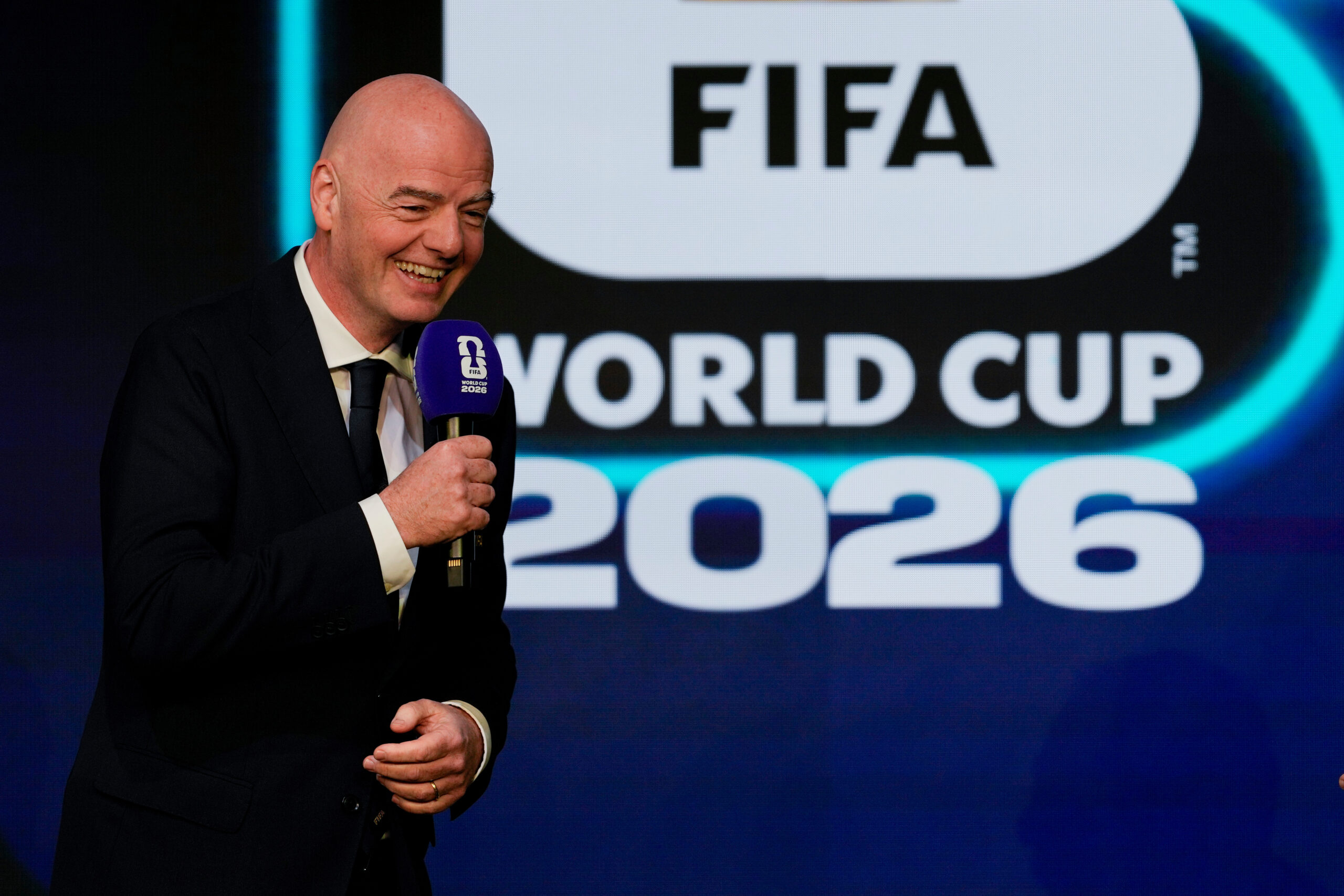
FIFA president Gianni Infantino has drawn criticism from fans worldwide over the World Cup’s high ticket prices.
“I think if FIFA does something or takes some decision, they know why, and it’s their responsibility to explain why, but it’s not to us to provide our opinion, our responsibility is to perform,” Pochettino said, coincidentally sitting in FIFA’s Miami offices.
“The person that is in charge of the federation, maybe he can give his opinion, but I am the head coach of the [U.S.] federation. And I think we have the organization that is over us, FIFA, that is doing an amazing job around the world, uniting people, because I think FIFA unites people.”
He added that “the media need to ask directly [to] FIFA, and for sure you are going to receive a very good answer.”
PARIS — United States international Crystal Dunn has retired from professional soccer after a decorated playing career to spend more time with her family.
The 33-year-old New York native helped the U.S. win the 2019 women’s World Cup and the gold medal at the Paris Olympics.
“This decision has not come easily, but I am at peace and deeply fulfilled with all that I have accomplished,” she wrote in an Instagram post Thursday. “I’ve achieved nearly everything I dreamed of in this sport and gave all I had to give.
“I’m ready to embrace the life that awaits me on the other side. I look forward to spending more time with my family and being a more present mom.”
Dunn was under contract with Paris Saint-Germain, which said Thursday that both sides agreed to end their collaboration. A versatile player who contributed from multiple positions, Dunn joined PSG in January 2025 after leaving Gotham FC of the NWSL. She made nine appearances for PSG, scoring two goals and providing two assists.
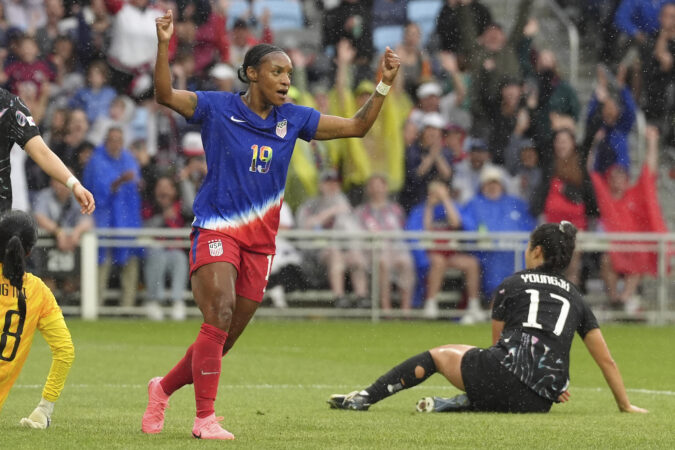
Dunn appeared in 160 games for the United States, scoring 25 goals.
“As one of the first Black stars of the U.S. women’s national team, especially as a field player, Dunn has long been a role model to many young players of color across the country who aspired to reach the highest levels of the game,” the U.S. Soccer Federation said in its announcement about Dunn’s retirement.
“Dunn’s career will be remembered for her versatility, her tremendous one-on-one defending, her ability to perform far above her size (5-foot-1), her popularity among her teammates, her ability to inspire generations of U.S. Women’s National Team players and for a heck of a lot of winning.”
Before Gotham, Dunn played for the Portland Thorns and took most of 2022 off for the birth of her son, Marcel. She also had stints with the North Carolina Courage, Chelsea, and the Washington Spirit.
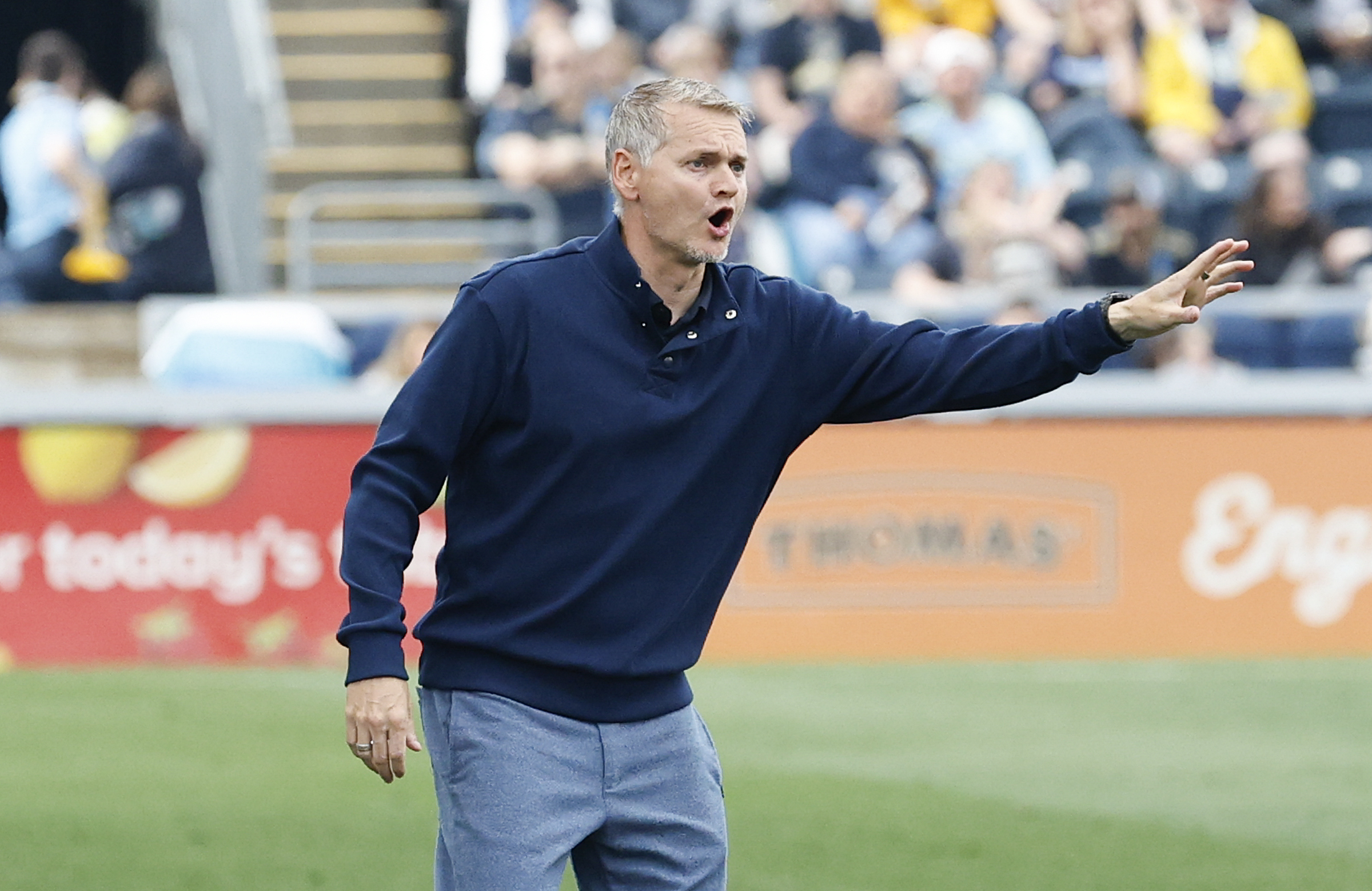
Bradley Carnell can be pretty reserved in public. It’s not that he doesn’t like being on camera, but you aren’t always going to get too much from him in a news conference.
At the United Soccer Coaches convention a few weeks ago, the Union’s manager got a different opportunity. It was his first time at the longstanding event, and he spent an hour on stage talking about his coaching methods.
Carnell’s journey has taken him a lot of places. The Johannesburg, South Africa, native turned pro at age 16 in his home country, then at 21 moved to the first of four clubs he played for in Germany. He played 40 times for the Bafana Bafana, including at the World Cup in 2002.
After hanging up his cleats in 2011, Carnell started his coaching career at the University of Johannesburg. From there, he had two assistant jobs with South African pro clubs, then moved to the U.S. in 2017 to join the New York Red Bulls’ staff. He’s been in this country ever since, and the Union are his third coaching stop in MLS.
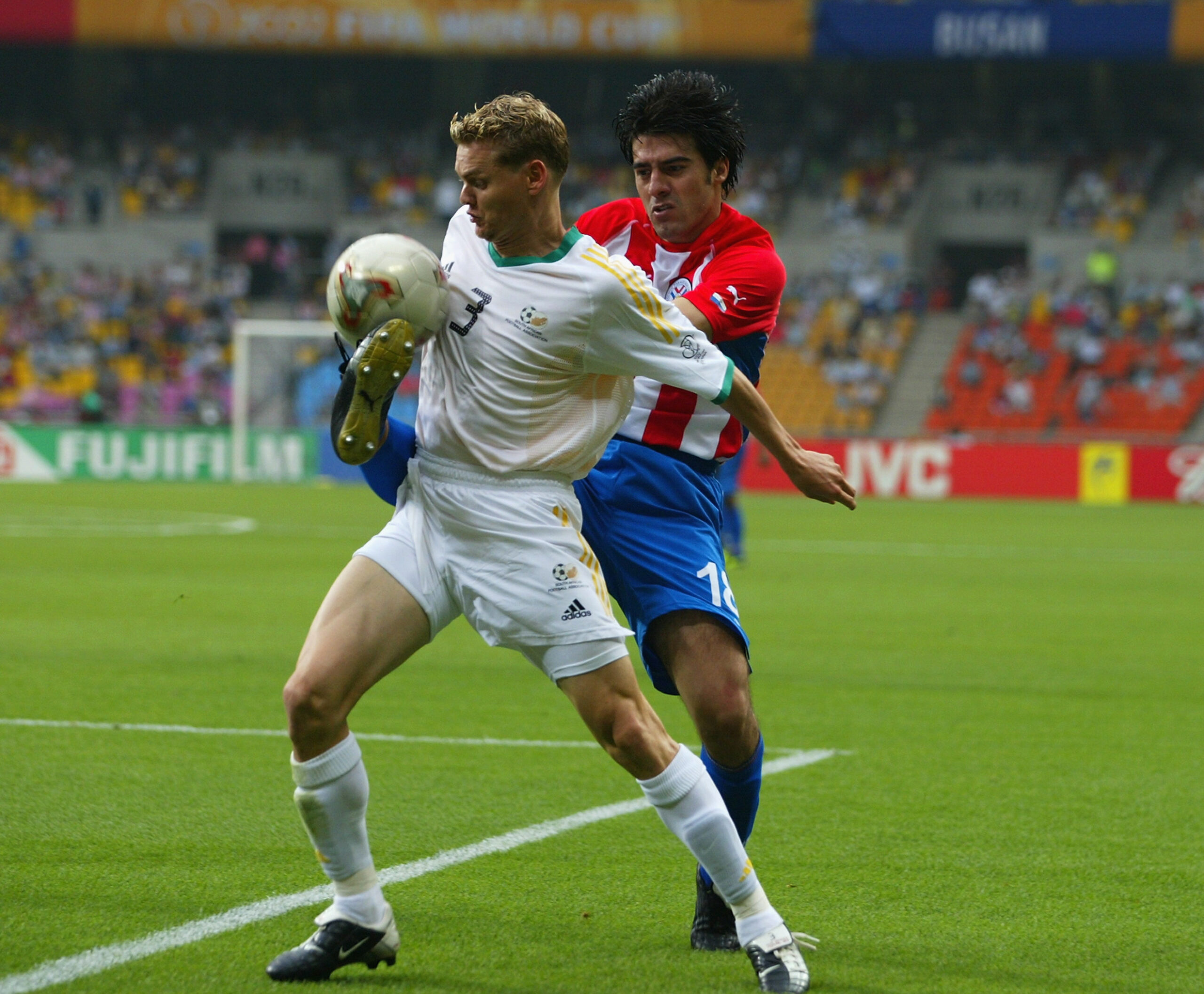
Bradley Carnell (left) playing for South Africa against Paraguay in the 2002 World Cup.
What has stayed constant over the years? One thing is how he sees the sport.
“Überzeugungstäter,” he said, a word learned while living in Germany. “A perpetrator. I’m a criminal of the game model that I’m presenting today.”
This produced some amused looks, and not just because of the multiple languages involved. Carnell was not surprised.
“I believe in it so much, and this is who I am,” he said. “Not because I’ve learned the game that way. It’s just because I live my life in a certain way.”
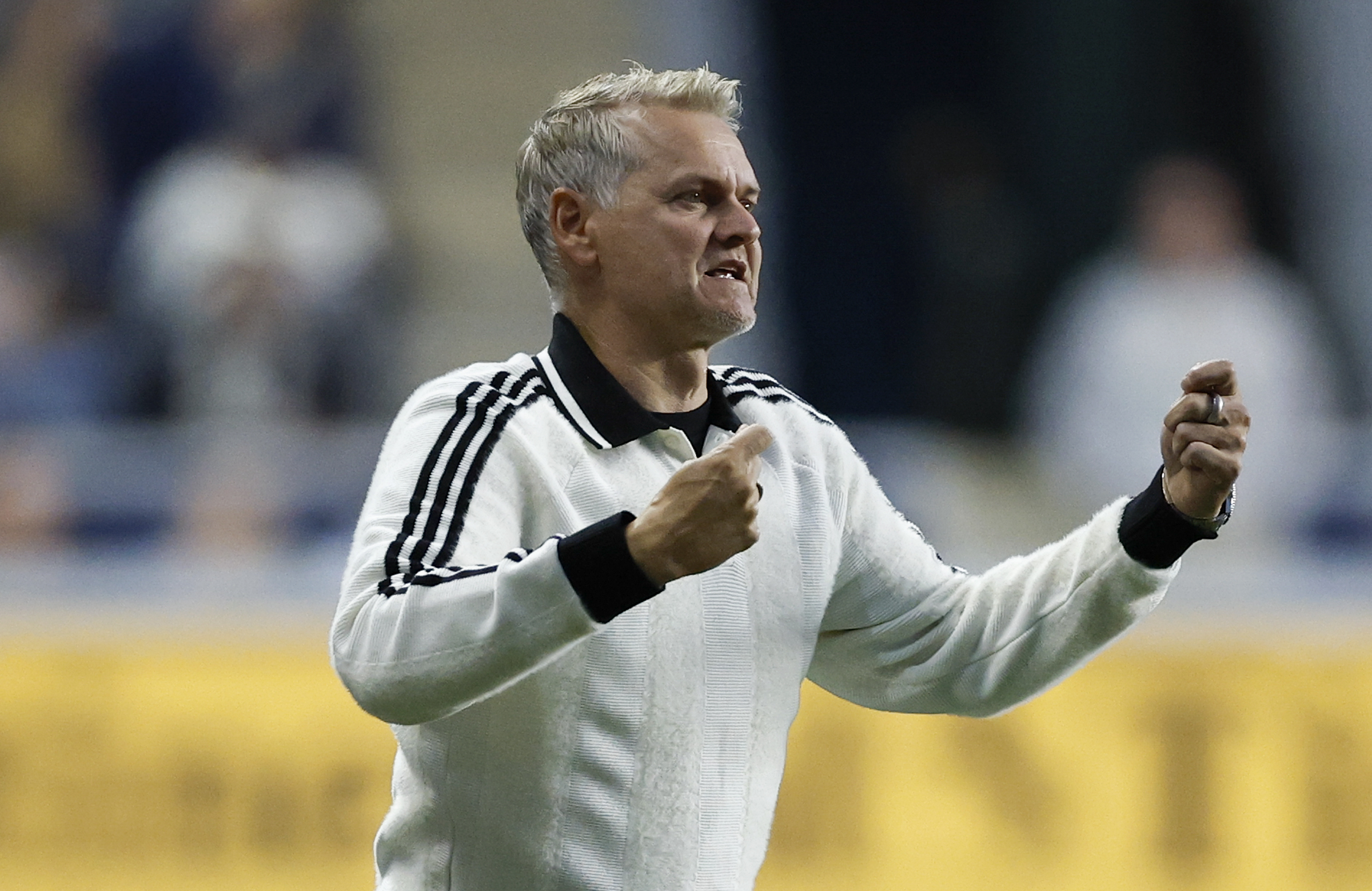
Bradley Carnell giving instructions to his players during a game last year.
You can get that sense at an average Union practice, where Carnell, 49, often is right in the middle of the fray.
“When setting up a game model, one, it’s based on previous experiences of your playing days: caching influences, but also DNA, how I live my life every single day,” he said. “Fast, energetic, proactive, on the front foot — these are all terms that are coming to life now because it’s just who I am. If I’m playing Monopoly with my family, I’m trying to win the game in the quickest way possible.”
The manager who had the most influence on Carnell was Ralf Rangnick, who coached the young left back at German club VfB Stuttgart from 1999 to 2001. Ragnick is known as one of the founding fathers of “gegenpressing,” the high-octane tactics that spread all over Germany and eventually worldwide.
Those ideas have stayed in Carnell’s mind for a quarter of a century.
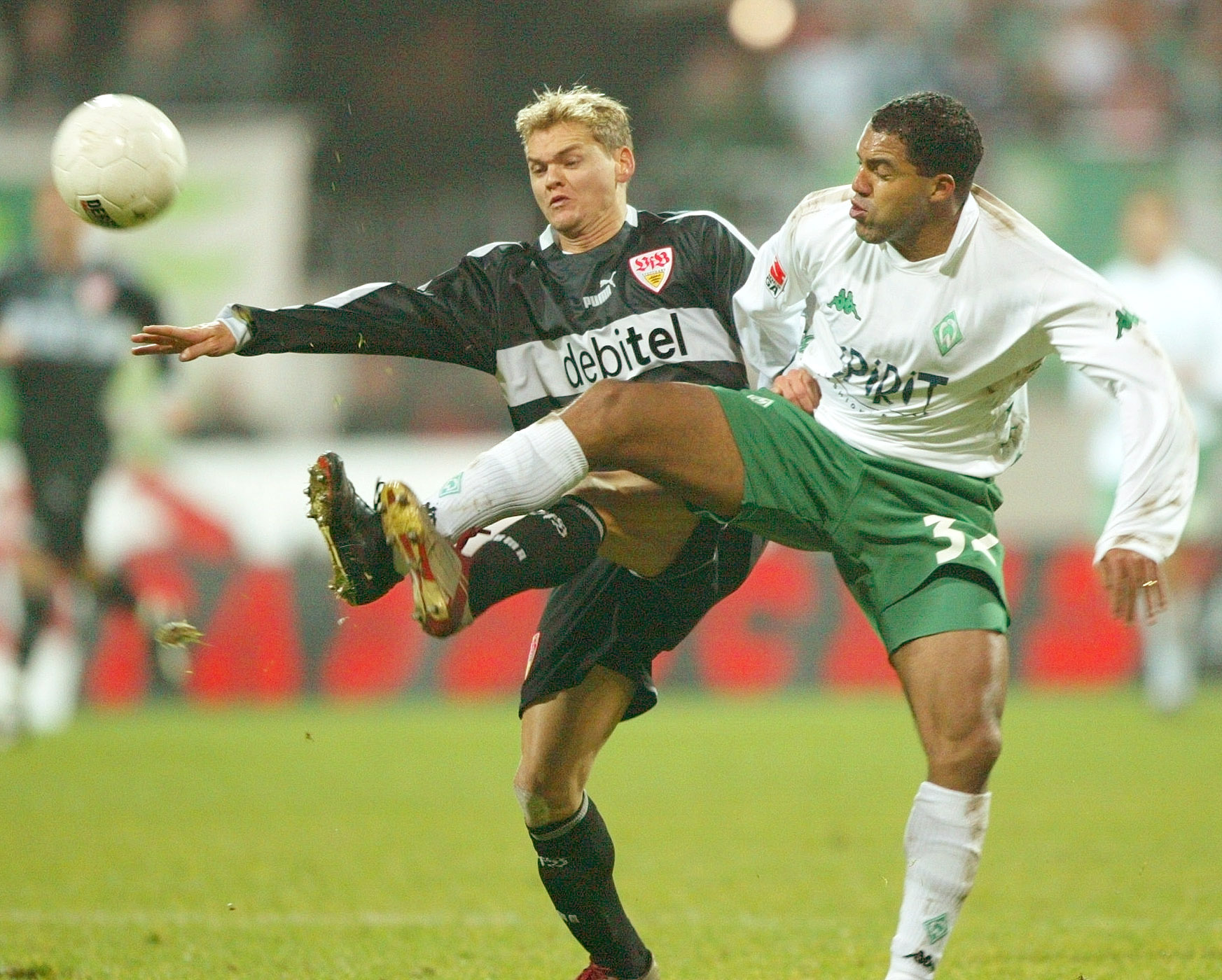
Bradley Carnell (left) during his playing days with German club VfB Stuttgart in 2002.
Inside the playbook
Carnell put up a slide that laid out four principles: “Hunting” to gain possession high up the field; “swarming” to regain the ball after losing it; “striking” to try to get to the opponent’s goal within 10 seconds; and “waves” of attacking moves.
He talked a lot over the course of his session about the defensive side of things, especially “rest defense”: how the centerbacks position themselves when their teammates have the ball up the field.
He also took an interesting question from the audience about man-to-man vs. zone defending.
“I don’t mind going one-for-one at the back,” Carnell said. “It’s not man-marking. So if they cross over the center back axis, I’m not going to say to you, ‘Go with him and track him all over the field.’”
If this brought the term “matchup zone” to anyone’s mind, it hasn’t been used much in soccer. But if it ever was going to be, the city that produced John Chaney would be an appropriate place to start.
The Union won the Supporters’ Shield and reached the second round of the playoffs in Bradley Carnell’s first year at the helm.
But the most interesting stuff, as it is for Union fans, was what he said about attacking.
Quality on the ball is valued over time on the ball, a point Union fans have certainly learned by now. And Carnell laid out his “baseline” for how he wants his team to score: 60% in transition, 30% on set pieces, and 10% in possession.
“We can go quick — I say [with] quality on the ball, you can always get quicker,” Carnell said. “But if you try to go too quick, then there’s going to be turnovers. So, progressive quality over speed. We can always learn to get quicker in this transitional phase of the game.”
Last year, the Union scored around 50% of their goals in transition, 30% from set pieces, and 20% in possession. That wasn’t quite what Carnell had aimed for. How did he react?
“We don’t see it as a failure,” he said. “We just see it as an adaptation. To every team you inherit, or every team you go to in terms of me joining here a year ago at the Philadelphia Union, we see certain trends, character traits in players, in how we can get this effectiveness.”
Bruno Damiani with the finish and @PhilaUnion takes the lead in a rainy D.C. ⚡️
The Union ranked well in some stats he likes. They were second leaguewide in shots taken within 10 seconds of gaining possession, at 2.84 per 90 minutes. They were also second in percentage of first passes of a possession that went forward in transition, at 45.5%. And they had the fewest passes per shot sequence, at 2.3 per 90 minutes.
“Reactions quicker than the opponent can get themselves organized against,” Carnell said.
He put up some tactical graphics on his slides to illustrate the plays he wants. He also showed some videos of notable plays that the Union made last year, and they really made the point.
Carnell said “one of my favorite moments of last year” was a goal the Union scored on May 30 at Montreal: a counterattacking dash that covered almost the entire field in 12 seconds in just the second minute of the game.
What a strike! Indiana Vassilev gives @PhilaUnion the early lead on the road!
Another goal Carnell liked came on April 19 at home against Atlanta. The visitors had the ball, but only briefly: Kai Wagner and Jovan Lukić teamed up to jam Brooks Lennon just short of the midfield line.
Danley Jean Jacques was nearby, and started dashing upfield. Three passes in eight seconds later, he had his first goal in a Union jersey.
“In our game model we’re saying, ‘Go put out the fire,’” Carnell said. “’Go win the ball as high as you can. Be brave. Be brave and hunt in numbers.”
On paper, the Union playing five preseason games in three weeks might seem like a lot. But it’s also a reflection of how short the preseason is after an offseason that also didn’t last long.
The club’s stretch in Spain is made even more important because of the team’s new signings. Ezekiel Alladoh has to build chemistry with Bruno Damiani up top, and the same goes for Japhet Sery Larsen and Olwethu Makhanya at centerback.
That has to happen in a hurry, too, with the Union opening their campaign in the Concacaf Champions Cup before the regular season starts.
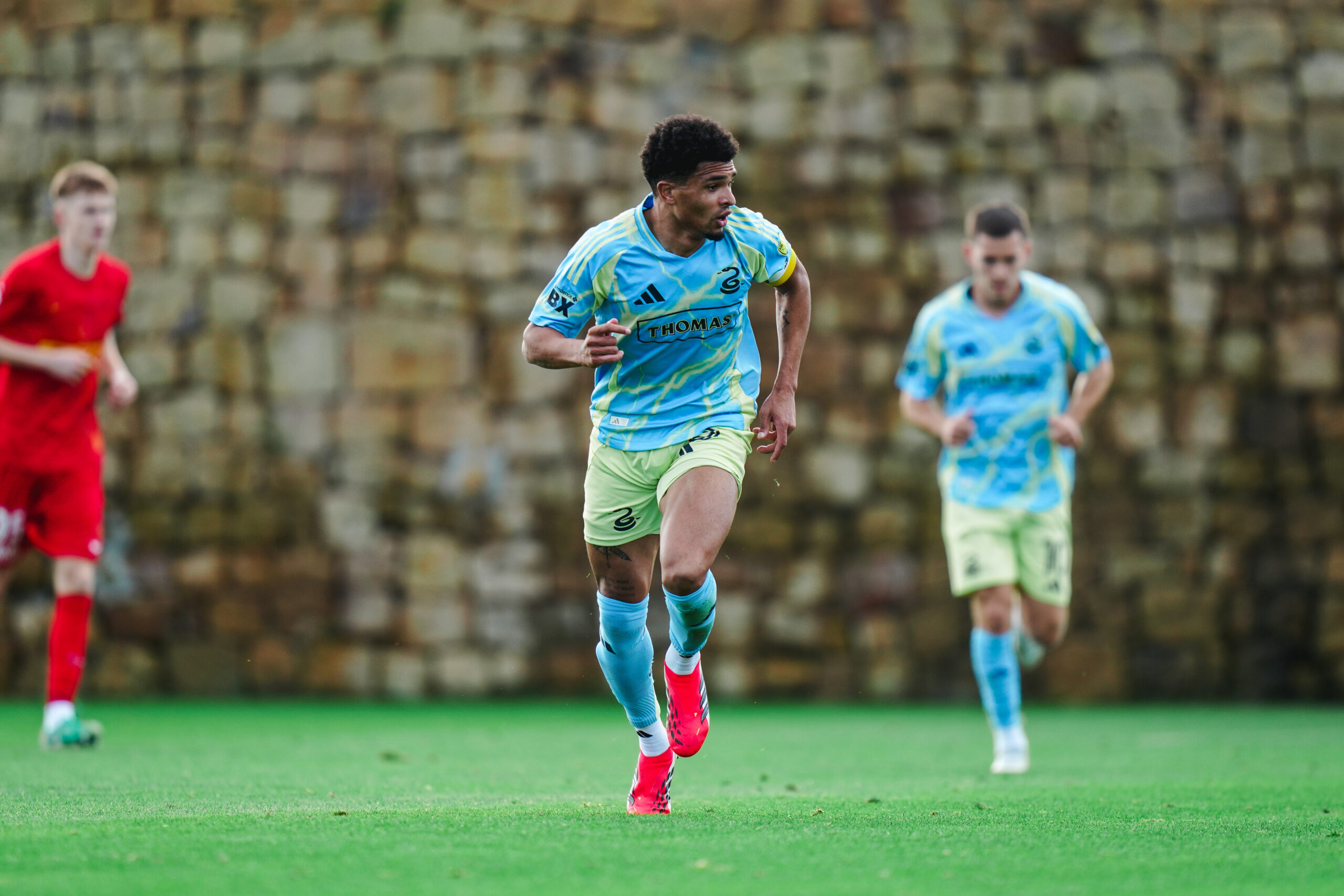
“We’re grateful that we have three games on this leg now, just to get some games and minutes and relationship — building with all the different players, with the new guys coming in, and working on a couple of new concepts,” manager Bradley Carnell said in a news conference Thursday from the team’s camp abroad. “Just trying to get the base loads, build up the fitness, get slowly, progressively, more intense and deliberate with our actions in the game model, and then start dialing it in.”
The Union will play their last scrimmage in Europe on Thursday, against Montenegro’s FK Budućnost at 8 a.m. Philadelphia time. (There’s no word on a broadcast yet.) As with the previous contest against Denmark’s FC Nordsjælland, it will be played with three 45-minute periods.
“Obviously, we bought ‘Japh’ [Sery Larsen] in here with a distinct reason, to hit the ground running,” Carnell said. “And I think he’s showing just that, and he can adapt and settle into our way and style of play. There’s a lot of onboarding within the game model, so there’s still a ton of that going on with all the different players and group meetings, and the coaches doing some individual clips and meetings from training and game footage.”
Carnell revealed that Larsen and Makhanya will start Thursday, with Nathan Harriel at left back and Frankie Westfield at right back. Harriel going to the left side was the biggest news there, as the Union ponder Kai Wagner’s successor.
The Union are shopping for a signing, but aren’t close to getting one over the line. So they might need to have other plans in place for their first games next month. Ben Bender had his audition in the first two preseason contests, and now a player with more defensive experience will get a turn.
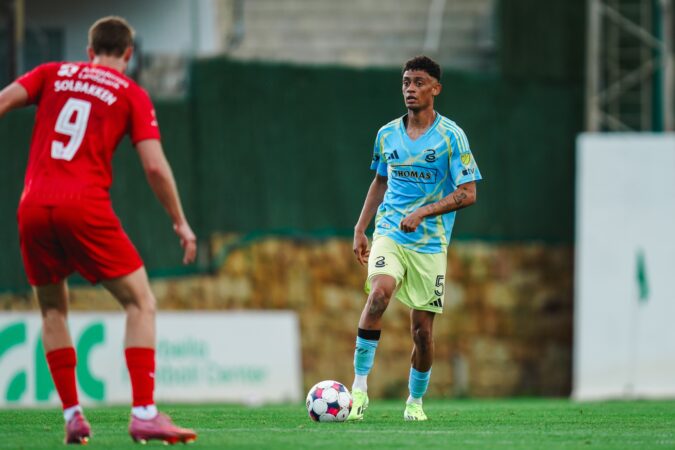
Nathan Harriel in action during the Union’s preseason game against FC Nordsjælland last Friday.
“We’ve given Nate a bunch of looks at right back, center back; tomorrow, we’ll try and put him in at left back,” Carnell said. “And we’re going through a whole bunch of scenarios in order to for us to hit the ground running on the 18th and the 21st [of February]. … We still have a couple more games here, of I don’t want to say trial and error, but just testing combinations, testing different relationships.”
And he did not shy away from saying, “there’s a void at left back.”
At least the starting four are known commodities. Alladoh, for as much as the Union spent on the 20-year-old, doesn’t have a long track record yet. But with a big gap on the depth chart after him and Damiani, Alladoh will face some pressure to deliver quickly.
“He needs to get up to speed with the game model, I think that’s first and foremost,” Carnell said. “We have to do him a favor by investing time and energy into him, and making sure that we know what asset we have on our hands. He’s still very young, though — I don’t want to put too much pressure on him right now.”
Ezekiel Alladoh is still getting used to life with the Union.
But the manager sees the promise in the striker, and hopes it will be fulfilled.
“Speed in behind, I mean, he’s a real weapon,” Carnell said. “He and his body, he holds up play, so just think of Bruno and him, how they can work off each other with Milan [Iloski] or whoever else plays in the 10s [attacking midfielders].”
He also made a point of saying he doesn’t just see Alladoh as a target man.
“I wouldn’t say it’s too dissimilar from Mikael Uhre, how we utilized him as well,” Carnell said. “Very clean with his feet, can finish, he’s got a left foot which is incredibly valuable when it comes to going up against opponents. And it’s been pretty fun.”
Eight area organizations have been named as host city supporters for the six matches in Philadelphia ahead of this summer’s FIFA World Cup, beginning June 14.
Comcast, Independence Blue Cross, PECO, Penn Medicine, the Eagles, and tourism board Visit PA were named, along with Conshohocken-based pharmaceutical giant Cencora, and the William Penn Foundation, a philanthropic organization.
According to a release from Philadelphia Soccer 2026, the organization tasked with the planning and execution of events, “these organizations will play a vital role in ensuring the success of the tournament while creating a powerful and lasting legacy of this generational event for the City of Philadelphia and the Commonwealth of Pennsylvania.”
Perhaps more importantly for these companies, the designation approves them to advertise and have branded signage in-stadium at Lincoln Financial Field (which will be renamed to Philadelphia Stadium for the matches), offer rights to host activations at FIFA’s fan fest at Lemon Hill Mansion, and, according to a release, offers “exclusive hospitality and ticketing opportunities, and visibility through local marketing and promotional campaigns.”
Renderings provided last year of what Philadelphia’s version of FIFA’s fan fest site on the grounds at Lemon Hill will look like.
Historically, FIFA, soccer’s world governing body, has kept stringent rules around who can advertise or align. But in the last several years, it has granted host cities the ability to look for businesses willing to put up a financial commitment to aid in offsetting the cost of putting on the tournament — and add its name to FIFA’s list of global supporters.
The designation for host city supporters was afforded through a minimum financial commitment of $5 million, according to a report from the Philadelphia Business Journal.
The deal would also appear to grant specific naming rights. In Wednesday’s announcement, Penn Medicine referred to itself as the host city’s “official medical services provider,” in reference to the games coming to Philadelphia.
“We’re all extremely excited to see the World Cup come to Philadelphia,” said Dr. Patrick J. Brennan, chief medical officer for the University of Pennsylvania Health System. “Being the official medical services provider for the Philadelphia World Cup 2026 host city, in what will be the largest sporting event Pennsylvania has ever seen, is a great responsibility that we’re ready and excited for.”
Philadelphia Soccer 2026 projects an economic infusion of nearly $770 million into the city, as half a million visitors are expected to come to Philly for the five group-stage matches and a Round of 16 knockout game on July 4.
Being front and center as a host city supporter is an immense opportunity for exposure for these organizations, many of which have been tasked with, or have taken on, legacy projects long after the tournament passes through.
“The William Penn Foundation is interested in helping to ensure that this global moment delivers meaningful, lasting benefits for Philadelphians,” said Shawn McCaney, the organization’s executive director. “We’ve focused our investment on strengthening community soccer programs and facilities, as well as improving Lemon Hill so that it can serve as a vital park space for residents and visitors to the city for years to come. These investments strongly align with our commitment to improve public spaces for the people of Philadelphia.”