Category: Reuters

  • Trump’s campaign of retribution: At least 470 targets and counting

    Trump’s campaign of retribution: At least 470 targets and counting

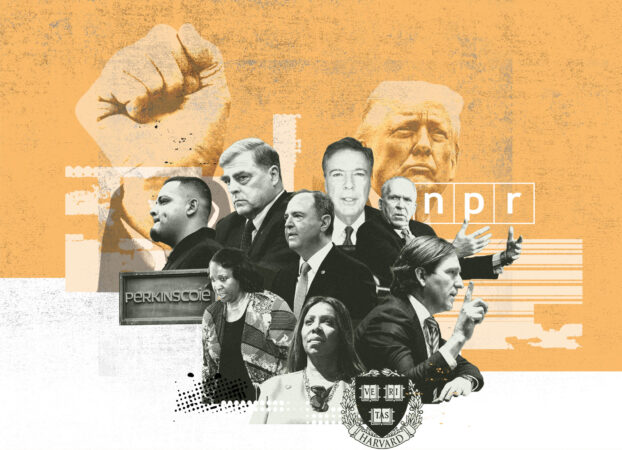
    In his second term, Donald Trump has turned a campaign pledge to punish political opponents into a guiding principle of governance.

    What began as a provocative rallying cry in March 2023 — “I am your retribution” — has hardened into a sweeping campaign of retaliation against perceived enemies, reshaping federal policy, staffing and law enforcement.

    A tally by Reuters reveals the scale: At least 470 people, organizations and institutions have been targeted for retribution since Trump took office — an average of more than one a day. Some were singled out for punishment; others swept up in broader purges of perceived enemies. The count excludes foreign individuals, institutions and governments, as well as federal employees dismissed as part of force reductions.

    The Trump vengeance campaign fuses personal vendettas with a drive for cultural and political dominance, Reuters found. His administration has wielded executive power to punish perceived foes — firing prosecutors who investigated his bid to overturn the 2020 election, ordering punishments of media organizations seen as hostile, penalizing law firms tied to opponents, and sidelining civil servants who question his policies. Many of those actions face legal challenges.

    At the same time, Trump and his appointees have used the government to enforce ideology: ousting military leaders deemed “woke,” slashing funds for cultural institutions held to be divisive, and freezing research grants to universities that embraced diversity initiatives.

    Reuters reached out to every person and institution that Trump or his subordinates singled out publicly for retribution, and reviewed hundreds of official orders, directives and public records. The result: the most comprehensive accounting yet of his campaign of payback.

    The analysis revealed two broad groups of people and organizations targeted for retaliation.

    Members of the first group – at least 247 individuals and entities – were singled out by name, either publicly by Trump and his appointees or later in government memos, legal filings or other records. To qualify, acts had to be aimed at specific individuals or entities, with evidence of intent to punish. Reuters reporters interviewed or corresponded with more than 150 of them.

    Another 224 people were caught up in broader retribution efforts – not named individually but ensnared in crackdowns on groups of perceived opponents. Nearly 100 of them were prosecutors and FBI agents fired or forced to retire for working on cases tied to Trump or his allies, or because they were deemed “woke.” This includes 16 FBI agents who kneeled at a Black Lives Matter protest in 2020. The rest were civil servants, most of them suspended for publicly opposing administration policies or resisting directives on health, environmental and science issues.

    The retribution took three distinct forms.

    Most common were punitive acts, such as firings, suspensions, investigations and the revocation of security clearances.

    Reuters found at least 462 such cases, including the dismissal of at least 128 federal workers and officials who had probed, challenged or otherwise bucked Trump or his administration.

    The second form was threats. Trump and his administration targeted at least 46 individuals, businesses and other entities with threats of investigations or penalties, including freezing federal funds for Democratic-led cities such as New York and Chicago.

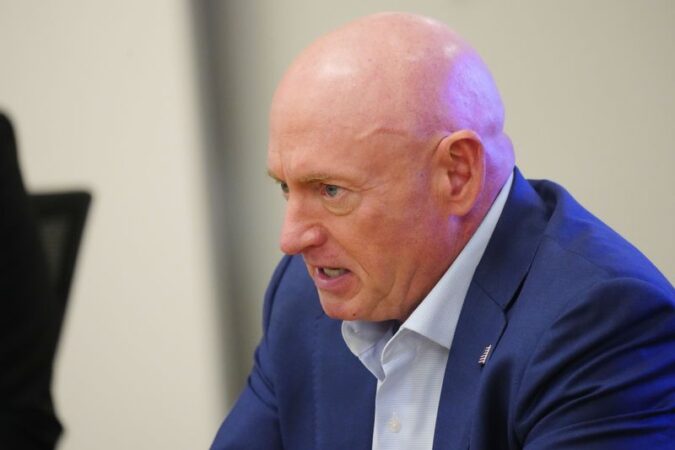
    Trump openly discussed firing Federal Reserve Chair Jerome Powell for resisting interest rate cuts, for instance. Last week, he threatened to have six Democratic members of Congress tried for sedition – a crime he said is “punishable by DEATH” – after the lawmakers reminded military personnel they can refuse “illegal orders.” This week, the Defense Department threatened to court-martial one of them, U.S. Senator Mark Kelly, a former Naval officer.

    The third form was coercion. In at least a dozen cases, organizations such as law firms and universities signed agreements with the government to roll back diversity initiatives or other policies after facing administration threats of punishment, such as security clearance revocations and loss of federal funding and contracts.
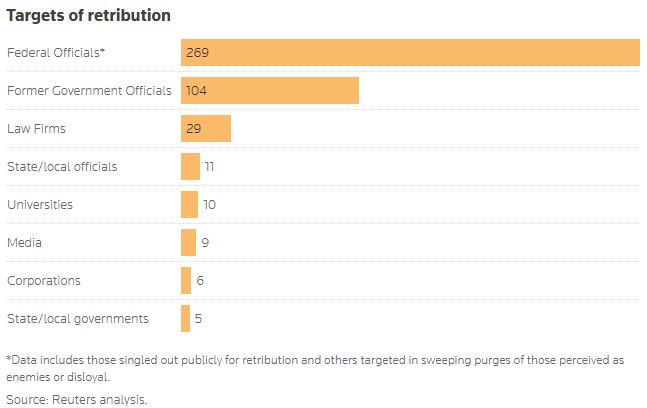
    It’s a campaign led from the top: Trump’s White House has issued at least 36 orders, decrees and directives, targeting at least 100 individuals and entities with punitive actions, according to the Reuters analysis.

    Trump openly campaigned on a platform of revenge in his latest run for the presidency, promising to punish enemies of his Make America Great Again movement. “For those who have been wronged and betrayed, I am your retribution,” he said in a March 2023 speech. Weeks later, while campaigning in Texas, he repeated the theme. “I am your justice,” he said.

    Today, the White House disputes the idea that the administration is out for revenge. It describes recent investigations and indictments of political adversaries as valid course corrections on policy, necessary probes of wrongdoing and legitimate policy initiatives.

    “This entire article is based on the flawed premise that enforcing an electoral mandate is somehow ‘retribution.’ It’s not,” White House spokesperson Abigail Jackson said. There is no place in government for civil servants or public officials “who actively seek to undermine the agenda that the American people elected the president to enact,” she added. Trump is abiding by campaign promises to restore a justice system that was “weaponized” by the Biden administration, Jackson said, and “ensure taxpayer funding is not going to partisan causes.”

    Trump’s actions have been cheered by his staunchest backers. Right-wing commentator and former Trump advisor Steve Bannon told Reuters the use of government power to punish Trump’s enemies is “not revenge at all” but an attempt to “hold people accountable” for what he said were unfair investigations targeting Trump. More is on the way, he said.

    “The people that tried to take away President Trump’s first term, that accused him of being a Russian asset and damaged this republic, and then stole the 2020 election – they’re going to be held accountable and they’re going to be adjudicated in courts of law,” he said in an interview. “That’s coming. There’s no doubt.” There’s no evidence the 2020 election was stolen.

    Trump’s allies point to actions former President Joe Biden took upon taking office. After Trump’s supporters attacked the U.S. Capitol on January 6, 2021, in a failed bid to overturn his election loss, Biden revoked Trump’s access to classified information, a first for any former president. Biden also won a court battle to dismiss Senate-confirmed directors of independent agencies serving fixed terms, such as the Federal Housing Finance Authority, and removed scores of Trump-era appointees from unpaid advisory boards.

    Yet the scale and systematic nature of Trump’s effort to punish perceived enemies marks a sharp break from long-standing norms in U.S. governance, according to 13 political scientists and legal scholars interviewed by Reuters. Some historians say the closest modern parallel, though inexact, is the late President Richard Nixon’s quest for vengeance against political enemies. Since May, for instance, dozens

    of officials from multiple federal agencies have been meeting as part of a task force formed to advance Trump’s retribution drive against perceived enemies, Reuters previously reported.

    “The main aim is concentration of power and destruction of all checks against power,” said Daron Acemoglu, Nobel laureate in economics and a professor at the Massachusetts Institute of Technology, which faces an ongoing federal investigation for embracing diversity and equity programs. “Retribution is just one of the tools.”

    Dozens of Trump’s targets have challenged their punishments as illegal. Fired and suspended civil servants have filed administrative appeals or legal challenges claiming wrongful termination. Some law firms have gone to court claiming the administration exceeded its legal authority by restricting their ability to work on classified contracts or interact with federal agencies. Most of those challenges remain unresolved.

    Investigating foes of Trump

    The administration has moved aggressively against officials in the government’s legal and national security agencies, institutions central to investigations of Trump’s alleged misconduct during and after his first term.

    At least 69 current and former officials were targeted for investigating or sounding alarms about Russian interference in U.S. elections. U.S. intelligence agencies concluded soon after the 2016 election that Moscow sought to tilt the race toward Trump, a finding later affirmed by a bipartisan Senate Intelligence Committee report in August 2020. Acts of retribution tied to the Russia probe include the September 25 indictment of former FBI Director James Comey, a break from Justice Department norms meant to shield prosecutions from political influence.

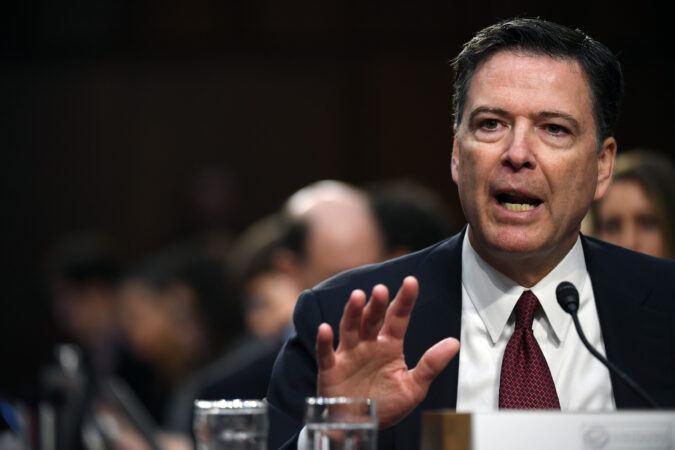
    Comey, who led the FBI’s investigation into Trump’s 2016 campaign, was charged after Trump demanded his prosecution. The Justice Department has cast the case as a corruption crackdown. Comey and his lawyers said in court documents that the case was “vindictive” and motivated by “personal animus.” Comey, who pleaded not guilty, declined to comment. A federal judge dismissed the case on Monday, ruling that Trump’s handpicked prosecutor had been unlawfully appointed.
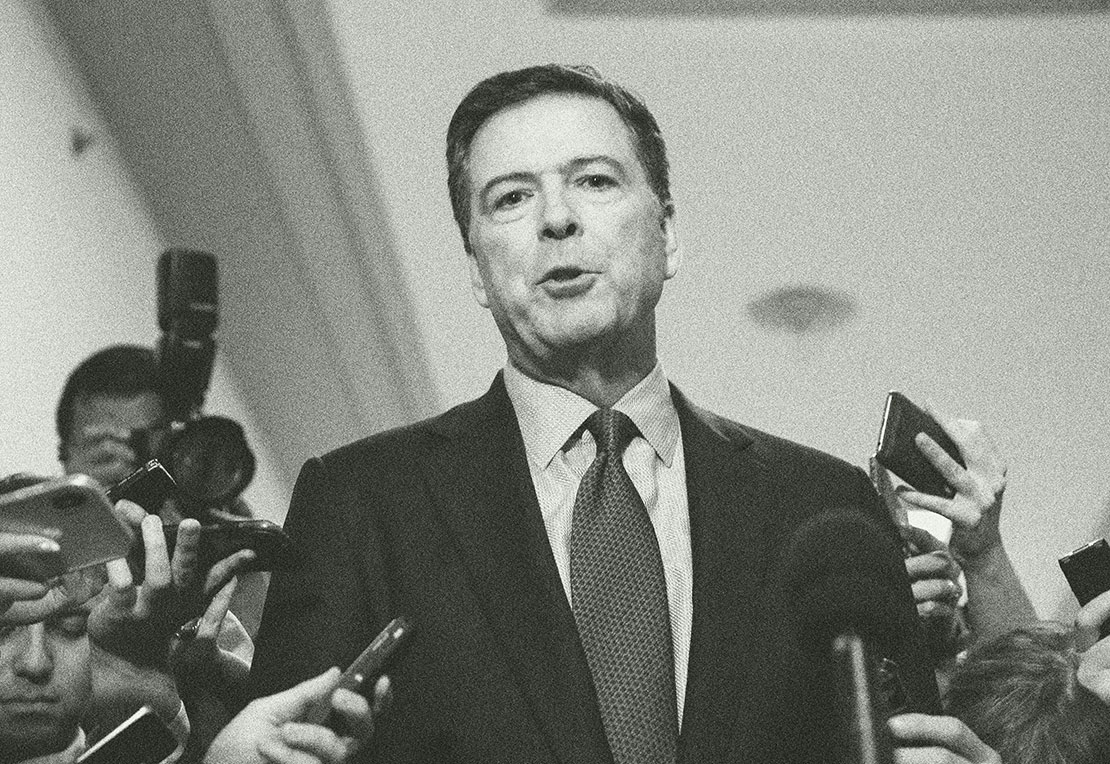
    Acts of retribution tied to the Russia probe include the indictment of former FBI Director James Comey. His lawyers say he is the target of a “vindictive” prosecution.

    At least 58 acts of retribution have targeted people Trump viewed as saboteurs of his election campaigns, including Chris Krebs, the top cybersecurity official during his first term. Trump fired him in 2020 for disputing claims that the election was rigged. In April, Trump stripped Krebs’ security clearance and ordered a federal investigation into his tenure. Krebs, still asserting that Trump’s defeat was valid, has vowed to fight the probe. He did not respond for this story.

    Reuters documented 112 security clearances revoked from current and former U.S. officials, law firms and state leaders – credentials needed for work that involves classified information. In August, Director of National Intelligence Tulsi Gabbard announced she was revoking 37 clearances.

    In a response to Reuters posted on X, an agency spokesperson said Gabbard and Trump are working “to ensure the government is never again wielded against the American people it is meant to serve.” She added: “President Trump said it best, ‘Our ultimate retribution is success.’”

    Leon Panetta, CIA director and defense secretary under former President Barack Obama, had his security clearance revoked in January along with others who signed an October 2020 letter suggesting Russia may have been behind reports about emails on Hunter Biden’s laptop. At the time, Joe Biden — Hunter’s father — was Trump’s Democratic rival in the 2020 election. An executive order Trump signed in January claimed: “The signatories willfully weaponized the gravitas of the Intelligence Community to manipulate the political process and undermine our democratic institutions.” Panetta has said he stands by signing the letter.

    Panetta told Reuters he had already surrendered his clearance after leaving government nearly a decade ago. Trump’s retribution campaign is hurting CIA morale and wrecking the bipartisan trust that allows Washington to function, Panetta said. “What I worry about is that our adversaries will look at what’s happening and sense weakness,” he said. “This kind of political retribution leads to a loss of trust, which ultimately leads to a failure of governing.” The CIA did not respond to a request for comment.
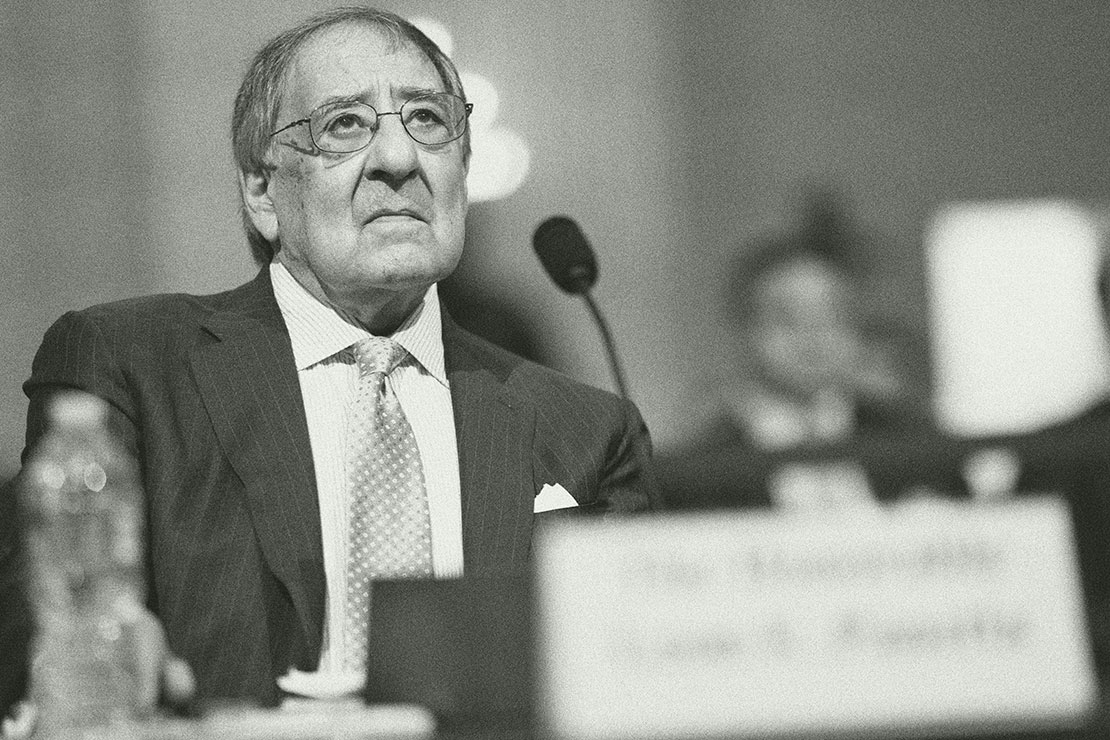
    Former CIA director Leon Panetta had his security clearance revoked along with others who signed a letter suggesting Russia may have been behind reports about emails on Hunter Biden’s laptop.

    The revenge effort also reaches deep into the civil service, punishing employees who speak out against Trump’s policies and turning forms of dissent that were tolerated by past administrations into grounds for discipline.

    This summer, hundreds of Environmental Protection Agency staffers wrote an open letter protesting deep cuts to pollution control and cleanup programs. The fallout was swift. More than 100 signers who attached their names were placed on paid leave. At least 15 senior officials and probationary employees were told they would be fired. The rest were informed they were under investigation for misconduct, leading to at least 69 suspensions without pay. Many remained out of work for weeks.

    “They followed all the rules” of conduct for civil servants, said Nicole Cantello, one of the signers and an officer with the American Federation of Government Employees, a union that represents many affected workers. She called the punishments an attempt to “quell dissent,” stifle free speech and “scare the employees.” In a statement, the EPA said it has “a zero-tolerance policy for career officials using their agency position and title to unlawfully undermine, sabotage, and undercut” administration policy.

    At the Federal Emergency Management Agency, about 20 staffers were put on leave and now face misconduct investigations after signing a letter criticizing the agency’s decision to scrap bipartisan reforms adopted years ago to speed disaster relief.

    Cameron Hamilton, a Republican who served briefly as acting head of FEMA, was fired in May, a day after telling Congress he didn’t believe the agency should be shut down, contradicting the administration.

    Hamilton told Reuters he still supports Trump. But he said too many senior officials are firing people in the name of retribution, trying to impress the White House. “They want to find ways to really launch themselves to prominence and be movers and shakers, to kick ass and take names,” said Hamilton. “They’re trying to show the president ‘look at what I am doing for you.’”

    In a statement to Reuters, the Department of Homeland Security, which includes FEMA, said it is building a “new FEMA” to fix “inefficiency and outdated processes.” Employees “resisting change” are “not a good fit,” the statement said.

    Dr. Jeanne Marrazzo, former head of the National Institute for Allergy and Infectious Diseases, sees her firing in October — three weeks after filing a whistleblower complaint alleging politicization of research and vaccine policy — as a warning shot. She told Reuters the administration’s purge of dissenting health officials is breeding “anticipatory obedience” — a reflex to comply before being asked. “People know if they push back … this is what happens,” she said. The effect, she says, is an ecosystem of fear: those who stay in government self-censor; those who speak out are branded “radioactive, too hot to handle.”

    The Department of Health and Human Services, the agency that oversees NIAID, did not respond to a request for comment.

    Federal agency leaders have dismissed a wide array of officials they deemed out of step with Trump’s MAGA agenda, including employees involved in diversity, equity and inclusion initiatives and those working on transgender issues.

    David Maltinsky, a Federal Bureau of Investigation employee, says he was fired by Director Kash Patel for displaying a Pride flag at work — one of at least 50 bureau personnel dismissed on Patel’s watch. Maltinsky sued the FBI and Justice Department, alleging violations of his constitutional rights and seeking reinstatement. The Justice Department has yet to file a formal response.

    In his 2023 book, “Government Gangsters,” Patel named 60 people that he said were members of an “Executive Branch deep state” that opposed Trump, including former Democratic government officials and Republicans who served in Trump’s first administration but eventually broke with him. He called for firings and said that anybody who abused their authority should face prosecution. In his 2025 confirmation hearing before Congress, Patel denied that it was an “enemies list.”
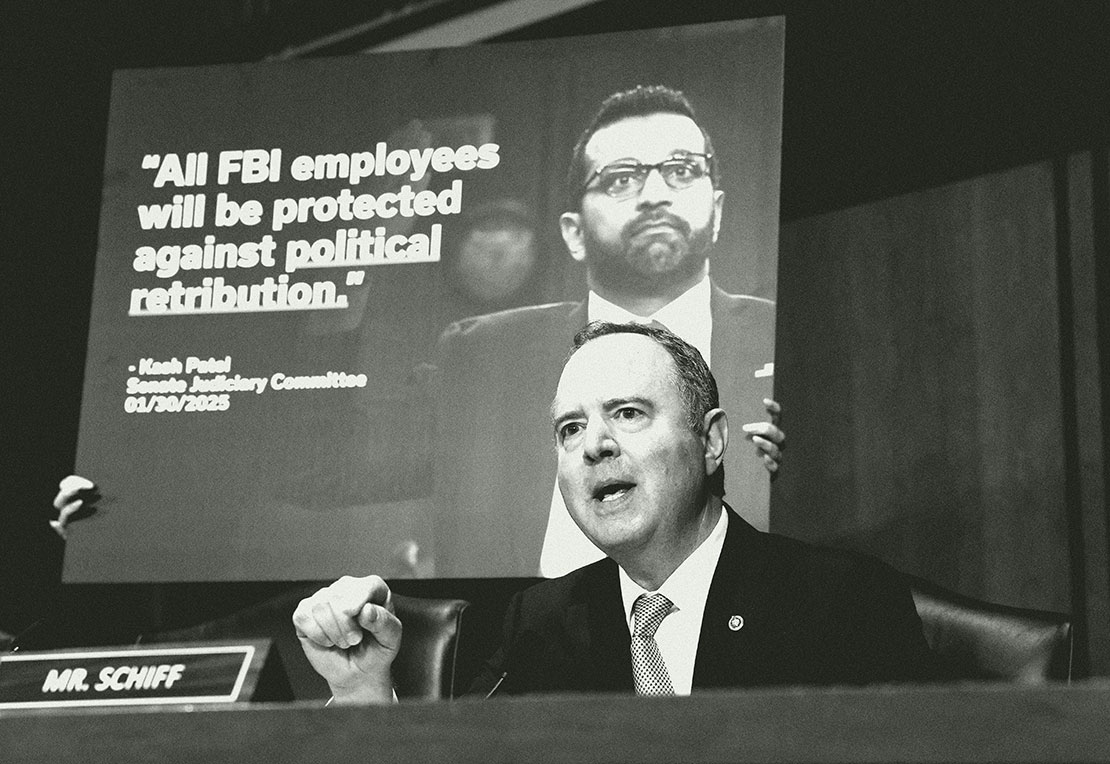
    Under FBI Director Kash Patel’s watch, at least 50 FBI personnel have been dismissed. In this photo, U.S. Senator Adam Schiff speaks in front of an image of Patel at a Senate hearing on FBI oversight.

    Reuters found that at least 17 of the 60 people on Patel’s list have faced some sort of retribution, including firings and stripping of security clearances. The FBI did not respond to a request for comment.

    Against perceived foes in the private sector, the administration has wielded financial penalties as leverage. At least two dozen law firms faced inquiries, investigations or restrictions on federal contracting, often for employing or representing people tied to past cases against Trump. Eight struck deals to avoid further action.

    Nine media organizations have faced federal investigations, lawsuits, threats to revoke their broadcast licenses and limits on access to White House events. Trump has also suggested revoking broadcast licenses for networks whose coverage he dislikes.

    The targets include universities, long cast by the president and his allies as bastions of left-wing radicals.

    Officials froze more than $4 billion in federal grants and research funding to at least nine schools, demanding policy changes such as ending diversity, equity and inclusion programs, banning transgender athletes from women’s sports and cracking down on alleged antisemitism amid pro-Palestinian protests. Five universities have signed agreements to restore funding. Harvard University successfully sued to block a freeze on $2.2 billion in federal aid for the school, which Trump accused of “pushing political, ideological, and terrorist inspired” dogma. Harvard declined to comment.

    The administration has described the funding freezes and other efforts to force policy changes at colleges and universities as a necessary push to reverse years of leftward drift in U.S. education. “If Reuters considers restoring merit in admissions, reclaiming women’s titles misappropriated by male athletes, enforcing civil rights laws, and preventing taxpayer dollars from funding radical DEI programs ‘retribution,’ then we’re on very different planes of reality,” said Julie Hartman, a spokesperson for the U.S. Education Department.

    A historical parallel: Nixon’s enemies

    It’s impossible to predict, of course, how far the Trump revenge campaign will go, or whether it will be affected by a recent slide in popular support. Trump has been hurt by public frustration with the high cost of living and the investigation into late convicted sex offender Jeffrey Epstein.

    Nixon resigned in 1974 over the Watergate scandal, in which aides to his re-election campaign broke into Democratic Party headquarters and the president himself later directed a cover-up. While in office, he kept a list of more than 500 enemies. But while Trump has conducted his retribution campaign in the open, historians note, Nixon’s enemies list was conceived as a covert tool.

    John Dean, chief counsel in the Nixon White House, wrote a confidential memo in 1971 addressing “how we can use the available federal machinery to screw our political enemies.” The planned methods included tax audits, phone-tapping, the cancellation of contracts and criminal prosecution. Yet the execution faltered: IRS Commissioner Donald Alexander refused to conduct mass audits, and most targets escaped serious punishment.

    Other recent presidents, to be sure, have been accused of seeking to punish opponents, though on a smaller scale. The Obama administration pursued “aggressive prosecution of leakers of classified information,” the Committee to Protect Journalists said in a 2013 report. Two IRS employees alleged they were retaliated against during the Biden administration for raising concerns about the handling of the tax-compliance investigation of Hunter Biden.

    Nixon’s plotting remained a secret until the Watergate hearings exposed it, turning his enemies list into a symbol of presidential abuse. The secrecy reflected a political culture in which retaliation was whispered, not broadcast, and where institutional checks blunted many of Nixon’s ambitions.

    Trump’s approach reverses that pattern, historians say. He has openly named his perceived enemies, urged prosecutions in public and framed vengeance as a campaign vow. Some say today’s “enemies list” politics are in that sense farther-reaching than Nixon’s, possibly signaling a shift toward a normalization of retribution in American political life.

    Corey Brettschneider, a political science professor at Brown University who has written a book on power grabs by American presidents, said Nixon was ultimately checked and forced to resign by Congress, including members of his own Republican Party. “That’s just not happening now,” he said.
  • U.S. states sue over Trump’s $3 billion cut to homelessness program

    U.S. states sue over Trump’s $3 billion cut to homelessness program

    A group of U.S. states filed a lawsuit on Tuesday to compel President Donald Trump’s administration to reinstate more than $3 billion in grant funding used to provide permanent housing and other services to homeless people.

    The 20 mostly Democratic-led states and Washington, D.C., said changes the U.S. Department of Housing and Urban Development announced to its Continuum of Care program this month violate federal law and are illegally targeted at LGBTQ people and other communities that are not aligned with the Trump administration’s policy priorities, in the lawsuit in Rhode Island federal court.

    The lawsuit seeks to block the funding cuts and new conditions HUD has placed on receiving the grants.

    Program created in 1987

    New York Attorney General Letitia James, a Democrat, said in a statement that communities across the country depend on the program to provide housing and other resources to their most vulnerable members.

    “These funds help keep tens of thousands of people from sleeping on the streets every night,” James said.

    The states that joined New York in the lawsuit include California, Illinois, Pennsylvania, Arizona and Kentucky.

    “For decades, these housing programs have helped vulnerable people — families, seniors, veterans, people with disabilities, and LGTBQ+ Pennsylvanians — have access to safe, affordable housing,” Pennsylvania Gov. Josh Shapiro said in a statement released Tuesday. “Now, the Trump Administration is trying to abruptly dismantle the very system Congress created to fight homelessness. Pennsylvanians depend on this funding and the Trump Administration’s decision will force people out of their homes, defund organizations doing critical work, and leave state taxpayers on the hook. I’m taking action to ensure the federal government keeps its promise — because no Pennsylvanian should be thrown back into homelessness because of political games in Washington.”

    Congress created the Continuum of Care program in 1987 to provide resources for states, local governments and nonprofits to deliver support services to homeless people, with a focus on veterans, families, and people with disabilities.

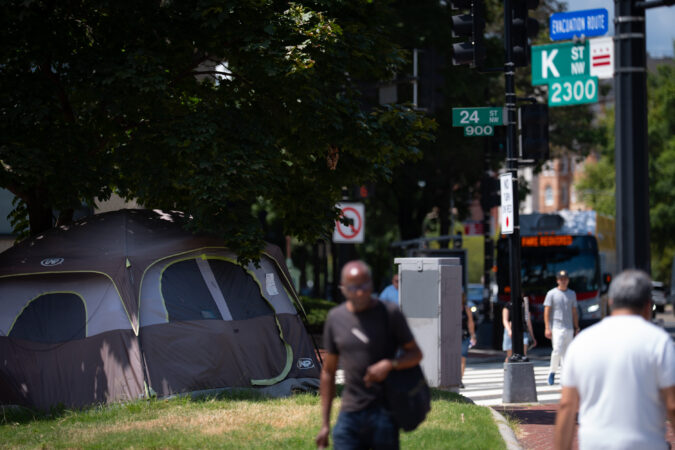
    The program has long been based on the “housing first” approach to combating homelessness, which prioritizes placing people into permanent housing without preconditions such as sobriety and employment. Along with housing, the grants fund childcare, job training, mental health counseling and transportation services. The Trump administration has criticized the housing-first approach, and HUD this month said it was overhauling the grant program to focus on transitional housing initiatives with work requirements and other conditions. HUD has also barred grant recipients from using the funding for activities that promote diversity, equity, and inclusion, elective abortions, or “gender ideology,” or interfere with the administration’s immigration enforcement agenda. Trump, a Republican, has also urged states and cities to clear out homeless encampments and direct people to substance abuse and mental health treatment facilities.

    The changes could cause more than 170,000 people to lose their housing, according to the states’ lawsuit. The states claim the Trump administration cannot impose its own conditions on funds that Congress said should be distributed based solely on need. (Reporting by Daniel Wiessner in Albany, New York, Editing by Alexia Garamfalvi and Rod Nickel)

  • U.S. consumer confidence deteriorates in November

    U.S. consumer confidence deteriorates in November

    WASHINGTON — U.S. consumer confidence sagged in November as households worried about jobs and their financial situation, likely in part because of the recently ended government shutdown.

    The Conference Board said on Tuesday its consumer confidence index dropped to 88.7 this month from an upwardly revised 95.5 in October.

    Economists polled by Reuters had forecast the index edging down to 93.4 from the previously reported 94.6 in October.

    “Consumers’ write-in responses pertaining to factors affecting the economy continued to be led by references to prices and inflation, tariffs and trade, and politics, with increased mentions of the federal government shutdown,” said Dana Peterson, chief economist at the Conference Board.

    “Mentions of the labor market eased somewhat but still stood out among all other frequent themes not already cited. The overall tone from November write-ins was slightly more negative than in October.”

  • The FBI is seeking interviews with congressional Democrats who warned the military about illegal orders, official says

    The FBI is seeking interviews with congressional Democrats who warned the military about illegal orders, official says

    WASHINGTON – The FBI has requested interviews with six Democrats from the U.S. Congress who told members of the military they must refuse any illegal orders, a Justice Department official told Reuters on Tuesday.

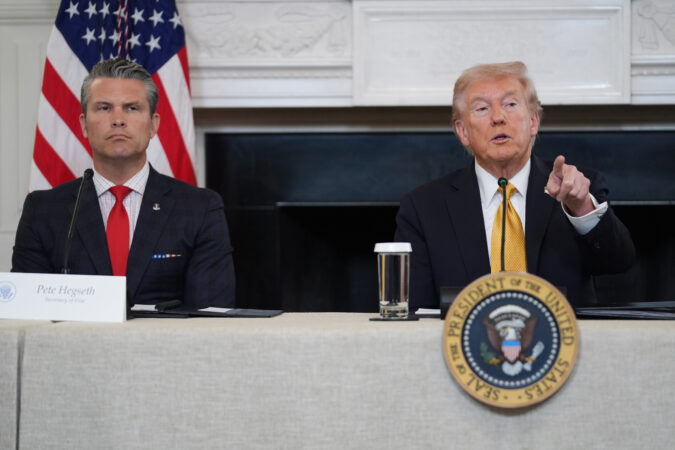
    The move, reported earlier by Fox News, comes a day after the Pentagon threatened to recall Senator Mark Kelly, a Navy veteran and one of the six lawmakers, to active duty potentially to face military charges over what Secretary of Defense Pete Hegseth described as “seditious” acts on social media.

    The other lawmakers, who made the comments in a video released last week, include Senator Elissa Slotkin, a former CIA analyst and Iraq war veteran, and Representatives Jason Crow, Maggie Goodlander, Chris Deluzio and Chrissy Houlahan, all military veterans.

    The legislators created the video amid concerns from Democrats — echoed privately by some U.S. military commanders — that the Trump administration is violating the law by ordering strikes on vessels purportedly carrying suspected drug traffickers in Latin American waters.

    The Pentagon has argued the strikes are justified because the drug smugglers are considered terrorists.

    Trump accused Democratic lawmakers of sedition

    President Donald Trump accused the six Democrats of sedition, saying in a social media post that the crime was punishable by death.

    His administration has shattered longstanding norms by using law enforcement, including the Justice Department, to pursue his perceived enemies.

    The Justice Department official, who spoke on condition of anonymity, said the interviews were to determine “if there’s any wrongdoing and then go from there.”

    The FBI did not immediately respond to a request for comment.

    In a statement on Monday, Kelly dismissed the Pentagon’s threat as an intimidation tactic.

  • Ukraine backs ‘essence’ of peace deal with Russia but sensitive issues linger

    Ukraine backs ‘essence’ of peace deal with Russia but sensitive issues linger

    WASHINGTON/KYIV — Ukraine on Tuesday signaled support for the framework of a peace deal with Russia but stressed that sensitive issues needed to be fixed at a meeting between President Volodymyr Zelensky and U.S. President Donald Trump.

    Kyiv’s message hinted that an intense diplomatic push by the Trump administration could be yielding some fruit but any optimism could be short-lived, especially as Russia stressed it would not let any deal stray too far from its own objectives.

    U.S. and Ukrainian negotiators held talks on the latest U.S.-backed peace plan in Geneva on Sunday. U.S. Army Secretary Dan Driscoll then met on Monday and Tuesday with Russian officials in Abu Dhabi, a spokesperson for Driscoll said.

    U.S. and Ukrainian officials have been trying to narrow the gaps between them over the plan to end Europe’s deadliest and most devastating conflict since World War Two, with Ukraine wary of being strong-armed into accepting a deal largely on the Kremlin’s terms, including territorial concessions.

    “Ukraine — after Geneva — supports the framework’s essence, and some of the most sensitive issues remain as points for the discussion between presidents,” a Ukrainian official said.

    Zelensky could visit the United States in the next few days to finalize a deal with Trump, Kyiv’s national security chief Rustem Umerov said, though no such trip was confirmed from the U.S. side.

    White House press secretary Karoline Leavitt said on X that over the past week the U.S. had made “tremendous progress towards a peace deal by bringing both Ukraine and Russia to the table.” She added: “There are a few delicate, but not insurmountable, details that must be sorted out and will require further talks between Ukraine, Russia, and the United States.”

    Oil prices extended an earlier decline after reports of Ukraine potentially agreeing to a war-ending deal.

    Underlining the high stakes for Ukraine, its capital Kyiv was hit by a barrage of missiles and hundreds of drones overnight in a Russian strike that killed at least seven people and again disrupted power and heating systems. Residents were sheltering underground wearing winter jackets, some in tents.

    Zelensky will discuss sensitive issues with Trump

    U.S. policy towards the war has zigzagged in recent months.

    A hastily arranged summit between Trump and Russian President Vladimir Putin in Alaska in August raised worries in Kyiv and European capitals that the Trump administration might accept many Russian demands, though the meeting ultimately resulted in more U.S. pressure on Russia.

    The 28-point plan that emerged last week caught many in the U.S. government, Kyiv and Europe alike off-guard and prompted fresh concerns that the Trump administration might be willing to push Ukraine to sign a peace deal heavily tilted toward Moscow.

    The plan would require Kyiv to cede territory beyond the almost 20% of Ukraine that Russia has captured since its February 2022 full-scale invasion, as well as accept curbs on its military and bar it from ever joining NATO — conditions Kyiv has long rejected as tantamount to surrender.

    The sudden push has raised the pressure on Ukraine and Zelensky, who is now at his most vulnerable since the start of the war after a corruption scandal saw two of his ministers dismissed, and as Russia makes battlefield gains.

    Zelensky could struggle to get Ukrainians to swallow a deal viewed as selling out their interests.

    He said on Monday the latest peace plan incorporated “correct” points after talks in Geneva. “The sensitive issues, the most delicate points, I will discuss with President Trump,” Zelensky said in his nightly video address.

    Zelensky said the process of producing a final document would be difficult. Russia’s unrelenting attacks on Ukraine have left many skeptical about how peace can be achieved soon.

    “There was a very loud explosion, our windows were falling apart, we got dressed and ran out,” said Nadiia Horodko, a 39-year-old accountant, after a residential building was struck in Kyiv overnight.

    “There was horror, everything was already burning here, and a woman was screaming from the eighth floor, ‘Save the child, the child is on fire!’”

    Macron warns against European capitulation

    Russian Foreign Minister Sergei Lavrov said an amended peace plan must reflect the “spirit and letter” of an understanding reached between Putin and Trump at their Alaska summit.

    “If the spirit and letter of Anchorage is erased in terms of the key understandings we have established then, of course, it will be a fundamentally different situation (for Russia),” Lavrov warned.

    A group of countries supporting Ukraine, which is known as the coalition of the willing and includes Britain and France, was also set to hold a virtual meeting on Tuesday.

    “It’s an initiative that goes in the right direction: peace. However, there are aspects of that plan that deserve to be discussed, negotiated, improved,” French President Emmanuel Macron told RTL radio regarding the U.S.-proposed plan. “We want peace, but we don’t want a peace that would be a capitulation.”

    In a separate development, Romania scrambled fighter jets to track drones that breached its territory near the border with Ukraine early on Tuesday, and one was still advancing deeper into the NATO-member country, the defense ministry said. (Reporting by Idrees Ali, Phil Stewart, Devika Nair, Tom Balmforth, Pavel Polityuk, Alessandro Parodi, Michel Rose, Luiza Ilie and Sergiy Karazy; writing by Matthias Williams; editing by Frances Kerry and Mark Heinrich)

  • U.S. judge tosses cases against ex-FBI chief James Comey, New York Attorney General Letitia James

    U.S. judge tosses cases against ex-FBI chief James Comey, New York Attorney General Letitia James

    WASHINGTON — A federal judge on Monday dismissed criminal charges against two perceived adversaries of President Donald Trump, FBI Director James Comey and New York Attorney General Letitia James, ruling the U.S. attorney he hand picked to prosecute them was unlawfully appointed.

    The ruling throws out two cases Trump had publicly called for as he pressured Justice Department leaders to move against high-profile figures who had criticized him and led investigations into his conduct.

    Lindsey Halligan, a former personal lawyer to Trump, was named interim U.S. Attorney for the Eastern District of Virginia in September to take over both investigations despite having no previous prosecutorial experience. The findings by U.S. District Judge Cameron McGowan Currie came after both Comey and James accused the Trump Justice Department of violating the U.S. Constitution’s Appointments Clause and federal law by appointing Halligan in September.

    New York Attorney General, Letitia James, speaks after pleading not guilty outside the United States District Court in October in Norfolk, Va.

    ‘No legal authority’

    Currie found that Halligan “had no legal authority” to bring indictments against either Comey or James. But Currie dismissed the cases “without prejudice,” giving the Justice Department an opportunity to seek new indictments with a different prosecutor at the helm.

    “All actions flowing from Ms. Halligan’s defective appointment,” Currie wrote, were “unlawful exercises of executive power and are hereby set aside.”

    After the decision, Attorney General Pam Bondi told reporters the Justice Department would “be taking all available legal action, including an immediate appeal to hold Letitia James and James Comey accountable for their unlawful conduct.”

    Bondi said that because Halligan was made a special U.S. attorney, she can continue to prosecute cases.

    “She can fight in court just like she was and we believe we will be successful on appeal,” Bondi said.

    James and Comey separately said they were grateful for the ruling. James’ attorney, Abbe Lowell, said she would “continue to challenge any further politically motivated charges through every lawful means available.”

    In an Instagram video, Comey said the case against him “was a prosecution based on malevolence and incompetence and a reflection of what the Department of Justice has become under Donald Trump.”

    It is unclear if prosecutors could seek to bring a new case against Comey over the same conduct. The five-year statute of limitations on the charges expired on September 30, and Comey’s lawyers have already indicated in court filings that they do not believe prosecutors have more time to refile the charges.

    Both Comey and James have been longtime targets of Trump’s ire. Comey as FBI director oversaw an investigation into alleged ties between Trump’s 2016 election campaign and the Russian government and later called Trump unfit for office.

    James, an elected Democrat, successfully sued Trump and his family real estate company for fraud. Trump ordered Bondi to install Halligan to the post after her predecessor Erik Siebert declined to pursue charges against Comey or James, citing a lack of credible evidence in both cases.

    Halligan moved swiftly

    Shortly after her appointment, Halligan alone secured indictments against Comey and James after other career prosecutors in the office refused to participate. Comey pleaded not guilty to charges of making false statements and obstructing Congress after he was accused of lying about authorizing leaks to the news media. James pleaded not guilty to charges of bank fraud and lying to a financial institution for allegedly misleading on mortgage documents to secure more favorable loan terms.

    Attorneys for Comey and James argued that Halligan’s appointment violated a federal law they said limits the appointment of an interim U.S. attorney to one 120-day stint.

    Repeated interim appointments would bypass the U.S. Senate confirmation process and let a prosecutor serve indefinitely, they said. Siebert previously had been appointed by Bondi for 120 days and was then re-appointed by the U.S. District Court for the Eastern District of Virginia, since the Senate had not yet confirmed him in the role.

    Lawyers for the Justice Department argued the law allows the attorney general to make multiple interim appointments of U.S. Attorneys. Still, Bondi sought to shore up the cases by separately installing Halligan as a special attorney assigned to both prosecutions. In that same document, she also said she ratified the indictments.

    Currie found that Bondi’s attempts to retroactively secure the cases were invalid. Currie, who is based in South Carolina and was appointed by former Democratic President Bill Clinton, was assigned to rule on Halligan’s appointment because federal judges in Virginia had played a role in appointing her predecessor.

    The challenge to Halligan’s appointment was one of several efforts lawyers for Comey and James have made to have the cases against them thrown out before trials. Both also argued that the cases are “vindictive” prosecutions motivated by Trump’s animosity.

    Halligan has come under intense scrutiny by courts, particularly over her handling of the Comey case. A federal magistrate judge found she may have made significant legal errors in presenting evidence and instructing the grand jury that indicted Comey. The trial judge repeatedly questioned whether the full grand jury had seen the final version of the Comey indictment.

  • Pentagon threatens to prosecute Senator Mark Kelly by recalling him to Navy service

    Pentagon threatens to prosecute Senator Mark Kelly by recalling him to Navy service

    WASHINGTON — The Pentagon on Monday threatened to recall Senator Mark Kelly, a retired Navy captain, to active duty status in order to prosecute him after saying it received “serious allegations of misconduct.”

    The statement did not say what charges Kelly could face if it took such a step. But President Donald Trump last week accused Kelly and other Democratic lawmakers of seditious behavior for urging U.S. troops to refuse any illegal orders. Trump, in a social media post, said the crime was “punishable by DEATH!”

    “All servicemembers are reminded that they have a legal obligation under the UCMJ (Uniform Code of Military Justice) to obey lawful orders and that orders are presumed to be lawful. A servicemember’s personal philosophy does not justify or excuse the disobedience of an otherwise lawful order,” the Pentagon said.

  • Record U.S. Black Friday crowds will likely find fewer bargains amid high prices

    Record U.S. Black Friday crowds will likely find fewer bargains amid high prices

    NEW YORK — Unprecedented numbers of Americans are expected to hit stores this Black Friday, but they are likely to curtail their spending as they find fewer bargains from tariff-hit retailers.

    Marking the biggest turnout ever for the five-day stretch between Thanksgiving and Cyber Monday, 186.9 million people will shop, up from 183.4 million last year, the National Retail Federation projects. But sales growth for the last two months of the year, crucial for retailers, is expected to slow.

    “Everything seems to be way more expensive” at malls, said Kate Sanner, a New Yorker who runs an online aggregator for secondhand listings. Last year, Sanner, 33, spent around $500 on gifts, but this season she plans to trim her budget to $300, eschewing most Black Friday discounts for targeted deals on specific products.

    Thanksgiving falls on Nov. 27 this year, giving retailers an extra day in the holiday window, which typically accounts for a third of annual profits. Retailers have launched early promotions to lock in sales: Walmart’s began on Nov. 14 and will run in three phases through Dec. 1, with Walmart+ members getting early access. Amazon started its Black Friday deals week on Thursday, while Macy’s has opened a dedicated Black Friday portal.

    Sales in November and December — in physical stores and online — are forecast to top $1 trillion for the first time, rising between 3.7% and 4.2%, but are likely to grow at a slower pace than last year’s 4.8% gain, NRF projections show.

    Shoppers avoid dipping into savings for purchases

    While the sticker shock alone could deter some buyers, others are budgeting for the increased costs of other necessities.

    “Knowing that our healthcare premium bill is going to jump astronomically in 2026 … all of our discretionary spending has dropped significantly,” said Liz Sweeney, founder of marketing agency Dogwood Solutions, who lives in Boise, Idaho.

    “While we spent close to $2,000 on gifts in 2024, our 2025 budget is $750,” said 52-year-old Sweeney, who is skipping electronics and big buys this year, sticking to shoes, books, and kitchenware.

    Shoppers still have plenty in the bank, with households across all income levels holding more deposits than they did in 2019, before the COVID-19 pandemic, November data from Bank of America data shows. Consumers were also not using a significant portion of their savings, the data showed.

    “Consumers are sentimentally weak and fundamentally sound,” said Mark Mathews, the NRF’s chief economist. “U.S. household balance sheets are still strong.”

    The federation estimates average spending on gifts and seasonal items such as decorations, cards, food and candy will reach $890 per person, slightly less than last year’s $902. Nearly two-thirds of the 8,427 consumers polled say they will wait for Thanksgiving weekend deals, up from 59% in 2024, with older shoppers driving the trend.

    ‘Definitely seen fewer promotions’

    “Knowing when is the right time to buy this year is more difficult,” said Edgar Dworsky, founder of Consumer World, who tracks holiday pricing. “With so many pre-Black Friday sales, there are no assurances the same deals will be offered again on the real Black Friday or that popular items will still be in stock.”

    Historically, Dworsky said, stores such as Kohl’s, JC Penney, and Macy’s offered small kitchen appliances for as little as $5 after some combination of sales prices, percentage-off coupons, and mail-in rebates, but many of those discounts have disappeared. Kohl’s, for instance, is offering toasters, blenders, and electric frying pans for $9.99 without a rebate but with a coupon for 15% off this year, he said.

    “I’ve definitely seen fewer promotions this year both in-store and online. The first two weeks of November usually bring some activity — though in recent years the discounts haven’t been very deep — but this year there’s been very little and much more full price,” said Jessica Ramirez, who runs brand consultancy the Consumer Collective.

    “When promotions do show up, they’re spot promotions, meaning they aren’t set and don’t last long,” she added.

    While some retailers appear to be pulling back on promotions, Walmart is teasing some aggressive price cuts for Black Friday.

    Some of Walmart’s featured deals include an 85-inch TCL Roku TV, originally priced at $678, marked down to $498 for Black Friday, according to a Reuters review of the retailer’s website. Last year, Walmart highlighted a $120 discount on a 75-inch Vizio TV. This year’s lineup also features a Blackstone outdoor grill offered at $157, reduced from its list price of $224.

  • Comcast, Paramount, and Netflix submit bids for Warner Bros. Discovery, source says

    Comcast, Paramount, and Netflix submit bids for Warner Bros. Discovery, source says

    Warner Bros. Discovery has received preliminary buyout bids from rivals Paramount Skydance, Philadelphia-based Comcast, and Netflix, a source familiar with the matter said on Thursday, kicking off a potential sale of the century-old Hollywood studio.

    The bids set the stage for a significant consolidation in the media industry and will determine the future of prized assets such as HBO, the Warner Bros. film library, and the DC Comics universe.

    Paramount is expected to bid for all of Warner Bros. Discovery, including its cable television networks. Paramount’s bid is backed by the studio’s controlling shareholder, billionaire Oracle co-founder Larry Ellison, who is among the world’s richest men. The potential combination would enhance Paramount’s presence in movie theaters, giving it a 32% share of the North American theatrical market, according to Comscore, and strengthen its streaming service by combining HBO Max with Paramount+.

    Reuters exclusively reported that Warner Bros. Discovery’s board rejected a mostly cash offer of nearly $24 a share for the company, valuing it at $60 billion, and publicly announced it would evaluate strategic options for the studio.

    NBCUniversal’s corporate parent, Comcast, is interested in Warner Bros.’ film and television studios and HBO, whose characters, including Superman and Batman, would strengthen its theatrical and streaming business and its theme parks. The merged studios’ share of the North American theatrical market would exceed 43%, according to Comscore.

    Netflix is also courting Warner Bros.’ studio and streaming businesses, aiming to gain access to Warner Bros.’ extensive film library and established entertainment franchises, such as Harry Potter and Lord of the Rings. Warner Bros. Discovery previously announced plans to split into two publicly traded companies, separating its studios and streaming business from its fading cable networks.

    Warner Bros. Discovery did not immediately respond to Reuters’ request for comment. Comcast and Paramount Skydance declined to comment. Netflix could not be reached for comment. The New York Times first reported the development.

  • The Charlie Kirk purge: How 600 Americans were punished in a pro-Trump crackdown

    The Charlie Kirk purge: How 600 Americans were punished in a pro-Trump crackdown

    When Lauren Vaughn, a kindergarten assistant in South Carolina, saw reports that right-wing influencer Charlie Kirk had been shot at an event in Utah, she opened Facebook and typed out a quote from Kirk himself.

    Gun deaths, Kirk said in 2023, were unfortunate but “worth it” if they preserved “the Second Amendment to protect our other God-given Rights.” Following the quote, Vaughn added: “Thoughts and prayers.”

    Vaughn, a 37-year-old Christian who has taken missionary trips to Guatemala, said her call for prayer was sincere. She said she hoped reading Kirk’s words in the context of the shooting might prompt her friends to rethink their opposition to gun control.

    “Maybe now they’ll listen,” she recalled thinking.

    A few days later, Vaughn lost her job. She was one of more than 600 Americans fired, suspended, placed under investigation or disciplined by employers for comments about Kirk’s September 10 assassination, according to a Reuters review of court records, public statements, local media reports and interviews with two dozen people who were fired or otherwise disciplined.

    Some were dismissed after celebrating or mocking Kirk’s death. At least 15 people were punished for allegedly invoking “karma” or “divine justice,” and at least nine others were disciplined for variations on “Good riddance.” Other offending posts appeared to exult in the killing or express hope that other Republican figures would be next. “One down, plenty to go,” one said.

    Others, like Vaughn, say they simply criticized Kirk’s politics.

    In the pro-Kirk camp, at least one academic was put on administrative leave after threatening to “hunt down” those celebrating the assassination.

    This account is the most comprehensive to date of the backlash against Kirk’s critics, tracing how senior officials in President Donald Trump’s administration, local Republican lawmakers and allied influencers mobilized to enforce the Trump movement’s views. The story maps the pro-Trump machinery of retaliation now reshaping American political life, detailing its scale and tactics, ranging from shaming on social media to public pressure on employers and threats to defund institutions. Earlier reports by Reuters have documented how Trump has purged the federal government of employees deemed opponents of his agenda and cracked down on law firms defending people in the administration’s crosshairs.

    Americans sometimes lose their jobs after speaking out in heated political moments. Twenty-two academics were dismissed in 2020, the year George Floyd was murdered by a Minneapolis police officer, most for comments deemed insensitive, according to the Foundation for Individual Rights and Expression, a free-speech advocacy group. In 2024, the first full year following the outbreak of the latest Israel-Gaza war, more than 160 people were fired in connection with their pro-Palestinian advocacy, according to Palestine Legal, an organization that protects the civil rights of American supporters of the Palestinian cause.

    The backlash over comments about Kirk’s shooting stands apart because of its reach and its public backing from Trump, Vice President JD Vance and other top government officials. It represents a striking about-face for Republicans, who for years castigated the left for what they called “cancel culture” — the ostracism or punishment of those whose views were deemed unacceptable.

    Supporters of the firings say that freedom of speech is not freedom from consequence. Standards of behavior should be high for people like doctors, lawyers, teachers or emergency workers who are in positions of public trust, they said.

    In a statement, White House spokesperson Abigail Jackson said: “President Trump and the entire Administration will not hesitate to speak the truth – for years, radical leftists have slandered their political opponents as Nazis and Fascists, inspiring left-wing violence. It must end.” She added: “no one understands the dangers of political violence more than President Trump” after he survived two assassination attempts.

    Turning Point USA, the youth movement Kirk founded in 2012, said in a statement that it supported the right to free speech, “including that of private employers to determine when a bright line has been crossed and an employee deserves to be terminated.” The organization, however, cautioned that while celebrating or gloating over Kirk’s death was “evil and disqualifying behavior, respectfully disagreeing with his ideas, statements, or values is every American’s right.”

    Vaughn is challenging her dismissal in a federal lawsuit filed September 18, seeking reinstatement. As part of the case, she submitted a letter she received from the Spartanburg County School District superintendent that described her remarks as “inflammatory, unprofessional, and inappropriate.” Responding to the lawsuit, the district said Vaughn’ s post “appeared to endorse Mr. Kirk’s murder or indicate that it was ‘worth’ him losing his life to protect Americans’ constitutional rights.”

    The district declined further comment.

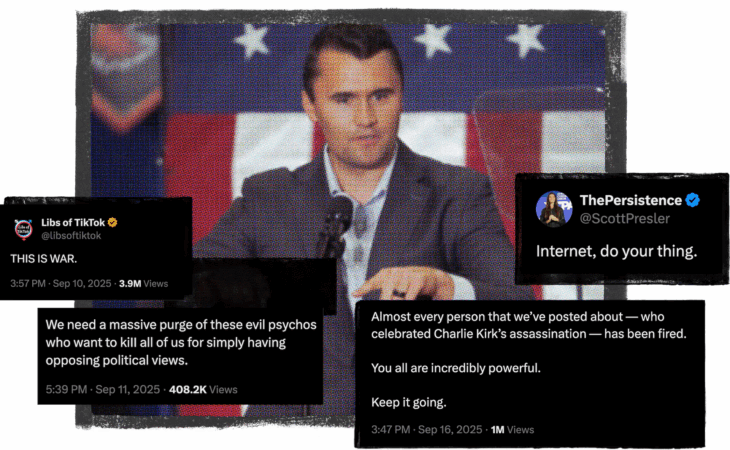
    The punishments have often been driven by social media campaigns that circulate screenshots of the offending remarks, along with the names and phone numbers of employers, and appeals such as, “Internet, do your thing.” What typically follows are hundreds of angry or threatening messages, Reuters found. Several individuals who were targeted said in interviews they were inundated with phone calls. One recalled receiving a call every minute for an entire day. At least two said the harassment was so intense they plan to sell their homes.

    Julie Strebe, a sheriff’s deputy in Salem, Missouri, lost her job after posting comments on Facebook about the shooting, including “Empathy is not owed to oppressors.” She later said she viewed Kirk as an oppressor because, in her words, he sought to marginalize vulnerable groups and used his platform to rally conservative white Christians behind “racist, sexist, hateful views.” She said her bosses were besieged with calls for her dismissal and that, at one point, a hand-drawn sign appeared across from her home reading, “Julie Strebe Supports the Assassination of Charles Kirk.”

    Strebe said she installed five surveillance cameras at her home and now fuels her car only at night to avoid neighbors. Moving from Salem would mean leaving extended family, but she said the small city has grown too hostile to stay. “I just don’t feel like I could ever let my guard down,” she said in an interview. Strebe’s former employer, the Dent County Sheriff’s Office, declined to comment.

    Many Republican officials have embraced the punitive campaign. Some have proposed extraordinary measures, including lifetime bans from social media for those deemed to be reveling in Kirk’s death. The U.S. State Department revoked visas for six foreigners who the agency said “celebrated the heinous assassination of Charlie Kirk.”

    Speaking on a special episode of Kirk’s podcast on September 15, Vice President JD Vance urged his listeners to inflict consequences on those celebrating Kirk’s death.

    “Call them out, and, hell, call their employer,” Vance said. Vance’s office pointed Reuters to comments made earlier this year in which the vice president said, “where I draw the line is encouraging violence against political opponents.”

    Some academics compared the backlash to the “Red Scare,” the anti-Communist purge that peaked in the 1950s, when officials, labor leaders and Hollywood figures were accused of Communist ties. Thousands were investigated in a climate of fear that shaped U.S. politics and culture for a generation. There are “very disturbing parallels,” said Landon Storrs, a University of Iowa history professor.

    Several prominent Republicans have voiced unease at the clampdown, especially after the Federal Communications Commission openly pressured broadcaster ABC to suspend talk show host Jimmy Kimmel following a monolog in which he suggested that Kirk’s assassin hailed from the political right. Police haven’t fully detailed the findings of their investigation into suspect Tyler Robinson and his motives. Robinson hasn’t entered a plea to the murder and other charges against him.

    Republican Senator Ted Cruz warned on his podcast that letting government decide “what speech we like and what we don’t” sets a dangerous precedent. Silencing voices like Kimmel’s might feel good, he said, but “when it’s used to silence every conservative in America, we will regret it.” His spokesperson declined further comment.

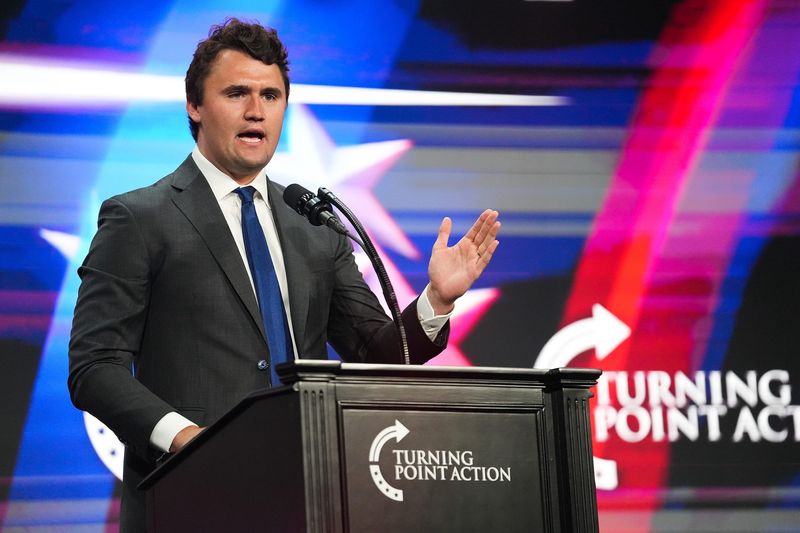
    Charlie Kirk, founder of Turning Point USA, speaks in 2022.

    ‘Massive purge of these evil psychos’

    The campaign to punish Kirk’s critics began almost immediately.

    About 30 minutes after Trump’s announcement that Kirk had died, right-wing influencers mobilized. Among the first was Chaya Raichik, operator of the widely followed Libs of TikTok account, which had posted on X, “THIS IS WAR,” before highlighting a Massachusetts teacher who had written: “Just a reminder, We’re NOT offering sympathy.”

    By night’s end, Libs of TikTok had published or reposted the professional details of 37 individuals, often accompanied by commentary such as “absolutely vile,” “Your tax dollars pay her salary,” or “Would you want him teaching your kids?”

    “It’s actually terrifying how many of them are teachers, doctors and military members,” Libs of TikTok wrote the next day. “We need a massive purge of these evil psychos who want to kiII all of us for simply having opposing political views.”

    In the week after the shooting, Libs of TikTok shared the names and profiles of at least 134 people accused of celebrating violence or mocking Kirk’s memory, frequently tagging Trump administration officials including Defense Secretary Pete Hegseth and Attorney General Pam Bondi. At times, the influencer posted disciplinary actions taken against specific government employees.

    “BREAKING: This marine was fired,” Libs of TikTok posted on September 12, a day after calling out a Marine Corps captain. The officer had responded to Kirk’s death by posting an emoji of clinking beer mugs, according to a screenshot the influencer shared with followers. Reuters could not verify the authenticity of the beer-mug post; the captain declined to comment. Libs of TikTok also reported similar disciplinary actions involving an Army Reserve officer and an Army colonel who had commented on the death on social media.

    The Pentagon and the Justice Department issued statements condemning celebrations of Kirk’s death but did not address questions about their relationship with Libs of TikTok.

    Right-wing influencer Scott Presler began posting screenshots of Kirk commentary, too.

    “Take a screenshot of EVERY single person celebrating today,” he told his followers on September 10. “You bet your behind we will make them infamous.” Over the next week, Presler shared posts on X about 70 people who had commented on the killing, and wrote in one message: “Almost every person we’ve posted about — who celebrated Charlie Kirk’s assassination — has been fired.” Presler didn’t respond to requests for comment.

    For many on the right, outraged by celebratory reactions from the left, the wave of firings became a form of catharsis.

    “It’s good that they are shamed and humiliated and must live with the repercussions for the rest of their lives,” right-wing podcaster Matt Walsh told his audience as he discussed the firings. “It’s good if they wake up every day until they die wishing they had not said what they said.” Asked for comment, Walsh emailed back: “f**k off.”

    On YouTube, video blogger and recovery coach JD Delay expressed glee as he read aloud names of those who had lost their jobs over their remarks.

    “I’m having fun! This is so much fun!” he shouted, raising his hands in excitement. Delay told Reuters that he believes in “accountability and consequences” and that “if you publicly say abhorrent things and get fired from your job, I’m going to laugh at you.”

    The punishment campaign sometimes veered off course. In at least five cases, people were wrongly blamed for comments made by others. In another case, a website that drew up a blacklist called “Expose Charlie’s Murderers” vanished after taking in tens of thousands of dollars in cryptocurrency donations. Attempts to identify and seek comment from the site’s creators were unsuccessful.

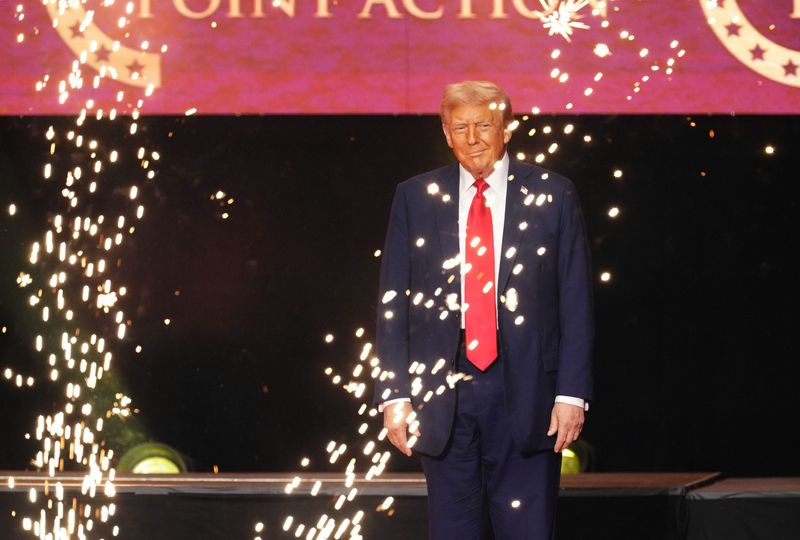
    President Donald Trump takes the stage during a memorial service honoring conservative activist Charlie Kirk in Glendale, Arizona, on Sept. 21, 2025.

    Several online influencers said they received hundreds — sometimes thousands — of tips from individuals seeking to get Kirk’s detractors fired. Reuters was unable to verify those figures. But at various points, Presler, Libs of TikTok and other right-wing personalities publicly urged tipsters to be patient as they worked through the volume of submissions.

    “Can’t keep up with all of you,” Presler wrote on X on September 12. “Post your submissions below & I’ll go through them as I can.”

    A day later, the post had drawn more than 2,700 replies.

    The tally of more than 600 people punished for criticizing Kirk is likely an undercount. Many companies and government organizations haven’t publicly disclosed terminations or suspensions.

    Those punished came from at least 45 states and represented a cross-section of society, from soldiers and pilots to doctors, nurses and police officers.

    In Michigan, an Office Depot employee was fired after being filmed refusing to print a poster memorializing Kirk. In Ohio, a Starbucks barista lost her job after she was accused of writing an anti-Kirk message on a cup of mint tea.

    Reuters couldn’t determine the identities of the Office Depot worker or the barista. Office Depot and Kroger — the grocery store chain that runs the Ohio Starbucks — condemned the anti-Kirk incidents and said the people involved were no longer employees.

    Requests to 21 federal agencies — including Homeland Security, Veterans Affairs and the Defense Department — for the number of suspensions or dismissals tied to the Kirk assassination were either ignored or declined. When the Office of the Director of National Intelligence was contacted, its deputy chief of staff responded on social media, accusing Reuters of trying to generate sympathy “for the ghouls who celebrate his death.”

    Educators among the main targets

    Teachers, academics and university administrators were among those most frequently punished for criticizing Kirk. More than 350 education workers were fired, suspended or investigated in the days following the assassination, including 50 academics and senior university administrators, three high school principals, two cheerleading coaches and a theology instructor.

    The prominence of educators in the backlash may stem from several factors. As leaders tasked with shaping young minds, teachers have long been cast by some conservatives as ideologues who aim to pull their students left. Their status as taxpayer-funded employees made any perceived partisan commentary especially combustible.

    In interviews and public statements, at least six teachers cited another reason for speaking out: concern over the frequency of gun violence at schools nationwide — and anger at those, like Kirk, who have championed widespread access to firearms.

    Vaughn, the South Carolina kindergarten assistant, said that was front of mind when she went to Facebook to quote Kirk’s 2023 remark dismissing some fatal shootings as the price to pay to protect gun rights. Like other teachers across the country, she said she regularly practiced active-shooter drills at her elementary school and saw fear on her five-year-olds’ faces as they learned how to hide from a gunman.

    As she defended her post on the day of Kirk’s death, she told a Facebook friend that she felt “no satisfaction” at the assassination. “Just heartbreak for everyone and anyone affected by gun violence and the hope that one day, enough will be enough.” Speaking to Reuters later, she said, “The one thing I want people to know is that my message was out of concern for the kids.”

    Many educators did celebrate Kirk’s death, including a Virginia teacher who wrote, “I hope he suffered through all of it,” and a Texas middle school intern who said the shooting “made me giggle.” Screenshots of both posts were circulated by right-wing influencers. Reuters could not locate the original posts, which may have been deleted or made private. The Virginia teacher was suspended and the Texas intern was fired. Neither could be reached for comment.

    While schools that suspended or fired educators cited disruptions to the learning environment, some private employers pointed to a violation of company values or safety concerns as the basis for terminations. Corporations caught up in the backlash gave a variety of explanations: Delta Air Lines CEO Ed Bastian said in a statement some employees’ comments were in “stark contrast” to the company’s values and violated its social media policy, while a United Airlines statement said the company had “zero tolerance for politically motivated violence or any attempt to justify it.”

    At least a dozen Kirk critics who took pains to condemn the shooting also found themselves out of jobs or suspended, sometimes after Republican lawmakers got involved.

    In the wake of Kirk’s death, Joshua Bregy, a climate scientist at Clemson University in South Carolina, shared another user’s Facebook post that read, in part: “No one should be gunned down — not a school child, not an influencer, not a politician — no one. But am I going to allow people to make a martyr out of a flawed human being whose rhetoric caused notable damage? Not a chance.”

    The Clemson College Republicans reposted part of his message, labeling him “ANOTHER leftist professor” and calling for his termination. The post was amplified by right-wing influencers and Republican state lawmakers who threatened to defund the public university unless Bregy was fired.

    Clemson initially pledged in a September 12 statement to “stand firmly on the principles of the U.S. Constitution, including the protection of free speech.”

    The next day, Trump himself reposted a state lawmaker’s call to “Defund Clemson.” On September 16, after South Carolina’s House speaker and Senate president sent a letter to Clemson’s trustees demanding they “take immediate and appropriate action,” the school fired Bregy. Bregy’s Facebook post was “blatantly unprofessional” and “seriously prejudicial to the university,” Clemson said in a letter informing Bregy he had been dismissed.

    Bregy is suing Clemson in a South Carolina federal court in a bid to be reinstated. His lawyer, Allen Chaney, said the academic would have kept his job “but for the really aggressive, coercive tactics of elected officials in South Carolina.”

    Clemson, State House Speaker Murrell Smith and Senate President Thomas Alexander did not respond to requests for comment. Clemson has yet to file a response to Bregy’s suit.

    In at least six other cases, Republican officials publicly threatened to deprive universities and schools of taxpayer funds unless specific critics of Kirk were fired.

    Chaney, who serves as legal director of the South Carolina chapter of the American Civil Liberties Union, said the threats to defund Clemson and others crossed a constitutional line. “The government can’t police speech by pressuring third parties,” he said. Last year, the Supreme Court unanimously held that government officials cannot use their authority to “attempt to coerce” private parties into punishing or suppressing speech they dislike.

    The threats to defund schools that resist firing Kirk’s critics were “stunning,” said Paul McGreal, a constitutional law professor at Creighton University Law School in Nebraska. “Government officials are threatening speakers with punishment because they disagree with what they’re saying. These are core First Amendment protections that they’re violating.”

    Kirk praised as Christ’s ‘13th disciple’

    Since Kirk’s assassination, many Republicans have cast him as a saintly champion of free expression. Evangelical figures have likened him to Saint Stephen, revered as Christianity’s first martyr. One Republican lawmaker told Congress “he’d have been the 13th disciple” had he lived in Biblical times. Trump compared Kirk to the ancient Greek philosopher Socrates, slain President Abraham Lincoln and assassinated civil rights icon Martin Luther King Jr. when posthumously awarding him the Presidential Medal of Freedom.

    Kirk’s legacy is complicated, however. He gained fame for debating college students as part of his work with Turning Point. Kirk also advocated criminalizing expression – such as pornography – that clashed with his Christian views. When Black football players started kneeling during the national anthem in protest at police brutality, he backed Trump’s call to strip the National Football League of taxpayer subsidies. The White House later said Trump was making a statement, not a proposal.

    Kirk repeatedly denigrated minorities, calling transgender people an “abomination,” warning of “prowling Blacks” in cities, accusing wealthy Jews of stoking “hatred against Whites,” and declaring Islam incompatible with Western civilization. He also dismissed Pope Francis as a Marxist.

    Some of those who spoke out against Kirk after his death said they were disturbed by the hagiography.

    “I just felt compelled to remind people who he was and what he stood for,” Kimberly Hunt, a human resources worker in Arizona, said in an interview. She had posted a video captioned, “Save your tears for his victims, not him.”

    In the video, Hunt cited Kirk’s record of using derogatory language about transgender people and Muslims, before adding that his children “are better off without him.” Hunt was fired soon after. Her employer, an Arizona construction firm, did not respond to requests for comment.

    Hunt told Reuters she understood her words sounded harsh but stood by them. She said they reflected Kirk’s stance in a debate last year that if he had a 10-year-old daughter who was impregnated through rape, “the baby would be delivered.”

    The retaliation has silenced many voices. Scores of people who posted anti-Kirk comments have since scrubbed or locked their accounts, Reuters found. Others said in interviews that they are pushing back.

    Hunt said she has raised more than $88,000 from a GoFundMe campaign titled, “Doxxed, Fired, but Not Silenced.” She said she wants to use the money to further her education, become a content creator, and keep calling out people like Kirk.

    “It’s definitely just emboldened me,” she said.

    At least 19 lawsuits have been filed against employers who punished Kirk critics, state and federal court records show. At least two plaintiffs have succeeded, including an academic in South Dakota who got his teaching job back.

    Karen Leader, an associate professor at Florida Atlantic University, took to social media after Kirk’s death to protest a narrative that he “was a shining inspiration to youth and a noncontroversial figure who just wanted to have open and civil dialog,” she said. “Anyone who’s in higher education knows that it’s not that simple.”

    She noted that Turning Point rose to prominence through its Professor Watchlist, a site that encouraged students to report faculty for allegedly holding “radical left” views or being a “terror supporter.”

    Kirk had described the Watchlist as an awareness tool, not a blacklist. Those on it have said in interviews, social media posts and public forums that it fostered harassment and intimidation. In 2023, a Turning Point reporter was accused of assaulting an Arizona professor who was on the watchlist after confronting him on camera about his sexuality and shoving him to the ground. The reporter admitted to harassment, assault and disorderly conduct and was ordered to complete a diversion program. A Turning Point cameraman admitted to harassment in the case.

    On September 10, Leader began posting Kirk’s past statements on X. She said she made a mistake by incorrectly accusing Kirk of having uttered an ethnic slur and then deleted it. The rest of her posts she said she stands behind, including one highlighting Kirk’s claim that Black Americans were “better” during Jim Crow.

    “None of it was me encouraging violence,” Leader said. “I was sharing evidence.”

    Jordan Chamberlain, a former staffer of Florida Governor Ron DeSantis, shared screenshots of several of Leader’s posts and tagged her university, asking if it approved of the content. Libs of TikTok shared Leader’s faculty headshot. The university’s president announced she had been put on administrative leave. Her address and phone number appeared online, and menacing messages followed.

    In one voicemail reviewed by Reuters, the caller said: “We’re coming to get you. Karen Leader, we know where you work. We’re gonna come to your home as soon as we have your location.” Leader said she has rarely left her apartment since.

    She reported the threats to Boca Raton police, which referred the case to campus officers, according to a police report. Florida Atlantic University police said their report could not be released because of an active criminal investigation.

    Florida Atlantic University confirmed Leader was one of three academics who were on leave pending investigations. It declined further comment. Chamberlain also didn’t return an email seeking comment.

    “Whether my career is over or not, I don’t know,” Leader said. “But my life has changed.”