Category: WNBA

  • Diane Richardson is an advocate for the WNBA. She says Unrivaled will get Philly ready for its franchise.

    Diane Richardson is an advocate for the WNBA. She says Unrivaled will get Philly ready for its franchise.

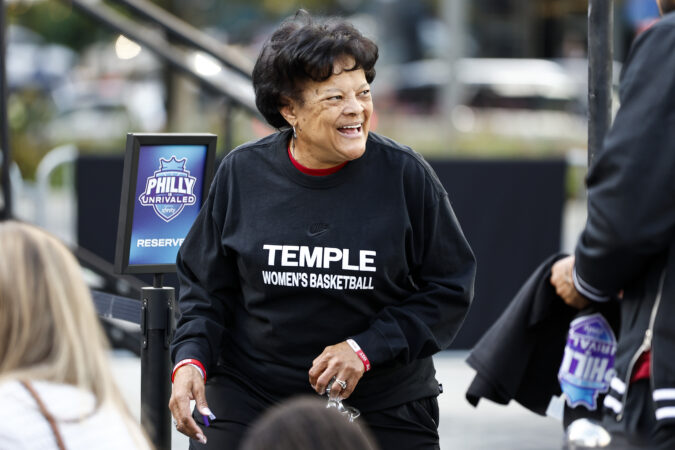
    Temple coach Diane Richardson is not from Philadelphia. She spent much of her life in the Maryland and Washington region, which included several coaching stints in the area.

    When Richardson was hired at Temple in 2022, she got a taste of what the Big 5 — and sports in general — mean to the city. But seeing how Philly responded to the women’s side of the Big 5 intrigued Richardson. It made her want to grow women’s basketball even more.

    Richardson has become an advocate for professional women’s basketball and hopes to bring more eyes to the game, with a WNBA franchise set to come to Philadelphia in 2030. In the meantime, Unrivaled will make its first trip out of the Miami area and play at Xfinity Mobile Arena on Friday.

    ​“It really sets the tone for what Philly has to come,” Richardson said. “The WNBA is coming here in a few years and to have Unrivaled come here, the first place that they have come to, it really shows the support that’s here for women’s basketball and how Philly’s grabbing ahold of it. So I’m excited about it. I’m really excited about the representation. I’m excited for the young girls in Philly to be able to see that up close and personal.”

    Basketball was not always Richardson’s calling card. She was named one of the top female executives in the country in 1995, but she left her post as founder and chief operating officer of American Security Corporation to pursue a different passion, mentoring young girls through basketball.

    Part of Richardson’s inspiration to make that change came from former college basketball coach and current color commentator Carolyn Peck. Richardson crossed paths with Peck during a recruiting visit with a player while Peck was at the University of Florida and Richardson was coaching at Riverdale Baptist School in Upper Marlboro, Md. She was enamored by Peck’s drive to help young athletes.

    “I saw the care she had with her student-athletes and how she wanted to project women’s sports,” Richardson said. “I was just amazed and inspired that when you can be in a position like that, you can actually inspire other people. I left corporate America to coach because I saw her example. And I love what I’m doing now.”

    Richardson arrived on North Broad before the 2022 season and quickly got to work, not just with her new program, but with women’s basketball overall.

    Richardson bought into the Big 5 Classic, and when the format changed before the 2024-25 season, she was all for it. The the tripleheader has been held at Villanova’s Finneran Pavilion the first two seasons. While Richardson believes the first two iterations have been successful, there is more to be done.

    “I think we could use some more exposure,” Richardson said. “We’re playing at Villanova and the guys are playing downtown [at Xfinity Mobile Arena]. And I think if we put enough money into it, enough marketing into it, and we can market it locally and get a lot of people there.”

    Richardson also has her team engage with the community in women’s basketball events. The Owls held a camp with Skilladelphia, a basketball clinic for young girls, and attended a WNBA watch party with Watch Party PHL to see a game that featured Jonquel Jones, Natasha Cloud, and Kahleah Copper.
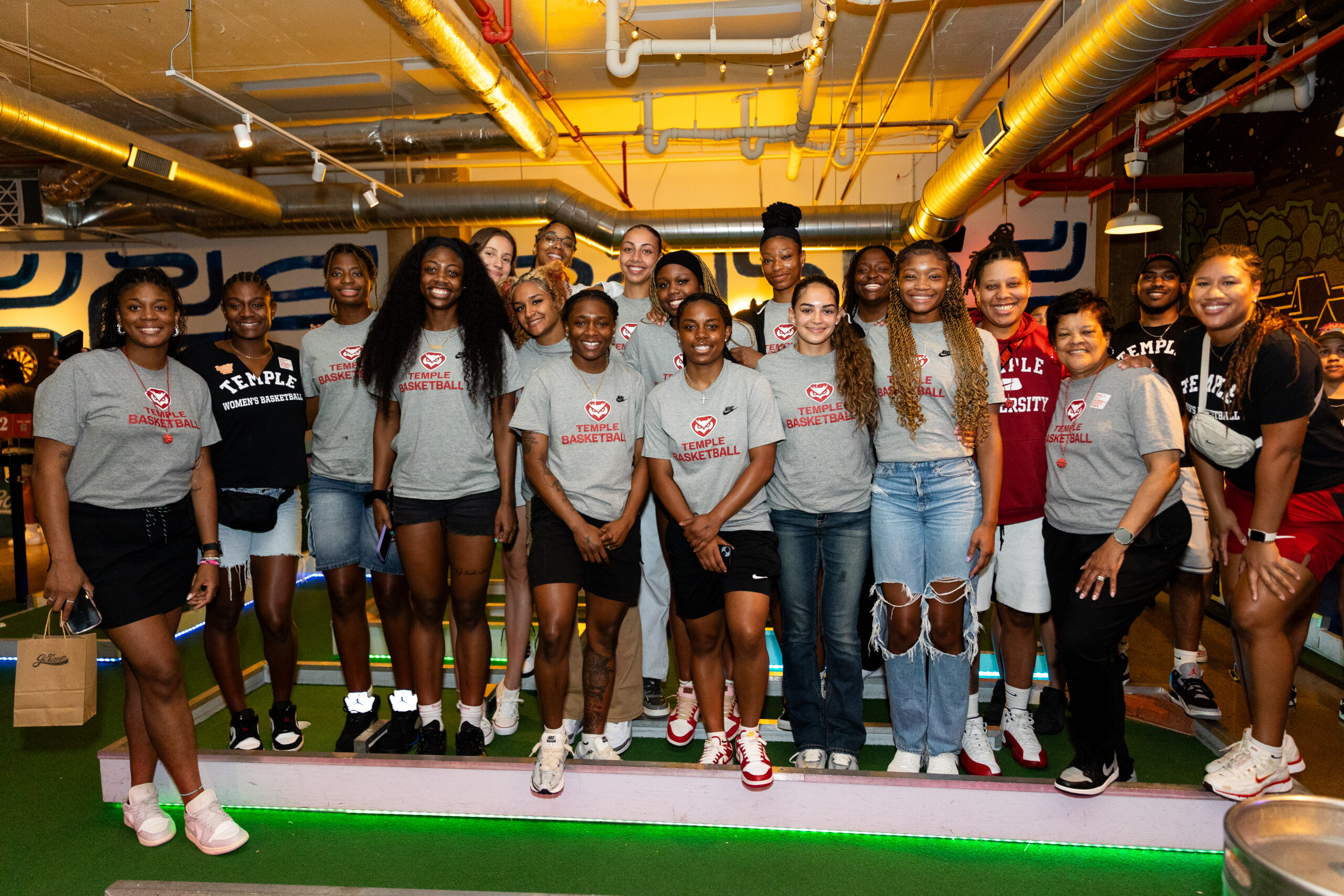
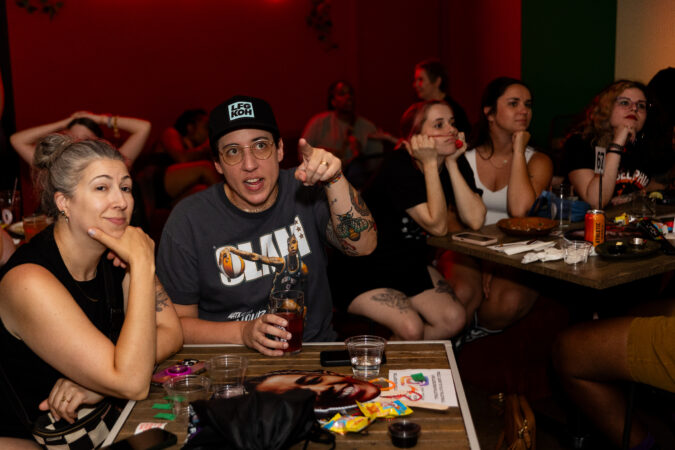
    Temple attended a WNBA watch party in July at Libertee Grounds.

    A key part of Richardson’s involvement over her four years at Temple has been the involvement of Jones and Copper. Jones, who plays for the New York Liberty, is Richardson’s adopted daughter and makes the trip to Philly whenever she can.

    She acted as a tour guide when the Owls went to the Bahamas in November. Copper, who plays for the Phoenix Mercury, is from North Philly and has been a great friend of the program. She attended many practices during Richardson’s first two seasons.
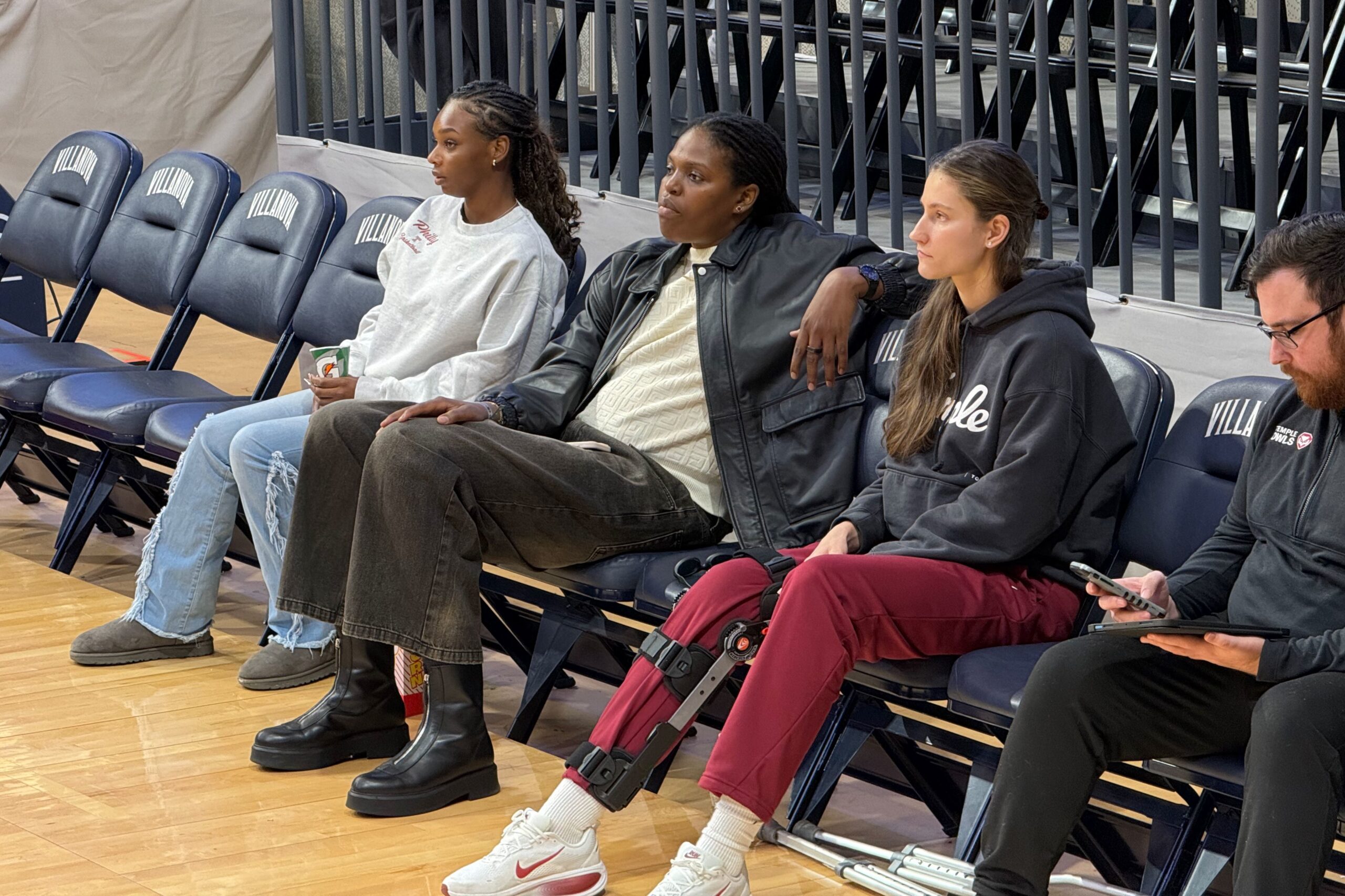
    New York Liberty star Jonquel Jones (second from left), the adopted daughter of Temple women’s college basketball coach Diane Richardson, was courtside to watch the Owls play the Drexel on Dec. 7.

    Having professionals involved with the program has been beneficial for the team. It’s an opportunity to see what basketball can do for them.

    “Coach Rich is really great at networking,” said junior guard Kaylah Turner. “We’ll have little meetings here and there to meet this person and that person she wants us to talk to. She knows that every person has one thing that we can take away from, as far as lessons. We meet a lot of different people, and just watching her, she knows everybody.”

    Richardson brought her whole team to the Unrivaled announcement event on Oct. 2, when the pro three-on-three league announced it would visit the city on Jan. 30. Unrivaled is the next step to growing women’s basketball in the area.

    Richardson hopes a lot comes from Unrivaled, including gaining more women’s basketball fans.

    “I hope that the people who talk bad about women’s sports and the WNBA will see that this is true basketball,” Richardson said. “It’s not just some stuff on the corners. It’s not just AAU or church league. This is real professional basketball, and it should be respected as such.”

    After Unrivaled, the city will have four years to prepare to welcome its WNBA team. The support that has come from Unrivaled is encouraging, and Richardson believes that with continued marketing, Philly will be more than ready for a pro team.
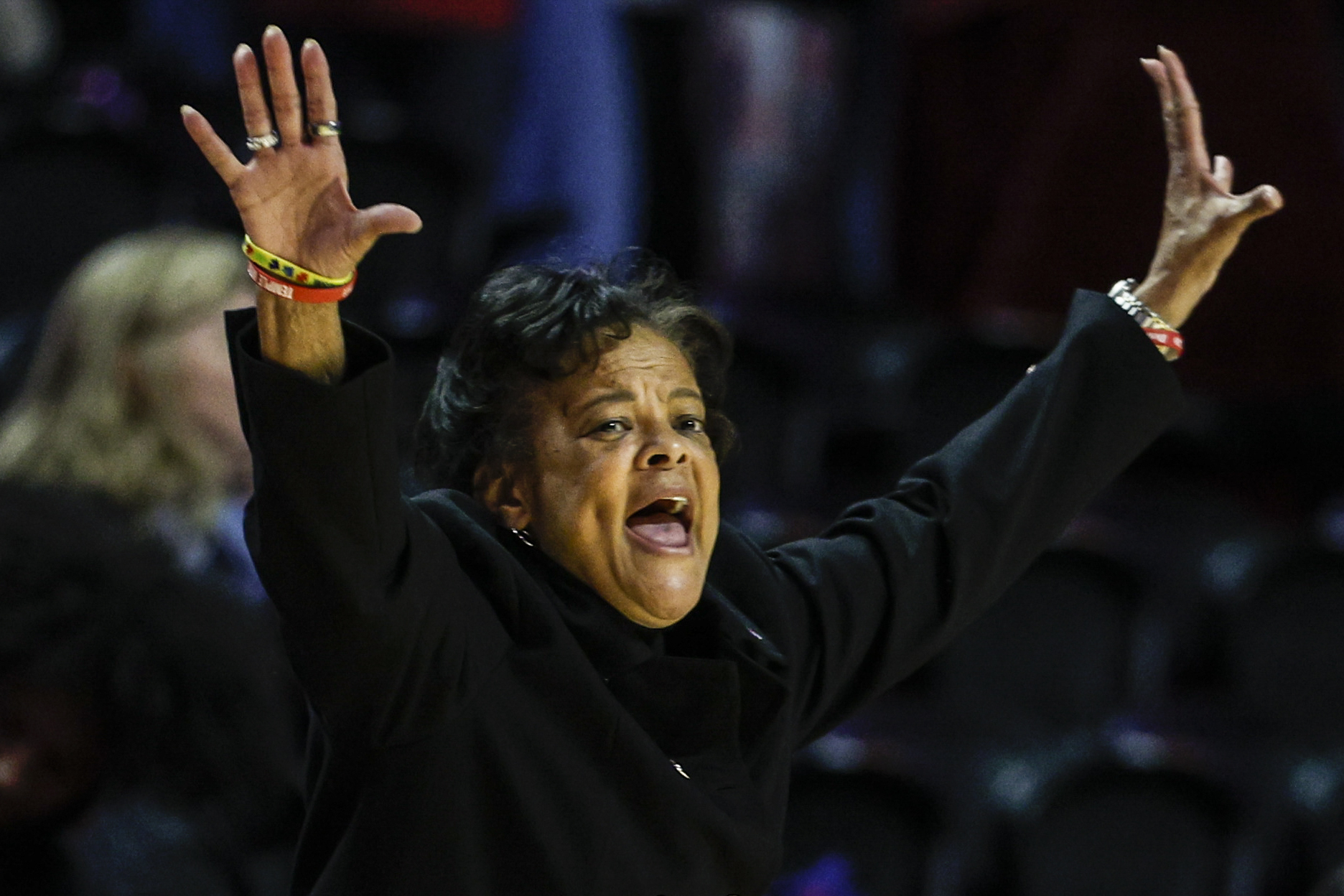
    Temple coach Diane Richardson calls plays against Charlotte on Saturday.

    “With the WNBA coming here … we’re going to be exploding,” Richardson said. “To get Unrivaled sold out in a matter of days, that tells you we are ready for the WNBA. I think if we continue to have programs and events like that, it’ll get there, and I think we’ll have sold-out stadiums when the WNBA gets here.”

    In her short time in the city, Richardson has been at the forefront of the push to grow women’s basketball here. She hopes others will see the beauty in the sport, too.

    “If they are a true sports fan, they will love women’s basketball,” Richardson said. “And it’s not just to say that it’s women’s basketball, but if you love sports, you’ll love women’s basketball, because it’s basketball.”
  • Philly has long been a special place for tennis legend Billie Jean King. And she wants to see the WNBA succeed here.

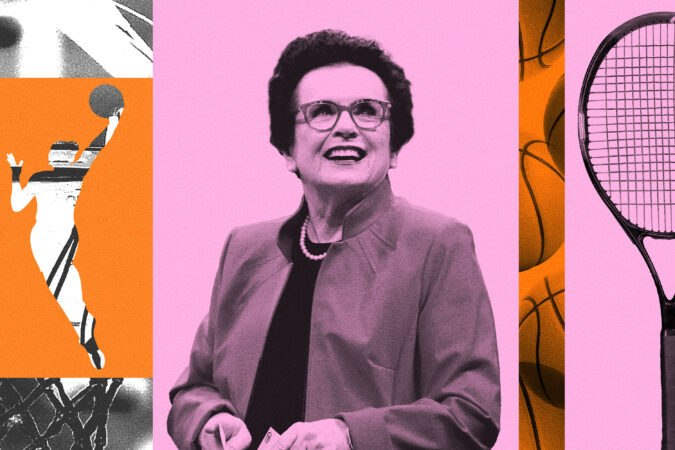
    Philly has long been a special place for tennis legend Billie Jean King. And she wants to see the WNBA succeed here.

    Philadelphia and its famously indefatigable, fanatical followers of all things pro sports, you have a test coming at you with the speed of a Tyrese Maxey breakaway.

    In 2030, the City of Brotherly Love will debut its own WNBA franchise.

    At last.

    Then will come the test. Can, and will, Philadelphia and its often-notorious rabid fans land on the right side of the WNBA story, embracing not only a specific team, but the general concept of women’s professional sports?

    Billie Jean King, for one, has thoughts.

    In two interviews, King — one of the most celebrated sports icons of any generation and an inductee into multiple Halls of Fame — explained how she planted roots in Philadelphia long ago and has yet to pull those roots up. Yes, she’s moved around the globe, with stops at Wimbledon, Roland Garros, Australia, and beyond. She is a fixture at the U.S. Open every summer in New York, a whirling dervish who refuses to slow down, even at 82 years old.

    She wants to see Philadelphia become the next successful chapter in the chronicles of the WNBA story, proving all the more, even more that women can succeed on basketball courts, by measuring success one purchased ticket at a time.

    “I just hope that comes true,” said King of a pro team other than the Eagles, Phillies, Sixers, and Flyers lighting up South Philadelphia’s sports complex. “If it does come there, then the fans better make sure they support it because the other [new] teams now, they really have great support.”

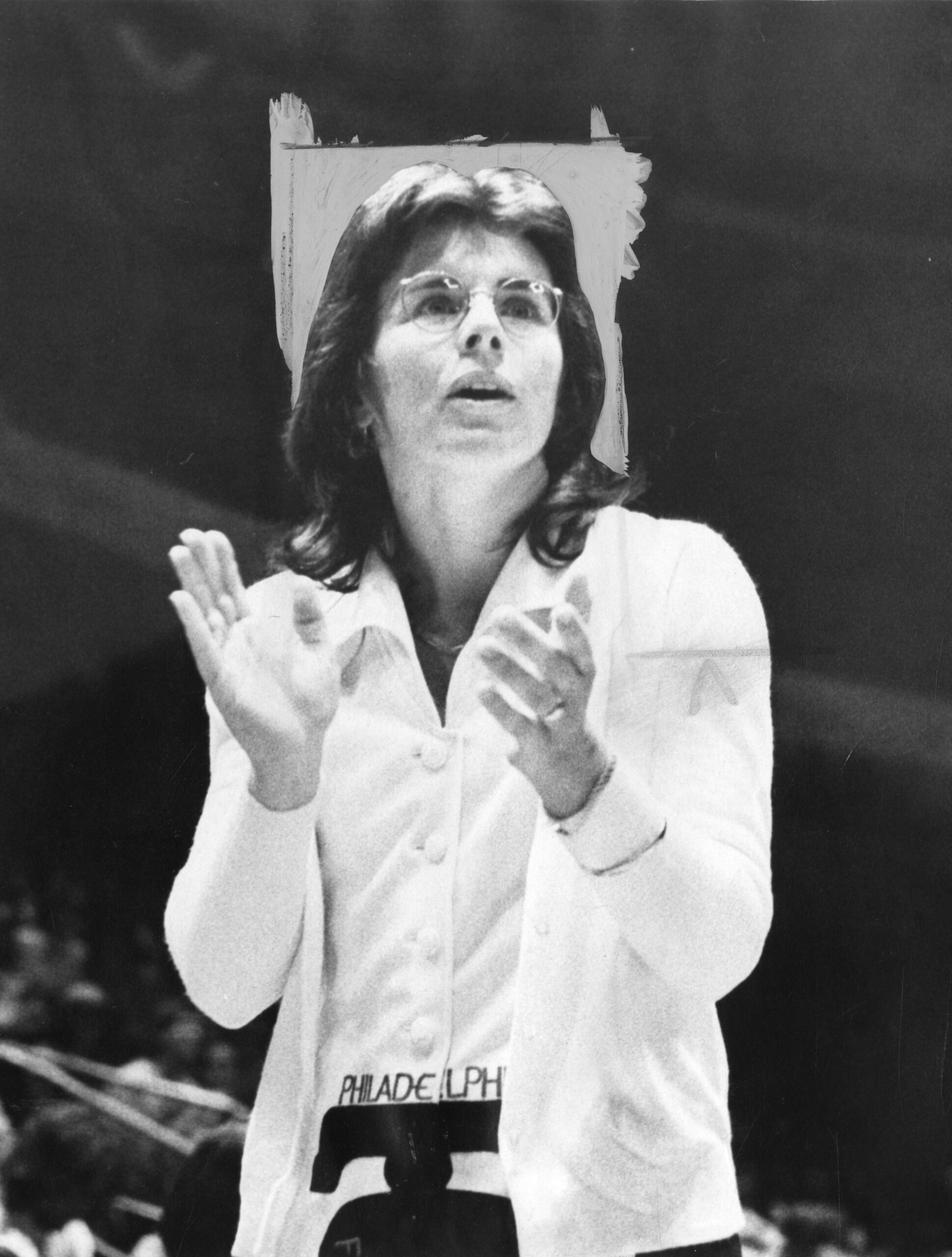
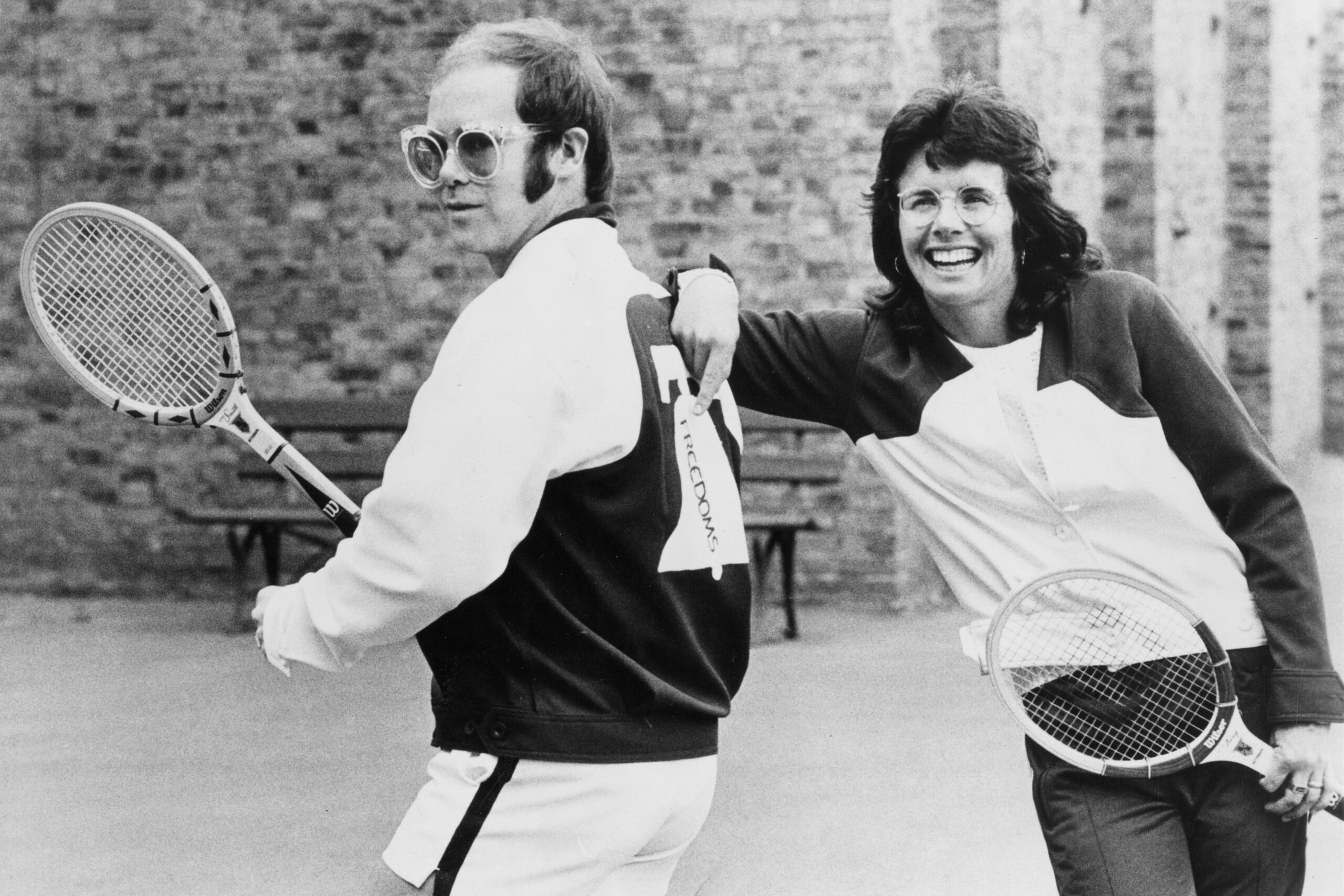
    Elton John in a Philadelphia Freedoms jacket and Billie Jean King in 1974.

    Her conversations about the possibilities of basketball’s best women playing for Philadelphia have been ongoing for seemingly a lifetime. “We’ve been talking to people about that forever on that subject,” King said, mentioning her wish that famed Philadelphians like Wanda Sykes and others from the entertainment industry help draw attention to the sport. (As for ownership, she again points to Sykes, and Sykes’ wife, Alex, saying “I know they’d love to invest.”)

    Having just helped establish the Professional Women’s Hockey League, having dabbled in ownership of tennis tournaments, King knows what lies ahead for ownership of a new franchise and for a fan base that is particularly particular.

    “Philadelphia, it’s a rough market,” King said, “because notice when the Phillies are winning, everybody shows up. When they’re not winning, very few show up. What you need is an organization like the Cubs, whether they win or lose, they fill the place. That’s what Philadelphia has to do. That’s what you need the fans do. They gotta have to want to do that to support their city.”

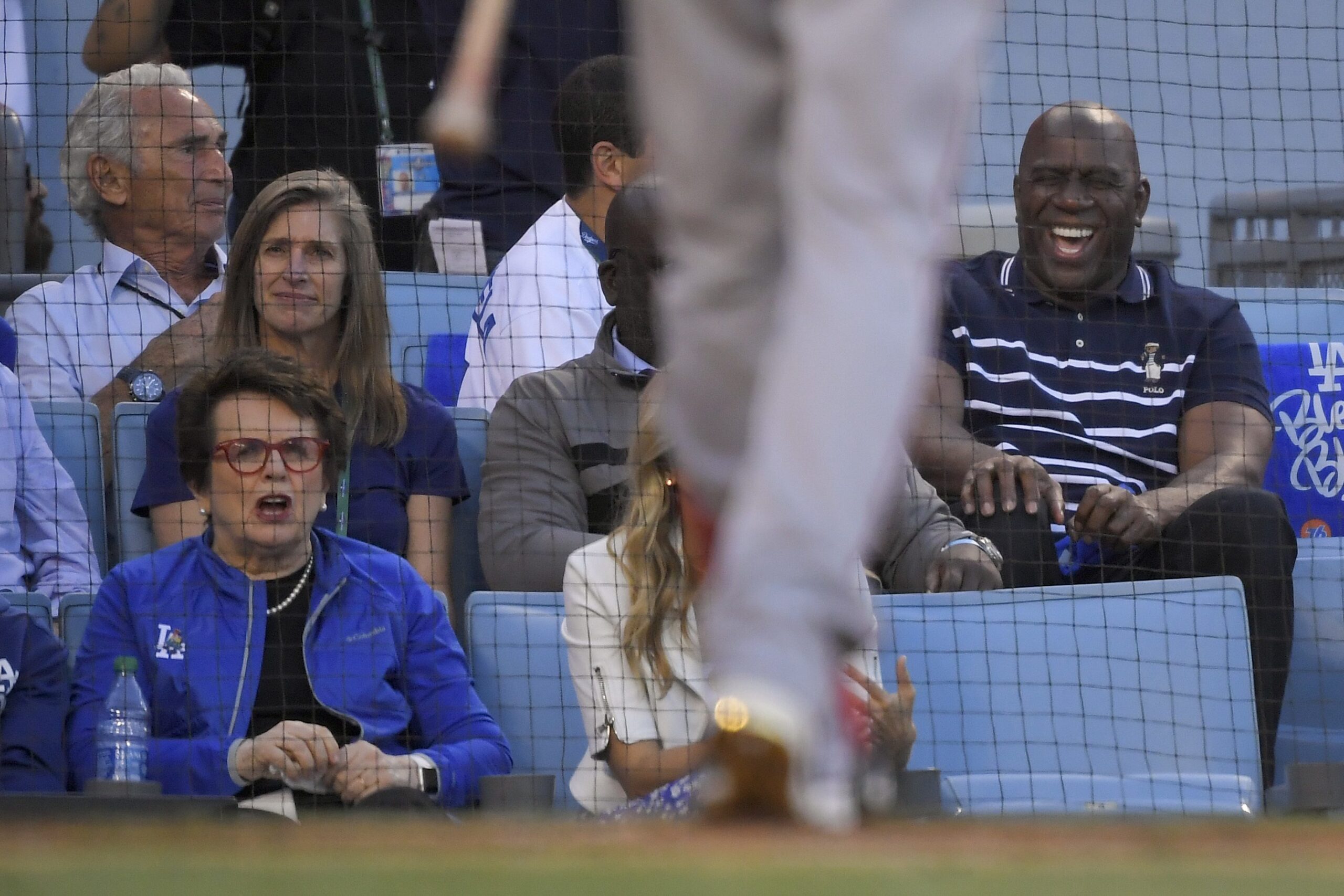
    Her presence is not just the stuff of tennis lore. She is not a fixture in baseball, ensconced in the major leagues as a part-owner of the Los Angeles Dodgers. When not seated in the front row near the Dodgers’ dugout at Chavez Ravine, chatting it up with Magic Johnson and Sandy Koufax, she could be seen standing next to Shohei Ohtani and Mookie Betts on podiums as she and her team celebrated the last two World Series championships.

    Billie Jean King (left) and Magic Johnson take in Game 1 of the NLDS between the Los Angeles Dodgers and the Washington Nationals.

    And for King there is no offseason. She sits on the board of directors for the 3-year-old PWHL, a creation of the Dodgers’ ownership. She applauds its million-plus ticket sales per season as heartily as she celebrates baseball championships.

    She also is closely following the startup of the new women’s professional baseball league being backed by Major League Baseball. King has no stake in that league. Yet. But upon learning that none other than Mo’ne Davis, the multifaceted Philadelphia athlete of Little League fame, was attracted to the new league’s tryouts certainly attracted King’s attention.

    Yet as King began the second of our interviews for this article, she leaned into the Zoom video camera and declared that she was wearing the Phillies’ maroon, a transplant from the West Coast stubbornly proud of her adopted city.

    King remembers watching the Phillies play at Veterans Stadium, falling back on the dreams of a little girl who wanted to play baseball as much as did her brother, Randy Moffitt, a former big league pitcher who died earlier this year.

    King also reminisces about Coaching 101 conversations she’d have with Sixers great Billy Cunningham while the two watched the Flyers skate their way to Stanley Cup championships. Just two Hall of Famers talking hoops. King also wished to have played the sport, but for that glass ceiling that limited girls’ and women’s access to the game.

    That so many memories of teams rooted in Philadelphia can make her smile reminds one to never doubt how much Billie Jean King still has invested in emotions, heart, and soul in this city after six-plus decades.

    “As a child, when I was growing up, I read everything I could on the history of women’s tennis and men’s tennis,” King said. “And there is so much history in Philadelphia. … And the junior championships used to be there. If you wanted to be the No. 1 junior in the world, you had to play at the Philadelphia Cricket Club. They had the junior nationals, and you had to win that tournament to be No. 1 in the country. I never won.”

    That didn’t mean the city failed to win over King. “I’ve been going there since I was 15,” she said fondly. And when she returned as an adult, she did so as a world-renowned champion, coming back to play for and coach the Philadelphia Freedoms in 1974, the inaugural season of the World Team Tennis league.

    Billie Jean King was a player-coach for the Philadelphia Freedoms.

    These ventures make it feel like coming home whenever she passes through Philadelphia, she said. And now, she sees a city she loves about to take on a fight she’s waged her whole life.

    Like many a WNBA team, their NBA counterparts will be counted on greatly to help the Philly team take flight. The franchise owner is Harris Blitzer Sports & Entertainment, owners of the Sixers, with Comcast Spectacor holding a minority stake.

    Yet King cautions, too, that “in Philadelphia, you’ve got to have the big bucks. You’ve got to be in it for the long, long haul.”

    Why that matters is this: The WNBA has shuffled the deck in four expansion eras in its 29 seasons. Philadelphia will join as part of its fourth expansion.

    The league’s history on moving or disbanding franchises is no secret. Neither is its willingness to go in another direction quickly, no matter the size of the market the league chooses to flee.

    The league has relocated and rebranded five teams. Only three of the original eight teams remain. As the WNBA looks to grow to an all-time high of 18 teams by 2030, it is betting much on Philadelphia — the only city among the nation’s six largest metropolises to have never had a WNBA team.

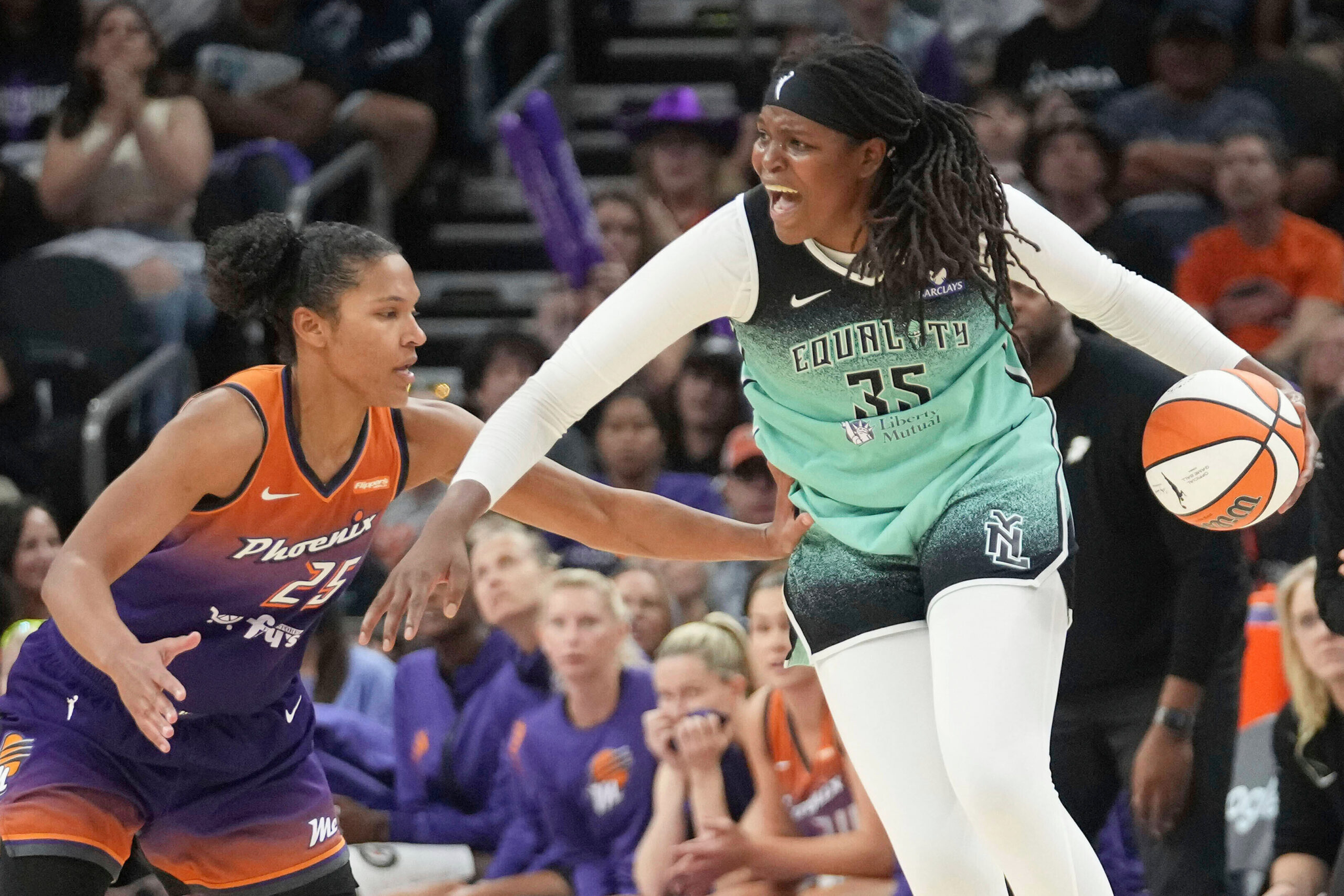
    New York Liberty center Jonquel Jones (35) looks for an outlet as Phoenix Mercury forward Alyssa Thomas during a WNBA playoff game last fall. Jones’ and Thomas’ teams are two of the three inaugural WNBA franchises still in their original homes.

    Right now, the model every future expansion team will be chasing is the Golden State Valkyries.

    The Valkyries set a record for victories in an expansion team’s first season and made the playoffs, another first for an expansion team, all while selling out its slate of home games.

    “So they did it right, and you’ve got to do it right,” said King of the team fronted by the NBA Golden State Warriors.

    “You’ve got to have enough money and then you’ve got to set up everything right. Like, where are they going to play? Make sure they get good dates,” she said, noting that WNBA franchises often are second, third, or fourth in pecking orders in arenas often shared by other teams. “It’s a very difficult world to be in sports, financially, especially if you’re trying to help get a new sport in the area.”

    That largely sums up what fans of women’s sports can expect when the WNBA lands here.

    Can it work? Will it work? For Billie Jean King, just trying will be worth the effort as she keeps endorsing getting women not only on the courts, ice, playing fields, but in the seats of power.

    “I’ve been in business forever,” she said. “My former husband and I owned tournaments from 1968. I always did the business side. It really helped me to lead. I said yes [because] the way to do it was to embrace it with everything I’ve got. The way to do it is to know all sides of something, and not because I’ve been an owner, a coach, a player. I’ve been in a lot of situations not only to have a better life, but to create opportunities for others. It’s just more enriched when you have a life where you have empathy and compassion for each person’s situation.”

    In King’s world of sports, it’s always a must that fairness be made available to women. It won’t be long until the City of Brotherly Love gets its opportunity to agree with one of its most famous adopted sisters. At last.

  • Philly is Unrivaled women’s basketball doubleheader at Xfinity Mobile Arena is sold out

    Philly is Unrivaled women’s basketball doubleheader at Xfinity Mobile Arena is sold out

    Unrivaled has sold out its upcoming Philly takeover event at Xfinity Mobile Arena, a Comcast Spectacor official confirmed to The Inquirer on Thursday.

    The 3-on-3 women’s basketball league, which launched last year in Miami, is taking its season on the road in Year 2. The first Unrivaled event outside suburban Miami will be Jan. 30 in Philadelphia.

    Xfinity Mobile Arena, which has a capacity of 21,000 and is owned by Comcast Spectacor, will be by far the biggest venue Unrivaled has played in. The league’s usual venue in Medley, Fla., Sephora Arena, was built just for Unrivaled and holds just 1,000 seats.

    The event, which features a doubleheader between four of Unrivaled’s eight teams, Breeze vs. Phantom and Rose vs. Lunar Owls, is set to bring young stars like Paige Bueckers (Breeze) and Cameron Brink (Breeze), along with Philly natives Natasha Cloud (Phantom) and Kahleah Copper (Rose), to South Philly.

    The doubleheader comes on the heels of the WNBA’s announcement in June 2025 that Philadelphia will be home to an expansion franchise, with play set to begin in 2030.

    If you missed out on purchasing, tickets are available for resale on platforms like StubHub and Ticketmaster, starting at $111.15 for the upper deck as of Thursday afternoon.

  • WNBA, players’ union agree to moratorium, halting initial stages of free agency

    WNBA, players’ union agree to moratorium, halting initial stages of free agency

    NEW YORK — The WNBA and its players’ union agreed to a moratorium for league business Monday.

    The moratorium, which was confirmed by the league, was necessary because the sides failed to reach a deal on a new collective bargaining agreement or an extension of the current one by Friday night’s deadline.

    The sides are continuing to negotiate in good faith on a new CBA and are far apart on salaries and revenue sharing.

    The moratorium will halt the initial stages of free agency in which teams would seek to deliver qualifying offers and franchise tag designations to players.

    Before the moratorium, the WNBA, under U.S. labor law, had a status-quo obligation to allow teams to send out qualifying offers under the expired CBA agreement. Sunday was the first day that teams would have sent out offers to players.

    While the moratorium makes sense for both sides, they are still far apart on key issues.

    The league’s most recent offer last month would guarantee a maximum base salary of $1 million in 2026 that could reach $1.3 million through revenue sharing. That’s up from the current $249,000 and could grow to nearly $2 million over the life of the agreement, a person familiar with the negotiations told the AP earlier this month. The person spoke on condition of anonymity because of the sensitive nature of the negotiations.

    The moratorium will halt the initial stages of free agency in which teams would seek to deliver qualifying offers and franchise tag designations to players.

    Under the league’s proposal, players would receive in excess of 70% of net revenue — though that would be their take of the profits after expenses are paid. Those expenses would include upgraded facilities, charter flights, five-star hotels, medical services, security and arenas.

    The average salary in 2026 would be more than $530,000, up from its current $120,000, and grow to more than $770,000 over the life of the agreement. The minimum salary would grow from its current $67,000 to approximately $250,000 in the first year, the person told the AP.

    The proposal would also financially pay star young players like Caitlin Clark, Angel Reese and Paige Bueckers, who are all still on their rookie contracts, nearly double the league minimum.

    Revenue sharing is one of the major sticking points in the negotiations.

    The union’s counter proposal to the league would give players around 30% of the gross revenue. The player’s percentage would be from money generated before expenses for the first year and teams would have a $10.5 million salary cap to sign players. Under the union’s proposal, the revenue sharing percent would go up slightly each year.

  • WNBA players union authorizes negotiators to call a strike if needed during CBA talks

    WNBA players union authorizes negotiators to call a strike if needed during CBA talks

    NEW YORK — WNBA players have authorized their union’s executive council to call a strike if necessary, the union announced Thursday as it continues to negotiate a collective bargaining agreement with the league.

    The WNBPA and league have been negotiating a new agreement for the past few months, extending the deadline a couple of times with the latest one set to expire Jan. 9. The move gives union negotiators another tool to use in talks.

    “The players’ decision is an unavoidable response to the state of negotiations with the WNBA and its teams,” the union said in a statement. “Time and again, the players’ thoughtful and reasonable approach has been met by the WNBA and its teams with a resistance to change and a recommitment to the draconian provisions that have unfairly restricted players for nearly three decades.”

    The union said there was overwhelming support in the vote to allow the executive council to call for a strike when it sees fit. With 93% of players voting, 98% voted yes to authorize a strike if needed.

    “The players’ vote is neither a call for an immediate strike nor an intention to pursue one. Rather, it is an emphatic affirmation of the players’ confidence in their leadership,” the statement said.

    A strike could delay the WNBA expansion draft and the beginning of free agency, which usually starts in late January. The season itself isn’t expected to begin until late April or early May. The Portland Fire and Toronto Tempo will begin play in 2026, with teams in Cleveland (2028), Detroit (2029), and Philadelphia (2030) to follow.

    Players and owners have been meeting regularly to negotiate. Increased salaries and revenue sharing are two big areas that the sides aren’t close on.

    The league offered a max salary that would have guaranteed a $1 million base, with projected revenue sharing pushing total earnings for max players to more than $1.2 million in 2026, a person familiar with the negotiations told the Associated Press. The person spoke to the AP on condition of anonymity Nov. 30 because of the sensitivity of the negotiations.

    “The league remains steadfast in its commitment to reaching an agreement as soon as possible and delivering a 30th season for the players, fans, teams, and partners,” the WNBA said in its own statement later Thursday afternoon. “We have negotiated in good faith and with urgency, and remain focused on finalizing a new collective bargaining agreement that not only meaningfully enhances player pay, benefits, and experience, but also does so in a way that ensures the long-term growth of the game and the league’s capacity to serve the next generation of WNBA players.”

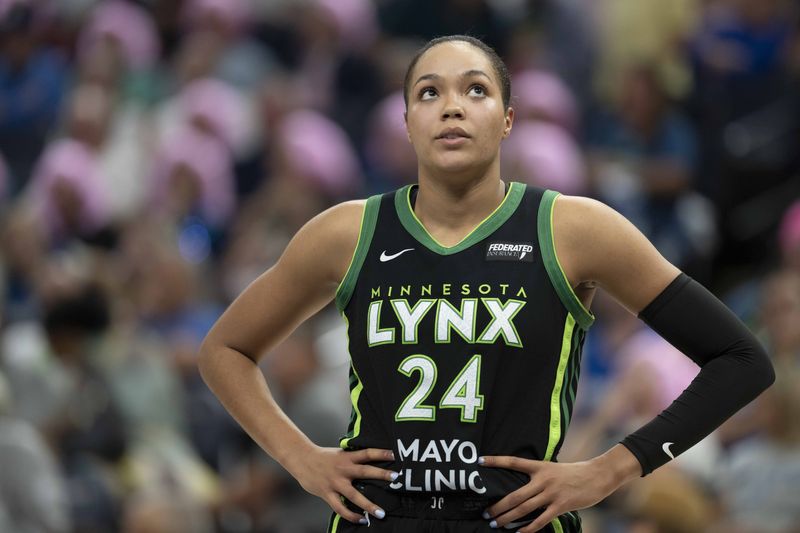
    Minnesota Lynx forward Napheesa Collier is on the executive board of the WNBA players’ union.

    Napheesa Collier, who is on the executive council, said in a Zoom earlier this week that players are also fighting for childcare and retirement benefits. She acknowledged that revenue sharing remains the main issue, which is why other topics haven’t been talked about as much.

    “I don’t think there’s fatigue,” Collier said. “Obviously, there’s frustration in that both sides are trying to get what they want, but we still have that fire within us that we’re willing to do what it takes. We’re going to do whatever it takes to get what we think we deserve.”

    Indiana Fever star Caitlin Clark said at USA Basketball camp last week that this was the “biggest moment in the history” of the league.

    “It’s not something that can be messed up,” Clark said.

    “We’re going to fight for everything we deserve, but at the same time we need to play basketball. That’s what our fans crave. You want the product on the floor. In the end of the day that’s how you’re marketable, that’s what the fans want to show up for.”

  • Philadelphia Sisters and Watch Party PHL release beer celebrating women’s sports

    Philadelphia Sisters and Watch Party PHL release beer celebrating women’s sports

    Ahead of Watch Party PHL opening a new women’s sports venue, The Stoop Pigeon, next year, it is teaming up with the Philadelphia Sisters grassroots organization to release a new beer — the Philly is a Women’s Sports Town Pilsner.

    The beer, a relabeled version of Sterling Pig Brewery’s Shoat Pilsner, will be available through the end of January at Sterling Pig Brewery, additional participating bars locally, and online.

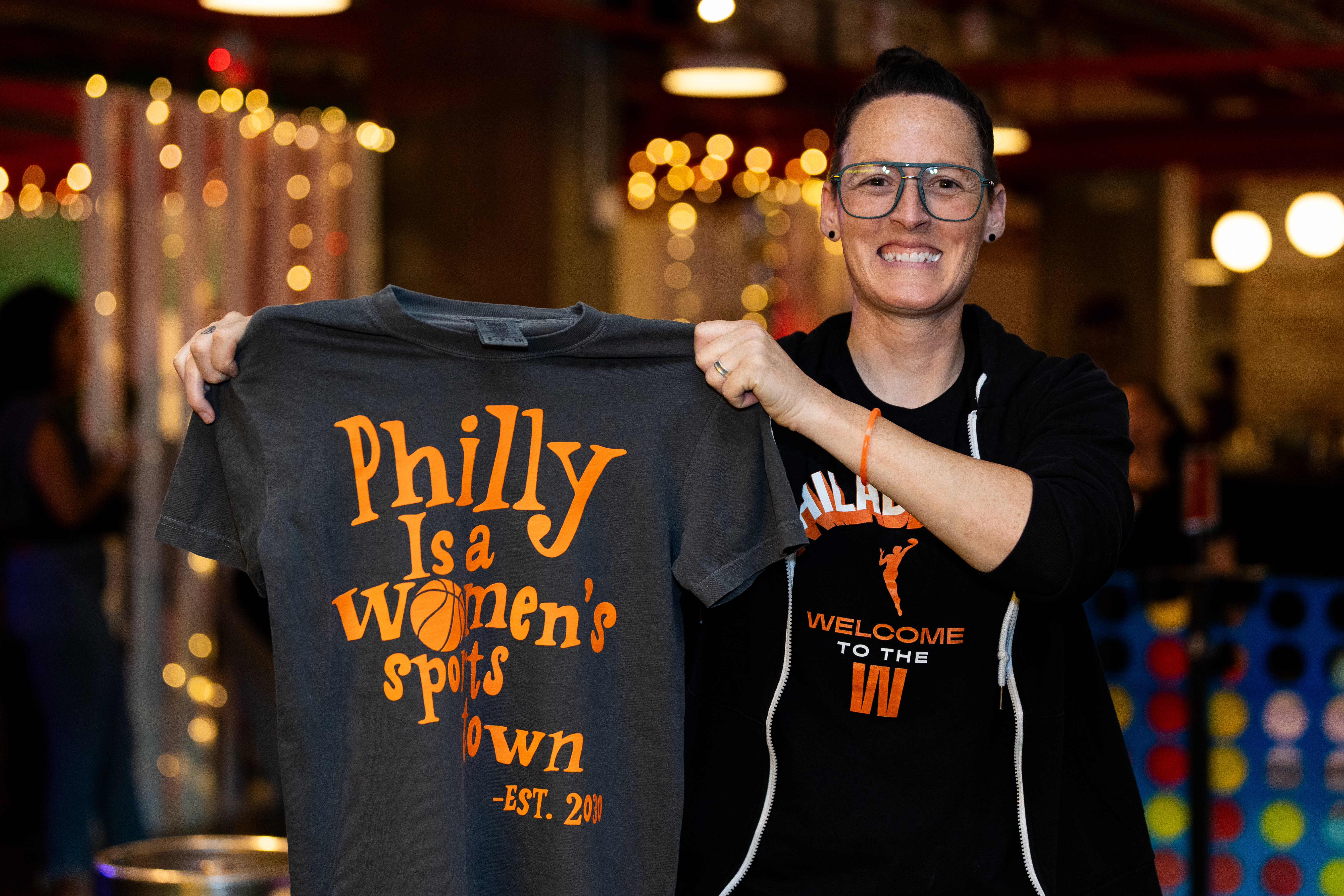
    They also are selling other “Philly is a Women’s Sports Town” merchandise, a phrase Watch Party founder Jen Leary coined after the announcement that the city would be getting a WNBA expansion franchise in 2030. The phrase blew up after actor Aubrey Plaza wore one of the group’s T-shirts courtside at a New York Liberty game.

    Watch Party PHL founder Jen Leary holds the “Philly is a women’s sports town” shirt that went viral after Aubrey Plaza wore it to a Liberty game.

    With Unrivaled, the offseason three-on-three women’s basketball league, making its first-ever tour stop on Jan. 30 in Philadelphia and the announcement that Philadelphia will gain a WNBA team, 2025 has been a banner year for women’s sports in Philadelphia. Philadelphia Sisters, which is dedicated to the development of women’s sports in the city from the youth level to the pros, and Watch Party PHL are looking to keep the momentum going in 2026.

    Watch Party PHL has hosted a number of watch parties for women’s sports, including the WNBA, women’s college basketball, the NWSL, and U.S. women’s national soccer team. The group is opening The Stoop Pigeon in May 2026. It will join Marsha’s on South Street, which opened in October, as the city’s women’s sports bars.

  • The WNBA’s rapid growth means a rise in gambling, and it’s affecting the players

    The WNBA’s rapid growth means a rise in gambling, and it’s affecting the players

    Growing up in a family of six in Poughkeepsie, N.Y., former Villanova women’s basketball star Maddy Siegrist said the closest thing she witnessed to a sports bet was when the Super Bowl rolled around. And even then, it was friendly wagers.

    “It just wasn’t a thing in our house,” said Siegrist, who now plays for the WNBA’s Dallas Wings. “I didn’t grow up with people who bet. Plus, there were no apps or anything. I knew people that did boxes on the Super Bowl. That was the extent of my knowledge.”

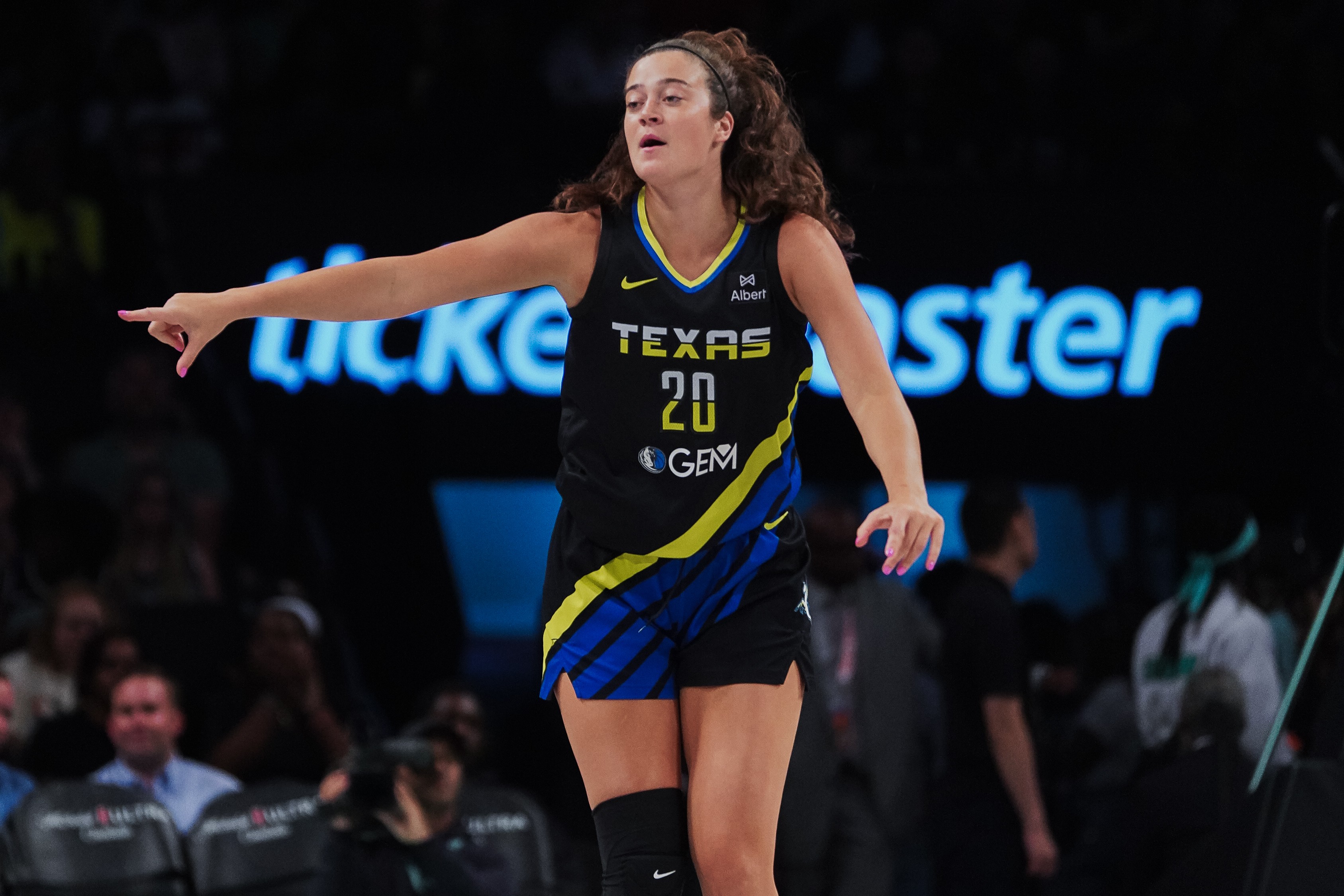
    Maddy Siegrist didn’t grow up around sports betting, but it’s now inextricably tied to her profession.

    Since Siegrist went pro in 2023, however, legalized sports betting has infiltrated virtually every corner of sports. Siegrist said the WNBA benefits from the sports gambling population laying bets on games. That translates to more eyes watching women’s professional basketball, which generates a bigger fan base, which spurs continued growth of the sport and its brand.

    But Siegrist, 25, is quick to point out a darker side to the sports-gambling intersection, “one of the rougher parts that people don’t think about,” she said.

    Public vitriol directed at athletes is nothing new. But add the sports gambling component and a bettor’s ability to wager on virtually any aspect of a game or performance at the click of an app, and the result can be toxic. Often, negative fan reaction is the result of a losing bet, and social media has exacerbated the issue.

    “Any pro athlete will kind of give you the same [story]: These are people betting from their house that you’re going to go under [a projected stat total] or your team’s going to win,” Siegrist said. “With the world of social media, just how much hate people get is truly amazing. I’m not a super controversial player. I don’t have the spotlight like some of my other teammates. But if you have a bad game or a good game, you can get anywhere from 50 to 100 [direct messages] or comments on your social media that are crazy.”

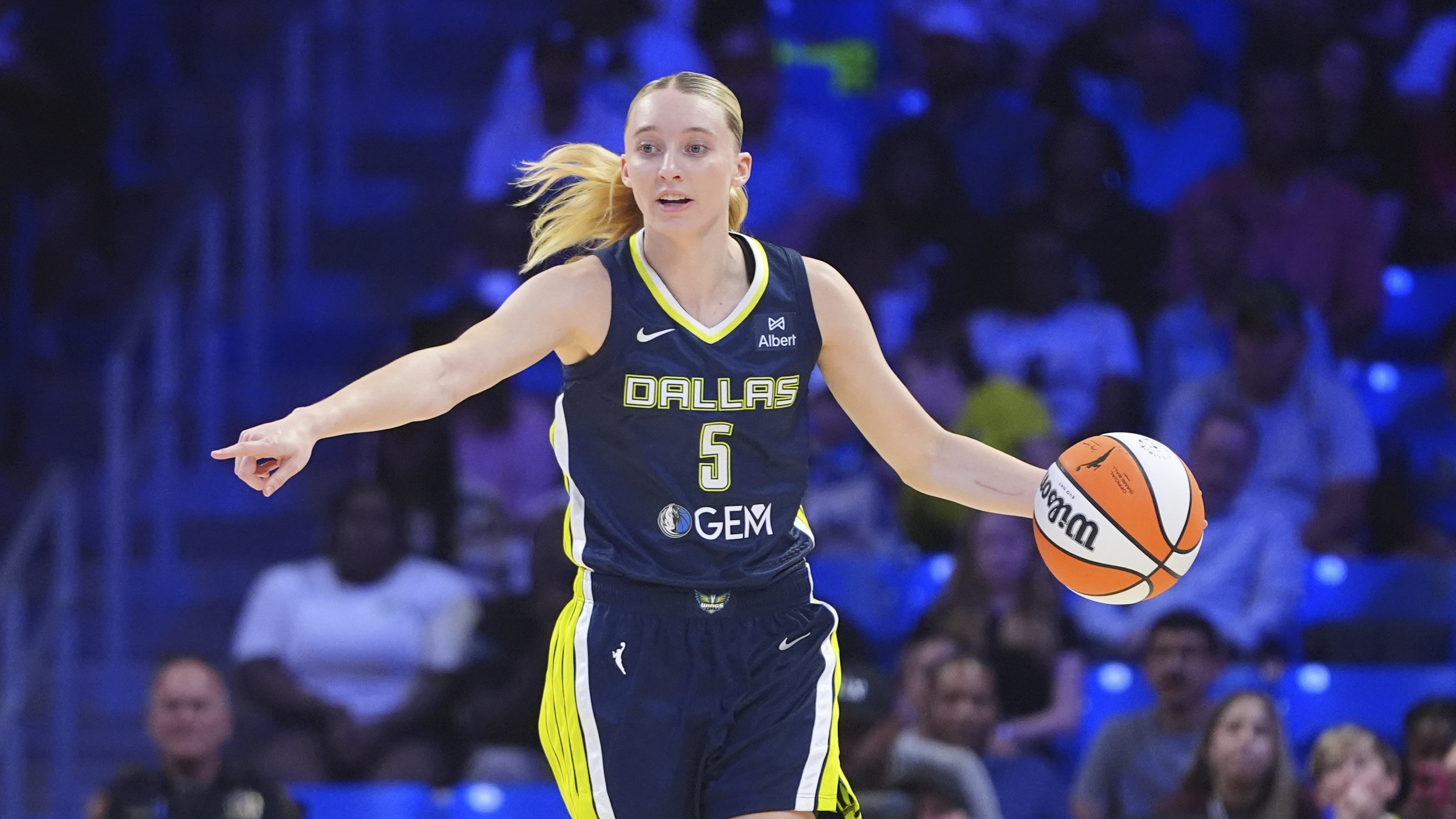
    Dallas Wings guard Paige Bueckers, a teammate of Maddy Siegrist, is one of the WNBA’s brightest young stars.

    Betting burden

    No longer are the WNBA and college women’s basketball considered unattractive markets for sports gamblers. Players like Indiana Fever star Caitlin Clark and Paige Bueckers, Siegrist’s teammate on the Wings, are among the stars generating buzz, and, by extension, causing a spike in gambling activity on the sport.

    Female athletes, professional and amateur, shoulder many challenges beyond maintaining elite performance on the court or field. That includes playing in the age of the ever-growing legalized sports betting industry — especially the proliferation of multimillion-dollar business partnerships between pro sports leagues like the WNBA and gaming companies like BetMGM.

    And sports remain corrupted by the underworld of illegal gambling, where pro athletes can turn to a side hustle to try to score millions illicitly. The recent unsealing of the federal indictments that involve illegal gambling schemes, the NBA, and purported organized crime members is one such example, and Siegrist said she had followed those recent announcements.

    While the WNBA and the players’ union continue collective bargaining negotiations, there are developments regarding salary structure in the league’s latest proposal. The changes could temper a longstanding gripe by professional women’s basketball players: that their compensation is not commensurate with the gargantuan salaries made by male pro hoops players — as they shoulder the shared burden of scrutiny from bettors and fans alike.

    According to a source with knowledge of the situation, the league’s latest proposal includes language that defines a maximum salary structure with a guaranteed $1 million base for 2026 and projected revenue sharing pushing total earnings for max-salary players to more than $1.2 million. This follows an agreement to extend the current labor agreement to Jan. 9

    The average player’s salary is projected to exceed $500,000 in 2026, while the minimum salary is projected to be more than $225,000 — up from approximately $102,000 and $66,000, respectively, in 2025.

    Institutional support

    Once the WNBA season starts, Siegrist said she drastically reduces her social media use to keep her mind clear of clutter and keep the focus on basketball.

    “You have to take it for what it is. Obviously, social media helps you build your brand, stay connected,” she said. “From that perspective, it’s great. It’s really allowed athletes to monetize off of themselves, and it gives fans a unique perspective into seeing these people’s lives, which I think is great.

    “Twitter [now known as X] is the worst. I definitely try to not go on at all during the season. … Sometimes I like to scroll on TikTok, take my mind off stuff. But I don’t ‘like’ anything that has to do with the WNBA on TikTok. I think for me, it’s definitely a balance.”

    The WNBA has taken steps to combat hate and negative fan behavior directed at the league’s players and personnel. Earlier this year, the league launched the “No Space for Hate” initiative, a “multidimensional platform designed to combat hate and promote respect across all WNBA spaces — from online discourse to in-arena behavior.”

    One of the campaign’s goals is the use of artificial intelligence to safeguard the players’ and teams’ social media pages and to automatically detect, report, and delete hate speech and harassment.

    “As interest in sports betting grows around the WNBA, we are taking clear, concrete steps to protect players and safeguard the integrity of the game. Player safety remains our highest priority,” the WNBA said in a statement. “We’ve enhanced security, expanded monitoring of online threats, and increased fan education. We are also working closely with our gaming partners to monitor betting activity and ensure our systems protect the game. These safeguards are constantly being reviewed and strengthened to ensure we keep the players safe and our game secure.”

    Around the time the WNBA launched “No Space for Hate,” sportsbook behemoth BetMGM announced its partnership with the reigning champion Las Vegas Aces. BetMGM also is an authorized gaming partner with the league.

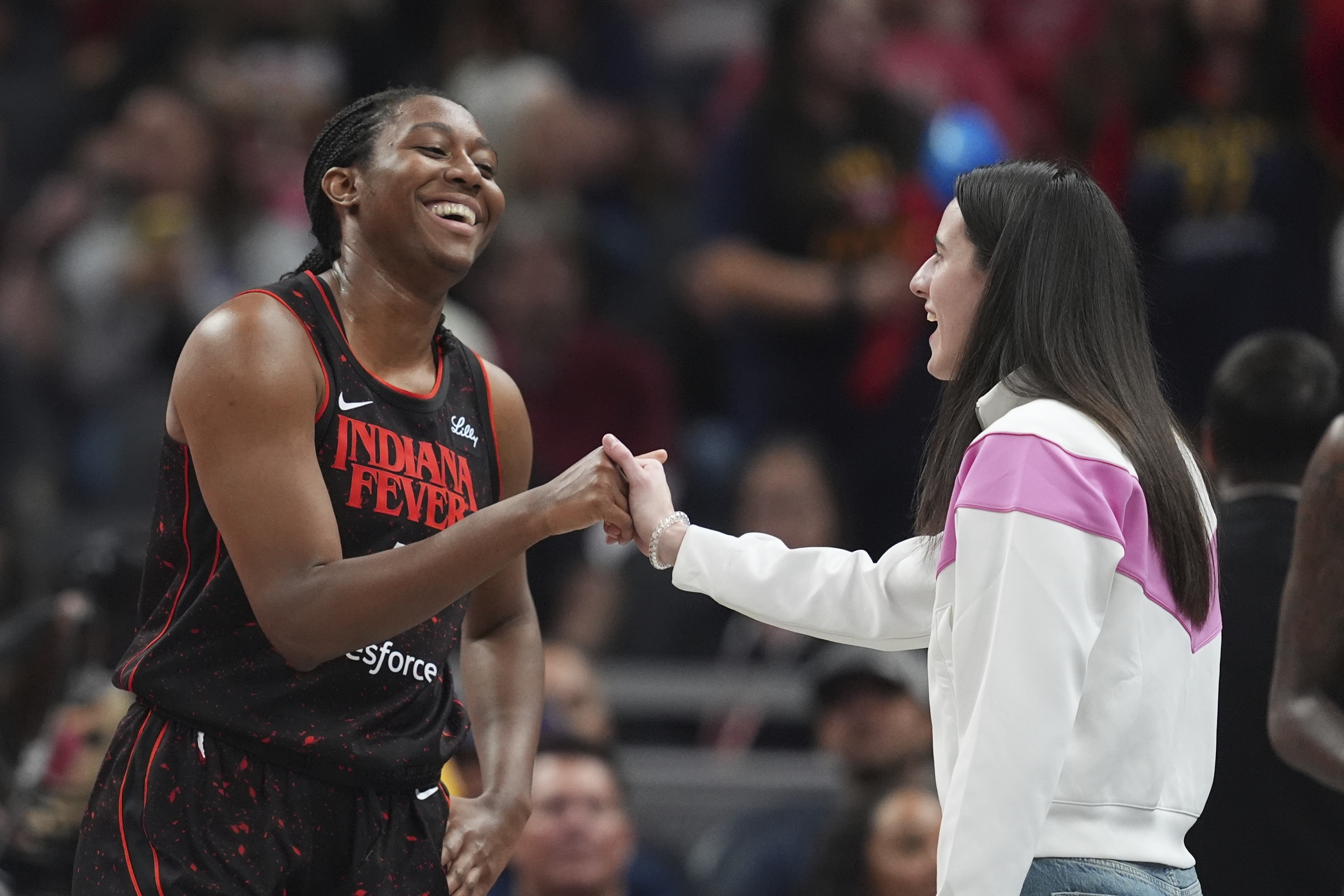
    Even while injured, Caitlin Clark (right), here with another former top overall pick in Aliyah Boston, generates a ton of buzz around the WNBA.

    “The NBA and WNBA are very different in terms of scale and seasonality — the NBA is a much bigger league, but both have shown strong year-over-year growth,” said BetMGM trading manager Christian Cipollini. “The WNBA benefits from its summer schedule when there’s less competition for attention, and star power like Caitlin Clark has driven a major uptick in engagement. Even after Clark’s injury this [2025] season, handle remained well above pre-Clark levels, which speaks to the league’s momentum.”

    Cipollini said BetMGM — and the gaming industry as a whole — is committed to sports integrity.

    “That includes athlete harassment, and we’re working with the leagues on this issue from several angles,” he said.

    Historical perspective

    During his 42 years (1978-2020) as head coach of the Villanova women’s basketball team, Harry Perretta said gambling on women’s college basketball was never an issue for him and his players, simply because the interest wasn’t there. Of course, the bulk of Perretta’s Villanova coaching career unfolded before the 2018 Supreme Court ruling that legalized sports betting state to state.

    “I guess you always might have bookies on campus. But I used to tell [players], ‘You really don’t want to get involved,’” said Perretta, 70. “People who get themselves in trouble are people who make bets without putting money down. Next thing you know, they’re behind the eight ball.”

    There was that 1998 ’Nova-UConn women’s game, though. Nykesha Sales was on the cusp of becoming Connecticut’s career scoring leader before she sustained a devastating Achilles injury. But before UConn’s game against Villanova, Perretta and longtime UConn women’s coach Geno Auriemma agreed to let Sales score an uncontested basket after tipoff to reach the milestone. Villanova then was allowed to score its uncontested basket, before the “real” game began. Then-Big East commissioner Mike Tranghese also had agreed to the gesture.

    “We let Sales score a basket, and I checked to see if there was an over/under on that game,” Perretta said. “I checked out of curiosity. When we let her score the two [points], and then Connecticut let us score two, I didn’t want anybody saying something crazy. There was no betting on that game, but I checked. That did go through my mind when that whole sequence occurred.”

    In the final two years of Perretta’s Villanova tenure — during which he coached Siegrist, Perretta said he started to see a lot more betting lines on women’s college basketball games, particularly around the start of the NCAA Tournament. The dual salvos of legalized sports betting and amateur athletes securing name, image, and likeness deals had reshaped the sports landscape.

    Siegrist — who married Perretta’s son Stephen, a Drexel assistant women’s basketball coach, in late October — said that going back to her ’Nova playing days, players were consistently educated on the dangers of associating with any illegal gambling operation or people within that culture.

    “I have it ingrained from college and the NCAA, ‘No gambling ever, or else you’re not going to be able to play.’ I’ve tried to keep that mentality,” Siegrist said.

    The bigger challenge, she said, is now balancing her career in the online sports wagering fishbowl.

    “People are crazy. They’ll post something from five years ago and comment a hundred times, ‘You suck.’ It’s a pain to go through and delete it all,” Siegrist said. “The Wings pay a company to manage social media, the outside comments, and take them down right away if they’re threatening or hate[-related]. We’re going to see more and more of that, which I think is great.

    “These leagues and organizations are just trying to protect their players. At the end of the day, everyone is just trying to play the game they love to the best of their abilities. When you try and focus on that, these are all ways to keep the main thing the main thing.”

  • WNBA proposes $1.2M max player salary amid ongoing CBA negotiations

    WNBA proposes $1.2M max player salary amid ongoing CBA negotiations

    One day after the WNBA and Women’s National Basketball Association (WNBPA) agreed to extend the current collective barging agreement (CBA) through Jan. 9, the league has reportedly come to the negotiating table with a new proposal that increases player compensation.

    The league’s latest offer includes a maximum $1 million guaranteed base salary with projected revenue sharing raising max players’ total earnings to more than $1.2 million in 2026, a source close to the situation told USA TODAY Sports. They spoke on condition of anonymity because they’re not authorized to speak publicly about ongoing negotiations.

    The offer also raises the league’s minimum salary to more than $225,000 and the average salary to more than $500,000, up from $220,000 and $460,000, respectively, in the WNBA’s previous proposal on Nov. 18.

    The latest proposal also raises the salary cap to $5 million a season per team, an increase from $1.5 million salary cap in 2025. The salary cap would reportedly increase over the length of the CBA and be directly tied to the league’s revenue growth each year, although the specific revenue sharing details weren’t disclosed.

    USA TODAY Sports reached out to the WNBA and WNBPA for comment.

    Although the WNBA and WNBPA are on the record saying players deserve a significant pay increase in the next CBA, the sides have differing opinions on how to go about it has led the current standoff.

    The league previously proposed a maximum salary of more than $1.1 million — including both the base salary and revenue sharing component — available to more than one player per team on Nov. 18, but the proposal didn’t move the needle for the players. Both sides subsequently agreed on the Nov. 30 deadline to extend the CBA for a second time as revenue sharing and pay structure remain points of contention in negotiations.

    Last season, the minimum salary was $66,079, while the supermax was worth $249,244. Only five WNBA players made more than $225,000 last season: Kelsey Mitchell at $269,244, Arike Ogunbowale at $249,032, Jewell Loyd, at $249,032, Kahleah Copper at $248,134, and Gabby Williams at $225,000

    The current CBA was previously set to expire on Oct. 31 after the WNBPA exercised its right to opt out of the agreement in October 2024. However, the WNBA and players association agreed to a 30-day extension to extend the deadline to Nov. 30 to allow more time for a deal to be reached. The new deadline has been moved to Jan. 9, 2026, and both sides have the option to terminate the extension with 48 hours’ advance notice.

    The league and players association previously agreed to a 60-day extension in 2019, three days before the last CBA was set to expire on Oct. 31, 2019. A new deal was subsequently reached on the current CBA on Jan. 14, 2020 and singed into effect three days later on Jan. 17, 2020. The WNBA has not had a work stoppage in its nearly 30-year existence.

  • WNBA and players union extend CBA deadline to Jan. 9

    WNBA and players union extend CBA deadline to Jan. 9

    NEW YORK (AP) — The WNBA and players union agreed to an extension of the current collective bargaining agreement to Jan. 9 just before their current deadline ran out Sunday night.

    Just like the previous extension, both sides have the option to terminate the extension with 48 hours advanced notice.

    The two sides had announced a 30-day extension to the original Oct. 31 deadline. That extension was set to expire Sunday night just before midnight. They met over the holiday weekend hoping to come an agreement.

    With nothing urgent on the immediate horizon except for the expansion draft for Portland and Toronto, it would be unlikely that either side would exercise terminate the extension.

    Last season’s expansion draft for Golden State was held in December.

    Free agency would be the next big thing for both sides to deal. That usually is done in late January. This is an unprecedented offseason with all but two of the league’s veterans free agents. Players signed one-year deals last season knowing there would be huge salary bumps when a new CBA is agreed upon.

    When the previous CBA deal expired in 2019, both sides agreed upon a 60-day extension and a new one was eventually ratified in January 2020.

  • Maddy Siegrist doesn’t ‘remember what I said’ while meeting fellow Villanova alum Pope Leo XIV at the Vatican

    Maddy Siegrist doesn’t ‘remember what I said’ while meeting fellow Villanova alum Pope Leo XIV at the Vatican

    Last week at the Vatican, two Villanova legends finally came together: Pope Leo XIV and former basketball star Maddy Siegrist.

    Siegrist took a short trip to Rome to visit the big landmarks, including the Trevi Fountain and the Colosseum and spent a day with Villanova at an Augustinian conference, where she got to meet the pope.

    Last year, the Villanova women’s basketball team took a group trip to Italy and the Vatican, but Siegrist, still in the middle of the WNBA season, couldn’t attend. This time around, after the Dallas Wings were eliminated from playoff contention, Chrissy Quisenberry, who helps organize alumni trips at Villanova, reached out to let Siegrist know they were planning another trip and that they might get an audience with the pope, also a Villanova graduate.

    “People always joke because he [went to] Villanova, like, ‘Is he going to do the wedding?’” said Siegrist, who’s engaged to Stephen Perretta, an assistant women’s basketball coach at Drexel and the son of former Wildcats coach Harry Perretta. “When it did happen, I was like, ‘Oh my gosh, this is crazy.’ We have a family group chat of all my cousins and aunts and grandparents. I sent the picture, and they’re like, ‘Are you joking?’ It was kind of a last-minute trip, so I didn’t really tell anyone because I didn’t know — when they said audience, it could be 1,000 people outside, which would have been unbelievable, but I didn’t realize I was actually going to have the opportunity to shake his hand.”

    The group attended mass at St. Peter’s Basilica and toured the catacombs before meeting with Pope Leo. Siegrist got a photo shaking the pope’s hand — which she did have to pay for, like a Disneyland ride photo — and said it was a bucket list moment, which “rejuvenated” her Catholic faith.

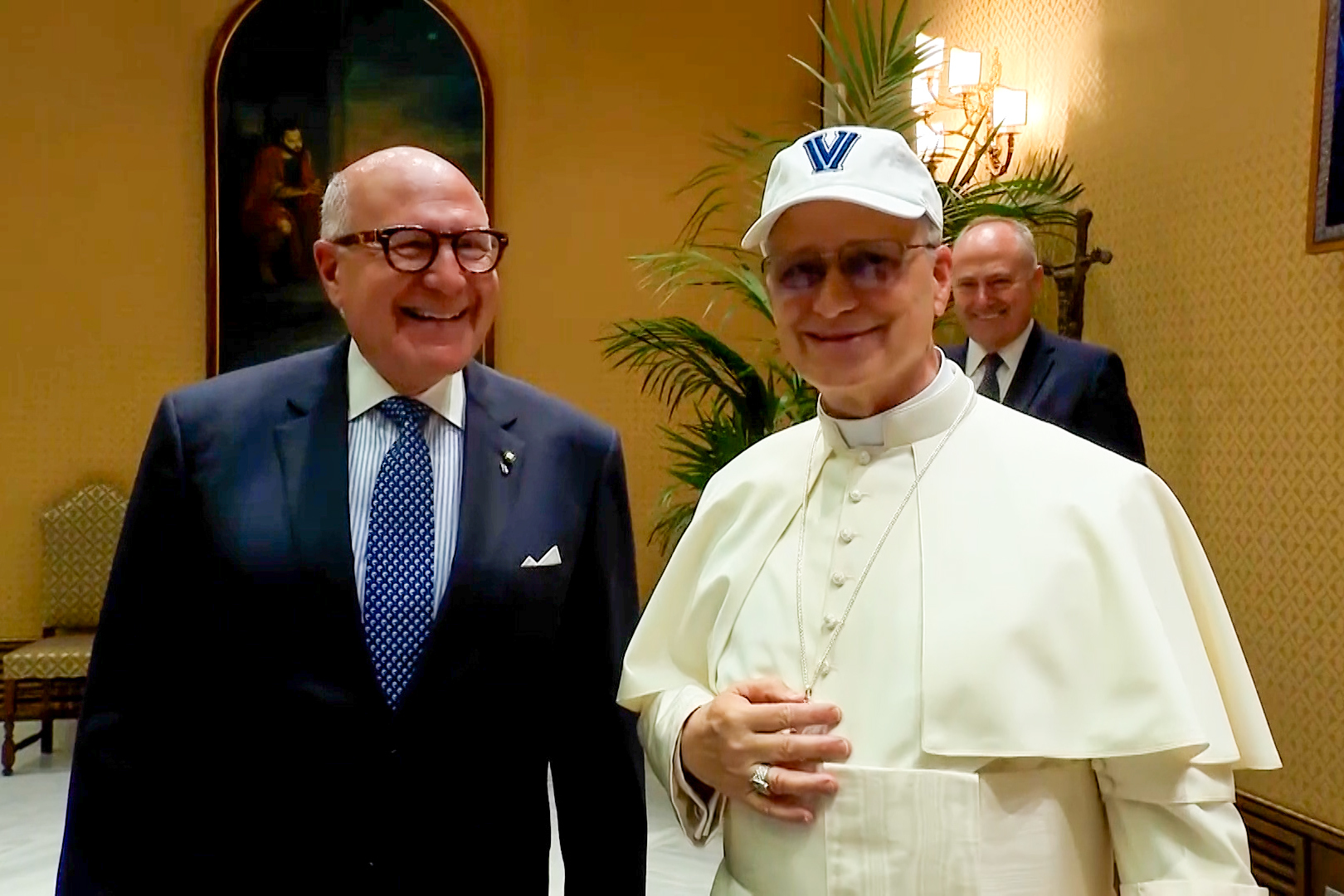
    Pope Leo XIV wears a Villanova hat gifted to him during a meeting with an Italian heritage group in June.

    Pope Leo frequently goes viral for his White Sox fandom and has been pictured in Villanova hats on multiple occasions since assuming his new role. But even with a group from Villanova in the building, Siegrist said he was careful to stay impartial.

    “He’s not biased at all,” Siegrist said. “I’ve seen a few pictures of Villanova hats and stuff. I think he addressed that. Dr. [Barbara] Wall was on the trip, she was one of his professors, so that was pretty cool to be with her during that moment. He knew there was a small group from Villanova at the conference, I think about 20-25 people. Such a cool experience. I really don’t even remember what I said in the moment. You just get so starstruck. You’re so nervous.”