Blog

  • This Mennonite pastor’s kid made a Wall Street fortune, hired hundreds, and is rebuilding Kennett Square

    This Mennonite pastor’s kid made a Wall Street fortune, hired hundreds, and is rebuilding Kennett Square

    After John Michael Bontrager came home to Pennsylvania from Wall Street to start an advice firm for big investors, he located his company in Kennett Square, “America’s Mushroom Capital” and the most populous of the old factory and farming towns along Old Baltimore Pike in southern Chester County.

    Bontrager and those who joined him prospered. In 2018, he stepped down as founding head of investment-risk adviser Chatham Financial, which now employs 850 at its campus just east of the square-mile borough of 7,500.

    Now, he’s devoting himself to the redevelopment of Kennett Square and nearby towns.

    Using his own fortune, donations, and state and local government funds, Bontrager and his allies have developed a string of projects — restaurants, hotels, and nonprofits — under the loose umbrella of his Square Roots Collective. Their affiliates have purchased 2% of the town’s houses to redevelop as rentals. Their goal: Make the area more attractive to college-educated young people, while also boosting the quality of life for longtime residents and working people.

    Last year Bontrager announced his ALS diagnosis. He has recruited staff and allies, including family members, former Chatham employees, and a multi-ethnic group of Southern Chester County professionals to build Square Roots into a movement that can survive him.

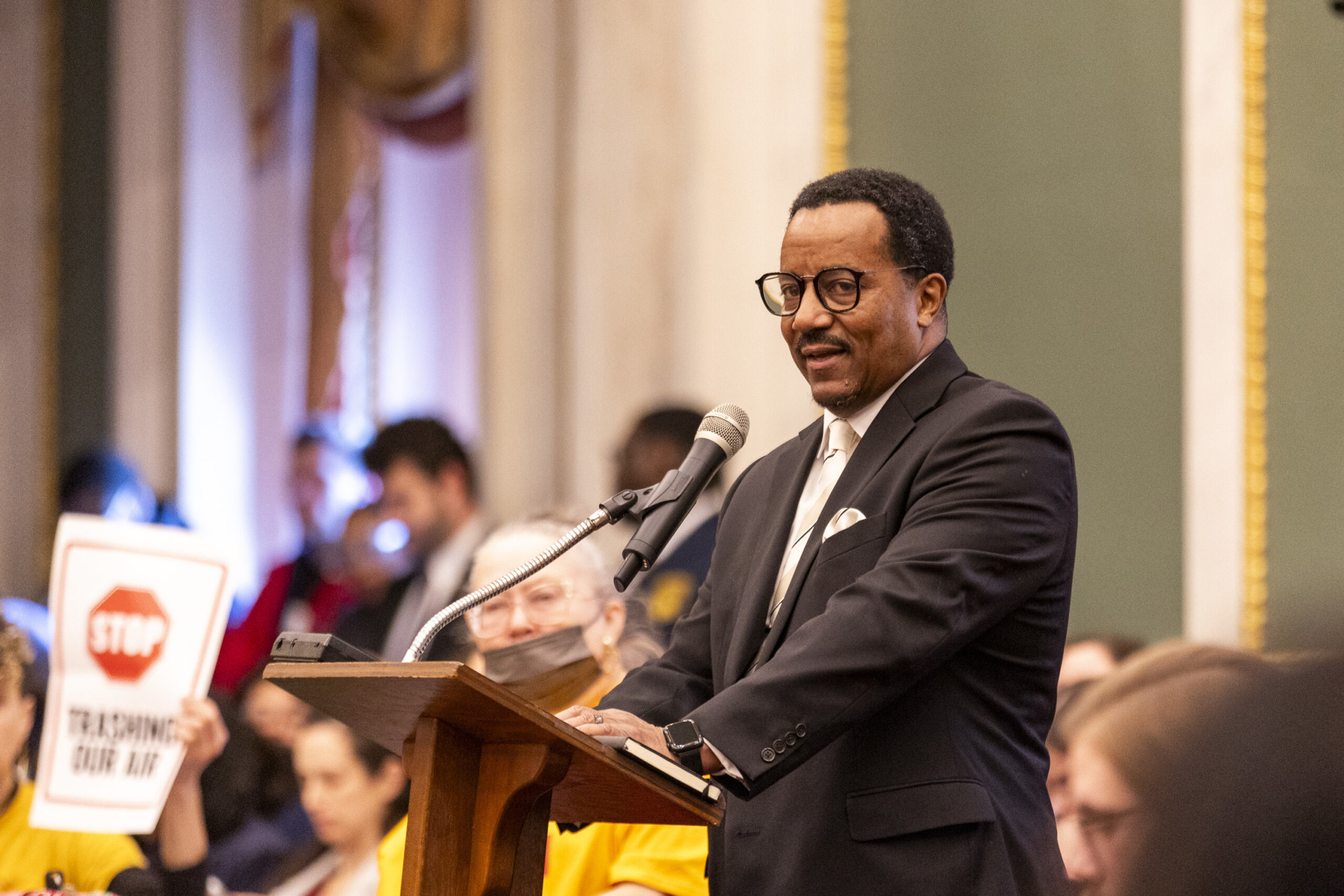
    In December, the borough council endorsed Bontrager’s “public, cultural, and social impact initiatives,” calling them “key to shaping the inclusive community.” They voted unanimously to ceremonially rename Birch Street, an industrial road Bontrager has visibly transformed, as “Bontrager Walk.”

    In local government meetings and town election campaigns, some residents have expressed concerns about Square Roots’ concentration of power and conflicts of interest.

    Bontrager agreed to take questions at his Kennett Square office. His daughter, newly designated co-CEO Stephanie Almanza, and his chief of staff, Luke Zubrod, a Chatham Financial alumnus who serves on the borough planning commission, sat in.

    The conversation has been edited for length and clarity.

    Why did you start local projects while you were still building your company?

    [I wanted] to convince people we wanted to hire, between the ages of 25 and 33, that Kennett is a reasonable place for them to live. How do we make this attractive for people to move here and to bring people who grew up here back?

    Thirty years ago when I came here, it was a great community for families. But it was harder to convince singles and couples with no kids.

    I read sociology, for example Chuck Marohn’s Confessions of a Recovering Engineer; Yoni Appelbaum’s Stuck about zoning; The Logic of Failure by a German neuroscientist [Dietrich Dorner].

    The elements I came up with: A community is totally interconnected, people and organizations. All decisions have ripple effects. When communities focus only on solving the near term problem, it’s probably not going to be good.

    For example, we have about 30% of Chester County “preserved.” Well, it’s great to have open space. But if you take a third of your land out of commission, without providing for housing, housing prices will go up dramatically. And taxes.
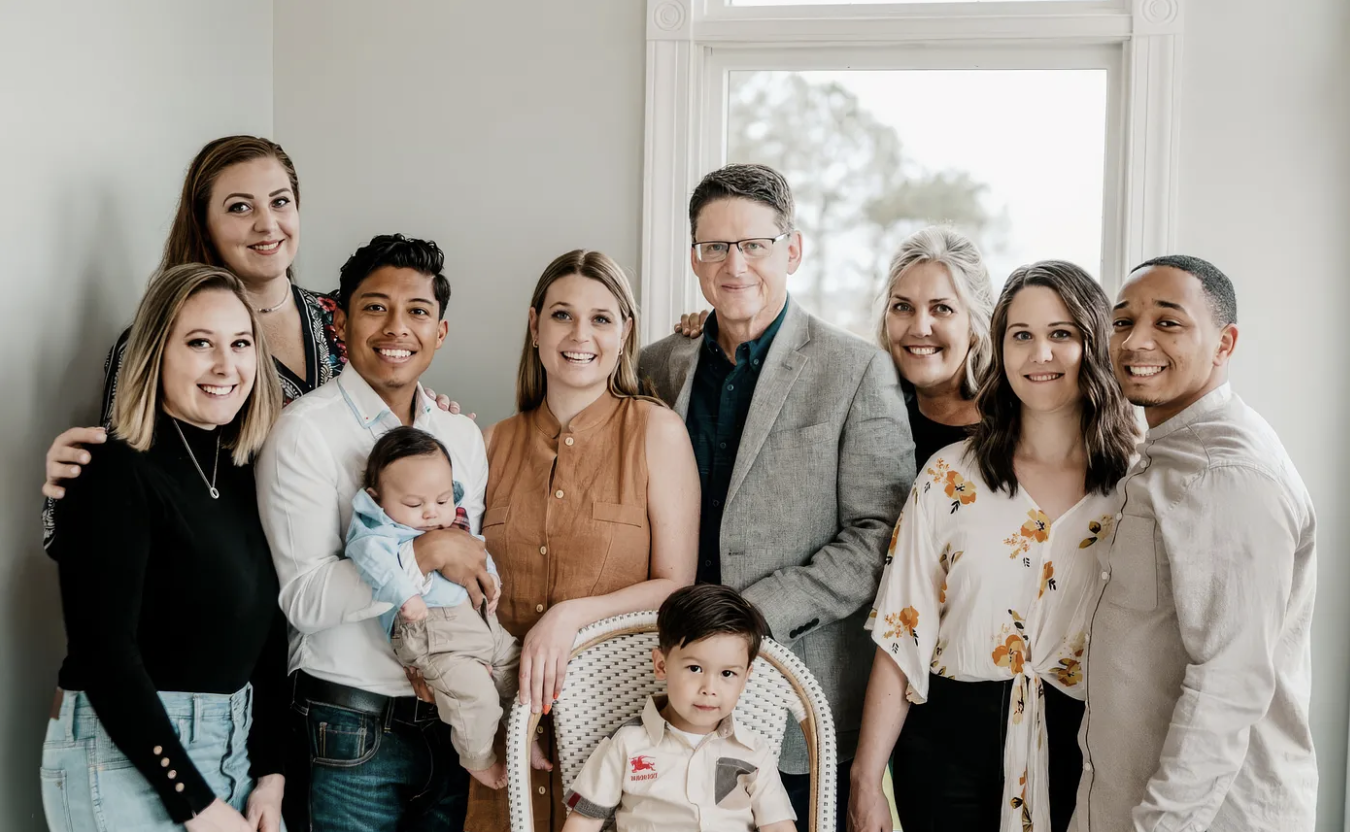
    Mike Bontrager (center, in grey jacket) with family members (from left) Stephanie, Kymm, Luis, Cruz, Katherine, Mason, Mike, Dot, Lauren, and Willie.
    How do you solve issues in concert?

    Collaboration, trust, working together. A lot of elected officials are volunteers. It’s easier to focus on one issue at a time and react to the three or four people who show up at your meeting with pitchforks.

    Of course you want a say over what happens in your neighborhood. But the consensus favors the status quo, the entrenched interest.

    Not everyone loves what we’re doing. Luke, Stephanie, and myself have said, ‘Let’s understand people’s concerns. We’re neighbors.’ We listen; we have a lot of meetings.

    What are the institutions you’ve set up?

    The Square Roots Collective is our brand for all the activities. It includes Square Roots Community Initiative, a 501(c)4 nonprofit that’s the umbrella group. There’s our for-profit businesses; the profits go to support the nonprofits. We donated more than $1 million last year to nonprofits and projects in the area.

    On Birch Street, there’s our offices, and the Creamery [converted from an old condensed-milk plant site], which we started as a beer garden in 2016, it’s now a restaurant, and Artelo, the art hotel.

    We are also working on the Francis, an eight-room hotel in the middle of town. And we are opening a really cool cocktail bar, the Star and Lantern [referencing the Underground Railroad and the area’s abolitionist history] in 2027. And we are preparing Opus, a restaurant.

    On the nonprofit side, there’s the Kennett Trails Alliance, a 14-mile loop. About half is open, and we have easements for most of the rest, not all. It connects some of the open spaces, the Brandywine Creek, Anson B. Nixon Park, the YMCA.

    And there’s Voices Underground, an organization we initiated in partnership with Lincoln University and Longwood Gardens, elevating the stories of the Underground Railroad.

    Artelo Hotel Kennett Square, which has works by local artists in each room. This is “Floating Free,” by Philadelphia artist Philip Adams.
    Your groups own about 40 of the 2,000 or so houses in the borough. Is there a shortage of affordable rentals, given demand from mushroom farms and other industry?

    Yes. What we have is tenant housing, market rate, including some we rent to area charitable and community groups [for their clients].

    How did you decide to start Chatham in 1991?

    When I was 13, I worked for an appliance repairman, John Schmucker. He was brilliant at fixing washers, dryers, dishwashers. But he was a disastrous business guy. He never collected. I saw building a business is very different from being smart and an expert.

    My father was a Mennonite pastor in Christiana, Lancaster County. I went to Lancaster Mennonite School. I went to Wheaton College in Illinois. I was so naive; I had never met a real professional.

    I would sign up for any kind of recruiter interview. I eventually went to see someone who worked for Chemical Bank [predecessor of JPMorgan Chase]. I got a job offer.

    I joined this new unit selling these emerging derivatives — interest-rate swaps, currency and commodity hedging — to help clients manage the risks.

    There were products that were inappropriate for most investors. Municipalities got in trouble buying things that didn’t need, where the banks took out a lot of money.

    People needed advice. I loved helping clients, maybe it was a big company, or maybe an oil distributor in Queens who needed to hedge his fuel-pricing risk.

    Why did you return to this area from New York?

    My wife wanted to move back to our families. In August 1991, I bought a place in Cochranville. We had a satellite dish that brought in Telerate [a stock-tracking service], which was just a year old. That’s what made it possible to do this work anywhere. I started over the garage, me and my dog.

    It turned out to be the best time to start a derivatives advisory business. There were a lot of properties available from [recently failed] savings-and-loans at cents on the dollar, and someone figured out a legal structure that allowed real estate investments trusts to go public. We did their hedging. Same with private equity.

    I called a few of my old clients, Milton Cooper at Kimco Realty Trust, we helped him go public, he recommended us. We advised [mortgage-bonds pioneer Ethan Penner] on the first mortgage-backed securities. In 1994, I cold-called a young associate at a firm buying failed S&L loans. He hired us to hedge. That was Jon Gray, who worked his way up and is expected to be the next CEO of Blackstone.

    We mastered hedge accounting. We had more derivative hedging experts than anyone. The Big Four accounting firms and their clients found we spoke their language.

    By 2000, we had built a real business. We moved to Kennett because it was a larger town [and closer to Philadelphia and its airport].

    How did you prepare your work to go on after you left, under your successor Matt Henry?

    At Chatham, I wanted us to be internally owned, the people who are joining should reap rewards. I did not want any outside investors. [Employees own most of the stock, and elect top officers.]

    I have been diagnosed with ALS, which is a pretty devastating diagnosis. I don’t how long I will be able to be actively involved. I still get to do purposeful work with people I love. Isn’t that what we all want? So I’m going to go until I can’t.
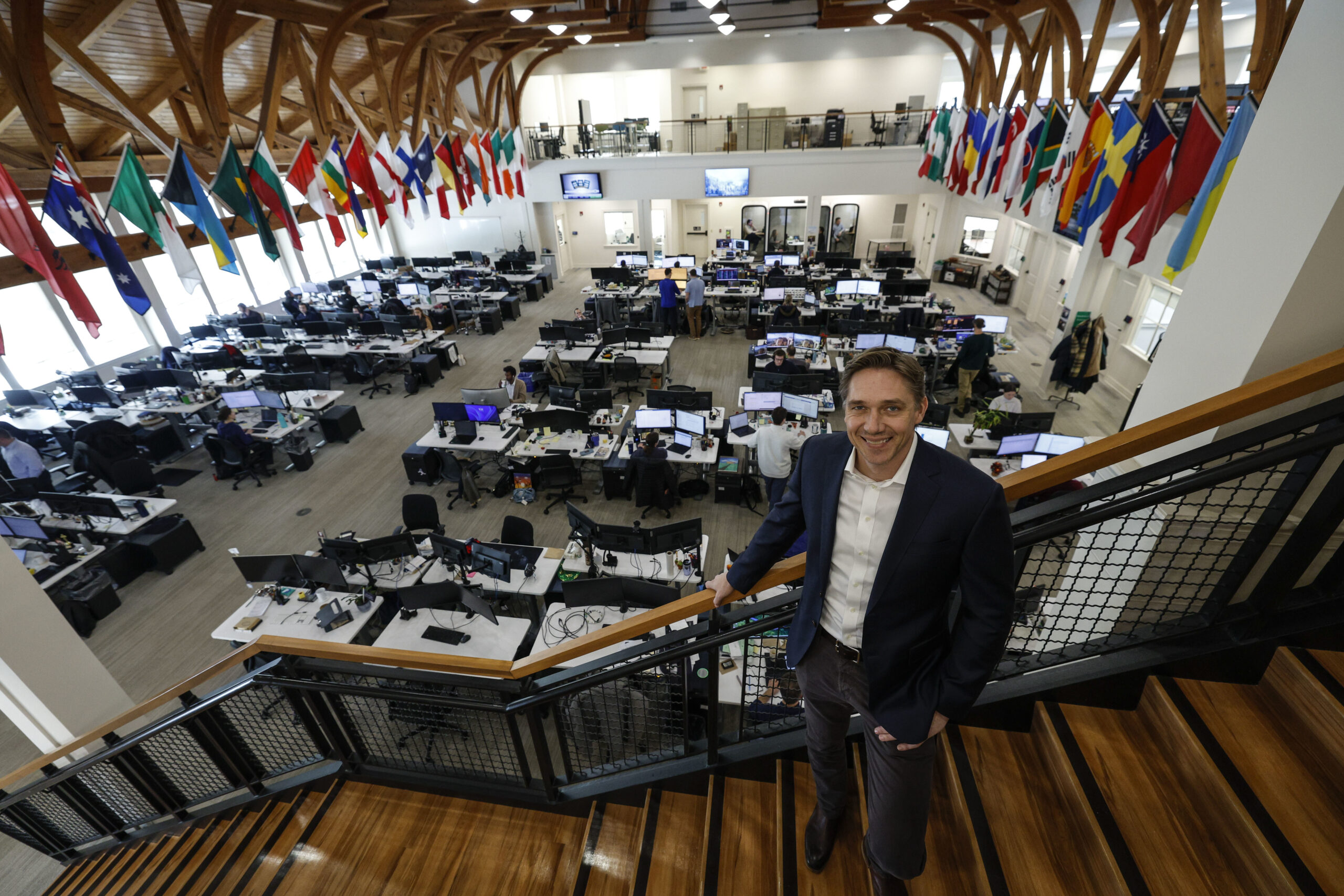
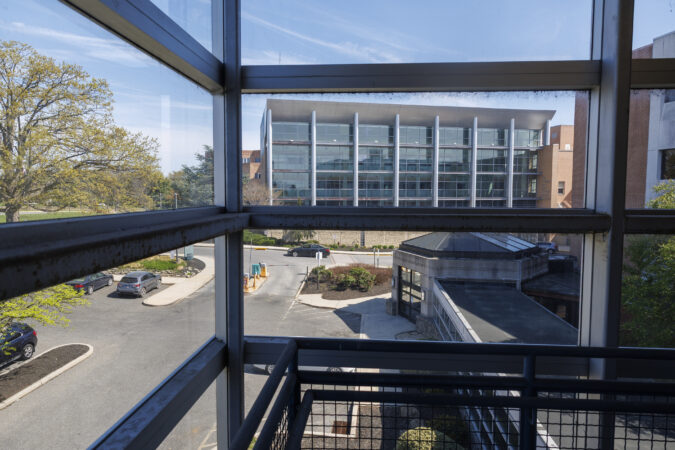
    CEO Matt Henry of Chatham Financial center, just outside Kennett Square.
  • Nearly a year after Crozer-Chester Medical Center closed, Chester residents still struggle to access healthcare

    Nearly a year after Crozer-Chester Medical Center closed, Chester residents still struggle to access healthcare

    Dawn Pierce felt heartbroken last spring when she learned that Crozer-Chester Medical Center was closing.

    The hospital had long been a lifeline in a city with limited healthcare services. Many Chester residents, like Pierce, were unsure where to turn for care when the hospital’s for-profit owner, California-based Prospect Medical Holdings, declared bankruptcy and shut down Crozer and Taylor Hospital in Ridley Park last spring.

    “I don’t think of myself as one that will sit around and watch things happen, but I felt hopeless,” Pierce said.

    Nearly a year later, Pierce and other residents say the community was left with major healthcare gaps: There are no primary care doctors or pediatricians in town. Locals who received routine care at the hospital had to switch to doctors outside the city, dealing with long drives or rides on public transportation. Some are going without care.

    And many worry about whether they can make it to another hospital in time during a medical emergency.

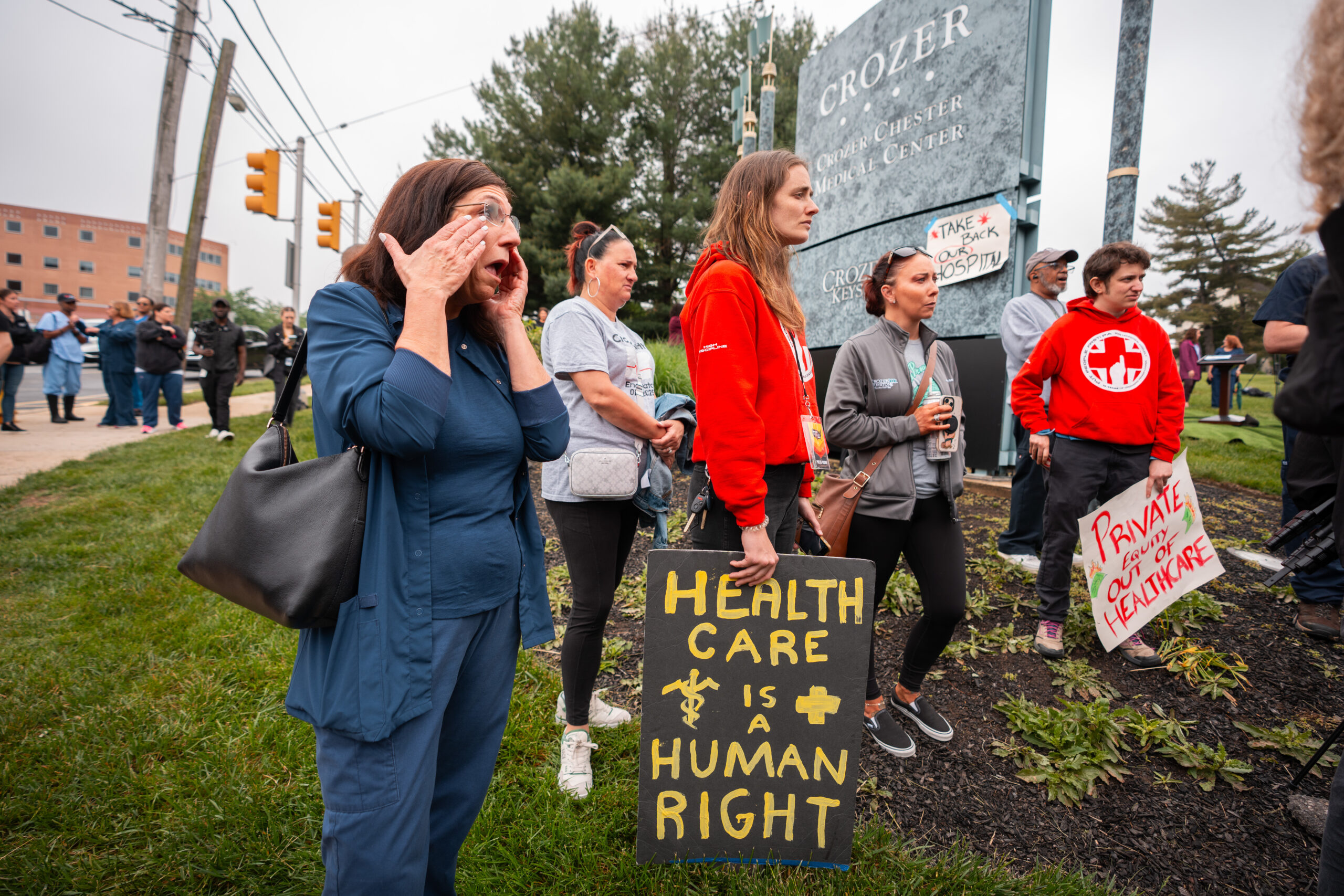
    Janice Cimabue, left, and Jamie Blair, center, with Put People First PA, after a news conference outside of the recently closed Crozer Medical Center in Delco, in Philadelphia, May 15, 2025.

    These concerns have emerged through grassroots canvassing by One Pennsylvania, which shared its findings at a news conference this month. In recent months in Chester, organizers have knocked on 4,300 doors to gauge residents’ thoughts on Crozer’s closure and encourage them to advocate for better healthcare options in the city.

    The membership group focuses on issues including housing rights and environmental justice. Originally founded as part of a 2011 Pittsburgh campaign by the labor union SEIU, it became an independent organization in 2015 and expanded into the Philadelphia area in 2016.

    Pierce, who heads its Chester chapter, counts herself relatively lucky: While she saw specialists at Crozer, her primary care physician was at a different health system. But her brother and his significant other spent most of last year looking for a new doctor after Crozer closed.

    “I do think they finally found someone, but at this point those visits are not near Chester. They’re 20 to 30-plus minutes away,” Pierce said.

    Residents told One Pennsylvania organizers they felt relief that Chester officials did find a solution for EMS services lost in the closure. The city contracted with VSMC, an ambulance company, for higher-level care on the go, including blood transfusions.

    “The restoration of EMS services and ambulance for our city — this matters,” Pierce said at the event held outside a downtown church on a recent Saturday. “However, EMS is a bridge. It’s not the final destination.”

    (function() {
    var l2 = function() {
    new pym.Parent(‘he_chester’,
    ‘https://media.inquirer.com/storage/inquirer/projects/innovation/arcgis_iframe/he_chester.html’);
    };
    if (typeof(pym) === ‘undefined’) {
    var h = document.getElementsByTagName(‘head’)[0],
    s = document.createElement(‘script’);
    s.type = ‘text/javascript’;
    s.src = ‘https://pym.nprapps.org/pym.v1.min.js’;
    s.onload = l2;
    h.appendChild(s);
    } else {
    l2();
    }
    })();

    Chester Mayor Stefan Roots told residents at the news conference that he met recently with representatives from the Crozer property’s new owner, for-profit Chariot Equities, which says it wants to restore medical services to the campus.

    Roots said he couldn’t provide many details about a plan for the 64-acre campus that straddles Chester and Upland Township in Delaware County, which Chariot purchased last month for $10 million. Chariot said at the time it planned to operate a “right-sized” hospital and emergency department at the facility.

    The new ownership comes after government-supported efforts failed to convince other local health systems last year to form a new nonprofit to run Crozer-Chester and other Crozer Health facilities.

    Chester Mayor Stefan Roots told city residents that he met recently with representatives from the Crozer property’s new owner, for-profit Chariot Equities, which says it wants to restore medical services to the campus.

    Roots said the new owner has impressive plans, but it could take years to bring back medical services, if successful. “It’s going to take some time, it’s going to take some money, and all we can do right here is to readjust,” he said.

    Delaware County Council voted Wednesday to end a disaster declaration over lost EMS services in the wake of Crozer’s closure, since communities left without services, like Chester, had been able to contract with other EMS providers, WHYY reported.

    Chester resident Andrea Robinson say she’s still feeling the impact of the lost medical services.

    Robinson had to find new doctors after the closure, and a family member is now traveling farther to receive care for a mental health condition once treated at Crozer. And while other area hospitals are taking patients from Chester, the influx of new patients has at times led to long wait times elsewhere.

    “We are truly in need of medical services now,” she said.

  • As ICE enforcement intensifies, one man works to keep undocumented families fed in Bensalem

    As ICE enforcement intensifies, one man works to keep undocumented families fed in Bensalem

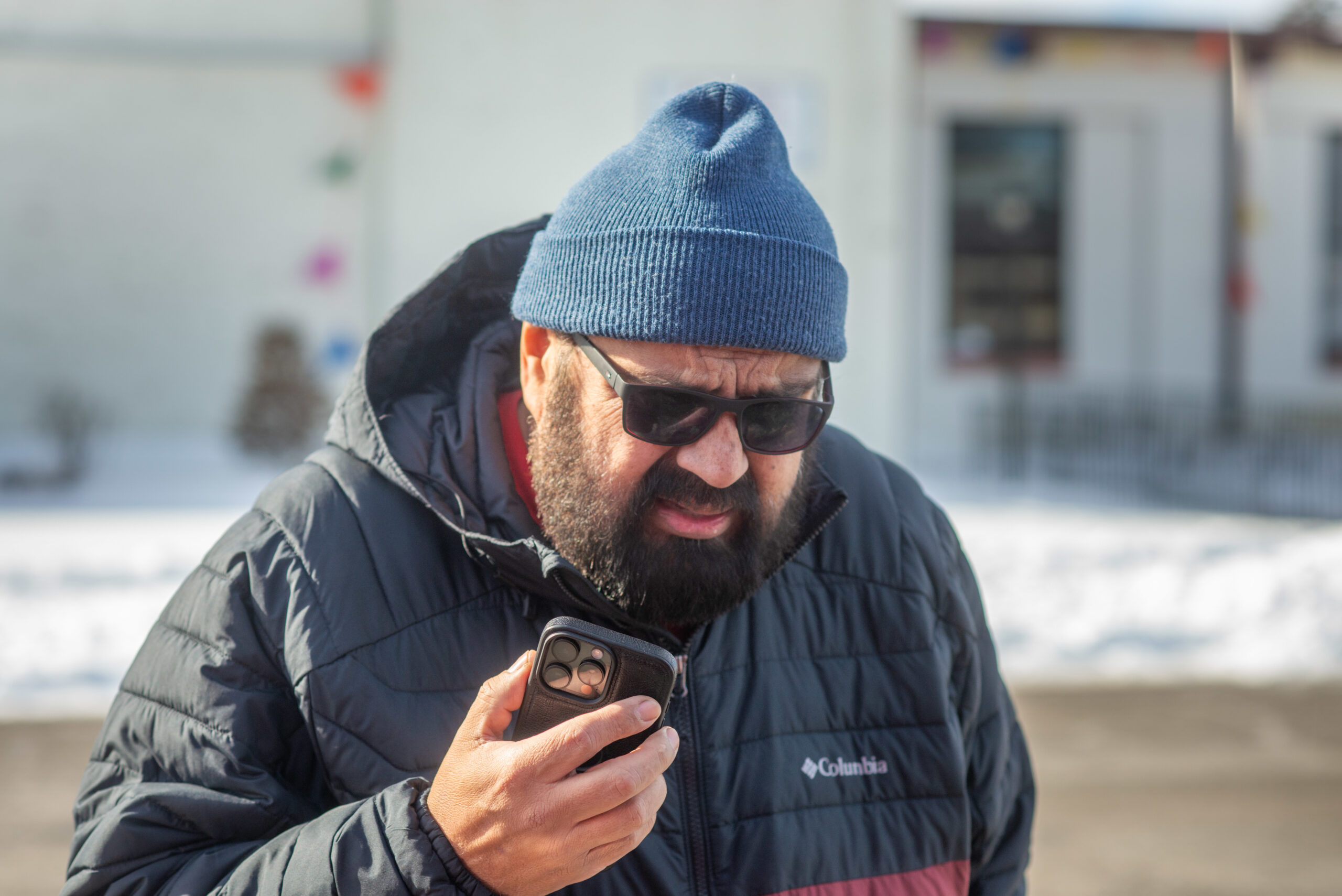
    On an icy, 13-degree Saturday morning in January, José Hernández sat in his pickup truck outside a Bensalem church, waiting for his phone to ring.

    It didn’t take long.

    Calls, texts, and emails have become constant, as Hernández, a machinist by trade, has become a crucial connection for many township residents who are living in the United States without official permission.

    What started as a simple good deed, delivering groceries to a few people worried about attracting ICE attention, has for Hernández, 61, become a full-time, unpaid job. Worry has hardened into fear amid the Trump administration’s dramatic escalation in immigration enforcement, leaving some people afraid to leave their homes.

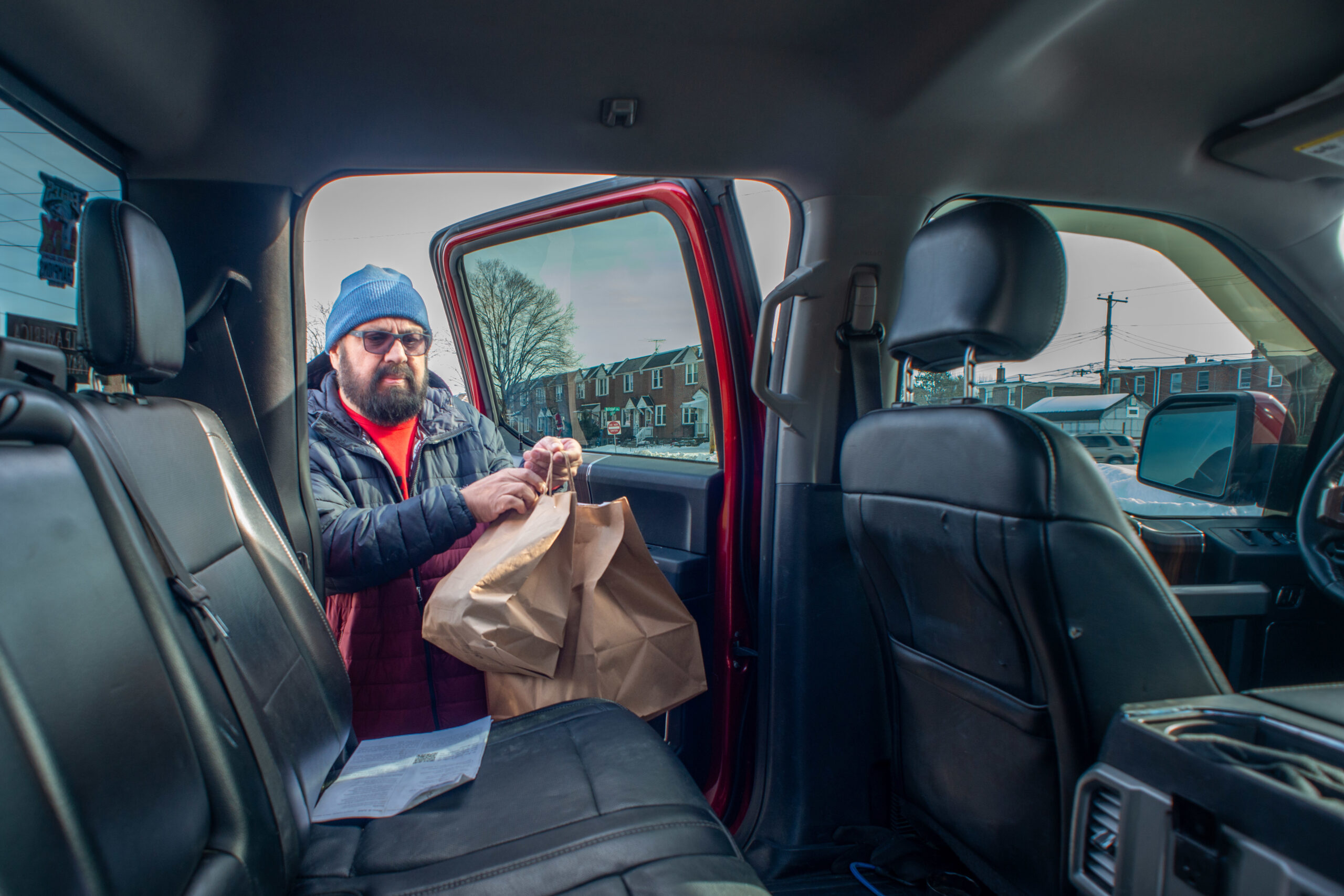
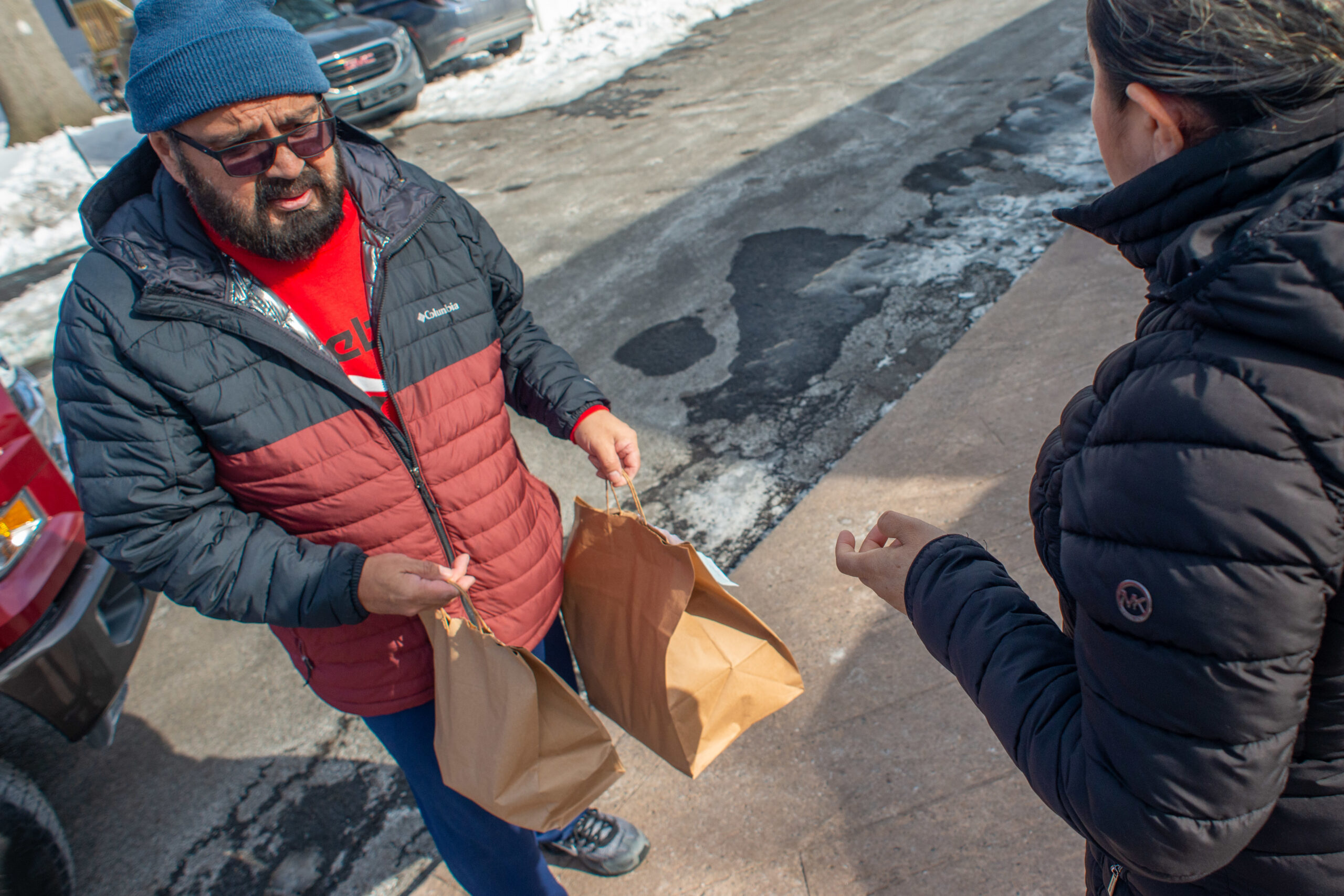
    Hernández’s weekend rounds ― picking up people’s grocery orders at stores, bringing the food to their homes, always with a glance over his shoulder ― ensures sustenance for families for whom discovery would mean arrest, separation, and likely deportation.

    About 14% of the Bucks County township’s 63,000 residents are Latino. Among immigrants, everyone has a friend or family member who has been arrested by ICE and not seen again. And many fear that they’ll be next.

    Connie and Ivan came from Mexico over two decades ago. Fear of being detained by ICE has led them to turn to Hernández for food-delivery help.

    “They come out to pick up their order and you can see the fear in their faces,” Hernández said. “Many people come out saying, ‘Please hurry up, los del Hielo can be here any second.’”

    That’s what some community members call ICE agents — los del Hielo, meaningthe iced ones.” There are other names too, like el Escalofrío (“the chills”) and los Helados (“the frozen ones”).

    The nicknames come not from anger but from anxiety — fear that even speaking aloud the words Immigration and Customs Enforcement could summon danger.

    “We try to only go out when the darkness of the night protects us,” said an Ecuadoran mother, 32, who declined to provide her name for fear of arrest. “It’s a false sense of safety, but we must hold on to it.”

    Hernández recently delivered two bags of groceries and a birthday cake to her home, as her son was turning 12.

    “When I am in school,” the boy said, “the only thing I think about is if dad will make it home today. I wait all day, and then he comes, and I am happy he is still here. I am learning that being an American means that I have to be worried for the people I love.”

    A third of his immediate family ― an uncle and two cousins ― was arrested in November and December.

    José Hernández works to deliver groceries to local undocumented immigrants.

    Today an estimated 14 million people live in the United States without government permission, including about 76,000 in Philadelphia.

    Intensified ICE enforcement in the region and the nation has altered their lives ― exactly as the Trump administration intended when it promised to carry out the largest deportation program in U.S. history.

    For undocumented residents, freedom is no longer guaranteed by living quietly, obeying the law, and staying off the government radar. Now, discovery of having entered the country without approval, a civil violation, often means the end of an American life built across years.

    As a result, people are staying indoors.

    Many have stopped going to the doctor. And to church. They keep their children home from school when news of ICE activity surges. Businesses have had to temporarily close when workers stay away.

    ICE officials did not reply to requests for comment.

    In 2025, the agency detained 307,713 people in the U.S. ― detentions closely mirror arrests ― compared to 93,342 in 2024.

    That’s more than a 230% increase.

    Today more and more of those arrested face no criminal charges, even as the Trump administration pledges to deport “the worst of the worst.”

    Hernández uses his own money, earned from his job as a machinist, to pay for gas for deliveries.

    Hernández didn’t plan to be doing this work, spending his weekends traversing Bensalem.

    A decade ago he founded a group called Movimiento Guadalupano, a committee to organize Catholic activities. That grew into a broader support group for Latinos, and now he’s one of four volunteers who have become a central source of assistance and information on ICE activity.

    “Don’t go out today,” the Movimiento website warned on a recent weekend. “Volunteers will deliver your groceries from Hispanic stores to your home free of charge.”

    Hernández is a U.S. citizen, born in this country. He carries no fear of ICE, but plenty of worry that people in the Latino community will struggle without reliable food deliveries.

    In the truck, Hernández’s phone rang.

    Soon he was parked and walking through the doors of a Bensalem store stocked with traditional Mexican foods. He looked around, to be sure he wasn’t followed, but also so he could update Movimiento’s Facebook page if he saw ICE agents.

    A married couple shopping at the store recognized him and said hello ― Hernández had brought groceries to their home, bags of chorizo, tortillas, milk, cereal, and coffee.

    “Having the groceries delivered has been a huge relief,” said the man, Ivan, 44, who declined to provide his surname for fear of being identified to ICE. “We don’t have to choose between risking ourselves and feeding our children.”

    Maira wasn’t acquainted with Hernández, as her sister usually delivers her groceries. A recent medical emergency made it impossible, and with her family of four running out of food, she dialed the number Movimiento listed for delivery.

    Bensalem has been their home for 24 years, the couple explained, but their efforts to obtain legal status have failed. Meanwhile personal disaster has crept close.

    In December, at a construction site where he worked, Ivan said, two coworkers left for lunch and never returned. He later learned they had been arrested by ICE.

    “It’s just very difficult to be in a country that we know isn’t ours,” said Ivan’s wife, Connie, “but we love it as if it were.”

    A clerk interrupted: Hernández’s food order was ready. He grabbed the bag and headed out, Ivan watching him as he left.

    “He could be at home with his family, instead, he is helping,” Ivan said. “He brings a little bit of peace in this environment, like we still are a community.”

    Ten minutes later, Hernández slowed his truck near a row of houses, looking for anyone who might seem like they were waiting.

    A woman at a doorway froze when their eyes met.

    “Did you order a delivery?” Hernández called to her from the truck, watching relief come over her face.

    “You scared me,” she said, explaining that his car looked like one driven by a man who phones ICE to report people.

    The woman, who asked to be identified only by her first name, Maira, because she worried about immigration enforcement, said her husband hasn’t left the house since late November, when he barely escaped an ICE raid at a Norristown construction site. She still goes to work each morning, once she and her sister, who is a U.S. citizen, check the Movimiento site for a safe route.

    “I feel like crying all the time,” said Maira, 48. “I feel like a fugitive without having done anything, but I still have to keep working and paying taxes.”

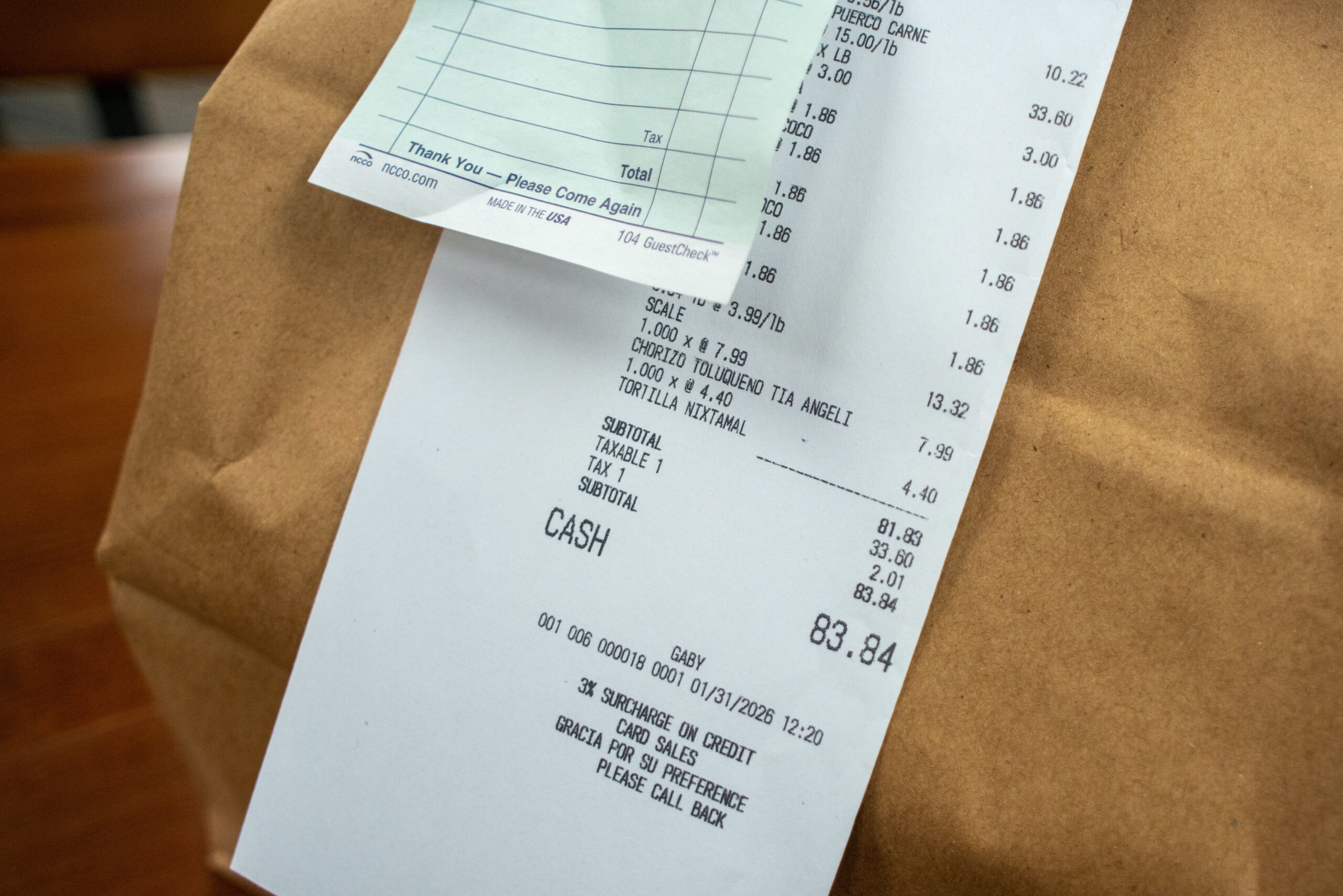
    A receipt attached to a bag of groceries that José Hernández will deliver to local undocumented immigrants in Bensalem.

    After 25 years, she said, she thought she was part of Bensalem. That changed when a neighbor complained there were “too many cars” on Maira’s driveway when her sister visited. After that, she said, she stopped hosting family gatherings, concerned that the neighbor would call ICE.

    Hernández handed her the groceries and turned to leave.

    Maira tried to give him a $5 bill.

    “No, no, no,” he said. “How can I be of help if I charge you?”

    Hernández likes to think he brings more than groceries, that with him comes a kind word, a smile, and maybe even some hope. Don José, as folks call him, says his worry is not the weight of the bags or the length of the checkout lines in stores.

    “I am scared,” he said, “that we will get used to this [ICE enforcement], that it will be so normalized that people stop helping one another.”

    As the day wound down, Hernández’s wife phoned to see how he was doing. He drove to a nearby Walgreens pharmacy to check out a report that ICE agents were in the parking lot. They weren’t.

    His phone rang.

    “Hi, is this Don José?” a young man asked, apologizing for calling. “I really need your help with a delivery.”

    “Don’t worry, place your order,” Hernández replied. “I will be right there.”

  • Philly’s school closure plan targets middle schools. Here’s why the district is moving away from them.

    Philly’s school closure plan targets middle schools. Here’s why the district is moving away from them.

    The Philadelphia School District is walking away from middle schools — mostly.

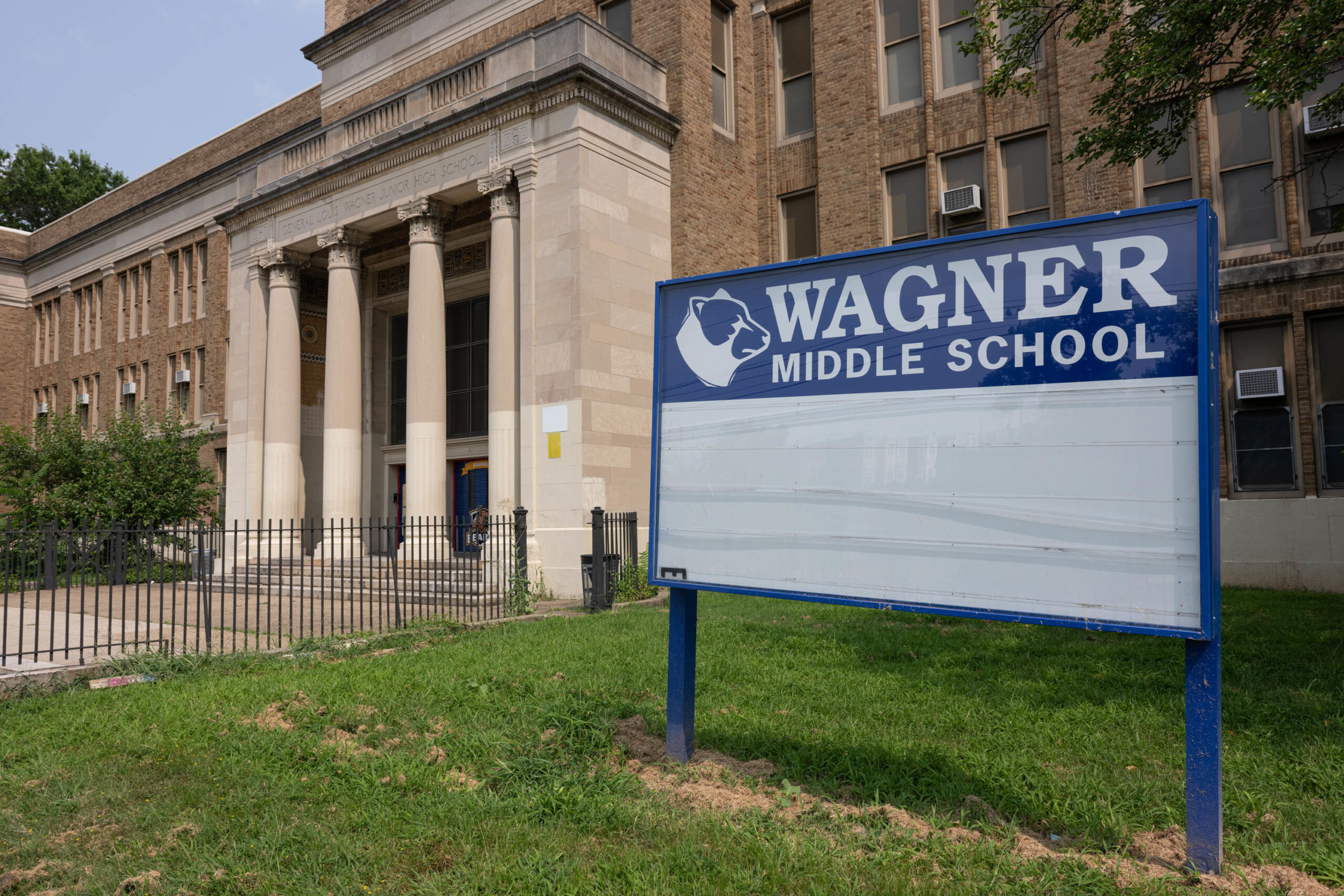
    Of the 20 schools Superintendent Tony B. Watlington Sr. has recommended to close, six are middle schools — AMY Northwest, Conwell, and Stetson in Kensington; Harding in Frankford; Tilden in Southwest Philadelphia; and Wagner in West Oak Lane.

    The district plans to expand elementary schools to take in those students in most cases, and Conwell, a magnet middle school, would send students to AMY at James Martin.

    “Our research does not say that traditional middle school children in Philadelphia perform better academically than K-8 students,” Watlington said when he rolled out his tentative plan in January. “Nationally, and in Philadelphia, there’s a mixed bag.”

    While the school district says the K-8 model reduces transitions for students and helps maximize resources, critics of the district’s plan say closing middle schools will uproot their children and abandon successful schools.

    Education experts, meanwhile, say instructing middle school-age students has long been a complex and controversial issue — and it’s a debate that Philadelphia district officials are reigniting with their sweeping facilities proposal.

    Among the top complaints from critics of the plan: The pivot isn’t absolute. Though many middle schools are disappearing, Philadelphia will still have 13 standalone middle schools and secondary-middle schools if those six close. And some will even grow.

    Middle-grades students from Masterman, the popular and elite city magnet, would take over the closing Laura Wheeler Waring school building in Spring Garden “to expand access” to Masterman, officials said.

    The district is also adding a new Academy at Palumbo Middle School to give students a feeder pattern into the South Philadelphia high school magnet. The new middle school will co-locate with Childs Elementary in Point Breeze.

    And in the Northeast, where schools are bursting at the seams, two standalone middle schools — Castor Gardens and Baldi — will be untouched. So will a handful of others, including Roberto Clemente in North Philadelphia, Feltonville School of Arts and Sciences, Grover Washington in Olney, AMY at James Martin in Fishtown, and MYA and Science Leadership Academy Middle School in West Philadelphia.

    Why is the district targeting middle schools?

    Though officials said the facilities plan is not driven by finances, it’s clear that the underfunded school system needs to shrink its footprint.

    With 70,000 empty seats citywide and an inequitable distribution of programs and opportunities, system officials say they need to make changes to do better for all kids.

    “We can more efficiently distribute our limited resources in a K-8 model by operating 13 grade spans as opposed to six,” Watlington told City Council at a hearing on March 17. “This is an efficiency issue.”

    At present, the district has 13 different grade spans throughout its schools — from a single K-2 to K-4s, K-5s, K-8s, 5-8s, 6-8s, and others. It is proposing shrinking, mostly, to six different grade bands, and emphasizing K-8 or 5-12 as preferred models.

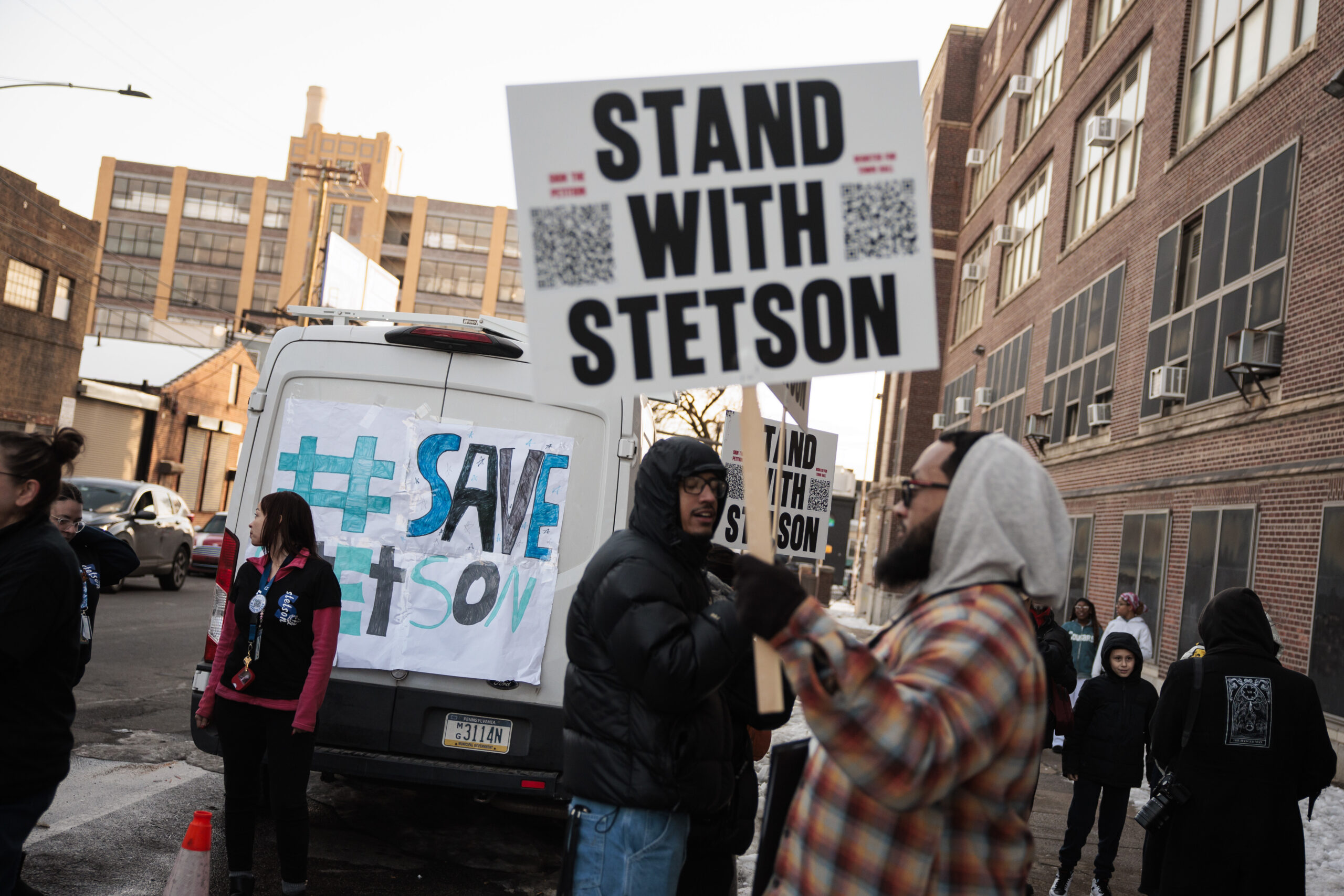
    Students, teachers, and supporters rally before a community meeting at John B. Stetson Middle School this month. It’s one of six middle schools that is slated for closure.

    Officials say they’re also relying on feedback received in surveys taken and meetings held prior to the plan’s release, despite critics’ worry that the feedback was crafted to give the district the answers it wanted.

    Hilderbrand Pelzer III, an associate superintendent, told a crowd of more than 100 people gathered at a Stetson Middle School meeting this month that in the surveys, families told the district they wanted to minimize transitions.

    “Think of safety in the sense that young people should remain in one place longer, pre-K to 8,” Pelzer said. “Hence why we want to recommend some of our K-4s, K-5 schools grow to K-8. Now that may not be the answer you want to hear, but the voices that have informed that have allowed us to make that a recommendation.”

    But critics of the district’s plan say they worry that the feedback was crafted to give the district the answers they wanted. And the audience at Stetson that day pushed back: Minimizing transitions is not what they want. They want their middle school to stay at their current school.

    “Why can’t you inform recommendations from people at Stetson?” one person shouted.

    The long and thorny history of middle schools

    Wrestling with where middle-grades learners should attend school is nothing new, said Penny Bishop, dean of Boston University’s Wheelock College of Education and Human Development.

    “We have been struggling to figure out how to provide appropriate schooling for this age group for well over a century,” Bishop said. “It’s a question with a long and thorny history” dating to the 1800s, she said, with much back and forth.

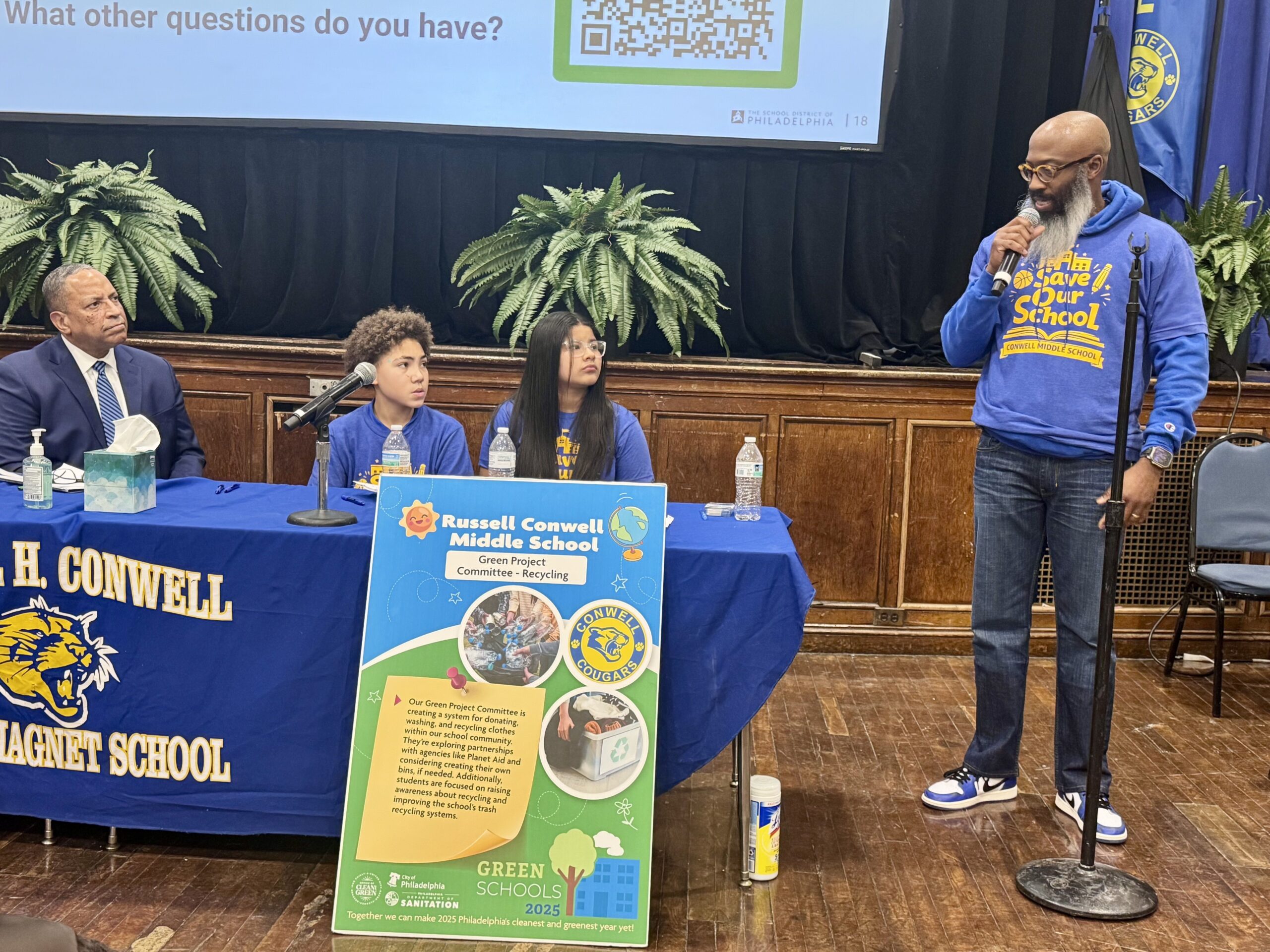
    Philadelphia School District Deputy Superintendent Oz Hill (left) and student moderators listen to Andre Sanford-Adams, Conwell Middle School’s health and physical education teacher, speak during a recent community meeting about why he thinks it’s a mistake to close Conwell.

    Many of Philadelphia’s middle schools began as junior highs. Middle schools as a concept first surfaced in the United States in the 1960s and took off in the 1980s as part of an explicit attempt to create schools “designed based on the developmental needs of this particular age group, as opposed to saying, they’re short high schoolers or they’re tall elementary students,” Bishop said.

    But tweens and early adolescents can be a tough age group to educate well, and middle schools got a bad rap among some, said Bishop. As school choice and shifting birth rates caused belt-tightening in some places, some districts began to shift grade configurations.

    Boston recently shut its last standalone middle school as that district contracted amid enrollment losses, for instance.

    Both Bishop and Katie Powell, director for middle level programs at the Association for Middle Level Education, said that research doesn’t support one kind of grade configuration or another.

    “What matters most for middle school-age students is that we understand that they are going to need a different experience than their elementary counterparts in a K-8 building, and having a defined middle school, even within that K-8 school — that’s what tends to be most successful,” Powell said.

    And, Bishop said, “a lot of this is tied up in the degree to which the leadership understands the developmental needs of the students.”

    At a recent meeting at slated-to-close Wagner Middle School, Kim Newman, another Philadelphia associate superintendent, vowed that the district will spend time and resources planning thoughtful transitions as grade configurations change.

    Adding middle grades to elementary schools hasn’t always been done well in the district, Newman said.

    “In the past, what we’ve done is said, ‘Let’s just add some furniture and books, great,’ grow a grade each year, and that’s really not what children need,” said Newman.

    She said she hopes receiving schools and closing middle schools will work together on what middle-grades learners need in the newly expanded elementary schools.

    Philly skepticism

    Claire Andrews has taught at Wagner Middle School for 40 years — years ago, it had 1,000 students, but today, fewer than 300 are enrolled.

    In the past, “we had opportunities for students, and as the years have gone on, they have just disappeared,” Andrews said. “Over the years, everything has just been pulled away.”

    Wagner Middle School is one of six middle schools that is facing potential closure in Philadelphia.

    Andrews, like others in the city, raised questions of equity.

    “Are they closing schools in the Northeast?” Andrews said.

    Councilmember Isaiah Thomas, chair of City Council’s education committee, highlighted Philadelphia’s complicated middle school position at a Council hearing last week.

    The district’s talking points around middle school sound good, he said. But he questioned decisions to expand middle grades at magnet schools, like Masterman and Carver High School of Engineering and Science, while closing a number of neighborhood middle schools.

    “I want us to have nuanced dialogue around where we are and what we need to do,” said Thomas, who has spoken out against closing Conwell, of which he’s an alumnus. “And I also recognize that there’s pushback on every decision you made. I understand that we have to make tough decisions somewhere else, there is no real facilities plan, and we do need a plan.

    But the reality is that we’re still not sending the right message to people, and I think our position around middle school is problematic.”

    Watlington stressed the research around middle schools and the surveys.

    The superintendent said the district is committed to modernizing and expanding receiving schools, where needed, and was not just focused on the Northeast.

    “We absolutely will not present a plan that just pushes resources in parts of the cities that’s growing fastest,” Watlington said. “I think this is as strategic a plan as we could create.”

  • Union membership dipped in Pa. and N.J. amid Trump’s anti-labor push, data suggests

    Union membership dipped in Pa. and N.J. amid Trump’s anti-labor push, data suggests

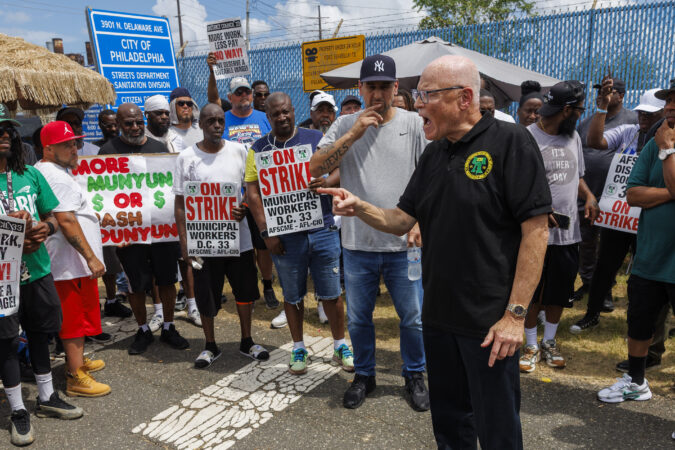
    Following several years of major worker organizing efforts and high-profile strikes, 2025 brought a change in momentum for the labor movement. President Donald Trump’s administration sought to end federal workers’ union contracts and, through a firing, left the National Labor Relations Board without a quorum and unable to make decisions.

    But the percentage of workers who are union members nationwide has stayed pretty steady in the last year, new data shows. And in Pennsylvania and New Jersey, union membership rates fell.

    In 2025, 10% of the country’s total workforce was part of a union, compared to 9.9% in 2024, according to new data from the U.S. Bureau of Labor Statistics. It’s the first time since 2020 that the rate has inched up — albeit slightly — instead of down.

    However, BLS noted, this year’s estimates are not fully comparable to past years because they are based on a BLS survey that is missing October figures due to the government being shut down in October and part of November.

    In the past year, there have been “a lot of kind of anti-labor efforts coming out of the White House,” said Todd Vachon, assistant professor of labor studies and employment relations at Rutgers University.

    Despite those efforts Vachon said, “labor has pretty much maintained the same at the national level. … The Trump attacks haven’t really had any effect yet, at least in the first year.”

    window.addEventListener(“message”,function(a){if(void 0!==a.data[“datawrapper-height”]){var e=document.querySelectorAll(“iframe”);for(var t in a.data[“datawrapper-height”])for(var r,i=0;r=e[i];i++)if(r.contentWindow===a.source){var d=a.data[“datawrapper-height”][t]+”px”;r.style.height=d}}});

    Union membership rates dropped to an all-time low nationwide in 2023 and remained pretty similar in 2024. During those years, roughly one in 10 U.S. workers was part of a union.

    When BLS first started recording this data in 1983, about two in 10 U.S. workers were unionized. There were 17.7 million unionized workers in 1983 and 14.7 million last year.

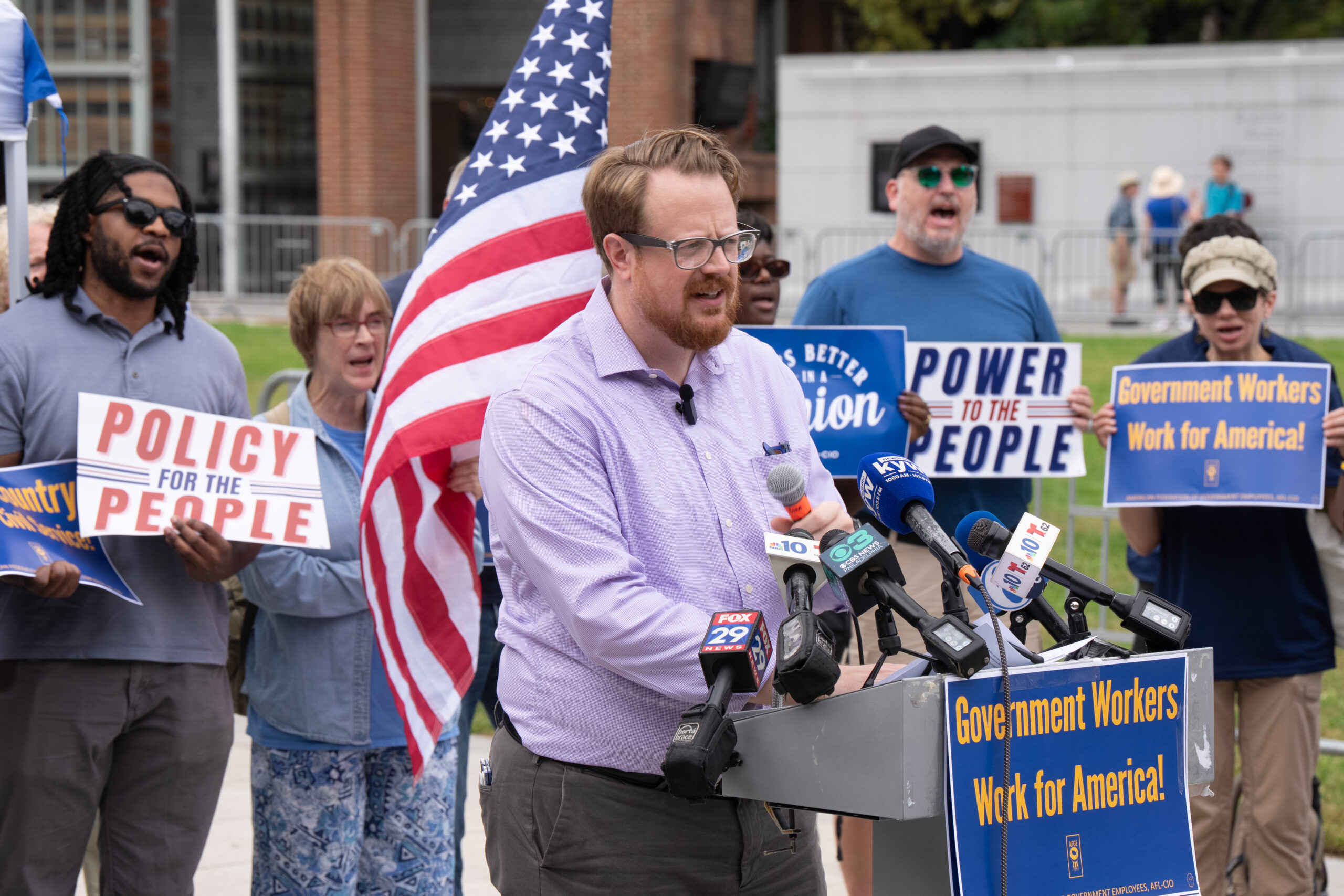
    Danny Bauder, president of the Philadelphia Council AFL-CIO, speaks at an event supporting federal workers in October.

    Unionizing in N.J. and Pa.

    In New Jersey, 14.7% of workers were unionized last year, and in Pennsylvania, it was 10.9%.

    In both states, that was a decline of around one percentage point from 2024, but BLS noted that state-level data “should be interpreted with caution,” due to the shutdown-related incomplete data.

    window.addEventListener(“message”,function(a){if(void 0!==a.data[“datawrapper-height”]){var e=document.querySelectorAll(“iframe”);for(var t in a.data[“datawrapper-height”])for(var r,i=0;r=e[i];i++)if(r.contentWindow===a.source){var d=a.data[“datawrapper-height”][t]+”px”;r.style.height=d}}});

    Some local labor action highlights from this past year include:

    What happened in labor organizing last year?

    The Trump administration moved to end union contracts for government workers, amid a push to reshape the federal government.

    Some 271,000 federal jobs were cut between January and November. Meanwhile, the union membership rate in the public sector increased by 0.7% nationally in the last year according to the new BLS data.

    Vachon notes that the vast majority of public sector workers are at the municipal level, not federal.

    “The hiring of police, and teachers, and sanitation workers across the thousands of cities around the U.S. more than compensated for [cuts at the federal level], because we see an increase in the public sector,” he said.

    Trump also fired a member of the National Labor Relations Board (NLRB) early last year, which left it without a quorum to issue rulings. In some cases that can slow down the formation of a new union — at the Amazon-owned Whole Foods in Philadelphia, for example.

    The number of union elections overseen by the NLRB declined last year and the overall number of workers involved in those elections dropped too, according to the nonpartisan Center for American Progress.

    “A huge percentage of new union organizing is required every year just to maintain the same level of unionization, because of the churning and the growth of the overall labor force,” said Vachon. “If the labor force is not growing, then you can actually see increases in union density.”

    And unions are being cautious of reaching out to the NLRB under the Trump administration, he notes.

    “There’s a fear [that] if something gets sent up to the NLRB that the ruling is going to set a precedent that makes it even more difficult to organize,” said Vachon. “It’s kind of had a dampening effect in that way.”

  • Penn expert says whether to take antidepressants during pregnancy is a ‘risk-risk conversation’

    Penn expert says whether to take antidepressants during pregnancy is a ‘risk-risk conversation’

    When Sarah Bynum was pregnant with her first child in 2017, her primary care doctor suggested she stop taking her antidepressant.

    He told her there wasn’t enough research to justify staying on the medication.

    By the time she delivered her daughter, the Delaware County woman’s anxiety was so bad that she decided never again to go through a pregnancy without her antidepressant.

    Bynum, who has taken medication for anxiety since she was a teenager, is one of the nearly 18% of women in the U.S. on an antidepressant. She takes a drug known as an SSRI, the most common class of antidepressants, which medical societies generally consider safe to use during pregnancy.

    Still, roughly half of women taking an antidepressant discontinue their use of the medication while pregnant, according to a 2025 study in the medical journal JAMA Network Open.

    Kelly Zafman, an OB-GYN at the Hospital of the University of Pennsylvania, decided to research the issue that has also recently been under discussion on the federal level. She’s observed that patients often get mixed-messaging from providers.

    “The other side of the conversation that gets missed is this risk of not continuing medications,” said Zafman, who is in her final year of fellowship training in maternal-fetal medicine.

    Preliminary findings from her research showed the risk of a mental health emergency nearly doubled in women who discontinued SSRIs or SNRIs (another popular type of antidepressant), compared to those who stayed on their medication. She presented the unpublished results this month at the meeting of the Society for Maternal-Fetal Medicine.

    The analysis used data from 1,462 privately insured Pennsylvania women with active antidepressant prescriptions who gave birth between 2023 and 2024. While pregnant, 81% of them stopped or interrupted usage.

    Zafman said the highly personal decision comes down to factors such as the patient’s prior pregnancies, mental health history, and how well-controlled their symptoms are.

    Ultimately, the potential risks have to be weighed against those of untreated depression or anxiety.

    “It’s really a risk‑risk conversation,” Zafman said.

    Evolving research

    The American College of Obstetrics and Gynecologists discourages discontinuing antidepressants based on pregnancy alone, highlighting the risks of untreated mental health conditions. Studies have linked uncontrolled depression during pregnancy with preterm birth, low birth weight, higher suicide risk, and impaired mother-infant attachment.

    Research on the safety of antidepressants in pregnancy continues to evolve. Some potential risks identified in older research appear overstated when compared with more recent, better-designed studies, Zafman said.

    She cited as an example a rare but serious condition called persistent pulmonary hypertension — which causes a breathing issue — for which scientific evidence remains conflicting.

    “There’s definitely an association, but it’s not totally clear how causative it is,” Zafman said.

    Another concern, neonatal adaptation syndrome, tends to involve mild difficulties with feeding and breathing that resolve within days. Medical intervention is rarely required, and the treatment essentially is to cuddle and feed your baby, Zafman said.

    While antidepressants potentially pose risks in pregnancy, she said, overall, the risks of long lasting effects are “extraordinarily low.”

    A personal decision

    Bynum, a patient at Penn Medicine, was not on antidepressants during her first pregnancy. (She was not part of this particular study but has participated in other research with Zafman.)

    Five months into the pregnancy, she learned her daughter would be born with a congenital heart defect that would require monitoring, and later, surgery.

    Family and friends tried to help her, but they weren’t able to calm her heightened anxiety the way her medication usually would.

    When she became pregnant with her second child, she knew she wanted to have a “more mentally healthy pregnancy.”

    “I needed to be mentally and physically present not just for myself, but my daughter,” she said.

    She asked her OB-GYNs if she could continue on her antidepressant, Paxil. They weren’t sure.

    She turned to the fetal heart experts at Children’s Hospital of Philadelphia, who looked into the medical evidence and told her it was fine to continue taking her antidepressant.

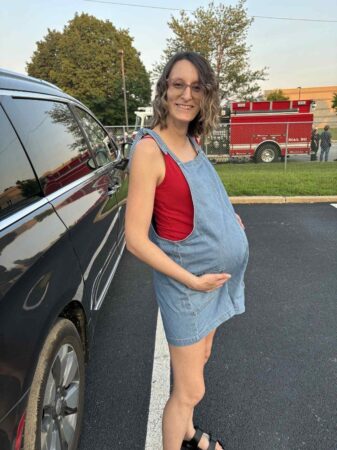
    Sarah Bynum decided she would not go without her antidepressant for future pregnancies.

    Bynum has since had three healthy pregnancies while taking the antidepressant.

    She felt it was the right decision.

    “I need to focus on having a healthy pregnancy with as minimal stress as possible,” Bynum said. “And if that means taking a medication, that’s what’s gonna work.”

    Editor’s note: This story has been updated to clarify a quote by the researcher.

  • Republicans continue to sow distrust in elections. The SAVE America Act won’t change that.

    Republicans continue to sow distrust in elections. The SAVE America Act won’t change that.

    It is not unreasonable for people to be concerned about voter fraud or noncitizens voting. Not because it happens at a scale that could swing an election — researchers say it is so rare as to be statistically insignificant — but because Republican leaders have been pounding on that drum for so long that some can’t help but sway to the beat.

    As U.S. Sen. Dave McCormick recently reminded, more than half of Americans worry about fraud at the polls.

    “We have a duty to root out the source of this distrust and restore the integrity of our democratic process,” McCormick said, speaking on the Senate floor in defense of the SAVE America Act, the GOP’s latest effort to restrict voting.

    If Pennsylvania’s junior senator will allow me, I think I’ve cracked the case.

    Casting doubt on election security did not begin with Donald Trump and his bombastically false claims of hacked voting machines and millions of illegal immigrants voting. It started long before that, with “traditional” Republicans like McCormick legitimizing allegations of widespread fraud.

    Under President George W. Bush, Attorney General John Ashcroft warned that “votes have been bought, voters intimidated and ballot boxes stuffed” at a 2002 Voting Integrity Symposium. Yet, bringing the power of the U.S. Department of Justice to investigate these allegations resulted in few prosecutions by the time Bush left office.

    After 2013, when the U.S. Supreme Court removed a provision of the Voting Rights Act, thereby ending federal supervision of nine states with a history of racial discrimination, there was a slew of voting restrictions pushed by Republicans under the guise of voter integrity.

    By the time Trump came along, GOP voters were more than primed to believe that an election could be stolen, with the nadir being the Jan. 6, 2021, attack on the U.S. Capitol.

    Having learned no lessons from what happened, Republicans continue to stoke doubt about elections.

    McCormick shamelessly used a November incident in Chester County, where independent and unaffiliated voters were left off the county’s poll books, to allege that “registered voters were turned away at the polls. And an unknown number of unverified voters cast regular ballots.”

    There is no evidence that either of those claims is true.

    What happened in Chester County was human error that was corrected later that day. In the meantime, anyone who wanted to vote but was not in the poll books was asked to fill out a provisional ballot that would later be verified for eligibility.

    Elections are run by people, and mistakes happen. There are 3,069 counties in the U.S. in charge of administering elections. It’s a testament to the dedication of local officials that voting is as smooth and secure a process as it is.

    McCormick is a smart man. He likely knows the facts. He also knows that nothing included in the SAVE America Act would have prevented what happened in Chester County.

    What is included in the legislation requires people to show proof of citizenship when registering to vote and produce ID when casting a ballot. It stiffens penalties against election officials for registering voters without proof of citizenship, and forces states to submit their voter rolls to the U.S. Department of Homeland Security to ensure only citizens are registered.

    All of that seems reasonable, but seeing as how folks like McCormick are using deception in its promotion, you will forgive me for being skeptical. I don’t buy the catastrophism coming from Democrats, either, but there are valid objections.

    For example, some people who could otherwise vote do not have ready access to the documents required in the law — that’s about 20 million Americans, according to some estimates. That the proposal would take effect immediately, just in time for the midterm elections, guarantees that millions would be disenfranchised.

    Information sharing with DHS is also problematic, as the tool used to identify potential noncitizen voting registration “keeps making mistakes,” according to a ProPublica/Texas Tribune investigation.

    None of these issues is insurmountable. Instead of blocking legislation like the SAVE America Act, Democrats should fight to improve it.

    For example, if you need documentation to exercise your rights, then that documentation should be free, and requirements should be implemented after a reasonable grace period. Any mandate should come with the funding to ensure every American has access to their birth certificate, or that every citizen can easily obtain a passport. Congress should also make Election Day a holiday, while they’re at it.

    Ironically, voter suppression efforts, which traditionally fall hardest on communities of color, come from the idea that the changing face of America would turn away from Republicans. Put another way, this line of thinking suggests that as the U.S. barrels toward becoming a majority-minority nation, the GOP would be at a disadvantage.

    But some high-turnout elections, including the 2024 contest that put Trump back in the White House, have shown that less frequent voters — i.e., those least likely to jump through the hoops put up by something like the SAVE America Act — back Republicans.

    Instead of making up stories and assuring the long-term erosion of democracy for short-term political gain, McCormick and his GOP colleagues should partner with Democrats to make elections secure and voting easy.

  • Phillies Extra with Brad Keller

    Phillies Extra with Brad Keller

    A year ago, Brad Keller was trying to win a job with the Cubs as a nonroster invitee to spring training. Now, he’s a key member of the Phillies’ bullpen on a two-year contract. And in a few days, he will join the most talented U.S. team ever assembled for the World Baseball Classic. Keller sat down with Phillies Extra, The Inquirer’s baseball podcast, to discuss how much has changed in a year, what led him to Philadelphia, why he believes he can duplicate his success in 2025, and more. Watch here.

  • Everything you need to know about the 2026 PHS Philadelphia Flower Show

    Everything you need to know about the 2026 PHS Philadelphia Flower Show

    The iconic Philadelphia Flower Show returns Feb. 28-March 8, bringing a massive, immersive garden world blooming to life within the Convention Center. And more than ever, it promises to be historic.

    Pennsylvania Horticultural officials have billed the 2026 Flower Show as Philly’s first major event of its yearlong festivities planned for the 250th anniversary of America — as a celebration of the history of American gardening.

    The show’s theme, “Rooted: Origins of American Gardening,” honors the people, places, and traditions that have shaped gardening — and invites visitors to consider where their own gardening stories began. The 2026 show will debut a reimagined Marketplace shopping destination and expanded Artisan Row.

    America’s oldest flower show, which began in 1829, the internationally renowned event draws thousands to Center City each year, and represents the Horticultural Society’s biggest fundraiser, supporting its greening efforts across the city.

    Here’s what you need to know if you’re planning to attend.

    Location and schedule

    📍 Pennsylvania Convention Center: 1101 Arch St., Philadelphia, PA 19107

    📅 Feb. 28 to March 8

    ⏰ Hours:

    • Feb. 27: Noon — 4 p.m. Members only Preview
    • Feb. 28 — March 8, 2026
    • Open daily 10 a.m. — 8 p.m., until 6 p.m. on March 8
    A rendering of the 2026 Philadelphia Flower show is on display during a Jan. 14 news conference at Union Trust. The theme of this year’s flower show is called “Rooted: Origins of American Gardening.”

    Tickets and pricing

    Tickets are available online at tickets.phsonline.org and at the Convention Center. Online tickets are cheaper than those purchased at the door, and weekday tickets cost less than weekend tickets. Group discounts are offered to groups of 25 adults or more.

    Online pricing:

    • Adult:
    • Student (18-24 with valid student ID):
    • Children (5-17):
    • Twilight (after 4 p.m.):
    • Any-Day Flex Pass — $60, one-time, any day admission
    • Floral Fanatic Pass — $100 unlimited daily entry for entire run

    In-person pricing:

    • Adult:
    • Student (18-24 with valid student ID):
    • Children (5-17):
    • Twilight (after 4 p.m.):
    A participant creates pressed flower art following a Jan. 14 news conference at Union Trust for the unveiling of a first look at the 2026 Philadelphia Flower Show, “Rooted: Origins of American Gardening.”

    Top exhibits and attractions

    For a full list of exhibitors at this year’s Show, please visit phsonline.org.

    The Forest Floor: Flower Show Entrance Garden

    A sprawling, misty forest floor creation drawing on the diverse inspirations of American gardens, and featuring mossy stonework, Zen-like sculptural plantings, water displays, and crowned with a towering, twisting root structure.

    The American Landscape Showcase: Special exhibition celebrating America’s 250th anniversary.

    This year’s special exhibition celebrates the national milestone, also known as the Semiquincentennial, with four gardens highlighting how gardening has shaped communities and evolved over 250 years.

    First Bloom — Rooted in Memory

    Four acclaimed international florists — Gábor Nagy, Alex Segura, Chantal Post, and Conny van der Westerlaken — showcase the origin moments that sparked their passion for flowers.

    Design Gallery

    Presents floral arrangements crafted for themed challenges, highlighting skill, creativity, and artistic power.

    Hamilton Horticourt

    Each year, thousands of exhibitors compete in more than 900 classes or categories, ranging from horticulture and arrangement to design and photography. With no age limits, winners receive a “Blue Ribbon.” Competitive Class categories are on the show floor, including miniatures, pressed flowers, and specialty plants.

    Artisan Row

    The 2026 show features an expanded Artisan Row, where guests can work alongside nearly 40 vendors and craftspeople to create everything from fresh floral crowns to dried bouquets and terrariums and candles and jewelry and more.

    Marketplace

    A new highly visible, street-level Marketplace below the main exhibit halls, with more than 200 vendors offering a curated selection of live plants, florals, garden tools, decorative wares, and more.

    Potting Parties

    Create your own flower arrangements under the guidance of Tu Bloom, the official botanical artist for the Grammys. $20 per person (reserve at tickets.phsonline.org/events).

    Bloom Bar

    Visit the Bloom Bar or keep an eye out for the cart wandering the show floor to buy gorgeous premade floral crowns.

    Kids Cocoon

    Sponsored by Netflix House Philadelphia, a family-friendly space with reading nooks, craft and digging stations.

    Butterflies Live!

    Hundreds of native and exotic butterflies, including zebra longwings, morning cloaks, and bright blue morphos dance and paint the air with color in the iconic butterfly tent exhibit. Many are happy to land on visitors’ feeding sticks for nectar and sugar water.

    Know to Grow

    Speaker series featuring horticultural experts exploring topics including heirloom and early American gardens, native bees and pollinator habits, resilient ecological design, and the cultural histories that have shaped American gardening traditions.

    Plant People Place

    Interactive area where guests can connect with expert gardeners and industry specialists for advice and insight.

    Early Morning Tours

    Daily early-hour tours offer behind-the-scenes peeks and insights from exhibitors. Early morning photography sessions are also available.

    Family Frolic

    • March 1:10 a.m. — 3 p.m.

    Buy tickets for the March 1 show for a day designed for young families, with educational experiences, playful floral design, coloring, and more. Free with admission, recommended for all ages.

    Blossom & Breathe

    • March 4: 4 — 8 p.m.

    A celebration of beauty, well, and natural healing, including yoga classes, opportunities to work with wellness experts, and mediation. Purchase required for yoga class, all other activities are free with admission. Recommended for all ages.

    Fido Friday

    • March 6: 5 — 8 p.m.

    Bring your best four-legged friend to explore the florals. Proof of current rabies vaccination required.

    Flowers After Hours

    Folklore of the Forest

    • March 7: 8:30 — 11:30 p.m.

    The Flowers After Hours dance party transforms the show into an enchanted, fairytale forest setting with themed cocktails and dancing. Guests are encouraged to wear “fantasy-inspired attire,” planners said. Purchase required. Must be 21.

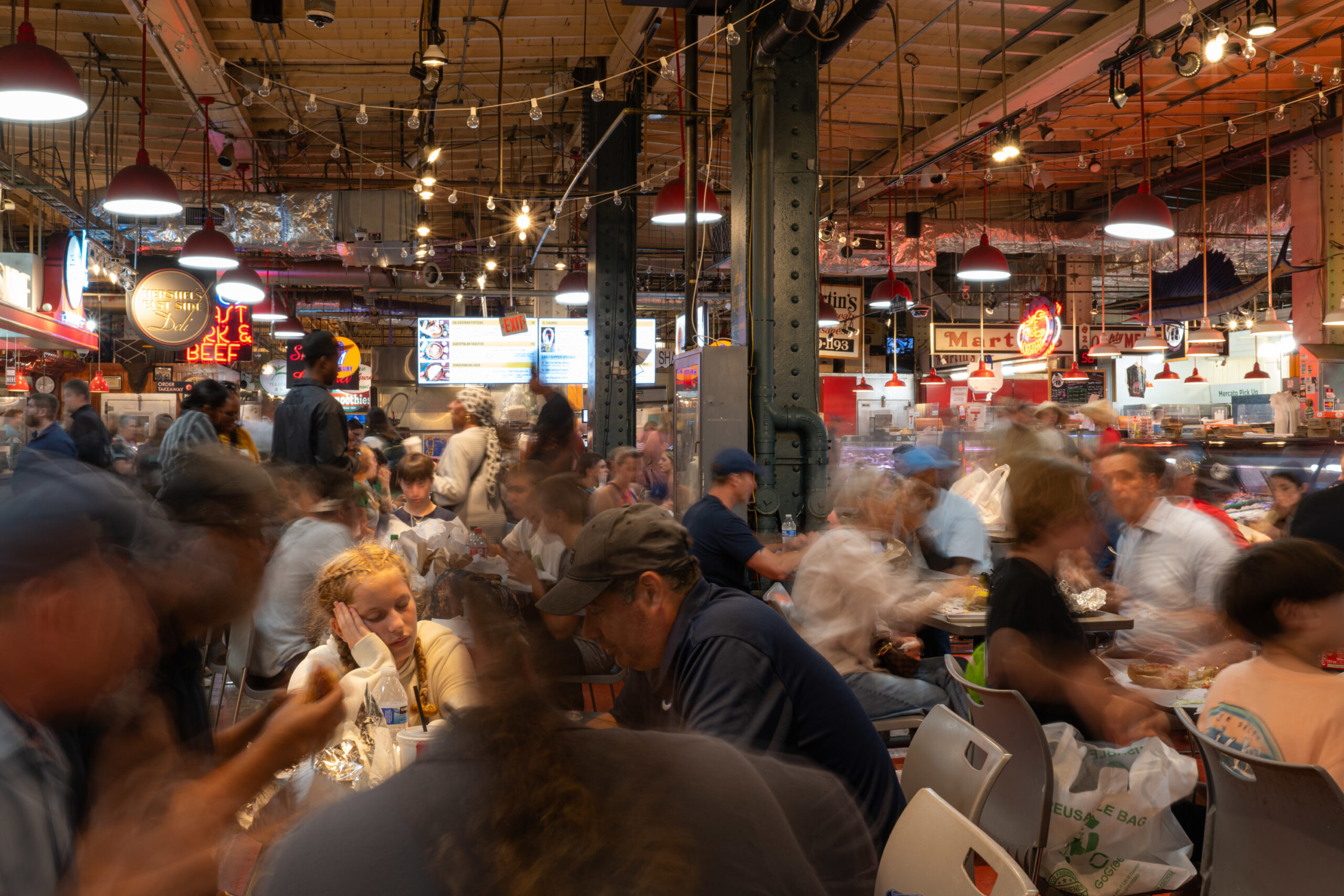
    A young woman falls asleep during the lunch rush at Reading Terminal Market on June 11, 2025, in Philadelphia.

    Food & drinks

    In addition to the convention center’s Saxby’s Coffee and the Overlook Cafe, there are concession areas managed by Aramark serving light bites, snacks, and drinks on the show floor.

    Guests are encouraged to get their hand stamped before exiting the building, if they decide to take a short walk to some of Philadelphia’s famous food destinations.

    How to get to the Flower Show

    • 🚴 Bike: 19 minutes from South Philly, about 30 minutes from North or West Philadelphia.
    • 🚌 Bus: Take lines 4, 10, 11, 13, 16, 17, 21, 23, 27, 33, 34, 36, 38, 42, 44, 45, 47, 48, 61, 78, 124, and 125.
    • 🚇 Subway:
    • 🚉 Regional Rail:
    • SEPTA is running extra trains on these Regional Rail lines on Saturdays and Sundays during the show — March 1-2 and March 8-9:

    Where to park for the Philadelphia Flower Show

    The Convention Center recommends parking at one of the lots closest to the show that are run by ABM Parking, E-Z Park, iParkit Philadelphia, Park America, Parking Facility, Parkway Corp., or SP+ Parking.

    You can also park at a Philadelphia Parking Authority garage:

    • The Autopark at the Fashion District: 📍45 N. Ninth St., 💰 $35 for 24 hours, ⌚ 6 a.m. to midnight, 🚶‍♀️ three minutes.
    • The Autopark at Jefferson: 📍10th and Ludlow Streets, 💰 $36 for 24 hours, ⌚ 5 a.m. to 11 p.m., 🚶‍♀️ 10 minutes.
    • Parkade on Eighth: 📍801 Filbert St., 💰$32 for 24 hours, ⌚ 24/7, 🚶‍♀️ six minutes.
    • Gateway Parking Garage: 📍1540 Vine St., 💰 $16 for 1 hour, $30 for 24 hours, ⌚ 24/7, 🚶‍♀️ five minutes

    Where does the money for the PHS Flower Show go?

    Proceeds from the Flower Show go directly to the Pennsylvania Horticultural Society to disburse among its regional programming. This includes neighborhood programs, city tree-tending, low-cost gardening programs, water conservation, designing and maintaining public gardens, and more.

    For more information, visit phsonline.org/the-flower-show.

  • Letters to the Editor | Feb. 23, 2026

    Letters to the Editor | Feb. 23, 2026

    From foes to allies

    Philadelphia, the birthplace of America’s independence, is perhaps the most important place to reflect on how far the U.K. and the U.S. have come since 1776. As the British minister for North America, I’m struck by the memorials and museums across the City of Brotherly Love that demonstrate just how rocky our relationship once was.

    But it’s the sense of distance we feel from that time that is truly remarkable. The 250th anniversary of American independence reminds us that our countries, once at odds, have since built the closest alliance between any two nations on earth. Today, the U.K. and the U.S. are firmly rooted in our shared values, history, and purpose.

    My own family heritage reflects this deep and abiding bond: My American grandfather, a decorated veteran from the Bronx, fought in the liberation of Europe from the Nazis on the same side as my British grandfather, who fought alongside American servicemen as part of the Allied forces in World War II. My two grandfathers never met — yet they stood on the same side in the fight for freedom. Their parallel service mirrors the paths our nations have taken.

    Today, our partnership matters more than ever because we face a world defined by new threats. No two allies integrate their military, intelligence, and security capabilities more deeply than the U.K. and the U.S. British Ministry of Defence personnel serve across the United States — including at Carlisle Barracks here in Pennsylvania — ensuring our armed forces can work seamlessly together.

    As King Charles III said, while our bond was “forged in the fire of conflict,” it is strengthened by the shared endeavor and mutual affection of today.

    This year, we celebrate 250 years of American independence on both sides of the Atlantic, because the U.K.-U.S. relationship stands as one of the world’s great success stories.

    Our alliance endures because generations of our people understand the lesson that even though, like any family, we occasionally have differences, when the U.K. and the U.S. stand together, we solve the world’s greatest challenges and defeat our greatest enemies.

    Stephen Doughty, British minister of state for North America and Europe, and member of Parliament

    Row offices

    The Inquirer Editorial Board makes a compelling argument for eliminating the register of wills and other row offices. The question is, how do the voters “demand change”?

    City Council can do this by proposing a charter change to be voted on by the people in a general election. To get this question on the ballot, a majority of City Council must agree. Former Mayor Michael Nutter tried, but Council wouldn’t go along with him.

    The only way the voters can demand change is to elect city officials who would support the elimination of row offices. The Inquirer has a role to play in this regard. When vetting candidates for local office, the Editorial Board must ask — and publish — where they stand on the question of abolishing row offices. If no one questions the candidates and puts them on the record, voters have no way to demand change by electing those who support the change.

    Tom Elsasser, Chestnut Hill, elsasser64@aol.com

    Join the conversation: Send letters to letters@inquirer.com. Limit length to 150 words and include home address and day and evening phone number. Letters run in The Inquirer six days a week on the editorial pages and online.