Blog

  • unCovering the Birds: What do Jeffrey Lurie and Howie Roseman really think of Nick Sirianni?

    unCovering the Birds: What do Jeffrey Lurie and Howie Roseman really think of Nick Sirianni?

    There was a lot said during the Eagles’ end-of-season news conference, but nothing stood out more to The Philadelphia Inquirer’s Jeff McLane than a comment general manager Howie Roseman made about his head coach, Nick Sirianni. What did Roseman say, and why was it so noteworthy? McLane and Inquirer columnist Marcus Hayes read between the lines in this recap of Roseman and Sirianni’s Q&A with reporters.

    00:00 What did Howie Roseman say?

    17:43 Front office power dynamics between Roseman, Nick Sirianni, and Jeffrey Lurie

    23:24 Kevin Patullo, Jalen Hurts, and the blame game

    33:17 Will A.J. Brown be here next year?

    unCovering the Birds is a production of The Philadelphia Inquirer and KYW Newsradio Original Podcasts. Look for new episodes throughout the offseason, including breaking news updates and reactions.

  • Trump signals Hassett may stay at White House, reshaping Fed chair race

    Trump signals Hassett may stay at White House, reshaping Fed chair race

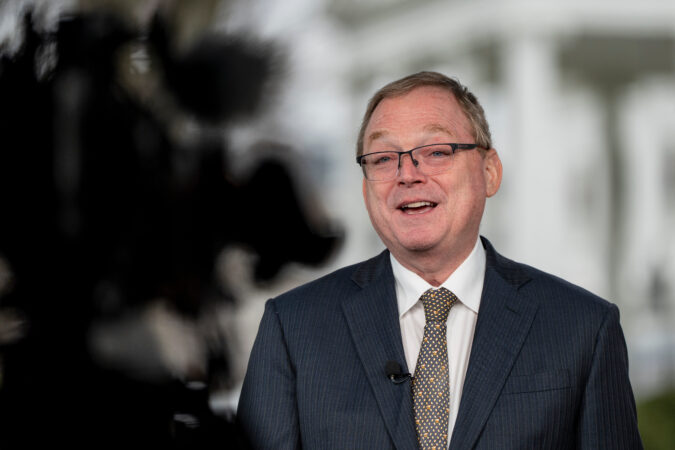
    President Donald Trump on Friday suggested that Kevin Hassett, a top contender to run the Federal Reserve, could remain in his current job as head of the National Economic Council, casting new uncertainty over the race to succeed Fed Chair Jerome H. Powell.

    Speaking at a healthcare event at the White House, Trump said Hassett performed well as a surrogate for the president on television and the potential for him to vacate his current role was a “serious concern.”

    “I actually want to keep you where you are if you want to know the truth. We don’t want to lose him, Susie,” Trump said, addressing White House Chief of Staff Susie Wiles. “We’ll see how it all works out.”

    Analysts and officials close to the White House have said the sweepstakes to succeed Powell may have been scrambled this week when Powell publicly disclosed that the Justice Department had launched a criminal investigation tied to a massive office renovation project for the central bank’s headquarters overlooking the National Mall.

    Powell and supporters characterized the move as an attempt to undercut the Fed’s independence on monetary policy. At least two Republican senators said they won’t vote for any nominee to replace Powell until the legal matter is resolved. And some Fed watchers have said the Senate might be less inclined to approve someone so close to the White House.

    Former Trump strategist Stephen K. Bannon cast that pushback against Hassett in far more combative terms. “The Globalist circle-the-wagons with all the living former Fed Chairs immediately defending Powell sealed Hassett’s fate,” he wrote in a text message. “The anti-Trump Senate cabal signaled they would never confirm someone professionally close to the President.”

    Trump first nominated Powell to the top Fed role in 2017 but quickly soured on him over interest-rate policy. At a January 2020 signing ceremony, Trump suggested that he wished he had instead tapped former Fed governor Kevin Warsh, who was a runner-up for the job.

    “I would have been very happy with you,” Trump said, singling out Warsh. “I could have used you a little bit here. Why weren’t you more forceful when you wanted that job?”

    Analysts said the remarks could place Warsh in a stronger position to become the next chair of the Fed when Powell’s tenure in the role ends in May. Trump had signaled this week that he was choosing between one of “the two Kevins.” He was expected to announce his choice as early as this month.

    In one sign of Warsh’s improved odds, investors in betting markets early Friday afternoon assessed the former Fed governor had a roughly 60% change of replacing Powell, up from around 40% earlier in the day.

    Other candidates in the mix for the role include sitting Fed governor Christopher Waller and Rick Rieder, an executive at BlackRock. Treasury Secretary Scott Bessent has helped spearhead the process for selecting Powell’s replacement but has said he isn’t interested in the role.

    Hassett has acknowledged that the race remains unsettled. Speaking at a Wall Street Journal conference in December, he cautioned against assuming a final decision had been made. “He makes his choice, and then he changes his mind, too,” Hassett said, referring to the president.

  • Why is everyone so excited about University City’s new Taco Bell?

    Why is everyone so excited about University City’s new Taco Bell?

    It was a Christmas miracle of the fast food variety: A 24-hour Taco Bell had opened in University City.

    The Mexican-ish chain opened its 16th Philly location in late December at 3901 Chestnut St., where it replaced a Boston Market outpost that once owed nearly $220,000 in rent after defaulting on a lease. To hear some Philadelphians tell it, the opening was practically heaven-sent.

    The new Taco Bell generated two separate posts from different users last month in the 95,000-member r/Philly subreddit. Other restaurants yearn for that kind of word-of-mouth marketing.

    “Anyone have any info on the Taco Bell they’re putting on 39th and Chestnut?” asked user 8hivefiend8 on Dec. 17. “I have high hopes that maybe it will open soon because it looks so close to finished.”

    Six days later, user rad_rascal posted pictures of the Taco Bell in all of its grand opening glory under the title “New Taco Bell in West Philly!” In the days leading up to the opening, the user wrote, they “would pass it every day and peer in like a buncha [sic] creeps.”

    New Taco Bell in West Philly!
    byu/rad-rascal inphilly

    Under both threads, commenters expressed the kind of jubilation normally reserved for, say, rotisserie chicken-eating stunts or Super Bowl parades. “This just made my day,” commented one Taco Bell enthusiast. Others chimed in. “This the best Christmas present yet,” wrote one user. “My new home away from home,” said another.

    In a city with no shortage of affordable (and excellent) Mexican food, why do people care so much about a Taco Bell that doesn’t even serve alcohol? And could this Taco Bell possibly live up to Reddit’s expectations?

    Is it normal to care this much about a Taco Bell?

    Taco Bell is as much a fast food chain as it is a borderline “cult,” according to chef Reuben Asaram, one of Philly’s most notable Taco Bell enthusiasts.

    The 34-year-old’s love affair with Taco Bell began after his family emigrated from India to Queens in 1993, the chain quickly becoming a staple for weekend meals out. Taco Bell partially inspired Asaram’s Mexican and pan-Asian pop-up menus, which led the chain to name him one of three chefs allowed to reimagine the iconic Crunchwrap Supreme in 2024. At one point, Asaram was so tight with the staff at the 1037 Chestnut St. Taco Bell that they would turn part of restaurant into a private space for him to take dates.

    Philly chef Reuben Asaram was one of three chefs tapped by Taco Bell to revamp the Crunchwrap Supreme. The local Taco Bell enthusiast created a butter chicken version.

    True Taco Bell devotees will go out of their way to try a new location, Asaram said, because “they’re obsessed with getting the perfect bite” and need to know if there’s a reliable option nearby in case a Dorito Locos Taco emergency hits. Asaram is one of those people.

    “If I have a craving and know I’m going to be in a random place, I have to know where the [nearest] good Taco Bell is,” said Asaram while sipping a Baja Blast on Zoom. Asaram’s preferred locations are the two closest to his house in Cherry Hill. He must visit the University City outpost before it can be added to his reserves.

    Taco Bell has spent decades converting its Mexican food into a lifestyle brand with legions of devoted fans by pushing the boundaries of fast food marketing. There’s a Taco Bell wedding chapel in Vegas and a faux-retirement community in San Diego, plus an ultramarathon that requires stopping at nine Taco Bells. The brand occasionally rewards that devotion by letting fans contribute to the menu, at one point even bringing back the Mexican pizza based on an online petition.

    In Philly, Taco Bell is best known for bait and switches. On April Fools’ Day 1996, the chain took out a full-page ad in The Inquirer claiming it had purchased the Liberty Bell, a prank that sparked both outrage and a boost in sales. Nearly 30 years later, the brand announced that it would plant the region’s first booze-serving Taco Bell Cantina at 1614 Chestnut St., only to reverse course and open a regular location after failing to obtain a liquor license.

    Perhaps the University City Taco Bell is a representation of what could’ve been, four walls for Philly fans to place their shattered hopes and dreams. Or maybe people are just happy something replaced the Boston Market.

    “That Boston Market was profoundly cursed,” one Philadelphian wrote on Reddit. Others claimed they got food poisoning there.

    “Everyone I know that ever went into the Boston Market when it was open has a horror tale about it!” wrote user rad_rascal, who broke the Taco Bell news.

    window.addEventListener(“message”,function(a){if(void 0!==a.data[“datawrapper-height”]){var e=document.querySelectorAll(“iframe”);for(var t in a.data[“datawrapper-height”])for(var r,i=0;r=e[i];i++)if(r.contentWindow===a.source){var d=a.data[“datawrapper-height”][t]+”px”;r.style.height=d}}});

    What are the vibes?

    The University City Taco Bell has all the makings of what some in the Taco Bell-loving community refer to as a “Taj-Mah-Bell,” or a higher-end location.

    This Taco Bell location is large, with a mix of booths, standard tables, and counter seating that isn’t sticky: When I visited on a Wednesday afternoon in early January, employees were cleaning tables within minutes of customers leaving. There were ample napkins (necessary for taco spillage), and the soda machine dumped out pellet ice, perfect for fountain drinks. It made my medium-size Baja Blast taste extra electric.

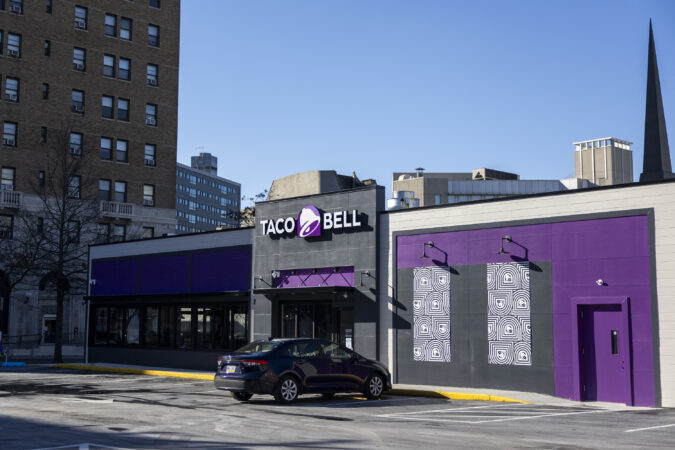
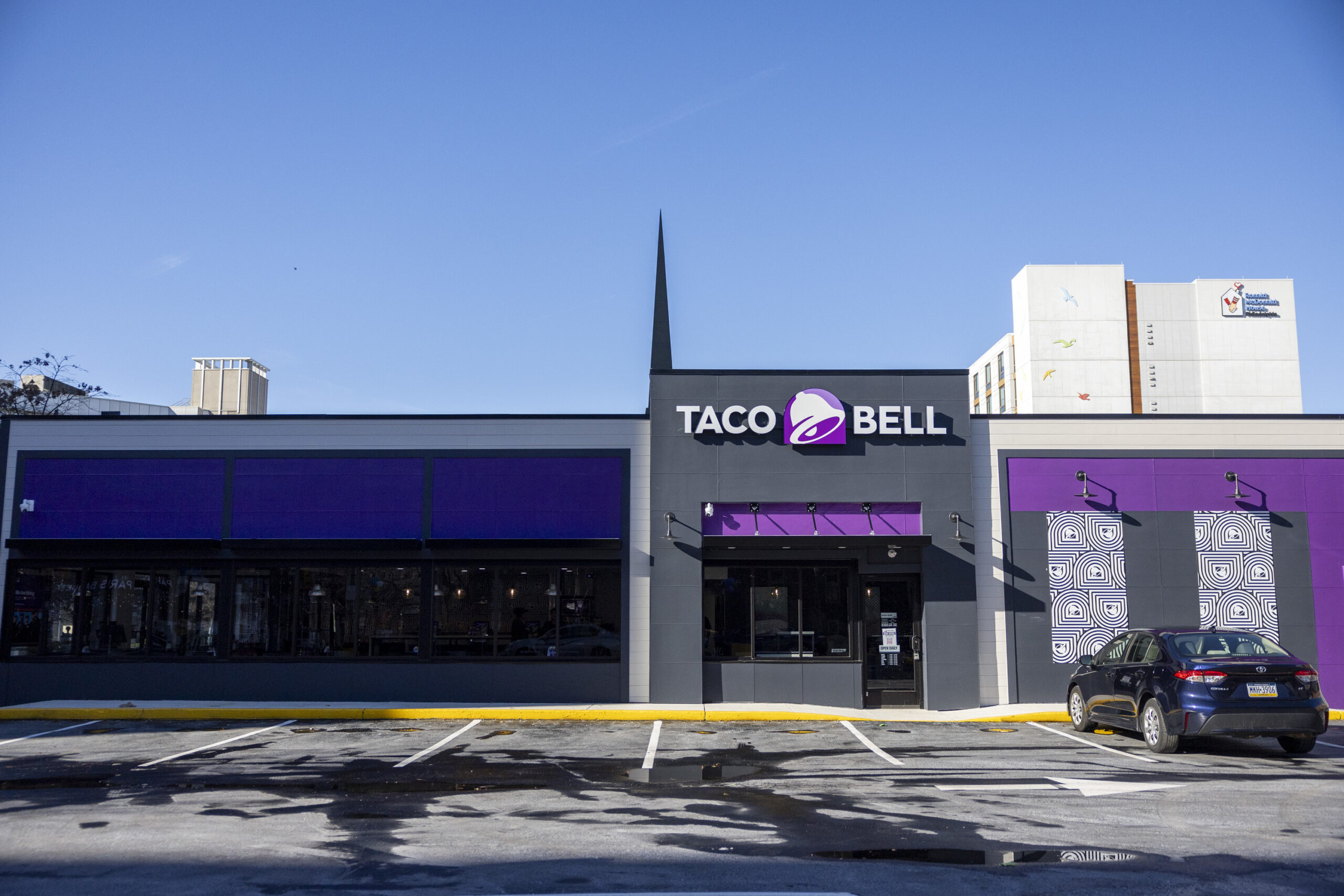
    The outside of University City’s new Taco Bell, which is open 24-hours, seven days a week.

    The only downside: Humans don’t take your order. Customers use one of several digital kiosks spread across the store. That’s a bummer for Asaram.

    “What makes a good Taco Bell franchise is mainly how the workers treat their guests,” he said.

    How’s the food?

    Not Taj-Mah-Bell quality, I’ll tell you that much.

    I ordered a beef Crunchwrap Supreme, beef Doritos Locos Taco, cinnamon twists, and the all-important beef chalupa. The latter, Asaram said, is key for understanding the quality of a Taco Bell.

    “You want to see all the components of your Taco Bell [at once]. You want to see if the fryer oil is fresh, if their vegetables and other garnishes are good,” he said.

    A textbook chalupa is golden brown, Asaram said, with firm tomatoes and a layer of ground beef on the bottom that’s roughly an inch thick. If the deep-fried flatbread shell has a sheen — or worse, approaches a russet shade of brown — it means the fryer is dirty.

    “That’s when you know the Taco Bell [location] doesn’t give a s— and you want to dip out,” said Asaram.

    A tray of menu items from University City’s new Taco Bell, which includes a Crunchwrap Supreme, Doritos Locos Taco, Chalupa, and cinnamon twists.

    Despite receiving my chalupa in less than five minutes, it was cold. The fried shell was inexplicably both light brown and vaguely sparkly. Who knows what that means for the fryer oil.

    They also skimped on the meat, which was not evenly distributed across the bottom. The Crunchwrap and taco had the same issues: cold and limp.

    Perhaps this was my fault. I ordered close to 2 p.m. The prime time to visit a Taco Bell is between 11 a.m. and 12:30 p.m., Asaram said, when the morning and afternoon shifts switch over.

    At that time, Taco Bell is “like an omakase,” he explained. “They just make everything in front of you and hand it to you to eat.

    Taco Bell, 1037 Chestnut St., 215-925-1037. Hours: Open 24 / 7.

  • No reason for the Phillies to hang their heads about Bo Bichette as the Mets go wild

    No reason for the Phillies to hang their heads about Bo Bichette as the Mets go wild

    Well, that was fun. You can be mad that the Phillies didn’t sign Bo Bichette or you can be grateful for all the takes you heard along the way. However things turn out for the 2026 Phillies, you’ll always have those two weeks in winter when you could dream of a better tomorrow. No amount of money and opt-outs can take that away from you. Don’t you forget that.

    Truth is, Bichette was always likely to turn out to be an illusion. The narrative won’t be spun that way. The reports emerging in the immediate aftermath of the Mets’ agreement with the former Blue Jays star on a three-year, $126 million contract suggest the Phillies thought they were on the verge of signing Bichette to a seven-year, $200 million deal. But that’s more a misreading of the state of play than it is reality.

    If the Mets were willing to offer Bichette these kinds of terms, and Bichette was intent on taking the best deal for his personal finances, the Phillies weren’t going to sign him. Both of those outcomes were more likely to be the case than Bichette accepting a long-term deal that the Phillies felt made fiscal sense.

    That’s true — and always was true — for two reasons. The Mets are operating with a different definition of fiscal sense. They are also operating with a different level of urgency, given the departures of Pete Alonso, Jeff McNeil, and Edwin Diaz and their failed pursuit of Kyle Tucker. The Phillies could fail to sign Bichette and still have more or less the same roster that won 96 games last season. For the Mets, Bichette might have been their only hope at coming out of this offseason with a roster that looks to have improved over last year’s disappointment. Necessity plus wherewithal equals motivation. It’s tough to win a bidding war from a weaker position.

    That’s not to say the Phillies were played for fools. If three years and $126 million with two opt-outs is what it took to prevent Bichette from signing with the Phillies, then the Phillies had a very real chance. Because three years and $126 million and two opt-outs is a borderline irresponsible deal. So much so that the Phillies couldn’t even think about structuring a long-term deal that would have beaten it.

    Even if Bichette doesn’t opt out, he will reenter free agency at the age of 30 needing to sign a four-year, $75 million deal to come out ahead of where he would have been had he accepted the Phillies’ reported seven-year, $200 million offer. If he opts out after next year, he’ll need six years and $159 million, heading into his 29-year-old season. Kyle Schwarber just landed five and $150 million heading into his 33-year-old season.

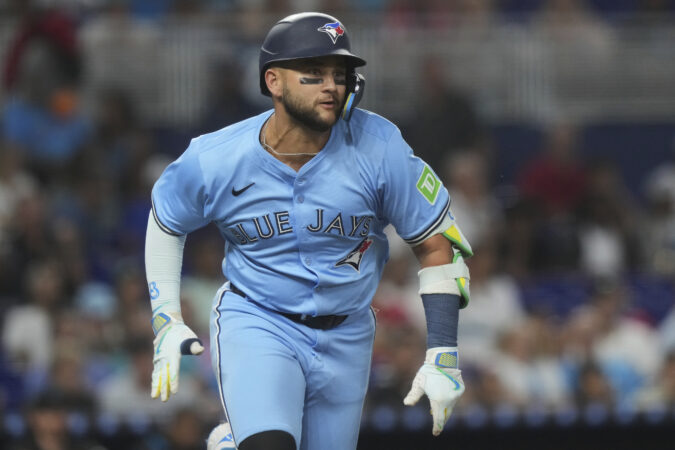
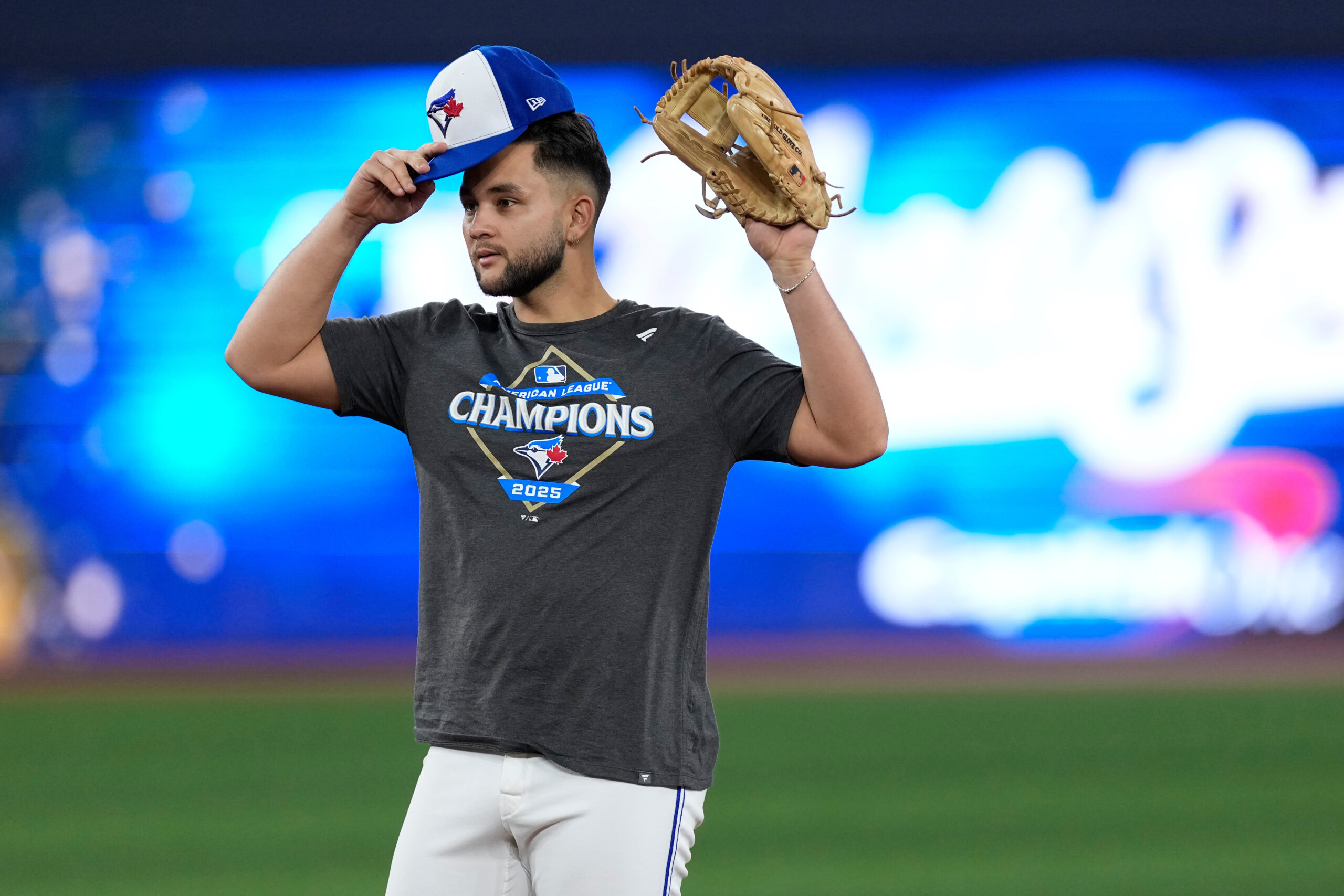
    Bo Bichette is expected to move from shortstop to third base with the Mets.

    The one silver lining for the Phillies is the price their division rivals will pay for very little upside. A lot of Bichette’s value is his youth — but the Mets aren’t getting any of that value given that he can become a free agent after next season. They are only getting the downside risk that Bichette’s value craters, in which case he won’t have been worth anywhere close to $42 million for one season and they’ll also owe him an additional two years and $84 million.

    There is a reason the Phillies don’t like to include opt-outs in deals. They pretty much eliminate the ability to recoup value on your investment. Imagine if Zack Wheeler had opt-outs in his original five-year, $118 million deal with the Phillies. Basically, the Mets either win a World Series this season because of Bichette or they are right back where they started.

    The Phillies can hardly stand on principle when it comes to fiscal moderation. But they are clearly in a different realm from the Mets or the Dodgers. I guess you can feel good about the fact that they will need to win games the old-fashioned way, relative to the competition. Let’s go, J.T. Realmuto!

  • Chester County draws in business, but people struggle to afford to live there, an analysis finds

    Chester County draws in business, but people struggle to afford to live there, an analysis finds

    Standing in front of Chester County business and corporate leaders, financial expert Patti Brennan asked them to rank how they were feeling about the economy.

    “If you’re feeling a little worried, you’re uneasy, welcome to America, you’re not alone. This is the way Americans are generally feeling right now; the consumer sentiment is low,” she told them. She pointed to the instability that dominated the country last year: tariffs, the longest government shutdown in history, international unrest.

    There are signs of stress: people are not paying their bills on time, delaying payments on car loans, credit card bills, and student loans.

    But it’s not all bad news. Brennan and financial expert Dianne P. Manges, senior investment adviser with Truist Foundations & Endowments Practice, advised the business community not to act based on chaos.

    The analysis was part of the Chester County Economic Development Council’s 22nd annual economic outlook, which offers assessments of the local, national, and global economic landscape.

    Here are some of the takeaways from the conversation.

    Tax refunds will be a big driver

    An expected $517 billion nationally will come to consumers through tax refunds this year — a 44% increase from last year, Manges said. It’s a bigger boost than the second round of stimulus checks issued in December 2020, she said.

    “Two things to remember about all of us here as consumers: No. 1, we are about 68% of the economy,” in terms of gross domestic product, she said. “And No. 2, we’re Americans. When we have extra money in our wallets, we spend it.”

    It’s important to be mindful of whether those positive themes are applicable to everyone, she said, noting that people with lower incomes are struggling. A majority of people making a lower income will still benefit from those tax return refunds, she said.

    “People will be feeling warm and fuzzy when they get those tax returns,” Brennan said.

    Pennsylvania has had job growth — with one particular sector leading

    Pennsylvania is the only state in the Northeast showing expansion, said Michael Grigalonis, president of the economic development council. Nationally, the commonwealth was second behind Texas in job growth in the year between November 2024 and November 2025, with roughly 97,000 jobs created during that period.

    Half of the jobs were created in one industry: healthcare, Grigalonis said. “We’re one of the oldest states; we have one of the most aging populations,” he said.

    Broadly, Manges and Brennan said that companies aren’t hiring, but they aren’t firing large-scale, either.

    In Chester County, the unemployment rate is below the federal level, Brennan said.

    Even with one of the highest GDPs in the state, affordability is an issue in the county

    Chester County is a place people want to live, work, and raise families. But it’s tough to afford it.

    Chester County has the fourth-largest GDP in the commonwealth, Grigalonis said. (It rang in at $57.3 billion in 2023, behind Philadelphia, Allegheny, and Montgomery Counties) and it boasts the highest median income in the state, with 43% of households in the county earning more than $150,000 annually, Brennan said.

    But even with that, housing is an issue — both cost and availability, she said. The average cost of a home in Chester County is $500,000, above the state average of roughly $300,000.

    “It is not affordable, and we all know that,” Brennan said. “It’s a challenge for so many people. … Inventory is increasing, but it’s really limited overall.”

    Chester County saw the second-highest population growth

    The county saw the some of highest population growth in the state between 2020 and 2024.

    “This population growth comes with its own set of challenges, but I will take these challenges to many of our colleagues throughout the commonwealth, [who] are struggling to get people to move into their communities, to provide a talented workforce that can help companies grow,” Grigalonis said.

    Still, more people are living outside of Chester County and commuting in, Brennan said — mostly because they can’t afford to live within the county boundaries.

  • Trump to pardon ex-Puerto Rico governor Vázquez in campaign finance case, official says

    Trump to pardon ex-Puerto Rico governor Vázquez in campaign finance case, official says

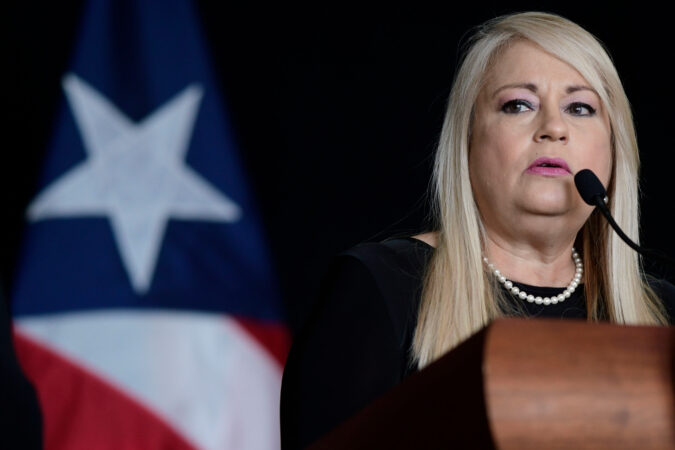
    WASHINGTON — President Donald Trump plans to pardon former Puerto Rico Gov. Wanda Vázquez, a White House official said Friday.

    Vázquez pleaded guilty last August to a campaign finance violation in a federal case that authorities say also involved a former FBI agent and a Venezuelan banker. Her sentencing was set for later this month.

    Federal prosecutors had been seeking one year behind bars, something that Vázquez’s attorneys opposed as they accused prosecutors of violating a guilty plea deal reached last year that saw previous charges including bribery and fraud dropped.

    They noted that Vázquez had agreed to plead guilty to accepting a promise of a campaign contribution that was never received.

    Attorneys for Vázquez did not immediately respond to requests for comment.

    The official who confirmed the planned pardon indicated Trump saw the case as political prosecution and said the investigation into Vázquez, a Republican aligned with the pro-statehood New Progressive Party, had begun 10 days after she endorsed Trump in 2020. The official wasn’t authorized to reveal the news by name and spoke on the condition of anonymity.

    CBS News was the first to report the plan to pardon Vázquez.

    Pablo José Hernández, Puerto Rico’s representative in Congress and a member of the island’s main opposition party, condemned a pardon for Vázquez.

    “Impunity protects and fosters corruption. The pardon … undermines public integrity, shatters faith in justice, and offends those of us who believe in honest governance,” said Hernández, a Democrat with Puerto Rico’s Popular Democratic Party.

    Vázquez, an attorney, was the U.S. territory’s first former governor to plead guilty to a crime, specifically accepting a donation from a foreigner for her 2020 political campaign.

    She was arrested in August 2022 and accused of engaging in a bribery scheme from December 2019 through June 2020 while governor. At the time, she told reporters that she was innocent.

    Authorities said that Puerto Rico’s Office of the Commissioner of Financial Institutions was investigating an international bank owned by Venezuelan Julio Martín Herrera Velutini because of alleged suspicious transactions that had not been reported by the bank.

    Authorities said Herrera and Mark Rossini, a former FBI agent who provided consulting services to Herrera, allegedly promised to support Vázquez’s campaign if she dismissed the commissioner and appointed a new one of Herrera’s choosing.

    Authorities said Vázquez demanded the commissioner’s resignation in February 2020 after allegedly accepting the bribery offer. She also was accused of appointing a new commissioner in May 2020: a former consultant for Herrera’s bank.

    Vázquez was the second woman to serve as Puerto Rico’s governor and the first former governor to face federal charges.

    She was sworn in as governor in August 2019 after former Gov. Ricardo Rosselló resigned following massive protests. Vázquez served until 2021, after losing the primaries of the pro-statehood New Progressive Party to former Gov. Pedro Pierluisi.

  • How the Trump administration erased centuries of Justice Department experience

    How the Trump administration erased centuries of Justice Department experience

    WASHINGTON — Michael Ben’Ary was driving one of his children to soccer practice on an October evening last year when he paused at a red light to check his work phone. He was in the middle of a counterterrorism prosecution so important that President Donald Trump highlighted it in his address to Congress.

    Ben’Ary said he was shocked to see his phone had been disabled. He found the explanation later in his personal email account, a letter informing him he had been fired.

    A veteran prosecutor, Ben’Ary handled high-profile cases over two decades at the Justice Department, including the murder of a Drug Enforcement Administration agent and a suicide bomb plot targeting the U.S. Capitol. Most recently he was leading the case arising from a deadly attack on American service members in Afghanistan.

    Yet the same credentials that enhanced Ben’Ary’s resumé spelled the undoing of his government career.

    His termination without explanation came hours after right-wing commentator Julie Kelly told hundreds of thousands of online followers that Ben’Ary had previously served as a senior counsel to Lisa Monaco, the No. 2 Justice Department official in Democratic President Joe Biden’s administration. Kelly also suggested Ben’Ary was part of the “internal resistance” to prosecuting former FBI Director James Comey, even though Ben’Ary was never involved in the case.

    As Trump’s attorney general, Pam Bondi, approaches her first year on the job, the firings of lawyers such as Ben’Ary have defined her turbulent tenure. The terminations and a larger voluntary exodus of lawyers have erased centuries of combined experience and left the department with fewer career employees to act as a bulwark for the rule of law at a time when Trump, a Republican, is testing the limits of executive power by demanding prosecutions of his political enemies.

    Interviews by the Associated Press of more than a half-dozen fired employees offer a snapshot of the toll throughout the department. The departures include lawyers who prosecuted violent attacks on police at the Capitol on Jan. 6, 2021; environmental, civil rights, and ethics enforcers; counterterrorism prosecutors; immigration judges; and attorneys who defend administration policies. This week, several prosecutors in Minnesota moved to resign amid turmoil over an investigation into the shooting of a woman in Minneapolis by an Immigration and Customs Enforcement officer.

    “To lose people at that career level, people who otherwise intended to stay and now are either being discharged or themselves are walking away, is immensely damaging to the public interest,” said Stuart Gerson, a senior official in the George H.W. Bush administration and acting attorney general early in Bill Clinton’s administration. “We’re losing really capable people, people who have never viewed themselves as political and attempted to do the right thing.”

    Justice Connection, a network of department alums, estimates that more than 230 lawyers, agents, and other employees from across the department were fired last year, apparently because of their work on cases they were assigned or past criticism of Trump, or seemingly for no reason. More than 6,400 employees are estimated to have left a department that at the end of 2025 had roughly 108,000, the group says.

    The Justice Department says it has hired thousands of career attorneys over the past year. The Trump administration has characterized some of the fired and departed workers as out of step with its agenda.

    Ben’Ary left with unfinished business, including the prosecution stemming from the airport bombing in Kabul, the Afghan capital, and the national security unit he led at the U.S. attorney’s office for the Eastern District of Virginia.

    Left to pack his belongings, he posted a typed note near his door that functioned as a distress call, reminding colleagues they had sworn an oath to follow the facts “without fear or favor” and “unhindered by political interference.”

    But, he warned, “In recent months, the political leadership of the Department have violated these principles, jeopardizing our national security and making American citizens less safe.”

    Unparalleled in scale, scope, and motivation

    Since its founding in 1870, the Justice Department has occupied elevated status in American democracy, sustained through transitions of power by reliance on facts, evidence, and law.

    To be sure, there has always been a political component to the department, with lawyers appointed by the president.

    But even during turbulent times, when attorneys general have been pushed out by presidents or resigned rather than accede to White House demands — as in the Watergate-era “Saturday Night Massacre” — the department’s rank and file have generally been insulated thanks to long-recognized civil service protections.

    “This is completely unprecedented in both its scale and scope and underlying motivation,” said Peter Keisler, a senior official in the George W. Bush Justice Department.

    In his first term, Trump pushed out one attorney general and accepted another’s resignation, but the workforce remained largely intact. He returned to office in January 2025 seething over Biden-era prosecutions of him and vowing retribution.

    The firings began even before Bondi arrived in February. Prosecutors on special counsel Jack Smith’s team that investigated Trump were terminated days after the inauguration, followed by prosecutors hired on temporary assignments for cases resulting from the Capitol insurrection in 2021.

    “The people working on these cases were not political agents of any kind,” said Aliya Khalidi, a Jan. 6 prosecutor who was fired. “It’s all people who just care about the rule of law.”

    The firings have continued, at times surgical, at times random and almost always without explanation.

    Adam Schleifer, a Los Angeles prosecutor targeted in a social media post by far-right activist Laura Loomer over past critical comments about Trump, was fired in March. The Justice Department the following month fired attorney Erez Reuveni, who conceded in court that Salvadoran national Kilmar Abrego Garcia was mistakenly deported. Reuveni later accused the department of trying to mislead judges to execute deportations. Department officials deny the assertion.

    Two weeks after Maurene Comey completed a sex trafficking trial against Sean “Diddy” Combs, the New York prosecutor was fired, also without explanation. Like Ben’Ary, she wrote a pointed farewell, telling colleagues that “fear is the tool of a tyrant.” Her father, the former FBI director who was a frequent Trump target, said those same words after being indicted in September in a case that has been dismissed.

    Among the most affected sections is the storied Civil Rights Division. A recent open letter of protest was signed by more than 200 employees who left in 2025, with several supervisors recently giving notice of plans to depart. The Public Integrity Section, which prosecutes sensitive public corruption cases, has also been hollowed out by resignations.

    The Justice Department has disputed the accounts of some of those who have been fired or quit and has defended the termination of those who investigated Trump as “consistent with the mission of ending the weaponization of government.”

    “This is the most efficient Department of Justice in American history, and our attorneys will continue to deliver measurable results for the American people,” the department said in a statement. More than 3,400 career attorneys have been hired since Trump took office, the department says.

    The departures have caused backlogs and staff shortages, with senior leaders soliciting job applications. It has affected the department’s daily business as well as efforts to fulfill Trump’s desires to prosecute political opponents.

    Desperate for lawyers willing to file criminal cases against Comey and New York Attorney General Letitia James, the administration in September forced out the veteran U.S. attorney for the Eastern District of Virginia, replacing him with Lindsey Halligan, a White House aide with no experience as a federal prosecutor.

    Halligan secured the indictments but the win was short-lived.

    One judge later identified grave missteps in how Halligan presented the Comey case to a grand jury. Another dismissed both prosecutions outright, calling Halligan’s appointment unlawful.

    Smith, the special counsel who investigated Trump but left before he could be fired, has himself lamented the losses. “These are not partisans,” he recently told lawmakers.

    “They just want to do good work,” he added, “and I think when you lose that culture, you lose a lot.”

    ‘Our dream was to be federal prosecutors’

    Khalidi joined the department in 2023 in a group of new prosecutors hired to help with the hundreds of cases stemming from the Capitol riot.

    Upon Trump’s return to the White House, she watched cases she prosecuted get dismantled by Trump’s sweeping clemency for all 1,500 defendants charged in the riot, including those who attacked police.

    Less than two weeks later, a Justice Department demand for the names of FBI agents involved in Jan. 6 investigations triggered rumors of potential mass firings. Worried about the agents she worked with, Khalidi spent the day checking in on them. But as she started preparing dinner one Friday evening, she received an email suggesting she had lost her own job.

    Attached was a memo from then-acting Deputy Attorney General Emil Bove ordering the firings of prosecutors such as Khalidi who had been hired for temporary assignments but were moved into permanent roles after Trump’s win, a maneuver Bove called “subversive personnel actions by the previous administration.” Neither the email nor memo identified the fired prosecutors, leaving them to guess.

    Khalidi grabbed a suitcase to collect family photos and other personal items she kept at work and rushed to the office, retreating with fellow shocked prosecutors to a bar where they received termination emails.

    The group of 15 fired attorneys later assembled to surrender their computers and phones, entering the same room where they gathered on their first day in 2023.

    “For a lot of us, our dream was to be federal prosecutors,” Khalidi said. “And so we had happy memories of that room, of being excited on our first day. So it was just kind of surreal to be back there turning in our stuff.”

    The news came for Anam Petit, an immigration judge, during a break between hearings.

    Hired during the Biden administration, she said she felt a little uneasy when Trump won the election but also figured her position would probably be safe because immigration judges generally have job stability and because they bear responsibility for issuing removal orders for those who are in the United States illegally, a core presidential priority.

    Petit arrived on Sept. 5 bracing for bad news because it was the Friday of the pay period before her two-year work anniversary, when her probationary appointment was poised to become permanent. Though she said she had received strong performance reviews and had already exceeded her case completion goal for the year, she had become anxious as colleagues were fired amid an administration push to accelerate deportations.

    She was in the courtroom between hearings when she learned via email that she had been fired. She left to text her husband, then returned to the courtroom to render a decision in the case before her.

    “I just put my phone back in my pocket and went into the courtroom and delivered my decision, with a very shaky voice and shaky hands, trying to center myself back to that decision just so that I could relay it,” Petit said.

    Joseph Tirrell was mindful of his job security from the very start of the Trump administration. As the department’s chief ethics officer, he had affirmed that Smith, the special counsel, was entitled to a law firm’s free legal services, a decision he sensed had the potential to rile incoming leadership.

    But he remained in the position and over the ensuing months counseled Bondi’s staff on the propriety of accepting various gifts, including a cigar box from mixed martial arts fighter Conor McGregor.

    He was fired in July, just before a FIFA Club World Cup final in New Jersey that Tirrell had said Bondi could not ethically accept a free invitation to. He was not terribly surprised, he says, when it was later reported that Bondi attended in Trump’s box. The Justice Department said in a statement that none of Tirrell’s advice “was ever overruled” and that “the Attorney General obtained ethics approval to attend this event in her official capacity as a member of the FIFA Task Force.”

    “There’s a great deal of fear there just because I was fired and just because so many others were summarily fired,” Tirrell said. “Are you going to get fired because you provided ethics advice? Are you going to get fired because you have a pride flag on your desk?”

    ‘Our country depends on you’

    Trump was promoting his administration’s commitment to counterterrorism during his address to Congress in March when he announced a success: the capture of a militant from the Islamic State group’s Afghanistan affiliate who was charged in the Kabul airport bombing that killed 13 American service members during the 2021 withdrawal from the country.

    Mohammad Sharifullah arrived the following day in the United States, encountering Ben’Ary in an Alexandria, Va., courtroom.

    Ben’Ary spent the next several months working on the case, but on Oct. 1, he was fired. It was the apparent result, he told colleagues, of a social media post he said contained “false information” — a reference to the one from Kelly, the commentator.

    The termination was so abrupt that Ben’Ary could not tell his colleagues where he had saved important filings and notes. Another prosecutor listed on the case, James Comey’s son-in-law, Troy Edwards, had resigned days earlier upon Comey’s indictment. Once set for trial last month, the case has been postponed.

    In his farewell note, Ben’Ary observed that he was not alone, that in “just a few short months” career employees like himself had been removed from U.S. attorneys offices, the FBI “and other critical parts of DOJ.”

    “While I am no longer your colleague, I ask that each of you continue to do the right thing, in the right way, for the right reasons,” Ben’Ary wrote. “Follow the facts and the law. Stand up for what we all believe in — our Constitution and the rule of law. Our country depends on you.”
  • Here are the Philly ties to the new basketball gambling scandal

    Here are the Philly ties to the new basketball gambling scandal

    Philadelphia had a moment in the global spotlight this week as the U.S. Attorney’s Office said it had charged 26 people — including 20 basketball players — with participating in a wide-ranging, international scheme to rig games on behalf of gamblers.

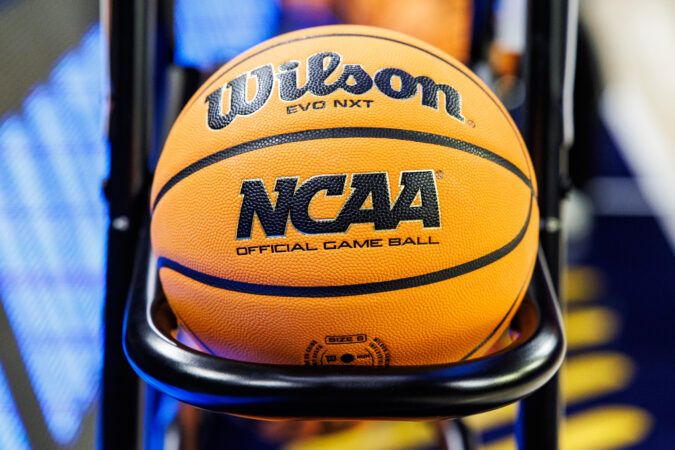
    U.S. Attorney David Metcalf said bettors bribed players on teams in the Chinese professional league, as well as in NCAA games from Texas to New York.

    So why was the case charged here? And what role did Philadelphia play in the allegations?

    Below are three takeaways about the local ties of the sprawling investigation — the latest high-profile case to target alleged corruption in sports.

    U.S. Attorney David Metcalf announced charges against 26 people in what prosecutors described as a point shaving operation to benefit gamblers.

    Why was the case charged in Philadelphia?

    Federal prosecutors have wide latitude to pursue criminal investigations as long as some aspect of the alleged wrongdoing took place in their jurisdiction, and if a suspect’s actions could be considered a violation of federal law.

    In this case, prosecutors have alleged that the bets and payoffs that impacted games amounted to a criminal conspiracy between the so-called fixers and players, and also that the actions violated federal bribery and wire-fraud laws.

    In addition, the indictment contends one of the key organizers of the point-shaving scheme — professional gambler Shane Hennen — lived partially in Philadelphia at the time of his alleged crimes.

    And even though most of the games he gambled on took place elsewhere, Hennen is accused of placing huge bets at Rivers Casino’s sportsbook in Fishtown. One of the wagers was a $198,300 bet against a Chinese team called the Jiangsu Dragons, court documents say. Hennen had allegedly recruited one of the Dragons’ best players, Antonio Blakeney, to play poorly in exchange for bribes.

    (A spokesperson for Rivers Casino declined this week to comment on the case and did not respond to questions about why Hennen was allowed to place such large wagers on relatively obscure games.)

    The indictment says several other crimes took place in Philadelphia as well, including Jalen Smith — a basketball trainer and alleged organizer of the scheme — traveling to the Philadelphia International Airport to pay an unnamed player his bribe money.

    Were any Philadelphia schools part of the scheme?

    The indictment paints a limited portrait of connections between the point-shaving operation and Philadelphia schools or universities.

    In one of the more detailed local episodes in the document, prosecutors said Smith and Blakeney in 2024 attempted to recruit players from the La Salle men’s basketball team to take bribes and underperform in a game against St. Bonaventure.

    Hennen and a codefendant apparently thought the plan had succeeded — the indictment said they went on to place nearly $250,000 in bets on St. Bonaventure for that game.

    But none of the bets won, prosecutors said. And no La Salle players were named or accused of accepting the bribes in relation to the contest.

    A La Salle spokesperson said in a statement this week that it was aware of the allegations in the case, adding: “Neither the university, current student-athletes, or staff are subjects of the indictment. We will fully cooperate as needed with officials and investigations.”

    What about any Philadelphia-based players?

    The role of Philadelphia-based players was similarly limited.

    While several players accused of participating in the scheme spent time in the area, none was accused of accepting bribes while playing for a Philadelphia-based school.

    Former Temple University forward Elijah Gray, for example — who played for the Owls in the 2024-2025 season — participated in the scheme the year before, while he was playing at Fordham. Prosecutors said he was offered $10,000 to $15,000 to underperform on the court, and said he later recruited a teammate to participate in the point-shaving operation as well.

    Gray left Temple and transferred this academic year to the University of Wisconsin, but he was dismissed from the team in the fall over what the program said were “events preceding his enrollment.” He has pleaded guilty to one count of bribery, court records show, and is scheduled to be sentenced in March.

    Micawber “Mac” Etienne — who played for La Salle last year — was also bribed before he came to Philadelphia. Fixers approached Etienne in 2024, prosecutors said, while he was playing at DePaul. He agreed to help throw games, prosecutors said, which led Smith to give him and three teammates $40,000 in cash.

    Etienne has also pleaded guilty to a bribery count, court records show, and is scheduled to be sentenced in April.

    One current Philadelphia-based player is facing charges: C.J. Hines, a guard who transferred to Temple this year. But prosecutors said he took bribes in 2024, when he was playing at Alabama State.

    Hines has been charged by information, which typically indicates a defendant intends to plead guilty.

    A Temple spokesperson said the university had “previously received notice from the NCAA that Hines had potential eligibility concerns, and for that reason, he has not participated in any athletic competition since enrolling at Temple.”

    What happens now?

    The prosecutions will now proceed through Philadelphia’s federal courthouse in Center City.

    Some defendants — such as Gray, Etienne, and Hines — will likely have their cases wrapped up relatively quickly, as they’ve already pleaded guilty or indicated an intent to do so.

    Hennen has not yet entered a formal plea in the case, according to court records. If he or any other defendants plans to take the case to trial, it could be many months before the case is put before a jury.

    Staff writer Isabella DiAmore contributed to this article.

  • Mixed signals and suspicions fueled clash between Fed and prosecutors

    Mixed signals and suspicions fueled clash between Fed and prosecutors

    The battle between the Federal Reserve and Trump administration prosecutors accelerated over the past few weeks amid mixed signals and mutual suspicion, according to interviews with a half-dozen figures with knowledge of both sides of the dispute.

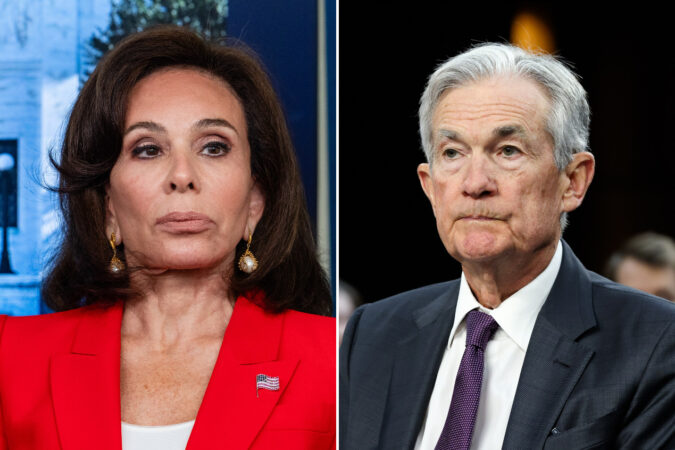
    Late last month, Fed officials grew concerned that the Justice Department was preparing a criminal case against them when they received two casually worded emails from a prosecutor working for Jeanine Pirro, the U.S. attorney for Washington, D.C. The messages sought a meeting or phone call to discuss renovations at the central bank’s headquarters, according to three people familiar with the matter, who like most others interviewed spoke on the condition of anonymity to discuss an open investigation.

    The emails, sent Dec. 19 and Dec. 29, came from Assistant U.S. Attorney Carlton Davis, a political appointee in Pirro’s office whose background includes work for House Oversight Committee Chairman James Comer (R., Ky.), the people said.

    The messages struck Fed officials as breezy in tone.

    “Happy to hop on a call,” one of the missives read in part.

    The casual approach generated suspicions at the Fed. Chair Jerome H. Powell, who by that point had sustained months of criticism from President Donald Trump and his allies over the central bank’s handling of interest rates, retained outside counsel at the law firm Williams & Connolly. Fed officials opted not to respond to Davis, choosing to avoid informal engagement on a matter that could carry criminal implications, according to a person familiar with the decision.

    That led Pirro, a former Fox News host and longtime personal friend of Trump’s, to conclude that the Fed was stonewalling and had something to hide, according to a Justice Department official familiar with the matter.

    “The claim that, ‘Oh, they didn’t think it was a big deal’ is naive and almost malpractice,” the official said. “We gave them a deadline. We said the first week of January.”

    The investigation centers on the Fed’s first large-scale renovation of its headquarters on the National Mall since it was built in the 1930s and whether proper cost controls are in place. Powell testified to Congress in June about the scope of a project that had ballooned to $2.5 billion in costs, up from about $1.9 billion before the coronavirus pandemic.

    Trump, his aides, and some congressional Republicans have sought to cast the renovation as overly luxurious and wildly over budget, claims that Powell has strenuously disputed. Fed officials have said that the economic disruptions following the pandemic triggered a jump in the price of steel, cement, and other building materials.

    Powell and the Fed’s defenders say the renovation claims are being used to pressure the independent central bank to lower interest rates, as Trump has called for, and potentially to bully Powell into resigning.

    The emails from Davis to a Federal Reserve lawyer did not indicate the existence of a criminal investigation because prosecutors had not yet opened one, according to two people with knowledge of the matter. There was no FBI involvement when Pirro’s office opened a fact-gathering inquiry in November, and the bureau remains uninvolved, according to two other people familiar with the matter.

    In the emails, Davis asked “to discuss Powell’s testimony in June, the building renovation, and the timing of some of his decisions,” a Justice Department official said. “The letter couldn’t have been nicer,” that official said. “About 10 days after that, we sent another, saying, ‘We just want to have a discussion with you.’ No response through January 8.”

    “We low-keyed it,” the official added. “We didn’t publicize it. We did it quietly.”

    The subpoenas were served the next day. They seek records or live testimony before a grand jury at the end of the month.

    Powell publicly disclosed the probe Sunday evening in a video statement, saying the Fed had received subpoenas “threatening a criminal indictment.”

    “The threat of criminal charges is a consequence of the Federal Reserve setting interest rates based on our best assessment of what will serve the public, rather than following the preferences of the president,” he said.

    In a post on X, Pirro said the outreach had been benign, writing: “The word ‘indictment’ has come out of Mr. Powell’s mouth, no one else’s. None of this would have happened if they had just responded to our outreach.”

    Conducting an investigation without using the FBI is an approach Pirro’s office has used on at least one previous occasion. In August, one of the prosecutors now assigned to the Fed inquiry, Steven Vandervelden, was tasked with reviewing numerous complaints that the D.C. police, under then-Police Chief Pamela A. Smith, had been incorrectly categorizing some crimes to paint a rosier picture than the reality on the ground.

    That inquiry relied on voluntary interviews with more than 50 police officers and other witnesses, as well as cooperation from the mayor’s office and the police department’s internal affairs unit, according to a seven-page report Pirro and Vandervelden issued at its conclusion. The report recommended changes to police practices while saying the classification issues did not rise to the level of criminality. No subpoenas were issued in that probe, according to a person familiar with the matter, and the report does not mention any.

    But Smith announced her resignation shortly before the report was released.

  • Phillies’ Brad Keller to pitch for Team USA in World Baseball Classic

    Phillies’ Brad Keller to pitch for Team USA in World Baseball Classic

    Team USA has added a third Phillie to its star-studded roster for the World Baseball Classic.

    Reliever Brad Keller is set to join Bryce Harper and Kyle Schwarber representing the United States on Mark DeRosa’s team, he announced on Friday. Keller, a righty, signed a two-year, $22 million deal with the Phillies in December.

    An increase in over 3 mph on his fastball last season led to a career year with the Cubs, with a 2.07 ERA and 0.962 WHIP. Keller parlayed that into a multiyear contract with the Phillies. He figures to be a key piece in the back end of the Phillies bullpen, and now has a role on Team USA.

    Prior to the tournament, national teams will play exhibition games against major league squads, with the Phillies hosting Team Canada at BayCare Ballpark on March 4. WBC Pool play is set to begin on March 5, with rounds hosted in Miami, Houston, Tokyo, and San Juan, Puerto Rico.

    Other Phillies players committed to playing at the WBC include pitcher Taijuan Walker, who is set to represent Mexico, and catcher Garrett Stubbs, who is committed to Team Israel.

    Cy Young runner-up Cristopher Sánchez has expressed interest in pitching for the Dominican Republic but is not yet confirmed for the team’s roster.

    Fellow lefty Jesús Luzardo said on this week’s episode of Phillies Extra, The Inquirer’s baseball show, that he received calls from both Team USA and Team Venezuela, but has decided not to participate as he heads into his final season before free agency. He pitched for Venezuela in 2023.