Turning the page
As The Philadelphia Inquirer closes its printing plant, a ‘family’ of employees marks the end of an era

Tom “Three Bars” Lafauci had no chance of disappearing quietly into the howling winds of the night.
“Lafauci!”
Sybil White, a longtime security officer, summoned him before he could reach the only available exit at The Philadelphia Inquirer’s Schuylkill Printing Plant, the mammoth newspaper factory that was about to call it an era.
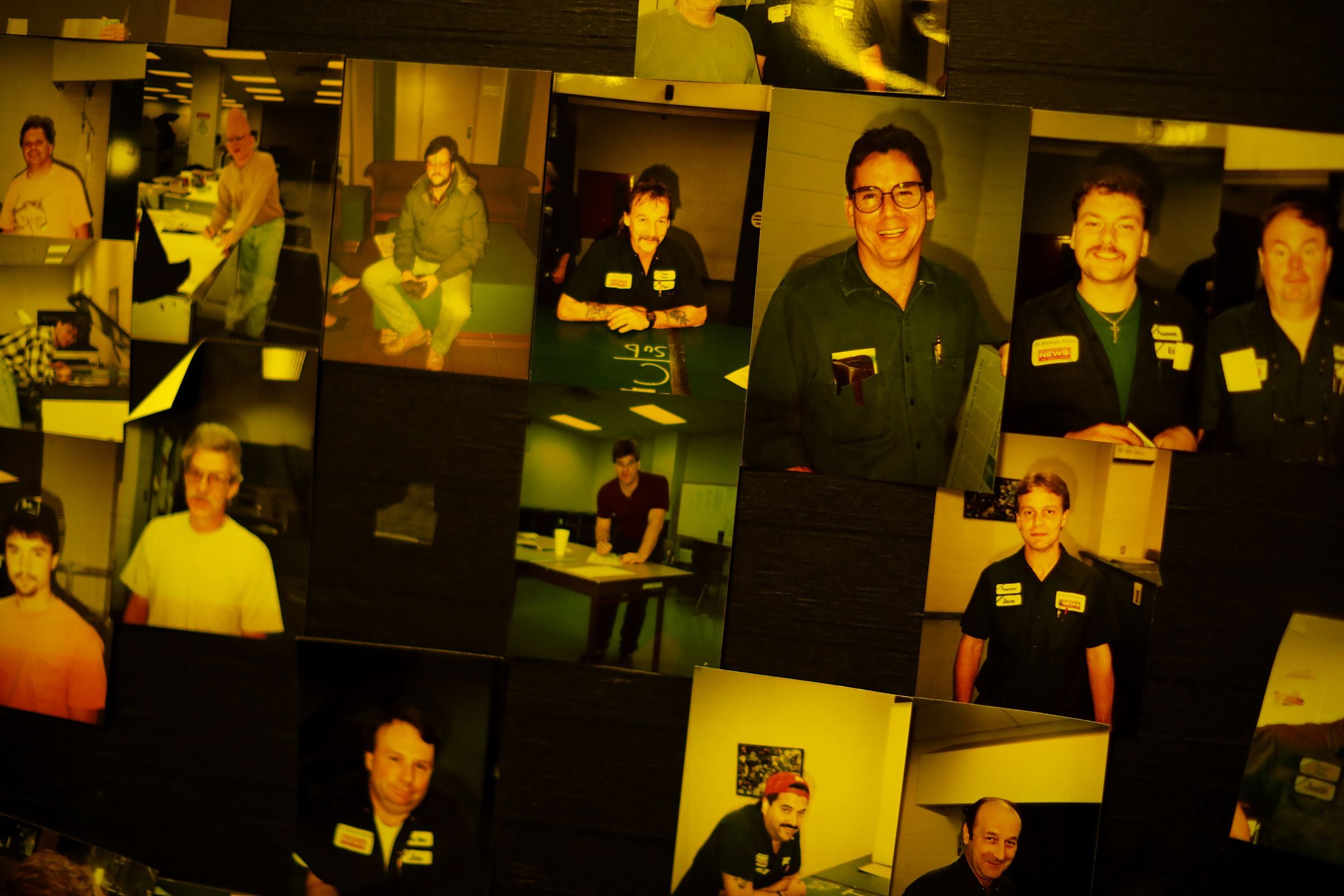
“Come on, get in the picture,” she commanded him. Almost reflexively, Len Leach and Tanya Rockeymore, who were working the lobby security detail that night, stuck their heads in the frame. They might not see him again. One of 500 who lost their jobs with the building’s sale, this was Lafauci’s last work shift.
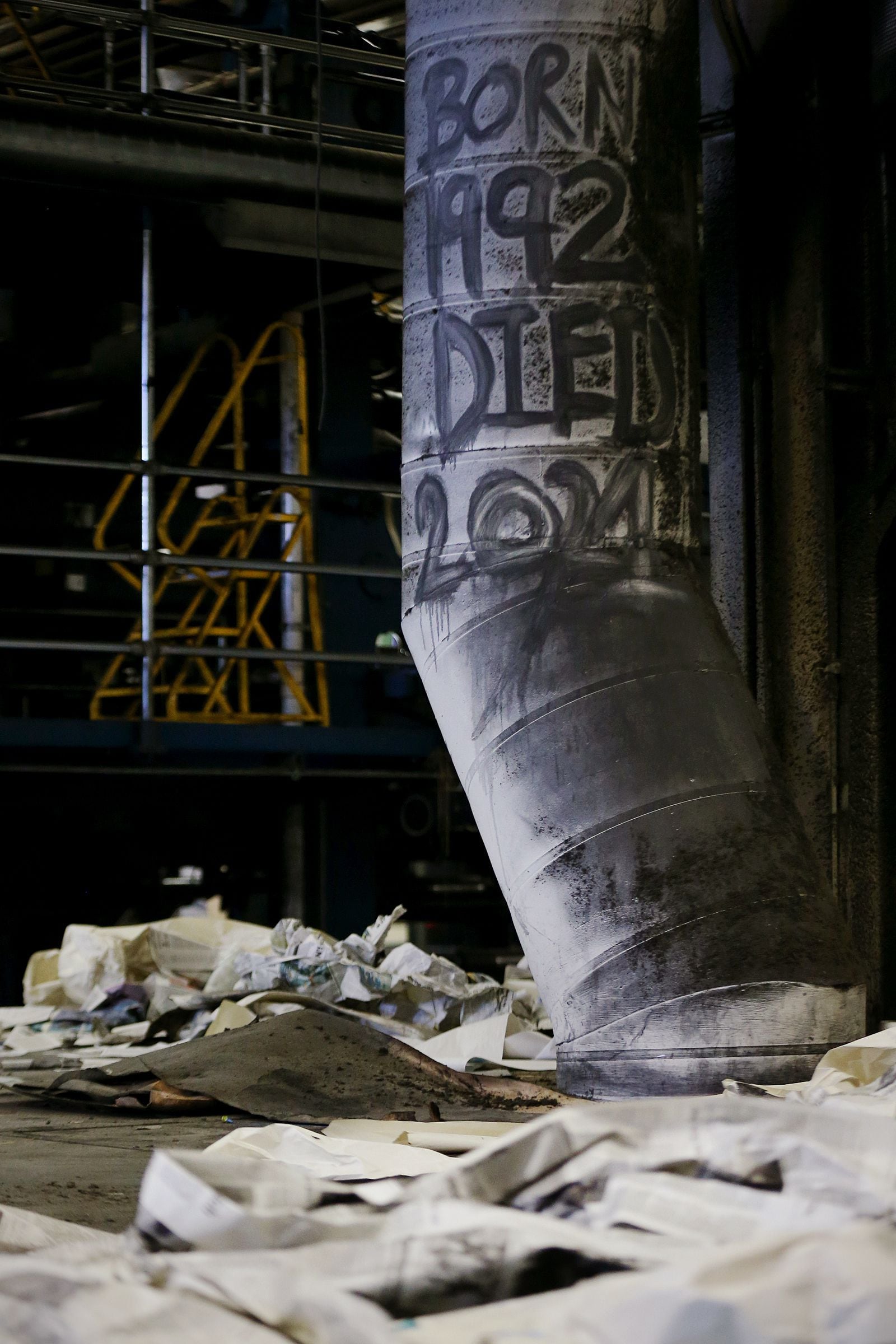
At the age of 192, The Inquirer is stopping its own presses for good — the April 1 issues marked the last official runs — and will be outsourcing its print operations in line with newspapers across the country that are cutting costs and fighting a media universe changing at the speed of breaking news.
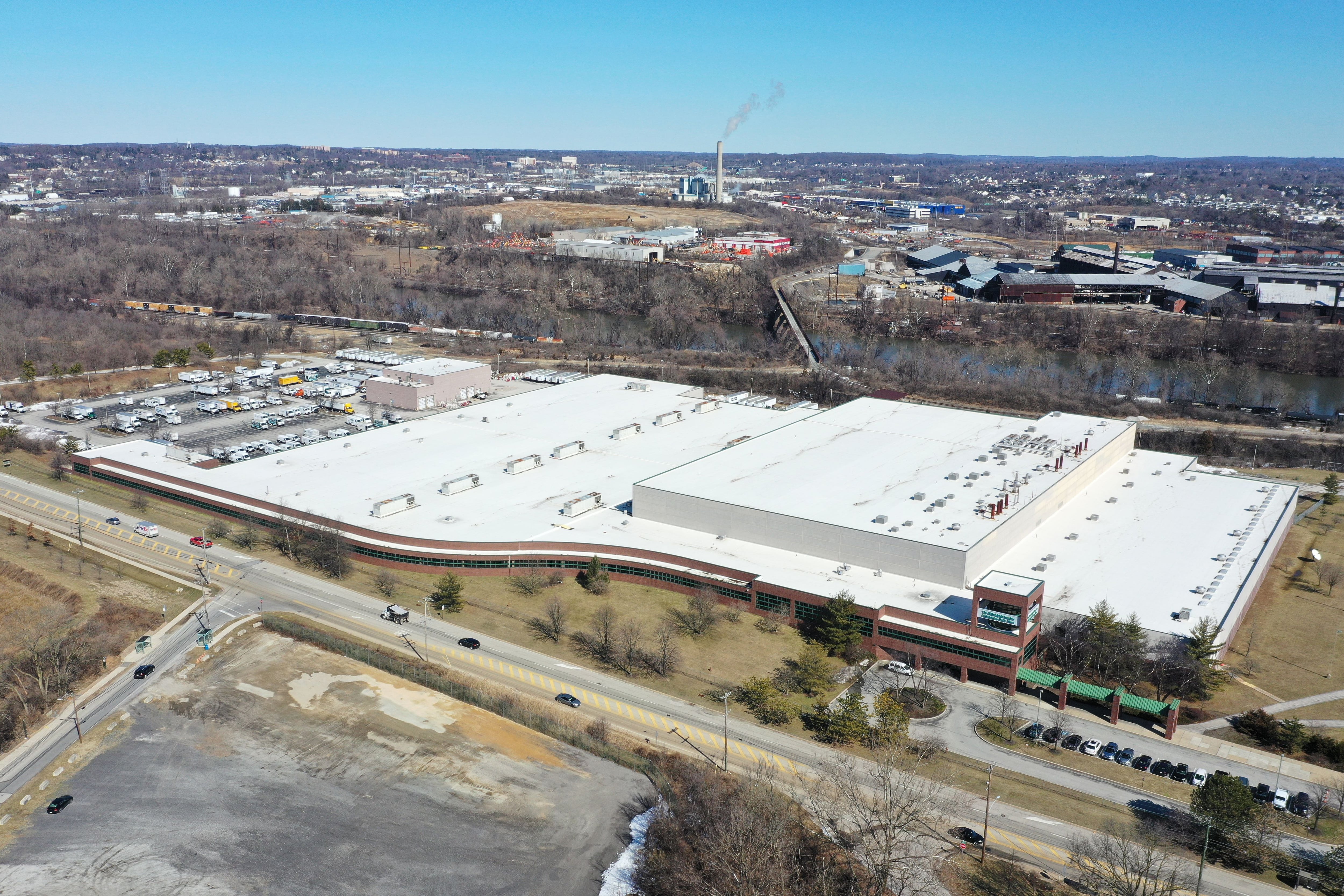
The guards seemed to be well-acquainted with Three Bars. Actually, they seemed to be well-acquainted with everyone exiting and entering the brick, curving structure built for $299.5 million (about $600 million in today’s dollars) 30 years ago, and sold to developer J. Brian O’Neill for $37 million to become part of his burgeoning biotech-health science empire.
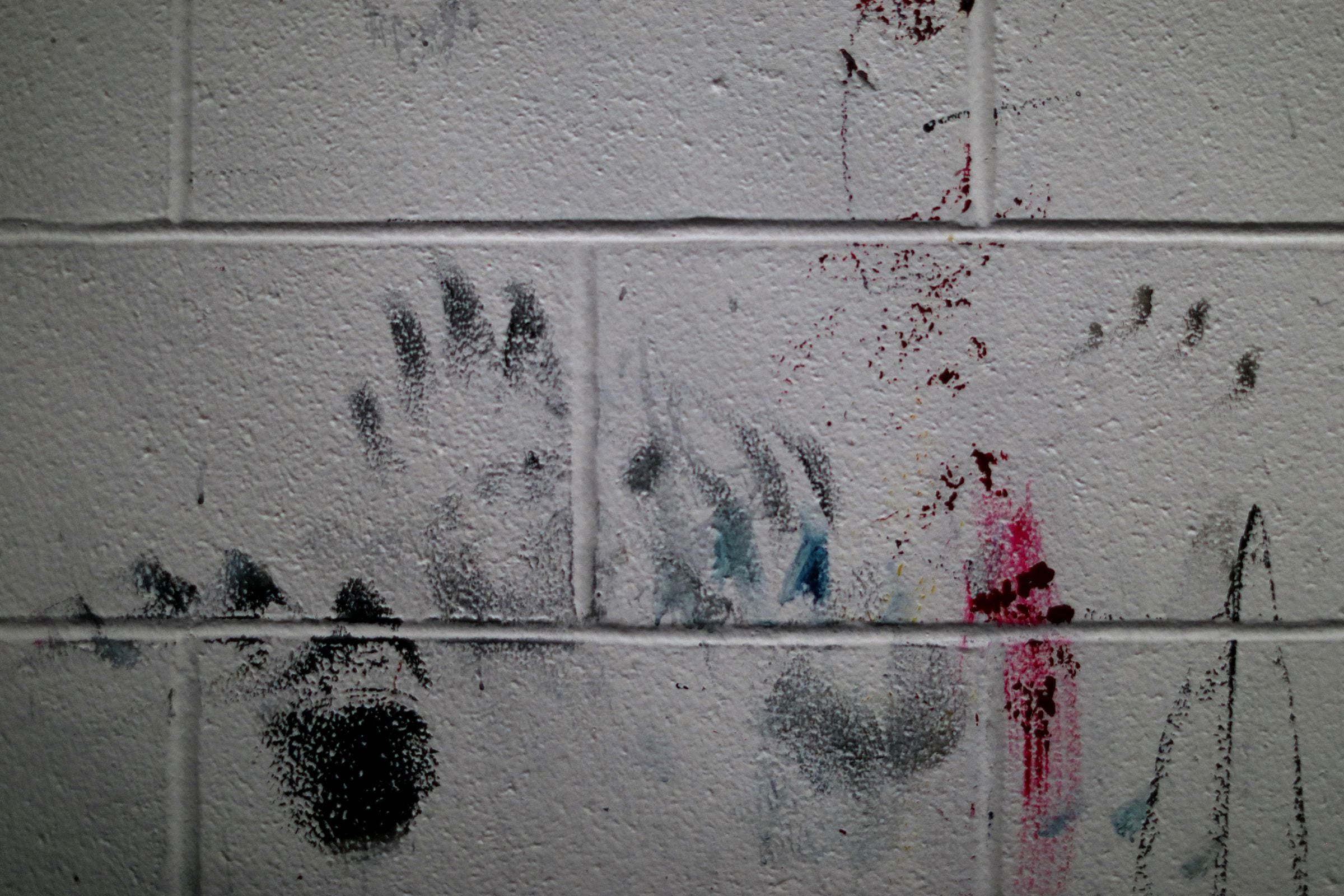
“You get to know everybody,” said White. “It’s like family,” a leitmotif sentiment among the guards, engravers, pressmen, mailers, and drivers who worked in the immense, quirk-infested complex that was marinated in the vague odors of paper and the ink that blackwashed the floors and layered the handrails.
A production theme park
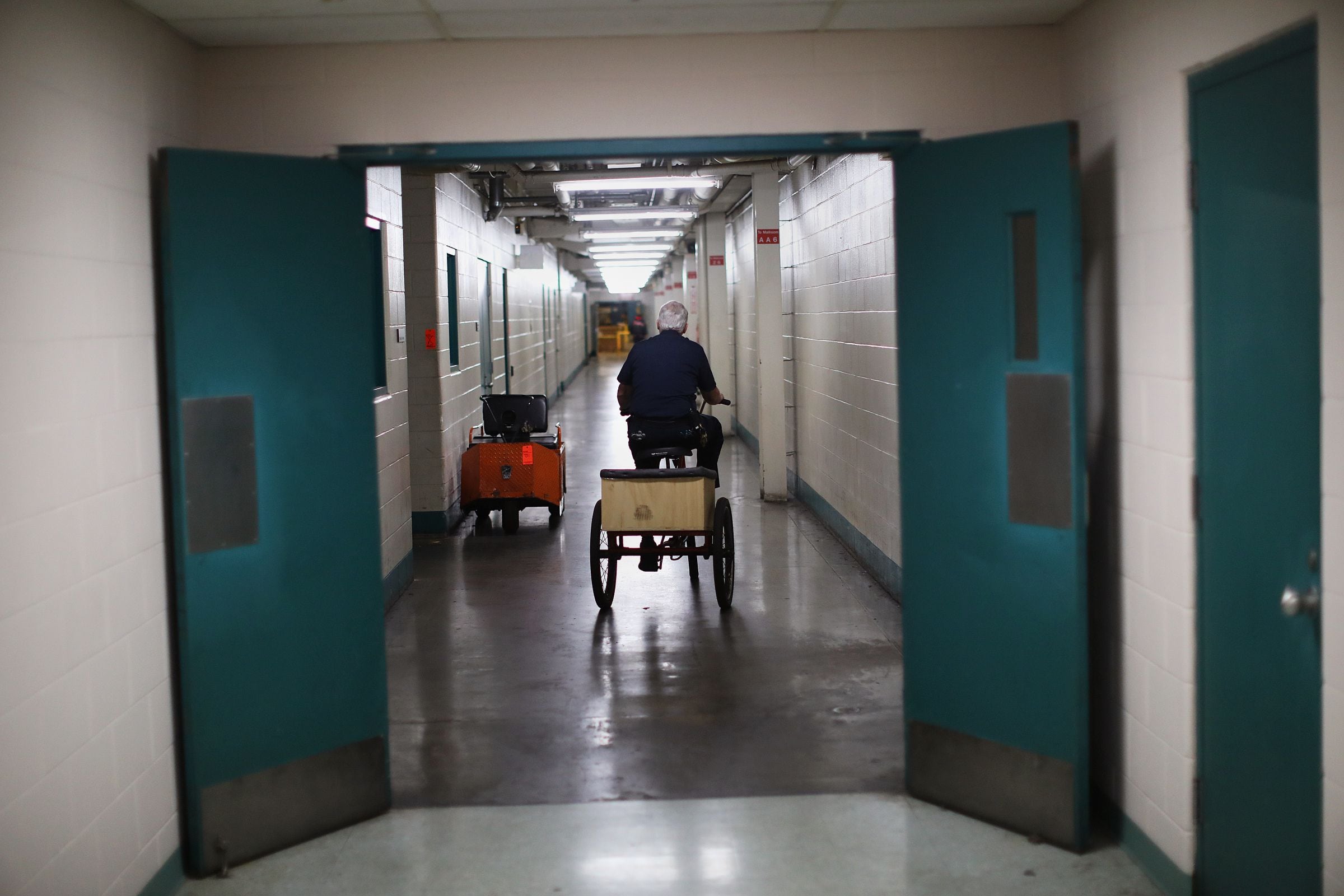
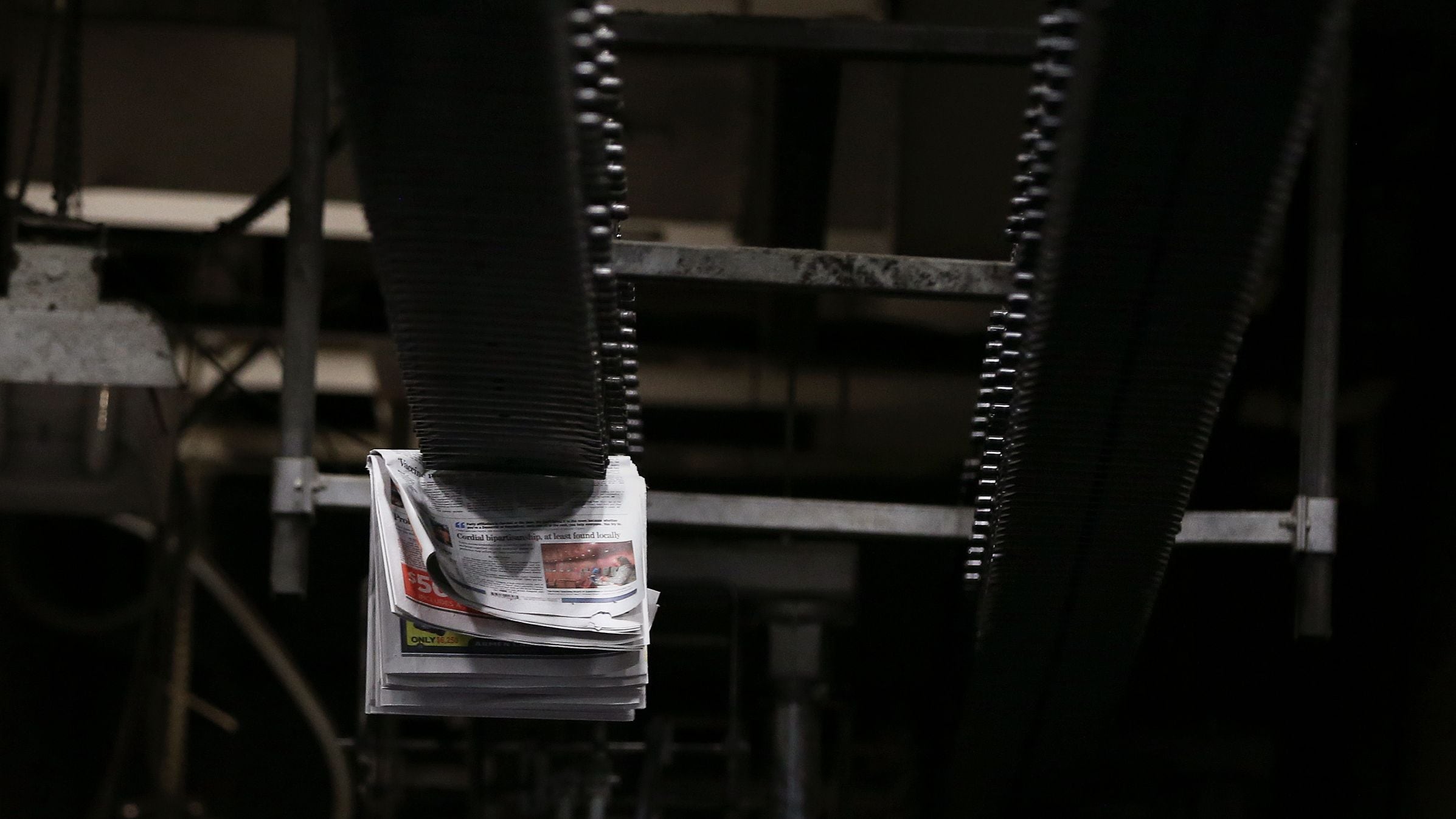
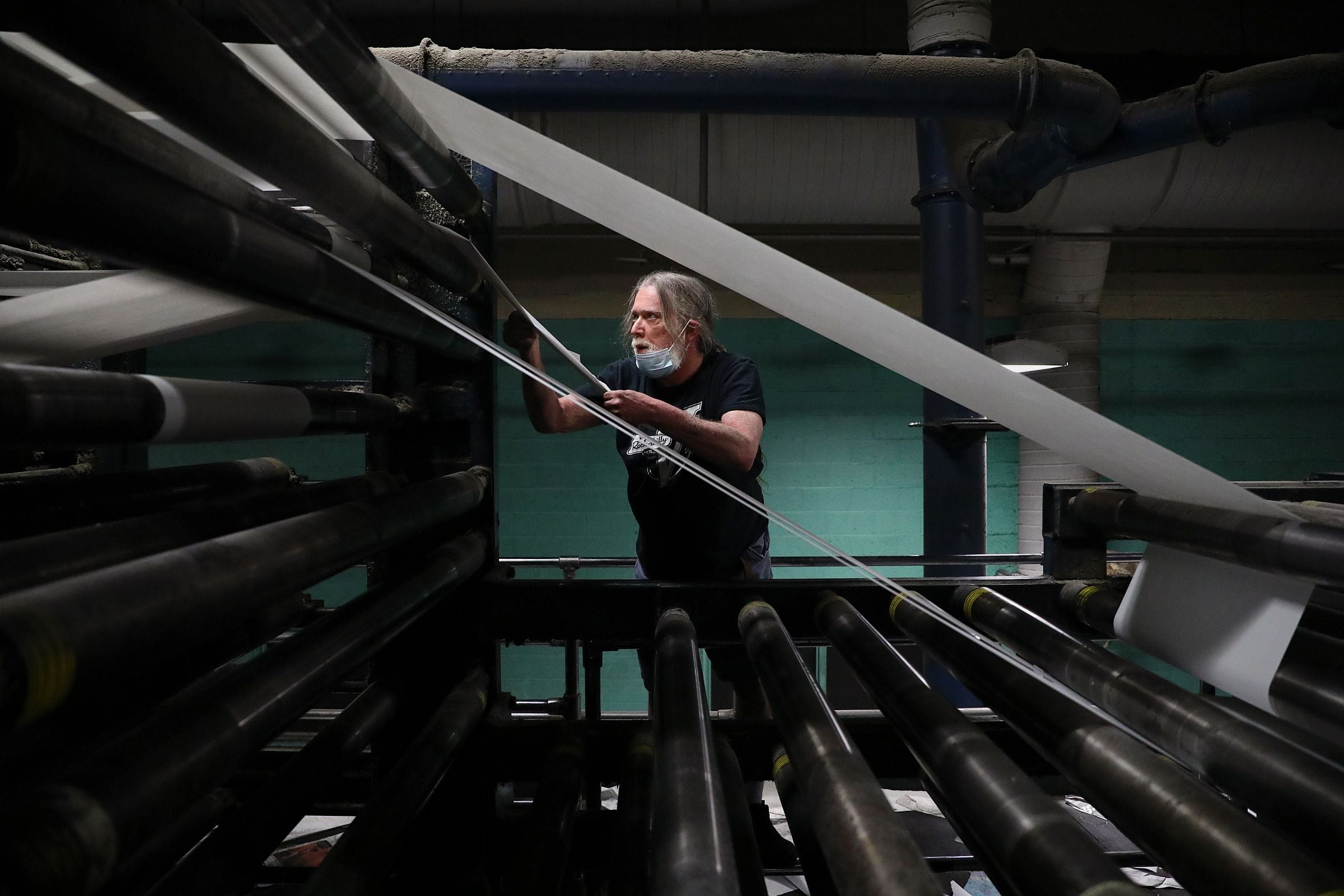
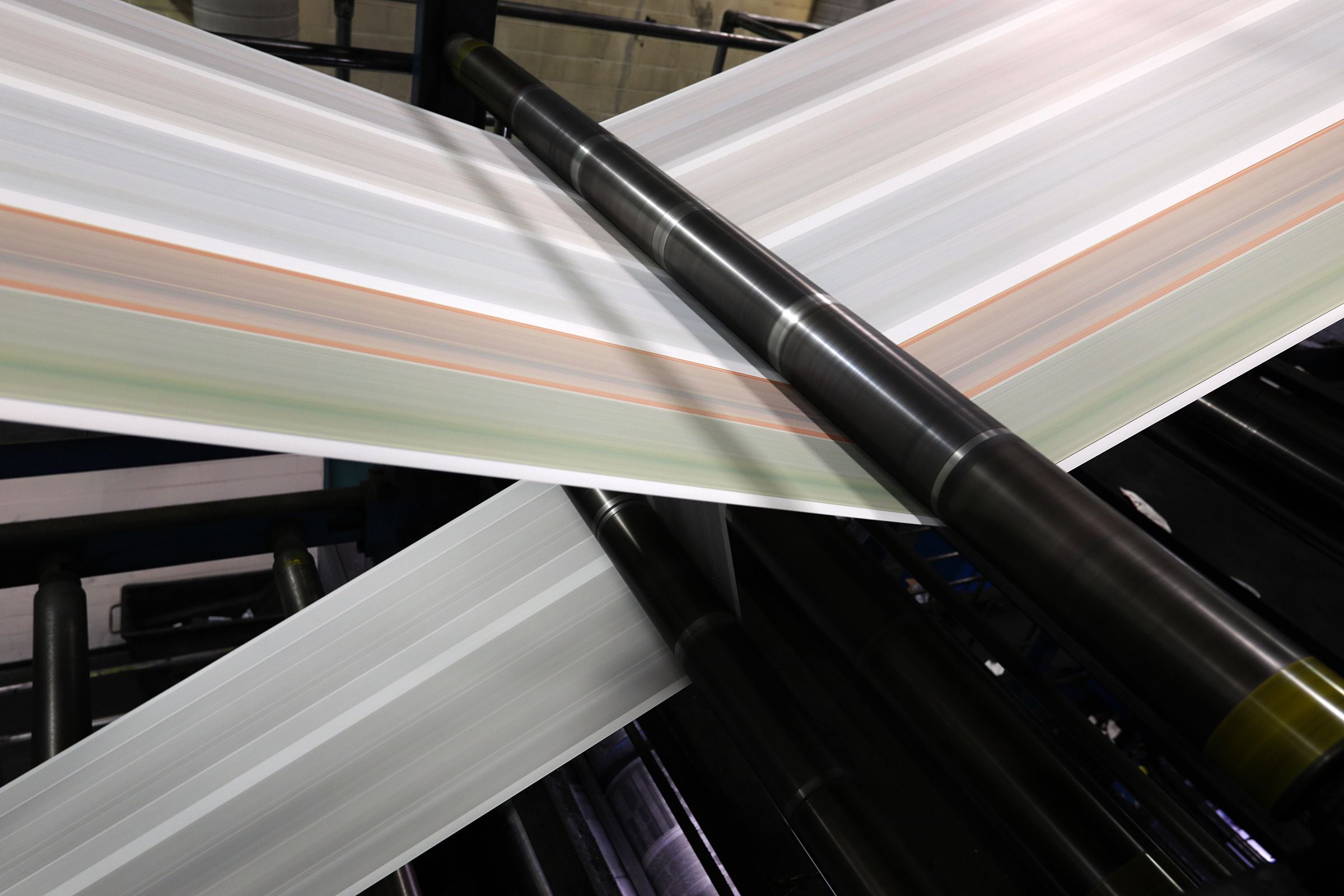
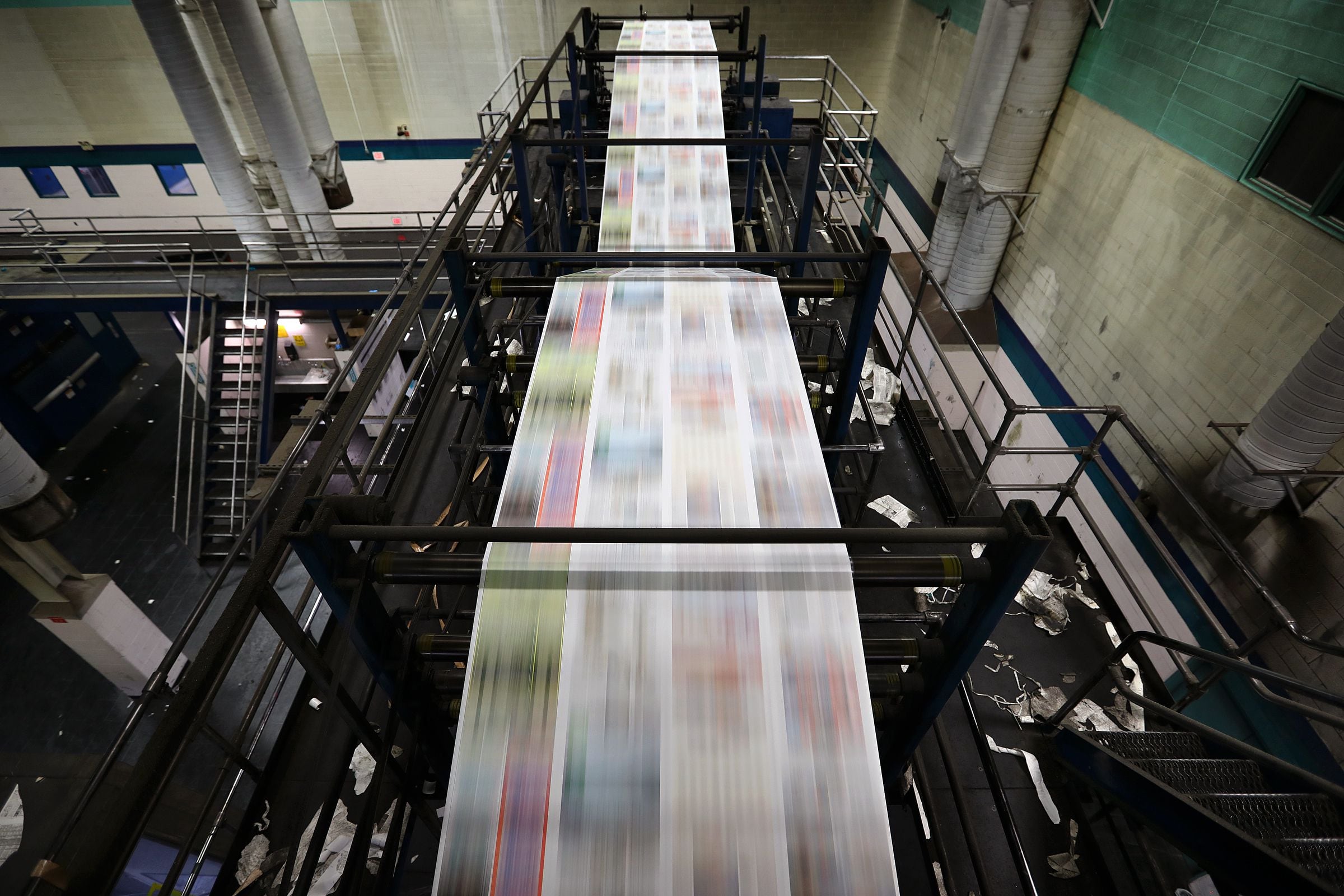
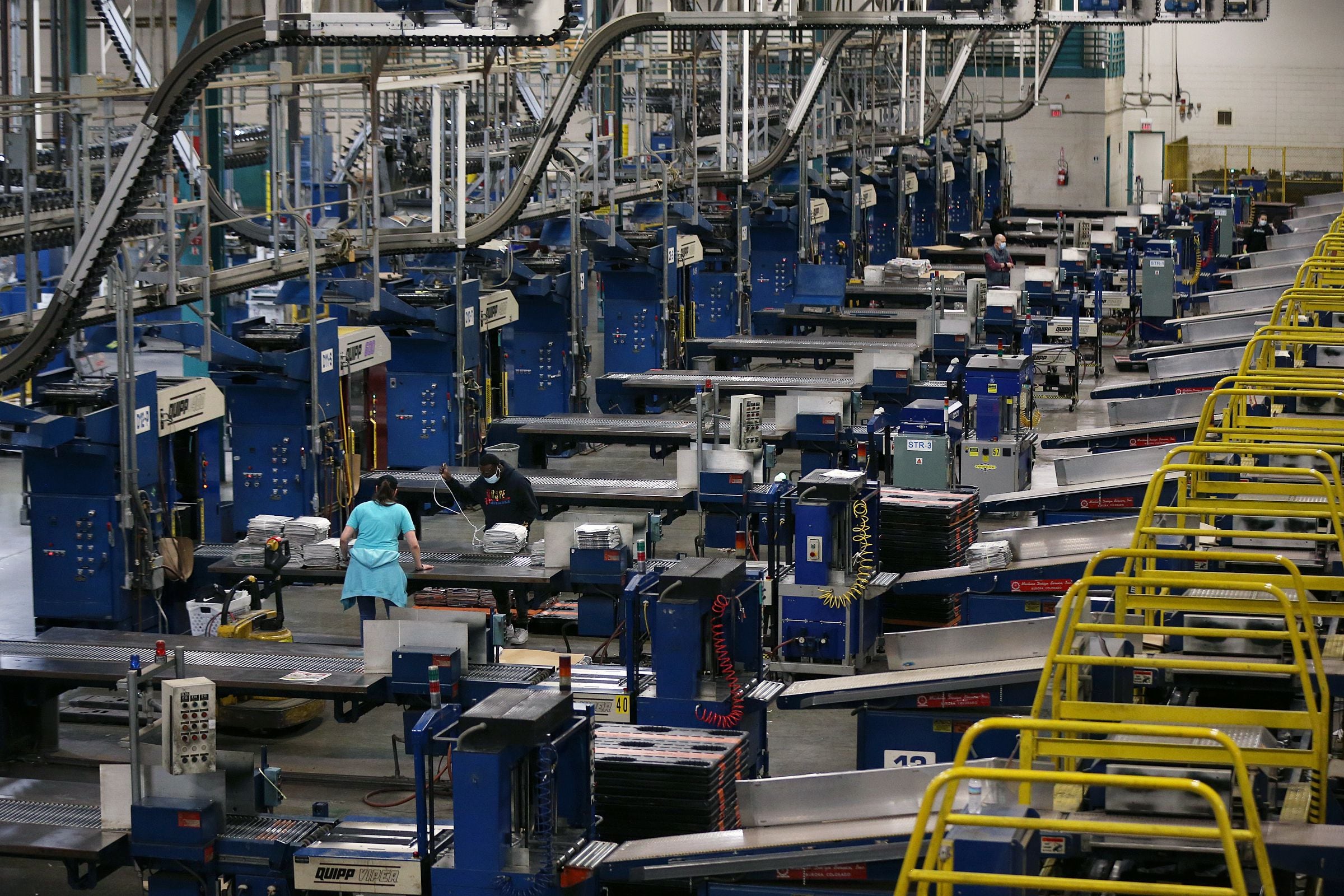
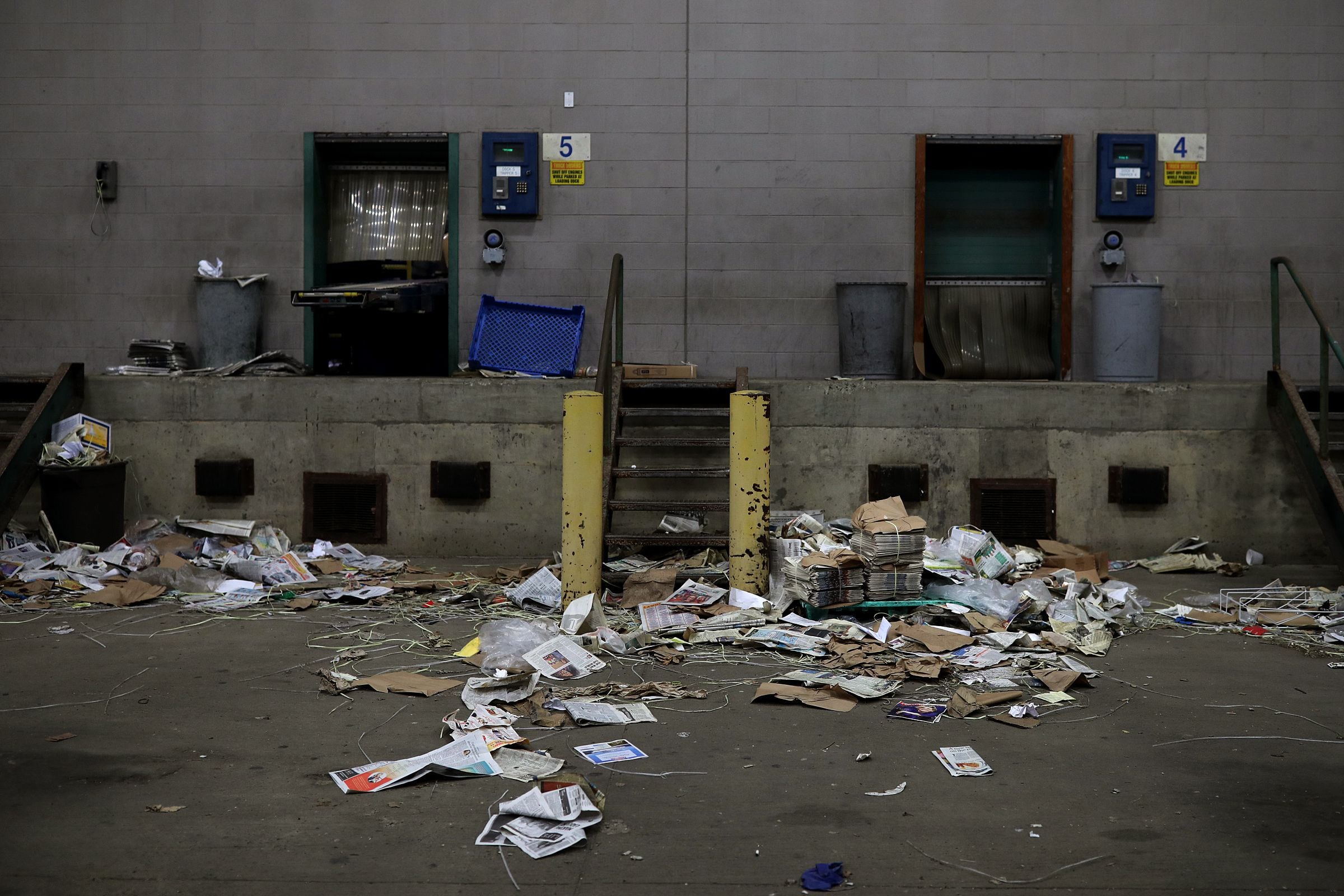
This was a thundering production theme park of impossible intricacy, where paper-carrying freight cars rumbled and rammed into the rail bay, where newspaper pages rolled off presses that collectively weighed as much as a Navy destroyer.
They were folded and collated, and commuted on cars and conveyors as though they had purchased tickets on amusement rides. Ultimately they landed in trucks that ferried The Inquirer and Daily News to hundreds of locations while most readers slept.
All it took to get them their papers, said Fred Lehman, vice president of operations, was about two million moving parts.
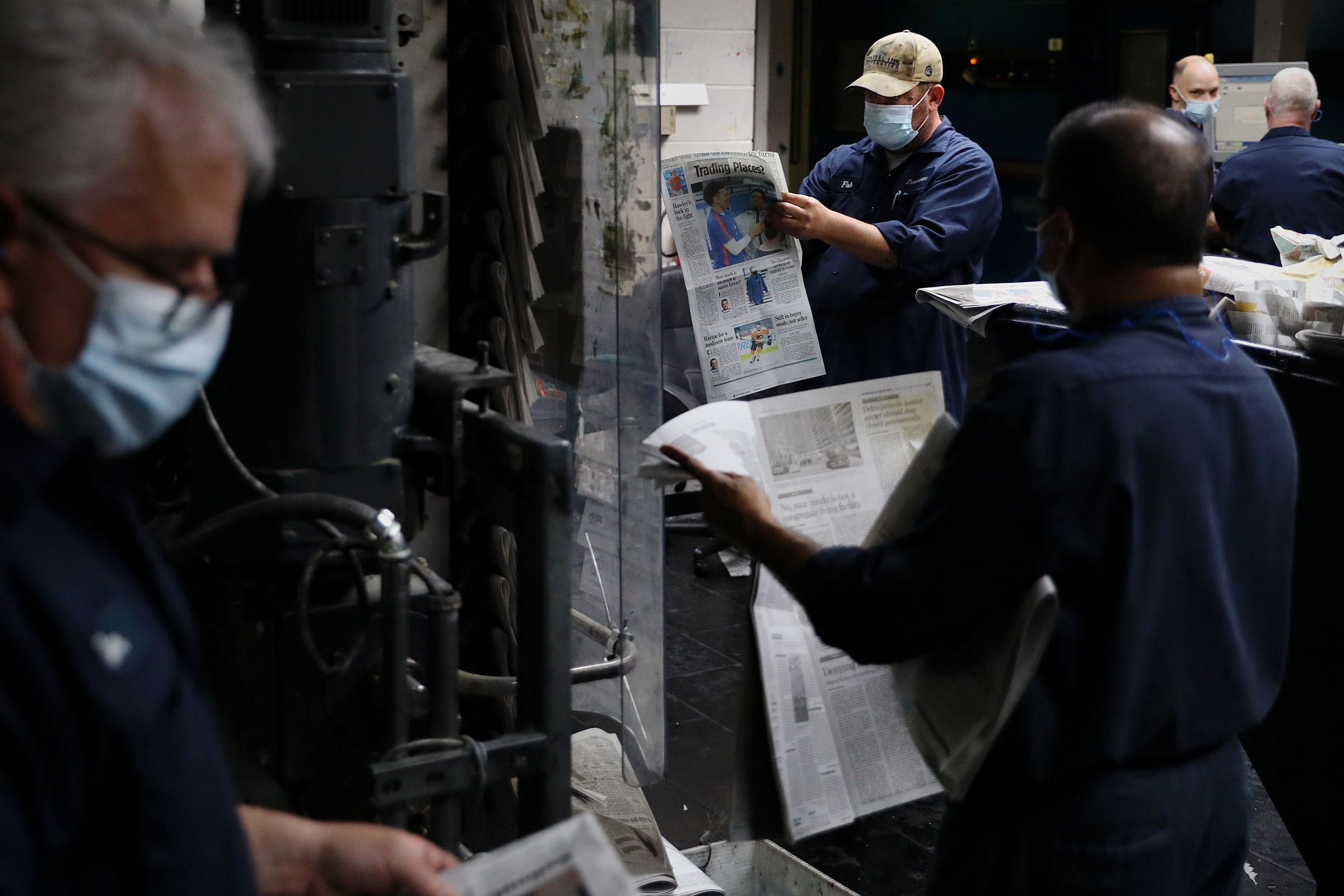
Somehow amid the often hellish cacophony in this 681,023-square-foot behemoth, people got to know each other.
In many cases, they knew each other already. “Family” was more than metaphoric in White’s case. Her uncle got her the job 25 years ago; he worked at the company. Her father was a driver.
>>PHOTOS: See how The Inquirer printed its newspapers over the years
Lafauci, a mailer, said his nickname had no association with happy hour. “Three Bars … my grandfather worked here, my father worked here.” Yes, he was the third bar. Bill Burk, a transportation manager, worked with all three bars, and at one time or another, The Inquirer employed 20 of Burk’s family members.
‘It was family’
Those days are history, as soon will be the printing plant, located in Upper Merion Township at the junction of Routes 23 and 320, a location a reporter once described as “centrally isolated.”
Rather than a death in the family, October’s announcement that SPP would be sold was more like deaths in multiple families, and the sense of loss — a mix of resignation, equanimity, sadness, with a dash of bitterness — condensed as employees were leaving the building for the last time.
“It was family,” Lafauci said. There’s that word again.
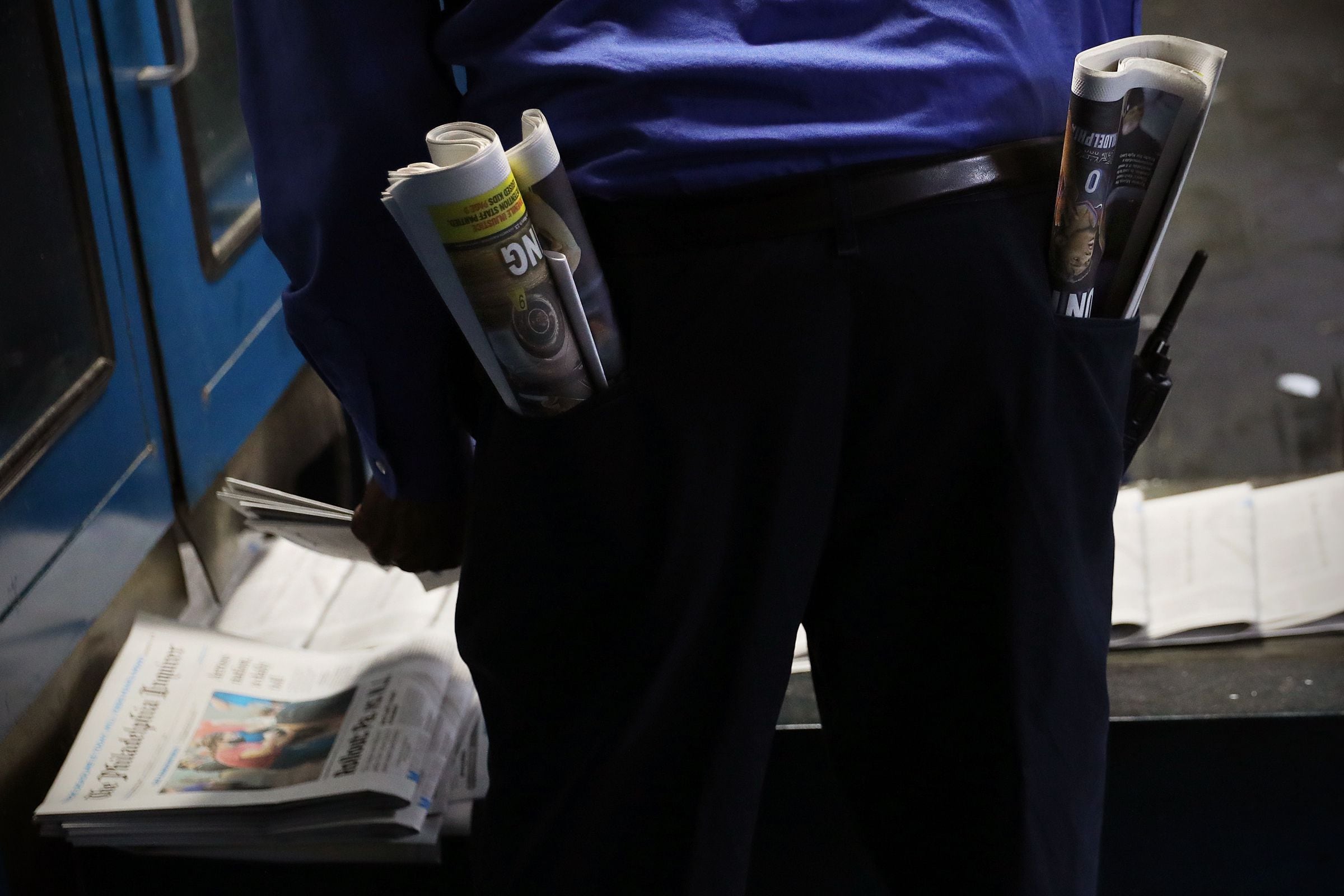
About the only problems they had at the plant, the guards said, involved intra-family disputes that reasoned discussion failed to resolve. Said White, “We tried to calm them down.”
The writers and editors reported and crafted the stories — from seven presidential elections in the SPP era, to a World Series title and a Super Bowl championship, to the 9/11 terrorist attacks, to one tenacious pandemic — but the SPP workforce made sure people got to read them on paper that they could hold in their hands, and perhaps even save.
All the news that fits
In the pre-SPP days, type and advertisements were posted on flats by hand. Editors marked last-minute cuts with blue pencils, and the compositors would surgically consign them to the cutting-room floor.
The job evolved rapidly with “pagination,” as computer screens replaced the flats and workers such as Kathleen Griffiths moved from the composing room to a video terminal. Inspecting the pages to make sure that the ads are properly placed and error-free, and that the display type and copy are correctly confined to a page is a critical step in the “prepress” process.
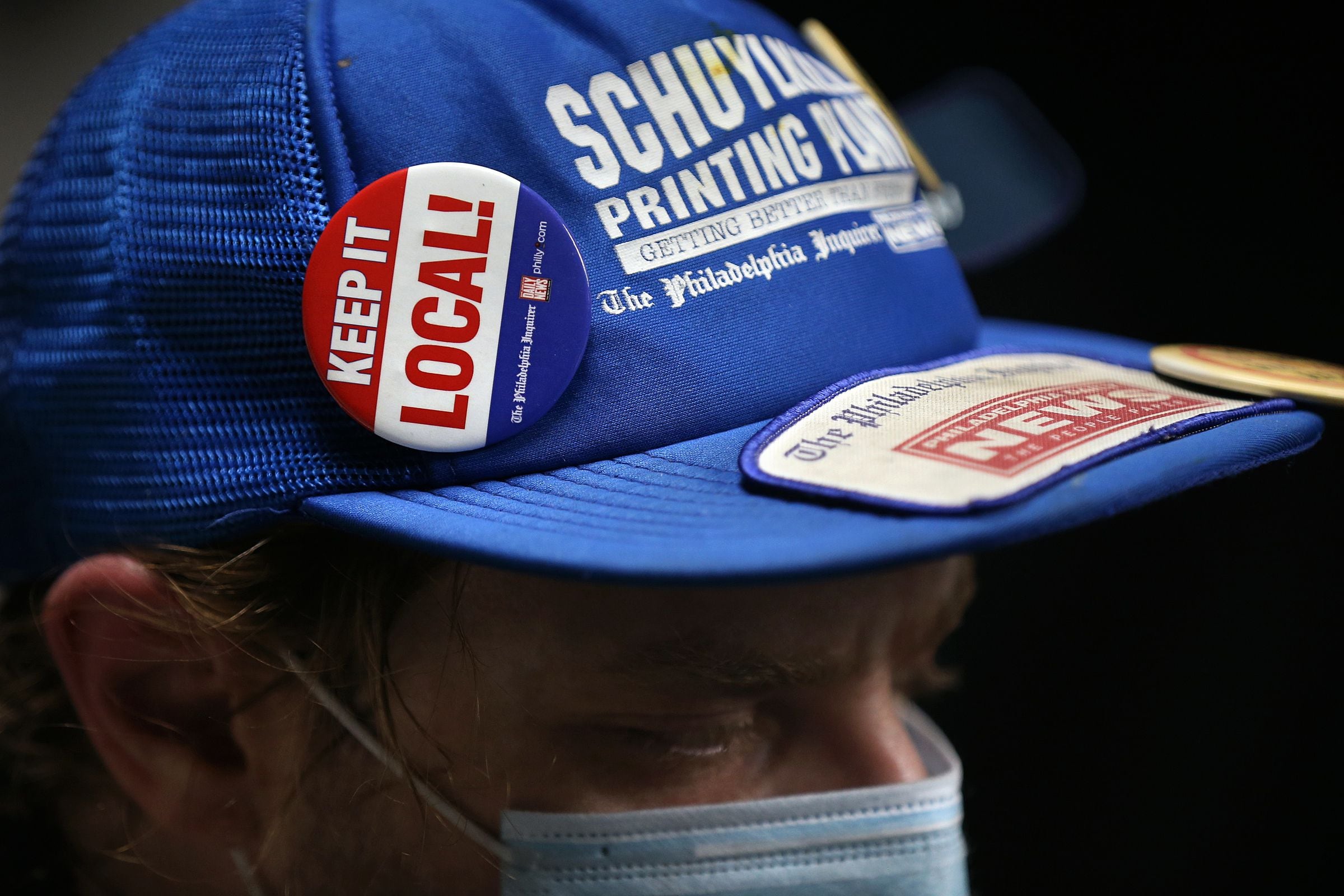
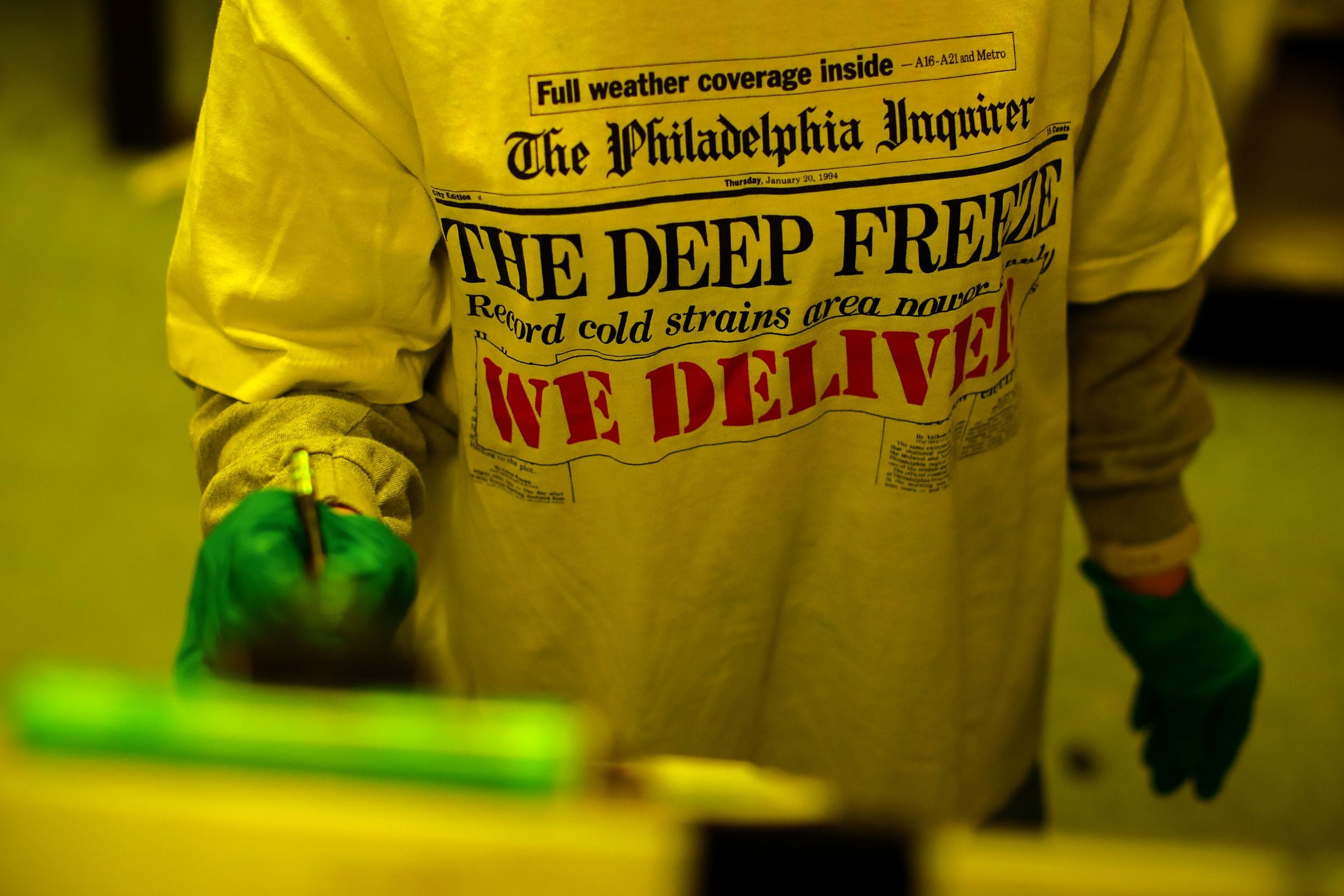
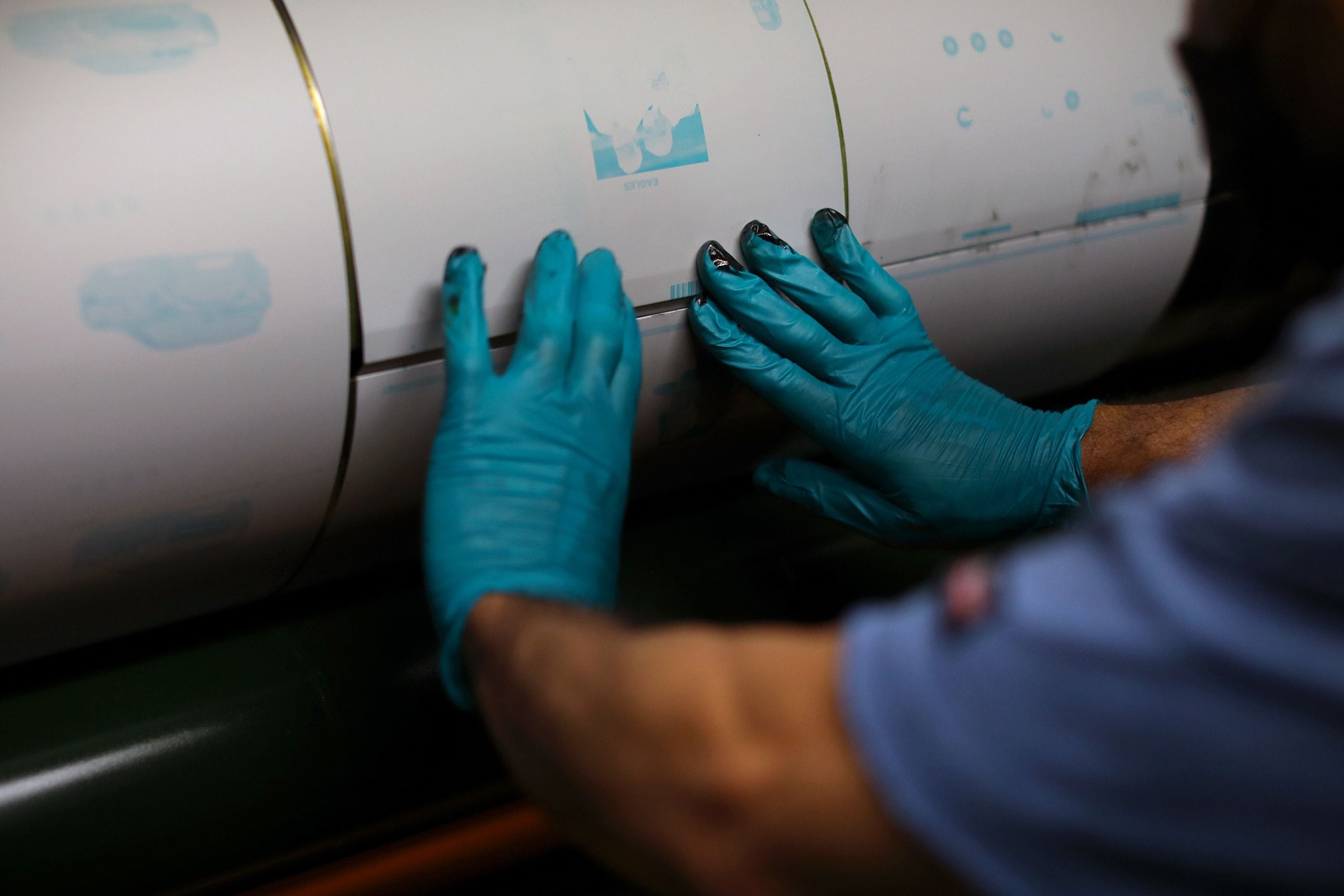
“It’s like putting a puzzle together,” said Tom Chambers, who has worked for the company for 31 years. He and the other platemakers imprint those completed-puzzle images on wafer-thin aluminum plates that bear the images of the pages of The Inquirer and Daily News.
On any given day those images would be stamped on paper rolls whose linear footage would reach halfway around the world — all the way on Sundays.
Roll ‘em
SPP is more or less a prodigious shell built around $160 million worth of presses, said Pat McElwee, the production supervisor. When the plant started operating in the summer of 1992, “It was fantastic,” he said.
The Goss Colorlink “offset” presses were radically different from the 45-year-old “letterpress” predecessors in which plates were pressed directly onto the paper. With offset, the plates roll against rubber “blankets” that press against the paper. For the first time The Inquirer and Daily News could publish photographs and ads in color.
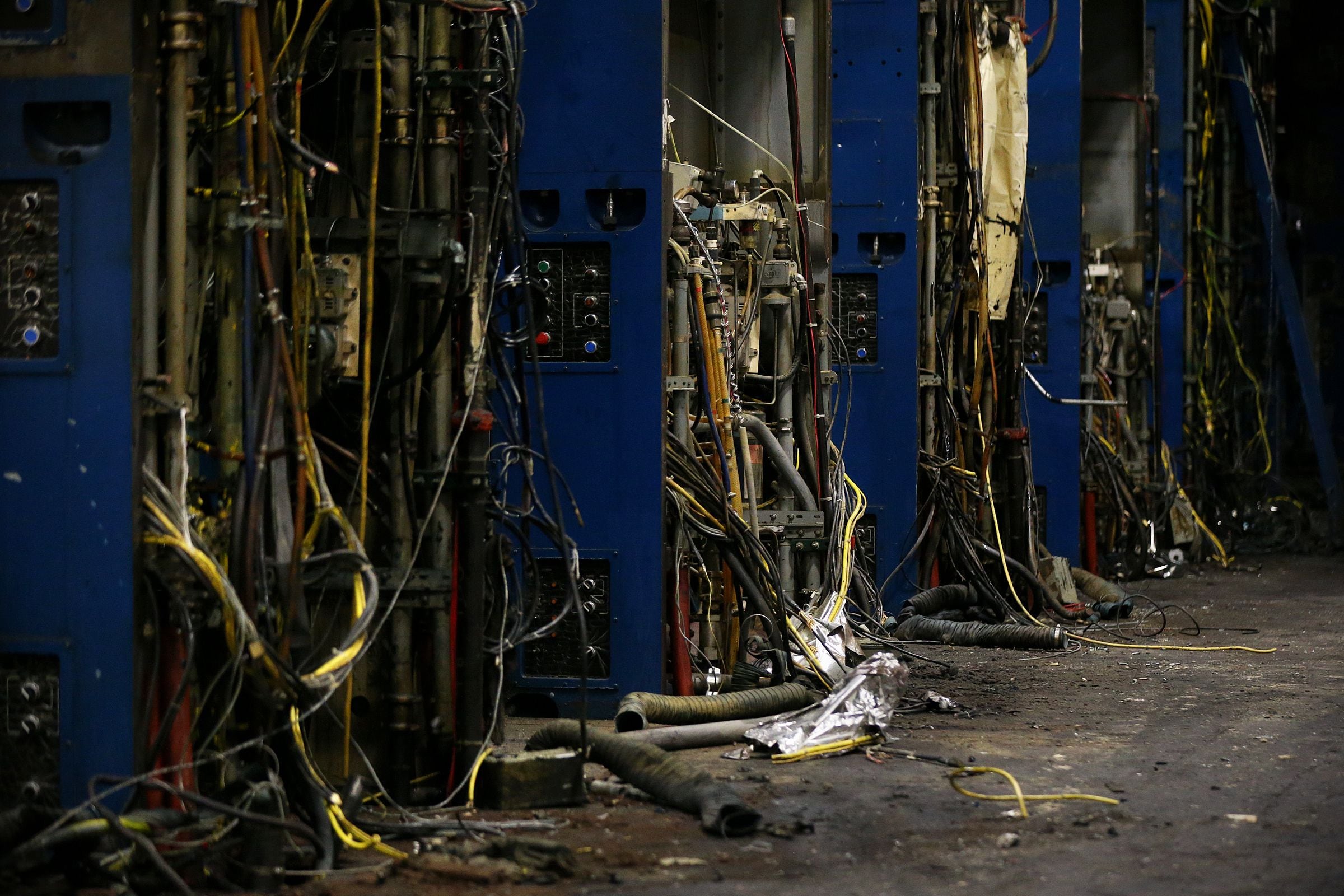
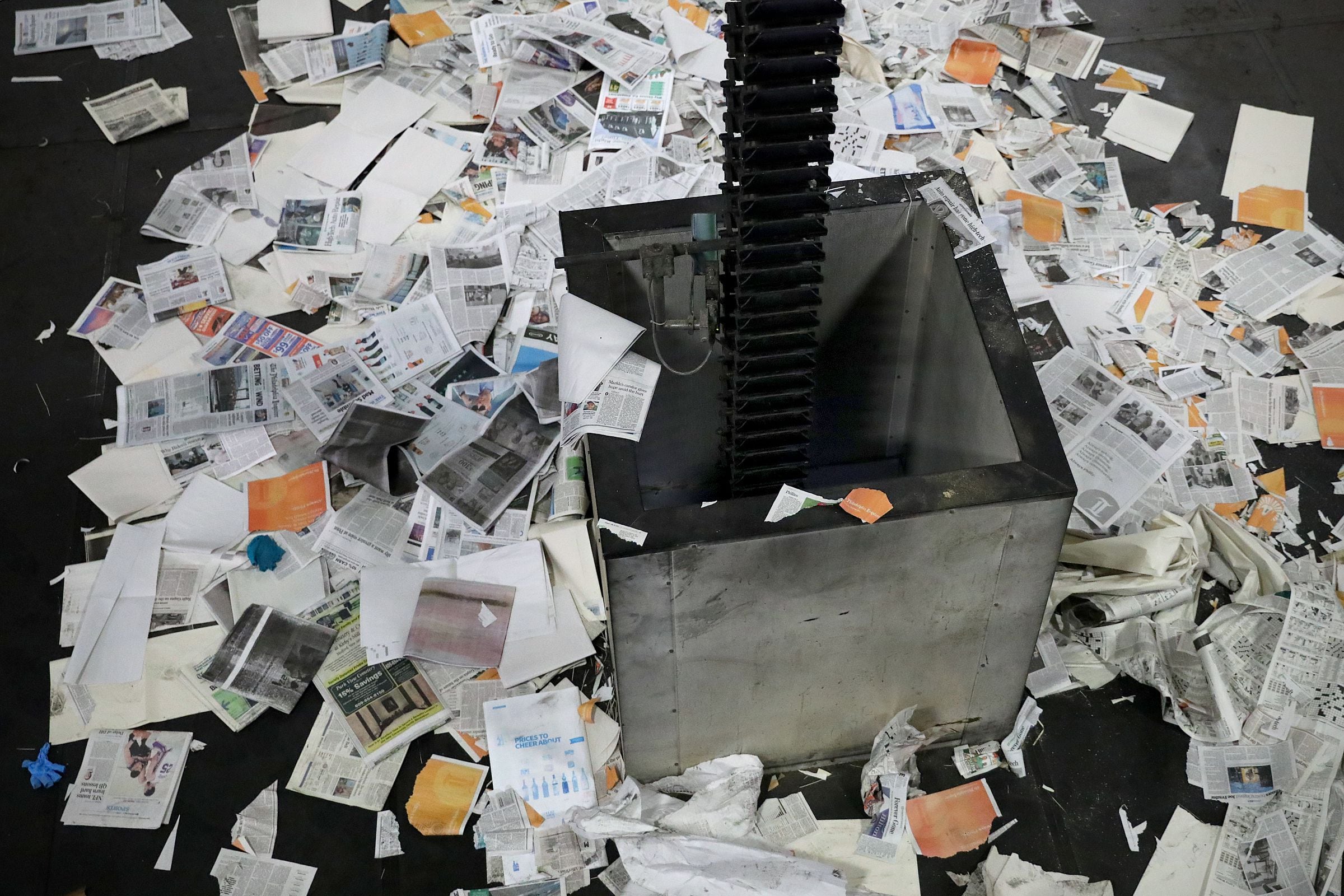
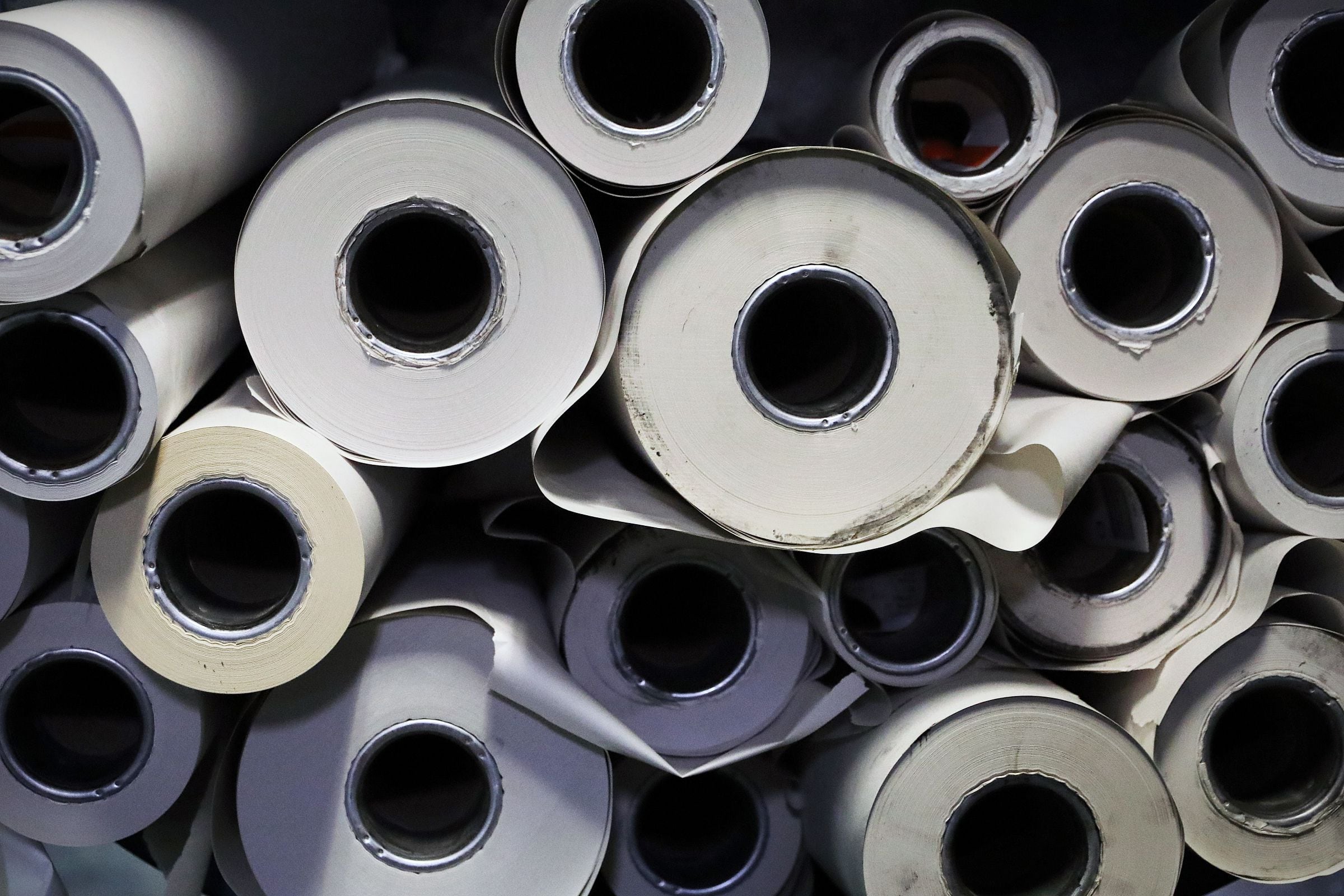
“It was all new,” said Tom Addison, the company pressroom foreman. With novelty came mishaps. More than once the papers published “To our readers” apology notes for delivery issues.
Like so many employees on the production side, Addison was a lifer, having started in 1979.
And to Aaron Krakovitz, Addison was a newcomer: Krakovitz already had been there five years, starting as a high school senior, recruited to fill in on a short-staffed weekend. He was child labor whose own father was a pressman.
The pressmen developed a familial and literal closeness, said Jim Fish, the union foreman: In the heydays, he said, “You worked with six to seven guys on the press.”
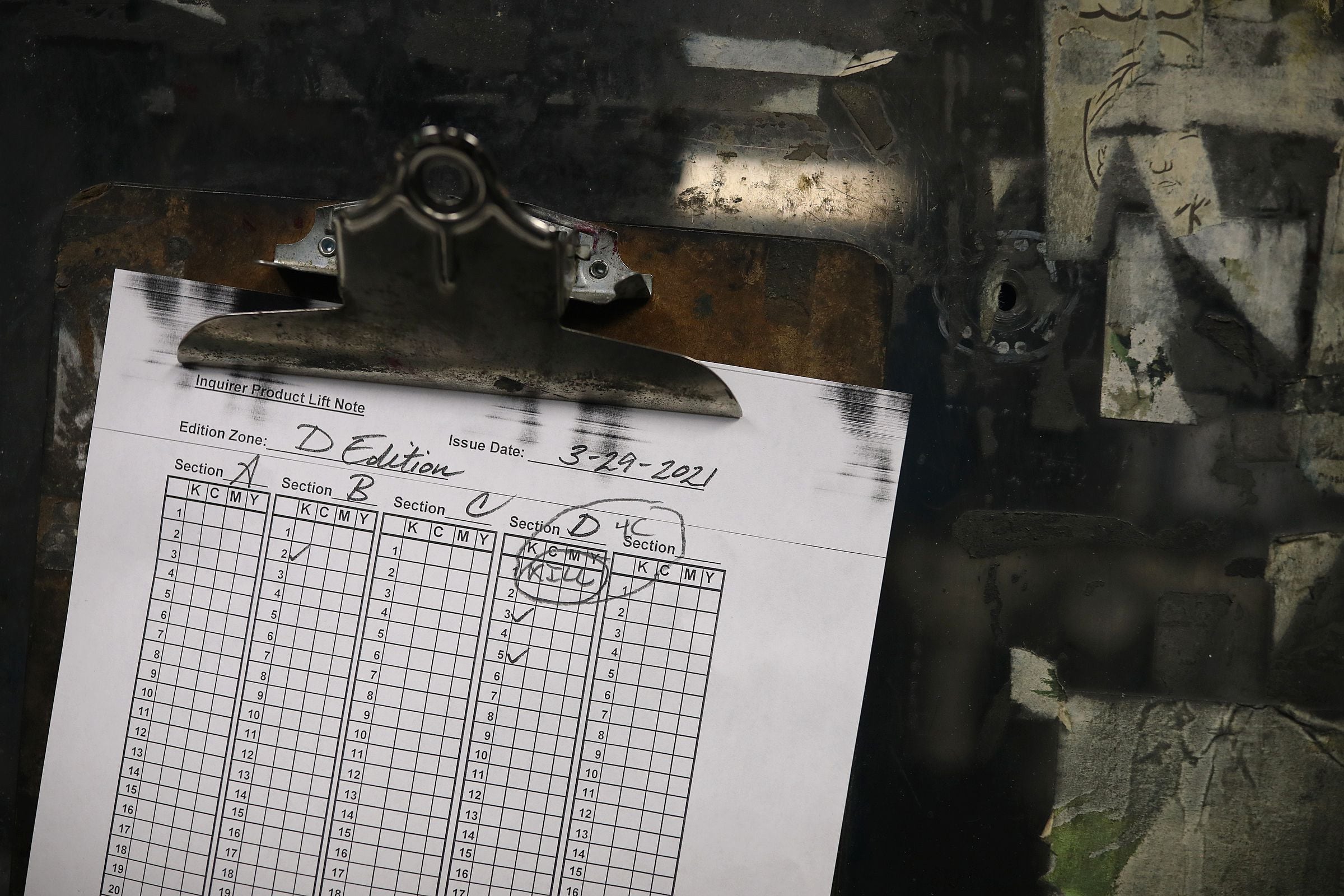
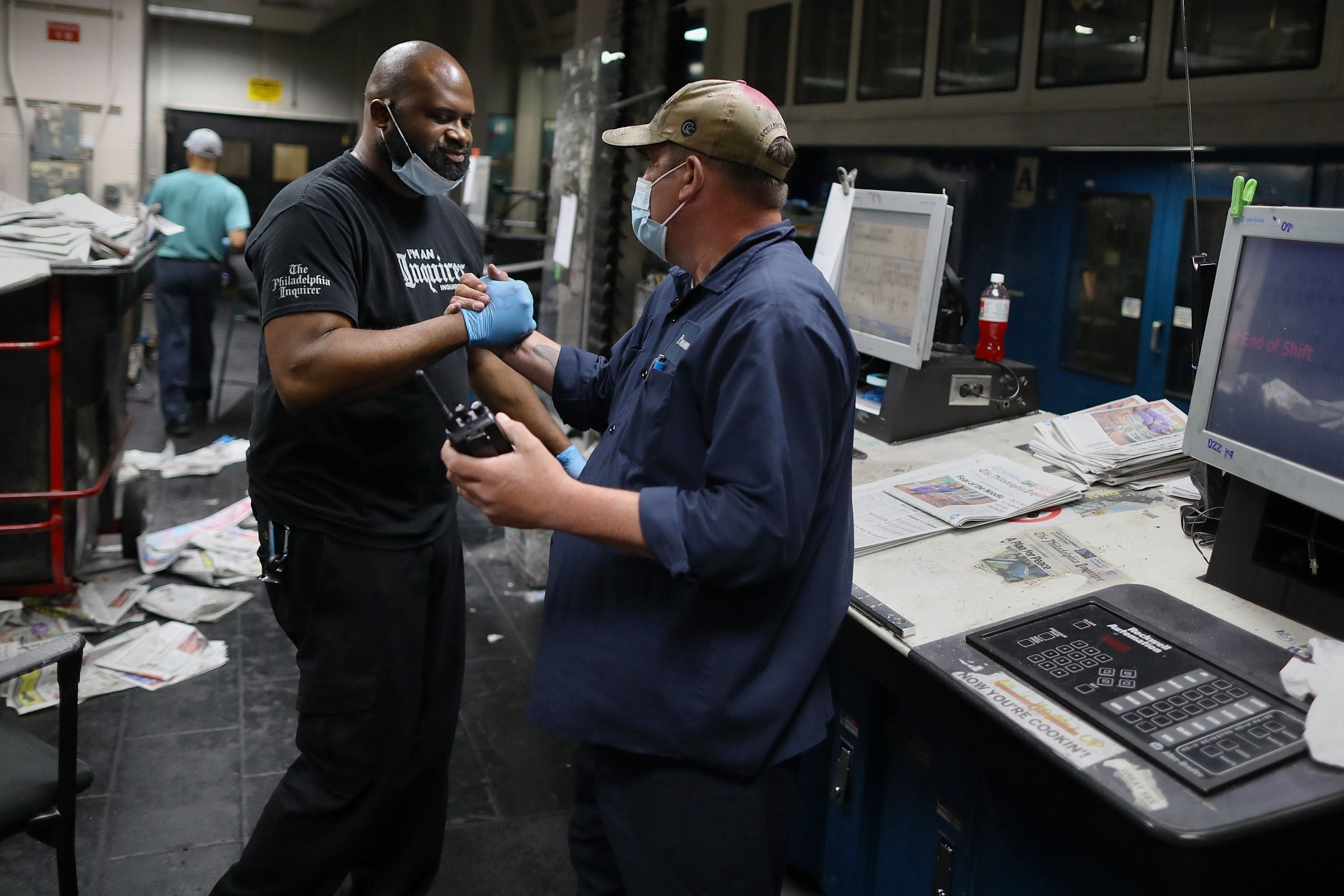
Fold ‘em, stuff ‘em
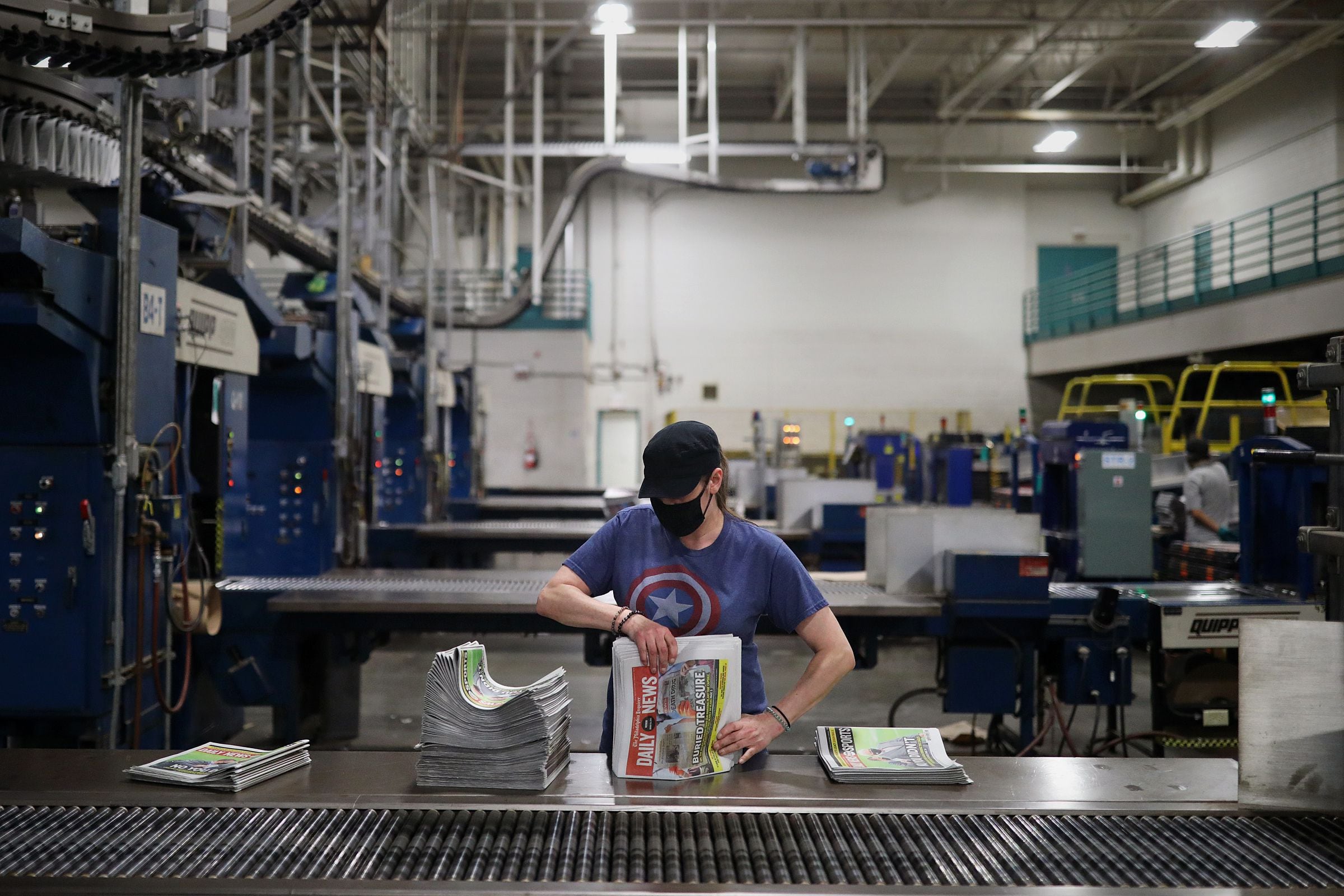
Among all his family members who ever worked in the mail room, a 187,000-square-foot canyon where the printed sections and advertising inserts were added and prepared for the trucks, Devin Leidy counted 150 years’ experience.
“When I was 12 years old, my father said, ‘You’re going to be delivering newspapers. You’re going to learn how to hand-stuff,’ ” said Leidy.
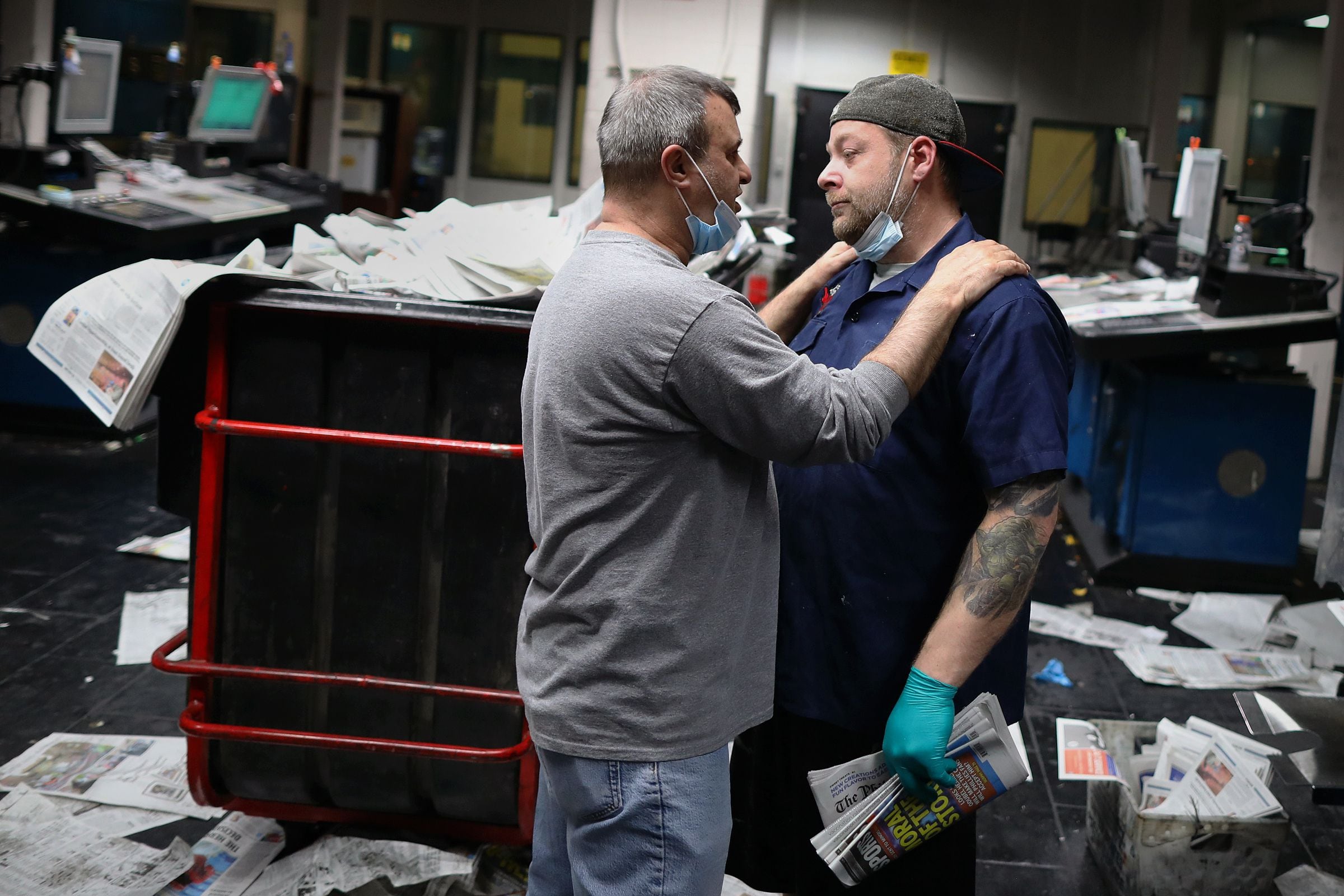
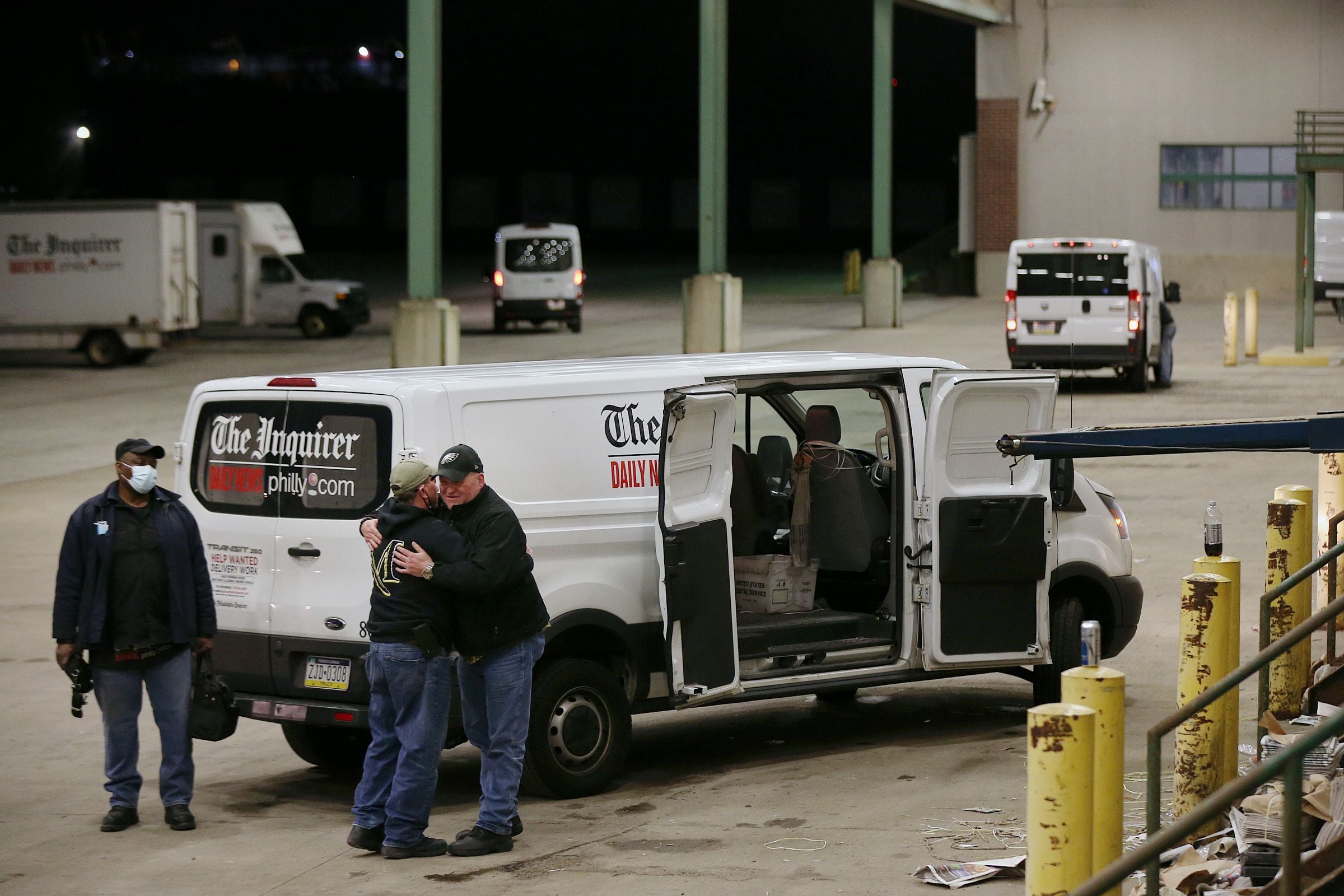
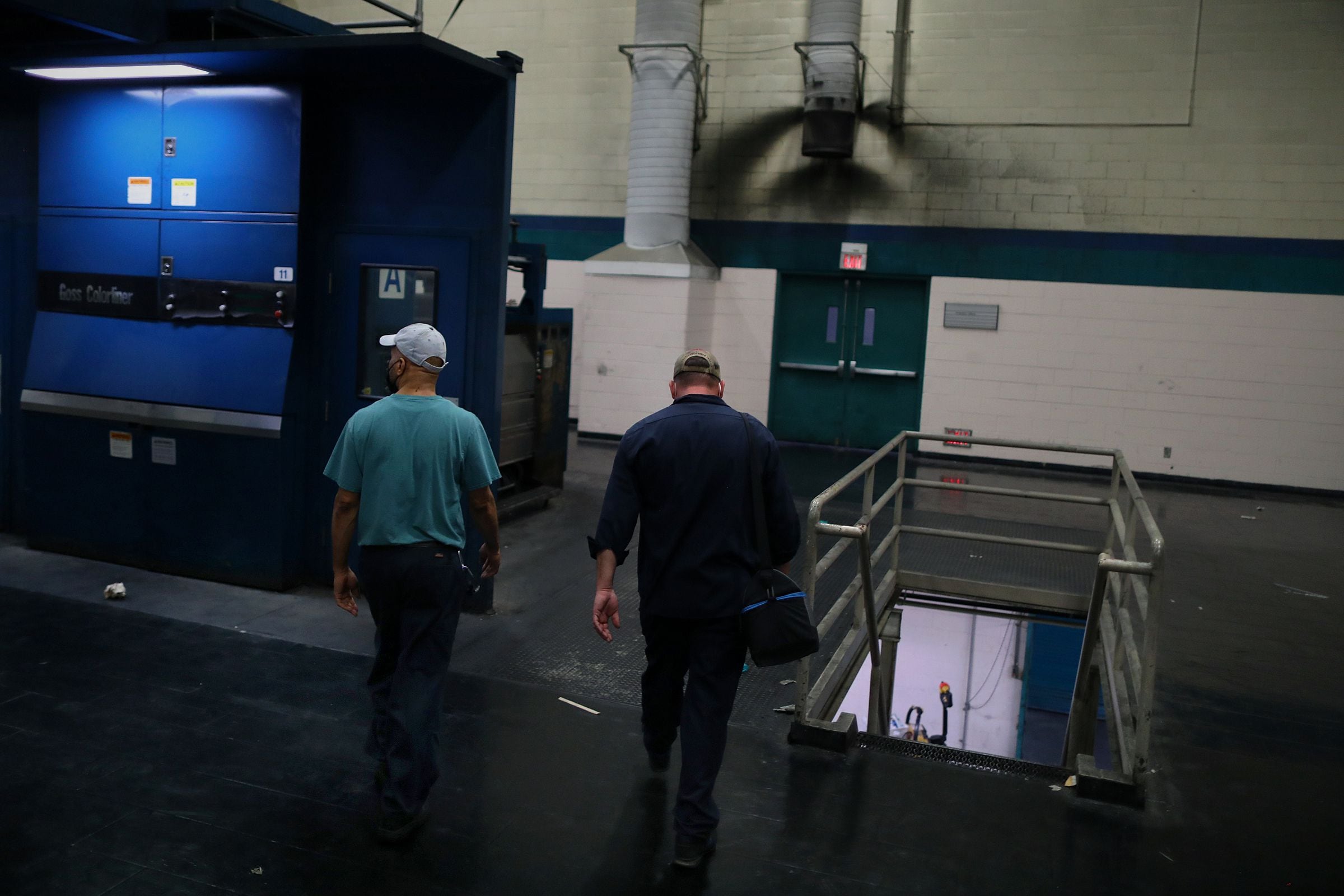
Leidy, who would grow up to be a mailroom supervisor, said the assembly and presentation of the papers were critical to sales: “You’re trying to put it out correctly … neatly.”
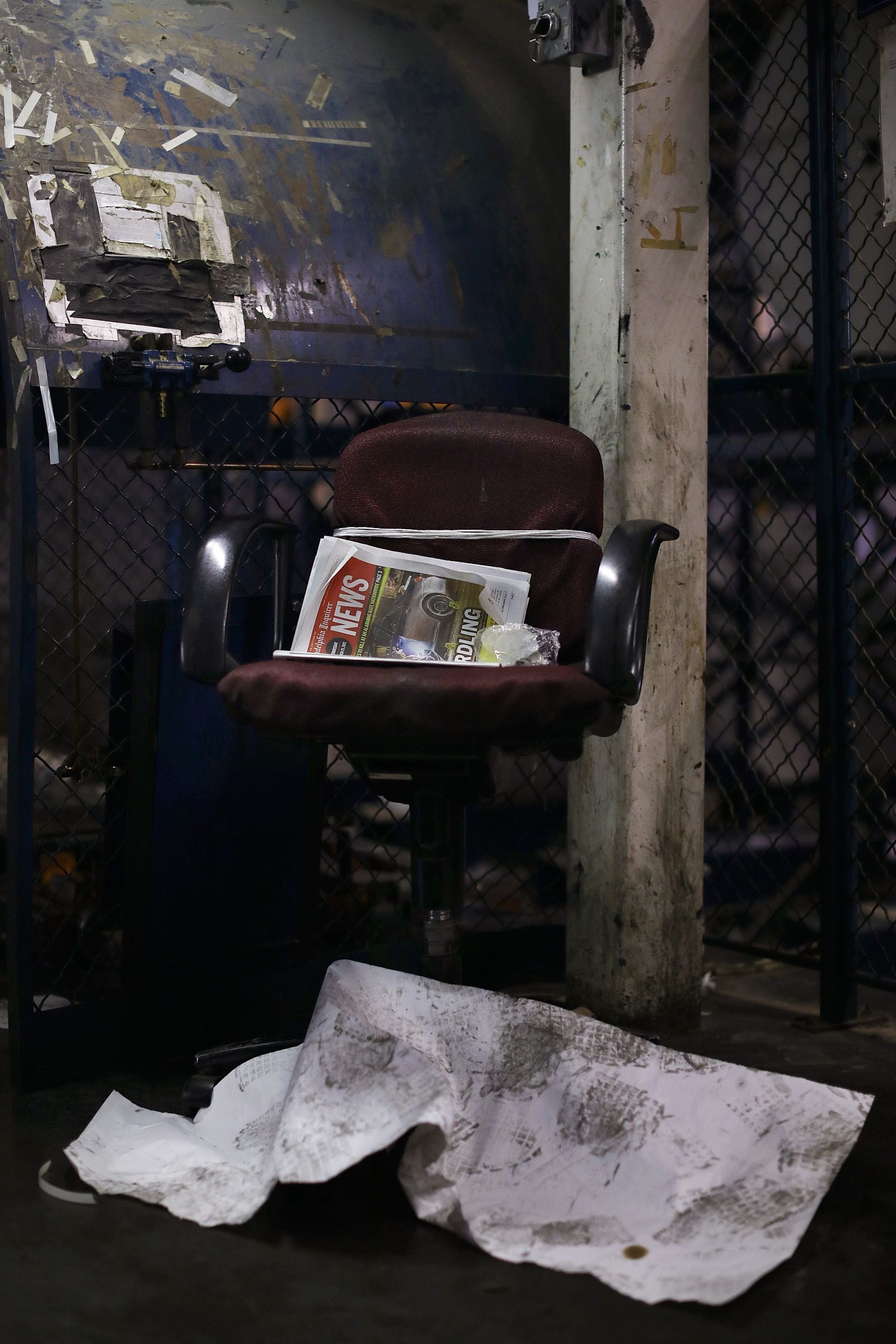
Evie Lang, a mailer who (stop if you heard this before) was the daughter and granddaughter of mailers, derived satisfaction from her labor as she left the house on Sunday mornings. “The newspaper would fall out the door and you’d go, ‘Oh, I helped to make that.’ ”
The last rides
Budd Emmett got hired in an antiquarian fashion: through a newspaper ad. That was in 1971.
Emmett became a transportation supervisor in 1988, overseeing a truck fleet that at one time exceeded 325.
“It’s all family,” Emmett said. It wasn’t an echo; it just sounded like one. The mood at the building in the closing days was similar to that of a pre-funeral viewing, only in this case the subject of conversation wasn’t yet deceased and had the benefit of hearing the praise.
Emmett said he plans to retire, as does pressman Krakovitz and others.
The furloughed SPP workers generally were pleased with what they viewed as generous severance packages. Lehman said those who wanted to keep working have found jobs.
Lehman and McElwee are among those who plan to call it a career. McElwee is anxious to spend more time with his grandchildren, but the end is profoundly bittersweet.
“My whole life. I wanted to yell, ‘Stop the presses.’ ” he said. “But now, when I think about it, I don’t want to stop them. I wish they could keep going.”
Staff Contributors
Reporting: Anthony R. Wood
Visuals: Tim Tai, Frank Wiese, Danese Kenon, Astrid Rodrigues, Kristen Balderas, Lauren Schneiderman, and Raishad Hardnett
Design & Development: Dain Saint and Jessica Parks
Editing: Emily Babay and Diane Mastrull
Digital: Kerith Gabriel, Patricia Madej, Lauren Aguirre, and Caryn Shaffer
Copy editing & Print: Brian Leighton and Sterling Chen
.arcad.placeholder{width:600px;max-width:100%;height:90px;background:#333;margin:48px auto;text-align:center;font-size:14px;font-weight:bold;letter-spacing:5px;line-height:90px;text-transform:uppercase;color:#FFF;font-family:”Ringside Regular SSm”,”Verdana”,sans-serif}.arcad.placeholder::after{content:’ad placeholder’}#article-body .ad-responsive{min-height:0}.project-credits{color:#595760;margin-bottom:48px}.project-credits .block-content{padding:10px}.project-credits p{font-family:”Ringside Regular SSm”,”Verdana”,sans-serif;font-size:12px;line-height:1.8em}.project-credits .credit-content{columns:2}.project-credits h3.credit-header{font-family:”Ringside Regular SSm”,”Verdana”,sans-serif;font-size:14px;text-transform:uppercase;font-weight:700;border-bottom:1px solid #dcdcdc;padding-bottom:2px;margin-bottom:10px}.project-credits .credit-section{padding-bottom:20px;break-inside:avoid}.project-credits strong{text-transform:uppercase}.inq-p-endmark p::after{content:” “;display:inline-block;background:url(“https://media.inquirer.com/storage/inquirer/projects/assets/i-circle_navy.png”) center center no-repeat;background-size:contain;height:1.1em;width:1.1em;margin-left:5px;vertical-align:text-bottom}.hero-eyebrow{font-family:”Ringside Regular SSm”,”Verdana”,sans-serif;text-transform:uppercase;font-size:10px;font-weight:normal;padding:5px;background:#16183a;color:#fff;width:max-content;margin-bottom:5px;text-decoration:none}.splash-intro-hero__outer .inq-image{transition:none}.splash-intro-hero__outer figcaption{max-width:700px;margin:0px auto;padding-left:20px;padding-right:20px}.splash-hero-text{max-width:700px;margin:0px auto;padding-left:20px;padding-right:20px}.splash-intro-hero__inner{margin:0px auto}.splash-intro-hero__inner.headlines{text-align:center;padding:60px 20px}.splash-intro-hero__inner.text{max-width:700px;margin:0px auto;padding:60px 20px}.splash-intro-hero__inner.text.after{padding:20px 20px}.splash-intro-hero__inner h2{font-size:3em}.splash-intro-hero__inner .title-subhead{display:block;font-size:1.2em;max-width:1200px;margin:0px auto;font-family:”Ringside Regular SSm”,”Verdana”,sans-serif}.splash-intro-hero__inner .inq-story__meta{margin-bottom:24px}.split-screen-hero{color:#16183a}.split-screen-hero .hero-splash{background:#65ccff;position:relative}.split-screen-hero .hero-title-subhead{padding-top:10px;font-family:”Ringside Regular SSm”,”Verdana”,sans-serif;font-size:18px;letter-spacing:1;line-height:1.8em}.split-screen-hero .hero-content{display:grid;grid-template-columns:50% 50%;max-width:2000px;margin:0px auto}.split-screen-hero .hero-title-pane{display:flex;flex-direction:row;justify-content:flex-end;box-sizing:border-box;padding:20px}.split-screen-hero .hero-title-pane .hero-title-content{width:330px;display:flex;flex-direction:column;justify-content:flex-end}.split-screen-hero .hero-splash-pane{background:#16183a top center no-repeat;background-size:cover;height:calc(90vh – 130px);overflow:hidden;position:relative}.split-screen-hero .hero-splash-pane video,.split-screen-hero .hero-splash-pane img{height:calc(100% + 1px);object-fit:cover;position:absolute;top:50%;left:50%;transform:translate(-50%, -50%)}.split-screen-hero .hero-splash-caption{padding-top:24px}@media (max-width: 700px){.split-screen-hero .hero-content{display:flex;flex-direction:column-reverse}.split-screen-hero .hero-splash-pane{height:calc(80vh – 130px)}.split-screen-hero .hero-title-pane{justify-content:flex-start}.split-screen-hero .hero-title-pane .hero-title-content{width:100%;max-width:400px}}.split-screen-hero__inner{max-width:700px;margin:0px auto;padding:0px 20px}.photo-essay__section-break{text-align:center;text-transform:uppercase;margin-bottom:24px;margin-top:48px}.photo-essay__section-break .section-break-subtitle{font-family:”Ringside Regular SSm”,”Verdana”,sans-serif;color:#89848b;letter-spacing:.1em}.photo-essay__photo-section{display:flex;flex-wrap:wrap;align-content:baseline;align-items:baseline;justify-content:center;margin:60px auto;box-sizing:border-box}.photo-essay__photo-section figure{max-width:1200px;min-width:min( 100%, 400px );width:100%;flex:1 1 20%;margin:0px 10px;margin-bottom:20px;transition:none}@media (max-width: 800px){.photo-essay__photo-section figure{margin-left:0px;margin-right:0px}}.photo-essay__photo-section[class~=’3-up’]{flex-flow:row wrap}.photo-essay__photo-section[class~=’3-up’]::before{content:”;flex-basis:100%;order:1}.photo-essay__photo-section[class~=’3-up’] figure:nth-child(1){order:0}.photo-essay__photo-section[class~=’3-up’] figure:nth-child(2){order:2}.photo-essay__photo-section[class~=’3-up’] figure:nth-child(3){order:3}.photo-essay__photo-section .photo-essay-quote{align-self:center;font-family:”Ringside Regular SSm”,”Verdana”,sans-serif;color:#16183a}@media (min-width: 900px){.photo-essay__photo-section .photo-essay-quote:first-child{text-align:right}}.photo-essay__photo-section .photo-essay-quote .quote-text{font-family:”Ringside Condensed”,”HelveticaNeue-CondensedBold”,”Helvetica Neue”,”Helvetica”,”Arial”,sans-serif;font-size:32px;line-height:1.2em;letter-spacing:0;margin-bottom:10px}.photo-essay__container{padding:0px 20px;margin-bottom:60px}.photo-essay__container p,.photo-essay__container>figure,.photo-essay__container .project-credits{max-width:700px;margin:auto;margin-bottom:10px}.inq-card-story–open{margin-top:0px;transition:none}.splash-intro-hero__inner .inq-headline{font-size:50px !important}.inq-p–has-dropcap::first-letter{color:#16183a;background:#dcdcdc;font-family:”GT Alpina Extended”,”Times”,”Times New Roman”,serif} .inq-image { width: 100% }