Tag: Brewerytown

  • Tired Hands Brewing turned its original Ardmore outpost into a private event space as it navigates the future

    Tired Hands Brewing turned its original Ardmore outpost into a private event space as it navigates the future

    Tired Hands Brewing’s Ardmore Brewing Company brewpub has been turned into a private event space, for now, as its owner navigates the future of the beer company.

    Tired Hands’ Kennett Square taproom and bottle shop is permanently closed, owner Jean Broillet confirmed to The Inquirer on Thursday. Tired Hands’ Beer Park in Newtown Square also will not reopen this summer as the property’s owners are looking to redevelop it, Broillet said.

    Tired Hands’ Ardmore Fermentaria and Fishtown restaurant St. Oner’s remain open for business. The brewing company’s MT. Airy Biergarten is a seasonal operation that will reopen in the spring.

    Broillet said the decision to shift to private events at the Ardmore Brewing Company location was born out of a number of factors: having two Tired Hands locations in Ardmore was confusing for customers; ongoing construction in Ardmore created a “prohibitive environment” for doing business; and the changing landscape of brewing has prompted Tired Hands to begin reimagining parts of its business model.

    The changing face of Ardmore, and of Tired Hands

    When Broillet opened the first Tired Hands location, the BrewCafé, in 2012, he said there was little by way of interesting, high-quality food and drink in Ardmore. At the time, he said, Tired Hands’ craft beer and artisan meats and cheeses stood in stark contrast to the Wawas and Irish pubs the area was accustomed to. Now, that era is a distant memory as Ardmore blossoms as a culinary destination on the Main Line.

    Ardmore “went from zero to 60 really quickly in terms” of dining and entertainment options, said Broillet. He added that Tired Hands was a catalyst for that progress.

    In 2015, Broillet and his business partner and wife Julie Foster opened the Fermentaria at 35 Cricket Terrace, just blocks from Tired Hands’ first location at 16 Ardmore Ave.

    The Fermentaria was a major expansion for Tired Hands. It offered food options that extended beyond the BrewCafé‘s sandwich-and-salad-based menu, like steak frites and baby back ribs. It also quadrupled Tired Hands’ production capacity. At the BrewCafé, Tired Hands’ brewers were able to produce 1,000 barrels of beer annually. At the time of its opening, Broillet anticipated the Fermentaria would increase production to 4,000 barrels per year.

    Tired Hands opened St. Oner’s, a Fishtown restaurant and brewpub, in 2020.

    In the years that followed, Tired Hands opened the seasonal Biergarten in Mount Airy, the Kennett Square taproom, and the Beer Park in Newtown Square.

    In 2021, Broillet stepped down from daily operations after allegations of sexism and racism at Tired Hands proliferated on social media, including claims that women were held to different standards than their male counterparts and employees were berated or publicly humiliated for mistakes. Broillet returned to his post at the helm of Tired Hands a year later.

    Broillet said that “lots of valuable lessons, worldly lessons, were learned during that process” and that Tired Hands is doing everything it can to “prevent that from ever happening again.”
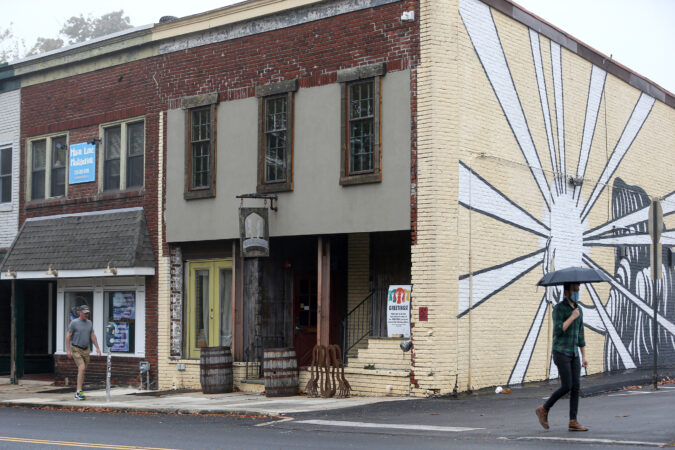
    Ardmore Brewing Co., located at 16 Ardmore Ave. in Ardmore, Pa. Owner Tired Hands Brewing Company has transitioned the brewery into a private events space for the time being.

    Changes in Ardmore, closure in Kennett Square

    While opening a second Ardmore outpost helped grow Tired Hands’ footprint on the Main Line, having “two of the same company” also made things “pretty confusing for people,” Broillet said.

    In efforts to iron out the confusion, Tired Hands rebranded its BrewCafé last spring, renaming it the Ardmore Brewing Company, upgrading its interior, and adding more food and cocktail options while cutting down its beer list.

    “The confusion was still there,” Broillet said.

    Broillet also brought on a culinary team that had extensive experience with private events. They began to host a handful of events at the brewery — retirement parties, birthdays, etc. — which were a success.

    At the same time, major construction had created a “prohibitive environment for us to do business here on Ardmore Avenue,” Broillet said. Construction on the mixed-use Piazza project and Ardmore Avenue Community Center are ongoing, both of which are proximate to Ardmore Avenue and the businesses that operate there.

    The brewery shifted to exclusively hosting private events in the last few months, a decision Broillet said he “couldn’t be happier” with.

    The brewery owner said the Ardmore Avenue location will be open to the public again in the future, but did not specify in what form.

    The taproom and bottle shop in Kennett Square will not reopen.

    Broillet said he opened a Tired Hands outpost in Kennett Square, in part, to have a presence near his family members who lived there. Though it was a “fun” chapter, Broillet said it no longer made sense to operate in Kennett Square, where Tired Hands already has a strong network of distributors that can get their beers into people’s hands without making them trek to the bottle shop.

    What comes next?

    Broillet offered assurances that Ardmore Brewing Company will open up to the public again, but said the specifics aren’t clear yet. Tired Hands also plans on expanding its Mount Airy footprint with a permanent restaurant space.

    For brewers across the country, the specter of people drinking less alcohol looms large. Sales of craft beer fell 4% in 2024, and there were more brewery closings than openings in late 2024 and early 2025, the first time in 20 years such a phenomenon had occurred. Brewerytown’s Crime & Punishment Brewing shuttered last April, with its owners citing a shifting culture around alcohol among the reasons for its closure. Iron Hill Brewery & Restaurant, a Philly-area craft brewing pioneer, abruptly shuttered all of its locations in September.

    Broillet said that while the changing dynamics of the industry remain on his mind, Tired Hands was not “acutely a victim of that downturn.” Sales had been down slightly over the past few years, but Broillet attributes that more to having two locations in Ardmore than to the state of the industry. He’s bullish about Tired Hands’ ability to distinguish itself and sees excitement in the changes.

    “Those sentiments have a way of just propelling you forward,” Broillet said.

    This suburban content is produced with support from the Leslie Miller and Richard Worley Foundation and The Lenfest Institute for Journalism. Editorial content is created independently of the project donors. Gifts to support The Inquirer’s high-impact journalism can be made at inquirer.com/donate. A list of Lenfest Institute donors can be found at lenfestinstitute.org/supporters.
  • Two Philly men accused of ‘fraud tourism’ in a Minnesota scandal that has drawn criticism from President Donald Trump

    Two Philly men accused of ‘fraud tourism’ in a Minnesota scandal that has drawn criticism from President Donald Trump

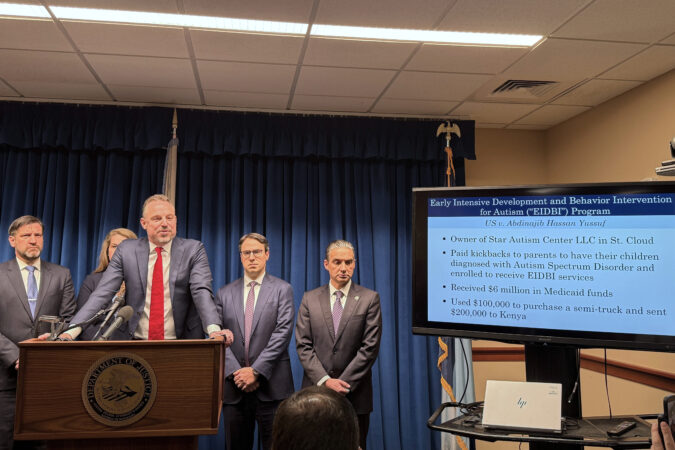
    Two Philadelphia men are facing federal charges in Minnesota after authorities said the men had learned of the state’s lax controls around a government-funded housing program, then traveled there to learn how to exploit it — the latest development in a long-running fraud scandal that has enveloped Minnesota and drawn the ire of President Donald Trump.

    Anthony Waddell Jefferson, 37, and Lester Brown, 53, were accused of fraudulently obtaining more than $3.5 million in government proceeds — funds that should have gone to Minnesota’s Housing Stabilization Services Program, prosecutors said, but were instead diverted to two companies the men oversaw in Philadelphia.

    Jefferson and Brown “came [to Minnesota] not to enjoy our lakes, our beautiful summers, or our warm people,” Joseph H. Thompson, Minnesota’s first assistant U.S. attorney, said Thursday. “They came here because they knew and understood that Minnesota was a place where taxpayer money could be taken with little risk and few consequences.”

    Jefferson and Brown each face one count of wire fraud and were charged by information, prosecutors said, which typically means a defendant intends to plead guilty.

    Court records for their cases were not immediately available, and it was not clear if either man had retained an attorney.

    Thompson cast their case as a novel twist in a scandal that he said was “swamping Minnesota” and had likely bilked taxpayers out of hundreds of millions of dollars intended for daycares, hunger programs, autism support, and other endeavors.

    The state had become such a magnet for fraudsters, Thompson said, that Jefferson and Brown had effectively performed “fraud tourism,” visiting the state purely to learn how to take advantage of its reputation for having programs that were ripe for abuse.

    The broader issues over the state’s lax disbursements have burst into national view in recent months as Trump and other Republicans have taken interest in the situation. Trump on social media called Minnesota a “hub of fraudulent money laundering activity” and, because many of those charged have ties to Minneapolis’ Somali community, said “Somali gangs are terrorizing the people of that great state.”

    Republicans have also blamed Minnesota Gov. Tim Walz — the 2024 Democratic vice presidential nominee — for allowing the situation to unfold on his watch. And right-wing groups have questioned whether some funds were being disbursed to terrorist groups in Somalia or elsewhere in Africa.

    Thompson said Thursday that he did not believe that was being done at a large scale, but that the exploitation of the programs was troubling and a phenomenon that had become uniquely common in Minnesota.

    Fraud scandals targeting government programs date back at least a decade in that state. But they received renewed attention in 2022, when the FBI raided the offices of Feeding Our Future, a food relief nonprofit that had rapidly expanded through pandemic relief efforts.

    Investigators later pointed to about $250 million in federal funding the group had received as part of the Department of Human Services’ Child Nutrition Program, some of which had allegedly been funneled into fraudulent claims for the Medicaid-backed meals program.

    Prosecutors did not have evidence to show exactly how much they said had been misspent, but said last month 78 people had been charged in connection with the scheme, which they called one of the largest pandemic-related frauds in the country.

    The Feeding Our Future investigation is just one of several schemes that have been fueling discourse over Minnesota’s government disbursements. The discussion has taken a dark turn in recent weeks, as Trump used the situation to insult Walz with a slur for people with intellectual disabilities, and to lash out at Somali immigrants, saying, “I don’t want them in our country.” During a speech in Pennsylvania this month, he called Somalia “about the worst country in the world.”

    As for the Philadelphia defendants, prosecutors said the men created two companies — Chozen Runner LLC and Retsel Real Estate LLC — in order to submit “fake and inflated bills” for housing services that were never provided. The program they ripped off was intended to create housing for people with disabilities or substance abuse issues, prosecutors said.

    Jefferson and Brown “repeatedly flew together from Philadelphia to Minneapolis,” purportedly to recruit beneficiaries for their LLCs from Section 8 housing or shelters, prosecutors said. But Jefferson and his employees created fake paperwork, sometimes listing bogus employees, to dupe insurance companies into reimbursing them.

    In all, prosecutors said, they submitted $3.5 million worth of claims for services they said they provided to 230 people.

    Thompson said the men and their companies had virtually no connections to Minnesota other than viewing the state housing funds as “easy money.”

    Jefferson, a Brewerytown resident according to voter registration data, describes himself in social media profiles and an online biography as a serial entrepreneur — selling a line of perfumes, working as a gospel musician, while also serving as the CEO of “The Housing Guys,” a group that says it provides housing stabilization services. In a photo posted to social media last summer, Jefferson was pictured being presented with an honorary citation from City Council President Kenyatta Johnson.

    Contacted Thursday by an Inquirer reporter, Jefferson hung up.

    He was pursued earlier this year in Philadelphia courts over a $103,000 federal tax lien.

    Brown formed Retsel — “Lester” spelled backward — in 2021, according to Pennsylvania corporate documents, using a mailing address in the West Oak Lane neighborhood.

    Attempts to reach Brown for comment Thursday were unsuccessful.

  • Her Brewerytown home search spanned just four blocks. It was enough. | How I Bought This House

    Her Brewerytown home search spanned just four blocks. It was enough. | How I Bought This House

    The buyer: Lulu Tunis, 39, communication specialist

    The house: A 1,060-square-foot rowhouse in Brewerytown, with three bedrooms and one bathroom, built in 1925

    The price: Listed for $270,000; purchased for $240,000

    The agent: Rachel Shaw, Philly Home Girls

    The ask: For Lulu Tunis, it was simply time to buy a house. She had been living in Brewerytown for a decade. Her one-bedroom apartment on Girard Avenue was fine, but she wanted more space. More importantly, she felt financially prepared to buy. “I think I was just ready,” Tunis said.

    Her needs included three bedrooms, easy street parking, and a backyard large enough for the dogs she often pet sits. Proximity to Girard Avenue was also important. “I didn’t want to be too far off where I normally hang out,” Tunis said. She was OK with only one bathroom and also a fixer-upper. “I’m pretty handy,” she said.

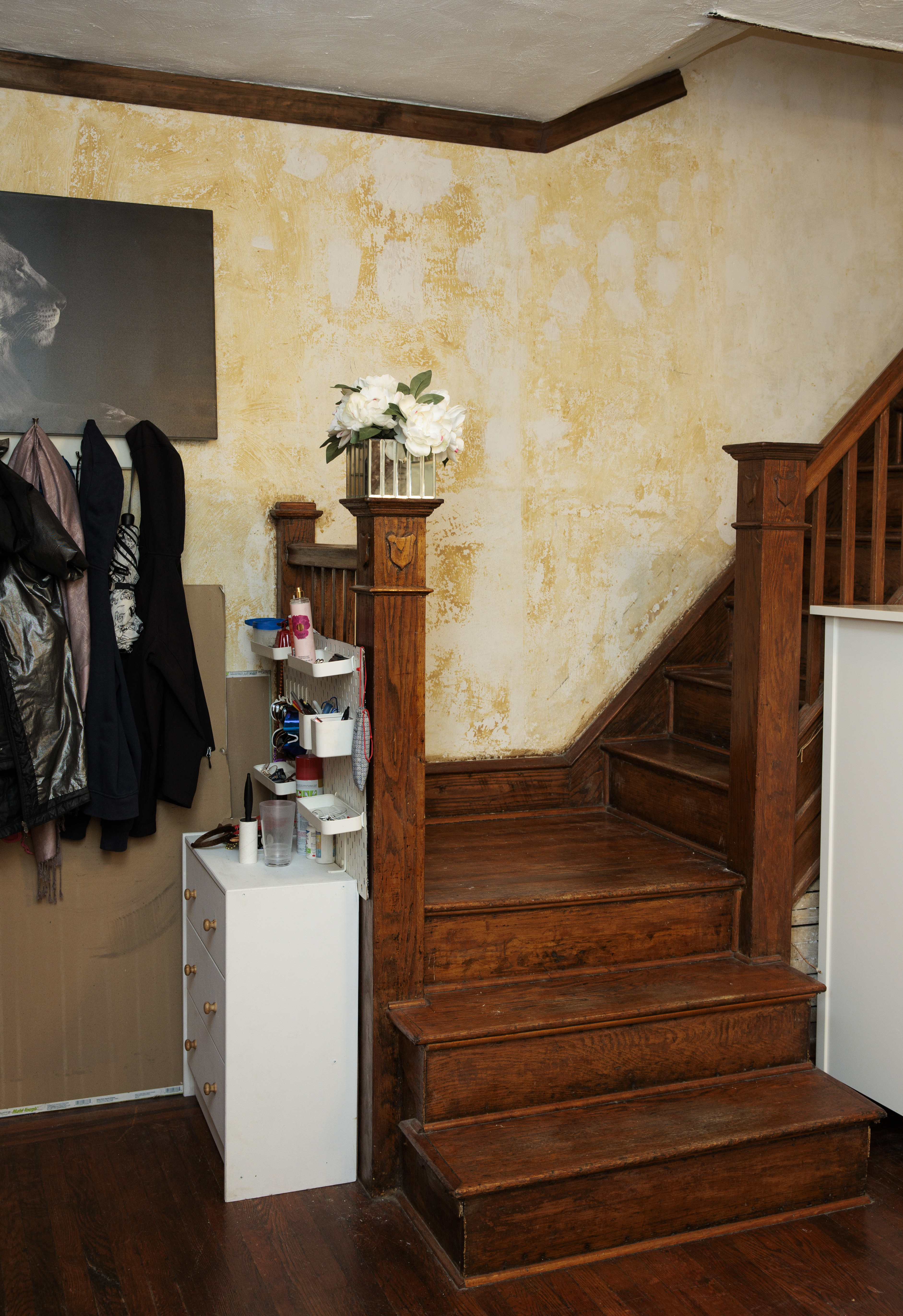
    The hardwood staircase leads to three large bedrooms upstairs.

    The search: Tunis began looking in April 2024 and narrowed her search to a four-block radius. “There were actually a lot of options,” she said. Her budget was $250,000.

    In the 10 homes she saw, she ran into all kinds of strange layouts. Some of the third bedrooms were the size of a closet. Others didn’t have closets. Neither situation would do. Nor would the house with the extra narrow hallways upstairs, or the one that smelled like cat pee. She considered a couple of duplexes in case her family moves in with her down the road, but they needed too much work.

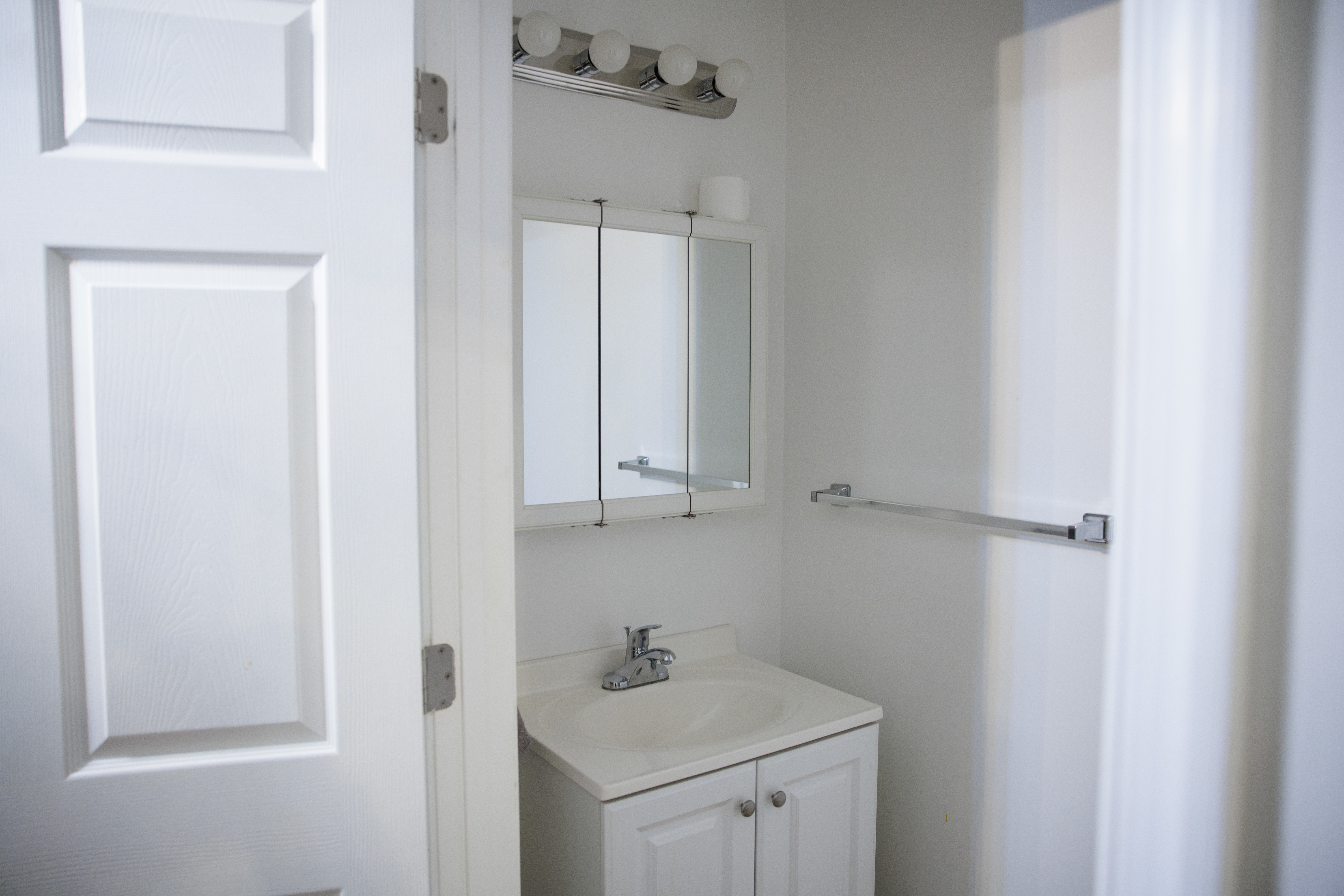
    Tunis was OK with just one bathroom but has enjoyed having a remodeled half bath on the first floor.

    She fell in love with a house on a corner lot that had great light and tried to make an offer, but someone beat her to it. “I still walk by it all the time,” said Tunis, “and I get a little jealous.”

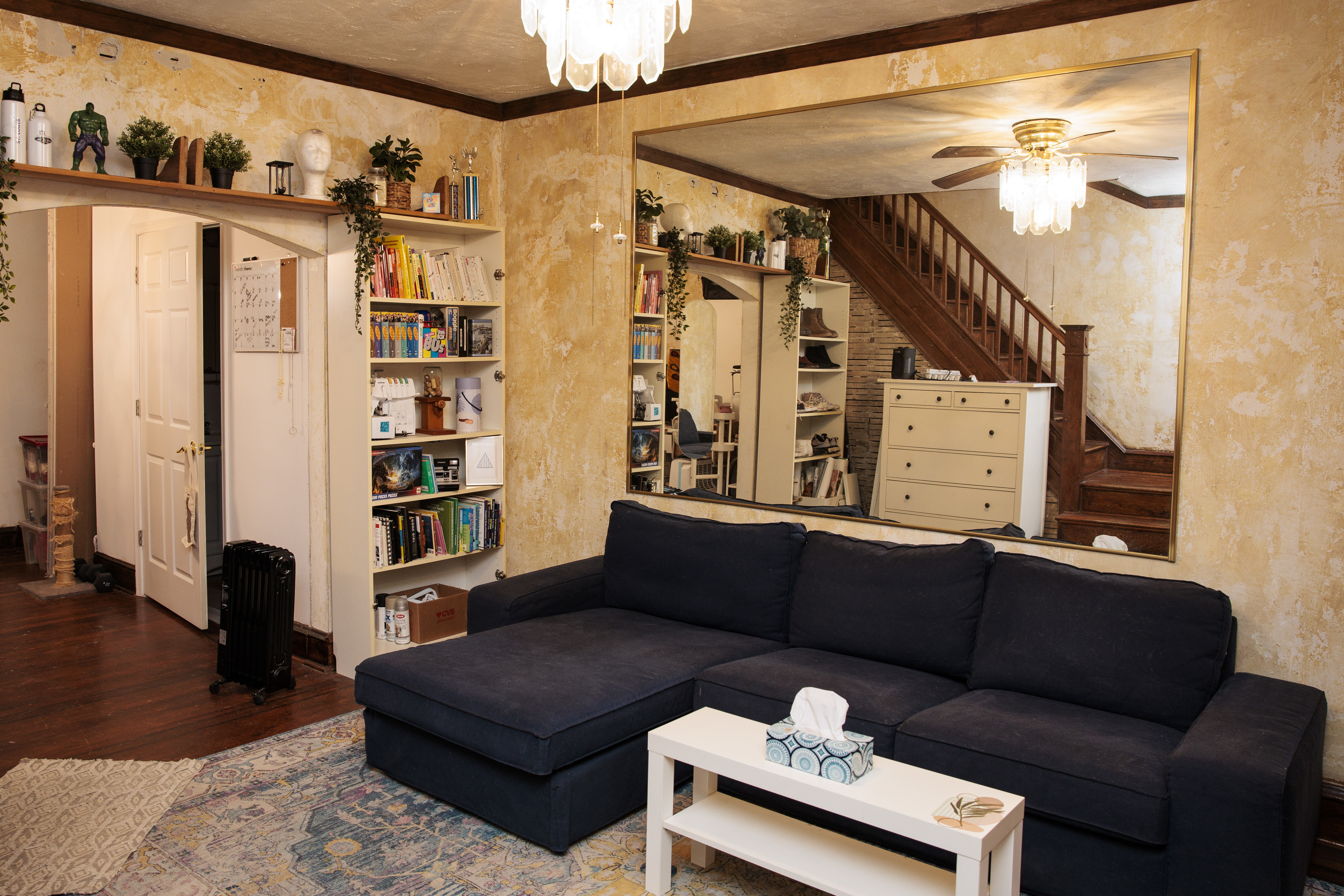
    The appeal: The house Tunis bought charmed her immediately. There was a large, golden mirror near the entrance. “It’s great for ‘fit shots,’” Tunis said. She liked how open the downstairs was and that the laundry was right off the kitchen. The unfinished basement needed some work, but it had plenty of room for storage. Upstairs, Tunis was delighted to find three relatively large bedrooms (each one can easily fit a bed and a desk) and recently redone hardwood floors. It also has 1½ bathrooms.

    The large gold mirror that Tunis immediately fell in love with when she stepped inside the house for the first time.

    The downstairs floors weren’t in great condition, but Tunis liked that they were original to the home. Despite being dated, the house was full of great features. “I could see the potential,” said Tunis.

    The deal: The house was above Tunis’ $250,000 budget, but it had been on the market for 80 days, so her real estate agent suggested they submit a bid under the asking price. Tunis offered $240,000 and the seller accepted immediately.

    During negotiations, Tunis asked the seller to pay for termite treatment and a home warranty, which covers the cost of repairing or replacing major appliances and systems. The inspector warned Tunis that the heater would probably have to be replaced within the year. Everything else looked good.

    The money: Tunis had a little under $5,000 saved for her home purchase. Her aunt gave her another $5,000. She also received a Keys to Equity grant for $20,000 and a Philly First Home grant for $10,000. She used $17,000 for the down payment and shelled out $16,000 for closing costs. With a 6.375% interest rate, her monthly mortgage payment is $1,392.

    The move: Tunis officially closed on Nov. 15 but waited until the end of December to move in. She wanted to tear down the wallpaper in the living room. The process took longer than she expected and forced her to abandon her other pre-move-in home-improvement plans. “I just lost motivation,” Tunis said.

    The house has plenty of places for Tunis’ cat, Huey, to nap.

    Because Tunis’ new house was only a block from her old apartment, she moved gradually at first, carrying small loads on foot. Her family arrived the day after Christmas to help move bigger stuff. They rented a U-Haul and moved everything in two trips. Tunis’ first night in her new house was Dec. 29. She started a new job the next day.

    Any reservations? The biggest disappointment in the house has been the lack of natural light. It’s blocked most of the day by a five-story school across the street. “I only get sun first thing in the morning and then around sunset,” Tunis said. Her plants are suffering.

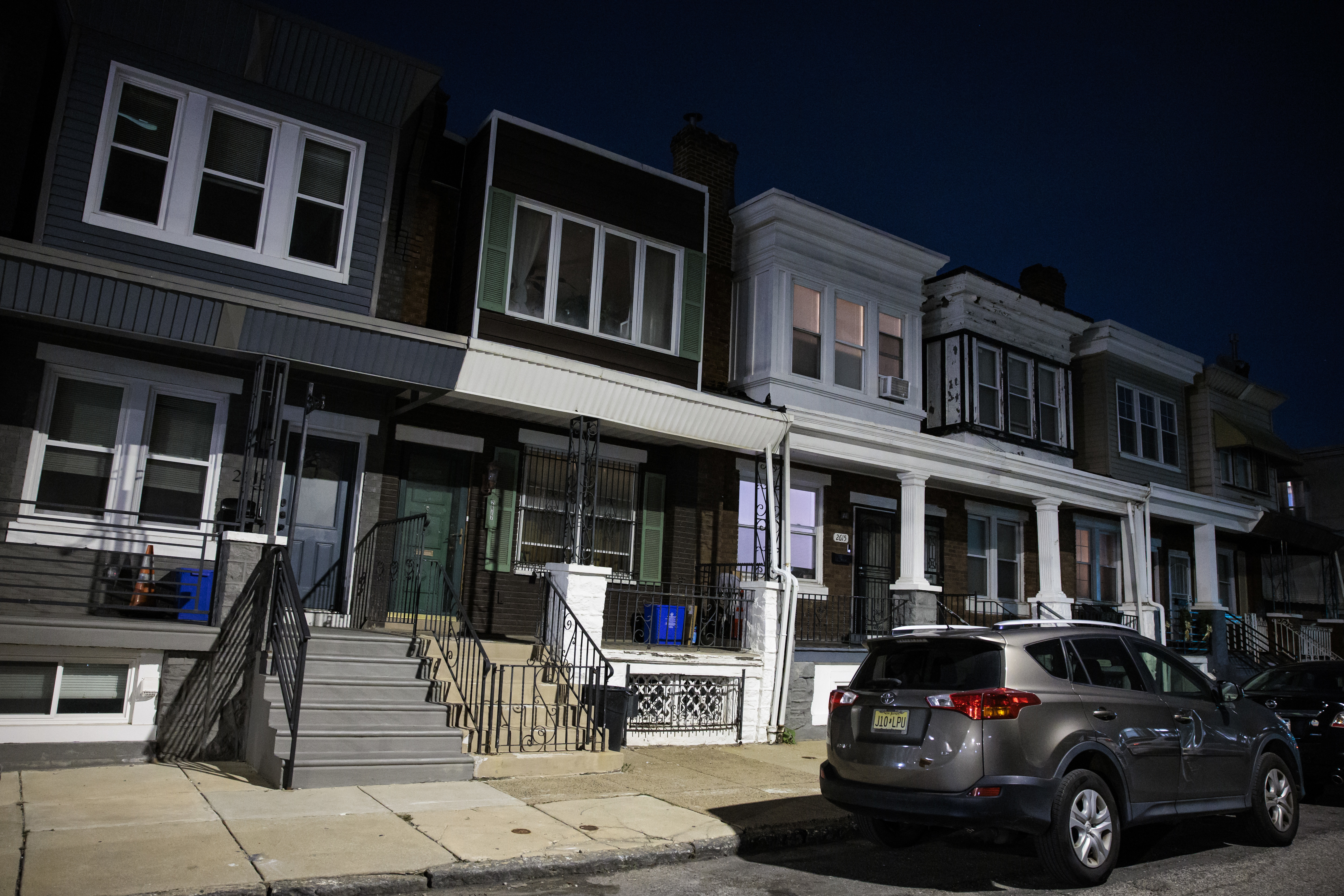
    Tunis’ house is in the middle of the block and across the street from a tall building, so it doesn’t a lot of light.

    Life after close: So far, Tunis is happy with the way her bedroom looks, and that’s about it. The rest of the house remains a work in progress. “There’s always some half-built furniture somewhere,” she said.

    Her next big project will be replacing the drywall in the back room downstairs. She took a class at West Philly Tool Library and plans to do it herself — or at least try. “I’m not ready to pay anyone yet,” she said. Once the walls are complete, she’s going to paint the kitchen, which is currently bright blue. She’d prefer terra-cotta or dark tan.

    Tunis says that even though her space is currently a “hot mess,” she likes coming home to it. “Coming to an apartment was fine. But coming to my house? It’s like ‘OK, this is my home.’ I’ve always got little projects to do.”

    Did you recently buy a home? We want to hear about it. Email acovington@inquirer.com.

  • A bilingual credit union is opening in Philly, seeking ‘unbanked’ customers to buy homes, build family businesses

    A bilingual credit union is opening in Philly, seeking ‘unbanked’ customers to buy homes, build family businesses

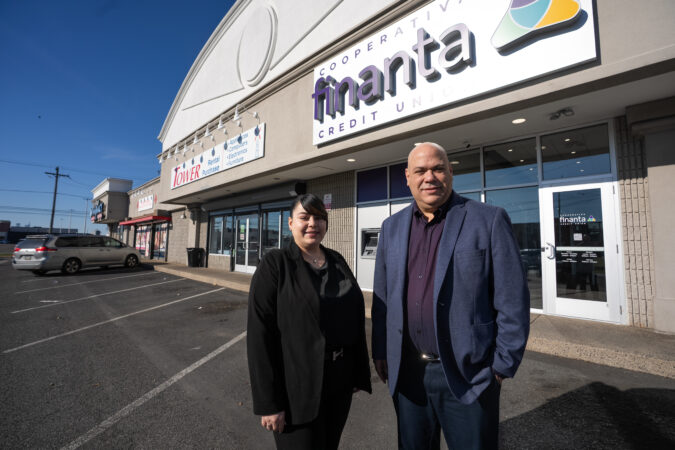
    At a former restaurant in a drive-up shopping strip on the edge of Port Richmond, a bilingual credit union has joined the neighborhood.

    The newest branch of federally-chartered Finanta credit union, which also calls itself Cooperativa Finanta, “is not just a banking place,” says Pedro A. Rivera II, Finanta’s board chair, president of Thaddeus Stevens College of Technology in Lancaster, and a graduate of Kensington High School.

    “We are focused on people that are unbanked: small business owners and workers who go to check-cashing agencies and use money orders and sometimes predatory [high-rate private] lenders,” said Daniel Betancourt, the credit union’s president and CEO.

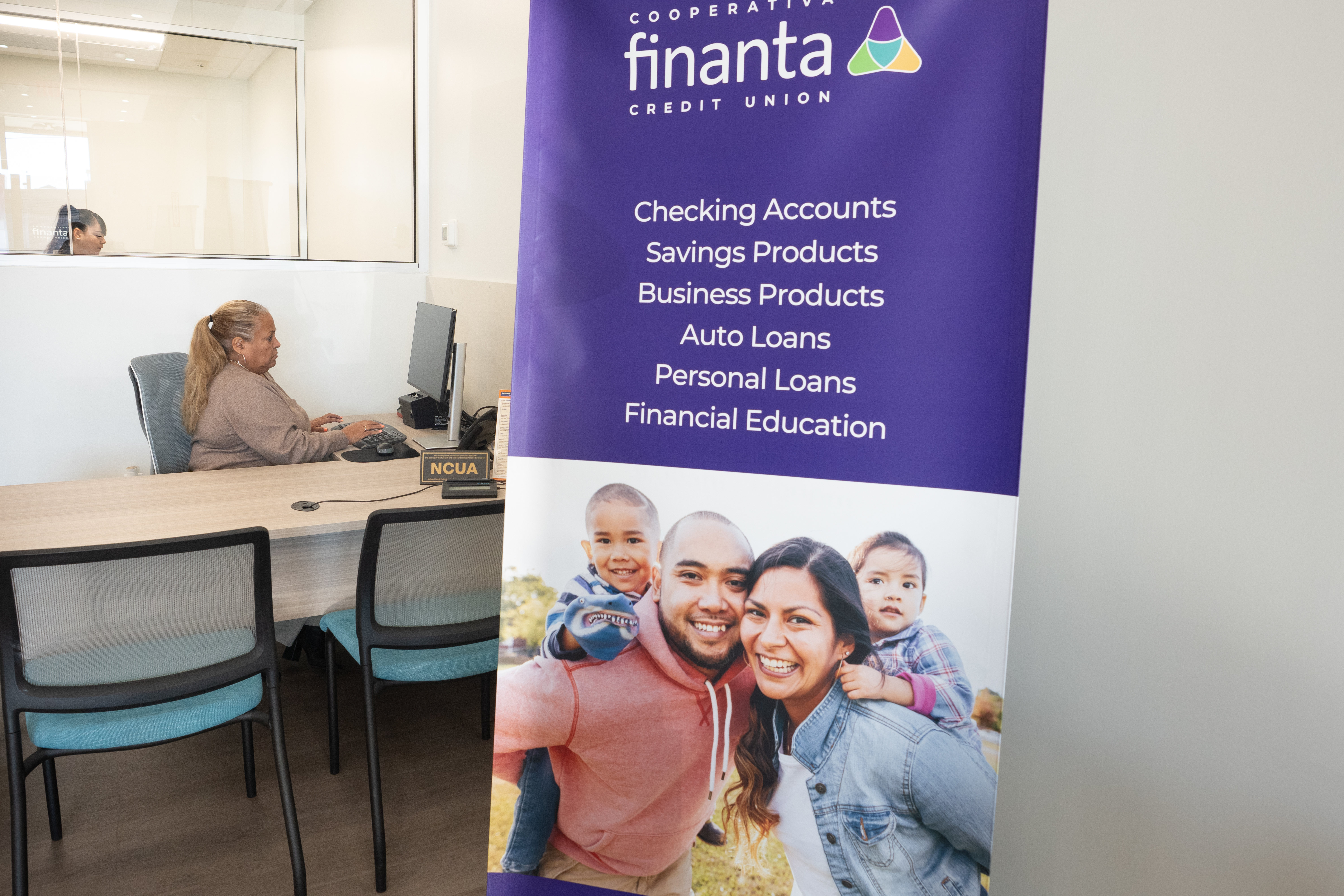
    Finanta Federal Credit Union offers mortgages, personal and small business loans, Visa debit cards, and interest on deposits. And credit union staff help customers learn to use these products — in English and Spanish.

    Branch manager Iris Santiago signed off on one of its first home mortgages to cleaning-service co-owner Libra Rivera, on Wednesday. The credit union office at 2313 E. Venango St. officially opened Friday but began accepting deposits and booking loans earlier.

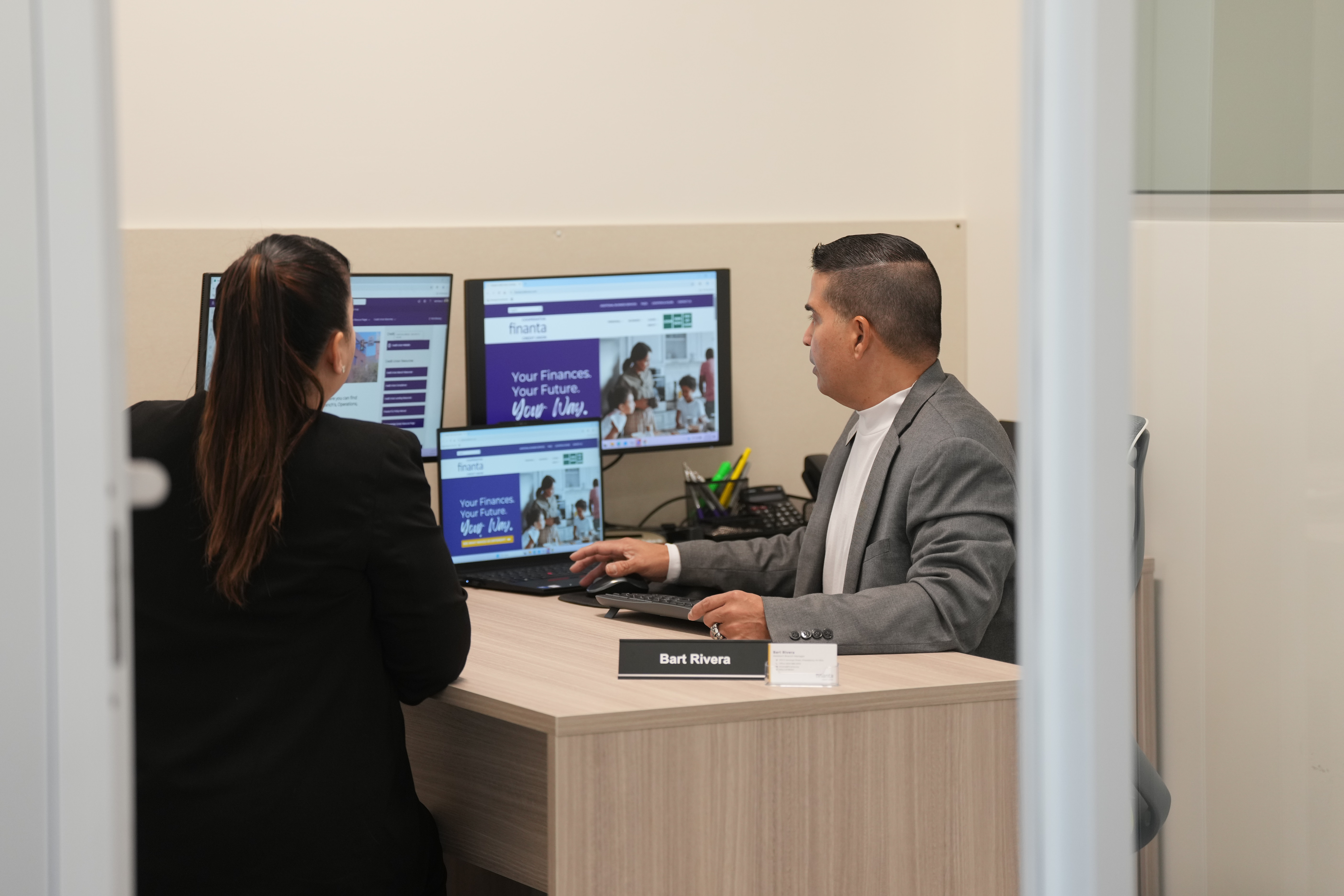
    Iris Santiago, branch manager, and Bart Rivera, assistant branch manager, at Finanta Federal Credit Union, in Philadelphia.

    Rivera said the concept takes him back to his North Philly youth, when he banked both the funds of the Amigos de Roberto Clemente youth track and field association and his newly minted teacher’s pay at the former Borinquen Federal Credit Union at Front and Allegheny, which shut in 2011.

    “It was the size of a rowhouse. You’d go in and connect to the tellers in a space where you could catch up what was going through the community and ask questions about percent yield, about how to leverage dollars in a place that was trusted,” Rivera said.

    He got that same feeling when he visited Finanta’s pilot branch in Lancaster after it opened in 2023. Rivera agreed to serve as Finanta’s chairman and went to work lining up support to speed its growth.

    Now, bolstered by private foundations and a state investment, Finanta is opening what it expects to be its largest branch in Port Richmond, with others to follow in Reading, Northeast Philly, Allentown, and other communities with large English-and-Spanish-speaking populations.

    The Lancaster branch signed up 2,000 members in three years. Betancourt expects as many in Philadelphia by next fall.

    This growth is not yet organic. Mackenzie Scott’s Yield Giving foundation in 2023 pledged $2 million a year for seven years to help finance loans. Santander Bank and M&T Bank each invested $1 million as part of their community-banking mandates.

    State House Appropriations Committee chair Jordan Harris, at the recommendation of state Rep. Jose Giral and state Sen. Tina Tartaglione, all Philadelphia Democrats, granted $4 million to build the Reading and Port Richmond branches.

    The credit union made its first mortgage this summer and offers home loans up to $400,000, enough to purchase homes in many but not all Philadelphia neighborhoods.

    The credit union also has made business loans to local firms like Puerto Rican bakery and restaurant El Coqui in Kensington. El Coqui had previously borrowed from the Finanta loan fund, which Betancourt also leads.

    Founded in 1996, the fund later merged with the larger Community First Fund of Lancaster and now lends in several cities under the Finanta name.

    The fund’s Philadelphia clients include developers such as HACE, projects such as Charles Lomax’s Village Square on Haverford in West Philly, and family-owned stores such as Silvia’s Bakery and Mucho Perú.

    Alicia Placeres, member sales representative, working at Finanta Federal Credit Union.

    A new credit union, open to everyone but anchored in the Latino communities, “is very much needed,” said Pedro Rodriguez, cofounder of Café Don Pedro coffee roasters in Brewerytown.

    He’s worried about loan volume amid the Trump administration’s push to arrest and deport immigrants. “They have people scared of their shadow,” he added.

    Others call the credit union a lifeline for people under pressure.

    “Our immigrants are very brave. A lot of the people who come to us are pursuing mortgages, pursuing small business loans, they say what’s going on is not unusual for them, and they are persisting” in building lives here, said Will Gonzalez, head of Ceiba, a Philadelphia-based economic-development advocacy coalition.

    Gonzalez has noted a drop this year — from almost one a day to less than two a month — in noncitizens filing for the first time to pay their income taxes with help from his agency, but those who have already been assigned IRS numbers have returned to file again even if their own immigration status is unresolved.

    “People are paying taxes because it’s the right thing to do,” Gonzalez added. “And because they want to borrow to put their kids in college and to buy a house. To do that, they know they need to show the lenders they have paid their taxes.” It’s a sign they see their long-term future in Philadelphia.

    He said the former Borinquen credit union was badly needed but was underfunded — “a little tree in a desert.” It operated from 1974 to 2011 until it was taken over by regulators and closed after suffering losses. A manager was sentenced to 7½ years in federal prison for stealing from the institution and members from 2006 to 2009.

    The Finanta credit union board Rivera heads, which oversees Betancourt and his growing staff, includes Mennonite Church USA moderator Elizabeth Soto Albrecht, Amalgamated Bank first vice president and 2016 Democratic National Convention CFO Jason O’Malley, and other professionals based in cities with large bilingual populations.

    For all his experience overseeing institutional budgets, Rivera said he and the other directors have had to learn banking in accordance with National Credit Union Administration guidelines.

    “I take my fiduciary responsibility seriously. We are now facing the regulatory expectations and demands of the banking world,” he said. “We know what is expected of us.”

    Gonzalez said Finanta’s focus on Pennsylvania cities with large and growing Latino populations makes it a natural support network.

    ”They are helping these communities build political and economic power,” he said. “They are in the right place at the right time.”

  • Philadelphia must imagine its next 250 years

    Philadelphia must imagine its next 250 years

    Thirty years ago next February, the world’s first high-profile competition between human and machine intelligence took place in Philadelphia.

    IBM’s Deep Blue supercomputer faced world chess champion Garry Kasparov at the still-new Pennsylvania Convention Center. It was timed with the 50th anniversary of the unveiling at the University of Pennsylvania of ENIAC, the world’s first supercomputer, and a reminder that Philadelphia once led the world into the computer age.

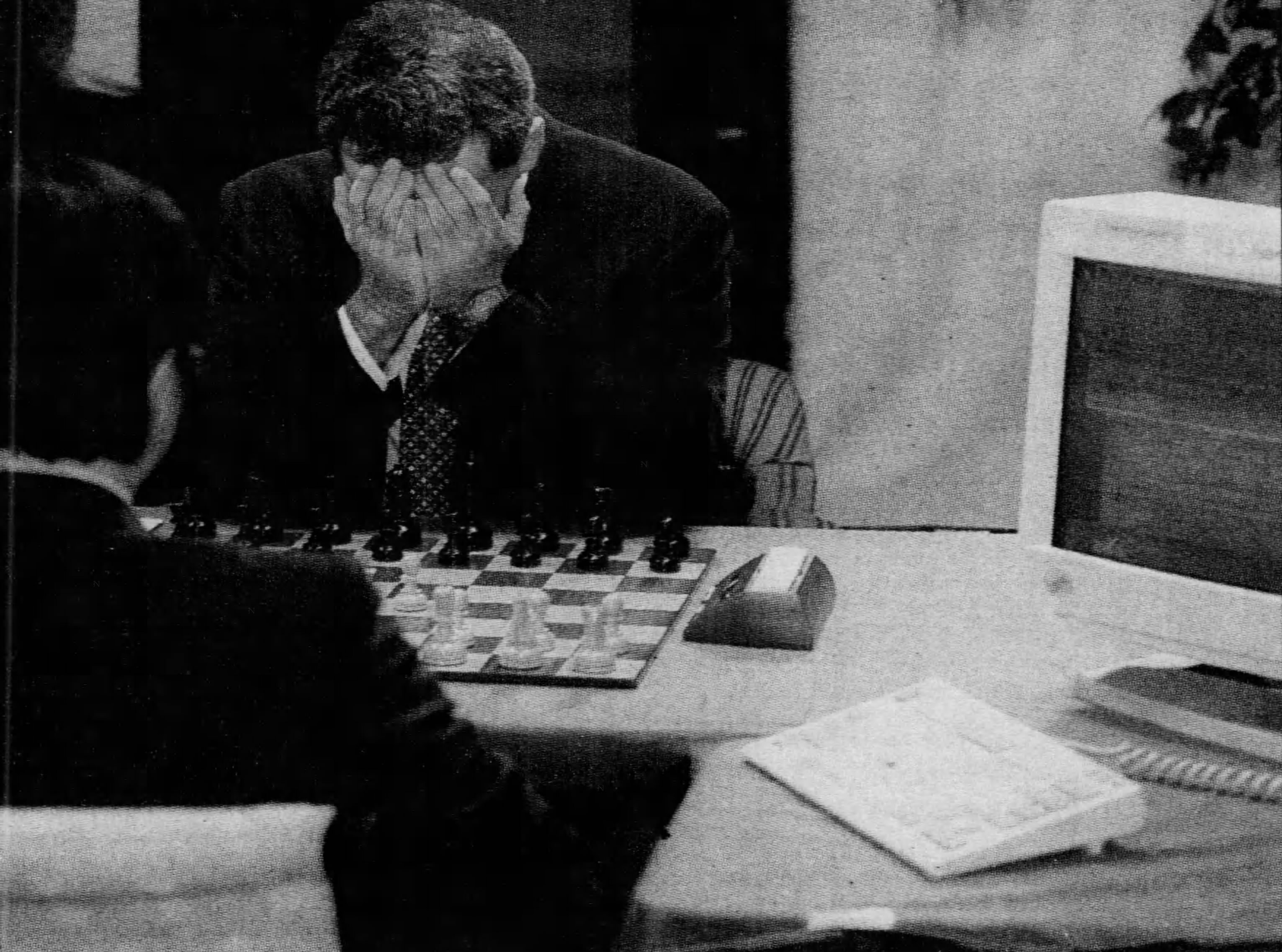
    Russian chess grandmaster Garry Kasparov, hunched over a chessboard and holding his furrowed brow in his hands, competes against the supercomputer Deep Blue in February 1996.

    Back then, artificial intelligence felt distant. Today, it feels existential.

    As we prepare to host the nation’s 250th anniversary in 2026, I’ve been asking: In a city so rich in history, are we still interested in the future?

    How it started

    This spark began in 2023, during a reporting project on economic mobility called Thriving that Technical.ly — the news organization I founded and lead — published with support from the William Penn Foundation, the Pew Charitable Trusts, and the Knight Foundation. Our newsroom followed 10 Philadelphians for a year to produce an award-winning audio-documentary and hosted a dozen focus groups across the city.

    One Brewerytown resident said something that inspired a previous op-ed I wrote for this paper: “Leaders here talk a lot about hundreds of years in the past, but nobody is looking very far in the future.”

    Across this region — in boardrooms, nonprofits, universities, and regional corporate offices — too many leaders manage the wealth and institutions created by past entrepreneurs, but too rarely invent anything new. We fight over what exists instead of building what’s next.

    The Semiquincentennial is our chance to prove we can balance our past, present, and future.

    Why this matters now

    My career has been spent listening to and challenging the inventors, entrepreneurs, and civic leaders shaping tomorrow’s economy. They act while others analyze.

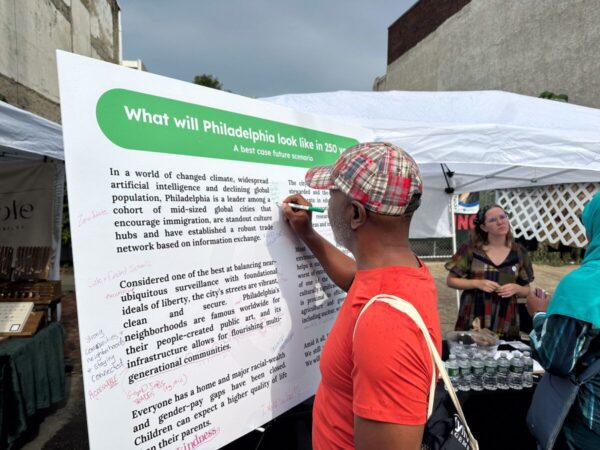
    In that spirit, we spent two years developing a vision for Philadelphia 250 years in the future. Nearly 1,000 Philadelphians have shared ideas at festivals, community events, and small-group gatherings. The current draft, open for one final round of feedback at Ph.ly, isn’t a plan but an invitation — a shared view of what we wish for our descendants in 2276.

    The coming decades could bring population decline, climate strain, and sweeping technological change. Yet, many local leaders still struggle to plan even years ahead.

    During a recent private discussion I moderated inside one of our city’s impressively preserved old buildings, a longtime civic leader cited Philadelphia’s poor economic mobility ranking. I reminded him that the same research, with the same warning, was released a decade ago. Why didn’t we plan to make changes then?

    He assured me this time would be different.

    Philadelphia’s past points forward

    Philadelphia’s breakthroughs have nearly always come from outsiders who pushed past local gatekeepers.

    Stephen Girard, a French immigrant dismissed by elites, built a shipping and banking fortune, stabilized the nation’s finances, and endowed Girard College.

    The Drexel family’s daring banking experiments helped fuel the Industrial Revolution before founding the school for engineers.

    Albert Barnes saw beauty where Philadelphia’s art establishment did not.

    ENIAC’s inventors, John Mauchly and Presper Eckert, were a little-known physics professor and a 24-year-old grad student whose entrepreneurial efforts were blocked locally, presaging Silicon Valley.

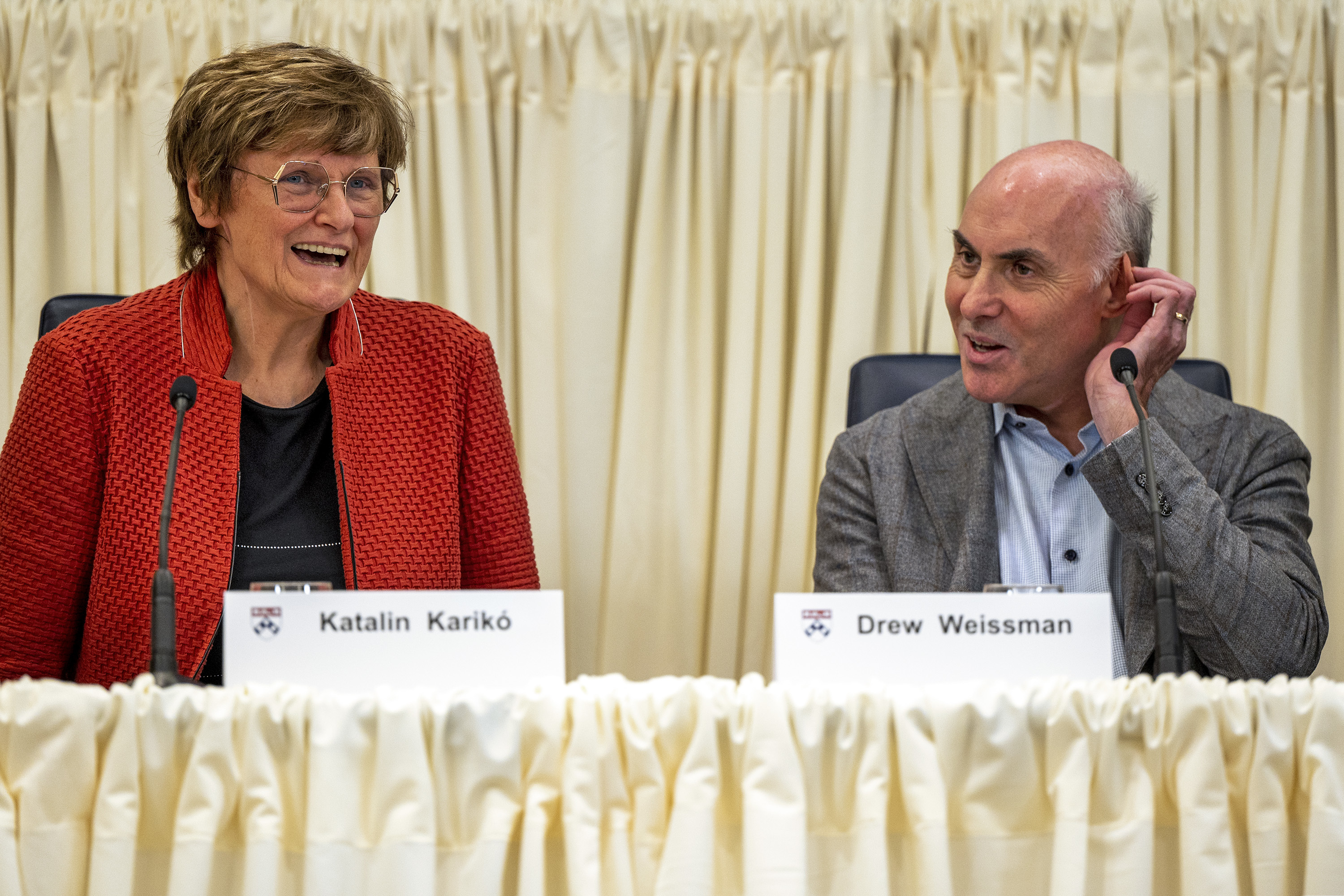
    Katalin Karikó and Drew Weissman attend a news conference at the University of Pennsylvania in October 2023, after they were named winners of the 2023 Nobel Prize in physiology or medicine for their work on messenger RNA, a key component of COVID-19 vaccines.

    Most recently and famously, Nobel laureate Katalin Karikó’s mRNA research that led to the rapid-fast, lifesaving COVID-19 vaccine response was commercialized in Boston, not here.

    The pattern is clear: Visionaries choose to live in Philadelphia, yet often get ignored, if not outright blocked, by local institutions. That’s no way to secure the next 250 years.

    There are signals of change.

    I take inspiration from bold efforts to build, including the Delaware waterfront and the cap of I-95. In the 2010s, Philadelphia’s technology sector earned initial, if timid, attention from successive mayoral administrations and civic leadership — and a half dozen tech unicorns were born.

    That tech community helped inform this multiyear vision statement project, which received $75,000 from a funders collaborative activating Semiquincentennial efforts, including the William Penn and Connelly Foundations. The city’s 2026 planning director, Michael Newmius, has been supportive, urging us to listen to residents and avoid undue filtering.

    Over two years, we’ve tabled at community events, hosted discussions, and led working sessions. The result isn’t mealymouthed or filtered by incumbency; it has grit and humanity — like Philadelphia itself.

    You can read the draft vision at Ph.ly and in the article box in this op-ed. We’re collecting one final round of feedback this fall, and we’ll incorporate what we can. We’re accepting feedback until Dec. 1.

    From conversation to commitment

    Our goal is to enshrine the final version of this statement on a physical plaque at a prominent location in the city. We’ll also host a digital version online, paired with voices from residents across the region.

    This vision doesn’t prescribe policy, nor make fallible predictions; instead, it offers a shared aspiration, a framework that future leaders can measure their plans against.

    In its early drafts, the statement imagined a green-energy Philadelphia with climate-adaptive agriculture, abundant public art, thriving multigenerational neighborhoods, and a culture that “exports ideas and imports opportunity.”

    Over subsequent versions, the specifics were removed to reflect the long time horizon, but the spirit remains: Philadelphia must keep people — not technology, not incumbency — at the center of our future.

    The Semiquincentennial should celebrate our history — I personally cherish it. I was a historic Old City tour guide for a year, and my daily bicycle commute to the Technical.ly newsroom past Independence Hall reminds me what endurance looks like.

    But if we only admire our past, we’ve missed its key lesson. Philadelphia is strongest when we pair cobblestones with invention’s spark.

    Read the vision at Ph.ly. Critique it, add to it, make it better. May it inspire Philadelphians for generations to keep building, not just preserving.

    The Kasparov-Deep Blue rivalry is remembered as the moment a machine beat a human genius. But that was the rematch. The first contest — the one held here in Philadelphia — ended with the human winning. Let’s make sure that’s still true for our city.

    Christopher Wink is the publisher and cofounder of the news organization Technical.ly.

  • Corporations bought 1 in 4 homes sold in Philly from 2017 to 2022, new report says

    Corporations bought 1 in 4 homes sold in Philly from 2017 to 2022, new report says

    Roughly one in four small residential buildings bought in Philadelphia from 2017 and 2022 were purchased by corporations, according to a new report about investor activity in the city.

    Most of these corporate buyers are renting out the properties, which have one to four housing units, according to a report about corporate investors that was released Monday by researchers at Reinvestment Fund, a Philadelphia-based community investment nonprofit, and the Center for Law, Inequality, and Metropolitan Equity at Rutgers Law School in Newark.

    Investors compete with low-income homebuyers. They are more likely to pay with cash and less likely to be denied mortgages. They sometimes pursue properties before they hit the market.

    “There are a lot of neighborhoods that are seeing investor activity, that are raising concerns,” said Emily Dowdall, president of policy solutions at Reinvestment Fund. “Our hope is that this report, that other reports, are going to help inform a strategy going forward.”

    Smaller operators are buying most Philadelphia homes purchased by investors. But researchers have seen an increase in larger corporate landlords.

    Researchers looked at sales of residential buildings with one to four housing units. Most were single-unit homes, but the city records that researchers classified properties with one to four units as single-family housing.

    Researchers found that 13 investors bought 100 or more properties and eight bought more than 200 from 2017 through 2022.

    Here are some other takeaways from the new study.

    No sign of big national players

    From 2020 through 2022, 91% of homes purchased by corporations were bought by smaller investors.

    Researchers said they found no evidence that the biggest national investors in single-family homes — such as the private equity firm Blackstone and Invitation Homes, one of the country’s largest landlords of single-family homes — are active in Philadelphia.

    Private equity-backed national investment organizations have bought single-family homes in bulk in places such as the southeastern United States, which has been targeted because it has newer housing stock and fewer tenant protections, Dowdall said.

    These types of investors have been tied to rent increases and fewer opportunities for first-time homebuyers and buyers with low and moderate incomes.

    Philadelphia is less likely to see these organizations operating here because of the city’s many renter protections and an older housing stock that needs a lot of investment, Dowdall said. The city’s foreclosure prevention program and the relatively long foreclosure process in Pennsylvania also deter these organizations, which like to quickly buy and lease homes on a large scale.

    “It’s still possible that we could see more national players, as they have already saturated the easier markets to get into,” she said.

    During the pandemic, some larger regional and national companies started to come to Philadelphia, researchers found.

    Investor activity is concentrated in certain areas

    Corporate investors mostly buy single-family homes in areas of the city where prices are lowest. Those neighborhoods also are predominately Black and Hispanic, including Brewerytown, Germantown, Juniata Park, and Kingsessing.

    From 2020 to 2022, the median purchase price for an investor was $129,000, compared to the citywide median purchase price of $225,000 and individual buyers’ median purchase price of $247,000.

    During this time, investors were most active in North, West, and Southwest Philadelphia and sections of Lower Northeast and Northwest Philadelphia. Investors bought more than half of all homes sold in these areas.

    Before sheriff sales paused because of the pandemic, investors often bought a chunk of their properties that way.

    The share of foreclosed homes purchased by investors grew from 31% of properties sold in sheriff sales in 2012 to 60% in 2019.

    From 2017 to 2019, high-volume investors got about a third of their single-family properties through sheriff sales.

    From 2020 through 2022, fewer than 40 properties were auctioned off each year. So investors relied more on other ways of acquiring properties, including buying directly from homeowners, “potentially creating more direct competition with individual homebuyers,” the report said.

    More eviction filings and code violations

    Large corporate landlords were more likely to file in court to evict tenants than smaller investors.

    About one in seven homes bought by high-volume investors were associated with eviction filings within five years, compared to less than one in 20 homes bought by smaller investors.

    Investors of all sizes were more likely than individual homebuyers to have code violations. About 20% of properties bought by investors had violations within five years of the purchase. The share of violations in owner-occupied properties was 9%.

    Researchers plan to learn more about the types of code violations these properties generate, since violations can range from trash issues to unsafe conditions.

    More work on properties

    Researchers also uncovered “potentially positive findings” about large investors, Dowdall said.

    Philadelphia’s aging housing stock needs investment for renovations and maintenance, and the report found that larger investors were more likely to get permits to alter their properties than smaller investors. “Bringing much needed dollars in to refurbish our housing stock,” she said.

    Large corporate investors received alteration permits for 42% of the properties they bought, compared to 29% for smaller investors and 13% for individual homebuyers.

    Like code violations, projects that need permits can range from the minor to the major, from adding electrical outlets to total renovation.

    In future analyses, researchers plan to drill down on the specific work being done on investors’ properties.

    Researchers’ recommendations

    Many investors purchase properties using a variety of corporate names, so identifying who is in control of corporations can be challenging, researchers said. That makes it difficult to hold operators accountable for problems at their properties.

    Researchers recommend state lawmakers require limited liability companies to disclose who is in control.

    They also recommended that the city:

    • Enforce rental license requirements to create a more complete inventory of rental properties
    • Use public data to understand how investors operate and their effects on the market and renters
    • Prioritize individuals and nonprofits at sheriff sales
    • Help individual homebuyers compete in the housing market, including by giving more money to homebuyer assistance programs