Tag: Bustleton

  • Inside the $70 million makeover of Roosevelt Mall

    Inside the $70 million makeover of Roosevelt Mall

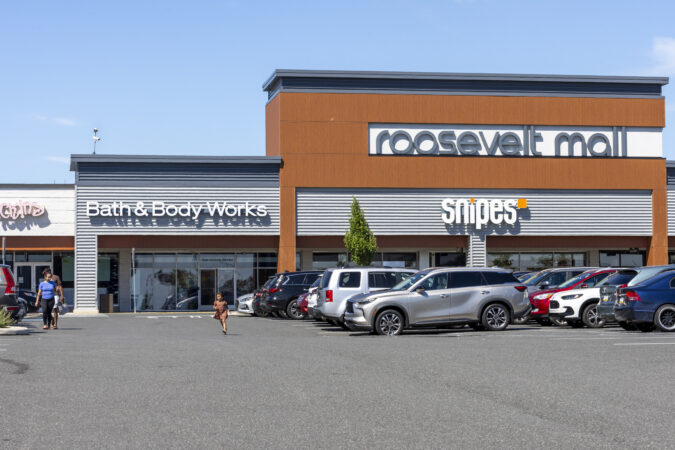
    As Brixmor Property Group executives began transforming the Roosevelt Mall, they briefly debated whether to change the name.

    After all, the 60-year-old Northeast Philly shopping center is undergoing a more than $70 million makeover that promises to bring it into the modern age with new tenants, upgraded facades, and a better layout.

    As Brixmor executives walked around the 620,000-square-foot complex on a recent day, they said they already see the outdoor mall becoming a community hub — with a gym, an organic grocer, and new fast-casual dining options.

    Despite these changes, they have decided the Roosevelt Mall should not be rebranded.

    “It’s an iconic name,” said David Vender, Brixmor Property Group’s executive vice president for the north region, who is based in Conshohocken. “People know it as a landmark.”

    Brixmor operates about 350 shopping centers nationwide, but some of its top executives — including new CEO Brian Finnegan, who grew up in Roxborough — have soft spots for Philly, forged by personal or family connections to the region.

    During a visit to the Roosevelt Mall last week, they said they were proud of their local properties.

    Those include the Village at Newtown in Bucks County and Pilgrim Gardens in Drexel Hill, where the company recently built an artful “Delco” sign to tap into local pride.
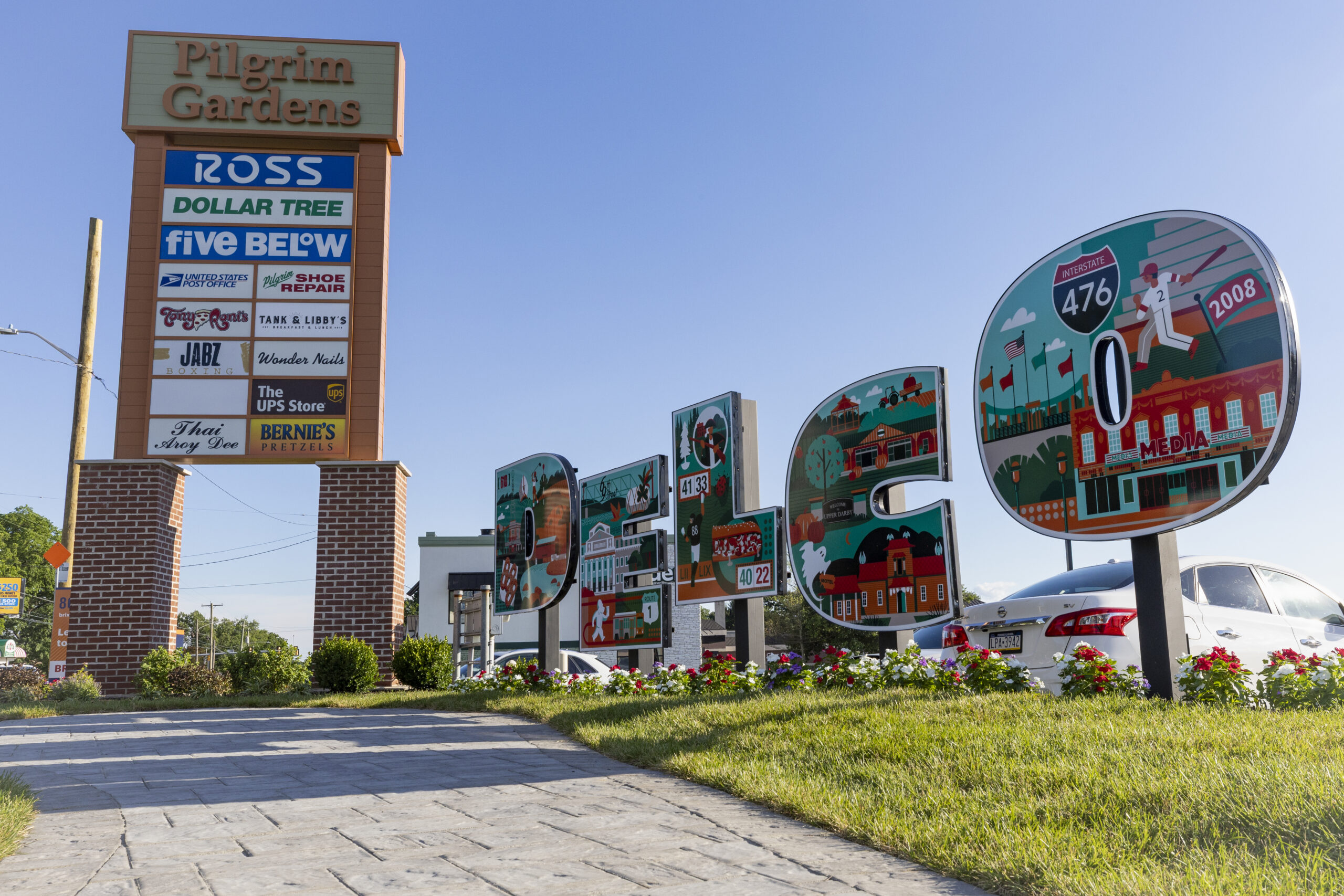
    A new Delco sign is shown at Pilgrim Gardens in Drexel Hill on June 16.

    And they said their connection to the community around the Roosevelt Mall has only grown stronger since last year’s plane crash, which killed eight people, injured two dozen, damaged nearby homes, and left an 8-foot-deep crater in front of the mall.

    Even before the tragedy, they said, they considered how their local redevelopments affected the Philly-area residents who shop, eat, and drive by their centers every day.

    At the Roosevelt Mall — which sits on 36 acres between Cottman Avenue, Roosevelt Boulevard, and Bustleton Avenue — these decisions have begun to pay off.

    In the last year, the center logged 6.3 million visits, a 5% year-over-year increase and a 19% jump when compared with the 12 months before Sprouts Farmers Market’s 2024 opening, according to company executives.

    Occupancy was over 98% this spring, they said, and customers spend about 35 minutes there on average, on par with the national average for all Brixmor complexes.

    When you’re able to bring together “higher-quality food and beverage, fitness, service … then you’re also able to attract more elevated retail” stores, said Finnegan, noting that Ulta Beauty and Victoria’s Secret are among the tenants signed on for the next phase of the Roosevelt Mall’s redevelopment.
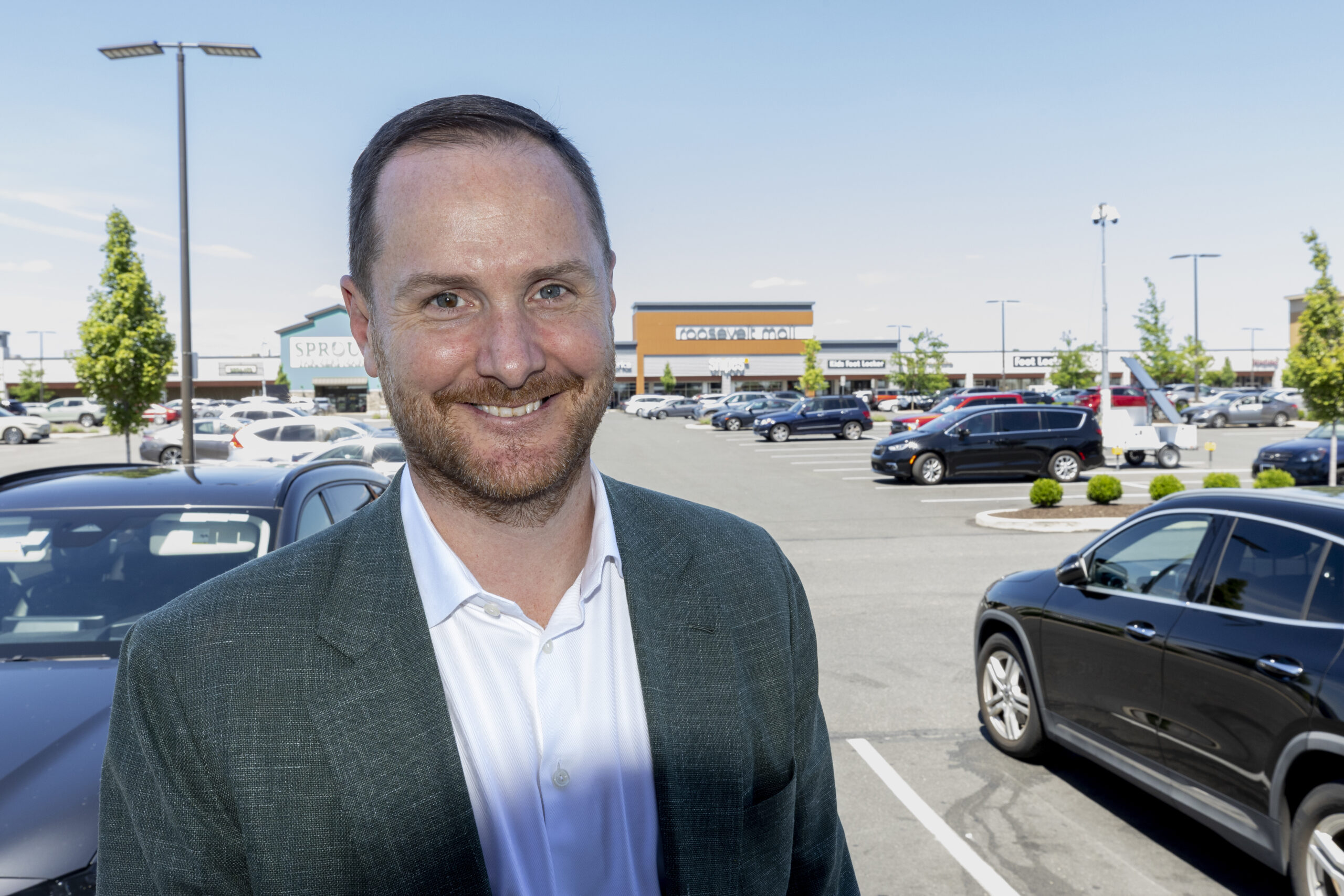
    Brian Finnegan, CEO and president, at Brixmor Property Group, at the Roosevelt Mall in Northeast Philadelphia.

    Achieving the tenant mix of a modern shopping center

    When the Roosevelt Mall opened in 1964, its main promenade was referred to as “Chestnut Street Northeast,” with several outposts of Center City clothing stores, according to an Inquirer article from the time.

    The shopping center had apparel shops, such as Baker Shoes and Famous Maid, as well as “the Cavalier, a cafeteria-style restaurant with a game room and a retail bakery,” The Inquirer reported. It was anchored by an S. Klein’s discount department store.

    The Roosevelt Mall was built as part of the Roosevelt Boulevard shopping complex, bordered by Cottman and Castor Avenues. The larger development — which also had Gimbels and Lit Bros. department stores — was called the country’s largest “in-town” shopping center at the time.
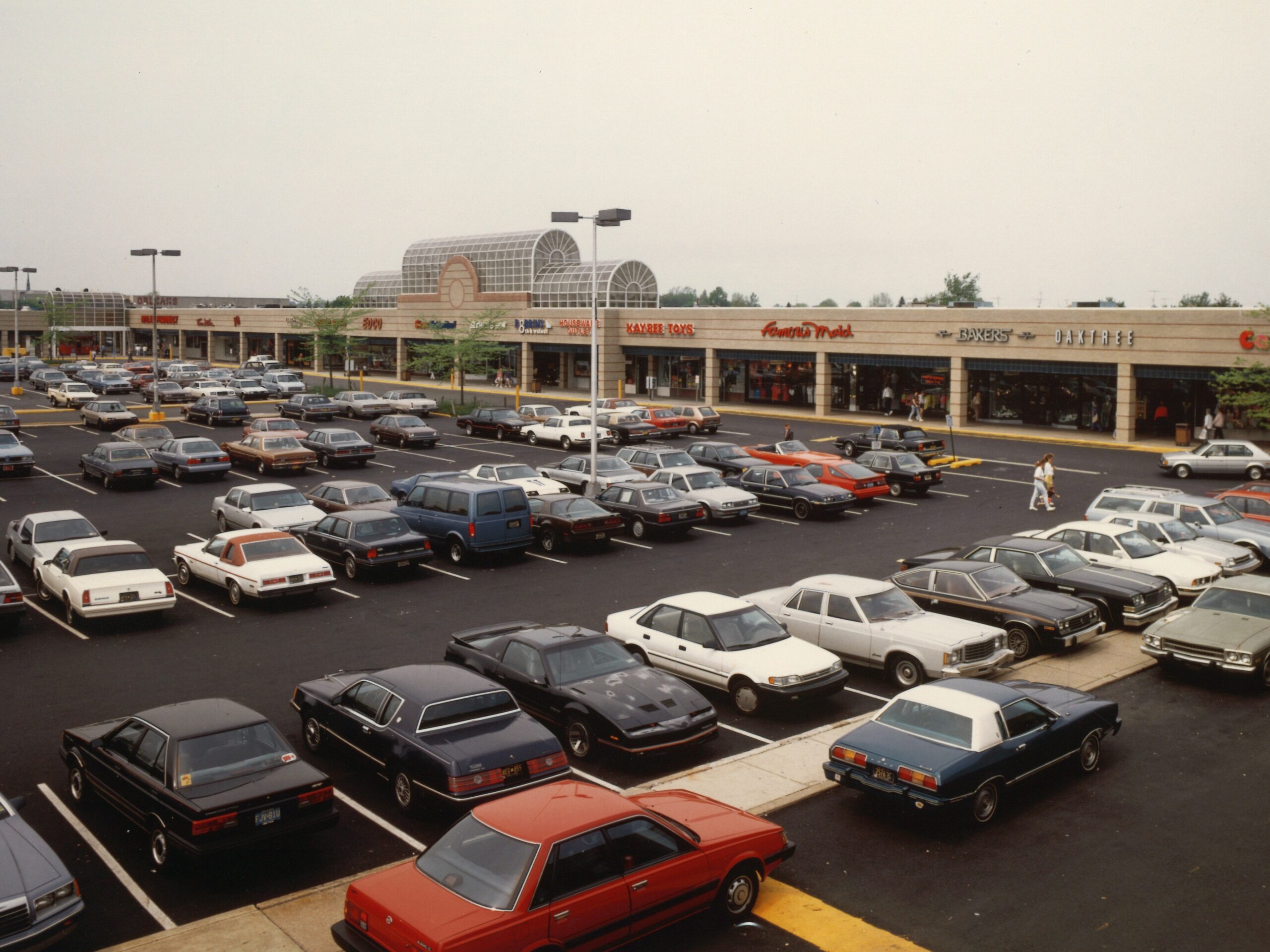
    Roosevelt Mall in Northeast Philadelphia is shown in earlier days, long before Brixmor Property Group remodeled the property.

    Decades later, consumers can buy clothes, home goods, even groceries online with just a few clicks. So shopping centers need more than just retail stores, said executives at Brixmor, which became the Roosevelt Mall’s owner more than a decade ago.

    They said they have intentionally brought in tenants that customers may visit multiple times a week and added more pedestrian walkways, open-air plazas, and outdoor seating.

    “Historically, shopping centers were very utilitarian, and now they’re really becoming more community assets, so we’re really careful about our merchandising mix,” said Ryan Guheen, Brixmor’s senior vice president of development.
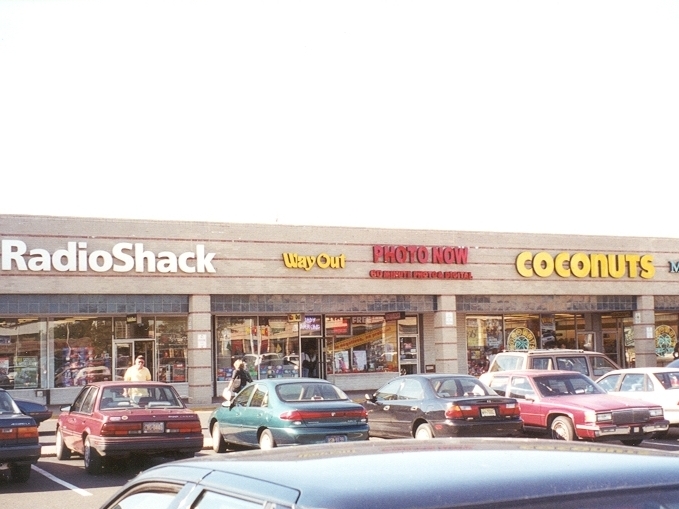
    Roosevelt Mall in Northeast Philadelphia is shown in earlier days, long before Brixmor Property Group remodeled the property.

    The latest redevelopment push began around 2020, when Brixmor opened an LA Fitness outpost on the site of a former Turf Club off-track betting venue, near a new Oak Street Health clinic.

    Since then, the company has constructed buildings in underused sections of the parking lot and filled them with popular chain eateries like Raising Cane’s chicken; the American-Chinese food spot Panda Express; and Tous les Jours, a Korean-French bakery and coffee shop.

    The Sprouts organic grocer has driven traffic to the center since it opened in 2024, and a nearby Wonder dine-in food hall and delivery kitchen opened last year.
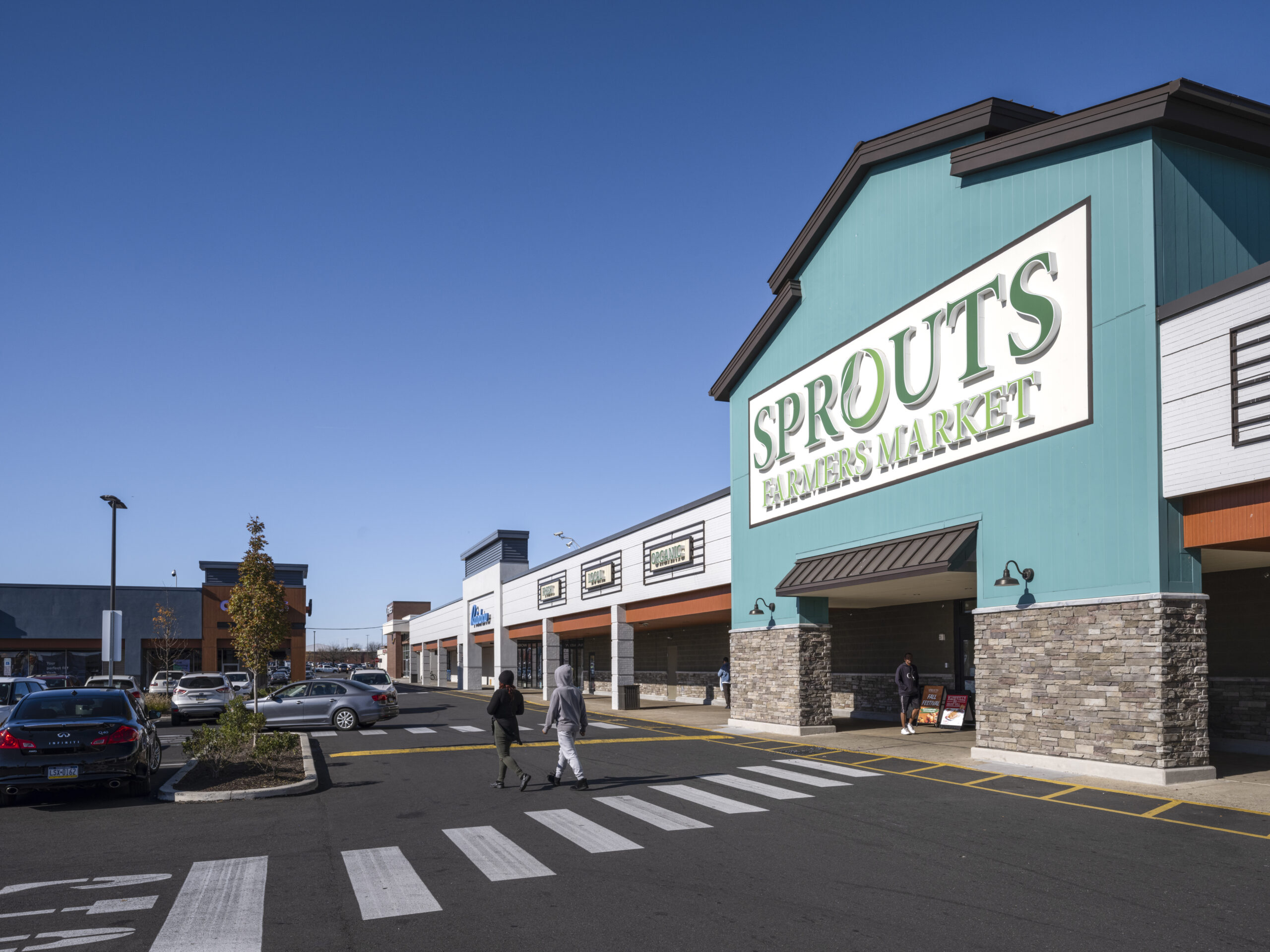
    Annual customer visits to Roosvelt Mall have increased 13% since Sprouts organic grocer opened there in 2024.

    The 37,000-square-foot under-construction building, set to house a Victoria’s Secret and an Ulta, will also include fast-casual staples like Shake Shack and Cava, which serves Mediterranean bowls and pitas.

    Tenants like these, Guheen said, provide “multiple opportunities for people to stay on property to shop retail, get their workout in, go to the bakery, get a coffee.”

    Some mall retailers have found homes in shopping centers

    As Brixmor executives diversify the tenant mix at their shopping centers, they say they do not see retail stores going extinct.

    In fact, as some indoor malls deteriorate or become residential-focused town centers, “the open-air strip centers benefit,” Vender said, as traditional mall retailers look to open more stores in outdoor complexes.

    Elsewhere in the Northeast, the Franklin Mall, formerly Franklin Mills, has been in decline for years and was recently listed for sale. Real estate investor Dean Adler has said he wants to buy the 137-acre mall and turn it into a youth sports complex with a hotel and Margaritaville-themed water park.

    Seven miles away, the Roosevelt Mall is home to several shops that were once found almost exclusively in enclosed malls, such as Bath & Body Works, Foot Locker, and the forthcoming Victoria’s Secret. These companies’ higher-ups have pivoted in recent years, adding more locations in open-air centers.

    “It’s not like retailers are leaving malls en masse … at least in the best malls,” Finnegan said. But “as they open stores in open-air shopping centers with grocery stores, with fitness uses, with elevated food and beverage, they’re seeing the sales performance” — and then want to keep investing in shopping centers.

    Longer-standing retail tenants are continuing to see success, too. Finnegan said the Roosevelt Mall’s 300,000-square-foot standalone Macy’s is among the company’s top-performing locations in the region, rivaling the King of Prussia Mall store.

    The department store is the center’s largest driver of traffic, recording more than 900,000 annual visits, said Brixmor executives, who are not worried about the department store closing as the Center City store did last year.
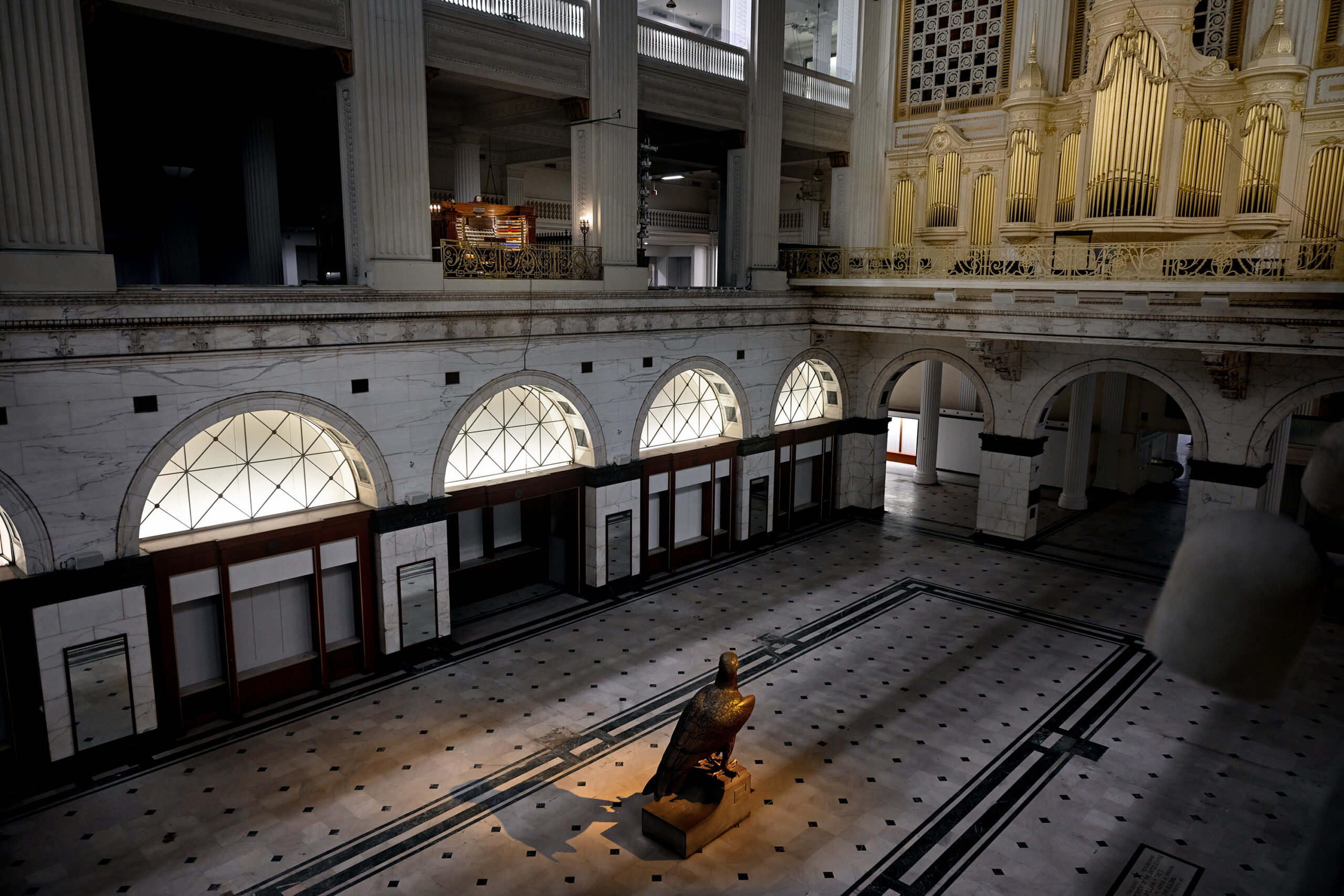
    As seen in September, the Macy’s in the Wanamaker Building in Center City now sits empty. It closed last year.

    A Rita’s Water Ice franchise has also stayed put in the Roosevelt Mall for decades, Finnegan said.

    Company executives said they are optimistic this momentum will continue. Along with the under-construction section, redevelopment plans also include another standalone building that has yet to break ground — and the cost of which is not included in the current price tag.

    Finnegan put it simply: “Opportunity begets opportunity.”
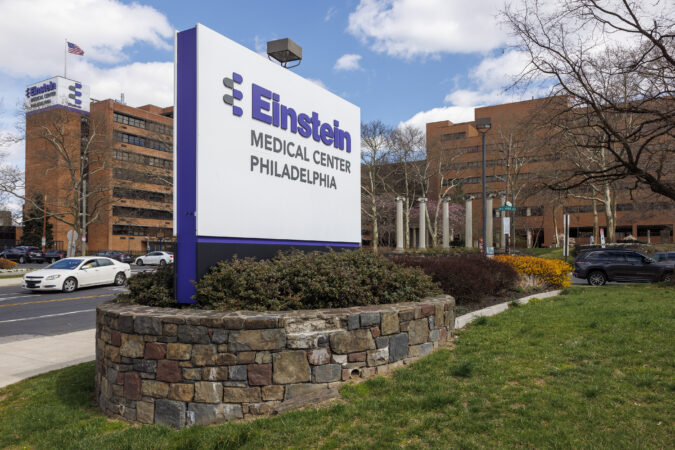
  • Jefferson Health will close four Einstein pediatric practices and move three others to True North Pediatrics

    Jefferson Health will close four Einstein pediatric practices and move three others to True North Pediatrics

    Jefferson Health is closing four legacy Einstein pediatric practices, including one at Jefferson Einstein Hospital Philadelphia in a low-income area of the city, and moving three others to True North Pediatrics, a private group with a dozen mostly suburban locations.

    The nonprofit health system did not respond to questions Thursday about how many children the practices serve, how many jobs will be cut, or why it was making the change, which is expected to significantly reduce the amount of pediatric care in North and Northeast Philadelphia.

    This week’s pediatric cutbacks are a significant move affecting patient care amid a yearslong effort to make the system with more than $15 billion in annual revenue financially sustainable. From 2015 through 2024, Jefferson grew from three hospitals to more than 30 and now stretches from South Jersey to near Scranton.

    The locations scheduled to close June 30 are the Pediatric & Adolescent Ambulatory Center at Einstein Philadelphia and three Holland Pediatrics locations (Center One/Bustleton in Northeast Philadelphia, Buck Road in Southampton, and Frankford in Torresdale), Jefferson said in a statement.

    The three clinics going to True North are Trappe Pediatric Care at Iron Bridge, Pennypack Pediatrics, and Einstein Pediatrics Elkins Park. Jefferson did not provide details on transaction terms.

    A practice manager at True North, which is based in suburban Philadelphia, did not respond to a request for more information. True North’s website said the practice is independent, “not managed by any big business or larger institution.”

    Jefferson said in a statement that it will continue offering pediatric services through its primary care network, urgent care centers, emergency departments, and Lehigh Valley Health Network’s Reilly Children’s Hospital.

    The pediatric clinics affected had been part of the former Einstein Healthcare Network when Jefferson acquired the system in 2021.

    “With three excellent inpatient pediatric hospitals right here in our region, partnering with True North Pediatrics — an organization whose singular focus is pediatric care — allows us to ensure that families across our region continue to receive the specialized, dedicated attention they deserve,” Jefferson said in an internal communication Monday.

    It’s possible that St. Christopher’s Hospital for Children, which is about 3½ miles by car from Einstein Philadelphia, will pick up many of the thousands of dislocated patients.

    St. Chris already serves almost exclusively patients with Medicaid insurance for low-income families and struggles to make ends meet because of the low rates it receives.

    “We are committed to delivering trusted, compassionate care for every patient who walks through our doors,” St. Chris said in a statement. “Families can access care at our nearby locations, including our Center for the Urban Children and Northeast Pediatrics office.”

  • ‘Some sort of connection’: Police investigating whether three Philly slayings tied to towing industry are related

    ‘Some sort of connection’: Police investigating whether three Philly slayings tied to towing industry are related

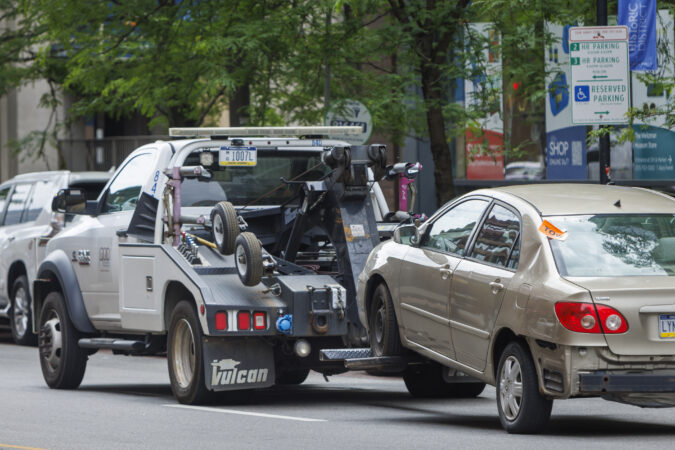
    Philadelphia police are investigating whether the separate slayings of three men, all of whom worked in the city’s towing industry, are connected, authorities said this week.

    Two of the men, who were shot and killed in December and January respectively, worked as truck operators for the Jenkintown-based company 448 Towing and Recovery, according to police.

    The other man, who was shot and killed in November, is connected to a different towing company and worked as a wreck spotter.

    Investigators began looking at a possible connection between the killings after the shooting death of 25-year-old Aaron Whitfield Jr. on Sunday, according to Lt. Thomas Walsh of the department’s homicide unit.

    “On the surface, there’s obviously some sort of connection,” Walsh said.

    Whitfield was in a tow truck with his girlfriend outside of a Northeast Philadelphia smoke shop near Bustleton Avenue and Knorr Street that evening when two men pulled up in another vehicle. They fired at least a dozen shots at the truck before speeding off.

    Whitfield died at the scene, while the woman was hospitalized with gunshot wounds to the leg.

    The shooting came after another 448 Towing and Recovery driver, David Garcia-Morales, was shot on Dec. 22 while in a tow truck on the 4200 block of Torresdale Avenue, according to police.

    Police arrived to find Morales, 20, had been struck multiple times. They rushed him to a nearby hospital, where he died from his injuries on Dec. 26.

    While Walsh could not conclusively say whether investigators believe the killings were carried out by the same person or by multiple individuals, he noted that two different vehicles had been used in the crimes.

    One of those vehicles, a silver Honda Accord used in the shooting of Whitfield, was recovered earlier this week after police found it abandoned in West Philadelphia, Walsh said.

    Meanwhile, police are investigating whether the shooting death of 26-year-old Aaron Smith-Sims in November may also be connected to the killings of Whitfield and Garcia-Morales.

    Smith-Sims, who Walsh said was connected to a different towing company, died after he was shot multiple times on the 2700 block of North Hicks Street in North Philadelphia the morning of Nov. 23.

    Investigators are now looking to question the owners of both towing companies involved, according to Walsh.

    So far, they have failed to make contact with the owner of 448 Towing and Recovery.

    “Obviously the victims’ families are cooperating,” Walsh said. “They’re supplying all the information that they have.”

    An industry that draws suspicion

    Philadelphia’s towing industry can appear like something out of the Wild West, with operators fiercely competing to arrive first at car wrecks and secure the business involved with towing or impounding vehicles.

    Police began imposing some order on the process in 2007, introducing a rotational system in which responding officers cycle through a list of licensed towing operators to dispatch to accident scenes.

    But tow operators often skirt that system, employing wreck spotters — those like Smith-Sims — to roam the city and listen to police scanners for accidents, convincing those involved to use their service before officers arrive.

    The predatory nature of the industry and, in some cases, its historic ties to organized crime make it rife with exploitative business practices and even criminal activity.

    But Walsh cautioned the public against jumping to conspiracy theories about the killings, which have proliferated on social media in the days after Whitfield’s death and the news of a possible connection between the murders.

    Those suspicions aren’t entirely unwarranted.

    In 2017, several employees who worked for the Philadelphia towing company A. Bob’s Towing were shot within 24 hours of one another — two of them fatally.

    Police and federal investigators later arrested Ernest Pressley, 42, a contract killer who was sentenced to life in prison after pleading guilty to killing six people between 2016 and 2019.

    Pressley admitted to accepting payment in exchange for killing one of the towing employees, 28-year-old Khayyan Fruster, who had been preparing to testify as a witness in an assault trial.

    Pressley shot Fruster in his tow truck on the 6600 block of Hegerman Street, killing him and injuring one of his coworkers.

    And in an effort to mask the killing — and to make it appear as if it had been the result of a feud between towing operators — Pressley earlier shot and killed one of Fruster’s coworkers at A. Bob’s Towing at random, according to prosecutors.