Tag: Cherry Hill

  • How Philly-area outlets survive and sometimes thrive in an era of dying malls

    How Philly-area outlets survive and sometimes thrive in an era of dying malls

    For the Nowell family, the outlets are an annual tradition.

    Every Veterans Day, a dozen relatives venture to Limerick Township in Montgomery County, where they kick off their holiday shopping at the Philadelphia Premium Outlets.

    Even this year, as bitter winds whipped through the outdoor plaza, the family was undeterred.

    After a morning of shopping, the multigenerational group, which included two veterans, warmed up with their yearly food-court lunch, courtesy of matriarch Geri Nowell, 77, of Telford. Then, the men returned to the cars and dropped off dozens of shopping bags, which they’d been carting around in a wagon. The women walked on, hunting for their next find among the more than 130 shops.
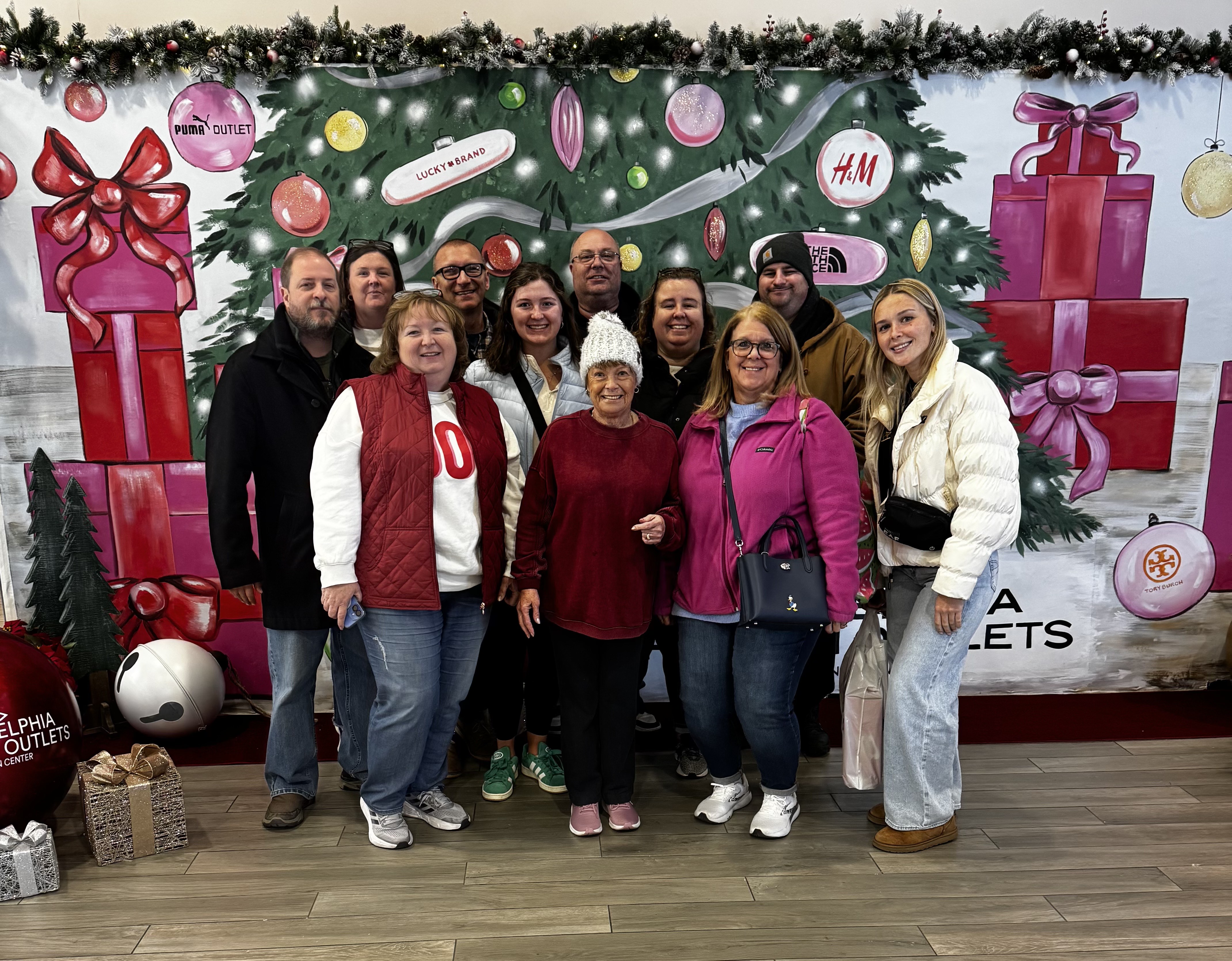
    The Nowell family poses in front of a holiday backdrop during their annual outing to the Philadelphia Premium Outlets.

    “It’s super fun,” said Ann Blaney, 47, of Drexel Hill.

    “We get great deals,” added Kim Woodman, 55, of Hatboro.

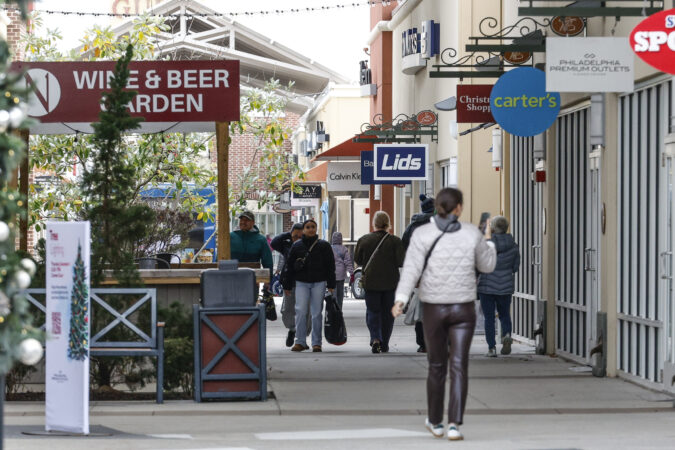
    The tradition is an experience they say can’t be replicated online. The fact that the complex is open-air and contained in a 550,000-square-foot plaza somehow adds to the fun, they said.

    As Kathy Nelson, 48, of Broomall, browsed the outlets with her friends, she said she also shops at the nearly 3 million-square-foot King of Prussia Mall, less than 20 miles away. But otherwise, she said, “there aren’t many indoor malls left” with the variety of stores she prefers.

    As some indoor malls have struggled and died, leaving fewer than 1,000 left nationwide, the outlets remain alive.

    Outlets have always accounted for a fraction of the in-person retail market, which is partly why there have been few headlines about dying outlet malls. But some of the country’s roughly 200 outlet malls seem to be downright thriving, with full parking lots on weekends, few vacant stores, and relatively strong revenue.
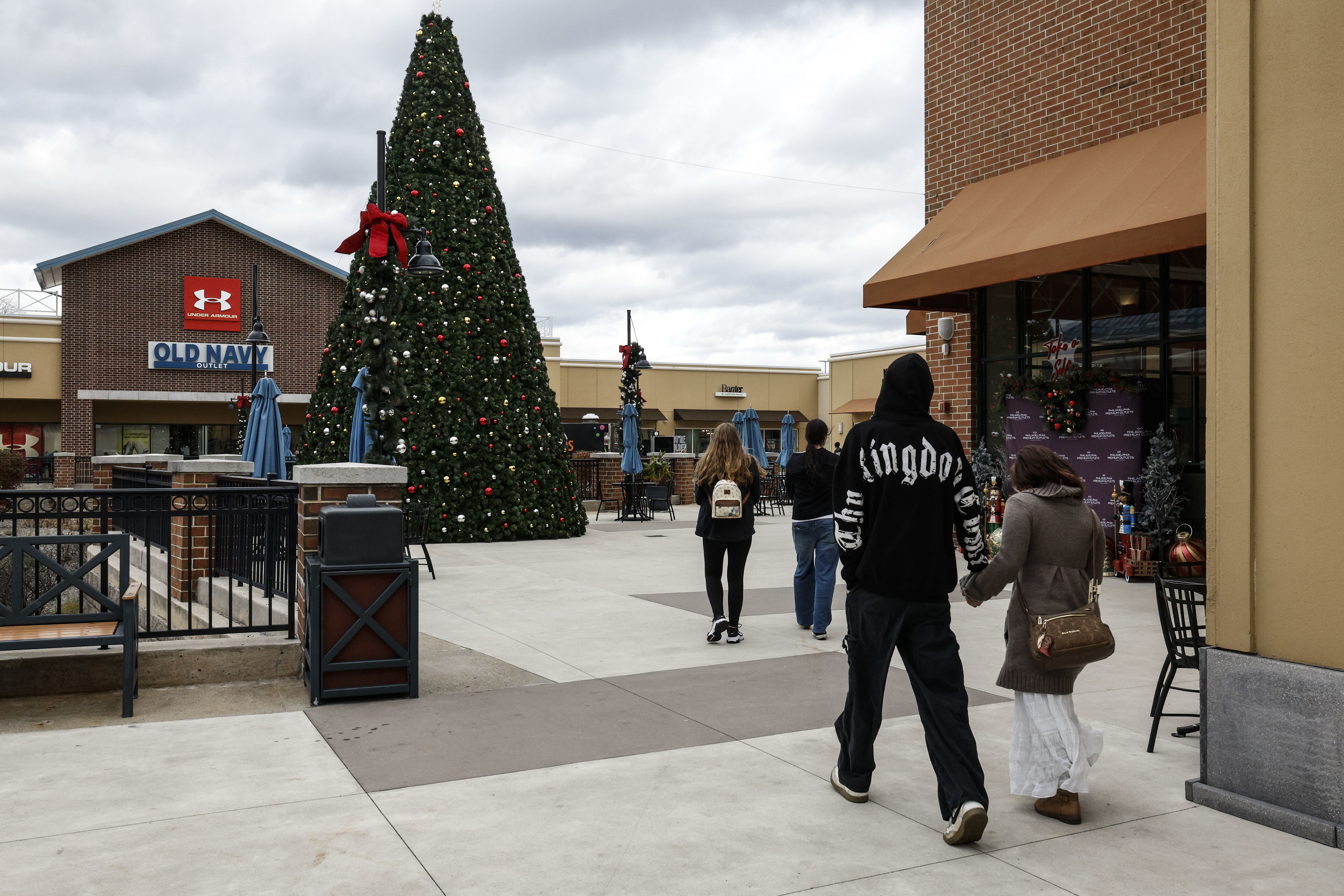
    Shoppers walk by the tree at the Philadelphia Premium Outlets on Nov. 11.

    The Philadelphia region’s two major outlet malls — the Philadelphia Premium Outlets in Limerick Township and the Gloucester Premium Outlets, both owned by Simon Property Group — are more than 92% occupied, according to a count by The Inquirer during visits to each location this month. Both outlets have found success despite being less than 20 miles from thriving indoor malls in King of Prussia and Cherry Hill.

    Tanger Outlets, which has locations in Atlantic City and Lancaster, recently reported more than 97% occupancy across its 39 open-air centers and an increase in average tenant sales per square foot.

    “Outlets do good in good times and great in bad times,” said Lisa Wagner, a longtime consultant for outlets, repeating a common refrain in the industry.

    The centers have evolved amid the broader push toward more experiential retail and most now have a mix of discount stores and full-price retailers. But they have done so while embracing their reputation as the go-to destination for snagging deals, said Wagner, a principal at the Outlet Resource Group.

    “Honestly no one knew what was going to happen after COVID, but [the outlets] came out incredibly strong,” she said. More recently, the retail industry has been rattled by tariffs and economic uncertainty. The outlets have not been immune to those challenges, but they have held strong despite them.

    “People want value right now,” Wagner said. “They need it.”
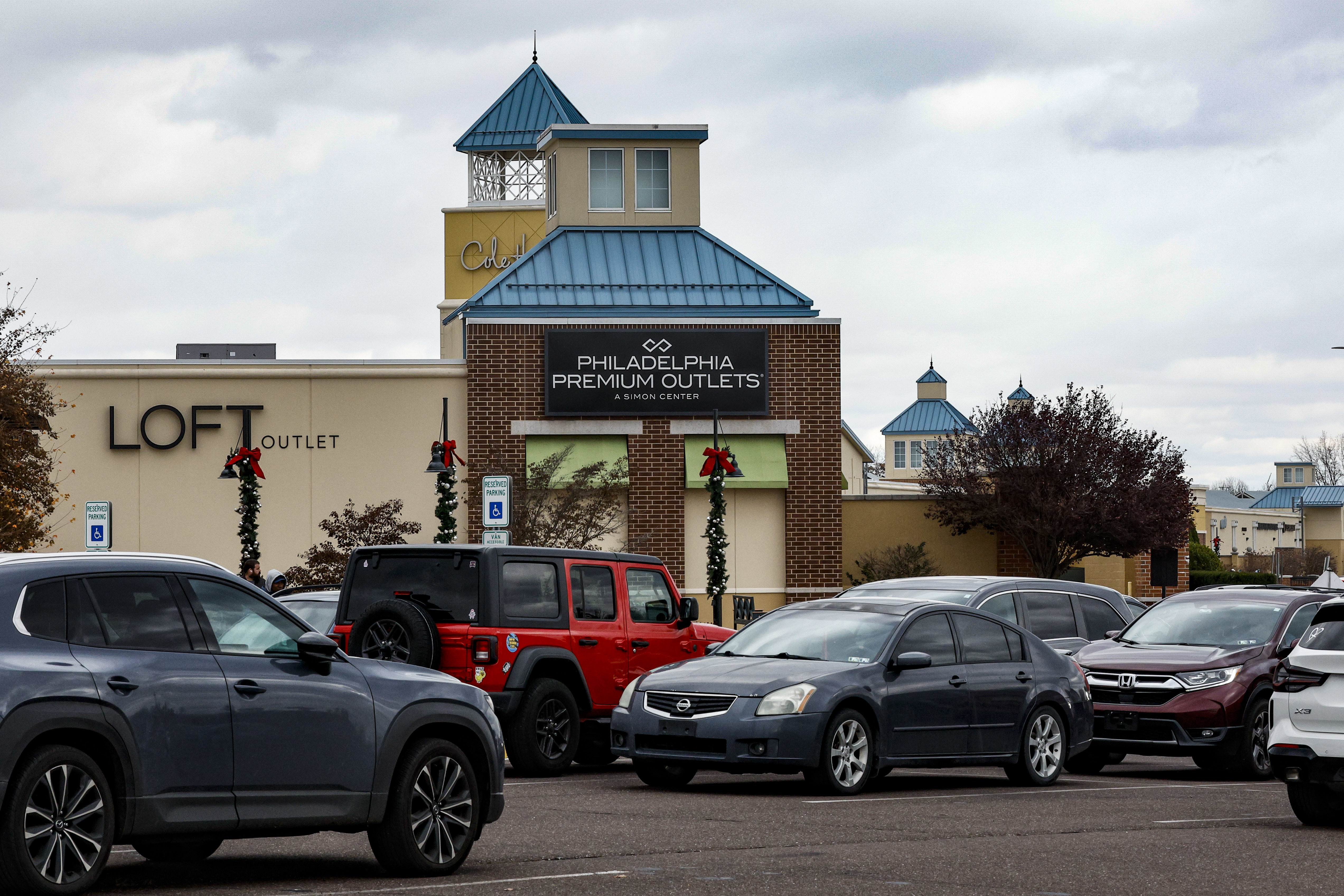
    The Philadelphia Premium Outlets has more than 130 stores in its 500,000-square-foot complex.

    Outlet malls become one-stop shops

    On a rainy, early November Sunday, hundreds of people descended on the Gloucester Premium Outlets.

    Shoppers pulled up hoods and huddled under umbrellas as they made their way from store to store. Many balanced several large bags bearing brand names like Columbia and Kate Spade, Rally House and Hey Dude shoes. Some munched on Auntie Anne’s pretzels or sipped Starbucks from holiday cups. An acoustic version of Jingle Bells played over the speakers.

    For some, the dreary, drizzly weather was even more reason to spend their afternoon at the 86-store complex in Blackwood, Camden County, about 15 miles outside Philadelphia.

    With two young children in tow, Jessica Bonsu, 30, of Sicklerville, was on a mission.

    “We came out to go to the indoor playground,” called Stay & Play, Bonsu said, pointing to her rambunctious kids. “Just to get some energy out.”

    “And then we can also get some shopping done,” added her cousin, Taneisha Laume, 30, who was visiting from D.C. She needed a gift for her uncle. “Kill two birds with one stone.”
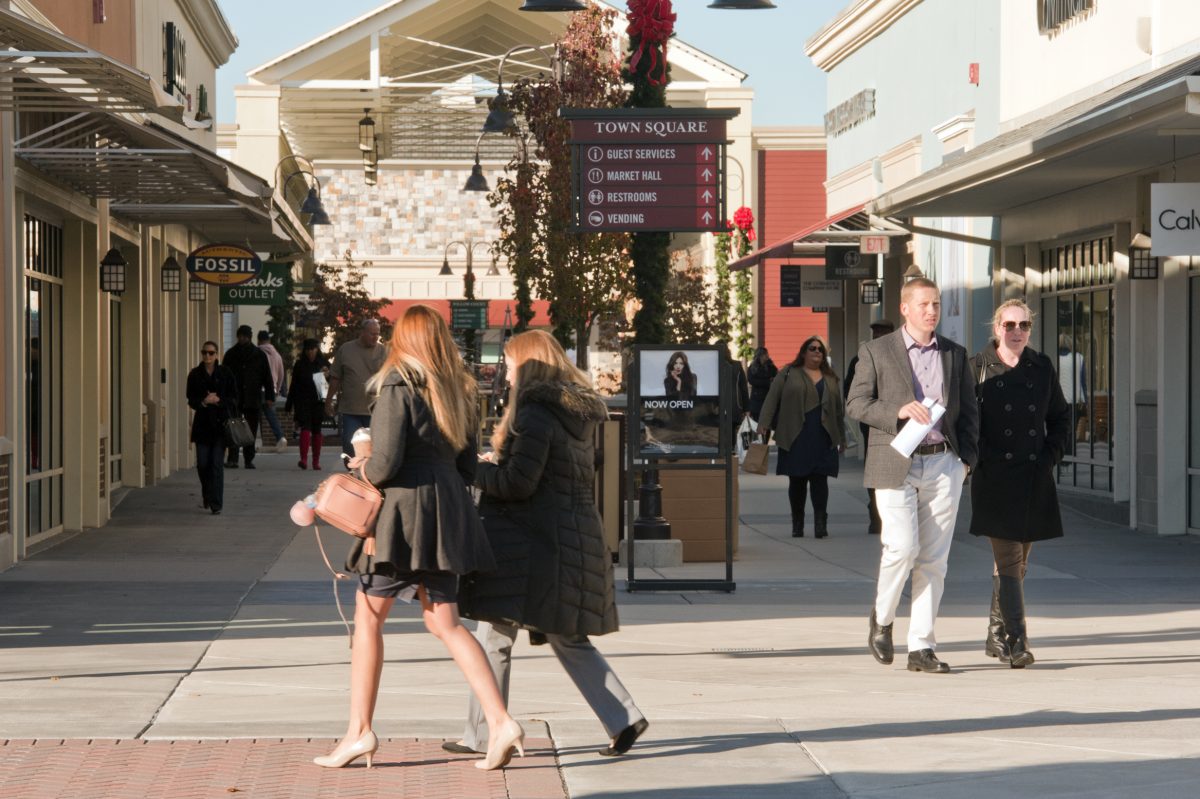
    Shoppers peruse the stores at the Gloucester Premium Outlets in this 2019 file photo.

    These kind of multipurpose visits are buoying outlet malls, which are increasingly becoming mixed-use destinations for dining, drinking, entertainment, and shopping.

    “You’re coming for a little bit of everything,” said Gerilyn Davis, director of marketing and business development at Philadelphia Premium Outlets.

    The Limerick Township complex recently welcomed a slate of new tenants, including Marc Jacobs’ first Pennsylvania outlet store, a BOSS outlet, an Ulta Beauty, and an outpost of central Pennsylvania’s Nissley Vineyards, which has an outdoor seating area.
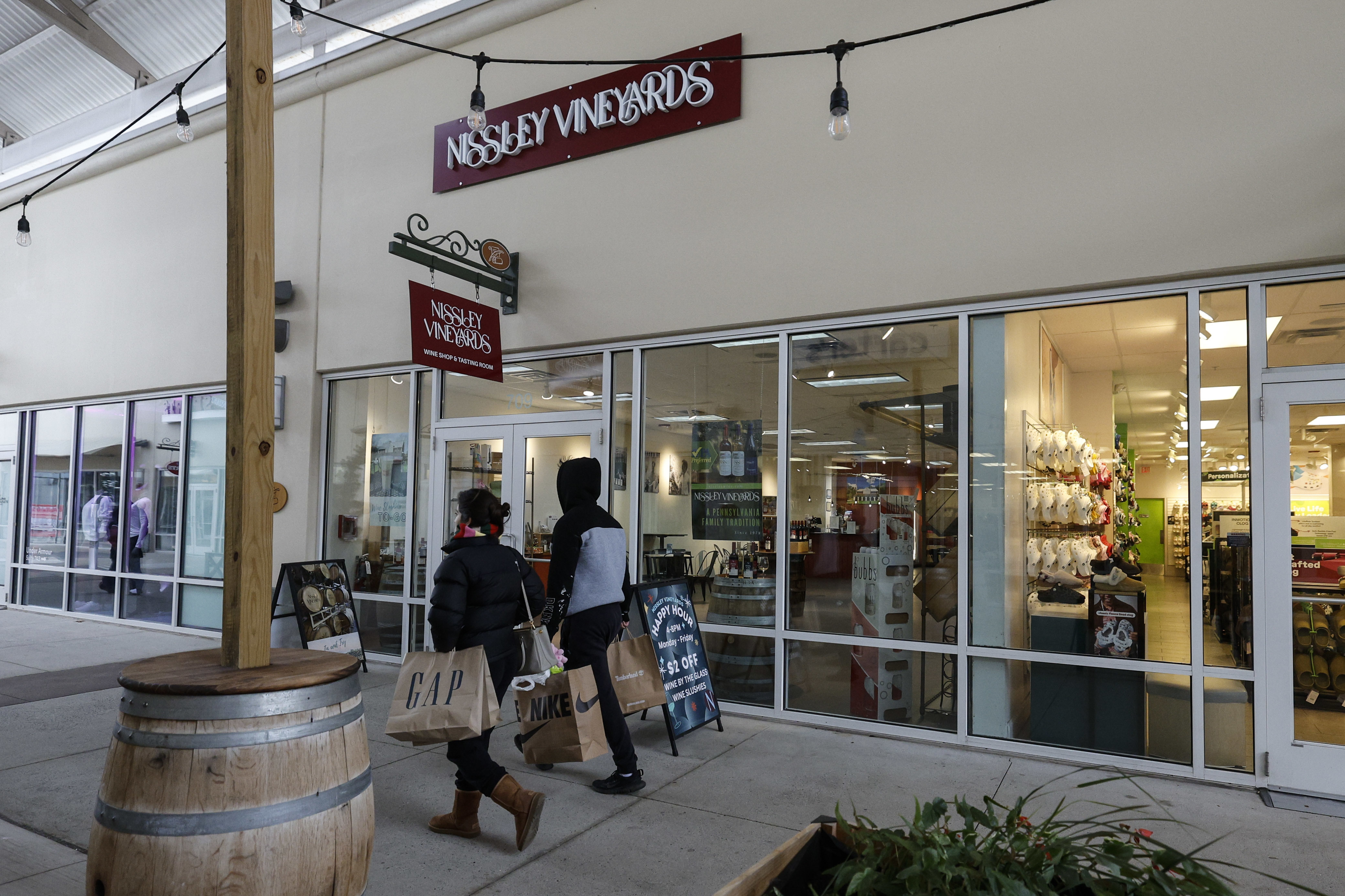
    Shoppers walk by the Nissley Vineyards store at the Philadelphia Premium Outlets.

    New Balance, whose shoes are trendy again, is also opening stores in both the Philadelphia and Gloucester outlets.

    Justin Stein, Tanger’s executive vice president of leasing, said the North-Carolina-based company is focused on adding more food, beverage, and entertainment options.

    While overall occupancy at its Atlantic City center is lower than others, the complex has a Dave & Buster’s and a Ruth’s Chris steakhouse. The Simpson, a Caribbean restaurant and bar, is also set to open there in early 2026.

    In Lancaster, Tanger is looking to add food and beverage options, Stein said. But that center is still performing well, with a 97% occupancy rate, according to an online map, and only two vacancies.

    When there are places to eat and drink at the outlets, “people stay longer,” Stein said, “and when they stay longer, they spend more.”
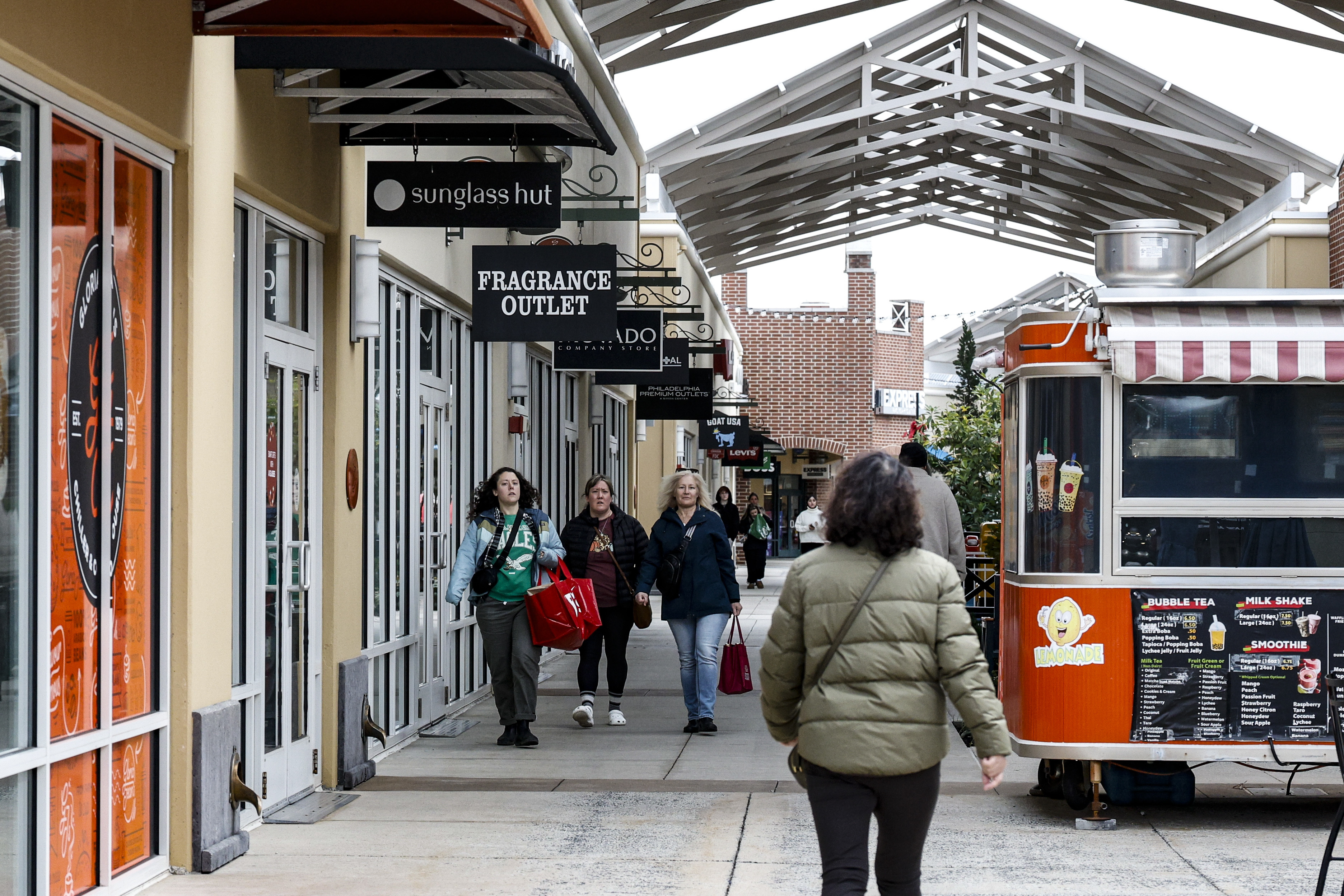
    Philadelphia Premium Outlets had a steady crowd on a bitter cold Veterans Day.

    From ‘no frills’ to outlets of the future

    Today’s outlet malls look vastly different from what Wagner calls the “no frills” complexes of the 1990s.

    At the time, an outlet mall served as “a release valve for excess goods,” Wagner said. “There were some stores that had really broken merchandise.”

    To comply with branding rules and avoid competition with department stores, outlet malls were often located along highways between two major metro areas, she said.

    “What became clear is that customers loved it,” Wagner said. Soon, brands started overproducing to supply these outlet stores with products in an array of a sizes and colors.

    This effort to bulk up outlet offerings was “a roaring success,” she said, with companies finding that more than a third of outlet customers went on to buy their products at full price at other locations.
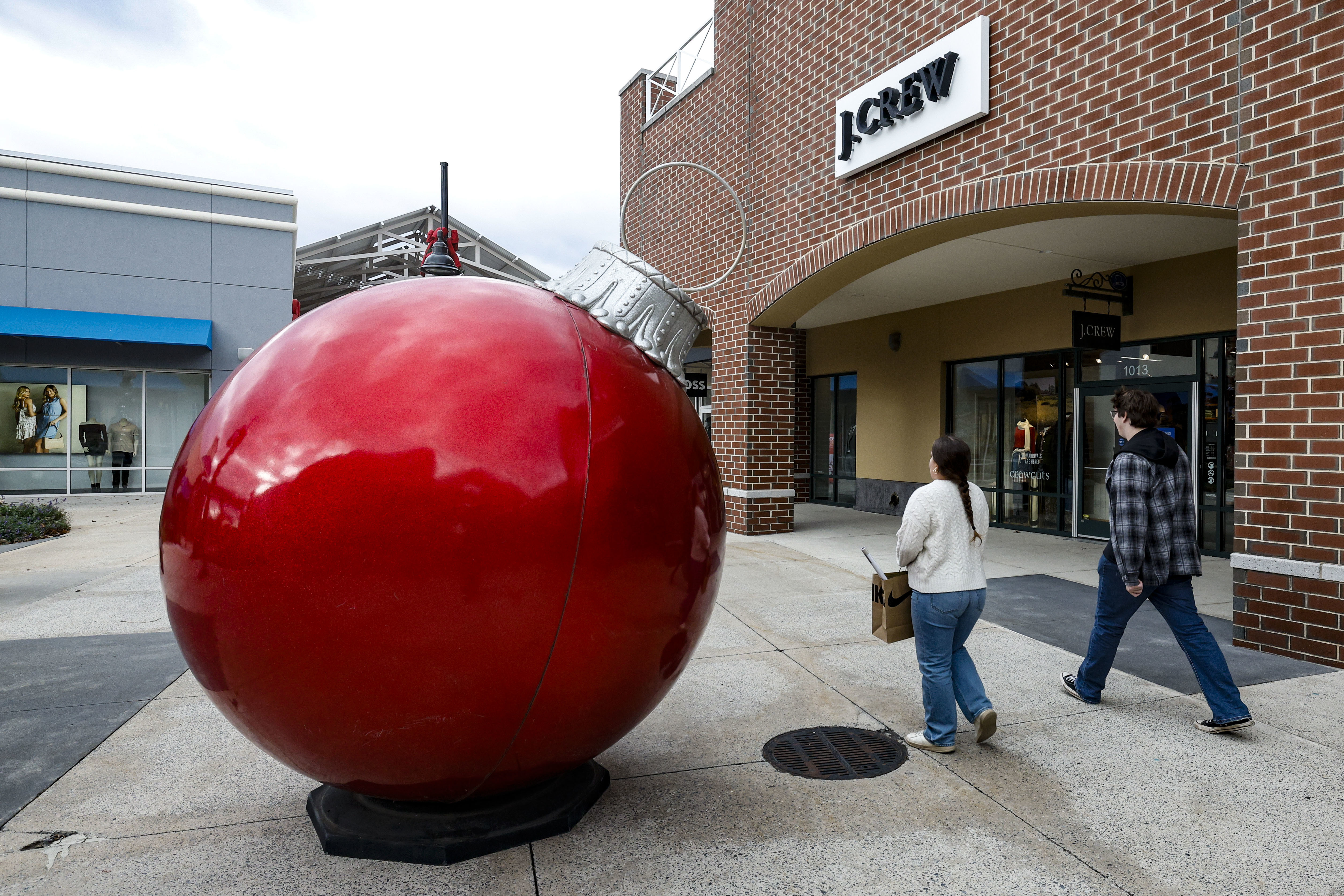
    Philadelphia Premium Outlets, which opened in 2007, has very few vacant storefronts.

    As their popularity rose, more outlet malls were built across the country.

    The Atlantic City outlets, originally called The Walk, opened in 2003, followed by the Philadelphia Premium Outlets four years later. In 2015, the Gloucester Premium Outlets opened, with local officials calling the approximately 400,000-square-foot center the largest economic development project in township history.

    As the centers look to the future, their executives are continuing to hone their identity as “not just a discount-and-clearance center,” said Deanna Pascucci, director of marketing and business development at Gloucester Premium Outlets.

    Center leaders are bringing in food trucks, leaning into rewards programs, and promoting community events, such as Gloucester’s holiday tree lighting, which took place Saturday. Starting Black Friday, the Philadelphia Premium Outlets will offer Santa photos after a successful pilot program last year.

    And the complexes are finding new ways to attract and retain shoppers, online and in real life.

    Tanger recently announced an advertising partnership with Unrivaled Sports, which operates youth sports complexes, including the Ripken Baseball Experience in Aberdeen, Md., an hour drive from its Lancaster outlets. Stein said the company hopes to attract families looking to pass the time between tournament games.

    Tanger is also using AI and data analytics to email specific deals to customers based on where they’ve previously shopped, Stein said.

    “We want you to start your experience online and end it in the store,” Stein said.
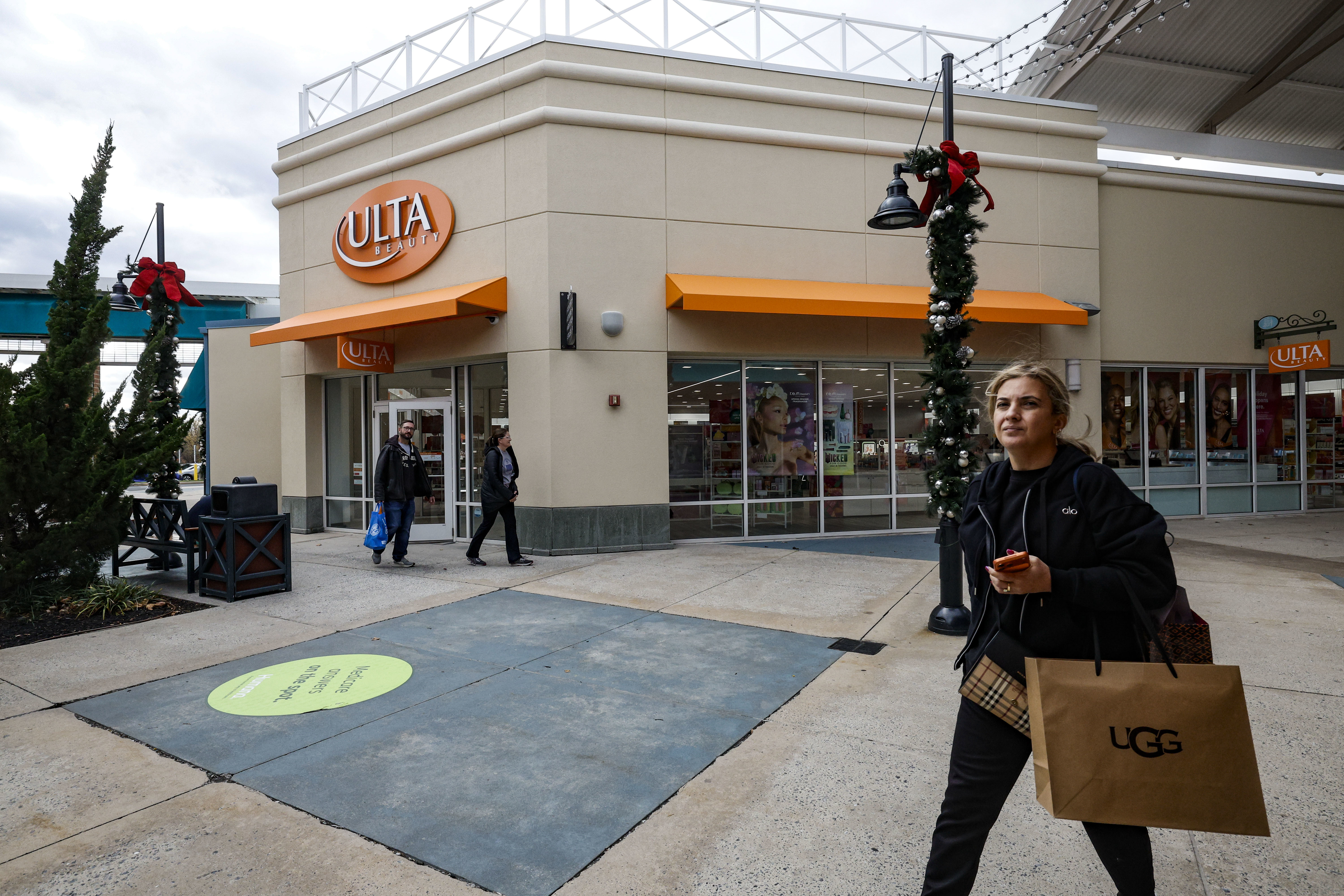
    Shoppers walk by a new Ulta store at the Philadelphia Premium Outlets.

    At Simon outlets, customers can search a store’s inventory online before they make the trip, Davis said.

    “Online shopping at this point, it’s a complement,” Davis said. “It’s not viewed as competition.”

    Wagner, the outlet consultant, said she thinks even more centers will be built in the coming years, with a focus on urban and close-in suburban locations that are accessible by public transit.

    As for existing centers, she sees them thriving for the foreseeable future.

    “As long as outlets continue to emphasize a value message and use their loyalty programs to reward customers,” Wagner said, “I think they will hold their own.”

  • Cherry Hill teacher and former student enjoy Eagles football rivalry that began in class 16 years ago

    Cherry Hill teacher and former student enjoy Eagles football rivalry that began in class 16 years ago

    When special education teacher Mike Surrency decided to use football to connect with sophomore Dave Siegel, there was only one problem.

    Surrency is a big-time Philadelphia Eagles fan. Siegel is a die-hard New York Giants fan.

    Despite cheering for rival teams, the two forged a friendship that began in 2009 in history class at Cherry Hill High School East and has expanded beyond school and football.

    “I can’t get him to start liking the Eagles. I tried,” Surrency said. “He loves the Giants.”

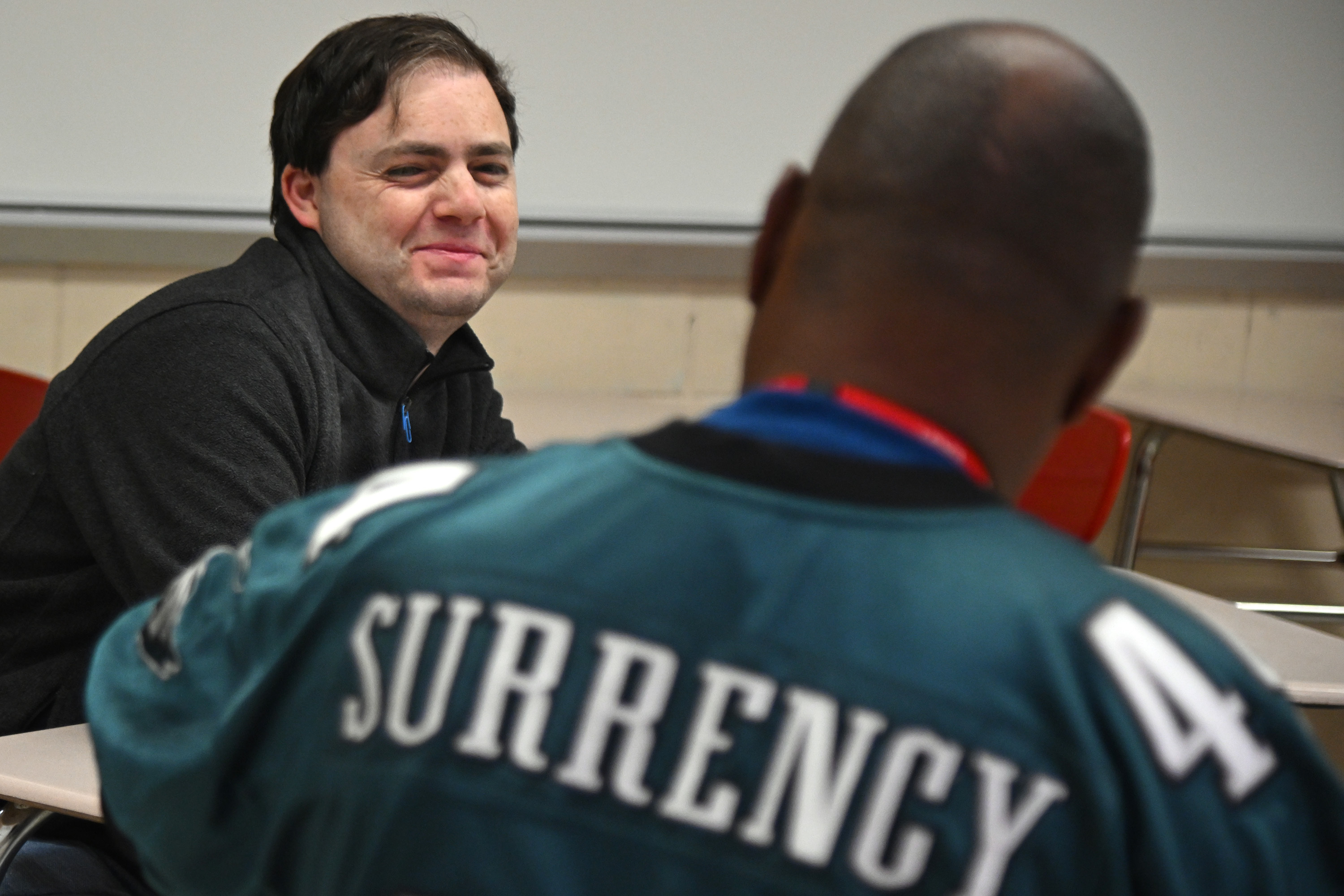
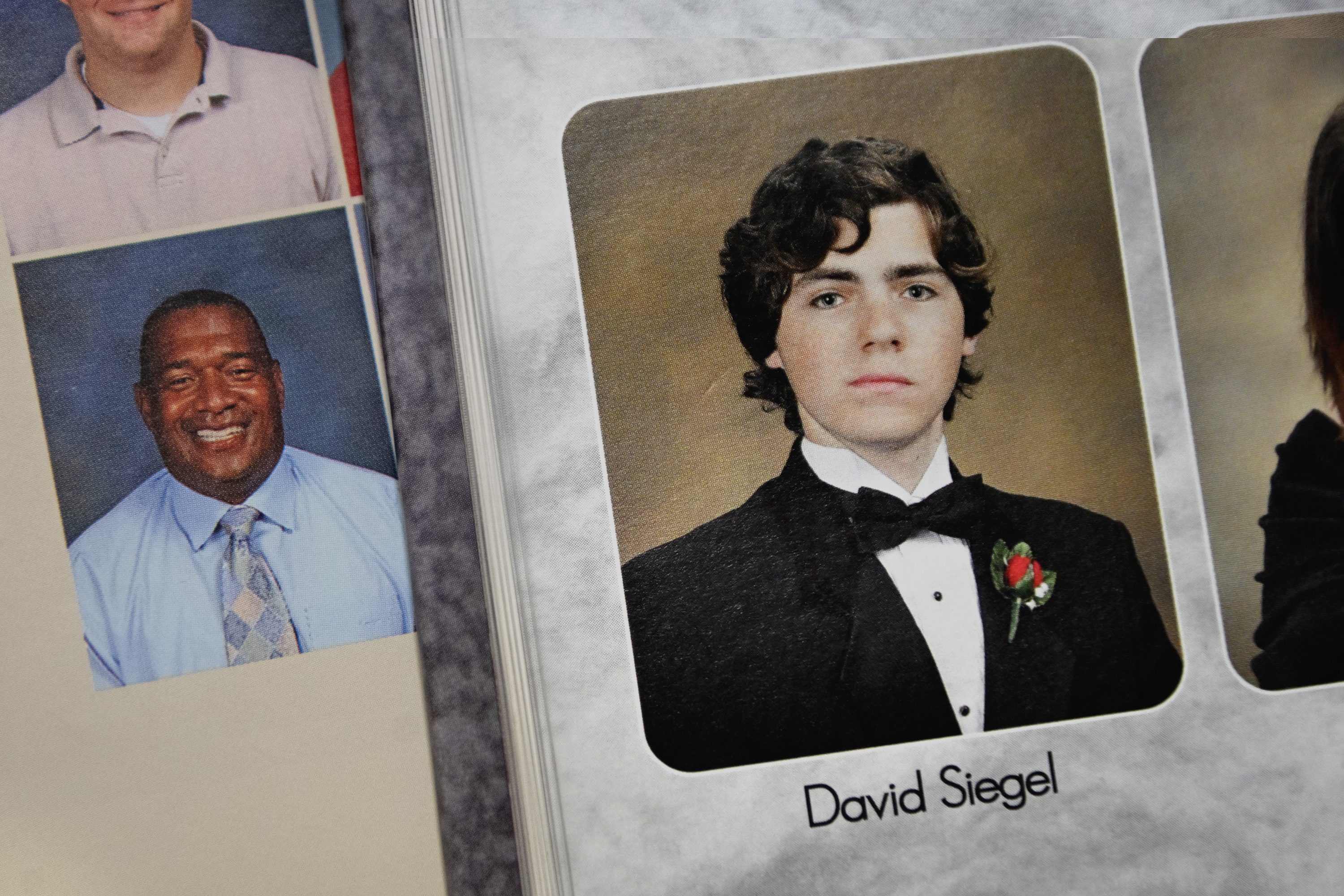
    Senior class yearbook photo of Cherry Hill High School East Class of 2010 student and New York Giants fan David Siegel (right) next to page with teacher and Eagles fan Mike Surrency. The two developed a special bond while supporting rival football teams and began attending games together when the NFC teams played in Philadelphia. They will be at the Linc Sunday for the second game between the Eagles and Giants.

    A former high school football player and coach, Surrency has been an Eagles season ticket holder since 1990. Siegel took notice when Surrency wore an Eagles jersey to school on Fridays during football season.

    Surrency thought football would help him bond with his students. As the inclusion teacher, Surrency helped ensure all students were integrated into the classroom.

    “By far, the best teacher I ever had,” Siegel said.

    One day, Siegel, then 15, asked his teacher to take him to an Eagles-Giants game at Lincoln Financial Field. (The Eagles won, 40-17.) That began a tradition that continued long after Siegel graduated in 2011.

    “It’s been history ever since,” Surrency said.

    When the NFC East rivals meet for a second time this season Sunday in Philadelphia, Surrency and Siegel will be there. The Giants upset the Eagles, 34-17, in their Oct. 9 matchup in North Jersey.

    Cherry Hill High School East class of 2010 graduate and New York Giants fan David Siegel visits teacher and Eagles fan Mike Surrency at the school this week. The two developed a special bond while supporting rival football teams and began attending games together when the NFC teams played in Philadelphia.

    ‘He’ll protect me’

    There will be plenty of traditions and trash-talking before Sunday’s game. The two plan to stop for hoagies on the way to the stadium.

    Surrency plans to wear his favorite Eagles jersey. Siegel, 33, usually doesn’t wear Giants fan gear to a game, and especially not this time.

    “As a Giants fan, I’m predicting an Eagles blowout,” Siegel said matter-of-factly. “The Eagles are at home and they want revenge.” (The Giants last won in Philadelphia in October 2013, 15-7).

    Surrency said his fellow Eagles fans in Section 228 have welcomed Siegel. At games leading up to the Giants showdown, they often ask if Siegel will be attending the big contest against their rival team.

    “Of course he’s coming. This is his seat,” Surrency responds.

    Siegel said he has no worries about possible backlash from zealous Eagles fans. He plans to wear a 76ers jersey — a favorite team for both him and Surrency.

    “I’m not afraid of the fans,” Siegel said. “I know I have Surrency. He’ll protect me.”

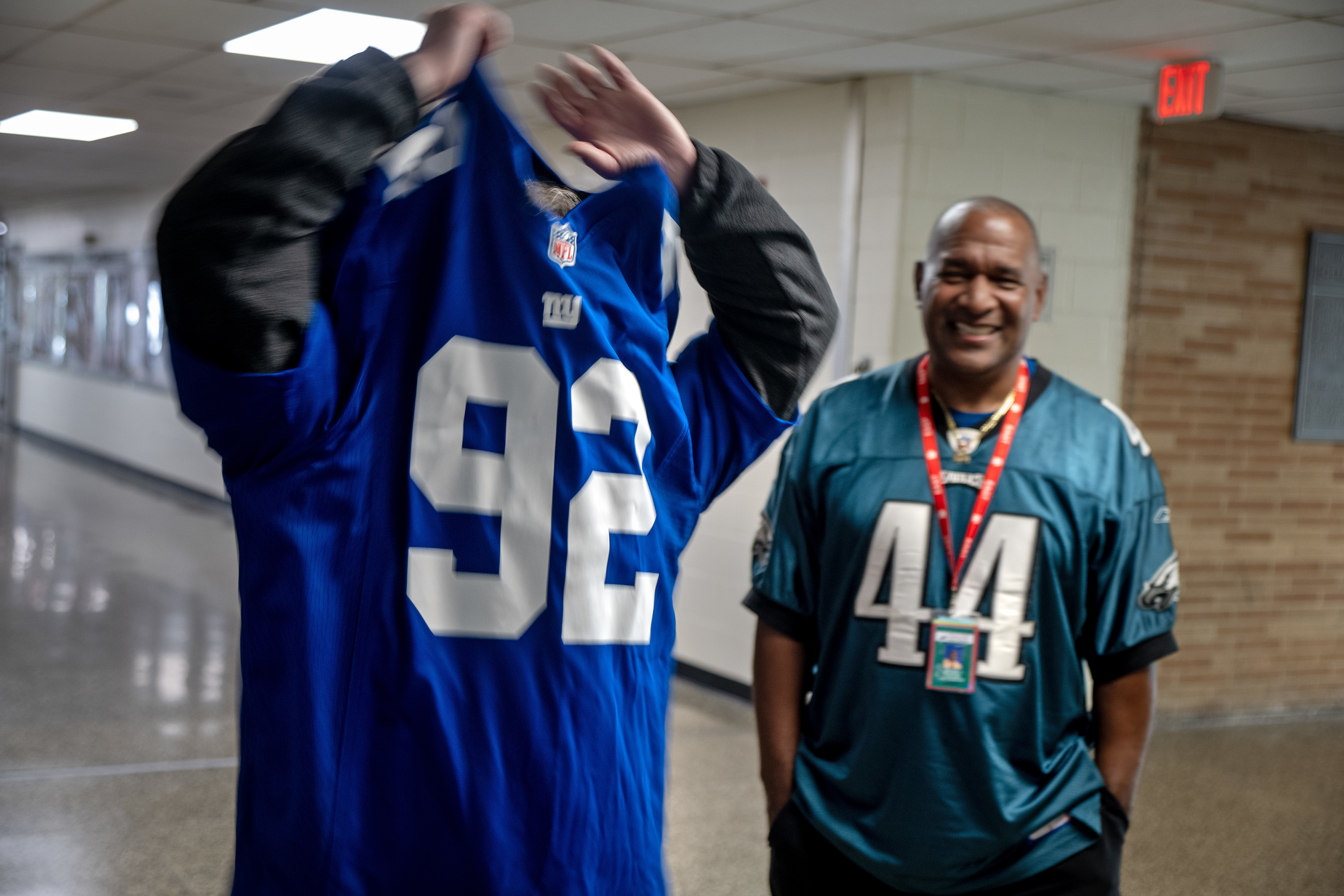
    Cherry Hill High School East Class of 2010 student and New York Giants fan David Siegel quickly removes his jersey after posing for a photo with teacher and Eagles fan Mike Surrency during a visit at the school Monday. Seigel says he “never wears the apparel after they lose,” which they did the day before to the Denver Broncos.

    Siegel can easily rattle off statistics about the Eagles-Giants rivalry. He has attended 14 games with Surrency; the Eagles won 12 of those.

    The two occasionally travel up the New Jersey Turnpike to attend Eagles-Giants games at MetLife stadium in East Rutherford. They also attend baseball and basketball games.

    Cathleen Lynch, a counselor at East, began sharing their story when she learned recently about the special bond between Surrency and his former student.

    “It gave me goose bumps,” Lynch said. “It’s amazing that they’re still doing this every year.”

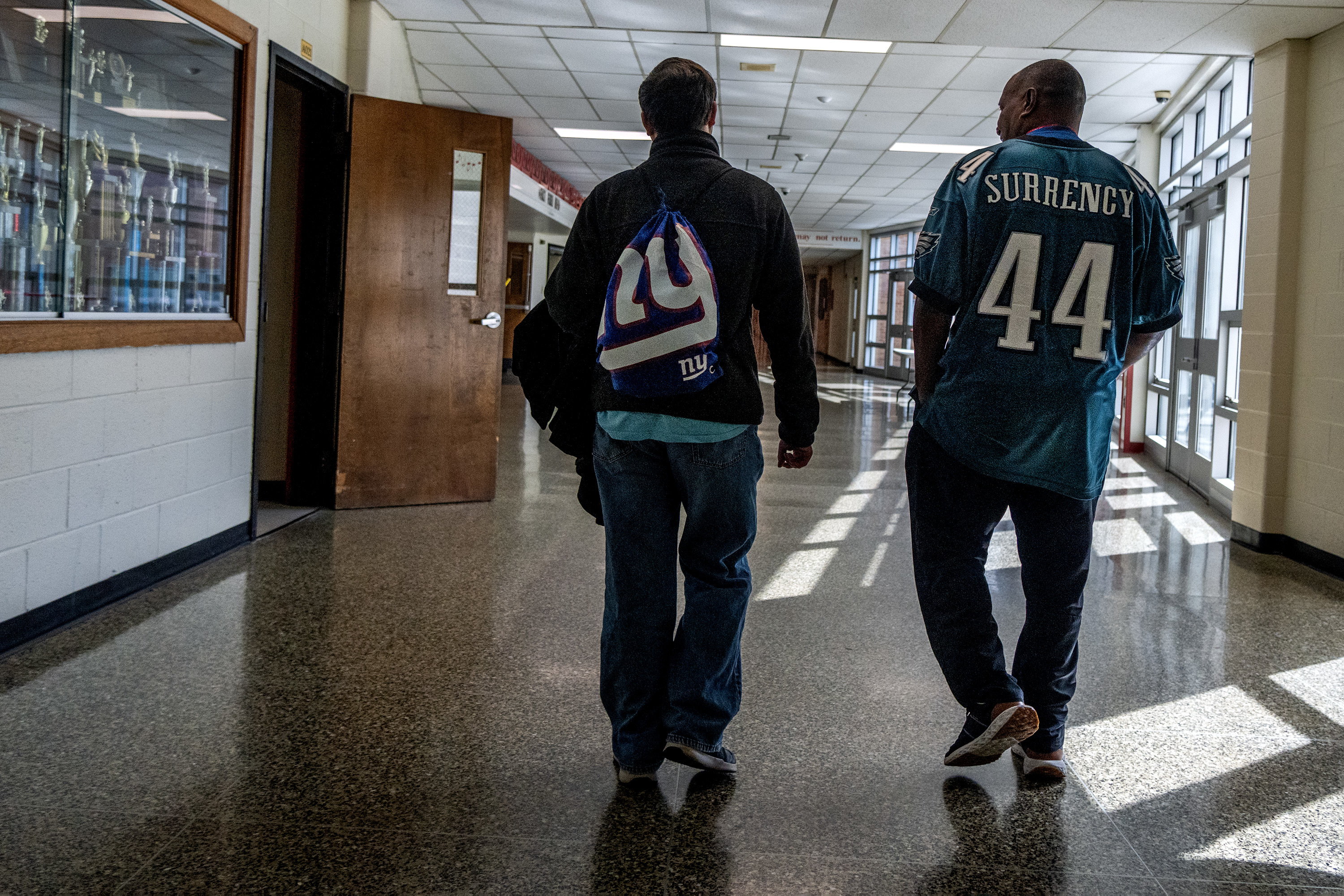
    During a recent visit at East, Siegel and Surrency traded jabs about their teams. Surrency wore a custom-made Eagles jersey with his last name and No. 44 — from his high school football-playing days. Siegel wore former Giants defensive end Michael Strahan’s No. 92.

    “I always tell people that Surrency is my mentor. I don’t see him as a teacher.”

    “This thing we have is definitely bigger than football,” said David Siegel of his former Cherry Hill High School East teacher Mike Surrency. “It’s a blessing to have someone like him in my life.”

    ‘Bigger than football’

    No matter the outcome of an Eagles-Giants game, Siegel and Surrency have a rule that they follow religiously on the ride home afterward: no trash-talking about who won.

    “This thing we have is definitely bigger than football,” Siegel said. “It’s a blessing to have someone like him in my life.”

    Siegel met Surrency in 2007 while taking summer classes. The two became close, talking about sports. They have opposing baseball teams, too. Siegel is a Mets fan, Surrency a Phillies fan.

    Two years later, Siegel was pleasantly surprised to land in Surrency’s U.S. history I class. Surrency took notes provided to all students that helped him pass all four marking periods with two A’s and two B’s and a final grade of a B, Siegel said.

    A former Sony sales rep, Surrency, 62, became a teacher when the company downsized. He has been at East for his entire 22-year teaching career.

    “It was the best thing to happen,” Surrency said.

    Surrency, the father of an adult daughter and a grandfather, said he has invited other students to Eagles games. Siegel, by far, has attended the most games with him.

    Over the years, their relationship has changed from teacher-student, he said. Siegel, a recreation therapist at a nursing home, often calls Surrency for advice.

    “I just want to make sure he’s fine in the outside world. I’m there if he needs me, no matter what,” Surrency said.

    Added Siegel: “He’s always been there for me.”

  • Dinner, dancing, and political power: Cherry Hill’s ‘Golden Age Prom’ harnesses the electoral energy of senior citizens

    Dinner, dancing, and political power: Cherry Hill’s ‘Golden Age Prom’ harnesses the electoral energy of senior citizens

    At the 12th annual Golden Age Prom in Cherry Hill, Shirley Temples were flowing, the buffet line stretched across the room, and seniors — both senior citizens and high school seniors — danced the night away to the Bee Gees’ “Stayin’ Alive” and Gloria Gaynor’s “I Will Survive.”

    The event, hosted by the Cherry Hill Education Association, brings Cherry Hill’s older residents together for a night of food, dancing, and celebrating the prom king and queen.

    “Prom is a very memorable moment for a lot of people, and it makes them feel young again,” said Waleska Batista-Arias, the president of the Cherry Hill Education Association. “Just because the body ages, doesn’t mean you lose your youthful spirit.”

    Though celebration is the centerpiece of the Golden Age Prom, the annual event offers Cherry Hill’s teachers union an opportunity to build support for public education among seniors, a powerful, yet sometimes overlooked, voting bloc.

    According to Kathy Kiehner, 78, a retired reading specialist who has attended the prom for years, it’s about harnessing “the energy of senior citizens that forgets to get tapped.”

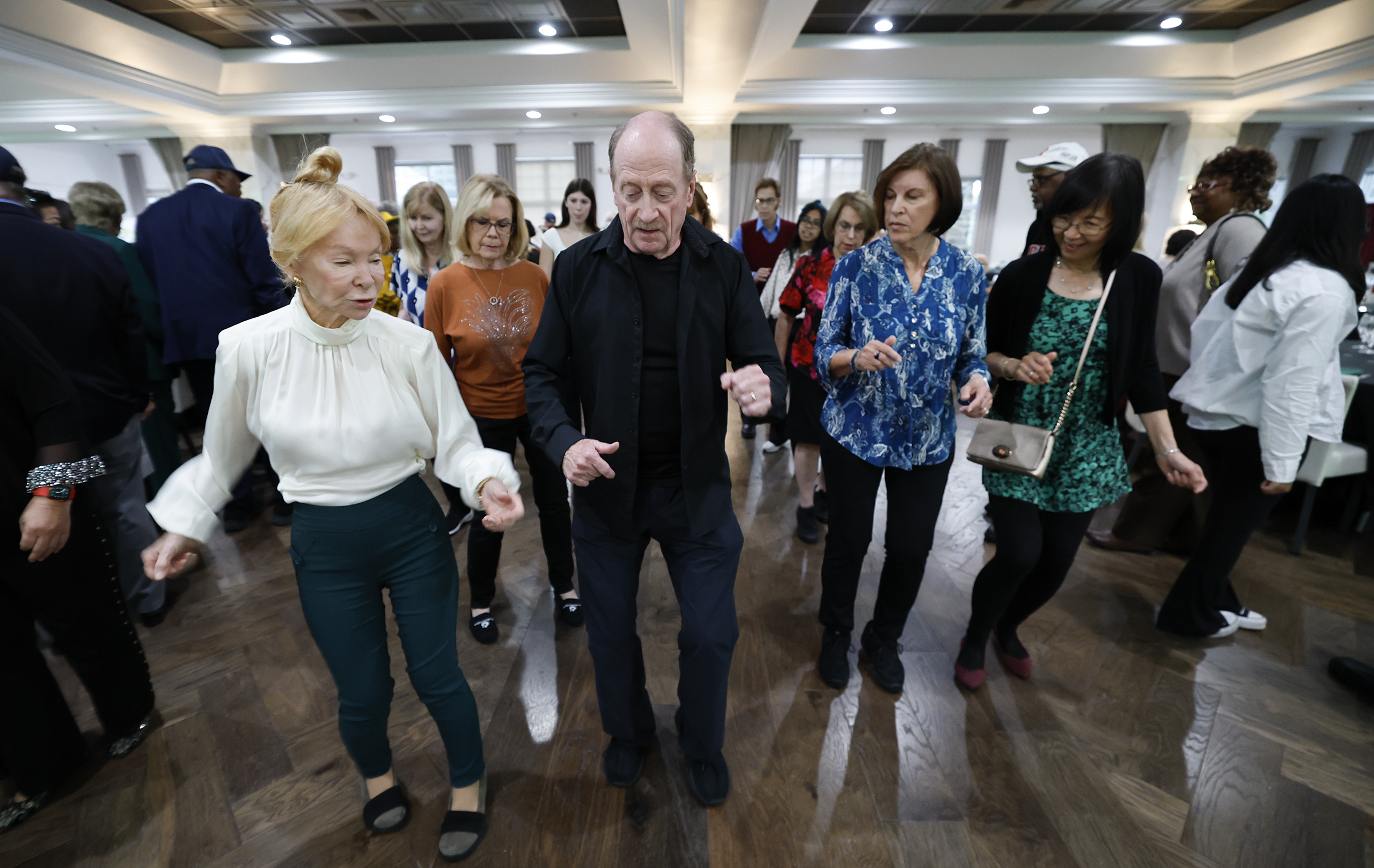
    Attendees dance during the Golden Age Prom sponsored by the Cherry Hill Education Association at the Legacy Club in Cherry Hill on Thursday, October 23, 2025.

    Dispatch from the dance floor

    Though the prom has historically been held at one of Cherry Hill’s schools, the education association had to upgrade to the Legacy Club this year to meet rising demand. Even still, they had to turn people away.

    Jeanne Kiefner, a retired school nurse, adjunct professor, and longtime Cherry Hill resident, said the prom “makes people healthy,” offering socialization that can be hard to come by in one’s 70s, 80s, and 90s. Many sources did not share their age with the reporter.

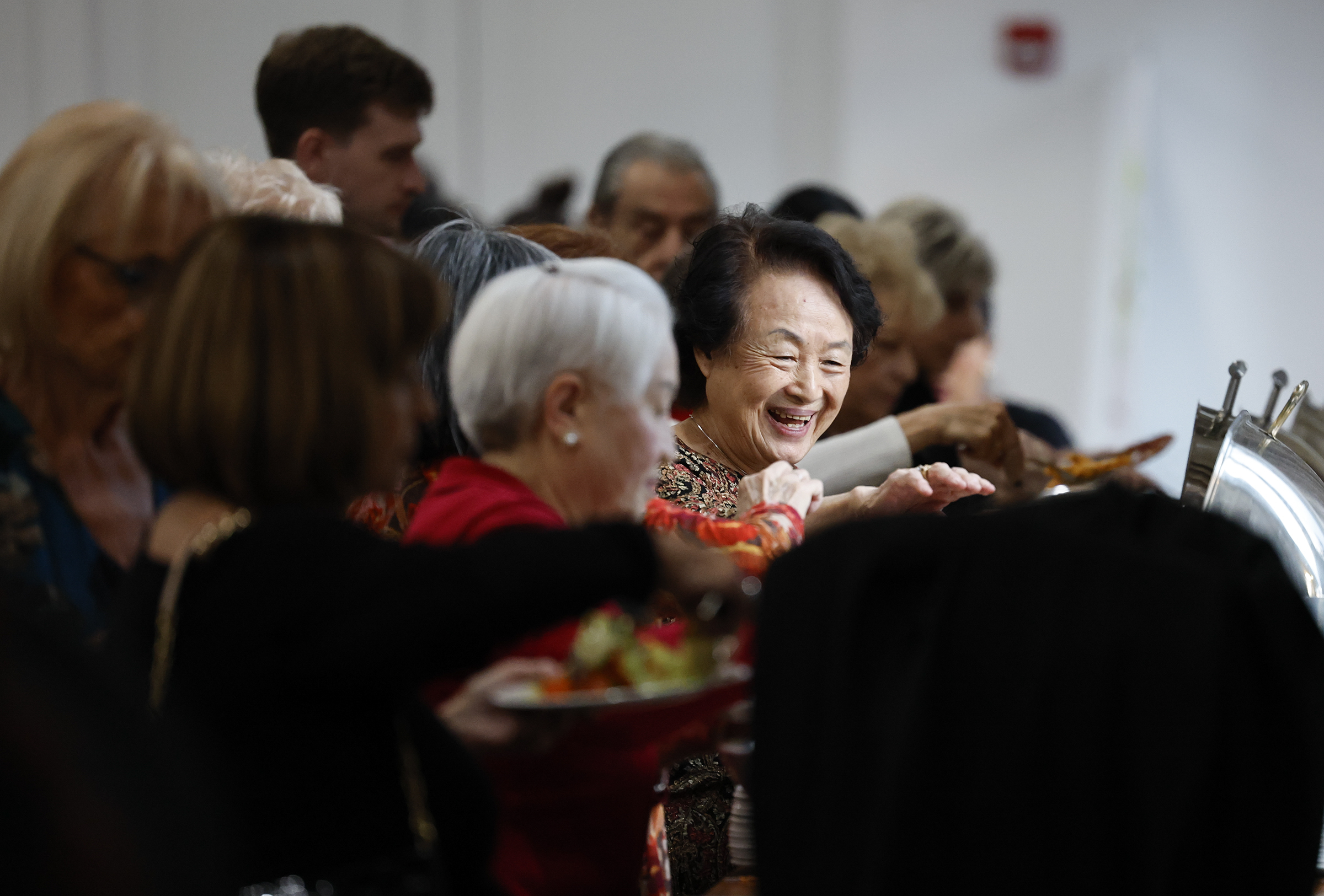
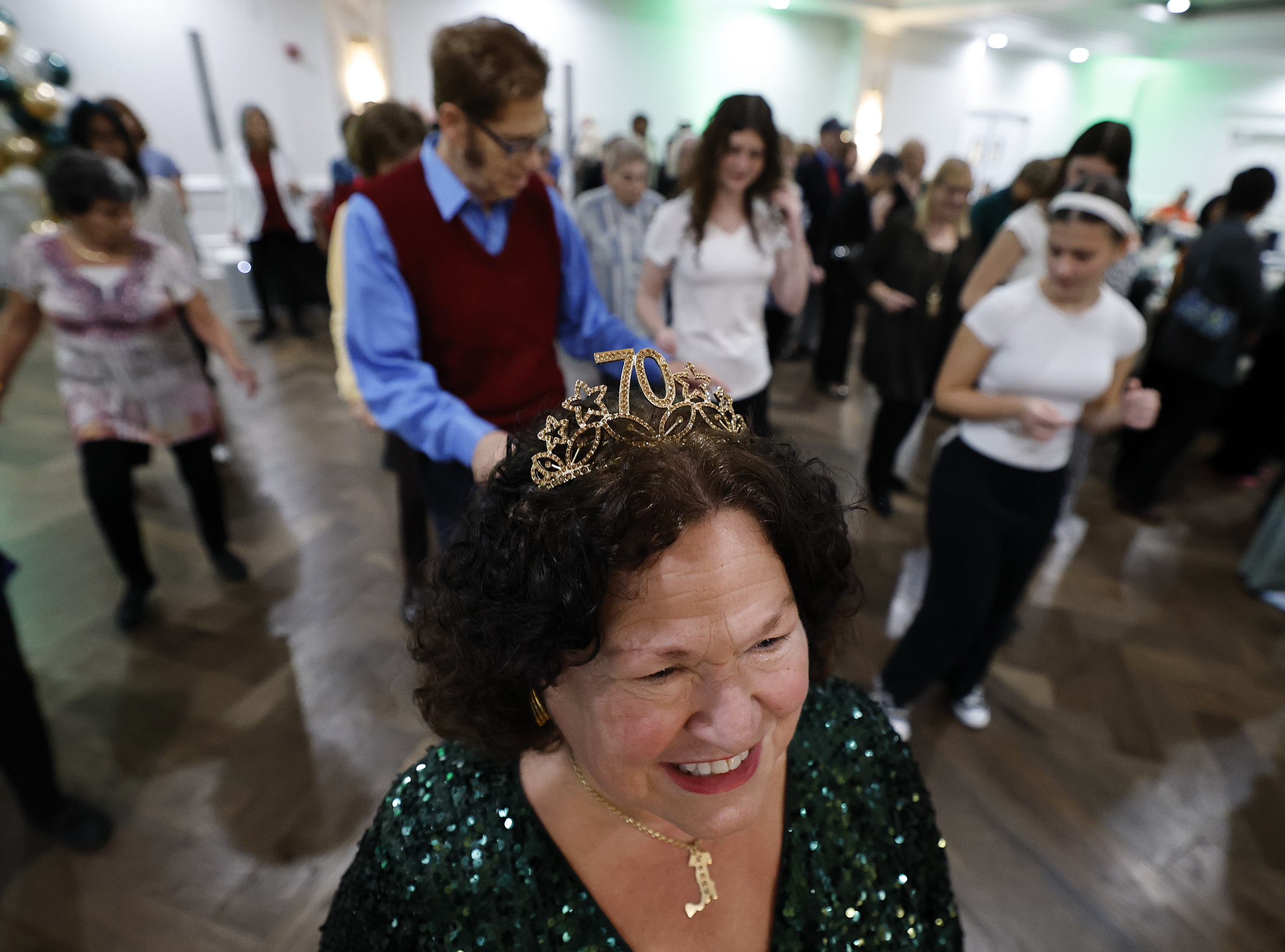
    As the night went on, attendees enjoyed the buffet — one remarked that there’s nothing seniors love more than free food. They posed in the photo booth and line danced with student volunteers from Cherry Hill’s two high schools.

    Seated by the dance floor, Cathy Jenkins, 76, and Emma Waring, 72, said they’ve been friends for longer than they can count. After doing some quick math, the two deduced they had met about 35 years ago while working in the Camden City School District. The retired educators are now involved in the Cherry Hill African American Civic Association, which uplifts Black history education and supports local students.

    When the Golden Age Prom announcement drops every year, Waring said she and her friends start calling and texting each other right away. Waring likes that the event is lively and cross-cultural, bringing together seniors from across Cherry Hill’s diverse communities.

    “This is something we look forward to,” she said.

    Attendees stand in the dinner buffet line during the Golden Age Prom sponsored by the Cherry Hill Education Association at the Legacy Club in Cherry Hill on Thursday, October 23, 2025.

    ‘These people vote’

    The Cherry Hill Education Association hosted the first Golden Age Prom over a decade ago at Kilmer Elementary School to help bring attention to much-needed infrastructure improvements in the district. While teachers and parents understood the district’s dire building needs, many Cherry Hill residents, including seniors who were no longer attached to the schools through their children, did not. In order to pass a bond to pay for the repairs, the education association knew it would have to physically bring voters into the schools.

    “The idea was that these people vote, so if you want them supporting anything in the school system, you have to have them be a part of it,” said Kiehner, the former reading specialist.

    The first bond referendum failed. But in 2022, a $363 million bond, one of the largest in New Jersey history, passed, allowing the Cherry Hill school district to make improvements to all 19 of its schools. It was the first time in 23 years that Cherry Hill voters approved a school bond.

    “Thank you for your support so that we could improve our school facilities for our students and future generations,” Batista-Arias told attendees, an expression of gratitude that was met with roaring applause.

    Batista-Arias said the association wanted to continue the intergenerational prom tradition and bring attention to upcoming elections. Candidates for Cherry Hill school board pitched voters from the dance floor, and some even stuck around for the “Cupid Shuffle.”

    The Cherry Hill Education Association does not make endorsements in local races, but it is supporting the New Jersey Education Association’s endorsement of Democratic gubernatorial candidate Mikie Sherrill, which Batista-Arias announced to attendees (the Sherrill endorsement also received some applause).

    The majority of this year’s prom was funded by the New Jersey Education Association’s PRIDE in Public Education campaign, an effort to build support for public education across New Jersey. The Golden Age Prom is free to attendees.

    Kathy Kiehner wears her hat and sunglasses while talking to friends during the Golden Age Prom sponsored by the Cherry Hill Education Association at the Legacy Club in Cherry Hill on Thursday, October 23, 2025.

    Bringing seniors out of isolation

    Emerging from the photo booth in ankle-length, bedazzled dresses, Ann Alfano and Norma Galosi explained that they met just a few months ago at square dancing class and decided to come to prom together. Alfano never went to her own school dances as a teenager, so this prom was her first. When asked how their first hangout outside of dance class was going, they agreed: “Well.”

    Joyce Layer, 84, moved to Cherry Hill 41 years ago after getting married. At the time, she knew no one. Line dancing classes, she thought, would be a good way to meet people. Four decades later, she dances on Tuesdays and Fridays, and she showed up to The Legacy Club ready to show off her moves.

    “I’m just a person who likes people, who likes to dance,” Layer said.

    “It’s a fun night,” she added. “It’s nice to do it for the seniors because so many of us are isolated.”

    Joanie Broglin dances wearing her tiara during the Golden Age Prom sponsored by the Cherry Hill Education Association at the Legacy Club.

    This suburban content is produced with support from the Leslie Miller and Richard Worley Foundation and The Lenfest Institute for Journalism. Editorial content is created independently of the project donors. Gifts to support The Inquirer’s high-impact journalism can be made at inquirer.com/donate. A list of Lenfest Institute donors can be found at lenfestinstitute.org/supporters.

  • The new PGA store lets you hit at world-renowned links | Inquirer Cherry Hill

    The new PGA store lets you hit at world-renowned links | Inquirer Cherry Hill

    Hello, Cherry Hill! 👋

    The 40,000-square-foot PGA Tour Superstore is opening along Route 70 this weekend. We got a first look inside, including at its globe-trotting virtual hitting bays. Also, Jefferson announced layoffs last week impacting its Cherry Hill hospital, the community is mourning the recent passing of two entrenched residents, including the longtime co-owner of a coffee shop, plus Mission BBQ is opening next week in Garden State Park.

    If someone forwarded you this email, sign up for free here.

    The new PGA Tour Superstore lets golfers virtually visit world-famous courses

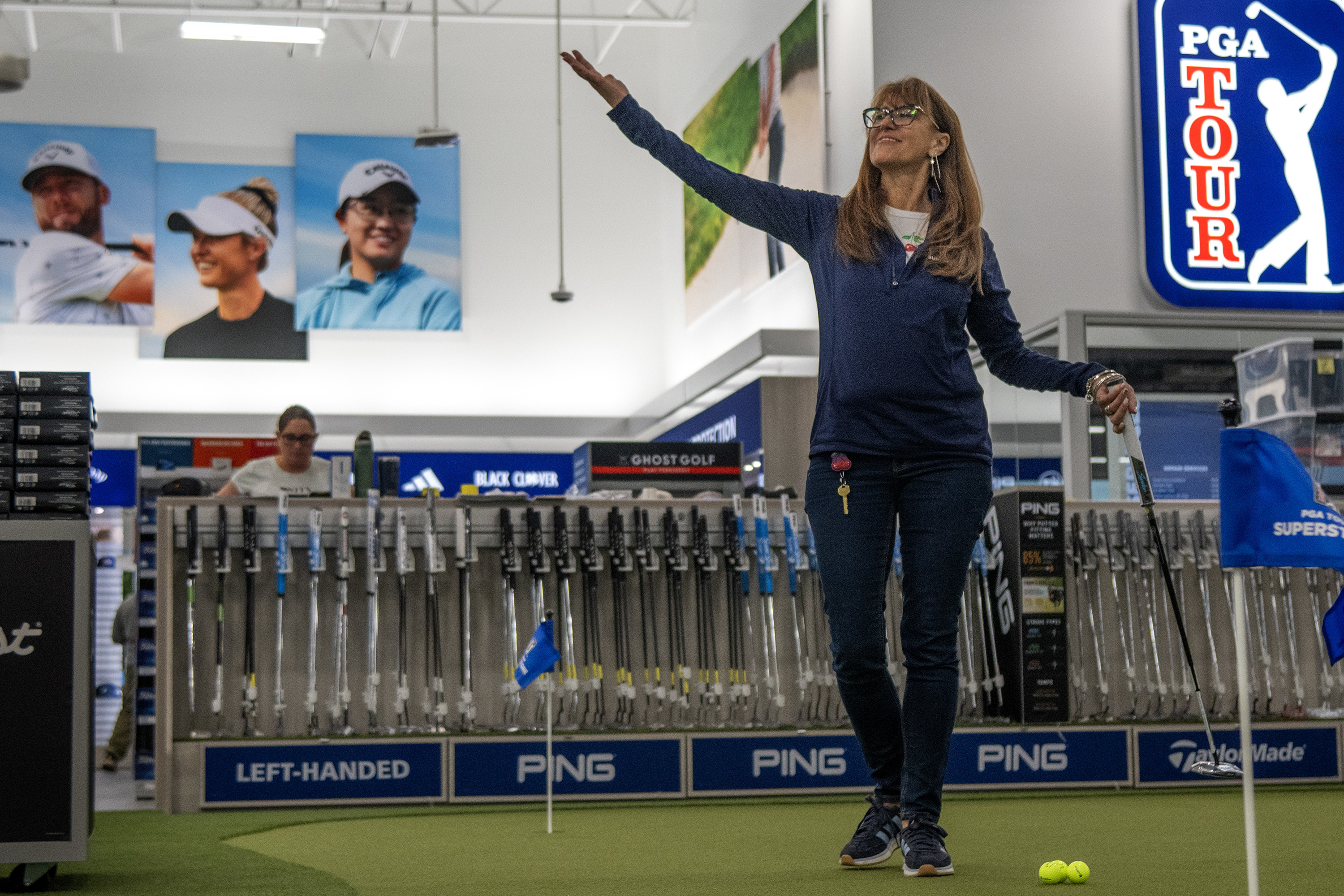
    Golfers can test their skills on a putting green at the new PGA Tour Superstore.

    Golfers don’t need to hop on a plane to tee off on the sunlit fairway of California’s Titleist Performance Institute. They just have to venture to the 40,000-square-foot PGA Tour Superstore at 2232 Route 70, where the shop will open this Saturday at 9 a.m.

    A major highlight is the golf simulation bay, where customers can cycle through a list of world-famous golf courses projected onto a screen and receive analytics on their swings, The Inquirer’s Henry Savage reports.

    The sprawling store also sells gear, offers club fittings, and will have $30,000 in giveaways during its grand opening.

    Take a first look inside the new store.

    💡 Community News

    • Last week, Thomas Jefferson University in Philadelphia laid off about 1%, or 600 to 700, of its employees as it contends with financial pressures. Over 100 South Jersey workers, including at Jefferson Cherry Hill Hospital, will be impacted come January. (Philadelphia Business Journal)
    • Cherry Hill police are warning residents about a calling and texting scam in which someone is claiming to be from the police department. Residents should not engage with the scammer and are encouraged to report incidents to the non-emergency line.
    • A local bakery helped a Cherry Hill doodle named Zeus celebrate a “bark mitzvah” last month by creating a bone-shaped cake dotted with bite-sized Stars of David. Zeus’ cake and the bakery behind it are part of a growing trend of upscale pet bakeries catering to pooches.
    • Temple University’s field hockey team has soared to new heights in recent years thanks to Cherry Hill native Michelle Vittese. She’s been coaching the team since 2021, turning it into a premier program and a regular contender in the Big East. Read more about how Vittese tapped into her own collegiate experience to lead the Owls.
    • Two township residents entrenched in the community died late last month. Chung Soon Hwang, longtime co-owner of Chung’s Coffee Shop in Philadelphia, died Sept. 24 at the age of 89. She and her husband, Oe Tok, arrived in South Jersey from South Korea in 1973. And on Sept. 23, Dorothy Womble-Wyatt died at the age of 84. She was an innovative teacher and celebrated school principal for the Camden City School District.
    • Longtime Cherry Hill contractor Craig Taylor tapped his friends and family to help grow a grassroots event to bring people together against hate. Known as “Kiss Hate Goodbye,” the event is slated to take place in Berlin on Nov. 20 and will include dinner, dancing, and throwback tunes. (6abc)
    • The township is hosting a free rabies clinic on Saturday from noon to 2 p.m. at Challenge Grove Park. Pet owners can bring their licensed cat or dog to get vaccinated. And on Sunday, there’s a free drive-up shredding and recycling event where residents can drop off up to four boxes of papers for shredding, as well as single-stream recyclables, tires, car batteries, rechargeable batteries, and CFL light bulbs. Read more about the event here.

    🏫 Schools Briefing

    🍽️ On our Plate

    • Mission BBQ is opening its latest location at Market Place at Garden State Park next week. The eatery, known for its array of barbecue dishes and a daily playing of the national anthem, will open Oct. 28 at noon. It is situated adjacent to Wonder food hall, which opened there this spring.
    • Lamberti’s Tutti Toscani is celebrating its 40th anniversary through the end of November with a menu that includes items from the past four decades. The Brace Road BYOB’s anniversary menu includes clams casino, manicotti, chicken cacciatore, and veal casalinga.
    • The recently opened Barclay Pies on Marlton Pike is serving up pizzas that meet certain dietary restrictions, like those with Celiac disease, something the families of owners TJ Hunton and Daniel Romero face. Not only can pizzas be made gluten-free, but so can the salads, chicken fingers, and wings. (Patch)

    🎳 Things to Do

    🔍 Killer Night Out: The library’s 21-and-over murder mystery event will transport participants back to the Roaring ‘20s where they must solve a murder. ⏰ Friday, Oct. 24, 6-9 p.m. 💵 $30 📍 Cherry Hill Library

    🌽 Cherry Hill Harvest Fest: This fall-themed festival includes food vendors, a trunk-or-treat, games, and music. Costumes are encouraged. ⏰ Saturday, Oct. 25, 3-6 p.m. 💵 Pay as you go 📍 The Church of the Good Shepherd

    🎃 Pumpkin Picking Hayrides: It’s your last chance to take a hayride and go pumpkin picking at Springdale Farms for the season. ⏰ Saturday, Oct. 25-Sunday, Oct. 26, 10 a.m.-4 p.m. 💵 $7.50 for hayrides, pumpkins are priced by the pound 📍 Springdale Farms

    💗 Party in Pink: This breast cancer awareness event includes a discussion with a survivor, a 90-minute session with dancing and music, and access to other health and wellness resources. ⏰ Sunday, Oct. 26, 10 a.m.-12:30 p.m. 💵 $20-$25 📍 Katz JCC

    🛼 Mickey & Minnie Halloween Skatetacular: The beloved duo will be visiting for this skate party that includes trick-or-treating, a costume contest, face painting, and ICEEs. ⏰ Sunday, Oct. 26, 12:30-3:30 p.m. and 4:30-7:30 p.m. 💵 $14 admission plus $6 skate rental 📍 Hot Wheelz

    🎃 No-Carve Pumpkin Decorating: Kids in sixth through 12th grade can create a one-of-a-kind artificial mini pumpkin. ⏰ Wednesday, Oct. 29, 7-8 p.m. 💵 Free 📍 Cherry Hill Library

    🏡 On the Market

    A four-bedroom home in Kingston Estates

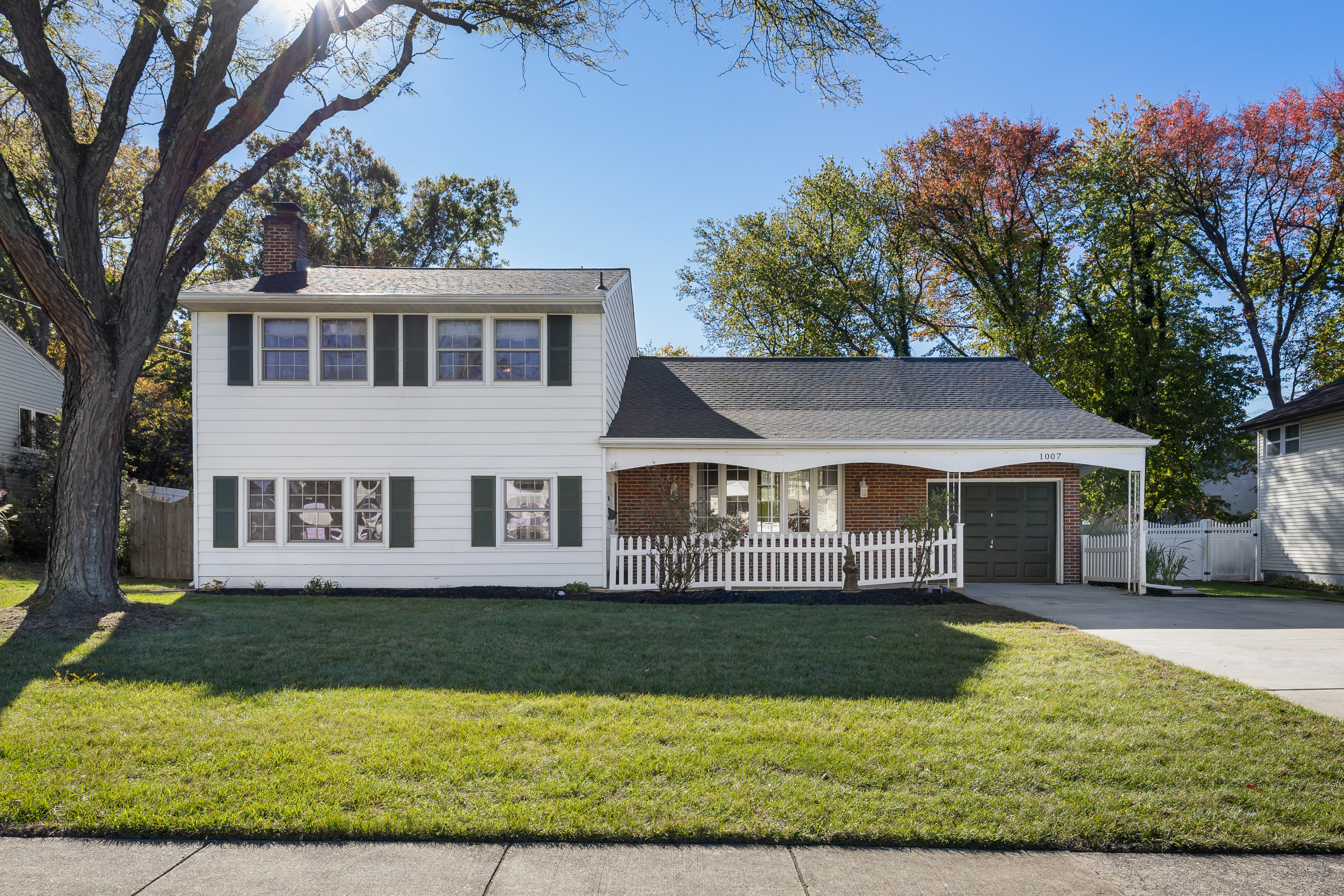
    The front of the home features white siding, red brick, and a white picket fence.

    Built in 1957, this white-siding and red-brick home has four bedrooms, including a primary suite with its own bathroom, all located on the upper level. On the home’s main level, there’s a family room with original hardwood flooring, a dining room, and an eat-in kitchen. It has updated appliances, floral wallpaper, and a white tile backsplash with fruits interspersed throughout. The home also has a living room off its entryway, complete with a wood-burning fireplace and log storage. Outside, there’s a covered front porch offset by a white picket fence, while out back there’s a fenced yard with a storage shed. The home has a newly installed roof, as well. There’s an open house Sunday from 11 a.m. to 1 p.m.

    See more photos of the property here.

    Price: $435,000 | Size: 2,056 SF | Acreage: 0.23

    🗞️ What other Cherry Hill residents are reading this week:

    By submitting your written, visual, and/or audio contributions, you agree to The Inquirer’s Terms of Use, including the grant of rights in Section 10.

    This suburban content is produced with support from the Leslie Miller and Richard Worley Foundation and The Lenfest Institute for Journalism. Editorial content is created independently of the project donors. Gifts to support The Inquirer’s high-impact journalism can be made at inquirer.com/donate. A list of Lenfest Institute donors can be found at lenfestinstitute.org/supporters.

  • Cherry Hill’s new PGA Tour Superstore is set to open. Here is a look inside.

    Cherry Hill’s new PGA Tour Superstore is set to open. Here is a look inside.

    Clearing a golf ball past the 250-yard mark into the sunlit fairway of California’s Titleist Performance Institute is getting easier for a whole lot of people in the region.

    All they have to do is stop by the virtual golf simulators at Cherry Hill’s PGA Tour Superstore. The Georgia-based chain is opening store No. 80 in South Jersey. It already has an outlet in the Metroplex Mall in Plymouth Meeting, and is looking to expand to Ocean Township, N.J., soon.

    The company has undergone a significant growth spurt in the last six years with new brick-and-mortar locations and a 200% jump in e-commerce, a company spokesperson said.

    The sprawling 40,000-square-foot superstore in Cherry Hill will open at 9 a.m. Saturday with $30,000 worth of giveaways, including a full set of iron golf clubs to the first two customers.

    It will house dozens of aisles of the latest golf clubs, balls, apparel, and other gear, among six practice and play hitting bays, virtual golf simulation stations, and an expert club fitting area. Store sales manager Lexi Humbert, a golfer of 16 years, said she added 10 yards to her drive after a new club head suggestion.

    Store general manager Lisa-Jo Donnelly reacts as she sinks a putt on the practice green at the PGA Superstore.

    The real draw is the golf simulation bay, where customers can cycle through world-famous golf courses projected onto a screen, and drive balls nearly 100 mph into them, receiving analytics on each swing.

    The putting green is lined with the most popular putters from classics like Taylor Made Spiders and Scotty Cameron Phantoms to the fresh lineup of L.A.B. brand putters. Golfers can explore clubs and then test them out in the golf simulation bays, or get hands-on fittings with the experts. Regripping and repair services are available, too.

    Golf, historically associated with wealthier, white men, is a growing sport — especially “off-course golf.” It was made popular by TopGolf — a trend PGA Tour Superstore hopes to capitalize on with recurring Saturday events, inviting youth groups (like First Tee) in for lessons, and providing a social space for those looking to get some swings in outside of the green.

    “The average golfer is now down to their early 40s‚” said the store’s general manager, Lisa-Jo Donnelly. The goal is to create a space that will become part of the Cherry Hill golfing community, within a region that is home to 70 courses and a local high school team that likes bringing home trophies, she said.

    The store has an expansive women’s and juniors’ sections. Humbert, who said she has been to golf stores all over the country, said the selections will be refreshing for many, as stores tend to skimp on women’s and junior equipment.

    “When I go to other stores, I already know that I’m not going to have nearly the selection that I need. I always get frustrated,” Humbert said. “The biggest thing for me is for those just wanting to get into golf and see a PGA shirt at other places for $150, whereas here you can go into the back of the store and find something for $20 to $30.”

    Store sales manager Lexi Humbert reacts after a great drive on a virtual golf simulation at the PGA Superstore.

    Saturday’s opening day is likely to lure hundreds to the store for giveaways, but they may have to contend with the dozens of people who will camp out for days to be first.

    “These opening giveaways are so popular that we had, for quite a few openings, the same person in the front of the line. He was traveling around the country and getting there first,” Donnelly said.

    The store will provide campers with pizza on Friday night and coffee and Krispy Kreme doughnuts on Saturday. The new PGA Tour Superstore CEO, Troy Rice, and Cherry Hill Mayor David Fleisher will also be in attendance Saturday, alongside members of the township council.

    📅 Opening Oct. 25, at 9 a.m.📍2232 N.J. Route 70, Suite C, Cherry Hill Township, N.J. 08002, 🕒 Monday to Friday 10 a.m. to 8 p.m., Saturday 9 a.m. to 8 p.m., Sunday 10 a.m. to 6 p.m. 🌐 pgatoursuperstore.com

  • Penn Medicine is investing more than $500 million in new cancer facilities

    Penn Medicine is investing more than $500 million in new cancer facilities

    The University of Pennsylvania Health System, the Philadelphia region’s biggest provider of cancer care and a national leader in developing new treatments, is spending more than $500 million on two new cancer facilities in Philadelphia and central New Jersey to keep growing.

    Those big projects — a fourth proton center at Presbyterian Medical Center in University City and a large cancer center at Princeton Medical Center in Plainsboro — follow years of expansion through outpatient centers in communities like Cherry Hill and Radnor. Its newest is a relocated, $18.5 million infusion center in Yardley that opened in June.

    “What we’ve seen pretty consistently is that demand is there to meet any capacity increases,” Julia Puchtler, the health system’s chief financial officer, said in an interview about fiscal 2025 financial results.

    Penn is not alone in its push to expand cancer services. Jefferson’s Sidney Kimmel Cancer Center, Temple’s Fox Chase Cancer Center, and the MD Anderson Cancer Center at Cooper are pushing into the suburbs to reach more patients.

    The same thing is happening nationally as financially pressured health systems are looking for ways to increase revenue in a growing and lucrative market for cancer care.

    Penn stands out locally for the scale of its investment in a strategy to deliver cancer care seamlessly across its seven hospitals and a growing network of outpatient clinics, with the expectation that patients will keep coming back for their ongoing health needs.

    Penn sees an opportunity to expand its market share even more, as cancer diagnoses rise. The U.S. is expected to see a nearly 40% increase in cancer diagnoses between 2025 and 2050, according to the Philadelphia-based American Association of Cancer Research.

    Experts attribute the rise to a wide variety of factors, from better early detection, to longer life spans, and to environmental exposures that are poorly understood.

    Much of Penn’s investment is in outpatient facilities, including a $270 million center being built in Montgomeryville that will have radiation oncology and an infusion center. “More and more patients want to receive care closer to home,” according to Lisa Martin, a senior vice president at Moody’s Rating. “All of that is really what’s behind all of this investment.”

    Cancer treatment overall is profitable. At Penn, cancer services account for up to 60% of the system’s operating margin by one simple measure that subtracts direct costs from direct revenue and excludes back-office expenses and other centralized costs.

    Puchtler attributed the profitability of cancer care to the prevalence of drugs, such as chemotherapy, that Penn can buy at a discount, while getting the full price from insurers, and the higher percentage of younger cancer patients with better-paying private insurance than is typical for many healthcare services.

    The expansion efforts are expensive in an industry where the consumers both benefit from advances and pay ever-rising healthcare costs. Proton therapy, in particular, costs more, but has not yet been proven to have better outcomes across a wide range of cancers.

    The intensifying competitive landscape

    Penn treats about one-third of adults with cancer in its market area, which stretches from central New Jersey to the Susquehanna, according to Robert Vonderheide, who is director of Penn’s Abramson Cancer Center and leads all of Penn’s efforts in oncology treatment and research.

    Penn counted 47,053 new cancer patients in the 12 months that ended June 30, up 40% from five years ago, according to Penn. The system has 14 locations where patients can receive chemotherapy and even more radiation oncology sites.

    Competitors are also trying to expand their reach, and Temple’s Fox Chase Cancer Center is succeeding.

    window.addEventListener(“message”,function(a){if(void 0!==a.data[“datawrapper-height”]){var e=document.querySelectorAll(“iframe”);for(var t in a.data[“datawrapper-height”])for(var r,i=0;r=e[i];i++)if(r.contentWindow===a.source){var d=a.data[“datawrapper-height”][t]+”px”;r.style.height=d}}});

    Fox Chase had 21,442 new patients in fiscal 2025, up 148% from 2020, the nonprofit said. Fox Chase has added suburban offices in Voorhees and Buckingham, Bucks County, and is expanding its infusion capacity at its main campus on Cottman Avenue. Fox Chase has a significantly smaller footprint than Penn, with six locations for infusions and four for radiation.

    The MD Anderson Cancer Center at Cooper said it had 4,326 new patients last year, up 27% over the last five years. Cooper has taken the MD Anderson Cancer Center brand to the former Cape Regional Medical Center, which it acquired last year and which used to be part of the Penn Cancer Network. Cooper also offers cancer services at its new Moorestown location.

    Jefferson Health’s Sidney Kimmel Cancer Center did not respond to requests for patient data, but has in recent years opened cancer center locations at its Torresdale and Bucks County Hospitals. Jefferson’s cancer center also attained the highest designation from the National Cancer Institute last year — the Philadelphia region’s third comprehensive cancer center, matching Penn and Fox Chase.

    Virtua Health, Penn’s partner in a proton therapy center in Voorhees, is exploring a merger with ChristianaCare, which has already been expanding from its Delaware base into Chester and Delaware Counties. Another South Jersey system, AtlantiCare, has signed a contract with the Cleveland Clinic to boost its competitiveness in cancer care.

    How Penn is trying to build a ‘cancer system’

    Lancaster County resident Susan Reese, 56, said she experienced smooth cooperation between her doctor at Penn’s Lancaster General Hospital and the team at HUP during her treatment for non-Hodgkin lymphoma.

    “I never had any question in my mind that one doctor didn’t know what the other doctor was doing,” said Reese, who received CAR-T therapy at HUP in September 2022. Penn has since started offering CAR-T at Lancaster General.

    After she relapsed in early 2023, she came back to HUP for a stem cell transplant. She could have gone to Penn State Health’s Hershey Medical Center for that. It’s significantly closer to her home in Willow Street, but she wanted to stay within the Penn system.

    Reese’s experience of integration of services at HUP and Lancaster General is what Penn is aiming for in a territory that stretches from central New Jersey to central Pennsylvania.

    Oncologist Robert Vonderheide, director of Penn Medicine’s Abramson Cancer Center, oversees all Penn’s cancer services and research.

    Electronic medical records help with the integration needed to ensure the thousands of cancer patients Penn physicians treat annually get the most advanced care possible, according to Vonderheide, whose research focuses on cellular immunotherapies.

    “We treat patients’ cancers now in a very precise way; the precise mutation, the precise type of chemotherapy, the precise dose” are the focus for doctors, Vonderheide said. “This is no longer appropriate for the telephone game. This has to be data-driven.”

    Reese’s decision to stay within Penn is part of a broader trend of patients tending to receive all their care within one health system, according to Rick Gundling, a healthcare expert at the Healthcare Financial Management Association in Washington, D.C.

    That’s particularly important in oncology, which typically involves multiple specialties, such as medical oncology, radiation oncology, and surgical oncology, he said.

    “Seamless coordination across all those disciplines really makes it a better patient experience and clinical experience because it reduces delay, improves access,” Gundling said.

    Taking advanced treatments from HUP to the network

    Part of Penn’s strategy is to begin offering advanced services at locations beyond HUP. That’s where Penn pioneered CAR-T cell therapy, which harnesses the immune system to attack cancer, and for years that was the only place Penn offered it.

    HUP still performed the bulk of the CAR-T treatments for blood cancers, 123 inpatient cases and 14 outpatient cases last year, but now CAR-T is also available at Lancaster General and at Penn’s Pennsylvania Hospital in Center City.

    Fox Chase was the next biggest center in the region for the relatively new treatment that Penn scientist Carl June and his research teams helped develop. For the fiscal year that ended June 30, 2025, Fox Chase had 21 inpatient cases and 67 outpatient cases, the center said.

    In the Penn system, certain kinds of bone marrow transplants also used to be available only at HUP. “Now we do them at HUP and Pennsylvania Hospital,” Vonderheide said.

    Even the most complicated pancreatic surgeries are going to be done at Princeton, in conjunction with experts at HUP, Vonderheide said. Penn held a ceremonial groundbreaking Monday for the hospital’s $295 million cancer center.

    Remaining only at HUP are bone marrow transplants that use another person’s cells to treat blood cancers, Vonderheide said. HUP performed 118 of those so-called allogeneic bone marrow transplants on the top floor of its $1.6 billion patient pavilion, now known as the Clifton Center.

    Pennsylvania’s next-biggest provider of the treatment was Hershey Medical Center, near Harrisburg, with 71, according to state data.

    window.addEventListener(“message”,function(a){if(void 0!==a.data[“datawrapper-height”]){var e=document.querySelectorAll(“iframe”);for(var t in a.data[“datawrapper-height”])for(var r,i=0;r=e[i];i++)if(r.contentWindow===a.source){var d=a.data[“datawrapper-height”][t]+”px”;r.style.height=d}}});

    Penn started offering proton therapy at HUP in 2010, and expanded its availability in the last three years to Lancaster General and Voorhees, through a joint venture with Virtua Health. Those two centers only have one proton machine each, compared to five at HUP.

    It’s a type of radiation that is designed to precisely target tumors and do less damage to surrounding tissues. That makes the treatment, which costs more, particularly helpful for children, and it is proving beneficial for treating certain neck and throat cancers. The use of proton therapy for the more common prostate cancer has been more controversial.

    Penn’s fourth proton center, with two machines, is under construction and is expected to open at Presbyterian in late 2027. When that $224 million center opens, Penn will have more proton treatment rooms than the entire West Coast, said Jim Metz, chair of radiation oncology at Penn.

    Currently about 10% of Penn’s roughly 10,000 annual radiation oncology patients are treated with protons, though it’s a higher percentage at locations with proton machines, Penn said.

    Penn officials have noted that some cancer patients come to Penn for proton therapy. Even when it’s not appropriate for them, they tend to stay within Penn. “We have seen, when we build protons, our market share increases, ” Metz said.

    Editor’s note: This article has been updated with more recent Fox Chase data.