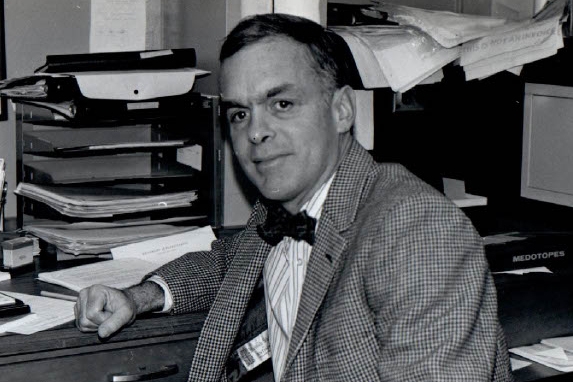
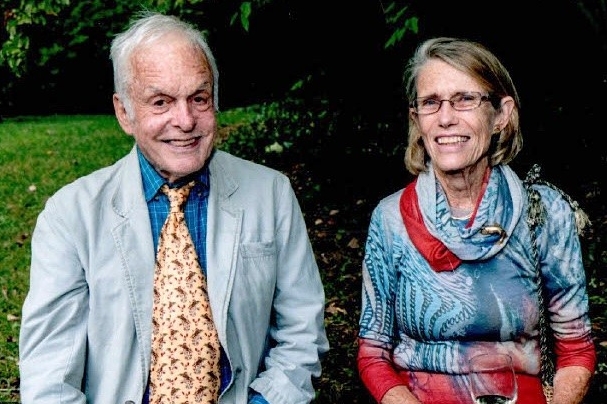
William L. Elkins, 93, of Coatesville, pioneering research immunologist at what is now the University of Pennsylvania’s Perelman School of Medicine, associate professor emeritus of pathology and laboratory medicine, innovative longtime Angus cattle rancher in Chester County, avid sailor, and veteran, died Tuesday, Nov. 11, of complications from pneumonia at Chester County Hospital.
The great-great-grandson of Philadelphia business tycoon William Lukens Elkins, Dr. Elkins fashioned his own distinguished career as a scientist, medical researcher, and professor at Penn from 1965 to 1985, and owner of the Buck Run Farm cattle ranch in Coatesville for the last 39 years.
At Penn, Dr. Elkins conducted pioneering research on how the human immune system fights infection and disease. He collaborated with colleagues in Philadelphia and elsewhere around the country to provide critical new research regarding bone marrow transplants and pediatric oncology.
His work contributed to new and more effective medical procedures at Penn, Children’s Hospital of Philadelphia, and elsewhere, and he instructed students and residents at Penn. But his lifelong love of the fields and rolling hills he roamed as a boy in Chester County never faded, he told Greet Brandywine Valley magazine in 2023.
Dr. Elkins was a lifelong outdoorsman.
“Farming is in my blood,” he said. “So even when I went to medical school and all that, the enthusiasm never left, and I wanted to go back to it.”
So he retired from medicine at 53, and he and his wife, Helen, bought nearly 300 acres of the old King Ranch on Doe Run Church Road in Coatesville. She kept the books and looked after the business. He became an expert on breeding cattle and growing the high-energy grass they eat.
Wearing floppy hats and riding a colorful ATV from field to field, Dr. Elkins worked his land for decades. He mended fences and tended daily to his 120 cows, heifers, and prize bulls.
He championed holistic regenerative farming and used new scientific systems to feed his cattle. He rejected commercial fertilizer and knew all about soil composition, grass growing, and body fat in cattle.
Dr. Elkins and his wife, Helen, married in 1966.
In a 1995 Inquirer story, he said: “Cattle are just like anyone else. If you just turn a few cattle out in a great big field, they will wander around, eat the grass they like best, and leave what they don’t want. That means the less desirable grasses tend to predominate.”
He traveled the country to confer with other cattlemen and helped found the Southeast Regional Cattlemen’s Association in 1994. He sold his beefsteaks, patties, jerky sticks, and kielbasa grillers to private customers online and to butchers and restaurants.
At least one local chef featured an item on the menu called Dr. Elkins’ Angusburger. Lots of folks called him Doc.
He earned his medical degree at Harvard University in 1958 and served two years in the Navy at the hospital in Bethesda, Md. He was a surgical intern in New York and discovered that he preferred the research lab. Before Penn, he worked at the Wistar Institute of biomedical research.
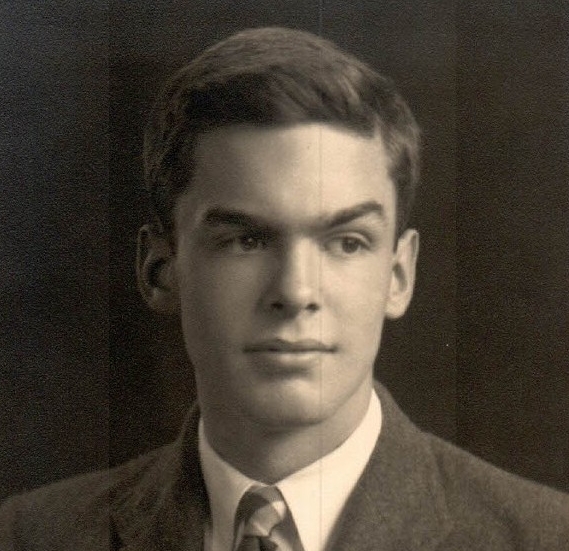
Dr. Elkins graduated from St. Mark’s School in Massachusetts in 1950.
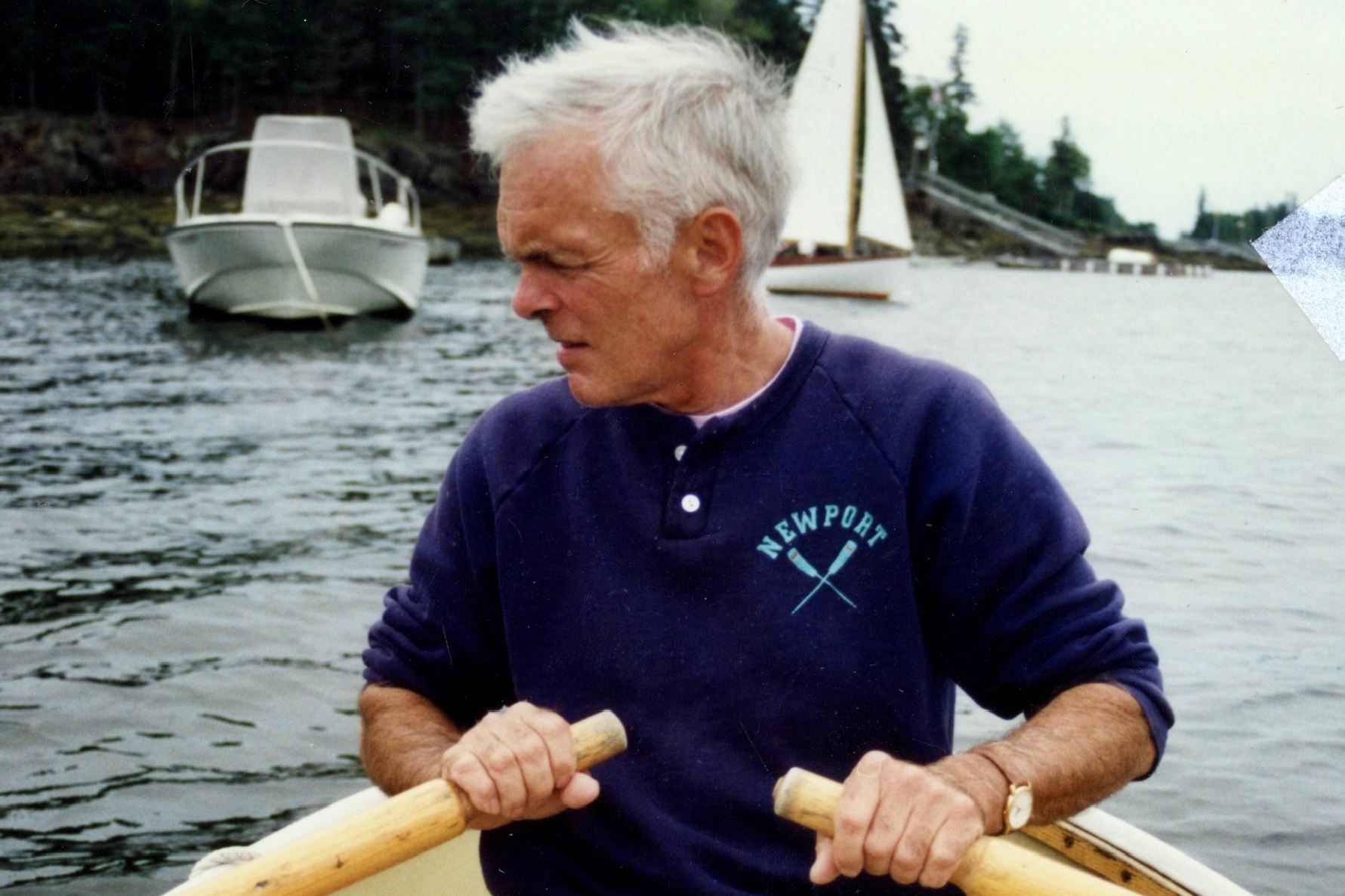
Away from the lab, Dr. Elkins was an ocean sailor, expert navigator, and former boat club commodore. He was active with the Brandywine Conservancy, Natural Lands, and other groups, and was lauded by national organizations for his wide-ranging conservation and wildlife efforts.
He made his farm a haven again for the bobolink grassland songbird and other migratory birds and butterflies that had dwindled. “Buck Run Farm is more about growing grass and trees than beef,” he told Greet Brandywine Valley. “We’re blessed by the land.”
William Lukens Elkins was born Aug. 2, 1932, in Boston. He lived on the family dairy farm in Pocopson, Chester County, when he was young, went to boarding school in Massachusetts for four years, and earned a bachelor’s degree in biology at Princeton University.
He met Helen MacLeod at a party in Washington, and they married in 1966 and had a daughter, Sheila, and a son, Jake. They lived in Center City, Society Hill, and Villanova before moving to the farm. “He was easy to be with,” his wife said.
Dr. Elkins enjoyed sailing and fishing.
Dr. Elkins loved nature, fishing, and baseball, and he followed the Phillies, the Flyers, and other sports teams. “He had a wonderful bedside manner,” his daughter said. “He was a great listener. He really knew how to support people.”
His son said: “He was unassuming and direct. He spoke his mind. He connected with so many different people. He was curious about the world around him.”
His wife said: “He was thoughtful and always concerned about people. He had good humor. He was fun.”
In addition to his wife and children, Dr. Elkins is survived by five grandchildren and other relatives. A sister died earlier.
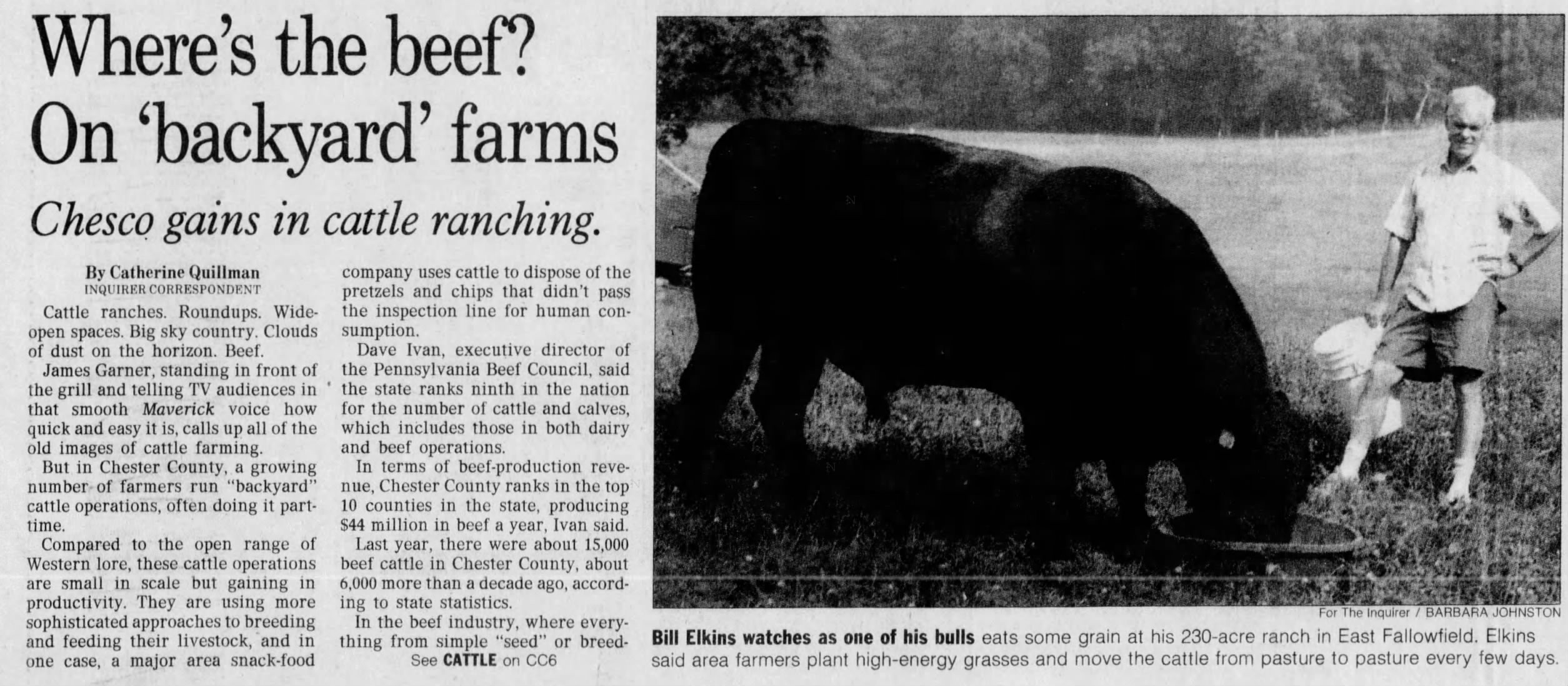
This article about Dr. Elkins and his ranch appeared in The Inquirer in 1995.
The worst of the coronavirus pandemic that started nearly six years ago is well in the past, but Philadelphia’s biggest nonprofit health systems are still contending with the financial disruption unleashed by the virus that led to thousands of deaths in the area.
Operating conditions for hospitals started improving in 2023, but “the slope of the recovery is a bit more shallow than a lot of health systems had planned for,” said Mark Pascaris, a senior director at Fitch Ratings, one of three major credit ratings agencies.
Patients have returned, but the pandemic led to a resetting of expensesfor labor and supplies at a higher level, Pascaris said. “That’s been the challenge over the last two or three or four years now, trying to manage through a very challenging expense situation,” he said.
To show how the financial landscape has changed, The Inquirer compiled financial data for the region’s six biggest health systems that have fiscal years ending June 30 each year. The analysis compared average operating profits in three years before the pandemic (fiscal years 2017-19) to the results in most recent three years (fiscal years 2023-25).
All six systems showed a substantial drop in a measure of earnings that excludes certain accounting expenses and interest costs. This slice of financial results is known as earnings before interest, depreciation, and amortization. Abbreviated as EBIDA, it’s a primary indicator watched by influential credit ratings agencies.
window.addEventListener(“message”,function(a){if(void 0!==a.data[“datawrapper-height”]){var e=document.querySelectorAll(“iframe”);for(var t in a.data[“datawrapper-height”])for(var r,i=0;r=e[i];i++)if(r.contentWindow===a.source){var d=a.data[“datawrapper-height”][t]+”px”;r.style.height=d}}});
The experience of Children’s Hospital of Philadelphia clearly illustrates what has happened: The organization’s aggregate revenue in the most recent three fiscal years was 58% higher than it was in the three years that ended June 30, 2019, but its EBIDA climbed only by half a percentage point.
“Hospitals and healthcare systems across the country continue to face significant headwinds, driven by reimbursement challenges, increased supply and labor costs, uncertain governmental pressures, and the continued ripple effect of the pandemic,” CHOP said in a statement.
Officials at ChristianaCare, Main Line Health, and Temple University Health System echoed CHOP’s remark.
“Margins were far better prior to the pandemic, largely due to lower supply and labor costs,” Main Line’s chief financial officer Leigh Ehrlich said. “Those costs rose sharply during the pandemic and continue to rise.”
ChristianaCare’s CFO Rob McMurray noted: Not only have Medicare and Medicaid rates not kept up with inflation, but more people have those government forms of insurance for people 65 and older and for low-income people.
The nonprofit is expanding from its base in northern Delaware to Southeastern Pennsylvania and is expanding alternative formats, such as hospital-care-at-home and micro hospitals, to reduce costs, McMurray said.
A significant worry for Temple University Health System is the impact of the 2025 budget reconciliation bill, sometimes called the One Big Beautiful Bill Act. The North Philadelphia nonprofit estimates that Medicaid cuts in that law will cost it $519 million over the next 10 years, said Jerry Oetzel, the system’s CFO.
Three large stand-alone parking garages have been proposed in Philadelphia this year, unusual projectsin a city where parking operators have long complained that high taxation makes it difficult to run a business.
The latest is a 372-unit garage near Fishtown and Northern Liberties at 53-67 E. Laurel St. near the Fillmore concert hall and the Rivers Casino.
“There’s been about 2,500 units that have come online within a 5- to 10-minute walk” of the planned garage, said Aris Kufasimes, director of operations with developer Bridge One Management. “When you’re building those on 7-1 [apartments to parking spaces] ratios, that leaves a massive hole. Where is everybody going to put their vehicles?”
Despite central Philadelphia’s walkability and high levels of transit access, two other developers have made similar calculations this year.
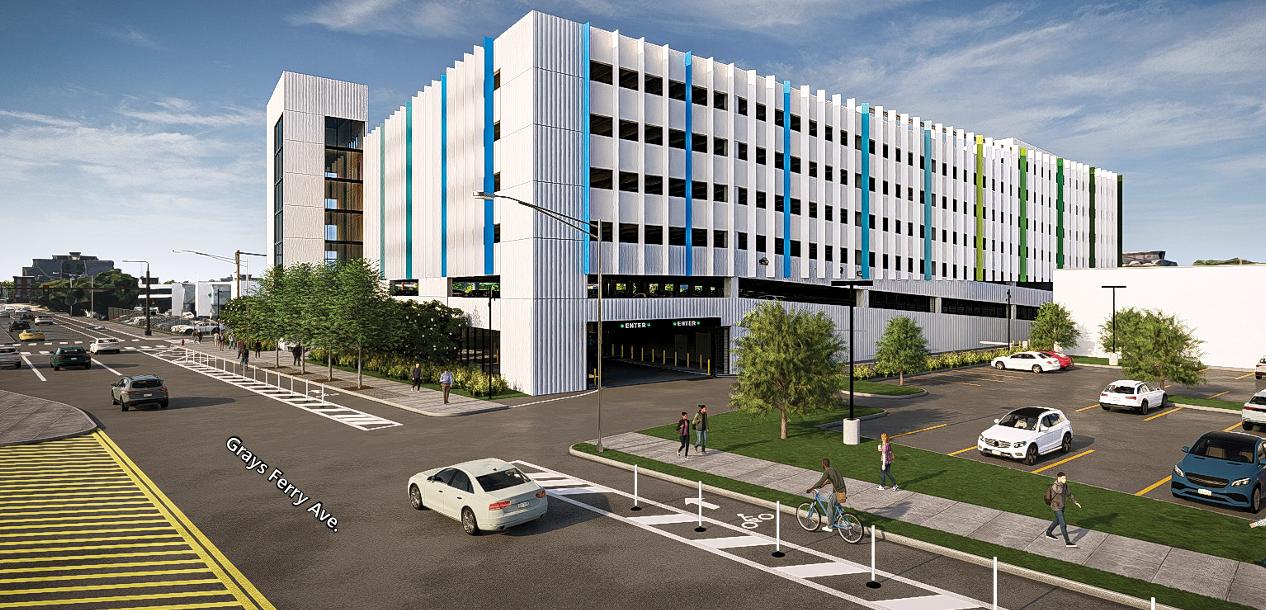
In the spring, Children’s Hospital of Philadelphia (CHOP) revealed plans for a 1,005-space parking garage in Grays Ferry along with a shuttle service to spirit employees to the main campus a mile away.
In August, University Place Associates unveiled plans for a 495-unit garage. About a fourth of it will be reserved for the use of the city’s new forensic lab, but the rest will be open to the public.
All three projects have baffled environmentalists and urbanists, who thought Philadelphia was moving away from car-centric patterns of late 20th-century development.
It’s also surprised parking operators in the city, who say national construction cost trends and high local taxation make it difficult to turn a profit.
Legacy parking companies in Philadelphia like E-Z Park and Parkway Corp. have been selling garages and surface lots for redevelopment as anything other than parking. They say the city has lost 10,000 publicly available spaces in the last 15 years, bringing the total to about 40,000 in Center City.
“I don’t think I’ll ever build another stand-alone parking facility,” said Robert Zuritsky, president of Parkway Corp. and board chair of the National Parking Association. “It doesn’t make any sense.”
Zuritsky and other parking companies have long noted that operators in Philadelphia, who often have unionized workforces, get hit with parking, wage, property, and the Use and Occupancy Tax.
When combined with the soaring cost of building new spaces across the nation, it’s difficult to turn a profit in Philadelphia.
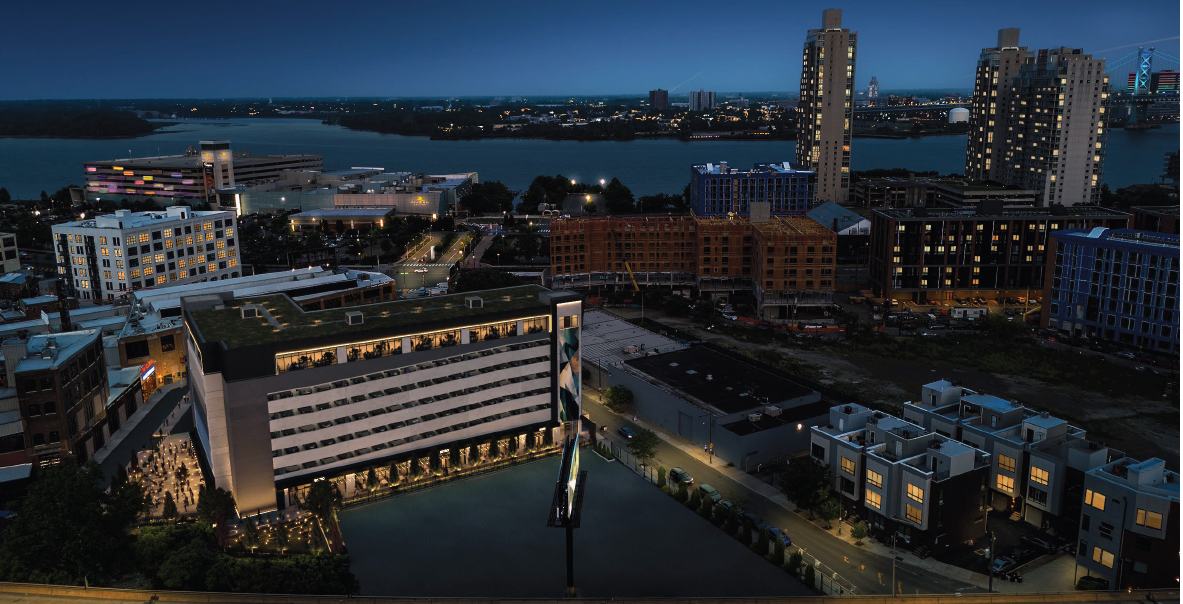
A rendering of the Fishtown garage, looking towards the Delaware River.
Zuritsky says it costs $60,000-$70,000 a space to build an aboveground lot in today’s environment and $100,000 to $150,000 below ground.
“It’s like building a house for a car,” he said.
Depending on hyperlocal peculiarities, Zuritsky says that taxation in Center City can eat up to 60% of the money they bring in and that to profit from new construction, an operator would have to charge $3,000 per space a month.
“I wish people luck, the ones that are moving in,” said Harvey Spear, president of E-Z Park. “Between taxes, insurance, and labor, it comes to, like, 70-some percent of what we take in. We have more equipment now that does away with a lot of labor; we’re trying to compensate with that.”
Urbanist and environmental advocates, meanwhile, have condemned the new garage projects, arguing that they will add to carbon emissions, air pollution, and traffic congestion.
“A massive parking garage less than half a mile from the El [in Fishtown] is the wrong direction for any city that claims to take climate action seriously,” said Ashlei Tracy, deputy executive director with the Pennsylvania Bipartisan Climate Initiative. “SEPTA is already working to get more people out of cars and onto transit, but projects like this one and the one from CHOP only make that harder.”
Here are the parking projects in the pipeline.
Fishtown: 372 spaces
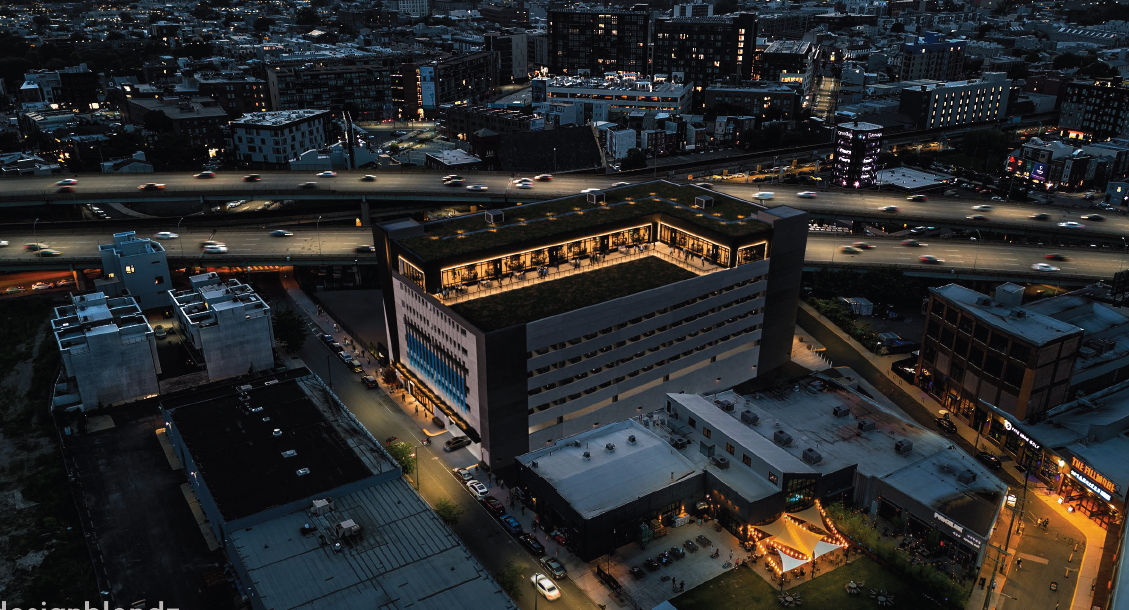
The garage, with architecture by Philadelphia-based Designblendz, doesn’t just contain parking. It includes close to 14,000 square feet of commercial space on the first floor, which the developer hopes to rent to a restaurant — or two — on the edges of one of Philadelphia’s hottest culinary scenes.
Another over 16,000-square-foot restaurant space is planned for the top floor, with views of the skyline and river. Both the top and bottom floors also could be used as event spaces.
Kufasimes says that this aspect of the project could partly offset the kinds of costs that parking veterans warn of.
“Our due diligence team went through those numbers and vetted them pretty thoroughly: The returns are what they needed to be,” Kufasimes said. “It’s got a multifunction of income streams, so we think that that really will help play a larger role.”
Kufasimes also said a parking garage made sense in an area that’s seen more development than almost any other corner of Philadelphia. When investors purchased the land at 53-67 E. Laurel St. and approached his company for ideas, they met with other stakeholders in the neighborhood and determined parking would be appreciated.
“It wasn’t necessarily all about the profit,” Kufasimes said. “A lot of people this day and age, that is their number-one goal. If this is a slightly lower return in the long run but can be better accepted by the community as a whole, we think that actually raises the value of the asset.”
An overhead-perspective rendering of the Fishtown garage.
At an October meeting of the Fishtown Neighbors Association, that argumentappeared to pay off. Unlike most community meetings where a large new development is proposed, there were no adamant opponents of the project. The project also includes a 20,000-square-foot outdoor space, a green roof, and a to-be-decided public art component. All of that helped, too.
“It’s nice seeing a parking garage, of all things, be as pedestrian-friendly and thoughtful as this,” one speaker said during the Zoom meeting.
Dubbed University Place 5.0, it largely exists because of a major expansion of the municipal bureaucracy west of the Schuylkill.
For years the city has sought a new location for its criminal forensics laboratory. The debate became heated in City Hall, with numerous Council members making the case for locations within their districts.
Councilmember Jamie Gauthier pushed for its location in University City Place 3.0, a newly built, state-of-the-art life sciences building that was coming online just as its intended industry was slowing down in the face of higher interest rates.
To get the crime lab, Mayor Cherelle L. Parker’s administration said the police department would need ample parking. That’s where the new garage comes in.
In June, Gauthier passed a zoning overlay that cleared away the regulatory hurdles to the project. Six weeks later, the developers revealed University City Place 5.0, which has 29 parking spaces on the ground floor reserved for official use by forensics vehicles and 100 spaces reserved for city employees.
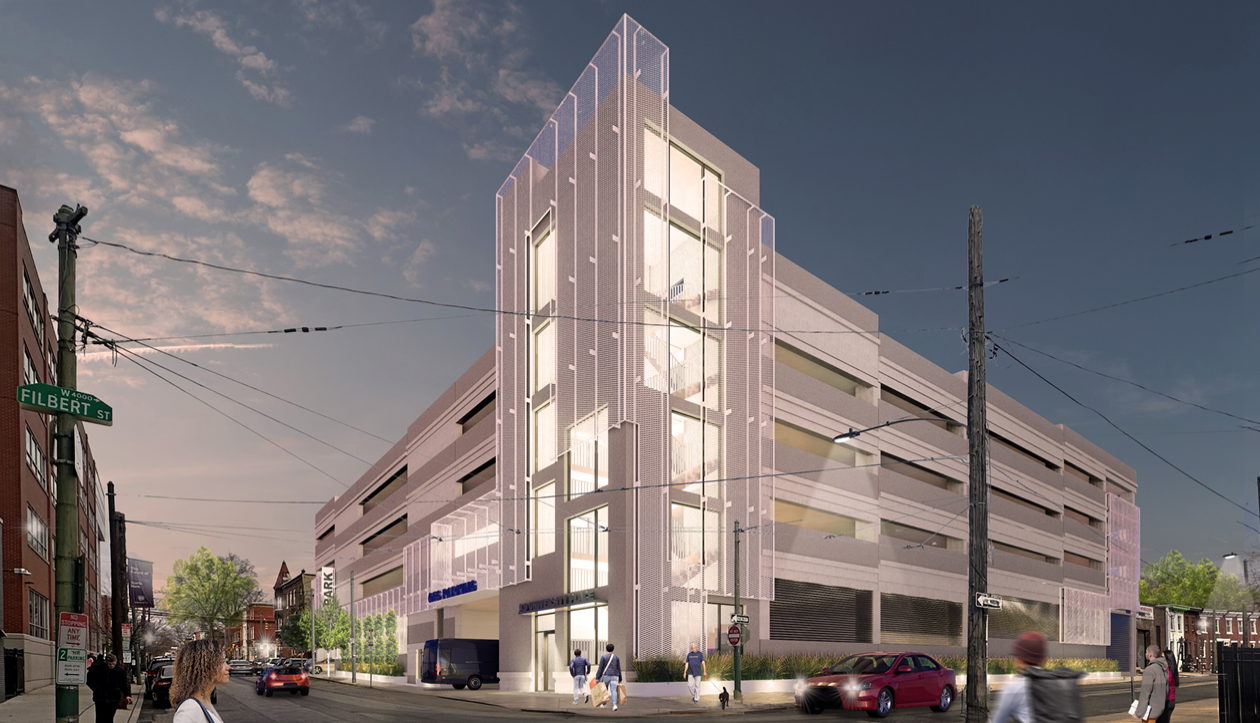
A rendering of the proposed University City parking garage as seen from 42nd and Filbert Streets.
Designed by Philadelphia-based ISA Architects, the garage is also meant to serve University Place Associate’s other large developments in the area. Akin to the Fishtown garage, they have also sought to make the development pedestrian friendly, with a dog park, green space, and public art.
The local community group, West Powelton Saunders Park RCO, also embraced the proposal.
“The community met regarding this project back in August, and … they were all in support of this project,” Pamela Andrews, president of the West Powelton Saunders Park RCO, said at the city’s September Civic Design Review meeting. “We have a tremendous problem with parking, and the community members felt this was a much needed and welcome addition.”
Grays Ferry: 1,005 parking spaces
CHOP’s thousand-car parking garage by far has been the most controversial of the proposals. But it also makes the most economic sense for the owner. Unlike the other garages — or those owned by Parkway and E-Z Park — it will be owned by a nonprofit and exempted from many of the taxes that make it so expensive to own parking in Philadelphia.
A rendering of the new parking garage CHOP plans for Grays Ferry.
The hospital purchased the property at 3000 Grays Ferry Ave., next to the Donald Finnegan Playground, for almost $25 million last year.
The seven-story development, which, plans show, would have far fewer amenities than its University City and Fishtown counterparts, is meant to serve CHOP’s new research facilities in Fitler Square and the new patient tower set to open in 2028.
“We recently secured permits and have begun construction on the new parking garage at 3000 Grays Ferry Ave.,” a CHOP spokesperson said. “The full construction is expected to go through the fall of 2026. CHOP continues to engage with the community by providing support, timely updates and addressing feedback during construction.”
At the time of its unveiling, CHOP argued that the massive garage was needed as SEPTA threatened to become unreliable due to a political funding crisis in Harrisburg. But detractors appeared almost immediately to denounce the hospital for worsening air quality in a lower-income neighborhood that is already a hot spot for asthma.
There are no regulatory hurdles to the development, but changes in the political or economic landscape could make it difficult to embark on a large capital project. Notably, the University of Pennsylvania proposed an 858-space garage in 2023 for the nearby Pennovation Center and has never broken ground.
The Children’s Hospital of Philadelphia called new evidence presented by President Donald Trump’s administration weak and untrustworthy in a blistering legal response to federal efforts to investigate its doctors providing gender-affirming care.
CHOP’s response, filed late Monday in federal court in Philadelphia, came in defense of accusations by the U.S. Department of Justice that it’s investigating “fraudulent billing practices“ at the hospital.Federal officials say they’re looking into whether CHOP doctors were fudging or lying about diagnoses to get private and public health insurance companies to cover off-label drug prescriptions used to treat patients with gender dysphoria — a medical condition in which a person’s body does not match their gender identity.
In its filing, CHOP lawyers called the DOJ’s allegations “unreliable,” and urged U.S. District Court Judge Mark A. Kearney to disregard claims that are “threadbare, of dubious origin, and so heavily qualified and caveated as to offer the court no meaningful information.”
CHOP and the DOJ are locked in a legal battle over a sweeping federal subpoena sent to the hospital in June. The subpoena seeks patient names, Social Security numbers, addresses, diagnoses, and treatment notes, in addition to doctor emails and encrypted text messages.
In July, CHOP filed a motion to limit the scope of the subpoena to protect patient privacy. Judge Kearney is now weighing CHOP’s motion.
In the latest filing, CHOP’s lawyers argued the DOJ’s “new evidence” against the hospital was unfairly “shoehorned” into a separate but related case filed last month by a group of CHOP patients and their families who also want Kearney to block the release of private medical records to the DOJ.
“That new evidence should not be considered because it is not before the Court in this case and is unreliable in any event,” CHOP lawyers wrote in the filing. “The government (still) cannot establish that its need for extraordinarily sensitive and personal patient information outweighs the highest-order privacy interests on the other side of the ledger.”
The DOJ did not immediately respond Tuesday to a request for comment.
Feds seek patient information from CHOP
In April, U.S. Attorney General Pam Bondi issued a memo, entitled “Preventing the Mutilation of American Children,” in which she tasked the DOJ with enforcing measures targeting gender-affirming care for youth.
About two months later, the DOJ sent subpoenas to CHOP and at least 19 other hospitals nationally that are under scrutiny for treating transgender youth. The subpoenas sparked legal opposition playing out in federal courts in Pennsylvania and across the nation.
The DOJ’skey focus is how doctors are prescribing puberty blockers and hormones “off-label,” meaning for a condition not specifically approved by the U.S. Food and Drug Administration.
Once a drug is approved by the FDA, it is legal for doctors to prescribe it to treat other conditions that could benefit from the medication. Off-label prescribing is a common and widely accepted medical practice, especially in pediatrics.
Gender-affirming care for children and adolescents has been deemed medically appropriate by the American Academy of Pediatrics and other major medical and mental health organizations. Research shows young people with gender dysphoria suffer higher rates of suicide, self-harm, depression, and anxiety.
CHOP’s Gender and Sexuality Development Program, created in 2014, is one of the nation’s largest such clinics and provides medical care and mental health support to hundreds of new families each year.
CHOP’s legal fight for patient privacy
Late last month, families and patients joined in CHOP’s fight against the federal subpoena by filing a separate motion to protect their privacy rights. That motion was filed on behalf of five parents with transgender children and one adult who received care at CHOP.
In response to that case, the DOJ filed a “Declaration,” or sworn statement, from Lisa Hsiao, acting director of the DOJ’s Enforcement and Affirmative Litigation Branch, formerly known as the Consumer Protection Branch. In it, Hsiao said the government has new evidence “particular to CHOP that raises concern that federal healthcare offenses may be occurring there.”
Hsiao said the government analyzed CHOP’sinsurance claims and found that between 2017 and 2024, CHOP providers diagnosed 250 minors with central precocious puberty at age 10 or older, “including numerous teenagers aged 14 to 18.”
“This is well beyond the age at which children are typically diagnosed with precocious puberty,” Hsiao stated. The government, she said, suspects doctors are improperly using the precocious puberty diagnosis to get insurance coverage for treatment of gender dysphoria.
In Monday’s court filing, CHOP lawyers accused the DOJ of attempting to “shoehorn its new evidence into CHOP’s case” through the other case.
CHOP also argued Hsiao’s declaration provides nothing to support its contentions surrounding precocious puberty diagnosis.
“Moreover, the government fails to contextualize the findings of its rudimentary analysis, offering no comparator for the use of the code for precocious puberty at peer hospitals, let alone hospitals that, like CHOP, have providers who specialize in treating endocrine disorders,” CHOP lawyers wrote.
The source of “the data set is entirely unknown,” CHOP’s lawyers noted, addingthe declaration never says how many patients were treated for gender dysphoria during that time frame.
The CHOP lawyers also criticized Hsiao for writing in her sworn declaration that the government was aware of a lawsuit filed against CHOP that alleges doctors hastily prescribed puberty blockers and hormones to a minor who later regretted it.
Hsiao later refiled the declaration to remove any reference to a lawsuit after learning that it hadn’t been filed.
CHOP lawyers wrote they believe the lawsuit reference came from a news article about a former CHOP patient. The article said the patient “was suing the hospital.” However, CHOP was unaware of any such lawsuit.
“The similarities between the report and the allegations in the Hsiao Declaration — including the reference to a lawsuit — raise suspicions that, in looking to justify its investigative interest in CHOP, the government simply searched the internet for stories fitting its narrative and presented the one it found as fact without adequately scrutinizing its veracity.”