Tag: East Passyunk

  • Philly business owners could save thousands with this little-known resource

    Philly business owners could save thousands with this little-known resource

    If you own a business in Philadelphia and you’re looking for financing, one little known resource is the Philadelphia Industrial Development Corp. or PIDC. Don’t be put off by the word industrial. The public-private organization was formed as a nonprofit by the City of Philadelphia and the Greater Philadelphia Chamber of Commerce to provide financing to all sorts of businesses to create jobs and revitalize neighborhoods.

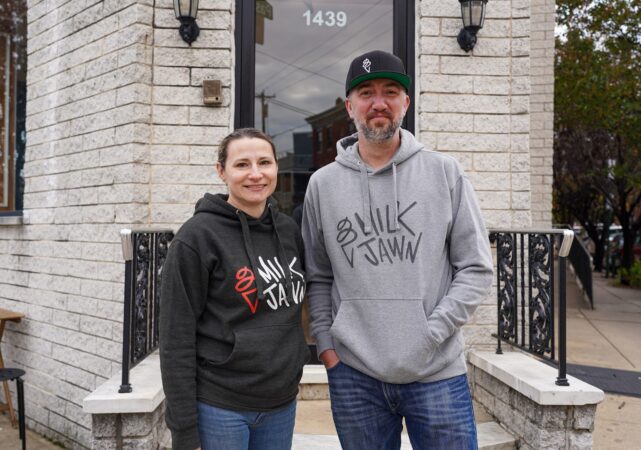
    For example, Milk Jawn, an ice cream shop in East Passyunk used PIDC financing to help with its expansion.

    “PIDC was our first type of institutional financing,” said Amy Wilson, Milk Jawn’s founder. “Our early growth was friends and family and some crowdfunding. PIDC then helped fund our build out and kitchen construction.”

    The organization says it’s focused on helping companies expand, and many different types of businesses would qualify for financing.

    “PIDC is Philadelphia’s partner for business growth,” said Kevin Lessard, a senior vice president at the organization. “We help businesses, nonprofits, and developers overcome barriers to expansion by providing financing and real estate solutions that make starting, staying, and scaling in the city possible.”

    To qualify for a loan through PIDC, your business must be located within the city, have operated for at least two years, and earn at least $100,000 in annual revenues. Special considerations may be made based on what the funds will be used for (i.e. building in a low-income area) or whether you’re a “disadvantaged” business owner. Personal guarantees and collateral are also normally required.

    Loans can be used for equipment and property as well as working capital needs and “soft” costs like legal, accounting, permits, and appraisals. One of the more popular uses of the loans is for commercial real estate financing, where financing can be used to acquire and renovate property or to fund new construction.

    Philly success stories

    For Alexander Sherack, a co-owner of Korea Taqueria, an eatery with several locations in Philadelphia, PIDC financing fit the kind of deal he was looking for.

    “We needed a property that was zoned commercial and mixed-use plus working capital so it wasn’t a typical path for a traditional bank loan,” he said. “We went with PIDC because it helped us replace rent with ownership — and our property turned out to be a hidden gem.”

    Businesses can apply online and will then go through an underwriting and due diligence process which usually includes submitting financial reports, bank statements, and tax returns, along with a business plan and forecast. Corporate documents such as bylaws and articles of incorporation are also required. Once the loan is received, there’s ongoing reporting and other compliance requirements, which include regular submission of financial information and updating any major changes in the business.

    Kia Jones owns Past Your Bedtime childcare in West Philadelphia and used PIDC financing for both working capital and renovations.

    “The staff there made it very easy,” she said. “Any questions that I had, they were right on it.”

    Pros of PIDC loans

    PIDC funding can be a great bridge to a traditional bank loan. Some applicants who may find themselves turned down for a bank loan may still be able to receive funding from the PIDC.

    PIDC takes more of a holistic, mission-driven approach. If a traditional bank turns you down, PIDC may still structure a deal — particularly if your project creates jobs or revitalizes neighborhoods. Getting PIDC involved may also encourage traditional banks to offer additional funding both now and in the future.

    PIDC loans generally have much lower interest rates than a traditional bank loan. Milk Jawn’s Wilson, for example, accessed a special 0% interest program in early 2022 through PIDC, a major cost savings in a time of rising interest rates. (This was part of a one-time pandemic relief program.)

    Finally, the PIDC provides education, support, and networking programs to help their community of borrowers manage and grow their businesses. And the connections can pay off.

    “We were able to meet partners of the PIDC,” Jones said. “One partner program called Boost Your Business got us a $50,000 forgivable loan. The organization is also very familiar with city grants and other local funding options.”

    Real talk

    As helpful as the organization can be, business owners shouldn’t expect to get immediate funding.

    Sherack recommends starting early and “building a transaction timeline” into any agreement where property is being purchased.

    “Don’t assume quick money,” he said. “Submit your documents fast and press for clarity on timing so you don’t lose the deal.”

    Wilson agrees and said she had to get a loan from a family member while she waited for the application process to complete.

    “We’re a mission-driven lender using public and public-private capital, so every deal requires careful underwriting and a clear path to economic impact,” Lessard said. “Unlike conventional lenders, we tailor each financing package to the business.”
  • Philly’s tiniest used bookshop opens in the back of a children’s dress shop on Passyunk Avenue

    Philly’s tiniest used bookshop opens in the back of a children’s dress shop on Passyunk Avenue

    Little Yenta has to be the tiniest used bookshop in Philly. And it’s certainly the only one located in the back of a 40-year-old children’s dressmaking studio.

    Ariel and Simon Censor, partners in life and now books, opened Little Yenta Books, their self-described “micro-bookstore,” on East Passyunk Avenue in South Philadelphia on Saturday.

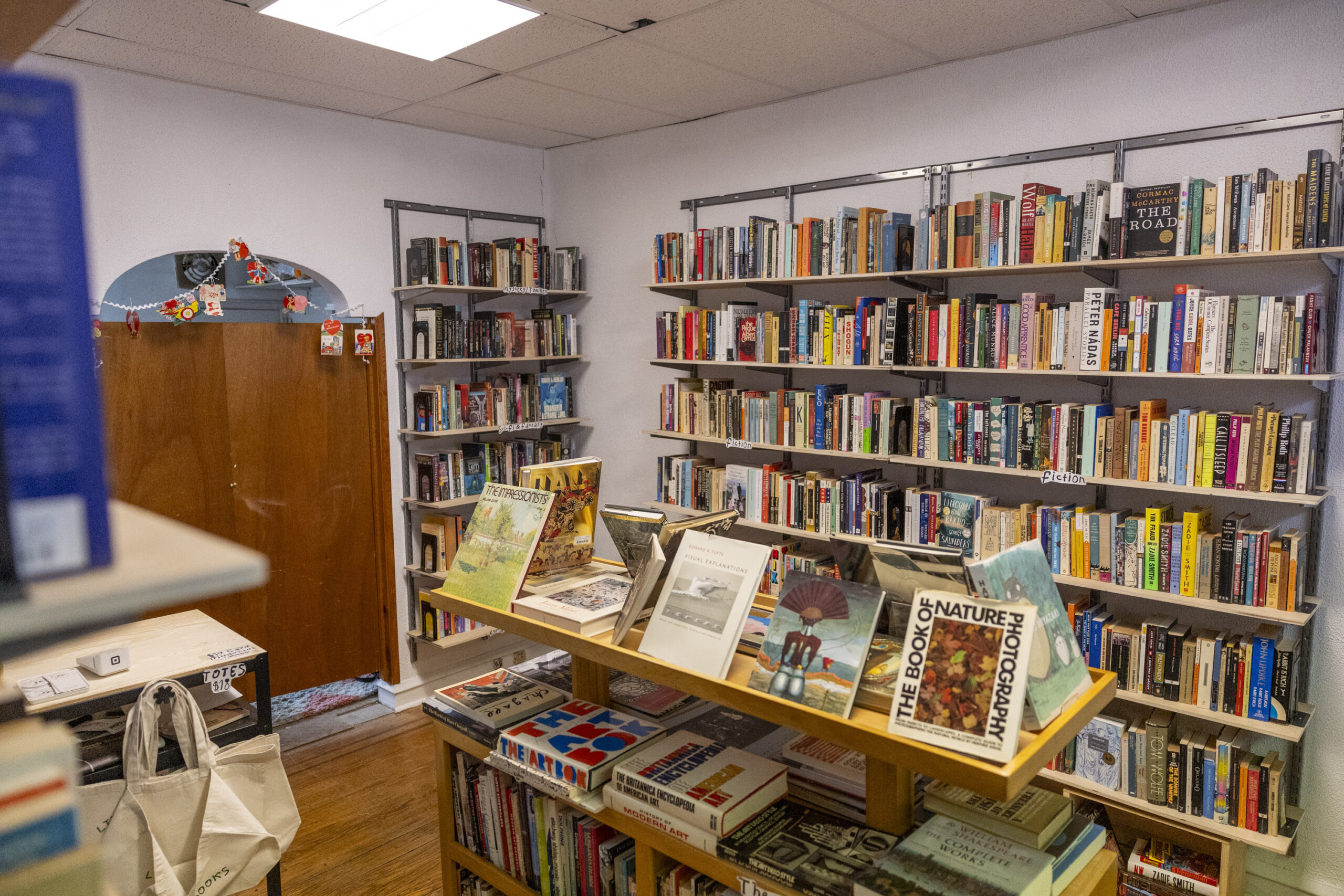
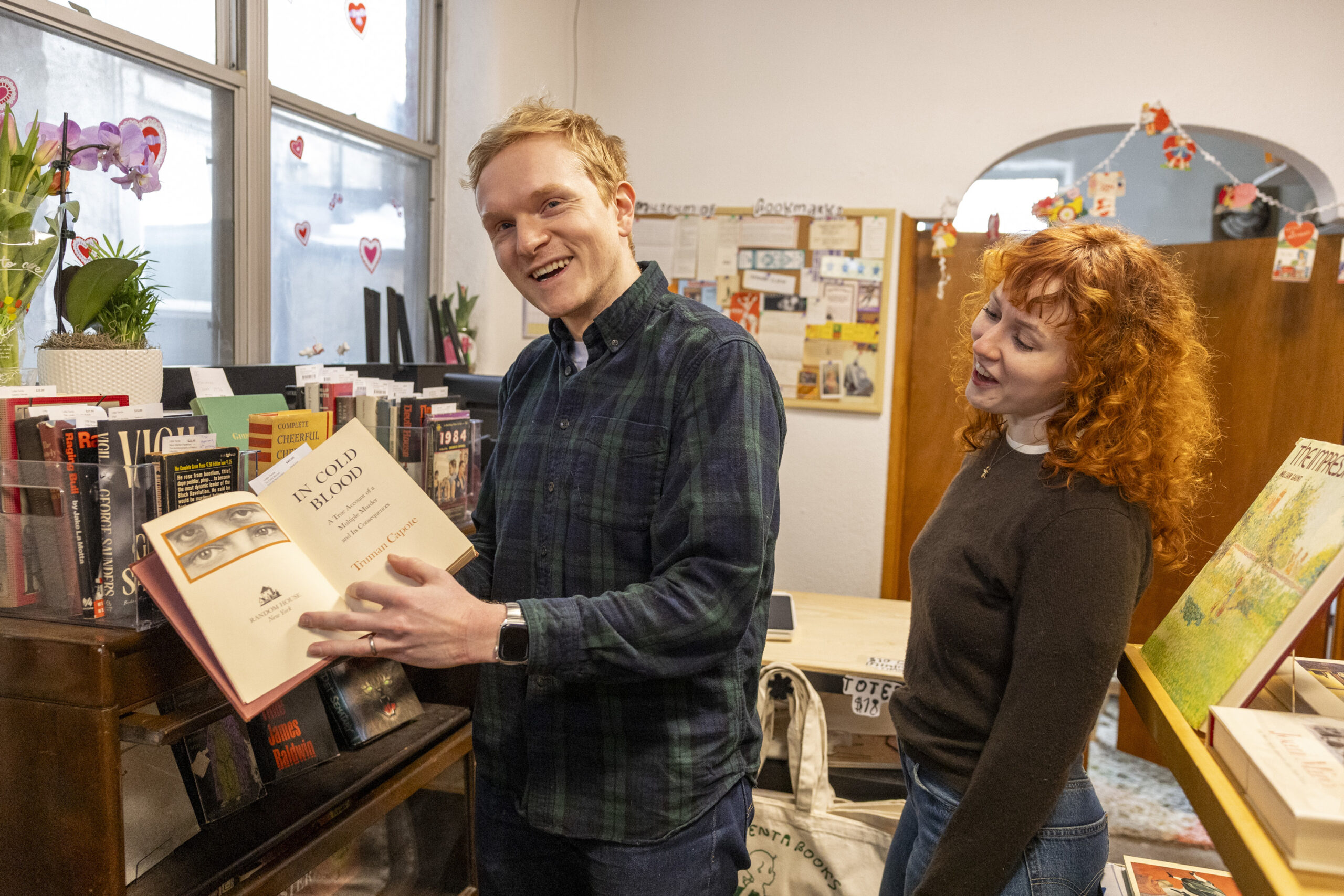
    Situated, speakeasy-style, in a postage-stamp-sized loft above the Painted Lady children’s boutique, the 150-square-foot shop is nearly bursting with over 1,500 titles, including literary fiction, science fiction, poetry, history, graphic novels, plays, and first-edition classics.

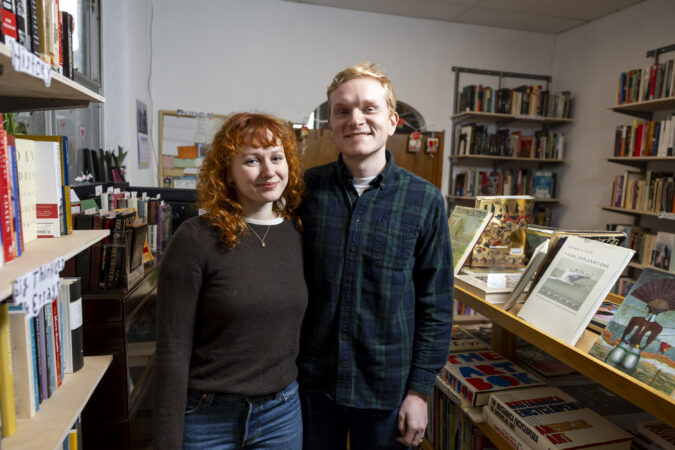
    Simon and Ariel Censor, owners of Little Yenta Books, showing one of their favorite books they acquired, “In Cold Blood,” a novel by Truman Capote, in their small bookshop in Philadelphia, Pa., on Friday, Feb. 13, 2026.

    “We can’t be everything to everyone,” said Ariel Censor, 27, preparing the spine-packed space with her husband on a recent afternoon. “But we want to be something to most people.”

    The shop is a passion project.

    The Haverford College graduates have long been aficionados of used bookshops — believers in the magic of unexpectedly stumbling upon a literary treasure in a sea of cast-off paperbacks. Their South Philly rowhouse could double as a secondhand store itself, the couple jokes.

    “You really couldn’t use the living room anymore,” Ariel Censor said with a laugh. “It was all books.”
    Last year, they decided to host pop-up used book sales around the neighborhood, including at the popular Cartesian Brewery. It was a hit.

    “We got lots of people coming and saying that they wished there was a permanent used bookstore around here,” said Ariel Censor, who works as an associate communications director at the Penn Center for Impact Philanthropy.

    Molly’s Books & Records on Ninth Street in the Italian Market has long been an iconic South Philly used book spot. A Novel Idea, a popular independent bookshop, opened on East Passyunk Avenue in 2018 and mostly deals in new books.

    The couple believed South Philly could handle another used book destination. Selling nearly 100 books at the brewery event, the couple decided to make their dream a reality.

    Searching for a brick and mortar space they could afford — and that boasted a little South Philly charm — they found it in the back of Painted Lady. It’s in a small storefront at 1910 E. Passyunk, where dressmaker Angela D’Alonzo has made custom baby outfits for decades.

    Little Yenta Books is a small bookshop in Philadelphia, Pa., on Friday, Feb. 13, 2026.

    It’s a case of old South Philly meeting new South Philly. For $400 a month, she offered the couple a little loft area storage space five steps above her shop, with no heat or hot water. Warmth creeps up from the basement, explained Simon Censor, 29, who works for a real estate firm. And hot water is not a must for book buying, they added.

    “Your hands are just a little cold, and that’s OK,” Ariel said.

    Ariel and Simon Censor have transformed the tiny space into a literary thicket, with shelves and stacks of titles from their home collections, and ones they’ve purchased from estate sales and sellers. Rare early editions and classics by Truman Capote, James Baldwin, E.L. Doctorow, Octavia Butler, and Willa Cather. Hard-to-find paperback editions of George Orwell, Albert Camus, Italian novelist Elena Ferrante, and cult favorite Charles Bukowski.

    “I always want to fit more books in here,” said Ariel Censor.

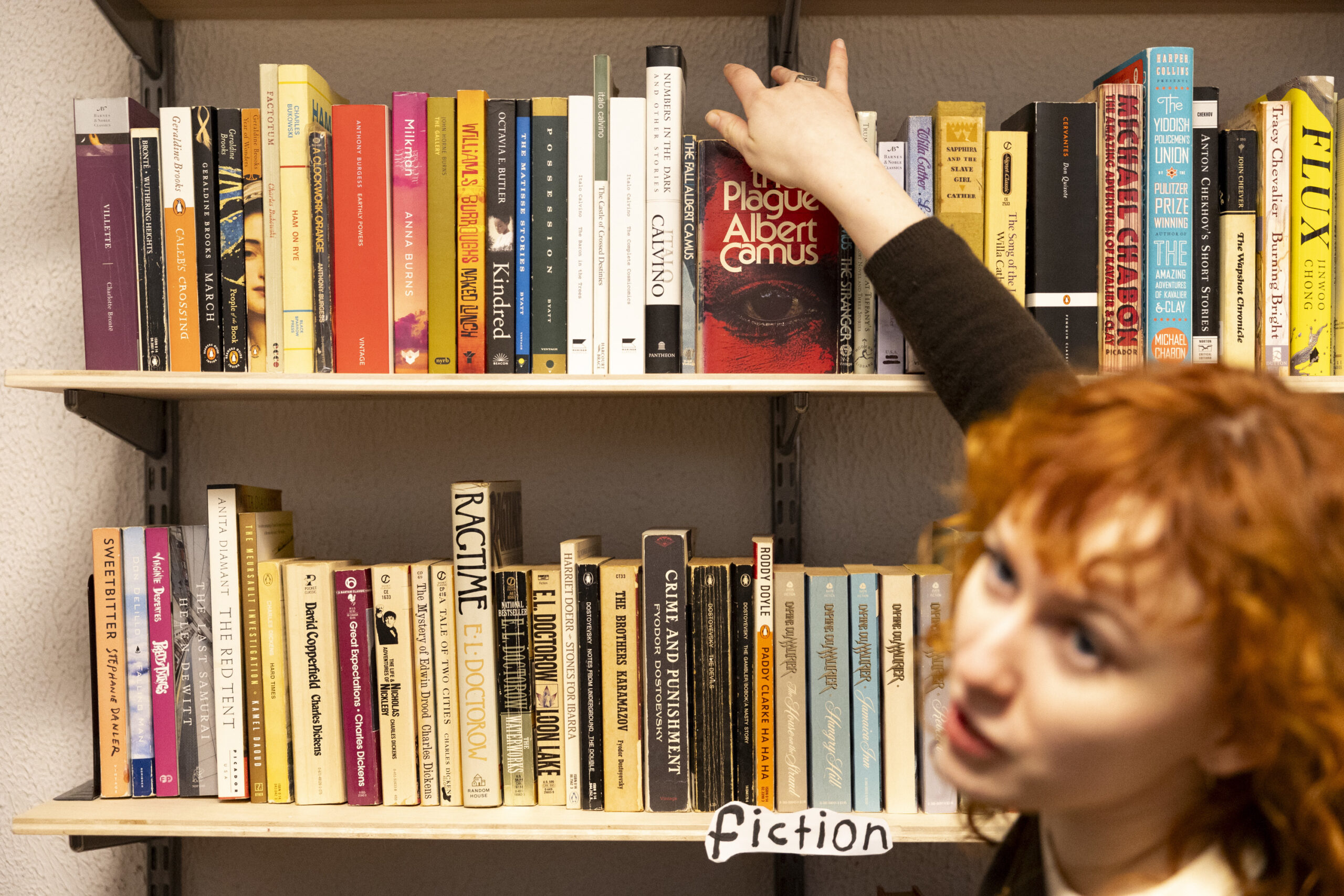
    Ariel Censor shows one of the books she and Simon Censor acquired, “The Plague,” by Albert Camus, in their small bookshop in Philadelphia, Pa., on Friday, Feb. 13, 2026.

    On a bulletin board hang keepsakes the couple have discovered in the books, including notes, prayer cards, letters, poems, baseball cards, a high school class schedule from the 1990s, and a vintage recipe for triple chocolate cake.

    “I actually want to make that someday,” said Ariel Censor.

    Opened Thursdays and Fridays from 4:30 to 7 p.m., and weekends from noon to 6 p.m., the spirit of the shop is found in its name, the couple said. In American Yiddish parlance, Yenta can mean matchmaker. For Ariel and Simon Censor, that means that special feeling of playing matchmaker between a reader and a book.

    “Just coming in and stumbling upon a book that you will love,” said Ariel Censor.

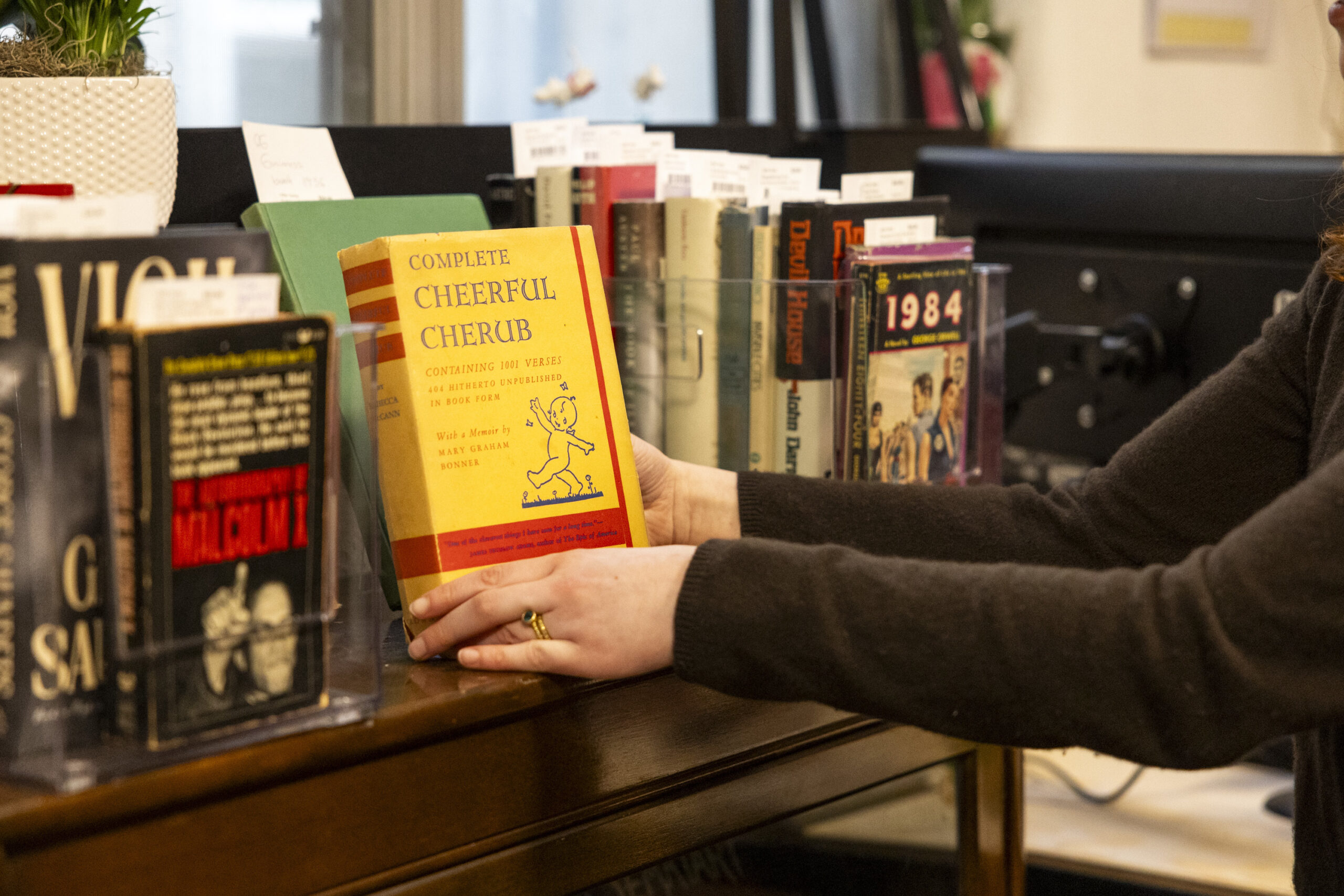
    “Complete Cheerful Cherub” by Rebecca McCann is a book in Little Yenta Books in Philadelphia, Pa., on Friday, Feb. 13, 2026.
  • Lou Capozzoli, steward of Ray’s Happy Birthday Bar in South Philly, has died at 86

    Lou Capozzoli, steward of Ray’s Happy Birthday Bar in South Philly, has died at 86

    Lou Capozzoli, 86, of Southwest Philly, a dive bar owner and band front man with a penchant for telling jokes, died Sunday, Feb. 1, after battling a brief illness at Mercy Fitzgerald Hospital while surrounded by family.

    Mr. Capozzoli, born April, 4, 1939, was just one year younger than the bar he would eventually take over at the intersection of East Passyunk Avenue and Federal Street, then called Ray’s after the nickname bestowed on his father, Anthony.

    Almost immediately, the bar became the center of Mr. Capozzoli’s life. He grew up in the apartment upstairs and as a toddler would sit quietly on the bar downstairs, eating cornflakes, while his mom poured beers. His dad, meanwhile, would wish every customer a happy birthday, even if it wasn’t theirs to celebrate.

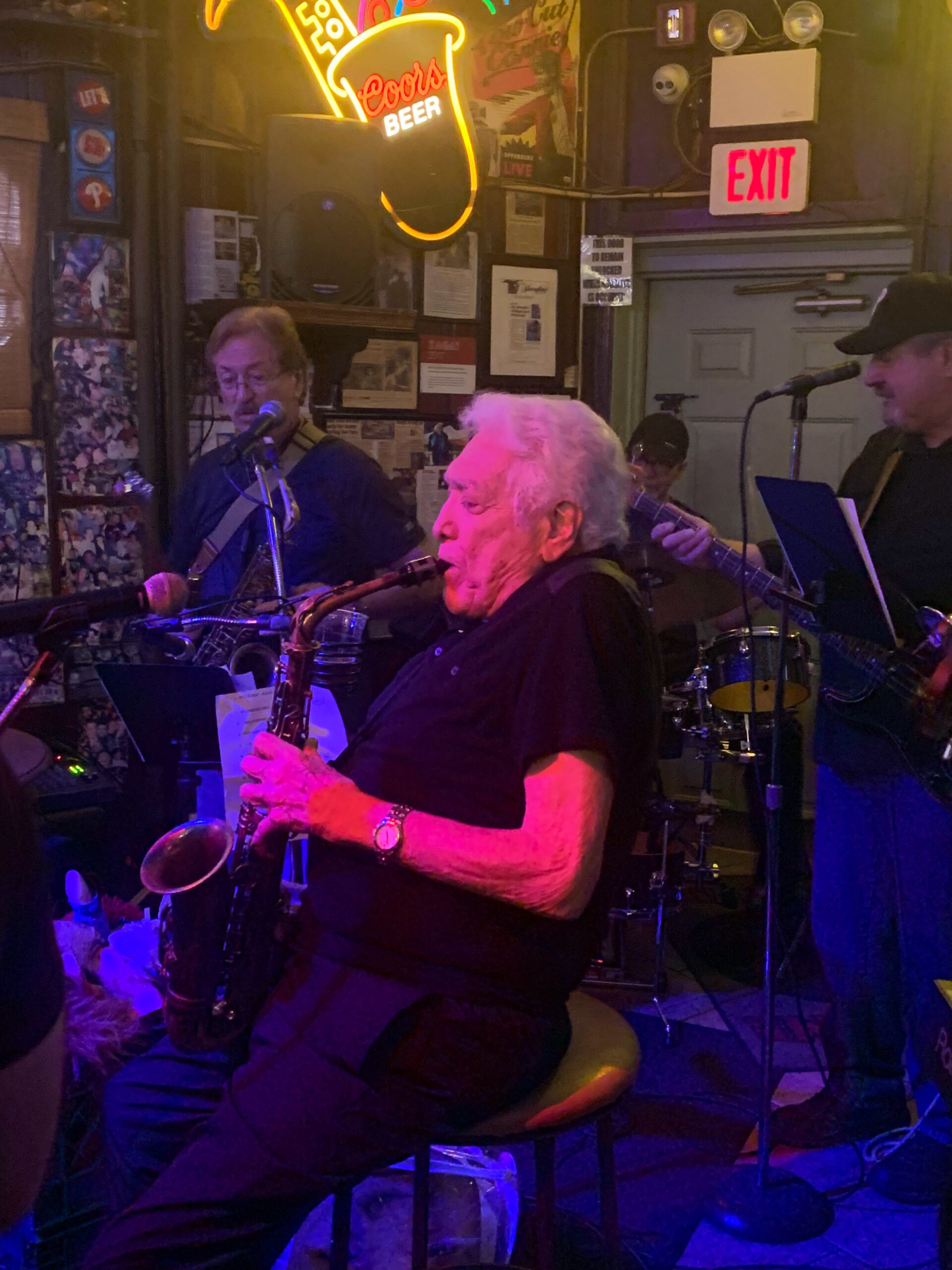
    It was a gesture that stuck with Mr. Capozzoli, who would go on to spend the rest of his life doing whatever he could to earn smiles from strangers, whether it meant serving birthday shots of cake-flavored vodka with a candle or performing to crowds as a singer and saxophonist across Las Vegas, the Jersey Shore, and South Philly.

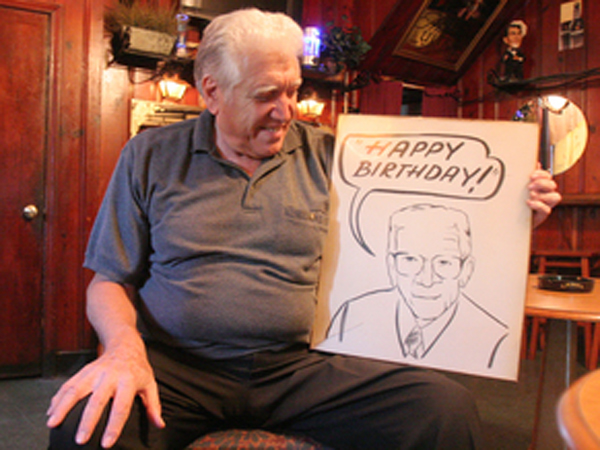
    Mr. Capozzoli with a drawing of his father, Anthony “Ray” Capozzoli, who opened Ray’s Happy Birthday Bar in South Philadelphia in 1938. Mr. Capozzoli took over the bar when his father died in 1997.

    “That’s all he wanted, for his father to be proud of him,” said Rose Capozzoli,Mr. Capozzoli’s wife.

    And he would be, Rose is certain. Mr. Capozzoli took over the bar when his father died in 1997, rechristening it Ray’s Happy Birthday Bar in honor of his dad’s slogan. Under his stewardship, Ray’s would go on to become the gold standard of Philly dive bars, known for $4 citywides, Friday night karaoke, staying open on Christmas, and an unwavering adherence to theme. Mr. Capozzoli would call regulars on their birthdays to wish them well and maintained a calendar of seemingly all the birthdays in the world to help his staff keep tally on the outdoor chalkboard.

    As a boss, Mr. Capozzoli was “pretty silly,” said bartender T.C. Cole, who also played guitar in Mr. Capozzoli’s band. “He would call you at 1:45 in the morning when you’re trying to close just to tell you a joke.”

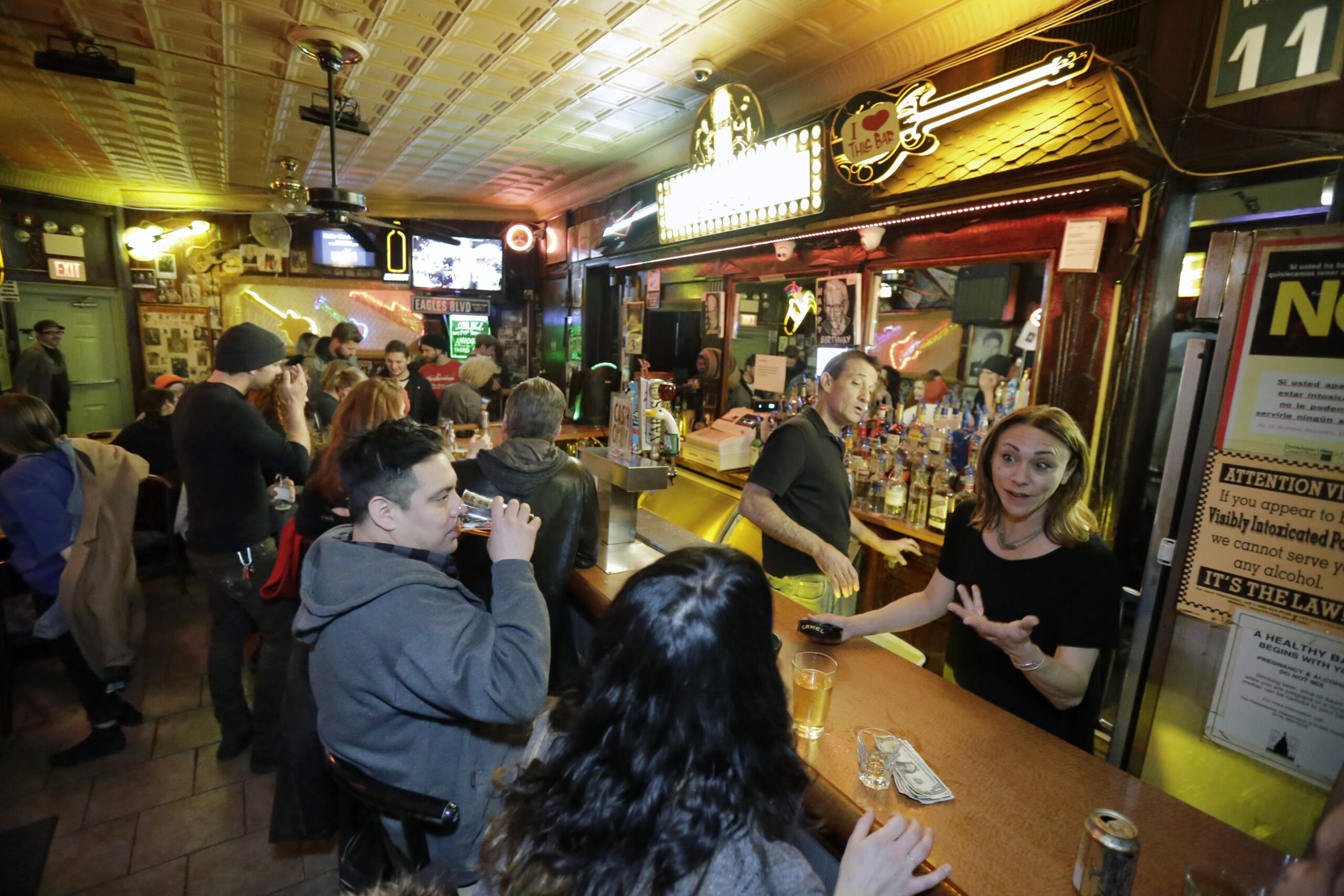
    The inside of Ray’s Happy Birthday Bar. Mr. Capozzoli was known for calling regulars on the mornings of their birthdays.

    If jokes were a currency, Mr. Capozzoli was a billionaire, friends and family said. He’d fire them off incessantly — during closing shifts, band performances, family dinners — and had enough discretion to whisper the most risqué in your ear. Mr. Capozzoli’s style was modeled after that of Buddy Hackett and Rodney Dangerfield, his favorite comedians, but the punch lines didn’t matter as much his delivery.

    Mr. Capozzoli “would laugh with the person he was telling the joke to,” his son Anthony Capozzoli, 55, said. “If you weren’t laughing with the punch line, you were laughing at how much he enjoyed getting to it.”
    More recently, Anthony said, his father would call him just to workshop material, most of which isn’t fit to print. Mr. Capozzoli’s favorite jokes were set to music in 2023 for a five minute-long comedy track as part of a studio EP for the Rage Band, the seven-piece group that Mr. Cappozoli sang with for 41 years alongside a rotating cast of characters.

    Low Cut Connie front man Adam Weiner recorded the EP. He and Mr. Capozzoli grew close after Weiner played a gig at Ray’s in 2012, bonding over their shared love of captivating a crowd.

    “Not everyone is about joy when they perform … People care about their ego, people care about fashion,” Weiner said. “But Lou was always about fun, just radiating 100% joy.”

    Mr. Capozzoli started performing professionally when he was 14, sneaking into clubs to accompany bands on the alto sax. The stage was a calling that helped him fall in love. It also took him to the edge of celebrity.

    After serving in the military in the early 1960s and playing for Sophia Loren as part of an army band, Mr. Capozzoli told jokes and sang standards at the Stardust and Flamingo casinos in Las Vegas. At the peak of his fame, he opened for Diana Ross at the Riptide Club in Wildwood in 1965. That same year Mr. Capozzoli met his wife, Rose, who was charmed by his talents at another Wildwood concert. They wed three years later.

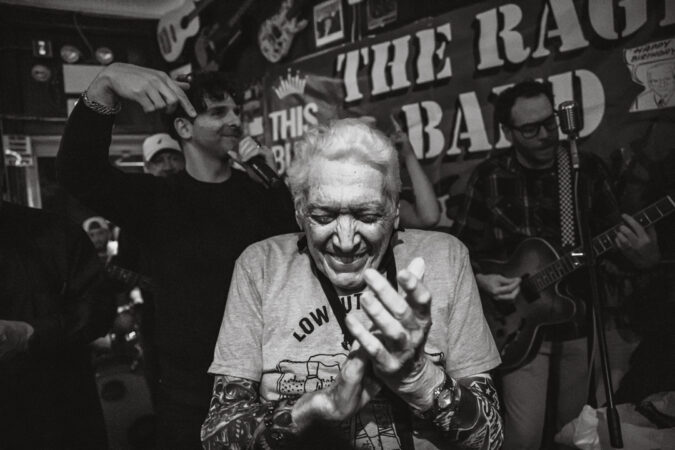
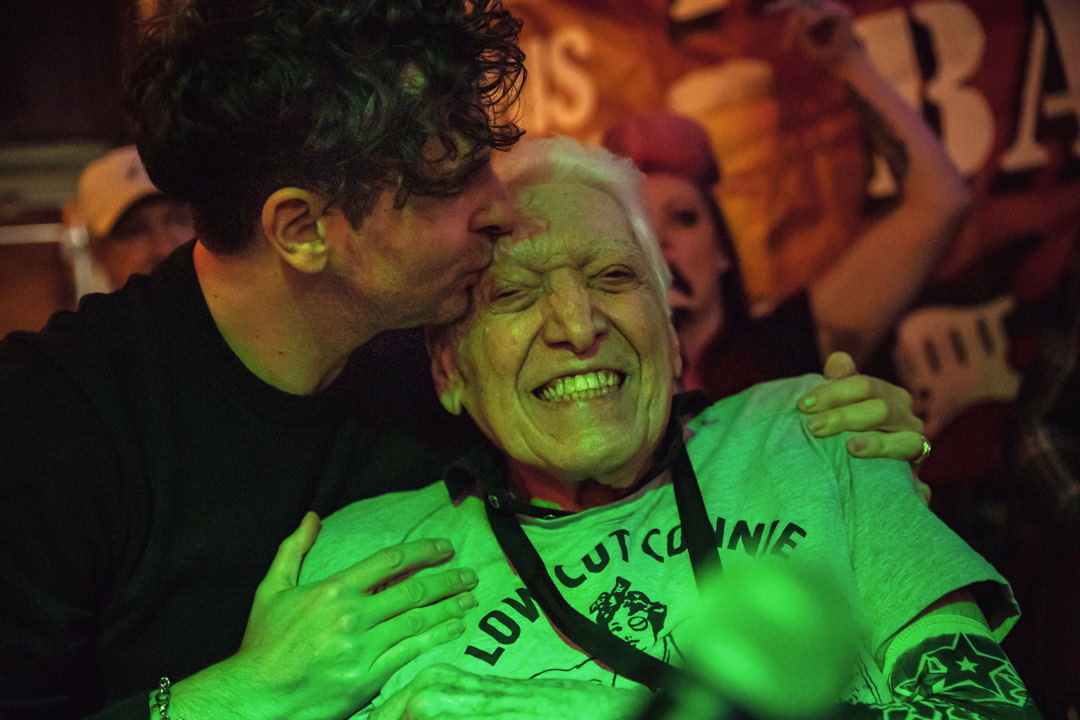
    Mr. Capozzoli bonded with Low Cut Connie’s Adam Weiner over their shared love of performing.

    Mr. Capozzoli’s steadiest gig began in 1984 with the Rage Band, once the house act for Sea Isle City’s now-shuttered Springfield Inn. There, Mr. Capozzoli settled into his larger-than-life style, commanding a crowd of roughly 1,000 people a night on summer weekends. He’d serenade Burt and Ernie puppets for a medley of Sesame Street songs and show tunes, or don outlandish masks for a Mummers tribute. Both brought down the house, but never as much as when Mr. Capozzoli would cover “Those Were The Days” or ”Sweet Caroline,” which were always punctuated with jokes.

    “I call him the showman’s showman,” said Brian Saunders, one of band’s saxophonists. Tony DiMattia, a bassist for the band, concurred: “He didn’t just entertain the crowd. He entertained us as musicians.”

    The Rage Band stopped their Sea Isle residency in 1999, only to pick up at new one at Ray’s in 2003, where they have performed on the first Saturday of every month from October through April ever since. The band never rehearsed, DiMattia said. Mr. Capozzoli’s stage presence could smooth over just about any kink.

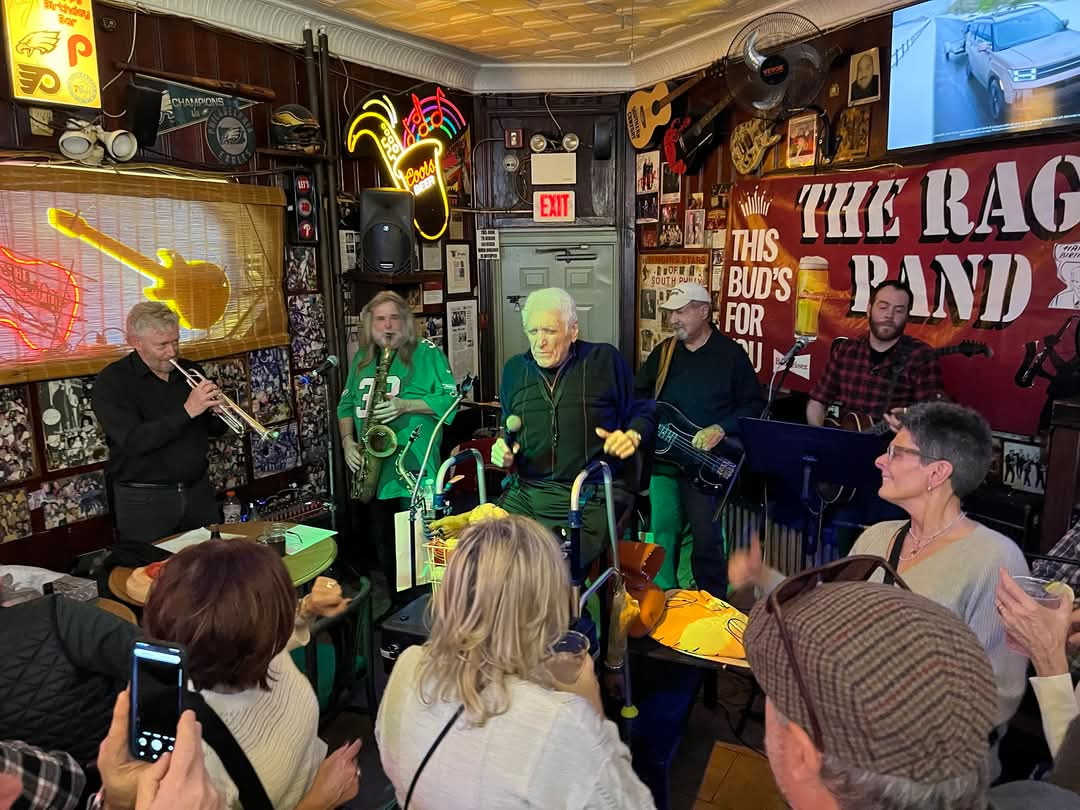
    Mr. Capozzoli played in The Rage Band for 42 years, performing for packed houses at the Springfield Inn in Sea Isle City and Ray’s Happy Birthday Bar.

    “There is no Rage Band without Lou,” Saunders said. “He was the glue that kept us together.”

    Outside of music, Mr. Capozzoli’s greatest loves were his wife and children. He was a dedicated father who enjoyed cooking large French toast breakfasts, organizing tee ball games, and ensuring the family always had a rescue dog to snuggle. Laughter — and his wife’s minding — kept Mr. Capozzoli going, even as the decades of working in a smoking bar wore on him.

    “I don’t think I’ve ever seen Lou angry,” said Saunders. “I don’t think he’d ever not had a smile on his face.”

    Mr. Capozzoli was an accomplished saxophonist who started playing professionally when he was 14 years old.

    In addition to his wife, Rose, and son, Anthony, Mr. Capozzoli is survived by his daughters, Dyan Wixted and Luann Capozzoli, and three grandchildren: Louis, Daniel, and Delaney.

    Visitation with the family will be held from 6 to 9 p.m. Feb. 6, and from 9:30 to 11 a.m. Feb. 7 at Pennsylvania Burial Company, 1327-31 S. Broad St., Philadelphia, Pa., 19147. Services will follow Saturday at 11 a.m.

    Donations in Mr. Capozzoli’s name may be made to an animal shelter of your choosing or ACCT-Philly, c/o Development, 111 W. Hunting Park Ave, Philadelphia, Pa., 19140. Alternatively, his wife said, stories about Mr. Capozzoli or jokes he would’ve enjoyed can be sent to the family via email at rayshappybirthdaybar1@gmail.com.

  • OpenTable begins adding a 2% service fee to some transactions, including no-show fees

    OpenTable begins adding a 2% service fee to some transactions, including no-show fees

    OpenTable has begun adding a 2% service charge on transactions made through the reservations site, including no-show penalties, deposits, and prepaid dining experiences such as special events.

    An OpenTable spokesperson said the restaurants can absorb the 2% charge or pass it along to customers. The fee is part of what OpenTable called an overhaul that began rolling out to most U.S. restaurants in the second half of 2025, with the remainder scheduled for early 2026.

    As before, patrons are not being charged directly for ordinary reservations; the restaurants continue to pay OpenTable to use the platform as part of their service agreement.

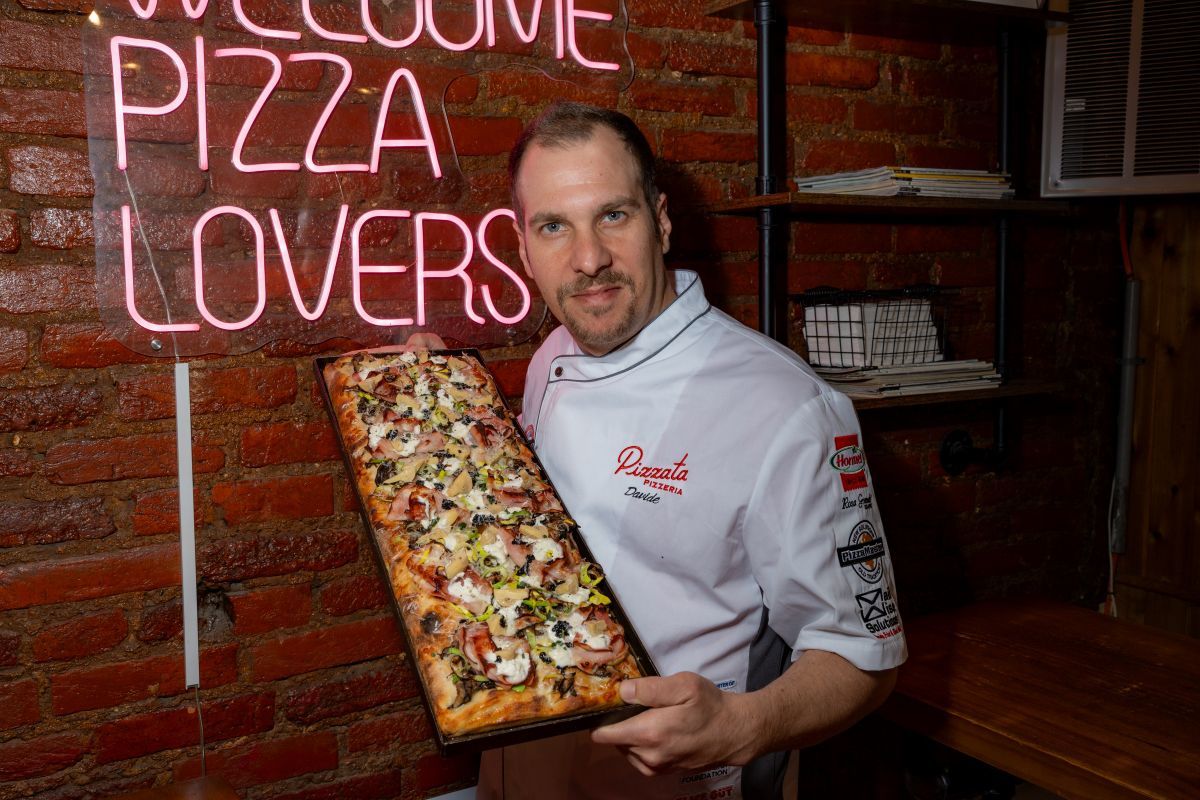
    Davide Lubrano of Pizzata Pizzeria & Birreria with a Roman pizza, topped with mixed organic wild mushrooms, organic leeks, low-moisture mozzarella, prosciutto cotto Italian ham, stracciatella, pickled chiodini mushrooms in oil, chives, aged Parmigiano Reggiano, and truffle caviar pearls.

    “Online payments are important for restaurants and, together with our restaurant partners, we’ve learned that they help reduce no-shows, improve cash flow, and increase revenue,” the OpenTable representative said. “By applying a standard service fee structure across all transaction types, we can continue to support new tools that help restaurants protect and unlock revenue.”

    In the last 18 months, OpenTable has been ramping up its presence, aggressively luring hip restaurants away from competing services such as Resy and Tock.

    At Pizzata Pizzeria & Birreria on East Passyunk Avenue in South Philadelphia, co-owner Davide Lubrano said the restaurant recently turned to OpenTable in an effort to control persistent no-shows.

    With just 48 dining-room seats split between two floors — plus a 12-seat bar that is first come, first served — missed reservations ripple through Pizzata’s service.

    “What was happening is that we were turning away walk-ins, and then the reservation wouldn’t show up,” Lubrano said. “We ended up losing tables, basically.”

    Pizzata just began requiring a credit card to hold OpenTable reservations, which call for a $15-per-person no-show fee.

    But Pizzata is generous about it. Lubrano said customers get a 20-minute grace period, along with three reminder texts and a courtesy call. “If you don’t respond to the texts and don’t answer the call, that counts as a no-show, and that’s when the charge applies,” he said. “But if you answer and say you need to cancel, there’s no charge.”

    As for the new 2% fee that would be tacked on to the $15 no-show charge, Lubrano emphasized that OpenTable and not the restaurant is assessing it.

    He added that diners who prefer to avoid entering a credit card online can still call the restaurant directly. “You can always call us and avoid a credit card fee, and we put a reservation in for you,” he said.

  • Ena Widjojo, owner and longtime celebrated chef at Hardena in South Philadelphia, has died at 73

    Ena Widjojo, owner and longtime celebrated chef at Hardena in South Philadelphia, has died at 73

    Ena Widjojo, 73, of Philadelphia, owner and longtime celebrated chef at the Hardena restaurant in South Philadelphia, mentor, and mother, died Wednesday, Dec. 24, of cancer at her home.

    Born and reared in Java, Indonesia, Mrs. Widjojo came to the United States in 1969 when she was 17. She opened a cantina at the Indonesian Consulate in New York in 1977, worked as a caterer in the 1990s after the cantina closed in 1989, and moved to Philadelphia in 2000 to open Hardena with her husband, Harry.

    Over the next decade and a half, until she retired in 2017, Mrs. Widjojo grew Hardena, described by the Daily News in 2007 as “a postage-stamp-size luncheonette at Hicks and Moore Streets in a gritty section of South Philly,” into a culinary and cultural connection for thousands of local Indonesians and other diners who enjoyed her homemade Southeast Asia cuisine.

    The corner restaurant’s name is a blend of their names, Harry and Ena, and features Indonesian specialties such as golden tofu, goat curry, saté chicken, beef rendang, and tempeh. “It’s the best Indonesian food in Philadelphia, a great mix of Indian and Chinese flavors,” elementary schoolteacher Aaron MacLennan told the Daily News in 2007.

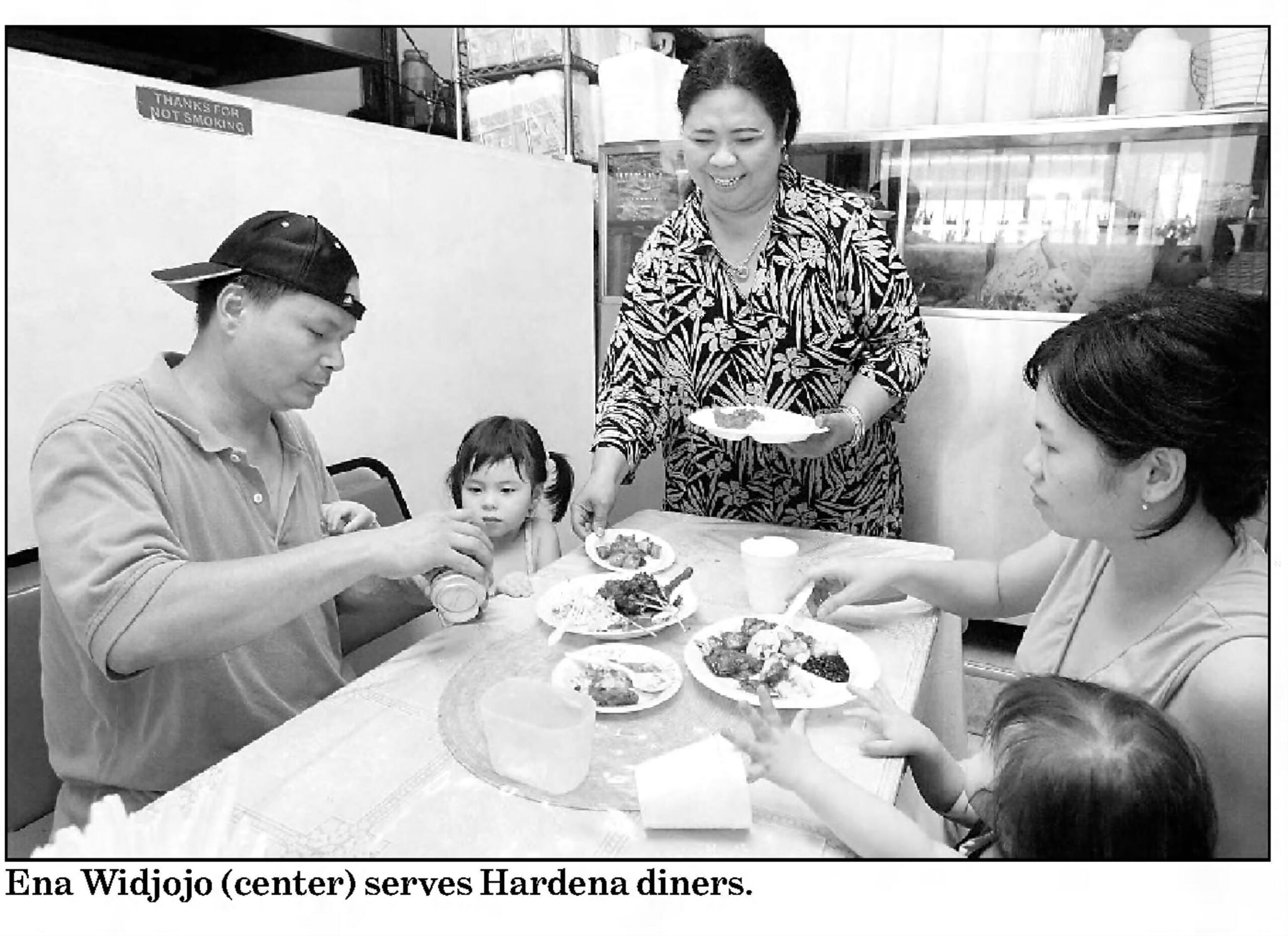
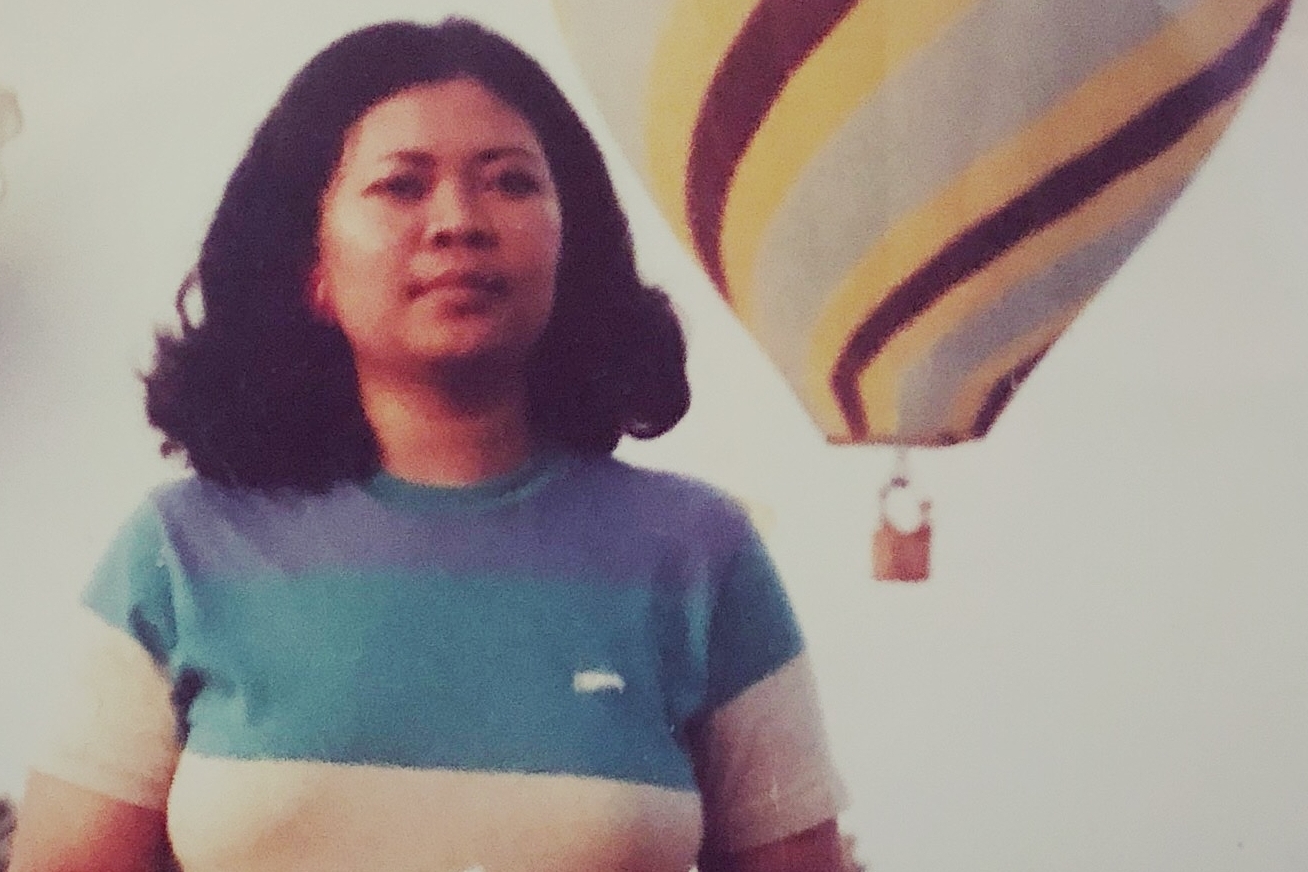
    This photo of Mrs. Widjojo appeared in the Daily News in 2007

    In 2012, Philadelphia Magazine named Hardena one of its Best of Philly Indonesian restaurants, calling it a “no-frills, high-flavor buffet.” In February 2018, Mrs. Widjojo and two of her three daughters were named semifinalists for the James Beard Foundation’s best chef award for the Mid-Atlantic states. In October 2018, Inquirer food critic Craig LaBan praised the restaurant’s “aromatic steam table of homestyle cooking that’s been a well-priced anchor of Indonesian comfort for 18 years.”

    Friendly and ever present at the lunch and dinner rushes, Mrs. Widjojo was known as Mama to many of her customers and friends. She learned how to bake and cook from her mother, a culinary teacher in Java, and later incorporated many of her mother’s recipes into her own memorable melting pot of Indian, Chinese, Arab, Portuguese, Spanish, English, and Dutch dishes at Hardena.

    “She served me greens once, and I felt like I was at home,” a friend said on Instagram.

    She and her husband traveled weekly between Philadelphia and Queens while their daughters — Diana, Maylia, and Stephanie — finished school in New York. Maylia and Diana assumed control of Hardena when Mrs. Widjojo retired, and Diana opened the restaurant Rice & Sambal on East Passyunk Avenue in 2024.

    Earlier, at the consulate in New York, Mrs. Widjojo made meals for former Secretary of State Henry Kissinger and former Indonesian President Suharto and his large entourage. “I cooked for all the diplomats.” she told The Inquirer in 2018.

    Mrs. Widjojo (second from right) smiles with her husband and three daughters.

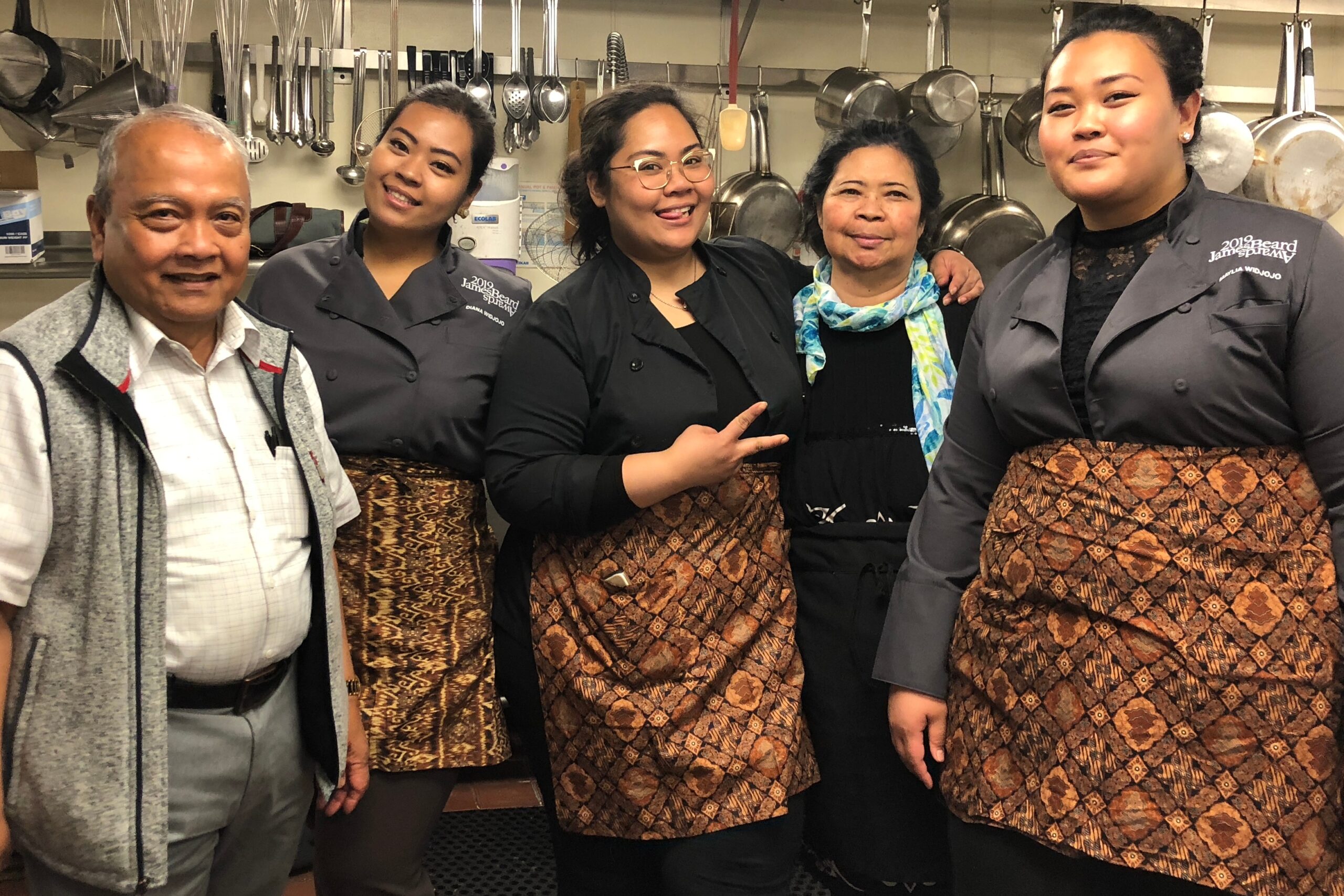
    She grew chili peppers and lime trees in her South Philly backyard, was happy to share kitchen tips and cultural traditions with visitors and cooking classes, and helped her daughters cater the 2019 James Beard Foundation’s annual Media Awards in New York.

    She worked six days a week for years and told edible Philly in 2017 that her retirement was good for her daughters. “If I’m cooking all the time,” she said, “they’re not learning.”

    Ena Djuneidi Juniarsah was born April 24, 1952. She baked cakes in a charcoal oven for her mother in Java and sold cookies and pastries after school when she was young. “

    Her mother was strict about cooking, Mrs. Widjojo said in 2018, and discarded any and all imperfect creations. “Like me, with my kids’ cooking,” she said, “if you’re not good, that’s no good.”

    She married fellow restaurateur Harry Widjojo in New York and spent time as a singer, beautician, florist, and nanny before cooking full time. Away from the restaurant, she enjoyed drawing, painting, crocheting, and family strolls in the park.

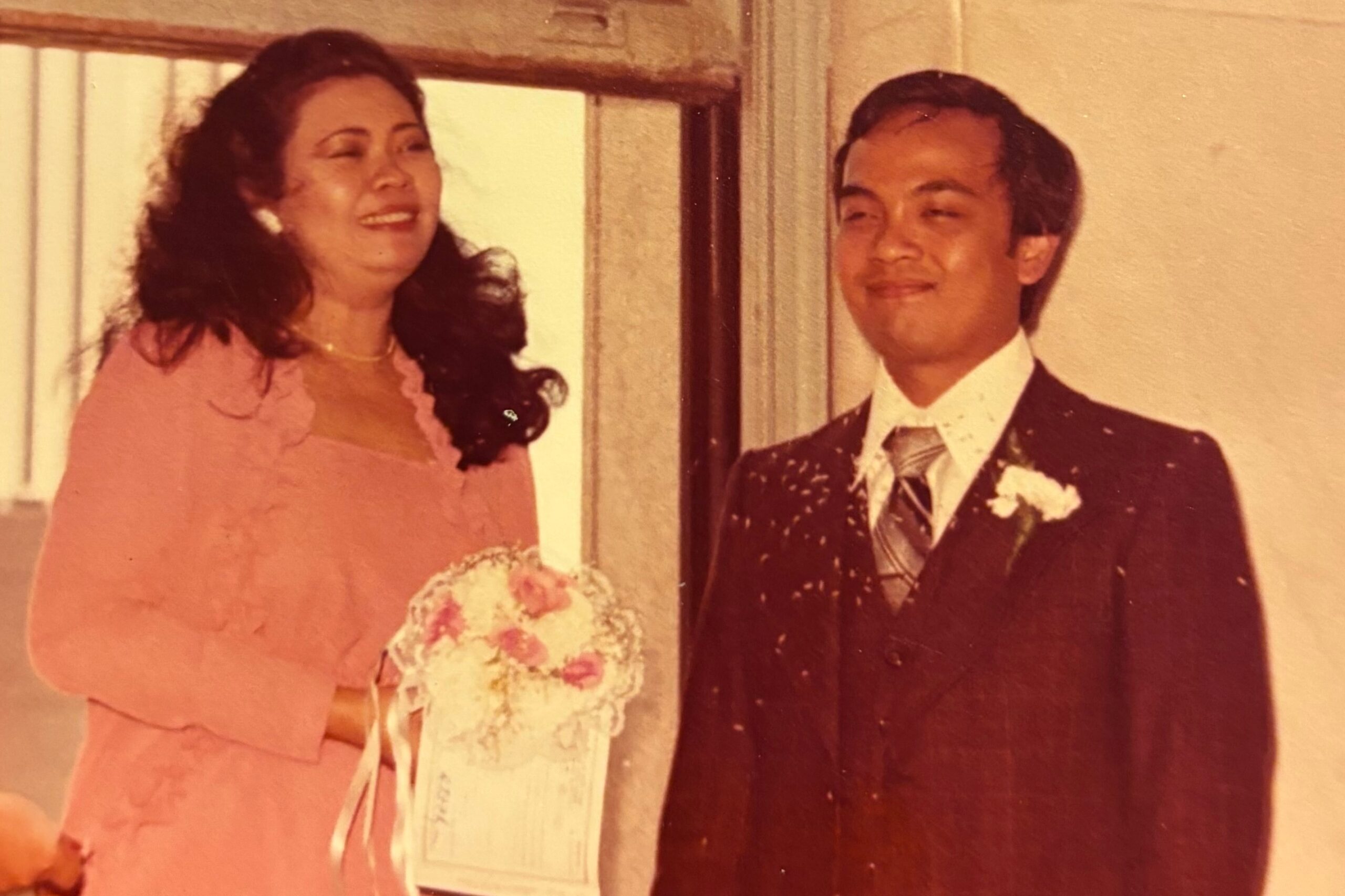
    Mrs. Widjojo and her husband, Harry, were married in New York.

    She could be goofy, her daughters said. She sang “You Are My Sunshine” when they were young and served as their lifelong mentor and teacher.

    Friends called her “sweet,” “amazing,” “a beautiful soul,” and “warm and welcoming” on Instagram. She was diagnosed with cancer in 2015.

    “Her life, generosity, and talent enriched the hearts of all who met her,” her family said in a tribute. “She taught us that feeding people is one of the purest ways to show love, have pride in our culture, and support our family.”

    Maylia said: “She was always giving.”

    Stephanie said: “She was always there for me.”

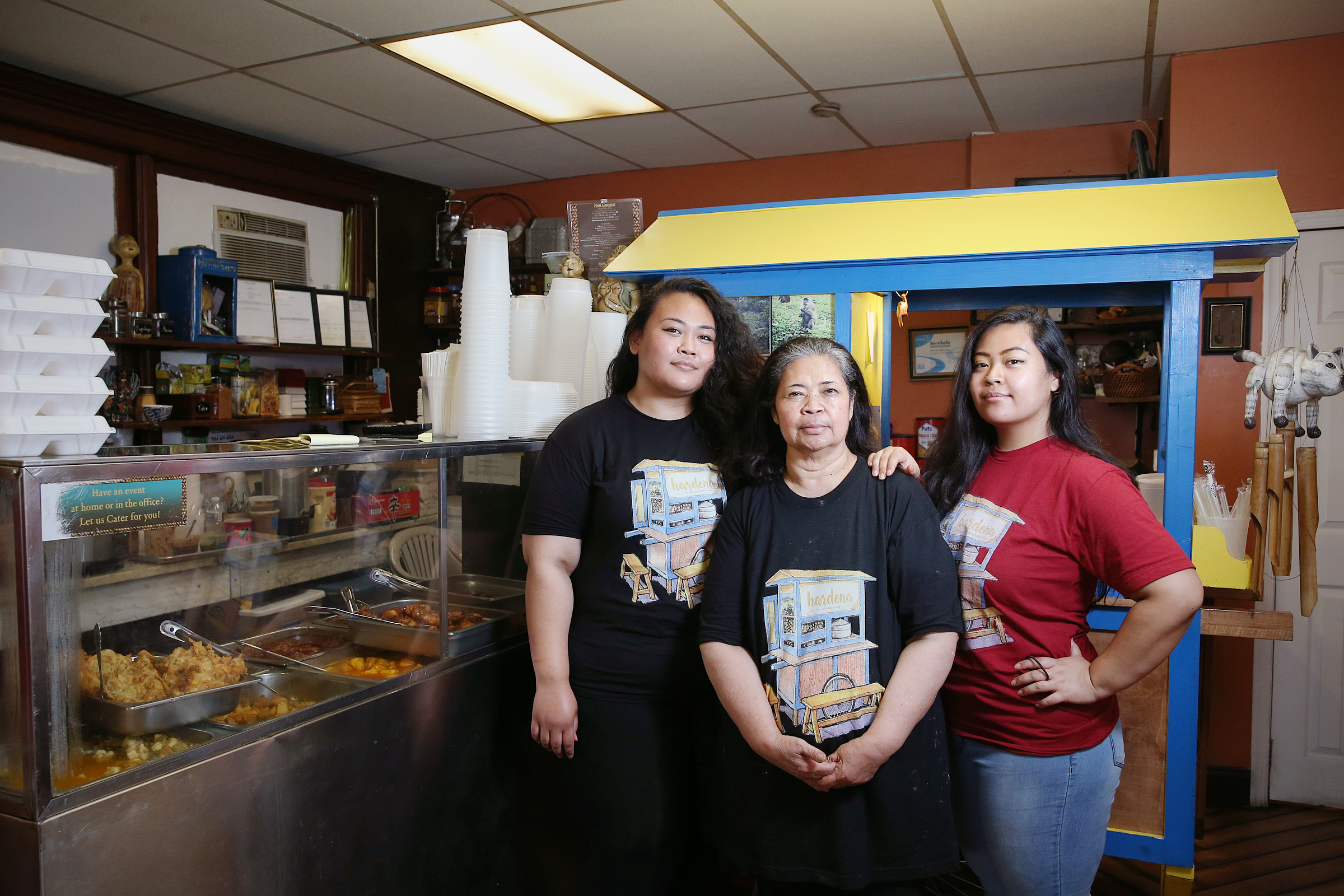
    Mrs. Widjojo (center) stands in Hardena with her daughters Maylia (left) and Diana in 2020.

    Diana said: “She saw the world with open arms and an open heart. She was a wonder woman.”

    In addition to her husband and daughters, Mrs. Widjojo is survived by two grandchildren, a sister, two brothers, and other relatives. A sister and two brothers died earlier.

    A celebration of her life was held Dec. 27.

    Donations in her name may be made to Masjid Al Falah Mosque, 1603 S. 17th St. Philadelphia, Pa. 19145.

    Mrs. Widjojo came to the United States from Java when she was 17.
  • Shopping secondhand for kids’ stuff is getting more popular in Philly

    Shopping secondhand for kids’ stuff is getting more popular in Philly

    When Jennifer Kinka was pregnant with her first child, she stood in the aisle of Babies R Us with a registry sheet, looking over the wall of plastic consumables the company deemed required for having a baby. What she saw was waste.

    “I was just like, this is crazy that there’s no system for this,” Kinka said. “There’s no problem-solving around how this is happening and how we could do this better.”

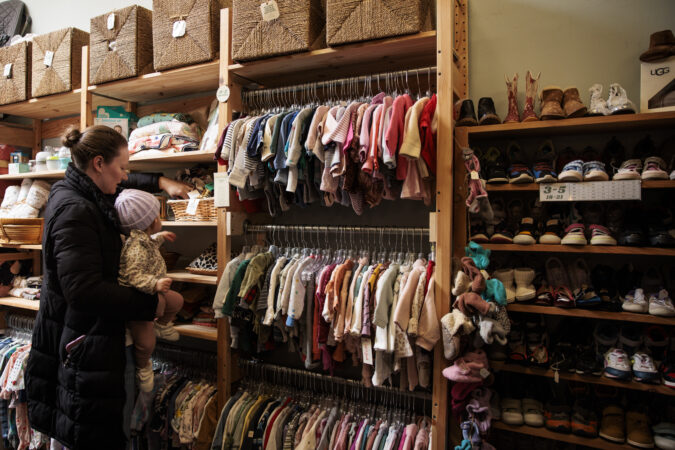
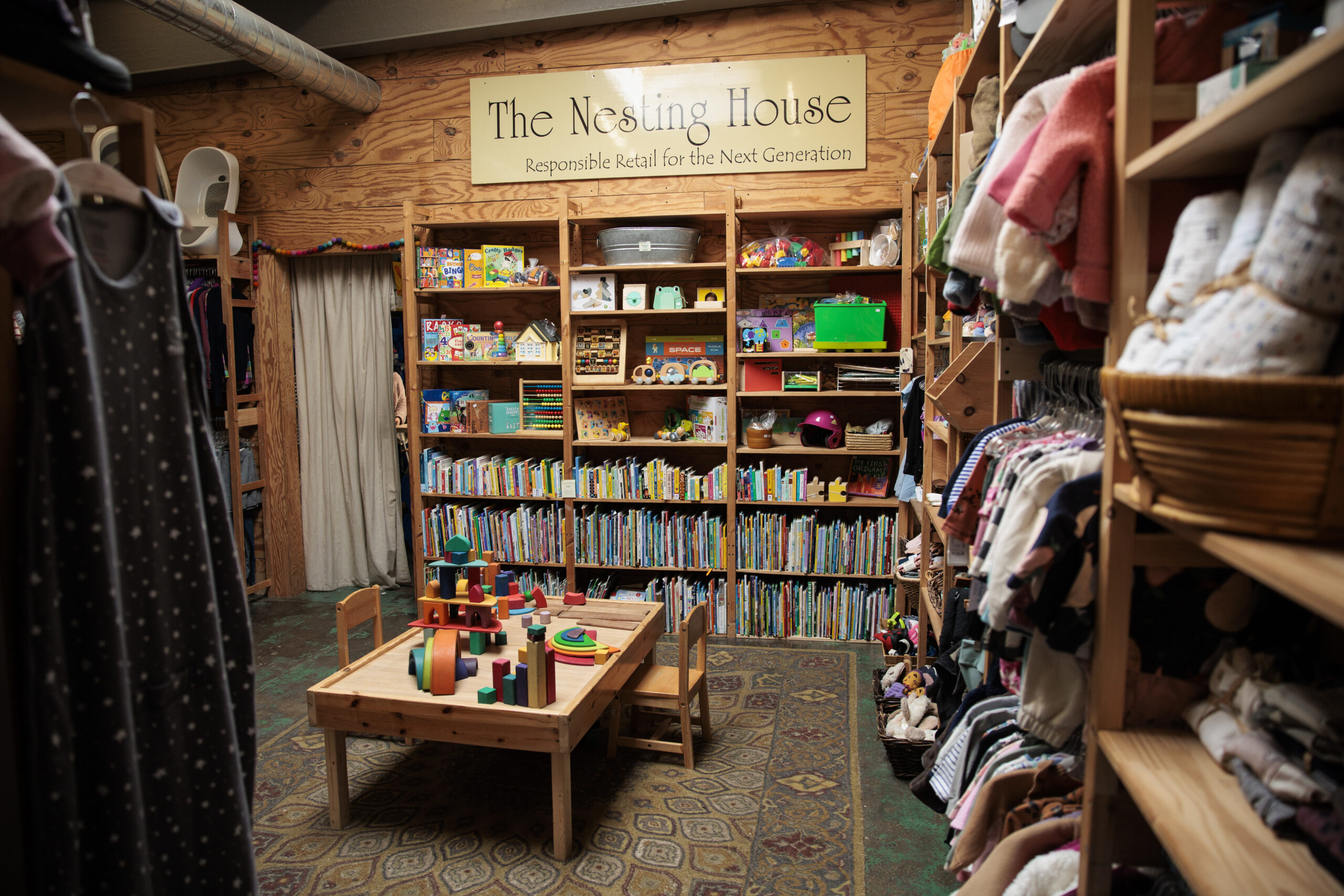
    After a few more years, her second pregnancy, and a small inheritance from the loss of her terminally ill parents, Kinka was able to implement her solution: The Nesting House, a kids’ consignment shop based in Mount Airy that she founded 15 years ago.

    Shoppers across Philadelphia, including parents buying for their children, are increasingly forgoing new items in favor of secondhand and lightly used in an effort to save money and live more sustainably.

    Chris Baeza, associate program director of Fashion Industry & Merchandising at Drexel University, asks her students each semester who shops in the secondhand market. While five years ago she might have had a single student raise a hand, now it’s nearly all of them.

    The global secondhand apparel market grew by 15% in 2024, according to online consignment store ThredUp’s annual report, and it’s expected to continue growing each year. ThredUp estimates that the resale apparel market is growing 2.7 times faster than the overall apparel market.

    For Abby Sewell, a South Philadelphia mom of two, secondhand clothing and furniture was a mainstay of her childhood, when she spent weekends trash picking and combing through yard sales to find reusable items. Her father is artist Leo Sewell, who built a replica of the Statue of Liberty’s arm and torch at the Please Touch Museum.

    “I just know how much there is out in the world,” said Sewell, who also describes herself as an environmentalist. “There’s just so much kids clothes that it kills me to buy something new when I know there’s like 50 pairs of 2T leggings in someone’s basement.”

    A dramatic shift toward secondhand not only coincided with the proliferation of social media but followed the 2013 Rana Plaza factory collapse in Dhaka, Bangladesh, that killed more than 1,000 people. People began to wonder how their clothing was being made, and the conditions laborers were under, Baeza said.

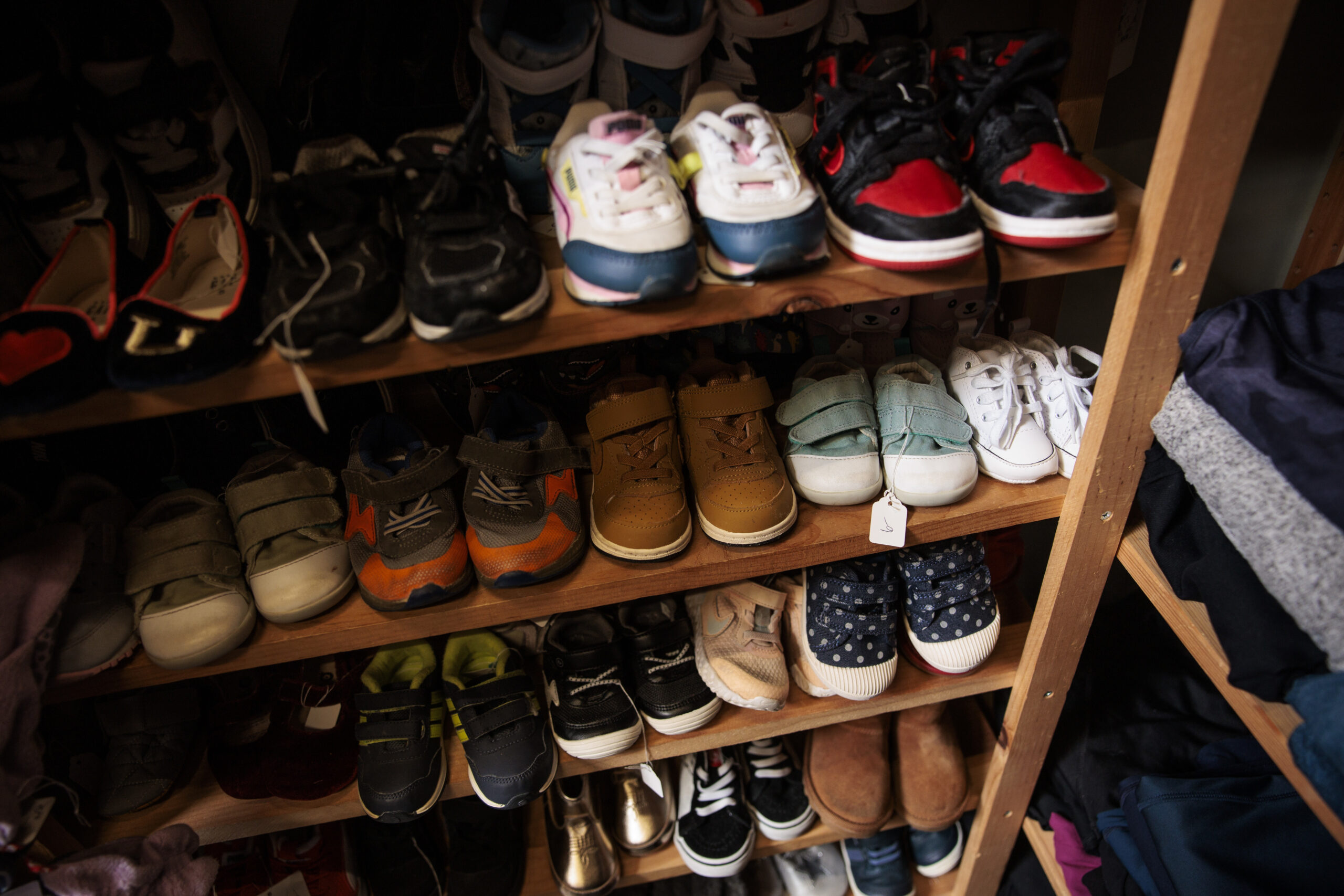
    Used baby shoes on display at the Nesting House.

    Next came the broader revelation of textile waste — pictures and video of clothing from the United States washing up on the shores of African countries — which plays into the interest in the secondhand market, she said.

    “This was stuff that we just throw away, or we put in a drop box [thinking] it’s going to a good cause,” Baeza said. “They’re actually packing stuff up, and it’s a commodity they’re selling abroad.”

    While Beaza teaches her students to scrutinize the marketing of sustainable fashion and to understand secondhand may not be the be-all-end-all of building circularity into the industry, she gets the sense they want to be part of what she describes as a renaissance period.

    “They want to be part of the solution, not the problem,” Baeza said.

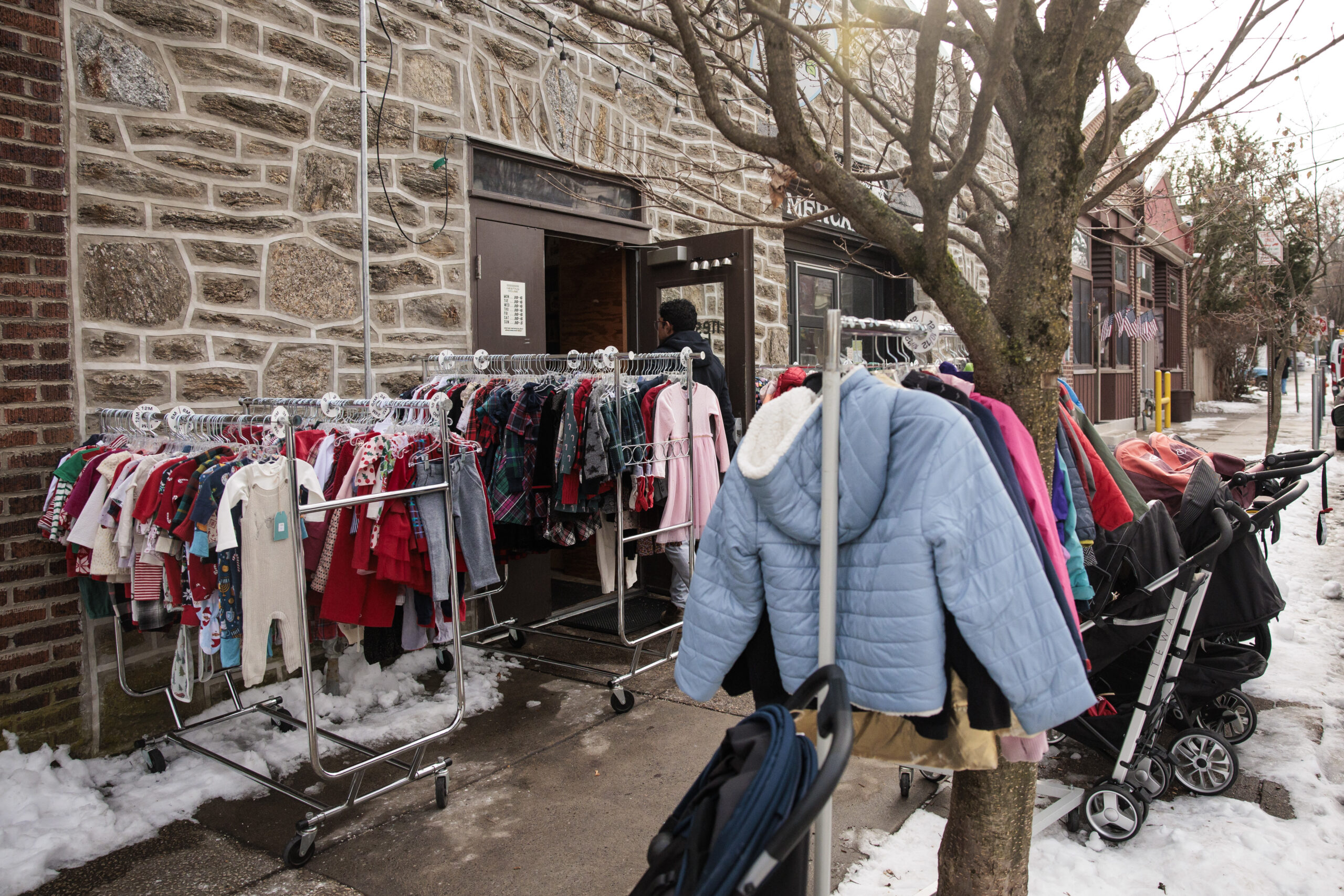
    Childrens clothes on display outside the Nesting House.

    Sewell prefers to shop thrift and consignment around her neighborhood and frequents stores like Lilypad and 2A. She also goes to annual church sales in the suburbs and uses eBay for more specific items — a specific kind of sleep sack that works for her 1-year-old or an item in a specific color or fabric for her 4-year-old.

    “I’m still shocked to this day when I learn that other parents still are buying mostly new clothes for their children,” Sewell said. “I think I’m on a very different end of the spectrum, and I always have been as a consumer.”

    Lilypad, which began as a play space on Broad Street, expanded to include a small thrift shop in its basement after the COVID-19 pandemic sidelined its twice-yearly City Kids consignment events. The nonprofit sells only donated items at its shop, now located in East Passyunk, to support charging an affordable annual membership to its play space.

    Lilypad board member Maria Hughes said the number of people actively seeking out secondhand clothing for their kids, particularly babies, has increased exponentially over the last several years. The store sees more pregnant people, who don’t want to go through the process of building a registry. Hughes added that there are also more grandparents and grandparents-to-be shopping at Lilypad now.

    “They’re not going to Marshalls and buying the things,” Hughes said. Instead they’re opting for pre-owned items “either at the directive of their children or because they believe now.”

    Kinka said the early days of the Nesting House “felt like it was mission work.”

    Used baby goods and books on display at the Nesting House.

    “Nobody understood what we were doing,” Kinka said. “People would come in very confused. They would oftentimes refer to us as a thrift store.”

    Eventually people saw the store as a sound economic choice: get high-quality children’s clothing at a great price. But she has seen “a huge shift” over the last five years.

    “It’s this current generation,” Kinka said. They’re on board with the concept “before they come. They’re ready for us.”

  • Their South Philly neighborhood was everything they wanted. With a baby on the way, they renovated

    Their South Philly neighborhood was everything they wanted. With a baby on the way, they renovated

    Last summer, after six years in their home, Danielle and Jonah Abrams decided to upgrade their 1,000-square-foot, two-story rowhouse in East Passyunk. The neighborhood was ideal, Danielle said, but they needed to accommodate their growing family.

    “We love our location and have great relationships with our neighbors. We know at least half our block by first name,” she said.

    Both are heavily involved in the neighborhood, both politically and civically.

    “When we were expecting our daughter, everyone asked us if we were moving to the suburbs,” Danielle said. “Instead, we doubled down on our investment in our home by renovating.”

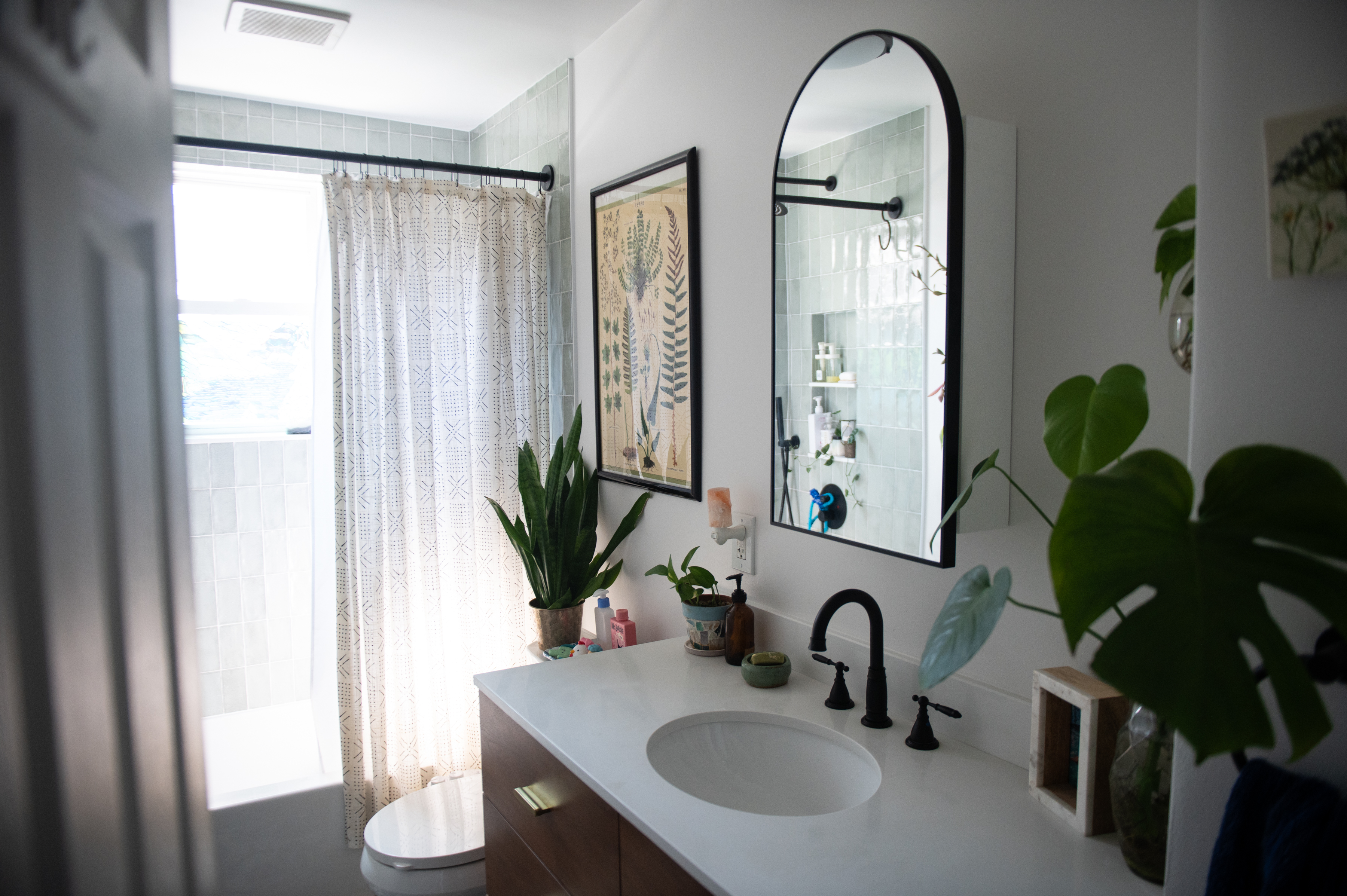
    They contracted with City Living Construction to complete the renovations. The process required staying with Danielle’s parents for three weeks, when she was seven months pregnant, while contractor Christtian Mazza, “transformed our full bath into the respite of our dreams,” Danielle said.

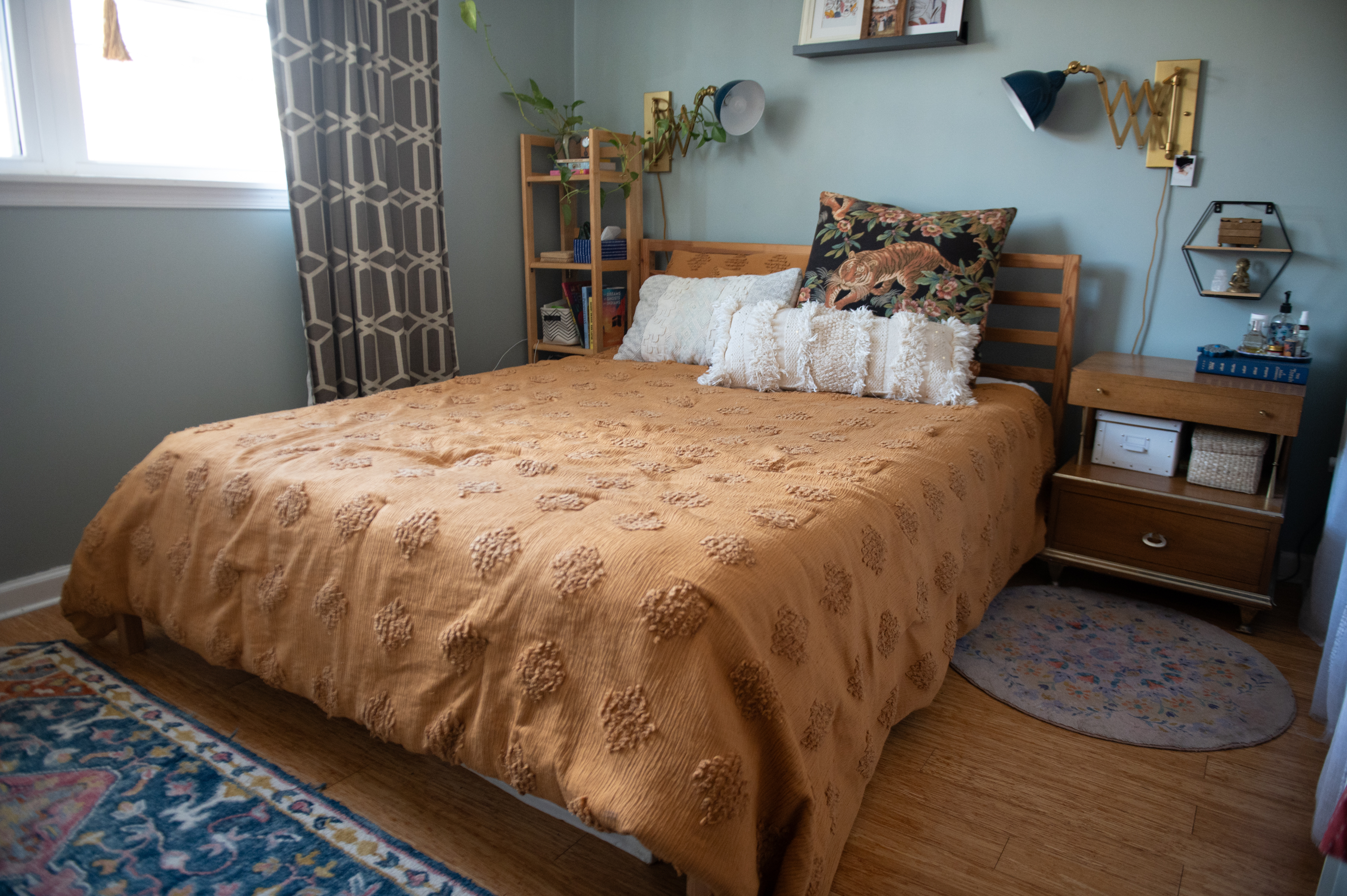
    Danielle and Jonah Abrams’ second-floor bathroom, which they renovated before their child was born.
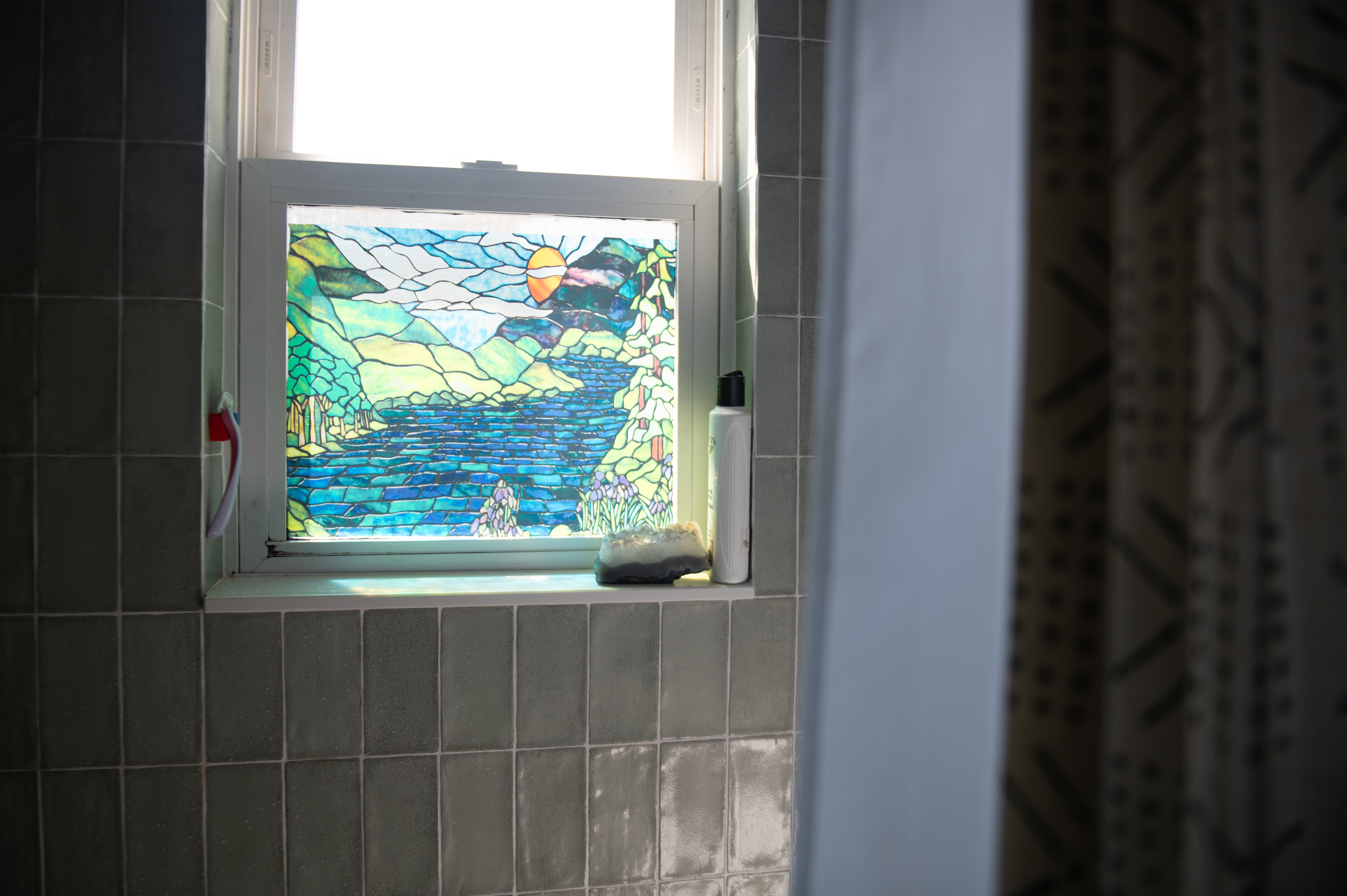
    A decorative window covering in the second-floor bathroom.
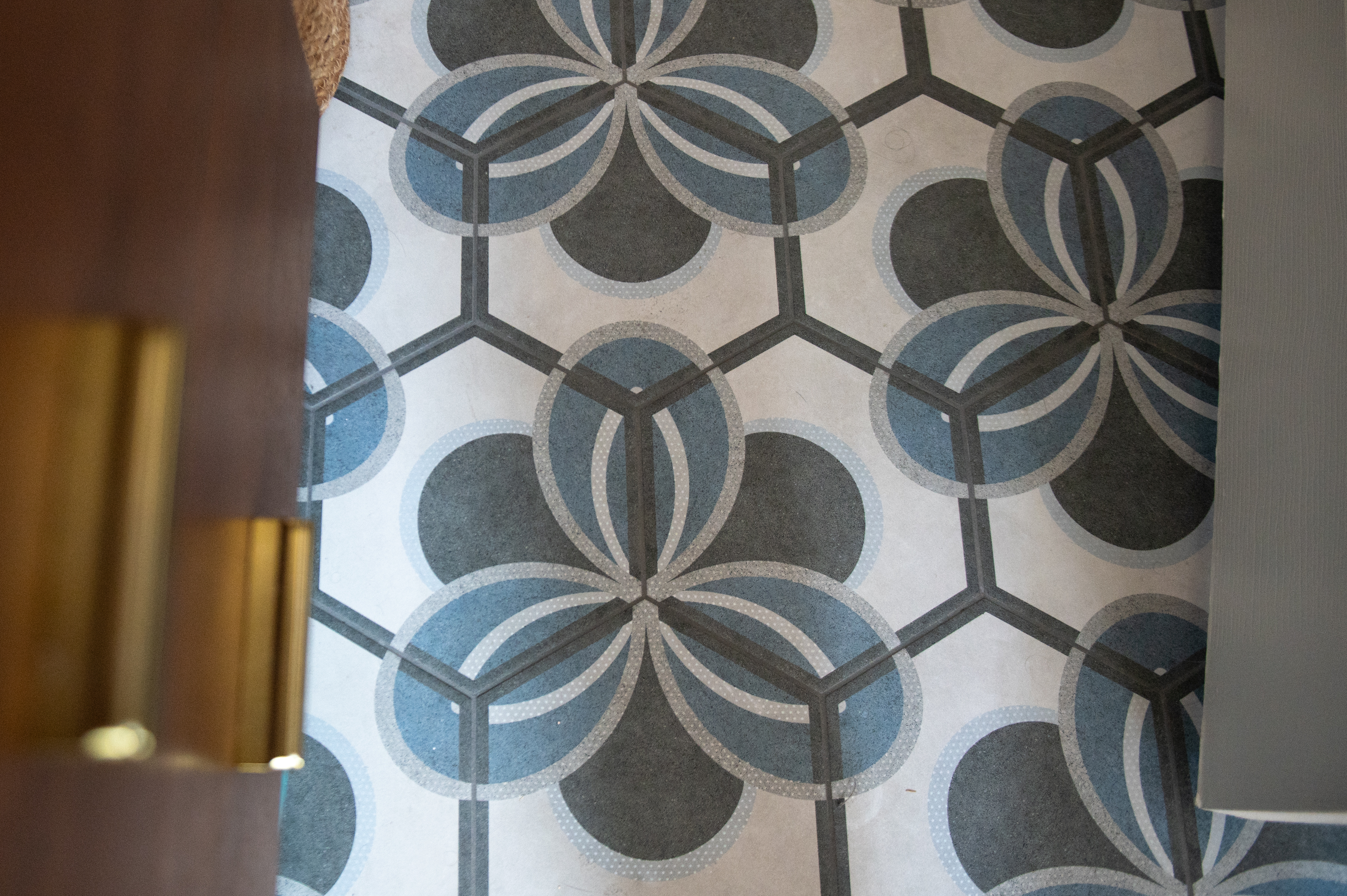
    Bathroom tiles, which the couple chose at a store in Fishtown.
    Danielle and Jonah Abrams’ primary bedroom.

    “I designed the space by picking the fixtures and making multiple mood boards in PowerPoint showing the different tile, vanity, mirror, and fixture options,” Danielle said. ”We visited a tile store in Fishtown together and chose the flooring and shower tile, which took over an hour of laying different options on the floor of the showroom.”

    Most of the home’s furniture was secondhand and sourced from local social media groups, Danielle said.

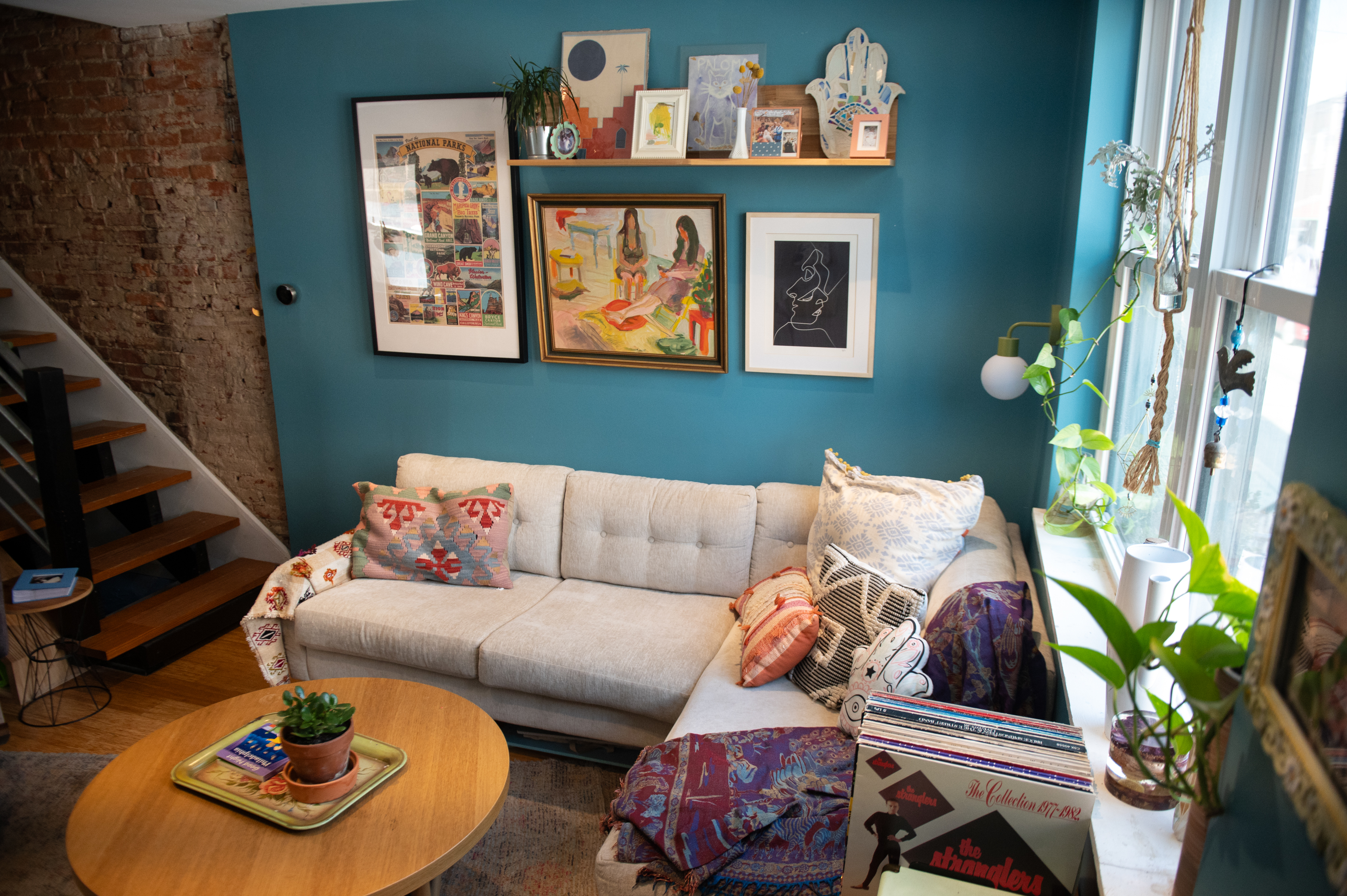
    “The one piece we splurged on was our sofa, which is from Joybird,” she said. “We chose the ivory pet-proof fabric to brighten up the space and also to hide cat hair.”

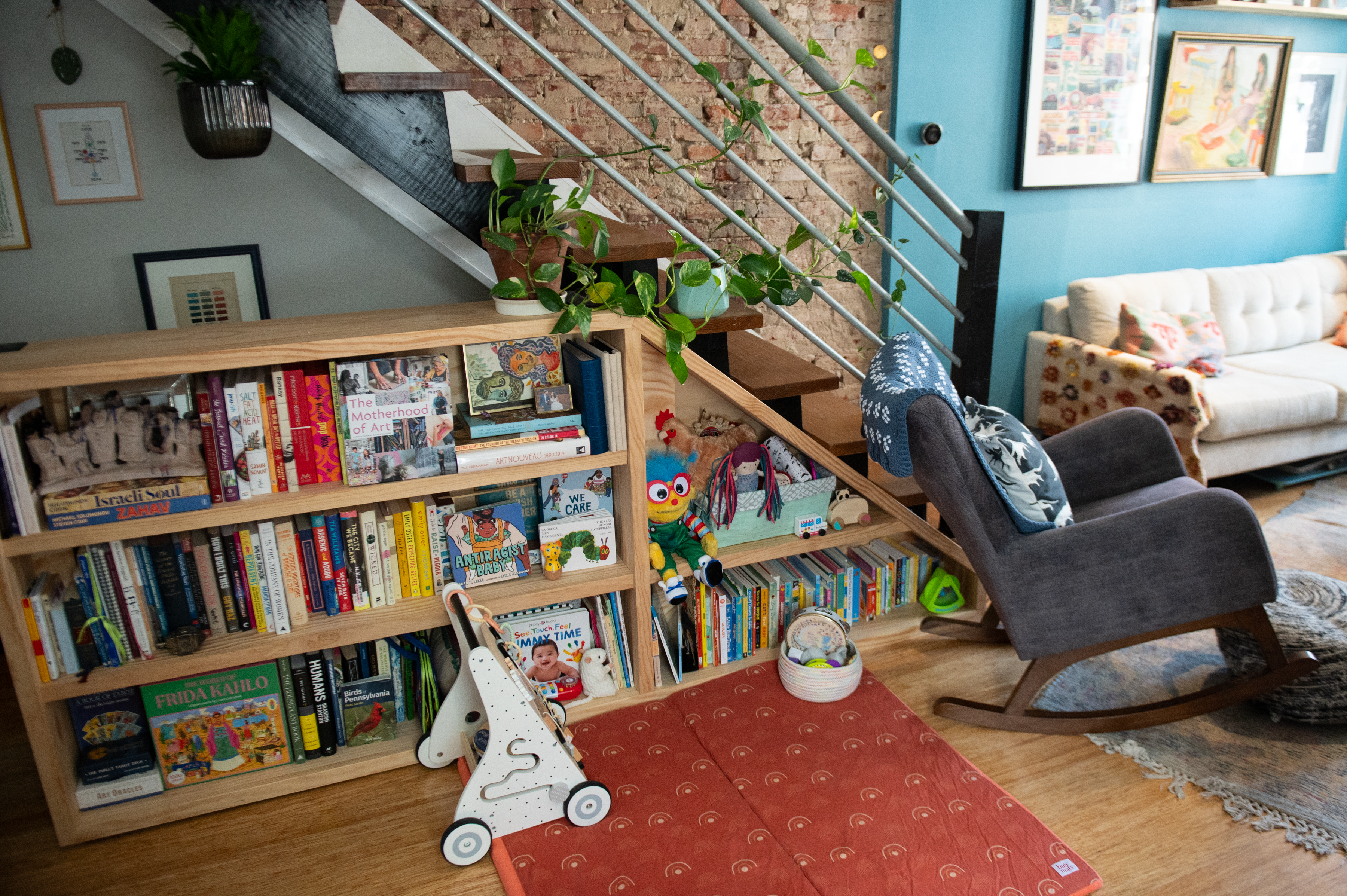
    A play area between the living room and kitchen in the Abrams’ home. The bookshelf, which also serves as a railing to the basement, was added while the couple renovated the home.
    The couch was one splurge item for the couple in their renovations.

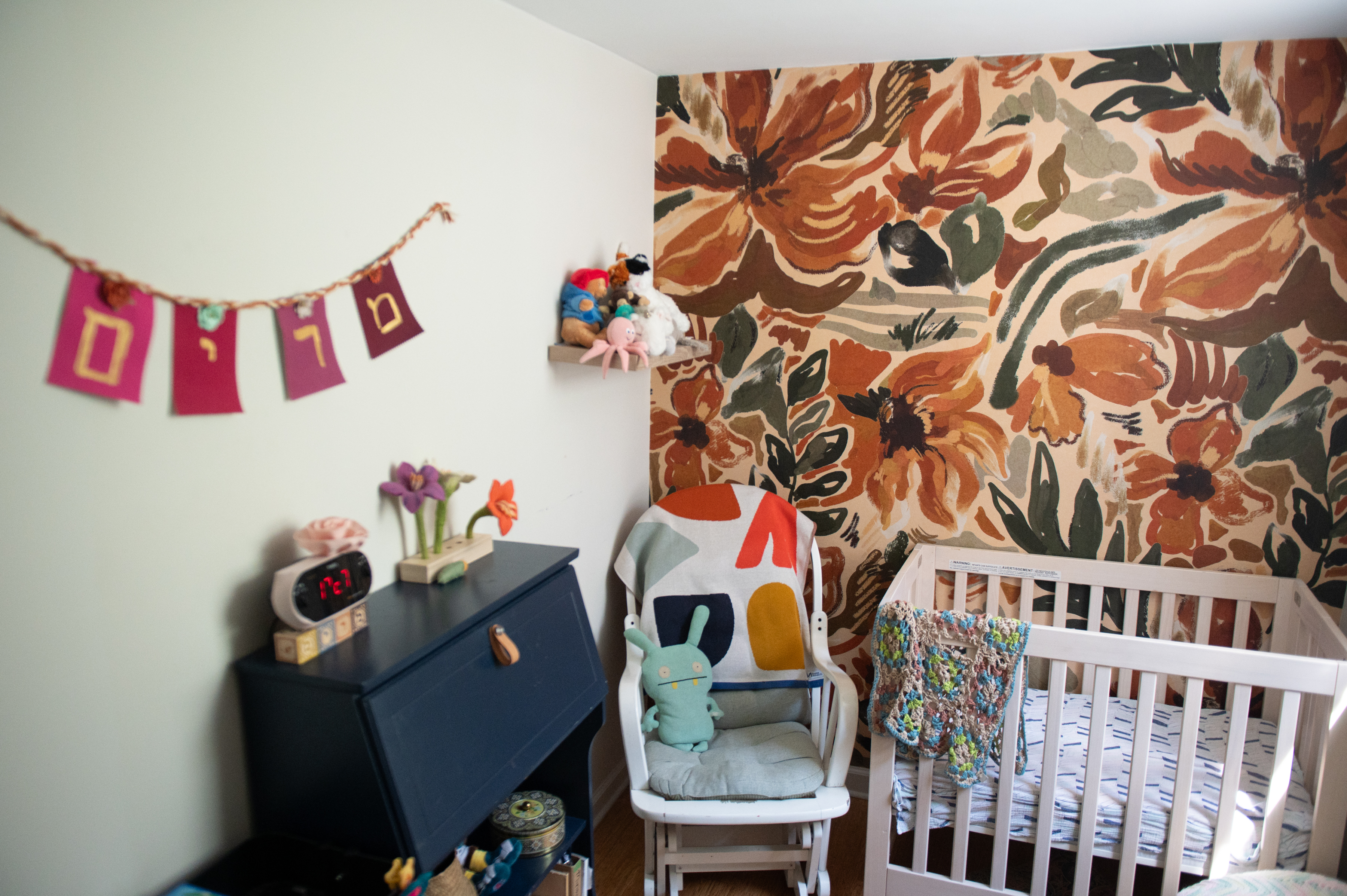
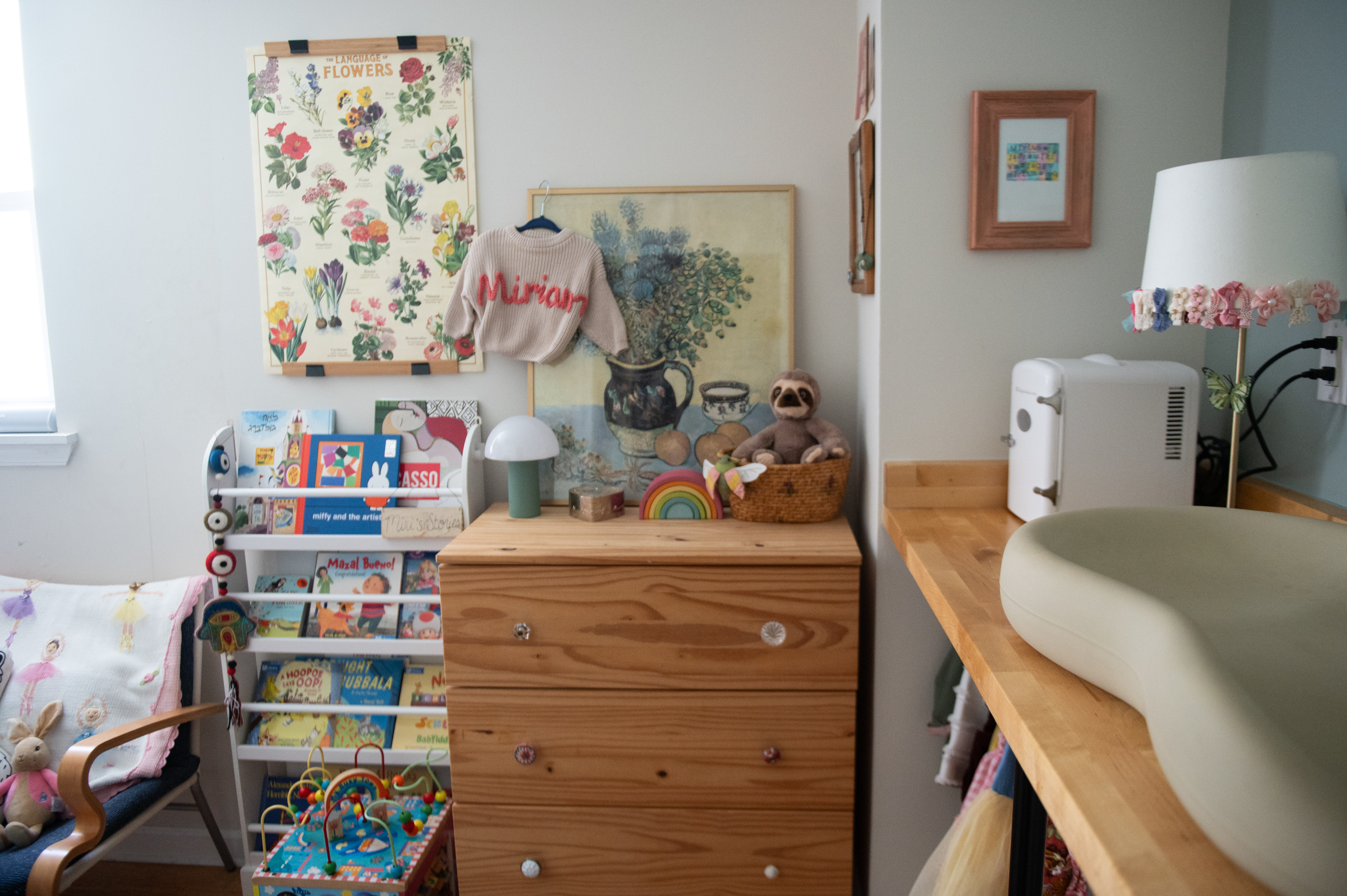
    The nursery is the smallest room in the house. Again, the couple’s practical sense took a role.

    “We worked with furniture we already had, including the rocking chair from my childhood bedroom,” Danielle said.

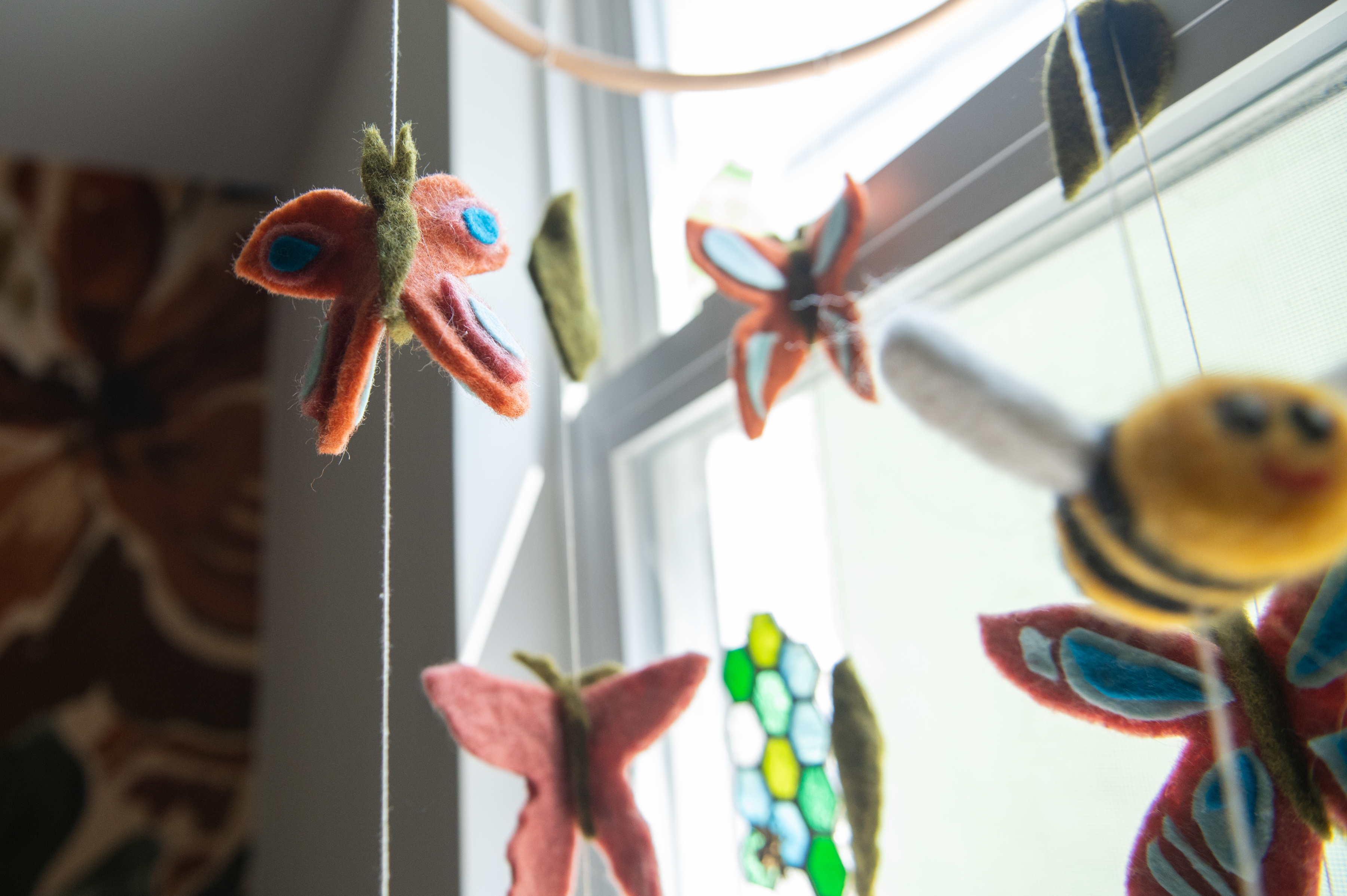
    They added handmade touches throughout the space, including the felt mobile in the window and the name garland on the wall.

    “The only new piece of furniture in the room is the crib,” Danielle said. “We opted to get a mini crib from Babyletto that would better fit the small space.”

    In Miriam’s nursery, the couple purchased a mini crib to better fit the small bedroom space.
    A homemade felt mobile hangs in the nursery window.
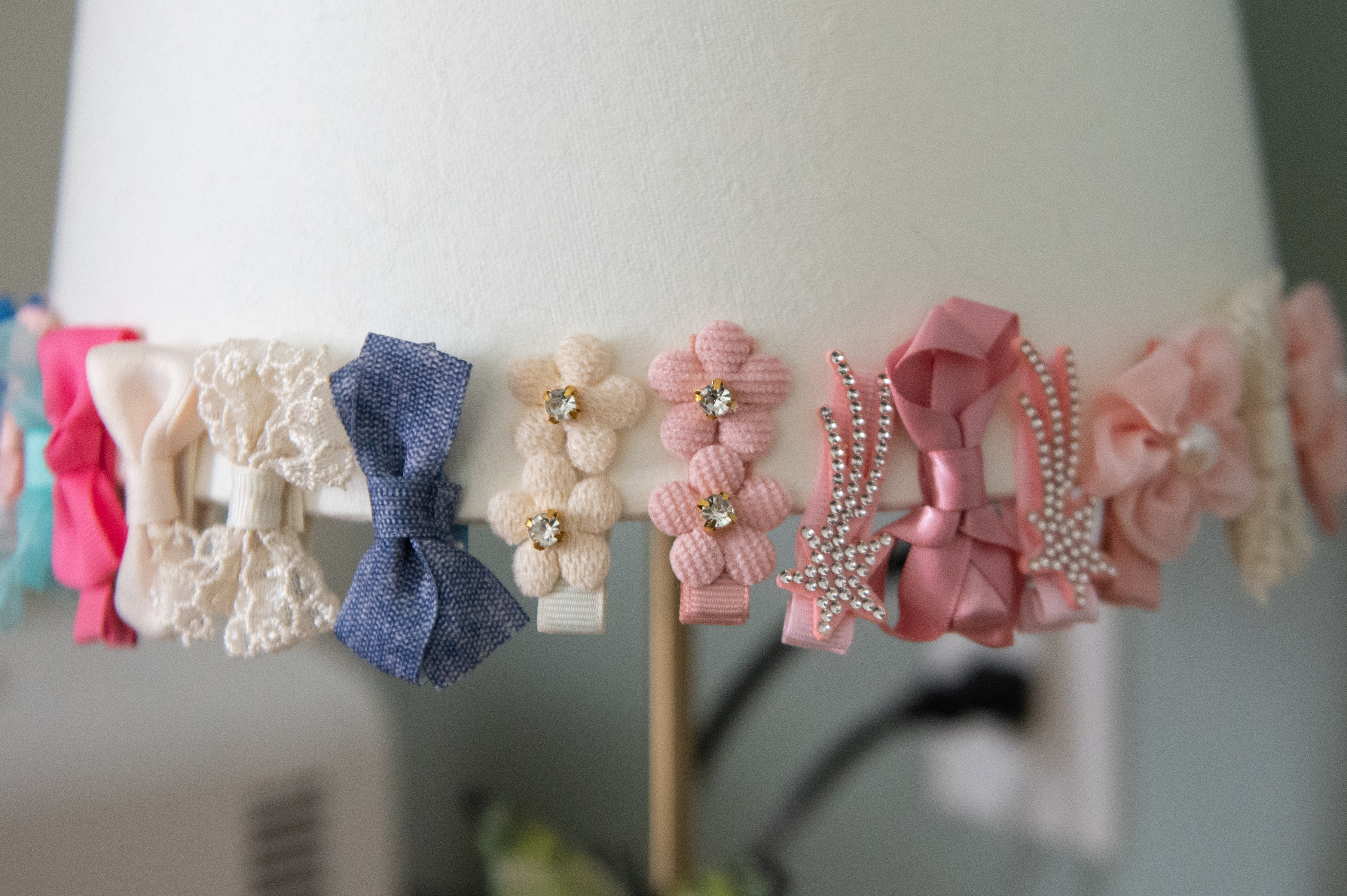
    Bows line a lampshade in the nursery.
    Children’s books and decorations in Miriam’s nursery.

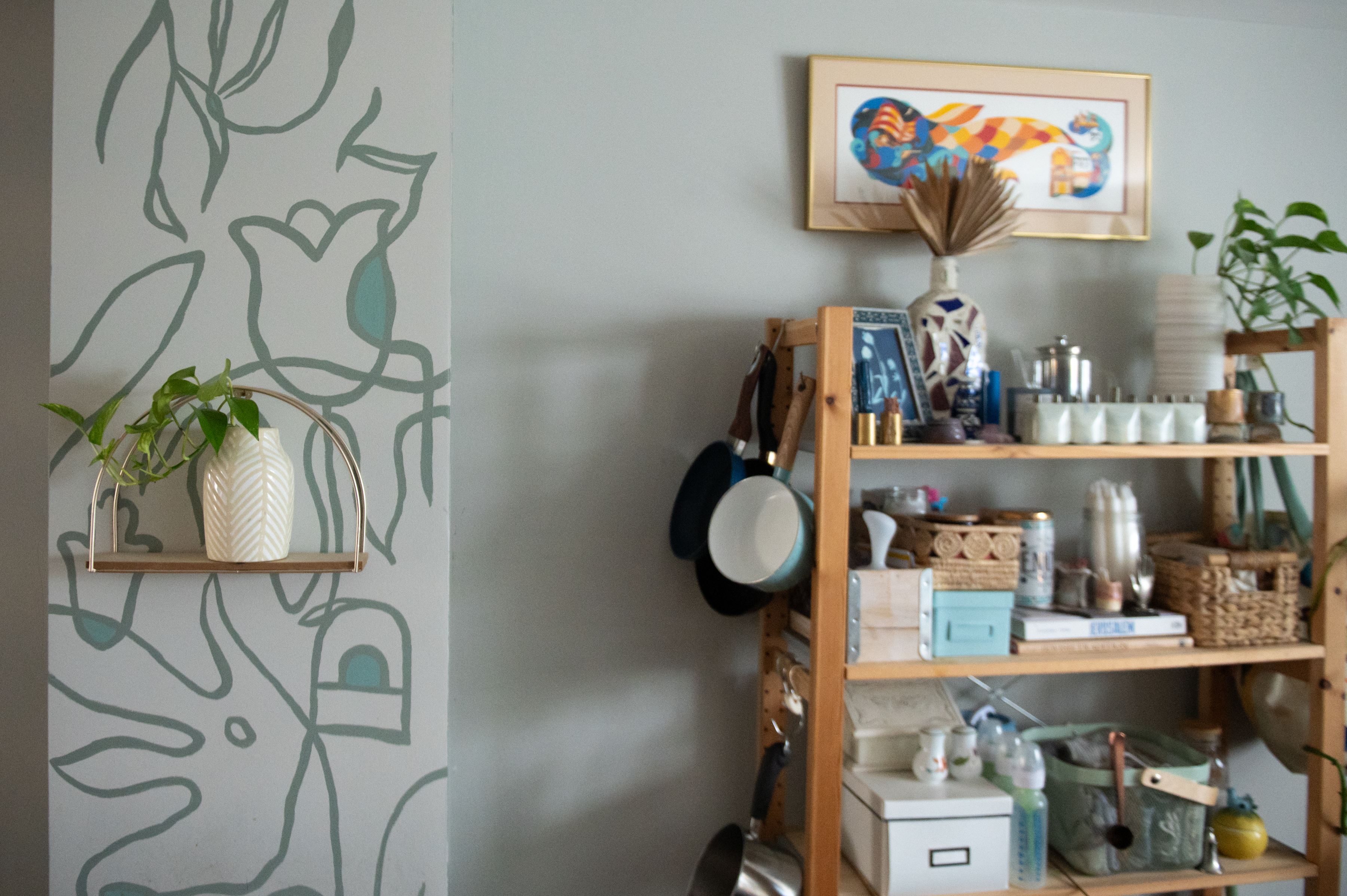
    In terms of color, the home showcases blue and sage green throughout. Danielle also added her own personal artwork. She is especially proud of a mural that she painted in the kitchen, a continuous line design that incorporates botanical leaf shapes and the Hebrew letters that spell out Shalom.

    The stairwell was the couple’s final project, with a goal to create a space for their daughter’s books and toys.

    “Choosing to stay in the city after having a baby makes our home stand out from many of our neighbors’ homes,” Danielle said. It “demonstrates how to be resourceful and creative in your home design rather than moving out to a larger property in the suburbs.”

    Decorations and storage for kitchen items on the first floor of the home.

    A 15-year retail veteran who has worked at many retailers in the Philadelphia area, including Burlington, Five Below, Anthropologie, and Terrain, she is a graduate of Drexel’s Westphal College of Media Arts & Design. She currently runs her own business, a sustainable Judaica brand called HamsaMade, while also working for a local woman-owned company that sells safety accessories to essential workers.

    Jonah is a project manager in the renewable energy field. He’s equally happy to be living in the city.

    “Being right by Goldstar Park, Capitolo Park, and Paolone Park is one of our favorite things about where we live,” he said. “Before we moved in together, I was living in Queen Village and Danielle was in Bella Vista so we clearly love South Philly.”

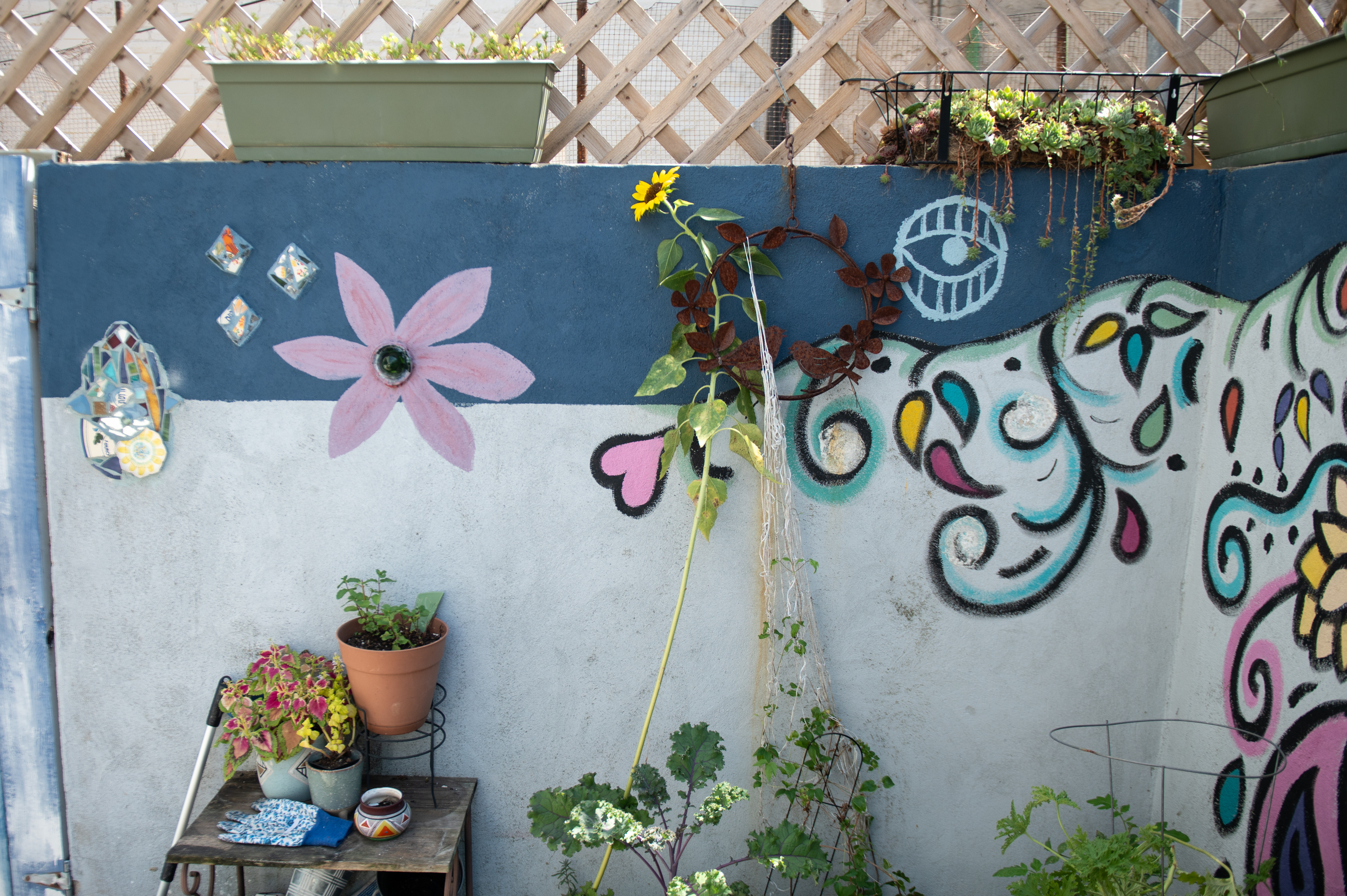
    Paintings and mosaics decorating Danielle and Jonah Abrams’ backyard.

    Last year’s renovation, Jonah noted, was not the couple’s first home project since they bought the house in 2018, but it was the first “that was not to solve an immediate problem.” He appreciates the surrounding community, and serves as a ward committeeperson. He can sometimes be found traveling the neighborhood by foot, “wearing our baby as I knock the doors of my neighbors, hearing about their challenges and helping them to vote.”

    “We love being able to walk to so many of our favorite places and favorite people, and we want our daughter to grow up being able to do the same,” Jonah said. “And we are dedicated to making our neighborhood even better.”

    Is your house a Haven? Nominate your home by email (and send some digital photographs) at properties@inquirer.com.

    The outside of Jonah and Danielle Abrams’ South Philadelphia home.
  • Six months in, how are Philly-area businesses handling Trump’s tariffs?

    Six months in, how are Philly-area businesses handling Trump’s tariffs?

    It’s been six months since President Donald Trump announced new tariffs on U.S. imports. For local small-business owners, the impact so far depends on what they sell. But they’re all thinking ahead about more adjustments they will have to make.

    Trump declared an “Independence Day” on April 2, implementing a minimum 10% tariff on all countries selling products into the U.S., with larger ones on countries including India and China. Since then the president has either threatened or implemented additional tariffs on certain products such as steel and aluminum, sectors such as furniture, and “reciprocal tariffs” on countries to match their tariffs on American imports.

    Many economists have warned that these higher costs will drive up inflation, slow our economy, and hurt many small businesses that rely on imported goods.

    Fred Woll, president of Philadelphia packaging products supplier F.P. Woll & Co., said he’s seen tariffs from overseas suppliers but “decided to eat a 5% price increase.” He doesn’t think he can do that again.

    “We have been in business in the City of Philadelphia since 1907, and gone through many, many challenges over the last 100-plus years,” he said. “This current challenge may end up being existential, and it’s our country doing it to itself.”

    George Patti, the owner of Head Start Shoes in Philadelphia, is also feeling pressure.

    “Everything is costing me more money and the dollar has dropped in value,” Patti said. “The costs of our merchandise is higher, and we’ve had to raise prices 10% to 15%.”

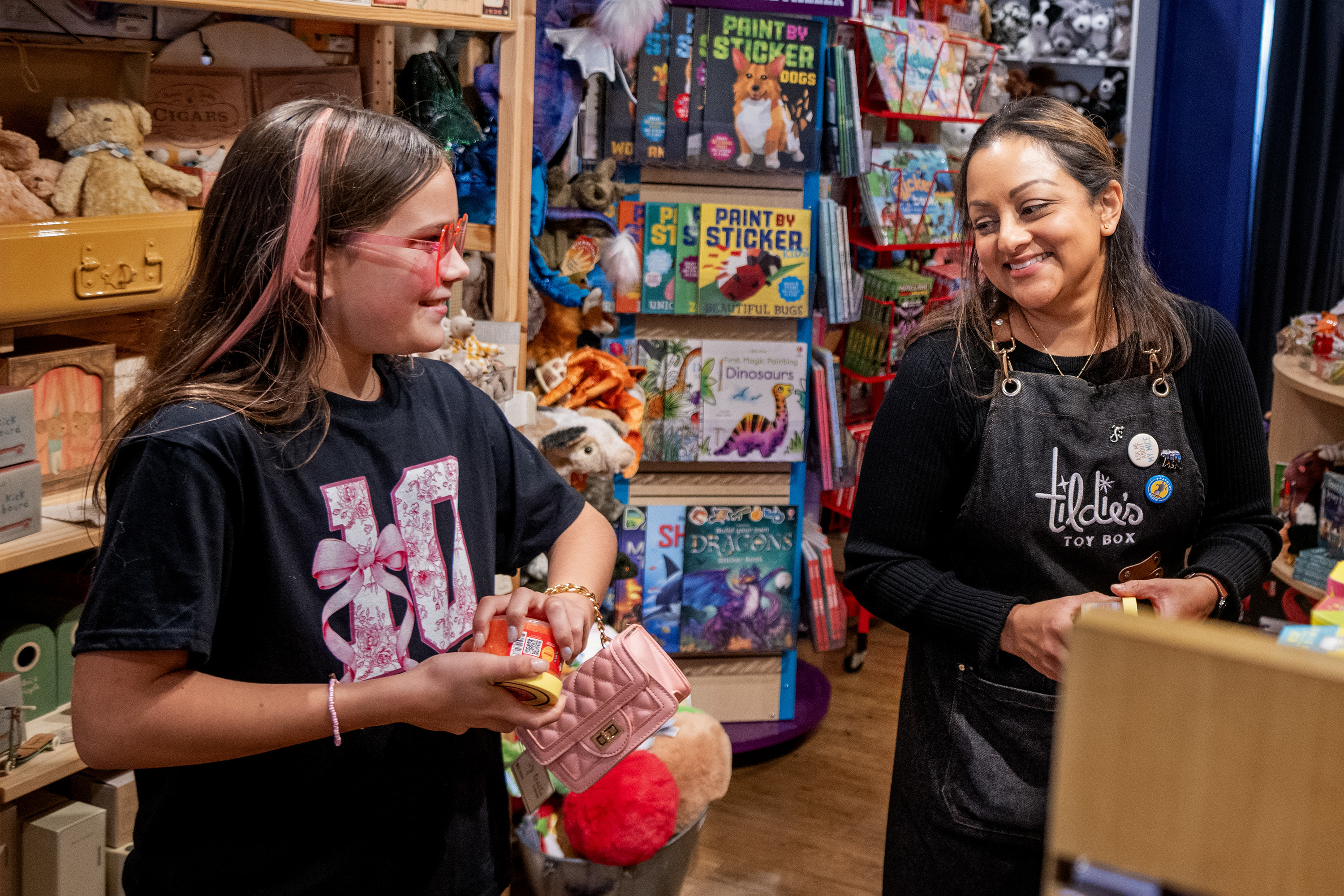
    At Tildie’s Toy Box in East Passyunk and Haddonfield, owner Michelle Gillen-Doobrajh said tariffs have made this year “confusing and difficult” and the added costs will “absolutely” have an impact on how they do business going forward.

    Michelle Gillen-Doobrajh (right) talks with 10-year-old customer Harlowe McGrath at Tildie’s Toy Box shop in downtown Haddonfield.

    “I am beginning to pass on items where the cost has gone up too much to be realistic for the consumer,” she said. “I fear that product selection will decrease, and many manufacturers will end up going out of business and retailers will follow.”

    “We will have to get used to paying more money for less product,” Gillen-Doobrajh added.

    Not every company is suffering. The family-run Trappe Tavern in Trappe, Montgomery County, has not seen a significant impact.

    “We’ve had some prices creep up,” David Duryea, the restaurant’s owner said. “In general, it hasn’t really had much of an effect at all.”

    If the costs of his food and other supplies continue to go up, Duryea said, people will eventually cut back on their spending and that could affect his business.

    “If that happens, we’re going to have to raise prices like everyone else,” he said.

    Despite new tariffs on steel, Upper Darby-based Delaware Valley Steel has not been significantly impacted, at least for now. That’s because “we don’t import any of our inventory,” said Jerry Sharpe, the company’s CEO.

    However, Sharpe warns that whenever tariffs are applied, the domestic steel mills that sell him products see that as an opportunity to raise prices.

    “If demand picks up, which I believe it will later this year, we will see increased pricing from the domestic mills,” he said. “We’re also going to be hit with a 20% tariff on an expensive piece of machinery we have ordered.”

    Kevin McLaughlin, a partner at business advisory firm Centri Consulting in Philadelphia, said the common theme among his firm’s clients is uncertainty.

    “While the full impact of tariffs has not yet sifted through every corner of the economy, growing businesses and businesses with thinner margins and less negotiating power than large corporations are often the first to feel the pressure,” he said.

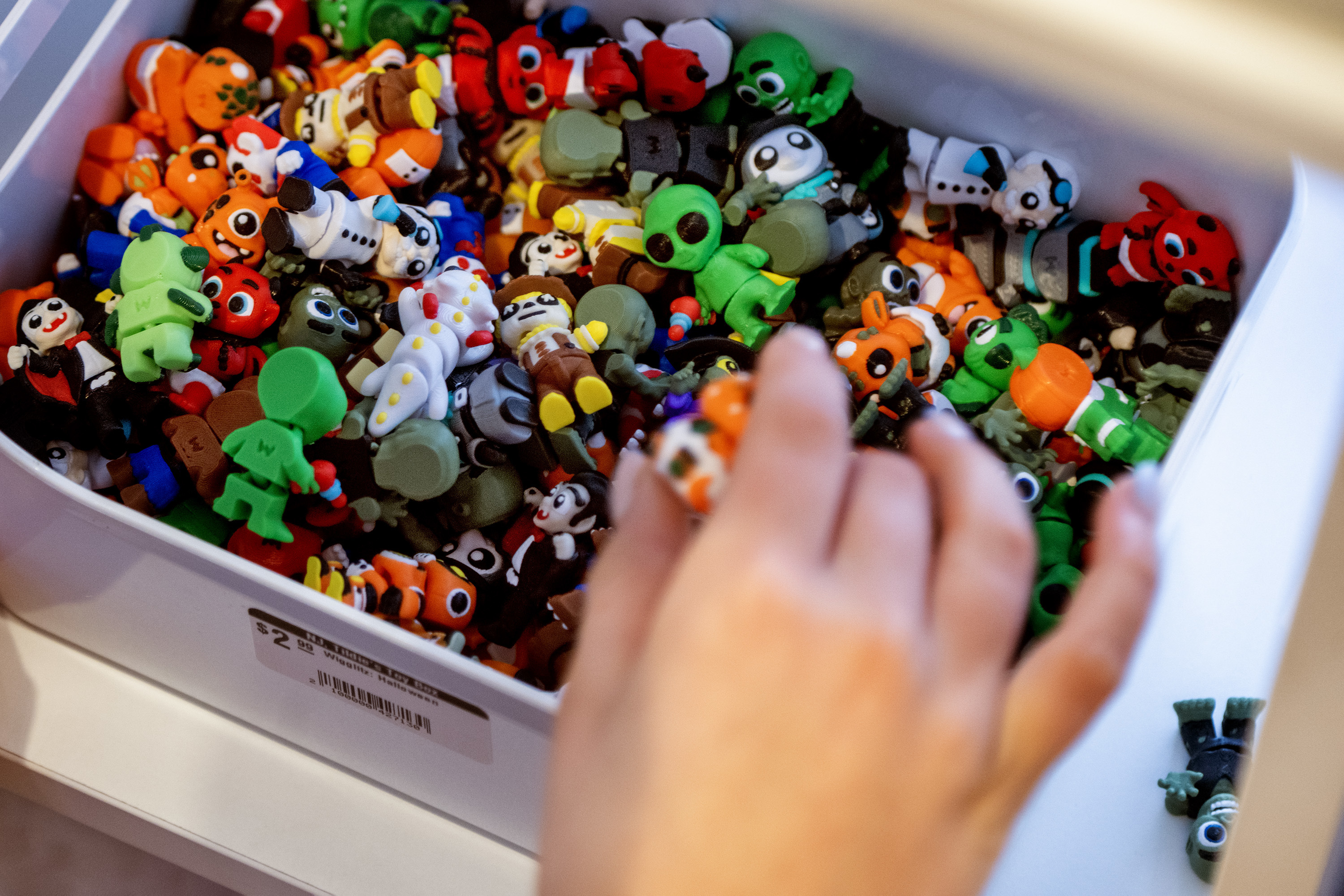
    Ten year-old customer Harlowe McGrath looks through figures — all of them 3D printed in the U.S. — at Tildie’s Toy Box shop in downtown Haddonfield Wednesday, Oct. 15, 2025. Store owner Michelle Gillen-Doobrajh is one of many Philly-area business owners dealing with tariffs. McGrath, who lives in town, was shopping with her mother, Kimberly McGrath.

    How small-business owners are navigating tariff uncertainty

    Woll says he’s focusing on cutting his overhead and may lay off employees. Gillen-Doobrajh is changing her product mix by “stocking up where tariffs are low” and foregoing unnecessary items.

    “I’m trying to be really smart and frugal with buying overall,” she said. “I am also paying attention to where items are made and holding out hope that these tariffs will dissolve so that our industry can survive.”

    Frank Cettina, who runs operations at Computer Components Corp., a precision tools contract manufacturer based in Philadelphia, is passing along any added costs to customers, with transparency. Tariff-related cost increases are noted separately and determined “on a customer-by-customer basis,” he said.

    “We are not making blanket cost increases because our intention is to remove them when and if they go away or change,” Cettina said. “We are also offering any alternative sources where we can.”

    Patti said he will likely buy less product but will also “buy higher quality just to pick up my margins” and compensate for the loss of volume.

    McLaughlin, the consultant, struck a more positive tone. He said clients are “stress-testing” multiple “what-if” scenarios so their businesses can adapt quickly.

    “With all the uncertainty, we are consistently encouraged by how resourceful our clients are through this unique time,” he said. “Many are using this moment as an opportunity to strengthen supplier relationships, accelerate efficiency, and polish their value propositions.”