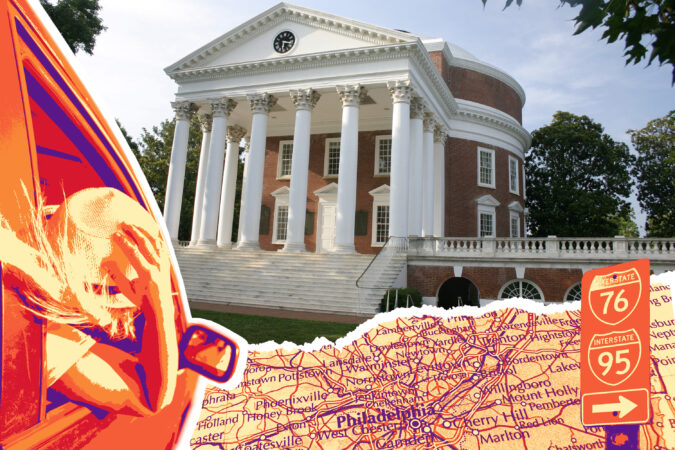
Nestled in the foothills of the Blue Ridge Mountains, Charlottesville is ready for spring. The season there comes a little earlier than ours — cherry blossoms popping, birds trilling — so those planning a March getaway should consider the Virginian city, where the weather is often mild enough to spend serious time outside. Rails and walking paths wind like shoelaces through downtown and into the surrounding countryside. As a university town, C’ville is also packed with arts, music, shopping and dining, and Thomas Jefferson’s Monticello estate sits just on the outskirts of town, high on a hill.
The first stop in town, Ace Biscuit BBQ, announces you’ve arrived in the South. The redbrick building, on the literal other side of the tracks from downtown, opens at 7 a.m. with hot, fresh, crumbly biscuits. Get with butter and jam, sausage gravy, or as bookends to a serious breakfast sandwich with smoked brisket, an over-easy egg, caramelized onions, and cheddar.
📍 600 Concord Ave., Charlottesville, Va. 22903
Stay: Graduate Charlottesville
Charlottesville is a college town, with the University of Virginia’s idyllic and historic campus right downtown. Lean into it and stay at the Graduate, a newer property from the collegiate-themed brand under the Hilton umbrella. Opened in 2015, the hotel is still super fresh, with a game room, scenic rooftop, and rooms dressed in soothing blue walls, Cavalier-print curtains, and bolster pillows embroidered with “Wah-hoo-wa,” the university’s sports cheer.
A short walk from the Graduate, Charlottesville’s pedestrian Downtown Mall offers a solid orientation to the city’s commercial core. Visit shops like C’Ville Arts, a co-op gallery representing over 50 Virginia artists, or catch a show at the historic Paramount Theater, which opened in 1931, closed in 1974, and reopened after a $17-million restoration in 2004. When the biscuit craving returns, hit Miller’s Downtown for lunch. It’s famous for the Charlottesville Nasty chicken biscuit, but the pimento-cheese BLT is the actual move.
📍 E. Main St., between Second Street NW and Ninth Street NE, Charlottesville, Va.
Whether you think history is a snooze or can quote Hamilton from memory — “Thomas Jefferson’s coming home!”— Monticello is must-visit. Set on 2,500 bucolic acres, the estate features multiple exhibits inside, outside, and even beneath the mansion, with thoughtful attention paid to the enslaved people who worked Jefferson’s plantation, including Sally Hemings, with whom he fathered six children.
Beyond the landscaped gardens of Monticello proper, the fairytale woods and meadows of the estate beg for exploring. The Saunders-Monticello Trail is an easy lift for all activity levels, with a maximum five-percent incline and two miles of wheelchair-accessible paved paths and boardwalks winding through forest and over ravines. Stop at Carter Overlook for panoramic views of Charlottesville and the Blue Ridge Mountains.
📍 Parking: 503 Thomas Jefferson Pkwy., Charlottesville, Va. 22902
Drink: Blenheim Vineyards
Dave Matthews Band got its start in Charlottesville, gigging at Miller’s on the mall and other stages around town. Though the singer now lives in Seattle, he maintains a strong connection to Virginia. One touchpoint is his winery, Blenheim Vineyards, situated on 32 acres of rolling chartreuse hills stitched with sauvignon blanc, chardonnay, and albarino vines. Giant windows in the wood-clad A-frame frame the landscape during guided tastings of five wines (just $25). Consider this your pre-dinner drinks.
Back downtown, Smyrna’s oysters with ramp mignonette, hamachi crudo with anise-compressed melon, and manti dumplings dabbed with garlic yogurt earned chef Tarik Sengul a semifinalist nod from the James Beard Foundation this year. You’ll have to wait till April to find out if he advances to the finalist round of the awards — making right now an ideal time to check this sharp Aegean restaurant out for yourself.
Nestled in the crook of the Lehigh and Delaware Rivers, Easton’s manufacturing might was powered by its waterways during the Industrial Revolution in the early 20th century. Tanneries, flour and silk mills, distilleries, breweries — these were the big businesses in town.
Now, those old industrial shells and the former mansions of tycoons house cafés and galleries, boutique hotels and French-inspired markets. Easton sits just 90 minutes from Philly, making it an easy weekend getaway. Take the Turnpike north, hook a right at Allentown, and head toward the river.
In dining, shopping and arts, Easton way overdelivers. Hotels are still catching up. Fortunately, the popular Gusto Hospitality Group (see Dine, below) opened the Townley House Hotel several years ago, and the 16-room boutique remains the best place to stay in town. An original mahogany staircase links the levels of this restored brick townhouse on Easton’s historic Millionaire’s Row. There’s a sun-dappled courtyard, Mercer-tiled fireplaces, maximalist wallpapers and custom headboards — a different one for each room.
📍 130 N. 3rd St., Easton, Pa. 18042
Stroll: Karl Stirner Arts Trail
Running nearly two miles along scenic Bushkill Creek to Lafayette College’s William Visual Arts Building, the Karl Stirner Arts Trail weaves through 27 works of public art. The trail is named for the German-born sculptor and metalsmith largely credited for making Easton an arts destination in the ‘80s. You’ll find his untitled steel arch, painted an unmissable scarlet, about two-thirds of the way down the path.
In this world, there are people who love pie, and there are monsters. Don’t be a monster. On Northampton Street, Easton’s main drag, Pie + Tart is charming spot with exposed brick walls and Shaker-style chairs from bakers Lisa Yelagin and Anne Gerr. Savory pies (coq au vin) and sweet ones (Mexican chocolate chess, cherry cheesecake) rotate weekly, alongside soups, quiches, and other cozy blackboard specials.
If you’re bringing kids — or you simply have strong feelings about Burnt Sienna and Tickle-Me-Pink — meet the Crayola Experience. The king of crayons was born — and still manufactured — right here in Easton. The four-floor experience mixes analog crafts and digital diversions, including an 85-foot water table and a photo booth that generates a coloring-book selfie. Great opportunity to see what you’d look like as a Mango Tango redhead.
Men’s shearling-lined shackets, watercolor paint-by-numbers journals, irreverent incense (“Chai-Scented Laziness,” “Burn Away the BS”) and more fill Belleville Market, a three-level department store inspired by the marketplaces the owners fell for in France. Keep an eye on their events page to see if your Easton trip lines up with the shop’s happenings, like the upcoming Moka pot demonstration and tasting and floral-filled spring open house.
📍 20 S. 3rd St., Easton, Pa. 18042
Drink: Kabinett
We don’t need to tell you: The PLCB does not make sourcing great wine easy. Which makes Kabinett, a Bavarian-inspired refuge furnished with warm woods, wishbone chairs, and framed botanical prints, all the more impressive. A grandly antlered stag skull presides over the bar. The Wine Spectator-recognized list ranges from whole-cluster Santa Barbara Sangiovese and South Australian Riesling from 175-year-old vines. It’s deep but playful, organized under headings like:“Reds ~ OK, Boomer. Safe Cabernet & oak space for full-throttle bottles.”
📍 125 Northampton St., Easton, Pa. 18042
Dine: Albanesi Restaurant & Bar
Italian restaurants run by Albanians form their own industry sub-genre. At Albanesi Restaurant & Bar, Gusto Group’s Mick Gjevukaj, who grew up in the war-torn former Yugoslavia, is putting his heritage center stage with dishes like harissa-spiced rib-eye qofte (kofte), veal goulash, and braised lamb shoulder lacquered in pomegranate. Climb into one of the camel-colored clamshell banquettes, order some samuna bread and hummus swirled with ajvar, a Balkan condiment of roasted peppers and tomatoes, and settle in for culinary geography lesson. Who knew you’d learn it in Easton?
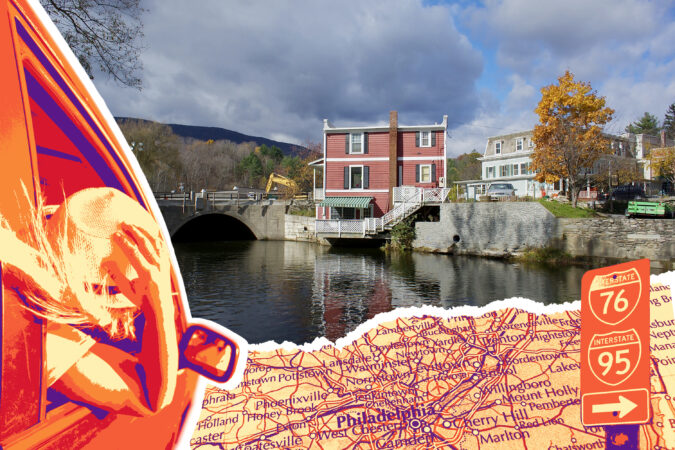
A tiny state, more than a third of which represents conserved land, Vermont has done things its own way since the colonial era. Its Green Mountain Boys militia once fended off land claims from New York and New Hampshire, and for a brief moment, Vermont even functioned as its own republic. That don’t-tread-on-me energy still lingers today, blended with a deep respect for the arts, outdoors, history, and small business. In southern Vermont, less than five hours from Philly, the village of Manchester is a microcosm of that personality. Slung between the Green Mountains, the glowing town looks like something straight out of a Hallmark movie — especially in winter, when snow this time of year is nearly guaranteed.
Stone fireplaces, leather chairs, plaid wallpaper, draft-blocking drapes, a grand front porch … Kimpton Taconic hits the winter-in-New-England vibes hard. The 86-room boutique hotel sits right on Main Street, close to everything in town, and has a solid on-site tavern, the Copper Grouse (think cider-brined chicken and maple crème brulée). The hotel also offers seamless equipment rentals through a Ski Butlers partnership. Bookings also include two free adult tickets to Hildene.
📍 3835 Main St., Manchester, Vt. 05254
Visit: Hildene
Just south of town, surrounded by woods and snow, Hildene was built at the turn of the 20th century by Mary and Robert Lincoln, the only son of Abraham and Mary Todd Lincoln. Run as a museum nonprofit since 1978, the Georgian Revival estate, gardens, and 12 miles of trails are open to visitors, making it a must-stop whether you’re into history, architecture, design, or horticulture. Train buffs will love Sunbeam, the restored Pullman carriage from Robert Lincoln’s tenure as president of the Pullman Co. from 1897 to 1911.
Take a short detour off Main Street into the forest and you’ll find Southern Vermont Arts Center. This estate includes classrooms, museum galleries, performance space, a yoga studio, and a café. Originally built in 1917 as a summer estate for an Ohio socialite and philanthropist, the property was acquired by the arts center in 1950. Grab a coffee at the café and walk — or snowshoe, or cross-country ski — through their epic sculpture park.
📍 860 Southern Vermont Arts Center Dr., Manchester, Vt. 05254
Shop: Northshire Bookstore
Northshire Bookstore is almost a caricature of Vermont: a rambling country house riddled with cozy alcoves. Opened in 1976 and now run by three sisters who grew up shopping there, the store leans hard into its indie roots — staff bios list genre specialties and years of service. They’ve got the bestsellers, sure, but it’s their rare-books collection that’s really special. A signed Jimmy Carter autobiography, for example, or an alternatively illustrated British edition of Harry Potter and the Chamber of Secrets.
Located only 10 minutes from town, Bromley Mountain’s 47 trails represent a solid mix of expertise levels. If you’re skiing experience begins and ends with the Poconos, maybe start with a few runs on the family-friendly Chase-It trail before leveling up to the Lord’s Prayer, the Plunge, and Havoc.
📍 124 Bromley Lodge Rd., Peru, Vt. 05152
Relax: Spa at the Equinox
After a day on the slopes, soothe those boot-bound feet and sore hammies at the Spa at the Equinox. Deep-tissue massage, Ayurveda treatments, cupping therapy, maple sugar scrubs — get one, get them all. You won’t want to leave the spa. It’s got cozy relaxation lounges, a huge indoor pool stretching out beneath an open-beam ceiling, and an outdoor hot tub perpetually cloaked in steam.
Points for the name alone. The Reluctant Panther, whose moniker nods to Vermont’s resistance to outside rule in the late 1700s, has been operating as a bed-and-breakfast since the 1960s — but its restaurant is open to the public. The food is exactly what you want to eat in the winter here: a Vermont cheese board, thick pork chops with German potato salad and smoked maple gastrique, venison osso buco, all served in a fireplace-warmed dining room. The wine list has earned Wine Spectator recognition four years straight. Meow.
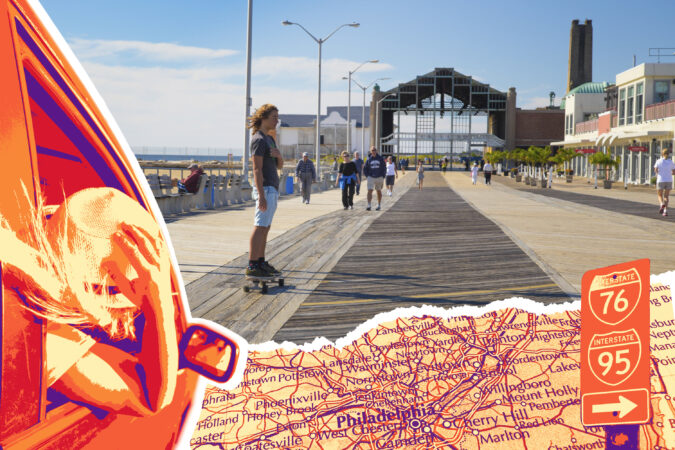
Would you believe it if we told you Asbury Park is the same distance from Philly as Sea Isle? For many Philadelphians, the north end of the Shore might as well exist on another planet. Fortunately, the offseason is the perfect time to broaden one’s horizons — so that come summer, you might break out of the tribal nature that governs which sands you plant your umbrella in.
As one of the larger towns on the coast, with a healthy year-round population, Asbury Park makes an ideal entrée. Things are open in the winter.
Not everything — but enough to keep you busy for a weekend of city-level food, idiosyncratic shopping, and live music. Start the car.
Make your first stop just to the south of Asbury, at Hey Peach in Bradley Beach. This inviting granny-core café-bakery from Erin “Peach” Kilker lines its wooden sideboard and pastry case with holey olive fougasses, crackling croissants, Scottish shortbread, fat cream puffs, and more. If the weather cooperates, grab one of the bistro tables out front and enjoy your pastry (or three) with a Counter Culture coffee.
It might not be beach weather, but the glittering sea views from the 11-foot windows at Asbury Ocean Club are just as dramatic in winter. The soothing dune-and-khaki suites in this luxurious 54-room high-rise — which opened in 2019 — feel especially indulgent in the offseason. Winter rates hover in the mid-$300s; that same room can top $1,000 on a summer weekend.
Cosplay your favorite Stranger Things kid (minus the Vecna creepy-crawlies) at Silverball Retro Arcade. Gamer or not, it’s impossible not to light up like the 1992 Addams Family pinball machine when you step inside this clanging, jangling boardwalk fixture. And because it’s not summer, the chances are good you’ll have no trouble finding an empty Skee-Ball lane. (Fun fact: Skee-Ball was invented in Vineland in 1907, with early alleys manufactured in Philly.)
📍 1000 Ocean Ave. N., Asbury Park, N.J. 07712
Shop: Asbury Park Bazaar
Right in the middle of the boardwalk, where you can shop for travel-inspired hoodies at Promised Land Apparel and thrifted art supplies at Asbury Park Art Club, Asbury Park Bazaar pops up through the year inside the Grand Arcade at Convention Hall. More than 50 vendors will fill the space on Valentine’s Day weekend, selling everything from patch-customized beanies and travel-inspired hoodies to candles that melt into massage oil.
📍 1300 Ocean Ave. N., Unit C-4, Asbury Park, N.J. 07712
Read: Paranormal Books & Curiosities
Ghost ships, Victorian murders, haunted houses — in Asbury Park, spooky season never really ends. Paranormal Books & Curiosities anchors the city’s supernatural streak, selling horror novels, spellbooks, and oddities, while also running ghost tours and curating a small paranormal museum. Whether you’re looking for Grady Hendrix, Paul Tremblay, or something to summon the corners, you’ll find it here.
📍 621 Cookman Ave., Asbury Park, N.J. 07712
Dine: Judy & Harry’s
Named for owner Neilly Robinson’s parents, Judy & Harry’s in the St. Laurent Hotel is a two-in-one restaurant and cocktail bar with butterscotch leather barstools, frosted globe lights, and framed family photos. The menu, by Robinson’s partner and James Beard semifinalist David Viana, blends her Italian and Jewish heritage with dishes like limoncello-splashed hamachi crudo, ricotta-matzo ball soup, schmaltzy potatoes, and chicken and eggplant parm. If you’re visiting Asbury on a Sunday, swing in for their $38 Sunday Sauce prix fixe supper.
📍 408 Seventh Ave., Asbury Park, N.J. 07712
Jam: The Stone Pony
What’s the opposite of a sleeper pick? First opened in 1974, Stone Pony is so deeply and inextricably tethered to Asbury Park. Everyone knows it. The bar and venue runs shows every weekend through the offseason, and the variety is pretty astounding: a Dave Matthews tribute band, country singer Hunter Hayes, a student showcase from Red Bank’s School of Rock, bassist and Phish cofounder Mike Gordon. Tourists go. Summer people go. Locals go. You should go.
With a population of just over 140,000, New Haven still manages to be tiny Connecticut’s third-largest city — and one that punches well above its weight as a weekend getaway.
It’s a university town, a harbor town, and a New England town, all folded into one. The result is a destination with world-class cultural institutions, excellent food — the pizza is as outrageous as you’ve heard — and easy access to the outdoors, from the river-fed coast of Long Island Sound to one of the largest urban parks in the region. From Philly, it’s about three hours and change up I-95, depending on traffic around New York. Start the car.
Originally the HQ of the tire-producing Armstrong Rubber Co., the Wharf District Hotel Marcel inhabits an architecturally significant, brutalist concrete building honeycombed with windows and retrofitted to run entirely on renewable energy. The inside is just as interesting: terrazzo staircases with mahogany rails, Connecticut-made walnut beds, and a circular bar pouring spirulina margaritas and nonalcoholic spiced cranberry cider.
📍 500 Sargent Dr., New Haven, Conn. 06511
Hike: East Rock Park
New Haven’s central green space, East Rock Park, spans 427 acres and rises 350 feet above the city, rewarding visitors with sweeping views of downtown and Long Island Sound. Not feeling a winter hike? You can drive to the summit instead. Traveling with kids? Stop by the Trowbridge Environmental Center on the park’s west side for hands-on exhibits about the local ecology.
If there’s only one thing you know about New Haven, it’s probably the pizza. Or as they call it here, apizza (“a-beetz”), derived from the southern Italian immigrants that opened the first shops in the early 1900s.
For lunch, stage a mini pie crawl along Wooster Street and compare two legends located a block apart. At Frank Pepe (est. 1925), the tomato pie and oregano-dusted white clam pie are classics for a reason. At Sally’s Apizza (1938), whose recent expansion hasn’t dimmed the original’s quality, the blistered tomato pie with mozzarella is the move.
📍 Frank Pepe: 157 Wooster St., New Haven, Conn. 06511
📍 Sally’s Apizza: 237 Wooster St., New Haven, Conn. 06511
Visit: Yale Peabody Museum
If there are only two things you know about New Haven, they’re probably the pizza and Yale. The Ivy’s lovely, leafy campus dominates the center of town. (It’s no Penn, but…) The impressive collection at the Yale Peabody Museum, which is free to visit and requires no advance ticketing, includes a towering brontosaurus skeleton, a 300-pound Brazilian tourmaline cluster, and 4000-year-old Mesopotamian cuneiform tablets.
Decried as an incongruous eyesore when the Gordon Bunshaft-designed Beinecke Rare Book and Manuscript Library opened in 1963, the modernist building has become an architectural icon on campus. Translucent marble cladding gives the interior a cozy glow while protecting the literary treasures, which are arranged in a stunning five-story cubic column, from sun damage. Even if you’re not a rare-books obsessive, it’s worth visiting for the space alone. Current exhibits include a 15th-century Gutenberg Bible and illustrated Japanese crepe-paper books.
It’ll likely be a bit too chilly to sit out on the pretty deck over the Quinnipiac River, but the warm woodwork and porthole windows get the seafood-tavern vibe across well at Fair Haven Oyster Co. Start with four different types of New England oysters, then progress to tots topped with American sturgeon caviar, oil-poached tuna toast, and bone-in skate wing in Meyer lemon brown butter. Skip dessert.
Based in Litchfield County, Arethusa Farm Dairy produces some of the richest ice cream around, using 16%-butterfat milk from its own cows. Lucky for New Haven visitors, there’s an outpost at the Yale Shops. Breathe in the smell of freshly pressed waffle cones while choosing from classic flavors like coconut-coconut chunk, strawberry that actually tastes like strawberries, and an excellent coffee ice cream. One scoop is never enough.
It sits along the scenic banks of the Upper Delaware River in Pike County, surrounded by mountains, with access to major trails, canoeing, kayaking, and biking, and the tallest waterfall in Pennsylvania. It’s an adventure hub among the best in the tristate region.
But Milford isn’t just for people in hiking boots. It’s also an artsy town, with galleries, a theater, and dedicated film, music, and writers’ festivals. It’s a shopping destination too, with a slew of antique and gift shops, and a healthy-living store that rivals anything in Philadelphia or New York.
“Geographically, I believe Milford has the edge over most small towns around,” said local entrepreneur Bill Rosado, who owns some popular businesses in town. “It is centered so well. Just looking at the town is a treat to me.”
There’s plenty of history in Milford, too, which calls itself the “birthplace of the conservation movement” as it was home to Gifford Pinchot, founder and first chief of the U.S. Forest Service. It also has a historical museum that’s home to a unique and morbid artifact from the Civil War era.
And, finally, you have to eat. Milford is home to fine dining at historic hotels, both fancy and cozy bars, along with breweries, classic diners, organic coffee, and, thanks to Rosado, authentic food from Mexico’s Yucatan peninsula. (He was born there.)
Milford’s about 75 miles northwest of Manhattan and just across the river from North Jersey, so yes, you’ll see Yankees and Giants gear, but it’s just 135 miles from Philly, so get up there.
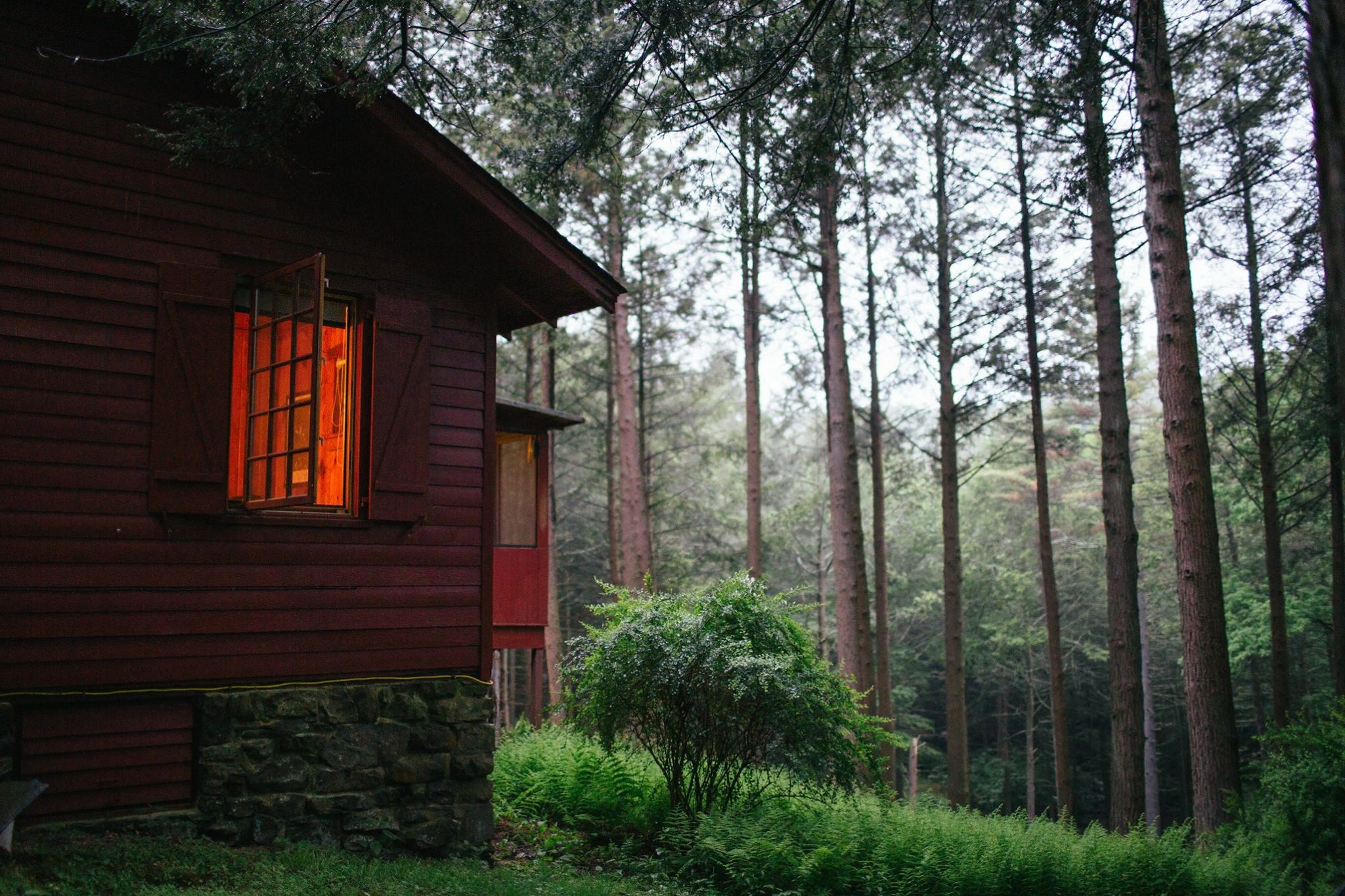
One of the cabins available for rent at Sean Strub’s Dwarfskill Preserve in Milford, Pa.
Stay: Dwarfskill Preserve
There are plenty of hotels in downtown Milford that are in the midst of everything the town has to offer, including the historic and ornate Hotel Fauchère and the Tom Quick Inn, which would be at home in Cape May. Rosado owns both of them.
I’ve been eyeing up the tiny cabin at the 575-acre Dwarfskill Preserve, up in the hills above town, for years now, as a former colleague had spent extended time there over the years and shared lovely pictures. It’s owned by former Milford mayor Sean Strub and consists of three separate properties: the one-room cabin I rented for a few nights with my girlfriend, Jen, and my dog, Wanda, and two larger cabins that can fit more people.
We stayed there over the New Year’s holiday, cooking brisket in the microwave and making coffee on the hot plate. While Milford and the Dwarfskill are undoubtedly at their best in the summer and fall, when you can take full advantage of the outdoor opportunities, including the swimming hole at the cabin, we watched both the wood fireplace and the ample snowfall outside for hours. It was hard to leave, a full hygge experience, in Northeastern Pennsylvania.
📍 Dwarfskill Falls Lane, Milford, Pa. 18337
Grey Towers, the Pinchot family residence, outside Milford, and the family’s haven from 1886 to 1963. The family made its fortune in lumber.
Explore: Grey Towers National Historic Site
If you drive around Pennsylvania as much as I do, you’ll see the name Gifford Pinchot quite a bit. Pinchot was a two-term governor of the Commonwealth and has a 54,000-acre state forest named after him.
He went on to found and run the U.S. Forest Service and is generally considered a pioneer in the U.S. conservation movement. Pinchot was born in Milford and his home, Grey Towers, is a national historic landmark run by the U.S. Forest Service. Its curated gardens, French chateau-style stone architecture, and expansive library can all be seen on tours, both in-person during spring, summer, and fall, and online all year round.
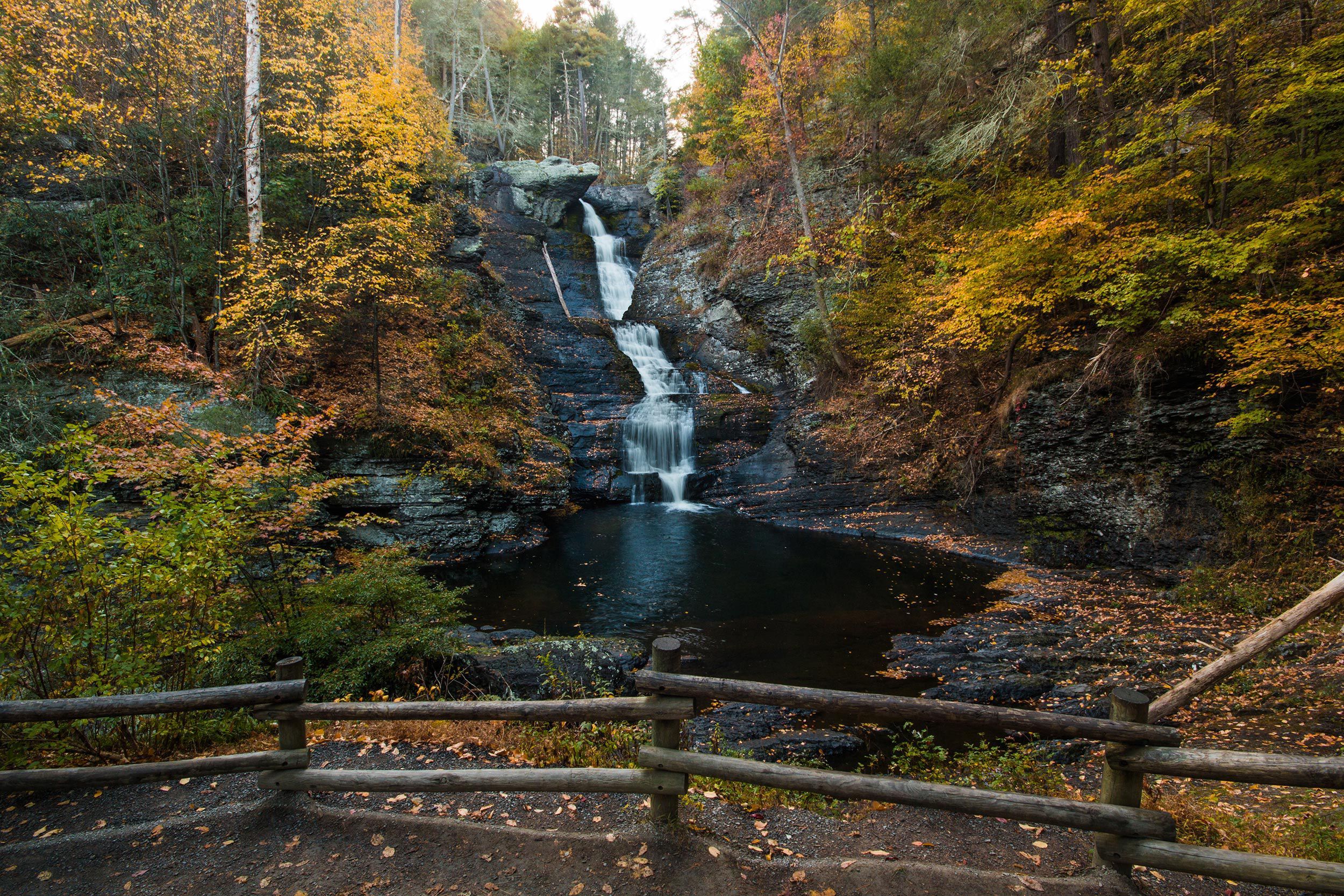
At 150-feet tall, Raymondskill Falls is the tallest waterfall in Pennsylvania.
If you’re interested in something a little more outdoorsy, visit Raymondskill Falls, which, at 150 feet, is the tallest in Pennsylvania. You can, technically, visit in winter, but the ice and snow could be treacherous. In summer, you might have to brave some crowds and jammed parking lots, but the views are worth it.
📍 Grey Towers: 122 Old Owego Turnpike, Milford, Pa. 18337
Learn: The Pike County Historical Society at the Columns
It’s not every day that a county historical society can really wow you with an artifact, but Pike County punches up with a Civil War relic you won’t find anywhere else in the world: the bloody U.S. flag used to cradle Abraham Lincoln’s head after he was shot at Ford’s Theatre in 1865.
The flag and other exhibits are housed in “the Columns,” a 1904 neoclassical-style mansion. Want to learn how they obtained the flag? Visit on Wednesdays, Saturdays, and Sundays.
It’s a place to get coffee or tea and healthy pastries. It’s a community hub, where people gather to meet or work remotely.
It’s also a place to look good, with woolens and other “natural” clothes, and smell good, or simply be good, with homesteading supplies and books.
📍 Broad Street, Milford, Pa. 18337
Eat: Felix’s Cantina at La Posada
Jen spends weeks in the Yucatan every winter, so she was surprised to see a restaurant in Northeastern Pennsylvania promising a “taste of the Yucatan Peninsula and other regional dishes from southern Mexico.”
Rosado, who also owns a historic theater in town, owns the Cantina at La Posada, yet another one of his hotels. He was born in Merida, the capital of Yucatan.
He knows the dishes well, and she approved, describing our pork and birria tacos as “fattening and delicious.”
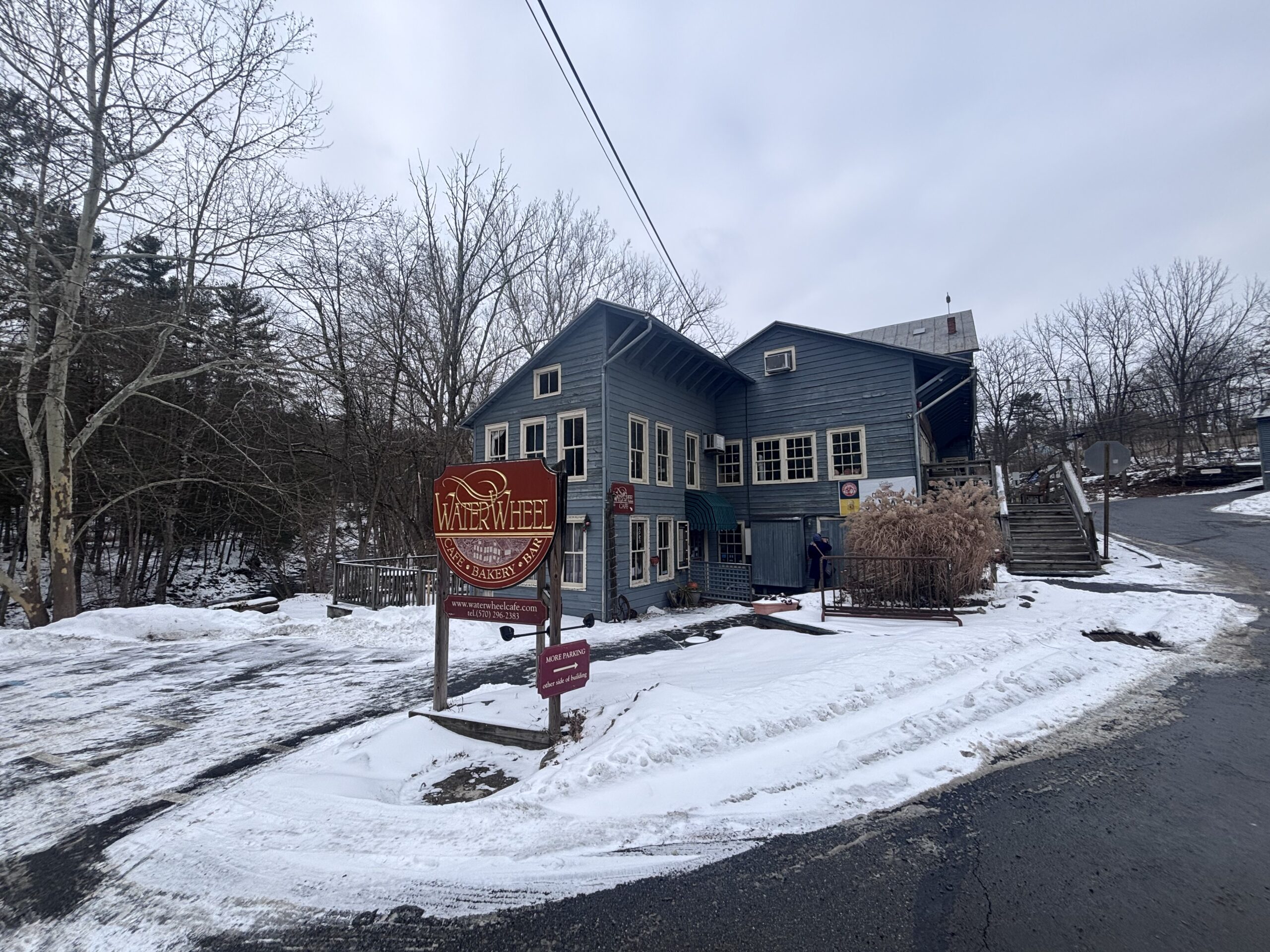
For breakfast, the Waterwheel Café Bakery Bar, an old grist mill along Sawkill Creek, serves up a killer thick-cut challah French toast. We basically licked the plate clean.
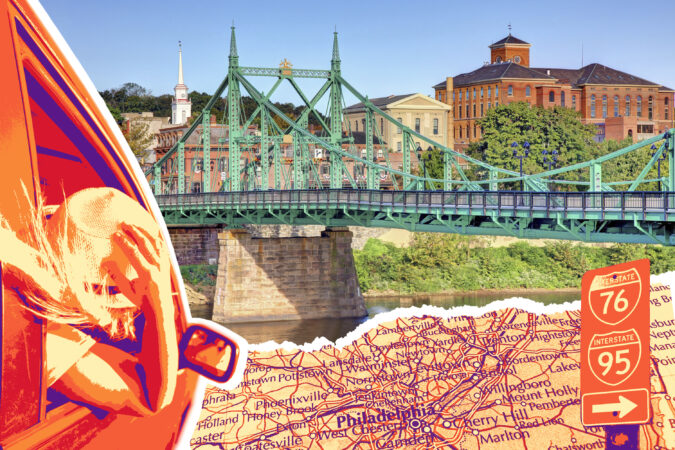
Walt Whitman, Ben Franklin, Betsy Ross — these are the massive engineering marvels that come to mind when most Philadelphians think of the bridges between Pennsylvania and New Jersey. But less than an hour north of the city, the Delaware narrows enough to let charming, Norman Rockwell-type trusses span the forested riverbanks.
Everyone knows New Hope. But on the opposite side of the river, Lambertville and neighboring Stockton make a compelling case for a Jersey-side getaway, thanks to stylish revived historic inns, a vibrant arts scene, and some excellent shopping. Start the car.
Hunt: Golden Nugget Antique Flea Market
Coming off I-95 and up River Road, you’ll hit Golden Nugget Antique Flea Market, just outside Lambertville. Over five decades, this sprawling indoor-outdoor operation has grown into one of the largest antique markets in the region. Treasure hunt for Tiffany-glass lamps, rare baseball cards, glittering geodes, and more. Don’t miss Art & Restoration gallery on the first floor, where the chatty owner is happy to talk through the process of paper deacidification and the highlights of his ever-changing collection (which recently included a Picasso).
📍 1850 River Rd., Lambertville, N.J. 08530
Hike: Goat Hill Overlook
River towns offer plenty of scenic walks along the water, but a little elevation makes all the difference. Goat Hill Overlook, halfway between the Golden Nugget and downtown Lambertville, is a low-effort, high-reward climb: a gently uphill, paved path that clocks just under a mile from the trailhead parking lot. At the summit, the blue, bridge-laced Delaware slides toward the horizon before dissolving into the woods.
Indie boutiques, antique dealers, and cafés line the streets of downtown Lambertville, which stretches along Bridge Street (at the foot of the New Hope-Lambertville Bridge) and spiders out in a series of charming alleys and lanes. Wander into Zinc for home and garden inspo, Lambert + Hope for Flamingo Estate candles and Laguiole knives, and Panoply for special-edition books and vintage vinyl.
📍 Bridge Street, Lambertville, N.J. 08530
Snack: RSC Atelier
Perhaps the only gourmet grocery you’ll find attached to a gas station, RSC Atelier in Stockton grew out of the old Rosemont Supper Club nearby. Build a picnic basket with Iberico ham, upscale tinned fish, and farmstead cheese sourced by sister business Immortal Milk Cheese Co.
A crossroads for travelers since 1710, the nine-key Stockton Inn reopened in 2024 after a seven-year renovation that modernized the staying experience while still preserving the building’s historic bones. Earthy colors and natural fabrics give the rooms and suites a tranquil, contemporary vibe that feels both at home in the country but also more stylish than the typical area B&Bs.
📍 1 S. Main St., Stockton, N.J. 08559
See: Music Mountain Theatre
New Hope’s Bucks County Playhouse gets most of the attention, but just a mile from Lambertville’s downtown, Music Mountain Theatre is quietly expanding the arts scene on the Jersey side of the river. Founded in 2017, the company stages polished productions year-round for families and adults alike. This winter’s lineup includes Grease (through Feb. 1), followed by Dangerous Liaisons and Shrek the Musical.
True to headline, nearly everywhere in this guide has a Lambertville or Stockton address. Dinner is the only exception. For that, head three and a half miles inland to the Sergeantsville Inn. Chef Sean Gray, formerly of New York’s Momofuku Ko, runs the tavern and restaurant housed in a building that dates to 1734. Stone walls, wood beams, and Shaker-style chairs set the stage for a candlelit meal of radicchio salad with cheddar and pears, beer-battered onion rings with horseradish aioli, or a whole roasted duck. Look alive — the Revolution is here.
Sometimes you take a road trip to experience something totally different from the world you inhabit — the absolute silence of a state forest, the carnivalesque majesty of the shore in full swing. A weekend in Baltimore is not that kind of trip.
Charm City is the most Philly of the cities on the Acela corridor: smaller in size, but equally quirky, proud, and shaped by blue-collar roots. (Our accents are even passably close.) It’s also stacked with restaurants, museums, and cultural institutions that compete on a national level, all with a distinctly Baltimorean flavor, less than two hours away.
Once arriving in Baltimore proper, take I-83 up to the Remington neighborhood on the north side of the city, where Café Los Sueños roasts and brews its own beans in a peaceful, light-washed space a couple blocks off the highway exit. (The name translates to “Café of Dreams,” fitting for owner Carlos Payes, who came to the U.S. from the coffee plantations of El Salvador.) A horchata latte and croissant make for a perfectly calming start to the trip.
📍 2740 Huntingdon Ave., Unit B, Baltimore, Md. 21211
If it’s not too cold — and you’re up for a walk — Los Sueños sits near the eastern edge of Druid Hill Park, the third-oldest urban park in the country and, for millennials, the namesake of Dru Hill. Follow the path along Druid Lake toward the Rawlings Conservatory, a circa-1888 botanical garden with five greenhouses. Even when it’s frosty outside, the impressive Victorian conservatories filled with tropical orchids, ceiling-skimming palms, and citrus blossoms deliver full-on summer music-video energy.
Check into the Pendry Baltimore, a moody, stylish 127-room hotel housed in a grand 1914 building on the former Recreation Pier. The Fell’s Point location is both charming and convenient, putting you within walking distance of many of Baltimore’s marquee attractions. Many of the wood-and-leather-clad rooms overlook the waterfront. The huge pool, which seems to float in the Inner Harbor, will have you booking a return visit for summer.
No curveball here. The National Aquarium is Baltimore’s claim to fame, and if the last time you were here was on an eighth-grade field trip, you should come back as an adult, with or without your own kids. The sprawling complex houses 2.2 million gallons of water and residents ranging from reef sharks and puffins to otters and moray eels. Don’t miss the Harbor Wetland exhibit, which opened in 2024 along a series of floating docks in the Inner Harbor and be sure to book tickets in advance. Aim for off-hours to beat the crowds.
📍 501 E. Pratt St., Baltimore, Md. 21202
View: American Visionary Art Museum
The title Cap Bathing Moligator With Angelic Visitation (Dickens 44) tells you just about everything you need to know about the boundary-pushing work housed at the American Visionary Art Museum. This brick-and-mirror-clad institution in Federal Hill celebrates outsider art in all its surreal glory from landscapes to cosmological oil paintings to sculptures of a mosaic-winged Icarus and Baltimore icon Divine. The collection embodies the city’s DIY spirit and unbreakable creative streak.
With its deep pedigree and polished service, Charleston in Harbor East possesses a sense of occasion that few restaurants have anymore. Even if you’re just passing through for drinks in its swanky little lounge, where local power brokers and big-night-out suburbanites mingle with tourists, those drinks are crafted with gravitas and élan as much as sparkling wine, passionfruit and honey (the Ipanema Fizz), or blanco tequila, Strega, and ginger (the Arandas Monk). The wine list is famously deep, which helps explain why Charleston won the James Beard Award for Outstanding Wine and Other Beverages Program.
From one medalist to another, the Wren, one of Bon Appetit’s best new restaurants of 2025, sits less than a 10-minute walk from Charleston in Fell’s Point. The location is an ideal spot for drink or dinner, with a much more casual silhouette with its wood paneling, pressed-tin ceilings, and no-reservations policy. It’s a pub essentially, and like the very best pubs in Ireland and the U.K. (partner Millie Powell hails from Dublin), the cooking comforts and satisfies on a cellular level. Think glazed ham, golden onion pie, sharp cheeses, honey-roasted apple cake, and the like. (Your Philly analog is Meetinghouse.) As expected, the bartenders pour a precise pint of Guinness, the perfect finale to a Baltimore weekend.
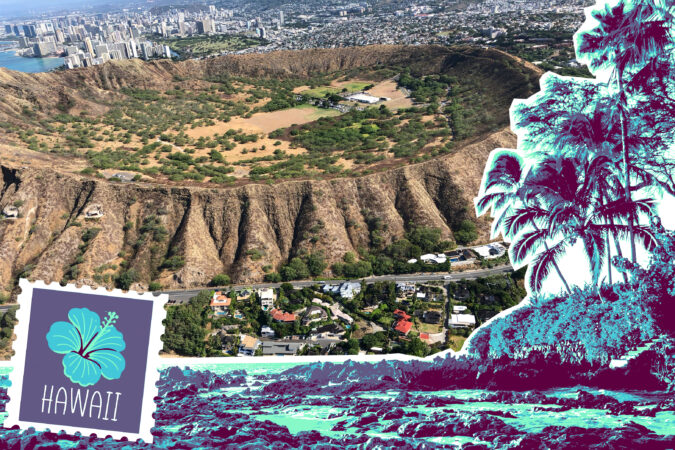
As a chef from Hawai’i who has lived in Philadelphia for well over a decade, I saw firsthand the connection between both places. For years, through Poi Dog, I fed homesick Hawai’i people and those who had celebrated weddings, honeymoons, and holidays in my home state, then came back to the mainland searching for a taste of the islands. These days, the question I get most often is simple: Where should I eat in Honolulu?
This is a special edition of our Field Trip series — not a typical three-day drive, but a culinary escape meant for when you’re bundled up at home, staring down winter, and dreaming of somewhere warmer. Think of it as planning your next trip while the heater’s on: balmy breezes, sun-warmed beaches, and unlimited fresh poke, all waiting when you’re ready to go.
What follows is a starting point for eating your way through Honolulu, whose excellent, deeply multicultural food scene is built on Native Hawaiian traditions and shaped by waves of immigrants who came to work the sugarcane and pineapple plantations — and now, the tourism industry. I urge you to explore far beyond this list, to leave Honolulu when you can, see the rest of Oʻahu, and visit its neighboring islands. But if you’re beginning with the city, this is where to start.
Honolulu is sprawling and encompasses a downtown business district, touristy Waikiki, Kaimuki with its many hip restaurants, Chinatown (which also has hip restaurants), and many suburbs. In the former three categories, we say they’re “in town,” though the limits of “town” are as heavily debated as the boundaries of Philly’s neighborhoods.
Chances are you’re staying in Waikiki, and all of the following are in the most touristed district or are a quick, cheap Uber ride from Waikiki (unless of course, it’s rush hour, in which case, I can’t help you).
Honolulu restaurants to check out
If you’re going to Honolulu, the first order of business is getting real Hawaiian food. This means poi, or pounded taro root, the staple starch of the Hawaiians before laborers on Hawai’i’s sugarcane plantations from East Asia shifted the dominant starch of the islands to rice; smoky, tender kalua pig (preferably cooked in an imu, or underground oven); lu’au (a stew made from taro leaves, coconut milk, and usually with chicken or squid); and delicacies like ‘opihi, small limpets that are somewhat similar in taste to abalone, and are notoriously challenging to collect, requiring one to pry the barnacles from slippery rocks while being pounded by surf.
Hawaiian food is a distinctly different cuisine from Hawaiian BBQ, which falls under the category of “local food” in Hawai’i – a confusing term for outsiders because “local food” encompasses food that was introduced to Hawai’i by its waves of immigrants. Native Hawaiian food does have immigrant influences and does incorporate ingredients not native to Hawai’i, but in ways that predated its sugar plantation era.
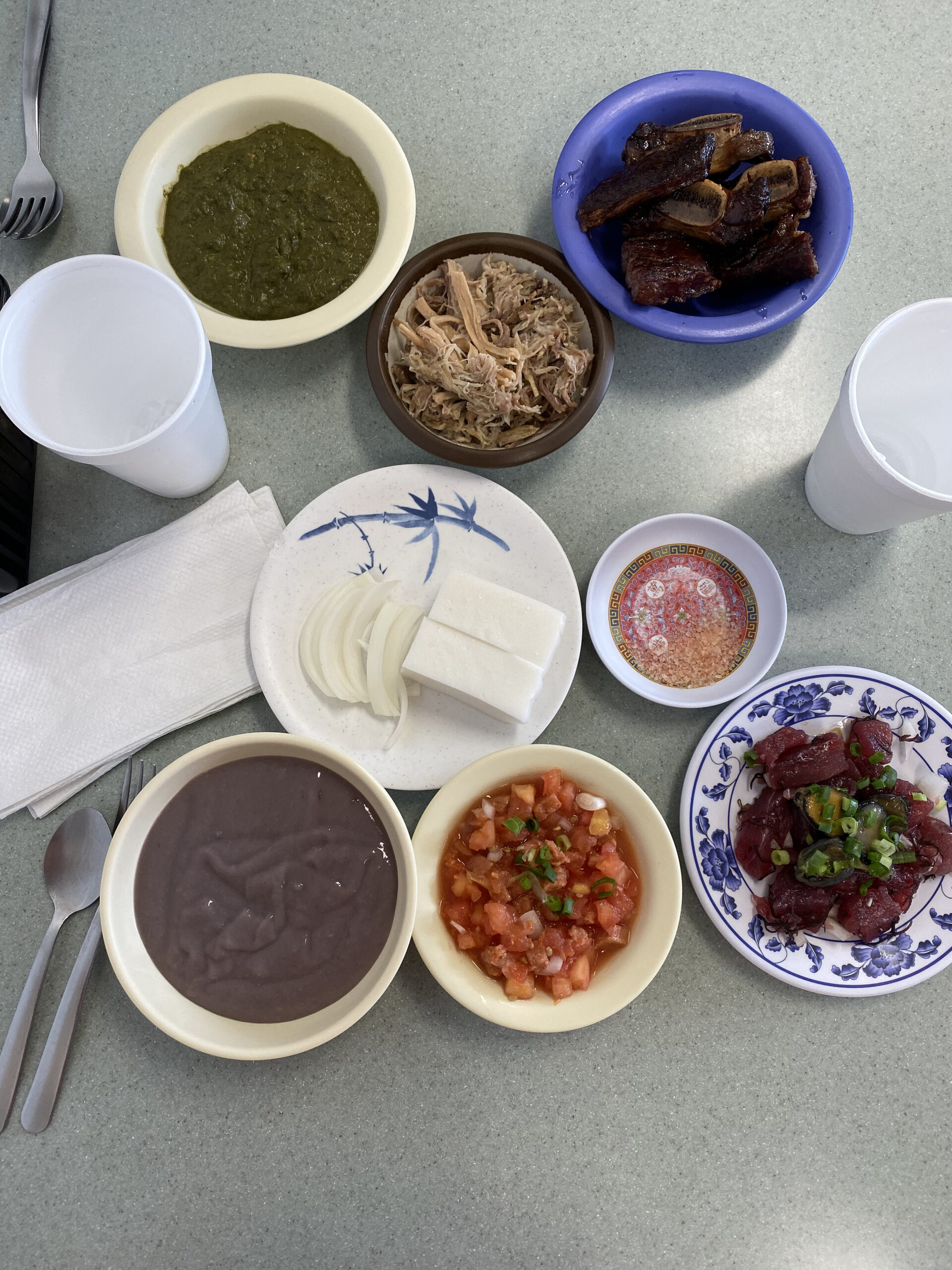
Helena’s Hawaiian Food in Honolulu.
Helena’s Hawaiian Food
Helena’s is the reigning queen of Hawaiian food and this is the ideal place for you to try all of the above Hawaiian specialties, including ‘opihi. Their pipikaula, or Hawaiian-style beef jerky, is less jerky and more of a soy-marinated and dried short rib that manages to retain remarkable tenderness, concentrating sublime beefiness into tiny squares of meat. Cleanse your palate with a square of their haupia and a nibble on fresh, raw sweet onion dipped into red alaea salt, fixings that come with every set meal. Be mindful that Helena’s is only open 10 a.m. to 7:30 p.m., and it is closed on weekends.
If you can’t make it past the throngs of people trying to get into Helena’s, Highway Inn also serves great Hawaiian food in town. (Its original location is in Waipahu. They also just opened an outpost at the Bishop Museum.) It’s open every day and in addition to Hawaiian stalwarts like kalua pig, chicken long rice, and squid lu’au, they also serve a large menu of riffs on these, like kalua pig nachos, with sides of lomi lomi salmon, a dish that is made entirely of introduced ingredients, but has been around so long that it has been accepted into the canon of Hawaiian food.
📍 680 Ala Moana Blvd. #105, Honolulu, Hawaii 96813, 📞 808-954-4955, 🌐 myhighwayinn.com
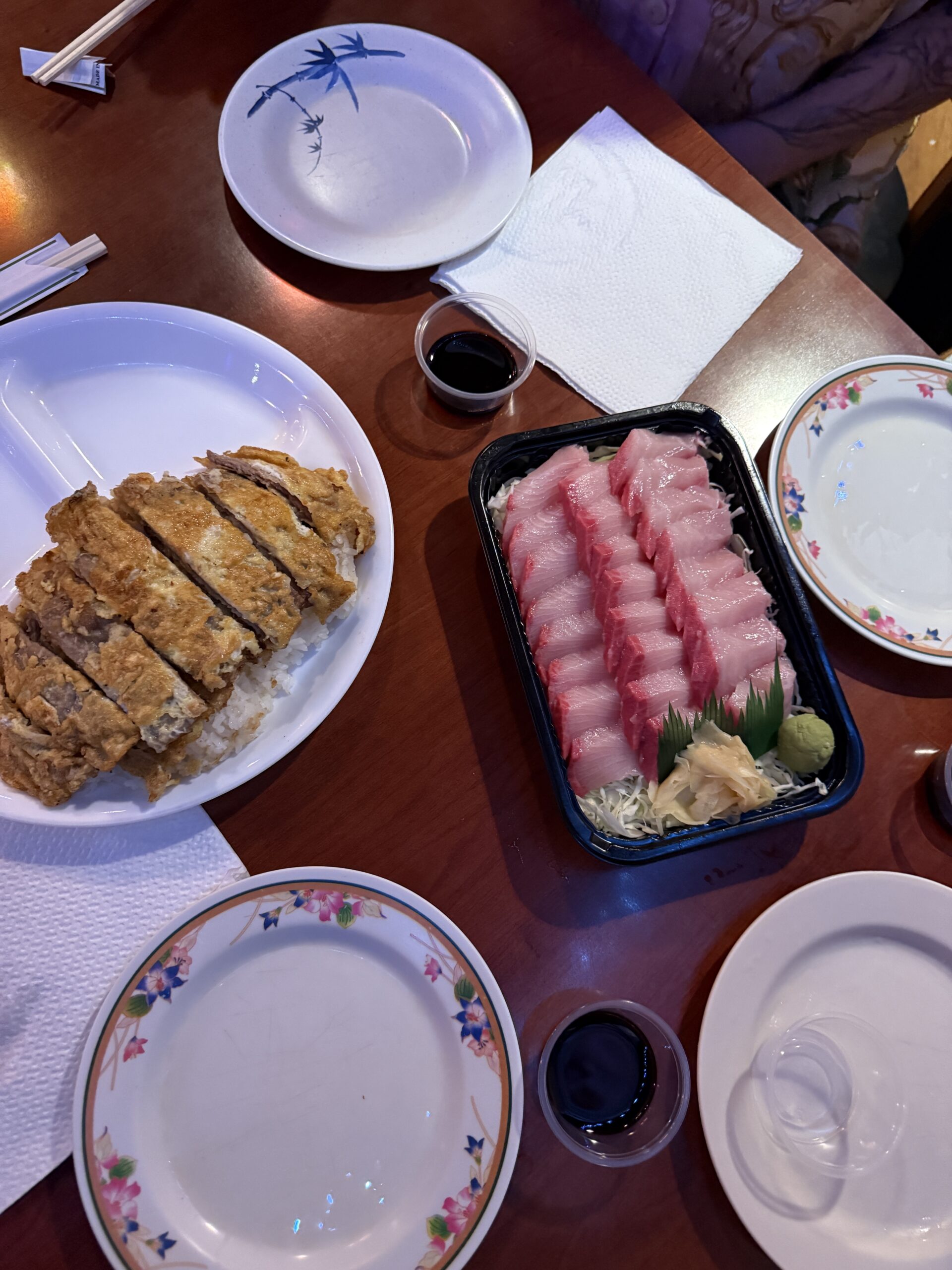
Sashimi and meat jun at Kyung’s Seafood in Honolulu.
Kyung’s Seafood
Some of Honolulu’s best Hawaiian BBQ intersects with Korean BBQ, and there are Korean dishes in Hawai’i that are found nowhere else, not even Korea. Kyung’s Seafoodmakes one of the very best versions of meat jun, one such Korean dish that exists in isolation, which consists of thinly sliced meat battered in scrambled eggs and served with a light soy dipping sauce. Marry their meat jun with rice and mac salad, and some of Kyung’s excellent banchans or precisely arranged sashimi platters.
📍 1269 S. King St., Honolulu, Hawaii 96814, 📞 808-589-1144, 📷 @kyungsseafood
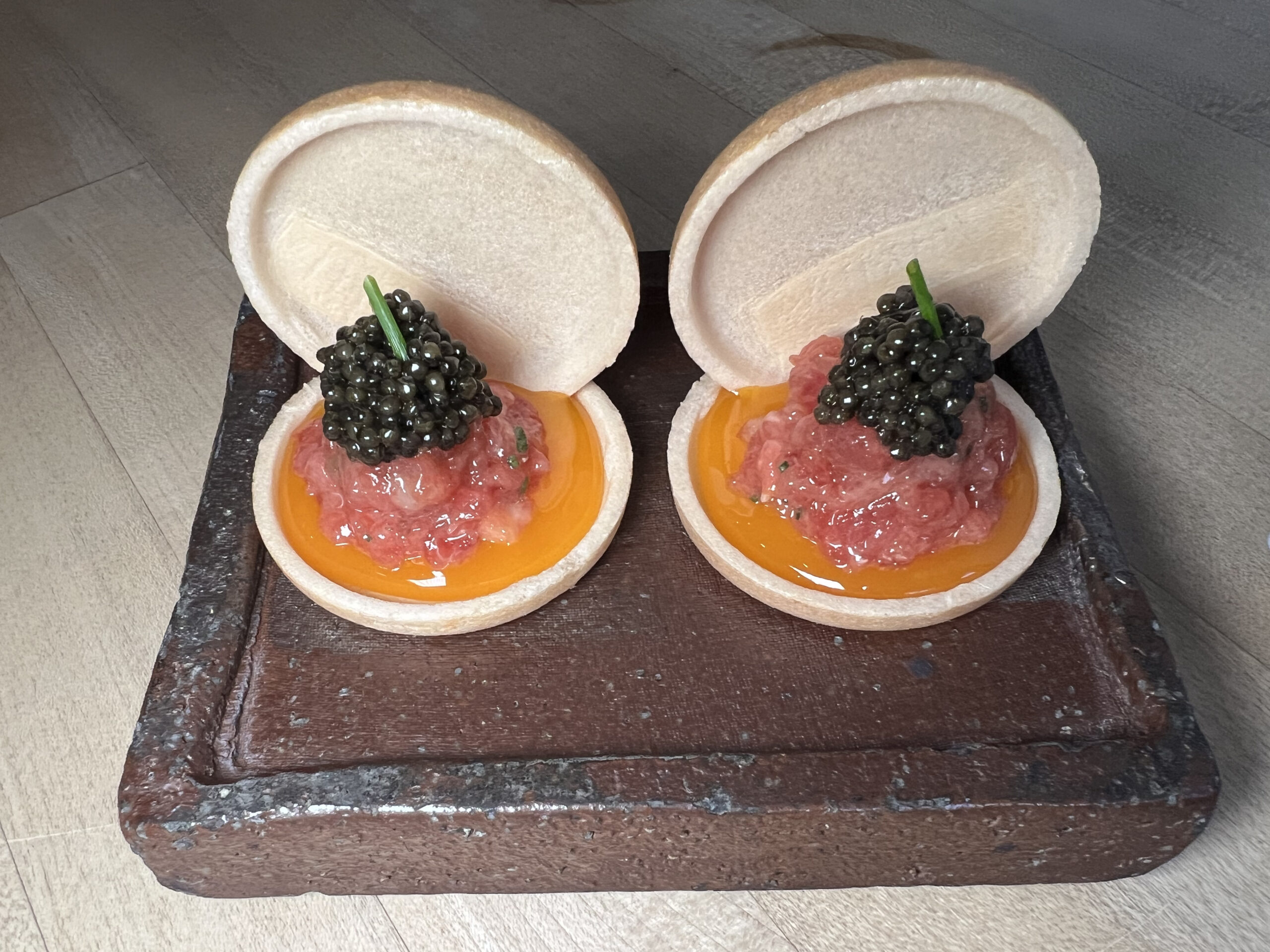
Monaka filled with ahi tartare and caviar from Miro Kaimuki.
Miro Kaimuki
If you’re celebrating something special, whether it’s an anniversary or a Tuesday, Miro in Kaimuki is the finest of dining on this list. It’s a special occasion restaurant that doesn’t feel the least bit stuffy, with beautifully balanced cocktails and wine pairings. Meals are prix fixe, with many possibilities of add-ons like flank washugyu, toasted brioche topped with curls of uni, and vanilla macarons filled with caviar. Miro also happens to be the self-declared Philadelphia Embassy in Hawai’i, as many of its current and former staffers either hail from Philly or have spent time in the city (Zahav pops up on numerous Miro cooks’ resumés).
Speaking of sashimi, Hawai’i is really close to Japan, so not only do we get a wealth of fish pulled from surrounding waters, but we have an abundance of Japanese seafood flown in regularly. This makes for fantastic (and countless) omakase options, most of which hew to classic Japanese experiences. For a relaxed, island-style omakase or a la carte sushi and izakaya dinner, head to Sushi Izakaya Gaku. Gaku has the softest, silkiest, and lightest tamago, the homemade sweet egg omelet, and all the standard izakaya fare, but also some wild, more unusual specials, like seared sting ray, raw octopus, and thinly sliced beef tongue served over shaved onion with a big squeeze of lemon.
📍 1329 S. King St., Honolulu, Hawaii 96814, 📞 808-589-1329
Sashimi platter from Mitch’s Seafood in Honolulu.
Mitch’s Fish Market and Sushi Bar
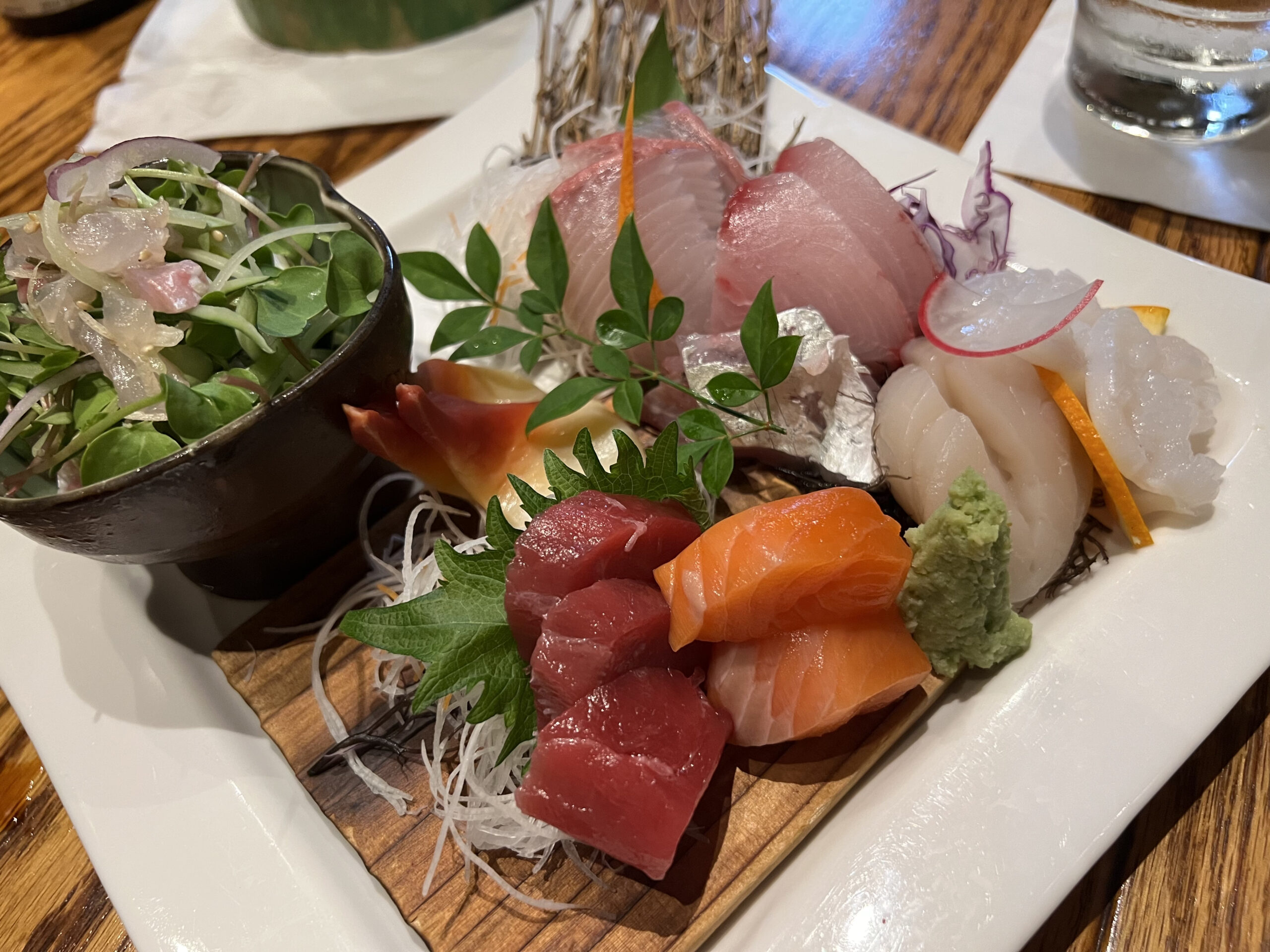
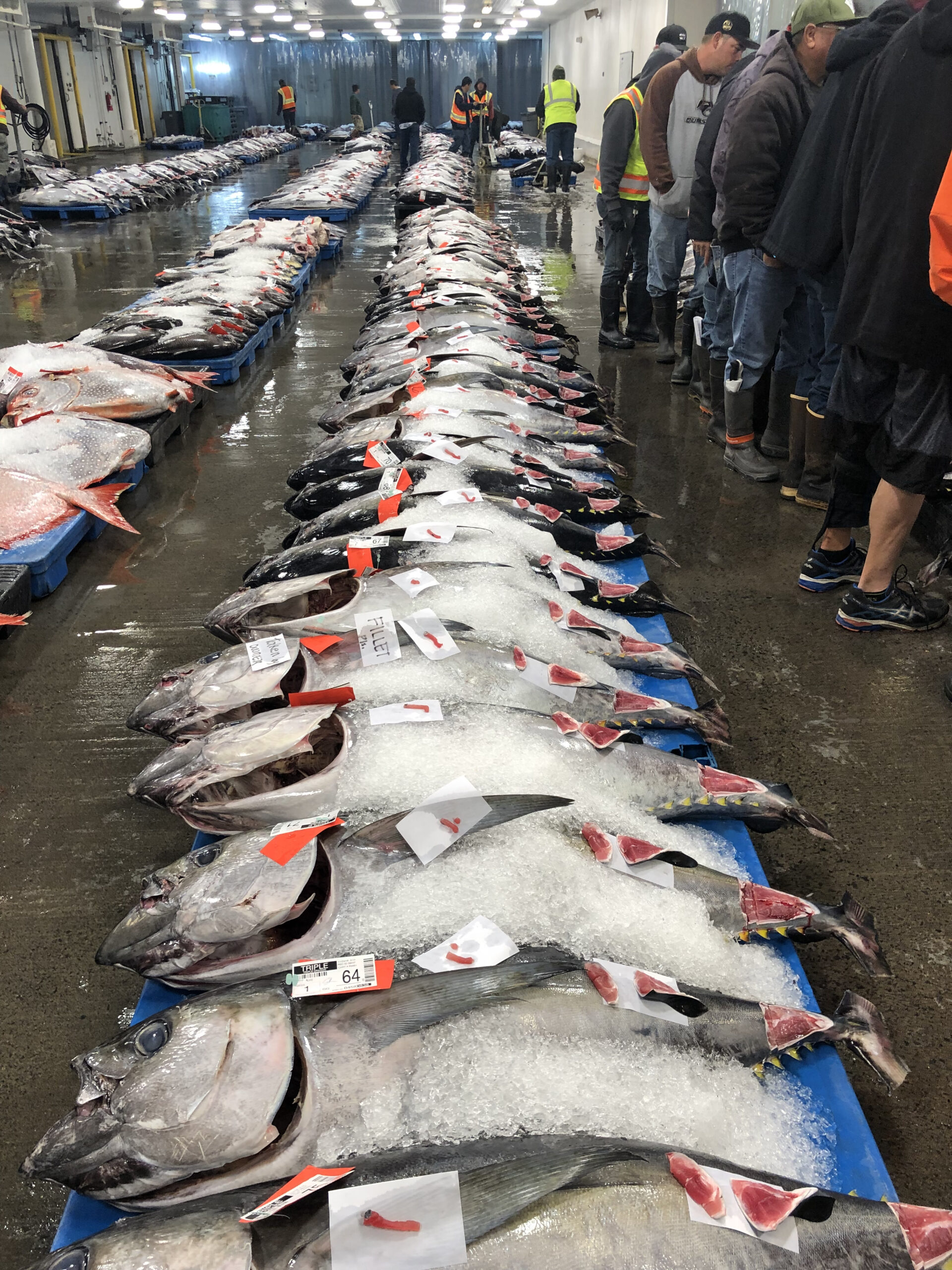
Located right on the pier, where fishing boats dock and unload their ahi for the Honolulu Fish Auction, Mitch’s Fish Market and Sushi Bar is an unbelievable option for generous cuts of sashimi, hefty chirashi bowls piled with shrimp, ahi, yellowtail, and tamago. It’s small (make a reservation), casual, and perpetually proud of their most famous patron, President Barack Obama.
Tempura Kiki set meal, inside the Stix Asian Food Hall.
Stix Asia Food Hall
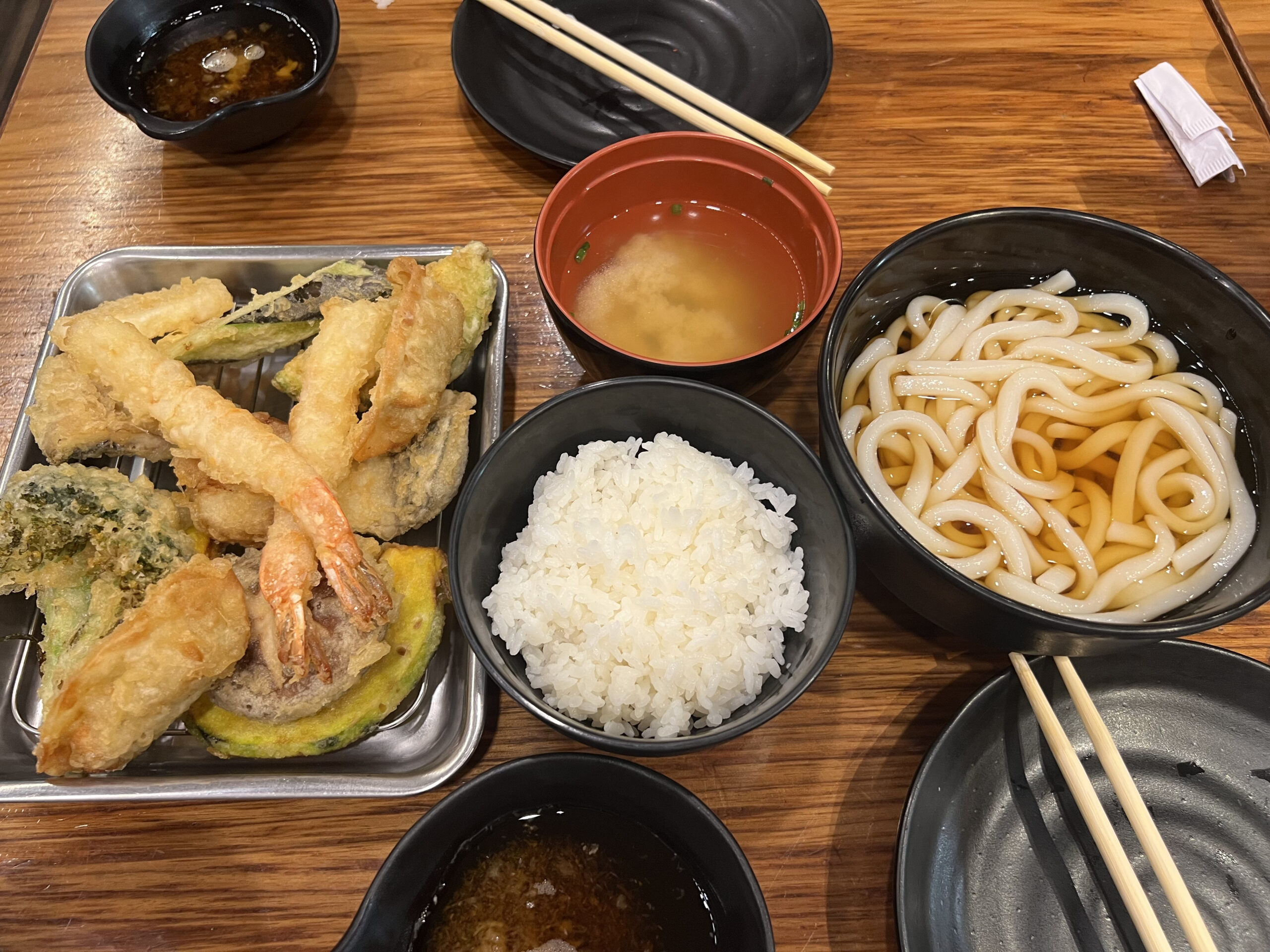
In addition to ready access to Japanese ingredients, we have practically all the hot Japanese chain restaurants. like Marugame Udon, Han No Daidokoro (which specializes in fresh wagyu — usually, when wagyu is exported, it’s frozen), and many others packed into Stix Asia, a Japanese food hall. Two of my favorites inside Stix Asia are Tempura Kikifor its avocado tempura and bowls of udon (no relation but they did offer me a discount because of my name), and Nanamusubi, which churns out omusubi made with specialty, heritage Japanese grains, and stuffed with an array of fish salads and pickled seaweeds.
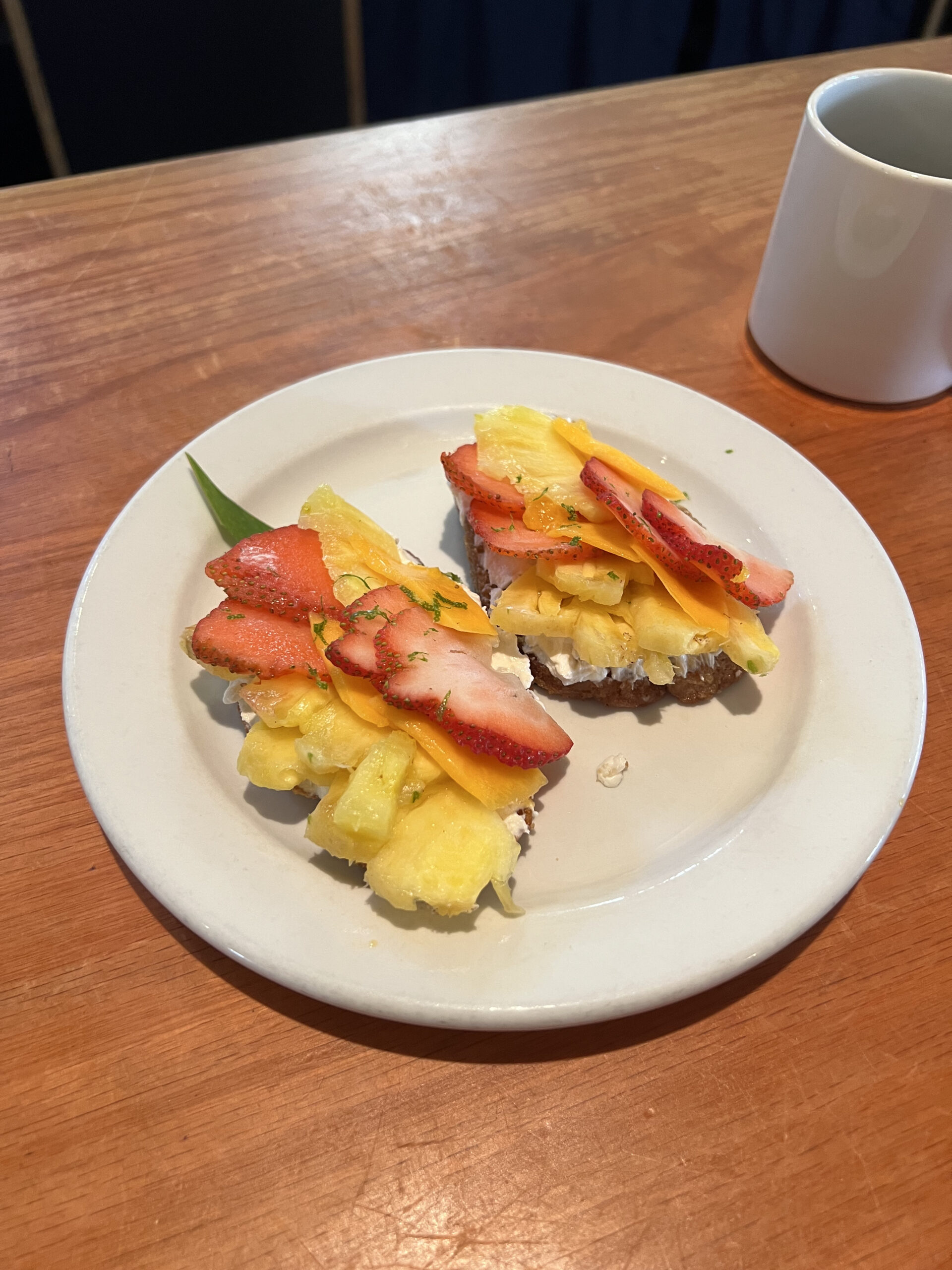
New York transplant and Top Chef competitor Lee Anne Wong pretty much single-handedly made brunch a craze in Honolulu a decade ago. Her Koko Head Cafe has since become a classic for eggs scrambled with local ingredients and enormous, indulgent bowls of congee topped with croutons. Hawai’i and Japan also seem to have a restaurant exchange system; the cafe has also opened locations in Japan. Don’t miss their poke omelets, and my favorite breakfast item, rusk spread with yogurt and fresh local fruit.
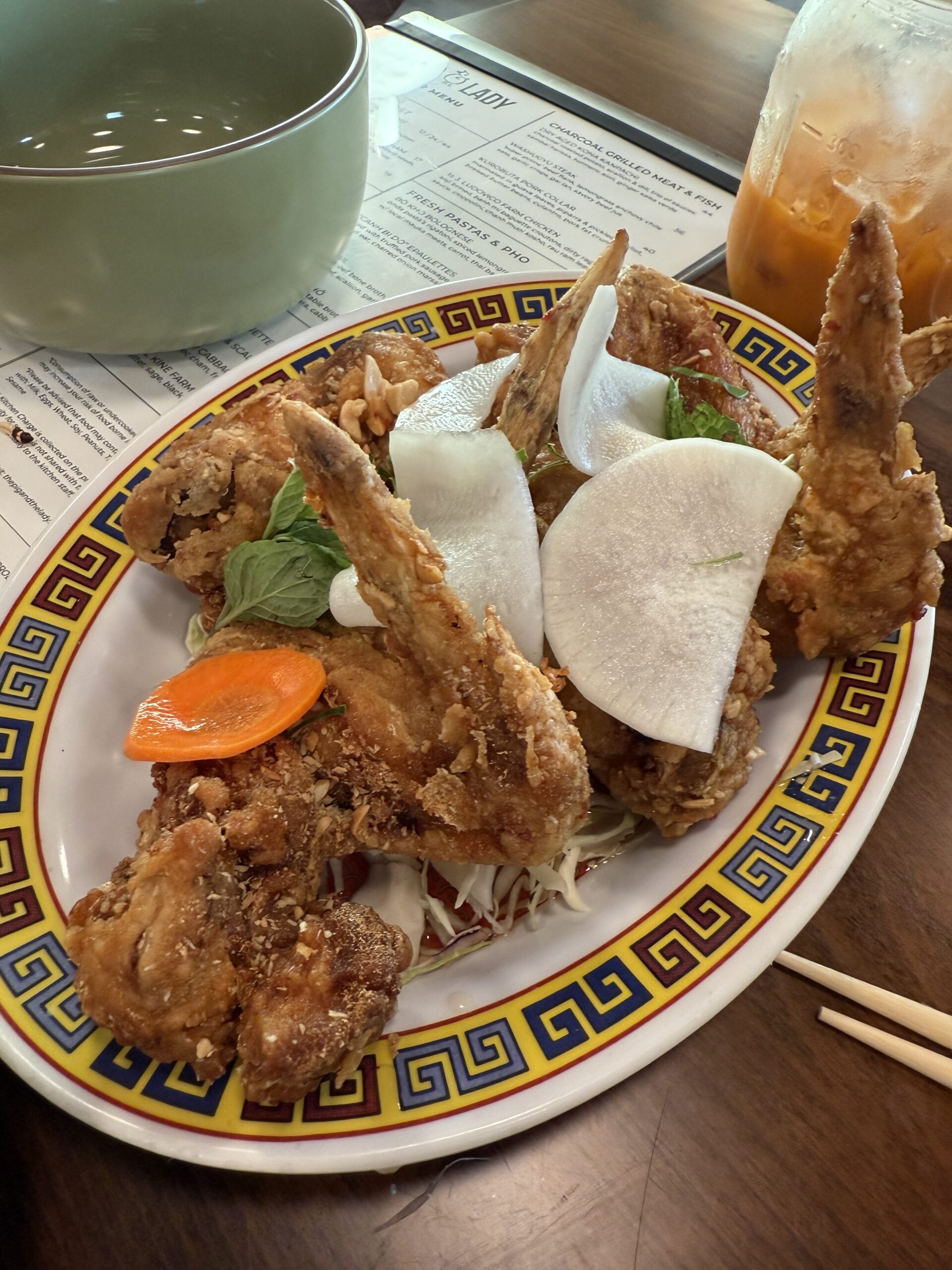
The Pig and the Lady is one of those chef-driven destination restaurants that appear on many a national list. It has gone through a couple iterations, and just opened a new location in Kaimuki that will more than scratch your itch for excellent Vietnamese food, if you can’t live without your Gabriella’s Vietnam fix. But there are unmistakable Hawaiian touches like chile pepper water-doused oysters, country ham served with persimmons, and banh xeo made with pa’i’ai or pounded taro. Vietnamese food like this exists nowhere else on the planet.
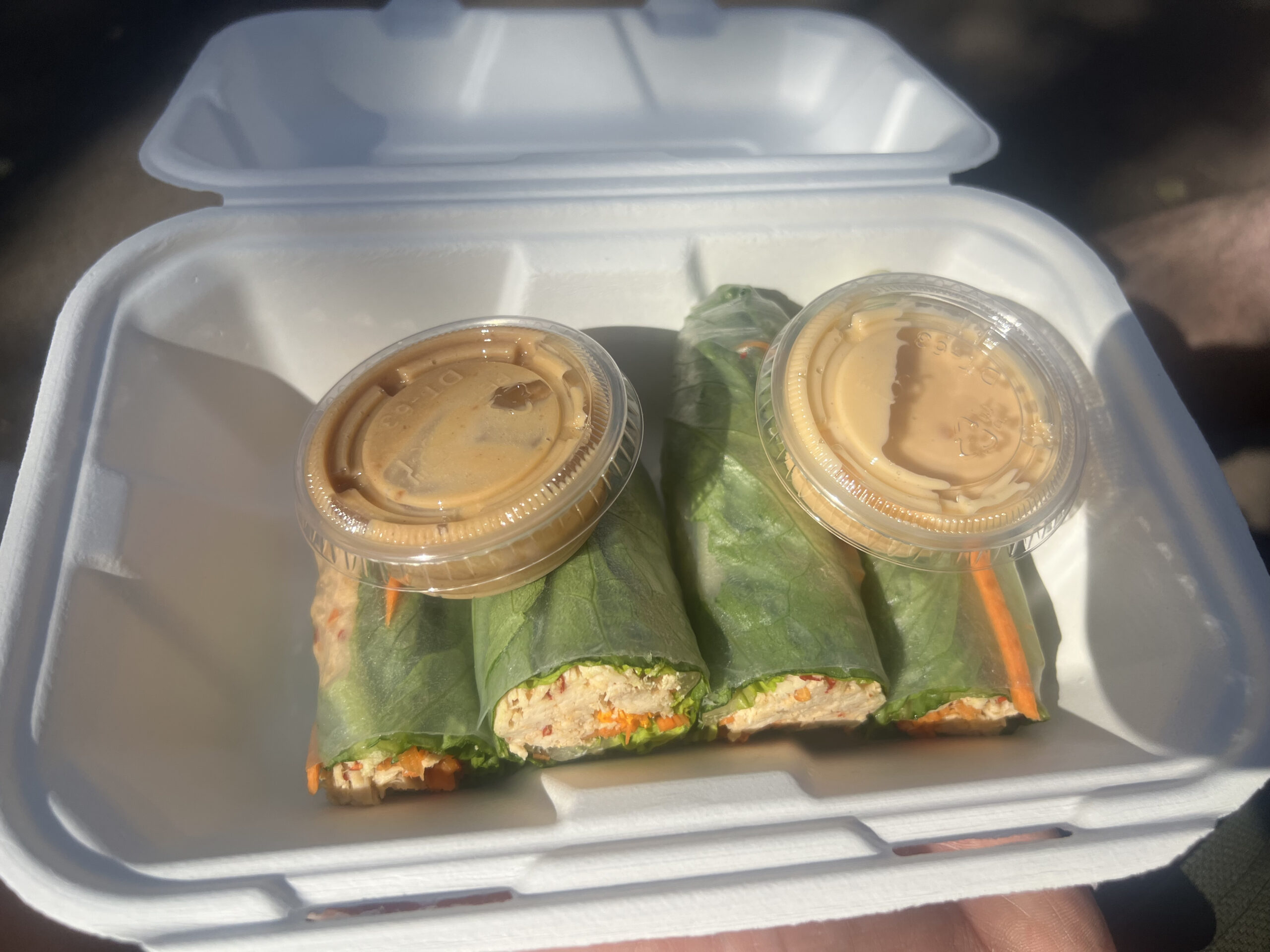
Spring rolls from the Kapiolani Community College Farmers’ Market.
Kapiolani Community College Farmers Market
The Pig and the Lady also sets up a stand at theKapiolani Community College Farmers Marketon Saturdays from 7:30 to 11 a.m., serving pho French dips, lemongrass chicken banh mis, bun bowls with a vermicelli base, and curry rice plates. The rest of KCC Farmers Marketwill knock your socks off with its array of prepared foods, fresh fruit juices, coffee stands, vendors hacking into fresh coconuts with machetes, and abundance of tropical produce, from papayas to ‘ulu or breadfruit. If you’re walking up to the Diamond Head trail from Waikiki, you’ll pass it near the trailhead, but build in time to stop for a siphon coffee at Ars Cafefor a cup that rivals one from Ray’s Cafe and Tea House in Philly.
📍 Parking Lot B, 4303 Diamond Head Rd., Honolulu, Hawaii 96816, 🌐 hfbf.org/farmers-markets/kcc
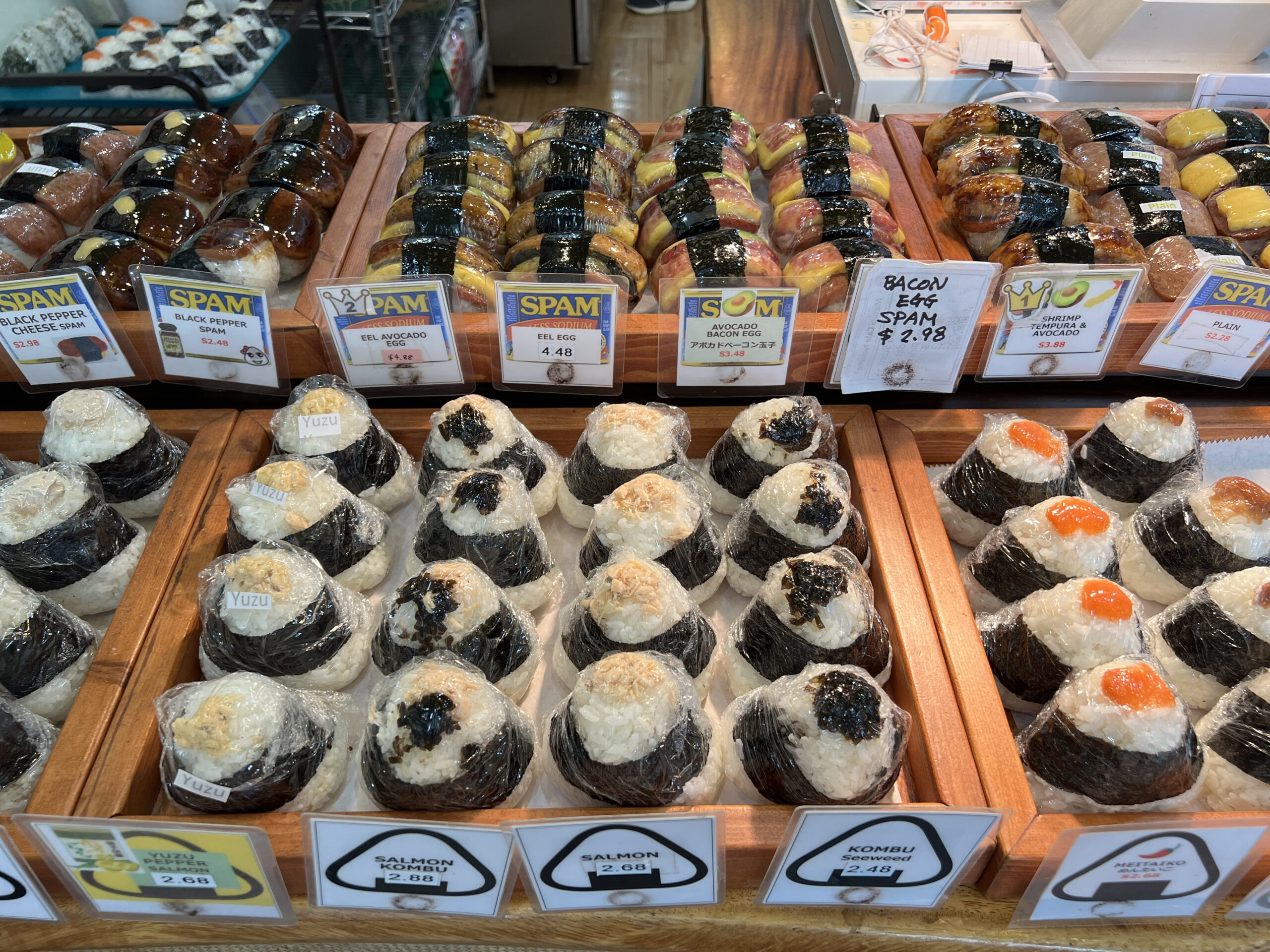
The array of musubi at Musubi Iyasume in Waikiki.
Musubi Iyasume
Many of Waikiki’s 24-hour diner grand dames have closed at this point, but thankfully, my favorite breakfast in Waikiki doesn’t involve sitting down. Musubi Iyasume has multiple locations, serving classic Spam musubis, as well as ones that pair avocado, eel, and tamago with Spam and rice. They have seven locations, but I love the one at Waikiki Beach Walk the most because it has the longest opening hours and can scratch your musubi cravings from 7 a.m. to 9 p.m. every day.
Wash down your breakfast musubi with one of the best deals in Waikiki: a sugarcane juice from the stationary food truck Aloha Sugarcane Juices,which you can get spiked with juicy, local calamansi, or blended with mangoes and papayas.
📍 138 Uluniu Ave., Honolulu, Hawaii 96815
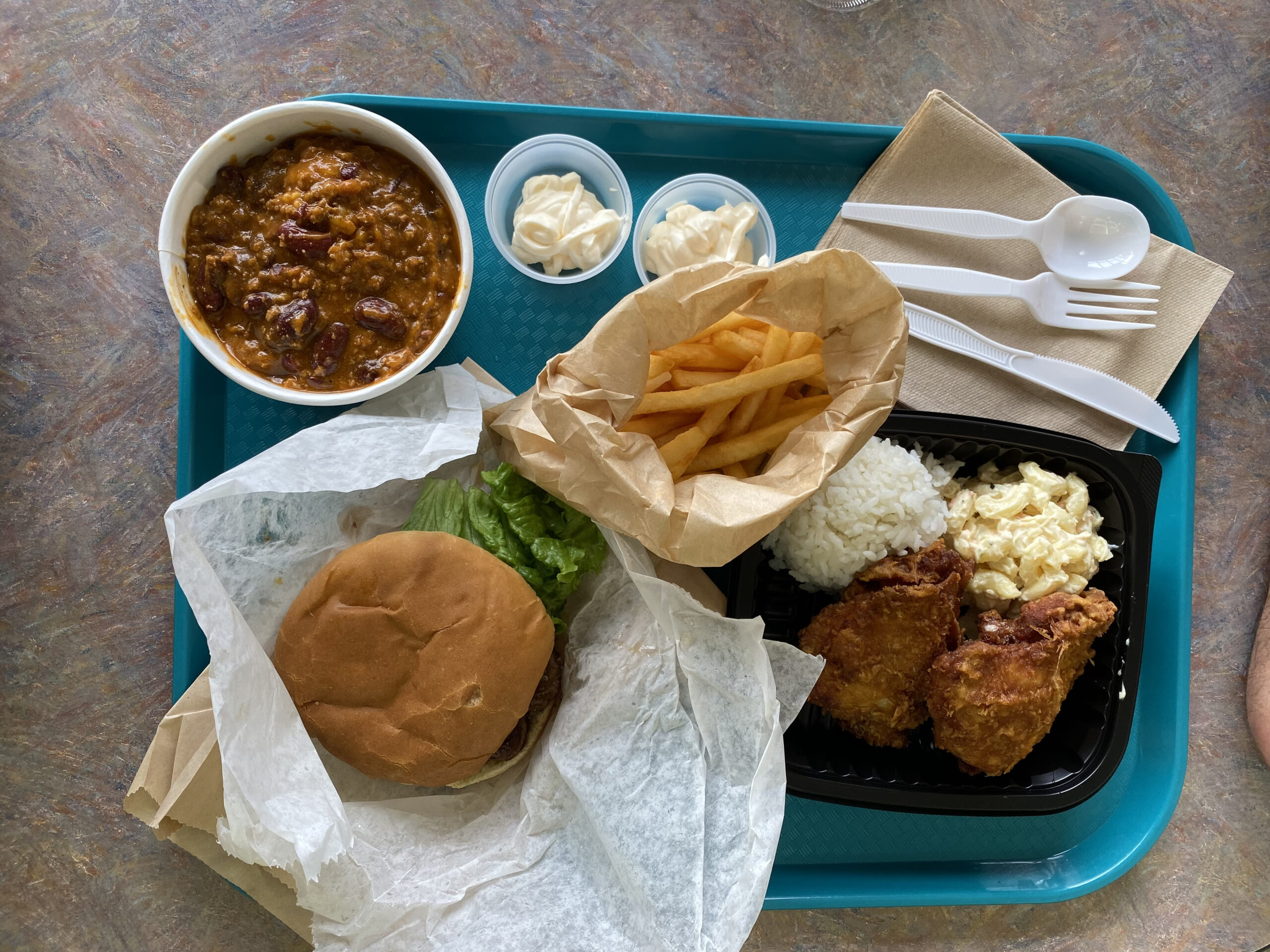
Zippy’s chili, teri burger, fries, and mini fried chicken plate.
Zippy’s
Head over to one of many locations of Zippy’s(a fast food diner chain that we love as dearly as Philadelphians love Wawa) to get some of the best of the island’s fried chicken or to pick up a bento box to bring on one of Oahu’s legendary hikes. Zippy’s is also famous for their chili, which will require you to pick a stance when you order: pro-kidney beans or no-kidney beans. While Zippy’s locations are scattered throughout Oahu (and also Las Vegas, considered Hawai’i’s ninth island), I implore you to go to the one in Kapahulu, so you will be within walking distance of the legendary Leonard’s Malasadas.
Delis in Hawai’i don’t resemble anything that might be called a deli in Philadelphia. Cold cases are filled with vats of fresh fish poke as opposed to deli meats, and Alicia’s Market mixes up some of Hawai’i’s best pokes (though honestly, unless you’re going to one of those newfangled build-a-bear style poke joints, it’s hard to go wrong).
If you’re committed to staying near Waikiki, Ala Moana Shopping Center is a short walk and pretty unavoidable if you’re a tourist. Thankfully, Foodland Farms opened adjacent to the mall eight years ago, and it has only gotten better over the years. It’s far more than just a grocery store, but a one-stop shop for great poke, edible island souvenirs (there’s a huge selection of Hawaiian chocolate, sweets, and coffee), and bento boxes to take with you on hikes. There’s also a wine bar.
📍 1450 Ala Moana Blvd., Honolulu, Hawaii 96814, 📞 808-949-5044, 🌐 shop.foodland.com
Inside the Honolulu Fish Auction
Hawai’i has a serious sweet tooth
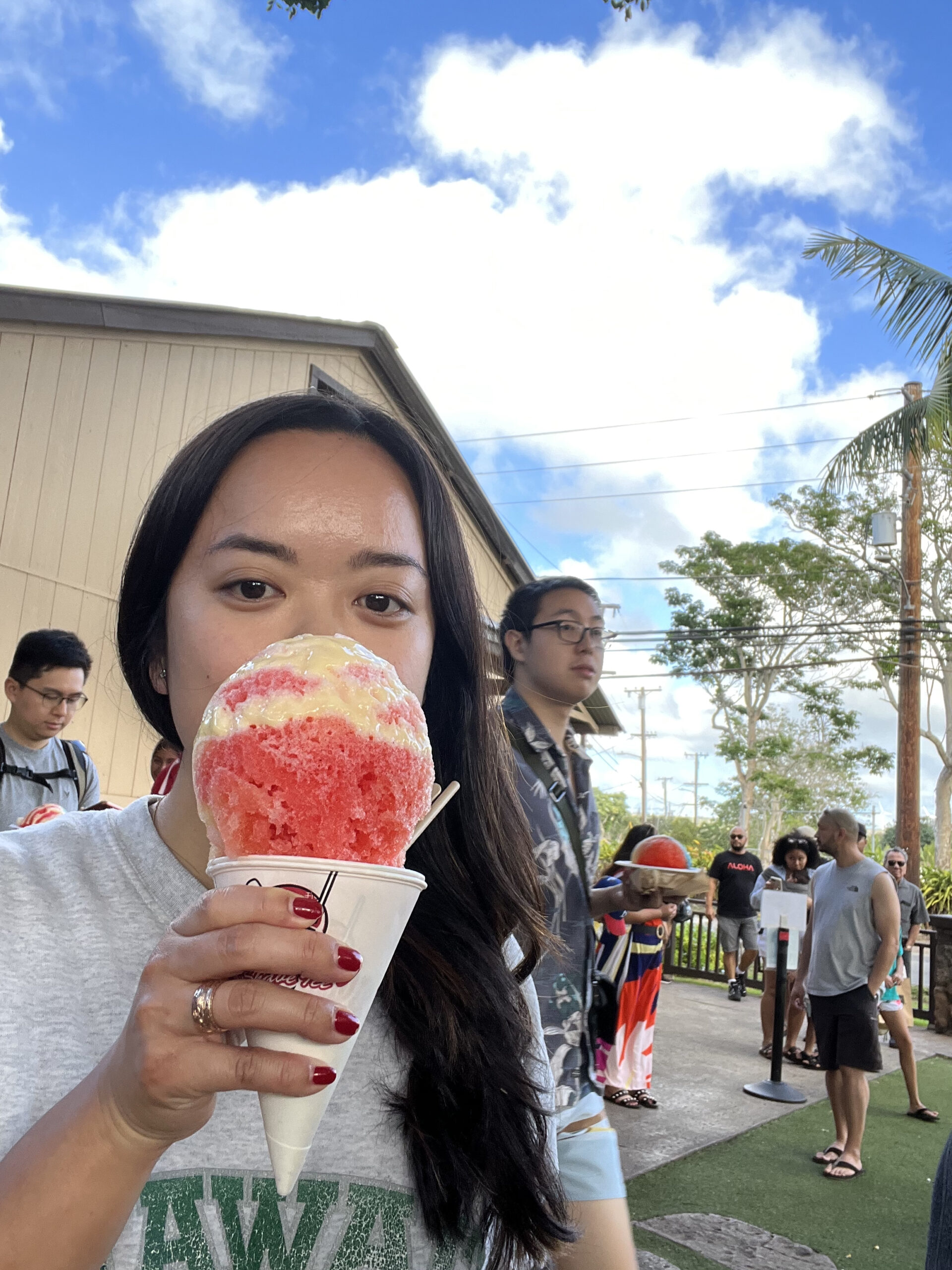
If you think Philly’s water ice is good, wait till you taste shave ice. Forget about tiny little paper cups of flavored ice, in Hawai’i, our shave ice (no “d” in “shave”) is a fluffy, lightly compacted pile of snow that will be quite a bit larger than your head.
Shimazu Shave Ice
Shimazu has been shaving ice for over 70 years and decorating the globes with stripes of tamarind, strawberry, passionfruit, mango, li hing mui (salty preserved plum), and many other syrups. Most shave ice shops will insist upon you consuming their shave ice outside.
For something more akin to water ice, Asato Family Shop painstakingly makes small batches of sherbet inspired by the nostalgic flavors of crack seed stores, Hawai’i’s throwback snack shops filled with jars of pickled mango, dried seeds, and raisin-like apricots.
Need a doughnut? Malasadas, which are yeasty, pillowy Portuguese doughnuts without holes and tossed in sugar, are far superior to any doughnut. Don’t be fooled by “bakery” being in Leonard’s name. These malasadas are fried. Go get one at Leonard’s original location (they also have trucks scattered throughout Oahu), and start with their original malasada, with no filling and a sugar coating, then move on to ones stuffed with haupia, or coconut pudding.
Now that you’ve made it to this point in the guide, you’ve likely consumed a lot of rice and hopefully, poi. If you need your fresh baked bread fix, Local General Store has been garnering a lot of recent attention. It’s on par with Philly’s Lost Bread and Mighty Bread, but is a combination bakery and butcher shop, so you can stop by for a pastry and a porchetta, and perhaps, a slice of their housemade Spam.
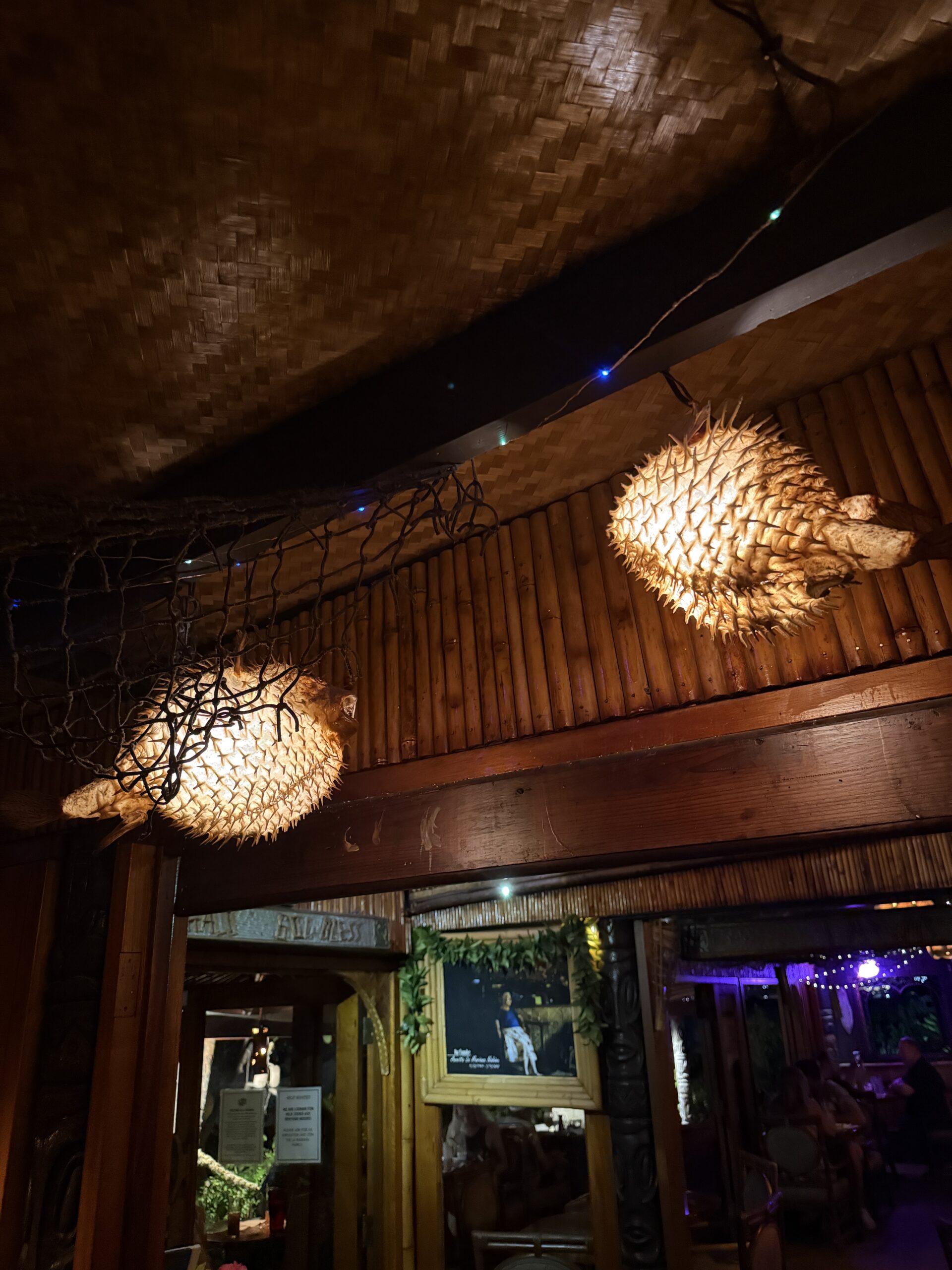
Blowfish lamps at La Mariana Sailing Club in Honolulu.
At some point, you’re going to want to unwind with a cocktail
La Mariana Sailing Club
Yes, it’s hard to get around Honolulu without encountering a mai tai, but if you’re a fan of kitsch and want to visit one of Oahu’s last remaining old school tiki bars, La Mariana Sailing Club leans hard into the theme. They have the vintage tiki mugs, the glass buoys hanging from the ceiling, the dangerously strong drinks. La Mariana is also near the airport if you need one last hurrah before passing out on the plane home.
📍 50 Sand Island Access Rd., Honolulu, Hawaii 96819, 📞 808-848-2800, 🌐 la-mariana-sailing.club
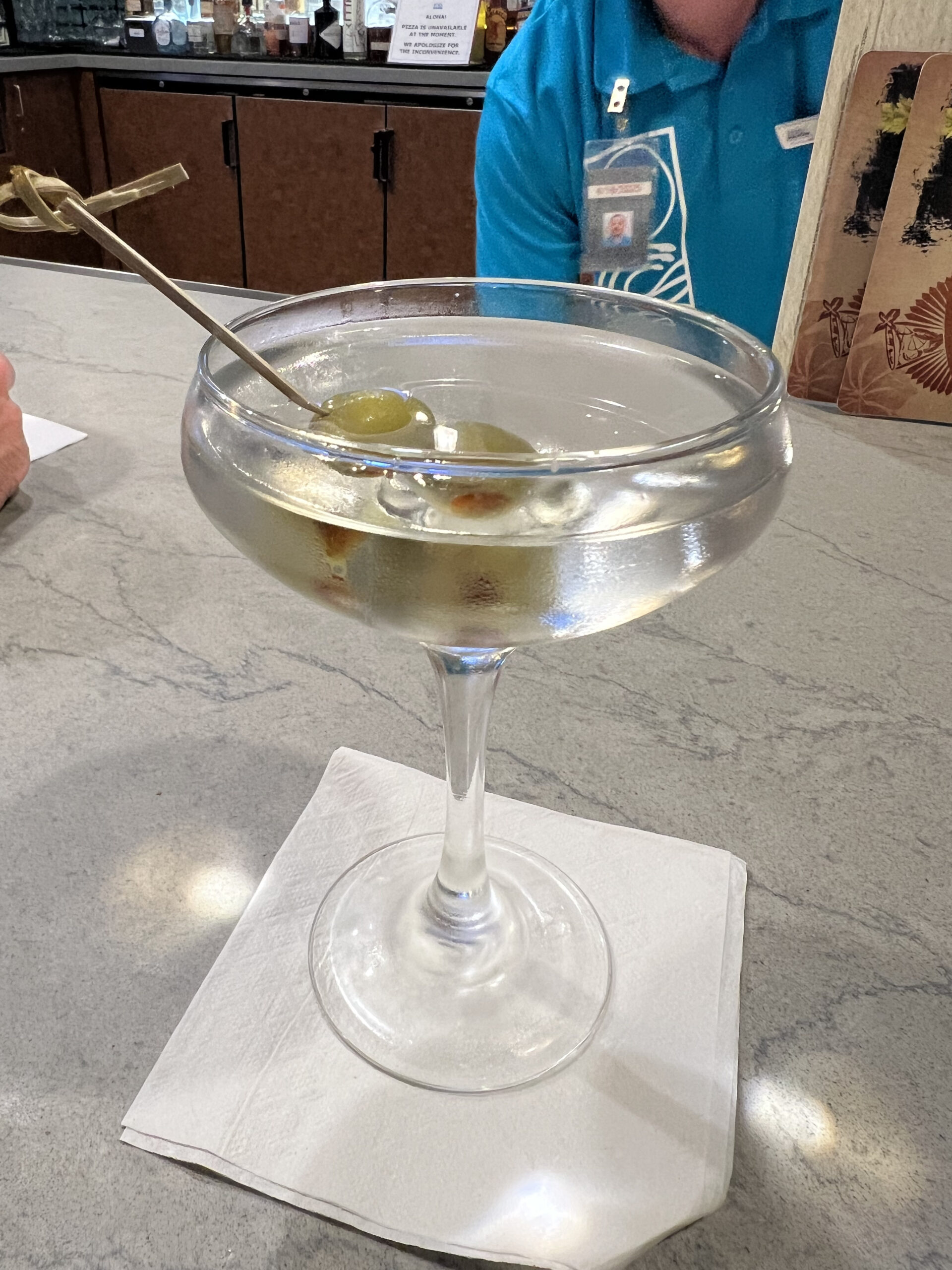
A martini from Podmore in Honolulu.
Podmore
But if you’re looking for refined fancy cocktails, you’ll find them at Podmore in Chinatown, which is fond of touches like yogurt-washed gin, heady spices, and a very good dry martini shaken with yuzu kosho.
For artful, Asian-inflected cocktails and vegan bar snacks, head to the Wild Orange speakeasy, hidden inside Hawaiian Brian’s and accessed by opening up the door to an Aloha Maid juice vending machine.
Restaurants for which you need a car and which are worth the drive
If you want to get out of Waikiki, you need to rent a car. The restaurants in this portion of the list are technically outside of Honolulu, but easily accessible with a car if you’re staying in Honolulu. For context, Haleiwa is the farthest point from Waikiki and is 33 miles across Oahu, which is basically like driving to Bucks County from Center City.
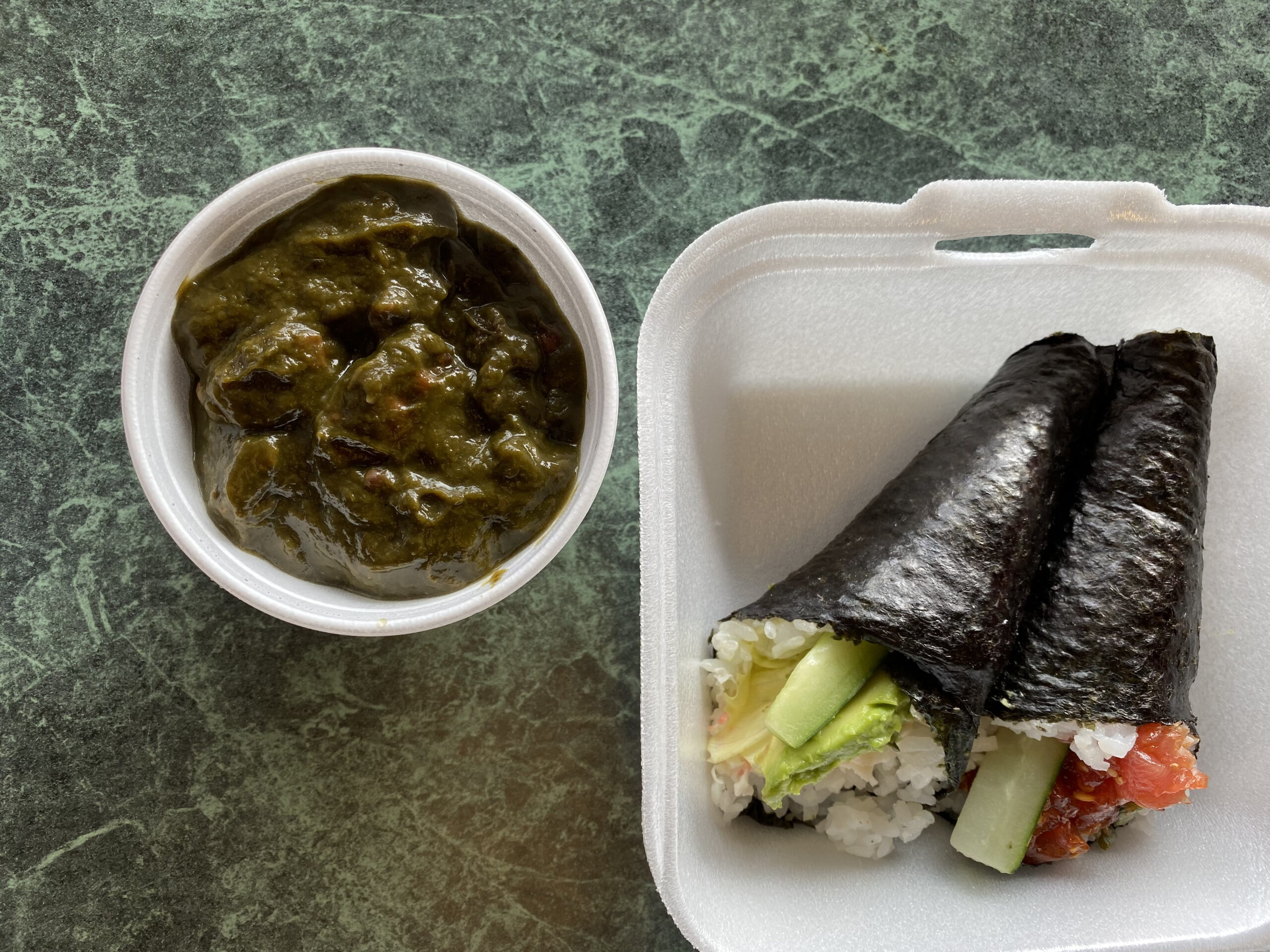
Squid lu’au and handrolls from Masa and Joyce.
Masa and Joyce Okazuya
Masa and Joyce in Kaneohe is an old school okazuya, or casual Japanese lunch counter, that makes one of Oahu’s best versions of squid lu’au as well as spectacular hand rolls. It is usually my first stop after getting off the plane, their squid lu’au is so savory and mesmerizing.
Waiahole Poi Factory is also in Kaneohe, but on your way to the North Shore if you’re taking the scenic route around the eastern side of the island. In this factory that has been operating over a century, you can pick up poi that’s both scaled up for larger production (steamed taro root passed through a grinder until it reaches a smooth consistency) and hand-pounded, but more importantly, dig into some of Oahu’s best Hawaiian food, like lau lau (ti leaf wrapped bundles of pork and butter fish) and a gingery beef lu’au.
Ramen is great and all (and you’ll find a wealth of ramen shops in Honolulu) but in Hawai’i, the classic noodle soup dish is saimin, with a lighter broth than most ramens, developed by both Chinese and Japanese laborers over the years. Shiro’s Saimin Haven is a classic saimin spot that serves vast bowls of fresh noodles sunk into a mild, lightly salted dashi that you can dress up with dozens of options for sides, from Filipino-style pork adobo to lau lau to Spam to roast duck. Everything here is good. There are two locations, in Aiea and Ewa Beach, but the Aiea one is the one that I’ve been going to for years.
But if you’re heading in the direction of Ewa Beach, stop in Waipahu and pick up poke, a pupu or sashimi platter, and or a mochiko chicken bento from longtime neighborhood seafood spot Tanioka’s. This is a go-to takeout spot if you need to feed a lot of people at parties or if you want to grab a bento to eat after surfing.
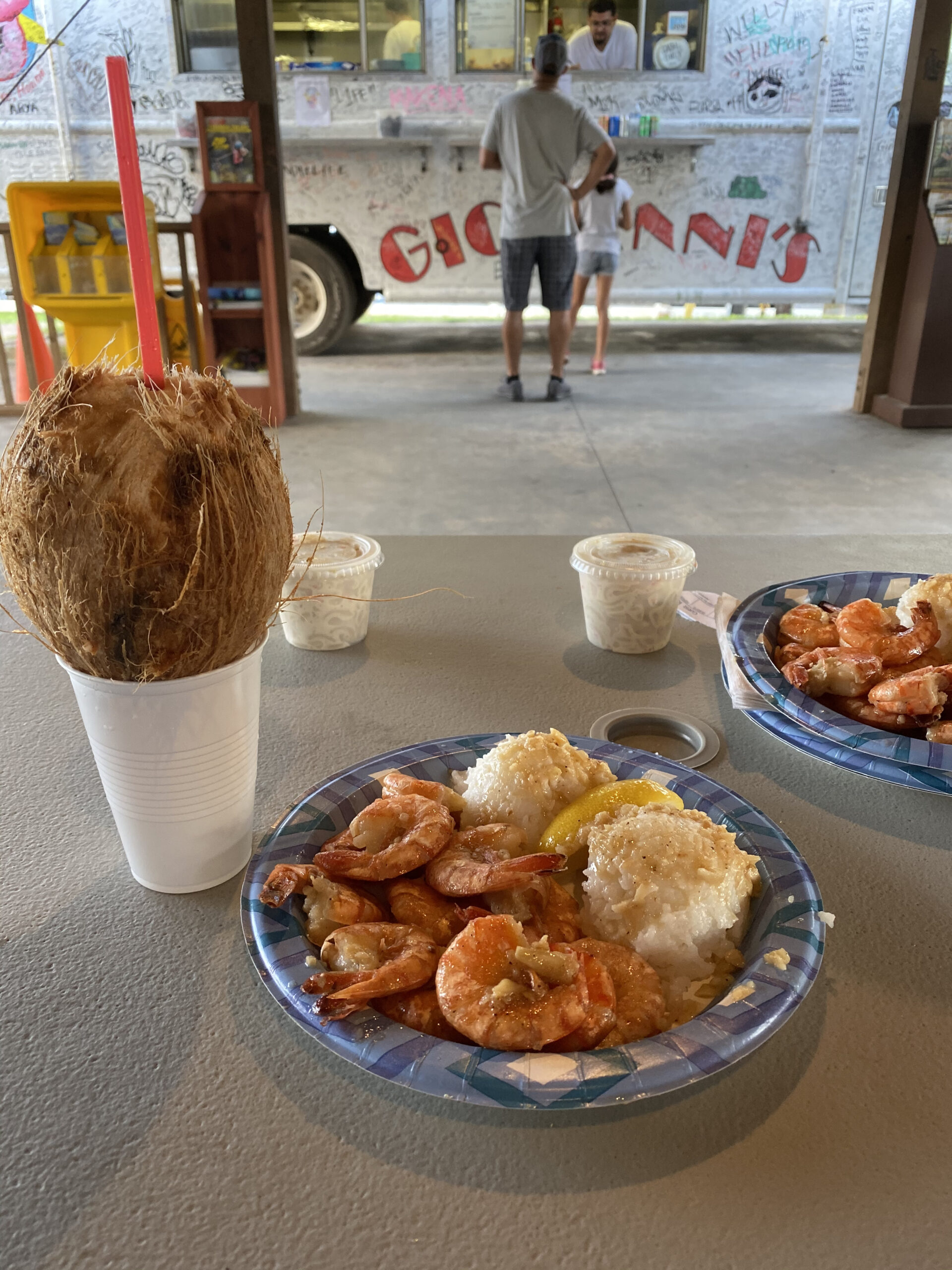
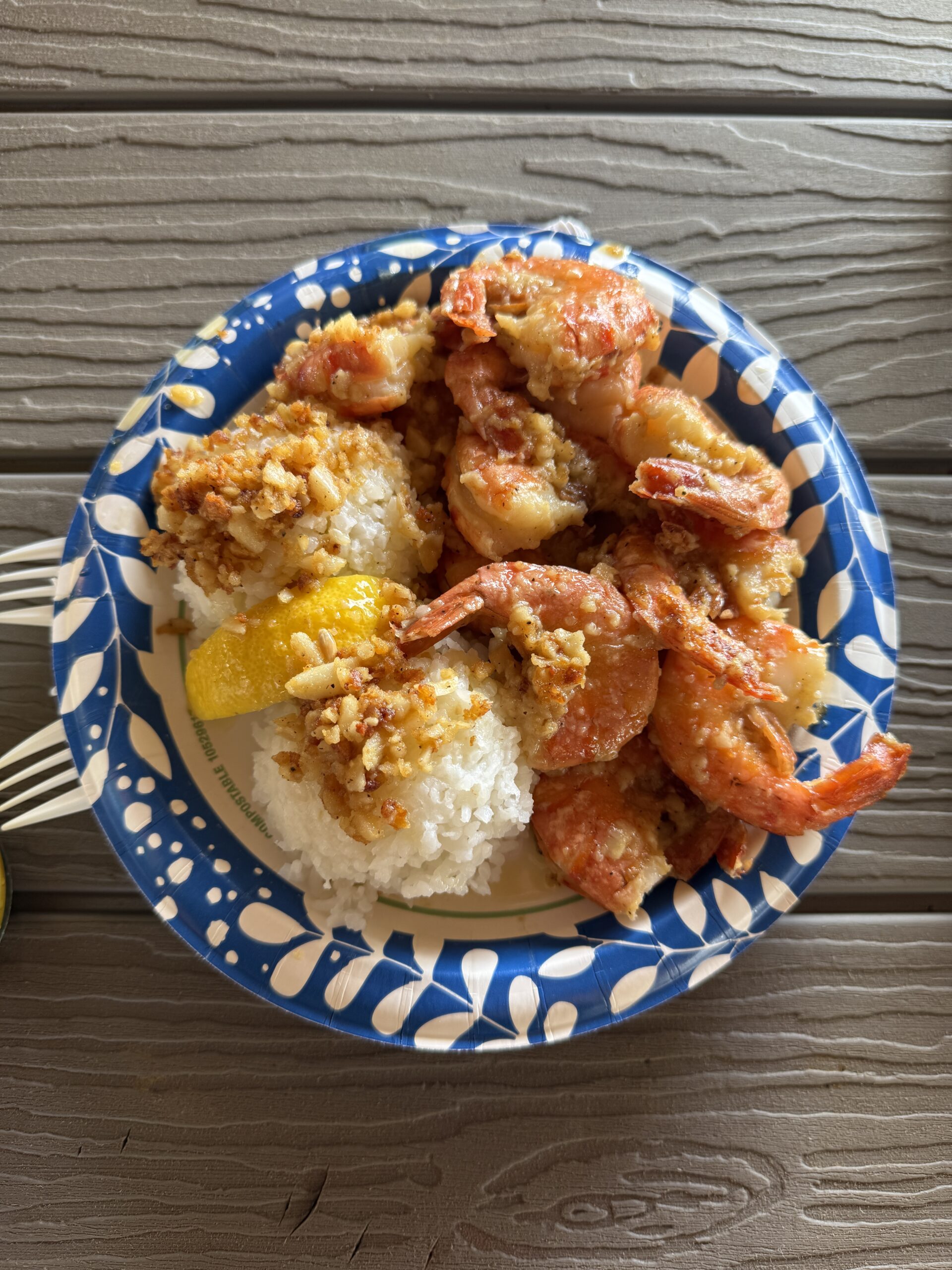
The closest food rivalry in Hawai’i, akin to that between Pat’s and Geno’s, is between the shrimp trucks up at North Shore, which are parked close to the shrimp farms they source from. Giovanni’s, a white truck covered in the signatures of many happy visitors, even has a connection to our parts, as its owner Troy Nitsche is a Pennsylvania native. Don’t leave Oahu without digging into a plate of Giovanni’s super garlicky and buttery shrimp scampi, sucking the shells dry, along the essential sides of rice and macaroni salad. Near Giovanni’s, in Haleiwa, stop in to Matsumoto Shave Ice to complete your North Shore experience.
Follow the Delaware River north, past the Jersey border, past the Poconos and the Water Gap, and in about three hours, you’ll arrive in Callicoon, at the foot of New York’s Catskill Mountains.
The region has been an iconic American resort destination since the late 19th century, most famously during its Borscht Belt heyday, when Jewish families filled sprawling summer resorts to play tennis, lounge by the pool, and stir up trouble with dirty dancers. Riding the popularity of the neighboring Hudson Valley, the Catskills’ recent revival offers easy access to nature without requiring you to rough it. Think vintage shopping, natural wine, and cedar saunas between snowy walks through the woods.
The Catskills are huge (about 6,000 square miles), so for the purposes of this getaway, you’ll focus on the Western Catskills, which rise from the Delaware River and are less rugged than their eastern counterparts. Nothing on this itinerary is more than 30 minutes apart. Start the car.
There are more than a dozen cool places to stay in the Western Catskills, four of which come from locals Kirsten Harlow Foster and Sims Foster of Foster Supply Hospitality. Their properties blend the idiosyncratic architecture and fine craftsmanship of historical buildings with the luxury finishes and playful amenities you want on a weekend escape.
At Kenoza Hall, perched above the lake of the same name, rooms are split between the Victorian inn and a cluster of cottages with front porches, gas stoves, and arched armoires. Inside, there are plenty of cozy corners for reading or cocktails as snow falls outside. Don’t miss the spa, with its pebble-floored relaxation room and cedar barrel sauna.
📍 5762 Route 52, Kenoza Lake, N.Y. 12750
Shop: Downtown Callicoon
Hugging the New York side of the Delaware River, the riverside village of Callicoon has evolved from its past lives (hunting grounds, timber town) into an artsy retail refuge for Catskills visitors. Browse groovy lamps at Callicoon Vintage, elevated tableware at Spruce Home Goods, hand-dyed yarn at Wool Worth, and more at the new and old boutiques along Lower Main Street. Tucked behind Callicoon Caffé, at the Shell gas station of all places, is an excellent photo op: the Callicoon Bridge spanning the Delaware.
📍 Lower Main Street, Callicoon, N.Y. 12723
Eat: Annie’s Ruff Cut
Rightly famous for its roast beef, Annie’s Ruff Cut in nearby Cochecton might consider a name change to Annie’s Exquisitely Cut. The beef is sliced paper-thin, piled high in cold sandwiches or served open-faced and drenched in warm gravy. The vibe is classic country tavern: old wood, beer swag, and locals mildly surprised you found the place.
📍 90 Forman Rd., Cochecton, N.Y. 12726
Snack: North Branch Cider Mill
Warm apple cider, cinnamony cider doughnuts, and the smell of a smoldering wood stove pull you into North Branch Cider Mill, a rust-red outpost along the North Branch Callicoon Creek. This historic operation has been around since 1942 (and under new ownership since 2022) and while they’re not pressing their own apples yet, it makes an atmospheric stop for a snack and shop along the old-timey general store-style shelves: New York maple syrup, sweet dill pickles, candles, ceramics, and more.
📍 38 N. Branch Callicoon Center Rd., North Branch, N.Y. 12766
A block off Callicoon’s main commercial drag, the Callicoon Theater hides a 35-seat, barrel-ceilinged auditorium behind its art deco façade. Catching a first-run movie here is worth it for the architecture alone. Dating to 1948, it’s the oldest movie theater in Sullivan County.
📍 30 Upper Main St., Callicoon, N.Y. 12723
View: Catskills Art Space
Though the Catskills cachet is a relatively recent phenomenon, its status as an arts haven goes back decades, with the founding of Catskills Art Space in 1971. Housed in a converted theater in the cute downtown of Livingston Manor, half an hour northeast of Callicoon, since 2007, the dynamic gallery features a mix of up-and-comers and heavy hitters — Sol LeWitt and James Turrell both have site-specific exhibits here through 2027.
Another stylish Foster Supply property, the DeBruce sits in the scenic Willowemoc Valley, about 10 minutes east of downtown Livingston Manor. You could stay here — original wood doors and claw-foot tubs make a compelling case — but the award-winning tasting menu is the real draw. In the tranquil, forest-view dining room, bergamot scents a matsutake raviolo, and coal-baked pears meet scallops and parsnips. Cross the storybook bridge over the Willowemoc River to arrive, and if you have time, explore the five miles of trails that wind through the woods behind the property before dinner.