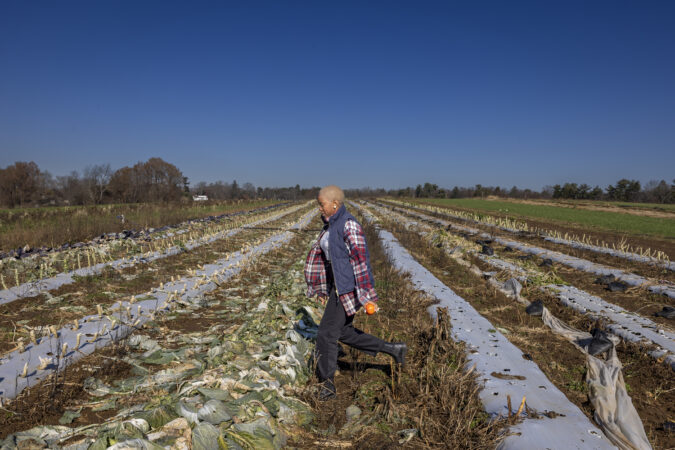
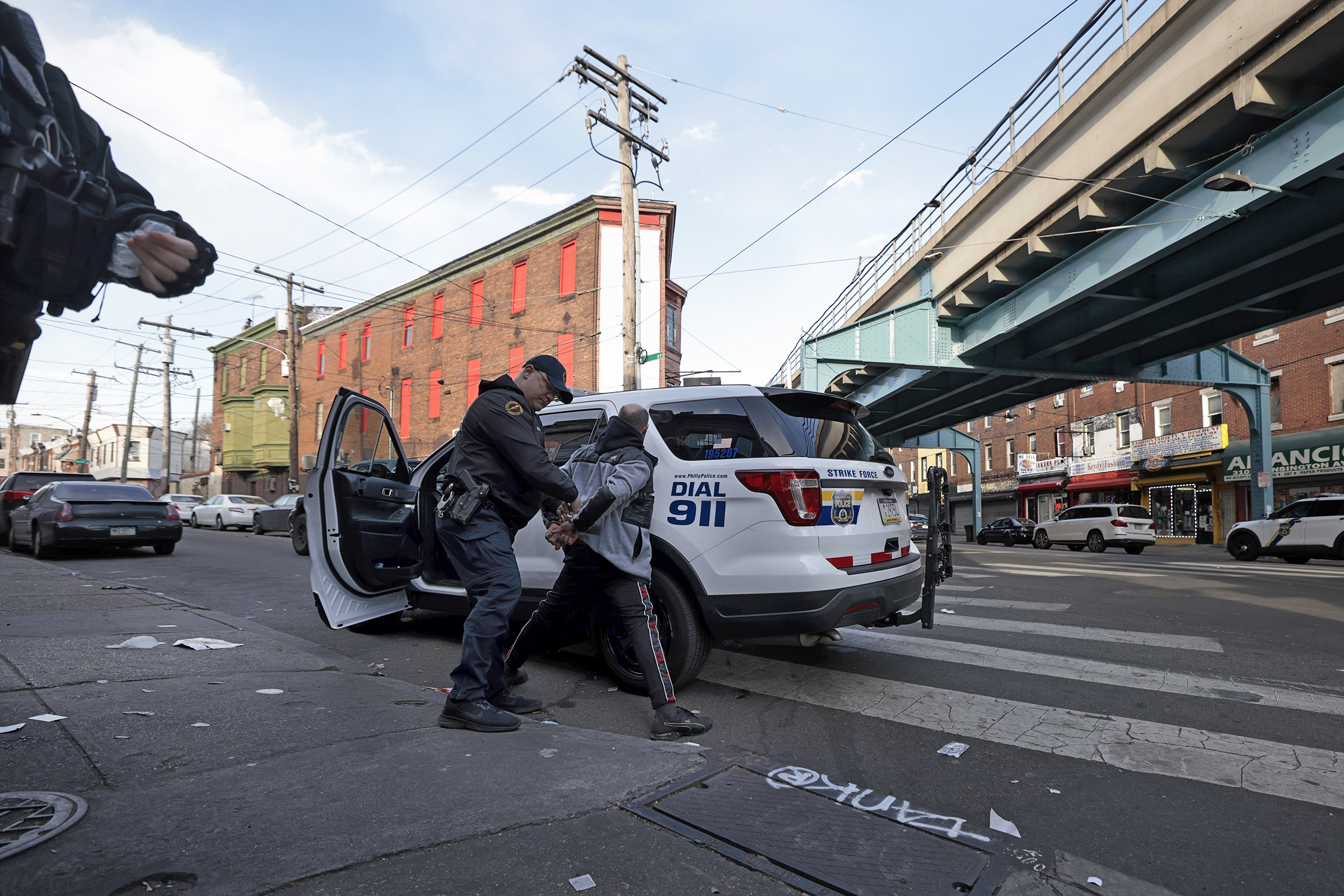
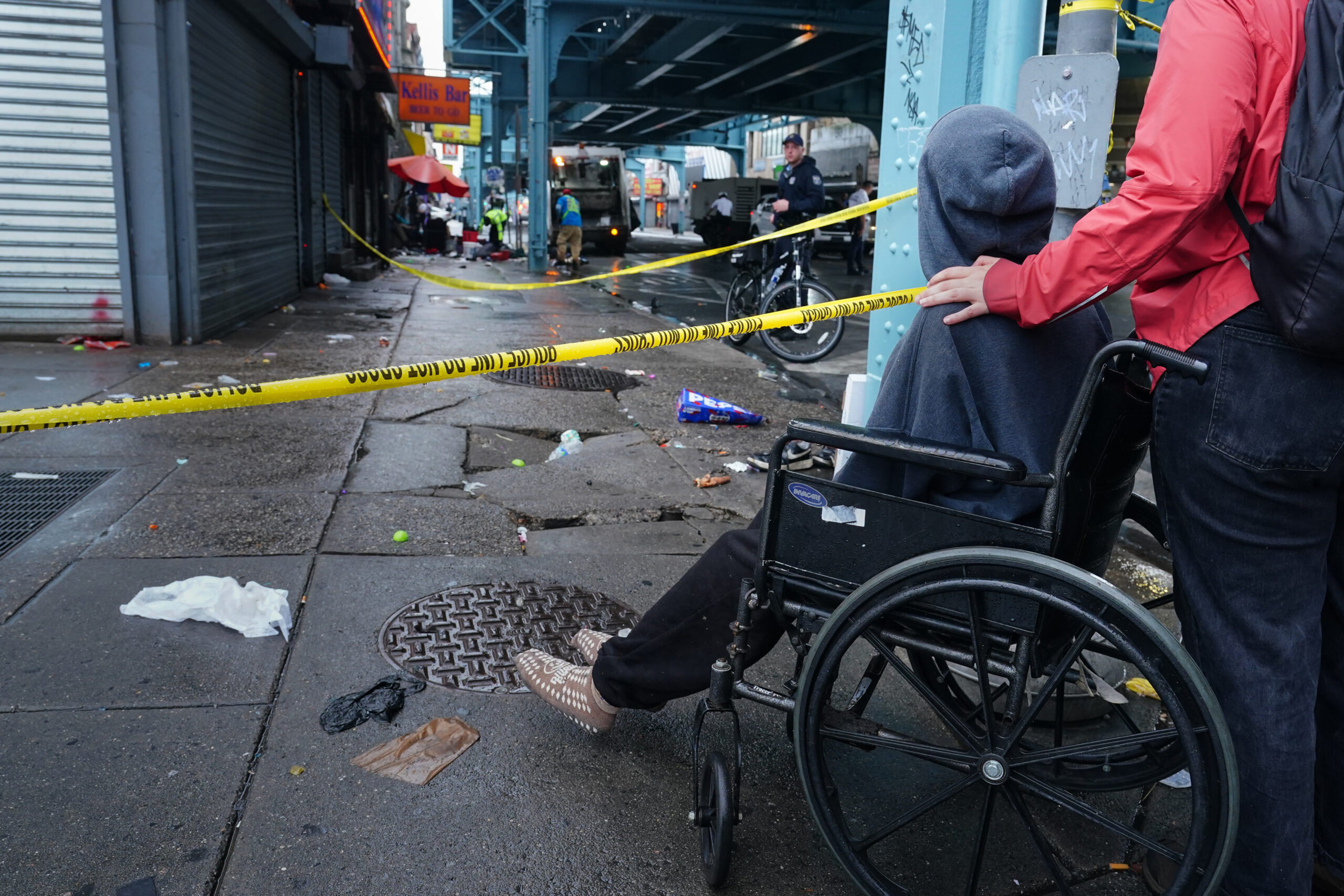
Over the course of three days, I met with 13 congressional legislators or their staffers, spoke to representatives of the U.S. Department of Agriculture and the White House, as well as fellow farmers, to discuss a very real threat impacting our nation: the instability of our food system.
Across the United States, food system organizations — from regenerative farms and gleaning networks, to food access nonprofits and community grocers — are all under immense pressure because of federal funding cuts, rising tariffs, and labor shortages. The entire food chain is strained, and the effects are compounding.
Recently, during the government shutdown, families across the country were not receiving SNAP benefits. American farms and families are still struggling and need relief now.
Farmers suffer even as food prices rise
While food prices continue to rise, farmers make less than 16 cents on every food dollar spent, according to the National Farmers Union. Even worse, there has been a severe labor shortage because of outdated agricultural workforce policies, while large corporate farms are making record profits.
Suicide among farmers is at an all-time high, and the sixth highest among all occupational groups. As the largest Black food grower in Pennsylvania, I am seeing these challenges each and every day.
In addition to the impact this will have on our children and our most vulnerable communities, the killing of this program is having a direct impact on small and first-generation farmers like me. My produce farm lost upwards of $150,000 between contracts with local food banks that were supported by the LFPA Program and the loss of the Agriculture Department’s Climate Smart Partnerships.
These drastic cuts have strained our operations and have impacted our ability to promptly pay our workers and ensure our communities have access to food that is not only locally and regeneratively grown, but also 100% chemical-free.
Food anchors social drivers
At the heart of this challenge is a simple truth: Food is the anchor to all social drivers of health. When food is unstable, so is health, education, safety, economic opportunity, and environmental well-being.
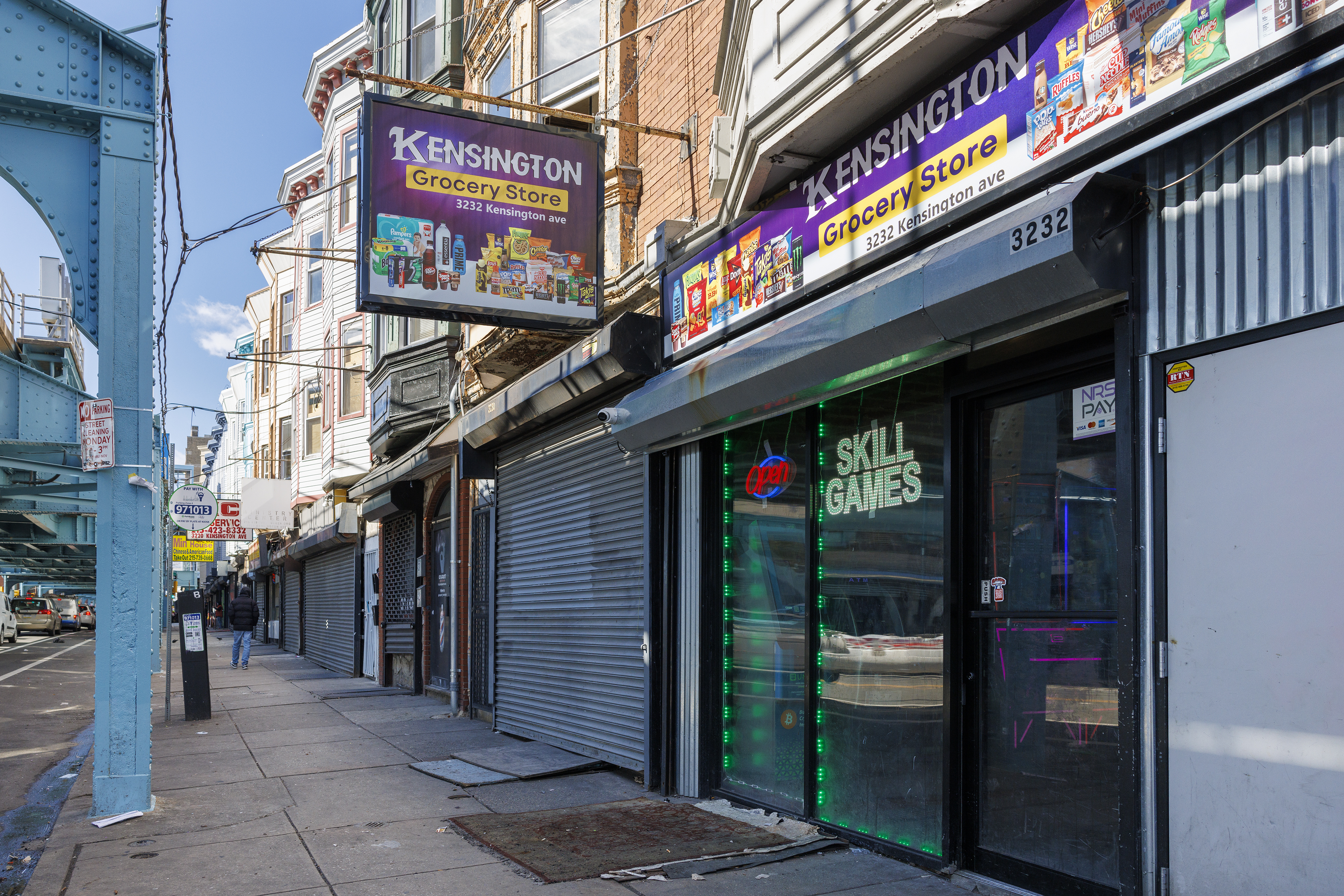
This is evident in North Philadelphia’s Kensington neighborhood, which is plagued by an opioid epidemic, crime, food apartheid, and nutrition insecurity.
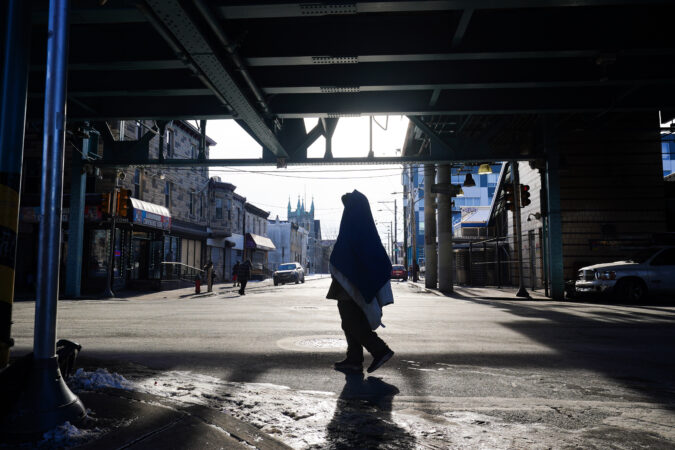
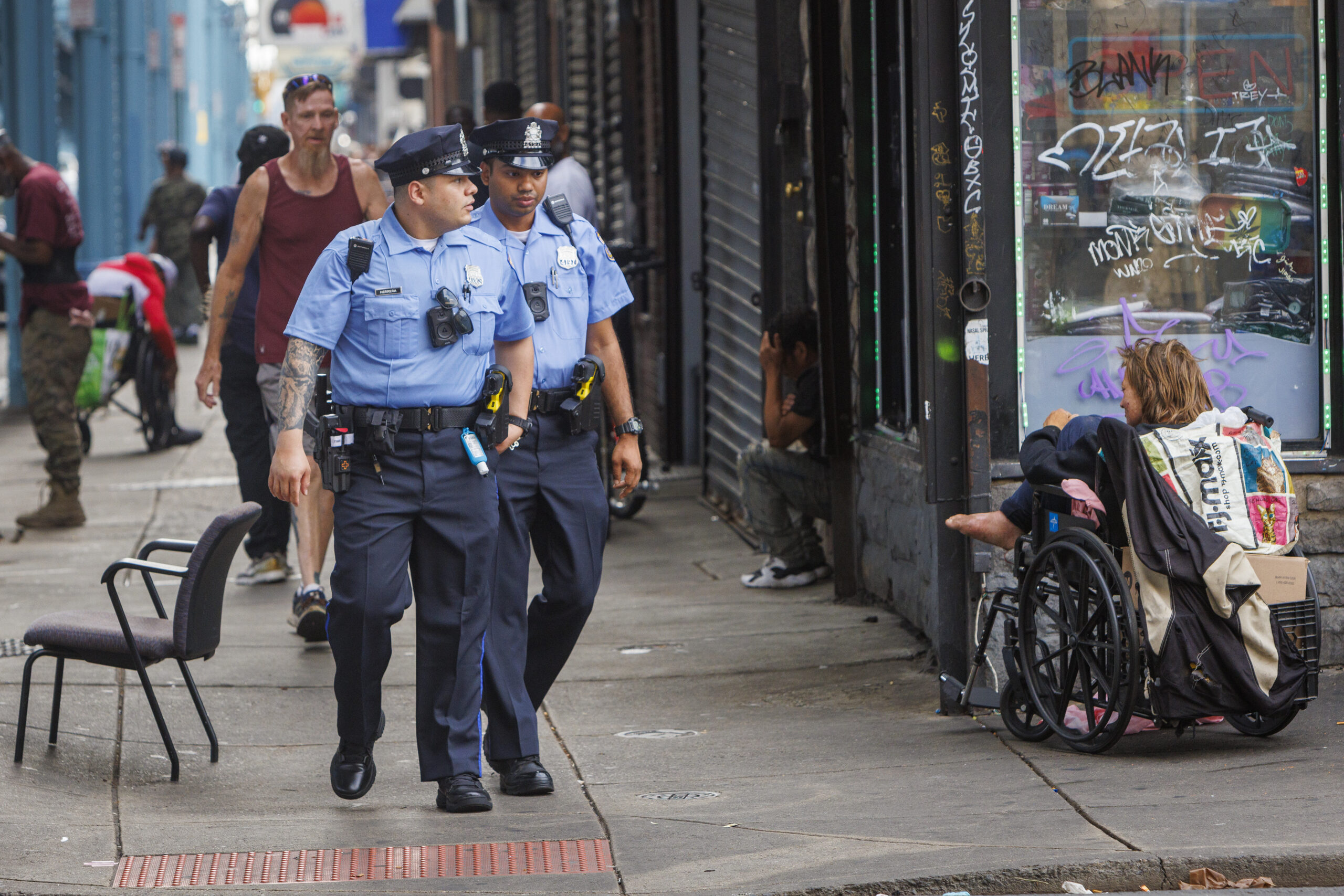
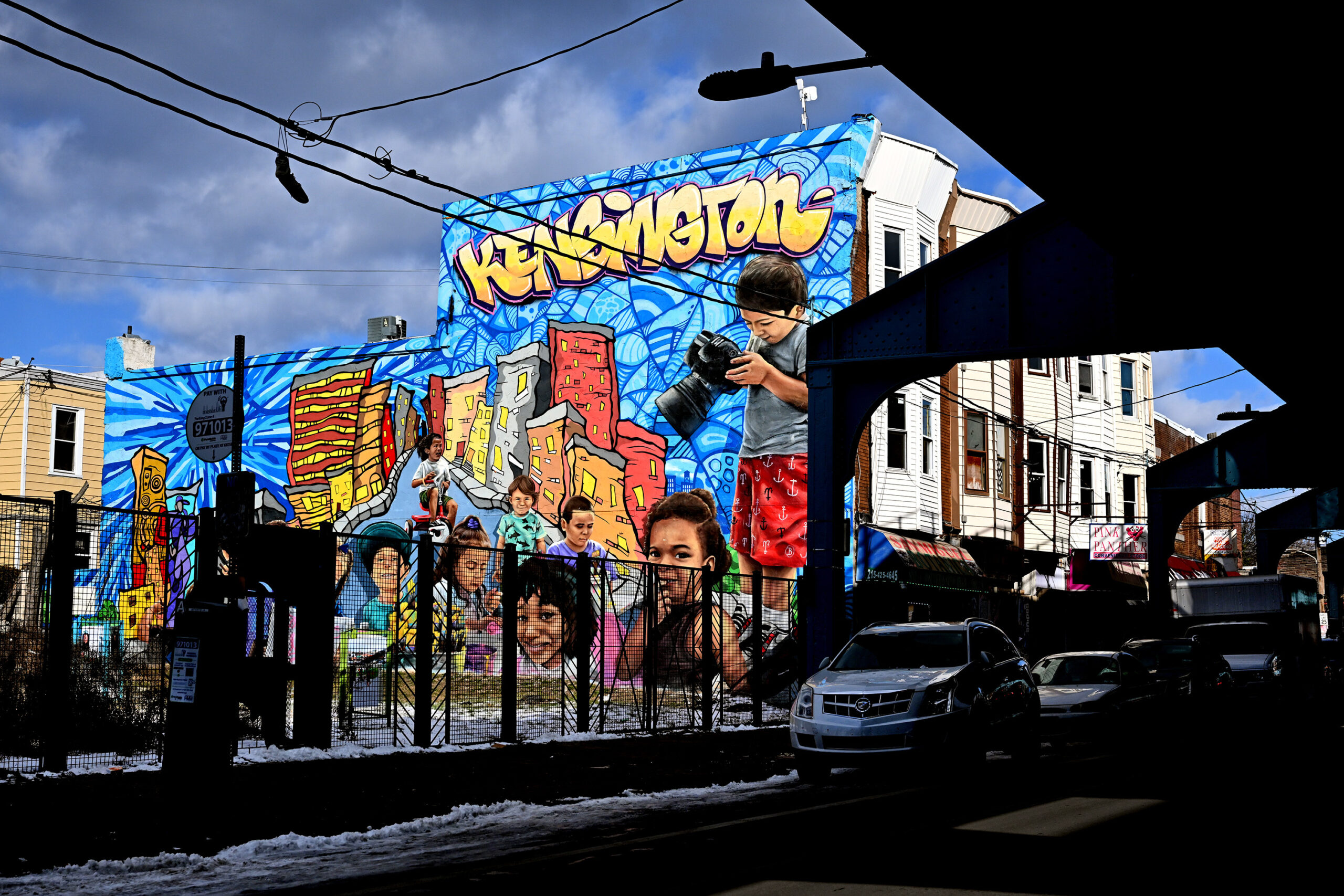
A corner store in Philadelphia’s Kensington neighborhood. Such stores should be part of the local food system, writes Christa Barfield.
According to a 2019 report released by the city of Philadelphia and Drexel University’s Dornsife School of Public Health, Upper Kensington ranked last out of 46 Philadelphia neighborhoods in terms of health factors and health outcomes.
Addressing food access through a regenerative and localized lens is not just a response — it is a long-term strategy for national security.
In my September conversations with members of Congress, it became abundantly clear that an updated Farm Bill would not be passed into law by the Sept. 30 deadline. And it wasn’t.
Due to this failure to prioritize the needs of small family farmers, we must now turn inward and rely on our communities to design and implement a scalable, regionally coordinated food system.
This is possible by supporting local farmers and workers through fair, reliable markets, reducing food waste via efficient, community-based recovery, and empowering neighborhoods with increased food sovereignty and local ownership.
I founded FarmerJawn Agriculture seven years ago, and I know that for a community or nation to be healthy, it must be well-fed. Food is medicine. Good food means good health.
Despite the challenges we face, this idea is more relevant now than ever. I am eager to launch CornerJawn, a farm-to-store operation that will reimagine the corner store as a preventative healthcare hub.
CornerJawn will increase access to fresh and nutrient-dense food that is both convenient and affordable through a dignified pricing model.
It will enhance urban living for the strategically forgotten communities that are now seeing record development in hopes of creating, what? Wealth? True wealth is measured in longer lives with beautified communities and healthier families.
We must treat food like medicine, invest in those specialty farms that feed us, and watch our country thrive.
Remember: Agriculture is the Culture.
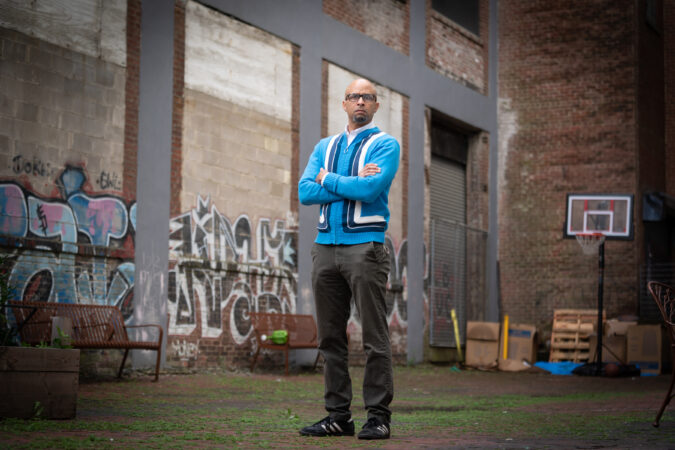
Christa Barfield, a.k.a. FarmerJawn, is a healthcare professional turned regenerative farmer, an entrepreneur, an advocate for food justice, and a James Beard Award winner. As the founder of FarmerJawn Agriculture, she manages 128 acres across three counties in Pennsylvania, making her the largest Black food grower in the state.
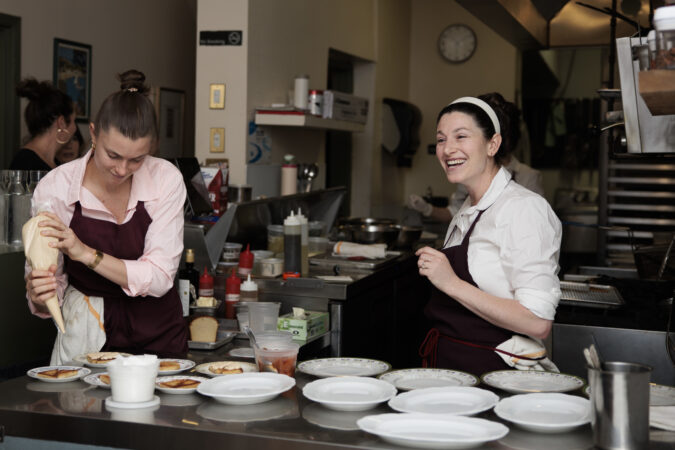
Come Dec. 6, Amanda Shulman, chef and creator of the now Michelin-starred Rittenhouse restaurant Her Place Supper Club, knows exactly what she’ll be doing: boxing up hundreds of cookies.
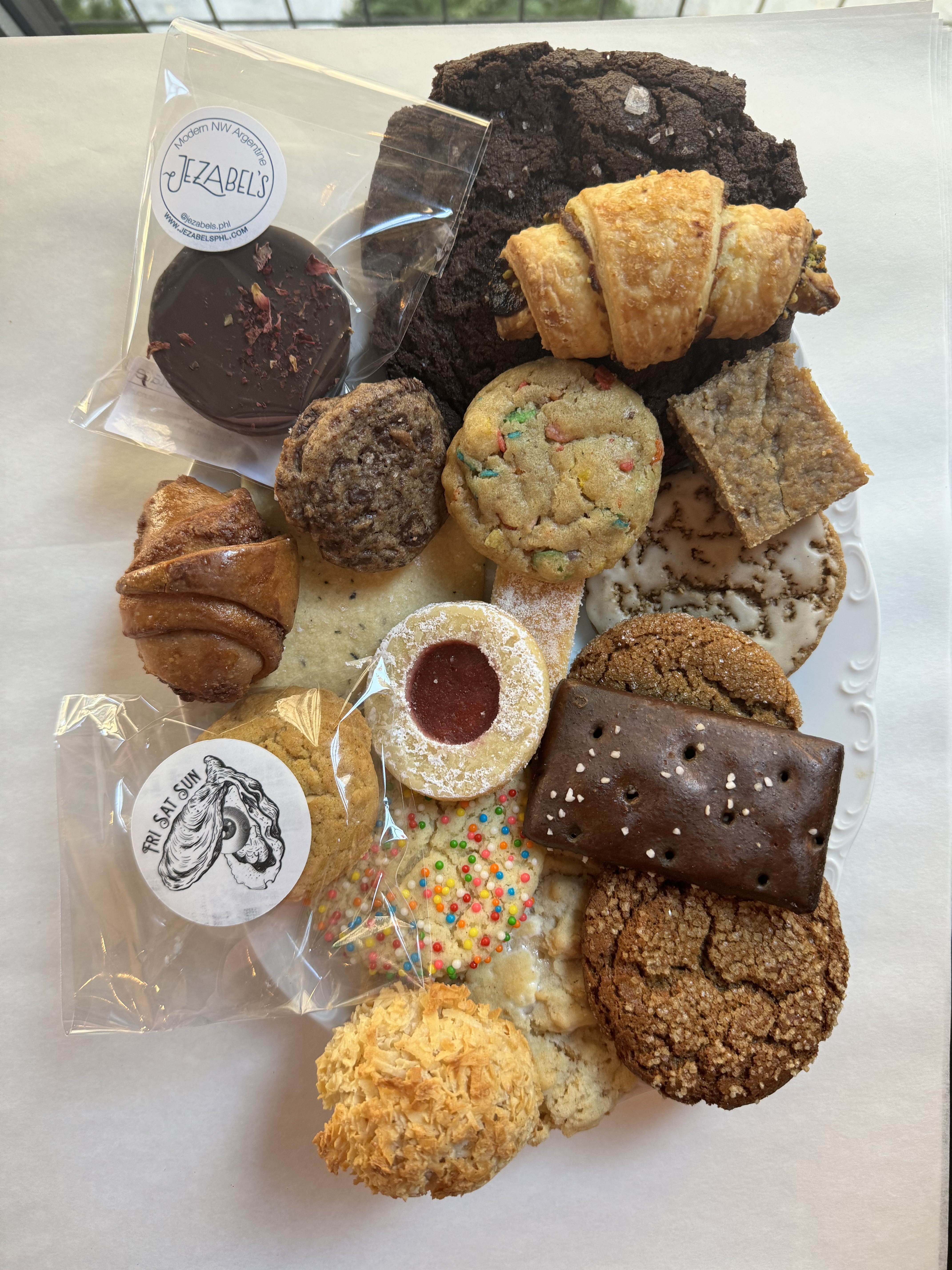
More than three dozen cookie varieties — snickerdoodles, chocolate chips, shortbread, thumbprints, meringues, macaroons, and many more, in 100-cookie batches — will be ferried to Center City that morning. They’ll be brought by bakers and pastry chefs from around the region, all of whom have enlisted to help Shulman pull off what has become an epic holiday fundraiser, Cookies 4 Coats, now in its fourth year.
Shulman and her crack team take over once the cookies have converged. They’ll crank for two hours, putting together a cookie box so big, it will fill the front seat of your car.
“It’s so many cookies,” Shulman said in a recent interview. “It is an irresponsible amount of cookies, and it’s awesome.”
The first edition of Cookies 4 Coats’ annual cookie boxes, which assemble treats from well over two dozen bakers and chefs from around Philly. The fundraiser has only grown since it started in 2022.
If you’ve scored a box in previous years — the reservations for them were snapped up in a matter of hours last December — you know the treasure trove of sweets that lies within.
Last year’s 41-cookie box was full of recipesfrom pop-up bakers and pastry chefs, including several folks behind some of Philly’s most vaunted restaurants, bars, and bakeries: brown butter chocolate chip cookies from Provenance pastry chef Abby Dahan, white chocolate and cranberry oatmeal cookies from Friday Saturday Sunday’s Amanda Rafalski, hazelnut shortbread from Vetri’s Michal Shelkowitz, Italian anise wedding cookies from Laurel chef Nick Elmi, Krispie cornflake marshmallow cookies from New June’s Noelle Blizzard, and Irish shortbread from Meetinghouse chef Drew DiTomo, not to mention Shulman’s own sourdough chocolate chips.
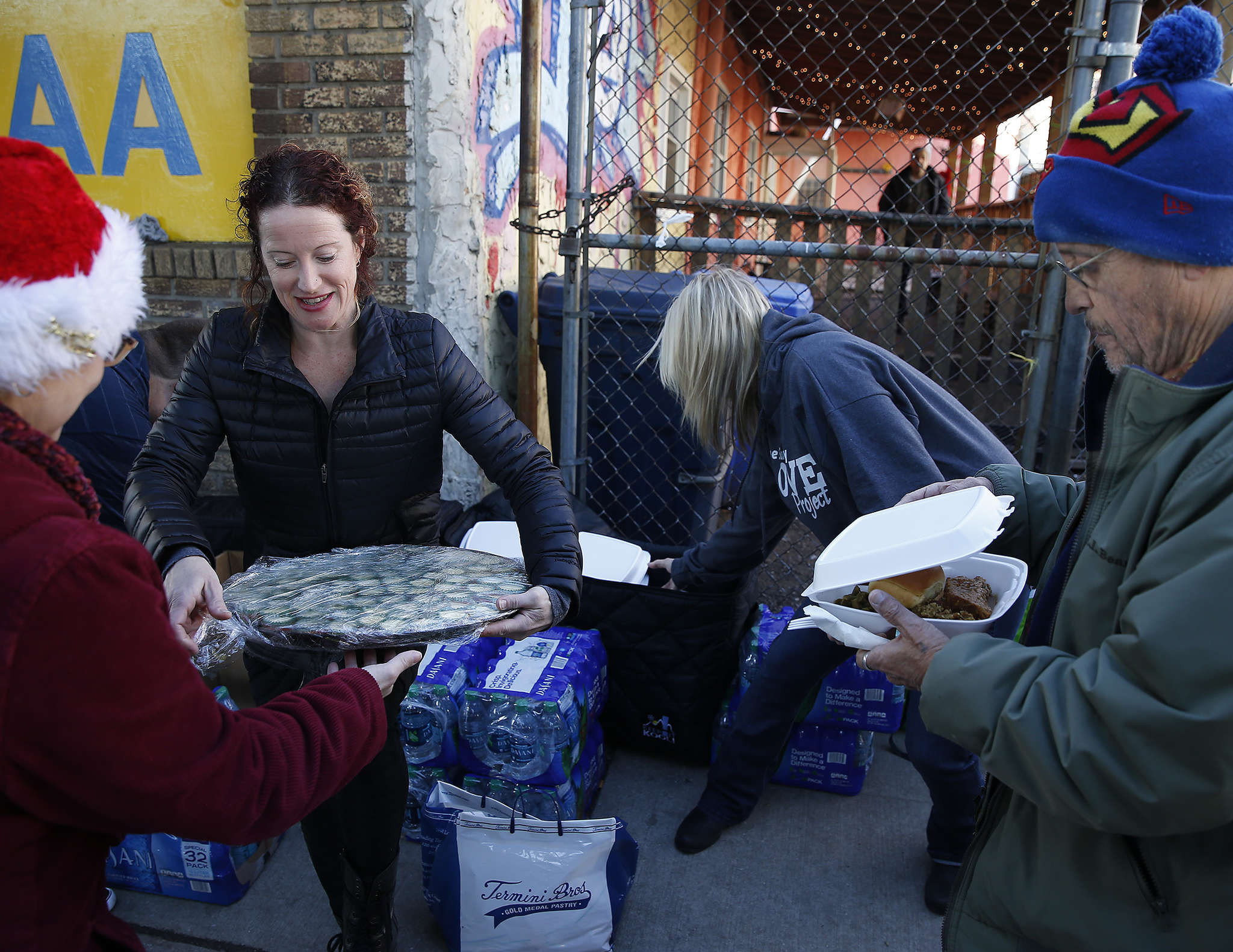
All the proceeds from these coveted cookie boxes are split between Broad Street Love, the radical hospitality-rooted Center City nonprofit, and Sunday Love Project, a Kensington nonprofit that runs a free community grocery store in the Riverwards neighborhood. Last year’s sell-out bake sale generated a $15,000 donation to Sunday Love that funded the purchase of hundreds of coats for local kids, as well as programming (music, art, cooking classes, etc.) for children and families, according to Sunday Love founder Margaux Murphy.
Margaux Murphy, founder of the Sunday Love Project, serves Carlos Gonzalez.
Shulman and Murphy first met in 2021, while Murphy was still running Sunday Love out of the Church of the Holy Trinity at 19th and Walnut, serving 2,000 meals a week to anyone in need. Shulman and the Her Place crew — then in their first year of business — got involved, cooking lunches for kids going to summer camp and dropping off meals to the church.
Her Place was the stage for various pop-up bake sales and charity events in those pandemic-era years. In 2022, the idea came to Shulman for an extra-special one: “Everybody loves a holiday cookie box.” Why not assemble a citywide assortment and donate to Philly charities?
She put out an open call to bakers to pitch in and got tremendous response. She shared an online spreadsheet for the participants to see who planned to bake what, so that there wouldn’t be too many repeats. To add to the box’s value, they included a recipe book so that buyers could recreate their favorites at home.
Her Place Supper Club chef Amanda Shulman rings the bell at the Sixers game Wednesday, Nov. 19, 2025, in Philadelphia
Shulman estimates 32 bakers contributed to the first Cookies 4 Coats box, raising thousands of dollars.Ever the one to see things through, Shulman didn’t leave much work for Murphy to do after collecting the cash.
“The first year, I [sold the boxes] a little earlier and I bought [the coats] all myself on Black Friday and had them all shipped to my house, so I had hundreds of coats in my apartment,” Shulman laughs, recalling the charity-induced splurge. “I needed to get different designs. I had to be sure there was something for everybody, so I went a little crazy. I had never racked up a credit card like that, and it was so exhilarating.”
Things are different these days, and Shulman says that’s for the best. “Now we just write checks, because they need other things besides coats — and [Murphy] gets to pick out what she needs as opposed to me just going on a shopping spree.”
One of Cookies 4 Coats’ annual cookie boxes, which assemble treats from well over a dozen bakers and chefs from around Philly.
Reservations for this year’s cookie box went live earlier this month and sold out in a matter of days. Shulman lowered the total number of boxes sold from 120 to 100, but the fundraiser is set to generate even more this year, because the price — $135 per box — increased to cover the cost of improved packaging: Each cookie will be individually wrapped this year, so buyers know which cookie is which rather than guessing based on flavor profiles and recipe cards (a fun game in itself).
Thirty-three bakers and chefs are signed up to contribute thus far, including Scampi’s Liz Grothe (cappuccino Rice Krispies treat), New June’s Blizzard (salted double chocolate chip shortbread), Amy’s Pastelillos’ Amaryllis Rivera-Nassar (besitos de coco), and Lost Bread’s Dallas King (honey butter corn cookies). (For those who don’t have a Cookies 4 Coats reservation, we offer eight of Shulman’s favorite recipes from last year’s box as a consolation.)
Murphy is perpetually floored by the size of the donation, and by Shulman’s seemingly bottomless reservoir of generosity. Murphy’s had strangers give thousands of dollars to Sunday Love, only to discover it was because Shulman recommended the nonprofit to a customer or acquaintance. Shulman recently collaborated with the Philly-area meal-delivery service Home Appetit, sending a portion of the sales to Sunday Love; it resulted in an $8,000 donation.
“I always tell her, she waves a magic wand and she’s just like, ‘Here’s $10,000, feed all the children,’” Murphy said. She remembers a very pregnant Shulman coming to last year’s annual coat giveaway (which will take place this year on Dec. 13 at 3206 Kensington Ave.). “She was in my store because she wanted to see the kids getting coats — I was like, ‘I swear to God, if you have this baby right here on my floor’ — that’s how hard she was working just to make sure that we had everything.”
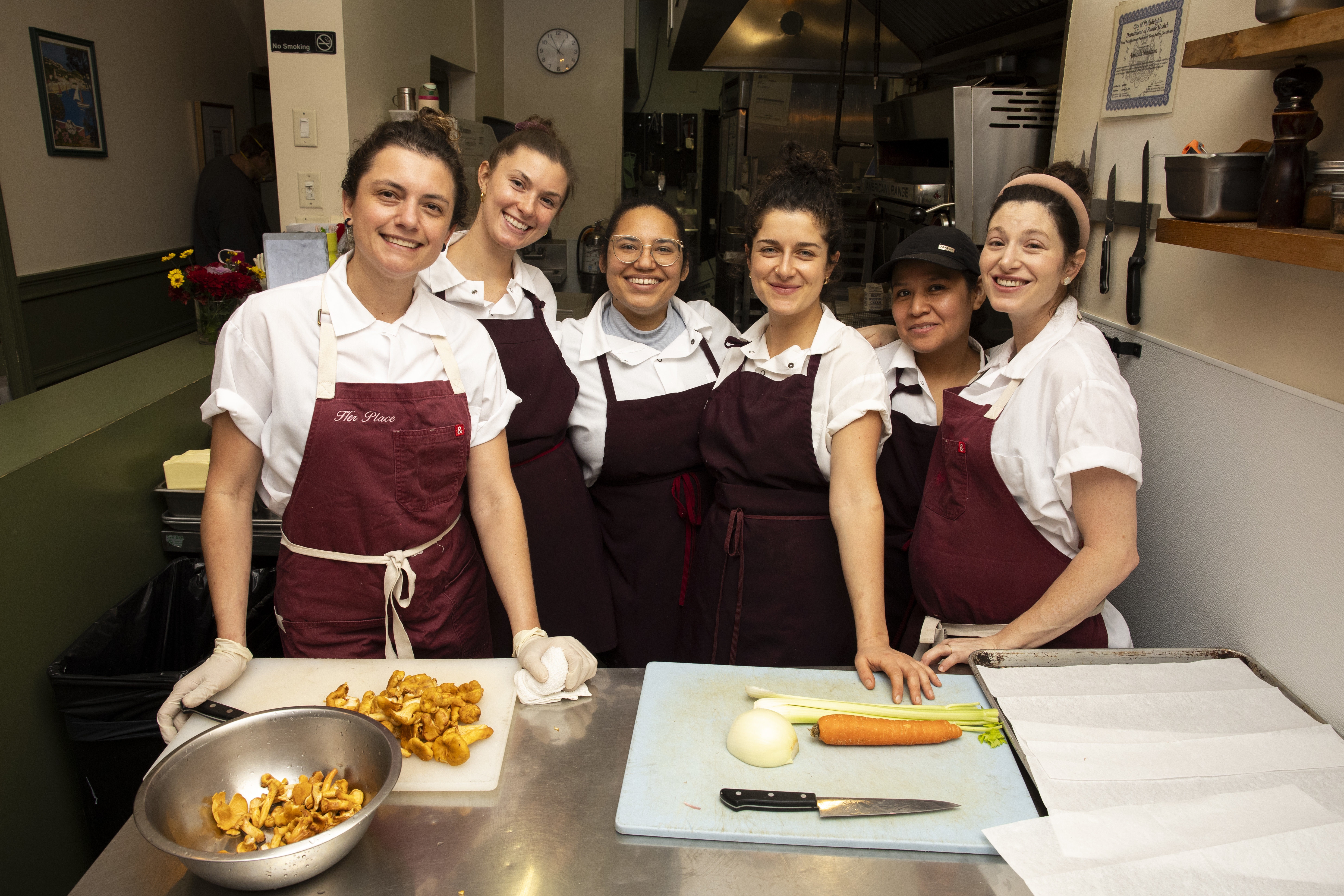
The Her Place team from left to right: Chef de Cuisine Ana Caballero, Line Cook Lauren Fiorini, Pastry Chef Jazzmen Underwood, Sous Chef Santina Renzi, Prep Cook Denia Victoriano, and Chef/Owner Amanda Shulman posed for a group photo at Her Place Supper Club on Tuesday, Nov. 26, 2024 in Philadelphia. Her Place is located at 1740 Sansom Street in Center City.
Shulman remembers that day a little differently, singling out a moment where she watched a little girl pick out a coat — “this brand-new, shiny pink coat that she got to pick out,” she said. “It’s full circle when you get to do every single part of the process, from the physical picking of the cookies to packing them to printing the things. I’m very grateful to everybody who helps out, and especially to my own team, because it’s a lot of work to make it this seamless.”
That’s what Shulman comes away with when reflecting on what goes into this crumb-flecked effort: gratitude.
“If I can say thanks to my team … and to the community, that would be awesome. Thank you to all the bakers and restaurant people who give so much in the busiest time,” she said. “These bakers take time to not only make [the cookies], but then get it to us. It sounds like an easy lift — it’s not, especially if you’re going to work that day. I don’t take it for granted at all.”
Editor’s note: An earlier version of this story stated that 100% of the Cookies 4 Coats proceeds go to Sunday Love Project. It is split 50/50 between Sunday Love and Broad Street Love.
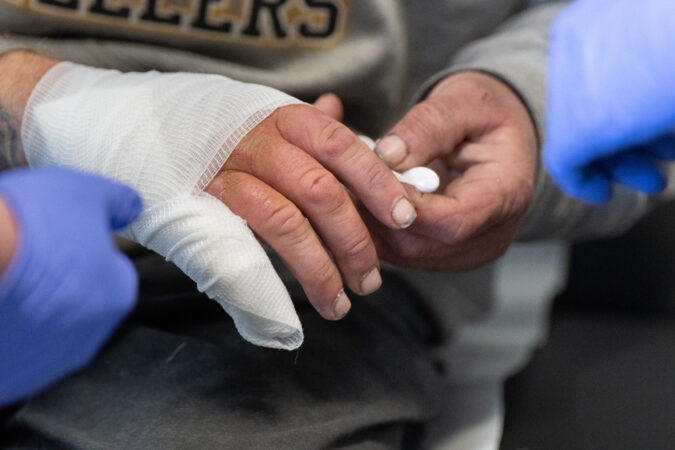
In a small clinic room at Mother of Mercy House on Allegheny Avenue in Kensington, Emma Anderson unwrapped a bandage from a man’s swollen hand.
“It hurts really bad in the cold,” the man said, wincing at the inflamed wound that covered most of a right-hand finger.
Cleaning it with saline solution proved so painful that Anderson, an EMT and St. Joseph’s University student, let the patient take the lead, wiping carefully at the yellowish-white tissue at the center of the wound.
It was his second time attending the wound care clinic at Mother of Mercy, the Catholic nonprofit that twice a week opens its doors to people with addiction dealing with the serious skin lesions, caused by the animal tranquilizer xylazine, that can develop into wounds so severe the only treatment is amputation.
Called “tranq” on the streets, xylazine was never approved for human use and has wreaked havoc across the city since dealers began adding it to fentanyl to extend the opioid’s short-lived high.
In the five years since it emerged as a threat, amputations among opioid users have more than doubled. The Philadelphia drug supply is now changing again, and though emergency rooms in the last year have treated fewer xylazine wounds, the crisis is far from over.
The man who visited Mother of Mercy’s clinic on a recent Tuesday, who gave only his first name, Steven, because of the stigma surrounding drug use, noticed the alarming wound on his hand a few weeks ago.
Steven had seen people sleeping on the streets with flies hovering around their gaping wounds. He had hoped that he could avoid a wound himself: He smokes fentanyl, instead of injecting it, and knows that injection drug users are generally at a higher risk for skin infections. But, like many people who smoke their drugs, he had developed a wound anyway.
“Believe it or not,” Steven said, between deep breaths during the painful cleaning, “I actually was an EMT myself at one point.”
‘How did we let it get this bad?’
Mother of Mercy, founded in 2015 in Kensington, partners with St. Joseph’s Institute of Clinical Bioethics to host the clinics. The institute, headed byFather Peter Clark, a Jesuit priest and a bioethicist at several area hospitals, has long held a monthly health clinic at the nonprofit’s Kensington headquarters.
In the last year, they expanded the program to offer more wound care opportunities to a community increasingly in need of them.
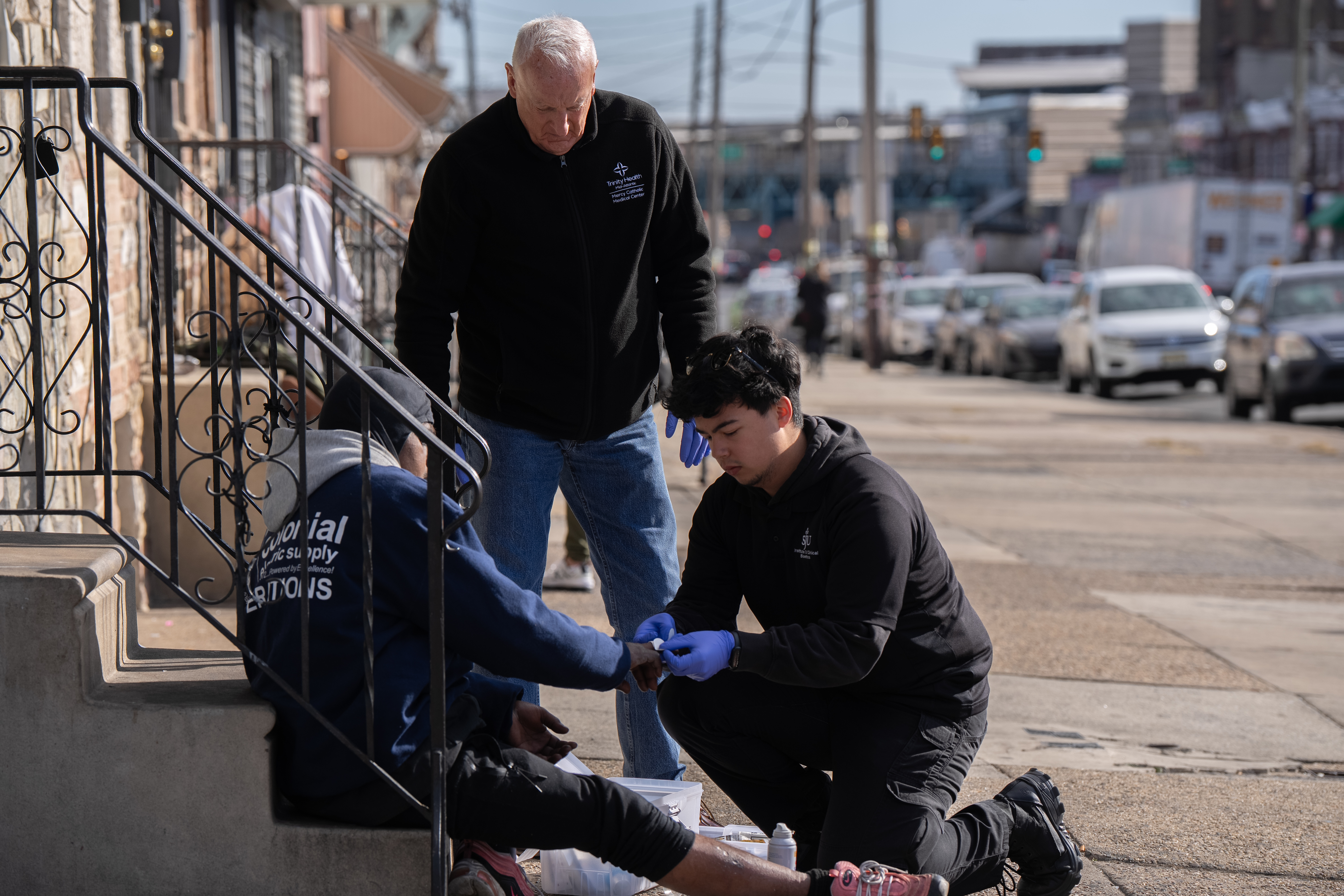
Father Peter Clark, the director of the Institute of Clinical Bioethics at St. Joseph’s University, and Ean Hudak, a St. Joseph’s student and staffer at the Mother of Mercy House wound care clinic, assist a person who had fallen unconscious on Allegheny Avenue in Kensington.
“To be physically down here in the heart of it, and seeing it on a weekly, monthly basis, it opens your eyes. How did we let it get this bad?” said Steven Silver, the assistant director of research and development at St. Joseph’s, who was welcoming clients at the door on a recent clinic day.
The program is staffed by medical students and undergraduates, all trained in wound care. Many say the work they do at the clinic is unlike any medical training they’ve been offered at school.
Undergraduates like Anderson and Ean Hudak, who takes shifts at the clinic in between applying to nursing schools, say they’re hoping to use their experience as they pursue careers in the medical field.
On Tuesdays and Thursdays, organizers serve hot meals and wait inthe small clinic room for patients to trickle in, usually about 20 a week.
Once a month, the team takes to the streets with wound care supplies, such as bandages, saline sprays, and antiseptic cleansers. They look for people on the streets who may not be able to reach the clinic.
Clark said the clinic stepped up its hours in an effort to help patients keep their wounds clean more consistently — and hopefully prevent more amputations. “It’s increasing [patients’] ability to know what to do and how to keep the wounds clean — hopefully to help them out,” he said.
The trust factor
This year, medetomidine, another animal tranquilizer that causes severe withdrawal, has supplanted xylazine’s dominance in the Philadelphia area drug supply. Fewer patients addicted to opioids are visiting emergency rooms with soft-tissue damage, according to city data.
But it’s unknown how medetomidine affects those wounds, and there are still enough people suffering from them in Kensington, the epicenter of the city’s opioid crisis, that the clinic felt it necessary to increase its hours.
Hosting more frequent clinics also deepens relationships with patients. “People are coming back, which is good,” Clark said. “The trust factor is a huge issue.”
Many of the clinic’s patients avoid hospitals, fearing long waits for care: “At the ERs, they wait eight hours and they sign themselves out, or they’re coming down from a high, and nobody’s taking care of the withdrawal,” Clark said. “It’s a big mess.”
At the clinic,staff are regularly on the phone with wound care physicians at Temple University Hospital, who can flag patients with xylazine wounds and get them prompt care before they enter withdrawal, he said.
They also connect patients with housing, inpatient rehabs, and hospital care, for those with wounds too serious for the clinic to handle.
Several weeks ago, they called an ambulance to get a man with a wound that exposed his bone to the hospital.
Staff collect data to share with area hospitals so physicians can get a better understanding of the situation on the street — measuring patients’ wounds, collecting demographic data, and asking patients about which drugs they use.
Each leaves the clinic with a hospital bracelet documenting the care they’ve received so staff can keep track of their care from week to week.
‘It’s always an uphill battle’
Not all patients at the clinic are suffering from xylazine wounds. On a recent weekday, one man asked for help bandaging scrapes on his knuckles. He’d tried to fight someone who was stealing his belongings.
Another man said he’d been robbed and pepper-sprayed and asked staff to help wash the last traces of Mace out of his eyes.
As staffers looked for eyedrops among their medical supplies, Clark poked his head into the room. “We need someone with Narcan,” he said, referring to the opioid overdose-reversing spray.
Across the street, a man was slumped on a stoop, unresponsive.
Clark and Hudak dodged cars on Allegheny Avenue, knelt down by the man, and managed to gently shake him awake.
Slowly, he revived enough to speak a bit and showed them a wound on his leg, which they cleaned and wrapped in gauze. “You have some cracked skin — do you want us to put some moisturizer on your hands?” Hudak asked.
With temperatures dropping, the team is worried that patients’ skin will dry out, making their wounds more painful. (The summer months present a different challenge, with wounds leaking fluids.) And many patients may be too cold to travel to the clinic, making the monthly street rounds even more crucial.
Ramon Roman-Montanez knew the police were watching.
One day last April, as Roman-Montanez prepared to hand out free drug samples to users on Weymouth Street — a common tactic that dealers use to attract customers — he stood in the middle of the Kensington block and spotted a problem.
The cops had put up a pole camera.
Using binoculars, Roman-Montanez scouted out the new device at the end of the block, prosecutors said in court documents. But he had a business to run — and so, after talking with a few associates in the street, he decided that giveaway day would move forward as planned.
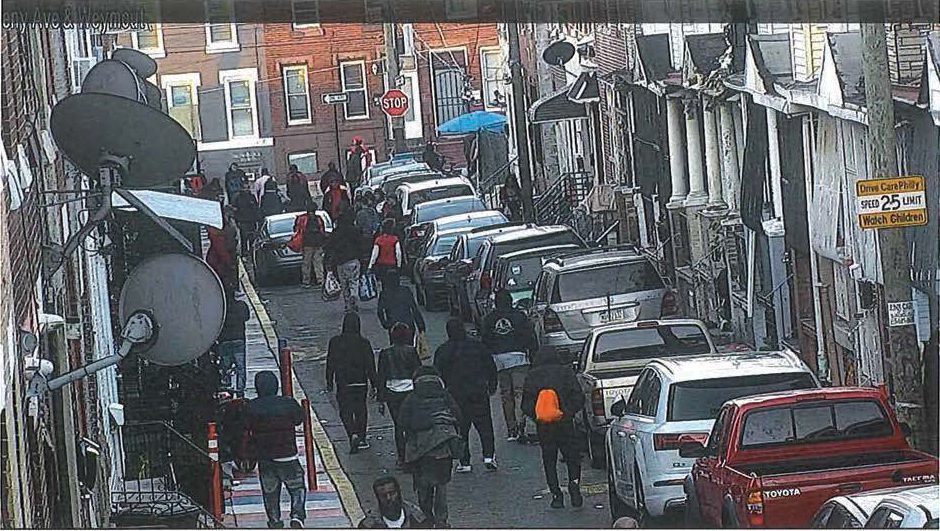
Shortly after dawn, prosecutors said, customers were recorded on the new surveillance camera crowding onto the 3100 block of Weymouth to receive their samples.
And in the weeks to come, business continued to boom.
A pole camera placed near Weymouth Street captured potential drug customers coming to the block to receive free samples handed out by the gang that ran the block, prosecutors said.
The camera, however, was just one hint of what authorities now say was a sprawling, multiyear investigation into the gang Roman-Montanez helped lead — a group that sold thousands of doses of heroin, fentanyl, crack, and cocaine over the course of more than a decade, and effectively took over a residential block in a neighborhood that has long suffered from crime, open-air drug dealing, and neglect.
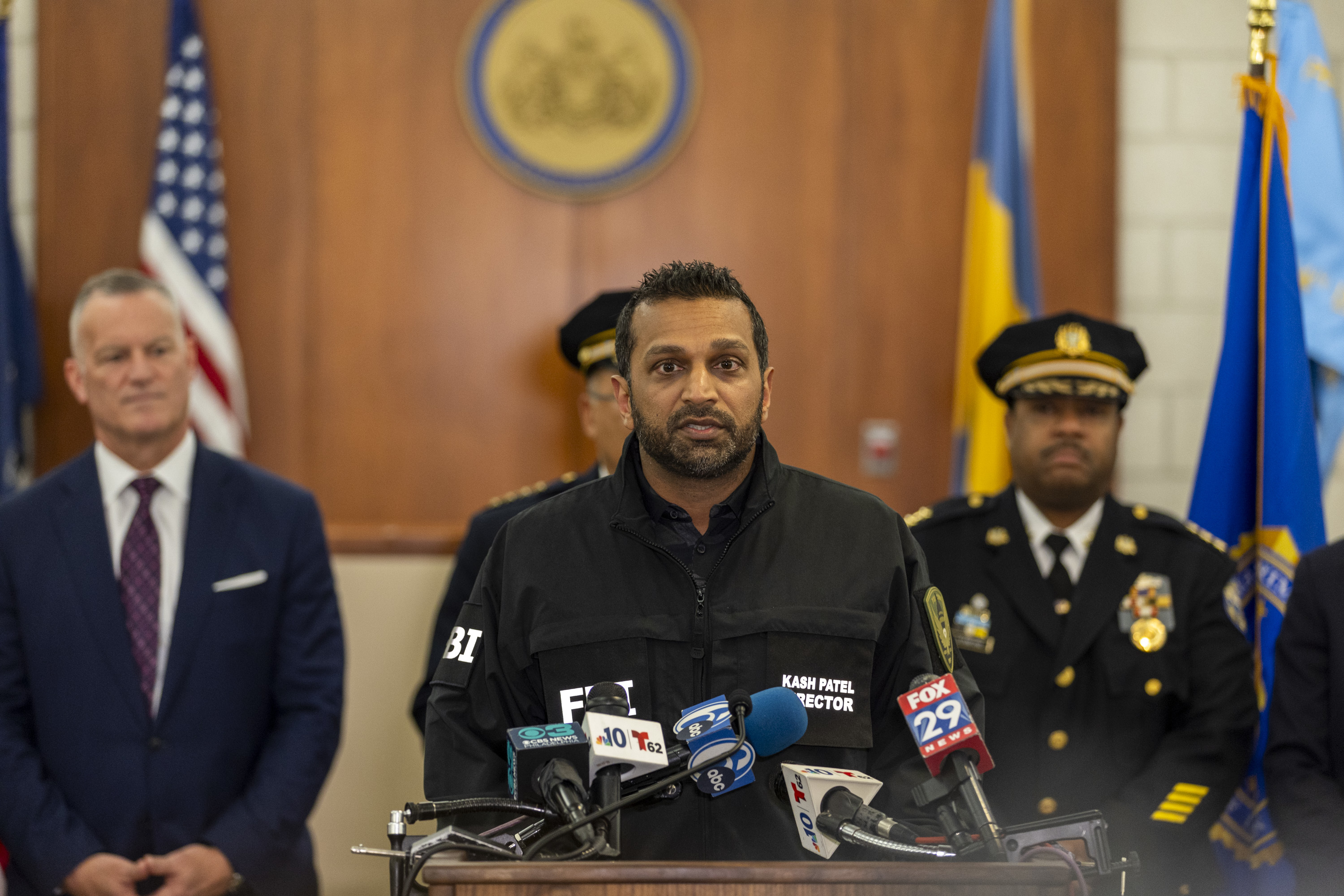
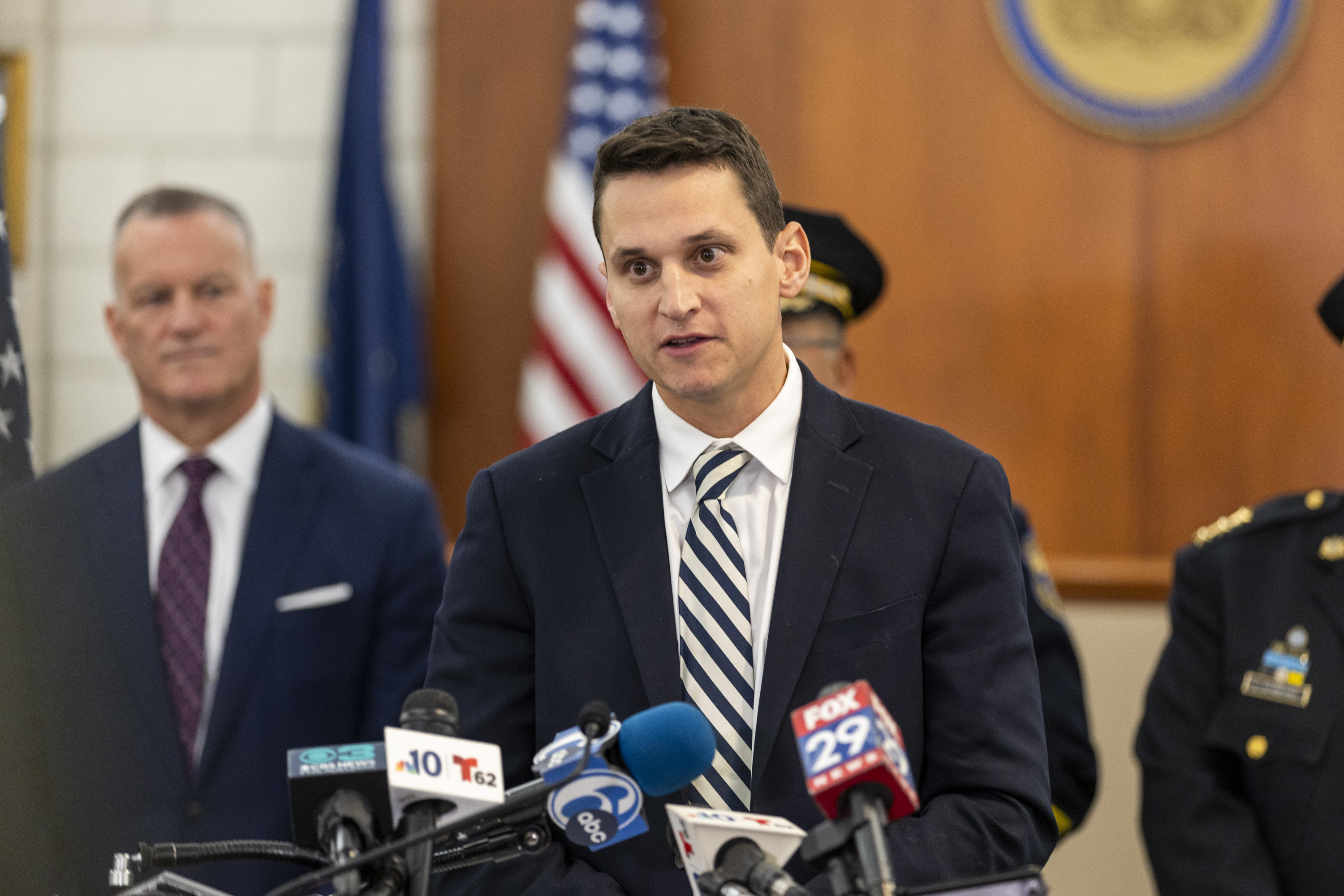
The results of the probe came to light last month, when FBI Director Kash Patel came to Philadelphia to announce that 33 people, including Roman-Montanez, had been indicted on drug charges. Patel called the case a model for law enforcement across the country, and an example of how to take out a drug gang terrorizing a community.
FBI Director Kash Patel speaks to press at the 24th Police District Headquarters in Philadelphia on Oct. 24.
To understand the scope of the case — which U.S. Attorney David Metcalf described as the region’s largest single prosecution in a quarter-century — The Inquirer reviewed hundreds of pages of court records, examined social media accounts and videos connected to the group, and interviewed law enforcement officials and Weymouth Street residents.
The review revealed previously unreported details about the investigation, including that authorities ran monthslong wiretaps on about a half-dozen phones tied to gang members, placed a recording device in a vacant lot the gang used as a meeting place, employed at least seven confidential informants, and believe that over the course of nine years, the group trafficked tens of thousands of doses of drugs into the city — worth millions of dollars.
Philadelphia police this month continued to restrict access to Weymouth Street long after gang members had been arrested, a highly unconventional approach that officials said was aimed at sustaining the block’s newfound sense of quiet. Several residents said they didn’t mind the unusual tactic, in part because it helped prevent their block from quickly returning to its status as a marketplace for round-the-clock drug deals.
Those tactics underscored the depth of the investigation, which unfolded in the heart of Kensington — where law enforcement has employed a variety of approaches over the years to try to address crime, drug dealing and violence, sometimes with mixed results.
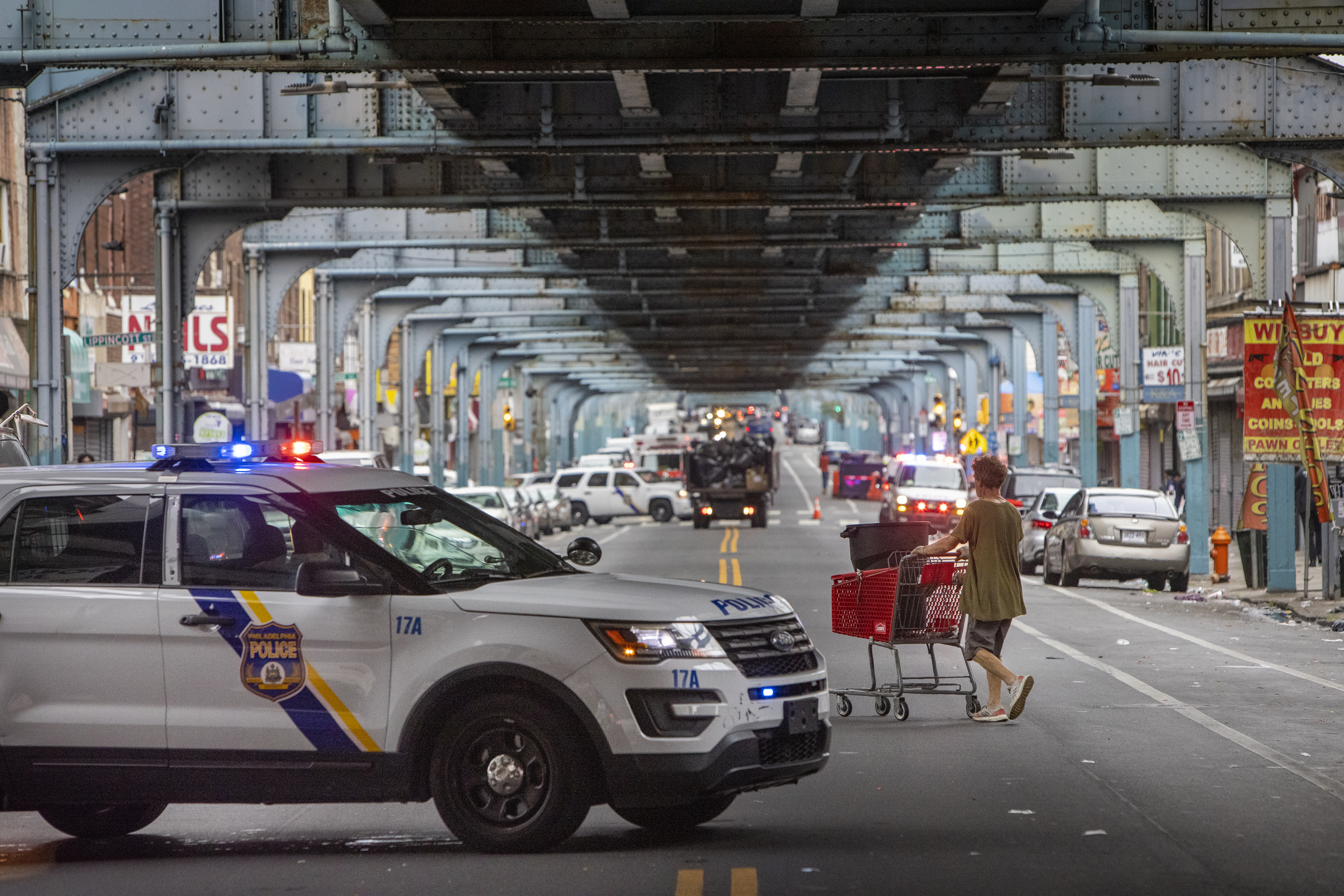
Philadelphia officials have for years tried a variety of tactics to try and address crime and quality-of-life concerns along Kensington Avenue.
But the review also showed that even as the investigation was underway, the gang continued to operate in the open — and some of law enforcement’s attempts to hold people accountable as the probe was unfolding were unsuccessful.
In August, for example, Roman-Montanez was charged in state court with drug possession and related crimes after police found fentanyl, crack, and $20,000 in cash in his house — the result of a raid on Weymouth Street that was part of the investigation into his gang.
But a few weeks later, his attorneys persuaded a Philadelphia judge to reduce his bail and he walked out of jail. The 40-year-old — who federal prosecutors now say was the de facto chief operating officer of one of the city’s biggest drug conspiracies — was taken back into custody only this month, when federal authorities unsealed his indictment.
Even as investigators were continuing to collect evidence against the gang, members routinely appeared in videos and songs on social media in which they boasted about their gang affiliation, brandished guns, and threatened acts of violence against rivals.
Some of the videos made modest Weymouth Street look more like a nightclub. Men wearing shimmering gold chains can be seen carrying designer bags and waving guns with extended clips at the camera. Others smoke blunts, or mix soda and a purple liquid together to make what appears to be the codeine-infused drink “lean.”
A video for the song “Philly Boy,” uploaded to YouTube last spring, made clear where the debauchery was taking place: It opens with a shot of the Weymouth street sign.
Beyond the fact that people who remained on the street could continue to sell drugs, prosecutors said the gang used threats to maintain control over their territory. And at least two suspected coconspirators were killed as the investigation wore on — sparking the potential for more retaliatory violence. Prosecutors have not yet charged any gang members with any shootings or homicides, but have said their investigation is continuing.
Metcalf, through a spokesperson, declined an interview request to discuss the case in more detail. But while announcing the takedown last month, he said there is always a tension in long-running investigations between making quick arrests and taking time to gather evidence for broader or stronger cases. And in this instance, he said, the goal was clear: Prosecutors were seeking to “eliminate the organization.”
“We could obviously just prosecute individual seizures of guns and drugs. But the organizational prosecution … that’s what’s going to make a difference in the community,” he said. “This neighborhood will be a lot safer than it [would’ve been] if we didn’t take our time to do that.”
U.S. Attorney David Metcalf speaks to press at the 24th Police District Headquarters on Oct. 24.
A sophisticated operation
Weymouth Street is one of a series of narrow, rowhouse-lined blocks in Kensington just a few steps from McPherson Square and near the intersection of Kensington and Allegheny Avenues — long the epicenters of a bustling narcotics bazaar.
Some corners in the area can pull in tens of thousands of dollars a day in drug sales, authorities say. And the competition among dealers has often led to violence, with shootings and homicides in Kensington historically outpacing the rest of Philadelphia.
The crew on Weymouth Street thrived in that environment, prosecutors said, and developed a sophisticated system for seeking to build and protect a business that sold fentanyl, crack, and cocaine 24 hours a day, seven days a week.
Their drugs were branded with unique stamps or names like Ric Flair, Horse Power, Gucci, or Donald Trump. Bags were sold for $5 each, prosecutors said, while “bundles” of about a dozen packets went for between $55 and $75.
The group maintained an internal hierarchy, prosecutors said, with key figures at the top overseeing layers of workers who engaged in hand-to-hand sales, watched out for police, managed the drug supply, or used violence to protect the operation. Many members were related to one another, prosecutors said, and some families had people from multiple generations working for the group.
The leader was Jose Antonio Morales Nieves, prosecutors said, who “owned” the block and allowed people to deal there in exchange for payments he called “rent.”
His top deputies ran the day-to-day operations, prosecutors said, and included Roman-Montanez, nicknamed Viejo, and Roman-Montanez’s paramour, Nancy Rios-Valentin.
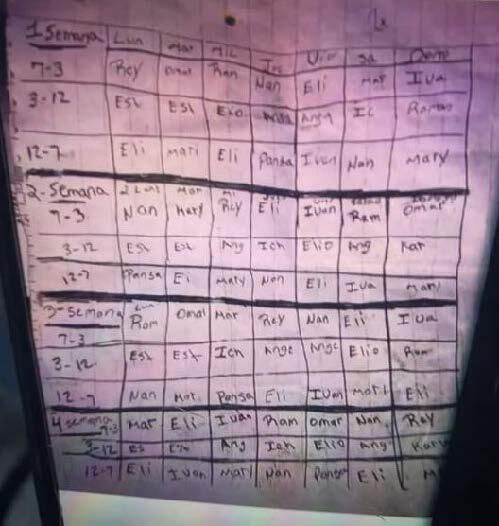
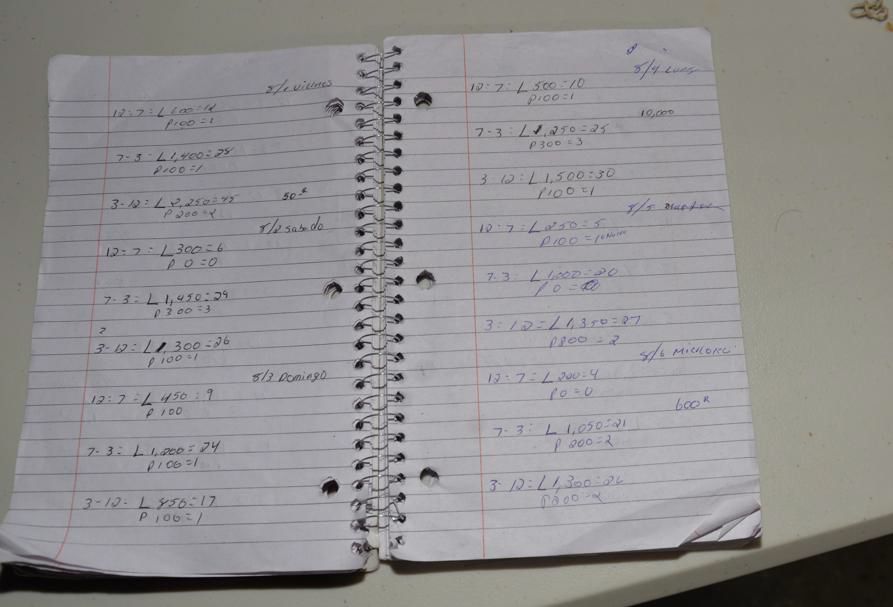
The two set and distributed schedules for lower-level employees, kept track of how and when drug stashes needed to be refilled, and maintained handwritten ledgers tracking sales per shift.
Prosecutors said leaders of the Weymouth Street drug trafficking organization kept detailed schedules on which members would work which shifts.
The first episode in the indictment dates to January 2016, when, prosecutors said, Angel Rios-Valentin — the brother of Nancy Rios-Valentin — stood watch as someone sold drugs to a confidential informant.
A few months later, the indictment said, police conducted a traffic stop on the block, and gang leader Morales-Nieves — also known as Flaco — responded by approaching the officers in a threatening manner carrying a shovel.
As the gang continued to build its business on Weymouth, prosecutors said, several members took up residence on the block, including Roman-Montanez, and members used a variety of houses or abandoned lots to store or sell drugs.
Among them, prosecutors said, was a vacant lot with a tent they labeled the “bunker.” It was next door to the house Roman-Montanez shared with Rios-Valentin, they said, and served as a meeting place, stash location, and place to cook crack.
Last May, prosecutors said, it also served as a site for violence, when Roman-Montanez dragged a man into the bunker, and another gang member — who is not named in court documents — beat him with a rod.
Crimes involving violence
Much of the 170-page indictment revolves around individual episodes in which members of the gang conducted operations that would be considered routine if they weren’t illegal, such as selling drugs to users, managing the block’s supply, or handling illicit proceeds.
The document includes detailed quotes from those accused of taking part in the operation and describes their actions with unusual precision, the result of what prosecutors said were a series of wiretapped phones, cameras — including one inside the bunker — interactions with informants, and seizures of drugs by police.
Police found handwritten ledgers detailing drug activities inside Ramon Roman-Montanez’s house on Weymouth Street, prosecutors said.
Some incidents, however, went well beyond the everyday rhythm of drug sales, prosecutors said.
In November 2024, several gang members ran after a car that had sped down Weymouth, then fired shots at the vehicle after they caught up to it around the corner, the indictment said. The document does not say if anyone in the car was struck.
Six months later, prosecutors said, the pole camera captured footage of two members of the gang — John David Lopez-Boria and Luis Williams — laughing at someone sitting on a front step across the street, then beating the person and dragging the victim into an abandoned lot to continue the assault.
The gang’s violent nature was also captured on YouTube, where gang members appeared in videos taunting rivals and flaunting guns.
In one video, the rapper Sombra PR — whom prosecutors described in court documents as an unindicted coconspirator — made clear that he and a Weymouth Street gang member known as Panza would use a Draco gun to come after anyone who threatened them.
“I’ll get you with Panza with Draco and you’re stiff,” he rapped.
Prosecutors said Weymouth Street members often flaunted guns and boasted about their gang affiliation in YouTube videos.
Panza, whose given name was Heriberto Torres Gual, was described by prosecutors in court documents as one of the group’s enforcers, and he appeared in some of Sombra PR’s videos.
But last month, Gual, 31, was gunned down while riding an electric bike on the 3000 block of Kensington Avenue, just a few blocks from Weymouth, according to police. Surveillance footage showed a torrent of shots being fired out of an SUV that had pulled up beside him.
In all, police recovered 35 spent shell casings from the scene and said it was a targeted attack.
Gual was the second high-ranking gang member to be killed in the last year, authorities said. Last November, Felix Rios-Valentin — the brother of Nancy and Angel Rios-Valentin — was fatally shot in Mayfair.
Police have made no arrests in either case.
After Gual’s death, an Instagram account for a record label dubbed “Weymouth Family” made a post referencing the title of a new song that memorialized Gual. The post tagged Pressure 9X19, the artist behind “Philly Boy.”
And on another account associated with Weymouth-tied rappers was an illustration of an unmistakable street sign: the marker for the intersection of Allegheny Avenue and Weymouth Street.
Evading accountability
During their long investigation, law enforcement did sometimes disrupt the gang’s drug operations and make arrests.
In 2020, Angel Rios-Valentin was convicted in federal court of illegal gun possession after officers found him carrying a loaded handgun that he had taken from Roman-Montanez’s house. He was sentenced to five years in prison and was on supervised release when he was arrested again last month.
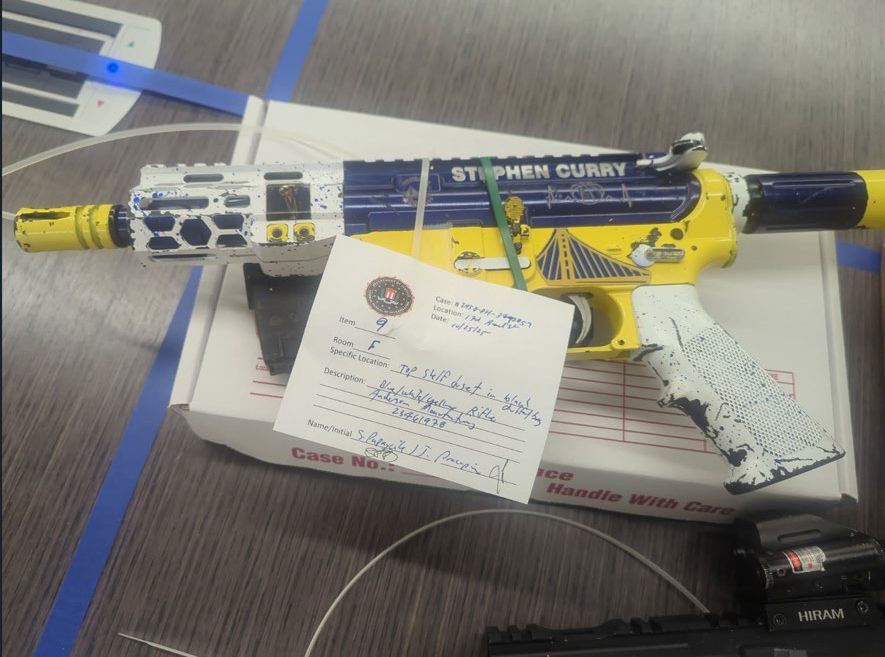
Police found four guns in Rios-Valentin’s house, a discovery that prosecutors said showed his ongoing commitment to the gang.
When Angel Rios-Valentin was arrested, prosecutors said, responding officers found several guns in his house, including this assault rifle.
Roman-Montanez, meanwhile, was arrested twice in the last three years, court documents show — but in both cases managed to avoid significant consequences.
In October 2022, police searched his house and found 96 grams of fentanyl, four loaded guns, and nearly $125,000 in cash, prosecutors said. Roman-Montanez was charged in state court, but the case was withdrawn.
Federal prosecutors did not explain the withdrawal in court documents, and because the case did not result in a conviction, the records are now sealed under Pennsylvania law. The district attorney’s office did not respond to a request for comment.
A source familiar with the case said it collapsed because scheduling issues with lawyers and witnesses delayed the preliminary hearing for more than a year and prosecutors ultimately withdrew the charges.
The second arrest was in August, when police, acting on a search warrant, again searched Roman-Montanez’s house and found more fentanyl, crack, and cash inside, court records show. He was charged with crimes including conspiracy and possession with intent to deliver, and his bail was set at $750,000.
But a month later, his lawyers persuaded a judge to lower his bail.
The prosecutor argued against that, according to a transcript of the bail hearing, saying the sheer amount of drugs and cash involved made clear that Roman-Montanez was “not a minor player.”
But Common Pleas Court Judge Elvin Ross III said details about Roman-Montanez’s role in the conspiracy were lacking. He reduced bail to $300,000, and a few weeks later, Roman-Montanez was back on the street.
Will the quieter aftermath last?
On the morning of Oct. 24, dozens of federal agents and city police officers swarmed Weymouth Street to arrest suspected gang members and gather additional evidence to use in their court case. Some targets were taken into custody elsewhere — the group’s leader, Morales Nieves, was arrested in Luquillo, Puerto Rico.
Patel, the FBI director, said at a news conference afterward that the case “is not just one instance of removing a couple of people — it is an example of how you remove an entire organization that has corrupted not just the city of Philadelphia but the state of Pennsylvania as well.”
Roman-Montanez has pleaded not guilty, as has Nancy Rios-Valentin. Her attorney wrote in court documents that she maintains her innocence, that the case against her was “not strong,” and that she “cannot be convicted on a theory of ‘guilt by association.’” A federal judge on Monday ordered that Rios-Valentin — who has four children — be released from jail and placed in home confinement at her sister’s house while awaiting trial.
On Weymouth Street, residents said in interviews that life has been quieter in the weeks since the raids. Some of that is the result of the ongoing police presence, which began to relax this week as officers resumed allowing passersby to walk or drive through the street.
One resident, who asked not to be identified for fear of retaliation, said he appreciated law enforcement’s attempt to help clean up a struggling area.
But he was skeptical that one prosecution — even one as ambitious as this — would reverse a persistent and neighborhood-wide problem.
“I don’t see it making a big difference any time soon, and it’s nobody’s fault,” he said. “This is not an overnight fix.”
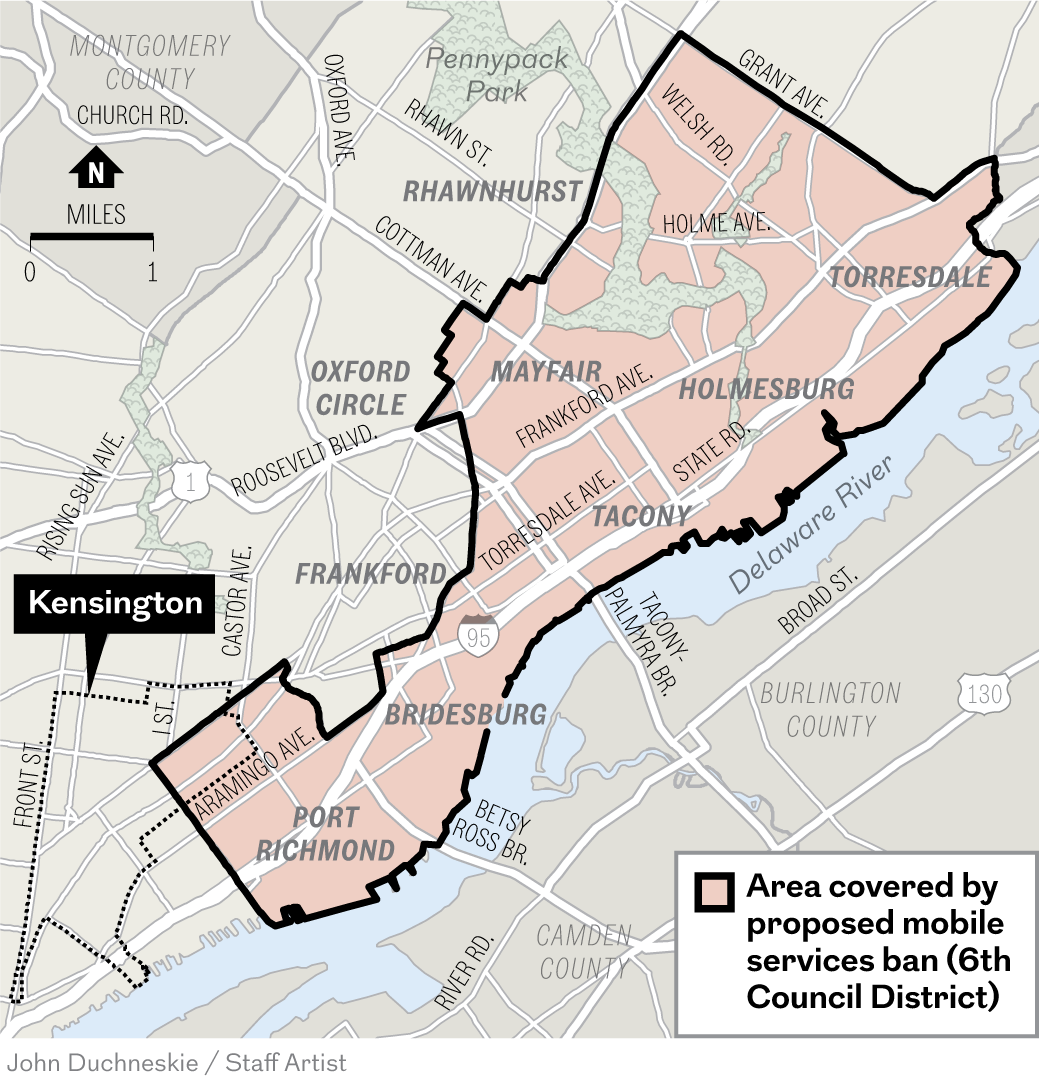
Philadelphia City Council is escalating its clash with some harm reduction providers, with lawmakers on a key committee voting Monday to ban mobile addiction services from parts of Kensington and its surrounding neighborhoods.
Members of Council’s Committee on Licenses and Inspections voted, 5-1, to advance the legislation, which covers the Lower Northeast-based 6th District, represented by Councilmember Mike Driscoll, the bill’s sponsor.
The area stretches from the eastern side of the intersection at Kensington and Allegheny Avenues — long the epicenter of the city’s opioid epidemic — north along the Delaware River and up to Grant Avenue.
The full Council could vote on the legislation as early as next month.
Map of the 6th Council District, the target of proposed legislation to ban mobile addiction services.
Some Kensington residents who have begged lawmakers for years to address the sprawling homelessness and addiction in the neighborhood said they support the legislation because the providers draw people who use drugs into residential areas.
“I have grandkids who can’t come and see me because of where grandmom lives at,” said Darlene Abner-Burton, a neighborhood advocate. “It’s not fair that we have to endure what we have to endure. No one should live like we do, and no one should go through what we go through.”
However, a half dozen harm reduction advocates testified that the legislation would not reduce homelessness or addiction, but would instead erect barriers to medical care that vulnerable people rely on and would lead to more overdose deaths.
“Every member of our community deserves dignity and compassion, not punishment,” said Kelly Flannery, policy director at the Positive Women’s Network, an advocacy organization for people with HIV.
Flannery called the measure a “cruel ban.”
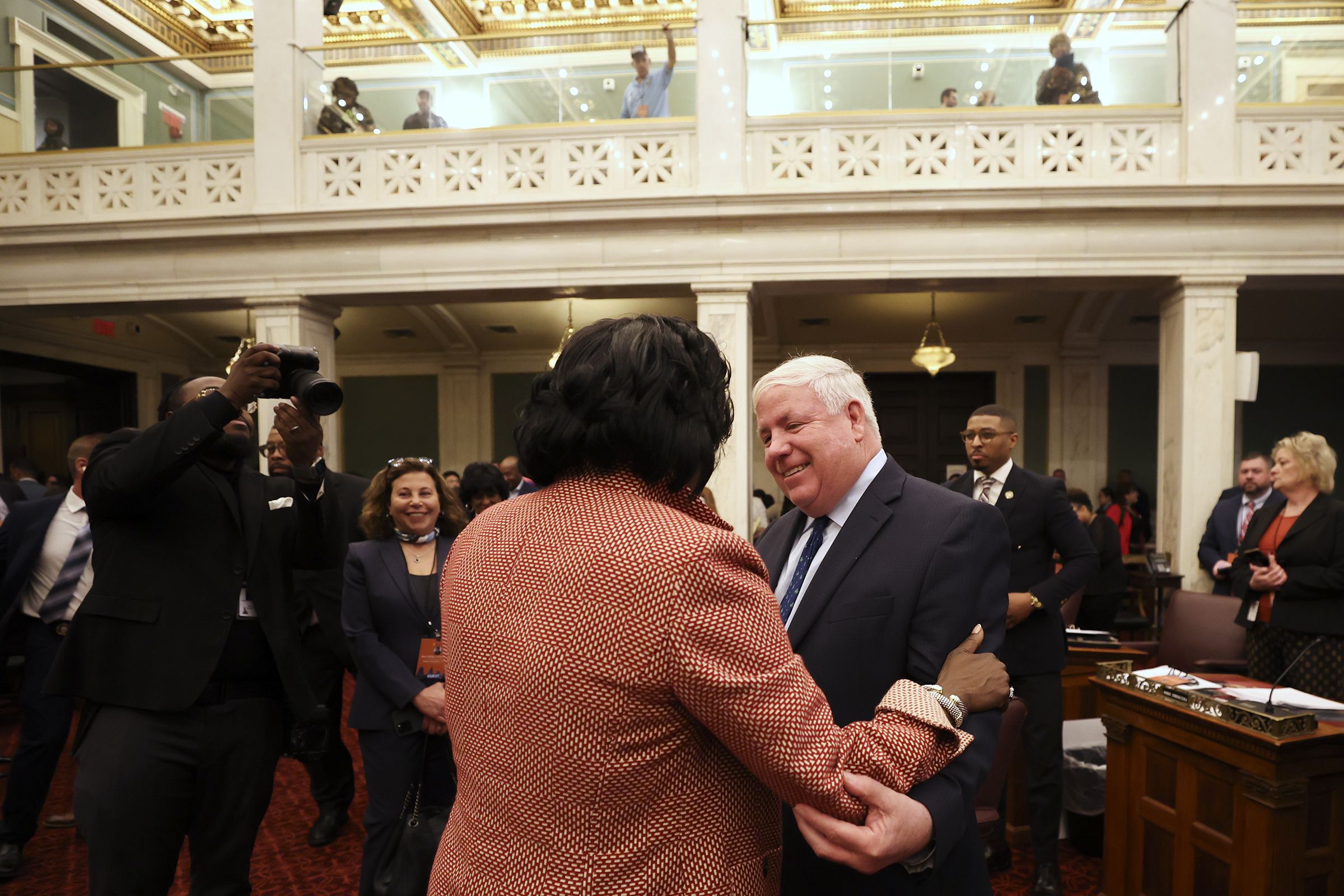
Councilmember Mike Driscoll, who represents the 6th District and authored the legislation, greets Mayor Cherelle Parker after her first budget address in City Council in March 2024.
It’s the second time Council appeared poised to pass a bill aimed at restricting mobile service providers, which are groups that operate out of vans or trucks and offer a range of assistance to people in need, including first aid, free food, and overdose reversal medication.
Earlier this year, Council voted to pass restrictions on the providers operating in the nearby 7th District, which covers the western parts of Kensington.
But that bill — which passed the full Council 13-3 and was signed by Mayor Cherelle L. Parker — was not a blanket ban.
That legislation, authored by 7th District Councilmember Quetcy Lozada, requires providers obtain a license, and it limits organizations that provide medical services to specific areas designated by the city. Groups that offer nonmedical services like distributing food are prohibited from parking in one place for more than 45 minutes.
The city is expected to begin enforcing that law on Dec. 1.
Driscoll said he introduced his own legislation to ban the services from his district entirely because he was concerned that providers who faced restrictions in the 7th District would migrate into the neighborhoods he represents.
The only committee member to vote against Driscoll’s legislation Monday was Nicolas O’Rourke, a member of the progressive Working Families Party who represents the city at-large and also opposed the 7th District legislation.
The ACLU’s Pennsylvania chapter slammed Philadelphia Mayor Cherelle L. Parker’s administration for invoking the organization’s name during a news conference this week, saying the group was not involved in what its leaders described as the mayor’s “DEI rollback.”
In a blistering statement issued late Wednesday, the ACLU-PA said Parker’s use of the organization’s name during a news conference announcing controversial changes to the city’s contracting policies created “the impression that the city’s decisions were vetted by our constitutional experts and aligned with our values.”
That was not the case, the group said.
“ACLU-PA was not consulted nor involved,” the statement said. “We welcome genuine collaboration with city leadership on policies that advance justice, liberty, and equity, especially for historically marginalized communities. Until such a partnership occurs, we ask that the administration refrain from using our name as a buzzword seal of approval.”
The Parker administration pushed back, with City Solicitor Renee Garcia saying Thursday that officials “were clear” that the administration consulted with an attorney who worked for the city’s outside counsel and who later went to work for the ACLU.
“We didn’t give ‘impressions,’” Garcia said, “we just gave the facts.”
Still, the civil rights group’s distancing from Parker was the latest criticism the mayor faced over her decision to eliminate a decades-old program that aimed to direct a significant portion of the city’s contracting dollars to firms owned by people of color, women, and people with disabilities.
Parker and her administration said the decision was made to align city policies with shifting legal precedent that has threatened affirmative action-style government programs. But critics have said the city preemptively conceded to the conservative legal movement that has sought to dismantle diversity, equity, and inclusion programs across the country.
In announcing her decision to make the city’s procurement policies race- and gender-neutral, Parker did not say that her administration worked directly with the ACLU in crafting its policy shift, nor did she mention the organization’s Pennsylvania chapter.
But Parker and members of her administration invoked the group’s name during the Tuesday news conference as they described the timeline of events that led up to the city’s decision to quietly change its policies this fall before announcing them publicly.
Mayor Cherelle L. Parker with city solicitor Renee Garcia (right) at City Hall Feb. 5, 2024.
Garcia said that the administration consulted in June with constitutional law experts, including Carmen Iguina González, who was at the time a Washington-based attorney at Hecker Fink, a law firm. Iguina González is a former clerk to Supreme Court Justice Sonia Sotomayor, considered one of the most liberal jurists on the high court.
About three months after the meeting with city officials, Iguina González became the deputy director for immigration detention at the ACLU’s National Prison Project.
During Tuesday’s news conference, Vanessa Garrett Harley, a deputy mayor and a top aide to Parker, cited the meeting with Iguina González in response to critics who have called the administration’s policy shift “conservative.”
She said Iguina González counseled the city to strike race- and gender-based diversity goals from its contracting policies.
“People [are] saying, ‘Oh, it was a conservative move. It was a conservative way of looking at the law,’” Garrett Harley said. “She had clerked for Justice Sotomayor. She’s currently at the ACLU. So this was not somebody who would have had a conservative mindset.”
Garrett Harley continued: “If we’ve got people on all sides… saying, ‘You have no other choice,’ then we’ve got to pivot and do what we have to do to protect the fiscal responsibility of the City of Philadelphia.”
Vanessa Garrett Harley, a deputy mayor, speaks during a press conference in June.
Later in the news conference, Parker also mentioned the ACLU, saying she was glad the city sought outside an outside opinion from Iguina González.
“I remember that meeting clearly,” Parker said. “And again — although she’s not with the firm, she made the transition and she’s now with the ACLU — I believe in her.”
This week was not the first time the ACLU has been at odds with Parker, a centrist Democrat who ran for mayor in 2023 on a tough-on-crime platform.
And once Parker took office last year, Pennsylvania ACLU leaders expressed opposition to parts of her plan to address the open-air drug market in Kensington, including the so-called wellness court, a fast-track court for people accused of minor drug-related offenses.
Gloria Cartagena Hart vividly remembers the scenes and sounds of her Kensington block just three years ago: The streets filled with trash. The sidewalks lined with dozens of people openly using drugs. Nightly pops of gunfire from dealers competing for turf, and the haunting screams that followed.
It was 2022, in the heart of one of the most notorious drug markets and poorest zip codes in America.
But Cartagena Hart, a longtime resident at Somerset and Jasper Streets, now says the neighborhood is experiencing something she once believed might never come.
“I see some progress,” she said.
Gloria Cartagena Hart is a community organizer in Kensington who said she will never stop fighting for resources to stabilize the area.
For the first time in decades, under the renewed efforts of Mayor Cherelle L. Parker’s administration, some residents and city officials alike agree that many of Kensington’s most chronic challenges have been improving — albeit slowly.
Fewer dealers dot the corners. Three times as many police officers patrol the neighborhood, disrupting their business. Half as many people are living on the streets compared with last year, police said. Some residents say quality-of-life issues — trash pickup, abandoned car removals, 311 calls — are being addressed more quickly.
And gun violence — long a byproduct of the drug economy and fragmented crews fighting for turf — is at its lowest level in a generation.
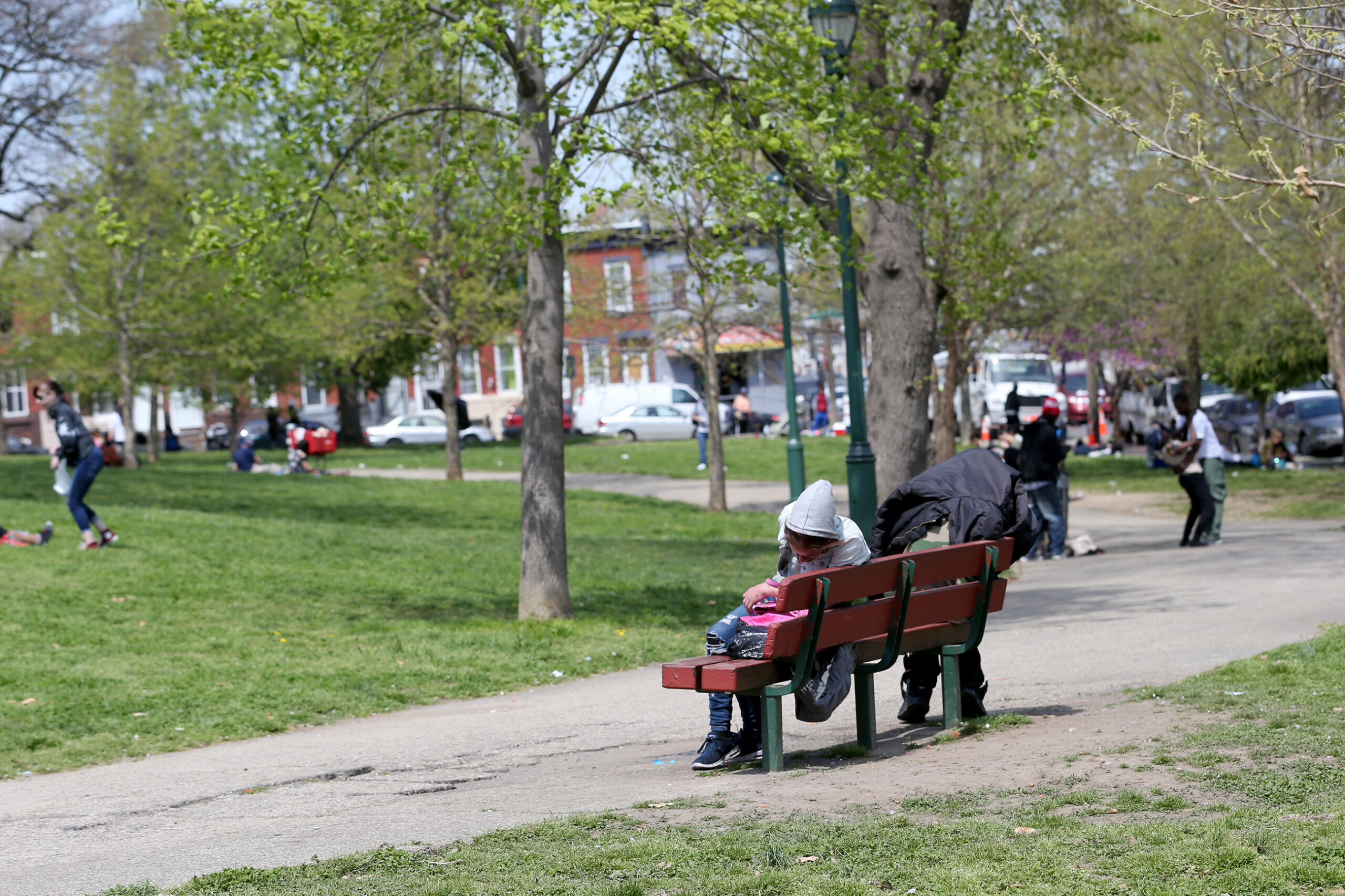
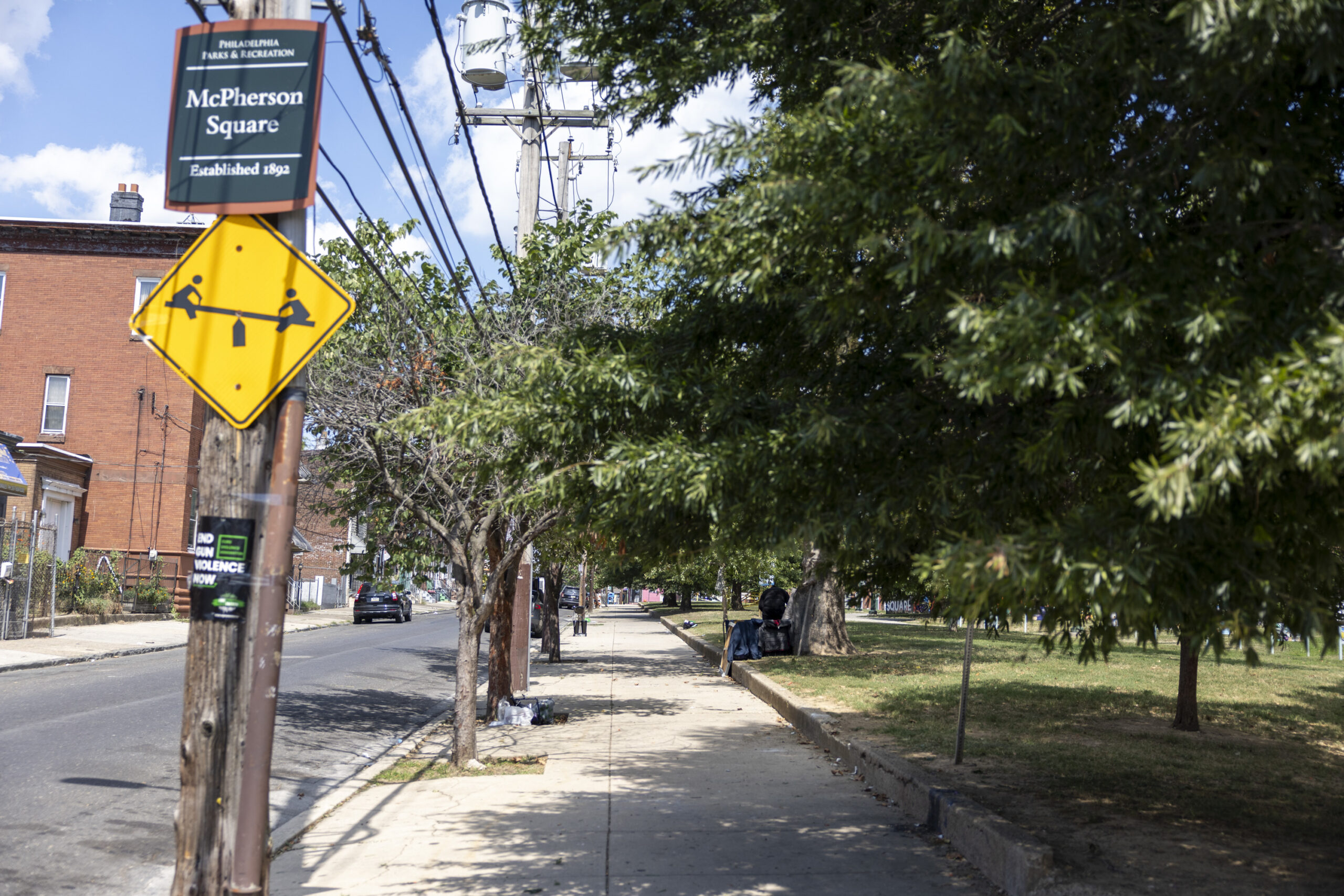
For years, McPherson Square was typically filled with people openly using drugs, as seen in this photo from April 2021. Residents could not let their children visit the park safely.This year, McPherson Square is a different scene. There are often a few people sitting along the edges, but police regularly sweep the park and ask people to leave.
City agencies and healthcare groups say they have also worked to get drug users into treatment more quickly, and have started building a network of care that they hope will keep fewer people from returning to the streets. Riverview Wellness Village, Parker’s new $100 million recovery and treatment facility, now houses about 200 people.
“Neighbors [are] telling me how many more people are sitting on their steps, how many more children are riding their bikes, how many more people may walk the commercial corridor,” Parker said this week. “To me, that’s progress. … We weren’t going to close our eyes and ignore it and walk around like it didn’t exist, or just contain it in one area.”
She’s committed to long-term change there, she said.
More dealers show up to give out free samples of drugs — and free pizza slices to go with them — in an effort to win over customers in a more competitive market, she said. She is constantly asking people to stay off her steps.
Deputy Police Commissioner Pedro Rosario sees the ongoing challenges.
“Am I where I want to be? No. Nowhere close to it,” said Rosario, who oversees the policing strategies in Kensington. “But ‘moving in the right direction’ is not giving us enough credit.”
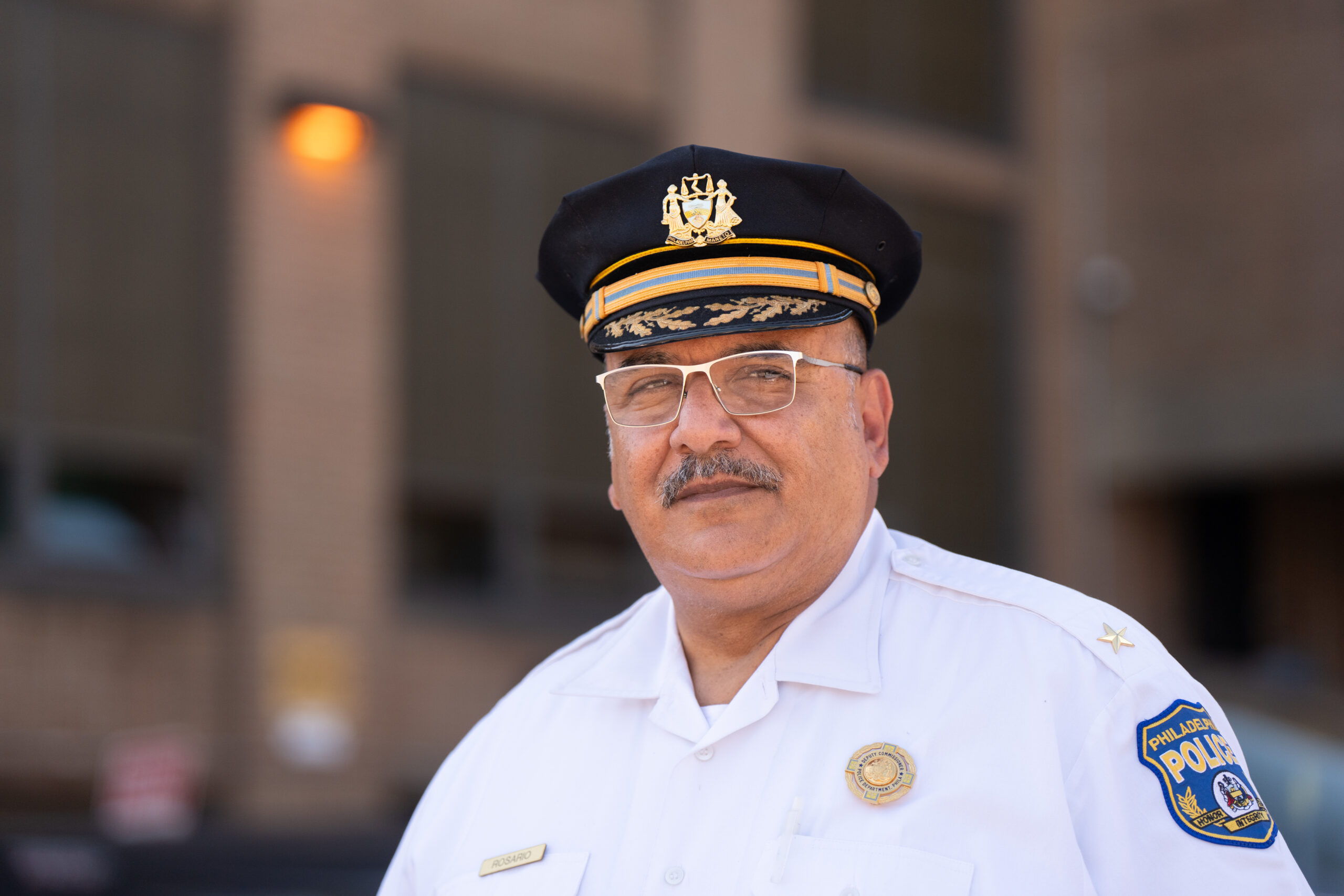
Deputy Commissioner Pedro Rosario walks through the mini police station on Allegheny Avenue.
Improvements in Kensington, he said, may always be limited by the depths of the drug crisis and economy.
“It’s never gonna be as good as everyone wants it to be,” he said, but “it’s like the first time we’re all kind of rowing in the right direction.”
Some harm-reduction groups said the progress is surface level, and criticized the city for pushing homeless people into other areas where they are harder to reach: Harrowgate, Center City, the SEPTA stops at Broad and Snyder, Erie Avenue, and 69th Street.
“They’ve made it more difficult for people to be visibly homeless,” Sarah Laurel, who heads the harm reduction organization Savage Sisters in Kensington, said of the city’s efforts. “But have they actually resolved the dire need of community members who are unhoused?”
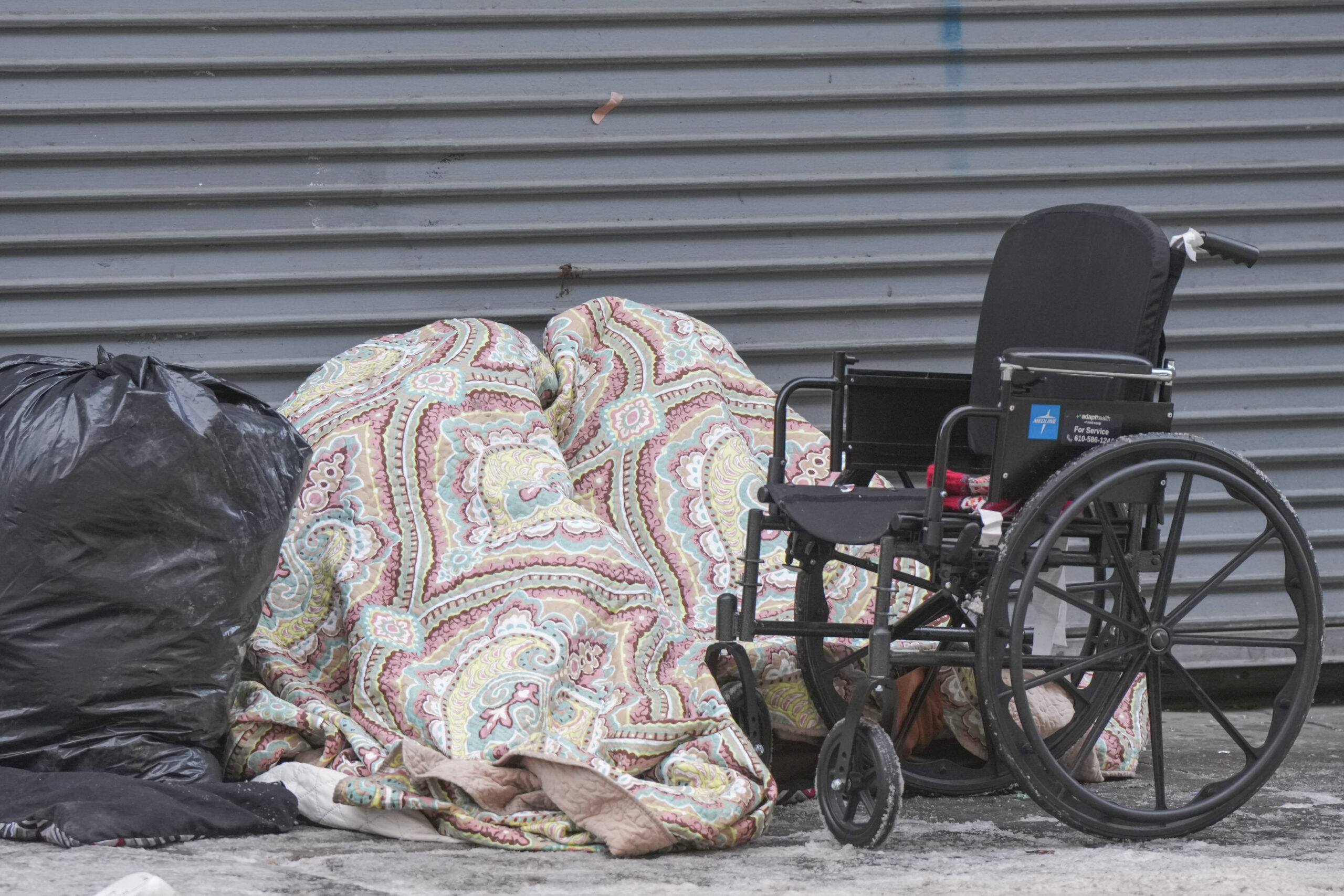
People experiencing homelessness and addiction sleep under blankets on Kensington Avenue in January.
Still, one woman in her 30s, who has come to Kensington on and off since she was 16, acknowledged the neighborhood is no longer the “free-for-all” it was at the height of the pandemic.
“It has changed,” she said, clutching a crack pipe on a quiet block away from police. “You can still get high on the street, you just can’t get caught doing it.”
And that, Rosario said, is progress.
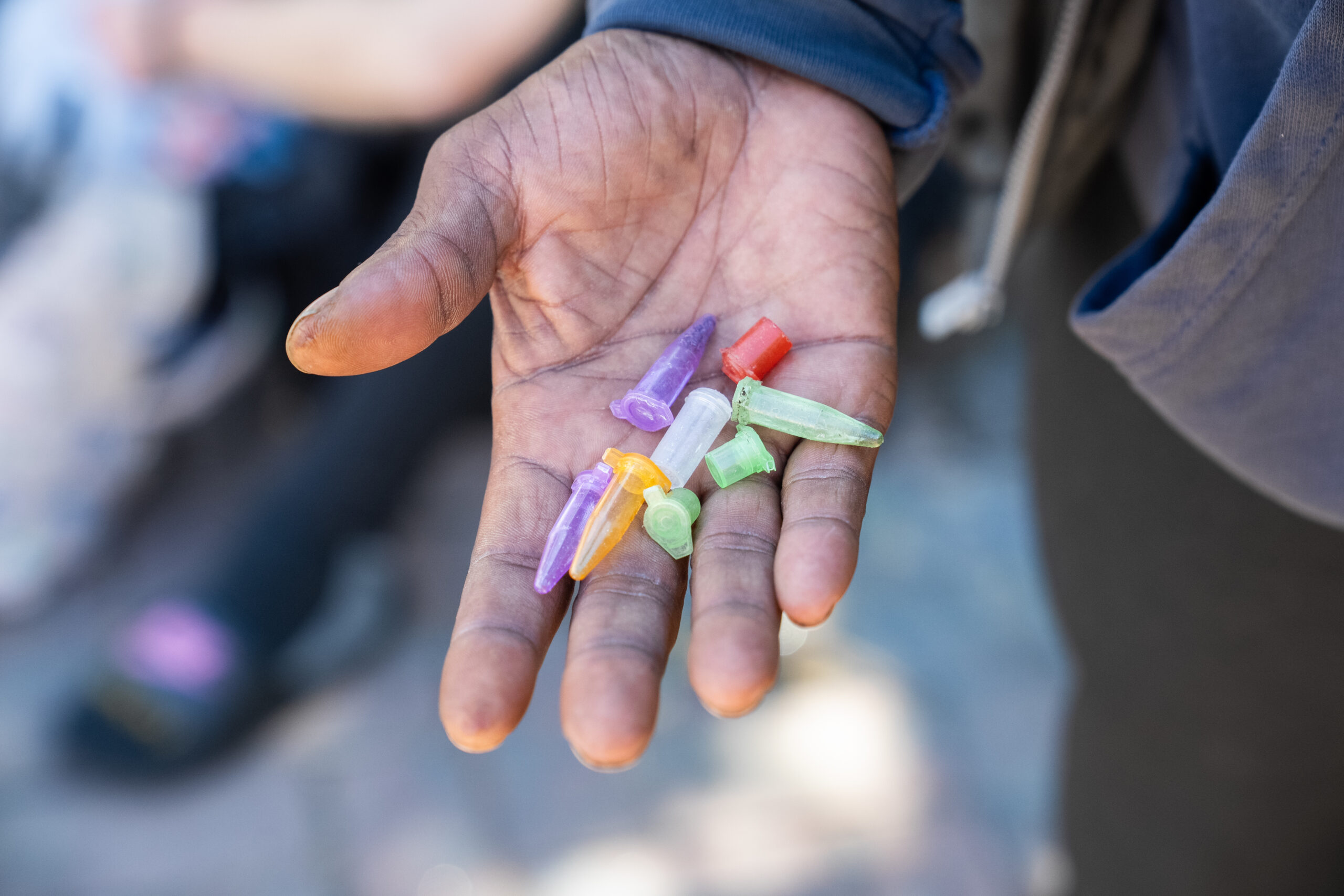
A man who sells drugs holds a collection of empty vials that typically hold meth, crack, and other illicit substances.
A drug ‘flea market’
Rosario has been a police officer in Kensington for 24 years, and saw how the neighborhood became what he calls “the flea market” of the city’s billion-dollar drug economy.
There have always been drug organizations that run specific blocks there — crews from Weymouth, Jasper, and Rosehill Streets, each with its own product, stamp, and employees to sell it.
But in the last five years, he said, blocks have been “leased out.” Someone in New York City or the Dominican Republic will often “own” a block, Rosario said, and rent it out to a local dealer to use for a week to make a stack of money and move on. Dealers even started using drug users to sell in the last few years, he said, because they are less obvious to police, can be paid less, and are seen as “expendable.”
That structure makes it challenging for police to identify and arrest the people in charge, he said. If a lower-level dealer is arrested — or killed — the top distributors can easily find a replacement.
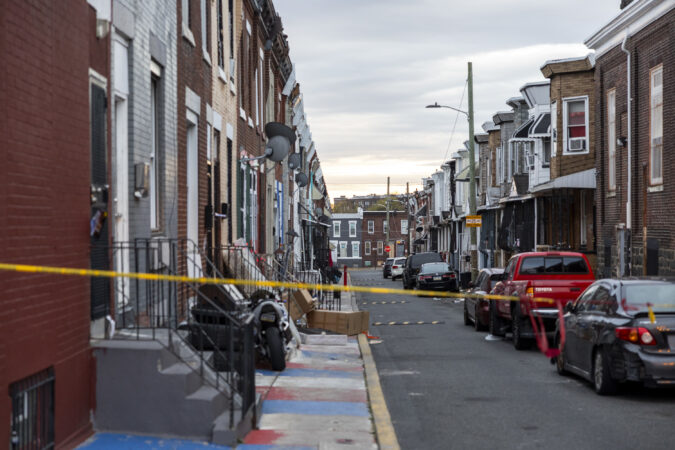
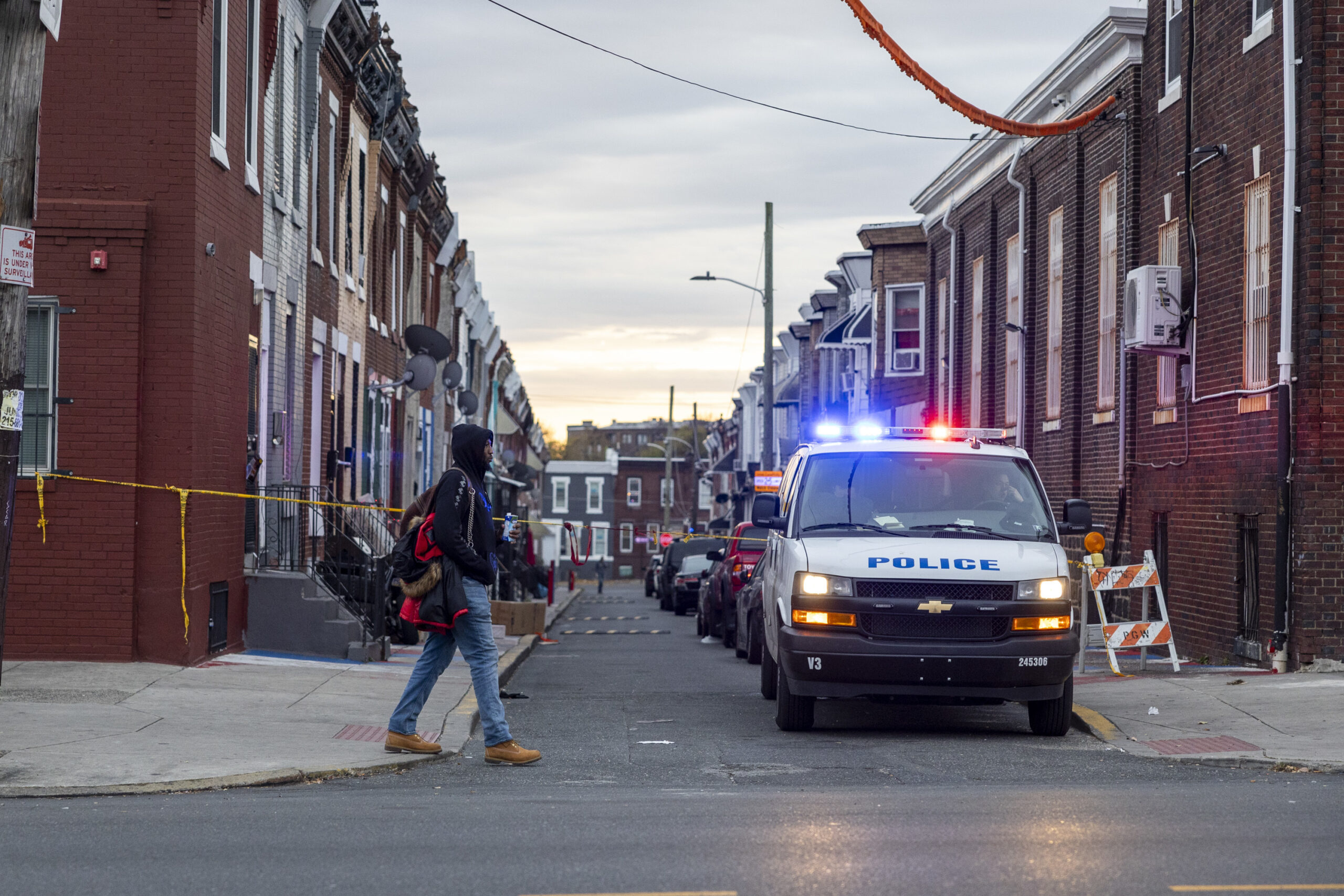
Philadelphia police officers have a shut down the 3100 block of Weymouth Street after federal agents raided the block and arrested 30 people last month.
And the dealers are fearless, he said. Just before the police department was set to open a mini station near F Street and Allegheny Avenue in November 2020, the building was firebombed, he said. He suspects it was dealers attempting to prevent a growing police presence. (The department has since opened a station at 1952 Allegheny Ave.)
Deputy Commissioner Pedro Rosario faces the challenge of overseeing the policing one of Philadelphia’s poorest and most challenging neighborhoods. He sees progress so far.
When Parker tapped Rosario to lead the police department’s plans in the neighborhood, his first order of business was to reduce the violence so that city workers felt safe enough to go into the neighborhood.
Last summer, the department assigned about 75 rookie cops to buttress existing patrols in the neighborhood, and it has continued to send in more officers. There are now three times as many police patrolling the main drag along Kensington Avenue as there were in 2021 — most of them on foot.
Rosario says the expanded police presence has contributed to a historic decline in violence.
(function() {
var l2 = function() {
new pym.Parent(‘kensington_2025’,
‘https://media.inquirer.com/storage/inquirer/projects/innovation/arcgis_iframe/kensington_2025.html’);
};
if (typeof(pym) === ‘undefined’) {
var h = document.getElementsByTagName(‘head’)[0],
s = document.createElement(‘script’);
s.type = ‘text/javascript’;
s.src = ‘https://pym.nprapps.org/pym.v1.min.js’;
s.onload = l2;
h.appendChild(s);
} else {
l2();
}
})();
While shootings citywide are down about 55% compared to three years ago, they have fallen even more in Kensington.
Through the second week of November, 46 people had been shot in the 24th Police District — an 82% drop from 2022, when, during the same time period, 259 people were shot. And there are half as many shooting victims as there were a decade ago.
“I cannot emphasize how important that is to resetting the norms in that community,” said Adam Geer‚ the city’s chief public safety director. “That is 82% less families dealing with the trauma. That is 82% less gunshots heard ringing in the night.”
Philadelphia police take a man into custody at Kensington Avenue and G Street on March 20, 2024. Police searched the man and said they found small plastic bags containing what was believed to be illegal drugs (top left).
Through Nov. 15, arrests for drug dealing in the neighborhood were up 23% since Parker came into office. Still, overall, the city is on pace to see the fewest number of drug-related arrests in at least 15 years, city data show, and as law enforcement largely focuses in Kensington, arrests for selling drugs in other parts of the city are down about 34% compared with the 23 months before Parker was elected mayor.
Geer said the city is still in the beginning phases of its efforts. Illicit drug sales will likely always persist, he said, “but what we are really, really going after is the open, blatant, in the air using drugs and selling drugs toxic to this community.”
Rosario also said that reducing the area’s homeless population — by disbanding encampments and generally “being as disruptive as possible” — was critical to reducing the strain on the area’s services and residents, and lessening the open-air drug use and dealing.
A woman in a wheelchair looks down Kensington Avenue after police cleared a large encampment in May 2024.
It has worked. Last September, there were about 750 people living on the streets in the area, according to a weekly count by police. During the same time this year, there were about 400.
But homelessness in the city generally has not improved, city data show.
There are actually about 400 more people experiencing homelessness this year than last, according to data from the Office of Homeless Services. Police and care providers believe some have simply moved to other neighborhoods to avoid the police presence.
Rosario acknowledged the dispersal, but said Kensington didn’t deserve to bear the burden of those crowds alone.
Because shutting down the drug market in Kensington, he said, “is like trying to stop a wave” at the beach.
“You can disperse it,” he said. “Maybe you can reengineer to kind of push it to a different direction.”
But you can’t stop it.
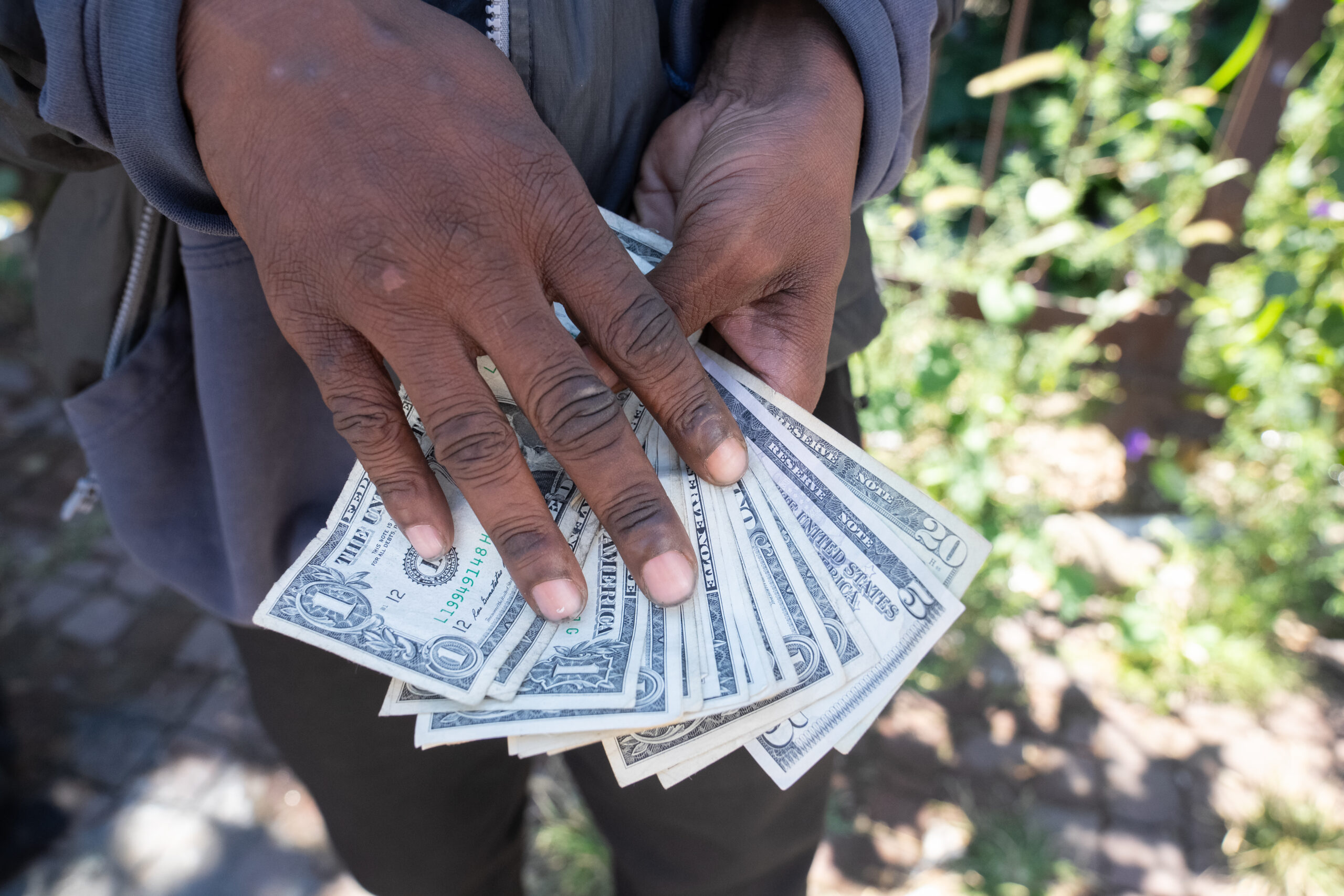
A man fans out the cash he has made on a recent day selling drugs. It’s not much — in part, he said, because there are fewer people in Kensington buying from him.
The view from the streets
One drug dealer can see the shift — and feel it in his wallet.
The 47-year-old man, who asked not to be identified because he sells illegal drugs, said he came to Kensington from New York in 2012 after serving time in prison for robbery. He’s been in the drug trade since he was 12, he said, taught by his parents, who hustled in the Bronx.
Today, he spends his days and nights on a quiet, trash-strewn corner, smoking K2 and selling crack, meth, and dope — whatever the man in the maroon Crown Victoria drops off that day.
During the pandemic, he said, business was booming. When he worked the overnight shift on Jasper Street, he said, he made at least $1,500 a week. Today, with more police on the corners and fewer customers on the streets, he’s lucky to clear $400.
A 28-year-old dealer along Kensington Avenue scoffed at the police enforcement. Where does the city expect the drug economy to go if not here? he asked. The drug trade is a constant, a viable employer with a stable customer base, and it has to go somewhere.
“They can’t put a cop on every f― block,” said the man, who asked not to be identified to discuss illegal activity.
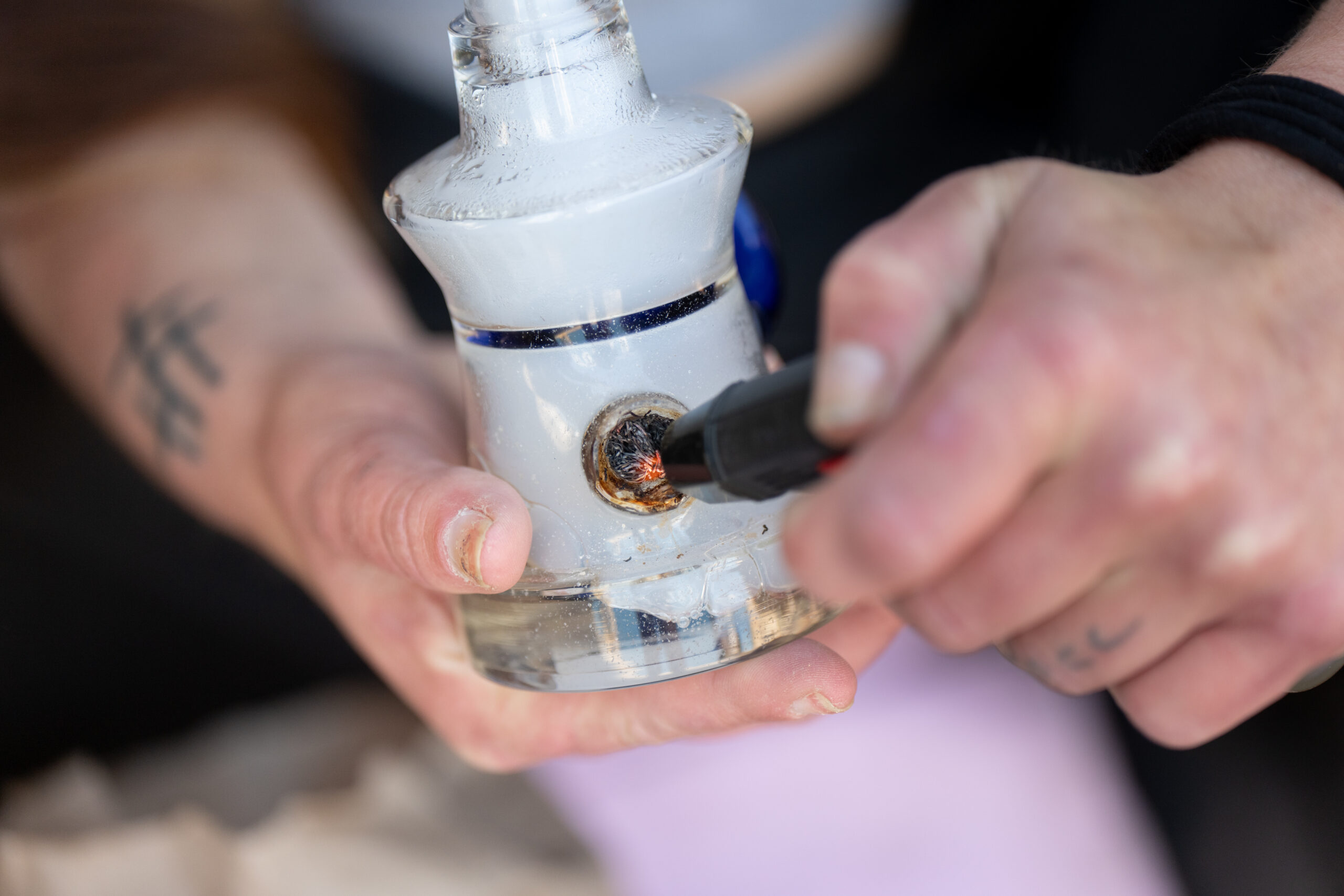
A woman smokes crack on a quiet street in Kensington.
A few streets over, a 36-year-old man who smokes fentanyl and crack said that, a year or two ago, there would be five or six dealers on the corner of Jasper Street and Hart Lane.
Now, he said, there’s one.
“It’s harder to get drugs,” he said.
As police have cracked down on retail theft — once an easy way for people in addiction to make quick cash by reselling the items — it’s also gotten harder to fuel his habit, he said. He usually gambles online on his phone to scrape together a few extra dollars, he said, getting paid through CashApp, which some dealers use to accept payment now.
Many people in addiction said life overall is harder in Kensington — police clear away their tents, shoo them out of parks, and remove the often-stolen grocery carts used to carry belongings. It makes them feel subhuman, said one 36-year-old woman who has struggled with addiction since she was 13.
“We just want to be safe and warm,” she said.
But the biggest fear on the block these days, people said, is the withdrawal.
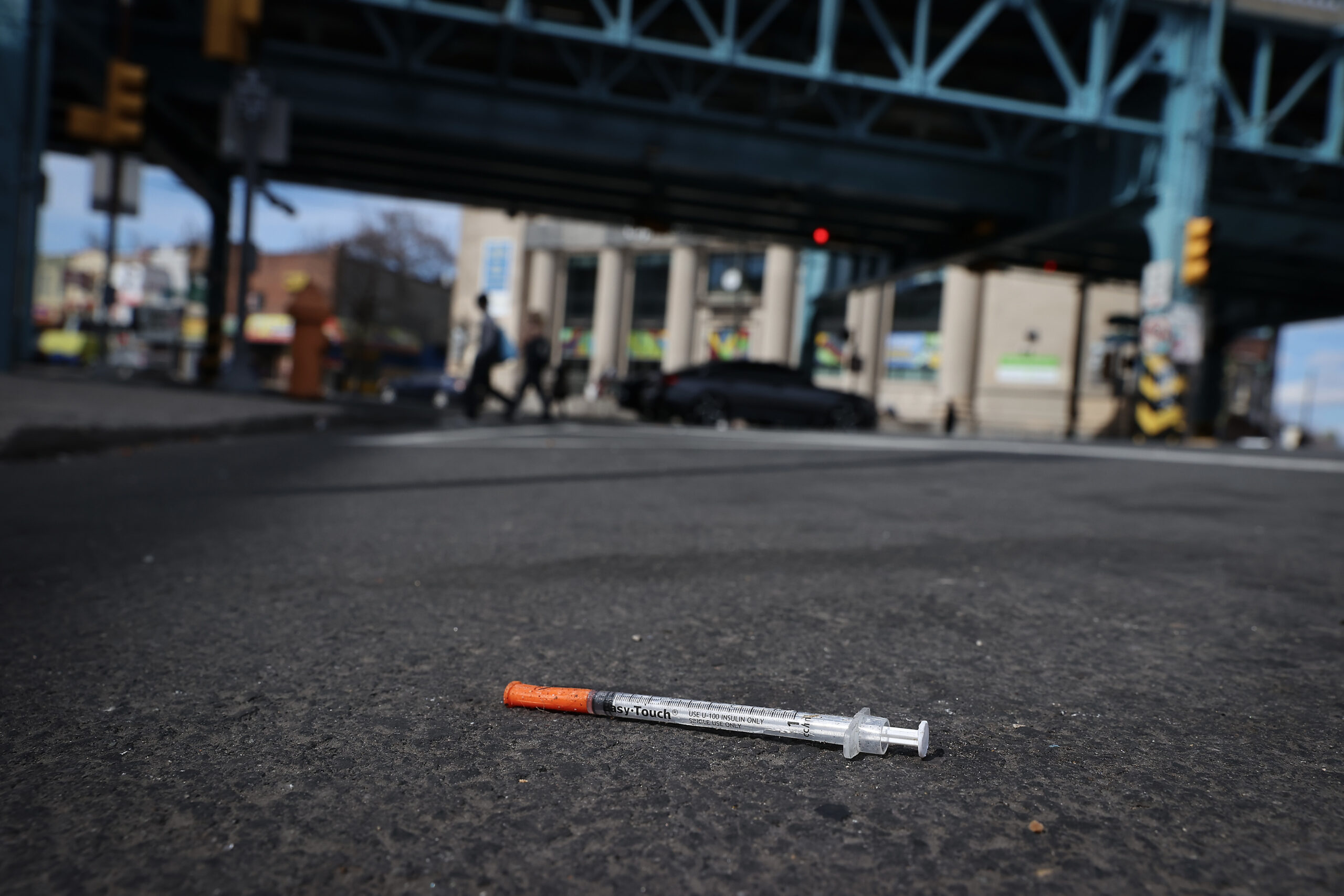
A used hypodermic needle rests on Allegheny Avenue at Kensington Avenue on March 17, 2024.
The withdrawal symptoms, which can begin within two hours, are so intense they can send people into cardiac arrest. Only hospitals can offer the most effective treatments for medetomidine withdrawal, and more people are ending up in intensive care units.
Dave Malloy, director of mobile services for Merakey, one of the city’s main addiction treatment providers, said the city has made strides in streamlining access to treatment in the last two years.
Evaluations that once required a daylong wait at a hospital can now happen in the field through mobile units like Malloy’s, getting people to rehab within hours. Doctors can also start patients on medications like Suboxone or methadone, to lessen their withdrawal symptoms, in as little as 45 minutes.
Malloy said that treatment providers, hospitals, police, and city agencies are working together better than they have in years.
“There was a realization that everybody had been siloed,” he said.
Only about 6% of the city’s homeless people who accepted help fromoutreach workers went to drug treatment and detox centers in recent years, according to city data — a statistic that, as of February, had not improved under Parker’s tenure.
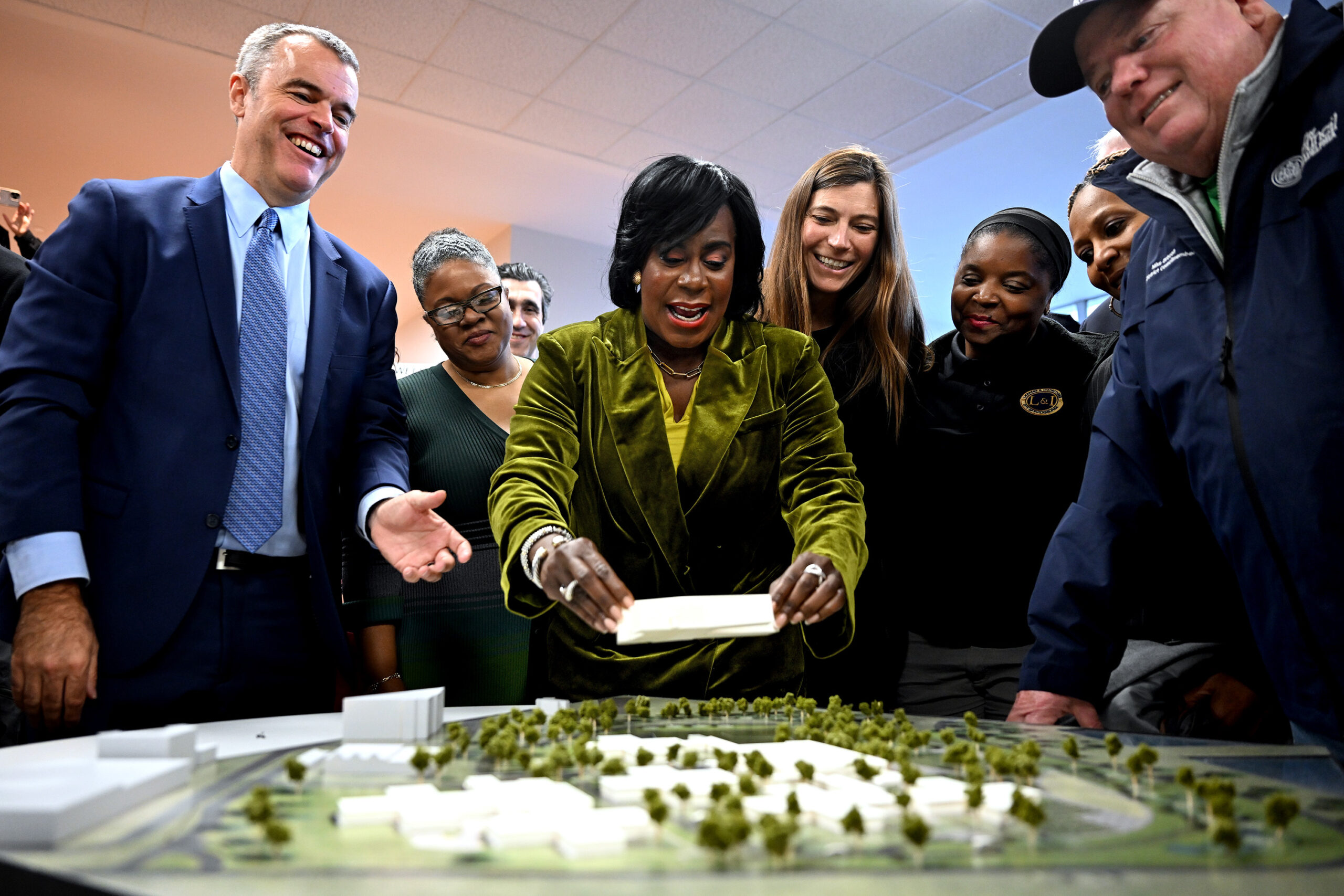
Mayor Cherelle L. Parker places a new block on the scale model of the Riverview Wellness Village Wednesday during the January unveiling of Philadelphia’s new city-operated drug treatment facility. At left is Managing Director Adam Thiel.
The city said it has also expanded the number of beds available for people in recovery by 66% through the opening of the Riverside Wellness Village, where people can live for up to a year after completing 30 days of inpatient drug treatment. Once construction is complete, the facility will house over 600 people.
Another 180 people are living in a shelter at 21st Street and Girard Avenue, which the city expanded last spring.
And the Neighborhood Wellness Court — a fast-track diversion program where people in addiction who are arrested for low-level offenses are brought before a judge the same day, in hopes of getting them into treatment more quickly — is growing.
In the first three months of the court, which Parker’s team launched in January and runs one day per week, only two of the approximately 50 people who had come through completed the program. Most who opted to go to rehab immediately left and absconded from follow-up hearings. At one point, operations were so disjointed that court leadership threatened to shut it down.
But Parker is committed to the court’s success and wants it to operate five days a week. The city recently hired a new director to oversee the court, and is in the process of hiring 14 additional staff members to provide better follow-up care.
Still, through early September, of the 187 people who had come through the court, only 10 completed the program and saw their criminal cases expunged, according to city data.
And while most people still do not come to court, the city said that it expects the situation will improve with the additional hires, and that there is success in the 130 people who have accepted some form of service through the court, even if they weren’t ready to enter recovery.
The “Lots of Lots of Love” mural by artist J.C. Zerbe is on the 3200 block of Kensington Avenue.
‘Kensington is love’
The increased police enforcement has sent more people in addiction to jail, and several people have died in police custody after they overdosed or had medical emergencies while going through withdrawal.
And not all residents feel the progress, or see the increased police presence as a good thing.
Theresa Grone, 41, who lives next to McPherson Square Park, said she and her children still cannot sit outside without someone in addiction asking them if they have free drug samples or clean syringes.
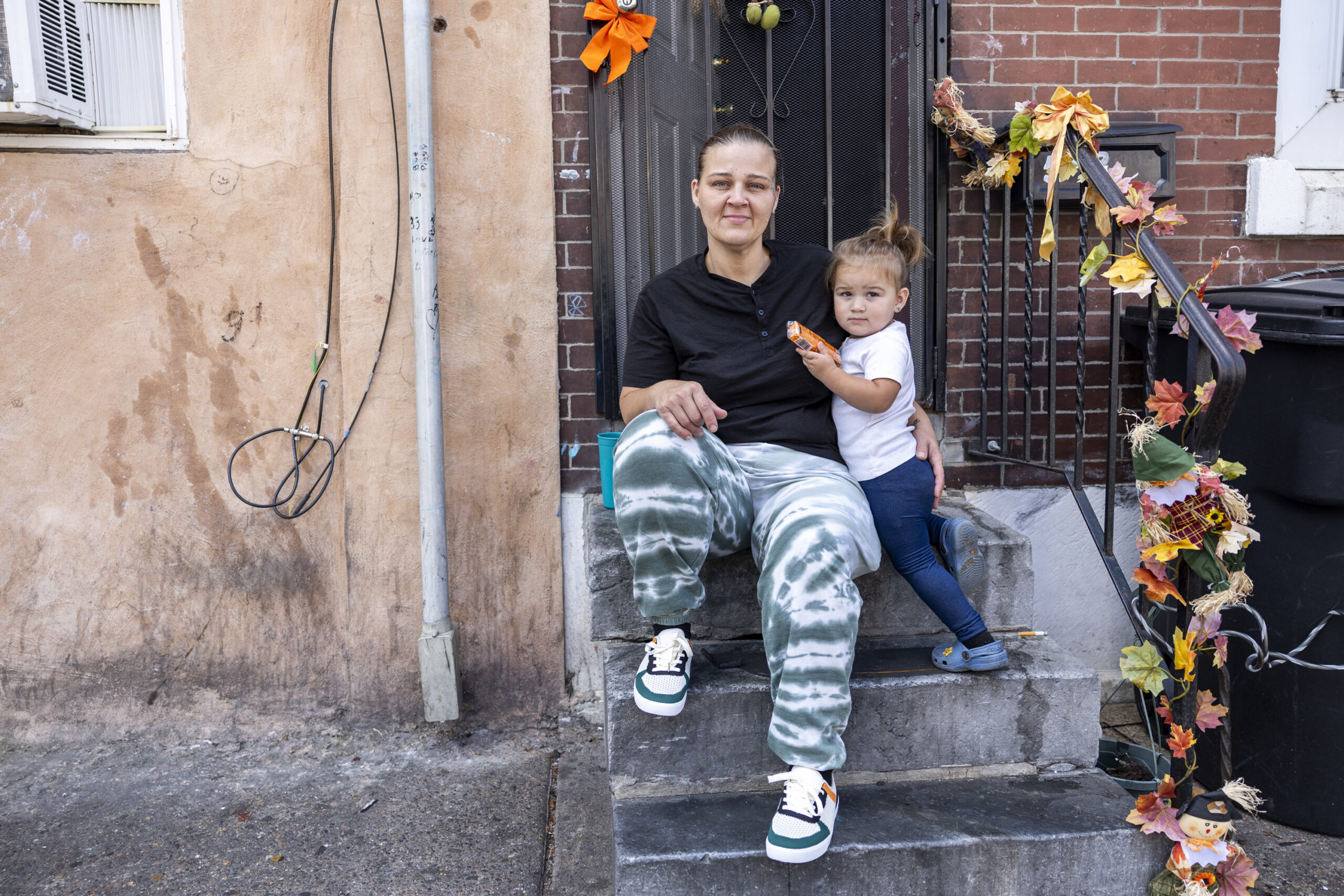
Theresa Grone, 41, and her daughter Abagail, 2, live near McPherson Square Park in Kensington.
And, she said, the police in the neighborhood have gotten more aggressive and harass people who aren’t doing anything wrong. Drug dealers and users still dominate the block.
“They’re not in the places they used to be, but they’re still there,” she said — on side streets, in abandoned houses, moving to corners as soon as the police leave.
She feels like the city is expanding resources for people in addiction more than for families like hers — a group of eight people renting a rowhouse in disrepair who want to move but can’t afford to.
But other residents, like Cartagena Hart, hope to never leave.
She said she has always seen the beauty and strength of Kensington, even at its lowest — the neighbors who care for each other’s children and feed the homeless, the police officers who will show up as soon as she texts them for help.
“Kensington,” she said, “is love to me.”
And she’s proud, she said, that her advocacy and that of her neighbors has helped city leaders finally invest in helping them.
Staff writers John Duchneskie, Max Marin, Anna Orso, Dylan Purcell, Sean Walsh, and Aubrey Whelan contributed to this article.
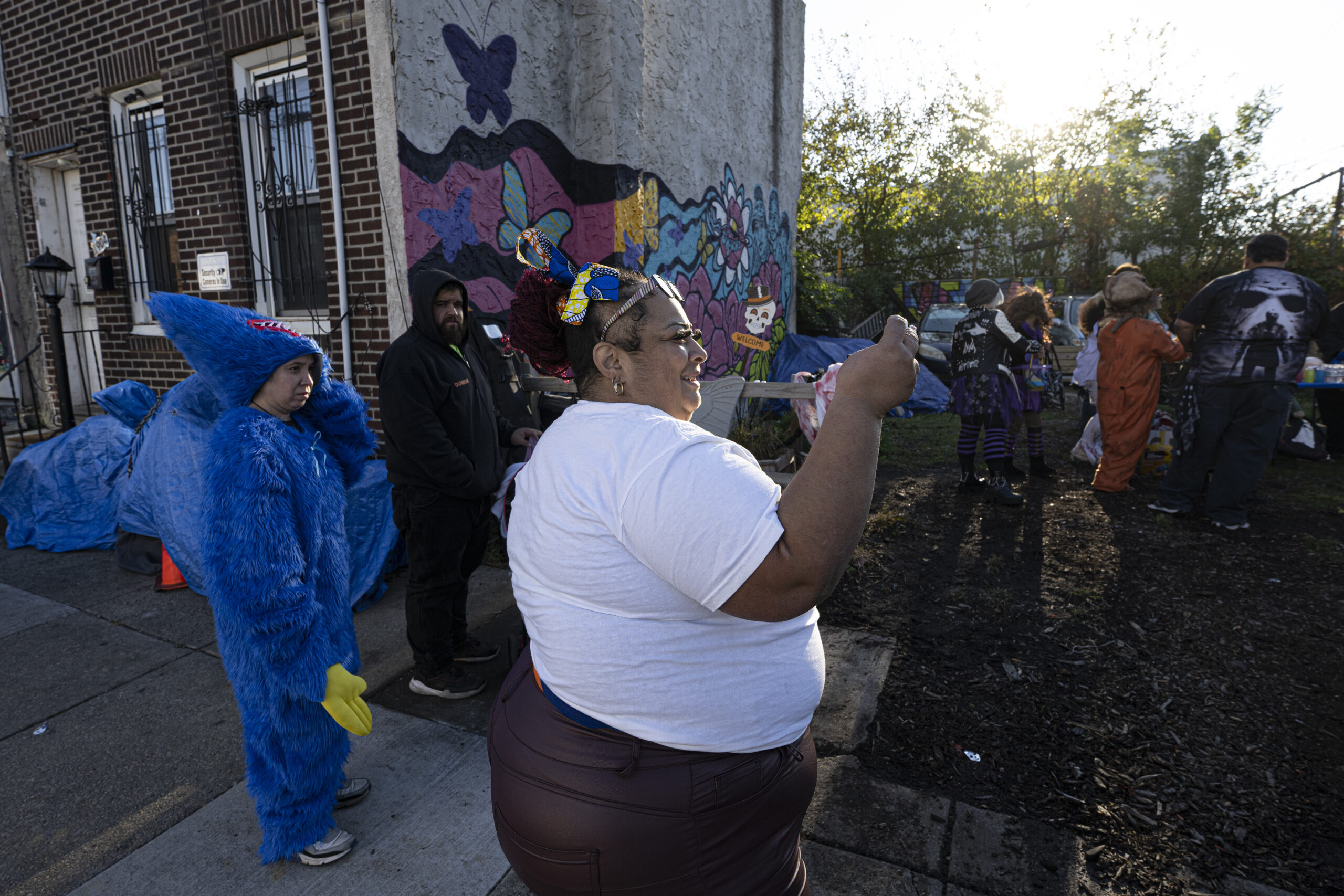
Gloria Cartagena Hart interacts with neighbors during a Halloween party and giveaway that she organized at the Butterfly Garden in Philadelphia’s Kensington neighborhood.
After months of state and federal budget stalemates that have threatened essential services for Philadelphia’s most vulnerable, we now know those budget outcomes don’t address critical housing needs, and as such, we have an opportunity right now as a city to meet the moment through the first year of spending in Mayor Cherelle L. Parker’s housing affordability plan.
As a city, we are currently scrambling to decide what to do with $200 million per year for four years to address housing, when just last year we were discussing spending $1.3 billion on a Sixers arena in Chinatown. Clearly, the issue is not a lack of resources, but where we choose to direct them.
Housing in Philadelphia has rarely been people-first in its approach; rather, it’s been about extraction from communities in one form or another. One could argue that the first great Philadelphia housing plan started with the city’s founding in 1682 and was built on the displacement of the Lenape people, who had inhabited the region for generations.
In a neighborhood like Kensington — where I live and work — housing was developed at the turn of the 20th century to advance industry, and the profits to be made from it, by putting factories in formerly rural spaces and then surrounding those workplaces with as many homes as possible. This was a housing plan meant to extract as much as possible — rental payments, increased worker productivity, patronage of local businesses — from those who lived and worked here.
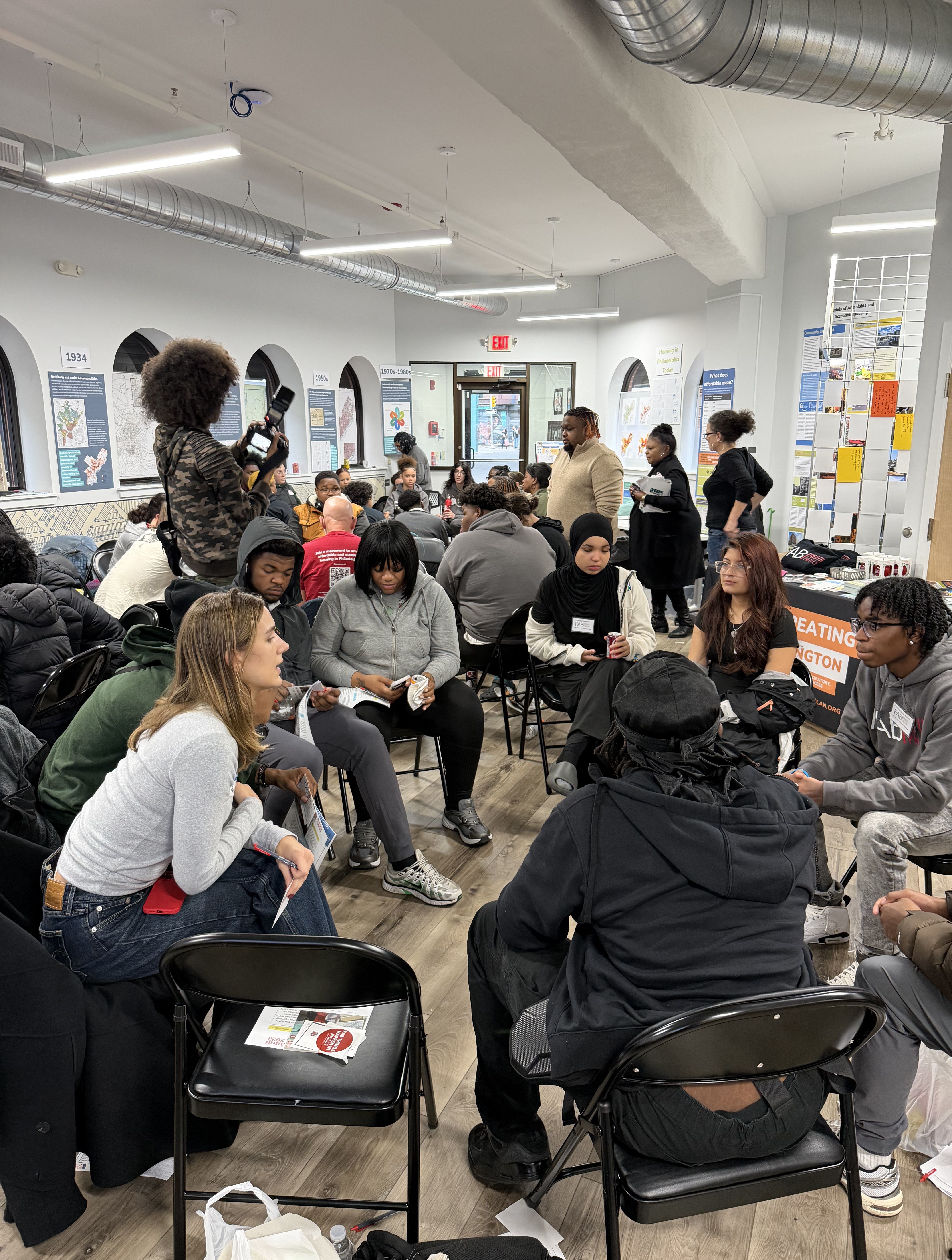
Fab Youth Philly brings together young people for a teen town hall to discuss housing issues on Nov. 15 at the Kensington Engagement Center.
Any transformative housing plan must be built on values: to address historical and current misaligned missions that continue to drive exploitative forces in our neighborhoods. The start of the mayor’s H.O.M.E. program is a moment to ensure the plans that we will be paying for over the next 30 years are people-first in their mission, purpose, and function.
Real change happens when we are collectively grounded in hope, community, facts, and information about where we have been, all of which can serve as a guide to where we’d like to go.
Over the last few years, New Kensington Community Development Corp. has been facilitating the Co-Creating Kensington planning and implementation process, in which we have received feedback from 700 residents about their priorities. In January, we completed the rehabilitation of a three-story building at 3000 Kensington Ave., converting it into the Kensington Engagement Center, a meeting place and exhibition space that was designed to facilitate conversations with the community on their priorities.
Conversations with our neighbors and partners revealed that housing is an increasingly pressing issue for Kensington residents (as well as for the rest of Philadelphia). We collectively recognized a moment of alignment with the release of the Philadelphia H.O.M.E. Initiative and the soon-to-be-released Pennsylvania Housing Action Plan.
This deep-dive approach is based on an understanding that community engagement needs to go beyond pizza parties and setting up tables at events. For a community to truly participate in its future, it needs to be informed, there needs to be shared power, and there needs to be collaboration and collective visioning.
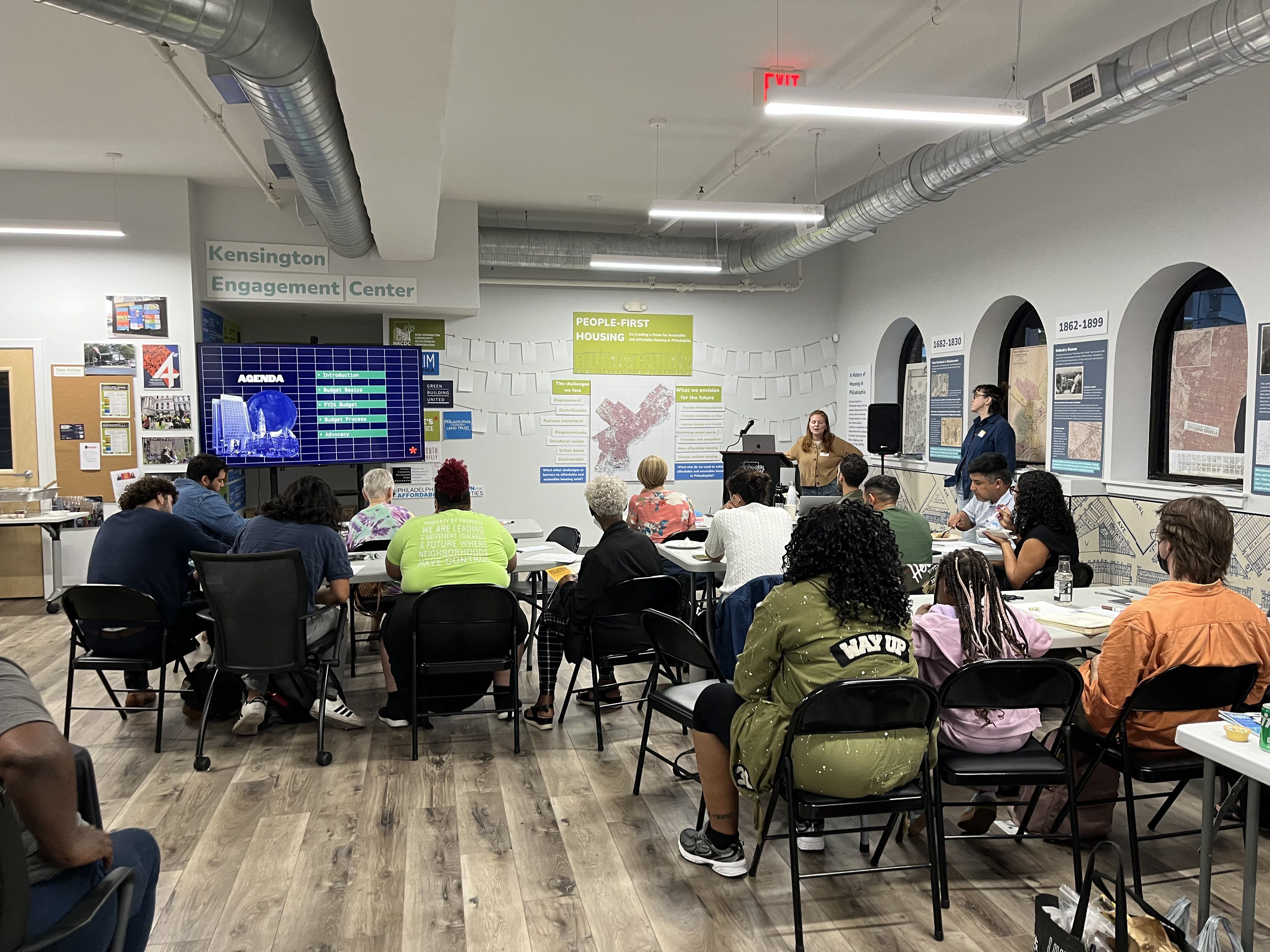
The People’s Budget Office facilitates a Budget 101 Workshop at the Kensington Engagement Center on Oct. 7.
The workshop series has engaged more than 175 residents from 15 neighborhoods and has covered topics from housing wins, gentrification and displacement, how municipal resources are directed toward housing, environmental concerns, tenants’ rights, illegal evictions, and more.
Angela Brooks, Philadelphia’s chief housing and development officer and new chair of the board of the Land Bank, came out for a workshop on the H.O.M.E. plan to help residents understand how the initiative will work and to hear resident feedback.
Most recently, we hosted a teen town hall facilitated by Fab Youth Philly, in which more than 70 young people came together to share their hopes, dreams, and concerns and gave guidance on how the city can support young people — for example, looking at how the McKinney-Vento Homeless Assistance Act implements programs that serve youth.
What we’ve learned so far is that the best way to build momentum for change is through informed, collective action and leveraging strategic pressure points by investing in relationships early. Creativity and diversity in leadership and lived experience are critical to ensuring movements are resilient, and we need to question the status quo.
Communities must be built for the people who live in them, so that they aren’t just about four walls built by colonizers and conquerors, but about communities of choice and relevance so people can thrive.
Trickle-down approaches do not work. The city’s H.O.M.E. plan needs to concretely prioritize resources for residents whose households earn no more than 30% of the area’s median income. We need to serve those on housing program wait lists before adding more and higher earners. We need to preserve the affordable housing we already have, and we need to invest more deeply in home repair programs like Built to Last.
As someone serving on the H.O.M.E. advisory board and as a nonprofit leader of a community development corporation, I learned there are several housing issues we aren’t addressing at all in the city’s H.O.M.E. plan, such as those affecting young people and individuals impacted by the criminal justice system who have urgent needs but do not meet many of the traditional service categories.
How do we move forward?
For those of us who are currently centering housing, learning and being in community is essential. But we also need actionable moments.
Participate in any of the remaining workshops in our series, become informed, and become a part of the community.
Call your City Council member to make sure they are aware of the above priorities and your desires for housing.
I recommend all these organizations because they put people first in housing plans — countering the notion that housing is just a commodity. Instead, they affirm the fundamental idea that housing is about people — and that people deserve a home.
Bill McKinney is a Kensington resident and the executive director of the New Kensington Community Development Corp.
Angelica Javier was sitting at home on a Saturday evening last month when her son’s uncle called in a panic.
Xzavier, her 16-year-old, had been shot, he said — one of the teen’s friends had called and told him, but he knew nothing else.
Javier, 32, frantically checked a news website and saw a brief story mentioning that a man was shot and killed in Northeast Philadelphia.
That could not be her son, she told herself. Xzavier was only a boy, she said — tall but lanky, with the splotchy beginnings of a mustache just appearing on his upper lip.
She called around to hospitals without success. Xzavier’s father, Cesar Gregory, drove to Jefferson Torresdale Hospital, desperate for information.
Then, just before 10 p.m., she said, a homicide detective called to say their eldest child, their only son, had been shot and killed that afternoon near Teesdale and Frontenac Streets.
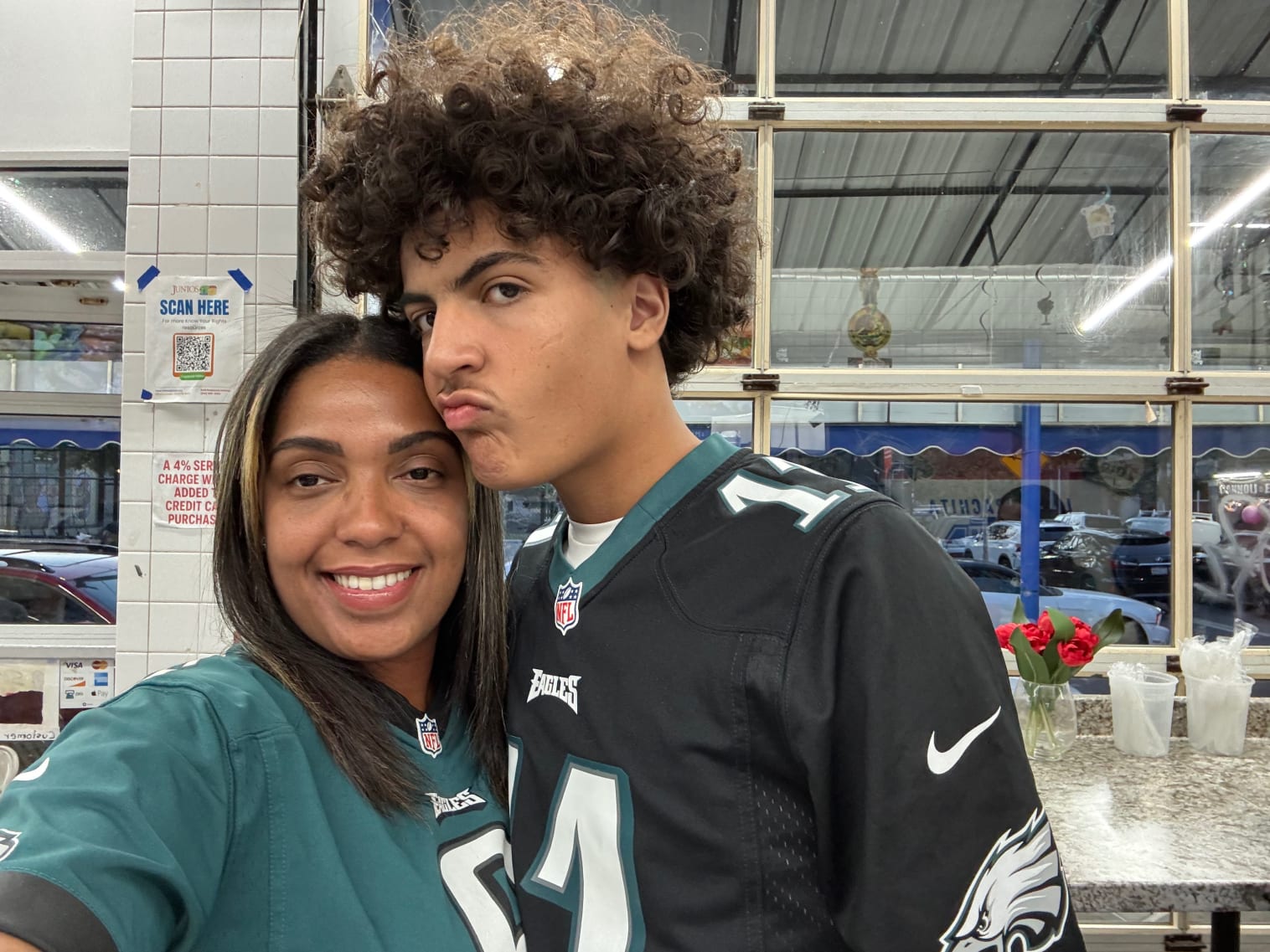
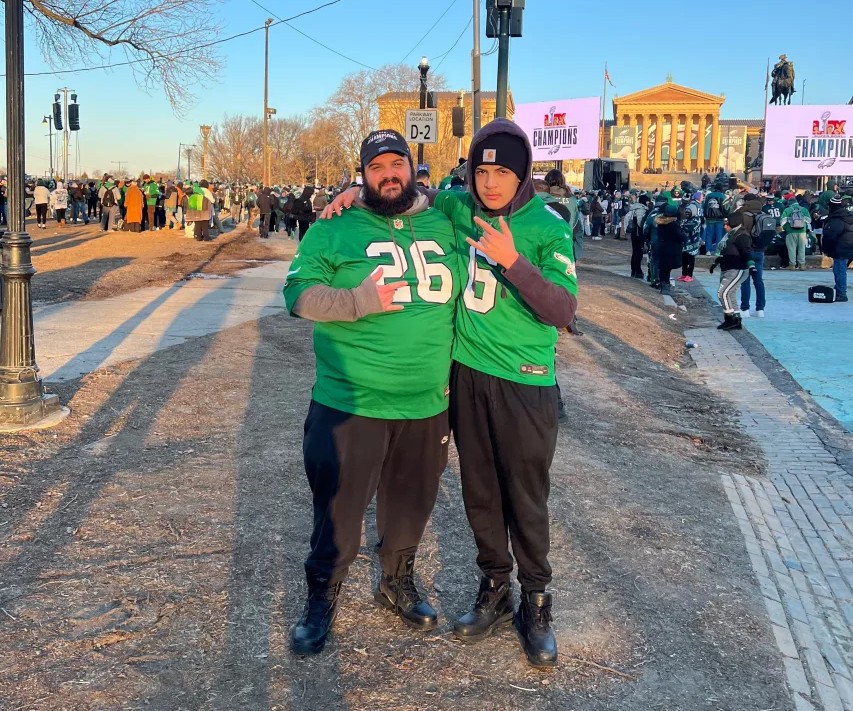
Angelica Javier (left) and her 16-year-old son, Xzavier Gregory, getting tacos after watching the Eagles beat the Los Angeles Rams earlier this year.
The shooting, police said, stemmed from a dispute among teens at the Jardel Recreation Center, just blocks away, earlier in the week. Xzavier’s parents said the detective told them that one of their son’s friends may have slapped a young woman that day.
On Oct. 11, they said, police told them that Xzavier and his friends stopped by the young woman’s house shortly before 4 p.m. to talk with her, apologize, and resolve the conflict. They shook hands, the parents said, and started to walk away.
Then, police said, the girl’s 17-year-old boyfriend, Sahhir Mouzon, suddenly came out of the house with a gun and started shooting down the block at them. Someone shot back, police said, but it was not Xzavier. In total, 45 bullets were fired.
An 18-year-old woman walking by the teens was wounded in the leg.
Xzavier was struck in the chest and died within minutes.
Mouzon has been charged with murder and related crimes.
Javier and Gregory have been left to navigate life without their “Zay” and to reckon with a loss that comes even as gun violence in the city reaches new lows — but which still persists among young people and brings pain to each family it touches.
They don’t understand how a 17-year-old had a gun, they said, or why a seemingly minor — and potentially resolved — conflict had to escalate.
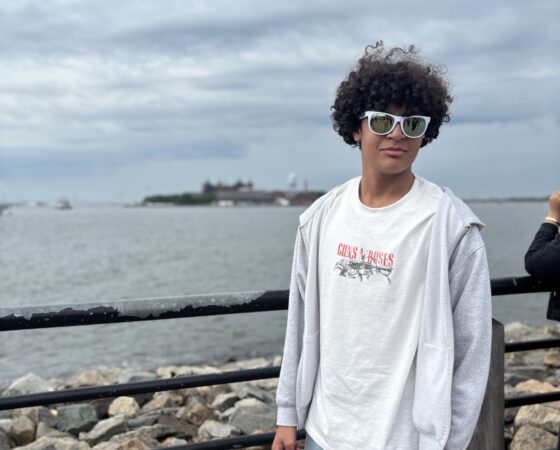
But mostly, they said, they want Philadelphia to know and remember their child: a goofy junior at Northeast High. An avid Eagles fan. A lover of Marvel movies and spicy foods.
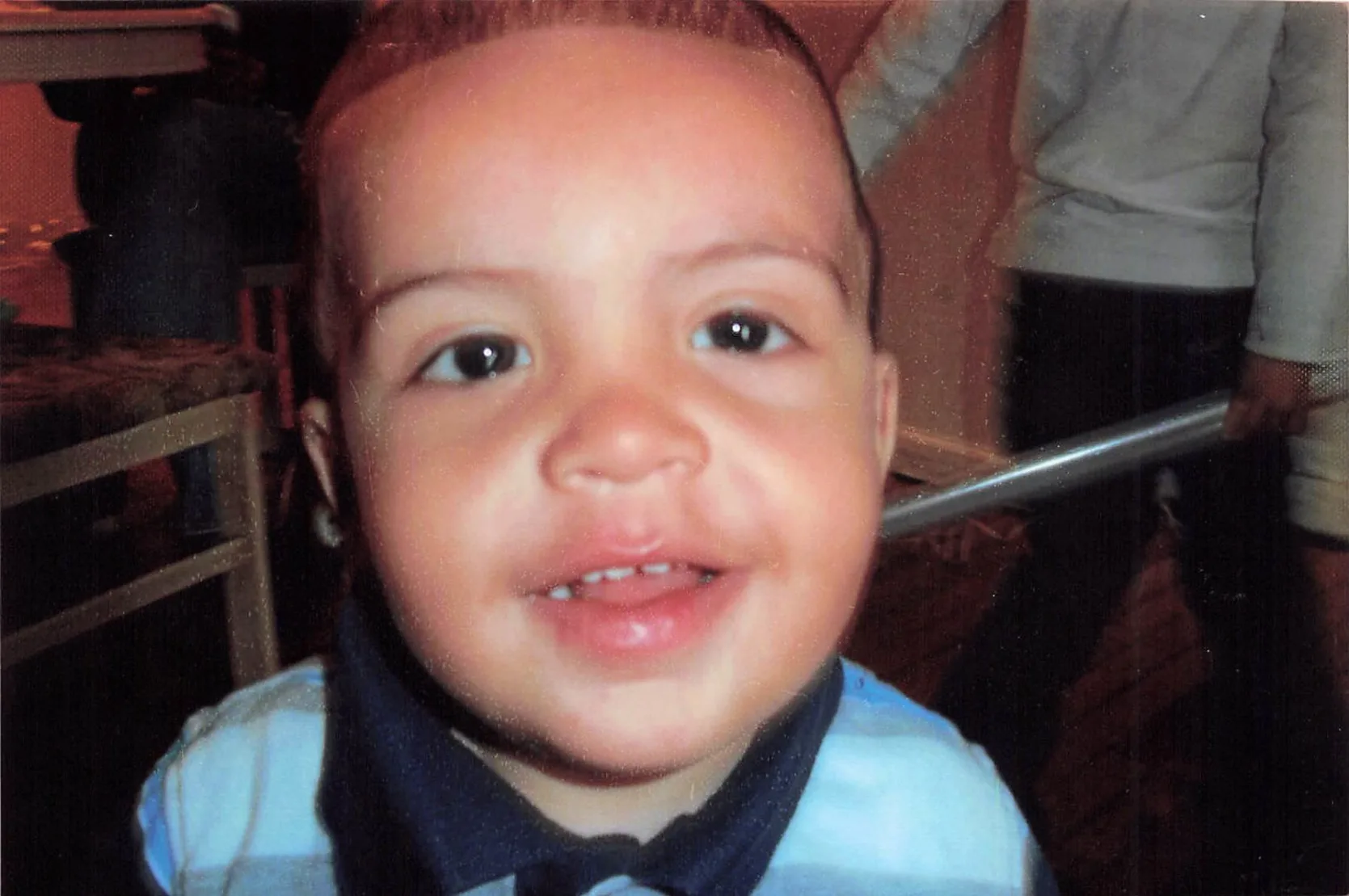
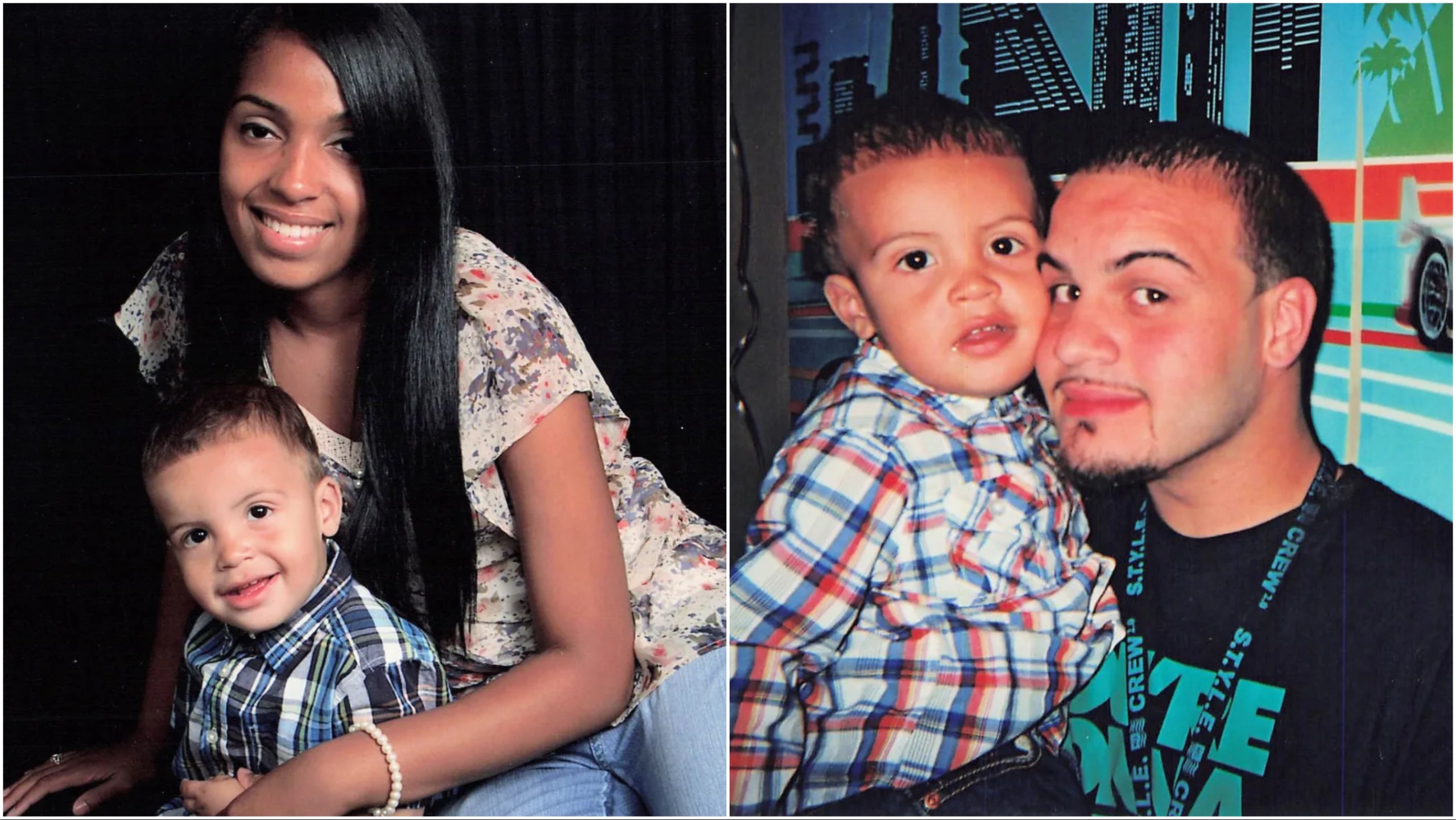
Xzavier Gregory was born in Philadelphia. His parents loved his chubby cheeks.Xzavier Gregory was born Sept. 20, 2009, to Angelica Javier and Cesar Gregory.
Xzavier Giovanni Gregory was born Sept. 20, 2009, at Temple University Hospital in North Philadelphia. His parents, just teens at the time, were immediately taken by his chubby cheeks, which he kept until his teenaged years.
He lived in Kensington until he was about 10 years old, his mother said, when they moved to the Northeast. He attended Louis H. Farrell School, then spent his freshman year at Father Judge High before moving to Northeast High.
He loved traveling, and often visited family in Florida and the Dominican Republic, attended football camps in Georgia and Maryland, and tagged along on weekends to New York with his mother as part of her job managing federal after-school programs.
He played football for the Rhawnhurst Raiders, typically as an offensive or defensive lineman, and had a natural skill for boxing, his parents said.
Philadelphia sports were in his blood — particularly the Eagles. DeVonta Smith and A.J. Brown, his father said, were his favorite players. (Before his death, he agreed that Brown should be included in more plays this year, Gregory said.)
Some of Gregory’s favorite memories with his son revolve around the Eagles. Sitting front row at the Linc on his 13th birthday. Erupting in cheers as the team won its first Super Bowl in 2018. Embracing in tears when they won a second this year.
Cesar Gregory (left) and son Xzavier at the Eagles Super Bowl parade near the Art Museum in February. It is a day with his son that the father said he will never forget.
Xzavier was the oldest of three children. His sisters are still too young too fully understand what happened, the parents said.
“He went to heaven,” Javier told 7-year-old Kennedy.
The number of kids shot peaked in 2021 and 2022, when violence citywide reached record highs and guns became the leading cause of death among American children. So far this year, 105 kids under 18 have been shot — a sharp drop from three years ago, but still higher than pre-pandemic levels, according to city data.
Xzavier is one of at least 11 children killed by gunfire this year.
Xzavier Gregory (center) was a goofy teen who attended Northeast High School, his parents said.
Javier and Gregory said some relatives are considering leaving Philadelphia, shaken by Xzavier’s killing and a feeling that teens don’t fear consequences.
But the parents said they will stay. They want to be near Magnolia Cemetery, where Xzavier is buried, and to feel closer to the memories that briefly unite them with him.
On harder days, they said, they go into his bedroom, which is just as he left it, a relic of a teenage boy.
His PlayStation controller sits in the middle of his bed, and a photo of him and his mother hangs on the wall above it. His Nike sneakers are scattered. His black backpack rests on the floor, and a Spider-Man mask sits on the corner of his bedframe.
On Thursday, his parents stood in the room they used to complain was too messy, that smelled like dirty laundry.
“Now, I come in just to smell it,” Javier said.
She took a deep breath.
Staff writer Dylan Purcell contributed to this article.
A Navy pilot in New Jersey. A democratic socialist in New York City. Three Pennsylvania jurists who never wanted to hit the campaign trail in the first place.
The results were momentous for a party hungry for wins in President Donald Trump’s second term. But they are also likely to revive longstanding debates on how the party should present itself to the American people going into the 2026 midterms and 2028 presidential race.
Should Democrats embrace a bold vision and tack left? Are left-of-center candidates with bipartisan appeal still the way to win statewide races? Or could the party simply embrace the reality of being a big-tent party?
Here are five takeaways from Tuesday’s elections, including the state of play for both parties’ soul-searching exercises.
Democrats gained momentum, but received no clear signs about the future of the party
The energy is clearly there.
Turnout soared on Tuesday, despite being an off-year election, and Democrats won by surprisingly large marginsup and down the ballot.
Even Montgomery County, where there were no competitive elections for county offices, saw its highest-ever off-year turnout at 50.7% of registered voters, and Democrats flipped every contested school board race.
At the top of the ticket, New Jersey’s Mikie Sherrill and Virginia’s Abigail Spanberger, both U.S. representatives with national security backgrounds, ran up the scores in their gubernatorial races while portraying themselves as pragmatists.
window.addEventListener(“message”,function(a){if(void 0!==a.data[“datawrapper-height”]){var e=document.querySelectorAll(“iframe”);for(var t in a.data[“datawrapper-height”])for(var r,i=0;r=e[i];i++)if(r.contentWindow===a.source){var d=a.data[“datawrapper-height”][t]+”px”;r.style.height=d}}});
“There’s a new politics,” Krasner said Wednesday. “It’s pretty clear that the American people, Philadelphians, are tired of insiders who promise them things they don’t do. They’re tired of political dynasties.”
window.addEventListener(“message”,function(a){if(void 0!==a.data[“datawrapper-height”]){var e=document.querySelectorAll(“iframe”);for(var t in a.data[“datawrapper-height”])for(var r,i=0;r=e[i];i++)if(r.contentWindow===a.source){var d=a.data[“datawrapper-height”][t]+”px”;r.style.height=d}}});
Democratic strategist Brendan McPhillips, who has worked for progressive candidates as well as Joe Biden’s and Kamala Harris’ campaigns in Pennsylvania, said the party should embrace the ideological diversity of its constituencies.
“People have tried to ask this question of who represents the soul of the party, and I just think it’s a bad question,” he said. “The party is a huge tent, and last night proves you can run for Democratic office in New York City and New Jersey and Bucks County and Erie, Pa., and each of those races can look entirely different.”
Democrats made gains with Latino voters
One of the more worrying signs for Democrats in the Trump era has been the president’s increasing popularity among Latino voters.
They flipped that narrative Tuesday.
After 10 months of aggressive U.S. Immigration and Customs Enforcement raids under Trump that are seen by many in the Latino community as indiscriminate and cruel, Democrats appear to have undone some of Trump’s gains in what has long been a blue constituency.
In New Jersey, the two counties where Sherrill made the biggest gains compared with Harris in the 2024 presidential election were Passaic and Hudson, both of which are more than 40% Hispanic, according to the U.S. Census.
Sherrill won Hudson by 50 percentage points, which represents a 22-point swing from Harris. And she won Passaic by 15 percentage points after Trump surprisingly carried the county with a 3-point margin in 2024.
In Philadelphia, Krasner won eight wards that the more conservative Patrick Dugan — Krasner’s opponent in both the general election and the Democratic primary — had won in their first round in May.
All were in or near the Lower Northeast, and the biggest swing came in the heavily Latino 7th Ward, which includes parts of Fairhill and Kensington. Krasner’s share of the vote there grew from 46% in the primary to 86% in the general.
It’s really hard to unseat Pennsylvania judges
Only one Pennsylvania Supreme Court justice since 1968 has failed to win a retention election, in which voters face a yes-or-no decision on whether to give incumbents new 10-year terms, rather than a choice between candidates.
Tuesday’s results will be discouraging for anyone hoping to increase that number soon.
Hoping to break liberals’ 5-2 majority on the state’s highest court, Republicans spent big in an attempt to oust three justices who were originally elected as Democrats. Democratic groups then poured in their own money to defend the incumbents.
In his third attempt to become governor, Republican Jack Ciattarelli bet big on South Jersey, the more conservative but less populous part of the Garden State.
It didn’t work.
In his 2021 campaign against Democratic Gov. Phil Murphy, Ciattarelli carried Atlantic, Cape May, Cumberland, Gloucester, and Salem Counties with a combined 56.8% of the vote. Trump then went on to sweep all five counties last year.
But on Tuesday, Ciattarelli performed 8 percentage points worse in the region, giving Sherrill a narrow lead in South Jersey, where she won three of the five counties south of Camden.
(function() { var l = function() { new pym.Parent( ‘sj-shift__graphic’, ‘https://media.inquirer.com/storage/inquirer/ai2html/sj-shift/index.html’); }; if(typeof(pym) === ‘undefined’) { var h = document.getElementsByTagName(‘head’)[0], s = document.createElement(‘script’); s.type = ‘text/javascript’; s.src = ‘https://pym.nprapps.org/pym.v1.min.js’; s.onload = l; h.appendChild(s); } else { l(); } })();
Republicans now face their own soul-searching question: How to win without Trump?
In 2024, Trump’s coattails helped Republicans win control of Congress and other elected offices across the country — including in two Pennsylvania swing districts.
With the president in his second and final term, how will the GOP win without him on the ballot?
For Jim Worthington, the Trump megadonor and owner of the Newtown Athletic Club in Bucks County, Tuesday’s results show that the GOP needs to do more work on the ground if it wants to succeed without the man who has dominated Republican politics since 2015.
Elections, he said, are “not about the policies as much they’re just turnout. Red team, blue team.”
The blue team won Tuesday, he said, because the red team didn’t do enough of the legwork needed to get its voters to cast mail ballots and to drive in-person turnout on Election Day. Worthington said the results left him concerned about Republican Treasurer Stacy Garrity’s chances of unseating Democratic Gov. Josh Shapiro next year.
“If we don’t get a robust vote-by-mail, paid-for program, it’s going to be very difficult, very difficult, if not impossible for Stacy Garrity to win,” Worthington said. “During this whole 2025 year when we could have been building this toward 2026, we lost a year because we didn’t do it.”
Staff writer Anna Orso contributed to this article.
This suburban content is produced with support from the Leslie Miller and Richard Worley Foundation and The Lenfest Institute for Journalism. Editorial content is created independently of the project donors. Gifts to support The Inquirer’s high-impact journalism can be made at inquirer.com/donate. A list of Lenfest Institute donors can be found at lenfestinstitute.org/supporters.