Tag: Kensington

  • FBI Director Kash Patel came to Philly to talk about an investigation targeting a Kensington drug gang

    FBI Director Kash Patel came to Philly to talk about an investigation targeting a Kensington drug gang

    FBI Director Kash Patel visited Philadelphia Friday to announce the results of a large-scale investigation into a Kensington-based drug gang — the latest demonstration of how President Donald Trump’s administration is seeking to highlight what it’s called a nationwide crackdown against suspected drug dealers.

    The target of the investigation — which spanned several years — was a gang that had long run a 24-hour open-air drug market on the 3100 block of Weymouth Street, according to court documents. The group was sophisticated, the documents said, with dozens of members working specific schedules, performing specific roles — such as block owner, street dealer, or lookout — and seeking to control territory with the threat of violence.

    Members dealt drugs including fentanyl, heroin, cocaine, and crack, the documents said, and oversaw “one of the most prolific drug blocks in the city.” They also controlled parts of other nearby streets in a neighborhood where single corners have historically been able to generate tens of millions of dollars per year in drug sales.

    Prosecutors indicted 33 people in all, court records show, including Jose Antonio Morales Nieves and Ramon Roman-Montanez, whom they described as two of the group’s leaders. Most defendants were charged with conspiracy to distribute controlled substances or other drug-related crimes.

    Moralez Nieves “owned” the 3100 block of Weymouth, prosecutors said, and let dealers sell there by paying him “rent.” Roman-Montanez, meanwhile, organized street-level operations — developing schedules, doling out roles, and managing profits.
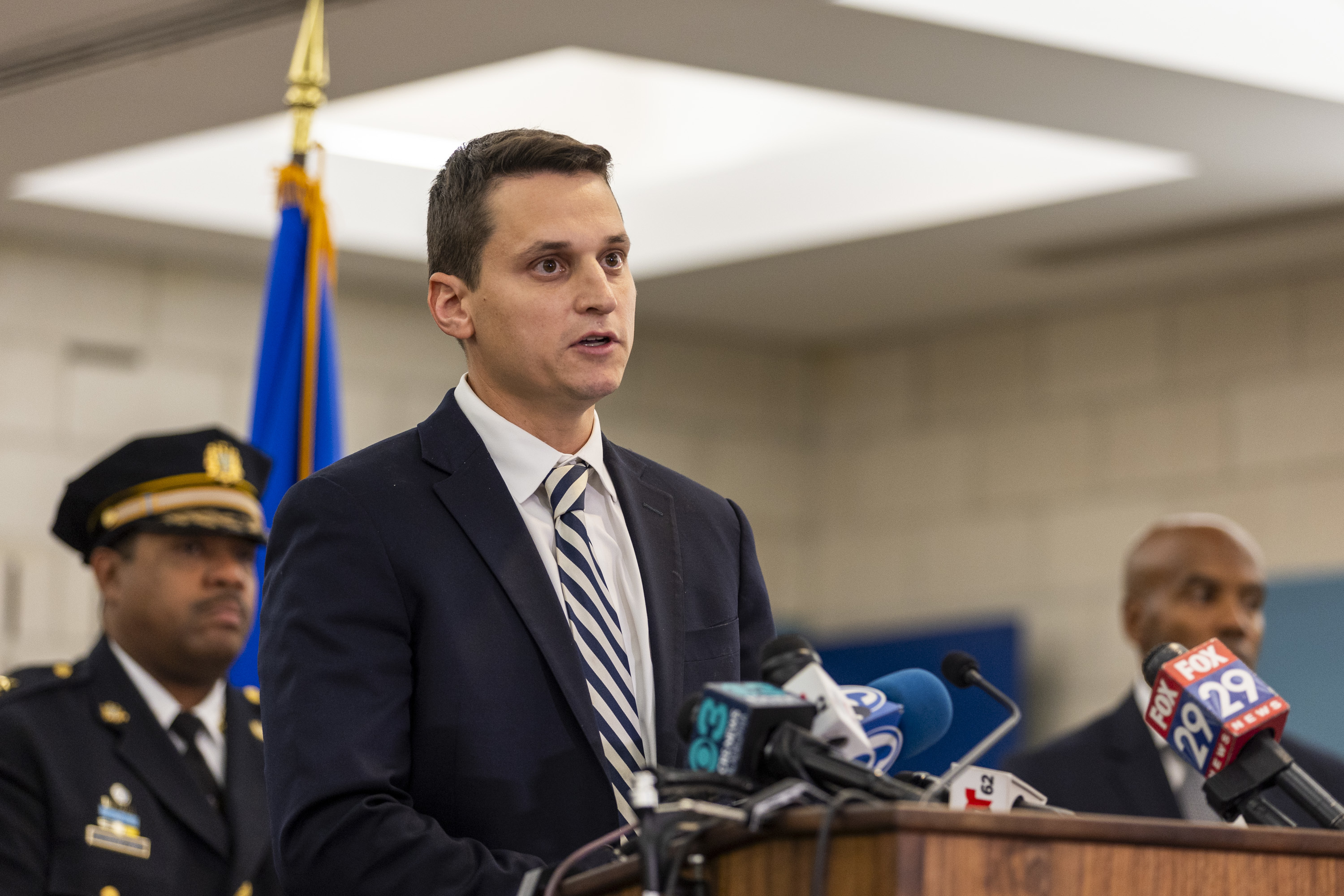
    U.S. Attorney David Metcalf said the investigation into the Weymouth Street group would effectively eliminate it.

    U.S. Attorney David Metcalf said more defendants were indicted in this case than any other federal prosecution in the Philadelphia region in a quarter-century.

    And although prosecutors did not estimate how much money the group made during its decade-long run on the block — and none of its members were officially charged with committing acts of violence — Metcalf said the arrests nonetheless “annihilated” a gang that had terrorized a long-suffering part of Kensington.

    Patel said the effort was emblematic of how law enforcement — both local and federal — can work together to address chronic issues including drug dealing and gun violence.

    “Everyone in America should be looking at this takedown,” Patel said “This takedown is how you safeguard American cities from coast to coast.”
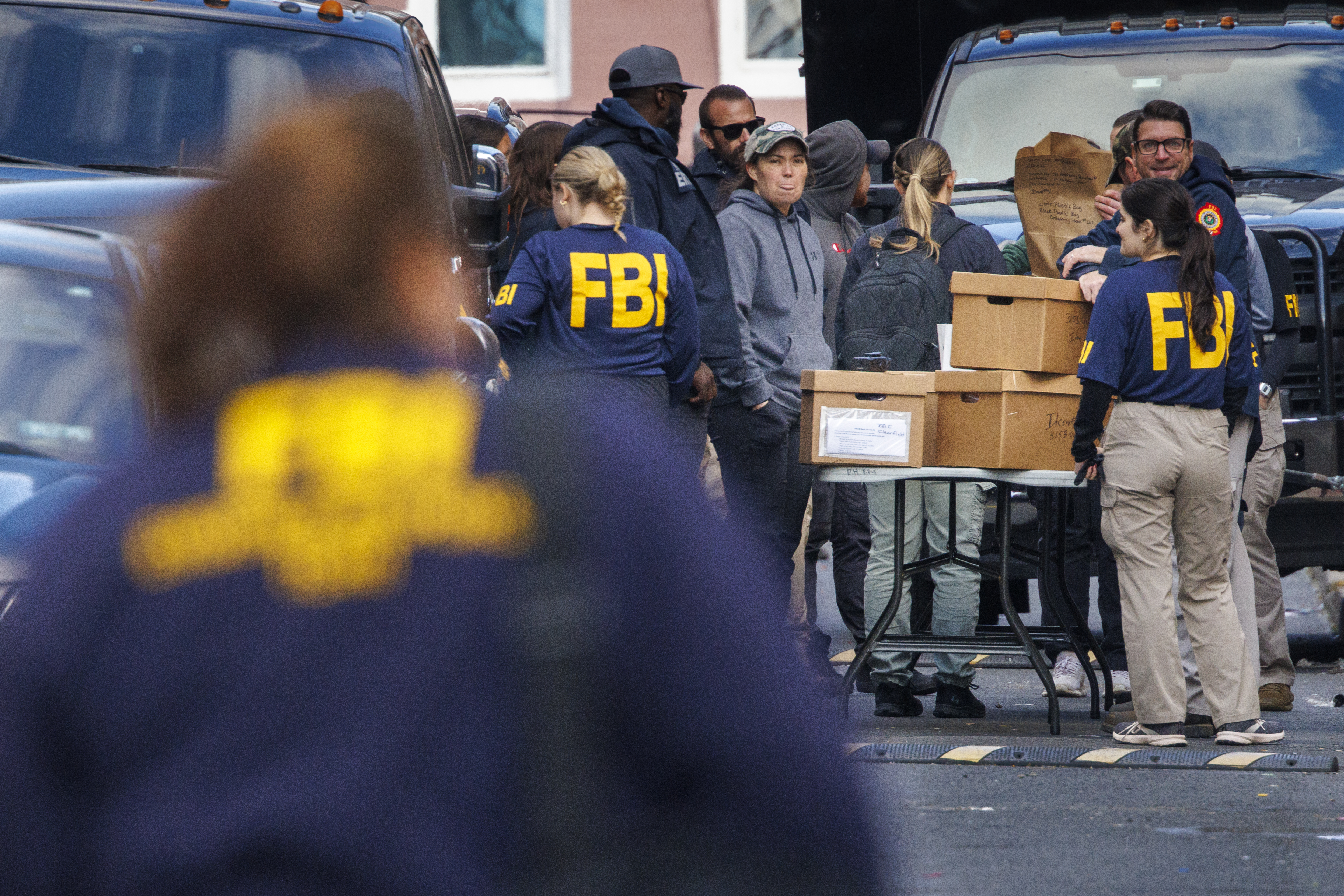
    Law enforcement and FBI at Weymouth Street between Clearfield and Allegheny Avenue on Friday, October 24, 2025.

    FBI agents and Philadelphia police officers conducted a series of raids in Kensington early Friday morning in support of the initiative. Wayne Jacobs, the FBI’s top official in Philadelphia, said agents served 11 search warrants, and that 30 of the 33 defendants were in custody as of Friday afternoon.

    Philadelphia Police Commissioner Kevin Bethel said he was proud that the arrests might help bring “safety, dignity and peace” to Kensington — a neighborhood that Mayor Cherelle L. Parker’s administration has sought to prioritize throughout her two years in office, nearly tripling the police force in the neighborhood.

    While officials acknowledged that the investigation began several years ago, the results nonetheless came as Trump and some of his top cabinet officials — including Patel, Attorney General Pam Bondi, and Defense Secretary Pete Hegseth — have sought in recent weeks to promote what they’ve cast as a concerted effort to address crime across the country, particularly involving suspected drug traffickers.

    Some of the Trump administration’s initiatives have been relatively conventional, such as Friday’s raids in Philadelphia and other recent takedowns in cities such as Milwaukee and Pittsburgh.

    Trump and Patel have also touted the FBI’s arrest numbers this year, saying they are “working non-stop to make America safe again.”

    Dan Bongino, one of Patel’s top deputies at the FBI, said Friday that the Philadelphia arrests were part of that mission, writing on social media: “When President Trump told us to ‘go get em,’ he wasn’t kidding. And neither were we.”
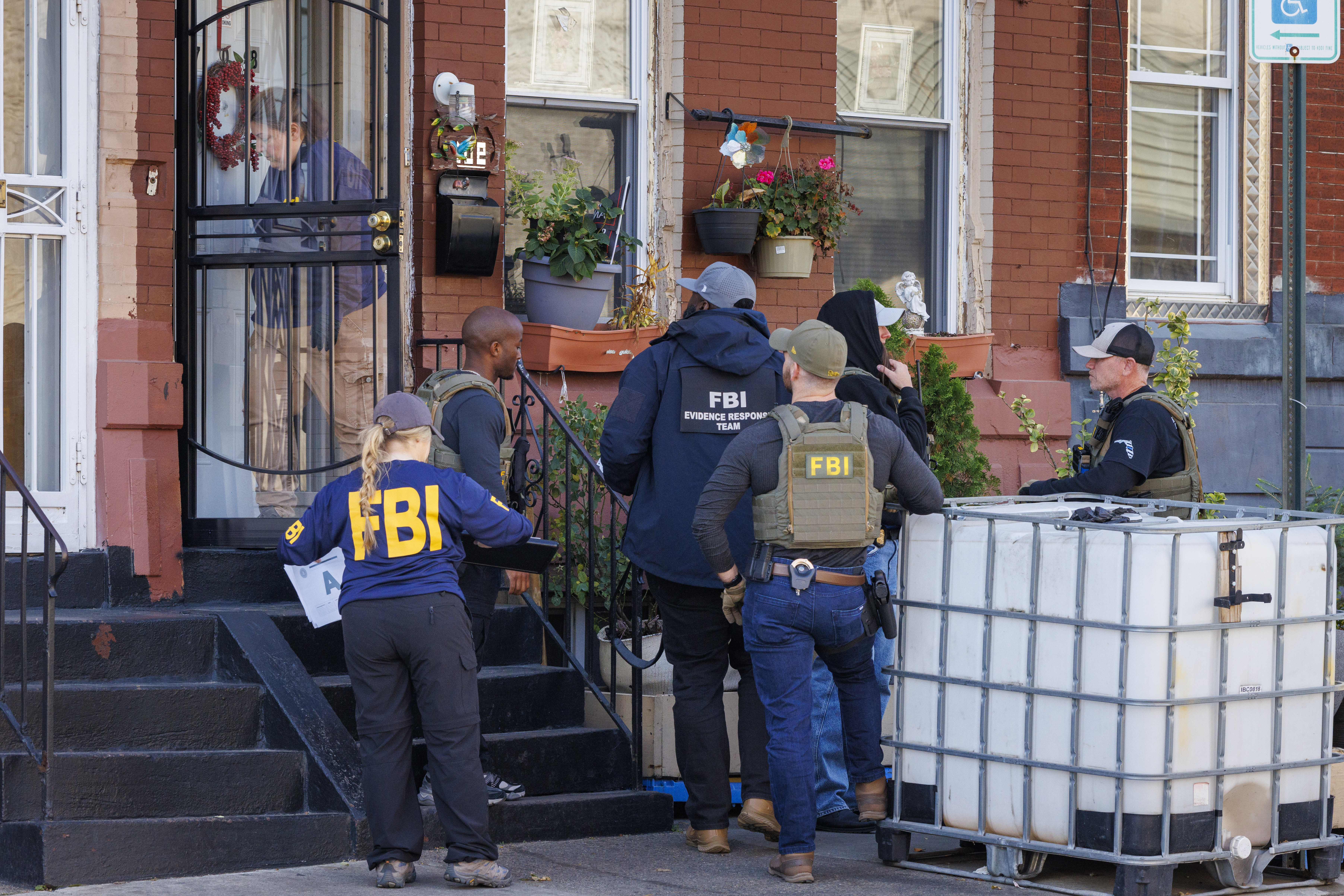
    FBI agents were on the 700 block of East Clearfield near Weymouth Street on Friday morning.

    Still, other aspects of the campaign have been highly controversial, including Trump seeking to deploy federal troops to cities such as Chicago and Portland in response to what he’s called widespread unrest or clashes between protesters and U.S. Immigration and Customs Enforcement agents. Local officials have described Trump’s efforts as unnecessary and challenged them in court.

    Trump also moved to effectively federalize law enforcement in Washington, D.C., an effort that local officials called a “baseless power grab” in a lawsuit.

    And international tensions have started to rise over the military’s continued bombing of alleged drug-carrying boats in the Caribbean Sea and Pacific Ocean — strikes that have killed dozens of people and raised questions about whether the tactic is legal.

    Around Weymouth Street on Friday, SWAT units had dispersed by noon. Residents by then had gathered in the street along the narrow block, where some rowhouse doors were left ajar and several neighbors peered curiously from upper windows.

    Victor Ramirez, who has lived near Weymouth Street for 20 years, said police activity has become more common in the area in recent months.

    “It’s a different story almost every day,” Ramirez said outside his home.

    Ramirez said increased law enforcement activity has frightened his neighbors. He said most are “good people” who work to feed their families. Still, Ramirez said he feels more safe with the increased attention to crime in the neighborhood.

    The FBI raid Friday morning felt like a significant escalation, he said. Ramirez was surprised to see agents armed with assault rifles hopping out of armored cars and making arrests.

    The raid came on the day of a fall block party on Allegheny Avenue, which stretched between F and G Streets and intersected with neighboring Weymouth Street. The event is popular with local children, Ramirez said, and he hoped it would bring positive energy to a block that experienced an unusual morning.

  • Mayor Parker shakes up the Philadelphia Land Bank board to try to further her housing plan

    Mayor Parker shakes up the Philadelphia Land Bank board to try to further her housing plan

    Mayor Cherelle L. Parker is shaking up the board of the Philadelphia Land Bank, which helps control the sale of city-owned land but hasn’t been moving fast enough to advance her housing priorities.

    Parker’s first land bank board chair, Herb Wetzel, has been asked to step down as well as board member Majeedah Rashid, who leads the Nicetown Community Development Corp. The board has 13 members.

    Angela D. Brooks, who serves as the city’s chief housing officer, will be joining the board. Earlier this year Parker appointed Brooks to lead the mayor’s campaign, Housing Opportunities Made Easy, or H.O.M.E., to build or renovate 30,000 houses over the course of her administration.

    The mayor has long championed the Turn the Key program as part of that plan, a policy that depends on getting inexpensive city-owned land to developers so they can build houses that are affordable to working and middle-class families.

    Rashid is being replaced by Alexander Balloon, who formerly served on the Land Bank’s board and is the executive director of the Passyunk Avenue Revitalization Corp.

    “It is clear from the Land Bank’s success with its Turn The Key program: A strong and effective Land Bank is essential for reaching the H.O.M.E. initiative’s goal to produce and preserve 30,000 homes,” Parker said in a statement.

    Several Turn the Key proposals have been held up by the Land Bank board, which has been riven between factions that are either more or less friendly to private-sector developers.

    Rashid and other board members who come from a nonprofit development background have argued that scarce city-owned land should be earmarked for affordable housing, community gardens, and similar projects.

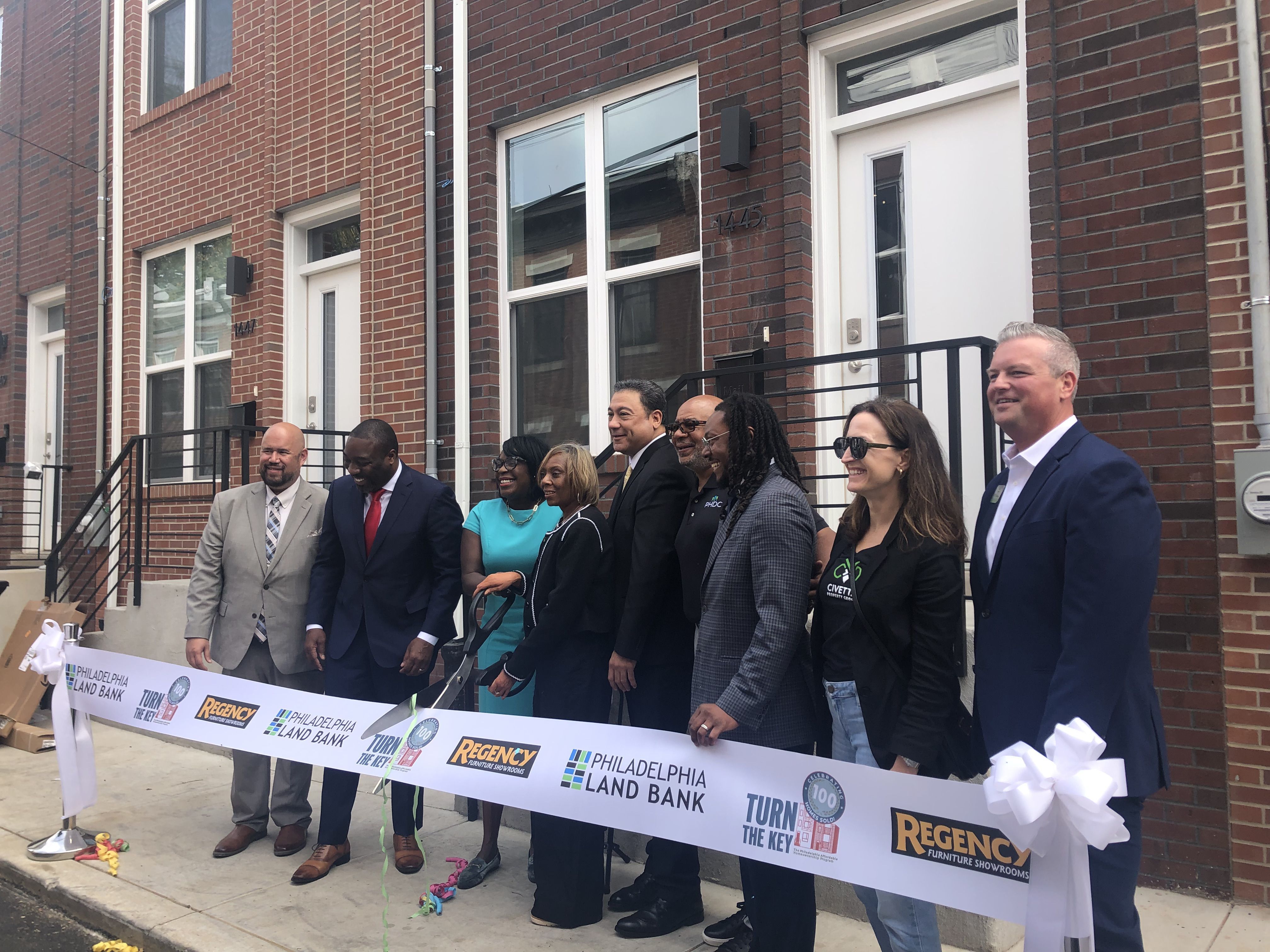
    Mayor Cherelle L. Parker and Turn the Key’s 100th homebuyer hold giant scissors as they prepare to cut a ceremonial ribbon.

    Although the Turn the Key program produces units that are more affordable than market-rate homes, many of the projects are built by private-sector developers and still unaffordable to Philadelphians with low incomes.

    “Majeedah Rashid has worked with me on economic development issues dating to my time in the Pennsylvania General Assembly, and her advice has been invaluable,” Parker said in a statement. “Our city is stronger for Herb’s and Majeedah’s public service.”

    Rashid did not respond to a request for comment.

    During Balloon’s previous tenure on the board, he was among members who pushed for vacant city-owned land to be put back into productive use as quickly as possible because empty lots attract crime and litter and are a drag on city services.

    Private-sector developers often can build more — and faster — than their nonprofit counterparts because they are less reliant on public funds, which are increasingly unreliable from the federal level.

    “I’m excited to rejoin the Philadelphia Land Bank and help Mayor Parker deliver on her bold vision to build and preserve 30,000 homes across our city,” Balloon said in an email statement. “This is an inspiring moment for Philadelphia’s growth and the success of the Turn the Key program and other initiatives.”

    Wetzel’s role as Land Board chair was the latest in a long tenure of municipal housing policy positions, including his lengthy service as a close aide to former Council President Darrell L. Clarke, who created the Turn the Key program and was one of its most enthusiastic proponents.

    “Herb Wetzel has been a subject matter expert for me on any housing issue that I’ve worked on throughout my career as an elected official, and I have always relied on his counsel,” Parker said in a statement. “He will continue to be part of my circle of advisers on housing issues, just in a different capacity.”

    But according to three City Hall sources, who did not have permission to speak to the media, Parker’s team felt Wetzel sought to play peacemaker between the factions and was not always able to get their favored Turn the Key projects moving. As a recent arrival to the city and leader of the administration’s housing initiative, Brooks is expected to pursue the mayor’s priorities.

    Brooks said in an interview that her appointment was no reflection on Wetzel’s performance and that he would continue to serve on the H.O.M.E. advisory board.

    “I don’t have any thoughts on what he didn’t do or didn’t other than he’s been a great supporter of both the mayor and me and this housing plan,” Brooks said. “He’ll continue to be a part of that as we move it forward. [It’s just that] historically, we have had a city staff person to sit on the Land Bank board, and since I’m spearheading the H.O.M.E. Initiative, it seemed to be time.”

    Frequent stalemates on the board were not the only challenge facing Turn the Key projects. Under the tradition of so-called councilmanic prerogative, the Land Bank requires action from City Council to release property for development even if the mayor backs a particular proposal.

    For example, the administration sent over a 50-unit Turn the Key proposal in North Philadelphia to City Council last November, and District Councilmember Jeffery Young simply never introduced it, effectively killing the deal.

    Or in Kensington, Councilmember Quetcy Lozada declined to endorse several Turn the Key proposals, leading developers to abandon them.

    Parker sought to loosen Council’s grip on some city-owned land during budget negotiations earlier this year, but the campaign was largely unsuccessful. National land bank experts have long argued that land banks like Philadelphia’s are much less effective than counterparts that do not have political veto checkpoints.

    During budget hearings this year, Council asked for an organization assessment of the Land Bank, and some members questioned why its staff wasn’t more robust.

    Brooks said that an assessment will be released soon from the consultant group Guidehouse and that the Land Bank “is in the process of filling positions.”

  • North Broad garage will be redeveloped into 99 apartments and a large restaurant

    North Broad garage will be redeveloped into 99 apartments and a large restaurant

    An antiquated industrial building at 142-144 N. Broad St. is being converted to 99 apartments and over 4,000 square feet in restaurant space.

    The seven-story building previously served as a car showroom with vehicle elevators and a factory. It has been empty for years.

    “It’s gone through a couple of owners,” said Carolina Pena, principal at Parallel Architecture Studio, which is working on the project. “We’re doing an interior renovation. There are no additions proposed. We’re trying to retrofit the existing garage into apartments.”

    The building’s previous owner, John Wei, has been selling off property across the Callowhill area in recent years in the face of mounting financial difficulties. He purchased 142-144 N. Broad in 2022 for $7 million.

    The property sold in August for $6.2 million to a company called Penn Hall Investment LLC.

    In zoning applications filed with the city earlier this month, the owners are listed as Qiaozhen Huang and Yizhou Li with their business address as 300 E. Allegheny Ave. in Kensington.

    Philadelphia-based Parallel Architecture Studio, which is designing the project for the latest developers, also served as the architect for an earlier iteration of the property, when Wei sought to use it to house a 115-room hotel.

    Pre-pandemic permits show a proposal for an even larger hotel from another developer and architect.

    “It’s more stable financially this way,” said Pena, of Parallel Architecture. “It’s harder to get financing for hotels than to get financing for apartments.”

    Pena projects a construction timeline of 18 to 24 months. The apartments will be designed for single-person households.

    “We have some studios, some one-bedrooms,” Pena said. “They’ll be around 600 square feet.”

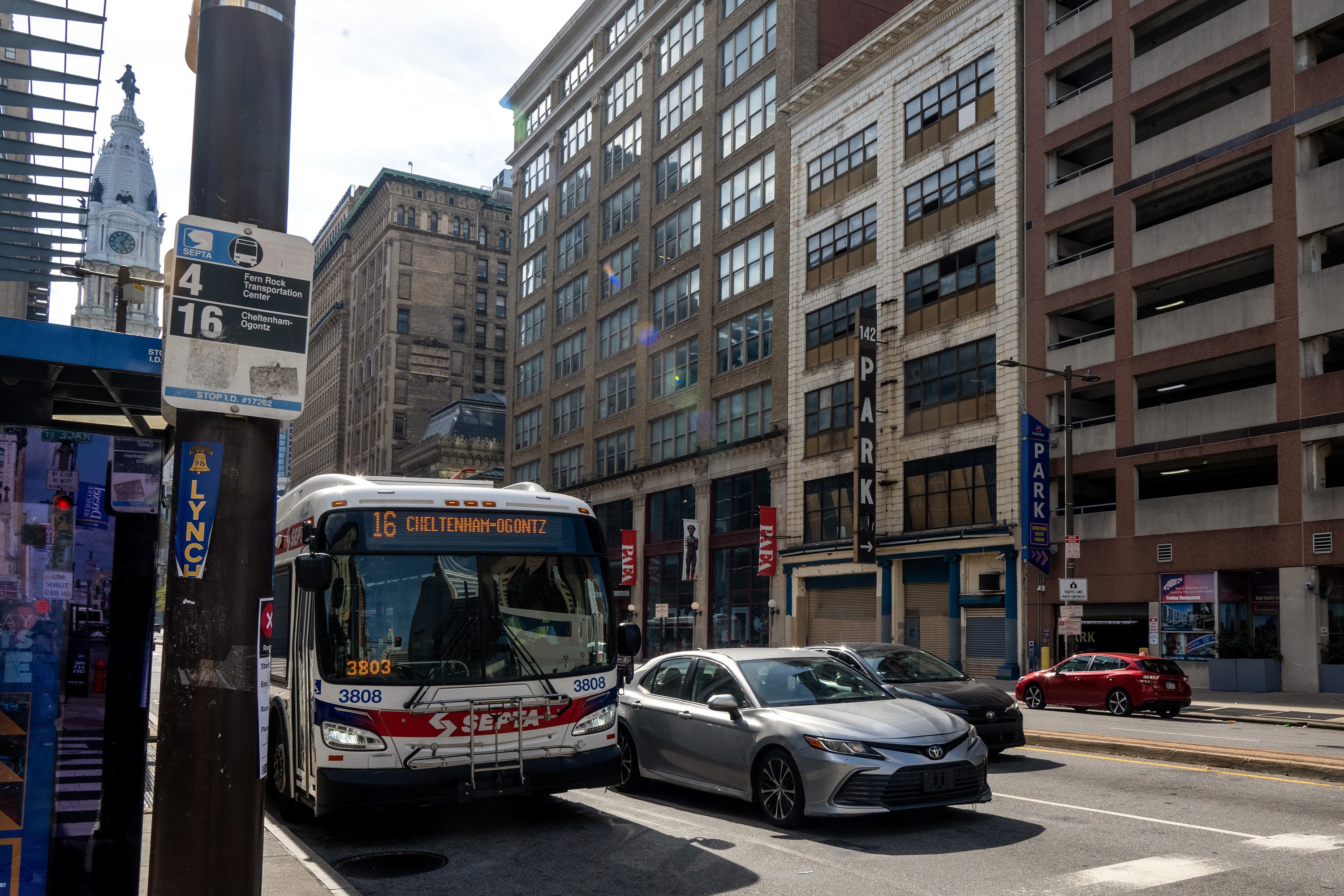
    A view of 142-44 N. Broad St. (black PARK sign). Zoning permits have been pulled for a conversion of the long-vacant tower to residential and restaurant use.

    The current Penn Hall project does not require any action from the zoning board because 142 N. Broad St. is in the most flexible zoning district in the city.

    Bicycle parking and four automobile spaces will be available in the tower’s existing small underground parking facility.

    In 2017, the city issued an “unsafe structure” violation for the building, but the owners at the time shored it up. No violation of that magnitude has been issued since.

    The development along North Broad Street has been advancing at a slow but steady pace since the Great Recession.

    Philadelphia developer Eric Blumenfeld’s string of popular projects along the thoroughfare, including The Met and the Divine Lorraine, started the redevelopment trend.

    Other developers such as Alterra Property Group have added hundreds of new apartments to the area, and the Philadelphia Ballet’s new building is opening soon. Closer to City Hall at the shuttered Hahnemann University Hospital, Dwight City Group plans 288 apartments.

  • The ‘six-seven’ meme originated in Philly (probably). We explain.

    The ‘six-seven’ meme originated in Philly (probably). We explain.

    “Is it funny?” “Am I just old?” “What does it actually mean?”

    Those are common questions you’ll come across while searching for “six-seven” (or “6-7”), a phrase that has eclipsed internet obscurity and made its way into everyday speech, filling timelines, classrooms, and group chats in a way only the chronically online could understand.

    The numbers, said out loud together, are really just that. It’s not code, or sexual innuendo. In reality, it’s just a lyric lifted from a song by Kensington-based rapper Skrilla.

    Still confused? We’re here to break it all down.

    Who is Skrilla?

    The 27-year-old rapper, whose legal name is Jemille Edwards, has over 130 million streams across platforms and continues to rise in popularity.

    In 2023, he signed with Priority Records — a Los Angeles-based label significant within the rap scene that worked with N.W.A and Ice Cube. Last year, his album Zombie Love Kensington Paradise earned praise in the industry.

    The 19-track album, which he rereleased this year as a deluxe version with eight additional songs, underlines Edwards’ “affinity for the neighborhood while displaying his vocal flexibility and off-kilter delivery,” Pitchfork said in its mostly positive review, calling him likely “on the road to rap stardom.”

    Philly rapper Tierra Whack has repeatedly shouted out Skrilla’s work while North Philly’s Lil Uzi Vert has collaborated with him.

    In August, Edwards was arrested by Philadelphia Police during a music video shoot where he used a toy gun filled with gel pellets to shoot at an officer. He was charged with assaulting a police officer and related offenses.

    One particular single by Skrilla has raised the rapper’s internet prominence.

    Where did ‘six-seven’ come from?

    Skrilla raps the lyric “six-seven” in his song “Doot Doot (6 7),” a track from the deluxe version of Zombie Love Kensington Paradise about life on the streets, fast cars, money, violence, and loss.

    It’s a high-energy track that nods to Skrilla’s drill-rap style. The song’s chorus includes the lines, “6-7, I just bipped right on the highway,” and “pull up, doot-doot.”

    What does ‘six-seven’ mean?

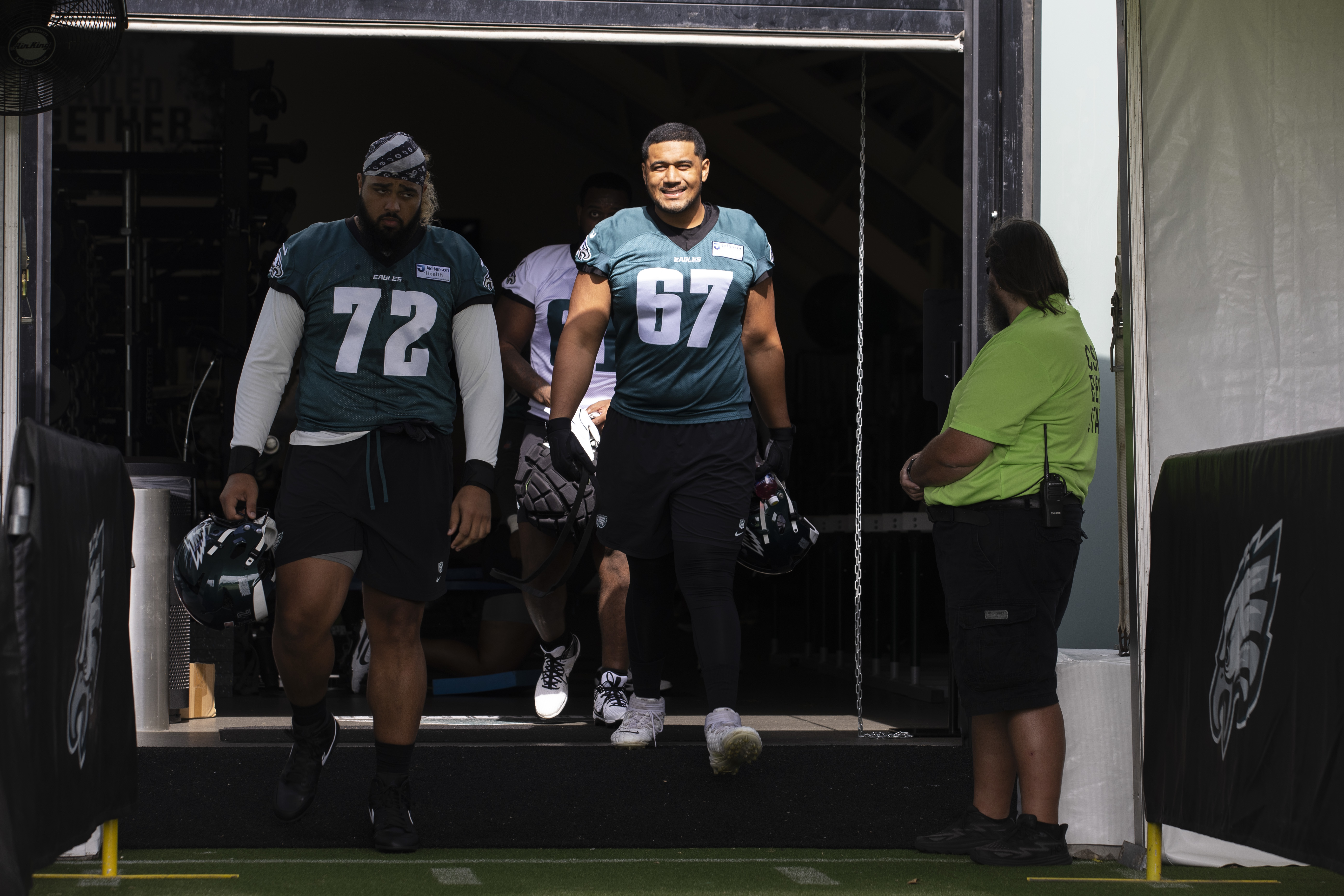
    Philadelphia Eagles offensive tackle Laekin Vakalahi smiles while taking the field during the first day of Eagles Training Camp at the NovaCare Complex on Wednesday, July 23, 2025 in Philadelphia.

    Well, it’s ambiguous. And Skrilla has said in interviews that he kind of likes it that way.

    Meme lovers and unofficial lyric decoders have theories. Many think it refers to 67th Street in Philly, where Skrilla grew up (that’s what the Washington Post went with).

    Owen Carry with Know Your Meme believes the Philadelphia ties are “largely speculative.”

    Others think that it’s a nod to 67th Street in Chicago, where he has family. Taylor Jones, a linguistics and African American English expert, suggested it might be a nod to police radio code, where 10-67 is used to notify of a death. A contributor on Genius, a site dedicated to annotating song lyrics, theorized it was a reference to burial plots, six feet under and seven feet apart.

    “Everybody else got their own different meaning,” Skrilla told Complex recently. “But for me, it’s just ‘negative to positive.’”

    The most important part here is that it doesn’t really matter.

    “Six-seven” has taken on a life of its own in recent months due to the pedestal it’s been placed on across TikTok and other social media platforms.

    Why is ‘six-seven’ so popular?

    The meme’s origins date back to late last year when Skrilla unofficially released “Doot Doot (6 7)” via Instagram as a leftover track from Zombie Love Kensington Paradise. It quickly started making the rounds on TikTok.

    Content creators were using the line from the chorus in different, playful, extremely unserious ways: edits of a 6-foot-7 basketball player, lip dub memes, and scenarios that force someone to say the two numbers together. The creators are often nonsensical and copy Skrilla’s vocal pattern, a singsong “six-seven,” usually coupled with an open-palmed hand gesture.

    @ag.trippin 6 7 edit #skrilla #67 #ote #nbaedits #jordy #taylenkinny #eliellis ♬ original sound – Top 5

    Experts at Know Your Meme, who have been tracking the phenomenon since its inception, say videos surrounding “six-seven” have been viewed millions upon millions of times.

    “The trend started with a series of bait-and-switch LaMelo Ball (of the Charlotte Hornets) edits late last year, which would intro with a random clip that included someone saying, ‘six-seven,’ and then switch to a Ball highlight reel,” said Carry, associate editor at Know Your Meme. “Skrilla’s ‘6-7′ lyric was used to queue the transition (Ball is 6 feet, 7 inches, which is relevant to why he was chosen).”

    In turn, Carry said, young boys especially have been saying the numbers on camera in hopes of becoming the next NBA TikTok edit star.

    As these things go, the meme’s popularity has made its way into classrooms — much to the dismay of math teachers everywhere.

    “Six is a perfect number, and seven is a prime number, but only a glutton for punishment would put them together in front of a bunch of 13-year-olds,” the Wall Street Journal wrote in a piece about how the meme is wreaking havoc across campuses.

    It’s safe to say the phrase has officially made its way into the mainstream.

    “South Park” continued a buzzy season with its latest episode, “Twisted Christian,” on Oct. 15.

    “Six-seven” was mentioned in a recent South Park episode where the kids can’t stop using the phrase, leading to an assembly about the Antichrist and satanic numerology.

    Pro wrestler Je’Von Evans wore a “67″ jersey during his walk-in entrance last week, Shaq has given the trend his blessing (though he admits he doesn’t totally get it), and Skrilla claims the song will be included in the Grand Theft Auto VI soundtrack, though that hasn’t been made official yet.

    Skrilla also performed the track in Philly last month when millennial icon Natasha Bedingfield, who was performing at the Theatre of Living Arts, pulled him on stage for a guest appearance. Bedingfield told Complex she’s a fan of the rapper and would like to get on a remix of “Doot Doot (6 7).”

    Skrilla will be back in town at the Fillmore on Nov. 30.

    What has Skrilla said about it?

    In an interview this week with the Washington Post, he suggested the song referred to 67th Street in Philly, a block where a lot of his friends lived. It’s worth noting there isn’t a 67th Street in Kensington.

    “We just rode by a truck that had ‘6-7’ written on it in dust, in Arizona, all the way out here,” the rapper said, speaking from a gas station on the way to Los Angeles.

    The Inquirer couldn’t reach Skrilla for additional comment.

    Will ‘six-seven’ still be cool by the time I start saying it?

    Probably not.

    With its place solidified in the mainstream — being analyzed by linguistic experts, printed on merch, and reported on by multiple newspapers (including this one), it’s safe to say the trend is likely on its way out the door.

    But at least, for a fleeting moment, you can say you know what it means — which is nothing.

  • ‘The Comeuppance,’ ‘Poor Judge,’ win big at Barrymore Awards

    ‘The Comeuppance,’ ‘Poor Judge,’ win big at Barrymore Awards

    The Barrymore Awards celebrated the best of Philadelphia’s regional theater Monday night at Temple Performing Arts Center, where Theatre Philadelphia spotlighted about 50 nominated productions from the 2024-25 season. Twenty-one awards were presented to 13 local companies.

    The top winners were Old City’s Arden Theatre Company and Olde Kensington’s Pig Iron Theatre Company, which each took home four Barrymores. Center City’s Wilma Theater — the 2024 Regional Theatre Tony Award recipient — and Inis Nua Theatre Company earned three awards apiece for multiple productions.

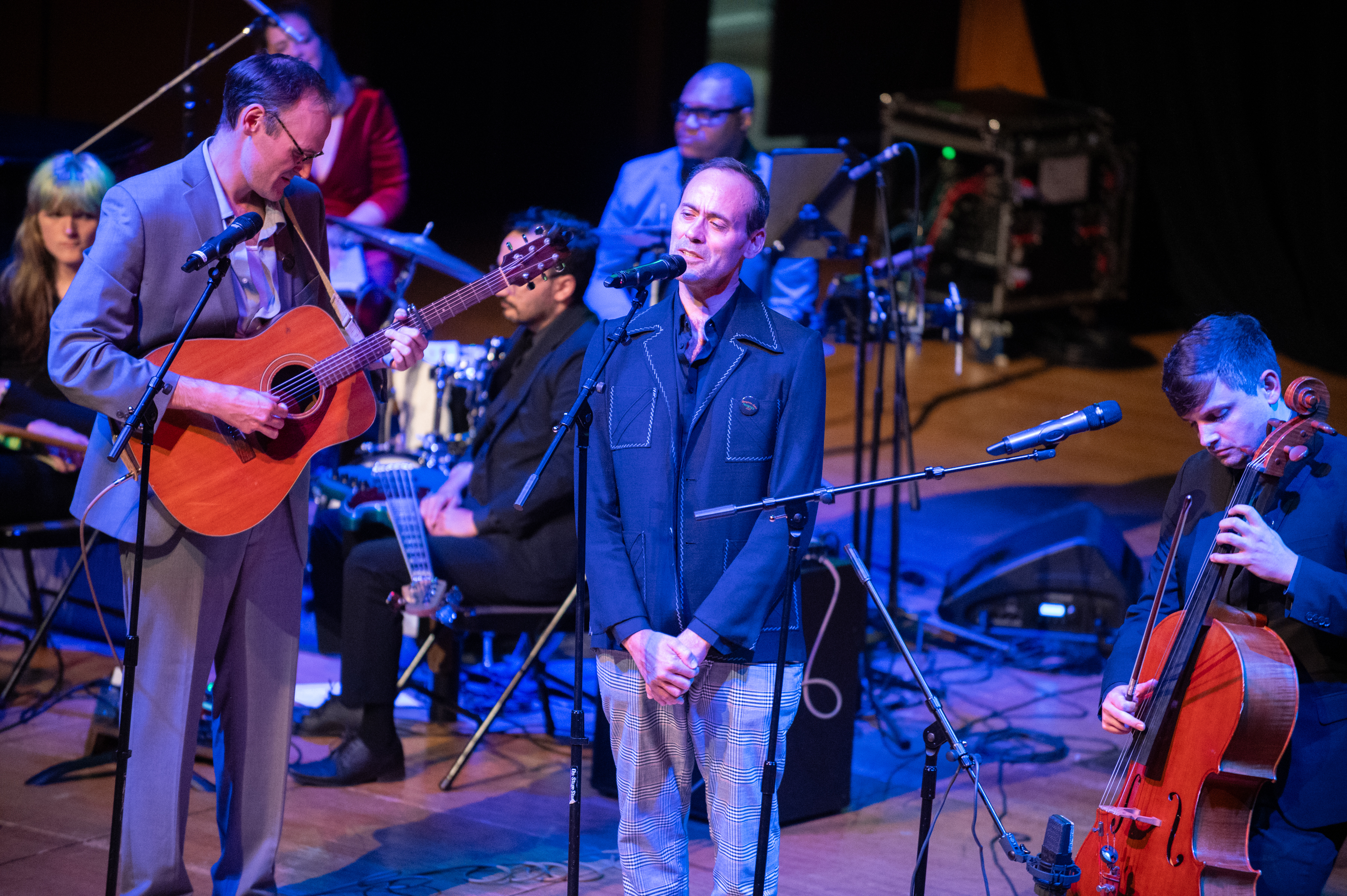
    Dito van Reigersberg (center) performs at the 2025 Barrymore Awards on Monday, Oct. 20, 2025.

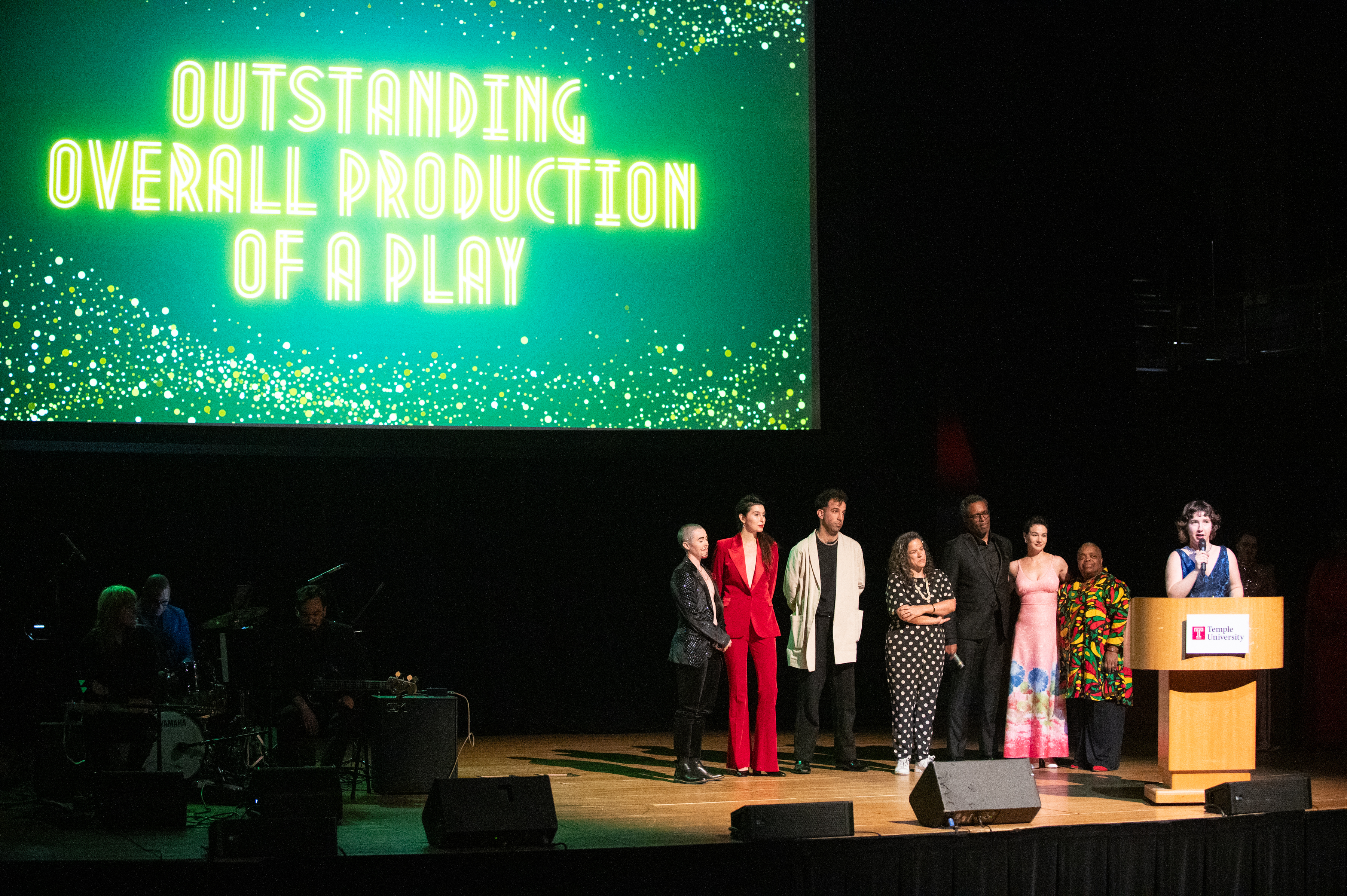
    The Wilma’s production of Branden Jacobs-Jenkins’ The Comeuppance, a spooky-tinged millennial drama directed by Wilma co-artistic director Morgan Green, won three awards: outstanding overall production of a play, outstanding ensemble in a play, and outstanding sound design for Jordan McCree.

    The Comeuppance brings the drama of diverging politics and experiences to a microscopic, interpersonal level,” wrote Krista Mar in her Inquirer review. “No one character is a hero, as each of them wins our empathy, especially when possessed by Death, and then loses it. The play holds a mirror to the audience and makes them confront their own biases, assumptions, and judgment.”

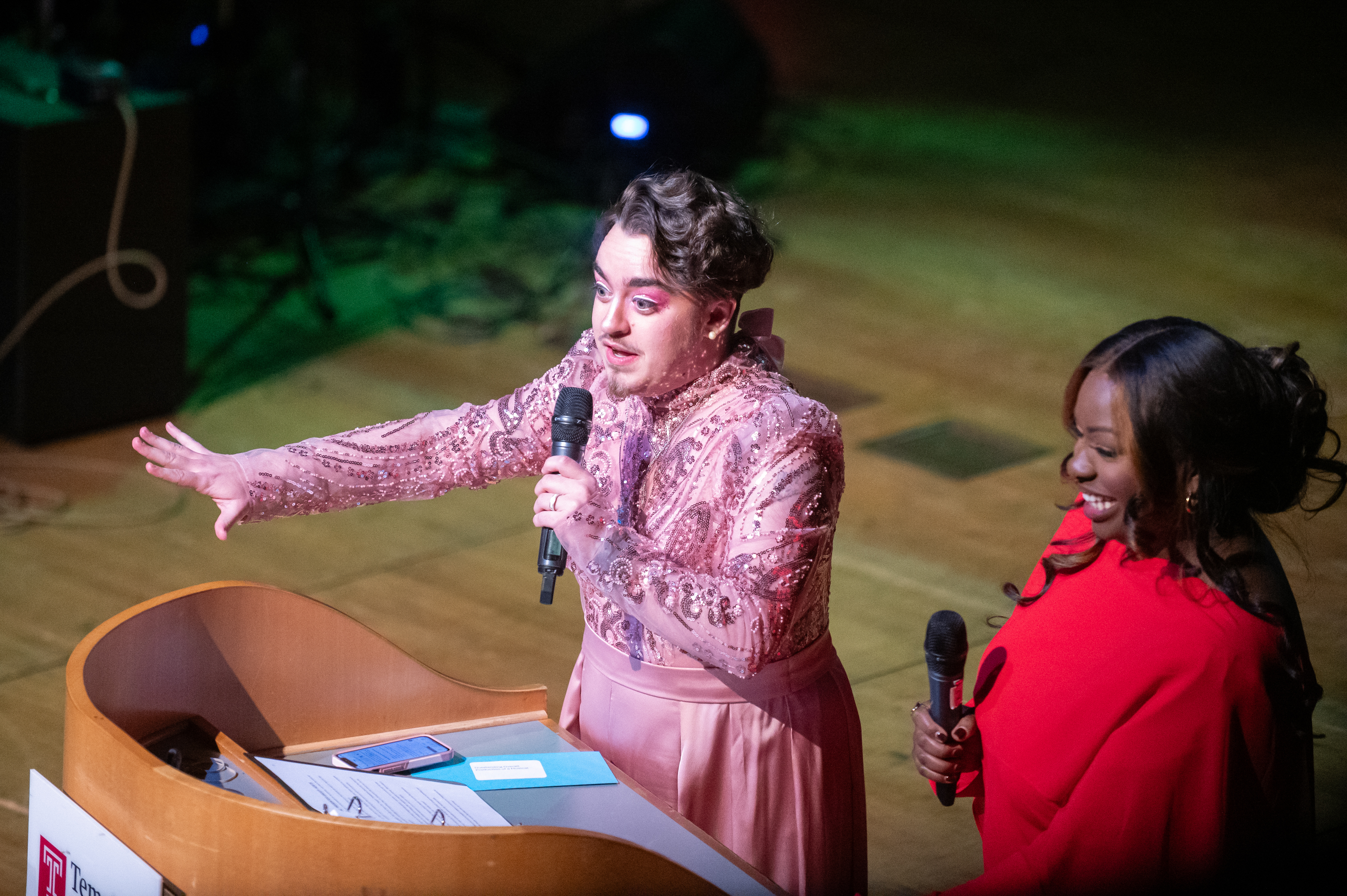
    CJ Higgins, Interim Executive Director of Theatre Philadelphia, cohosts the 2025 Barrymore Awards ceremony with Aunyea Lachelle, entertainment and lifestyle anchor for NBC10’s Philly Live at the Temple Performing Arts Center in North Philadelphia on Monday, Oct. 20, 2025.

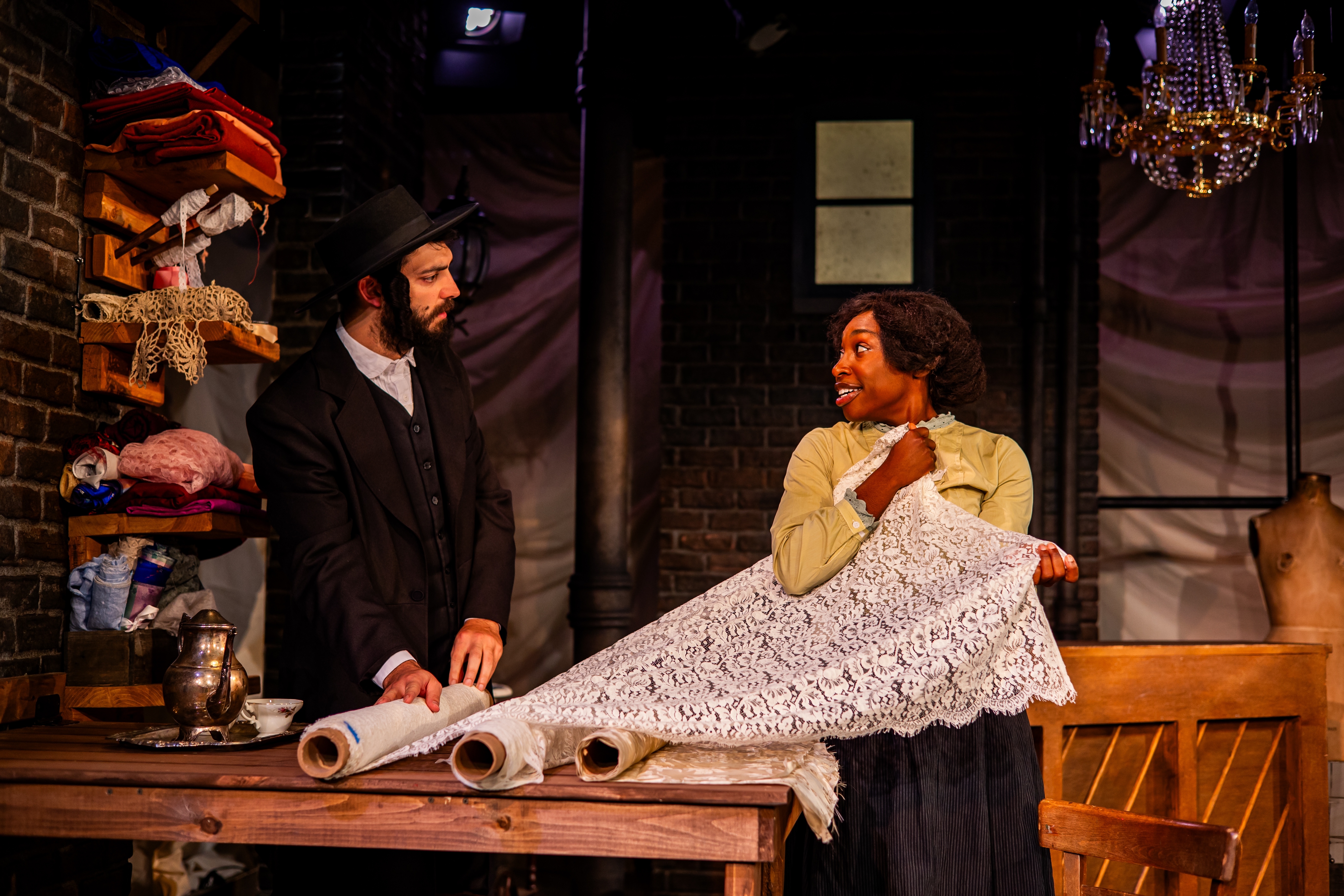
    Arden Theatre’s Intimate Apparel, a touching tale from Pulitzer-winning playwright Lynn Nottage about an African American seamstress hoping for romance, won two Barrymores. Amina Robinson earned outstanding direction of a play, and David Pica, who played love interest Mr. Marks, received outstanding supporting performance in a play. Robinson has previously won two Barrymore Awards for directing a musical for The Color Purple at Theater Horizon and Once on This Island at the Arden.

    Kishia Nixon, the actor behind interior designer Thalia in R. Eric Thomas’ Glitter in the Glass at Theater Exile, also won for outstanding supporting performance in a play. The Inquirer review called the new work “a nimble, nerdy, and very funny play that tries to answer some very tough questions.”

    For outstanding leading performances in a play, both awards went to the stars of InterAct Theatre Company’s Rift, or White Lies. Matteo Scammell and Jered McLenigan played two brothers on opposite sides of the political spectrum and each night they alternated roles. (The Barrymores does not divide acting award categories by gender.)

    The cast and crew of the play “The Comeuppance” accept the award for Outstanding Overall Production of a Play at the 2025 Barrymore Awards at the Temple Performing Arts Center in North Philadelphia on Monday, Oct. 20, 2025. The Barrymore Awards spotlight the best musicals, plays, actors, directors, and backstage creatives in the Philadelphia region

    In musical categories, Pig Iron Theater’s production of Poor Judge, which ran at the Wilma Theater as part of the 2024 Fringe Festival, took home three awards: outstanding overall production of a musical, outstanding media design for Mike Long, and outstanding music direction for Alex Bechtel.

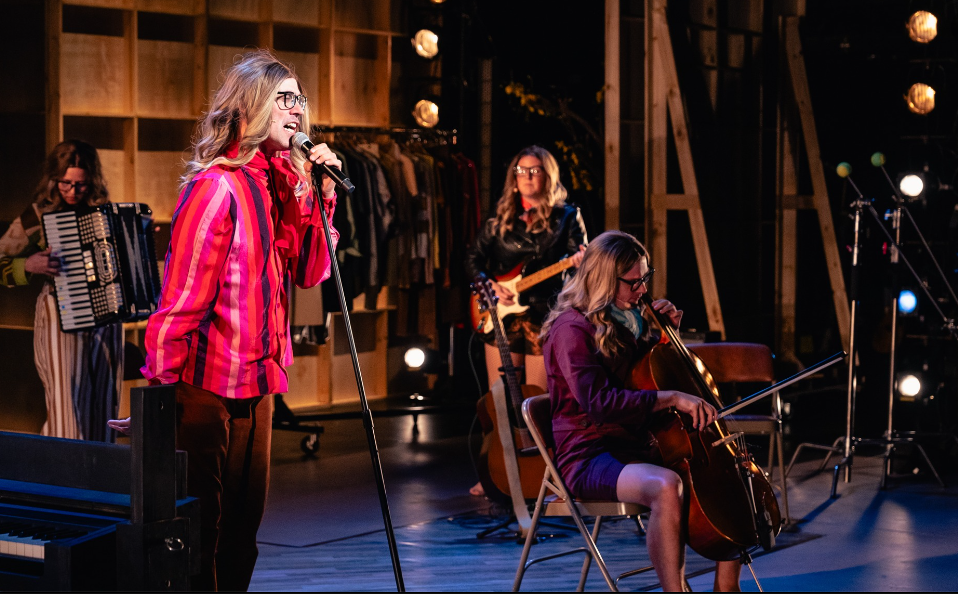
    The eccentric show, conceived and led by Philadelphia legend Dito van Reigersberg (aka Martha Graham Cracker), is a trippy journey through alt-rock singer Aimee Mann’s catalog, enhanced by fascinating live video taping.

    Everyone in the ensemble for the September 2024 production played Aimee with delightfully weird and unexpectedly profound results. It was such a success that the Wilma is bringing it back for another run in January.

    Dito van Reigersberg in the 2024 Fringe Festival’s production of ‘Poor Judge.’

    Bechtel also won the award for outstanding original music for People’s Light’s production of Peter Panto: A Musical Panto. It’s the second year in a row that the composer has been recognized for his original music; last year he won for Alice in Wonderland: A Musical Panto.

    Peter Panto earned another Barrymore as well: Connor McAndrews, who played Smee, won for outstanding supporting performance in a musical, alongside actor Sevon Askew, who won in the same category for playing Benny in Arden Theatre’s RENT.

    Inis Nua’s Drip, a solo comedy that ran at Fergie’s Pub, won two Barrymores recognizing director Kyle Metzger and actor Max Gallagher for outstanding leading performance in a musical. The story follows a teen who desperately wants to build a synchronized swim team but doesn’t actually know how to swim. The Inquirer review said the show was “a small bit of joy that makes a heartfelt statement through its casting and earnestness, reminding us in the final number that whoever we are, we should all ‘make, make, make a splash.’”

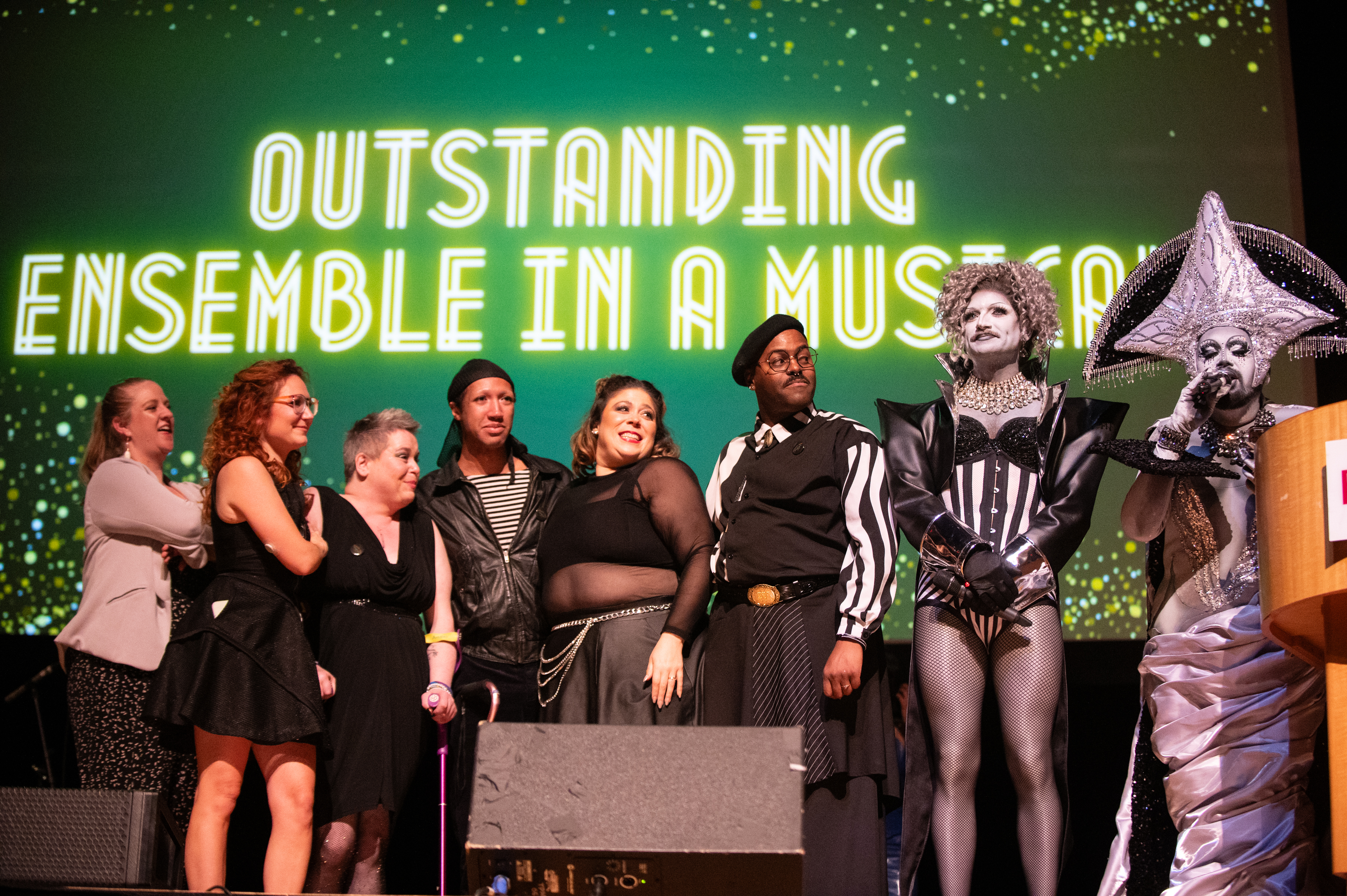
    The cast and crew of “Gay Mis” accept the award for Outstanding Ensemble in a Musical at the 2025 Barrymore Awards at the Temple Performing Arts Center in North Philadelphia on Monday, Oct. 20, 2025. Danny Wilfred (third from right) won for outstanding leading performance in a musical.

    Also winning for leading performance in a musical was Danny Wilfred, who played Parmesan in Gay Mis, a queer parody of Les Misérables from Philly drag queen Eric Jaffe’s Jaffe St. Queer Productions. Gay Mis took home the Barrymore for outstanding ensemble in a musical as well.

    The Philadelphia Award for Social Insight, which comes with a $25,000 prize, went to Esperanza Arts Center for Nichos, a world premiere about Mexican history based on interviews with immigrants in Philly and their families.

    For a second year in a row, Theatre Philadelphia did not grant its F. Otto Haas Award for an Emerging Artist, which spotlights up-and-coming Philadelphia actors with a $15,000 cash prize. The organization said it has been unable to grant the award after losing funding.

    “The F. Otto Haas Award for an Emerging Artist was a meaningful part of our celebration of Philly theatre for many years,” said Theatre Philadelphia in a statement. “While the F. Otto Haas Award is no longer being presented, we remain deeply grateful for the years of support that made it possible and continue to honor emerging artists across the region through our ongoing recognition programs.”

    See the full list of winners (bolded) below.

    Outstanding Overall Production of a Play

    1. The Comeuppance — The Wilma Theater
    2. Glitter in the Glass — Theatre Exile
    3. Archduke — The Wilma Theater
    4. Rift, or White Lies — InterAct Theatre
    5. Nosejob — Lightning Rod Special
    6. Square Go — Inis Nua Theatre
    7. Intimate Apparel — Arden Theatre

    Outstanding Direction of a Play

    1. Amina Robinson — Intimate Apparel, Arden Theatre
    2. Alex Burns — Cyrano de Bergerac, Quintessence Theatre Group
    3. Morgan Green — The Comeuppance, The Wilma Theater
    4. Nell Bang-Jensen — Nosejob, Lightning Rod Special
    5. James Ijames — August Wilson’s King Hedley II, Arden Theatre
    6. Kathryn MacMillan — Square Go, Inis Nua Theatre
    7. Matt Pfeiffer — Red, Theatre Exile
    David Pica (Mr. Marks) and Brandi Porter (Esther) in Arden Theatre Company’s production of “Intimate Apparel.”

    Outstanding Ensemble in a Play

    1. The Comeuppance — The Wilma Theater
    2. Cyrano de Bergerac — Quintessence Theatre Group
    3. Intimate Apparel — Arden Theatre
    4. A Midsummer Night’s Dream — Quintessence Theatre Group
    5. The 39 Steps — Lantern Theater
    6. Nosejob — Lightning Rod Special
    7. Cato (Remixed) — Philadelphia Artists’ Collective

    Outstanding Leading Performance in a Play

    1. J Hernandez — Cyrano de Bergerac, Quintessence Theatre Group
    2. Brandi Porter — Intimate Apparel, Arden Theatre
    3. Matteo Scammell — Rift, or White Lies, InterAct Theatre
    4. Jered McLenigan — Rift, or White Lies, InterAct Theatre
    5. Jessica Johnson — The Half-God of Rainfall, The Wilma Theater
    6. Phillip Brown — American Moor, Lantern Theater
    7. Frank Jimenez — Moreno, InterAct Theatre
    8. Jessica Money — Our Town, New Light Theatre
    9. Adam Howard — Tuesdays with Morrie, Delaware Theatre Co.
    10. Karen Peakes — Much Ado About Nothing, Lantern Theater
    11. Tyler Elliot — Square Go, Inis Nua Theatre
    12. Owen Corey — Square Go, Inis Nua Theatre
    13. Suli Holum — Archduke, The Wilma Theater
    14. Lee Thomas Cortopassi — A Midsummer Night’s Dream, Quintessence Theatre Group

    Outstanding Supporting Performance in a Play

    1. Kishia Nixon — Glitter in the Glass, Theatre Exile
    2. Jessica Johnson — Intimate Apparel, Arden Theatre
    3. Alice Yorke — Nosejob, Lightning Rod Special
    4. Dax Richardson — August Wilson’s King Hedley II, Arden Theatre
    5. Kash Goins — August Wilson’s King Hedley II, Arden Theatre
    6. Zach Valdez — Red, Theatre Exile
    7. Janis Dardaris — Cyrano de Bergerac, Quintessence Theatre Group
    8. Morgan Charéce Hall — A Raisin in the Sun, People’s Light
    9. David Pica — Intimate Apparel, Arden Theatre
    10. Jaime Maseda as Francisco — The Comeuppance, Wilma Theater
    11. Gabriel Elmore — Moreno, InterAct Theatre
    12. Kimberly S. Fairbanks — August Wilson’s King Hedley II, Arden Theatre
    13. Zoe Nebraska Feldman — The Wanderers, Lantern Theater
    14. Tyler Elliot — It’s a Wonderful Life: A Live Radio Play, Hedgerow Theatre Company 1

    Outstanding Movement/Choreography in a Play

    1. Ian Rose — Cyrano de Bergerac, Quintessence Theatre Group
    2. J. Alex Cordaro — Archduke, The Wilma Theater
    3. Ontaria Kim Wilson & J Paul Nicholas — Moreno, InterAct Theatre
    4. Eli Lynn — The Comeuppance, The Wilma Theater
    5. J. Alex Cordaro — Square Go, Inis Nua Theatre
    6. Matteo Scammell — Nosejob, Lightning Rod Special
    7. Yasmine Lee — Franklin’s Key, Pig Iron Theatre

    Outstanding Overall Production of a Musical

    1. Penelope — Theatre Horizon
    2. Poor Judge — Pig Iron Theatre
    3. Gay Mis — Jaffe St. Queer Productions
    4. Night Side Songs — Philadelphia Theatre Co.

    Outstanding Direction of a Musical

    1. Kyle Metzger — Drip, Inis Nua Theatre
    2. Eva Steinmetz — Poor Judge, Pig Iron Theatre
    3. Eric Jaffe — Gay Mis, Jaffe St. Queer Productions
    4. Taibi Magar — Night Side Songs, Philadelphia Theatre Co.
    Max Gallagher plays Liam in Inis Nua’s ‘Drip.’

    Outstanding Leading Performance in a Musical

    1. Max Gallagher — Drip, Inis Nua Theatre
    2. Cookie Diorio — Kinky Boots, New Light Theatre
    3. Danny Wilfred — Gay Mis, Jaffe St. Queer Productions
    4. Eli Lynn — Peter Panto: A Musical Panto, People’s Light
    5. Dito van Reigersberg — Poor Judge, Pig Iron Theatre
    6. Brooke Ishibashi — Night Side Songs, Philadelphia Theatre Co.
    7. Rachel Camp — Penelope, Theatre Horizon
    8. Eric Jaffe — Gay Mis, Jaffe St. Queer Productions

    Outstanding Supporting Performance in a Musical

    1. Andrew Burton Kelly — Kiss Me, Kate!, Quintessence Theatre Group
    2. Hannah Truman — Legally Blonde, Media Theatre
    3. Phoebe Gavula — Grease, Media Theatre
    4. Rajeer Alford — Rent, Arden Theatre
    5. Sevon Askew — Rent, Arden Theatre
    6. Jenna Kuerzi — Grease, Media Theatre
    7. Connor McAndrews — Peter Panto: A Musical Panto, People’s Light
    8. Livvie Hirshfield — Legally Blonde, Media Theatre
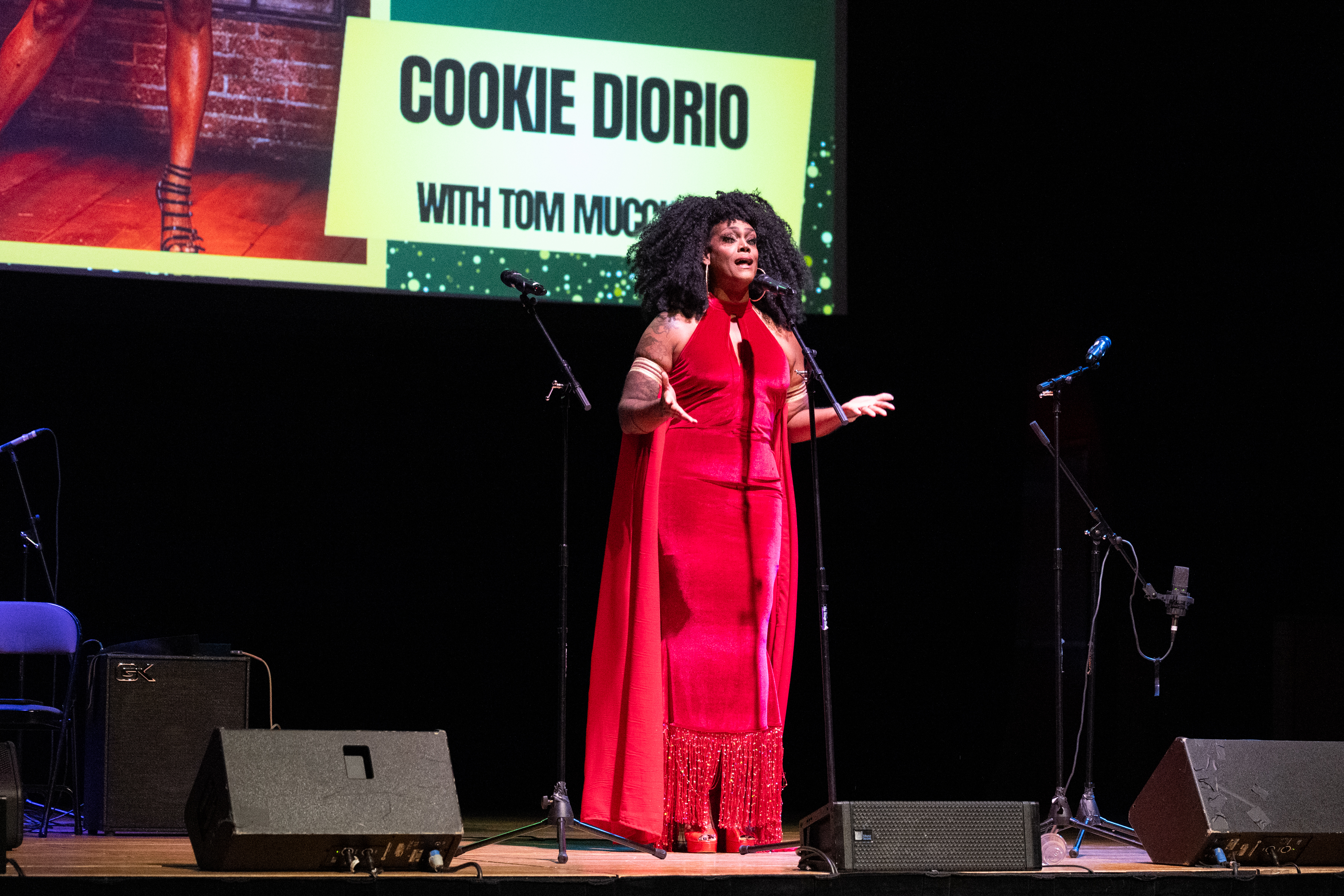
    Cookie Diorio, nominated for ‘Kinky Boots,’ performs at the 2025 Barrymore Awards ceremony at the Temple Performing Arts Center in North Philadelphia on Monday, Oct. 20, 2025. The Barrymore Awards spotlight the best musicals, plays, actors, directors, and backstage creatives in the Philadelphia region.

    Outstanding Choreography/Movement in a Musical

    1. Todd Underwood — Kiss Me, Kate!, Quintessence Theatre Group
    2. Melanie Cotton — Peter Panto: A Musical Panto, People’s Light
    3. Taylor J. Mitchell — Kinky Boots, New Light Theatre
    4. Christian Ryan — Legally Blonde, Media Theatre

    Outstanding Music Direction

    1. Lili St. Queer — Gay Mis, Jaffe St. Queer Productions
    2. Ryan Touhey — Peter Panto: A Musical Panto, People’s Light
    3. Alex Bechtel — Poor Judge, Pig Iron Theatre and Esperanza Arts Center
    4. Justin Yoder — Penelope, Theatre Horizon

    Outstanding Ensemble in a Musical

    1. Poor Judge — Pig Iron Theatre
    2. Gay Mis — Jaffe St. Queer Productions
    3. Night Side Songs — Philadelphia Theatre Co.
    4. Peter Panto: A Musical Panto — People’s Light

    Outstanding New Work

    1. Iraisa Ann Reilly — January 6: A Celebration. A Bodega Princess Remembers Tradition, Not Insurrection, Simpatico Theatre 2
    2. Eva Steinmetz & Dito van Reigersberg — Poor Judge, Pig Iron Theatre
    3. Daniel & Patrick Lazour — Night Side Songs, Philadelphia Theatre Co.
    4. Jennifer Childs — Peter Panto: A Musical Panto, People’s Light
    5. Tanaquil Márquez — Nichos, Esperanza Arts Center

    Outstanding Outdoor Production

    1. All’s Well — Shakespeare in Clark Park
    2. One Monkey Don’t Stop No Show — Theatre in the X
    3. Julius Caesar — Delaware Shakespeare
    4. As You Like It — Shakespeare in Clark Park

    Outstanding Set Design

    1. Chris Haig — The Playboy of the Western World, Inis Nua Theatre
    2. Thom Weaver — August Wilson’s King Hedley II, Arden Theatre
    3. Matt Saunders — Archduke, The Wilma Theater
    4. April Thomson — Hold These Truths, Montgomery Theater
    5. Anna Kiraly — Franklin’s Key, Pig Iron Theatre
    6. Roman Tartarowicz — Tuesdays with Morrie, Delaware Theatre Co.
    7. Misha Kachman — A Summer Day, The Wilma Theater

    Outstanding Costume Design

    1. Nikki DelHomme — The Hobbit, Arden Theatre
    2. Rebecca Kanach — Peter Panto: A Musical Panto, People’s Light
    3. Marla Jurglanis — Much Ado About Nothing, Lantern Theater
    4. Vasilija Zivanic — Archduke, The Wilma Theater
    5. Misha Kachman — A Summer Day, The Wilma Theater
    6. Barbara Erin Delo — The Playboy of the Western World, Inis Nua Theatre
    7. LeVonne Lindsay — The Half-God of Rainfall, The Wilma Theatre

    Outstanding Lighting Design

    1. Alyssandra Docherty — Tuesdays with Morrie, Delaware Theatre Co.
    2. Thom Weaver — Archduke, The Wilma Theater
    3. Minjoo Kim — The Comeuppance, The Wilma Theater
    4. Thom Weaver — Penelope, Theatre Horizon
    5. Drew Billau — Rift, or White Lies, InterAct Theatre
    6. Maria Shaplin — Poor Judge, Pig Iron Theatre
    7. Amith Chandrashaker & Stoli Stolnack — Franklin’s Key, Pig Iron Theatre

    Outstanding Media Design

    1. Mike Long — Poor Judge, Pig Iron Theatre
    2. Jorge Cousineau — Archduke, The Wilma Theater
    3. Jorge Cousineau — Rent, Arden Theatre Company
    4. David Tennent & Joshua Higgason — Franklin’s Key, Pig Iron
    5. Kelly Colburn & Ksenya Litvak — A Summer Day, The Wilma Theater
    6. Michael Long & Kate Coots — The 39 Steps, Lantern Theater
    7. Damien Figueras — Topdog/Underdog, Passage Theatre Co.

    Outstanding Sound Design

    1. Chris Sannino — Poor Judge, Pig Iron Theatre
    2. Christopher Colucci — Red, Theatre Exile
    3. Jordan McCree — The Half-God of Rainfall, The Wilma Theatre
    4. Jordan McCree — The Comeuppance, The Wilma Theater
    5. Chris Sannino — Franklin’s Key, Pig Iron Theatre
    6. Michael Kiley — A Summer Day, The Wilma Theater
    7. Yaim Chong Chia — Archduke, The Wilma Theater
    Connor McAndrews (left) and Jamison Stern (right) in People’s Light Theatre’s ‘Peter Panto,’ which was nominated for 8 awards. McAndrews won the Barrymore for outstanding supporting performance in a musical.

    Outstanding Original Music

    1. Daniel & Patrick Lazour — Night Side Songs, Philadelphia Theatre Co.
    2. Alex Bechtel — Peter Panto: A Musical Panto, People’s Light
    3. Jordan McCree — The Hobbit, Arden Theatre
    4. Lili St. Queer — Gay Mis, Jaffe St. Queer Productions
    5. Ximena Violante & Ampersan (Zindu Cano and Kevin García) — Nichos, Esperanza Arts Center
    6. Jakeya L. Sanders — Fallawayinto: Corridors of Rememory, Ninth Planet

    The Philadelphia Award for Social Insight

    1. Rift, or White Lies — InterAct Theatre
    2. Young Americans — Theatre Horizon
    3. The Drag EgoPo Classic Theater
    4. Night Side Songs — Philadelphia Theatre Co.
    5. The Half-God of Rainfall — The Wilma Theater
    6. January 6: A Celebration. A Bodega Princess Remembers Tradition, Not Insurrection — Simpatico Theatre
    7. Glitter in the Glass — Theatre Exile
    8. Nichos — Esperanza Arts Center
    9. The Playboy of the Western World — Inis Nua Theatre
  • Philly lawmakers want to ‘clamp down’ on smoke shops. Their landlords could be next.

    Philly lawmakers want to ‘clamp down’ on smoke shops. Their landlords could be next.

    There’s a smoke shop in North Philly peddling recreational drugs across the street from a daycare. A West Philly storefront that sells loose cigarettes on a residential block. A convenience store in Spring Garden that advertises urine to people looking to pass a drug test.

    These are among the so-called nuisance businesses that City Council members and neighborhood association leaders cited Monday as lawmakers advanced legislation to make it easier for the city to shut down stores that sell cannabis and tobacco products without licenses.

    And legislators said their next target could be the landlords who rent space to those businesses.

    “We have to work with our city departments and our state partners to clamp down on these businesses,” said City Council Majority Leader Katherine Gilmore Richardson, who represents the city at-large. “We’re just being inundated.”

    Members of Council’s Committee on Licenses and Inspections passed two bills Monday that city officials say seek to close loopholes store owners exploit to avoid being cited for failing to obtain proper permits.

    In introducing the legislation earlier this year, Gilmore Richardson cited an Inquirer report about Pennsylvania’s unregulated hemp stores, which sell products advertised as legal hemp that are often black market cannabis or contaminated with illicit toxins.

    One bill makes it easier for the city to shut down nuisance businesses by removing language that classifies some violations as criminal matters, requiring that the police investigate them as crimes rather than civil violations that are quicker to adjudicate.

    The second piece of legislation makes it illegal for businesses to essentially reorganize under a new name but conduct the same operations as a means of evading enforcement.

    Both pieces of legislation could come up for a full vote in the Democratic-dominated City Council in the coming weeks. Members of Mayor Cherelle L. Parker’s administration testified in favor of them, meaning the mayor is likely to sign both.

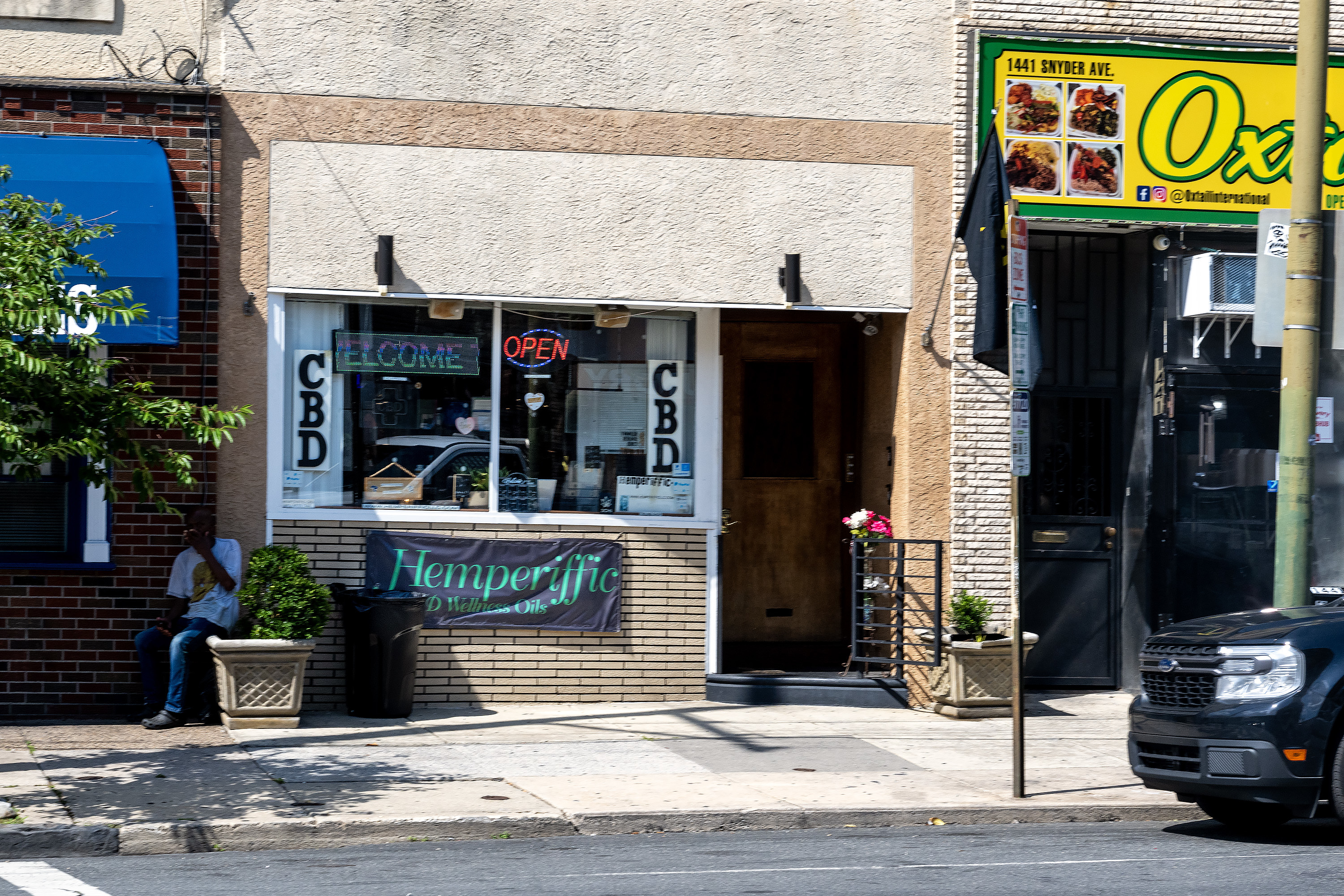
    A smoke shop in South Philadelphia.

    Neighborhood association leaders also testified Monday in favor of the changes, but several said more aggressive enforcement is needed. They said smoke shops in particular have popped up throughout their commercial corridors, as have convenience stores that don’t even have licenses to operate as businesses, let alone sell recreational drugs.

    “We’ve seen firsthand the selling of illegal drug paraphernalia and [loose cigarettes], many of which children walk past in order to get to the candy bars and seniors walk past to get to the milk,” said Heather Miller, of the Lawncrest Community Association. “We need to address this.”

    Elaine Petrossian, a Democratic ward leader in Center City and a community activist, called for “much” higher fines and penalties for landlords. She cited progress the municipal government has made in New York City, where authorities cracked down on building owners who knowingly rented space to tenants selling cannabis or tobacco without licenses to do so.

    Several lawmakers said they’d support a similar approach. Councilmember Mark Squilla, who represents a district that spans from South Philadelphia to Kensington, said landlords must be held “more accountable.”

    “If they had some skin in the game, maybe they’d think twice about renting to an illegal operation,” he said.

    Councilmember Jamie Gauthier, who represents parts of West Philadelphia, agreed. She said she recently attempted to meet with a building owner who rents space to a problematic smoke shop in her district, but was rebuffed.

    “He was like, ‘These people pay me rent, and that’s the extent to which I basically care,’” Gauthier said. “We need something that forces property owners to be more accountable than that, because neighbors are suffering.”

    Staff writers Max Marin and Ryan W. Briggs contributed to this article.

  • Judge almost shuts down the city’s Kensington wellness court over mounting frustration with Parker administration, sources say

    Judge almost shuts down the city’s Kensington wellness court over mounting frustration with Parker administration, sources say

    The city’s new Neighborhood Wellness Court initiative has been placed on hold amid growing concern from the leadership of Philadelphia‘s courts and judges’ mounting frustration with the city officials tasked with overseeing the program.

    Wellness court, which Mayor Cherelle L. Parker’s administration launched in January as a fast-track way to arrest people in Kensington for drug-related offenses and get them into treatment, has not taken any new cases over the last three weeks, city officials said.

    Supervising Municipal Court Judge Karen Simmons was nearly ready to shut the program down over frustration with the lack of coordination and communication from the Parker administration with the courts and other city agencies involved, according to sources with knowledge of conversations about the program.

    Simmons was concerned that the city was treating people arrested in some neighborhoods differently from others, and that there was inconsistency in how the program was tracking its data and determining who should be eligible for treatment, according to the sources, who spoke on the condition of anonymity to discuss private conversations.

    Simmons ultimately gave the city time to fix those issues, asking that officials put together a written manual and streamline the paperwork and intake procedures to ensure fairness, the sources said. The city is expected to make those adjustments so police can resume making arrests and bringing people through the program next week.

    A spokesperson for the courts declined to comment and referred questions to the city.

    Chief Public Safety Director Adam Geer oversees the office that runs Neighborhood Wellness Court in Kensington.

    Chief Public Safety Director Adam Geer, who oversees the city office that runs wellness court, said the delays were related to “administrative protocols” that needed to be resolved but declined to provide specifics.

    Geer said that he expects the program to return to normal operations next week and that the city “is fully committed to successfully implementing and sustaining the Neighborhood Wellness Court model.”

    Joshu Harris, the city’s deputy director of public safety, is no longer overseeing the program‘s operations, the sources said, and Deputy Mayor Vanessa Garrett Harley is now involved.

    “As with all new pilot programs of this kind, adjustments will continually be made to improve operations as time moves forward,” city spokesperson Joe Grace said Thursday.

    The pause comes amid long-simmering tension between the courts and the city over how the program was launched, sources said. Leadership of the Philadelphia District Attorney’s Office, the Defender Association of Philadelphia, and even the judges tasked with overseeing the court were largely excluded from the city’s plans for the program and how it would operate, sources said. They have felt like the Parker administration did not want their input.

    That conflict spilled into open court this month. Municipal Court Judge Henry Lewandowski III, who has presided over most of the wellness court cases so far, said at a hearing in early April that certain politicians in the city think they can “just wave a wand” and fix Kensington’s long-standing drug problems.

    “I care way more than they ever will. They’re fake,” he said, adding that officials are trying to build new programs just so they have something to take credit for.

    “If I said what I wanted to say,” he said, “I’d have to resign.”

    His frustration was clear again Thursday as he oversaw more than 100 summary offense cases, most for fare evasion amid SEPTA‘s new crackdown on turnstile jumping.

    “Who knows what program they’ll start by next week,” he said. “Every Wednesday, there’s new stuff, new programs, new procedures. … I’ve never been more confused, I’ve never been more uncertain what my job is.”

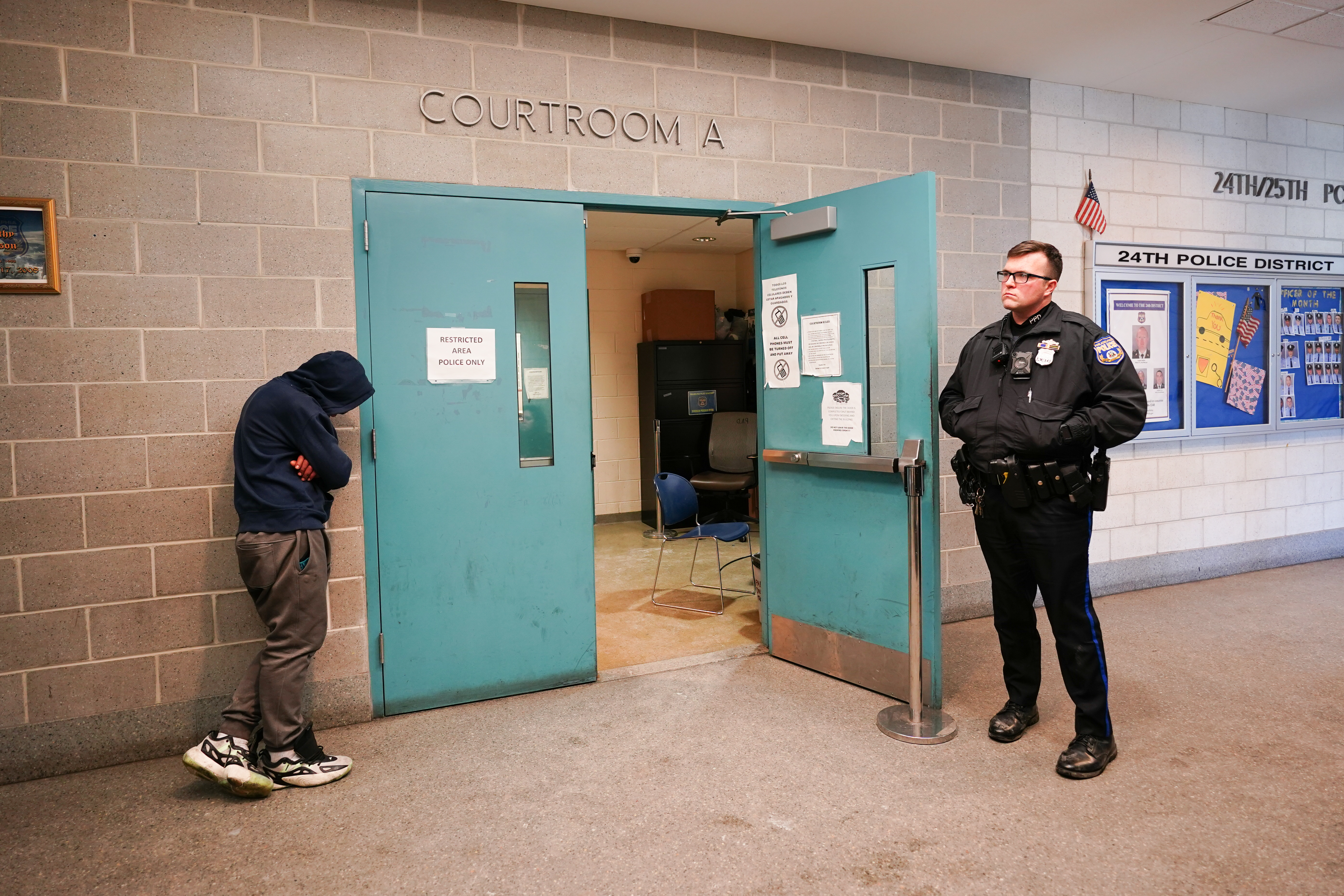
    Wellness court takes place every Wednesday inside a courtroom at the 24th / 25th Police District.

    Wellness court is a signature part of Parker’s plan to shut down Kensington’s notorious open-air drug market and restore quality of life for neighborhood residents.

    The court runs on Wednesday afternoons. First, in the morning, police conduct sweeps of the Kensington area and arrest people in addiction for offenses like sleeping on the sidewalk, gathering around an outdoor fire, or stumbling into the street. They are typically charged with summary offenses like obstructing highways.

    Those arrested are then brought to the Police-Assisted Diversion program building on Lehigh Avenue, where they are evaluated by a nurse and an addiction specialist. Officials also attempt to address any outstanding arrest warrants, and connect them with a court-appointed attorney hired by the city to discuss their rights.

    Finally, they are brought before a judge — Lewandowski has heard most cases so far — inside the nearby police district. They are offered the opportunity to immediately go to rehab or face a summary trial for their alleged crimes. Those who opt to go into treatment and complete the program and terms set by the city will later have their cases dismissed and expunged.

    Few in the program have asked for a same-day trial. Those found guilty have so far been ordered to pay fines and court fees ranging from about $200 to $500.

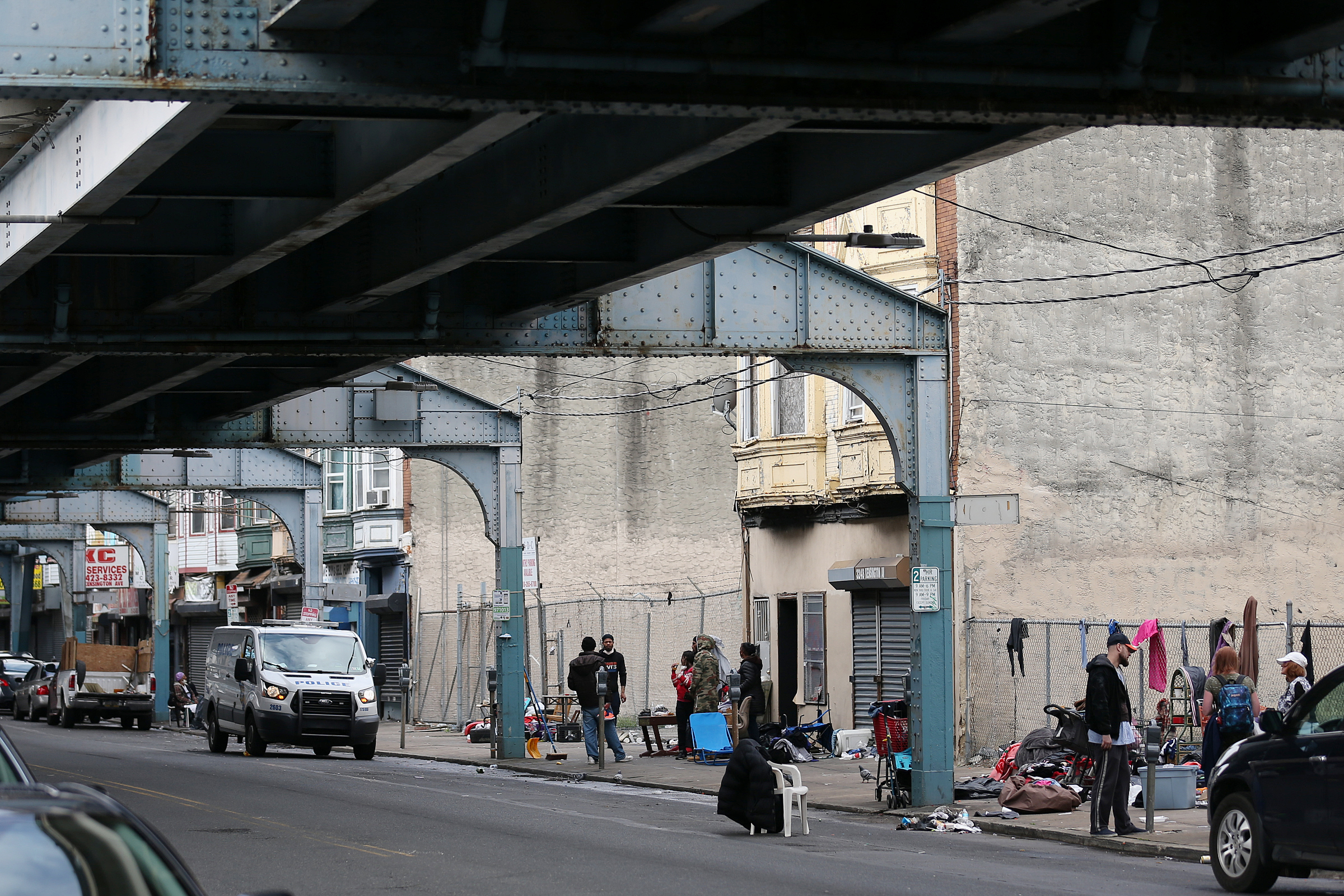
    Homelessness and public drug use is widespread in Kensington, the heart of the city’s open-air drug market.

    Of the more than 50 people who have come before the court so far, only two had successfully completed treatment as of early April, according to data collected by The Inquirer. The vast majority brought through the program almost immediately leave treatment and do not appear at follow-up hearings, the data show.

    The city has declined to share data on wellness court, including with City Council at a recent budget hearing, saying that it is too early to judge the program on numbers alone and that more time is needed to see results.

    But the Parker administration said it wants to expand the court and needs more funding for it to succeed. At a recent budget hearing, Geer asked City Council for an additional $3.7 million to operate the court five days a week and hire additional staffers.

    The goal, Geer said, is to build a system where people suffering on the streets can immediately be connected with treatment and resources, avoid going to jail, and get housing through the city’s new Riverview Wellness Village. Geer has said that the program will never have a 100% success rate, but that every “touch” the program has with people in addiction increases their likelihood to eventually go into treatment.

    But the First Judicial District has said wellness court will not be expanding anytime soon, according to sources.

    Civil rights advocates have raised constitutional concerns over the program. In a letter to the Parker administration, the Pennsylvania chapter of the American Civil Liberties Union said the program could pose a threat to drug users’ rights and questioned whether the city could force people to make consequential legal decisions while potentially under the influence of narcotics.

  • Man in addiction who died in jail was labeled an ‘emergency’ case and should have been given one-on-one support, records show

    Man in addiction who died in jail was labeled an ‘emergency’ case and should have been given one-on-one support, records show

    The 42-year-old man in addiction who died inside a Philadelphia jail days after his arrest in Kensington had been flagged as an “emergency” case by an intake worker at the jail, and should have received one-on-one supervision in the hours before he collapsed, according to records from the Department of Prisons.

    But that didn’t happen, and instead, Andrew Drury died alone inside the holding cell, without having received a formal behavioral health evaluation by the prison staff, according to the records obtained by The Inquirer. His cause of death remains under investigation, though when he was jailed in the fall, he had been hospitalized multiple times from withdrawal-related health complications.

    A spokesperson for the Philadelphia Department of Prisons declined to comment Friday.

    Drury had been picked up by Philadelphia police on the night of March 6, after officers encountered him at Kensington Avenue and Somerset Street, and learned he had outstanding bench warrants related to a drug case in Maryland and a 2022 violation of a protection-from-abuse order filed in Philadelphia.

    Police said Drury received off-site medical treatment over the next day before he was transferred to Curran-Fromhold Correctional Facility around 2:15 a.m. on March 8. Police declined to say what kind of treatment he received, where he was treated, or how he was cleared for transfer to the jail.

    Drury remained in an intake room at the jail until the next afternoon, waiting to be medically evaluated and assigned to a cell block. On March 9, around 9:30 a.m., an intake worker for the prisons assessed Drury and wrote that he was experiencing a range of physical and behavioral health issues and described him as extremely agitated and confused, according to the records.

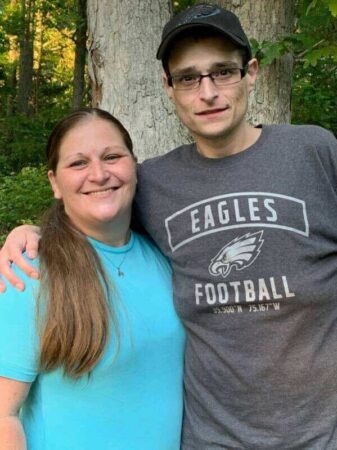
    Andrew Drury, left, and Jennifer Barnes had been homeless and struggling with addiction in Kensington for about two years. Drury died on March 9 inside a Philadelphia jail.

    The employee labeled Drury as an emergency case, which, according to the records, should have required that he receive one-on-one supervision until he could be evaluated by a behavioral health worker.

    Instead, Drury remained in his intake cell for another six hours. A jail guard walking through the area found him unresponsive at 1:45 p.m., and despite administering two doses of Narcan and other lifesaving measures, he was pronounced dead at 2 p.m., according to a spokesperson for the prison.

    The Philadelphia Medical Examiner’s Office said Wednesday that doctors are awaiting toxicology results to determine his cause of death.

    Drury had long struggled with an opioid addiction, and had been experiencing homelessness in Kensington for about two years, said his longtime girlfriend, Jennifer Barnes.

    In an interview this week, Barnes, 44, said she believes he died from health complications related to withdrawal — something that he has been hospitalized for in the past.

    When Drury was arrested in October on bench warrants related to the same cases, he was hospitalized multiple times, including for more than a week, after suffering a mild heart attack and other issues while going through withdrawal in jail, according to Barnes and a source familiar with Drury’s care at the time.

    After Drury was released in November, Barnes said he was in and out of the hospital because of ongoing chest pains and shortness of breath.

    Barnes said she worried about his health as she watched police arrest him that night.

    “The withdrawal, it’s not good for him,” she said she told the officers. “He needs medical attention.”

    Jennifer Barnes, whose fiancee Andrew Drury died while in jail, shown here in Philadelphia on Tuesday.

    Drury’s death comes as the city ramps up enforcement efforts in Kensington, a section of the city that has long experienced concentrated violence, homelessness, and drug use in and around its massive open-air drug market. Mayor Cherelle L. Parker has said her administration would shut down the drug activity in the area and return a quality of life to the neighborhood’s residents.

    But some advocates have warned city and law enforcement officials that the withdrawal effects for people who use opioids can be life-threatening, and that the understaffed jails might struggle to respond to people’s health needs in those circumstances.

    Barnes said she and Drury were both from South Philadelphia, and had been dating since 2012 after meeting in a luncheonette in the neighborhood. They were not married, she said, but wore rings as if they were.

    Andrew Drury and Jennifer Barnes in a photo before they became homeless in Kensington.

    Barnes said she has struggled with addiction since about 2008. Drury also used drugs by the time they had met, she said, his troubles beginning after he underwent a weight loss surgery and got hooked on pain killers. For many years, they were both able to hold jobs and hide their addiction.

    They bounced between friends’ and families’ homes, she said, until they were kicked out of Drury’s mother’s house in 2021 and she got a Protection From Abuse order against him. They’ve been on the streets of Kensington since about the summer of 2023, she said.

    Drury was funny and loving, she said, and helped protect her from the dangers of living on the streets. They had both recently talked about wanting to go to rehab and getting their lives back on track.

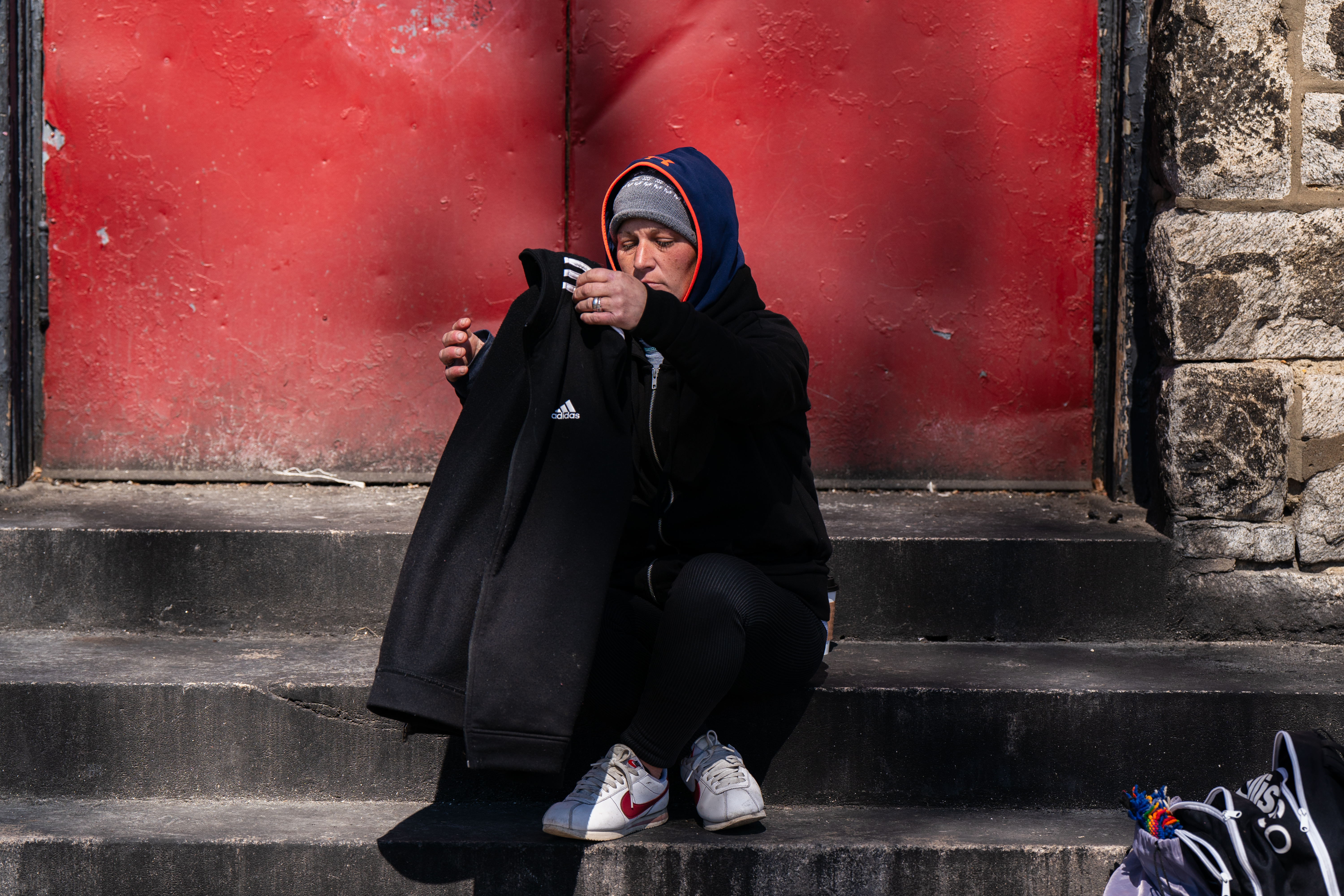
    Jennifer Barnes holds the sweatshirt of her longtime boyfriend, Andrew Drury, who died in jail on March 9.

    Since his death, she said, she feels in a fog. She has connected with a friend who found a bed for her at a recovery house in South Jersey, and she hopes to go next week.

    “For myself, and for him, it’s the best thing to do,” she said. “This way he won’t have to worry anymore.”

  • A man in addiction who was arrested in Kensington last week died in jail days later

    A man in addiction who was arrested in Kensington last week died in jail days later

    A 42-year-old man with a history of addiction died inside a Philadelphia jail over the weekend just days after he was arrested in Kensington, officials said.

    Andrew Drury was picked up on a bench warrant by Philadelphia police near Kensington and Lehigh Avenues on Thursday night and was found collapsed inside the intake room at Curran-Fromhold Correctional Facility on Sunday afternoon, according to police and prison officials. Officers who found Drury administered two doses of Narcan, among other lifesaving measures, but he did not regain consciousness, officials said.

    Drury, whose cause of death remains under investigation, was addicted to opioids and had been hospitalized multiple times for withdrawal-related complications when he was jailed in the fall on similar warrant issues, according to a source familiar with his care who was not authorized to speak publicly.

    Philadelphia police arrested Drury in Kensington around 10:30 p.m. Thursday on outstanding bench warrants related to a drug case in Maryland and a 2022 violation of a protection-from-abuse order filed in Philadelphia.

    Sgt. Eric Gripp, a spokesperson for Philadelphia police, said Drury was evaluated and “received off-site medical treatment” before he was transferred to the jail on State Road around 2:15 a.m. Saturday.

    People who use drugs are often gathered near Kensington and Somerset Avenues, an intersection at the heart of Philadelphia’s opioid crisis.

    Drury had been in an intake room at the facility for nearly 36 hours, waiting to be assigned to a cell block, when a jail guard found him unresponsive around 1:45 p.m. Sunday, according to John Mitchell, a spokesperson for the Philadelphia prisons. He was pronounced dead at 2 p.m., Mitchell said.

    The cause of Drury’s death was under investigation, he said, but no foul play was suspected. Gripp declined to say where and under what circumstances Drury was treated medically while in police custody, citing an ongoing investigation. It is not clear whether Drury was medically evaluated once he arrived at the jail.

    Drury is the first person to die in the custody of the Philadelphia Department of Prisons this year, and his death comes as the city ramps up drug enforcement in Kensington and arrests more people in addiction. Advocates have warned city and law enforcement officials that the withdrawal effects for people who use opioids can be life-threatening, and that the understaffed jails might struggle to respond to people’s health needs in those circumstances.

    His death follows that of Amanda Cahill, 31, who died inside a cell at the Philadelphia Industrial Correctional Center in September, days after she was arrested in Kensington on charges related to drugs and open warrants. The Philadelphia Medical Examiner’s Office said Tuesday that an autopsy showed Cahill died from drug intoxication.

    At least 29 people in addiction have died in Philadelphia jail or police custody since 2018 for reasons that appear connected to drug intoxication or withdrawal, according to medical examiner records reviewed by The Inquirer.

    Amanda Cahill, 31, is seen here in a photo provided by her family. She died in Philadelphia Industrial Correctional Center in September.

    Drury’s legal troubles go back to at least July 2021, when he was arrested for possession with intent to distribute drugs in Maryland, according to court records. Then, in July 2022, he was arrested in Philadelphia for violating a protection-from-abuse order that his mother had filed against him. He was later released on bail.

    After Drury failed to appear in court in Maryland and Philadelphia, warrants were issued for his arrest. He was picked up by police on Oct. 1, 2024, in connection with those pending cases.

    While in custody, Drury was hospitalized at least twice, including for more than a week, after experiencing health issues related to withdrawal, said the person familiar with his care, who had reviewed the records related to Drury’s earlier cases.

    He was released from jail in November after authorities in Maryland declined to extradite him, the source said. Because he did not return to Maryland to resolve his case, there was still an outstanding warrant for his arrest. And when Drury did not appear for a December hearing in his Philadelphia case, a second warrant was issued.

    The warrants landed him back in police custody on Thursday.

    Two of Drury’s relatives, who asked not to be identified for privacy reasons, said they did not know he was struggling with addiction. They described him as a warm and generous person, a good listener, and a helping hand.

    “I feel that something is not right,” one relative said. “I don’t know, and I won’t know, I guess, until I can get the coroner’s report. I’m in the dark right now.”

    Andrew Pappas, pretrial managing director of the Defender Association of Philadelphia, said Drury’s death underscores the dangerous conditions inside Philadelphia’s jails, which face an ongoing staffing shortage.

    “We continue to see the effects of that with yet another death in custody,” he said.