Tag: King of Prussia

  • Remembering those Philly lost in 2025

    Remembering those Philly lost in 2025

    In 2025, Philadelphians said goodbye to a beloved group of broadcasters, radio personalities, sports heroes, and public servants who left their mark on a city they all loved.

    Some were Philly natives, including former Eagles general manager Jim Murray. Others, including beloved WMMR host Pierre Robert, were transplants who made Philly their adopted home. But all left their mark on the city and across the region.

    Pierre Robert
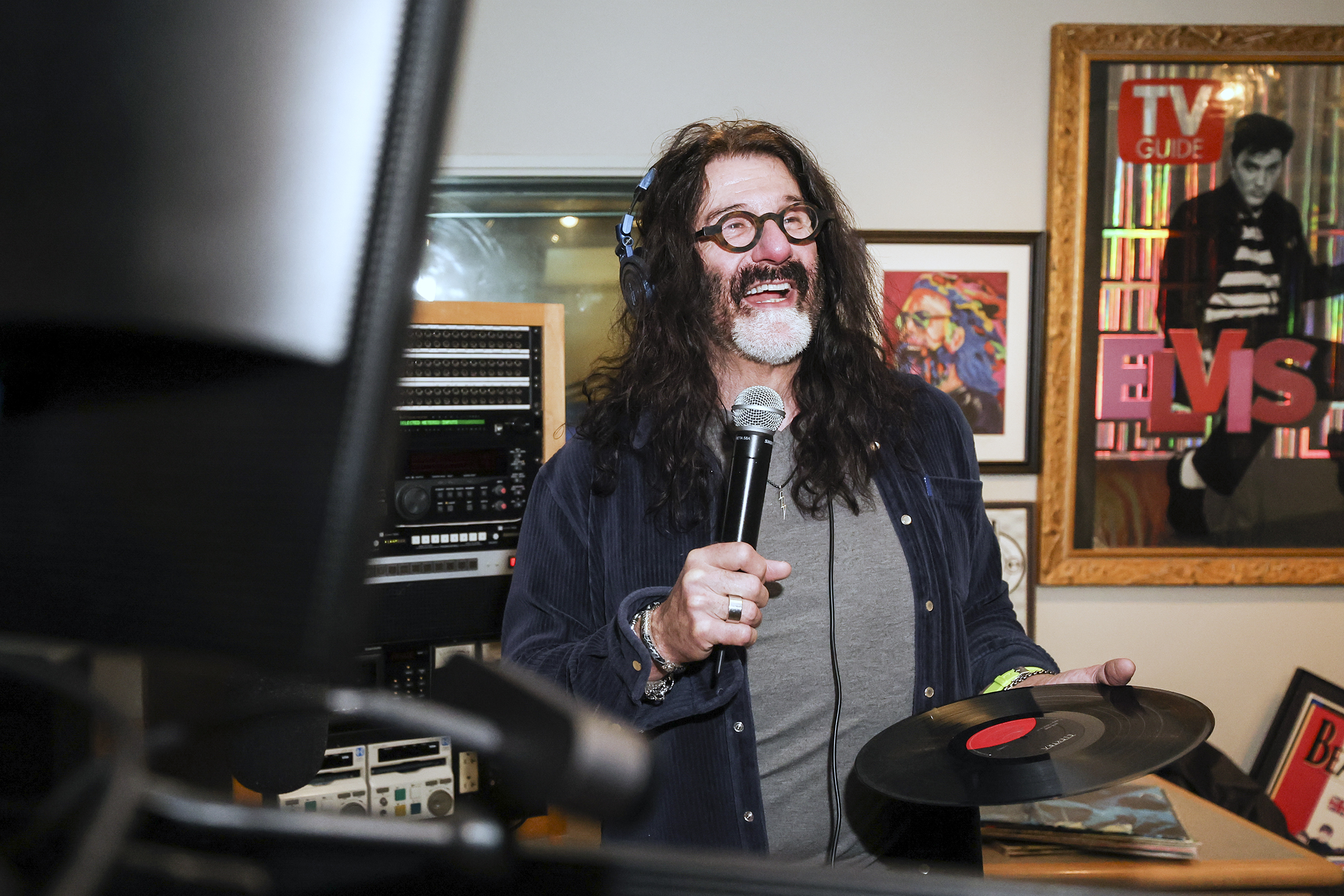
    Former WMMR host Pierre Robert, seen in his studio in 2024.

    Pierre Robert, the beloved WMMR radio host and lover of rock music, died at his Gladwyne home in October. He was 70.

    A native of Northern California, Mr. Robert joined WMMR as an on-air host in 1981. He arrived in the city after his previous station, San Francisco’s KSAN, switched to an “urban cowboy” format, prompting him to make the cross-country drive to Philadelphia in a Volkswagen van.

    At WMMR, Mr. Robert initially hosted on the weekends, but quickly moved to the midday slot — a position he held for more than four decades up until his death.

    — Nick Vadala, Dan DeLuca

    Bernie Parent
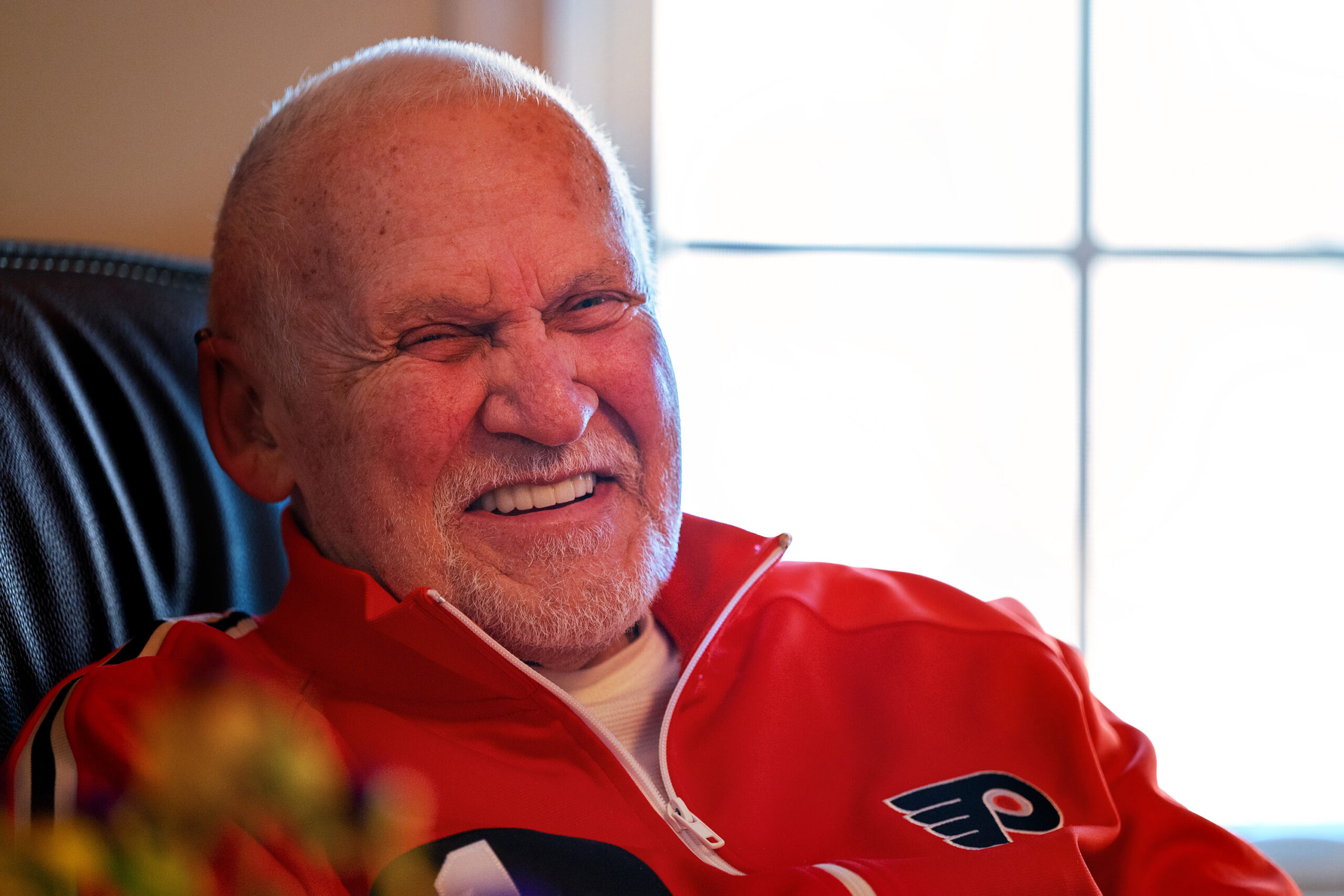
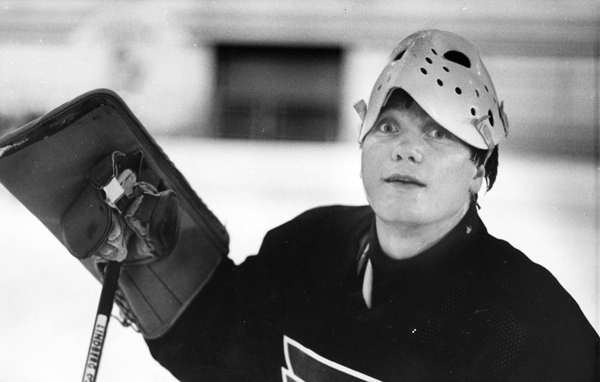
    Former Flyers goaltender Bernie Parent, seen at his home in 2024.

    Bernie Parent, the stone-wall Flyers goalie for the consecutive Stanley Cup championship teams for the Broad Street Bullies in the 1970s, died in September. He was 80.

    A Hall of Famer, Mr. Parent clinched both championships with shutouts in the final game as he blanked the Boston Bruins, 1-0, in 1974 and the Buffalo Sabres, 2-0, in 1975. Mr. Parent played 10 of his 13 NHL seasons with the Flyers and also spent a season in the World Hockey League with the Philadelphia Blazers. He retired in 1979 at 34 years old after suffering an eye injury during a game against the New York Rangers.

    He grew up in Montreal and spoke French as his first language before becoming a cultlike figure at the Spectrum as cars throughout the region had “Only the Lord Saves More Than Bernie Parent” bumper stickers.

    — Matt Breen

    David Lynch
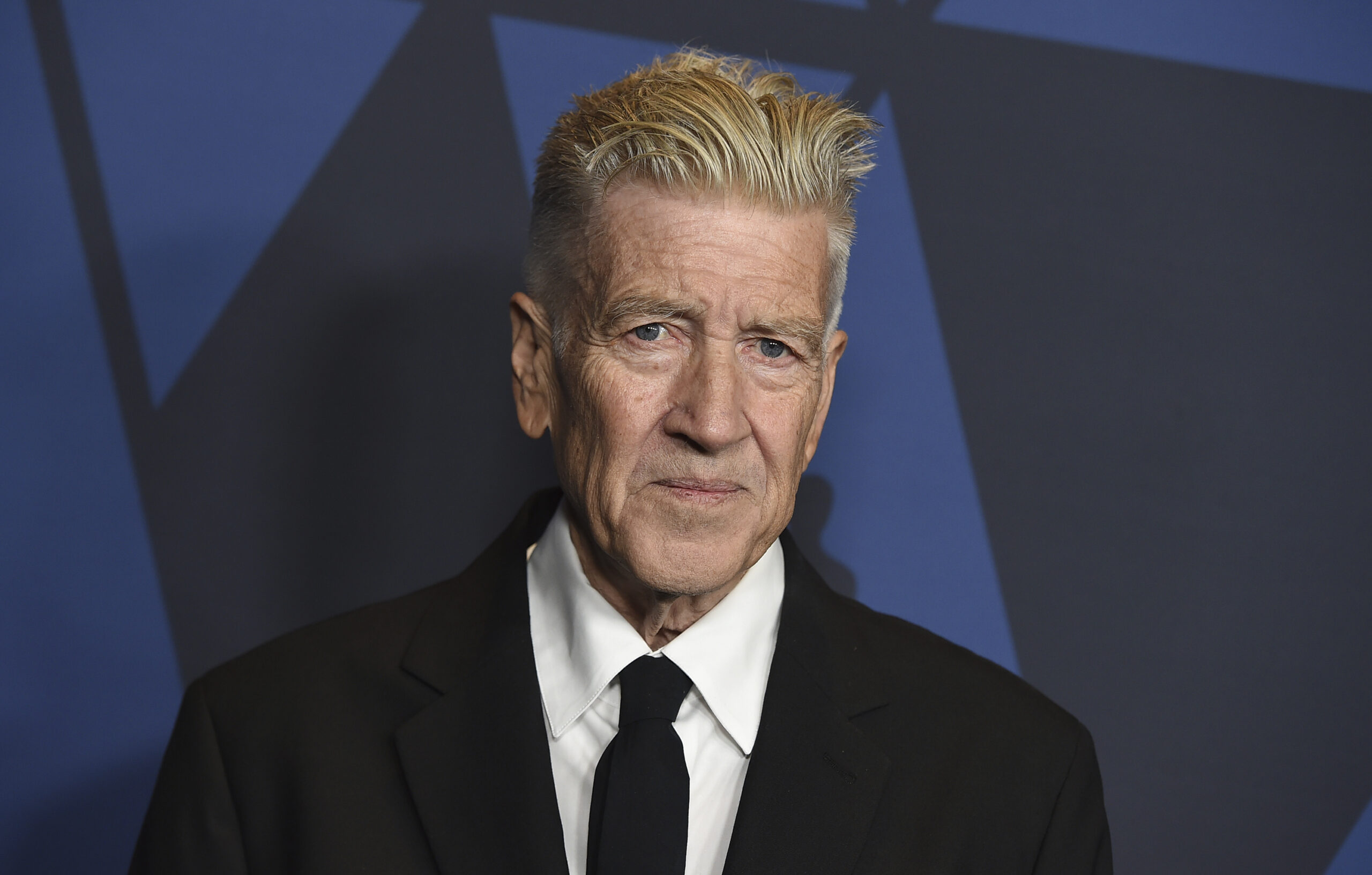
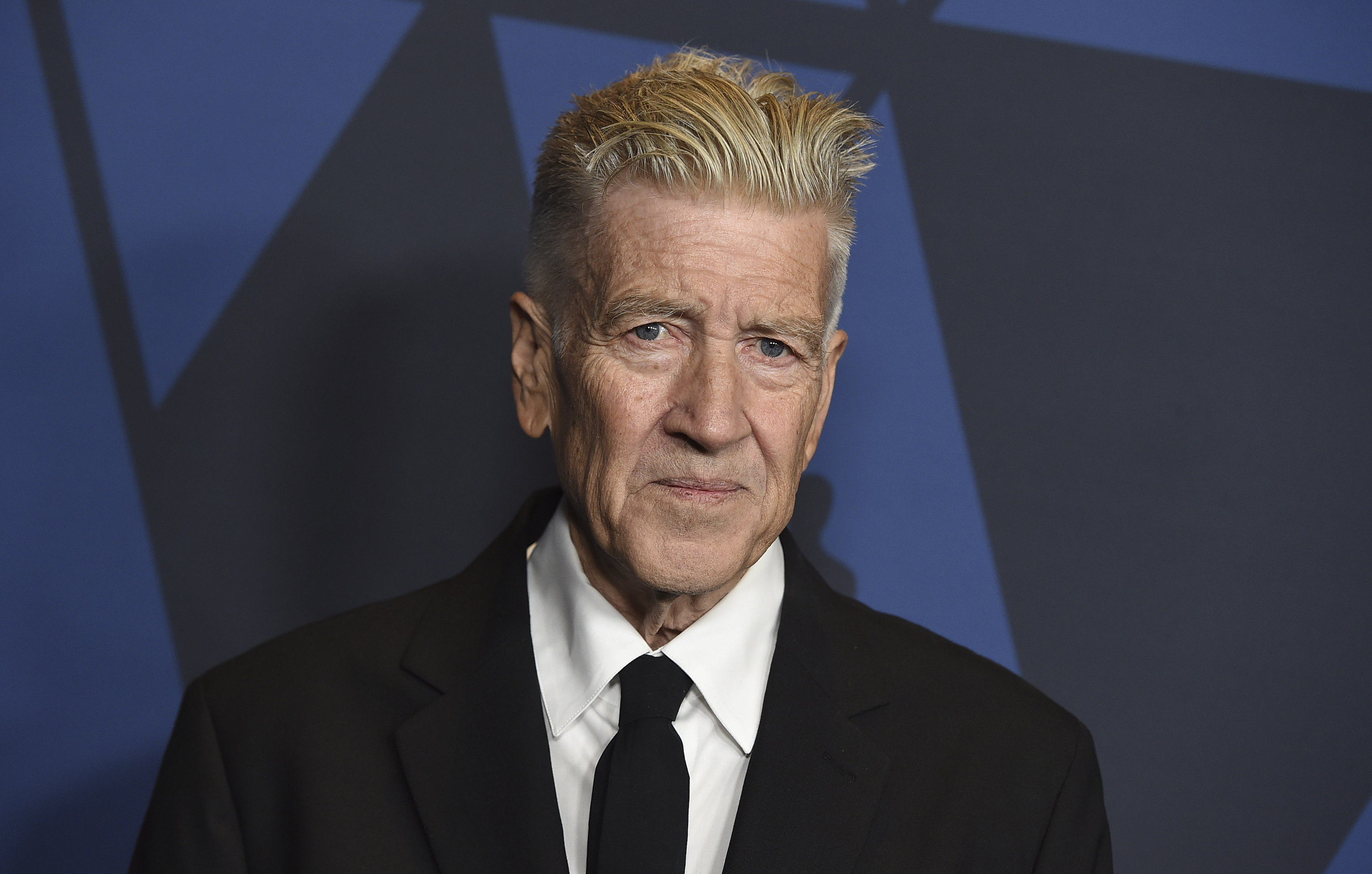
    David Lynch, seen here at the Governors Awards in Los Angeles in 2019.

    David Lynch, the visionary director behind such movies as Blue Velvet and The Elephant Man and the twisted TV show Twin Peaks, died in January of complications from emphysema. He was 78.

    Mr. Lynch was born in Missoula, Mont., but ended up in Philadelphia to enroll at the Pennsylvania Academy of the Fine Arts in 1965 at age 19. It was here he developed an interest in filmmaking as a way to see his paintings move.

    He created his first short films in Philadelphia, which he described both as “a filthy city” and “his greatest influence” as an artist. Ultimately, he moved to Los Angeles to make his first feature film, Eraserhead, though he called the film “my Philadelphia Story.

    — Rob Tornoe

    Ryne Sandberg

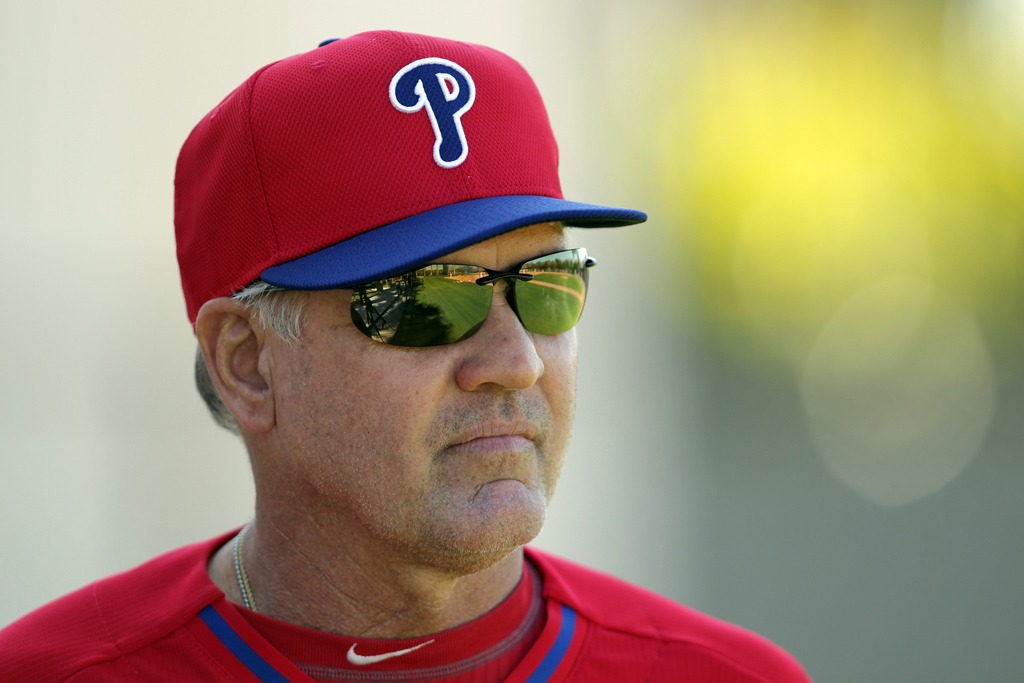
    Former Phillies manager Ryne Sandberg, seen here at spring training in 2018.

    Ryne Sandberg, the Hall of Fame second baseman who started his career with the Phillies but was traded shortly after to the Chicago Cubs in one of the city’s most regrettable trades, died in July of complications from cancer. He was 65.

    Mr. Sandberg played 15 seasons in Chicago and became an icon for the Cubs, simply known as “Ryno,” after being traded there in January 1982.

    He was a 10-time All-Star, won nine Gold Glove awards, and was the National League’s MVP in 1984. Mr. Sandberg was inducted into the Baseball Hall of Fame in 2005 and returned to the Phillies in 2011 as a minor-league manager and, later, the big-league manager.

    — Matt Breen

    Bob Uecker
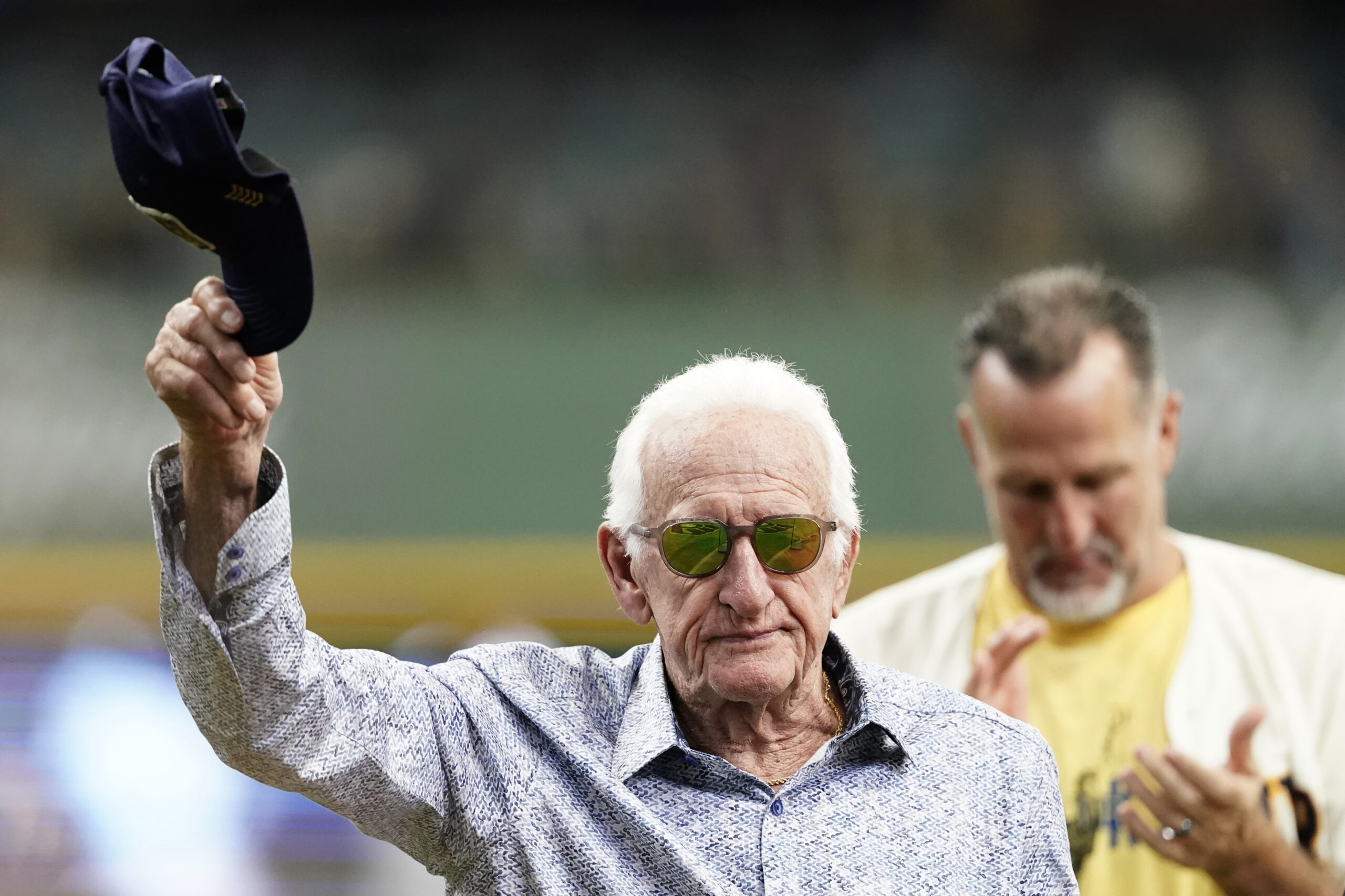
    Bob Uecker, seen here before a Brewers game in 2024.

    Bob Uecker, a former Phillies catcher who later became a Hall of Fame broadcaster for the Milwaukee Brewers and was dubbed “Mr. Baseball” by Johnny Carson for his acting roles in several movies and TV shows, died in January. He was 90.

    Mr. Uecker spent just six seasons in the major league, two with the Phillies, but the talent that would make him a Hall of Fame broadcaster — wit, self-deprecation, and the timing of a stand-up comic — were evident.

    His first broadcasting gig was in Atlanta, and he started calling Milwaukee Brewers games in 1971. Before that, he called Phillies games: Mr. Uecker used to sit in the bullpen at Connie Mack Stadium and deliver play-by-play commentary into a beer cup.

    — Matt Breen and Rob Tornoe

    Harry Donahue
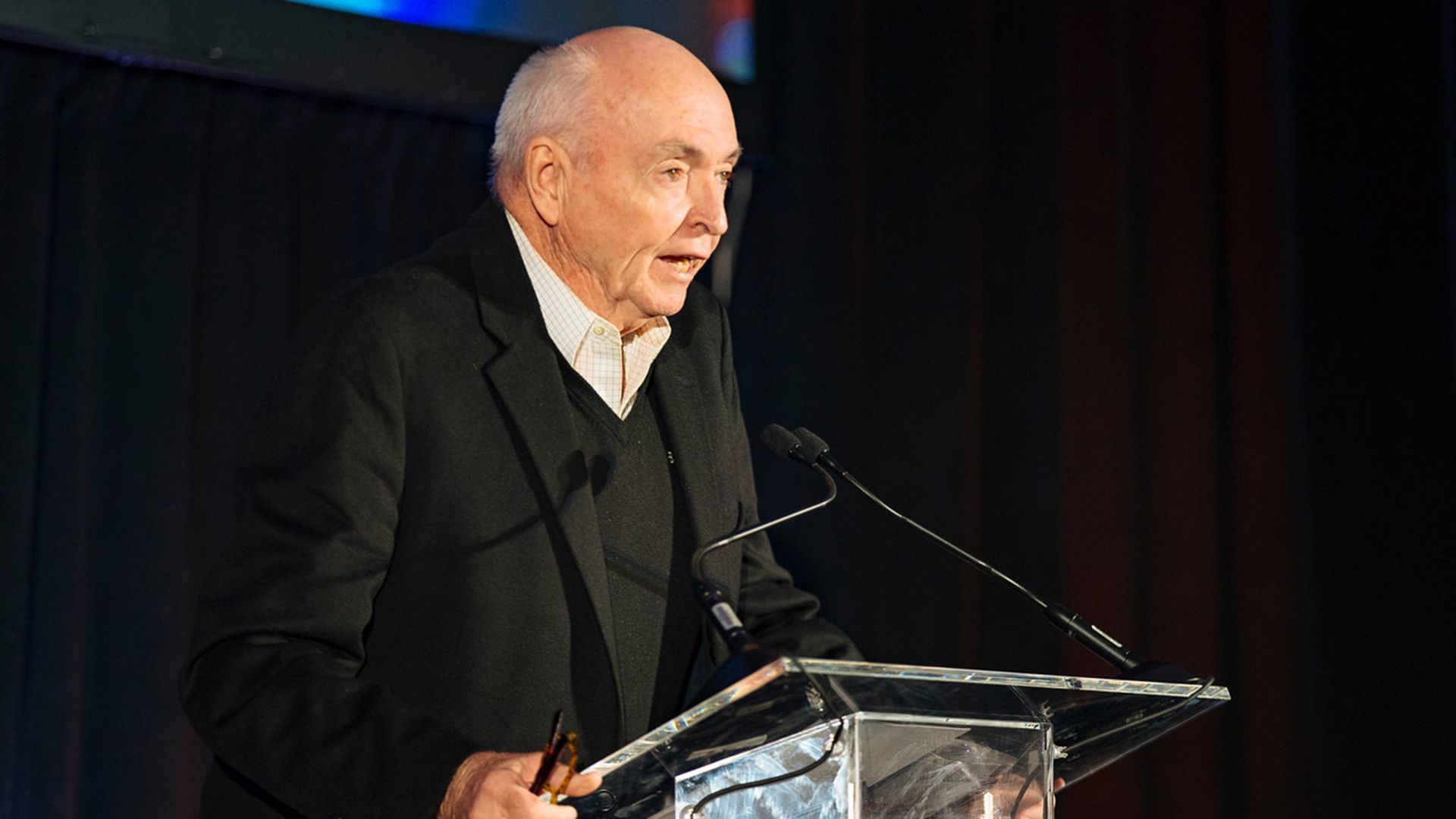
    Harry Donahue, seen here at Temple University in 2020.

    Harry Donahue, 77, a longtime KYW Newsradio anchor and the play-by-play voice of Temple University men’s basketball and football for decades, died in October after a fight with cancer.

    His was a voice that generations of people in Philadelphia and beyond grew up with in the mornings as they listened for announcements about snow days and, later, for a wide array of sports.

    — Robert Moran

    Alan Rubenstein
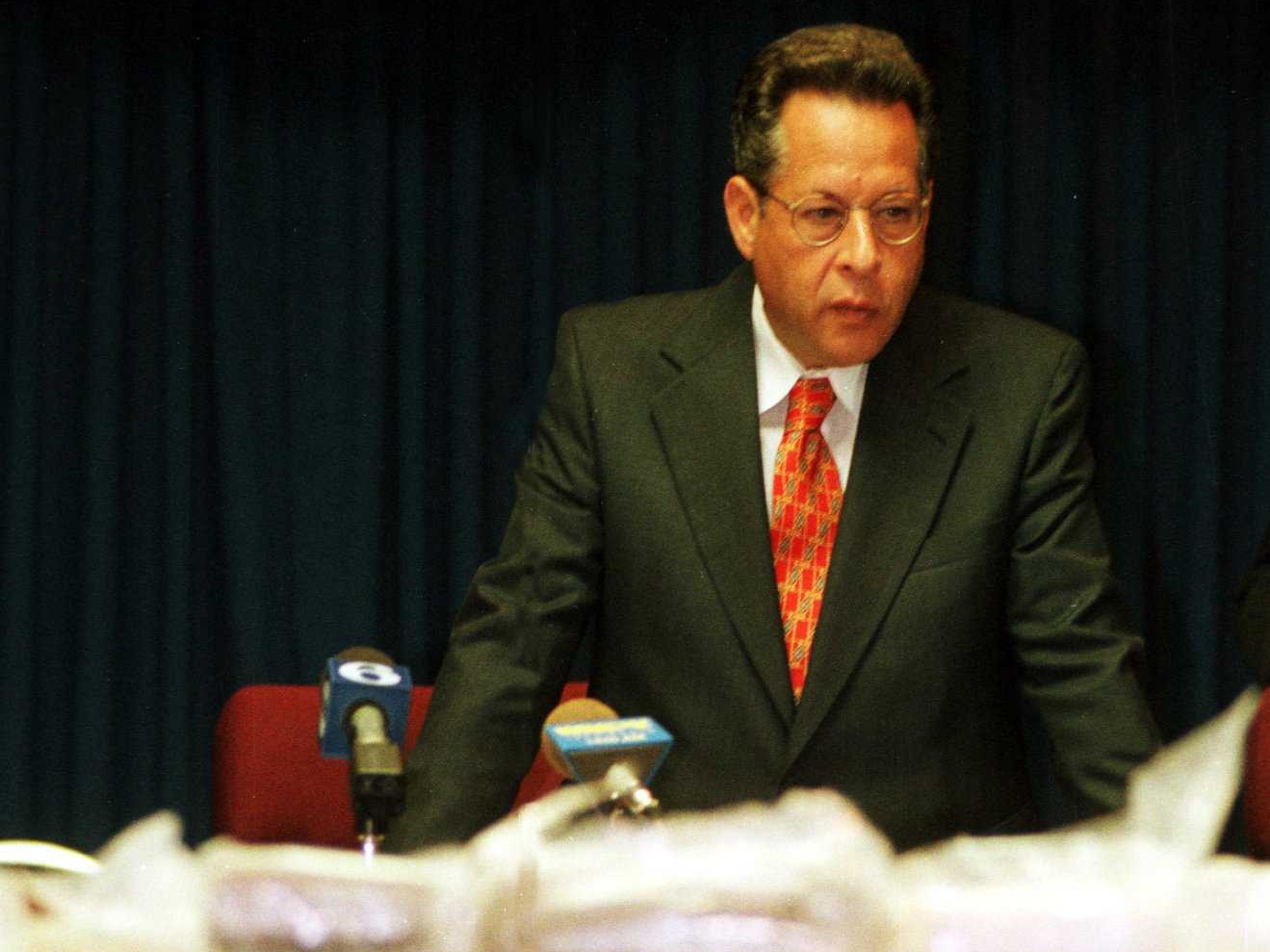
    Judge Rubenstein, then Bucks County district attorney, talks to the media about a drug case in 1998.

    Alan M. Rubenstein, a retired senior judge on Bucks County Common Pleas Court and the longest-serving district attorney in Bucks County history, died in August of complications from several ailments at his home in Holland, Bucks County. He was 79.

    For 50 years, from his hiring as an assistant district attorney in 1972 to his retirement as senior judge a few years ago, Judge Rubenstein represented Bucks County residents at countless crime scenes and news conferences, in courtrooms, and on committees. He served 14 years, from 1986 to 1999, as district attorney in Bucks County, longer than any DA before him, and then 23 years as a judge and senior judge on Bucks County Court.

    “His impact on Bucks County will be felt for generations,” outgoing Bucks County District Attorney Jennifer Schorn said in a tribute. U.S. Rep. Brian Fitzpatrick (R., Pa.) said on Facebook: “Alan Rubenstein has never been just a name. It has stood as a symbol of justice, strength, and integrity.”

    — Gary Miles

    Orien Reid Nix
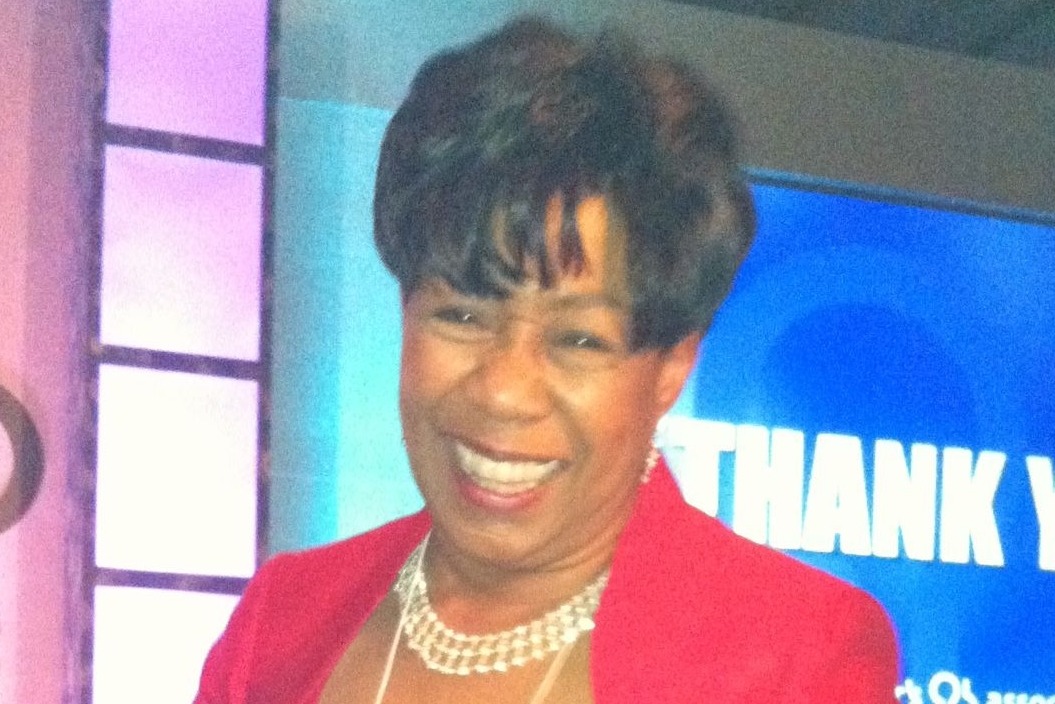
    Orien Reid Nix, seen here being inducted into the Broadcast Pioneers of Philadelphia Hall of Fame in 2018

    Orien Reid Nix, 79, of King of Prussia, retired Hall of Fame reporter for KYW-TV and WCAU-TV in Philadelphia, owner of Consumer Connection media consulting company, the first Black and female chair of the international board of the Alzheimer’s Association, former social worker, mentor, and volunteer, died in June of complications from Alzheimer’s disease.

    Charismatic, telegenic, empathetic, and driven by a lifelong desire to serve, Mrs. Reid Nix worked as a consumer service and investigative TV reporter for Channels 3 and 10 in Philadelphia for 26 years, from 1973 to her retirement in 1998. She anchored consumer service segments, including the popular Market Basket Report, that affected viewers’ lives and aired investigations on healthcare issues, price gouging, fraud, and food safety concerns.

    — Gary Miles

    Dave Frankel
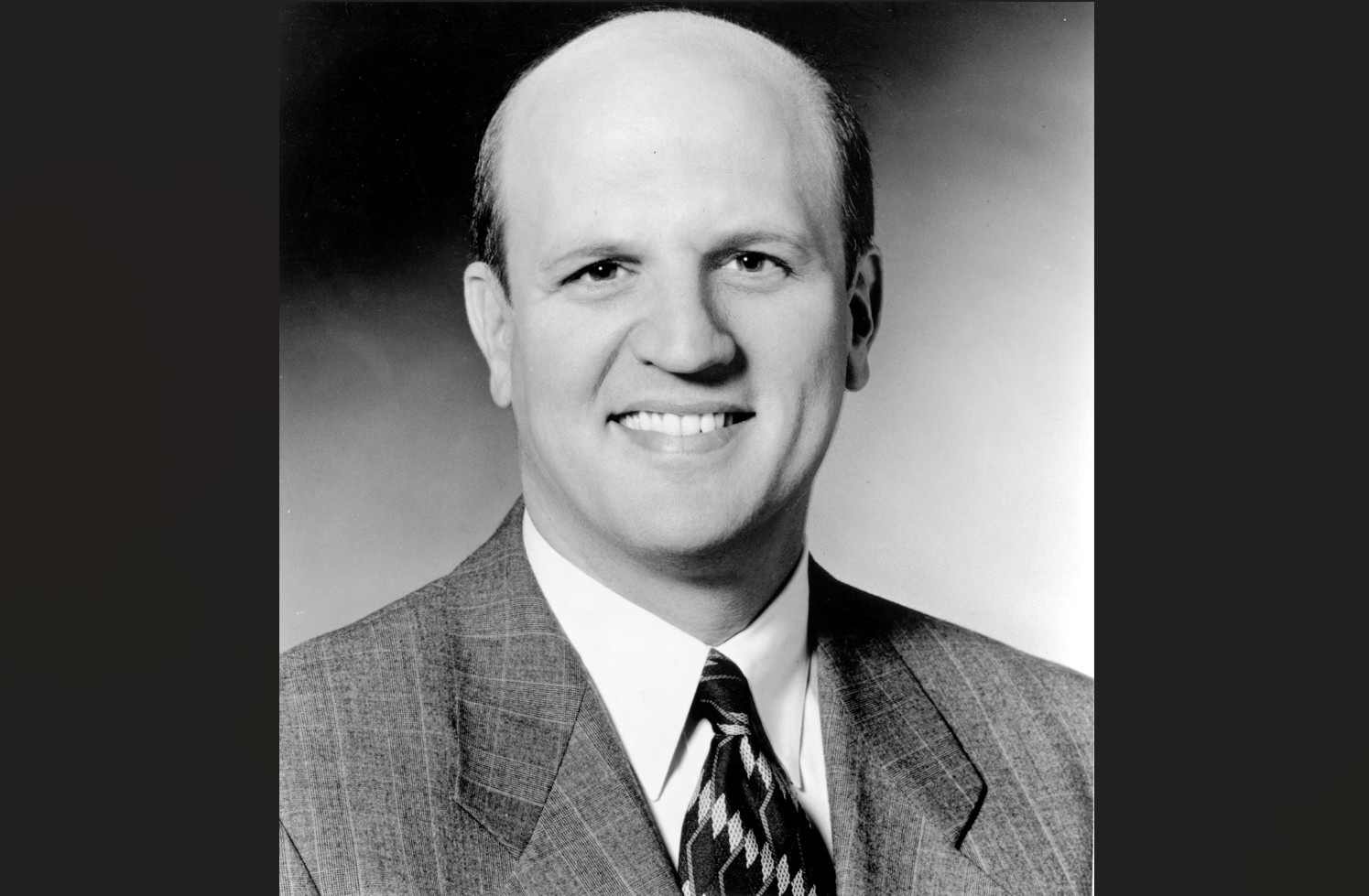
    Dave Frankel in an undated publicity photo.

    Dave Frankel, 67, a popular TV weatherman on WPVI (now 6abc) who later became a lawyer, died in February after a long battle with a neurodegenerative disease.

    Mr. Frankel grew up in Monmouth County, N.J., graduated in 1979 from Dartmouth College, and was planning to attend Dickinson School of Law to become a lawyer like his father. But an internship at a local TV station in Vermont turned into a news anchor job and a broadcast career that lasted until the early 2000s.

    — Robert Moran

    Lee Elia
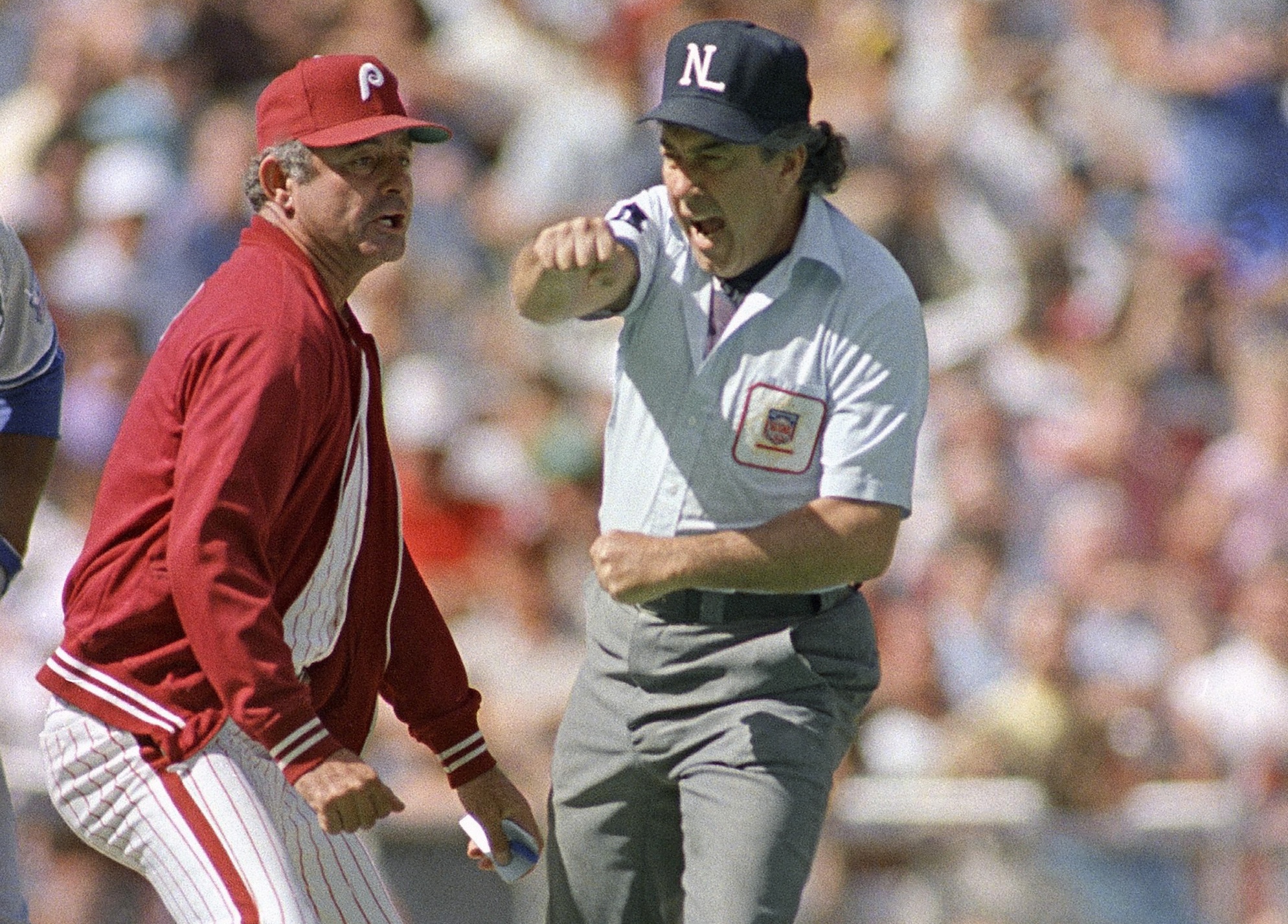
    Former Phillies manager Lee Elia, seen here being ejected from a game in 1987.

    Lee Elia, the Philadelphia native who managed the Phillies after coaching third base for the 1980 World Series champions and once famously ranted against the fans who sat in the bleachers of Wrigley Field, died in July. He was 87.

    Mr. Elia’s baseball career spanned more than 50 seasons. He managed his hometown Phillies in 1987 and 1988 after managing the Chicago Cubs in 1982 and 1983.

    After his playing career was cut shot by a knee injury, Mr. Elia joined Dallas Green’s Phillies staff before the 1980 season and was coaching third base when Manny Trillo delivered a crucial triple in the clinching game of the National League Championship Series. Mr. Elia was so excited that he bit Trillo’s arm after he slid.

    — Matt Breen

    Gary Graffman
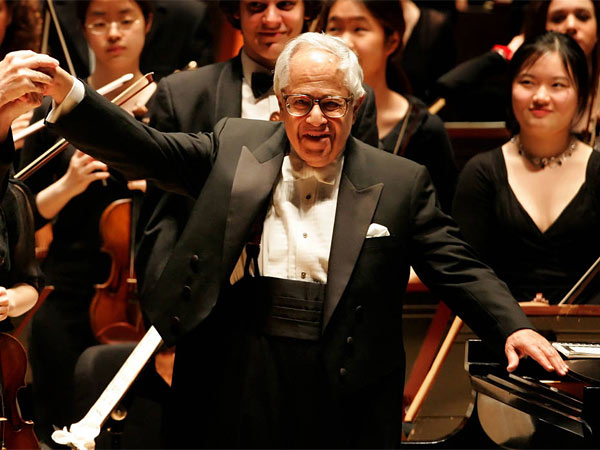
    Gary Graffman, seen here playing at the Curtis Institute of Music Orchestra Concert at Verizon Hall in 2006.

    Gary Graffman, a celebrated concert pianist and the former president of the Curtis Institute of Music, died in December in New York. He was 97.

    The New York City-born pianist arrived at Curtis at age 7. He graduated at age 17 and played roughly 100 concerts a year between the ages of 20 and 50 before retiring from touring due to a compromised right hand. Diagnosed with focal dystonia (a neurological disorder), he went on to premiere works for the left hand by Jennifer Higdon and William Bolcom.

    Mr. Graffman returned to Curtis as a teacher in 1980, became director in 1986, and was named the president of the conservatory in 1995, with a teaching studio encompassing nearly 50 students, including Yuja Wang and Lang Lang among others. He performed on numerous occasions with the Philadelphia Orchestra from 1947 to 2003.

    — David Patrick Stearns

    Len Stevens
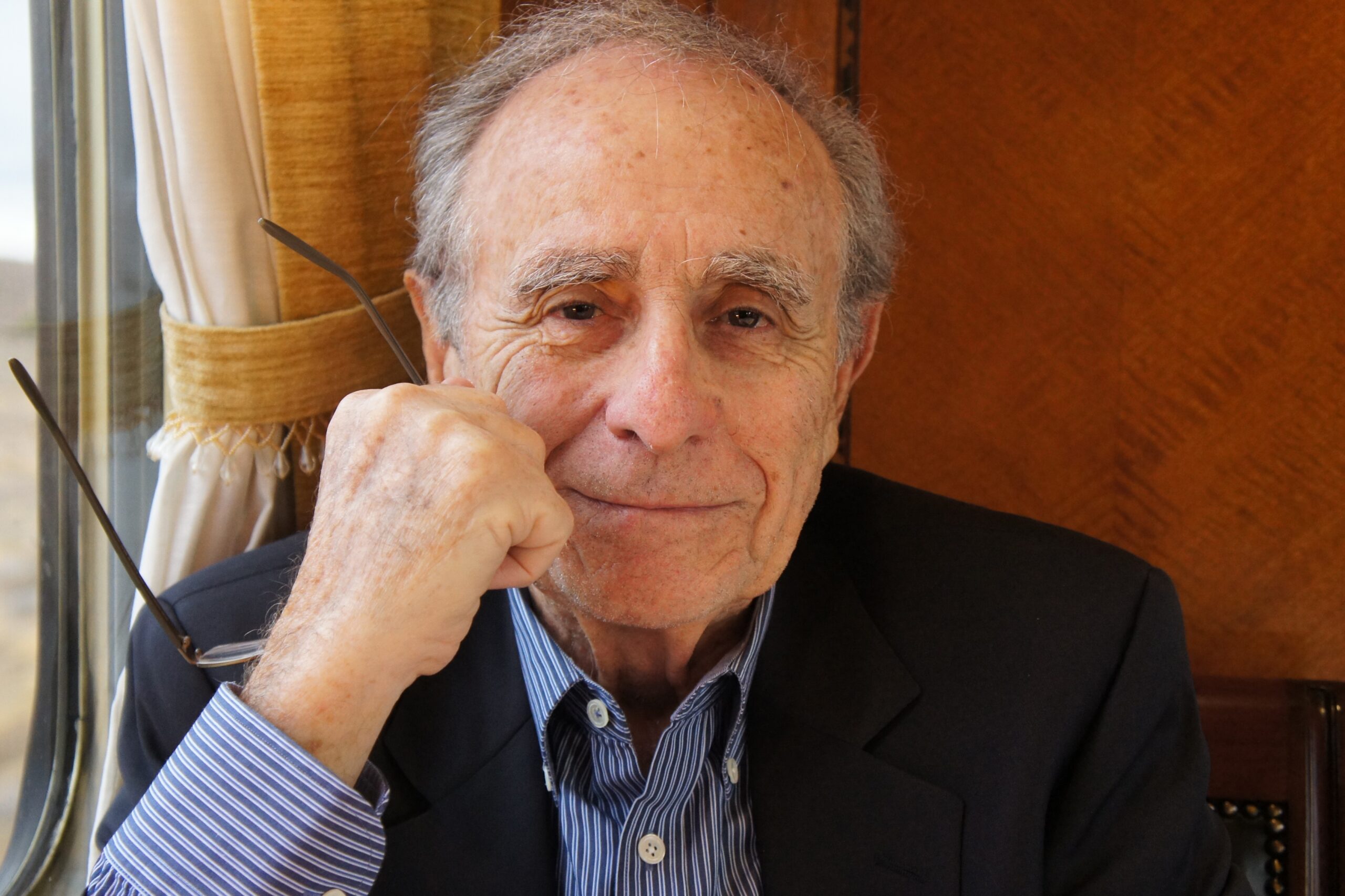
    Len Stevens was the co-founder of WPHL-TV Channel 17.

    Len Stevens, the cofounder of WPHL-TV (Channel 17) and a member of the Broadcast Pioneers of Philadelphia Hall of Fame, died in September of kidney failure. He was 94.

    Born in Philadelphia, Mr. Stevens was a natural entrepreneur. He won an audition to be a TV announcer with Dick Clark on WFIL-TV in the 1950s, persuaded The Tonight Show and NBC to air Alpo dog food ads in the 1960s, co-owned and managed the popular Library singles club on City Avenue in the 1970s and ’80s, and later turned the nascent sale of “vertical real estate” on towers and rooftops into big business.

    He and partner Aaron Katz established the Philadelphia Broadcasting Co. in 1964 and launched WPHL-TV on Sept. 17, 1965. At first, their ultrahigh frequency station, known now as PHL17, challenged the dominant very high frequency networks on a shoestring budget. But, thanks largely to Mr. Stevens’ advertising contacts and programming ideas, Channel 17 went on to air Phillies, 76ers, and Big Five college basketball games, the popular Wee Willie Webber Colorful Cartoon Club, Ultraman, and other memorable shows in the late 1960s and early ’70s.

    — Gary Miles

    Jim Murray
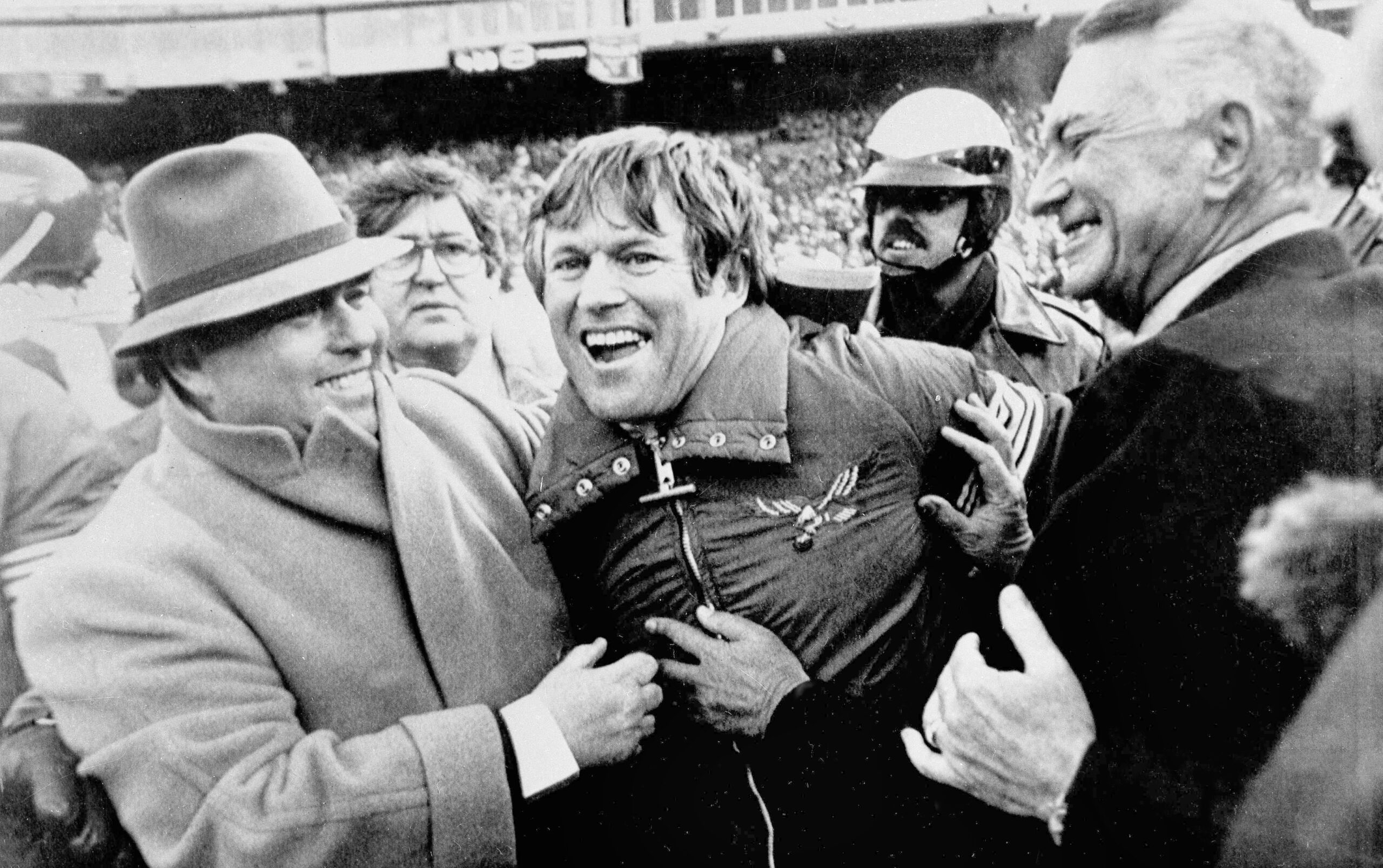
    Former Eagles general manager Jim Murray (left), seen here with Dick Vermeil and owner Leonard Tose following the 1980 NFC championship game in January 1981.

    Jim Murray, the former Eagles general manager who hired Dick Vermeil and helped the franchise return to prominence while also opening the first Ronald McDonald House, died in August at home in Bryn Mawr surrounded by his family. He was 87.

    Mr. Murray grew up in a rowhouse on Brooklyn Street in West Philadelphia and watched the Eagles at Franklin Field. The Eagles hired him in 1969 as a publicist, and Leonard Tose, then the Eagles’ owner, named him the general manager in 1974. Mr. Murray was just 36 years old and the decision was ridiculed.

    But Mr. Murray — who was known for his wit and generosity — made a series of moves to bring the Eagles back to relevance, including hiring Vermeil and acquiring players like Bill Bergey and Ron Jaworski. The Eagles made the playoffs in 1978 and reached their first Super Bowl in January 1981. The Eagles, with Murray as the GM, were finally back.

    — Matt Breen

    Michael Days

    Philadelphia Daily News Editor Michael Days celebrates with the newsroom after word of the Pulitzer win.

    Michael Days, a pillar of Philadelphia journalism who championed young Black journalists and led the Daily News during its 2010 Pulitzer Prize win for investigative reporting, died in October after falling ill. He was 72.

    A graduate of Roman Catholic High School in Philadelphia, Mr. Days worked at the Wall Street Journal and other newspapers before joining the Daily News as a reporter in 1986, where he ultimately became editor in 2005, the first Black person to lead the paper in its 90-year history. In 2011, Mr. Days was named managing editor of The Inquirer, where he held several management roles until he retired in October 2020.

    As editor of the Daily News, Mr. Days played an essential role in the decisions that would lead to its 2010 Pulitzer Prize, including whether to move forward with a story about a Philadelphia Police Department narcotics officer that a company lawyer said stood a good chance of getting them sued.

    “He said, ‘I trust my reporters, I believe in my reporters, and we’re running with it,’” recounted Inquirer senior health reporter Wendy Ruderman, who reported the piece with colleague Barbara Laker. That story revealed a deep dysfunction within the police department, Ruderman said, and led to the newspaper’s 2010 Pulitzer Prize win.

    — Brett Sholtis

    Tom McCarthy
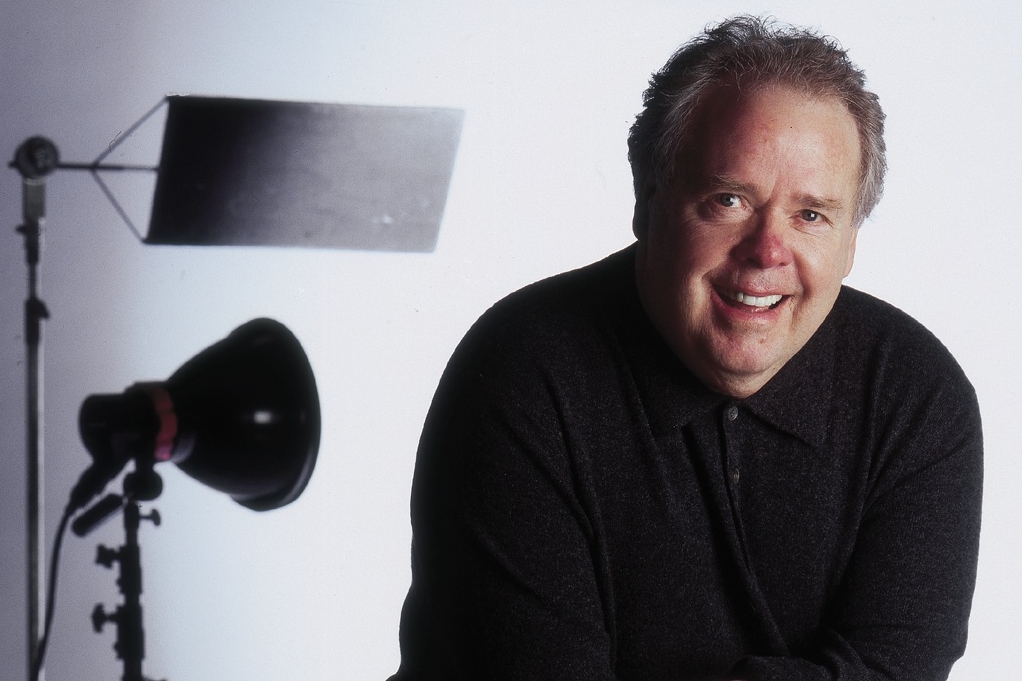
    Tom McCarthy, seen here in 2002.

    Tom McCarthy, an award-winning theater, film, and TV actor, longtime president of the local chapter of the Screen Actors Guild, former theater company board member, mentor, and veteran, died in May of complications from Parkinson’s disease at his home in Sea Isle City. He was 88.

    The Overbrook native quit his job as a bartender in 1965, sharpened his acting skills for a decade at Hedgerow Theatre Company in Rose Valley and other local venues, and, at 42, went on to earn memorable roles in major movies and TV shows.

    In the 1980s, he played a police officer with John Travolta in the movie Blow Out and a gardener with Andrew McCarthy in Mannequin. In 1998, he was a witness with Denzel Washington in Fallen. In 2011, he was a small-town mayor with Lea Thompson in Mayor Cupcake. Over the course of his career, Mr. McCarthy acted with Zsa Zsa Gabor, Harrison Ford, Kristin Scott Thomas, Cloris Leachman, Robert Redford, Donald Sutherland, John Goodman, and other big stars.

    — Gary Miles

    Carol Saline
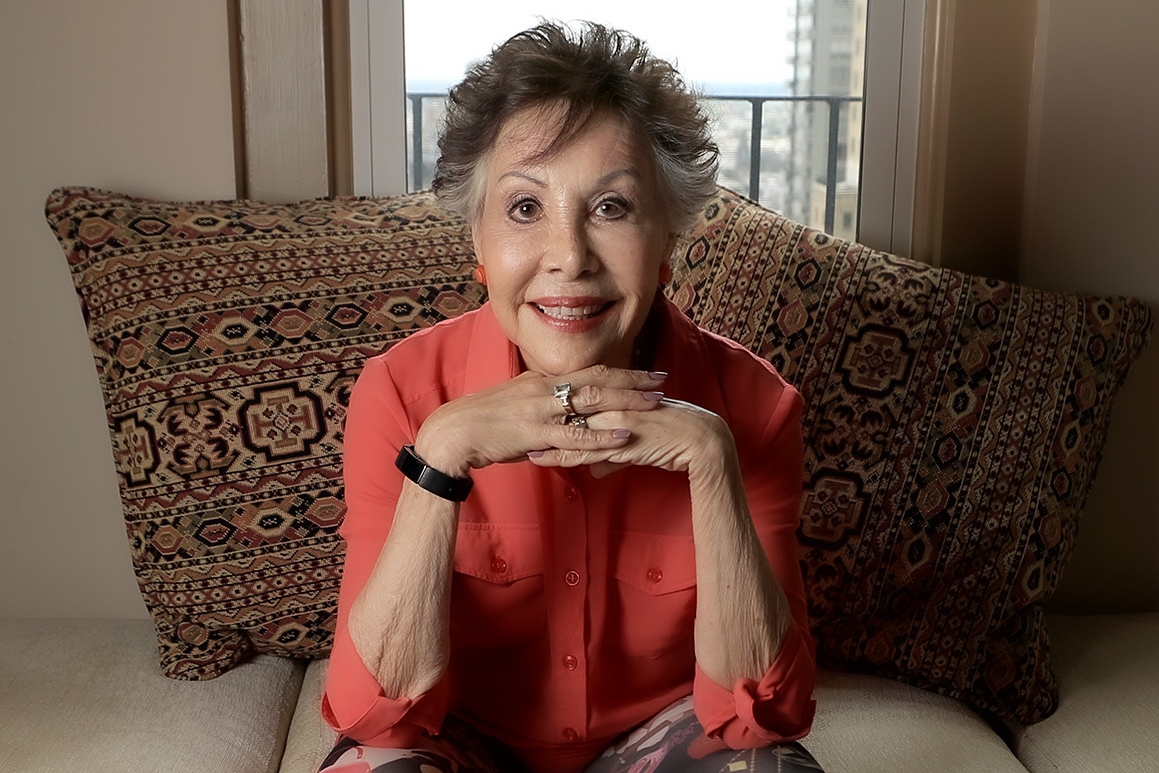
    Carol Saline, seen here at her Philadelphia home in 2021.

    Carol Saline, a longtime senior writer at Philadelphia Magazine, the best-selling author of Sisters, Mothers & Daughters, and Best Friends, and a prolific broadcaster, died in August of acute myeloid leukemia. She was 86.

    On TV, she hosted a cooking show and a talk show, was a panelist on a local public affairs program, and guested on the Oprah Winfrey Show, Inside Edition, Good Morning America, and other national shows. On radio, she hosted the Carol Saline Show on WDVT-AM.

    In June, she wrote to The Inquirer, saying: “I am contacting you because I am entering hospice care and will likely die in the next few weeks. … I wanted you to know me, not only my accomplishments but who I am as a person.

    “I want to go out,” she ended her email, “with a glass of Champagne in one hand, a balloon in the other, singing (off key) ‘Whoopee! It’s been a great ride!’”

    — Gary Miles

    Richard Wernick
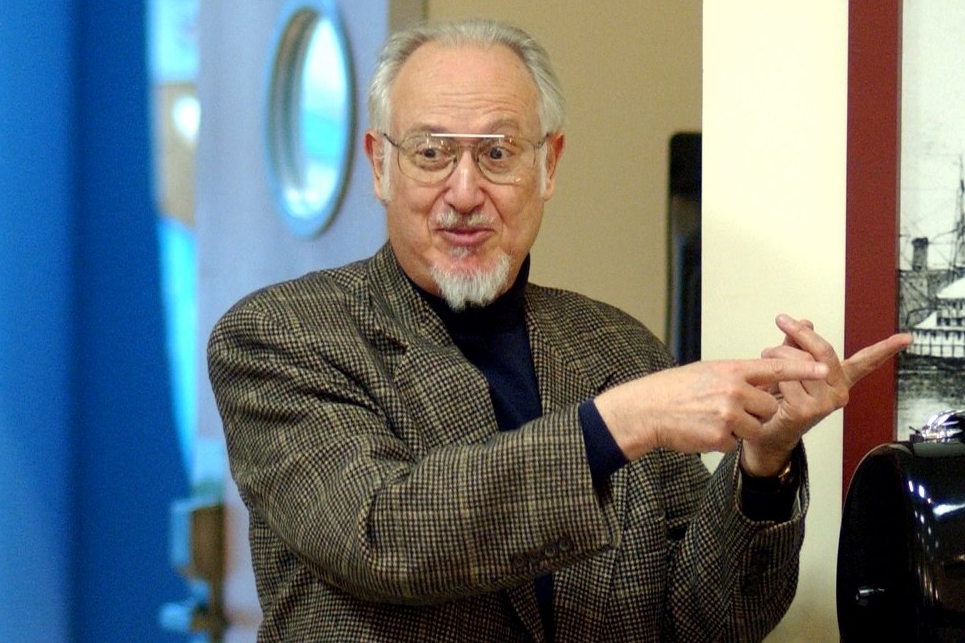
    Richard Wernick, seen here before a concert at the 2002 Festival of Philadelphia Composers.

    Richard Wernick, a Pulitzer Prize-winning composer, acclaimed conductor, and retired Irving Fine Professor of Music at the University of Pennsylvania, died in April 25 of age-associated decline at his Haverford home. He was 91.

    Professor Wernick was prolific and celebrated as a composer. He wrote hundreds of scores over six decades and appeared on more than a dozen records, and his Visions of Terror and Wonder for a mezzo-soprano and orchestra won the 1977 Pulitzer Prize for music. In 1991, his String Quartet No. 4 made him the first two-time winner of the Kennedy Center’s Friedheim Award for new American music.

    “Wernick’s orchestral music has power and brilliance, an emphasis on register, space, and scale,” Lesley Valdes, former Inquirer classical music critic, said in 1990.

    — Gary Miles

    Dorie Lenz
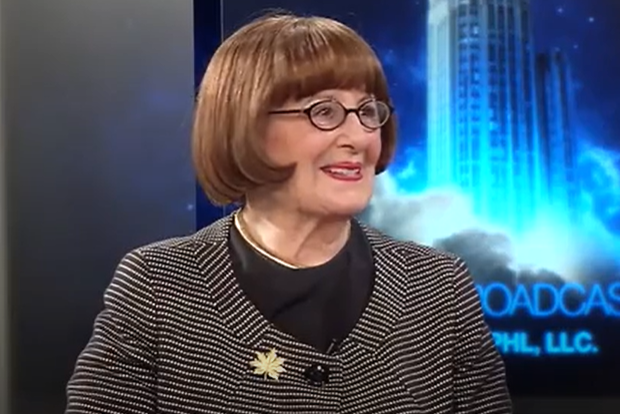
    Dorie Lenz, seen here on Channel 17 in 2015.

    Dorie Lenz, a pioneering TV broadcaster and the longtime director of public affairs for WPHL-TV (Channel 17), died in January of age-associated ailments at her home in New York. She was 101.

    A Philadelphia native, Ms. Lenz broke into TV as a 10-year-old in a local children’s show and spent 30 years, from 1970 to 2000, as director of public affairs and a program host at Channel 17, now PHL17. She specialized in detailed public service campaigns on hot-button social issues and earned two Emmys in 1988 for her program Caring for the Frail Elderly.

    Ms. Lenz interviewed newsmakers of all kinds on the public affairs programs Delaware Valley Forum, New Jersey Forum, and Community Close Up. Viewers and TV insiders hailed her as a champion and watchdog for the community. She also talked to Phillies players before games in the 1970s on her 10-minute Dorie Lenz Show.

    — Gary Miles

    Jay Sigel
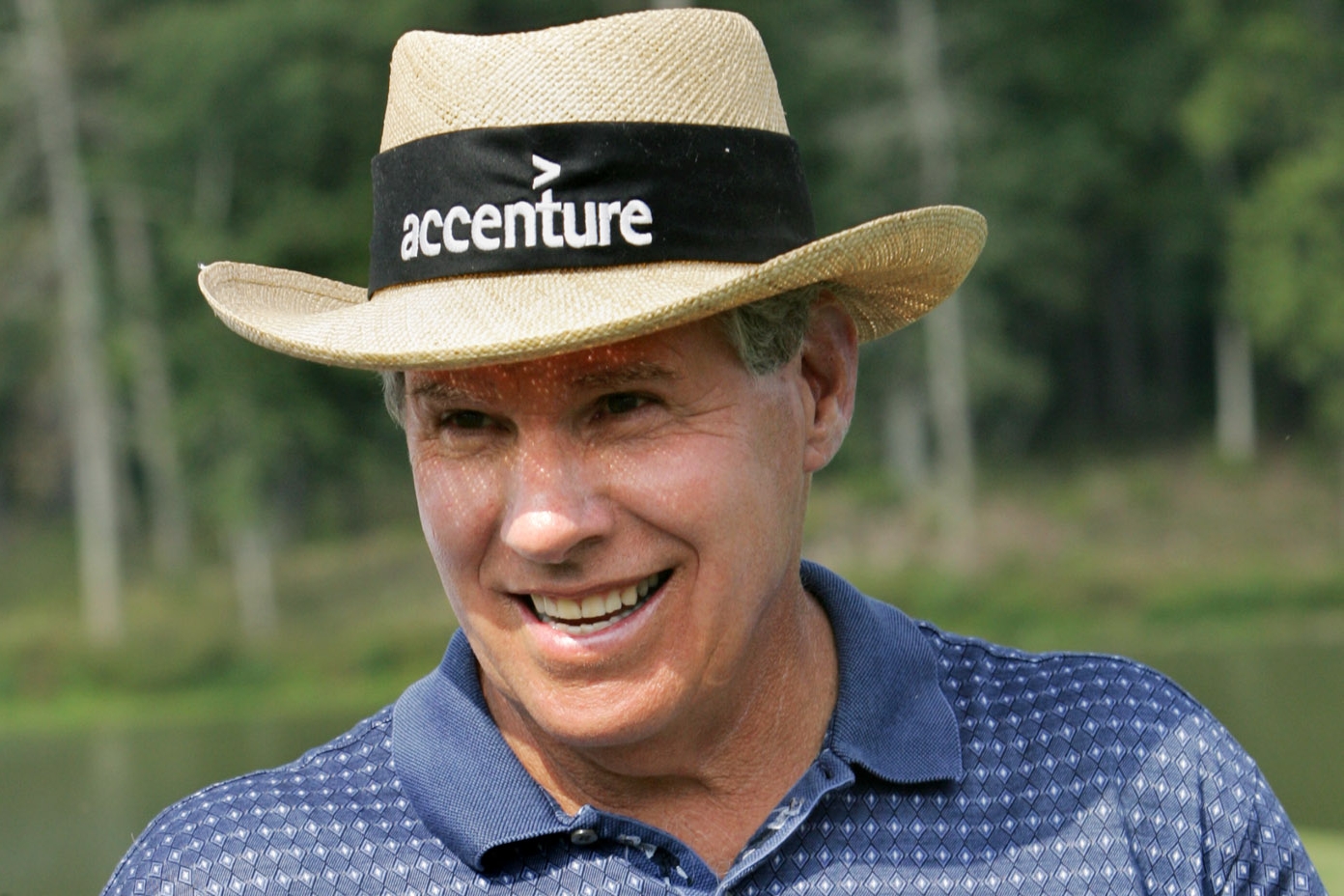
    Jay Sigel, seen here after winning the Georgia-Pacific Grand Champions title in 2006.

    Jay Sigel, one of the winningest amateur golfers of all time and an eight-time PGA senior tour champion, died in April of complications from pancreatic cancer. He was 81.

    For more than 40 years, from 1961, when he won the International Jaycee Junior Golf Tournament as an 18-year-old, to 2003, when he captured the Bayer Advantage Celebrity Pro-Am title at 60, the Berwyn native was one of the winningest amateur and senior golfers in the world. Mr. Sigel won consecutive U.S. Amateur titles in 1982 and ’83 and three U.S. Mid-Amateur championships between 1983 and ’87, and remains the only golfer to win the amateur and mid-amateur titles in the same year.

    He won the Pennsylvania Amateur Championship 11 times, five straight from 1972 to ’76, and the Pennsylvania Open Championship for pros and amateurs four times. He also won the 1979 British Amateur Championship and, between 1975 and 1999, played for the U.S. team in a record nine Walker Cup tournaments against Britain and Ireland.

    — Gary Miles

    Mark Frisby
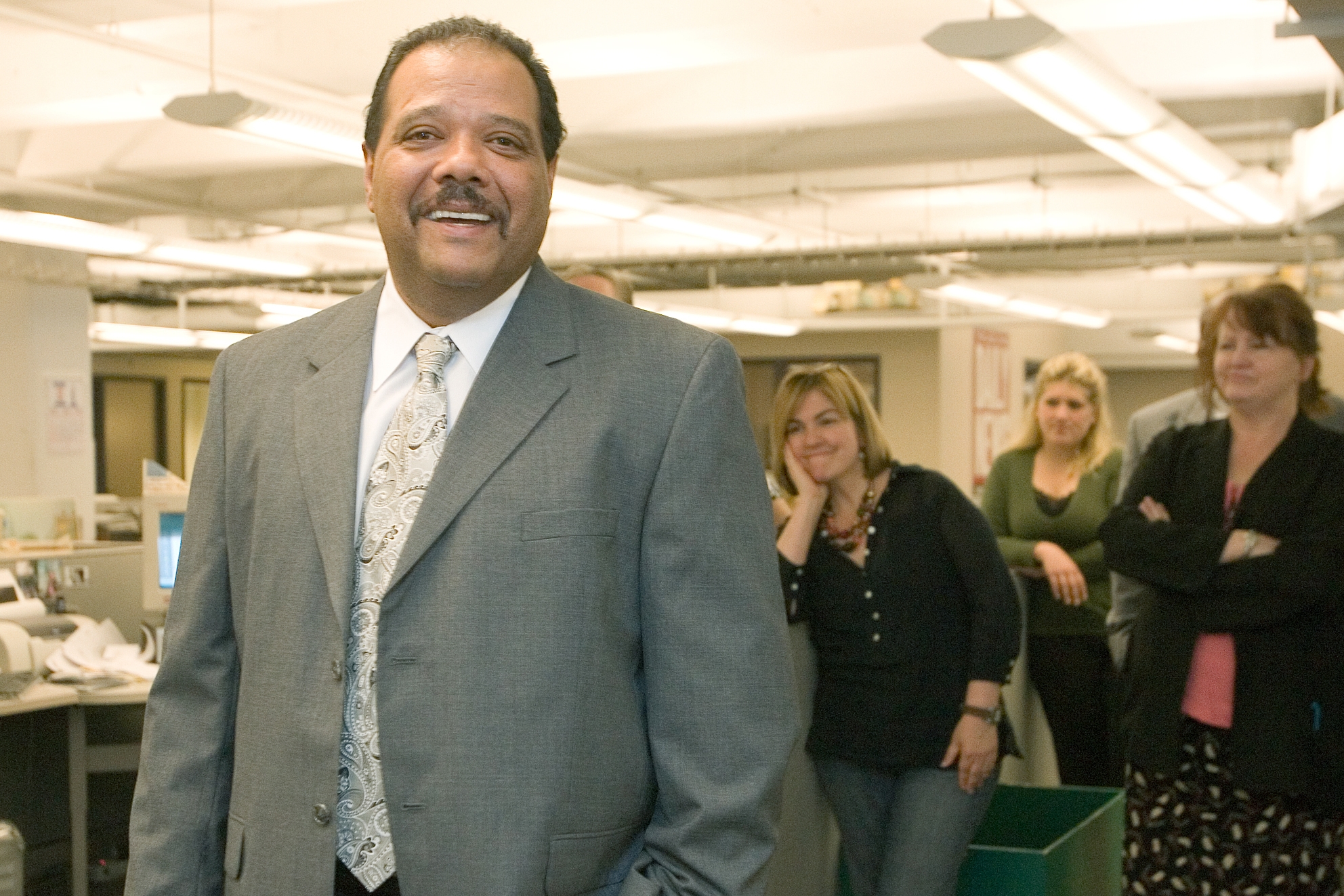
    Mark Frisby, seen here in the former newsroom of the Daily News in 2007.

    Mark Frisby, the former publisher of the Daily News and associate publisher of The Inquirer, died in September of takayasu arteritis, an inflammatory disease, at his home in Gloucester County. He was 64.

    Mr. Frisby joined The Inquirer and Daily News in November 2006 as executive vice president of production, labor, and purchasing. He was recruited from the Courier-Post by then-publisher Brian Tierney, and he went on to serve as publisher of the Daily News from 2007 to 2016 and associate publisher for operations of The Inquirer and Daily News from 2014 to his retirement in 2016.

    Mr. Frisby was one of the highest-ranking Black executives in the company’s history, and he told the Daily News in 2006 that “local ownership over here was the big attraction for me.” Michael Days, then the Daily News editor, said in 2007: “This cat is really the real deal.”

    — Gary Miles

    Leon Bates
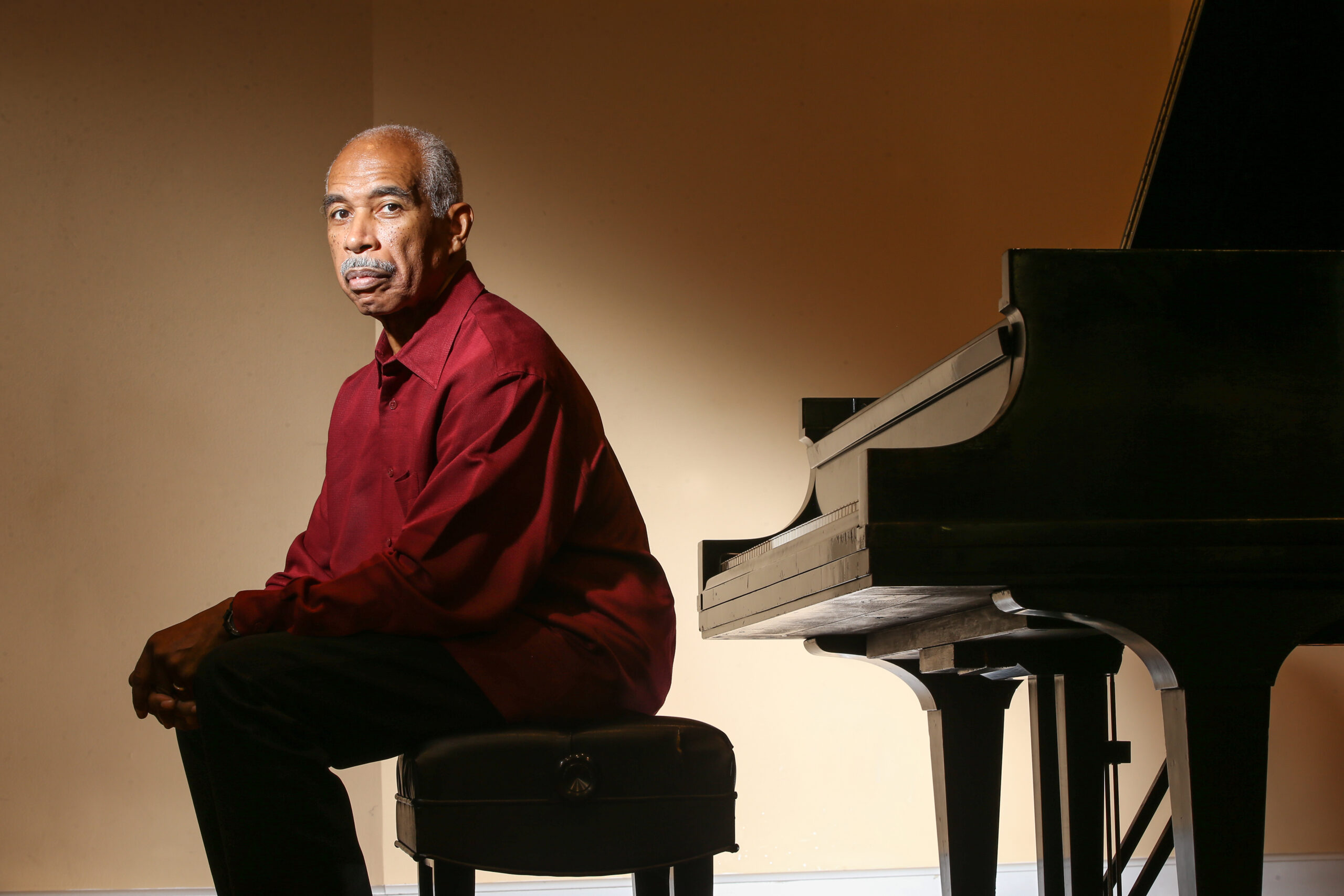
    Leon Bates, seen here at the Settlement Music School in Germantown in 2018.

    Leon Bates, a concert pianist whose musical authority and far-reaching versatility took him to the world’s greatest concert halls, died in November after a seven-year decline from Parkinson’s disease. He was 76.

    The career of Mr. Bates, a leading figure in the generation of Black pianists who followed the early-1960s breakthrough of Andre Watts, encompassed Ravel, Gershwin, and Bartok over 10 concerts with the Philadelphia Orchestra between 1970 and 2002. He played three recitals with Philadelphia Chamber Music Society and taught master classes at Temple University, where he also gave recitals at the Temple Performing Arts Center.

    In his WRTI-FM radio show, titled Notes on Philadelphia, during the 1990s, Mr. Bates was what Charles Abramovic, chair of keyboard studies at Temple University, described as “beautifully articulate and a wonderful interviewer. The warmth of personality came out. He was such a natural with that.”

    — David Patrick Stearns

    Lacy McCrary
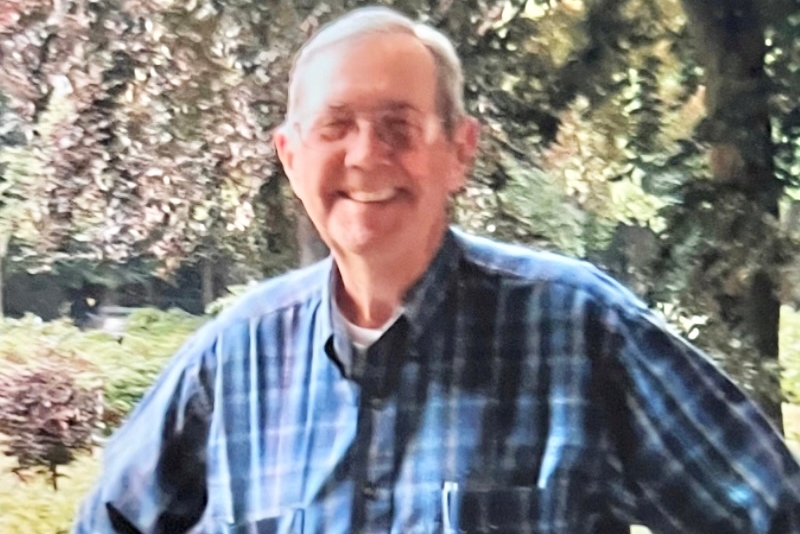
    Lacy McCrary in an undated photo.

    Lacy McCrary, a former Inquirer reporter who won a Pulitzer Prize at the Akron Beacon Journal, died in March of Alzheimer’s disease at his home in Colorado Springs, Colo. He was 91.

    Mr. McCrary, a Morrisville, Bucks County native, won the 1971 Pulitzer Prize in local general or spot news reporting as part of the Beacon Journal’s coverage of the May 4, 1970, student protest killings at Kent State University.

    He joined The Inquirer in 1973 and covered the courts, politics, and news of all sorts until his retirement in 2000. He notably wrote about unhealthy conditions and fire hazards in Pennsylvania and New Jersey boardinghouses in the late 1970s and early ’80s, and those reports earned public acclaim and resulted in new regulations to correct deadly oversights.

    — Gary Miles

    Roberta Fallon
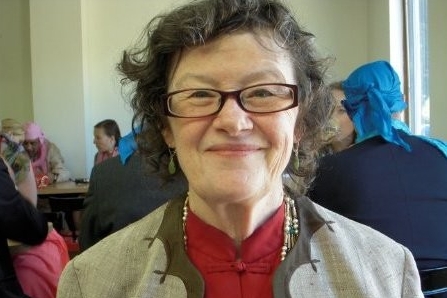
    Roberta Fallon, seen here in an undated photo.

    Roberta Fallon, 76, cofounder, editor, and longtime executive director of the online Artblog and adjunct professor at St. Joseph’s University, died in December at Thomas Jefferson University Hospital of injuries she suffered after being hit by a car. She was 76.

    Described by family and friends as empathetic, energetic, and creative, Ms. Fallon and fellow artist Libby Rosof cofounded Artblog in 2003. For nearly 22 years, until the blog became inactive in June, Ms. Fallon posted commentary, stories, interviews, reviews, videos, podcasts, and other content that chronicled the eclectic art world in Philadelphia.

    — Gary Miles

    Benita Valente

    BENI26P Gerald S. Williams 10/18/00 2011 Pine st. Philadelphia-based soprano Benita Valente has sung all over the world. At age 65, she is making her Oct. 29 performance with the Mendelssohn Club at the Academy of Music her last. 1 of 3: Benita goes over some music at the piano in her upstairs music room.

    Benita Valente, a revered lyric soprano whose voice thrilled listeners with its purity and seeming effortlessness, died in October at home in Philadelphia. She was 91.

    In a remarkable four-decade career, Ms. Valente appeared on the opera stage, in chamber music, and with orchestras. In the intimate genre of lieder — especially songs by Schubert and Brahms — she was considered one of America’s great recitalists.

    — Peter Dobrin
  • Drug distribution giant Cencora is boosting its reach in medical specialties

    Cencora Inc., a drug-distribution giant based in Conshohocken, is expanding its presence in oncology and retina care, two medical specialties that rely heavily on pharmaceuticals.

    The company announced on Dec. 15 that it had agreed to buy out its private-equity partner in a national cancer practice management company, OneOncology, for $5 billion in cash and debt.

    Cencora already owned 35% of OneOncology, which has a small presence in the Philadelphia area.

    In January, Cencora spent $5 billion, including contingency payments, for Retina Consultants of America, a network of specialized practices with locations in 23 states, including two in Pennsylvania outside the Philadelphia area.

    The deals are part of Cencora’s effort to extend its reach into medical specialties that rely heavily on pharmaceuticals to treat patients. By positioning itself closer to patients, Cencora can capture more of the profit margin that goes along with selling drugs.

    “We like those two spaces because they’re pharmaceutical centric,” Cencora’s CEO Robert Mauch said at the 2025 J.P. Morgan Healthcare Conference. He said the company doesn’t see other specialties with the same makeup as oncology and retina.

    “That’s where we will continue to focus,” he said. “Now as we look forward, there could be other specialties. There could be other innovations in the pharma industry that create something in another area.”

    Cencora had $321 billion in revenue in its fiscal year that ended Sept. 30. It had $1.5 billion in net income. That’s a great deal of money, but amounted to less than half a percent of its revenue.

    McKesson and Cardinal Health, Cencora’s two biggest U.S. competitors in the drug-distribution business, face similarly narrow margins from drug distribution. Both also own companies that manage cancer practices. Among the benefits of owning the management companies is securing the customer base.

    Cencora’s follow-up to 2023 deal

    Cencora, then known as AmerisourceBergen, paid $718.4 million for a 35% stake in OneOncology in June 2023. That deal, in partnership with TPG, valued OneOncology at $2.1 billion. The seller was General Atlantic, a private equity firm that had invested $200 million in the Nashville management services company in 2018, according to the Wall Street Journal.

    The deal announced last week valued OneOncology at $7.4 billion, including debt. The big increase in value came thanks to a doubling in the company’s size. OneOncology now has 31 practices with 1,800 providers who treat 1 million patients across 565 sites, according to the company.

    Rittenhouse Hematology Oncology, which has offices in Bala Cynwyd, Brinton Lake, King of Prussia, and Philadelphia, became part of OneOncology last year.

  • 2025 was the year of the Philly crime show, but also so much more

    2025 was the year of the Philly crime show, but also so much more

    Locally filmed crime shows were everywhere, theaters opened but didn’t (thankfully) close, and Colman Domingo was (rightfully) ubiquitous. All that and more, in our roundup of movies in Philadelphia in 2025.

    Year of the Philly crime show

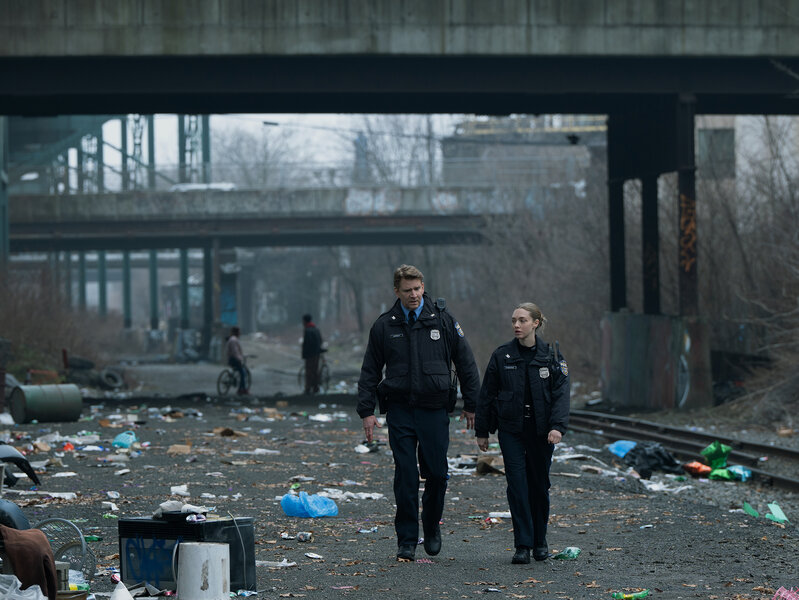
    There’s a good chance 2025 will be remembered as the Year of the Philly Crime Show. Three such shows, HBO Max’s Task, Apple TV’s The Dope Thief, and Peacock’s Long Bright River, aired on streaming services during 2025. Task, the big breakout of the three, was renewed for a second season.

    The year was lighter on Hollywood movie productions shooting in town, but among them was a basketball movie with Mark Wahlberg, at various times given the titles Cheesesteak and Weekend Warriors. I Play Rocky, a movie about the making of the original 1976 Rocky, also filmed in the city.

    In Peacock’s “Long Bright River,” Allentown native Amanda Seyfried plays Michaela “Mickey” Fitzpatrick, a Kensington patrol police officer who discovers a string of murders in the neighborhood’s drug market.

    Gearing up for Rocky 50

    It wouldn’t be a year in Philly film without Rocky making its way in.

    I Play Rocky is expected to arrive in theaters in 2026, in what will likely serve as one of many commemorations of the 50th anniversary of Rocky.

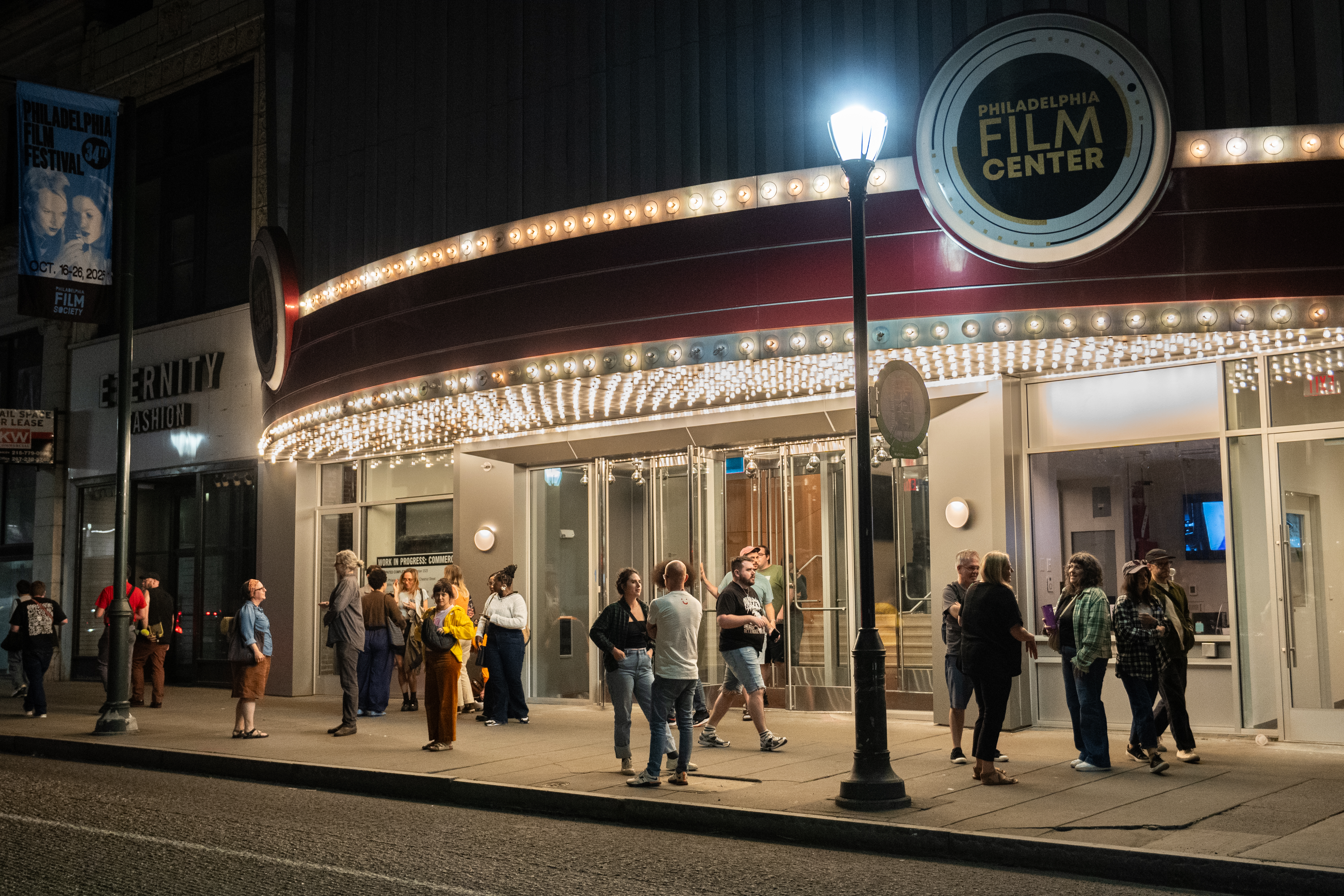
    Also, Rocky was among the many movies and area film institutions included in Films Shaped by a City, a new mural by Marian Bailey, that debuted in October on Sansom Street, on the back of the Film Society Center. Mural Arts Philadelphia, BlackStar Projects, and the Philadelphia Film Society had worked on the project for more than two years.

    Outside the filming of “Eraserhead” by David Lynch at the Film Society Center, in Philadelphia, Oct. 5, 2025.

    The Film Society’s big year

    The new mural on the back of its building was part of an eventful year for the Philadelphia Film Society, which completed a big new entrance and lobby renovation of the Film Society Center.

    The Philadelphia Film Festival, in October, welcomed 33,000 attendees, which PFS calls its highest turnout ever, while the three theaters welcomed 200,000 customers throughout the year, also a record.

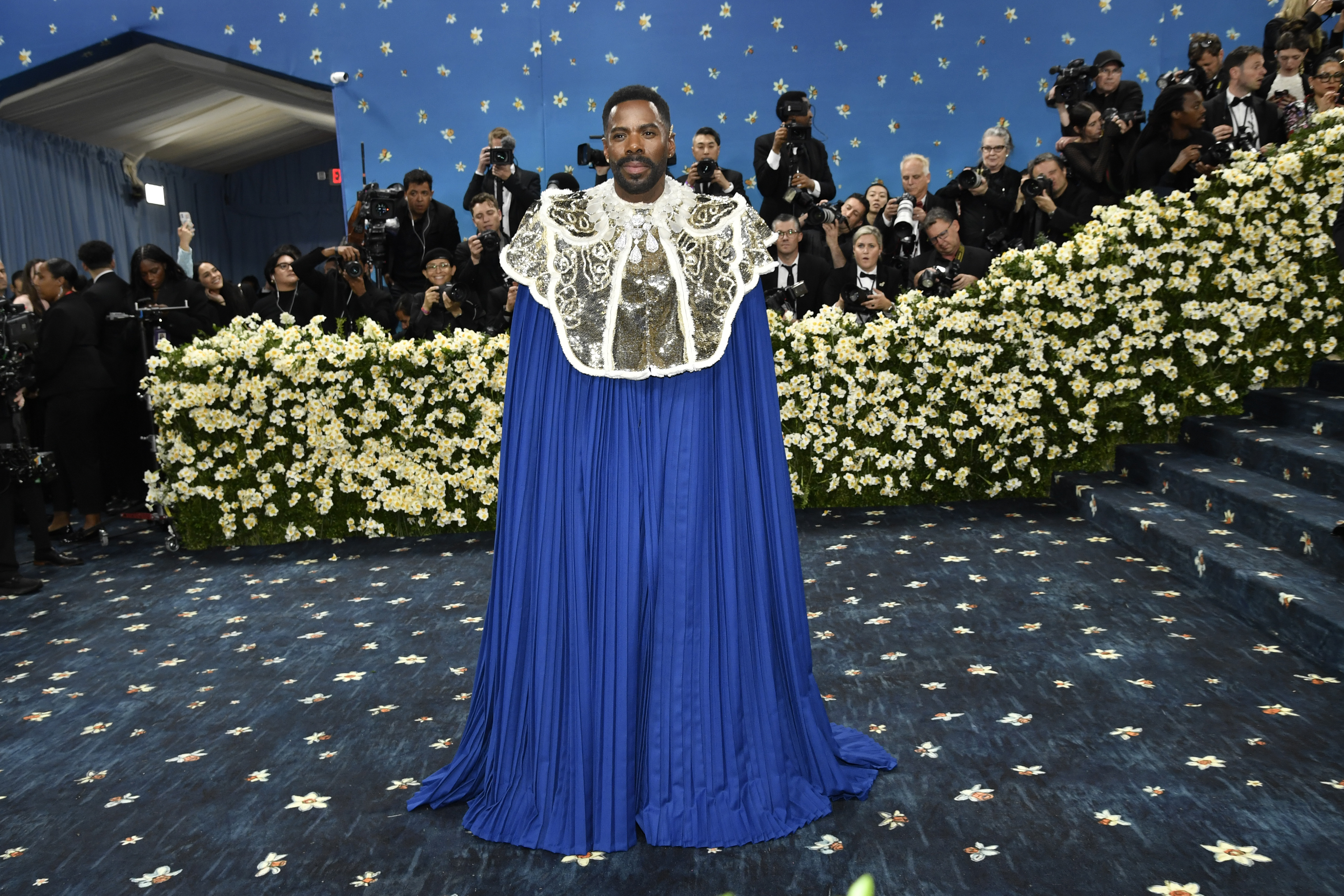
    Colman Domingo attends the Metropolitan Museum of Art’s Costume Institute benefit gala celebrating the opening of the “Superfine: Tailoring Black Style” exhibition on Monday, May 5, 2025, in New York.

    The very busy Colman Domingo

    It was another eventful year for the Temple alum and West Philly native, who was nominated for the best actor Oscar for the second straight year, for last year’s Sing Sing. In 2025, he was in four movies — Dead Man’s Wire, The Running Man, and voice roles in The Electric State and Wicked: For Good. He also appeared in the TV series The Four Seasons — created by and costarring Upper Darby’s Tina Fey — and Your Friendly Neighborhood Spider-Man. He even guest-judged on RuPaul’s Drag Race and cochaired the Met Gala.

    In 2026, Domingo is set to appear in both the Michael Jackson biopic Michael and Steven Spielberg’s new sci-fi film, Disclosure Day. He’s also at work on his feature directorial debut, Scandalous!, and said at PFF that he hopes to finish the film in time to bring it to next year’s festival.

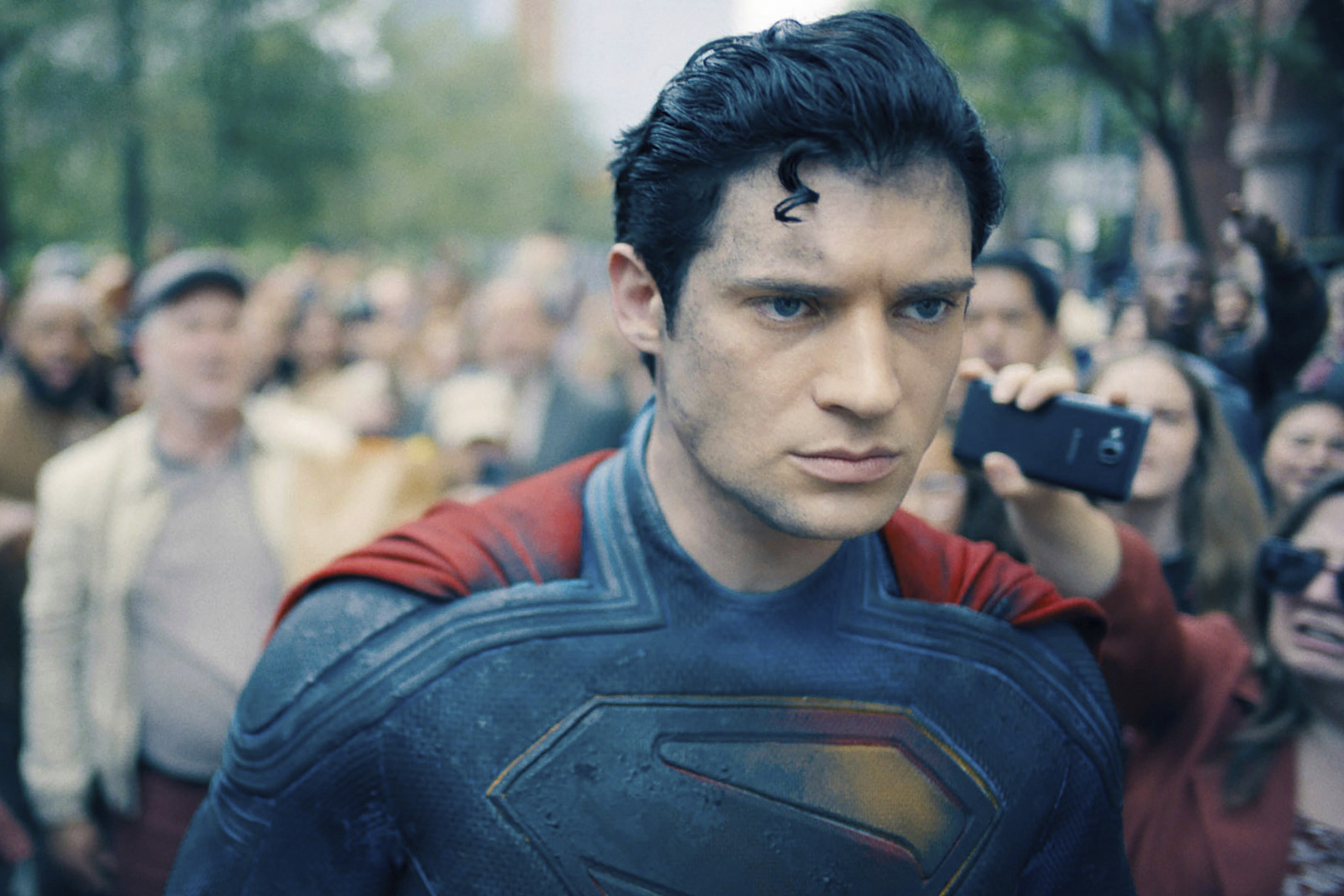
    This image released by Warner Bros. Pictures shows David Corenswet in a scene from “Superman.” (Warner Bros. Pictures via AP)

    Local actors and filmmakers shine

    The Philadelphia-born Penn alum David Corenswet debuted as Superman this summer, a film that also featured a small appearance by Jenkintown’s Bradley Cooper. Cooper directed and played a supporting role in In This Thing On?

    Mount Airy native and Temple alum Da’Vine Joy Randolph followed up her Oscar win by appearing in three movies, Shadow Force, Bride Hard, and Eternity — the latter of which also starred Downingtown’s Miles Teller — and continuing on Only Murders in the Building.

    Willow Grove’s Dan Trachtenberg directed not one but two films in the Predator franchise, the animated Predator: Killer of Killers and the live-action Predator: Badlands. Penn alum Gavin O’Connor directed The Accountant 2. In addition to creating Task, Berwyn’s Brad Ingelsby wrote the movies Echo Valley and The Lost Bus, both for Apple TV.

    West Philadelphia’s Quinta Brunson continued to star in Abbott Elementary, which had her filming in Citizens Bank Park the night of Kyle Schwarber’s historic four home runs. She also played a voice role in Zootopia 2.

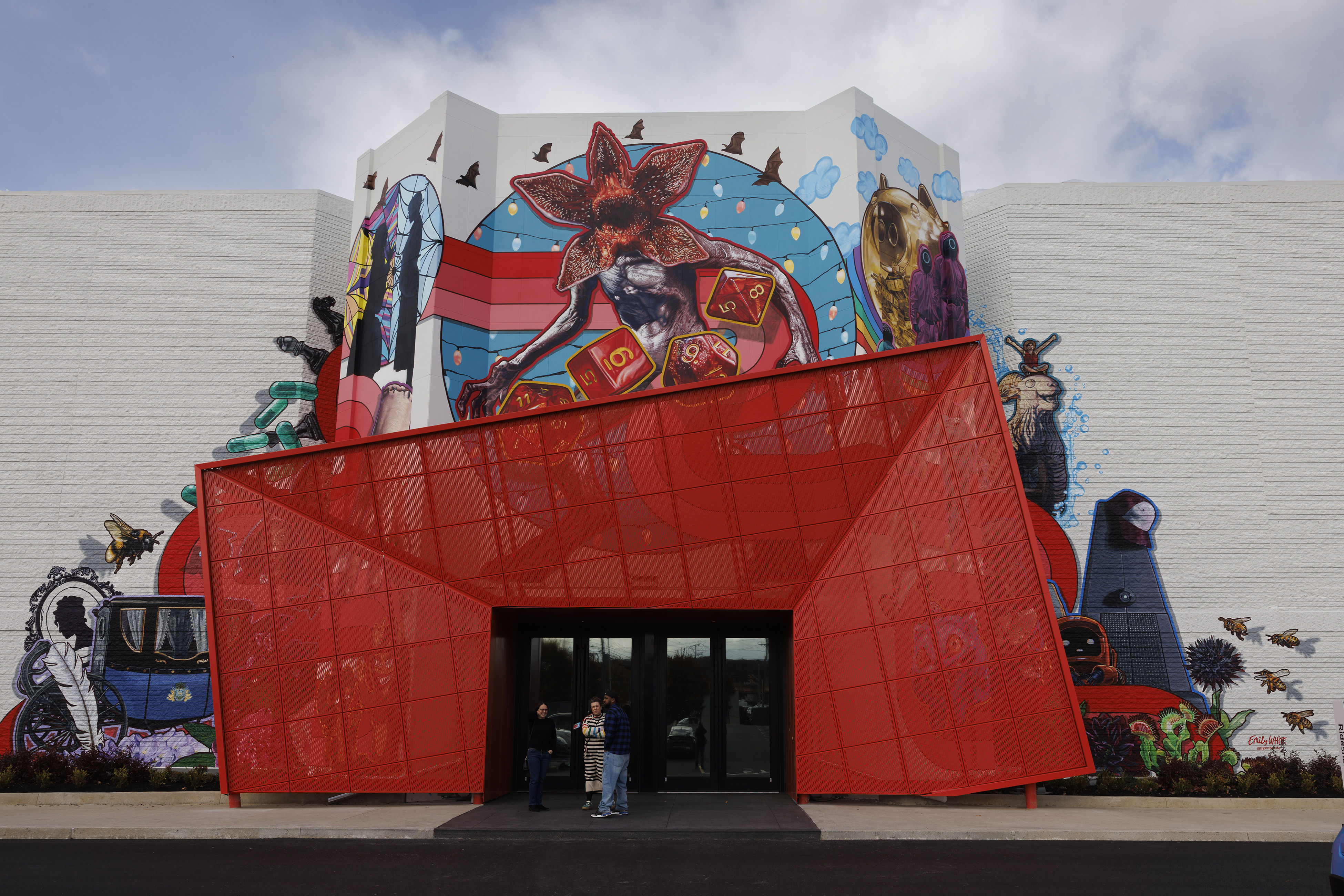
    Exterior entrance to Netflix House, King of Prussia Mall, Tuesday, November 11, 2025.

    No theater loss

    Philadelphia, in a rarity, did not lose any movie screens in 2025.

    The January abandonment of the 76 Place arena project meant that Center City’s only multiplex, the AMC Fashion District, gets to continue in its current location.

    Then, in August, it was announced that the Riverview movie theater on Columbus Boulevard, which has sat empty since 2020, would reopen in 2026 under the auspices of Apple Cinemas, with the city’s only IMAX screen. However, recently it didn’t appear that any construction work had begun there yet, and the Riverview’s impending return had also been announced in 2024.

    In February, an effort was announced to revive the Anthony Wayne Theater in Wayne. Ishana Night Shyamalan, the film director and daughter of M. Night, is a member of the board seeking to bring the theater back.

    In November, the first-ever Netflix House “fan destination” opened in King of Prussia, and it includes a theater that will feature such special events as Netflix’s NFL games on Christmas Day and the Stranger Things series finale on New Year’s Day.

    And about two hours north of the city, in the town of Wind Gap, the Gap Theatre reopened in March after it was closed for five years. The theater shows more than 50 films a month, mostly sourced from the collection of Exhumed Films.

    A still from Mike Macera’s “Alice-Heart,” part of the 2025 Philadelphia Film Festival’s “Filmadelphia” section.

    Indie-delphia

    It was also an eventful year for local independent film.

    Delco: The Movie, which was in the works for several years, had its premiere in January. Two other films, both of which premiered at the 2022 Philadelphia Film Festival, finally saw their release this year: The Golden Voice, directed by Brandon Eric Kamin, and Not For Nothing, from Tim Dowlin and Frank Tartaglia, who died in 2022.

    Mike Macera’s Alice-Heart, featuring a cast and crew full of Drexel and Temple alumni, premiered at PFF and won the Filmadelphia Best Local Feature Film Award.

    To mark the 40th anniversary of the 1985 death of Flyers goalie Pelle Lindbergh, the documentary “The Swede of Philadelphia” opened in area theaters in November.

    Documenting sports stars

    There were, once again, several prominent sports documentaries about Philadelphia athletes of the past and present. CNN aired Kobe: The Making of a Legend, about Lower Merion’s Kobe Bryant, to coincide with the fifth anniversary of his death. To mark the 40th anniversary of the 1985 death of Flyers goalie Pelle Lindbergh, the documentary The Swede of Philadelphia opened in area theaters in November.

    Amazon’s Prime Video premiered Saquon, which followed the Eagles’ Saquon Barkley for several years, in October. This year’s Eagles team is featured on HBO’s Hard Knocks for the first time as part of the currently-airing Hard Knocks: In Season with the NFC East.

    David Lynch appears at the Governors Awards in Los Angeles on Oct. 27, 2019.

    Remembering David Lynch

    The January death of David Lynch, who lived in Philadelphia as a young art student and was inspired by the city in his work, was commemorated locally with everything from a new mural in the “Eraserhood” to showings of his movies at most area theaters that feature repertory fare.

    When the Film Society Center reopened after the renovation, the first showing was a 35mm screening of Lynch’s Callowhill-inspired Eraserhead.

  • What’s open and closed on Christmas Day in the Philly area: Grocery stores, liquor stores, trash pickup, and more

    What’s open and closed on Christmas Day in the Philly area: Grocery stores, liquor stores, trash pickup, and more

    Christmas Day is Thursday this year, and with it comes a wave of closures across the Philadelphia region. If you’re planning last-minute errands or outings, knowing what’s open, and what’s not, will save you time and frustration.

    Trash and recycling collection will be impacted, with pickups running one day behind schedule all week.

    From city services and grocery stores to pharmacies and big-box retailers, here’s your guide to navigating holiday hours in Philadelphia.

    City government offices

    ❌ City of Philadelphia government offices will be closed Dec. 25.

    Free Library of Philadelphia

    ❌ The Free Library will be closed Dec. 25.

    Food sites

    ✅ / ❌ Holidays may impact hours of operation. Visit phila.gov/food to view specific site schedules and call ahead before visiting.

    Trash collection

    ❌ No trash and recycling collections on Christmas Day. Collections will be picked up one day behind the regular schedule all week. To find your trash and recycling collection day, go to phila.gov.

    Grocery stores

    Acme Markets

    ❌ Acme will be closed Christmas Day.

    Aldi

    ❌ Aldi will be closed Christmas Day.

    Giant Food Stores

    ❌ Closed Christmas Day.

    Reading Terminal Market

    ❌ Closed Christmas Day.

    South Philly Food Co-op

    ✅ Open from 10 a.m.-5 p.m. on Christmas Day.

    Sprouts Farmers Market

    ❌ Closed Christmas Day.

    Trader Joe’s

    ❌ Closed Christmas Day.

    Whole Foods

    ❌ Closed Christmas Day.

    Wegmans

    ❌ Closed Christmas Day.

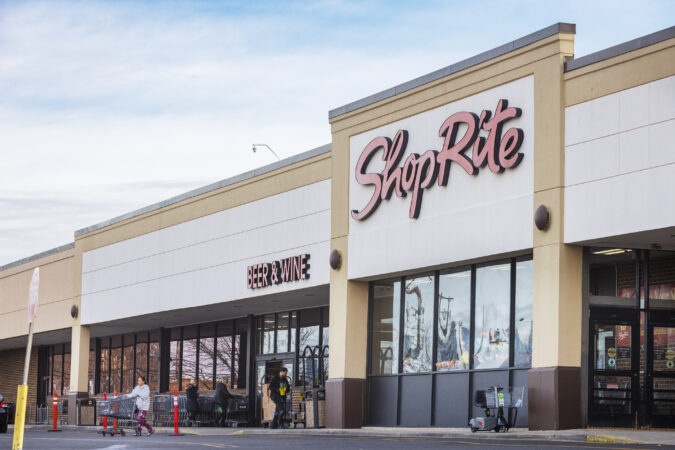
    ShopRite

    ❌ Closed Christmas Day.

    Liquor stores

    Fine Wine & Good Spirits

    ❌ Closed Christmas Day.

    Mail and packages

    U.S. Postal Service

    ❌ On Christmas Day, local post offices will be closed and there will be no regular mail delivery.

    UPS, FedEx, and DHL

    UPS, FedEx, and DHL will be closed Christmas Day. There will be no delivery or pickup services either, except for critical services.

    Banks

    ❌ Most, if not all, banks including TD Bank, Bank of America, Wells Fargo, Chase Bank, and PNC Bank will be closed on Christmas Day.

    Pharmacies

    CVS

    ✅ CVS locations will operate on modified business hours for Christmas Day with most open from 8 a.m. to 9 p.m. Call ahead to your local store before visiting or view hours at cvs.com/store-locator/landing.

    Walgreens

    ✅ Walgreens locations will be open but hours have not been announced — check your local store at walgreens.com/storelocator.

    Shopping malls

    The Shops at Liberty Place, the Fashion District, Franklin Mall, King of Prussia Mall, and Cherry Hill Mall will be closed Dec. 25.

    Big-box retailers

    You won’t be able to shop at these big-box or specialty retailers on Christmas:

    Target

    ❌ Target will be closed Dec. 25.

    Walmart

    ❌ Walmart will be closed Dec. 25.

    Home Depot

    ❌ Home Depot will be closed Dec. 25.

    Lowe’s

    ❌ Lowe’s will be closed Dec. 25.

    Costco

    ❌ Costco will be closed Dec. 25.

    IKEA

    ❌ IKEA will be closed Dec. 25.

    Dollar Tree

    ❌ Dollar Tree will be closed Dec. 25.

    Family Dollar

    ❌ Family Dollar will be closed Dec. 25.

    Sam’s Club

    ❌ Sam’s Club will be closed Dec. 25.

  • Why Philadelphia loses promising biotech firms to Boston, San Francisco, and San Diego

    Why Philadelphia loses promising biotech firms to Boston, San Francisco, and San Diego

    Capstan Therapeutics’ sale this year for $2.1 billion, the highest price paid for a private early-stage biotech company since 2022, was a triumph for its founders at the University of Pennsylvania.

    Unfortunately for Philadelphia, the company is based in San Diego. Investors wanted an executive who lives there to be CEO.

    Capstan was a miss for Philadelphia, said Jeffrey Marrazzo, who cofounded a high-profile regional biotech company, Spark Therapeutics, and is now an industry investor and consultant.

    If Philadelphia had a bigger talent pool of biotech CEOs, “it would have and should have been here,” he said.

    The company, which aims to treat autoimmune diseases by reengineering cells inside the body, most likely would have been sold wherever it was based, but keeping it here would have boosted the local biotech ecosystem, experts said.

    The Philadelphia region has lagged behind other biotech centers in landing companies and jobs, but industry experts are working to close the gap and better compete with Boston, the San Francisco Bay Area, and San Diego.

    According to Marrazzo and others, the Philadelphia region’s relatively shallow pool of top biotech management is a key challenge.

    Big investors go to managers who have proven ability to deliver big investment returns, said Fred Vogt, interim CEO of Iovance Biotherapeutics, a California company with a manufacturing facility in the Navy Yard.

    “They want the company to perform. They’ll put it in Antarctica, if that was where the performance would come from,” he said.

    A positive sign for Philadelphia is Eli Lilly & Co.’s recent decision to open an incubator for early-stage biotech companies in Center City.

    The Lilly announcement last month also reflects Philadelphia’s national biotech stature. It’s the fourth U.S. city to get a Lilly Gateway Lab, behind Boston, the San Francisco Bay Area, and San Diego.

    Those places have far outpaced Philadelphia in the creation of biotech research and development jobs, even as the sector’s growth has slowed.

    From 2014 through last year, the Boston area added four biotech research and development jobs for every one job added here, according to an Inquirer analysis of federal employment data.

    window.addEventListener(“message”,function(a){if(void 0!==a.data[“datawrapper-height”]){var e=document.querySelectorAll(“iframe”);for(var t in a.data[“datawrapper-height”])for(var r,i=0;r=e[i];i++)if(r.contentWindow===a.source){var d=a.data[“datawrapper-height”][t]+”px”;r.style.height=d}}});

    Penn’s role in Philadelphia biotech

    Philadelphia’s reputation as an innovation center — boosters like to call the region “Cellicon Valley” — starts with the University of Pennsylvania, which has long been a top recipient of National Institutes of Health grants to advance scientific discovery.

    Penn scientists’ 21st-century accomplishments include key roles in figuring out how to arm immune cells to fight cancer, fixing faulty genes, and modifying mRNA to fight disease.

    Research at Penn has contributed to the creation of 45 FDA-approved treatments since 2013, according to the university.

    “Penn discoveries help spark new biotech companies, but we can’t build the whole ecosystem in this area alone,” said John Swartley, Penn’s chief innovation officer. “Great science is just one ingredient. We also need capital, experienced leadership, real estate and manufacturing infrastructure, and strong city and state support.”

    Penn was one of two Philadelphia institutions receiving more than $100 million in NIH funding in the year that ended Sept. 30. The other was the Children’s Hospital of Philadelphia.

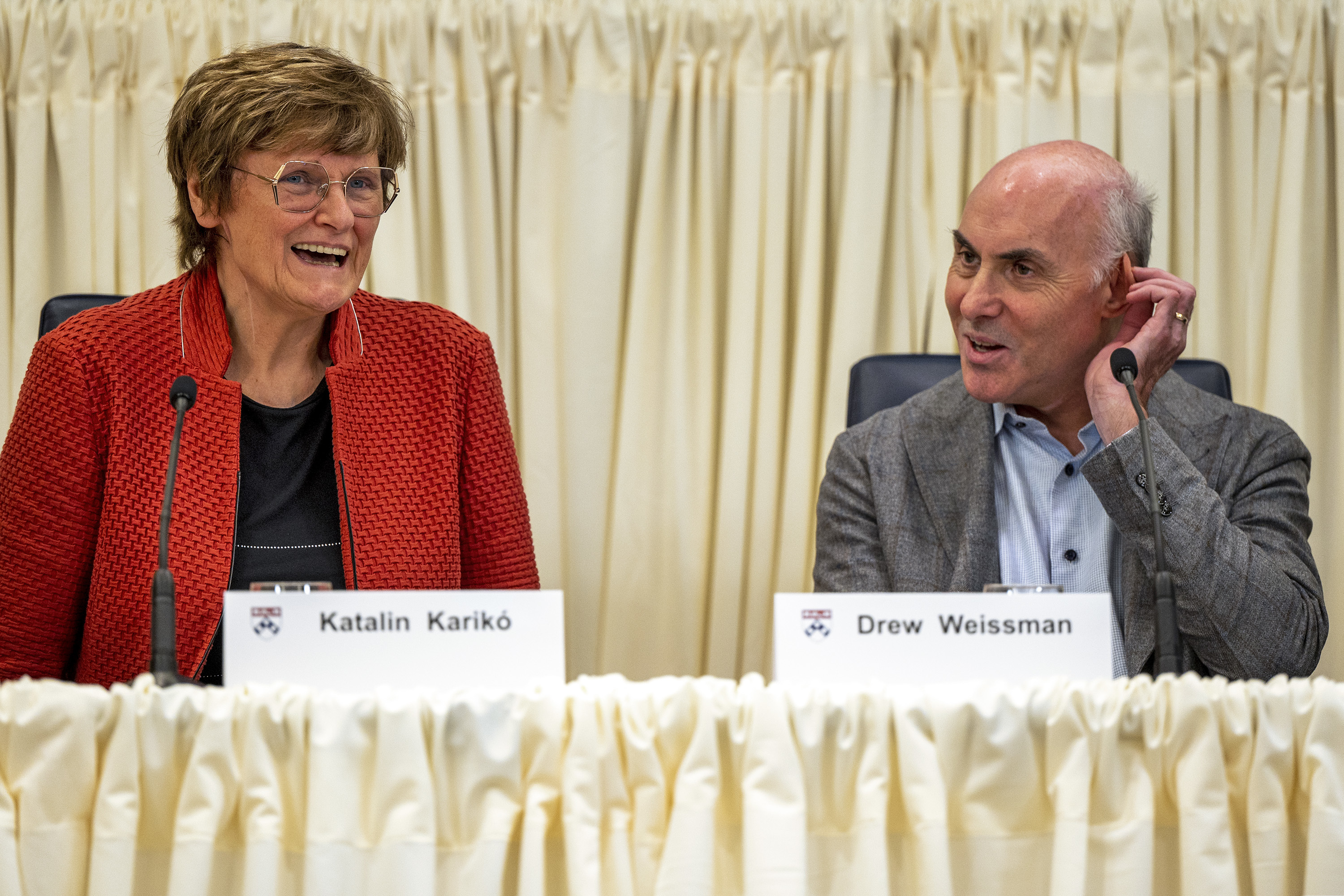
    Katalin Karikó and Drew Weissman spoke at a University of Pennsylvania news conference after they were named winners of a 2023 Nobel Prize in medicine. Their work was instrumental to modifying mRNA for therapeutic uses, such as the rapid development of lifesaving vaccines during the COVID-19 pandemic.

    By contrast, the Boston area was home to 10 institutions with at least $100 million in NIH grants, generating more spinoffs and jobs.

    The Philadelphia region has a healthy number of biotech spinouts, but the biggest markets have more from a larger number of research institutions, said Robert Adelson, founder Osage University Partners, a venture capital firm in Bala Cynwyd.

    That concentration of jobs and companies in the Boston area — where nearly 60,000 people worked in biotech R&D last year — makes it easier to attract people. By comparison, there were 13,800 such jobs in Philadelphia and Montgomery County, home to the bulk of the regional sector.

    If a startup fails, which happens commonly in biotech, “there’ll be another startup or another company for me to go to” in a place like Boston, said Matt Cohen, a managing partner for life science at Osage.

    Another challenge for Philadelphia: It specializes in cell and gene therapy, a relatively small segment of the biotech industry, whose allure to investors has faded in the last few years.

    Such market forces shaped the trajectory of Spark, a 2013 Children’s Hospital of Philadelphia spinout that developed Luxterna, the first FDA-approved gene therapy, used to treat an inherited form of blindness. The promise of Spark’s gene therapy work for a form of hemophilia spurred its 2019 acquisition by Swiss pharmaceutical titan Roche for $4.8 billion.

    This year, Roche laid off more than half the company’s workforce as part of a restructuring and a rethinking of treatments for blood diseases that it had been developing.

    The company still employs about 300 in the city, a spokesperson said, and work continues on its $575 million Gene Therapy Innovation Center at 30th and Chestnut Streets in University City.

    The long arc of biotech

    A handful of companies dominated the early days of U.S. biotech. Boston had Biogen and Genzyme, San Francisco had Genentech, San Diego had Hybritech, and Philadelphia had Centocor. All of them started between 1976 and 1981.

    Centocor started in the University City Science Center because one of its founders, virologist Hilary Koprowski, was the longtime director of the Wistar Institute. Centocor’s first CEO, Hubert Schoemaker, moved here from the Boston area, where he had gotten his doctorate at the Massachusetts Institute of Technology.

    Centocor was one of the nation’s largest biotech companies when Johnson & Johnson bought it for $4.9 billion in 1999. Its portfolio included an anticlotting drug called Reopro and Remicade for Crohn’s disease.

    Another drug still under development at the time of the sale, Stelara, went on to become J&J’s top-selling drug as recently as 2023 with $10.9 billion in revenue. Stelara, approved to treat several autoimmune disorders, remains a testament to Centocor’s legacy.

    Despite its product success, Centocor didn’t have the same flywheel effect of creating new companies and a pipeline of CEOs as peer companies did in regions outside of Philadelphia.

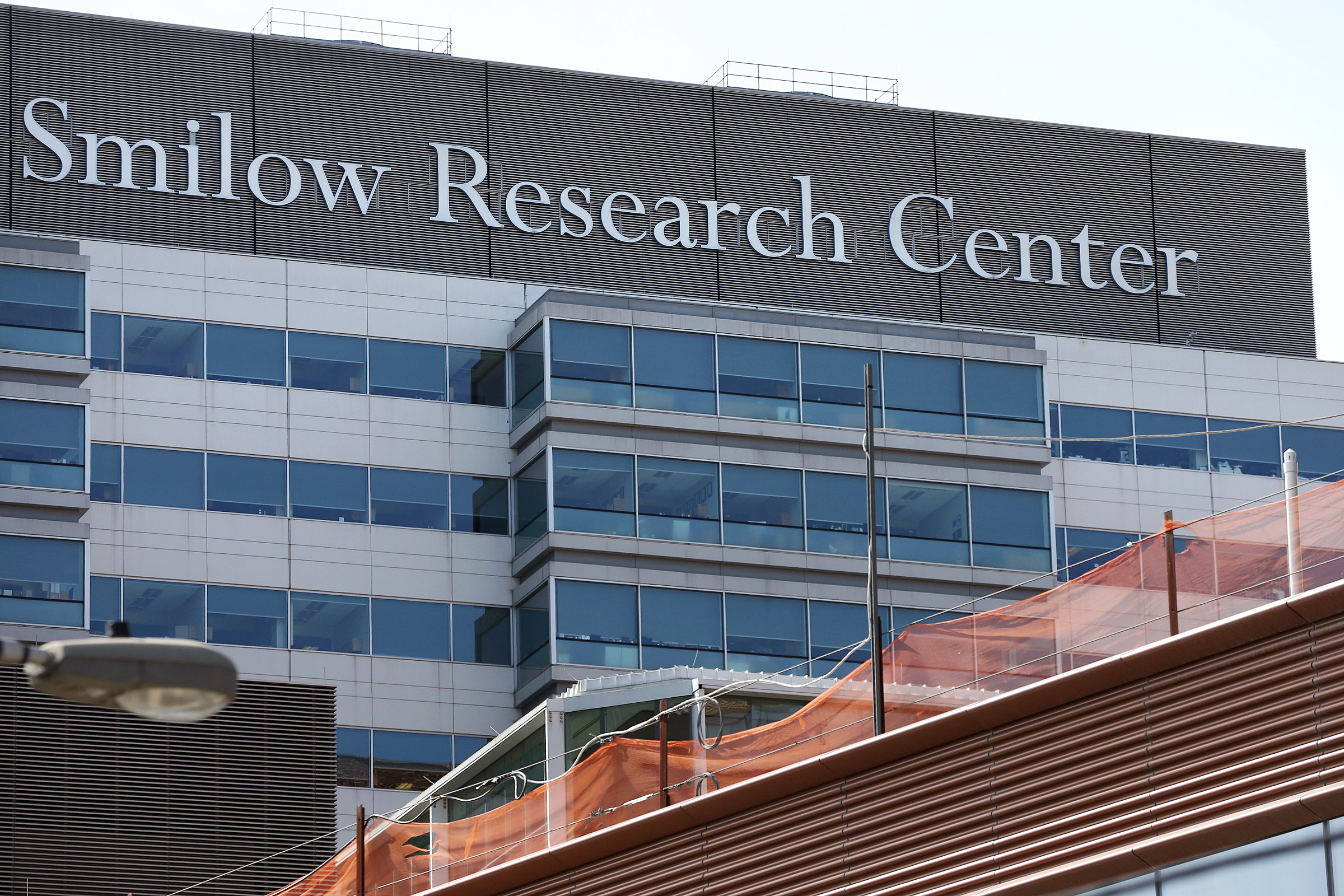
    The University of Pennsylvania’s Smilow Center for Translational Research, shown in 2020, is one of the school’s major laboratory buildings.

    “There are a lot of alums of Centocor that are really impressive, but they seem to have wound up elsewhere,” said Bill Holodnak, CEO and founder of Occam Global, a New York life science executive recruitment firm.

    Among the Centocor executives who left the region was Harvey Berger, Centocor’s head of research and development from 1986 to 1991. He started a new company in Cambridge, Mass.

    At the time, the Philadelphia area didn’t have the infrastructure, range of scientists, or management talent needed for biotech startups, he said.

    Since then, he thinks the regional market has matured.

    “Now, there’s nothing holding the Philadelphia ecosystem back. The universities, obviously Penn, and others have figured this out,” Berger said.

    Conditions have changed

    Penn’s strategy for helping faculty members commercialize their inventions has evolved significantly over the last 15 years.

    It previously licensed the rights to develop its research to companies outside of the area, such as Jim Wilson’s gene therapy discoveries and biochemist Katalin Karikó and immunologist Drew Weissman’s mRNA patents. Now it takes a more active role in creating companies.

    Among Penn’s latest spinouts is Dispatch Bio, which came out of stealth mode earlier this year after raising $216 million from investors led by Chicago-based Arch Venture Partners and San Francisco-based Parker Institute for Cancer Immunotherapy.

    Dispatch, chaired by Marrazzo, is developing a cell therapy approach that uses a virus to attach what it calls a “flare” onto the cells it wants the immune system to attack.

    Marrazzo said in July that he wasn’t going to be involved in Dispatch if it wasn’t based largely in Philadelphia. As of July, 75% of its 60 employees were working in Philadelphia. Still, Dispatch’s CEO is in the San Francisco Bay Area.

    The Philadelphia region is increasingly well-positioned for the current biotech era, said Audrey Greenberg, who played a key role in launching King of Prussia’s Center for Breakthrough Medicines about five years ago. The center is a contract developer and manufacturer for cell and gene therapies.

    “You no longer need to move to Kendall Square to get a company funded,” she said, referring to Cambridge’s biotech epicenter. “You need good data, a credible translational plan, experienced advisers, and access to patient capital, all of which can increasingly be built here.”

    Greenberg now works as a venture partner for the Mayo Clinic, with the goal of commercializing research discoveries within the health system’s network of hospitals in Minnesota, Arizona, and Florida.

    She plans to bring that biotech business to the Philadelphia region.

    “I’m going to be starting my companies all here in Philadelphia, because that’s where I am. And I know everybody here, and everybody I’m going to hire in these startups that are going to be based here,” she said.

  • SEPTA opens new $50M Wissahickon Transit Center in Manayunk

    SEPTA opens new $50M Wissahickon Transit Center in Manayunk

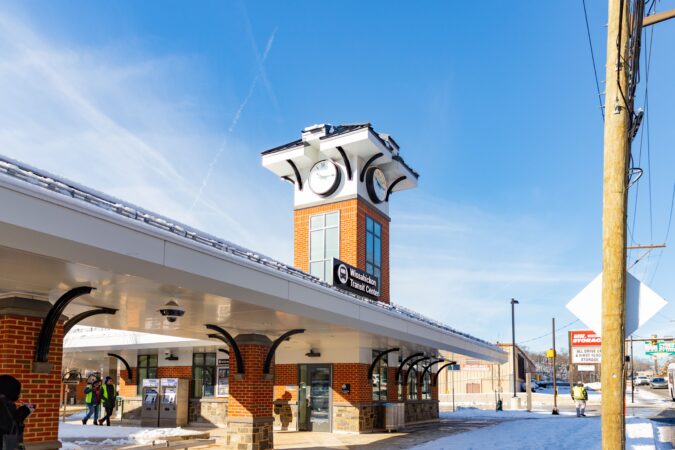
    SEPTA officially unveiled its long-awaited Wissahickon Transportation Center in Manayunk, which is about six times the size of the previous small bus depot.

    The new center on Ridge Avenue, near Main Street, is expected to serve 5,000 bus riders a day, officials said Monday at the ribbon cutting.

    Construction of the $50 million project began in 2023 at what was already one of SEPTA’s busiest transportation hubs. It is located within walking distance of the Wissahickon Regional Rail Station.

    Officials say the center improves connections, provides a better waiting experience for riders, and serves as a key transportation link to busy Main Street. They also say it makes navigating the immediate area easier for buses, pedestrians, and bicyclists.

    “We are making bus service safer and more reliable at one of our busiest transportation facilities,” SEPTA board chair Kenneth Lawrence said in a statement. “This new hub provides better access to work, school, and other opportunities, including reverse commute connections for Philadelphia residents to Montgomery and Delaware Counties.”

    window.addEventListener(“message”,function(a){if(void 0!==a.data[“datawrapper-height”]){var e=document.querySelectorAll(“iframe”);for(var t in a.data[“datawrapper-height”])for(var r,i=0;r=e[i];i++)if(r.contentWindow===a.source){var d=a.data[“datawrapper-height”][t]+”px”;r.style.height=d}}});

    Among the improvements:

    • Weather-protected waiting areas, benches, and bicycle racks
    • Better lighting, signs, and security cameras
    • A supervisor’s booth
    • A new left turn lane dedicated to buses on a wider road
    • Improved crosswalks for pedestrians crossing Ridge Avenue
    • Bicycle racks
    • Improved crosswalks
    • Americans with Disabilities Act-compliant boarding areas

    The previous center that fronted Ridge Avenue was basically a large bus shelter where commuters who live in neighborhoods in the city’s northwest and pass through on their way to jobs in King of Prussia and Plymouth Meeting change buses.

    Nearly three-quarters of the passengers who board at Wissahickon are transferring to or from other SEPTA services.

    “This is our largest customer-centric bus project to date,” said SEPTA general manager Scott Sauer.

    Officials say the center lays the groundwork for SEPTA’s new bus network. For about five years, the transit agency had been taking steps toward launching its first comprehensive overhaul of the bus system since SEPTA opened in 1964, but last year SEPTA put the project on indefinite pause due to funding issues.

    The new center, which is immediately behind the old facility, is part of the city’s larger Wissahickon Gateway Plan to grow and improve the area where the Schuylkill and Wissahickon Creek meet at Ridge Avenue and Main Street.

    The gateway plan’s goal is to address stifling traffic, dangerous conditions for pedestrians and cyclists, and provide easier access to the river.

    As part of the gateway, a new trail segment is also planned that would include a paved path allowing walkers, runners, and cyclists to circumvent the busy nexus of roads, giving easier access to the Schuylkill River Trail.

  • Recovery Centers of America will pay $2 million to settle claims of illegally dispensing controlled substances and falsely billing Medicaid

    Recovery Centers of America will pay $2 million to settle claims of illegally dispensing controlled substances and falsely billing Medicaid

    Recovery Centers of America, a prominent addiction rehab provider, will pay $2 million to settle claims by the federal government that it illegally dispensed strictly regulated medications and billed Medicaid for services it did not provide.

    The Drug Enforcement Administration audited and investigated RCA facilities in Pennsylvania and Maryland between 2019 and 2024, the U.S. Attorney’s Office for the Eastern District of Pennsylvania said in a statement.

    RCA operates 13 rehab centers across the country, with its corporate headquarters in King of Prussia. The for-profit company offers inpatient and outpatient treatments for people in addiction, as well as mental health services.

    The DEA said RCA “dispensed controlled substances in an unlawful matter” and did not comply with federal recordkeeping rules for drugs and other substances that are closely regulated due to their potential for abuse.

    Federal officials did not specify the controlled substances involved.

    In a settlement agreement, federal authorities said that the DEA found a number of recordkeeping issues at an RCA facility in Devon, including that the facility did not maintain records showing that it had received controlled substances, and did not record the number of containers of the substances or the date they had been received. Some prescriptions for controlled substances were issued to “house stock” instead of named patients, authorities said.

    The facility also did not keep accurate records of the controlled substances on hand at the site, authorities allege.

    They also found recordkeeping issues at another RCA facility in Maryland.

    In 2017, a whistleblower who was once employed at RCA filed a lawsuit alleging that some facilities had admitted patients on Medicaid, but had not complied with state and federal regulations on providing them with rehab services.

    Under federal law, whistleblowers can sue on behalf of the government when they believe a company has submitted false claims for government funding, federal authorities said.

    Federal authorities said that between 2017 and 2019, some RCA facilities billed the Federal Employees Health Benefits Program and Medicaid for care that they did not document and did not actually provide.

    The settlement will resolve the whistleblower’s lawsuit.

    RCA did not immediately return a request for comment.

    The company has agreed to pay $1 million to resolve the controlled substance claims and $1 million to resolve the billing claims. RCA did not admit liability as part of the settlement agreement.

    Federal law also enables whistleblowers to receive money from the settlement. The former employee will receive $230,000, authorities said.

    RCA will also pay the employee $450,000 and $75,000 to cover attorney’s fees, according to the settlement agreement.

    “Drug and alcohol treatment facilities must prescribe and store controlled substances in a manner that comports with rules designed to ensure that dangerous drugs do not fall into the wrong hands. They also must provide treatment services that comply with all governing laws and regulations,” U.S. Attorney David Metcalf said in a statement.

    “When they fail in either of those critical duties they will face significant consequences.”

  • Northeast Philly’s Franklin Mills mall is for sale

    Northeast Philly’s Franklin Mills mall is for sale

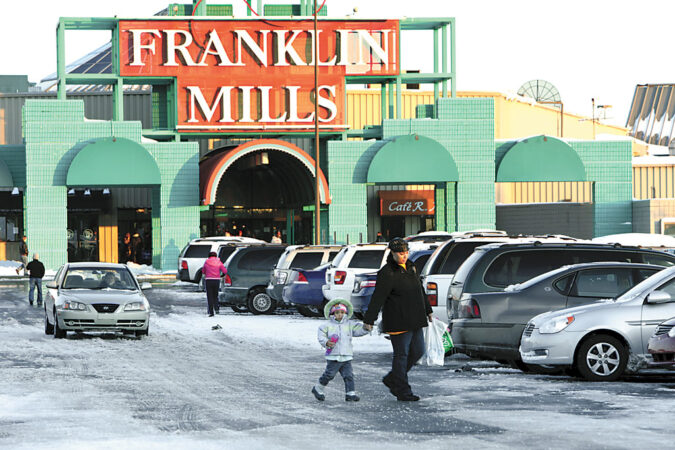
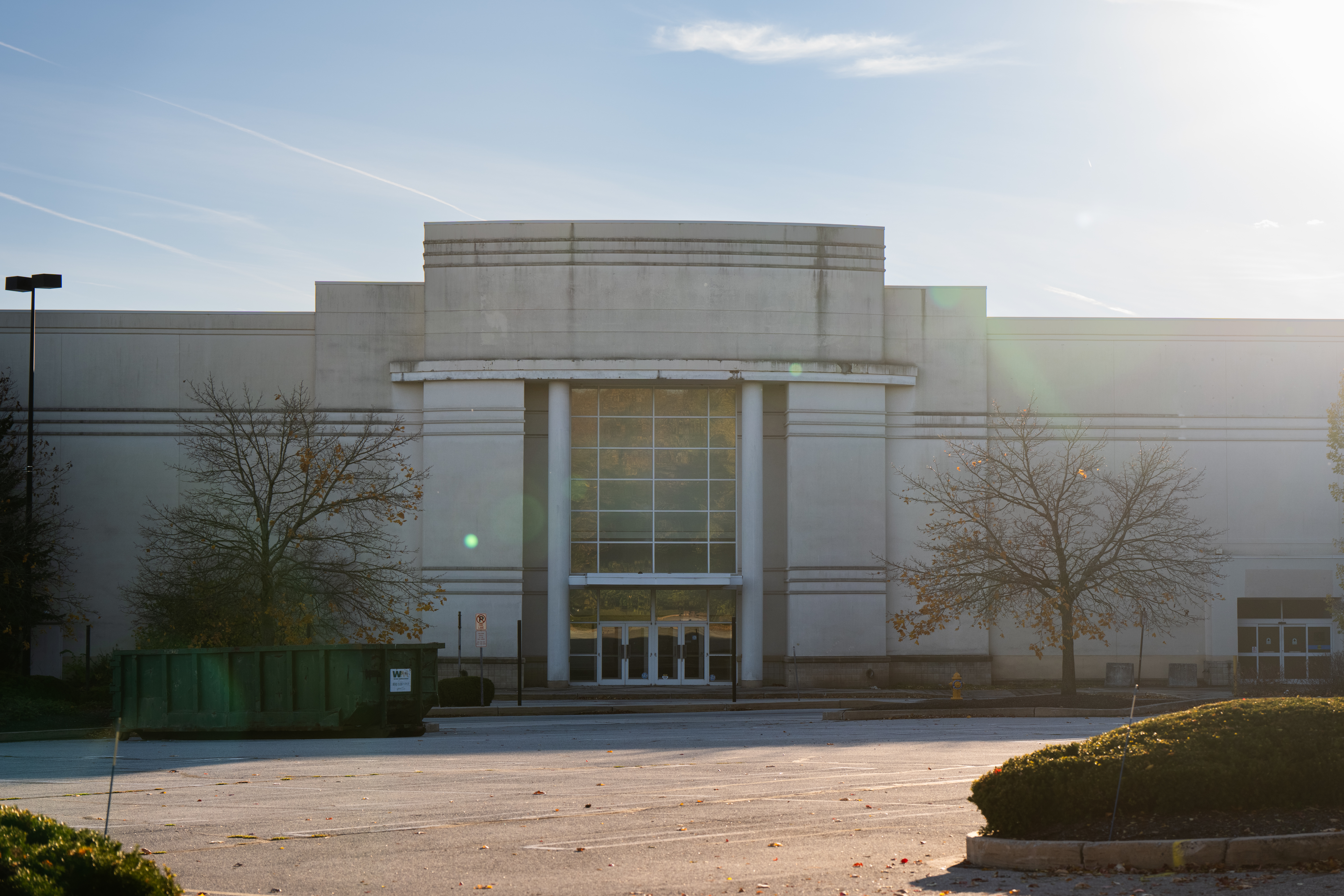
    Northeast Philadelphia’s Franklin Mall — better known by its original name, Franklin Mills — is for sale after years of plummeting valuation, occupancy, and visitor numbers.

    A listing on the website of real estate brokerage Jones Lang LaSalle (JLL) includes possible uses a new owner can consider, including industrial and office development. The parcels including Sam’s Club and Walmart are not included in the sale.

    “Franklin Mall presents the opportunity to acquire meaningful control of more than 137 acres … in a densely populated location that may support additional densification and redevelopment,” the listing reads.

    The move comes amid a wave of mall sales and redevelopments in the region, with demolition and residential construction a common fate for many struggling shopping centers.

    Over 68% of Franklin Mall is occupied, which could be an incentive for continued retail operations. But sales and visitor numbers have been falling for years, and JLL reports the average existing lease lasts for only another 1.7 years.

    If a new use is sought, the mile-long, one-story structure would be difficult to repurpose.

    “I think it’s unlikely to be a shopping mall” again, said Jerry Roller, founder of the design firm JKRP and a longtime architect in Philadelphia. “What could it be? Obviously, residential. It might be a warehouse. It’s essentially a large vacant piece of land. It was fairly inexpensive when it was built, so it’s not hard to demolish.”

    The hundred acres of land that Franklin Mills sits on at the edge of Far Northeast Philadelphia is zoned for auto-oriented commercial use.

    JLL’s listing advertises the site’s suitability for industrial redevelopment.

    “The property’s infill location and highway access make it a strong candidate for redevelopment into a modern industrial facility,” the listing reads. The zoning “could provide a basis for an investor to pursue the development of up to 1.4 million square feet of new warehouse space.”

    The residential redevelopment opportunities for the site could be aided by a promised 20-year property tax abatement for the conversion or demolition of outmoded commercial buildings into housing, which Mayor Cherelle L. Parker’s administration promises next year following enabling legislation from Harrisburg.

    But the existing zoning would not allow that, so a residential project would need to win the permission of the city’s Zoning Board of Adjustment or have the land-use rules changed legislatively by Councilmember Brian O’Neill.

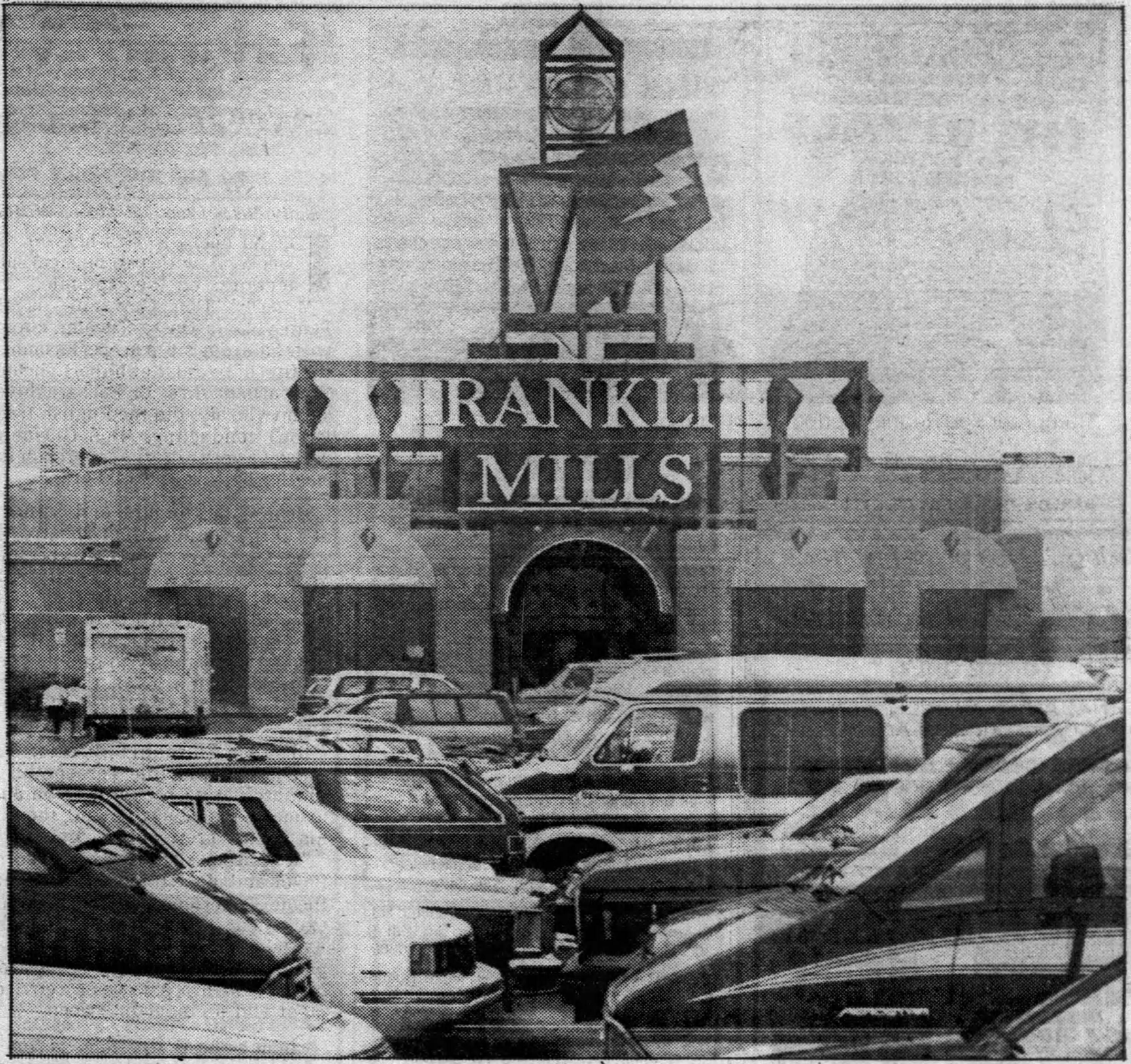
    The mile-long Franklin Mills mall drew Christmas-size crowds at its opening in May of 1989.

    Tribulations of a Northeast Philly icon

    The 36-year-old, 1.8-million-square-foot facility at Knights and Woodhaven Roads is the second largest mall in the Philadelphia area after King of Prussia. But while its larger cousin remains a dominant retail force, Franklin Mall has been struggling for years.

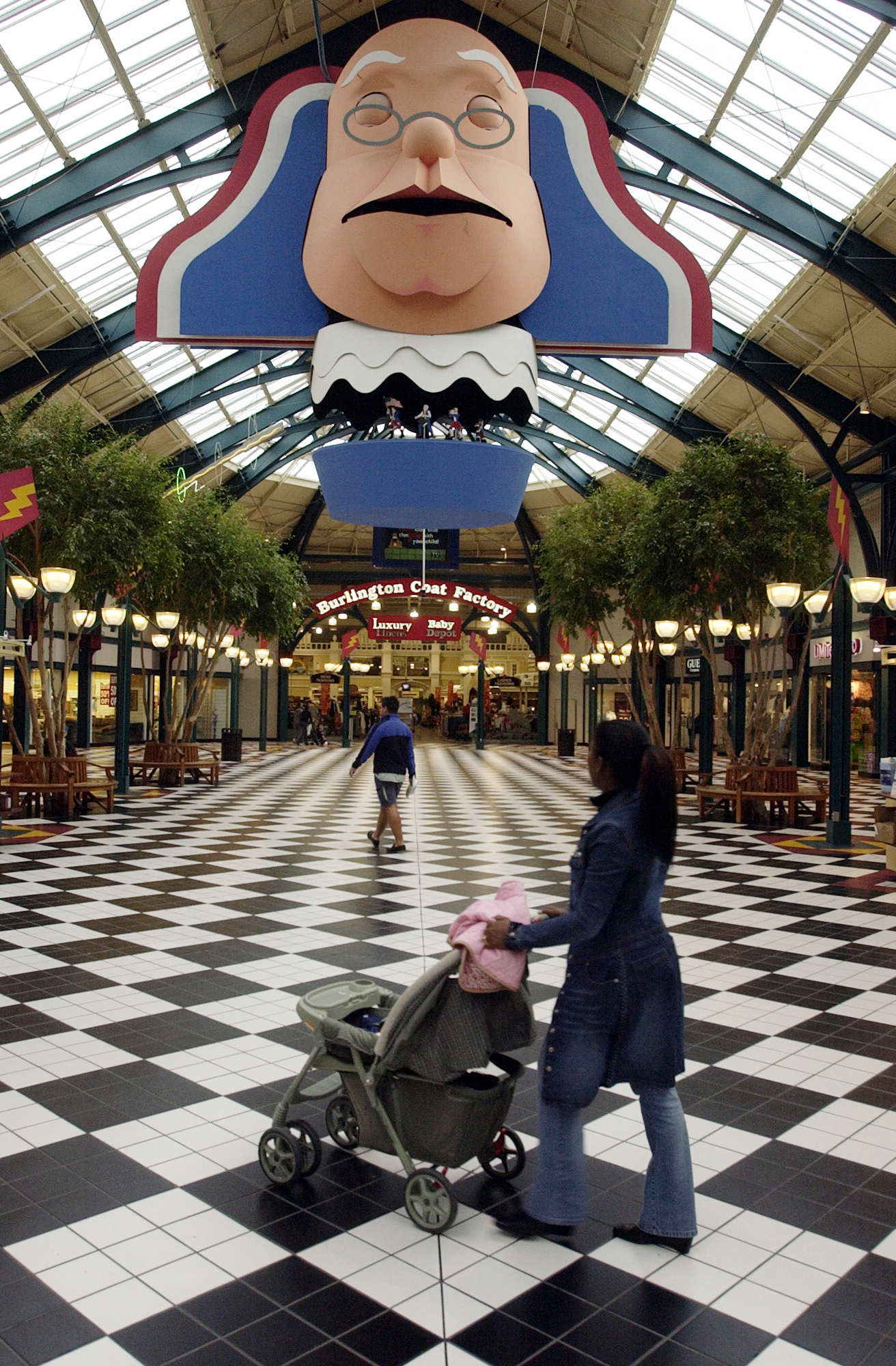
    The mall opened in 1989 to great fanfare as the largest outlet mall ever, with an iconic zigzag-shaped concourse that stretched for 1.2 miles.

    In its 1990s heyday, it attracted 20 million visitors annually. The latest numbers, provided by JLL, are 5.6 million visitors a year.

    In 2007, in retrospect near the end of Franklin Mills’ golden era, the property and the rest of the Mills Corp. was taken over by Simon Property Group, the largest mall owner in the country. The new ownership group rehabbed the property in 2014, although there were already signs Simon was distancing itself by moving Franklin Mills (renamed Philadelphia Mills) into a different balance sheet category than its core properties.

    Simon’s loan on the property had been intermittently distressed since 2012. An April 2024 report from real estate analytics firm Morningstar Credit was headlined “Legacy Philly Mall Back to Special Servicing for the Umpteenth Time.”

    Shoppers stroll through the Franklin Mills mall in 2014.

    The 2007 loan still had an outstanding balance of almost $250 million when it came to maturity in July 2024. Simon stepped away from the day-to-day operations at that time, with Philadelphia-based OPEX CRE Management appointed as receiver of the distressed property. The name was changed to Franklin Mall because Mills was trademarked by Simon.

    Last year Franklin Mall’s appraised value was $76 million, a precipitous decline from its $201 million valuation in 2012 and $370 million in 2007. According to Morningstar Credit, a new appraisal is likely in the next month.

    Full financials haven’t been publicly updated since last year, but at that time, the cash flow for the property was $9.5 million, the lowest since Simon took over in 2007. That’s down from 2019, when cash flow was $17.5 million, according to Morningstar, and from $11 million in 2022.

    According to Morningstar, the latest reports from the special servicer for the property, Greystone Servicing Co., say cash flow is even lower this year and occupancy has fallen to 65.4%.

    Possible reuses for Franklin Mills

    Franklin Mall’s for-sale status comes as some old-school regional shopping destinations are declining.

    While some of its counterparts like King of Prussia and the Cherry Hill Mall are still thriving, there has been a wave of sales and redevelopments of area malls as the nature of retail evolves.

    Some ailing malls have been purchased on the cheap, allowing their new owners to reinvest and refurbish the property in its previous mold.

    “In terms of using the buildings that are there, it’s a challenge because they are generally big box retail, and they’ve got a center mall, which is completely out of fashion,” Roller said. “Could somebody, if they had the right tenants, recreate the mall? Turn it inside out, open the thing up?”

    “Maybe it’s possible,” Roller said. But “I don’t see a lot of uses for the buildings that are there right now.”

    The redevelopment of Exton Square Mall is in legal limbo.

    When regional malls are redeveloped, more commonly, the retail options are reduced with much of the old structure demolished. Diverse new uses often take a faded shopping center’s place.

    Two weeks ago, the sale of Plymouth Meeting Mall was announced with the new owner planning residential development. The contentious redevelopment of the Exton Square Mall would also see a burst of residential development and expanded healthcare options — if the owner can win a lawsuit against the township.

    In New Jersey, the Echelon, Moorestown, and Burlington Center malls have or are going through a variety of demolition and redevelopment options. The commonality is that residential building is a part of all three plans.

    At Franklin Mall, redevelopment would likely require demolition of the existing building.

    “Ultimately, it may just be a piece of land” for sale, said Roller.

    JLL’s listing, however, pitches the property as either redevelopment or continued mall use.

    “This offering presents prospective purchasers with the opportunity to acquire a strategically positioned super regional shopping center with significant upside potential and/or redevelopment opportunity,” it reads.

    JLL’s managing directors on the sale are John Plower, David Monahan, and Jim Galbally.

  • Philly gets its first winter storm of the season, but hold the shovels

    Philly gets its first winter storm of the season, but hold the shovels

    The region is experiencing a classic Philadelphia early winter storm — a touch of ice and snow, rinsed away by plenty of ice water.

    Some light freezing rain, sleet, and random snowflakes were reported across the region around daybreak Tuesday, and several school districts in Chester and Montgomery Counties opted for two-hour delays.

    Small accumulations of freezing rain, under a tenth of an inch, were measured in the Doylestown and Pottstown areas.

    For the record, the National Weather Service in Mount Holly reported that the city recorded its second official “trace” of snow, defined as a trained spotter’s sighting at least one flake at Philadelphia International Airport.

    That duly noted, Philly’s chances for its first measurable snowfall of the season remained minimal or less.

    “It’s cut and dried,” said Tyler Roys, senior meteorologist with AccuWeather Inc.

    Quite wet, actually. As temperatures rise quickly above freezing, plain, old liquid rain, possibly heavy at times, is expected to persist into the afternoon throughout the region.

    PennDot anti-icing crews have been mobilized, said spokesperson Krys Johnson, but they are also clearing leaf-clogged drains to mitigate road flooding.

    The precipitation should shut off well before the peak afternoon commuting period. However, it appears that the meteorological winter, which began officially Monday, is going to get off to a livelier start than last year’s.

    “We’re changing the script already,” said Roys, noting another storm threat later in the week. “It’s definitely an active start.”

    NOAA’s Climate Prediction Center has the odds favoring below-normal temperatures and above-normal precipitation in the Northeast in the Dec. 7 through 15 period.

    What time will any snow and ice change to rain?

    The changeover to rain should proceed quickly, forecasters say, and it should be raining everywhere by midmorning.

    Winds are from the east, and that is importing warm air off the ocean, where sea-surfaces temperatures off Atlantic City were in the upper 40s on Tuesday morning.

    How much for Philly?

    For Philly, Johnson’s reading of the forecast — “A chance of one snowflake” — was essentially correct. In fact, from King of Prussia eastward, said Roys, “You’re looking at nothing.”

    What is the outlook for the rest of the week?

    The weather community divides the seasons into tidy three-month increments, with Dec. 1 as opening day for winter.

    It will feel that way, with temperatures several degrees below normal into the weekend, with daytime highs Tuesday and Wednesday mostly in the 30s and lows in the 20s.

    A wild card would be the arrival of an Arctic front Thursday morning, said Roys, which might set off snow squalls in parts of the region.

    Another winter storm is possible on the weekend, however computer guidance has been showing just about everything and not much, said Zach Cooper, a weather service meteorologist in the Mount Holly office.

    Welcome to winter in Philly.

  • Trail project planned near King of Prussia Mall gets new funding

    Trail project planned near King of Prussia Mall gets new funding

    A trail planned in Montgomery County is getting new funding to take the project to the next step.

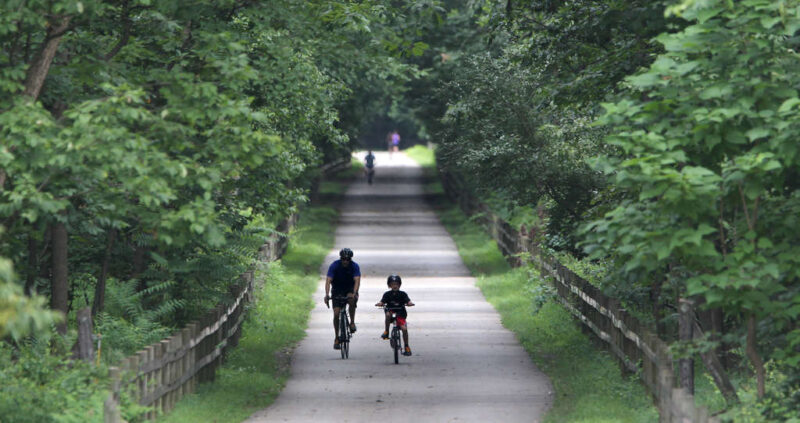
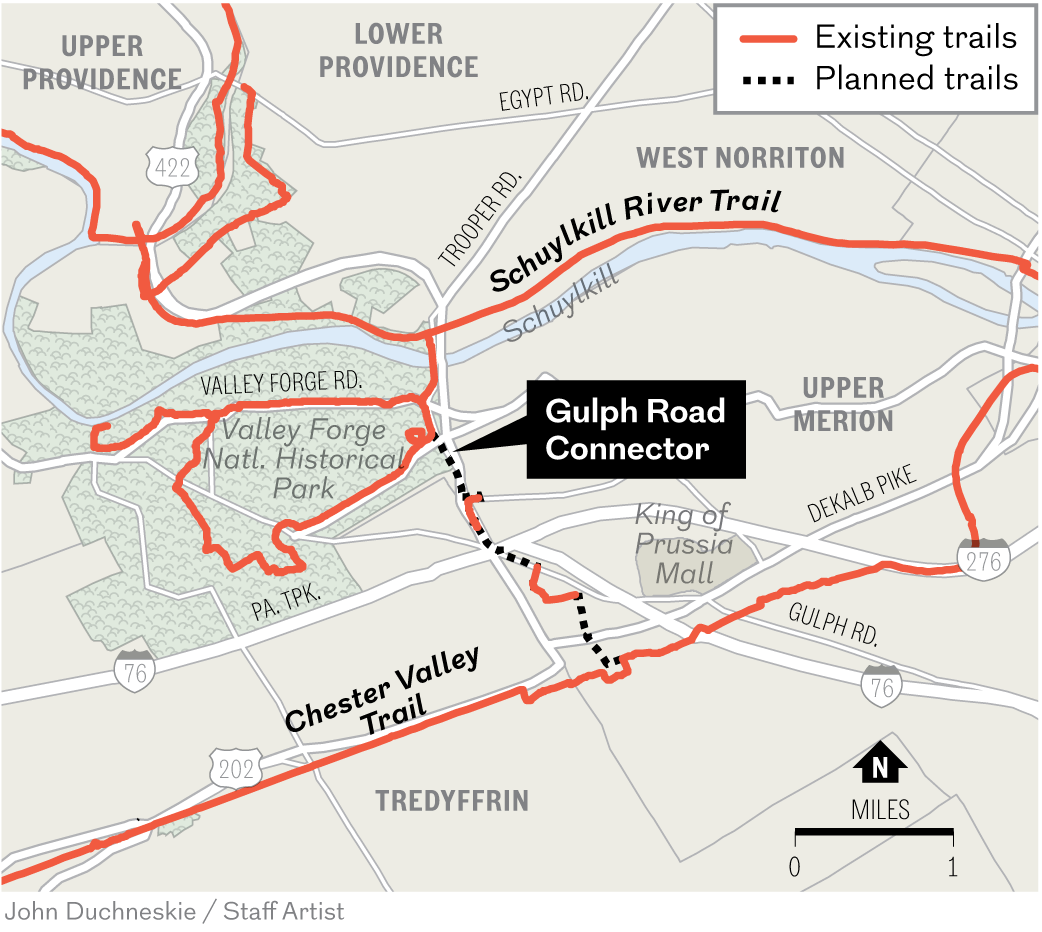
    The “Gulph Road Connector,” as it is currently called, is slated to connect to the Chester Valley Trail near the King of Prussia Mall, cross through Valley Forge National Historical Park, and link with the Schuylkill River Trail when completed.

    The project was recently awarded a three-year $326,900 grant from the William Penn Foundation, which will begin in January, said Eric Goldstein, president and CEO of the King of Prussia District, which is leading the project. The official name of the trail has not been determined.

    The influx of funds is slated for education, advocacy, and marketing, said Goldstein, who noted that the foundation is supporting “efforts to build a coalition of advocates” for the trail. The money will not be used for design or construction.

    Segments of the planned 2.8-mile trail connector are in stages of design and construction, with some already built, Goldstein said.

    “What we’re trying to do is ultimately fill in the blanks to make the 2.8-mile section complete,” he said.

    Goldstein said the new funds will allow the King of Prussia District to work with different partners along the trail. The aim is to build a coalition and raise awareness of the proposed trail, which ideally would lead to more grant money down the line for design and construction, he said.

    Map of the planned Gulph Road Connector trial near King of Prussia.

    The new funding is “the impetus for this trail to start moving toward completion,” said Molly Duffy, executive director of the Valley Forge Park Alliance, a partner organization in the trail’s development.

    There is no estimate yet for the total cost of the project, Goldstein said.

    The project is part of the Circuit Trails, a regional network that aims to have more than 850 miles of trails through nine counties. Once the trail is built out, Goldstein said, he expects it will be managed by multiple entities, depending on the section.

    He hopes to be able to complete the trail in the next 10 years.

    Some parts of the trail are “enormously complex,” he noted, adding that pedestrian bridges over sections of highway would require complex engineering and be costly — which requires raising funds.

    While the trail is expected to be used for recreation, it could also be an option for commuting to work.

    “The second audience of this proposed trail network is employees that work in Upper Merion Township that are seeking alternative modes of transportation to get to and from work,” he said.

    The trail also could make Valley Forge National Historical Park more accessible by ways other than driving, Duffy said.

    “We want people to be able to get here,” Duffy said. “Knowing where this is — in this super densely populated suburban area — we know that there’s this missing link, really, between these two major trails that, once built, will literally connect thousands and thousands of people who live in the area, work in the area, are visiting the area.”