While weed is legal in Delaware, with a baker’s dozen worth of dispensaries to buy it from, people can still face jail time for public marijuana use under current state law.
State Rep. Eric Morrison (D., Newark) introduced a bill last month that would ease those punishments. House Bill 252 would reduce the penalties for public marijuana consumption from a misdemeanor to a civil violation.
“This is not saying that public consumption of cannabis is OK. It is simply making the penalty commensurate with the offense,” Morrison said. “Almost all of the states that have legalized cannabis like we have revisited their laws and changed this violation to a civil offense instead of a misdemeanor, which carries higher fines, a criminal record, and possible jail time.”
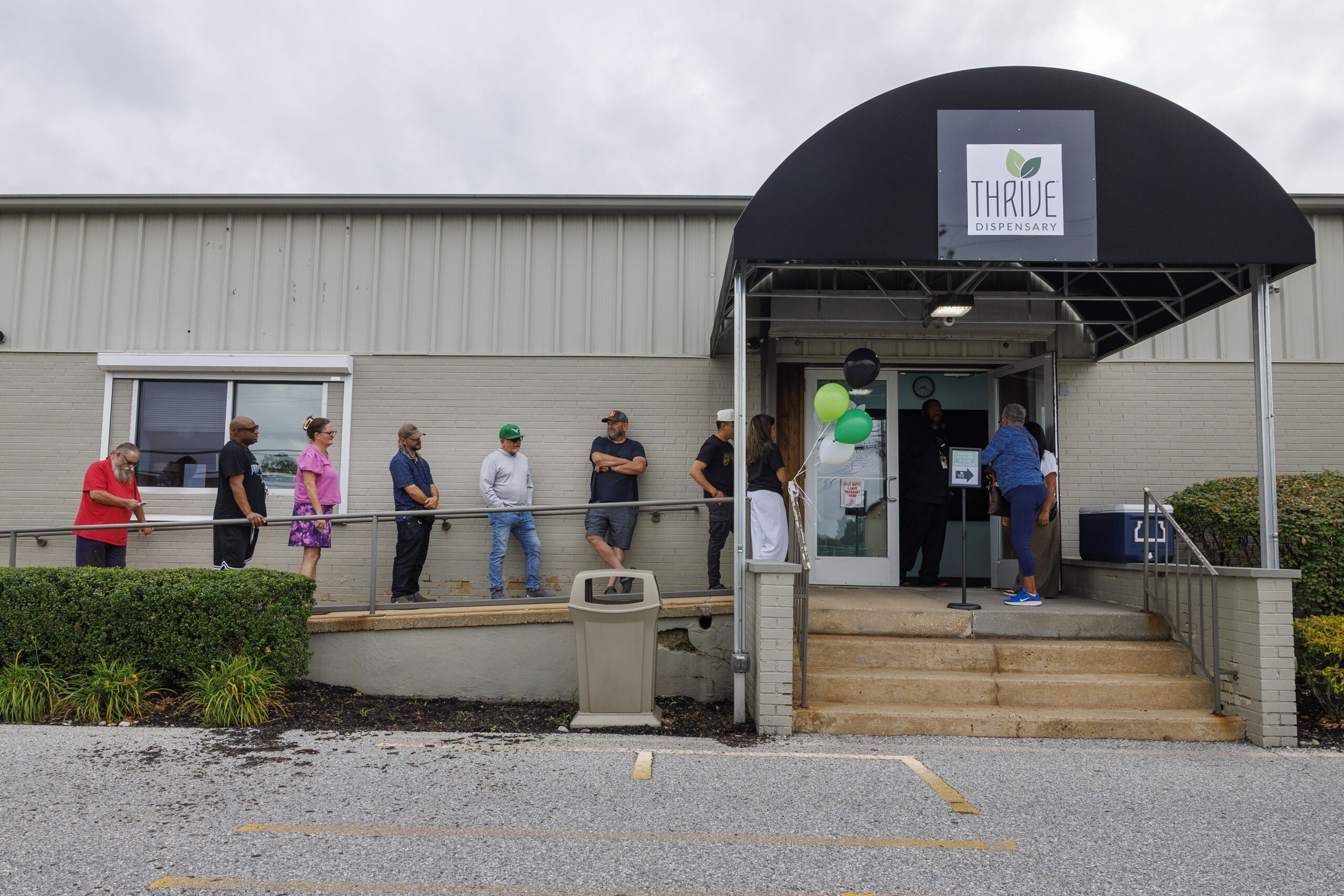
Customers line up for the first day of recreational marijuana sales at Thrive Dispensary in Wilmington on Aug. 1, 2025.
Currently, police can either stop and fine someone up to $200 for smoking weed in public, or officers have the option to arrest the person, with possible imprisonment for up to five days.
Under Morrison’s bill, police can still stop people for smoking or consuming marijuana in public, but instead of a misdemeanor, the offense is considered a civil violation — similar to a traffic violation — that carries a fine of up to $50 for a first offense, and up to $100 for subsequent offenses.
People driving a vehicle while under the influence of marijuana would still beconsidered a DUI.
Delaware’s decriminalization of public marijuana use would match the policies of neighboring states, like New Jersey and Maryland, where weed is fully legal, and some Pennsylvania cities where only medical marijuana is legal, such as Philadelphia and Pittsburgh. In these places, only fines are given out, and violations do not appear on criminal records.
New Jersey went a step further and approved the East Coast’s first legal weed lounges, which means more adults can safely and legally consume cannabis outside of their homes.
Zoë Patchell, president of the Delaware Cannabis Advocacy Network, said some lawmakers are now correcting a policy that should have been included in the original legalization laws.
“This simply just brings Delaware’s law in line with the standards used by most other states,” Patchell said. “This measure does not legalize public consumption. It reduces the penalty from a misdemeanor, which can result in a criminal record.”
Criminal charges have “severe collateral consequences,” Patchell added. For example, arrest and incarceration can negatively impact someone’s health and social outcomes, like losing access to housing, financing, and employment.
“Especially today, for people in America living paycheck to paycheck, spending time in jail can lead to lost wages or having this charge on a criminal record can lead to being terminated from your job,” Morrison said. “For a whole lot of Americans, losing any wages puts their family in a hard predicament financially.”
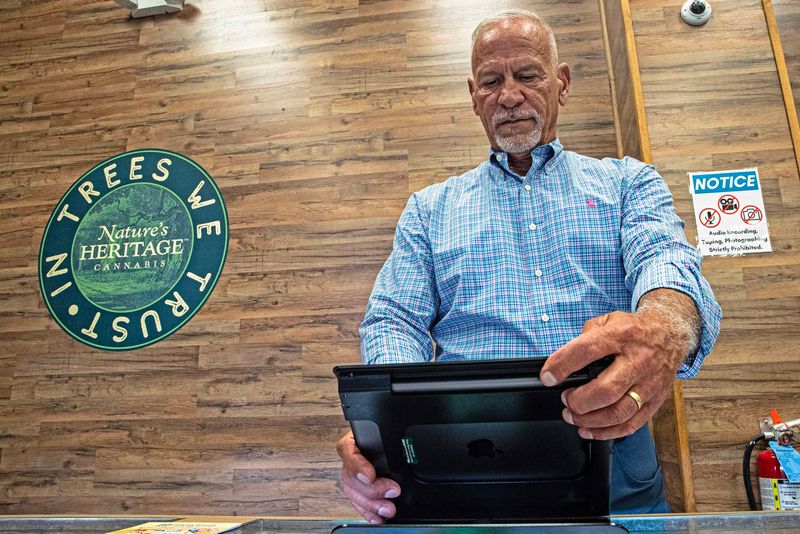
A customer browses through product offerings on Day One of recreational marijuana sales at Thrive Dispensary in Lewes on Aug. 1, 2025.
Delaware legalized recreational marijuana in 2023, but it took years to open legal sales to adults in recreational dispensaries. The first 13 dispensaries opened to adults last year, but advocates like Patchell say the current law makes it difficult to consume cannabis legally.
Delaware’s laws on consumption on private property are also restrictive, Patchell said. Adults can consume cannabis on private property, but only in locations that are at least 10 feet from a sidewalk, street, parking lots, businesses, or “any other areas to which the general public is invited,” according to state law.
“This means that someone can be arrested for consuming cannabis on their own private property,” Patchell said. This proves even more difficult for those living in households that don’t have the property space to be away from the public, she said.
Morrison said he wants to keep working with cannabis advocates to create a safe and robust cannabis industry, but that it would be premature to say if additional measures will be taken at this time, such as amending the 10-foot rule around private property and public space.
“For this year, [decriminalization of public use] is what I’m focused on regarding cannabis,” Morrison said.
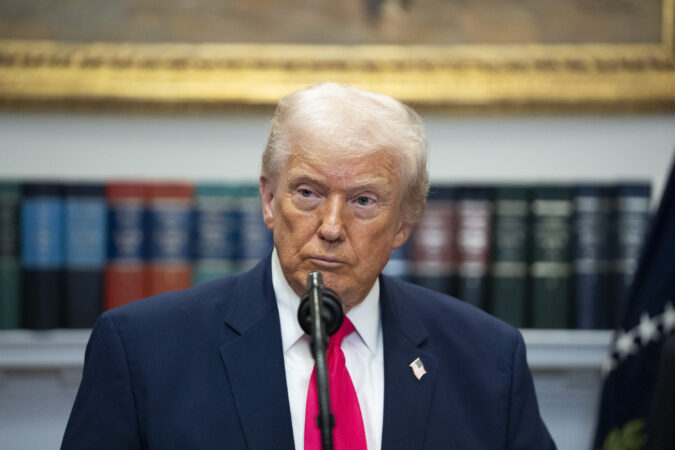
President Donald Trump announced he would advise federal agencies to reschedule marijuana from a Schedule I controlled substance to Schedule III, easing federal restrictions on the plant.
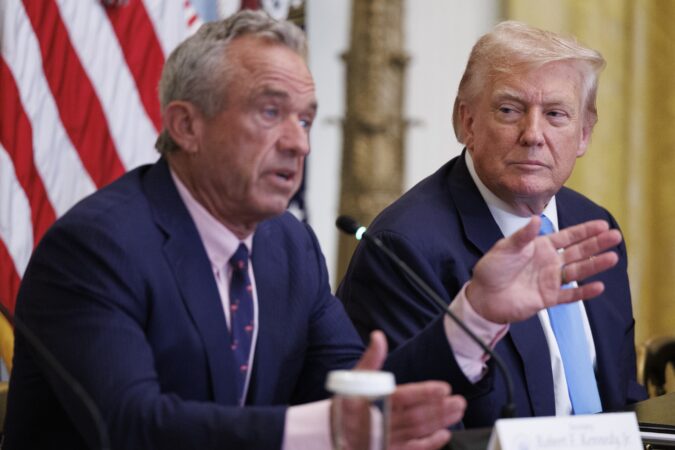
Trump announced the executive order Thursday in the Oval Office, alongside Health and Human Services Secretary Robert F. Kennedy Jr. and a line of medical workers in white coats and scrubs. The president does not have the direct authority to reschedule marijuana but can request his federal agencies to do so.
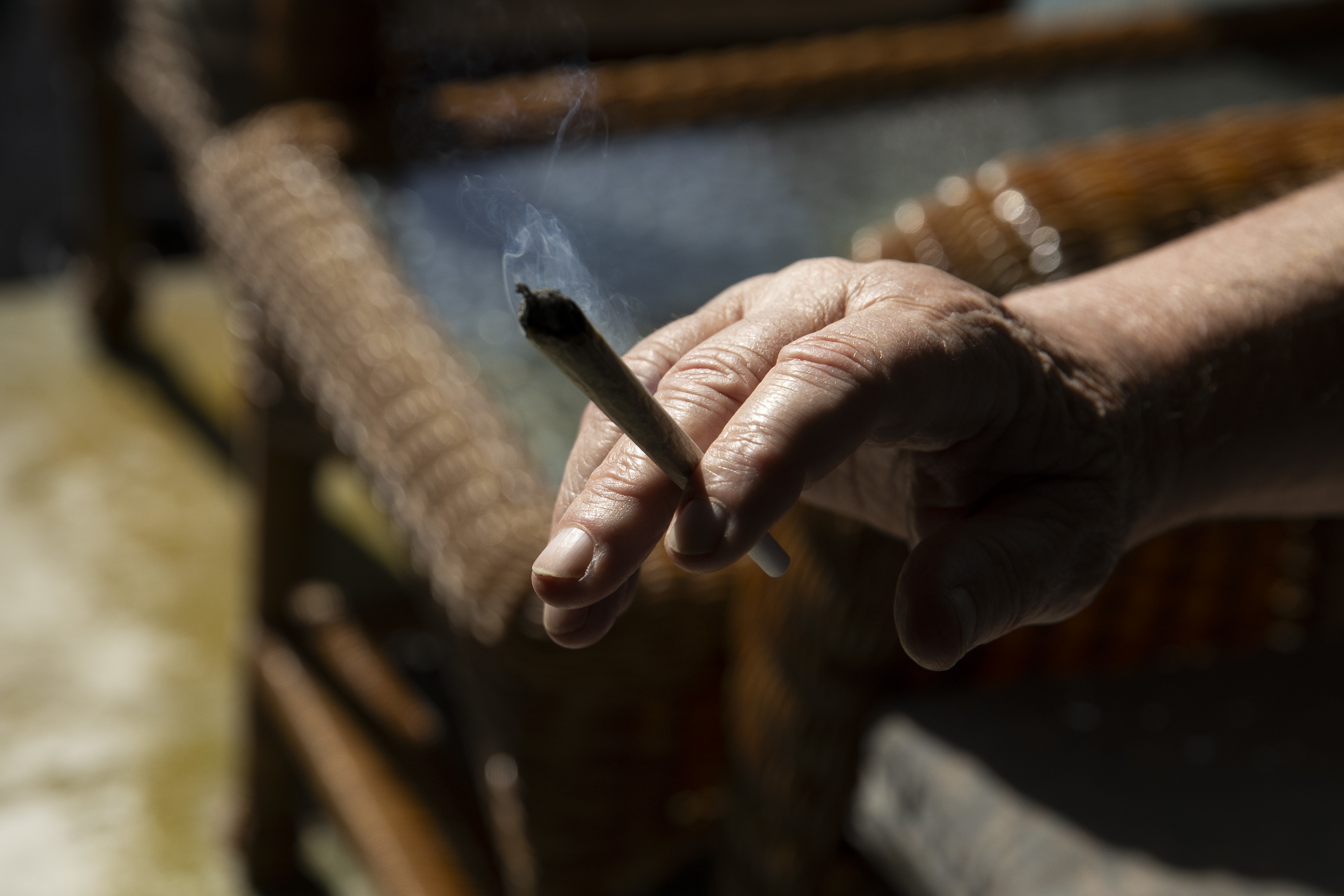
Jeff Hodgson smokes a pre-roll at his home in Cape May, NJ on Thursday, May 2, 2024. Hodgson mostly uses medical marijuana to help him sleep.
Marijuana has been a Schedule I controlled substance since the 1970 Controlled Substances Act, meaning the federal government considers marijuana to have no accepted medical use, with a high risk of abuse. Schedule I drugs, such as heroin, cocaine, and LSD, are illegal and strictly regulated, making medical research on these drugs, including cannabis, nearly impossible.
A reclassification would be the most significant reform on marijuana in more than half a century, opening the doors for medical research. But it would not be full legalization, said Adam Smith, executive director of the Marijuana Policy Project. It could also pave the way to federal intervention in the state-run medical and recreational marijuana industries, something stakeholders fear.
“There is a possibility that in moving cannabis to Schedule III, instead of opening up access, what it will do is incentivize federal agencies to clamp down control on the availability of cannabis,” Smith said. “Treating it as other Schedule III substances, which virtually all require prescriptions, is not how this works in medical cannabis and could really create chaos and a lot of economic pain in the industry.”
Frank Burkhauser of Woodbury displays the legal marijuana purchase that he just made at Cannabist in Deptford, N.J. on April 21, 2022. Burkhauser said he has been working for the legalization of marijuana since the early 90’s.
Smith said stakeholders are unsure what this might mean for the wider industry but remain optimistic, as rescheduling of marijuana has been a priority for decades.
This executive order has plenty of positives, said Joshua Horn, a Philadelphia cannabis lawyer at Fox Rothschild. Loosening restrictions could clear the way for the IRS to allow cannabis businesses to deduct business expenses (which they currently cannot do). Additionally, more traditional banking options might become available to entrepreneurs.
“It could also rectify the criminal injustice that has been ongoing since the passage of the Controlled Substances Act, where people of color have been disproportionately impacted by the ‘war on drugs,’” Horn said. “In the end, rescheduling should reinvigorate these businesses out of their current tax and financial struggles.”
This federal rescheduling of marijuana would come on the heels of Congress’ banning all intoxicating hemp products, which are derived from cannabis plants. While this may seem like a policy flip-flop, Smith said, these are two different issues at hand.
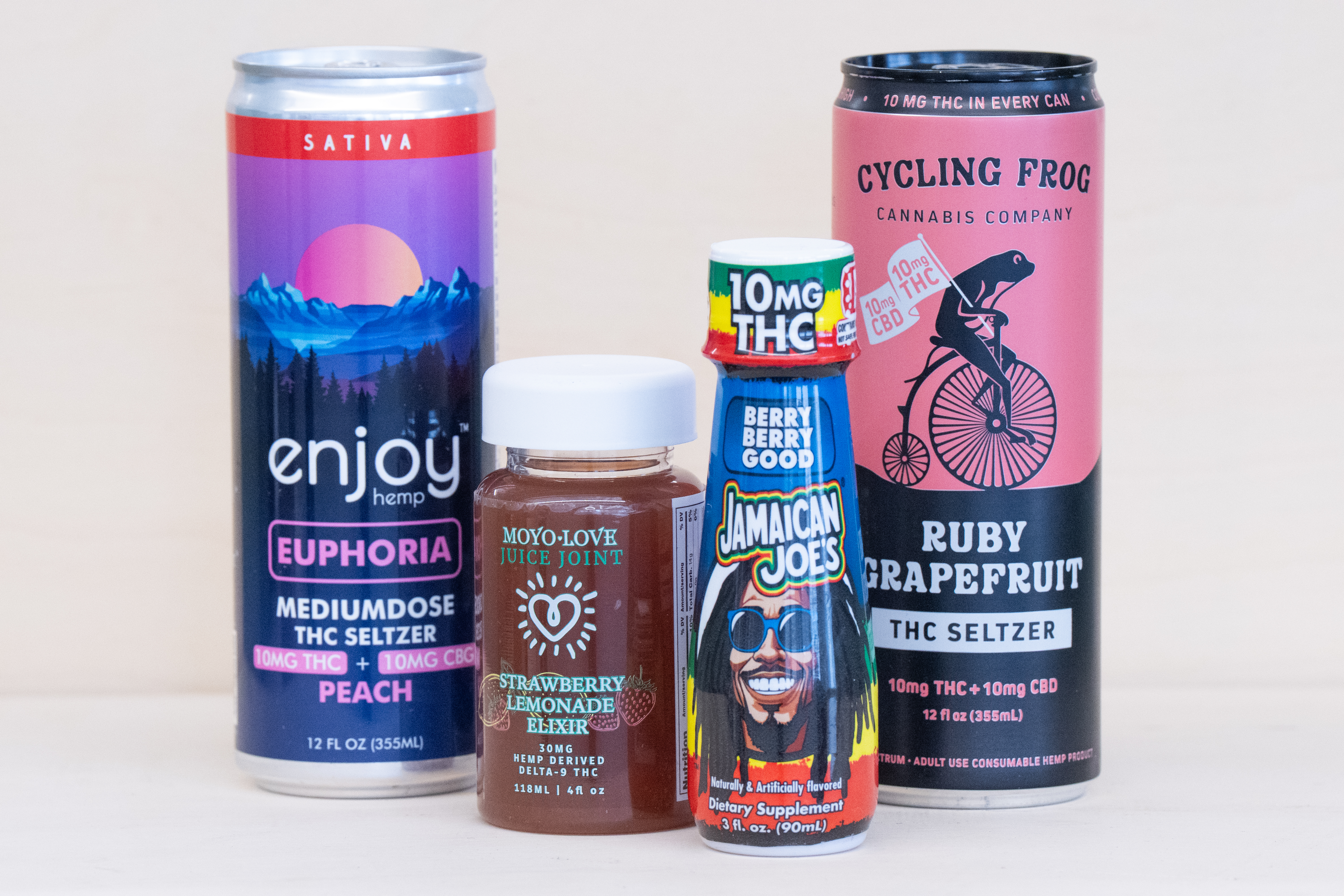
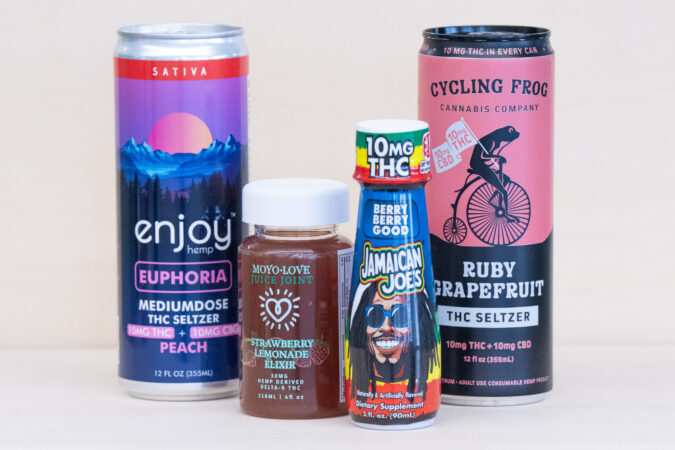
Hemp products photographed at the Philadelphia Inquirer, November 21, 2025.
“The hemp ban is the result of the fact that the market was chaotic and, in many cases, unsafe. Without regulation, that market was rife with pesticides, heavy metals, and products that should not be on shelves,” Smith said.
But he contends there is a movement to push back against wider marijuana legalization. “There’s always pushback when there’s big change,” Smith said. “But also because of the instability created when we have state-regulated markets operating in a federally illegal area.”
Industry folks are hoping this move better aligns the federal government and state markets, opens the doors to research, and provides better clarity to states that are hesitant to legalize marijuana, Smith said.
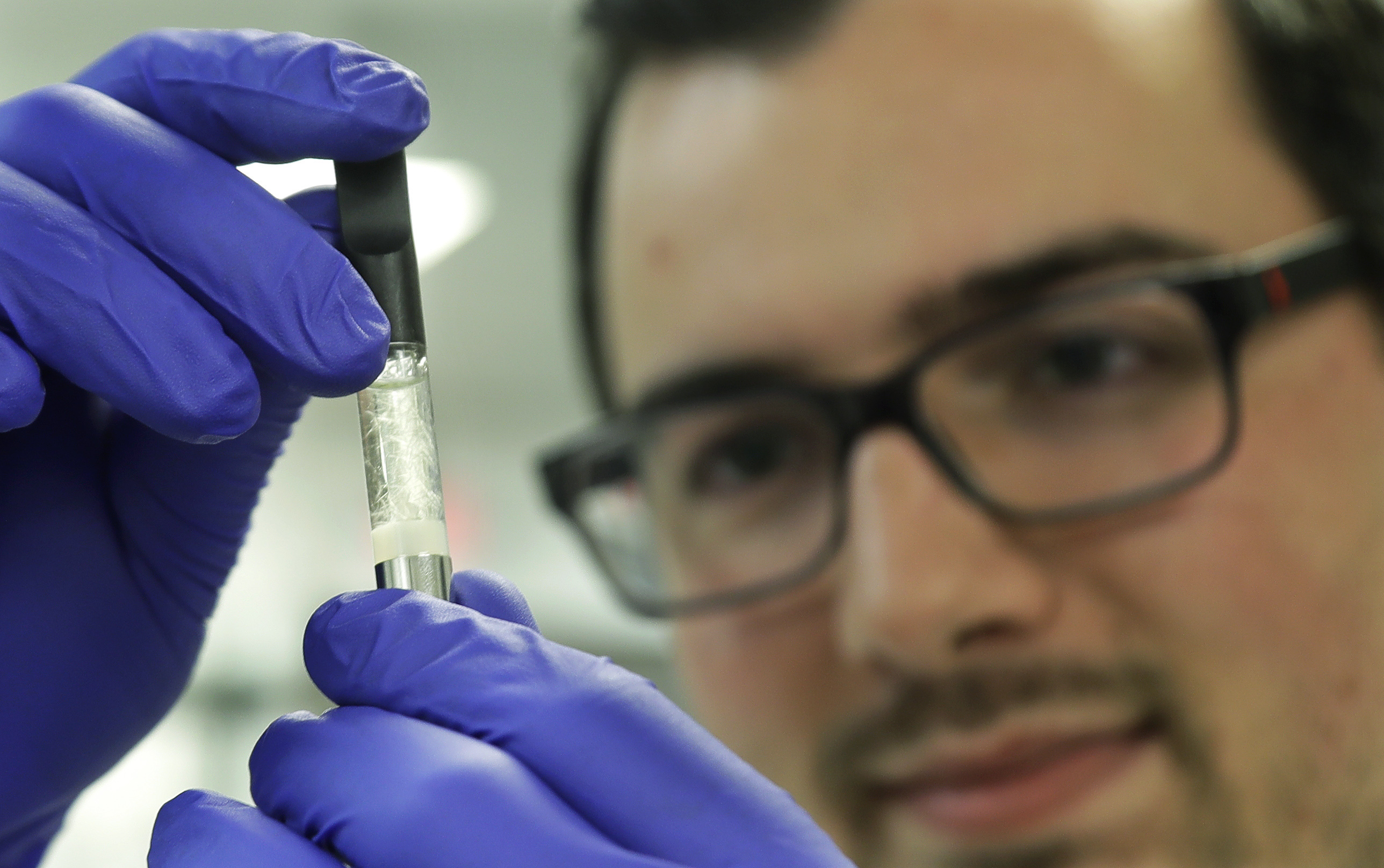
In this July 19, 2019, file photo, Pierce Prozy examines a Yolo! brand vape oil cartridge marketed as a CBD product at Flora Research Laboratories in Grants Pass, Ore.
Reducing restrictions on commercially available cannabis is “a key missing ingredient toward making clinical breakthroughs,” said Stephen Lankenau, director of Drexel University’s Medical Cannabis Research Center.
“A key issue is that any reclassification efforts need to reduce restrictions for university-based researchers to have access to cannabis-derived THC — commercially available products in particular — for clinical studies, whether laboratory or human subjects,” Lankenau said.
Researchers now are only able to examine hemp-derived nonpsychoactive cannabinoids like CBD or CBC. However, Lankenau said, it is unclear whether Trump’s proposal would give them the green light.
President Donald Trump is expected to push the government to dramatically loosen federal restrictions on marijuana, reducing oversight of the plant and its derivatives to the same level as some common prescription painkillers and other drugs, according to six people familiar with the discussions.
Trump discussed the plan with House Speaker Mike Johnson (R., La.) in a Wednesday phone call from the Oval Office, said four of the people, who, like the others, spoke on the condition of anonymity because they were not authorized to speak publicly. The president is expected to seek to ease access to the drug through an upcoming executive order that directs federal agencies to pursue reclassification, the people said.
The move would not legalize or decriminalize marijuana, but it would ease barriers to research and boost the bottom lines of legal businesses.
Trump in August said he was “looking at reclassification.” He would be finishing what started under President Joe Biden’s Justice Department, which followed the recommendation of federal health officials in proposing a rule to reclassify marijuana; that proposal has stalled since Trump took office.
“We’re looking at it. Some people like it, some people hate it,” Trump said this summer. “Some people hate the whole concept of marijuana because it does bad for the children, it does bad for the people that are older than children.”
Trump cannot unilaterally reclassify marijuana, said Shane Pennington, a D.C. attorney who represents two pro-rescheduling companies involved in the hearing. But he can direct the Justice Department to forgo the hearing and issue the final rule, Pennington said.
“This would be the biggest reform in federal cannabis policy since marijuana was made a Schedule I drug in the 1970s,” Pennington said.
The president was joined on the Wednesday call with Johnson by marijuana industry executives, Health Secretary Robert F. Kennedy Jr., and Centers for Medicare and Medicaid Services chief Mehmet Oz, three of the people said.
Johnson was skeptical of the idea and gave a list of reasons, including several studies and data, to support his position against reclassifying the drug, two of the people said.
Trump then turned the phone over to the executives gathered around his desk, who rebutted Johnson’s arguments, the people said.
Trump ended the call appearing ready to go ahead with loosing restrictions on marijuana, the people said, though they caution the plans were not finalized and Trump could still change his mind.
A White House official said no final decisions have been made on rescheduling of marijuana.
The Department of Health and Human Services referred questions to the White House. The Centers for Medicare and Medicaid Services did not immediately respond to a request for comment.A representative from Johnson’s office declined to comment.
Marijuana is currently classified as a Schedule I substance, the same classification as heroin and LSD. Federal regulations consider those drugs to have a high potential for abuse and no accepted use for medical treatment.
Trump would move to classify marijuana as a Schedule III substance, which regulators say carry less potential for abuse and are used for certain medical treatments, but can also create risks of physical or psychological dependence.
Other Schedule III drugs include Tylenol with codeine, as well as certain steroid and hormone treatments.
Democrats and Republicans alikehave been interested in reclassifying marijuana, with some politicians citing its potential benefit as a medical treatment and the political popularity of the widely used drug.
Marijuana has become easier than ever to obtain, growing into an industry worth billions of dollars in the United States. Dozens of states and Washington, D.C., have legalized medical marijuana programs, and 24 have approved recreational marijuana.
The Biden administration pursued efforts to ease access to the drug, with health officials recommendingreclassification to Schedule IIIin 2023. But health officials have said that those recommendations were slowed down by the Drug Enforcement Administration, which took months to undergo required administrative reviews and were not completed before the end of Biden’s term.
The Drug Enforcement Administration was supposed to hold an administrative hearing on the proposal, with a judge hearing from experts on the health benefits and risks of marijuana. But the hearing has been in legal limbo since Trump took office, amid allegations from cannabis companies that the DEA was working to torpedo the measure.
Right now, any Philadelphian 21 or older can go online or walk into a regional smoke shop and buy a THC-infused drink as potent as products in legal dispensaries.
But soon, that might all change.
The billion-dollar intoxicating beverage industry exploded in recent years, with THC-infused seltzers, lemonades, and teas that resemble popular products like Surfsides or White Claws. Sold in local gas stations, smoke shops, and liquor stores outside of Pennsylvania, these weed drinks deliver a cannabis high that is infused into bubbly, sweet canned beverages.
While marijuana is still federally illegal, the hemp industry had found a way to manufacture and sell hemp-derived THC drinks across the country through a legal loophole that is soon closing.
Last month, Congress banned all intoxicating hemp products, a slew of THC-infused smokeable, vape-able, and edible products that are derived from hemp plants but could be mistaken for actual marijuana. In many cases, the drinks are just as potent as conventional weed.
Starting in 2027, almost all of them will be illegal, spurring a nationwide movement within the industry to save the burgeoning market.
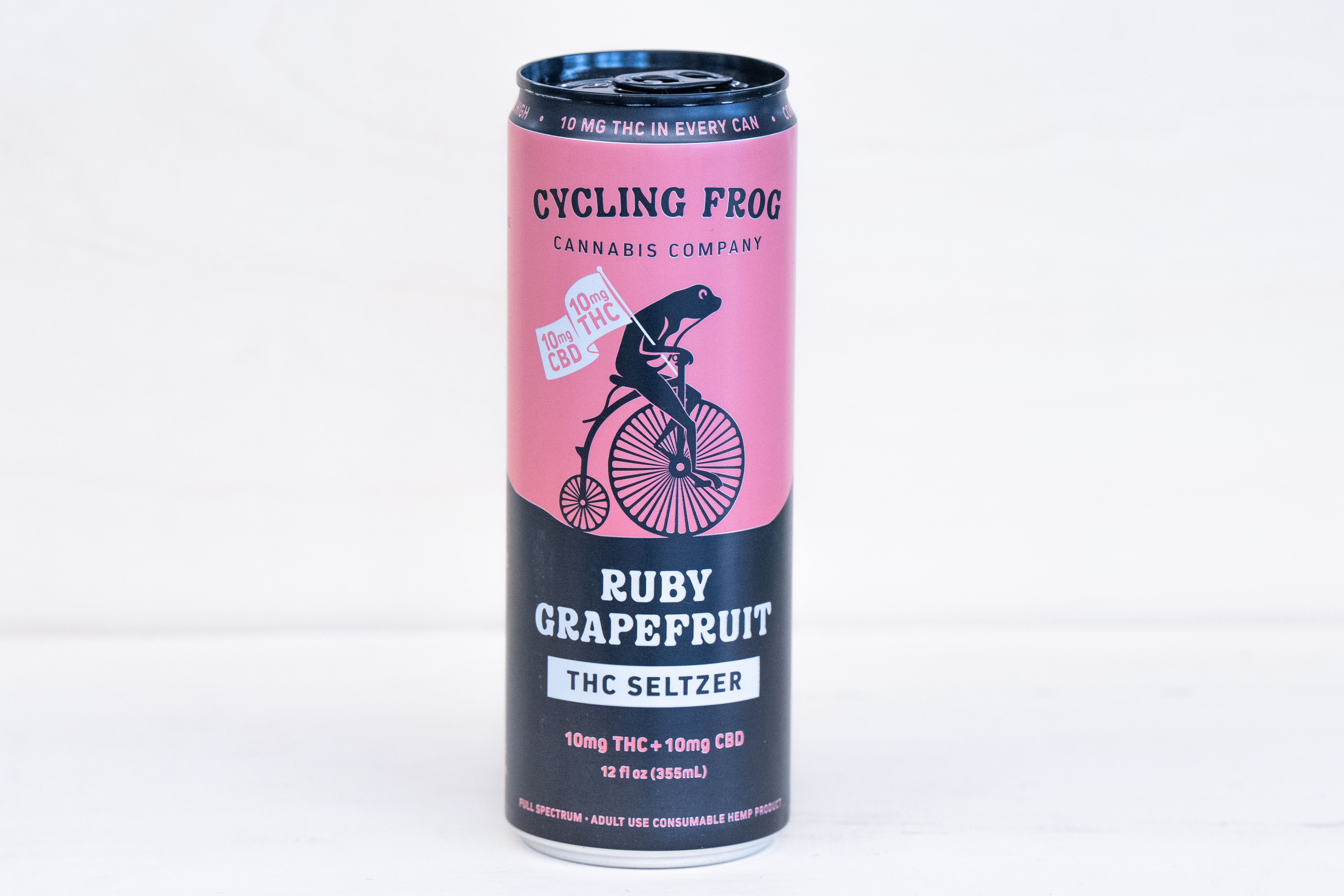
Arthur Massolo, the vice president of national THC beverage brand Cycling Frog, which sells its wares locally, saidthese restrictions will have devastating effects on the producers of thousands of hemp-derived products, like THC, but also CBD, the non-intoxicating cannabinoid popular for treating anxiety, sleep, and pain.
Will Angelos, whose Ardmore smoke shop and wellness store, Free Will Collective, relies on THC drinks for nearly 40% of its business, is hoping for some saving grace. “We’re either looking to pivot or we’re disappearing,” he said.
Adults share Cycling Frog canned THC drinks in this marketing photo provided by Cycling Frog.
What are THC-infused drinks?
Seltzers, sodas, teas, mocktails, and lemonades all infused with THC — and sometimes non-intoxicating CBD — exploded onto the scene a few years ago and grew into a billion-dollar business, said hemp market analyst Beau Whitney.
“These drinks have transformed the hemp industry into this low-dose intoxicating health and wellness, alcohol-adjacent product,” said Massolo, who is also the president of U.S. Hemp Roundtable, a hemp business advocacy organization.
The THC-infused drinks sold in gas stations, smoke shops, and liquor stores are supposedly formulated using legally grown hemp, which is allowed to be grown under the 2018 Farm Bill that opened the door to hemp farming in the U.S.
Lawmakers carved out an exemption from federal drug laws for cannabis plants containing 0.3% or less of THC. These low-THC plants are considered “hemp” and are legal to grow. Cannabis plants over that THC threshold are considered marijuana and can carry felony charges if the plant is not being grown by state-licensed growers in places where adult use or medicinal marijuana is legal, like New Jersey and Pennsylvania.
While intoxicating hemp products have enjoyed consistent growth in the past years, these THC-infused drinks have increasingly appeared in aisles of liquor stores and supermarkets in some states, allowing adults who normally don’t visit dispensaries to pick up a bottle of infused wine in the same place they grab groceries, said New Jersey cannabis lawyer Steve Schain.
Hemp products photographed at the Philadelphia Inquirer, November 21, 2025.
The ease of access to THC drinks allowed the national market to grow to $1.3 billion in annual sales, and if access continues, Whitney said, that figure could reach $15 billion in the coming years.
This is all thanks to what Whitney calls the “FPS,” or “Female Power Shopper.” These women, ages 29 to 45, are the ones who are likely shopping for a household in grocery and liquor stores, and may jump at the chance to try cannabis products without diving headfirst into dispensaries, Whitney said.
Mary Ellen, 55, of Bucks County, who asked to not to be identified by her last name over concerns for her cannabis use and employment, said these THC drinks are the perfect way to unwind after a long day, especially for adults like her who choose not to drink alcohol. As a medical marijuana patient, she uses regulated cannabis for a variety of ailments, but also enjoys THC drinks like Nowadays’ infused mocktails that she buys at Angelos’ Ardmore store.
“I’d rather come home and have a glass of Nowadays. That’s a lot better than having a glass of vodka or a benzodiazepine,” she said. “I’m not going to forget what I did the night before, and I’m not going to wake up feeling crappy the next morning.”
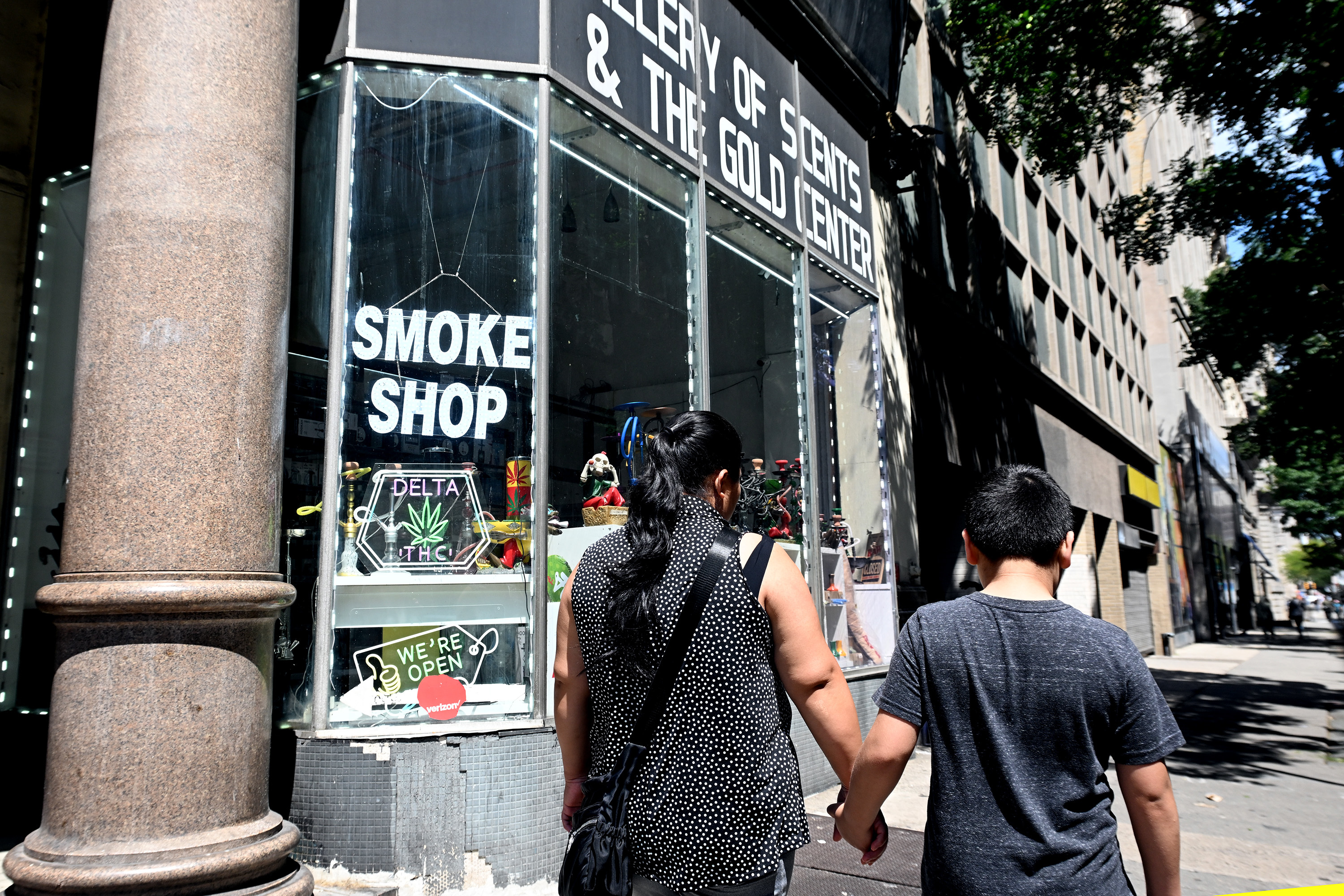
City smoke shop exterior in the 1000 block of Chestnut Street Monday, July 21, 2025.
What are the concerns over THC drinks?
As the money started to roll in for THC drinks, fear among local communities and law enforcement began to grow. In the Philadelphia suburbs, the Bucks, Chester, and Montgomery County district attorneys’ offices finished a 10-month investigation into intoxicating hemp products and the local stores that sell them.
The 107-page grand jury report speaks of a public health crisis unfolding in “plain sight” across Pennsylvania, where retailers have little to no oversight, in some cases selling actual marijuana.
Montgomery County District Attorney Kevin Steele said the industry created a “Wild West situation” and urged state lawmakers to regulate the industry similarly to alcohol and tobacco, including age requirements, licensing, and mandatory lab testing.
Stakeholders in the industry support regulation of some kind. While hemp-derived THC companies fear the economic collapse of their industry, Massolo and Angelos say there is concern that these products will leave overt brick-and-mortar operations known by local officials for more covert, illicit operations, similar to how these products were purchased before the 2018 Farm Bill.
“We’ve basically traveled back to 10 seconds before the Farm Bill of 2018 was signed,” Schain said.
Mary Ellen says the lack of regulation is a major sticking point for consumers who flock to these products, but would like some reassurance on the drinks they are ingesting.
But, even if the ban goes into effect, she said, “people will just figure out another way for us to get it. It’ll be like a prohibition that we’ve seen in this country with alcohol and marijuana.”
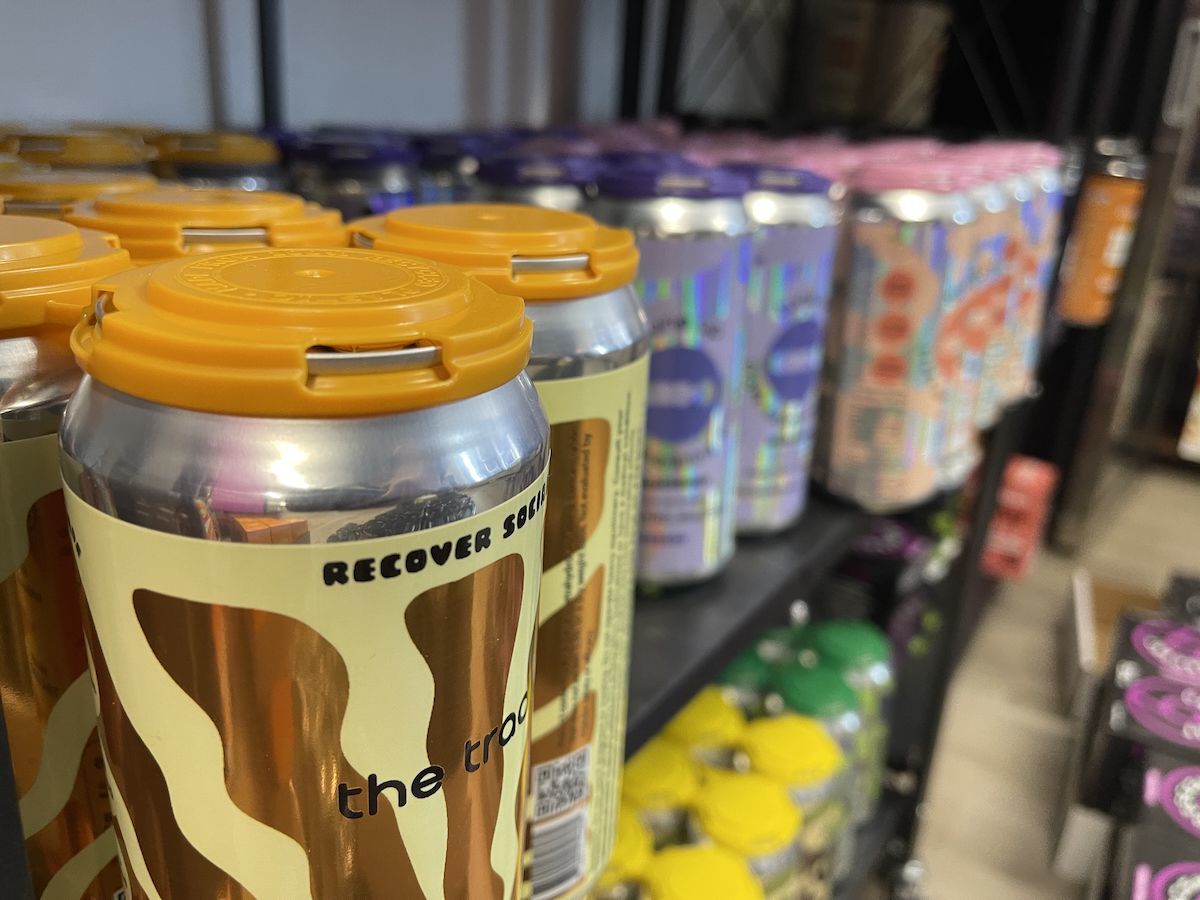
THC and CBD-infused beverages on the shelves of Free Will Collective, an Ardmore smoke shop and wellness store owned by Will Angelos. As Congress moves to ban most intoxicating hemp products, business owners like Angelos aren’t sure they will be able to keep the doors open long past 2027 if current regulations go into effect.
Will THC-infused drinks be banned or saved by 2027?
Now, as the industry’s yearlong grace period begins before the ban takes effect, companies are scrambling.
The intoxicating hemp manufacturers and retailers who spoke to The Inquirer said the game plan is to offload all of the intoxicating hemp products in stock, including THC-infused drinks, flower, vapes, and even CBD products.
Some companies will see almost their entire product catalog become illegal, in some cases dwindling from 45 products on offer down to two, Whitney said of the firms he works with. The far-reaching impact will also hurt industrial hemp products, cannabis tourism, alcohol distributors, and even the legal cannabis industry, as some of their products, including CBD, will now have to contend with these new regulations, Schain and Whitney said.
At the U.S. Hemp Roundtable, Massolo is having daily board meetings, including on weekends, to coordinate a response to federal lawmakers. It’s now a race against the clock to remedy or claw back some of the new regulations before damage is done to the industry’s distribution pipelines, Massolo said. The group hopes to rally other industries, like traditional beverages, wellness products, and supplements, to bolster its case.
Among the U.S. Hemp Roundtable’s recommendations to lawmakers are an extension of the hemp ban grace period to two years, raising the limit on hemp-derived THC products, and allowing states to regulate these products as they see fit, to name a few.
Stakeholders say they want regulations to help legitimize this billion-dollar endeavor and save it from annihilation, but smaller operators like Angelos hope it’s not at the expense of small independent businesses.
While precautions like rigorous age verification systems and lab testing are necessary, Angelos said, if regulators “overtax, or over gate-keep,” many of the smaller retailers — who he said enjoy the benefit of knowing their local government officials and community — won’t be able to compete in the market.
“There obviously has to be standards, but I’m scared of an overcorrection,” Angelos said of the hemp ban. “It’s not just a singular choice. If you want your kids to be safe, have a mechanism where you can keep your eyes on the product.”