A Montgomery County Democratic Committee leader has set his sights on unseating a Republican state senator in the suburbs — part of a larger effort by Pennsylvania Democrats to flip the state Senate for the first time in 31 years.
Chris Thomas, the former executive director of the Montgomery County Democratic Committee, who lefthisroleatthe end of November to run for Senate, launched his bid on Wednesday to challenge State Sen. Tracy Pennycuick, a first-term senator representing parts of Montgomery and Berks Counties.
Thomas, 29, is also an Upper Frederick Township volunteer firefighter andtaught in a Philadelphiapublicschool for a year prior to his jump into politics. His campaign is focused on increasingpublicschoolfunding, finding a newfundingstream for masstransit, and making Pennsylvania more affordable for working people.
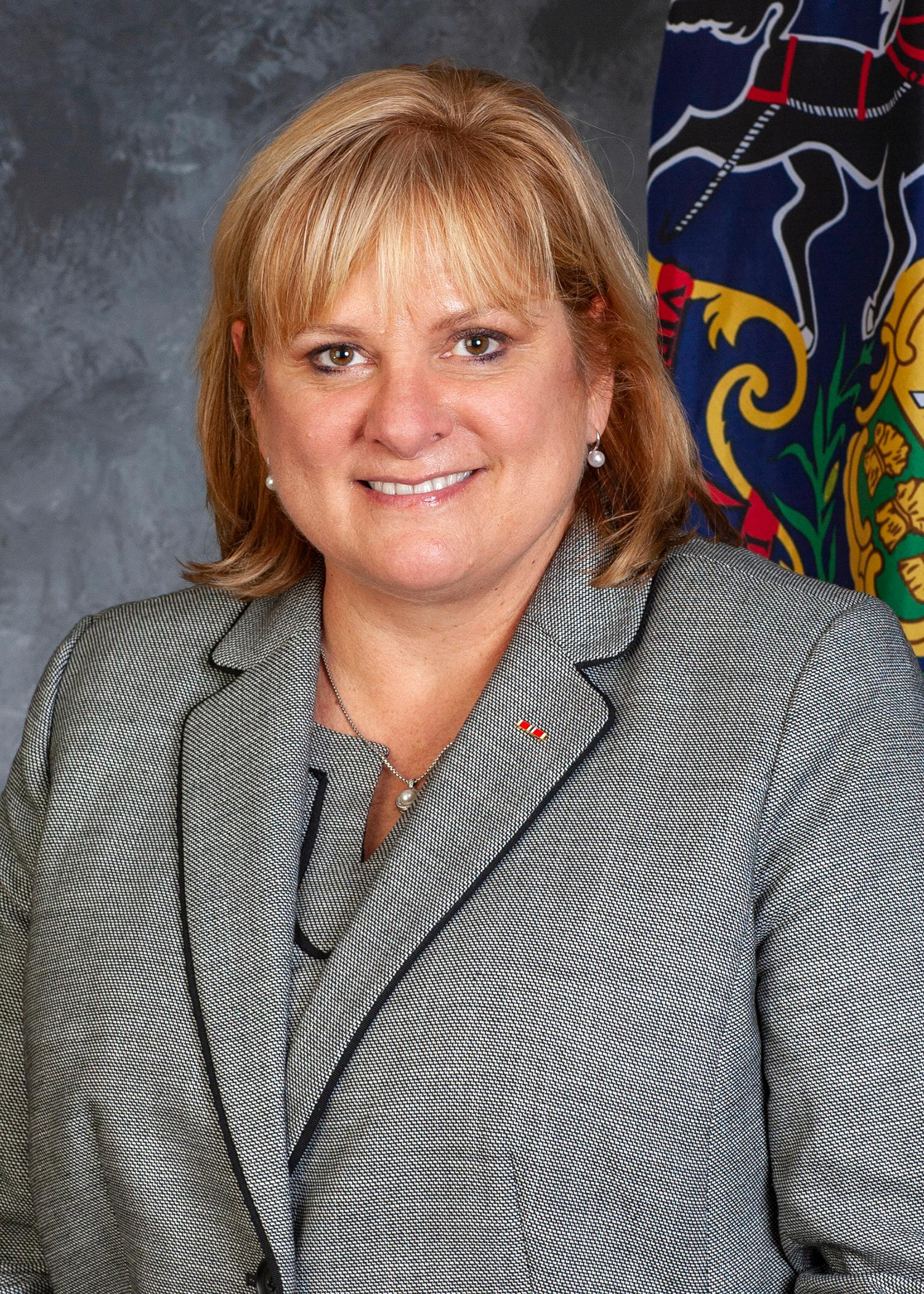
Pa. state Rep. Tracy Pennycuick (R., Montgomery County). (Photo: Pa. House of Representatives)
Thomas announced his campaign with dozens of endorsements from state and local elected officials, including five sitting senators from the Philadelphia suburbs. He also secured the endorsement of House Majority Leader Matt Bradford (D., Montgomery), another driving force behind the Democratic efforts to flip the state Senate in the 2026 midterm election in attempts to control all three branches of Pennsylvania’s government.
Pennsylvania is one of few divided legislatures in the country, where Democrats hold a narrow majority in the state House, 102-101, and Republicans control the Senate, 27-23.
Gov. Josh Shapiro, a Democrat, and House Democrats frequently butt heads with GOP Senate leaders. By flipping two seats next November, Democrats would tie the chamber 25-25 and Democratic Lt. Gov. Austin Davis would act as a tiebreaker. But Democrats are targeting four GOP-held seats, three of which are in the Philadelphia suburbs, in hopes of gaining control in the upper chamber for the first time in 31 years.
The GOP-controlled state Senate has been a thorn in the side of Shapiro and House Democrats, as the more conservative members of the GOP Senate caucus have objected to most spending increases and rejected top Democratic priorities, like a long-term revenue source for mass transit. The state budget, passed in November, was 135 days late, requiring school districts, counties, and social service providers to take out loans or lay off staff to continue operating during the monthslong standoff.
Mirroring national efforts to win control of congressional seats, Pennsylvania Democrats are targeting GOP-held districts that President Donald Trump won in 2024 but Shapiro carried in 2022. With Pennsylvania’s popular first-term governor and potential 2028 contender back at the top of the ticket — and a methodical, behind-the-scenes effort by Shapiro to orchestrate a decisive year for Democrats in 2026 — Democrats see it as possible this time around.
Thomas’ first order of business if he is elected to Harrisburg and Democrats flip the chamber: electing Democratic floor leaders in the chamber.
“No meaningful legislation moves in Harrisburg unless we fix who’s in charge, and right now Sen. Pennycuick is supporting a Senate leadership that’s failed working people,” Thomas said.
Pennycuick said she “welcomes this campaign as an opportunity” to talk about the successes she has achieved while serving in the state Senate, such as her support for public education funding, reducing overreaching regulations, and her bipartisan proposal to create safeguards around artificial intelligence.
Kofi Osei, a Towamencin Township supervisor and Democrat, has also announced his bid for Senate District 24, which stretches along the northwestern parts of Montgomery County and into parts of Berks County.
The state Senate Democratic Campaign Committee does not endorse candidates in a primary election, and will support whoever wins the Democratic nomination in Pennsylvania’s May 19 primary. However, State Sen. Vincent Hughes (D., Philadelphia), who chairs the SDCC, said Thomas’ candidacy is “the right time and the right moment.”
“I’m really excited about having a young person in there, generating young people and getting young people motivated,” Hughes added.
The state Senate Republican Campaign Committee, meanwhile, is fundraising off Democrats’ efforts to flip the state’s upper chamber, warning voters that Democratic special interest group dollars are already pouring in.
“State Democrats have made it clear their goal is to have a blue trifecta in Pennsylvania in 2026,” the SRCC wrote in a fundraising email Tuesday. “They know Senate Republicans are the last line of defense against Josh Shapiro and PA House Democrats far-left agenda.”
Thomas was a public school teacher for one year at the Northeast Community Propel Academy, teaching seventh-grade math and science. He comes from a family of educators, he said, but quickly realized he needed to get more involved to improve the education system and government services to better serve these students. He made the jump to politics to try to make change.
“I was sitting there, trying to feed my kids in the morning to make sure they had full stomachs to learn, having supplies to make sure they’re fully equipped for the day,” Thomas added. “I saw a system that wasn’t working for our students.”
If elected, Thomas would be Pennsylvania’s youngest sittingstate senator, and would join State Sen. Joe Picozzi (R., Philadelphia), 30, as part of a new generation of leaders hoping to shape the state’s future.
“Our generation has grown up during economic crashes, school shootings, endless wars, and now we’re watching our parents and grandparents struggle to retire with dignity,” Thomas said.
Kevin Bean was a frail 125 pounds last February when he entered a brand-new recovery house, a facility where he landed after spending four years in the throes of addiction — at times on the streets of Kensington, the epicenter of the city’s drug crisis.
The Frankford native was one of the first residents to enter the Riverview Wellness Village, the 20-acre recovery facility that Mayor Cherelle L. Parker’s administration opened in Northeast Philadelphia nearly a year ago as part of City Hall’s efforts to address opioid addiction and the Kensington drug market.
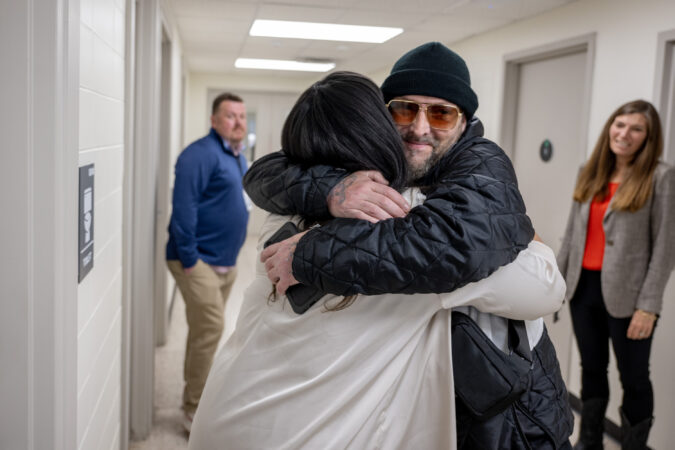
Bean, now 46 and boasting a healthier frame, just celebrated one year of sobriety and is preparing to move out of Riverview early next year.
He described his transition simply: “whole new life.”
Much of the mayor’s agenda in Kensington has been visible to the neighborhood’s residents, such as increased law enforcement and a reduction in the homeless population. But the operations and treatment outcomesat Riverview, located down a winding road next to the city’s jail complex, happen largely outside of public view. Last spring, some city lawmakers complained that even they knew little about the facility operations.
An inside look at the Riverview complex and interviews with more than a dozen residents and employees showed that, over the last year, the city and its third-party healthcare providers have transformed the facility. What was recently a construction zone is now a one-stop health shop with about 75 staff and more than 200 residents, many of whom previously lived on Kensington streets.
Those who live and work at Riverview said the facility is plugging a hole in the city’s substance use treatment landscape. For years, there have not been enough beds in programs that help people transition from hospital-style rehab into long-term stability. The recovery house industry has been plagued with privately run homes that are in poor condition or offer little support.
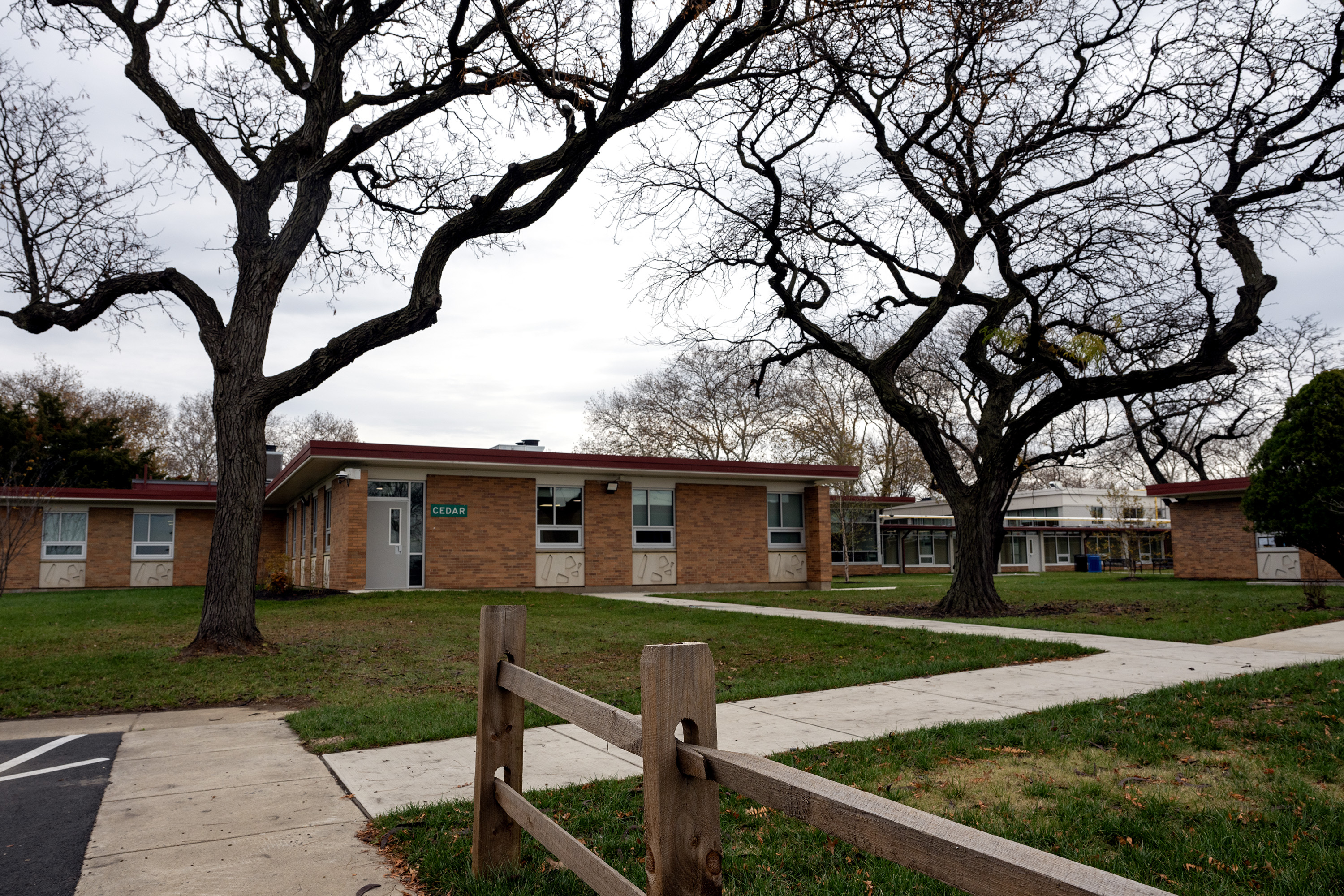
The grounds and residence buildings at Riverview Wellness Village, a city-owned drug recovery home in Northeast Philadelphia.
At its current capacity, Riverview has singularly increased the total number of recovery house beds in the city by nearly 50%. And residents — who are there voluntarily and may come and go as they please — have much of what they need on the campus: medical care, mental health treatment, job training, and group counseling.
They also, as of last month, have access to medication-assisted treatment, which means residents in recovery no longer need to travel to specialized clinics to get a dose of methadone or other drugs that can prevent relapse.
Arthur Fields, the regional executive director at Gaudenzia, which provides recovery services to more than 100 Riverview residents, said the upstart facility has become a desirable option for some of the city’s most vulnerable. Riverview officials said they aren’t aware of anywhere like it in the country.
“The Riverview Wellness Village is proof of what’s possible,” Fields said, “when we work together as a community and move with urgency to help people rebuild their lives.”
While the facility launched in January with much fanfare, it also faced skepticism, including from advocates who were troubled by its proximity to the jails and feared it would feel like incarceration, not treatment. And neighbors expressed concern that the new Holmesburg facility would bring problems long faced by Kensington residents, like open drug use and petty theft, to their front doors.
But despite some tenets of the mayor’s broader Kensington plan still facing intense scrutiny, the vocal opposition to Riverview has largely quieted. Parker said in an interview that seeing the progress at Riverview and the health of its residents made enduring months of criticism “well worth it.”
“I don’t know a Philadelphian who, in some way, shape, or form, hasn’t been touched by mental and behavioral health challenges or substance use disorder,” said Parker, who has spoken about how addiction shaped parts of her own upbringing. “To know that we created a path forward, to me, I’m extremely proud of this team.”
Mayor Cherelle L. Parker places a new block on the scale model of the Riverview Wellness Village on Wednesday, Jan. 8 during the unveiling of Philadelphia’s new city-operated drug treatment facility. At left is Managing Director Adam Thiel. City Councilmember Michael Driscoll is at right.Isabel McDevitt, executive director of the Office of Community Wellness and Recovery, points to a model with upcoming expansion at Riverview Wellness Village, a city-owned drug recovery home in Northeast Philadelphia on Nov. 25.Staffers move photos into place at the Riverview Wellness Village on Jan. 8 before the unveiling of Philadelphia’s new city-operated drug treatment facility.
Meanwhile, neighbors who live nearby say they have been pleasantly surprised. Pete Smith, a civic leader who sits on a council of community members who meet regularly with Riverview officials, said plainly: “There have been no issues.”
“If it’s as successful as it looks like it’s going to be,” he said, “this facility could be a model for other cities throughout the country.”
Smith, like many of his neighbors, wants the city’s project at Riverview to work because he knows the consequences if it doesn’t.
His son, Francis Smith, died in September due to health complications from long-term drug use. He was 38, and he had three children.
Getting a spot at Riverview
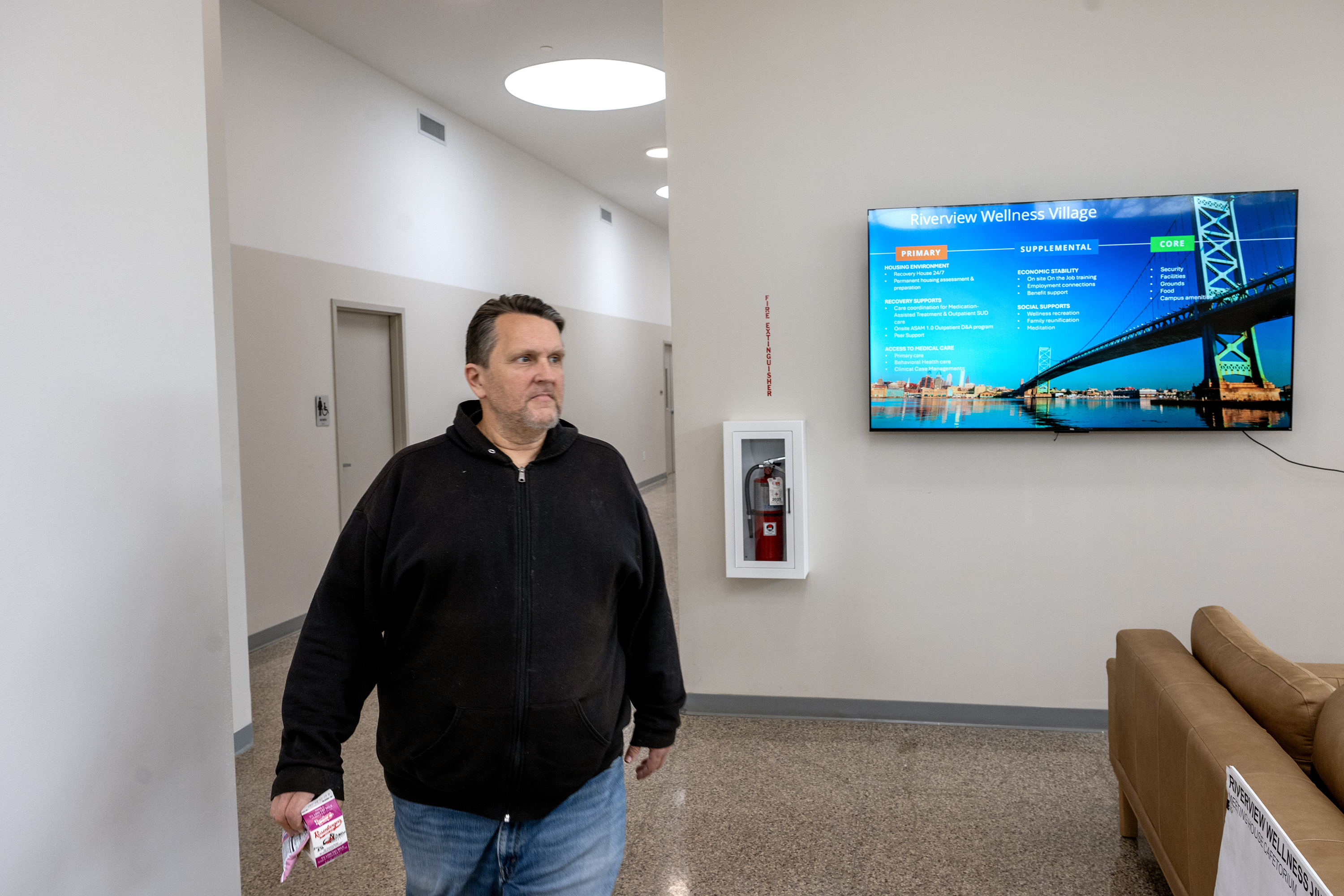
The sprawling campus along the Delaware River feels more like a college dormitory setting than a hospital or homeless shelter. Its main building has a dining room, a commercial kitchen, a gym, and meditation rooms. There are green spaces, walking paths,and plans for massive murals on the interior walls.
Katherine Young, director of Merakey at Riverview Wellness Village, talks with a resident at the city-owned drug recovery home in Northeast Philadelphia on Nov. 25.
Residents live and spend much of their time in smaller buildings on the campus, where nearly 90% of the 234 licensed beds are occupied. The city plans to add 50 more in January.
Their stays are funded through a variety of streams. The city allocated $400 million for five years of construction and operations, a portion of which is settlement dollars from lawsuits against pharmaceutical companies that manufactured the painkillers blamed for the opioid crisis.
(function() {
var l2 = function() {
new pym.Parent(‘RIVERVIEW_MAP2.html’,
‘https://media.inquirer.com/storage/inquirer/projects/innovation/arcgis_iframe/RIVERVIEW_MAP2.html’);
};
if (typeof(pym) === ‘undefined’) {
var h = document.getElementsByTagName(‘head’)[0],
s = document.createElement(‘script’);
s.type = ‘text/javascript’;
s.src = ‘https://pym.nprapps.org/pym.v1.min.js’;
s.onload = l2;
h.appendChild(s);
} else {
l2();
}
})();
To get in to Riverview, a person must complete at least 30 days of inpatient treatment at another, more intensive care facility.
(function() { var l = function() { new pym.Parent( ‘riverview-flowchart__graphic’, ‘https://media.inquirer.com/storage/inquirer/ai2html/riverview-flowchart/index.html’); }; if(typeof(pym) === ‘undefined’) { var h = document.getElementsByTagName(‘head’)[0], s = document.createElement(‘script’); s.type = ‘text/javascript’; s.src = ‘https://pym.nprapps.org/pym.v1.min.js’; s.onload = l; h.appendChild(s); } else { l(); } })();
Still, residents at Riverview have come from more than 25 different providers, according to Isabel McDevitt, the city’s executive director of community wellness and recovery. The bulk were treated at the Kirkbride Center in West Philadelphia, the Behavioral Wellness Center at Girard in North Philadelphia, or Eagleville Hospital in Montgomery County.
They have ranged in age from 28 to 75. And they have complex medical needs: McDevitt said about half of Riverview’s residents have a mental health diagnosis in addition to substance use disorder.
She said offering treatment for multiple health conditions in one place allows residents to focus less on logistics and more on staying healthy.
“Many of the folks that are at Riverview have long histories of substance use disorder, long histories of homelessness,” she said. “So it’s really the first time a lot of people can actually breathe.”
When new residents arrive, they go through an intake process at Riverview that includes acute medical care and an assessment for chronic conditions. Within their first week, every resident receives a total-body physical and a panel of blood work.
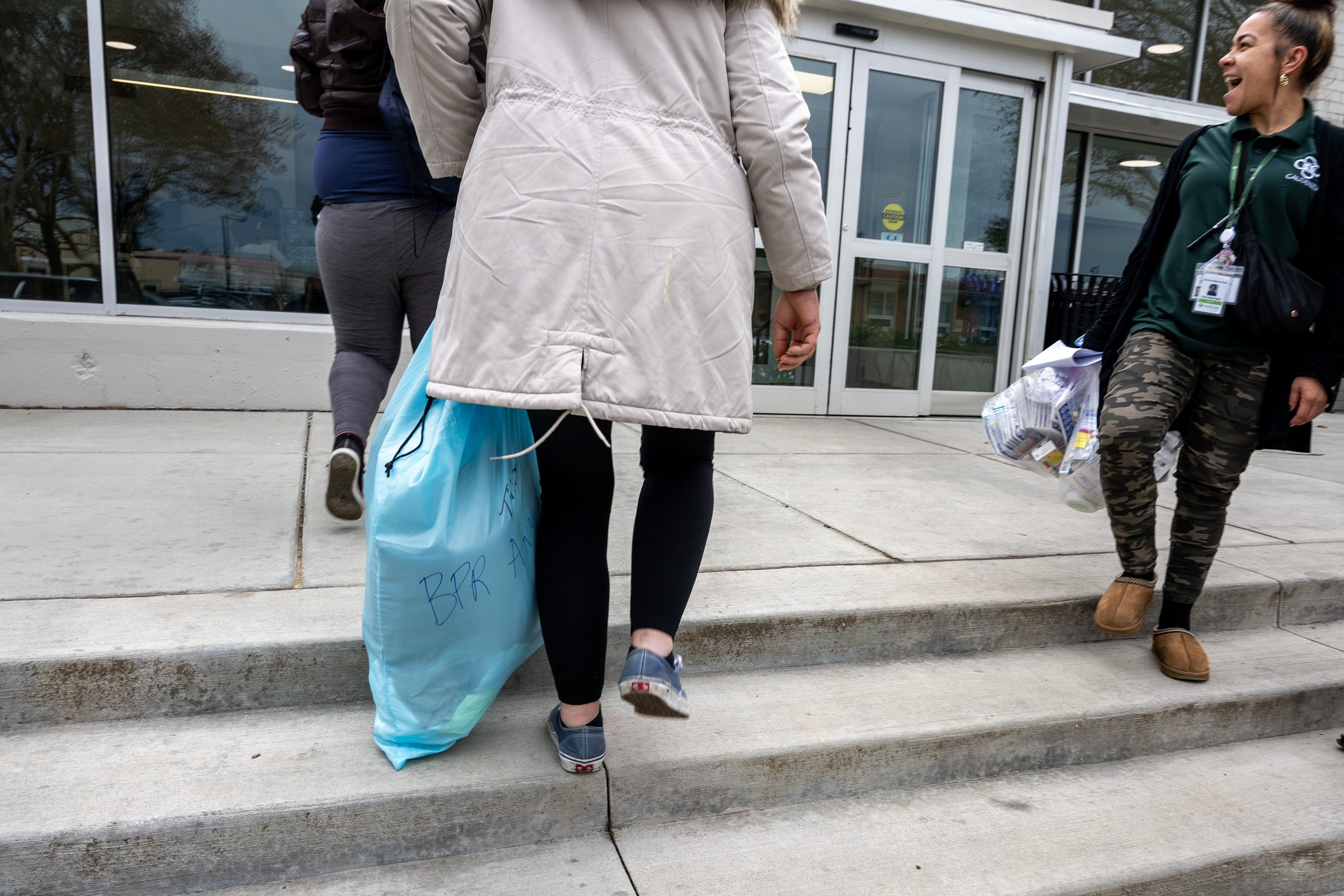
“They literally arrive with all of their belongings in a plastic bag and their medications and some discharge paperwork,” said Ala Stanford, who leads the Black Doctors Consortium, which provides medical services at Riverview. “We are the ones who greet them and help get them acclimated.”
Stanford — who this fall announced a run for Congress — said doctors and nurses at Riverview have diagnosed and treated conditions ranging from drug-related wounds to diabetes to pancreatic cancer. And patients with mental health needs are treated by providers from Warren E. Smith Health Centers, a 30-year-old organization based in North Philadelphia.
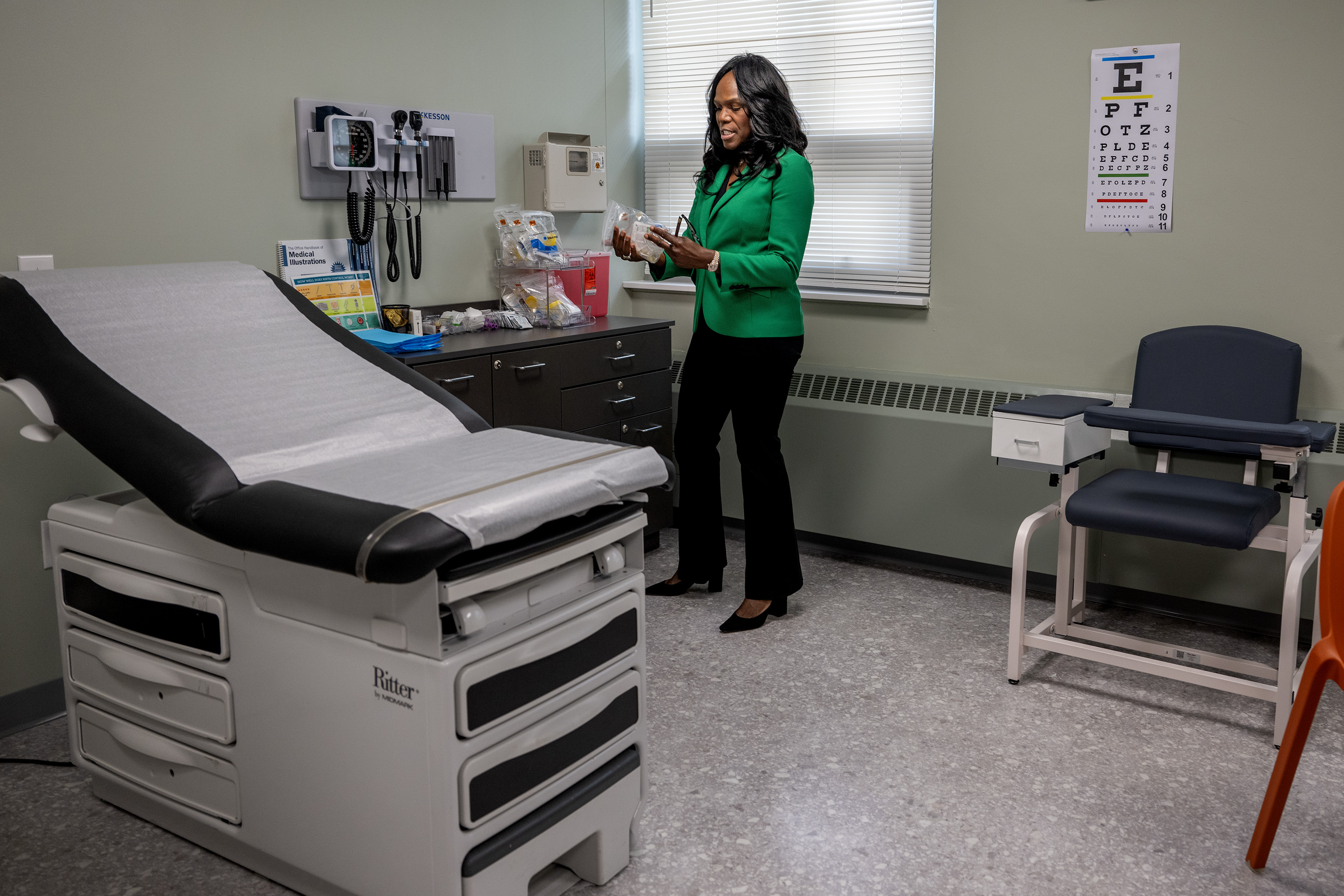
Physician Ala Stanford in an examination room at the primary medical care center run by her Black Doctors Consortium at Riverview Wellness Village, a city-owned drug recovery home in Northeast Philadelphia, on Nov. 25.Francesca Colon (right), a recovery support professional with Gaudenzia, brings people in recovery to the main entrance of the Meetinghouse at Riverview Wellness Village on Nov. 25.
Residents’ schedules are generally free-flowing and can vary depending on their wants and needs. About 20% have jobs outside the campus. Culinary arts training will be available in the next month or so. And residents can meet with visitors or leave to see family at any time.
They also spend much of their time in treatment, including individual, family, and group therapy. On a recent day, there were group sessions available on trauma recovery, managing emotions, and “communicating with confidence.”
Vernon Kostic, a 52-year-old Port Richmond native who said he has previously been homeless, has been in and out of drug treatment facilities for years.
He said he’s been content as a Riverview resident since July, and called it “one of the smartest things that the city has ever done.”
“We have the doctor’s office right over here,” he said. “They’ve got counseling right here. Everything we need. It’s like a one-stop recovery place.”
Resident Vernon Kostic heads to a group meeting at Riverview Wellness Village on Nov. 25.The dining room and meeting room in the Meetinghouse at Riverview Wellness Village. At rear left is a brand-new, industrial, restaurant-quality kitchen that was not operational yet on Nov. 25.
Finding ways to stay at Riverview
Finding success in recovery is notoriously hard. Studies show that people who stay in structured sober housing for at least six months after completing rehab see better long-term outcomes, and Riverview residents may stay there for up to one year.
But reaching that mark can take multiple tries, and some may never attain sobriety. McDevitt said that on a monthly basis, about 35 people move into Riverview, and 20 leave.
Some who move out are reunited with family and want to live at home. Others simply were not ready for recovery, McDevitt said, “and that’s part of working with this population.”
Fields said a resident who relapses can go back to a more intensive care setting for detoxification or withdrawal management, then return to Riverview at a later time if they are interested.
“No one is punished for struggling,” he said. “Recovery is a journey. It takes time.”
Providers are adding new programming they say will help residents extend their stays. Offering medication-assisted treatment is one of the most crucial parts, said Josh Vigderman, the senior executive director of substance use services at Merakey, one of the addiction treatment providers at Riverview.
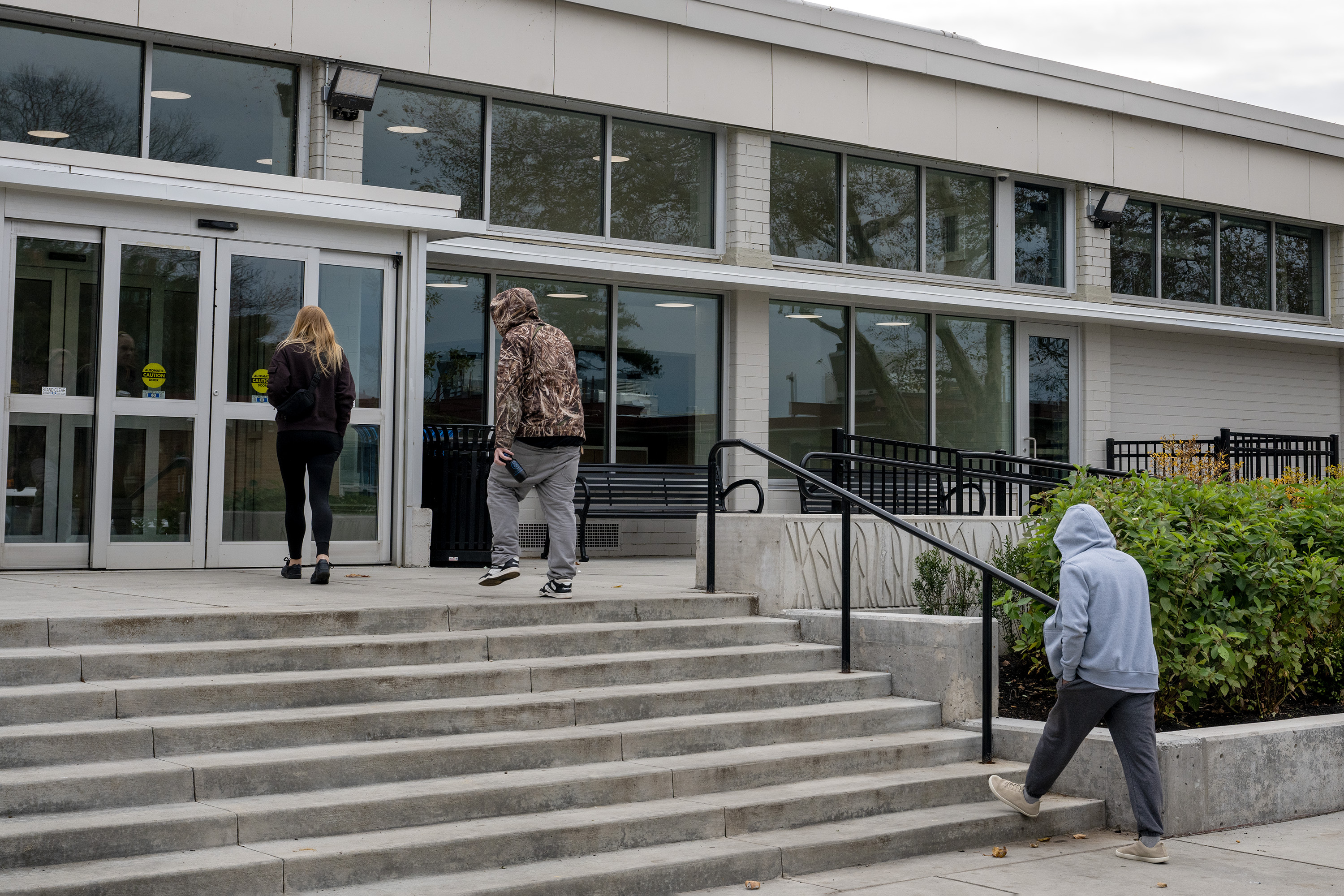
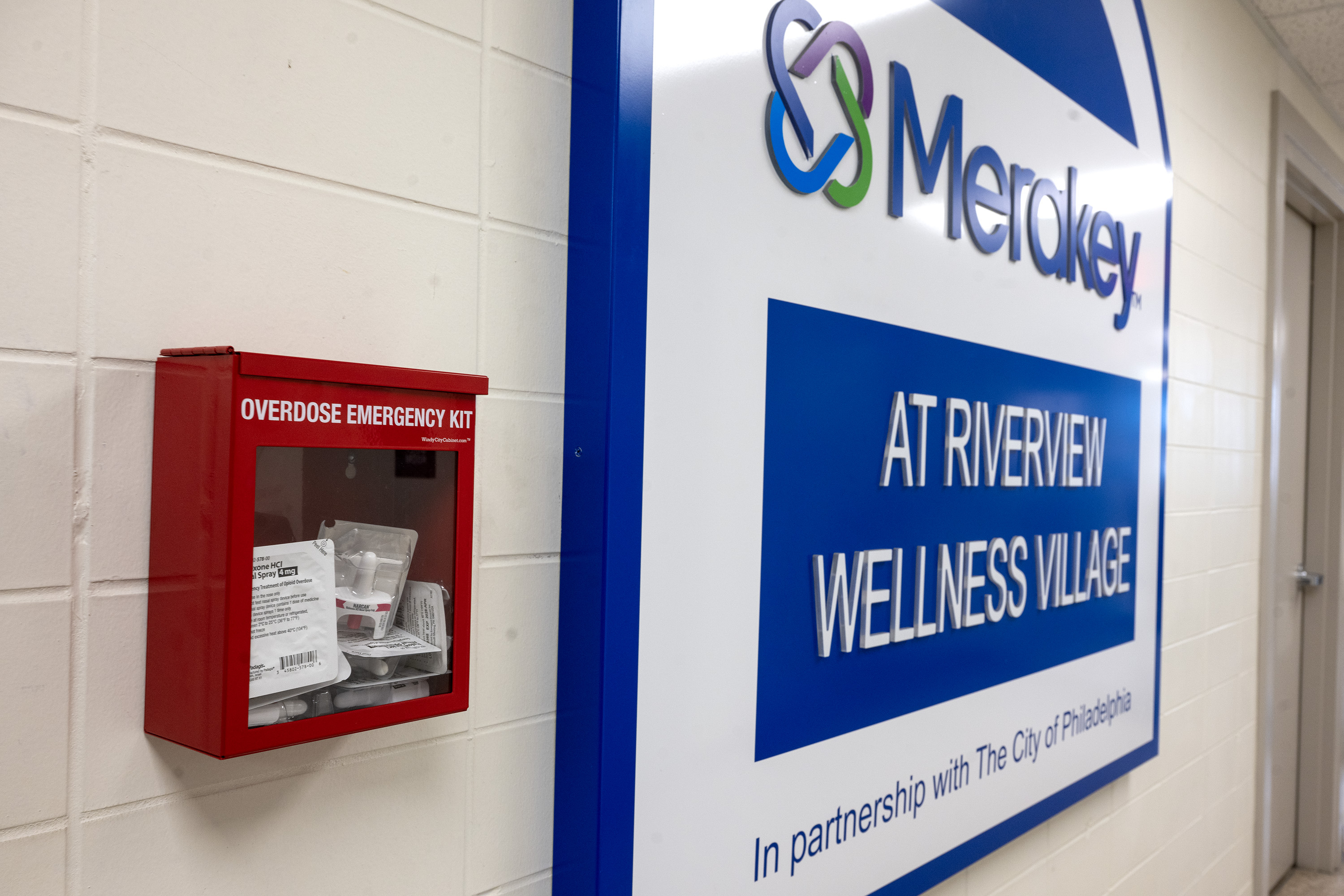
Entry to the primary medical care center run by the Black Doctors Consortium at Riverview Wellness Village.The main entry Meetinghouse at Riverview Wellness Village.Naloxone (Narcan) in an “overdose emergency kit” at Riverview Wellness Village.
In the initial months after Riverview opened its doors, residents had to travel off campus to obtain medication that can prevent relapse, most commonly methadone and buprenorphine, the federally regulated drugs considered among the most effective addiction treatments.
Typically, patients can receive only one dose of the drug at a time and must be supervised by clinicians to ensure they don’t go into withdrawal.
Vigderman said staff suspected some residents relapsed after spending hours outside Riverview, at times on public transportation, to get their medication.
This fall, Merakey — which was already licensed to dispense opioid treatment medications at other locations — began distributing the medications at Riverview, eliminating one potential relapse trigger for residents who no longer had to leave the facility’s grounds every day.
Interest in the program has been strong, Vigderman said, with nearly 80 residents enrolling in medication-assisted treatment in just a few weeks. Merakey is hiring more staff to handle the demand.
What’s next at Riverview
The city is eying a significant physical expansion of the Riverview campus, including a new, $80 million building that could double the number of licensed beds to more than 500. That would mean that about half of the city’s recovery house slots would be located at Riverview.
Parker said the construction is “so important in how we’re going to help families.” She said the process will include “meticulous design and structure.”
“The people who come for help,” she said, “we want them to know that we value them, that we see them, and that we think enough of them to provide that level of quality of support for them.”
In the meantime, staff are working to help the center’s current residents — who were among the first cohort to move in — plot their next steps, like employment and housing.
A rendering of the new, $80 million five-story building to be constructed on the campus of Riverview Wellness Village. It will include residences and medical suites.
That level of support, Vigderman said, doesn’t happen in many smaller recovery houses.
“In another place, they might not create an email address or a resumé,” he said. “At Riverview, whether they do it or not is one thing. But hearing about it is a guarantee.”
Bean is closing in on one year at Riverview. He doesn’t know exactly what’s next, but he does have a job prospect: He’s in the hiring process to work at another recovery house.
“I’m sure I’ll be able to help some people,” he said. “I hope.”
Beginning in late afternoon, members of Gov. Josh Shapiro’s staff met with union leaders and SEPTA senior managers at the governor’s Philadelphia office. The goal was to unstick talks that had faltered, seeing if compromise was possible.
The union’s push for an increase in pensions and SEPTA’s proposal for union members to pay a greater share of the cost of their healthcare coverage emerged over the last week as the biggest obstacles to an agreement, according to both union and transit authority sources.
“Gov. Shapiro’s office brought the parties together and they made progress,” SEPTA spokesperson Andrew Busch said. “It was significant.”
In a statement, the union said “significant progress” was made.
“Gov. Shapiro was instrumental in preventing a strike that could have started as soon as Monday morning. We’re grateful for his close involvement,” said TWU Local 234 President Will Vera.
A work stoppage would have brought chaos to a mass transit system that carries a weekday average of 790,000 riders.
TWU Local 234 represents 5,000 bus, subway, elevated train and trolley operators, as well as mechanics, cashiers, maintenance people and custodians, primarily in the city.
Their one-year labor contract expired Nov. 7, but members stayed at their posts. On Nov. 16, they authorized Local 234’s leaders to call a strike if needed. The vote was unanimous.
SEPTA and the union were not far apart on salary and both wanted a two-year deal after a series of one-year pacts during a time of financial crisis for the transit agency, sources said.
Management wanted to hike what union members pay for health coverage and increase co-pays for doctor and hospital visits.
The union pushed for an enhancement to the formula that determines retirees’ monthly pensions, based on years of service. It was last increased in 2016.
SEPTA officials calculated that TWU’s proposed changes would have created an annual unfunded liability of about $6 million for an undetermined length of time. The union says the pension plan books showed a bump was affordable.
Because TWU Local 234 is the largest SEPTA union, its contracts are used as a template for the other locals working for the transit system, which could boost costs.
Regional Rail was a concern to SEPTA because commuter railroad workers, like others, receive a federal pension that has tended to be less generous. Those unions would have wanted a SEPTA sweetener to their retirement benefits too.
TWU Local 234 also wanted changes to work rules involving sick time benefits and the length of time it takes new members to qualify for dental and vision benefits — currently 15 months.
The local also represents several hundred suburban workers, primarily operators, in SEPTA’s Frontier district, which runs 24 bus routes in Montgomery County, Lower Bucks County, and part of Chester County.
The Victory district has a similar number of employees, who are represented by SMART Local 1594. They run Delaware County’s two trolley lines, the Norristown High Speed Line, and 20 bus routes in the suburbs.
Unions for both the Frontier and Victory districts could choose to strike alongside TWU Local 234. If that happened, Regional Rail, already plagued by delays and cancellations due to federally-mandated repairs on train cars, would be the only public transit running.
TWU last struck in 2016. It lasted for six days and ended the day before the general election. Democrat Hillary Clinton’s presidential campaign was worried about voter turnout, and the city sought an injunction to end the strike. That proved unnecessary.
Regional Rail would operate during a TWU strike. Locomotive engineers and conductors on the commuter service are represented by different unions than transit employees, and are working under current contracts.
Kacii Hamer has no financial stress this holiday season.
In past years, “holidays were always ‘give, give, give,’ and that’s what I always felt like I had to do,” said Hamer, a 33-year-old pre-K teacher and wedding photographer. Back then, “I couldn’t imagine thrifting gifts or DIYing gifts. You have that fear of ‘Oh my god, are these people going to judge me?’ or ‘Is this good enough?’”
This year, however, Hamer is celebrating “Thriftmas,” a social-media trend where participants buy many of their holiday gifts secondhand.
Between a family Pollyanna, a gift for her boyfriend, and a present for her goddaughter, she plans to spend no more than $150 total. For her goddaughter, she is sanding and repainting a $14 rocking horse that she got at the 2nd Ave. Thrift store in South Philadelphia.
The thrift-focused holiday season will mark a fitting end to what Hamer calls her first “hardcore” low-buy year, one during which she cut out most nonessential spending.
Hamer, who splits her time between the Philadelphia region and Scranton, was one of several low- and no-buyers whom The Inquirer talked with in April.
The frugal challenge took off this year amid broader economic pressures, including continued inflation. Philly-area participants said they were trying to save money, pay off debt, reduce waste, and, in some cases, stop patronizing large retailers that don’t align with their values.
Now as the holidays approach, some low- and no-buyers are making exceptions for gifts, or using some of their recent savings to fund their festivities.
Others, however, are standing firm in their low-spending habits. They’re setting budgets, trimming their gift-recipient lists, or shopping secondhand.
Shoppers descend on the King of Prussia Mall on Black Friday in this 2022 file photo.
This time of year, some local low-buyers said, it requires extra strength to resist consumerist pressures and go against the norm. Each U.S. adult is expected to spend about $628 on average on holiday gifts this year, according to the National Retail Federation, which anticipates overall holiday spending will surpass $1 trillion for the first time ever.
At the same time, others say economic uncertainty has made for easier conversations about gifting.
“I’m not under pressure to spend, and I think this year it’s actually easier to [cut back on gifts]than in years past,” said Mylena Sutton, 48, of Voorhees. “A lot of my friends are sensitive to what’s happening in the economy … you don’t have to explain.”
Parents buying less for Christmas
Some Philly-area parents have found that Santa can be thrifty, too.
Heather Fertig, 38, of Fishtown, said about 80% of her toddler’s Christmas gifts will be secondhand. They’ll include a marble run, which she bought this week from a local thrift store, and a wooden train table, for which she remains on the hunt.
Thanks to secondhand stores, Facebook marketplace, and neighborhood parent groups, Fertig, a stay-at-home mom, said she and her husband will likely spend about $150 in all.
Her motivation is as much environmental as it is financial.
After having her son, she realized, “Wow, there is so much waste,” Fertig said. “I kind of felt, previous to that, that there was a stigma around getting things secondhand.”
But “it was never there,” she added. “It was this made-up thing that everything had to be brand-new to you.”
Santa James Claus greets children at the Fashion District in this 2022 file photo. Some local parents have found Santa can cut back on spending, too.
For young children, whose interests change so quickly, it makes even more sense to buy items secondhand, Fertig said. On Christmas morning, her 2-year-old doesn’t know the difference.
“He’s just as happy as if I bought it straight from Walmart,” she said.
In Montgomery County, Jenna Harris-Mosley said she takes a combo approach to gift-giving for her 5-year-old daughter, whose birthday is on New Year’s Eve.
The 41-year-old bought some smaller, new gifts, including Shrek snow globes and Squishmallow stuffed toys, throughout the year to spread out spending.
She plans to get other items secondhand, including one or two American Girl dolls for $20-$30 each. And she will set aside some money for experiences, such as an upcoming day trip to New York City for tea at the American Girl store — with the new-to-her doll, of course.
Harris-Mosley said she took an especially intentional approach to spending this year after getting laid off from her job in tech sales in October. It has helped that she had already bought many of her daughter’s Christmas and birthday gifts when she found deals earlier in the year, she said.
“I have things hidden in every corner of my house,” she said. And as for grown-ups “I don’t stress myself about holiday gifts,” figuring most adults in her life have the things they need — and can buy things they don’t.
In Port Richmond, Rachel Dwyer is making homemade felt ornaments for the adults on her list, and getting two books for each child. The 34-year-old nanny has learned that too many toys and trinkets can be overwhelming for kids and parents.
“It’s just a lot of clutter,” she said, “and a lot of junk.”
People walk through the Shops at Liberty Place in this 2021 file photo.
How to spend less on holiday gifts
Seasoned low-buyers say it’s hard to cut back on spending. But once you get over the initial hurdle, they say, it’s freeing.
“Push through the fear,” Hamer said. “It feels nice going into the holidays with such a positive attitude.”
In South Jersey, Sutton has never been a big holiday gift-giver, saying she prefers to buy loved ones presents intentionally throughout the year.
If others feel overwhelmed by their holiday gifts-to-buy list, she recommends they ask themselves: “Do you do these things because they have value for you? Or do you do these things because they are expected?”
People browse the Christmas Village at LOVE Park in this 2021 file photo.
“Be brazen about it,” said Sutton, a consultant and leadership coach. That might mean telling people: “If you only get me a gift because you expect an exchange, don’t buy me one.”
“People who have stayed away from thrifting should get back into it,” said Jen Benner, 34, of Conshohocken. “The thrift stores are jam-packed with very good stuff.”
If you aren’t sure about buying secondhand, “start small. Start with a child’s gift or a truck or a train or something little,” Fertig said. “Work your way up to bigger items.”
Benner, a real estate agent, keeps a running list on her phone of gift ideas that her loved ones mention throughout the year. This can save time and anxiety around the holidays, and reduce the urge to overspend.
Remember, too, that the most meaningful gifts can be among the least expensive, Dwyer said. She recommends personalized, handmade gifts or framed photos, as well as gifts of time or skills, such as a babysitting session, a home-cooked meal, or a family-photo session.
Uri Monson, Gov. Josh Shapiro’s longtime confidant and Pennsylvania’s budget secretary, is the new executive director of the $80 billion-asset Pennsylvania school pension and investment system, known as PSERS.
The move puts Monson, a former top finance officer for the School District of Philadelphiaand for Montgomery County government while Shapiro was its top elected official, atop the agency responsible for paying retirement checks to half a million current and retired school employees.
Monson has shown “exceptional financial leadership and integrity,” Shapiro said in a statement, citing Monson’s bond refinancing work that shaved state interest costs and helped boost its credit ratings so they are no longer among the lowest of the 50 states.
Zachary Reber, a deputy secretary in Monson’s office with 30 years of state government experience, will become the state’s new budget secretary. Shapiro credited Reber as a top negotiator for the 2025-26 budget, helping clinch the deal with legislators.
At PSERS, Monson will lead a staff of 350. The board picked Monson “because of his extensive public-sector financial experience,” board chair Richard Vague said in a statement that also said Monson’s hiring followed “a nationwide search.”
The new executive director “understands both the financial demands of a pension system and the responsibility” to school staff and retirees, said vice chair Sue Lemmo, a retired teacher.
Monson pledged to work with the board, staff, and other stakeholders — who include taxpayers and pension system members — to ensure “retirement security.”
He holds both a master’s degree in public policy and a bachelor’s degree from Columbia University and a second bachelor’s from the Jewish Theological Seminary of America.
PSERS is one of the most expensive state programs, consuming $5.5 billion directly from public revenues last year, including both state and local property tax funds, plus $1.2 billion routed through school workers’ paychecks.
The system also collects profits from its wide-ranging investments, totaling $5.7 billion last year.
The switch will likelymean a significant pay raise for Monson, who earned $211,000 a year as budget czar, the most of any Pennsylvania cabinet officer and more than the lieutenant governor.
While working as the top budget officer in the state since 2023, Monson oversaw Shapiro’s annual state budget proposals, which guide spending for the next five years.
Republican lawmakers criticized Shapiro’s 2025-26 budget proposal for counting on new revenue streams, such as marijuana taxes, that had yet to be approved by the General Assembly.
Monson’s predecessor at PSERS, Terrill Savidge Sanchez, was paid $317,000 in fiscal 2024. A longtime PSERS employee who also headed the smaller Pennsylvania state workers’ pension system (SERS), Sanchez announced her retirement earlier this year. Chief investment officer Ben Cotton stepped in as interim director after she left.
Sanchez was tapped for the top PSERS job in 2022 after the departure of Glen Grell, a former state representative and lawyer who tripled his legislative paycheck by joining PSERS in 2015.
Grell and other top staffers retired during a federal investigation into the system’s exaggerated earnings and secretive land deals, which was followed by changes in pension investment, financial reporting, audit, and travel practices.
As governor, Shapiro has not attempted such a purge, either at PSERS, where he controls three of 15 trustee seats, or at the SERS state employee pension system, where the governor appoints six of the 11 trustees.
PSERS trustees on their own have scrapped hedge funds and cut back on private-equity funds in recent years, citing high fees and poor returns compared to the rising U.S. stock market.
PSERS, like the state workers’ pension system, was among the first state pension systems to invest heavily in private assets in the late 1990s and 2000s.
PSERS’s private investments underperformed U.S. stocks during the 2010s bull market. Those investment returns, plus rising retirements and pension underfunding in the early 2000s, required higher taxpayer payments in recent years to keep the fund from growing less solvent.
Pennsylvanians now pay 34 cents into the PSERS plan for every $1 in school staff wages.
Some owners of private money managers who solicit top leaders of PSERS and other state pension funds for investments are major political donors at the national level, though an SEC rule has barred them from collecting state and local pension fees after donating to state or local candidates.
U.S. Sen. David McCormick (R., Pa.) was chief executive of hedge fund Bridgewater Associates when it was PSERS’s largest money manager. It oversaw about one-tenth of the state’s investments and collected more than $750 million in Pennsylvania investment fees over the 20 years before PSERS trustees voted to drop hedge funds in 2021.
Staff writer Gillian McGoldrick contributed to this article.
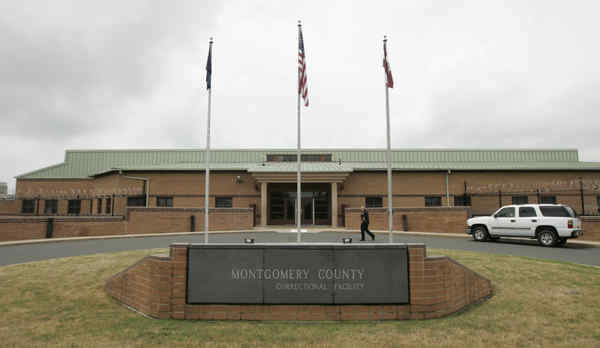
The family of a Lower Pottsgrove Township man who was accused of beating his wife to death over the mounting cost of their cat’s veterinary care is suing Montgomery County and two medical companies, saying they denied him crucial healthcare while in the county jail, leading to his untimely death.
Barton Seltmann, 84, died in April 2024 from urosepsis from “an undiagnosed and untreated urinary tract infection,” according to the wrongful-death lawsuit, which was filed last week in federal court in Philadelphia.
A neck fracture that Seltmann sustained after falling in his jail cell also contributed to his death, the filing said.
The suit names the county, as well as PrimeCare Medical and Creative Health Services, two companies contracted to provide medical care to inmates at the jail.
Neither company responded to requests for comment. A spokesperson for the Montgomery County Board of Commissioners said the county does not comment on pending litigation.
In interviews after the incident, Seltmann, an Army veteran and former West Pottsgrove Township police officer, seemed to believe his wife was still alive, according to court filings. He did not grasp the reality of the incident and showed early signs of dementia.
A month before his death, a Montgomery County judge dismissed the case against Seltmann, ruling that he was not fit to stand trial because his mental-health faculties and physical condition had deteriorated so significantly.
But Patrick Duffy, the lawyer representing Seltmann’s children, wrote in the lawsuit that Seltmann’s marked decline in health came only while he was incarcerated.
“Despite the obvious signs and symptoms indicating worsening progression of his condition, Mr. Seltmann was denied adequate medical care and intervention which allowed his condition … to develop into a state where it was irreversible and no further care could prevent his death,” Duffy said.
The lawsuit asserts that jail staff did not allow Seltmann’s children to visit him due to the seriousness of the charges he faced at the time, which prevented his deteriorating health from being addressed sooner.
Staff at the prison, including medical providers from PrimeCare and Creative Health Services, made a “calculated decision” to delay providing Seltmann with more intensive treatment in hopes he would soon be transferred to Norristown State Hospital, the suit contends.
During intake at the jail, Seltmann appeared healthy, but by the end of his six weeks there, the lawsuit said, he was struggling to communicate, with “rambling and incoherent speech” and issues focusing.
Seltmann developed a fungal rash on his groin and injuries to his feet and legs that later made it difficult for him to walk, causing him to fall and injure his head.
In the suit, Duffy alleges that these issues were visible to, and known by, staff at the jail, but they refused to make a referral for him for outside care until his body temperature dropped to 86.5 degrees and he was retaining urine.
When Seltmann was taken to Einstein Montgomery Hospital on Jan. 11, 2024, doctors found he had an acute neck fracture from his previous falls at the jail.
He was later transferred to Jefferson Einstein Hospital in Olney, where he died months later.
Montgomery County‘s former chief information officer says he was terminated because he requested accommodations for his mental health, according to a lawsuit.
But while claiming that there is “simply no question” Anthony Olivieri was terminated primarily due to his request for accommodations, the complaint takes a detour to describe instances of what it calls “fraud, waste, wrongdoing” by Montco officials since 2017.
Olivieri suffered from “anxiety, panic and depression complications,” the suit says. He took a medical leave of absence from November 2024 to January 2025. The issues persisted when Olivieri returned to work, in part because of “mistreatment,” the complaint says.
In July, the county fired him.
The fraud and wrongdoing allegations are included in the complaint because they explain how Olivieri’s “whistleblowing” contributed to a hostile work environment and his eventual termination, the lawsuit says.
“Montgomery County is steadfast in our commitment to fiscal responsibility and integrity,” a spokesperson said in a statement. “We do not comment on personnel matters or ongoing litigation.”
The most explosive allegation in the complaint revolves around the conduct of Dean Dortone, the county’s chief financial officer.
Montgomery County gave nearly $5 million to ePlus Inc., a company that provides a wireless communications network, in 2023 although a competitor offered the best technology solution, according to the complaint. Dortone tipped the bid in favor of ePlus, where he had been employed for about five years before joining Montco.
The complaint accuses Dortone of sharing the competitor’s proprietary bid with ePlus to allow the company to one-up its own proposal, in exchange for “lavish trips and golf outings.”
The relationship between Dortone and ePlus did not end when the company received the contract, the complaint alleges. The county’s CFO shared with ePlus the amount set aside in the budget for servicing the communications system, the suit says, allowing the company to charge the maximum allowed instead of invoicing according to need.
“This was gross waste and wrongdoing,” the complaint says.
ePlus did not respond to request for comment.
Olivieri also alleges that the county sent $500,000 to an impostor in 2017 and concealed the wire transfer to avoid embarrassment, and that in 2024 and 2025 the county claimed to have saved over $1 million by revamping printing infrastructure in offices even though the changes “did not happen.”
The suit also says that county officials often use personal emails to keep information from being available through right-to-know requests.
Olivieri says that he was “very vocal” in expressing concerns, using terms such as “fraud,” “waste,” and “illegal” to describe the conduct, and experienced hostility for it.
The original reason given to Olivieri for his termination was a broader “change of direction,” but when he sought unemployment benefits he learned that the county cited performance issues for his dismissal. But Olivieri received an unsolicited severance package of $30,000 in exchange for a legal waiver for retaliation and discrimination claims, the suit says.
The lawsuit calls the severance offer “well-established admissible evidence of discrimination, pretext, and retaliation.”
Chester County may be the only county in Philadelphia’s suburbs that will avoid a property tax hike next year.
In the proposed 2026 budget, released last month, Chester County’s commissioners projected $666.3 million in operational spending, roughly 4.7% more than the county budgeted for 2025. The budget is expected to pass the three-member board of commissioners with bipartisan support.
Despite the increased spending and more limited state and federal resources, county officials said, they expected to avoid a tax increase next year thanks to budget cuts across nearly every department and delayed projects.
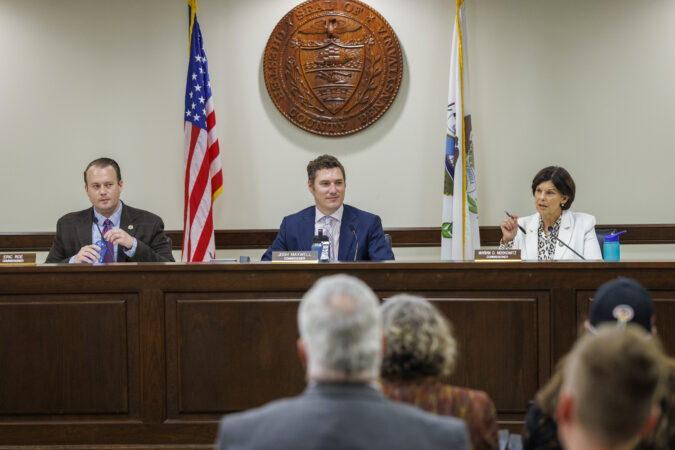
“This budget was really difficult for us, but we did what we had to to keep it at zero,” said Chester County Commissioner Marian Moskowitz, a Democrat.
David Byerman, the county’s CEO, described the county as being in a “defensive crouch” financially.
“We are in a very unpredictable environment in which we have a lot of conflicting information that we’re dealing with,” Byerman said, citing federal funding uncertainty under President Donald Trump. “We were charged by our commissioners in Chester County with crafting a budget that held the line in terms of tax increases.”
How does Chester County compare with the rest of the region?
The decision sets Chester County apart from its peers in a year that has been marked by budget uncertainty at the state and federal levels. In recent weeks, Delaware County’s executive director proposed a 19% property tax hike to address the county’s structural deficit. Montgomery County’s commissioners are proposing a 4% increase. Bucks County’s commissioners have floated a tax increase to address a deficit in next year’s budget.
“This is a pared-down budget because we didn’t know what the federal and state government were going to do,” said Josh Maxwell, a Democrat, who chairs the county board of commissioners.
The biggest cost increases, he said, came in the form of employee and inmate healthcare.
How did Chester County cut its budget?
In the first quarter of this year, Chester County officials asked each county department to reduce non-personnel spending by 5% for the 2026 budget. By and large, officials said, they responded to the call, freeing up significant funds even as overall personnel costs increased.
“We asked them to cut back, and some of them really did,” said Eric Roe, the lone Republican on the board of commissioners. “I’m really happy with how they helped us get to this point.”
In this year’s budget, officials said, they opted to delay projects like park maintenance and computer system upgrades that could be put off.
“The cuts are giving us an opportunity to prioritize and rethink our discretionary spending,” Maxwell said. “They may have to go to some of the things that the federal and state government used to do that they’re getting out of the business of doing.”
Additionally, Byerman said, the county instituted a soft hiring freeze by requiring all new hires to be approved by top-level management.
Can Chester County avoid tax increases in future years?
Heading into next year, Maxwell said, he is bracing for cuts to federal social service programs that will result in larger expenditures from the county to serve its neediest residents.
“This is a year where we’re going to look at all of our programs and make sure that we’re investing in the areas that the community wants us to,” Maxwell said.
This suburban content is produced with support from the Leslie Miller and Richard Worley Foundation and The Lenfest Institute for Journalism. Editorial content is created independently of the project donors. Gifts to support The Inquirer’s high-impact journalism can be made at inquirer.com/donate. A list of Lenfest Institute donors can be found at lenfestinstitute.org/supporters.
A Pottstown man who shot an officer in the leg with his own firearm during a scuffle last year was sentenced Tuesday to 22½ to 45 years in state prison.
William Ciccoli Jr., 43, showed little emotion as he learned his fate, shaking his head as Montgomery County Court Judge Thomas DelRicci handed down his sentence.
The judge told Ciccoli he was shocked by his “lack of remorse and accountability.”
“We all saw the video, yet you claim the ‘gun went off,’” DelRicci said. “It went off because of the defendant’s actions. No other reason.”
After the hearing, Ciccoli denied pulling the trigger on Cpl. Anthony Fischer’s sidearm as they grappled inside Ciccoli’s apartment in November 2024.
“If I disarmed him, my prints would’ve been on that gun,” he said. “I just feel sorry for my family for what has happened, that is all.”
When pressed, Ciccoli said he feels sorry for Fischer, but insisted that he did not shoot him.
Ciccoli’s attorney, Frank Genovese, said he wasn’t surprised by the sentence, which he said he would appeal.
In June, a jury convicted Ciccoli of assault on a law enforcement officer and related crimes, but acquitted him of attempted murder, ruling that he did not intend to kill Fischer when he fired the gun.
Fischer went to Ciccoli’s home on Chestnut Street to respond to a report of a domestic-violence dispute between him and his girlfriend, prosecutors said. While speaking with the officers, Ciccoli became combative and fought with Fischer.
During the scuffle, Ciccoli wedged his hand into the holster on Fischer’s hip and pulled the trigger on his department-issued .40-caliber handgun, according to bodycam footage played during Ciccoli’s trial in June. During the video, Fischer yells “he’s going for my gun,” shortly before a single gunshot rings out.
The shot struck Fischer in his leg, nicking his femoral artery and causing severe injuries that the officer said still prevent him from moving without pain.
District Attorney Kevin Steele, who prosecuted the case, said Tuesday he appreciated that the judge “recognized the seriousness of the case.”
“I think it’s very important for everyone to understand that if you try to disarm a police officer, if you shoot at a police officer you’re going to jail for 20 years,” Steele said, adding that Ciccoli’s repeated profession of innocence is “nonsense.”
“This is a guy that’s not taking accountability for his actions,” Steele said. “We’re here because of his actions.”
Stephanie Dunn, who at first introduction has the warm disposition and positivity of someone who has never had a bad day, will tell you that a life-threatening, flesh-eating infection in her foot and the subsequent amputation of her left leg are not the hardest challenges she’s had in life.
That distinction she reserves for motherhood.
But the recovery from the mysterious illness that struck Dunn in September 2022 has had its share of brutal moments.
Through the near-death experience, the onslaught of medical bills, and coming to terms with the fact that some aspects of her life would never be the same, the 52-year-old Schwenksville mom has worked to become as mobile as feasibly possible.
In a matter of years, she has upgraded to a prosthetic meant for high-impact use and more mobile amputees. It’s a cumbersome process that involves proving to insurers the patient is active enough to qualify for the prosthetics that offer a broader range of motion and shock absorption. Amputee forums are filled with stories of red tape and insurance rejections, telling patients the advanced prosthetics are not “medically necessary.”
“If I didn’t have two kids, I don’t know if I would have pushed myself to do it,” she said of the daily workout routines she has adopted in the years since her amputation. “I knew I had a responsibility to them and you can’t give up.”
This Thanksgiving, Dunn, who never considered herself athletic before she lost her limb, hopes to put her current prosthetic to the test, walking in her local Gobble Wobble.
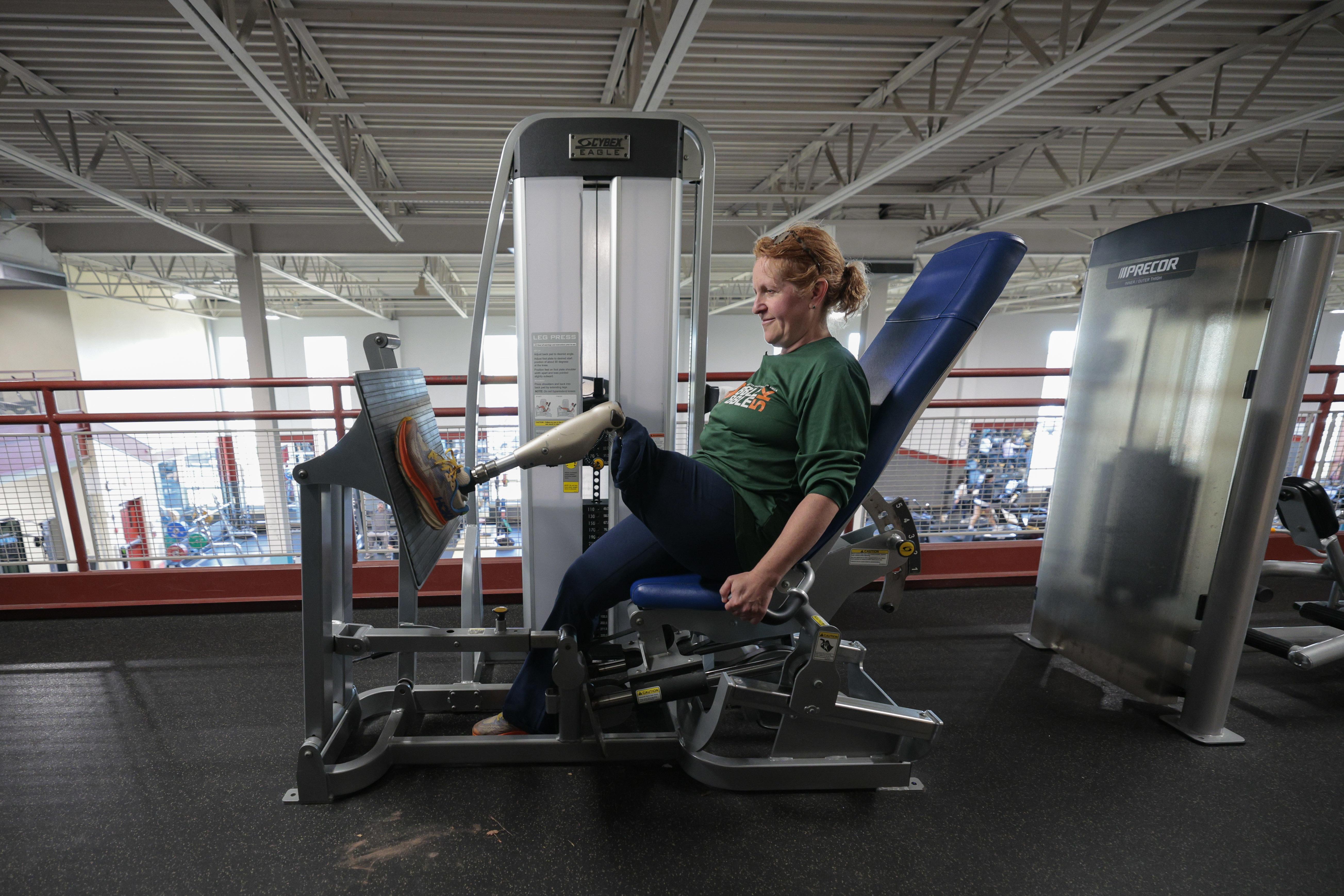
Stephanie Dunn had to have her leg amputated because of a rare bacterial infection two years ago. She credits the Spring Valley YMCA, in Royersford, where Dunn was using a weight machine with her prosthetic legs on Monday.
Hosted by the Greater Philadelphia YMCA, the Spring Valley event offers a 5k event and a mile walk. For her first Gobble Wobble with a prosthetic, in 2023, Dunn cut some sections of the walk. Last year, she finished the loop but came in last. Dunn believes she can beat that performance this year. She also hopes it will serve as a milestone on her way to an even more ambitious goal: qualifying for a running blade along with a grant to pay for it.
And while Dunn doesn’t see herself as an amputee advocate or role model — she reserves that designation, perhaps incorrectly, to the “super-fit people out there running marathons” — she hopes her story will let people in similar situations know the journey to mobility is hard but possible with the right support system.
This year’s Gobble Wobble is as much of a personal test for Dunn as it is a bit of an ode to the wheelchair-accessible Spring Valley YMCA, which has been a lifeline and refuge in the years following her amputation.
“When [the amputation] first happened, I thought, ‘Oh, my God, I’m on the periphery of society now. I’ll never be able to do anything normal,’” she said, remembering how she avoided grocery stores at first. “But I did. I could come here.”
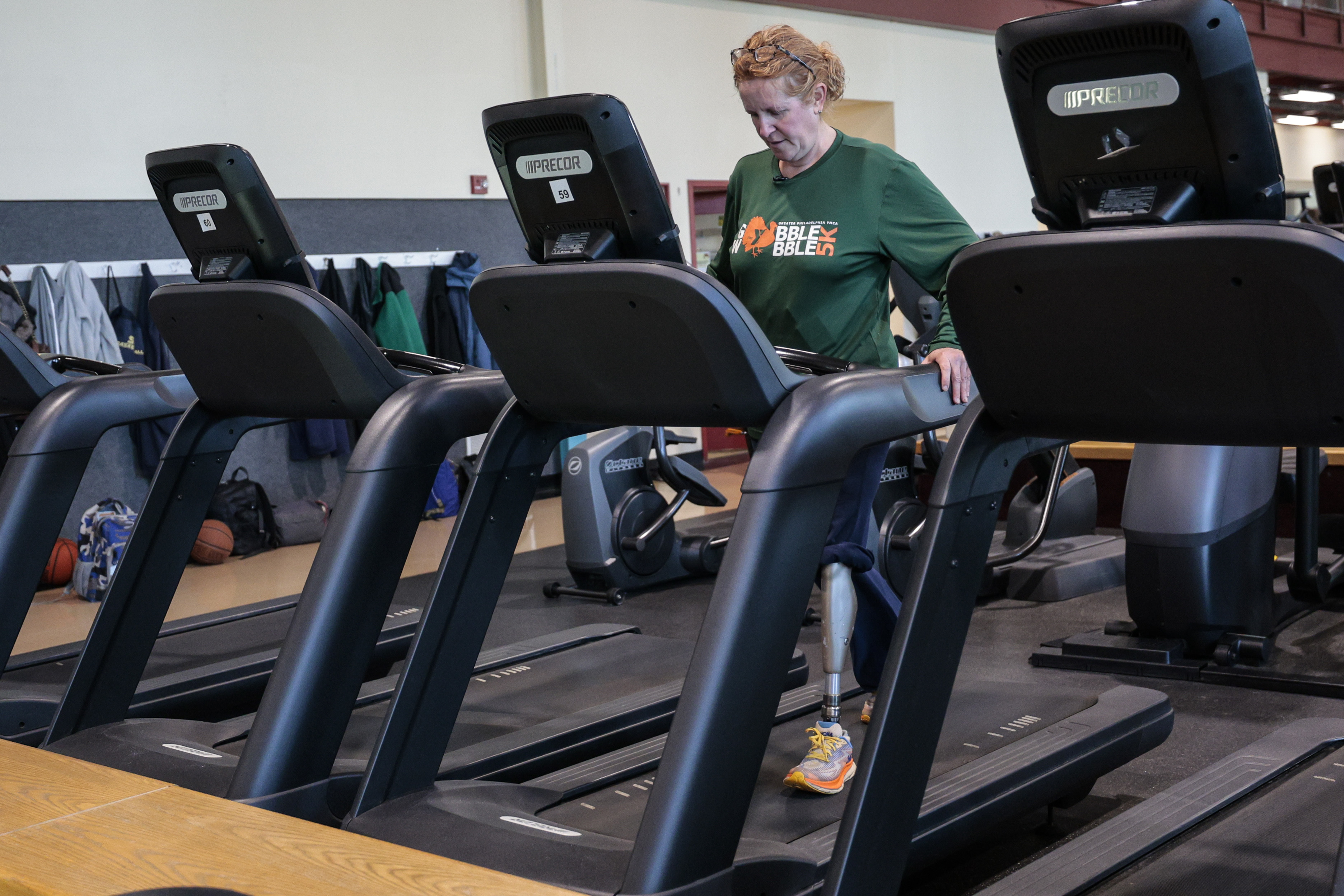
Stephanie Dunn had to have her leg amputated because of a rare bacterial infection two years ago. She credits the Spring Valley YMCA, in Royersford, where Dunn was working out on the treadmill Monday.
The challenges facing America’s growing number of amputees
For Dunn, a throbbing left foot and waves of bile vomit ended up being necrotizing fasciitis, source unknown.
The flesh-eating bacteria gnawed away at her limb in a matter of days, led to sepsis, and nearly reached her chest. Dunn said the amputation saved her life.
Yet there is much more to an amputation than the operation itself.
The Amputee Coalition says 36% of people living with limb loss experience depression. Many find themselves physically unable to return to demanding jobs that require fast movement or heavy lifting. Dunn, who had been a speech pathologist for 19 years, has come to terms that she cannot do the job full-time without risking an injury, even with her prosthetic.
And while a Government Accountability Office report expects the number of people living with limb loss to double by 2050, online forums remain full of people looking for advice on how to get their insurers to pay for prosthetics that will help with mobility.
Dunn’s experience navigating healthcare is only a snapshot of the challenges facing amputees.
After the amputation, she faced a growing mountain of medical bills and paperwork. As Dunn managed pain and the care of her two young children, she had to go from her home in Schwenksville, Montgomery County, to South Philly to “prove” she had actually had her limb amputated in order to apply for disability benefits.
Then there was the process of qualifying for a prosthetic.
The most basic below-the-knee prosthetics cost $3,000. There is no secondhand market because each is molded to the person. Even so, as limbs naturally change size and swell or contract throughout the day, users will have to adjust. It’s why amputees sometimes stuff socks in their prosthetics.
The more advanced prosthetics provide more mobility but easily run into the tens of thousands of dollars. Private insurance runs the gamut in terms of coverage, with many amputees reporting better luck through Medicare or Medicaid. But going with public insurance comes with other considerations, such as income limits.
“You can’t financially get ahead at all,” said Dunn, who was making a six-figure salary before her amputation. “You can just barely make ends meet.”
In the early post-op days, Dunn said, lying in bed and sitting in a chair were her biggest temptations — they often are for recent amputees. But skipping the at-home workouts assigned by her physical therapist risked muscle spasms and stiff muscles in the remaining part of the limb. To lose flexibility in the limb makes it harder to move with a prosthetic.
Determined to become mobile, Dunn headed to her local Y branch.
Dunn said in those early post-op days, lying in bed and sitting in a chair were her biggest temptations — they often are for recent amputees.
A gym offers refuge and resources
To walk alongside Dunn at the Spring Valley Y is to accompany a minor celebrity. Dunn jokes that it’s the prosthetic leg, though that feels like she’s selling herself short. She is at the gym every day for anywhere between 30 minutes and three hours.
“You must’ve had a good night’s sleep,” shouts a lifeguard taking his perch after Dunn completed several laps in the pool. One of the many greetings thrown over the hum of the pool machinery.
Part of the Greater Philadelphia YMCA, the Spring Valley branch was familiar to Dunn before her injury because of the programming her children took part in, which only became more important during her two-month stay at the hospital.
The children participated in the branch’s before- and after-school care, which Dunn credits with giving the boys a routine as she regained her strength.
But the facility was also primed to aid in her recovery in small ways that added up.
Before Dunn renovated her bathroom to be wheelchair-accessible, the Spring Valley Y was the only place she could shower.
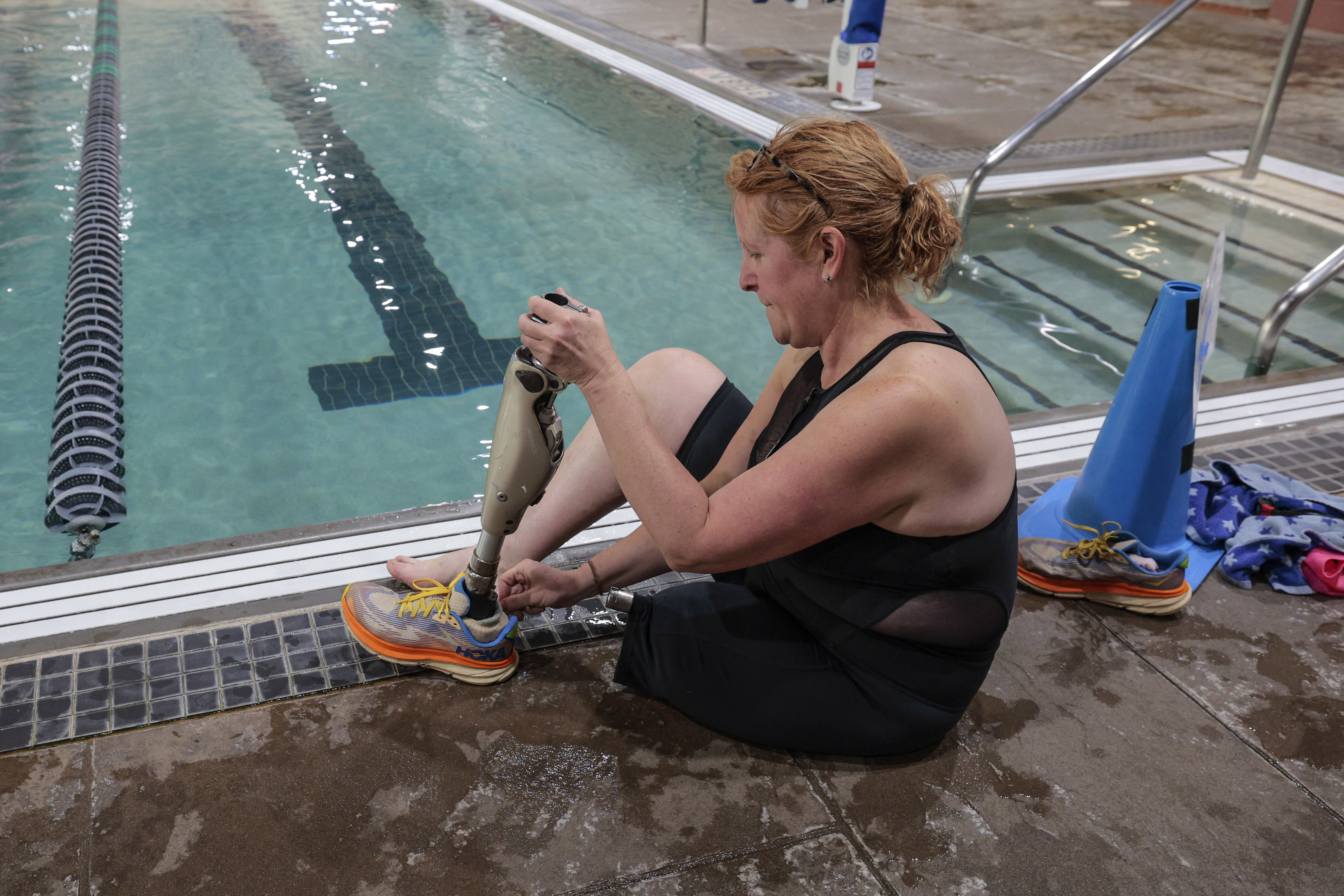
Soon, Dunn was navigating the gym equipment and pool. She could park her wheelchair along the pool’s edge and get in the water, where she enjoyed what she described as a weightlessness.
Dunn still had days when she cried in the parking lot or the bathroom, but she kept coming to get on the sit-up machines and for the aquatic dance classes. Not once did she feel out of place, she said.
The mental boosts served to buoy her physical gains and vice versa. It’s a rhythm she longs for other amputees to find.
“I maintained the range of motion in my limb, so that when I did get measured for a prosthetic to see what kind of prosthetic I could qualify for, as far as insurance and what I could use … I got a higher-level prosthetic than if I hadn’t come here,” she said.
That said, a robust support network or gym can’t fix the healthcare system, and Dunn continues to navigate the logistics of getting the prosthetics she needs to live the life she wants with her children.
Dunn said she had to travel to New York City in order to get a one-step procedure that would allow a rod to be embedded in what is left of her femur. Approvals took six months.
And even as Dunn gets more comfortable with her prosthetic, there is tweaking to be done. She has been dealing with pain that is constantly in the background.
Still, Dunn characterizes these as small bumps along the way, as she does with many of the challenges she has navigated postamputation.
She said going through fertility treatments to have her boys and the quandaries of raising them as a single mom by choice weighed much more heavily on her.
Back then, when things felt particularly dire, she would tell herself: If at any time you want to stop, just stop.
In the case of her mobility journey, as with conception, Dunn has yet found a reason to call it.