Tag: Newtown Square

  • Tired Hands Brewing turned its original Ardmore outpost into a private event space as it navigates the future

    Tired Hands Brewing turned its original Ardmore outpost into a private event space as it navigates the future

    Tired Hands Brewing’s Ardmore Brewing Company brewpub has been turned into a private event space, for now, as its owner navigates the future of the beer company.

    Tired Hands’ Kennett Square taproom and bottle shop is permanently closed, owner Jean Broillet confirmed to The Inquirer on Thursday. Tired Hands’ Beer Park in Newtown Square also will not reopen this summer as the property’s owners are looking to redevelop it, Broillet said.

    Tired Hands’ Ardmore Fermentaria and Fishtown restaurant St. Oner’s remain open for business. The brewing company’s MT. Airy Biergarten is a seasonal operation that will reopen in the spring.

    Broillet said the decision to shift to private events at the Ardmore Brewing Company location was born out of a number of factors: having two Tired Hands locations in Ardmore was confusing for customers; ongoing construction in Ardmore created a “prohibitive environment” for doing business; and the changing landscape of brewing has prompted Tired Hands to begin reimagining parts of its business model.

    The changing face of Ardmore, and of Tired Hands

    When Broillet opened the first Tired Hands location, the BrewCafé, in 2012, he said there was little by way of interesting, high-quality food and drink in Ardmore. At the time, he said, Tired Hands’ craft beer and artisan meats and cheeses stood in stark contrast to the Wawas and Irish pubs the area was accustomed to. Now, that era is a distant memory as Ardmore blossoms as a culinary destination on the Main Line.

    Ardmore “went from zero to 60 really quickly in terms” of dining and entertainment options, said Broillet. He added that Tired Hands was a catalyst for that progress.

    In 2015, Broillet and his business partner and wife Julie Foster opened the Fermentaria at 35 Cricket Terrace, just blocks from Tired Hands’ first location at 16 Ardmore Ave.

    The Fermentaria was a major expansion for Tired Hands. It offered food options that extended beyond the BrewCafé‘s sandwich-and-salad-based menu, like steak frites and baby back ribs. It also quadrupled Tired Hands’ production capacity. At the BrewCafé, Tired Hands’ brewers were able to produce 1,000 barrels of beer annually. At the time of its opening, Broillet anticipated the Fermentaria would increase production to 4,000 barrels per year.

    Tired Hands opened St. Oner’s, a Fishtown restaurant and brewpub, in 2020.

    In the years that followed, Tired Hands opened the seasonal Biergarten in Mount Airy, the Kennett Square taproom, and the Beer Park in Newtown Square.

    In 2021, Broillet stepped down from daily operations after allegations of sexism and racism at Tired Hands proliferated on social media, including claims that women were held to different standards than their male counterparts and employees were berated or publicly humiliated for mistakes. Broillet returned to his post at the helm of Tired Hands a year later.

    Broillet said that “lots of valuable lessons, worldly lessons, were learned during that process” and that Tired Hands is doing everything it can to “prevent that from ever happening again.”
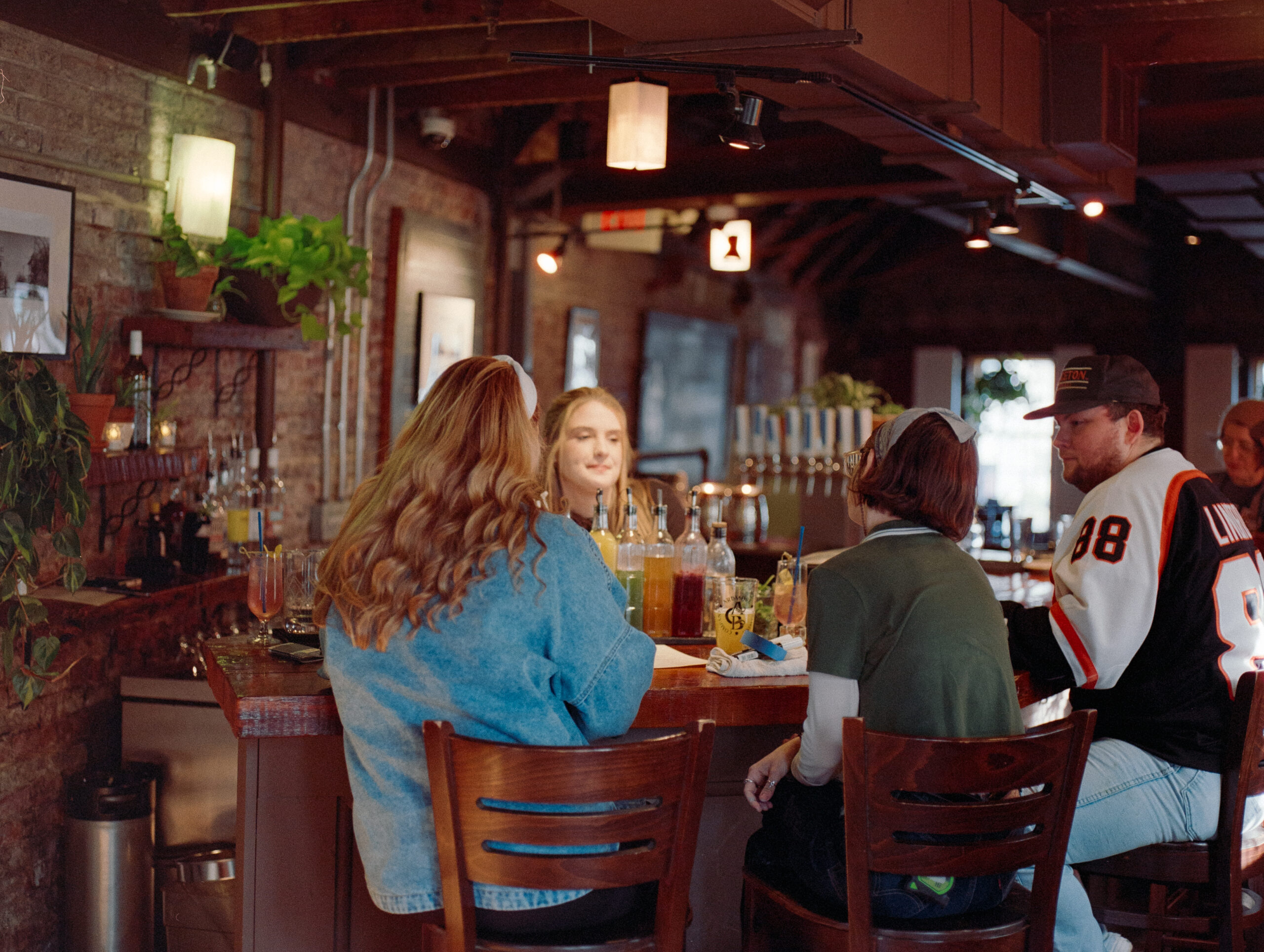
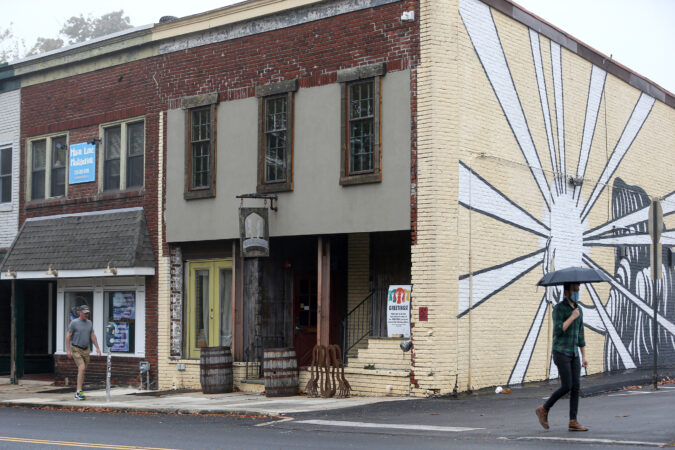
    Ardmore Brewing Co., located at 16 Ardmore Ave. in Ardmore, Pa. Owner Tired Hands Brewing Company has transitioned the brewery into a private events space for the time being.

    Changes in Ardmore, closure in Kennett Square

    While opening a second Ardmore outpost helped grow Tired Hands’ footprint on the Main Line, having “two of the same company” also made things “pretty confusing for people,” Broillet said.

    In efforts to iron out the confusion, Tired Hands rebranded its BrewCafé last spring, renaming it the Ardmore Brewing Company, upgrading its interior, and adding more food and cocktail options while cutting down its beer list.

    “The confusion was still there,” Broillet said.

    Broillet also brought on a culinary team that had extensive experience with private events. They began to host a handful of events at the brewery — retirement parties, birthdays, etc. — which were a success.

    At the same time, major construction had created a “prohibitive environment for us to do business here on Ardmore Avenue,” Broillet said. Construction on the mixed-use Piazza project and Ardmore Avenue Community Center are ongoing, both of which are proximate to Ardmore Avenue and the businesses that operate there.

    The brewery shifted to exclusively hosting private events in the last few months, a decision Broillet said he “couldn’t be happier” with.

    The brewery owner said the Ardmore Avenue location will be open to the public again in the future, but did not specify in what form.

    The taproom and bottle shop in Kennett Square will not reopen.

    Broillet said he opened a Tired Hands outpost in Kennett Square, in part, to have a presence near his family members who lived there. Though it was a “fun” chapter, Broillet said it no longer made sense to operate in Kennett Square, where Tired Hands already has a strong network of distributors that can get their beers into people’s hands without making them trek to the bottle shop.

    What comes next?

    Broillet offered assurances that Ardmore Brewing Company will open up to the public again, but said the specifics aren’t clear yet. Tired Hands also plans on expanding its Mount Airy footprint with a permanent restaurant space.

    For brewers across the country, the specter of people drinking less alcohol looms large. Sales of craft beer fell 4% in 2024, and there were more brewery closings than openings in late 2024 and early 2025, the first time in 20 years such a phenomenon had occurred. Brewerytown’s Crime & Punishment Brewing shuttered last April, with its owners citing a shifting culture around alcohol among the reasons for its closure. Iron Hill Brewery & Restaurant, a Philly-area craft brewing pioneer, abruptly shuttered all of its locations in September.

    Broillet said that while the changing dynamics of the industry remain on his mind, Tired Hands was not “acutely a victim of that downturn.” Sales had been down slightly over the past few years, but Broillet attributes that more to having two locations in Ardmore than to the state of the industry. He’s bullish about Tired Hands’ ability to distinguish itself and sees excitement in the changes.

    “Those sentiments have a way of just propelling you forward,” Broillet said.

    This suburban content is produced with support from the Leslie Miller and Richard Worley Foundation and The Lenfest Institute for Journalism. Editorial content is created independently of the project donors. Gifts to support The Inquirer’s high-impact journalism can be made at inquirer.com/donate. A list of Lenfest Institute donors can be found at lenfestinstitute.org/supporters.
  • Medicaid insurer AmeriHealth Caritas is closing its PerformRx PBM at the end of this year

    AmeriHealth Caritas, one of the nation’s largest Medicaid insurers, is closing its in-house pharmacy benefits manager, PerformRx, by the end of this year, the Newtown Square company said in an announcement to employees Wednesday.

    Health insurers effectively subcontract with pharmacy benefit managers to oversee drug benefits. They have become increasingly powerful cogs in healthcare and face new restrictions under a law signed by President Donald Trump this month.

    OptumRx, a unit of UnitedHealth Group Inc. and one of the three largest PBMs, is scheduled to take over for PerformRx on Jan. 1. OptumRx already provides PBM services to the majority owner of AmeriHealth Caritas, Independence Health Group. Independence is best known for its Independence Blue Cross business.

    “This decision reflects evolving market and regulatory landscape, not the performance or dedication of our PerformRx leadership or associates,” the AmeriHealth Caritas announcement to staff said.

    Caritas said in a statement to The Inquirer that it expected a “limited impact on jobs, with many functions remaining in-house to support the same high-quality experience for members and providers.”

    The company did not elaborate on the market and regulatory changes that precipitated the decision to close PerformRx, which Caritas formed in 1999. PerformRx has contracts in 13 states, including Pennsylvania and Delaware, according to the Caritas website.

    One of those states is California, where a new law took effect Jan. 1 that prohibits PBMs from charging health plans, including Medicaid plans, more than they pay the pharmacy for a drug. PBMs are still allowed to change a flat administrative fee in the state.

    Independence owns 61.3% of AmeriHealth Caritas. Blue Cross Blue Shield of Michigan owns the rest. Caritas accounted for about three-quarters of Independence’s $32 billion in revenue in 2024. The former CEO of AmeriHealth Caritas, Kelly A. Munson, succeeded Gregory E. Deavens in the top job at Independence last year.

  • What makes someone love their grocery store? Ask the Philadelphians who are already missing their Amazon Fresh.

    What makes someone love their grocery store? Ask the Philadelphians who are already missing their Amazon Fresh.

    When Justin Burkhardt heard that his neighborhood grocery store was closing, just months after it had opened, he felt a pang of sadness.

    The emotion surprised him, he said, because that store was the Northern Liberties Amazon Fresh.

    “Amazon is a big corporation, but [with] the people that worked there [in Northern Liberties] and the fact that it was so affordable, it actually started to feel like a neighborhood grocery store,” said Burkhardt, 40, a public relations professional, who added that he is not a fan of Jeff Bezos, Amazon’s billionaire owner.

    The e-commerce giant announced last month that it was closing all physical Amazon Fresh stores as it expands its Whole Foods footprint. In the Philadelphia area, the shuttering of six Amazon Fresh locations resulted in nearly 1,000 workers being laid off. Local customers said their stores closed days after the company’s announcement.

    “I don’t feel bad for Amazon,” said Burkhardt, who spent about $200 a week at Amazon Fresh. “I feel bad for the workers. … I feel bad for the community members.”

    Burkhardt said he and his wife have been forced to return to their old grocery routine: Driving 20 minutes to the Cherry Hill Wegmans, where they feel the prices are cheaper than their nearby options in the city.

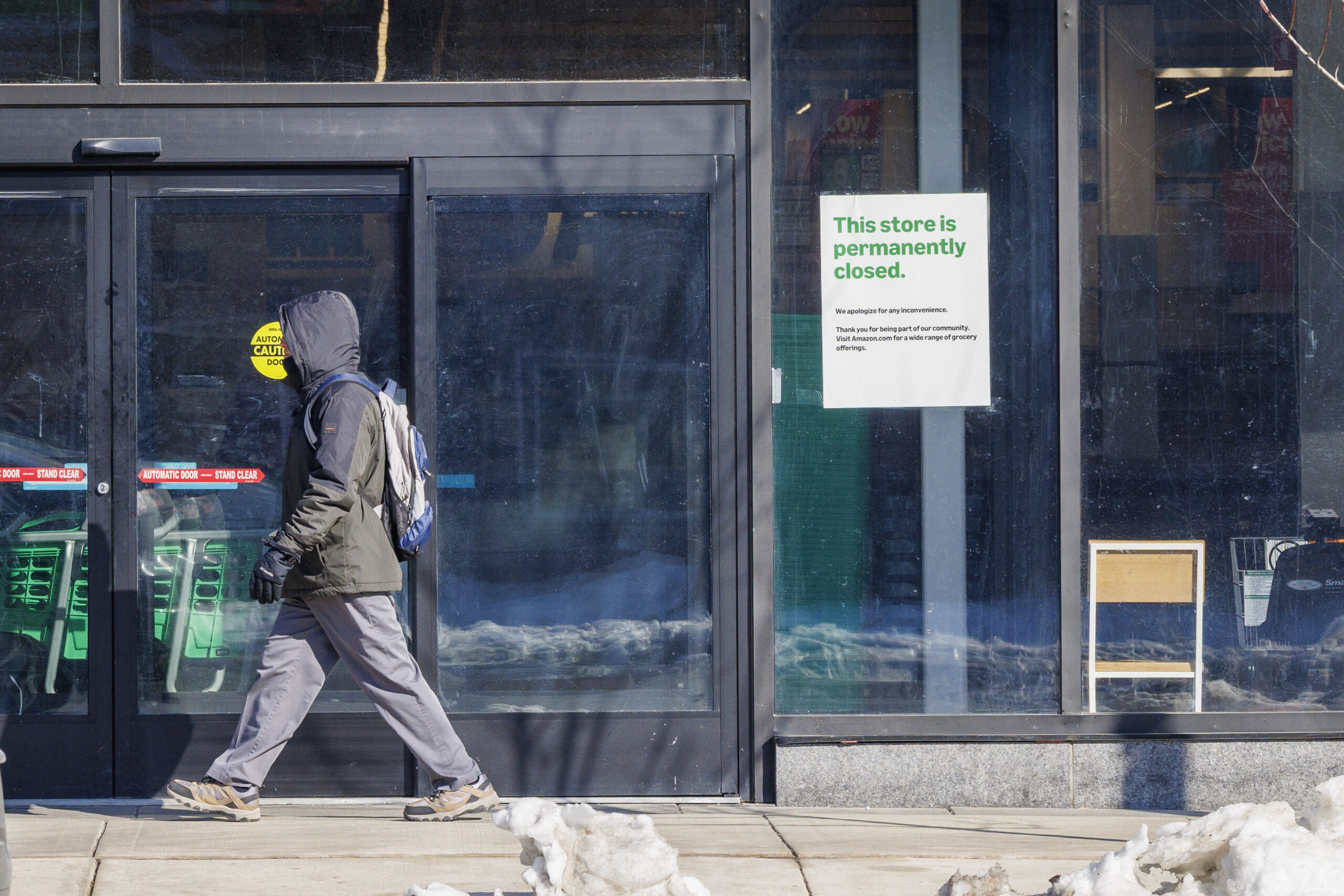
    Last week, signs informed customers that the Northern Liberties Amazon Fresh was permanently closed.

    In Philadelphia and its suburbs, many former Amazon Fresh customers are similarly saddened by the closure of neighborhood stores where they had developed connections with helpful workers. Several said they are most upset about the effects on their budgets amid recent years’ rise in grocery prices.

    “I wasn’t happy about it closing for the simple fact that it was much cheaper to shop there,” said Brandon Girardi, a 30-year-old truck driver from Levittown (who quit a job delivering packages for Amazon a few years ago). Girardi said his family’s weekly $138 grocery haul from the Langhorne Amazon Fresh would have cost at least $200 at other local stores.

    At the Amazon Fresh in Broomall, “they had a lot of organic stuff for a quarter of the price of what Giant or Acme has,” said Nicoletta O’Rangers, a 58-year-old hairstylist who shopped there for the past couple years. “They were like the same things that were in Whole Foods but cheaper than Whole Foods.”

    She paused, then added: “Maybe that’s why they didn’t last.”

    In response to questions from The Inquirer, an Amazon spokesperson referred to the company’s original announcement. In that statement, executives wrote: “While we’ve seen encouraging signals in our Amazon-branded physical grocery stores, we haven’t yet created a truly distinctive customer experience with the right economic model needed for large-scale expansion.”

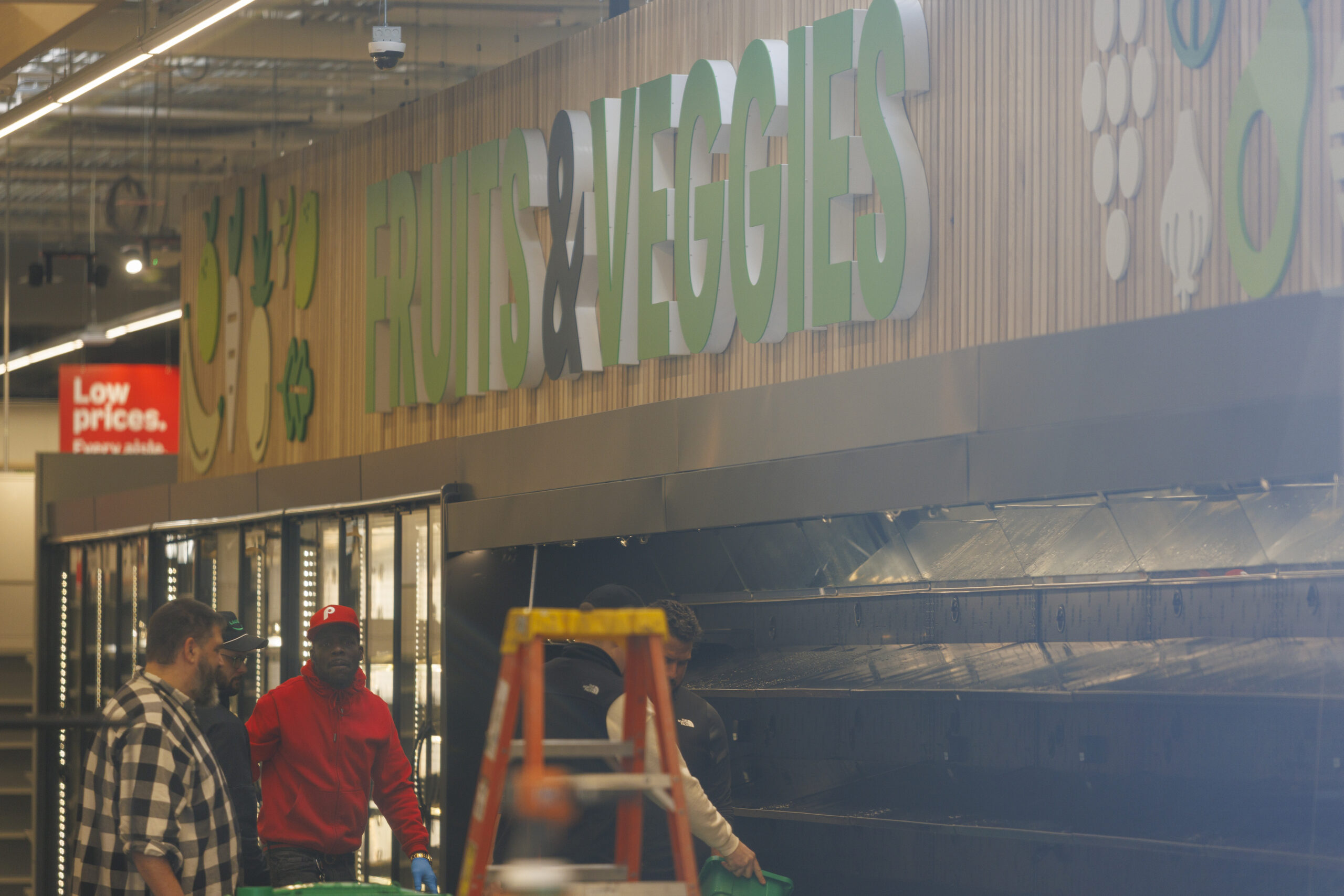
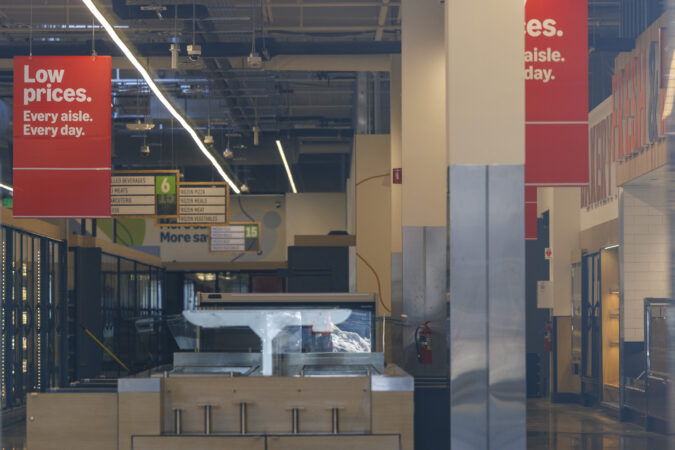
    Workers could be seen inside the closed Amazon Fresh in Northern Liberties last week.

    What makes a Philly shopper loyal to a grocery store?

    Former Amazon Fresh customers say they’re now shopping around for a new grocery store and assessing what makes them loyal to one supermarket over another.

    Last week, one of those customers, Andrea “Andy” Furlani, drove from her Newtown Square home to Aldi in King of Prussia. The drive is about an hour round trip, she said, but the prices are lower than at some other stores. Her five-person, three-dog household tries to stick to a $1,200 monthly grocery budget.

    As she drove to Aldi, she said, she’d already been alerted that the store was out of several items she had ordered for pickup. That’s an issue Furlani said she seldom encountered at the Amazon Fresh in Broomall, to which she had become “very loyal” in recent years.

    “It was small, well-stocked,” said Furlani, 43, who works in legal compliance. “I don’t like to go into like a Giant and have a billion options. Sometimes less is more. And the staff was awesome,” often actively stocking shelves and unafraid to make eye contact with customers.

    “Time is valuable to me,” Furlani said. At Amazon Fresh, “you could get in and out of there quickly.”

    Shoppers learned how to use the Amazon Dash Cart at an Amazon Fresh in Warrington in 2021.

    Girardi, in Levittown, said he is deciding between Giant and Redner’s now that Amazon Fresh is gone. The most cost-effective store would likely win out, he said, but product quality and convenience are important considerations, too.

    “We used to do Aldi, but Amazon Fresh had fresher produce,” Girardi said. “I used to have a real good connection with Walmart because my mom used to work there. But I don’t see myself going all the way to Tullytown just to go grocery shopping.”

    Susan and Michael Kitt, of Newtown Square, shopped at the Broomall Amazon Fresh for certain items, such as $1.19 gallons of distilled water for their humidifiers and Amy’s frozen dinners that were dollars cheaper than at other stores.

    But Giant is the couple’s mainstay. They said they like its wide selection, as well as its coupons and specials that save them money.

    “I got suckered by Giant on their marketing with the Giant-points-for-gas discounts. I figured if I’m going to a store I may as well get something out of it,” said Michael Kitt, a 70-year-old business owner who has saved as much as $2-per-gallon with his Giant rewards. “I really at the time didn’t see that much of a difference between the stores.”

    How Whole Foods might fare in Amazon Fresh shells

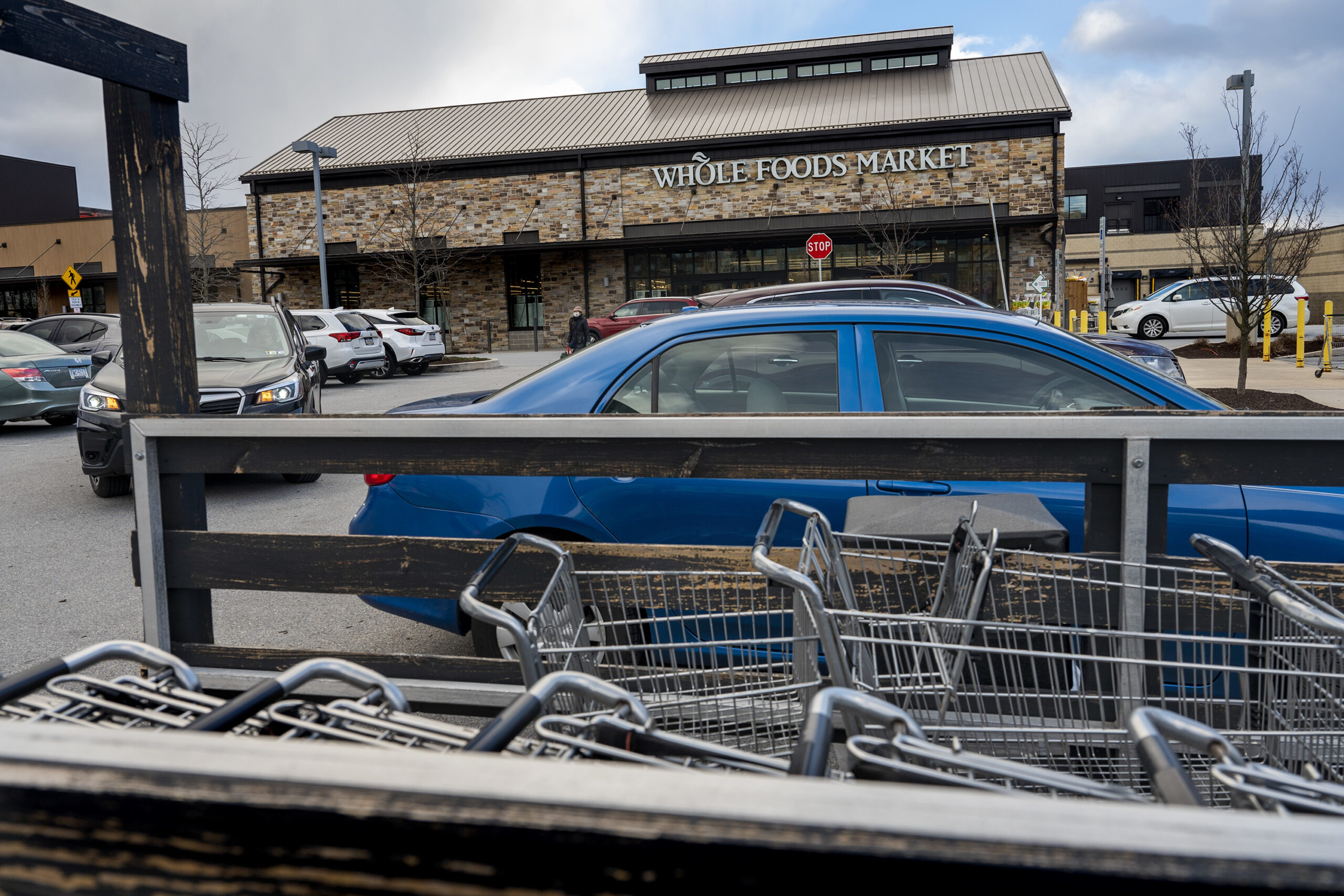
    The Whole Foods store on the Exton Square Mall property is shown in 2022.

    If any of these local Amazon Fresh stores were to become a Whole Foods, several customers said they’d be unlikely to return, at least not on a regular basis.

    Amazon said last month that it plans to turn some Amazon Fresh stores into Whole Foods Markets, but did not specify which locations might be converted.

    Amazon bought Whole Foods in 2017. The organic grocer is sometimes referred to as “Whole Paycheck,” but the company has been working to shed that reputation for more than a decade.

    Some Philly-area consumers, however, said Whole Foods prices would likely be a deterrent.

    Natoya Brown-Baker, 42, of Overbrook, said she found the Northern Liberties Amazon Fresh “soulless,” and she didn’t “want to give Jeff Bezos any more money.” But the prices at Amazon Fresh were so low, she said, that she couldn’t resist shopping there sometimes.

    Brown-Baker, who works in health equity, said she came to appreciate that it represented an affordable, walkable option for many in the neighborhood, including her parents, who are on a fixed income.

    If a Whole Foods replaces the store at Sixth and Spring Garden Streets, which was under construction for years, Brown-Baker said the area would be “back at square one.”

    Burkhardt, who also lives in the neighborhood, noted that Northern Liberties has a mix of fancy new apartment complexes and low-income housing.

    “The grocery store should be for everyone,” he said. Whole Foods “doesn’t feel like it’s for the neighborhood. It feels like it’s for a certain class of people.”

  • Large Roxborough apartment project adds more family units and makes changes to appease neighbors

    Large Roxborough apartment project adds more family units and makes changes to appease neighbors

    A large new apartment proposal for 4889 Umbria St. in Roxborough has been altered to appease some neighbor concerns, with more brick incorporated into the facade and design tweaks to ease congestion.

    The developers, Philadelphia-based Genesis Properties and Newtown Square-based GMH Communities, also reduced the number of apartments from 384 to 369.

    But the actual number of bedrooms increased from 481 to 486, as they shifted to larger, family-size apartments.

    “I love the increase of twos and threes [bedrooms] and the availability to families, which I don’t find very common as a developer,” said Maria Sourbeer, vice president at Mosaic Development Partners and a member of the city’s Civic Design Review committee. “The money’s in the studios and ones.”

    The design team explained that the developers felt this corner of Northwest Philadelphia would have strong demand for larger units.

    Last November, the project’s initial consideration at the Civic Design Review committee saw pushback to its fortress-like design.

    Philadelphia-based Oombra Architects sought to soften elements of the project, increasing plantings and street tree coverage.

    More brick has been added as a building material, in a bid to echo the older industrial buildings on the project’s southwestern edge.

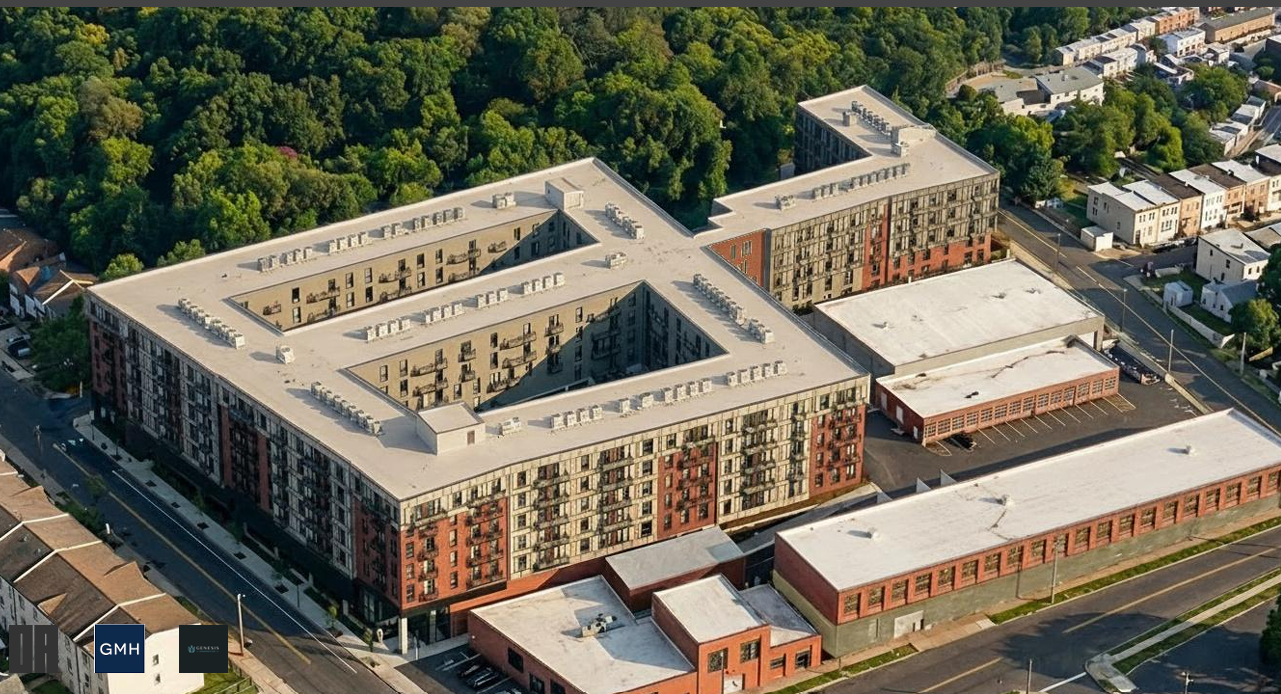
    A bird’s eye rendering of the new development on Umbria Street in Roxborough.

    The 123-space bike parking facility has been moved from the third to the first floor.

    The developers also relocated the parking garage entrance from busy Parker Avenue to Smick Street, which had not previously been publicly accessible. The project includes 380 spaces.

    “[We] want to commend you in taking the process seriously,” said Ximena Valle, an architect who chairs the CDR committee. “We recognize that you could have come here with no changes made. … Overall, there’s a big win here.”

    The Civic Design Review process makes recommendations but cannot force developers to accede to its critiques. The last time the Philadelphia City Planning Commission studied its efficacy in 2019, it found that only a third of projects adopted CDR recommendations.

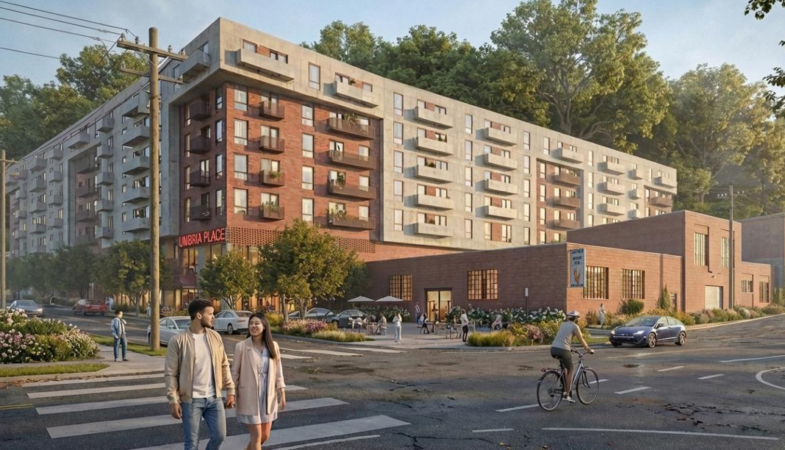
    A rendering of the Lemonte Street side of the project, the largest new apartment building in Roxborough in years.

    Although the project offers nearly one parking space for every apartment — far more than they are legally required — the local community group still held concerns about the amount of parking included in the project as the bedroom count rose.

    Otherwise, they largely embraced the changes.

    “There are going to be more cars on the street. I don’t think there’s any question about that,” said Marlene G. Schleifer of the Ridge Park Civic Association. “But we were pleased with the work that the developer has done to comfort us a little bit and make it easier to swallow.”

  • A Main Line town leads the charge of new Philly-area restaurants for February

    A Main Line town leads the charge of new Philly-area restaurants for February

    February’s crop of restaurant openings includes two restaurants’ expansions to Narberth, a reopened brewery in South Jersey, a chic restaurant/lounge in Center City, an intriguing wine bar/bottle shop in Chestnut Hill, and two French newcomers.

    Restaurants can take awhile and owners are often hesitant to pinpoint an opening date. I’ve listed the targeted day where possible; for the rest, check social media.

    Duo Restaurant & Bar (90 Haddon Ave., Westmont): Brothers Artan and Arber Murtaj and Andi and Tony Lelaj, who own the Old World-style Italian Il Villaggio in Cherry Hill, are taking over Haddon Avenue’s former Keg & Kitchen with a pub serving a bar menu supplemented with seafood.

    Eclipse Brewing (25 E. Park Ave., Merchantville): Last August, food trucker Megan Hilbert of Red’s Rolling Restaurant became one of the youngest brewery owners in New Jersey when she bought this 9-year-old Camden County brewery, open as of Friday.

    Lassan Indian Traditional (232 Woodbine Ave., Narberth): The second location of the well-regarded Lafayette Hill Indian BYOB takes over the long-ago Margot space in Narberth.

    LeoFigs, 2201 Frankford Ave., as seen in January 2026.

    LeoFigs (2201 Frankford Ave.): Justice and Shannon Figueras promise the delivery of their long-awaited bar/restaurant, with an urban winery in the basement, at Frankford and Susquehanna in Fishtown. The food menu will be built around comfort-leaning small plates.

    The bubbly selection at Lovat Square in Chestnut Hill.

    Lovat Square (184 E. Evergreen Ave.): Damien Graef and Robyn Semien (also owners of Brooklyn wine shop Bibber & Bell) are taking over Chestnut Hill’s former Top of the Hill Market/Mimi’s Café property for a multiphased project: first a wine shop with indoor seating, then a courtyard with a full dinner menu, followed later by a cocktail bar/restaurant component. Opens Feb. 12

    Malooga (203 Haverford Ave., Narberth): The Old City Yemeni restaurant is expanding to Narberth with lunch and dinner service plus a bakery, with expanded indoor/outdoor seating and space for groups.

    Mi Vida (34 S. 11th St.): Washington, D.C.-based restaurant group Knead Hospitality + Design is bringing its upscale Mexican concept to East Market, next to MOM’s Organic Market. Target opening is Feb. 18.

    MOTW Coffee & Pastries (2101 Market St): Mahmood Islam and Samina Akbar are behind this franchise of Muslims of the World Coffee, offering a third-space experience at the Murano.

    Napa Kitchen & Wine (3747 Equus Blvd., Newtown Square): A California-inspired restaurant rooted in Midlothian, Va., opens in Ellis Preserve with an extensive domestic and international wine list in a polished setting. Opens Feb. 9.

    Ocho Supper Club (210 W. Rittenhouse Square): Chef RJ Smith’s Afro-Caribbean fine-dining supper club starts a six-month residency at the Rittenhouse Hotel, tied to the Scarpetta-to-Ruxton transition, serving tasting menus through July. Now open.

    Piccolina (301 Chestnut St.): A low-lit Italian restaurant and cocktail bar at the Society Hill Hotel from Michael Pasquarello (Cafe Lift, La Chinesca, Prohibition Taproom). Targeting next week

    Pretzel Day Pretzels (1501 S. Fifth St.): James and Annie Mueller’s pretzel-delivery operation is becoming a takeout shop in the former Milk + Sugar space in Southwark. Expect classic soft pretzels plus German-style variations (including Swabian-style) and stuffed options.

    Merriment at the bar at Savu, 208 S. 13th St.

    Savú (208 S. 13th St.): Kevin Dolce’s Hi-Def Hospitality has converted the former Cockatoo into a modern, bi-level dining and late-night lounge with a New American menu from chef Maulana Muhammad; it just soft-opened for dinner Thursday through Sunday and weekend brunch.

    Bar-adjacent seating at Side Eye.

    Side Eye (623 S. Sixth St.): Hank Allingham’s all-day neighborhood bar takes over for Bistrot La Minette with “French-ish” food from chef Finn Connors, plus cocktails, European-leaning wines, beer, and a late-night menu. Opens 5 p.m. Feb. 7 with 50% of the night’s proceeds going to the People’s Kitchen.

    Soufiane at the Morris (225 S. Eighth St): Soufiane Boutiliss and Christophe Mathon (Sofi Corner Café) say there’s a 90% chance of a February opening for their new spot at the Morris House Hotel off Washington Square. It’s billed as an elegant-but-approachable restaurant inspired by classic French bouillons/brasseries, with a menu spanning small plates and full entrées alongside Moroccan-influenced tagines. Expect evening service indoors, daytime service outdoors.

    South Sichuan II (1537 Spring Garden St.): A second location for the popular Point Breeze Sichuan takeout/delivery specialist, near Community College of Philadelphia; this one will offer more seating.

    Zsa’s Ice Cream (6616 Germantown Ave.): The Mount Airy shop’s end-of-2025 “grand closing” proved short-lived after a sale to local pastry chef Liz Yee. Reopened Feb. 7.

    Looking ahead

    March openings are in the offing for the much-hyped PopUp Bagels in Ardmore, as well as the long-delayed Terra Grill (a stylish room in Northern Liberties’ Piazza Alta) and ILU (the low-lit Spanish tapas bar) in Kensington.

  • Many Philadelphians shelled out for shoveling help last week. What’s a fair price?

    Many Philadelphians shelled out for shoveling help last week. What’s a fair price?

    Denise Bruce paid a stranger $75 to shovel out her Hyundai Venue, which was encased in snow and ice outside her East Kensington rowhouse.

    “My car was really badly packed in on all sides,” said Bruce, 36, who works in marketing. “I just didn’t have the strength honestly to dig it out myself.”

    The West Coast native also didn’t have a shovel.

    So she was elated to find a woman on Facebook who agreed to dig out her compact SUV for between $40 and $60. After the endeavor took four hours on a frigid evening, Bruce thought it was only fair to pay more.

    After Bruce forked over the money — digitally via Cash App — she asked herself: What should one pay to outsource the onerous task of shoveling?

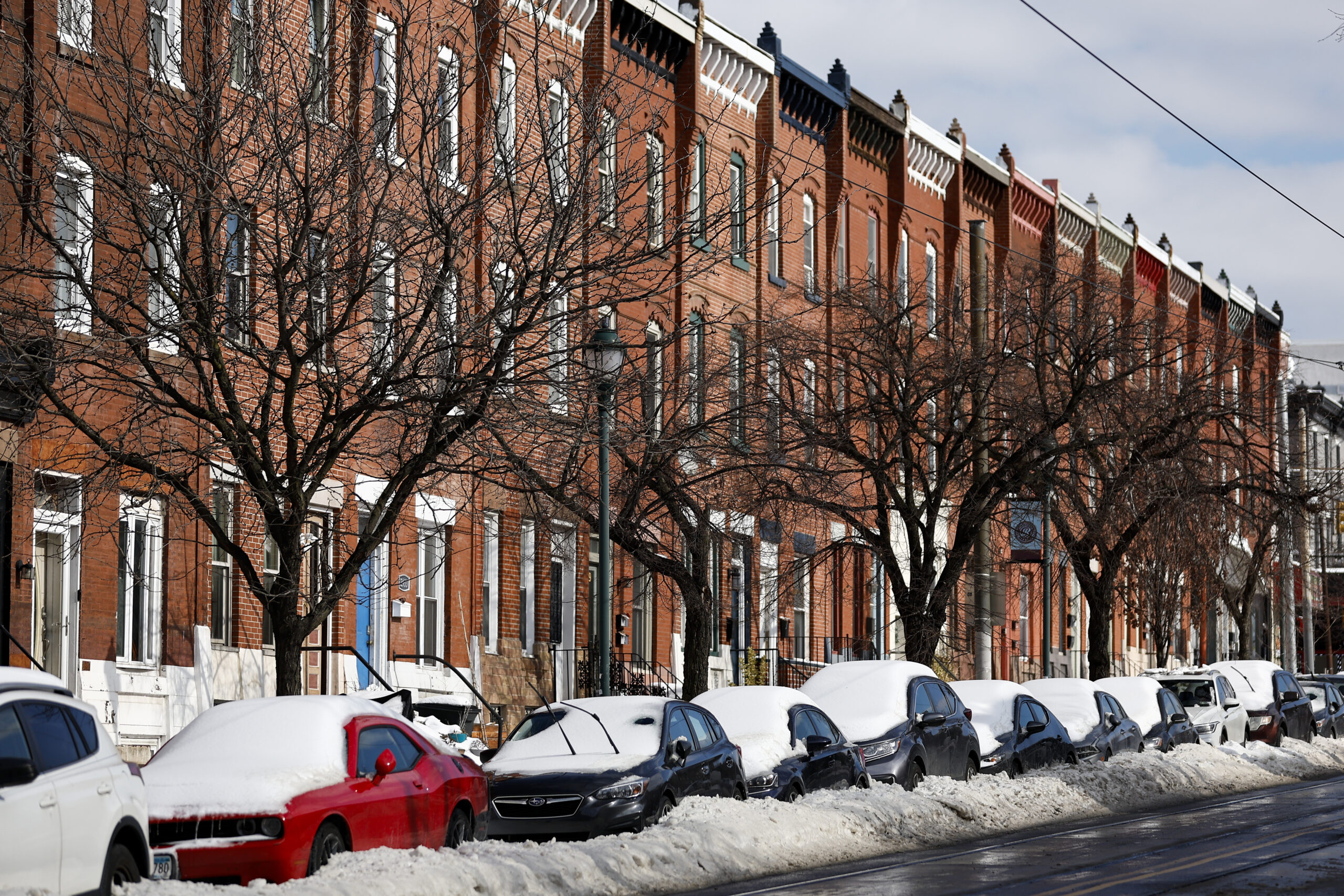
    Snow-covered cars lined Girard Avenue in Brewerytown on Monday.

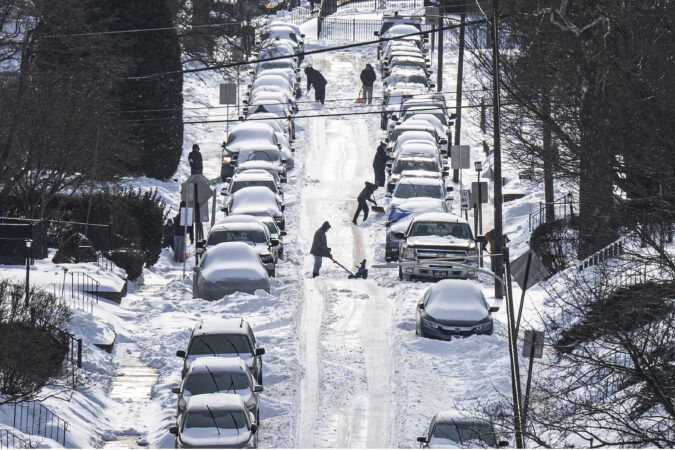
    As the Philadelphia region shoveled out from the city’s biggest snowfall in a decade, many residents were asking the same question.

    While some shoveled themselves or hired professional snow removal companies with fixed rates, others turned to an ad hoc network of helpers who hawked shoveling services on neighborhood Facebook groups, the Nextdoor app, and the online handyman service TaskRabbit.

    On online forums, strangers agreed to dig out the cars of folks like Bruce, who didn’t have the strength, tools, or time to do so on their own. Others signed up to clear the driveways and sidewalks of older people, for whom shoveling such heavy snow can increase the risk of heart attacks.

    Prices per job vary from $20 to $100 or more. Some freelance shovelers are upfront about their rates, while others defer to what their customers can afford.

    Higher prices now for ‘trying to dig through concrete’

    Alex Wiles stands on North Second Street on Tuesday before taking the bus to another snow-shoveling job.

    On Monday, the day after the storm hit, Alex Wiles, 34, of Fishtown, shoveled out people’s cars, stoops, and walkways for between $30 and $40 per job. As the week went on, he increased his rate to about $50 because the work became more physically demanding.

    “At this point, it feels like trying to dig through concrete,” Wiles said. As of Thursday, he had shoveled for nearly 20 people across the city and broken three shovels trying to break up ice. He said most people tip him an additional $5 to $20.

    “I want it to be an accessible service,” he said, “but I also want to be able to make money doing it and remain competitive with other people,” including teenagers who often shovel for less.

    For Wiles, who works in filmmaking and photography, his shoveling earnings go toward paying rent.

    He said he sees his side hustle as essential service, especially since the city did “a terrible job,” in his opinion, with snow removal.

    “A lot of the city looks like a storm happened 10 minutes ago,” Wiles said Thursday.

    Shoveling is “necessary and people are just otherwise going to be stuck where there are,” he said. “They aren’t going to be able to get to work easily. They aren’t going to be able to walk down the street.”

    Some adults see themselves filling in for ‘the young kids’

    When Max Davis was a kid in Hopewell, N.J., he’d compete with his neighbors to see who could shovel the most driveways during snowstorms.

    Now, the 28-year-old said he seldom sees or hears of kids going door to door when it snows.

    That was part of the reason Davis got off his Northern Liberties couch on Monday and started shoveling out cars for a few neighbors who posted on Facebook that they needed help.

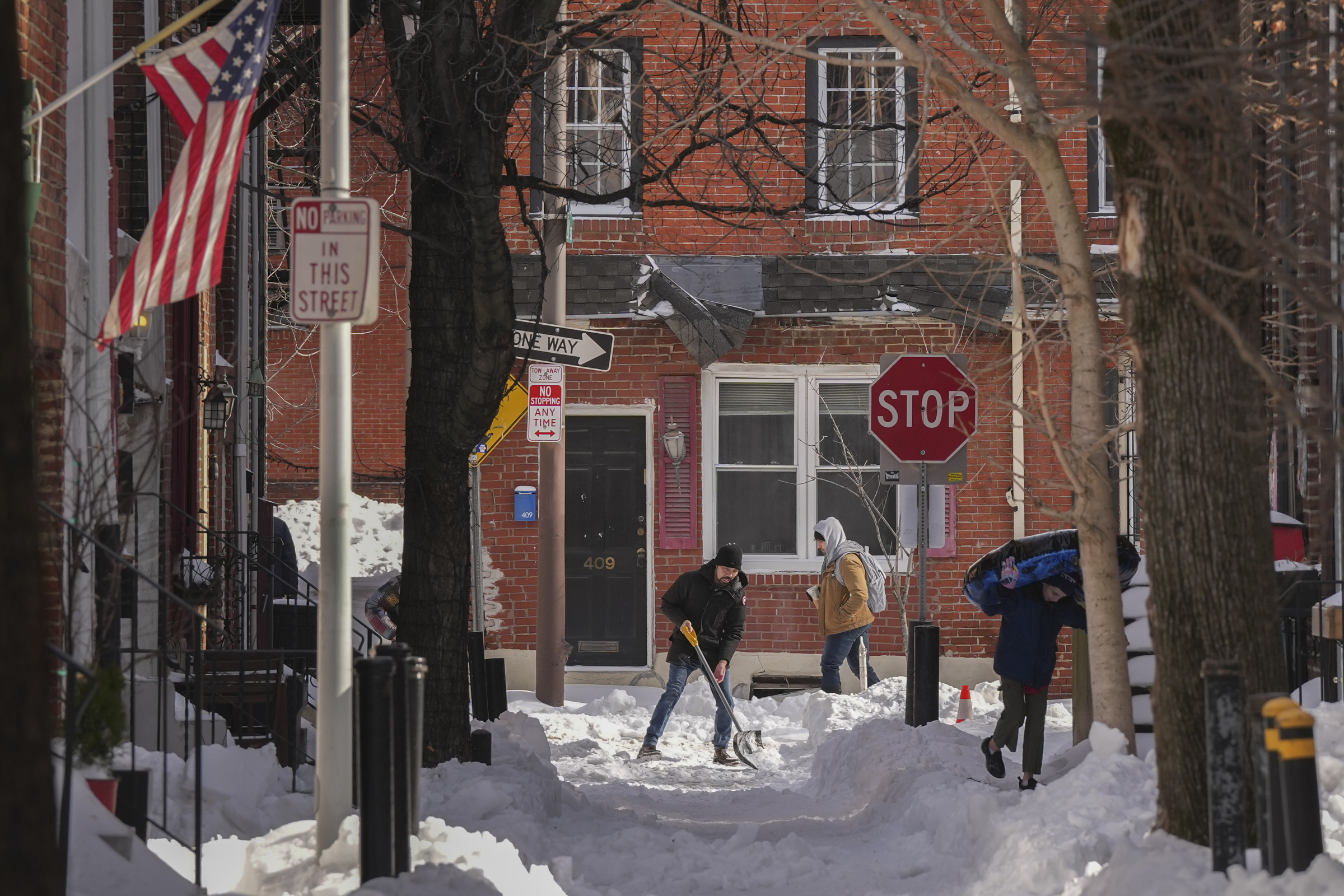
    A snow shoveler on Waverly Street on Monday.

    Davis, a founding executive at an AI startup, said he didn’t need the money, so he accepted however much his neighbors thought was fair. He ended up making about $40 to $50 per car, money he said he’ll likely use for something “frivolous” like a nice dinner out in the city.

    If there is another snowstorm this winter, he said, he’d offer his shoveling services again.

    “Why not?” Davis said. “I’d love to see the young kids get out there and do it. I think they’re missing out.”

    In Broomall, Maggie Shevlin said she has never seen teenagers going door to door with shovels, but some of her neighbors have.

    During this most recent storm, the 31-year-old turned to Facebook to find someone to clear her mother’s driveway and walkway in neighboring Newtown Square. Shevlin connected with a man who showed up at 6:30 a.m. Monday, she said, and did a thorough job for a good price.

    “I figured it would be somewhere around $100. He charged me only $50,” said Shevlin, who works as a nanny and a singer. “Oh my god, [my mom] was so thankful.”

    How a professional company sets snow removal prices

    A snow removal contractor clears the sidewalk in front of an apartment building in Doylestown on Wednesday.

    Some Philadelphia-area residents, especially those with larger properties, use professional snow removal services. They often contract with these companies at the start of the winter, guaranteeing snow removal — at a price — if a certain amount falls.

    In Bristol, Bucks County, CJ Snow Removal charges $65 to $75 to remove two to four inches of snow from driveways, walkways, and sidewalks at a standard single-family home, said co-owner John Miraski.

    The cost increases to $95-$115 for a corner house, he said, and all rates rise about $25 for every additional two inches of snow.

    Last week, he said, several people called him asking for help shoveling out cars, but he was too busy to take on the extra customers. He passed those requests to other companies, he said, and recommended they charge “nothing less than $50 to $60, because you’re dealing with [nearly] a foot of snow plus a block of ice.”

    Miraski said he recommends professionals because they are insured. That’s especially important, he said, in storms that involve sleet or freezing rain, as Philly just experienced.

    “You start throwing ice, who knows where it is going and what it is hitting,” Miraski said.

    Professionals are more expensive, he acknowledged, but often more thorough. “Some of my properties we went back to two or three times to make sure they were cleared.”

    And sometimes, regardless of who shovels, a resident can find themselves unexpectedly stuck in the snow again.

    In Northeast Philadelphia, J’Niyah Brooks paid $50 for a stranger to dig out her car on Sunday night. But when she left for her job as a dialysis technician at 3 a.m. Monday, her car had been plowed in.

    “I was out there kicking snow,” said Brooks, who was eventually able to get to work.

  • John du Pont shot and killed Olympic wrestler Dave Schultz on this week in Philly history

    John du Pont shot and killed Olympic wrestler Dave Schultz on this week in Philly history

    The multimillionaire became a murderer on Jan. 26, 1996. That part is known.

    But why John du Pont shot and killed Dave Schultz, an Olympic champion freestyle wrestler who was living and working on du Pont’s Newtown Square estate, is still a mystery.

    Foxcatcher

    John Eleuthere du Pont was not a captain of industry, but he was a descendant of one.

    His great-great-great-grandfather was Eleuthere Irenée du Pont de Nemours, who founded the Wilmington chemical giant.

    The most notable title of the du Pont heir’s life was sports enthusiast.

    He transformed his 800-acre estate, known as Foxcatcher Farm, into a world-class athletic training facility. He opened the facility to athletes and their families so they had a place to stay while wrestlers, like Schultz, could prepare for major competitions.

    In 1996, Schultz, a 1984 Olympic gold medalist, and his family stayed there while he trained for that year’s Summer Olympics.

    But even before the run-up to the Summer Games, du Pont’s behavior had become increasingly strange.

    Conviction

    His sister-in-law, Martha du Pont, said they expected something like this to happen.

    Foxcatcher’s overseer had been abusing cocaine and alcohol, and had been walking around with loaded guns for several years.

    During angry outbursts, he would even threaten athletes with guns.

    But why he pointed a .44-caliber revolver at the 36-year-old Schultz during an argument on the estate’s grounds and fired three times will forever be a mystery.

    Du Pont holed up in his mansion for two days before surrendering to police after his heat was cut off during an especially cold weekend.

    On Feb. 25, 1997, he was ruled guilty but mentally ill, and convicted of third-degree murder.

    He offered no explanation for his behavior, only excuses.

    He was sentenced to 13 to 30 years in prison.

    Du Pont died in prison at age 72 on Dec. 9, 2010, four years before an award-winning film starring Steve Carell about the incident would hit theaters.

    Nearly 30 years after his conviction, he is the only member of the Forbes 400 richest Americans to have been convicted of murder.

    Nancy Schultz, who witnessed the shooting, said she never understood why her husband was killed. And she was struck by something du Pont never did.

    “He never just said, ‘I’m sorry.’”

  • Federal shutdown may bring a halt to food assistance for half a million Philadelphians

    Federal shutdown may bring a halt to food assistance for half a million Philadelphians

    Nearly 2 million Pennsylvanians — including 500,000 Philadelphia residents — won’t receive SNAP benefits in November if the federal government shutdown continues, state officials said.

    The Supplemental Nutrition Assistance Program provides $366 million a month to low-income people in the state, according to the Pennsylvania Department of Health and Human Services (DHS). Most households that receive SNAP benefits consist of elderly people, children, or individuals with disabilities, according to hunger experts.

    This is the first federal shutdown in at least 20 years in which SNAP will not be made available, said George Matysik, executive director of the Share Food Program, a food bank that serves 500,000 people living in the region.

    “It’s like a horror movie where the call is coming from within the house,” Matysik said in an interview last week. “Our own federal government is making the choice to take benefits from Pennsylvanians,” who are among 42 million people nationwide who participate in the program.

    In Philadelphia, Share has seen a 120% increase in food need over the last three years, Matysik said. “And that was with SNAP,” he added, saying the city faces a greater food crisis now than it did during the pandemic.

    In an email Monday, the Pennsylvania DHS blamed Republicans “who control the U.S. Senate, the U.S. House, and the White House” for failing to pass a budget and causing the current difficulties Americans endure.

    “We urge Republicans in Congress to reopen the government and protect vulnerable Pennsylvanians at risk because of this inaction,” the email said.

    Gov. Josh Shapiro’s office could not be reached for comment. In May, Shapiro said that the commonwealth would be unable to replace lost funding for SNAP should the federal government fail to pay.

    The U.S. Department of Agriculture, which administers SNAP, did not return calls for comment. The White House issued a statement that the shutdown is affecting personnel in its press office, delaying responses. The statement blamed Democrats for the government’s closure: “Please remember this could have been avoided if the Democrats voted for the clean Continuing Resolution to keep the government open.”

    To receive SNAP benefits, individuals carry EBT (electronic benefits transfer) cards that are loaded monthly with the amounts to which they are entitled.

    The shutdown began Oct. 1 after Congress could not reach a compromise to allow funding to continue. The region’s 46,000 federal workers found themselves without paychecks. The Trump administration, meanwhile, began laying off federal workers, with a goal of sacking 4,000 of them. A federal judge in California intervened to halt the layoffs. A hearing is scheduled for Tuesday.

    Like other states, New Jersey faces the same funding difficulty. If the federal government remains closed by Nov. 1, about 800,000 people will be without SNAP benefits.

    Elderly people who rely on SNAP will suffer throughout Pennsylvania because, for them, “food is medicine,” said Allen Glicksman, director of research at the Eastern Pennsylvania Geriatrics Society in Newtown Square. “Without it, there’s the chance of a health catastrophe that will cost more money in Medicaid and in emergency room visits.”

    There are 234,638 Philadelphians age 65 and older, 104,972 (45%) of whom live below the federal poverty line ($21,150 for two individuals in a household), Glicksman calculated.

    Brian Gralnick, executive director of the Center for Advocacy for the Rights and Interests of Elders (CARIE) in Center City, agreed. “Consequences will be devastating. Without federal government dollars, ending or even addressing hunger in the region will be as successful as draining the Delaware River using Eagles helmets.”

    For children, the potential shortage of SNAP benefits will be no less calamitous, said sociologist Judith Levine, director of the Public Policy Lab at Temple University.

    “Food is a necessary element for brain development and growth,” she said. “And there’s a clear connection between hunger and the ability to perform in school.

    “This is a complete crisis we are facing.”

    One in four Philadelphia children experiences food insecurity — lack of enough food over the course of a year to live a healthy life — according to a City Council report.

    In the neighborhoods, the word about the halt to SNAP benefits is circulating. Fear and confusion had already been growing after the Trump administration announced changes to the SNAP program that would make it more difficult for some people to access benefits.

    Among the changes: Some SNAP recipients ages 18 to 54 who are able to work and do not support a child under 18 are now required to report at least 20 hours of work, training, or volunteering per week, or 80 hours per month, to keep their benefits.

    Despite the revisions to the program, however, many people these days are more worried about what happens if SNAP halts.

    “People are very anxious about that,” said Pastor Tricia Neal, director of the Feast of Justice food pantry at St. John’s Lutheran Church in the Northeast.

    “The anxiety level is driving more people to come here, and, because we serve 5,500 households, we are well beyond the capacity of what we can support. It’s really horrendous to look at what’s happening here.”

    That much is clear, according to Rosemary Diem, who tries to stave off hunger for her and her husband by combining SNAP benefits with visits to Feast of Justice.

    “Everything at the pantry is running low,” said Diem, 60, who is disabled, as is her husband, Joseph, 63. “I see us getting hurt without SNAP. There won’t be money for milk and eggs.

    “How am I going to get through?”