Tag: Philadelphia International Airport

  • Escape Lounges is opening a new location at the Philadelphia airport

    Escape Lounges is opening a new location at the Philadelphia airport

    A new airport lounge is landing soon in Philadelphia.

    Escape Lounges is set to open a location at the Philadelphia International Airport later this year, according to MarketPlace PHL, which manages the airport’s concessions. The lounges run on a pay-per-visit model, with food and drink included, and do not require customers to have a certain credit card.

    Escape’s 1,500-square-foot space in Terminal D will serve food and drinks, according to MarketPlace PHL, and include a bar and other seating areas that overlook the runways.

    The U.K.-based Escape Lounges operates 20 U.S. locations, including Syracuse and Providence, R.I. The lounges are open to all travelers within three hours of their departing flights, according to the company’s website.

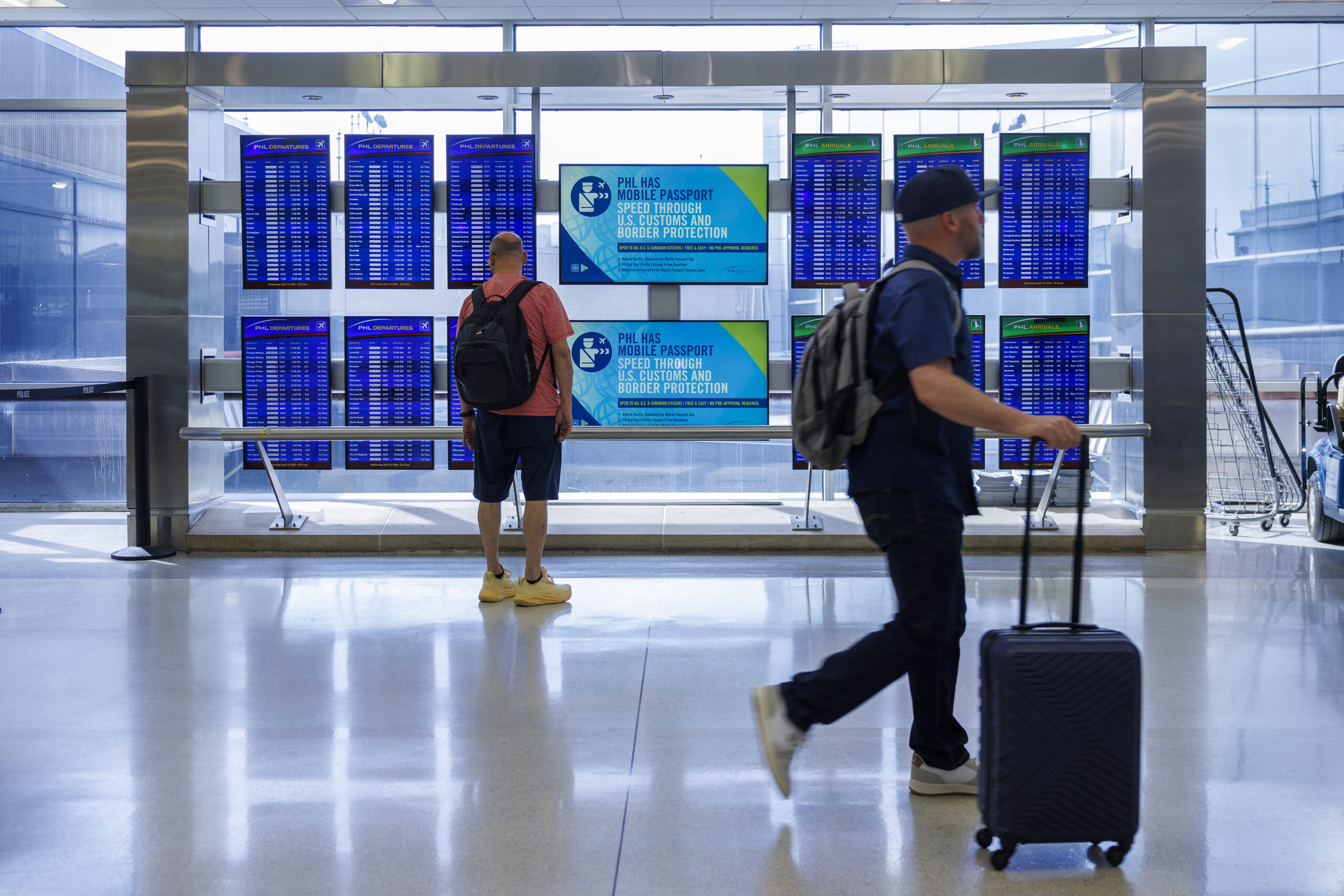
    Someone looks at the arrivals and departures board at Philadelphia International Airport in April.

    Prices fall between $45 and $65 per person for walk-ups, while customers who pre-book online can get reduced rates starting at $32. Complimentary access is available for American Express cardholders.

    The cost includes food and drink, including wine, beer, and spirits, according to Escape. Customers also get private Wi-Fi, charging ports and outlets, printing and copy services, and PressReader, which provides digital access to more than 7,000 newspapers and magazines.

    The news comes at a time when airport lounges have become more accessible than ever — and often more crowded. A growing number of credit cards offer lounge access, and travelers without the required cards can buy day passes to most spots.

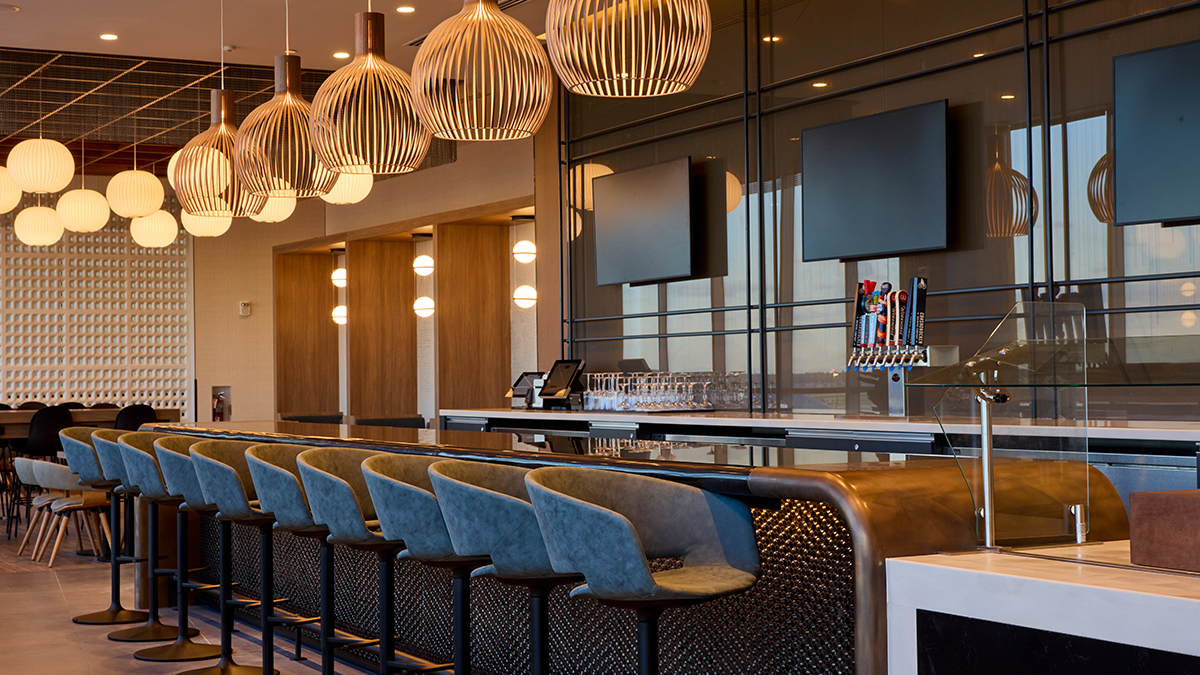
    The bar at the American Airlines Flagship Lounge at Philadelphia International Airport.

    As a result, the airport lounge market is evolving and growing, with analysts expecting it to reach $6.4 billion by next year.

    Last year at Philadelphia International Airport, Chase Sapphire opened a lounge between Terminals D and E, and American Airlines opened neighboring lounges in Terminal A-West.

    American Express and British Airways also operate lounges in Terminal A-West, from which many international flights depart.

    The airport also has a United Club between Terminals C and D, and Delta Sky Club between Terminals D and E, as well as private Minute Suites between Terminals A and B.

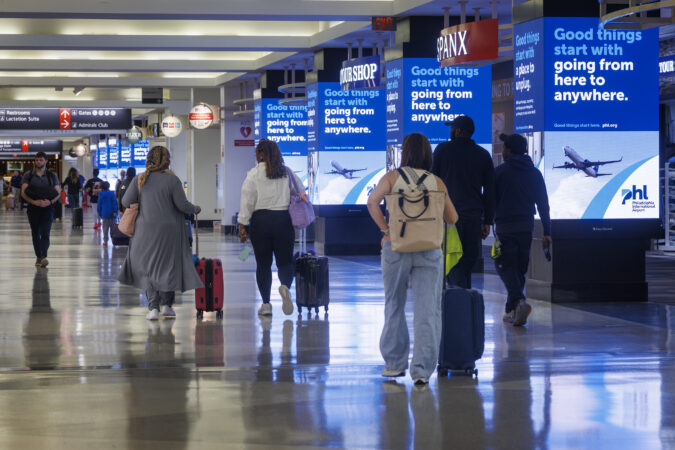
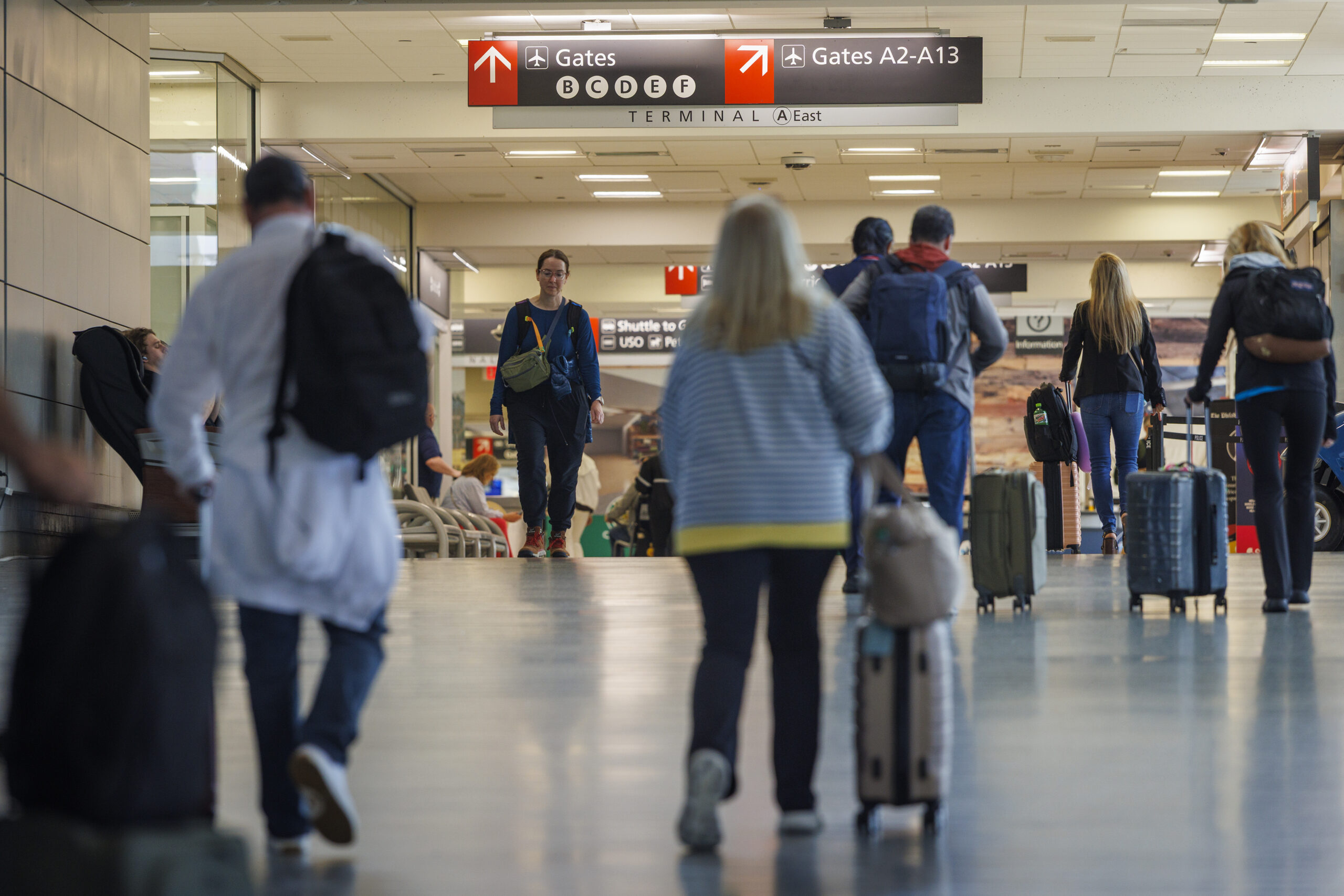
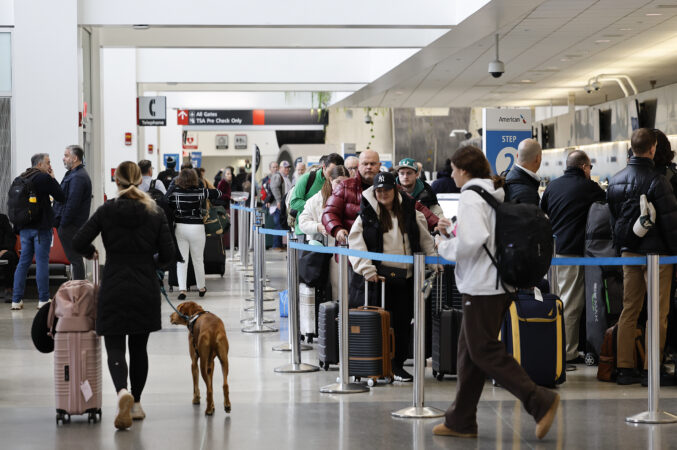
    Travelers walk through Philadelphia International Airport in April.

    Last year, more than 30.1 million travelers passed through Philadelphia International Airport, which is getting $500 million in upgrades.

    While the total number of 2025 passengers dropped slightly from the prior year, the airport saw a 7.5% increase in international travelers, executives said.

    It was also the first time since before the pandemic that the airport recorded two consecutive years with more than 30 million annual passengers.

  • Frontier fills Spirit Airlines’ void left at Philadelphia airport with new flight

    Frontier fills Spirit Airlines’ void left at Philadelphia airport with new flight

    Frontier Airlines has begun new nonstop daily service between Philadelphia International Airport and Detroit, taking over a route formerly operated by discount carrier Spirit Airlines.

    The service began Sunday, the airline said, adding that it is offering a special introductory one-way fare of $79 between the two cities.

    Frontier and other budget airlines such as Allegiant Air have moved to fill gaps in service since Spirit, a pioneer of cheap fares, ran out of cash and shut down May 2.

    “We are pleased to grow our service at PHL, ensuring low-cost travel options remain available for consumers,” Josh Flyr, vice president of network and operations design at Frontier, said in a statement.

    The airline is touting other new products, including UpFront Plus seating, an option with extra leg and elbow room in the first two rows of the aircraft, the airline said. UpFront Plus customers are guaranteed an empty middle seat.

    Frontier carried about 3.1 million passengers into and out of PHL during 2025, ranking second after American, the airport’s dominant carrier, with over 20 million passengers last year.

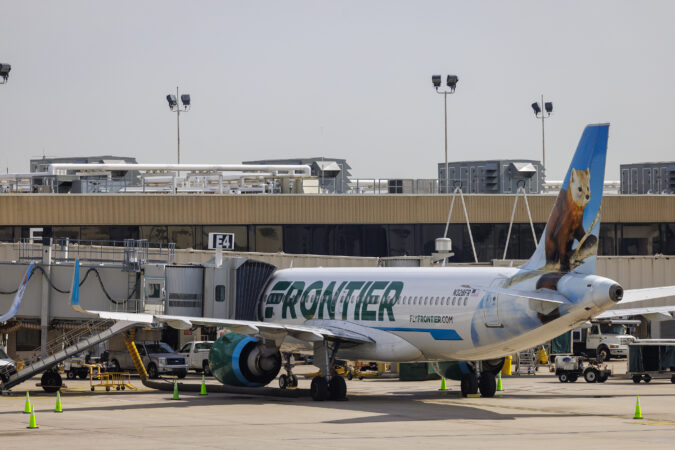
    It operates primarily from 17 gates in Terminal E.

    The promotional $79 tickets must be bought before 11:59 p.m. July 12. They apply to select nonstop flights for travel between Aug. 3 and Sept. 2, according to Frontier.

    Spirit Airlines had been in chapter 11 bankruptcy and was seeking a $500 million federal bailout to keep going. No deal was reached, so it closed and liquidated its fleet of planes. Spirit had high debt and was struggling under the weight of rising costs, especially of fuel.

  • July in Philly has become 4.4 degrees hotter since 1940 on average. Nights are even warmer.

    July in Philly has become 4.4 degrees hotter since 1940 on average. Nights are even warmer.

    Philadelphians sweated through Julys in the 1940s, brooding over World War II as temperatures averaged in the mid-to-upper 70s, including nighttime lows.

    Today, as the city prepares to mark the nation’s 250th anniversary, they swelter under average July temperatures of around 80 degrees — and those nighttimes have gotten warmer.

    Over the past 85 years, Julys in Philadelphia are running on average 4.4 degrees warmer than in 1940, based on an analysis of historical weather data. That translates to an increase of about 0.52 degrees per decade.

    (function(){function e(){window.addEventListener(`message`,function(e){if(e.data[`datawrapper-height`]!==void 0){var t=document.querySelectorAll(`iframe`);for(var n in e.data[`datawrapper-height`])for(var r=0,i;i=t[r];r++)if(i.contentWindow===e.source){var a=e.data[`datawrapper-height`][n]+`px`;i.style.height=a}}})}e()})();

    Nights are even toastier, showing a rise of 4.8 degrees over the same time period.

    (function(){function e(){window.addEventListener(`message`,function(e){if(e.data[`datawrapper-height`]!==void 0){var t=document.querySelectorAll(`iframe`);for(var n in e.data[`datawrapper-height`])for(var r=0,i;i=t[r];r++)if(i.contentWindow===e.source){var a=e.data[`datawrapper-height`][n]+`px`;i.style.height=a}}})}e()})();

    “Science shows that while summer heat is nothing new, climate change is pushing it beyond what we’ve experienced in the past,” Zachary Labe, a climate scientist at the nonprofit Climate Central, said in an email.

    The Inquirer used 1940 as a base year in its analysis because it is the oldest year for consistent records at Philadelphia International Airport. The data from the National Oceanic and Atmospheric Administration’s Regional Climate Centers ends at July 2025.

    The data does not include this July, which could set records.

    105 degrees possible

    The National Weather has issued an extreme heat warning with possible record highs starting Thursday and heading into the July 4 weekend.

    And Philadelphia has declared a heat emergency, activating the city’s pioneering heat-response system.

    High temperatures Thursday, Friday, and Independence Day are all forecast to top 100 degrees and threaten daily records. The current record highs for those dates are 103 degrees for Thursday, 104 for Friday, and 103 for the Fourth.

    The record-warmest lows are 82, 77, and 79 for those days respectively, according to data from the National Weather Service’s Mount Holly office.

    The weather service says dangerously hot conditions with heat index values between 100 and 110 degrees are expected each day. Very warm low temperatures in the mid-70s to the low 80s at night won’t offer much relief, the office noted.

    When combined, multiple days of such high temperatures and humidity will exacerbate impacts, say those meteorologists. The hottest conditions are expected Thursday through Friday.

    Climate change

    Although it’s difficult to pin any single heat wave to climate change, the majority of climate scientists say the burning of fossil fuels has led to ever-increasing amounts of heat-trapping greenhouse gases in the atmosphere and transformed the climate.

    The Princeton-based Climate Center says human activities have warmed the planet by about 1.2°C (2.2°F) above pre-industrial levels. The Princeton-based organization of scientists says that since 1970, July has warmed in 94% of the 243 U.S. cities it studied. Temperatures for the month have risen by 2.6 degrees on average.

    “That includes hotter and more humid nights like those this week, which raise health risks because the body has less time to cool down and recover,” Labe said.

    A big impact on cities

    Excessive heat hits urban areas like Philadelphia hard, said Mathy Stanislaus, of the Philadelphia Climate Justice Collective.

    The collective is a partnership of the Mantua Civic Association, SEAMAAC, Esperanza, Overbrook Environmental Education Center, and the Environmental Collaboratory at Drexel University. Stanislaus is vice provost and executive director of The Environmental Collaboratory.

    In the most densely populated, least tree-lined parts of Philadelphia temperatures can soar 20 degrees higher than in greener, wealthier neighborhoods, he notes.

    That’s because of the heat island effect, which occurs when cities are significantly warmer than surrounding areas because of the lack of tree canopy combined with high concentrations of heat-absorbing pavement, dark roofs, and buildings.

    It’s something many people in the suburbs, or wealthier areas, might not think about, Stanislaus said.

    “I don’t think people realize the gravity of the circumstances for lower income urban communities who have an affordability crisis compounded by the heat crisis,” he said.

    Stanislaus said some households in the city don’t have air-conditioning, and those that do can face a choice as to whether they should use it or not.

    “Even if they have an AC, they may not be able to afford to actually run it,” he said.

    According to a report by the collective, Philadelphia households overall on average spend about 6.7% of their income on energy, but that the burden is much higher for Black and Hispanic households. The poor conditions of many homes because of their age contribute to the strain.

    Stanislaus says temperatures strain critical public and healthcare systems.

    He credits Philadelphia for its array of cooling centers, pools, and spraygrounds. But, he said, many residents are not aware of them or lack transportation. He’d like to see more money devoted to public awareness during heat waves.

    In addition, he said healthcare systems need more staff trained in heat-related care and education, as well as better tracking heat-related illnesses and deaths.

    There has been one death attributed to heat so far this year, according to data from the Philadelphia Department of Public Health. In the past two decades, the biggest number of deaths came in 2011 and 11 with 35. But the city has upped its response measurably since then and the number of deaths has trended down.

    Stanislaus believes heat-related deaths and illnesses are underreported.

    “There’s an urgency to heat,” Stanislaus said. “We need to meet the moment.”

  • The partial shutdown forcing TSA agents to work without pay could not have come at a worse time | Editorial

    The partial shutdown forcing TSA agents to work without pay could not have come at a worse time | Editorial

    Lost in the economic and political fallout from Donald Trump’s war in Iran is the growing chaos at airports and an increased terrorist threat inside the United States.

    More than 60,000 Transportation Security Administration employees have been working without pay because of the partial government shutdown that began on Feb. 14. More than 300 TSA agents have quit and thousands more have been calling out from work, prompting long lines at many airports.

    TSA temporarily closed the security checkpoint at Terminal C in the Philadelphia International Airport last week.

    Despite staffing shortages, the wait times for travelers in Philadelphia remained manageable for now. But travelers at other airports waited more than three hours to get through security.

    The partial shutdown that resulted in funding lapses for the Department of Homeland Security could not come at a more dangerous time. Federal law enforcement agencies remain on high alert following threats to the United States after Trump and Israel began bombing Iran.

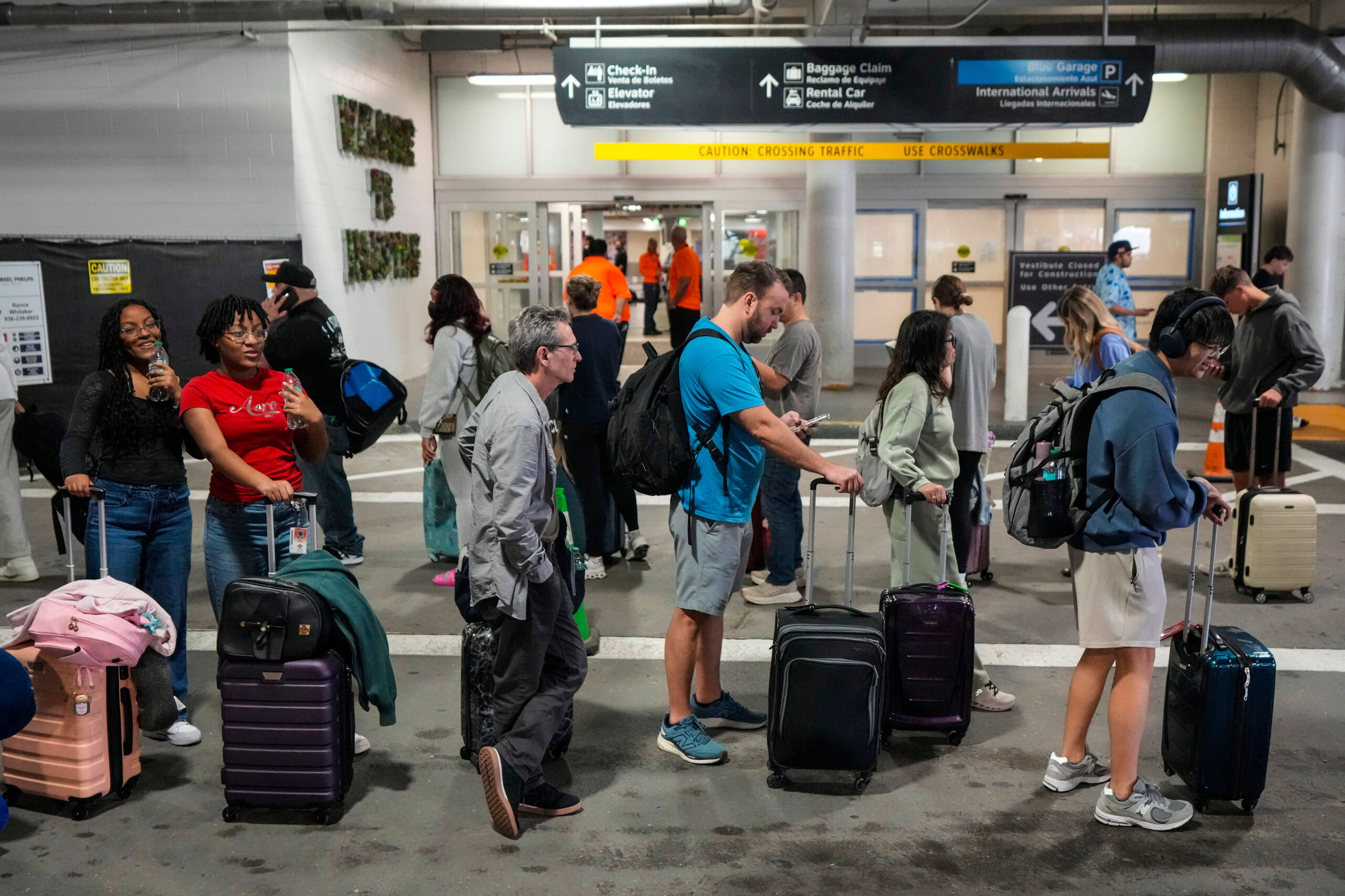
    Airline passengers wait in long lines outside the terminal to get through the TSA security screening at William P. Hobby Airport in Houston on March 8.

    Indeed, Trump’s war has apparently already spurred several terror attacks on U.S. soil.

    • Two teens from Bucks County who said they were inspired by ISIS were charged with trying to set off homemade bombs during a protest outside the residence of New York Mayor Zohran Mamdani.
    • Iran-linked hackers claimed responsibility for a cyberattack on Stryker, a Michigan-based company that makes a range of medical equipment and technology.
    • A U.S. citizen born in Lebanon drove a truck into a synagogue in Michigan last week after four of his relatives were killed in an Israeli airstrike.
    • A naturalized citizen from Sierra Leone accused of killing an ROTC instructor at Old Dominion University was previously convicted of supporting ISIS.
    • A U.S. citizen from Senegal who was wearing a T-shirt with the colors of the Iranian flag was accused of killing three people and injuring a dozen more outside of a bar in Austin, Texas, the day after the initial attack on Iran.

    The motives for the attacks are still being investigated but law enforcement officials urged people to report suspicious activity, and police have increased patrols around synagogues and public transit hubs.

    The growing threats come as the Trump administration spent the past year decimating national security.

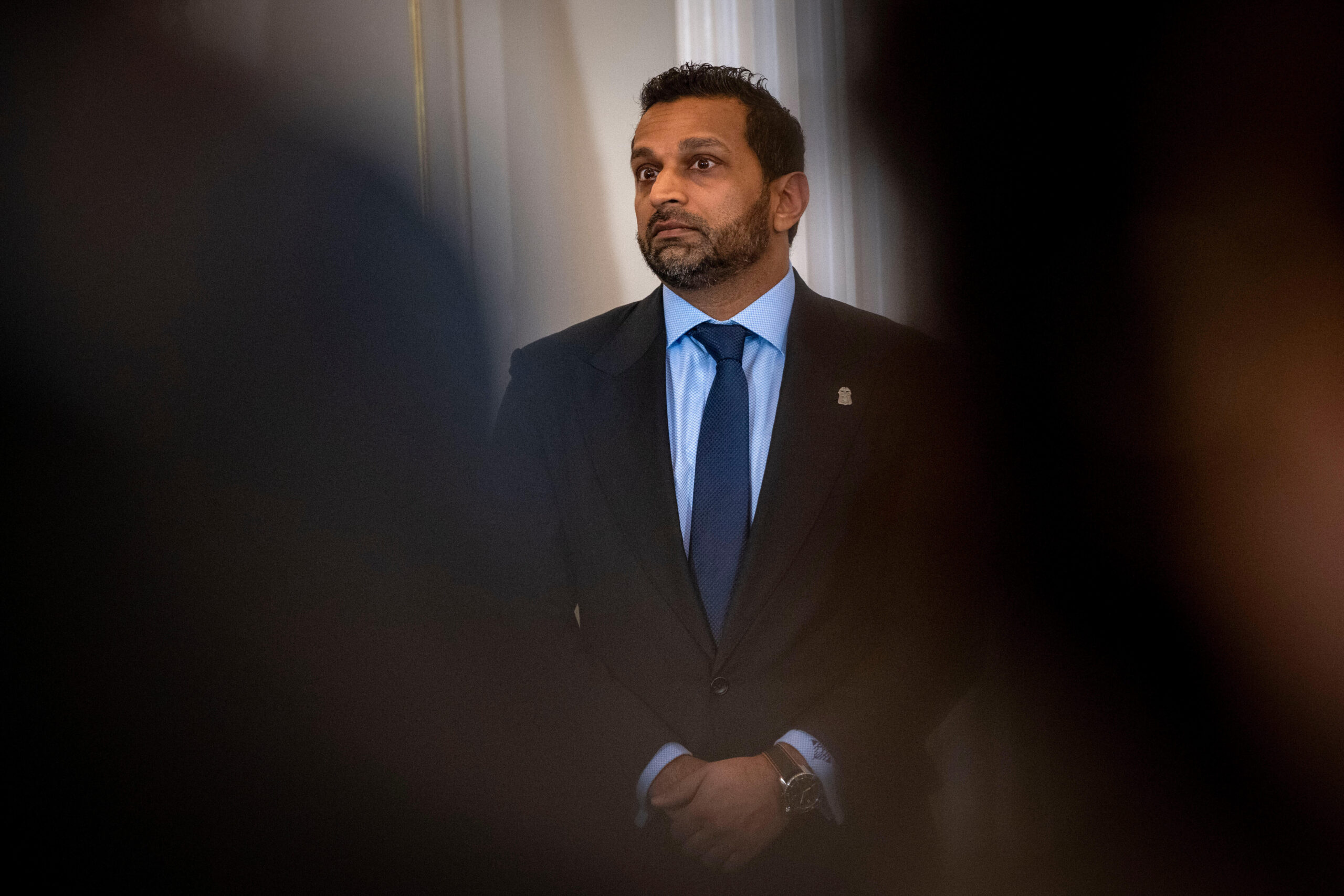
    FBI Director Kash Patel fired counterterrorism agents because they were involved in the investigation that led to Trump’s criminal indictment in 2023 on charges of mishandling classified documents.

    At the same time, the FBI and Homeland Security have shifted thousands of agents to focus on immigration enforcement, while the Justice Department’s elite national security division has faced mass firings, resignations, and forced retirements.

    FBI Director Kash Patel fired counterterrorism agents because they were involved in the investigation that led to President Trump’s criminal indictment in 2023 on charges of mishandling classified documents.

    More unsettling, the person now overseeing Homeland Security’s terrorism prevention programs is a 22-year-old former Trump campaign worker fresh out of college with no apparent national security expertise.

    Meanwhile, thousands of TSA agents — who are charged with screening customer baggage and cargo for weapons and explosives — are overworked and not getting paid.

    TSA agents, who make an average of $35,000, endured a 43-day government shutdown last fall, making this the second time in six months they have been forced to work without pay.

    A TSA union representative said several employees reported lacking money for daycare and food. “They just want to know why the hell they can’t get paid when we have money to shoot missiles into other countries,” Johnny Jones, secretary-treasurer of American Federation of Government Employees TSA Council 100 and a Dallas-based TSA worker, told USA Today.

    Republican and Democratic lawmakers blamed each other for the shutdown underscoring the deep political divide and dysfunction in Washington.

    Airline chief executives demanded Congress find a way to pay the TSA workers as the shutdown disrupts travel and undermines safety.

    Trump, who took a break from his war to play golf over the weekend, offered cold comfort when asked if Americans should worry about terror attacks in the United States: “I guess,” he responded. “Some people will die.”

    Trump, quite literally, to America: Drop dead.

  • TSA closes Terminal C checkpoint at PHL Airport due to staffing shortages

    TSA closes Terminal C checkpoint at PHL Airport due to staffing shortages

    The Transportation Security Administration temporarily closed the Terminal C security checkpoint at Philadelphia International Airport on Thursday morning.

    “Due to staffing constraints related to the government shutdown, the TSA, in collaboration with the airport, is temporarily closing the Terminal C checkpoint,” said PHL spokesperson Heather Redfern.

    All other security checkpoints remain open, and TSA PreCheck passengers can use the designated lanes at the Terminal A-East and D/E checkpoints. There is no timeline for when Terminal C will be back up and running.

    “We encourage you to check the MyTSA app or the airport’s website to find current wait times and to arrive early to the airport,” said an American Airlines spokesperson. “We are grateful for our federal partners at TSA who continue to ensure safe travel for our customers.”

    The scene at the TSA checkpoint line in Terminal B at Philadelphia International Airport on Sunday morning, Nov. 9, 2025.

    The TSA is experiencing a lapse in funding, alongside other Department of Homeland Security agencies, because its budget has not been passed by Congress.

    In January, federal lawmakers narrowly avoided another full government shutdown by approving budgets for all federal agencies except the Department of Homeland Security. Republicans and President Donald Trump agreed to carve out the DHS budget for further negotiations as Democrats want to put more guardrails on federal immigration enforcement.

    There have been a couple of attempts at passing the DHS budget, but neither side has budged on its demands. The only Senate Democrat to support funding DHS is Pennsylvania Sen. John Fetterman.

    At this point, there is no end in sight to the DHS shutdown and, by proxy, the lapse in TSA funding that is leading to staff shortages across the country, including Philadelphia’s airport.

  • Can legacy brands like Coach bring Gen Z shoppers to the mall? Cherry Hill Mall executives think so.

    Can legacy brands like Coach bring Gen Z shoppers to the mall? Cherry Hill Mall executives think so.

    When Coach opened a store at the Cherry Hill Mall in November, mall executives were ecstatic — even though it’s been 85 years since the high-end retailer was founded.

    Coach is as hot as ever. And its new shop in Cherry Hill is just another sign of the South Jersey mall’s success, according to leaders with Pennsylvania Real Estate Investment Trust (PREIT), which owns the complex.

    “Cherry Hill is clearly a dominant fashion property,” Paula Charles, PREIT’S first vice president of leasing, said in a recent interview.

    In the competitive Philadelphia market, “the better retailers have gravitated toward the better assets,” including Cherry Hill, added Joe Aristone, PREIT’s chief revenue officer.

    They noted that top-tier retailers increasingly include legacy brands — long-established companies like Coach, Zara, and Levi’s, that are making a nostalgic, social media-fueled comeback with younger consumers.

    These retailers are seeing a resurgence at the same time that many malls are leaning into newer experiential concepts, such as King of Prussia Mall’s new Netflix House, its forthcoming Level99 live-gaming venue, and the Dick’s House of Sport set to open at the Cherry Hill Mall this year.

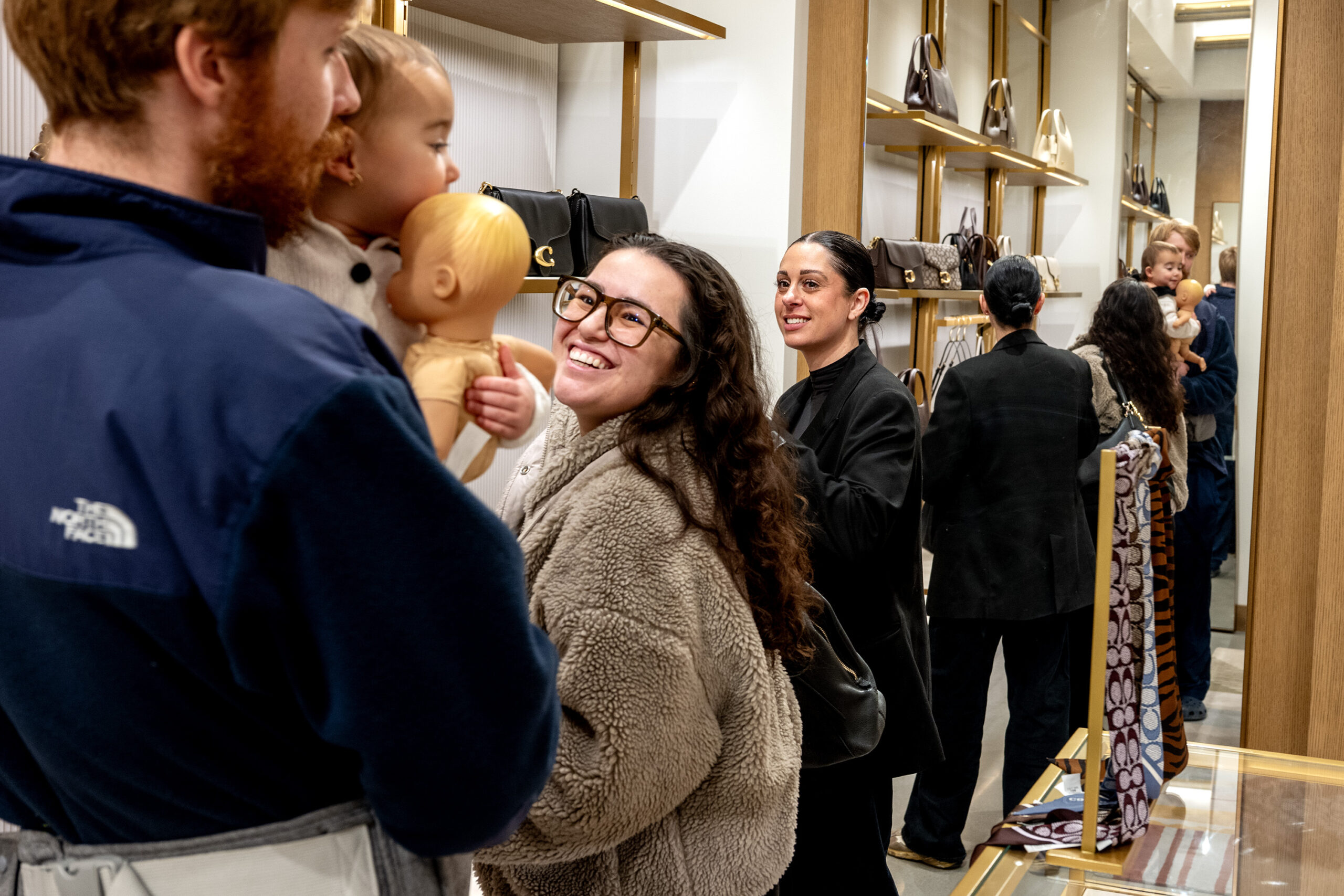
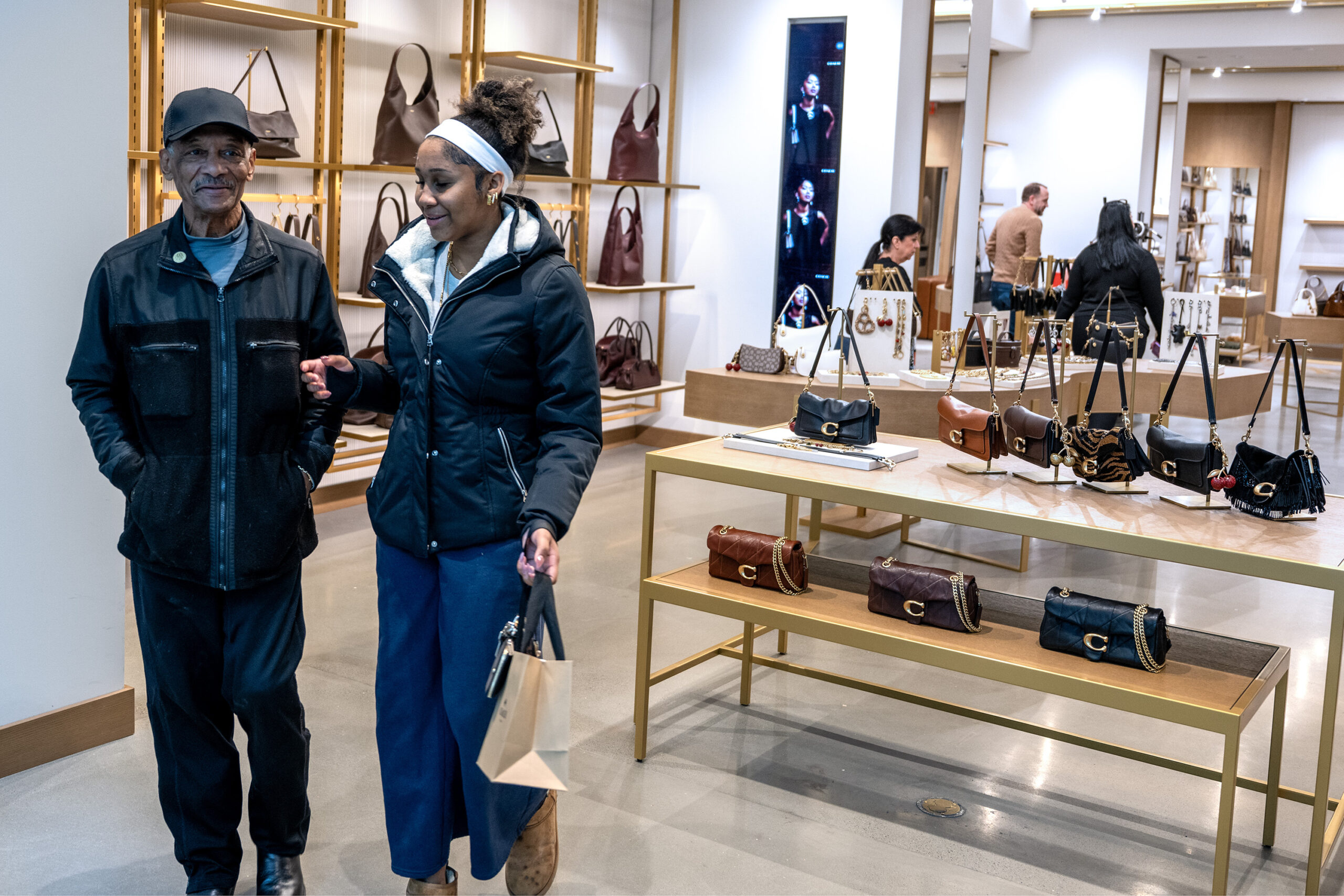
    Employee Alex Costa (right) assists Alessandra Bruno as she shops for purses with husband, Luke Baur, and their 20-month-old daughter, Rosalina, at the Coach store at the Cherry Hill Mall.

    Coach’s parent company, Tapestry, recently reported that Coach saw a 25% increase in sales in its most recent quarter. Tapestry executives attributed the rise to a surge in Gen Z customers, who are under 30.

    Other legacy brands, including Gap and Abercrombie & Fitch, have also reported consistently strong earnings in recent years.

    In the Philadelphia area, these retailers have maintained a presence along shopping corridors in Center City and at higher-performing malls like Cherry Hill and King of Prussia, which is owned by Simon Property Group.

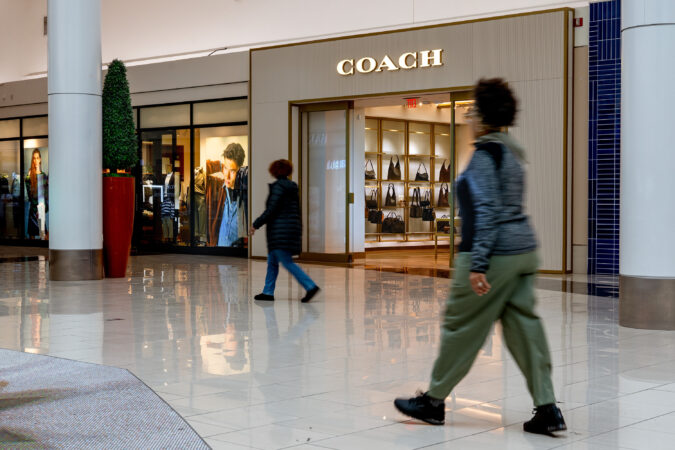
    Prior to the Cherry Hill opening, Coach operated shops in King of Prussia and Marlton, as well as off-price locations at the Philadelphia Premium Outlets near Pottstown, the Gloucester Premium Outlets in Blackwood, and the Tanger Outlets in Atlantic City. The brand also has an outpost at the Philadelphia International Airport.

    Coach spokespeople did not return requests for comment about their investment in the region.

    PREIT executives declined to comment on sales so far at their new Coach store, but said brand and mall executives are pleased with how the store is doing — and what that means going forward.

    “Coach has had a strategy to make sure that they capture Gen Z,” a demographic that PREIT executives also want to attract and retain as they age, Charles said.

    Why Gen Z and millennials love Coach

    Joe Williams, of Magnolia, N.J., buys a handbag for his daughter, Samantha Williams, at the Coach store at the Cherry Hill Mall.

    About two years ago, Breana Stringer, now 26, noticed that many of her friends were going out with Coach bags. And when she’d open TikTok, she said, the platform’s algorithm showed her videos of other users’ Coach collections.

    Up until that point, the Fishtown resident had been an accessory minimalist: “I was very much an ‘if it doesn’t fit in my pocket, I’m not bringing it’” type of person.

    But Stringer said she was influenced by her friends and TikTok to start buying Coach bags, mostly secondhand (though she has received new Coach bags as gifts). She has come to enjoy styling them with her outfits.

    To Stringer, Coach’s appeal to Gen Z consumers is simple, she said: “They’re affordable in terms of a luxury name brand, and they’re vintage styles.”

    New Coach bags start at $95 for a short shoulder bag, while larger purses can cost $500 or more. At outlet stores and secondhand shops, prices are lower.

    In South Philly, Stephanie Gonzalez, 33, has restored and resold dozens of vintage Coach bags, mostly to Gen Z and millennial women.

    She said these women see the Coach brand as “timeless.”

    For Gen Z, “what is happening is they are really into Y2K, late-’90s, early-’90s nostalgia,” Gonzalez said. “TikTok has been a big hub for people” to share their love of Coach and brands that were popular in those years.

    As for other legacy brands, Stringer said some of her Gen Z friends have also started wearing Cartier rings, which have been around since the mid-1800s and can cost more than $1,000. It’s a trend Stringer has yet to get behind, she said, because she has a tendency to lose small accessories: “I’m less likely to lose a bag.”

    How legacy brands are boosting Philly-area malls

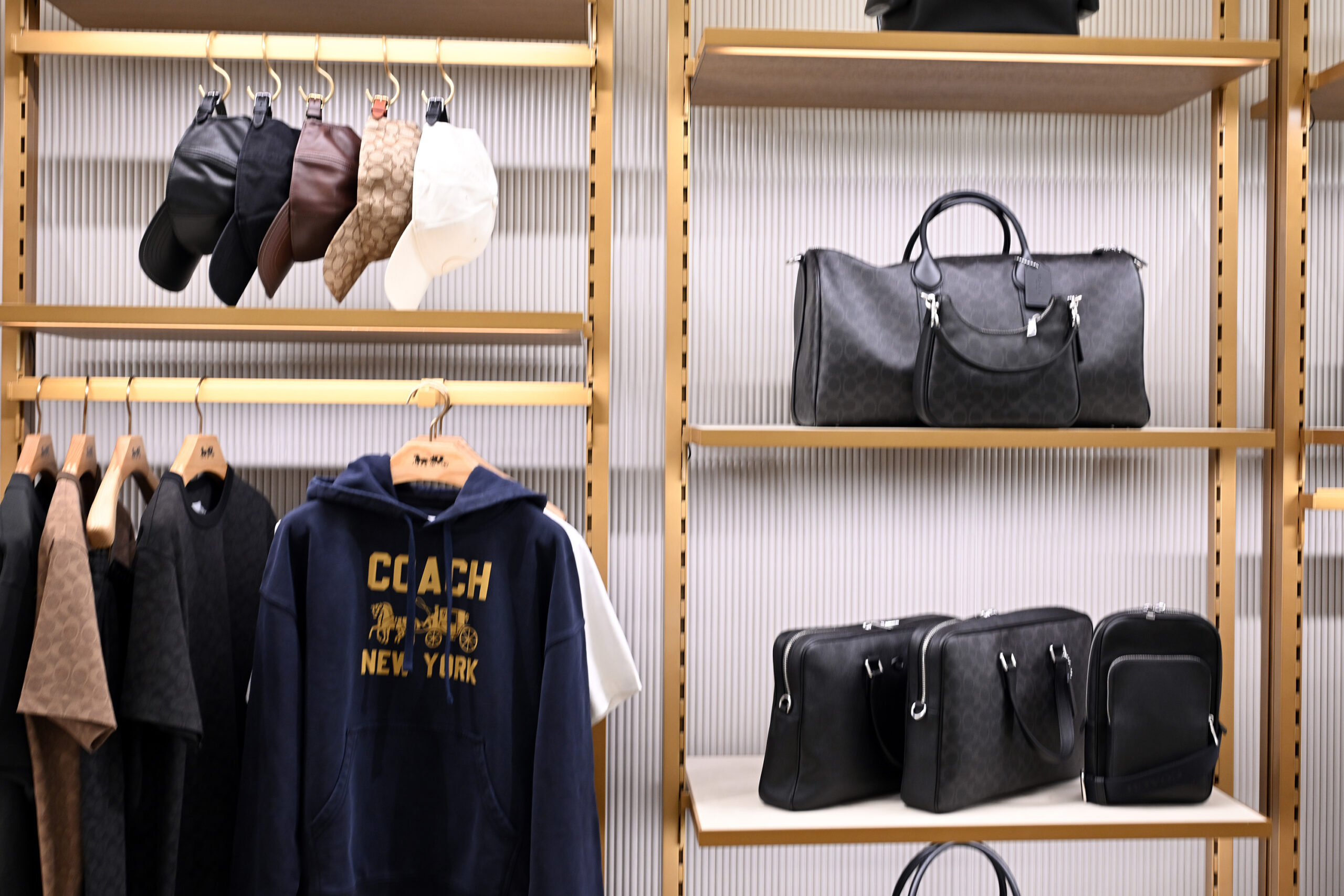
    Products are displayed at the Coach store at the Cherry Hill Mall.

    Cherry Hill Mall isn’t the only local shopping center to have welcomed new legacy retailers recently.

    In the past six months, Abercrombie & Fitch, Columbia Sportswear, Lacoste, and New Balance have opened new stores at the King of Prussia Mall, and an Adidas outpost is also set to open there soon.

    At the Philadelphia Premium Outlets, Hugo Boss, Marc Jacobs, and New Balance have opened stores in the past year, while the Gloucester Premium Outlets in Blackwood have added New Balance and Columbia locations. Like the King of Prussia Mall, both outlet malls are owned by Simon Property Group.

    Typically, these re-energized brands are attracted to places where other similar companies have already set up shop, say the PREIT executives who help shape the tenant mix at the Cherry Hill Mall.

    And they said this cyclical effect further cements the region’s dominant retail centers as shopping destinations.

    “There is so much media out there as it relates to closed malls,” said Aristone, the chief revenue officer. Many of the surviving malls, however, are thriving, he said, thanks in part to these legacy brands.

  • Noel Mayo, groundbreaking Black industrial designer and college professor, has died at 88

    Noel Mayo, groundbreaking Black industrial designer and college professor, has died at 88

    Noel Mayo, 88, formerly of Philadelphia, widely recognized as the first Black owner of an American industrial design firm, first Black American college chair of an industrial design department, first Black industrial design graduate of Philadelphia College of Art, award-winning super mentor, and champion of professional diversity, equity, and inclusion, died Thursday, Jan. 29, of a probable heart attack at an assisted living center in Delaware County.

    Rejected for an industrial design job after college because he was Black, Professor Mayo went on to found Noel Mayo Associates Inc. in Philadelphia in 1964. He spent 11 years in the late 1970s and ’80s as a professor and first Black chair of the industrial design department at what became the now-defunct University of the Arts, and 27 years, from 1989 to 2016, as a governor-appointed eminent scholar in art and design technology at Ohio State University.

    “Dr. Mayo leaves behind a transformative legacy,” former colleagues at Ohio State said in a tribute, “whose impact shaped generations of students, elevated the field of design, and advanced diversity and inclusion across the profession.”

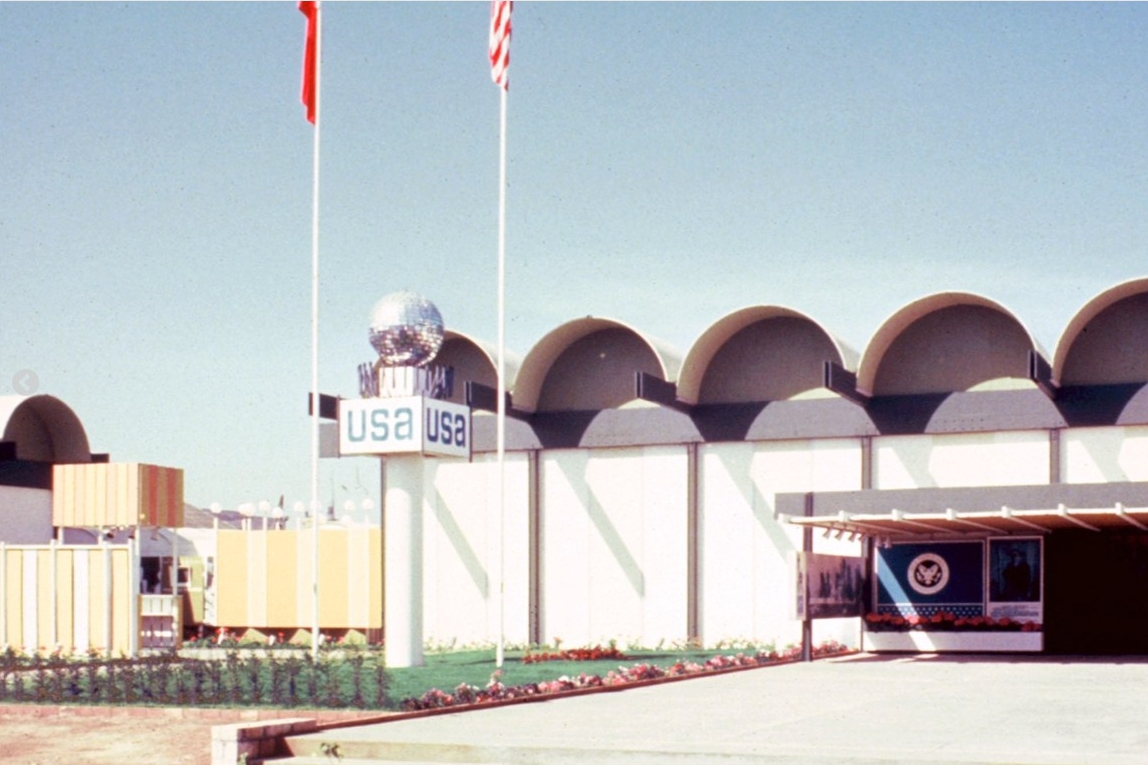
    As the trailblazing owner and president of Noel Mayo Associates for decades, he and his staff designed all kinds of products, interiors, exteriors, graphics, mobile exhibits, and signage systems for companies and private clients around the world. He worked with NASA, IBM, Black & Decker, Philadelphia International Airport, museums, government agencies, and public institutions.

    He collaborated with Lutron Electronics for 45 years and is named on hundreds of its design and utility patents. In 1984, he remodeled the mayor’s City Hall office after Wilson Goode replaced Bill Green. In 1988, he advised officials at the old Spectrum on the placement of a Julius Erving statue in South Philadelphia.

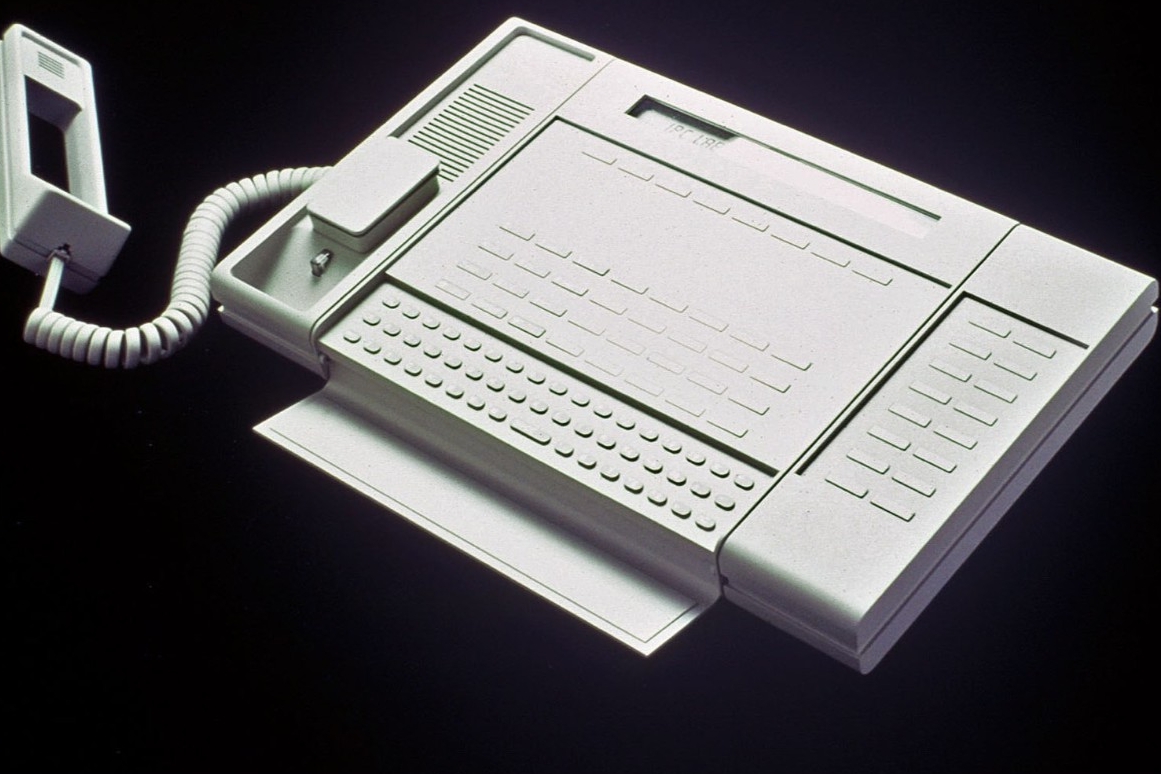
    He designed computer-driven telephones in the 1980s that could dial 96 phone numbers automatically and leave messages. “I realize how pressured this is,” he told the Daily News for a 1984 story about design and technology’s effect on modern life. “But people want it.”

    Professor Mayo was featured in a 1977 story by Inquirer design critic Ellen Kaye, and she praised the “visual fluidity” he created in a refurbished Bala Cynwyd high-rise condo. She wrote about his work again in 1978, and he said design “revolves around problem-solving from a logical point of view.”

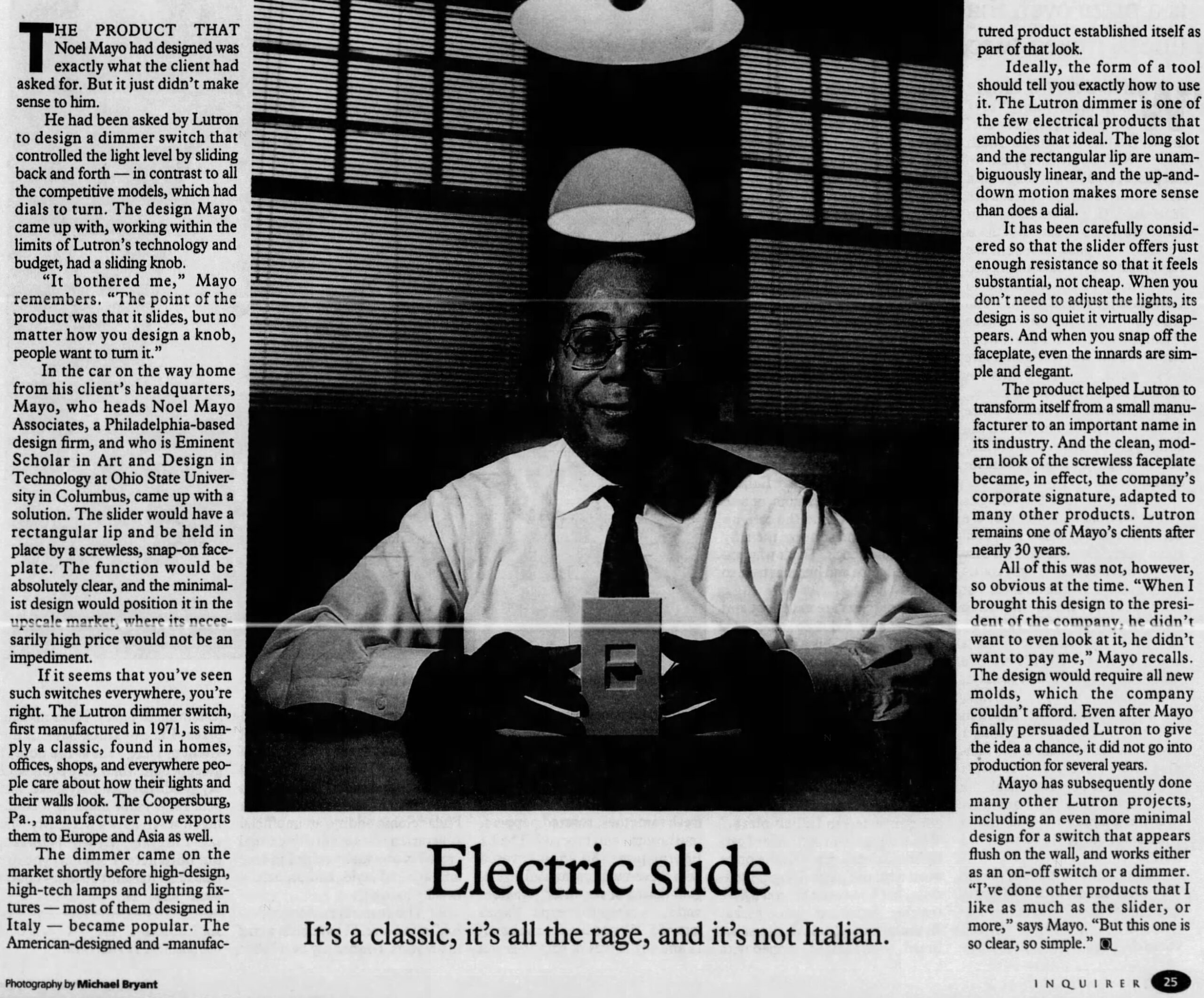
    In a 1995 story, Inquirer design critic Thomas Hine noted his commercial success with early light-dimmer switches and said it “helped Lutron to transform itself from a small manufacturer to an important name in its industry.” In a recent video interview, Professor Mayo said: “I see the problems as kind of opportunities that other people didn’t see. … So I look for opportunities for innovation.”

    Professor Mayo was featured in The Inquirer in 1995.

    As chair at Philadelphia College of Art and its successor, University of the Arts, he grew the industrial design department from the school’s ninth largest to its third largest. In online tributes, former students called him “a true icon” and “a doorway into a world of possibility, dignity, and community.”

    He told The Inquirer in 1978: “Something looks good when it looks rational. That is how I work myself, and that is what I try to teach my students.”

    At Ohio State, Professor Mayo taught product, interior, and graphic design courses, and researched accelerated learning processes using music, color, relaxation techniques, interactive computers, and video. Former colleagues there praised “his blend of rigor, generosity, calmness, and mentorship” in a tribute.

    Professor Mayo worked hard to recruit Black and other minority designers and students to his company and college courses. He created mentoring programs and developed an extensive network of minority business contacts.

    Professor Mayo designed this telephone.

    “He did not treat diversity as a slogan,” a former colleague said in an online tribute. He earned lifetime achievement awards from the Industrial Designers Society of America in 2006 and the Design Management Institute in 2019. In 2021, Ohio State alumni created and funded the Mayo Mentoring Program.

    He was one-time president of the Philadelphia Economic Council and the Greater Philadelphia Community Development Corp. He wrote articles for many publications and served on boards at University of the Arts, the Society for Environmental Graphic Design, and other groups.

    He was a fellow of the Interior Design Council of Philadelphia, a juror for art and design competitions, and a member of the Philadelphia Art Commission. Asked to advise young designers in the recent video interview, he said: “Try to be as innovative as you can. … Ask questions. … Being open is critical.”

    Noel Mayo was born Dec. 30, 1937, in Orange, N.J. He attended a boarding school in Chester County and earned a bachelor’s degree in design in 1960 at what became Philadelphia College of Art and then University of the Arts.

    Professor Mayo designed this exterior.

    He married, divorced, and later married Leslie Butler.

    Professor Mayo enjoyed roller skating, was good at darts, and earned an honorary doctorate from Massachusetts College of Art and Design.

    “He was easygoing with a great sense of humor,” said Virginia Gehshan, a design colleague and longtime friend. “He was really an amazing genius. He was ahead of his time.”

    In addition to his wife, Professor Mayo is survived by other relatives.

    A celebration of his life is to be held later.

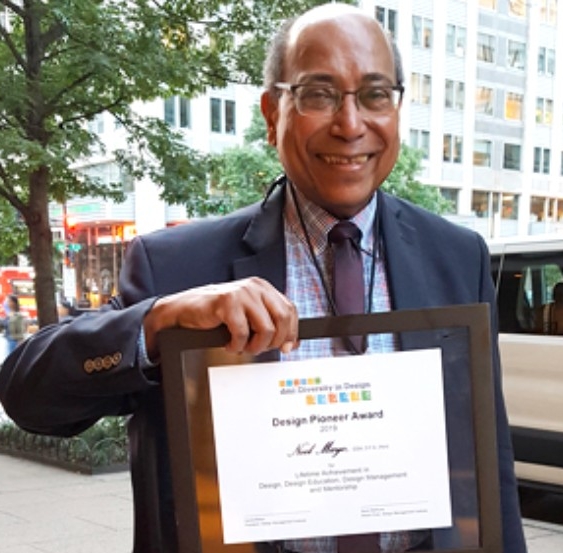
    Professor Mayo received the Design Pioneer Award in 2019.
  • Breeze Airways is expanding again at the Atlantic City Airport

    Breeze Airways is expanding again at the Atlantic City Airport

    The Atlantic City International Airport will soon offer even more southbound flights.

    Breeze Airways, a budget carrier founded in 2021, is set to add direct flights between A.C. and Tampa twice a week starting this summer, the company announced Tuesday.

    The routes will be offered on Wednesdays and Saturdays beginning July 1, according to Breeze, and fares for a one-way ticket will start at $79 per person.

    The airline announced the new route to and from the Jersey Shore along with more than a dozen other nonstop flights nationwide.

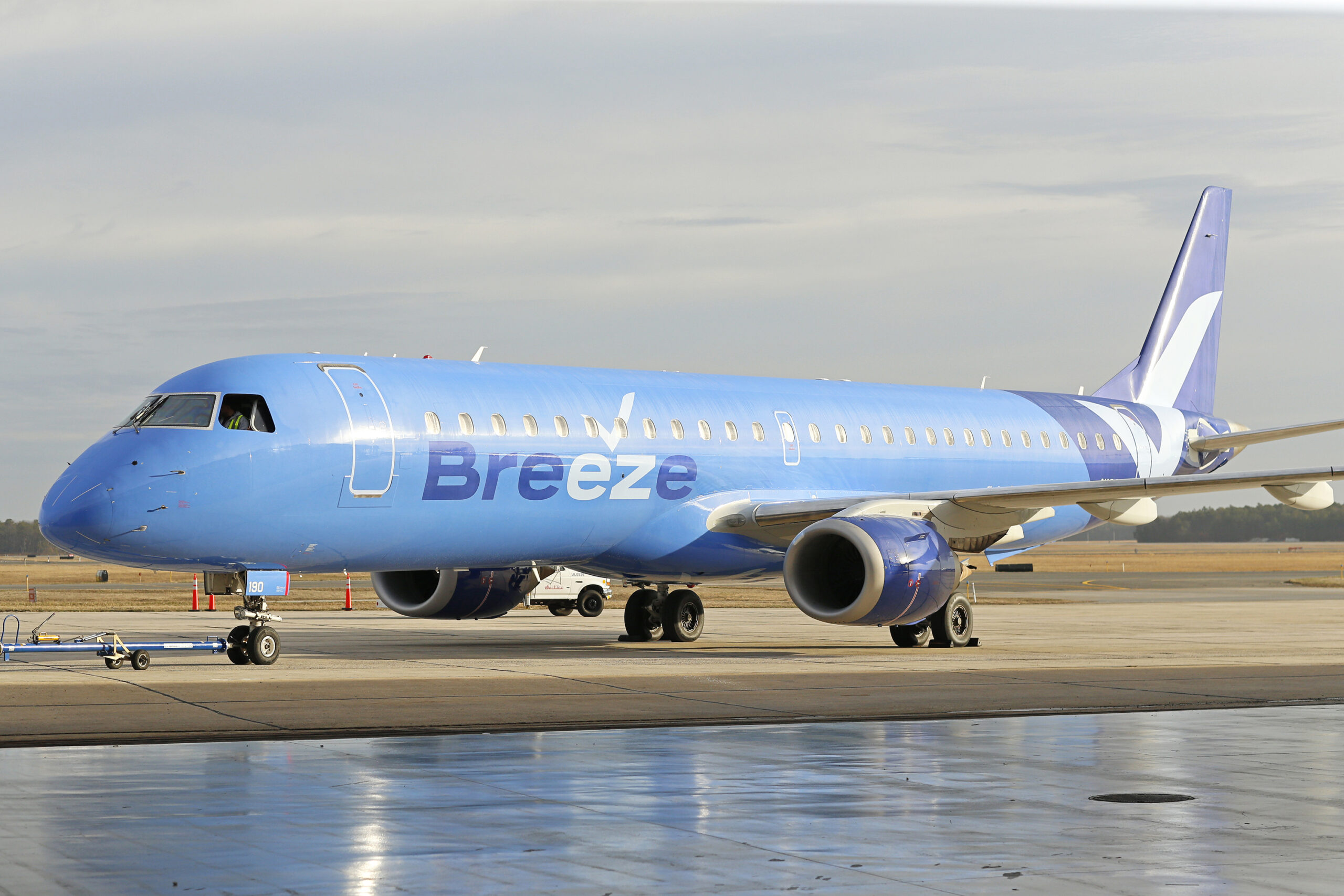
    Breeze Airways is adding nonstop flights from Atlantic City to Tampa twice a week starting in July.

    “The addition of these new cities and routes will give even more travelers the opportunity to save precious hours that would otherwise be spent flying through hubs or driving,” David Neeleman, Breeze Airways’ founder and CEO, said in a statement, noting his company’s mission to offer affordable airfare in underserved markets. Neeleman has founded four other airlines, including JetBlue.

    Last month, Breeze announced new nonstop service from Atlantic City to Charleston, S.C., and Raleigh-Durham, N.C., as well as a flight to Tampa, Fla., that includes a stopover.

    The Charleston flights are set to be offered on Wednesdays and Saturdays starting May 6. And the Raleigh-Durham and stopover Tampa routes are scheduled for Thursdays and Sundays starting June 11.

    All Breeze flights out of Atlantic City can be booked online now at flybreeze.com.

    Breeze Airways is a private company, so it is not required to publicly report its finances. Last year, however, the airline announced that it had turned a profit for the first time in the fourth quarter of 2024, a period in which the company generated more than $200 million in revenue.

    The Utah-based carrier has expanded in recent years, now operating more than 300 routes, including seasonal flights, to 86 cities in the U.S., Mexico, and the Caribbean.

    Breeze is one of only a few major airlines that operate a dozen or so flights in and out of Atlantic City every day, depending on the season.

    Last year, Allegiant Air started offering flights from A.C. Spirit Airlines, meanwhile, has trimmed its flight schedule from the airport, a move that resulted in the 2024 decision to shut down its crew hub there.

    American Airlines allows passengers to go through security in Atlantic City and then get on a bus to catch flights at the Philadelphia International Airport.

  • This Philly-founded company is selling empanadas out of vending machines. Here’s where to find them.

    This Philly-founded company is selling empanadas out of vending machines. Here’s where to find them.

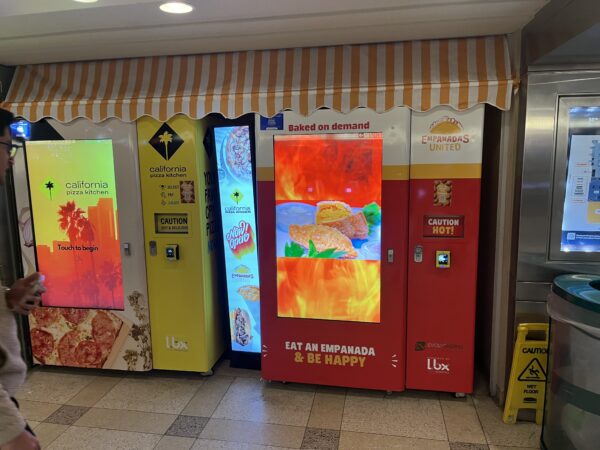
    The fire-engine-red Empanadas United machine arrived in Philadelphia last fall. It appeared in the lobby under the SEPTA Regional Rail tracks at 30th Street Station, where yearslong renovations have shut restaurants, leaving a gap for automation to fill.

    The empanada machine works like this: Tap your card. Choose one of four fillings. Whirr, beep, the ovens ignite, the rich smell rises. A minute passes. A pair of mottled, tan, crusted, half-moon-shaped empanadas, each bigger than a man’s hand, drop into a topless personal-pizza-sized box. The little plastic door opens, and your account is $8 lighter.

    That’s a premium price compared to what you pay in Philly’s corner stores; but it costs extra to eat in a transit hub. The empanada machine is one of several rival meal-vending machines at the station, such as the California Pizza Kitchen machine that charges $12 for a plain, 7-inch pizza.

    These turnovers were formed — from flour and fat, chicken or beef, sazon and cebolla — last night or yesterday, at Empanadas United. The Philadelphia-based empanada bakery serves restaurants across the region, from its base 15 blocks north of the train station.

    Pedro Rodriguez (left) with Pedro Rodriguez (center) and his son, Yorby Rodriguez, load empanadas for delivery at Empanadas United in Philadelphia in 2024.

    The vending machine, assembled by LBX Food Robotics of Sunnyvale, Calif., used two ovens to finish the turnovers — convection for the crust, infrared for the fillings. It is also furnished with a microwave oven, for use with prepared foods, but the empanadas don’t need that. The machine sees steady use, say SEPTA staff who watch the busy lobby below the train platforms.

    The machine is profitable, says Victor Tejada, the former Comcast designer who started Empanadas United in 2023. The bakery, using order software including Tejada’s Dominican Food App, was supplying empanadas to takeout customers at 160 stores, Tejada says, when he and his partners sold it last year to Virtual Dining Concepts (VDC). The acquirer says it has taken the brand national and expanded service to more than 500 locations — plus a handful of vending machines, starting with the one at 30th Street Station. Tejada stayed on to run the brand.

    The Philadelphia empanada factory makes a fraction of the empanadas now sold under its name. In other cities they are made by local bakeries to Empanadas United specifications, according to Adam Robin, VDC’s chief operating officer.

    Taking brands national

    Florida-based VDC focuses on taking local and celebrity food brands national, contracting chain restaurants, food delivery services, and other food retailers. They aim to set standards so the products can be reproduced in local plants anywhere and mass-marketed fresh. Its other brands include Barstool Sports’ Pardon My Cheesesteak, MrBeast Burger, and MLB Ballpark Bites.

    VDC last year hired Evolvending, founded by former VDC executive Valentina Ellison, to deploy the Philly empanadas in machines at transit centers, as colorful working billboards for the brand.

    “Empanadas United has a really excellent concept, Victor Tejada has an entrepreneurial spirit that we love working with, and we are growing the brand all over the country,” said VDC’s Robin. He learned the restaurant business as a teenager, rising from busboy to chef, and joined VDC as chief operating officer in 2021.

    “We are a virtual dining company. We targeted this brand for acquisition, we bought it last year, we manage the online storefronts,” Robin added. The company has sold more than 2 million empanadas since the deal, and plans to sell six million this year, he said.

    The machines, a small part of total Empanadas United distribution, each have 60 slots, each of which holds two empanadas, filled on a two-day cycle, according to Robin. If they sell out, that’s more than 20,000 empanadas and $80,000 per machine per year.

    “They cover their costs. We are thinking of expanding them,” Robin says.

    Evolvending has also put Empanadas United machines at Boston Logan Airport and Hartsfield-Jackson Atlanta International Airport. But it’s not yet at Philadelphia International Airport.

    The company also hasn’t set up Empanadas United machines in its hometown of Miami yet, while it considers what flavors to offer in that large and diverse market, Robin said. Among empanada fans, “Some love Venezuelan, some Cuban, some Mexican, and some like fun flavors like apple pie.”

  • Philly got its biggest snow in 10 years. This time nature will help with the cleanup.

    Philly got its biggest snow in 10 years. This time nature will help with the cleanup.

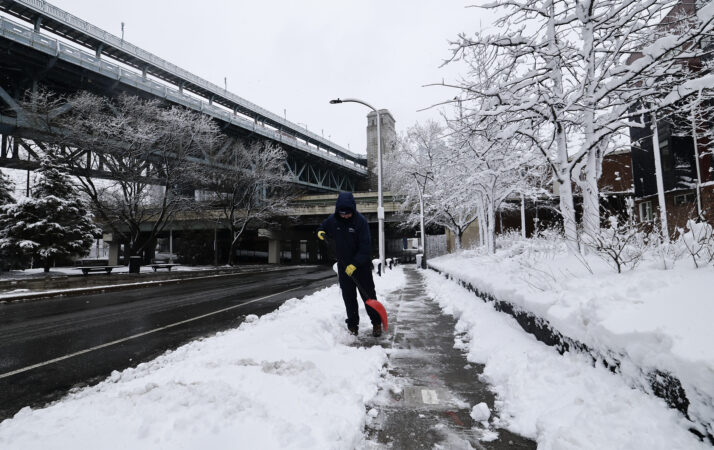
    If it wasn’t an actual blizzard, Philly’s biggest snowfall in a decade sure acted like one, and the weather the rest of this week isn’t expected to be particularly pleasant.

    But in terms of disruption — not to mention aesthetics — this was in a wholly different category from the Jan. 25 siege of snow and ice. And the aftermath should not be anywhere near as punitive and burdensome.

    Although the 14 inches measured officially at Philadelphia International Airport, dwarfed the 9.3 inches of snow and sleet that accumulated in last month’s storm, Zach Schwartz, 33, was among those who found the picturesque snow more palatable than the attack of ice balls and an Arctic freeze.

    “The last snowstorm was a tough time for everyone,” said Schwartz, who was at a Point Breeze playground helping a friend build an igloo for their kids, “and I think the city was kind of in shock a little bit.”

    The most recent storm, which left as much as 20 inches of snow in parts of South Jersey and southeastern Bucks County, did cause some issues.

    More than 130,000 households lost power at some point. Scores of trees came down as the snow, heavy and wet at the start, glommed onto branches that took beatings from the winds that gusted past 40 mph.

    The storms closed schools to the chagrin of hundreds of thousands of learning-eager children, and museums on Monday. It disrupted SEPTA services and airport operations.

    At least 87 trees across the city were downed as a result of the storm as of Monday afternoon, and the city was working to determine which ones to prioritize clearing first, Parks and Recreation commissioner Susan Slawson said.

    Mayor Cherelle L. Parker advised Philadelphians to avoid unnecessary travel as crews worked to clear the streets.

    Yet early fears that the snowfall would reach what the National Weather Service called “potentially historic” levels didn’t quite materialize, and it was not known if the storm had met “blizzard” criteria. Stopping short of “historic,” New Jersey Gov. Mikie Sherrill called it “a generational storm.”

    This one likely won’t have the staying power of last month’s storm

    While the volume of snow is formidable, road crews throughout the region now have a tremendous ally — the late-February sun.

    The city did adjust its response after the prior storm cleanup left many residents chock-full of complaints. Director of Clean and Green Initiatives Carlton Williams said Monday instead of one snow melter, the city secured three, with two already on the road Monday, despite the much shorter notice of the storm.

    But the big melter is in the sky.

    The amount of solar energy beaming toward Philadelphia is more than 35% stronger than it was on Jan. 25, according to NASA’s figures, and blacktop is great absorber of sunlight. Plus the region now is getting an hour more of daylight.

    Plus, instead of an Arctic freeze, it is forecast to be moderately cold this week, with highs in the low 30s Tuesday, and in the 40s Wednesday and Thursday.

    A weak clipper could produce an inch or less of snow early Wednesday, but, sorry kids, that won’t be another school-closer. More light rain or snow or a mix is possible Thursday.

    Computer models on Monday were seeing a potential for more snow early next week, but they may well sober up come Tuesday.

    After the Jan. 25 storm, Philly had 18 consecutive days of at least 3 inches on the ground officially at the airport, the longest stretch in 65 years. That streak won’t be challenged this time around.

    One other huge difference: Those 14 inches didn’t include a speck of ice, which, as we learned, is amazingly melt-resistant.

    Why snow totals varied tremendously

    The nor’easter that generated the snow did qualify as a “bomb cyclone,” said Tom Kines, senior meteorologist with AccuWeather Inc. The technical criteria aside, a bomb cyclone is particularly powerful storm.

    In fact, the storm’s intensity, based on a measure of its central pressure, was equal to that of a Category 1 hurricane, he added.

    Fortunately, the Shore escaped major flooding, but the winds circulating around the storm’s center over the ocean hurled back snow far inland.

    window.addEventListener(“message”,function(a){if(void 0!==a.data[“datawrapper-height”]){var e=document.querySelectorAll(“iframe”);for(var t in a.data[“datawrapper-height”])for(var r,i=0;r=e[i];i++)if(r.contentWindow===a.source){var d=a.data[“datawrapper-height”][t]+”px”;r.style.height=d}}});

    South Jersey locations received the most, along with areas in southeastern Bucks County. However, totals backed off precipitously to the west.

    “There was a really tight gradient,” said Amanda Lee, a weather service meteorologist in Mount Holly. All areas in Philly’s neighboring Pennsylvania counties did report at least several inches of snow.

    Within that broad east-west divide, however, amounts varied considerably from place to place, due in part to “banding,” in which narrow corridors of snow, caused by rapidly rising air, migrate from place depositing rapidly accumulating snow to areas underneath.

    Conversely, areas on either side of the band are snow-deprived.

    As to whether this qualified as Philadelphia’s first blizzard in 33 years, that is a verdict deferred.

    By the National Oceanic and Atmospheric Administration’s decree, a blizzard requires “frequent winds of 35 mph or higher with considerable falling and/or blowing snow that frequently reduces visibility to 1/4 of a mile or less. These conditions are expected to prevail for a minimum of 3 hours.”

    That’s a lot to ask for a snowstorm, and it is going to take considerable forensic work of poring through observations to determine whether those conditions were met in Philadelphia or elsewhere in the region, said Nick Guzzo, a weather service meteorologist in Mount Holly.

    Another big difference between this and the January storm

    Whatever else it is called, this was the most spectacularly beautiful snowfall of the season, thanks to the snow’s remarkable adhesive power.

    On the morning of Jan. 26 the trees were bare, as though they wanted no part of the snow and ice-ball assault.

    On Monday this time around, snow enchanted the branches and uncannily worked its way into architectural details.

    Cape May Mayor Zack Mullock said his town, famous for its Victorian buildings, “looks beautiful” covered in the foot of snow that had fallen.

    Said Mullock, “It looks like a snow globe.”

    Staff writers Ximena Conde, Kristen A. Graham, Michelle Myers, Amy S. Rosenberg, Henry Savage, and Nick Vadala contributed to this article.