Tag: Philadelphia Museum of Art

  • Mayor Parker defends decision to host July 4th Parkway concert despite dangerous heat and high price tag

    Mayor Parker defends decision to host July 4th Parkway concert despite dangerous heat and high price tag

    Mayor Cherelle L. Parker on Wednesday defended the city’s upcoming July Fourth concert, a seven-hour outdoor spectacle featuring performances from Christina Aguilera, Jill Scott, The Roots, and more, amid concerns over the nearly 100-degree forecast and revelations that the event will cost taxpayers millions more than in years past.

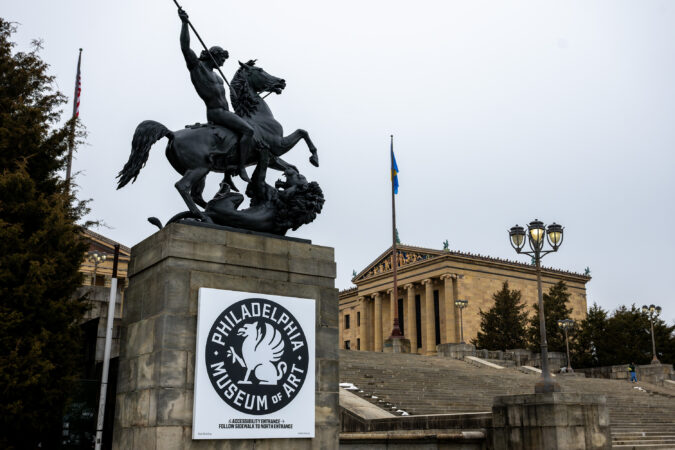
    The city has dealt with high temperatures before and has battle-tested personnel and protocols prepared for the evening, Parker told reporters at a news conference in front of the stage at the foot of the Philadelphia Museum of Art steps.

    She also addressed the detractors head on.

    “I do not apologize to anyone about making sure that the city of Philadelphia, as the sixth-largest city in the nation, the birthplace of democracy, we were going to have a celebration that is fitting to and for our historical significance and prominence,” Parker said. “One that could be seen, respected, and honored, not just in our city and commonwealth and nation but in the world.”

    Parker described the concert as the largest July Fourth concert in the city’s history. For an occasion as momentous as the nation’s 250th anniversary in the city that bills itself the birthplace of America, Parker said Philadelphia must rise to the occasion and prove it can achieve ambitious undertakings.

    Parker said her administration scaled up the experience, including moving the stage back to accommodate an estimated 300,000 concertgoers, and made the stage larger.

    “We won’t get a second chance to do this over again, Philadelphia,” Parker said. “We only turn 250 years old once in a lifetime.”
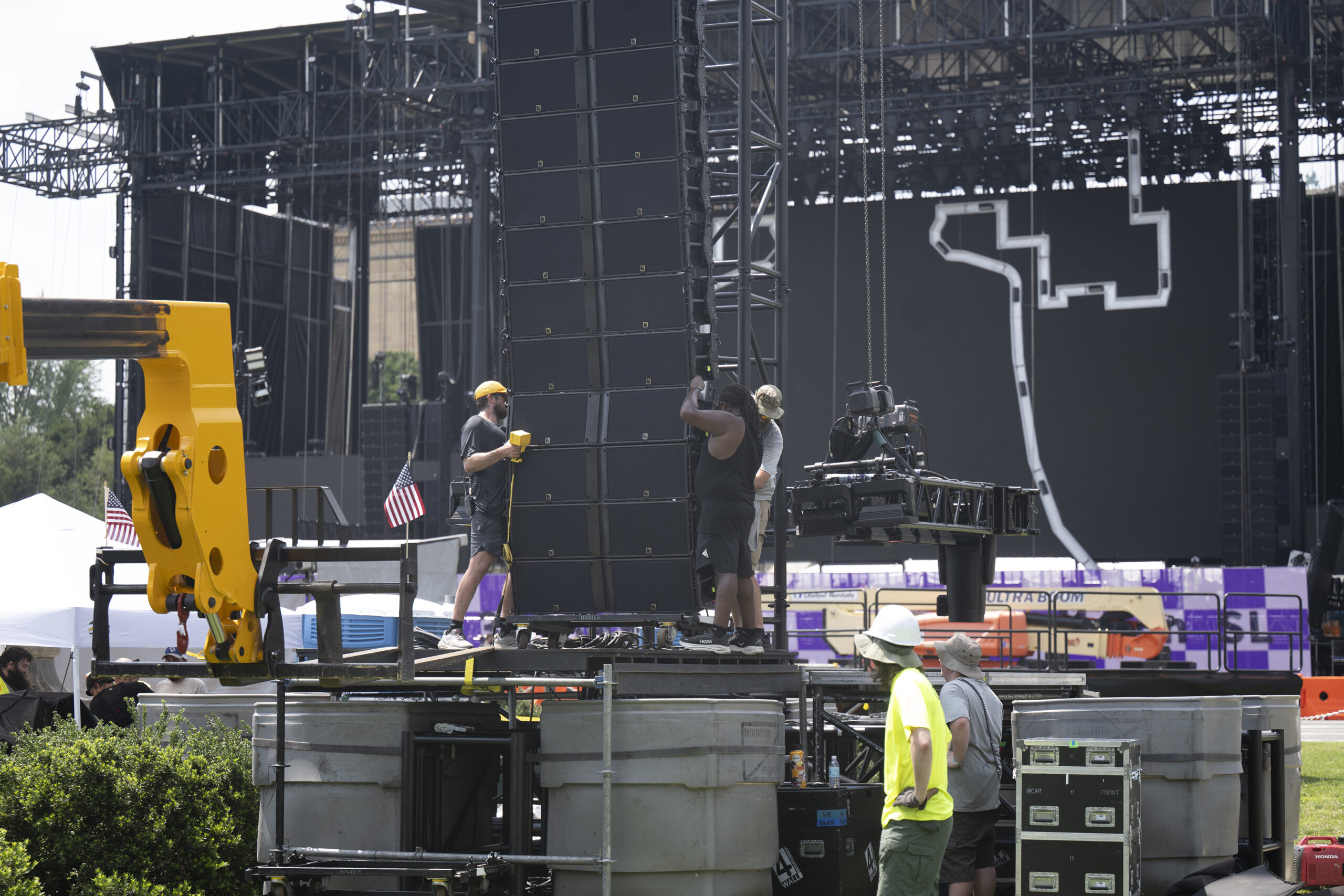
    Ground crews set up speakers on the stage on Wednesday in preparation for the July 4 concert expected to draw thousands to the Benjamin Franklin Parkway.

    Parker recalled feeling the mounting pressure to prove Philadelphia could rise to the occasion of honoring the nation’s 250th anniversary shortly after the start of her tenure as mayor.

    “‘Philadelphia lacks ambition. They’re thinking too small. We need a leader. Where is the legacy project?’” Parker recalled from the discourse of the time. “The critics were right. Philadelphia, as the birthplace, we couldn’t do what every other city was doing. We couldn’t just do something that was average, something that was mediocre. What we did had to be a reflection of this moment and our history.”

    Parker’s news conference came hours after The Inquirer reported online that this year’s July Fourth concert will cost taxpayers millions more than in years past because the mayor’s administration hired ESM Productions, a for-profit company, to put on the annual show. For years, the concert has been produced by Welcome America, a nonprofit established by the city.

    The Inquirer reported that the city is set to pay ESM $15.5 million to put on the show, and that last year’s iteration of the Welcome America concert cost the organization about $3 million.

    Parker defended ESM and its founder, Scott Mirkin, as “the gold standard in planning large-scale global events, not just in America but across the world.” And she vowed that the city would produce a “fiscal impact report” after the event to account for how much money the city spent on this year’s festivities.
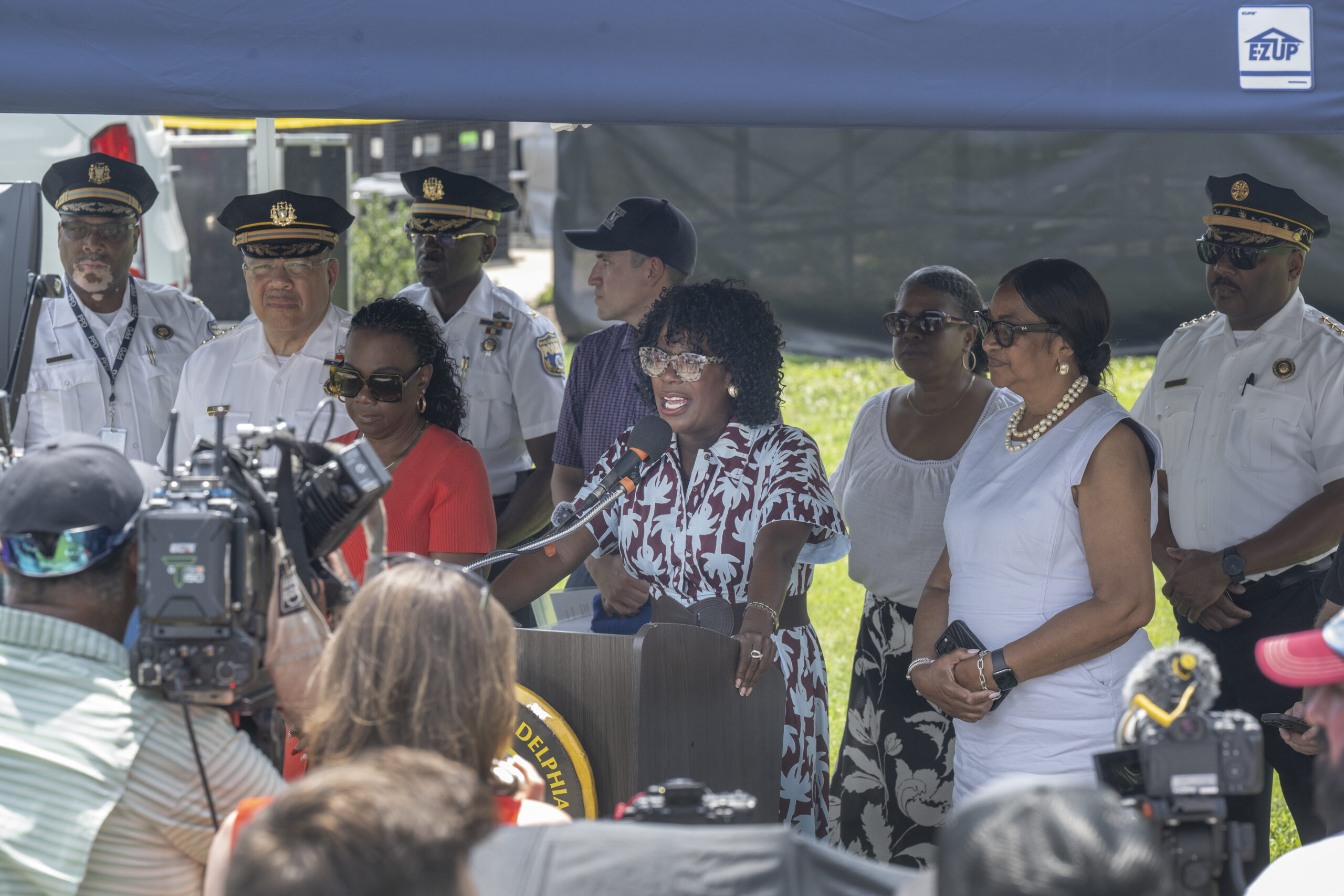
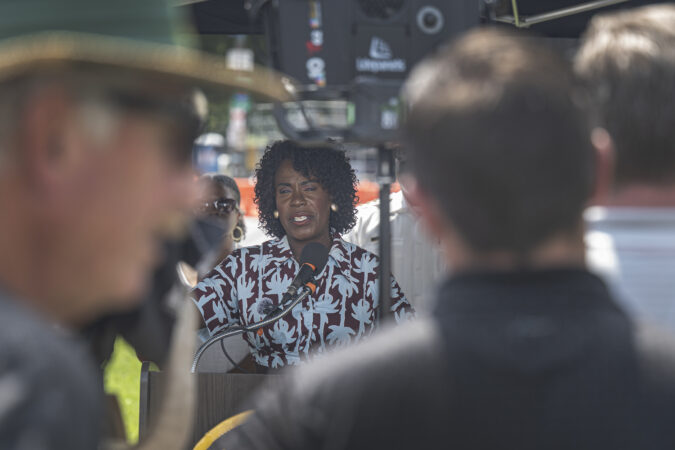
    Mayor of Philadelphia Cherelle L. Parker speaks during a news conference under a tent Wednesday, July 1, 2026, in Philadelphia, outlining public safety and transportation plans ahead of a July 4 concert expected to draw thousands to the Benjamin Franklin Parkway.

    She also noted that former Mayor Jim Kenney put his own stamp on the annual July Fourth concert when he took office in 2016 — and took some heat for it. The Roots had headlined the concert since 2009, but Kenney’s administration went a different direction and The Roots were sidelined.

    Roots drummer Ahmir “Questlove” Thompson didn’t mince words at the time, writing on Facebook that the decision was “arrogance in the HIGHEST order courtesy of your new leader.”

    When Parker took office, she knew she wanted the spotlight back on the beloved local hip-hop group.

    “I’m proud to have The Roots back home,” Parker said.

    In terms of weather and safety, the city has proven this summer that it can host large-scale events in the heat seamlessly, said Philadelphia Police Commissioner Kevin J. Bethel.

    The city has already hosted five World Cup games, which have gone off without a hitch, Bethel said. For the July Fourth event, the department will be executing one of its largest deployments since the papal visit in 2015. That will include hundreds of officers across Center City and many more at the stadium and along the Parkway.

    “I want everybody to come and have a good time. Don’t mess up the party,” Bethel said.

    In order to keep people cool, the city will run 40 air-conditioned cooling centers, 150 pools and spray grounds, enhanced homeless service outreach, and extra fire department medics, said Dominick Mireles, Philadelphia’s deputy managing director for community safety. Along the Parkway, there will be misting fans and shade structures, he added.

    Parker said she’s confident every Philadelphian interested in participating will be able to do so safely and will look back on the day fondly.

    “I want people to remember where they were when America turned 250 years old and what we did here in the place when it all happened,” Parker said.
  • Everything you need to know about Philadelphia’s July Fourth concert and fireworks

    Philadelphia’s celebration of America’s 250th birthday culminates July 4 with a free concert and fireworks on the Benjamin Franklin Parkway.

    The One Philly: Unity Concert for America begins at 5 p.m. in front of the Philadelphia Museum of Art, featuring Christina Aguilera, Jill Scott, Meek Mill, Will Smith, The Roots, DJ Jazzy Jeff, Jordan Davis, Seal, State Property, Kathy Sledge, and more.

    This year’s event is no longer part of the longtime Wawa Welcome America festival. Mayor Cherelle L. Parker’s administration took over production of the annual July Fourth concert, renamed it the One Philly: Unity Concert for America, and hired ESM Productions to produce the show.

    Wanda Sykes will emcee the concert, which concludes with the city’s official fireworks display over the Parkway.

    Here’s everything you need to know before you go.

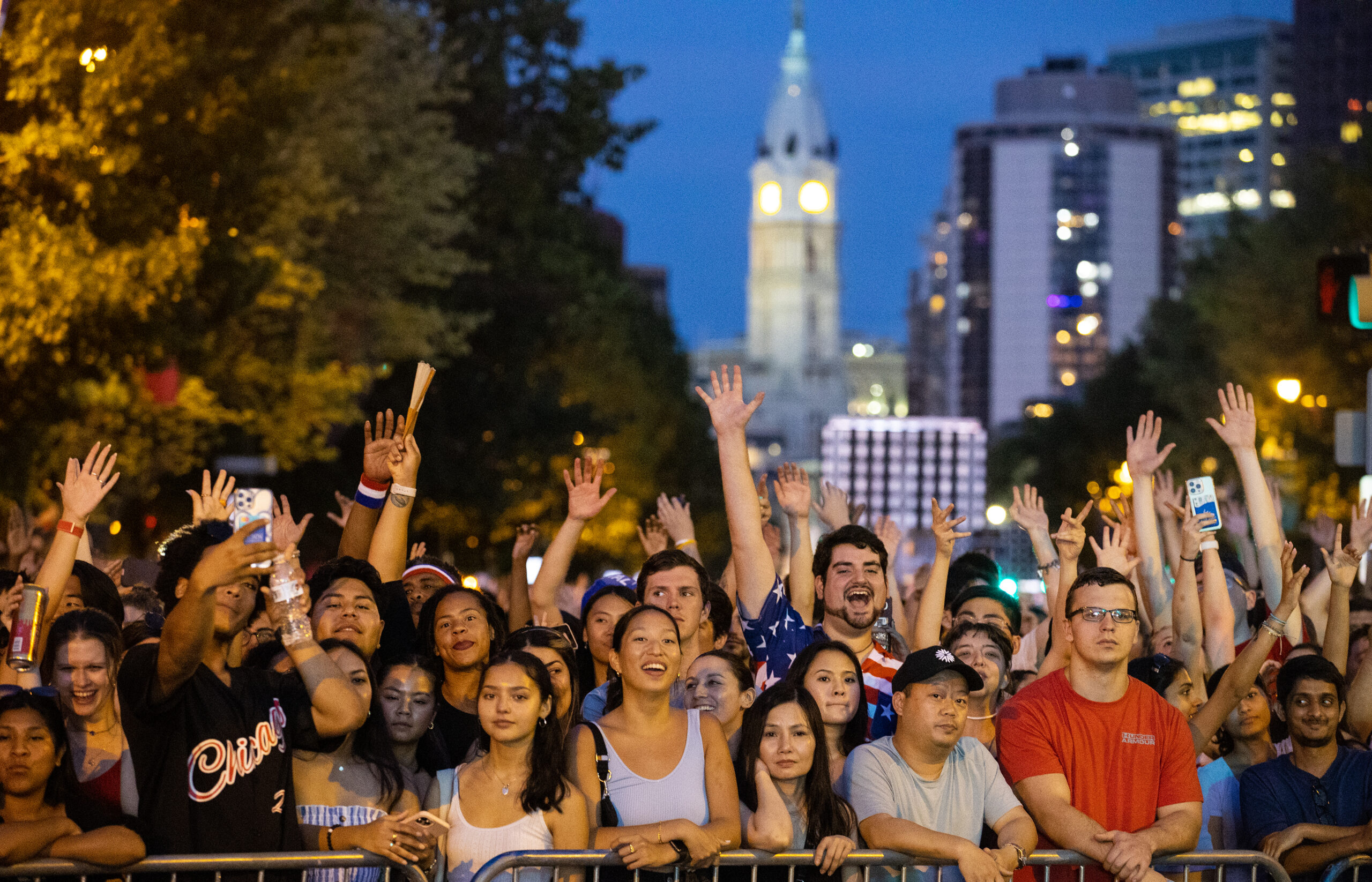
    Fans react to the music as the Wawa Welcome America Festival concluded on July 4, 2023, with a free concert featuring Ludacris on the Benjamin Franklin Parkway.

    Schedule and entry

    Guests must enter through a secure checkpoint at 20th Street and Logan Circle, where security may search attendees and their bags. Gates open at 3 p.m.

    The concert will start around 5 p.m., followed by the fireworks around 11:30 p.m., according to city officials.

    Who is performing at Philadelphia’s Fourth of July Concert?

    Headliners include Christina Aguilera, Jill Scott, Meek Mill, Will Smith, The Roots, and DJ Jazzy Jeff.

    Other performers include Jordan Davis, Kathy Sledge, State Property, Seal, and several others.

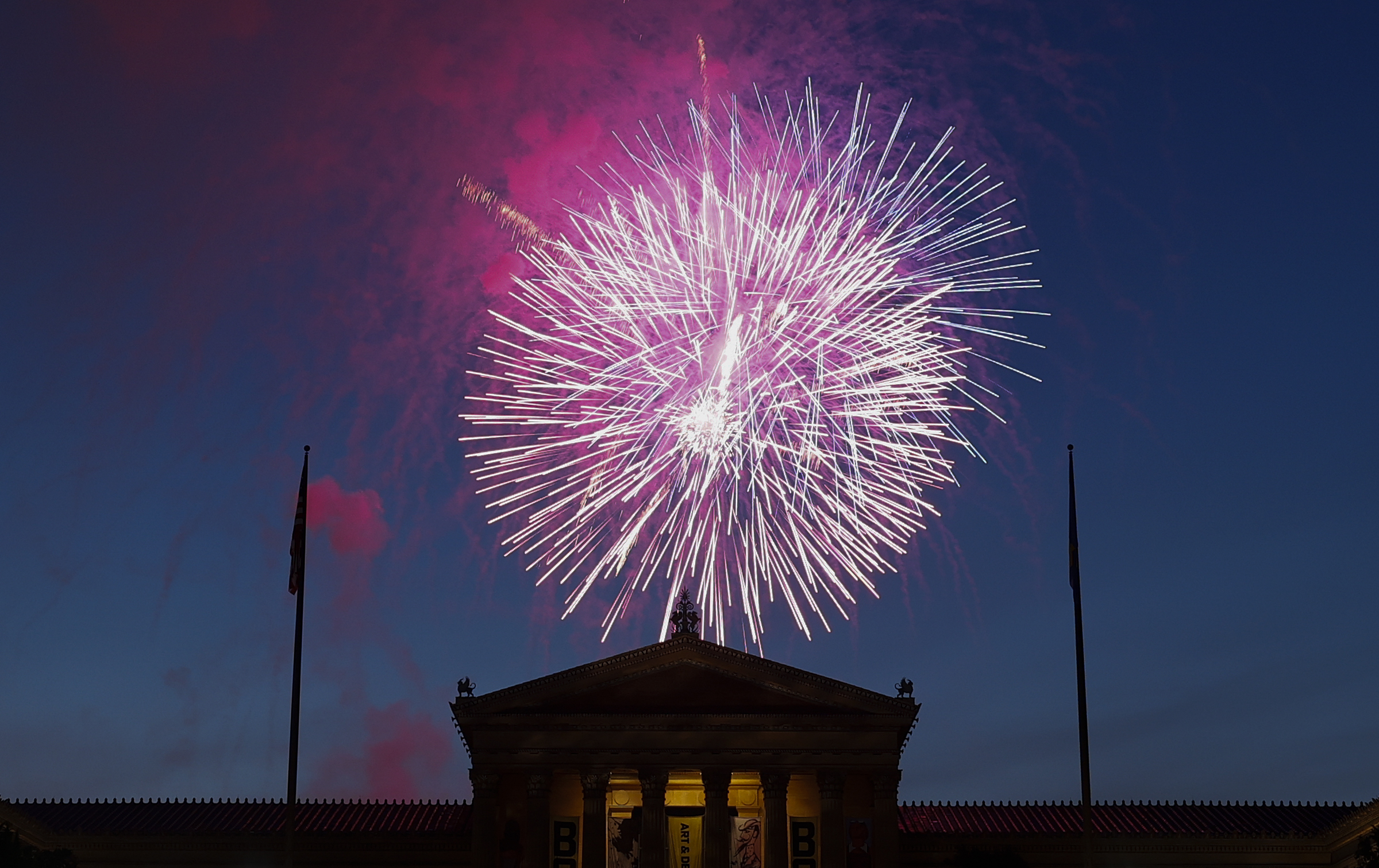
    Fireworks over the Philadelphia Museum of Art along the Benjamin Franklin Parkway on Friday, July 4, 2025.

    Fireworks

    Following the concert, the city’s official July Fourth fireworks display will begin at about 11:30 p.m. The show will be visible from throughout the Parkway and surrounding neighborhoods.

    Looking for more fireworks? Here’s a full list of fireworks shows happening throughout the Philadelphia region.

    The concert and fireworks will also air live on NBC10 and Telemundo62.

    Road closures

    Unless otherwise noted, the following closures will be in effect from approximately 6 a.m. Friday through 6 a.m. Monday:

    • 1900 Race Street
    • 1800-1900 Vine Street
    • I-676 off-ramp at 22nd Street
    • I-676 on-ramp at 22nd Street
    • I-76 eastbound off-ramp at Spring Garden Street
    • Spring Garden Tunnel
    • Park Towne Place between 22nd and 24th Streets
    • 20th Street between Arch Street and Pennsylvania Avenue
    • 19th Street between Callowhill and Cherry Streets
    • Benjamin Franklin Parkway from 17th Street to Eakins Oval
    • Eakins Oval
    • Kelly Drive between Eakins Oval and Fairmount Avenue (inbound traffic closes at Fountain Green Drive beginning about 5 p.m.)
    • 2000-2100 Winter Street
    • Spring Garden Street between Pennsylvania Avenue and 31st Street
    • 23rd Street between Pennsylvania Avenue and Eakins Oval
    • 22nd Street between Winter Street and Pennsylvania Avenue
    • 21st Street between Winter Street and Pennsylvania Avenue
    • All roads from Arch Street to Spring Garden Street between 18th and 22nd Streets (local access maintained for residents)
    • All roads from Arch Street to Fairmount Avenue between 22nd and Corinthian Streets (local access maintained for residents)
    • 16th and 17th Streets between Arch Street and Spring Garden Street will close only if conditions warrant.
    • 1600-1700 Benjamin Franklin Parkway will close only if conditions warrant.

    Beginning at 4 a.m. Saturday, the following roads also will close:

    • Anne d’Harnoncourt Drive behind the Philadelphia Museum of Art
    • Martin Luther King Jr. Drive from Falls Bridge to Eakins Oval

    From 8 p.m. Saturday until approximately 1 a.m. Sunday, Kelly Drive between Fairmount Avenue and Fountain Green Drive and Waterworks Drive also will be closed because of the fireworks display.

    Parking

    Temporary no-parking signs will be posted along streets affected by closures. Vehicles left in those areas will be courtesy towed to another nearby location.

    Public Transportation

    SEPTA

    On July 4, SEPTA Metro, buses and Regional Rail will operate on special schedules with enhanced service.

    Additional trips will run on the L and B lines.

    Most Regional Rail lines will offer additional inbound and outbound service before the fireworks. All Regional Rail lines except the Airport and Cynwyd lines will provide late-night outbound service from Jefferson Station, Suburban Station, and William H. Gray III 30th Street Station after the fireworks.

    Other SEPTA service will operate on a Sunday schedule. Routes without Sunday service will not operate.

    Routes 7, 32, 33, 38, 43, 48, and 49 will be detoured beginning at 5 a.m. Thursday through 5 p.m. Sunday because of road closures.

    SEPTA ambassadors will be stationed at major transit hubs to help direct passengers after the July 4 FIFA World Cup match and the One Philly concert and fireworks.

    Additional information is available on SEPTA’s July 4 service webpage. Riders can also check alerts on the SEPTA mobile app, at septa.org/alerts or by calling 215-580-7800.

    PATCO

    PATCO will operate on a holiday schedule July 4, with trains running every 10 minutes throughout the day. More information is available at ridepatco.org.

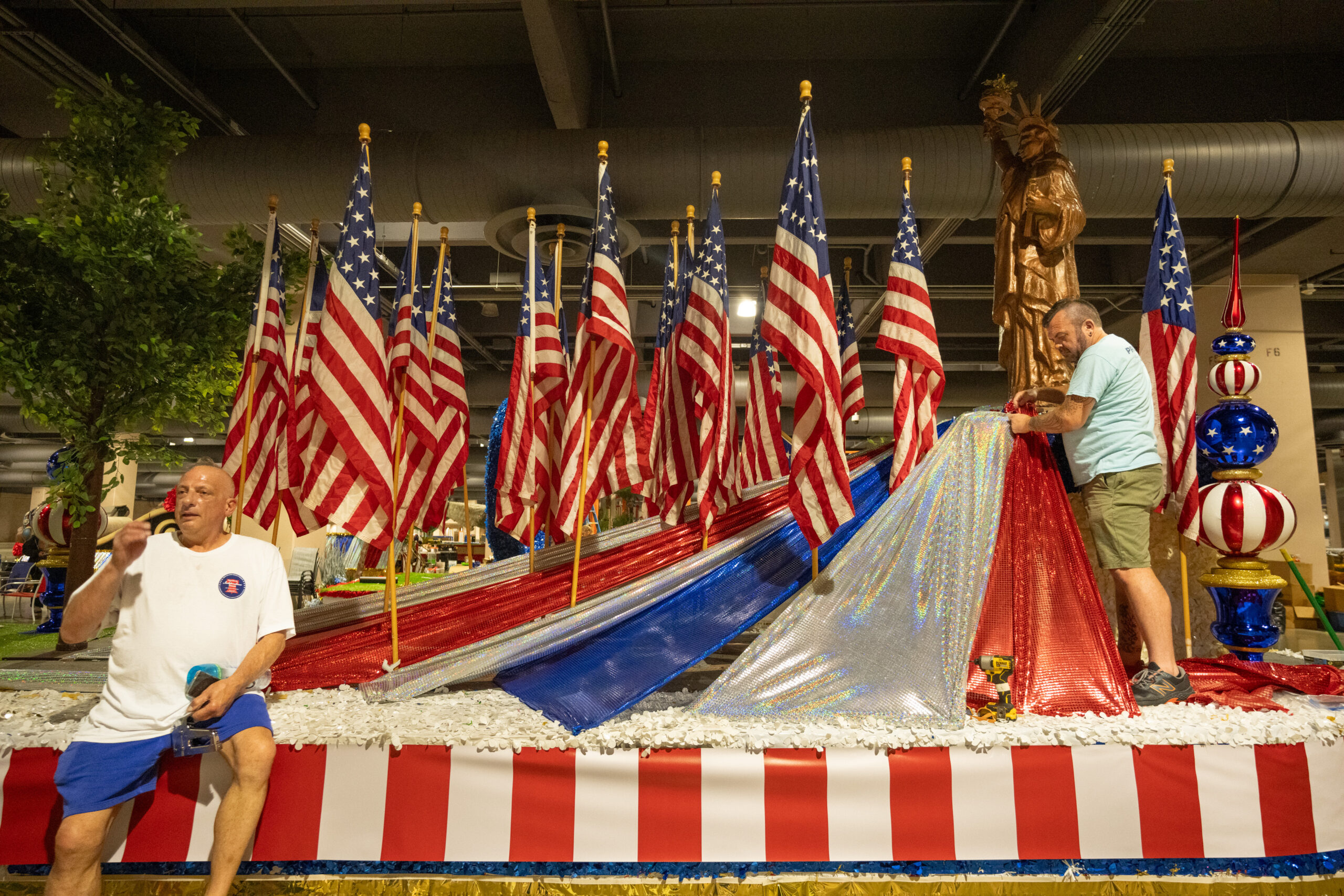
    Todd Marcocci (left) and Jeremy Williams work on a float on Monday for this year’s big Fourth of July parade, in Philadelphia.

    Fourth of July celebrations happening elsewhere in the area

    Fourth of July Freedom Festival at Pleasant Hill Park: 💵 Free, 🕒 July4, 5 to 9:30 p.m., 📍Linden Ave., Philadelphia, Pa 19136

    Philadelphia 4th of July Signature Dinner Cruise: 🕙 July 4, 7:30 p.m., 📍401 S. Christopher Columbus Blvd., Philadelphia, Pa. 19106, 🌐 cityexperiences.com

    2026 Freedom Festival at Wiggins Park 💵 Free, 🕒 6 to 11 p.m., 📍2 Riverside Dr., Camden, NJ 08103

  • City budget cuts force Mural Arts and Philadelphia Cultural Fund to slash programs

    City budget cuts force Mural Arts and Philadelphia Cultural Fund to slash programs

    In past years, the city’s budget process has followed a certain pattern for Mural Arts Philadelphia and other groups.

    The mayor’s proposed budget lists city funding at one level; City Council and others advocate for modifications at a higher level; and the budget goes back to the mayor and is finalized with the higher allocation in place.

    This year was different.

    Philadelphia’s nationally acclaimed program that puts colorful murals in neighborhoods and provides jobs was hoping for a boost in city funding.

    Instead, the budget ultimately agreed to by Mayor Cherelle L. Parker’s administration and City Council cut funding to Mural Arts — from $5.1 million in fiscal year 2026 to $3.7 million in 2027.

    Likewise the Philadelphia Cultural Fund. The group — which awards hundreds of grants to arts groups throughout the neighborhoods — was looking for increased funding in the city’s newly approved $7.1 billion budget for the fiscal year starting July 1.

    But the arts nonprofit, established by the city recently, learned that it will get substantially less — $3.5 million instead of the $5 million it received from the city for the fiscal year now ending.

    As a result, both groups say they will have to make deep cuts to programs.

    Philadelphia’s arts and culture sector had greeted the start of Parker’s term 2½ years ago with optimism for increased funding. Today, it is “alarmed” by the cuts to Mural Arts and the Cultural Fund, said Patricia Wilson Aden, president and CEO of the Greater Philadelphia Cultural Alliance.

    “We always say that your budget tells a story, and I have to say that the cultural community is disappointed and frustrated with the story being told by this FY27 budget,” she said. “Cutting the budget of signature programs like Mural Arts by 26% or decreasing funding to the Philadelphia Cultural Fund, that’s going to have ramifications throughout the city.”

    Parker was not available for comment, a spokesperson said.

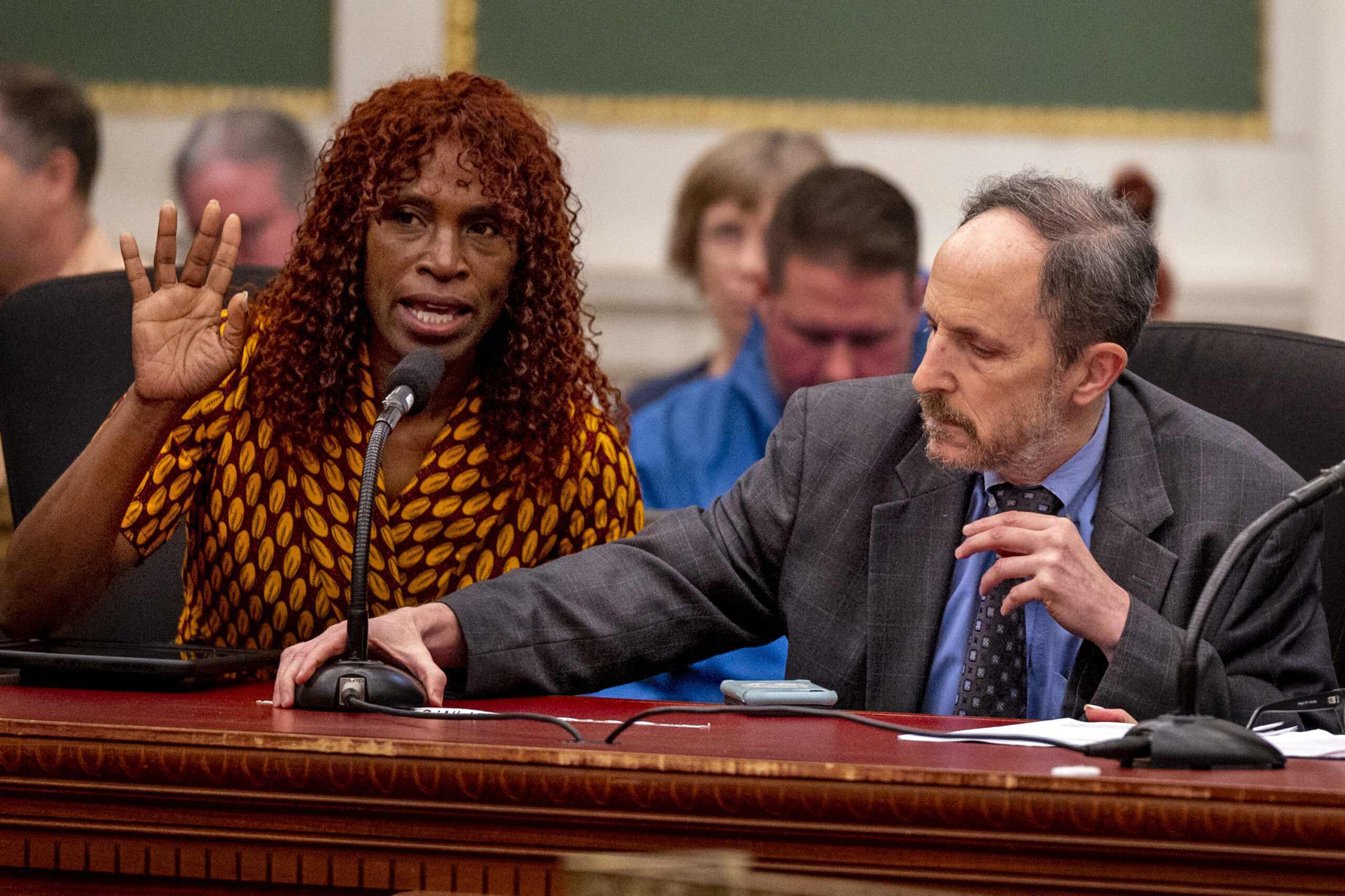
    Valerie V. Gay (left) chief cultural officer with the City’s Office of Arts, Culture and the Creative Economy, and finance director Rob Dubow (right) testify at a Philadelphia City Council hearing, Aug. 8, 2024 on the collapse of the University of the Arts.

    Valerie V. Gay, the city’s chief cultural officer, said it was the city’s view that funding for the two groups had remained flat from 2026 to 2027, since the base allocation stayed the same and it was only the added amount that did not come through — though she allowed that “absolutely I can see how it can be perceived.”

    A ripple effect

    The resulting cuts at both groups promise to be substantial. The Cultural Fund will be forced to reduce the number of grants it had been expecting to distribute in the coming year, from 332 to 232. It has changed its eligibility requirements, which will eliminate grants to a pool of midsize organizations currently eligible.

    “It’s going to be a ripple effect. People are going to feel it and communities are going to feel it,” said Philadelphia Cultural Fund executive director Gabriela Sanchez.

    “An investment in the Philadelphia Cultural Fund is more than a budget line item,” Sanchez wrote in a statement distributed by the group. “Funding to PCF represents how the city values neighborhood theaters, cultural centers, museums, arts education programs, festivals, dance companies, community storytelling initiatives, music programs, and cultural traditions that bring Philadelphians together. These spaces are where young people discover their creativity, where seniors find connection, where communities celebrate their heritage, and where residents gather across lines of difference.”

    Jane Golden (center right) speaks with press at the Wawa Welcome America media preview for the Philly Fair 250, outside the Please Touch Museum in West Philadelphia, June 18, 2026. Mural Arts held a ceremonial unveiling of a 10-story-high mural replica, originally titled ‘CityKids Speak On Liberty,’ and created by Keith Haring.

    Mural Arts director Jane Golden declined to comment, but an initial assessment from the group obtained by The Inquirer says that “hundreds of residents in at least 15 Philadelphia communities will lose the opportunity to develop public art projects,” and that opportunities for paid work, job training, and mentorship through the Mural Arts Restorative Justice program will be reduced by 25%.

    Mural Arts will also have to cut by 75% its program of restoring and preserving the city’s murals, “putting at risk community landmarks that took years and significant public investment to create,” the impact statement reads.

    Of the program reductions at both groups, Gay said: “I am always sad that any cuts are made or that any organizations are unable to do the work they thought they were going to be able to do. That’s always a sad time for us, and I’m looking forward to when we are a fully funded sector.”

    A city spokesperson was unable to provide a full list of groups that in past years had received higher allocations after advocacy from City Council and others, but this year did not.

    What’s behind the cuts

    Aden says arts and culture has seen some significant recent “wins” from city government. Among them is the advancement of a referendum that, if approved by the mayor and then by voters this fall, would enshrine the city’s office of arts and culture, called Creative Philadelphia, in the City Charter.

    The city has approved $500,000 a year to develop and implement a cultural plan for Philadelphia that would document financial needs and could identify potential pathways to establishing funding.

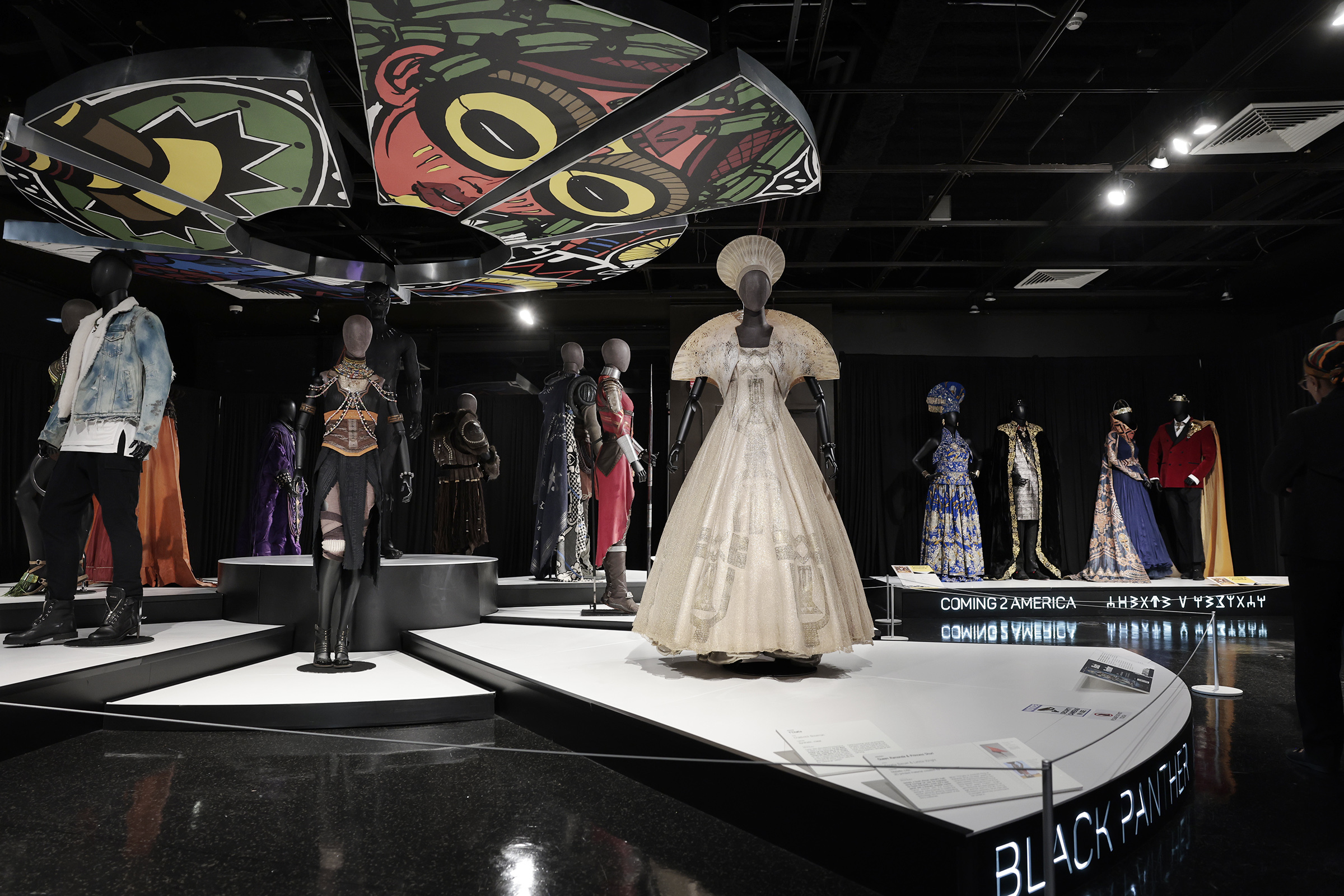
    The ‘Ruth E. Carter: Afrofuturism in Costume Design’ exhibition at the African American Museum in Philadelphia, Nov. 1, 2025.

    Sometimes the city’s support is for regular operations, and other times it is for specific capital projects. In an unusually large commitment, the city has pledged $50 million to the African American Museum in Philadelphia for its relocation to the Benjamin Franklin Parkway.

    The city is providing nearly $32.5 million to arts and culture in FY27, according to a list provided by Parker’s office. While that total includes small items that might seem mundane — paying utility bills at various facilities, for instance — it also shows multimillion-dollar allocations to the Philadelphia Museum of Art, Dell Music Center, and Philadelphia Zoo.

    But the arts and culture sector often finds itself fighting for adequate funding in the annual budget process. Arts leaders and others say it has been standard practice in recent memory that funding is listed at one level in the mayor’s proposed budget and after City Council testimony in budget hearings ends up being higher.

    This year, the mayor “could have funded [the arts] at a higher amount,” as she did last year, but did not do so, Councilmember Rue Landau said.

    The cuts came after a budget that passed without a series of tax increases proposed by Parker, including a $1 tax on rideshare services, after failing to win support from City Council. After Council signaled it would reject Parker’s tax proposals, the administration would not agree to any last-minute line items for new funding requests from lawmakers.

    Councilmember Isaiah Thomas, a consistent arts supporter who, like Landau, is an ex-officio Mural Arts board member, said that with the lack of new tax revenue and the city’s extra allocation of $48 million to cover the Philadelphia School District’s budget shortfall, the funding pie for other allocations got smaller.

    “This budget year, a lot of attention and advocacy went toward schools,” Thomas said. The funding cuts to Mural Arts and the Cultural Fund were “extremely unfortunate,” he said, “and I wish we could have done something different.”

    The need for ‘predictable, stable, reliable’ funding for the arts

    While the city’s budget is now final, there is another potential window of opportunity for funding through a midyear budget transfer process in which the city might see expenditures in certain areas coming in lower than expected, and then transfer money from those categories to other areas.

    Asked whether funds might be restored through a budget transfer to Mural Arts or the Cultural Fund, Gay said:

    “I think anything is on the table, but I also think nothing is guaranteed.”

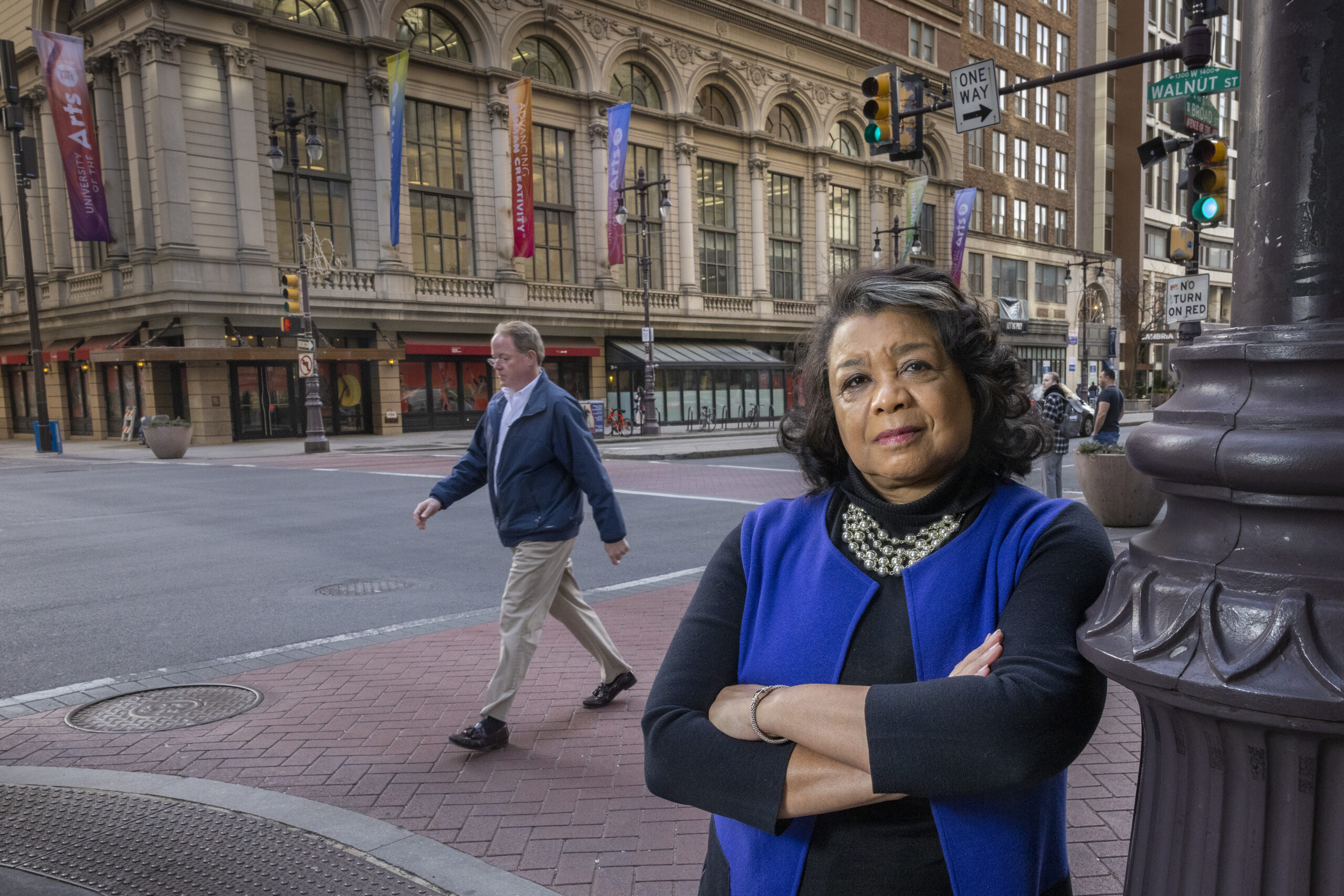
    Patricia Wilson Aden, president and CEO of the Greater Philadelphia Cultural Alliance, at S. Broad Street and Walnut along the Avenue of the Arts, Feb. 15, 2023.

    Any restoration of funds would happen after arts groups have already put cuts in place, and this kind of unpredictability “makes planning by these organizations very, very difficult,” Aden said.

    “The practice of underfunding the arts and having Council and other entities have to go on an advocacy campaign to increase funding is illogical,” Landau said. “It is clear as day that we should be supporting the arts with additional funding every single year, so we don’t have to go through this and it won’t ever be a question mark for them.”

    What is really needed, Aden said, is a dedicated arts fund in Philadelphia and the region.

    “We’ve seen other regions benefit from this predictable, stable, reliable funding. And instead, here in Philadelphia, each year we have this conversation about increases and decreases and their impact. We are sometimes left to the will and whim of elected officials, and we would like to take the creative economy out of the political realm and put it solidly within our larger civic interest, so that it is stable and has the investment that is required to reach its full potential.”

    Staff writer Anna Orso contributed to this article.

  • Rocky curse? Brazil supporters aren’t taking any chances ahead of World Cup clash with Haiti.

    Rocky curse? Brazil supporters aren’t taking any chances ahead of World Cup clash with Haiti.

    International soccer supporters, be warned — clothe the Rocky statue at your own risk.

    The fans of the Ecuadorian national team learned Sunday what many NFL fans already know about draping their colors over the statue of Rocky on the steps of the Philadelphia Art Museum.

    Ecuadorian supporters fitted Rocky with a yellow La Tri kit, then saw their team concede a 90th-minute winner in its FIFA World Cup group-stage opener against Ivory Coast on Sunday at Lincoln Financial Field (aka Philadelphia Stadium).

    The effects of the “Rocky curse” are well-documented when it comes to football, but it was relatively untested on the beautiful game. Ecuador lost, 1-0, to the Ivorian side, which entered the tournament ranked 10 spots behind La Tri in the FIFA World Ranking.

    With Brazil coming to Philly for a Group C match against Haiti on Friday (8:30 p.m., Fox29), Movimento Verde Amarelo, Brazil’s main supporters’ group, went to great lengths to ensure the yellow and green of the Canarinho stayed off the Rocky statue.

    The Rocky statue was roped off with a four-post retractable nylon stanchion, with four members of MVA, sunglasses on and earpiece in, standing at attention at each corner as Brazilian fans gathered for a rally in front of the Art Museum.

    The bodyguards discouraged fans from draping any Brazilian garb on the statue, holding signs that read:

    “Operation Rocky Protectors — Attention: it is forbidden to put Brazilian colors on the statue.”

    Matheus Henrique, 30, was one of the MVA members protecting the statue. Henrique, a native of Belém, Brazil, moved to Los Angeles a decade ago for college.

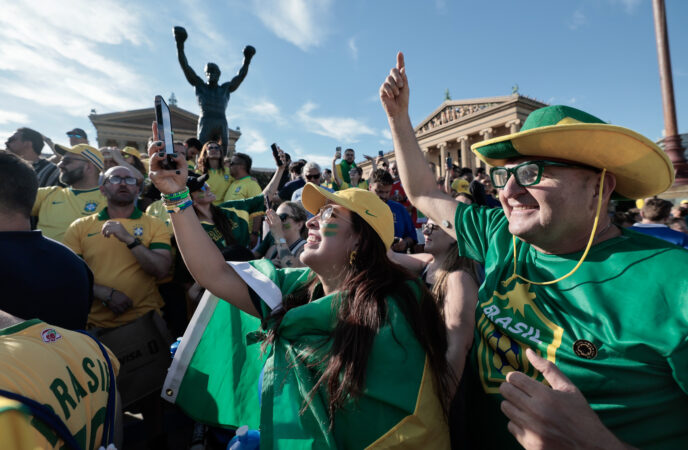
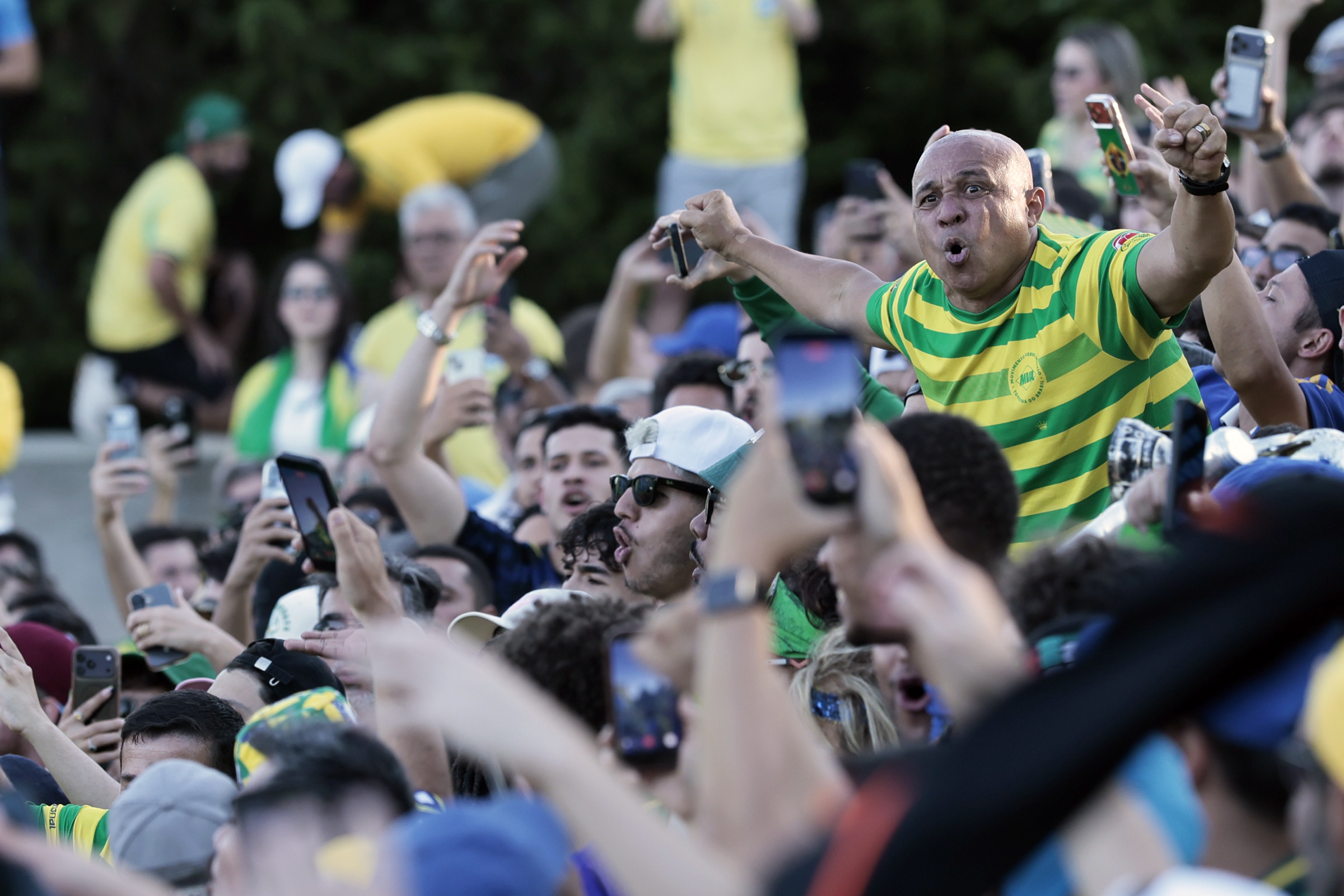
    On the eve of Friday’s FIFA World Cup Group C match between Brazil and Haiti, Brazil fans rally for their team on the Art Museum steps in Philadelphia on Thursday, June 18, 2026.

    Henrique is friends with the person who helped organize Brazil’s takeover of the steps and responded when a call went out for volunteers to guard the statue.

    “It’s a superstition, we heard,” Henrique said. “We’re enjoying the event as well.”

    There was plenty of enjoyment to go around for Brazilian supporters as they scaled the steps in front of the Rocky statue on Thursday evening. Fans danced, sang, set off smoke flares and drummed for hours, making The Oval feel more like Rio de Janeiro than Fairmount.

    And, thanks to the statue guards and forewarnings from MVA and Visit PA, Rocky remained shirtless throughout the evening.

    The MVA Instagram account posted a warning to its members to abstain from clothing the Rocky statue before Brazilian fans gathered at the steps on Thursday.

    “Attention Brazil Fans,” a translated version of the group’s post reads. “It is totally forbidden to put a Brazilian shirt on the Rocky Statue in Philly!!!!!”

    Meanwhile, Visit PA warned international fans about the Rocky curse.

    “Countless football teams (as in American Football, not Fútbol — same curse, different sport) have all dressed the Rocky Statue in their colors and gone on to lose,” its Instagram post read. “Ecuador dressed Rocky last weekend. Coincidence? Sadly, history says no.”

    Henrique was confident about Brazil’s match with Haiti, but he said the team needs all the luck it can get after starting the World Cup with a 1-1 draw against Morocco. Henrique said he had to chide a few people getting too close to the statue.

    “Some people don’t know,” Henrique said. “I didn’t know about the superstition until today. Let’s not play with luck. We need luck.”

    Henrique plans to watch Friday night’s match from the FIFA Fan Festival in Lemon Hill, but he feels as if he’s already done his part to help the Brazilians avoid an upset.

    Gonna Fly Now

    After successfully avoiding Rocky’s wrath, Brazil will enter Friday night’s match as favorites over Haiti, which dropped to No. 85 in the FIFA World Ranking after losing its opener to Scotland.

    Brazil, ranked No. 5 in the FIFA World Ranking, will be without national legend Neymar for the match. The 34-year-old winger, nursing a calf injury, was not among the group of players that arrived at the Sofitel in Center City on Thursday afternoon.

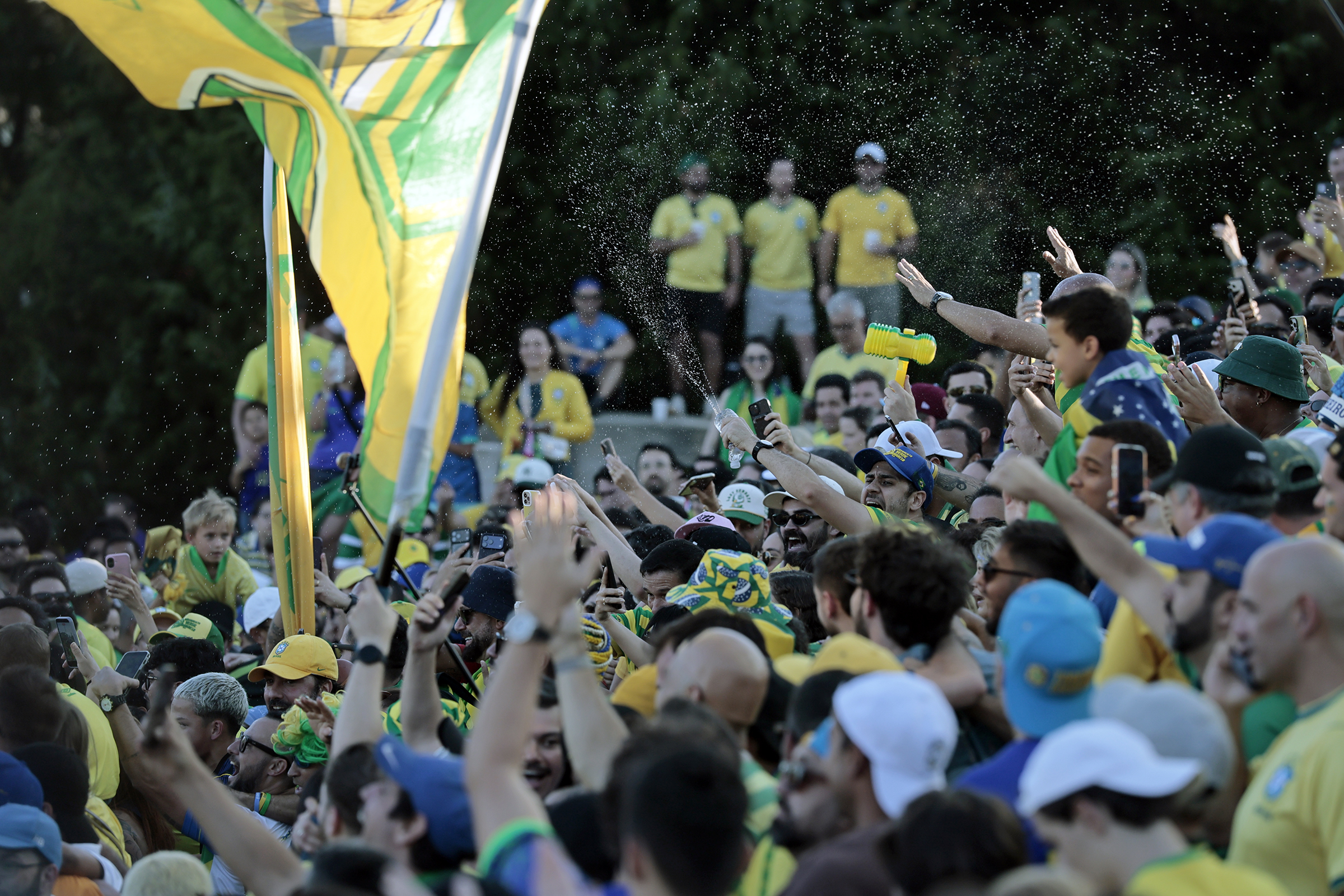
    On the eve of Friday’s World Cup match between Brazil and Haiti, Brazil fans rally for their team on the Art Museum steps in Philadelphia.

    Brazilian supporters welcomed players to the team’s hotel, creating a festive but crowded scene at 17th and Sansom around 4 p.m.

    Brazil’s team bus arrived to the hotel at 5:10 p.m., and a few Brazilian players, including Gabriel and Raphinha, greeted fans as they walked from the bus to the hotel.

    The Seleção will look to secure all three points against the Haitians at Philadelphia Stadium on Friday night. The team and its supporters can rest easy knowing it will not be the next victim of the Rocky curse.

  • Edna B. Foa, celebrated pioneering psychologist and longtime Penn professor, has died at 88

    Edna B. Foa, celebrated pioneering psychologist and longtime Penn professor, has died at 88

    Edna B. Foa, 88, of Philadelphia, renowned clinical psychologist, pioneering mental health researcher, creator of the celebrated prolonged exposure therapy for post-traumatic stress disorder, longtime professor of clinical psychology in psychiatry at the University of Pennsylvania, lecturer, mentor, and volunteer, died Tuesday, March 24, of complications from pneumonia at Pennsylvania Hospital.

    Dr. Foa was among the first psychologists in the 1970s and ‘80s to infuse empirical case study research into existing behavior protocols to create more effective mental health treatments for victims of rape, combat trauma, childhood sexual abuse, and other ordeals. She became an expert in PTSD, obsessive-compulsive disorder, and social phobia, and her prolonged exposure therapy for PTSD and exposure and response prevention treatments for OCD are still hailed as breakthrough innovations.

    From 1971 to 1997, she was a fellow, professor, and clinical researcher in the psychiatry departments at Temple University and the old Medical College of Pennsylvania, now part of Drexel University. She joined Penn’s Department of Psychiatry in 1998 and, over more than 50 years, evaluated thousands of mental health cases to determine which behavior therapy was best for each condition.

    “Her work truly changed the field,” colleagues at the Ardmore-based Center for Hope and Health said on Instagram. They said she “spent her career doing what she believed mattered most: studying what actually helps people get better, and making those treatments more accessible.”

    She created the Center for the Treatment and Study of Anxiety at Temple in 1979 and directed it later at Penn. Colleagues at the center said on Facebook: “Through her brilliance, determination, and unwavering belief in the power of evidence-based care, she transformed the understanding and treatment of anxiety-related disorders and changed the lives of countless individuals and families around the world.”

    Other colleagues and friends called her “brilliant,” “amazing,” and “extremely influential” in online tributes. One said she was “a giant who taught the world how to conquer fear and reclaim life.”

    Dr. Foa earned grants for research and education, and taught her therapy techniques to veterans counselors in the United States and Israel, to therapists for the U.S. Army and the City of Philadelphia, and to clinicians at Women Against Rape and other groups around the world. In 2010, she was named one of Time magazine’s 100 most influential people in the world.

    To share her innovations and encourage peer review, Dr. Foa edited Failures in Behavior Therapy in 1983 and cowrote Emotional Process of Fear in 1986 and Emotional Processing of Traumatic Experiences in 2007. The hundreds of books, manuals, articles, and papers she wrote, cowrote, or edited about memory, stress, anger, depression, and guilt have been cited more than 13,000 times by other authors.

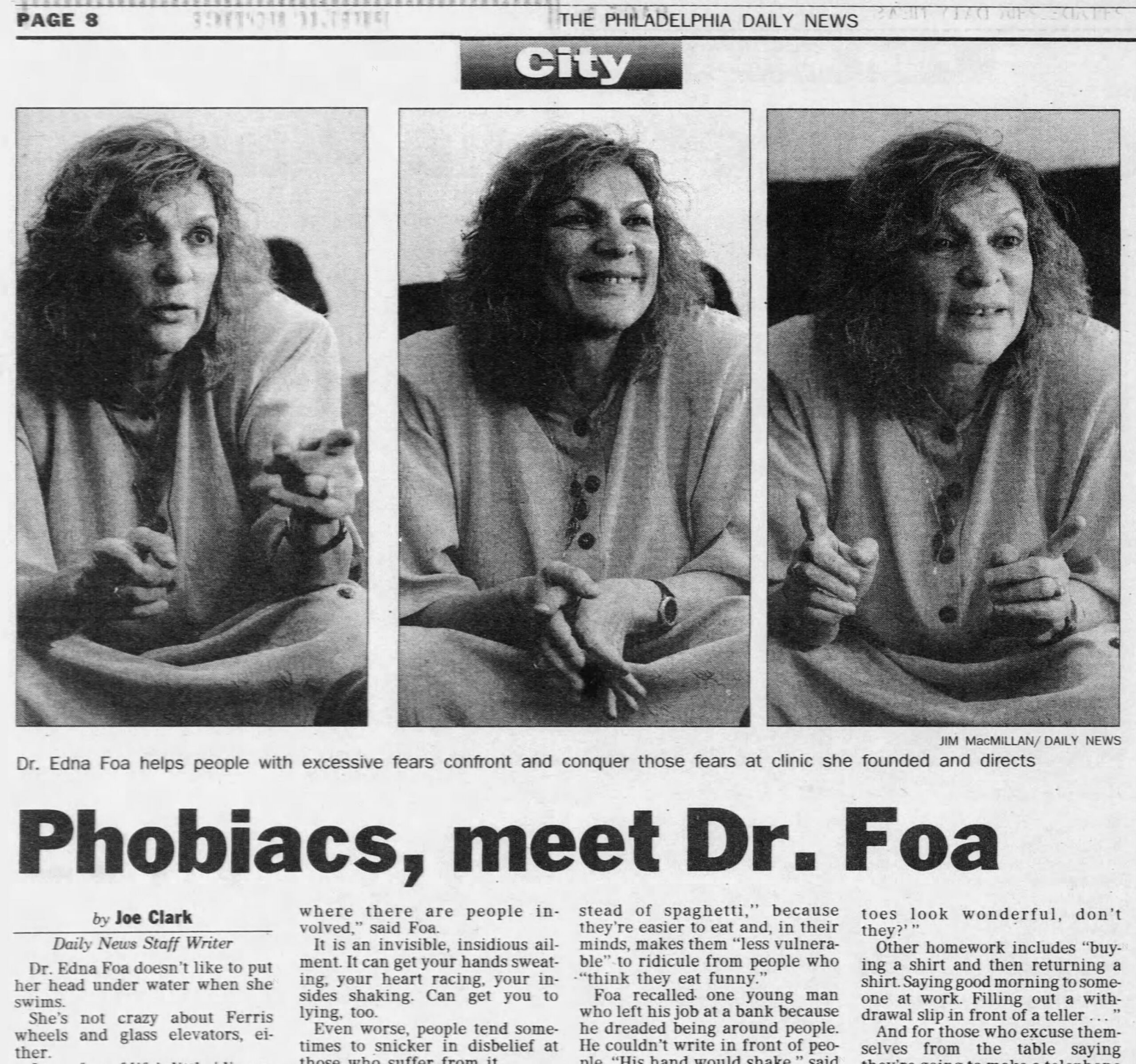
    The Daily News published this story and photos of Dr. Foa in 1993.

    She also volunteered as a consultant and supervisor at clinics and medical centers. She lectured and organized clinical workshops in the United States, Israel, and elsewhere. In 2010, she told Time magazine: “If you develop a wonderful protocol, it’s useless if nobody uses it.”

    She was affiliated with many mental health societies and associations, and earned lifetime achievement awards from the American Psychological Association, the International Society for Traumatic Stress Studies, and other groups. She was featured often in The Inquirer and the Daily News, and told the Daily News in 1993 that “everyone has little fears.” She said her little fears were of heights and swimming underwater.

    In 1970, Dr. Foa earned both a doctorate in clinical psychology and personality from the University of Missouri, and a master’s degree in clinical psychology at the University of Illinois. In 1962, she earned a bachelor’s degree in psychology and literature at Bar-Ilan University in Israel.

    She stopped working full-time at Penn in 2023 but never really retired. In April, she was scheduled to lead a workshop in prolonged exposure therapy. In 2011, she told The Inquirer: “If I die tomorrow, I think that what I have achieved is fine. If I don’t die, I don’t need to stop.”

    Edna Ben Jacob was born Dec. 28, 1937, in what is now Haifa, Israel. She became fascinated by the work of psychologist Sigmund Freud, she told the Encyclopedia of Behavior Modification and Cognitive Behavior Therapy, and she worked briefly with juvenile offenders near Tel Aviv after high school.

    In 2011, she told The Inquirer she was shattered by her own trauma in 1948 when her brother, Uri, was killed in the war and her father, Abraham, died four years later.

    She married and divorced when she was young, and met Professor Uriel Foa at Bar-Ilan. They married when she was 24, had daughter Dora, and moved to the United States in 1966. They had daughters Yael and Michelle, and lived in Illinois and Missouri before moving to Glenside and then Penn Valley. She moved to Philadelphia a few years ago.

    After a divorce, she married Penn professor Charles Kahn. Her husband and former husband died earlier.

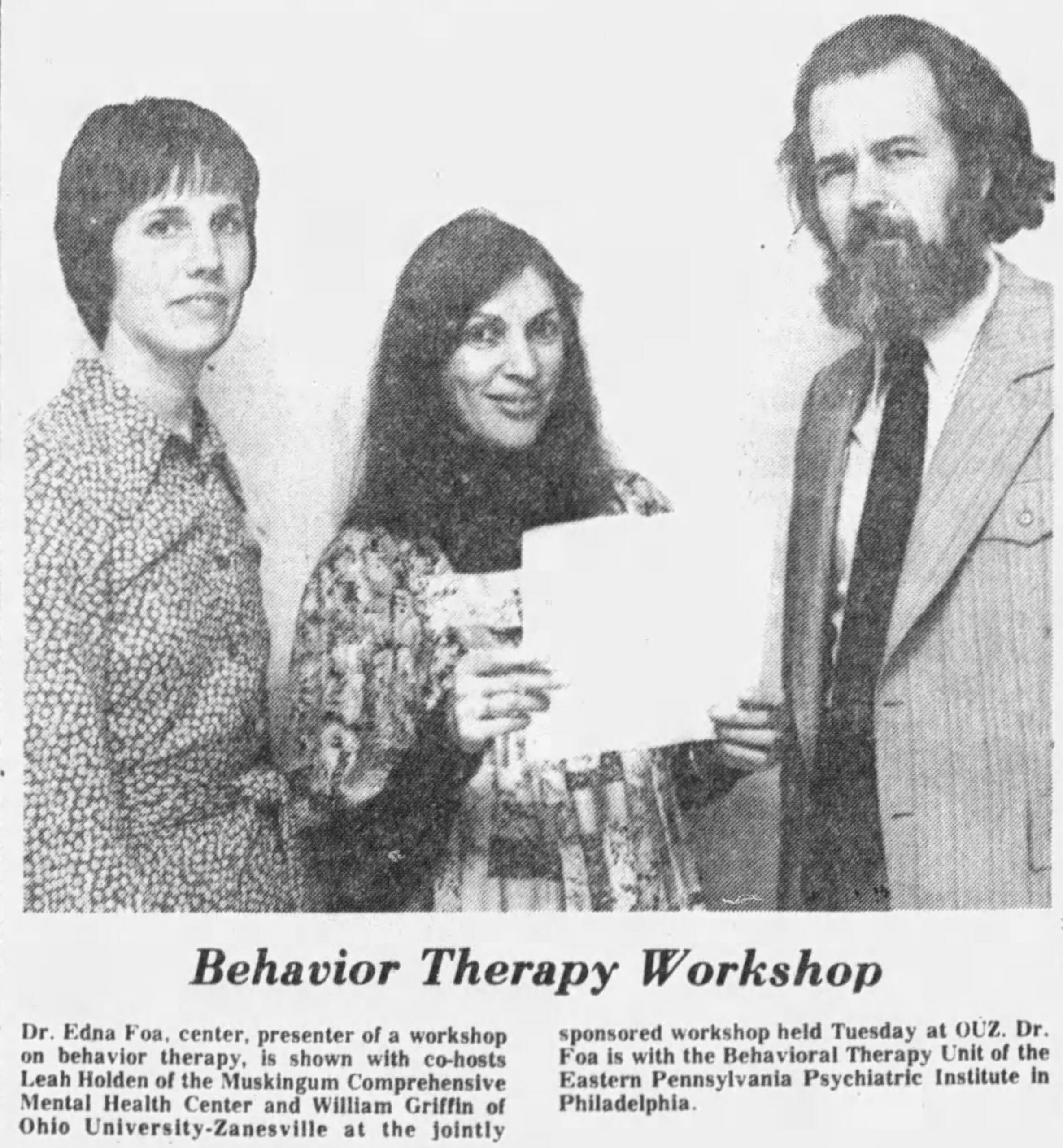
    This photo of Dr. Foa (center) appeared in the Times Recorder in Ohio in 1978.

    Away from work, Dr. Foa enjoyed traveling, gardening, and hosting family and friends at holidays. She collected art and antiques.

    She told an interviewer she had a bad habit of deleting emails before reading them. She managed lung cancer years ago.

    “She was full of energy, vivacious, a force of nature,” said her daughter Yael. Her daughter Michelle said: “She was an extraordinary figure who lived a very rich life.”

    In addition to her daughters, Dr. Foa is survived by five grandchildren, a great-granddaughter, and other relatives.

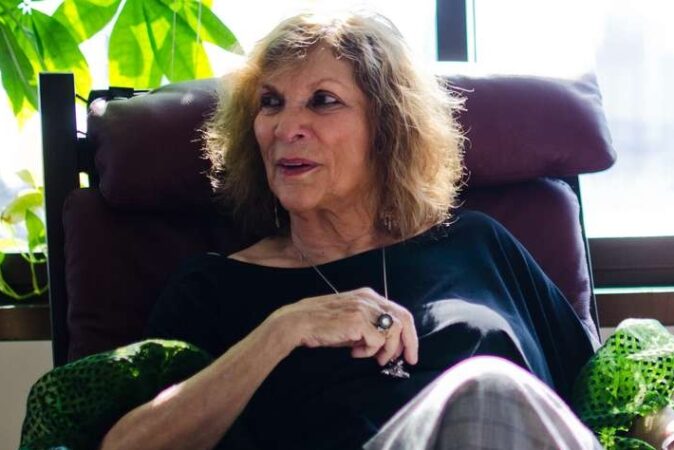
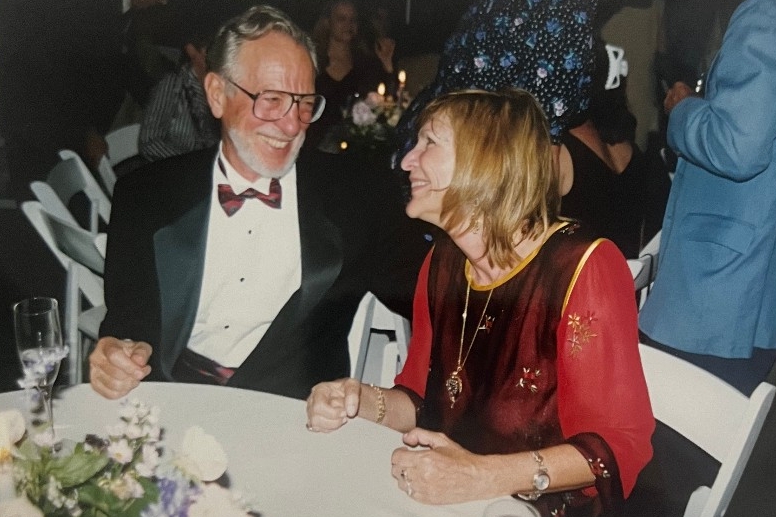
    Dr. Foa laughs with her husband, Charles Kahn.

    Private services are to be held later.

    Donations in her name may be made to the Philadelphia Museum of Art, 2600 Benjamin Franklin Parkway, Philadelphia, Pa. 19130; and the Philadelphia Orchestra, 300 S. Broad St., Philadelphia, Pa. 19102.

  • Philadelphia Museum of Art hires a new chief financial and operating officer

    Philadelphia Museum of Art hires a new chief financial and operating officer

    Philadelphia Museum of Art director and CEO Daniel H. Weiss has hired a longtime associate to be the museum’s new executive vice president and chief financial and operating officer.

    Mitchell Lee Wein will oversee finances, facilities, operations, risk management, and strategic initiatives, the museum announced Friday.

    Weiss and Wein worked together in similar roles when Weiss was president of Haverford College and, before that, at Lafayette College. Wein, 63, has extensive experience on the financial and operations side of nonprofit organizations, but has never worked in a museum.

    A Philadelphian for more than three decades, he takes up the new post April 22.

    “It’s such an important institution that I’m happy to play a role for as long as I can and leave it better for the future. I think the mission is critical,” said Wein. “When I was in the private sector I thought about how we attract firms to Philadelphia, how people can have a great experience here, and the museum plays a role in that. I smile when I think about the opportunities.”

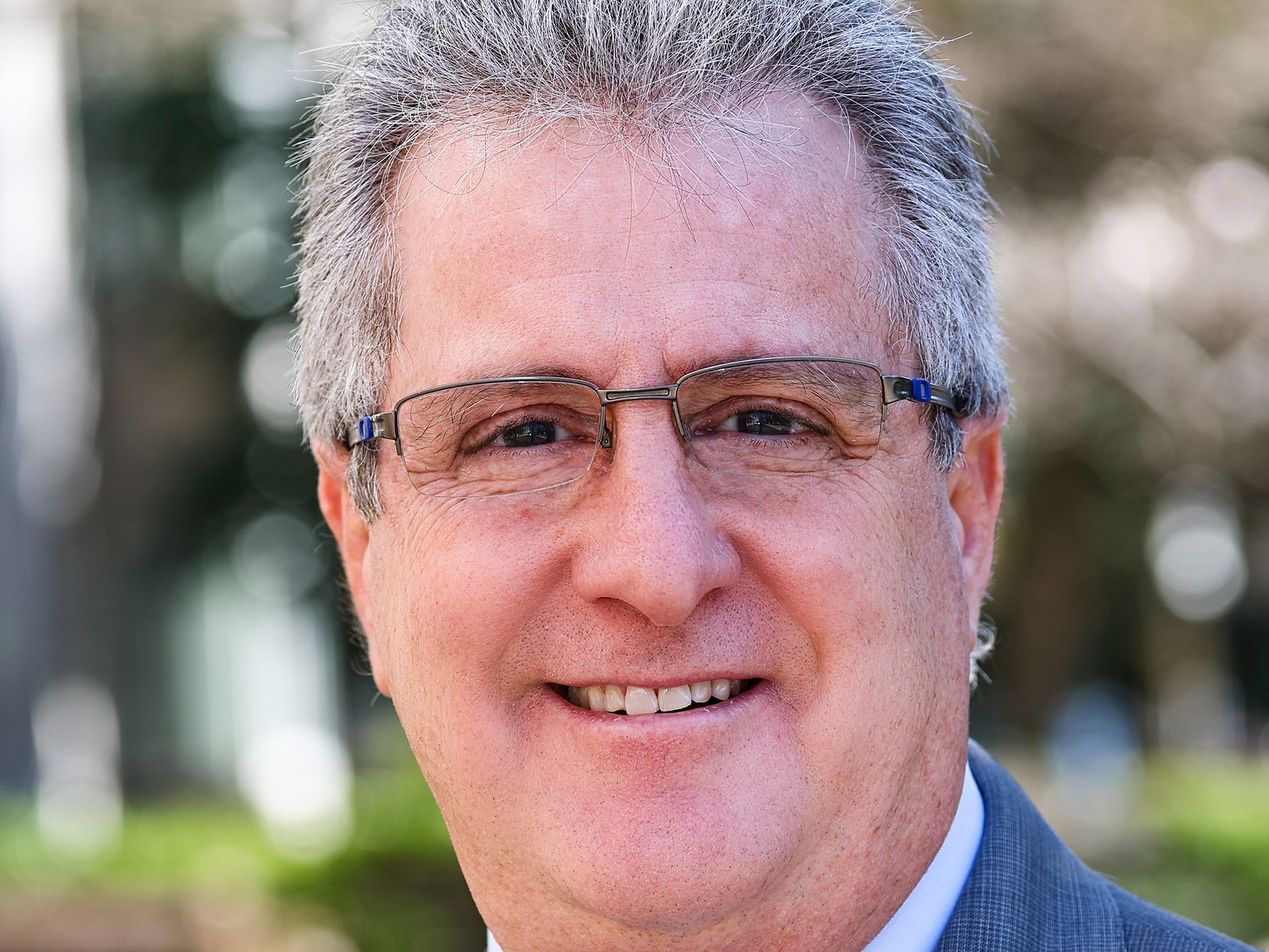
    Mitchell Lee Wein, newly named CFO and COO of the Philadelphia Museum of Art.

    Wein is currently senior vice president for finance and COO at the Brookings Institute, the Washington, D.C.-based think tank. He was senior vice president for administration and finance at Haverford College and held a similar position at Lafayette College. Previously, he was managing director in investment banking with UBS Investment Bank/UBS PaineWebber, and, before that, at PNC Capital Markets.

    Weiss took over the museum in December and has been making a series of changes in the executive leadership team as he determines how to close the operating deficit and revive attendance. He must decide what to do about paused expansion plans and much-needed maintenance on existing buildings. And he will consider whether to re-open to the public the Ruth and Raymond G. Perelman Building, the museum’s major addition that closed during the pandemic.

    Among Weiss’s early moves: he reversed the name change that had been unveiled months earlier as part of the museum’s widely-panned rebranding.

    Wein says he has been following coverage of the museum’s challenges and reading financial statements in preparation for his start. He said he looked forward to developing a plan for the museum “in support of what Dan has outlined along with other colleagues.”

  • $7.6 million in grants from William Penn Foundation will support $2 tickets for low-income patrons

    $7.6 million in grants from William Penn Foundation will support $2 tickets for low-income patrons

    A group of special grants from the William Penn Foundation will help ensure continued access to the Please Touch Museum, Franklin Institute, and other Philadelphia nonprofit attractions for patrons of modest means and/or with disabilities.

    William Penn has granted a total of $7.6 million to seven groups to underwrite the existing program providing access to $2 tickets.

    Ticket prices are an obstacle for many, and arts and culture groups must weigh their desire to be open to all audiences, regardless of capacity to pay, against the reality of balancing their own budgets.

    “Our general admission price is around $24 and we believe that’s competitively priced with other peer organizations,” said Please Touch Museum president and CEO Melissa Weiler Gerber. “But we want to make sure that we are committed to having folks come in the door and that not be a barrier.”

    The William Penn money — $872,350 per year for each of the next three years — will support that ambition by underwriting the $2 tickets to the children’s museum in Fairmount Park.

    The groups receiving the grants, in addition to the Please Touch and the Franklin Institute, are the Academy of Natural Sciences, Morris Arboretum and Gardens, the Philadelphia Zoo, and the Philadelphia Museum of Art, where the grant will support the museum’s restoration of pay-what-you-wish Friday evenings.

    The William Penn money is being allotted on top of the regular funding the foundation gives to area arts and culture groups, which is expected to reach $32 million this year.

    Art-Reach will also receive a grant. The group administers the program, which began in 2014 and provides $2 admission to area museums, gardens, theaters, musical groups, and other cultural offerings to those with low incomes and/or disabilities.

    The six attractions were chosen because they are the most visited participants in the program, which is called Harvey and Virginia Kimmel Family Fund ACCESS Program.

    But it’s worth noting that none of the six is a performing arts organization, and the program has about a hundred other groups of various kinds that could also use the support.

    “I think that there is a lot of need for the rest of the partners in the program,” said Art-Reach executive director John Orr, adding that he hoped the William Penn action would be “catalytic” in inspiring other donors to support low-cost access to arts and culture groups.

    Affordability was cited as a factor in deciding which cultural sites to visit by 91% of participants in a recent survey of ACCESS cardholders, Orr said.

    At the same time, cultural groups are being buffeted by multiple challenges, said William Penn Foundation chief philanthropy officer Elliot Weinbaum.

    “There have been lots of shifts and uncertainty around myriad funding sources. You think about federal sources — NEA, NEH, IMLS, National Science Foundation — all of them have seen big cuts and big uncertainty,” he said. “These institutions received some money from some combination of those entities. There have been shifts in corporate giving in the past year or so.”

    Hence the foundation’s decision to step in with new funding for the work of these organizations.

    Said Weinbaum: “We want to strengthen the institutions, support them, and make it clear that for William Penn Foundation it’s important that a population that’s really representative of Philadelphia continues to have access to these great places.”

    For more information about how the ACCESS program works, visit art-reach.org.

  • The Philadelphia Museum of Art will have ‘pay what you wish’ admission on Friday evenings

    The Philadelphia Museum of Art will have ‘pay what you wish’ admission on Friday evenings

    Philadelphia Museum of Art patrons will once again be able to decide for themselves what to pay at the gate Friday evenings.

    The museum, eager to change the message to a positive one after a season of “drama and conflict,” will offer admission on a pay-what-you-wish basis every Friday evening for five months starting April 10.

    Regular admission to the museum can be as high as $30 per ticket, and the initiative, announced Friday, recognizes that cost excludes or deters some visitors.

    “We wanted to remove the barrier,” said museum director and CEO Daniel H. Weiss.

    The program, dubbed “Independent Fridays,” coincides with the nation’s 250th celebrations and the opening of “A Nation of Artists,” an expansive, two-museum exhibition of American works at the PMA and Pennsylvania Academy of the Fine Arts built around the collection of Phillies managing partner John Middleton and his family.

    The museum previously had pay-what-you-wish Friday evenings, but, because of the expense, canceled the program in summer 2024, when Sasha Suda was director. To underwrite its reinstatement, the museum put in place special funding from board chair Ellen T. Caplan and her husband, Ron, and the William Penn Foundation.

    Caplan said that her own visits to the museum when she was growing up in Philadelphia happened through the pay-what-you-wish program, so to help fund it now “feels like a full-circle moment.”

    Although the current funding underwrites pay-what-you-wish Friday evenings only through the Friday before Labor Day, leaders said it could continue.

    “I’m hoping this will inspire others to underwrite it going forward,” Caplan said.

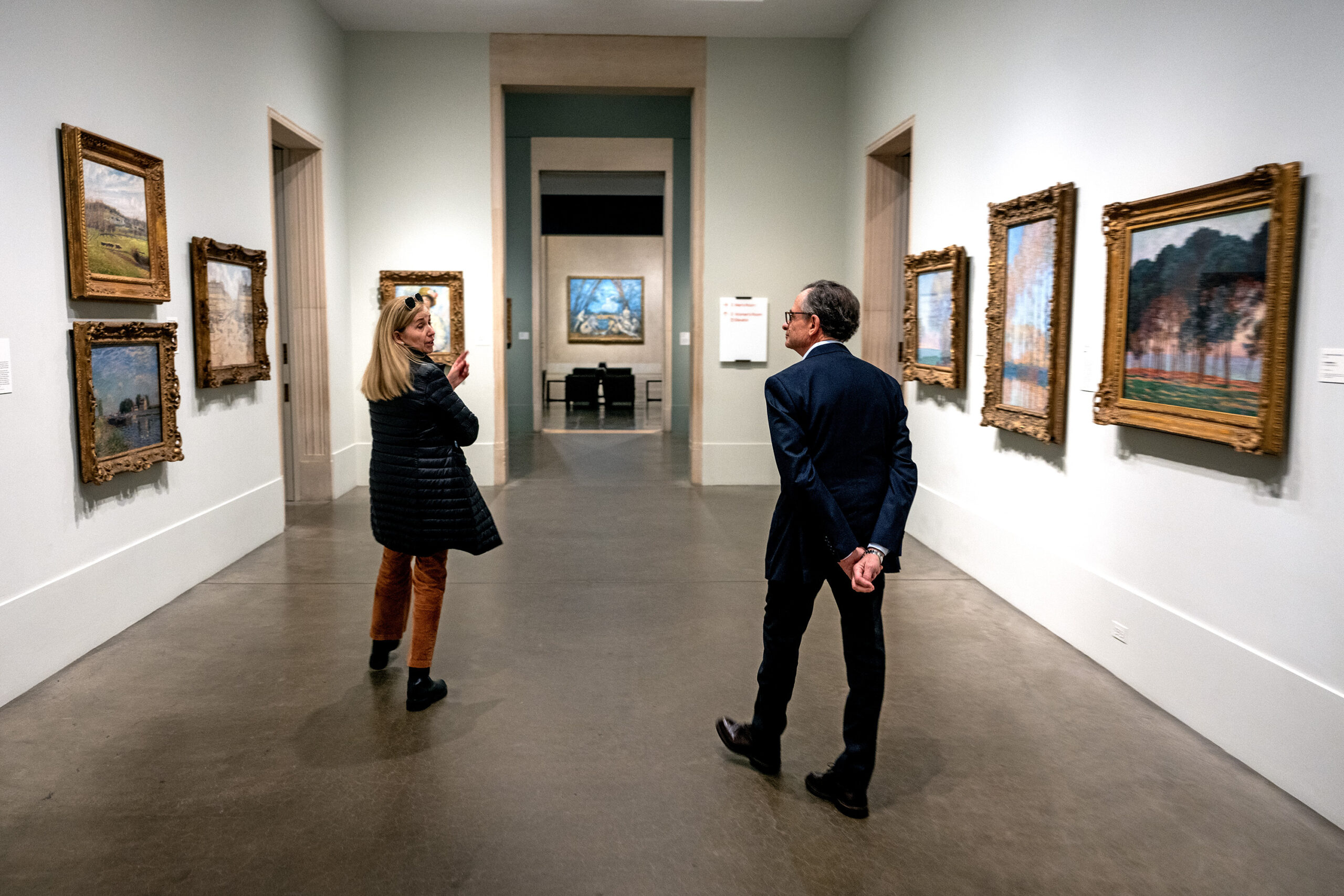
    Daniel H. Weiss, director and CEO of the Art Museum, walks through museum galleries with staffer Laura Coogan (left) Jan. 7, 2026.

    At the moment, the museum is planning to return to its regular half-off discounted rates on Friday evenings ($15 for general admission), after Sept. 4. Admission on the first Sunday of every month continues to be pay-what-you-wish, and anyone 18 years old or under is admitted free any day, any time.

    The public signals coming from Philadelphia’s major, comprehensive art museum in the past several months have mostly been about a controversial name change and rebrand, and the acrimonious dismissal of Suda and the legal wrangling in its aftermath. After several months of calling itself the “Philadelphia Art Museum,” the institution has reverted to its previous, longtime name.

    The museum’s dispute with Suda will be settled through arbitration, not through a trial with jury, a Common Pleas Court judge recently ruled.

    Weiss said that reinstating pay-what-you-wish Friday evenings was partially about “turning the page. We want people to appreciate the museum for what it has been, not for the drama and conflict.”

    Admission income is critical to the museum’s bottom line. In fiscal year 2025, earned revenue accounted for a third of the museum’s income, with the rest covered by contributed revenue, such as donations.

    But it’s not clear that offering more pay-what-you-wish spots on the calendar will result in overall lower ticket income. The museum piloted the return of the Friday evening program for the final three weeks of its recent Surrealism show, and admission revenue came in 20% higher than in the previous three weeks.

    In the same period, attendance received a boost of 128%, according to the museum.

    Of the ultimate net effect of pay-what-you-wish on revenue, “Over the long-term we don’t know,” said Weiss. But, he added: “Having it underwritten allows us to not worry about that.”

  • Snowstorms in Philly may not be consistent, but these Philly snowstorm traditions are

    Snowstorms in Philly may not be consistent, but these Philly snowstorm traditions are

    Snow isn’t a constant in Philadelphia but after two big storms dumped on us just weeks apart this year, it’s clear some things remain predictably consistent during a snowstorm in Philly, no matter the year.

    While all hail hasn’t broken loose yet, we have fallen right back into our classic winter storm habits, some of which aren’t snow great. So put on your parka, pull up your boots, and come traipsing through our winter tropes with me, because if there’s one thing that certainly isn’t predictable during a snowstorm it’s SEPTA.

    Acting like the Philadelphia Museum of Art is Vail

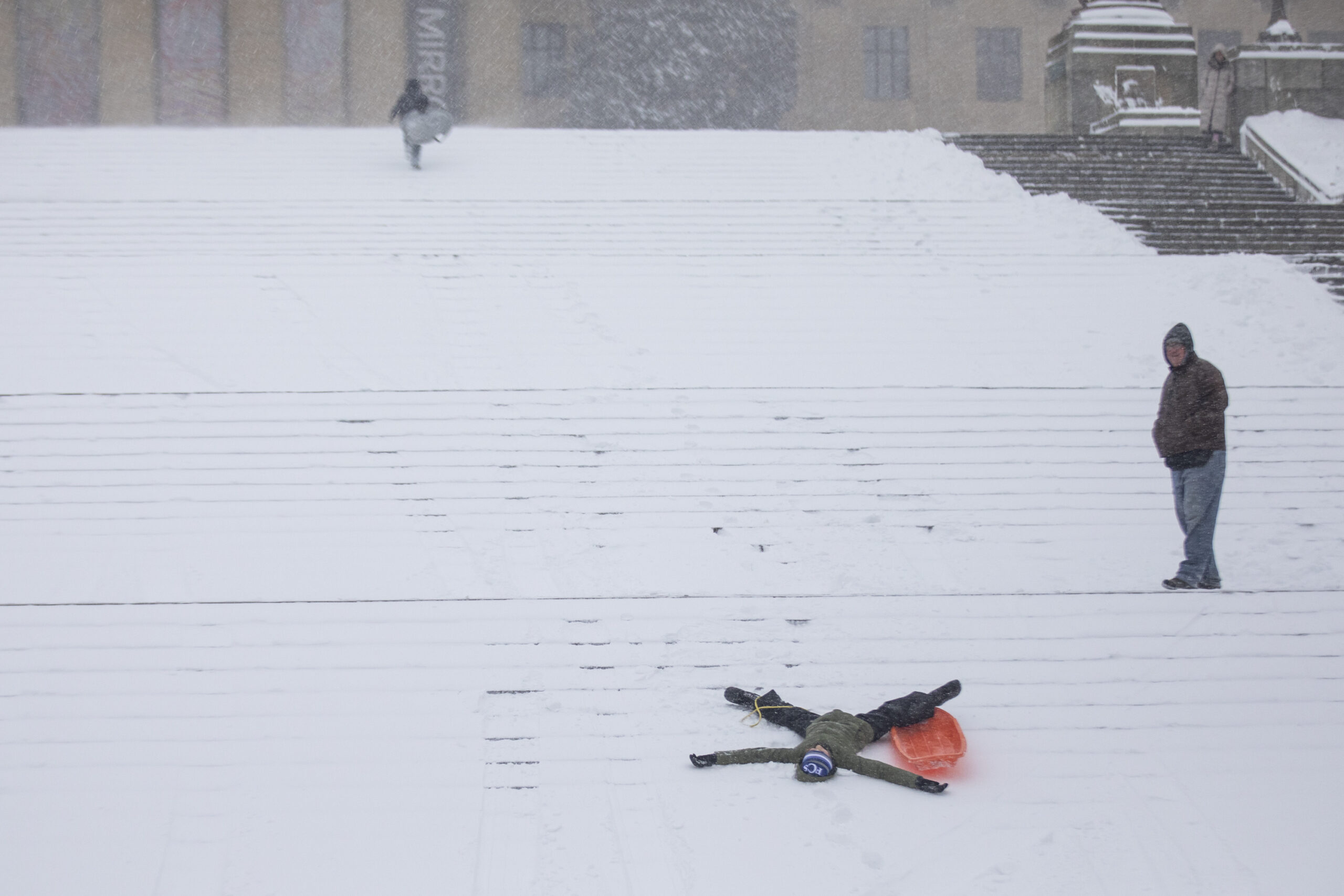
    A snow boarder goes down the steps of the Philadelphia Museum of Art.

    I love that people sled and snowboard down the steps of the Philadelphia Museum of Art after a snowstorm like it was a ski resort. It’s one of those traditions that gives Philly such a wonderful, joyous sense of place, but, like many of our beloved traditions, it is also a highly dangerous activity.

    There is no ground beneath the snow here, just pointy stone steps that could leave your face looking like a Picasso painting if you hit them the wrong way. Even if you manage to stay upright the entire way down, it’s a bumpier ride than Philly’s pothole-plagued streets (which are certainly going to get worse after this storm).

    A sledder wipes out while sledding down the Philadelphia Museum of Art steps.

    The substance

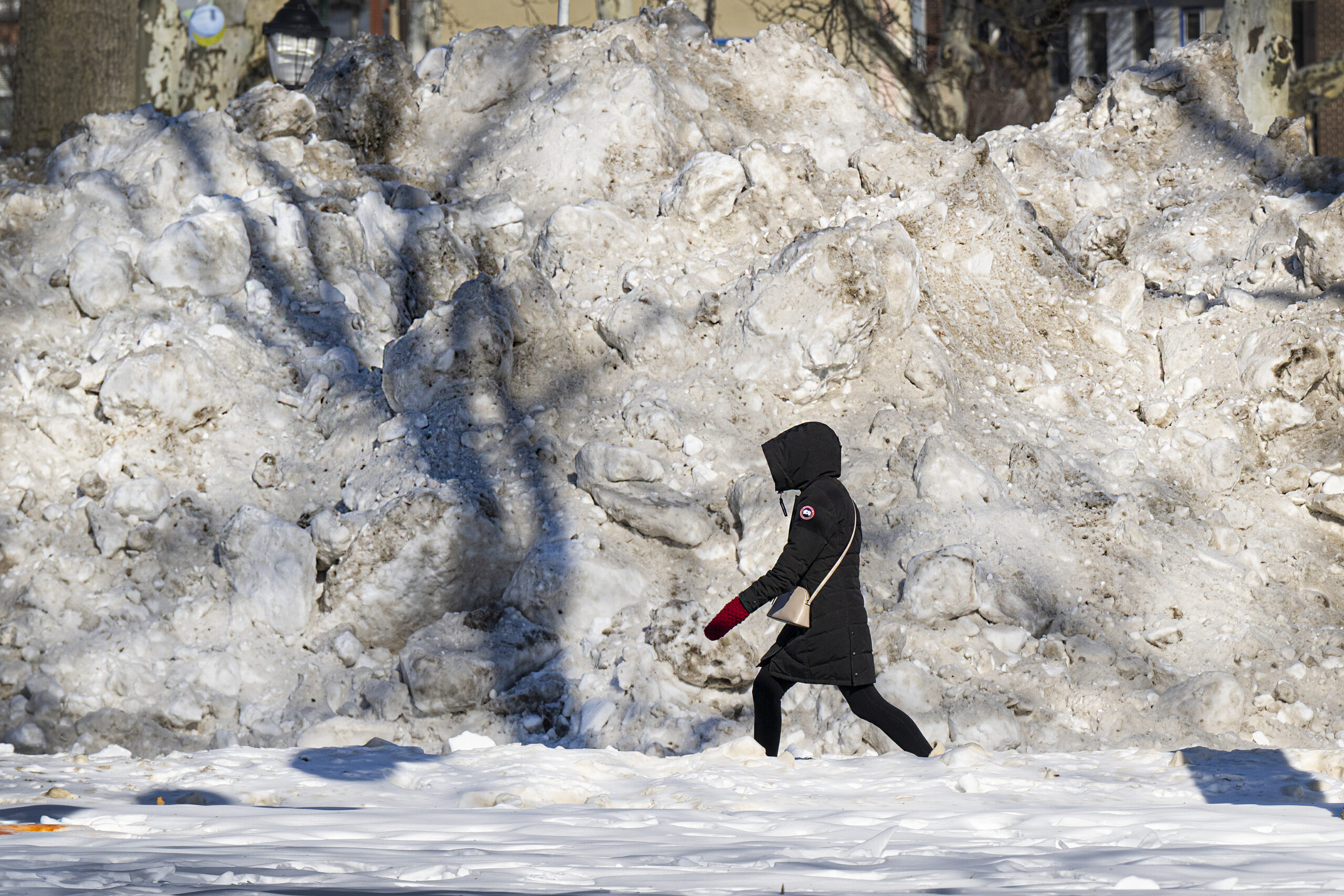
    Throughout a snowstorm and for five minutes immediately following one, Philadelphia looks absolutely stunning. But after those five minutes are up, things get real gross, real quick. The snow turns into lakes of slush and large, gray mountains of immovable ice, making the city look like a dumpster site on Hoth for the next five weeks.

    It reminds me of that movie The Substance with Demi Moore, except the substance for Philly is snow. It makes the city beautiful for a short time, but in the end, it just turns it into a bigger mess than it was to begin with.

    A pedestrian walks past a large pile of snow and ice along the Benjamin Franklin Parkway this year.

    Doggone dirty

    Among the many reasons the snow gets so gross so quickly here is because some dog owners are under the impression that the laws of polite society freeze when the temperature does. Just because your dog left its pile on a pile of snow does not mean you don’t have to pick it up.

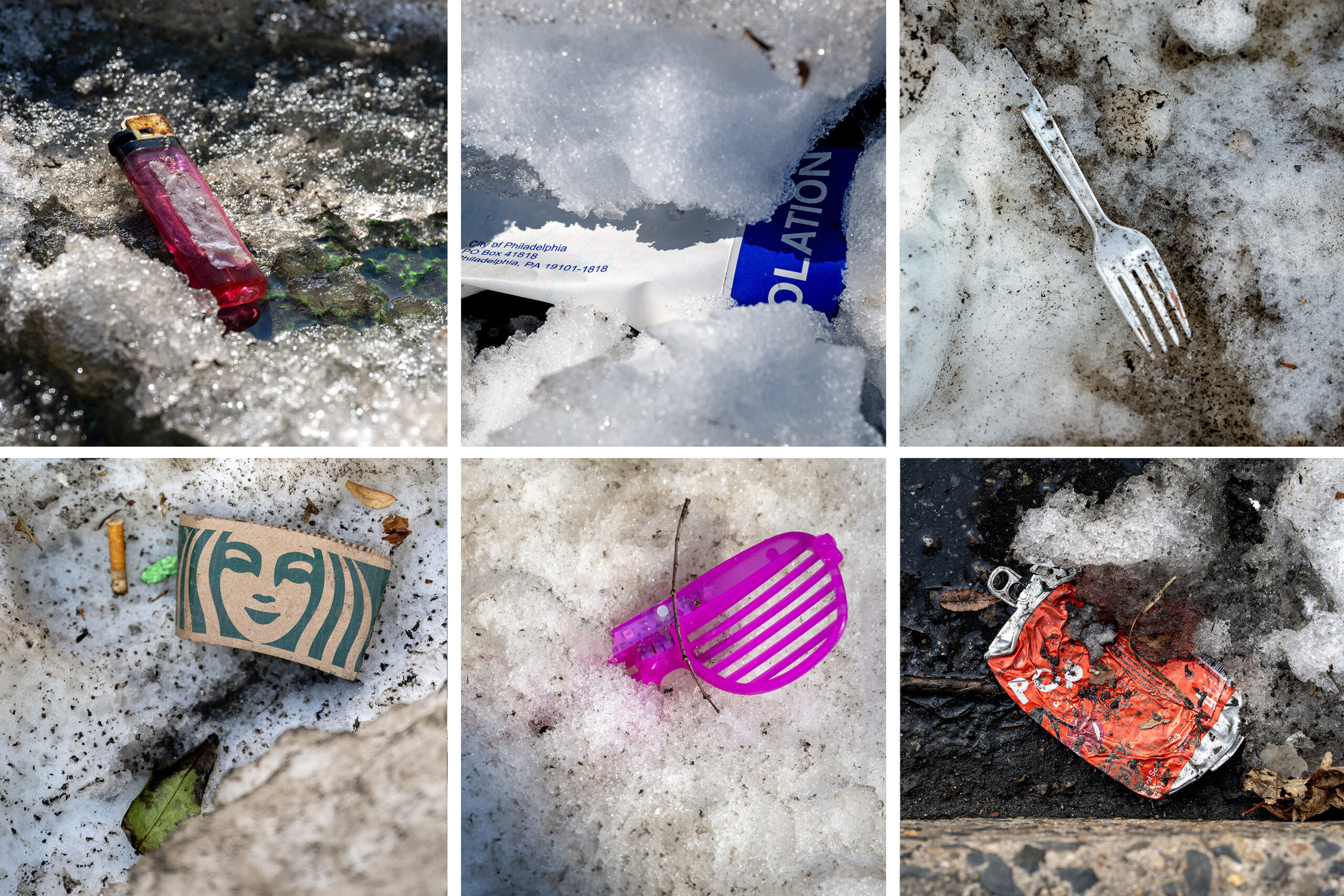
    Trash spotted in the snow in Philadelphia. Photographed, but not pictured (as a courtesy to you), was also a pile of dog poo.

    Then there are the really terrible, lazy owners who kick snow over their dog’s piles in an attempt to cover it up, thus leaving a nasty surprise for unsuspecting pedestrians. While all dogs may go to heaven, there’s a special circle of hell for those folks.

    Snowstalgia

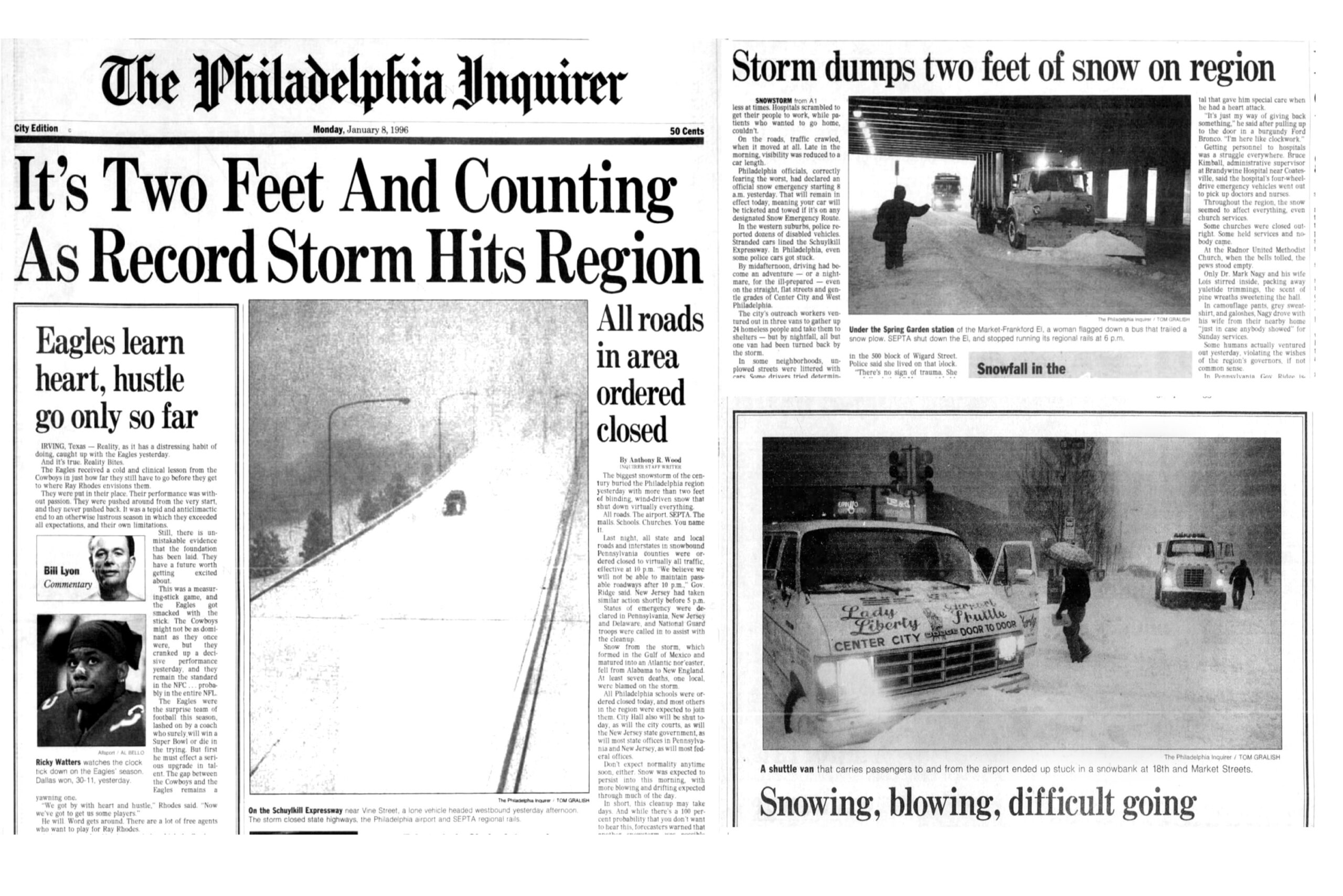
    No matter how much snow is predicted or falls during a storm, it will inevitably be compared to the Blizzard of ‘96 by at least three people you speak you to, or three times by at least one person you speak to.

    The Blizzard of ‘96 is pretty much our Beetlejuice, you have to say it three times or it doesn’t snow around here.

    Front page and inside photos from The Philadelphia Inquirer. January 8, 1996. The Blizzard of 1996, or “Storm of the Century,” a severe nor’easter that was Philadelphia’s largest-ever snowfall of 30.7 inches Jan. 6-8, 1996.

    Work or Wawa

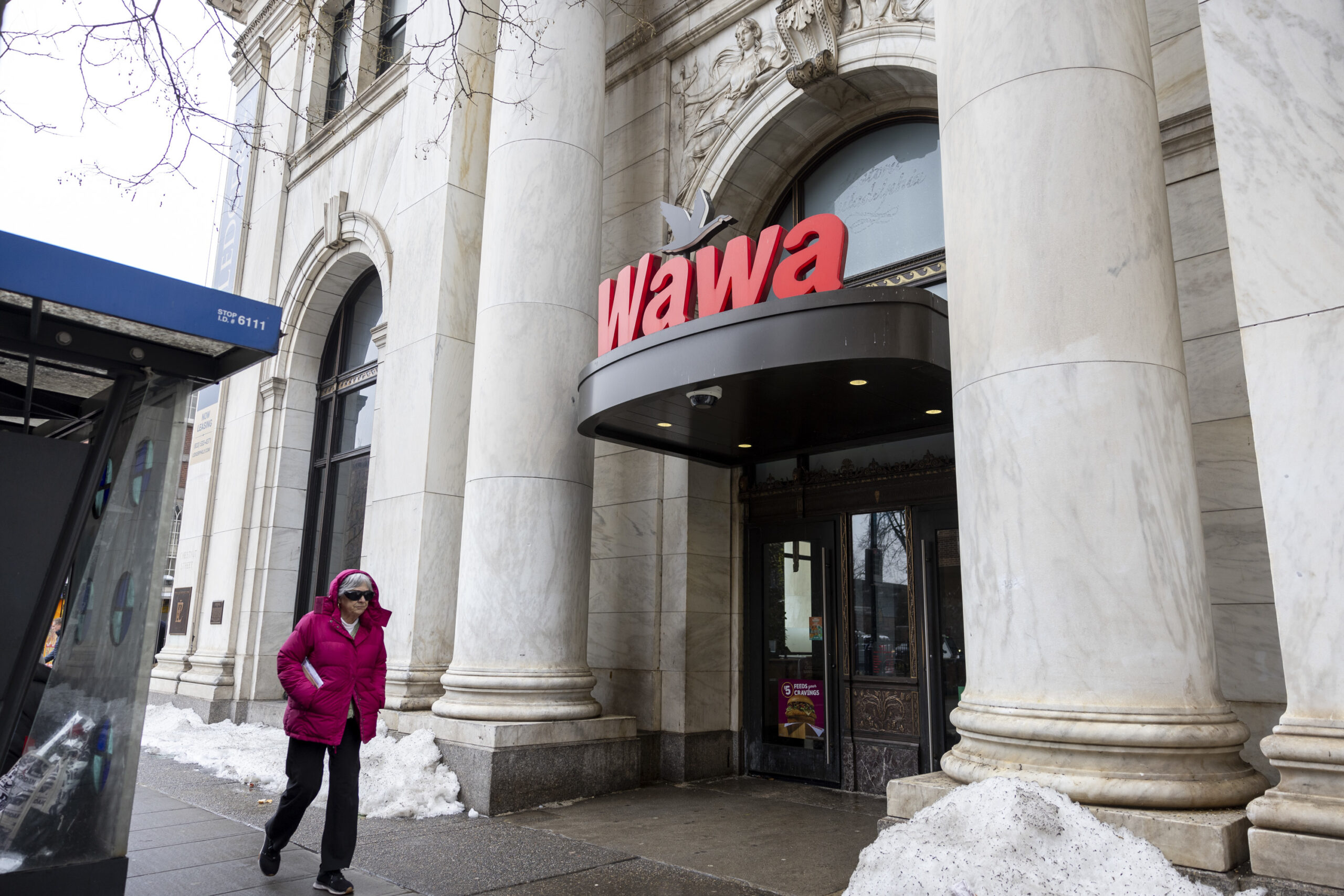
    There are two types of people who travel out in Philly during a storm: those who are going to work and those who are going to Wawa.

    There’s absolutely no rational reason someone has to go on a Wawa run during a snowstorm — especially since everyone waited an hour in line at the Acme for milk and bread two days before it hit — yet there they always are, sometimes in flip-flops, just picking up a cup of coffee like it’s something they can’t get at home.

    The flagship Wawa store near Independence Hall.

    I’m sure some folks go just in the hopes of being interviewed by the 6ABC reporter who’s doing live shots from the Wawa parking lot, and some do it just to get out of the house while their kids are at home. Whatever the reason, if you’re one of those people, be nice to the Wawa workers who risked their lives to go to work so you had somewhere to go.

    Savesies

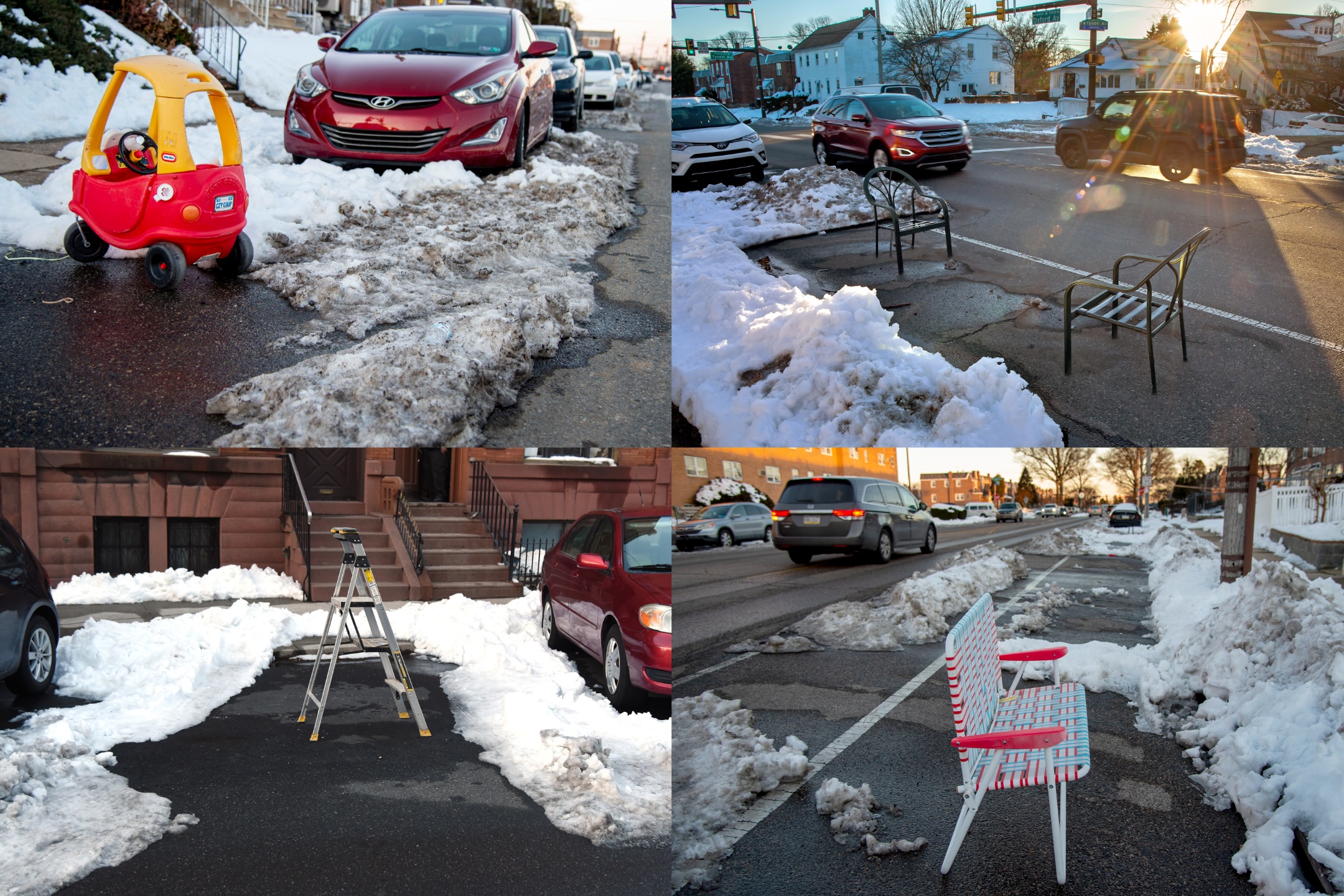
    Few things will pit neighbor-against-neighbor in this city quite like savesies, the longstanding Philly practice of using an orange cone, folding chair, or any other inanimate object to save a parking space you’ve shoveled out.

    Collage of savesies, a long-held parking tradition across Philadelphia.

    Folks are either firmly for or against the tradition, but no matter which camp they land in, few are bold enough to mess around and find out by parking in a saved space, lest they become the recipient of a strongly-worded letter on their windshield, a knock at their door, or whatever curse has plagued the Flyers since 1976.

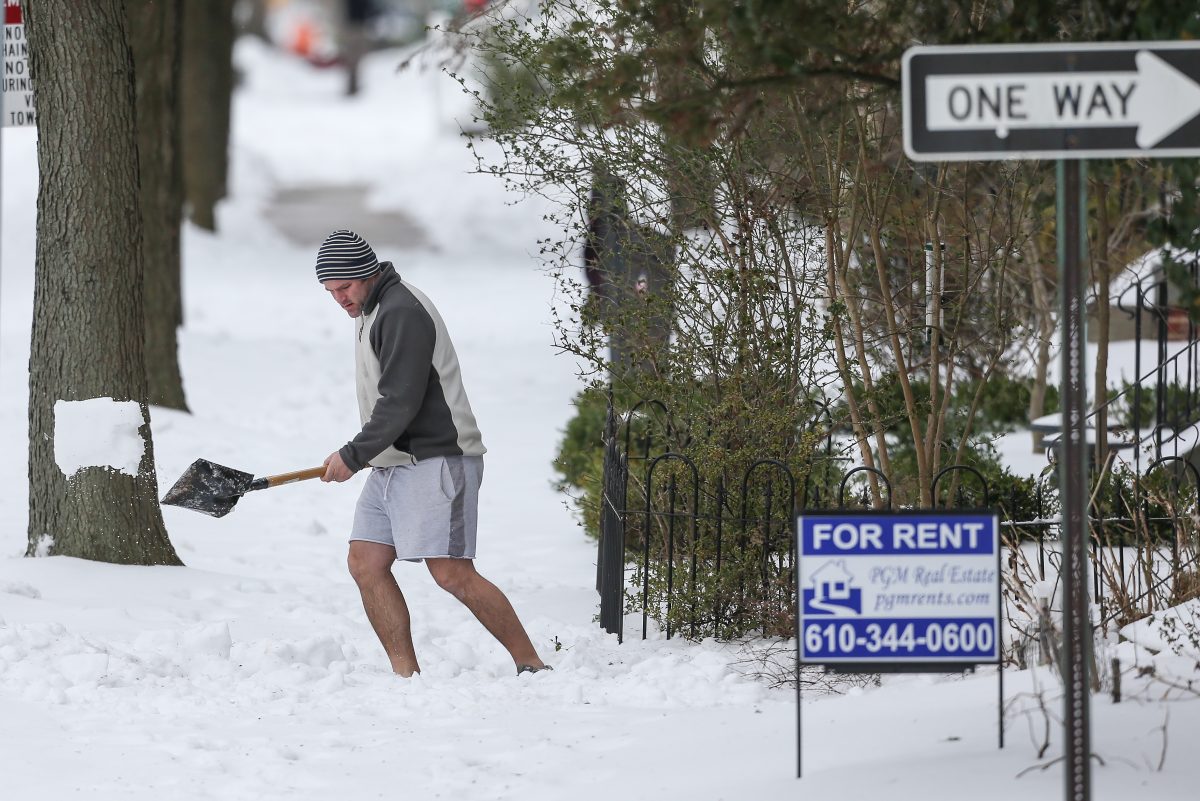
    Shorts shovelers

    Shoveling in shorts is a long-standing tradition practiced by men in the Philadelphia region.

    It could be 3 degrees out with a windshear of negative 10 and eight inches of snow on the ground and you will still see some dude out shoveling in shorts and an Eagles hoodie. In Delco, you will see several.

    Do these men get hot flashes in their legs? Is their calf hair luxuriously thick? Did someone cut off the bottom half of all their pants? Inquirer minds (mainly mine) want to know!

    Greetings from sunny Florida

    During a snowstorm, someone you know will inevitable post a picture of themselves in Florida, where they snowbird in the winter or are visiting for Phillies spring training. The caption will say something like “Sorry to miss out on the storm!” or “Sending my friends in Philly sunny vibes from Florida!”

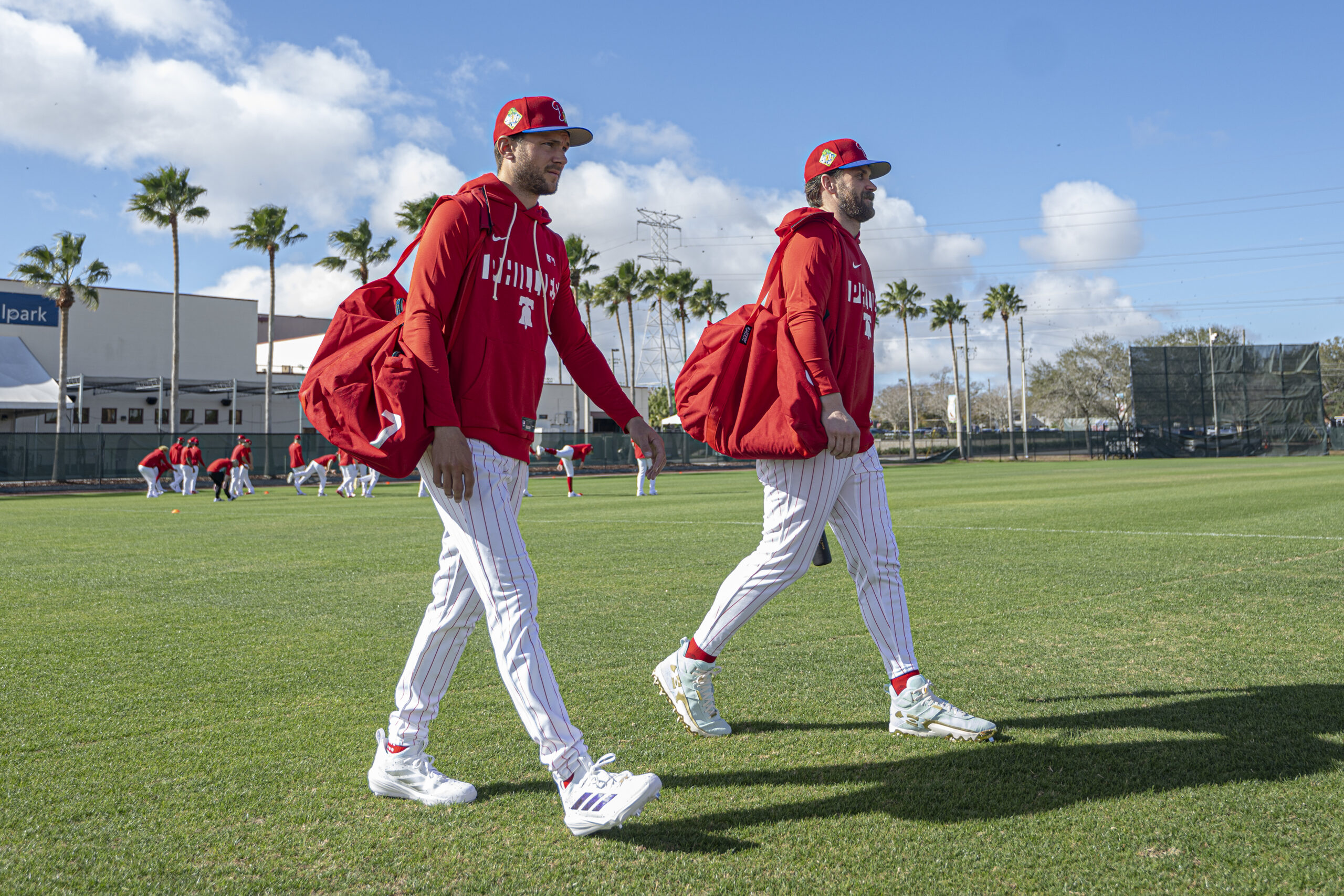
    Philadelphia Phillies Trea Turner and Bryce Harper enter the field during the first full-squad workout of spring training Feb. 16, 2026, at BayCare Ballpark in Clearwater, Fla.

    These are bold-faced lies. They are not sorry and they are not sending you anything but a hard time. Just rest assured in the knowledge that no matter what, you are in the greatest city in the world and they are still in Florida.

  • The ‘AMOR’ sculpture has been removed temporarily from Sister Cities Park

    The ‘AMOR’ sculpture has been removed temporarily from Sister Cities Park

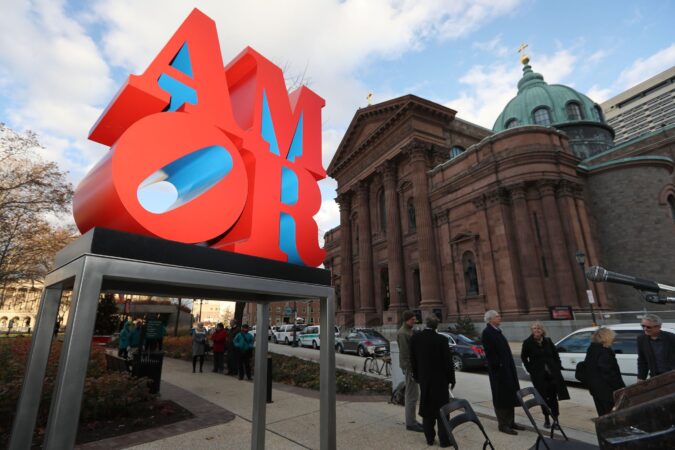
    Those around Logan Circle might notice something missing today: Robert Indiana’s bright red AMOR sculpture.

    On Wednesday morning, Philadelphia officials removed the artwork — a companion piece to Indiana’s iconic LOVE sculpture at nearby John F. Kennedy Plaza — from its perch at Sister Cities Park on 18th Street and Benjamin Franklin Parkway for conservation and restoration.

    Creative Philadelphia, the city’s arts office, said AMOR is scheduled to return on May 1.

    “Over the years, the paint on AMOR has naturally faded due to exposure to UV rays and weather,” said Marguerite Anglin, Creative Philadelphia’s public art director. “We are excited to give the sculpture a full restoration treatment, and look forward to its return back to Sister Cities Park in time for the city’s largest celebrations of America’s 250th.”

    The removal was overseen by Philadelphia Parks and Recreation and Heritage Conservation Collective. The sculpture was transported to Fine Finishes Painting Studio in Peekskill, N.Y., where conservators approved by the Robert Indiana Foundation will strip and repaint it.

    Indiana created AMOR in 1998 “in response to the changing demographics of the U.S. and his desire to speak to his fellow citizens,” according to the Association for Public Art.

    AMOR, meaning love in Spanish and Latin, came to Philadelphia in 2015 to mark Pope Francis’ visit, thanks to the aPA and the Philadelphia Museum of Art. On loan from the New York-based Morgan Art Foundation, it was displayed at the top of the museum steps, where it overlooked the papal Mass held on the Parkway.

    In 2016, it was permanently installed at Sister Cities Park with funding and support from the city, PMA, aPA, the Morgan Art Foundation, and Edith R. Dixon.