Tag: Philly First – standard

  • Jefferson Health and the Eagles Deepen a Commitment to Better Health

    Jefferson Health and the Eagles Deepen a Commitment to Better Health

    When two of Philadelphia’s most trusted institutions come together, the impact can extend far beyond the field and well outside hospital walls. This February, Jefferson Health and the Philadelphia Eagles announced a landmark new chapter in their long-standing partnership. The team’s training facility will be renamed the Jefferson Health Training Complex, anchoring a collaboration focused on community health, education, and long-term well-being across the region. For both organizations, the name represents a shared statement of purpose.

    “Our mission is rooted in our core values: to put people first, pursue excellence, and do what’s right,” Joseph G. Cacchione, MD, the CEO of Jefferson, said. “By aligning with an organization that shares our commitment to excellence, teamwork, and community impact, we’re creating new opportunities to elevate health education, expand prevention efforts, and inspire people across the region to engage with their own well-being. This partnership amplifies our ability to meet people where they are, while staying grounded in the values that define Jefferson as a not-for-profit anchor institution.”

    The renaming of the Eagles training facility is only one recent example of Jefferson’s ongoing commitment to the Philly community. Over the years, the health system has advanced health education and workforce development initiatives designed to expand access to care beyond traditional clinical settings.

    In 2023, for instance, Jefferson launched its Community Health Worker Academy, a 13-month training and workforce development program that prepares new patient care professionals to support individuals and families within their own communities. Jefferson has also partnered with local venues, including faith-based organizations, to provide health services and outreach in places where people already gather, helping to reduce barriers to preventive care. To underscore this commitment, Jefferson Health recently announced a new collaboration with the Hatfield Ice Center in Colmar, Pa., where it has provided health screenings and wellness programming. The iconic rink will now be known as Jefferson Health Arenas at Hatfield Ice.
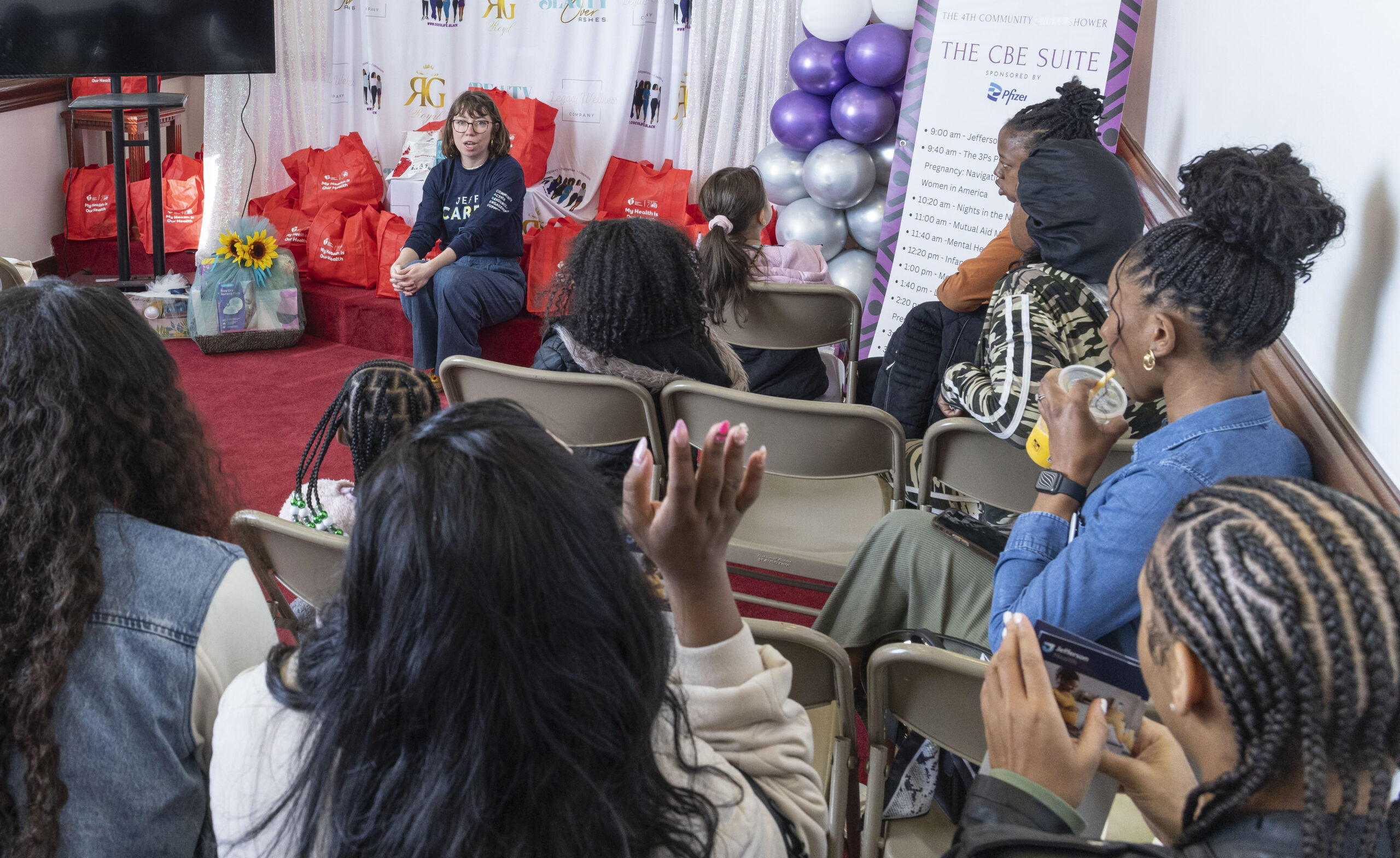
    In 2025, Jefferson partnered with Enon Tabernacle Baptist Church for a Black Maternal Health Community Baby Shower. The event offered health screenings, diabetes education, maternity care support, childbirth education, and more.

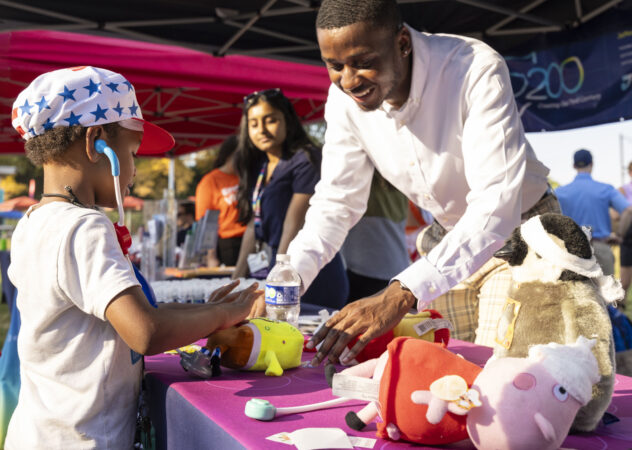
    Recently, the system also partnered with the Cherry Hill, N.J., mayor’s office on its “Healthier Together” wellness campaign, a community‑focused effort aimed at improving health through education, screenings, and active living. In 2026, Jefferson hosted the “Champion Your Health” event at Jefferson Cherry Hill Hospital, created in collaboration with Mayor David Fleisher. The event offered engaging, family‑friendly demonstrations such as CPR practice, fitness sessions, and healthy cooking, all designed to empower residents with practical tools for better living.

    As part of the “Healthier Together” partnership, Jefferson Health also plays a central role in supporting the mayor’s monthly Wellness Walks, a community tradition that encourages people of all ages to stay active. Jefferson clinicians contribute to the campaign by providing blood pressure and glucose screenings, as well as by leading educational sessions on mental wellness, resilience, and setting healthy intentions.

    Overall, the “Healthier Together” initiative reflects a shared commitment to giving New Jersey residents accessible, preventive health resources. By combining education, movement, and nutrition guidance, the partnership seeks to strengthen community well‑being and promote a balanced, active lifestyle.


    A Cornerstone Investment in Community Health

    The Jefferson Health Training Complex will serve as the physical and symbolic cornerstone of its Eagles partnership, a home for elite athletic performance. The naming reinforces Jefferson’s role as a regional and national leader of health, education, workforce development, and research — the $17 billion enterprise includes more than 30 hospitals and 700 care sites across Pennsylvania and New Jersey, a health plan, and a leading academic institution that employs more than 65,000 people.

    For the Eagles, the partnership reflects a decades-long commitment to using the sport of football as a force for good, a value long championed by the organization’s ownership. Its impact is ensured by Jefferson’s broad reach and the institutions’ shared connection to the same communities. Jefferson has been one of the Eagles longest-running relationships. Over the years, that partnership has fueled many community initiatives, which have supported breast cancer, autism research, and other causes.

    Reaching Communities Where They Are

    Jefferson’s community health efforts currently span the full range of programs for the public, including healthy food access, workforce development, and mobile cancer screenings. Other initiatives like JeffCARES empower members of the Jefferson community to take action to address critical social needs, foster engagement, and make a meaningful impact in our diverse neighborhoods and communities through partnerships with local non-profits.

    “We’ve seen extraordinary results from programs like our Community Health Worker Academy, a program that creates pathways into health care careers and measurably improves patient outcomes,” Cacchione said.
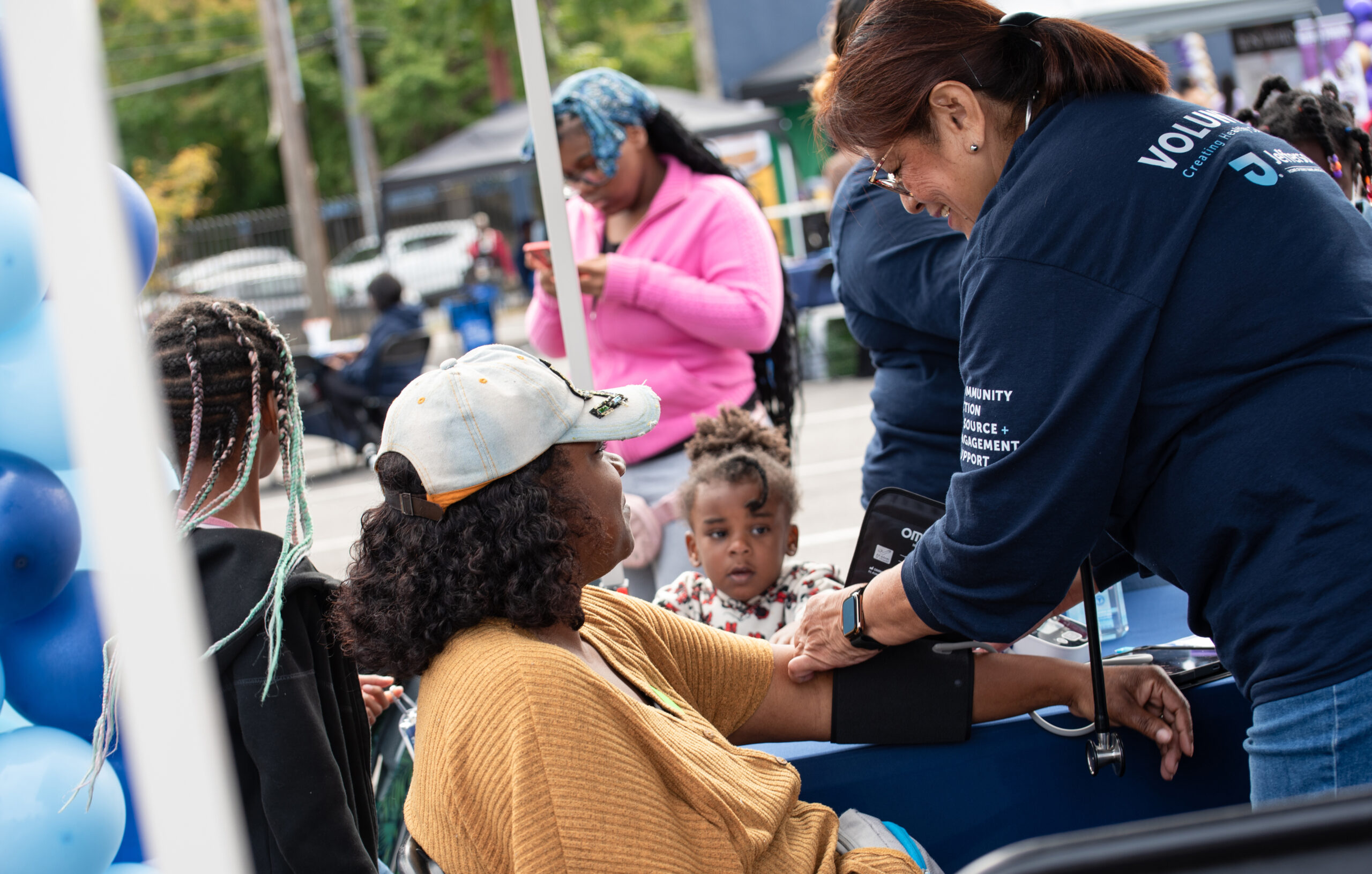
    In October 2025, JeffCARES partnered with the Malcolm Jenkins Foundation to organize Get Ready Fest in Philadelphia. The community event provided 800 families with groceries, health screenings, and employment resources.

    The Community Health Worker Academy, which recently became the first in the United States to earn CHW accreditation from the Utilization Review Accreditation Committee (URAC), trains trusted local residents to serve as health advocates in their own neighborhoods, helping to bridge the gap between communities and access to care. “Our partnership with the Eagles strengthens those efforts,” Cacchione said.

    What distinguishes the expansion of this partnership between Jefferson and the Eagles is this explicit focus on providing care to their communities outside of traditional health settings. Instead, the partners are offering educational resources and more at gathering places like Eagles games.

    Through programs like Crucial Catch, the NFL and the American Cancer Society’s campaign to fight cancer through early detection, the partnership has provided health care workers at the stadium and recognized cancer survivors during halftime events. Jefferson’s mobile cancer screening vans have also appeared at games, offering screening education and information, proving their slogan: “Driven to Improve Lives.”

    “The credibility and visibility the Eagles bring helps us reach individuals who may be hesitant to engage with traditional health care settings,” Nick Ragone, the Jefferson executive vice president and chief marketing officer, said. “When the Eagles encourage fans to prioritize their health, it opens doors we couldn’t open alone.”

    “That’s exactly the kind of partnership we want to build on,” Cacchione said. “Meeting people where they are, using trusted voices to break down barriers, and ultimately saving lives through early detection and prevention.”

    A Legacy of Philanthropy and Purpose

    The partnership also aligns naturally with the Eagles’ long track record of philanthropy. After purchasing the team in 1994, Jeffrey Lurie and his family built robust community impact platforms, including the Eagles Youth Partnership, the Eagles Eye Mobile, and the Go Green initiative, one of the first comprehensive sustainability efforts in professional sports.

    The Eagles’ commitment to health-related causes is most visible in the Eagles Autism Foundation, launched by Lurie in 2017 and inspired by his younger brother, who was diagnosed with the condition as a child. The foundation has raised more than $40 million to support autism research and services, directing funds to institutions like Jefferson.
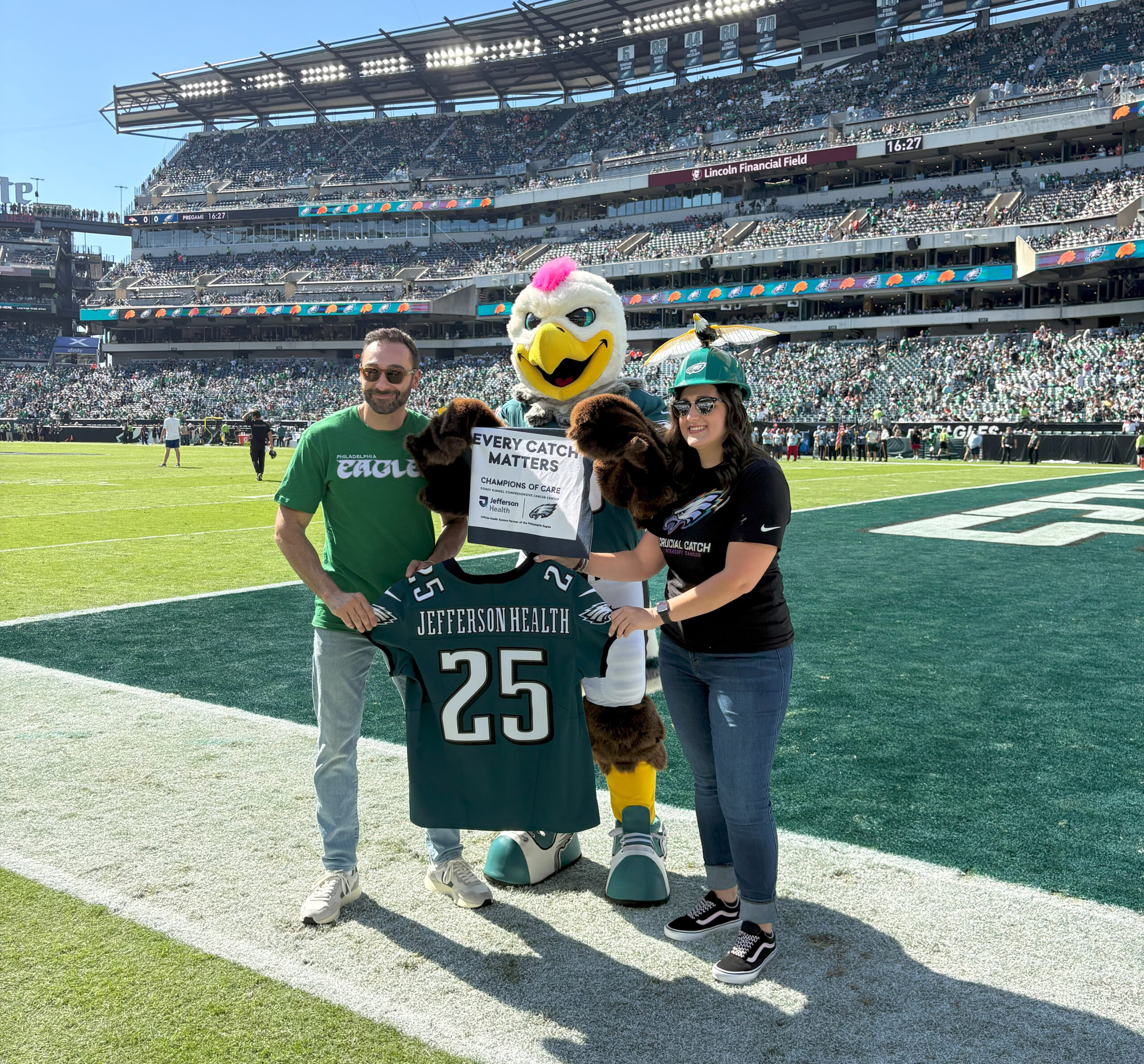
    Baligh Yehia, president of Jefferson Health, and Danielle Klingerman, an oncology nurse at Jefferson Einstein Montgomery, celebrate the NFL’s Crucial Catch initiative and honor cancer survivors during an on-field ceremony at a 2025 Eagles game.

    “As the team’s Official Health System Partner, Jefferson Health will collaborate with us on year-round community initiatives, focusing on health education and screenings, preventive care awareness, and engagement programs aligned with many of the team’s key priorities, such as the Eagles Autism Foundation and the annual ‛Crucial Catch: Intercept Cancer’ game,” Don Smolenski, the president of the Eagles, said. “Jefferson is an ideal partner because they share our core belief that a sports organization is a force for good far beyond the playing field,” he said.

    “The long-standing partnership between the Eagles and Jefferson Health has been built on a shared commitment to the region we serve,” Smolenski said. “This [new] multi-year extension marks a defining moment in our partnership, one that will now call the Jefferson Health Training Complex home to the Philadelphia Eagles.”

    Building Healthier Futures Together

    In 2024, Jefferson invested $1.8 billion in community benefits, in addition to providing 10 million patient visits, while expanding programs that address social determinants of health. “By working with the Eagles, we’re able to take those initiatives out into the community with even greater visibility and reach,” Cacchione said. “It strengthens our ability to improve long-term health outcomes and ensure every community has access to the resources they need to thrive.”

    “I hope it sends the message that health is something to be proactive about, not something to wait on,” Cacchione said. “Whether you’re a young athlete, a parent, or simply a fan, taking care of your health today builds a stronger future. This partnership is a reminder that prevention matters, that early action saves lives, and that Jefferson and the Eagles are united in supporting the well-being of every person in our region.”
  • Lincoln Financial’s 20+ Year Investment in Philadelphia

    Lincoln Financial’s 20+ Year Investment in Philadelphia

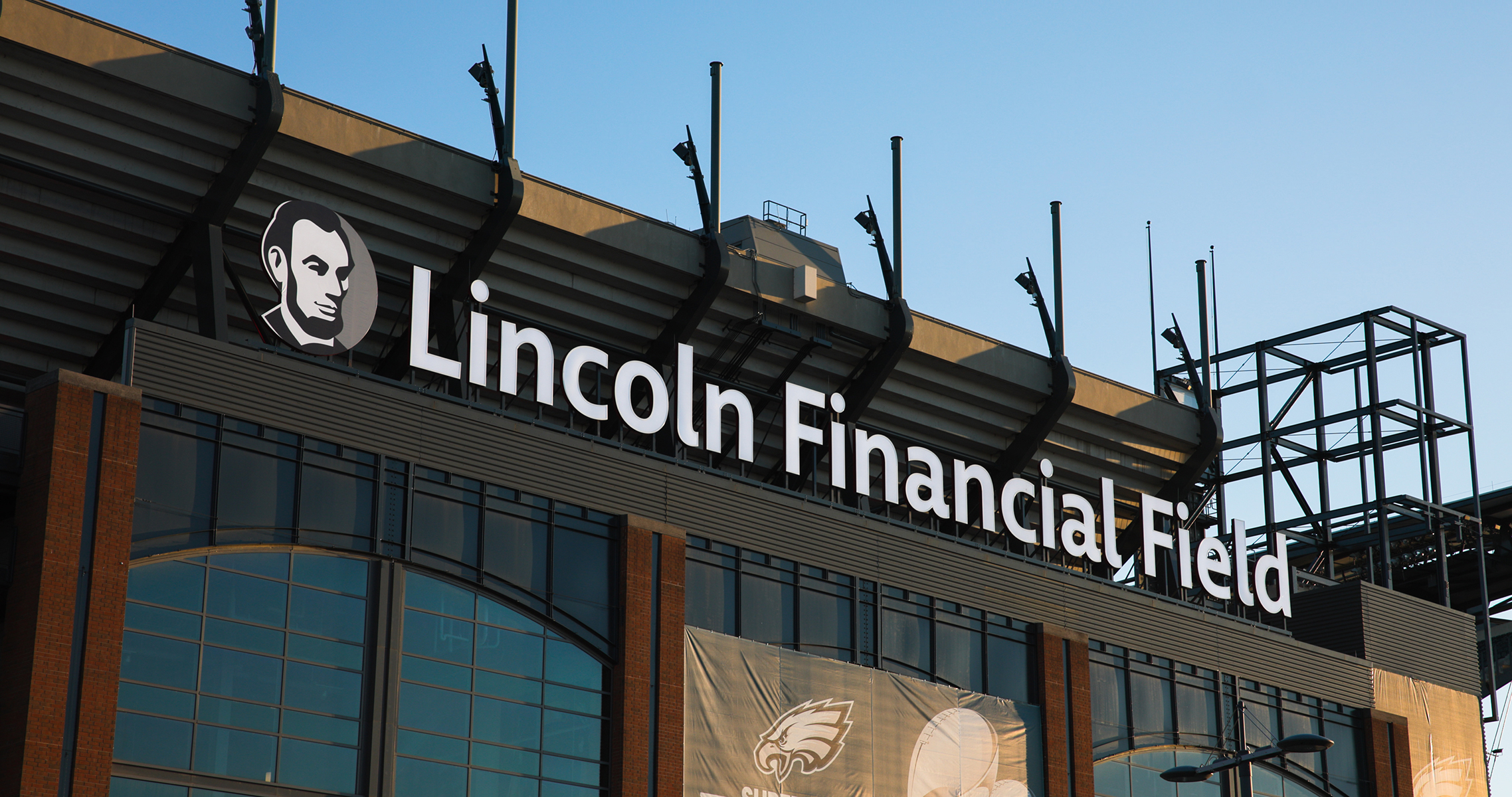
    When Lincoln Financial moved its headquarters from Fort Wayne, Indiana, to Philadelphia in 1999, the financial services company immediately set out to become part of its new community. And nothing captures the city quite like its most beloved institution: the Eagles. Just three years after its move to 1500 Market St., Lincoln Financial inked a 20-year deal that gave the company the naming rights to the Eagles’ new stadium, a partnership that’s since been extended through the 2032 season. Lincoln Financial Field was quickly woven into the city’s fabric, amplifying the company’s brand in Philadelphia and to national audiences.

    “Everyone is happier when the Eagles are playing … the Eagles, they are Philadelphia,” John Kennedy, Lincoln Financial’s executive vice president and chief distribution and brand officer, said. “It gave us wide-spread, lasting brand recognition.” Today, with its headquarters now in Radnor, Lincoln’s partnership with the Eagles extends well beyond the stadium, and so does its investment in the greater Philadelphia region.

    Beyond the Field: Turning Partnership into Progress

    Over the past two decades, Lincoln Financial’s partnership with the Eagles has continued to deepen. The company has joined the football organization in philanthropic efforts that give back to the region that both organizations proudly call home.

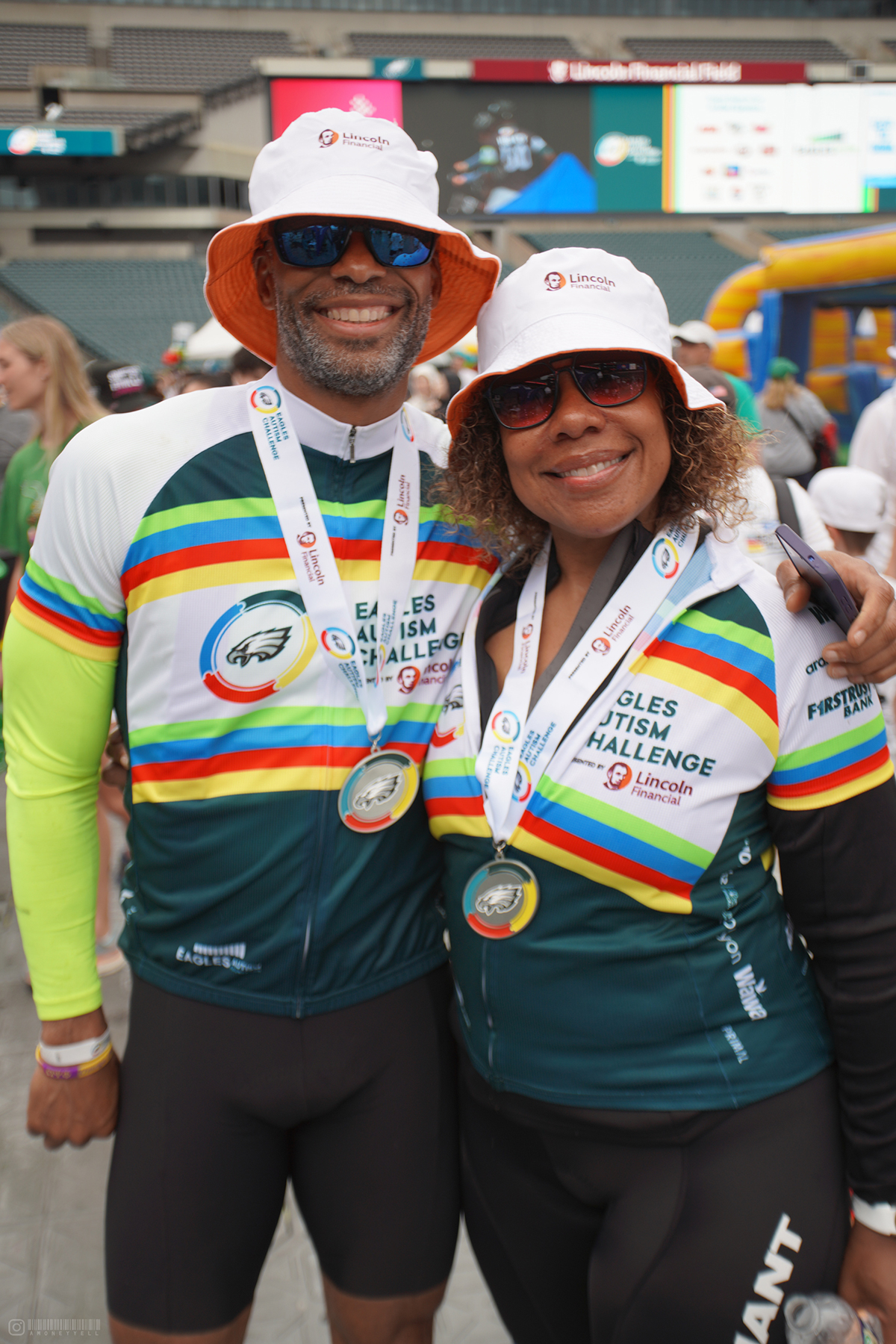
    In 2018, Lincoln Financial became the founding sponsor of the Eagles Autism Challenge, the Eagles’ signature bike ride and 5K run/walk dedicated to raising funds for innovative autism research and care programs. Championed by Eagles chairman and CEO Jeffrey Lurie, this destination event welcomes thousands of participants from around the world, with 100% of the funds raised making a transformational impact on our Eagles autism community. This past May, the Eagles Autism Challenge celebrated a record-breaking year with more than $10 million raised, bringing the total to $40 million raised since inception.


    Hundreds of Lincoln Financial employees and their families join in the Eagles Autism Challenge event each year.

    “One hundred percent of the proceeds are going into bringing greater autism awareness, and we’re all in on that effort,” Kennedy said when asked about Lincoln’s sponsorship of the event. He noted employees come from across the country to participate. “It’s become a big part of Lincoln culture. Employees from across the company are involved and willing to give back to raise money for this challenge.” Since 2018, Lincoln employees alone have raised more than $625,000 for the Eagles Autism Challenge, with hundreds of workers coming out to volunteer or participate in the event every year.

    In the past, Lincoln Financial has partnered with the Philadelphia Eagles on philanthropic initiatives like the Eagles Eye Mobile, a mobile unit that provides free vision screenings, eye exams, and prescription glasses to more than 25,000 Philadelphia students annually. And just last year, the company announced a partnership with the Jalen Hurts Foundation, which works to strengthen communities by serving, mentoring, and advancing youth.

    Lincoln Financial’s partnership with the Jalen Hurts Foundation focuses on promoting financial wellness through community engagement. Together, the two organizations helped to support a mentorship camp for 60 young men ages 11 to 13 years old, which included financial education sessions led by Lincoln team members and career development workshops.

    “It’s not just about business; it’s about community,” Kennedy said.

    A Commitment to Financial Literacy, Education, and Human Services

    Lincoln’s growing partnership with the Eagles aligns closely with the company’s core philanthropic areas of financial literacy, education, and human services. The company’s commitment to these causes extends well beyond its partnership with the football team.


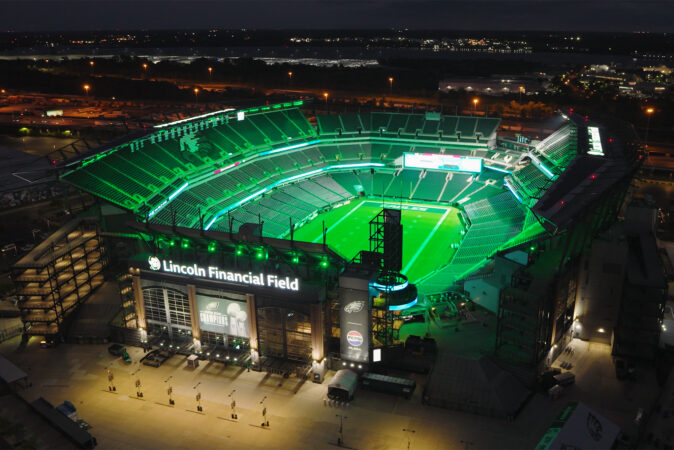
    Lincoln Financial Field’s new signage reflects the brand’s most recent refresh.

    Established in 1962, the company’s philanthropic arm, the Lincoln Financial Foundation, provides grants to hundreds of nonprofit organizations each year. According to Lincoln, the foundation’s mission is to help individuals and communities achieve financial security through impactful grantmaking and partnerships with nonprofit organizations. In 2024 alone, the foundation contributed more than $9.2 million to support more than 250 nonprofits.

    “We focus on education, human services, and financial wellness because each is essential to building long-term financial success,” Allison Green Johnson said. Johnson is the senior vice president of belonging and community impact, and the president of the Lincoln Financial Foundation. “These areas are deeply interconnected, from preparing students for academic, career, and post-secondary achievement, to ensuring access to stable housing and nutritious food, to equipping individuals with the skills needed for financial resilience,” Johnson said.

    Annually, the Lincoln Financial Foundation awards grants to more than 200 grantees across the country, including more than 50 within Philadelphia and the surrounding region. Local partners include organizations such as Hopeworks, which provides technical and workforce training programs for young adults; and the Boys & Girls Club of Philadelphia, which supports youth through programs that build literacy, leadership, and career readiness.


    “Children and teens who learn about saving, budgeting, and responsible spending are more likely to carry those habits into adulthood,” Johnson said. “Early exposure helps normalize financial planning and decision-making.”

    Other partner organizations of the Lincoln Financial Foundation include Heights Philadelphia, which helps break the cycle of generational poverty by guiding students toward college and career success with individualized advising, campus visits, and stipends. The foundation has also backed nonprofits that tackle basic needs across the region, from the Red Cross House, which offers temporary housing and recovery services for families displaced by disaster, to MANNA, which provides medically tailored meals to improve health outcomes for people with serious illnesses.

    A Sense of Pride for Employees

    While Lincoln’s board of directors and local charitable contributions committees typically recommend grantees based on mission alignment, employees also help guide how the company invests in its communities. Lincoln matches employee donations to qualified nonprofits dollar-for-dollar and fuels hands-on service with paid volunteer time.

    “Serving others is at the heart of our business purpose and core values, and our nearly 10,000 employees proudly extend that spirit into the communities where we live and work,” Ellen Cooper, the chairman, president, and CEO of Lincoln Financial, said. “Our employees rally together to create lasting change, and in the process, create a culture of integrity and care that we are very proud of.”

    In 2024, the foundation matched nearly $1 million in contributions to more than 1,000 nonprofit organizations in 47 states and in Washington, D.C. Kennedy notes that both Lincoln’s volunteer culture and the Eagles partnership elicit strong enthusiasm from employees. Both also help to foster a sense of community.

    “It’s a sense of pride for our employees that they can be part of something that’s so much bigger,” Kennedy said.

    Cobbs Creek: Lincoln’s Biggest New Initiative

    This spring, Lincoln deepened its commitment to Philadelphia with one of its most ambitious philanthropic efforts yet: becoming a founding partner of the Cobbs Creek Foundation. The investment supports the reinvention of the 350-acre Cobbs Creek Golf Course, which served the community from 1916 until 2020. The West Philadelphia green was the city’s first public course and one of the earliest in the country to welcome men and women of all races. Years of flooding and erosion combined with a 2016 fire that destroyed its clubhouse forced its closure. In 2022, the Cobbs Creek Foundation committed at least $65 million to revive the historic site, restoring the course and reimagining it as a dynamic hub for education, community, and opportunity, as well as golf.


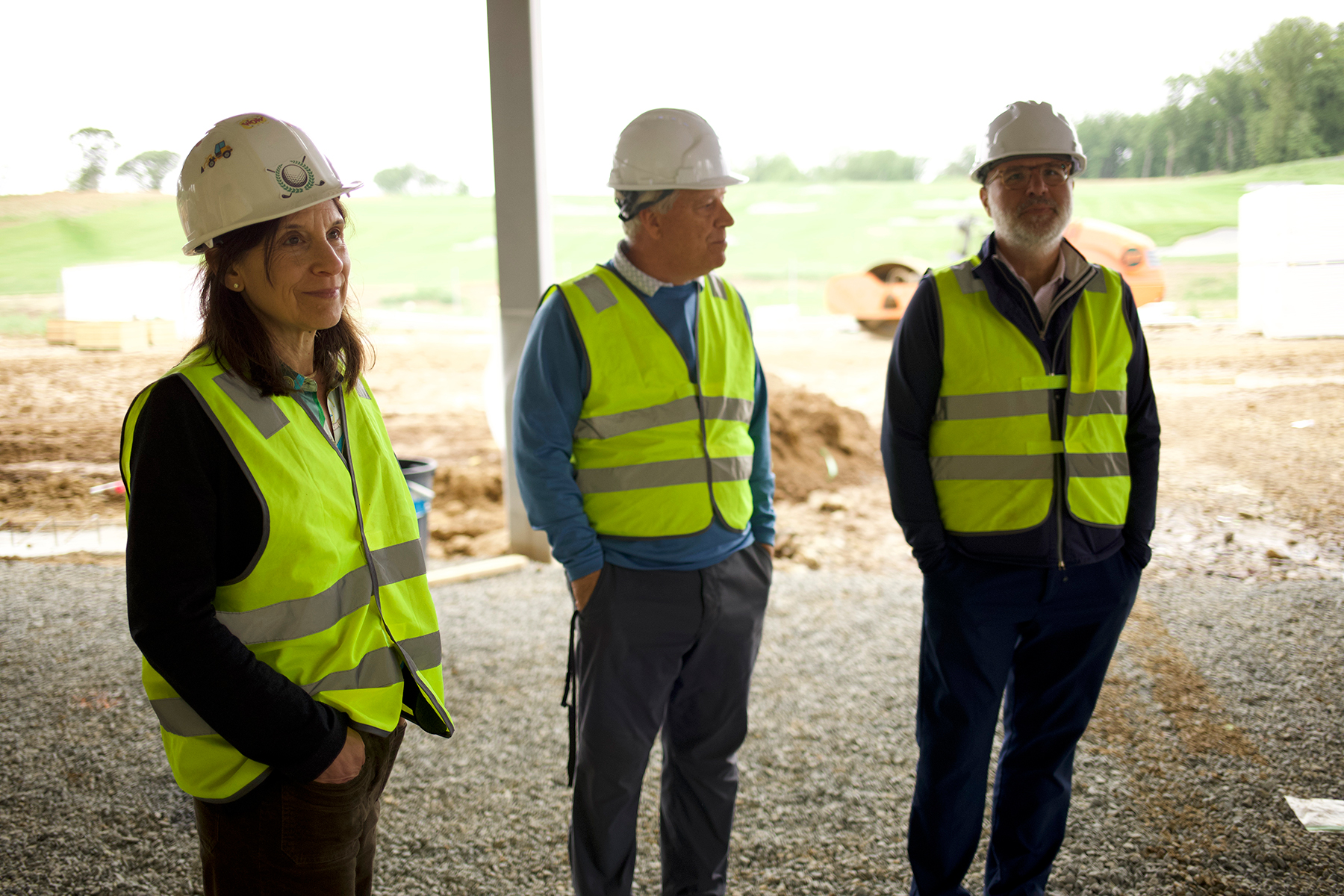
    Lincoln Financial CEO Ellen Cooper, CFO Chris Neczypor, and Cobbs Creek Foundation COO Enrique Hervada visit the Cobbs Creek Golf and Education Campus, which will continue to expand its offerings over the next two years.

    “Cobbs was a melting pot for anyone that wanted to play golf,” Kennedy said. “Now, it will go so much more beyond golf, and 20, 30, 40 years from now, I truly think this will be such a big part of the Philadelphia community.”

    The Cobbs Creek Golf and Education Campus will continue to expand its offerings over the next two years, including the 9-hole TGR Design short course. Led by golf architects Gil Hanse and Jim Wagner, a restored championship course and new nine-hole course will follow, opening in 2026 and 2027.

    “Lincoln Financial’s commitment to Cobbs Creek reflects their continued dedication to the city and people of Philadelphia. Together we are amplifying the power of true community partnership,” Jeff Shanahan, president of the Cobbs Creek Foundation, said. “For decades, Lincoln Financial has been a pillar of Philadelphia’s civic life, and together we’re building a space that honors history while creating pathways to education, recreation, and opportunity for generations to come.”

    At the center of the project’s educational initiative is the TGR Learning Lab, created through a partnership with Tiger Woods’ nonprofit TGR Foundation. The new 30,000-square-foot facility opened in September with nine classrooms and a mission to empower youth through education. It features a full-time instructional staff and offers free, year-round Science, Technology, Engineering, and Math (STEM) education as well as college-access and career-readiness programs for students in grades 1-12. The after-school, weekend, and summer programs are expected to reach more than 4,500 local children and families each year.

    Lincoln is bringing its financial expertise into that work. In collaboration with the TGR Foundation, the company is developing a hands-on financial education curriculum for use at the learning lab and across the campus. The lessons are designed to help young people build financial resilience and prepare for the future workforce. Adding further leadership support, Lincoln Financial chief financial officer Chris Neczypor has joined the Cobbs Creek Foundation’s executive committee and board of advisors to help guide strategy and ensure long-term economic stability.

    Johnson sees Lincoln’s evolving philanthropy as a continuation of the company’s foundational values.

    “Our ultimate goal is to help individuals confidently succeed by supporting strong, thriving communities,” Johnson said. “Since our founding in 1905, giving back has been core to Lincoln’s culture, in alignment with the values of our namesake, Abraham Lincoln: integrity, teamwork and responsibility.”

  • Philly’s Arts Scene Runs on “Temple Made” Talent

    Philly’s Arts Scene Runs on “Temple Made” Talent

    Philadelphia is home to world-class museums, a nationally recognized public art collection, a celebrated orchestra, renowned dance companies, and a thriving film and theater scene. It is a global arts destination. Many of the people who power this cultural engine share the distinction of being “Temple Made.” They are the artists, storytellers, and cultural leaders who keep the city’s creative life moving forward.

    Across generations, alumni from the Tyler School of Art & Architecture, the Boyer College of Music and Dance, and the School of Theater, Film and Media Arts (TFMA) have shaped Philadelphia’s artistic identity. Now, more than 15,000 Temple arts alumni call the region home. They lead cultural institutions, curate cutting-edge exhibitions, and produce prize-winning performances. They work at every level of the creative sector as cultural influencers, independent artists, teachers, clinicians, and community innovators. Together, they are creating new spaces that keep the arts vibrant and accessible. And by fueling the arts in Philly, these Owls are moving Philadelphia forward.

    “The way in which art builds community is critical,” Susan E. Cahan, the dean of Tyler School of Art & Architecture, said. “Art expands what we can imagine, and everything else flows from that: empathy, mutual understanding, and our ability to envision shared futures.”

    Temple’s roots in arts education stretch back more than a century. Today, Tyler, Boyer, and TFMA collectively present hundreds of exhibitions, performances, and productions each year on Temple’s Main Campus. Recently, the university announced a new partnership with the Pennsylvania Academy of Fine Arts. That collaboration, along with the acquisition of Terra Hall in Center City and the construction of the Caroline Kimmel Pavilion for Arts and Communication (scheduled to open in fall of 2027 on Broad Street on Temple’s Main Campus) positions the university as a vital anchor at multiple points along the Avenue of the Arts. Together, these developments are greatly expanding Temple’s creative influence and furthering its mission to combine artistic excellence with public purpose.

    “Philadelphia has a reputation as an arts powerhouse that we’ve had the privilege to build upon, and we take our responsibility to sustain it seriously,” Robert T. Stroker, the Joslyn G. Ewart Dean of Temple’s Center for the Performing and Cinematic Arts, said.

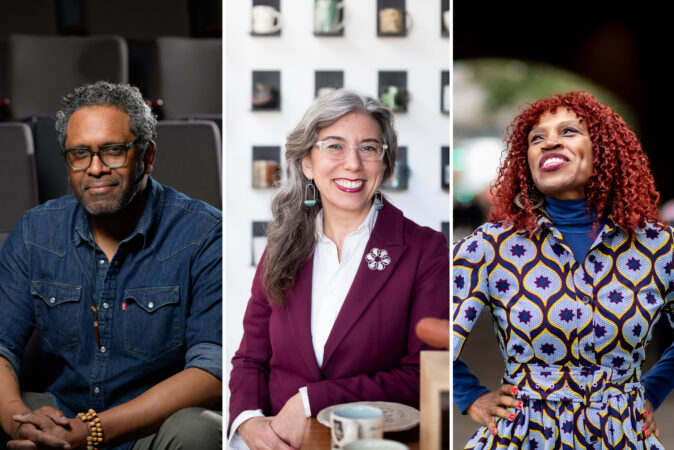
    Here’s how three Temple alumni are stewarding Philadelphia’s cultural infrastructure in order to keep the arts alive, evolving, and rooted in community.


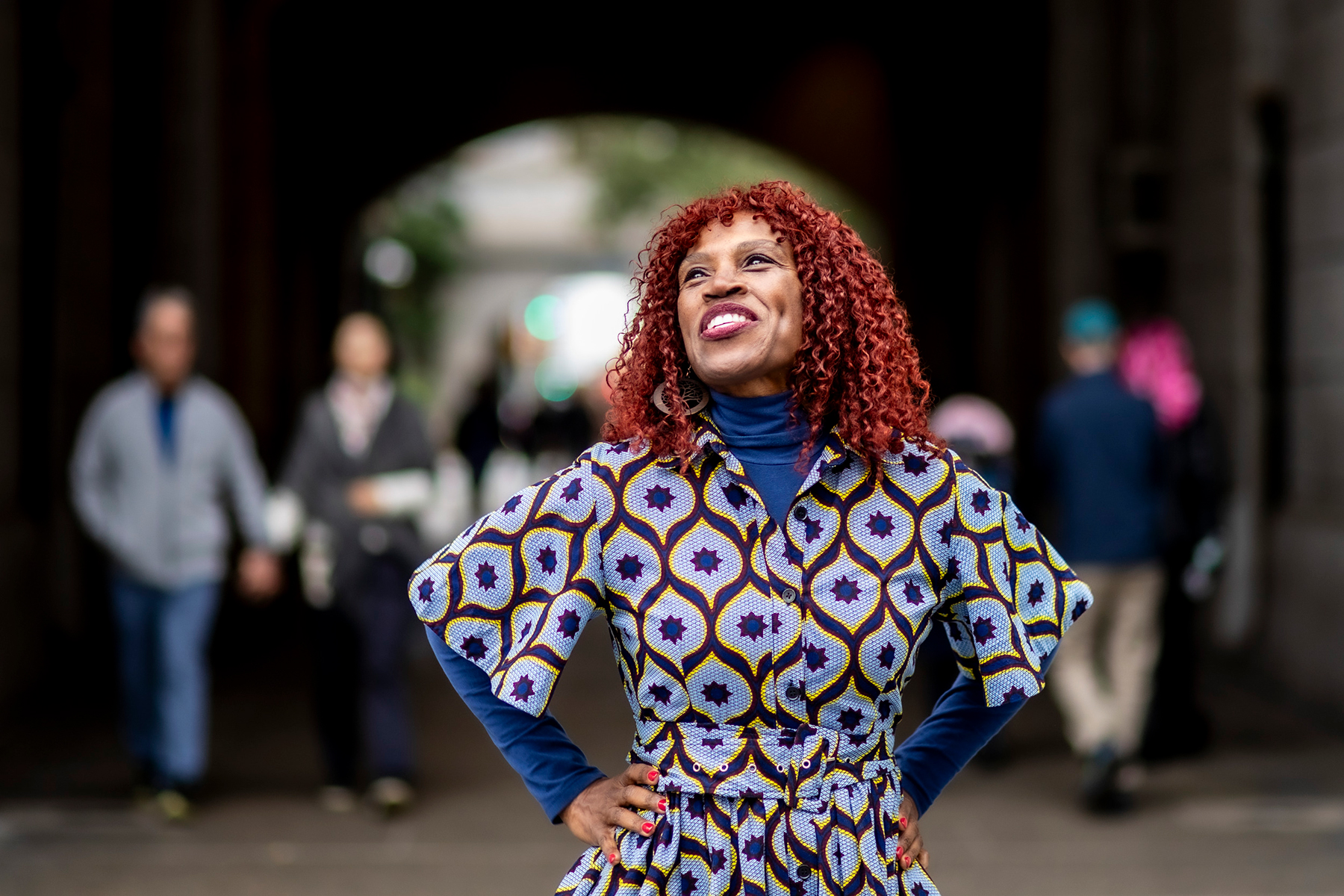
    Valerie Gay

    Chief Cultural Officer, City of Philadelphia

    Executive Director, Creative Philadelphia


    Valerie Gay, who goes by Val, oversees one of the nation’s largest and oldest public art collections, which comprises more than 1,000 works including A Quest for Parity: The Octavius V. Catto Memorial and the forthcoming Harriet Tubman monument, by Alvin Pettit at City Hall. In her role with the City of Philadelphia, she also guides citywide cultural programming; exhibitions in City Hall; and major initiatives such as Healing Verse Germantown, a poetry and public art installation; Mural Arts Philadelphia, a nonprofit that supports the creation of public murals; and the city’s first Arts & Culture Master Plan, an initiative by Creative Philadelphia to imagine the city’s cultural future.

    Gay earned her master’s in voice performance from Temple’s Boyer College of Music and Dance while working full-time. That experience shaped her disciplined, systems-based leadership style. “Temple taught me that structure brings freedom,” she said.

    For Gay, sustaining Philadelphia’s cultural landscape is both a responsibility and a joy. “Philadelphia doesn’t just power the arts,” she said. “The arts power Philadelphia.”


    Lindsay Smiling

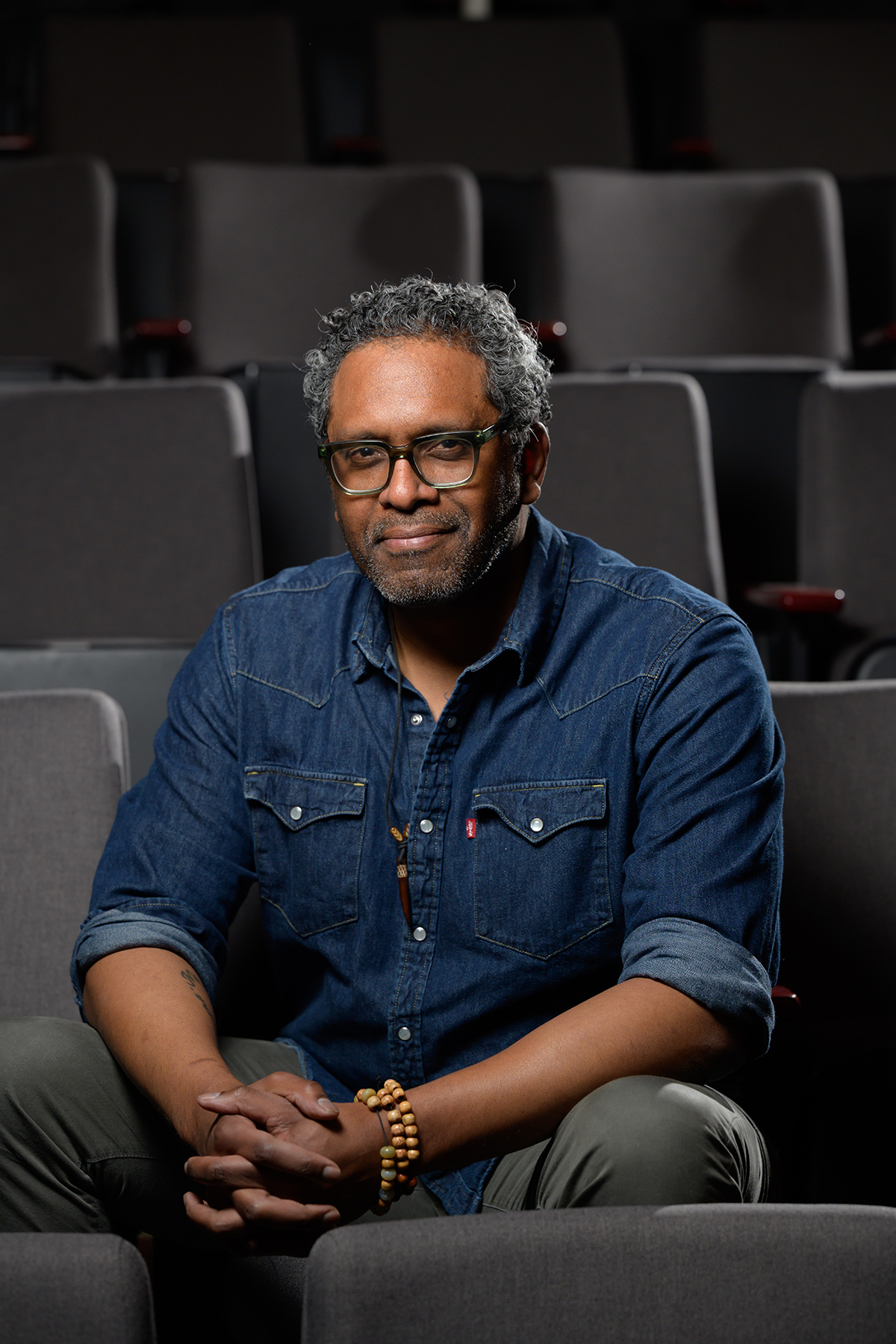
    Co-Artistic Director, Wilma Theater


    For Lindsay Smiling, theater has always been a way to explore identity and connection. At the Wilma Theater, one of Philadelphia’s most influential theater companies, he leads with a vision that elevates bold storytelling while ensuring audiences feel invited into the performance.

    “Even when the work is abstract, it shouldn’t feel inaccessible,” he said. After earning his MFA at Temple, Smiling built a wide-ranging acting career before joining the Wilma’s HotHouse Company, known for its collaborative, actor-driven approach. When he later stepped into a leadership role, he was determined to keep artists at the center of the process.

    Now, as part of Temple’s faculty, he’s inspired by the students shaping the future of the field. “I learn from them every day,” he said. For Smiling, seeing Temple alumni across the city reinforces a shared foundation. “We’re coming from something special,” he said.


    Jennifer Zwilling

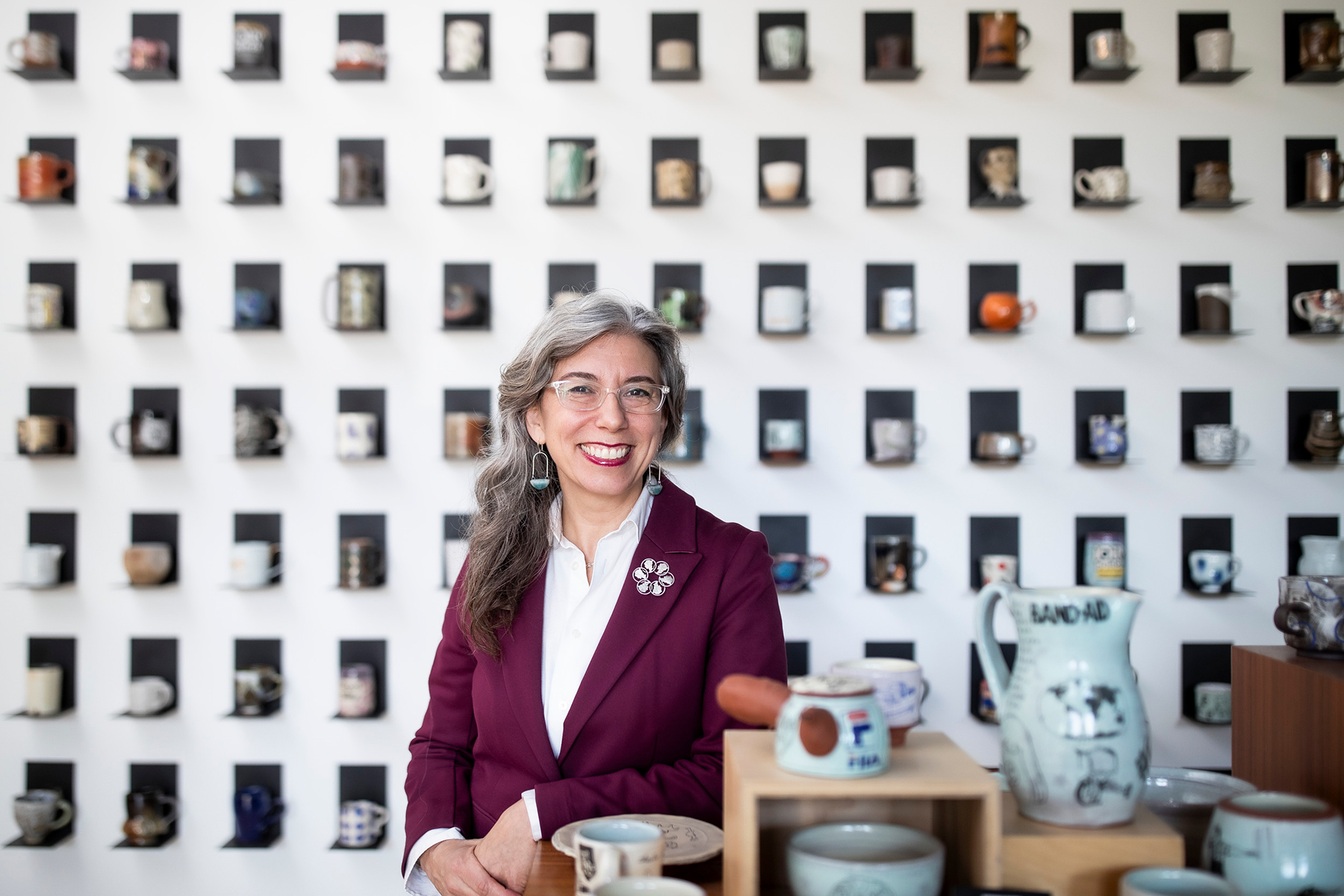
    Curator and Director of Artistic Programs, The Clay Studio


    Jennifer Zwilling’s work at The Clay Studio helped lay the foundation for Philadelphia’s rise as a national destination for contemporary ceramics. In her role, she leads exhibitions, residencies, and hands-on learning programs that welcome thousands of people, from schoolchildren to working artists, into the studio each year. She has helped to strengthen The Clay Studio’s role as a citywide resource for creativity, connection, and craft.

    A Tyler alum, Zwilling earned her master’s in art history while soaking up the school’s studio culture. Her education shaped her belief that artists and scholars should work side by side. After 14 years at the Philadelphia Museum of Art as an assistant curator of American Decorative Arts and Contemporary Craft, she joined The Clay Studio in 2014 and helped guide its 2022 relocation to a new 34,000-square-foot home in Kensington.

    “Art isn’t just something to look at,” she said. “It’s something people deserve to experience and make. That belief drives everything we do here.”


    Owls in the Arts

    Temple alumni play major roles at these Philadelphia arts organizations and more:

    • BlackStar Film Festival
    • City of Philadelphia’s Office of Arts, Culture and the Creative Economy
    • Crane Arts
    • Highmark Mann Center for the Performing Arts
    • The Clay Studio
    • The Wilma Theater

    Read more about how Temple powers the arts in Philly.