Philadelphia residents can now consult a new online dashboard to gauge outdoor air quality before heading outto a park, going for a run, or cycling through the city.
The city unveiled a real-time air quality network that collects data from solar-powered sensors at 76 strategic locations, blanketing every neighborhood. The systemcan warn residents whenpollution spikes — for instance, if a junkyard fire sends particulate levels surging.
“Starting now, every resident in Philadelphia will be able to see, almost in real time, the air quality in their own neighborhood,” said Philadelphia Mayor Cherelle L. Parker.
What does the system measure?
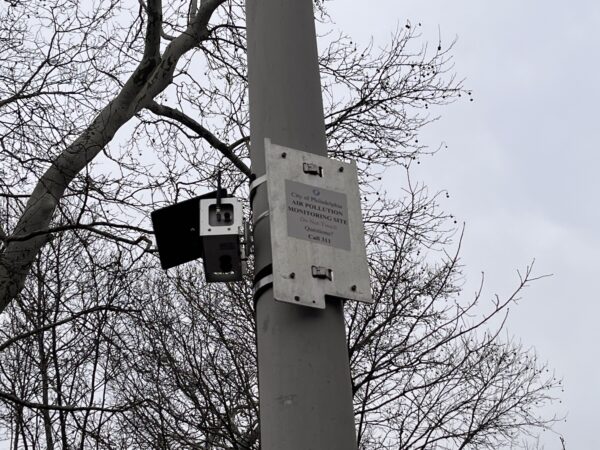
The weatherproof sensors, bolted to utility poles at 1.5-mile intervals,track two primary pollutants:
Fine particulate matter (PM2.5), tiny particles that can penetrate deep into the lungs and cause respiratory issues.
Nitrogen dioxide (NO2), a component of ozone.
Parker, along with City Council members and officials from the Philadelphia Department of Public Health’s Air Management Services (AMS), introduced the Breathe Philly initiative Wednesday at Stinger Square Park in Grays Ferry.
The monitoring system, manufactured by Clarity Movement Co., will cost the city $90,000 annually. It is currently funded through the nonprofit Philadelphia City Fund.
The new network operates independently from the city’s existing 10‑sensor system that supplies data to the U.S. Environmental Protection Agency.
Parker said it represents a significant step toward environmental justice, especially in neighborhoods that previously lacked adequate monitoring. Some of the sensors will begin monitoring for ground-level ozone as soon as spring.
Ozone is a potent pollutant formed from chemical reactions between vehicle, power plant, and industrial emissions in the presence of sunlight.
“You can check it on your phone, your tablet, your computer,” she said. “You can access up-to-date information about the air that you and your family are breathing right where you live.”
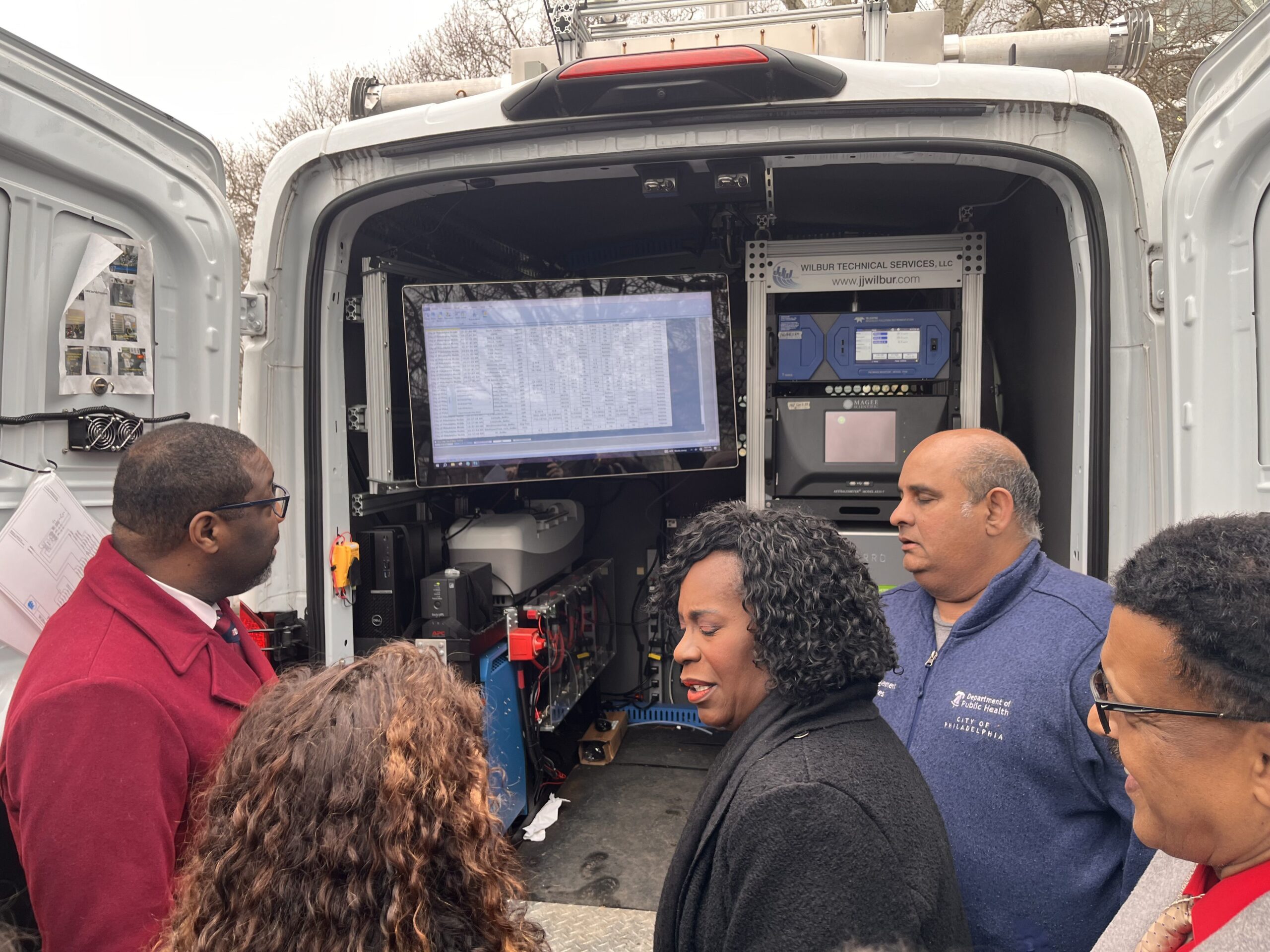
Paresh Mehta (right), an engineer with Philadelphia’s Air Management Services, explains to City Council President Kenyatta Johnson (left) and Mayor Cherelle L. Parker how air quality data is collected.
‘We knew right away’
Palak Raval-Nelson, the city’s health commissioner, said the new air monitoring network has been in the works for years. The project is overseen by the health department’s AMS.
“It’s amazing to finally see that it’s here,” she said.
The system detected the air quality as poor during a fire last week, Raval-Nelson said.
“The monitor went off, and we knew right away that we needed to communicate information,” Raval-Nelson said.
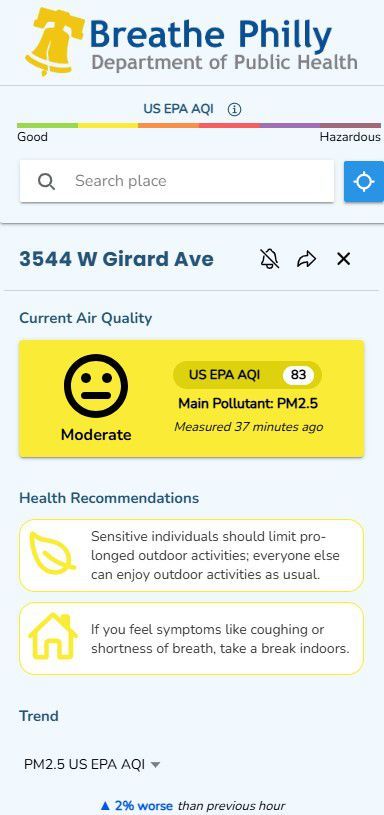
The monitor displays colored circles and squares indicating the air quality at each monitor. Colors range from green, the best, to purple and mauve, the worst.
A sample of the Breathe Philly online dashboard that gives residents real-time data on air pollution from 76 sensors placed around the city.
The sensors detect levels of particulate matter, which are tiny particles in the air that can cause health risks. PM2.5 is the result of the burning of fossil fuels, such as by vehicles or power plants. They sensors also measure NO2, a gas also emitted by burning fossil fuels.
Both chemicals can cause respiratory issues.
“It is a concrete step to help keep all of us and our loved ones safe,” Raval-Nelson said of the new sensor system.
Council President Kenyatta Johnson, who grew up in Point Breeze, said the system will help provide real-time information in the event of a disaster, such as the PES Refinery explosion and firein 2019.
And it will help those with breathing issues like asthma decide whether it is safe to go outside for extended periods.
One of 76 solar-powered sensors made by Clarity Movement Co. for a new network of real time air quality data available for Philadelphia residents.
A new layer of safety
Alex Bomstein, executive director of the nonprofit advocacy group Clean Air Council, said the network adds a new layer of safety for city residents.
“You can’t go very far in the city without encountering a monitor, which is wonderful, because that means that everybody in the city is being protected,”Bomstein said.
He fears pollution will worsen in the future as the administration of President Donald Trump continues to roll back environmental rules and regulations, such as those governing vehicle tailpipe emissions.
Sean Wihera, a vice president with Clarity Movement Co., said the company was founded in 2014 as a start-up at the University of California, Berkley. Similar systems have been installed in Los Angeles and Chicago, he said.
The company owns the sensors and is responsible for them if they break or are stolen. The sensors are upgraded after three years for the latest technology. Wihera said it is possible that Philly’s system could monitor for benzene in the future.
“We’ve been working now in 85 different countries, hundreds of cities,” Wihera said. “But this is one of the most successful integrations that we’ve seen.”
February’s crop of restaurant openings includes two restaurants’ expansions to Narberth, a reopened brewery in South Jersey, a chic restaurant/lounge in Center City, an intriguing wine bar/bottle shop in Chestnut Hill, and two French newcomers.
Restaurants can take awhile and owners are often hesitant to pinpoint an opening date. I’ve listed the targeted day where possible; for the rest, check social media.
Duo Restaurant & Bar (90 Haddon Ave., Westmont): Brothers Artan and Arber Murtaj and Andi and Tony Lelaj, who own the Old World-style Italian Il Villaggio in Cherry Hill, are taking over Haddon Avenue’s former Keg & Kitchen with a pub serving a bar menu supplemented with seafood.
Eclipse Brewing (25 E. Park Ave., Merchantville): Last August, food trucker Megan Hilbert of Red’s Rolling Restaurant became one of the youngest brewery owners in New Jersey when she bought this 9-year-old Camden County brewery, open as of Friday.
Lassan Indian Traditional (232 Woodbine Ave., Narberth): The second location of the well-regarded Lafayette Hill Indian BYOB takes over the long-ago Margot space in Narberth.
LeoFigs, 2201 Frankford Ave., as seen in January 2026.
LeoFigs (2201 Frankford Ave.): Justice and Shannon Figueras promise the delivery of their long-awaited bar/restaurant, with an urban winery in the basement, at Frankford and Susquehanna in Fishtown. The food menu will be built around comfort-leaning small plates.
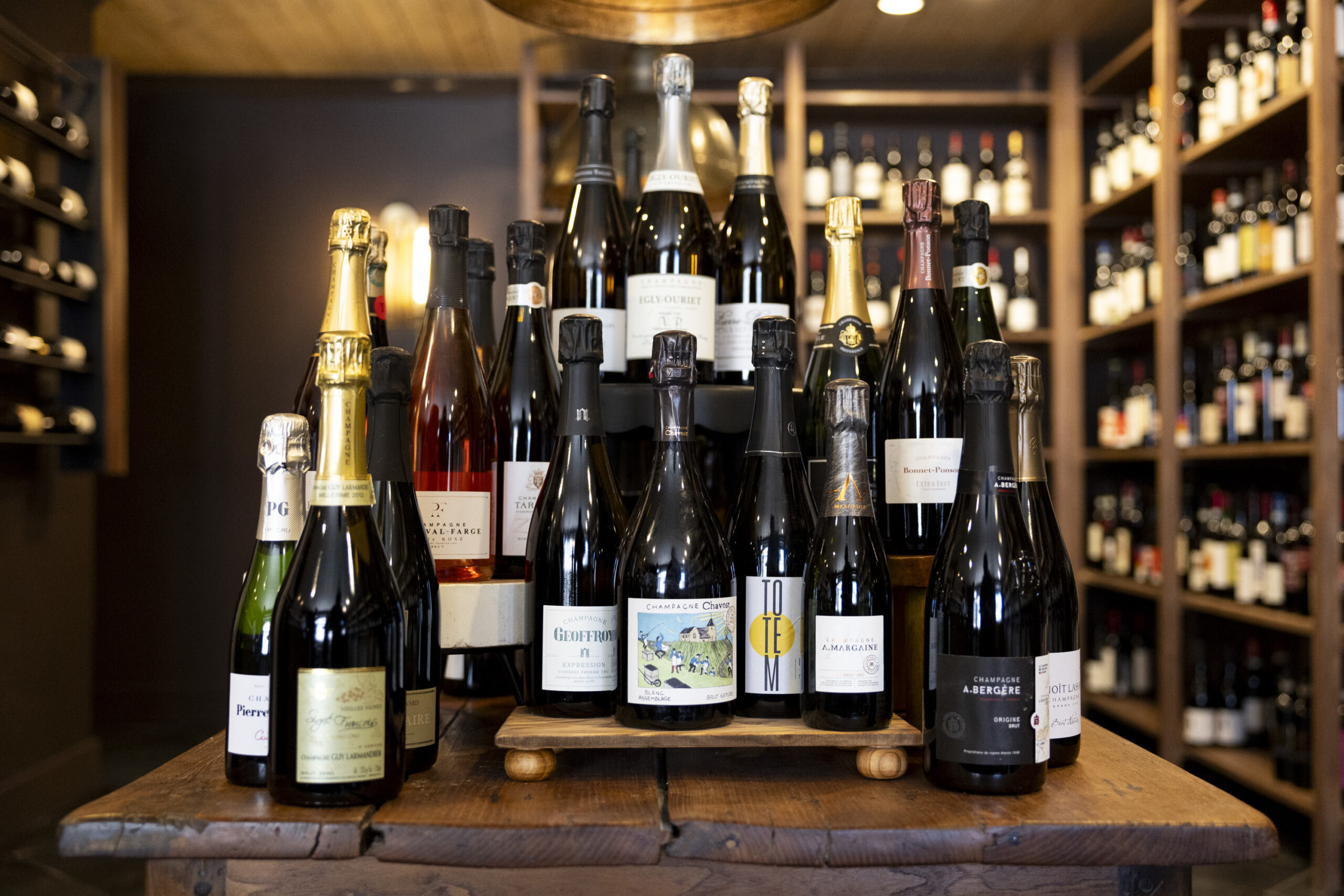
The bubbly selection at Lovat Square in Chestnut Hill.
Lovat Square (184 E. Evergreen Ave.): Damien Graef and Robyn Semien (also owners of Brooklyn wine shop Bibber & Bell) are taking over Chestnut Hill’s former Top of the Hill Market/Mimi’s Café property for a multiphased project: first a wine shop with indoor seating, then a courtyard with a full dinner menu, followed later by a cocktail bar/restaurant component. Opens Feb. 12
Malooga (203 Haverford Ave., Narberth): The Old City Yemeni restaurant is expanding to Narberth with lunch and dinner service plus a bakery, with expanded indoor/outdoor seating and space for groups.
Mi Vida (34 S. 11th St.): Washington, D.C.-based restaurant group Knead Hospitality + Design is bringing its upscale Mexican concept to East Market, next to MOM’s Organic Market. Target opening is Feb. 18.
Napa Kitchen & Wine (3747 Equus Blvd., Newtown Square): A California-inspired restaurant rooted in Midlothian, Va., opens in Ellis Preserve with an extensive domestic and international wine list in a polished setting. Opens Feb. 9.
Ocho Supper Club (210 W. Rittenhouse Square): Chef RJ Smith’s Afro-Caribbean fine-dining supper club starts a six-month residency at the Rittenhouse Hotel, tied to the Scarpetta-to-Ruxton transition, serving tasting menus through July. Now open.
Piccolina (301 Chestnut St.):A low-lit Italian restaurant and cocktail bar at the Society Hill Hotel from Michael Pasquarello (Cafe Lift, La Chinesca, Prohibition Taproom). Targeting next week
Pretzel Day Pretzels (1501 S. Fifth St.): James and Annie Mueller’s pretzel-delivery operation is becoming a takeout shop in the former Milk + Sugar space in Southwark. Expect classic soft pretzels plus German-style variations (including Swabian-style) and stuffed options.
Merriment at the bar at Savu, 208 S. 13th St.
Savú(208 S. 13th St.): Kevin Dolce’s Hi-Def Hospitality has converted the former Cockatoo into a modern, bi-level dining and late-night lounge with a New American menu from chef Maulana Muhammad; it just soft-opened for dinner Thursday through Sunday and weekend brunch.
Bar-adjacent seating at Side Eye.
Side Eye (623 S. Sixth St.): Hank Allingham’s all-day neighborhood bar takes over for Bistrot La Minette with “French-ish” food from chef Finn Connors, plus cocktails, European-leaning wines, beer, and a late-night menu. Opens 5 p.m. Feb. 7 with 50% of the night’s proceeds going to the People’s Kitchen.
Soufiane at the Morris(225 S. Eighth St): Soufiane Boutiliss and Christophe Mathon (Sofi Corner Café) say there’s a 90% chance of a February opening for their new spot at the Morris House Hotel off Washington Square. It’s billed as an elegant-but-approachable restaurant inspired by classic French bouillons/brasseries, with a menu spanning small plates and full entrées alongside Moroccan-influenced tagines. Expect evening service indoors, daytime service outdoors.
South Sichuan II(1537 Spring Garden St.): A second location for the popular Point Breeze Sichuan takeout/delivery specialist, near Community College of Philadelphia; this one will offer more seating.
March openings are in the offing for the much-hyped PopUp Bagels in Ardmore, as well as the long-delayed Terra Grill (a stylish room in Northern Liberties’ Piazza Alta) and ILU (the low-lit Spanish tapas bar) in Kensington.
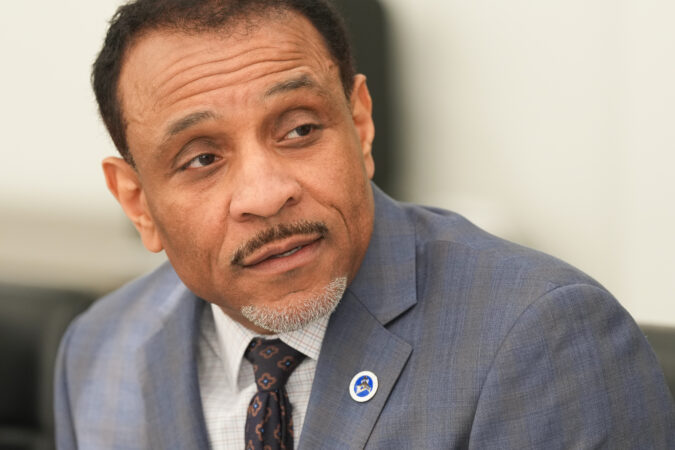
Wholesale changes are coming to the Philadelphia School District, with Superintendent Tony B. Watlington Sr. poised to propose a massive reshaping of the system, including closing 20 schools.
The plan, years in the making, would touch the majority of the district’s buildings and bring change to every part of the city: over a decade, 159 would be modernized, six colocated inside existing schoolbuildings, 12 closed for district use, and eight closed and given to the city.
At least one new building would be constructed.
The 20 closures, which would not begin to take effect until the 2027-28 school year, would be scattered through most of Philadelphia, with North and West Philadelphia hardest hit.
Watlington released some details of the blueprint Thursday — including the list of proposed school closures—and acknowledged that the changes will roil some communities.
Watlington is scheduled to present his proposal to the school board next month, with a board vote on the plan expected this winter.
(function() {
var l2 = function() {
new pym.Parent(‘school_closing1’,
‘https://media.inquirer.com/storage/inquirer/projects/innovation/arcgis_iframe/school_closing1.html’);
};
if (typeof(pym) === ‘undefined’) {
var h = document.getElementsByTagName(‘head’)[0],
s = document.createElement(‘script’);
s.type = ‘text/javascript’;
s.src = ‘https://pym.nprapps.org/pym.v1.min.js’;
s.onload = l2;
h.appendChild(s);
} else {
l2();
}
})();
Philadelphia, the nation’s eighth-largest school system, now has 216 schools in 307 buildings, the oldest of which was constructed in 1889. It has 70,000 empty seats citywide, though some of its schools, especially those in the Northeast, are overcrowded.
But, Watlington said, “this is not just about old buildings.” Philadelphia’s academics are improving, and faster than most big-city districts, but most of its students still fail to meet state standards — just 21% hit state goals for math, and 35% for English.
“We must find ways to more efficiently use all of our resources so that we can push higher-quality academic and extracurricular programming and activities into all of our schools across all the neighborhoods of Philadelphia, while at the same time addressing under- and overenrolled schools,” the superintendent said.
If the school board adopts Watlington’s plan as proposed, the number of empty space in school buildings would decrease, with district schools going from a 66% utilization rate to 75%. The changes would also allow for the district to offer more students prekindergarten, algebra in eighth grade, and career and technical education and Advanced Placement courses, officials said.
“Part of the problem here is there’s so much disparity in the School District of Philadelphia,” said Watlington, who suggested the plan will improve equity.
Every building judged in “poor” or “unsatisfactory” condition — there are now 85 citywide — would either close or be upgraded within a decade, though the information released Thursday did not include details on upgrade plans.
There are no guarantees, however. The plan comes with a $2.8 billion price tag — only $1 billion of which the district will cover with its capital funds. The rest of the money is dependent on state and philanthropic support, neither of which is a given.
If the extra funding does not come through, Watlington said, fewer schools in disrepair could be modernized, or the district would have to make other revisions to the plan.
Officials said a backup plan would take longer to complete — 16 years, instead of a decade. The $1 billion version would not allow the school system to upgrade all schools currently rated unsatisfactory or poor. Instead, it would have 45 buildings in the those categories in 2041.
A possible closure list
Watlington indicated he wants to close these schools: Blankenburg, Fitler, Ludlow, Robert Morris, Overbrook Elementary, Pennypacker, Waring, and Welsh elementary schools; Conwell, AMY Northwest, Harding, Stetson, Tilden, and Wagner middle schools; and Lankenau Motivation, Parkway Northwest, Parkway West, Penn Treaty, and Robeson high schools. (Some of those schools, like Lankenau and Robeson, would become programs inside other schools — Roxborough High would use Lankenau, and Sayre would useRobeson. Others would close outright, with students assigned elsewhere.)
And he named six schools that would move into other school buildings while maintaining their individual structure and identity: Martha Washington, Building 21, the Workshop School, the U School, a new Academy at Palumbo Middle School, and a new K-8 year-round school.
Students at the affected schools will all move into schools with similar or better academic outcomes or building conditions, or schools that are better by both measures, Watlington said. Transition resources will be available for schools, students, and families from closing schools and for schools that take in new students.
The changes will also affect far more students than those in the 20 schools being shut down or in those sharing locations; closures mean the district would eventually need to redraw at least some school catchment boundaries, which dictate the neighborhood school each child attends.
Watlington said he did not anticipate job losses as a result of the closures.
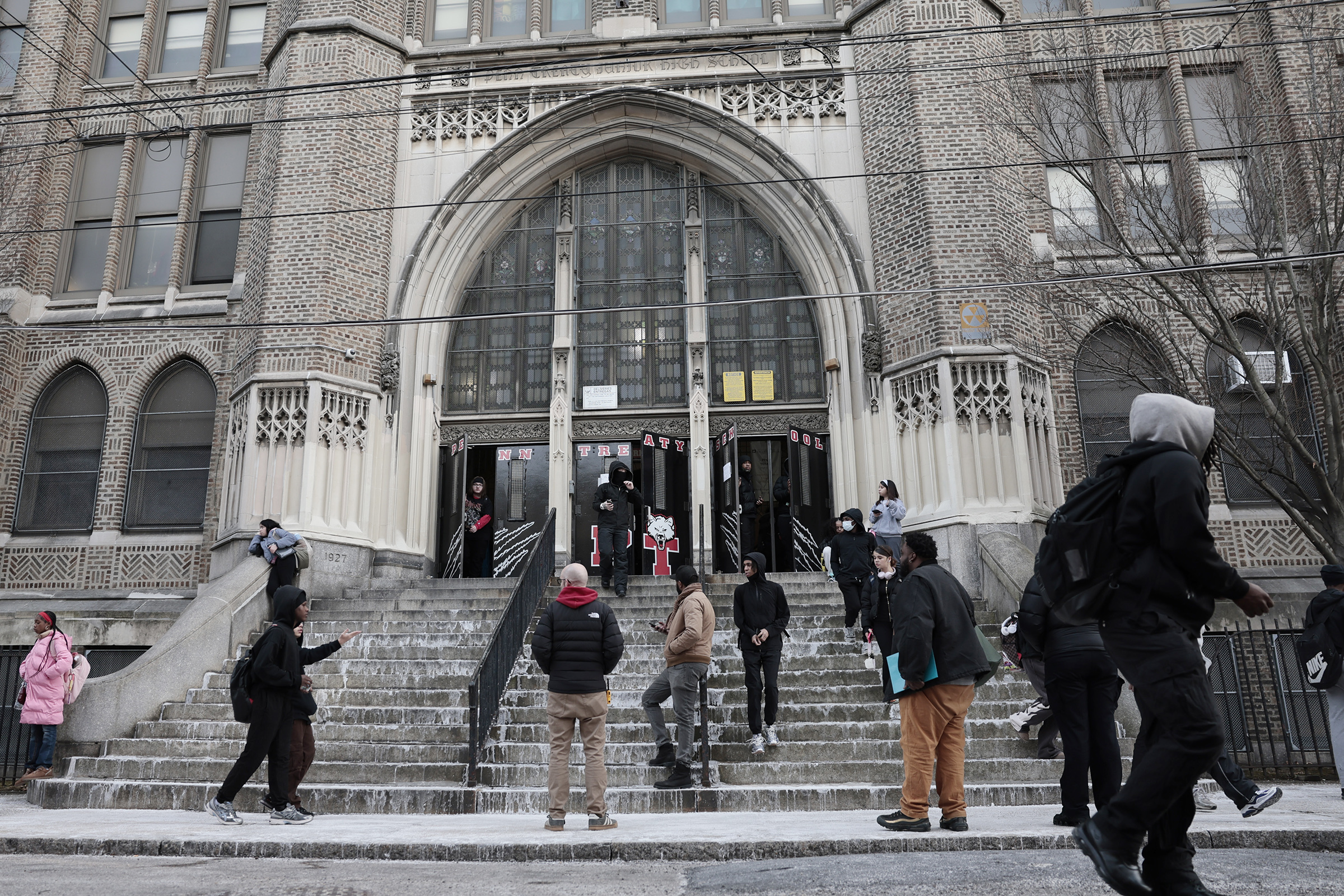
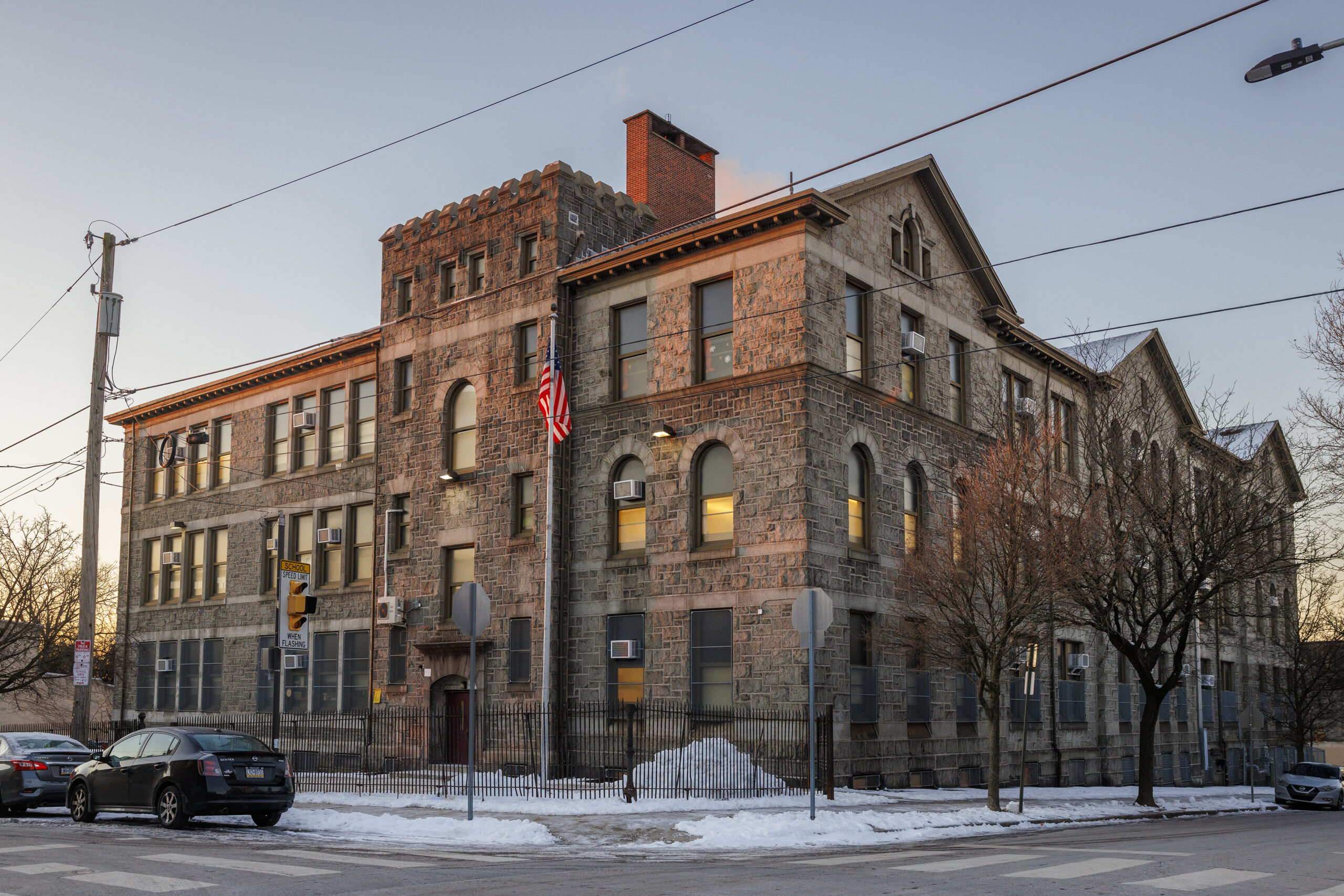
School officials stand by outside for afternoon dismissal at Penn Treaty Middle School, 600 East Thompson Street, in Philadelphia on Thursday, Jan. 22, 2026.
Fewer transitions, more standard grade configurations
Officials said they arrived at the blueprint after analyzing data and gathering feedback across the city — in meetings and surveys, and based on wisdom from advisory panels and a planning team. (Some advisory panel members said they had real concerns about the process, felt they got too little information, and saidtheir input was not seriously considered. Some had called for a pause in the process and a plan with no closings.)
Parents, staff, and community members identified four main themes that informed the recommendations, Watlington said: strengthening K-8 schools, reinvesting in neighborhood high schools, reducing school transitions for students, and expanding access to grades 5-12 criteria-based high schools.
The plan dramatically shrinks the number of grade spans in the district.
Currently, there are 13 different kinds of school configurations. Going forward, there be just six grade bands: K-4, K-8, K-12, 5-8, 5-12, and 9-12. (Six schools will be exceptions, however.)
Philadelphia is leaning into a “strong K-8 model,” Watlington said. He recommended closing six middle schools, with some elementary schools adding grades to accommodate.
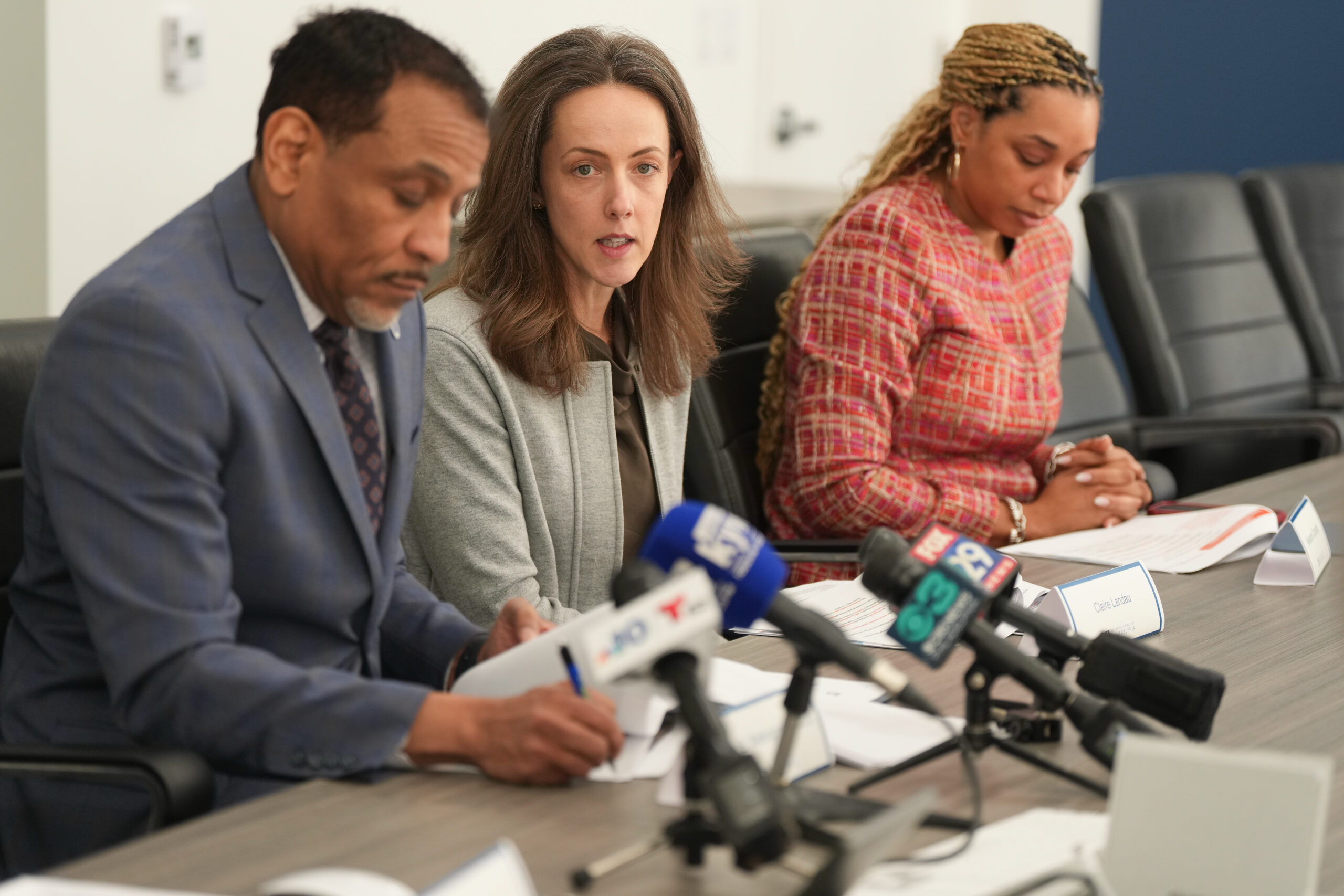
From left to right, Superintendent Tony B. Watlington, senior adviser Claire Landau, and chief of communications and customer service Alexandra Coppadge speak to reporters on Tuesday about their proposed master plan for Philadelphia schools.
It is also turning some high schools that now house four grades into middle-high schools, with 5-12 spans. South Philadelphia High will get investments to its career and technical education space and add fifth through eighth grades, for instance. A new Palumbo Middle School will open, colocated with Childs Elementary in Point Breeze; its students will get preference for admission to the Academy at Palumbo, a South Philly magnet.
Investments in the Northeast, and elsewhere
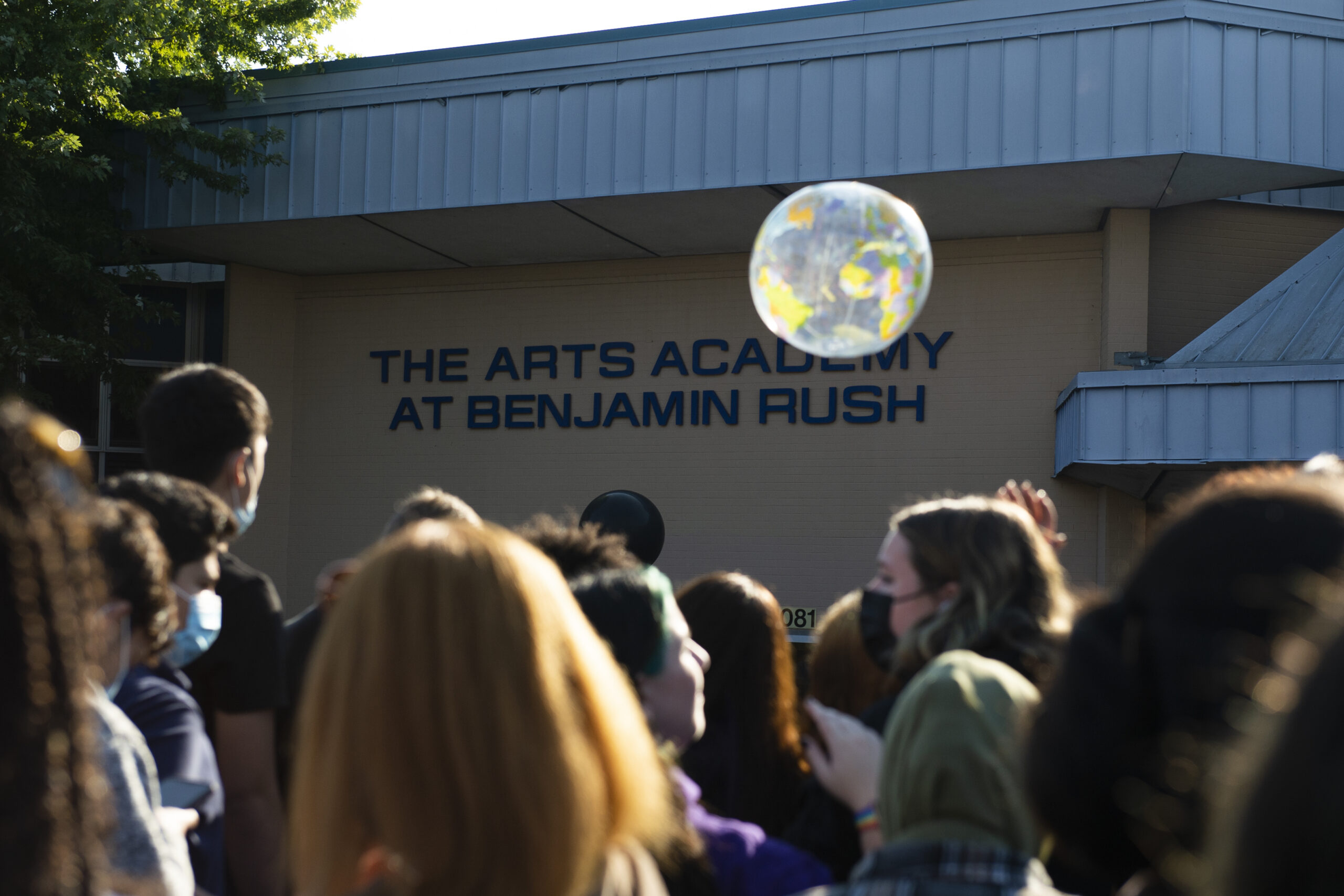
The single from-scratch construction announced will be in the Lower Northeast — a new Arts Academy at Benjamin Rush, a popular magnet now in the Far Northeast. That new building, which will house students in fifth through 12th grades, would rise on the site of the old Fels High School in Oxford Circle.
A new neighborhood high school will open in the current Rush Arts building, if the plan is approved.
The Arts Academy at Benjamin Rush, shown in this 2022 file photo, will move to a new building constructed in the lower Northeast under the facilities master plan now under consideration. A new catchment high school would open in the Rush Arts building.
Comly, Forrest, and Carnell — all Northeast schools — would be modernized and get additional grades to relieve overcrowding.
Masterman, one of the city’s top magnets, has long been overcrowded — its middle school would move to Waring, in Spring Garden, one of the closing schools.
“It’s really important to note this is not a plan to just funnel resources into the Northeast part of Philadelphia, where the population is increasing faster or in a different way than other parts of the city,” Watlington said. “This is not just build out, invest in some areas, divest in others.”
Learning from past mistakes
Watlington said he knows the plan will be difficult for some to swallow, and does not achieve every aim.
But, he said, “we are not going to make good the enemy of perfect.”
Still, Watlington and others vowed this closure process — the first large-scale closures in more than a decade — would not repeat the mistakes of 2012 and 2013, when 30 schools were shut to save money.
A new transition team will focus on what students and schools need, from social and emotional supports to safety and academic help.
School board president Reginald Streater and Superintendent Tony B. Watlington Sr. are shown in this 2025 file photo.
“These families will get gold-standard, red-carpet treatment directly from the superintendent’s office,” Watlington said.
The superintendent said he will urge the board to “strongly consider” his recommendations.
“We have one shot to get this right,” Watlington said. “We believe this is as good a plan as we can bring to the board, and so we’re going to recommend strongly that the board adopt these recommendations.”
School board president Reginald Streater said the facilities planning process was “critical” to bettering student outcomes.
Watlington, Streater said in a release, has led “meaningful community engagement with families, educators, and community members across our city. The board looks forward to receiving the full set of recommendations and carefully considering them as we work together to ensure all of our school facilities and student rostering practices best support access to high-quality educational experiences and opportunities for all students.”
Mayor Cherelle L. Parker gave good marks to the plan.
“It is ambitious, it’s thorough, and it’s grounded in what I believe matters most, and that’s achieving the best outcomes for our students,” Parker told reporters. “I’m proud that the district has taken what I would describe as a clear-eyed look at really what matters for our children.”
‘It feels like a family member is dying’
Outrage mounted for some Thursday as district officials began notifying affected communities and groups.
“It’s heartbreaking,” said Sharee S. Himmons, a veteran paraprofessional at Fitler Academics Plus, a K-8 in Germantown. “It feels like a family member is dying.”
Himmons is enrolled in the district’s Pathways to Teaching program, taking college courses to earn her degree and teacher certification. She was sitting in her math class at La Salle University when she found out Fitler was slated for closure. She began crying. She failed a test she was taking because her concentration was shot, she said.
Fitler Academics Plus Elementary School in Germantown is among the 20 schools that would close under the proposed plan.
“This school is such a staple in the neighborhood,” she said. Fitler is a citywide admissions school, but draws many students from the area. Himmons’ own sons attended Fitler, and she wanted to teach there after her college graduation.
“This isn’t over,” she said. “We’re going to fight — hard.”
Arthur Steinberg, president of the Philadelphia Federation of Teachers, said he is waiting to see more granular details of the plan, including the list of schools that will be upgraded and what fixes are promised, and hopes for information about how much weight was given to every factor that went into the decisions.
But, Steinberg said, “it is devastating for any community to lose their school — the parents, the kids, and the staff.”
As for the process that led the district to this moment, Steinberg said it was abundantly clear even to advisory panel members that their viewpoints were just points of information for Watlington’s administration, that no promises about heeding any advice were made.
Either way, the closure of 20 schools and more changes that will have ripples across the city for years to come all lead back to one factor, he said.
“Without the chronic underfunding of the district,” Steinberg said, “we wouldn’t have gotten to this point.”
Robin Cooper, president of the union that represents district principals, said the announcement was destabilizing, even though officials had warned closings were coming.
“It’s a loss of history, a loss for Philadelphia,” Cooper said. “Schools are a family, and some families are breaking up.”
Staff writer Sean Collins Walsh contributed to this article.
Carla Washington Hines, 72, of Philadelphia, longtime dancer, pioneering choreographer, celebrated teacher, former artistic director, collaborator extraordinaire, and mentor, died Sunday, Nov. 2, of sepsis at Temple University Hospital-Jeanes Campus.
Mrs. Hines came to Philadelphia from Virginia in 1974 after college and spent the next four decades dancing, teaching, lecturing, traveling, and generally advocating for arts in education from kindergarten through college. She danced with the Sun Ra Arkestra, the John Hines Dance Co., and other troupes at all sorts of venues in Philadelphia, New York, Chicago, elsewhere in the United States, and throughout Europe.
She choreographed original performances such as “Montage in Black,” “Reflections,” and “Life Cycle,” and collaborated with notable jazz musicians Herbie Hancock and Alice Coltrane, and other musical stars. She was a guest on TV and radio shows, read poetry at public events, and earned awards from the Pennsylvania Council on the Arts and the Philadelphia-based Bartol Foundation for education.
She was an expert in jazz dance, modern dance, ballet, and posture, and she lectured, organized workshops, and taught the elements of dance and choreographic principles at schools, colleges, art centers, drama guilds, libraries, and elsewhere around the country. Her mother, Thelma, was a dancer and teacher, too, and Mrs. Hines championed the connection between an interest in the arts and academic success.
“In dance, I can be anything I want to be,” she said in an online interview. “That’s the magic of the arts.”
She created an afterschool residency at a Universal charter school and taught dance at E.M. Stanton Elementary School, Strawberry Mansion High School, and other schools. She said in the online interview that her curriculum “is based on the appreciation of dance and movement,” and that it helps students “make sense of their lives using dance as a tool for learning.”
She said: “I want them to be able to understand through movement exploration how dance can change one’s life.”
She was artistic director for the Philadelphia chapter of the Institute for the Arts in Education and at thePoint Breeze Performing Arts Center. “Her creative guidance helped students tell powerful cultural stories through movement,” her family said.
Mrs. Hines performed with the Jones-Haywood Dance School in Washington before moving to Philadelphia.
As longtime community engagement manager for the Philadelphia Clef Club of Jazz and Performing Arts, Mrs. Hines wrote grants and choreographed performances. She was executive director of the John Coltrane Cultural Society and active at the old University of the Arts.
Her family said: “She devoted her life to creativity and to nurturing talent in others.”
Carla Yvette Washington was born Nov. 3, 1952, in Charleston, W.Va. Her family moved to Grambling, La., when she was young, and she graduated from high school in 1970.
She was named Miss Freshman at what is now Grambling State University, joined the Alpha Kappa Alpha Inc. sorority, and earned a bachelor’s degree in recreation in 1973. In 1981, she earned a master’s degree in fine arts and dance at the old Philadelphia College of the Performing Arts.
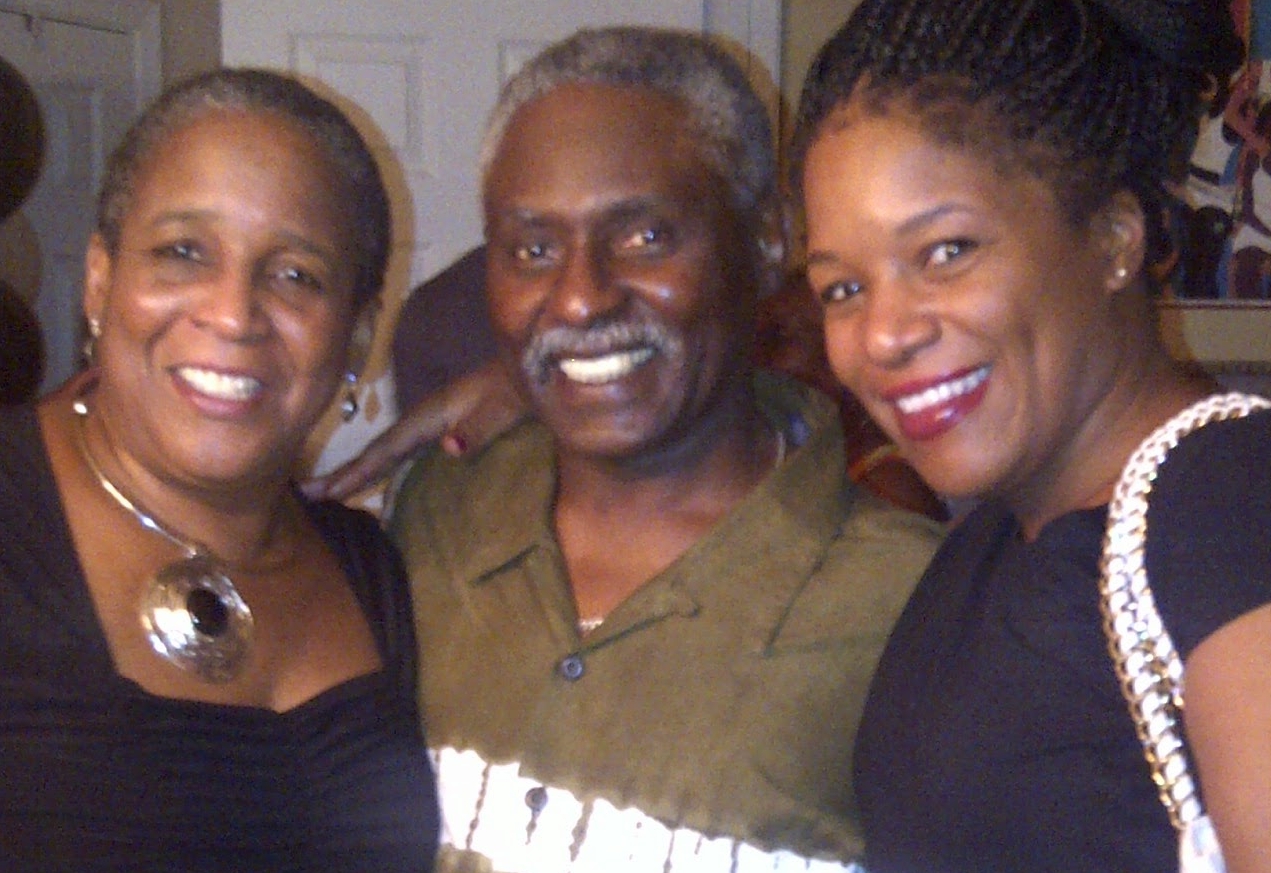
Mrs. Hines (left) smiles with her husband, Lovett, and their daughter, Zara.
She worked as a dance teacher for the Fairfax County Department of Recreation in Virginia after college and performed with the Jones-Haywood Dance School in Washington before moving to Philadelphia.
She met jazz musician Lovett Hines Jr. when they were students at Grambling and they married in 1984 and lived in West Oak Lane. They had a daughter, Zara, and Mrs. Hines welcomed her husband’s son, Lovett III, and his family into her family.
“She introduced many creatives to dance and culture, and sparked their creative careers,” her stepson said. “That is the essence of her legacy.”
Mrs. Hines and her husband, their daughter said, were “a partnership of two geniuses.” He played the saxophone and was artistic director at the Clef Club. She loved the drums, and they collaborated seamlessly on many notable projects.
Friends called her “a sweetheart” and “a beautiful soul” in online tributes. One said she “made an impact on Philadelphia and beyond in countless ways.” Her sister, Alicia Williams, said: “Everyone had a special relationship with her.”
Mrs. Hines graduated from Grambling High School in Louisiana in 1970.
Mrs. Hines was diagnosed with a lung disease in 2024 and Stage 4 cancer in 2025. “She was stern but soft,” her daughter said, “loving but able to tell you like it is.”
Her husband said: “She had special relationships with so many musicians, so many people. It was through insight, understanding, and patience. In them, we see her everyplace, feel her everyplace.”
In addition to her husband, daughter, mother, and stepson, Mrs. Hines is survived by three sisters, two step-grandsons, and other relatives. A brother died earlier.
Services were held Wednesday, Dec. 17.
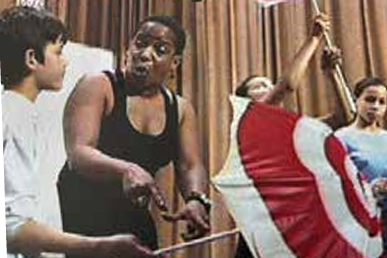
Mrs. Hines (center) said she adapted her teaching techniques to suit the needs and ages of the students.
The buyers: Mercedes Murphy, 33, healthcare worker
The house: a 1,710-square-foot townhome in Port Richmond with three bedrooms and two baths, built in 1925.
The price: listed for $289,000; purchased for $291,000
The agent: Emily Terpak, Compass
The exterior of Mercedes Murphy’s home in Port Richmond.
The ask: Murphy had a strategy for maximizing her savings: never pay more than $850 in rent. If it went above that, she would simply move, which she did several times over five years. But eventually, what started as a strategy began to feel like a trap. “The quality of the places I was willing to pay for kept dropping,” Murphy said. When her small, rat-infested apartment in Point Breeze flooded — the second place she’d lived in that had flooding issues — she decided she’d had enough and set out to find a two-bedroom house with an updated kitchen for $350,000 or less.
The search: Murphy looked across the city, including in Mt. Airy, Fishtown, and South Philly. Some houses looked good in photos, butlooked worse once she saw the surroundings. A Northwest Philly rowhouse made a great impression inside, thanks to its sparkling wood floors, but not outside. “It was just parking lots, and nobody was around,” Murphy said. “It wasn’t very safe.”
She saw a promising place in Fishtown — a beautiful house with updated appliances, right by Girard Avenue. But it was small and had only one bathroom. Murphy debated the pros and cons with her then-fiancé (now husband), Stefan Walrond, for a few days, then made an offer. Almost immediately, she regretted it. She pulled her offer less than 24 hours later. “They had so many offers already,” Murphy said, “I didn’t feel like fighting for it.”
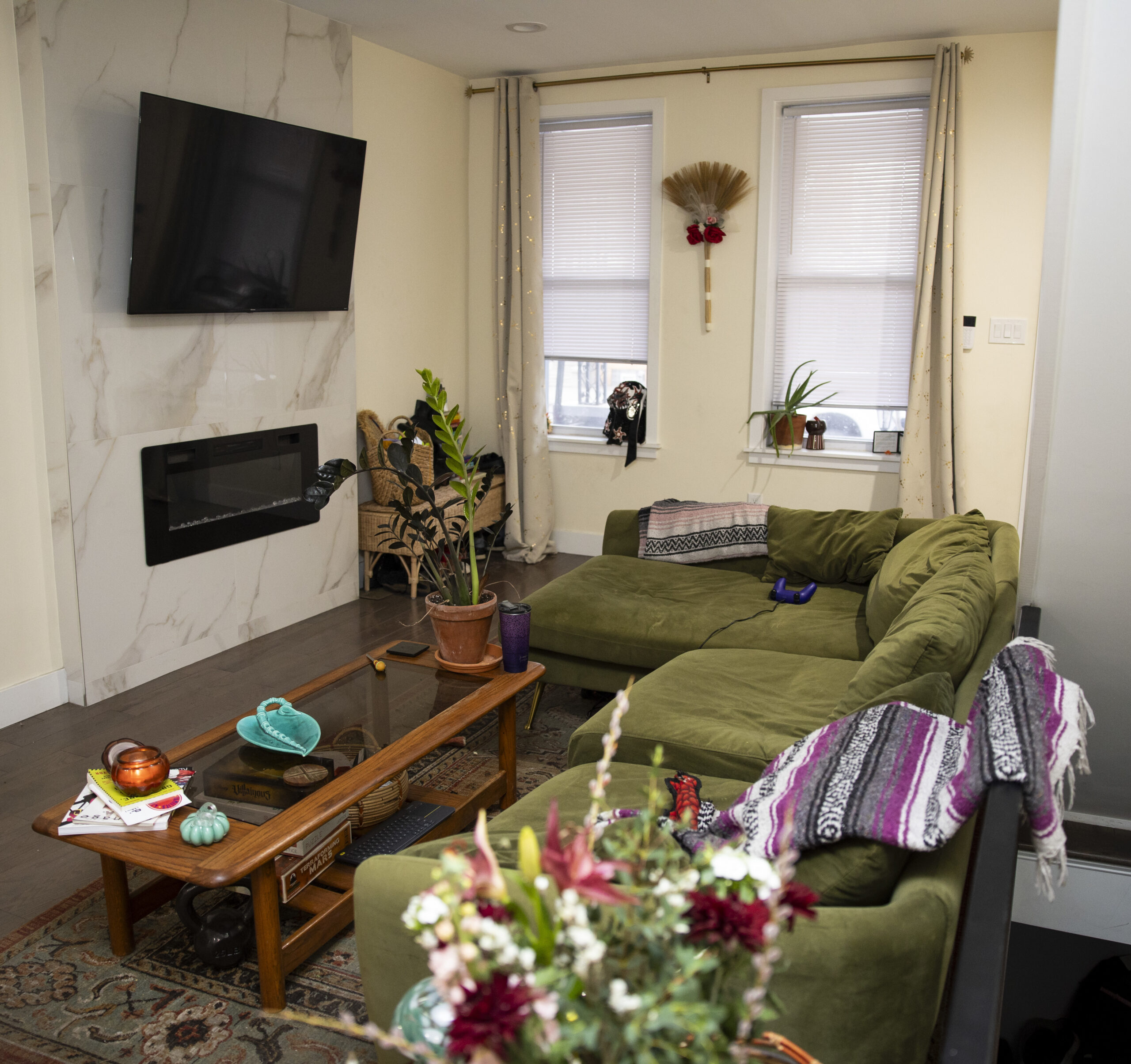
The living room in Murphy’s Port Richmond home. She liked how large it was compared to others that she had seen.
The appeal: A week after she pulled her offer, Murphy got COVID and couldn’t attend showings. Her fiancé went to see a house in Port Richmond without her. “He did the tour,” she said. “He sent me photos and did a little video walk-through.”
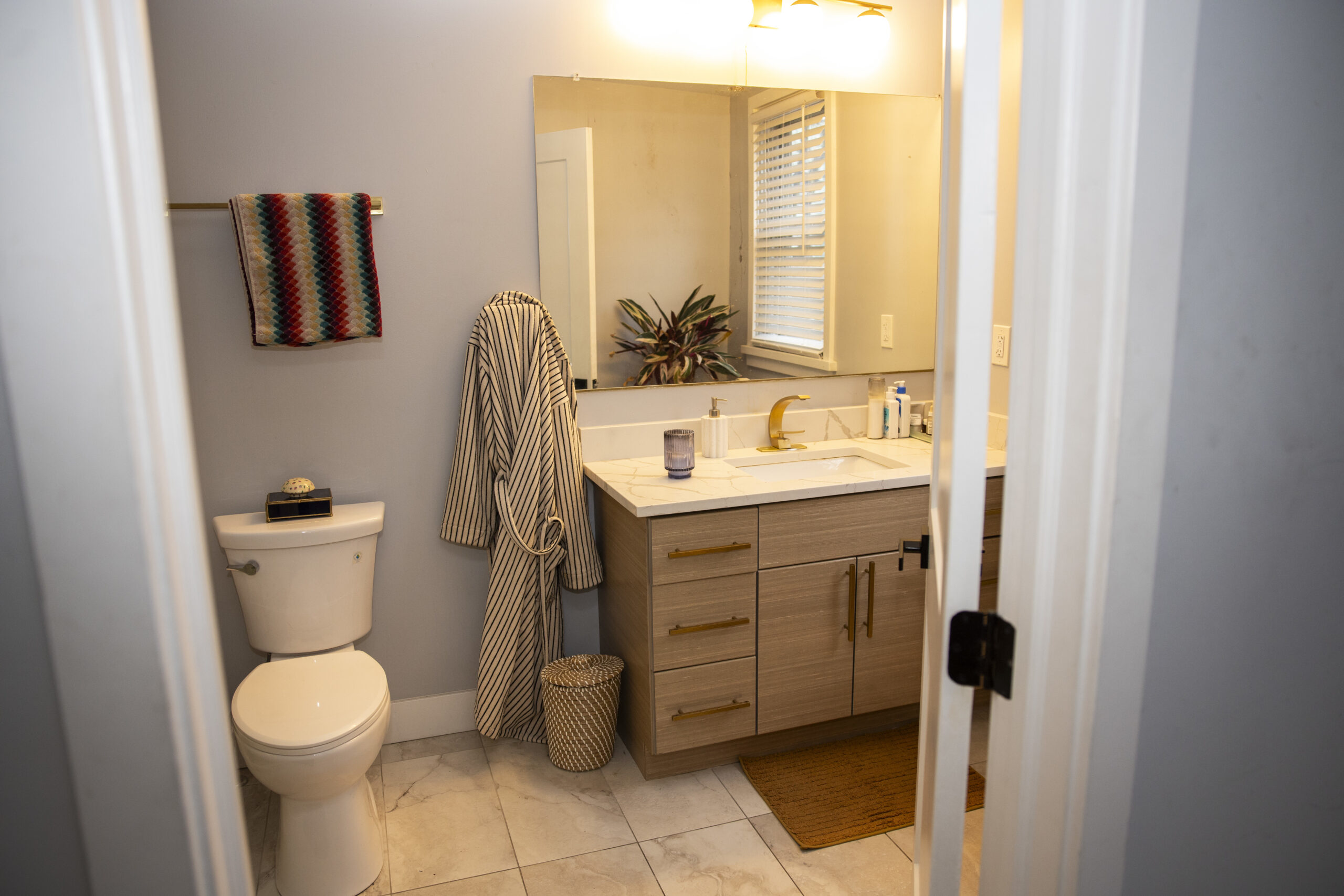
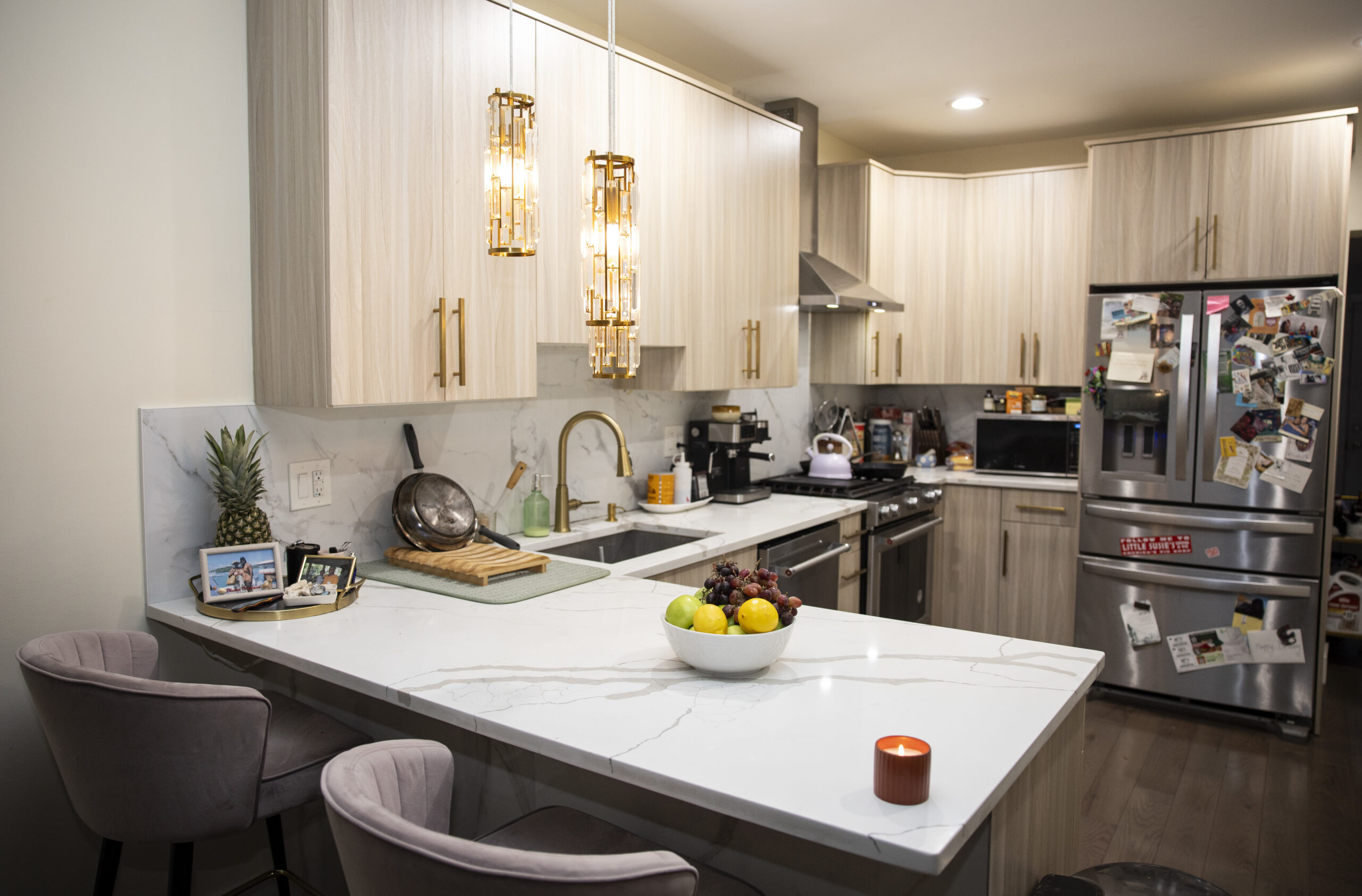
Murphy could tell that this might be the one. It had everything she wanted, including lots of space, two full bathrooms, and an updated kitchen. It even had a backyard with a cherry tree and enough room for their dog. What ultimately sold her, though, were the finishes in the kitchen and upstairs bathroom: the gold faucets, the marble countertops, the built-in bench in the shower. “I loved the modern aesthetic,” Murphy said.
The deal: Murphy wanted to avoid a bidding war, so she offered $291,000, $2,000 over the asking price.
Murphy fell in love with the modern finishes, like the gold faucet, in the bathroom.
The inspection was straightforward. The only major issue was the roof. It would need to be replaced in a few years. A few of the appliances looked like they wouldn’t last very long either. Murphy didn’t ask for any concessions or credits. She just made sure she had enough money saved to pay for replacements down the line. Sure enough, the fridge broke one week after she moved in, and the roof started leaking within the year.
The money: Murphy, a self-described “huge saver,” started aggressively saving money in 2015, the year she got her first “major job.” When she went to buy a house seven years later, she had just over $100,000 in savings. “I always lived really below my means,” Murphy said. She drove an old used car, lived with roommates, and didn’t have any “crazy expenses, like video games or makeup.”
“I’m just not a big spender,” she said. Not having student loans helped too.
Murphy loved the modern aesthetic of the kitchen.
Murphy used $70,000 for a 20% down payment. She tapped into her remaining $30,000 to pay for the new roof, which cost $6,000, and a new washing machine, which cost $1,700. Her parents bought her a new fridge for $2,000.
The move: Murphy’s landlord allowed her to break thelease she shared with her fiancé due to the flooding. She hired movers for the first time ever. “I moved so much in Philly before that I knew this time I definitely wanted movers,” Murphy said. It only cost $400. “We didn’t have that much stuff,” she said, “and we weren’t going very far.”
Any reservations? Murphy and Walrond love their neighborhood and their neighbors, but they wish they lived on a quieter street. “Aramingo is a main thoroughfare,” Murphy said. “So we have a lot of emergency vehicles come by.”
Other than that, Murphy wishes she negotiated more. If she could do it all over again, she wouldn’t offer $2,000 over the asking price. She would also ask for more concessions from the seller to address the aging appliances. “I didn’t even think to do it,” Murphy said. “I was just so happy to get a house.”
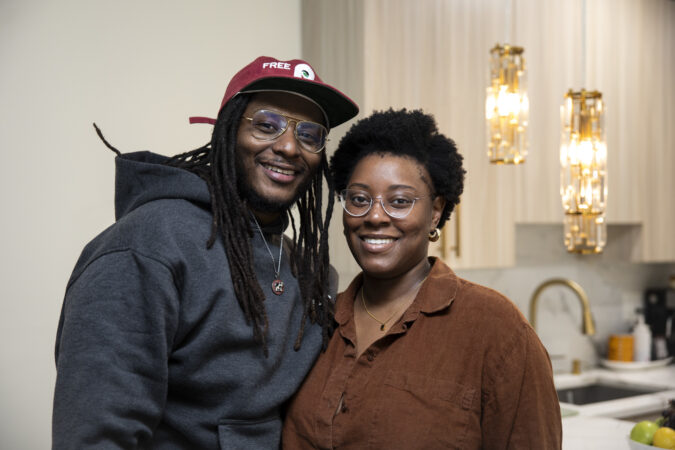
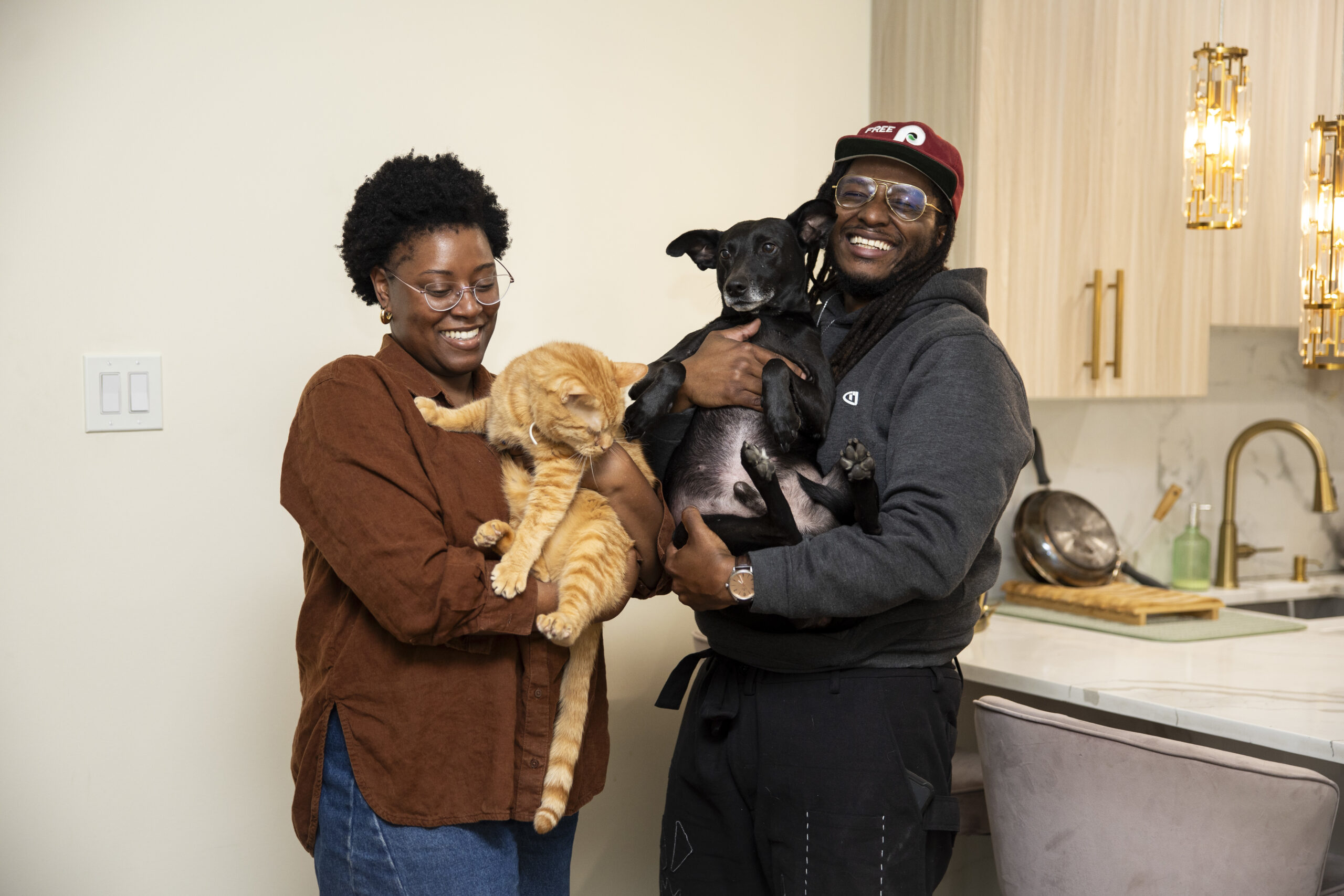
Mercedes Murphy and Stefan Walrond pose with their pets Archie (left) and Onyx at their Port Richmond home on Tuesday, Jan. 13, 2026, in Philadelphia.
Life after close: Murphy hasn’t changed anything since moving in, just repaired things. The leak in the roof damaged the bedroom drywall, which she is now in the process of fixing. And she had to replace a leaky window in the office. Despite the minor inconveniences, she’s happy with her purchase. Now she’s focused on rebuilding her savings. She wants to get back to $100,000. “Let’s see if I can do it again,” she said.
The buyers: Casie Girvin, 30, performer and voice teacher; Steve Crino, 32, musician
The house: A 984-square-foot rowhouse in Point Breeze with three bedrooms and one bath, built in 1923.
The price: Listed and purchased for $305,000
The agent: Benjamin Camp, Elfant Wissahickon
The ask: For Casey Girvin and Steve Crino, the home-buying journey began long before they opened Zillow. “We always knew that we wanted to be homeowners,” said Girvin. “It’s something we were saving for a long time.”
Both musicians, they spent years learning what did and did not work for their lifestyles. They started in a one-bedroom, which didn’t work because their practice sessions often overlapped, creating a cacophony of noise. Eventually, they moved into a bi-level apartment where they had room to work.
That experience shaped their home-buying wish list. That meant they needed at least three bedrooms — one for sleeping and two for music studios — and a layout that let two musicians practice without driving each other mad. “We needed it to be either like a bi-level space, or we needed a buffer room between the two of us,” Girvin said.
They also wanted a backyard. “We learned during COVID that having an outdoor space was really important to us,” she added. So was being close to the Broad Street SEPTA line. Fixer-uppers were a nonstarter.
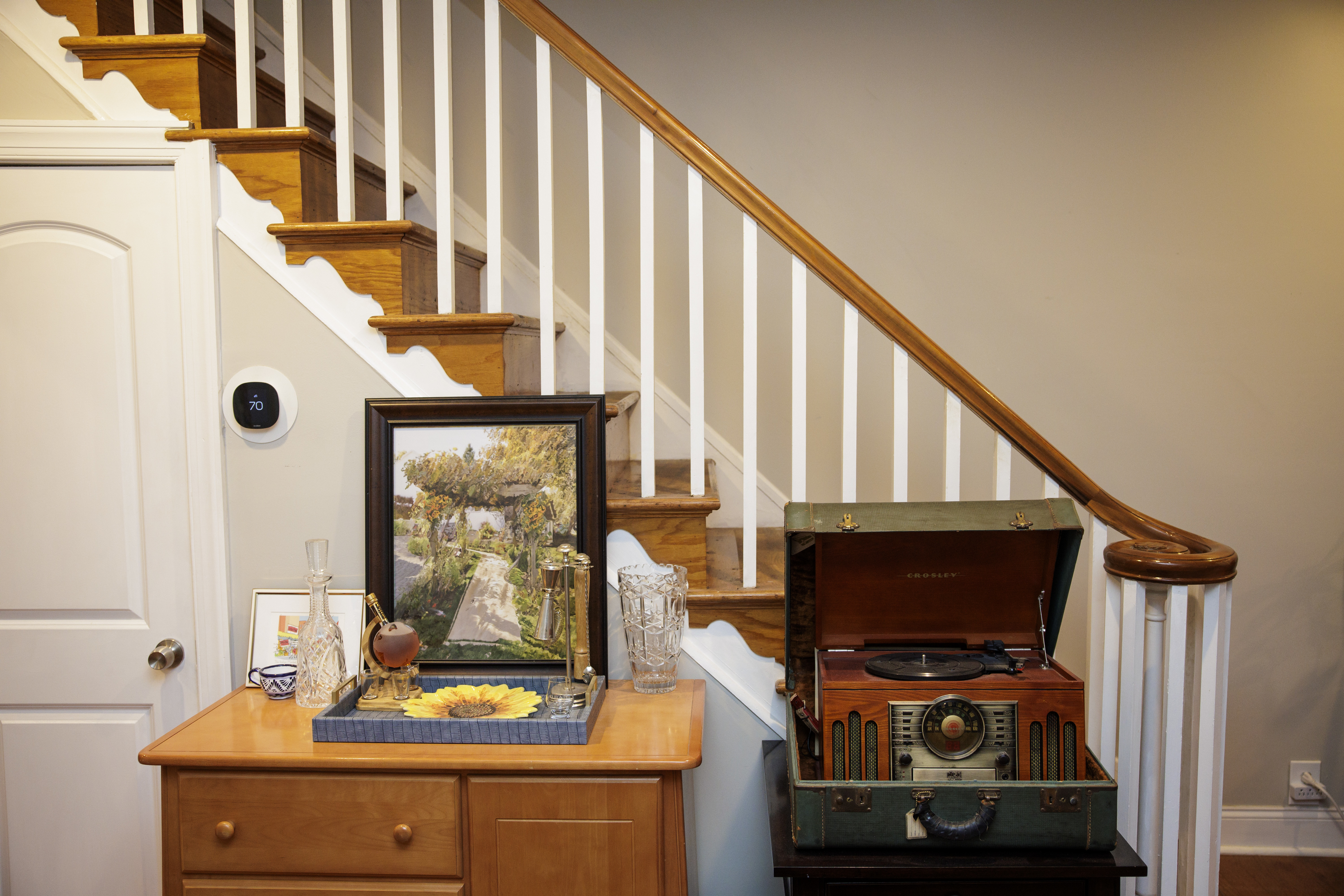
Upon entering the house, the couple immediately fell in love with the staircase, especially its architectural detailing.
The search: The couple intentionally waited until winter to search, hoping for lower prices. They saw 21 houses in Point Breeze and liked a lot of what they saw, but tried to be ruthless when it came to making an offer. “That was a very informative part of the process, Crino said, “because when you’re contemplating actually putting an offer down, your preferences emerge.”
They ended up making only one other offer on a house they nicknamed “the Grandma house” because of its funky carpeting and wallpaper. The seller verbally accepted it but eventually pulled it from the market.
“Ultimately, we’re happy with what happened,” said Girvin.
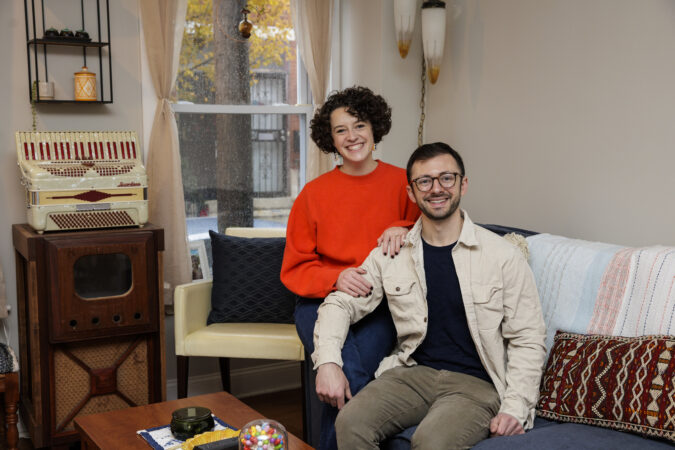
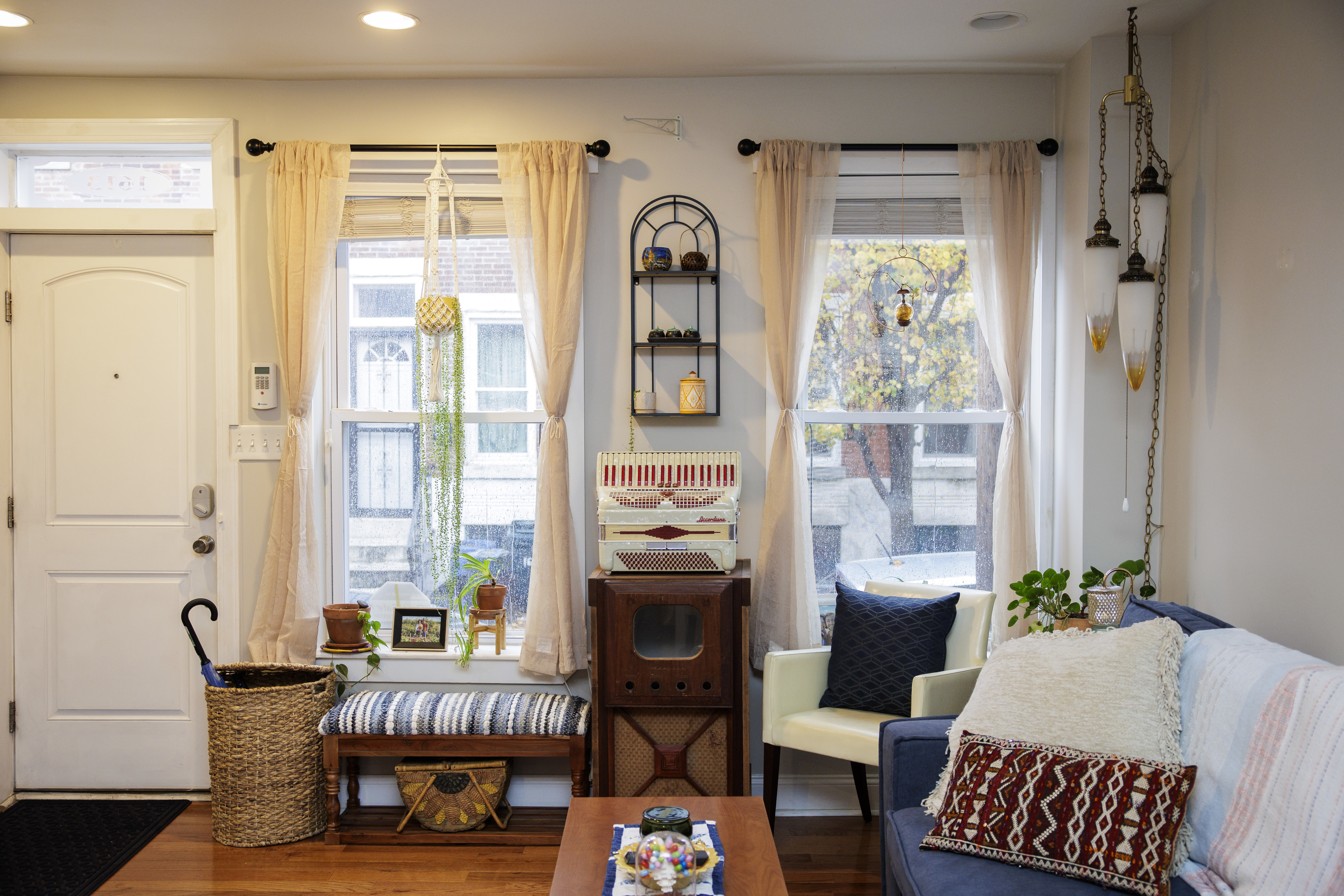
Girvin and Crino love all the natural light pouring through the living room windows.
The appeal: Girvin had a good feeling about the house when she saw it online. “I was like, ‘Wow, that looks exactly like where we want to be, at a price point that was quite exciting,’” she said. Even better, it had central air, beautiful hardwood floors, and matched the couple’s aesthetic. But the couple panicked when they saw an open house the next day. They called their agent and secured a same-day viewing.
Inside, the house aligned almost perfectly with what they had been searching for. What they weren’t expecting, though, were interesting artistic details, like the sunflower etched into the banister and the mural in the backyard. They loved the staircase, the amount of natural light pouring through the living room windows, and the view from their bedroom window of a church they admired. “The house is on a nice, little, cute side street,” Cirsi said. And crucially: “It’s so close to the subway.”
The second floorsealed the deal. The layout was perfect: a bathroom between the two smaller bedrooms. A built-in sound buffer for their future studios. “Most Philly rowhomes, you go up the stairs, it’s like a bathroom right at the top, and then the three bedrooms in a row,” Girvin explained. “But this one has bedroom, bathroom, bedroom, bedroom. That was ultimately one of the main reasons we bought the house.”
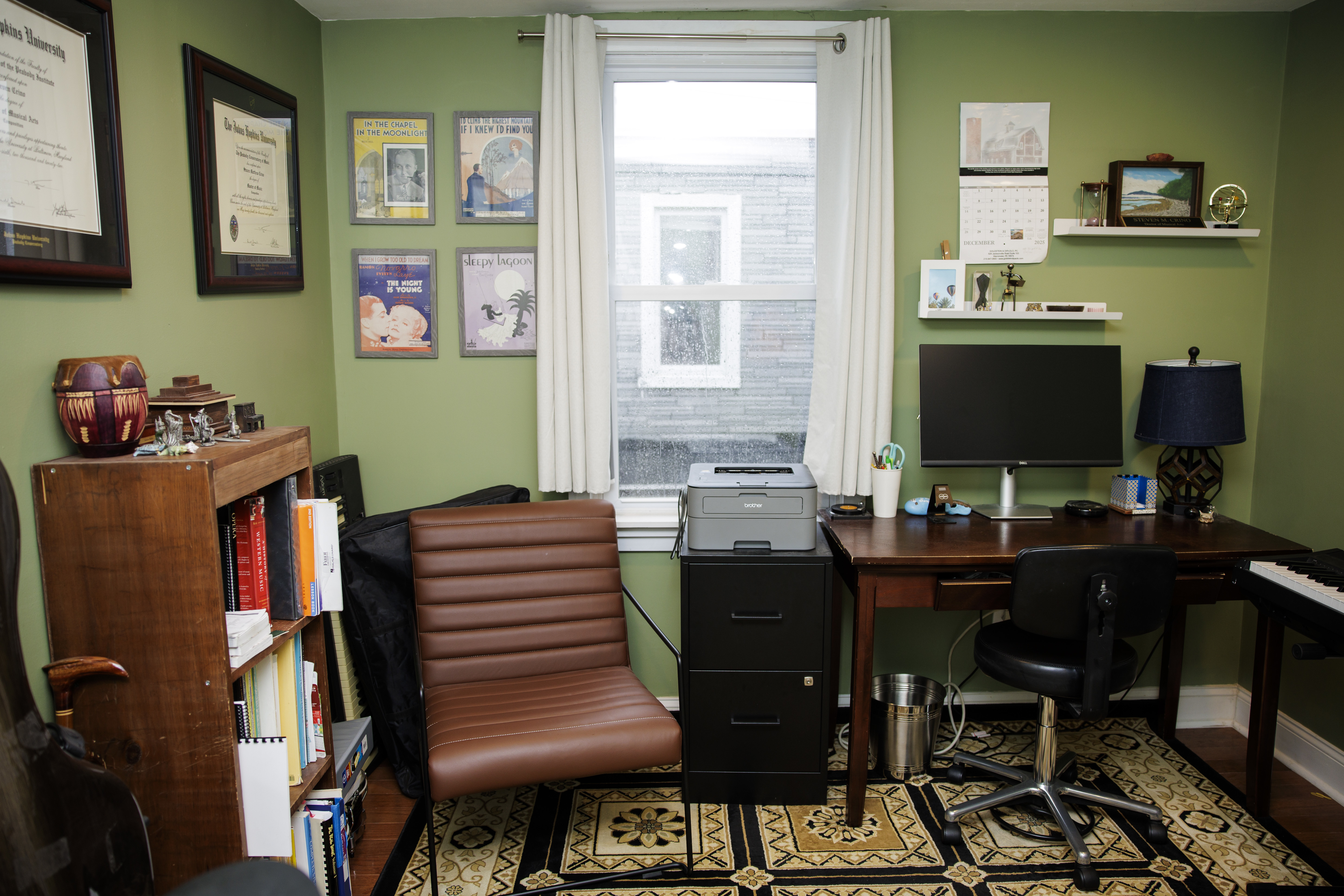
Crino’s studio is separated from Girvin’s by a bathroom, allowing the couple to practice music at the same time without disrupting each other.
The deal: The couple made an offer that evening. They offered the listing price — $305,000. “We felt that the house was worth what it was asking,” Girvin said. The sellers accepted right away.
The inspection revealed two issues. First, the oven needed to be replaced. The sellers issued the couple a credit to buy a new one.
The bigger issue was the HVAC system. The breaker tripped during the inspection. “We watched it go boop,” Crino said. The fix required electrical work, and they insisted it be completed and certified before closing. “That was the right decision because it definitely was pricier than they thought it was going to be,” Crino said.
The money: Girvin and Crino had been saving for almost a decade. Every month, they set aside a portion of their earnings in a separate account. They also had money saved for a wedding that they decided to put toward their house instead. “At one point we thought about having a really big wedding,” Girvin said, “but we decided to do the whole micro wedding, DIY backyard thing.”
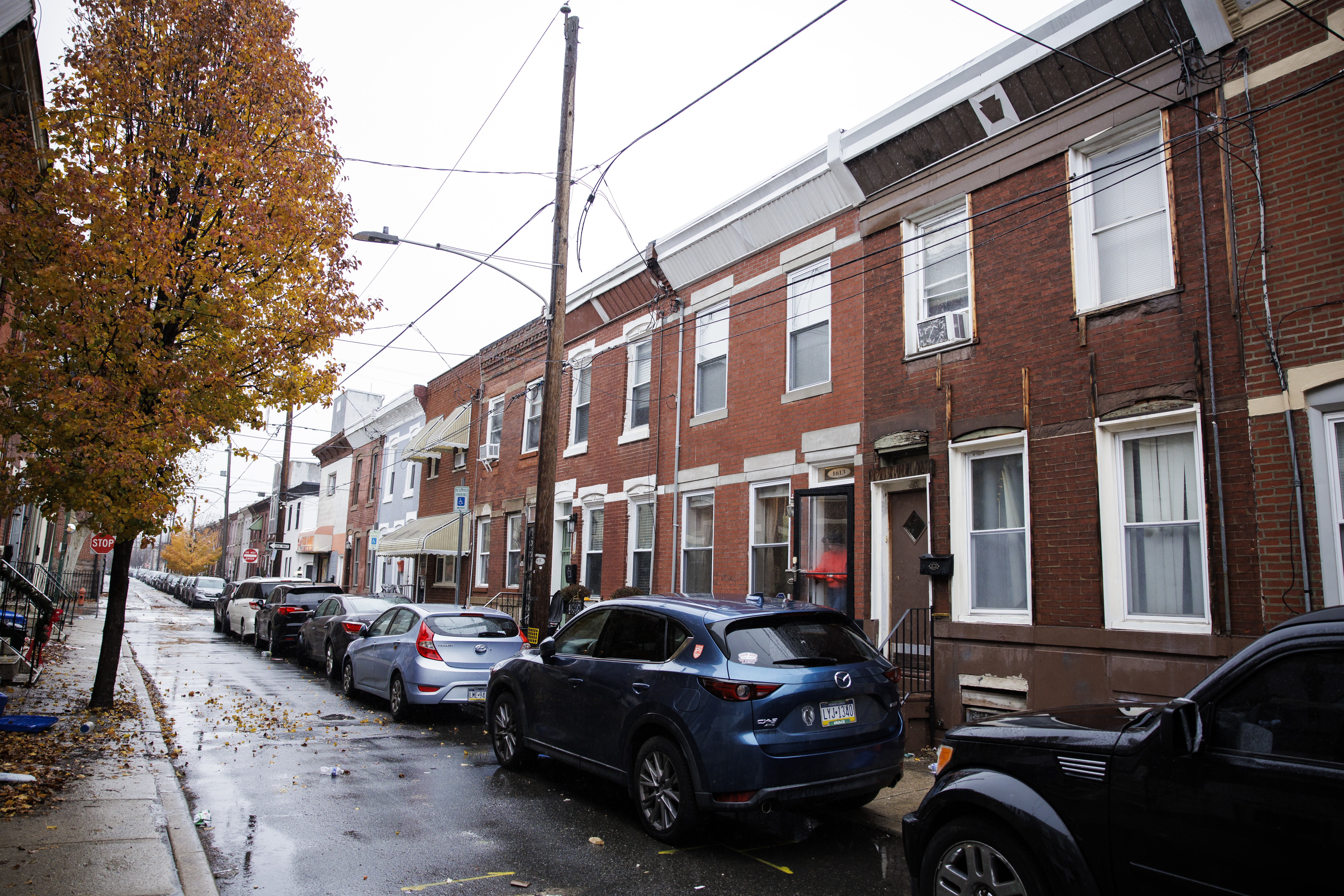
The small side street the couple lives on was no sweat for their movers, Old City Moving Co.
Between their life savings and the wedding savings, plus generous gifts from wedding guests, Girvin and Crino had “$80,000-ish” to spend. They put 20% down, which was $61,000, and spent the rest on closing costs, which were $27,000. “That was the $80K right there,” Girvin said. Their mortgage is a little less than $1,800, which is exactly what they had been paying in rent.
The move: The couple moved in mid-March, one month after they closed. “Moving was relatively painless,” Girvin said. “We hired Old City Moving Co., and they were really great.” They navigated getting a giant moving truck down a tiny side street like pros, backing in so that they could get out more easily.
Any reservations? None worth mentioning. The only thing they’d add is a second bathroom — another half bath someday, maybe in the basement. But that feels like a future luxury, not a present problem. “Most days we’re like, I love this house,” Girvin said.
Girvin and Crino purchased a new oven with help from a seller’s credit.
Life after close: Their first major purchase was a new oven. “When people come to the house, I’m like, ‘You know, we bought that oven,’” Crino said, laughing. Decorating has been slow and thoughtful. The most sentimental change is the three-teardrop lamp from Steve’s grandmother, now hanging from their ceiling — something they never would have installed in a rental. The backyard is next.
Philadelphia lawmakers on Thursday approved two changes to city law that are aimed at boosting business for restaurants and the hospitality sector ahead of an expected influx of tourists visiting the city next year.
Legislators also voted to ban so-called reservation scalpers, which are third-party businesses that allow people to secure tables and then resell them without authorization from the restaurant.
Both measures passed Council unanimously and were championed by advocates for the restaurant industry, who lobbied lawmakers to ease burdens on the tourism and hospitality industry ahead of several large-scale events in the city next year, including celebrations for America’s Semiquincentennial, when Philadelphia is expected to host a flurry of visitors.
They both now head to the desk of Mayor Cherelle L. Parker, who has never issued a veto.
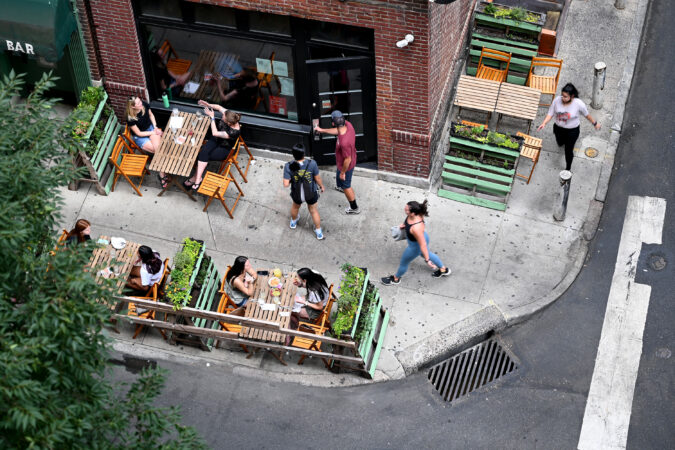
The outdoor dining legislation, authored by Councilmember Rue Landau, a Democrat who represents the city at-large, expands the number of so-called by-right zones, where businesses can have sidewalk cafes without having to obtain a special zoning ordinance.
Currently, by-right areas are only in Center City and a few commercial corridors in other neighborhoods. Restaurants outside those areas must undertake a sometimes lengthy process to get permission to place tables and chairs outside.
The expanded zones, which were chosen by individual Council members who represent the city’s 10 geographic districts, include corridors in Manayunk and on parts of Washington Avenue, Passyunk Avenue, and Point Breeze Avenue in South Philadelphia.
The legislation also includes all of the West Philadelphia-based Third District, which is represented by Jamie Gauthier, the only Council member who chose to include her entire district in the expansion.
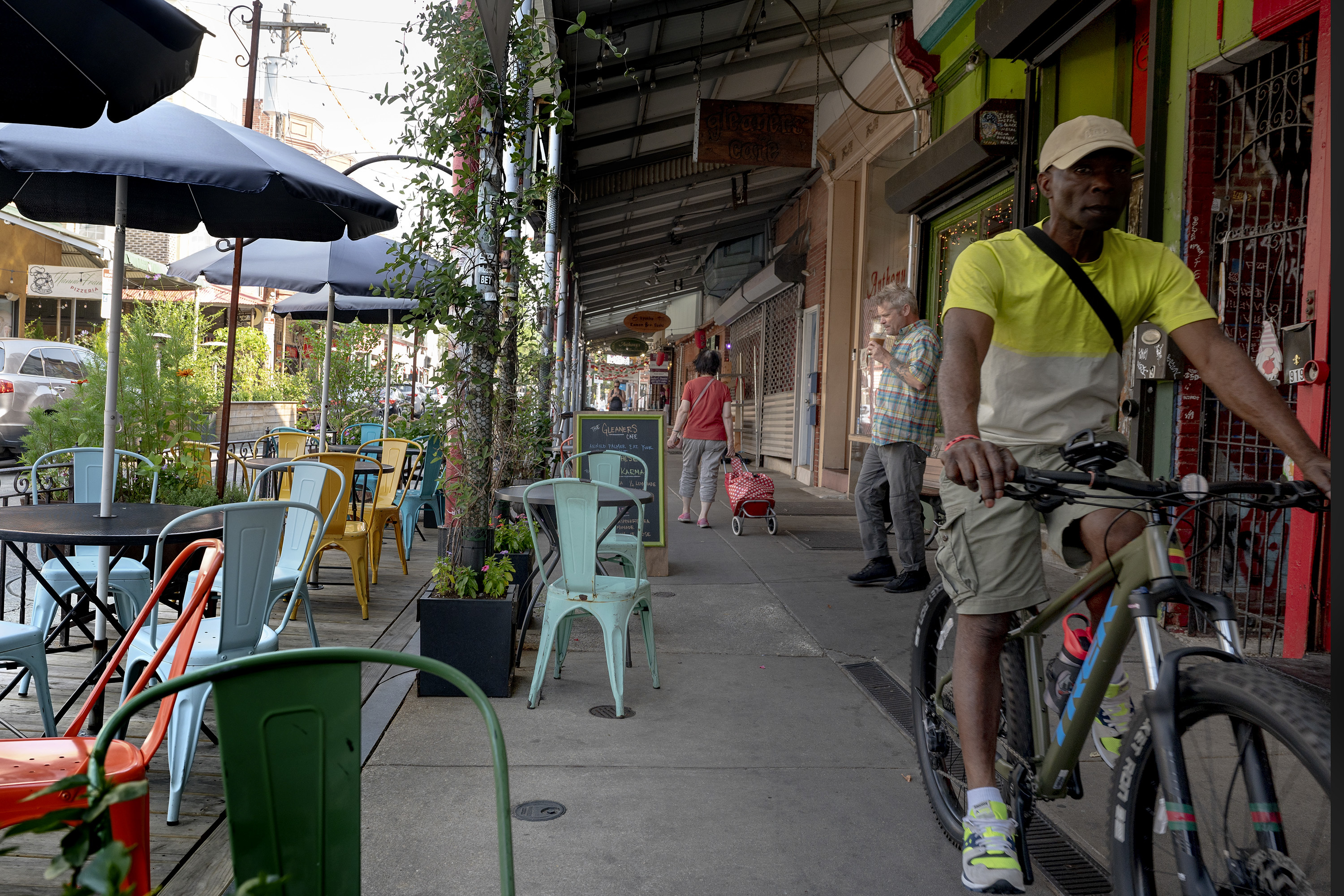
The cafe area on the sidewalk outside of Gleaner’s Cafe in the 9th Street Market on Thursday, July 27, 2023.
Nicholas Ducos, who owns Mural City Cellars in Fishtown, said he has been working for more than a year to get permission to place four picnic tables outside his winery. He said he has had to jump through hoops including working with multiple agencies, spending $1,500 to hire an architect, and even having to provide paperwork to the city on a CD-ROM.
“There are a lot of difficult things about running a business in Philadelphia,” Ducos said. “This should not be one.”
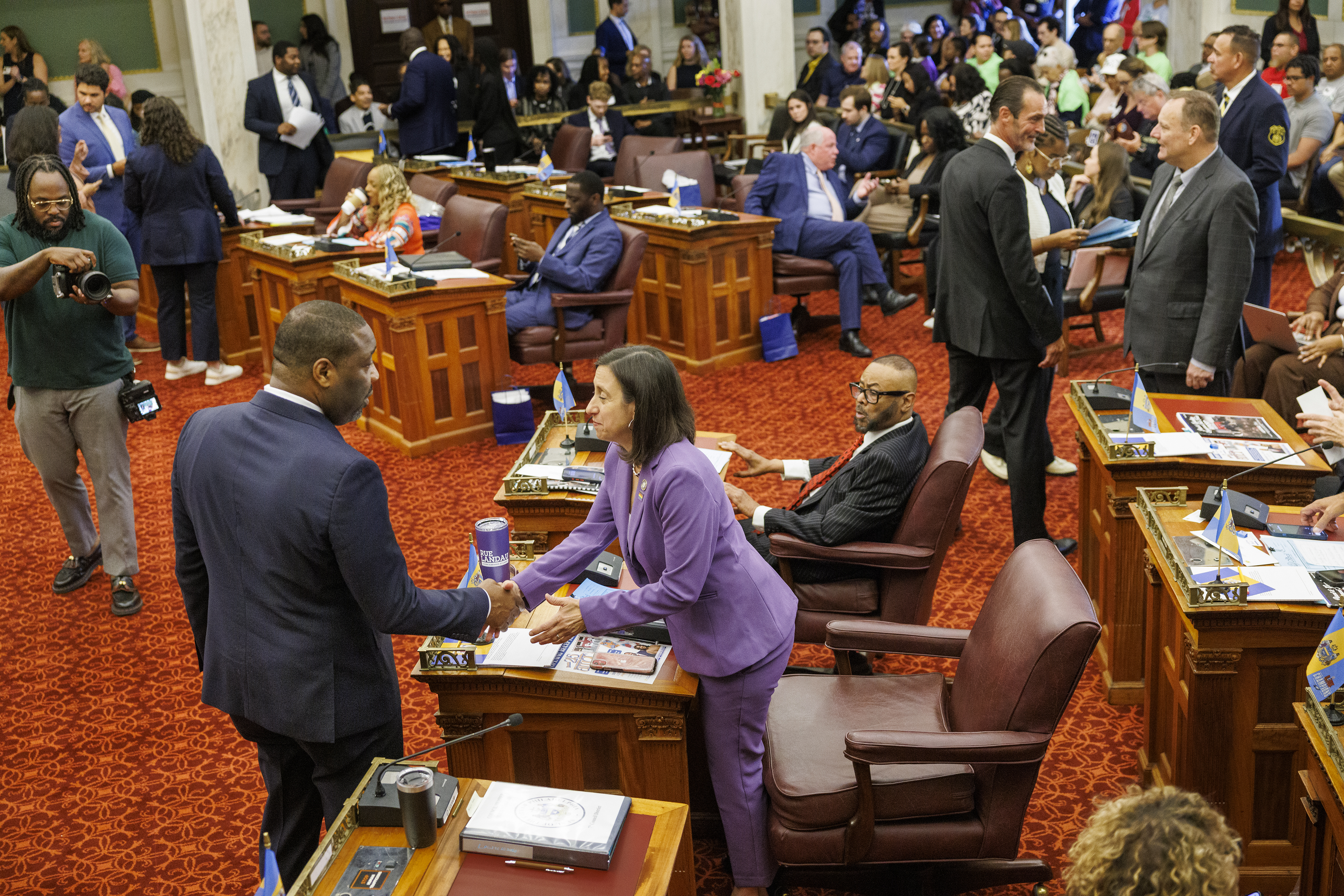
At left is Philadelphia Council President Kenyatta Johnson greeting Rue Landau and other returning members of council on their first day of fall session, City Hall, Thursday, September 11, 2025.
Council members also approved the reservation scalping legislation authored by Councilmember Isaiah Thomas, a Democrat who represents the city at-large. He has said the bill is modeled after a similar law in New York and is not aimed at popular apps and websites like OpenTable, Resy, and Tock that partner directly with restaurants.
Instead, it is a crackdown on websites that don’t work with restaurants, such as AppointmentTrader.com, which provides a platform for people to sell reservations and tickets to events.
Jonas Frey, the founder of AppointmentTrader.com, previously said the legislation needlessly targets his platform. He said his company put safeguards in place to prevent scalping, including shutting down accounts if more than half of their reservations go unsold.
But Thomas has cast the website and similar platforms as “predatory” because restaurants can end up saddled with empty tables if the reservations do not resell.
Zak Pyzik, senior director of public affairs at the Pennsylvania Restaurant and Lodging Association, said the legislation is an important safeguard for restaurants.
“This bill provides clear, sensible protections that will keep restaurants in the driver’s seat,” he said, “and in control of their business and their technology services.”
Philly is getting ready to dress itself up — with Liberty Bells. Lots of Liberty Bells.
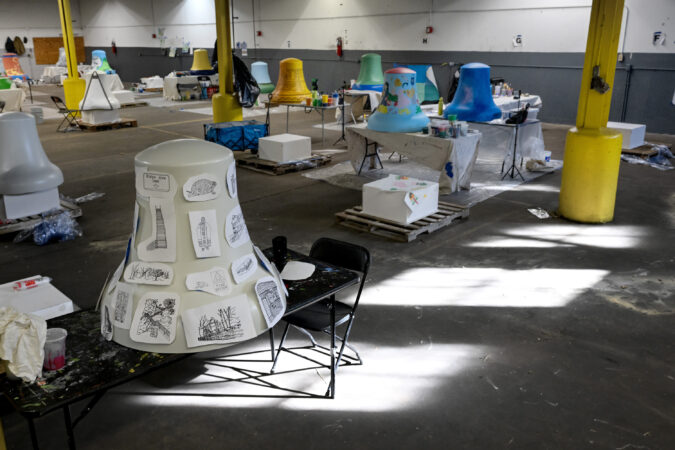
Organizers of Philadelphia’s yearlong celebrations for America’s 250th anniversary in 2026 gathered in a frigid Philadelphia School District warehouse in Logan on Tuesday, offering a special preview of the 20 large replica Liberty Bells that will decorate Philly neighborhoods for the national milestone.
Designed by 16 local artists selected through Mural Arts Philadelphia — and planned for commercial corridors and public parks everywhere from Chinatown and South Philly to West Philly and Wynnefield — the painted bells depict the histories, heroes, cultures, and traditions of Philly neighborhoods.
As part of the state nonprofit America250PA’s “Bells Across PA” program, more than 100 painted bells will be installed across Pennsylvania throughout the national milestone, also known as the Semiquincentennial. Local planners and Mural Arts Philadelphia helped coordinate the Philly bells.
“As Philadelphia’s own Liberty Bell served as inspiration for this statewide program, it makes sense that Philly would take it to the next level and bring these bells to as many neighborhoods as possible,” Mayor Cherelle L. Parker said in a statement. “We are a proud, diverse city of neighborhoods with many stories to tell.”
Kathryn Ott Lovell, president and CEO of Philadelphia250, the city’s planning partner for the Semiquincentennial, said the bells are a key part of the local planners’ efforts to bring the party to every Philly neighborhood.
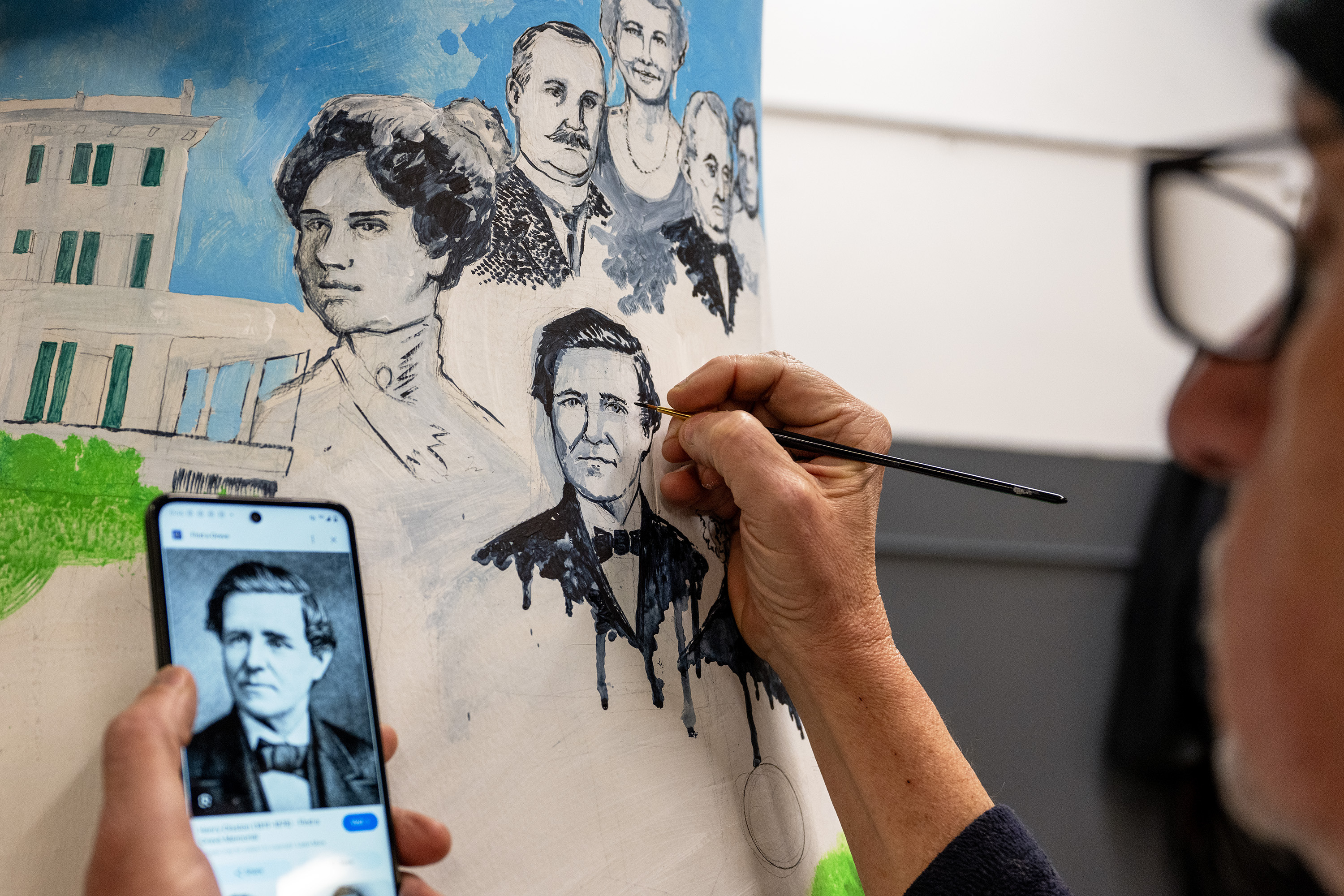
Local artist Bob Dix paints a portrait of industrialist Henry Disston on his bell.
“The personalities of the neighborhoods are coming out in the bells,” she said, adding that the completed bells will be dedicated in January, then installed in early spring, in time for Philly’s big-ticket events next summer, including six FIFA World Cup matches, the MLB All-Star Game, and a pumped-up Fourth of July concert.
Planners released a full list of neighborhoods where the bells will be placed, but said exact locations will be announced in January. Each of the nearly 3-foot bells — which will be perched on heavy black pedestals — was designed in collaboration with community members, Ott Lovell said.
Inside the massive, makeshift studio behind the Widener Memorial School on Tuesday, artists worked in the chill on their bells. Each bell told a different story of neighborhood pride.
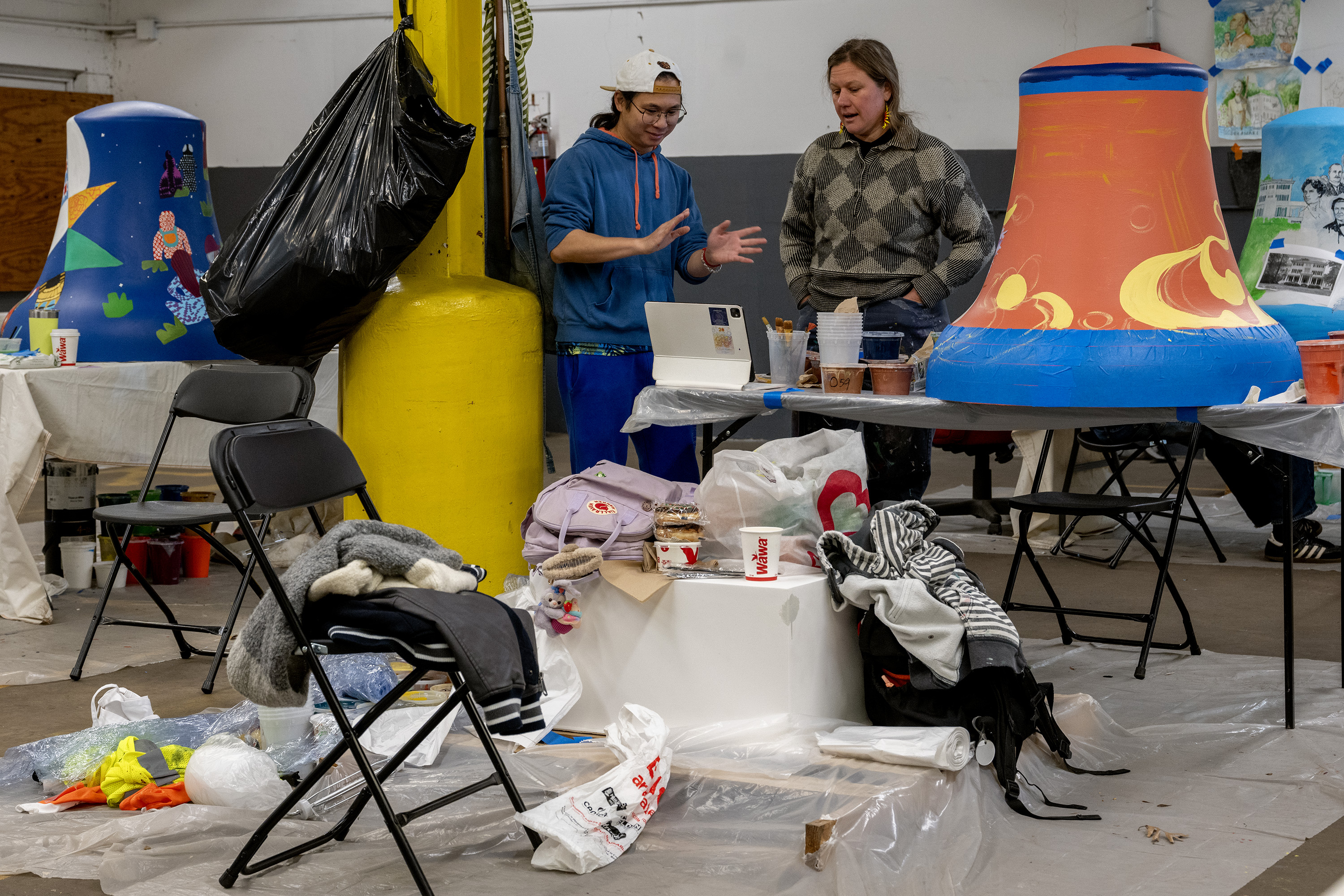
Chenlin Cai (left) talks with fellow artist Emily Busch (right) about his bell, showing her concepts on his tablet.
Cindy Lozito, 33, a muralist and illustrator who lives in Bella Vista, didn’t have to look for inspiration for her bell on the Italian Market. She lives just a block away from Ninth Street and is a market regular.
After talking with merchants, she strove to capture the market’s iconic sites, history, and diversity. Titled Always Open, her bell includes painted scenes of the market’s bustling produce stands and flickering fire barrels, the smiling faces of old-school merchants and newer immigrant vendors, and the joy of the street’s annual Procession of Saints and Day of the Dead festivities. Also, of course, the greased pole.
“It’s a place where I can walk outside my house and get everything that I need, and also a place where people know your name and care about you,” she said, painting her bell.
For her bell on El Centro de Oro, artist and educator Symone Salib, 32, met twice with 30 community members from North Fifth Street and Lehigh Avenue, asking them for ideas.
“From there, I had a very long list,” she said. “People really liked telling me what they wanted to see and what they did not.”
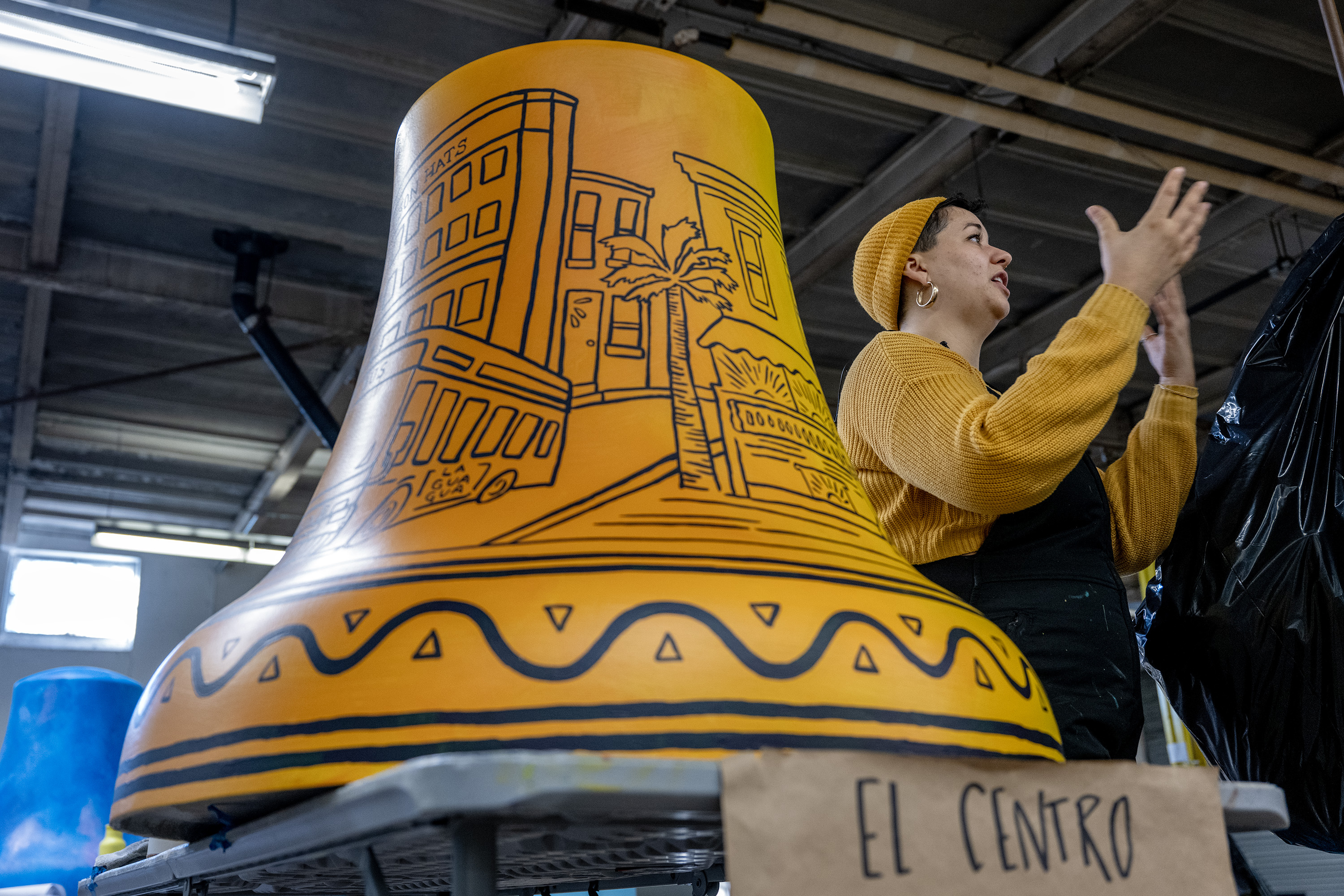
Local artist Symone Salib talks with a visitor as she works on her bell.
Titled The Golden Block, the striking yellow-and-black bell depicts the neighborhood’s historic Stetson Hats factory, the long-standing Latin music shop Centro Musical, and popular iron palm tree sculptures.
To add that extra bit of authenticity to his bell depicting Glen Foerd, artist Bob Dix, 62, mixed his paints with water bottled from the Delaware River, near where the historic mansion and estate sits perched in Torresdale, overlooking the mouth of Poquessing Creek.
“I like to incorporate the spirit of the area,” he said, dabbing his brush in the river water. “I think it’s important to bring in the natural materials.”
Local artist Bob Dix displays waters he collected from the Delaware River and Poquessing Creek to use in his painting of one of 20 replica Liberty Bells representing different neighborhoods Tuesday, Dec. 9, 2025.
Planners say they expect the bells to draw interest and curiosity similar to the painted donkeys that dotted Philadelphia neighborhoods during the 2016 Democratic National Convention.
Ott Lovell said organizers will install the bells around March to protect them from the worst of the winter weather.
“I don’t want any weather on them,” she said with a smile. “I want them looking perfect for 2026.”
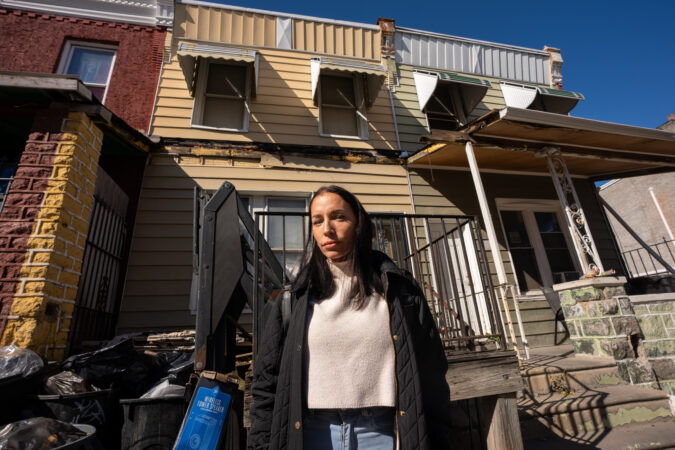
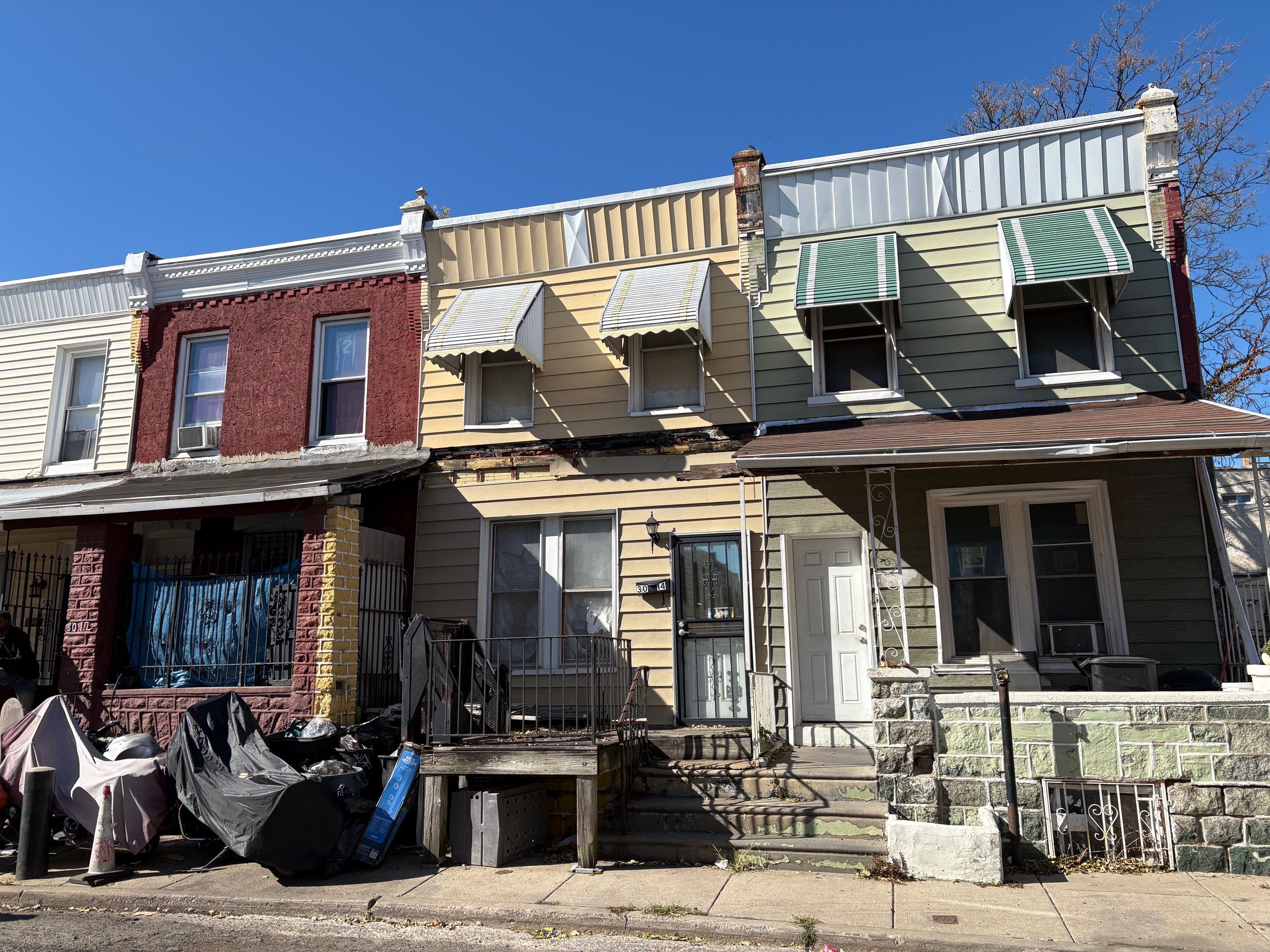
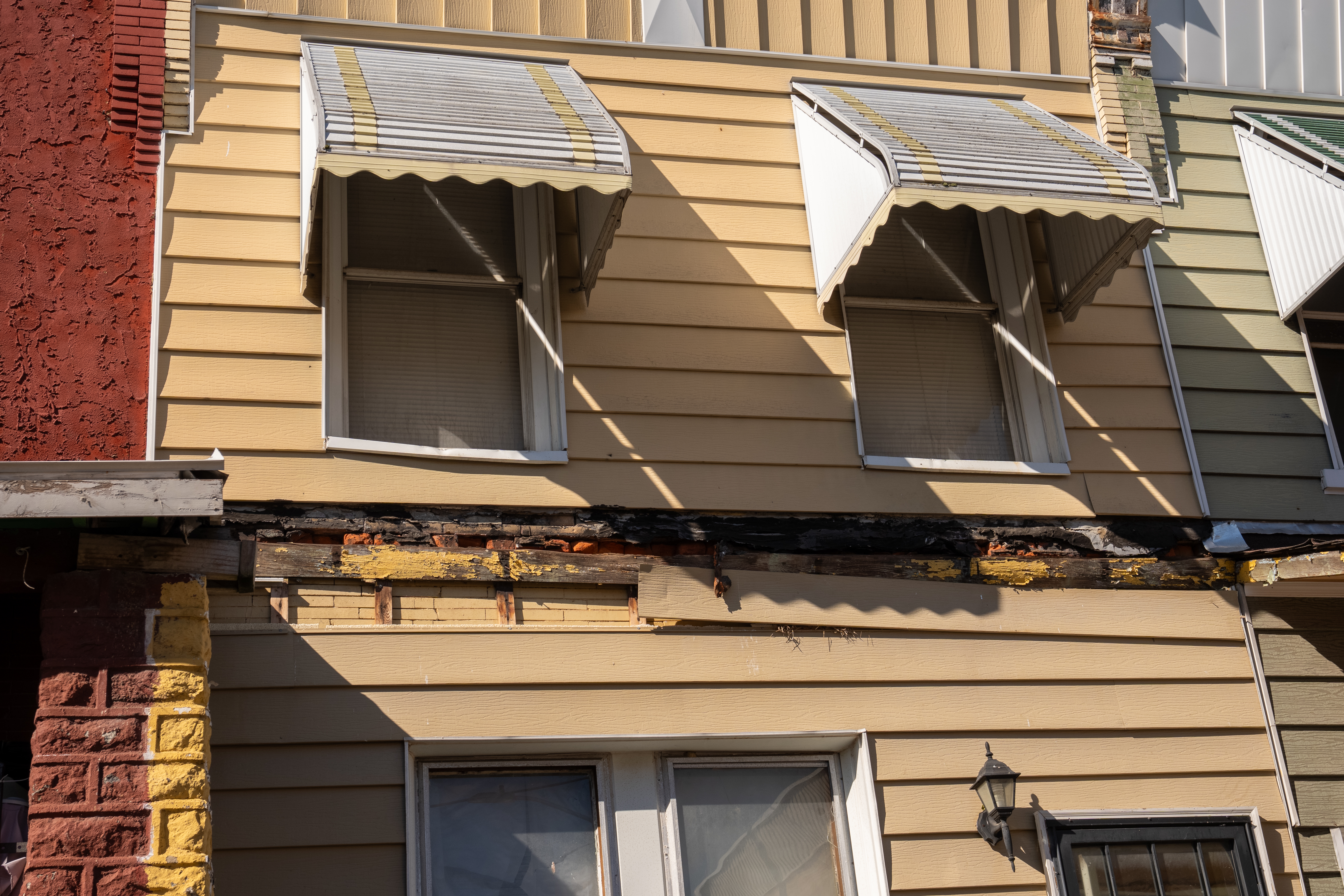
Emily Phillips and her family never slam doors or walk too heavily inside their North Philadelphia rowhouse. They’re afraid of what too much movement could do to the vacant house next door.
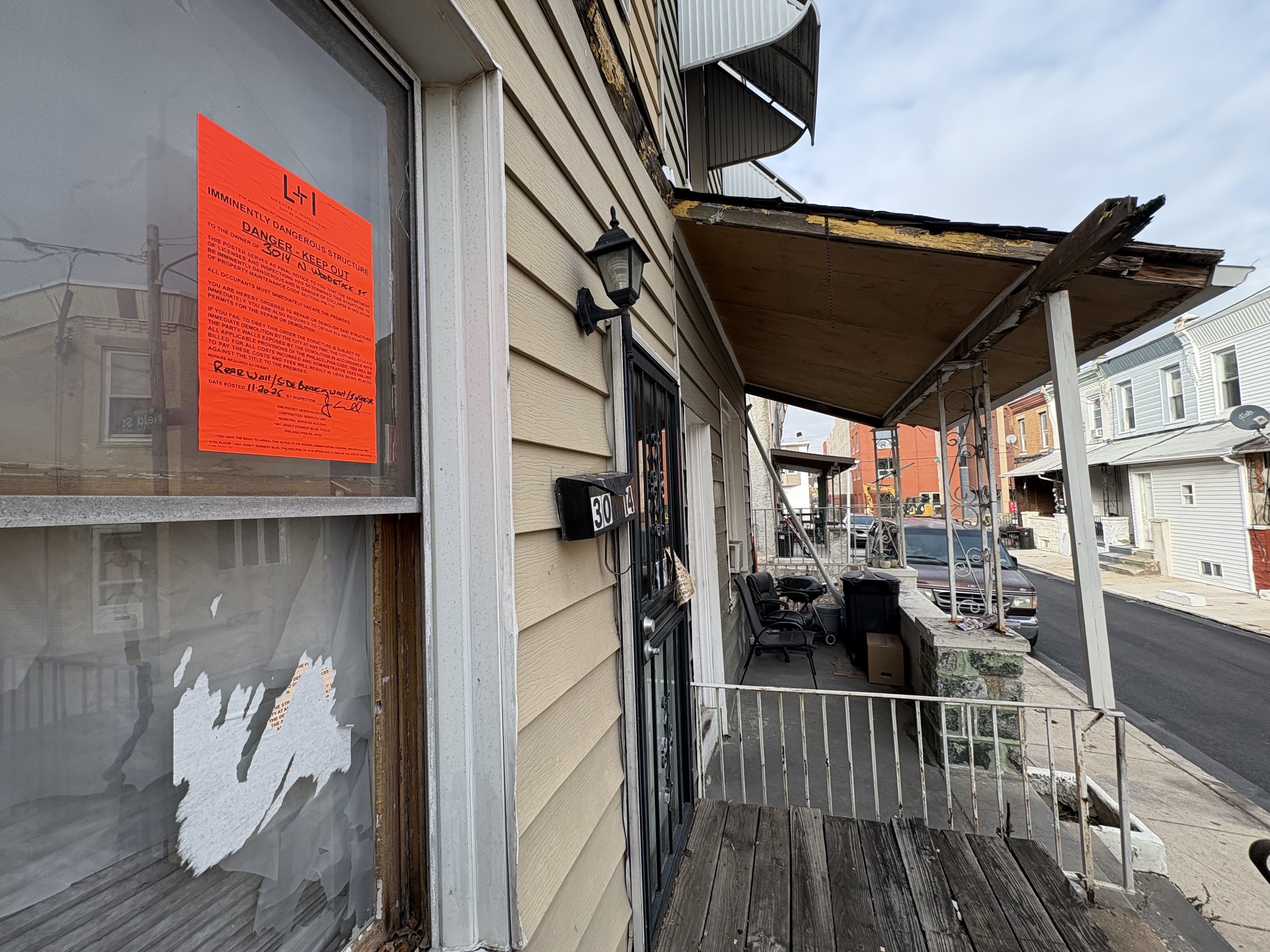
In early August, a back window and part of a wall came crashing down during harsh winds and rain. An inspector for the city’s Department of Licenses and Inspections declared the vacant rowhouse “imminently dangerous,” which means it is at risk of collapsing.
“I never know when something’s going to actually happen,” Phillips said in late October. “We know it’s just a matter of time. … I’m so scared right now.”
Across Philadelphia, families are living in a limbo of anxiety next to buildings that the city has determined are unsafe or imminently dangerous. The buildings at greatest risk of collapse are usually vacant.
Renters Emily Phillips (left) and Dayani Lemmon examine the basement wall that their home shares with the abandoned and dangerous rowhouse next door.
Philadelphians rely on the city to keep an eye on vacant properties that are or could become dangerous. And in 2016, the city rolled out a method for determining which properties were likely to be vacant. L&I’s commissioner at the time said the inventory tool was making the department more proactive in protecting the public from deteriorating vacant buildings.
But L&I officials now say the department no longer uses the tool. They said the department mainly relies on residents’ complaints and its list of vacant property licenses — which L&I admits is a massive undercount — to monitor empty buildings.
(function() {
var l2 = function() {
new pym.Parent(‘imm_dang_map’,
‘https://media.inquirer.com/storage/inquirer/projects/innovation/arcgis_iframe/imm_dang_map.html’);
};
if (typeof(pym) === ‘undefined’) {
var h = document.getElementsByTagName(‘head’)[0],
s = document.createElement(‘script’);
s.type = ‘text/javascript’;
s.src = ‘https://pym.nprapps.org/pym.v1.min.js’;
s.onload = l2;
h.appendChild(s);
} else {
l2();
}
})();
L&I points out that property owners are responsible for securing vacant properties and repairing dangerous buildings, and the department steps in as resources and laws allow.
Around the time Inquirer reporters spoke with Phillips, the city’s spreadsheet of likely vacant properties listed about 8,000 vacant buildings — a potentially serious threat to their neighbors. An Inquirer analysis of the city’s list of imminently dangerous buildings showed that 79% of those also appeared on the list of likely vacant buildings.
Just under half of those vacant and imminently dangerous buildings were rowhouses, which are especially risky to neighbors because of shared walls. This risk is not borne equally by all of Philadelphia’s residents.
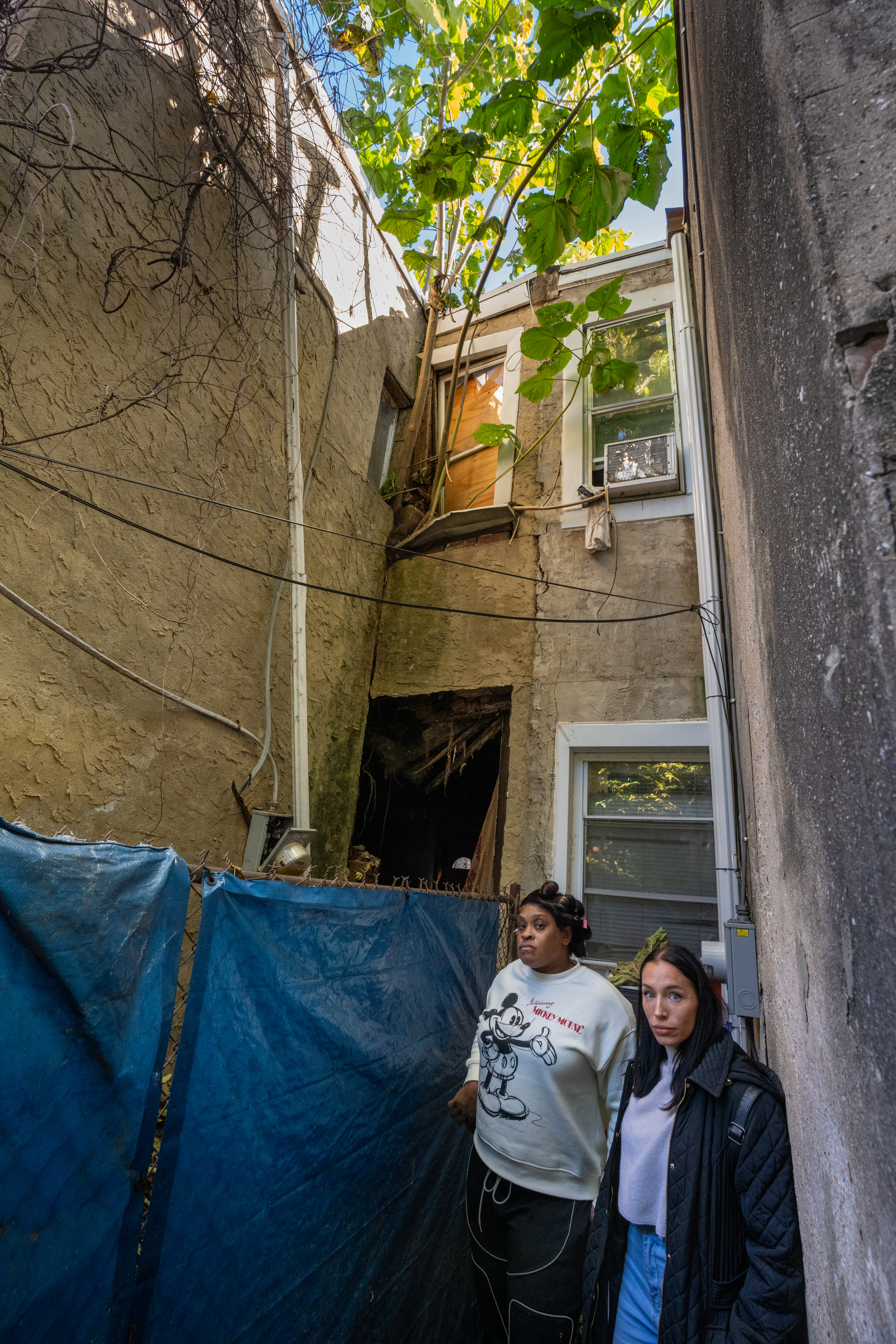
Emily Phillips and her landlord, Samantha Wismann, stand next to a neighboring abandoned rowhouse, where part of a wall collapsed and a tree grows inside.
Nearly eight in 10 of all such rowhouses are in the poorest 25% of the city’s zip codes. The zip code with the most such rowhouses — 19132, where Phillips lives — has a median income of $31,000, according to the latest Census Bureau data. Philadelphia’s median household income is $61,000.
Seven in 10 vacant rowhouses that the city identified as imminently dangerous are in the 34% of the city’s zip codes that are predominantly Black. Roughly nine in 10 residents in 19132 are Black.
Dianna Coleman, a community activist who lives in Southwest Philadelphia, called vacant properties “one of Philadelphia’s most pressing and overlooked crises.”
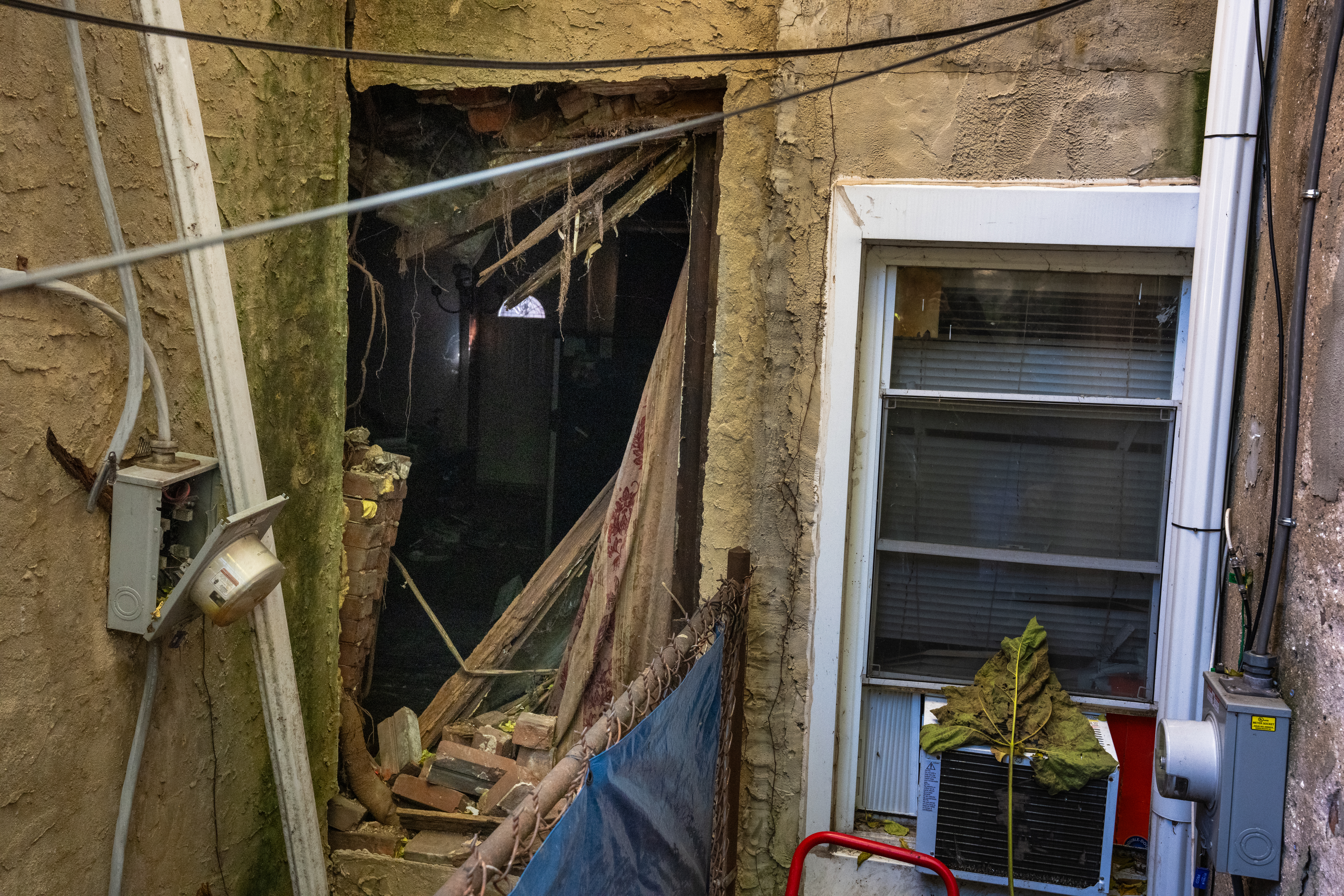
This summer, a hole opened in the back of an abandoned rowhouse that is connected to a North Philadelphia house owned by Samantha Wismann.
When Coleman and a group of residents in Southwest and West Philadelphia came together last summer to organize around quality of life issues, residents’ top concern was fixing vacant properties. They partnered with the grassroots social justice nonprofit OnePA and launched their first campaign — asking the city to deal with abandoned buildings and vacant lots.
“While we recognize that the city has taken steps — demolishing some buildings, addressing some lots — the pace is way too slow, the resources too scarce, and the strategy too weak,” Coleman, cochair of OnePA West/Southwest Rising, said at a news conference this summer. “Unsafe buildings are left standing for years, growing more hazardous, pulling down property values, and pushing people out of their homes.”
The vacant rowhouse next to Emily Phillips’ North Philadelphia home had its collapsing porch roof removed, but the rest of the home remains in disrepair.
The city’s questionable vacancy data
About a decade ago, the city started using an algorithm that takes feeds from a variety of datasets (such as whether a property has had its water cut off) to determine whether a property is likely to be vacant.
City officials celebrated the tool when it launched.
“Protecting the public from deteriorating vacant, abandoned properties as they grow more and more likely to collapse is critical to L&I’s mission,” former L&I Commissioner David Perri said in a 2016 news release announcing the index. “The Vacant Property Model and dataset are making us more proactive and strategic in carrying out that mission.”
But the reliability of the city’s list of likely vacant buildings and lots was recently called into question by individuals who have worked closely with the tool and collaborated with city officials in the past.
For more than three years, Clean & Green Philly, a nonprofit that — until its closure earlier this year — used data to help Philadelphians deal with vacant properties in their neighborhoods, relied on the city’s tool in combination with other data to identify vacant properties in greatest need of addressing.
But last year, founder Nissim Lebovits and the organization’s former executive director, Amanda Soskin, noticed something was wrong.
For years, the city’s list of suspected vacant properties had hovered somewhere around 40,000 records — buildings and land combined. But then, according to Lebovits and Soskin, that number plunged to around 24,000 in June 2024.
“And at first I was like, ‘OK. Something’s probably broken,’ and we looked into it,” Lebovits said. “And we realized that the city’s actual underlying datasets were no longer reporting the same number of vacant properties.”
window.addEventListener(“message”,function(a){if(void 0!==a.data[“datawrapper-height”]){var e=document.querySelectorAll(“iframe”);for(var t in a.data[“datawrapper-height”])for(var r,i=0;r=e[i];i++)if(r.contentWindow===a.source){var d=a.data[“datawrapper-height”][t]+”px”;r.style.height=d}}});
The spreadsheet was showing only about 14,000 records as of this June, according to Lebovits and Soskin.
Then at some point between June and early November, the index grew to about 37,000 total properties.
Inquirer reporters began investigating the connection between vacancy and structural deficiencies in buildings after the April collapse of an abandoned rowhouse in Sharswood. At that time, L&I offered the vacancy index while asserting it could not provide detailed information about the data and referring reporters to CityGeo, the department that developed and maintains the index.
At no point during an hour-long interview with the department’s chief data officer in early June did city officials mention any concerns about the reliability of the data.
Reporters learned about issues with the data when Lebovits and Soskin wrote an article for The Inquirer’s opinion section later that month detailing their concerns. They wrote that city sources told them the process of collecting and publishing vacancy estimates “was quietly discontinued after [Mayor Cherelle L.] Parker took office.”
In an email, a CityGeo spokesperson said the city has not stopped updating the index, asserted that its accuracy depends on continued updates from various departments, and noted that CityGeo pauses updates “every few years” for “a month or so” to ensure the tool continues to work, most recently this past summer.
The spokesperson did not respond to questions about why the index’s size had varied so greatly recently. Lebovits and Soskin told The Inquirer that nobody from the city reached out to them after their article was published.
“My big takeaway here is that the lack of transparency around this dataset is a major liability,” Lebovits wrote in an email. “Having so little accountability regarding data production and quality seriously hampers any community groups trying to use these data and undermines the credibility of the City’s vacancy work.”
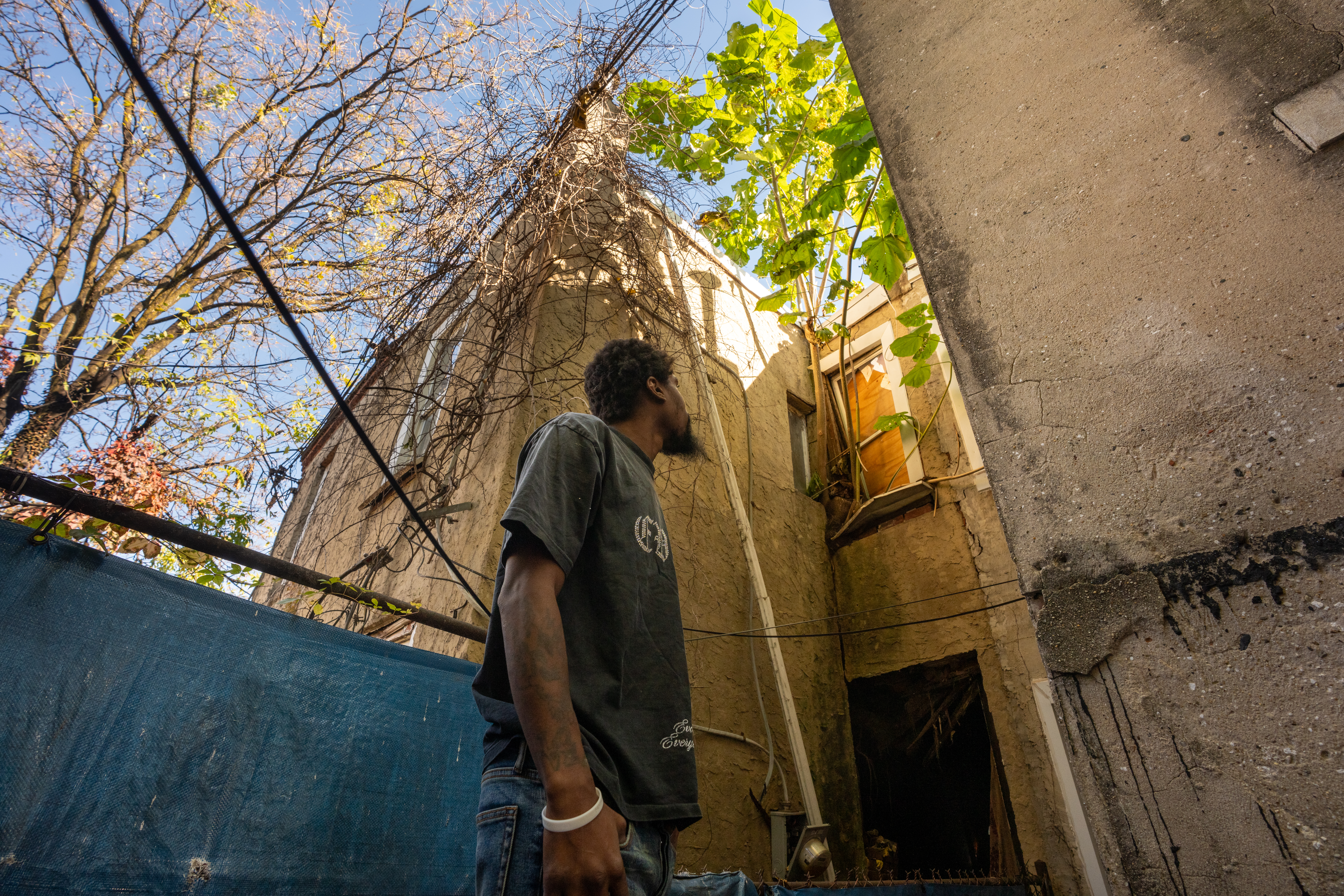
The tree inside an abandoned North Philadelphia rowhouse towers above the roofs of the house and its neighbor, owned by Samantha Wismann.
‘Very, very scary’
When Phillips’ landlord, Samantha Wismann, bought the house on North Woodstock Street in 2020, she didn’t know that its neighbor was vacant.
Wismann noticed the house looked a little shabby, but it wasn’t until Phillips moved in the following year that the women saw no one lived there. They didn’t know how long it had been vacant, but they watched it quickly deteriorate.
Most pressing back then was the collapsing porch roof, which was dragging down the roofs of the porches on either side of it.
Someone eventually tore it down. But the rest of the home remains in disrepair.
“It’s very, very scary,” Wismann said in October, “because eventually, if it’s not handled, it’s gonna come down.”
Cracks snake between the homes.
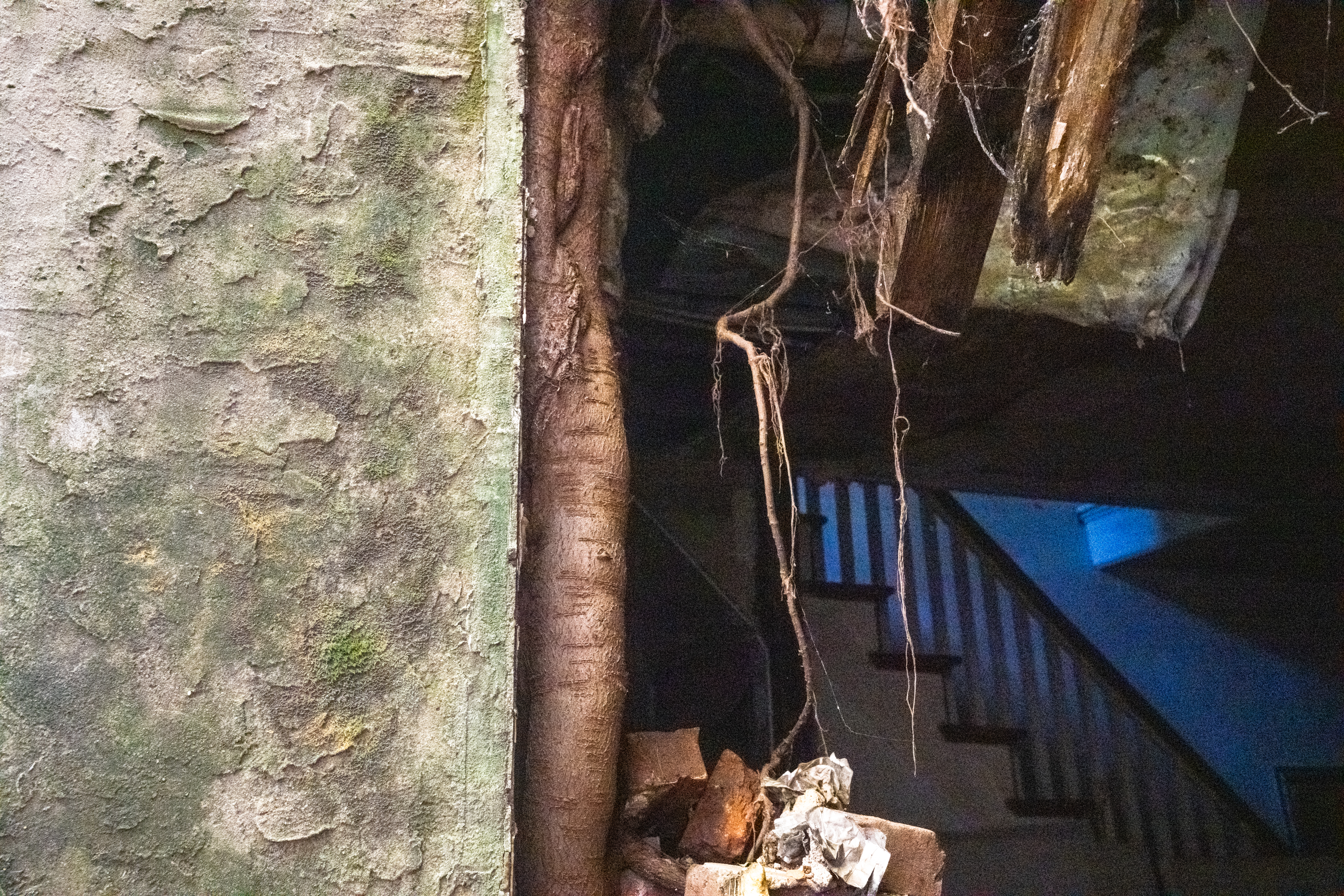
From the women’s backyard, through the door-sized hole in the back of the neighboring house, they can see past splintered beams and an abandoned refrigerator, beyond the staircase that leads to the second floor, and straight through to the front door.
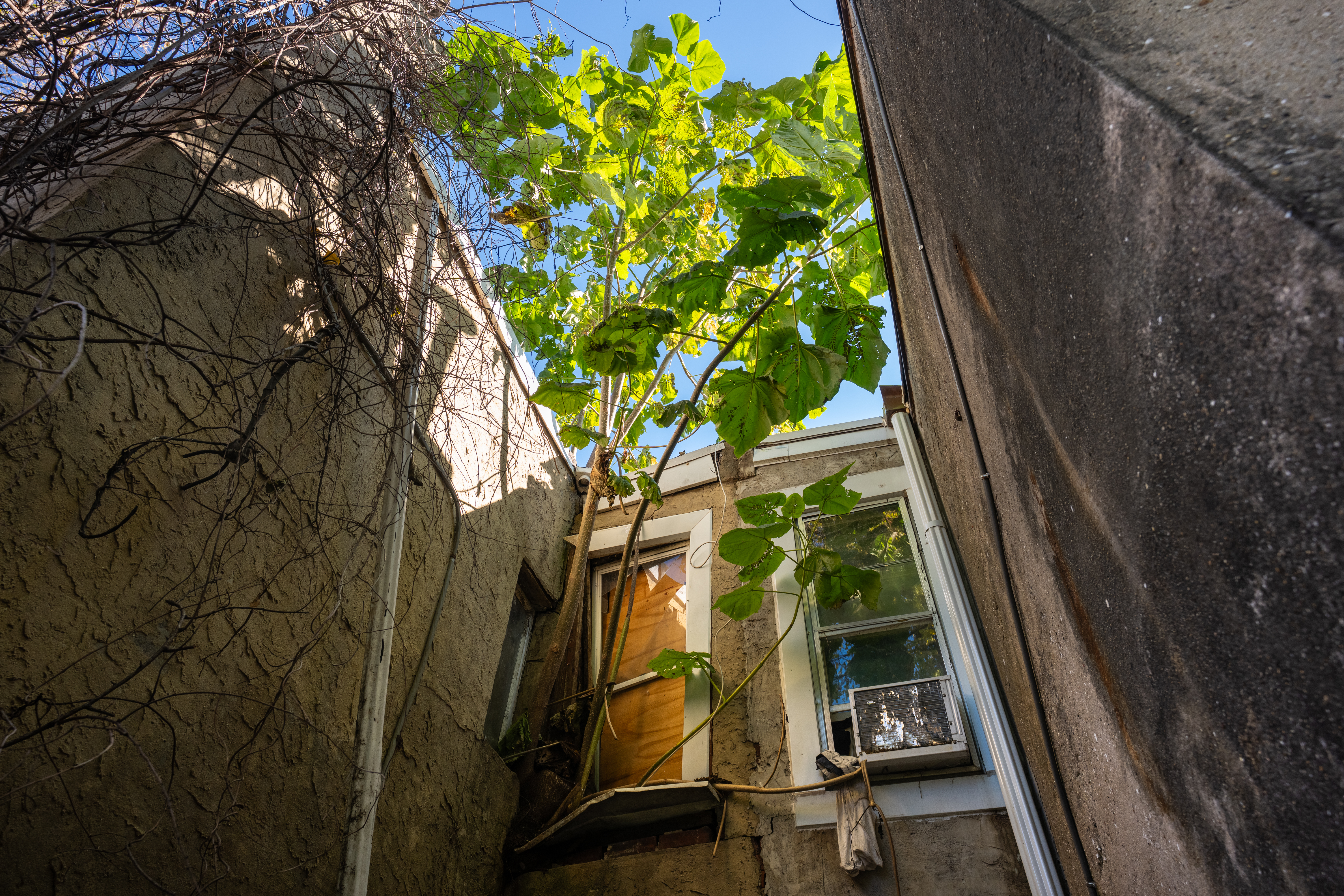
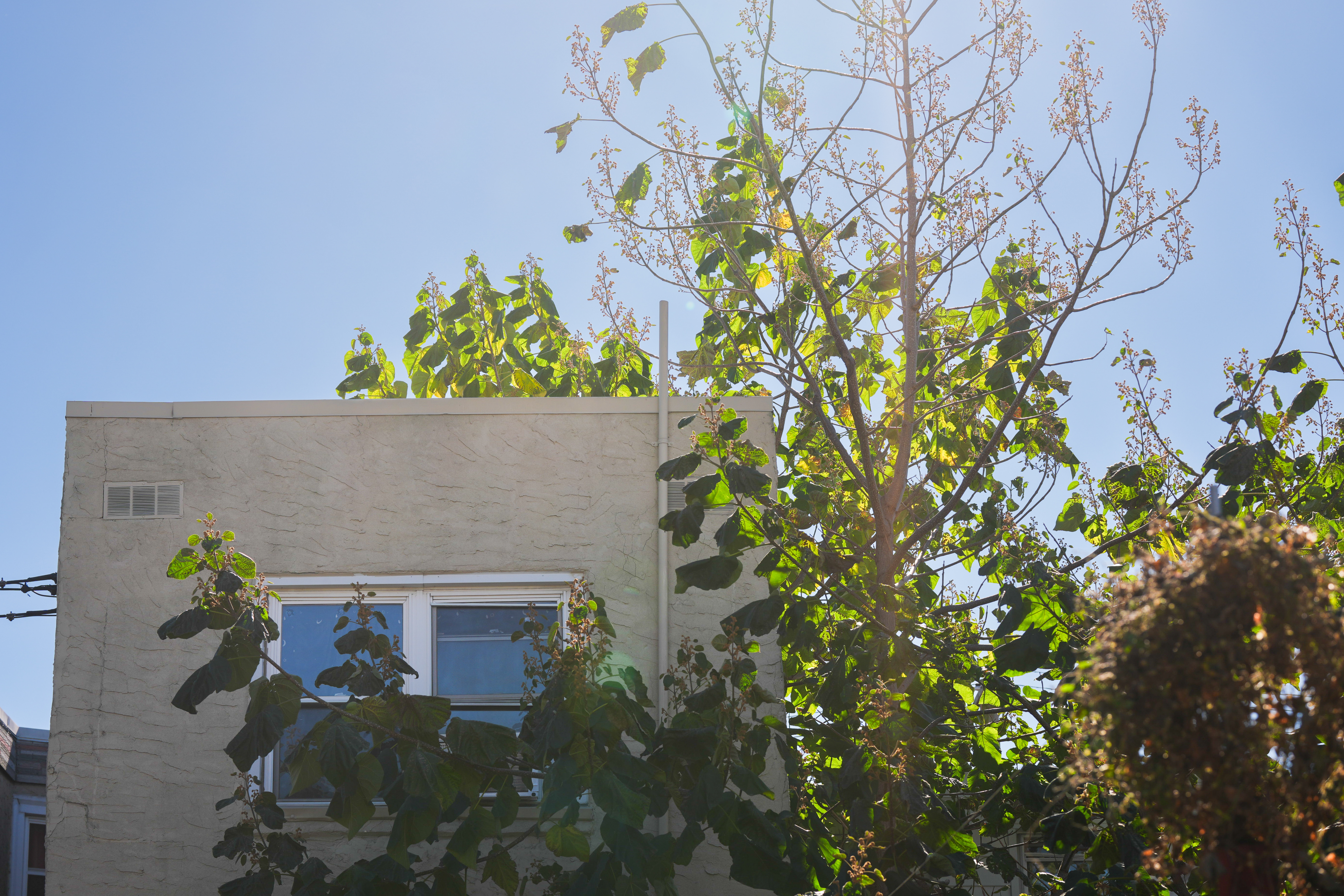
Then there’s the tree that’s growing inside the vacant house. It has pushed outward through bricks and plaster and busted a second-story window. The tree’s branches tower over the homes, and some have reached the window of the bedroom where Phillips’ grandchildren stay.
L&I’s Contractual Services Unit is responsible for inspecting unsafe and imminently dangerous properties and administers the city’s demolition program. The unit has 10 members and openings for two more inspectors, said Basil Merenda, commissioner for L&I’s Inspections, Safety & Compliance division.
“We’re out there doing our job,” he said. “We’re out there making sure that these unsafe and [imminently dangerous] properties are properly addressed through procedures and that public safety is always being maintained.”
Renter Dayani Lemmon looks at the abandoned property located next door to his home in North Philadelphia.
But a 2024 report by the City Controller’s Office said the unit used to have 15 inspectors, which the office said was not enough to keep up with inspections of unsafe and imminently dangerous properties.
Merenda said L&I is “making do with what we have” and mobilizes inspectors in other units when needed.
After L&I declares a property to be unsafe or imminently dangerous, it must issue notices to the property owner, who is responsible for repairs. The department can take unresponsive owners to court and pursue demolition in emergency situations, such as when a property is likely to collapse, is next to an occupied building, and has recent structural failures, Merenda said. The city demolishes imminently dangerous buildings in order of the risk officials determine they pose.
A tree can be seen growing inside the vacant North Philadelphia rowhouse through a hole in the back wall, which partially collapsed this summer.
The city charges owners for tear-down costs and places liens on properties if they do not pay.
L&I was unable to say how many such tear-downs the department has conducted this year and referred questions about the cost of demolitions — and the proportion of those costs recouped from owners — to the city’s Department of Revenue. The revenue department did not provide any figures to The Inquirer.
“In many, many cases, property owners surface at the last minute and request a continuance, request a temporary restraining order from us going in and demolishing the property,” Merenda said. “And you know, that’s the purview of the courts. It’s beyond us.”
In the meantime, people living next to dangerous properties are left in the dark.
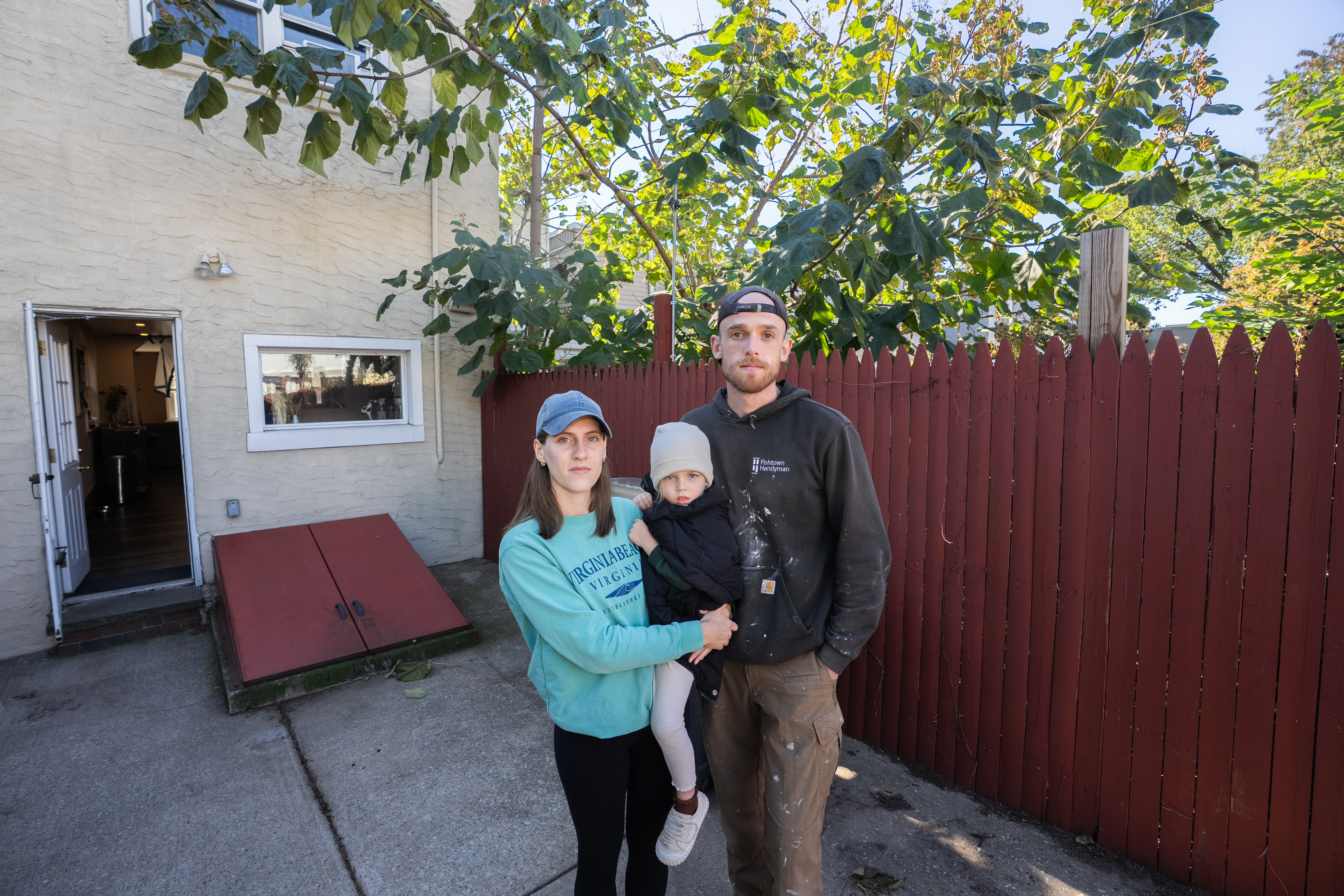
Kate and Dan Thien and their daughter stand in the backyard of their Port Richmond home, the foundation of which is cracking because of weed trees next door.
Frustrated with L&I
After the back of the abandoned rowhouse on North Woodstock Street opened up this summer, Phillips led an L&I inspector through her home so he could see.
“He went in the backyard, he looked over and was like, ‘My god!’” Phillips said. “I said, ‘Yeah, I can see right through their house.’ And he looked up and was like, ‘It’s a tree!’ I said, ‘Yeah, the tree is pushing the house out.’”
The inspector put an orange “imminently dangerous” notice on a front window, and Phillips and her landlord thought they wouldn’t have to worry much longer. But days after the notice went up, it was ripped down.
Weeds from the neighboring vacant property surround Kate and Dan Thien’s home in Port Richmond.
The property has attracted rats and mice. Water leaked into Phillips’ basement until her landlord reinforced the shared wall with concrete.
For months, her landlord got no response from the city to her calls and emails asking for help.
On Nov. 20 — 3 ½ months after the partial collapse — an L&I inspector visited the vacant rowhouse to post a “final notice” that the owner must repair or demolish the home or else the city will have it demolished.
Kate and Dan Thien are trying to live with the vacant property next to their rowhouse in Port Richmond as they wait for the city to respond to their 311 complaints.
When they bought their house in February 2024, they saw that the neighboring backyard was a mess, but they didn’t know the house was vacant.
Renters who had lived in what is now the Thiens’ home had used and maintained the neighboring backyard. But it quickly became overgrown. Neighbors later told the Thiens that the home had been vacant for more than a decade.
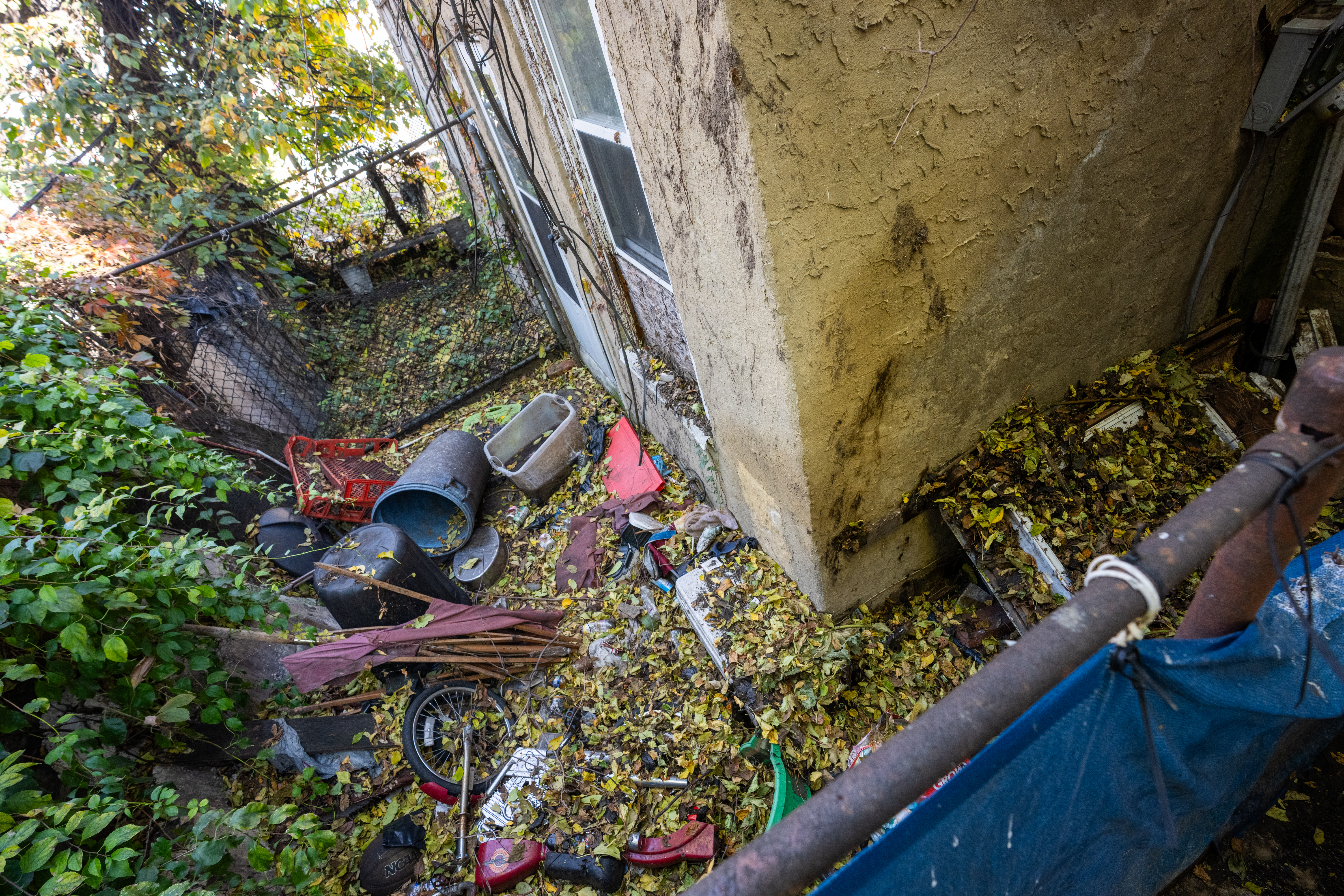
The backyard of the abandoned North Philadelphia rowhouse is full of debris.
“Pretty much the entire neighborhood knows about this house,” Kate Thien said.
She and neighbors on the other side have filed complaints with the city. The property has racked up 19 violations since 2012. Public records show that the city cited the property for “high weeds” last fall and most recently inspected it last December. The property passed inspection.
A year later, a weed tree’s branches stretch above and behind the Thiens’ two-story home. Tree roots are growing into their home’s foundation and cracking the concrete. Trees are “very rapidly growing” as Thien waits for the city to do something, she said. She worries about her home’s property value as the situation worsens.
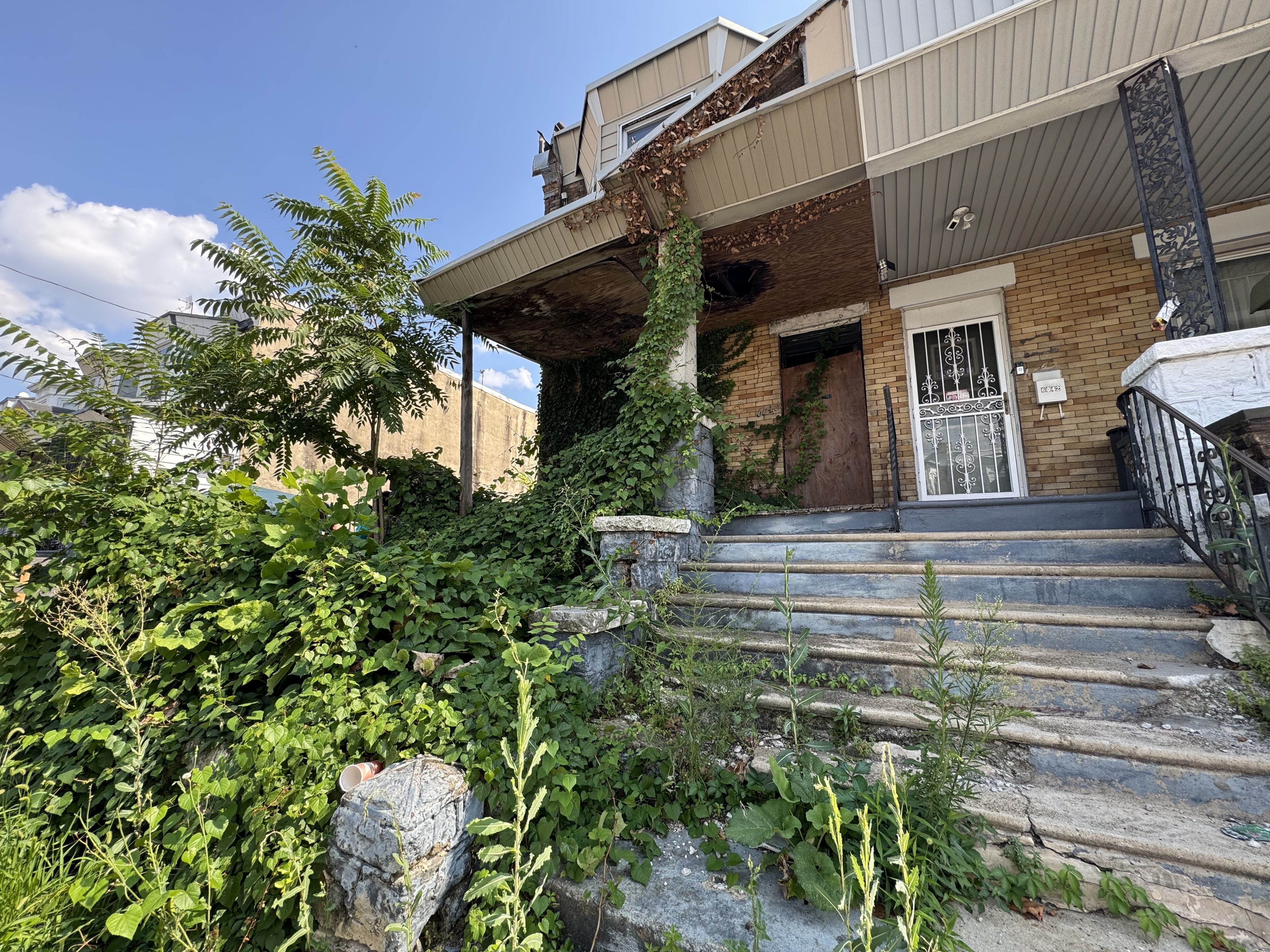
This abandoned property on Spruce Street in West Philadelphia, pictured on July 30, was one of the houses on a list of problem vacant properties compiled by OnePA West/Southwest Rising.
“It’s not going away,” she said.
Annette Randolph and her husband, Dennis, live in a Point Breeze rowhouse next to a home that’s been vacant for more than a decade and that the city classifies as unsafe, a step below imminently dangerous. Four generations of her family have lived in her home. She hopes she’s not the last.
A tree growing inside the vacant house burst through its back roof, next to a tarp-covered hole. Randolph has had to repair her own roof because of damage from next door. Water gets into her basement.
The home’s legal owners are dead. A scheduled sheriff’s sale in 2011 for overdue property taxes gave Randolph hope for a resolution. But right before the sale, someone paid part of the tax bill to stop it.
On Nov. 20, an inspector with Philadelphia’s Department of Licenses and Inspections posted a final notice on the vacant North Philadelphia rowhouse that says owners must repair or demolish the home.
Now, “for sale” signs hang in the front windows, and a contractor showed up last week. Randolph hopes any work on the house won’t damage the one she’s called home for 66 years.
She has lost track of the number of times she’s called 311 about the situation. She’s felt helpless. When she needed new homeowner’s insurance, companies told her they wouldn’t insure her or would charge more because of the attached vacant and unsafe house.
“L&I and the city I blame for allowing this type of stuff to happen,” Randolph said.
Merenda said L&I hears neighbors’ complaints, “and we’re going to try to take action as efficiently and properly as possible.”
“I want to make, during my watch, L&I more accessible, responsive, and accountable to the neighbors, stakeholders, contractors, developers, average citizens, the City Council,” he said.
A collapsing roof was removed but the rest of the vacant rowhouse was left to deteriorate.
Neighbors band together
In September 2024, OnePA West/Southwest Rising launched its campaign to get the city to deal with abandoned properties.
The group created a list of 20 of the worst ones as submitted by neighbors. Among the vacant buildings, some had collapsing porches, one’s basement had flooded and damaged a neighbor’s house, and one’s walls were crumbling. Some had squatters, including a property where human waste was dumped in the backyard.
City Councilmember Jamie Gauthier’s office got the group a meeting with staff at L&I this January.
As a result, this summer, the group celebrated successes: five lots cleaned by the Pennsylvania Horticultural Society, three properties cleaned and sealed by the city, five properties whose owners the city took to court, and three properties that were repaired and returned to use.
The group believes it was able to get L&I to act because it had the weight of a Council member behind it.
“I do think L&I is overwhelmed. I don’t think they have enough staff to really stay on top of this,” said Eric Braxton, project director for OnePA West/Southwest Rising. “But clearly there are people in leadership that care about our communities and are trying to do the right thing.”
Now the group plans to push for systemic change. It wants the city to make small repairs to stabilize vacant buildings and charge the owners.
“There’s a gap in the system when it comes to dealing with unsafe abandoned buildings,” Braxton said. “The result of that is that those buildings just get worse and worse until they are imminently dangerous and have to be demolished.”
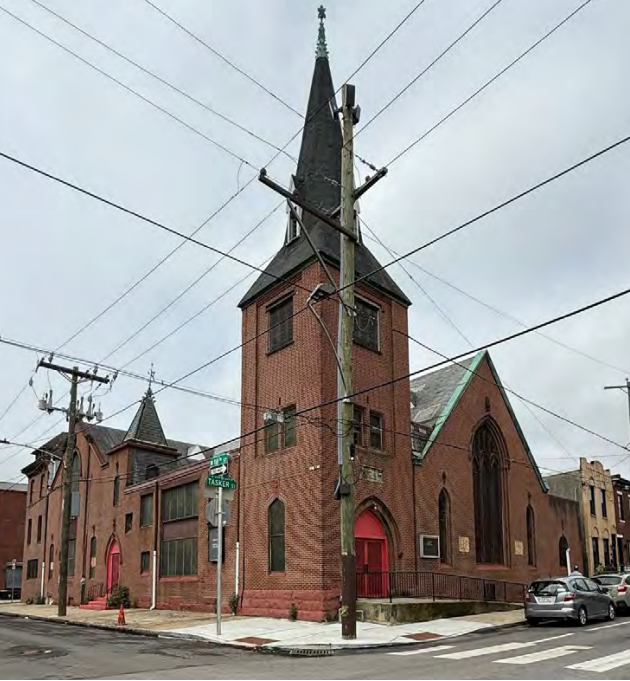
Dane Jensen isn’t a developer by training or profession, but he loves old buildings and he’s got big plans for the church at 1800 Tasker St.
The 138-year-old institution is a fixture in Point Breeze, but Second Nazareth Missionary Church’s shrinking congregation hadn’t been able to keep up with repairs. In 2024, as the church sought to sell, its leadership met with Jensen, who pitched them on his vision of a continuing life for the building as a communal space, if not a sacred one.
“A lot of adaptive reuse is taking these big institutional buildings and turning them into apartments and, to me, that loses some of the intent of the space,” Jensen said. “We are trying to preserve it as something where people can still gather and feel fellowship. Even without religious intent, it can still be a place where people can connect.”
Jensen bought the property in mid-2024 for $1.75 million, and he has begun renovations. He hopes to turn the church into a family-friendly restaurant, brewery, and event space, outfitted with an indoor playground, an idea he successfully pitched to Second Nazareth’s leadership.
“It’s a little scary to put that word out there because some people hear brewery, and they hear bar. They hear place to get drunk,” he said. “We envision it as a community space. During the day you can go grab a cup of coffee and do some work. In the afternoon, you can meet up with friends and have lunch, and, yeah, maybe you can grab a beer.”
Jensen isn’t imagining a traditional brewery, with giant silos and vats. He wants a place he will feel comfortable bringing his children, who are 4 and 7. That’s also why he’s been drawing up plans for play equipment inside the space.
The church is currently zoned for single-family use, like the rowhouses that surround it. But in 2019, City Council created historic preservation incentives to make it easier to repurpose churches that are on the Philadelphia Register of Historic Places.
That means Jensen can move forward, since the church was added to the register earlier this month. He won’t have to go to the Zoning Board of Adjustment or seek a legislative zoning change from Council President Kenyatta Johnson, who represents the area.
However, Jensen said he still plans to meet Johnson and arrange meetings with surrounding neighborhood groups known as Registered Community Organizations (RCOs).
“Needing to talk to your councilmember, needing to talk to your community through the RCOs, is incredibly valuable,” Jensen said. “We want to do that to make sure we’re not just coming in to extract value from the neighborhood. We really want to contribute in a real and meaningful sense. Hiring from the neighborhood feels really important.”
Jensen is applying for a sit-down restaurant and artisan industrial use permit. Other possible uses of the building include a bakery and a coffee roastery.
Whatever the final use, the historic church will require extensive renovation first. Currently, Jensen’s team is putting in steel reinforcements to brace the building. He plans to restore most of the stained glass, fix the leaky roof, and install fire safety and Americans with Disability Act infrastructure.
The church dates to 1886, when it was known as the Presbyterian Church of the Evangel. That denomination was in place for almost 100 years, but as that congregation shrank, the church sought a successor.
In 1978, the Second Nazareth Missionary Church took over the building and remained until 2024. In recent years, that congregation began facing many of the same challenges as their predecessors even as their membership was shrinking and repair costs were growing.
Jensen said he found notes from the waning days of the Presbyterian era that showed the leaking roof was a problem back then — a challenge that decades later, Second Nazareth was facing again.
The church as seen from the north side, in an image included in Dane Jensen’s nomination of the building to Philadelphia’s Register of Historic Places.
When the Historical Commission accepted Jensen’s 48-page argument for the building’s importance earlier this month, that triggered the 2019 law that made it easier to find new uses for historic “special use” properties — like churches or theaters — by granting them more flexible zoning. That means no trip to the zoning board, which can add over half a year to the development process and often more if neighborhood groups or councilmembers contest the board’s ruling in court.
“I’ve really fallen in love with the building throughout this process,” Jensen said. “I’m excited that I am in a position to try to get the building to a point that it can last another 140 years and still have people feeling togetherness in it.”