Tag: premium

  • Philadelphia’s hottest new neighborhood? Underneath the elevated train tracks in Fishtown and Kensington

    Philadelphia’s hottest new neighborhood? Underneath the elevated train tracks in Fishtown and Kensington

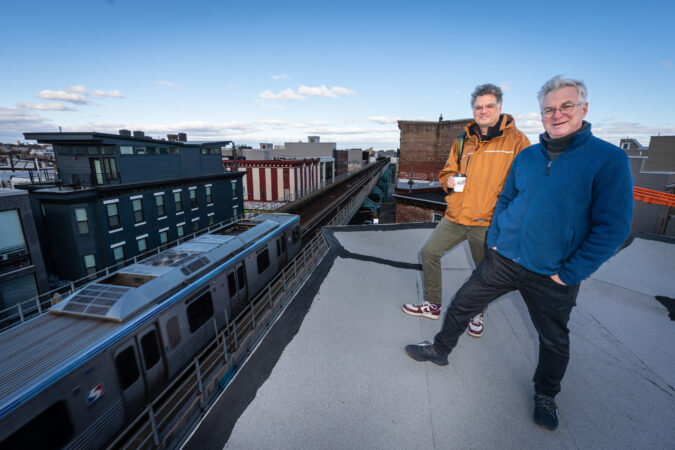
    A building boom is unfolding on Front Street in Fishtown along the Market-Frankford elevated train line.

    Walking north beneath this towering transit edifice, pedestrians are forced to zig-zag across the street to avoid construction sites spilling onto the sidewalks. The total number of apartments on Front Street between Girard and the York-Dauphin stations is set to almost double in the next year.

    “It’s pretty surreal to see it all happening at the same time,” said Henry Siebert, cofounder of Archive Development, which plans to build at 1440 N. Front St. “The amount of construction that’s ongoing, I don’t see that anywhere else in Fishtown.”

    According to the CoStar Group, a commercial real estate analytics firm, there are 441 apartment units actively under construction along this 1.1-mile stretch of the Market-Frankford Line, another 174 are proposed, and 231 have been completed since 2019. (There were 215 apartment units along the stretch prior to that year.) And that’s probably a slight undercount because it only includes projects with five units or more.

    There are new apartments popping up in the storefronts of renovated older buildings along the train line, such as the building that housed Mighty Mick’s boxing gym in the Rocky movies. When construction there is complete, it will include a commercial space of 2,600 square feet along with four apartments in the revitalized historic brick building.

    All this is happening as SEPTA ridership is dramatically lower than it was before the pandemic. In November, ridership on the Market-Frankford Line was only at 58% of February 2020 levels. Ridership at the stops in this part of Fishtown is even lower, according to data provided by SEPTA, with the York-Dauphin station only seeing 46% of 2019 ridership levels in 2023, the Berks station 52%, and the Girard station 48%.

    (function() {
    var l2 = function() {
    new pym.Parent(‘fishtown_el’,
    ‘https://media.inquirer.com/storage/inquirer/projects/innovation/arcgis_iframe/fishtown_el.html’);
    };
    if (typeof(pym) === ‘undefined’) {
    var h = document.getElementsByTagName(‘head’)[0],
    s = document.createElement(‘script’);
    s.type = ‘text/javascript’;
    s.src = ‘https://pym.nprapps.org/pym.v1.min.js’;
    s.onload = l2;
    h.appendChild(s);
    } else {
    l2();
    }
    })();

    With the rise of remote work, far fewer office workers are going into Center City for a full five-day workweek. That means that some of the upper-middle-class tenants flocking to newly built apartment buildings are riding transit less than ever.

    With fewer users, antisocial behavior on mass transit has become more common since the pandemic, especially on the Market-Frankford Line that runs above Kensington, which has long been the center of the city’s opioid epidemic.

    And yet, the transit infrastructure is attracting a level of investment unprecedented in modern memory.

    “SEPTA is experiencing a rough patch,” said Yonah Freemark, a senior researcher at the Washington-based Urban Institute, a policy think tank. “But for all the problems with drug abuse and lack of investment from the public sector, the fact that private investors want to spend huge amounts of money bringing hundreds of apartments to the neighborhood seems incredibly bullish for the future.”
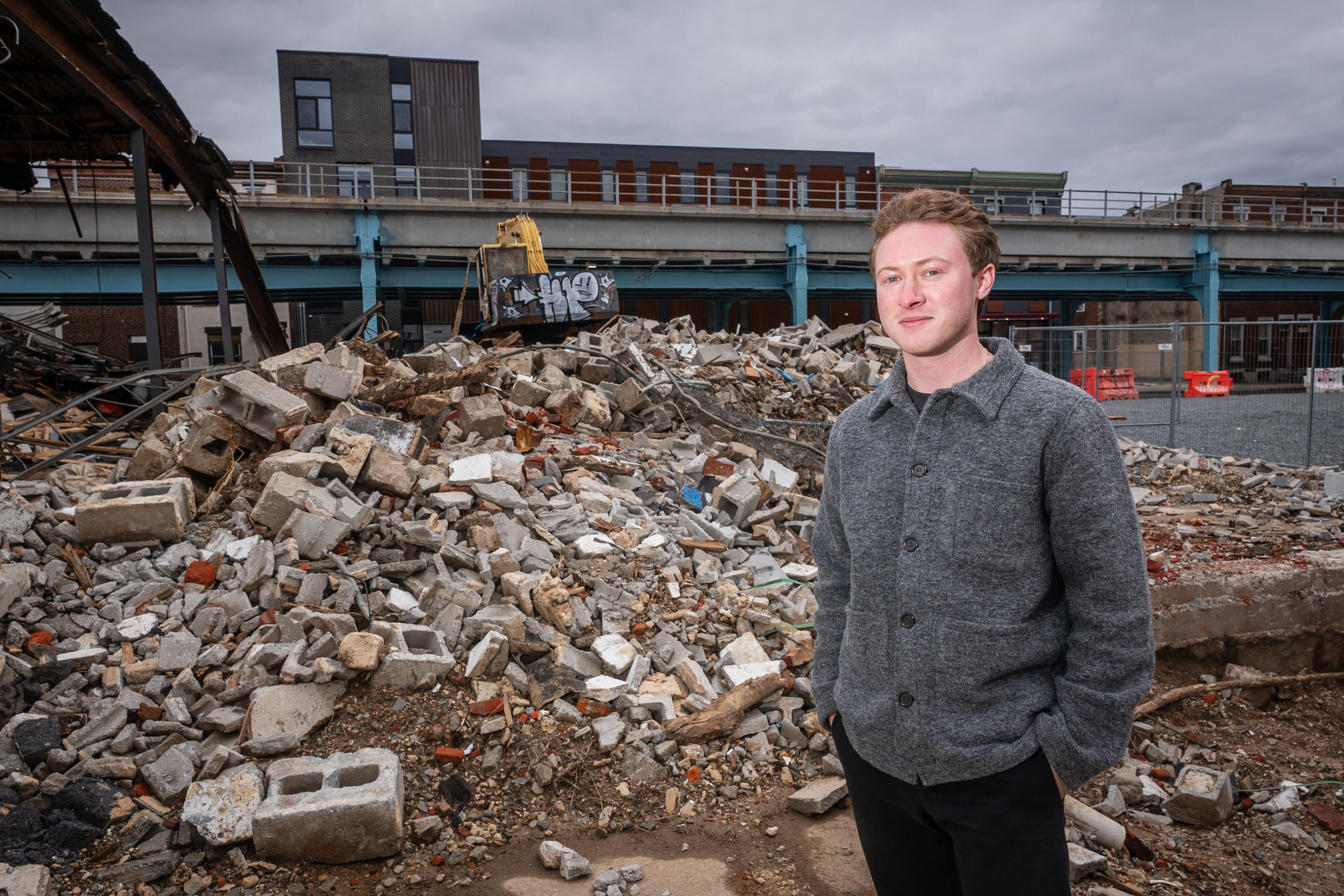
    Henry Siebert, cofounder of Archive Development, at the company’s apartment project on 1440 N. Front St.

    A ‘critical mass’ of demand

    Few neighborhoods in Philadelphia have been as transformed as Fishtown since the Great Recession.

    In 2012, political scientist Charles Murray used the neighborhood as the embodiment of all that had gone wrong for a downwardly mobile, white, working-class America. The commercial corridors on Frankford Avenue and Front Street were run-down, with many shuttered storefronts. The headquarters of the Warlocks Motorcycle Club could be found, but not a wine bar.

    Now, Fishtown is the neighborhood in Philadelphia outsiders are most likely to be able to name, partly due to a spate of national media attention. The Warlocks vacated in 2011, and Frankford Avenue is now a thriving commercial corridor home to many of the city’s finest restaurants (including a James Beard Award winner), cocktail bars, and a La Colombe that looks large enough to house a harrier jet. According to Census data, the Northern Liberties and Fishtown area now has the highest median income in the city.

    “As Northern Liberties got all the hype [in the 2000s] prices went up and people started moving into Fishtown because it was more affordable,” said Brenda Nguyen, associate director at CoStar’s Philadelphia office. Now “the Fishtown area has enough dense housing, retail, restaurants, and neighborhood amenities that there’s a critical mass of demand.”

    Throughout Fishtown’s redevelopment, many of the large vacant lots on Frankford Avenue, and elsewhere east of the Market-Frankford Line, filled in. Within a 10-minute walk of the heavy rail line there are 4,585 existing apartment rentals and 1,646 under construction. (A further 922 are proposed, although their status is unclear given the development industry’s current deep freeze.)

    “When we originally started developing in the city in 2018, I told [my partner] that we would likely never develop a property along the El,” said Siebert. But “as large-scale development opportunities became more and more scarce, developers eventually turned their attention to Front [Street].”

    Many developers had avoided the thoroughfare, partly because the looming edifice creates challenges with noise from passing trains and limits natural light. But the area became more appealing as other developable land vanished.

    It helps that the land along this stretch of the Market-Frankford Line is zoned to allow taller and denser buildings than much of the rest of Fishtown. Archive Development addressed the challenges of building next to the train line by designing a first floor with 17-foot ceilings, ensuring the residential units on the second floor were elevated above transit. They plan to install windows with special glazing to reduce noise from passing trains.

    Developers who have seen how Frankford Avenue has thrived to the east hope that they can build enough housing to create the demand for a second strong retail corridor. But they also hope to help establish attractive retail businesses that will, in turn attract more tenants. It’s the virtuous cycle that helped early developers in Fishtown such as Roland Kassis — who is also building next to the El — successfully launch businesses such as Frankford Hall and the La Colombe flagship.

    “I was talking to a broker the other day and he said that what people want is an activated street front,” said Rafi Licht, a developer with Norris Square Development, the company behind the renovated Mighty Mick’s gym building.

    “That’s what we’re aiming for here,” said Licht. “Putting in coffee shops, bars, restaurants, whatever is going to activate the street that makes it easier for people to imagine living upstairs.”
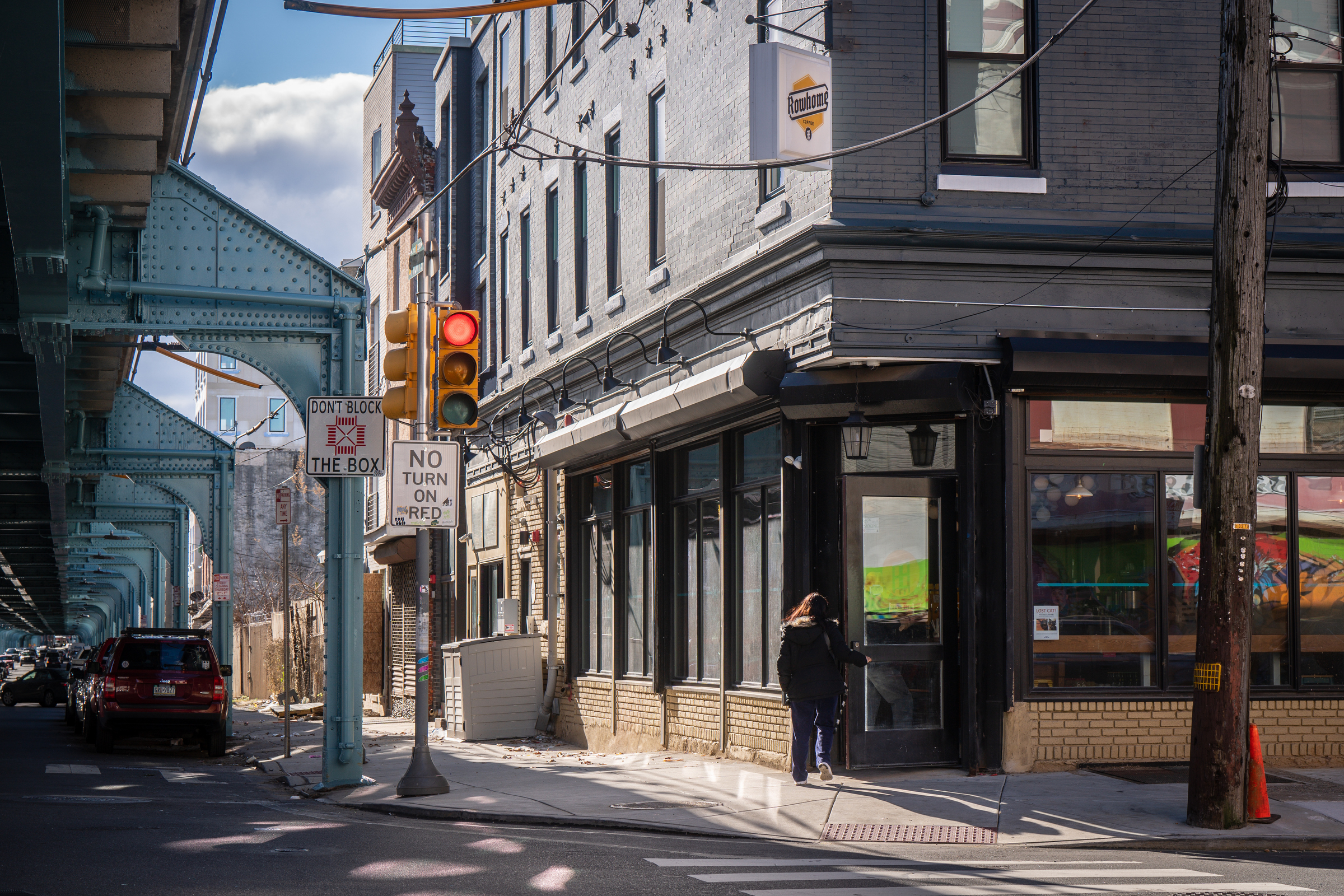
    Rowhome Coffee at 2152 N. Front St., in a recently renovated historic building.

    Norris Square Development is also working on other properties around the York-Dauphin stop. In 2022, Rowhome Coffee opened in its building at 2152 N. Front St. It drew a crowd then, and it still does.

    “When Rowhome Coffee opened during the pandemic, people were queued up for the takeout window,” said Jonathan Auerbach, a partner in Norris Square Development. “I saw young women with prams lined up and realized, wow, people have been waiting for this.”

    Will the redevelopment of Front Street aid mass transit?

    Few of the developments along the El are subsidized, meaning rents will be relatively high in comparison with housing costs in nearby working-class and lower-income neighborhoods. (The rents in the Mighty Mick’s building will be close to $2,000 for a two-bedroom or $1,600 for a one-bedroom.) Many workers who have jobs that require in-person attendance — such as retail, hospitality, or restaurant work — are less likely to be able to afford newly constructed, transit-oriented apartments.

    Even before the pandemic, most studies showed that lower-income and working-class people are far more likely to use transit, partly due to the high cost of car ownership and partly because they were more likely to live in cities with extensive transit systems.

    A 2016 Pew study and a Census study of 2019 commuter behavior also revealed that higher-income Americans were more likely to use transit than their middle-income peers, perhaps because wealthier people had started moving back to the transit-rich big cities of the Northeast.

    But post-pandemic, transit may be less of an important amenity than it once was.

    “[These] renters might not see public transit as a primary factor when they’re choosing where they want to live,” said Nguyen of CoStar. “It’s more of an added bonus.”

    Still, developers in Fishtown argue that even if white-collar workers are less likely to be going into the office five days a week, the Market-Frankford Line still offers unparalleled access to Center City and University City.

    “If you’re going to the office [at all], you still need a way to get to Center City,” said Ryan Kalili, cofounder of Archive Development. “Two days or three days a week is still enough that you’re not going to Uber. “I think [ridership] hopefully will change as the northern part of Front Street [attracts more residents].”


  • MLS’s new playoff format is flawed, unpopular, and about to be exposed

    MLS’s new playoff format is flawed, unpopular, and about to be exposed

    If you’re a longtime Union fan, you know this year’s playoff format is going to be unlike any you’ve ever seen, and not in a good way. If you’re a new or casual follower who tunes into Saturday’s first-round opener against New England at Subaru Park (5 p.m., Apple TV, free), you might think you’ve landed on another planet.

    Greetings, fellow Earthling. Let’s get right to the point.

    There is no valid competitive reason for Major League Soccer’s latest postseason setup — one of far too many in the league’s 28-year history — to have a best-of-three first round and single games the rest of the way.

    The real reasons for the invention are commercial, and the league has barely hidden from them. Nor have any number of players, coaches, front-office staffers, and anyone else willing to tell the truth without putting their names out there for fear of retribution.

    The first reason is that the expanded postseason gives broadcaster Apple more games to sell to fans in its streaming package. That’s easy enough for anyone to understand and doesn’t require much more explanation — except for one angle we’ll get to in a bit.

    Apple senior vice president of services Eddy Cue (right), who oversees Apple’s sports rights deals, with MLS commissioner Don Garber in January.

    The second reason is worse. While the last four years of single-game rounds all the way produced some terrific drama, they also produced complaints from the staff members of lower-seeded teams. They felt entitled to a home game just because their players made the playoffs, no matter their regular-season records. The complainers got what they wanted.

    He said, he said

    Who was complaining? No one quite said it aloud, but FC Cincinnati outed itself when the format change was announced.

    “We are pleased that the new format will provide if we earn a postseason berth, the near-certain opportunity to bring a playoff atmosphere home to our fans this season,” co-CEO Jeff Berding told the Cincinnati Enquirer.

    Contrast that with Union manager Jim Curtin, who said at the time: “It’s best to have [the] regular season mean as much as possible to teams. … The more you can incentivize having a good season and earning those home games, I think, the better.”

    Or Los Angeles FC manager Steve Cherundolo, who said this week: “You sacrifice a fluid playoff system like we had last year, which everybody was very pleased with — the first time in 19 years the top seed in each conference played each other in the final. You couldn’t have planned it any better, you got a fantastic game in the end, so it makes perfect sense to go change everything.”

    Union manager Jim Curtin (center) on the sideline during his team’s Leagues Cup game against Lionel Messi’s Inter Miami in August.

    As fate would have it, the tables turned this year. The Union and LAFC fell back a bit, and Cincinnati won the Supporters’ Shield. In the prior format, Cincinnati wouldn’t be leaving home for the rest of the year. Now it must visit a New York Red Bulls team on a four-game winning streak. The first of those wins was in Cincinnati on Oct. 4, and the latest was Wednesday’s 5-2 rout of Charlotte FC in the Wild-Card round.

    One might wonder from afar what Cincinnati thinks now — and what if Charlotte won on Wednesday instead? There’s a big difference between a less-than-full Red Bull Arena for a game on natural grass, which we’ll likely see Nov. 4, and a 70,000 crowd in Charlotte for a game on artificial turf, which we would have seen.

    Paying a penalty

    If it’s bad enough that the best-of-three format exists, the way to win a series has made it even worse. There’s no aggregate goals count like there is in European soccer’s traditional two-game series that MLS used to use. And any tied game will go straight to penalty kicks to produce a winner, instead of a first-to-five points format with a tiebreaker only at the end.

    That’s an open invitation for teams to make these games as low-scoring and defensive as possible, then ride their luck in penalties. If a team forces two scoreless ties and wins both shootouts, it wins the series.

    For a league that fights every day to convince soccer fans across America that it’s as entertaining as the rest of the world, that’s a recipe for big trouble. Especially when that league has to convince those fans to spend their hard-earned money on an Apple subscription after buying streaming packages of other networks to watch the UEFA Champions League, England’s Premier League, Mexico’s Liga MX, Spain’s La Liga, and more — plus a cable TV subscription to watch the big U.S. sports.

    In Philadelphia and across the country, MLS competes with the English Premier League and other soccer leagues for fans’ money and attention.

    Should New York upset Cincinnati with two ugly games, will it be worthwhile for MLS to still have a New York media market team alive in the playoffs? It’s a trick question: Apple and MLS don’t produce viewership numbers as other outlets do, including Amazon for the NFL.

    If there’s one reasonable argument for expanding the playoffs, it’s that the one-game-round format played out in less than a month, too little time to build up widespread interest.

    That argument is easily countered, though. First, it was to MLS’s overall benefit that it could run the entire postseason between the October and November FIFA national team windows, reducing the burden on clubs and countries alike — and reducing the risk of a November injury that knocked a key player out for the year.

    Creating more problems

    Second, while it’s fair to say a long offseason doesn’t help MLS players’ fitness relative to their global counterparts, playing the title game in November makes it more palatable in cold-weather cities. (Apologies to the heavyweight teams in Los Angeles, but there are a lot of such cities in MLS. LAFC might even visit one of them for this year’s final on Dec. 9.)

    Now add in a new factor with the expanded Concacaf Champions Cup, which will kick off in early February with 10 MLS teams participating. A December title game means the MLS Cup winner gets barely any offseason at all. The same goes for any other CCC qualifiers that make deep playoff runs.

    Nathan Harriel (left) and the Union will be back in the Concacaf Champions Cup, the new (and more accurate) name for the Concacaf Champions League, in February.

    There’s one more thing to note, and it’s one that especially pains me as someone who’s been following MLS since long before the Union existed. Since the league’s earliest days, there’s been a widespread lament about how few people pay attention to its regular season. It’s been heard by diehard fans, team and league business offices, broadcasters, and all the way up to the commissioner’s office. And it’s correct.

    The one-game-round format made the regular season matter more than almost anything else MLS has ever done because regular season performance was the only way teams got playoff home games. Blowing out the playoff format feels like a reversal of so much hard-won progress.

    Lionel Messi’s arrival in MLS papered over a lot of problems. But he’s not playing now. Only teams that earned their way into the playoffs are. Just as it’s the ultimate time for those teams to prove themselves, it’s also time for the league and Apple to prove they’ve got a playoff-worthy product.

    If it doesn’t work, all those Messi jersey sales and viral videos won’t be enough to stop the truth from prevailing.

  • Nearly 50 years after panic gripped suburbia, a new book, a key witness, and a confession

    Nearly 50 years after panic gripped suburbia, a new book, a key witness, and a confession

    Robert Jordan was playing in his backyard on Aug. 15, 1975, another summer afternoon in his idyllic Delaware County neighborhood, when the panic began to spread from house to house.

    Gretchen Harrington, an 8-year-old girl from his Bible camp, was missing.

    “I remember being asked, ‘Have you seen Gretchen?’ and saying, ‘No, why?’” Jordan, who was 9 years old at the time, recalled this week.

    The Amber Alert system wouldn’t begin for two more decades. There were no cell phones. No Facebook, Citizen or Nextdoor apps.

    But through a network of suburban moms, everyone in Jordan’s Marple Township neighborhood seemed to hear the news at nearly the same time.

    “It went right down the line, housewives not even getting on the phone, just going to tell each other something had happened,” Jordan said. “We knew something was happening because our mothers were so jittery.”

    They sprang into action. Jordan piled into a neighbor’s Volkswagen van with his mother and four other kids. Their search began at a nearby park.

    Hundreds of residents from Marple and neighboring towns would later comb wooded areas with no results. Tracking dogs were called in. Even a psychic.

    “We haven’t got a thing, not a thing,” then-Broomall Fire Chief Knute Keober told The Inquirer two days after Gretchen’s disappearance. “If she’s in the area, she’s by Jesus well-hidden.”

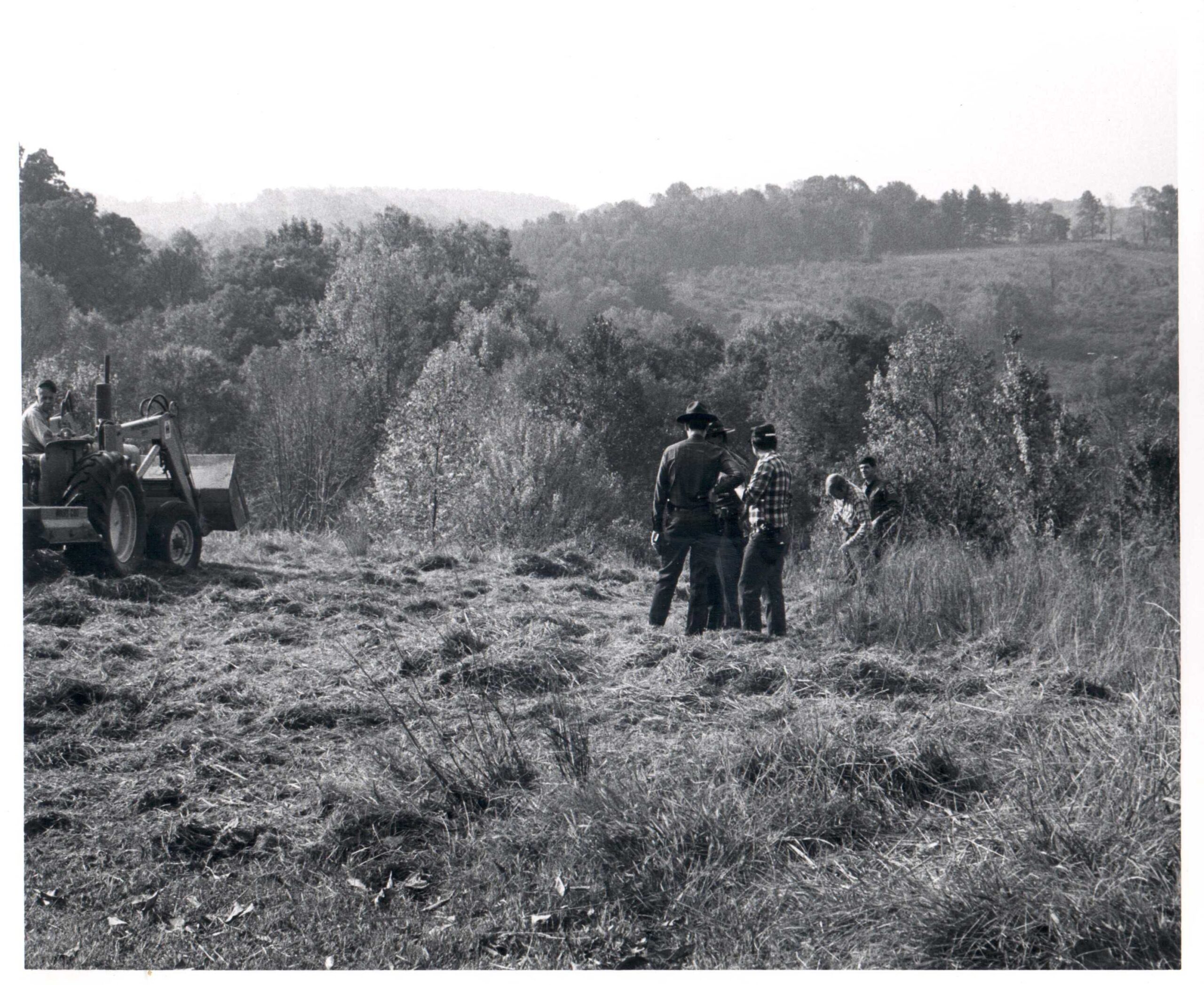
    Police search for Gretchen Harrington in 1975. Harrington was reporting missing that August, and found dead in October.

    It wasn’t until Oct. 14, 1975, that a hiker found skeletal remains along a path in Ridley Creek State Park. At first, he thought they belonged to an animal.

    “I looked closely and saw what I thought was fingernails,” the man told police, according to a new book on the case. The body was positively identified as that of Gretchen Harrington. It bore signs of blunt force trauma to her skull. Her death was ruled a homicide.

    Jordan, 57, now a health care marketing executive, still thinks of Gretchen and that summer each time he drives down Lawrence Road, the last place she was seen.

    He remembers the Bible camp. Hot dogs and baked beans. Kickball and Wiffle ball. Then, an abduction and a murder. It haunted families for years.

    “So many young people from the ‘70s still bear that pain and anxiety today,” he said. “She was a lovely girl.”

    ‘It was always a dead end’

    Brandon Graeff was 2 years old when Gretchen Harrington’s body was found. The case had long turned cold by 1997, when he joined the Marple Township police force.

    Tips had poured in early on, then slowed. Detectives pursued them all, on and off the clock.

    “Everything — and I mean everything — was followed up on,” said Graeff, who became chief in 2020.

    The case came up from time to time, in roll call, or when a detective would grab the folder again during a slow week.

    “They’d look through it, maybe try to see something different for her,” Graeff said, “But we couldn’t. We didn’t. It was always a dead end.”

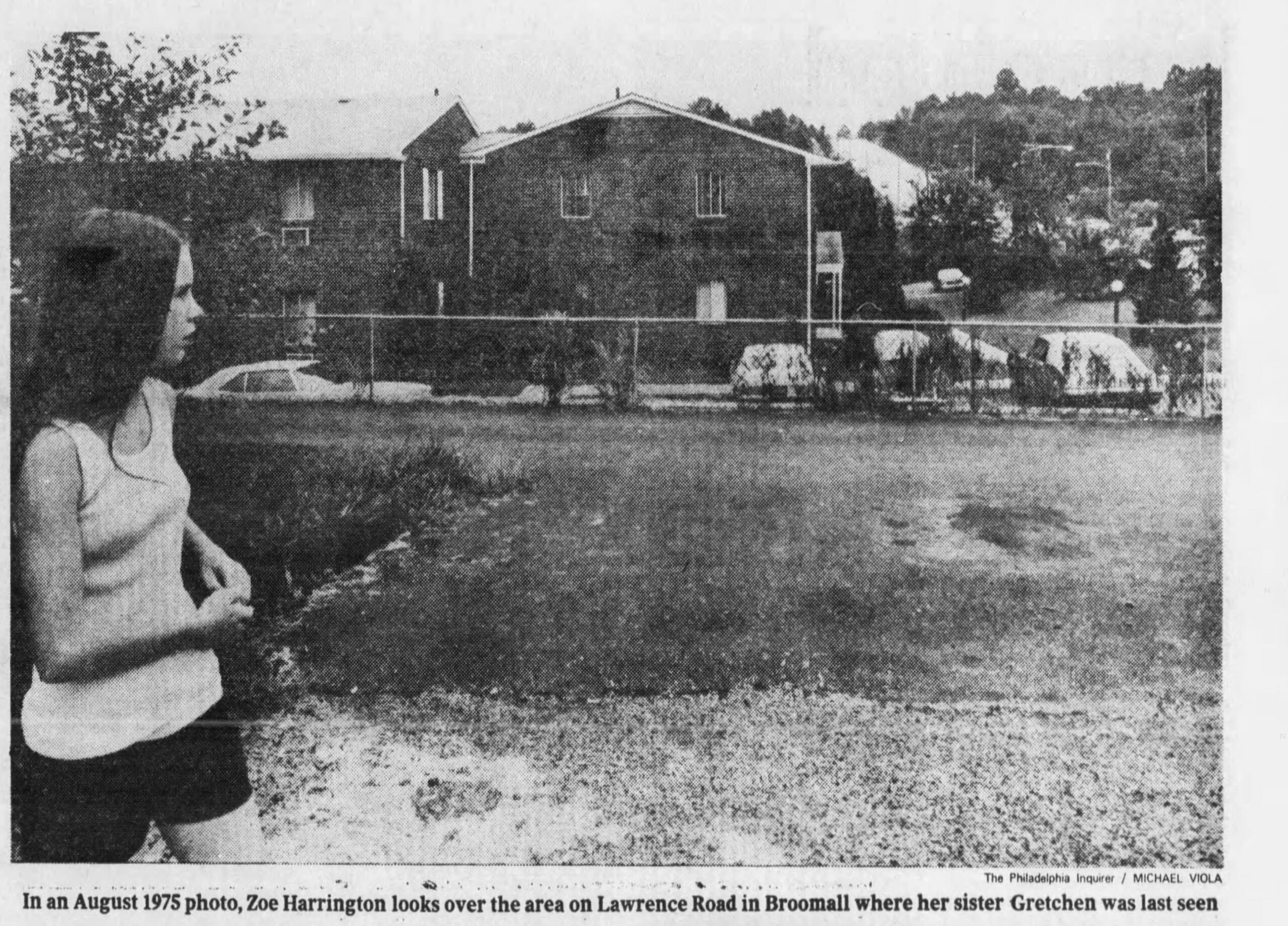
    In a 1975 Inquirer photo, Zoe Harrington looks over the area on Lawrence Road in Broomall where her sister Gretchen Harrington was last seen.

    Since 1975, the case has proceeded along two tracks: the abduction handled by Marple Police, and the homicide by state police, because the park in Edgmont Township is in their jurisdiction.

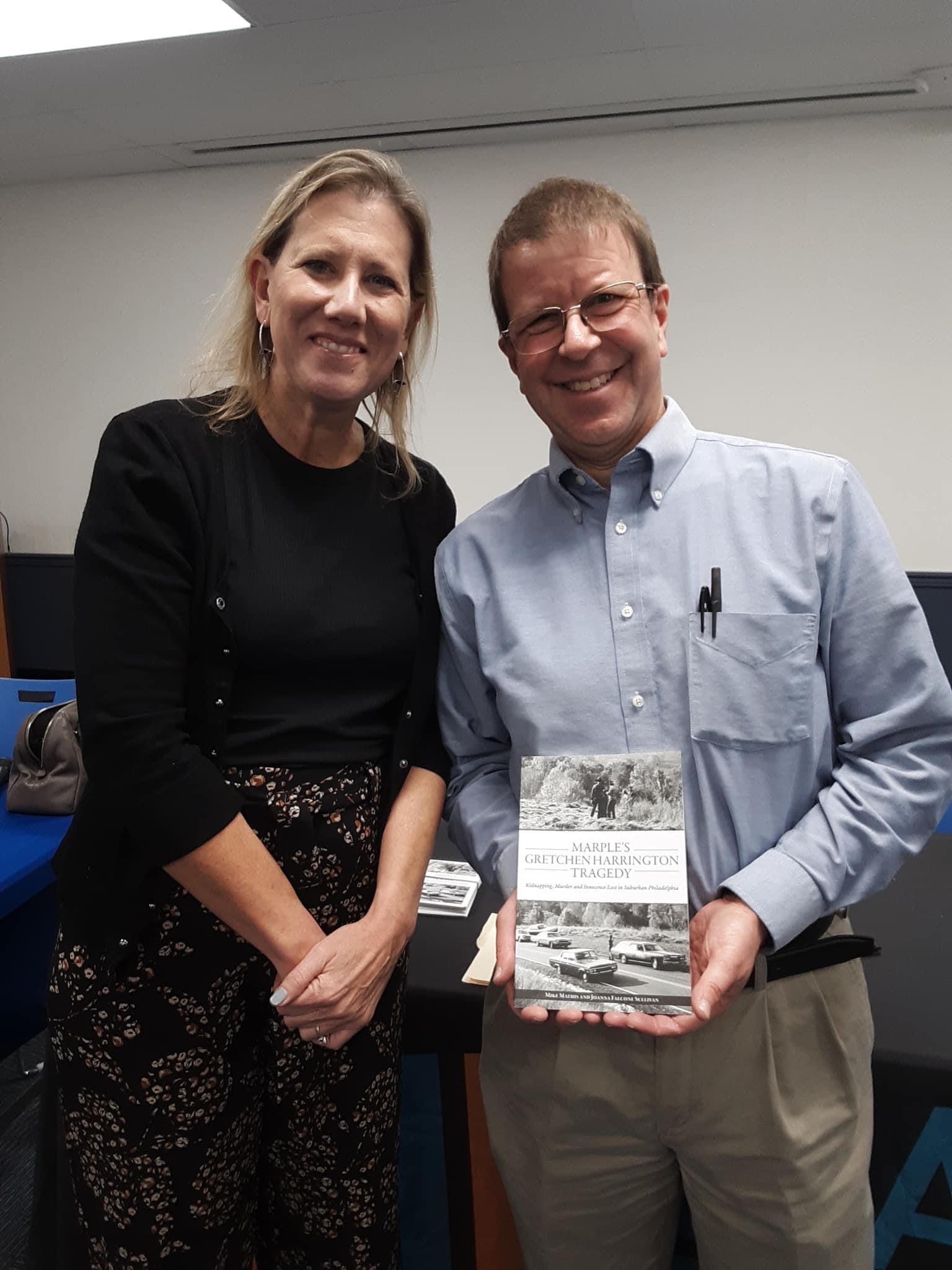
    In early 2021, Graeff got a call from a man named Mike Mathis, who said he and another former township resident, Joanna Sullivan, were working on a book about the murder and were hoping the department would cooperate with granting them some access to the files.

    With little movement in the investigation in decades, Graeff couldn’t think of a good reason to say no.

    “We’re dealing with a little girl whose killer was not held to account,” he said. “My question to myself was, ‘Why not? How could it hurt?’”

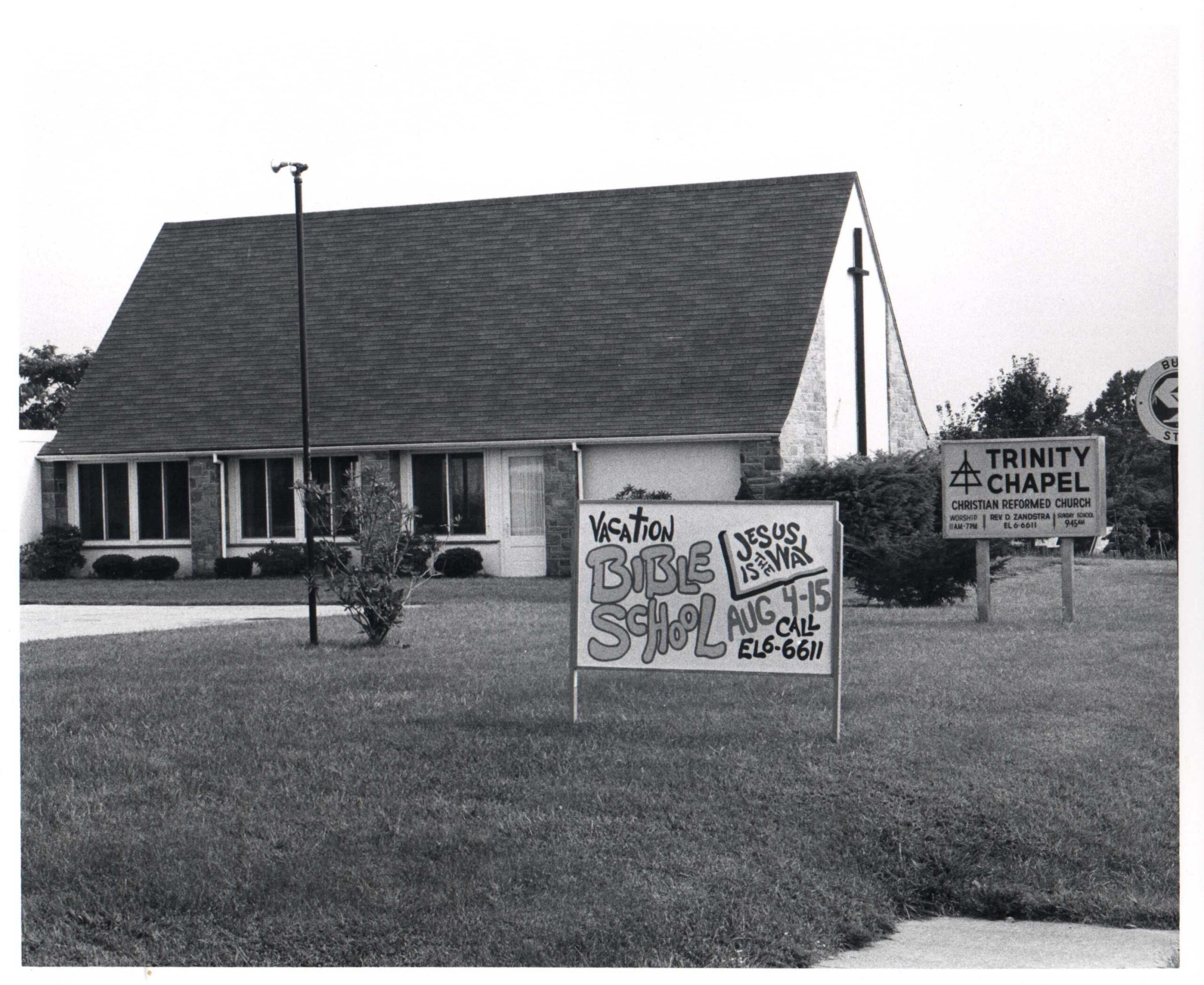
    Trinity Chapel, where David Zandstra was reverend.

    Sullivan, 57, remembers being at Lawrence Park Swim club the day that Gretchen disappeared. The image of a hovering helicopter was seared into her memory.

    “We were just at the pool on a hot summer day and the helicopter was overhead,” she said. “We were wondering what was going on. Then we heard.”

    Mathis, 58, remembers his father joining the search for Gretchen. He and Sullivan would meet a few years later at Paxon Hollow Middle School. They were editors at the student newspaper, The Hollow Log.

    They kept in touch through high school and beyond. At a reunion decades later, they’d talk about writing a book together about Gretchen.

    “It just stayed with me and Mike and many other kids through the years,” said Sullivan, now the editor-in-chief of the Baltimore Business Journal. “I always thought I’d like to write that story.”

    Joanna Sullivan and Mike Mathis, who worked together on the student newspaper at Paxon Hollow Middle School, released a book last year on the murder of Gretchen Harrington. Weeks later, a new witness came forward who enabled state police to elicit a confession from David Zandstra, a former reverend.

    When COVID struck in 2020, Sullivan and Mathis suddenly had more time. They got started by creating a list of people they wanted to interview.

    “At the top of the list,” she said, “was the Zandstra family.”

    The book, Marple’s Gretchen Harrington Tragedy: Kidnapping, Murder and Innocence Lost in Suburban Philadelphia, was published in October 2022. Sullivan and Mathis did a round of public appearances in the area, including a December book signing at the Barnes & Noble in the Lawrence Park Shopping Center — just down the street from where Gretchen was abducted.

    They had no idea that, just a few weeks later, a woman would come forward with information that would break the case wide open.

    “I think it was Mr. Z”

    On Jan. 2, 2023, state police interviewed a woman later identified in court documents only by her initials. She said she’d frequently slept at the home of a local reverend named David Zandstra and his family because she was friends with his daughter.

    Zandstra had served at Trinity Chapel Christian Reformed Church, one of two churches on Lawrence Road in Marple Township that were used for the Bible camp that Gretchen attended. The other was the Reformed Presbyterian Church, where Gretchen’s father was the pastor.

    It was Zandstra who called police and reported Gretchen missing at 11:23 a.m. on Aug. 15, 1975. He said he was calling at the request of the girl’s father.

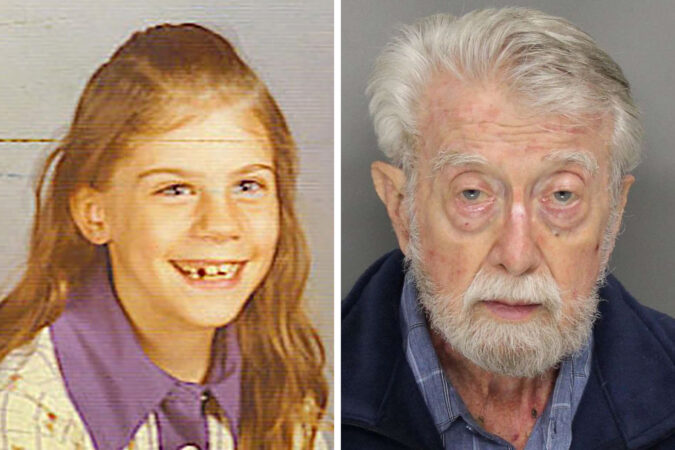
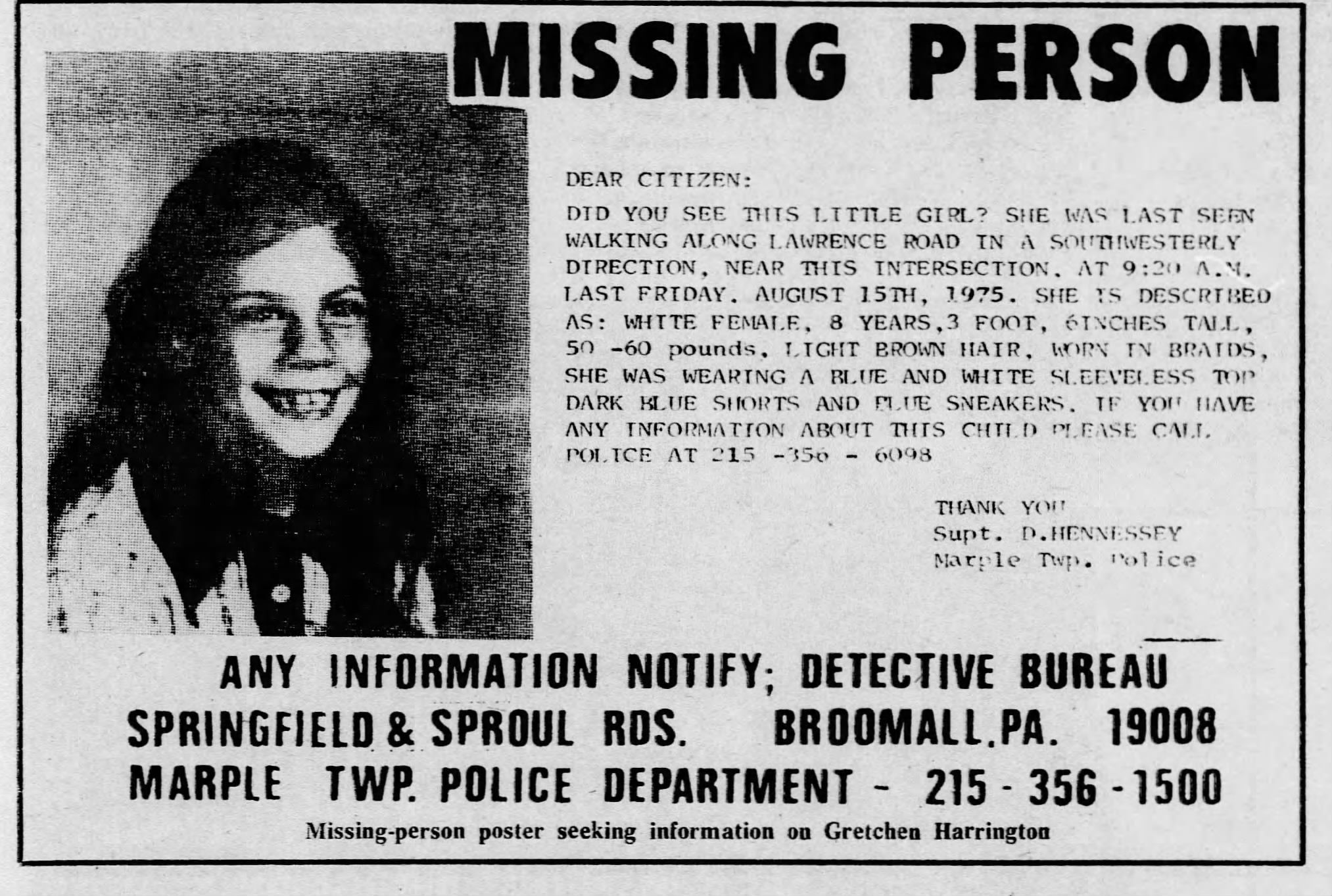
    A missing person’s poster for Gretchen Harrington, 8, from a 1975 Inquirer article. The Delaware County District Attorney has announced charges against David Zandstra, currently of Marietta Ga., in Harrington’s murder.

    The new witness told state investigators that during two sleepovers at the Zandstra house when she was 10 years old, she awoke to Zandstra touching her. She also showed police a childhood diary she’d kept that mentioned the sleepovers and, in September 1975, her suspicion that Zandstra might have been involved with the attempted kidnapping of a girl in her class, as well as Gretchen’s disappearance.

    “It’s a secret, so I can’t tell anyone, but I think he might be the one who kidnapped Gretchen,” she wrote. “I think it was Mr. Z.”

    At first, a cordial interview

    Earlier this month, David Zandstra, 83 and living in Marietta, Ga., walked into an interview room at the Cobb County Police Headquarters with no reservations about speaking with police. He didn’t lawyer up. It was the department’s “soft” interview room. Couch, comfortable chairs, unlocked.

    Two Pennsylvania troopers were waiting for him: Cpl. Andrew Martin, who had picked up the Harrington case about 2017, and Eugene Tray, who’d been called in recently. They’d caught a flight to Atlanta on July 17 to interview the octogenarian suspect, with the new information in hand.

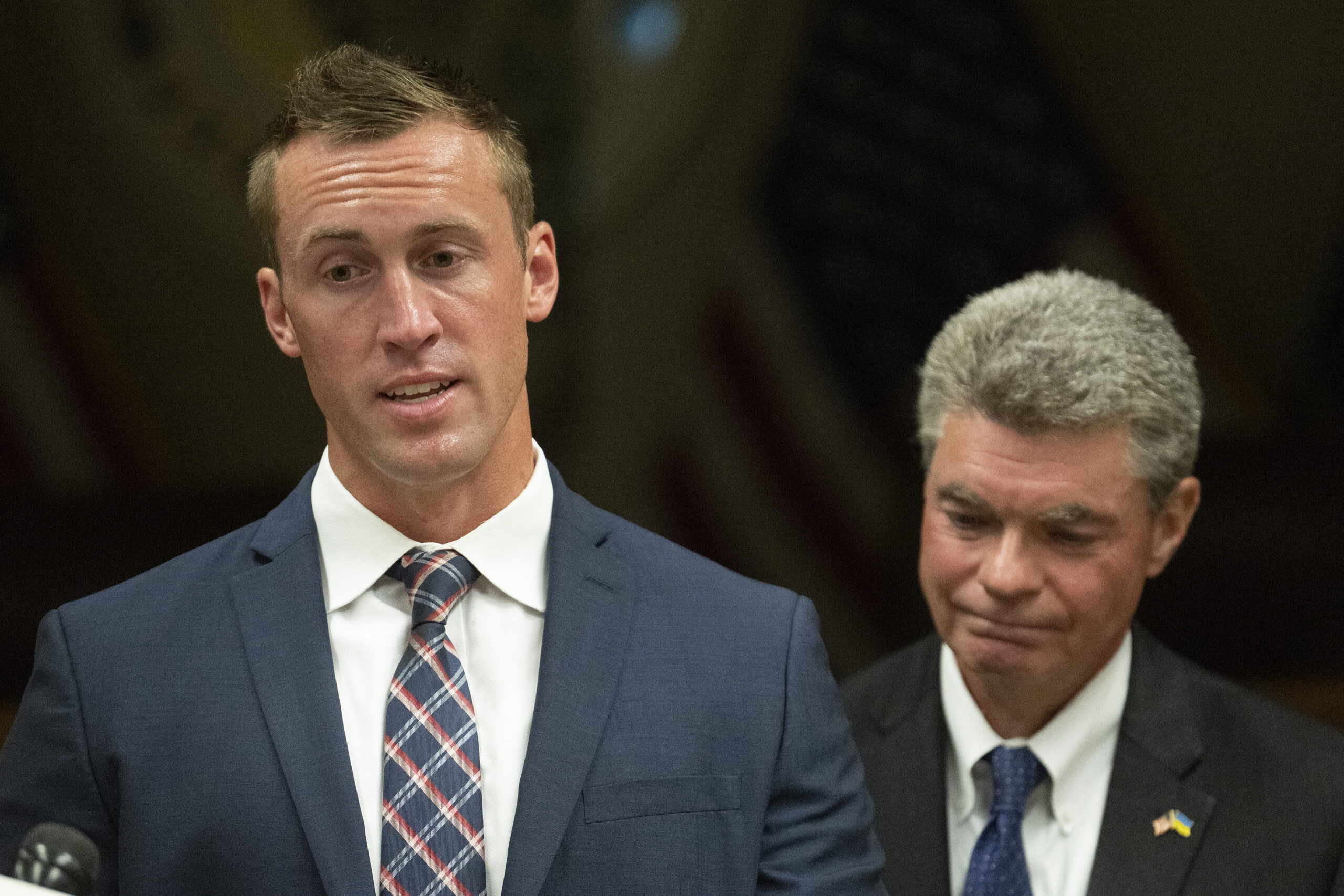
    Trooper Eugene Tray, who participated in the investigation and arrest of David Zandstra, and Delaware County District Attorney Jack Stollsteimer, announcing the arrest.

    If Zandstra was worried about the interview when he sat down, he didn’t show it — at least not at first.

    Back in 1975, police had interviewed Zandstra twice. He also spoke to Mathis for the book, which focused on a different man as the prime suspect.

    “Deep down, I’m sure he was very, very concerned,” Tray said.

    The conversation was almost cordial to start. Zandstra denied ever seeing Gretchen on the day she went missing.

    But then police told Zandstra about the sexual assault allegations from the girl with the diary. It was the final straw placed on top of nearly a half-century of guilt. He broke down and confessed.

    “We asked and he spoke,” Tray said. “He was presented with things I don’t think he expected to be presented with. Then, I think he started to think more on it. I think he just wanted his sick, twisted version of redemption, and to come clean.”

    Zandstra admitted to abducting Gretchen as she was walking to Trinity Chapel for morning exercises, according to the criminal complaint. He said Gretchen asked to go home, but he drove her to a wooded area and parked. When she refused his demand to take off her clothes, he struck her in the head with his fist, court documents state.

    Zandstra said he checked her pulse and believed that she had died, so he attempted to cover up her half-naked body with sticks and left the area.

    “He was two different people,” Tray said of Zandstra, before and after his confession. “He was definitely relieved and happy to get that off his chest, how sick that may be.”

    Searching for other victims

    Zandstra left Delaware County in 1976, and worked in Texas and California before retiring to Georgia. Cops in and around Marple Township who’d worked on the case, or helped search for Gretchen in 1975, have retired and died.

    The case took a toll on many of them, knowing a child killer could have gotten away with it, said Delaware County District Attorney Jack Stollsteimer, who was 12 years old when Gretchen disappeared.

    “It’s important to understand law enforcement officers are moved by the trauma they see happen,” he said. “That’s why they’re in this business of trying to bring justice.”

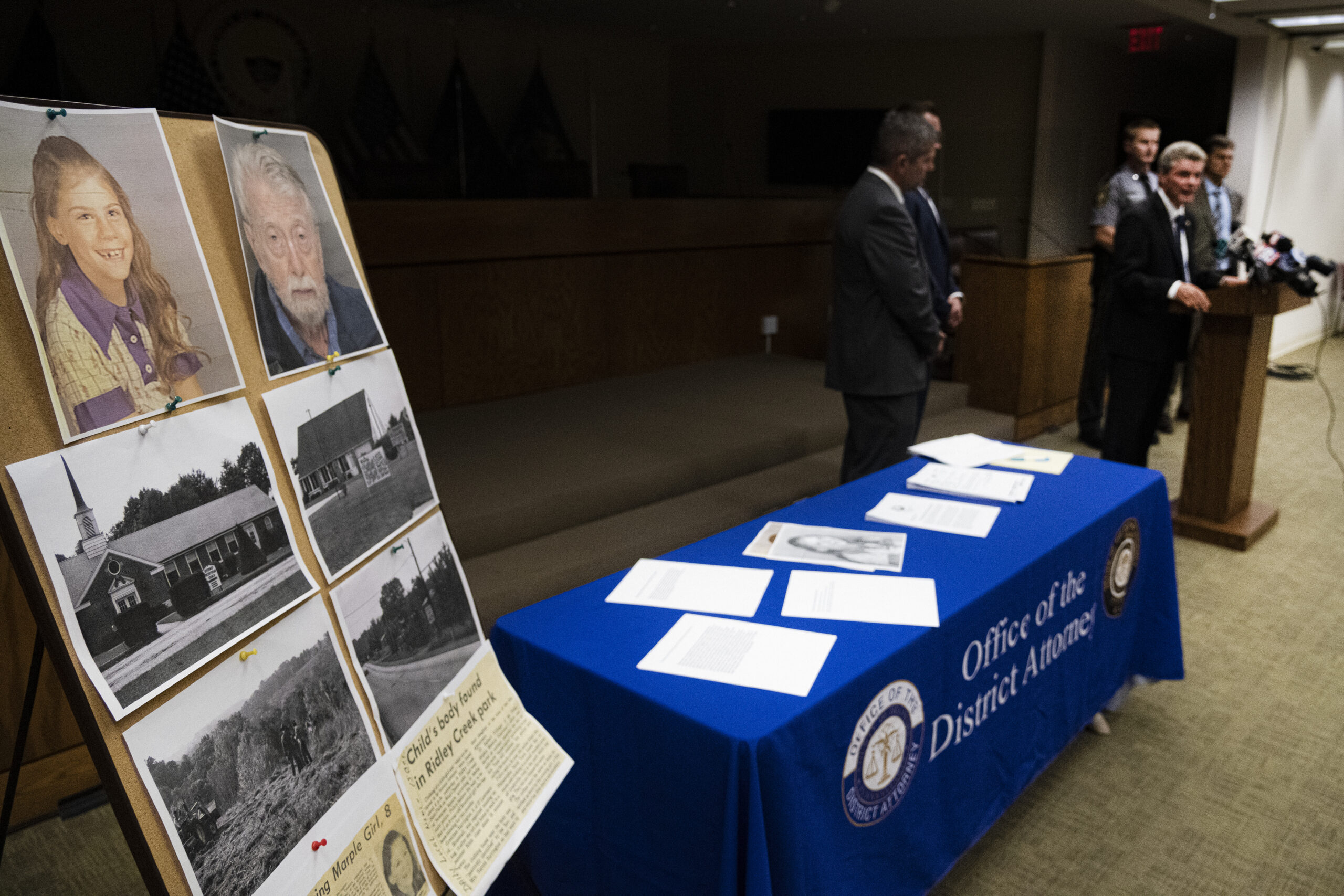
    A photo of a victim and her alleged killer are shown during District Attorney Jack Stollsteimer’s news conference on Monday, July 24, 2023.

    Stollsteimer described Zandstra’s arrest as a “great relief” to police in Delaware County and praised Martin, in particular, for sticking with the case.

    “This is just great, old-fashioned police work,” he said.

    Martin was unable to attend the news conference on Monday announcing Zandstra’s arrest and was not available for an interview this week. Tray, however, said the “case would not have been solved were it not for him.”

    State police collected DNA from Zandstra when he was arrested, which could prove useful if there are additional victims in other parts of the country.

    As part of that effort, the Christian Reformed Church in North America says it is reaching out to Zandstra’s former congregations. He served in Flanders, N.J.; Broomall, Pa.; Plano, Texas; and San Diego and Fairfield, Calif.

    After settling in Georgia, Zandstra continued to advise clients of a pregnancy resource center, according to a 2012 religious newsletter in which he wrote a small section titled “Peace to you.” A photo shows him smiling, with gray hair and a closely cropped beard.

    “The prospect of peace was and is badly needed in the uncounted and constant conflicts of our world,” he wrote. “Only believers in Jesus are able to find real peace with God.”

    California police are now looking into whether Zandstra might be connected to the 1991 disappearance of 4-year-old Nikki Campbell in Fairfield, and police in Delaware County are also reexamining other cases from the 1970s.

    “Who knows? This guy was a monster,” Stollsteimer said. “Nothing would surprise me.”

    Sullivan, the author of the book on the Harrington murder, has been fielding calls and Facebook messages this week from people in Marple who might have information about other cases of abuse.

    “I don’t think it was an isolated case,” Sullivan said.

    As for whether the book helped lead to the break in the case, that depends on whom you ask. Some law enforcement officials are convinced that it did. Others cautioned against such speculation. Regardless, a new chapter is planned if the book goes to another printing: Case solved.

    On Friday, the Delco DA’s office got word that Zandstra would waive an extradition hearing and agree to be transported from Georgia to Pennsylvania. But his defense lawyer later sought to have the waiver recalled because he was not present with Zandstra when it was signed. Authorities are awaiting a judge’s ruling.

    The Harrington family released a statement this week, thanking police for their work and community members for their support over the years. Gretchen’s father, Harold, died in November 2021 at the age of 94.

    “If you met Gretchen, you were instantly her friend,” the family wrote. ”She exuded kindness to all and was sweet and gentle. Even now, when people share their memories of her, the first thing they talk about is how amazing she was and still is. At just 8 years old, she had a lifelong impact on those around her.”