Tag: Rick Tocchet

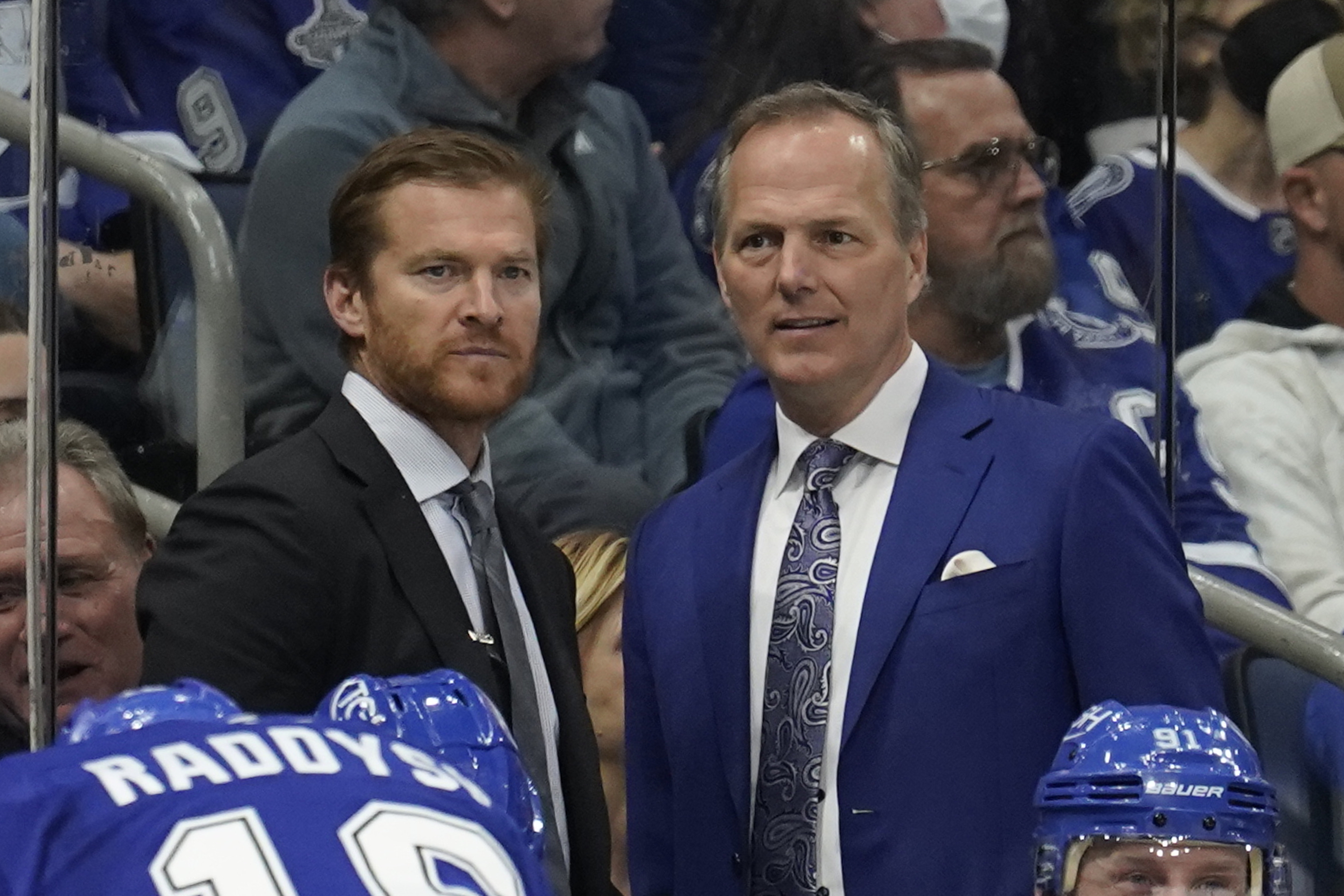
  • Flyers mailbag: Is Rick Tocchet compromising the future for short-term success? What’s going on with Nikita Grebenkin?

    Flyers mailbag: Is Rick Tocchet compromising the future for short-term success? What’s going on with Nikita Grebenkin?

    TAMPA — The Flyers have hit the quarter mark of the 2025-26 season.

    Sporting an 11-7-3 record, they sit one point back of a wild-card spot in a tight Eastern Conference where the worst team, the Toronto Maple Leafs, are just four points back of the Flyers.

    Here’s what is on the mind of the Flyers faithful as The Inquirer opens up the mailbag for the first time this season:

    Q: Could you see [Christian] Kyrou as a call-up at some point this year? — Danny Matos (@danmatos_danny) on X

    Never say never. Is it a little too early to determine what the season brings? Sure. But across the past two seasons, I don’t get the sense that the Flyers call up players based on merit alone. Like most teams, it always seems to be based on need. But that’s not to say he doesn’t deserve a look.

    Since being acquired in the trade that sent Samu Tuomaala to Dallas, Kyrou has 12 points (three goals, nine assists) with a plus-minus of plus-12 in 10 games. Not too shabby. Now, one issue is that Kyrou is 5-foot-10 and the Flyers already have two sub-6-foot defensemen on the blue line in Jamie Drysdale and Emil Andrae. The 22-year-old, who is the younger brother of St. Louis Blues forward Jordan Kyrou, is a right-handed shot and could find a role down the road given his offensive skills.
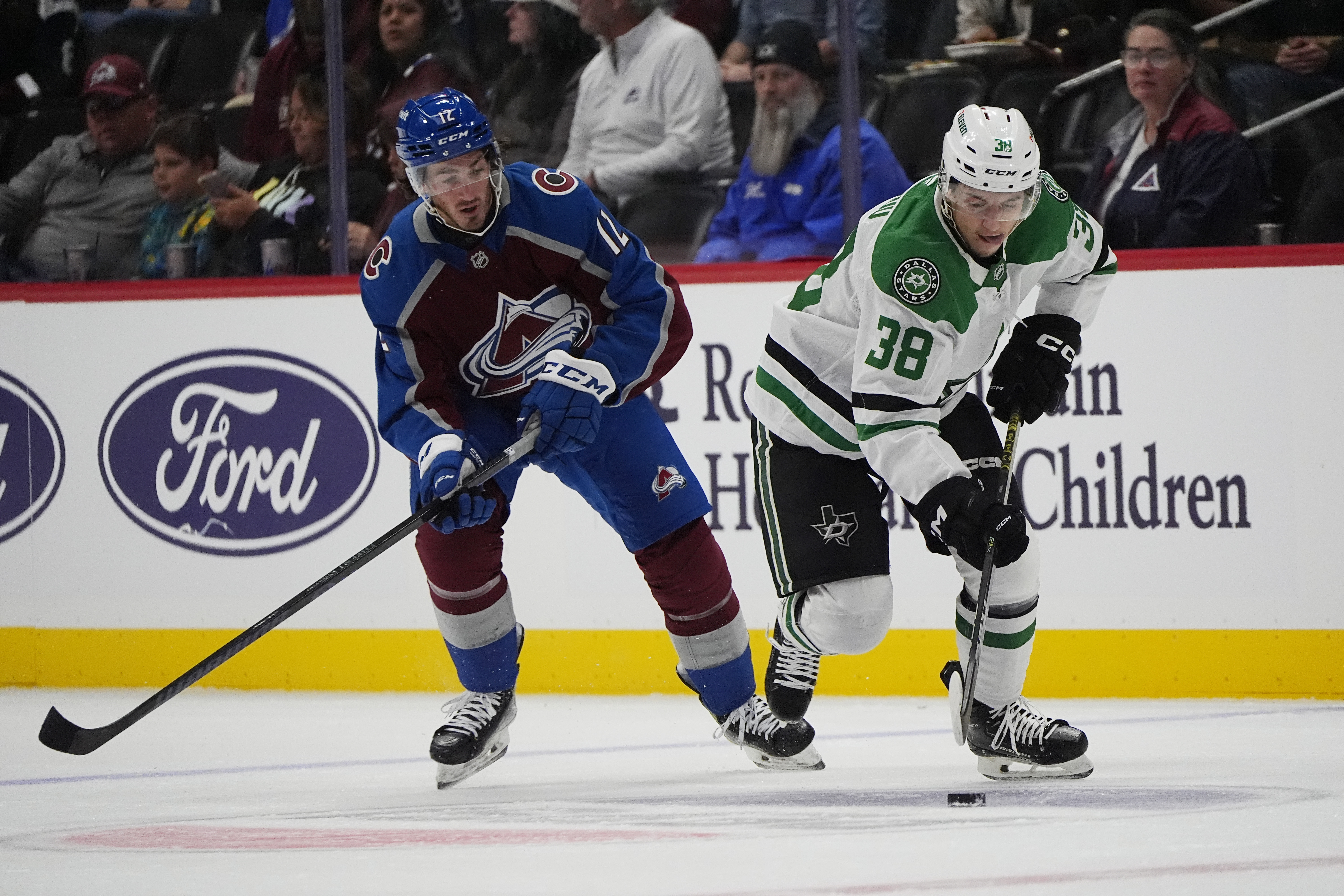
    Defenseman Christian Kyrou has been a revelation with 12 points in 10 games since being acquired from Dallas last month.
    Q: Do you feel Tocchet has prioritized player development over immediate journeyman success? — Hockeygobler (@hockeygobler) on X

    This question sounds like it is more asking whether Flyers coach Rick Tocchet is focused on the rebuild. And it’s a tough one to gauge where Tocchet’s thinking lies. The whole point of a game is to win, and the whole point of a season is, ideally, to make the playoffs and compete for a Stanley Cup. After all, as former coach John Tortorella always said, winning is important to building culture.

    Player development needs to be a multifaceted approach. It’s not necessarily X but X, Y, and Z. Players need to develop not just their individual skills but team concepts and systems that help the team win. Someone like Matvei Michkov needs to continue to develop his individual skills, like his offense, but he also needs to learn things like how to read plays better, like when to — and when not to — leave the zone early. He took a big step in the right direction on Saturday when he played it perfectly, and Sean Couturier fed him for a breakaway goal. It’s baby steps in that regard, but do I personally think some of the younger kids, like Michkov and Nikita Grebenkin, should play more? Yes. Would they maybe benefit from more ice time to correct mistakes? I believe so. Now, if they don’t make corrections and sit, well that’s another part of player development.

    Q: Why do you think Tocchet is tougher on the younger kids for making the same mistakes the vets make? — Hassan Goodman (@phillygator1986) on X

    Veterans will always get a longer leash. This isn’t a Tocchet thing. It’s a tale as old as time. And there’s a reason they are veterans: They’ve played in the world’s best league for a long time, and although they’ve assuredly made mistakes along the way, they have obviously corrected them to keep playing in the NHL.

    Youngsters need to learn and grow, and have mistakes corrected, too. Should they be benched for entire games, a la Joel Farabee was famously under Tortorella? No. But there do need to be consequences for not learning and making corrections, and there’s no book on the younger kids yet to say they will fix things.

    Q: Why does Tocchet consistently scratch 29?? It makes absolutely no sense to me. He clearly has skill and would benefit the struggling offense, yet we continue to play 44 over him. — Rich #83 (@dangler83) on X

    To start, No. 29 is Grebenkin and No. 44 is Nic Deslauriers. I don’t think it’s fair to say it’s one or the other. Or that Deslauriers should only sit to get Grebenkin in. Deslauriers is a veteran who plays a specific role. There’s a reason he was on the ice on Monday in Tampa Bay — to contain and, if needed, which did happen, fight 6-9 Lightning forward Curtis Douglas. Grebenkin wasn’t going to fight him; it wouldn’t have been fair. And it wouldn’t have been fair to ask Garnet Hathaway or Nick Seeler, who can also drop the gloves, to take on that role.
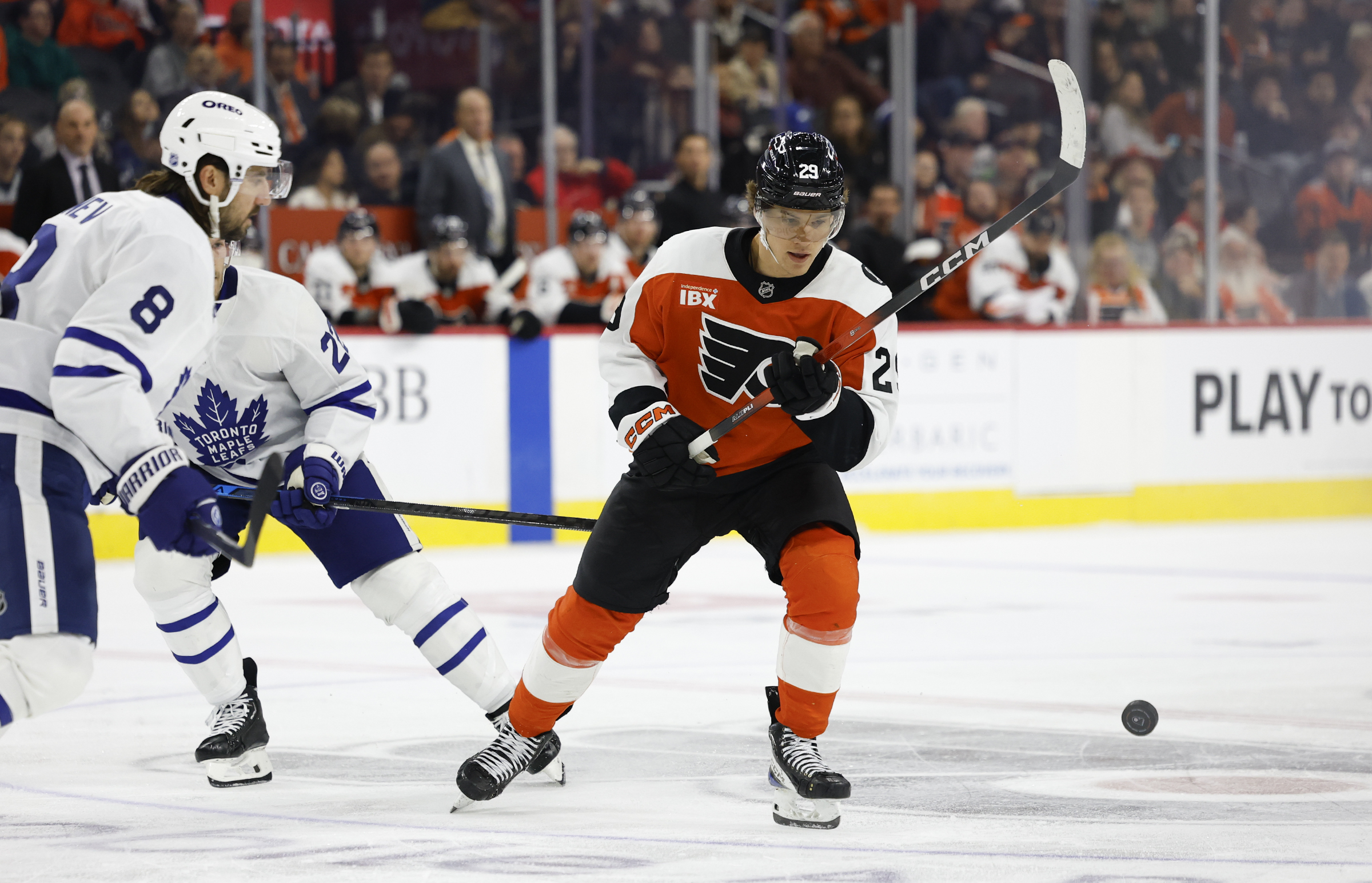
    Flyers winger Nikita Grebenkin has found playing time scarce of late.

    Asking why Grebenkin, 22, has only skated in 12 of the Flyers’ first 21 games is a valid question. He’s talented, can play a physical game, and can score. Tocchet wants guys to go to the net and the dirty areas, and he thrives there — a scout told The Inquirer during the preseason they were impressed by his game.

    But Tocchet recently said Grebenkin needs to be more predictable — this is something he has preached about his lines, especially the fourth line, which is the only one to presumably have a spot open for the winger. It’s also valid to say that you cannot be predictable if you don’t know how to predict the game, and the only way you can predict the game is by playing in games. Something has to give soon.
  • Flyers make more tweaks to the power play; Jon Cooper discusses Travis Sanheim’s Olympic chances

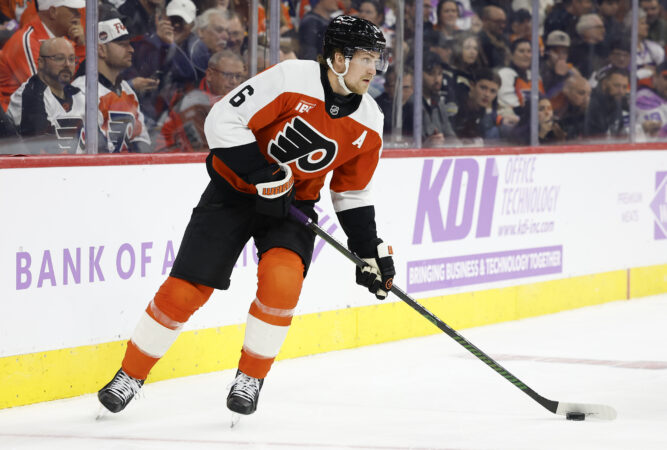
    Flyers make more tweaks to the power play; Jon Cooper discusses Travis Sanheim’s Olympic chances

    TAMPA BAY — Look, a power play isn’t expected to score every single time. It would be nice, but it just doesn’t happen.

    The best one in the NHL right now has a 32% effectiveness, which means the Pittsburgh Penguins roughly score every three opportunities. Currently, the Flyers’ power play sits at 17.5%. The unit’s not last in the NHL — that belongs to the New York Islanders (13.3%), who the Flyers face on Black Friday (4 p.m., NBCSP) — but it does rank in the lower-third (23rd).

    And while the Flyers’ power play struggled before and during the John Tortorella era, the ranking is all-too-familiar. Although the current coach, Rick Tocchet, thinks it’s in a good spot, it can be better.

    “Everybody wants plays, but sometimes it’s good old-fashioned beat pressure and then attack, and we’ve got to get that mentality, and we’re close, but we’ve got to keep working,” he said on Saturday morning, adding two days later that he wants his players to play inside more.

    Entering Monday’s matchup with the Tampa Bay Lightning (7 p.m., NBCSP), the Flyers have 10 power-play goals. The last one came five games ago against the Edmonton Oilers — they are 0-for-8 since — and Tocchet said his units may be more interchangeable.

    Practice on Friday had four more players involved, and on Saturday night in the Flyers’ 6-3 win against the New Jersey Devils, new power-play units were deployed.

    Another tweak came on Monday in Florida.

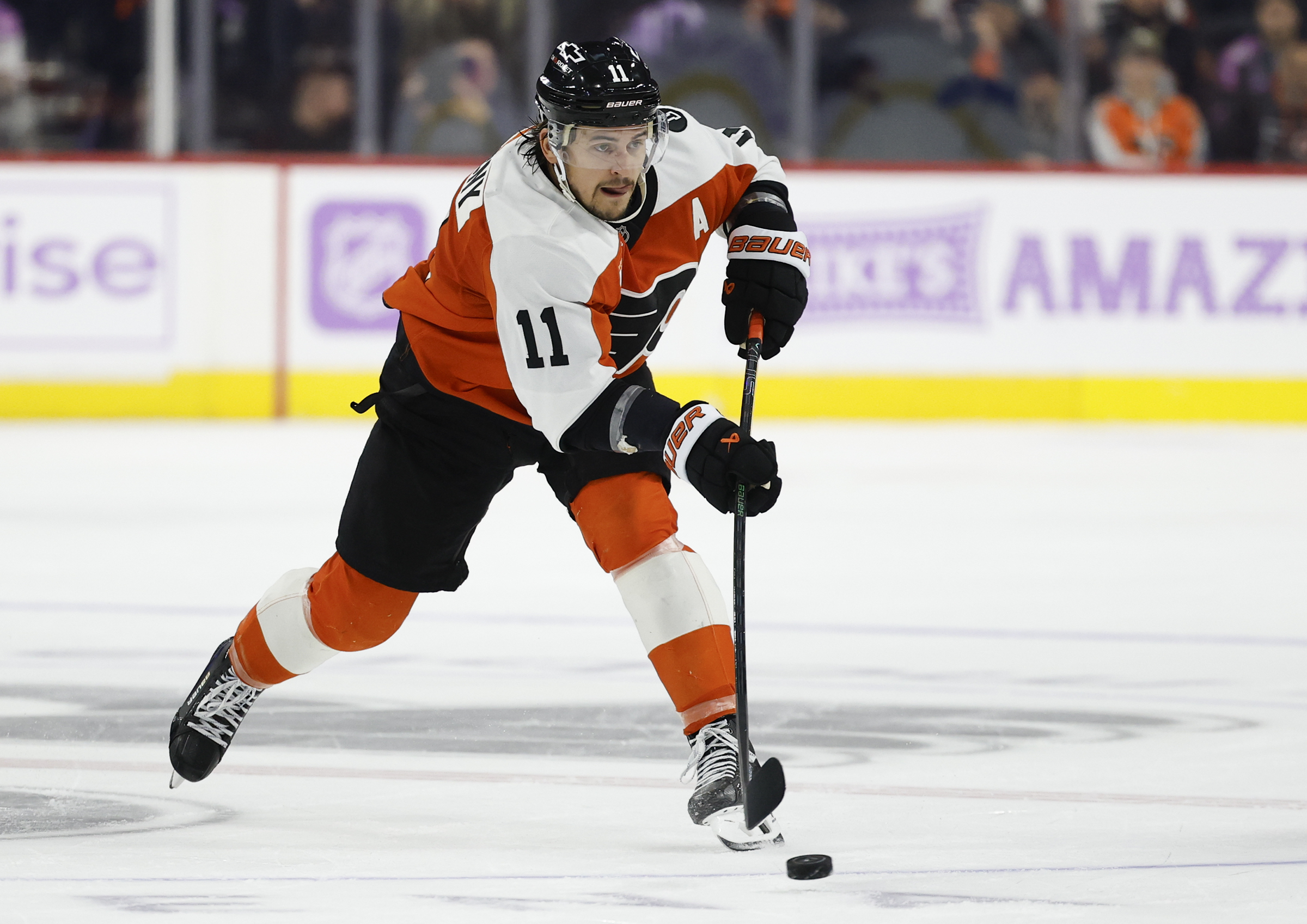
    One power play has Noah Cates, Travis Konecny, Tyson Foerster, Trevor Zegras, and Cam York. What? York and Zegras reunited? Makes a whole lot of sense that the two former USA Hockey teammates are together; York has been on the ice for eight power-play goals this season — just one without Zegras.

    Konecny was also switched to that unit, and while he has played a lot on the left flank the past two seasons, he is back to his familiar bumper spot.

    “I feel a little bit more comfortable in there. I feel like I can make quick little plays, be fast on loose pucks, and recovery, stuff like that. … On the power play, I got to know my strengths. And I think it’s, I don’t have the hands that Trevor has,” Konency said with a grin, alluding to Zegras’ effectiveness on the right flank to draw in defenders, create space, and find seams.

    Flyers right wing Travis Konecny says he feels more comfortable in the bumper position on the power play and that he needs to play to his strengths.

    The other power play has Travis Sanheim, Emil Andrae, Owen Tippett, Bobby Brink, and Matvei Michkov. No center? “It’s interchangeable,” Tocchet said.

    Sean Couturier will be on the ice when there is a face-off, but when they switch units “on the run” or on the fly when play is happening, that is the unit that will be on the ice.

    It’s also interesting having two defensemen, with Sanheim being more of the pointman and Andrae on a flank. Tocchet thinks Andrae is not only good with the puck but “his shot’s pretty good,” too. The Swedish defenseman, who has been moved to the second pairing, knew that he had to build up trust with the new coaching staff, and it looks like he has.

    “I like to be on the power play,” Andrae said. “I like to make those plays, and like to use my vision and my passing to create chances. So obviously, it boosts my confidence to know that the coaches rely on me on that side of the game. So, yeah, just make the most of it.”

    Sanheim, who hasn’t spent much time on the man advantage in his career, is looking forward to the opportunity. It’s something he’s “always wanted to add to my game.”

    “I think they’ve been doing a pretty good job in trying to grasp some of the structural components of what they’re trying to get across,” said Sanheim, who has been able to watch a lot of the power plays this season from the bench.

    “And I think it’s just continuing to make those reads and understanding certain situations, depending on how the penalty kill is structured. And, maybe that’s a benefit, I guess, [being on the penalty kill] so much and understanding what the other team’s doing and trying to exploit some of the weaknesses that come with that, and, in saying that, [I] just want to have an attack mentality and deliver pucks and hopefully do a good job of doing that.”

    Canadian pride

    Speaking of Sanheim, the defenseman is continuing to build a strong case to be part of Canada’s team at the 2026 Milan Olympics. No pressure, but the guy on the other bench on Monday night just happens to be the one making the decisions. Lightning coach Jon Cooper will be Canada’s bench boss in Italy, but a plus for Sanheim is that they’ve already worked together, snagging a gold medal at February’s 4 Nations Face-Off.

    “You see these players, you compete against these players, but you don’t really know till you have them. And I’ve always, I’ve really liked his game,” Cooper told The Inquirer about Sanheim. “I’m a big fan of big D that take up a lot of space, and can skate, and he can do all those things. But his ability to jump into plays, he’s got an offensive mind to him.”

    Tampa Bay Lightning head coach Jon Cooper, who will coach Canada at the Olympics, has been impressed with Travis Sanheim’s game over the past few years.

    Sanheim seemed a little nervous and wide-eyed at the first practice in Brossard, Quebec, with Hockey Canada ahead of the 4 Nations. And while he didn’t start the tournament in the lineup, by the end — half due to injury and half due to his play — he was not just skating in the championship game but got the first shift of overtime. The familiarity and his ability to play both the left and the right side will help Sanheim once decision day comes.

    “Anytime that you get to coach players, and you win with players, I always think there’s a familiarity. Past performance isn’t going to predict future success, and so the guy’s got to keep working, but he’s done a heck of a job so far,” Cooper said.

    There’s another familiar face for Cooper on the Flyers bench. Tocchet was his assistant coach at 4 Nations and will be beside him again in Italy, making his Olympic debut.

    Tocchet did a lot of the structure, faceoff planning, and in-game adjustments; he was a jack-of-all-trades for Cooper. But what Cooper loved most was how he would often meet with players 1-on-1 or in small groups to watch videos — over a garbage can. As Tocchet explained later, he would put his laptop on a garbage can and go over things, much like he did in his days with the Penguins. His assistants on the Flyers do it now, too.

    “I couldn’t have surrounded myself with a better guy,” Cooper said. “I will tell you this, because his eye for the game and what happens in real time, having that talent is a real thing. And Tocc has that. He sees it, he processes it, and then gives you the information.

    “And there were countless times at the 4 Nations that he made me think of things, or I saw things in a different light, or I missed something, and he caught it. And so many little adjustments we made in between periods, because of what Tocc did.”

  • Rick Tocchet is using this week’s extra practice time to attack some worrying trends with his Flyers

    Rick Tocchet is using this week’s extra practice time to attack some worrying trends with his Flyers

    Standing in the hallway outside the visitors’ locker room at American Airlines Center after his team got trounced by the Dallas Stars on Saturday night, Flyers coach Rick Tocchet offered some insight about the coming week.

    “We’ve got some practice time here, and we’re going to have to really work on some two-on-two and three-on-three battles I think it’s going to be the majority of the four days,” he stressed with the Flyers’ next game not until Thursday when the St. Louis Blues, who they just beat 6-5 in a shootout on Friday, visit (7 p.m., NBCSP).

    That’s just what the Flyers did on Monday in Voorhees.

    Behind the scenes, the team watched video,” on how we can be better and kind of just get back to how we were playing at the start of the year, plus improvements,” defenseman Jamie Drysdale said.

    But for many players, like Drysdale, watching on video only takes them so far. They need to put it into action.

    “Get a feel for it,” he said. “It’s all comfort. It’s all feeling, feeling your gaps, feeling the pressure, feeling your reads, things like that. So we got the best of both here, and it was a good day.”

    On the ice, after splitting into two groups to focus on rush coverages, the Flyers converged onto the main sheet for five-on-five, three-on-three, and two-on-two drills.

    It was physical, with Matvei Michkov getting into it with Adam Ginning and then taking a few cross-checks from Noah Juulsen as he went to the net. Captain Sean Couturier described it as “grinding” practice with a focus on winning battles.

    And it was competitive, as noted by Tyson Foerster’s reaction after scoring during a two-on-two small-area game. After colliding with his partner Travis Sanheim — they were both OK — the winger stuck with it and scored on a wraparound between the left post and the skate of goalie Dan Vladař. His teammates in the black jerseys cheered too.

    “I love them,” forward Travis Konecny said about having an intense and spirited practice. “It was getting a little competitive, little chippy. I think we need it. It’s good. I think you get in that competitive mindset … [and] everyone’s bringing the intensity. Guys are leading the right way, competing, doesn’t matter who you are out there, you’re just setting a good example for the next guy, the next rep.”

    The Flyers have started slowly too often this season, trailing in 12 of the 18 games they’ve played, including the last five. That has forced them to chase games pretty quickly. Tocchet said on Monday that he’s “a trend guy” and is focused on stopping a bunch of trends he’s seen from his group.

    “When trends hit, that’s when you’ve got to attack it. So these three days were attacking the trend. Too much containment,” he said of his team playing too passively and not stepping up on the opposition defensively.

    “Not enough support of the puck. And then, backing it at the blue line — it’s not just the defense, it’s a five-man thing — so it’s just been a trend the last three, four games, and we have to stop it.”

    Juulsen thinks these types of practices can help the Flyers get “into the battle right away,” as does working on things through small-area games. USA Hockey is a big proponent of playing small-area games as they increase puck touches, competition, quickness in decision-making, and battles.

    It helps the next generation focus on that while working in small spaces. It helps the older kids, too.

    “I think the majority of the game is like, won and lost in those little battles,” said Konecny. “There’s the flashy open ice stuff that you get on the highlight reels, but it’s probably the play, two plays before, whatever, that actually allowed that to happen. I mean, a lot of the time, it’s kind of what is the difference for some guys to even make the NHL, is just those little battles and being good with your stick and learn[ing] how to do that stuff.

    “Yeah, it’s difficult. Because that’s why the teams that win the Cup every year, they’re the best at good sticks, details, winning those little battles.”

    Breakaways

    Defenseman Cam York had a maintenance day, with Tocchet adding that “He’s fine to play. … He could have practiced, but I felt two days, try to help him out get over what he’s got. It’s a little minor thing, nothing major.” … Defenseman Oliver Bonk was on the ice for the start of the practice, skating with the orange team on the second sheet of ice. It is the next step for the 20-year-old, who just turned pro and is dealing with an upper-body injury that kept him from participating in both the rookie series against the New York Rangers in early September and training camp.