More than 80% of mined tungsten comes from China — or did, until limits on China tungsten imports imposed during the Biden administration began last year. China has also imposed tungsten export limits.
The struggle has fed a global tungsten rush, with investors and their allies in the U.S. and foreign governments paying to reopen old mines and secure new suppliers around the globe. The restrictions have also revived production of other strategic metals in many countries.
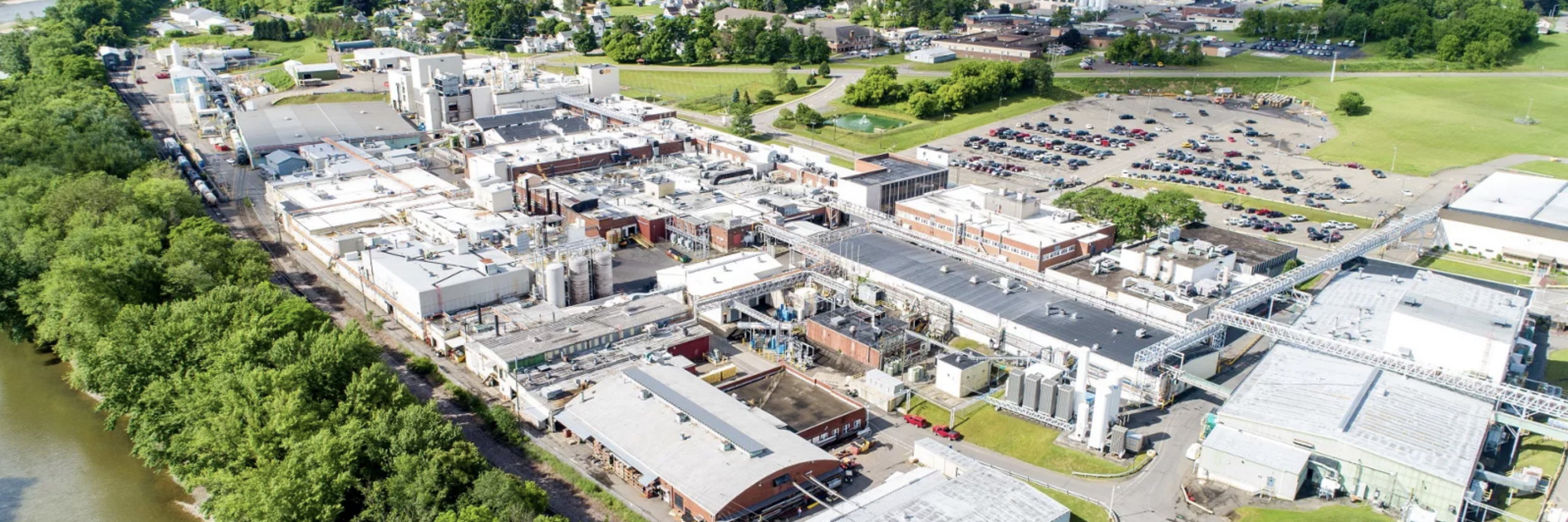
The biggest tungsten processor in the Western world is the century-old, 400-worker Global Tungsten & Powders (GTP) complex in Towanda, Pa., three hours north of Philadelphia.It produced more than 12,000 of the 117,000 metric tons of tungsten powder made in the world last year, crushing the metal into workable powders because it takes too much energy to melt.
Far from fighting to preserve cheap Chinese tungsten supplies, GTPchampioned laws supporting China import restrictions.
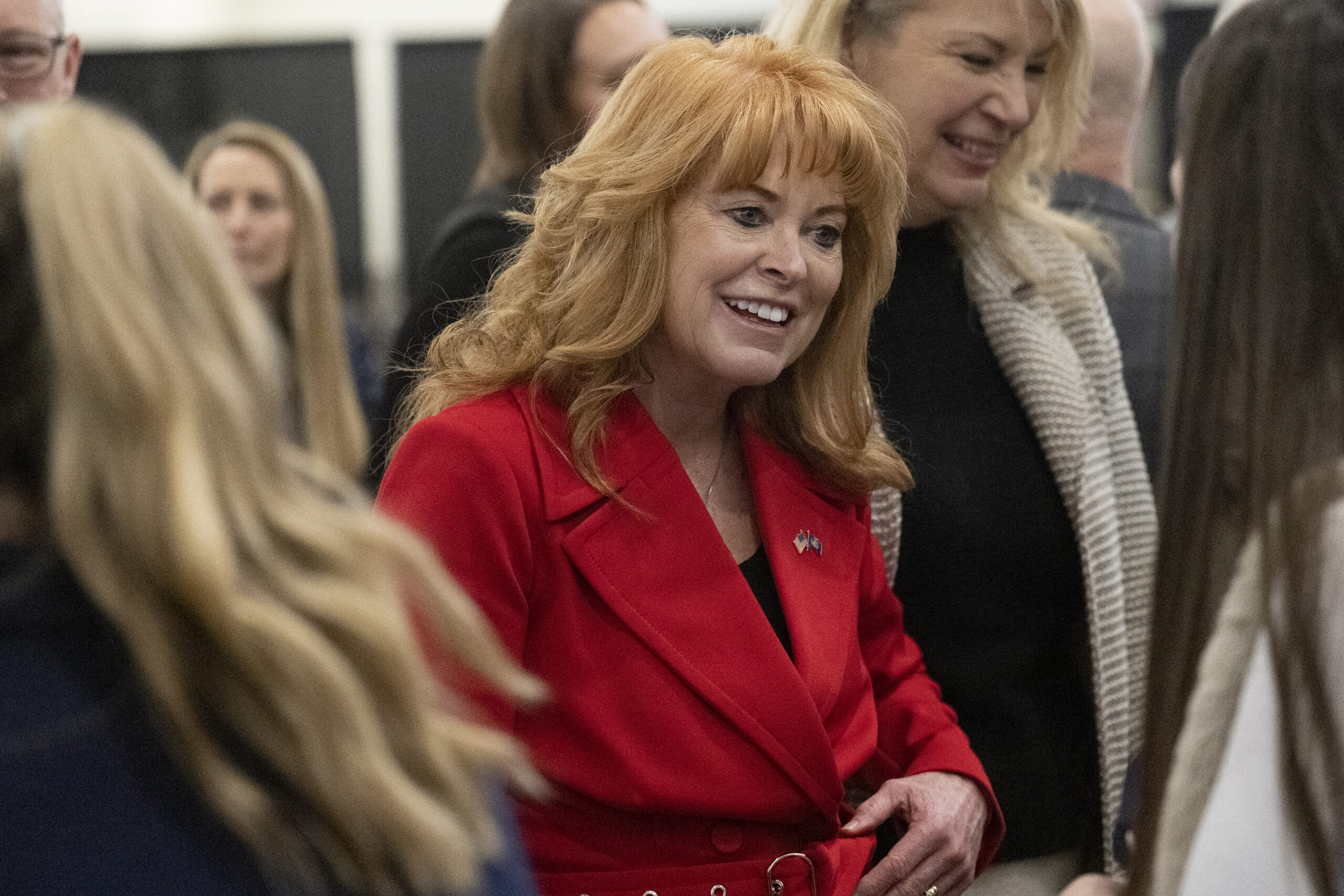
Before Stacy Garrity became Pennsylvania’s elected treasurer in 2021, she worked at GTP for more than 30 years. As vice president for government affairs and head of a metals industry group, she lobbied Congress and the first Trump administration to limit tungsten imports from China and its allies under what she called the “don’t buy from the bad guys” law.
Trump endorsed Garrity last month for the Republican nomination to run against Pennsylvania Gov. Josh Shapiro this fall.
Stacy Garrity, Pennsylvania treasurer, at the Pennsylvania Farm Show in Harrisburg in January.
GTP’s owner, Austria-based Plansee, has relied mostly on recycled Western tungsten, along with the few non-Chinese mines. But with tungsten demand and pricessurging, the company has contracted mined metal from new sources, including Korea and Rwanda, after many years of effort, says Karlheinz Wex, Plansee’s executive board chairman.
Korea’s Sandong mine, once among the world’s biggest suppliers, shut in 1994 as cheaper Chinese tungsten flooded world markets. The mine has reopened with financial support from the Korean government, technical assistance from U.S. agencies, and an exclusive supply deal to GTP. It’s owned by Almonty, a multinational mining company partly owned by Plansee. Almonty is moving its headquarters to the U.S. from Canada.
Wex agreed to take questions about the tungsten trade and GTP, purchased from lighting maker Sylvania in 2007. This conversation has been edited for clarity and length.
How did a tungsten processing plant end up in Pennsylvania?
That is where it started more than 100 years ago. The company focused on medical applications. Later, it went into the lighting business[pre-LED light bulbs used tungsten filament]. We have focused it 100% on tooling and special applications, such as artillery shells, and mostly in alloys with nickel and iron for tools, and with carbide and cobalt in machines for cutting, drilling, mining.
The journey starts by creating tungsten scrap from customers and competitors. Our tungsten supply is 70% scrap recycling, from tools and drill bits.
Austria-based Plansee owns the tungsten powdering plant in Towanda, Pa., which processes about one-tenth of the world’s supply of the heavy metal, used in tools and weapons.
Why did your company, which relied on Chinese tungsten, also lobby to reduce imports from China?
We always had this topic of sources independent from China, from the politics and their pricing. The mining of tungsten in the West was not that much [because of] the unfair competition flooding Chinese materials into the market. We wanted to get independent of that.
Why are you buying tungsten from Africa now?
Tungsten is a so-called conflict material. When we can certify it’s conflict-free, the material from that mine is really sound. The people at Trinity Metals [in Rwanda], we’ve known for years. Our specialists visit their mine.
The U.S. government’s involvement made it easier to prove we can support national security in the West. We buy their entire production.
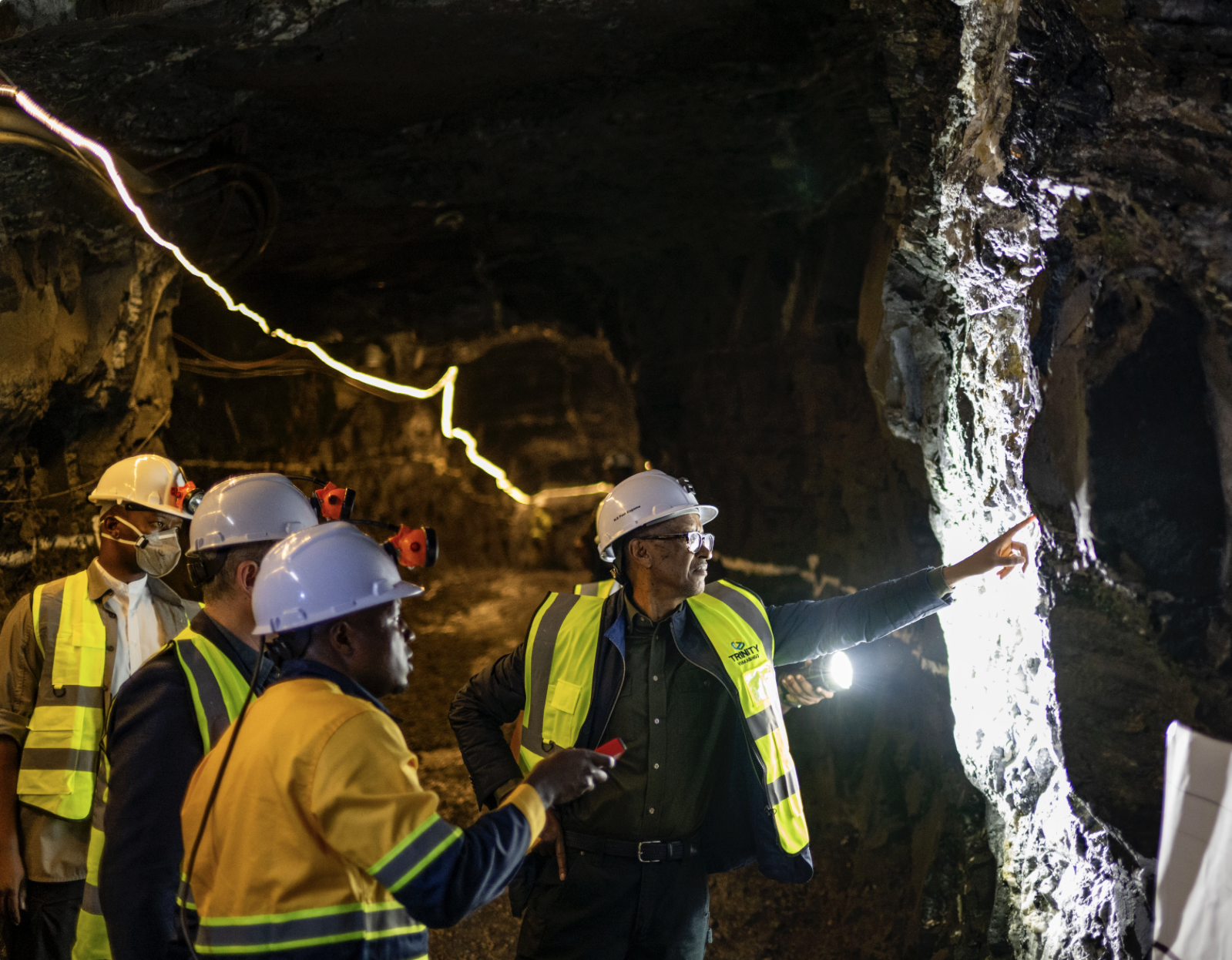
Rwanda President Paul Kagame at Trinity Metals’ newly expanded, reopened Nyakabingo tungsten mine in May 2025. The mine’s entire production is sold to Plansee, an Austrian company that processes one-tenth of world tungsten output at its General Tungsten & Powders plant in Towanda, Pa.
How does tungsten get from Rwanda to Pennsylvania?
At the mine they separate the tungsten, crushing and separating the material by weight, or separating it by flood behind a dam. That makes a concentrate, about 60% tungsten. They put it in big bags and drums, very heavy. It’s easy to transport in standard containers [usually through the port of Mombasa [in Kenya], arriving through Newark or other East Coast ports and trucked to Towanda].
Does the sale price of tungsten today cover all those costs?
We have record prices in the tungsten market. Last year the price tripled. We don’t have enough [supply].
The big problem is the Chinese have restricted exports. And the U.S. has forbidden the use of Chinese material for defense applications, as of this year. About 10% of tungsten goes into defense applications.
Will Rwanda make a big difference in the supply chain?
Rwanda is a small part.
We rely on recycling. The biggest growth in supply that we see is the Sandong mine in South Korea. We have supported that financially. They will ship the concentrate to San Francisco [ports] and then by land to Towanda.
Karlheinz Wex, chairman of the executive committee of Austria-based global miner Plansee, on a 2025 visit to the company’s Global Tungsten & Powder (GTP) mill in Towanda, Pa.
We are working at capacity. We could produce 50-60% more and sell it on the market. We are sold out for the next six to nine months. Some of our customers are desperate.
We are thinking of expanding in Towanda.
Have you kept in touch with Stacy Garrity since she became a public official?
Yes! It’s good to see her as state treasurer and potentially governor of Pennsylvania. She worked a long time for GTP after she was in the Army.
Helicopter manufacturer Leonardo has nearly doubled employment at its Northeast Philadelphia factory since the Rome-based multinational aerospace company began winning U.S. military orders for that factory in the late 2010s.
But the company, whose owners include the Italian government and U.S. investment funds such as BlackRock and Vanguard, has learned what dominant U.S. defense contractors like Boeing have long known: Military planners, policy, and political shifts can stop, delay, or revive long-term contracts, leaving managers scrambling to keep workers and factories busy.
Given the complexity of parts supply, skilled labor, and other aspects of helicopter production, “it is destabilizing and difficult if you don’t know if you are going to build two or 16 aircraft for a given program year after year,” said Andrew Gappy, vice president of Leonardo Helicopters USA Inc., a retired Marine whose duties included flying Presidents Bill Clinton and George W. Bush on Marine One helicopters.
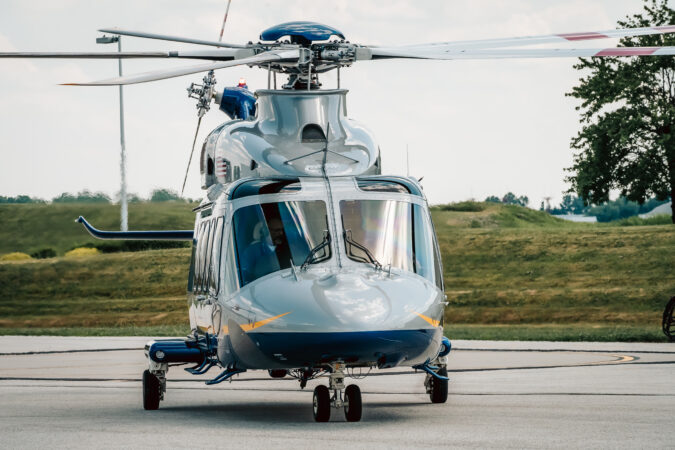
Grey Wolf is based on Leonardo’s civilian, two-engine AW139, part of a movement by military planners to speed production and streamline costs by basing more big-ticket military machines on large-production civilian products and private-sector construction managers. It’s a model that Korea-based Hanwha hopes to use in winning Navy contracts for its shipyard in Philadelphia.
More than half the Grey Wolfs would defend nuclear weapons bases in several western U.S. states. Most of the rest would be used to ferry political leaders around Washington in case of an attack on the nation’s capital, replacing aging UH-1N Huey helicopters on duty since the 1970s.
So far, 19 of those helicopters have been paid for and delivered. Another 12 are funded and nearing completion. But funding for future construction hit unexpected snags.
After Air Force design changes and a challenge by Lockheed Martin’s Sikorsky unit, which had proposed rival helicopters of its own, Leonardo and Boeing said they started production on the first Grey Wolfs in 2023.
They planned to keep building a dozen a year for seven years — about a quarter of the Leonardo plant’s annual output. They hoped to win more contracts along the way.
Last year, the partners had expected to fund future production with $173 million in appropriations as laid out in President Donald Trump’s 2025 budget, plus $210 million in his Big Beautiful Bill, backed by the two Republican senators from North Dakota, home to Minot Air Force Base.
But those payments didn’t materialize on schedule. The Big Beautiful Bill payments were held up, frustrating the Grey Wolf partners.
And then in November, Congress’ new National Defense Authorization Act listed more than $100 million retrofitting previously-delivered Lockheed-built helicopters to transport VIPs but just $10 million for the Grey Wolf program — not enough to build a single helicopter.
The Air Force had justified upgrades of unused aircraft in a budget proposal earlier last year as a cheaper way to acquire helicopters. Grey Wolf defenders objected that the Air Force studies had already verified the new helicopter would be much less expensive to operate.
The cuts would “starve” the Grey Wolf program, Mike Cooper, Leonardo’s government relations chief, said in December. “It’s hard for businesses to plan, when competitively bid procurements can be abruptly and unilaterally changed.”
Last fall, a bipartisan group of five Congress members, headed by Rep. Donald Norcross (D., N.J.), whose South Jersey constituents include workers at Boeing and Leonardo, sent Air Force Secretary Troy Meink a letter that they were “troubled” to hear reports that the Air Force was now planning to update old helicopters for VIP transport and evacuation missions, instead of funding the new ones.
They noted that the Air Force already had selected the Boeing-Leonardo aircraft over two proposals from Lockheed Martin.
They called the switch an “unprecedented change in procurement,” which “undermines the integrity of the acquisition process, calls into question the criteria” for the original selection, “and raises concern about why an otherwise performing program would be truncated without clear explanation to Congress” or the companies that agreed to the contract.
They asked the Air Force for any studies it had made to justify the more expensive Jolly Green program, which they said would cost far more to buy and operate. They also noted the impact on workers, suppliers, and finances at Boeing in Ridley Park, Leonardo in Northeast Philly, Leonardo’s Florida testing site, and contractors who had already invested in the program the Air Force has now failed to fund.
Congress members who represented districts that include additional Boeing or Leonardo facilities support Norcross’ effort. They are Reps. Carlos Gimenez (R., Fla.), Salud Carbajal (D., Calif.), Robert J. Pittman (R., Va.), and John J. McGuire III (R., Va.).
Lockheed Martin officials said they hadn’t taken business from Leonardo. The military planned to convert older helicopters to VIP carriers by adding new seating at Air Force bases, not at the company’s Sikorsky military helicopter factories in Connecticut or New York.
Sikorsky’s civilian helicopter plant in Coatesville, Pa., closed in 2022. It was taken over in 2024 by Piasecki Aviation, a Delaware County-based company that has had its own federal contracting and hiring hopes deferred by government and private-sector contracting delays, according to industry sources. Piasecki didn’t respond to inquiries.
“The MH-139 Grey Wolf is vital to our national defense and supports American jobs,” Norcross said in a statement Jan. 15. “Congress funded the MH-139 because it offers major improvements in speed, range, and survivability.”
He said the Air Force had not directly responded, “but I will continue pressing the administration.”
The same week, a key Air Force commander confirmed in an Air Force publication that the first Grey Wolfs had completed their first Minuteman III convoy operation between two Western air bases, noting they are significantly faster, fly farther, and lift more than the helicopters they replace.
Two sources familiar with the program said the first payments from Congress’ $210 million have been received since that test.
And on Jan. 20, a new federal appropriations proposal added $60 million to the Grey Wolf program — not the whole $173 million, but more than the $10 million in the earlier law.
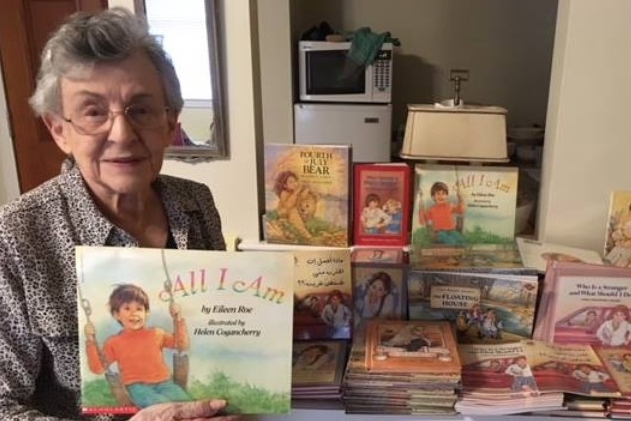
Helen Cherry, 101, formerly of Philadelphia, prolific illustrator, artist, and show tunes devotee, died Thursday, Jan. 15, of age-associated decline at her home in the Woodland Pond retirement community in New Paltz, N.Y.
“It was her decision entirely,” said her daughter, Lynne. “She knew her own mind and made the decision that it was time for her to take flight to the Great Beyond.”
A lifelong artist, Mrs. Cherry grew up drawing and painting in West Philadelphia. She earned a scholarship to the old Philadelphia College of Art, sold illustrations to the Jack and Jill children’s magazine, and took a 20-year hiatus in the 1950s and ’60s to rear her three children.
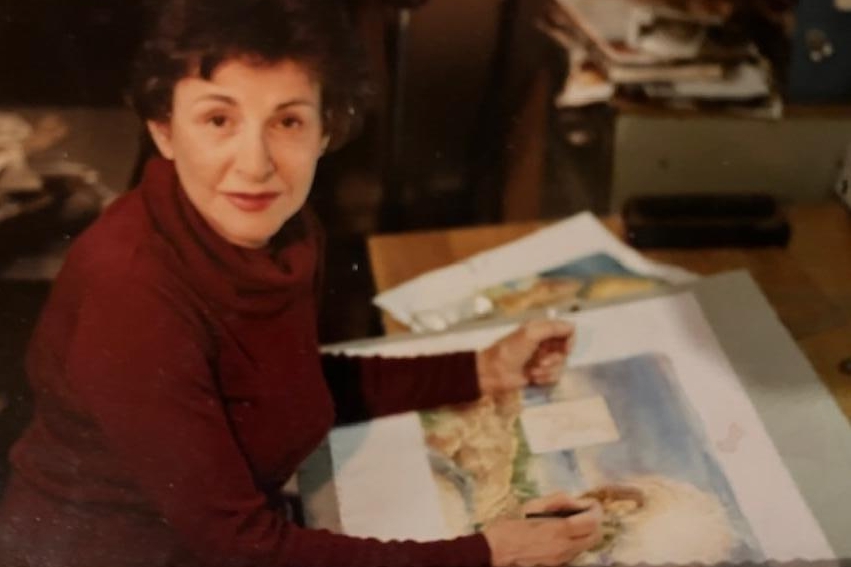
She resumed her career at 50 in 1974 and went on to illustrate 30 books and dozens of magazine stories for Highlights, Cricket, and other publications. Using a combination of her maiden name, Cogan, and her married name, Cherry, she was published under thepseudonym of Helen Cogancherry.
Mrs. Cherry at work illustrating 1991’s “Fourth of July Bear.”
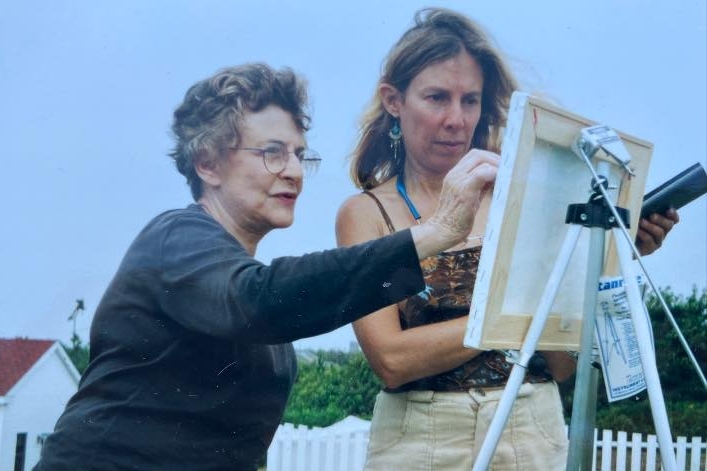
“She was always an artist,” said her daughter, also an illustrator and writer. “Art was her hobby, her passion, her work. She said it was something that she can’t not do.”
Mrs. Cherry was a keen and imaginative observer of life, adept at creating visuals that reflected the concepts of the writers with whom she worked. She illustrated many children’s books, such as All I Am, Warm as Wool, and The Floating House.
She told The Inquirer in 1986 that a book she illustrated helped a girl she knew address a difficult childhood situation. “That made a profound impression on me,” she said. “I saw how my little books could help children.”
Her career was featured in several publications, and she told The Inquirer that breaking back into the business in the 1970s was “discouraging at first.” She said: “I remember coming home sometimes and telling my husband that it was hopeless. He kept encouraging me to keep at it.”
Mrs. Cherry (left) and her daughter, Lynne, work on a project.
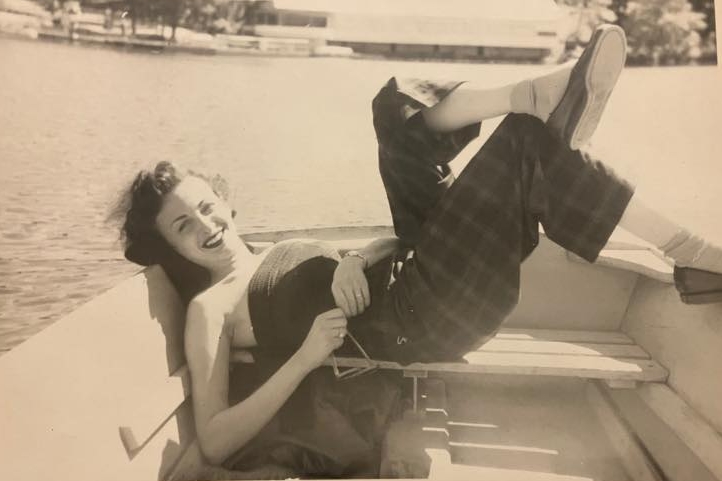
Helen Cogan was born July 9, 1924, in a West Philadelphia rowhouse beneath the elevated railroad tracks. The middle of three children, she looked up to her sister, Molly, and cared for her younger brother, Robert, while her parents ran the small grocery store they lived above.
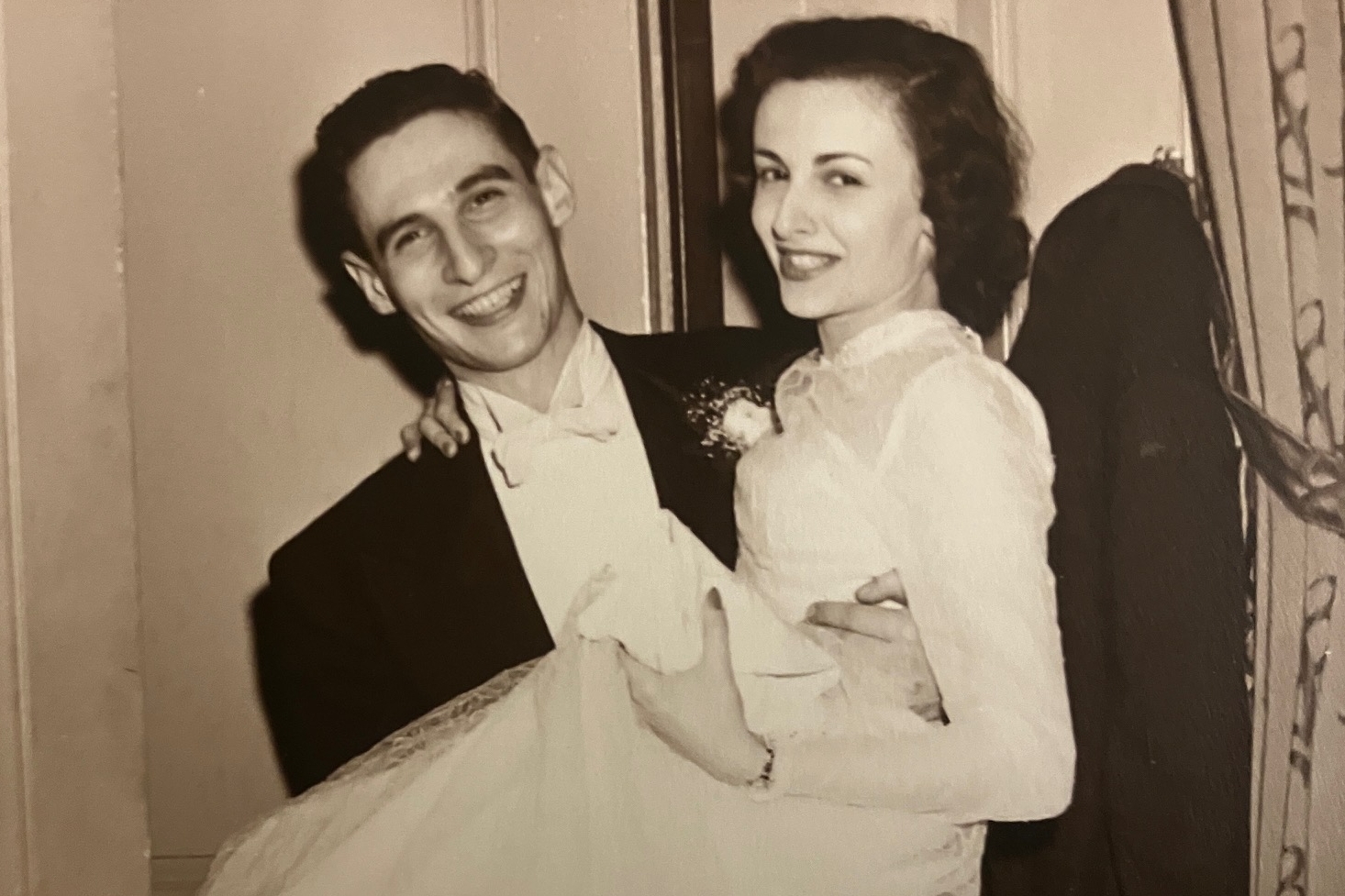
She contributed illustrations to the yearbook and graduated from West Philadelphia High School. She met Herbert Cherry in French class and sent him beautifully illustrated letters while he served overseas during World War II.
They married in 1950 and had a daughter, Lynne, and sons Steven and Michael. She helped her husband operate Cherry’s Pharmacy in Ridley Park for years, and they lived in Milmont Park and Wallingford in Delaware County, and Carlisle, Pa. She moved to New Paltz after her husband died in 2000.
Mrs. Cherry often sang show tunes with family and friends, and while she worked. She whipped up memorable meals, especially on holidays, and enjoyed idyllic summers on family vacations at the Jersey Shore in Ventnor.
Mrs. Cherry grew up in West Philadelphia.
She tutored her children and their friends, and later her grandchildren, in drawing and painting. She showed everybody, her daughter said, “how to be a good human being in this world.”
On Facebook, friends called her “warm,” “beautiful,” and “a talented giver.” One said: “The joy she radiated her whole life long was magical.”
Her daughter said: “She was quiet and understated but strong.”
Her favorite song was “Life is Just a Bowl of Cherries.” It opens with: “Life is just a bowl of cherries. Don’t take it serious. Life’s so mysterious.”
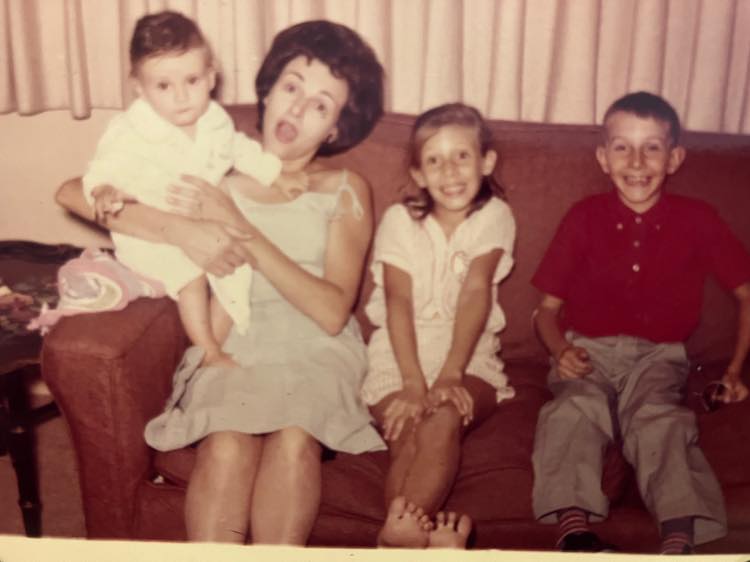
Mrs. Cherry enjoyed time with her children.
In addition to her children, Mrs. Cherry is survived by five grandchildren, a great-granddaughter, her brother, and other relatives. Her sister died earlier.
A memorial service was held Sunday, Jan. 18. A celebration of her life is to be held later.
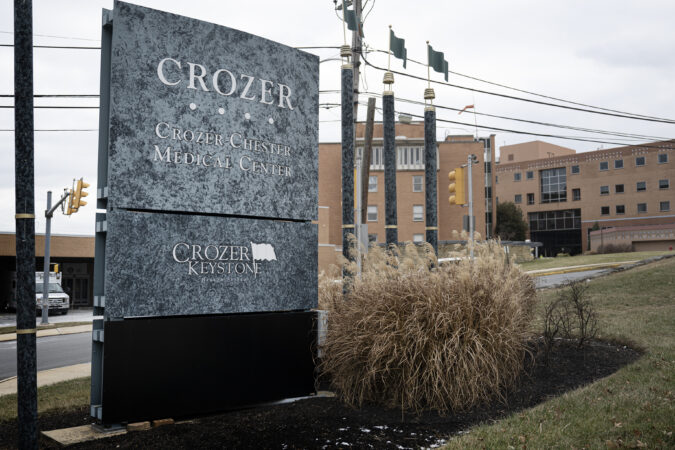
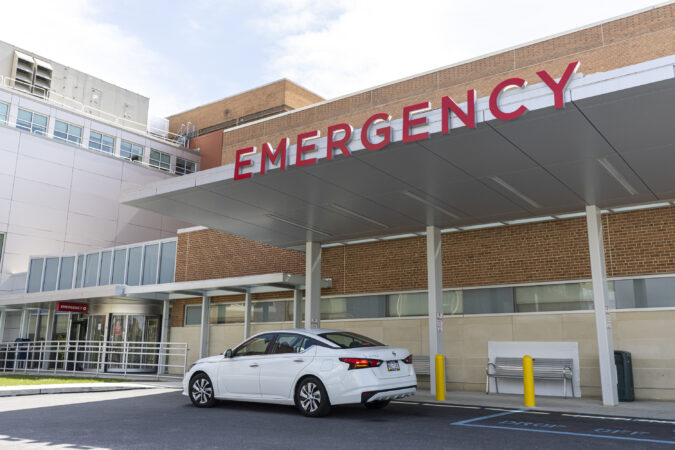
The new owner of the defunct Crozer-Chester Medical Center wants to restore hospital and emergency services to the 64-acre campus that straddles Chester and Upland Township in Delaware County.
Newly formed Chariot Equities completed the $10 million purchase Wednesday. The for-profit entity said it expected within six months to have an agreement with a health system that would operate a “right-sized” hospital and emergency department at the facility that had been the county’s largest provider of those services before closing last year.
The idea is then to open the first phase within two years, Chariot said in a statement.
Chariot did not say how much it would spend on refurbishing Crozer-Chester, which had suffered from years of neglect under its two previous owners.
Chariot’s partner at Crozer-Chester is Allaire Health Services, a Jackson, N.J.-based for-profit operator of nursing homes.
The partners said they are in talks with regional and national nonprofit health systems regarding an operating partnership, but provided no details. The amount of money needed for the project would likely depend on what prospective tenants would want to do at the property.
“Our belief in Delaware County’s future, and the community’s need for sustainable healthcare access, made this an effort worth committing to well before the finish line,” said Yoel Polack, Chariot’s founder and principal.
Little is known about the new owners. Polack worked in healthcare real estate in the New York City area before setting his sights on redeveloping Crozer-Chester.
Federal records list Allaire’s CEO Benjamin Kurland as an owner of 20 nursing homes, including three in the Philadelphia area. Chariot’s statement said Allaire owns a total of 29 facilities in five states.
Main Line Health has been involved in discussions about reopening emergency services at three former Crozer hospitals — Crozer-Chester Medical Center, Springfield Hospital, and Taylor Hospital — at the request of state lawmakers and the property owners, Ed Jimenez, CEO of Main Line Health, said Wednesday at a Riddle Hospital event.
Jimenez said he would “entertain the concept” of restoring emergency services at one of the hospitals as part of a partnership with other health systems, but only if it can be done on a break-even basis.
All three of the former hospital buildings visited by Main Line officials are in poor condition and were stripped of medical equipment after the closures. Main Line’s experts estimated it would cost between $15 million and $20 million just to make the emergency department at Taylor functional, Jimenez said.
ChristianaCare, Delaware’s largest health system, considered acquiring Crozer in 2022. Instead, it took a different path to expansion in Southeastern Pennsylvania. It is planning to open two micro-hospitals in Delaware County. The nonprofit system also took over five former Crozer outpatient locations. Its credit rating was recently downgraded by one notch because of lower profitability.
The importance of Crozer-Chester
Crozer-Chester closed in early May during the bankruptcy of owner Prospect Medical Holdings Inc., a for-profit company based in California, and after the failure of government-supported efforts to form a new nonprofit owner for Crozer-Chester and other Crozer Health facilities.
Crozer-Chester was particularly important as a safety-net provider for a low-income area of Delaware County that has few other nearby options. The Crozer system, which had four hospitals, was the county’s largest health system and largest employer for many years.
Two local Democratic officials, State Rep. Leanne Krueger and Delaware County Council member Monica Taylor, said they were encouraged by the approach being taken by Chariot and Allaire.
At Taylor Hospital, the other Crozer hospital that closed last year, new owners are also looking for healthcare tenants. Local investors bought the Ridley Park facility for $1 million. It is less than four miles from Crozer-Chester.
The same group agreed last week to pay $1 million for Springfield Hospital, another facility that had previously shut down under Prospect ownership.
Two Delaware County hospitals are getting $6 million in additional funding to help them address a sharp increase in patients after Crozer Health, the county’s largest hospital and busiest emergency department, closed last year.
About $5 million of the funding had previously been allocated to Crozer Health under a program that supports hospitals that care for a high portion of low-income patients with Medicaid. About $3 million of that money was redistributed to Riddle Hospital in Media; Mercy Fitzgerald Hospital in Darby $2 million. Local lawmakers secured an additional $1 million for Riddle.
“They really have stepped up to fill a big void, and we want to make sure they have the resources they need,” said Rep. Lisa Borowski, a Delaware County Democrat.
The additional funding will allow Riddle, part of the nonprofit Main Line Health system, to hire more staff, said Ed Jimenez, Main Line Health’s CEO.
When there aren’t enough nurses or other clinicians to cover the hospital’s needs, Riddle has had to turn to staffing agencies, which charge three to four times the rate Main Line pays staff providers, he said.
Main Line executives and local lawmakers marked the funding announcement at Riddle Wednesday with a check presentation ceremony and roundtable discussion about ongoing regional healthcare challenges.
Rep. Gina Curry, a Delaware County Democrat, urged hospital executives to continue trying to connect with patients who may be without doctors after Crozer was closed by its bankrupt for-profit owner, Prospect Medical Holdings, based in California.
Crozer-Chester Medical Center in Upland and its sister hospital, Taylor Hospital in Ridley Park, served a disproportionately low-income population in Chester and other densely populated communities outside Philadelphia with high rates of chronic health problems, such as asthma and heart disease.
“You’re working very hard inside here to try to help, but how are you including the community to let them know that Main Line Health is wrapping around them,” Curry said.
Way back in 2022, when Philadelphians gathered on an abandoned pier to watch a man eat a rotisserie chicken, folks on social media began to wonder: “Is Philadelphia a real place?”
Sure, that perception has a lot to do with an unbelievable event that actually happened in the suburbs (Delco never fails to carry its weight), but Philly also saw its fair share of the bizarre this year, too.
As we prepare for what may be one of the most important (and hopefully weirdest!) years in modern Philadelphia history, let’s take some time to look back on the peculiar stories from across the region that punctuated 2025.
Five uh-oh
Kevon Darden was sworn in as a part-time police officer for Collingdale Borough on Jan. 12 and hit the ground running, landing his first arrest just four days later.
The only problem? It was his own.
Pennsylvania State Police charged Darden with terroristic threats and related offenses for an alleged road rage incident in 2023 in which he’s accused of pointing a gun at a driver on the Blue Route in Ridley Township. At the time of the alleged incident Darden was employed as an officer at Cheyney University.
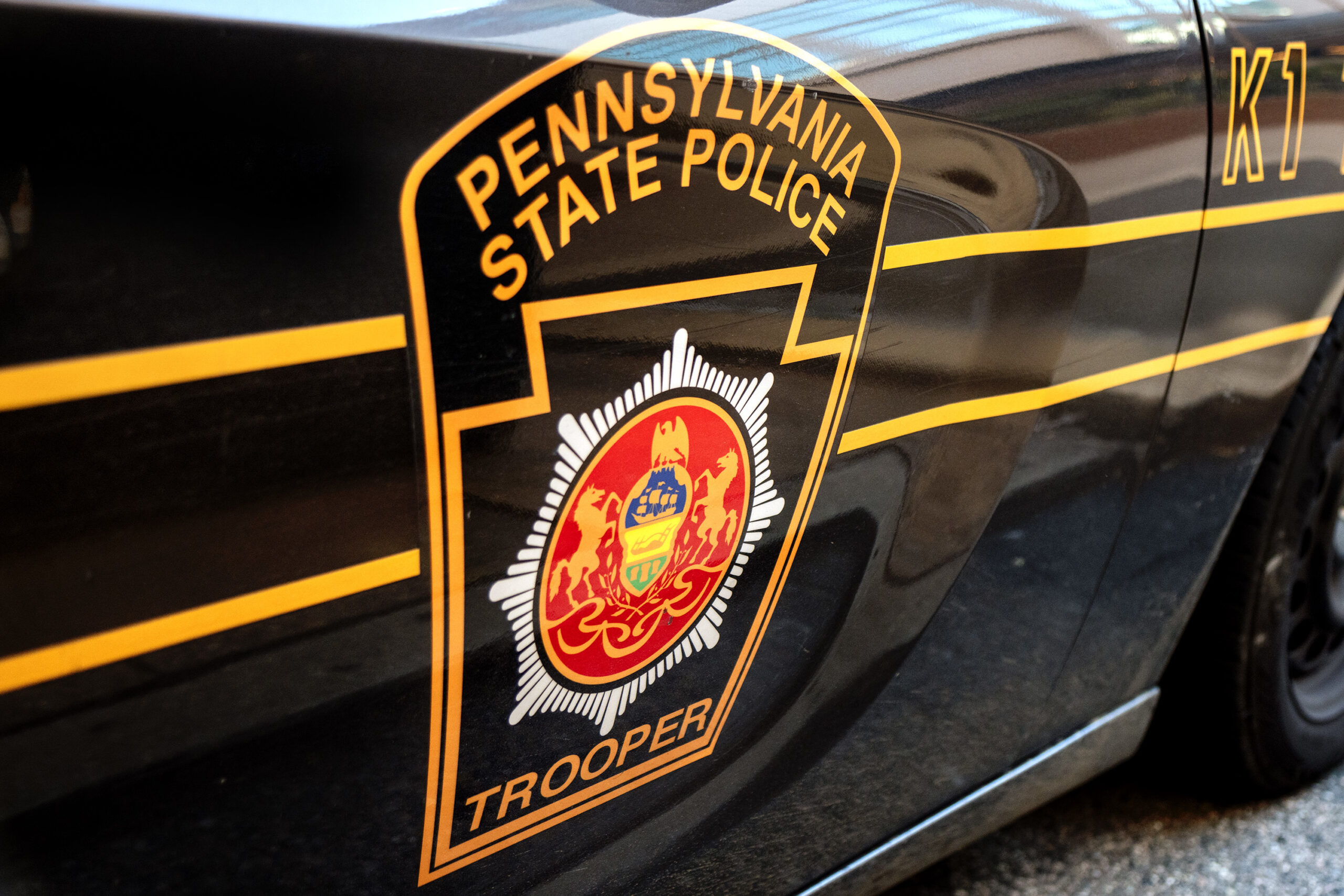
A Pennsylvania State Police vehicle. The agency provided two clean background checks for a Collingdale police officer this year, only to arrest him four days after he started the job.
Here’s the thing — it was state police who provided not one but two clean background checks on Darden to Collingdale officials before he was hired. An agency spokesperson told The Inquirer troopers had to wait on forensic evidence tests and approval from the District Attorney’s Office before filing charges.
Darden subsequently resigned and is scheduled for trial next year in Delaware County Court.
For the Birds
The Eagles’ second Super Bowl win provided a wellspring of wacky — and sometimes dicey — moments on and off the field early this year.
Mayor Cherelle L. Parker started the championship run off strong by going viral for misspelling the most popular chant in the city as “E-L-G-S-E-S” during a news conference. Her mistake made the rounds on late night talk shows and was plastered onto T-shirts, beer coozies, and even a license plate. If you think the National Spelling Bee is brutal, you’ve never met Eagles fans.
Philadelphia Eagles quarterback Jalen Hurts at the line of scrimmage during the fourth quarter of the NFC divisional playoff at Lincoln Financial Field on Jan. 19. The Philadelphia Eagles defeated the Los Angeles Rams 28 to 22.
Then there was the snowy NFC divisional playoff game against the Los Angeles Rams at Lincoln Financial Field; continued drama around the Tush Push (which resulted in Dude Wipes becoming an official sponsor of the team); and Cooper DeJean’s pick-six, a gift to himself and us on his 22nd birthday that helped the Birds trounce the Kansas City Chiefs 40-22 in Super Bowl LIX.
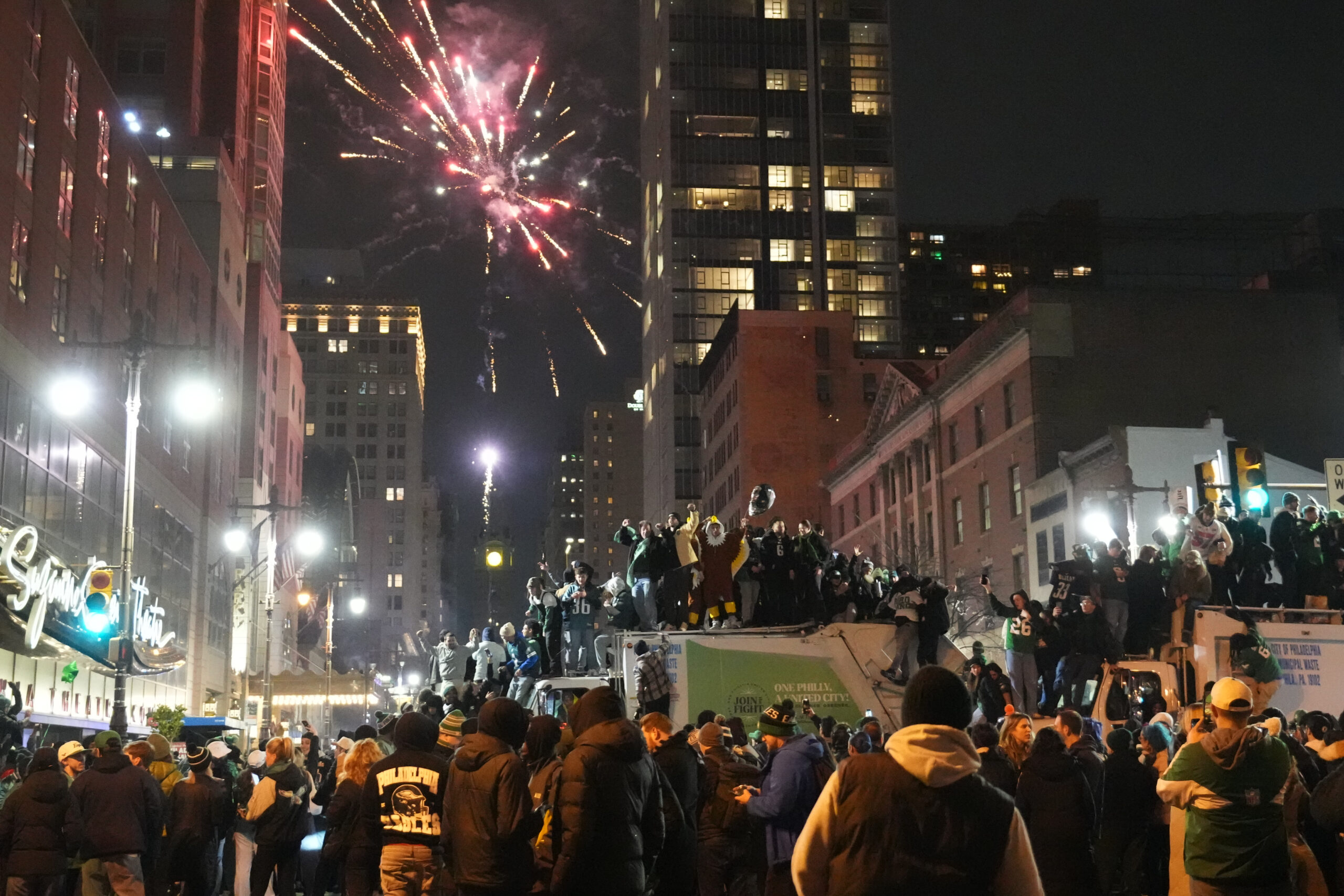
As soon as the Eagles won with Jalen Hurts as MVP, Philadelphians let loose, flooding the streets like a drunken green tsunami. Fans scaled poles and tore them down; danced on bus shelters, medic units, and trash trucks; partied with Big Foot, Ben Franklin, and Philly Elmo; and set a bonfire in the middle of Market Street.
Eagles fans party on trash trucks in the streets of Center City after the Birds win in Super Bowl LIX against the Chiefs on Feb. 9.
Finally, there was the parade, a Valentine’s Day love letter to the Eagles from Philadelphia. Among the more memorable moments was when Birds general manager Howie Roseman was hit in the head with a can of beer thrown from the crowd. He took his battle scar in pride, proclaiming from the steps of the Philadelphia Art Museum: “I bleed for this city.”
As we say around here, love Hurts.
Throngs of Birds fans lined the Benjamin Franklin Parkway for the Eagles Super Bowl Parade on Feb. 14.
A $40 million goodbye
As far as inanimate objects go, few have experienced more drama in recent Philly history than the SS United States, the 73-year-old, 990-foot luxury liner that was docked for nearly three decades on the Delaware River waterfront.
Supporters spent more than $40 million on rent, insurance, and other measures to keep the ship in Philly with the hopes of returning it to service or at least turning it into a venue. But a rent dispute with the owners of the pier finally led a judge to order the SS United States Conservancy, which owned the vessel, to seek an alternate solution.
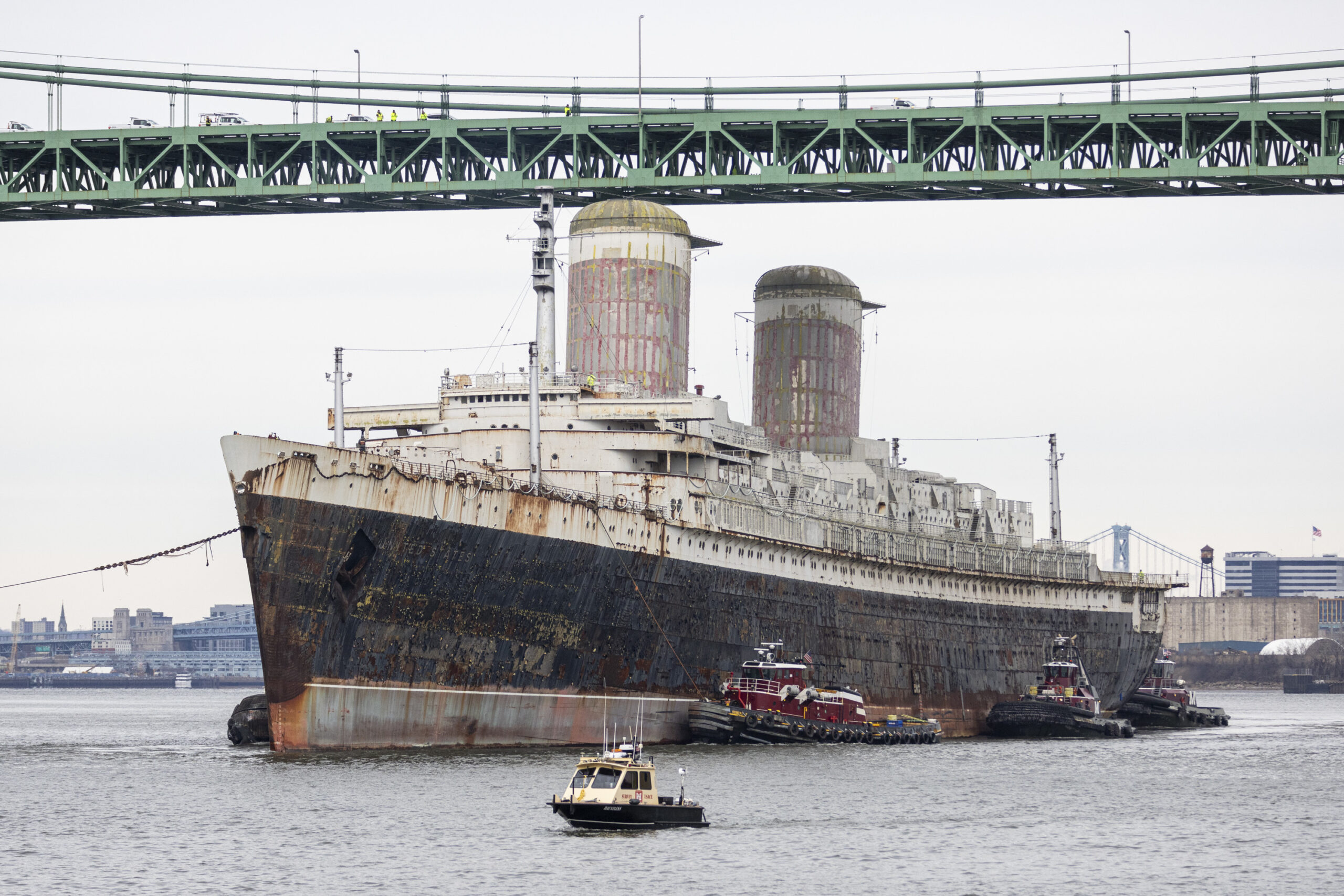
Workers on the Walt Whitman Bridge watch from above as the SS United States is pulled by tug boats on the Delaware River.
And so in February, with the help of five tugboats, the ship was hauled out of Philly to prepare it to become the world’s largest artificial reef off the coast of Okaloosa County, Fla.
If the United States has to end somewhere, Florida feels like an apt place.
The ‘Delco Pooper’
While the Eagles’ Tush Push was deemed legal by NFL owners this year, a Delaware County motorist found that another kind of tush push most definitely is not after she was arrested for rage pooping on the hood of a car during a roadway dispute in April.
Captured on video by a teen who witnessed the rear-ending, the incident quickly went viral and put a stain on Delco that won’t be wiped away anytime soon.
Christina Solometo, who was dubbed the “Delco Pooper” on social media, told Prospect Park Police she got into a dispute with another driver, whom she believed began following her. Solometo claimed when she got out of her car the other driver insulted her and so she decided to dump her frustrations on their hood.
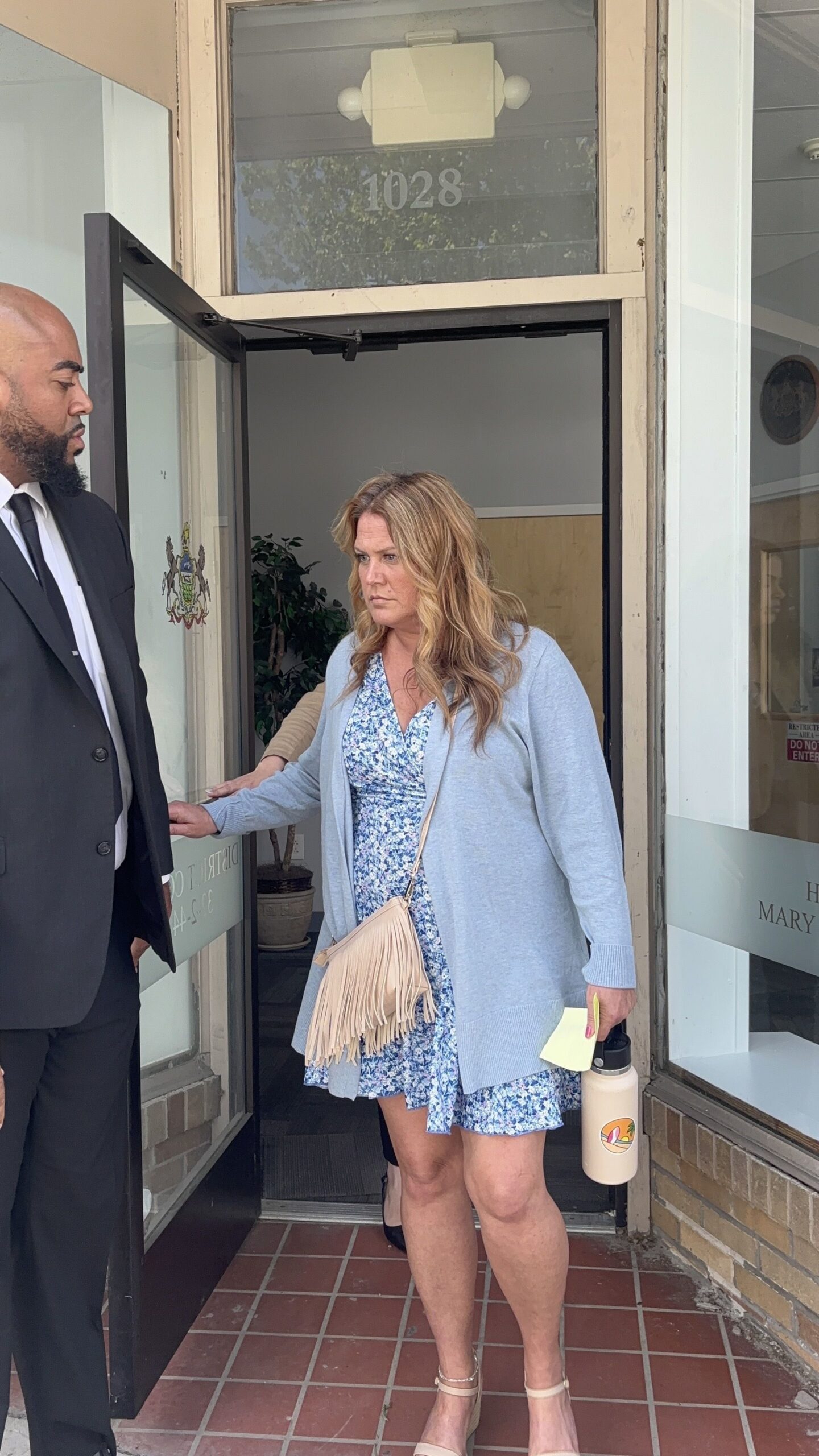
A private security guard holds the door open for alleged “Delco Pooper” Christina Solometo following her preliminary hearing Monday at Prospect Park District Court.
“Solometo said, ‘I wanted to punch her in the face, but I pooped on her car instead and went home,’” according to the affidavit.
I’ve written a lot of stories about Delco in my time, but this may be the most absurd.
Hopefully, she won’t be clogging up the court system anymore.
The Delco pope
Delco is large, it contains multitudes, and never was that more clear than when two weeks after the Delco Pooper case broke, a Delco pope was elected.
OK, so Pope Leo XIV is technically a native of Chicago, but he attended undergrad at Villanova University — which, yes, technically straddles Delco and Montgomery County — but Delco’s had a tough year so I’m gonna give it this one.
This video screen grab shows Pope Leo XIV wearing a Villanova University hat gifted to him during a meeting with an Italian heritage group.
Born Robert Prevost, Pope Leo is the first U.S. pope in history and also a citizen of Peru. He earned his bachelor’s degree in mathematics from Villanova in 1977 and an honorary doctor of humanities from the university in 2014.
Center City Sips, the Wednesday Center City happy hour program, long ago earned a reputation as a rite of passage for 20-somethings who are still figuring out how to limit their intake and want to do so in business casual attire.
Things seemed to calm down after the pandemic, but then Philadelphians took Sips to another level and a whole new place this year — the streets.
Videos showed hundreds of people partying in the streets of Midtown Village on Wednesday nights this summer. Granted, the parties look far more calm than when sports fans take over Philly after a big win, but the nearby bar owners who participate in the Sips program said their places sat empty as people brought their own alcohol to drink.
Jason Evenchik, who owns Time, Vintage, Garage, and other bars, told The Inquirer that “No one is inside, and it’s mayhem outside.”
“Instead, he claimed, people are selling alcohol out of their cars and bringing coolers to make their own cocktails. At one point on June 11,Evenchik said, a Tesla blocked a crosswalk while a man made piña coladas with a pair of blenders hooked up to the car,” my colleague Beatrice Forman wrote.
In no way am I condoning this behavior, but those two sentences above may be my among favorite this year. Who thinks to bring a blender — with a car hookup — to make piña coladas at an unauthorized Center City street party on a Wednesday night?
Philly.
Getting trashed
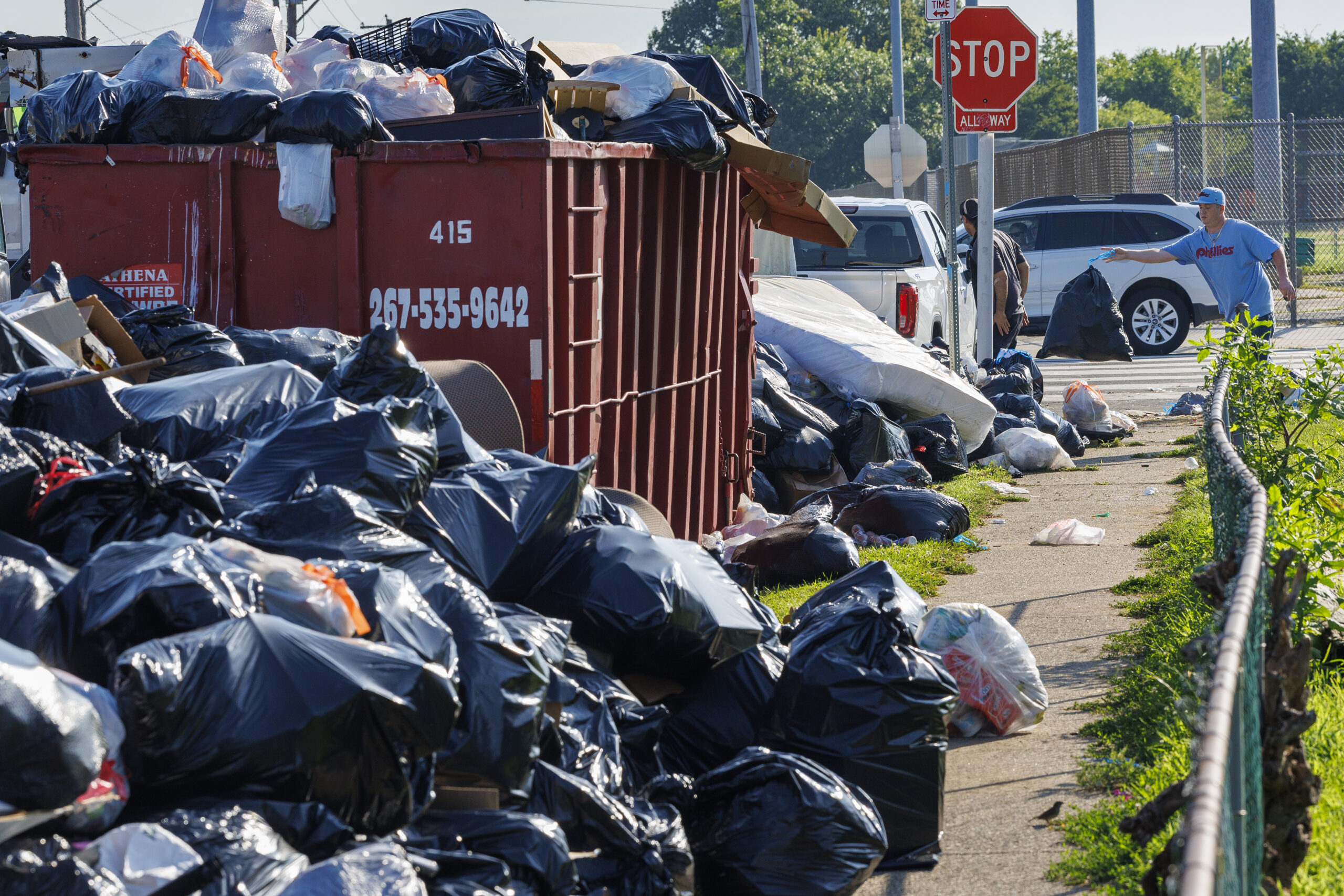
Philadelphians experienced a major city workers strike this summer when Mayor Cherelle L. Parker and AFSCME District Council 33 couldn’t agree on a new contract for the union’s nearly 9,000 members.
Residents with trash arrive at garbage dump site at Caldera Road and Red Lion Road in northeast Philadelphia during the AFSCME District Council 33 workers strike in July.
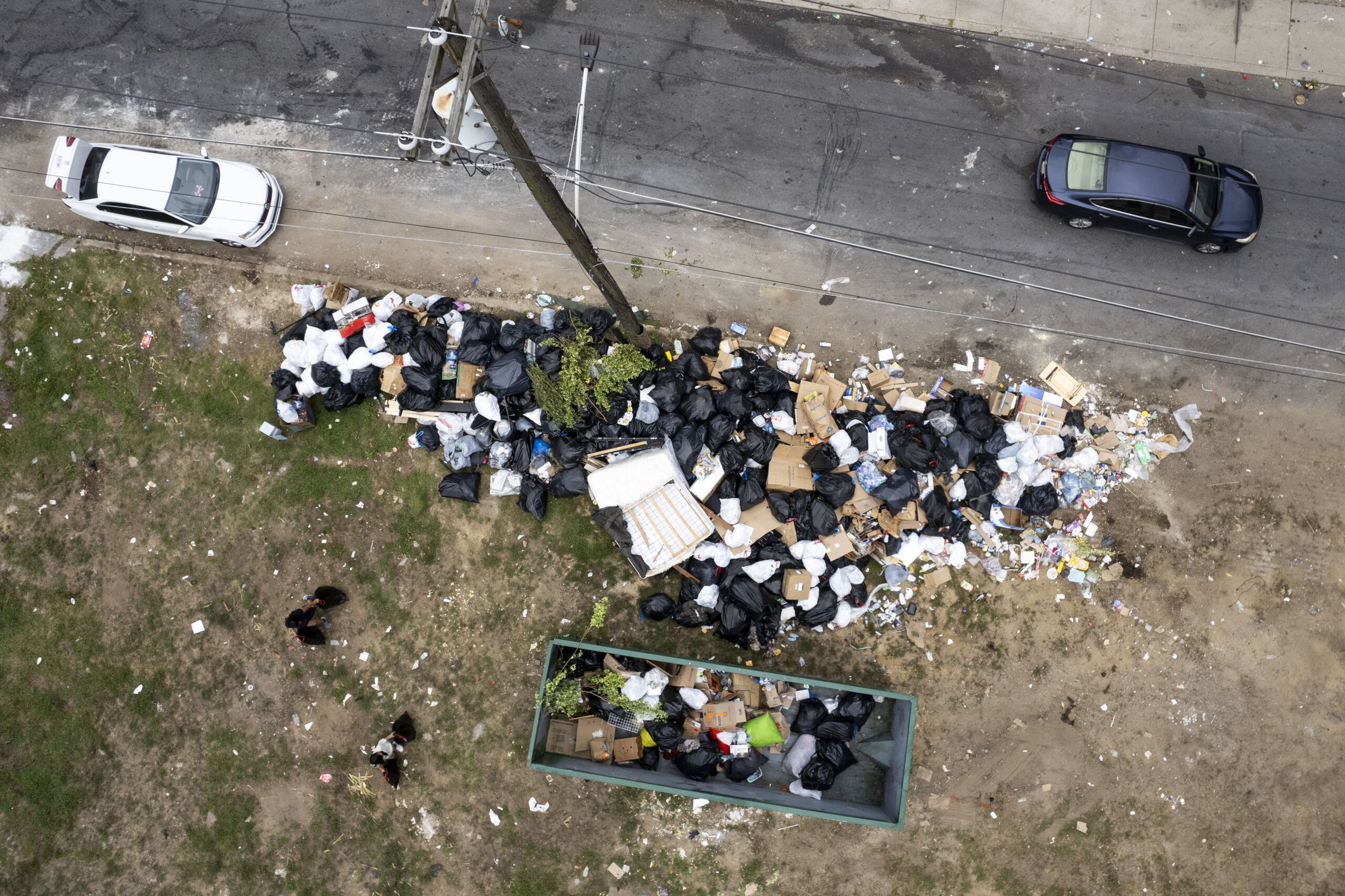
As a result, things got weird. Dead bodies piled up at the Medical Examiner’s Office; a striking union member was arrested for allegedly slashing the tires of a PGW vehicle; and for eight days in the July heat, garbage heaped up all across Philadelphia. The city set up temporary trash drop-off sites, which often overflowed into what were nicknamed “Parker piles,” but that also set off a firestorm about whether using the sites constituted crossing a picket line.
Wawa Welcome America July Fourth concert headliners LL Cool J and Jazmine Sullivan even pulled out of the show in support of striking workers, resulting in a fantastic “Labor Loves Cool J” meme.
It was all like something out of It’s Always Sunny in Philadelphia. In fact, the gang predicted a trash strike in the 2012 episode “The Gang Recycles Their Trash.”
The real strike lasted eight days before a contract was reached. In true Philly form, AFSCME District Council 33 president Greg Boulware told The Inquirer “nobody’s happy.”
A large pile of trash collects at a city drop-off site during the AFSCME workers strike this summer.
97-year-old gives birth to 16 kids
A local nonagenarian couple became national shellebrities this year for welcoming seven babies in April and nine more in August, proving that age ain’t nothing but a number, as long as you’re a tortoise.
Western Santa Cruz Galapagos tortoise Mommy, and male Abrazzo, left, are shown on Wednesday, April 23, 2025, at the Philadelphia Zoo in Philadelphia, Pa. The hatchlings’ parents, female Mommy and male Abrazzo, are the Zoo’s two oldest animals, each estimated to be around 100 years old.
Mommy and Abrazzo, Western Santa Cruz Galapagos tortoises who reside at the Philadelphia Zoo, made history with their two clutches, becoming the first pair of the critically endangered species in the zoo’s 150-year history to hatch eggs and the first to do so in any accredited zoo since 2019.
Mommy is also the oldest known first-time Galapagos tortoise mom in the world, so it’s safe to say she doesn’t have any time or patience for shenanigans. She’s got 16 heroes in a half shell to raise.
Western Santa Cruz Galapagos tortoise egg hatchling.
Phillies Karen
Taking candy from a baby is one thing — babies don’t need candy anyway — but taking a baseball from a kid at a Phillies game is a deed so foul and off base it’s almost unimaginable.
And yet, that’s exactly what happened at a Phillies-Marlins game in September, when a home run from Harrison Bader landed in the stands and a dad ran from his seat to grab it and give it to his son. A woman who was sitting near where the ball landed marched over to the dad, berated him, and demanded the ball be given her. Taken aback, the father reached into his son’s baseball glove and turned the ball over.
The entire scene was caught on camera and the woman, with her Kate Gosselin-esque hairdo, was immediately dubbed “Phillies Karen” by flabbergasted fans.
While the act technically happened at the Marlins stadium in Miami, Fla., it captured the minds and memes of Philadelphians so much that it deserves inclusion on this list. Phillies Karen has made her way onto T-shirts and coffee mugs, inspired skits at a Savannah Bananas game and the MLB Awards, and she even became a popular Halloween costume.
To this day, “Phillies Karen” remains unidentified, so it’s a safe bet she lives in Florida, where she’ll have better luck with alligators than with people here.
Institutional intrigue
Drama at area institutions this year had Philadelphians sipping tea like we were moms on Christmas morning, and sometimes, left us shaking our fists in the air like we were dads putting up tangled lights.
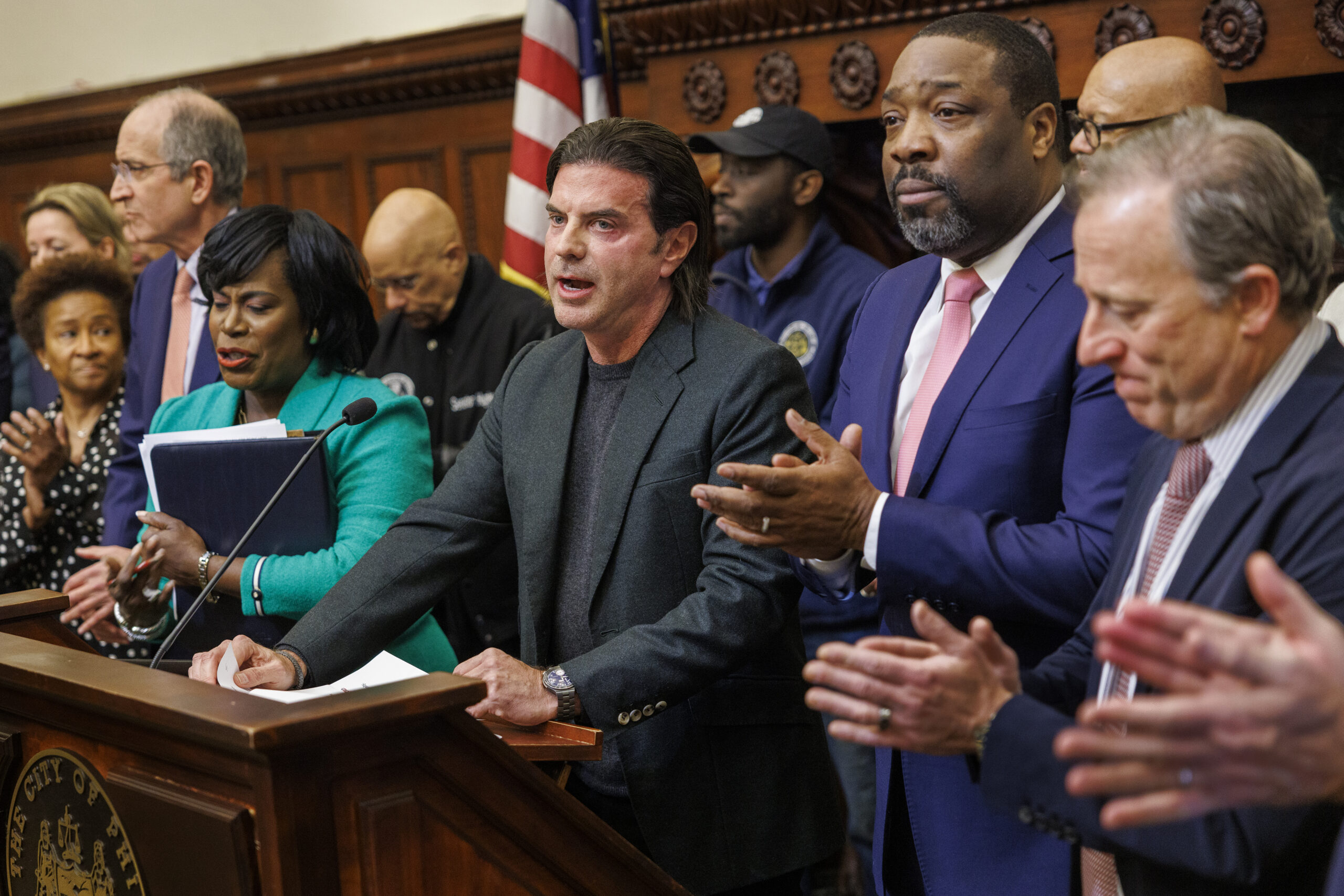
David Adelman with the Philadelphia 76ers makes a statement at a press conference in the Mayor’s Reception Room in January regarding the Sixers changing directions on the controversial Center City arena. At left is mayor Parker, at right City Council President Kenyatta Johnson and Josh Harris, Sixers owner.
It started early in January, when the billionaire owners of the Sixers surprised the entire city by announcing the team would stay at the South Philly sports complex instead of building their own arena on Market East. The decision came after two years of seemingly using the city, its politicians, and its people as pawns in their game.
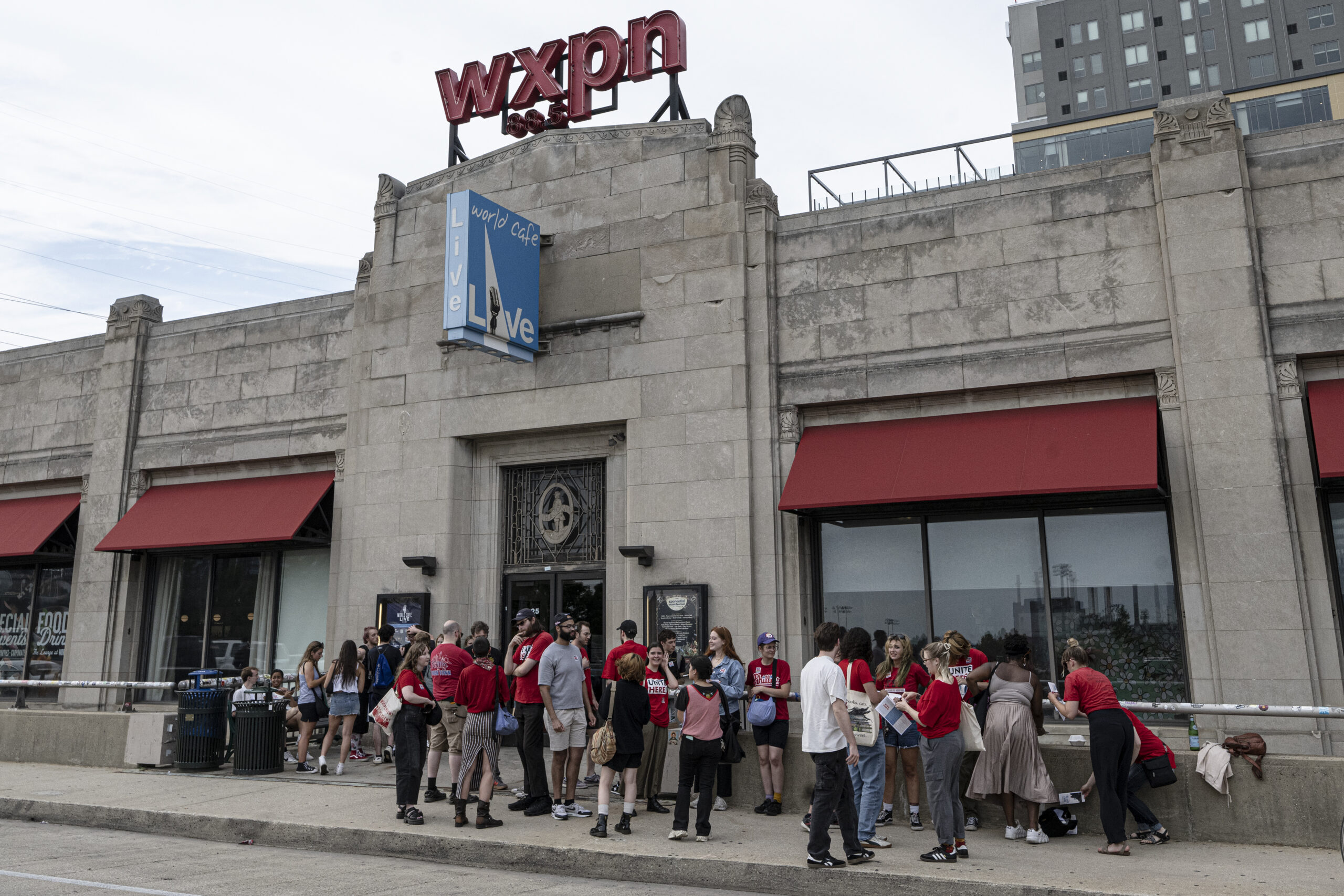
Workers gathered outside World Cafe Live before a Town Hall meeting with management in July.
In June, workers staged a walkout at World Cafe Live due to what they claimed was “an unacceptable level of hostility and mismanagement” from its new owners, including its then-CEO, Joseph Callahan. Callahan — who said the owners inherited $6 million in debt and that he wanted to use virtual reality to bolster its revenue — responded by firing some of the workers and threatening legal action. Today, the future of World Cafe Live remains unclear. Callahan stepped down as CEO in September (but remains chairman of the board), the venue’s liquor license expired, and its landlord, the University of Pennsylvania, wants to evict its tenant, with a trial scheduled for January.
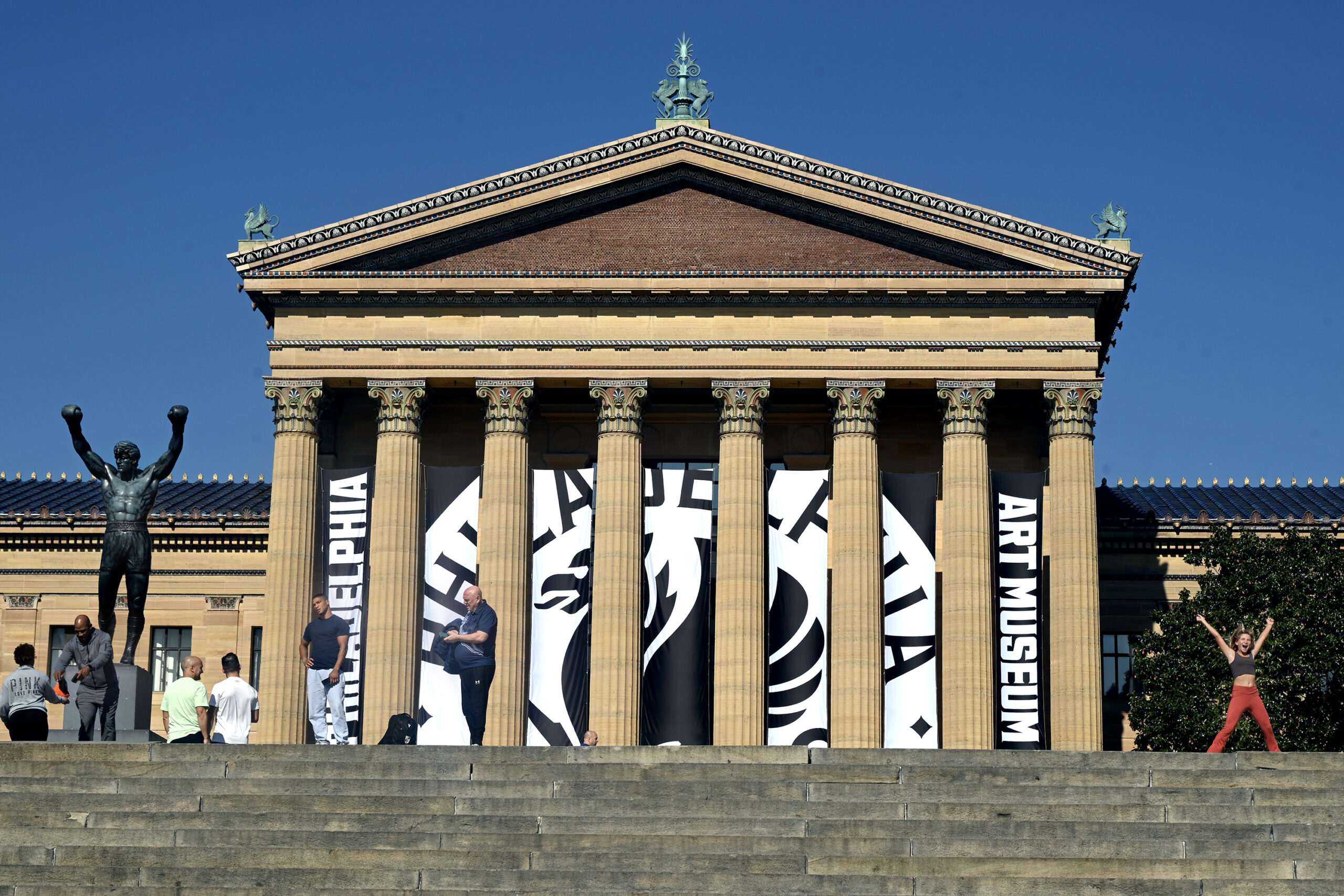
Signage at the east entrance to the Philadelphia Art Museum reflects the rebrand of the institution, which was formerly known as the Philadelphia Museum of Art.
Finally, late this year at the Philadelphia Art Museum, things got more surreal than a Salvador Dalí painting, starting with an institutional rebrand that surprised some board members, didn’t land well with the public, and resulted in a lot of PhART jokes. In November, museum CEO Sasha Suda was fired following an investigation by an outside law firm that focused, in part, on increases to her salary, a source told The Inquirer. Suda’s lawyer called it a “a sham investigation” and Suda quickly sued her former employer, claiming that “her efforts to modernize the museum clashed with a small, corrupt, and unethical faction of the board intent on preserving the status quo.”
Nobody knows where all of this will go, but it’s likely to have more drama than a Caravaggio.
Crozer Health’s shutteredTaylor Hospital in Ridley Park will be soldto a group of local healthcare executives for $1 million, according to an agreement filed Friday in bankruptcy court proceedings for its owner, California-based Prospect Medical Holdings.
The buyer is a partnership led by Delaware County business owner Todd Strine. The group’s goal is to refill the empty property with medical services, Strine said.
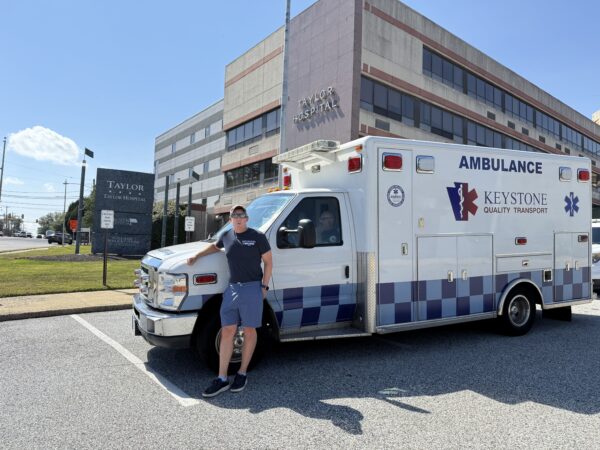
“The ideal thing that could happen is we reopen an emergency room, because that’s what Delaware County needs,” said Strine, who is the majority owner of medical transport company Keystone Quality Transport.
Prospect closed Taylor in late April after the failure ofa state-led effort to find a new operator that would return the Crozer health system to nonprofit ownership. Shortly thereafter, Crozer-Chester Medical Center also closed.
Crozer was Delaware County’s largest healthcare system and a provider of critical safety-net services.For-profitProspect had previouslyclosed Springfield Hospital and Delaware County Memorial Hospital in 2022.
“It’s a fact that Delaware County is less safe today than it was when these hospitals were operating,” Strine said.
He said it seems unlikely that a full-blown hospital would return to Taylor.
Ridley Park Council president Dane Collins said he’s hopeful that an emergency department and doctors services will return to the site. “It’s no secret. The area’s in desperate need of it,” he said.
As part of the agreement, Delaware County, Ridley Park Borough, and the Ridley School District agreed to reduce the taxable value of the property from its assessed value of $60 million to a fair market value of $1 million for the next two years.
The reduced value slashes the amount of property taxes that can be earned on the property for the next two years. However, beginning in 2027, the taxing authorities would be permitted to appeal the value of the building.
The decision to reduce the building’s value so dramatically in tax rolls was opposed by some members of Ridley School District’s board of education, which only narrowly approved the measure on a 5 to 4 vote last week.
Prospect hasn’t paid property taxes on the property since 2022, according to public records.
Delaware County councilmember Christine Reuther called the new value a “tough pill to swallow” in an interview. The property was worth more than the “fire sale price” it had gone for, she said.
The building would be worth less than many homes on the county’s tax rolls, Reuther noted, at a time when property values and home costs are increasing.
She called the resolution yet another example of the negative fallout from Prospect’s abandonment of healthcare resources in the community.
“There’s literally nothing we can do that isn’t going to resolve in a worse result, and that’s wrong,” Reuther said.
Strine acknowledged that the price seems cheap, but noted the building is empty, and it’s a special-use building, making it harder to find tenants. “There’s a ton of carrying costs and a lot of uncertainty about how long it’s going to take to fill up,” he said.
The investment needed to bring the building back to life is going to be many times the price, Stine said.
“It’s positive movement to have an experienced local businessperson purchase the property instead of allowing the property to become abandoned,” said Frances Sheehan, president of the Foundation for Delaware County, whose mission is promoting health and welfare in the county.
Taylor is the second shuttered Crozer hospital to be sold in less than a month. Upper Darby School District bought the former Delaware County Memorial Hospital for $600,000 on Aug. 14. It plans to use the property for expansion of its neighboring high school.
In both cases, U.S. Bankruptcy Judge Stacey Jernigan said Prospect could abandon the properties, which means that local authorities would have had to put the real estate up for a tax sale.
Prospect had told the judge that the top offers it had received were $1.25 million for Delaware County Memorial, which closed in 2022, and $575,000 for Taylor.
Given the risk of abandonment by Prospect, county and local authorities riskeda totalloss to tax rolls ifProspect abandoned the property entirely.
Robert Strauss, an economics professor at Carnegie Mellon University who studies property tax, noted that the buyers may have backed out of a deal if they couldn’t obtain the reductions in property taxes.
“It’s hard to envision anything easy happening in the short run that would bring it back onto the tax rolls and be profitable,” he said. “The reduction in revenues seems to me to be inevitable in the next couple of years, regardless.”
This suburban content is produced with support from the Leslie Miller and Richard Worley Foundation and The Lenfest Institute for Journalism. Editorial content is created independently of the project donors. Gifts to support The Inquirer’s high-impact journalism can be made at inquirer.com/donate. A list of Lenfest Institute donors can be found at lenfestinstitute.org/supporters.