Tag: Rite Aid

  • ArchWell Health is a new primary care provider for Philadelphians with Medicare Advantage

    ArchWell Health is a new primary care provider for Philadelphians with Medicare Advantage

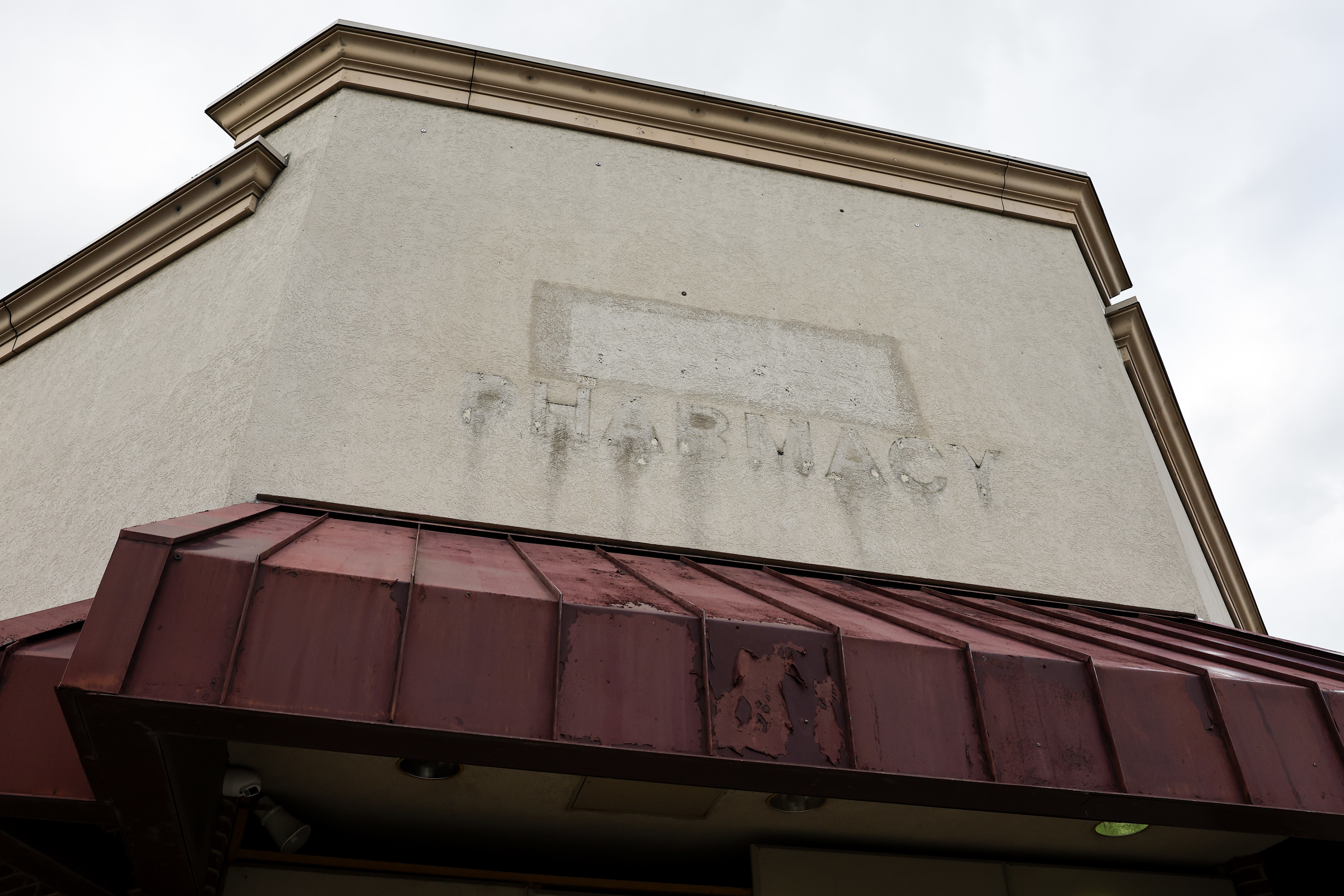
    A new sign with orange letters outside a former Rite Aid in Germantown announces the arrival of a primary care model new to the Philadelphia region.

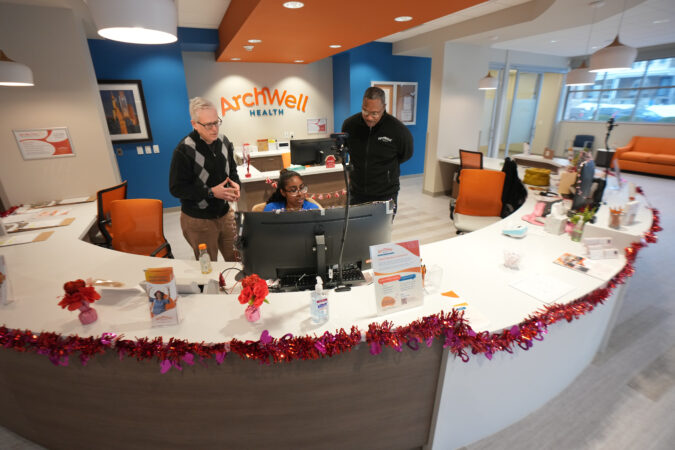
    ArchWell Health recently opened its first three of eight planned primary care centers here for people with Medicare Advantage, promising convenient and personalized care in neighborhoods with a relative lack of doctors.

    Two others have opened on North Broad Street, near Stenton and Susquehanna Avenues, also in former Rite Aid stores.

    A privately held company based in Nashville, Tenn., ArchWell says it can offer patients greater access to healthcare through lower patient-provider ratios.

    It plans to limit each of its physicians to no more than 500 patients — about a fifth of the patient load for typical primary care doctors. Nurse practitioners working under the doctors will manage a maximum of 250 patients, officials said.

    The approach is built around a financial model that differentiates ArchWell from Medicare-focused competitors already in Philadelphia like Oak Street Health and ChenMed’s Dedicated Senior Medical Centers. ArchWell only accepts patients who have private Medicare or are willing to switch to it. Oak Street and ChenMed also accept traditional Medicare.

    Privately run Medicare Advantage plans are increasingly popular among people ages 65 and older who qualify for government-funded Medicare coverage. Advantage plans appeal to people by covering services, such as dental and vision care, left out of traditional Medicare, but have come under scrutiny for exaggerating how sick patients are to rack up more revenue.

    ArchWell sees exclusively working with Medicare Advantage plans as helping doctors to focus solely on the best outcomes for patients, rather than on providing more services to bring in more revenue, a criticism of traditional Medicare, said Doron Schneider, its medical director for the Philadelphia market.
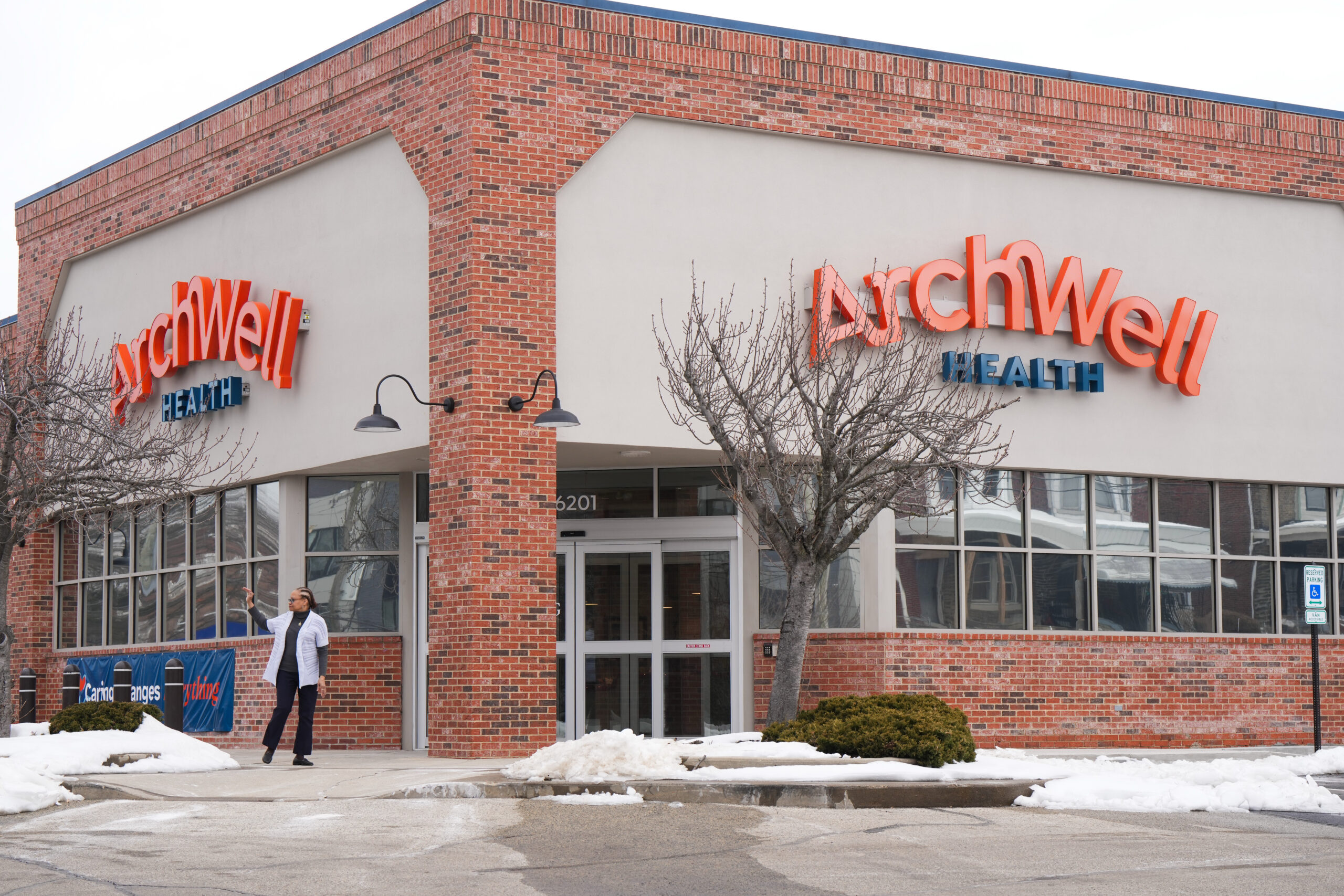
    Melissa A. Herd, community relations specialist for ArchWell Health in Philadelphia, is shown outside the company’s Germantown location, which is in a former Rite Aid building.

    “You have different incentives, you have different care models, you have different case management models, you have different ways to treat one person versus the other,” Schneider said.

    Before starting at ArchWell in late 2024, Schneider worked at Tandigm Health, an Independence Health Group company founded in 2014 with the goal of helping primary care doctors manage costs and improve care for their patients. He learned there how hard it is for doctors to work with different types of insurers and the varied incentives that go with them.

    How ArchWell conducts business

    ArchWell, which opened its first clinic in 2021 in Birmingham, Ala., operates under contracts with Medicare Advantage plans. The plans give ArchWell a portion of the monthly payment they get from Medicare for each patient. That money is supposed to cover all of the person’s medical costs.

    Aetna, UnitedHealthcare, and Devoted Health have contracts with ArchWell to cover the Philadelphia market. ArchWell is close to getting contracts with HealthSpring and Humana, Schneider said. Those five companies had more than 90,000 people in their plans in December, according to federal data.

    Aetna and UnitedHealthcare said they work with clinics like ArchWell’s around the country to improve health outcomes and leave patients more satisfied with their experience.

    “We are pleased that they are now an option for Aetna Medicare Advantage members in the Philadelphia area,” Aetna said in a statement.

    ArchWell declined to provide financial details, such as annual revenue from the more than 80 clinics it had in a dozen states before coming to Philadelphia or how much it spends to open each center. ArchWell representatives also did not disclose who its owners are.
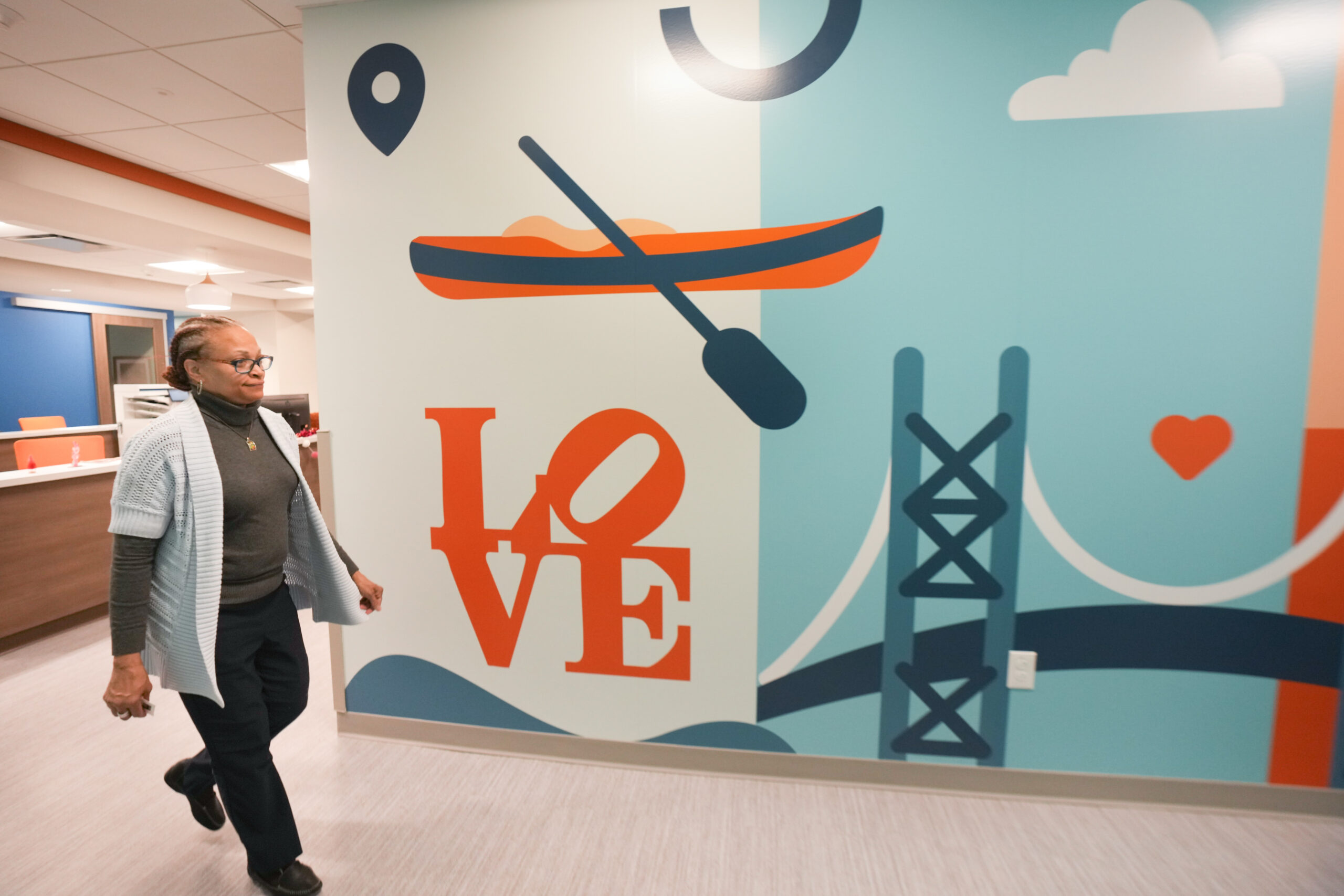
    The interior of Archwell Health’s Germantown primary care clinic has Philadelphia-centric images painted on the walls.

    Company founder Carl Whitmer worked at Clayton, Dubilier & Rice, a global private equity firm, before founding ArchWell.

    “We have partners that are focused on our sustainability and growth,” said Christina Cober, ArchWell’s vice president of marketing.

    But companies focused on primary care for seniors haven’t always been as successful as anticipated.

    Oak Street, founded in Chicago in 2012, grew rapidly and now services 450,000 patients at 230 centers across the country. It declined to say how many patients it has in Philadelphia. Oak Street arrived here in 2018.

    CVS Health bought Oak Street in 2023 for $10.6 billion, anticipating that it would expand to more than 300 centers by this year. Last fall, CVS announced it was closing 16 centers and taking a $5.7 billion write-down on its health-services business, largely because of slower anticipated growth at Oak Street.

    Patina Health, a Bala Cynwyd company that offered virtual and in-home primary care for Medicare Advantage patients through a partnership with Independence Blue Cross, shut down last year due to “unforeseen business challenges.”

    How ArchWell approaches patient care

    ArchWell says its lower patient-provider ratios allow more frequent interactions with patients. If a patient is diagnosed with high blood pressure, Schneider said, the message to the patient is: “We’ll see you back in a week. We’ll see you back in two weeks.”

    The repeat visits happen with no cost to the member and no extra revenue to ArchWell because all care is supposed to be covered by a monthly payment per member.

    ArchWell expects to add about 300 patients per year at each center, said Cober. Staffing at the centers starts out with a physician, a nurse-practitioner, two care navigators, two medical assistants, and a center manager.

    Among the early patients at ArchWell’s center on Germantown Avenue is Marcella James, 69, who lives across the street from the clinic and watched as the building was transformed from a shuttered Rite Aid.

    “I walked over there one day just to see what it was like and what they offer, and I signed up right away,” James said. James likes her doctor at Temple Health, but ArchWell was irresistibly convenient.

    “If I can get the same help or better help from ArchWell is to be seen because I just started with them,” she said.
  • The first Philly-area Sheetz is set to open next month across from a Wawa

    The first Philly-area Sheetz is set to open next month across from a Wawa

    Sheetz’s encroachment into Wawa territory has an official ETA.

    The Altoona-based convenience store chain is set to open its first Philadelphia-area store on Feb. 12 in Limerick Township, Montgomery County, according to Sheetz public affairs manager Nick Ruffner.

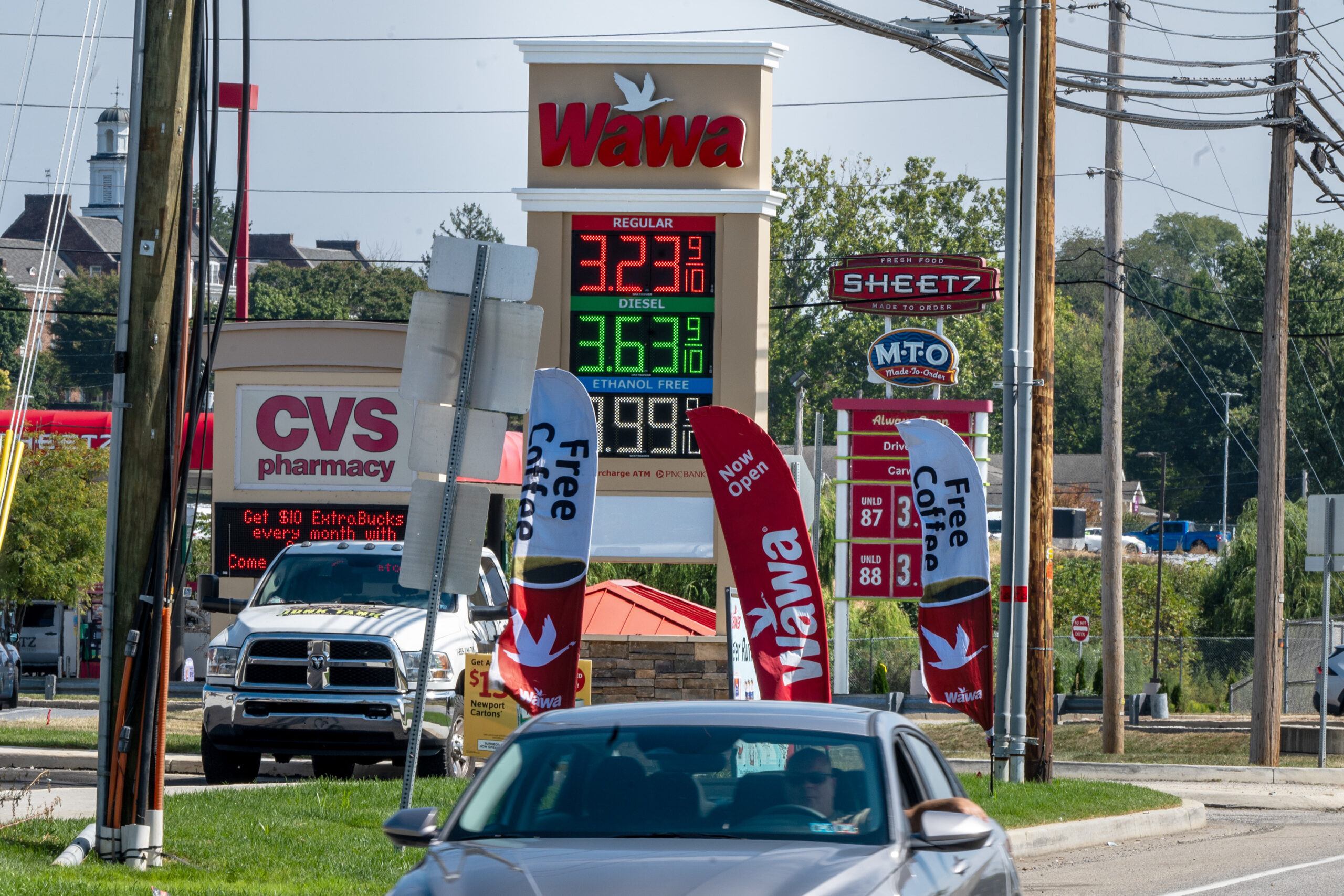
    It will be located at 454 W. Ridge Pike, across the street from an existing Wawa.

    Sheetz presented its site plans to Limerick’s board of supervisors about a year ago. The area was already zoned for this type of development, officials said at the time, and no other township permits were required.

    “As Sheetz continues its expansion into communities near its existing footprint, we remain committed to being the best neighbor we can be and delivering the convenience, quality, and service Pennsylvania communities have come to expect from us for more than 70 years,” Ruffner said in a statement.

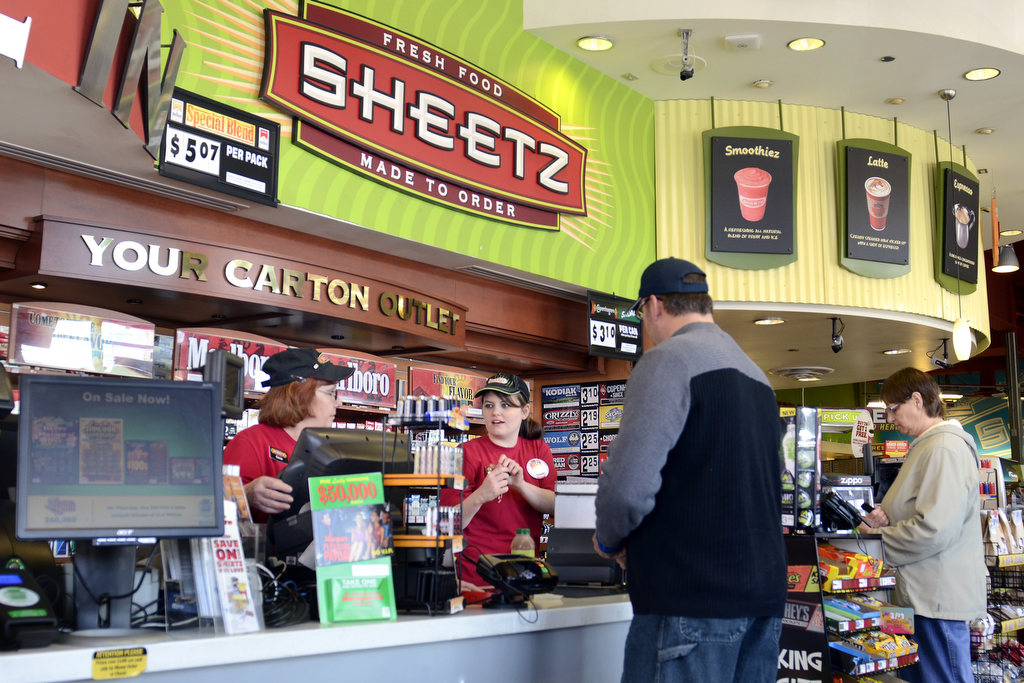
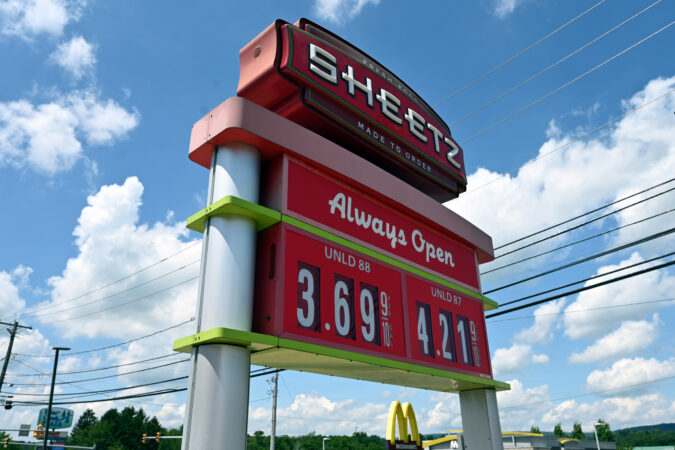
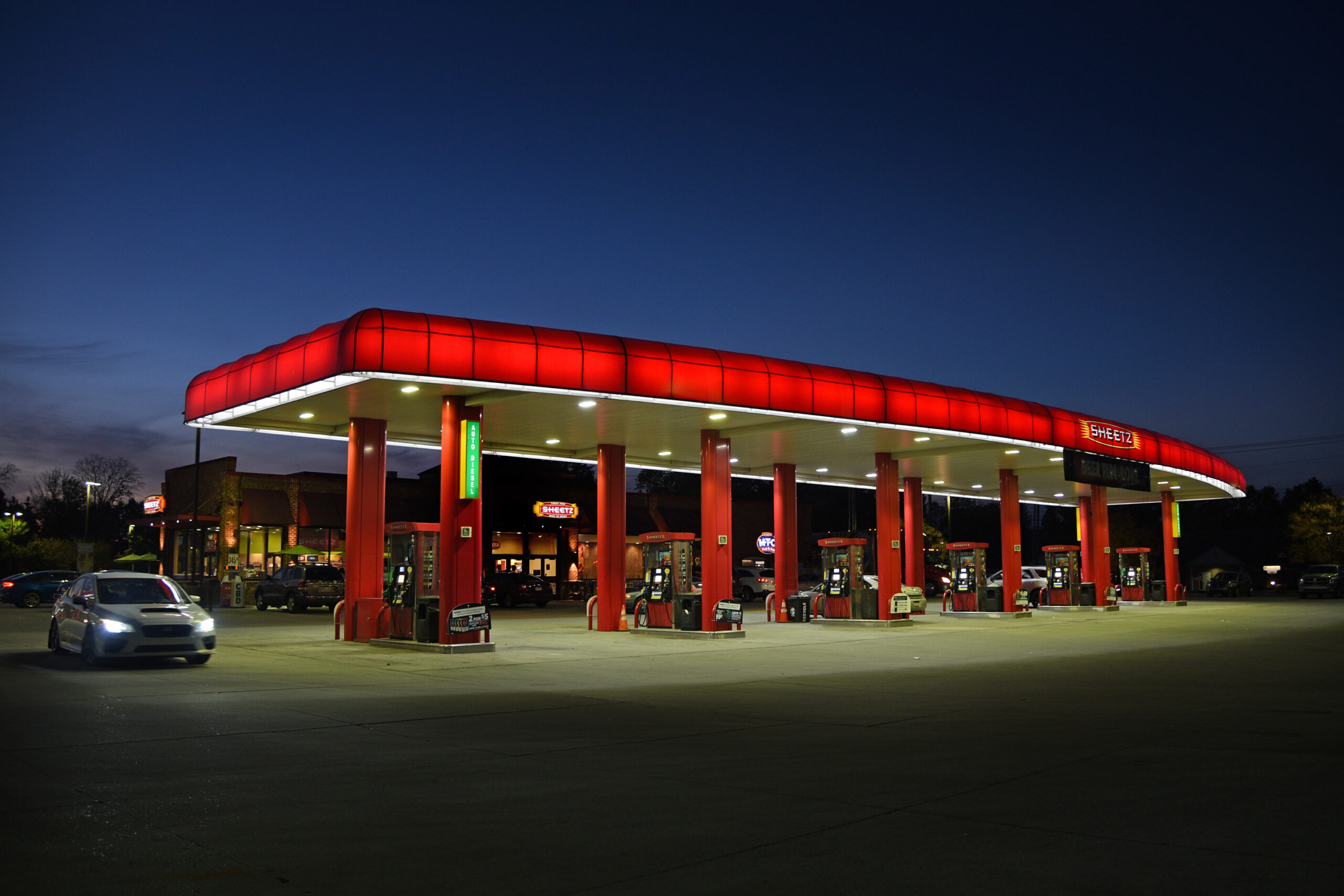
    A Sheetz convenience store and gas station near Carlisle, Pa. in 2020.

    For decades, Sheetz opened its convenience-store gas stations in the western and central parts of the Commonwealth, while Wawa added locations in communities near its Delaware County headquarters.

    Over the years, both companies expanded into other states: Wawa has more than 1,100 locations in 13 states and Washington, D.C., while Sheetz has more than 800 stores in seven states.

    But neither of the two chains would encroach on the other’s traditional strongholds in Pennsylvania. At least for a while.

    That changed in 2024, when Wawa opened its first central Pennsylvania store. The location outside Harrisburg was within eyesight of a Sheetz.

    In 2024, Wawa moved into Dauphin County, just 0.3 miles down the road from a Sheetz.

    By this October, Wawa announced it had opened its 10th central Pennsylvania store. At the time, the company said in a news release that it planned to add five to seven new locations in the region each year for the next five years — to “reach new Pennsylvania markets along the Susquehanna River.”

    Wawa plans to open its first outposts in the State College area, near Penn State’s campus.

    As of early January, Sheetz’s closest store to Philadelphia is just over the Chester County border in Morgantown.

    But along with the forthcoming Limerick location, Sheetz has also expressed interest in opening at least one store in western Chester County.

    For awhile, Sheetz, shown here in Bethlehem, Pa. in 2018, and Wawa expanded in different parts of the state, never overlapping into the other’s territory. That’s changed.

    This fall, Sheetz presented Caln Township officials with a sketch plan for a store on the site of a former Rite Aid on the 3800 block of Lincoln Highway in Thorndale, according to the township website.

    Sheetz’s namesake, Stephen G. Sheetz, died Sunday due to complications from pneumonia. The former president, CEO, and board chairman was 77.

    “Above all, Uncle Steve was the center of our family,” Sheetz president and CEO Travis Sheetz said in a statement. “We are so deeply grateful for his leadership, vision, and steadfast commitment to our employees, customers, and communities.”

  • A look back at Philly-area businesses that didn’t survive 2025

    A look back at Philly-area businesses that didn’t survive 2025

    Last year, you may have celebrated Christmas or New Year’s with a meal at an Iron Hill Brewery.

    At the time, your holiday preparations may have included trips to Joann fabrics or Party City, which was having its going-out-of-business sale. You may have stopped for medicines and other toiletries at Rite Aid.

    This year, however, you can’t go to any of those places: All of these businesses served their last customers in 2025.

    Here’s a look back at a few of the notable Philly-area businesses that closed in the past year.

    RIP to Rite Aid

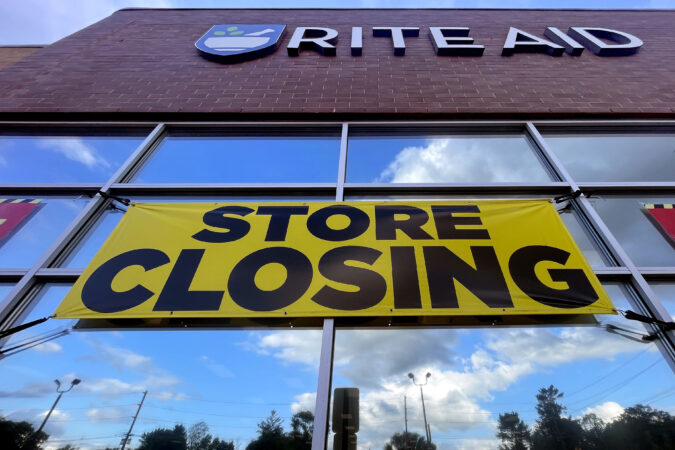
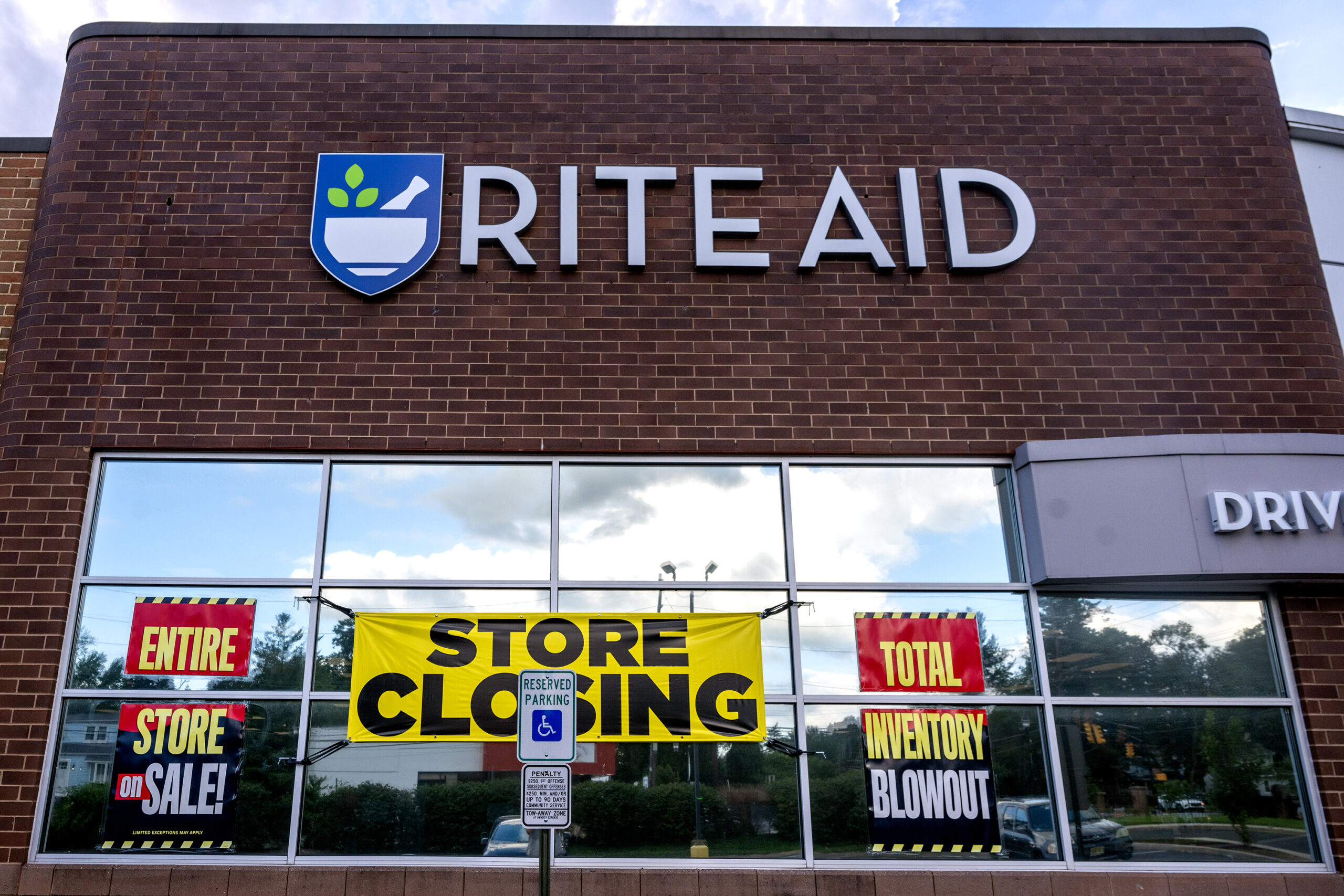
    The then-still open but scheduled to be closed Rite Aid store on Clements Bridge Road in Barrington on July 13. The store’s pharmacy closed on July 7.

    It didn’t come as a total surprise when Rite Aid filed for its second bankruptcy in less than two years.

    The Navy Yard-based pharmacy chain had closed dozens of locations in recent years. Even after it emerged from its first bankruptcy in September 2024, shelves meant to be filled with drugstore essentials — such as cold medicines and pain relievers — remained bare at some stores.

    In filing for bankruptcy again, Rite Aid announced that it would be closing or selling all locations. At the time, it had about 1,000 stores nationwide, including about 100 in the Philadelphia region.

    Across Pennsylvania and New Jersey, thousands of Rite Aid workers lost their jobs. Some, like Angela Gardin, also said bittersweet goodbyes to regular customers.

    Gardin, assistant manager at the Queen Village Rite Aid, was moved to tears by customers’ handwritten thank you notes, which were scrawled on pieces of paper and taped to the store’s front window in its final months.

    By late August, all Pennsylvania and New Jersey Rite Aids had shut their doors for good, sending prescriptions to CVS, Walgreens, or other local pharmacies of a customer’s choosing.

    The closures further exacerbate pharmacy access issues, especially for lower-income Philadelphians who don’t have cars. People in more isolated rural areas are also impacted: The 46,000 residents of Perry County, west of Harrisburg, lost half their pharmacies when their three Rite Aids closed.

    Adieu to Iron Hill Brewery

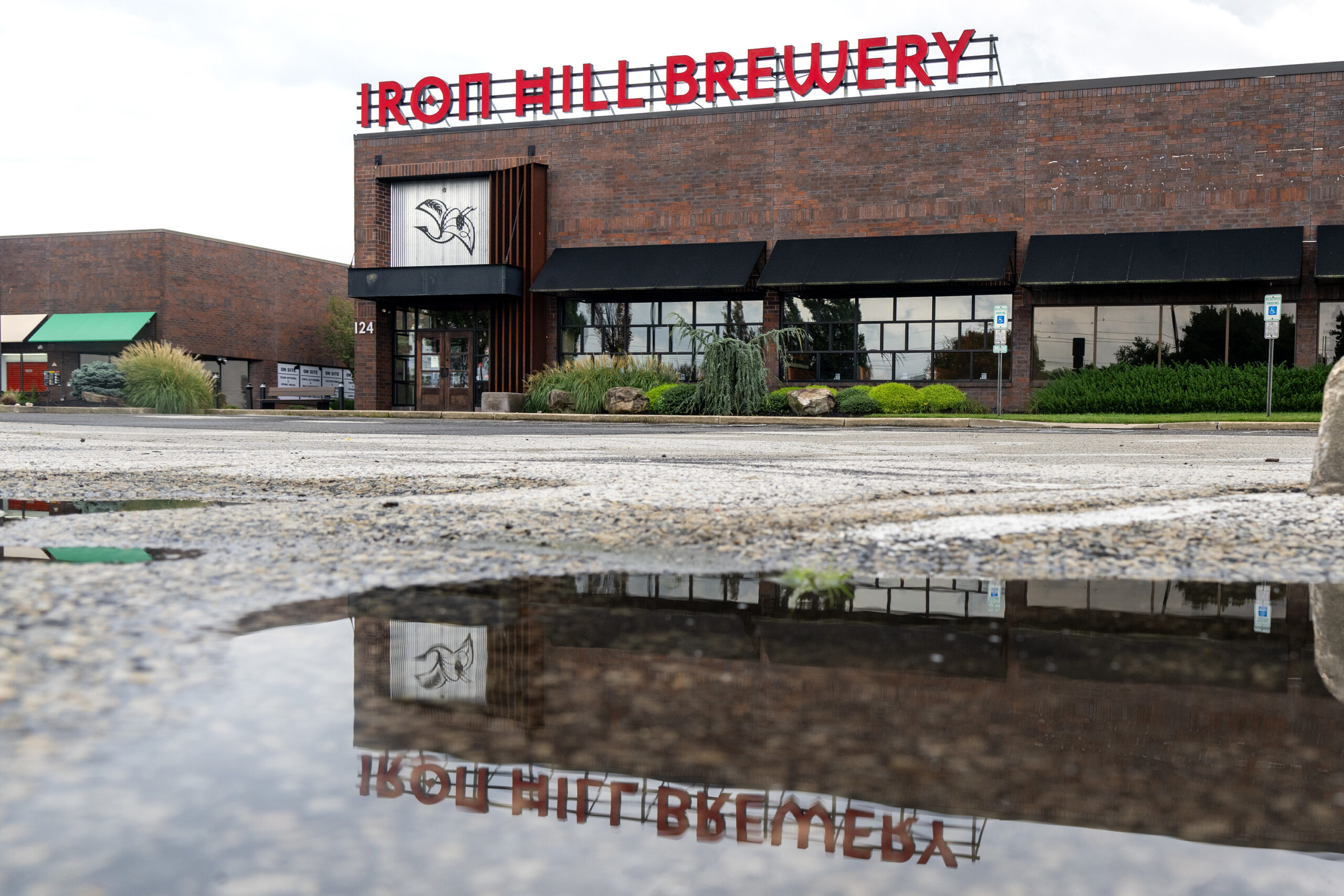
    A view from the outside looking in of a shuttered Iron Hill Brewery in West Chester in October.

    Iron Hill Brewery’s closure was so abrupt that fans didn’t even get to raise one last pint to the regional chain.

    On a Thursday morning in late September, the nearly 30-year-old company, considered by many to be a pioneer of the local craft-brewing scene, announced that its brewpubs had closed their doors for the last time.

    The news left 16 massive Iron Hill shells, including in Center City, Exton, Huntingdon Valley, Maple Shade, Media, Newtown, North Wales, West Chester, and Wilmington. Earlier in September, the company had closed locations in Chestnut Hill and Voorhees, as well as its flagship brewery in Newark, Del.

    The closed Iron Hill Brewery in Maple Shade in September.

    Bankruptcy filings shed more light on the Exton-based company’s financial straits: Iron Hill owed more than $20 million to creditors and had about $125,000 in the bank.

    In November, a bankruptcy judge approved an offer by Jeff Crivello, the former CEO of Famous Dave’s BBQ, to resurrect 10 Iron Hills, including in Center City and West Chester, pending landlord negotiations. The restaurants could be reopened as Iron Hills or as other brands.

    Crivello said he plans to reopen the Rehoboth Beach brewpub — as well as the Iron Hill restaurants in Columbia and Greenville, S.C. — as locations of Virginia-based Three Notch’d Brewing Co.

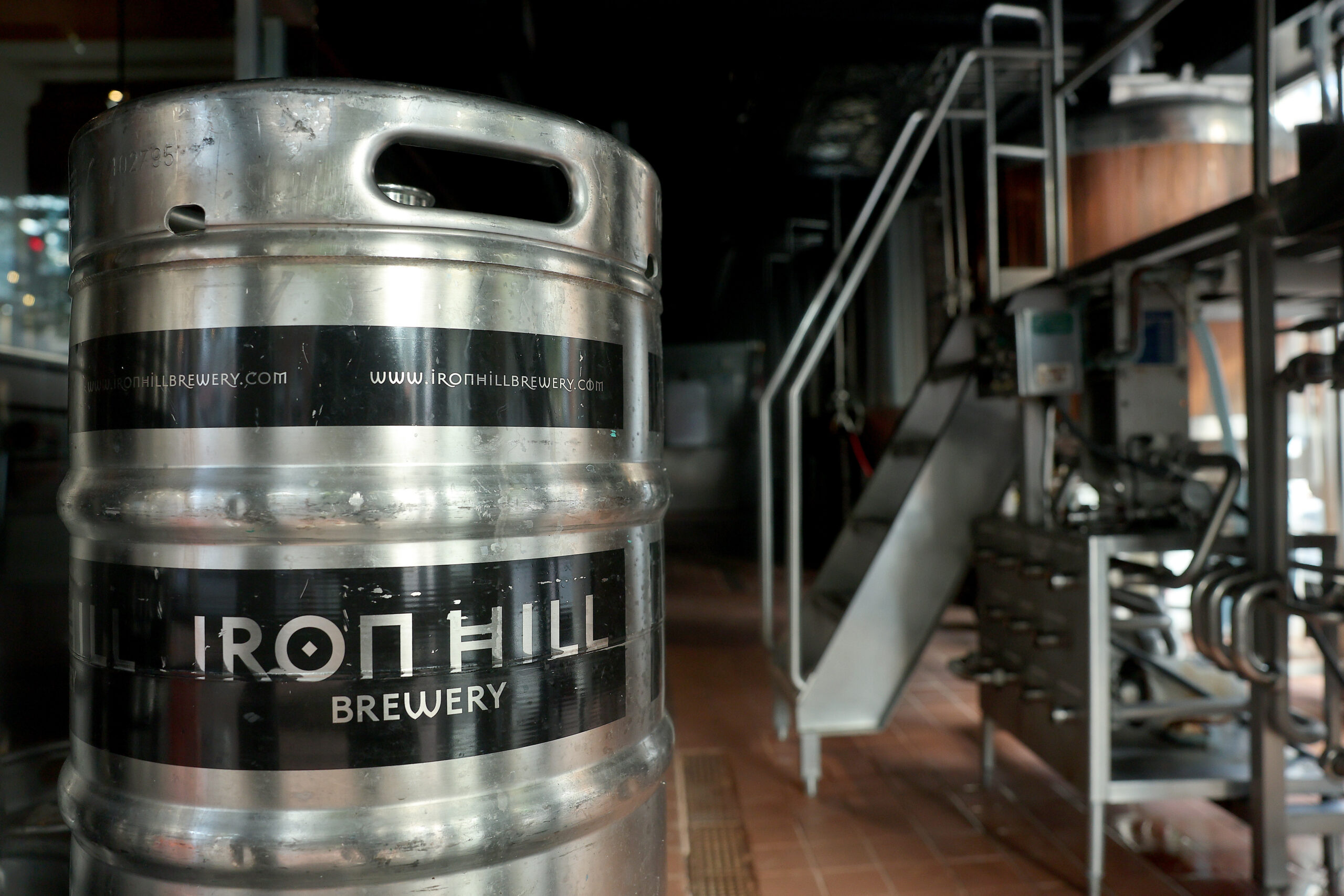
    The fates of the other ex-Iron Hills will be determined in the bankruptcy process. Brewing equipment, furniture, and other items from the closed restaurants were auctioned off earlier this month.

    Mainstays say goodbye in the Philly burbs

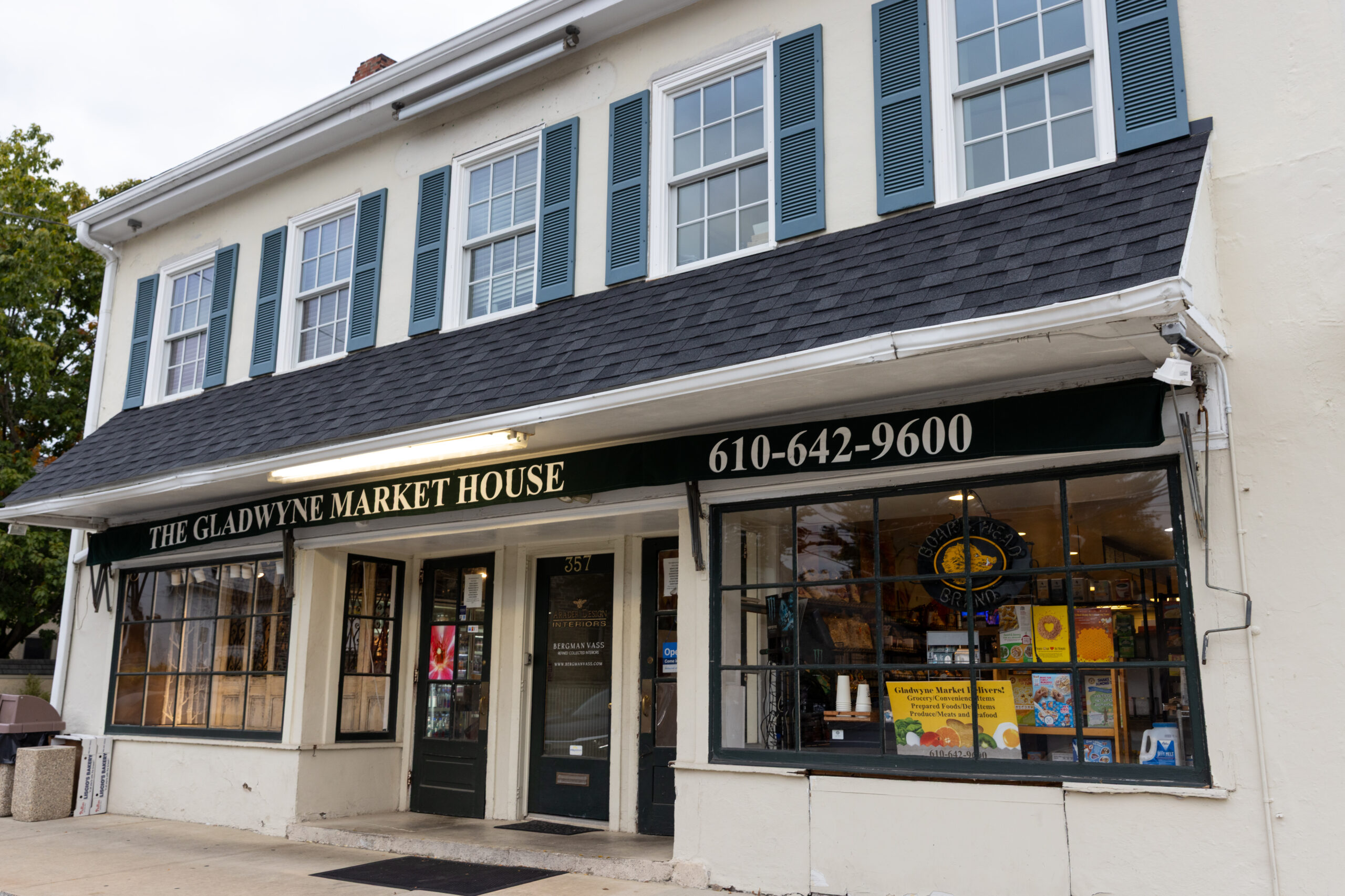
    Gladwyne Market as pictured in October.

    Local chains weren’t the only business casualties of 2025.

    Main Line residents lost Lower Merion-based Maxwell Taxi Cab Co. in February, marking the end of an era for suburban-based cabs. Maxwell, which had operated for more than 50 years, was later acquired by a Bryn Mawr-based limo service called ML Car Service Ltd.

    Also in Lower Merion, consumers lost the Gladwyne Market, a community grocery store.

    In South Jersey, the Bistro at Cherry Hill, a beloved restaurant that operated in a 1,200-square-foot mall kiosk for 27 years, closed abruptly in July.

    At the time, the restaurant’s president, Andy Cosenza, said the closure was due to a communication “breakdown” that had resulted in his voluntary Chapter 11 bankruptcy petition being converted to a Chapter 7, or liquidation, without his knowledge. Since then, however, Cosenza has been indicted on charges of tax fraud. The Bistro has remained closed.

    In the city, the Macy’s in the Wanamaker Building closed in March, as did the Macy’s at the near-dead Exton Square Mall. And the latest iteration of Olde Bar, most recently an event venue in the historic Bookbinder’s building, shut its doors this summer.

  • Rally House plans to open its first Center City store

    Rally House plans to open its first Center City store

    It’s your city. It’s your (Ritten)house. It’s your Rally House.

    The sports apparel store with the earworm of a jingle plans to open its first Center City location in a former Rite Aid near Rittenhouse Square.

    The Kansas-based chain has asked the city’s art commission for approval to put up signage outside the nearly 13,000-foot storefront at 17th and Chestnut Streets, according to its application, which is set to be reviewed at a Wednesday meeting. Rally House spokespeople did not return requests for comment Tuesday.

    The company’s application was first reported Monday by the Philadelphia Business Journal.

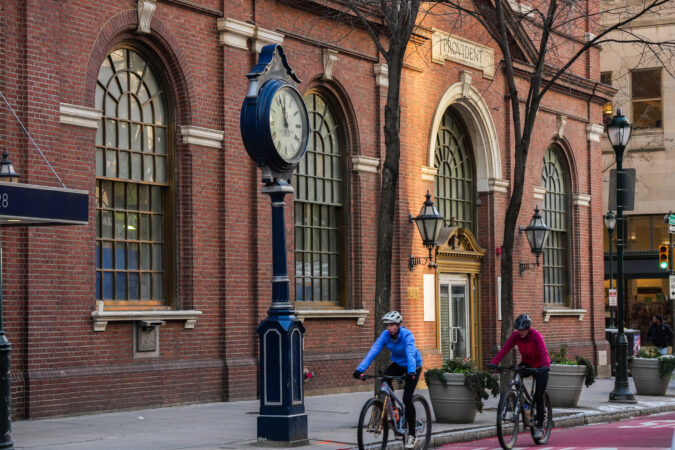
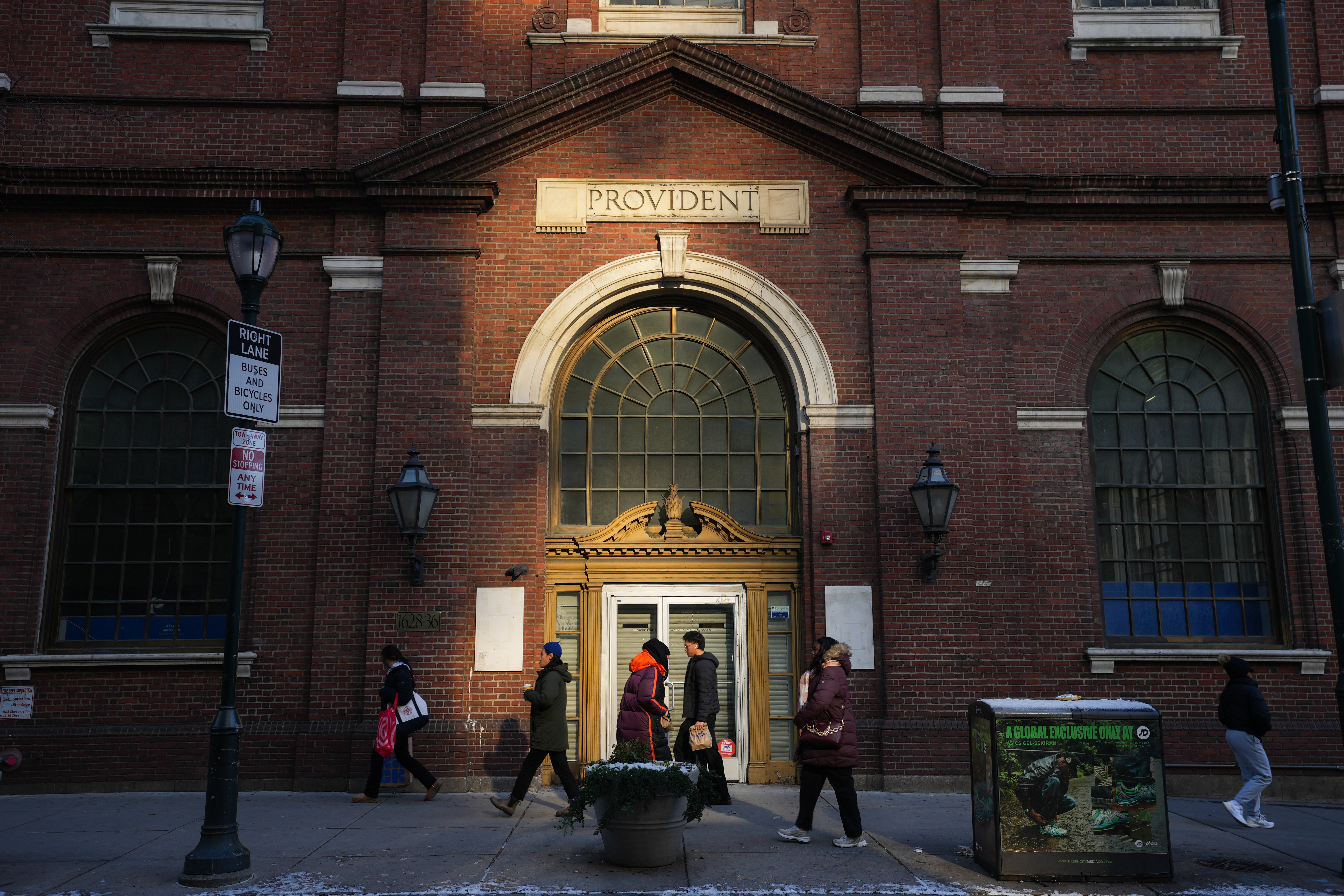
    The storefront is situated in the historic Provident Trust Co. building, the upper floors of which are home to the Club Quarters Hotel.

    The ground-floor retail space was occupied by a Rite Aid until January 2024, when the Chestnut Street store became yet another casualty of the Philly-based chain’s financial struggles. Rite Aid closed all its stores over the summer amid its second bankruptcy in less than two years.

    Since the Rittenhouse Rite Aid closed, Spirit Halloween has occupied the storefront in the months leading up to Halloween.

    Since Rite Aid closed two years ago, the ground-floor retail space in the Provident Trust Co. building has been occupied seasonally by Spirit Halloween, but is otherwise vacant.

    The building is owned by a partnership registered to Philadelphia-based developer Neal Rodin, according to property records. Rodin did not return requests for comment Tuesday.

    Rally House already has about two dozen locations in the Philadelphia region, but the vast majority of them are in the suburbs. It has three city locations — on Temple’s campus, in West Philadelphia near Drexel and Penn, and in Roxborough.

    If Rally House opens at 17th and Chestnut, it would bring continued momentum to the retail corridor around Rittenhouse Square, which has recently welcomed a slew of new businesses, including the luxury women’s fashion company Aritzia and North America’s first Nike Jordan World of Flight store.

    It would also mark the latest example of how zombie Rite Aids can be resurrected.

    Over the past three years, more than 170 Rite Aids have shuttered across the Philadelphia region, with dozens of stores closing even before the chain announced it was going out of business.

    Like the Rittenhouse space, former Rite Aids are often 8,000 to 16,000 square feet, which is not ideal for many potential tenants, experts say. But some of these pharmacy shells have found new life as small grocers, discount stores, and medical offices.

    Soon, sports apparel store may be added to that list.

  • How is Center City retail doing? It depends what street you’re on.

    How is Center City retail doing? It depends what street you’re on.

    Center City was resilient this year, reporting slight increases in foot traffic and overall retail occupancy despite high-profile closures along Market Street.

    About 84% of Center City storefronts were occupied as of October, up one percentage point from the same time last year, according to the Center City District’s annual survey of business owners. Occupancy has hovered around that point since at least 2023 and has yet to recover to its pre-pandemic level of 89% in 2019.

    So far in 2025, an average of 343,540 people walked through Center City each day, an increase of more than 3% from last year, the survey found. Each section of Center City, from the beleaguered Market East to the thriving Rittenhouse Square area, saw at least a 1% bump in average daily foot traffic, according to the survey.

    Some retail corridors, however, are looking more vibrant than others.

    window.addEventListener(“message”,function(a){if(void 0!==a.data[“datawrapper-height”]){var e=document.querySelectorAll(“iframe”);for(var t in a.data[“datawrapper-height”])for(var r,i=0;r=e[i];i++)if(r.contentWindow===a.source){var d=a.data[“datawrapper-height”][t]+”px”;r.style.height=d}}});

    Market Street continues to struggle on both sides of Broad Street.

    As of October, the office-centric western side of Market had the lowest occupancy in Center City at 62%.

    Market East, the future of which continues to be debated by city stakeholders, had a 72% occupancy rate. It has been impacted by a slew of recent closures, including Macy’s, Rite Aid, Iron Hill Brewery, and Giant Heirloom supermarket. The Center City District calculates occupancy rates by number of storefronts, not total square footage.

    On Chestnut Street, the eastern and western sections have vastly different occupancies. The eastern side recorded a 71% occupancy rate in October, according to the survey, while 81% of stores on the western side were occupied.

    Walnut Street continues to be the district’s shining star, with 86% occupancy in both the eastern and western sections, according to the survey. In the report, the Center City District highlighted several new additions, including the luxury women’s fashion company Aritzia and North America’s first Nike Jordan World of Flight store.

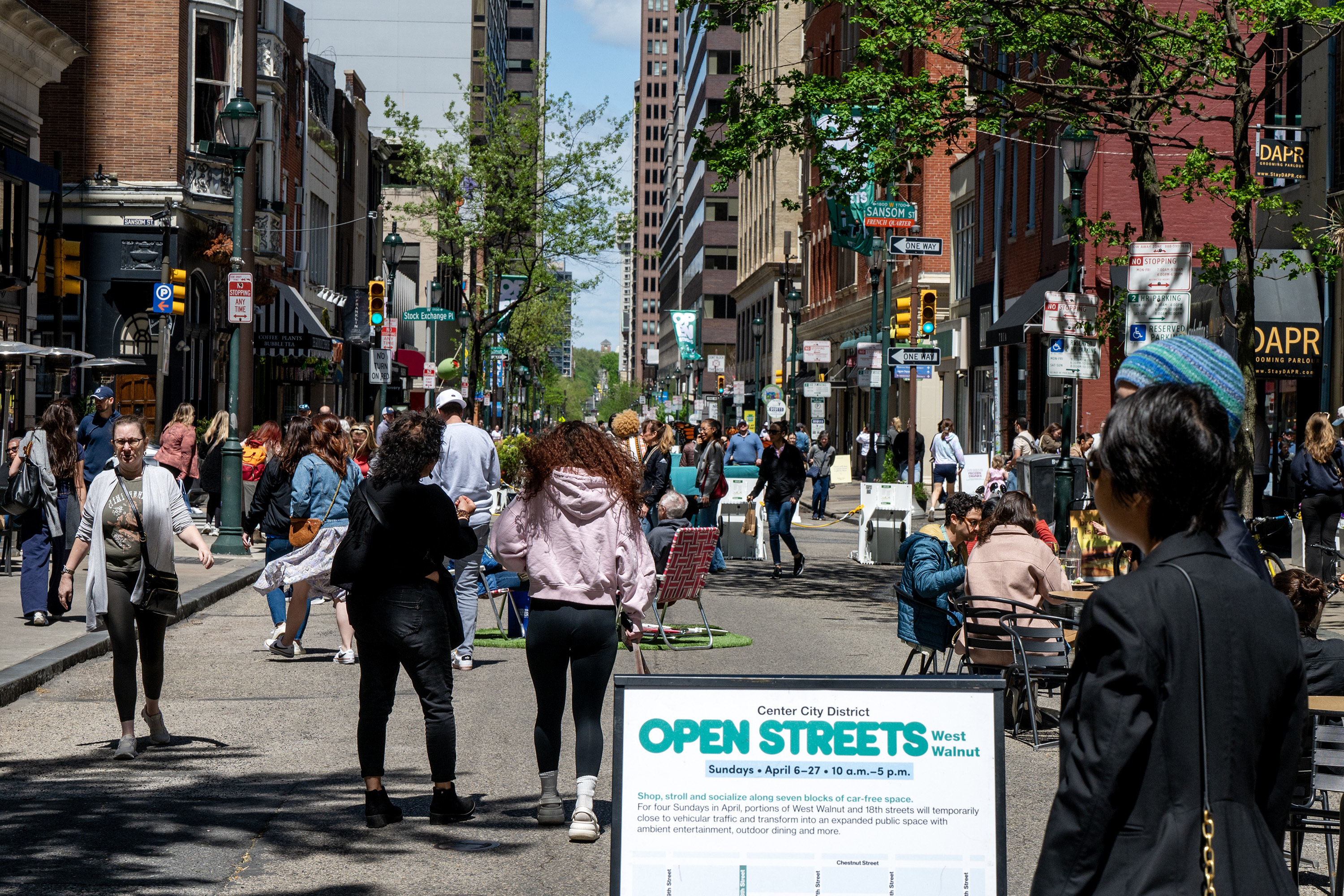
    The report once again highlighted the success of the Open Streets program, during which roads are closed to car traffic and become pedestrian walkways for shopping and dining. There have been 21 Open Streets events since its inception in September 2024, with more planned for December and next year.

    The events bring out more than 10,000 people on average, according to the report, and typically result in a 65% boost in businesses’ foot traffic and a 39% bump in sales volume.

    An Open Streets in April. There have been 21 Open Streets events since its inception in September 2024, with more planned for December and next year.

    Looking to the future, the district surveyed 700 Philadelphia renters to ask what types of retailers they’d like to see more of in Center City.

    “Downtown residents seek convenient access to everyday goods, full-service grocery stores and home furnishing options — all within walking distance,” district executives wrote in the report, noting that these types of businesses could fill vacancies in office buildings or in the concourse around Suburban Station.

    “CCD looks forward to convening office district stakeholders in 2026 to discuss a coordinated retail attraction strategy that could reposition the office district as a place to accommodate many of the retailers Center City is currently missing.”

    Editor’s note: A previous version of this story included an incorrect comparison between 2025 and 2024 for occupancy on Market Street.

  • A vacant South Philly Walgreens is set to become a supermarket

    A vacant South Philly Walgreens is set to become a supermarket

    South Philadelphia is set to get a new supermarket in early 2026.

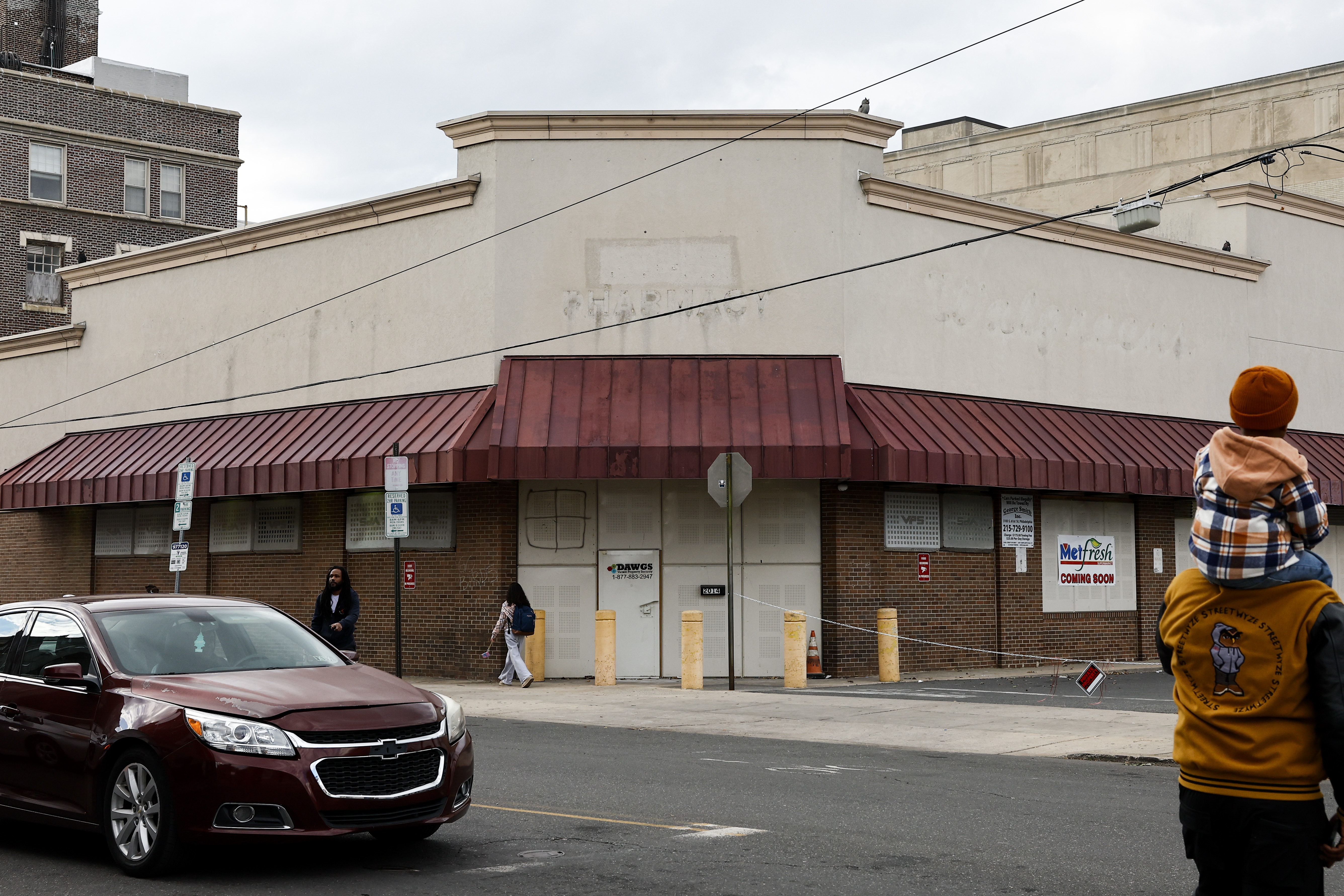
    New York-based Met Fresh is on track to open its first Philly location in January inside the former Walgreens at Broad and Snyder Streets, said owner Omar Hamdan.

    The 13,000-square-foot supermarket will include a pharmacy, a fresh-cut produce department, and a deli counter, Hamdan said, and will offer free grocery and prescription delivery to area seniors. It is also applying for a license to sell beer and wine.

    The former Walgreens at 2014 S. Broad St., where Met Fresh’s first Philly location is set to open in early 2026, photographed on Wednesday.

    “We try to bring the human factor back into the market,” Hamdan said, adding that the company’s philosophy hearkens back to a simpler time: “That store owner who had the apron and was sweeping outside of his store, who said ‘good morning’ to everyone? That is what we do.”

    Met Foods, a family-owned company, has been operating markets in New York City for 15 years, Hamdan said. It currently has locations in the Bronx, Brooklyn, Queens, Staten Island, and northern New Jersey.

    When the South Philly grocer opens, it will mark Met Fresh’s first location outside the New York City area, Hamdan said.

    In 2019, Met Fresh had been in talks to move into a mixed-use development in Philadelphia’s Mantua section, but Hamdan said those plans fell through.

    Since then, Hamdan said they continued to look for potential Philadelphia locations. The store at 2014 S. Broad Street seemed like “a perfect fit,” he said, due to the area’s walkability, dense population, and a demand for more grocery stores and pharmacies.

    The “pharmacy” lettering is seen on a former Walgreens on South Broad Street, where Met Fresh plans to open a supermarket in early 2026 after “extensive” renovations, its owner said.

    From the Broad Street store, the nearest supermarket is seven-tenths of a mile away. As for chain pharmacies, the Walgreens closed last year, and a Rite Aid across the street shuttered this summer as the Philly-based company went out of business. So the nearest large drugstore is a CVS off Passyunk Avenue, also seven-tenths of a mile away.

    The Met Fresh will soon start hiring in South Philly, with Hamdan noting that his stores typically need 30 to 40 part- and full-time employees from the surrounding communities. The new location will open after “extensive” renovations, Hamdan said, and once the team gets ahold of refrigeration equipment, which has been impacted by tariffs on steel and aluminum.

    Hamdan said he’s excited for Philly consumers to be introduced to Met Fresh, calling the Broad Street spot “a test pilot to see how we do in the Philly market.”

  • Pennsylvania state government relies on H-1B workers. Trump wants to charge employers $100,000 for those visas.

    Pennsylvania state government relies on H-1B workers. Trump wants to charge employers $100,000 for those visas.

    Government contractors are among the big employers grappling with President Donald Trump’s plan to charge employers $100,000 for new H-1B visas, which allow hundreds of thousands of workers from foreign countries to work in the United States every year.

    Leading contractors such as Amazon Web Services at the federal level and Deloitte Consulting in Pennsylvania rely on H-1B visas to bring in foreign skilled professionals for their U.S. workforces.

    Once a supporter of the 35-year-old program, Trump said in a September executive order that he now agrees with critics that “systemic abuse” of the visas has displaced U.S. workers, “discouraging Americans from pursuing careers in science and technology,” and driving down wages. He announced a fee of $100,000 for new H-1B visas, which would significantly boost costs for government contractors and other employers that continue to use the visas.

    U.S. immigration officials issue up to 85,000 new H-1B visas a year. Generations of engineers and technical workers have moved to the United States to work for government agencies using these visas. Some remain as permanent residents and become citizens.

    window.addEventListener(“message”,function(a){if(void 0!==a.data[“datawrapper-height”]){var e=document.querySelectorAll(“iframe”);for(var t in a.data[“datawrapper-height”])for(var r,i=0;r=e[i];i++)if(r.contentWindow===a.source){var d=a.data[“datawrapper-height”][t]+”px”;r.style.height=d}}});

    About 50% of all U.S. H-1B visa holders arrive from India, and the percentage is higher in technical fields. More than 80% of Deloitte H-1B visa holders stationed in the Harrisburg area from 2022-2024 originated in India, according to federal visa data. These professionals earned a median of around $100,000 a year.

    Recruiters promoted the visas extensively in 2000 to help U.S. companies update systems under Y2K programs, said Akanksha Kalra, an immigration attorney in Philadelphia who has represented many H-1B visa holders. Since then the program became so popular among employers and applicants that H-1B visas have been awarded through a lottery.

    Here’s what you need to know about H-1B visas.

    Who are the largest employers of H-1B workers in Pennsylvania?

    Among Pennsylvania-based employers, Deloitte Consulting is by far the top H-1B contractor. More than 3,000 of the 9,930 H-1B visas the government granted in Pennsylvania last year were for Deloitte Consulting and its tax and accounting affiliates. The company ranked among the 10 largest H-1B visa users across the U.S. last year. Pennsylvania was a major Deloitte client, paying $260 million for its services to state health, labor, and transportation programs, among others.

    window.addEventListener(“message”,function(a){if(void 0!==a.data[“datawrapper-height”]){var e=document.querySelectorAll(“iframe”);for(var t in a.data[“datawrapper-height”])for(var r,i=0;r=e[i];i++)if(r.contentWindow===a.source){var d=a.data[“datawrapper-height”][t]+”px”;r.style.height=d}}});

    How long can people with H-1B visas work in the U.S.?

    Employers can apply to have H-1B visas extended for a total of six years, boosting the total of H-1B workers in the country at any one time to hundreds of thousands. Spouses of H-1B visa professionals often apply for H-4 work visas.

    Another program popular with employers, the Optional Practical Training work authorization, is available to foreign students entering the workforce, for up to three years; more than 400,000 were granted in 2024.

    Which states have the most H-1B workers?

    Six states — California, Texas, New York, New Jersey, Virginia, and Pennsylvania — account for more than half the 283,000 new and returning H-1B visas approved by the federal government for fiscal year 2024, the most recent data available.

    window.addEventListener(“message”,function(a){if(void 0!==a.data[“datawrapper-height”]){var e=document.querySelectorAll(“iframe”);for(var t in a.data[“datawrapper-height”])for(var r,i=0;r=e[i];i++)if(r.contentWindow===a.source){var d=a.data[“datawrapper-height”][t]+”px”;r.style.height=d}}});

    The largest H-1B employers include Amazon’s Virginia operations, whose clients include the Pentagon and other U.S. security, surveillance, and technology agencies; other Big Tech employers such as Meta, Oracle, and Google; banks such as J.P. Morgan and Goldman Sachs; and manufacturers, such as automakers General Motors, Ford, and Tesla. Hospitals use the visas to bring in doctors, universities for professors.

    How does Pennsylvania state government rely on H-1B workers?

    Besides Deloitte, the visas are popular among small firms that specialize in IT contracting for Pennsylvania state government, according to a check of information technology firms contracted to Pennsylvania state departments under the no-bid Information Technology Supplemental Assistance (ITSA) program, which started in 2010 as a way to add short-term technical project assistance.

    Payments to ITSA contractors rose from $24 million in 2010 to $188 million last year, spread among hundreds of mostly small and specialized firms, according to data The Inquirer obtained in a Right to Know request.

    In each year, more than half of ITSA spending went to firms that were granted at least one H-1B visa. Together ITSA firms were awarded 171 H-1B visas last year, not counting Deloitte.

    What do Pennsylvania officials say about Trump’s $100,000 plan?

    A spokesperson for Gov. Josh Shapiro’s administration said state officials are studying Trump’s proposal.

    State agencies don’t themselves sponsor H-1B visa applicants, and the state “does not have information hired by suppliers through the federal H-1B visa program,” said Dan Egan, a spokesperson for the state Office of Administration.

    However, OST Inc., the state contractor that oversees hundreds of information technology contractors to more than 30 Pennsylvania state agencies, requires them to report H-1B visa holders, as well as participants in other foreign guest worker programs such as the OPT visa. OST didn’t respond to inquiries.

    Is a scarcity of Pennsylvania tech talent forcing employers to bring in staff from abroad?

    The National Bureau of Economic Research says H-1B has reduced employment and wages for U.S. citizen data scientists but also cut technology costs, benefiting the economy. American workers have testified in Congress about being laid off by employers who hired visa holders.

    Pennsylvania legislators who held hearings on the ITSA program in 2017 did not dispute that the state faced a shortage of tech talent in the Harrisburg area. Contractors said the state should verify visa holders’ education and work experience to avoid overpaying.

    The Shapiro administration says it has created technology apprenticeship, internship, and fellowship programs that help Pennsylvanians without a college degree qualify for state tech jobs and help fill IT positions.

    Several publicly traded companies formerly based in central Pennsylvania, including TE Connectivity, Enviri, and Rite Aid moved their headquarters from the Harrisburg area to the Philadelphia metropolitan area in recent years. Each cited the difficulty finding American tech workers and managers willing to live in Central Pennsylvania.

    Why is Trump so interested in H-1B visas?

    In his Sept. 19 executive order, Trump noted that the visas are supposed to go to people who could do “high-skilled” jobs that Americans aren’t doing — but, he said, technology employers “have abused the H-1B statute and its regulations to artificially suppress wages” to the disadvantage of U.S. workers.

    That’s a switch for Trump, who last December defended H-1B. “I’ve always liked the visas. I have always been in favor of the visas. That’s why we have them,” Trump told the New York Post last December. “I have many H-1B visas on my properties. I’ve been a believer in H-1B. I have used it many times. It’s a great program.”

    How are business and labor reacting to Trump’s H-1B plan?

    Though labor groups have long called for employers who use H-1B staff to pay higher wages, the United Auto Workers and American Association of University Professors have joined in a lawsuit to stop Trump from imposing what they call an illegal fee. On Oct. 16, the U.S. Chamber of Commerce also sued, calling Trump’s action “unlawful.”