Tag: Rutgers University

  • After a Philadelphia cancer patient ran out of options, a novel T-cell therapy at Rutgers kept her alive

    After a Philadelphia cancer patient ran out of options, a novel T-cell therapy at Rutgers kept her alive

    Jefferson Health oncologist Jennifer Johnson had exhausted all the standard treatment options for her 49-year-old patient with esophageal cancer, who was likely to die within months.

    Surgery, chemotherapy, radiation, and immunotherapy had kept the Northeast Philadelphia woman alive for six years after her diagnosis, but no longer were enough to stop her cancer from spreading.

    Johnson knew her patient needed something novel. She recalled a presentation several years prior at a conference for head and neck cancers, where a doctor discussed an experimental treatment called T-cell receptor (TCR) therapy.

    This type of cancer immunotherapy works by engineering the immune system to fight cancer, and falls into the same family of treatments as CAR-T, or chimeric antigen receptor (CAR) T cell therapy, an approach pioneered at the University of Pennsylvania that has revolutionized treatment for blood cancers.

    She thought TCR therapy’s clever approach could work against solid tumors, where CAR-T had not been effective.

    “I just remember sitting in the room and watching him present, thinking, I’m gonna use that one day,” the oncologist and cancer researcher recalled.

    As it would happen, the approach was being tested in a phase II clinical trial at Rutgers Cancer Institute against tumors just like her patient’s: metastatic cancers driven by a virus called human papillomavirus 16. One of the most common strains, HPV16 causes roughly half of cervical cancer cases worldwide, as well as cancers of the head and neck area, anus, and genitals.

    Cases that reach the metastatic stage like Johnson’s patient often run out of treatment options. Whether T-cell receptor therapy would work was unknown, but the alternatives were expected to fail.

    “Anything that you might offer them would definitely not be expected to make their cancer go away completely and do it for a long time,” said Christian Hinrichs, the oncologist and scientist heading the trial whose presentation Johnson saw.

    But interim results from the first half of the trial showed improvement in six out of 10 patients, whose tumors at least partially shrank. And two of them had no evidence of cancer after treatment.

    Johnson’s patient, Maria Pascale, was one of the two whose promising early results were presented at a medical conference and highlighted in a research abstract in the Journal for ImmunoTherapy of Cancer in November.

    She arrived at the health system in New Jersey in the summer of 2024 in such poor health that her lungs were starting to collapse.

    The therapy has enabled her to celebrate two birthdays, start martial arts classes, reunite with old friends visiting from Argentina, and see her 23-year-old son get engaged.

    “Imagine the wedding, then later the grandkids, I’m always thinking about [that],” she said.

    What is a T-cell receptor therapy?

    In the immune system, T cells act as frontline defenders against viruses, bacteria, and other threats.

    Sometimes, these cells aren’t great at their jobs.

    In the face of cancer, T cells can become exhausted over time, and fail to recognize invaders or mount attacks.

    The idea behind immunotherapy is to transform these regular immune cells into cancer-fighting super-soldiers.

    The Rutgers approach, an engineered TCR therapy, involves collecting T cells from a patient’s blood and genetically engineering them to better target a cancer cell for attack.

    Afterward, the scientists grow more of the enhanced T cells in the lab and infuse them back into the patient.

    The “prototype” for this style of therapy is CAR-T, a treatment that has saved tens of thousands of lives since the first FDA approval in 2017. Scientists have not yet been able to replicate the therapy’s success in blood cancers in solid cancers, although some early stage trials have shown potential.

    TCR therapy is thought to be more promising against the latter cancer type — which is what’s being treated in the Rutgers trial — due to differences in the way the engineered T cells identify cancer cells.

    CAR-T therapy uses what’s called a chimeric antigen receptor, a protein that recognizes a cell as cancer based on what’s on the outside of the cell.

    It’s like knowing you’re at your friend’s house because of a specific doormat or set of house numbers on the exterior.

    TCR therapy uses what’s called a T-cell receptor, which can recognize cancer cells based on what’s inside the cell.

    It’s like knowing you’re at your friend’s house because you can see your friend inside.

    Sometimes cancer cells have more unique identifiable elements on the outside, but other times they don’t. Imagine if multiple houses had the same doormat.

    “That target would be on other cells that aren’t cancer cells and cause lots of toxicity,” said Carl June, the pioneering cancer scientist at Penn who developed the first FDA-approved CAR-T therapy and was not involved in the Rutgers trial.

    That’s been the problem that’s held back CAR-T’s use in solid tumors.

    The target in the Rutgers trial is a protein called HPV16 E7, found inside the cell. In tumors driven by the virus HPV16, it plays a key role in turning a cell into cancer.

    “That’s like going after its Achilles’ heel,” June said.

    Swarming the cancer

    Pascale first arrived at Thomas Jefferson University Hospital in Center City in 2018 after suffering injuries in a car accident.

    Doctors found a mass in the 43-year-old’s neck that turned out to be cancer.

    Surgeons removed the mass, and she was fine until 2021 when doctors, including Johnson, found the cancer at the top of her esophagus.

    They treated her with a combination of chemotherapy and radiation, which worked until March of 2022, when the cancer started appearing in Pascale’s lungs.

    “All bets were off,” Johnson said.

    Doctors gave Pascale chemotherapy and immunotherapy over the next couple of years, but in the spring of 2024, she developed an allergy to one of her chemotherapy drugs.

    Around the same time, the cancer spread to the skin on Pascale’s back.

    That’s when Johnson transferred her care to Hinrichs’ team at Rutgers.

    Pascale started preparations for the treatment in July 2024, spending a couple weeks in the hospital.

    The Rutgers team took T cells from her blood, gave her chemotherapy to knock her immune system down, and then transfused the engineered cells back into her body.

    Within 48 hours, Pascale started feeling horrible.

    “It was painful. It was my whole body, like I had pneumonia,” she said.

    She had trouble breathing as the cells fought the cancer in her lungs. Hinrichs described it as “the T cells swarming the cancer,” leading to an inflammatory reaction.

    The same thing occurred on her back. When Pascale’s sister came over, she saw one of the tumors in her skin was suddenly the size of a lemon.

    Another one appeared red and felt like someone was burning a cigarette on her back.

    The pain continued for three days, and then she felt well enough to go home. Pascale and her sister could see and feel the nodules on her back get smaller, until eventually they were gone.

    Roughly five months later, Pascale’s scans showed no evidence of cancer. As of last month, a year and a half after she received the treatment, that was still true.

    “What’s three days of pain compared with the opportunity that I have to live a lot of beautiful things with my family and friends?” Pascale said.
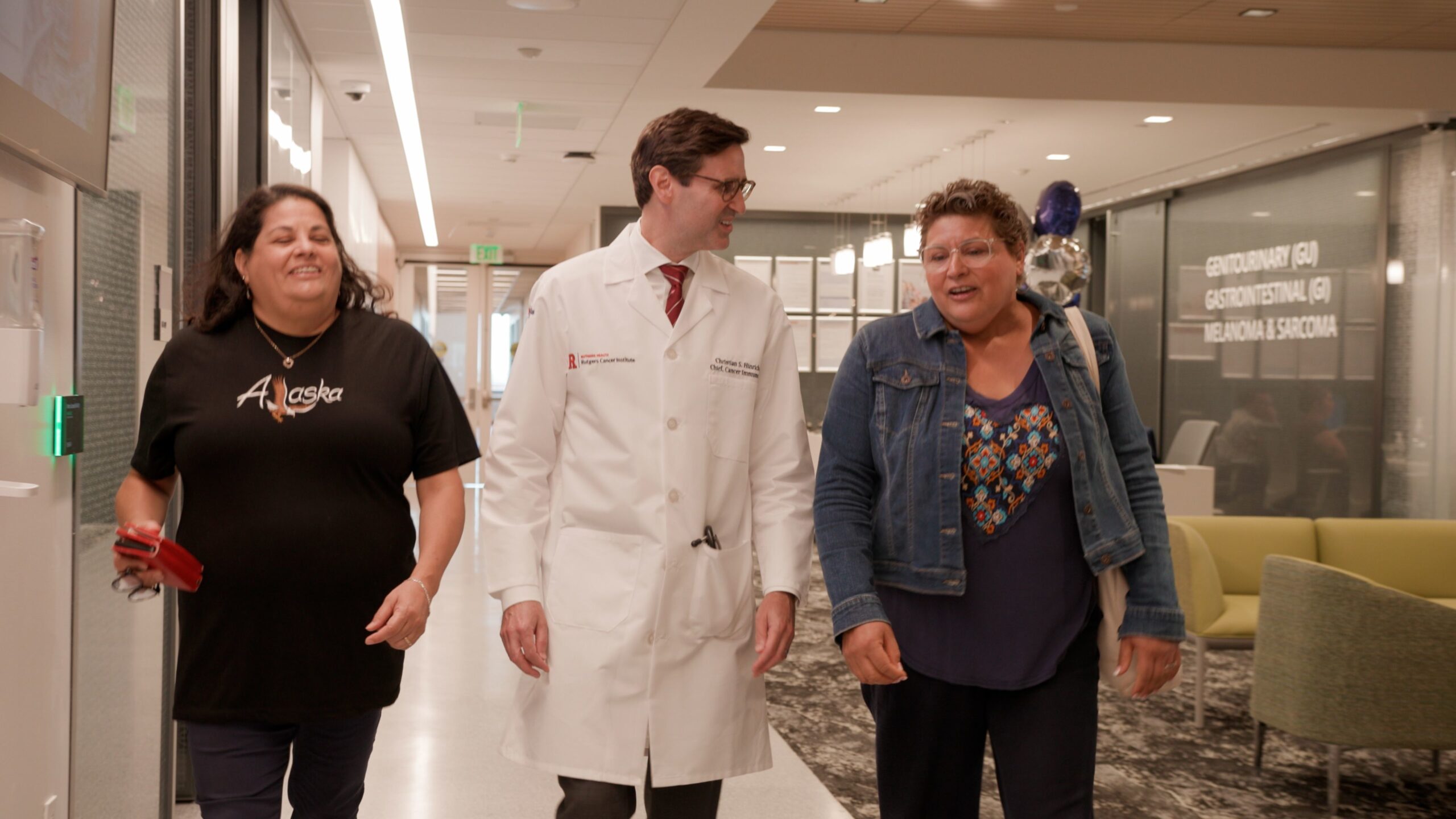
    Maria Pascale walks with her sister Maria Durante and her doctor Christian Hinrichs at Rutgers.

    The future of the treatment

    Hinrichs said his team is working to figure out why two of the patients, including Pascale and a patient with anal cancer, responded better to the treatment.

    He cautioned that it’s too early to draw sweeping conclusions since the sample size is small. (Researchers will seek to recruit another 10 patients for the ongoing trial.)

    The patients who had complete responses will need follow-up scans every few months to make sure their cancers have not returned.

    It will still take years to finish evaluating safety and efficacy. Treatments tested in clinical trials often do not advance to become standard practice.

    June, the Penn scientist, called the trial’s early results promising and noted that there weren’t any major safety problems reported.

    Adverse effects seen in the trial were mainly those caused by the chemotherapy.

    However, the drawback of using TCR therapy is that patients need a certain genetic background for it to work, June said. This is similar to how not every organ donor would be a good match for a recipient.

    The genetic profile chosen for the Rutgers therapy is the most common in America. However, it is less common in Black and Asian people compared to white people.

    Scientists hope it could one day be possible to manufacture the therapy with a warehouse approach, where TCR therapies that work across genetic backgrounds could be mixed and matched.

    “It’s a practical issue that the drug companies face,” June said.

    CAR-T, in comparison, can be used more broadly across different genetic backgrounds.

    What matters most, since the treatment is expensive to make, is that the responses hold up over time, June said.

    (The TCR therapy’s cost has not yet been set, Hinrichs said, since it is currently manufactured individually for each patient.)

    “If they’re long lasting, then it’s really going to be a huge advance because nothing else works in the patients he’s treated,” June said.

    At Jefferson, Johnson is cautiously optimistic about the treatment that has kept her patient alive.

    If the therapy makes it through the rest of the trial process and proves effective, she hopes it could become “another thing in our armamentarium against this type of cancer.” (A type that doctors would hope to see less of since the introduction of the HPV vaccine in 2006.)

    “I can’t tell you how wonderful it is to have a patient responding and living well when you saw things going the wrong way,” Johnson said.

    Editor’s note: This story has been updated to clarify where the research has been presented and a reference to the prevalence of the genetic profile used in TCR therapy.
  • A Philly-area university prof is competing in the Jeopardy! tournament of champions

    A Philly-area university prof is competing in the Jeopardy! tournament of champions

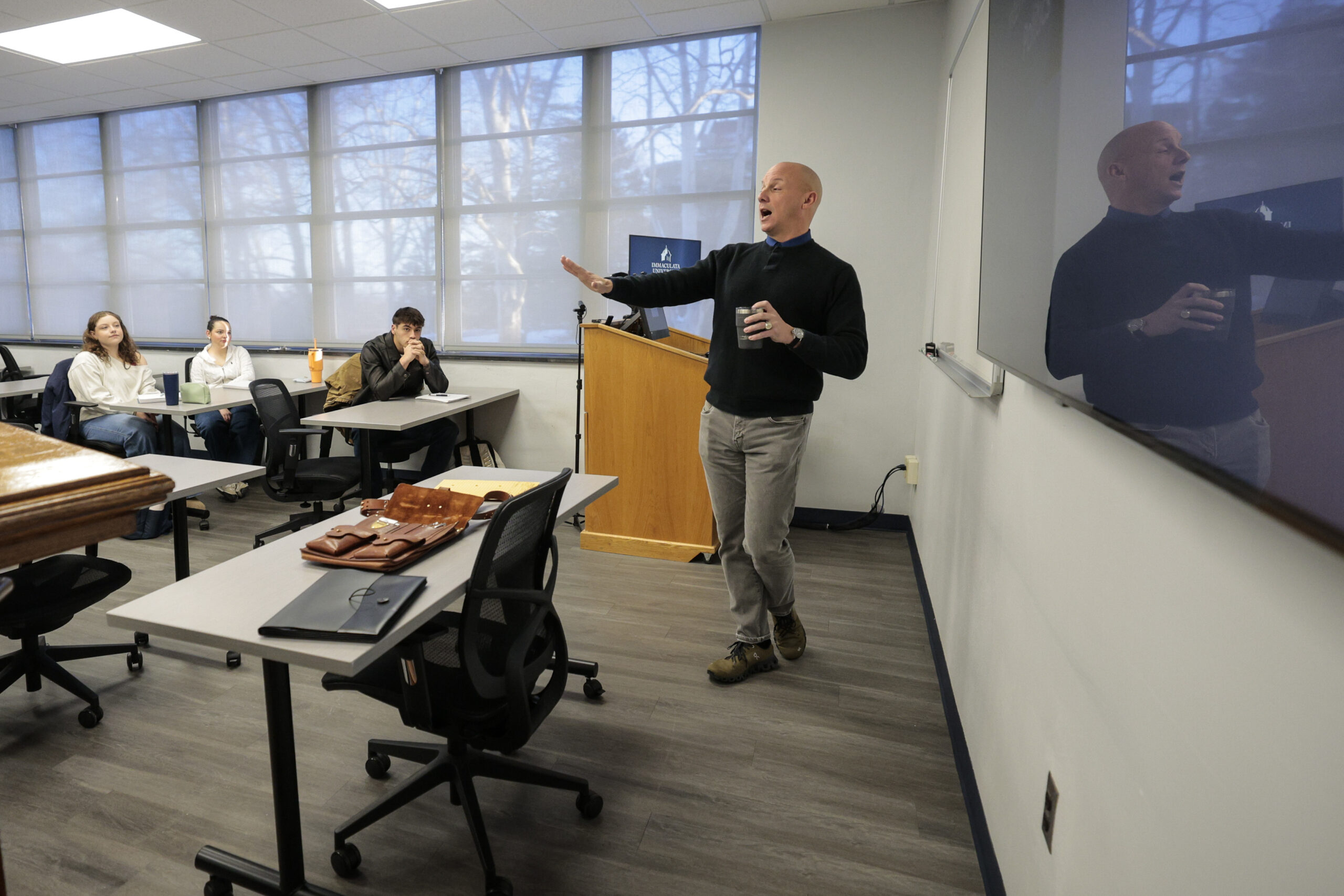
    As Joshua Weikert shared ground rules for quizzes in his early morning international relations class, he sought to put his students at ease.

    “I don’t want you stressing out about these,” he said Tuesday, as the new semester got underway at Immaculata University in Chester County. “I myself was a terrible student.”

    Weikert, 47, of Collegeville, may not have been a star student, but he sure knows a lot.

    The politics and public policy professor will compete on Jeopardy! 2026 Tournament of Champions at 7 p.m. Friday on ABC, having won six games when he was on the show in March.

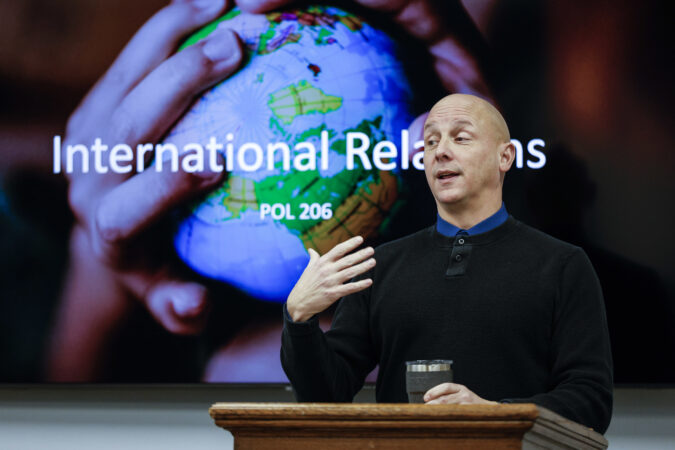
    Joshua Weikert teaches a class in international relations at Immaculata University.

    Over a couple weeks, Jeopardy! shows will feature him vying against 20 other champions, including Allegra Kuney, a doctoral student at Rutgers University’s New Brunswick campus, and Matt Massie, a Philadelphia lawyer who moved to the area in 2024, who also will appear on Friday’s show.

    Friday’s match is a quarter-final, and if Weikert wins, he’ll advance to the semifinals. (Kuney won her quarter-final Tuesday.)

    Weikert won about $103,000 when he competed last year, 10% of which he donated to a memorial scholarship fund named for his late friend, Jarrad Weikel, a Phoenixville man who died unexpectedly at age 40 in 2022. The winner of the champions tournament —which will conclude sometime in early February — will take home a grand prize of a quarter million.

    Weikert will watch the show Friday among family and friends — including his fellow contestant Massie — at Troubles End Brewing in Collegeville, which named one of its beers after him. It’s an English Bitter, one of Weikert’s favorites, called “Who is Josh?”

    At Immaculata, a Catholic college where Weikert has taught since 2016, students and staff are stoked. A campus watch party is planned, President Barbara Lettiere said.

    His appearance last year, she said, has put a welcome spotlight on the school and brought an outpouring of enthusiasm from alumni. On tours, some prospective students and their parents who spot Weikert have recognized him, she said.

    “I never knew that this show was as watched as it appears to be,” she said. “Win or lose, Immaculata wins.”

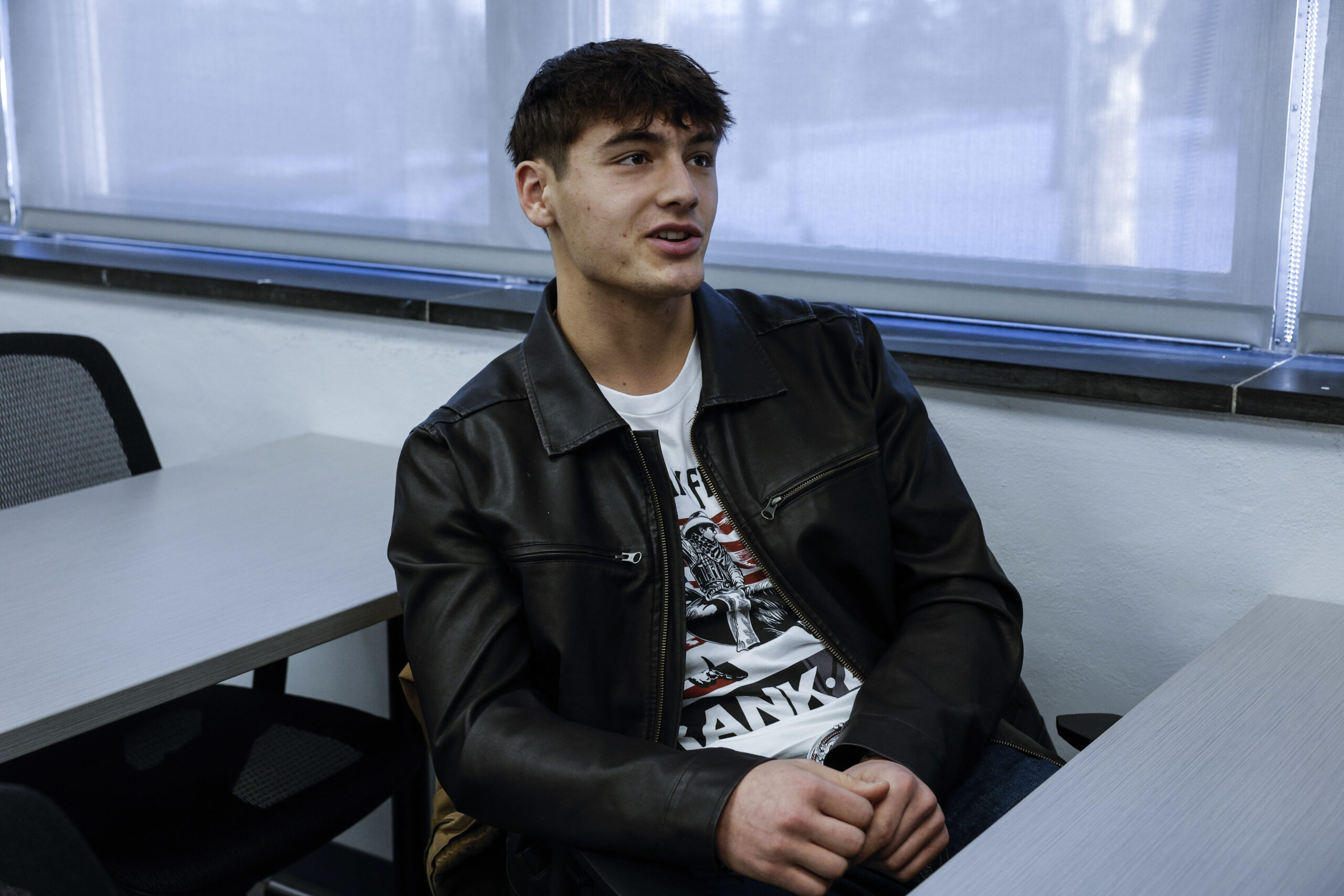
    Student Ben Divens talks about his Jeopardy-star professor Joshua Weikert.

    Ben Divens, 19, said it’s “jaw-dropping” and “surreal” to know his teacher will compete in the Jeopardy! champion tournament.

    “I knew from the first time I met him he was a super, super smart person,” said Divens, a prelaw major from Souderton.

    “He’s guided us so much in our major already,” added Bailey Kassis, 18, a political science major from Fort Washington.

    “He’s guided us so much in our major already,” student Bailey Kassis said about her professor Joshua Weikert.

    An early gamer

    Weikert said he has watched Jeopardy! ever since he can remember, probably since 1984 when he was 6, and it came back on the air with Alex Trebek as host. He grew up just outside of Gettysburg in a family that loved to play games, he said.

    “We took them very seriously, which is to say that they didn’t just let the kids win,” he said of his parents, both of whom had accounting degrees. “We were destroyed routinely in the games we played.”

    About his performance as a student, he said he often skipped his homework.

    “Just give me an exam,” he said, describing his attitude at the time. “I’ll pass it.”

    He got his bachelor’s degree in international relations from West Chester University, master’s degrees from Villanova and Immaculata, and his doctorate from Temple. He also attended the Defense Language Institute Foreign Language Center, where he studied modern standard Arabic while serving in the U.S. Army.

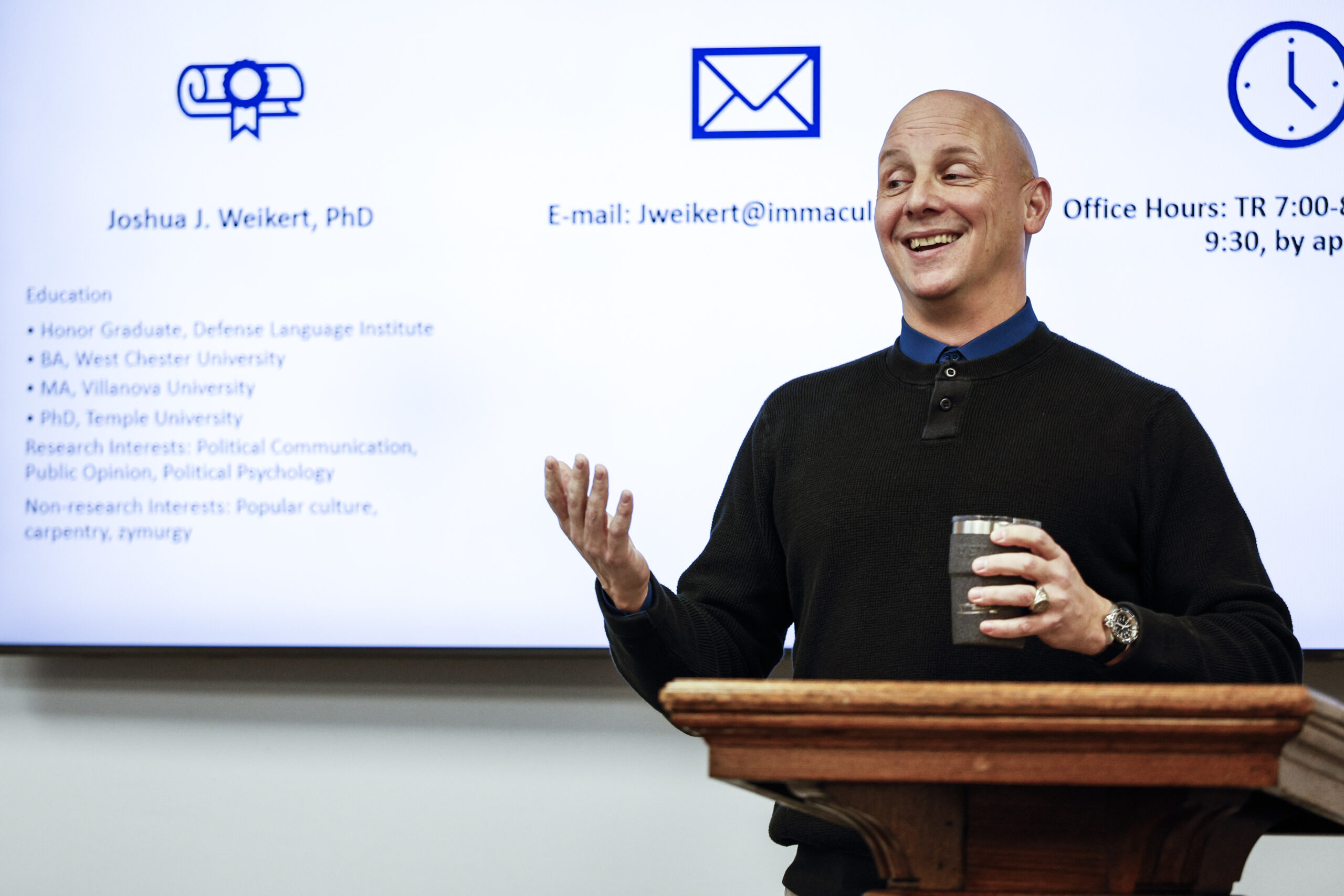
    Joshua Weikert sets expectations for students as a new semester gets underway at Immaculata University.

    In addition to teaching, he also works as a policy adviser to the Pennsylvania House of Representatives under state Rep. Joe Webster, a Democrat serving part of Montgomery County. He vets legislators’ ideas and offers ideas of his own.

    “The only thing they’ve ever told me no on was [when] I tried to abolish the Pennsylvania Senate,” he said.

    So many bills pass one body, then die in the other, he explained. If there were one legislative body where all House and Senate members served, that might be different, he said.

    Weikert’s office walls are lined with framed newspaper front pages highlighting major events: “Nixon Resigns,” “Nazis Surrender,” “Man Walks on Moon,” “Kennedy Shot to Death.”

    “Every once in a while, I just get up and read one of the stories,” he said.

    He got them from his mother-in-law’s basement and put them up after his wife told him his office needed some decor.

    Weikert’s status as a Jeopardy! champion makes clear he’s a fast thinker. He’s also a fast talker.

    “I don’t really drink caffeine. I just talk this fast,” he told his students.

    His wife, he told the class, tells him to slow down.

    “Keep up,” he tells her, he said.

    The road to Jeopardy

    Since his mid-20s, Weikert has been trying to get on Jeopardy!. Years ago, he got a call from the game show, but he put the caller on hold to get to a quiet place. They hung up.

    “I was like, well, I guess I missed that opportunity,” he said.

    But he kept trying and started taking the online tests, which typically draw 200,000 participants annually. In 2024, he got an email, inviting him to take the test again — and then again under Zoom surveillance.

    Next came a virtual audition and practice game in August 2024. That earned him a place in a pool of about 3,000 people, of whom a few hundred eventually became contestants.

    Weikert got the call last January and was invited to fly to California the next month to compete.

    In reality, his varied interests and life path had already prepared him for the show. He reads a lot. He’s a fan of historical fiction, pop culture, and movies. His work as a public policy scholar helps, too.

    But to try and up his game, he read plots of Shakespeare plays and a book on great operas. He flipped through lists of presidents and vice presidents. His wife, Barbara, a Norristown School District middle school music teacher, read questions to him from old Jeopardy! shows. He knew about 80% of the answers, he said.

    That, however, didn’t stop him from having panic dreams of being on stage and knowing nothing.

    The toughest category for him, he said, is popular music. Movies, history, and politics are his strongest.

    But the hardest questions, he said, are the ones with four or five strong possible answers.

    “Getting a Jeopardy! answer right is more about knowing what it’s not than what it is,” he said.

    Ultimately, he said, it’s impossible to really study for the game show.

    “The odds that something you study would come up is almost zero,” he said.

    It was an intense experience on stage last March, but the staff put contestants at ease, he said. Host Ken Jennings, formerly one of the show’s most successful contestants, told them, according to Weikert: “I promise you something today is going to be a win for you, so just relax and have fun.”

    He has a hard time remembering his winning answers. He readily recalls his dumbest, he said.

    The answer was “sacred cow.” He uttered “holy cow.”

    “Even as it was coming out of my mouth, I knew it was wrong,” he said.

    He’s proud that he only froze on one answer involving lyrics from the B-52’s “Love Shack,” he said.

    There was less pressure competing in the championship match last month, given he was already a winner, he said. But it was harder in that the contestants were the best of the best.

    “During the regular season, it’s a little under a quarter of a second between when you can start to buzz in and when the buzz actually comes,” he said. “In the tournament of champions, that drops to 0.08 seconds.”

    This time, he also prepped by reading children’s books on topics such as basic cell biology, a tip he got from another contestant.

    “It’s the simplest language they can use to convey the information,” he said.

    He also read the book, Timelines of Everything: From Woolly Mammoths to World Wars.

    He most enjoyed the camaraderie among contestants, he said. When filming was over, they hung out in a bar and — watched Jeopardy!.

    “We were yelling out the answers,” he said.

  • Penn graduate student workers could strike next month

    Penn graduate student workers could strike next month

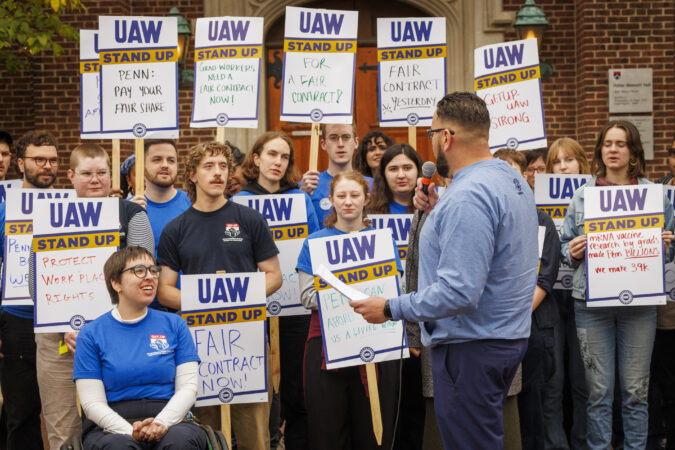
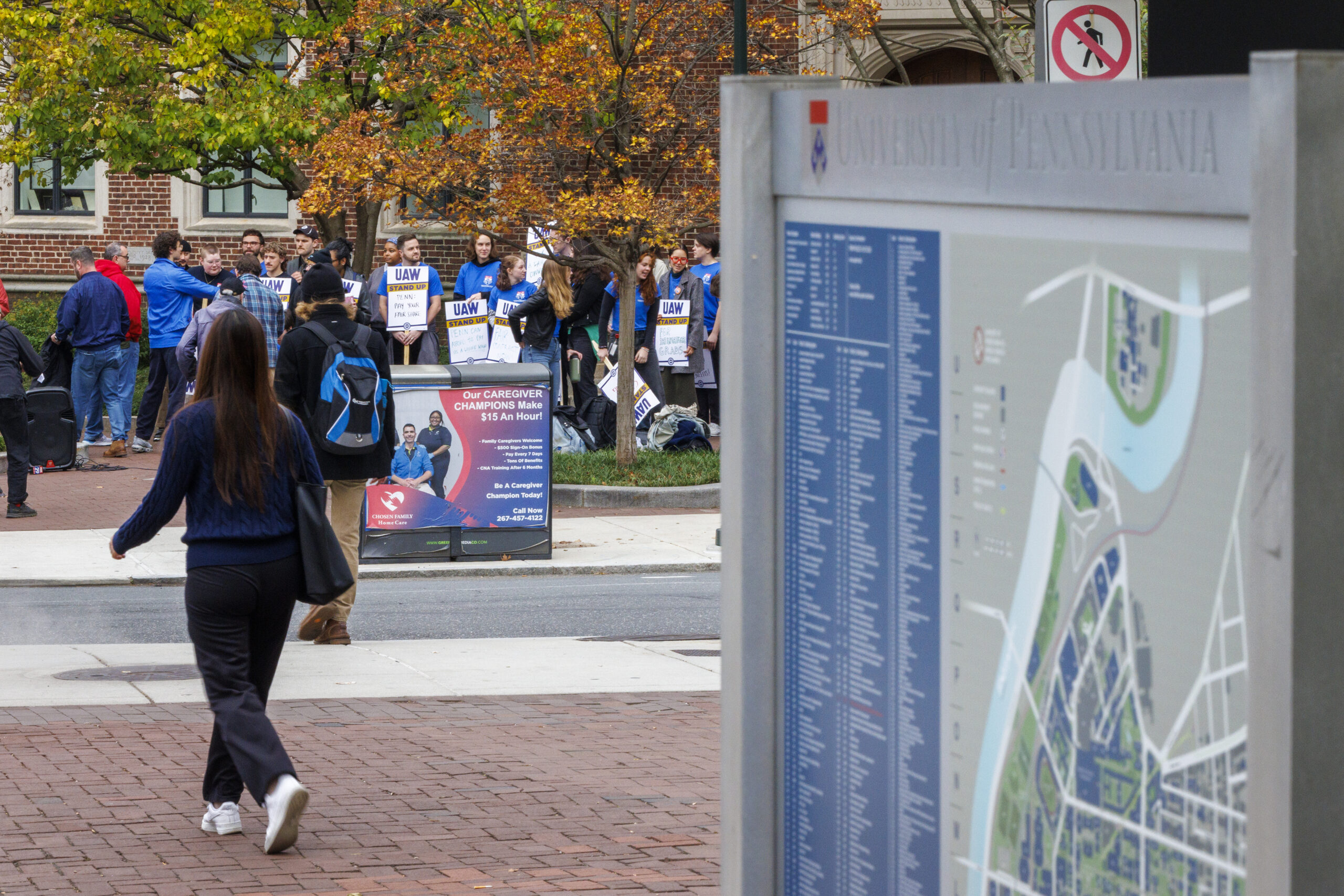
    The union that represents about 3,400 University of Pennsylvania graduate student workers says they will go on strike Feb. 17 if they do not reach a contract deal with the university by then.

    “We love our jobs, but Penn’s administration is leaving us no choice but to move forward with a strike,” said Nicolai Apenes, a Ph.D. candidate and research assistant in immunology, in a statement shared by the union Tuesday. “We are ready to stand up and demand that our rights are respected.”

    Penn’s graduate student workers voted to unionize in 2024. The union has been negotiating with the university since October 2024 for a first contract, and some tentative agreements have been reached on a number of issues.

    Sticking points in bargaining include wages, healthcare coverage, and more support for international student workers.

    In November the teaching and research assistants voted to authorize a strike if called for by the union, which is known as Graduate Employees Together-University of Pennsylvania (GET-UP) and is part of the United Auto Workers (UAW).

    A spokesperson for the University of Pennsylvania said in a statement Tuesday that Penn has engaged in good faith negotiations with the union, and has reached 23 tentative agreements through 39 bargaining sessions with additional sessions planned.

    “We believe that a fair contract for the Union and Penn can be achieved without a work stoppage, but we are prepared in the event that the Union membership strikes,” said the Penn spokesperson. “Efforts are underway to ensure teaching and research continuity, and the expectation is that classes and other academic activities will continue in the event of a strike.”

    “While we hope that Penn comes to the table and negotiates a fair contract for these essential workers, we know that these workers are a powerful force that Penn cannot break,” said Daniel Bauder, Philadelphia AFL-CIO president, in a statement Tuesday. “We are proud to stand with them and the broader Coalition of Workers at Penn as they fight the biggest employer in the region and bring union power to the University of Pennsylvania.”

    Penn, the largest employer in Philadelphia, has seen a wave of student-worker organizing in recent years, including resident assistants, graduate students, postdocs and research associates, as well as training physicians in the University of Pennsylvania Health System.

    The region has also seen a couple other university strikes in recent years. In 2023 graduate workers at Temple University walked off the job for 42 days amid contract negotiations, and in a separate action at Rutgers University, educators, researchers, and clinicians went on strike for a week.

    University of Pennsylvania graduate students hold a press conference and rally calling for a strike vote against the university at the corner of South 34th and Walnut Street, Monday, Nov. 3, 2025.
  • Temple announces voluntary retirement program for faculty amid budget crunch

    Temple announces voluntary retirement program for faculty amid budget crunch

    Temple University will offer a voluntary retirement program for faculty, the school announced Wednesday.

    The move comes as the university attempts to close a budget deficit that stood at $27 million earlier this year but that worsened when the school did not meet projected enrollment targets for its main campus — which president John Fry had said translated to $10 million less in revenue.

    “It is important for us to explore strategies that will allow the university to make meaningful changes, as this is key to optimizing the budget and improving our financial results moving forward,” Fry and interim provost David Boardman said in a message to the campus community.

    The university did not say how many faculty it hopes will take the offer, but those who are 62 years and older and have at least 10 continuous years of experience are eligible. They must be tenured, tenure-track, or appointed as non-tenure-track under a contract that expires after June 30.

    Temple did not immediately provide the number of eligible faculty.

    The move also will allow the university to hire new tenure-track faculty over time, Fry and Boardman said.

    Fry said the university would fund the program with federal COVID-19 stimulus funds that came in a onetime tax credit reimbursement to businesses that kept employees during that period. Temple last offered faculty a voluntary retirement program in 2023.

    Pennsylvania State University last year offered buyouts to its faculty and staff on its Commonwealth campuses as it made plans to close seven of those campuses. More than 380 employees — 21% of those eligible — took the buyout in June 2024.

    A new interim head of enrollment

    Also on Wednesday, Temple announced it had tapped Rob Reddy, formerly the vice president for enrollment management at St. Louis University, to serve as interim vice provost for enrollment management. He will begin Jan. 1

    Reddy replaces Jose Aviles, who left Temple last month for a new enrollment job at Rutgers University. He has three decades of experience in admissions, financial aid, and veterans’ relations, Boardman said in an announcement to the campus community.

    “Rob comes to us with deep experience in the field and a reputation for taking on challenging assignments,” Boardman said.

    He previously served as assistant vice chancellor of enrollment management and dean of student financial services at Northeastern University.

    The university intends to launch a search for a new enrollment leader in the spring, Boardman said.

  • Aaron Goldblatt, award-winning museum planner, exhibit designer, and sculptor, has died at 70

    Aaron Goldblatt, award-winning museum planner, exhibit designer, and sculptor, has died at 70

    Aaron Goldblatt, 70, of Philadelphia, award-winning museum services partner emeritus at Metcalfe Architecture & Design, former vice president for exhibits at the Please Touch Museum, exhibit designer, sculptor, adventurer, and mentor, died Sunday, Dec. 7, of lung cancer at his home.

    Mr. Goldblatt was an expert in conceiving and constructing environments of all kinds that encouraged play and what he called “informal learning.” He said in a 2019 article on the Metcalfe website that “novelty and a sense of risk” were the “social lubricator” in public spaces that “invokes a little nervousness and inspires social interaction.”

    He joined business partner Alan Metcalfe in 2002 and specialized in constructing canopy walks, glass floors, elevated walkways, net bridges, abstract playgrounds, multimedia exhibits, and other unique designs in prominent locations. Visitors encounter their creations at the Museum of the American Revolution, the Independence Seaport Museum, Children’s Hospital of Philadelphia, the National Museum of Industrial History in Bethlehem, Pa., and the Whiting Forest at Dow Gardens in Michigan.

    He and colleagues built the Lorax Loft on the Trail of the Lorax at the Philadelphia Zoo, the innovative garden and playground at Abington Friends School, and the lobby at Wissahickon Charter School. At Morris Arboretum, they built the celebrated Out on a Limb and Squirrel Scrambletreetop experiences” that Inquirer architecture critic Inga Saffron called “an irresistible allure, to young and old alike.”

    He earned bachelor’s and master’s degrees in sculpture, hitchhiked from adventure to adventure around the country and South America after high school, and said in 2019 that “learning, laughter, and creating genuine connections between people, nature, and history … really inspire my design.”

    Play, he said, is one of those genuine connections. “Wherever people are, as long as they are there long enough, play will happen,” he said in 2019. “It happens in schools, museums, and even prisons. Play is fundamental to being human.”

    Together, Mr. Goldblatt, Metcalfe, and their colleagues earned design awards from the local chapter of the American Institute of Architects, the American Association of Museums, and other groups. In 2022, they earned the Wyck-Strickland Award from the historic Wyck house, garden, and farm for outstanding contributions to the cultural life of Philadelphia.

    In a tribute, colleagues at Metcalfe said Mr. Goldblatt “transformed our studio into the place we are today.” They said: “His generosity, wisdom, and passion for play emanated throughout every conversation, punctuated only by his wit and sense of humor.”

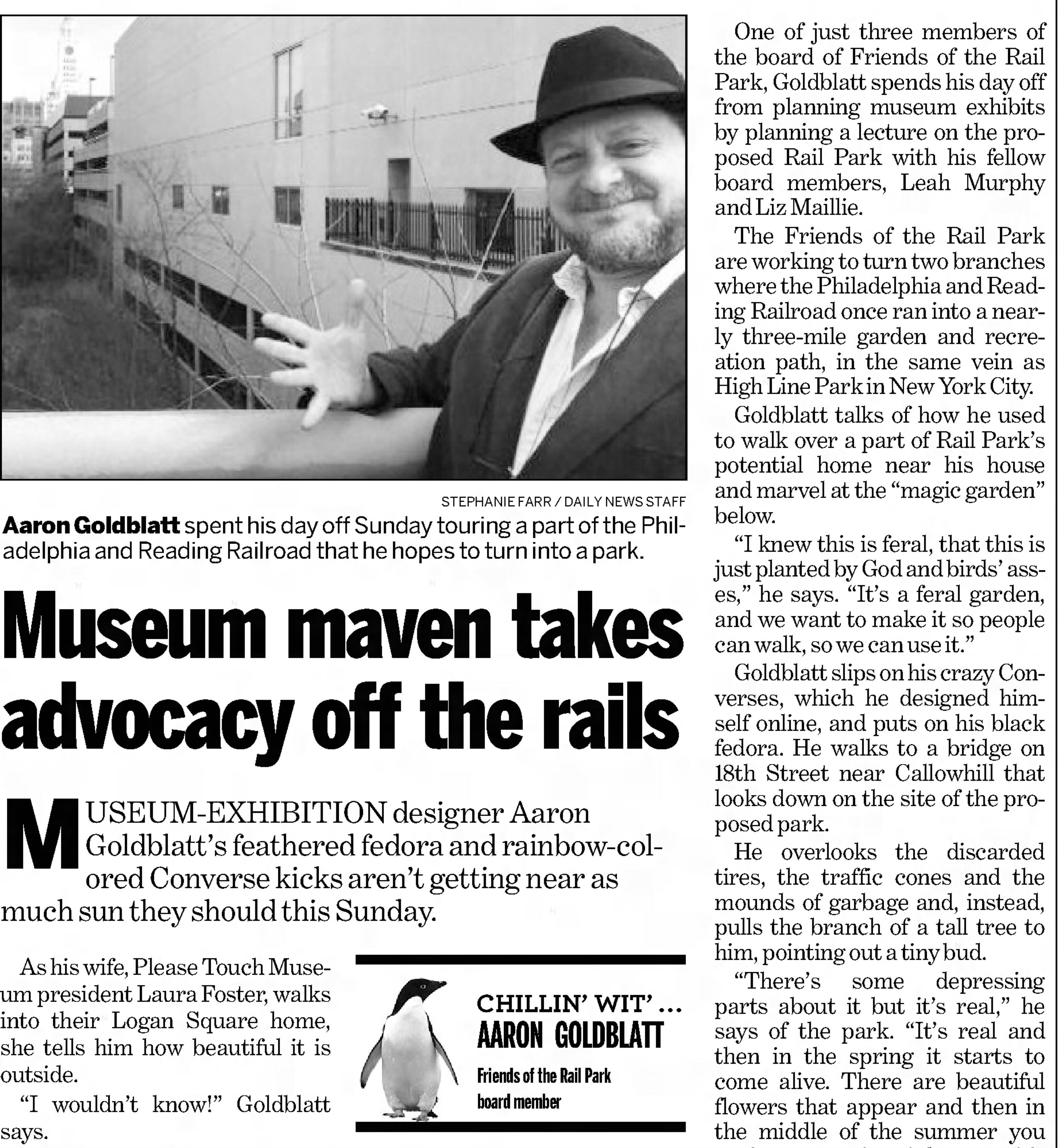
    This photo and story about Mr. Goldblatt appeared in the Daily News in 2013.

    From 1990 to 2002, he designed and developed exhibits at the Please Touch Museum. Earlier, he was director of exhibits for the Academy of Natural Sciences, assistant director at the Wagner Free Institute of Science, and studio assistant to sculptor Alice Aycock and other artists.

    He helped design the Rail Park and was a cofounder and longtime board member of Friends of the Rail Park. He served on boards at the Print Center, the Wagner Free Institute of Science, and other groups, and taught postgraduate museum studies at the University of the Arts for 20 years.

    “He developed a love of the process and philosophy of building,” said his daughter, Lillian. His wife, Susan Hagen, said: “He was always engaged, always asking questions. He was curious, funny, and extremely smart.”

    Friends called him “lovely, smart, and witty” and “warm, wise, and creative” in Facebook tributes. One friend said: “He always had a spark.”

    Aaron Shlomo Goldblatt was born March 22, 1955, in Cleveland. His father was in the Army, and Mr. Goldblatt grew up on military bases across the country and in Germany.

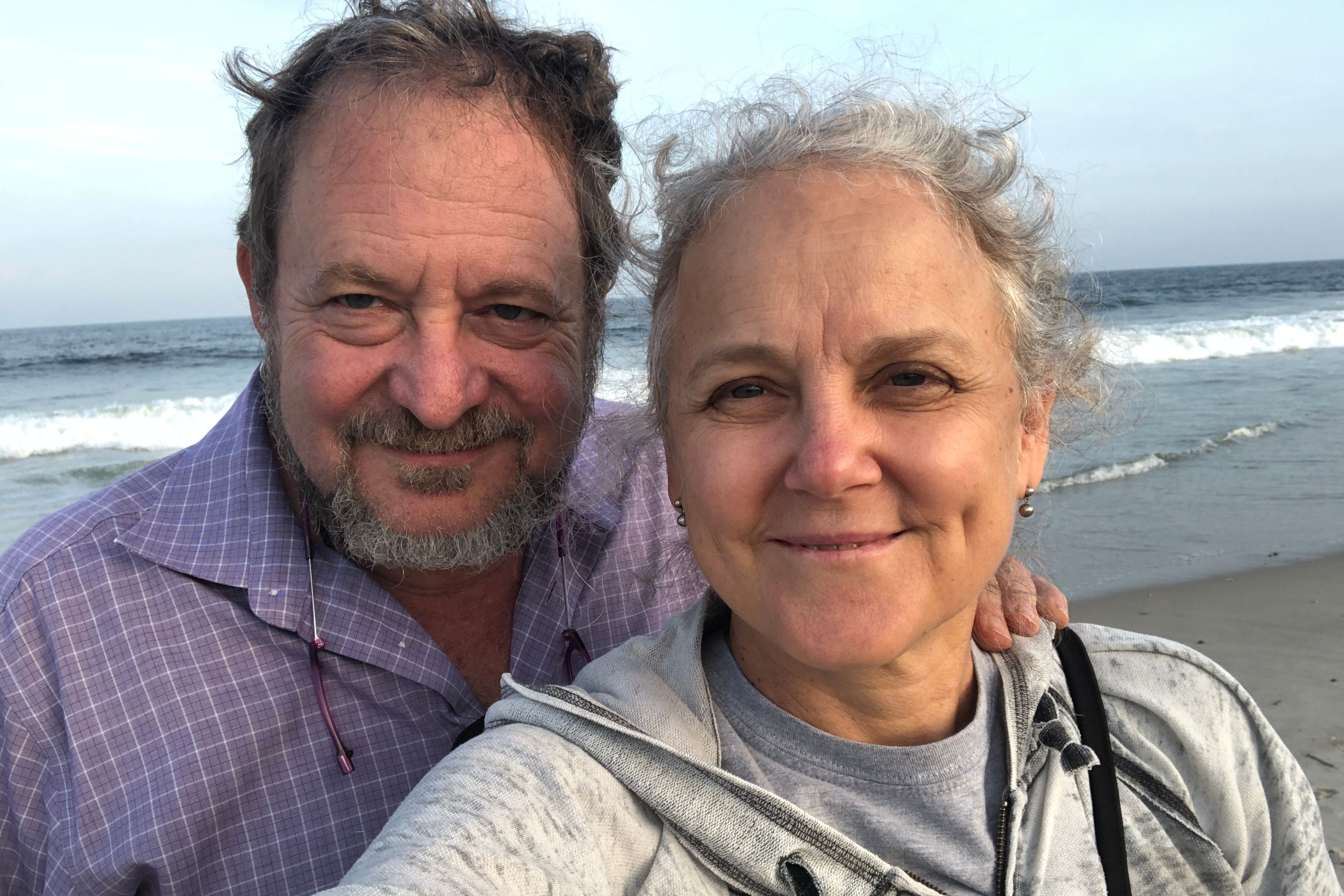
    Mr. Goldblatt and his wife, Susan Hagen, married in 2023.

    He graduated from high school in Maryland and earned his bachelor’s degree at Philadelphia College of Art in 1982 and master’s degree at Rutgers University in 1990. Before settling in Philadelphia, he worked on farms, painted houses, and spent time as a carpenter, a welder, and a potter.

    He married Diane Pontius, and they had a daughter, Lilly. After a divorce, he married Laura Foster. She died in 2019. He married fellow artist Susan Hagen in 2023, and they lived in Spring Garden.

    An engaging storyteller and talented cook, Mr. Goldblatt enjoyed all kinds of art, music, and books. He watched foreign films, wrote letters to politicians and the editor of The Inquirer, and visited the Reading Terminal Market as often as possible. He and his wife started birding during the pandemic.

    “Aaron led with his heart, engaging deeply with the people and ideas around him,” his daughter said. “He could burst into song at any moment.”

    Mr. Goldblatt smiles with his daughter, Lilly.

    His wife said: “He was a family person, and everyone talks about his love and kindness.”

    In addition to his wife and daughter, Mr. Goldblatt is survived by a grandson, a sister, a brother, his former wife, and other relatives.

    A celebration of his life is to be held later.

    Donations in his name may be made to the Aaron Goldblatt Fund at Tree House Books, 1430 W. Susquehanna Ave., Philadelphia, Pa. 19121; the Wagner Free Institute of Science, 1700 W. Montgomery Ave., Philadelphia, Pa. 19121; and the Print Center, 1614 Latimer St., Philadelphia, Pa. 19103.

    Mr. Goldblatt (center) enjoyed time with his brother, Eli (right), and friend John Landreau.
  • Temple’s former enrollment head gets job at Rutgers

    Temple’s former enrollment head gets job at Rutgers

    Jose A. Aviles, who abruptly resigned last month as Temple University’s head of enrollment, has taken a leadership role at Rutgers University.

    Aviles has been named senior vice president for enrollment management and student success at New Jersey’s flagship university.

    “Dr. Aviles’ commitment to data-informed, student-centered leadership will be pivotal to strengthening student recruitment, expanding access and enhancing student success metrics,” Rutgers said in its announcement.

    At Rutgers, the overall enrollment neared 71,500 this year, up 3.2%.

    When Aviles announced his exit from Temple, he told The Inquirer he was leaving for “a life-changing opportunity.”

    Aviles, who served as Temple’s vice president for enrollment and student success for 2½ years, joined the North Philadelphia school in 2023, after about six years at Louisiana State University.

    In that experience at LSU, he has a tie to Rutgers’ new president, William F. Tate IV, who led the Baton Rouge university from 2021 to this July, when he took the helm at Rutgers.

    Aviles left Temple with recent successes under his belt; he had recently been promoted from a vice provost to a vice president.

    “Jose has reimagined enrollment management at the university over the last couple of years, helping move us to a modern, technology- and data-driven approach that has delivered results,” Temple president John Fry and interim provost David Boardman said to the campus community last month.

    They noted the university achieved growth in first-year enrollment the last two years, with this year’s group reaching a record high of 5,379.

    The university also under Aviles’ tenure started the Temple Promise program, which makes tuition and fees free for first-time, full-time college students from low-income families who live in Philadelphia, and the Temple Future Scholars program, a mentoring and college-readiness initiative.

    While Temple’s first-year class was strong, the school fell short of its initial overall enrollment projection by about 700 students, which translates to about $10 million in lost revenue.

    The university had been estimating it would enroll a total of 30,100 to 30,300 students, which would have been its first enrollment increase since 2017.

    Instead, enrollment came in at 29,503, down about 500 from last year and further declining from its high of more than 40,000 eight years ago. (That does not include enrollment on its Japan and Rome campuses, which increased. Including those campuses, Temple’s overall enrollment was over 33,000, a slight increase from last year.)

    There have also been concerns about sophomore retention and a higher percentage of third- and fourth-year students not returning.

  • Mental health workers in Philadelphia unionize following changes in their workplace and patient care

    Mental health workers in Philadelphia unionize following changes in their workplace and patient care

    Mental health professionals at Rogers Behavioral Health in West Philadelphia have formed a union, citing increased workloads and business changes that diminished patient care.

    The nonprofit mental healthcare provider last year transitioned from individual patient sessions to a group care model, said Tiffany Murphy, a licensed professional counselor and therapist at the facility. Some workers there were also moved from salaried to hourly positions then forced to reduce hours, their union has said.

    Some patients and workers have left amid the changes, says Murphy, estimating that 22 of her colleagues have quit in the past year.

    “A lot of us sort of put our jobs on the line by [unionizing], because we believe in the organization, but more so, we believe in our patients. We wanted to provide the best patient care that we possibly could for them,” said Murphy.

    The 19 West Philadelphia Rogers employees, including therapists and behavioral specialists, filed their petition last month to unionize with the National Union of Healthcare Workers. Rogers voluntarily recognized the union, according to NUHW, marking the union’s first unit in Pennsylvania.

    NUHW represents some 19,000 healthcare workers, primarily in California.

    Sal Rosselli, NUHW president emeritus, said the union is pleased that Rogers accepted the petition. “All too often, employers do the opposite and put together very anti-union campaigns, spending all kinds of patient care dollars to prevent their workers from organizing,” he said.

    The Philadelphia metro area, which also includes Camden and Wilmington, has the fifth-highest number of working therapists among U.S. metros, according to the Bureau of Labor Statistics. This region employs just over 500 therapists, with average salary of $79,510.

    A spokesperson for Rogers declined to comment on employees’ organizing efforts and remarks on workplace changes.

    Rogers provides addiction treatment and mental healthcare with facilities in 10 states. In Philadelphia, the nonprofit offers outpatient treatment and partial hospitalization, treating patients with depression, anxiety, and obsessive-compulsive disorder.

    In recent years, Rogers workers in California also unionized with NUHW. Their recently forged union contract includes caseload limits and a cap on how many newly admitted patients can be assigned to each therapist or nurse.

    Thousands of healthcare workers in the Philadelphia area have moved to unionize in recent years.

    Within the past few years, residents at Penn Medicine and the Rutgers University health system finalized their first contracts with their health systems, and attending doctors at ChristianaCare became the first group of post-training physicians in the region to unionize. Residents at Temple University Hospital, Thomas Jefferson University Hospitals, ChristianaCare, and Jefferson’s Einstein Healthcare Network also voted to unionize in early 2025. Residents at Children’s Hospital of Philadelphia narrowly voted against joining a union.

    The organizing push means that about 81% of the city’s resident physicians are unionized.

    What do workers want?

    When Murphy first started working at the Rogers facility in Philadelphia 4½ years ago, she said there was “a really good work-life balance.”

    At the time, clinicians had four patients per day, provided individualized care, and led group sessions. As the organization moved toward group counseling, she said, caseloads have grown, with up to 12 patients in each group.

    The organization hired behavioral specialists to support therapists, said Murphy, but “it was difficult to provide the patients with the care that they really needed and deserved with the new structure.”

    Some patients and staff left because of the new model, said Murphy.

    This year, some salaried workers were switched to hourly, and Rogers started sending workers home due to low patient demand, leaving the rest with larger workloads, according to the union. That meant some used paid time off to avoid going without pay, said Murphy.

    When Philadelphia Rogers employees heard their colleagues in California were unionizing, “That became a bit enticing to us,” said Murphy, noting the workplace had become challenging and sometimes “unbearable.”

    Now, she says, the union members want more manageable caseloads — or pay increases to account for the larger caseloads — and a return to the old pay model for those who were switched to hourly work.

    “We are unionizing to have a voice at work that will allow us to promote a healthier work-life balance as well as high-quality sustainable patient care,” therapist Sara Deichman said in a union news release.

    Where else have mental health workers unionized?

    The organizing in Philadelphia comes as the U.S. faces a shortage of mental healthcare professionals, and in the wake of a demand surge from the pandemic.

    “The industry is forcing fewer providers to care for more and more patients because the focus is on the bottom line,” said Rosselli.

    Staffing concerns plague the healthcare industry generally, said Rebecca Givan, an associate professor at Rutgers University’s School of Management and Labor Relations.

    “If the facility wants to hold down costs, it tries to keep staffing levels as low as possible,” said Givan. “In the case of mental health providers, it can be about shortening appointment times or increasing caseloads so that each provider has a very large number of cases or clients.”

    She says there’s not “a huge amount of union representation” in stand-alone behavioral health facilities, but some public hospitals are unionized.

    Private practice mental health workers can’t unionize because they’re self employed, Givan noted, but “one could argue that they might benefit from collectively negotiating, for example, with the insurance companies that determine their reimbursement rates.”

    NUHW is leading efforts to organize independent providers. The goal, Rosselli says, is to “establish an employer for them so that they can have leverage against insurance companies to increase pay and increase access to patient care issues.”

    The union has already done this in the home care industry in California, Rosselli noted.

    Staff reporter Aubrey Whelan contributed to this article.