Tag: Thomas Jefferson University

  • How much did Philly-area nonprofit health system CEOs make in 2024?

    How much did Philly-area nonprofit health system CEOs make in 2024?

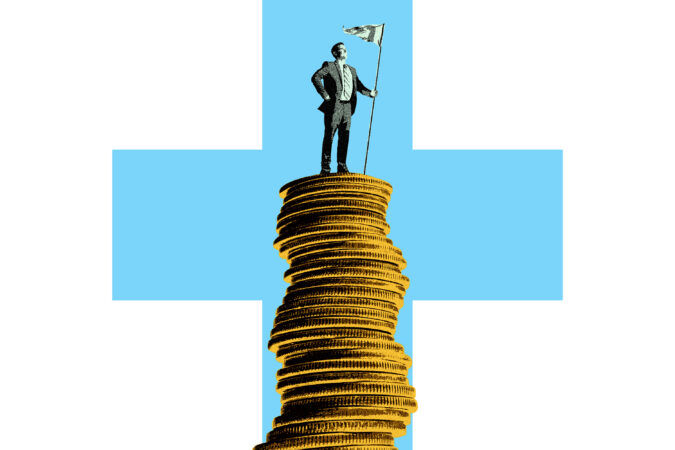
    Jefferson’s Joseph G. Cacchione ranked as the highest-paid CEO at the Philadelphia region’s nonprofit health systems in 2024, with total compensation of $7 million, according to The Inquirer’s annual review of public tax forms.

    Madeline Bell at Children’s Hospital of Philadelphia collected $5.5 million in 2024, giving her the number two spot.

    Both also were top earners in The Inquirer’s 2023 compensation analysis. Jefferson is the largest system based here, both by revenue and number of hospitals, with 33 stretching from South Jersey to near Scranton. CHOP is among the nation’s top-ranked children’s hospitals.

    Janice Nevin at ChristianaCare joined the ranks of the top five. She received $3.5 million, about the same pay as the region’s fourth highest earner, Al Maghezehe at Capital Health, which has a network of outpatient clinics in Bucks County and two hospitals in Mercer County. Maghezehe’s compensation stands out because Capital had by far the lowest revenue among the systems with the 10 highest-paid CEOs.

    A couple of CEOs who left their positions before 2024 continued collecting long-term compensation, as is common in the industry.

    Most notably, Jefferson’s former CEO Stephen K. Klasko collected just over $1 million in 2024. He retired at the end of 2021, but remained an adviser through June 2022. The 2024 payment brought his total through 2024 to $48.7 million for 8½ years as CEO.

    Lori Herndon left AtlantiCare in June 2023. Her compensation the following year was $1.3 million.

    Other CEOs left during 2024, making it possible they will be listed in the next round of 990s. Those executives include Donald Mueller at St. Christopher’s Hospital for Children, Michael Laign at Redeemer Health, and Ronald W. Johnson at Shore Medical.

    Here’s a look at the numbers from The Inquirer’s review of the latest 990 tax returns of 20 nonprofit health systems, covering 11 health systems with operations concentrated in Southeastern Pennsylvania, seven in South Jersey, and two in northern Delaware:

    (function(){function e(){window.addEventListener(`message`,function(e){if(e.data[`datawrapper-height`]!==void 0){var t=document.querySelectorAll(`iframe`);for(var n in e.data[`datawrapper-height`])for(var r=0,i;i=t[r];r++)if(i.contentWindow===e.source){var a=e.data[`datawrapper-height`][n]+`px`;i.style.height=a}}})}e()})();

  • Philadelphia is shrinking the rideshare virtual border around FIFA Fan Festival

    Philadelphia is shrinking the rideshare virtual border around FIFA Fan Festival

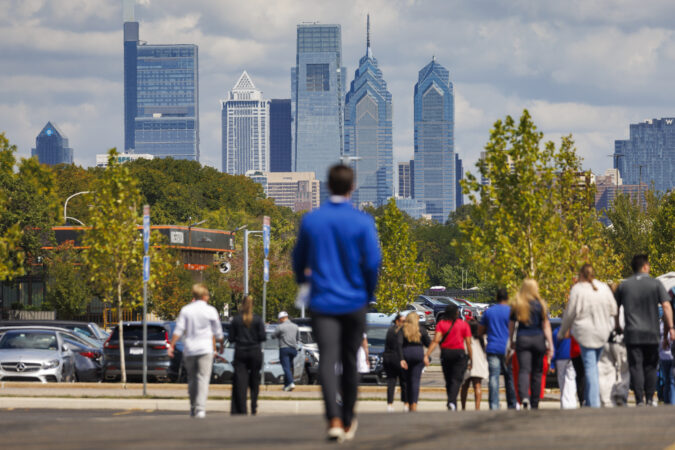
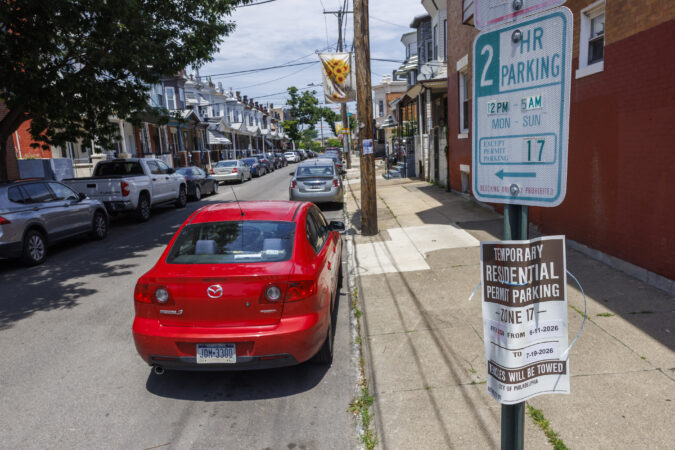
    The city is rolling back its geofence border around the FIFA Fan Festival to reduce the number of residential areas blocked from using rideshare.

    The Philadelphia Office of Transportation and Infrastructure Systems (OTIS) announced Thursday that it would shrink the geofence to exclude large residential buildings on Pennsylvania Avenue.

    The geofence, which blocks people within its borders from using rideshare services like Uber and Lyft, will now shrink to the south of Aspen Street, about half a block from its original border at 25th and Meredith Streets.

    “We’re continuing to work with the community, elected officials, and operational partners to improve the experience for everyone, including residents impacted by Lemon Hill festivities,” an OTIS spokesperson said.

    Additionally, four blocks in Fairmount had been designated for rideshare pickups and drop-offs, but OTIS is reducing rideshare zones to two, allowing for more parking for permitted residents.

    The rideshare pickup/drop-off zones are now located only near Eastern State Penitentiary, at 23rd Street and Fairmount Avenue, and the 2200 block of Fairmount Avenue.

    This was well-received news for residents who live in the area and have been concerned about the geofence’s restriction on residents with mobility issues.

    Paul Stewart, an 86-year-old resident who lives in one of the large apartment buildings that initially had been geofenced, relies on Uber to visit his doctor at Thomas Jefferson University Hospital. But last week, when he planned to head to an appointment, he found he could not call a rideshare.

    “The geofence that includes my building and all the businesses in the immediate area will continue for 39 days,” Stewart said before the geofence rollback. “Many people take Uber to and from the restaurants and bars in this neighborhood so that they can have a few drinks and not worry about driving drunk.”

    Geofencing these large residential buildings and blocks was hindering everyday life, Stewart said. Now, he said, residents will be able to go about their business as they normally would.

    The geofence reduction is just one of the adjustments the city has been making as it manages the traffic and fans around the FIFA Fan Festival in Lemon Hill. Since at least May, residents have been requesting traffic-calming measures on residential blocks. The Philadelphia Parking Authority and OTIS installed additional barricades and signage last week.

  • House of the week: A three-bedroom rowhouse in East Falls for $415,000

    House of the week: A three-bedroom rowhouse in East Falls for $415,000

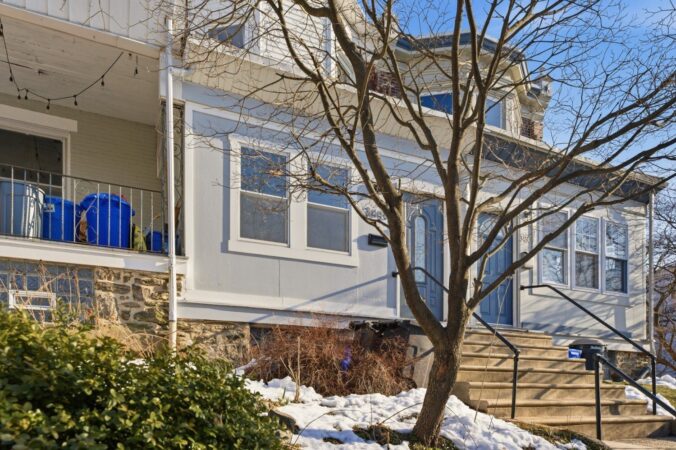
    For Sarina Sims, the four years spent in the East Falls rowhouse and the surrounding neighborhood was “like a warm hug.”

    For her wife, Phoebe Sims, leaving will be “kind of bittersweet.”

    But their well-planned stay in Philadelphia is ending as they return to their native North Jersey. They had wanted to try something different for a few years and “Philly seemed like a great option,” Phoebe said.

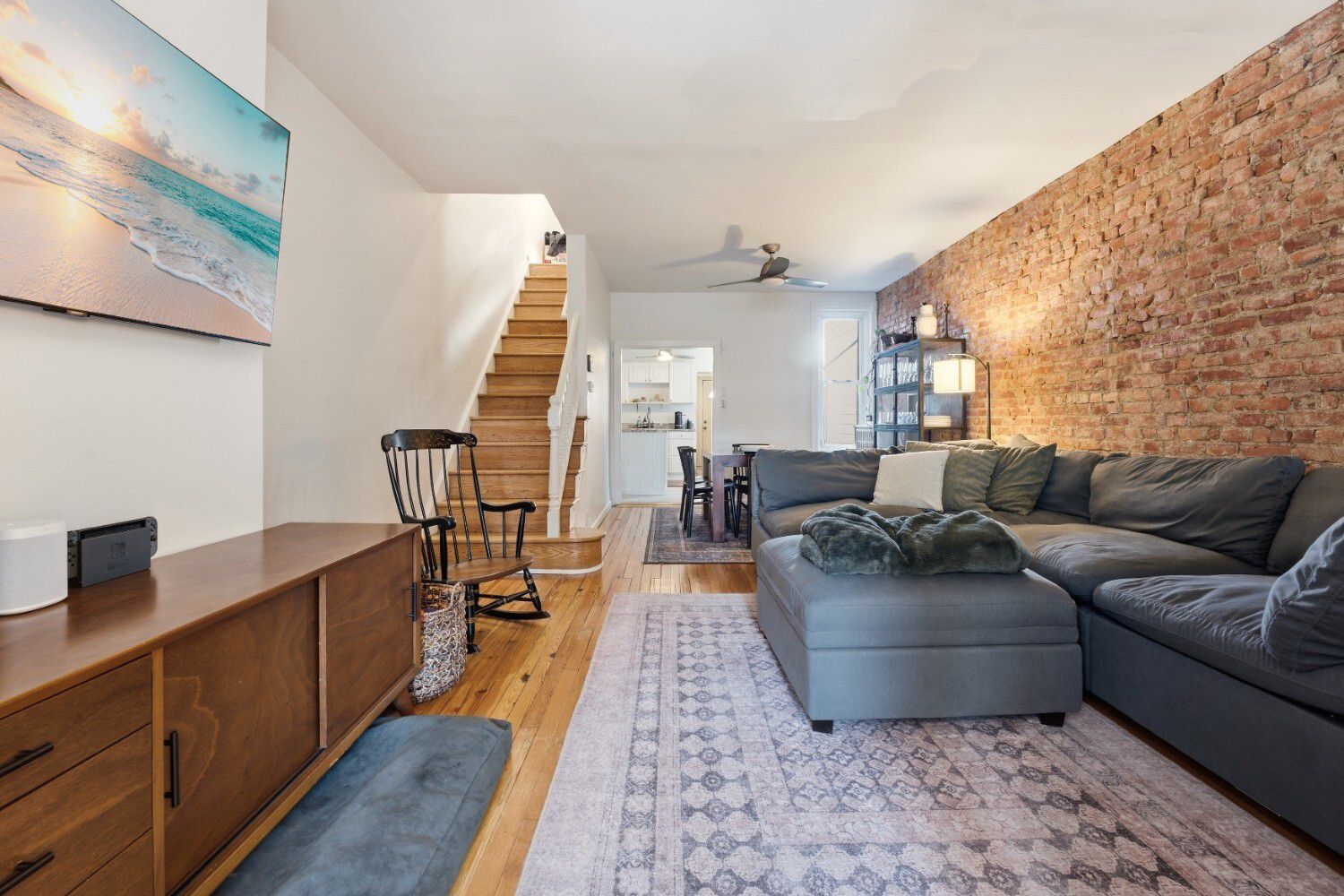
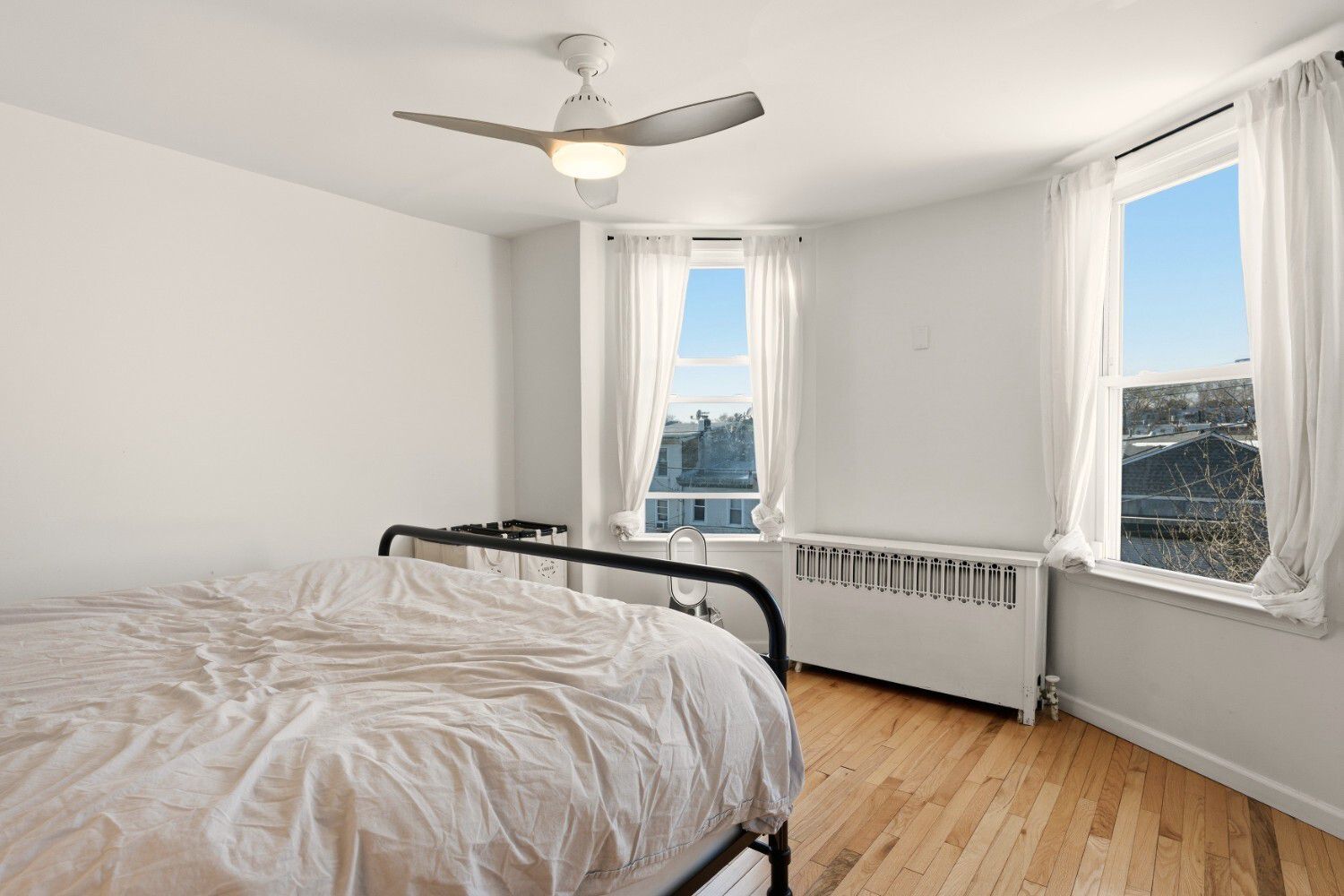
    The living room has hardwood floors and an exposed brick wall.

    Sarina is a producer of music festivals and other live events, and Phoebe is in learning and development for a restaurant chain.

    They had never heard of East Falls, but while walking in Manayunk they met a man who recommended it. Reasons included easier parking, less noise, and room for their two dogs to roam.

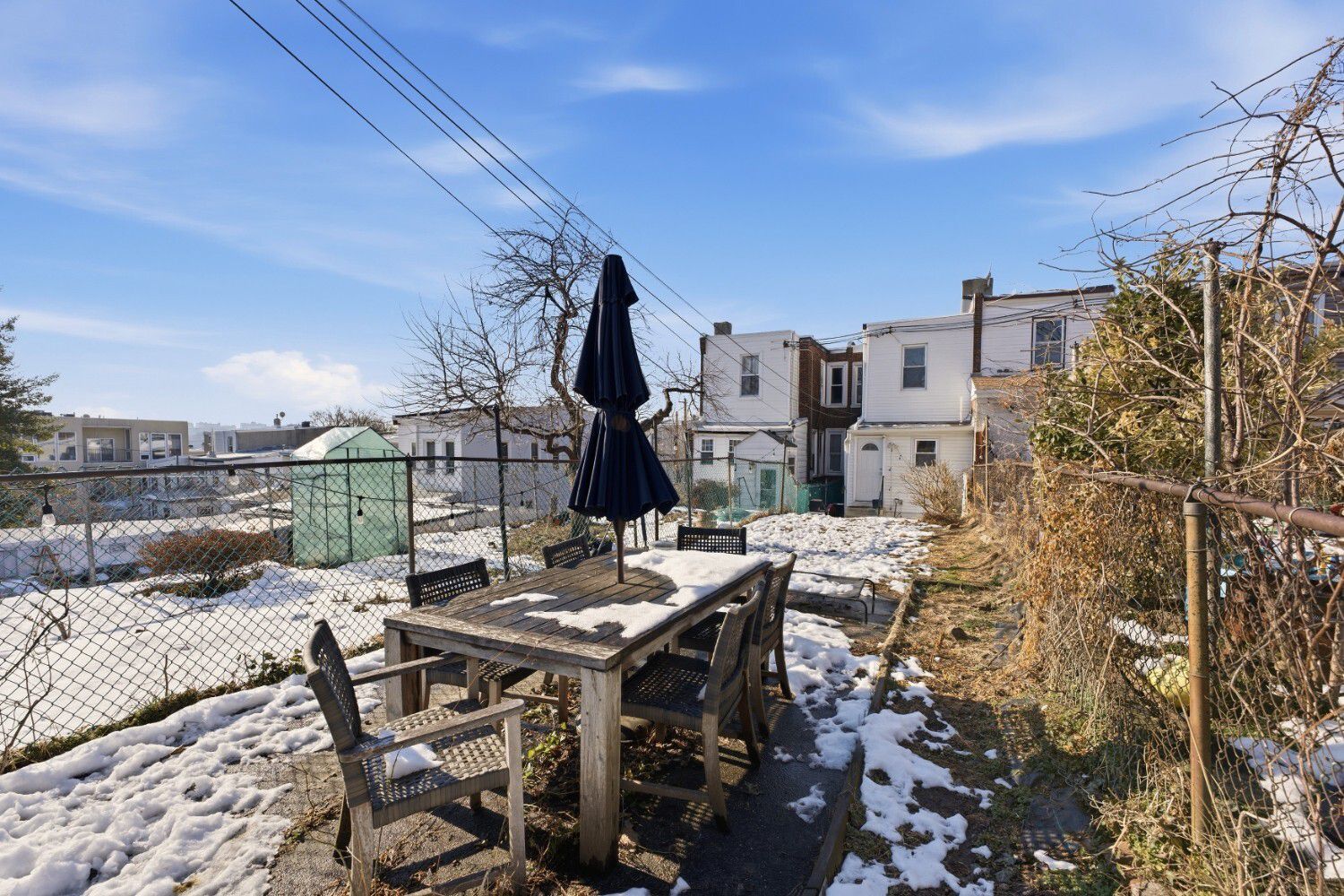
    The backyard, which has a brick patio and outdoor fireplace.

    The three bedroom, two-bathroom house, built in 1939, has 1,183 square feet of living space.

    The tiled entryway leads to the living room with hardwood floors, and an exposed brick wall. A “bonus room” connected to the living area could serve as a home office.

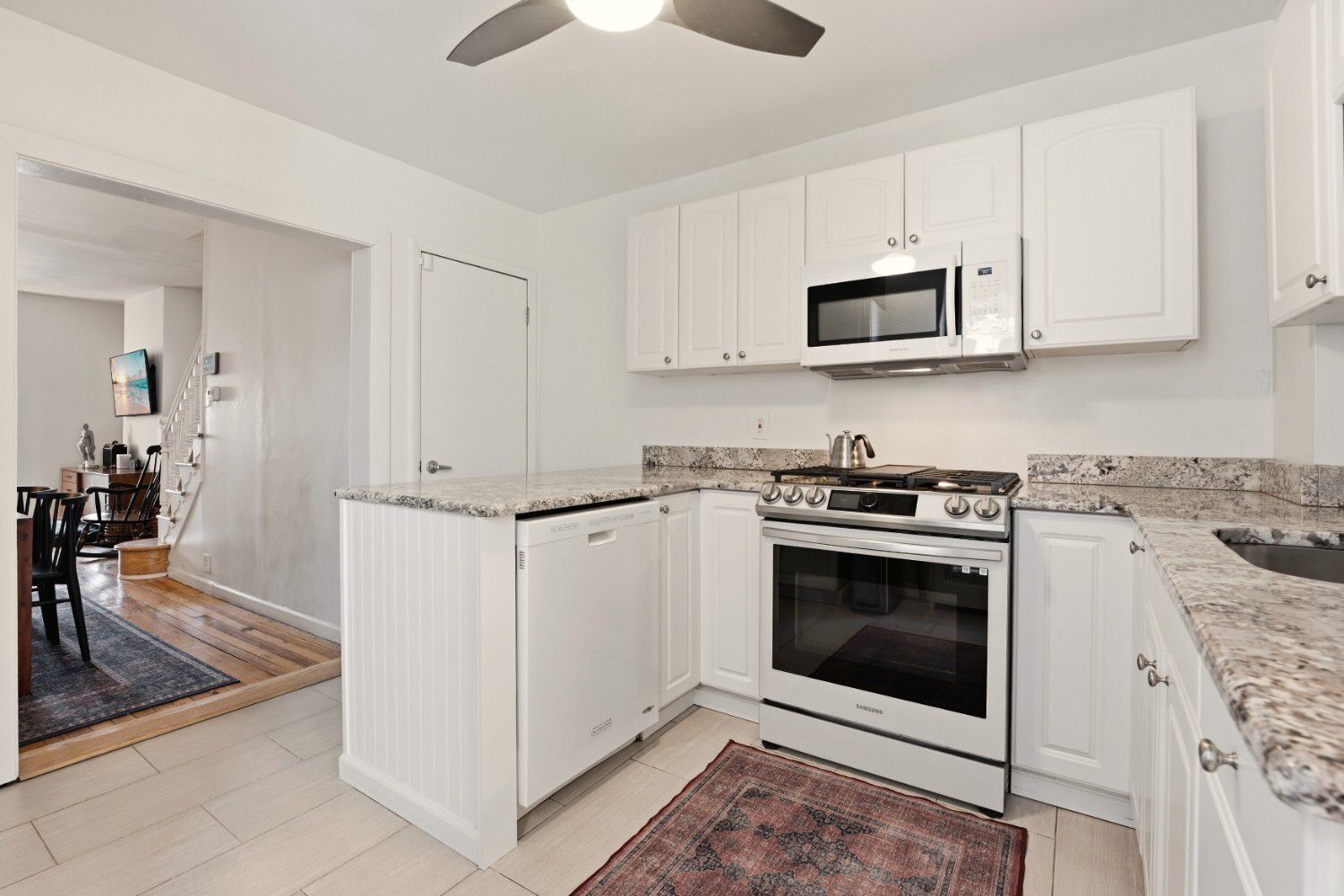
    The dining room can accommodate a large table, and the kitchen has granite counter tops, tile flooring, and updated appliances including a Samsung four-door refrigerator, a five-burner gas range, and chrome hardware.

    The kitchen has granite counter tops, tile flooring, and updated appliances.

    The bedrooms are on the second floor. The primary has bay windows and two closets.

    The backyard has a brick patio and outdoor fireplace.

    The primary bedroom has bay windows and two closets.

    The house is a short ride to Main Street Manayunk and Thomas Jefferson University. The East Falls SEPTA Regional Rail station is walkable.

    It is listed by Evan Frisina of Compass Realty for $415,000.

  • Jefferson Health Plans had big gains in Medicare Advantage during open enrollment last year

    Jefferson Health Plans had big gains in Medicare Advantage during open enrollment last year

    Jefferson Health Plans added nearly 12,000 new customers to its Medicare Advantage plans during the open enrollment period for coverage this year, the biggest annual gain ever for the insurance arm of Thomas Jefferson University.

    About half of Jefferson’s enrollment gains were in Philadelphia, Montgomery, and Bucks Counties. Still, Jefferson remained the sixth largest provider of private Medicare plans in Southeastern Pennsylvania. The Inquirer compared February 2025 with last month.

    Philadelphia-based Independence Blue Cross was leader, with one-third of the region’s 383,000 Medicare Advantage customers. National companies Aetna, UnitedHealthcare, Humana, and Cigna occupied the next four spots.

    “This was the strongest Medicare Advantage enrollment period in Jefferson Health Plans’ history,” Jefferson Health Plans president Krista Hoglund said in an email.

    “That level of growth signals a clear gap in the market for coverage that is anchored in the local community, easier to use, and closely connected with the doctors and hospitals they know and trust,” she said.

    window.addEventListener(“message”,function(a){if(void 0!==a.data[“datawrapper-height”]){var e=document.querySelectorAll(“iframe”);for(var t in a.data[“datawrapper-height”])for(var r,i=0;r=e[i];i++)if(r.contentWindow===a.source){var d=a.data[“datawrapper-height”][t]+”px”;r.style.height=d}}});

    New Jersey has been a harder market for Jefferson. Enrollment more than doubled this year, but the eight counties in South Jersey where Jefferson sells plans still account for less than 10% of its members.

    Jefferson gained about 2,400 members in Lehigh Valley counties served by Lehigh Valley Health Network, which Jefferson acquired in 2024. Jefferson’s ownership of an insurer was a key reason why Lehigh Valley chose to become part of Jefferson, health system officials said at the time.

    Jefferson’s gains in the Lehigh Valley came amid a contract dispute with United HealthCare, leading to LVHN going out of network in January for UnitedHealthcare Medicare Advantage plans. Jefferson had warned in October that the contract was expected to end.

    United said then that the timing of the warning during the Medicare Advantage open enrollment period looked like a “negotiating tactic” that could lead United customers to choose other plans.

    The two Pennsylvania counties where United had the biggest percentage declines were Lehigh and Northampton, where LVHN has substantial operations.

    The biggest gains, however, went to Capital Blue Cross, of Harrisburg.

  • Man arrested for killing one man and injuring another near Chickie’s & Pete’s last year

    Man arrested for killing one man and injuring another near Chickie’s & Pete’s last year

    A man has been arrested in connection with two shootings last year that left one person dead and another hospitalized.

    Nasir Brooks, 24, turned himself in to the Philadelphia Police Department on Tuesday for the killing of 23-year-old Hasan Mason. Brooks allegedly fatally shot Mason near Broad Street and Packer Avenue in October and shot another 23-year-old that same day in front of the Chickie’s and Pete’s nearby, police say.

    Police previously arrested Abou Keita, 22, a month after the shooting, charging him with murder, attempted murder, aggravated assault, and other offenses in relation to the Oct. 9 shooting.

    The shooting unfolded just after 6:10 p.m., when police responded to reports near Packer Avenue and Broad Street. What they found on scene was an Audi sedan filled with 15 bullet holes just south of the intersection, police said.

    Police found Mason lying on Broad Street just north of the intersection with multiple gunshot wounds. He was taken to Thomas Jefferson University Hospital, where he was pronounced dead.

    The other 23-year-old, who police have not identified, was found in front of the Chickie’s & Pete’s near the sports complex on Packer Avenue, with gunshot wounds to the torso. He was taken to Penn Presbyterian Medical Center, where he was placed in stable condition.

    Nick Vadala contributed to this article.

  • Philly’s economy is among the nation’s strongest for the first time in generations | Expert Opinion

    Philly’s economy is among the nation’s strongest for the first time in generations | Expert Opinion

    Philadelphia is a happening place. No, I’m not referring to the winning sports teams or the great restaurants. I’m talking about the economy. For the first time in generations, Philadelphia’s economy is among the nation’s strongest.

    Among the 25 largest metropolitan areas in the country with populations of more than 3 million, Philly enjoyed the strongest job growth last year. Soak that in for a second. Our hometown’s economy grew faster than those of high-flying cities such as Atlanta, Dallas, Denver, and Phoenix.

    This economic success is also evident in the major development projects underway across the region, including the redevelopment of the old oil refinery in Southwest Philly, the planned transformation of the area around the stadiums, and all the action at Penn’s Landing, in Center City, and the Science Center.

    To be transparent, Philadelphia’s economy looks good, in part, because the nation’s economy is struggling to create jobs. Since so-called Liberation Day in April, when President Donald Trump announced massive tariffs on all our trading partners, many nervous businesses stopped hiring, and job growth has come to a standstill.

    Some industries are actually suffering serious job losses, especially those on the front lines of the global trade war, including manufacturing, agriculture, transportation, and distribution. These are big industries in many parts of the South and Midwest, but not in Philadelphia.

    Federal government jobs have also been hit hard by the Trump administration’s workforce cuts, which began soon after he took office a year ago. Of course, the broader Washington, D.C., area has struggled with these job losses. These positions were also important to many communities across the country, but less so in Philadelphia.

    window.addEventListener(“message”,function(a){if(void 0!==a.data[“datawrapper-height”]){var e=document.querySelectorAll(“iframe”);for(var t in a.data[“datawrapper-height”])for(var r,i=0;r=e[i];i++)if(r.contentWindow===a.source){var d=a.data[“datawrapper-height”][t]+”px”;r.style.height=d}}});

    Eds and meds

    In fact, Philadelphia’s economy is fortunate to be powered by education and healthcare — eds and meds — the only industries consistently adding to payrolls nationwide. The largest employers in the region are world-class institutions of higher education and healthcare providers, including the University of Pennsylvania, Thomas Jefferson University, the Children’s Hospital of Philadelphia, and Temple University.

    Employers in eds and meds are especially attractive, as demand for the services they provide is fueled by the insatiable need for highly educated workers in the age of artificial intelligence, and the inexorable aging of the population. Baby boomers have aged into their 60s and 70s and will require high-quality healthcare for years to come. And since healthcare is largely delivered in person, it is less vulnerable to losing jobs to AI.

    These large institutions employ workers of all skill levels. There are highly trained physicians, nurses, and researchers, as well as middle-skilled technicians and administrators, and lesser-skilled maintenance workers. An entire economy can be built on eds and meds, and that’s Philadelphia.

    The Philadelphia region also has the good fortune of being home to successful companies across a diverse range of industries. Examples include the media giant Comcast, the financial services powerhouse Vanguard, the global software company SAP, and the technology giant Siemens.

    Cost of living

    It isn’t cheap to live and work in Philadelphia, but it is highly affordable when compared to neighboring New York and D.C. For example, the typical-priced home in Philadelphia costs about $400,000, which is almost four times the typical household income. In D.C., houses typically cost close to $600,000, or 5.5 times income, and New York house prices exceed $1 million, or 10 times income.

    I could go on, but I’m beginning to sound like a Chamber of Commerce, and Philadelphia certainly has big challenges. The nation’s universities and research centers are facing large budget cuts and heightened federal scrutiny. This is a huge shift from the financial largess from D.C. they’ve come to rely on.

    Challenges and what’s ahead

    Poverty and all the attendant social ills, like crime and drug use, are also long-standing problems in the city. Although the poverty rate has dipped a bit recently, close to one-fifth of the city’s residents live below the poverty line, a disturbing stat. Of the nation’s big cities, only Houston has a higher rate.

    The high poverty rate is the result of a complicated brew of factors, but the severe shortage of rental housing for lower- and middle-income residents is one of them. Putting up more homes is a priority for the city’s mayor, and with good reason.

    The city’s high wage tax remains a barrier to even stronger growth. It is encouraging that it has declined since peaking more than 40 years ago, but it remains prohibitively high, hindering the city’s efforts to attract workers back into its office towers. The lower-taxed suburban Pennsylvania counties are the key beneficiaries.

    It won’t be easy for Philadelphia to consistently remain among the nation’s best-performing economies. We need to support our institutions of higher education and healthcare, work to address poverty, and make it more affordable to live and work here. If we do, we have a good chance of always being in the mix. Kind of like our Eagles.
  • Jefferson Health plans to boost capacity at the Abington Hospital emergency department

    Jefferson Health plans to boost capacity at the Abington Hospital emergency department

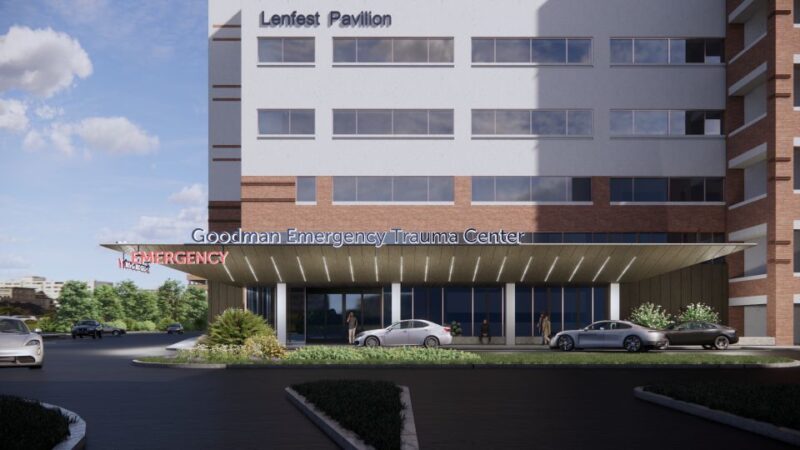
    Jefferson Health is boosting emergency department capacity at Abington Hospital to enable it to receive 100,000 visits annually, up from 80,000 now, the nonprofit health system said Tuesday.

    The department, which is also a Level II trauma center, will be named the Goodman Emergency Trauma Center in honor of an unspecified donation from Montgomery County residents Bruce and Judi Goodman. Bruce Goodman is a commercial real estate developer and a longtime Abington board member, Jefferson said.

    Jefferson, which acquired Abington in 2015, described the Goodman gift as the cornerstone of a $30 million ongoing fundraising campaign for the hospital’s emergency department.

    The project will reconfigure more than 24,000 square feet of existing clinical space and reallocate 10,000 additional square feet from a courtyard and a gift shop to the ED to expand capacity from 80 to 116 treatment spaces, Jefferson said.

    In November, Jefferson said it had closed Abington’s inpatient behavioral health unit to accommodate extra patients in its emergency department.

    Also last year, Jefferson announced $19 million in upgrades to the emergency department at Thomas Jefferson University Hospital in Center City. The system also added a 20-bed observation unit in the ED at Jefferson Einstein Philadelphia.

  • Philly-area medical schools are enrolling more women and attracting more students, according to the latest trends

    Philly-area medical schools are enrolling more women and attracting more students, according to the latest trends

    Competition at Philadelphia-area medical schools intensified in 2025, with programs seeing about 50 applicants for every open spot.

    That’s the highest demand since 2022, with the number of applications bouncing back after a three-year decline, recently released data from the Association of American Medical Colleges (AAMC) shows.

    The annual report offers a look at the composition of the nation’s future doctors through the demographics of the applicants and enrollees at M.D. degree-granting medical schools across the United States and Canada.

    It showed increased class sizes and strong female enrollment across the Philadelphia area’s five M.D. degree-granting schools: University of Pennsylvania, Thomas Jefferson University, Temple University, Drexel University, and Cooper Medical School of Rowan University.

    And the fraction of first-year medical students from Pennsylvania who identified as Black or African American, excluding the mixed-race student population, fell from 6.9% to 5.4% between 2023 and 2025.

    The racial demographics of entering students are seeing increased scrutiny in light of the 2023 Supreme Court decision that effectively ended affirmative action, barring race from being used in higher education admissions.

    The percentage of first-year medical students from Pennsylvania who are Black is lower this year than the national average. Pennsylvania also lags behind the national average for first-year enrollment of Hispanic or Latino medical students.

    This data reflects the results of the application cycle that concluded last spring. Next year’s prospective medical school students are currently in the thick of admissions season, awaiting interviews and offers.

    Here’s a look at the key trends we’re seeing:

    Applications back up

    Demand for spots at Philadelphia area-medical schools is back up after a three-year decline. There were nearly 5,000 more applications last cycle, a 9.3% increase, with all schools except Cooper seeing a boost.

    Jefferson’s Sidney Kimmel Medical College helped drive growth the most, with a 16% increase in applications compared to the previous year.

    window.addEventListener(“message”,function(a){if(void 0!==a.data[“datawrapper-height”]){var e=document.querySelectorAll(“iframe”);for(var t in a.data[“datawrapper-height”])for(var r,i=0;r=e[i];i++)if(r.contentWindow===a.source){var d=a.data[“datawrapper-height”][t]+”px”;r.style.height=d}}});

    More medical students being trained

    Orientation icebreakers might take a bit longer to get through at area-medical schools as first-year classes continue to get bigger.

    In 2025, Philadelphia-area schools enrolled 1,089 new medical students, compared to 991 in 2017. Drexel University College of Medicine contributed to half of that growth, adding 49 seats to its recent entering class compared to that of 2017.

    Penn’s Perelman School of Medicine was the only school that did not increase its class size in 2025.

    Medical schools around the country have committed to increasing class sizes to address projected shortages of doctors.

    window.addEventListener(“message”,function(a){if(void 0!==a.data[“datawrapper-height”]){var e=document.querySelectorAll(“iframe”);for(var t in a.data[“datawrapper-height”])for(var r,i=0;r=e[i];i++)if(r.contentWindow===a.source){var d=a.data[“datawrapper-height”][t]+”px”;r.style.height=d}}});

    Female enrollment remains strong

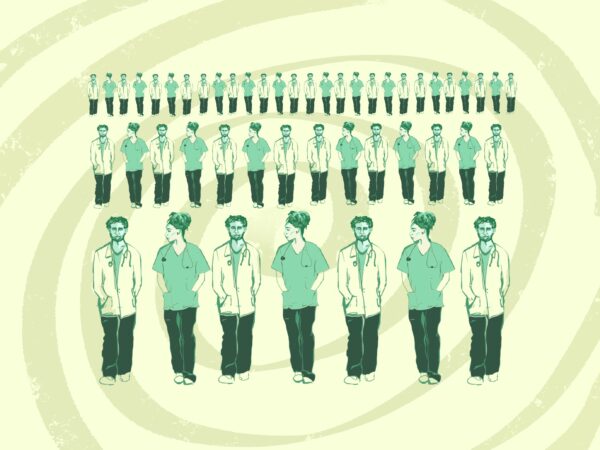
    More female students have entered Philly-area medical schools over the last decade.

    In 2025, 55.4% of first-year enrollees at Philly-area medical schools were female, compared to 47.7% in 2017.

    Drexel saw the biggest rise, with 181 women entering in 2025, compared to 120 in 2017.

    window.addEventListener(“message”,function(a){if(void 0!==a.data[“datawrapper-height”]){var e=document.querySelectorAll(“iframe”);for(var t in a.data[“datawrapper-height”])for(var r,i=0;r=e[i];i++)if(r.contentWindow===a.source){var d=a.data[“datawrapper-height”][t]+”px”;r.style.height=d}}});

  • One year of inspections at Thomas Jefferson University Hospital: November 2024 – October 2025

    One year of inspections at Thomas Jefferson University Hospital: November 2024 – October 2025

    Thomas Jefferson University Hospital was cited by the Pennsylvania Department of Health in the last year for failing to keep a patient from setting fire in their hospital bed, turning away a person who came to the emergency department, and neglecting to monitor a patient’s vital signs.

    The incidents were among nearly three dozen times health department inspectors visited Jefferson Health’s flagship hospital in Center City to investigate potential safety violations between November 2024 and October 2025.

    Here’s a look at the publicly available details:

    • Dec. 3, 2024: Inspectors visited for a monitoring survey and found the hospital was in compliance.
    • Dec. 3: Inspectors followed up on a citation from August 2024 and found the hospital was in compliance. The hospital had been cited for failing to properly document details from cardiac monitoring for a patient with septic shock.
    • Jan. 24, 2025: The hospital was cited with immediate jeopardy, one of the state’s most serious warnings and a sign of potentially life-threatening safety problems, after a patient suffered first- and second-degree burns in their room. Inspectors found that the patient had attempted to light a cigarette while receiving treatment that involved supplemental oxygen, which can cause materials near it to catch fire. Inspectors found that Jefferson staff had failed to check the patient for smoking paraphernalia and educate them about no-smoking rules, as required by hospital protocol. The hospital posted more “No Smoking” signs, retrained staff, and updated its policies requiring smoking screening for all patients.
    • Jan. 30: Inspectors came to investigate a complaint but found the hospital was in compliance. Complaint details are not made public when inspectors determine it was unfounded.
    • Feb. 3: Inspectors came to investigate a complaint but found the hospital was in compliance.
    • Feb. 6: Inspectors came to investigate a complaint but found the hospital was in compliance.
    • Feb. 11: Inspectors came to investigate four complaints but found the hospital was in compliance.
    • Feb. 11: The Joint Commission, a nonprofit hospital accreditation agency, renewed the hospital’s accreditation, effective November 2024, for 36 months.
    • Feb. 12: Inspectors came to investigate a complaint but found the hospital was in compliance.
    • Feb. 14: Inspectors came to investigate two complaints but found the hospital was in compliance.
    • March 11: The hospital was cited for violating rules that require emergency departments to evaluate all patients who arrive seeking care. Inspectors found that a person walked into the emergency department saying they needed to use the restroom, and was asked to leave because the hospital does not have a public restroom. The patient said they were having an emergency and planned to check into the emergency department, but were still told to leave. Inspectors found that the dismissal violated Jefferson’s emergency department policies designed to comply with the federal Emergency Medical Treatment and Labor Act (EMTALA) — anti-patient dumping laws that require hospitals to evaluate and stabilize any patient who seeks emergency treatment. Administrators retrained staff on EMTALA protocol and updated their system for recording security incidents to better document when a provider is called by security to assess a patient who has a non-medical request, such as needing to use the restroom.
    • April 15: Inspectors followed up on the immediate jeopardy citation from January and found the hospital was in compliance.
    • April 29: Inspectors came to investigate a complaint but found the hospital was in compliance.
    • May 5: The hospital was cited for failing to follow protocol designed to prevent patient falls. In December 2024, an 80-year-old patient with impaired vision was admitted to the emergency department and given a drug known to cause patients to need to urinate more often. Inspectors found that the patient was initially evaluated to have a low risk of falling, but was not re-evaluated after being prescribed the medication that could increase how often they needed to get up to use the bathroom and their risk of falling. In response to the complaint, which was reported in December 2024 and finalized in May 2025, hospital administrators retrained staff on fall risk protocols and said they would monitor patient charts.
    • May 28: Inspectors came to investigate a complaint but found the hospital was in compliance.
    • May 30: Inspectors came to investigate a complaint but found the hospital was in compliance.
    • Aug. 14: Inspectors came to investigate a complaint but found the hospital was in compliance.
    • Aug. 19: Inspectors came to investigate a complaint but found the hospital was in compliance.
    • Aug. 19: The hospital was cited for failing to properly monitor a patient’s vital signs. Inspectors found that a provider had ordered continuous pulse oximeter monitoring for a patient, and instructions to report when the blood oxygen levels dropped below 90%. A staff member assigned to the patient could not find a pulse oximeter machine for the patient and told inspectors that they reported the issue to another provider, “but she never got back to me.” Hospital administrators acquired more pulse oximeters, retrained staff on medical supplies protocol, and said they would monitor patient hand-offs between nursing shifts.
    • Oct. 3: Inspectors came to investigate a complaint but found the hospital was in compliance.
  • Dilys E. Blum, senior curator emeritus at the Philadelphia Art Museum, has died at 78

    Dilys E. Blum, senior curator emeritus at the Philadelphia Art Museum, has died at 78

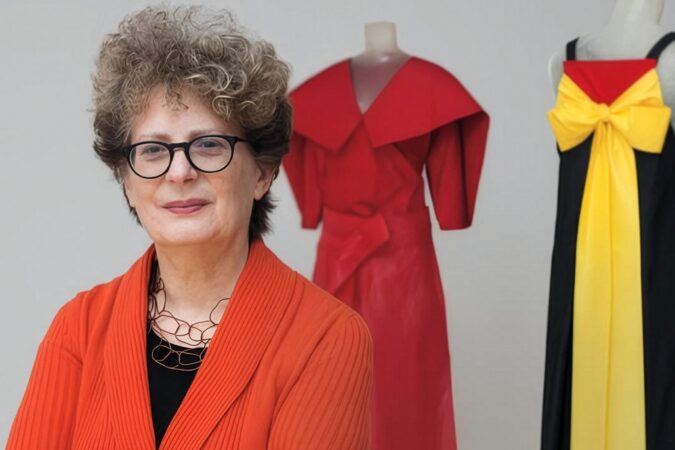
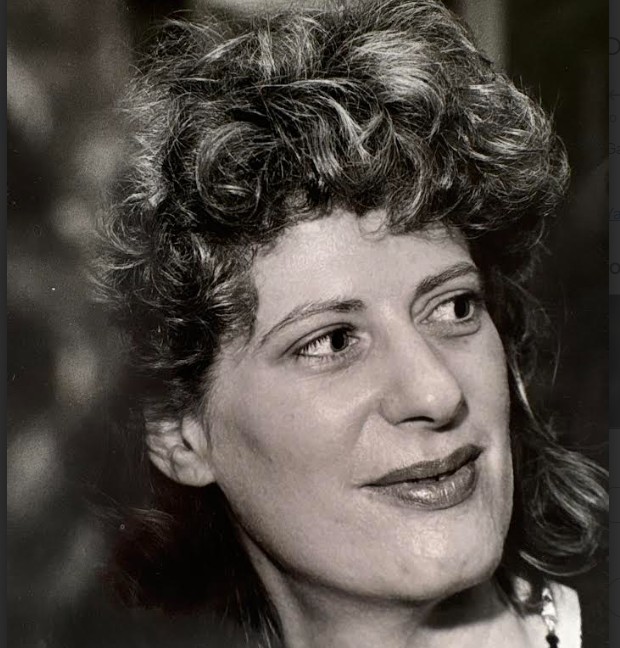
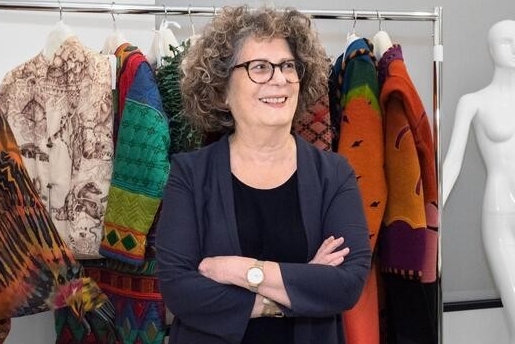
    Dilys E. Blum, 78, of Philadelphia, senior curator emeritus of costume and textiles at the Philadelphia Art Museum, author, lecturer, mentor, and world traveler, died Saturday, Dec. 27, of complications from cancer at Thomas Jefferson University Hospital.

    For 38 years, from 1987 to her retirement in 2025, Ms. Blum served as the museum’s curator of costume and textiles. In that role, she organized the museum’s vast treasure trove of textile artifacts, traveled the world to research noted fashion designers and eclectic collections, and created more than 40 memorable exhibitions about Renaissance velvets, contemporary fashion, Asian textiles, carpets, African American quilts, and dozens of other curios.

    Among her most popular presentations were 1997’s “Best Dressed: 250 Years of Style,” 2011’s “Roberto Capucci: Art into Fashion,” and 2025’s “Boom: Art and Design in the 1940s.” She organized two displays simultaneously in 2007, and The Inquirer said: “One exhibit is elegant, one’s eccentric, both are impressive.”

    She was cited as the world’s foremost authority on avant-garde Italian fashion designer Elsa Schiaparelli, and her 2003 exhibition “Shocking! The Art and Fashion of Elsa Schiaparelli” drew 83,000 visitors. Francesco Pastore, the heritage and cultural projects manager at the House of Schiaparelli in Paris, said: “Her remarkable research, her generosity in sharing knowledge, and her contribution to fashion studies have deeply enriched our field.”

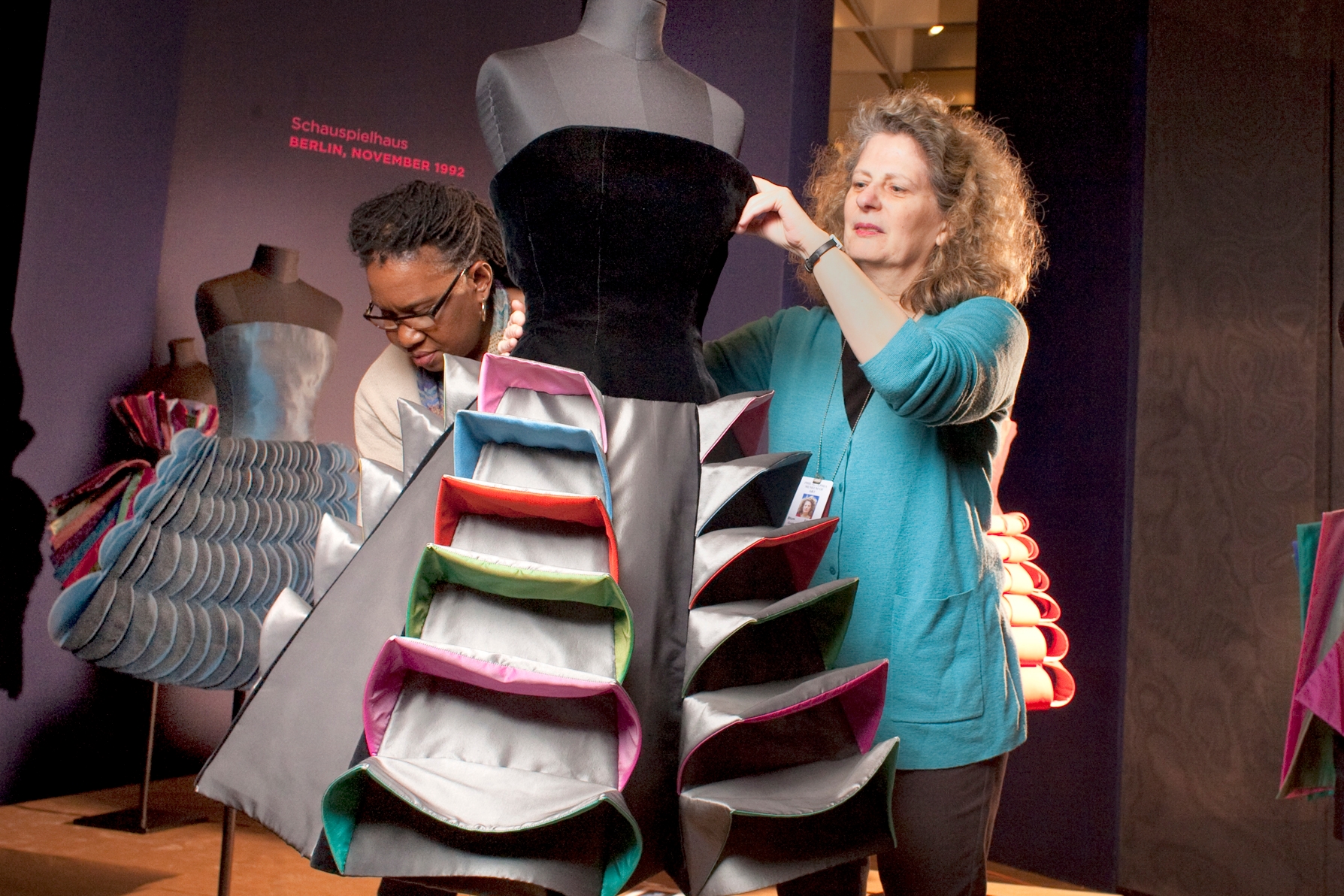
    Ms. Blum (right) and colleague Monica Brown tend to a museum exhibit in 2011.

    In a recent tribute, former museum colleagues marveled at her “technical expertise and cultural insight,” and credited her for reinvigorating the once-neglected textiles collection. Daniel Weiss, director and chief executive officer of the museum, said: “She transformed this museum’s costume and textiles department into a program respected around the world.”

    She told The Inquirer in 1990: “We wanted to remind them that we were here.”

    Before Philadelphia, Ms. Blum was a textile conservator at the Chicago Conservation Center and the Brooklyn Museum, and senior assistant keeper of the costume and textile department at the Museum of London. She earned a bachelor’s degree in art history at Connecticut College and studied afterward at the University of Manchester in England and the Courtauld Institute of Art at the University of London.

    “She was fearless in her pursuit of perfection in her work,” said her sister Galen. Her sister Sydney said: “She was dedicated to her craft and scholarship.”

    Ms. Blum (left) was close to her sisters Sydney (center) and Galen.

    An avid reader and writer, Ms. Blum wrote and cowrote several books about textiles and designers, and 2021’s Patrick Kelly: Runway of Love, coauthored with former colleague Laura L. Camerlengo, earned a 2023 honorable mention publication award from the Costume Society of America. She also wrote essays for exhibition catalogs, served on editorial boards for journals, lectured around the world, and was active with the International Council of Museums, the Association of Art Museum Curators, and other groups.

    In 2025, to celebrate Ms. Blum’s retirement, Camerlengo praised her “deep knowledge, creative vision, and contagious passion for the field.” She said: “Dilys is one of the most influential figures in the world of fashion and textile arts.”

    Ms. Blum’s work and fashion viewpoints were featured often in The Inquirer. In 1997, she said: “People don’t dress up anymore.” In 1999, she said: “I think we’ve lost the joy in dressing. There’s this trend away from clutter in dress and decorating. It’s pared down to the point of visual boredom.”

    In 2001, she said it was easy to differentiate between New Yorkers and Philadelphians. “New Yorkers,” she said, “will invariably be wearing the accessory of the moment, a pashmina shawl, a Kate Spade bag, a Prada loafer.”

    Ms. Blum left “an enduring legacy woven through the art museum and the generations of scholars and visitors who now see costumes and textiles as central to the story of art,” former museum colleagues said.

    Dilys Ellen Blum was born July 11, 1947, in Ames, Iowa. She and her parents moved to Hamilton, N.Y., when she was 1, and the family traveled with her father, an economics professor at Colgate University, on teaching sabbaticals abroad. When she was 12, Ms. Blum spent a year with her parents and sisters living in Norway and touring Europe in a Volkswagen Beetle.

    Her mother was an artist and seamstress, and she and Ms. Blum spent many nights poring over clothes patterns on their dining room table. She enjoyed reading murder mysteries and traveling the world in search of new museum-worthy artifacts.

    She lived in South Philadelphia, was diagnosed with cancer three years ago, and talked often with her sisters on the telephone. “I admired her seriousness and humility,” Sydney said. Galen said: “From my perspective, I was in awe of her.”

    In addition to her sisters, Ms. Blum is survived by a niece, Juniper, and other relatives.

    A memorial service is to be held later.

    Former museum colleagues said Ms. Blum’s writing “consistently amplified the makers and wearers of extraordinary objects, and their intertwined relationships.”